
Premium Coach Jacket Manufacturer for Streetwear Brands Worldwide
Partner with an experienced coach jacket manufacturer offering 50-piece MOQ, rapid sampling, and a proprietary 5-step QC guarantee. Serving 100+ countries with proven streetwear expertise.
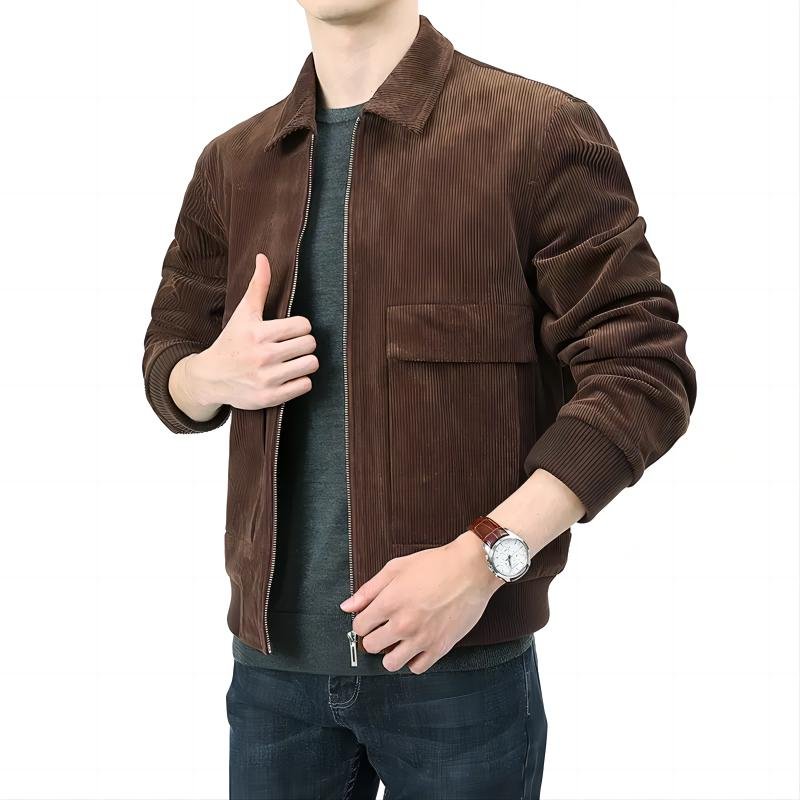
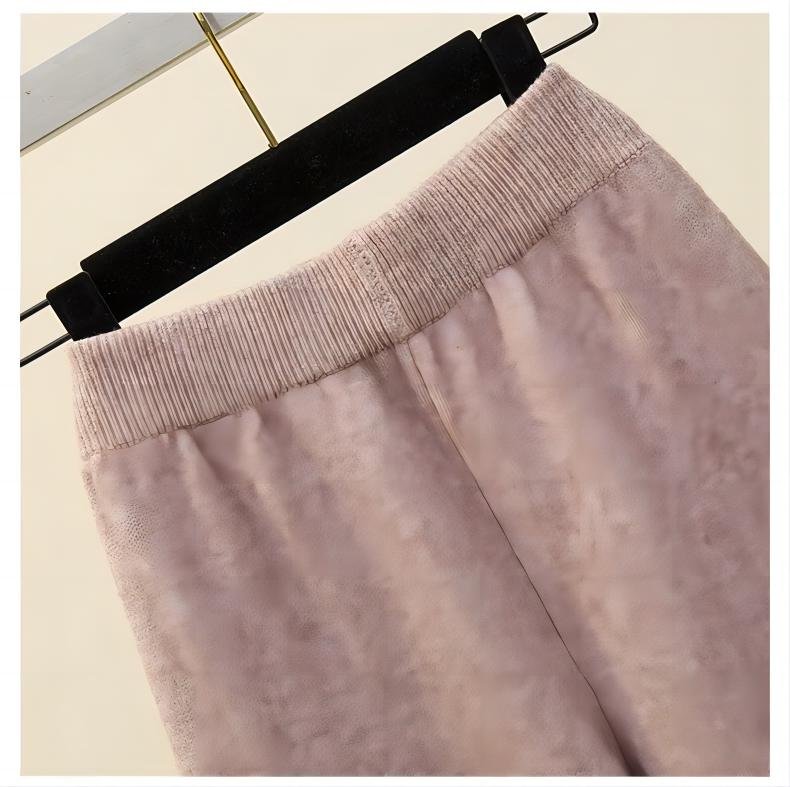
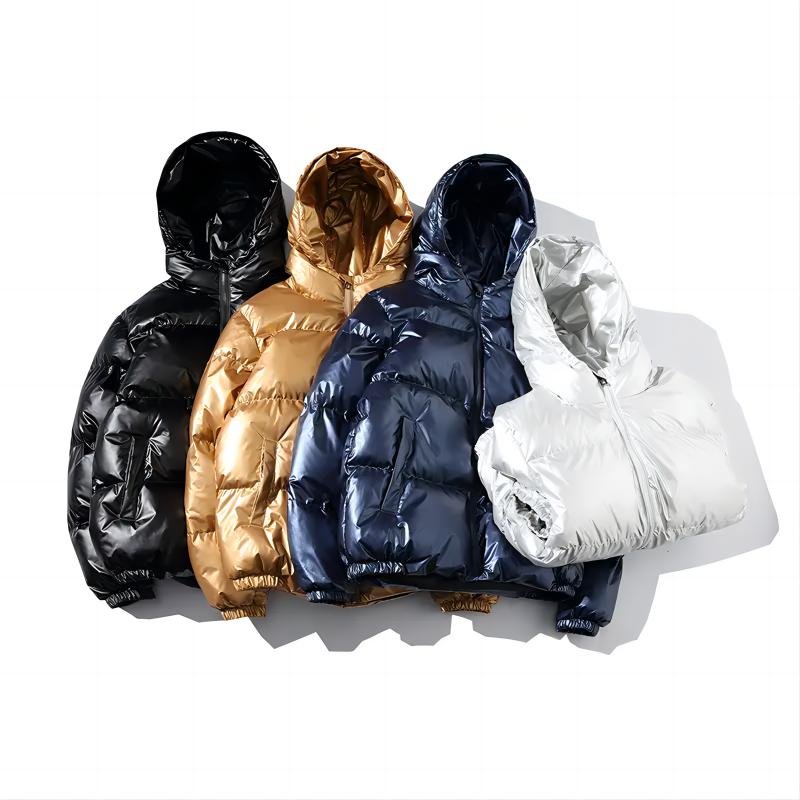
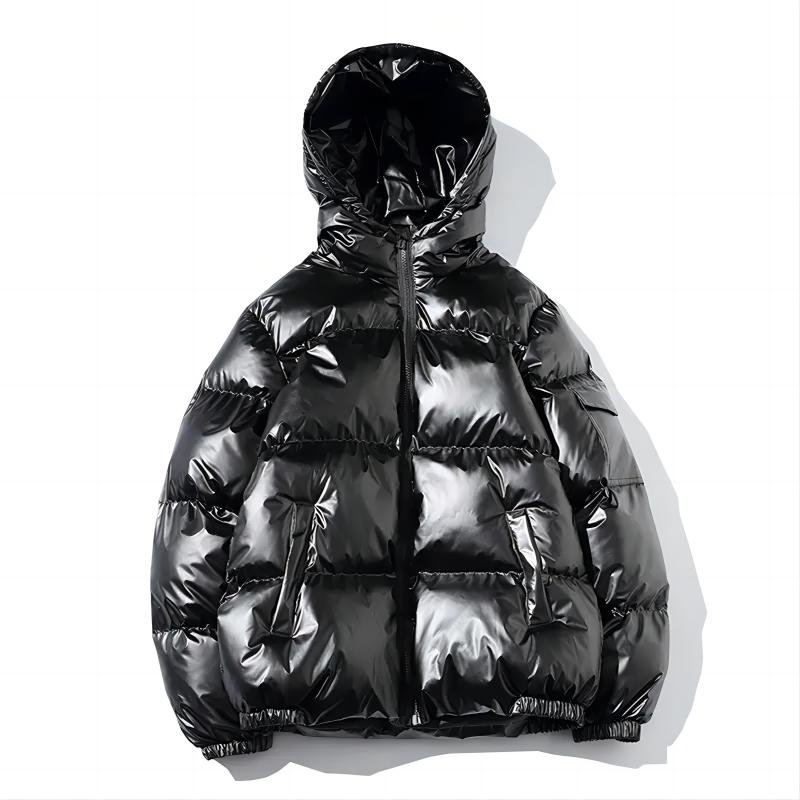
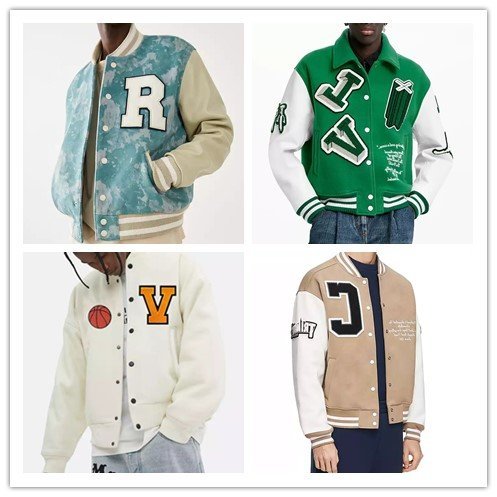
Coach Jacket Designs & Samples
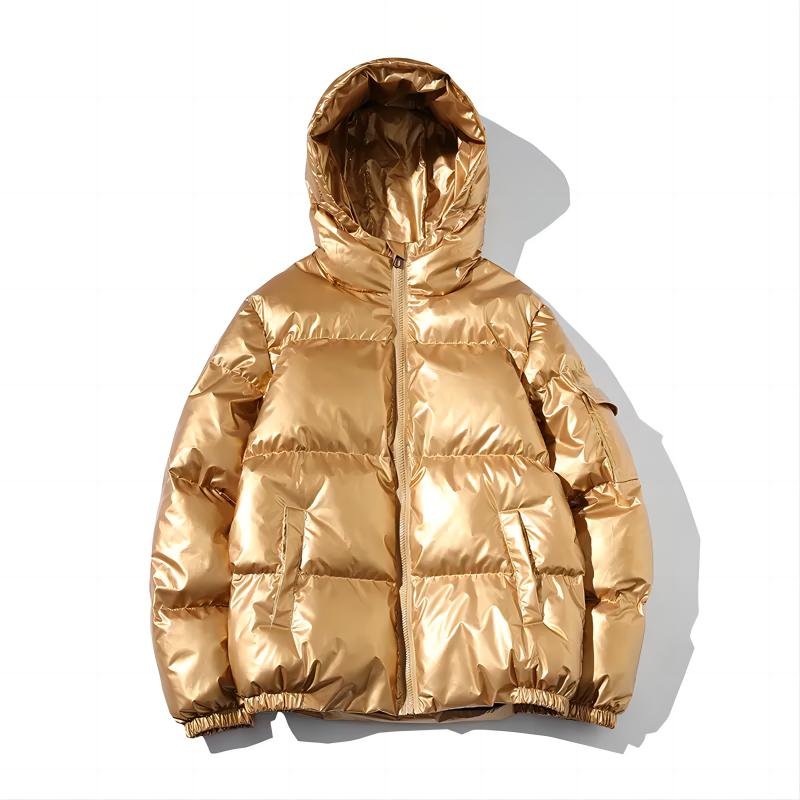
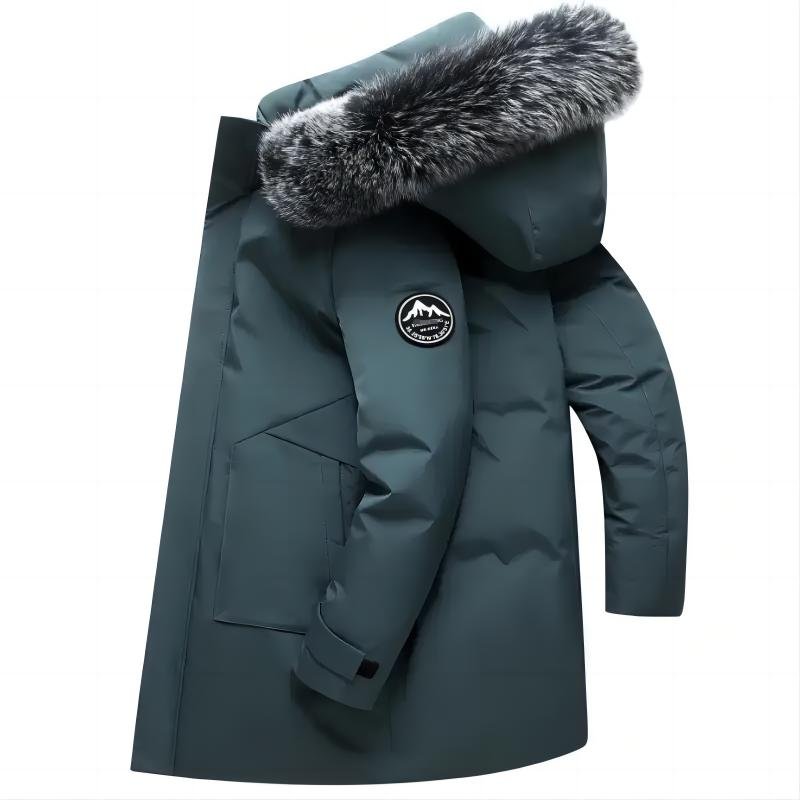
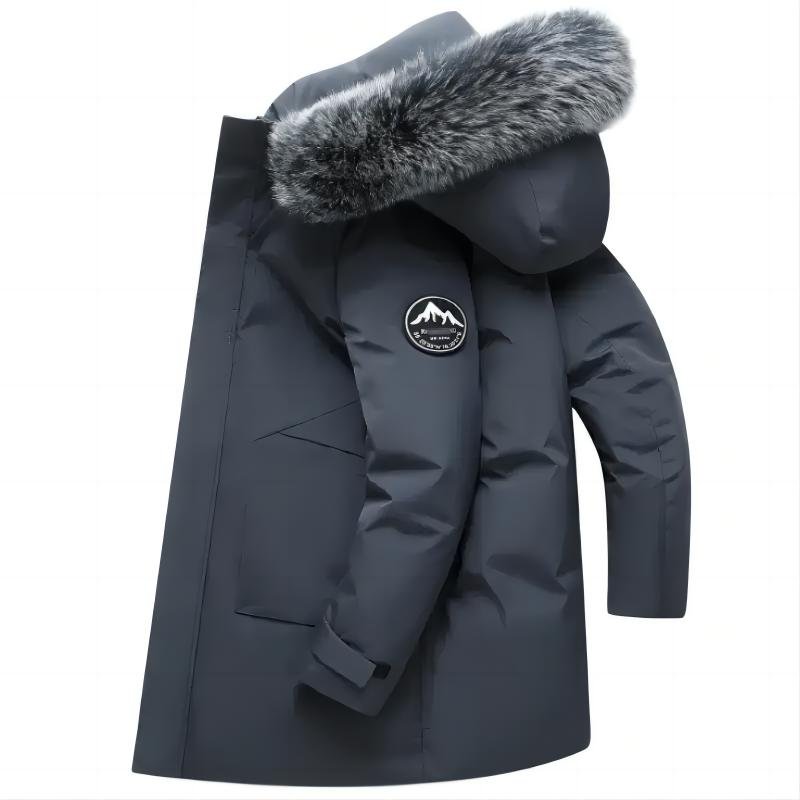
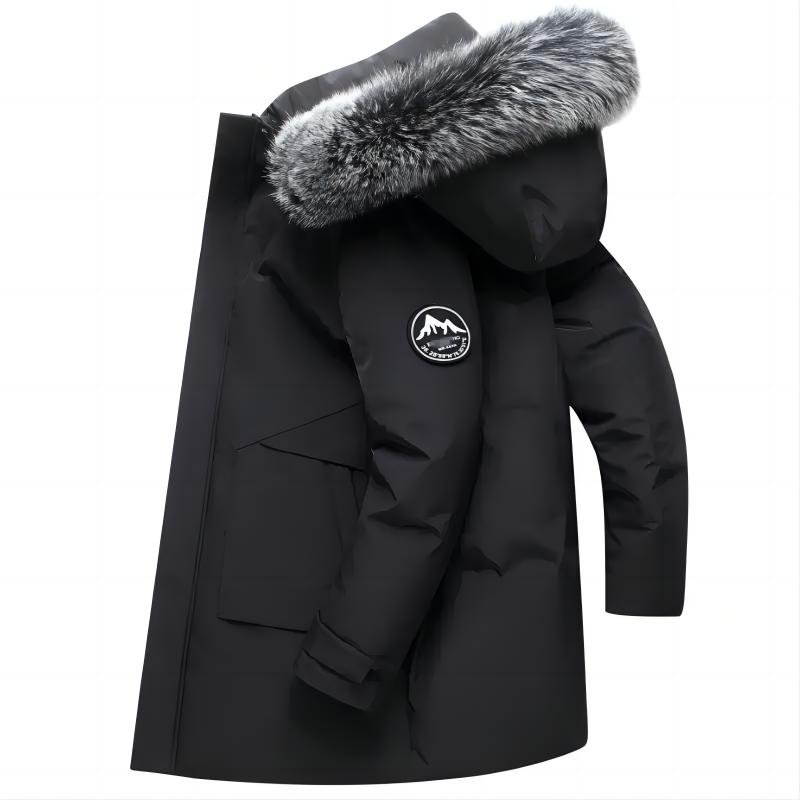
Why Choose Our Coach Jacket Manufacturer
5-Step Quality Control Guarantee
Every coach jacket undergoes rigorous testing at materials, cutting, craft, sewing, and finished product stages to eliminate defects.
50-Piece Minimum Order Quantity
Launch your streetwear brand or test new designs without massive inventory risk. Perfect for startups and independent designers.
7-Day Sample Turnaround
Fast-track your seasonal collections with rapid sampling. Review fit, fabric, and finishing before committing to full production runs.
In-House Streetwear Design Team
15-member R&D team with deep expertise in coach jacket trends, pattern development, and custom branding for influencer lines.
10+ Years Production Experience
Proven track record manufacturing coach jackets for global brands, with specialized knowledge of streetwear construction and finishing techniques.
Global Shipping & Logistics
Seamless international delivery to over 100 countries with customs support, tracking, and reliable freight partnerships for your coach jackets.
Coach Jacket Production & Customization Capabilities
From classic nylon shells to fully customized embroidered designs, we manufacture coach jackets that meet streetwear standards with our 5-step QC guarantee.
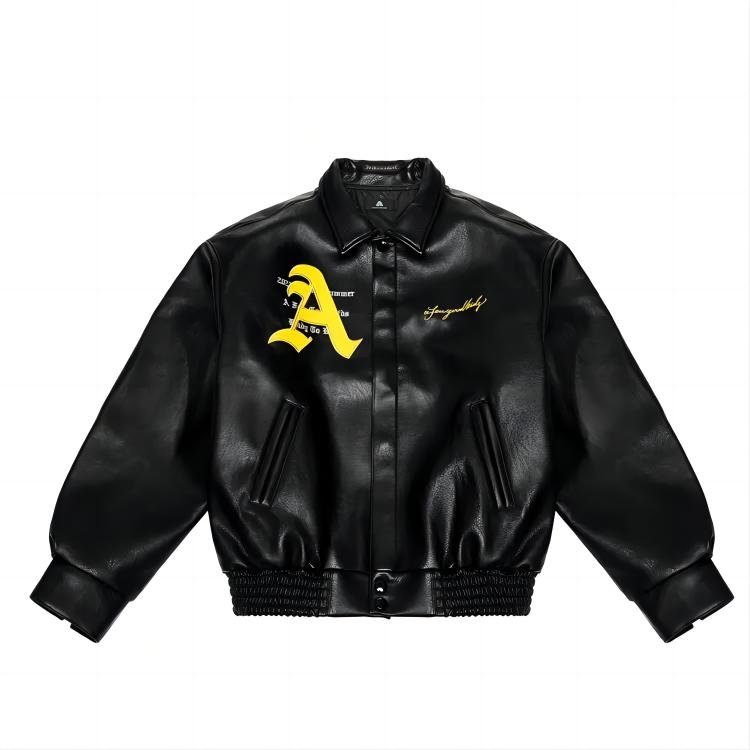
Nylon Coach Jacket Manufacturer
We produce classic and contemporary nylon coach jackets using premium water-resistant fabrics, snap closures, and reinforced stitching. Our manufacturing process includes materials QC testing and cutting precision checks to ensure durability and consistent fit across every piece, from lightweight spring layers to heavier seasonal shells.
Get a Quote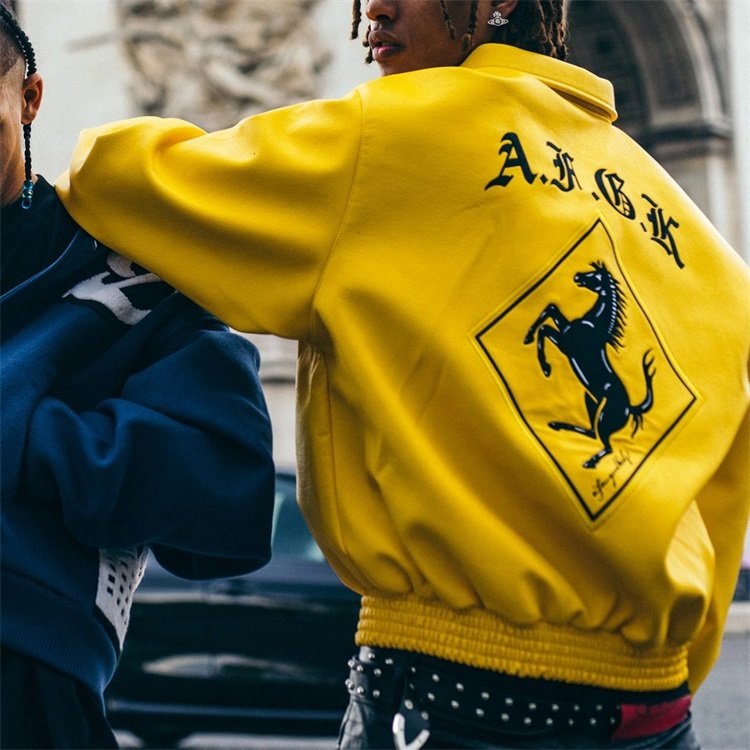
Custom Coach Jackets
Our in-house design and sampling team works with brands to develop fully custom coach jackets tailored to your vision. We handle logo placement, colorway development, fabric selection, and fit adjustments with low MOQs for startups. Every custom order undergoes our complete 5-step quality control process before shipment.
Get a Quote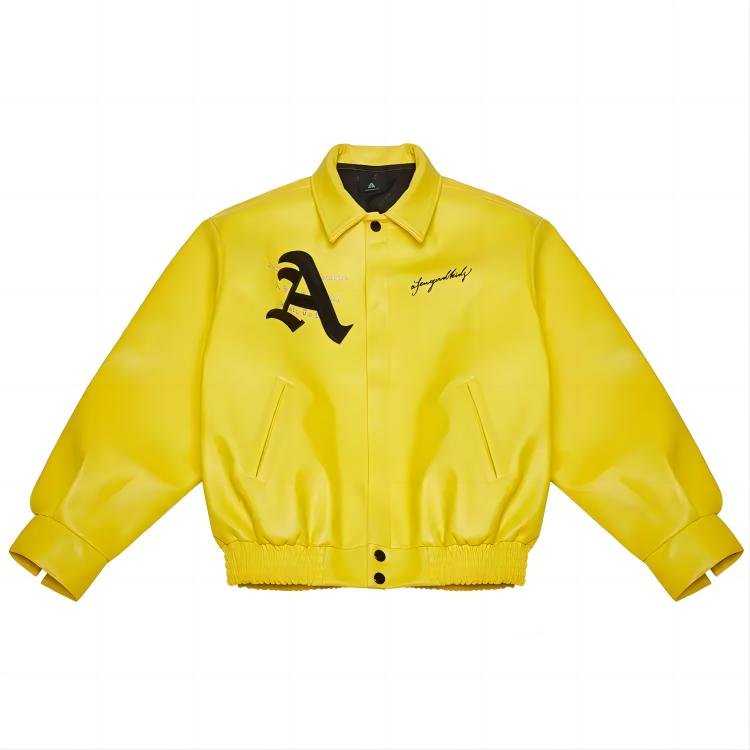
Embroidered Coach Jacket Manufacturer
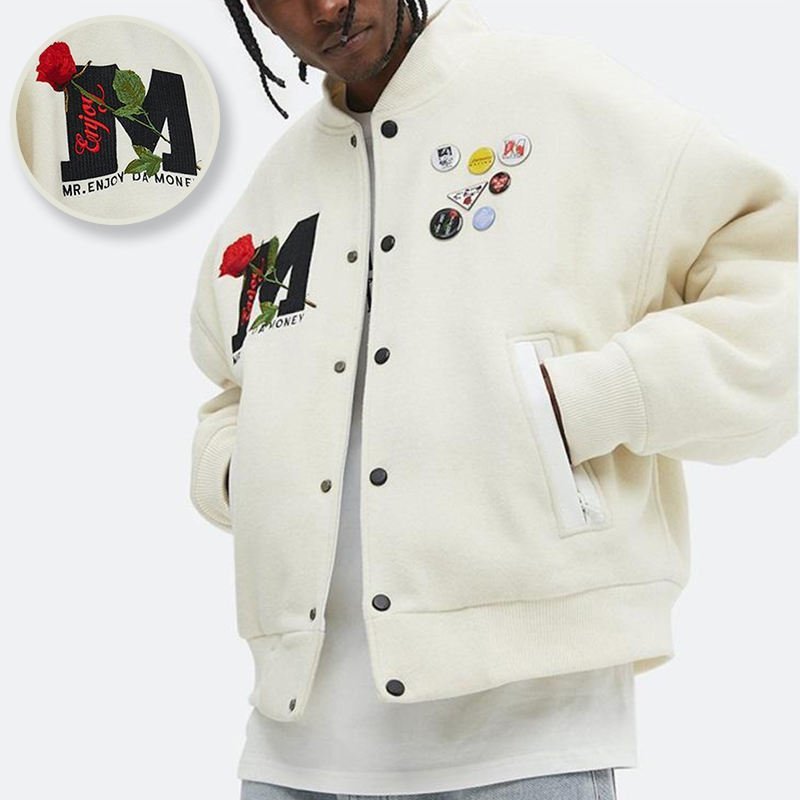
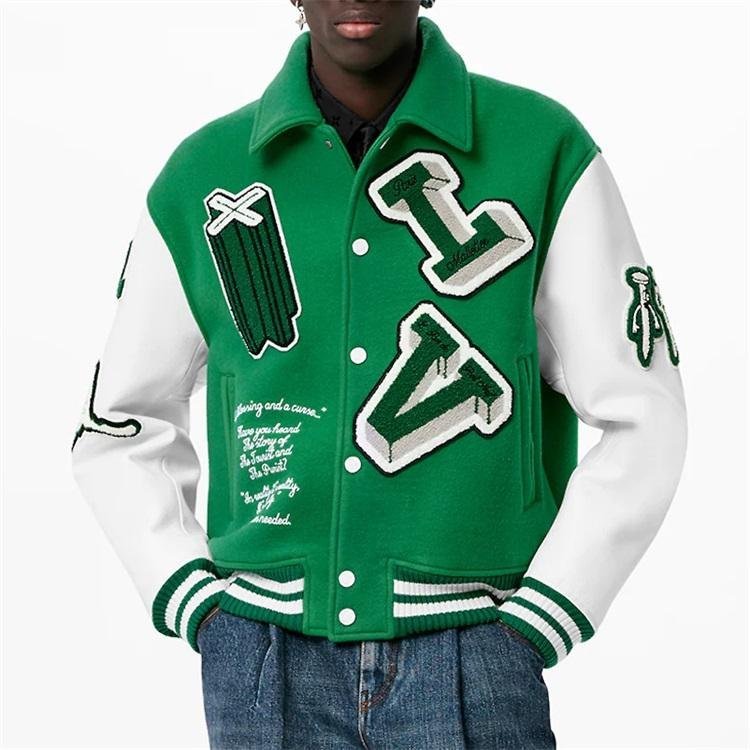
We specialize in embroidered coach jackets featuring complex logo work, chest patches, back graphics, and sleeve details. Our embroidery capabilities include chain stitch, puff embroidery, and appliqué techniques. Each embroidered element is inspected during our clothing craft QC testing phase to verify thread tension, placement accuracy, and finish quality.
Get a Quote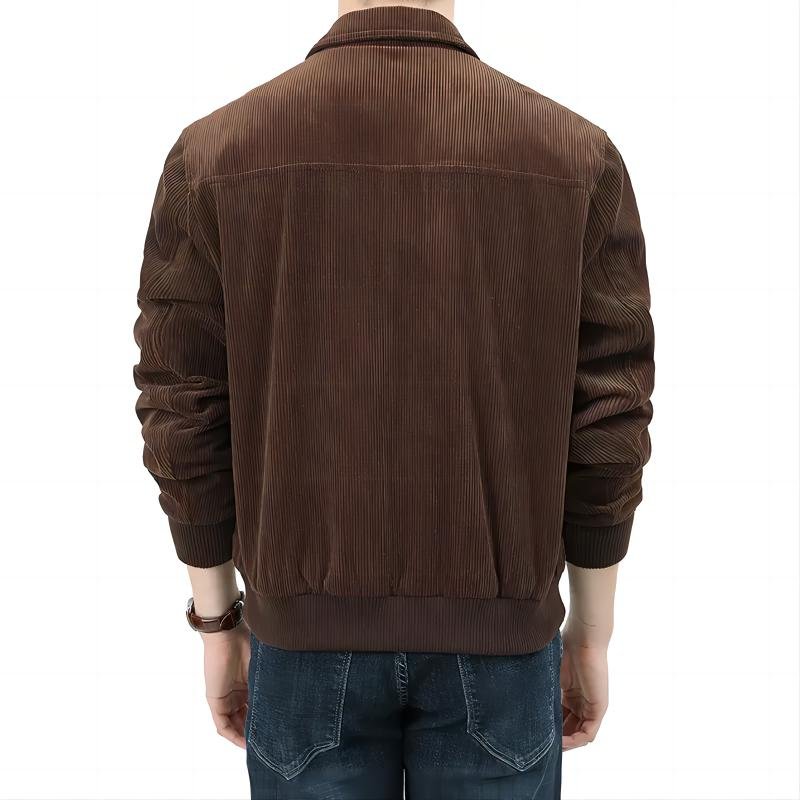
Wholesale Coach Jackets
We offer wholesale coach jacket production for retailers and brands requiring scalable order volumes with consistent quality. Our manufacturing infrastructure supports fast turnaround for seasonal collections, repeat orders, and multi-colorway runs. Global shipping and logistics support included, with finished clothing quality inspection completed on every wholesale batch.
Get a QuotePremium Fabrics From Your Trusted Coach Jacket Manufacturer
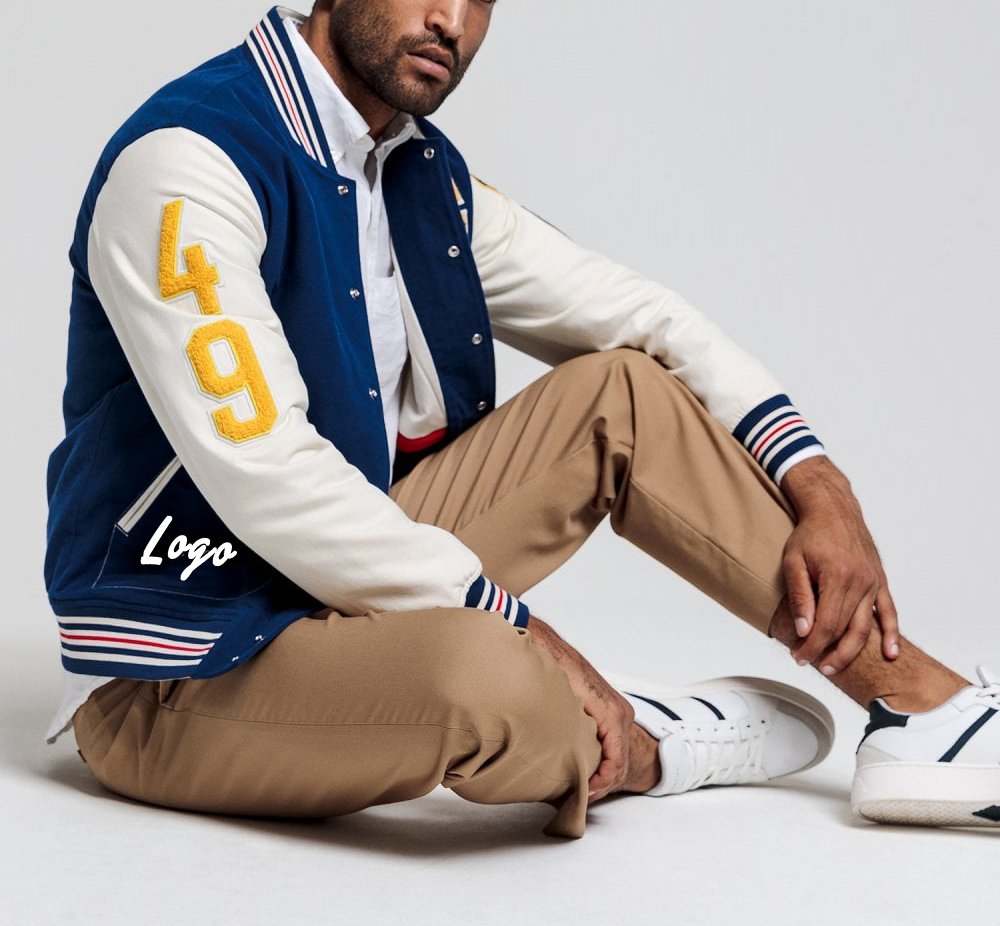
Polyester Twill
Medium-weight woven fabric with a subtle diagonal texture and superior wrinkle resistance. Perfect for structured coach jackets with a refined finish. Weight: 180–220 GSM; balances breathability with a premium, professional appearance.
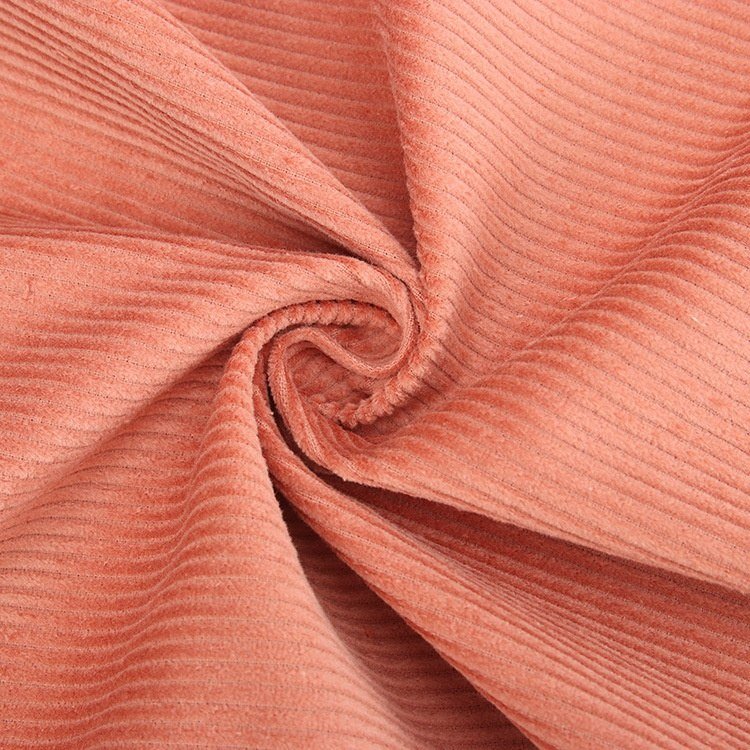
Cotton-Poly Blend
Soft, breathable blend combining cotton comfort with polyester’s shape retention and quick-dry properties. Versatile choice for year-round coach jackets. Weight: 200–240 GSM; excellent for printing and embroidery applications on streetwear designs.
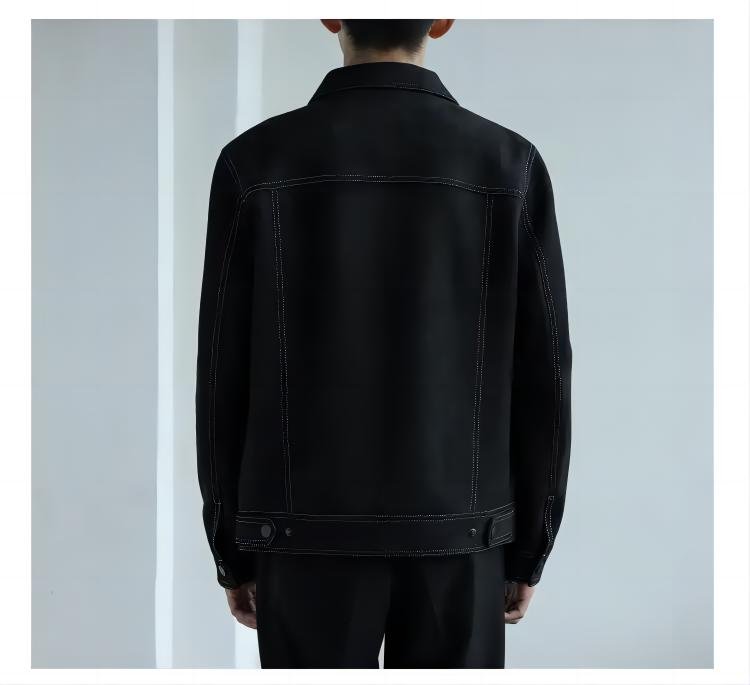
Ripstop Nylon
Reinforced grid-pattern weave engineered to resist tears and abrasion while maintaining lightweight flexibility. Ideal for performance-focused coach jackets. Weight: 60–90 GSM; delivers exceptional strength-to-weight ratio and modern technical aesthetic.
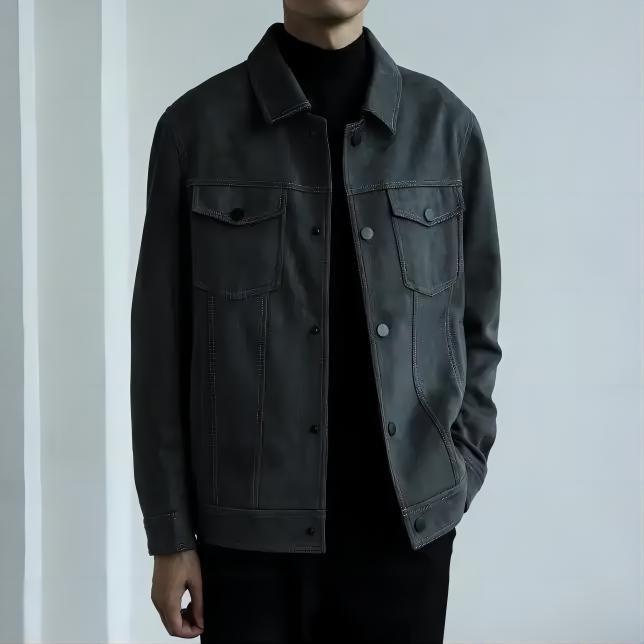
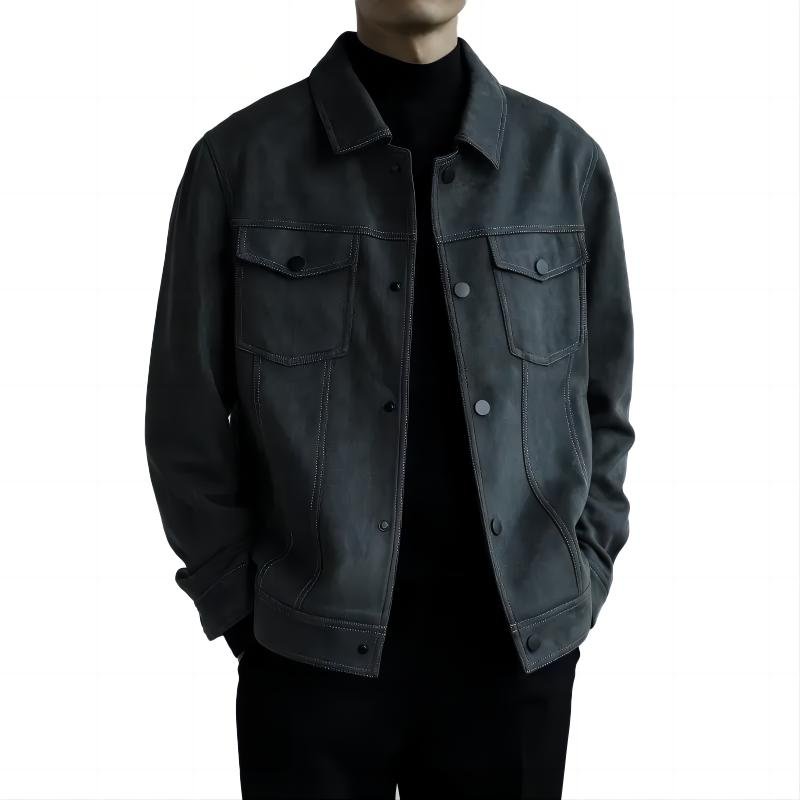
Peach-Skin Polyester
Brushed microfiber finish with a luxurious, suede-like texture and subtle sheen. Elevates coach jackets with premium hand-feel and drape. Weight: 100–130 GSM; water-repellent treatment available; popular for high-end streetwear collections.
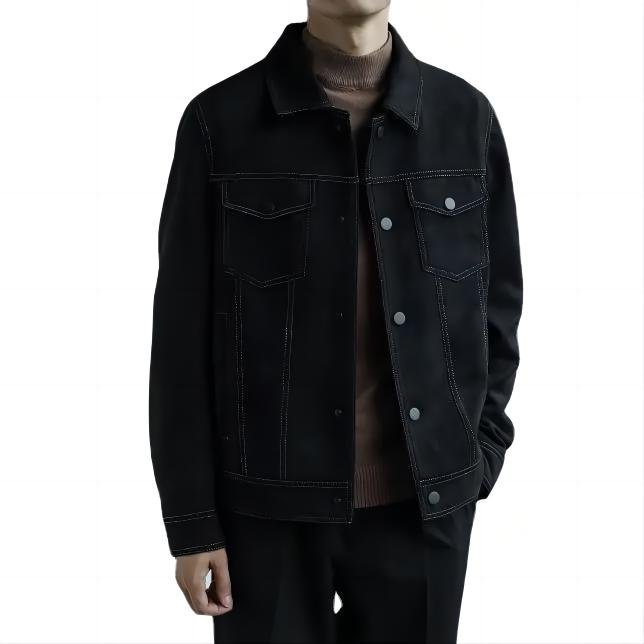
Technical Mesh Lining
Breathable polyester mesh engineered for moisture management and airflow in jacket linings. Enhances comfort without adding bulk. Weight: 80–110 GSM; quick-drying and anti-microbial options available for activewear-inspired coach jacket styles.
Advanced Production Processes from Your Coach Jacket Manufacturer
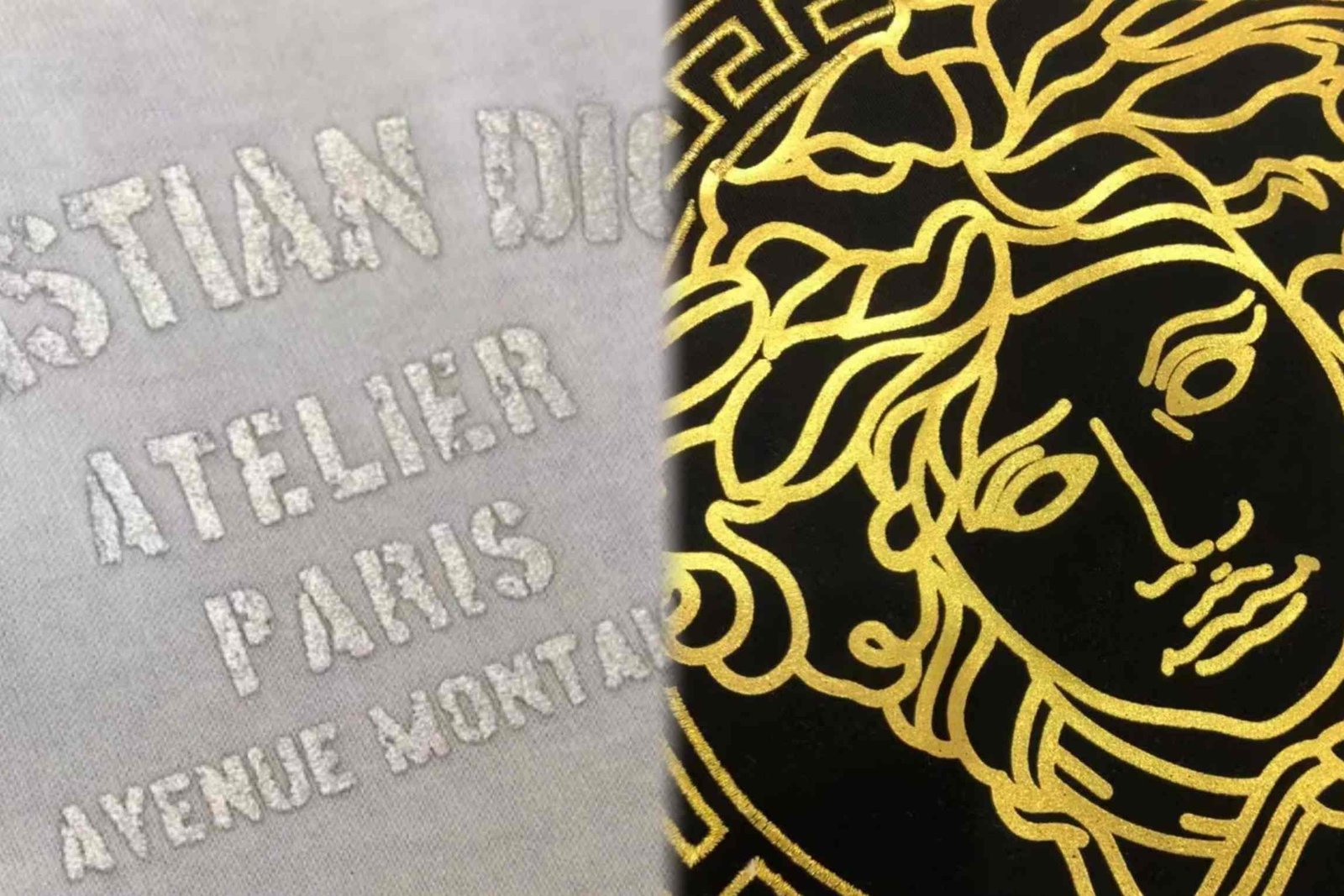
Screen Printing
High-opacity ink layers deliver bold graphics and logos with excellent wash durability. Ideal for large designs, chest prints, and back artwork on coach jackets with vibrant, long-lasting color payoff.
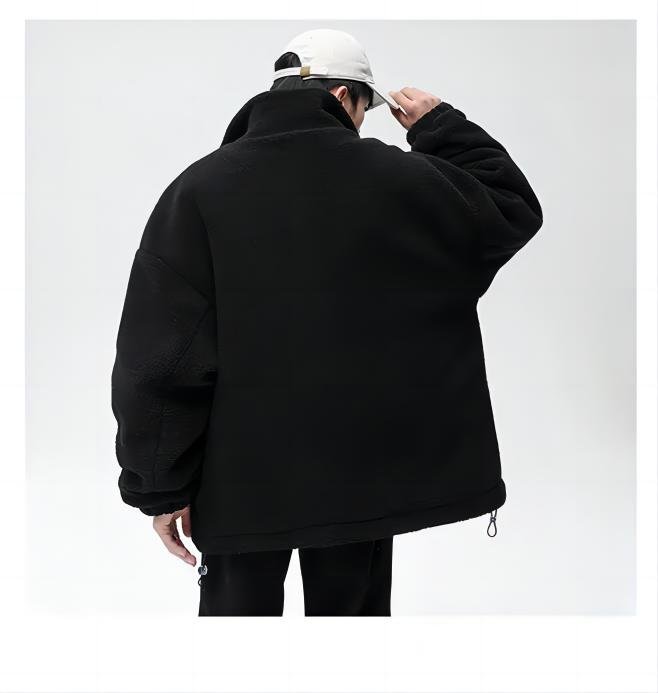
Embroidery
Premium thread stitching creates raised, textured logos and lettering with a luxury feel. Perfect for chest emblems, sleeve badges, and custom branding that elevates your coach jacket’s perceived value.
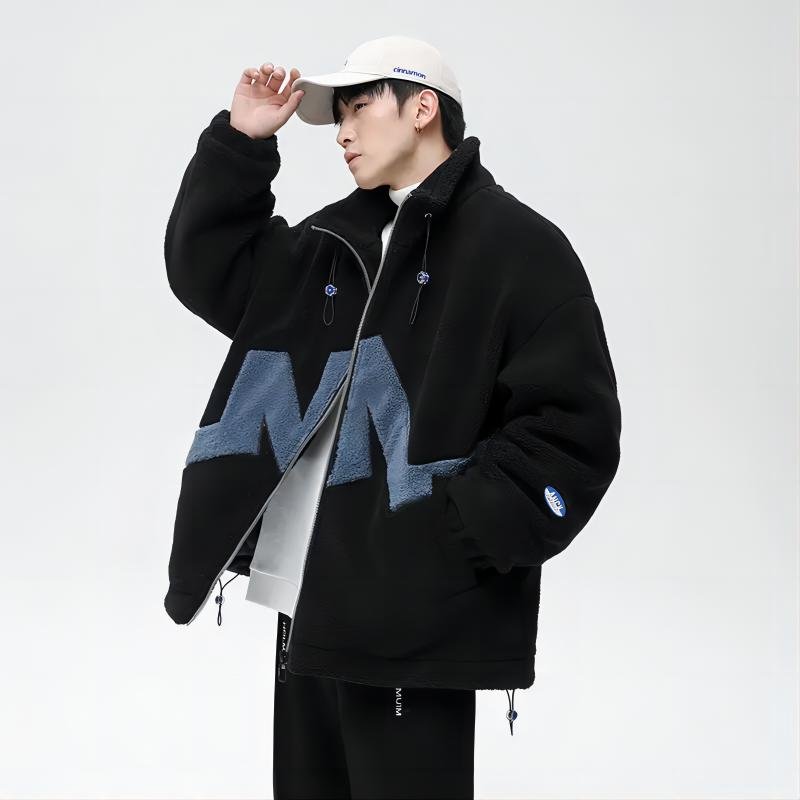
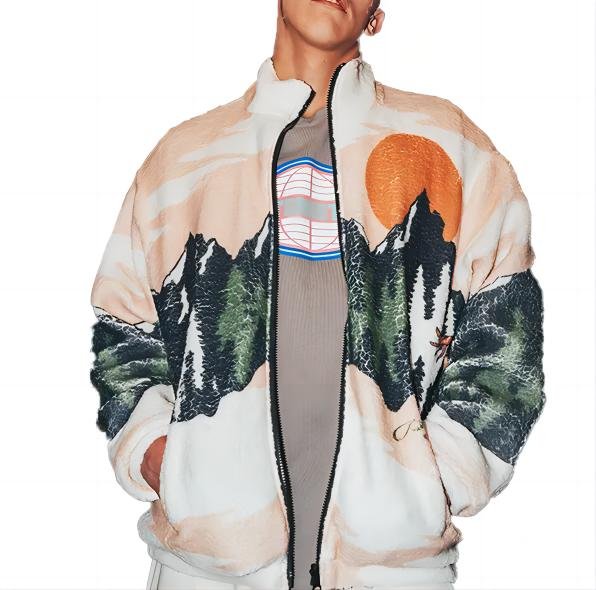
Sublimation Printing
Dye-infusion technology produces full-color, photorealistic patterns and all-over prints with zero surface texture. Best for polyester coach jackets requiring complex gradients, photo imagery, or intricate streetwear motifs.
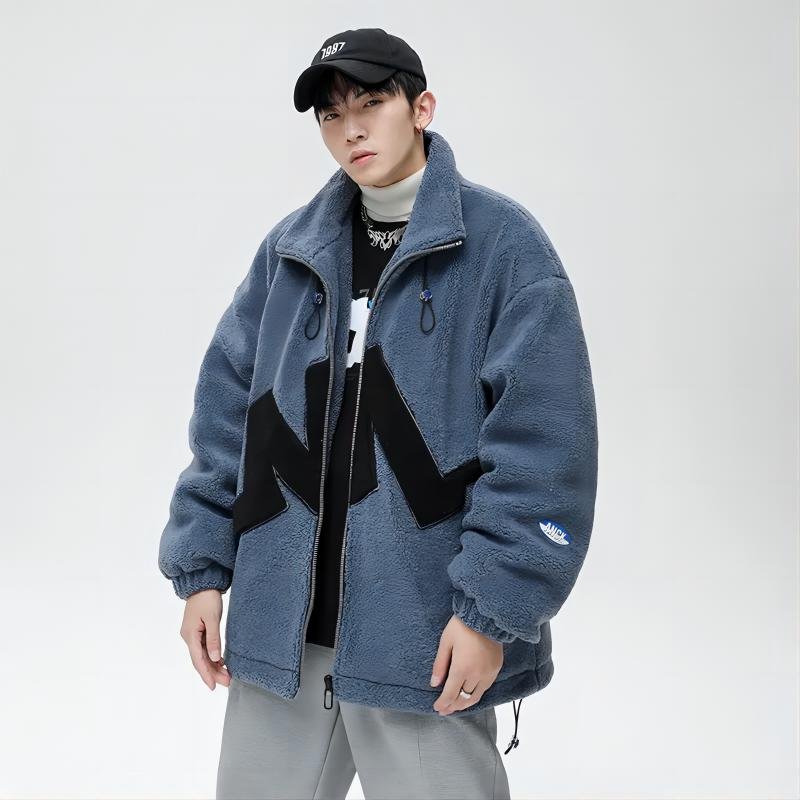
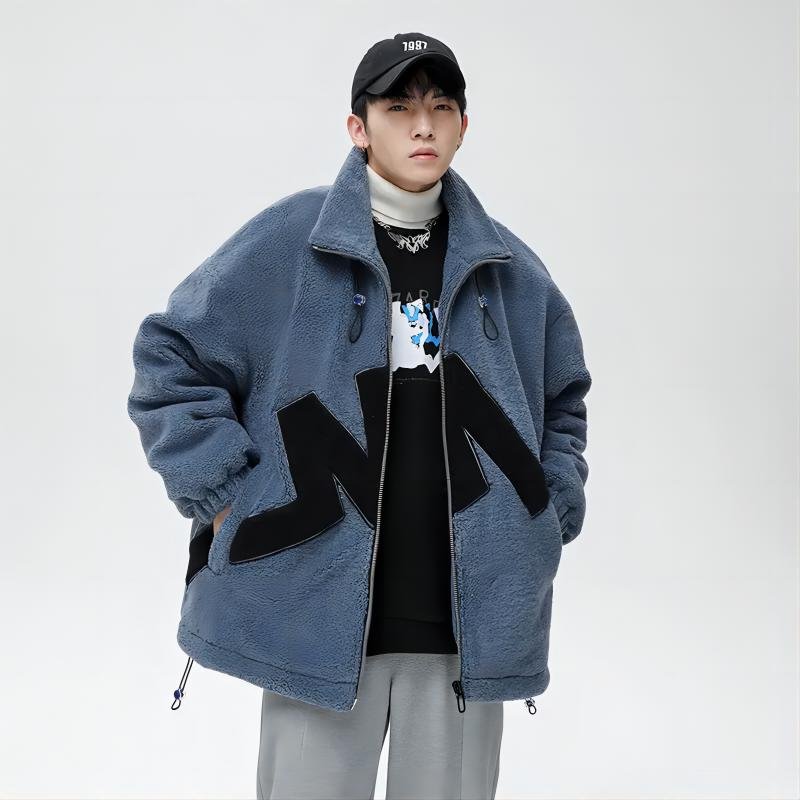
Laser Cutting
Computer-guided laser technology creates clean perforations, custom vents, and intricate cut-out designs. Adds technical detail and breathability to coach jackets while maintaining structural integrity and finished edges.
Heat Transfer
Pressure-applied vinyl and film graphics deliver sharp detail for small-run coach jackets and complex multi-color designs. Excellent for reflective elements, metallic finishes, and specialty streetwear branding effects.
Hardware & Accessories from Your Coach Jacket Manufacturer
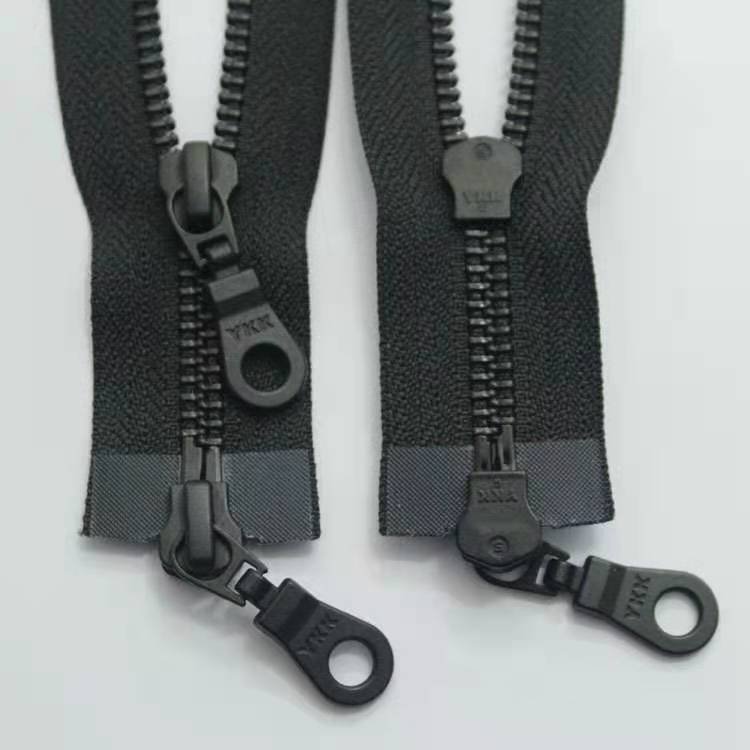
YKK Metal Zippers
Premium YKK front zippers deliver smooth operation and long-lasting durability. Essential for coach jacket closures, these industry-standard zippers ensure your garments withstand daily wear while maintaining a polished, professional finish that customers trust.
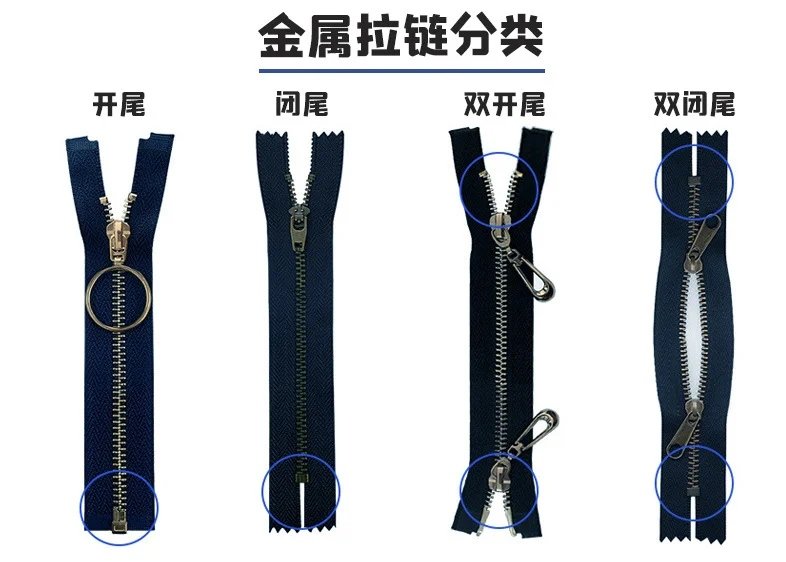
Snap Button Closures
Metal or resin snap buttons for front plackets, cuffs, and pocket flaps add functional style to coach jackets. Available in custom colors and finishes, snaps provide the classic coach jacket aesthetic while reinforcing closure points for extended garment life.
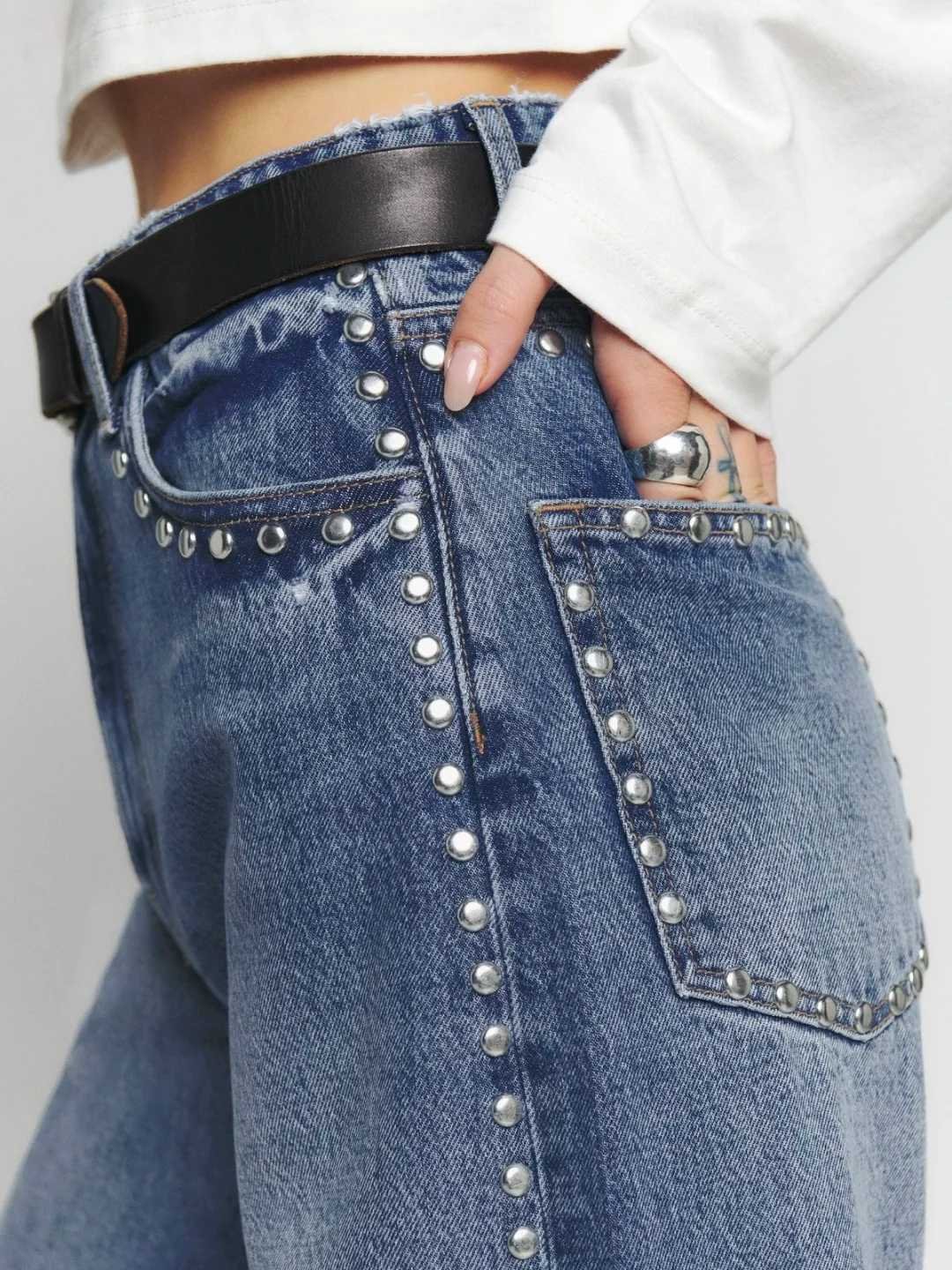
Drawcord & Tipping
Adjustable drawcords with branded metal or plastic tipping at hood and hem allow wearers to customize fit. These functional details enhance the silhouette of your coach jacket while offering an additional branding opportunity through custom aglet colors and logos.
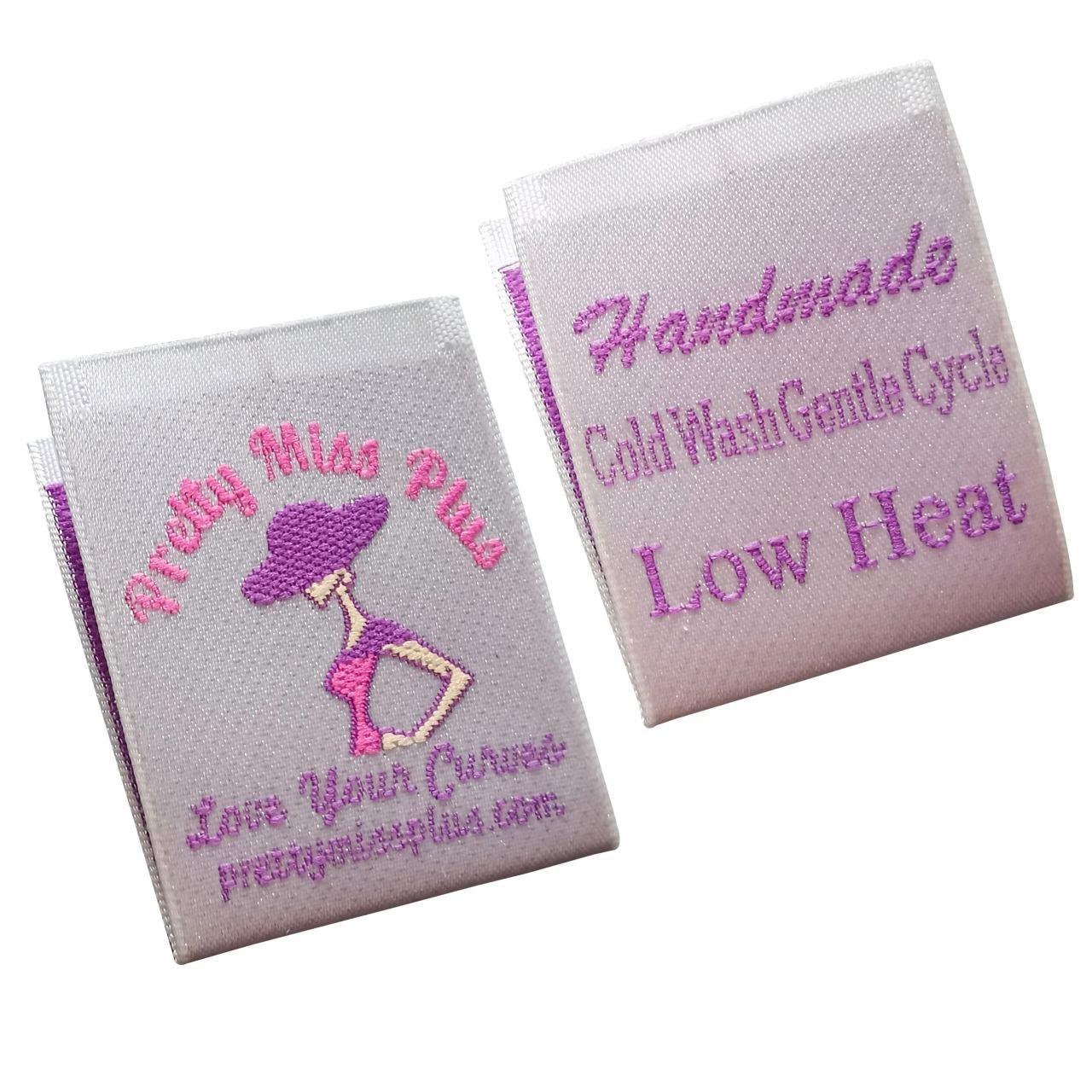
Woven Labels
Custom woven labels at neck, hem, or sleeve display your brand name and logo with sharp detail. High-density weaving ensures text and graphics remain crisp through countless washes, reinforcing brand recognition every time the jacket is worn or shared.
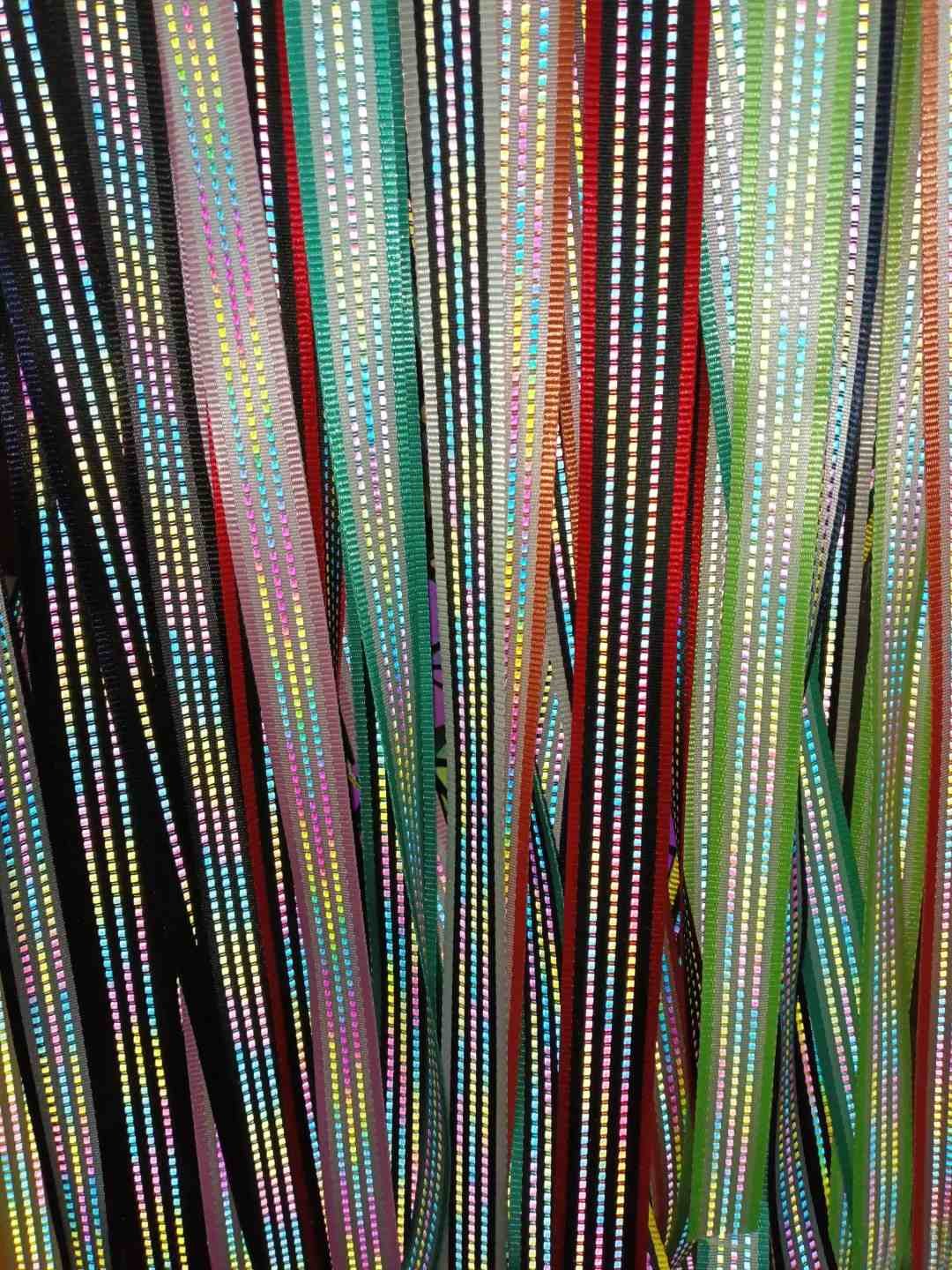
Reflective Trim
Reflective piping or tape along seams, pockets, or hood edges boosts visibility and adds a modern streetwear edge. Perfect for coach jackets targeting urban commuters and night-active audiences, reflective details merge safety with bold, trend-driven design.
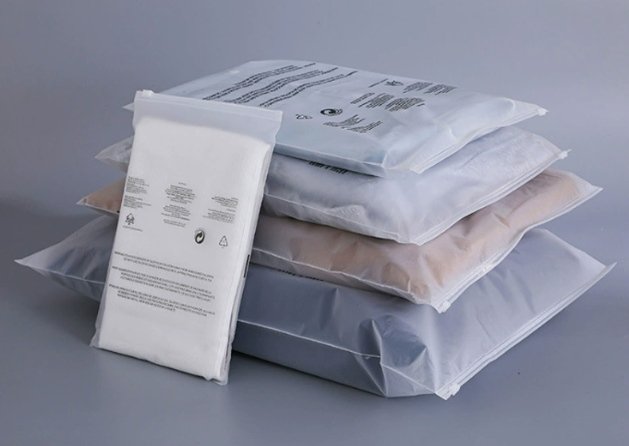
Your Trusted Coach Jacket Manufacturer
Founded in 2024 by Tesla Luo, Clothing Manufacturer Ltd. brings over 10 years of production expertise and 6 years of specialized streetwear experience to every coach jacket we produce. Raised in China’s garment industry heartland, Tesla learned manufacturing from the ground up—working every role from cutting to quality control in Dongguan’s renowned factories.
Our mission is to eliminate low-quality streetwear through rigorous standards that most manufacturers skip. We’ve served customers across 100+ countries, partnering with fashion startups, influencer brands, and global retailers who demand premium craftsmanship without compromise. As a coach jacket manufacturer, we combine trend-driven design expertise with our proprietary 5-step QC process.
Whether you’re launching your first collection or scaling an established line, we offer low 50-piece MOQs, fast turnaround for seasonal drops, and full support from sampling to global shipping. Our 15-member design team and 10 production patents ensure your coach jackets meet the highest streetwear standards—every time.
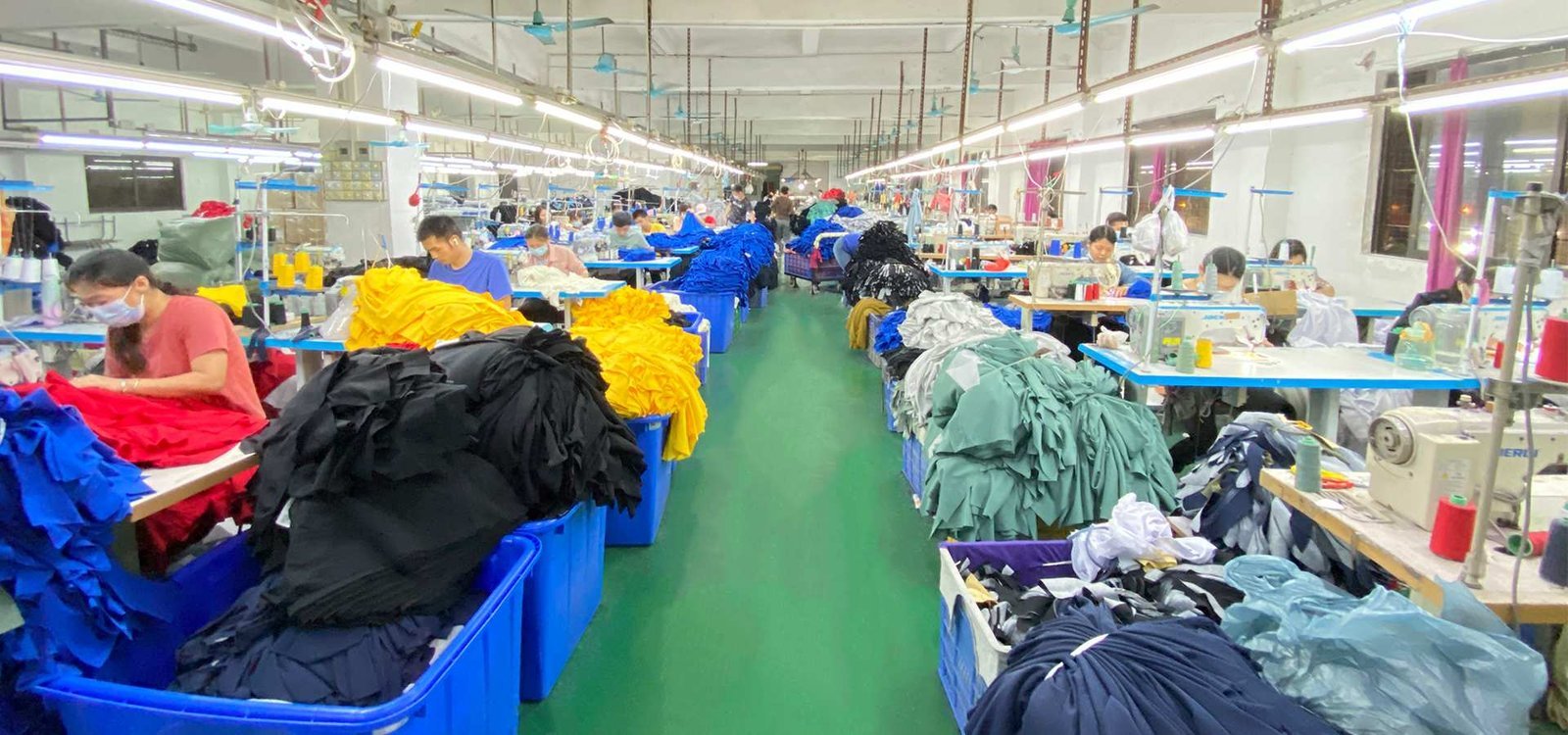
Our 5-Step Quality Control Guarantee for Every Coach Jacket
Materials QC Testing — Before Production Begins
Every fabric roll, zipper, snap, and trim is inspected against your specifications before cutting starts. We verify weight, colorfastness, shrinkage, and durability so defective materials never enter your coach jacket production line, eliminating costly rework downstream.
- Fabric weight, hand-feel, and colorfastness tested per batch
- Hardware and trims verified for strength and finish quality
- Material defects flagged and replaced before cutting begins
- Full traceability documentation for every incoming component
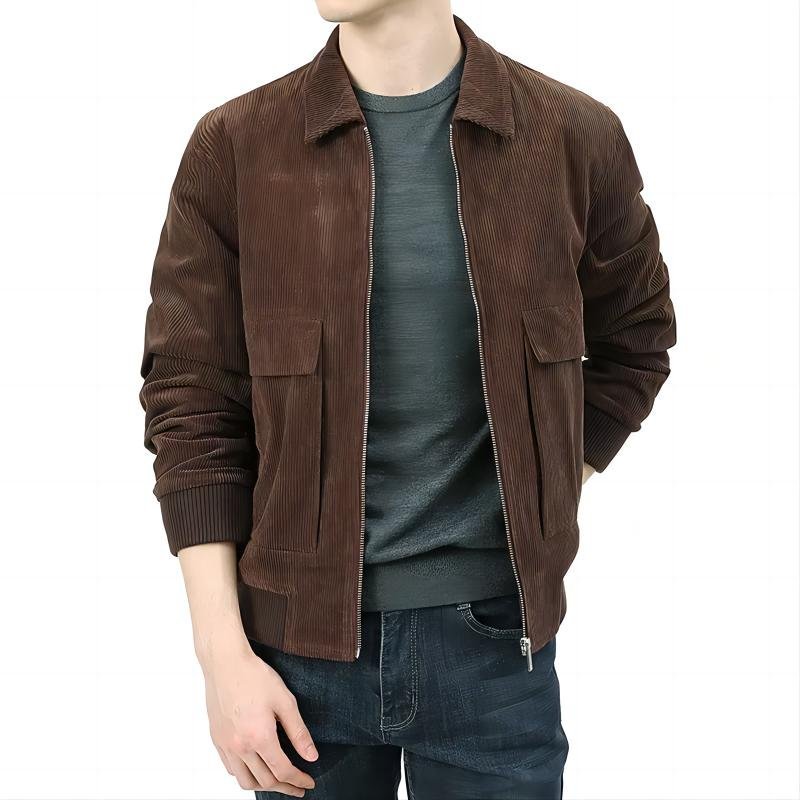
Cutting QC Testing — Precision Pattern Accuracy
After pattern grading and marker planning, our QC team measures cut panels against technical packs to ensure dimensional accuracy within ±2mm. This stage catches sizing errors and fabric waste early, protecting your brand from fit inconsistencies across the production run.
- Cut pieces measured against approved tech pack dimensions
- Pattern alignment and grain-line direction verified on prints
- Panel counts confirmed to prevent shortages during assembly
- Cutting defects isolated and recut immediately to maintain standards
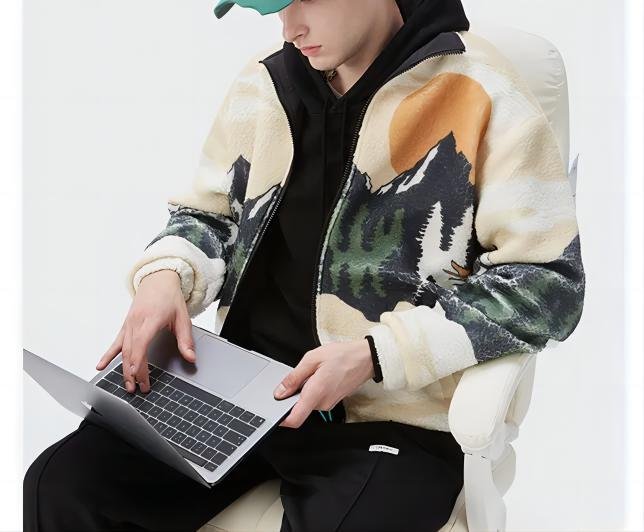
Clothing Craft QC — Construction Checkpoints
As each coach jacket moves through assembly, our quality inspectors verify stitch density, seam allowances, placket alignment, and pocket placement at designated checkpoints. Early intervention corrects technique issues before they multiply across hundreds of units, preserving craftsmanship throughout the batch.
- Stitch-per-inch count verified on critical seams and topstitching
- Placket, collar, and cuff symmetry checked during construction
- Lining attachment and pocket positioning inspected mid-assembly
- Sewing operators receive real-time feedback to maintain consistency
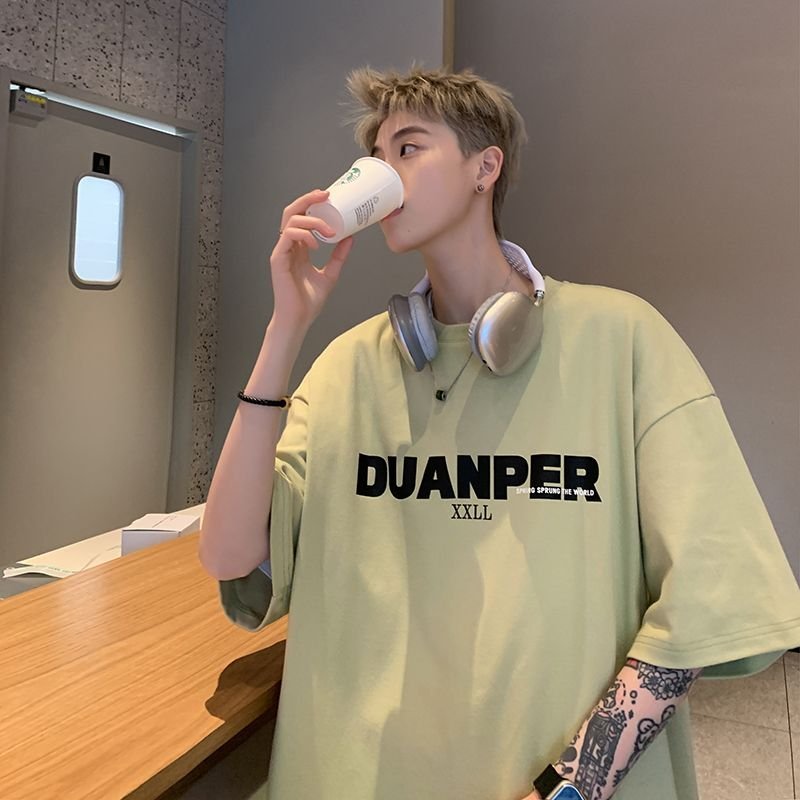
Final Inspection — Finished Coach Jacket Audit
Every completed coach jacket undergoes a comprehensive final audit covering fit, finishing, hardware function, and visual appearance. Garments are pressed, measured, and stress-tested before packing. Only pieces that pass all criteria earn our QC approval tag and ship to your warehouse.
- Full garment measurement check against approved size spec sheets
- Zipper function, snap closure, and button security tested individually
- Thread trimming, label placement, and pressing quality verified
- Random batch audits ensure consistent standards across entire order
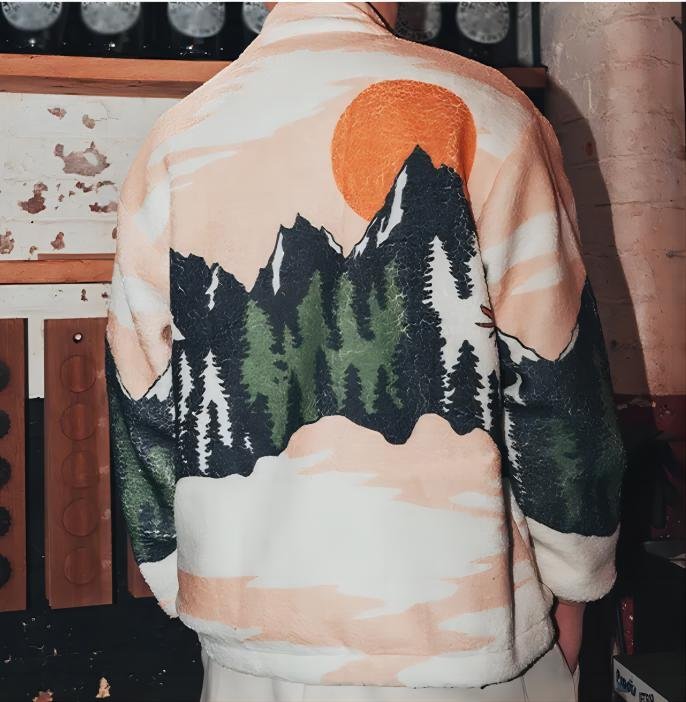
Coach Jacket Manufacturer: Our Quality-First Approach vs. Standard Suppliers
See how Clothing Manufacturer Ltd.’s 5-step QC process, in-house design team, and transparent production set a new standard for coach jacket manufacturing—delivering the quality and reliability your streetwear brand deserves.
← 左右滑动查看 →
Coach Jacket Manufacturer Production Workflow
From fabric selection to final shipment, every coach jacket passes through six rigorous production phases backed by our 5-step QC guarantee.
Fabric Sourcing & Testing
We source premium nylon, polyester, and cotton twill fabrics, conducting materials QC testing to verify weight, durability, water resistance, and colorfastness before production begins.
Pattern Development & Sampling
Our in-house design team creates custom patterns and tech packs, then produces initial samples with cutting QC testing to ensure accurate sizing and fit.
Cutting & Marking
Fabric is precisely cut using advanced equipment with strict alignment checks, minimizing waste while maintaining pattern consistency across all pieces for your coach jacket order.
Sewing & Assembly
Skilled technicians assemble coach jackets with sewing production QC testing at every stage, verifying stitch quality, seam strength, and construction details throughout the process.
Quality Control & Finishing
Each finished coach jacket undergoes clothing craft QC testing and final quality inspection, checking hardware, snap buttons, zippers, embroidery, and overall appearance before approval.
Packing & Global Shipping
Approved garments are professionally pressed, folded, and packaged to your specifications, then shipped worldwide with full logistics support and tracking for your streetwear brand.
How to Partner With a Coach Jacket Manufacturer
From initial design to finished product, our transparent process ensures your coach jackets meet streetwear standards with zero compromise on quality.
Submit Your Tech Pack & Design
Share your coach jacket specifications, artwork, and branding requirements. Our team reviews every detail to ensure manufacturability and provides expert recommendations for fabrics and construction.
Receive Quote & Free Sample
Within 24 hours, we’ll deliver a transparent quote with no hidden fees. Approve pricing and we’ll create a free sample using your exact specifications and our premium streetwear fabrics.
Approve Sample & Finalize Details
Review your physical sample for fit, finish, and quality. Request any adjustments before bulk production begins. We ensure every detail matches your vision before moving forward.
Begin Bulk Production Process
Your order enters our 5-step QC production workflow with quality checks at materials, cutting, craft, sewing, and finishing stages. Real-time updates keep you informed throughout manufacturing.
Final Inspection & Global Shipping
Every finished coach jacket undergoes rigorous final QC inspection before secure packaging. We coordinate global logistics and provide full tracking until your order arrives safely.
Coach Jacket Manufacturer Certifications & Quality Standards
What Our Coach Jacket Manufacturer Clients Say
We scaled from 500 to 5,000 coach jackets per month with zero quality compromises. Their 5-step QC caught issues before they became problems, and turnaround stayed consistent even as we grew.
Launched our debut coach jacket collection in just 14 days with a 50-piece MOQ. The sampling team nailed our vintage varsity aesthetic on the first try, and defect rate was under 1%.
After switching manufacturers, our return rate dropped from 8% to under 0.5%. The cutting QC and sewing inspections make a huge difference. Our influencer clients finally trust the product quality.
Coach Jacket Manufacturing — Frequently Asked Questions
What is the minimum order quantity (MOQ) for a coach jacket manufacturer?
How long does it take to receive samples from your coach jacket manufacturer?
What payment terms does your coach jacket manufacturer offer?
How does a coach jacket manufacturer protect my designs and intellectual property?
What customization options are available for coach jackets?
How does your 5-step quality control guarantee work for coach jacket production?
What is the typical lead time for bulk coach jacket orders?
Do you handle international shipping and customs for coach jacket orders?
Can you match specific Pantone colors and branded materials for coach jackets?
The Complete Buyer’s Guide to Choosing the Right Coach Jacket Manufacturer
Navigate the coach jacket manufacturing landscape with confidence. This guide delivers a proven decision framework, essential supplier criteria, quality benchmarks, customization options, and the most common mistakes to avoid when partnering with a manufacturer.
1. What Is a Coach Jacket Manufacturer?
A coach jacket manufacturer is a specialized apparel production facility that designs, cuts, sews, and finishes lightweight outerwear garments originally worn by sports coaches on sidelines. Unlike general clothing factories that handle diverse product categories, a dedicated coach jacket manufacturer maintains expertise in the specific construction techniques required for snap-front closures, mesh or satin linings, drawcord hems, and water-resistant shell fabrics. These manufacturers typically operate with minimum order quantities ranging from 50 to 500 pieces per style, depending on customization complexity and fabric sourcing.
The core services include pattern development from tech packs, fabric procurement (commonly nylon taffeta, polyester twill, or cotton blends in 80–150 GSM weights), precision cutting to minimize waste, multi-needle sewing for clean seam finishes, and decoration application such as screen printing, embroidery, or heat-transfer branding. A specialized coach jacket manufacturer also handles finishing steps—attaching snap hardware, installing drawcords, pressing, and quality inspection—before final packaging. Brands choose specialists over general factories because coach jackets demand specific skills: aligning printed linings, setting metal or resin snaps without fabric puckering, and ensuring water-repellent coatings remain intact through wash testing.
For streetwear labels and independent designers, partnering with a coach jacket manufacturer means access to trend-aware design consultation, reliable turnaround times of 25–45 days from approval to shipment, and quality control protocols that catch defects during production rather than at final inspection. This specialization translates to fewer remakes, consistent fit across production runs, and garments that meet the durability expectations of today’s streetwear consumers.
2. The Evolution of Coach Jackets in Streetwear
Coach jackets originated in the 1980s as functional sideline wear for American sports coaches, designed with water-resistant nylon shells, snap-front closures, and mesh linings to protect against wind and rain during outdoor games. These utilitarian garments featured minimal branding, boxy cuts, and practical details like interior pockets for clipboards and whistles, establishing the silhouette that remains recognizable today.
By the early 1990s, hip-hop culture adopted coach jackets as a streetwear staple, with artists and crews wearing oversized versions emblazoned with custom graphics, team logos, and bold colorways that signaled group affiliation and cultural identity. This shift transformed the coach jacket from athletic uniform to fashion statement, embedding it in the visual language of urban youth culture and street style photography that documented the era.
The 2010s brought a streetwear resurgence driven by collaborations between heritage sportswear brands and emerging streetwear labels, reintroducing coach jackets with premium fabrics, technical finishes, and limited-edition drops that commanded premium pricing. This revival elevated the garment from nostalgia piece to contemporary wardrobe essential, blending vintage silhouettes with modern construction techniques and sustainable material innovations.
Understanding this evolution is critical when selecting a coach jacket manufacturer because authentic design details—snap hardware placement, collar construction, sleeve cuff finish, and lining weight—directly reflect heritage construction knowledge that separates experienced producers from generic apparel factories. A manufacturer with streetwear expertise recognizes the cultural significance of proportions, fabric hand-feel, and finishing standards that resonate with discerning buyers who value both aesthetic authenticity and production integrity.
3. Types of Coach Jacket Manufacturers
Coach jacket manufacturers operate under distinct business models, each suited to different brand stages and resource levels. Understanding these categories helps you identify partners whose capabilities align with your design control, budget, and timeline requirements.
Full-Package Manufacturers
Full-package providers handle every step from fabric sourcing and pattern development through cutting, sewing, finishing, and shipping. They maintain in-house design teams, offer tech pack creation, and coordinate all materials procurement. This model suits fashion startups and independent designers who lack technical staff or supply-chain infrastructure.
Minimum order quantities typically start at 100–300 pieces per style, with lead times of 45–60 days. Full-package partners charge higher per-unit costs but eliminate the need for separate pattern makers, fabric agents, and trim suppliers, streamlining communication and accountability.
Cut-Make-Trim (CMT) Manufacturers
CMT factories provide labor only: cutting fabric you supply, sewing garments to your specifications, and attaching trims you source separately. You retain full control over materials quality and design execution but must coordinate fabric mills, zipper vendors, and logistics independently.
CMT partners require lower MOQs—often 50–100 pieces—and deliver faster turnarounds of 20–30 days once materials arrive. This model works best for established brands with existing supplier networks and technical expertise to manage multi-vendor coordination.
Private-Label Manufacturers
Private-label producers offer pre-designed coach jacket styles that you rebrand with your logo and custom colorways. They maintain stock designs, pre-negotiated fabric options, and standardized sizing, allowing rapid market entry with minimal design investment.
MOQs range from 50–200 pieces per colorway, with lead times as short as 15–25 days. Private-label suits influencer brands and creator labels testing market demand before committing to fully custom development, though design differentiation remains limited.
Custom OEM Manufacturers
Original equipment manufacturers (OEM) specialize in translating your complete tech packs and specifications into finished products. They expect you to provide detailed construction drawings, fabric nominations, and trim specifications, offering production expertise without design services.
OEM partners typically require 200–500 piece minimums and 35–50 day lead times. This model serves global apparel retailers and established streetwear brands with dedicated design teams who need scalable, repeatable production capacity rather than creative collaboration.
4. Materials and Fabrics for Coach Jackets
Fabric selection determines the weight, drape, weather resistance, and retail price of every coach jacket. A coach jacket manufacturer must balance durability, hand feel, and performance properties to meet streetwear aesthetics and functional demands.
| Fabric Type | GSM Range | Water Resistance | Best Use Case |
|---|---|---|---|
| Nylon Taffeta | 50–90 | Moderate (light rain) | Lightweight streetwear, spring/fall |
| Polyester Twill | 120–180 | Moderate (DWR finish) | Structured jackets, year-round |
| Cotton Canvas | 200–300 | Low (requires treatment) | Heritage styles, breathability |
| Technical Blends | 150–220 | Moderate to high | Performance streetwear, active wear |
Nylon Taffeta
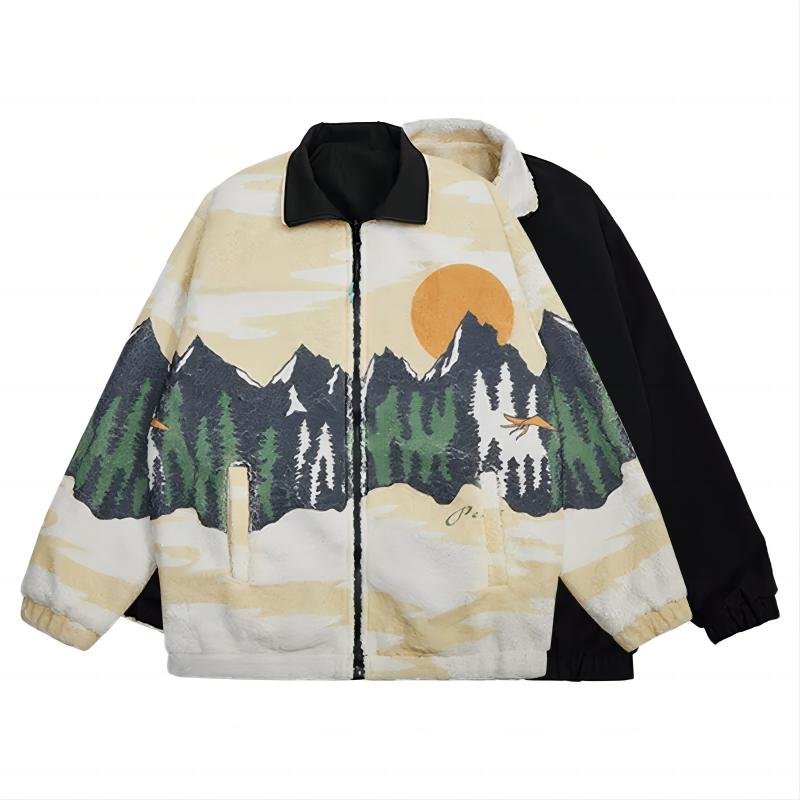
Nylon taffeta ranges from 50 to 90 GSM and delivers a lightweight, crisp hand with moderate water resistance. The smooth plain weave sheds light rain and wind, making it ideal for spring and fall streetwear coach jackets.
Breathability is limited, so extended wear in warm conditions can trap moisture. Durability is adequate for casual use, though abrasion resistance is lower than heavier synthetics. Most coach jacket manufacturers specify 70 GSM nylon taffeta for classic lightweight silhouettes.
Polyester Twill
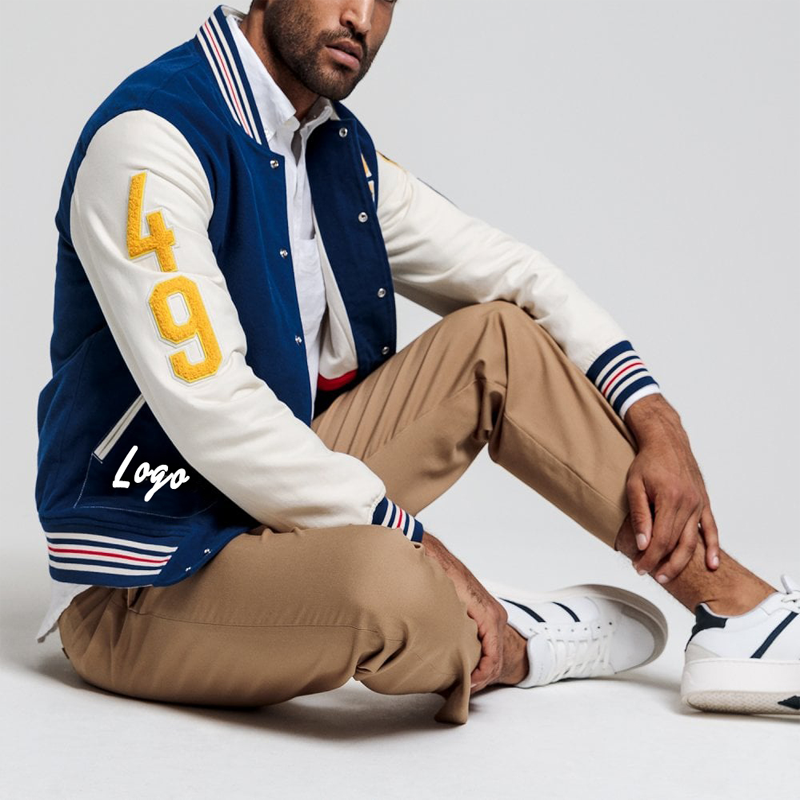
Polyester twill typically runs 120 to 180 GSM, offering superior durability and color retention compared to nylon taffeta. The diagonal weave structure resists snagging and provides a more substantial drape suited to structured coach jackets.
Water resistance is moderate without coating; many manufacturers apply DWR (durable water repellent) finishes to enhance performance. Breathability improves with lower GSM weights, while heavier twills suit fall and winter collections.
Cotton Canvas and Technical Blends
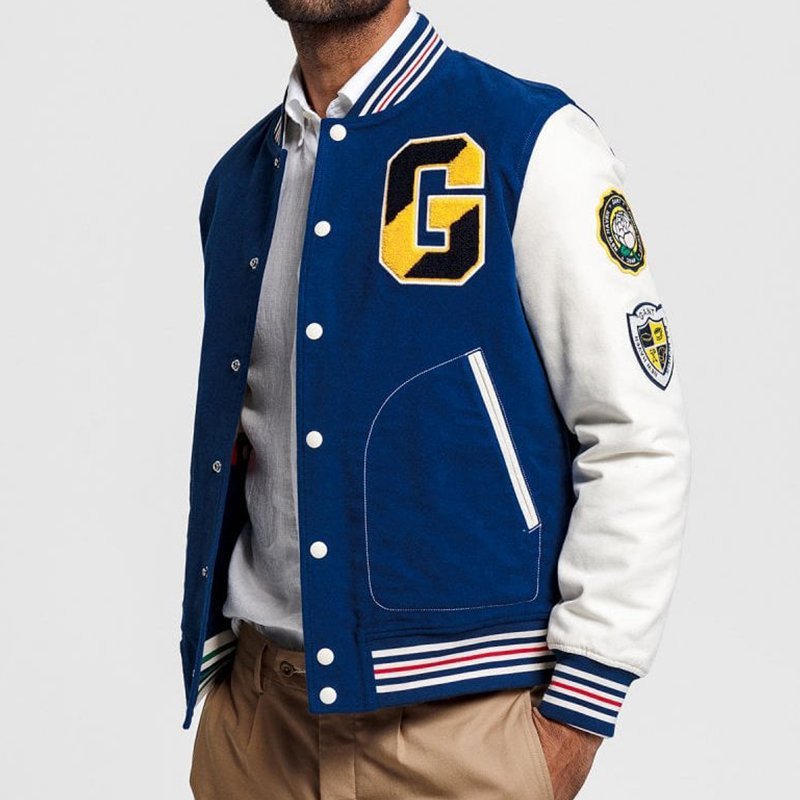
Cotton canvas ranges from 200 to 300 GSM and delivers a heritage aesthetic with excellent breathability and a soft hand after washing. Pure cotton lacks inherent water resistance, so wax or resin treatments are common for weather protection.
Technical blends—cotton/nylon or cotton/polyester—combine natural breathability with synthetic durability and quick-dry properties. Blends typically range from 150 to 220 GSM, balancing streetwear style with functional performance for active brands.
5. Customization and Decoration Options
A coach jacket manufacturer offers multiple decoration techniques to transform blank shells into branded streetwear. Each method carries distinct cost structures, durability profiles, and minimum-order requirements that shape your design strategy and unit economics.
| Technique | Setup Cost | Per-Unit Cost | Durability (Washes) |
|---|---|---|---|
| Screen Printing | $15–$45/color | $0.50–$2.00 | 50+ |
| Heat Transfer | $0 | $3–$8 | 25–50 |
| Embroidery | $20–$75 | $1.50–$5.00 | 200+ |
| Woven Labels | $0 | $0.15–$0.60 | Permanent |
| Custom Hardware | $0 | $0.30–$2.00 | Permanent |
Screen Printing and Heat Transfer
Screen printing requires setup fees of $15–$45 per color but delivers per-unit costs as low as $0.50–$2.00 for large runs, making it ideal for bold graphics and text. Plastisol ink withstands 50+ industrial washes without cracking when properly cured.
Heat transfer (vinyl or digital) eliminates setup costs and supports single-piece orders, with per-unit costs of $3–$8 depending on size. Durability ranges from 25–40 washes for standard vinyl to 50+ for premium CAD-cut films, though complex gradients fade faster than solid colors.
Embroidery and Woven Labels
Embroidery adds tactile dimension with digitizing fees of $20–$75 per design and per-unit costs of $1.50–$5.00 based on stitch count (typically 5,000–15,000 stitches for chest logos). Thread resists fading and survives hundreds of washes, making it the premium choice for brand marks.
Woven labels require minimum quantities of 100–500 pieces at $0.15–$0.60 each for neck tags or interior branding. High-density damask weave captures fine detail better than printed tags and signals quality to discerning streetwear buyers.
Hardware and Lining Customization
Custom snap buttons with engraved logos cost $0.30–$1.20 per set (four snaps) at 500-piece minimums, while branded zipper pulls add $0.50–$2.00 per jacket. YKK offers custom slider engraving starting at 1,000-unit orders.
Custom-printed linings (brand names, patterns, or care instructions) require 300–500 piece minimums and add $1.50–$4.00 per jacket, transforming the interior into a storytelling surface that reinforces brand identity when the jacket is removed or photographed.
6. Key Quality Indicators When Evaluating a Coach Jacket Manufacturer
Quality audits separate manufacturers who embed testing throughout production from those who skip critical checkpoints. A five-step quality control methodology—covering materials, cutting, craft, sewing, and finished garment inspection—ensures defects are caught early rather than discovered after shipment. Buyers should establish clear benchmarks for every construction element before approving bulk orders.
Stitch Density and Seam Reinforcement
Coach jackets require 12–14 stitches per inch for standard seams and 14–16 SPI for stress points like armholes and pocket edges. Lower stitch counts cause seam failure after minimal wear, while excessively tight stitching can pucker lightweight nylon or polyester shells.
Bar tacks at pocket corners and snap plackets should measure at least 0.5 inches in length with a minimum of three passes. Flatlock or double-needle stitching on side seams prevents fraying and adds durability for garments expected to withstand frequent laundering.
Hardware Quality and Attachment
Snap fasteners must withstand a minimum pull force of 15–20 pounds; prong snaps should penetrate fabric cleanly without tearing fibers. YKK or equivalent zippers with self-locking sliders prevent accidental opening and ensure smooth operation after 500+ cycles.
Rivets and grommets require backing washers on the interior to distribute stress and prevent pull-through. Eyelets at hem drawcords should be double-rolled or reinforced with bartacks to resist tearing under tension.
Lining Attachment and Collar Construction
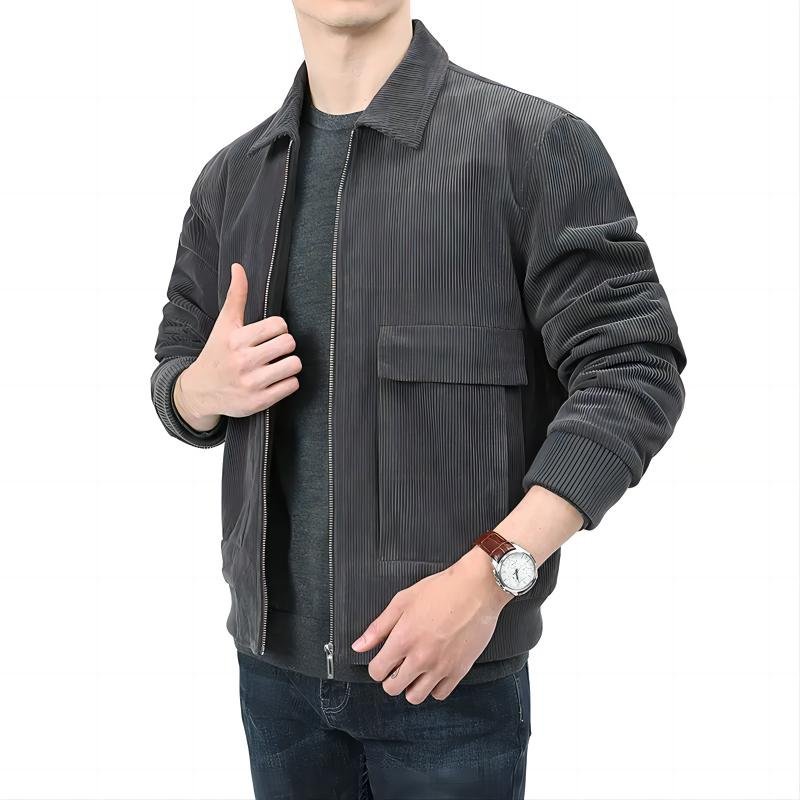
Lining should be attached at shoulder seams, armholes, and hem with a minimum 0.25-inch seam allowance to prevent shifting during wear. Loose or skip-stitched linings indicate rushed assembly and will separate after washing.
Collar stands require interlining or fusible interfacing to maintain shape; topstitching at 0.125-inch intervals keeps layers aligned. Collars that buckle or twist after pressing signal inadequate stabilization or incorrect grain alignment during cutting.
Hem Finishing and Fit Consistency
Hem edges should feature clean-finished seams or bias binding with no raw fabric exposed; coverstitching on knit-trimmed hems prevents curling. Drawcord channels must be double-turned and topstitched to avoid fraying and cord pull-through.
Fit consistency across sizes depends on graded patterns with tolerance limits of ±0.25 inches for chest and sleeve measurements. Random sample audits from each production batch identify sizing drift caused by cutting errors or inconsistent seam allowances.
7. How to Choose the Right Coach Jacket Manufacturer for Your Brand
Selecting a coach jacket manufacturer requires evaluating multiple operational and quality dimensions. A systematic vetting process covering MOQ alignment, fabric sourcing, sampling protocols, certifications, communication standards, and production timelines ensures you partner with a factory that matches your brand’s scale and quality expectations.
Assess MOQ and Production Capacity
Minimum order quantities typically range from 50 to 500 pieces per style for coach jackets, depending on fabric type and customization complexity. Startups and independent designers benefit from manufacturers offering 50–100 piece MOQs, while established brands may negotiate lower per-unit costs at 300+ units.
Verify that the factory’s capacity aligns with your growth trajectory. Ask whether they handle both small initial runs and scaled reorders without compromising lead times or quality standards.
Verify Fabric Sourcing and Quality Standards
Request fabric swatches and mill certifications before committing to production. Quality coach jacket manufacturers maintain direct relationships with textile mills and can source nylon taffeta (70–100 GSM), polyester twill, or cotton blends with documented specifications.
Ask whether the factory conducts materials QC testing on incoming fabrics, checking for colorfastness, weight consistency, and water-repellent finish durability. Factories that skip this step often deliver inconsistent batches.
Evaluate Sampling Process and Turnaround
Pre-production samples reveal construction quality, fit accuracy, and print or embroidery execution. Standard sampling turnaround is 7–14 days; factories offering 5-day expedited options typically charge 20–30 percent premiums.
Request detailed tech packs with measurements, stitch types, and hardware specs. Compare the returned sample against your specifications, checking seam allowances, snap placement, lining attachment, and colorway accuracy before approving bulk production.
Check Certifications and Compliance
WRAP, BSCI, and OEKO-TEX certifications indicate adherence to labor, environmental, and chemical safety standards. Brands selling in the EU or North America increasingly require these credentials to meet retailer and consumer expectations.
Ask for current certification documents and audit dates. Factories with multi-stage QC processes—materials, cutting, sewing, and finished goods inspection—demonstrate commitment to quality beyond baseline compliance.
8. Common Mistakes When Partnering with a Coach Jacket Manufacturer
Brands often lose time, money, and product quality by overlooking critical steps in the manufacturing partnership. Understanding these pitfalls before production begins helps ensure your coach jacket line meets expectations and arrives on schedule.
Skipping Sample Approval Stages
Many startups rush from design to bulk production without requesting pre-production samples, resulting in finished goods that miss fit, color, or construction expectations. A single sample approval cycle adds 7–10 days but prevents costly reworks of 500-piece orders.
Request fit samples, pre-production samples, and salesman samples in sequence. Approve fabric hand-feel, lining attachment, snap hardware, and hem drawcord function before authorizing full production.
Submitting Incomplete Tech Packs
Vague tech packs without stitch counts, seam allowances, or Pantone codes force your coach jacket manufacturer to guess details, leading to mismatched collars, incorrect pocket placement, or wrong zipper lengths. Complete tech packs include front/back/side views, all measurements in centimeters, fabric weight in GSM, and trim specifications.
Include construction notes such as flatlock vs. overlock seams, lining attachment method, and snap spacing. Reference existing samples or competitor products to clarify expectations.
Ignoring Fabric Shrinkage Testing
Nylon taffeta and polyester twill can shrink 2–5 percent after the first wash, turning a size M into a size S if pre-shrinking is skipped. Request wash testing on fabric swatches before cutting to confirm dimensional stability and color fastness.
Specify whether your coach jacket manufacturer will pre-wash fabric or if pattern grading should account for expected shrinkage. Document shrinkage allowances in your tech pack.
Underestimating Lead Times
Standard coach jacket production spans 25–35 days from deposit to shipment, yet brands often expect delivery in two weeks. Custom printed linings, embroidered logos, or dyed-to-match snaps each add 7–14 days to the timeline.
Build a 45–60 day buffer from order confirmation to retail launch. Communicate your in-hand date upfront so your manufacturer can schedule fabric procurement, sampling, and production windows accordingly.
9. Steps to Launch Your Coach Jacket Line
Launching a coach jacket line requires coordination across design, sampling, production, and logistics. Each phase builds on the previous stage, and skipping steps or rushing quality checks can derail timelines and budgets. First-time buyers benefit from a structured roadmap that clarifies decision points and minimizes costly revisions.
Concept Development and Tech Pack Creation
Start by defining your jacket’s design details: fit (oversized, regular, cropped), fabric weight (180–220 GSM nylon or polyester), colorways, snap hardware (YKK or custom), and any embroidery or screen-print placements. Translate these into a tech pack that includes front and back sketches with measurements, construction notes (e.g., mesh lining, interior pockets), and Pantone color codes.
A complete tech pack eliminates guesswork and ensures every coach jacket manufacturer you approach quotes the same specifications. Include grading rules for each size, seam allowances, and stitch types (e.g., flatlock or overlock) to prevent sample discrepancies.
Requesting Quotes and Sample Approval
Send your tech pack to at least three coach jacket manufacturers, requesting quotes that break down fabric cost, cut-and-sew labor, decoration (printing, embroidery), and per-unit price at your target MOQ (typically 50–200 pieces for streetwear startups). Compare lead times, payment terms (30–50 percent deposit is standard), and whether the factory includes a five-step QC process or only final inspection.
Order a pre-production sample from your top choice. Check fit, fabric hand-feel, snap alignment, and print registration. Approve or request adjustments before bulk production begins; sample revisions cost less than correcting 200 finished jackets.
Production and Quality Inspection
Once you approve the sample and sign a production contract, the manufacturer schedules cutting, sewing, and finishing. Typical lead times range from 25 to 45 days depending on order size and decoration complexity. Request progress photos at cutting QC, mid-sewing, and final inspection stages.
Before shipment, conduct a final quality check—either in-person, via third-party inspection, or through detailed factory photos. Verify measurements, colorways, and that defect rates stay below 2 percent. This step protects your brand reputation and reduces costly returns.
Shipping and Fulfillment Coordination
Coordinate with your coach jacket manufacturer on shipping method: air freight (7–10 days, higher cost) or sea freight (25–35 days, lower per-unit cost). Confirm Incoterms (FOB, CIF, DDP) to understand who covers customs, duties, and inland transport.
Plan your warehouse or fulfillment-center delivery date to align with your launch calendar. Allow buffer time for customs clearance and final unpacking inspections before your official drop date.
10. Pricing and Cost Breakdown
Coach jacket pricing typically ranges from $8–$25 per unit depending on order volume, fabric selection, and decoration complexity. A 50-piece order at a reputable coach jacket manufacturer averages $18–$22 per unit, while 1,000-piece runs drop to $10–$14 for standard nylon taffeta with basic screen printing. Fabric upgrades—switching from 190T nylon taffeta to 210T water-resistant polyester or cotton-blend twill—add $1.50–$3.50 per garment, and premium linings (mesh, quilted satin) contribute another $0.80–$2.00.
Decoration costs layer on top of base garment pricing. Screen printing runs $0.50–$1.20 per location for orders above 100 units, with setup fees of $25–$50 per color. Embroidery costs $1.50–$4.00 per 1,000 stitches, making chest logos (3,000–5,000 stitches) a $4.50–$20 add-on depending on complexity. Heat-transfer labels and custom woven tags add $0.30–$0.80 each, while all-over sublimation printing increases unit cost by $3–$6.
Lead times compress at higher volumes: 50-unit orders require 18–25 days from approval to shipment, 500-unit runs take 20–28 days, and 1,000+ orders extend to 25–35 days to accommodate cutting and sewing schedules. Factories in Guangdong Province—such as those in Humen Town—offer shorter lead times and tighter quality control than remote facilities, though per-unit costs may be $0.50–$1.50 higher due to proximity to fabric markets and skilled labor pools.
| Quantity Tier | Base Price per Unit (USD) | Lead Time (Days) | Decoration Add-On Cost |
|---|---|---|---|
| 50–99 units | $18–$22 | 18–25 | Screen print: $0.80–$1.20/location |
| 100–499 units | $14–$18 | 20–28 | Embroidery: $1.50–$4.00/1K stitches |
| 500–999 units | $12–$16 | 22–30 | Fabric upgrade: +$1.50–$3.50/unit |
| 1,000+ units | $10–$14 | 25–35 | Custom lining: +$0.80–$2.00/unit |
Partner With a Trusted Coach Jacket Manufacturer
50-piece MOQ, 5-step QC guarantee, and fast turnaround for your streetwear collection. Get your free quote today.