
Custom Coach Jackets With 50-Piece MOQ and 5-Step QC
Launch your custom coach jackets with zero compromise. Fast sampling, trend-driven designs, and rigorous quality control at every production stage—built for streetwear brands and startups worldwide.
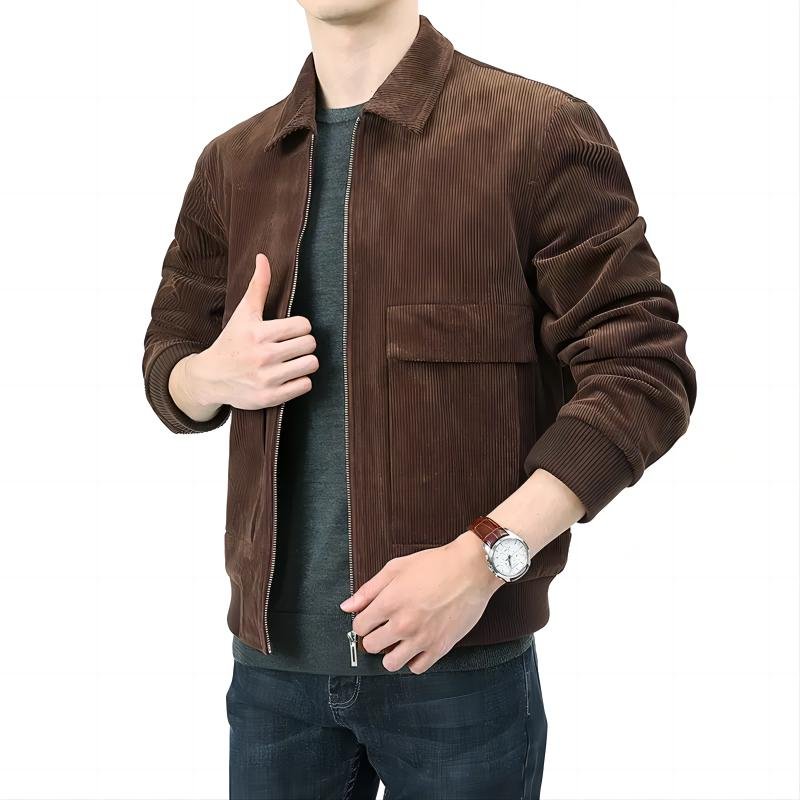
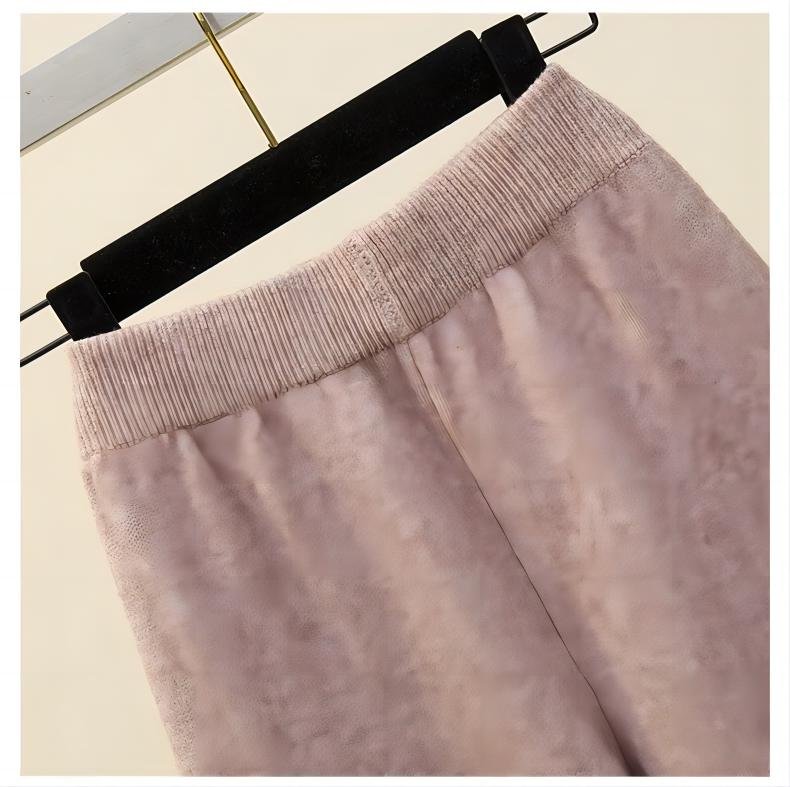
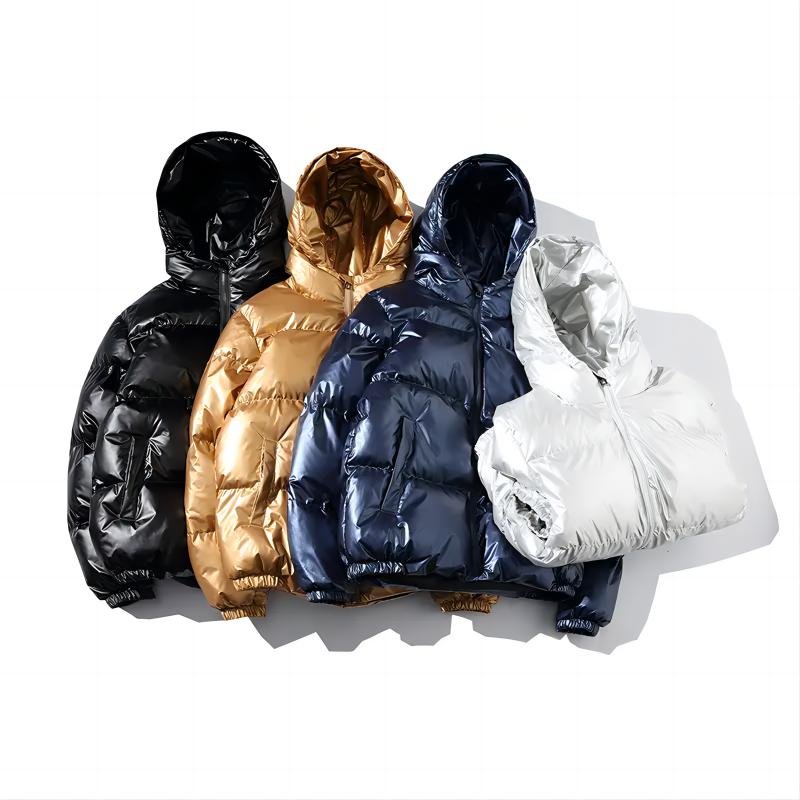
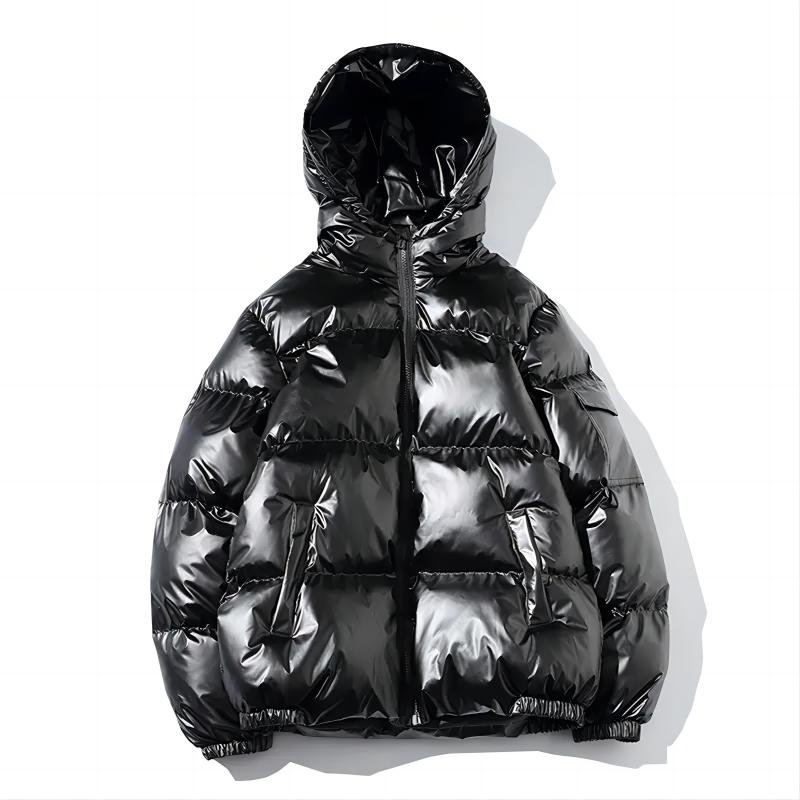
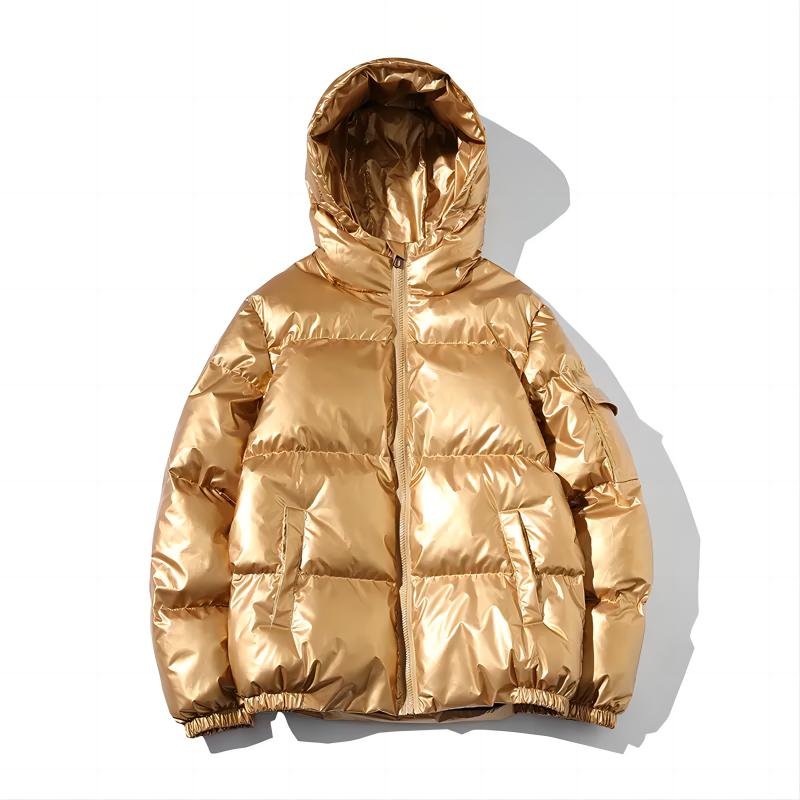
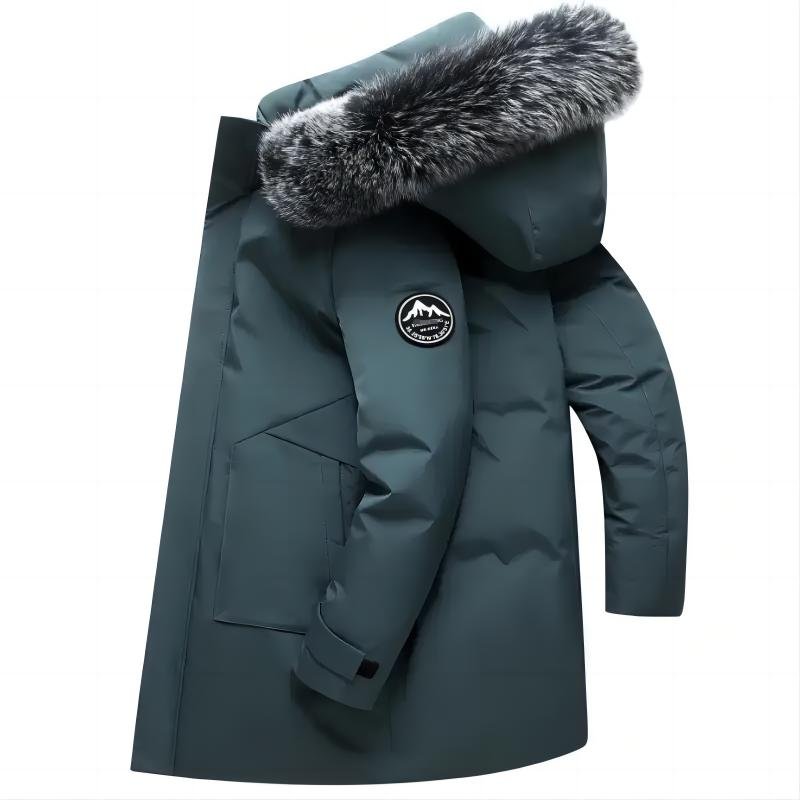
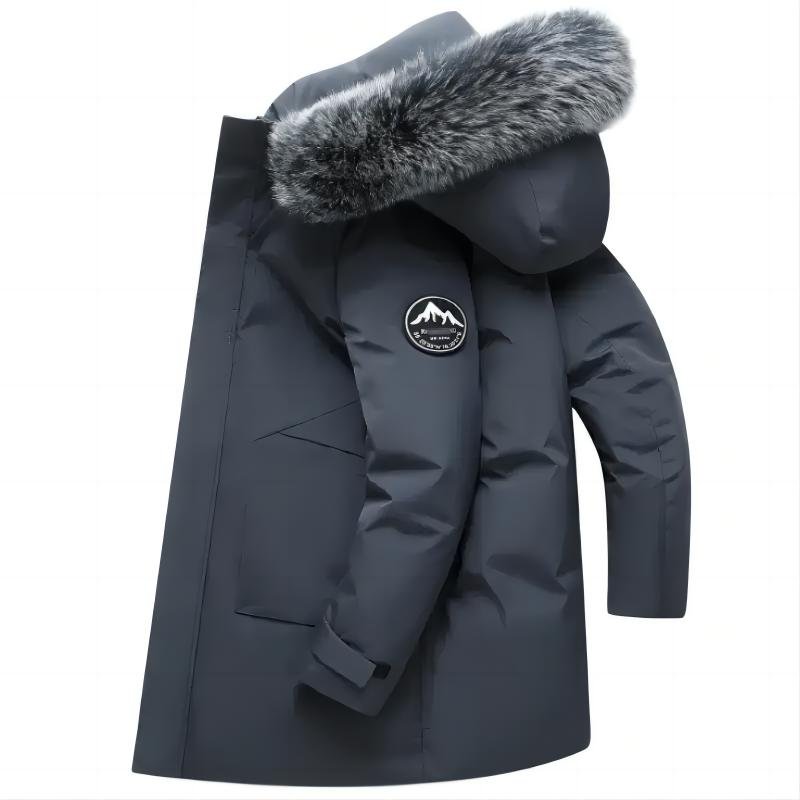
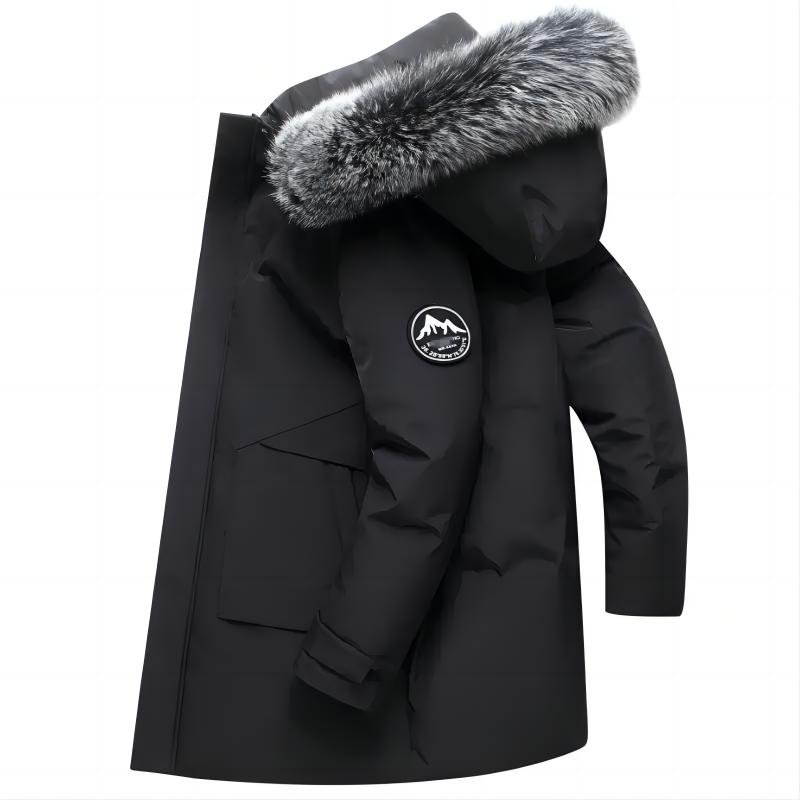
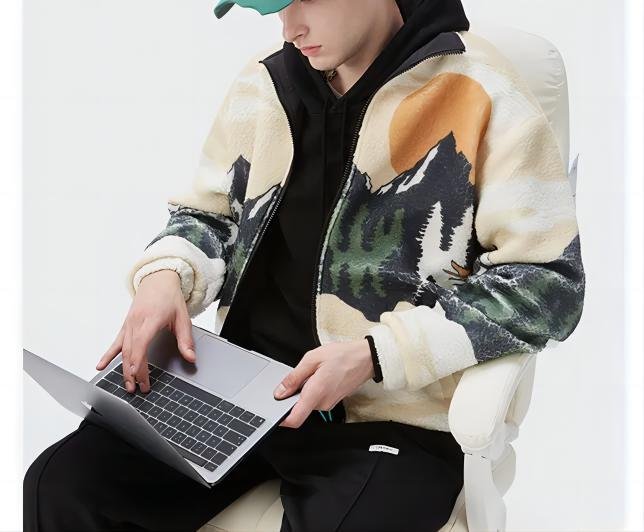
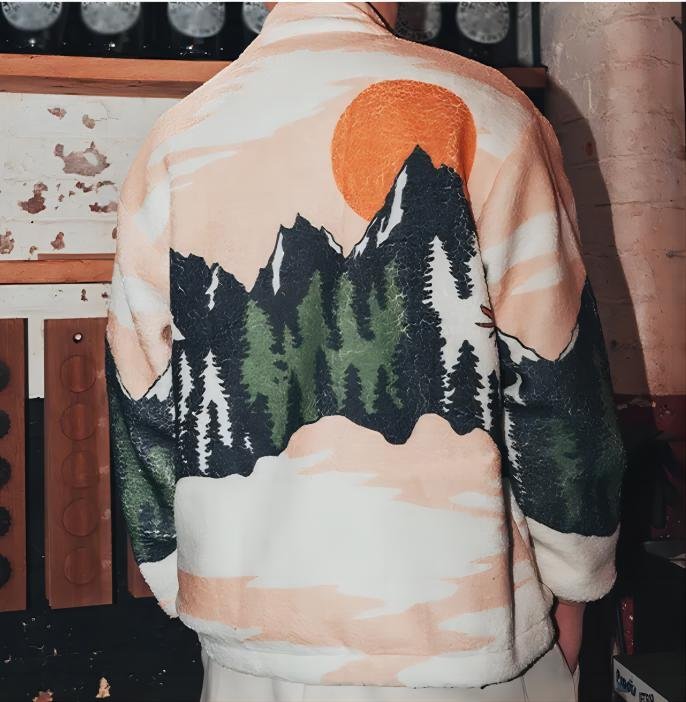
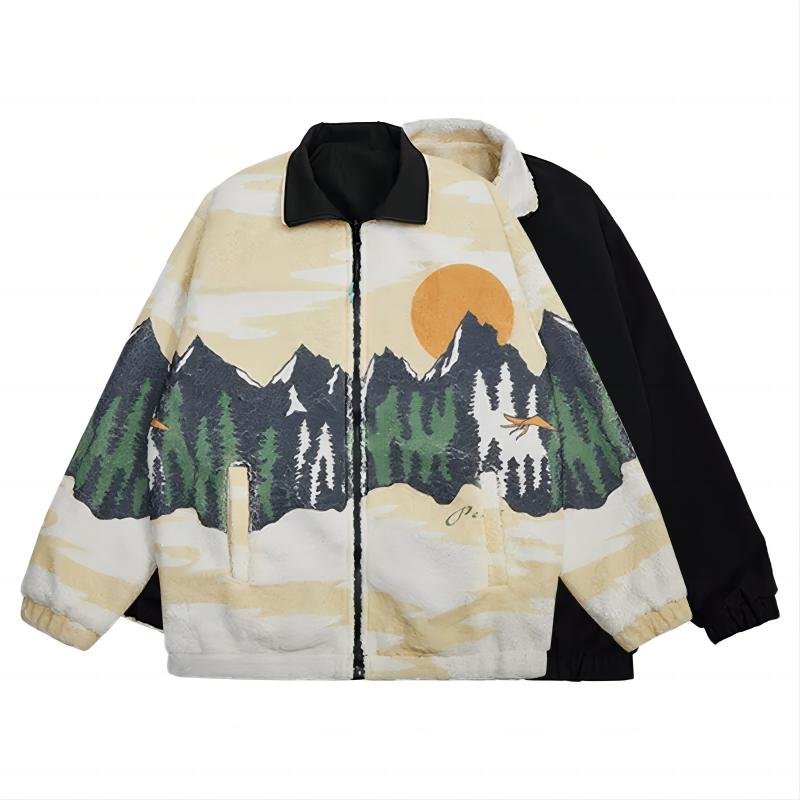
Custom Coach Jacket Designs in Action
Why Brands Choose Our Custom Coach Jackets
Premium manufacturing backed by rigorous quality control, flexible minimums, and streetwear expertise that scales with your brand.
5-Step QC Guarantee
Every custom coach jacket passes five quality checkpoints from materials to finished product, eliminating defects before they reach your customers.
50-Piece Low MOQ
Launch your line or test new designs without overcommitting. Our flexible minimums support startups and established brands alike.
Fast Sampling Turnaround
In-house design and sampling team delivers prototypes quickly, so you can validate styles and hit seasonal deadlines with confidence.
Streetwear Design Expertise
Decade of trend-driven production experience and 15-member R&D team fluent in graphics, embroidery, and bold streetwear aesthetics.
Global Shipping & Logistics
Seamless export support to over 100 countries with transparent customs, inspection, and tracking for on-time delivery anywhere.
In-House R&D Team
15 specialists and 10 patents drive continuous innovation in fabrics, construction techniques, and finishing for superior coach jackets.
Custom Coach Jackets for Every Brand & Collection
From streetwear startups to influencer drops and seasonal retail lines, our custom coach jackets deliver premium quality at 50-piece MOQ with full design and production support.
Streetwear Brand Collections
Emerging streetwear labels need bold, trend-driven custom coach jackets that stand out in a crowded market, but struggle to find manufacturers who understand street culture and offer low minimums.
We deliver authentic streetwear designs with skeleton, graffiti, and bold graphic elements at just 50-piece MOQ, backed by our 5-step QC process and in-house design team support.
Influencer & Creator Lines
Content creators launching merchandise need custom coach jackets that reflect their personal brand aesthetic, delivered quickly to capitalize on audience momentum, without massive upfront inventory commitments.
Our fast 21-day turnaround and flexible low MOQ let influencers test designs and drop limited collections that resonate with followers, with full sampling and design collaboration included.
Seasonal Retail Drops
Fashion retailers face tight deadlines for seasonal collections and need custom coach jackets that align with trend forecasts, arrive on time, and maintain consistent quality across production runs.
We synchronize production schedules with your launch calendar, delivering trend-accurate custom coach jackets with zero defects through rigorous quality testing at every manufacturing stage.
Team & Group Apparel
Sports teams, dance crews, and event organizers need custom coach jackets with unified branding and personalization options, but often face high minimums or inconsistent quality from generic suppliers.
Our flexible customization includes embroidery, screen printing, and custom hardware at accessible quantities, ensuring every jacket meets professional standards and reinforces group identity.
Independent Designer Capsules
Fashion designers with unique visions need manufacturing partners who can execute complex custom coach jacket designs with premium fabrics and construction, without compromising on their creative direction.
Our 15-person R&D team and 10 patents support intricate pattern work, specialty fabrics, and innovative details, bringing designer concepts to life with craftsmanship that matches your artistic standards.
Premium Fabrics for Custom Coach Jackets
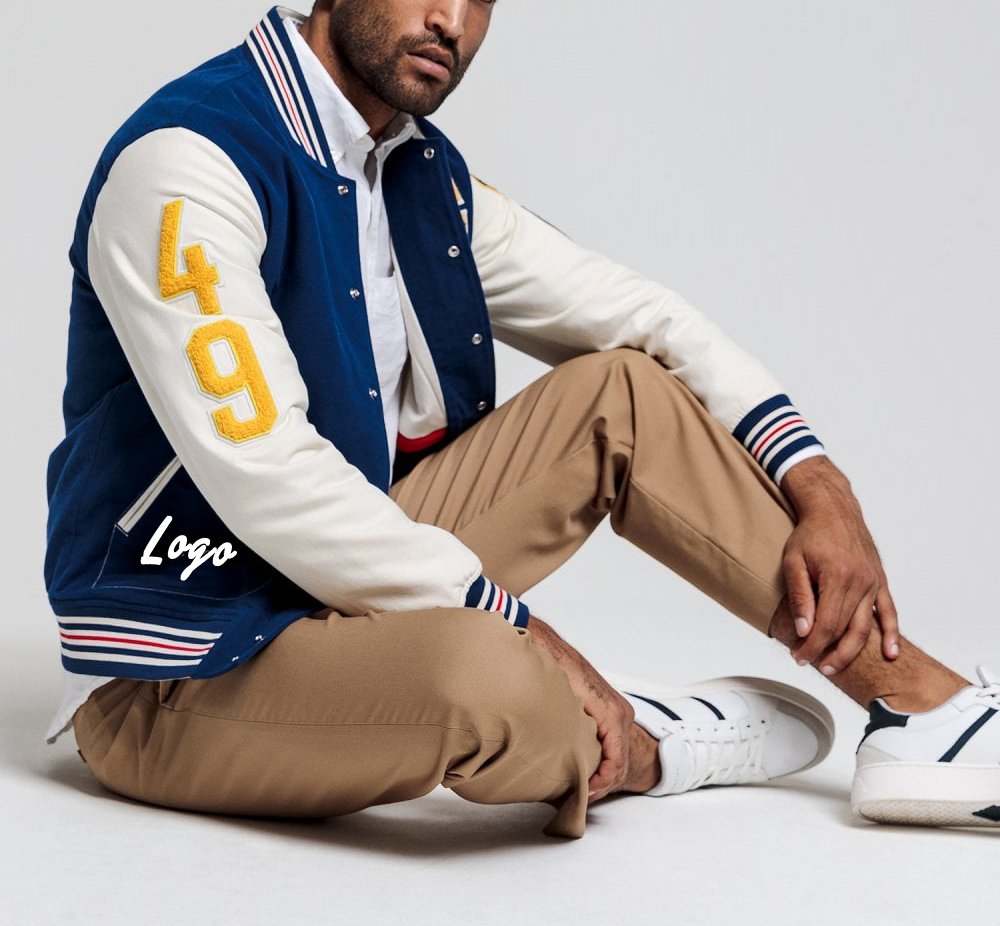
Nylon Ripstop
Lightweight yet exceptionally durable with reinforced grid construction that resists tearing. Ideal for windbreakers and coach jackets requiring weather resistance. Typical weight: 50-70 GSM with superior breathability and quick-dry performance.
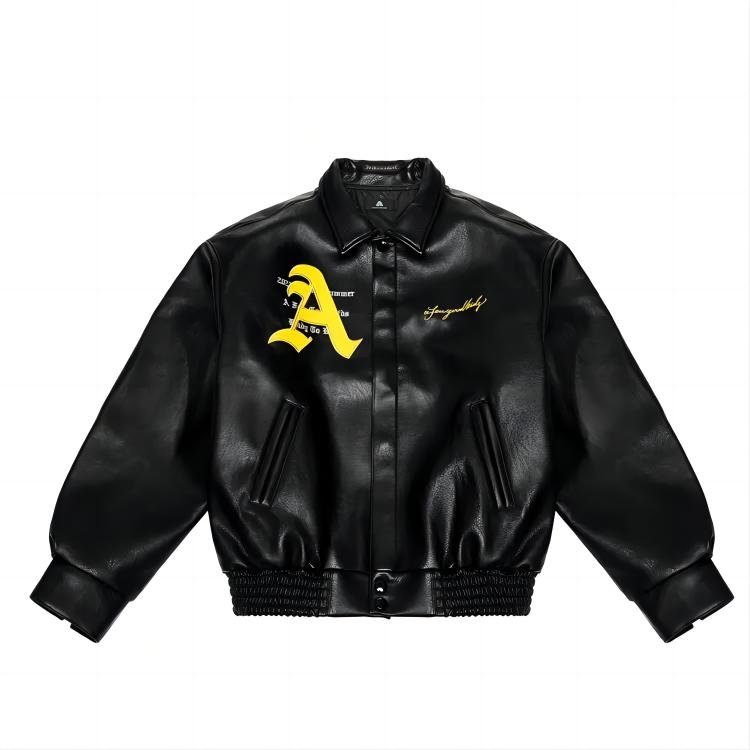
Cotton Twill
Classic diagonal weave fabric offering substantial hand-feel and natural breathability. Perfect for premium coach jackets with vintage streetwear aesthetics. Medium-weight 200-280 GSM construction delivers excellent durability and print retention for bold graphics.
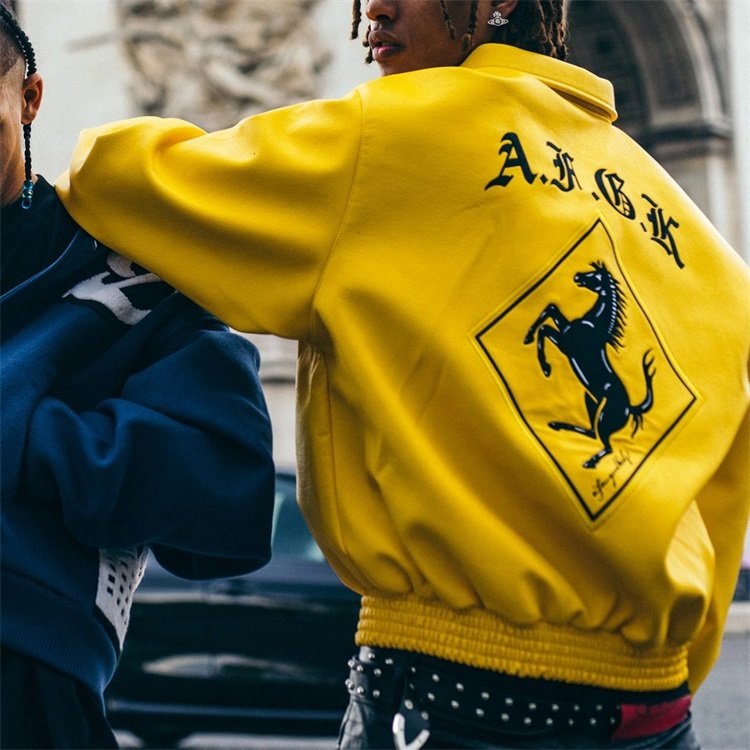
Polyester Blend
High-performance synthetic blend engineered for moisture-wicking and shape retention. Versatile foundation for everyday coach jackets with athletic edge. 150-200 GSM weight balances comfort with wrinkle resistance and vibrant dye saturation.
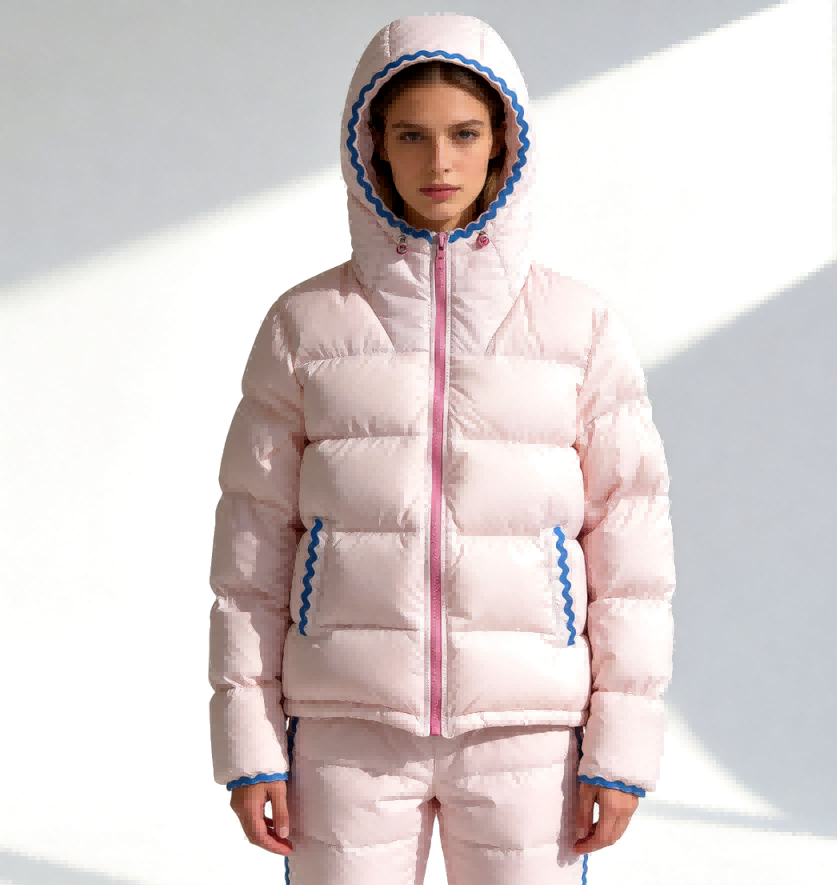
Recycled Nylon
Sustainable fabric crafted from post-consumer materials without compromising streetwear quality standards. Eco-conscious choice for brands prioritizing environmental responsibility. Delivers identical durability and water-resistance as virgin nylon at 60-80 GSM.
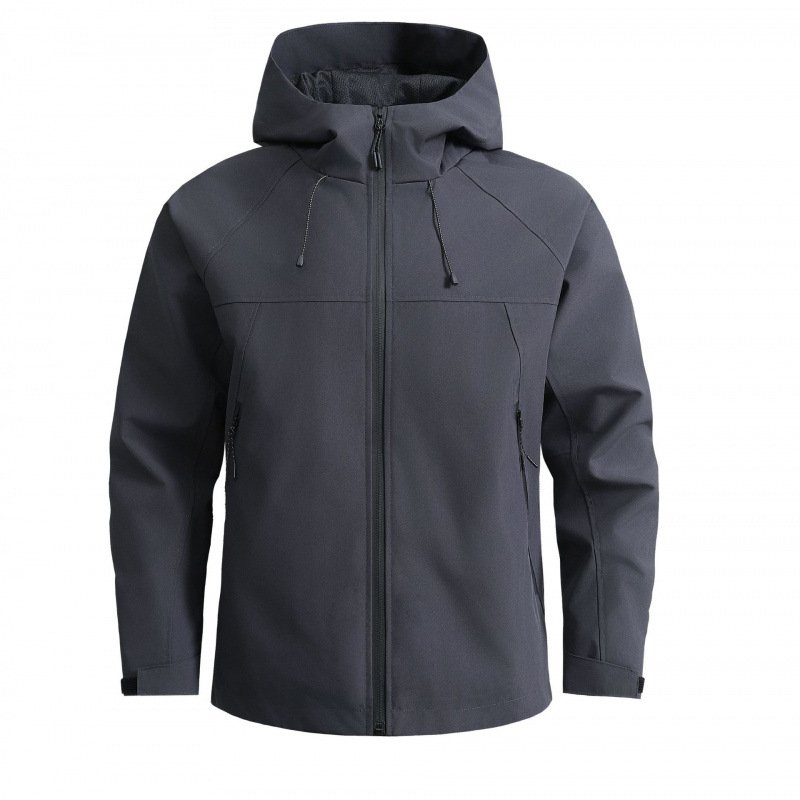
Taffeta Shell
Smooth, crisp fabric with subtle sheen that elevates coach jacket aesthetics. Lightweight 60-90 GSM construction ideal for packable designs and layering pieces. Excellent for screen printing and embroidery with superior color vibrancy.
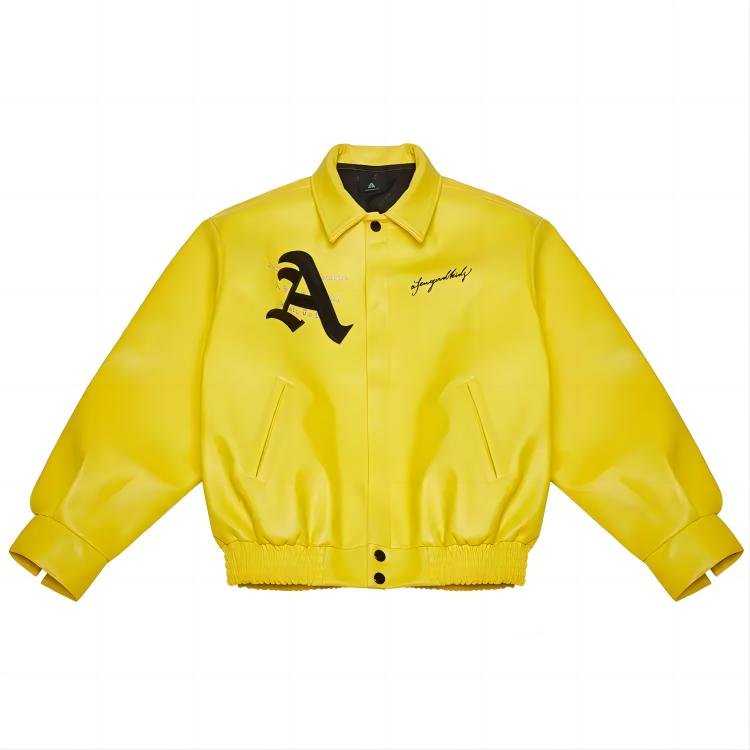
Canvas Cotton
Heavy-duty plain weave offering robust structure and workwear-inspired character. Premium choice for luxury streetwear coach jackets demanding longevity. 280-340 GSM weight provides substantial drape while maintaining breathability and accepting complex embellishments.
Advanced Production Techniques for Custom Coach Jackets
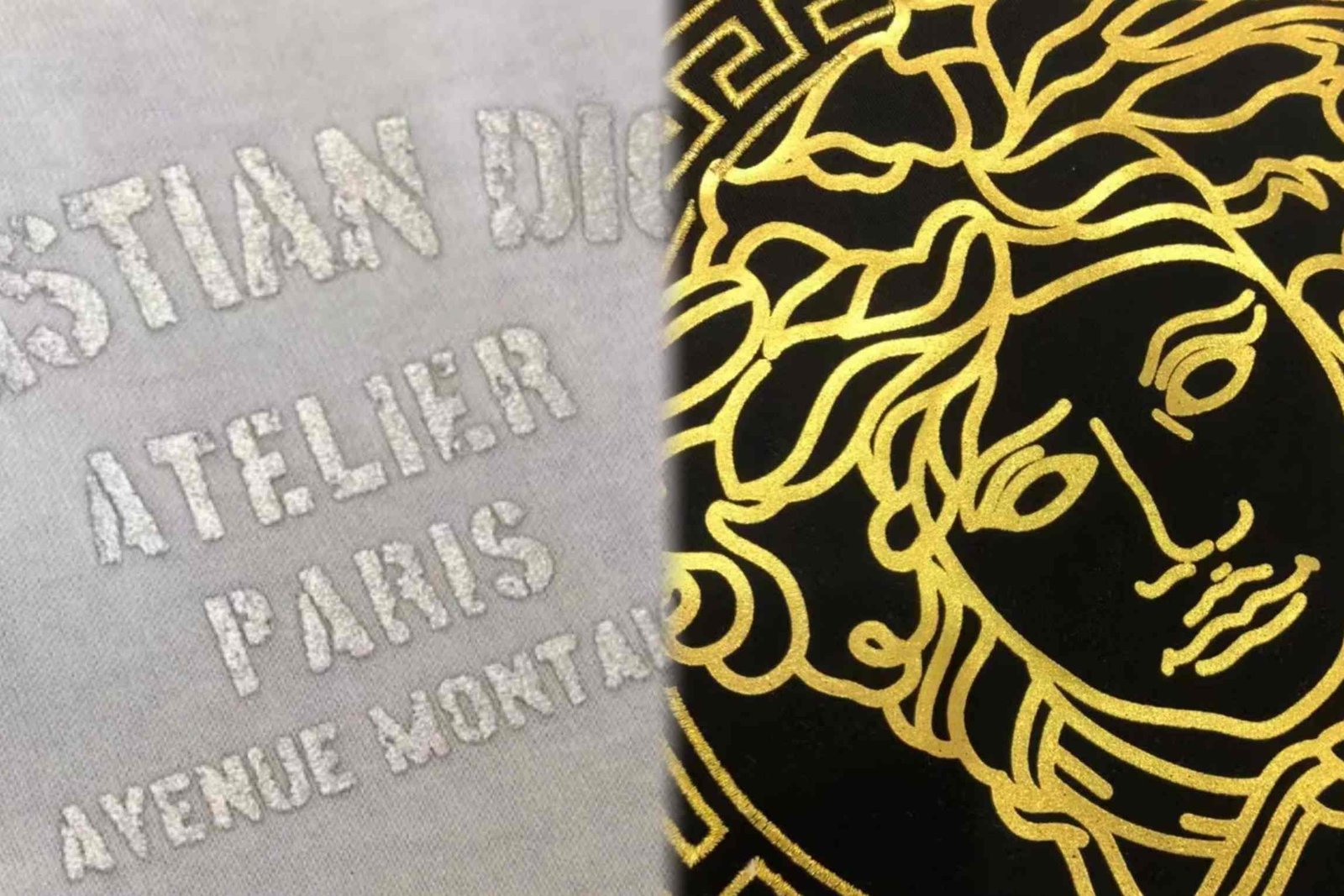
Screen Printing
Bold, vibrant graphics with excellent wash durability. Ideal for large logo placements, back prints, and high-contrast streetwear designs on custom coach jackets. Cost-effective for bulk orders and delivers sharp, opaque colors.
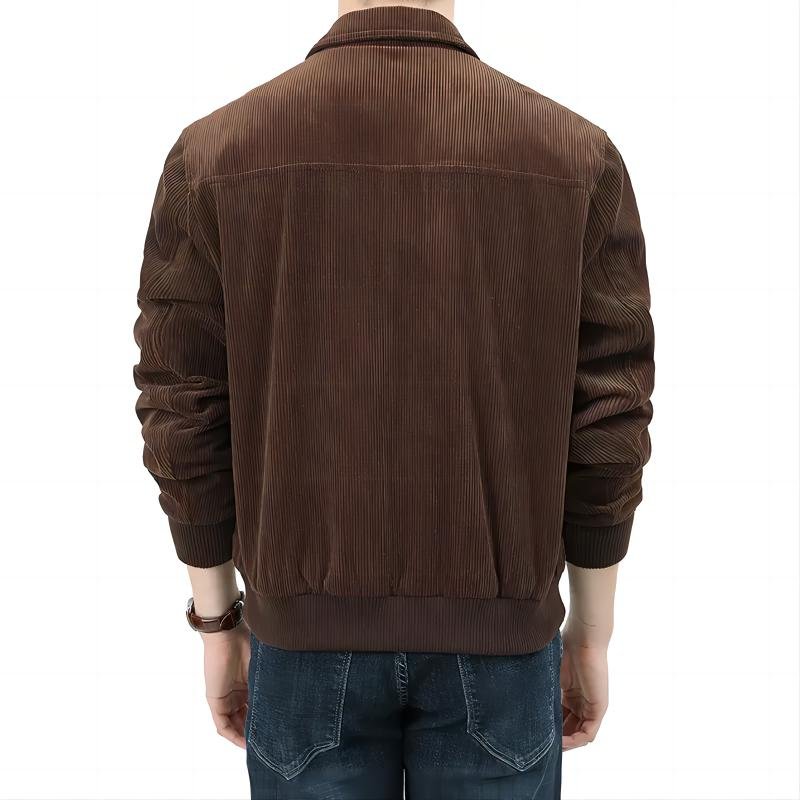
Embroidery
Premium, textured branding that elevates perceived value. Perfect for chest logos, sleeve badges, and custom patches on coach jackets. Offers superior durability and a luxury finish that withstands years of wear.
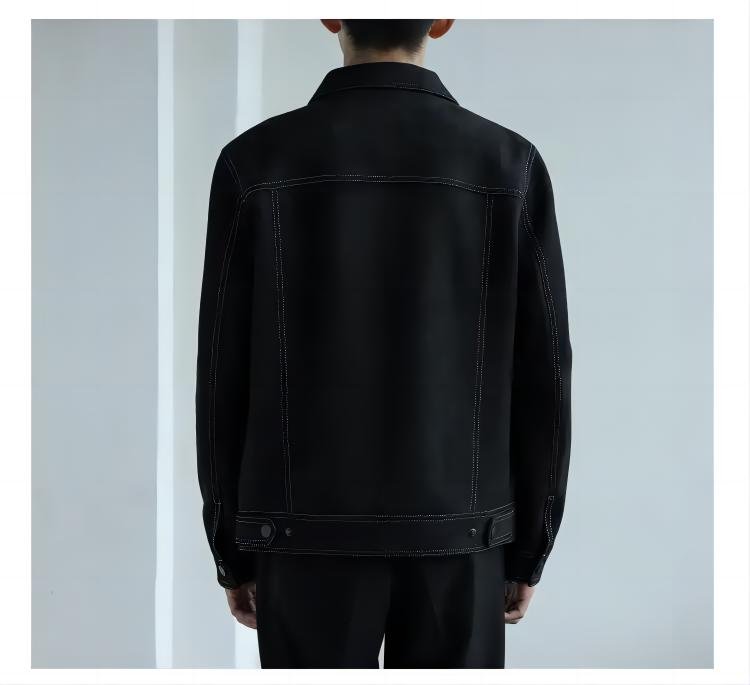
Sublimation Printing
Full-color, all-over patterns with photographic detail. Best for polyester coach jacket linings and complex gradient designs. Creates seamless, fade-resistant graphics that become part of the fabric itself for maximum longevity.
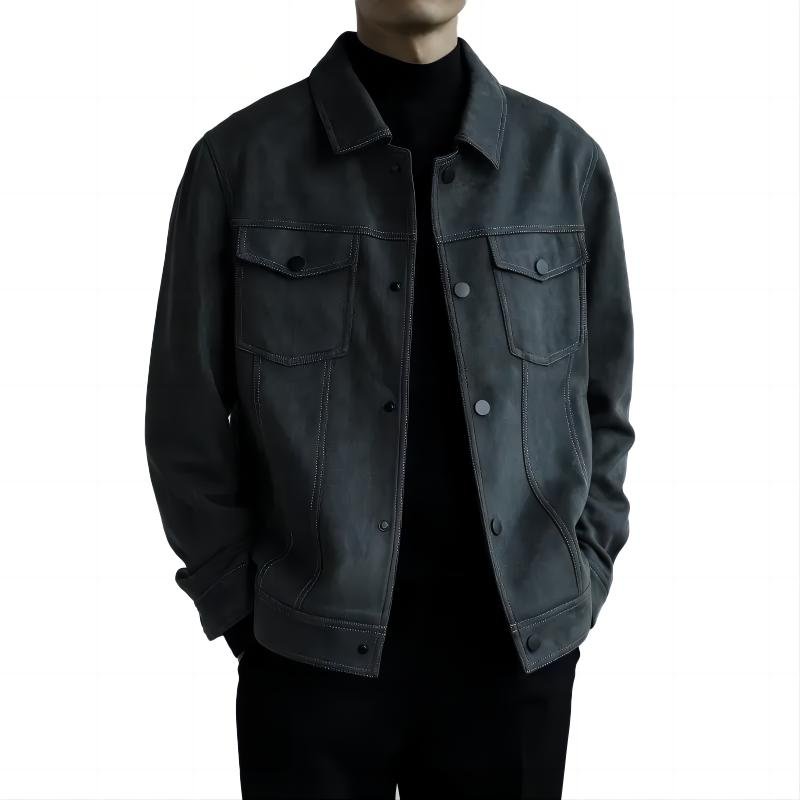
Custom Woven Labels
Professional brand identity tags for neck, hem, and interior placements. High-definition weaving captures intricate logos and text. Adds authenticity and premium brand presence to every custom coach jacket you produce.
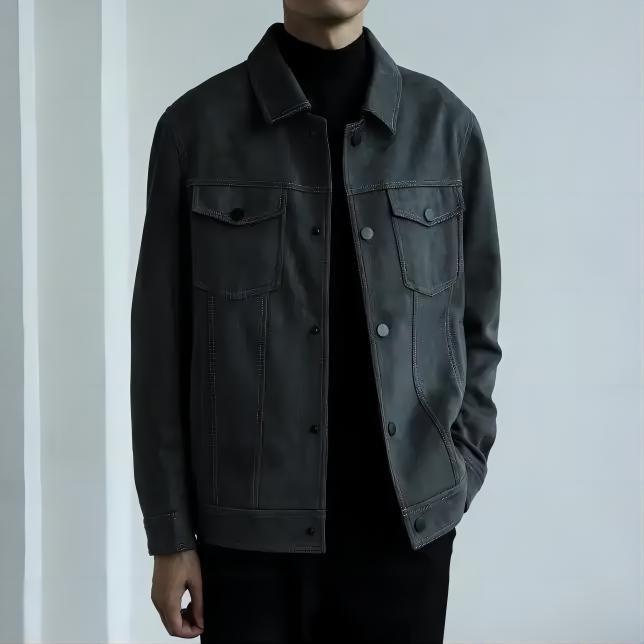
Heat Transfer
Detailed, multi-color designs with smooth finish and no texture. Excellent for small runs, personalized names, and intricate artwork on custom coach jackets. Faster turnaround than screen printing for limited-edition drops.
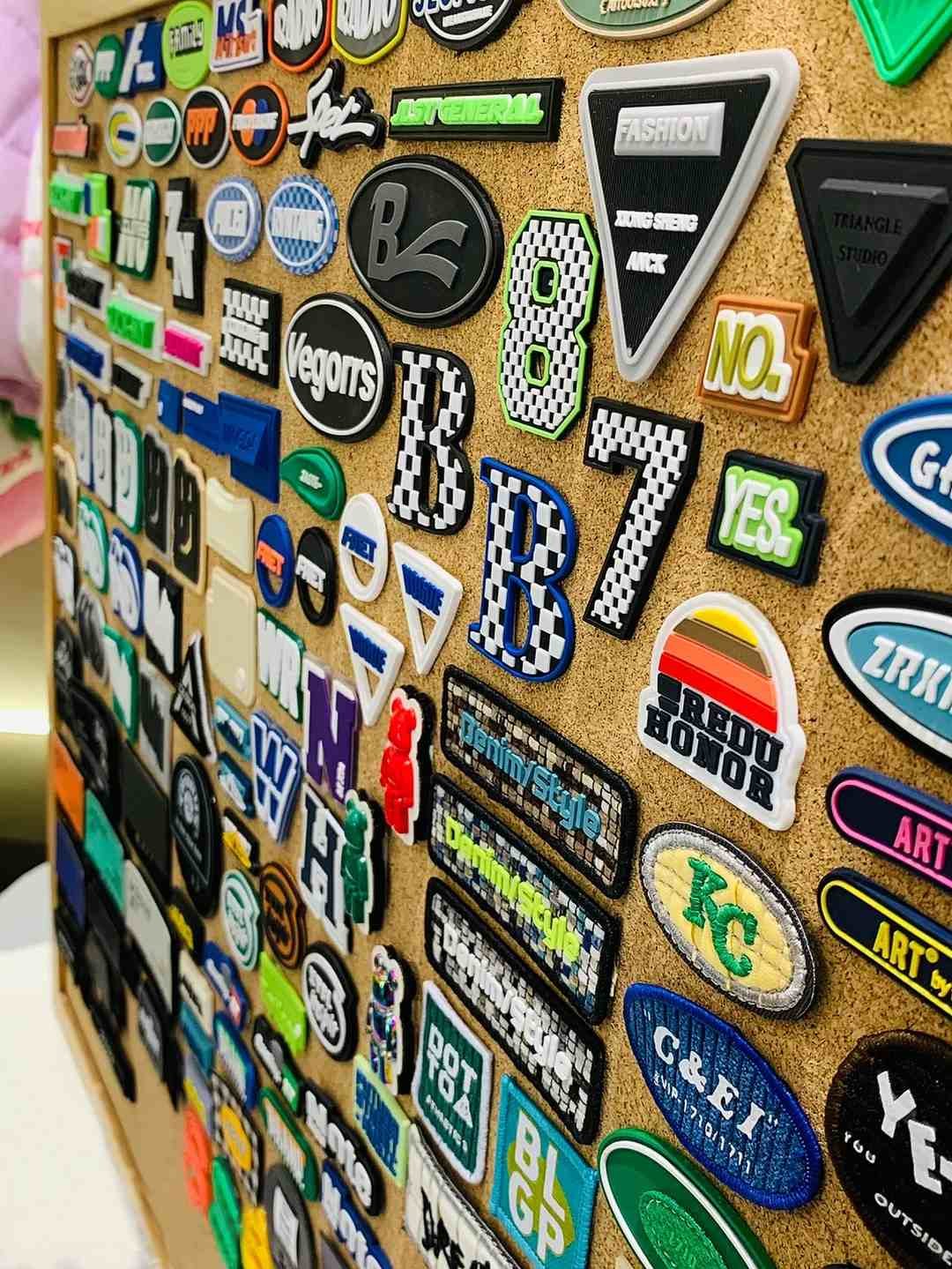
Custom Patches
Removable or sewn appliqués that add dimension and streetwear authenticity. Ideal for limited releases, collaborative drops, and interchangeable branding. Embroidered or woven options available with secure attachment methods tested through our QC process.
Custom Hardware & Accessories for Coach Jackets
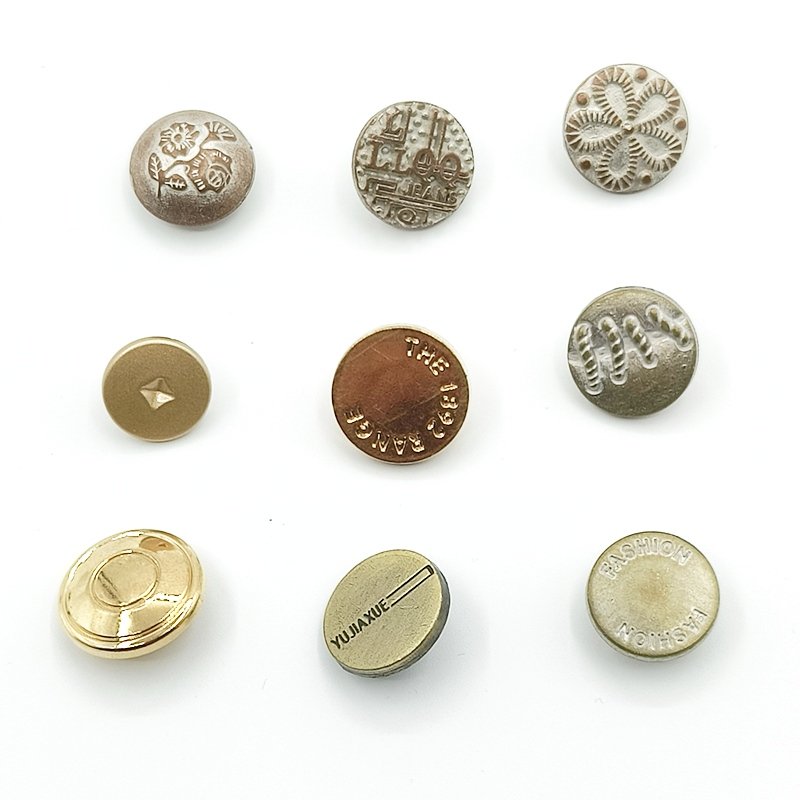
Metal Snap Buttons
Durable nickel or brass snap closures for front plackets and pockets. Available in custom finishes including matte black, antique brass, and polished silver to match your brand aesthetic and withstand repeated wear.
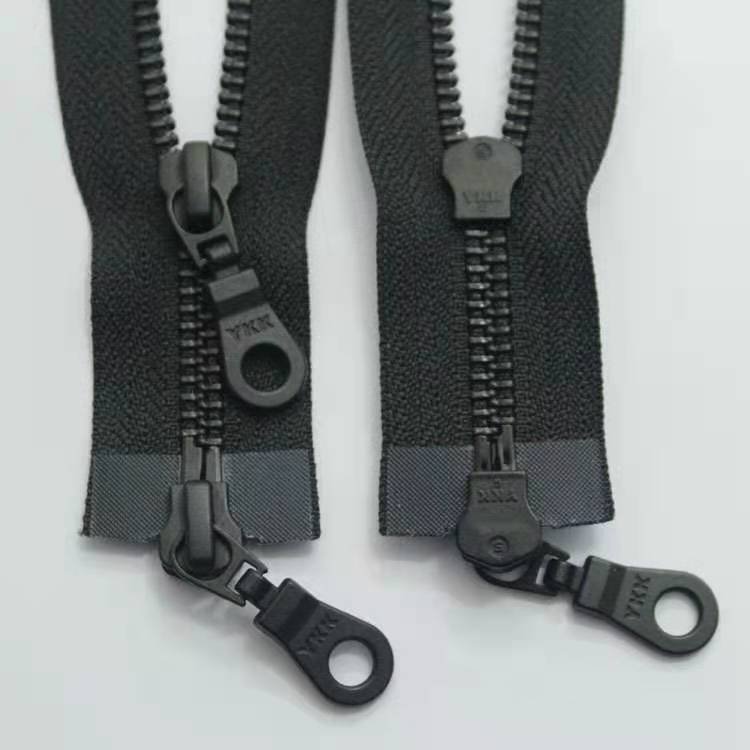
YKK & SBS Zippers
Premium YKK or SBS metal and nylon zippers engineered for high-wear areas including front closures and pocket entries. Self-locking sliders prevent accidental opening, ensuring reliability across thousands of cycles.
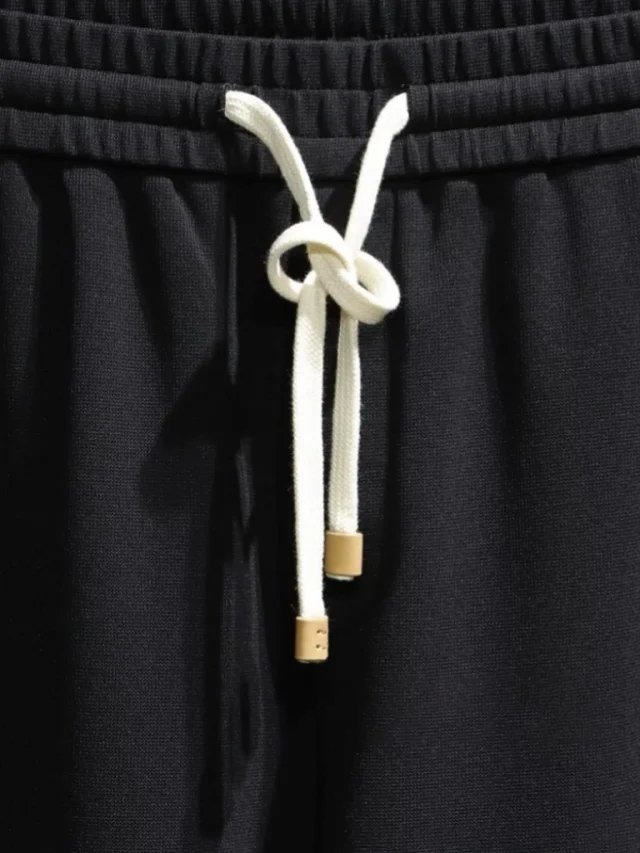
Custom Drawcords & Tipping
Reinforced drawcords with metal or plastic aglets for hem and hood adjustments. Choose from round, flat, or reflective cord styles with branded metal tips to enhance functionality and streetwear detail.
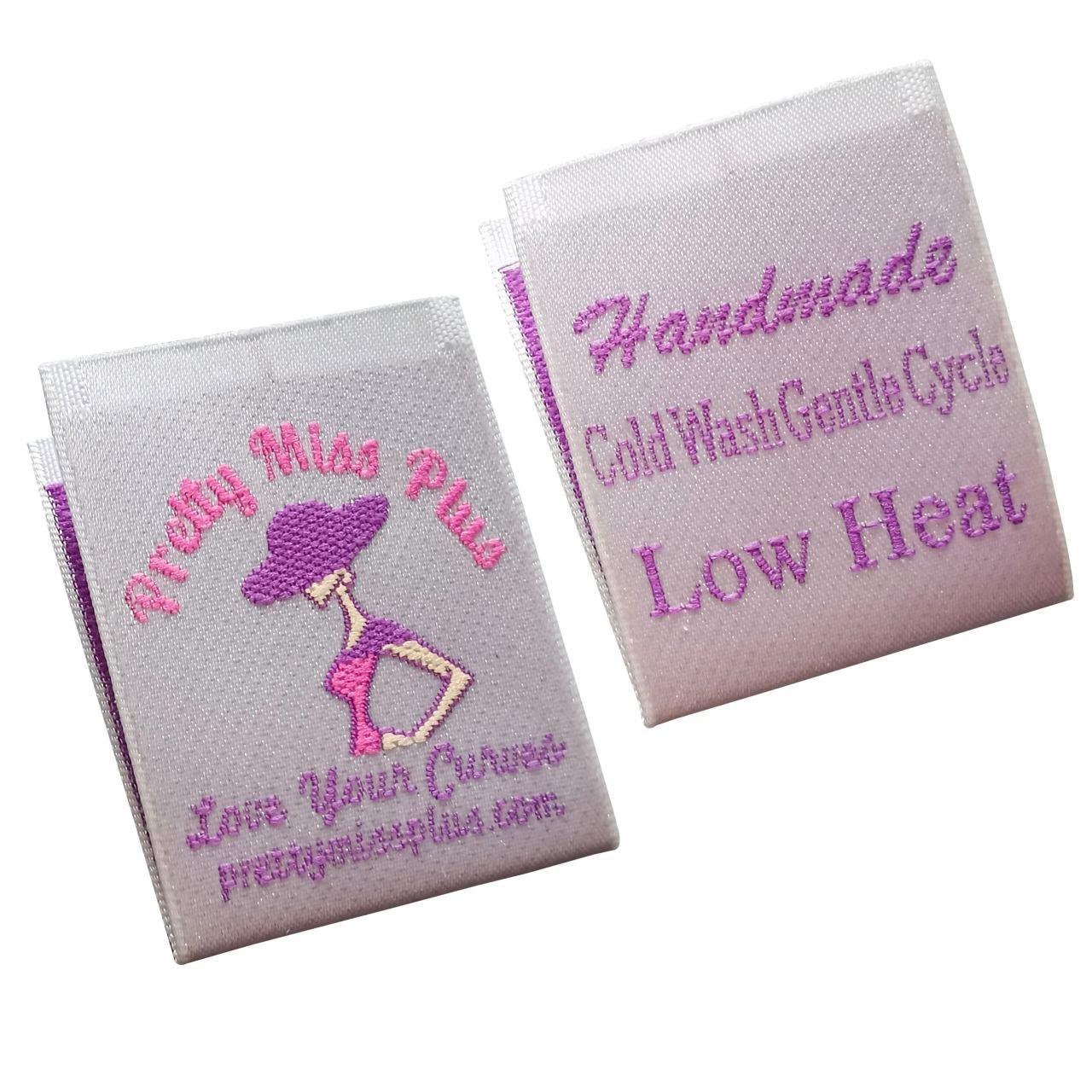
Woven & Printed Labels
High-density woven damask or satin labels with your logo and care instructions. Positioned at neck, sleeve, or inner pocket for brand identity. Fade-resistant threads ensure longevity through wash cycles.
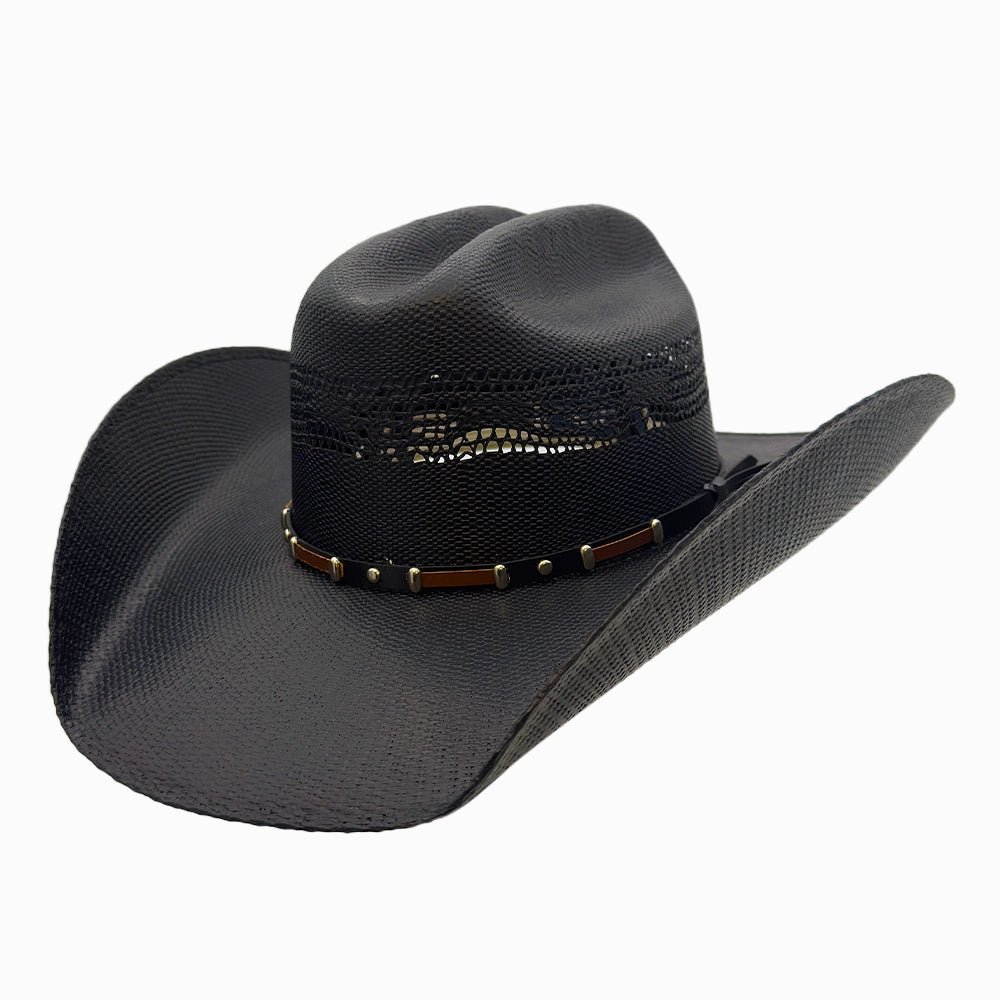
Embroidered Patches
Custom chenille, flat-lock, or 3D embroidered patches for chest, sleeves, or back panels. Up to 15 thread colors and intricate detail work bring your streetwear graphics to life with tactile dimension.
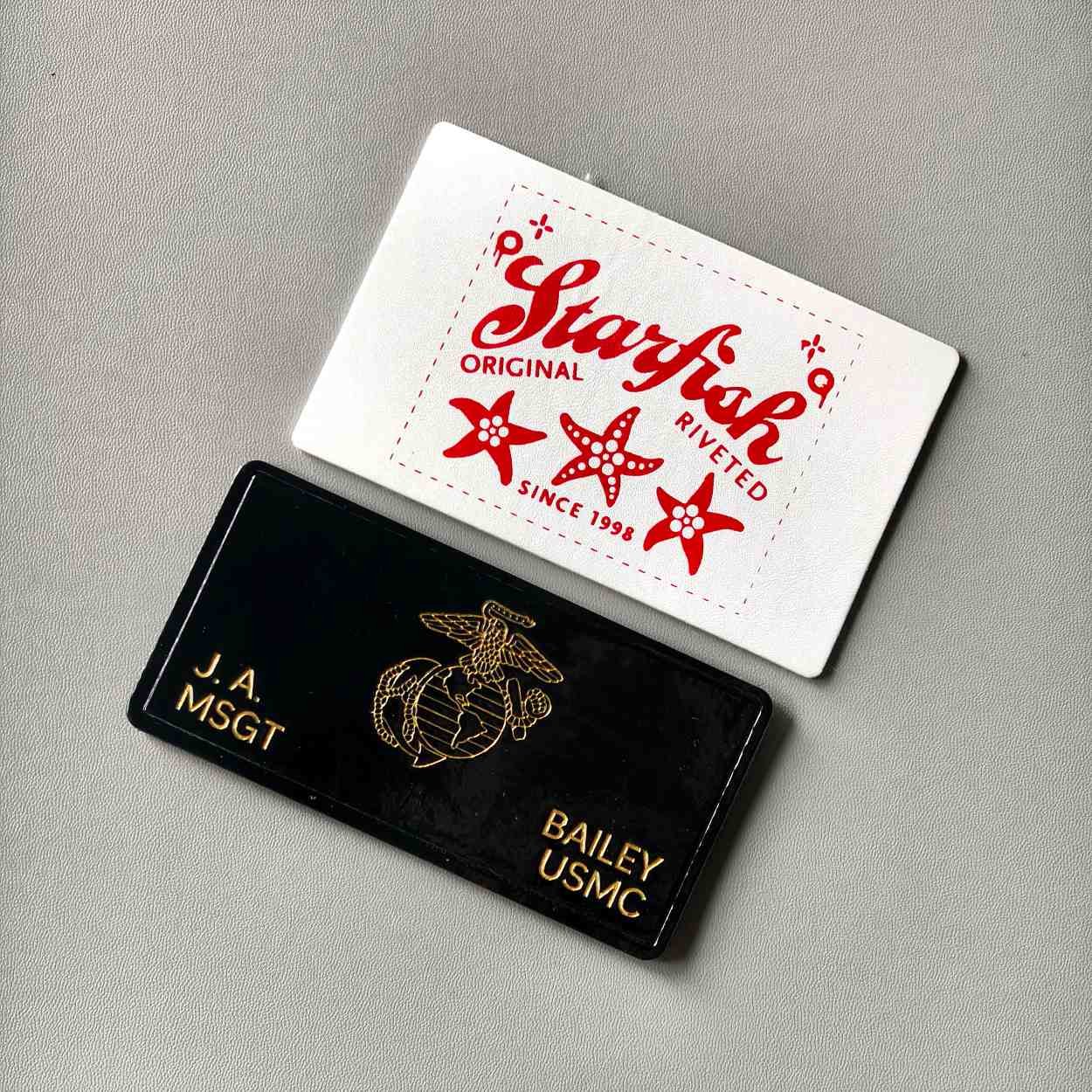
Custom Hangtags
Branded hangtags in coated paperboard, recycled kraft, or plastic with custom die-cut shapes and finishes. Communicate your brand story, sizing, and QC credentials at point of sale with professional presentation.
About Clothing Manufacturer Ltd
Founded in 2024 by Tesla Luo, Clothing Manufacturer Ltd. was born from a mission to restore trust in Chinese garment manufacturing. With over 10 years of apparel production experience and 6 years specializing in streetwear, Tesla witnessed too many manufacturers skipping quality control entirely. He built this company on a zero-compromise philosophy: rigorous testing at every production stage, transparent communication, and craftsmanship that earns global respect.
Today, we serve trendy brands, fashion startups, independent designers, and retailers across 100+ countries. Our 15-member R&D team and 10 patents support everything from custom coach jackets to full streetwear collections. Every order—whether you’re launching your first 50 pieces or scaling to thousands—passes through our proprietary 5-step QC process, ensuring defects are caught early and quality is embedded from fabric inspection to final packaging.
We partner with emerging labels and established names alike, offering low MOQs, fast turnaround for seasonal drops, and end-to-end support from design and sampling to global shipping. Our foundation in Humen Town, Dongguan—a historic garment manufacturing hub—gives us access to premium fabrics, advanced production technology, and the infrastructure to scale with your brand as it grows.
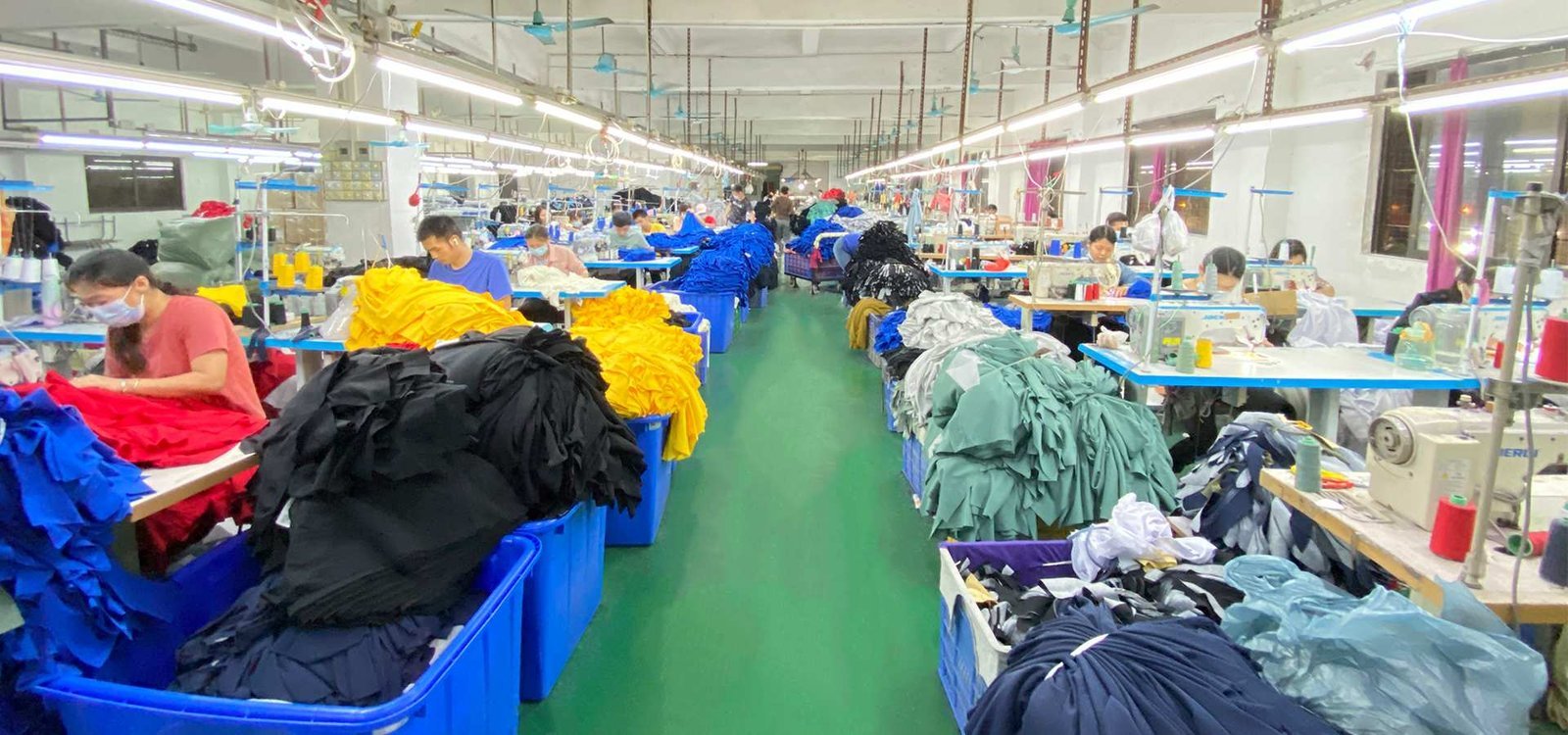
Our 5-Step Quality Control Process for Custom Coach Jackets
Materials QC Testing Before Production
Every fabric roll, snap, zipper, and trim is inspected before cutting begins. We verify weight, color consistency, stretch recovery, and hardware durability to ensure your custom coach jackets start with premium-grade materials that meet your brand standards.
- Fabric weight and density verification against approved samples
- Colorfast testing to prevent bleeding or fading after washing
- Hardware stress testing for snaps, zippers, and eyelets
- Supplier certification review for all trims and components
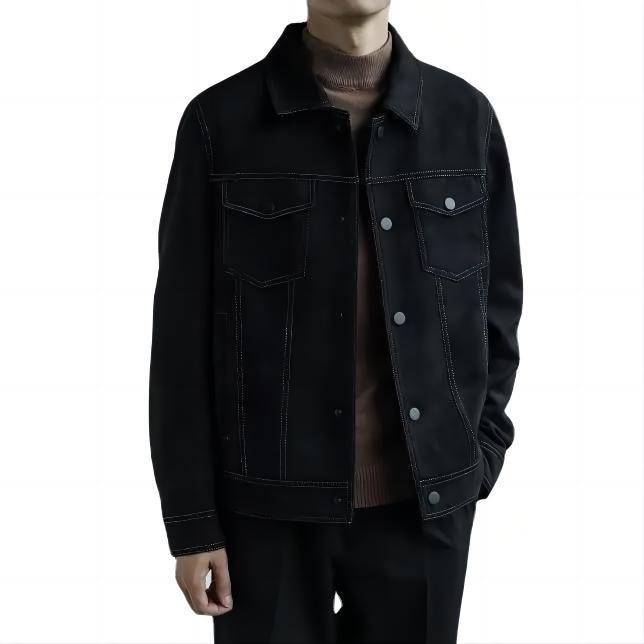
Cutting QC Testing for Pattern Accuracy
After materials pass inspection, our cutting team verifies every pattern piece for dimensional accuracy and grain alignment. This stage catches errors before sewing, preventing costly remakes and ensuring consistent sizing across your entire custom coach jacket order.
- Digital pattern verification against approved tech packs
- Grain line and stripe alignment checks for pattern matching
- Measurement audits on sample cut pieces from each batch
- Marking and labeling accuracy to prevent assembly errors
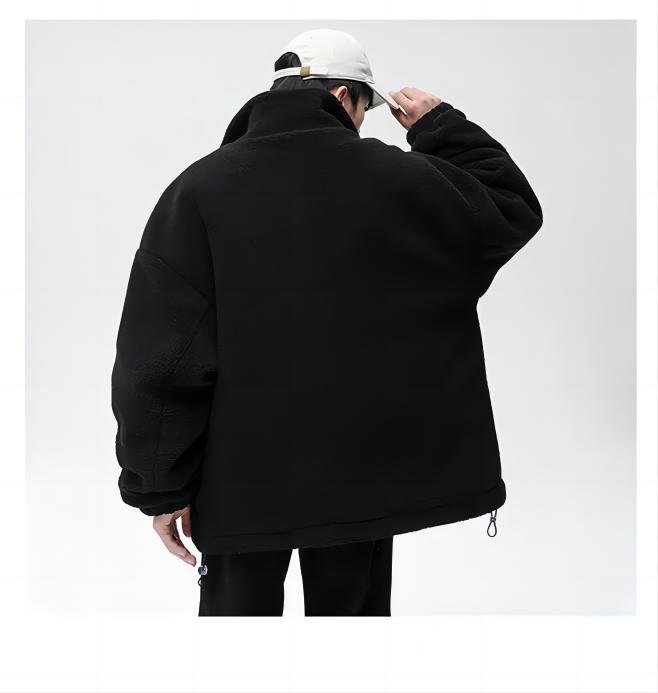
Clothing Craft & Sewing Production QC
During production, our QC team monitors stitch density, seam strength, and construction techniques at critical checkpoints. Unlike factories that skip in-line inspection, we catch defects immediately—before they compound—ensuring every custom coach jacket meets streetwear durability standards.
- Inline inspection at collar, sleeves, pockets, and hem stages
- Stitch-per-inch counts and seam allowance verification
- Snap and button placement accuracy checks during assembly
- Real-time feedback loop between QC and sewing operators
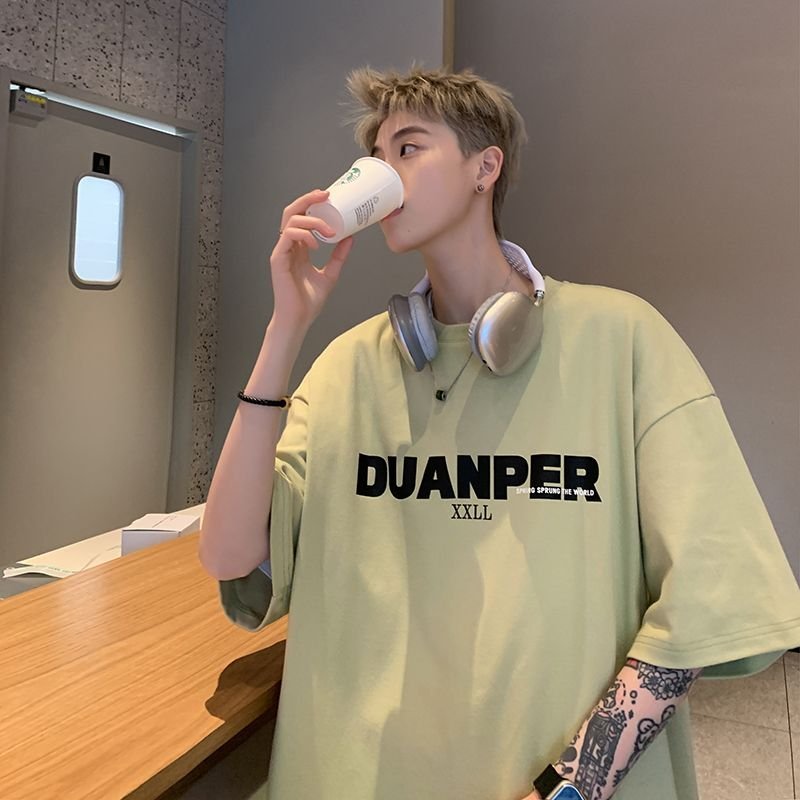
Finished Product Quality Inspection & Packaging
Every completed custom coach jacket undergoes final inspection for thread trimming, pressing quality, label placement, and overall appearance. Only garments that pass our comprehensive checklist are approved for ironing, folding, and shipment to your brand.
- 100% visual inspection for loose threads and fabric flaws
- Measurement verification against approved size spec sheets
- Label, hangtag, and care instruction placement review
- Final pressing and packaging standards audit before shipping
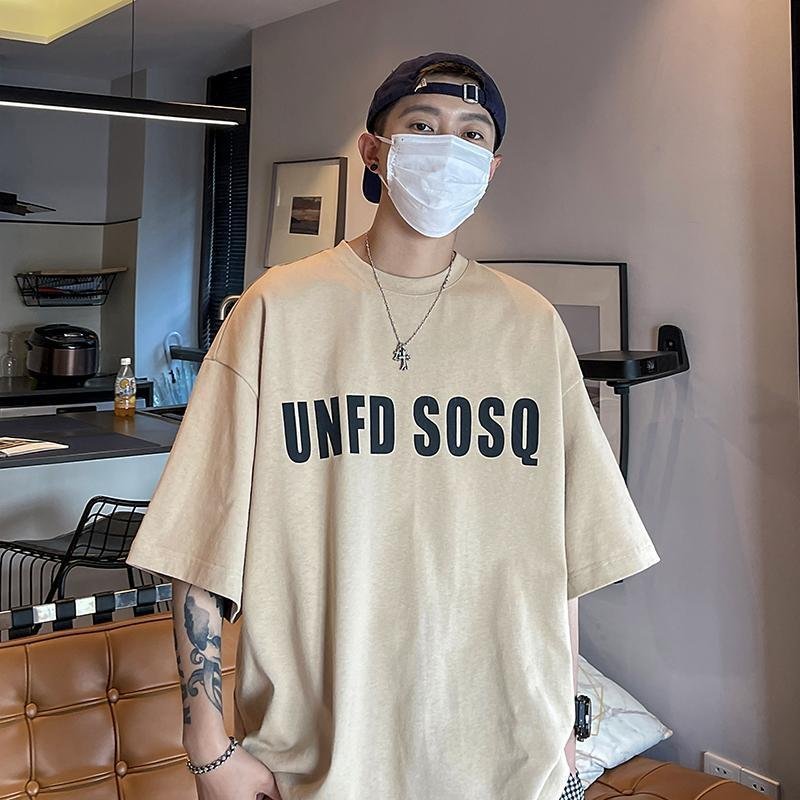
How Our Custom Coach Jackets Compare to Standard Suppliers
We built our production process to solve the problems that frustrate streetwear brands most—low MOQs without quality compromise, transparent QC at every stage, and fast sampling that keeps pace with your creative vision.
← 左右滑动查看 →
From Order to Delivery — Our Custom Coach Jackets Production Timeline
Six transparent phases with quality checkpoints at every stage, ensuring your custom coach jackets meet streetwear standards from fabric approval to final shipment.
Sourcing & Material Approval
We select premium fabrics, snap buttons, and trims for your custom coach jackets, then send samples for your sign-off before production begins.
Cutting & Marking QC
Pattern pieces are precision-cut and inspected under our second QC checkpoint to eliminate fabric flaws and ensure accurate panel dimensions.
Embroidery & Printing Setup
Custom logos, graphics, and prints are applied using advanced heat-transfer or embroidery machines, with color-match verification at this stage.
Sewing & Assembly QC
Skilled machinists stitch panels, attach linings, and install hardware while in-line QC testers check stitching tension and seam strength continuously.
Finished Garment QC Inspection
Every completed coach jacket undergoes our final quality control test for sizing accuracy, print durability, snap function, and overall finish.
Packing & Global Shipping
Approved jackets are steam-pressed, poly-bagged with your branding inserts, and dispatched via air or sea freight with full tracking transparency.
How to Partner With Us for Custom Coach Jackets
From concept to delivery, our streamlined process makes ordering custom coach jackets simple, transparent, and quality-guaranteed at every stage.
Submit Your Design & Tech Pack
Share your custom coach jacket design, specifications, fabric preferences, and quantity requirements. Our team reviews everything and answers questions within 24 hours.
Review Quote & Sample Options
Receive a detailed quote with pricing, timeline, and fabric recommendations. Approve sample production to validate fit, materials, and construction before bulk orders.
Approve Samples & Place Order
Inspect physical samples for quality and accuracy. Once approved, confirm your bulk order and production schedule with transparent milestone tracking throughout.
Production With 5-Step QC Testing
Your custom coach jackets move through our proprietary five-stage quality control process, ensuring defects are caught and corrected at materials, cutting, craft, sewing, and final inspection.
Final Inspection & Global Delivery
Completed jackets undergo final QC inspection, professional packaging, and coordinated shipping. We handle logistics and customs documentation for reliable delivery worldwide.
Certifications & Quality Standards for Custom Coach Jackets
Custom Coach Jackets That Helped Brands Grow
We launched our first custom coach jacket collection with a 50-piece order and grew from 0 to 47,000 Instagram followers in 8 months. The 5-step QC process meant zero customer complaints about quality.
Switching to Clothing Manufacturer cut our production lead time by 35% for seasonal drops. Their team understood our streetwear aesthetic immediately and delivered custom coach jackets that sold out in 72 hours.
As an influencer brand, I needed low MOQ custom coach jackets with premium finishes. They handled my 80-piece order flawlessly, and my merch revenue increased 210% compared to my previous supplier’s generic options.
Frequently Asked Questions About Custom Coach Jackets
What is the minimum order quantity for custom coach jackets?
How long does it take to produce custom coach jackets from order to delivery?
What customization options are available for custom coach jackets?
What are the payment terms and deposit requirements?
How do you protect my designs and intellectual property?
Do you handle international shipping and customs clearance?
What quality control measures ensure my jackets meet standards?
Can you match specific Pantone colors or provide color samples?
The Complete Buyer’s Guide to Custom Coach Jackets for Your Brand
Navigate the sourcing landscape with confidence. This guide delivers a proven decision framework, manufacturer selection criteria, customization options, quality benchmarks, and the most common mistakes to avoid when ordering custom coach jackets.
1. What Are Custom Coach Jackets?
Custom coach jackets are lightweight outerwear garments defined by a snap-front closure (typically 4–6 snaps), a stand or fold-down collar, raglan or set-in sleeves, and a mesh or satin interior lining. Fabric weights range from 180 to 280 GSM, making them versatile three-season pieces that layer easily over hoodies or tees. The silhouette traces back to 1960s athletic sidelines but now anchors streetwear collections, team uniforms, influencer merch drops, and brand collaborations worldwide.
Streetwear brands favor custom coach jackets because the clean front panel and back yoke offer large, uninterrupted canvases for screen-printing, embroidery, or heat-transfer graphics. Independent designers and fashion startups appreciate the garment’s moderate construction complexity—simpler than a bomber, more structured than a windbreaker—which translates to predictable lead times and manageable minimums. Retailers use coach jackets as seasonal hero pieces that carry high perceived value at accessible price points.
‘Custom’ means you control every brand-facing detail: Pantone-matched shell and lining colors, logo placement (left chest, back, sleeves, or all-over print), fabric choice (nylon taffeta, polyester twill, or water-resistant ripstop), snap finish (gunmetal, gold, matte black), and interior labels. Off-the-shelf blanks lock you into a vendor’s colorways and generic sizing, forcing your brand to compete on decoration alone. Custom construction lets you differentiate at the garment level—ensuring the jacket itself, not just the print, reflects your brand identity and quality standards.
2. The Evolution of Coach Jackets in Fashion
Coach jackets first appeared on American sports sidelines in the 1960s, designed as lightweight, water-resistant outerwear for coaches who needed freedom of movement and weather protection during outdoor games. The snap-front closure, stand collar, and nylon shell became the functional uniform of high school and college coaching staff across the United States.
By the late 1980s and early 1990s, skate brands including Thrasher and Supreme adopted the coach jacket silhouette, recognizing its appeal to skateboarders who valued the same mobility and weather resistance that coaches required. This migration from sidelines to skateparks marked the jacket’s entry into youth subculture, where its clean lines and large back panel offered an ideal canvas for bold graphics and brand logos that resonated with street culture.
Hip-hop artists and producers in the 1990s further elevated the coach jacket’s cultural status, wearing oversized versions with embroidered branding and custom colorways that signaled affiliation and style. The jacket’s boxy fit and lightweight construction aligned perfectly with the era’s preference for layered, logo-driven streetwear, cementing its place in urban fashion vocabulary.
Today, custom coach jackets serve as entry-point outerwear for fashion startups and independent designers launching their first collections, with typical 50-piece MOQs making them accessible for emerging brands. The jacket’s simple construction—collar, body panels, sleeves, lining, and snaps—keeps production costs manageable while its large printable surfaces allow maximum brand expression, from screen-printed graphics to embroidered crests, making it a versatile foundation piece for trendy brands building streetwear collections.
3. Types of Custom Coach Jackets
Custom coach jackets span five core construction types, each optimized for specific fabrics, seasons, and brand positioning. Understanding these variants ensures you select the right silhouette for your target audience and use case.
Classic Lightweight Nylon Coach Jacket
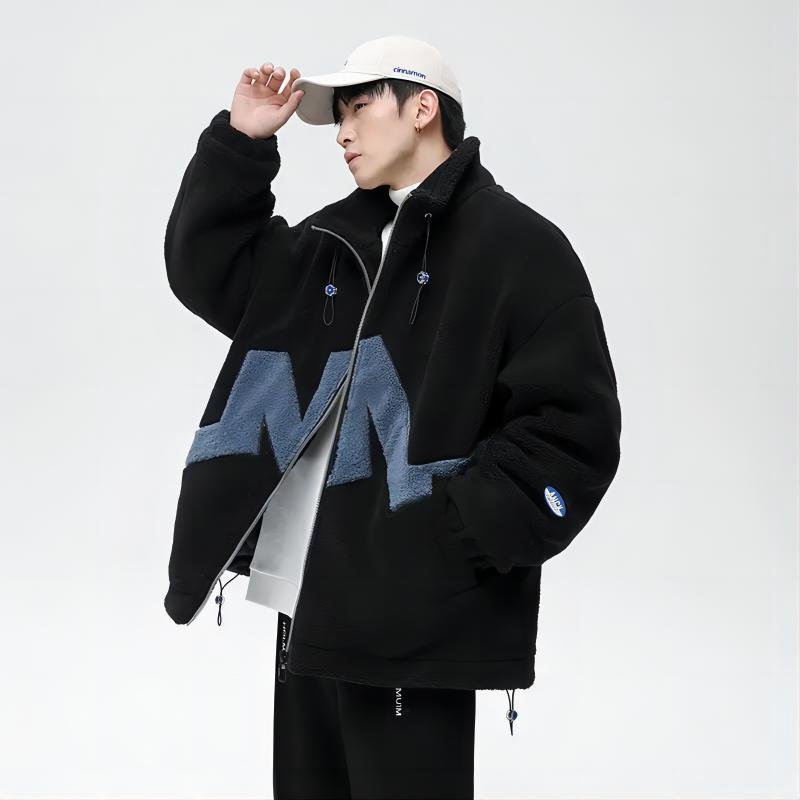
Built from 70–100 GSM nylon taffeta or ripstop, the classic coach jacket weighs 200–280 grams and packs into its own pocket. Spring and fall are peak seasons, though year-round layering keeps it in rotation.
Fashion startups and streetwear drops favor this style for screen-printed graphics and embroidered chest logos. Corporate merch teams order it for outdoor events and trade shows where portability matters.
Fleece-Lined Winter Coach Jacket
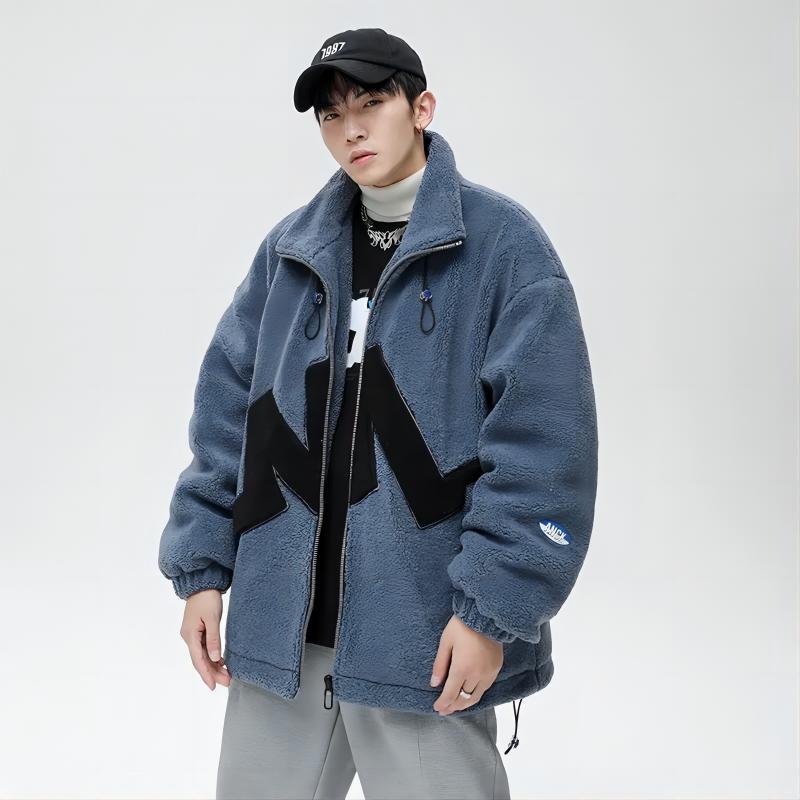
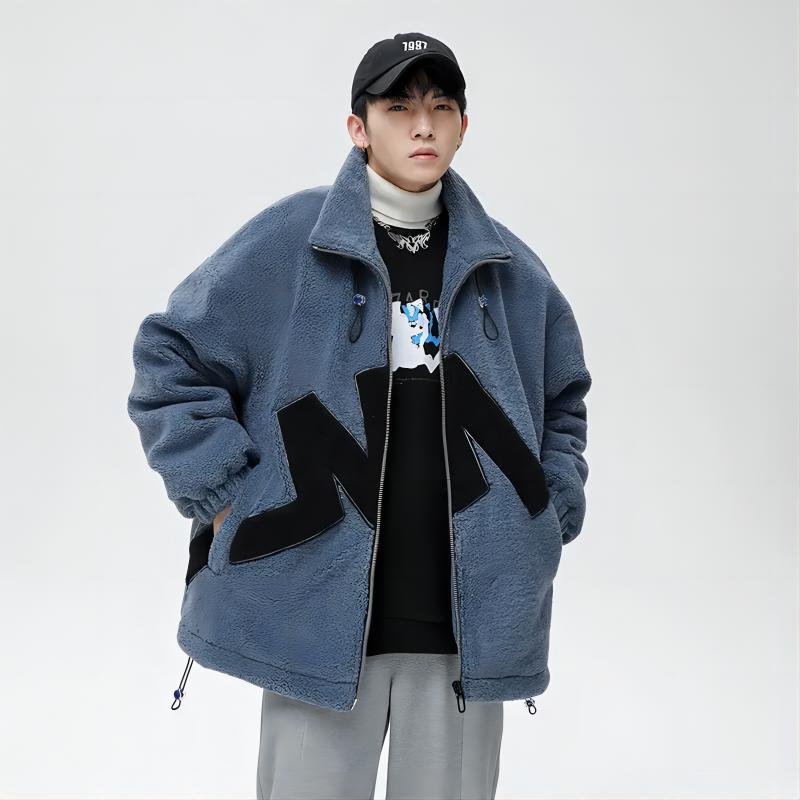
A bonded fleece or sherpa lining adds 150–200 grams, pushing total weight to 400–500 grams and extending wear into winter months. The outer shell remains nylon or polyester twill, while the lining traps body heat.
Influencer and creator brands use fleece-lined coaches for limited cold-weather capsules. Retailers stock them from November through February in temperate climates.
Satin Coach Jacket
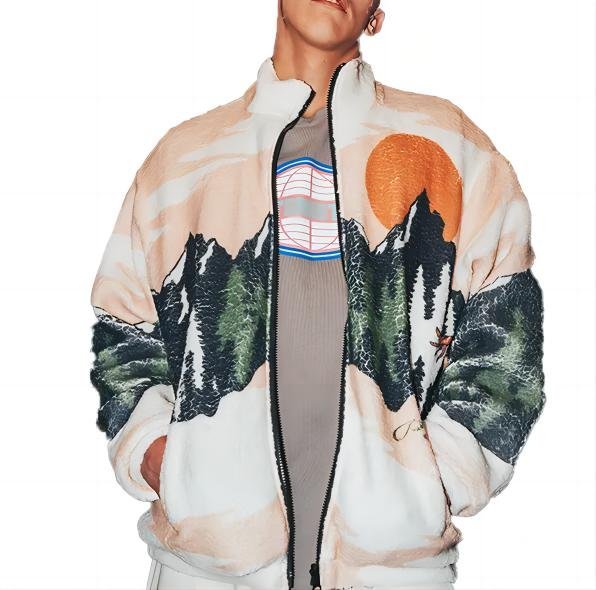
Polyester satin weaves (80–120 GSM) deliver high sheen and drape, appealing to streetwear labels chasing a premium aesthetic. The fabric resists wind but offers minimal insulation, making it a three-season piece.
Trendy brands embroider oversized back patches or chain-stitch script across satin coaches. The lustrous finish photographs well for social media campaigns and influencer unboxings.
Technical Performance Coach Jacket
Engineered fabrics—DWR-coated ripstop, four-way stretch nylon, or breathable membranes—transform the coach jacket into activewear. Weight ranges from 180–250 grams, with taped seams and laser-cut ventilation common.
Global apparel retailers and athleisure startups specify technical coaches for urban commuters and outdoor enthusiasts. Moisture-wicking linings and reflective trims justify higher price points.
4. Materials and Fabrics for Custom Coach Jackets
Fabric selection determines the weight, durability, and performance of custom coach jackets. Most manufacturers stock five core fabrics, each offering distinct trade-offs in water resistance, breathability, and cost.
| Fabric Type | GSM Range | Water Resistance | Best Use | Price Tier |
|---|---|---|---|---|
| Nylon Taffeta | 190–280 | High | Classic coach jackets, embroidery | Mid |
| Polyester Twill | 200–300 | Low to Medium | Print-heavy designs, budget lines | Low |
| Satin Finish | 180–240 | Medium | Premium streetwear, sheen aesthetic | High |
| Ripstop | 210–280 | High | Outdoor, tear-resistant applications | High |
| Nylon-Poly Blend | 220–260 | Medium to High | Balanced performance, scalability | Mid |
Nylon Taffeta
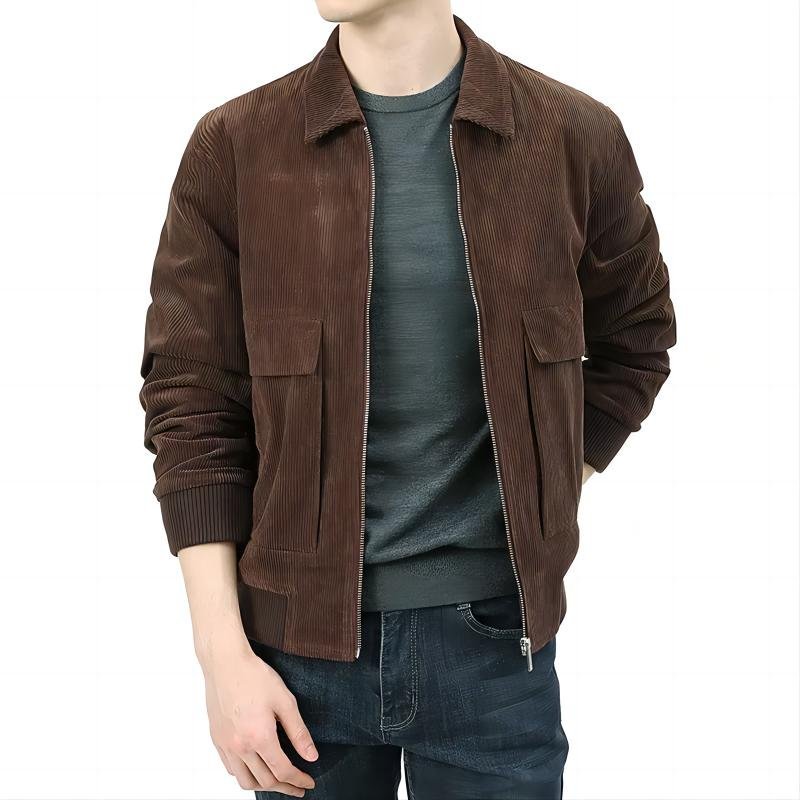
Nylon taffeta ranges from 190 to 280 GSM and delivers excellent water resistance with a crisp, rustling hand feel. It resists tearing and holds embroidery well, making it the default choice for classic coach jackets.
Pricing sits in the mid-tier range, balancing performance and cost for streetwear brands. Breathability is moderate; heavier weights trap heat in warm weather.
Polyester Twill
Polyester twill runs 200 to 300 GSM with a softer drape and matte surface. Water resistance is lower than nylon unless treated with DWR coatings, but the fabric prints cleanly and resists fading.
It suits brands prioritizing vibrant custom graphics over technical performance. Cost is typically the lowest among coach jacket fabrics.
Satin and Ripstop Blends
Satin finishes (often polyester-backed nylon) add sheen and run 180 to 240 GSM, appealing to premium streetwear lines. Ripstop weaves, identifiable by their grid pattern, start at 210 GSM and offer superior tear resistance for outdoor-focused designs.
Both command higher price tiers. Blends combine nylon and polyester to balance durability, weight, and cost, common in 220 to 260 GSM ranges.
5. Customization and Decoration Options for Custom Coach Jackets
Decoration transforms blank custom coach jackets into branded statements. Each method—screen printing, embroidery, heat transfer, sublimation, chenille patches, woven labels, and custom linings—delivers distinct aesthetic impact, durability, and cost profiles that shape your brand identity and production budget.
| Method | Setup Cost | Durability (Washes) | MOQ |
|---|---|---|---|
| Screen Printing | $15–$50/color | 50+ | 50–100 |
| Embroidery | $30–$75/design | 100+ | 25–50 |
| Heat Transfer | $0 | 25–50 | 10–25 |
| Sublimation | $100–$200 | 50+ | 50+ |
| Chenille Patches | $50–$100/design | 100+ | 50–100 |
| Woven Labels | $50–$150/design | 100+ | 500+ |
Screen Printing
Screen printing remains the most cost-effective decoration for bold graphics on custom coach jackets, with setup fees ranging from $15–$50 per color and per-piece costs dropping to $0.50–$2.00 at volumes above 100 units. Plastisol inks deliver vibrant, opaque coverage on chest, back, and sleeve placements, lasting 50+ washes when properly cured.
Water-based and discharge inks offer softer hand feel for vintage aesthetics. Screen printing works best for designs with 1–4 spot colors; complex gradients require alternative methods. Back panels accommodate prints up to 12″ × 14″, while left-chest logos typically measure 3″ × 4″.
Embroidery
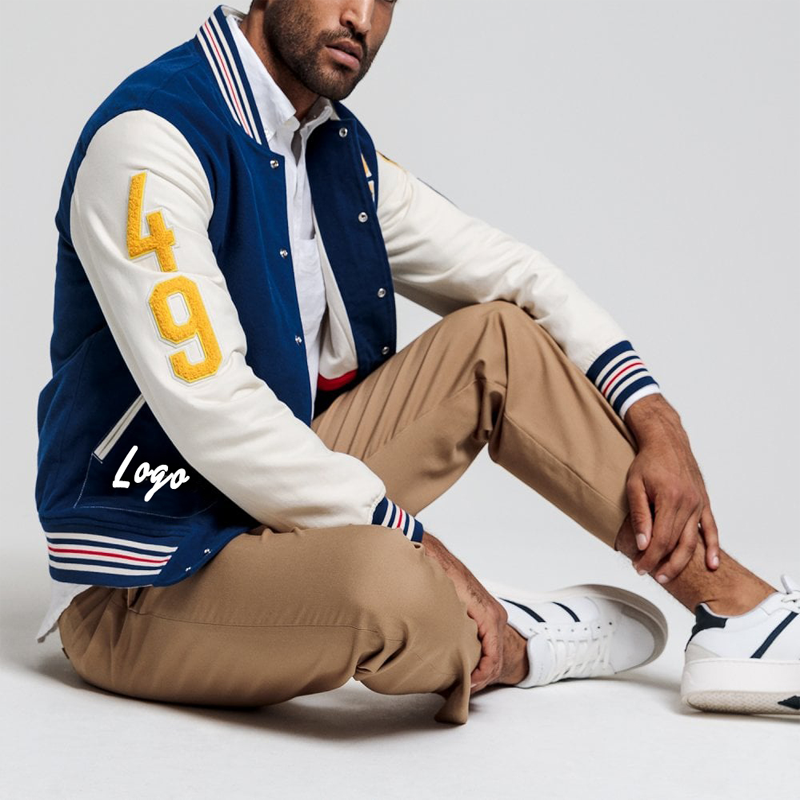
Embroidery adds premium texture and perceived value to custom coach jackets, with setup digitizing fees of $30–$75 per design and per-piece running costs of $3–$8 depending on stitch count. Standard embroidery handles up to 15 thread colors and survives 100+ wash cycles without fading.
Left-chest logos (2″ × 3″ to 4″ × 4″), sleeve hits, and back yokes are ideal placements; avoid large back panels due to stiffness and cost. 3D puff embroidery creates raised lettering popular in streetwear branding.
Heat Transfer, Sublimation, and Specialty Add-Ons
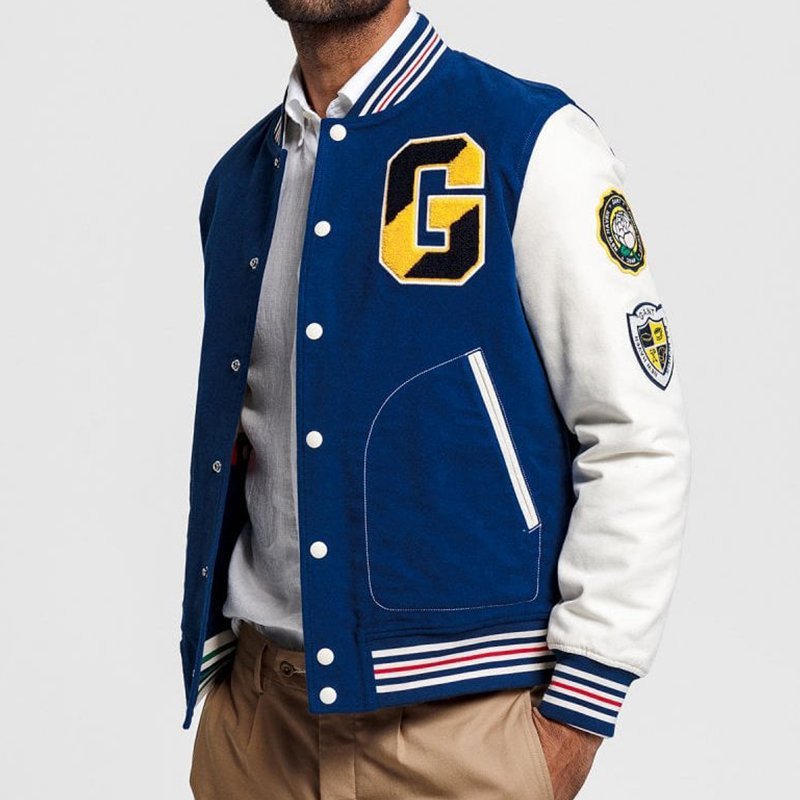
Heat transfer vinyl suits small-batch custom coach jackets (MOQ 10–25 pieces), with no setup cost but higher per-piece fees of $5–$12 for complex designs. Durability ranges from 25–50 washes depending on vinyl grade.
Sublimation dye prints full-color photographic graphics onto polyester linings and panels, requiring 50+ piece minimums and specialized equipment. Chenille patches (3″ × 3″ to 5″ × 5″) cost $4–$10 each, adding varsity-inspired texture to sleeves and chest. Woven labels sewn into neck seams or hem tags start at $0.30–$1.50 per piece for orders above 500 units, reinforcing brand identity subtly.
6. Key Quality Indicators in Custom Coach Jackets
Quality inspection begins at the raw-material stage and continues through every construction phase. Buyers should evaluate closures, seams, lining attachment, and trim finishing to ensure longevity and brand perception align with retail expectations.
Snap and Closure Quality
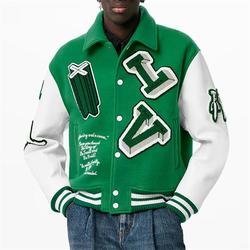
Metal snap buttons deliver superior durability and perceived value compared to plastic alternatives. YKK or equivalent metal hardware resists corrosion and maintains tension through 500+ open-close cycles, while plastic snaps crack or loosen after 100–200 uses.
Inspect snap attachment by tugging gently; poorly set snaps pull away from fabric or leave puckering. Quality closures sit flush, with reinforcement stitching or backing washers preventing tearing under stress.
Stitching and Seam Reinforcement
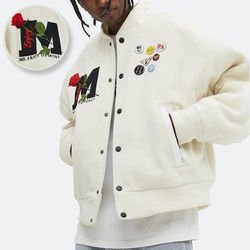
Double-needle stitching at stress points—shoulders, armholes, side seams—prevents unraveling and adds visual refinement. Single-needle construction saves cost but compromises durability in high-movement zones.
Flatlock or overlock seams on raglan sleeves and side panels reduce bulk and improve drape. Seam allowances should measure 1–1.5 cm; narrower margins fray during washing, while excessive width adds stiffness.
Lining Attachment and Collar Construction
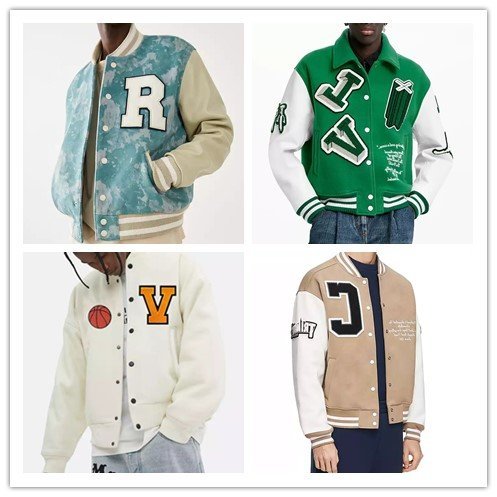
Lining should attach at armholes, hem, and collar stand with clean, concealed stitching. Loose or visible tacking indicates rushed assembly and leads to bunching after laundering.
Collar construction requires interlining or fusible interfacing to maintain shape. A well-built collar stands upright when zipped and lies flat when open, with no rippling or curling at the neckline edge.
Cuff and Hem Finish
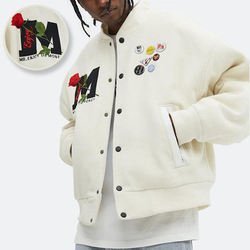
Elastic cuffs and hems should feature cover-stitched or twin-needle topstitching to prevent elastic from twisting inside the casing. Inspect stitch density: 12–14 stitches per inch ensures elasticity without thread breakage.
Ribbed knit cuffs offer premium hand-feel and recovery but require precise attachment to avoid puckering. Drawcord hems with metal-tipped aglets enhance adjustability and elevate brand positioning over simple elastic closures.
7. How to Choose the Right Manufacturer for Custom Coach Jackets
Selecting a factory partner for custom coach jackets requires evaluating technical capabilities, quality systems, and commercial terms side by side. The right manufacturer balances flexibility for startups with rigorous QC protocols that protect your brand reputation.
MOQ Flexibility and Pricing Structure
MOQ thresholds typically range from 50 to 500 pieces per style for custom coach jackets, with lower minimums carrying 10–15% unit-cost premiums. Startups and independent designers benefit from 50–100 piece entry points that allow testing designs without inventory risk.
Transparent tier pricing reveals fabric costs, labor, and decoration separately, enabling you to compare apples-to-apples across suppliers. Factories quoting all-in prices without breakdowns often hide margin or quality shortcuts.
Quality Control Protocols
Five-step QC systems—covering materials inspection, cutting verification, craft testing, in-line sewing checks, and final inspection—catch defects before packing rather than after shipping. Clothing Manufacturer Ltd. introduced this methodology on February 12, 2025, ensuring every coach jacket meets spec at each production stage.
Red flags include factories offering no pre-production samples, skipping in-process checks, or refusing third-party inspections. WRAP, BSCI, and OEKO-TEX certifications signal compliance with labor, social, and chemical-safety standards.
Decoration Capabilities and Lead Times
In-house embroidery, screen printing, and heat-transfer capabilities reduce lead times by 7–10 days versus outsourced decoration, which adds handoff delays and quality-control gaps. Verify whether the factory owns equipment or brokers to subcontractors.
Standard production runs 25–35 days from approved sample to shipment; vague timelines (‘about one month’) or no Gantt charts indicate poor planning. Request milestone schedules with cutting, sewing, decoration, and QC dates.
Communication and Responsiveness
Response time within 24 hours for technical questions and same-day photo updates during production reflect professional account management. Factories serving 100+ countries develop multilingual teams and time-zone coverage.
Demand references from brands in your niche—streetwear startups, influencer labels, or independent designers—and verify their order volumes and repeat-purchase rates. No references or reluctance to share client testimonials signals inexperience or quality issues.
8. Common Mistakes When Ordering Custom Coach Jackets
Even experienced brands make costly errors when ordering custom coach jackets. Understanding these pitfalls before production starts protects your timeline, budget, and brand reputation.
Skipping Sample Approval
Many startups skip pre-production samples to save $50–150 per style, only to receive 500 jackets with incorrect sizing or misaligned prints. Without a physical sample, you cannot verify fabric hand-feel, color accuracy, or construction details.
Always request and approve a sample before bulk production begins. Clothing Manufacturer Ltd.’s five-step QC process includes sample validation at the materials and cutting stages, catching errors before they multiply across your entire order.
Underestimating Lead Times
Standard custom coach jacket production requires 25–35 days after sample approval: 3–5 days cutting, 12–18 days sewing, 3–5 days QC and finishing, plus 2–4 days packing. Rush orders often sacrifice quality checks or incur 20–30 percent surcharges.
Build a production calendar that accounts for Chinese New Year (15–25 day factory closures in January or February), fabric sourcing delays, and shipping transit. Confirm your manufacturer’s current lead time in writing before placing a deposit.
Ignoring Fabric Shrinkage and Care
Nylon taffeta and polyester twill shrink 2–4 percent if not pre-washed or heat-set, turning a size M into a size S after the first customer wash. Failing to specify care labels also violates regulations in the US, EU, and UK.
Request pre-shrunk or sanforized fabrics and provide wash-care instructions (cold wash, tumble dry low, do not bleach) for printed labels. Test one sample jacket through a full wash cycle before approving bulk production.
Choosing Incompatible Decoration Methods
Screen printing works on cotton blends but cracks on coated nylon; heat-transfer vinyl peels from water-resistant taffeta. Mismatched decoration and fabric waste your setup fees and delay reorders by weeks.
Match your decoration to fabric type: embroidery for nylon and polyester, screen printing for cotton twill, heat transfer or sublimation for performance blends. Consult your manufacturer’s decoration compatibility chart during the design phase.
Failing to Specify Packaging and Labeling
Generic polybags and missing hangtags signal low quality to customers and retailers. Omitting size labels, country-of-origin tags, or care instructions can trigger customs holds or retail returns.
Provide complete packaging specs: individual polybags, folded or hanging, custom hangtags with your logo, woven neck labels, and printed care labels. Clothing Manufacturer Ltd. includes packaging QC in its finished-goods inspection to ensure every jacket ships retail-ready.
9. Step-by-Step: Launching Your Brand with Custom Coach Jackets
Launching a brand with custom coach jackets requires a disciplined, sequential approach from concept to market. Each phase builds on the previous step, ensuring design integrity, production quality, and a cohesive go-to-market strategy.
Define Your Design and Target Audience
Identify your core customer demographic—age, style preferences, price sensitivity—and map design elements accordingly. Streetwear brands targeting 18–28-year-olds often incorporate bold graphics, oversized fits, and trend-driven color palettes, while premium labels may favor minimalist embroidery and tailored silhouettes.
Sketch or digitally render your coach jacket design, specifying fabric weight (typically 200–280 GSM nylon or polyester), lining material, snap or zipper closure, and decoration placement. Document Pantone color codes and artwork file formats to ensure consistency during sampling.
Source and Vet Manufacturers
Research factories with proven streetwear expertise, patent-backed production processes, and transparent quality control protocols. Request facility certifications (WRAP, BSCI, OEKO-TEX) and ask for client references or case studies demonstrating experience with coach jacket construction.
Confirm minimum order quantities (50–500 pieces), lead times (typically 25–45 days for bulk production), and payment terms. Verify that the manufacturer implements stage-gate QC—materials inspection, cutting checks, sewing audits, and final garment testing—rather than end-of-line-only review.
Request and Approve Samples
Order a pre-production sample to validate fabric hand-feel, colorway accuracy, decoration quality, and construction details. Inspect snap tension, lining attachment, hem straightness, and print or embroidery registration against your tech pack specifications.
Provide written feedback on any deviations—shade variance, misaligned graphics, incorrect sizing—and request a revised sample if necessary. Approval of the final sample locks in production standards and serves as the quality benchmark for bulk orders.
Finalize Artwork and Decoration Specs
Submit print-ready vector files (AI, EPS, or high-resolution PDF) with bleed margins and Pantone callouts. Specify decoration method—screen printing for bold graphics, embroidery for logos, heat transfer for photographic images—and confirm thread counts, ink opacity, and placement coordinates.
Agree on label and hang-tag artwork, care instruction wording, and packaging inserts. Lock all creative assets before production begins to avoid costly mid-run revisions.
Place Production Order and Monitor QC
Issue a purchase order detailing quantities per size and colorway, delivery address, and inspection checkpoints. Request progress photos at cutting, mid-sewing, and pre-packing stages to verify adherence to approved sample standards.
Schedule a third-party or manufacturer-led final inspection covering stitch integrity, decoration durability, and carton labeling. Manufacturers implementing five-step QC methodologies catch defects early, reducing reject rates and ensuring on-time delivery.
Plan Fulfillment and Marketing Launch
Coordinate inbound logistics, customs clearance, and warehouse receiving at least two weeks before your launch date. Prepare product photography, size charts, and brand storytelling content for e-commerce listings and social media campaigns.
Seed samples to influencers or brand ambassadors 3–4 weeks pre-launch to generate organic buzz. Align inventory allocation with projected demand by channel—direct-to-consumer, wholesale, pop-up events—to maximize sell-through and minimize overstock.
10. Pricing and Cost Breakdown for Custom Coach Jackets
Custom coach jackets pricing varies by order volume, fabric selection, and decoration complexity. Minimum order quantities typically start at 50 pieces for most manufacturers, with per-unit costs decreasing significantly as volume scales. Lead times range from 15 to 45 days depending on order size, fabric availability, and decoration method.
Decoration costs represent a separate line item in most quotes. Screen printing setup fees range from $25 to $75 per color, while embroidery digitizing runs $50 to $150 per design. Heat transfer and direct-to-garment methods eliminate setup fees but carry higher per-unit costs, making them economical only for small runs or complex multicolor artwork.
Manufacturers applying five-step quality control testing — materials QC, cutting QC, clothing craft QC, sewing production QC, and finished clothing quality inspection — typically position pricing 8 to 15 percent above suppliers who skip mid-production checks. This premium reflects the labor cost of inspecting work-in-progress at every stage rather than only at final packing, reducing defect rates and minimizing costly rework or rejected shipments.
| Order Quantity | Unit Price Range (USD) | Decoration Cost | Lead Time (days) |
|---|---|---|---|
| 50 pieces | $28–$38 | $3–$8 per piece | 25–35 |
| 100 pieces | $24–$32 | $2.50–$6 per piece | 20–30 |
| 250 pieces | $20–$28 | $2–$5 per piece | 18–28 |
| 500 pieces | $18–$24 | $1.50–$4 per piece | 15–25 |
| 1,000+ pieces | $15–$22 | $1–$3 per piece | 15–25 |
Ready to Launch Your Custom Coach Jackets?
50-piece MOQ, 5-step QC guarantee, and fast turnaround. Partner with a manufacturer that empowers your brand vision.