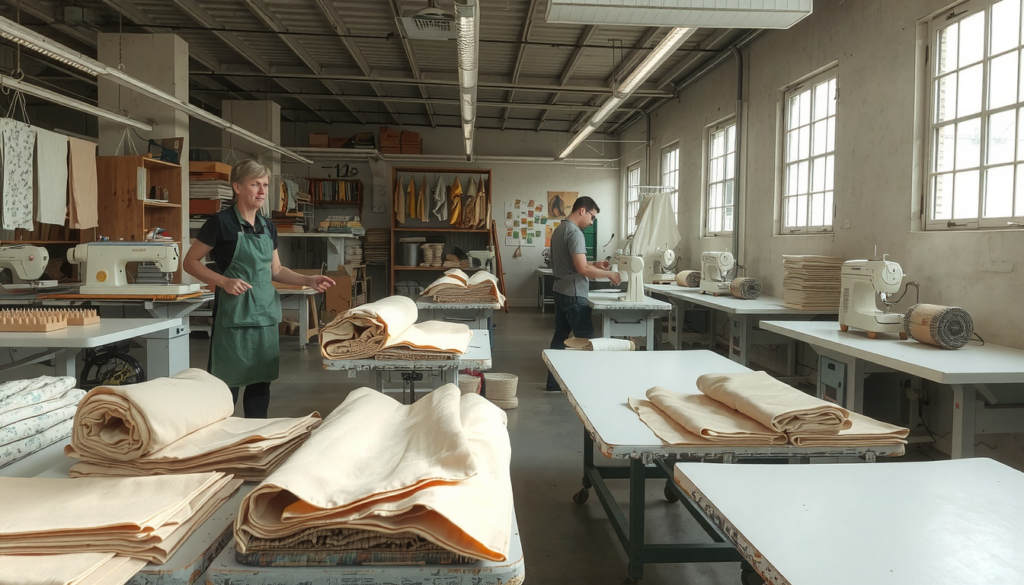
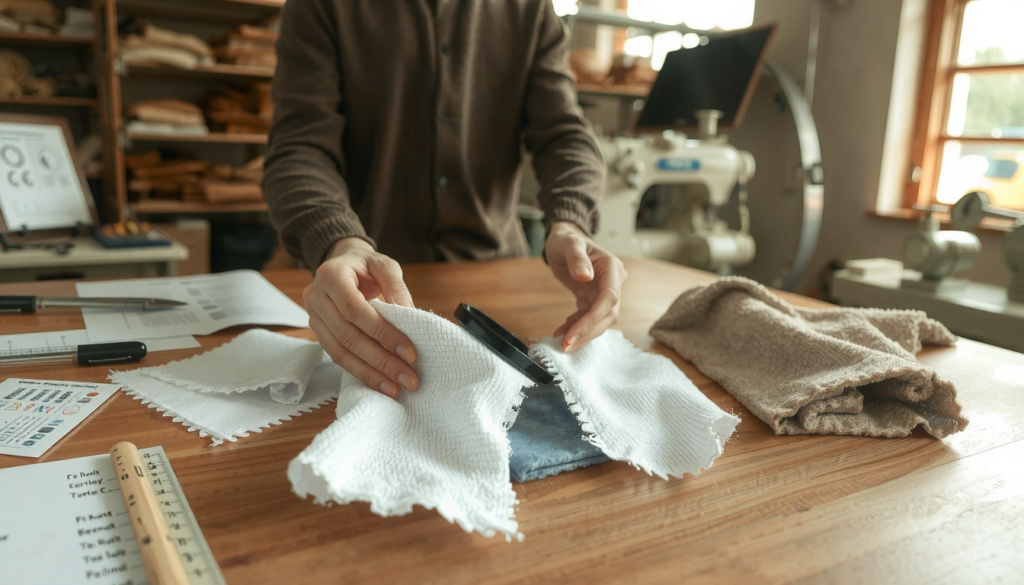
Finding the right fabric is the most important step for any clothing project. This is true whether you are sewing one garment or making a full fashion line. The quality of your material directly affects how your final product looks, feels, and lasts. If you're wondering where you can buy clothing fabric, the main options fall into three groups: online stores, local shops, and wholesale suppliers. We have over ten years of experience in clothing production. We work with more than 1000 international brands. This gives us deep knowledge of where and how to get high-quality materials for any project size in 2026.
Key Takeaways
- Choose Between Online and Local: Online stores offer huge selection and good prices. Local shops let you touch fabric and get expert advice.
- Check Trusted Online Stores: Use large stores for standard fabrics. Try boutique stores for unique finds. Use deadstock suppliers for green options.
- Plan for Wholesale Buying: As your brand grows, switch from retail to wholesale buying. This saves money and keeps quality consistent.
- Check Every Supplier: Use a checklist to check fabric quality, certifications (like OEKO-TEX), minimums, and shipping before placing big orders.
- Work with a Manufacturer: For serious brands, working with an experienced manufacturer makes fabric sourcing easier and ensures good production quality.
The Main Options: Online vs. Local Shopping
Choosing where to buy your clothing fabric depends on what you need. Both online and local shopping have clear benefits and problems. Understanding them helps you make a smart choice and find the best materials for your project.
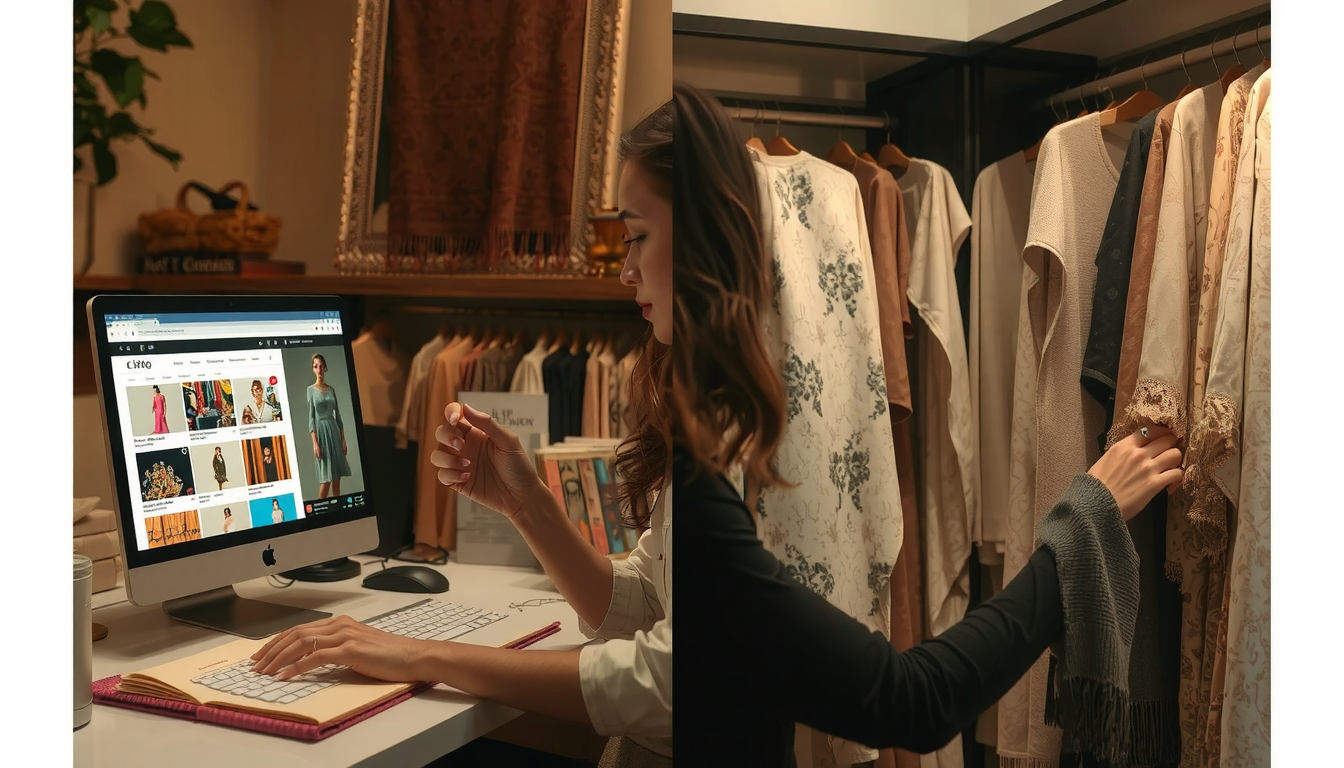
Online shopping gives you access to a global marketplace from your home. This means almost endless selection and often better prices. However, you can't touch the fabric before you buy. Colors on a screen can also look different in real life.
Local fabric stores offer something that online shopping cannot match. You can feel the texture, see the true color, and get advice from smart staff. The downside is smaller selection and possibly higher costs.
We've found that online sourcing works well for re-ordering known materials. But nothing replaces an in-person visit for finding new, creative textiles for a collection. For many designers, using both methods works best.
Here is a simple breakdown to help you decide:
| Feature | Online Shopping | Local Shopping |
|---|---|---|
| Variety | Nearly unlimited, global access | Limited to the store's inventory |
| Price | Often lower due to competition | Can be higher due to store costs |
| Convenience | Shop any time from any location | Limited by store hours and location |
| Quality Check | Must rely on photos and swatches | Can touch and feel the fabric directly |
Top Online Places to Buy Clothing Fabric
The internet is a huge resource for fabric, but it can be hard to know where to start. We've grouped some of the best online sources to help you find exactly what you need. Knowing where to buy clothing fabric online saves time and opens up a world of options.
Large Stores with Wide Selection
These online stores are like huge department stores for fabric. They are the best place to find a wide variety of standard clothing materials. You can easily get cotton jersey, denim, fleece, and basic woven fabrics. They are reliable for core fabrics for any collection. Apparel Fabric at Fabric Depot is a great example of a store offering a huge inventory suitable for many projects.
Special and Boutique Stores
When you need something unique or high-end, special online stores are your best bet. These shops focus on designer fabrics, special-run textiles, or materials for specific uses like performance wear or bridal gowns. They are perfect for creating standout pieces. Fabric Mart is a favorite for many designers looking to find discount designer fabrics that add a premium touch to their work.
Green and Deadstock Suppliers
For brands and sewers focused on being green, deadstock suppliers are a great resource. Deadstock is leftover fabric from large fashion houses or textile mills that would otherwise go to waste. Buying it is an eco-friendly choice that also gives you access to unique, high-quality materials.
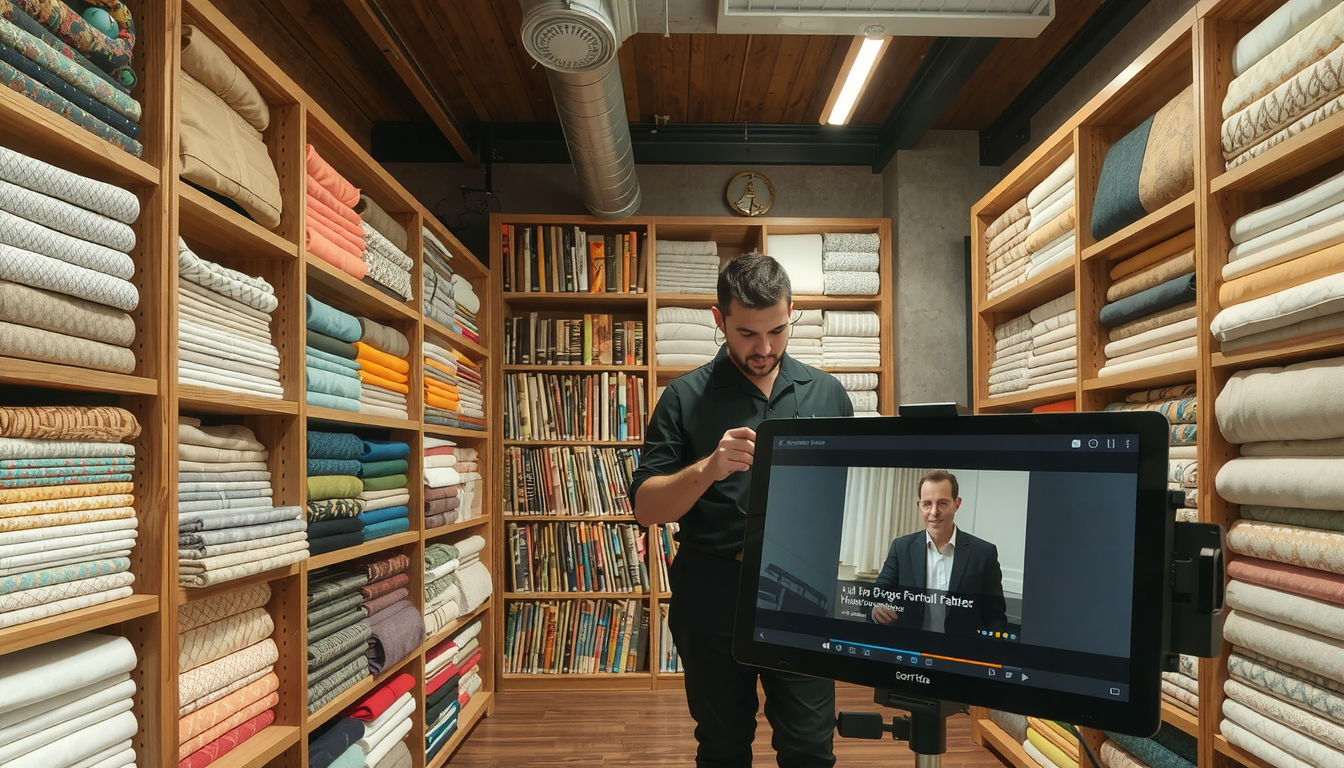
Recent studies show the fashion industry creates a lot of textile waste. Getting deadstock helps reduce this environmental impact. A Thrifty Notion is an excellent resource for sewers looking for sustainable fashion fabrics and other eco-conscious options.
Getting Fabric for Your Clothing Brand
For a new clothing brand, the journey of getting fabric changes. You start by buying a few yards at a time. But as you grow, you need a more efficient and cost-effective method. This is where understanding wholesale sourcing becomes critical.
When to Switch to Wholesale
Moving from retail to wholesale is a big step. The key signs include having steady sales, needing to make sure every garment in a batch is the same, and wanting to lower your cost per unit. When you start ordering 50 or more yards of a single fabric, it is time to look for a wholesale supplier.
How to Find Wholesale Suppliers
Finding reliable wholesale suppliers takes research. The best methods include going to textile trade shows like Première Vision or Texworld, searching online directories, and contacting textile mills directly. Building relationships with suppliers is key to long-term success.
Working with a Manufacturing Partner
An established manufacturer already has a network of trusted fabric suppliers. This makes the sourcing process simpler, guarantees quality, and often provides access to better pricing. Based on our experience launching over 500 successful brands, securing a reliable fabric supply chain is one of the most critical steps.
For brands looking to scale production for streetwear, hoodies, or t-shirts, the most efficient path is often partnering with an experienced clothing manufacturer who can manage the entire sourcing and production process, ensuring quality and consistency.

A 5-Point Checklist to Check Your Fabric Supplier
Before you commit to a large fabric order, it is vital to check both the material and the supplier. A great-looking fabric is useless if the quality is poor or the supplier is unreliable. This checklist is inspired by the principles of our own strict 5-step QC production method, which we apply to every batch of clothing we produce.
Use these five points to guide your decision-making process.
-
Quality & Consistency: Always order swatches first. This is the most important step. Check the fabric's feel, drape, and color accuracy. Look at it for any flaws. If you re-order the same fabric later, it should be the same as the first swatch.
-
Certifications & Compliance: Look for suppliers with certifications. Standards like OEKO-TEX, GOTS, or GRS are key signs of quality, safety, and ethical production. As a manufacturer with ISO 9001 and BSCI certifications, we understand how important these standards are and provide support for brands seeking them.
-
Minimum Order Quantity (MOQ): Check the supplier's minimum order requirements. Can you buy just a few yards, or do you need to buy a full roll? Make sure their MOQ fits with your current production needs and budget.
-
Shipping & Lead Times: Ask about how long it will take to get your fabric. Unreliable or long shipping times can completely mess up your production schedule. A good supplier will give you clear and accurate estimates.
-
Customer Service & Expertise: A great supplier does more than just sell fabric. They should be able to answer technical questions about fiber content, ideal uses, and proper care. Good service is a sign of a professional and reliable partner.
Frequently Asked Questions (FAQ)
How can I tell if a fabric is good quality online?
A: Look for detailed descriptions including weight (given in GSM or oz/yd²), composition (e.g., 100% Cotton, 95/5 Cotton/Spandex), and certifications (like OEKO-TEX). Always read customer reviews. Most importantly, order a swatch before committing to a larger quantity to feel the quality yourself.
What's the difference between apparel fabric and quilting cotton?
A: While both are often cotton, apparel fabrics are made for clothing. They are designed for good drape, feel, and durability. They also come in more weights and weaves, like jersey, lawn, or voile. Quilting cotton is typically a medium-weight, plain-weave fabric with less drape. It is great for structured projects but can be too stiff for many garments.
Where can I buy small quantities of wholesale fabric?
A: Look for suppliers known as "jobbers" or "deadstock" sellers online. These businesses sell leftover fabrics from larger manufacturers and often have low or no minimum order quantities (MOQs). Some larger wholesalers also offer tiered pricing, giving you small discounts for buying 5 or 10 yards at a time.
Is it cheaper to buy clothing fabric online?
A: The base price per yard is often cheaper online. This is due to lower operating costs and more competition. However, you must always add shipping costs to the total. For very small quantities, a local store might be more economical. For larger orders, buying online is typically the most cost-effective solution.
What are the best fabrics for making streetwear like hoodies and t-shirts?
A: For t-shirts, a high-quality cotton jersey or a cotton/poly blend for extra durability is ideal. A weight of 180-220 GSM (grams per square meter) is a great range for a premium feel. For hoodies, French terry and fleece are the gold standards. As a manufacturer specializing in streetwear, we've found that heavy-weight cotton fleece (380-500 GSM) provides the best structure and quality. Working with an expert who knows these materials, like a dedicated clothing manufacturer, ensures you get the right fabric for your brand.