Making a custom hoodie is easier in 2026 than ever before. You might be a designer, a crafter, or just someone with a great idea. Either way, you can make it happen. The phrase "make a hoodie" means different things to different people. This guide will show you three clear paths. We will look at online design tools, hands-on DIY methods, and working with a manufacturer. Let's find the best method for you to create your hoodie design.
Key Takeaways
- Three Main Methods: You can create a hoodie using simple online design tools, customizing a blank one with DIY techniques, or working with a professional manufacturer for bulk orders.
- Online Tools Are Easiest: For beginners or single orders, print-on-demand websites offer a simple way to upload a design and receive a professionally printed hoodie.
- DIY Offers Creativity: Techniques like heat transfer vinyl (HTV), fabric paint, and dyeing allow for a unique, personal touch on a blank hoodie.
- Manufacturing Is for Brands: When you need many hoodies or want full control over quality and customization, partnering with a manufacturer is the best path for scaling up.
Method 1: The "Design & Print" Method (Easiest & Most Popular)
This method is the fastest and simplest way to get a professional-looking custom hoodie. It works great for individuals, gifts, or testing a brand idea. You don't need any equipment upfront.
What is the Design & Print Method?
The idea is simple. You create a digital design and upload it to a website. The company then prints your design on a hoodie and ships it to you. This process is often called "print-on-demand."
These services use technologies like Direct-to-Garment (DTG) printing. This acts like a high-tech inkjet printer for fabric. It allows for detailed, full-color images. Some also offer embroidery for a classic, textured look.
Step-by-Step Guide to Making Your Hoodie Online
Creating your own hoodie this way is a simple process.
-
Choose Your Platform. Many services exist to help you create custom clothes. Popular platforms like Printful offer powerful tools to see your design on a virtual hoodie before you buy. Other sites like Owayo specialize in 3D design makers that give you a great preview.
-
Select Your Blank Hoodie. Think about the material and weight. Hoodies come in 100% cotton, polyester, and cotton/poly blends. The weight is measured in grams per square meter (GSM). This tells you how thick the fabric is. A higher GSM means a heavier, warmer hoodie.

-
Create or Upload Your Design. You can design your graphic using free tools like Canva or professional software like Adobe Illustrator. For the best results, make sure your design file has a high resolution. 300 DPI is standard. A PNG file with a clear background is usually the best choice.
-
Place and Preview Your Design. Use the website's mockup tool to position your design. You can place it on the front, back, or even the sleeves. Pay attention to the size and placement. This ensures it looks exactly how you want.
-
Finalize and Order. Before you click "buy," double-check everything. Confirm the hoodie size, color, and your design's final look.
Pros and Cons of This Method
This approach offers a great balance of ease and quality. But it's helpful to know its limits.
| Pros | Cons |
|---|---|
| Very easy for beginners | Higher cost per single item |
| No minimum order quantity required | Limited customization beyond the print |
| Professional-quality printing | You depend on the service's quality control |
| Wide variety of hoodie options | Slower turnaround for single orders |
Method 2: The "Hands-On DIY" Method (Creative & Personal)
If you love working with your hands and want a truly one-of-a-kind piece, the DIY method is for you. This path gives you complete creative control over the final product.
Getting Started: Choosing Your Canvas
The first step in any DIY project is selecting a good blank hoodie. The material matters a lot here. For projects involving dye, a 100% cotton hoodie is best. Natural fibers absorb color well. For methods like heat transfer or fabric paint, cotton/poly blends work great. They are often very durable.
Comparing DIY Customization Techniques

There are many ways to customize a hoodie at home. Each technique has its own difficulty, cost, and best use case. This is a great way to learn how to make your own hoodie with a personal touch.
| Technique | Difficulty | Cost | Durability | Best For… |
|---|---|---|---|---|
| Heat Transfer Vinyl | Medium | Low | Good | Sharp text, logos, and simple shapes |
| Fabric Paint | Easy | Low | Very Good | Freehand drawing and artistic designs |
| Embroidery (Hand) | Hard | Low | Excellent | Small, detailed, and textured designs |
| Tie-Dye / Bleach Dye | Easy | Low | Excellent | Colorful patterns and unique abstract looks |
Mini-Tutorials for Popular Techniques
Here's how to get started with two of the most popular DIY methods. For a more visual guide on making a hoodie from scratch, the video below offers great insights.
Using Heat Transfer Vinyl (HTV)
HTV is a special material that sticks to fabric when heat and pressure are applied.
- Design and Cut: Create your design on a computer and "mirror" it. This means flip it horizontally. Use a cutting machine like a Cricut or Silhouette to cut the design onto the HTV sheet.
- Weed: Carefully remove the extra vinyl from around your design. This is called weeding.
- Position: Place the design on your hoodie. The clear plastic carrier sheet should be facing up.
- Press: Use a heat press for best results. If using a household iron, press down firmly and evenly. Follow the temperature and time instructions for your specific vinyl.
- Peel: Let it cool slightly and peel away the plastic carrier sheet. Some vinyls are "cold peel" while others are "hot peel." Check the instructions.
Pro Tip: Always pre-press your hoodie for a few seconds to remove any moisture and wrinkles before applying the vinyl.
Using Fabric Paint
Fabric paint is an excellent choice for creating a hand-drawn look.
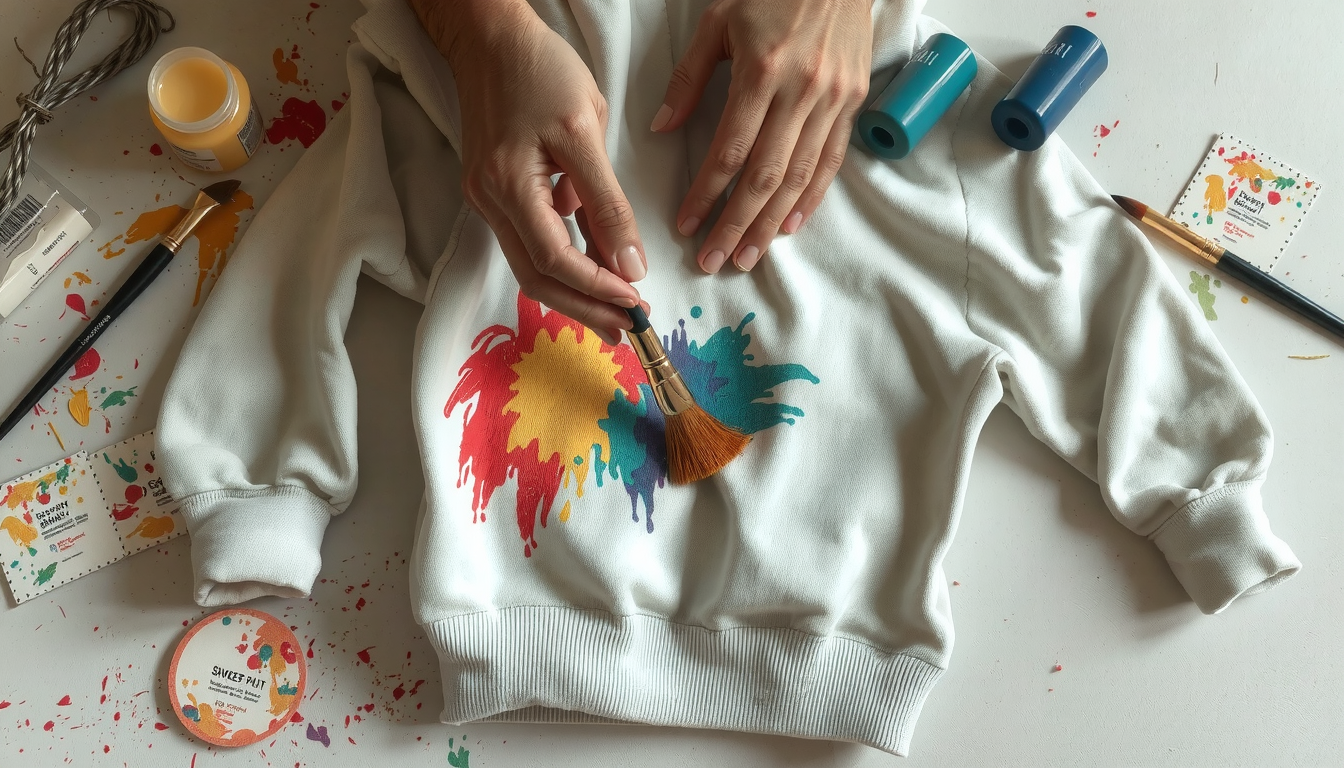
- Prepare Your Hoodie: Wash and dry the hoodie without fabric softener. Place a piece of cardboard inside the hoodie. This prevents the paint from bleeding through to the other side.
- Sketch Your Design: Lightly sketch your design onto the fabric with a pencil or chalk.
- Paint: Apply the fabric paint using brushes. For a clean look, work in thin, even layers. Let each layer dry before adding another.
- Heat Set: Once the paint is completely dry (usually after 24 hours), you need to heat-set it. Place a cloth over the design and iron it for a few minutes. This makes the design permanent and washable.
Pro Tip: Use fabric markers for fine lines and details that are difficult to achieve with a brush.
Scaling Up: From a Single Hoodie to a Small Brand
What happens when you need more than just one hoodie? If you're starting a clothing line or outfitting a team, you need to think about production at a larger scale.
When to Move Beyond DIY or Print-on-Demand
You'll know it's time to scale up when a few things happen. Your order volume might increase to a point where making each item yourself is no longer possible. Or, the cost-per-item from a print-on-demand service may become too high. This cuts into your profits. You may also want more control over the hoodie's fabric, fit, and unique features like custom tags.
Understanding Bulk Production
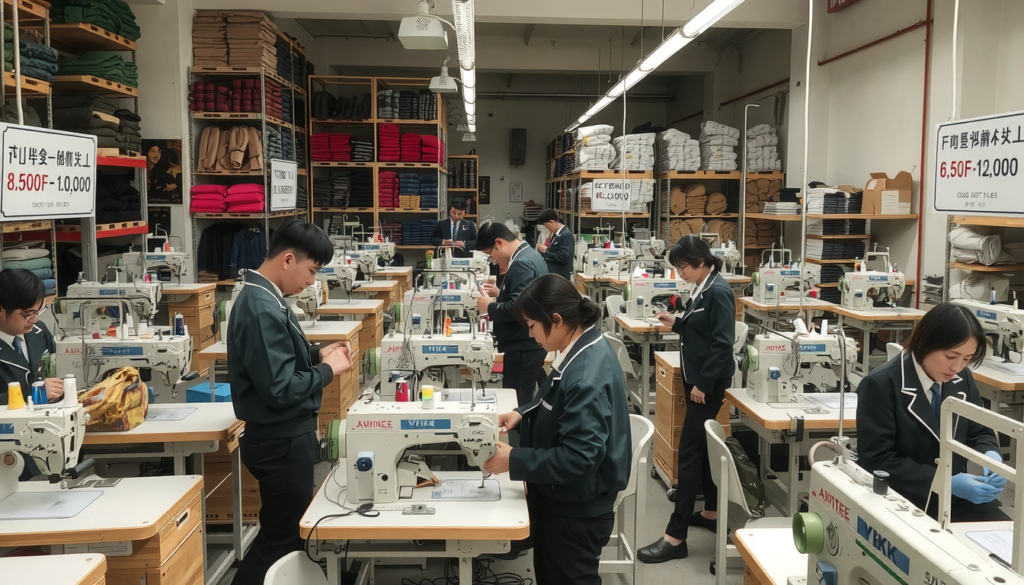
Working with a manufacturer for bulk production has major benefits. The cost for each hoodie drops a lot as your order quantity increases. You also gain complete control over every detail. This includes the specific shade of the fabric to the type of drawstring used. This is how you create a truly custom product that represents your brand.
How to Find the Right Partner for Production
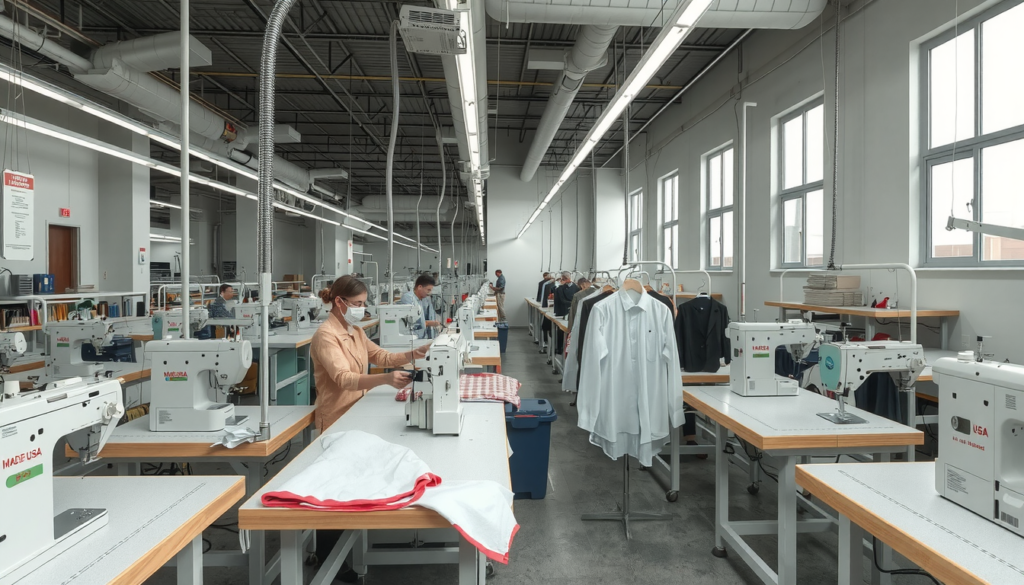
Building a brand requires a reliable partner. For a specialized garment like a hoodie, it is often best to work with a dedicated hoodie manufacturer. They understand the details of hoodie construction. This includes fabric weight to cuff ribbing. They can help you create a high-quality product. A good partner will guide you through selecting materials, finalizing sizes, and creating a perfect sample before you commit to a large order.
If you plan to offer more than just hoodies, partnering with a general clothing manufacturer can be a smart move. They can serve as a one-stop solution for your entire apparel line. Thinking about manufacturing is the natural next step when you need to scale up your production for a larger audience. This is similar to the process of designing custom hoodies for a team or group but on a commercial level.
FAQ: Your Questions on How to Make Your Own Hoodie Answered
Here are answers to some common questions about creating custom hoodies.
How much does it cost to make one custom hoodie?
The cost varies a lot. Using an online print-on-demand service, a single hoodie can cost between $30 and $60. A DIY project might cost $15 to $40. This depends on the price of the blank hoodie and your chosen materials. For bulk manufacturing, the cost per hoodie can drop a lot. But this requires a larger upfront investment.
What file format is best for my hoodie design?
A high-resolution PNG file (300 DPI) with a clear background is the most flexible format for online printing services using DTG. For embroidery, you'll need a special digitized file format like .DST or .EMB. Your manufacturer can often help create this from your original artwork.
Can I print a photo on a hoodie?
Yes, absolutely. The Direct-to-Garment (DTG) printing method is perfect for printing full-color photographs and other complex images. Just make sure your photo is a high-resolution file. This avoids a blurry or pixelated print.
How do I wash my custom-printed or DIY hoodie?
To protect your design, you should turn the hoodie inside out before washing. Use cold water and a gentle cycle. It is best to hang it to dry or tumble dry on a low heat setting. Avoid using bleach or harsh detergents. They can damage the print or fabric.
What's the difference between screen printing and DTG?
DTG (Direct-to-Garment) printing is like using an inkjet printer for fabric. It is great for detailed, multi-color designs and has no minimum order. Screen printing uses stencils (screens) to push ink onto the fabric, one color at a time. It is more durable and cost-effective for large orders of simple designs. But it has high setup costs for each color.
Conclusion: Your Custom Hoodie Awaits
We've covered the three main paths for how to make your own hoodie in 2026. You can choose the simplicity of online designers, the hands-on creativity of a DIY project, or the professional scale of working with a manufacturer. There is a method available for everyone. This works no matter your skill level, budget, or goal. Now you have the knowledge. It's time to get creative and make that perfect hoodie you've been dreaming of.