
Wool Coat Manufacturer for Streetwear Brands — Premium Quality, Fast Samples
As your dedicated wool coat manufacturer, we deliver premium craftsmanship, trend-driven designs, and a 5-step QC guarantee — with low MOQ and fast global shipping.
Premium Wool Coat Collections
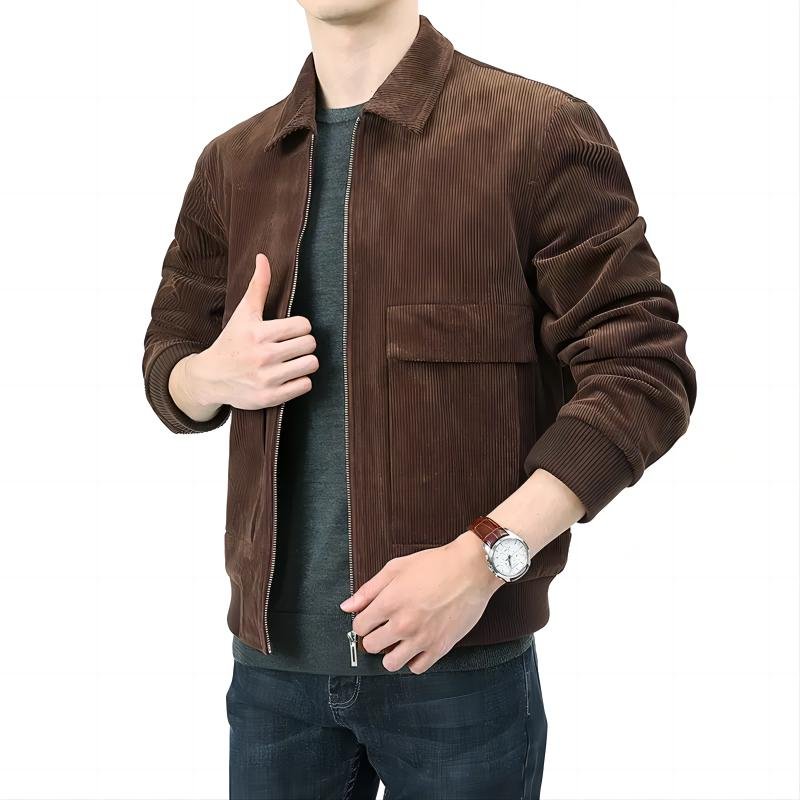
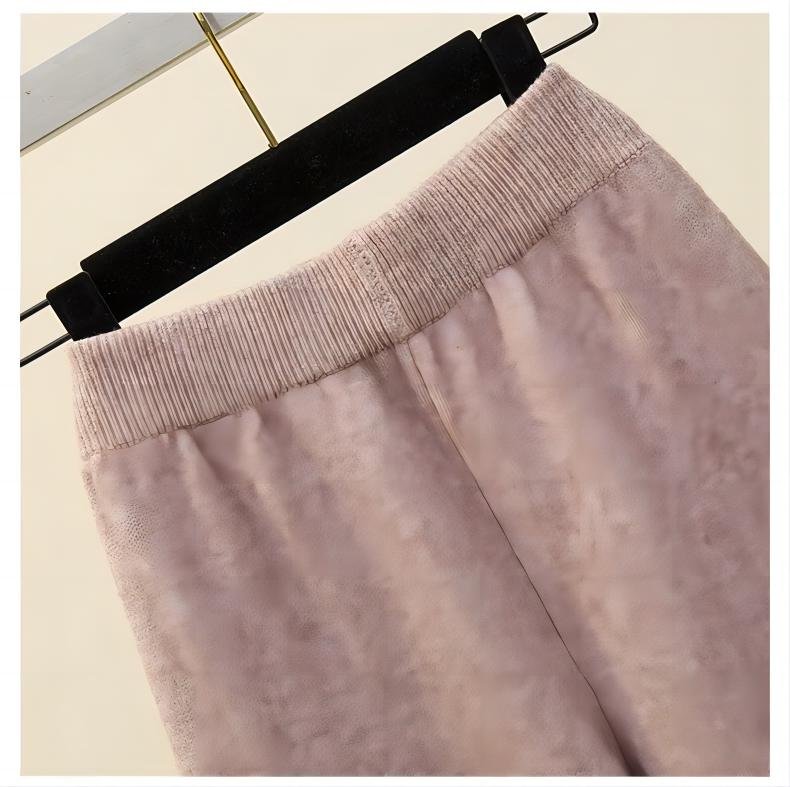
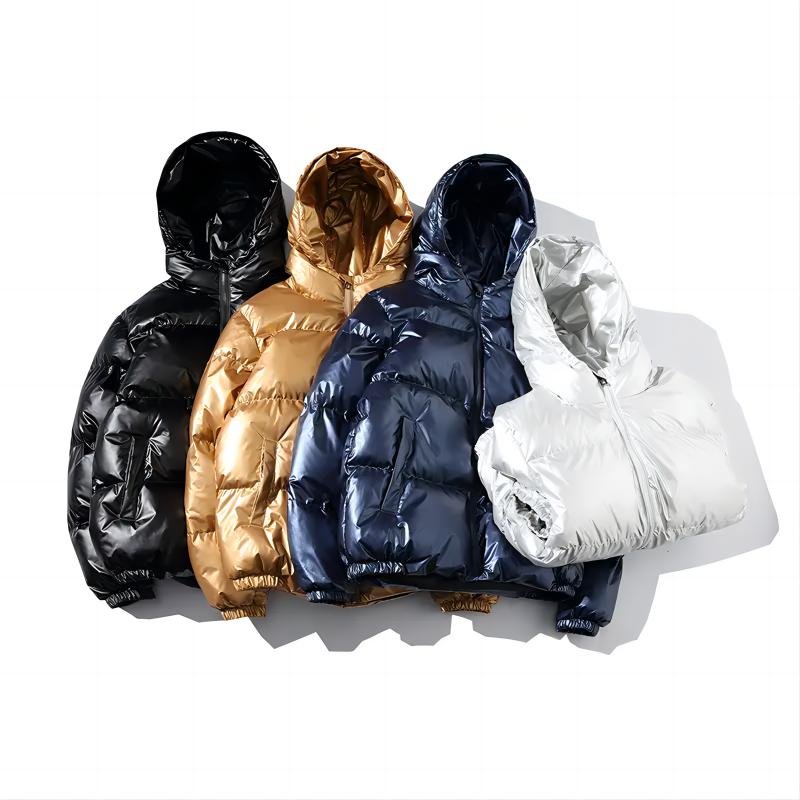
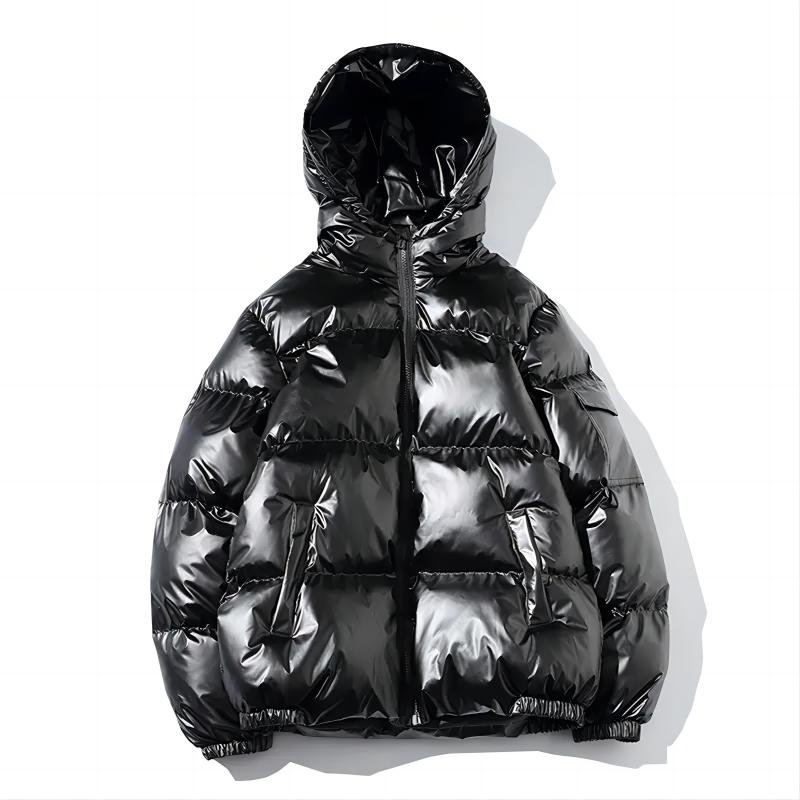
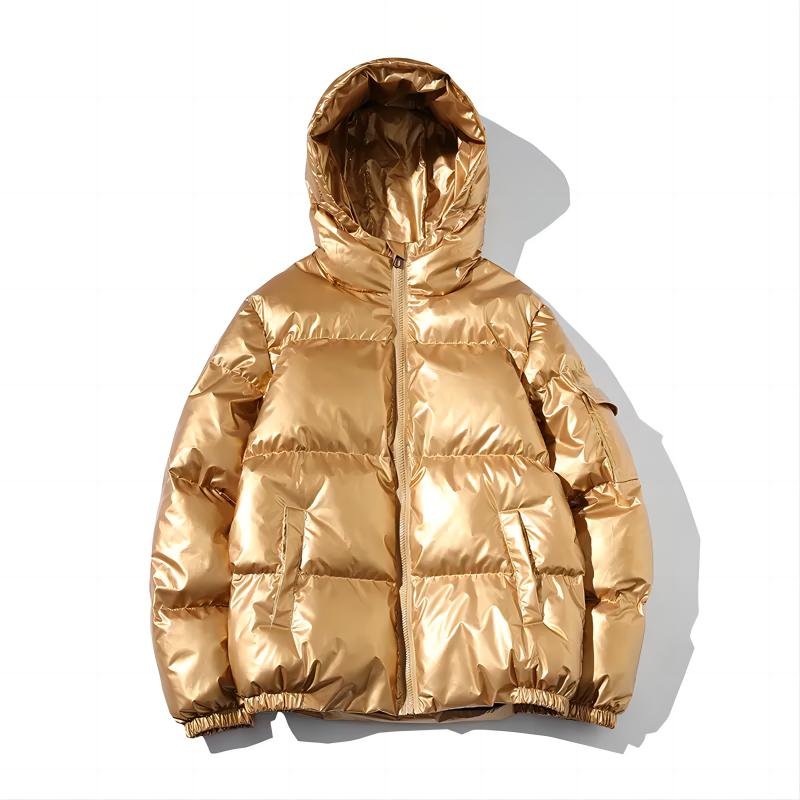
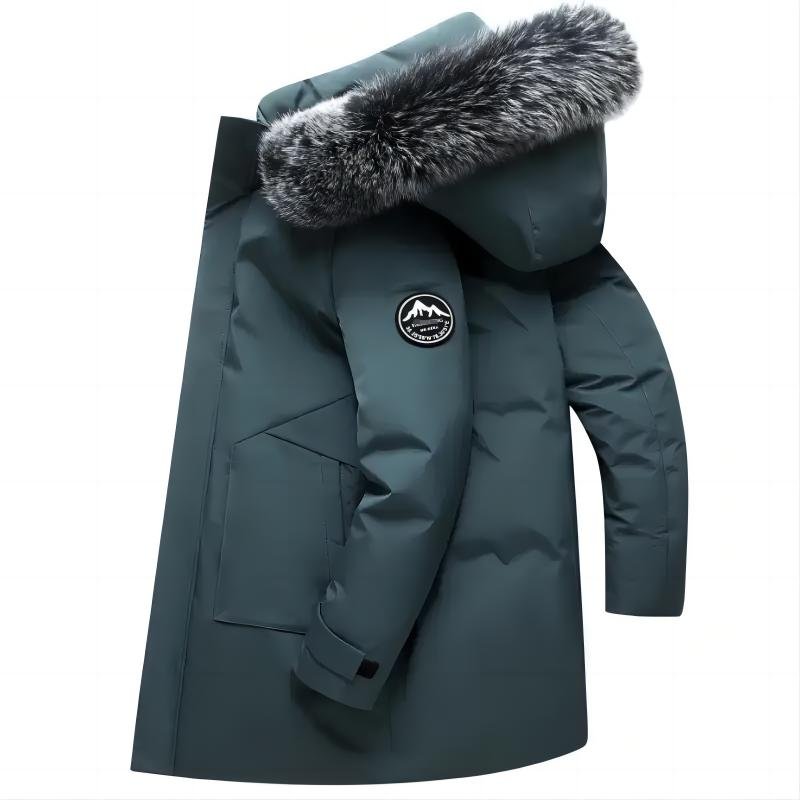
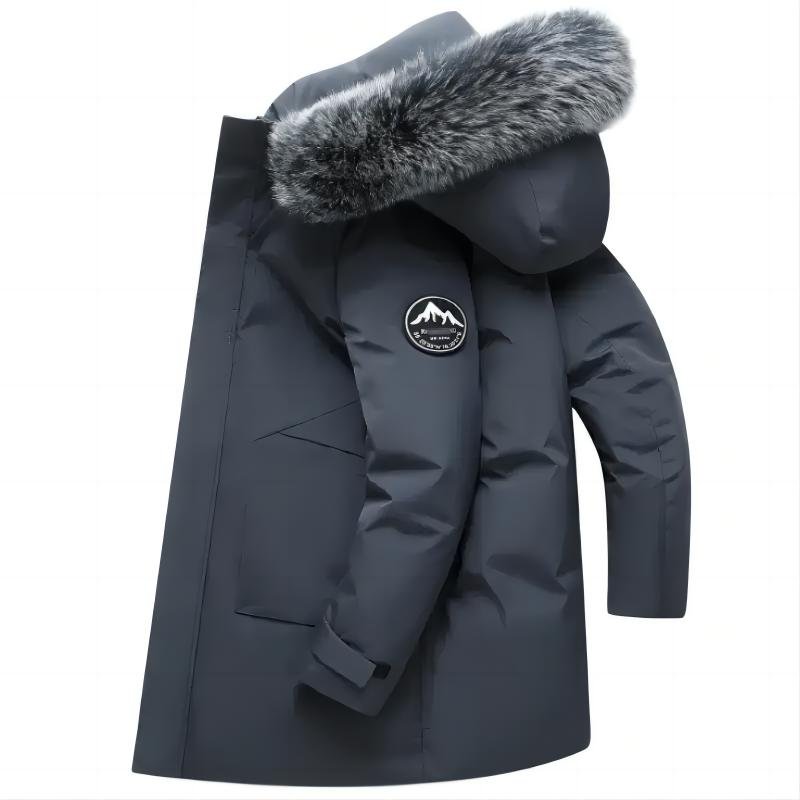
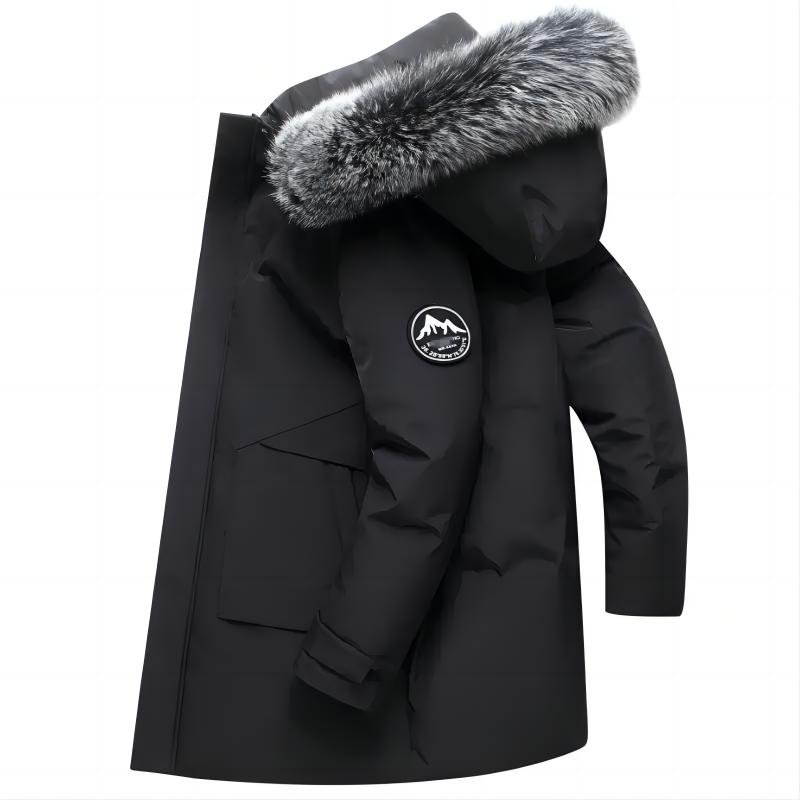
Why Choose Us as Your Wool Coat Manufacturer
From a 50-piece MOQ to a 5-step QC guarantee, every advantage is engineered for brands that refuse to compromise.
5-Step QC, Zero Defects
Our proprietary QC process inspects materials, cutting, craftsmanship, sewing, and final finish — catching defects before they ever reach you.
50-Piece MOQ for Startups
Launch your first wool coat collection with a low 50-piece minimum order, purpose-built for emerging labels and independent designers.
7–14 Day Sample Turnaround
Fast-cycle sampling and seasonal production schedules mean your wool coat styles hit the market before the trend window closes.
In-House Streetwear Design Team
Our 15-member R&D team translates streetwear culture into trend-driven wool coat silhouettes and graphics, backed by 10 proprietary patents.
Global Shipping, 100-Plus Countries
End-to-end logistics, customs documentation, and reliable worldwide delivery ensure your orders reach customers across more than 100 countries on time.
Transparent Communication at Every Step
A dedicated account manager provides clear production milestones, proactive updates, and zero-guesswork order tracking from sampling through final shipment.
The Wool Coat Manufacturer for Every Brand Type
From streetwear drops to premium designer lines, explore how our manufacturing capabilities align with your brand’s vision and growth stage.
Streetwear Wool Jackets & Coats
Streetwear labels demand culturally fluent designs — bold graphics, oversized cuts, and trend-forward details — but most wool coat manufacturers lack the streetwear DNA to execute them without losing the edge.
Our in-house design team speaks streetwear fluently, translating skeleton graphics, rose prints, and oversized silhouettes into premium wool pieces your customers will actually buy — backed by our 5-step QC.
Low MOQ for New Brands
Emerging designers need a wool coat manufacturer willing to work with small order quantities, but factories typically demand high MOQs that lock out startups before they can prove their concept.
We offer low MOQ production with full sampling support, so independent designers can launch and test their first wool coat collection without overcommitting capital or compromising on craftsmanship.
Scalable Casual & Performance Coats
Global retailers sourcing seasonal outerwear need a reliable partner who can scale production fast, hit consistent quality across large runs, and ship on time without sacrificing fabric or finish standards.
Our factory infrastructure handles volume runs of casual and performance wool outerwear with fast turnaround, global logistics support, and every batch cleared through our 5-step QC process before it ships.
Premium & Designer Wool Collections
Luxury-positioned labels need a wool coat manufacturer with the technical precision and material expertise to meet high-end quality standards — without the steep minimums of traditional high-fashion production houses.
We source premium wool and wool-blend fabrics, pair them with meticulous tailoring and custom hardware, and apply our full 5-step QC methodology — delivering designer-grade coats your customers feel from the first touch.
Fast-Turn Influencer Drop Collections
Influencer brands live by speed — seasonal drops must hit at peak cultural moments, but slow production timelines and last-minute quality failures kill momentum and can permanently damage brand reputation.
We specialize in fast-turnaround wool coat production for creator-driven drops — tight timelines, consistent quality, and global shipping so your collection reaches fans exactly when the hype is live.
Premium Materials From a Trusted Wool Coat Manufacturer
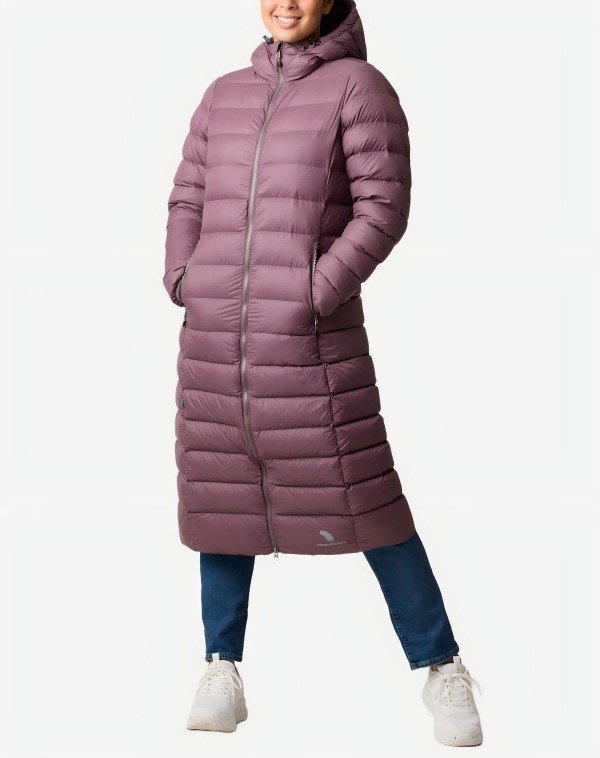
Merino Wool
Fine, temperature-regulating fiber ideal for mid-weight structured coats. Naturally soft against skin with minimal pilling, offering 18–22 micron fineness for a luxury hand-feel and elegant, fluid drape.
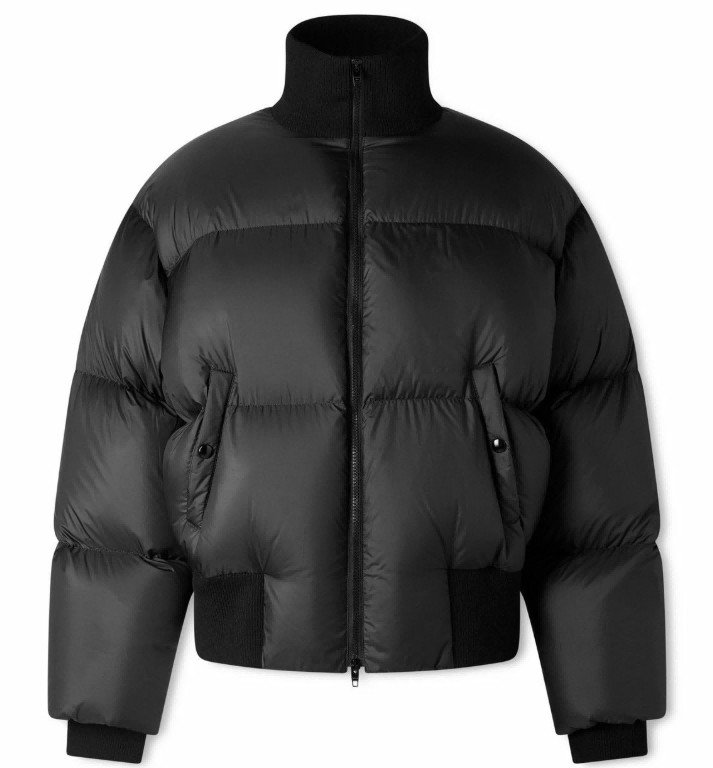
Cashmere Blend
A sumptuous cashmere-wool mix delivering exceptional softness and lightweight insulation for premium outerwear. Typically 20–30% cashmere content, adding a plush hand-feel, elevated sheen, and a noticeably lighter finished coat.
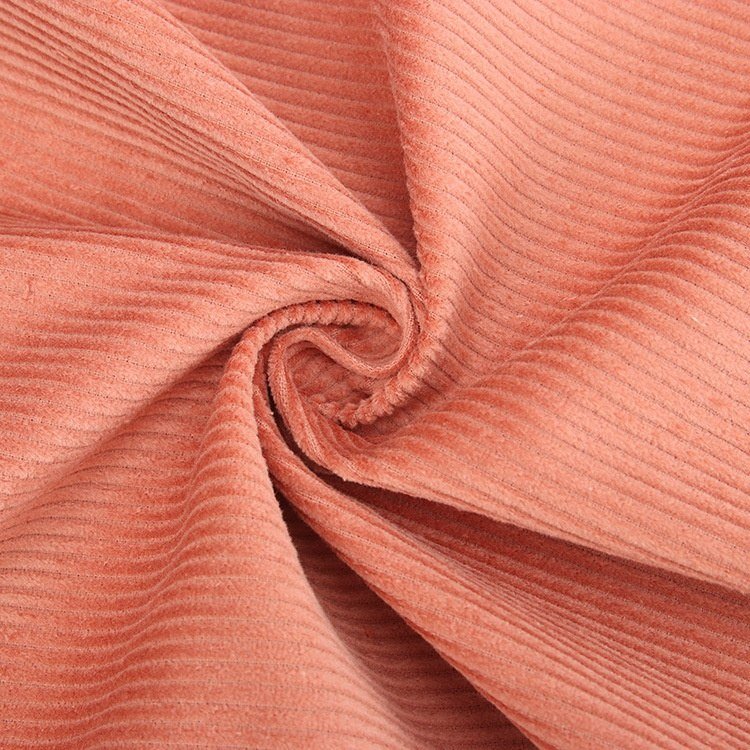
Alpaca Blend
Lightweight yet exceptionally warm, alpaca-wool blends suit drapey overcoats and tailored streetwear silhouettes. Naturally hypoallergenic with a silky luster, delivering roughly 1.5x the warmth-to-weight ratio of pure wool.
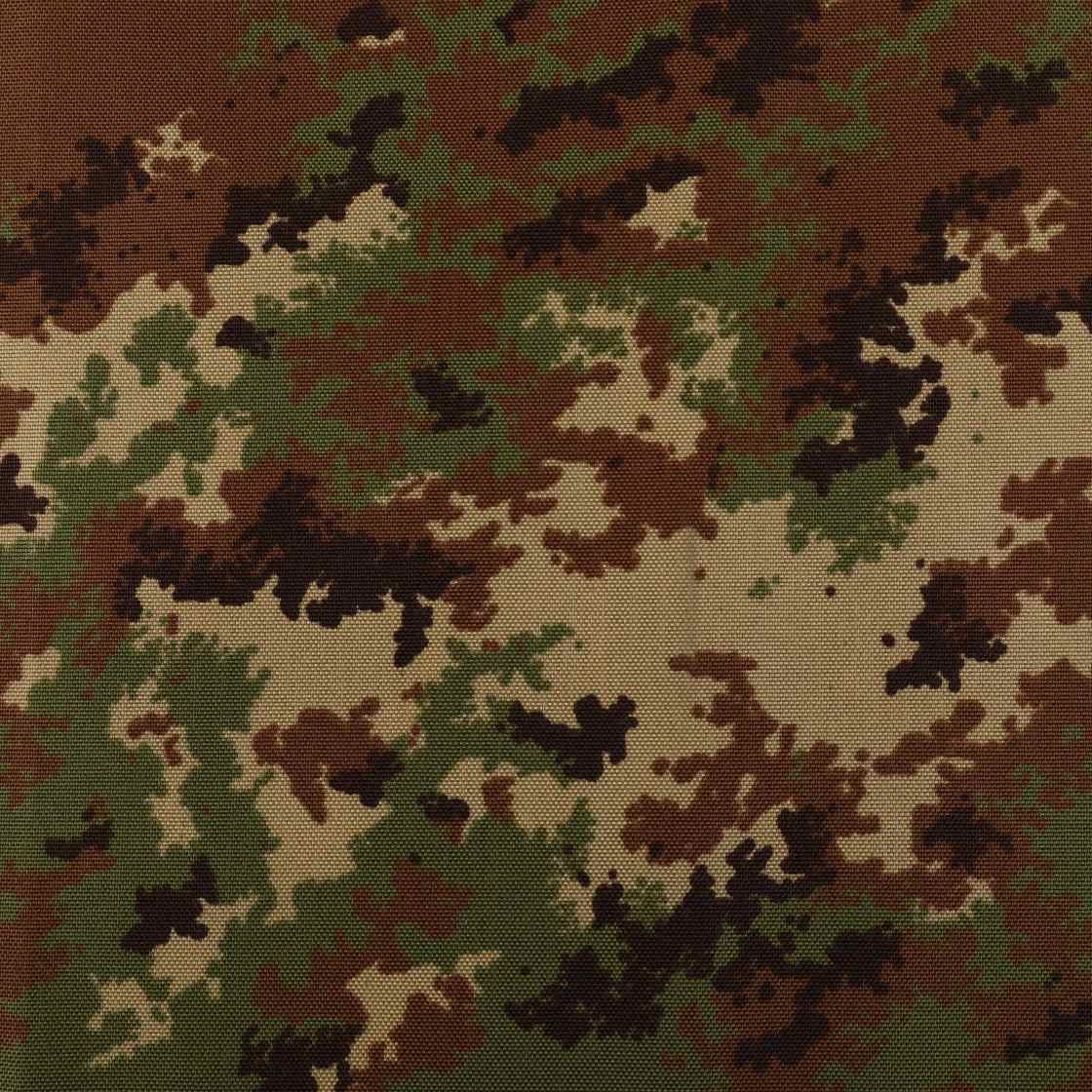
Double-Face Wool
A tightly woven, reversible fabric with a clean finish on both sides, ideal for structured coats requiring no lining. Available in 550–700 gsm weights for substantial body and razor-sharp silhouettes.
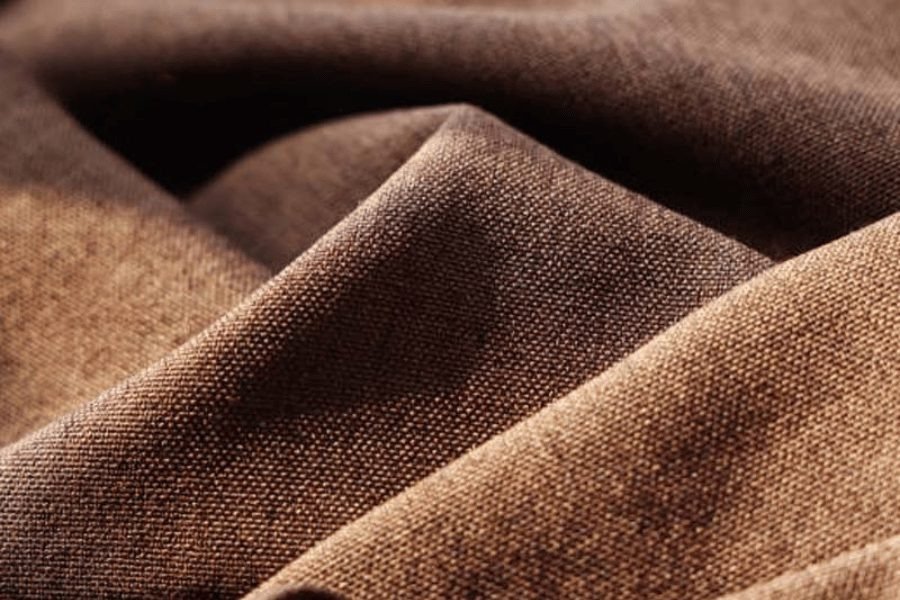
Wool Tweed
A textured, multi-tonal weave with heritage appeal, popular for statement overcoats and streetwear-influenced tailoring. Robust at 400–550 gsm, it resists pilling and holds its shape through heavy seasonal wear.
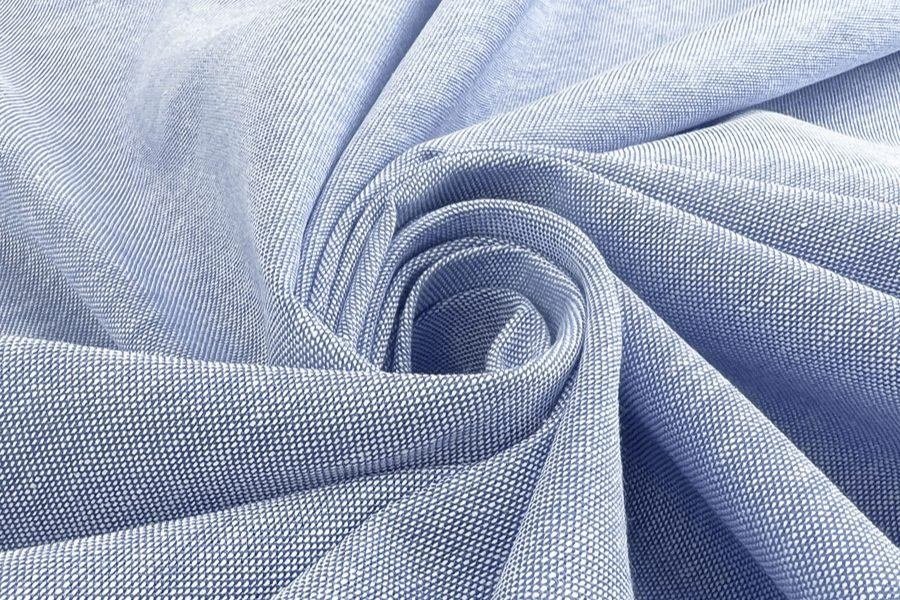
Performance Wool
A technical wool blend engineered for moisture management and four-way stretch, suited to active or sport-influenced outerwear. Maintains wool’s premium aesthetic while adding modern odor resistance and dynamic recovery.
Wool Coat Manufacturer Techniques & Finishing Processes
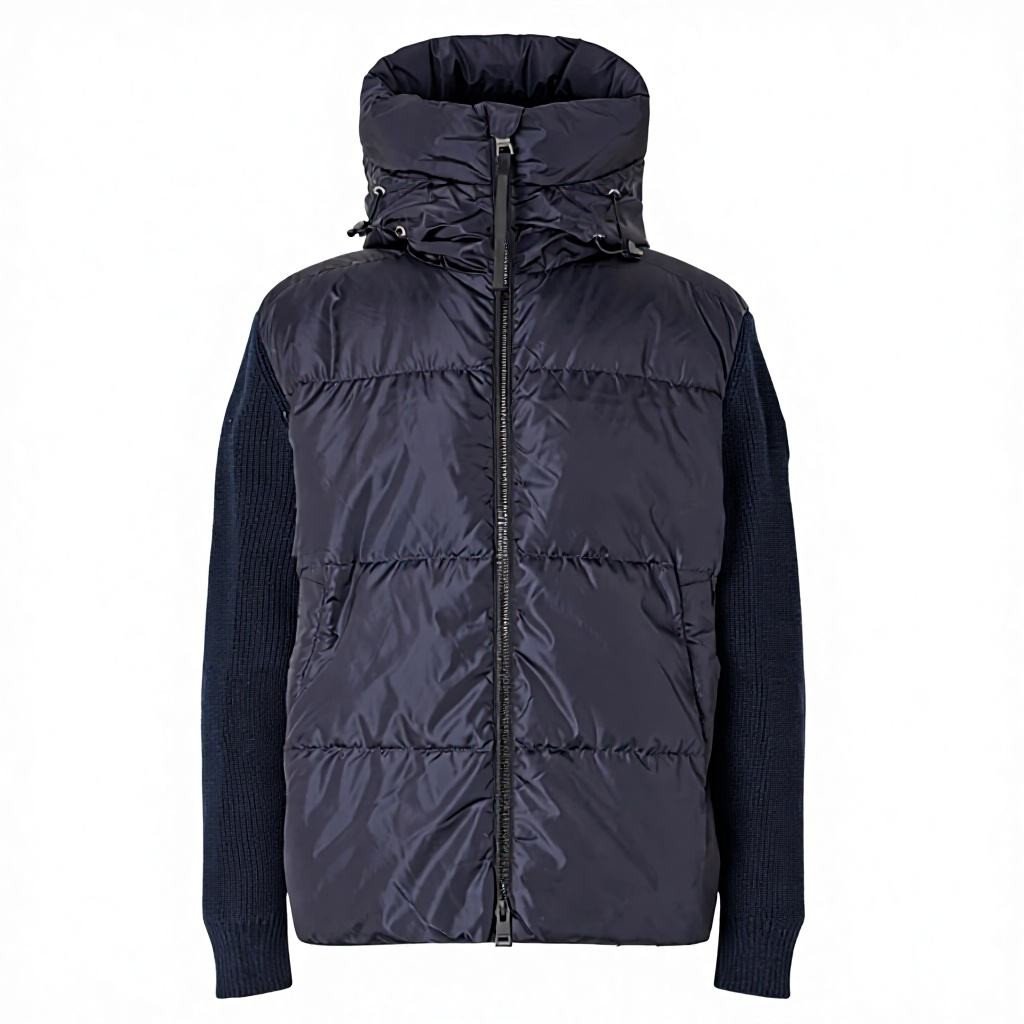
Precision Embroidery
High-density, thread-by-thread embroidery renders sharp logos, monograms, and streetwear motifs directly on wool and wool-blend fabrics, delivering a premium raised finish with long-lasting wash durability.
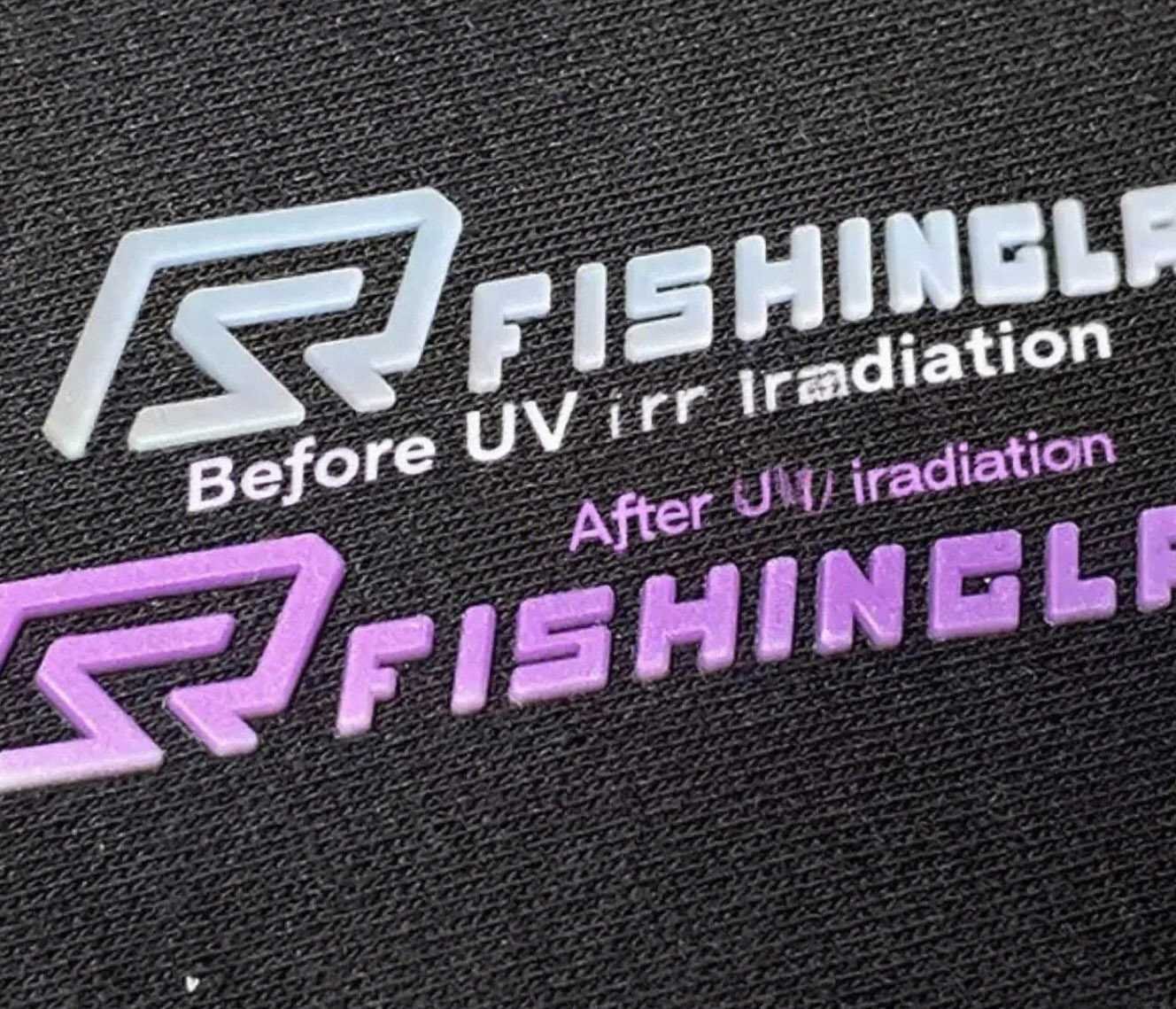
Screen Printing
Multi-color screen printing transfers bold brand graphics onto coat linings, inner panels, and woven labels with crisp registration, vivid pigment saturation, and proven wash-resistant adhesion across bulk runs.
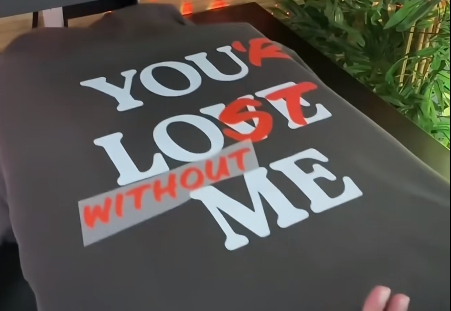
Sublimation Printing
Dye-sublimation bonds full-color, photographic artwork into synthetic wool-blend fabrics at the molecular level, producing seamless all-over pattern coverage with zero cracking, peeling, or color fade over time.
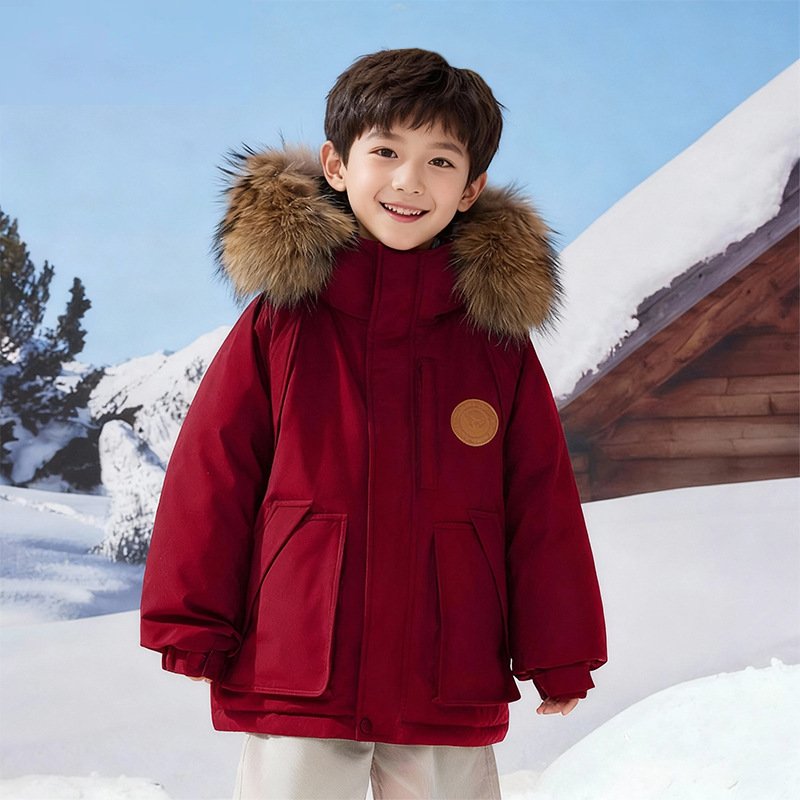
Custom Wool Dyeing
Yarn and piece dyeing across a full Pantone spectrum ensures precise, batch-consistent colorways throughout every coat in your run, enabling exclusive palette development and on-trend seasonal color stories.
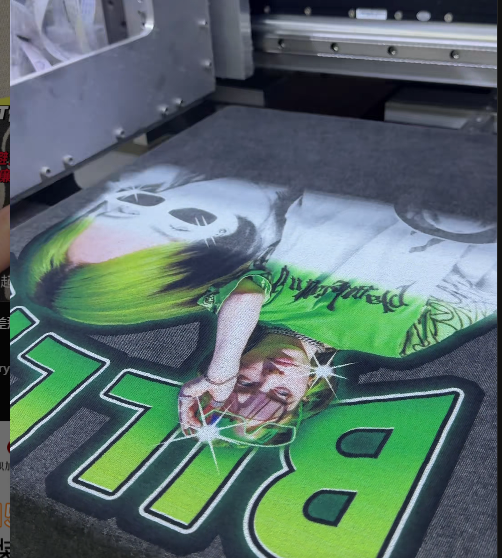
Garment Washing
Stone-wash, enzyme, and vintage-wash treatments soften wool-blend constructions to your target hand-feel and pre-worn aesthetic, achieving distinctive texture and drape without compromising structural integrity or fabric weight.
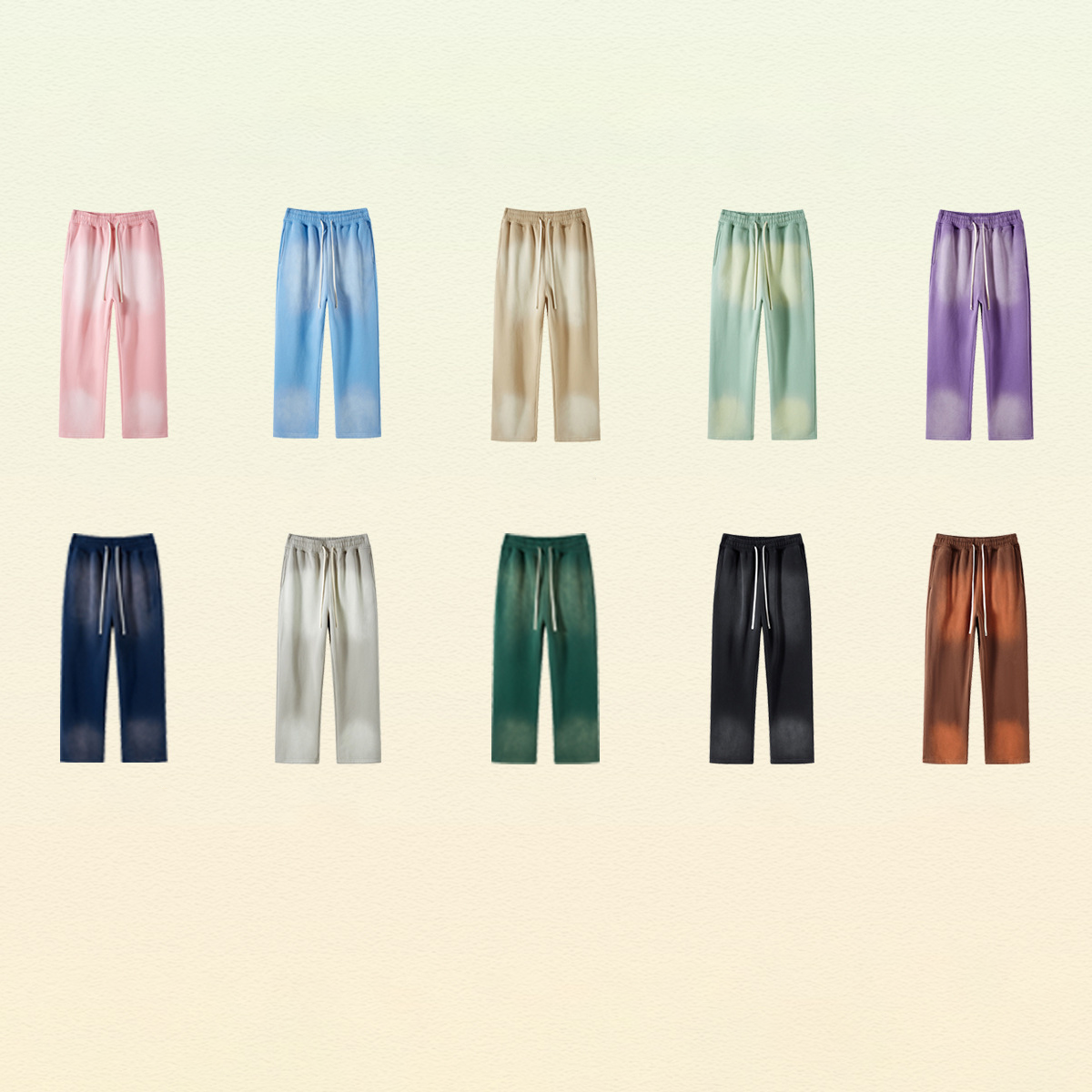
Steam Finishing
Industrial steam pressing and panel finishing eliminate production distortion, set seams cleanly, and produce a crisp retail-ready silhouette that meets the visual quality standards of premium streetwear and global retailers.
Custom Hardware & Finishing for Your Wool Coat Collection
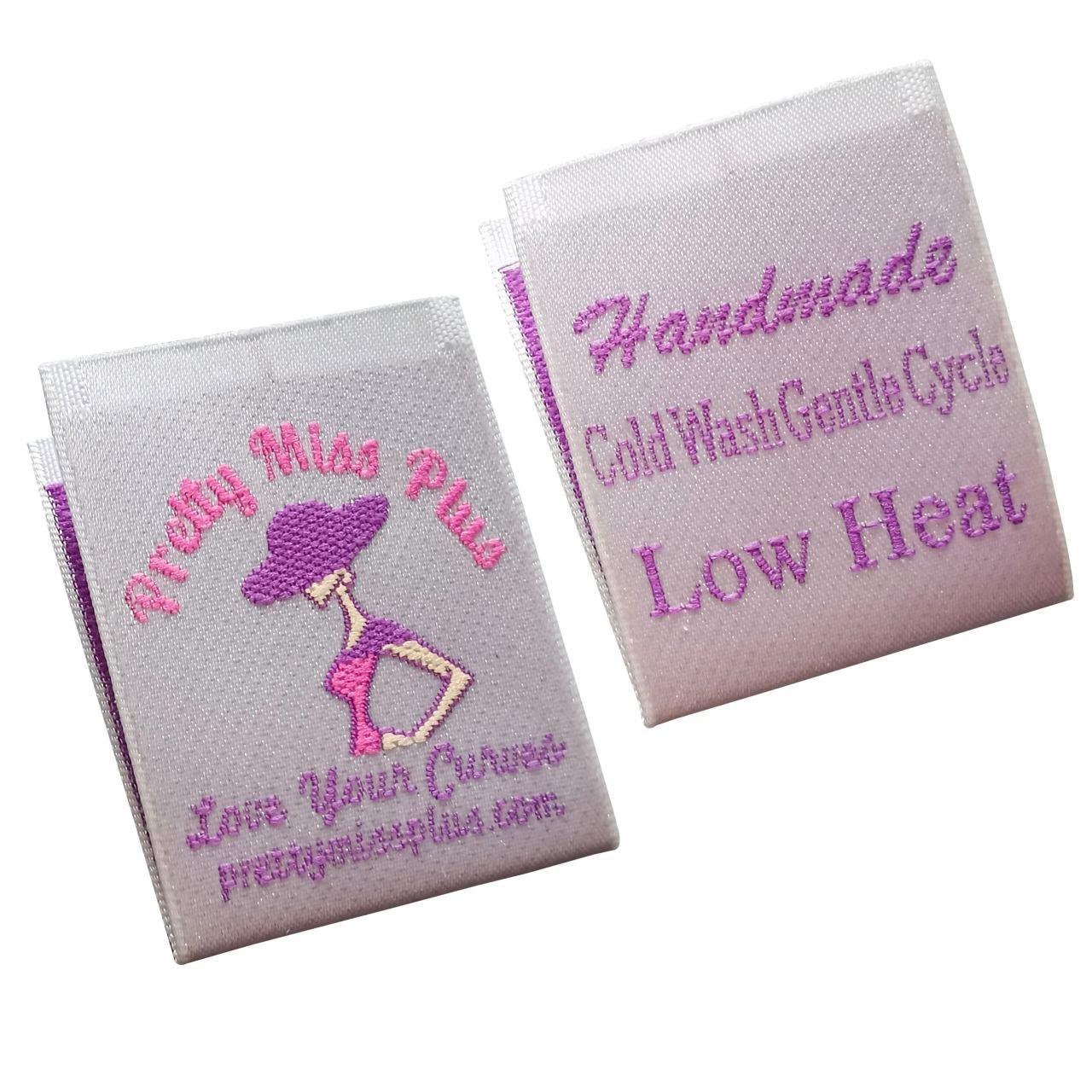
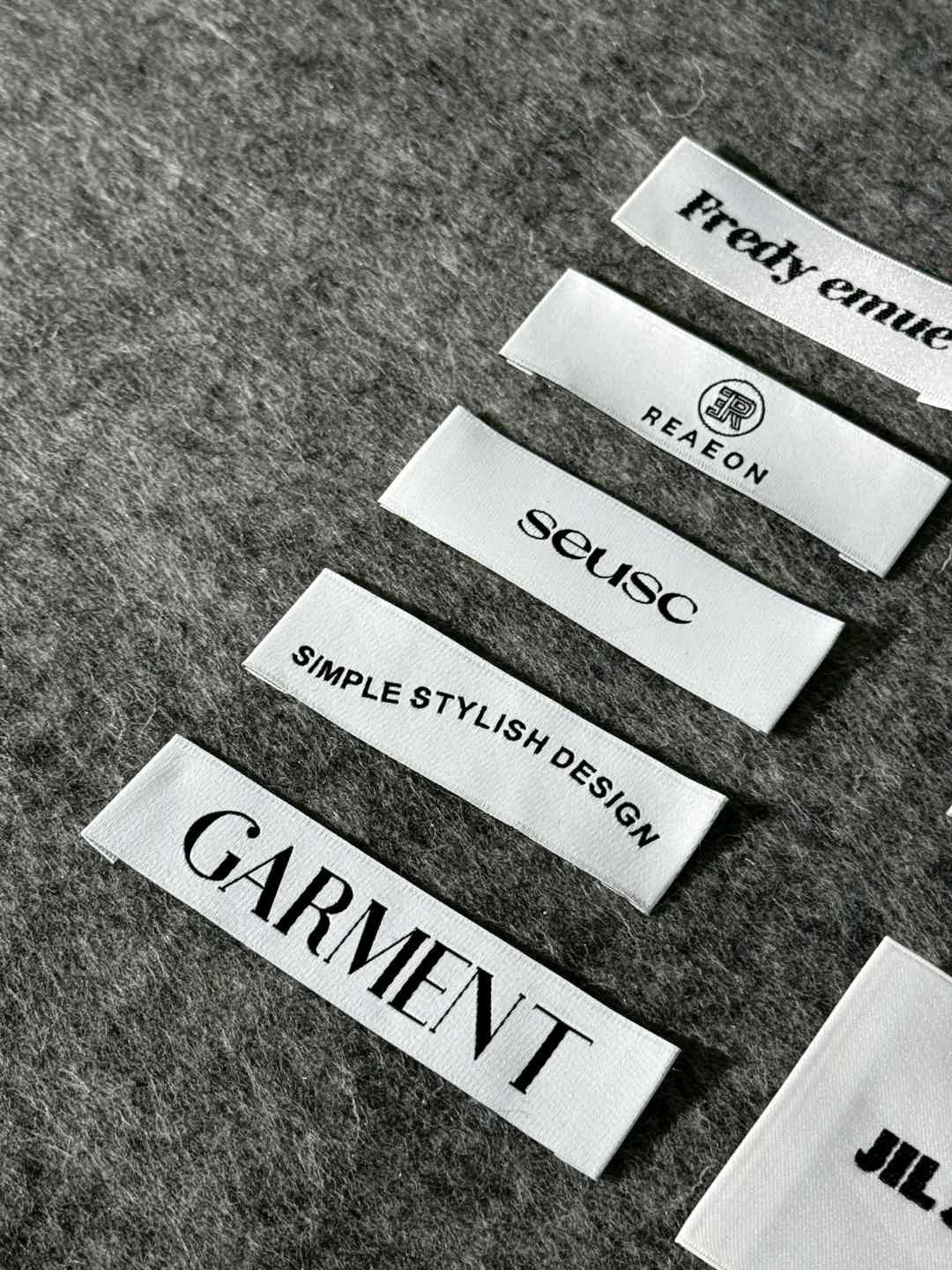
Woven Brand Labels
High-resolution woven labels sewn at the collar or interior seam, displaying your logo, brand name, and care instructions — delivering a polished, professional finish that reinforces brand identity with every wear.
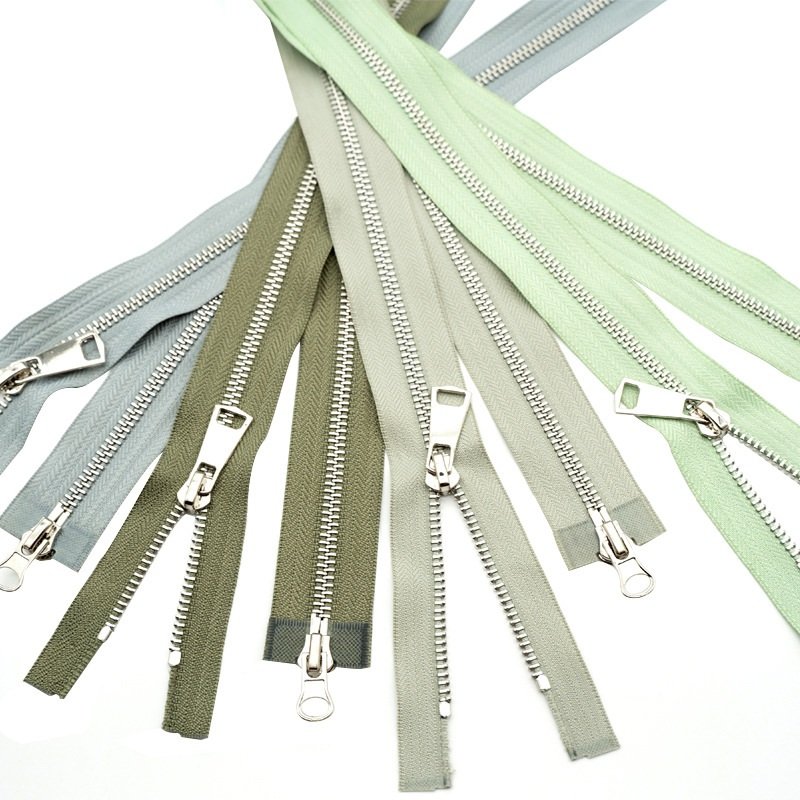
YKK Zippers
Industry-standard YKK zippers in gold, silver, or matte black finishes for pockets and front plackets. Smooth-pull construction guarantees long-lasting performance on heavyweight wool coats worn in demanding everyday conditions.
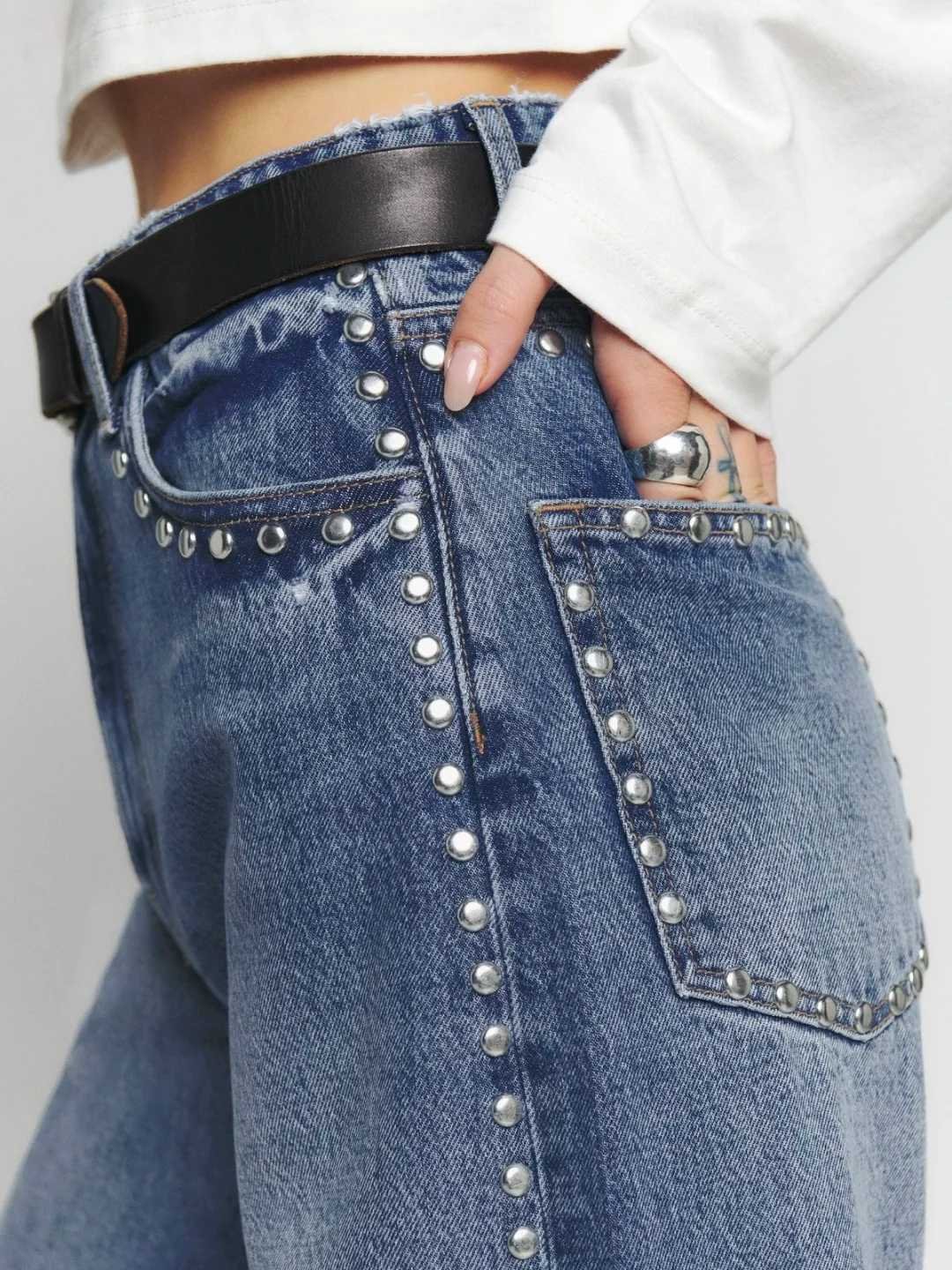
Custom Coat Buttons
Choose from horn, corozo, metal, or resin buttons in custom sizes and finishes. Every button is matched to your design spec and rigorously inspected during our 5-step QC process for secure, lasting attachment.
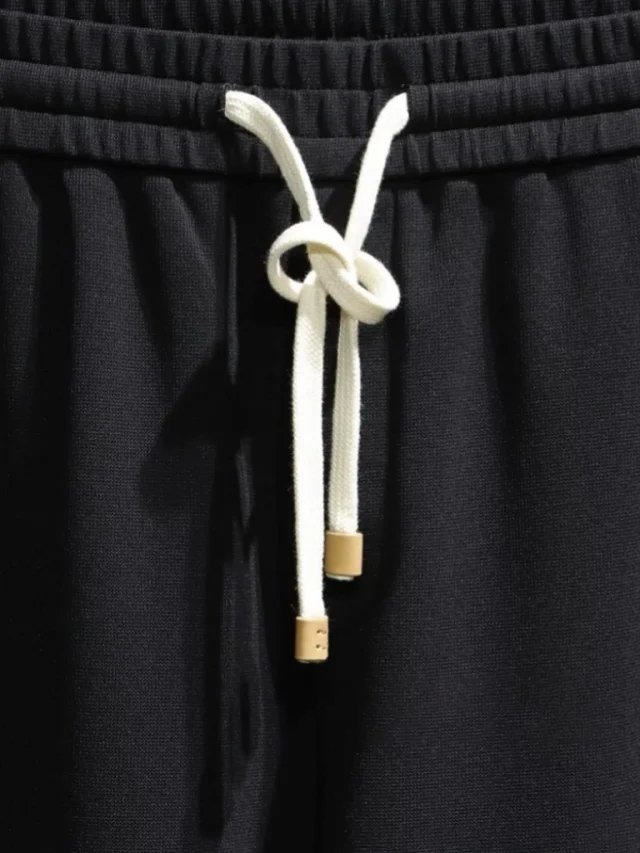
Branded Hangtags
Custom-printed cardstock or kraft hangtags featuring your brand story, fabric details, and sizing. Attached with branded cord or twine, they elevate retail presentation and make a strong first impression at unboxing.
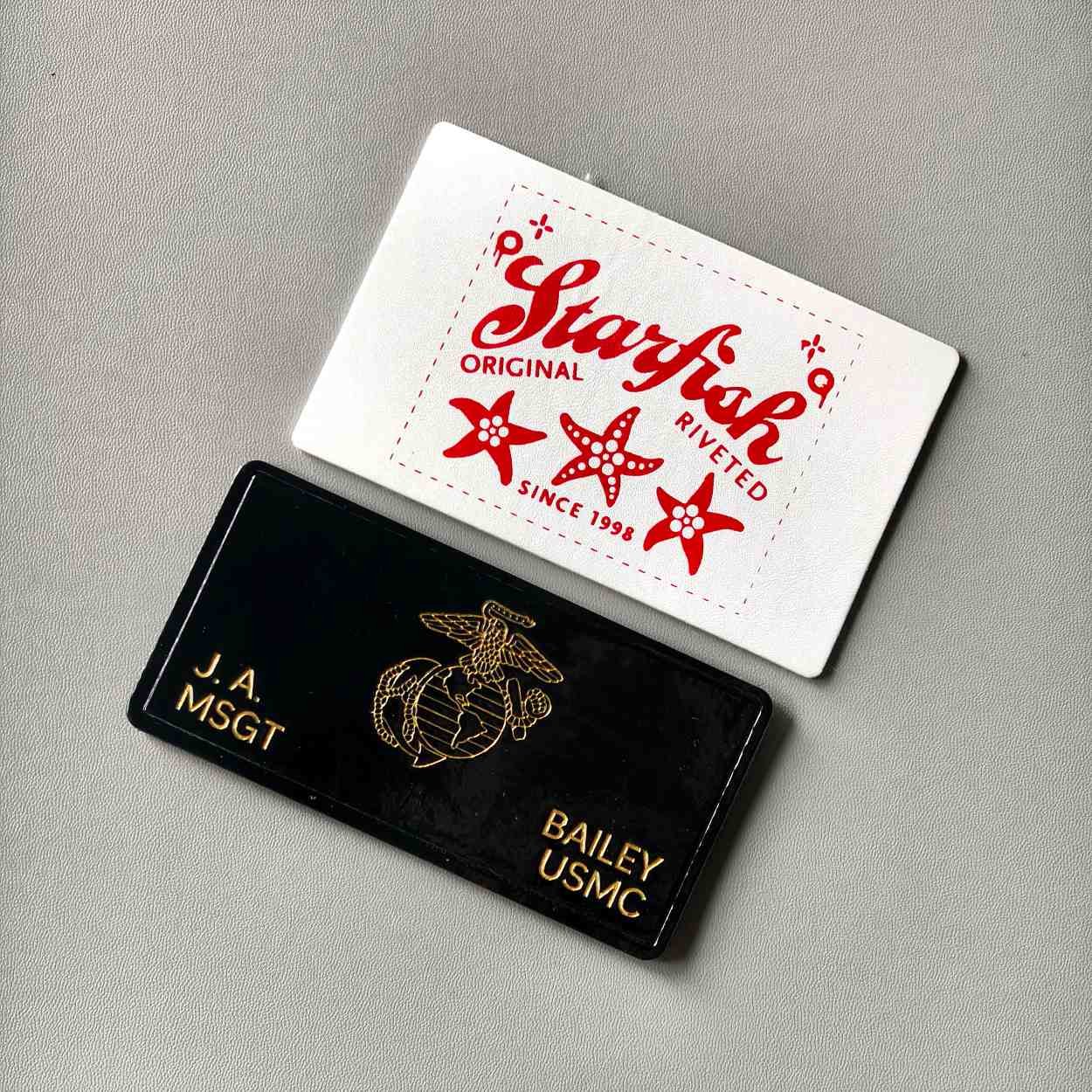
Woven Patches
Woven or embroidered patches showcasing logos, slogans, or streetwear artwork, applied to sleeves, chest, or back panels. A premium signature detail perfectly suited to limited-edition drops and influencer-driven collections.
Custom Printed Lining
Full custom-printed satin or polyester lining panels featuring your logo repeat, brand artwork, or seasonal motif — an exclusive interior detail that surprises customers and signals serious craftsmanship from first look.
About Our Wool Coat Manufacturer
Tesla Luo founded Clothing Manufacturer Ltd. in 2024 with a clear purpose: restore the reputation of Chinese garment manufacturing. Growing up inside Dongguan’s factories — his father a factory director, his mother a workshop supervisor — Luo spent a decade rotating through every production role, from sewing and cutting to quality control and shipping. He built this wool coat manufacturer to prove that rigorous QC is not optional — it is the foundation.
Since launching, we have served customers across more than 100 countries, partnering with streetwear startups, independent designers, and global retailers alike. Backed by a 15-member in-house R&D team, 10 production patents, and the manufacturing scale of parent company Dongguan TuoZhen Clothing Co., Ltd., we combine the agility of a focused specialist with the capacity to deliver consistent, scalable production for brands at every stage of growth.
What sets us apart from any other wool coat manufacturer is our proprietary five-step quality control process — covering materials, cutting, craft, sewing, and finished garment inspection — embedded at every stage of production. Add low MOQs for emerging labels, fast turnaround for seasonal drops, global shipping support, and an in-house sampling team, and you have a manufacturing partner built to grow your brand without ever compromising on quality.
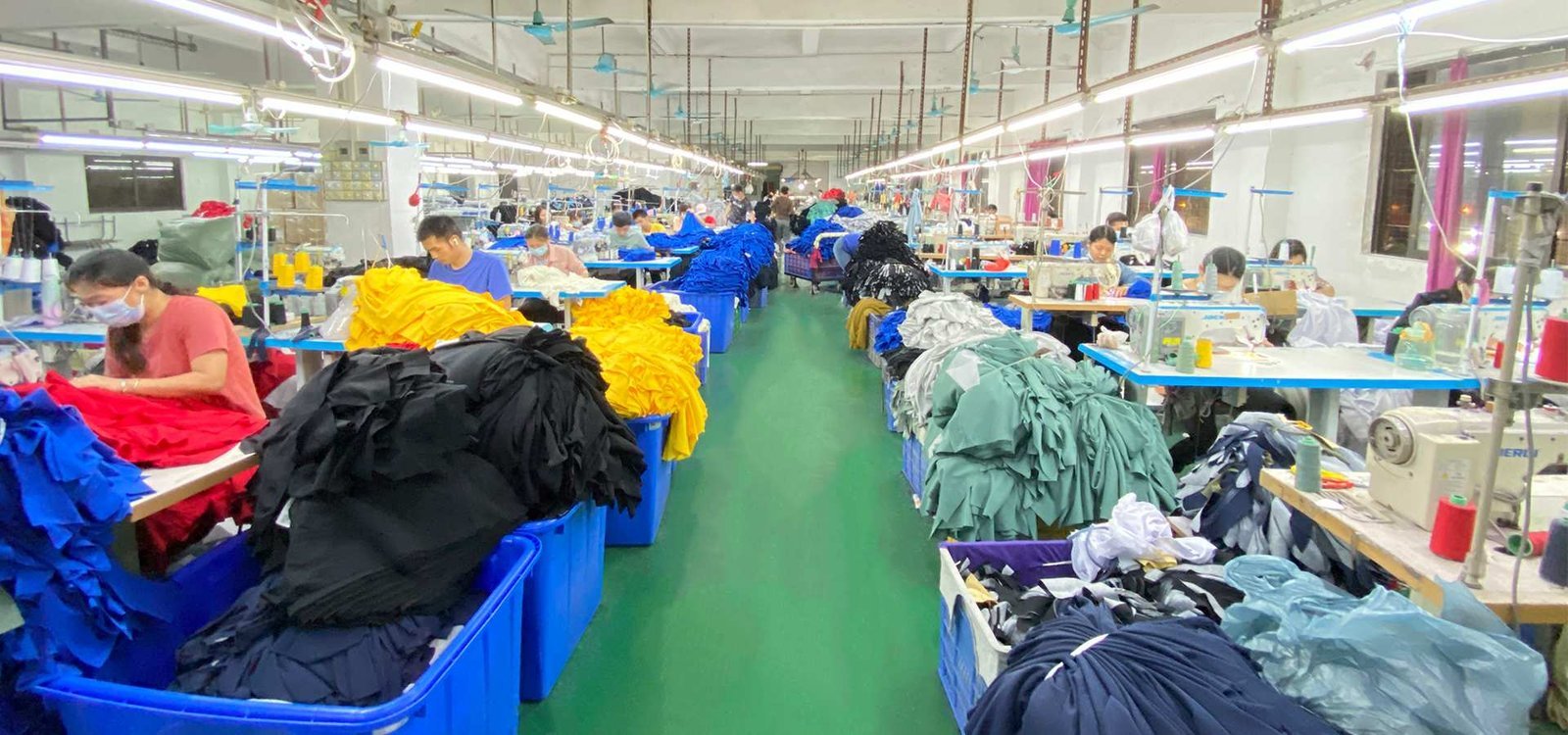
The Wool Coat Manufacturer Built for Quality-Driven Brands
Zero-Defect Standards at Every Production Stage
Our proprietary five-step QC process inspects materials, cutting, craftsmanship, sewing, and finished goods individually — catching defects before they compound. Every wool coat leaving our facility has passed five distinct checkpoints, not just a single end-of-line glance.
- Materials QC: every fabric and trim tested before cutting begins
- Mid-process checks on cutting precision and garment construction craft
- Sewing production QC monitors stitch density, seam strength, and consistency
- Full finished-goods inspection before packaging — zero-defect shipments, guaranteed
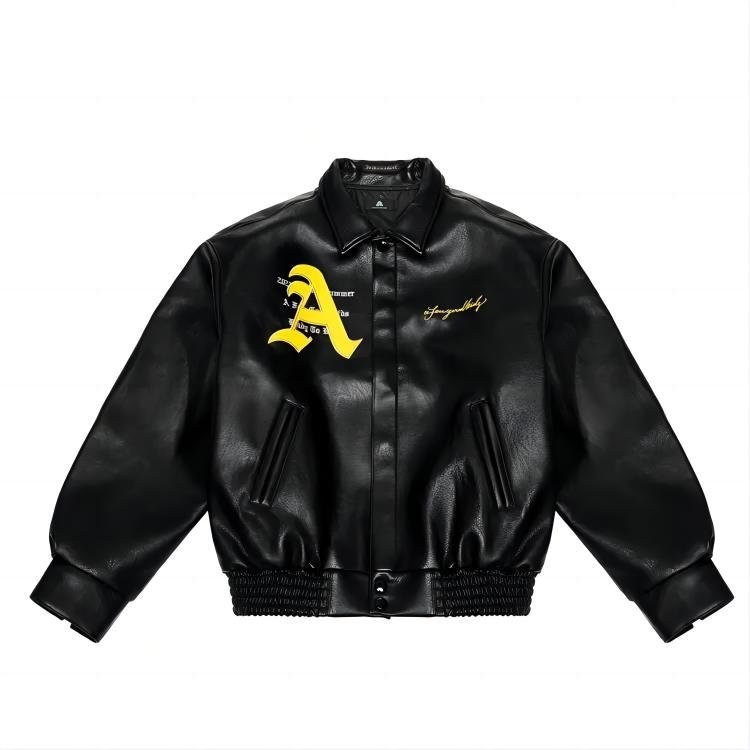
Streetwear Design Expertise Backed by Real Culture
Our founder spent 6-plus years studying hip-hop, skateboarding, graffiti, and street art before launching this company. Our 15-member R&D team channels that cultural fluency into trend-driven wool coat silhouettes and graphic treatments that resonate with your audience.
- Deep mastery of skeleton, rose, animal print, cross, and other core streetwear motifs
- In-house design and sampling team — no outsourced delays or miscommunication
- Seasonal trend research informs every collection before development begins
- 10 patents covering proprietary production and design processes
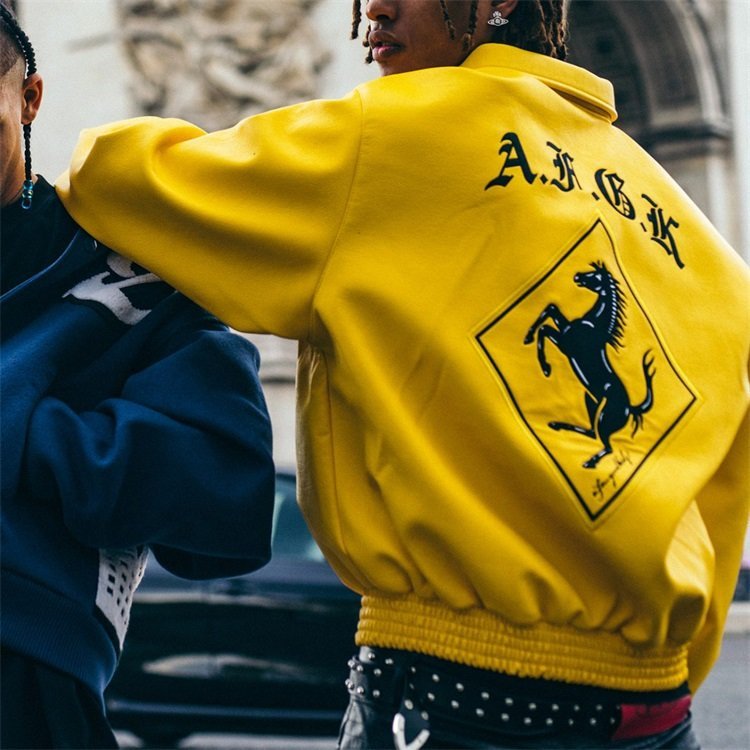
Rapid Sampling and Low MOQ for Growing Brands
Launching your first collection should not require a warehouse-scale commitment. We built our workflow around startups and independent designers — with low minimum order quantities and fast sample turnarounds that let you validate, iterate, and hit seasonal windows without overextending.
- Low MOQ options designed specifically for emerging labels and first runs
- Fast sample turnaround to meet tight seasonal collection deadlines
- In-house pattern and sampling team enables quick design iterations
- Order volumes scale with your brand — from debut drop to full retail rollout
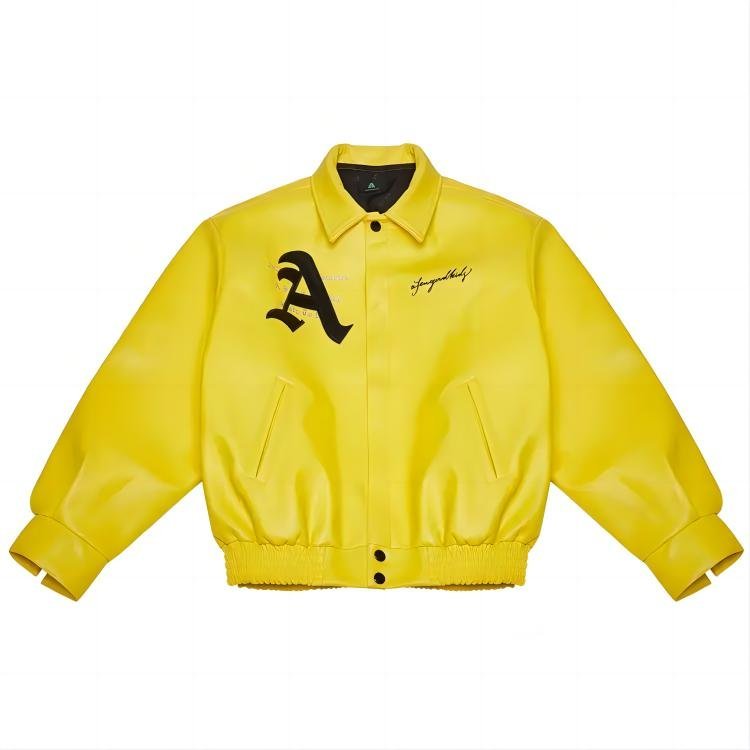
Global Logistics Support, 100-Plus Countries Served
We handle more than production. Our logistics experience spans customs documentation, international freight coordination, and inspection compliance — so your wool coat order moves from our facility to your market cleanly, on schedule, and exactly as specified.
- End-to-end logistics support including customs declaration and inspection procedures
- Proven delivery track record across North America, Europe, Southeast Asia, and beyond
- Branded packaging and labeling customized to your label requirements
- Proactive order communication and transparent tracking at every stage
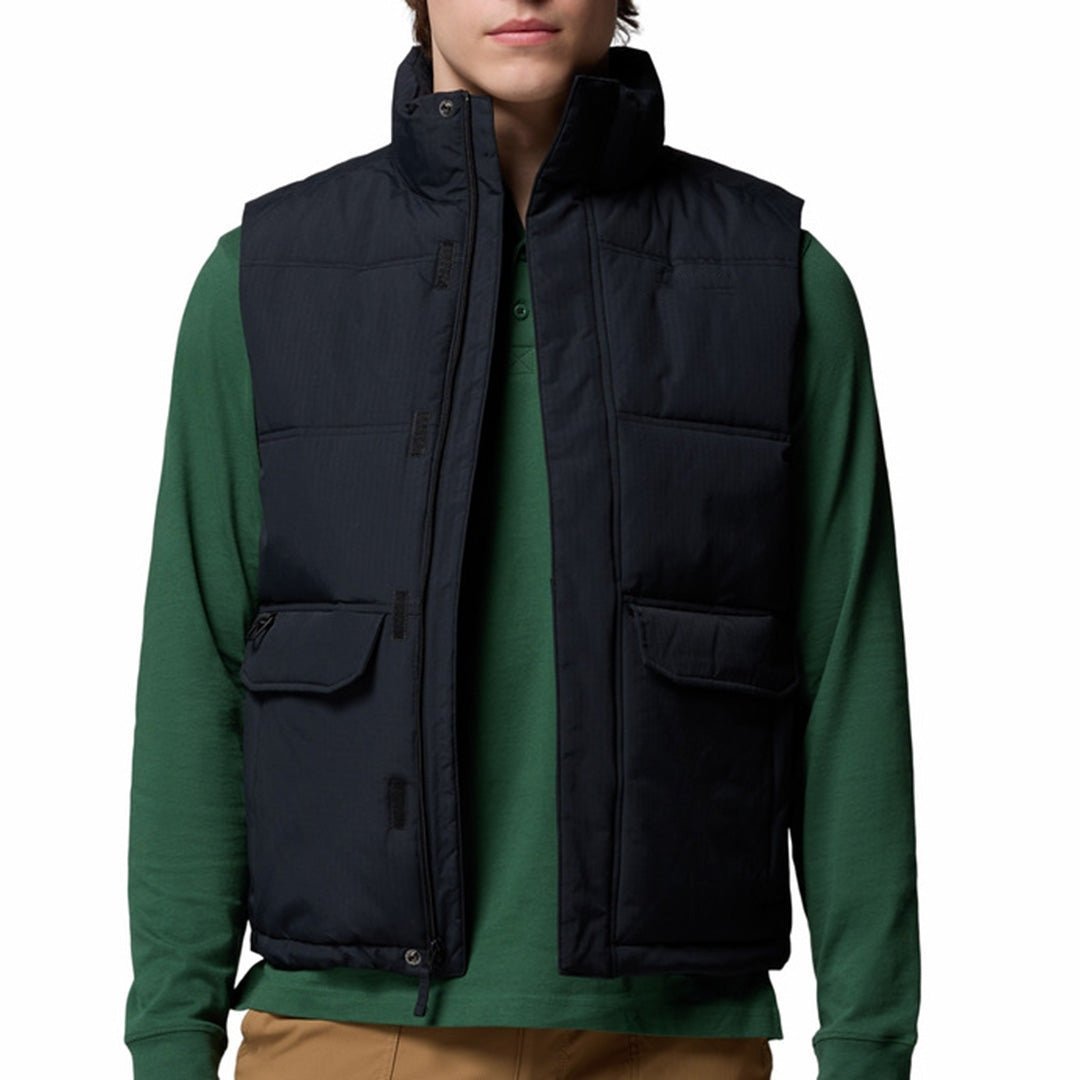
Why Brands Choose This Wool Coat Manufacturer
Every offshore sourcing concern — addressed head-on. See how we compare on the criteria that actually determine whether your collection succeeds.
← 左右滑动查看 →
Our 5-Step Wool Coat Manufacturer Quality Control Process
Most factories inspect only at the end. We embed rigorous quality checks at every stage of production — catching defects early so every coat that ships is one you are proud to sell.
Materials QC Inspection
Every wool fabric, lining, and trim is tested for weight, colorfastness, and durability before a single pattern is cut, ensuring only premium inputs enter production.
Precision Cutting Verification
Cut panels are checked against approved patterns for dimensional accuracy, grain alignment, and consistency, eliminating sizing errors before any stitching begins.
Craft Construction Audit
Interfacing application, pocket construction, and structural tailoring are inspected mid-process to catch and correct workmanship issues before they compound into costly rework.
Sewing Production Control
Seam integrity, stitch density, and join quality are monitored in real time on the production line, maintaining consistency across every garment in every batch.
Finished Garment Sign-Off
Completed coats are measured, pressed, and reviewed for hardware, finishing, and packaging standards before final approval — nothing ships without clearing every checkpoint.
How to Partner with Your Wool Coat Manufacturer
From first brief to final delivery, our process is built for brands at every growth stage — with clear communication, zero surprises, and quality guaranteed at every step.
Submit Your Tech Pack or Brief
Share design files, sketches, or reference images. Our team replies within 24 hours with fabric recommendations, construction guidance, and a clear sampling plan.
Receive Samples and a Firm Quote
We produce pre-production samples from your approved materials and specs, paired with a transparent quote covering per-unit cost, MOQ options, and lead times.
Approve Designs and Finalize Details
Review your sample, request any refinements, and confirm all specs — fabrics, hardware, labels, and packaging — before we move to full-scale production.
Enter Bulk Production With 5-Step QC
Your order is manufactured under our five-step QC process, with dedicated checks at materials, cutting, craft, sewing, and finished-goods inspection stages.
Receive Your Order Worldwide
We handle global shipping and logistics end to end, providing real-time updates at every milestone so your collection lands on time, wherever your business operates.
Certified Wool Coat Manufacturer Meeting Global Standards
Success Stories: Brands We’ve Built With Our Wool Coat Manufacturer
We started with a 50-piece order and zero brand recognition. Their low MOQ and 12-day sample turnaround let us move fast. Six months later we crossed 120,000 Instagram followers and sold out every wool coat drop — three runs back to back.
Expanding our retail catalog into streetwear felt like a gamble. We needed a wool coat manufacturer that matched our quality bar. Their 5-step QC process eliminated the defect issues we’d seen with past suppliers — 800 units, 97% sell-through in 8 weeks, zero returns.
I had 42,000 YouTube subscribers but no manufacturing experience. The in-house design team guided me from fabric choice to finished packaging. My debut wool coat collection moved 350 units in the first 72 hours — I’m already sampling my second drop.
Frequently Asked Questions About Our Wool Coat Manufacturer
Everything you need to know before placing your first order — MOQ, lead times, sampling, quality guarantees, and more answered directly.
What is the minimum order quantity (MOQ) for your wool coat manufacturer?
How long does it take to receive a sample from a wool coat manufacturer?
What are the production lead times for bulk wool coat orders?
How do you protect my designs and intellectual property?
What payment terms does your wool coat manufacturer offer?
Can I fully customize labels, hardware, and packaging for my wool coat line?
How does your 5-step quality control process work?
Do you offer bulk discounts on large wool coat orders?
How do you manage global shipping and logistics from China?
The Complete Buyer’s Guide to Finding a Wool Coat Manufacturer
A proven decision framework for streetwear brands, fashion startups, and global retailers — covering supplier criteria, fabric standards, customization options, and the critical mistakes to avoid when sourcing your next wool coat manufacturer.
1. What Is a Wool Coat Manufacturer and Why It Matters
A wool coat manufacturer is a factory or production partner specializing in the full cycle of structured outerwear construction — from sourcing woven wool and wool-blend fabrics (typically 400–800 GSM) to pattern grading, fusing, interlining, and finishing. This differs fundamentally from a generic cut-make-trim (CMT) factory, which sews whatever fabric arrives without the specialized tooling, pressing equipment, or technical staff that structured wool outerwear demands.
Structured wool coats require industrial fusing presses, sleeve-head setting machines, and patternmakers who understand ease allowances for multi-layer construction. A generic factory skipping these steps produces coats that bubble at the lapel, lose shape after dry cleaning, or fail OEKO-TEX fabric traceability checks — defects that surface only after goods have shipped.
Three technical gaps separate a specialist from a generalist: wool-specific shrinkage pre-treatment, proper interlining bonding, and graded pattern blocks calibrated for the weight and drape of suiting-weight wool. Without all three handled correctly, structural defects — lapel bubbling, collar-roll inconsistency, shoulder seam stress — compound and become visible only after a full production run is complete.
Clothing Manufacturer Ltd., founded by Tesla Luo with over 10 years of garment production experience, addresses this gap through a proprietary five-step QC methodology covering materials, cutting, craft, sewing, and finished-goods inspection. Every failure point where generic factories cut corners is built into a structured checkpoint — making it a dependable wool coat manufacturer partner for brands that require consistent, traceable outerwear output from day one.
2. A Brief History of Wool Coat Manufacturing
By the 18th century, Yorkshire’s West Riding district had established itself as the world’s dominant wool-processing region, supplying tightly woven melton and tweed cloths to London tailoring houses on Savile Row. Mills such as Abraham Moon (founded 1837) codified the construction standards — floating weft weaves, selvedge-to-selvedge consistency, and 400–600 GSM fabric weights — that remain the baseline benchmarks for premium overcoating today.
Industrialization accelerated between 1850 and 1920, when power-loom adoption let European manufacturers standardize the peacoat, overcoat, and balmacaan silhouettes that anchor modern outerwear categories. Italian mills in Biella — notably Vitale Barberis Canonico (est. 1663) — introduced high-twist finishing and certified wool grading systems that fused fabric provenance directly to perceived luxury, a logic still embedded in how buyers assess quality today.
From the 1980s onward, manufacturing gravity shifted toward East Asia, with Dongguan, Guangdong Province — a historic garment hub — emerging as a center for scalable full-package outerwear production. Factories in this region now source certified wool blends, execute pattern grading, and apply OEKO-TEX-compliant finishing, closing the cost gap without abandoning the construction discipline that heritage buyers demand.
For streetwear and indie designers choosing a wool coat manufacturer, this history carries practical weight: provenance signals still drive perceived value. Specifying heritage-grade wovens — 80% Merino / 20% nylon at 500–600 GSM — alongside felled seams and horn or corozo buttons communicates craftsmanship literacy that mill-trained manufacturers can execute and that label-conscious consumers actively recognize.
3. Types of Wool Coats a Manufacturer Can Produce
A credible wool coat manufacturer should handle at least six core silhouettes. Each style carries different structural complexity, fabric weight requirements, and MOQ minimums that directly affect your sampling and scaling decisions.
Classic Overcoat
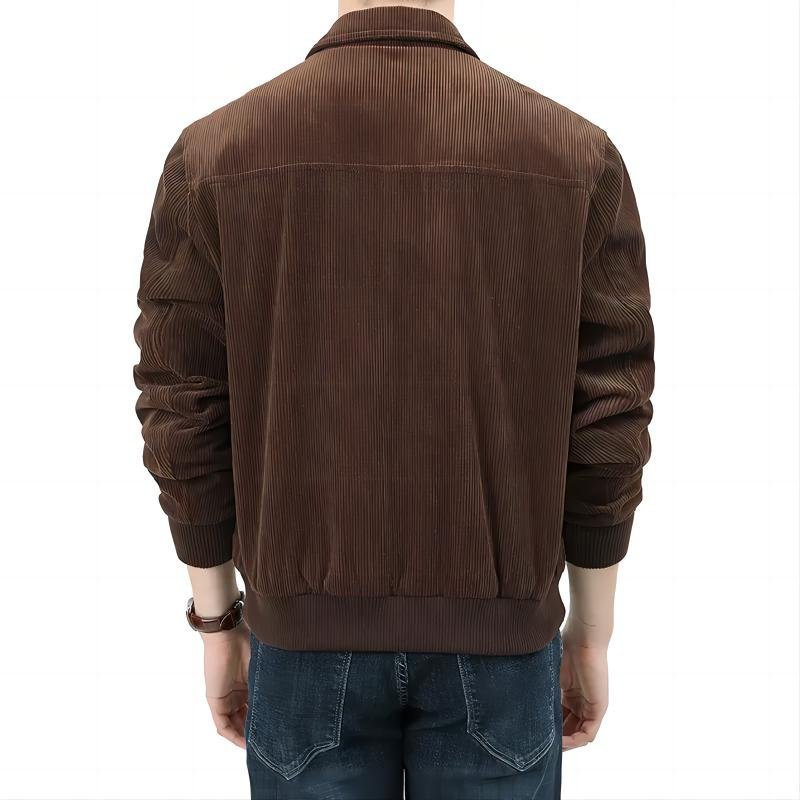
Single or double-breasted, knee-to-ankle length; uses 400–700 GSM wool blends with full canvas or half-canvas construction. MOQ typically runs 50–100 units per colorway due to pattern complexity and full lining requirements.
Duffle Coat
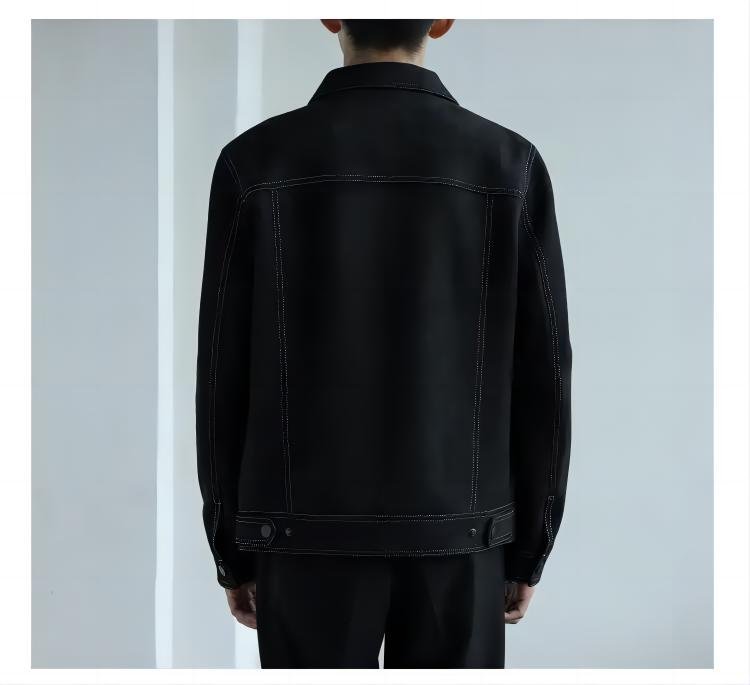
Toggle-and-rope closures require specialized hardware sourcing, adding 5–10 days to sample lead time. MOQ runs 50–80 units; the silhouette suits heritage and workwear-adjacent streetwear brands targeting younger demographics.
Peacoat
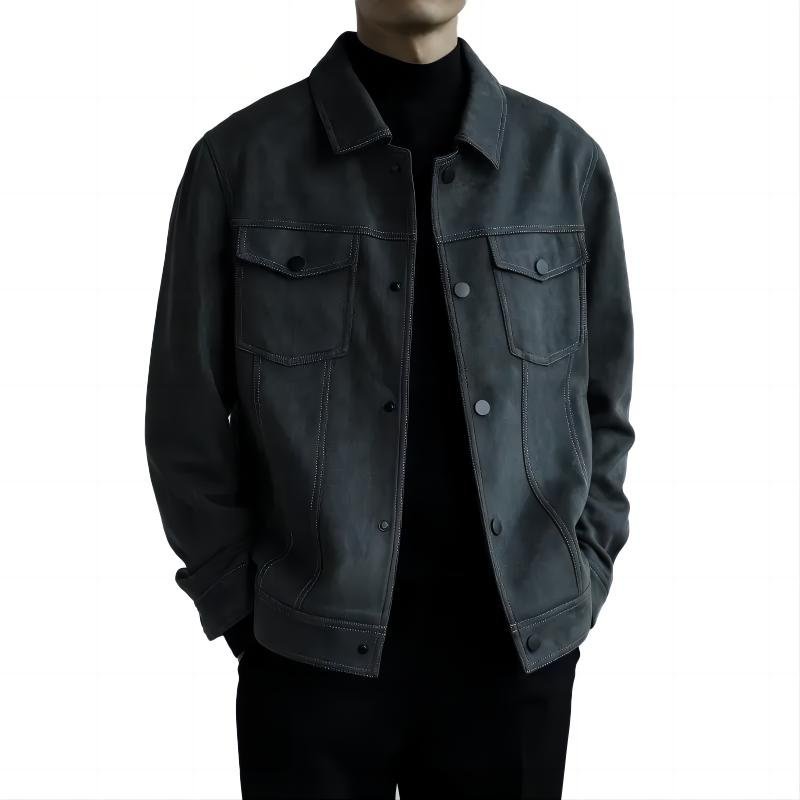
Double-breasted, 6–8 button front with notch or peak lapels; 500–600 GSM melton wool is standard. Structural complexity is moderate and MOQ starts around 50 units, scaling efficiently above 200.
Wrap Coat
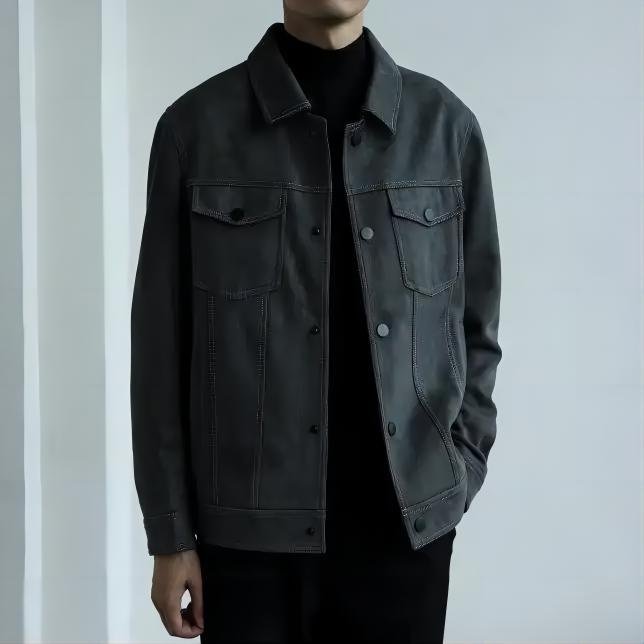
Belt-tied closure eliminates buttonhole machinery, reducing sampling complexity and cost. Works in 300–500 GSM fabrics; MOQ can drop to 30–50 units, making it accessible for fashion startups and independent designers.
Cocoon Coat
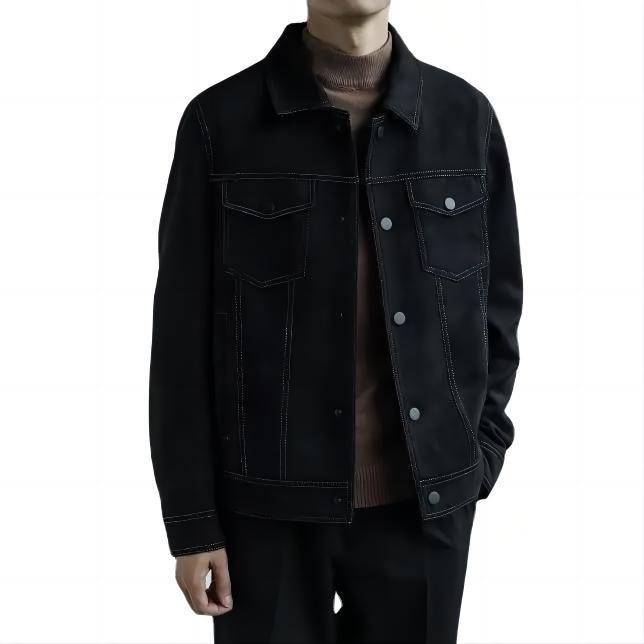
Oversized dropped-shoulder silhouette with minimal internal structure — a streetwear-native shape favored by trendy brands. Low seam complexity keeps MOQ near 30–50 units; 400–550 GSM boucle or boiled wool reads premium.
Cropped Wool Jacket
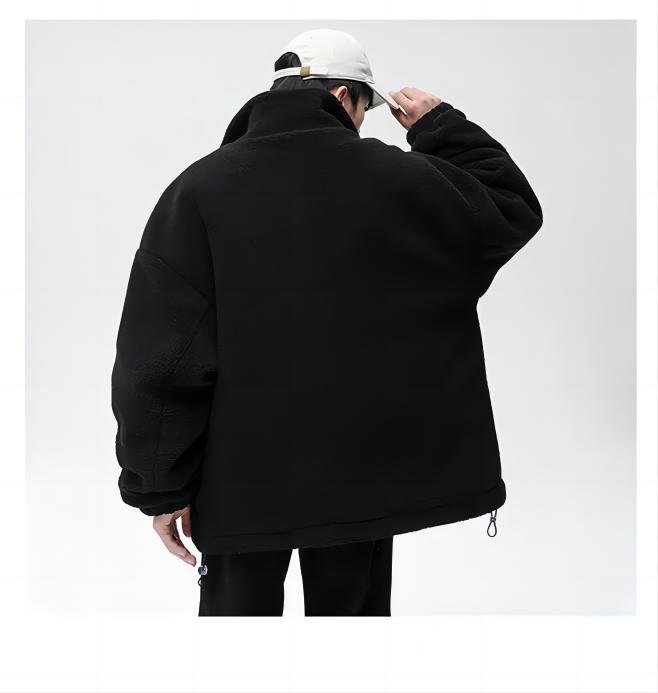
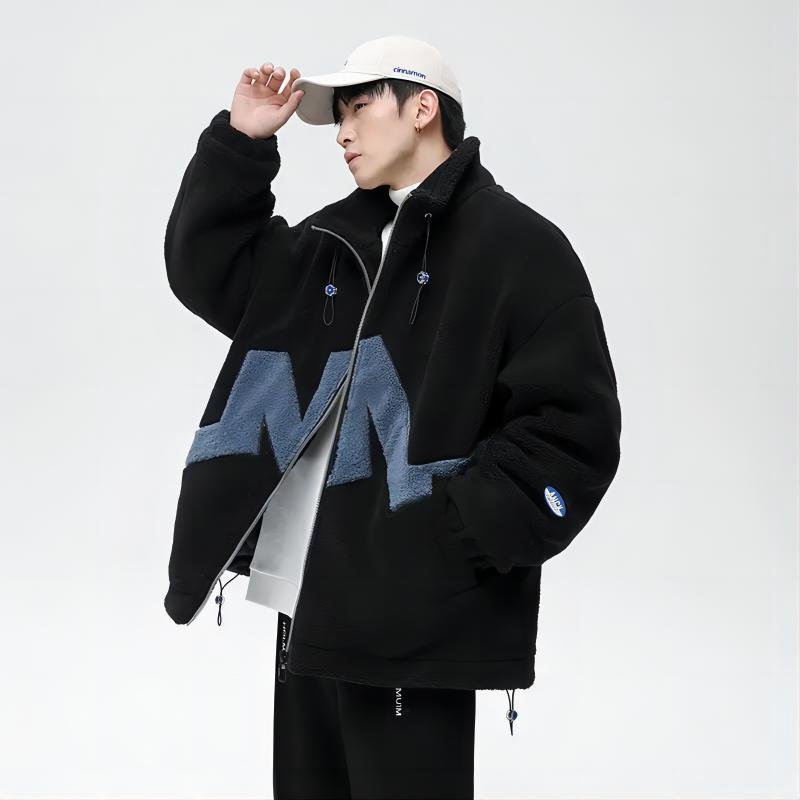
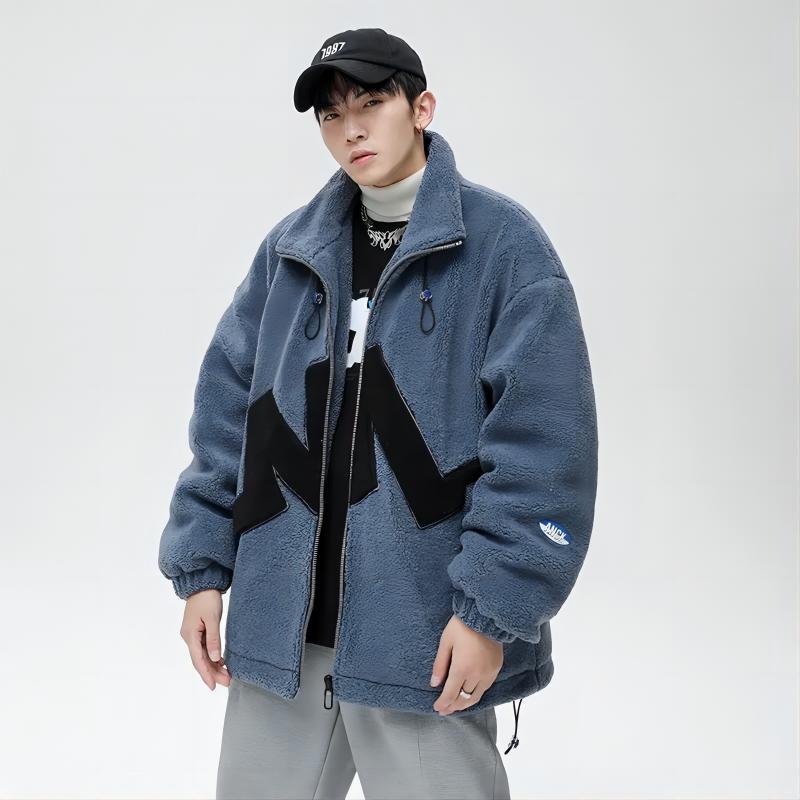
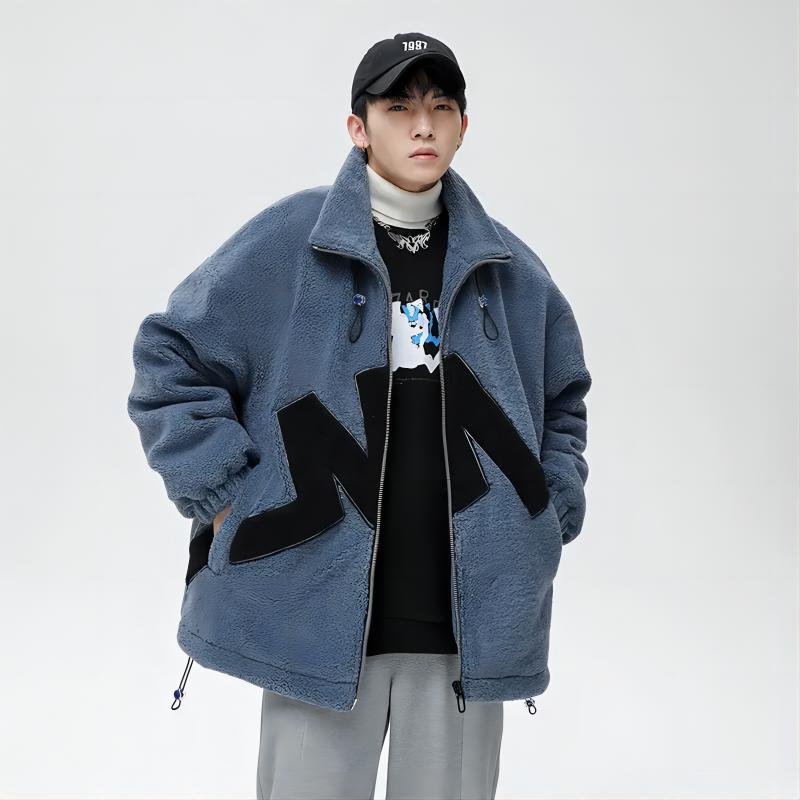
Hip-length or shorter with clean-cut hems; pairs with wide-leg trousers and cargo pants in streetwear styling. MOQ starts at 30 units, and reduced material consumption vs. full-length styles lowers per-unit cost.
4. Materials and Fabrics Used by a Wool Coat Manufacturer
Fabric selection sets a wool coat’s price ceiling and sustainability story before a single cut is made. A capable wool coat manufacturer offers six core shell fabrics and three lining constructions, each matched to a distinct brand tier.
Shell Fabric Options at a Glance
GSM weight and fiber purity drive both hand-feel and cost. Pure virgin wool at 300–600 GSM delivers the richest drape; recycled wool meets OEKO-TEX demands at a lower price point.
| Fabric Type | GSM Range | Hand-feel | Cost Tier | Best Use Case |
|---|---|---|---|---|
| Pure Virgin Wool | 300–600 GSM | Soft, fluid drape | Premium | Luxury overcoats |
| Wool-Poly Blend | 280–500 GSM | Firm, structured | Budget–Mid | High-volume retail |
| Melton Wool | 400–700 GSM | Dense, smooth face | Mid-Premium | Windproof outerwear |
| Boiled Wool | 350–600 GSM | Felted, rustic | Mid | Alpine and artisan coats |
| Cashmere-Wool | 250–400 GSM | Ultra-soft, luxe | Luxury | Designer capsule drops |
| Recycled Wool | 300–550 GSM | Slightly coarser | Budget–Mid | Eco-positioned brands |
Lining Fabrics for Interior Comfort
Viscose lining (75–100 GSM) provides smooth slip and breathability at mid cost. Polyester satin reduces cost further but limits moisture management. Quilted polyester linings (150–200 GSM) add insulation and suit cold-climate retail markets.
Matching Fabric to Price Point and Sustainability
Budget and mid-tier brands typically specify wool-poly blends or recycled wool to control FOB costs. Premium labels favor virgin wool or cashmere-wool blends certified to OEKO-TEX Standard 100. Sustainability-led brands gain clear marketing proof by sourcing GOTS-certified recycled wool at 300–550 GSM.
5. Customization Options Every Wool Coat Manufacturer Should Offer
A reputable wool coat manufacturer offers far more than standard silhouettes — customization at every production stage determines how distinct your finished product actually is in a crowded market.
Custom Pattern Development and Grading
Pattern blocks for wool coats are typically developed from scratch for orders of 50+ units. A qualified wool coat manufacturer grades sizes across XS–3XL and iterates with physical pre-production samples before any bulk cutting begins.
Pantone Color Matching and Fabric Dyeing
Dyeing fabric to a specific Pantone reference adds 7–14 days to lead time and typically requires a minimum of 100 meters. Lab dips — small approval dye samples — are produced before full yardage is committed to color.
Private Label Woven and Care Labels
Woven main labels, hang tags, and care labels carry supplier MOQs of 100–500 units per SKU. Most manufacturers require brand-supplied EPS or AI artwork files to ensure accurate logo and text reproduction at small label scale.
Custom Buttons and Hardware
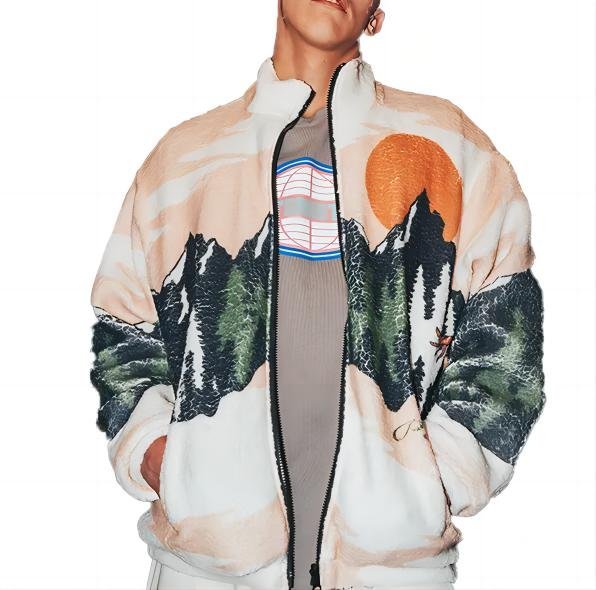
Horn, corozo, and metal buttons can be custom-engraved or color-matched at MOQs of 200–500 gross per style. YKK zippers are the outerwear hardware benchmark for consistent pull-force and durability across thousands of open-close cycles.
Embroidery and Bespoke Lining Prints
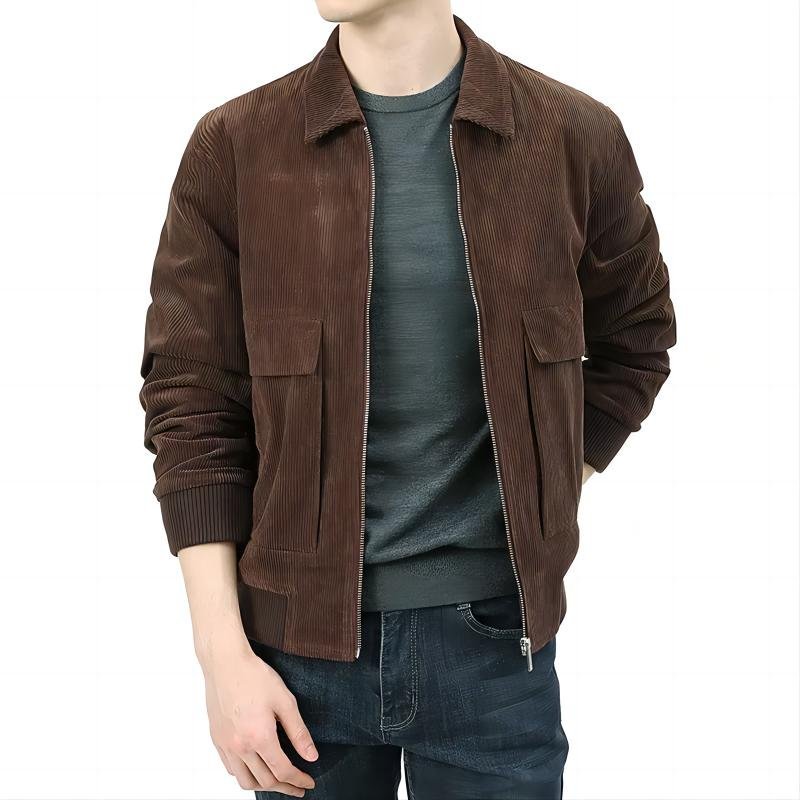
Embroidery digitization fees run $30–$80 per design and are amortized across the production run. Custom jacquard-woven or digital-print lining panels unlock at 100–200 units and add a premium interior detail that elevates perceived brand value.
6. Key Construction Quality Elements to Inspect
A sample reveals what a spec sheet cannot. Before committing to bulk, inspect these structural markers — the same checkpoints a rigorous wool coat manufacturer applies at every production stage to separate premium output from low-quality alternatives.
Canvas Construction: Full, Half, and Fused
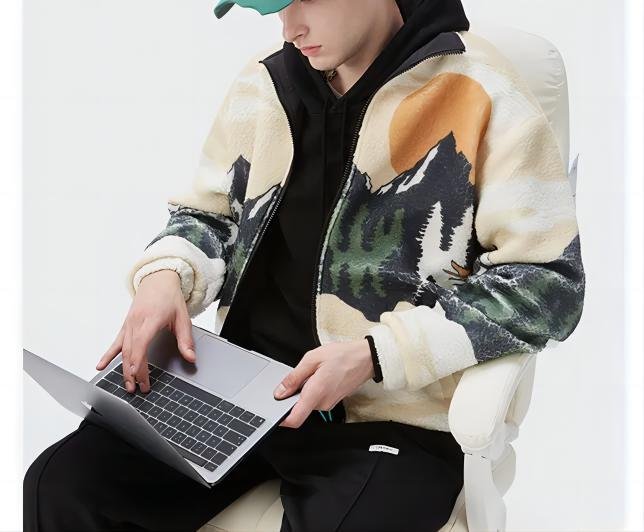
Full canvas uses a horsehair pad hand-stitched through the chest piece; it molds to the wearer over time and lasts decades.
Half canvas fuses only below the lapel break — a common cost compromise. Fully fused construction bonds interlining with heat adhesive and often delaminates after 10 to 15 dry-cleaning cycles.
Seam Allowances and Seam Finishing
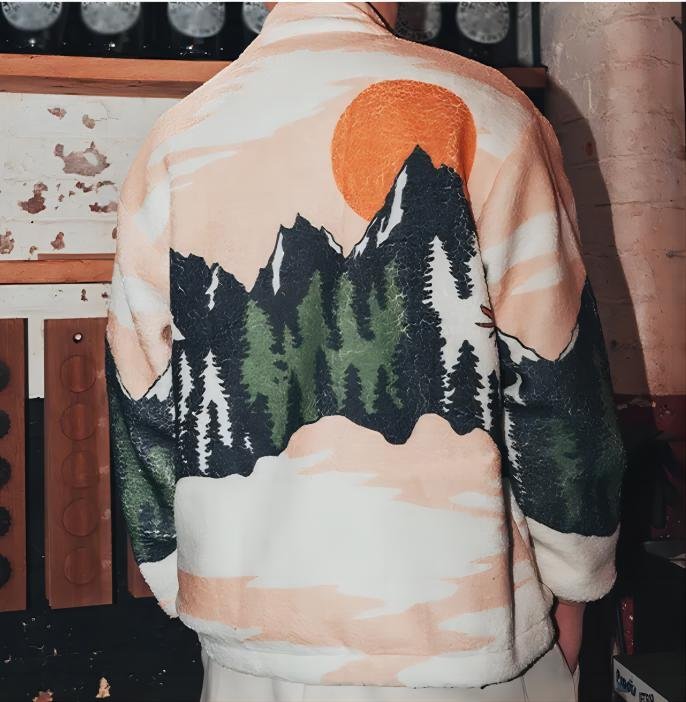
Outerwear seam allowances should measure at least 1.5 cm; anything narrower frays under stress during normal wear.
Bound seam finishes enclose each raw edge in twill tape; flat-felled seams fold and stitch both layers flat. Serged-only finishing is acceptable only on budget tiers and signals reduced longevity.
Interfacing Quality and Collar Roll
Woven interfacing moves with wool fabric during wear and cleaning; non-woven interfacing cracks along fold lines within 2 to 3 seasons.
Collar roll is the definitive tell: press the lapel flat and release it. A natural, soft roll back indicates pad-stitched construction; a stiff snap indicates fused interfacing.
Button Attachment and Lining Method
Buttons on wool outerwear require a thread shank of at least 6 mm to clear the thick fabric stack — test each button with a firm 45 N pull.
Lining should be bag-lined with a 2 cm ease pleat at the hem, not merely tacked at seam intersections, which causes tearing after light use.
- Pull each button at 45 N — shank must hold without thread breakage
- Press lapel flat, release — soft roll-back signals hand-stitched canvas
- Confirm hem lining has a minimum 2 cm ease pleat
- Tug side seam — bound or flat-felled finish should expose no raw edge
7. How to Choose the Right Wool Coat Manufacturer for Your Brand
Selecting the right wool coat manufacturer requires structured due diligence before you commit to a purchase order. Define your non-negotiables — MOQ floors, certification standards, and lead-time windows — then test each candidate against them systematically.
Define Your MOQ and Capacity Fit
Most wool coat factories set MOQ between 100–300 units per style; retailers scaling quickly find factories with 500-unit minimums more price-competitive. Confirm monthly output capacity: a facility producing 5,000 units per month is mismatched for a creator brand ordering 150 coats per drop.
Request Mill Certifications
Ask for OEKO-TEX Standard 100 certification on all wool blends and GRS (Global Recycled Standard) documentation if you source recycled wool. Factories that cannot produce current certificates within 48 hours likely lack them — a red flag for brands selling into EU or US premium retail channels.
Gauge Sample Speed and Communication
A dependable wool coat manufacturer delivers pre-production samples within 15–25 days; streetwear brands running rapid-fire drops should target factories quoting 10–15 days, which signals a dedicated sample room. Response time under 24 hours during negotiation is the strongest predictor of reliability once production starts.
Vet References by Brand Tier
Request two or three references from brands at your own tier — startups should speak with other startups, not only enterprise clients. Ask specifically about defect rates, on-time delivery percentages, and reorder consistency across seasons.
- Streetwear brands: confirm graphic-print compatibility and short-run flexibility below 200 units
- Global retailers: verify EDI capability and bulk lead times of 60–90 days
- Creator brands: check low-MOQ willingness and sample-first ordering policies
8. Common Mistakes Brands Make When Sourcing a Wool Coat Manufacturer
First-time brand builders repeat the same costly errors when sourcing a wool coat manufacturer. Recognizing these pitfalls before placing an order saves sampling rounds, protects margin, and prevents shipment disputes.
Skipping the Tech Pack
Without a tech pack, every supplier quotes and samples differently. Misaligned results waste sampling budgets and delay launches. Prevention: document construction specs, stitch type, trim callouts, and label placement before requesting any quotes.
Under-Specifying Fabric Weight and Composition
Listing ‘wool blend’ without GSM and fiber ratio invites cheaper substitutions. Prevention: specify composition — e.g., 70% wool / 30% polyester at 400 GSM — and weave structure in the purchase order.
Ignoring Shrinkage and Care Label Specs
Wool can shrink 3–5% without correct finishing. Missing care-label specs causes post-launch returns. Prevention: require AATCC shrinkage test results on bulk fabric and confirm dry-clean or hand-wash instructions before cutting begins.
Choosing Price Over Manufacturer Capability
The lowest-cost factory rarely holds expertise in interlining or structured shoulder construction for tailored wool coats. Prevention: audit capability by requesting finished wool coat samples before committing to any supplier on price alone.
Ordering Bulk Without a Sealed Sample
A counter-signed sealed sample is the legal benchmark the factory produces against. Without one, quality disputes at delivery have no binding reference. Prevention: sign and retain a physical sealed sample before authorizing bulk production.
Overlooking Import Duties and Incoterms
US wool coat imports carry tariffs up to 17.5% under HTS Chapter 61. Agreeing to FOB without calculating landed cost erases margin. Prevention: confirm Incoterms (FOB, CIF, or DDP) and duty rates before finalizing your cost sheet.
Skipping a Written AQL Agreement
AQL 2.5 is the garment industry standard for acceptable defect rates per batch. Without a written agreement, ‘acceptable quality’ is undefined and delivery disputes are common. Prevention: specify AQL level and third-party inspection rights in your production contract.
9. Steps to Launch Your Brand with a Wool Coat Manufacturer
Launching a wool coat line with a new manufacturer follows a seven-step roadmap spanning roughly 12–18 weeks from concept to delivery. Knowing each gate in advance prevents costly restarts.
| Step | Action | Timeline |
|---|---|---|
| 1 | Tech pack and mood board | 1–2 weeks |
| 2 | Shortlist manufacturers and request quotes | 3–5 days |
| 3 | Sample production | 15–25 days |
| 4 | Sealed sample approval | 3–5 days |
| 5 | Bulk production | 45–75 days |
| 6 | Pre-shipment QC inspection | 3–5 days |
| 7 | Logistics and freight | 15–30 days |
Finalize Tech Pack and Mood Board
A production-ready tech pack includes flat sketches, construction specs, fabric callouts (GSM, fiber content, weave type), and Pantone color references. Allocate 1–2 weeks before approaching any wool coat manufacturer.
Shortlist Manufacturers and Request Quotes
Contact 3–5 factories with your completed tech pack. Request MOQ, sample cost, lead time, and QC documentation. Clothing Manufacturer Ltd’s five-step QC protocol — covering materials through finished-garment inspection — is the benchmark to compare against.
Negotiate Sampling and Approve Sealed Sample
Sample fees run $150–$400 per style; allow 15–25 days for production. Once the sample clears fit and quality review, designate it as the sealed reference sample — every bulk unit must match it exactly.
Place Bulk PO, QC Inspection, and Logistics
Standard payment terms are 30% deposit on PO and 70% before shipment. Schedule a third-party AQL 2.5 inspection 3–5 days before loading. Sea freight from Guangdong to most markets adds 15–30 days.
10. Pricing and Cost Guide for Wool Coat Manufacturing
Fabric accounts for 35–50% of total unit cost in wool coat manufacturing — a 600–650 GSM wool-polyester blend runs $8–$14 per meter, while 100% virgin wool suiting fabric reaches $20–$30 per meter. Fabric selection is therefore the single largest lever brands can pull to control landed cost.
Construction type is the second major cost driver. Fused construction — where interlining is bonded with adhesive — costs 15–25% less per unit than half-canvas or full-canvas builds, which require hand-padding rows and significantly longer sewing hours per garment.
Sampling fees at a professional wool coat manufacturer typically run $80–$200 per sample, covering pattern development and fabric consumption. Many factories credit this fee against bulk orders of 300 units or more. Labeling and packaging add-ons — woven main labels, hang tags, polybags, or custom cartons — add $0.80–$3.50 per unit depending on specification.
| Quantity Tier | Est. Unit Cost | Sample Lead Time | Bulk Lead Time | Notes |
|---|---|---|---|---|
| 50 units | $55–$85 | 10–14 days | 35–45 days | Fused construction only; limited fabric SKUs |
| 100 units | $42–$68 | 10–14 days | 30–40 days | Entry canvas option; basic private label |
| 300 units | $32–$52 | 7–12 days | 25–35 days | Custom lining & woven labels included |
| 500+ units | $22–$40 | 7–10 days | 20–30 days | Full canvas viable; OEM packaging at cost |
Partner with a Wool Coat Manufacturer That Delivers
Request free samples, share your tech pack, or get a custom quote — low MOQ, fast turnaround, and a 5-step QC guarantee on every order.