
Winter Coat Manufacturer for Streetwear Brands That Demand Quality
Partner with a winter coat manufacturer trusted by streetwear brands in 100+ countries — low MOQ, 5-step QC guarantee, and fast turnaround backed by 10+ years of expertise.
Winter Coat Collection Showcase
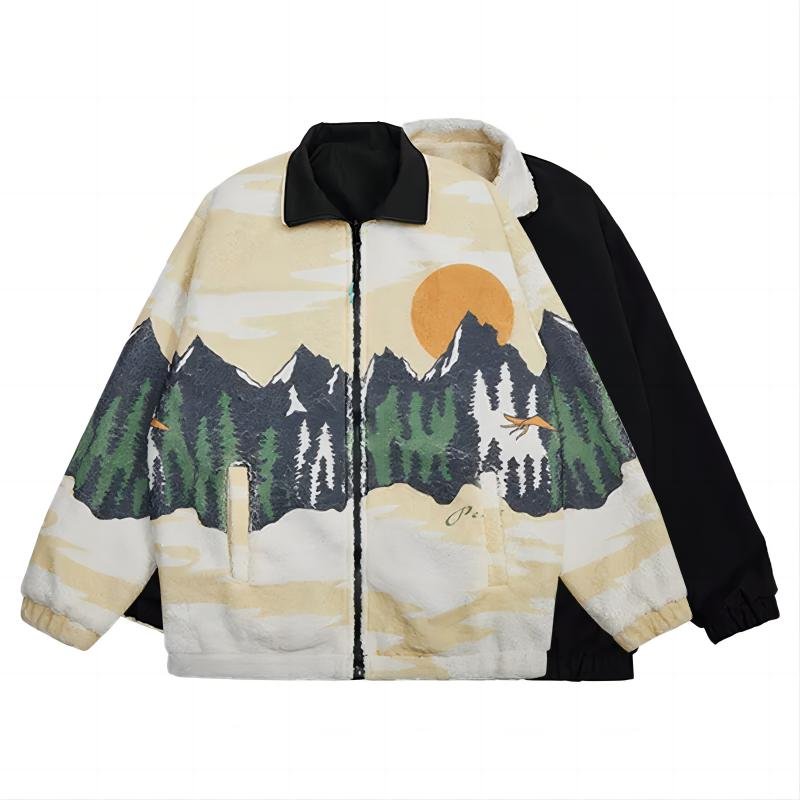
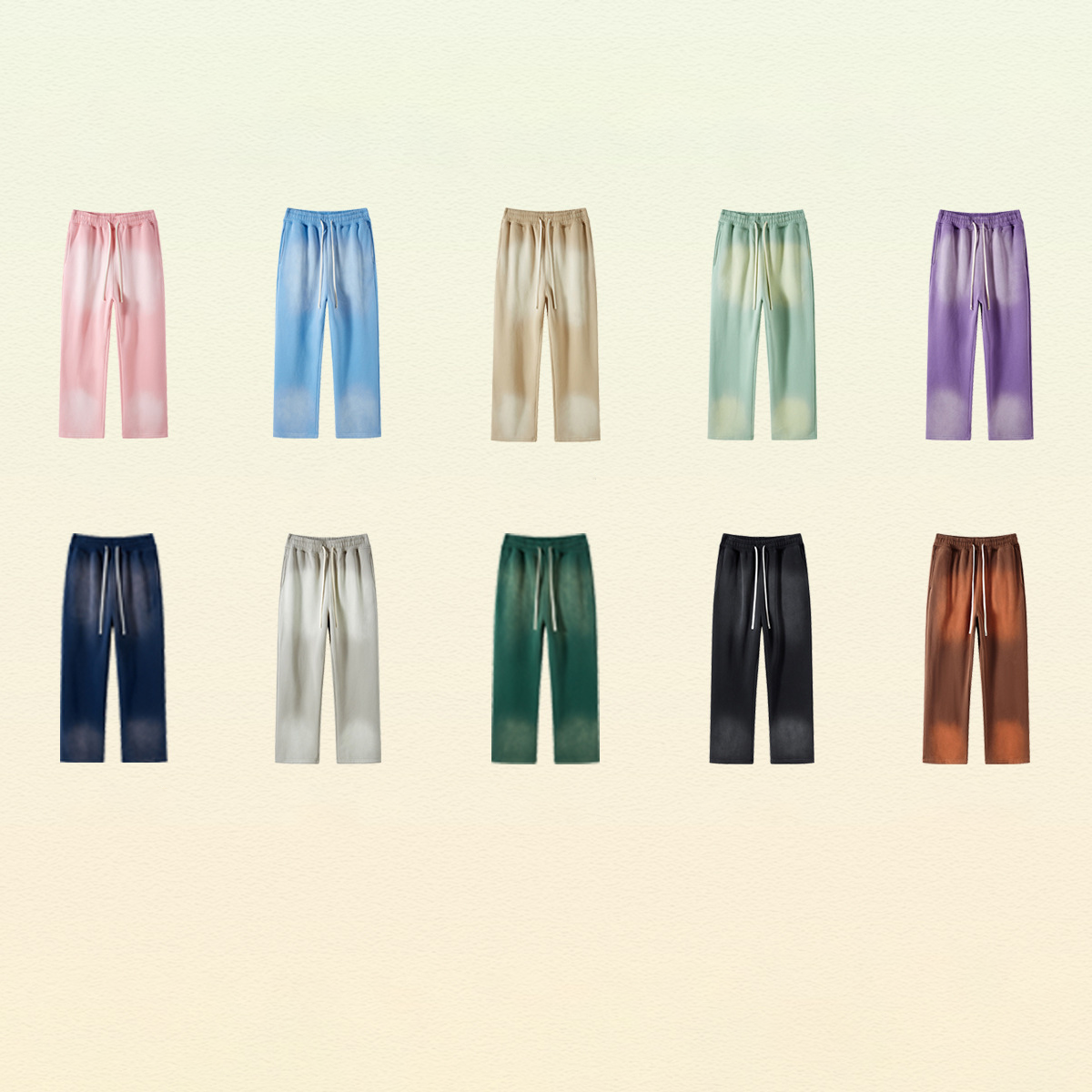
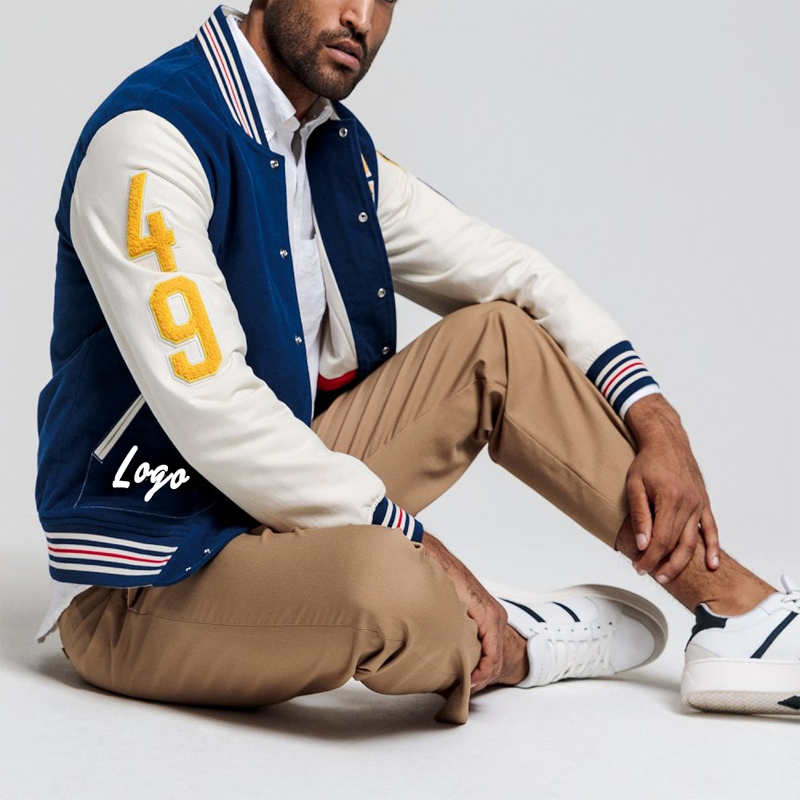
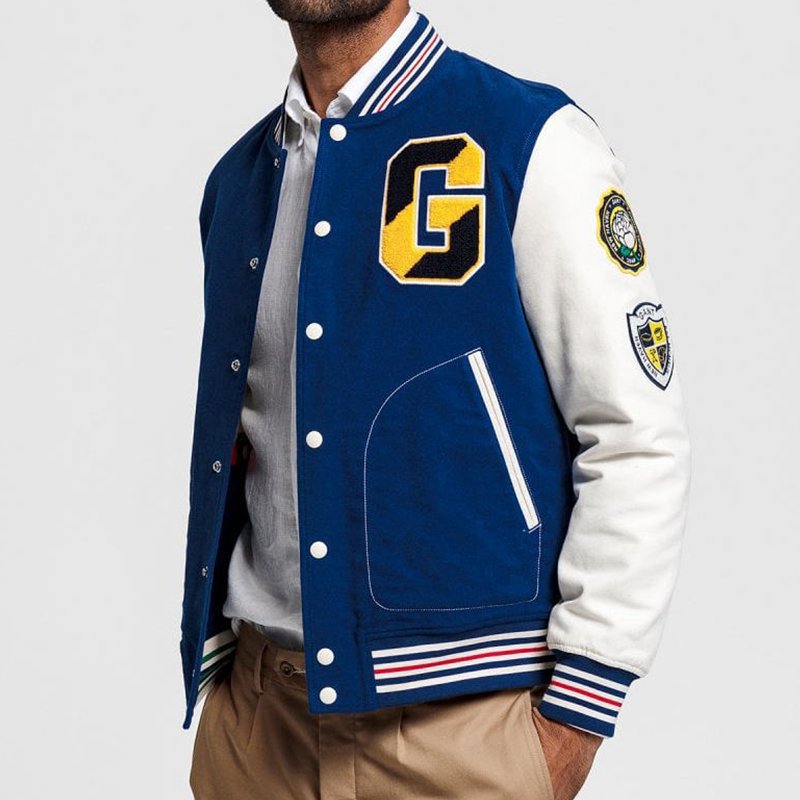
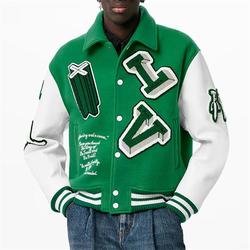
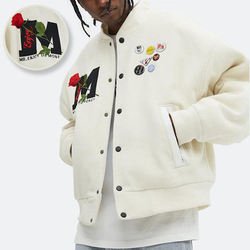
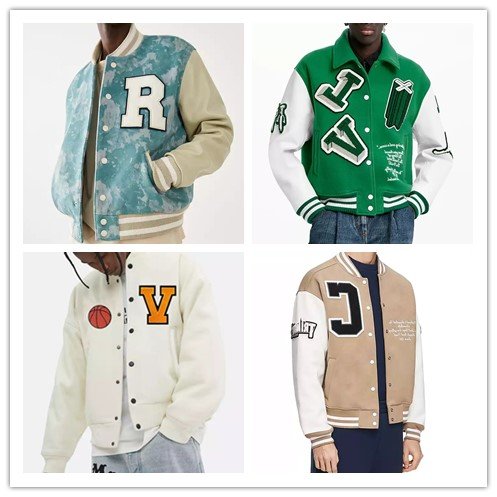
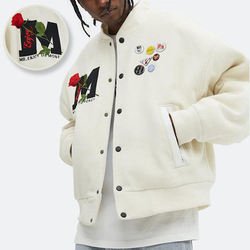
Why Choose Our Winter Coat Manufacturer
From 50-piece startup runs to large-scale seasonal drops — every order is backed by our proprietary 5-step QC guarantee.
5-Step QC at Every Stage
Our proprietary QC process checks materials, cutting, craftsmanship, sewing, and finished garments — zero defective coats leave our factory.
50-Piece MOQ, Zero Compromise
Launch your winter coat line with as few as 50 pieces — startup-friendly minimums without sacrificing premium quality or craftsmanship.
7-Day Sample Turnaround
Receive production-ready winter coat samples in just 7 days, keeping your seasonal timeline on track and ahead of the competition.
In-House Streetwear R&D Team
Our 15-member R&D team translates streetwear culture and trend-driven motifs into standout winter coat designs built for your brand.
Fast Turnaround for Seasonal Drops
Streamlined production workflows ensure bulk winter coat orders ship on schedule so your seasonal drops hit the market at peak demand.
Global Shipping & Logistics Support
We handle end-to-end international shipping, customs clearance, and logistics for winter coat orders delivered to customers in 100-plus countries.
The Winter Coat Manufacturer for Every Brand Type
From streetwear labels and influencer drops to global retailers and independent designers, we deliver precision-crafted outerwear at every scale and vision.
Streetwear Labels Going Seasonal
You need bold, trend-driven winter coats — bombers, puffers, oversized silhouettes — that match your brand's aesthetic, but most factories lack the streetwear expertise and cultural fluency to execute your vision correctly.
We bring deep streetwear DNA, in-house design support, and a 5-step QC guarantee to every jacket, so your seasonal drop lands on time and captures your brand identity perfectly.
Startups Launching First Collections
You have a clear vision for your debut winter coat line, but factories set MOQs too high and sampling fees consume your entire budget, forcing painful compromises before you even launch.
Our low MOQ policy lets emerging brands sample and produce premium winter coats without overcommitting inventory, backed by full design-to-delivery support from our dedicated in-house sampling and R&D team.
Influencer Brands Dropping Limited Runs
Trend windows close fast. Your audience expects a limited-edition puffer or oversized coat drop within weeks of the cultural moment, not months — and slow production kills the hype before orders roll in.
We offer accelerated seasonal production so your influencer coat drop ships before the trend peaks, with every unit verified through our 5-step QC process to protect your brand reputation at scale.
Retailers Scaling Winter Collections
Managing consistent quality across large winter coat orders is a constant headache — sizing inconsistencies, fabric deviations, and late deliveries erode your margins and generate costly customer returns each season.
Our 5-step QC system and scalable production capacity ensure every winter coat in your retail order meets the same exacting standard, with global logistics support to reliably hit your ship dates.
Designers Crafting Signature Outerwear
You need a manufacturing partner who can execute complex custom details — tactical pockets, specialty hardware, unconventional proportions — and still deliver a finished winter coat that matches your original design exactly.
Our 15-member R&D team and 10 production patents let us engineer even the most intricate coat designs, from first sample through full production run, with absolutely zero compromise on quality.
Premium Fabrics From Your Trusted Winter Coat Manufacturer
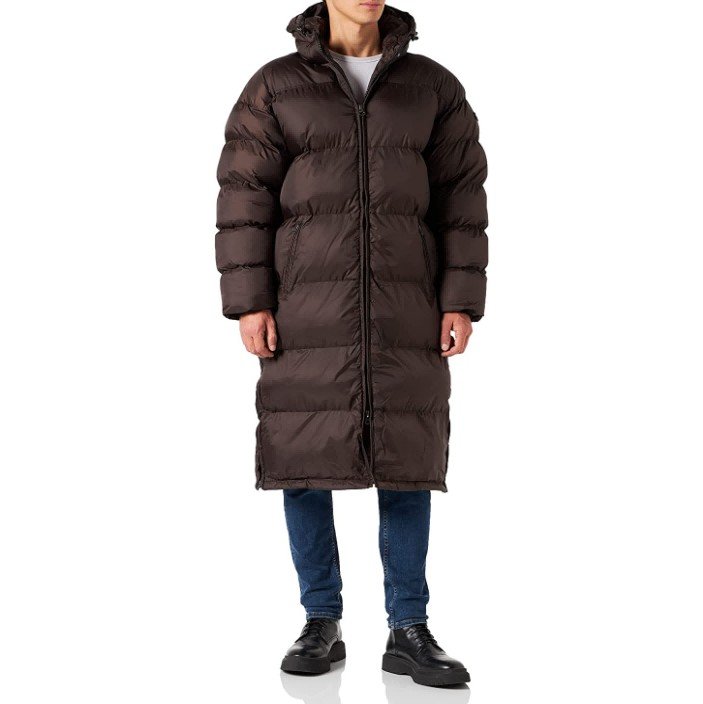
Merino Wool Blend
A premium natural fiber prized for its exceptional warmth-to-weight ratio, Merino wool delivers soft, itch-free comfort at 300–400 gsm. Ideal for tailored winter coats and luxury streetwear outerwear requiring breathable, natural insulation.
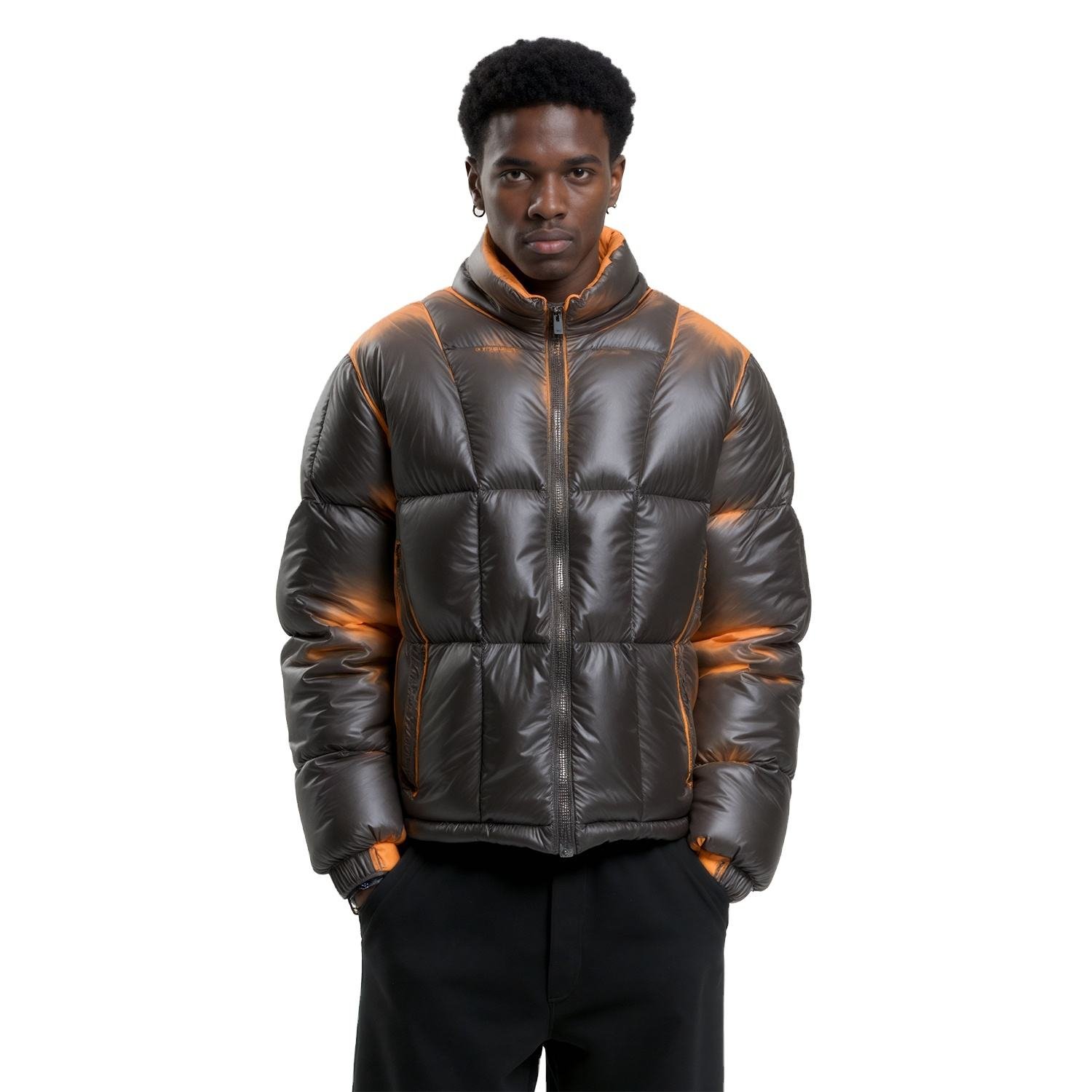
900-Fill Goose Down
Ultra-lightweight yet supremely warm, 900-fill power goose down offers unmatched heat retention per ounce. Perfect for puffer jackets and quilted coats; compresses easily for packability while maintaining full loft in extreme cold conditions.
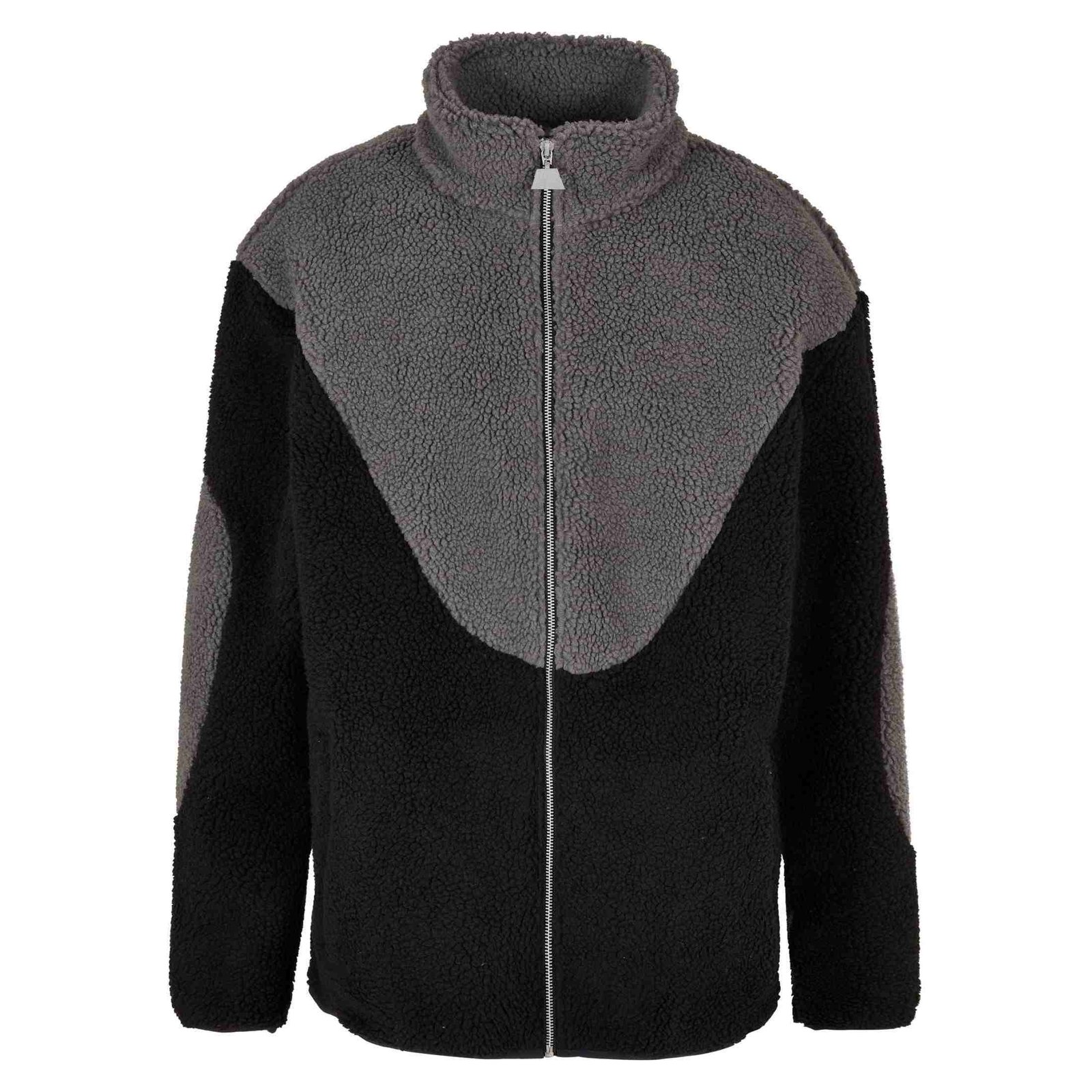
Heavyweight Polar Fleece
A 300 gsm polyester fleece with excellent moisture-wicking and quick-dry properties. Delivers reliable mid-layer warmth for sherpa linings, fleece coats, and streetwear-inspired outerwear with a plush, cozy hand-feel consumers love.
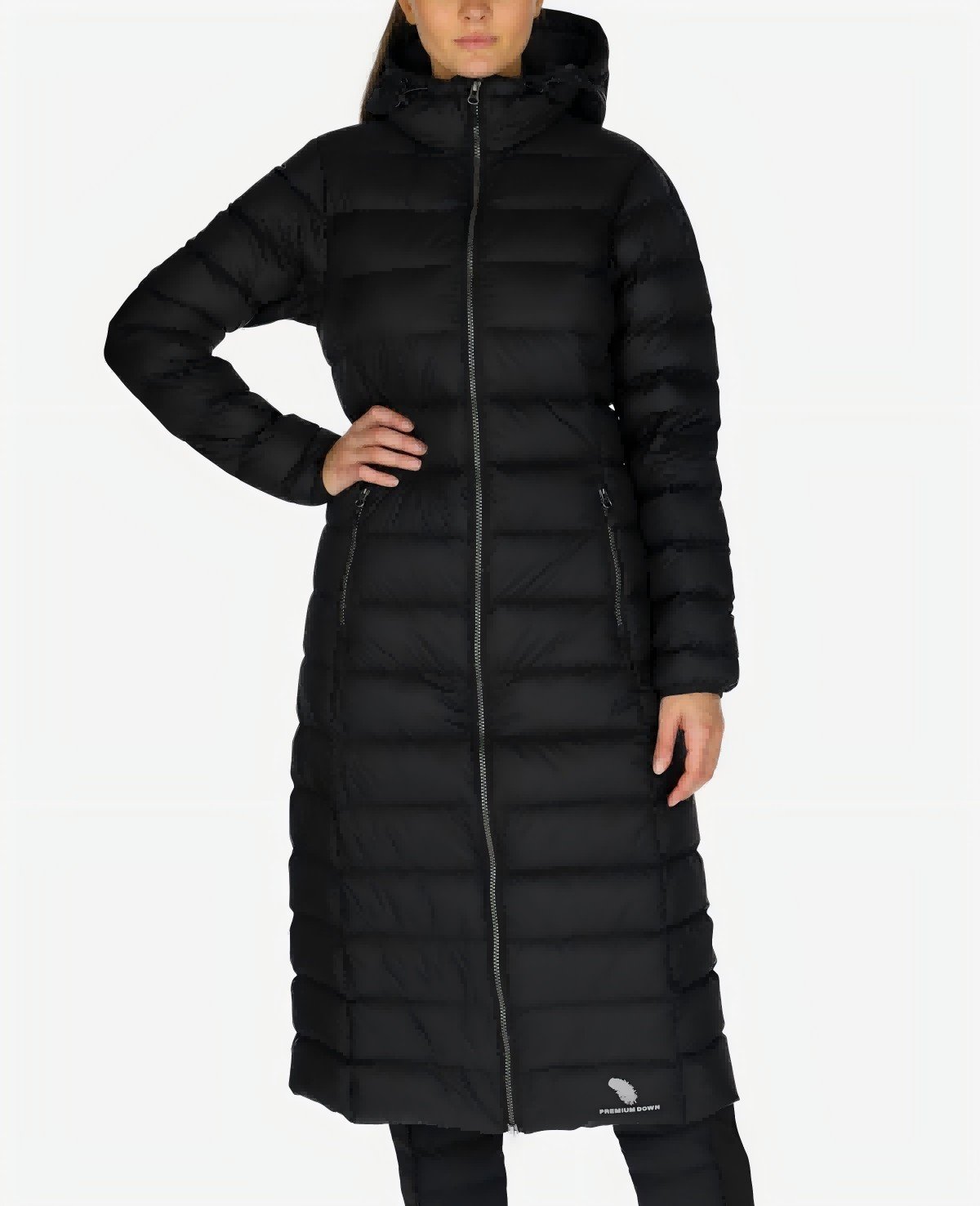
Technical Ripstop Shell
A 150D polyester ripstop with DWR finish and TPU laminate backing offers superior wind and water resistance. Engineered for technical outerwear, streetwear shells, and performance winter coats demanding rugged, all-weather protection.
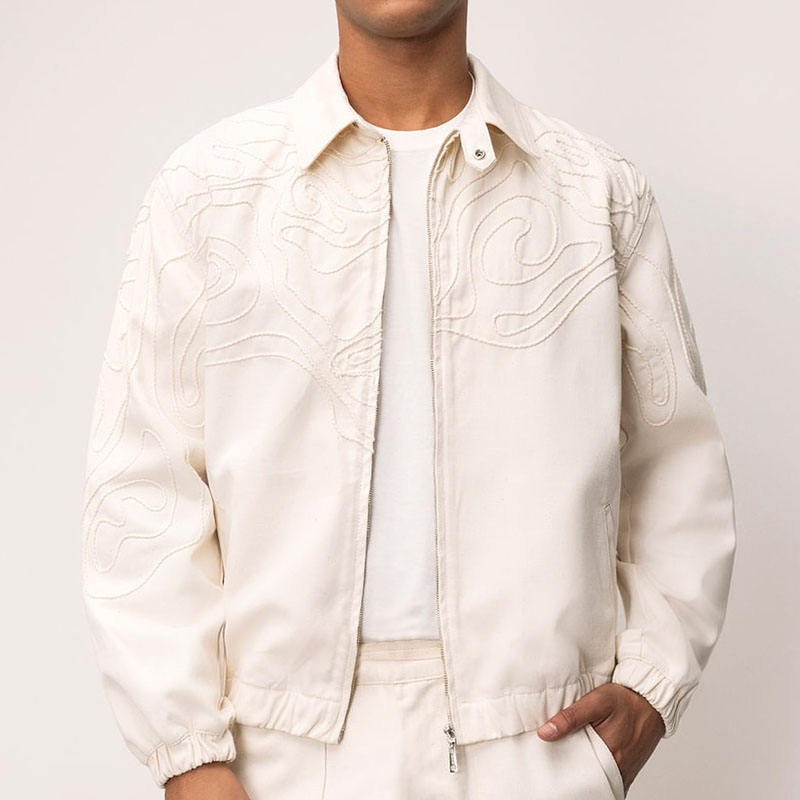
Bonded Sherpa Fleece
Two-sided bonded construction pairs a brushed interior with a smooth knit face for 380 gsm warmth. Popular for oversized coats, teddy jackets, and cozy streetwear silhouettes that combine plush texture with strong visual appeal.
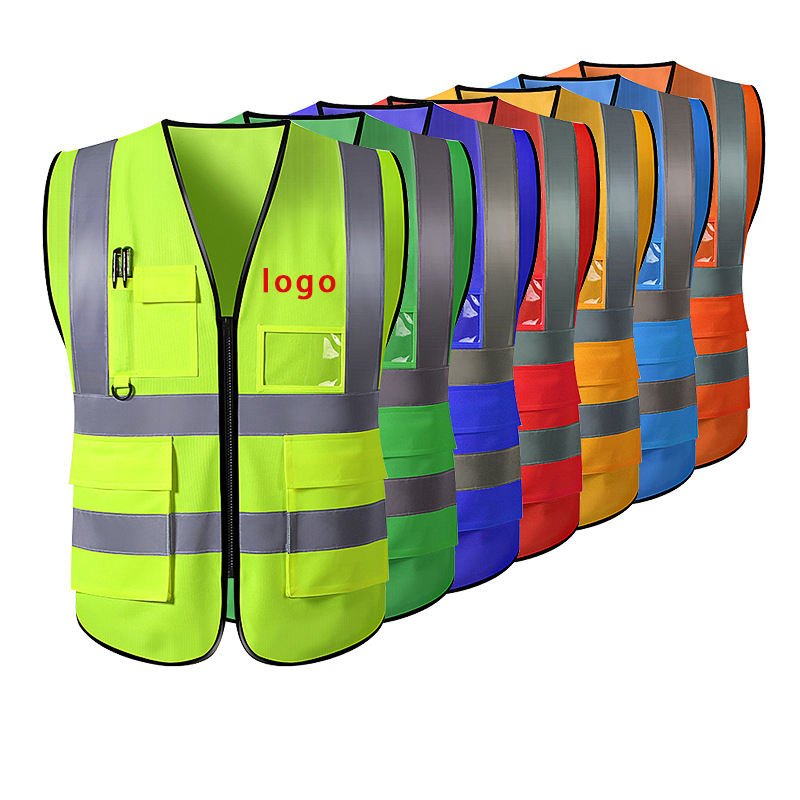
Heavyweight Wax Canvas
A 500 gsm woven cotton canvas treated with paraffin wax delivers natural water repellency and rugged durability. Preferred for workwear-inspired winter coats and heritage streetwear pieces that demand a worn-in, premium aesthetic.
Craftsmanship Techniques from Your Winter Coat Manufacturer
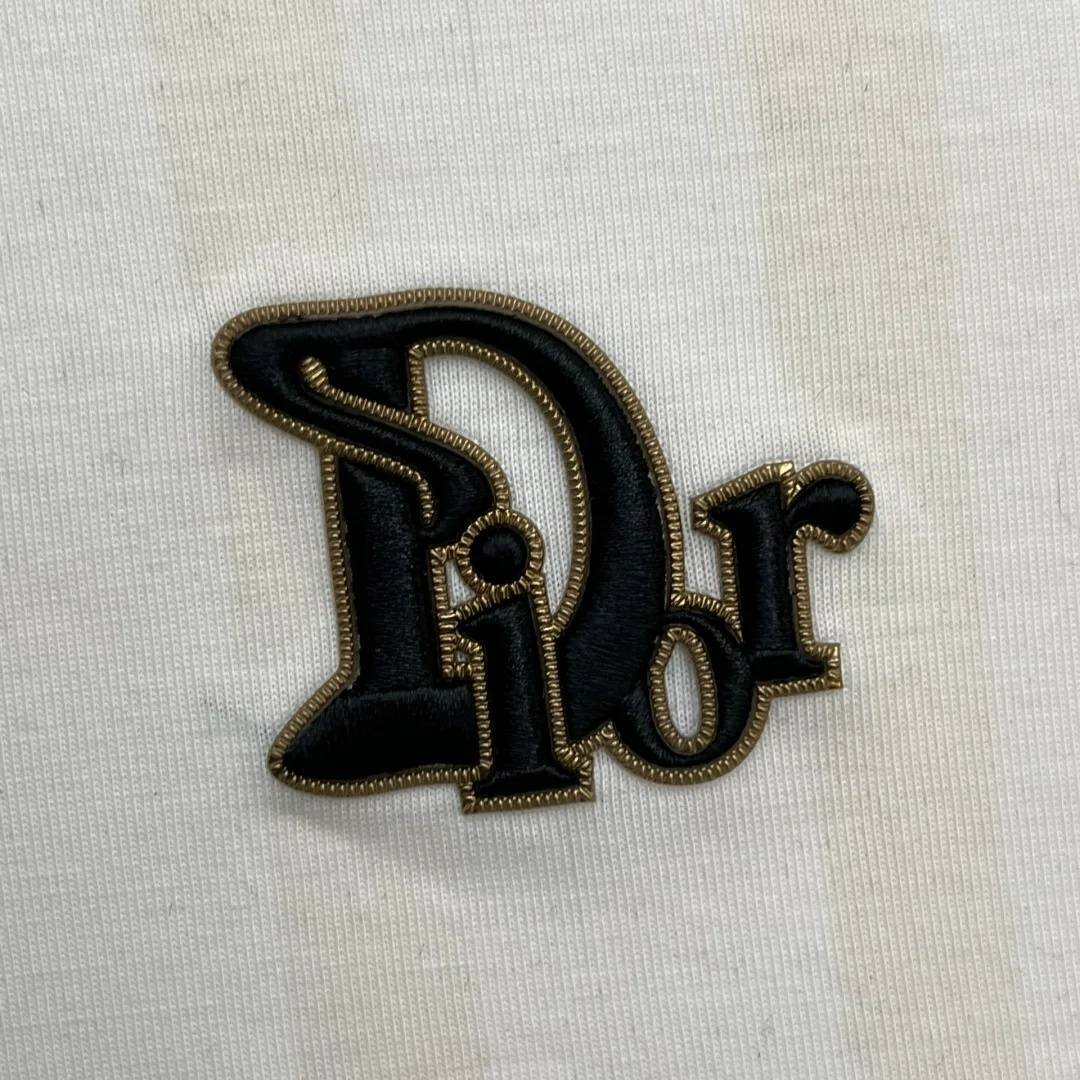
Logo Embroidery
Precision-stitched thread builds raised, tactile logo badges for chest panels, sleeves, and collar placements. Delivers a premium finish that retains sharpness through repeated washing and heavy outdoor use.
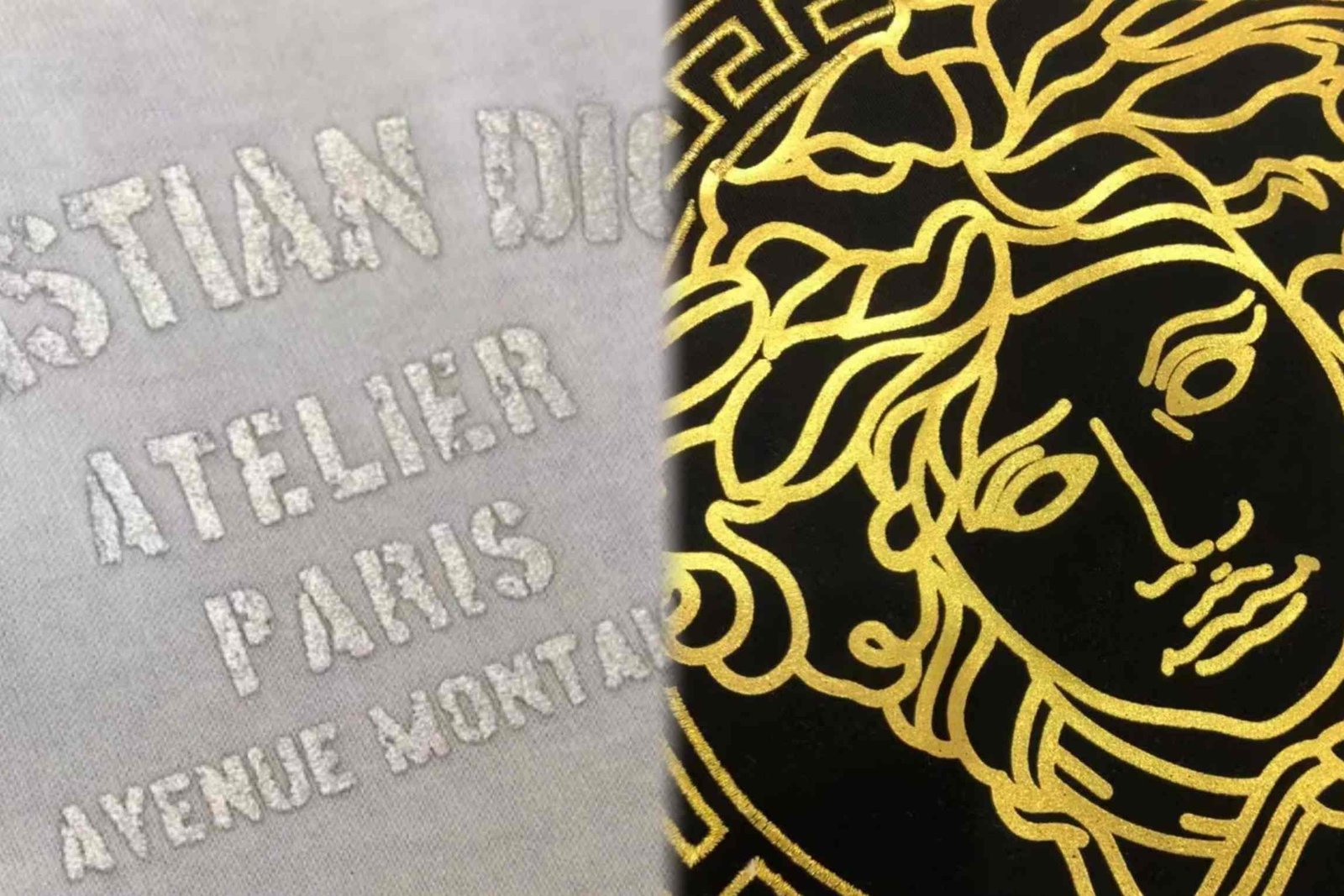
Screen Printing
High-opacity inks are pushed through mesh screens directly onto coat panels, producing vivid, streetwear-grade graphics with crisp edges. Perfect for bold back prints and limited seasonal drops with consistent color fidelity.
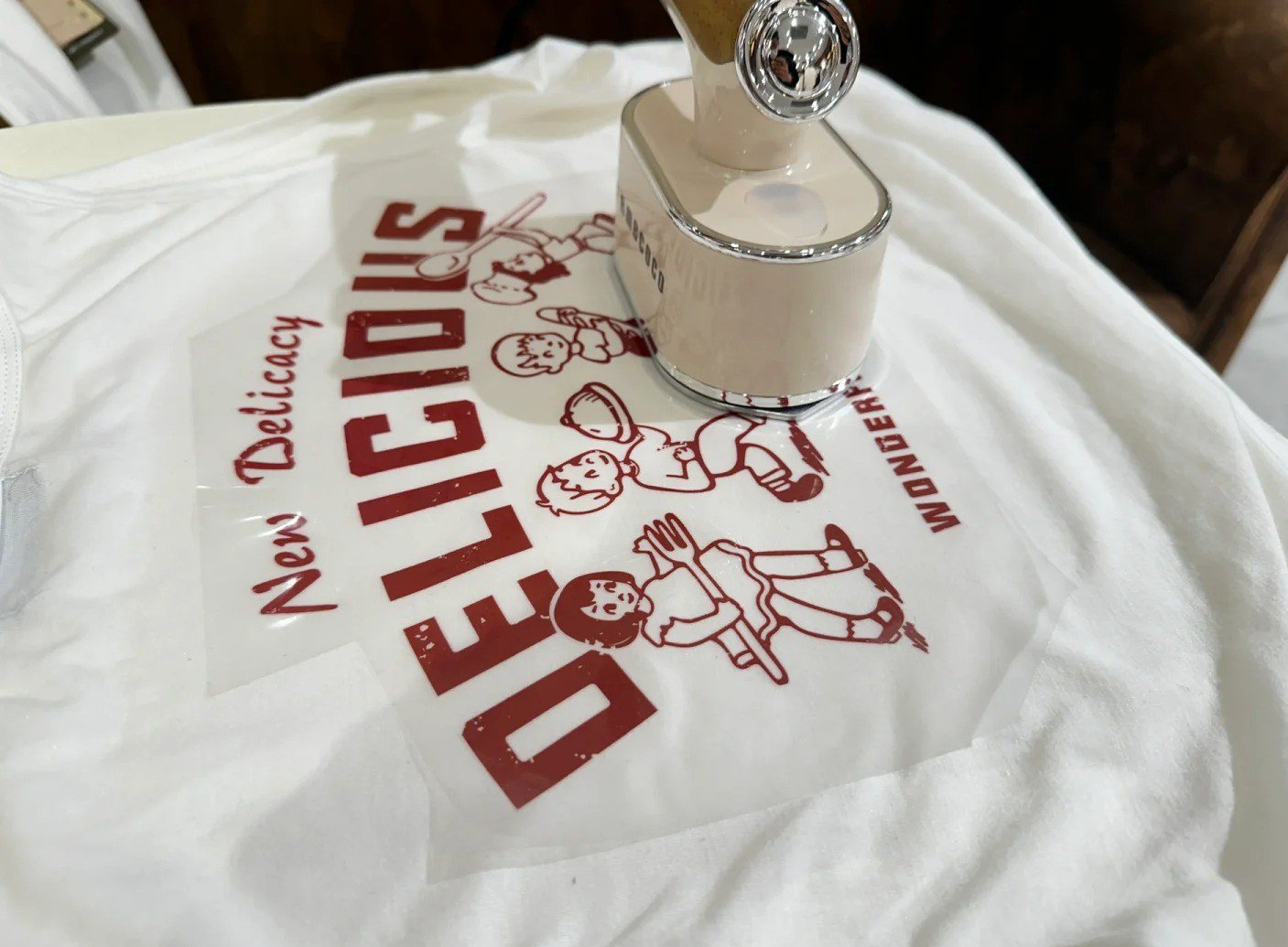
Dye Sublimation
Heat-transfer dye bonds full-color artwork permanently into fabric fibers for seamless, all-over coverage with no cracking or peeling. Ideal for photographic patterns, gradient designs, and complex streetwear motifs.
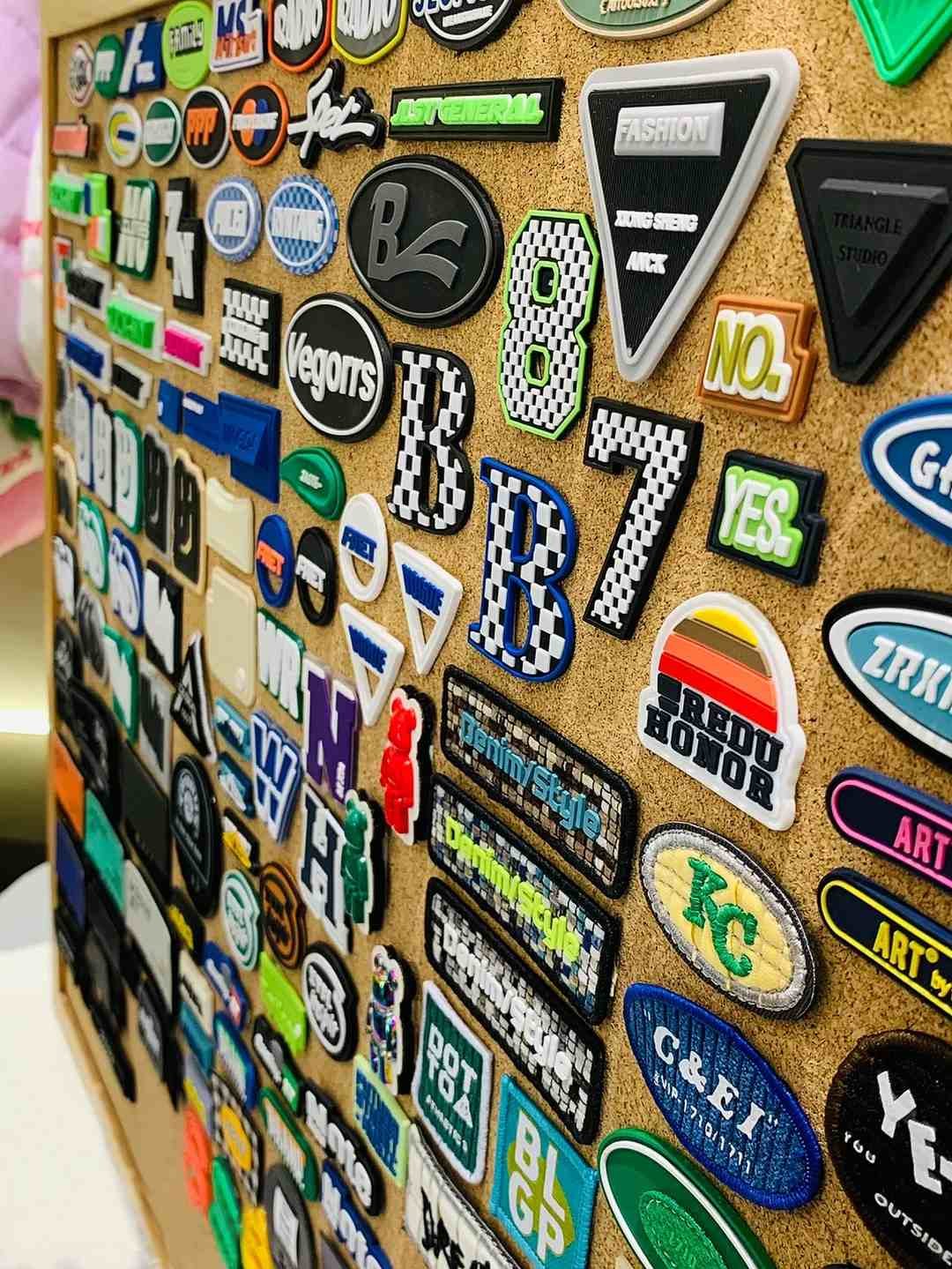
Woven Label Placement
Custom brand tags, care labels, and size tabs are precisely positioned at collar, hem, and interior seams. Every attachment is checked under our sewing production QC step for a clean, retail-ready finish.
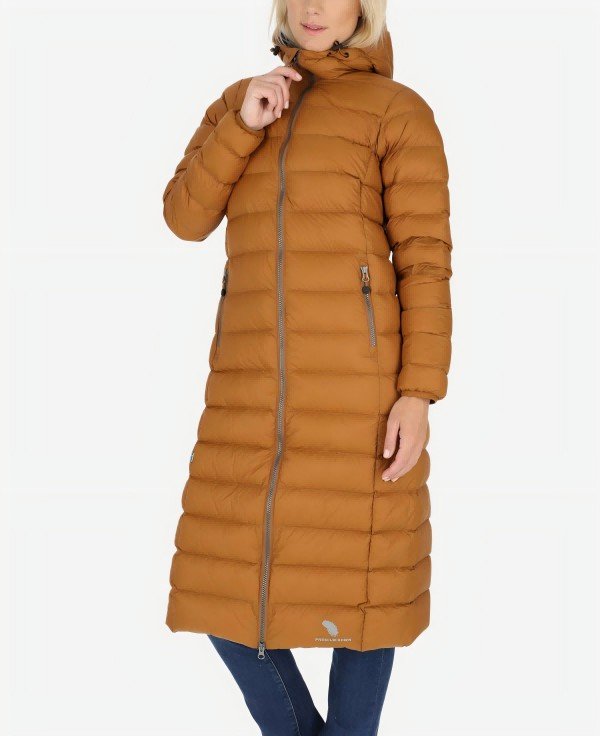
Water-Resistant Coating
DWR (Durable Water Repellent) treatment is applied to outer shell fabric, causing moisture to bead and shed instantly. Breathability is preserved while the coat withstands rain, sleet, and winter wind chill.
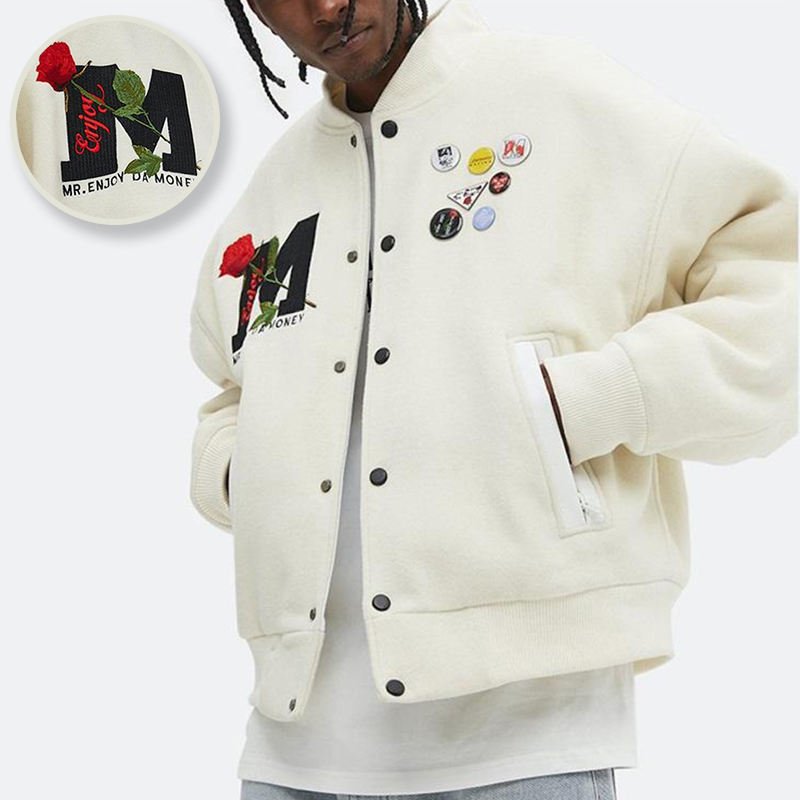
Pattern Engineering
Technical pattern development for oversized silhouettes, structured shoulders, dropped seams, and streetwear-specific proportions. Ensures consistent drape, brand-defining shape, and graded fit accuracy across every size run.
Hardware & Accessories From Your Winter Coat Manufacturer
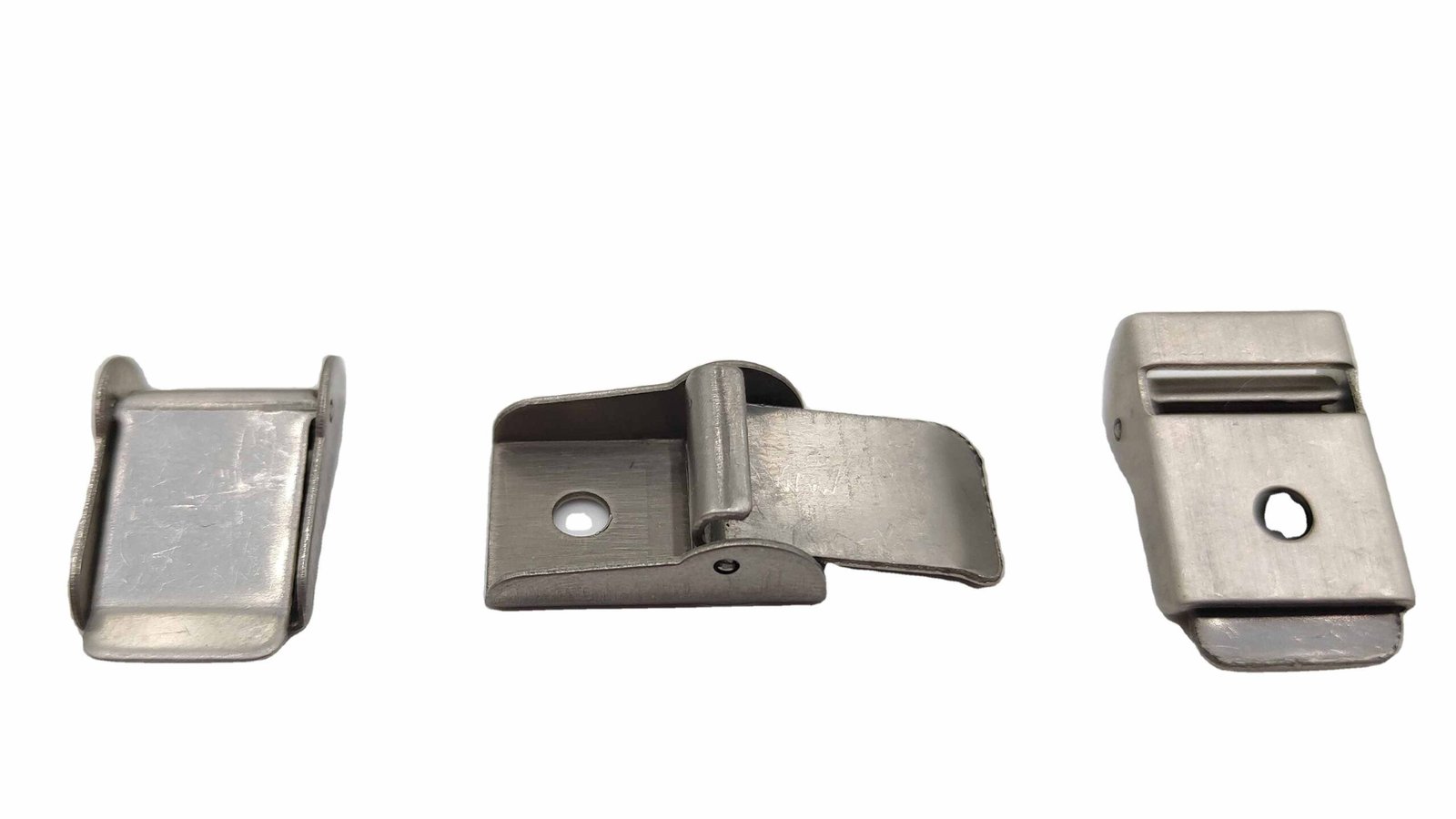
YKK Zippers
Industry-standard YKK zippers for front-zip closures, pocket entries, and interior compartments. Rated for high-cycle durability and smooth operation in freezing conditions, verified at every sewing QC stage.
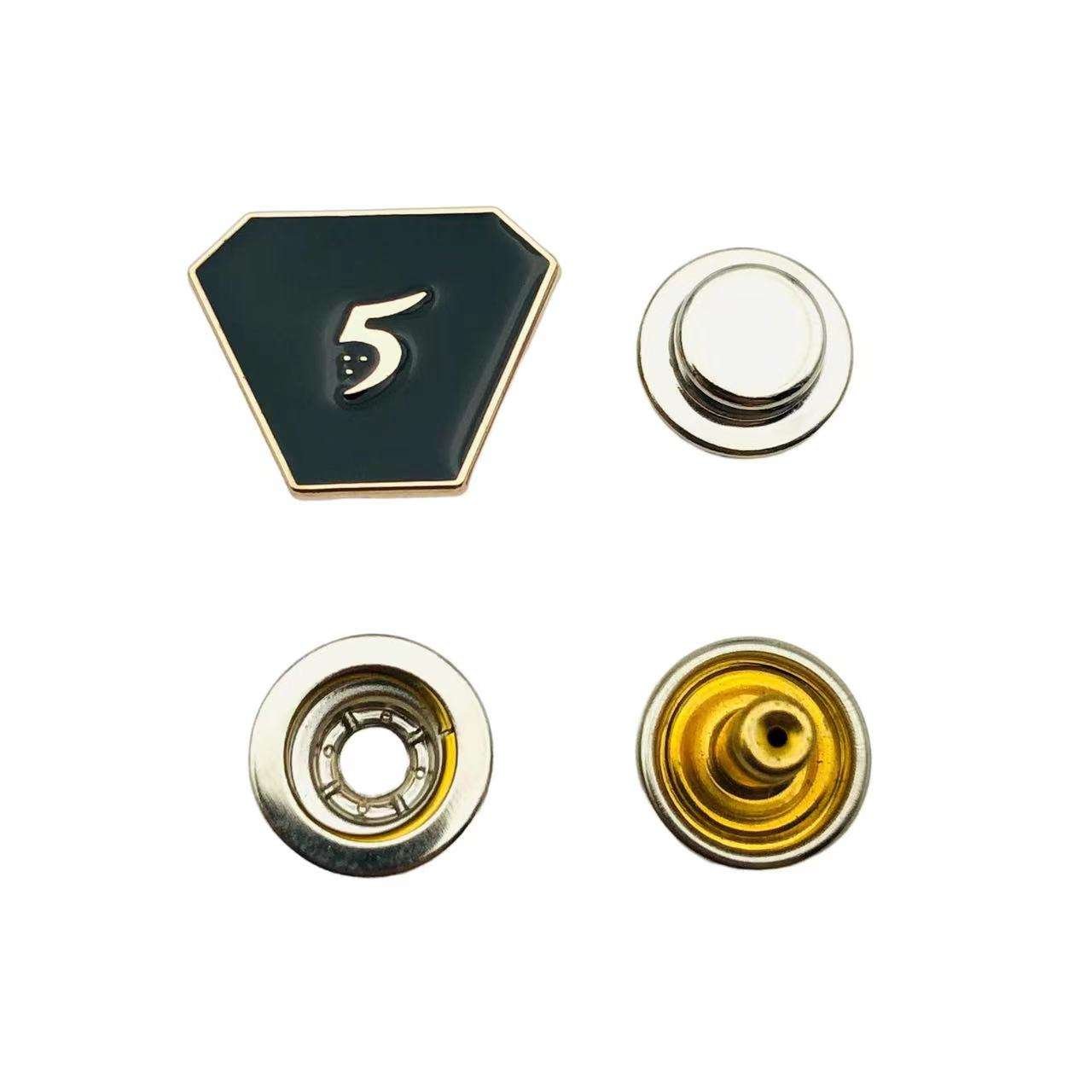
Snap Buttons
Heavy-duty snap buttons applied to storm flaps, collar tabs, and cuff closures. Available in matte, gloss, and antique metal finishes to complement your brand’s streetwear aesthetic and seasonal colorways.
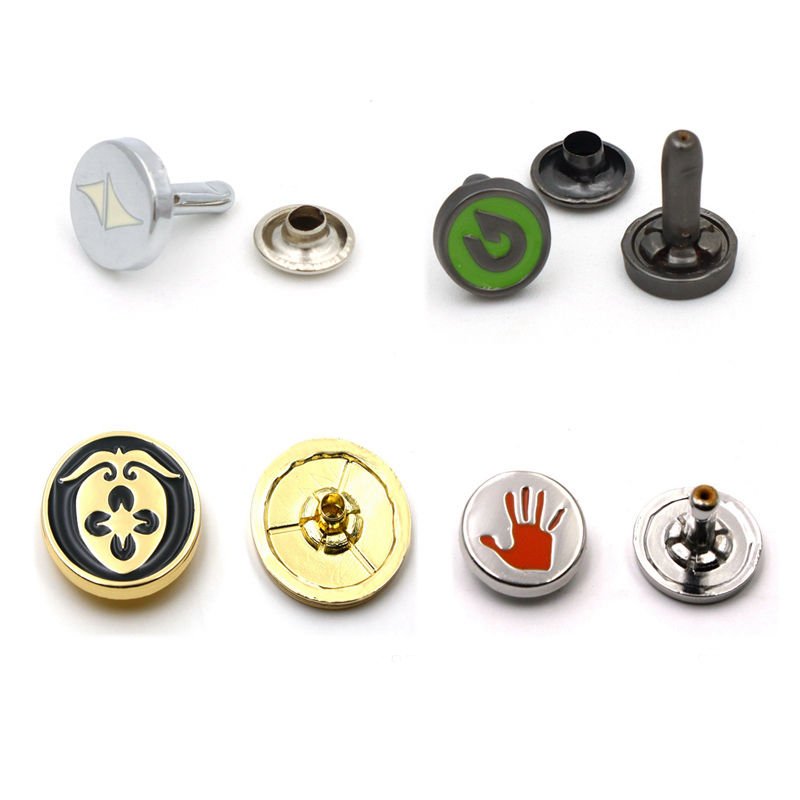
Metal Toggles
Die-cast metal toggles for hood and hem drawcord ends, delivering a premium tactile feel. Available in gunmetal, brass, and custom-painted finishes perfectly aligned with your winter coat branding vision.
Drawcord & Tipping
Woven polyester or cotton drawcords with heat-sealed or metal-tipped ends for hood channels and hem tunnels. Prevents fraying, reinforces structure, and delivers a polished, brand-ready finish on every coat.
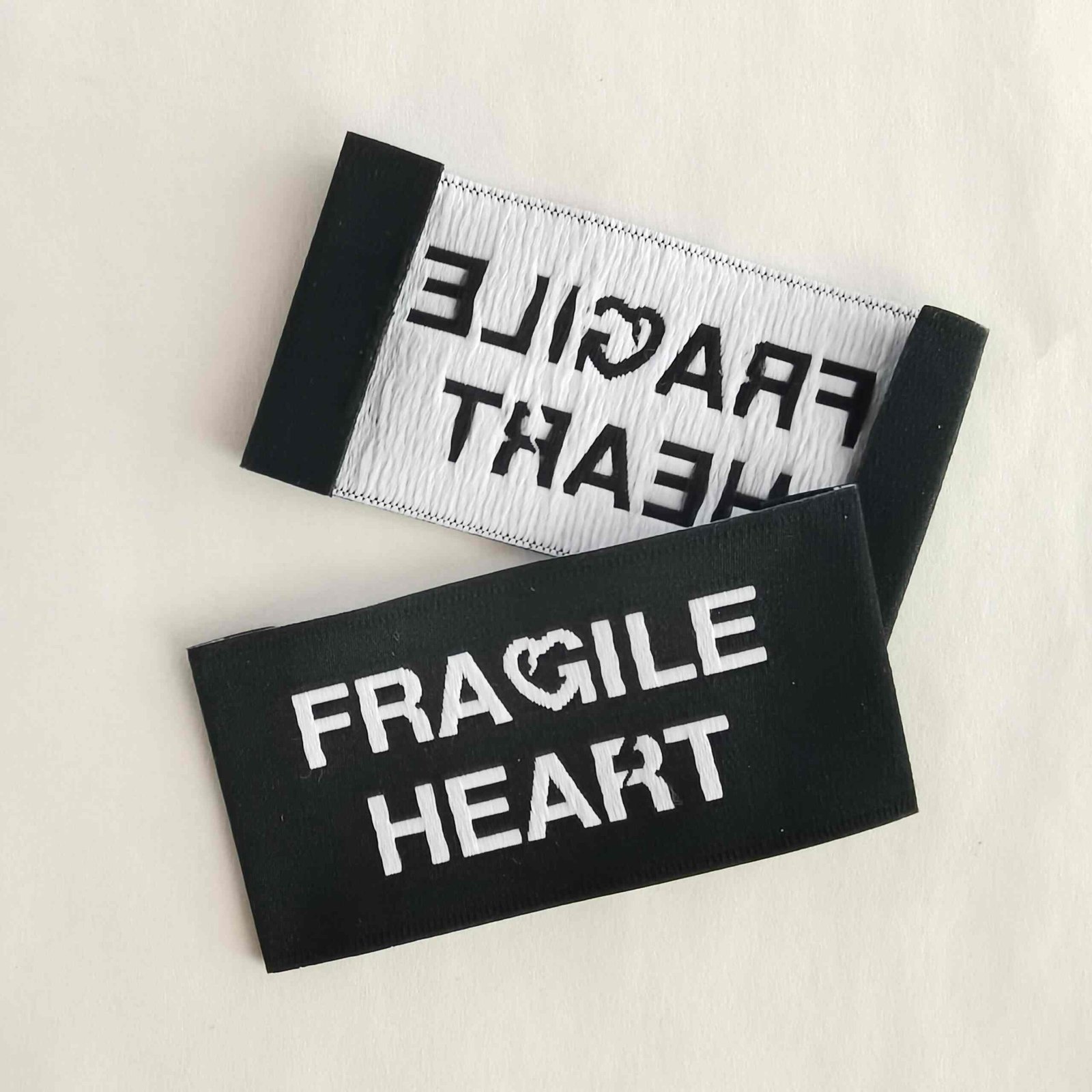
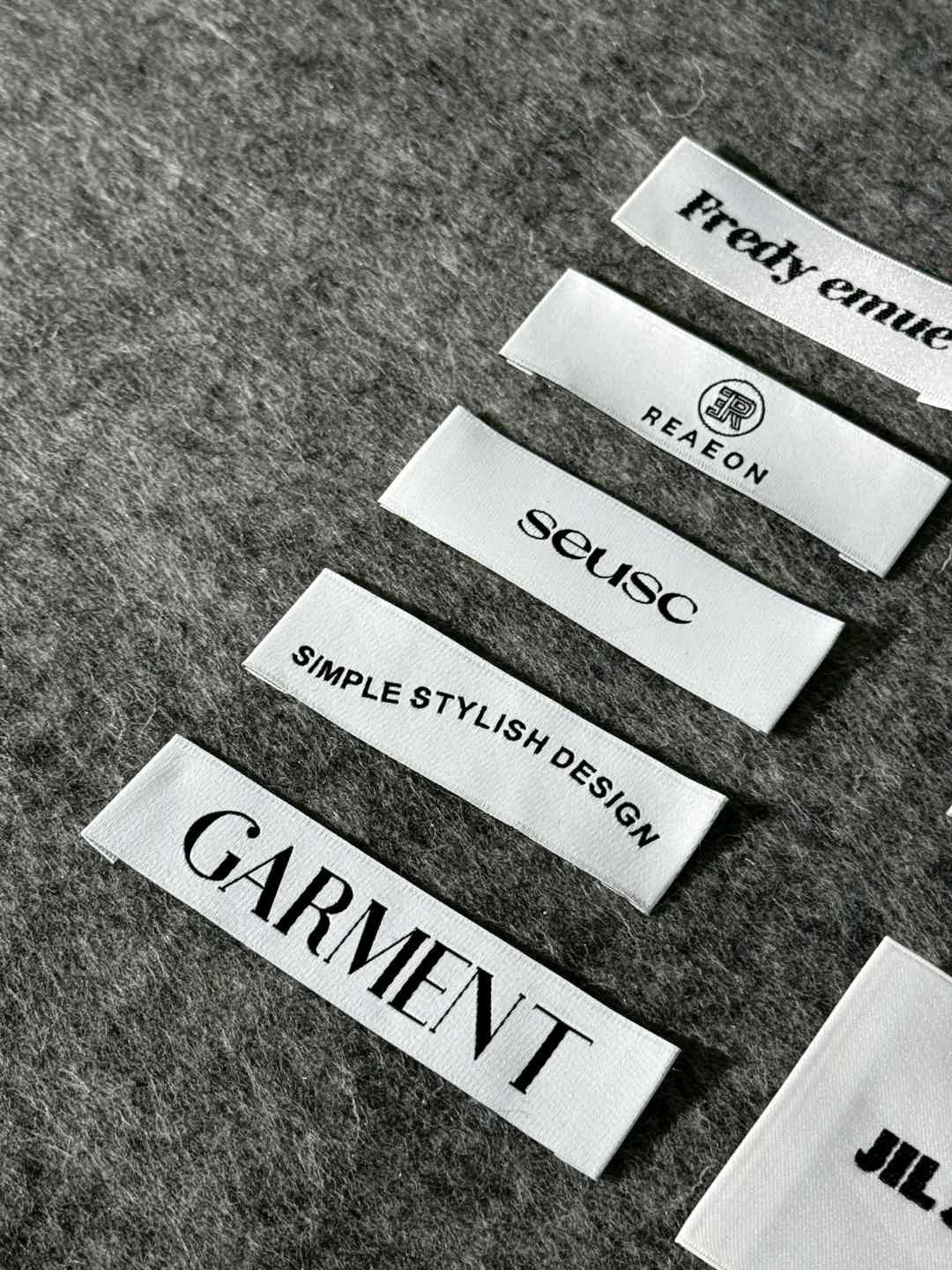
Woven Labels
Custom-woven neck, care, and size labels produced to your exact brand spec. Soft against skin, colorfast after repeated washing, and integrated at the sewing QC stage of our 5-step quality guarantee.
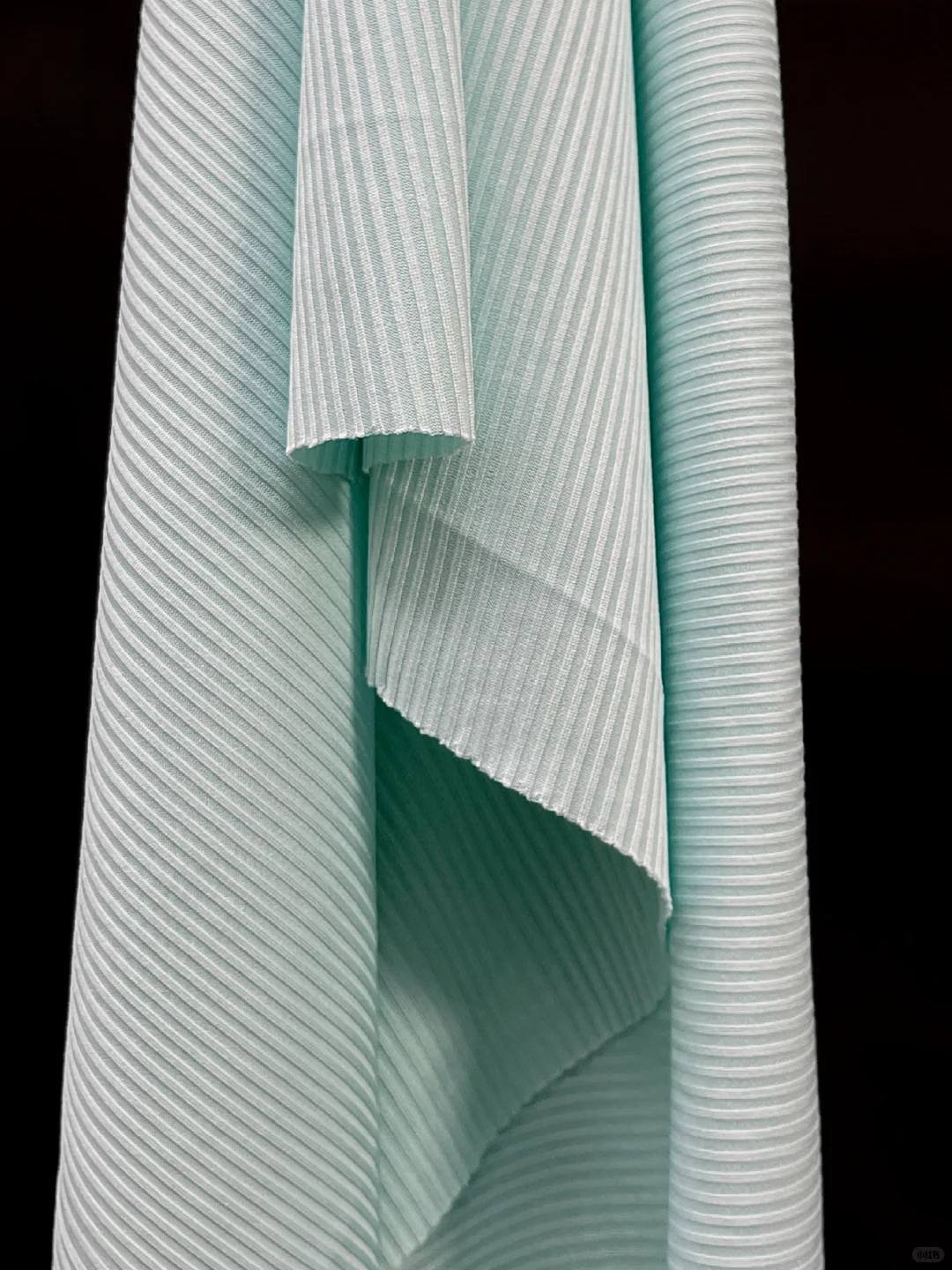
Cuff Reinforcements
Ribbed knit cuff bands or reinforced woven cuff tape bonded at the sleeve edge for long-term shape retention, wind resistance, and a clean tailored finish on heavy winter outerwear.
About Our Winter Coat Manufacturer
Clothing Manufacturer Ltd. was founded in 2024 by Tesla Luo, a second-generation garment professional who grew up inside Dongguan’s factories, rotating through every role from cutting and sewing to quality control and shipping. With 10+ years of production experience and 6 years focused on streetwear, Luo built this company to prove that a winter coat manufacturer in China can deliver uncompromising quality — not just competitive pricing.
Operating as a specialized sub-brand of Dongguan TuoZhen Clothing Co., Ltd., we combine startup agility with established manufacturing infrastructure. Our 15-member R&D team, 10 production patents, and proprietary 5-step QC process — covering materials, cutting, craftsmanship, sewing, and finished-goods inspection — mean every coat that leaves our facility has been verified at every stage, not just the last one.
Since launch, we have served clients across more than 100 countries, helping streetwear labels, independent designers, and influencer brands go from concept to production with low MOQs, fast seasonal turnarounds, and full global logistics support. Our mission is straightforward: restore global trust in Chinese garment manufacturing, one rigorously inspected coat at a time.
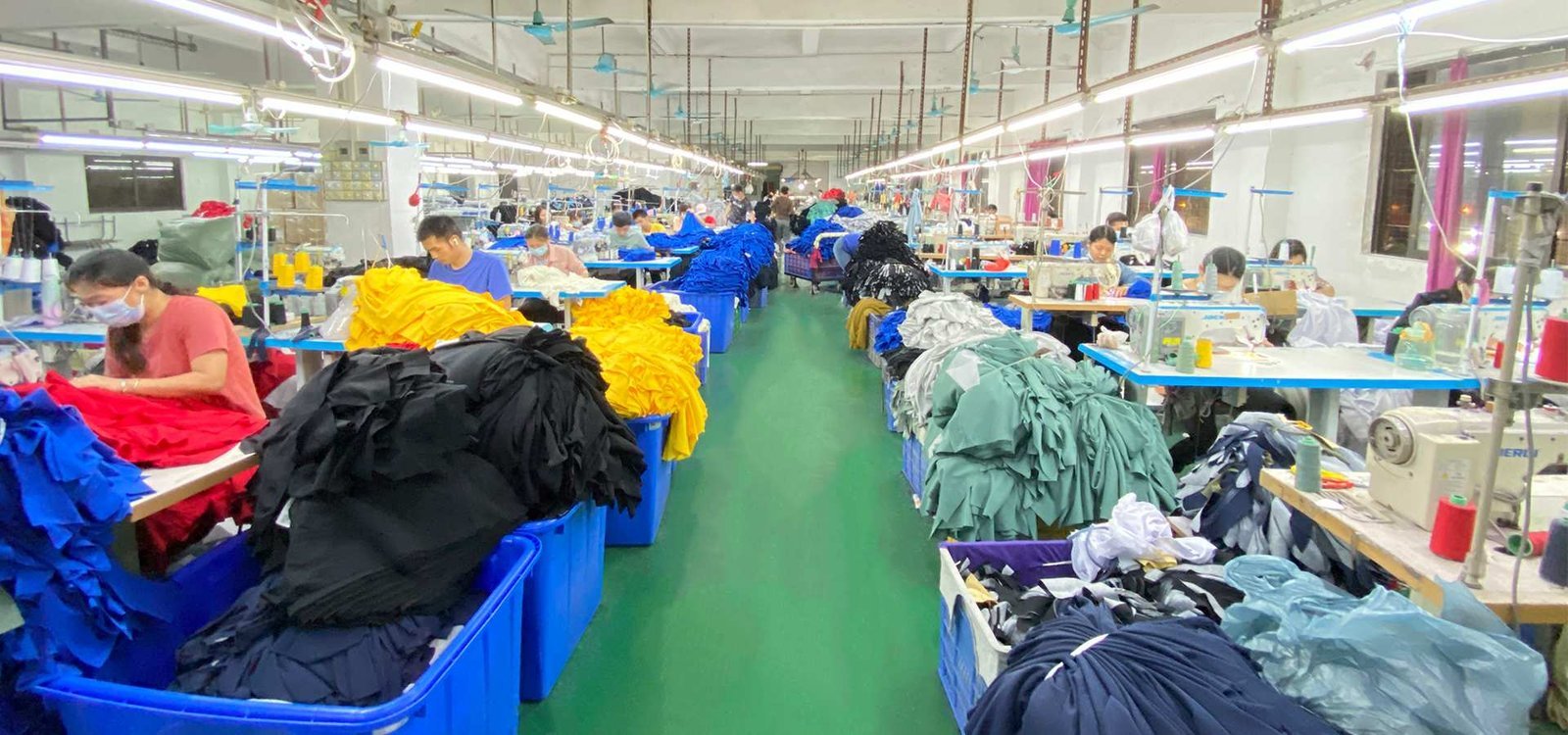
Winter Coat Manufacturer Built on Design & Craft
15-Member R&D Team with Streetwear Fluency
Our dedicated 15-member R&D team combines technical garment engineering with deep streetwear cultural knowledge, translating hip-hop, skate, and street art influences into winter coat designs that resonate with your audience and move product.
- Hip-hop, graffiti, skateboarding, and street art aesthetic expertise built into every design brief
- Signature motif mastery spanning skeleton, animal print, cross, mystery symbol, and demon-and-angel elements
- In-house sampling team that moves from concept sketch to production-ready pattern with speed
- 10 proprietary production patents backing innovative construction and finishing techniques
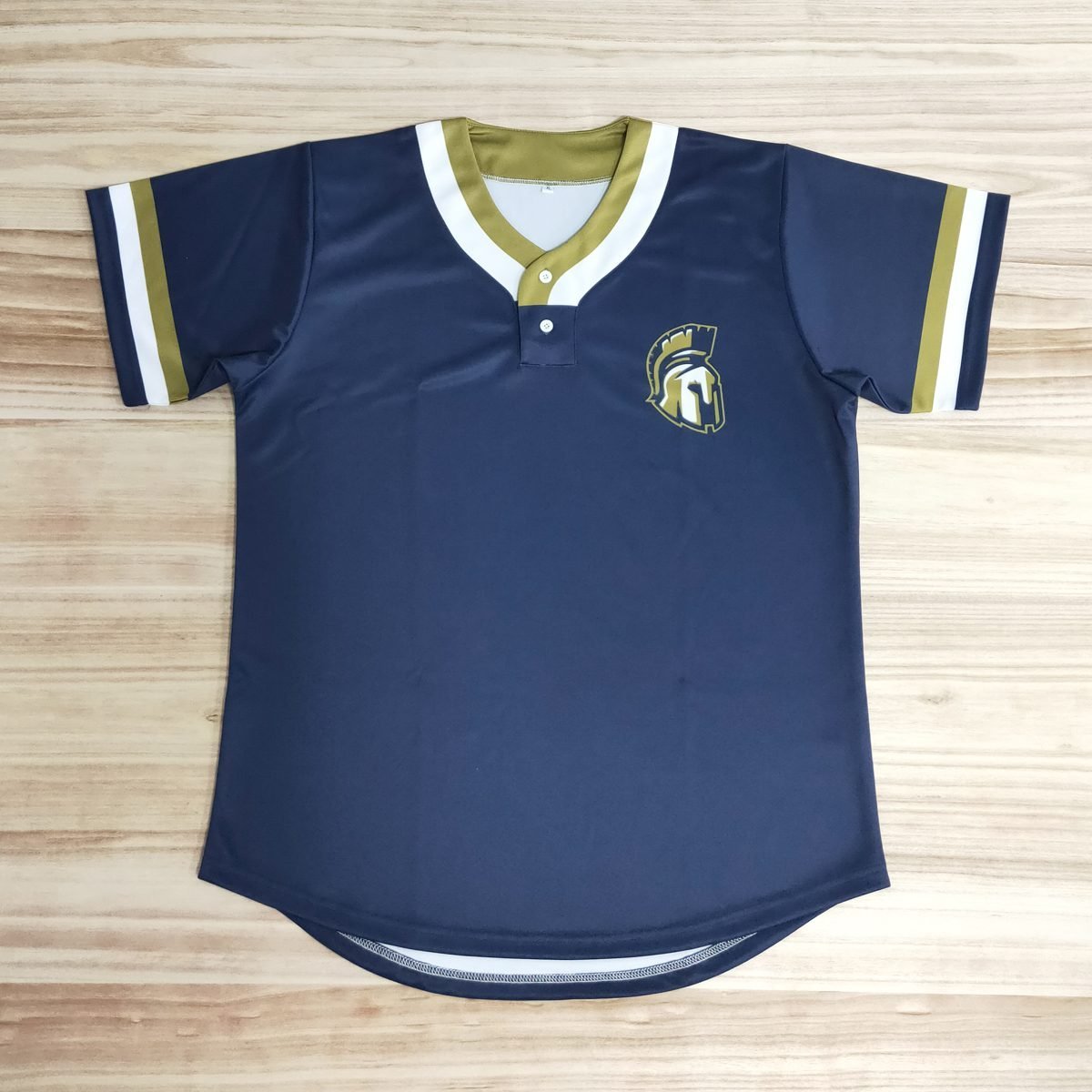
Proprietary 5-Step QC at Every Stage
Unlike factories that jump from sewing straight to packaging, our five-step QC methodology embeds rigorous inspection at every stage so every winter coat that ships meets exacting standards without costly late-stage rework.
- Materials QC testing verifies fabric weight, composition, and colorfastness before cutting begins
- Cutting and clothing craft QC locks in construction consistency across the full run
- Sewing production QC catches stitch defects mid-line before they multiply across units
- Final finished-garment inspection confirms fit, finish, and packaging integrity before shipment
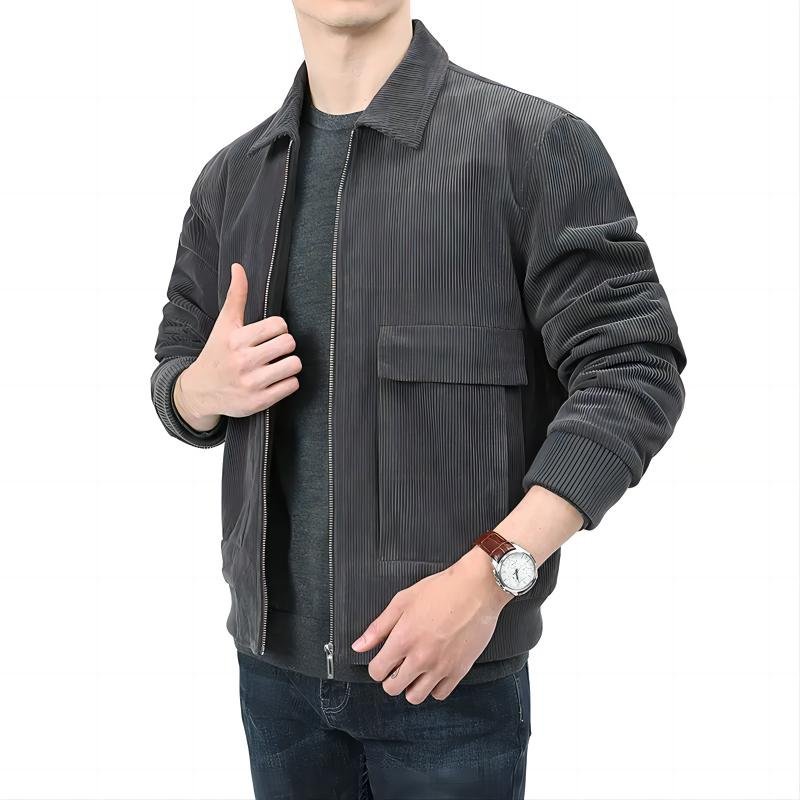
Trend Research Rooted in Street Culture
Founded by a streetwear specialist who spent years studying hip-hop, skateboarding, and street art culture, we collaborate with your team on seasonal trend research and concept development to ensure authentic aesthetic depth in every collection.
- Seasonal trend forecasting aligned with live movements in hip-hop, skate, and graffiti scenes
- Design consultation covering motifs, colorways, graphic placement, and cultural storytelling
- Custom artwork development that builds a signature visual language for your brand
- Collaborative sampling loop from mood board through strike-off to final pre-production approval
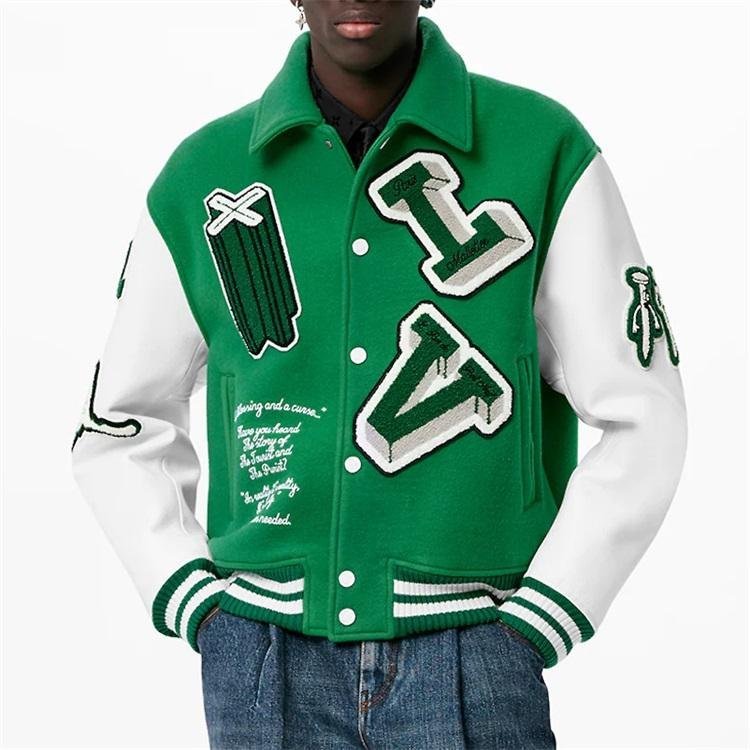
Low MOQ, Scalable Runs, Global Logistics
Whether you are launching a first 50-piece capsule or scaling to tens of thousands of units, our manufacturing infrastructure flexes to match your growth stage, with fast seasonal turnarounds and end-to-end global shipping support.
- Low MOQ options purpose-built for fashion startups and independent designers entering market
- Fast-track seasonal production timelines designed for trend-driven, time-sensitive collection drops
- Global shipping with customs documentation, declaration, and logistics coordination handled in-house
- Proven delivery to brands across 100-plus countries since the company was founded
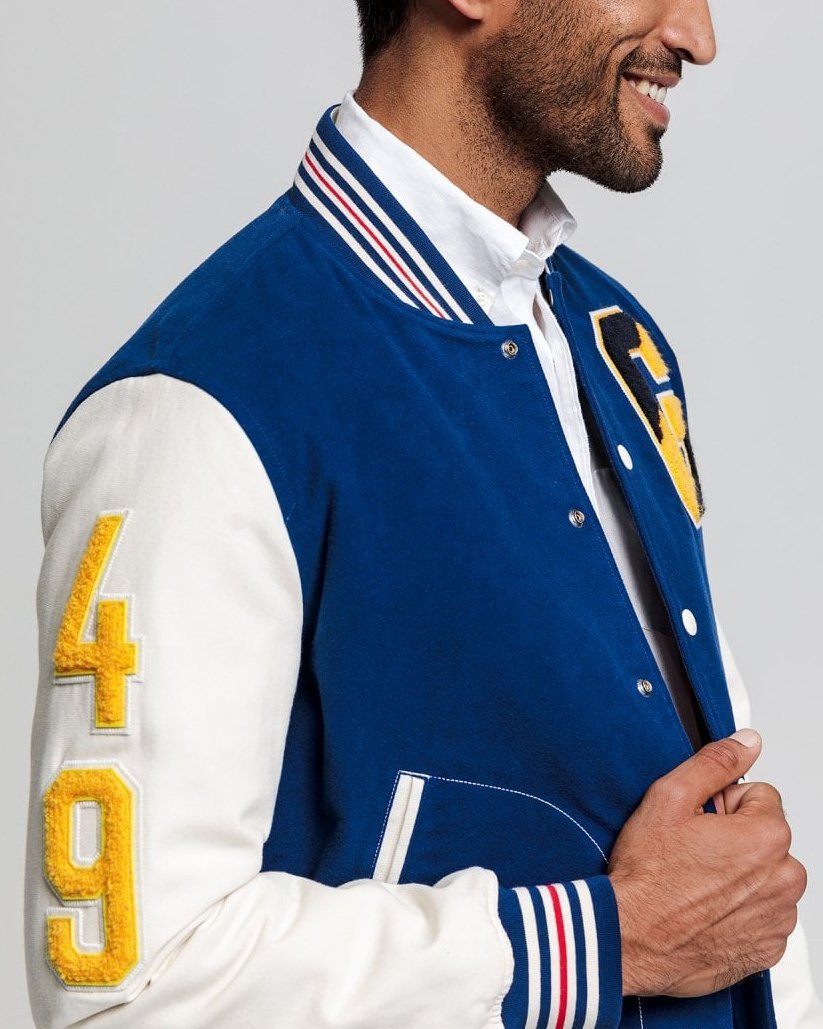
Why Choose This Winter Coat Manufacturer Over Others
See how Clothing Manufacturer Ltd. compares to typical low-cost suppliers on every factor that determines whether your brand wins or loses in the market.
← 左右滑动查看 →
Your Winter Coat Manufacturer’s Zero-Compromise Production Timeline
Every phase of our production process is fortified with rigorous quality checkpoints. No shortcuts. No skipped steps. Just coats built to perform and impress.
Material Sourcing & QC
We handpick premium winter coat fabrics and run strict materials QC testing — warmth, durability, colorfastness — before a single panel is cut.
Pattern Engineering & Sampling
Our 15-member R&D and design team develops precise patterns and prototypes for your winter coat, perfecting fit, structure, and streetwear aesthetics before production begins.
Cutting QC & Verification
Every panel is cut to exact spec and immediately inspected for dimensional accuracy and alignment, ensuring only flawless pieces advance to the sewing floor.
Sewing Production QC
Real-time quality inspections during sewing catch stitching errors, seam defects, and construction flaws the moment they occur — never letting problems compound into the finished coat.
Final Inspection & QC
Finished coats undergo a comprehensive finished-clothing QC inspection against your exact spec sheet. Every unit is checked individually — nothing ships with a defect.
Packaging & Global Shipping
Coats are packed to your brand specifications and dispatched worldwide with full logistics and customs support, reaching your warehouse on time and in perfect condition.
How to Partner with Our Winter Coat Manufacturer
Five straightforward steps from initial inquiry to doorstep delivery — backed by low MOQ, in-house sampling, and a 5-step QC guarantee at every stage.
Submit Your Tech Pack
Share your design files, sketches, or creative brief with our team. We review every detail within 24 hours and schedule your dedicated design consultation.
Approve Samples with Confidence
Our in-house sampling team crafts a pre-production winter coat sample to your exact specs. Review, request adjustments, and sign off before any bulk run begins.
Confirm Your Production Schedule
Receive a transparent bulk quote with flexible low-MOQ options and a firm production timeline. Fast turnaround slots keep your seasonal streetwear collections on schedule and budget.
Track Live QC Milestones
Our 5-step quality control process covers materials, cutting, craft, sewing, and finishing. You receive real-time photo updates and milestone reports at every production checkpoint.
Receive Your Inspected Shipment
Every winter coat passes a rigorous final QC inspection before packing. Your order ships via your preferred carrier with full tracking to any destination worldwide.
Certifications That Back Our Winter Coat Manufacturer Standards
What Clients Say About Our Winter Coat Manufacturer
We started with a 50-piece MOQ run on our first winter coat drop. Eight months later we had crossed 42,000 Instagram followers. The 5-step QC process caught every defect before shipment — we had zero customer returns on that launch.
I came in with zero manufacturing experience and a tight seasonal window. They delivered 1,100 units in under six weeks, guided me through every step, and my debut hoodie-and-coat drop sold out in 48 hours. Incredible partner for creator brands.
We source across 18 SKUs each season. Since switching to this winter coat manufacturer our defect rate fell from 3.2% to under 0.4%. Communication is transparent, timelines are consistent, and the QC documentation gives our QA team full confidence every order.
Winter Coat Manufacturer FAQs: MOQ, Lead Times, QC & More
Everything B2B buyers ask before placing their first production order — answered directly by our team.
What is the minimum order quantity for a winter coat manufacturer like Clothing Manufacturer Ltd.?
How do I choose a reliable winter coat manufacturer for my streetwear brand?
What lead times should I expect from a winter coat manufacturer?
How long does sample turnaround take?
What are your payment terms and deposit structure?
How do you protect my designs and intellectual property?
What customization is available for winter coat orders?
How does your 5-step QC process work and what does it guarantee?
Do you handle international shipping and customs documentation?
The Complete Buyer’s Guide to Choosing a Winter Coat Manufacturer
Discover a proven decision framework for vetting any winter coat manufacturer — from material selection and construction standards to MOQ negotiations, customization options, and the five sourcing mistakes that kill emerging apparel brands before launch.
1. What Is a Winter Coat Manufacturer?
Outerwear production spans six core stages — pattern development, fabric sourcing, cutting, sewing, finishing, and quality inspection — all executed in-house by a true winter coat manufacturer. Factory-level producers own their machinery and employ specialized labor at each department, rather than subcontracting work to unnamed third parties.
Three supplier archetypes operate in the outerwear market: the manufacturer, the trading company, and the private-label supplier. A trading company typically inserts a 20–40% markup while routing orders to unnamed factories, offering little visibility into QC practices or subcontractor identity. A private-label supplier stocks catalog styles, simply attaching your label, and rarely accommodates custom technical packs, YKK hardware specifications, or Pantone-matched colorways.
Lead times, MOQ minimums, defect rates, and design ownership — all four critical sourcing variables — shift dramatically depending on which supplier type a brand chooses. Sourcing through a trading company typically introduces hidden subcontracting, inconsistent quality across production runs, and quality checks performed only at final inspection rather than throughout cutting, sewing, and construction stages.
A 5-stage QC framework — covering materials, cut panels, garment craft, sewing output, and finished goods — is the hallmark of a factory-level winter coat manufacturer, not a trading company or label supplier. That embedded accountability is why brands at every growth stage, from first-run startups to high-volume global retailers, prioritize direct factory sourcing over middleman models.
2. A Brief History of Winter Coat Manufacturing
Around 1813, the British Army standardized the greatcoat as regulation military issue, embedding demand for durable outerwear into government supply chains for the first time. Every coat was hand-cut and hand-sewn in small batches, with tailors rotating through cutting, fitting, and finishing entirely by hand.
The Singer sewing machine, patented in 1851, and the spread of steam-powered textile mills across Lancashire and New England fundamentally restructured winter coat manufacturing. By the 1880s, a single factory floor could move hundreds of wool overcoats through production daily, and minimum order quantities began climbing as operators optimized for throughput rather than craft.
After World War II, synthetic fill materials — polyester batting and early nylon shells — replaced wool batting in mass-market coats, cutting raw material costs and opening global sourcing networks. Throughout the 1960s–1980s, a standard winter coat manufacturer operated comfortably at MOQs of 500 to 1,000 units per style, and ‘customization’ meant selecting from three or four stock colorways.
By 2020, influencer-driven drops and direct-to-consumer brands had compressed those MOQs dramatically — many buyers now expect 50 to 100 units per style, full Pantone color matching, and custom woven labels from a single order. Today’s winter coat manufacturer must also navigate OEKO-TEX and GOTS certification requirements, recycled-fill sourcing, and digital-sample approval workflows that can collapse a traditional 90-day development cycle to under 30 days.
3. Types of Winter Coats a Manufacturer Can Produce
A skilled winter coat manufacturer can produce at least six distinct silhouettes, each requiring different materials, construction complexity, and QC checkpoints. Matching coat type to brand positioning is the first decision buyers must make before placing orders.
Puffer and Down Jackets
Down and synthetic-fill puffers require baffled-stitch or quilted-channel construction to prevent fill migration. Fill power ranges from 400 to 800-plus for down; 80–160 GSM polyester for synthetic alternatives.
Target audience: streetwear labels and outdoor-adjacent brands. Peak sell-in window runs July–September for Q4 retail delivery.
Wool Overcoats
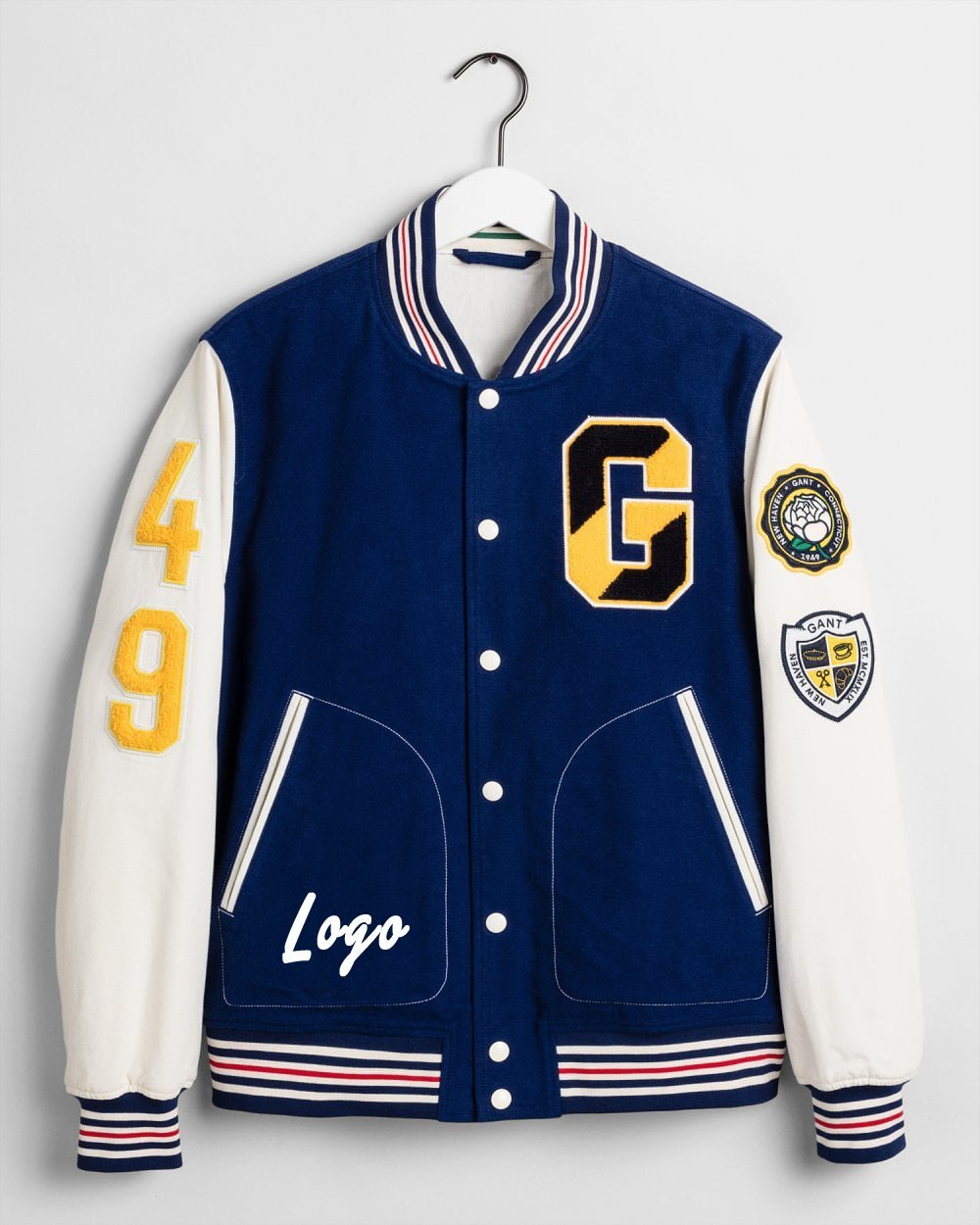
Wool overcoats use 400–600 GSM melton or herringbone fabric and require interlining and hand-finishing at lapels. Construction complexity is high: 40–60 pattern pieces versus 20–30 for a basic puffer.
Target audience: luxury retail and elevated streetwear. Key buy season is September–November.
Parka Shells
Parkas combine a waterproof or DWR-coated outer shell with a removable liner, adding zipper and snap hardware complexity. YKK zippers and taped seams are standard for technical-grade parkas.
Target audience: outdoor-influenced and workwear streetwear brands. Optimal sell-in window: August–October.
Trench Coats
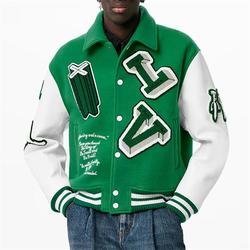
Classic trenches use 300–500 GSM cotton-polyester gabardine with a storm flap, epaulettes, and D-ring belt hardware — 12–15 functional details that drive moderate-to-high construction complexity.
Target audience: luxury retail crossover and fashion-forward streetwear labels. Winter versions in wool extend the key sell season through October–December.
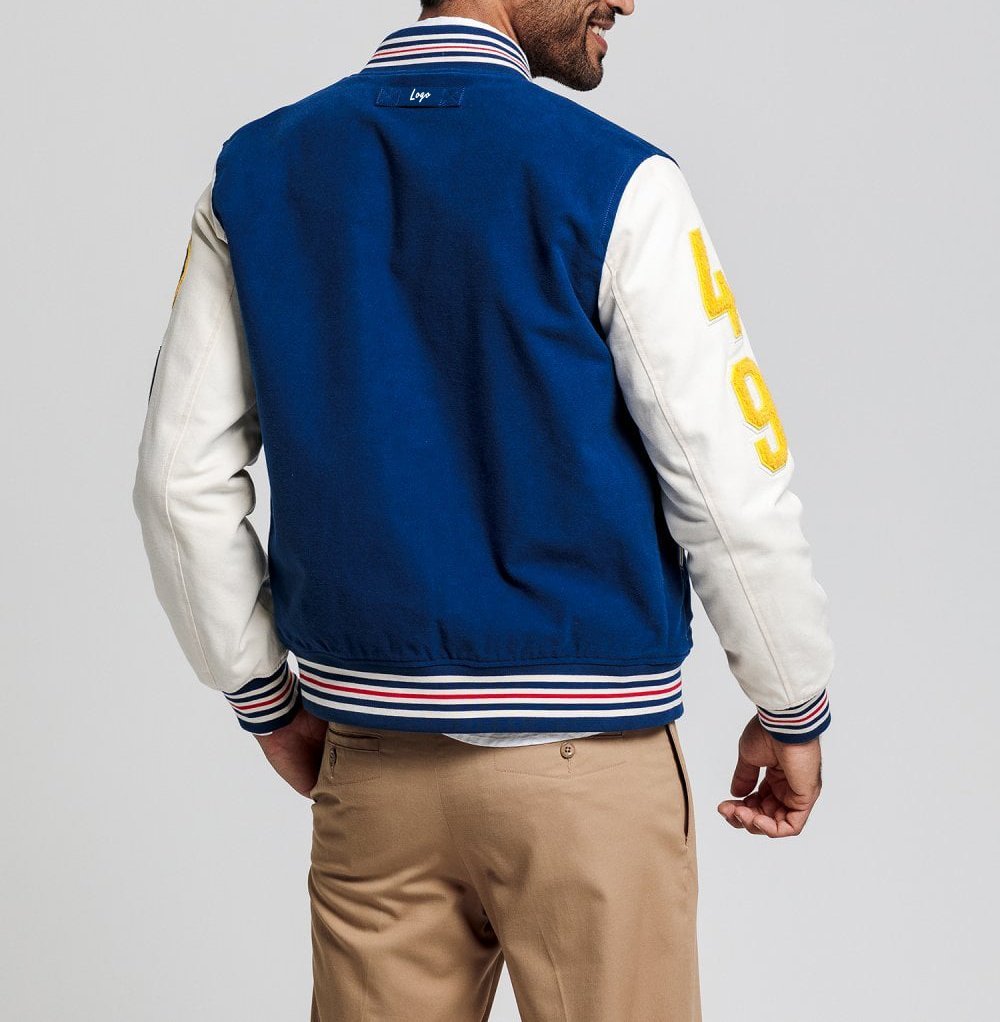
Quilted Bombers
Quilted bombers feature a nylon or polyester shell with channel or diamond quilting and ribbed-knit cuffs and hem. Construction complexity is low-to-moderate at roughly 25–35 pattern pieces.
Target audience: core streetwear and influencer brands. Best sell-in window is June–August for early-fall drops.
Technical Softshells

Softshells use 3-layer bonded fabric — face, membrane, backer — at 280–380 GSM, delivering wind resistance without bulk. Flatlock or bonded seam finishing replaces traditional stitching to maintain weather protection.
Target audience: performance-streetwear hybrids and outdoor-facing retailers. Key sell season is September–November, with strong post-holiday replenishment demand.
4. Materials & Fabrics Used by a Winter Coat Manufacturer
A reputable winter coat manufacturer draws from five core fabric families, each carrying a distinct warmth-to-weight ratio, care requirement, and cost profile. Matching the right material to your brand tier is the most direct lever on both margin and customer satisfaction.
| Fabric Type | Warmth Rating | Weight | Price Tier | Sustainability |
|---|---|---|---|---|
| Down 800+ FP | Very High | Light | Premium | RDS certified |
| Wool Melton | High | Heavy | Mid–Premium | OEKO-TEX available |
| PrimaLoft / Thinsulate | Medium–High | Medium | Budget–Mid | Bio-based option |
| GORE-TEX Shell | Wind/Rain Focus | Light–Medium | Premium | Limited options |
| Recycled rPET | Medium | Medium | Mid | GRS / OEKO-TEX |
Down Fill: Fill Power and RDS Certification
Fill power runs 550 FP (budget) to 900 FP (premium); higher FP yields more warmth at less weight.
RDS certification is a baseline requirement for mid-tier brands and above. Specialist wet-wash care and the highest insulation cost per unit make down the right choice for premium and luxury outerwear tiers.
Wool Blends: Melton, Bouclé, and Cashmere
Melton (600–800 GSM) provides dense wind resistance for structured overcoats; bouclé adds tactile texture at lighter weights.
Cashmere blends (10–30% content) target premium retail and luxury streetwear tiers. All wool variants need dry-clean or cold wool-cycle care, with fabric costs running higher than synthetic alternatives.
Synthetic Insulation: PrimaLoft and Thinsulate
PrimaLoft and 3M Thinsulate retain warmth when wet — a key performance edge over down — at 100–200g fill weights.
Machine-washable care and lower per-unit cost suit startup and mid-market brands. PrimaLoft Bio’s 50%+ bio-based content adds a sustainability credential without a significant price penalty.
Technical Shells and Recycled Alternatives
GORE-TEX membranes and TPU-laminated nylon deliver 10,000–20,000mm hydrostatic head ratings for waterproof-breathable outer shells.
Recycled rPET and Repreve nylon cut virgin-material use by up to 50% with negligible performance loss. Both suit technical outerwear labels and ESG-driven retailers seeking GRS or OEKO-TEX certification.
5. Customization Options Offered by a Winter Coat Manufacturer
A quality winter coat manufacturer should offer end-to-end customization beyond standard cuts. From YKK hardware to DWR-coated shells, knowing which options carry setup fees versus per-unit costs helps brands budget accurately from the first sample.
| Customization Type | MOQ Impact | Lead-Time Add | Relative Cost |
|---|---|---|---|
| Cut and Sew Development | +100–300 pcs | +30–45 days | High — setup + per-unit |
| Stock-Program Edits | +50–100 pcs | +5–10 days | Low — minor setup fee |
| Custom Hardware (YKK) | +500–1,000 pcs | +4–6 weeks | Medium — tooling fee |
| Woven Labels / Heat Transfer | Minimal | +3–5 days | Low — per-unit only |
| DWR / Wax Finish | None | +5–7 days | Medium — per-unit |
| Custom Packaging | Per 1,000 pcs | +3–5 days | Low — no tooling fee |
Cut and Sew vs. Stock-Program Modifications
Full cut-and-sew development — pattern, block, grading — typically requires 100–300 piece MOQs and adds 30–45 days to production. Stock-program modifications like hem or pocket changes need only 50–100 units and add 5–10 days. Setup fees run $150–$400 for cut-and-sew, under $80 for stock edits.
Branded Hardware and Closures
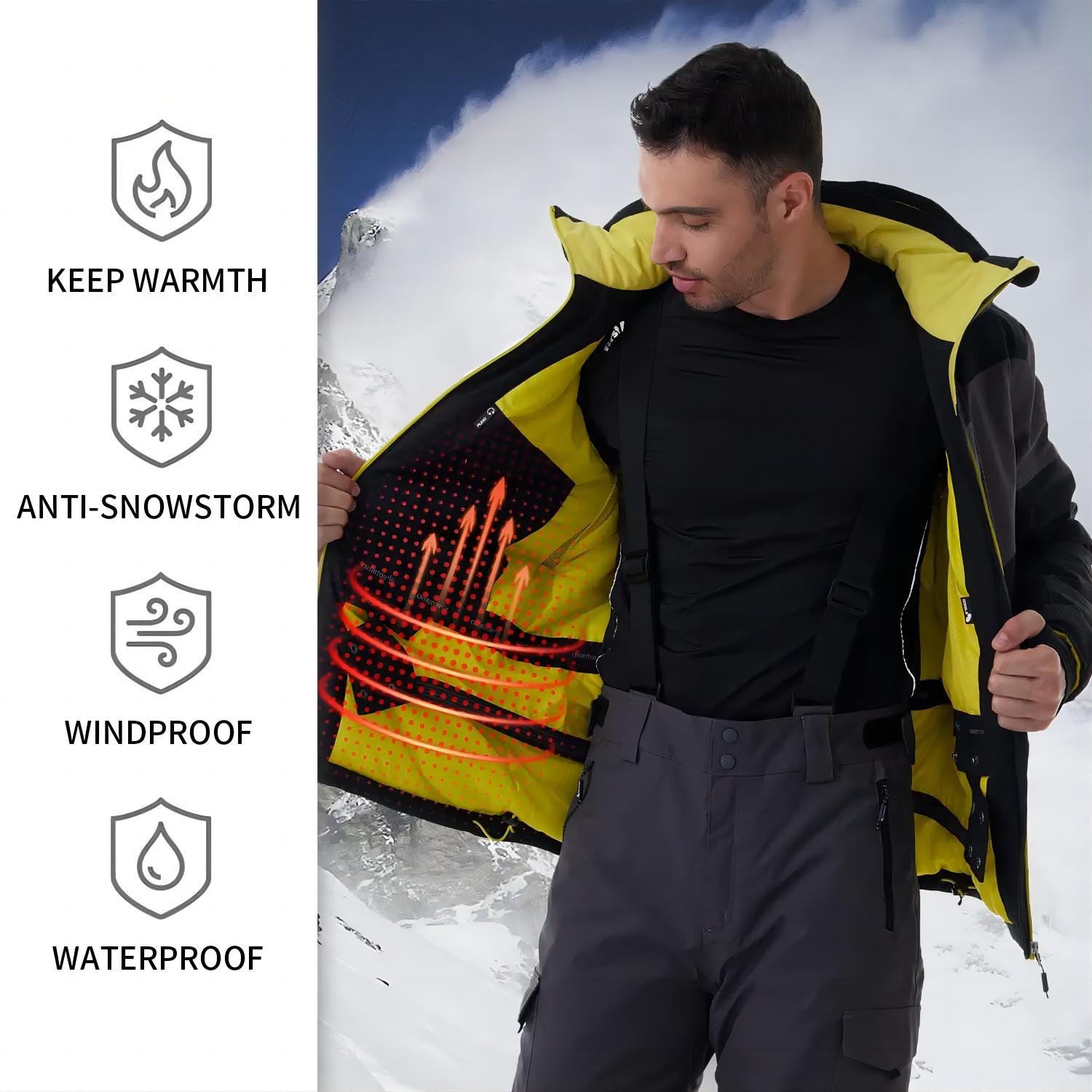
YKK zippers, custom snaps, and branded toggles in standard colorways carry no setup fee — only a per-unit cost. Custom Pantone-matched hardware requires tooling fees of $200–$600 and adds 4–6 weeks. Embossed logo snaps typically add $0.30–$0.80 per unit.
Labels, Finishes, and Custom Packaging
Woven labels and heat-transfer branding carry modest setup fees ($50–$120 per artwork file) and under $0.20 per unit. DWR and wax finishes are per-unit treatments adding $0.50–$2.00 based on fabric weight. Custom packaging — poly-bags, hangtags, tissue — is quoted per 1,000-unit increments with no tooling fee.
6. Key Construction Quality Elements to Inspect
Structural quality separates a premium winter coat manufacturer from a commodity factory. Audit these four zones — shell, insulation, lining, and hardware — on every prototype before approving bulk production.
Shell: Seams and Stitch Density
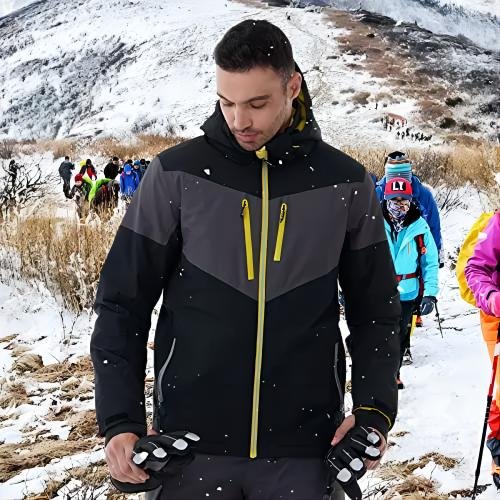
Outerwear shells require 8–10 SPI; anything below 8 SPI risks seam failure under cold-weather stress. Heat-taped seams block wind and moisture on waterproof shells; ultrasonic-welded seams suit technical fabrics.
- 8–10 SPI minimum on all structural seams
- Taped seams on waterproof shells; welded on technical fabrics
- Seam allowance ≥ 12 mm at shoulder and armhole stress points
Insulation: Baffle Construction Standards
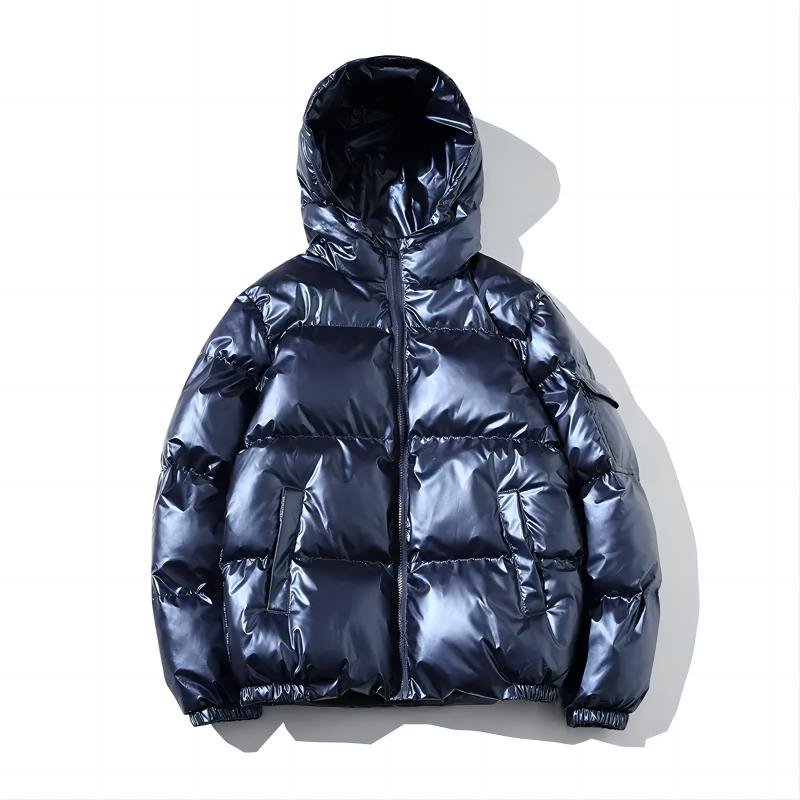
Down garments need sewn-through baffles for 450–650 FP fill or box-wall baffles for 700–900 FP to prevent cold seams. Baffle panels wider than 4 inches risk uneven fill migration and visible cold spots.
Lining, Collar, and Pocket Reinforcement
Lining panels cut 2–3% larger than the shell prevent interior pull. Collar interfacing — typically 80–120 GSM woven fusible — holds stand shape after repeated washing. Bar-tack stitching at pocket corners must withstand 15–20 kg pull-force.
Hardware: Zipper Grades and Fasteners
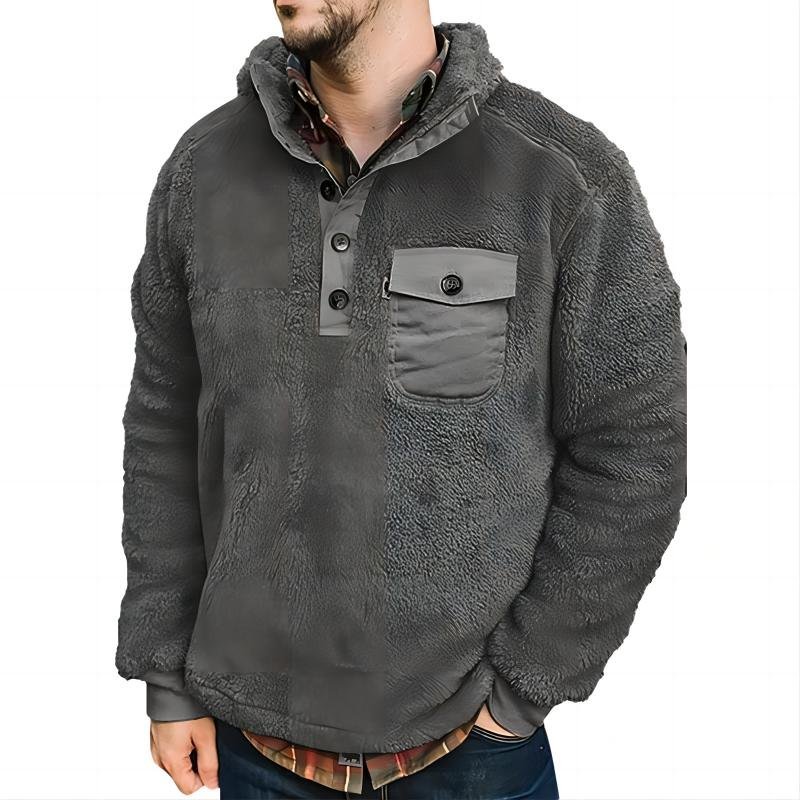
YKK #5 coil and #8 metal are the outerwear benchmarks; generic zippers fail at 30–50% of YKK’s cycle count. Specify zipper grade in your tech pack and test operation across 500 cycles minimum before bulk approval.
- YKK #5 coil or #8 metal: outerwear industry standard
- SBS Grade A: credible alternative at roughly 85% of YKK durability
- Generic zippers: avoid on seam-sealed shells; failure rate climbs below -10°C
7. How to Choose the Right Winter Coat Manufacturer
Choosing a winter coat manufacturer without a structured vetting process is the fastest route to missed deadlines and rejected inventory. Run each candidate through six sequential evaluation stages before placing any purchase order.
Define Your MOQ and Budget
Streetwear startups typically face MOQ tiers between 50 and 300 units per style. Nail down your per-unit target cost — including fabric, CMT labor, trims, and freight — before contacting any factory, so price negotiations start from a grounded baseline.
Evaluate Factory Certifications
BSCI audits assess labor and social compliance; OEKO-TEX Standard 100 certifies fabrics free of harmful substances; GRS (Global Recycled Standard) matters if your brand positions on sustainability. Ask for current certificate copies — valid audits expire annually.
Request and Grade Samples
Order a proto sample for fit and construction review, then a pre-production sample before bulk cutting begins. Grade each against your tech pack: seam allowance tolerance ±3 mm, GSM within 5% of spec, and YKK or equivalent zippers as specified.
Assess Communication Responsiveness
Send a detailed RFQ and measure reply time and clarity. A factory that answers within 24 hours with specific questions about your tech pack treats communication as part of production — not an afterthought.
Review Capacity and Lead Times
Ask for monthly output capacity in units and current utilization rate. Standard lead time for winter coats runs 45–75 days from approved sample; factories running above 90% utilization often slip deadlines by 2–4 weeks.
Check Reference Clients
Request two or three verifiable client references in a similar brand tier. Confirm order volume, on-time delivery rate, and how the factory handled defects. A manufacturer with 1,000-plus served clients across 100-plus countries offers a broader reference pool than one with a short client list.
8. Common Mistakes Buyers Make With a Winter Coat Manufacturer
First-time buyers sourcing from a winter coat manufacturer often repeat the same costly errors. Five to six sourcing mistakes account for the majority of delayed shipments, rejected inventory, and margin erosion during new brand launches.
Skipping Factory Audits Before Committing
Unaudited factories frequently lack traceability documentation and basic QC infrastructure. A single undetected defect batch can cost 2–4× the original order value in returns and reshipping. Request a third-party BSCI or WRAP audit before placing any order above 200 units.
Approving Samples Without Wash or Wear Tests
A sample that looks correct off the press can shrink 8–12% after three wash cycles or lose fill loft entirely. Run ISO 6330 wash tests on at least two samples before bulk sign-off. Skipping this step is the leading cause of customer return spikes among first-time buyers.
Ignoring Lead-Time Buffers for Peak Season
Peak-season capacity at Guangdong factories books out 90–120 days ahead of delivery windows. Adding a 30-day buffer prevents stockouts when a single material delay cascades through production. Place winter coat orders by July to guarantee on-time Q4 delivery.
Underestimating Insulation Fill-Power Tolerances
Down insulation is graded from 550 to 900+ fill power; a 50-point variance from spec cuts warmth performance by 15–20%. Require an IDFB or IDFL fill-power test certificate with every bulk shipment. Verbal assurances from a supplier carry no enforceable weight.
Not Locking In Fabric Lot Numbers
Dye lots vary batch to batch; two rolls from the same mill can differ by 1–2 delta-E, clearly visible when panels are placed side by side. Record the mill lot number on every purchase order and request reserve yardage from that exact lot for reorders.
Choosing Price Over Compliance Certification
OEKO-TEX Standard 100 and REACH compliance are non-negotiable for EU and North American market entry. A factory undercutting by 15% but holding no valid certifications exposes your brand to customs holds and retailer delisting. Verify every certificate directly on the issuing body’s public registry before signing.
9. Steps to Launch Your Brand With a Winter Coat Manufacturer
Launching with a reliable winter coat manufacturer requires five sequential checkpoints — miss one and rework costs compound fast. Each phase, anchored by inline quality checks, determines whether your brand scales or stalls at launch.
Concept and Tech-Pack Creation
A complete tech pack typically covers 8–15 pages: flat sketches, Pantone color references, fabric GSM specs (280–450 GSM for winter coats), seam construction, and hardware callouts. Influencer brands should finalize colorway counts before sampling — each additional colorway adds 5–10% to prototype cost.
Factory Shortlisting and RFQ Submission
Send RFQs to 3–5 factories with your tech pack attached. Ask each for minimum order quantities, lead times — typically 45–75 days for winter coats — and their QC methodology. Verify certifications such as OEKO-TEX, BSCI, or WRAP before committing to any supplier.
Proto-Sample and Fit Iteration
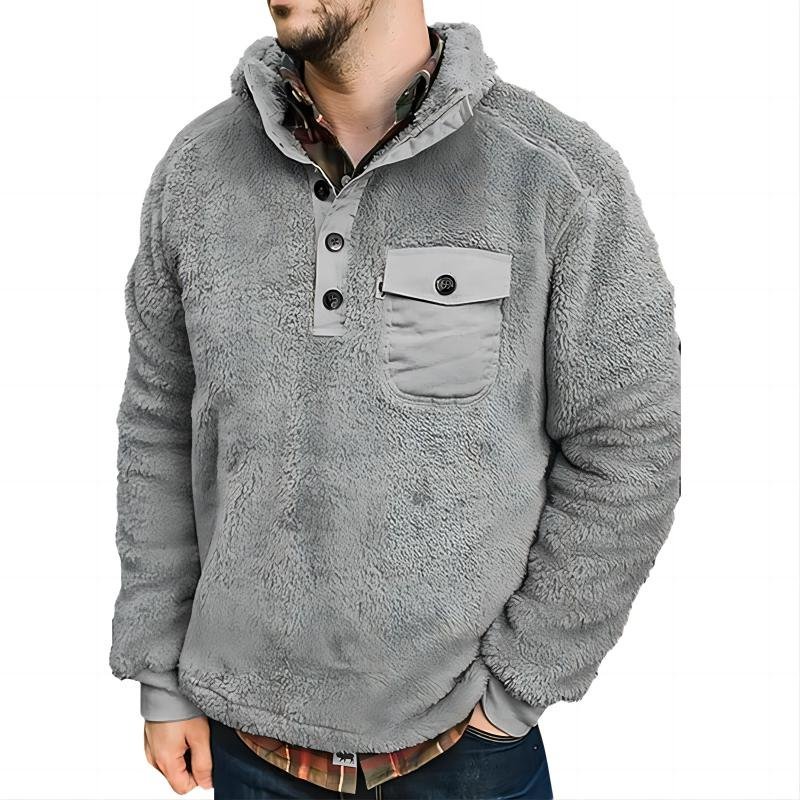
Budget 2–3 sample rounds at $80–$200 per prototype. Mark every correction directly on the physical sample and return it with annotated photos. Most factories require at least one approved counter-sample before releasing bulk production.
Bulk Production and Inline QC
Clothing Manufacturer Ltd.’s five-step QC framework checks materials, cutting, craft, sewing, and finished goods — catching defects at each stage rather than only at final inspection. Request inline inspection reports at the 20% and 70% production milestones to correct errors before they multiply.
Shipment, Duty Planning, and Delivery
Winter coats typically fall under HS codes 6201 or 6202, attracting import duties of 12–27% in US and EU markets. Book freight 8–10 weeks before your target date: sea LCL suits evergreen restocks; air freight suits time-sensitive limited-edition drops.
Limited Drops vs. Evergreen SKUs
Limited drops of 50–150 units per SKU, backed by a pre-order model, eliminate overstock risk for influencer and creator brands. Retailers planning evergreen SKUs benefit from MOQs of 300-plus units, reducing per-unit cost and earning priority production slots.
10. Pricing & Cost Breakdown From a Winter Coat Manufacturer
At a winter coat manufacturer in Humen, Dongguan, fabric and insulation together account for 55-70% of unit cost — duck-down fill, 800-fill-power goose down, or 3M Thinsulate each carry different price floors. CMT labor adds 20-30%, with trim and hardware (YKK zippers, snap buttons, drawcords) contributing 5-10% more.
Customization — woven labels, heat-transfer prints, embroidery, or custom lining — adds $3-8 per unit regardless of quantity tier. Third-party certifications such as OEKO-TEX Standard 100 or BSCI audits carry one-time costs of $500-2,000. Rush production, which compresses a standard 30-day sewing window by 50%, typically adds a 15-25% surcharge.
- Fabric: 40-50% of unit cost; shell weight typically 200-380 GSM woven or technical fabric
- Insulation: 15-25%; duck down (600-fill), goose down (800-fill), or synthetic fill
- CMT labor: 20-30%; increases with design complexity and stitch count
- Trim and hardware: 5-10%; YKK zippers, snap buttons, and twill tape add up fast
- QC and finishing: 2-4%; five-stage inline inspection avoids costly end-of-line rejects
| Quantity Tier | Est. Unit Cost (USD) | Lead Time | MOQ Notes |
|---|---|---|---|
| 50 units | $48–$68 | 35–45 days | Sample-scale; fabric minimums apply |
| 100 units | $36–$52 | 30–40 days | Entry MOQ for most styles |
| 300 units | $26–$38 | 25–35 days | Best for launch collections |
| 500 units | $20–$30 | 20–30 days | Unlocks bulk fabric pricing |
| 1,000+ units | $14–$24 | 18–25 days | Full scale; sea freight cost drops |
Partner With a Winter Coat Manufacturer Built for Brands
Request a free sample, submit your tech pack, or book a consultation — low MOQ, 5-step QC, and global shipping ready.