
Premium Parka Manufacturer for Streetwear Brands & Designers
Partner with the parka manufacturer built for bold brands — 5-step QC guarantee, low MOQ, 7-day samples, and global shipping to 100+ countries.
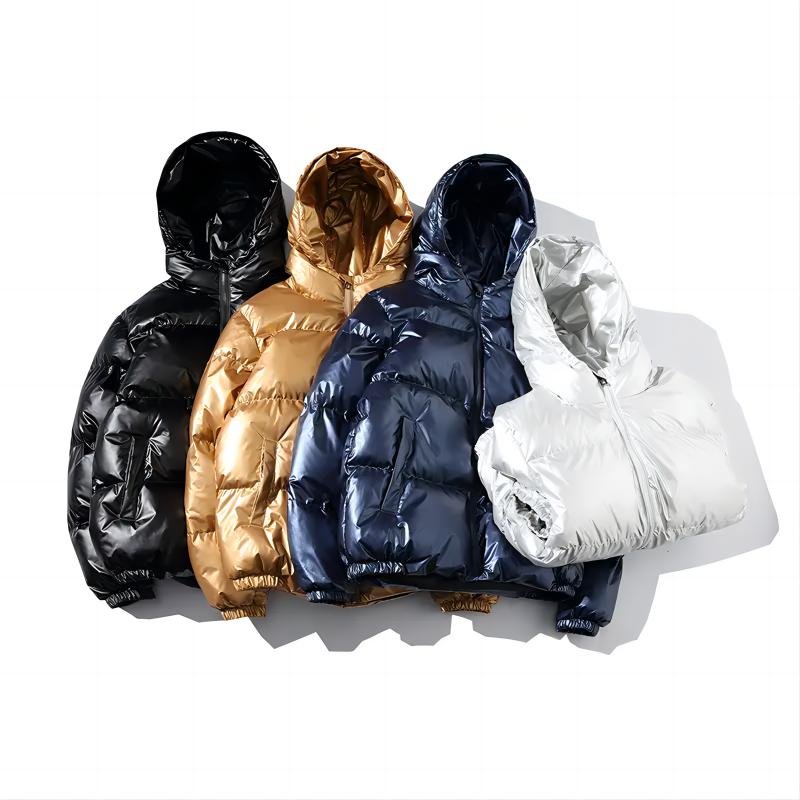
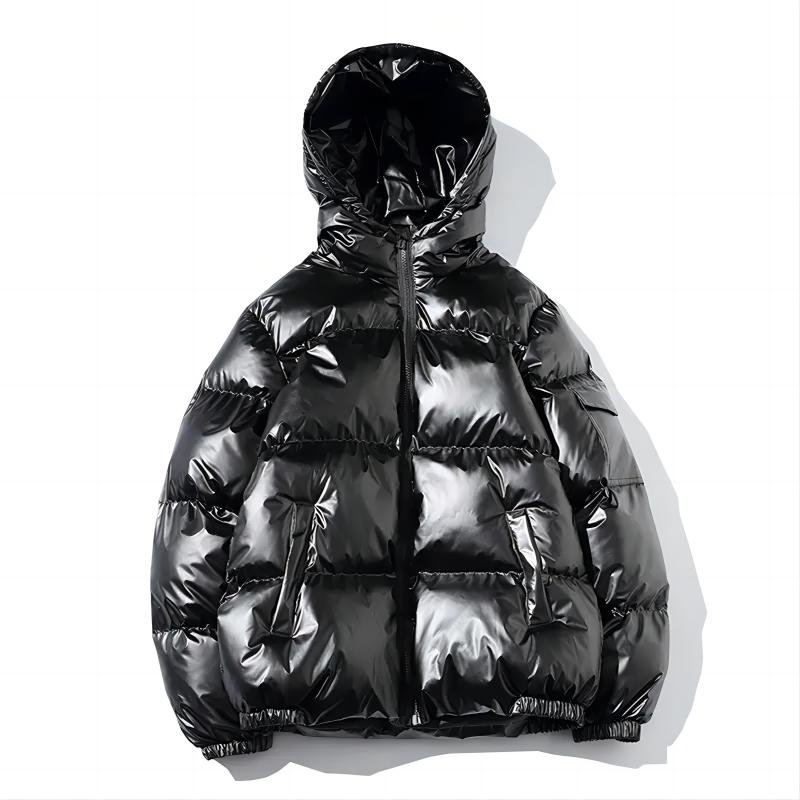
Custom Parka Designs & Sample Collections
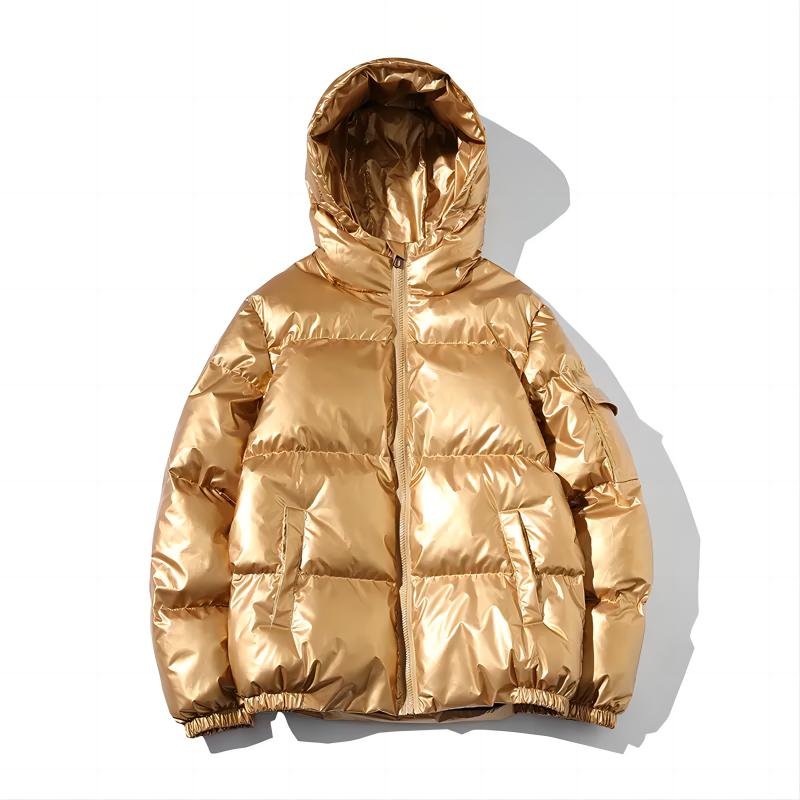
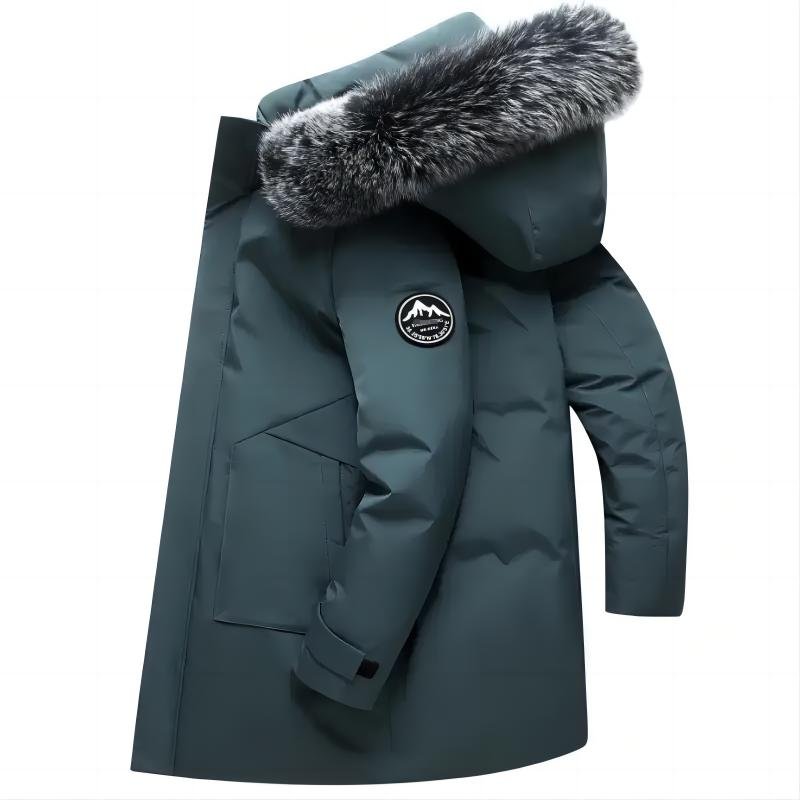
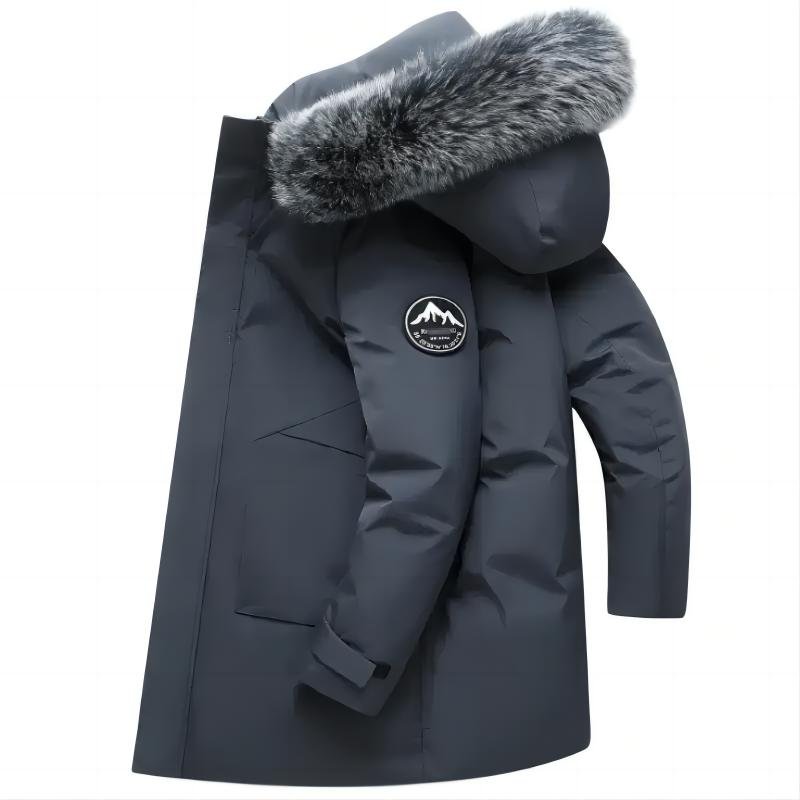
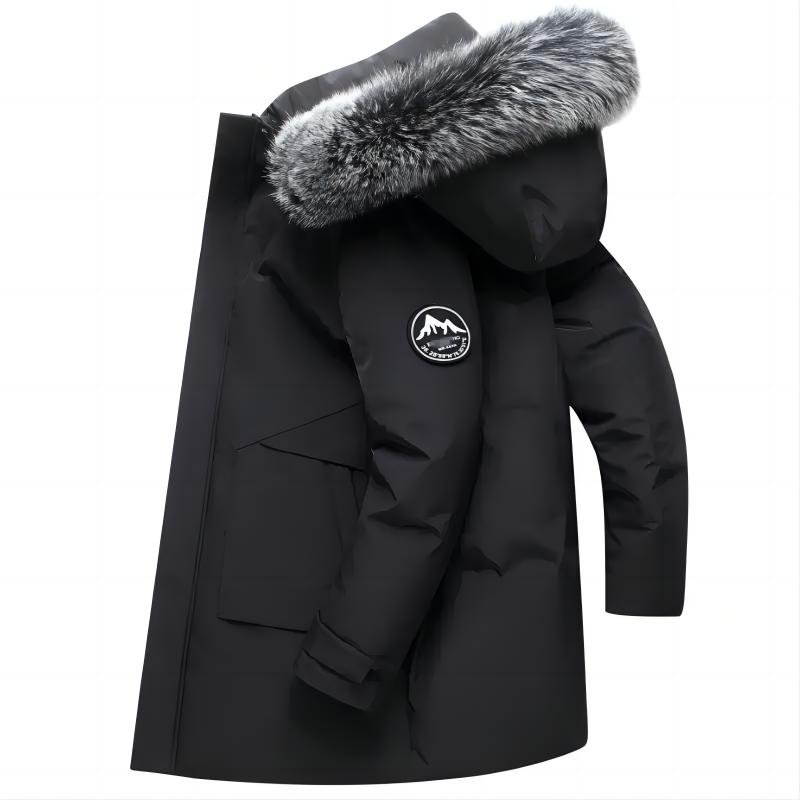
Why Brands Choose This Parka Manufacturer
From 50-piece MOQs to a certified 5-step QC process, every capability is built to solve the real sourcing challenges streetwear brands face when scaling parka production.
5-Step QC Guarantee
Every parka passes five rigorous quality checkpoints — from raw materials to finished goods — so zero defects leave our facility.
Low 50-Piece MOQ
Launch your parka line with as few as 50 pieces, giving startups and independent designers a realistic, low-risk production entry point.
7-Day Sample Turnaround
Receive your custom parka samples in just seven days, keeping your seasonal collection launch timeline firmly on track.
Streetwear Design Expertise
Our in-house team brings deep streetwear cultural fluency — bold graphics, raw silhouettes, and trend-driven details — to every parka design.
Global Shipping & Logistics
We manage end-to-end logistics and customs documentation, shipping finished parkas reliably to brands across more than 100 countries.
Certified Quality Standards
Documented QC records and certified production processes give your procurement team full, verifiable confidence in every single order.
A Parka Manufacturer for Every Style & Silhouette
From oversized streetwear cuts to technical performance builds, we manufacture the full spectrum of parka styles — each backed by our 5-step QC guarantee.
Oversized Drop-Shoulder Streetwear Parkas
Streetwear startups and influencer brands need a signature baggy silhouette, but most factories rely on rigid standard sizing that kills the drop-shoulder, exaggerated proportions your audience pays a premium for.
Our in-house pattern team engineers every oversized cut to your exact spec. Low MOQ means you can test the style with minimal risk, and our 5-step QC ensures uniform fit at scale.
Fitted Technical Performance Parkas
Performance retailers and outdoor-inspired brands need parkas with a sleek, athletic cut and waterproof construction, yet sourcing a factory with both technical fabric expertise and precision-tailored patterns is genuinely difficult.
We manufacture fitted technical parkas using bonded seams, taped waterproof zippers, and performance shell fabrics, with every unit passing our 5-step QC before it reaches your distribution center.
Bomber-Style Crossover Parkas
Global apparel retailers want the retro-cool bomber aesthetic translated into a longer parka length, but finding a production partner who can faithfully execute ribbed hems, cropped waists, and contrast linings is rare.
Our R&D team reinterprets classic bomber details — ribbed cuffs, snap collars, contrast linings — in extended parka silhouettes, with fast seasonal turnaround and global logistics support to hit your drop dates.
Bold Streetwear Statement Parkas
Independent designers and creator brands need statement parkas loaded with custom graphic elements — embroidery, allover prints, mixed textures — but most factories demand high MOQs that price out smaller collections.
We bring bold streetwear vision to life with in-house design support, custom AOP and embroidery, and low MOQ entry points — so you launch statement parkas without overcommitting capital or risking excess inventory.
Premium Fabrics from a Trusted Parka Manufacturer
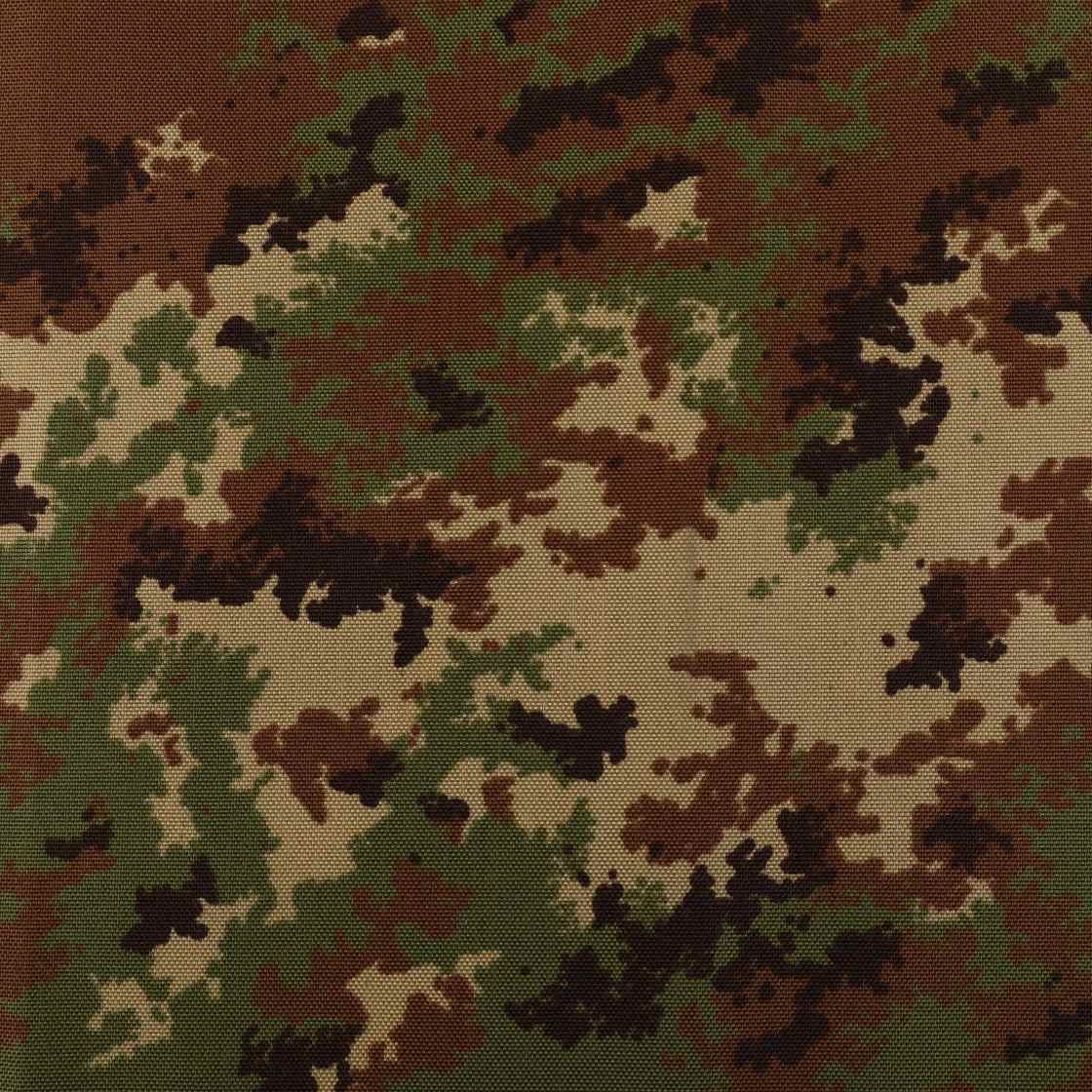
Ripstop Nylon
Lightweight, tear-resistant outer shell with a tight grid weave that prevents damage from spreading. The go-to for performance and expedition-style parkas; achieves 10,000mm+ water-column resistance with a DWR finish applied.
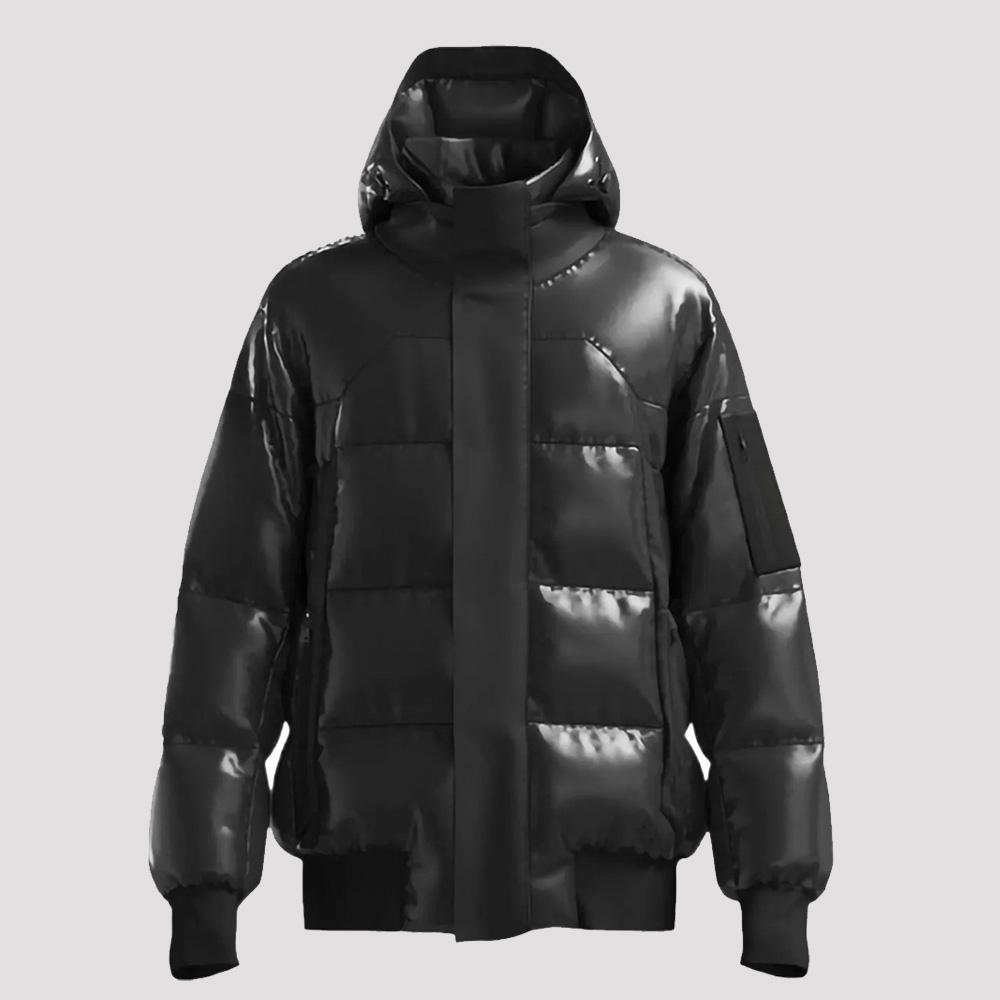
PU-Coated Polyester
Waterproof-breathable fabric with a smooth, silky hand feel and full seam-seal compatibility. Perfect for all-season streetwear parkas; delivers 5,000–10,000mm water resistance at accessible production costs for emerging brands.
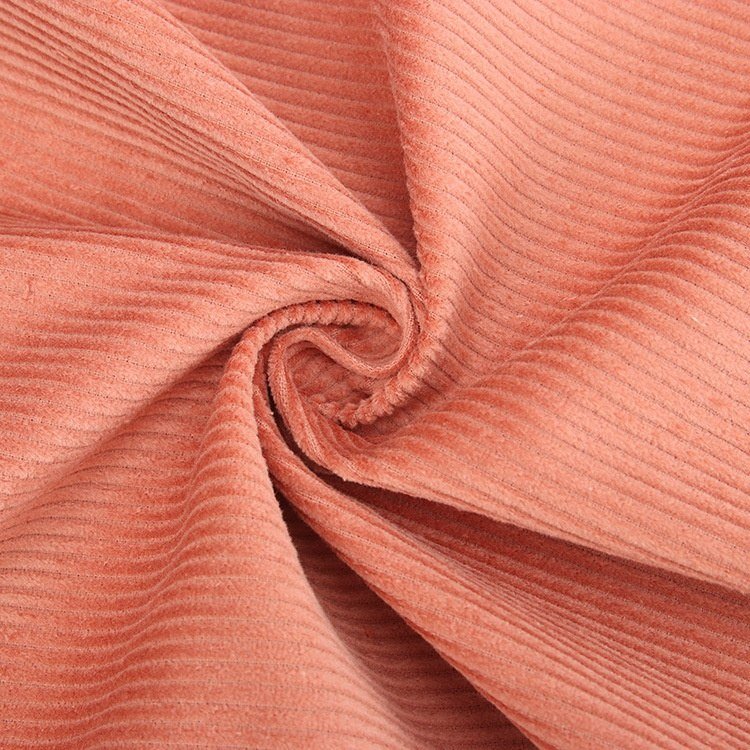
Heavyweight Cotton Canvas
Dense, structured woven fabric with a rugged hand feel and natural breathability prized in streetwear culture. Suited for oversized heritage-style parkas; 400–500 gsm weight delivers a premium, substantial silhouette.
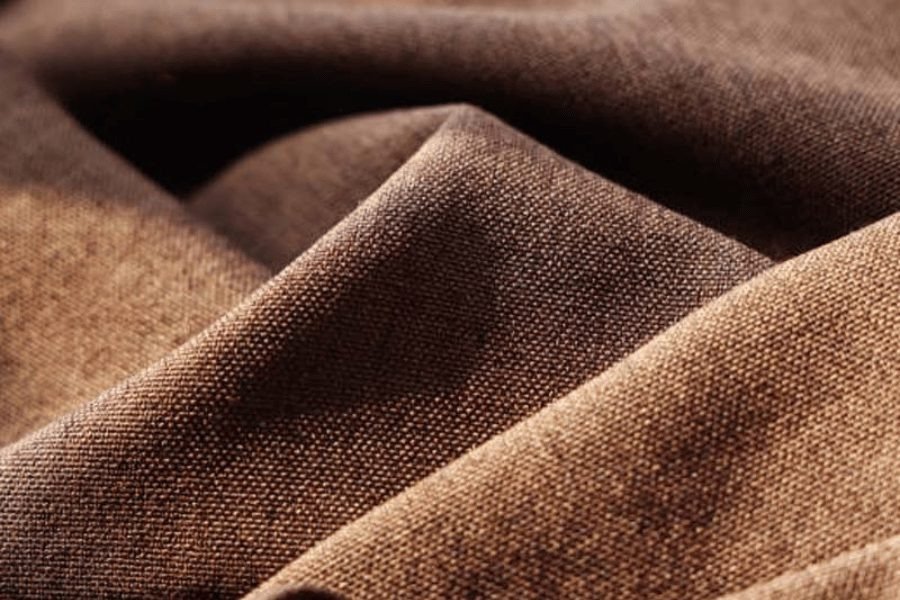
Bonded Fleece Lining
Plush two-layer composite with a fleece inner bonded to a micro-grid outer for superior thermal efficiency. Ideal as fixed or removable parka insulation; 200–300 gsm warmth-to-weight ratio suits cold-weather collections.
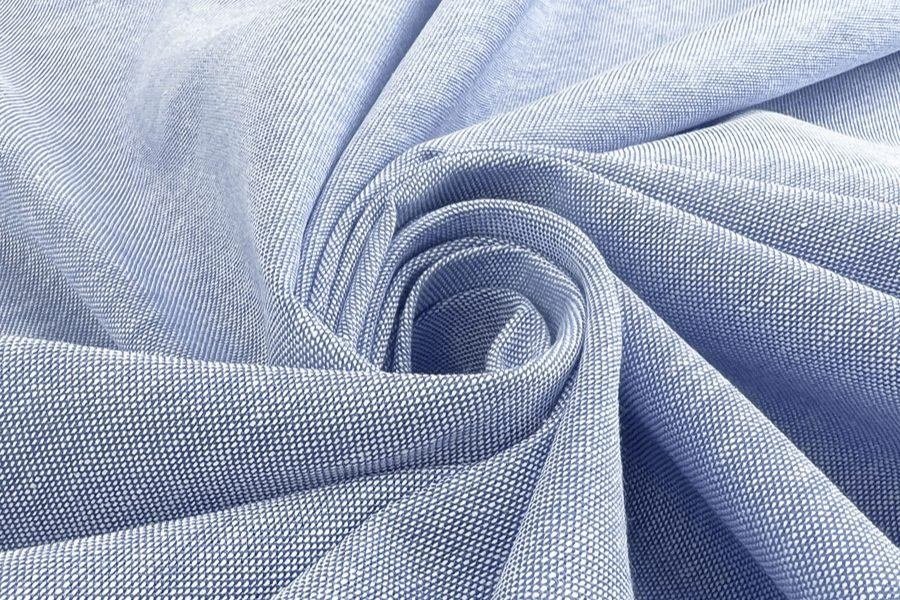
Technical Twill Blend
Mid-weight polyester-cotton twill with a refined matte surface, excellent shape retention, and colorfastness. Versatile for urban parkas and influencer capsule lines; 280–350 gsm, pill-resistant, and wash-stable across colorways.
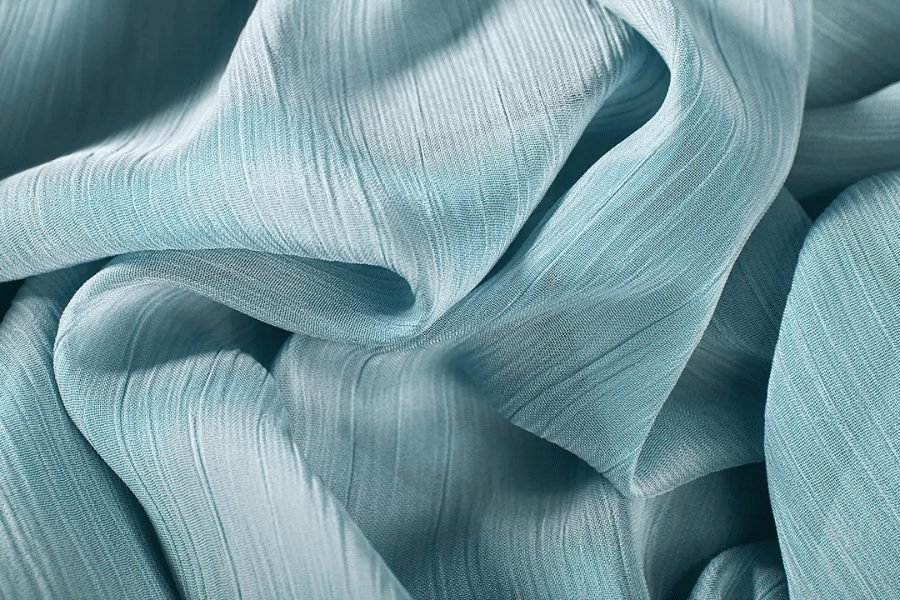
Oxford Ripstop Cloth
300D polyester oxford reinforced with a ripstop grid for exceptional abrasion resistance and water repellency. Perfect for military-inspired and expedition streetwear parkas; surface-treated for quick-dry performance in demanding seasonal collections.
Parka Manufacturer Finishing Techniques & Decoration Options
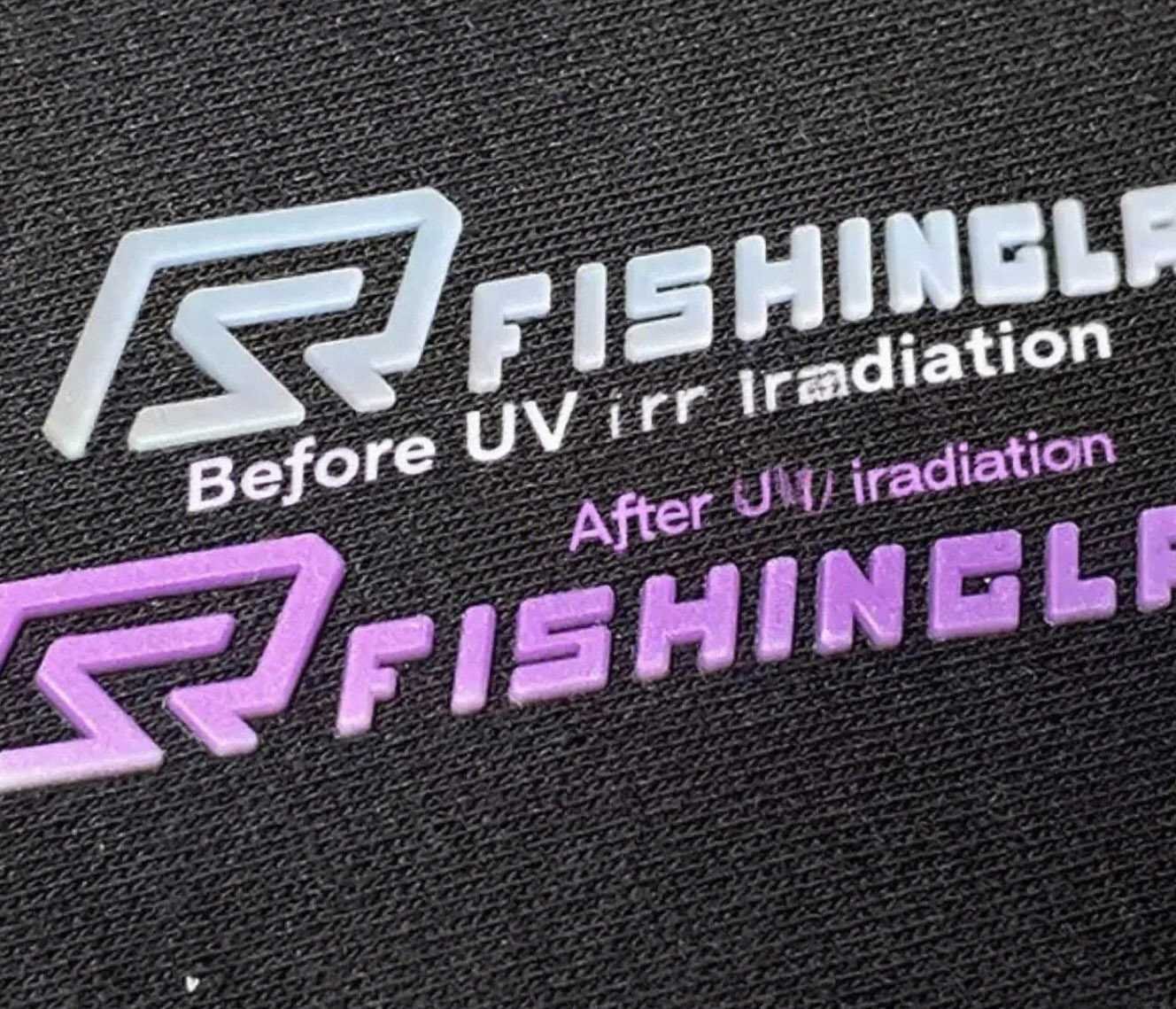
Screen Printing
Bold, UV-stable graphics are pressed through precision mesh screens onto parka shells and linings. Produces vibrant, crack-resistant prints that hold color intensity through repeated washing and hard streetwear use.
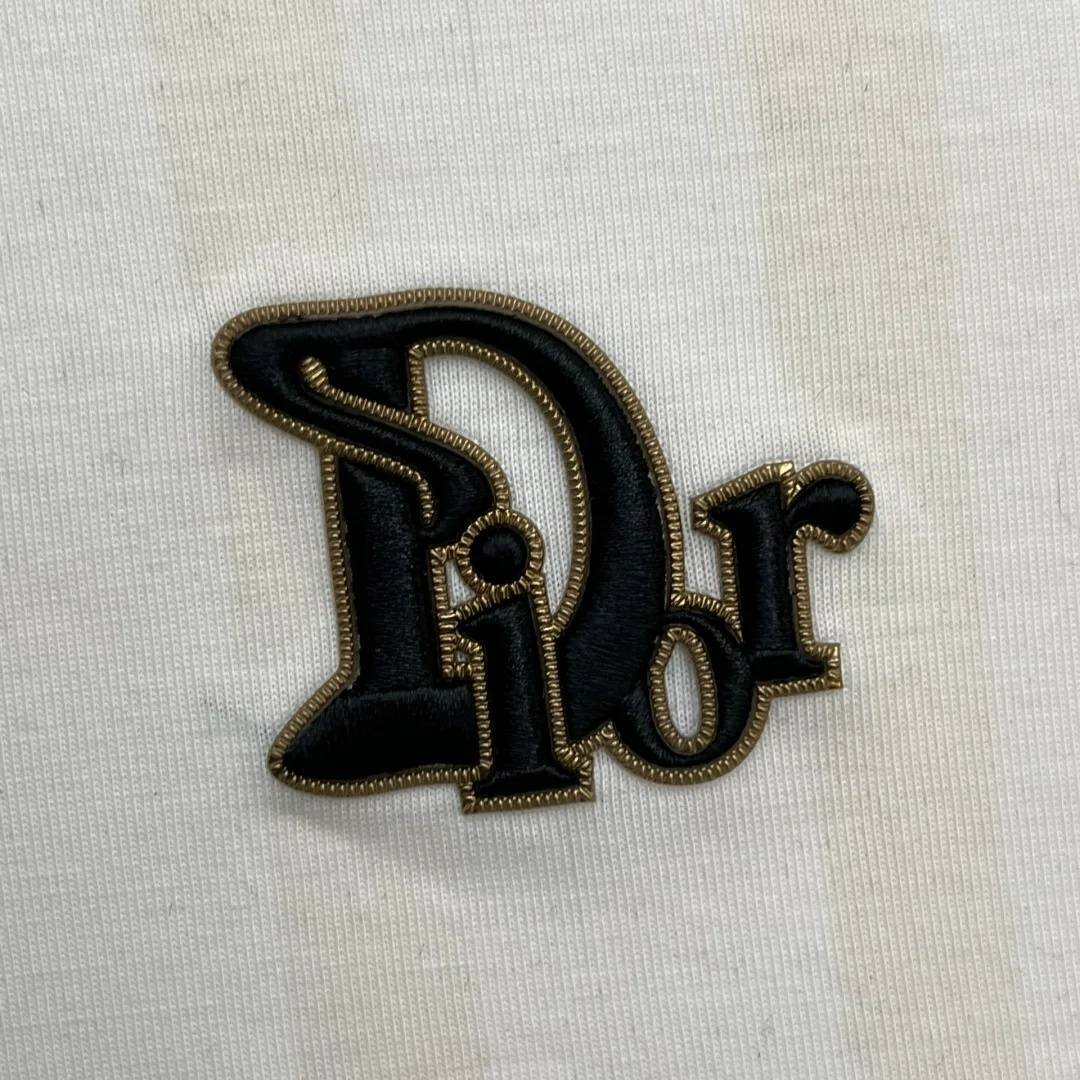
Custom Embroidery
Logos, motifs, and text are stitched directly into parka fabric via multi-thread computerized machines. Delivers a raised, tactile premium finish that reinforces brand identity and holds its integrity through years of wear.
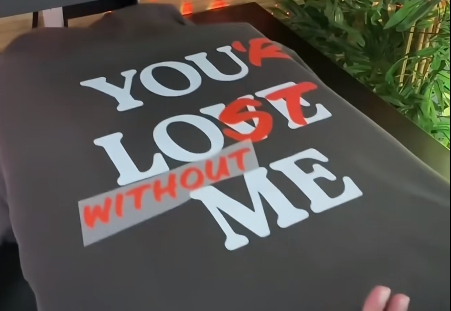
Sublimation Printing
Dye-sublimation fuses full-spectrum, photographic-quality patterns into polyester parka panels at the fiber level. Colors never crack, fade, or peel — ideal for all-over designs, gradient artwork, and bold streetwear graphics.
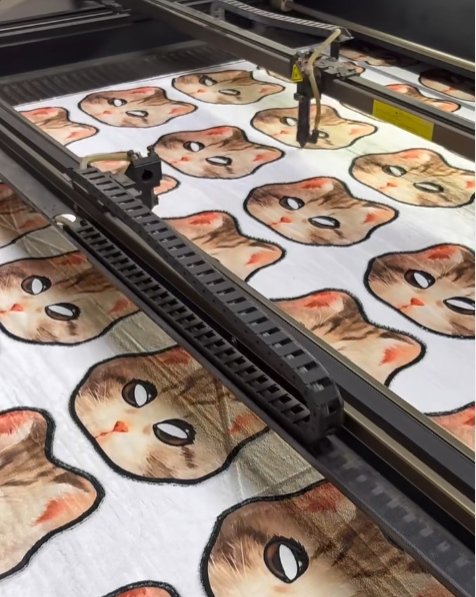
Heat Transfer
Precision-cut vinyl and foil graphics are thermally bonded to parka surfaces under controlled heat and pressure. Achieves sharp edges, metallic finishes, and fine detail with excellent wash durability.
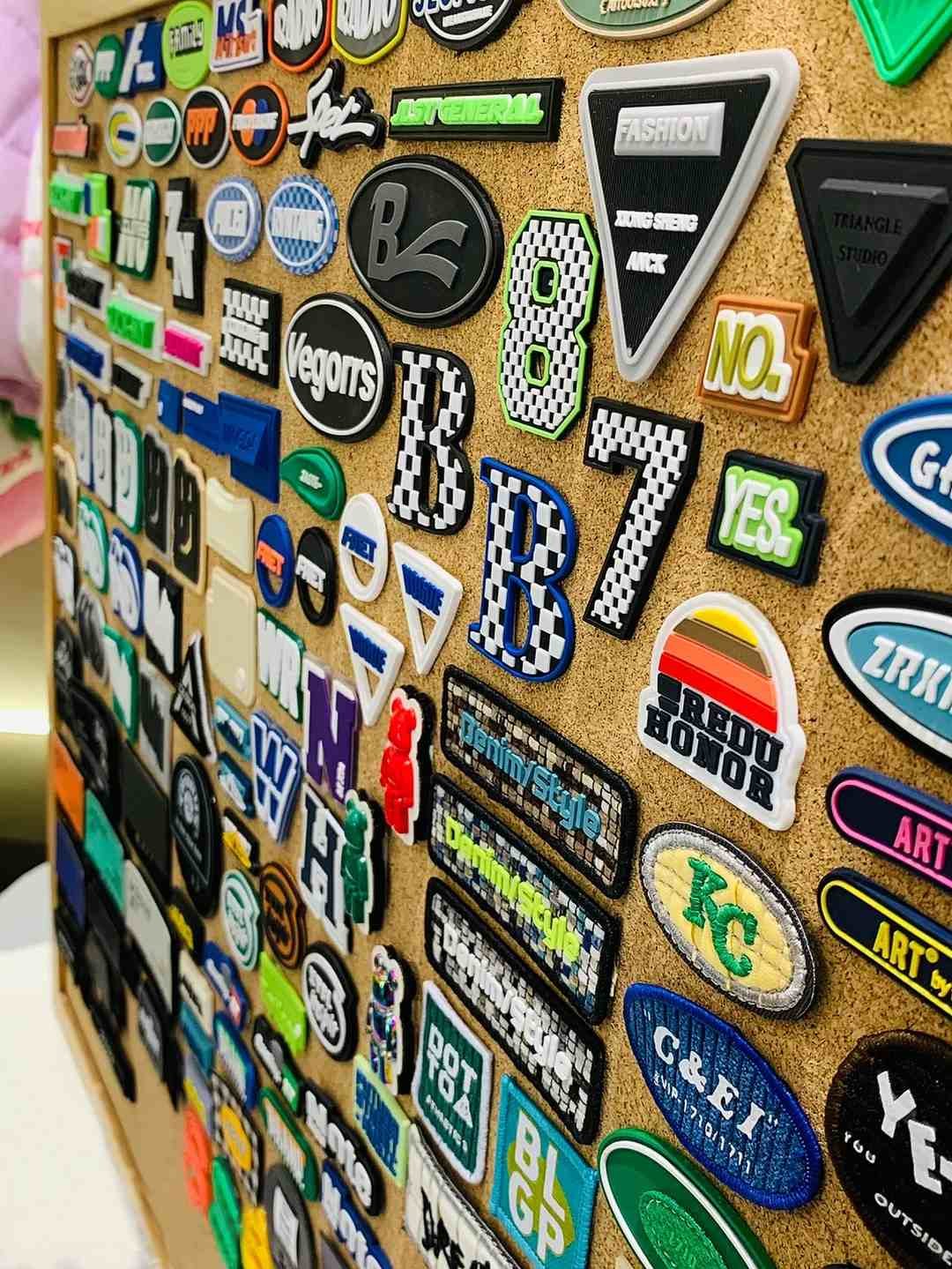
Patch Application
Woven, leather, PVC, and chenille patches are sewn or heat-bonded to designated parka zones. Each placement is QC-checked for alignment and adhesion strength, adding collectible, brand-defining detail to every garment.
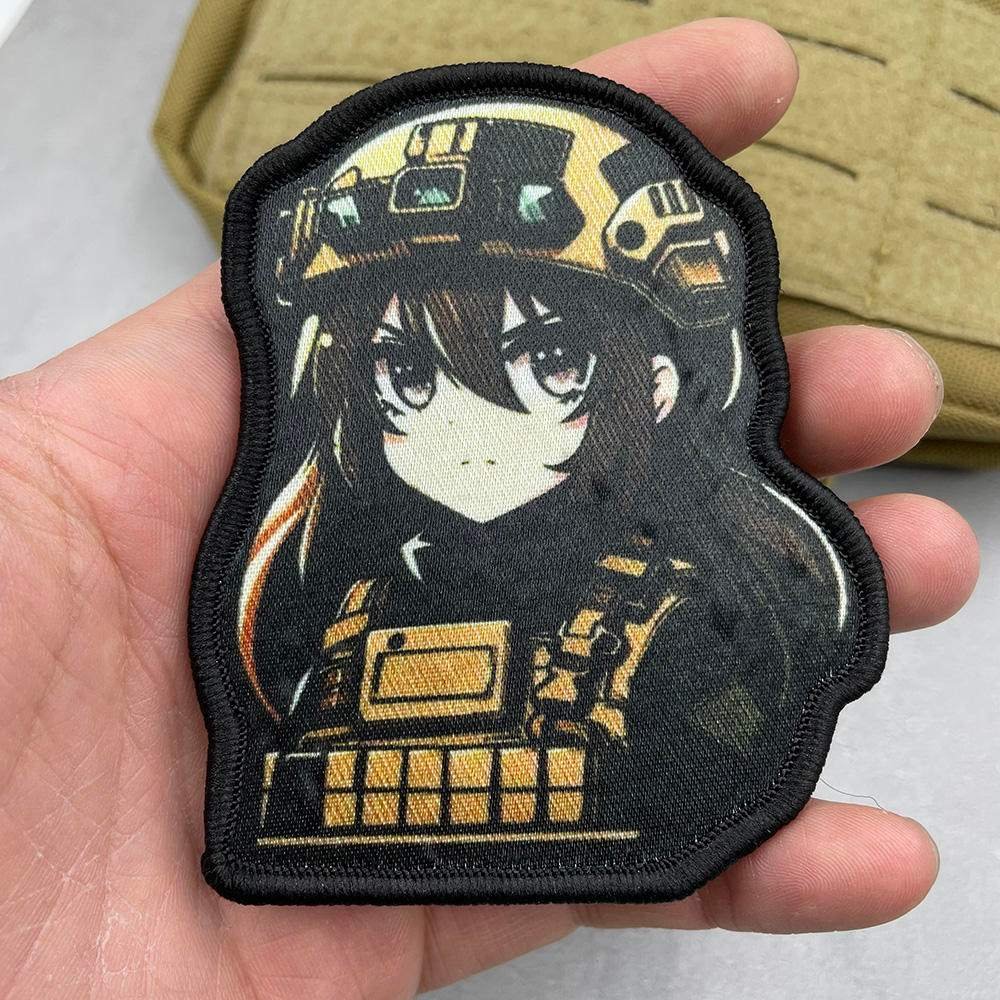
Label & Branding
Custom neck labels, hang tags, woven tapes, and branded zipper pulls are precisely positioned during final assembly. Every element is inspected under our 5-step QC process for placement accuracy and secure attachment.
Hardware & Trims From Your Dedicated Parka Manufacturer
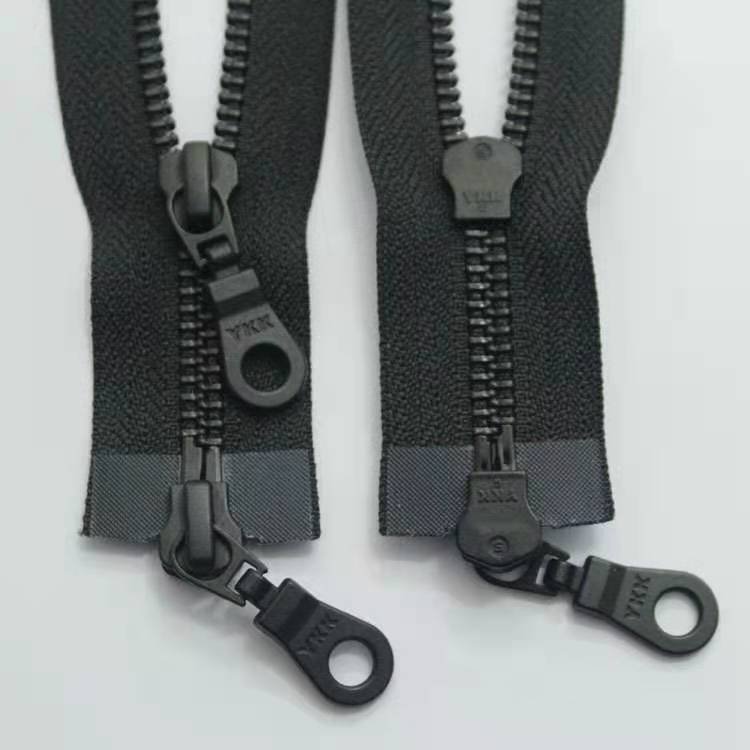
YKK Zippers
Industry-leading YKK zippers deliver smooth, reliable operation on main fronts, pockets, and storm flaps, ensuring your parka endures thousands of open-close cycles without jamming, splitting, or losing tooth alignment.
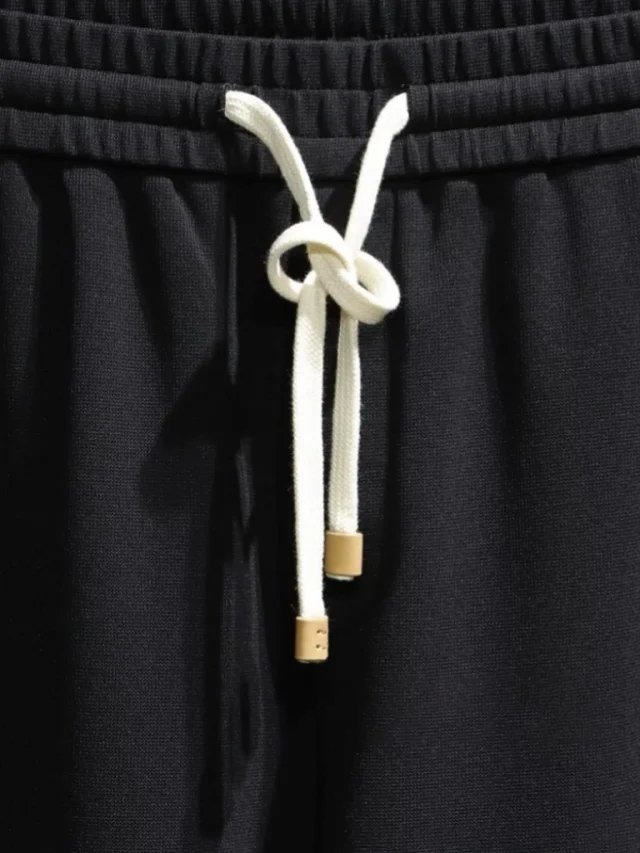
Drawcord & Tipping
Adjustable drawcords with custom-tipped ends on hoods, hems, and waistbands let wearers dial in their fit while adding a sharp branded detail that reads instantly on the street.
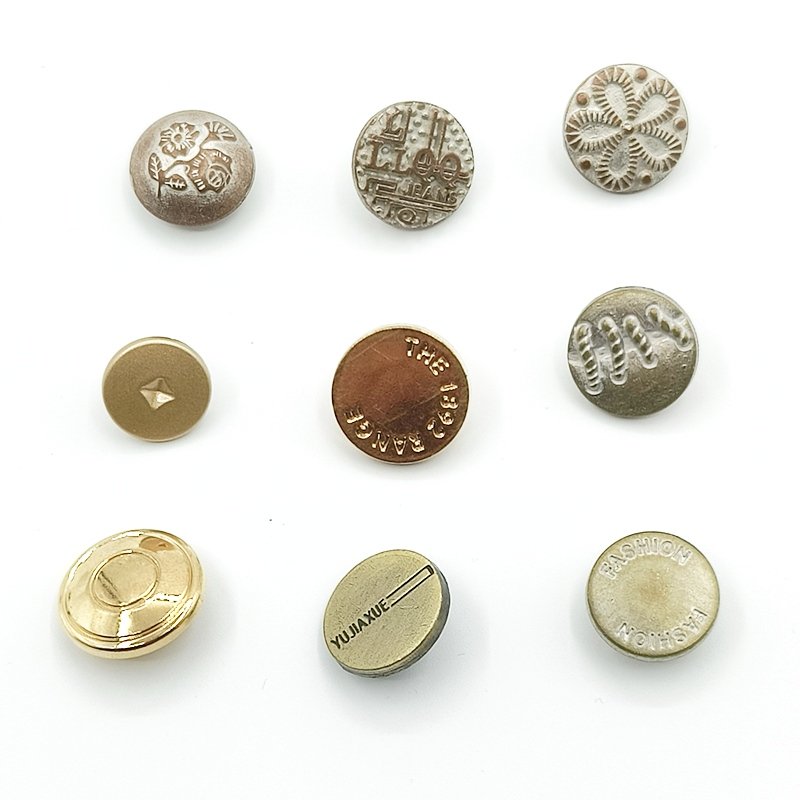
Snap Buttons
Heavy-duty metal snap buttons on storm plackets, cuffs, and collar tabs deliver secure closure with a satisfying tactile click, reinforcing both weatherproof function and the premium handfeel of your finished parka.
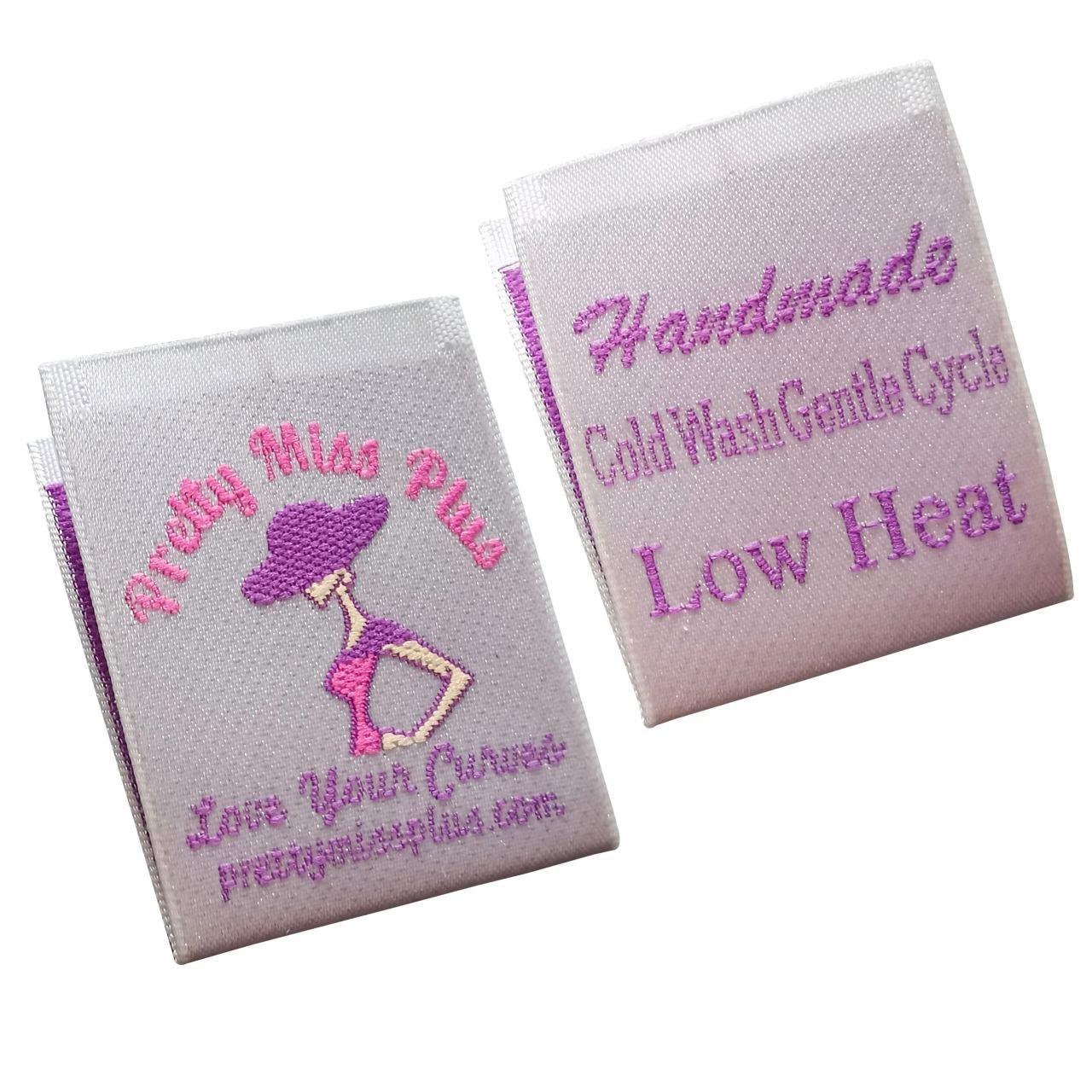
Woven Labels
Custom woven neck labels and care instruction labels embed your brand identity into every garment, surviving hundreds of washes while preserving crisp logo detail, accurate color, and professional finish.
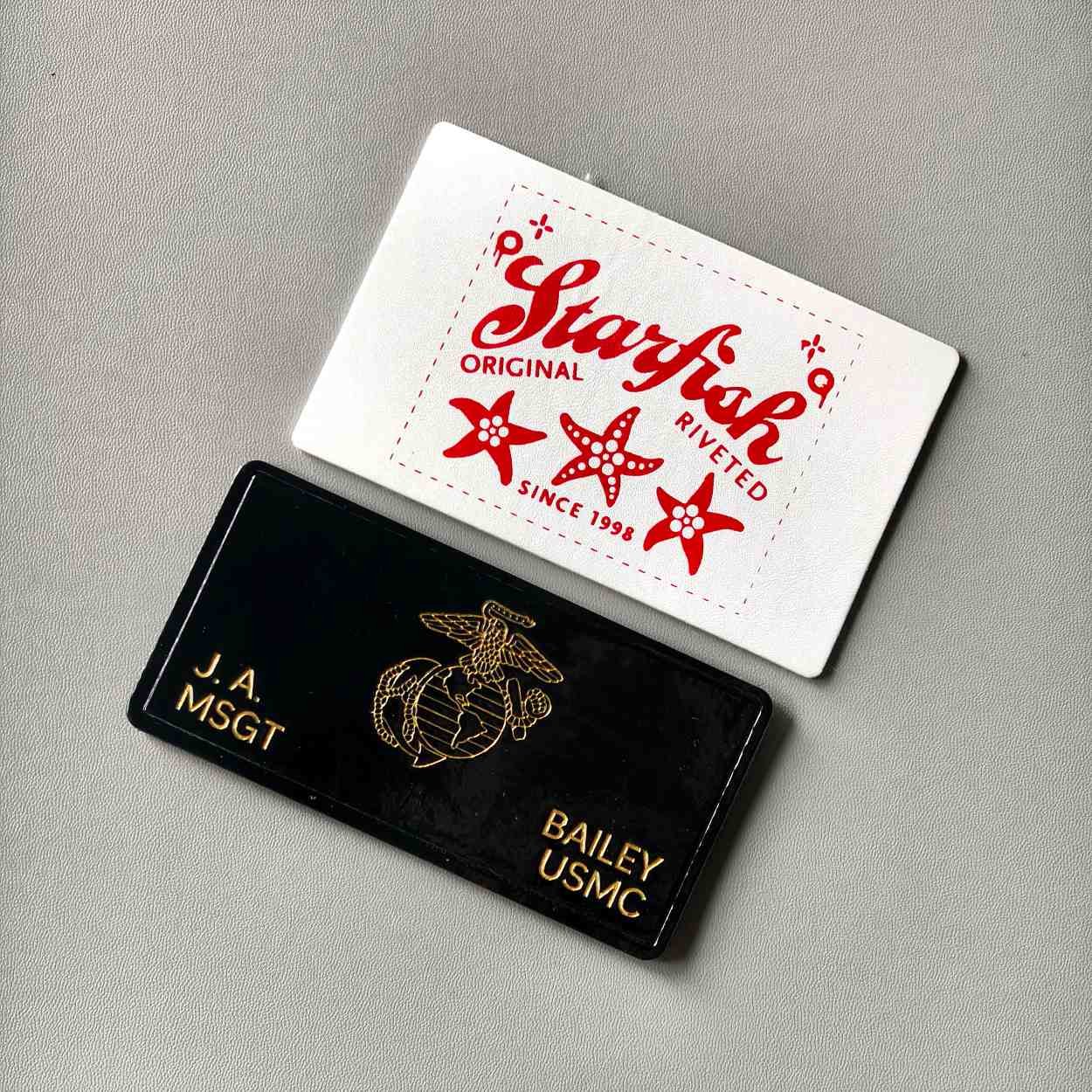
Custom Patches
Embroidered or woven patches placed on chest, sleeve, or back panels are a core streetwear signature that instantly communicates brand story and adds collectible, tactile value to every parka drop.
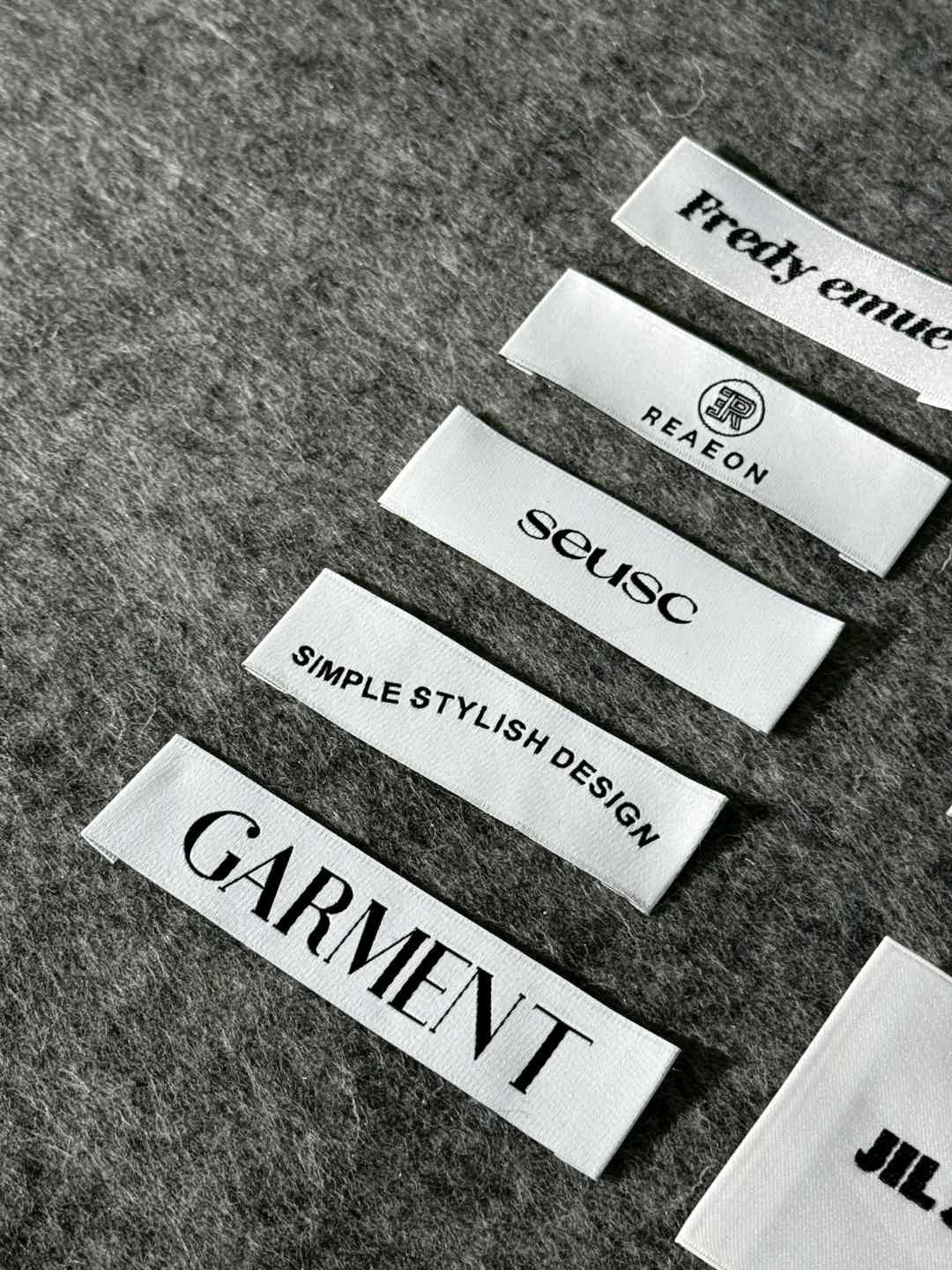
Branded Hangtags
Printed or foil-stamped hangtags reinforce premium positioning, communicate sizing and care at point of sale, and deliver a tangible brand impression before the customer even puts the parka on.
Parka Manufacturer Founded on Quality & Integrity
Tesla Luo founded Clothing Manufacturer Ltd. in 2024 with one conviction: the world deserves better than clothing shipped from the sewing floor straight to the box. Drawing on more than 10 years of hands-on production experience — and a childhood rotating through every factory role in Dongguan — Luo built this parka manufacturer to eliminate the low-quality shortcuts that were quietly damaging China’s global manufacturing reputation.
Since launch, we have served brands across more than 100 countries, backed by a 15-person R&D team and 10 proprietary production patents. Our in-house design and sampling team enables 7-day sample turnarounds and brand-friendly low MOQs, making premium parka production accessible for streetwear startups, independent designers, influencer-led labels, and established global retailers at every stage of growth.
What truly sets us apart is our proprietary five-step quality control process — covering materials, cutting, garment craft, sewing, and final inspection — embedded at every production stage, not bolted on at the end. No silent defects passing through. No compromises on spec. Just a transparent, accountable parka manufacturer committed to earning your trust with every order shipped to every corner of the world.
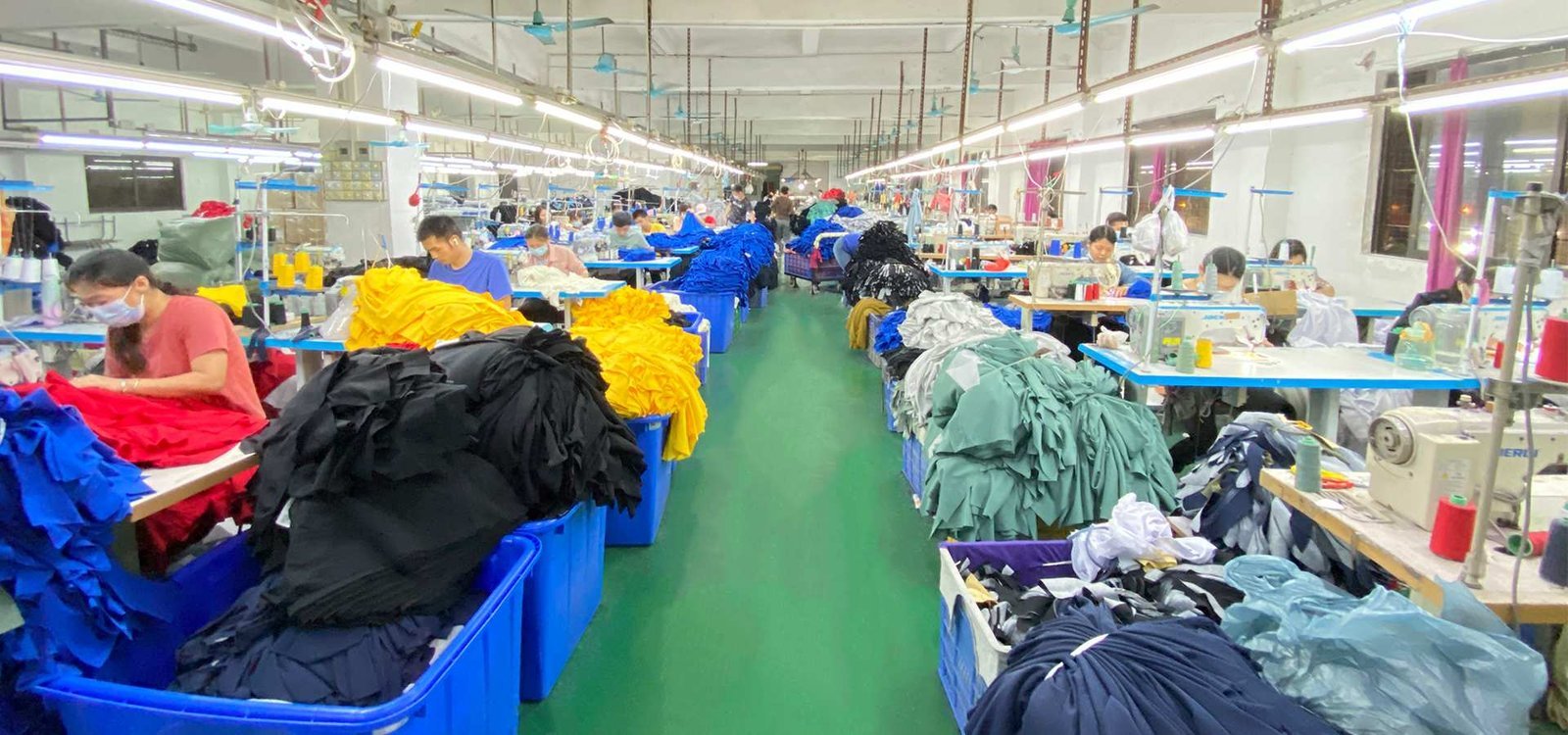
Our Core Parka Manufacturer Capabilities
In-House Design Team, 7-Day Parka Samples
Our 15-member R&D team takes your creative brief and builds production-ready parka samples in as little as 7 days. Every detail is developed in-house — no third-party handoffs, no communication gaps, no wasted revision cycles.
- Dedicated 15-person R&D and pattern-making team on site
- Low MOQ sampling designed for startups and emerging streetwear labels
- Custom colorways, prints, hardware, and silhouette options handled in one place
- Rapid revision loops so you hit your launch window without compromise
A 5-Step QC System Built for Parkas
Most parka manufacturers inspect only at the finish line. Our proprietary five-step QC methodology embeds structured quality checks throughout every production stage, catching defects early and delivering zero-compromise garments on every order.
- Materials QC: every fabric and trim batch tested before a single cut is made
- Cutting QC: panels verified for precision, alignment, and consistency across all sizes
- Clothing craft and sewing QC: construction details audited mid-production to prevent downstream defects
- Final finished-garment inspection before packing ensures every parka ships to standard
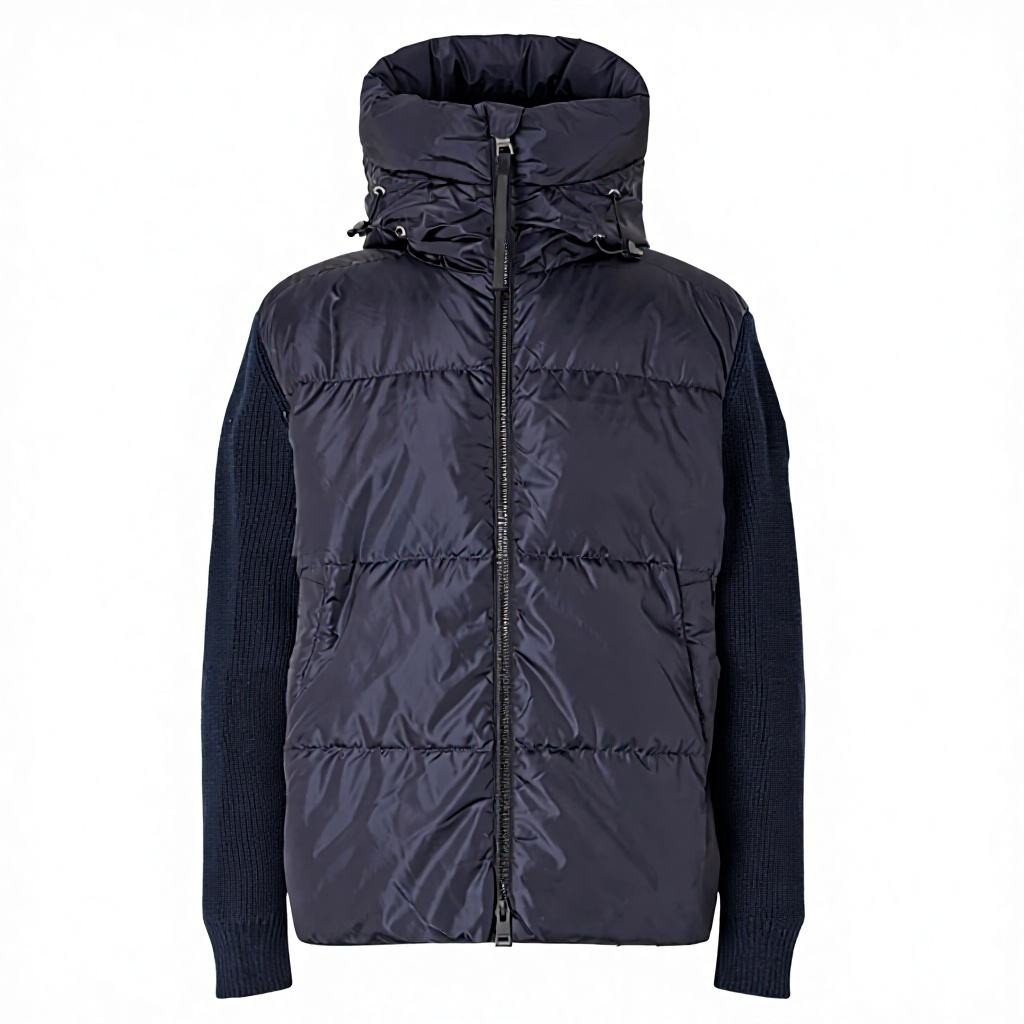
Rapid Turnaround for Seasonal Parka Collections
Streetwear moves fast and seasonal drops wait for no one. Our streamlined workflow and access to Dongguan TuoZhen’s full manufacturing infrastructure let us compress production timelines without cutting a single quality checkpoint.
- Parallel production stages reduce total lead time across cutting, sewing, and finishing
- Seasonal collection schedules built around your drop calendar, not ours
- Real-time order milestone updates so your team is never left guessing
- Rush-production capacity available for time-critical influencer and limited-edition drops
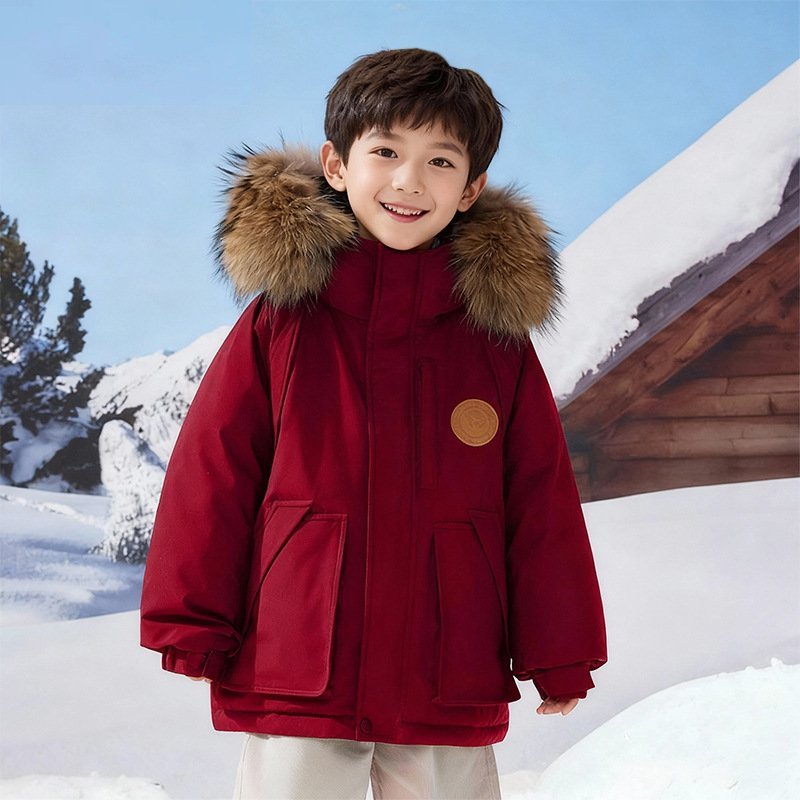
Global Logistics From Parka Manufacturer to Door
From our facility in Humen Town, Dongguan, we handle international shipping, customs declaration, and inspection procedures end to end — so your parkas reach retail floors and fulfillment centers across 100-plus countries exactly on schedule.
- Full customs declaration and cross-border inspection procedures managed in-house
- Multi-carrier freight options spanning air express, sea freight, and door-to-door courier
- Proven delivery track record across 100+ countries and regions worldwide
- Logistics experience covering major markets including the US, EU, and Southeast Asia
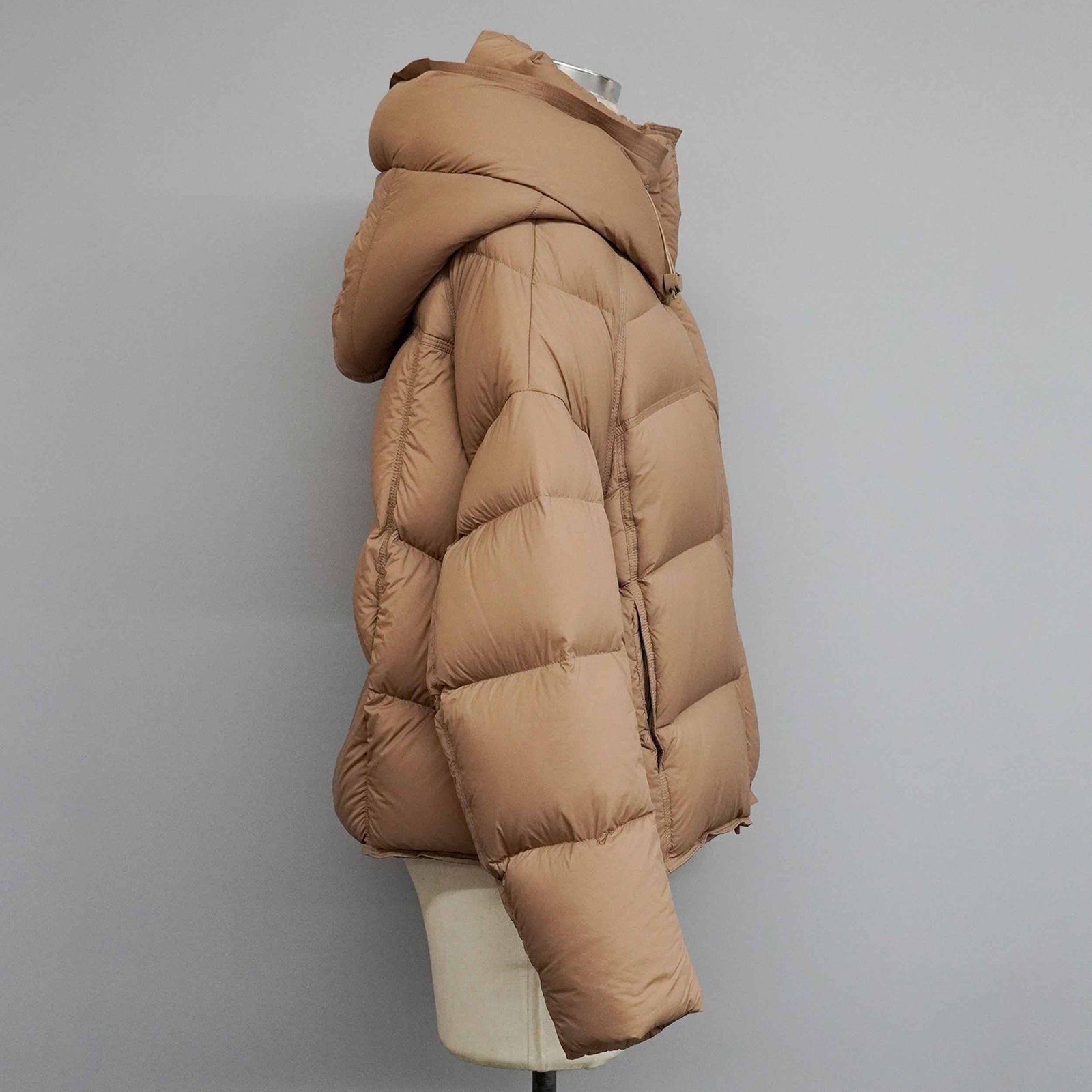
Why This Parka Manufacturer Outperforms Traditional Factories
Not all parka manufacturers operate the same way. See exactly how Clothing Manufacturer Ltd. compares to the typical factory across the dimensions that matter most to your brand.
← 左右滑动查看 →
Our Parka Manufacturer Production Workflow
Six transparent phases, five built-in QC checkpoints, and clear milestones so you always know exactly where your order stands.
Materials QC Testing
Fabrics, insulation, zippers, and trims are lab-verified for weight, colorfastness, and durability before a single parka panel is cut.
Design, Sampling & Cutting QC
Tech packs are digitized and graded; sample parkas are produced in 7 days and precision cutting is inspected across all size runs.
Sewing Production QC
Inline QC runs at every sewing station — stitch density, seam strength, and construction details verified continuously so defects never compound.
Craft & Finishing QC
Hardware attachment, embroidery, screen prints, and surface treatments are each inspected; flagged pieces are corrected before advancing to the next stage.
Finished Garment QC & Packing
Every parka undergoes a final full-garment inspection, then is folded, tagged, and packed to your brand’s exact retail or wholesale specifications.
Global Shipping & Logistics
Orders are dispatched via your preferred freight channel with full tracking, customs documentation, and end-to-end logistics support to over 100 countries.
Partner With a Leading Parka Manufacturer in 5 Steps
From your first design file to global delivery — here is exactly what to expect at every stage, and when.
Submit Your Design Spec Sheet
Share your parka design files, fabric references, colorways, and target quantity. Our team reviews your brief and responds within one business day.
Review Your Quote and Samples
Receive a transparent, itemized quote within 24 to 48 hours. Physical samples are ready in as few as 7 days for your hands-on approval.
Confirm Your Bulk Production Order
Lock in order specs, materials, branding details, and delivery windows. Low MOQ options accommodate emerging brands launching their very first parka collection.
Enter Full Production With QC
Your parkas move through our 5-step QC process — materials, cutting, craft, sewing, and finished inspection — catching every defect before bulk shipment.
Receive Your Order, Ship Globally
After final QC sign-off, we manage packaging, customs documentation, and worldwide logistics, delivering your completed parka line to any destination on schedule.
Certified Parka Manufacturer: Quality & Compliance You Can Count On
What Our Parka Brands Say
As a streetwear startup, we needed a parka manufacturer with low MOQ and real QC. Clothing Manufacturer Ltd. delivered our first 200-unit run in 18 days, passed every inspection, and we sold out in 3 weeks. Now we’re scaling to 1,000 units per drop.
We shipped our influencer collab parka line to 6 countries in under 4 weeks. The 5-step QC process meant zero returns from defects — a first for us. Our Instagram following grew from 12K to 74K within 5 months of the launch.
Sampling used to eat 35% of our seasonal budget. Switching to this parka manufacturer cut our sampling costs by 40% and turnaround from 3 weeks to 7 days. We hit 4 seasonal collections last year — something we never managed before.
Parka Manufacturer FAQ
Everything procurement teams, startup founders, and independent designers ask before placing their first order — answered directly.
What is the minimum order quantity for a parka manufacturer like yours?
How fast can a parka manufacturer deliver samples?
What customization options does your parka manufacturer support?
What are your standard lead times for bulk parka production?
How does your quality control process work?
What payment terms do you offer for new clients?
How do you protect my designs and intellectual property?
Do you handle international shipping and customs for global orders?
Can I place a small test order before scaling up my parka line?
The Complete Buyer’s Guide to Choosing a Parka Manufacturer
Discover how to evaluate every parka manufacturer on quality, MOQ, certifications, and lead times — with a proven decision framework, supplier criteria checklist, and the costliest sourcing mistakes brands make before placing their first order.
1. What Is a Parka Manufacturer?
Three factory models define what a parka manufacturer actually is: cut-and-sew, OEM (Original Equipment Manufacturing), and ODM (Original Design Manufacturing). Each operates differently — OEM executes your supplied tech pack, ODM offers pre-developed styles you private-label with minimal input, and cut-and-sew shops construct from materials you provide without design services.
Regardless of model, a full-service parka manufacturer manages the complete production scope: pattern grading, shell construction, insulation filling, YKK hardware sourcing, and finishing. This is what separates a manufacturer from a trading company — the former directly controls every production stage rather than outsourcing steps to unvetted third parties.
100–300 GSM woven shells, YKK #5 or #8 zippers, 550–800 fill-power down or PrimaLoft synthetic insulation — a parka manufacturer sources and manages all of these components. Your responsibility as the brand owner is a completed tech pack with graded patterns, Pantone color callouts, and approved fabric swatches delivered before bulk cutting begins.
For fashion startups entering production for the first time, every construction detail absent from your tech pack defaults to a factory decision. A rigorous parka manufacturer embeds quality checks at five distinct stages — materials, cutting, craft, sewing, and final inspection — catching defects before they compound across a full production run.
2. The Evolution of the Parka and Its Manufacturing
The parka traces back roughly 3,000 years to Inuit and Yupik peoples of the Arctic, who hand-stitched seal and caribou skins into hooded anoraks using sinew thread and bone needles. Construction prioritized a sealed silhouette — minimal seams, no front zipper — engineered to trap body heat in sub-zero conditions.
The U.S. military formalized the design in 1951 with the M-51 fishtail field parka, then pushed further with the N-3B ‘snorkel’ parka built for extreme cold-weather flight crews. Both introduced nylon shells, synthetic fill, and YKK-grade metal hardware, shifting production from artisan stitchwork to industrial lockstitch and chain-stitch machinery at scale.
By the late 1980s the N-3B had crossed from Army surplus onto London’s Madchester scene and New York hip-hop blocks, collapsing MOQs toward 500–1,000 units and forcing manufacturers to spec 200–300 GSM nylon oxford shells, tunnel-hood drawcords, and snap storm flaps. That vocabulary — GSM ratings, hardware brands, seam types — became the baseline brief language every parka manufacturer still uses today.
Modern production adds ultrasonic welding, fully taped seams, and bonded PTFE membranes to those classic silhouettes, creating the technical-fashion hybrids now dominating streetwear shelves. For any buyer, knowing which era’s silhouette you are referencing — M-51 fishtail hem, N-3B tunnel hood, or a current slim technical shell — locks in the construction spec, hardware list, and cost tier before a single sample is cut.
3. Types of Parkas a Parka Manufacturer Can Produce
A capable parka manufacturer works across at least 6 core constructions, each demanding distinct materials, patterns, and assembly techniques. Matching silhouette to end-use keeps sampling costs low and sell-through high.
Fishtail / M-51 Military Parka
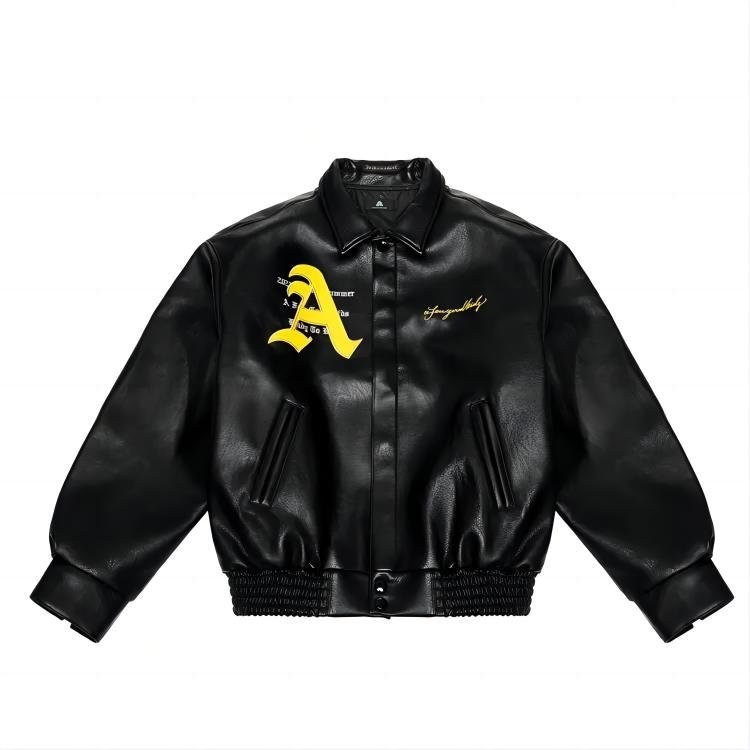
Derived from the U.S. Army M-51 field jacket, this elongated silhouette features a split rear hem, snap-close fishtail, and large front pockets. Shell is typically 300–500 GSM cotton-nylon or ripstop canvas. Streetwear brands and DTC startups building heritage-inspired drops are the natural fit.
Puffer / Down-Filled Parka
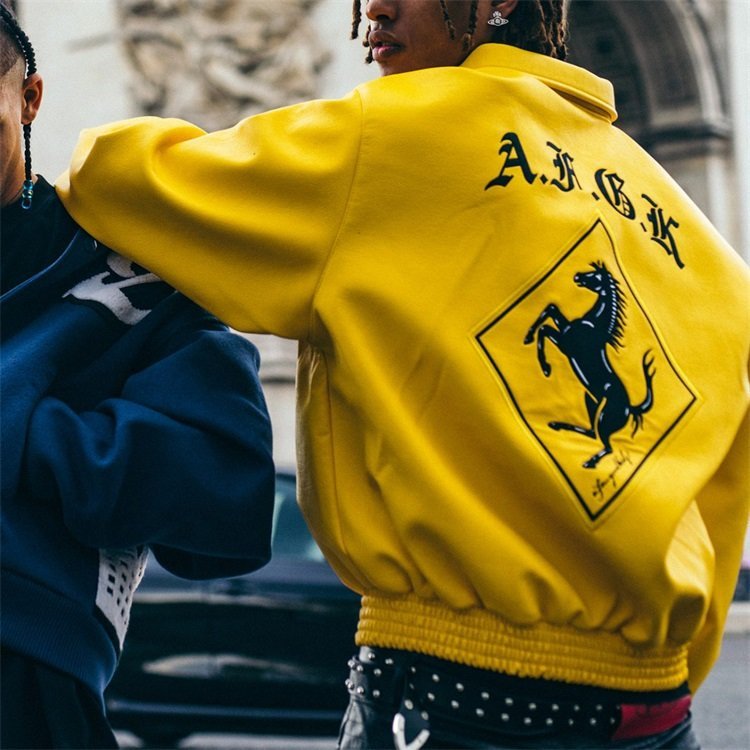
Baffled construction holds 600–800-fill-power duck or goose down, or 200–300 GSM synthetic PrimaLoft alternatives. Hip-length or knee-length cuts dominate retail. Global apparel retailers and established brands favour this silhouette for its broad seasonal sell-through.
Technical Shell / Hardshell Parka
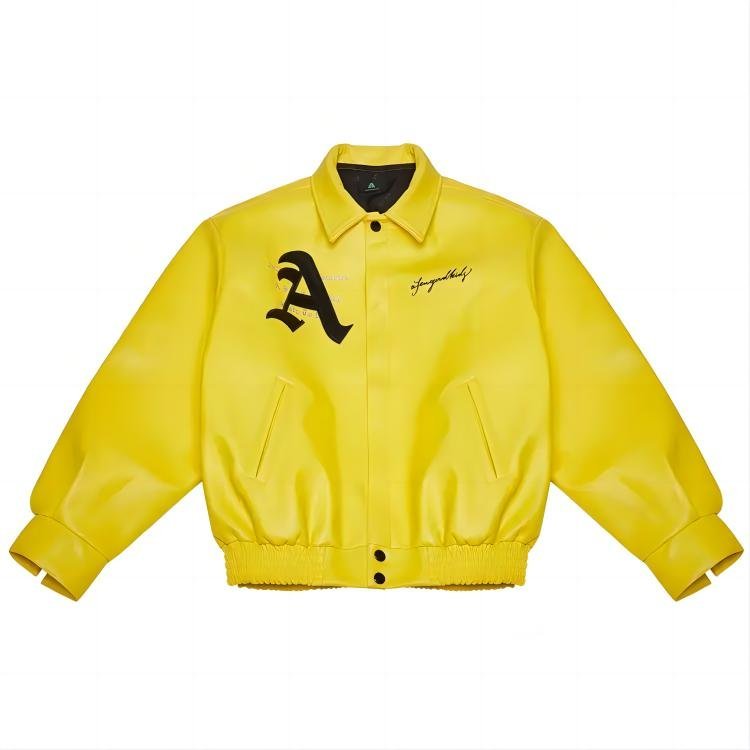
2.5L or 3L laminated fabrics — often 70D nylon with a PTFE or PU membrane rated 10,000–20,000 mm hydrostatic head — define this category. Taped seams and YKK Aquaguard zips are standard specs. Outdoor-leaning DTC startups and performance retailers are the primary buyers.
Coaches / Windbreaker Parka
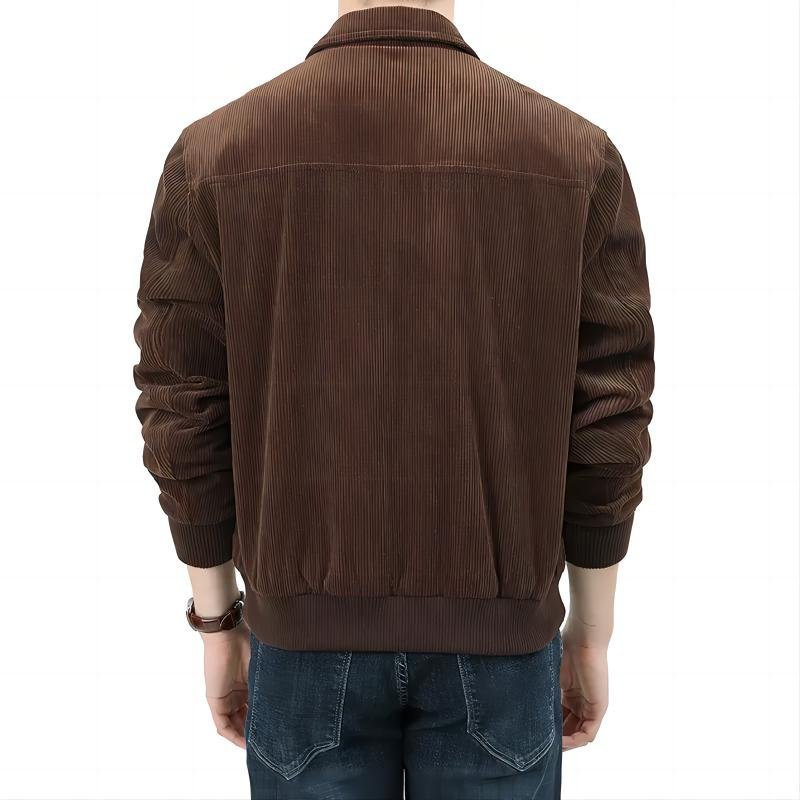
Lightweight 40–70D polyester taffeta or ripstop nylon, fully lined, no insulation. A drop-length hem converts the classic coaches jacket into parka territory. Influencer and creator brands favour it for its printable surface area and low unit cost.
Faux-Fur Trim Streetwear Parka
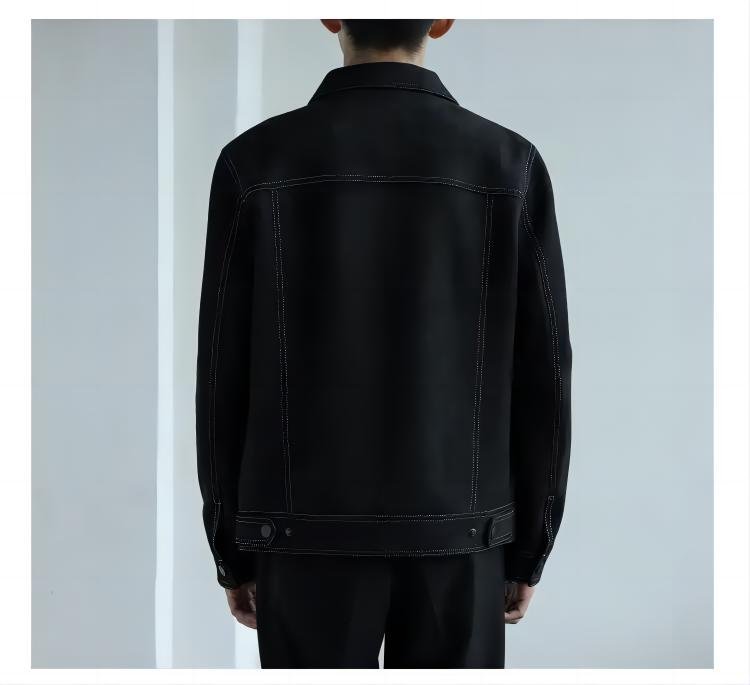
Removable or fixed faux-fur hood trim, paired with a 300–400 GSM poly-cotton shell, anchors this streetwear silhouette. Embroidery — skeleton, rose, and graffiti motifs — commonly decorates the body panels. Streetwear labels and independent designers with bold seasonal statements are the natural buyers.
Sustainable / Recycled-Insulation Parka
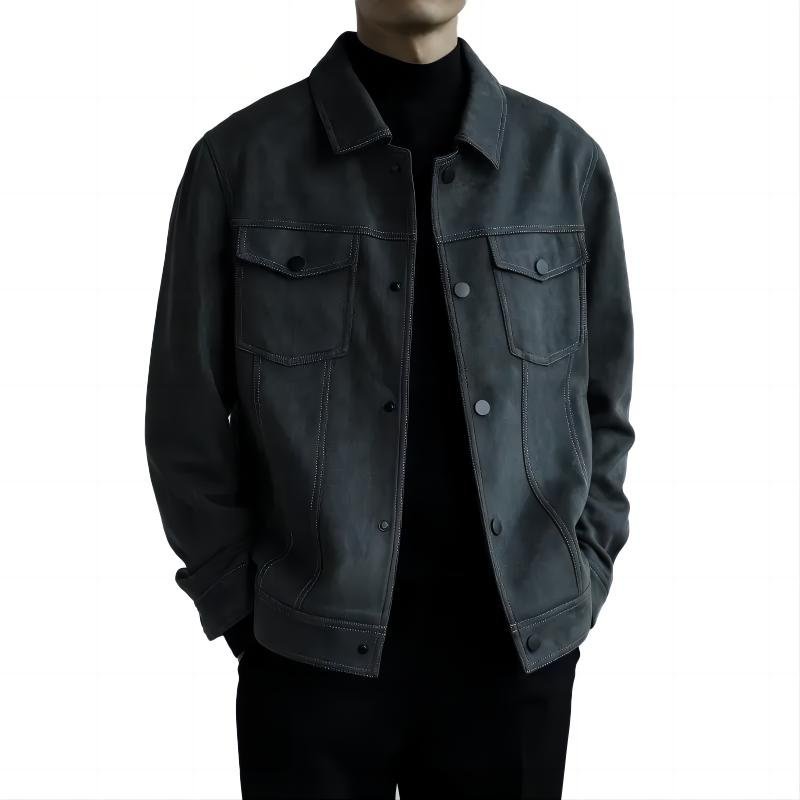
Shells spec 100% recycled PET (rPET) fabrics at 150–250 GSM; insulation uses REPREVE or Thinsulate recycled fibre rated to -15°C. OEKO-TEX Standard 100 and GOTS certification add compliance value. Conscious DTC brands and global retailers with ESG sourcing mandates drive demand here.
4. Materials & Fabrics: What to Specify With Your Manufacturer
Material specification is where most parka sourcing mistakes originate. A competent parka manufacturer expects buyers to confirm shell fabric, insulation type, and lining before sampling begins — vague briefs generate costly revisions and delayed shipments.
| Fabric / Fill | GSM / Fill Power | Warmth Level | Price Tier | Eco-Cert |
|---|---|---|---|---|
| Nylon Ripstop (Shell) | 80–150 GSM | Medium | $$ | bluesign |
| Polyester Dobby (Shell) | 100–180 GSM | Medium | $ | GRS |
| Waxed Cotton (Shell) | 300–450 GSM | Medium–High | $$$ | — |
| Down Fill | 550–800+ FP | Very High | $$$ | RDS |
| PrimaLoft / Thinsulate | 80–200 GSM | High | $$ | GRS |
| Taffeta Lining | 50–80 GSM | Low (lining) | $ | GRS |
Shell Fabrics: Nylon, Polyester, and Waxed Cotton
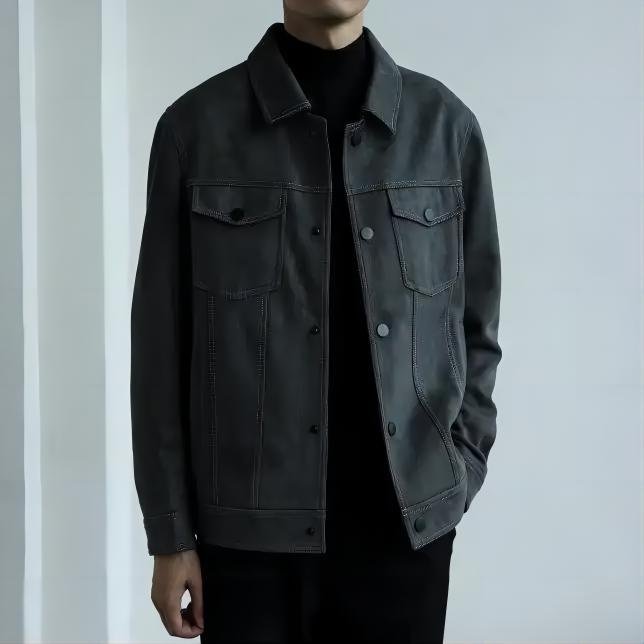
Nylon ripstop (70D–210D, 80–150 GSM) maximizes tear resistance and suits technical streetwear silhouettes. Polyester dobby (100–180 GSM) costs 20–30% less and accepts DWR water-repellent coatings reliably.
Waxed cotton (300–450 GSM) delivers a heritage aesthetic but complicates seam taping. Gore-Tex laminates require licensed manufacturer authorization and carry a 3–5× fabric price premium over standard shells.
Insulation: Down, Synthetic, and Recycled Fill
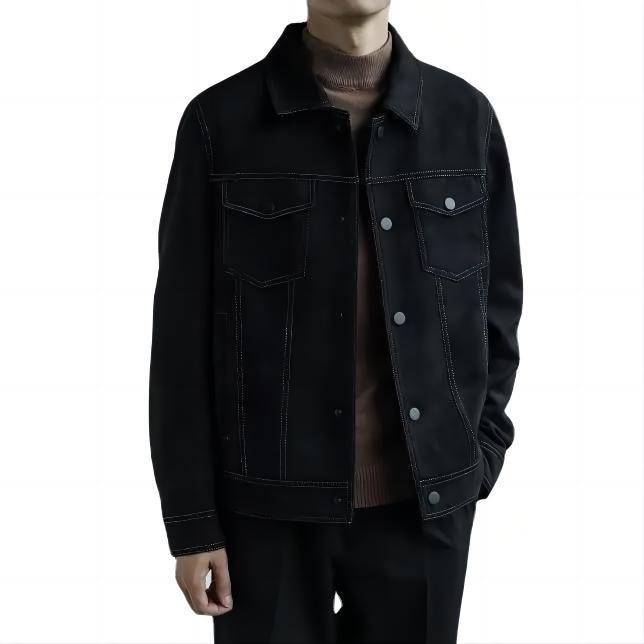
Down fill power ranges from 550 (everyday warmth) to 800+ (expedition-grade); specify 60–120 GSM fill weight and demand RDS certification to confirm ethical sourcing. PrimaLoft Gold and Thinsulate 200g retain warmth when wet, making them practical for urban markets with heavy rainfall.
GRS-certified recycled polyester fill (80–180 GSM) undercuts virgin down cost by 40–60% while supporting sustainability mandates.
Lining Choices: Taffeta, Fleece, and Mesh
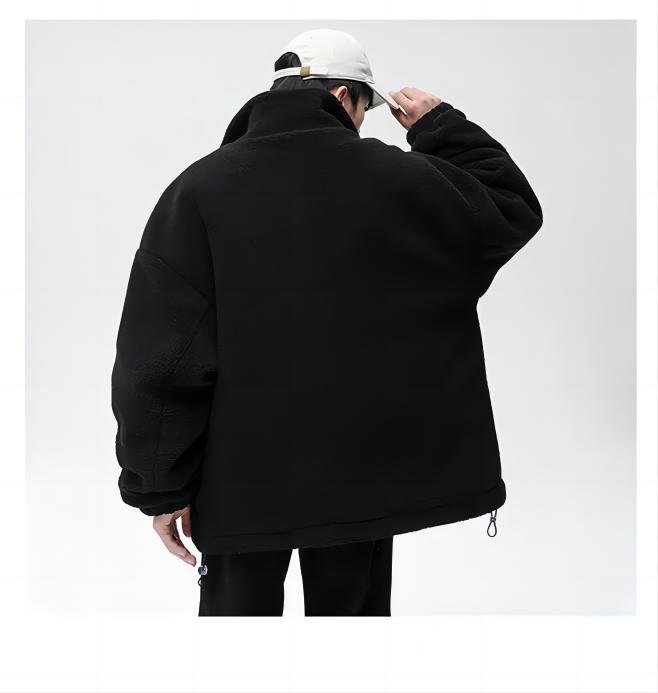
Polyester taffeta (50–80 GSM) is the default parka lining — lightweight, smooth for layering, and printable for branded interiors. Fleece bonded lining (200–300 GSM) adds a full warmth tier but increases pack weight noticeably.
Mesh lining (30–50 GSM) suits three-season or ventilated designs and reduces total garment weight by 80–120 grams.
5. Customization & Decoration Options for Your Parka Line
A capable parka manufacturer offers five negotiable customization levers: silhouette, decoration, color, hardware, and packaging. Understanding the MOQ threshold that unlocks each option — typically 50 to 500 units per SKU — prevents costly spec-sheet rewrites mid-sample.
| Decoration Method | Min. MOQ | Setup Cost | Per-Unit Cost | Durability |
|---|---|---|---|---|
| Embroidery | 50 units | $80–150 | $0.80–2.50 | Excellent |
| Woven Label | 100 units | $100–200 | $0.15–0.40 | Excellent |
| Heat-Transfer Patch | 100 units | $40–80 | $0.30–0.80 | Good |
| Debossed Zipper Pull | 200 units | $150–300 | $0.30–0.60 | Excellent |
| Screen-Print Patch | 50 units | $30–60 | $0.20–0.50 | Moderate |
Cut & Construction Modifications
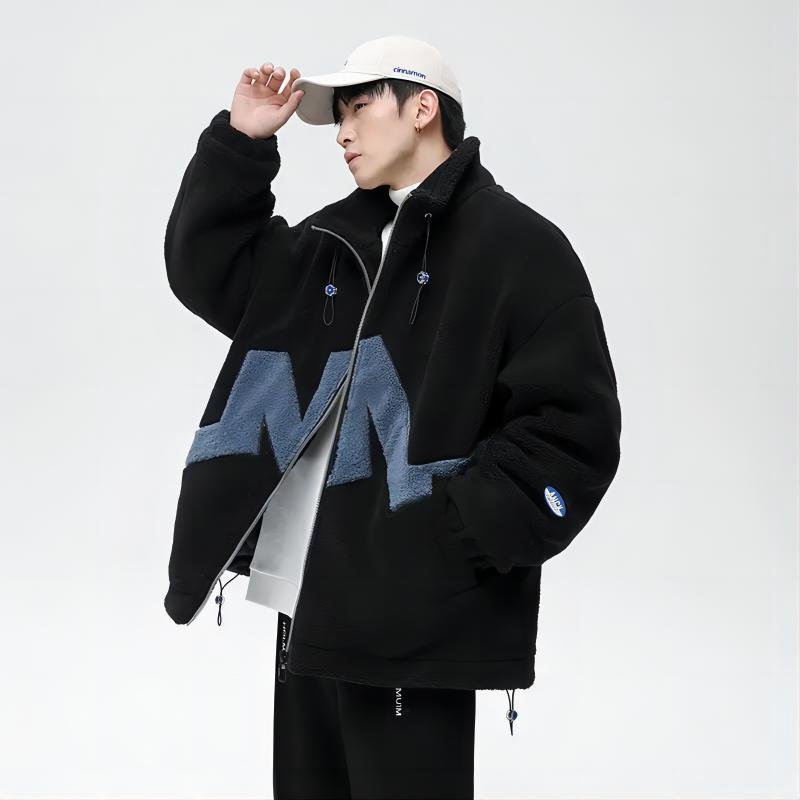
Length options range from cropped (26 in) to knee-length (38 in) and typically unlock at 100-unit MOQs. Hood styles — fixed, detachable, or tunnel-drawcord — add $8–15 to sample fees.
Pocket placement changes (cargo, slash, interior zip) are low-cost mods available from 50 units, making them the most accessible customization entry point for emerging brands.
Dyeing Methods and Color Execution
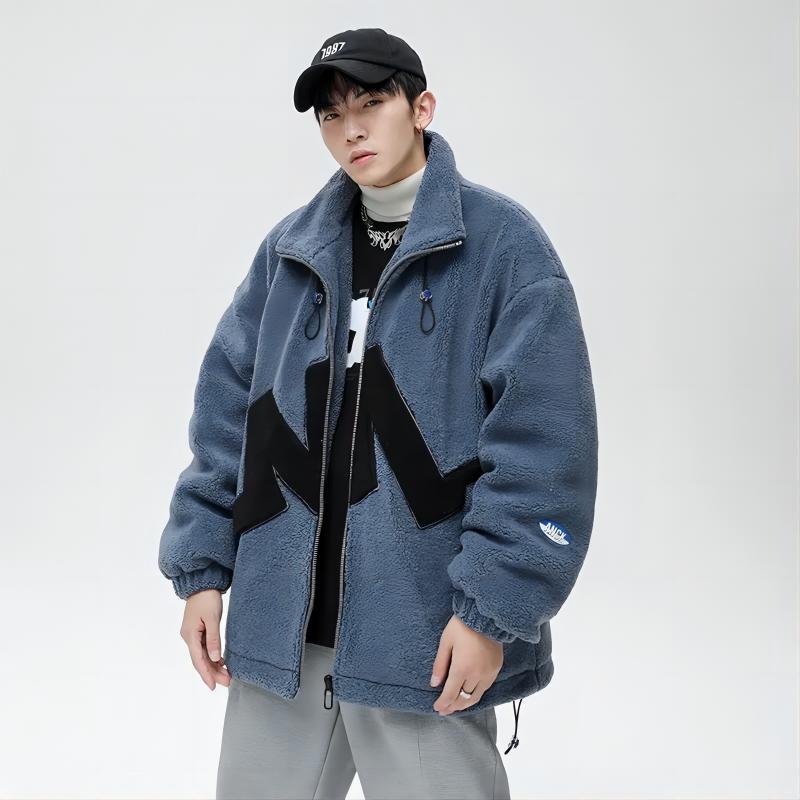
Yarn-dye produces the most saturated results but requires 300+ yards per colorway. Piece-dye suits solid-color runs at 100-unit minimums; garment-dye creates soft, vintage tones but adds 5–7 days to lead time with slight size variability.
Always specify Pantone TPX references in your tech pack — verbal color descriptions cause production mismatches that are expensive to correct after cutting.
Hardware and Packaging
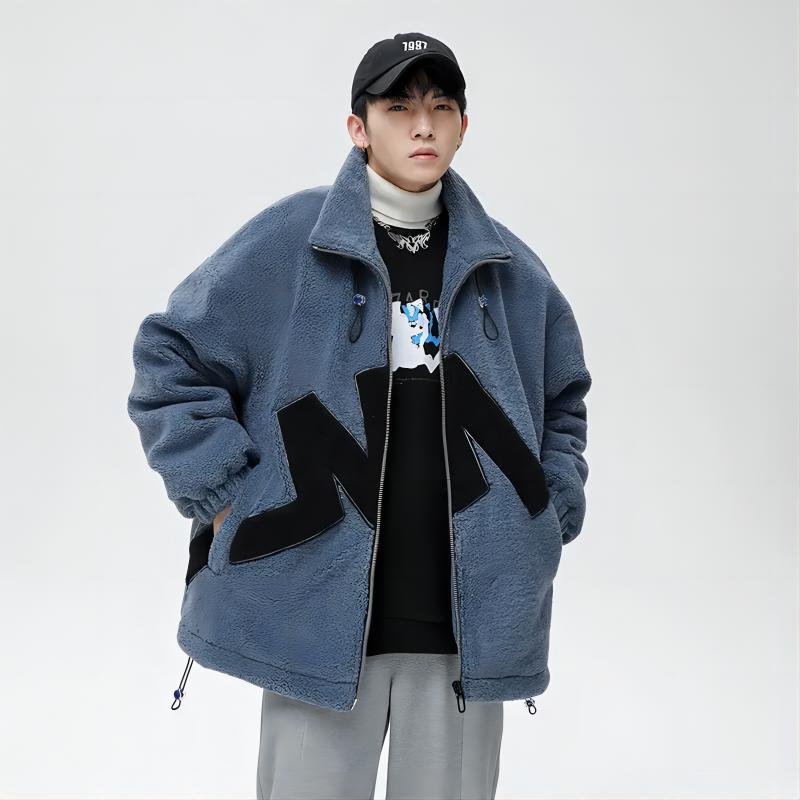
Custom zipper sliders, engraved snaps, and molded cord-locks require 200–300 units per SKU due to tooling; off-the-shelf YKK #5 coil zippers unlock from 50 units at no setup fee. Budget $0.30–1.20 per unit for branded hardware upgrades.
Branded poly bags and hang tags unlock from 100–200 units and add $0.15–0.45 per unit. Custom-printed polybags typically require 500 units; tissue wrap with sticker seals is available from 100 units.
6. Key Construction Quality Elements to Demand
A budget parka and a premium one can look identical on a hanger; the difference lives in hidden construction details. Specifying these elements before sampling forces any parka manufacturer to commit to measurable, auditable standards.
Seam Sealing Methods
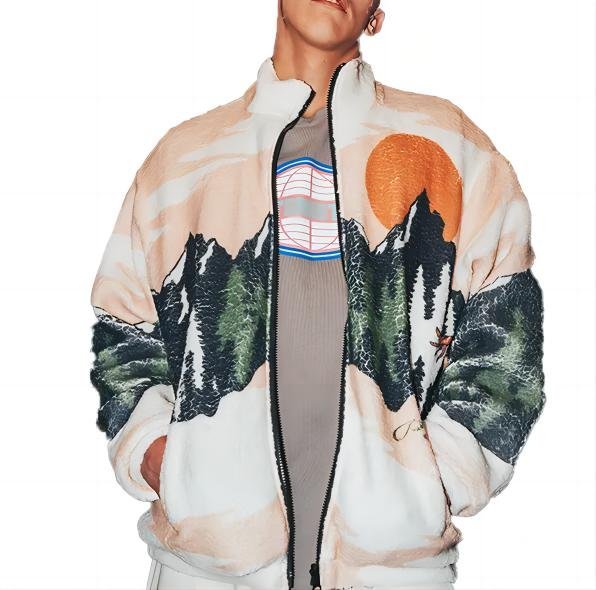
Taped seams bond a heat-activated polyurethane strip over stitch lines, achieving 10,000 mm hydrostatic resistance or higher. Welded (ultrasonic) seams eliminate needle holes entirely — standard on technical shells above $120 retail.
Glued seams delaminate after 30–50 wash cycles; specify ‘fully taped’ or ‘critically taped’ explicitly in your tech pack, never leave it open.
Stitch Density and Baffle Construction
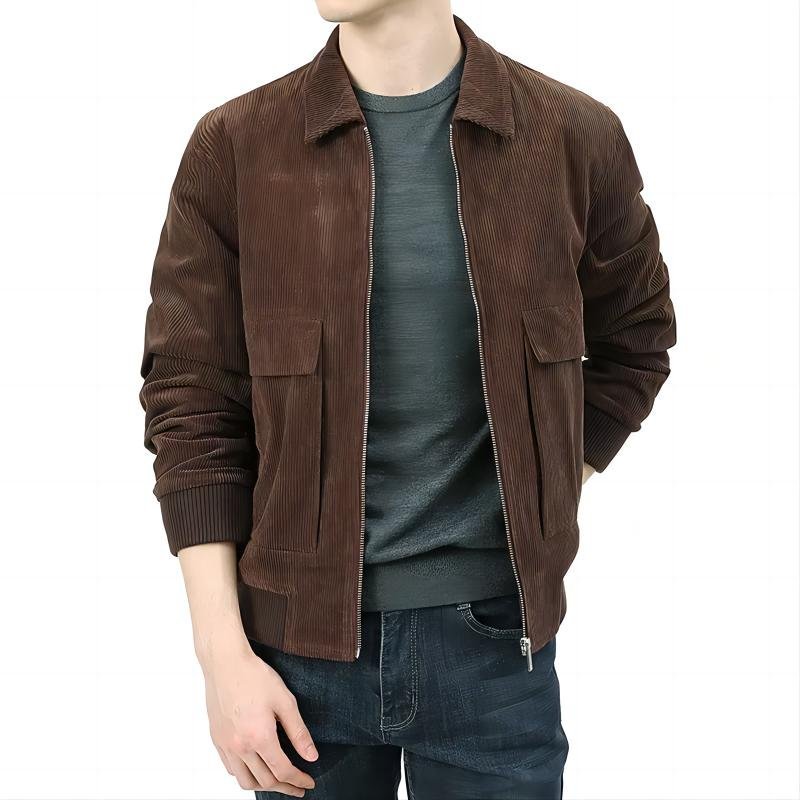
8–10 SPI (stitches per inch) is the outerwear minimum; below 7 SPI, seams fail under lateral stress. Sewn-through baffles are cheapest but create cold spots at every stitch line.
Box or baffled-wall construction eliminates cold bridging and adds 15–20% to cut-and-make cost — worth specifying for any 600-fill-power-and-above product.
Zipper Brand and Water Resistance
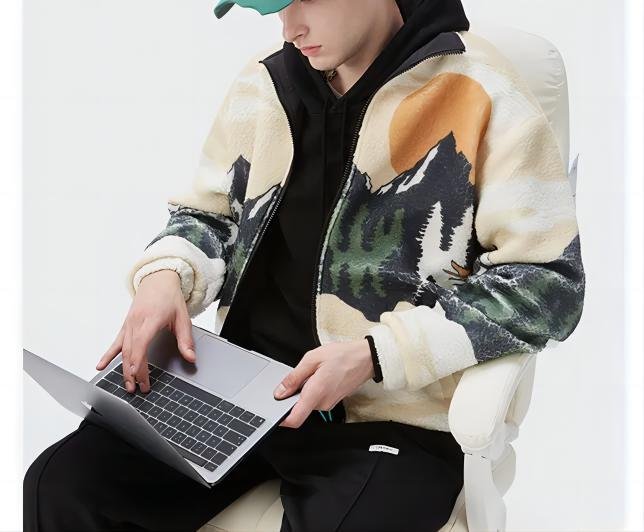
YKK Aquaguard and Vislon zippers carry documented water-resistance ratings (typically 3–5 psi burst); generic alternatives publish no standard. Specify the YKK model number in your BOM — factories substitute cheaper options when specs are left open.
Water-resistant zippers add roughly $0.80–$2.50 per unit depending on length and gauge.
Draft Collar and Cuff/Hem Finish
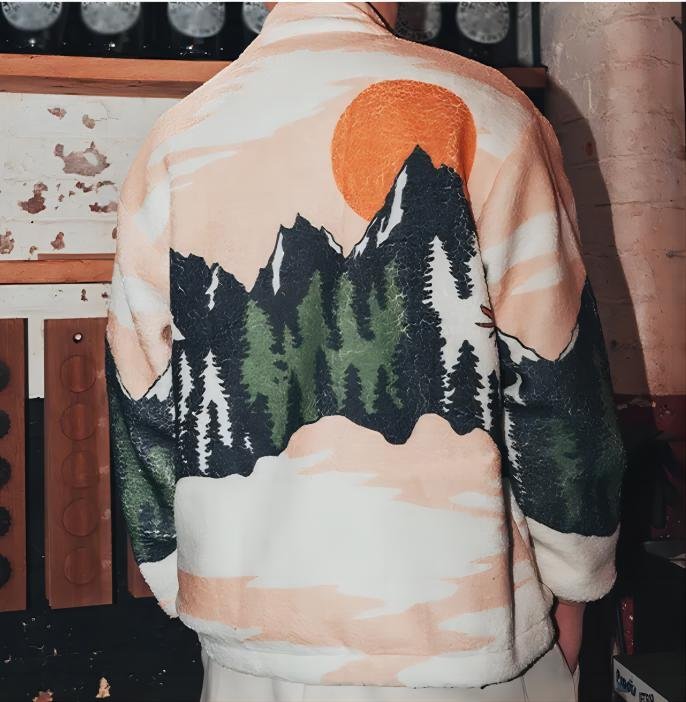
A draft collar lined in 200 GSM polar fleece or brushed tricot targets the neck — the highest heat-loss zone. Cuffs should specify 2×2 rib knit with 90% elastane recovery tested after 20 washes.
Hem finish (drawcord with cord locks vs. elasticated band) belongs in your silhouette notes alongside intended activity level.
Tech Pack Specs and QC Checkpoints
Every detail above belongs in your tech pack under ‘Trim & Materials BOM’ with part numbers, not vague descriptions. Pre-production audit: confirm seam tape roll stock is on-site, verify SPI on the first sealed panel, and pull-test one zipper slider per colorway.
Final QC should include a 60-second water-spray test on five units per shipment.
7. How to Choose the Right Parka Manufacturer for Your Brand
Selecting the right parka manufacturer takes more than a price comparison — align on certifications, MOQ, sample speed, and factory location before committing capital. The criteria below form a repeatable vetting framework.
| Country | Typical MOQ | Lead Time | Key Trade-off |
|---|---|---|---|
| China | 50–500+ | 30–45 days | Broadest fabric access, full parka expertise |
| Vietnam | 200–500 | 35–50 days | CPTPP duty advantage for U.S. brands |
| Bangladesh | 500+ | 40–60 days | Lowest unit cost, best for basic shell volumes |
| Portugal | 100–300 | 20–35 days | EU compliance, near-shore for European retailers |
Certifications to Require Before Signing
Request BSCI social compliance, ISO 9001, and OEKO-TEX Standard 100 or bluesign fabric certifications before signing any contract. Factories without third-party audits routinely skip in-process QC — a defect risk your end customers ultimately absorb.
MOQ Tiers and Sample Speed
Low-MOQ parka manufacturers accept 50–200 pieces per style — the right tier for startups testing new silhouettes. Volume factories require 500+ pieces but reduce unit cost by 15–25%. Confirm a 7-day sealed-sample program; longer turnarounds signal a backlogged sampling line.
Communication and Tech-Pack Support
A factory that accepts vague briefs returns mismatched samples, wasting 3–6 weeks of lead time. Require account managers fluent in BOM review, grading specs, and Pantone callouts — anyone asking you to ‘just send a picture’ is a warning sign.
Discovery-Call Vetting Checklist
Ask these six questions on every first call with a prospective parka manufacturer.
- Can you share your BSCI or ISO 9001 audit report?
- What is your MOQ per style, per colorway?
- What is your sealed-sample turnaround time?
- Do you read full tech packs, including BOM and grading?
- Can you provide two references from brands with similar parka styles?
- Will you allow a third-party factory audit before first production?
8. Common Mistakes Buyers Make When Choosing a Parka Manufacturer
Even experienced buyers repeat the same costly errors when sourcing from a parka manufacturer. Catching these six mistakes early protects your margin, your timeline, and your brand’s standing with retailers.
Skipping the Pre-Production Sample
Ordering bulk without a sealed pre-production sample locks in every flaw — stitching gaps, off-Pantone shells, misaligned baffles — across thousands of units. Always approve a physical sample and sign off on it before releasing the bulk deposit.
Under-Specifying Insulation Fill Power
Listing ‘down fill’ without stating fill power (600 vs. 800 FP) or fill weight in grams lets the factory substitute cheaper material. Specify fill power, fill weight per zone, and duck vs. goose down explicitly in your tech pack.
Ignoring Seasonal Lead-Time Buffers
A parka for a Q4 drop needs a 90–120-day production window plus 30 days for ocean freight. Brands that book factories in August for November delivery routinely miss the sell-through window entirely.
Choosing Price Over Compliance Audits
A 15% lower FOB price from an unaudited factory often triggers BSCI or WRAP compliance failures, leading to retailer chargebacks or port holds. Always request current audit reports before committing to any new supplier.
Leaving Hardware and Trim Specs Vague
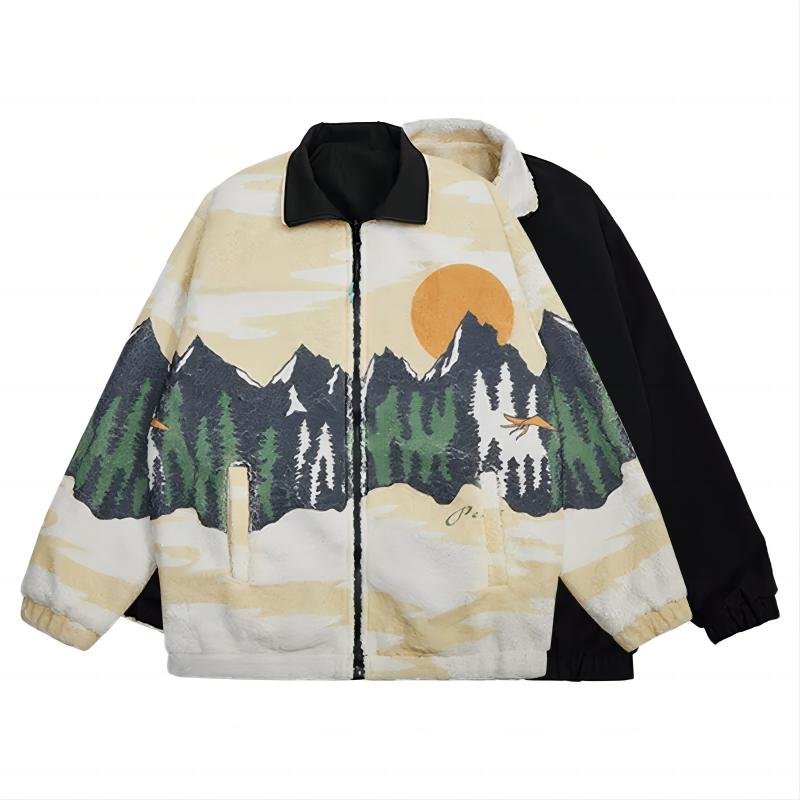
Tech packs that say ‘zipper’ instead of ‘YKK #5 waterproof coil, gunmetal’ invite substitutions that fail after 50 wash cycles. Lock every trim — zipper brand, snap gauge, cord stopper material — before cutting begins.
Missing Import Duties and Origin Rules
US Section 301 tariffs on Chinese-origin outerwear can reach 25%+, adding significant landed cost. Confirm country-of-origin rules and HTS codes with your customs broker before finalizing your supplier selection.
9. Steps to Launch Your Brand With a Parka Manufacturer
Launching a parka line requires eight sequential steps — skipping any one creates costly rework. DTC startups and retail brands follow the same roadmap but differ on MOQs, compliance requirements, and freight volumes.
Define Customer Profile and Silhouette
Fix your target customer first: age bracket, climate zone, and price tier dictate fill weight (150–300 g/m²), length, and hood style. A streetwear startup targeting 18–25 year-olds needs a different silhouette than a retailer sourcing utilitarian expedition parkas.
Build a Basic Tech Pack
A minimal tech pack includes a flat sketch, bill of materials (BOM) listing shell fabric GSM and composition, zipper spec (YKK #5 or #8), and at least two Pantone colorways. DTC brands can start with 3–4 pages; retailers ordering 500-plus units should include full graded spec sheets.
Shortlist Factories and Send RFQs
Contact 3–5 parka manufacturer candidates simultaneously, sharing your tech pack and a target FOB price. Ask each for MOQ (typically 100–300 units per colorway for startups), sample lead time, and certification list — OEKO-TEX, BSCI, or WRAP depending on your retail channel.
Approve Samples and Negotiate Terms
Sample fees typically run $80–$200 per style; most factories credit that cost against the bulk order. Lock in 30% deposit / 70% balance before shipment and confirm lab test requirements — REACH, CA Prop 65, or EN 13537 — before bulk production begins.
Place Bulk Order and Manage QC
Set three production milestones: pre-production material approval, inline inspection at 30–50% completion, and final QC before shipment. Book a third-party inspector or request a factory QC report at each stage. For FCL ocean freight, confirm your forwarder booking 4–6 weeks before the ex-factory date.
10. Pricing & Cost Breakdown by Quantity Tier
Unit costs at a qualified parka manufacturer shift sharply across quantity tiers — a 50-unit run typically lands 60–80% higher per unit than a 1,000-unit order, driven by setup amortization and fabric yield efficiency. All figures below reflect Guangdong-region factories producing mid-spec streetwear parkas; shell weight, lining grade, YKK vs. generic zipper spec, and print complexity each move the final number.
Request a formal quote anchored to your tech pack before committing a budget — these benchmarks are starting points, not guarantees. Insulation selection is the single largest per-unit variable after quantity tier; typical premiums over a 150 g polyester fill baseline are listed below.
- 150 g polyester fill: base price, no premium
- 200 g recycled PET fill: +$2–4 per unit over polyester baseline
- Duck down, 600-fill power: +$8–15 per unit
- Goose down, 800-fill power: +$15–25 per unit, best warmth-to-weight ratio
- PrimaLoft or Thinsulate synthetic: +$5–10 per unit, OEKO-TEX-certified options available
| Quantity Tier | Est. Unit Price (USD) | Lead Time | Sample Cost | Setup / Tooling Fee |
|---|---|---|---|---|
| 50 units | $42–65 | 28–35 days | $120–200 | $100–150 |
| 100 units | $35–52 | 25–32 days | $80–150 | $50–100 |
| 300 units | $26–40 | 22–28 days | $60–100 | $0–50 |
| 500 units | $20–32 | 18–25 days | $50–80 | Waived |
| 1,000+ units | $14–26 | 15–22 days | $30–60 | Waived |
Your Trusted Parka Manufacturer — Get Samples in 7 Days
Receive your quote within 24 hours. Low MOQ, 5-step QC guarantee, and global shipping — built for brands ready to scale.