
Insulated Winter Jacket Manufacturer: Premium OEM Production for Streetwear Brands
Partner with a trusted insulated winter jacket manufacturer backed by 10+ years of expertise, a 5-step QC guarantee, low MOQ, and global shipping for brands at every stage.
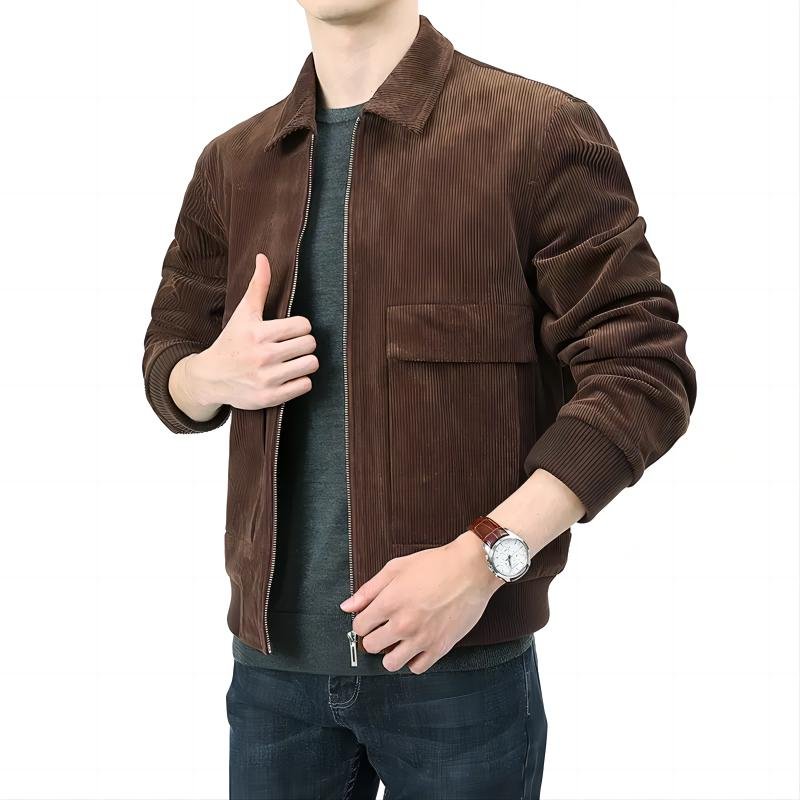
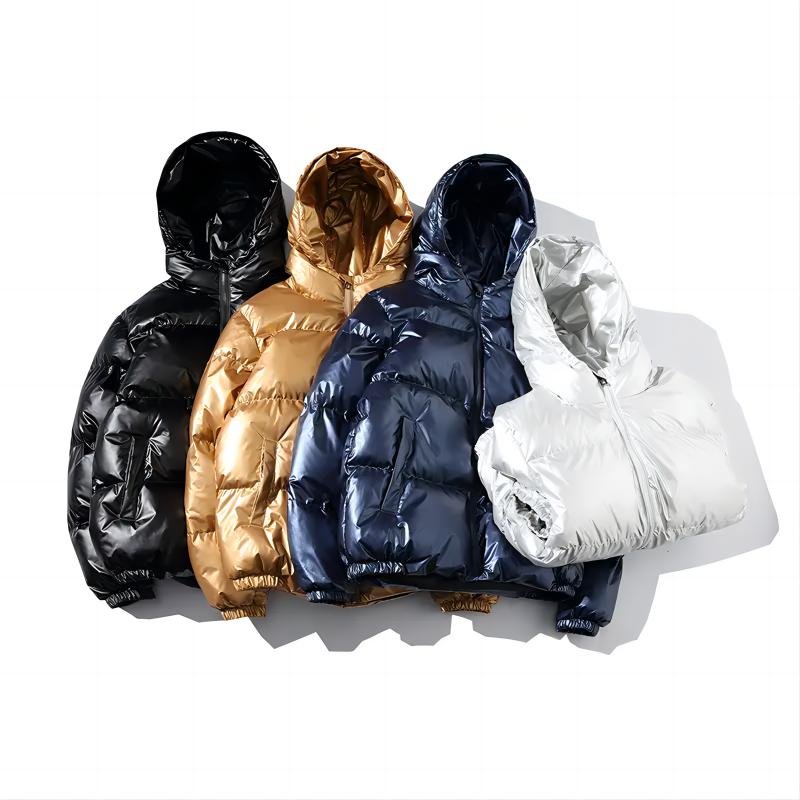
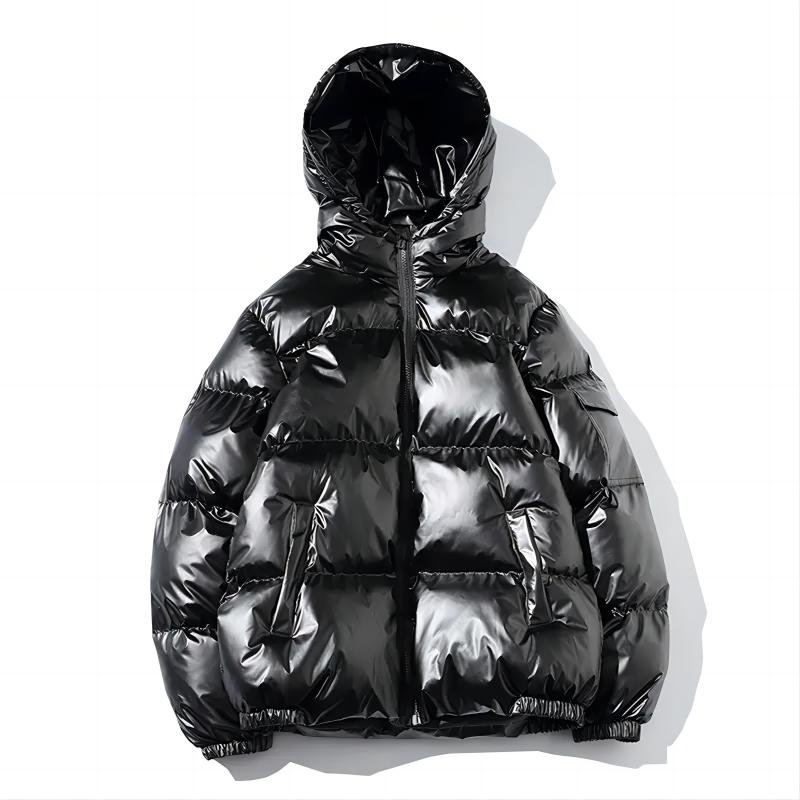
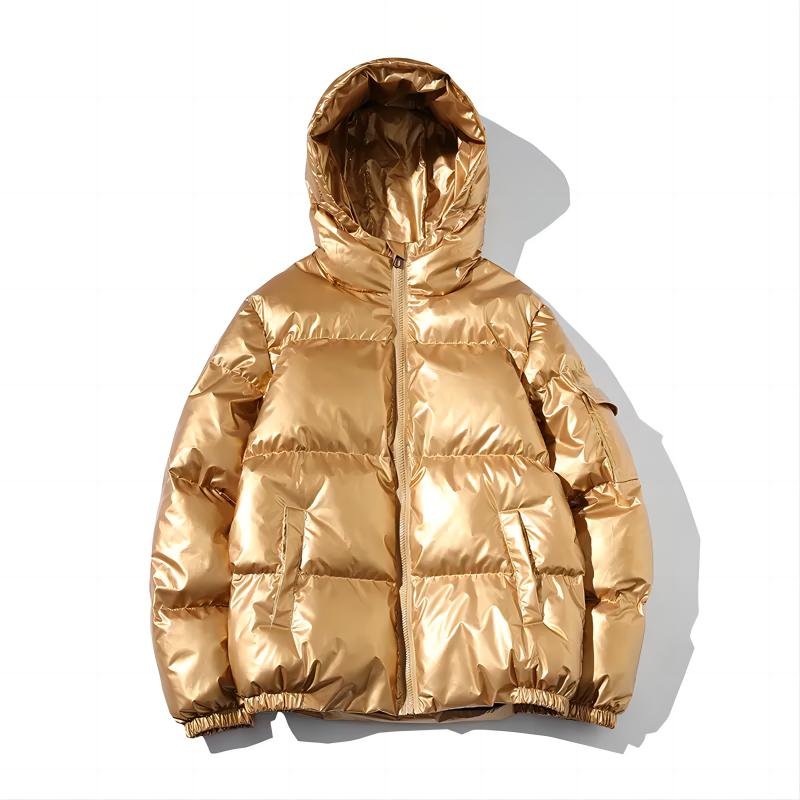
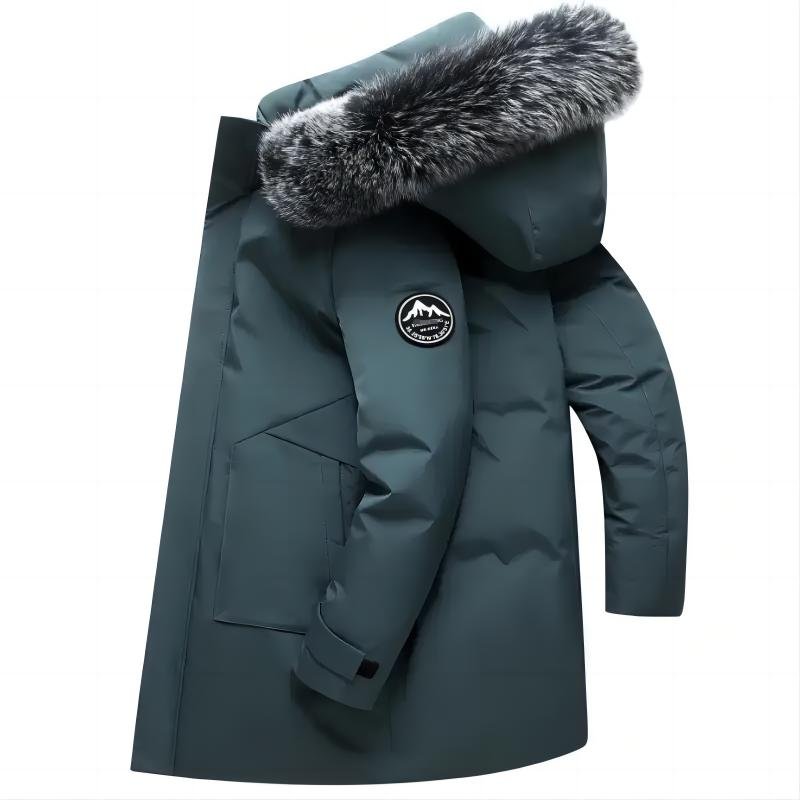
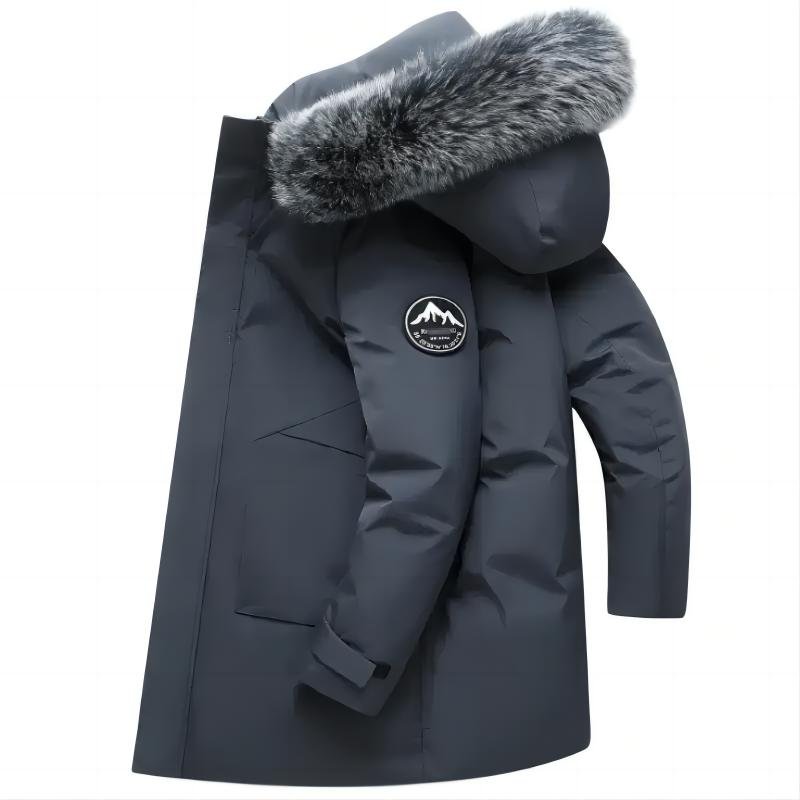
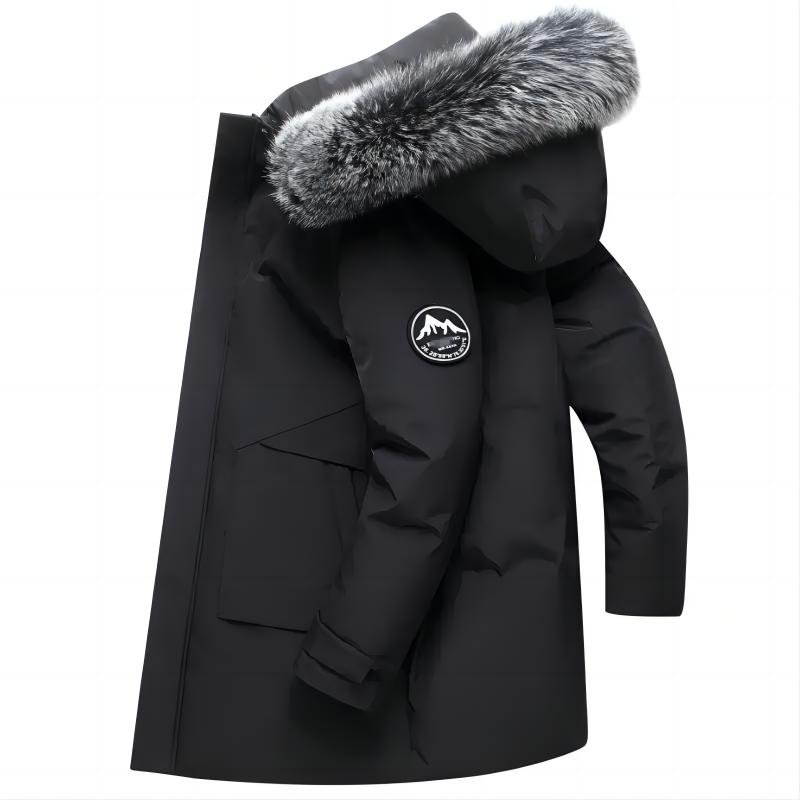
Featured Insulated Winter Jacket Collections
What Sets Our Insulated Winter Jacket Manufacturer Apart
Six reasons streetwear brands, startups, and global retailers choose Clothing Manufacturer Ltd over generic apparel producers.
5-Step QC, Zero Compromises
Our proprietary five-step process tests materials, cutting, craftsmanship, sewing, and finished garments — catching defects at every stage, not just the end.
In-House Design & Sampling Team
A dedicated 15-member R&D team develops patterns and prototypes built around your streetwear vision, from first sketch to production-ready sample.
Low MOQ for Every Brand
Flexible minimums make premium insulated jacket production accessible to startups, independent designers, and emerging streetwear labels launching their first collections.
7-Day Sample Turnaround
Receive production-ready samples in as few as seven days, so your seasonal drops and trend-driven collections always hit the market on time.
Deep Streetwear Aesthetic Expertise
Six-plus years studying hip-hop, skate, and graphic motifs means every insulated jacket we produce speaks an authentic, culturally fluent streetwear language.
Global Shipping & Logistics Support
We manage customs, freight, and international delivery to 100-plus countries, keeping your supply chain reliable and your brand timelines on schedule.
Insulated Winter Jacket Manufacturer for Every Brand Style
From oversized men’s puffers to technical outerwear and influencer drops — our factory delivers precision-crafted insulated jackets across every category, backed by a five-step QC guarantee on every production run.
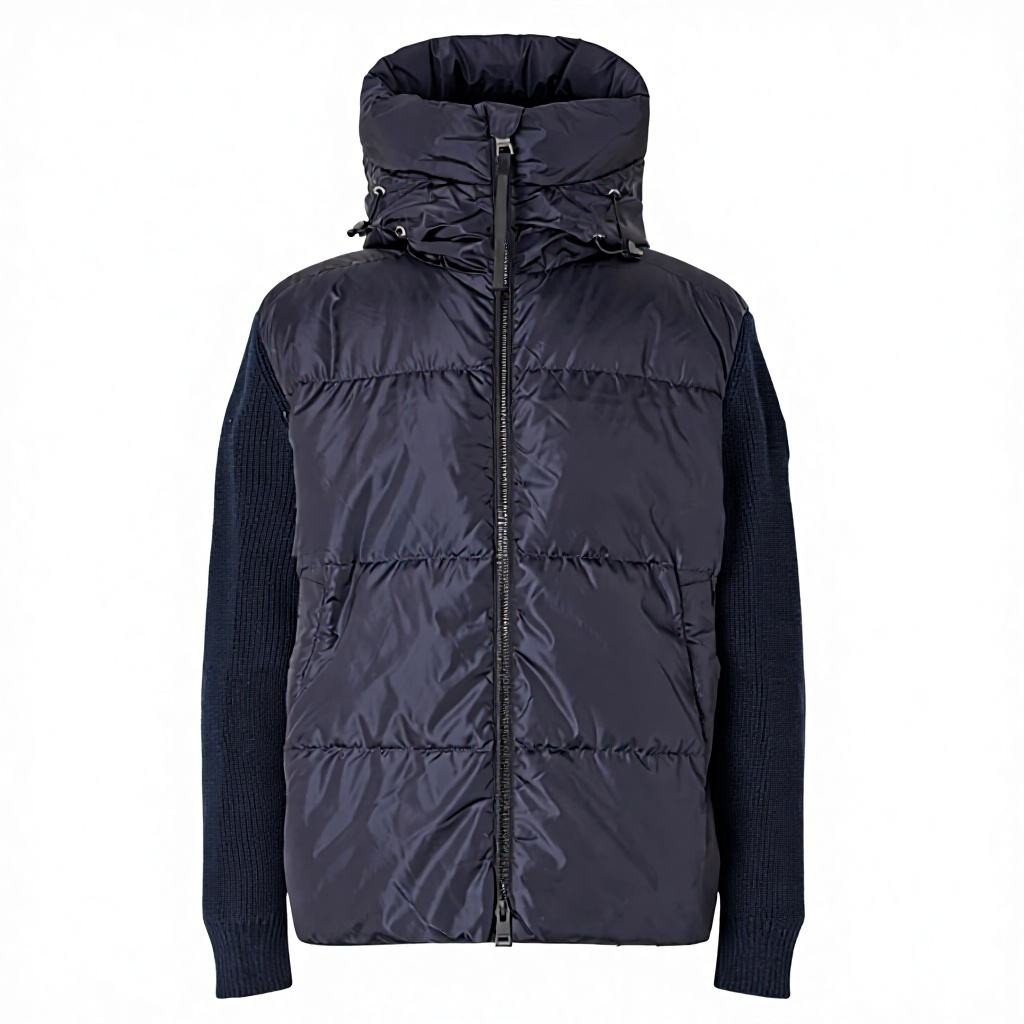
Men’s Puffer Jacket Lines
Streetwear brands need oversized, statement-making puffer jackets that reflect their identity, but most manufacturers offer only generic silhouettes with no room for custom colorways, branding, or unique fill weights.
We produce on-trend men's puffer jackets with custom quilting patterns, brand-specific fill specs, and low MOQs, so your drop lands exactly as designed — bold, street-ready, and consistent at scale.
Women’s Down Jacket Collections
Fashion brands and independent designers struggle to find an insulated winter jacket manufacturer that balances aesthetic refinement with technical down construction, especially for smaller seasonal runs that most factories decline.
Our in-house sampling team develops fitted silhouettes and fashion-forward details for women's down jackets, with fast-turnaround sampling and flexible MOQs tailored to boutique brands and seasonal capsule collections.
Youth and Kids Insulated Styles
Retailers sourcing youth insulated jackets face strict safety requirements, multi-range sizing complexity, and difficulty finding a factory experienced in durable, child-safe construction without steep minimum order commitments.
We manufacture youth insulated jackets with child-safe hardware, reinforced seams, and five-step QC testing across every size run, giving retailers confidence in safety compliance and consistent, shelf-ready quality.
Technical Insulated Outerwear Brands
Performance outerwear brands require precise baffle construction, specialized insulation lofting, and waterproof shell integration — capabilities that generic apparel factories rarely offer, leading to failed prototypes and costly production delays.
With 10 patents and a 15-person R&D team, we engineer technical insulated jackets using controlled fill power, bonded seams, and material-specific QC protocols that hold up under real performance brand standards.
Influencer and Creator Brand Drops
Creator labels and influencer brands need a manufacturer that moves fast, accommodates last-minute design changes, and fulfills limited insulated jacket drops without locking them into large minimum order quantities.
We have helped over 200 brands grow from startup to tens of thousands of followers, delivering influencer-ready insulated jacket drops with rapid sampling, low MOQ flexibility, and worldwide shipping logistics support.
Fabrics & Fills From a Trusted Insulated Winter Jacket Manufacturer
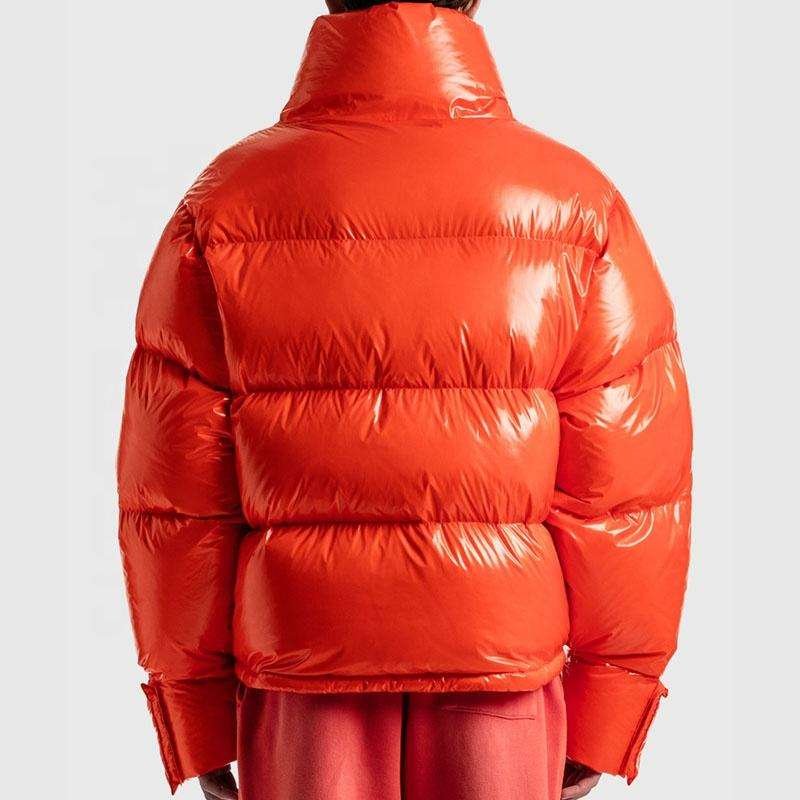
90/10 Goose Down
Premium loft insulation with 700–900 fill power, delivering an exceptional warmth-to-weight ratio. Ideal for luxury puffer jackets and performance streetwear lines where lightweight warmth and packability are non-negotiable.
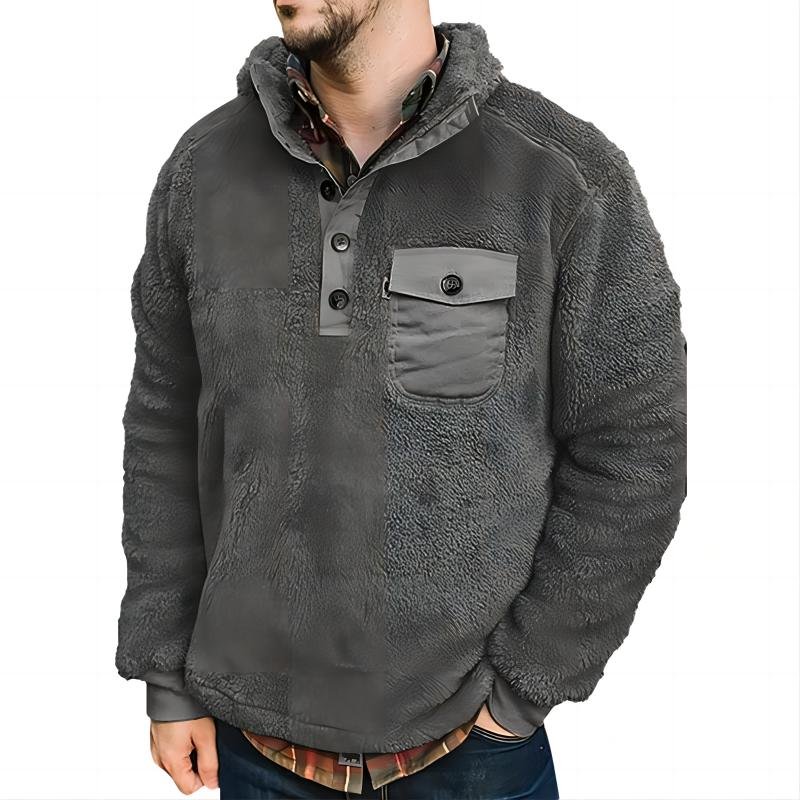
Duck Down Fill
A cost-effective insulation with 550–650 fill power, offering reliable cold-weather protection for mid-weight winter jackets. Suits everyday streetwear and brand launch collections with a soft hand-feel and accessible price point.
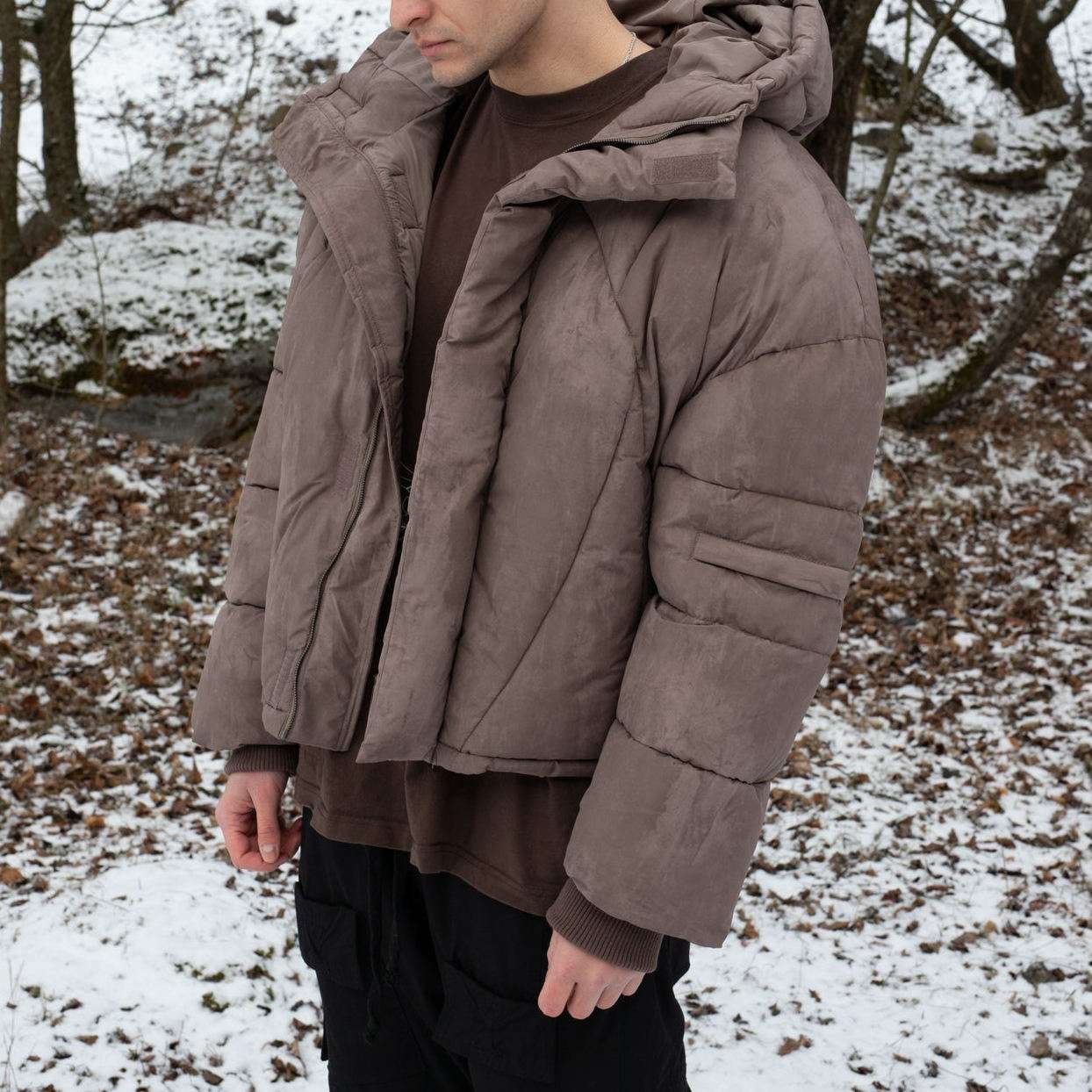
Recycled Synthetic Fill
Eco-friendly PrimaLoft-style polyester batting that retains warmth even when wet. Available in 100–300gsm fill weights, suiting transitional bombers to heavy puffers for sustainability-driven streetwear and influencer brands.
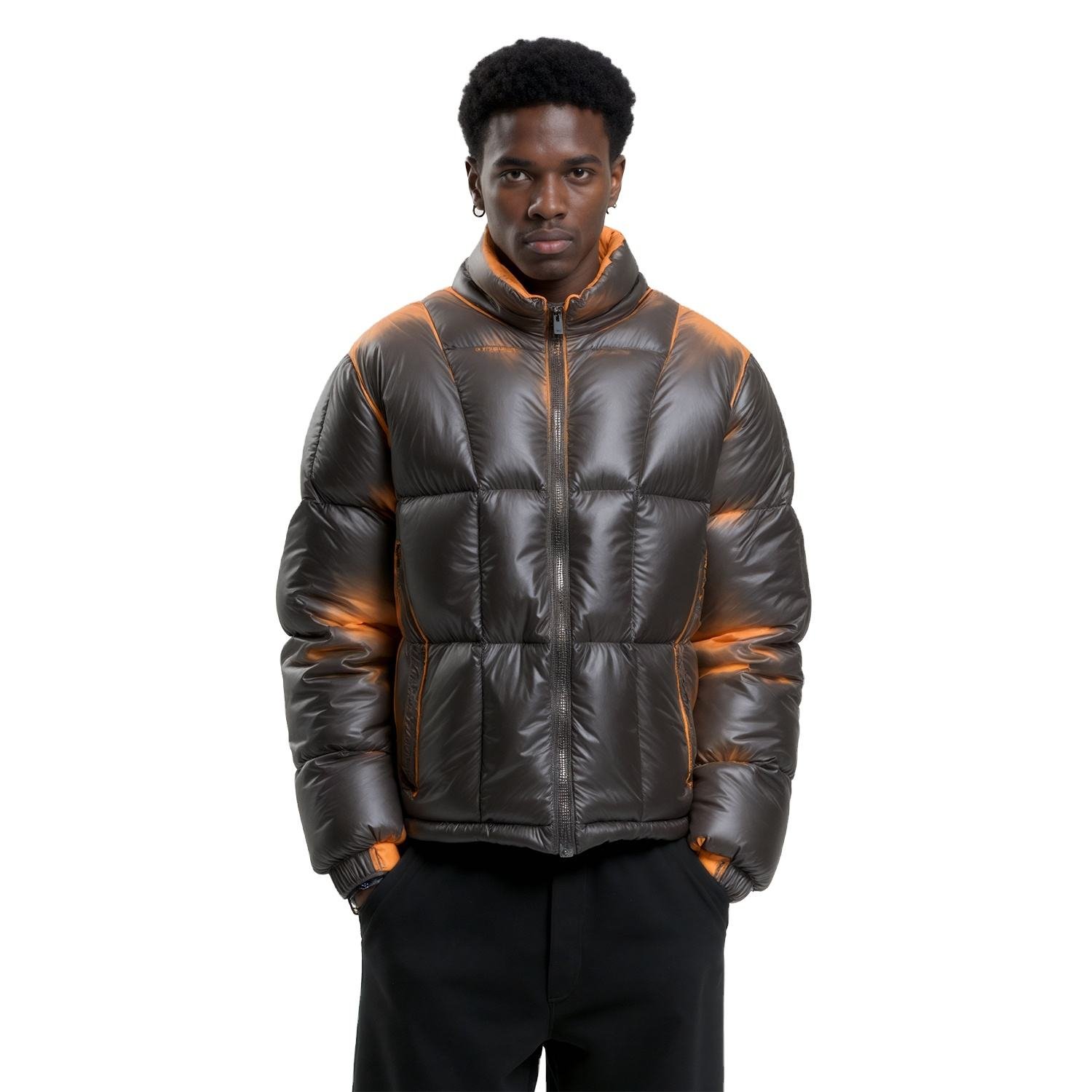
Technical Nylon Shell
Lightweight 40D–70D ripstop nylon with a DWR weather-resistant finish and superior abrasion resistance. The go-to outer shell for performance puffer jackets and technical streetwear demanding a clean, modern silhouette.
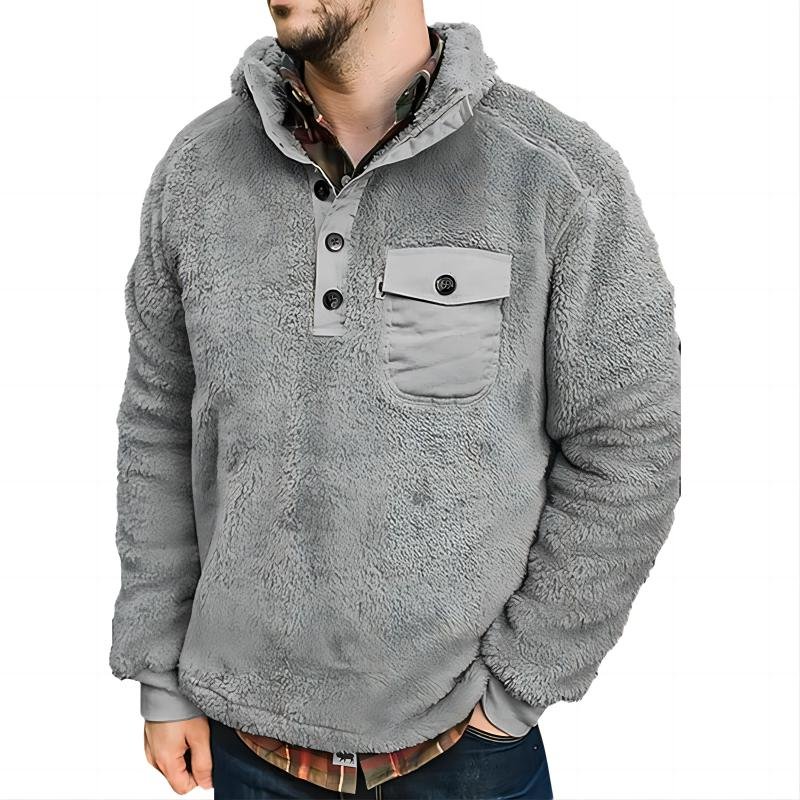
Cotton-Nylon Blend
A 60/40 woven cotton-nylon shell with a soft, natural hand-feel and added durability. Favored for heritage-inspired winter jackets and casual urban puffers, with light moisture resistance for everyday street-ready comfort.
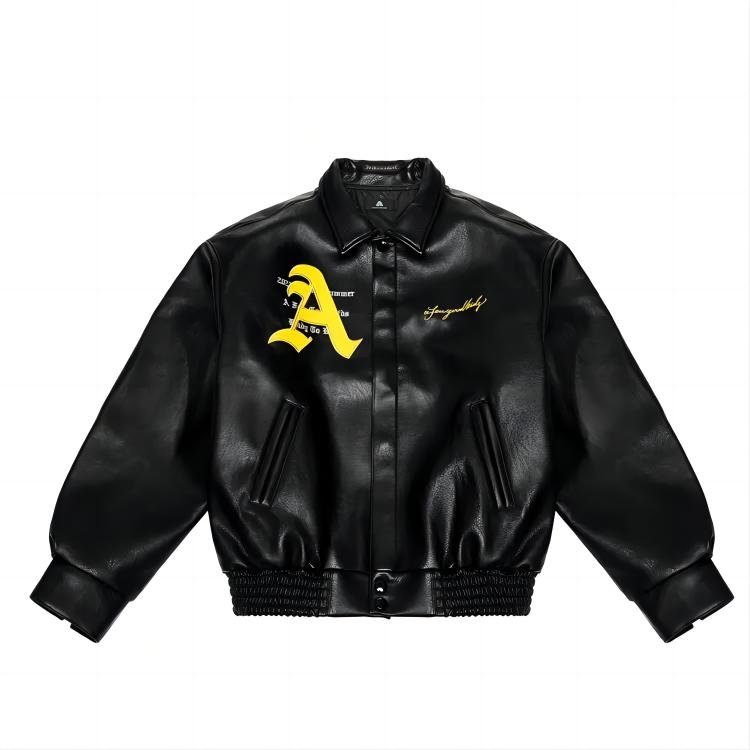
Ripstop Polyester Shell
High-tenacity 75D–150D polyester ripstop in matte or glossy finishes. Tear-resistant under street-level stress and perfectly suited for bold-print streetwear jackets and fast-turnaround influencer seasonal drops.
Precision Techniques From Your Insulated Winter Jacket Manufacturer
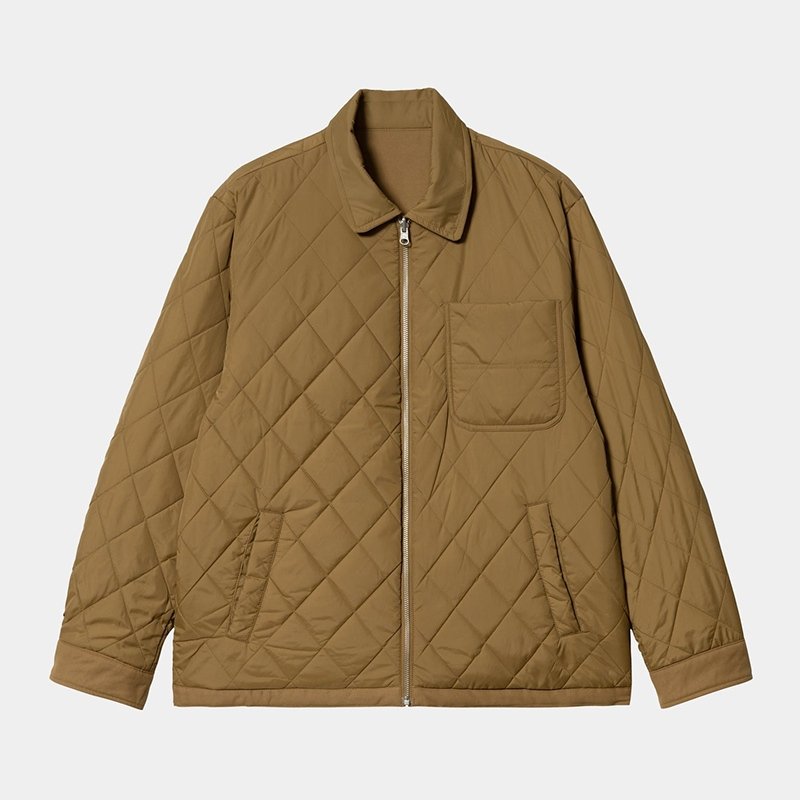
Box Quilt Assembly
Precision-stitched box baffles partition fill chambers evenly across each panel, eliminating cold spots and preventing loft collapse. Quilted to exact depth specs for uniform warmth distribution throughout the entire jacket.
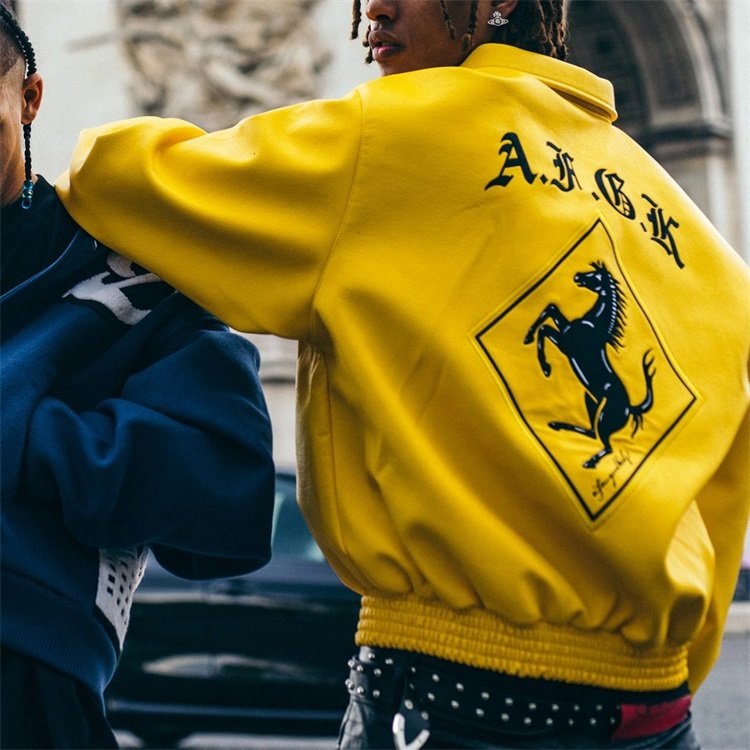
Baffle System Build
Internal wall baffles are bonded and sewn to anchor insulation fill under compression and movement. This structure preserves loft integrity and prevents insulation migration even after repeated washing and heavy wear.
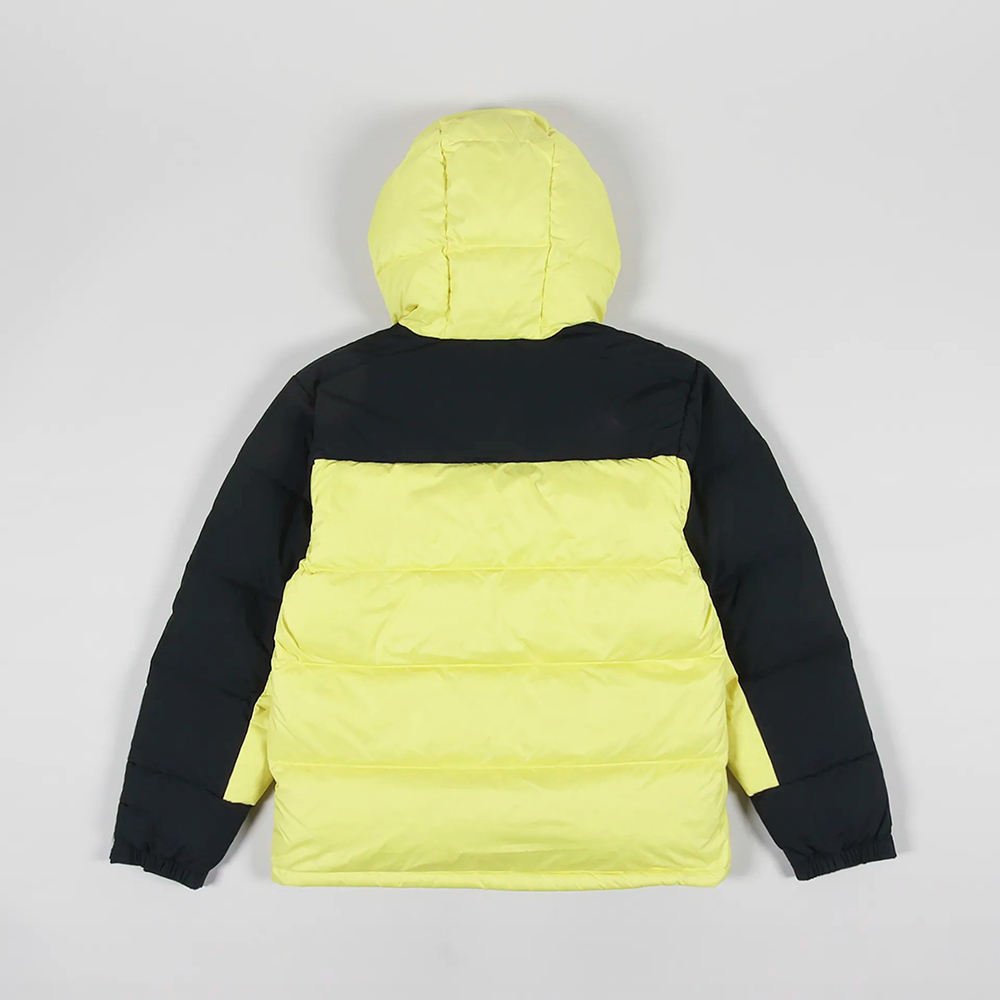
Thermal Seam Sealing
Structural seams are thermally reinforced or tape-sealed to block cold-air infiltration at every stitch line. This ensures no heat escapes through needle penetrations, maintaining consistent core warmth across the finished garment.
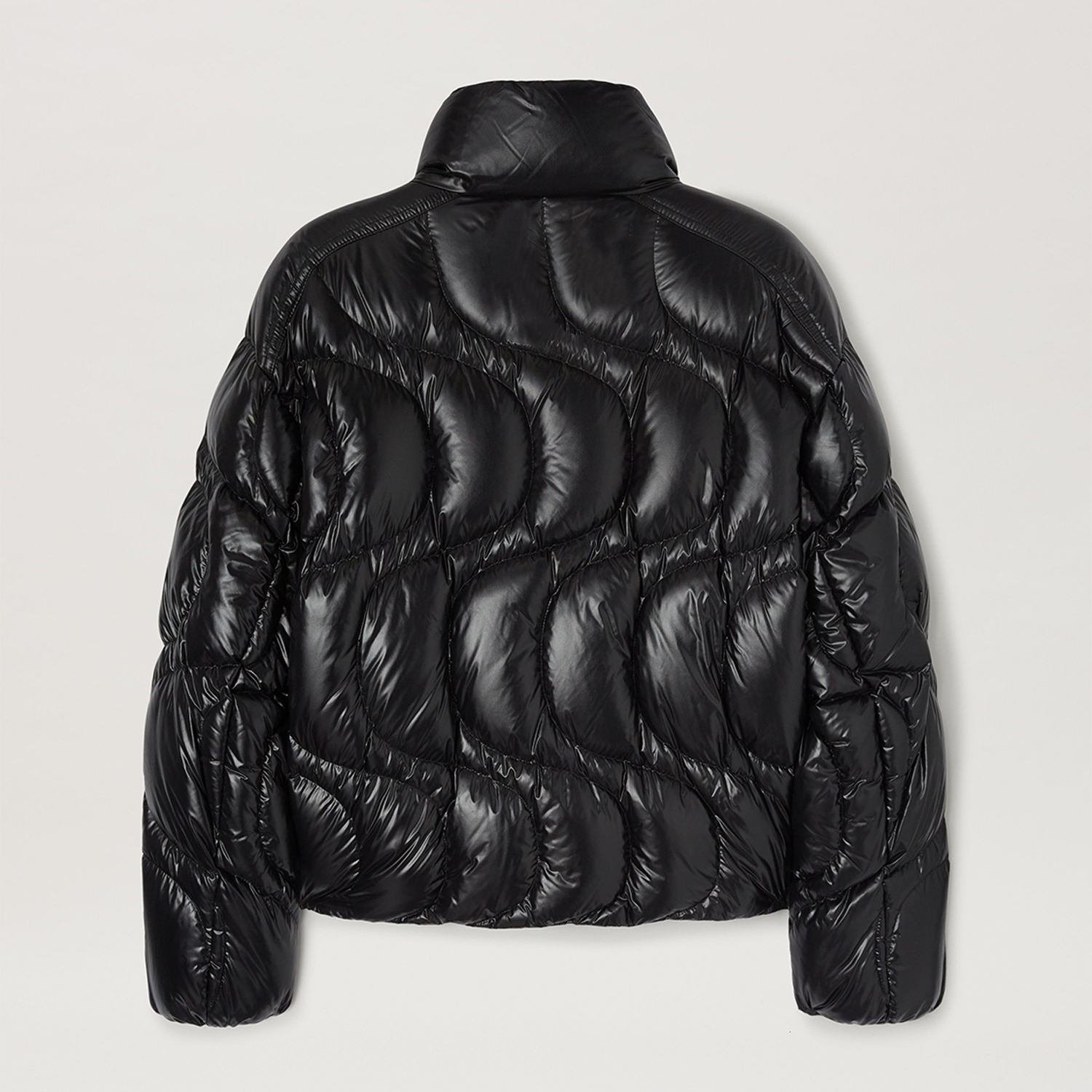
Fill Bleed Prevention
A densely woven inner shell lining and reinforced baffle edges stop down or synthetic fibers from migrating through fabric. Tested to confirm zero fill bleed-out after 50 standardized wash cycles.
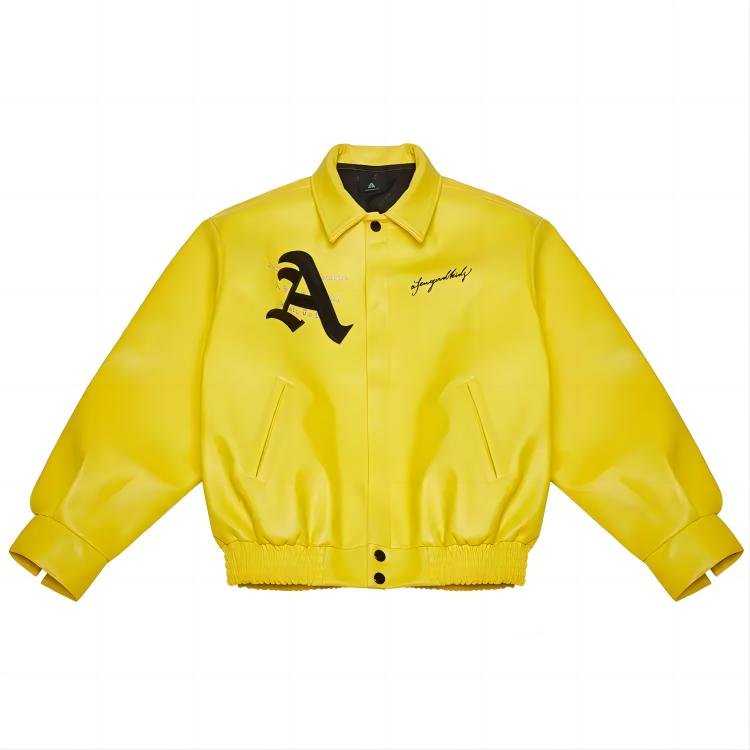
Loft Performance Testing
Every insulation batch undergoes standardized loft height measurement to verify fill power ratings before cutting begins. Post-wash loft testing confirms insulation rebounds to original warmth and volume specifications.

Custom Hardware, Zippers & Branded Components
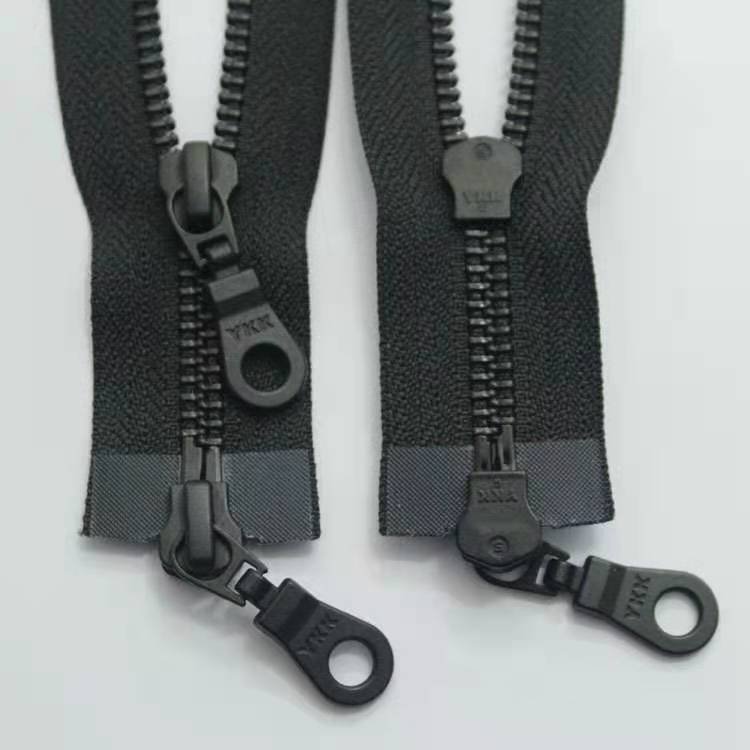
YKK Zippers
Metal and waterproof plastic YKK options for main, chest, and pocket closures. Cold-weather-rated tooth constructions deliver smooth, reliable operation and signal premium quality on every insulated jacket we ship.
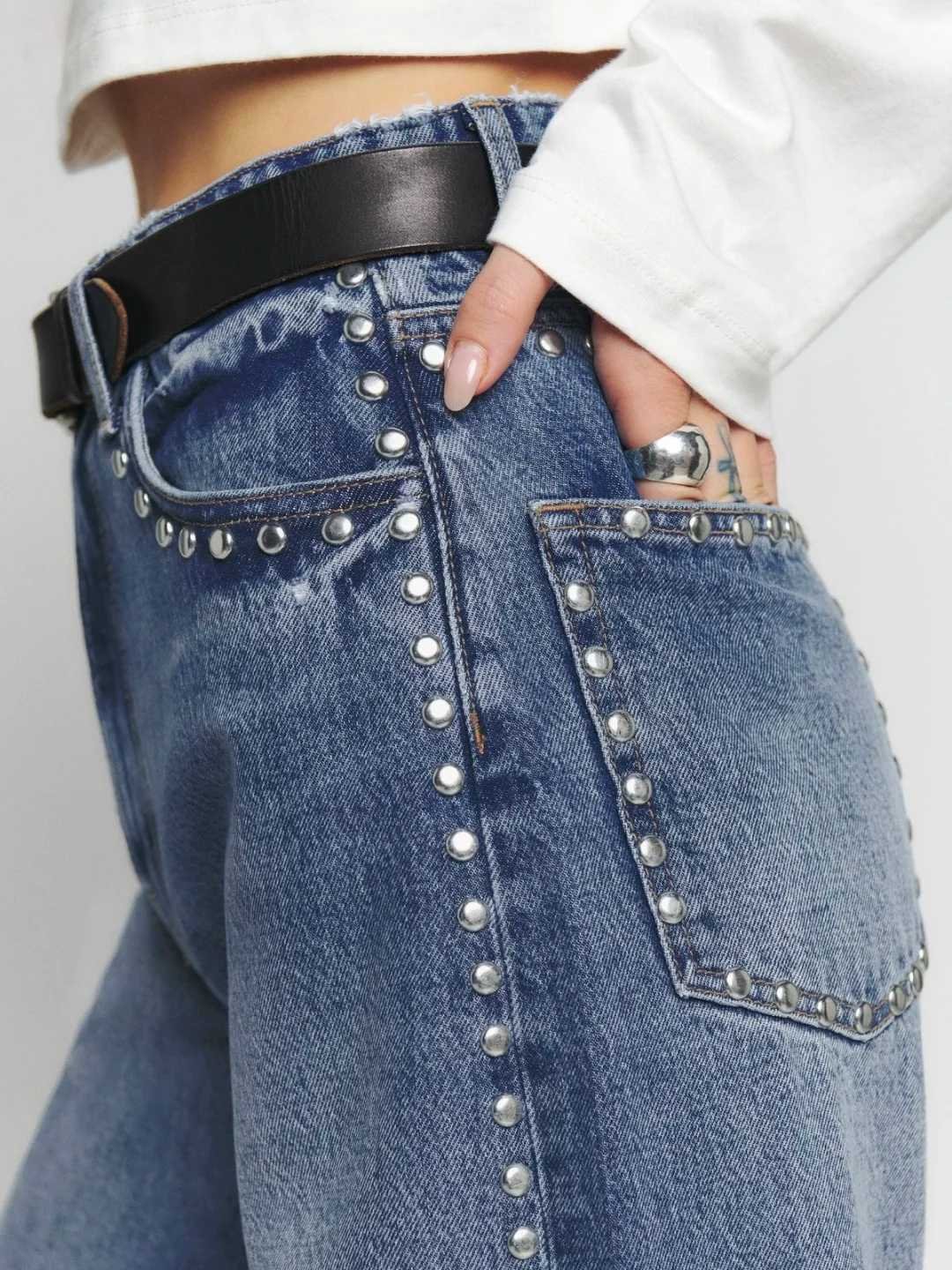
Branded Drawcords
Custom-dyed or printed drawcords for hoods and hem channels, tipped with branded metal or injection-molded aglets. A high-visibility finishing detail that reinforces brand recognition across every jacket in your collection.
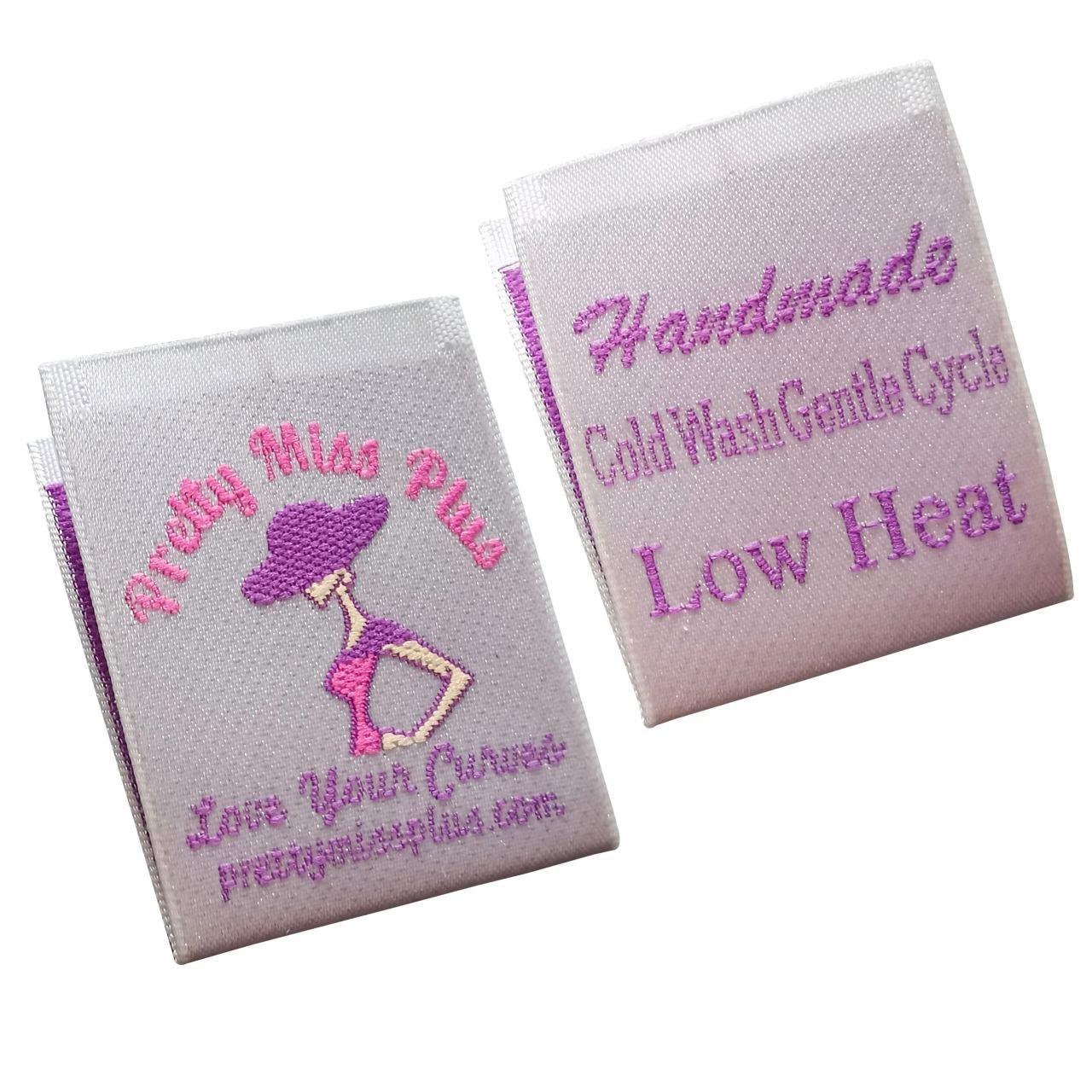
Woven Brand Labels
High-definition woven neck labels, care labels, and interior yoke patches carrying your logo through hundreds of wash cycles without fading or fraying, keeping your brand identity sharp and professional throughout garment life.
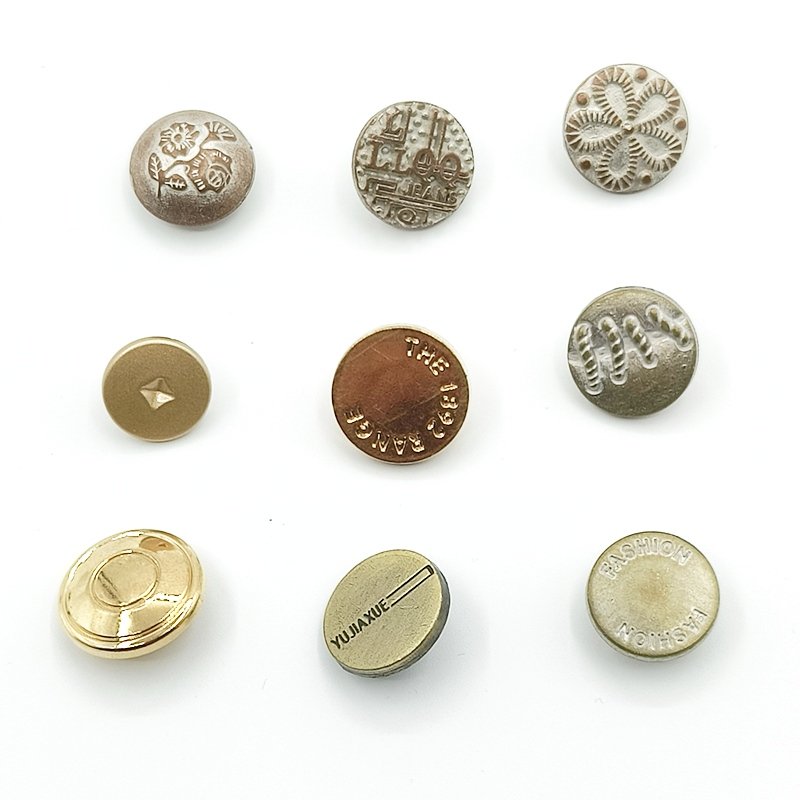
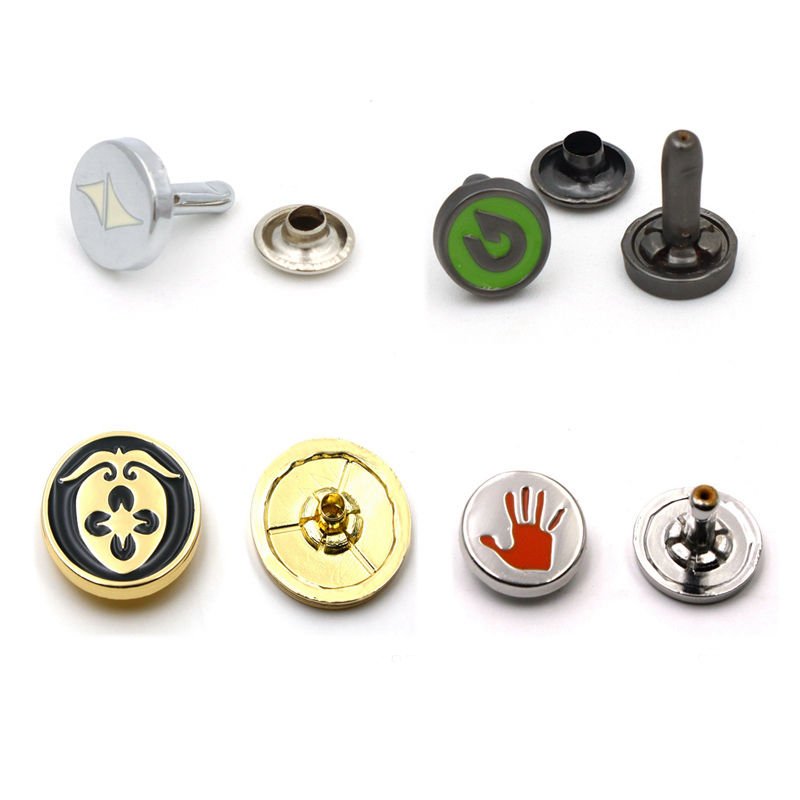
Metal Snap Buttons
Corrosion-resistant metal snaps for storm plackets, cuffs, and pocket flaps, available in matte, antique, or polished finishes to coordinate seamlessly with your jacket’s overall hardware palette and streetwear aesthetic.
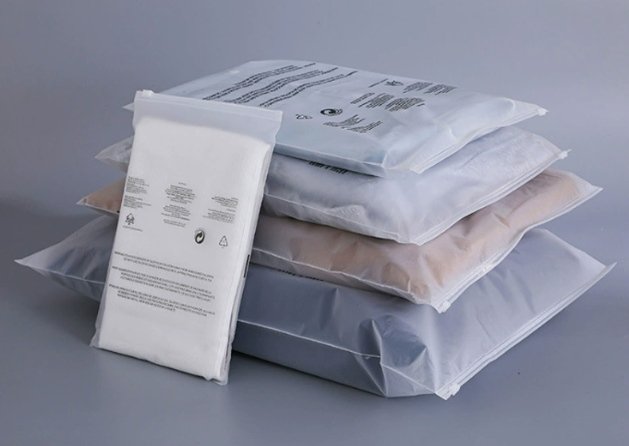
Custom Patch Embroidery
Woven or chenille patches and direct embroidery positioned at chest, sleeve, and back panels. A tactile, collectible-grade branding method that resonates with streetwear audiences and elevates influencer-driven capsule collections.
Interior Pocket Bags
Mesh or taffeta-lined interior drop pockets at chest and hip, sized for phones, cards, and essentials. A functional premium upgrade that signals thoughtful construction and satisfies detail-focused streetwear and outdoor buyers.
The Insulated Winter Jacket Manufacturer Behind Your Brand
Founded in 2024 by Tesla Luo, Clothing Manufacturer Ltd. was built on more than a decade of hands-on garment production experience and six years immersed in streetwear design culture. Tesla’s mission is unambiguous: restore the global reputation of Chinese manufacturing by embedding quality control into every production stage, not just at the finish line. As a dedicated insulated winter jacket manufacturer, we refuse to compromise.
Based in Humen Town, Dongguan — one of China’s most storied garment hubs — we leverage the manufacturing infrastructure of parent company Dongguan TuoZhen Clothing Co., Ltd., a 15-member R&D team, and 10 registered production patents. We support streetwear labels, fashion startups, independent designers, and global retailers with low MOQs, fast seasonal turnarounds, and end-to-end shipping coverage across more than 100 countries.
What truly sets us apart is our proprietary five-step quality control methodology, launched in February 2025. Unlike factories that inspect only finished goods, we run QC checks at the materials, cutting, craft, sewing, and final inspection stages. This embedded approach, paired with Tesla Luo’s firsthand experience in every factory role from sewing to shipping, ensures every jacket that leaves our facility meets uncompromising international standards.
The Insulated Winter Jacket Manufacturer With a Five-Step QC Edge
Five Steps That Catch Every Defect Early
Our proprietary QC methodology runs verification at five distinct production stages, not just at the end. From raw materials through finished jacket inspection, every insulated piece is checked against strict standards before it reaches your customers.
- Materials QC: shell fabrics, insulation fill, linings, and trims tested before a single cut is made
- Cutting and craft QC: pattern accuracy and construction techniques audited mid-production to eliminate downstream errors
- Sewing production QC: stitch integrity, tension, and baffle assembly reviewed on the floor in real time
- Finished clothing inspection: every completed jacket signed off against your brand specification before packing and dispatch
15 R&D Experts, 10 Patents, Zero Guesswork
Behind every jacket stands a 15-person in-house R&D team and a portfolio of 10 held patents covering innovative production processes. This technical depth lets us solve construction challenges competitors cannot, and it accelerates your sample and approval cycle.
- 15 dedicated R&D specialists focused exclusively on outerwear innovation and process improvement
- 10 proprietary patents covering techniques in thermal bonding, baffle architecture, and precision finishing
- In-house sampling team shortens prototype turnaround for seasonal drops and limited-edition collections
- Continuous process R&D ensures every new production run benefits from the latest manufacturing advances
Embedded Quality vs. End-Stage-Only Competitors
Most factories skip straight from sewing to packaging with zero checks in between. As a committed insulated winter jacket manufacturer, we intercept and correct defects at every stage before they compound, protecting your brand reputation and your margins.
- Defects identified and resolved at the earliest possible stage, not discovered after thousands of units are sewn
- Transparent checkpoint reporting keeps your team informed at every critical production milestone
- Same rigorous five-step standards applied regardless of order size, including low-MOQ runs for emerging brands
- Proven across 1,000-plus clients in 100-plus countries with consistent, repeatable quality outcomes
Why We Outperform Typical Insulated Winter Jacket Manufacturers
From mid-production QC checks to dedicated design support, the differences are concrete — and they show up in every finished jacket we ship.
← 左右滑动查看 →
Insulated Winter Jacket Manufacturer: Production & Sampling Timeline
Every phase of our insulated winter jacket production is governed by our five-step QC methodology, giving you full visibility, zero surprises, and consistent quality at scale.
Material Sourcing & Thermal QC
We source premium insulation fills and shell fabrics, running pre-production thermal tests to confirm every material meets your jacket’s warmth and durability spec.
Pattern Development & Cutting QC
Our in-house team develops precise patterns and runs cutting QC testing on every panel, ensuring consistent sizing and clean edges across your full production run.
Insulation Assembly & Craft QC
Skilled technicians assemble insulation baffles and shell components under craft QC oversight, verifying stitch density, seam alignment, and insulation distribution at every workstation.
Sewing & In-Process Inspection
Real-time sewing production QC checkpoints catch defects mid-line—collar set, zipper alignment, pocket placement—before they compound, protecting your approval sample standard throughout the bulk run.
Finishing, Ironing & Final QC
Each completed jacket passes a full finished-clothing QC inspection covering loft consistency, zipper function, and measurements before steam ironing and final presentation finishing.
Packing & Global Shipping
Garments are folded, tagged, and packed to your brand spec, then dispatched via your preferred freight channel with full tracking and customs documentation support.
How to Partner With an Insulated Winter Jacket Manufacturer: 4 Simple Steps
From your first design brief to global delivery, our streamlined workflow delivers speed, full transparency, and five-step quality assurance at every production stage.
Submit Your Design or Tech Pack
Share design files, sketches, or a full tech pack. Our in-house sampling team reviews your spec and confirms production feasibility within 48 hours.
Approve Your 7-Day Sample
Receive a physical sample in as few as 7 days. Evaluate fit, insulation, shell fabric, and finish — request revisions until every detail is perfect.
Confirm Quote and Low MOQ
Lock in transparent unit pricing and your minimum order quantity. We support low MOQ for emerging brands with no hidden fees before bulk production begins.
Enter Five-Step QC Production
Your order moves through our five-step quality-controlled production line. Real-time updates keep you informed from cutting through sewing, finishing, and final inspection.
Receive Finished Goods Worldwide
Global shipping and logistics support ensures your finished jackets arrive on schedule, fully packed and labeled to your brand specifications, anywhere in the world.
Certified Insulated Winter Jacket Manufacturer: Standards That Protect Your Brand
What Streetwear Brands Say About Our Manufacturing Partnership
We launched our debut insulated winter jacket collection with a 50-piece MOQ and sold out in 11 days. Clothing Manufacturer Ltd’s 5-step QC meant zero returns. We’ve since grown to 120,000 Instagram followers and have reordered three times.
We scaled our winter outerwear range from 8 SKUs to 27 in a single season. Turnaround ran 18 days faster than our previous supplier and the defect rate dropped below 0.5%. A manufacturing partner that actually delivers.
Speed is everything for an influencer brand. Our insulated jacket drop shipped in 22 days and 94% of inventory sold through in the first week. The craftsmanship matched our premium price point and our community noticed immediately.
Insulated Winter Jacket Manufacturer: Frequently Asked Questions
Everything streetwear brands, startups, and global retailers ask before placing their first production order — answered directly by our team.
What is the minimum order quantity at your insulated winter jacket manufacturer?
How long does sampling take at an insulated winter jacket manufacturer like yours?
What are the bulk production lead times for insulated winter jackets?
What payment terms do you offer, and how is my money protected?
How does your insulated winter jacket manufacturer protect my brand’s intellectual property?
How many design revision rounds are included, and what does the process look like?
Do you handle international shipping and customs documentation for jacket orders?
Which quality control steps are applied during insulated jacket production?
Can I order fully custom insulated winter jacket designs, or am I limited to existing styles?
The Complete Buyer’s Guide to Choosing an Insulated Winter Jacket Manufacturer
Discover how to evaluate every insulated winter jacket manufacturer against your brand’s quality, MOQ, and timeline requirements — with a proven decision framework, supplier criteria checklist, and the critical sourcing mistakes to avoid before signing your first production order.
1. What Is an Insulated Winter Jacket Manufacturer?
Two service models define every insulated winter jacket manufacturer relationship: OEM (Original Equipment Manufacturing), where the factory builds to the brand’s own tech pack, and ODM (Original Design Manufacturing), where the factory supplies ready-made silhouettes the brand can label and sell. Understanding the distinction up front determines which factories you shortlist and how much design ownership you retain.
A full-service insulated winter jacket manufacturer covers at minimum eight production stages: pattern development, shell and fill fabric sourcing, cutting, baffled or channel-quilted sewing, down-proof seam sealing, zipper and hardware spec (YKK #5 and #8 are outerwear benchmarks), private-label labeling, and finished-goods QC inspection. General cut-and-sew factories tooled for T-shirts or knitwear lack the quilting frames, baffling jigs, and fill-weight testing stations these stages demand.
Fill-power ratings — typically 550 to 800-plus for down and 80–300 g/m² for synthetic alternatives — must be verified at the sewing stage, not only at final shipment; specialist QC cycles catch fill-weight variance early. Factories without OEKO-TEX or RDS material certification and inline testing ship jackets with inconsistent warmth claims, triggering retailer chargebacks that erode brand equity.
Brands sourcing their first seasonal insulated drop, scaling from 100-piece runs to 10,000-unit retail programs, or protecting a creator brand’s reputation need a specialist — not a general cut-and-sew shop. That specialist infrastructure is the difference between a jacket that retails and one that returns.
2. Evolution of the Insulated Winter Jacket Manufacturer Industry
By the 1940s, military procurement drove the first mass production of insulated outerwear, with the U.S. Army’s M-1943 field jacket establishing baffle-sewn goose-down construction as a wartime standard. Post-war surplus fed early civilian workwear lines, and manufacturers in the northeastern U.S. and Western Europe built their technical expertise around those same military specs.
The 1980s outdoor performance boom pushed fill-power ratings — typically 550 to 800 FP for commercial jackets — into mainstream spec sheets, and brands demanded manufacturers capable of sourcing traceable waterfowl down and executing precise chamber geometries. Synthetic alternatives like PrimaLoft, commercialized in the late 1980s under a U.S. Army contract, gave manufacturers a second fill track with reliable loft even when wet, expanding the technical toolkit dramatically through the 2000s.
Between 2010 and 2018, fast-fashion retailers flooded the market with lightweight puffer silhouettes built on 30–50 GSM ripstop shells and low-cost polyester fills at MOQs of 3,000-plus units per colorway, compressing margins and shifting high-volume production toward Southeast Asia and China’s coastal Guangdong province — including the Humen Town manufacturing corridor. That era rewarded speed over technical depth, creating a lasting two-tier split between commodity producers and performance-focused specialists.
Since 2022, audited certifications — OEKO-TEX STANDARD 100, Responsible Down Standard (RDS), and bluesign — have become table-stakes for major retail buyers, while streetwear collab drops demand short runs of 100–300 units with custom baffle patterns and Pantone-matched shells. When vetting an insulated winter jacket manufacturer today, a supplier’s verifiable heritage across military-grade construction, performance fill technology, and on-demand trend production is the clearest signal of genuine manufacturing depth.
3. Types of Insulated Winter Jacket Manufacturers to Know
Five factory types define what an insulated winter jacket manufacturer can offer your brand — from full-package OEM runs to boutique 30-unit cuts. Aligning factory type with order volume and design ambitions determines unit cost, IP ownership, and time to market.
| Manufacturer Type | Typical MOQ | Best Fit | Key Trade-off |
|---|---|---|---|
| Full-Package OEM | 300–1,000 units | Scaling brands | Lower cost, less design control |
| ODM Stock-Modification | 50–200 units | Fast-to-market launches | Limited differentiation |
| Cut-and-Sew Studio | 100–500 units | Custom silhouette brands | Higher unit cost |
| Low-MOQ Boutique | 30–100 units | Startups, test runs | Highest per-unit cost |
| Vertically Integrated Mill | 500–2,000 units | Quality-critical large orders | High sampling fees |
Full-Package OEM Factories
OEM factories manage every production step — pattern making, fabric sourcing, cutting, sewing, and finishing — under one roof. MOQs typically run 300–1,000 units per colorway. Unit cost is lowest at scale, but loose contracts can expose brand IP.
ODM Stock-Modification Suppliers
ODM suppliers offer pre-engineered jacket bases that brands customize with private labels, colorways, or trim swaps. MOQs drop to 50–200 units, and speed-to-market is fastest in this category. The trade-off is limited differentiation — competitors can source the same base silhouette.
Private-Label Cut-and-Sew Studios
Cut-and-sew studios build fully custom silhouettes from brand-supplied tech packs. MOQs typically range 100–500 units. Unit cost runs 15–30% above OEM, but brands retain full design ownership and can iterate constructions each season.
Boutique Low-MOQ Manufacturers
Low-MOQ specialists accept runs as small as 30–100 units, making them ideal for startups validating a new silhouette before scaling. Per-unit cost is highest in this tier, but reduced inventory risk offsets the premium for early-stage brands.
Vertically Integrated Mills
Vertically integrated operations control spinning, weaving, fill production, and garment assembly in-house. MOQs run 500–2,000 units. Brands gain tighter quality consistency and shorter material lead times, though sampling fees can reach $300–$800 per style.
4. Key Insulation Materials Every Insulated Winter Jacket Manufacturer Should Offer
Fill and shell choices define warmth-to-weight performance, care complexity, and sustainability credentials — three factors retail buyers scrutinize closely. A credible insulated winter jacket manufacturer must stock a tiered fill range and purpose-matched shell fabrics.
| Fill Type | Warmth Rating | Weight | Sustainability | Cost Uplift |
|---|---|---|---|---|
| 550 Down | Low–Mid | Moderate | Standard | Baseline |
| 700–800 Down | High | Light | Standard | +15–25% |
| 900+ Down | Ultra-High | Ultra-Light | Premium | +40–60% |
| Recycled Down | High | Light | RDS Certified | +10–20% |
| PrimaLoft / Thinsulate | Mid–High | Moderate | Bluesign / OEKO-TEX | +20–35% |
| Polyfill | Low–Mid | Heavy | Standard | Baseline |
| Bio-Based (Kapok) | Mid | Light | OEKO-TEX | +25–40% |
Down Fill Tiers and Recycled Down
550-fill-power duck down suits budget puffer lines; 700–800 goose down covers mid-range performance; 900+ fill power targets ultra-light premium SKUs. Recycled down — RDS-certified and traceable — carries a 10–20% cost uplift but satisfies growing ESG mandates from global retailers.
Synthetic and Bio-Based Fills
PrimaLoft Gold and 3M Thinsulate outperform down when wet, retaining near-full loft after saturation — critical for raingear and activewear crossover styles. Standard polyfill at 100–300 GSM remains the lowest-cost option, while bio-based fills like Kapok carry OEKO-TEX credentials at a 25–40% cost uplift.
Shell Fabrics: Ripstop, Taslan, and DWR
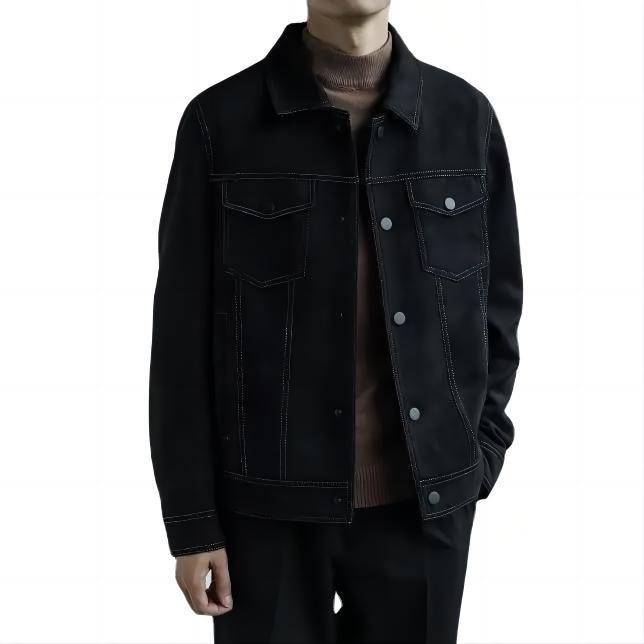
70D nylon ripstop offers high tear resistance at minimal weight for technical shells; 75D polyester taslan delivers a matte streetwear hand feel at lower cost. GRS-certified recycled fabrics meet retailer sustainability requirements, and C6 DWR treatment replaces legacy PFC chemistry without PFAS concerns.
5. Customization Options Your Insulated Winter Jacket Manufacturer Can Deliver
A qualified insulated winter jacket manufacturer can customize nearly every visible and structural element of a jacket. Silhouette, fill geometry, hardware finish, and branded packaging collectively determine whether your product stands out on shelf or blends in.
Silhouette and Structure Choices
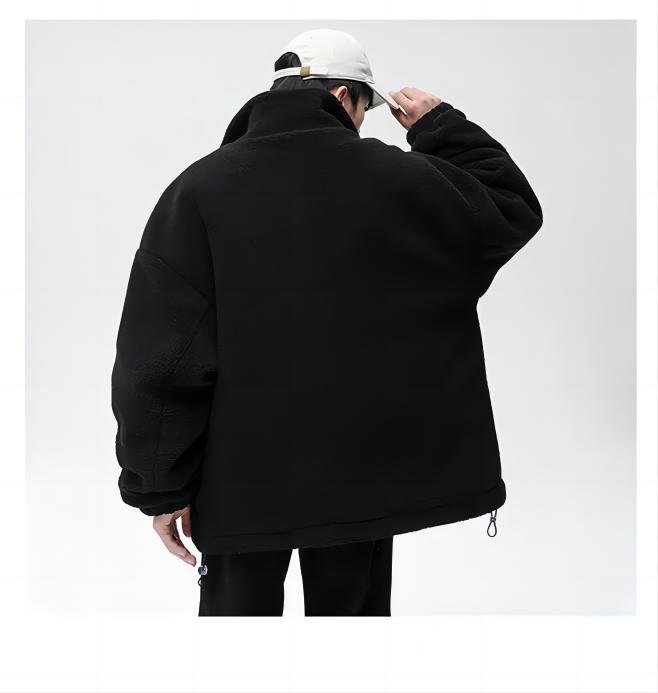
Five core silhouettes — cropped puffer, longline puffer, quilted overshirt, softshell hybrid, and vest — are standard offerings at most factories with no MOQ premium. Longline and hybrid constructions may add 3–5 days to the sample stage due to pattern complexity.
- Cropped puffer: boxy fit, 4–6 oz fill weight standard
- Longline: knee-length cut, adds roughly 7% material cost
- Softshell hybrid: woven face bonded to fleece backer
Quilting Patterns and Baffle Geometry
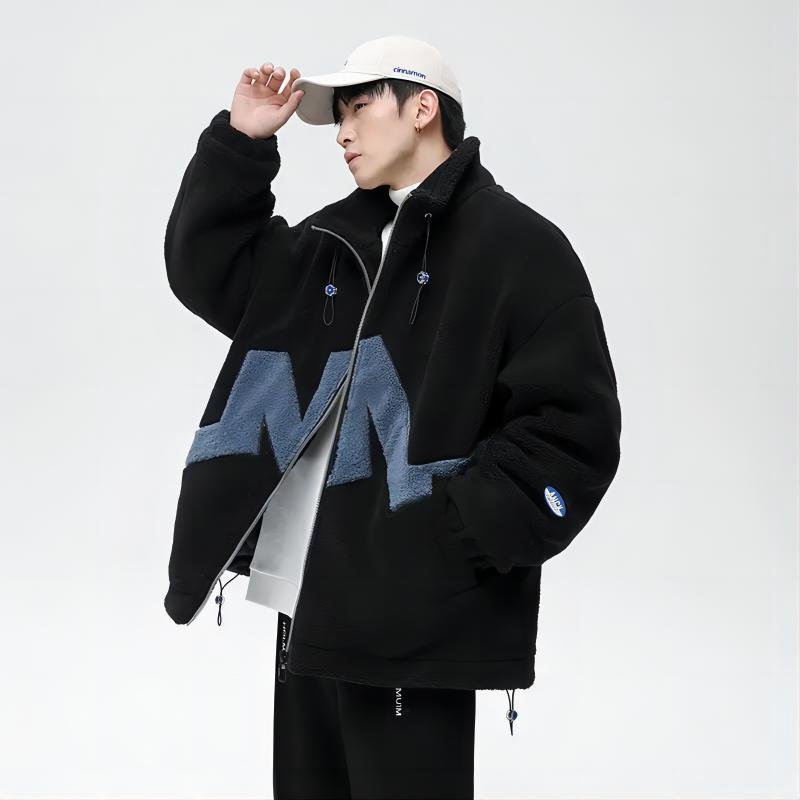
Standard horizontal channel baffles require no tooling cost. Custom diamond, chevron, or logo-shaped quilting adds a one-time digitizing fee of roughly $50–$150 and can extend sampling lead time by 4–7 days.
Color, Print, and Lining Options
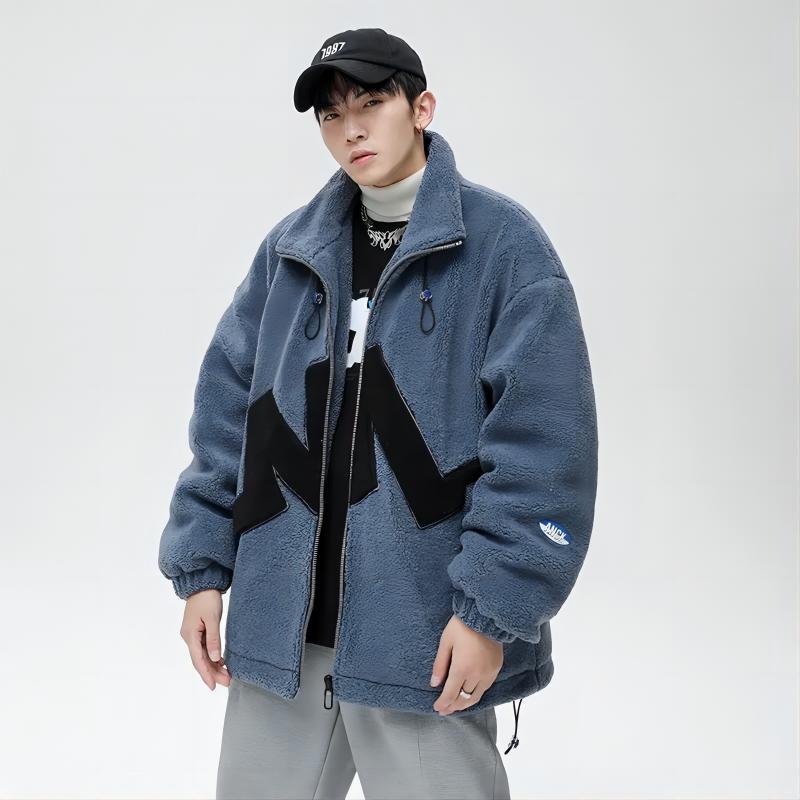
Piece-dye is the default for solid colorways and matches Pantone references within ΔE 1.5 at standard MOQ. Sublimation printing on lining fabric — a popular streetwear detail — requires a minimum panel run of roughly 50 meters, typically adding 10–14 days.
Hardware and Closure Selections
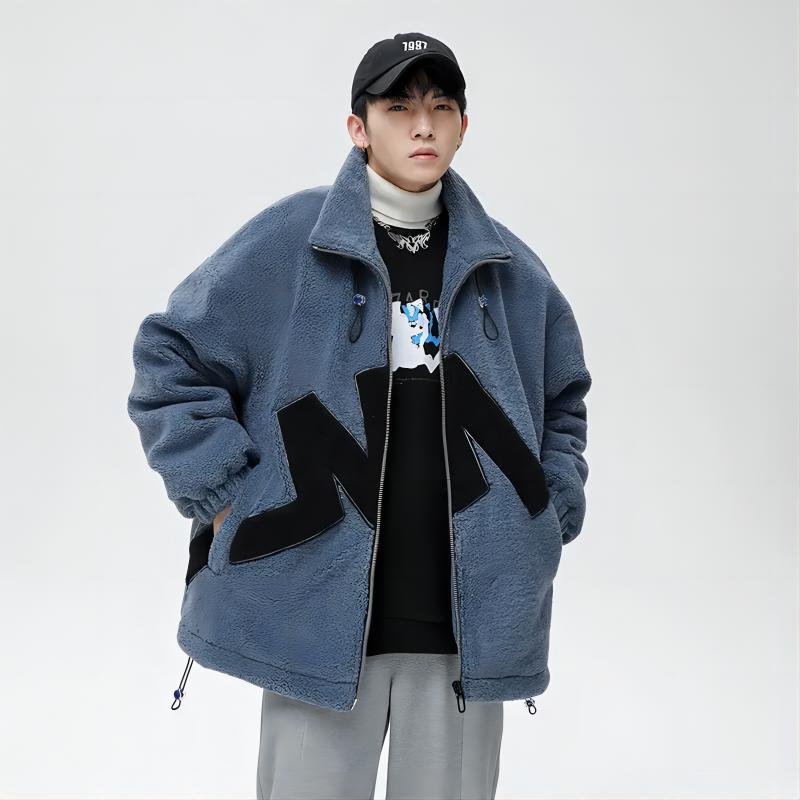
YKK #5 nylon coil zippers are the baseline spec on most winter jackets. Custom pulls, matte-black snaps, gunmetal D-ring buckles, and magnetic closures are all available; non-YKK hardware can lower per-unit cost by $0.30–$0.80 but may affect quality certification.
Branded Labels, Pockets, and Packaging
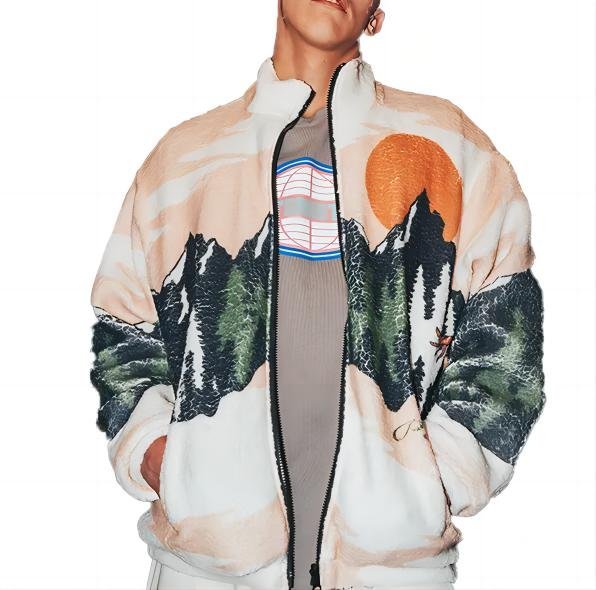
Woven neck labels, heat-transfer size labels, hangtags, and custom polybags are standard at most MOQ tiers (typically 100–300 pieces). Custom interior security pockets and co-branded rigid packaging require a separate tooling sample and add 5–7 days minimum.
6. Construction Quality Elements That Separate Great Manufacturers
A jacket can look flawless in a showroom sample and fail structurally after one hard winter. Knowing which construction details to inspect — and which factory documents to demand — separates a trustworthy insulated winter jacket manufacturer from a liability.
Baffle Stitching and Fill Migration Control
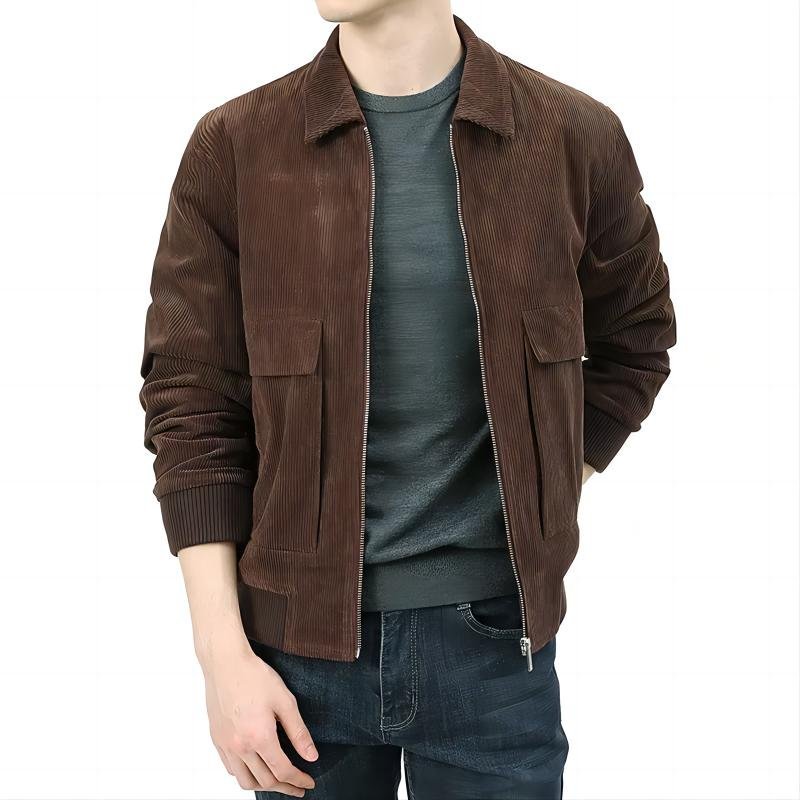
Baffle stitching locks fill material — down or synthetic — into discrete chambers, preventing warmth from migrating to one panel after repeated washing. Request a wash-cycle test report confirming zero fill migration after a minimum of 10 wash cycles per AATCC standards.
Seam Sealing and Weatherproof Construction
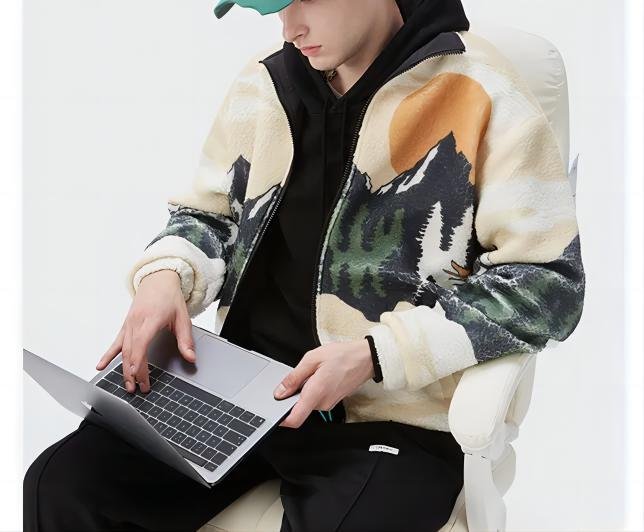
Taped seams apply a heat-bonded polyurethane strip inside the stitch line to block wind and moisture intrusion at every needle hole. Fully taped constructions add 15–20% to unit cost but eliminate the most common field failure point in cold-weather outerwear.
Zipper Grade and Hardware Benchmarks
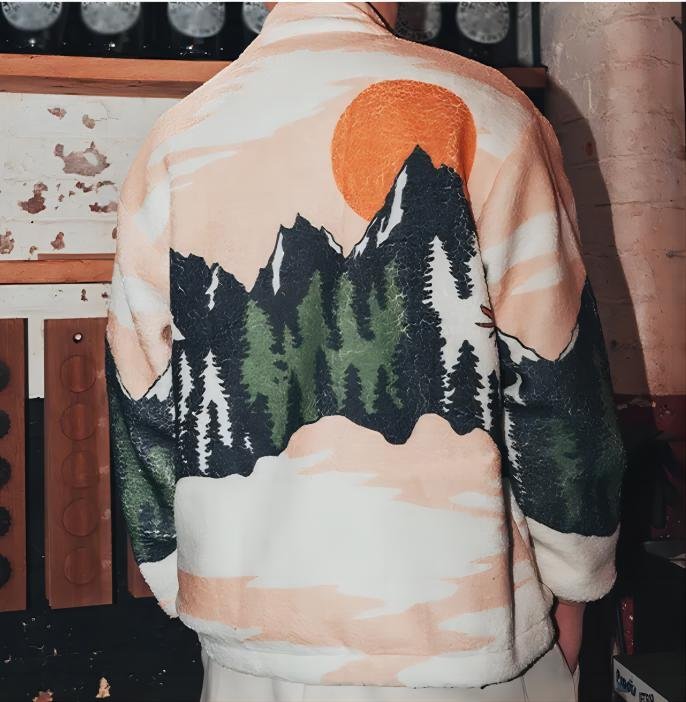
YKK #5 coil zippers carry a published pull-force rating and are tested to 800+ open-close cycles minimum — always request the spec sheet. Any substitute hardware must meet equivalent ISO 2062 tensile standards; an unlisted zipper brand is an immediate sample-rejection trigger.
Flatlock Finishing and Colorfastness Standards
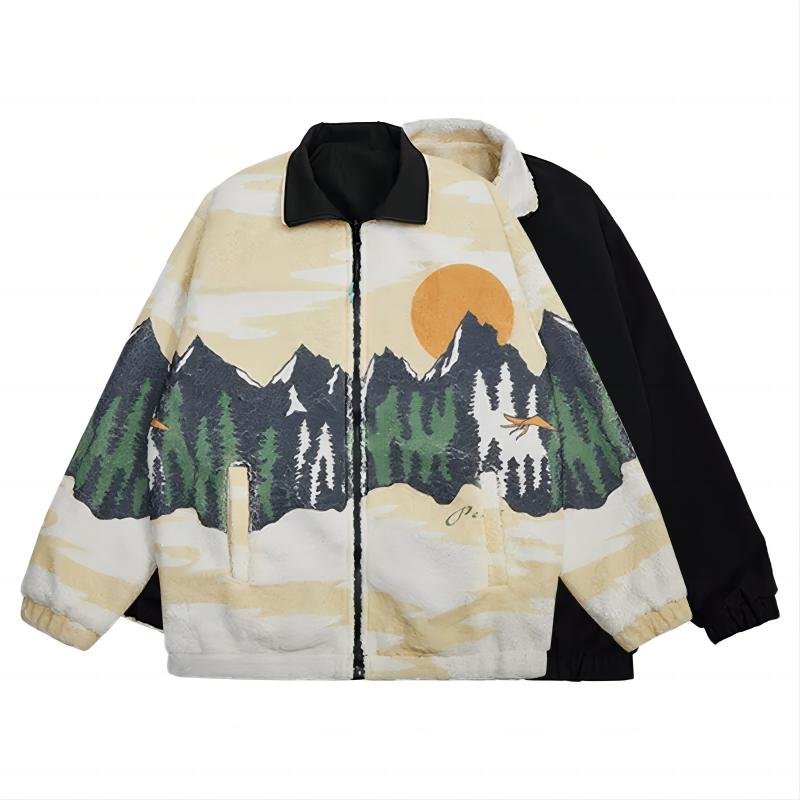
Flatlock stitching at armhole and shoulder seams reduces bulk and resists abrasion failure at high-flex points; overlock-only finishing at these joints is a clear warning sign. Colorfastness must meet ISO 105-C06 at grade 4 minimum to survive repeated washing without fading or dye transfer.
7. How to Choose the Right Insulated Winter Jacket Manufacturer for Your Brand
Selecting the right insulated winter jacket manufacturer is a six-step decision — skipping any step risks missed deadlines, rejected shipments, or margin collapse. Work through each criterion sequentially before committing to a production run.
Define Your Volume and Budget Tier
Most factories tier pricing at MOQs of 50, 200, and 500 units. Startups under 200 units should target small-batch OEM specialists; retailers above 1,000 units per season gain leverage for competitive FOB pricing on standard puffer silhouettes.
Vet Factory Certifications Before Shortlisting
Require BSCI or WRAP for social compliance, OEKO-TEX Standard 100 for chemical safety, and GRS or bluesign if your brand runs recycled-fill programs. Factories without current certificates — not expired ones — should be disqualified immediately.
Request and Score Reference Samples
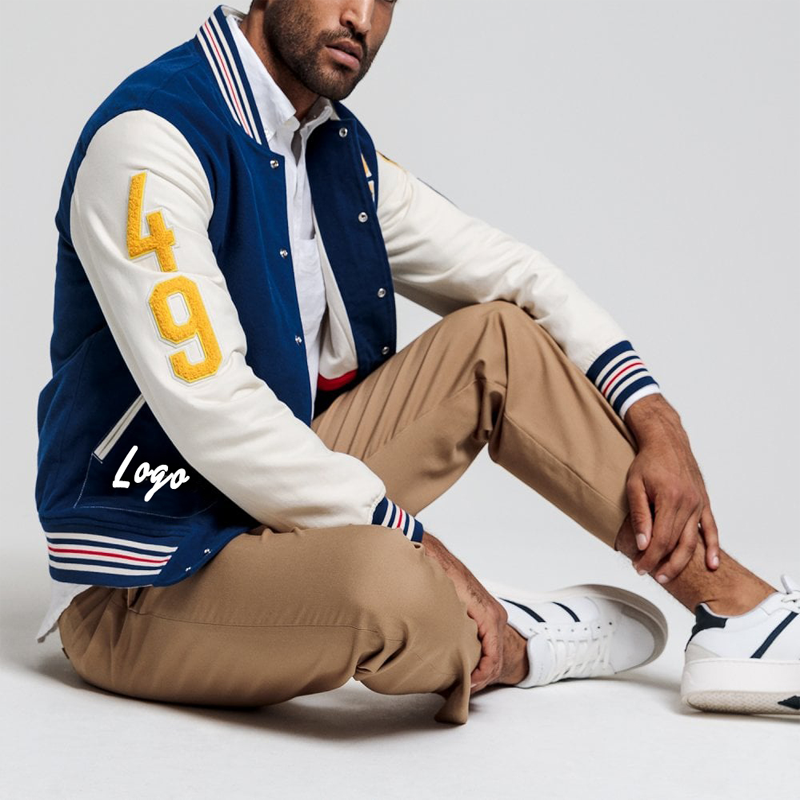
Order a sealed reference sample and score it against a fixed rubric — keeps decisions objective and transferable across your sourcing team.
- Seam strength: minimum 25 lbs pull-test on all stress points
- Fill power: 550+ for synthetic, 650+ for down-blend options
- Baffle stitching: even spacing, no thread gaps at panel joins
- Colorfastness: Grade 4 or above after 20-wash cycle test
Assess Communication Speed and Tech-Pack Fluency
Send a two-page tech pack and measure response time — under 48 hours signals capacity and intent. A fluent factory returns a costed BOM and graded spec sheet, not a vague price range.
Check References from Brands at Your Scale
Request two references from brands at your revenue tier — not flagship clients used as name-drops. Ask specifically about on-time delivery rate, defect rate per shipment, and how the factory handled production problems.
Match Lead Times to Your Drop Calendar
Standard insulated jacket lead times run 60–90 days ex-factory. Map that against your seasonal drop dates: a November delivery requires a mid-August bulk fabric commit, which means factory approval by late July.
8. Common Mistakes Brands Make When Sourcing an Insulated Winter Jacket Manufacturer
New outerwear brands repeat the same expensive errors every season. Knowing these pitfalls before you contact an insulated winter jacket manufacturer can save a full production run and your brand’s first winter revenue.
Choosing on Price Without Vetting Fill Quality
Factory quotes often omit fill-power rating, so a 550-fill duck down garment and an 800-fill garment can appear identically priced at first glance. Always request a fill-power certificate alongside any unit price.
Skipping Sample Rounds to Save Time
A proto sample and a size-set sample are separate stages, each catching different defects. Brands that skip directly to bulk production to cut 4–6 weeks routinely receive full containers of mis-sewn baffles or collapsed fill clusters.
Misreading MOQ vs. Colorway MOQ
A 200-piece MOQ often applies per colorway, not per style total. Ordering a single puffer in five colorways at 40 pieces each will trigger price penalties or factory refusal at most Chinese manufacturers.
Ignoring Seasonal Lead Time Buffers
Insulated outerwear requires 90–120 days from order confirmation to port delivery. Brands placing orders in August for October retail windows consistently miss the selling season; plan for a March–May production window instead.
Omitting Fill-Power Specs From the Contract
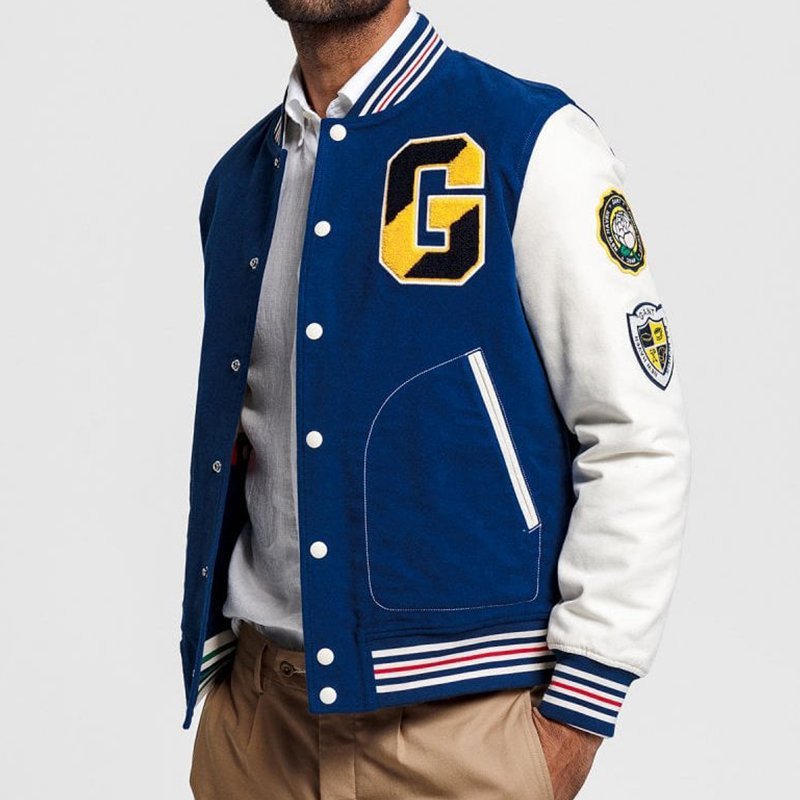
Verbal fill-power agreements are unenforceable. Specify fill-power (e.g., 650-fill), fill weight per garment in grams, down-to-feather ratio, and IDFL or Intertek test reports in your tech pack and purchase order.
Missing Customs Classification and IP Clauses
Insulated jackets with animal-derived down often require CITES-compliant documentation and fall under HS code 6201 or 6202, attracting tariff rates that vary widely by market. Confirm in writing that all patterns, tooling, and custom trims are your IP, not the factory’s.
9. Steps to Launch Your Brand with an Insulated Winter Jacket Manufacturer
Launching a first outerwear run demands a disciplined sequence — skipping steps costs far more in rework than the shortcuts save. The roadmap below gives streetwear labels and DTC startups a factory-tested playbook.
Build Your Tech Pack and Brand Brief
A complete tech pack includes flat sketches, Pantone color references, fill spec (down at 550–800 fill-power or synthetic GSM weight), shell fabric GSM, seam type, and YKK hardware callouts. Specificity here cuts sampling rounds by 30–50% and prevents costly misquotes.
Shortlist Manufacturers and Send RFQs
Shortlist 3–5 insulated winter jacket manufacturers using verified audits — BSCI, WRAP, or OEKO-TEX STANDARD 100. Your RFQ must state target FOB unit cost, MOQ (typically 100–300 units per colorway), delivery window, and packaging spec.
Proto Sample Through PP Sample Sign-Off
Proto samples typically cost $80–$250 and arrive in 10–15 days; budget 1–2 revision rounds covering fit, baffling stitch quality, and zipper pull function. The pre-production sample is the binding benchmark — sign off in writing before bulk cutting begins.
Bulk QC, Incoterms, Customs, and Brand Story
Insist on inline QC at every production stage, not just a final AQL sweep. Customs classification and brand narrative both lock in before goods ship.
- Request five-stage inline QC (materials, cutting, craft, sewing, finished goods) — catch defects early, not at shipment.
- Classify under HS 6201/6202; US and EU duties hit 7–16% — confirm DDP or FOB incoterms before booking freight.
- Anchor brand storytelling to fill-power ratings, OEKO-TEX certified shells, and craftsmanship details consumers trust.
10. Pricing & Cost Breakdown by Insulated Winter Jacket Manufacturer Tier
Unit prices for insulated winter jackets span $11–$45 per unit depending on order quantity, construction complexity, and fill material — a spread that makes tier selection the single biggest lever for margin planning.
At 300+ units, a reliable insulated winter jacket manufacturer typically bundles sampling, woven labels, and poly-bagging into the base price, eliminating the add-on fees that quietly inflate small-run costs.
Fill and shell combinations shift the base unit cost by 30–80%; the second table below maps those deltas so sourcing teams can model landed cost before requesting samples.
- Polyfill + standard polyester shell: base cost anchor; best for entry price points and high-volume basics
- Polyfill + recycled ripstop shell: +$3–$6/unit; OEKO-TEX compliance available; suits eco-positioned lines
- Premium synthetic (PrimaLoft-style) + standard polyester: +$5–$9/unit; lighter hand, compressible loft
- Premium synthetic + recycled ripstop: +$8–$14/unit; preferred by sustainability-led streetwear brands
- 90/10 traceable down + recycled ripstop: +$14–$24/unit; highest warmth-to-weight; requires RDS certification
| Quantity Tier | Est. Unit Price (USD) | Lead Time | Included Services |
|---|---|---|---|
| 50–100 units | $28–$45 | 30–35 days | Sampling, basic labeling, poly-bagging |
| 101–300 units | $22–$34 | 28–32 days | Sampling, woven labels, poly-bagging, hangtags |
| 301–1,000 units | $16–$26 | 25–30 days | Above + custom woven labels, carton packing |
| 1,001+ units | $11–$19 | 20–28 days | Above + dedicated QC pass, priority scheduling |
Launch Your Line With a Proven Insulated Winter Jacket Manufacturer
Request a free sample, lock in low MOQ pricing, and move your winter collection from concept to global delivery — backed by our 5-step QC guarantee.