
Premium Packable Windbreaker Manufacturer With 5-Step QC Guarantee
Partner with a packable windbreaker manufacturer that delivers trend-driven designs, low MOQs for startups, and rigorous quality control at every production stage.
Packable Windbreaker Samples & Design Gallery
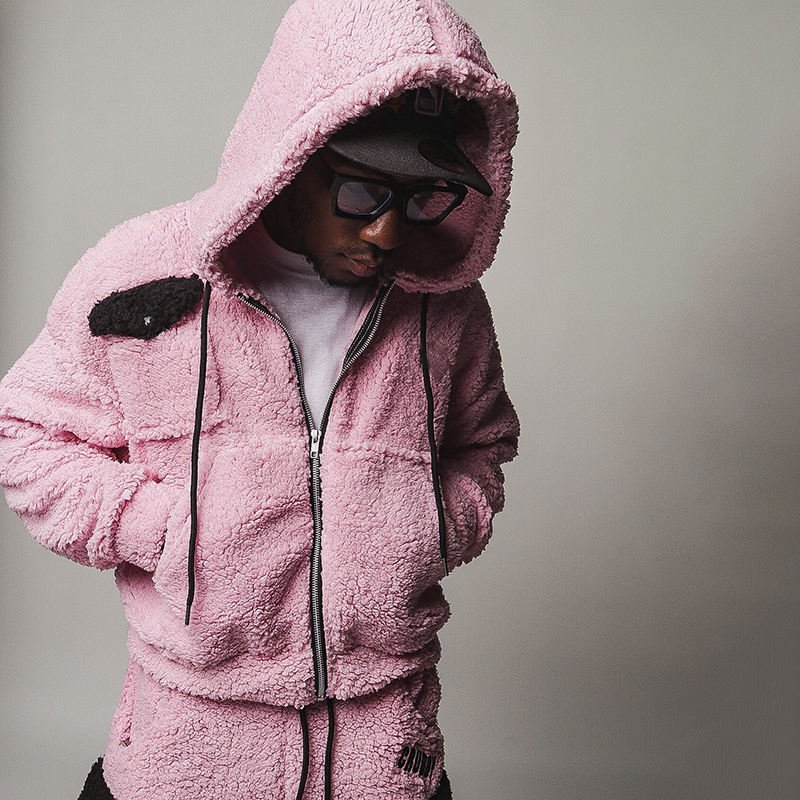
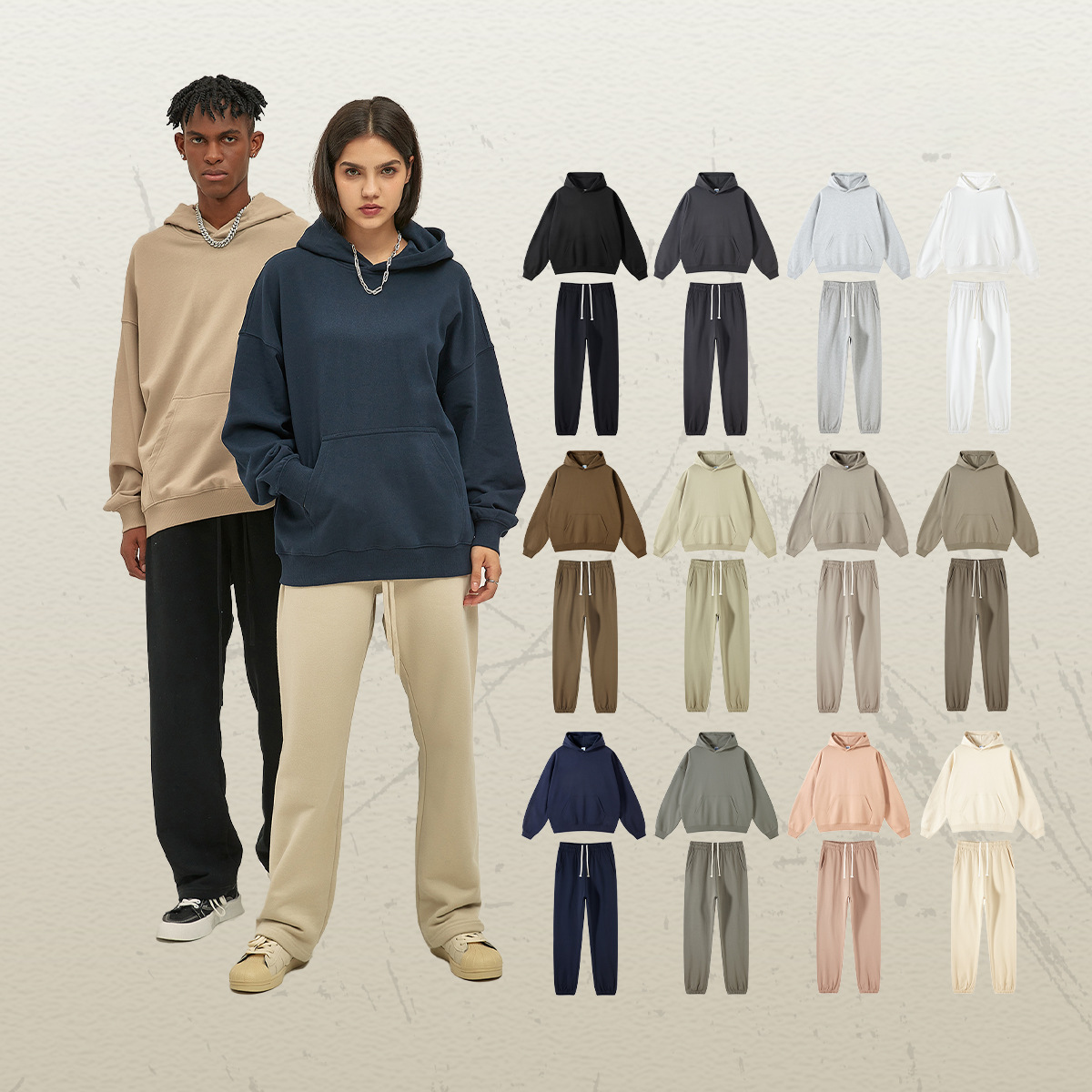
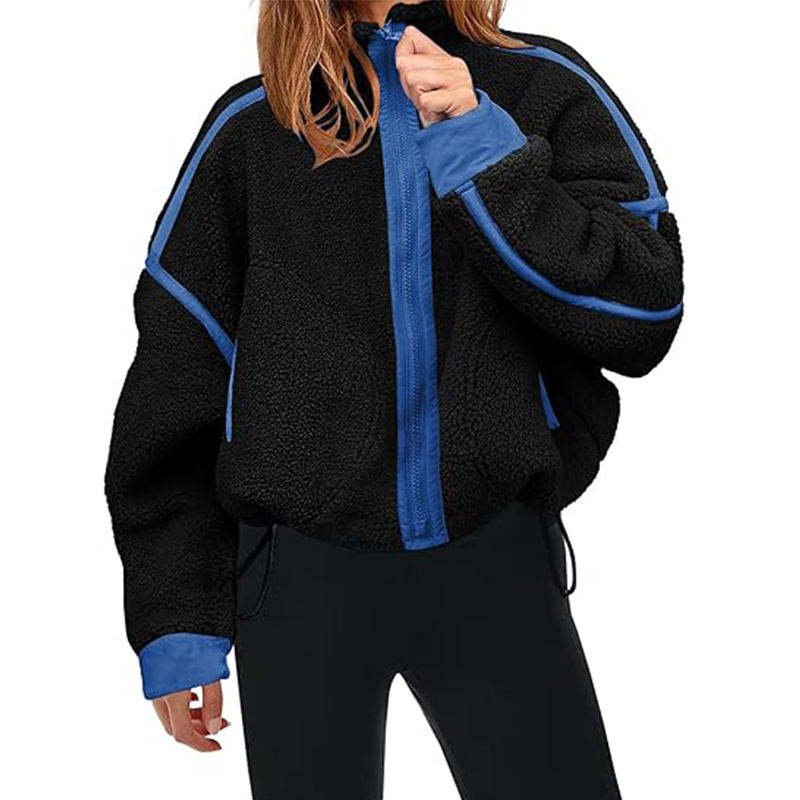
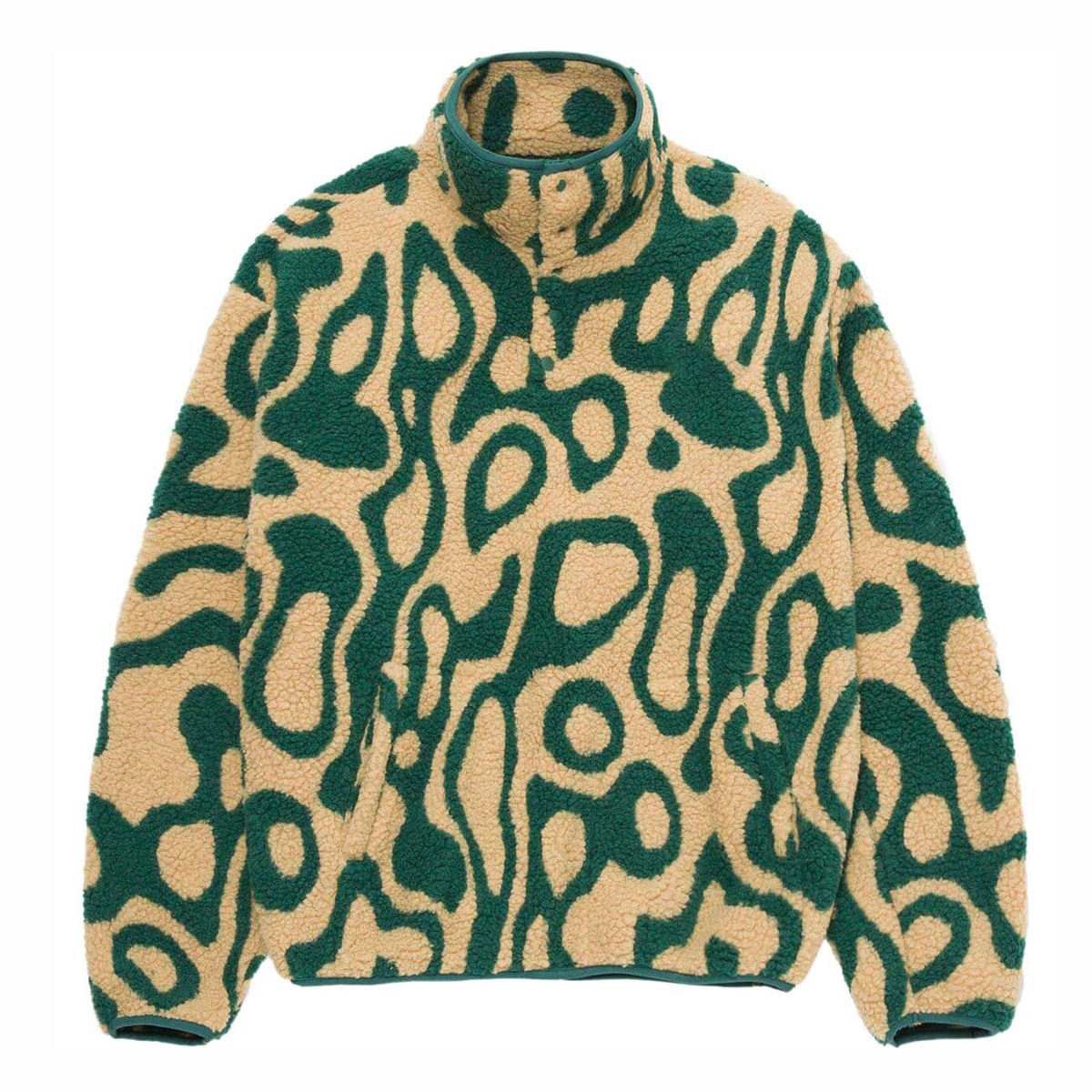
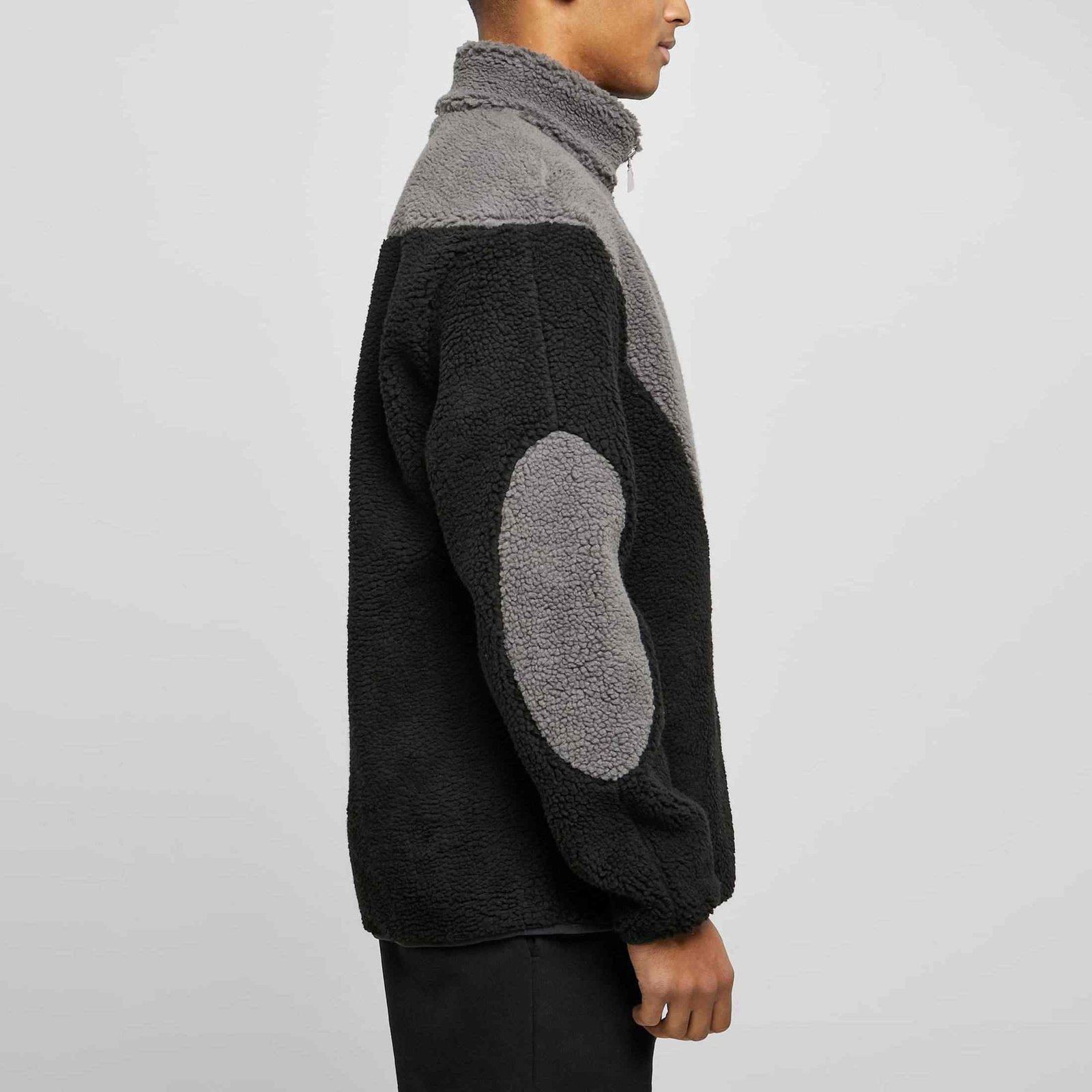
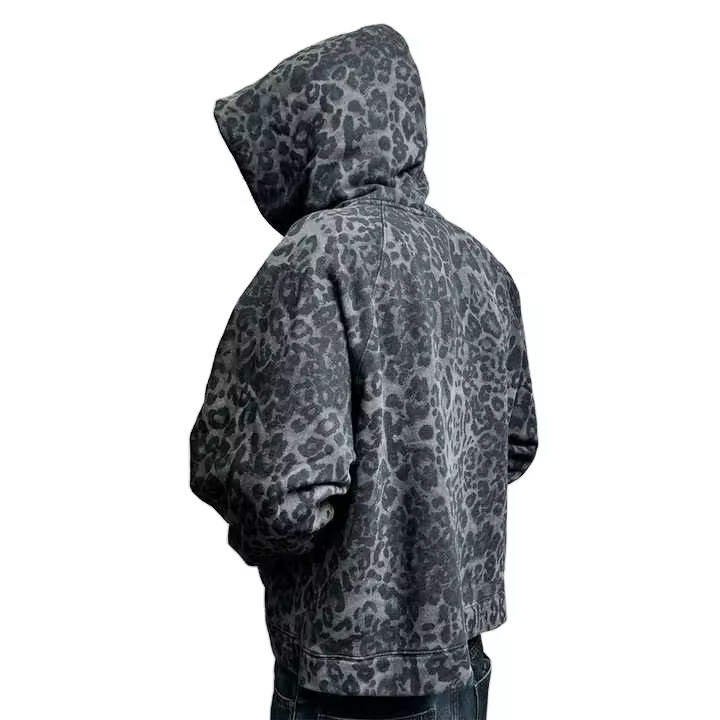
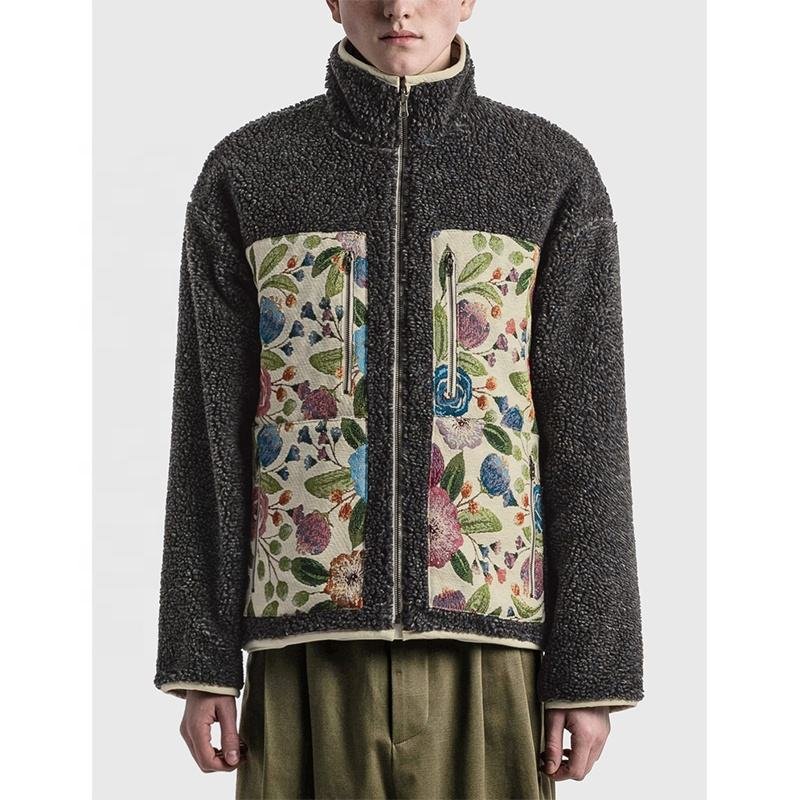
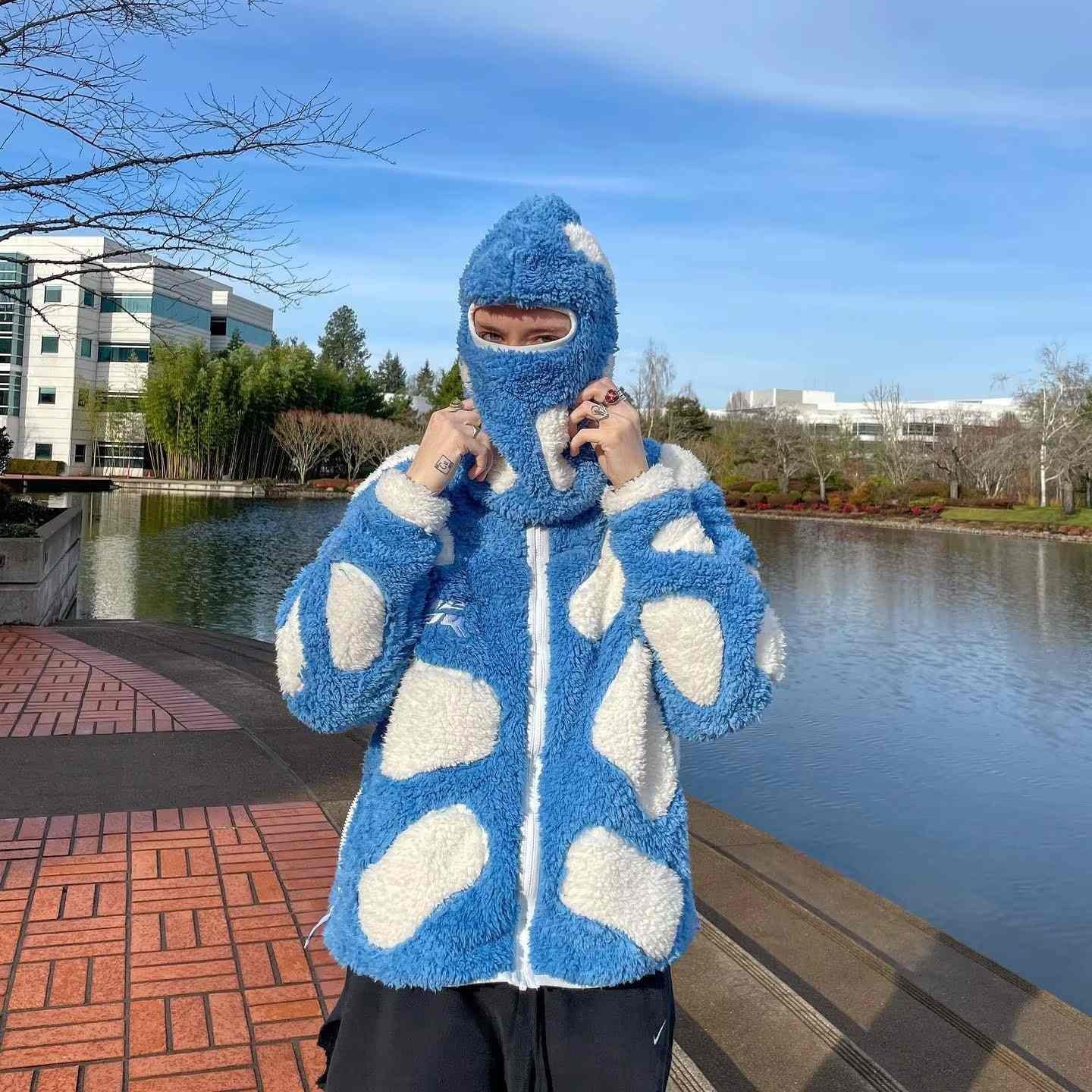
Why Brands Choose Our Packable Windbreaker Manufacturer
5-Step QC Guarantee
Every packable windbreaker passes rigorous quality checks at materials, cutting, craft, sewing, and finished product stages before shipping.
Low MOQ for Startups
Launch your packable windbreaker line without massive inventory risk. We support emerging brands with flexible minimum order quantities.
Fast Sampling & Turnaround
Keep pace with seasonal trends. Our in-house team delivers quick sampling and production timelines for your packable windbreaker collections.
In-House Design Team
Access 15 R&D specialists who understand streetwear aesthetics and can refine your packable windbreaker designs from concept to production.
Streetwear & Influencer Expertise
Six years specializing in trend-driven apparel. We’ve helped over 200 brands grow from startups to influencer powerhouses with thousands of followers.
Global Shipping & Logistics
Serving customers in over 100 countries with transparent customs, reliable freight forwarding, and end-to-end logistics support for your orders.
Packable Windbreaker Manufacturer Categories & Customization Options
From ultra-lightweight travel pieces to oversized streetwear statements, our packable windbreaker manufacturer expertise covers every style and customization your brand needs.
Lightweight Packable Windbreakers
Emerging activewear brands struggle to find a packable windbreaker manufacturer who can deliver ultra-lightweight shells that compress into pocket-sized pouches without sacrificing durability or print quality.
We produce featherweight windbreakers with reinforced seams and integrated stuff sacks, perfect for travel and outdoor brands. Our 5-step QC ensures every unit packs and unpacks flawlessly through hundreds of cycles.
Oversized Fit Streetwear Windbreakers
Streetwear startups need oversized, trend-driven windbreaker silhouettes with bold color-blocking and custom embroidery, but most manufacturers lack streetwear design expertise and charge prohibitive MOQs for experimental styles.
Our in-house design team specializes in streetwear proportions and trend forecasting. We offer low MOQs for oversized fits with custom color-block panels, screen-printing, and embroidered logos—ideal for influencer drops and limited releases.
Custom Embroidered & Printed Windbreakers
Independent designers and creator brands want unique branding through intricate embroidery, screen-printing, or heat-transfer graphics, but face quality inconsistencies and artwork translation issues with generic suppliers.
We handle complex artwork with precision: multi-color screen-printing, 3D puff embroidery, and reflective heat transfers. Our materials QC and finished garment inspection guarantee your custom branding looks sharp on every single piece.
Premium Fabrics for Packable Windbreakers
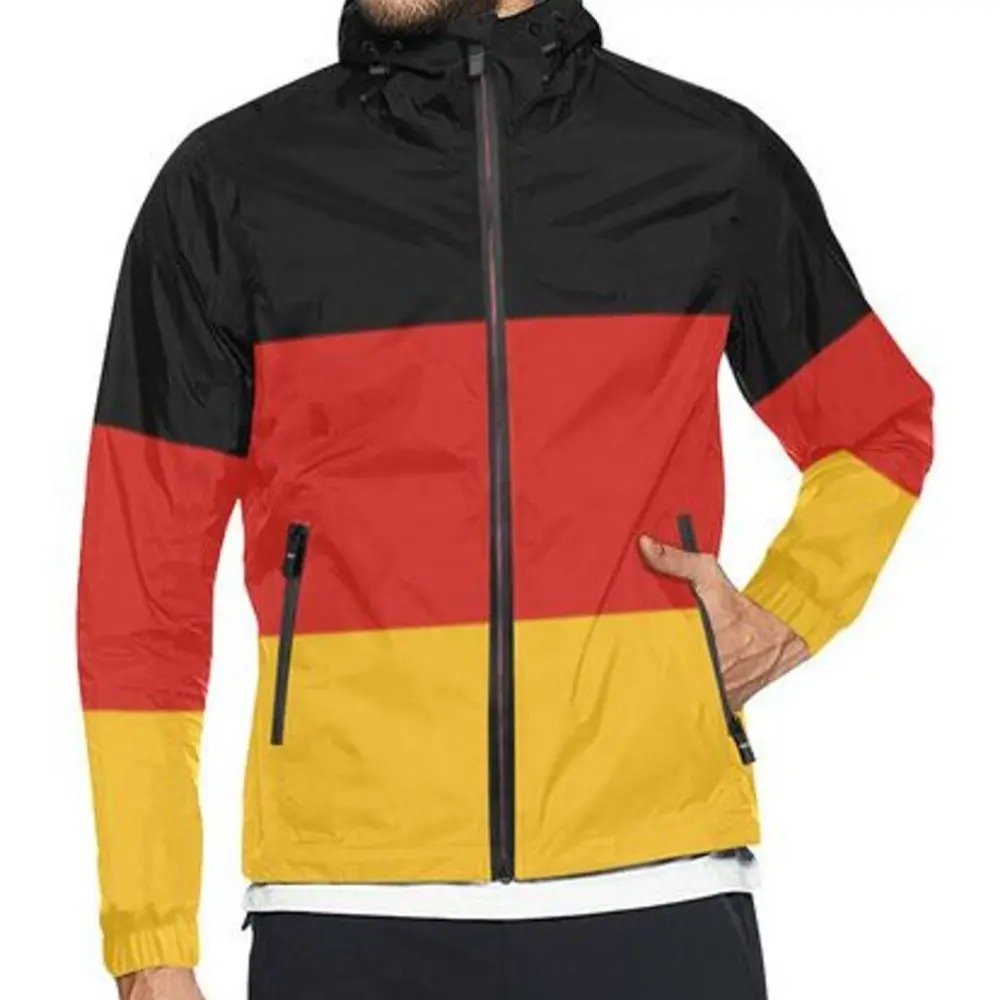
Nylon Ripstop
Ultra-lightweight with a distinctive crosshatch weave that resists tearing. Ideal for packable windbreakers that fold into pockets. Weight: 40–60 GSM. Offers excellent tear resistance while maintaining breathability and a crisp, technical hand-feel that streetwear brands love.
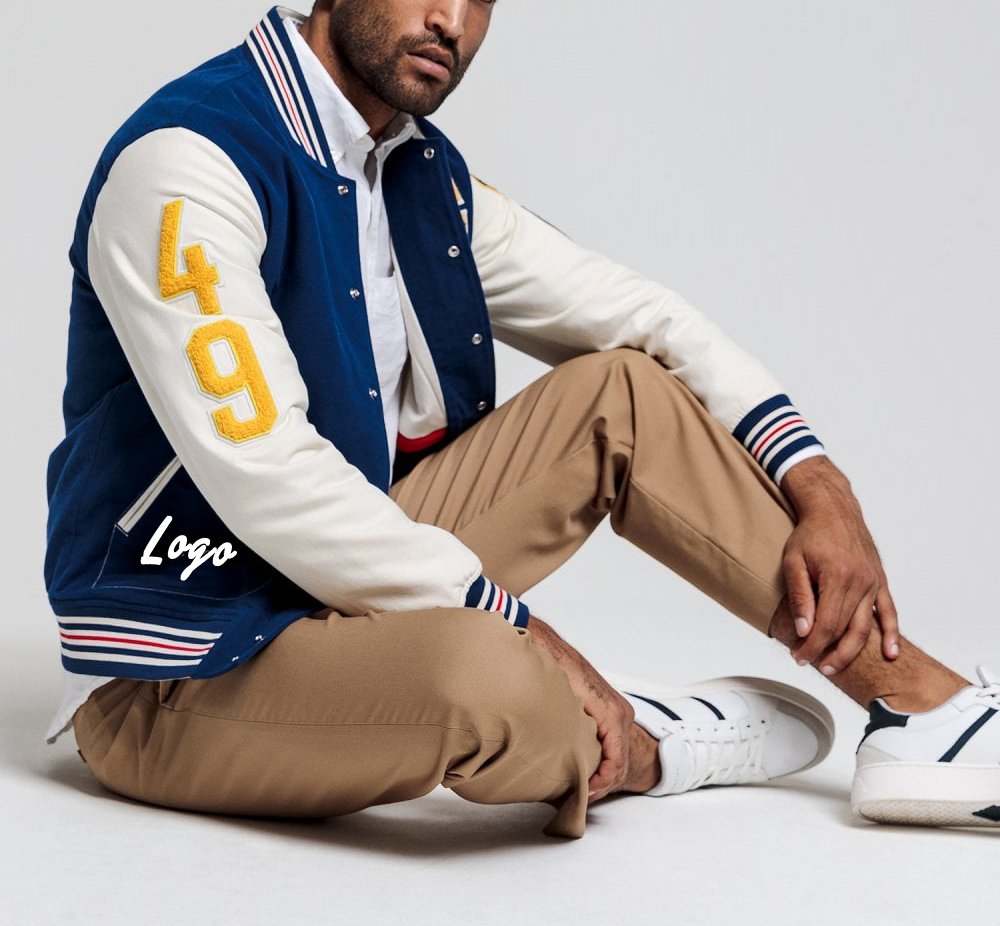
Polyester Taffeta
Smooth, tightly woven fabric with a subtle sheen and water-resistant finish. Perfect for lightweight jackets requiring shape retention. Weight: 50–70 GSM. Delivers reliable wind protection with a soft rustle and clean drape, popular for urban streetwear windbreakers.
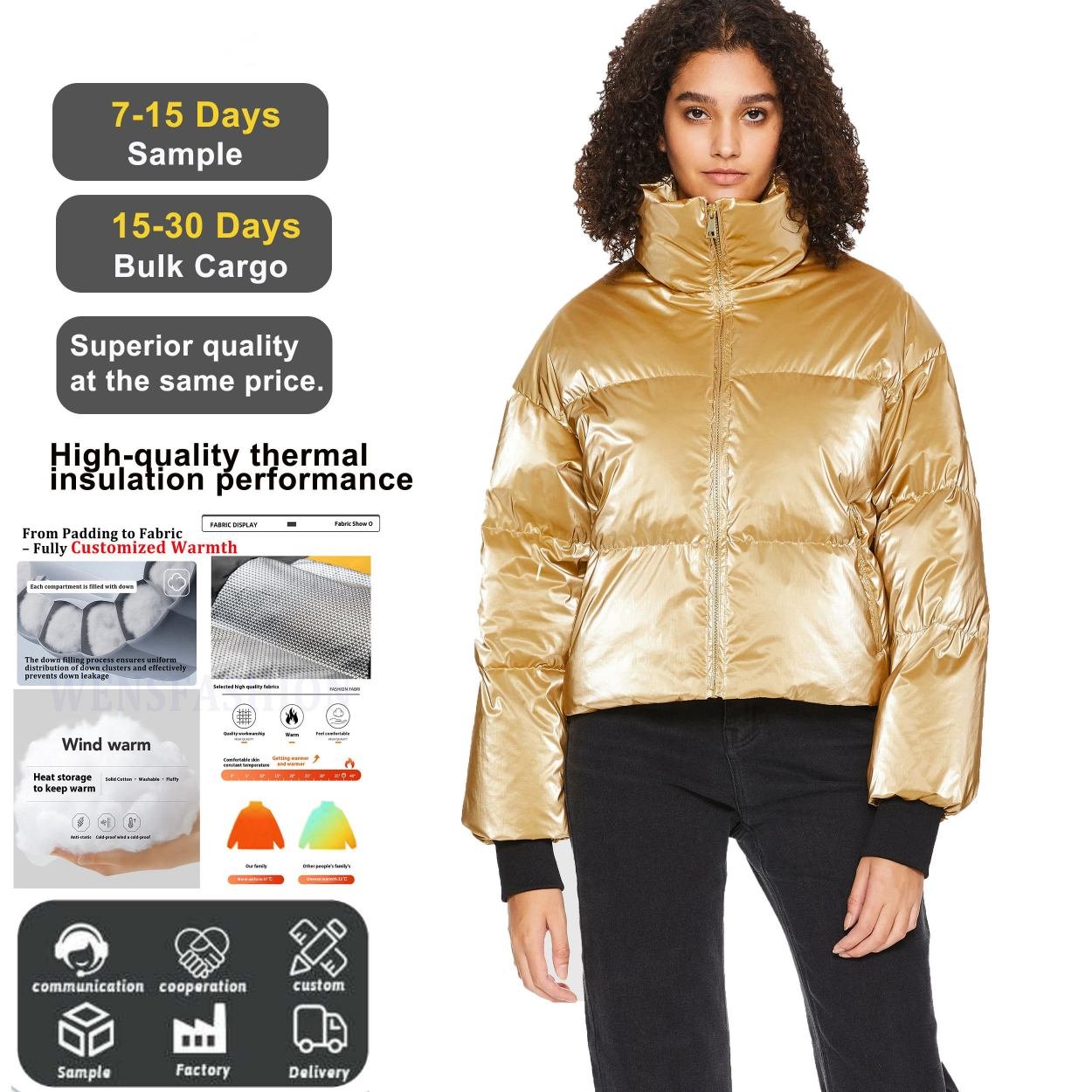
Recycled Nylon
Eco-conscious performance fabric made from post-consumer waste. Combines sustainability with technical durability for conscious brands. Weight: 45–65 GSM. Offers the same tear strength and packability as virgin nylon while reducing environmental impact—ideal for modern influencer lines.
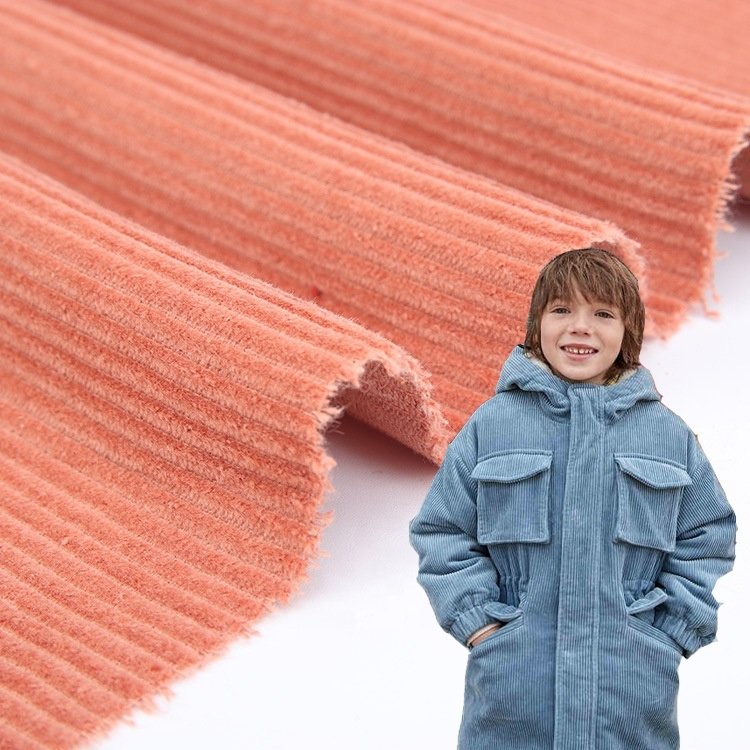
Microfiber Polyester
Exceptionally soft, densely woven fabric with superior wind-blocking properties. Provides premium hand-feel for elevated streetwear collections. Weight: 60–80 GSM. Features a matte finish and excellent drape, making it perfect for packable windbreakers with a luxury aesthetic.
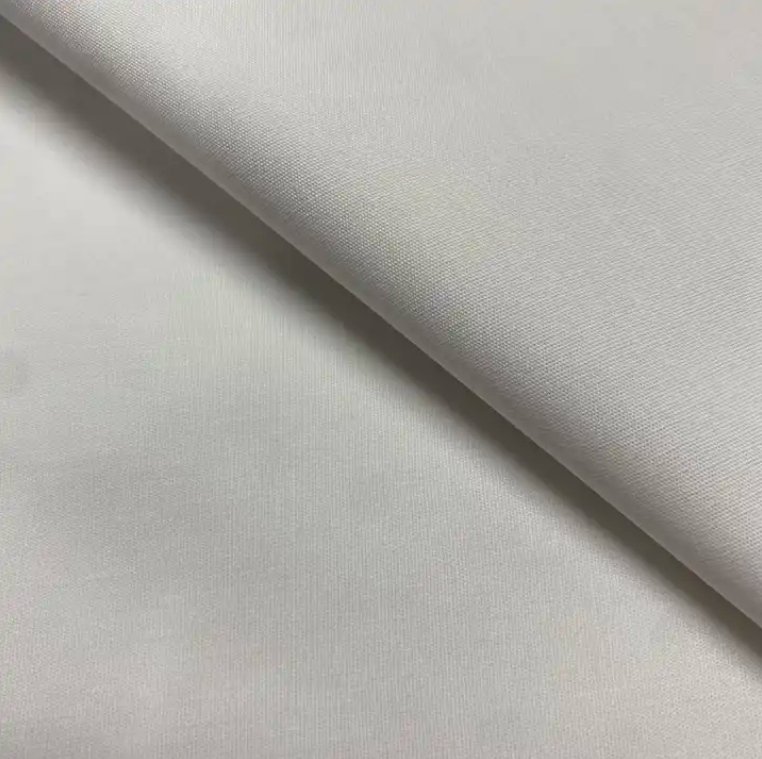
Nylon Taslan
Textured nylon with a natural cotton-like feel and enhanced durability. Balances technical performance with casual comfort. Weight: 70–90 GSM. The air-jet texturing process creates a soft, broken-in hand-feel while maintaining windproof qualities—great for retro-inspired designs.
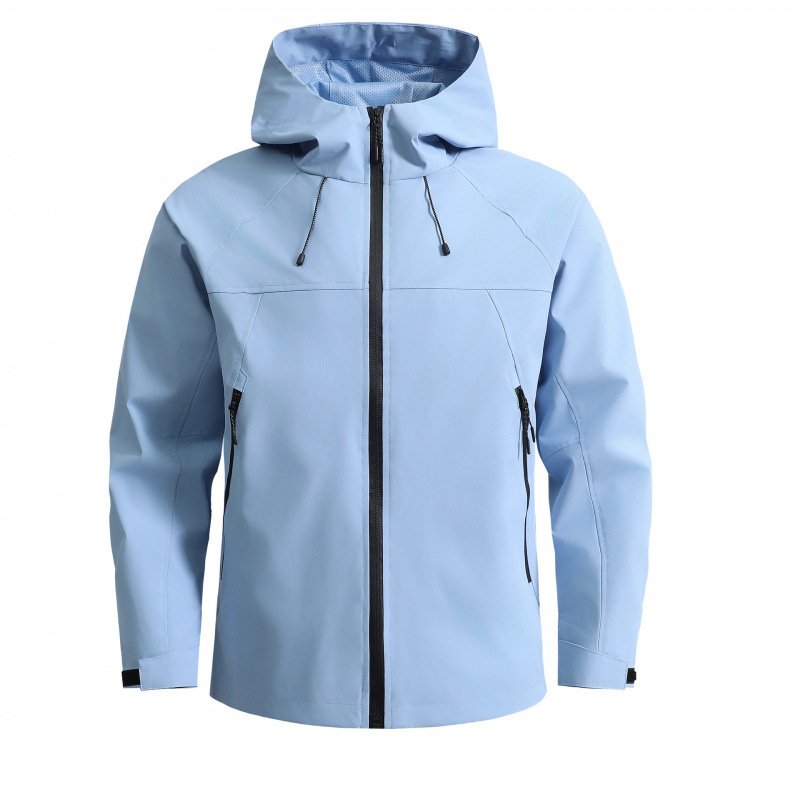
Coated Polyester
Lightweight polyester with PU or acrylic coating for waterproof protection. Essential for all-weather packable windbreakers. Weight: 55–75 GSM. The coating adds water resistance without sacrificing packability, delivering reliable performance for outdoor-focused streetwear brands seeking functional style.
Advanced Production Processes for Your Packable Windbreaker Manufacturer
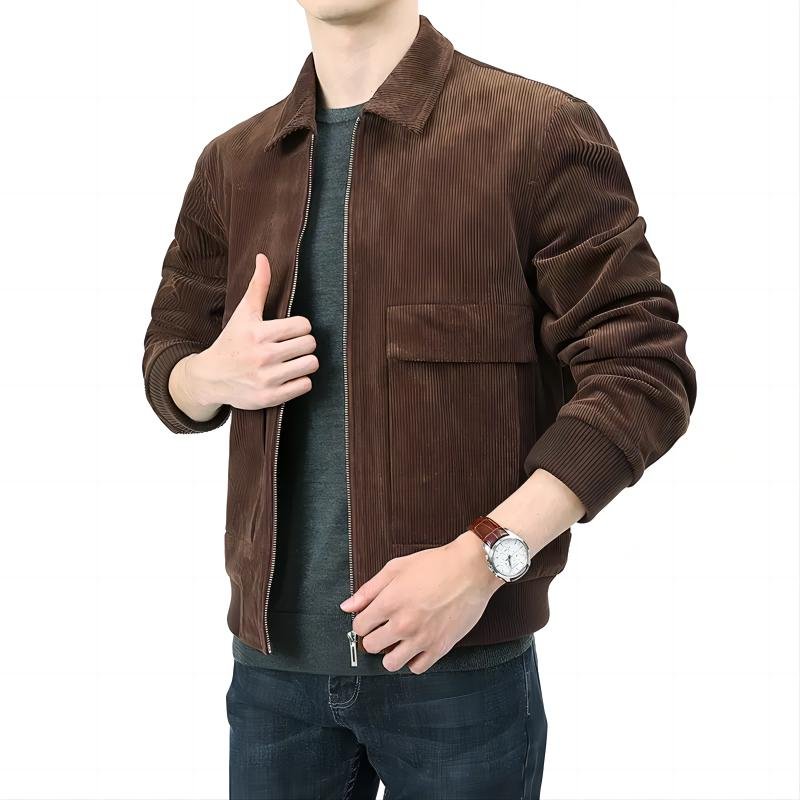
Screen Printing
High-opacity ink application ideal for bold logos and graphics on windbreakers. Delivers vibrant, durable prints that withstand washing and outdoor wear, perfect for streetwear branding and limited-edition designs.
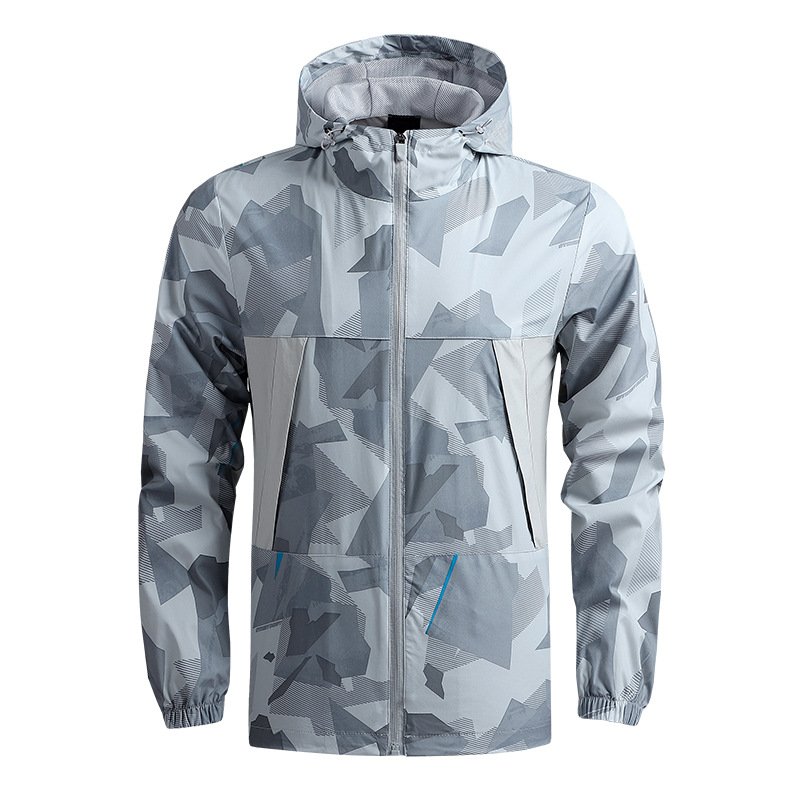
Embroidery
Premium thread-based decoration that adds dimension and texture to packable windbreakers. Creates a luxury feel with exceptional durability, ideal for brand logos, monograms, and intricate streetwear motifs that elevate perceived value.
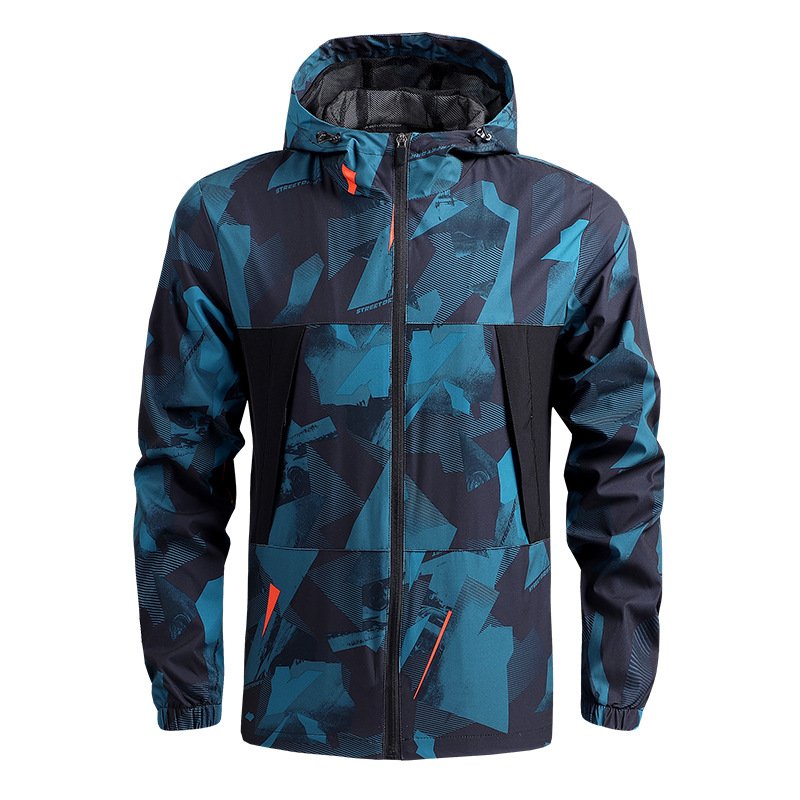
Heat Transfer
Versatile application method for detailed graphics, reflective elements, and multi-color designs. Produces smooth, lightweight decoration that maintains the packable nature of windbreakers while delivering sharp, professional branding results.
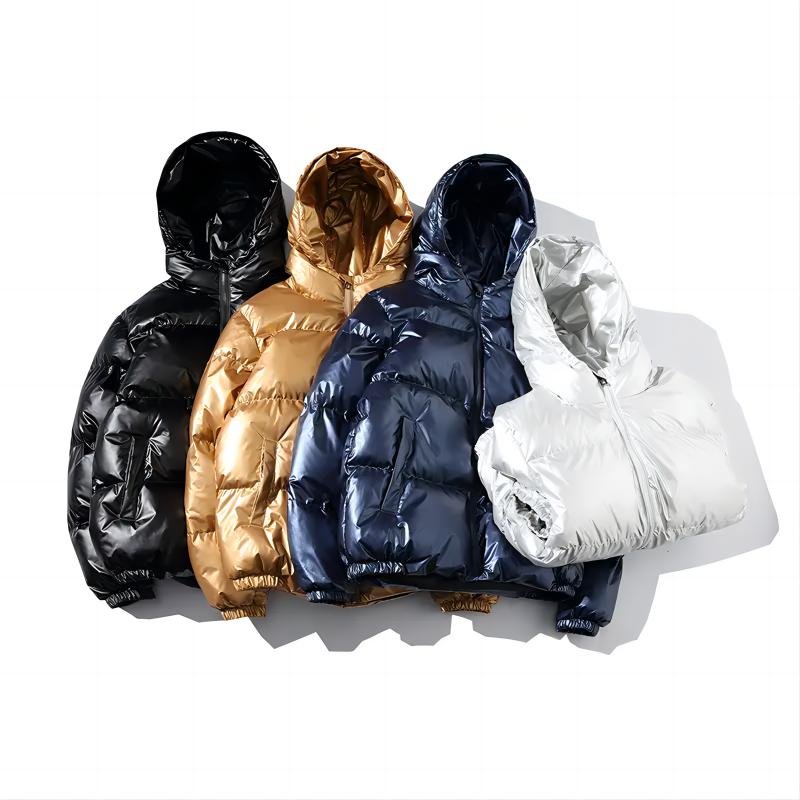
Sublimation Printing
Full-color dye infusion process for all-over patterns and photographic-quality designs on polyester windbreakers. Creates seamless, fade-resistant graphics that won’t crack or peel, perfect for bold streetwear aesthetics and custom collections.
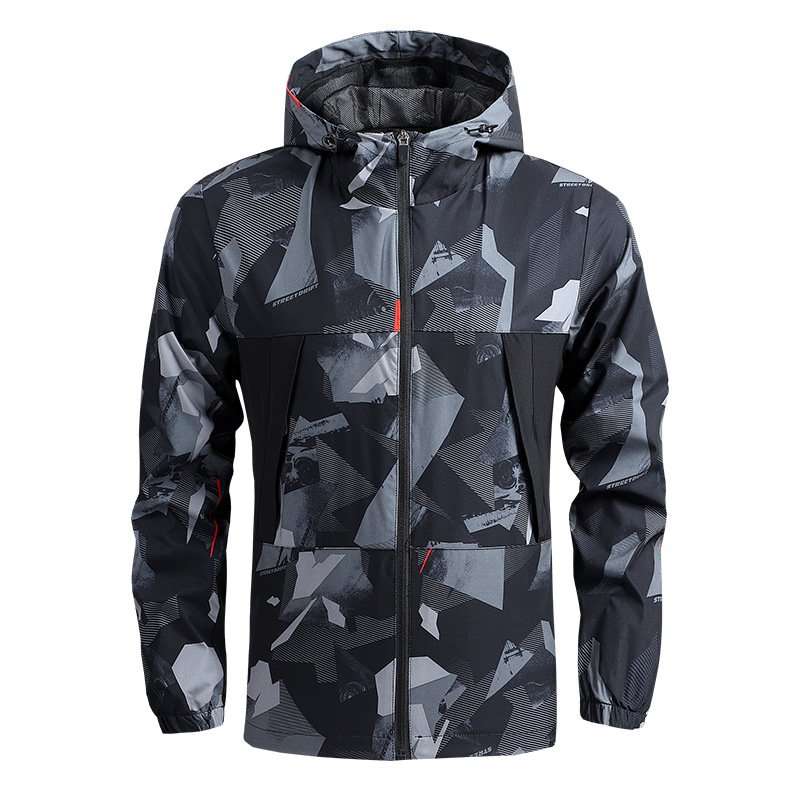
Water-Resistant Coating
Advanced DWR (Durable Water Repellent) treatment applied to windbreaker fabrics for enhanced weather protection. Ensures water beads off the surface while maintaining breathability, essential for functional outerwear that performs in unpredictable conditions.
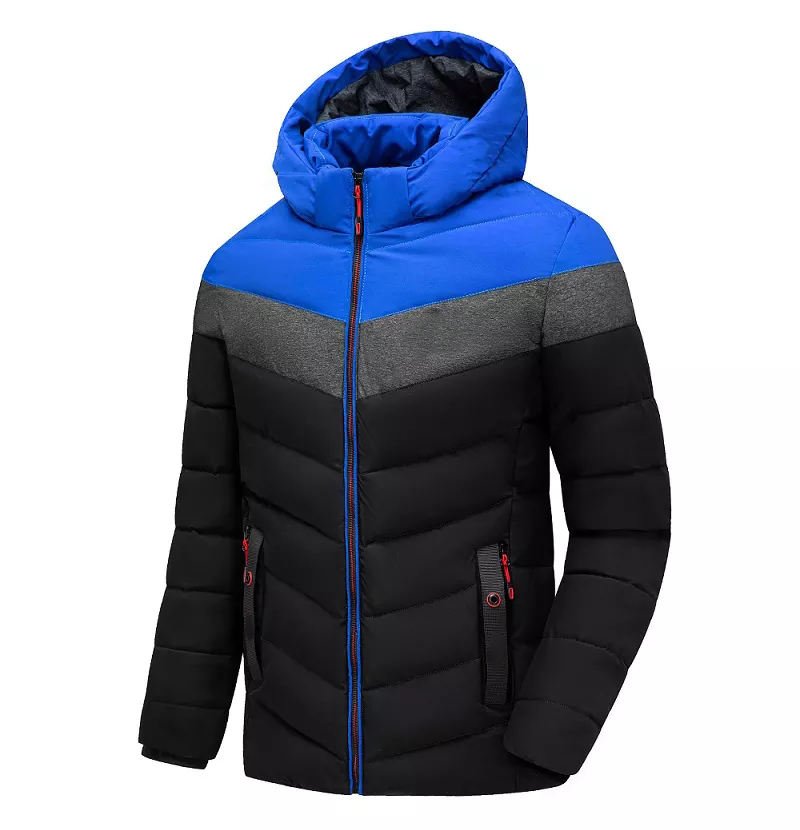
Custom Dyeing
Precision fabric coloring for unique, trend-driven colorways and seasonal palettes. Our controlled dyeing process ensures consistent color matching across production runs, enabling brands to achieve signature hues that define their streetwear identity.
Packable Windbreaker Manufacturer Hardware & Accessories
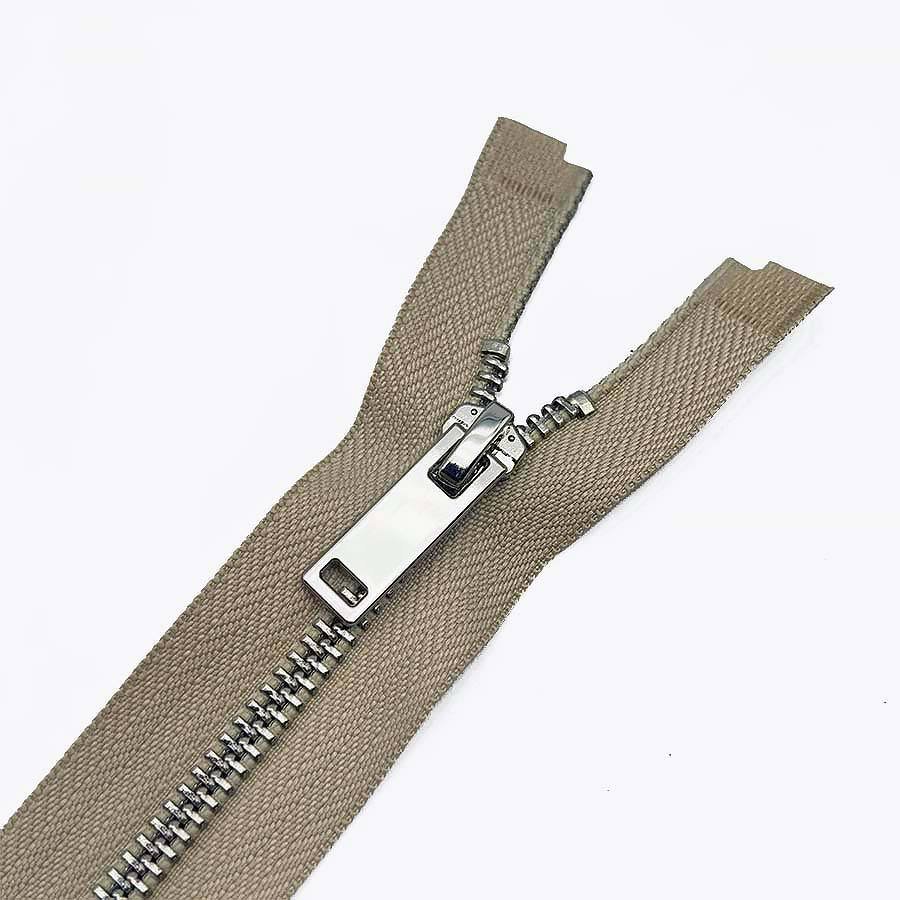
YKK Metal Zippers
Premium YKK zippers engineered for smooth operation and lasting durability. Essential for packable windbreaker front closures and pocket access, these zippers resist corrosion and maintain performance through repeated packing cycles.
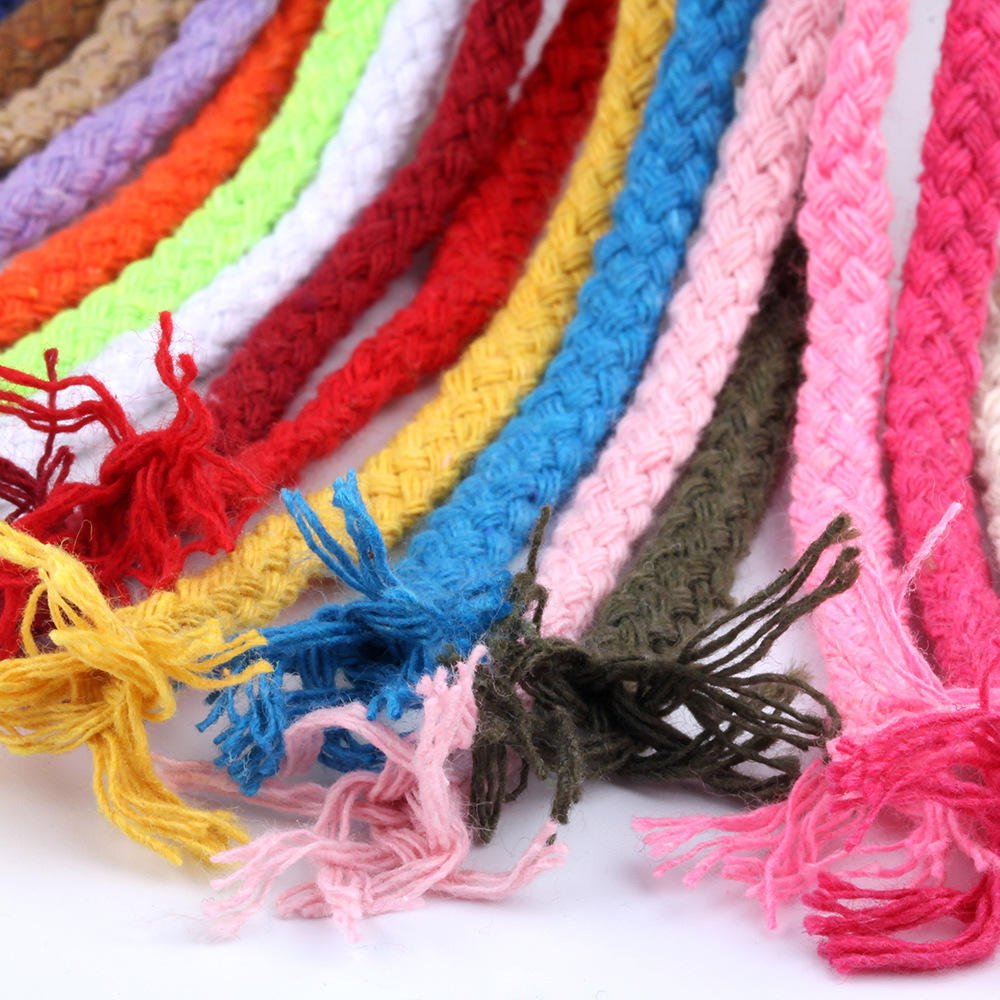
Adjustable Drawcords
Custom-color drawcords with metal or plastic cord locks for hood and hem adjustments. Enable wearers to cinch their packable windbreaker for wind protection and personalized fit, enhancing both function and streetwear aesthetic.
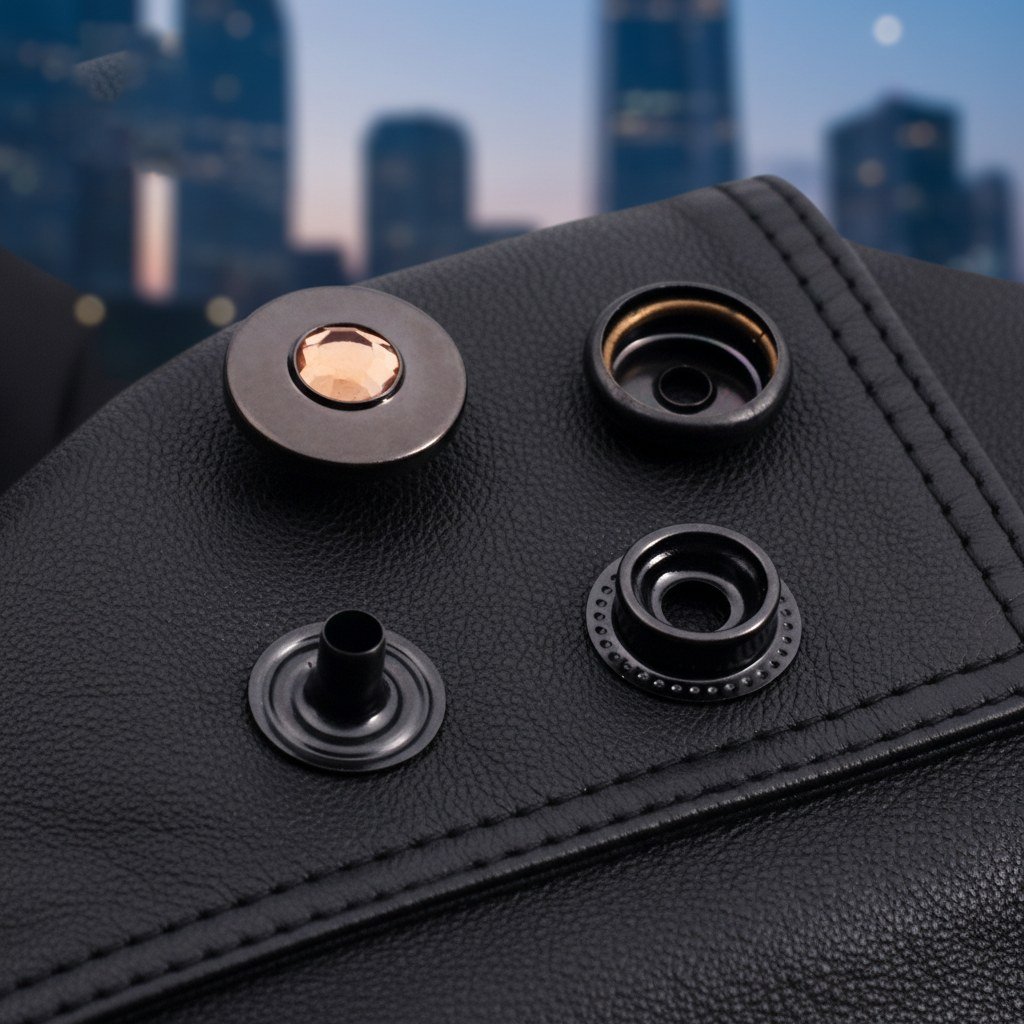
Snap Button Closures
Durable metal or resin snap buttons for cuffs, pockets, and packable storage pouches. Provide secure closure without adding bulk, crucial for maintaining the compact profile that defines quality packable windbreakers.
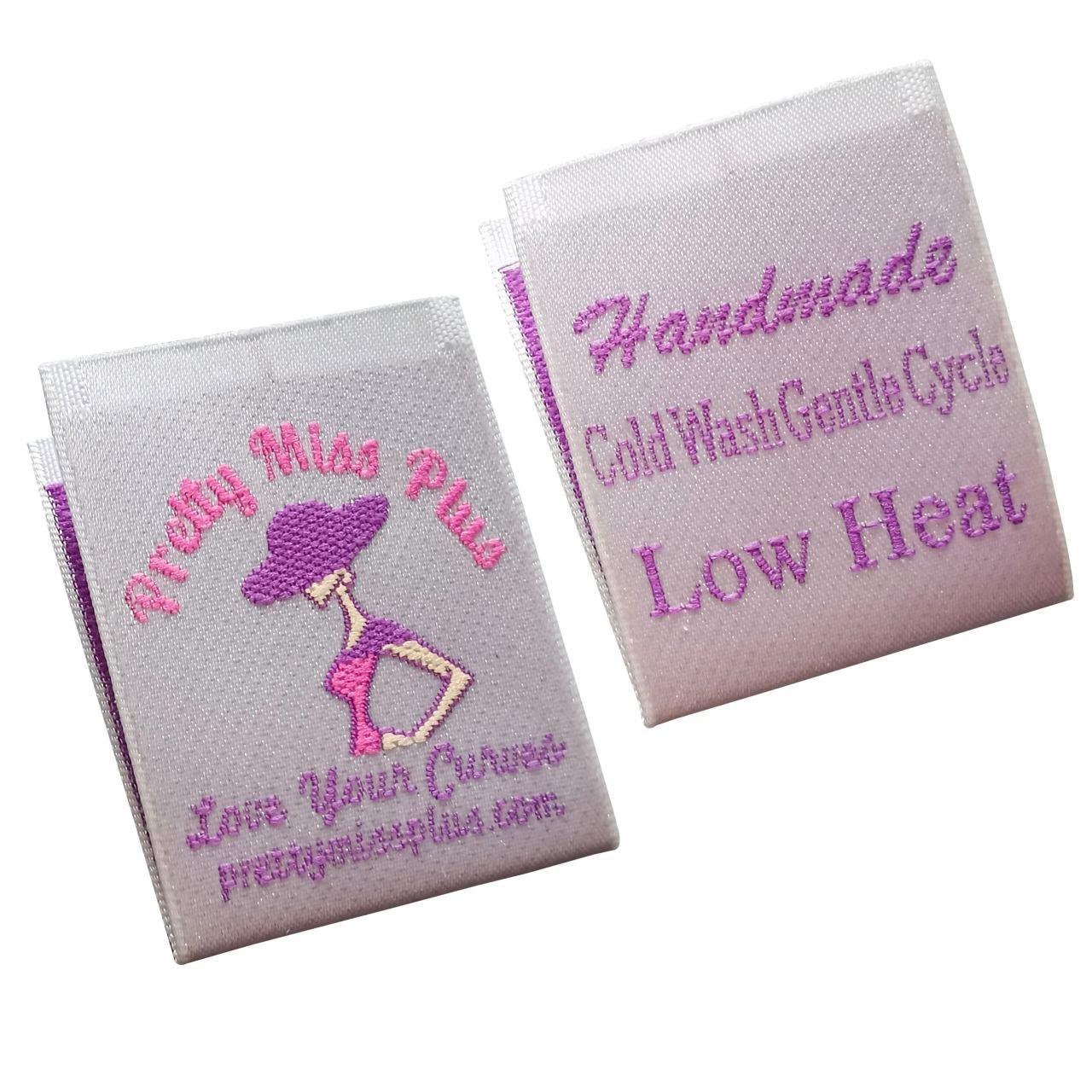
Woven Brand Labels
High-density woven labels with your logo and branding details. Positioned at neck, sleeve, or hem to reinforce brand identity and communicate quality craftsmanship in every packable windbreaker we manufacture.
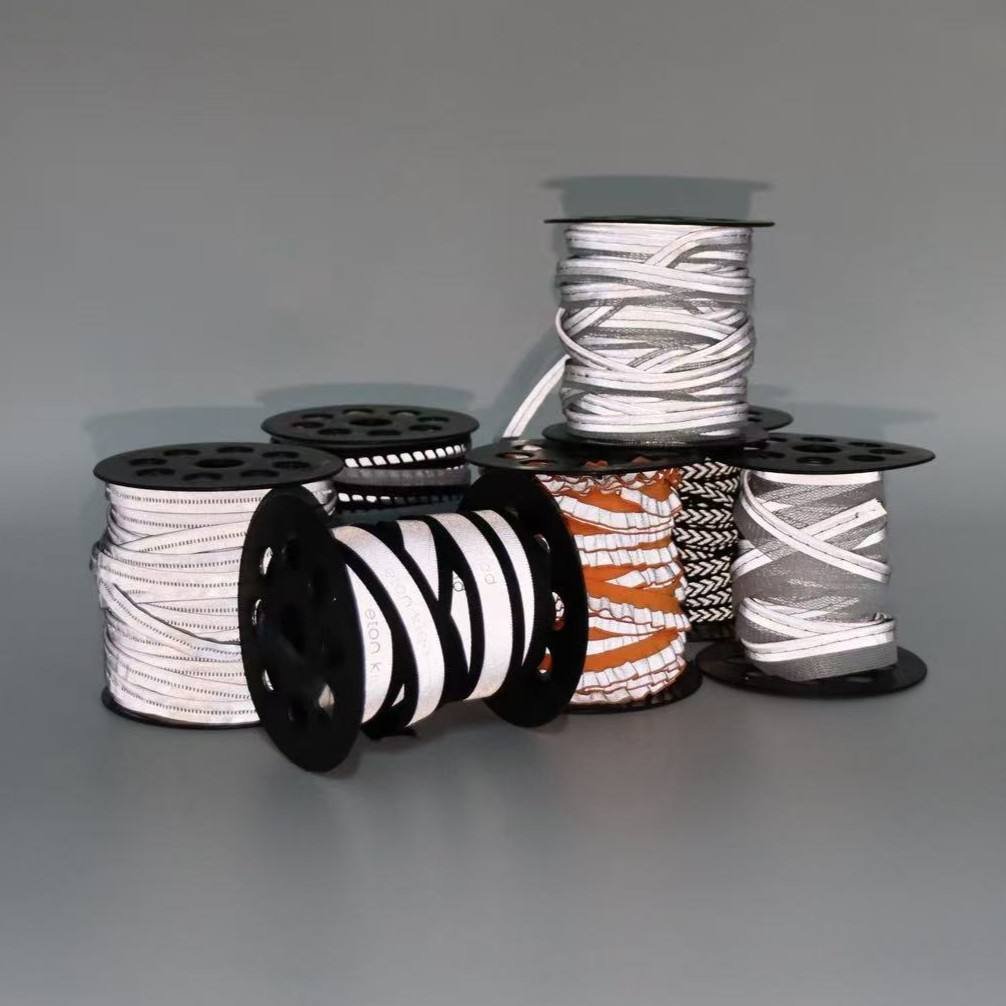
Reflective Trim
Heat-transfer or sewn reflective tape along seams, zippers, or logos. Boosts visibility and safety for urban wear and outdoor activities while adding a modern, technical edge to your packable windbreaker design.
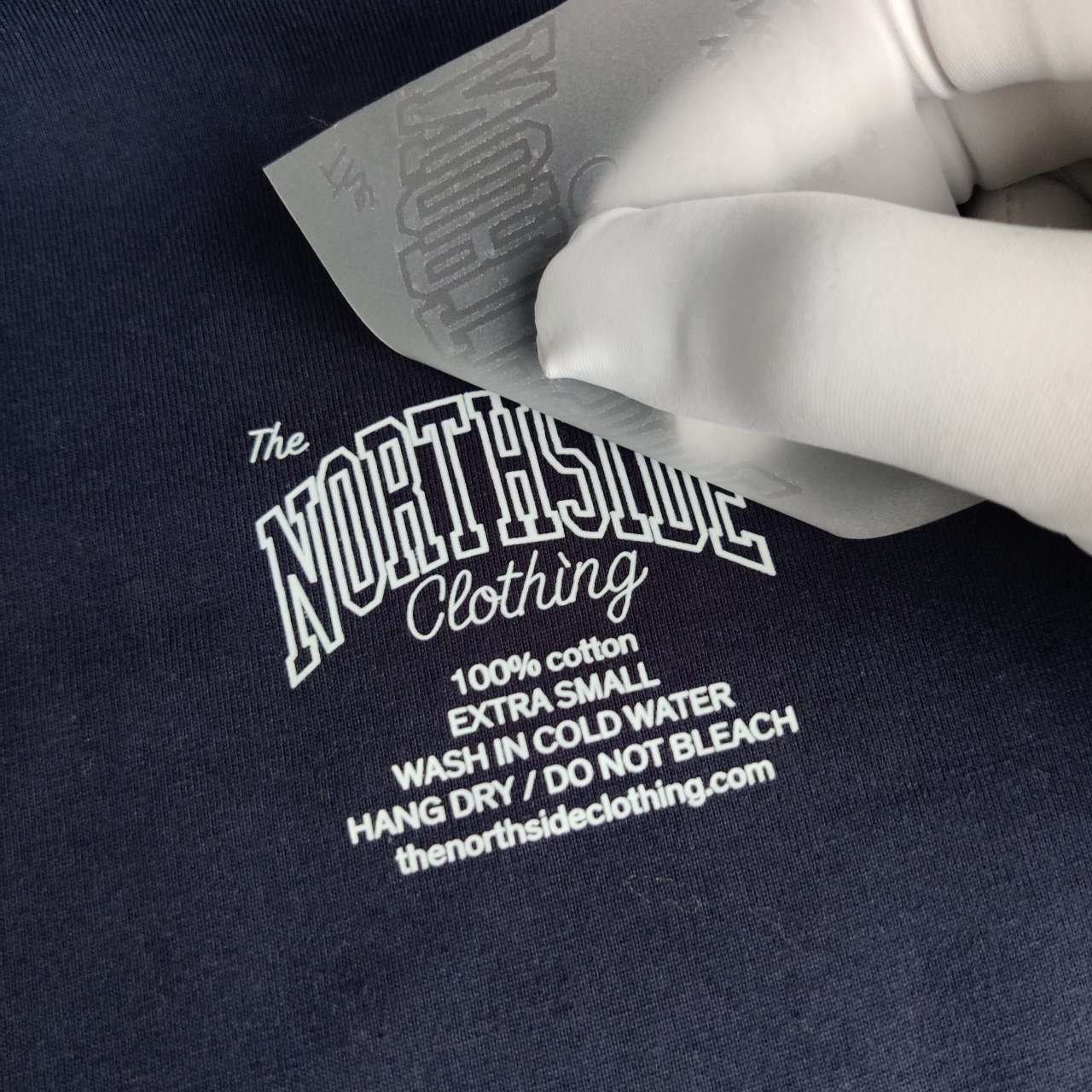
Heat-Seal Hangtags
Custom heat-seal or printed hangtags displaying care instructions, sizing, and brand story. Create a premium unboxing experience and communicate your brand values from the moment customers receive their packable windbreaker.
Your Trusted Packable Windbreaker Manufacturer
Founded in 2024 by Tesla Luo, Clothing Manufacturer Ltd. was built on a mission to restore the reputation of Chinese garment manufacturing. With over 10 years of production experience and 6 years specializing in streetwear, Tesla witnessed too many factories skip quality control. He created a company where rigorous testing and craftsmanship come first.
Today we serve brands in over 100 countries, backed by a 15-person R&D team and 10 production patents. Our proprietary 5-step quality control process ensures every packable windbreaker meets premium standards from fabric selection through final inspection. We combine the agility of a focused specialist with the production capacity of our parent company, Dongguan TuoZhen Clothing Co., Ltd.
Whether you’re a fashion startup launching your first collection or an established retailer scaling seasonal lines, we deliver trend-driven designs, low minimum order quantities, and transparent communication. Our expertise in streetwear aesthetics and technical garment construction empowers global brands to bring exceptional products to market with confidence.
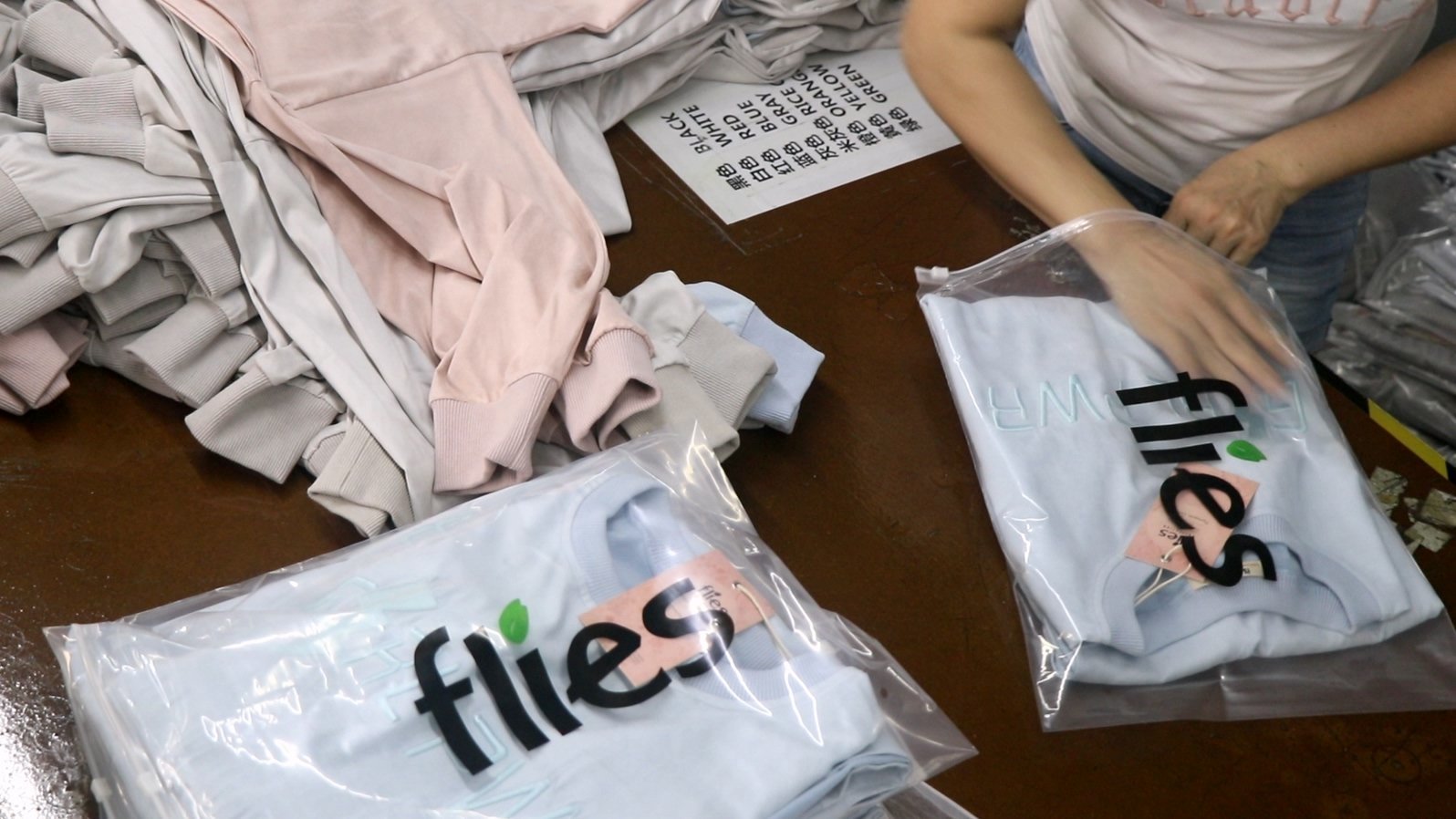
Our 5-Step Quality Control Guarantee for Every Packable Windbreaker
Materials QC Testing
Before a single cut is made, our team inspects every fabric roll, zipper, and trim component against your specifications. This first checkpoint catches substandard materials before they enter production, protecting your brand reputation from the start.
- Fabric weight, waterproofing, and colorfastness verified against approved samples
- Hardware and zippers tested for smooth operation and durability standards
- All trims and packable pouches checked for dimensional accuracy and finish quality
- Supplier certifications validated to ensure compliance with safety and environmental standards
Cutting QC Testing
Precision cutting determines fit and fabric efficiency. Our cutting QC phase verifies pattern alignment, grain direction, and piece accuracy, ensuring every panel meets your tech pack specifications before moving to the sewing floor.
- Pattern pieces measured against digital templates to eliminate sizing errors
- Fabric grain and print alignment checked on all cut components
- Notch and drill-hole placement verified for accurate assembly
- Cut quantity audited to prevent shortages or material waste during production
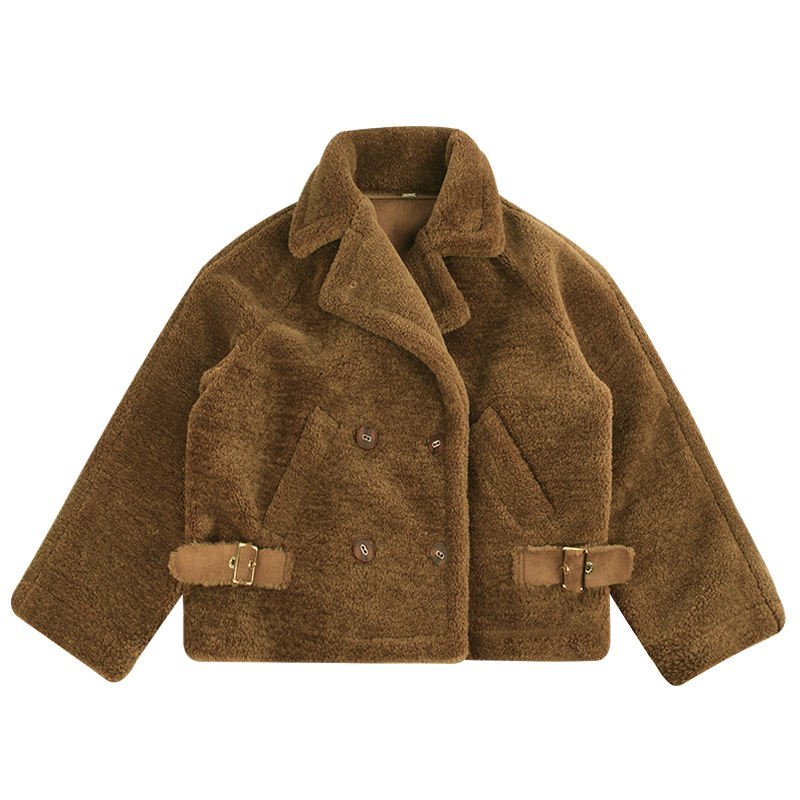
Clothing Craft & Sewing Production QC
During active production, our QC inspectors monitor stitch quality, seam construction, and assembly techniques in real time. This in-process testing catches defects immediately, preventing flawed garments from advancing through the production line.
- Seam strength and stitch density tested on sample units throughout each production run
- Packable folding mechanisms and pouch attachments verified for functionality
- Hood, cuff, and hem construction checked against streetwear durability standards
- Continuous line audits ensure consistency across every windbreaker in your order
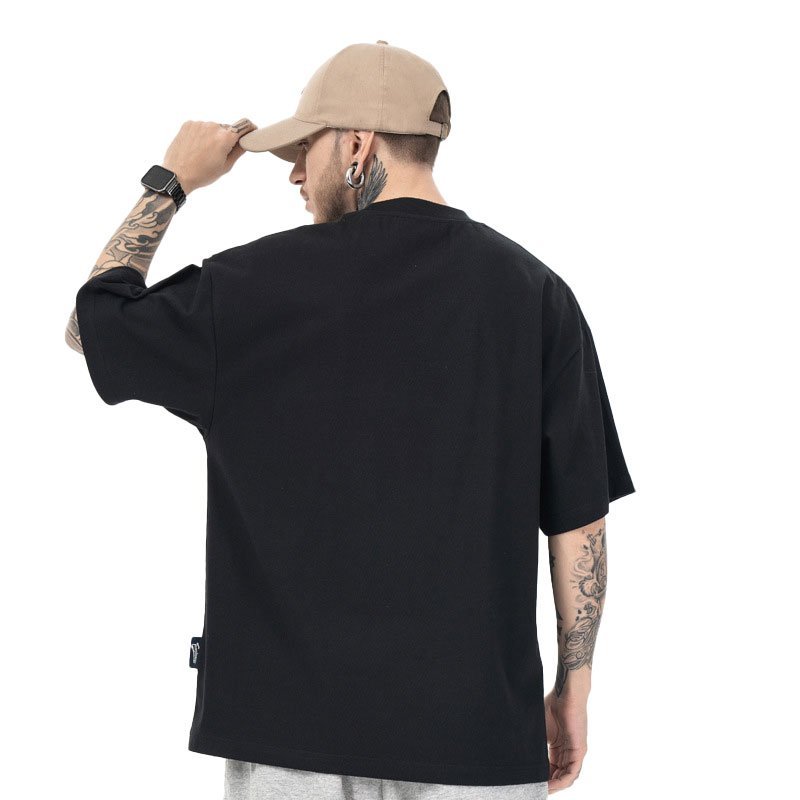
Finished Clothing Quality Inspection
Every completed packable windbreaker undergoes a comprehensive final inspection before packing. Our team checks fit, finish, functionality, and presentation, guaranteeing that only defect-free garments bearing your brand reach your customers.
- Full garment measurements verified against approved size specs and tolerance ranges
- Zipper function, snap closures, and packable pouch tested under real-use conditions
- Surface inspection for loose threads, stains, or fabric flaws under controlled lighting
- Hang tags, labels, and packaging reviewed for brand accuracy and professional presentation
Packable Windbreaker Manufacturer vs. Standard Suppliers
We embed quality control at every production stage, offer low MOQs for startups, and bring streetwear design expertise—advantages most offshore factories simply don’t provide.
← 左右滑动查看 →
Packable Windbreaker Manufacturer Production Timeline — Design to Delivery
Our disciplined 6-phase workflow ensures every packable windbreaker meets your brand standards, with built-in quality checks at every critical milestone.
Tech Pack Review
Our design team reviews your specifications, fabric choices, and branding details to ensure technical accuracy before sampling begins.
Sampling & Approval
We produce physical samples with your custom features, packability tests, and branding. Revisions included until you approve production.
Bulk Cutting & QC
Approved patterns are cut from your selected fabrics with our cutting QC testing to verify accuracy and minimize material waste.
Production & Sewing QC
Skilled operators assemble your windbreakers with real-time sewing production QC testing at every workstation to catch defects immediately.
Final Inspection & Packing
Every finished windbreaker undergoes our finished clothing quality QC inspection, then packed to your specifications with branded labels and tags.
Global Shipping & Logistics
We coordinate international freight, customs documentation, and tracking so your packable windbreakers reach your warehouse or fulfillment center on schedule.
How to Partner With a Packable Windbreaker Manufacturer
From concept to delivery, our streamlined 4-step process ensures fast turnaround, transparent communication, and quality you can trust.
Submit Your Design or Tech Pack
Share your packable windbreaker concept, sketches, or complete tech pack. Our team reviews specifications and confirms feasibility within 24 hours.
Receive Quote and Free Sample
We provide a detailed quote with pricing, MOQ, and timeline. Approve the quote and we’ll produce a complimentary sample for your review.
Approve Bulk Production Order
Once you confirm the sample meets your standards, approve the bulk order. We finalize materials, colors, and quantities before production begins.
Production and Global Delivery
Your windbreakers move through our 5-step QC process. We handle packaging, logistics, and shipping to your location worldwide with full tracking.
Certified Packable Windbreaker Manufacturer You Can Trust
Packable Windbreaker Manufacturer Trusted by Growing Brands
We launched our first packable windbreaker collection in just 8 weeks with zero defects. The 5-step QC process caught issues early, and our customers love the quality. Sales exceeded projections by 40%.
As a startup, low MOQ was critical. We started with 300 units and scaled to 4,500 monthly in six months. The team understood our vision and delivered packable windbreakers that our influencer audience actually wants to wear.
Their streetwear expertise shows in every detail. We needed trend-driven packable windbreakers for our spring drop, and they nailed the fit, fabric weight, and custom prints. Repeat order rate hit 62% — our highest ever.
Packable Windbreaker Manufacturing — Frequently Asked Questions
What is the minimum order quantity with your packable windbreaker manufacturer?
How long does it take to produce a packable windbreaker order?
Can your packable windbreaker manufacturer create custom samples before production?
What payment terms does your packable windbreaker manufacturer offer?
Do you provide global shipping and logistics support for packable windbreaker orders?
How does your packable windbreaker manufacturer protect my design IP and branding?
What fabrics and customization options are available for packable windbreakers?
Why choose your packable windbreaker manufacturer over other suppliers?
The Complete Buyer’s Guide to Choosing the Right Packable Windbreaker Manufacturer
Navigate the sourcing landscape with confidence. This guide delivers a proven decision framework, essential supplier criteria, quality benchmarks, and the critical mistakes to avoid when partnering with a packable windbreaker manufacturer for your brand.
1. What Is a Packable Windbreaker Manufacturer?
A packable windbreaker manufacturer specializes in producing lightweight, compressible outerwear that folds into an integrated pouch or pocket, typically reducing to the size of a small bag or fist. These garments deliver weather protection — wind resistance, water repellency, and breathability — while weighing between 100 and 250 grams, making them essential for streetwear drops, outdoor collections, and athleisure lines that prioritize portability and function.
Manufacturing packable windbreakers requires specialized expertise beyond standard jacket production. The construction process demands ultra-lightweight ripstop nylon or polyester fabrics in the 20D to 70D denier range, precision seam-sealing to prevent water ingress at stitching points, and engineered folding mechanisms that withstand repeated compression without fabric fatigue or crease damage. A packable windbreaker manufacturer must balance minimal weight with durability, selecting DWR (durable water repellent) coatings that maintain performance after 20 to 30 washes and designing reinforced stress points at shoulders, elbows, and pack-away pockets.
Brands across categories are adding packable windbreakers because they solve the ‘just-in-case’ layer problem: consumers want protection they can carry without bulk. Streetwear labels use them as statement pieces with bold graphics and oversized silhouettes, outdoor brands emphasize technical performance and packability ratios under 1:10, and athleisure lines integrate reflective trims and moisture-wicking liners. Since 2024, Clothing Manufacturer Ltd. has applied its five-step quality control methodology — materials QC, cutting QC, craft QC, sewing QC, and finished garment inspection — to ensure every packable windbreaker meets compressibility standards, seam integrity, and fabric resilience before shipment.
2. Evolution of Packable Windbreakers in Fashion
In the mid-1980s, outdoor brands introduced packable windbreakers as technical gear for hikers and runners, using lightweight nylon ripstop fabrics that weighed under 150 grams and folded into attached stuff sacks. These early designs prioritized function over fashion, with minimal colorways and utilitarian cuts that appealed strictly to performance athletes.
By the early 1990s, stuff-sack innovations evolved from simple drawstring pouches to integrated chest pockets and elastic cuffs that doubled as compression storage, reducing packed volume by up to 40 percent. Brands like Patagonia and The North Face refined ripstop weaves to 20–30 denier nylon with DWR coatings, balancing tear resistance and packability while maintaining breathability above 3,000 g/m²/24hr.
The late 2000s marked a turning point when streetwear labels began collaborating with outdoor manufacturers, blending technical fabrics with bold graphics, oversized silhouettes, and urban colorways. Supreme’s 2011 partnership with The North Face introduced packable windbreakers featuring graffiti prints and reflective elements, cementing the style’s crossover appeal and driving demand among fashion-forward consumers who valued both portability and statement design.
Today’s packable windbreaker sits at the intersection of performance and streetwear, with manufacturers offering customizable options including sublimation printing, laser-cut ventilation, and branded stuff-sack compartments. Urban utility aesthetics—characterized by modular pockets, adjustable hems, and high-visibility trims—have transformed the category from niche outdoor gear into a year-round staple for influencer brands, independent designers, and global retailers seeking versatile, travel-friendly outerwear that resonates with trend-conscious audiences.
3. Types of Packable Windbreaker Styles and Constructions
Packable windbreakers span six core construction categories, each offering distinct silhouettes and brand positioning opportunities. Choosing the right style depends on your target audience’s lifestyle and aesthetic preferences.
Pullover Anorak Windbreakers
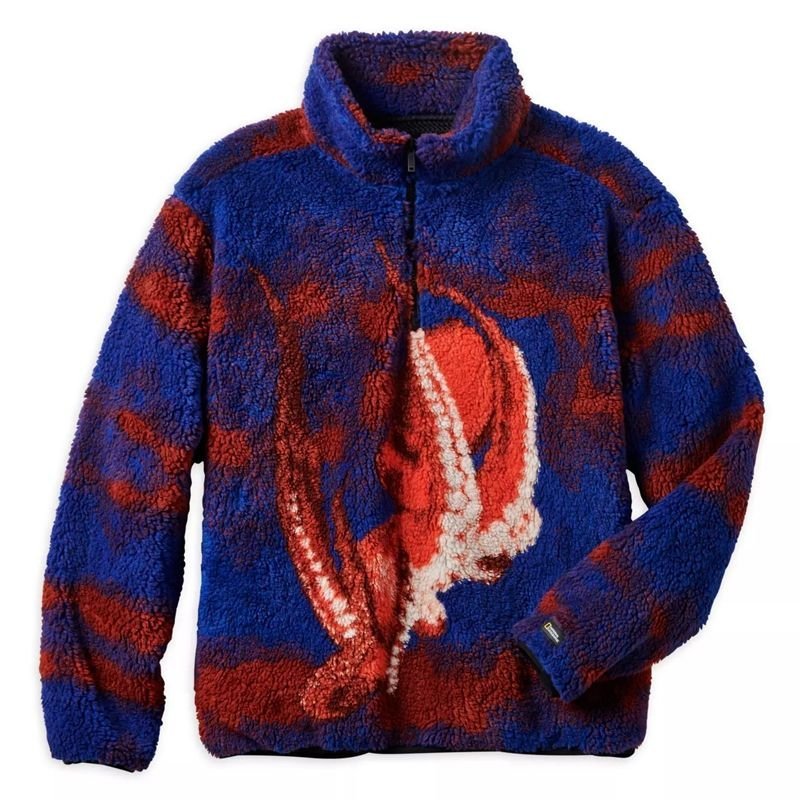
Anorak silhouettes feature a kangaroo pocket and overhead entry, typically with a quarter-zip or half-zip closure. This style appeals to streetwear brands and influencer labels seeking a retro-outdoor aesthetic with bold colorblocking.
Most anoraks pack into the front kangaroo pouch, making them ideal for festival merchandise and pop-up collections. Independent designers favor this silhouette for its distinctive profile and lower zipper hardware costs compared to full-zip jackets.
Full-Zip Jacket Constructions
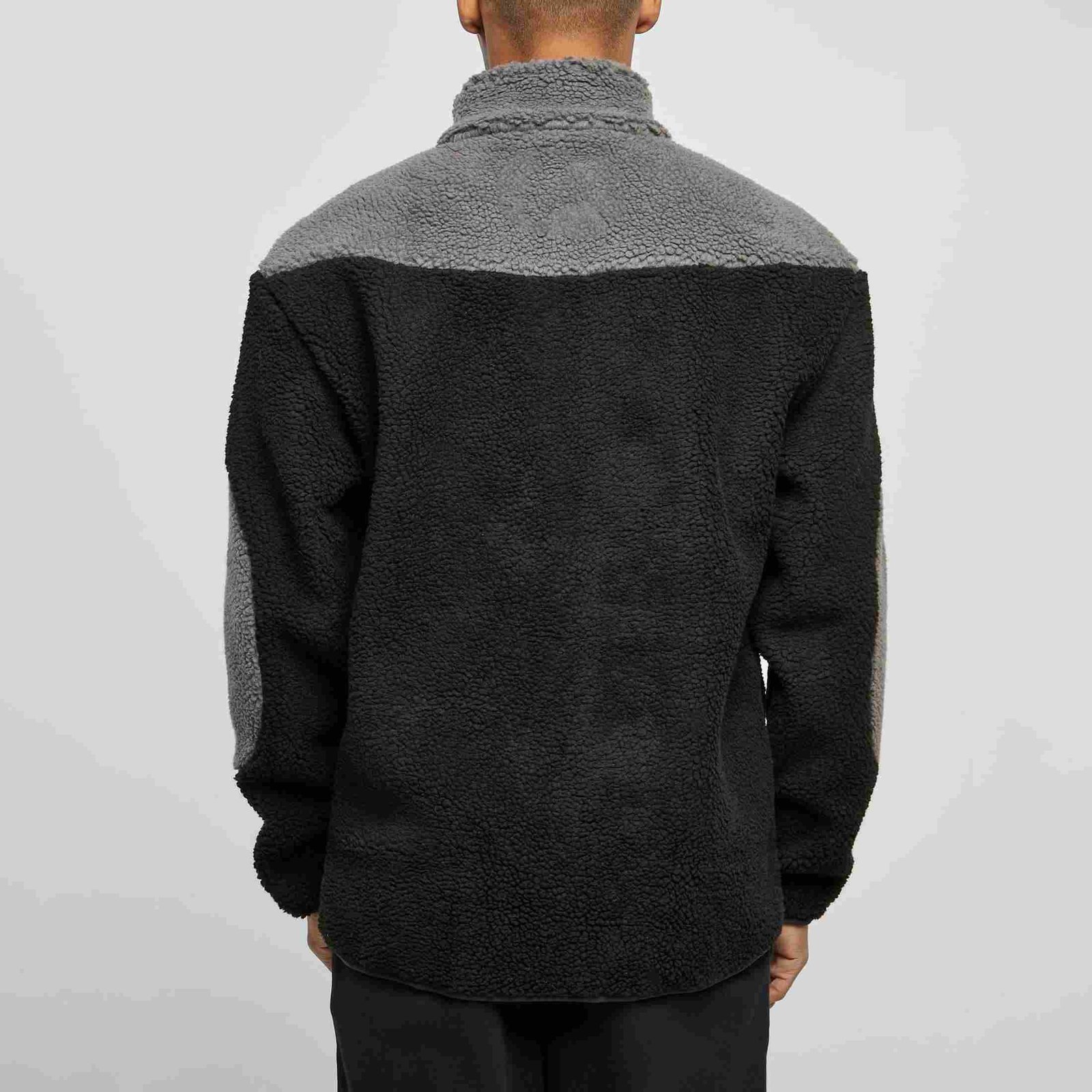
Full-zip windbreakers offer maximum versatility with complete front opening and stand or fold-down collars. Global retailers and fashion startups prefer this classic cut for broader consumer appeal and easier layering.
These jackets typically pack into an interior chest pocket or attached stuff sack. The silhouette accommodates elastic or adjustable hem systems and works across athleisure, casual, and technical positioning.
Hooded Versus Non-Hooded Designs
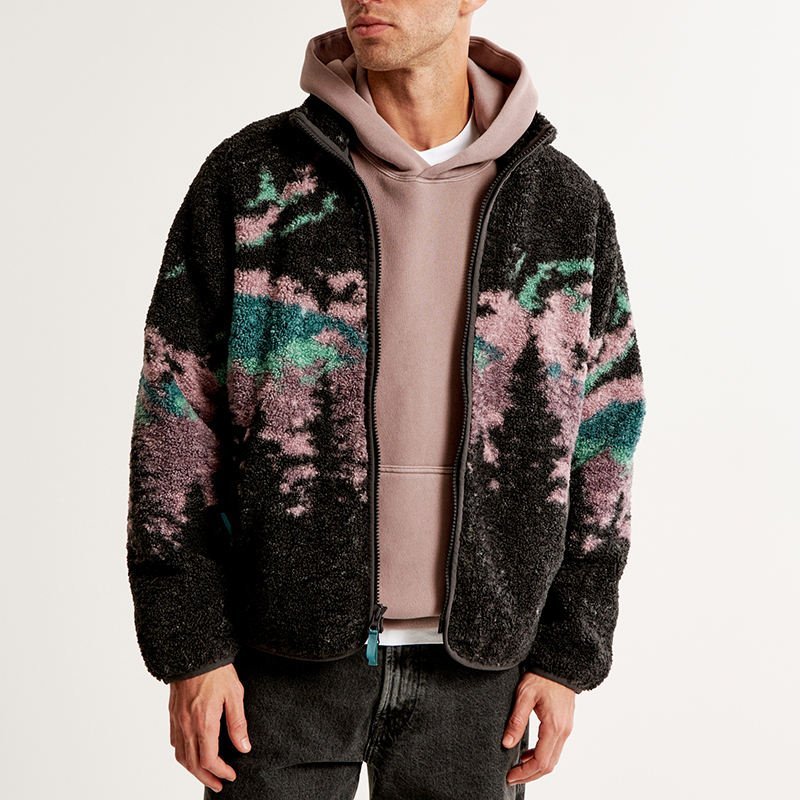
Hooded versions add 40–60 grams and 15–20% to production cost but deliver higher perceived value for outdoor and activewear brands. Non-hooded styles suit minimalist streetwear labels and urban commuter collections prioritizing packability.
Hoods stow via roll-away collar pockets or elastic toggles. Trendy brands often specify oversized hoods with drawcord details, while corporate retailers choose fixed, streamlined hoods to reduce SKU complexity.
Pocket-Packable Versus Stuff-Sack Systems
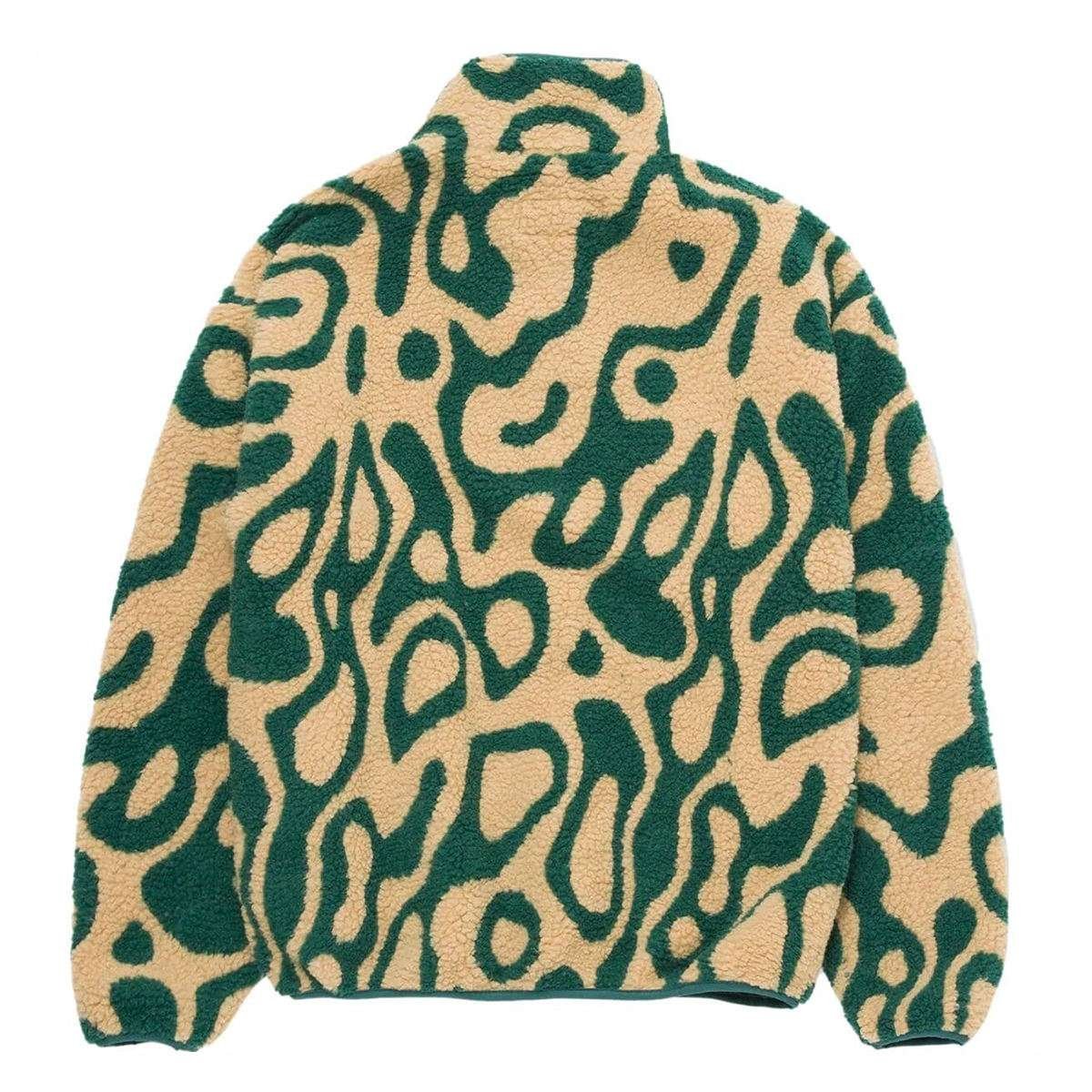
Pocket-packable designs fold into an integrated chest or hand pocket, creating a self-contained pouch without extra components. Stuff-sack systems use a separate nylon bag, adding 10–15 grams but enabling faster packing and custom branding on the sack.
Influencer and creator brands favor pocket-pack for clean social-media visuals, while retailers choose stuff-sacks for point-of-sale display and logo real estate.
4. Materials and Fabrics for Packable Windbreakers
Fabric selection determines the balance between weight, packability, weather protection, and durability in every windbreaker. A packable windbreaker manufacturer must source materials that compress tightly while maintaining structural integrity and DWR (durable water repellent) performance across repeated use.
| Fabric Type | Weight (GSM) | Water Resistance | Packability | Durability | Best Use Case |
|---|---|---|---|---|---|
| Nylon Ripstop | 30–60 | DWR coating standard | Excellent | High tear resistance | Ultralight travel, cycling |
| Polyester Taffeta | 50–80 | DWR + optional PU backing | Very good | Moderate abrasion resistance | Fashion streetwear, everyday wear |
| Nylon Taslan | 70–100 | DWR + tighter weave | Good | Superior durability | Outdoor activities, heavy use |
| Recycled Polyester | 50–75 | DWR (eco-friendly options) | Very good | Comparable to virgin poly | Sustainable brands, eco-conscious lines |
5. Customization and Branding Options with a Packable Windbreaker Manufacturer
A packable windbreaker manufacturer offers multiple decoration and branding pathways to differentiate your line. Each technique carries distinct MOQ thresholds, durability profiles, and compatibility with lightweight nylon substrates. Understanding these trade-offs ensures your branding aligns with production economics and garment performance.
Decoration Techniques for Lightweight Nylon

Screen printing works best on woven nylon when plastisol ink is heat-cured at controlled temperatures to avoid fabric distortion; typical MOQs start at 100 pieces per design. Heat transfer and sublimation printing suit full-color graphics but require polyester content above 65 percent for optimal adhesion. Embroidery adds texture and permanence, though dense stitch counts can pucker thin fabrics; 5,000–7,000 stitches per design is standard. Rubber patches and woven labels offer premium branding with MOQs as low as 50 units, while reflective screen prints enhance visibility and align with streetwear safety aesthetics at similar minimums.
Colorway and Lining Customization
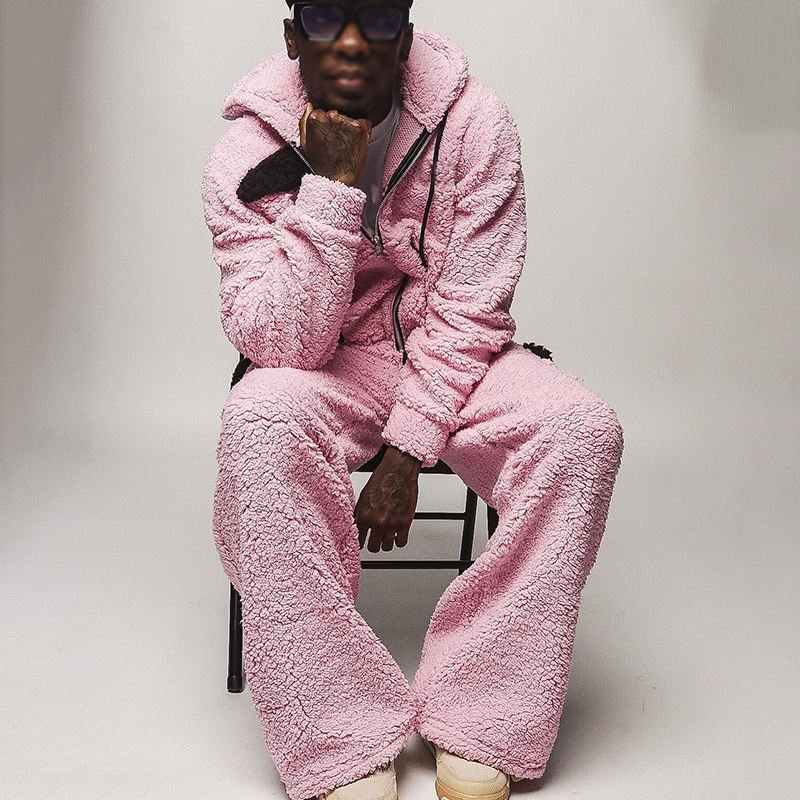
Packable windbreakers support Pantone-matched shell colors with MOQs typically 300 pieces per colorway when dyeing custom lots. Mesh linings improve breathability, while taffeta linings reduce weight; contrast lining colors add design depth at no additional per-unit cost once minimums are met. Zipper branding through custom pullers or engraved sliders starts at 500 units, and drawcord tips can be injection-molded with logos for orders above 1,000 pieces.
Packable Pouch Personalization
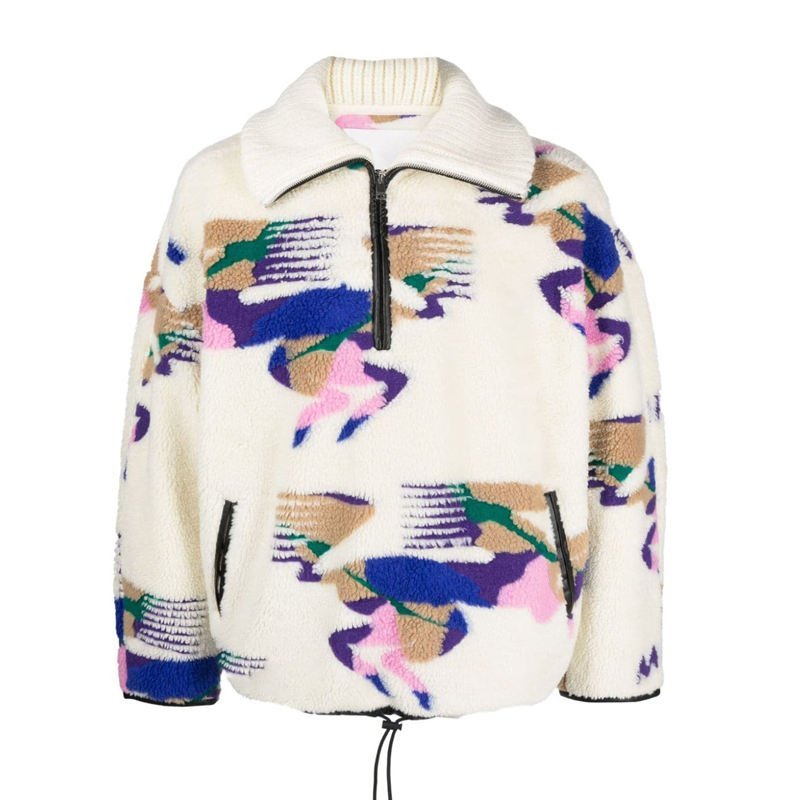
The integrated stuff pouch offers prime real estate for woven labels, printed care instructions, or embroidered logos. Interior pouch printing via heat transfer requires 200-piece minimums and withstands repeated packing cycles. Exterior pouch embroidery at 3,000–4,000 stitches reinforces brand identity without adding bulk. Clothing Manufacturer Ltd. applies its five-step QC process to every decoration method, testing adhesion and stitch integrity during sewing production QC and finished garment inspection to ensure branding remains intact after wash and wear.
6. Key Quality and Construction Elements to Inspect
Quality checkpoints determine whether a packable windbreaker survives one season or three years of regular use. A packable windbreaker manufacturer must implement inspection protocols at materials, cutting, sewing, and finishing stages to catch defects before they reach customers.
Seam Sealing and Taping
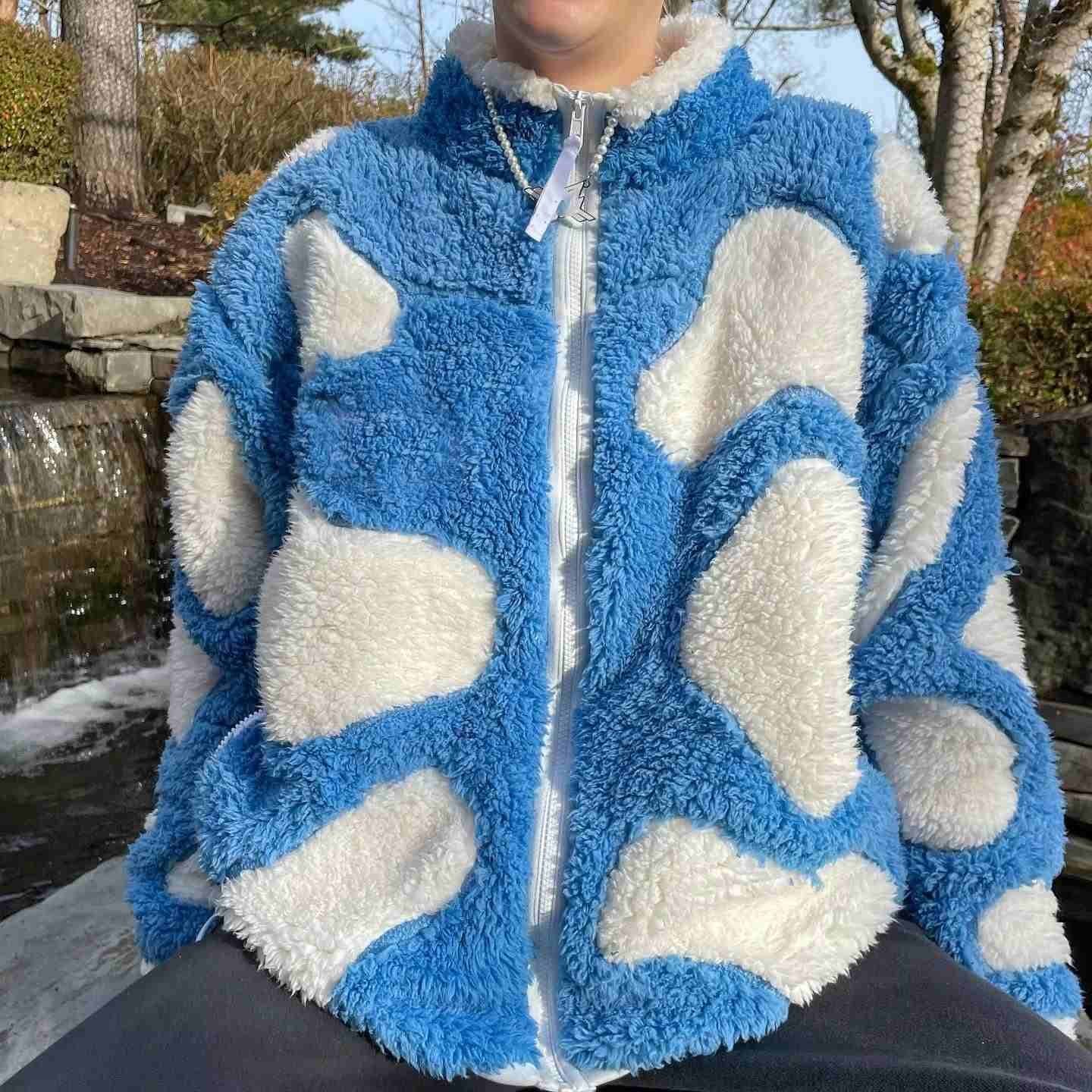
Seam tape application prevents water ingress at needle holes where stitching punctures the fabric. Fully taped seams cover every stitch line, while critical-seam taping targets shoulders, hood, and pocket edges where exposure is highest.
Tape width ranges from 18 mm to 22 mm; narrower tape reduces bulk for packability, but coverage below 18 mm risks peeling under stress. Heat-activated urethane tape bonds at 130–150°C and requires consistent pressure to avoid gaps.
Zipper Durability: YKK Versus Generic
YKK zippers withstand 3,000–5,000 cycles before failure, compared to 500–1,200 for unbranded alternatives. The difference stems from precision tooth spacing and corrosion-resistant coatings that prevent binding in salt or sweat environments.
Generic zippers cost 40–60% less but generate return rates 3–4× higher. For packable windbreakers stored compressed, self-repairing coil zippers reduce snagging when fabric folds against the zipper tape.
Elasticized Cuffs, Hem, and Reinforced Stress Points
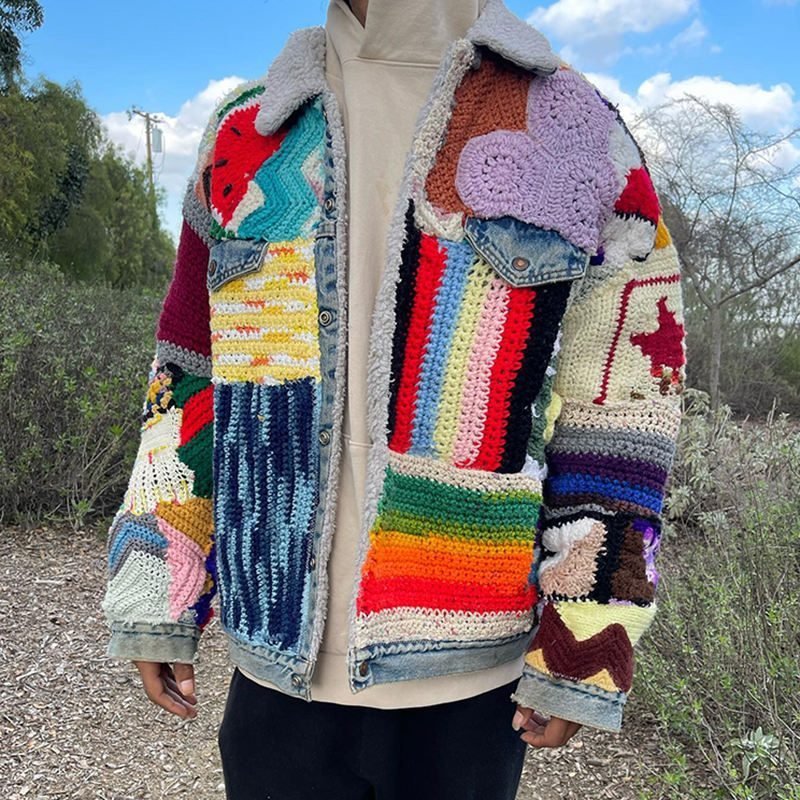
Elastic retention above 80% after 50 wash cycles ensures cuffs maintain wind-blocking fit. Covered elastic (fabric-wrapped) outlasts exposed elastic by 12–18 months in UV exposure.
Reinforced bar tacks at pocket corners and zipper terminals distribute load across 8–12 stitches instead of relying on a single seam. Double-needle stitching at hem and cuffs adds redundancy where abrasion is frequent.
DWR Coating Longevity and Packability Mechanisms
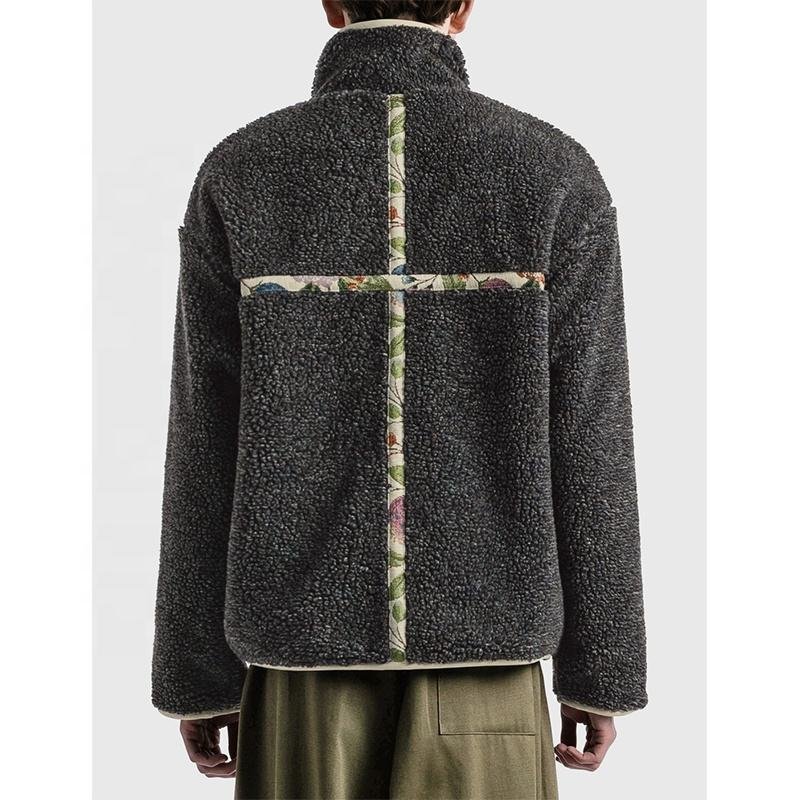
Durable Water Repellent coatings degrade after 15–25 washes; C6 fluorocarbon-free formulations require reapplication sooner but meet environmental standards. Bead-test results below 90° contact angle indicate coating failure.
Self-stowing pockets integrate the pouch into the garment, reducing lost-component risk but adding 20–30 grams versus separate stuff sacks. Reinforced pack-pocket stitching prevents blowouts when users compress the windbreaker into the integrated pouch.
7. How to Choose the Right Packable Windbreaker Manufacturer
Selecting a packable windbreaker manufacturer requires evaluating specialization, capacity, and transparency across production and quality systems. The right partner balances technical expertise in lightweight outerwear with clear processes and responsive communication.
Factory Specialization in Technical Outerwear
Verify that the packable windbreaker manufacturer has documented experience producing technical garments with water-resistant coatings, taped seams, and packable construction. Factories focused on streetwear or casual apparel may lack the equipment and know-how for DWR treatments, ultrasonic welding, or self-stowing pocket systems.
Ask for sample portfolios showing windbreakers with mesh linings, elasticized cuffs, and packable features. A specialist will discuss fabric weights in the 50–90 GSM range and coating durability standards without hesitation.
MOQ, Sampling, and Lead Times
Minimum order quantities for packable windbreakers typically range from 100 to 500 pieces per style per colorway, depending on fabric sourcing and customization complexity. Manufacturers offering flexible MOQs below 200 units suit startups and independent designers testing new collections.
Confirm that the factory provides pre-production samples within 7–14 days and allows at least one revision round. Lead times from bulk order approval to shipment generally span 30–45 days for standard runs and 45–60 days for custom prints or recycled fabrics.
Quality Control and Certifications
A rigorous packable windbreaker manufacturer implements QC at materials inspection, cutting, inline sewing, and final audit stages—not only at the end. Clothing Manufacturer Ltd.’s five-step methodology (materials QC, cutting QC, craft QC, sewing QC, finished QC) exemplifies this approach, catching defects early and ensuring consistent output.
Look for certifications such as WRAP or BSCI for social compliance and GRS (Global Recycled Standard) if sourcing recycled polyester. Factories holding these credentials demonstrate commitment to ethical labor practices and traceable supply chains.
Communication and Red Flags
Responsive communication—replies within 24 hours, detailed quotations, and proactive updates—signals a reliable partner. Red flags include vague or shifting MOQs, refusal to provide samples before bulk orders, and absence of inline quality checks.
Avoid manufacturers that cannot articulate their QC process or provide references from brands in your category. Transparent factories share production timelines, fabric mill contacts, and inspection reports without prompting.
8. Common Mistakes When Sourcing from a Packable Windbreaker Manufacturer
Buyers new to packable windbreaker production often repeat avoidable errors that delay launches, inflate costs, or compromise quality. Recognizing these pitfalls before signing a contract with a packable windbreaker manufacturer protects your brand and streamlines production.
Choosing Fabric on Price Without Testing Packability
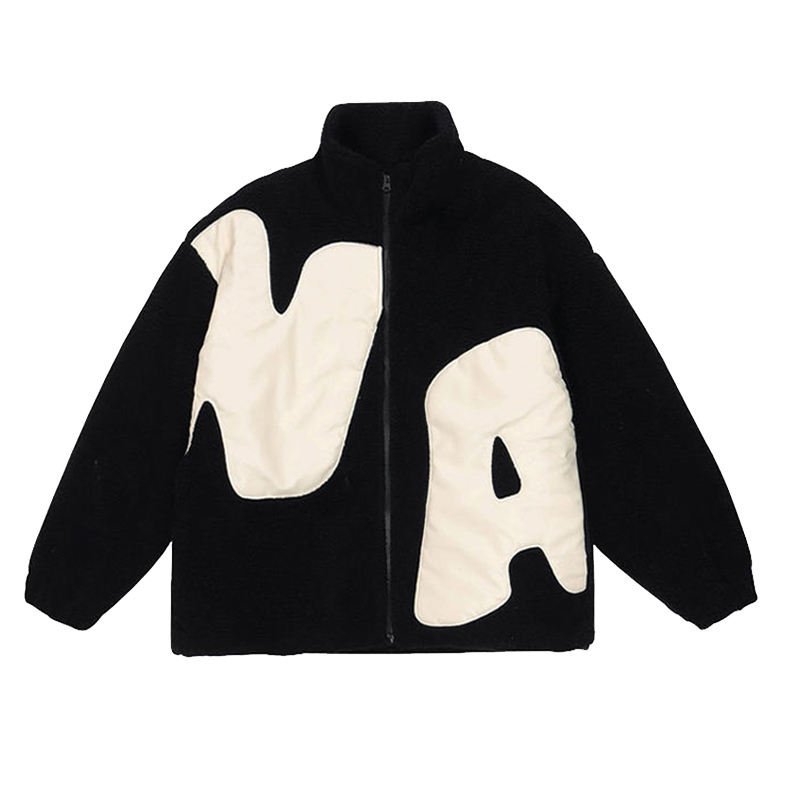
Many startups select the lowest-cost nylon or polyester without verifying how tightly the fabric folds or how quickly it recovers from compression. A 40 GSM ripstop may cost 15–20 % less than a 50 GSM variant, but if it wrinkles permanently or loses water resistance after packing, customer returns will erase any savings.
Request physical samples and pack each option into a pouch for 48 hours, then inspect for creases, delamination, and coating integrity. Clothing Manufacturer Ltd. conducts materials QC testing at the first stage of its five-step quality control process to catch fabric defects before cutting begins.
Skipping Water-Resistance and Seam-Sealing Specs
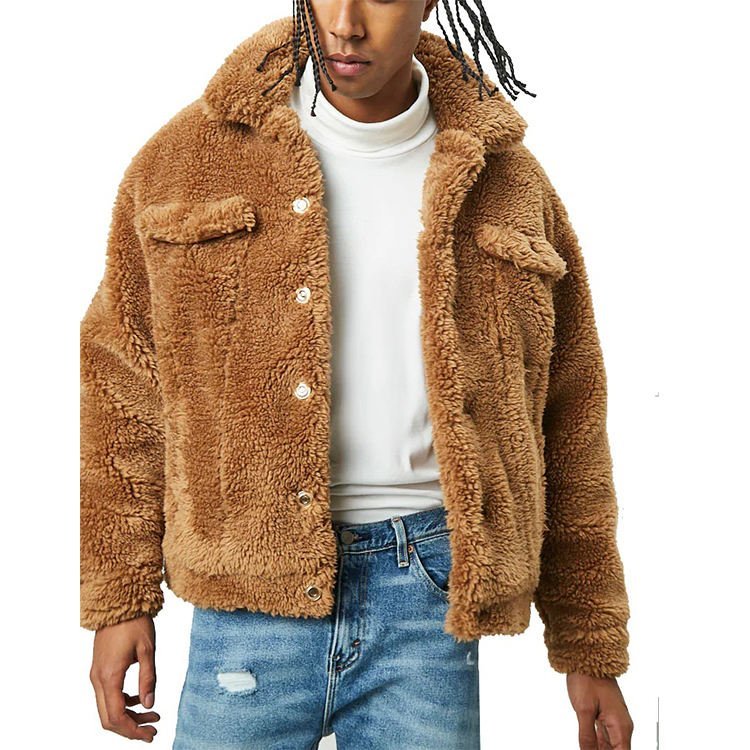
Assuming a DWR-coated fabric will perform without lab verification leads to field failures. Water-column ratings below 3,000 mm allow moisture penetration in moderate rain, and untaped seams leak regardless of fabric quality.
Define minimum water-column pressure (typically 5,000–10,000 mm for windbreakers) and specify whether seams require heat-tape sealing or ultrasonic welding. Include pass/fail thresholds in your purchase order and request third-party test reports.
Underestimating Lead Times for Custom Colorways
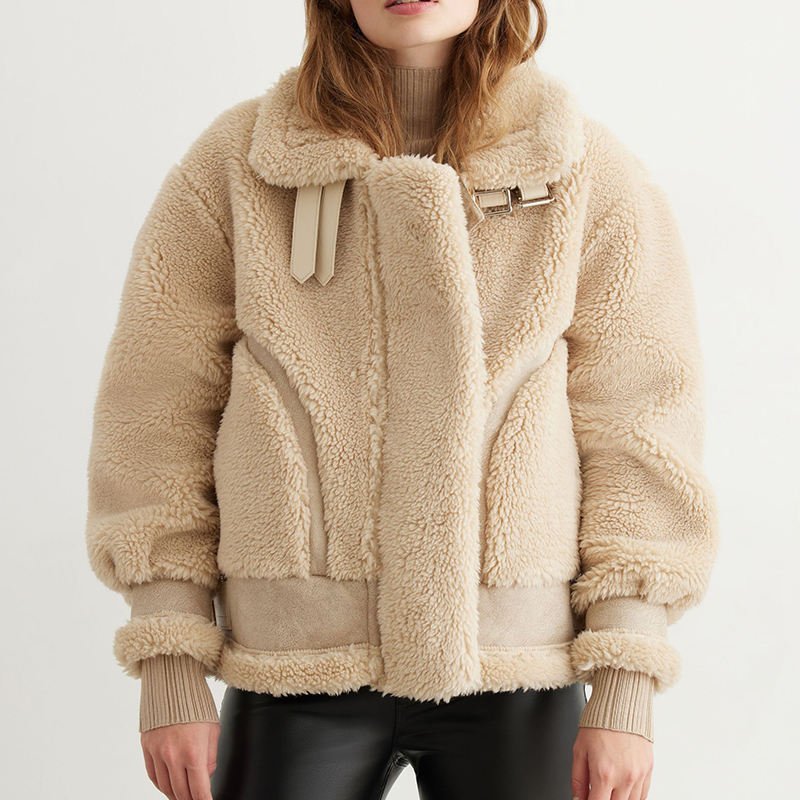
Custom Pantone dye lots for nylon or polyester require 10–14 days beyond standard production schedules, and many buyers discover this only after confirming an order. Rush fees can add 20–30 % to fabric costs.
Lock in your color palette at least 30 days before your target ship date. If you need multiple colorways, ask your packable windbreaker manufacturer whether they can source pre-dyed stock fabrics in close Pantone matches to shorten timelines.
Neglecting Fit Samples Across Body Types
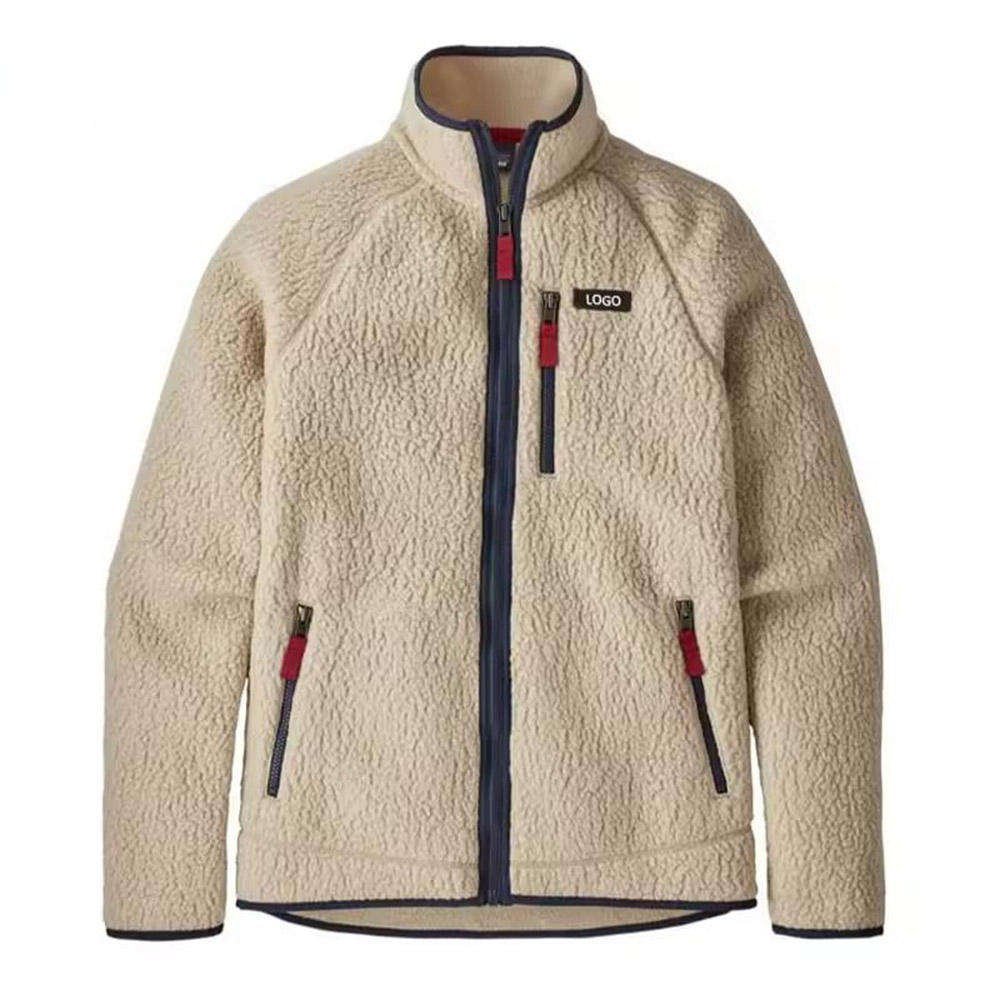
Ordering a single size-medium sample saves money up front but hides fit issues in XS and XXL ranges. Packable windbreakers often use elastic cuffs and hems that behave differently at scale extremes, and a pattern graded incorrectly will generate returns.
Request at least three fit samples spanning your size range—typically S, L, and XL—and test them on real bodies. Clothing Manufacturer Ltd. includes clothing craft QC testing and sewing production QC testing to verify grading accuracy before bulk production.
Failing to Negotiate Clear Defect Thresholds
Vague contract language like ‘industry-standard quality’ leaves both parties vulnerable when a shipment arrives with loose threads, misaligned zippers, or color variation. Without agreed AQL (Acceptable Quality Limit) levels—commonly 2.5 for critical defects and 4.0 for minor—you have no leverage for claims.
Specify defect categories, inspection sample sizes (typically 10 % of the order or ISO 2859 tables), and remedies (replacement, discount, or return) in writing. A reputable packable windbreaker manufacturer will welcome detailed QC clauses because they align expectations and reduce disputes.
9. Step-by-Step Process to Launch Your Packable Windbreaker Line
Launching a packable windbreaker line with a packable windbreaker manufacturer follows a defined workflow that typically spans 8–14 weeks from concept to delivery. Each phase has specific deliverables and timelines that determine overall speed-to-market. Clear communication at every checkpoint reduces revisions and keeps production on schedule.
Concept Development and Tech Pack Creation
Week 1–2 involves finalizing your mood board, design sketches, and technical specifications. A complete tech pack includes flat sketches, measurements for all sizes (S–XXL grading), stitch types, seam allowances, and construction details.
Share Pantone color codes, logo placement with dimensions, and packability requirements (stuff-sack, built-in pouch, or roll-pack). Clothing Manufacturer Ltd. reviews tech packs within 24–48 hours and flags any production constraints before sampling begins.
Fabric and Trim Selection
Week 2–3 covers fabric approval and trim sourcing. Packable windbreakers typically use 50–80 GSM ripstop nylon or polyester with DWR coating. Request lab dips for custom colors and physical swatches for hand-feel confirmation.
Zippers (YKK or equivalent), drawcords, elastic cuffs, and hang loops must be specified by size and finish. Manufacturers with established supplier networks can source trims faster and lock pricing for bulk orders.
Sample Rounds and Approval
Week 4–6 includes first sample production, shipping (3–5 days express), and revision cycles. Inspect fit, packability function, seam strength, and print/embroidery quality against your tech pack.
Most brands complete 1–2 sample rounds before bulk approval. Clothing Manufacturer Ltd. applies its five-step QC methodology during sampling—materials, cutting, craft, sewing, and finished garment checks—to catch defects early and reduce revision time.
Production, QC, and Logistics
Week 7–12 covers bulk production, final inspection, and shipping. MOQs for packable windbreakers range from 100–500 pieces per colorway depending on customization complexity. In-line QC testing at cutting, sewing, and finishing stages ensures consistency.
Request pre-shipment samples and third-party inspection reports if required. Sea freight takes 20–40 days; air freight 5–7 days. Coordinate launch marketing—lookbooks, influencer seeding, and pre-orders—during transit to maximize launch momentum upon arrival.
10. Pricing and Cost Breakdown for Packable Windbreakers
Packable windbreaker pricing at a packable windbreaker manufacturer typically ranges from $8 to $28 per unit depending on order volume, fabric grade, and customization complexity. Base-tier nylon taffeta (190T, 210T) sits at the lower end, while premium ripstop nylon (240T, 300D) with DWR coating and waterproof zippers adds $3–$6 per piece. Hardware choices — standard coil zippers versus YKK AquaGuard or metal snap closures — contribute another $0.80–$2.50 per unit.
Decoration methods drive significant cost variation. Screen printing setup fees run $25–$60 per color per location, with per-unit costs of $0.40–$1.20 for simple one- to three-color designs. Embroidery carries $35–$80 setup charges and $1.50–$3.50 per 1,000-stitch logo, making it cost-effective only at higher volumes. Heat-transfer vinyl and sublimation printing add $1.00–$2.80 per piece with minimal setup, ideal for small runs or full-coverage artwork.
Labor complexity for packable windbreakers includes seam-sealing (adds $0.60–$1.20), elasticized cuffs and hem ($0.30–$0.70), and integrated stuff-sack pockets ($0.80–$1.50). Clothing Manufacturer Ltd.’s five-step QC process ensures defect rates below 1.5 percent without inflating per-unit costs, a critical advantage over factories that skip in-process testing. Lead times compress at higher volumes: 100-unit orders require 18–25 days, while 2,500+ pieces ship in 22–30 days due to bulk cutting and sewing efficiencies.
| Quantity Tier | Price per Unit (USD) | Lead Time (Days) | Customization Notes |
|---|---|---|---|
| 100–499 units | $18–$28 | 18–25 | Screen print setup $25–$60/color; embroidery $35–$80 setup |
| 500–999 units | $12–$18 | 20–28 | Per-unit decoration $0.40–$3.50; seam-sealing +$0.60–$1.20 |
| 1,000–2,499 units | $10–$14 | 22–30 | Volume discounts on YKK zippers; stuff-sack pocket +$0.80–$1.50 |
| 2,500+ units | $8–$12 | 22–30 | Premium ripstop +$3–$6; DWR coating included at scale |
Ready to Launch Your Packable Windbreaker Collection?
Partner with a trusted packable windbreaker manufacturer that delivers premium quality, low MOQs, and fast turnaround for your brand.