
Premium Mens Windbreaker Manufacturer — Low MOQ, Fast Samples, 5-Step QC
Partner with a mens windbreaker manufacturer that delivers trend-driven designs, rigorous quality control at every stage, and flexible minimums to empower your streetwear brand from first sample to global scale.
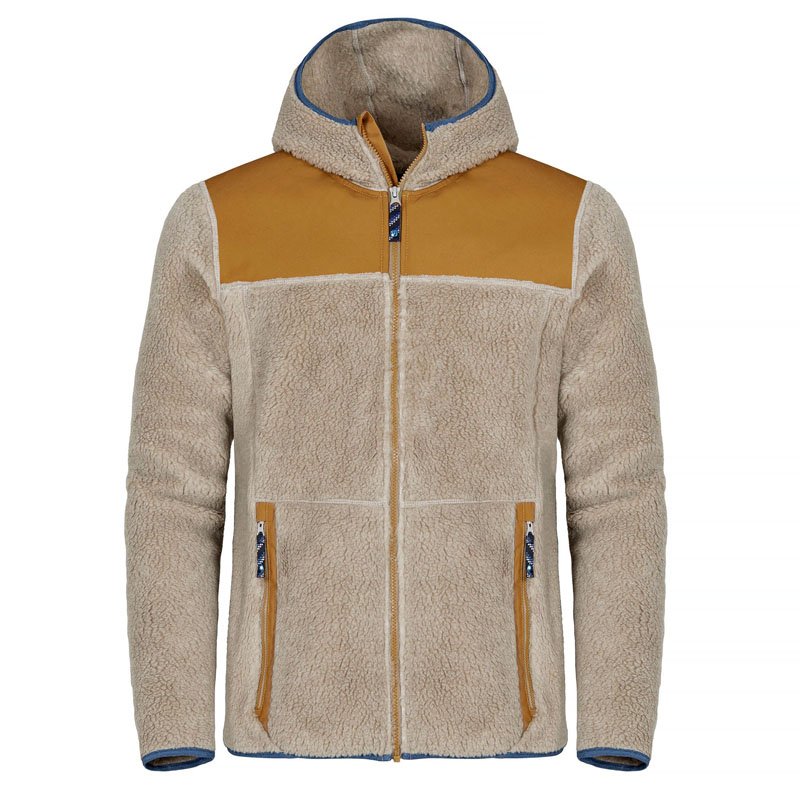
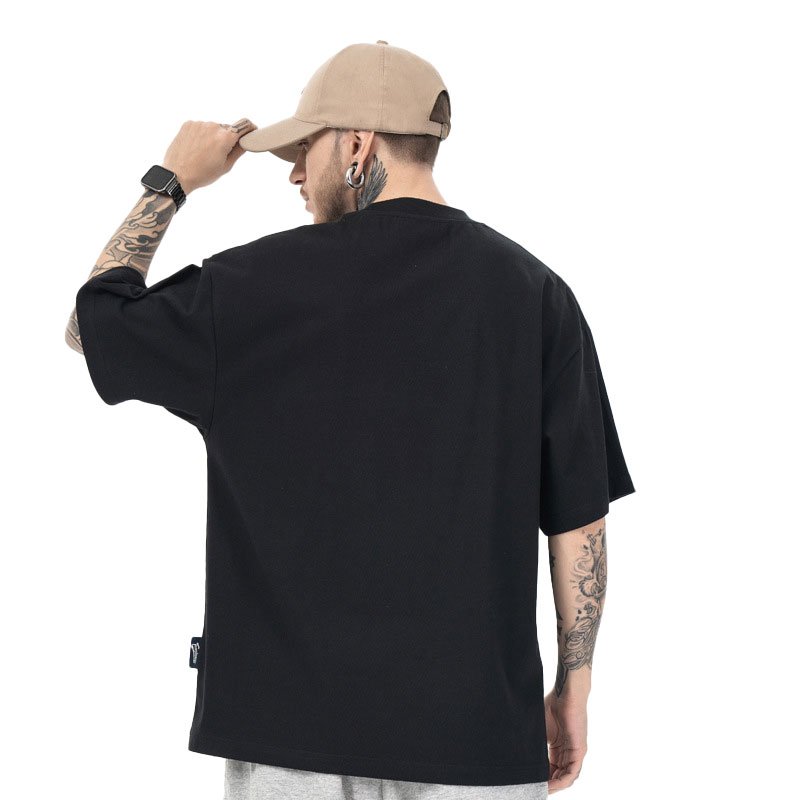
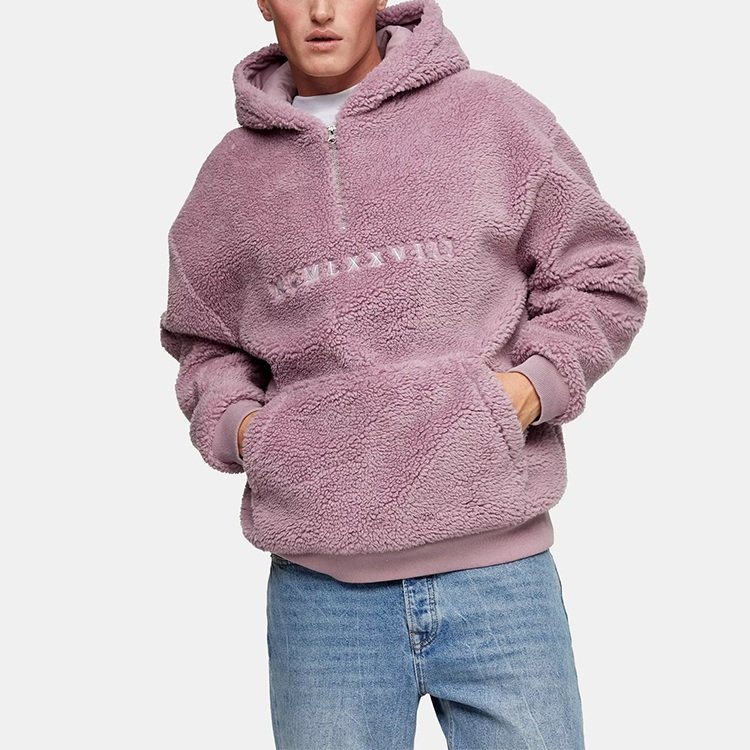
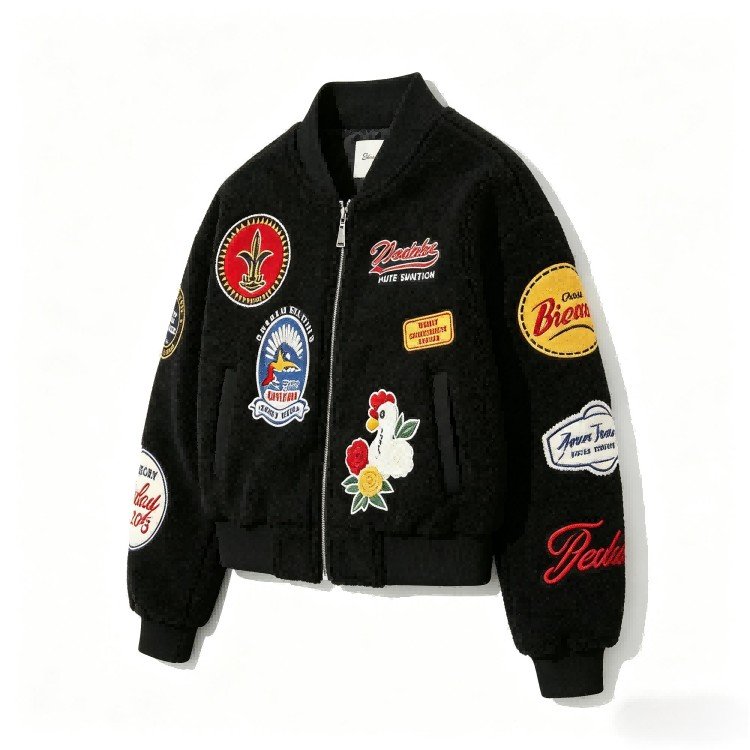
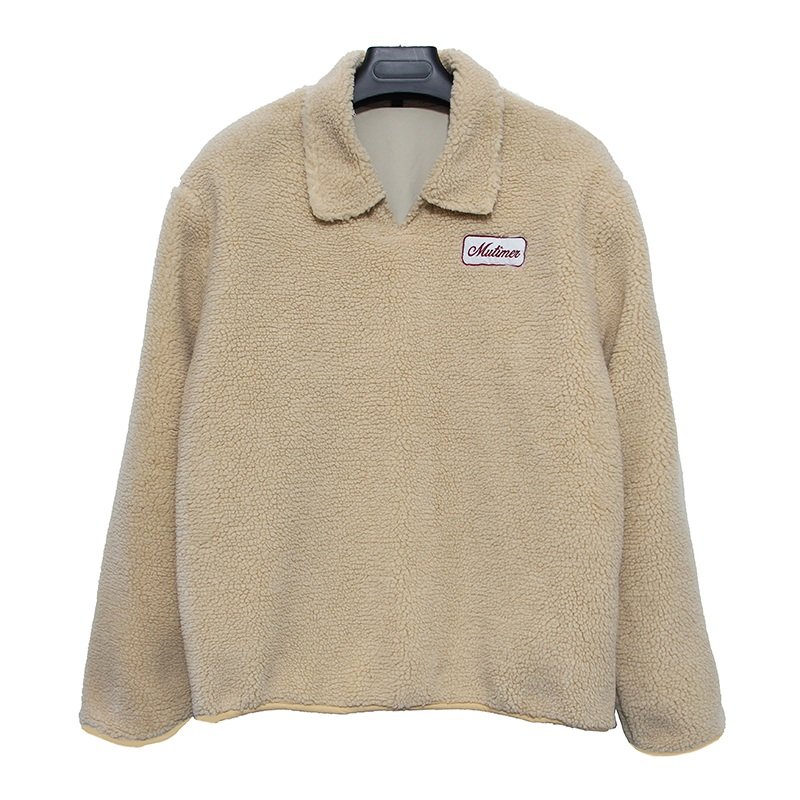
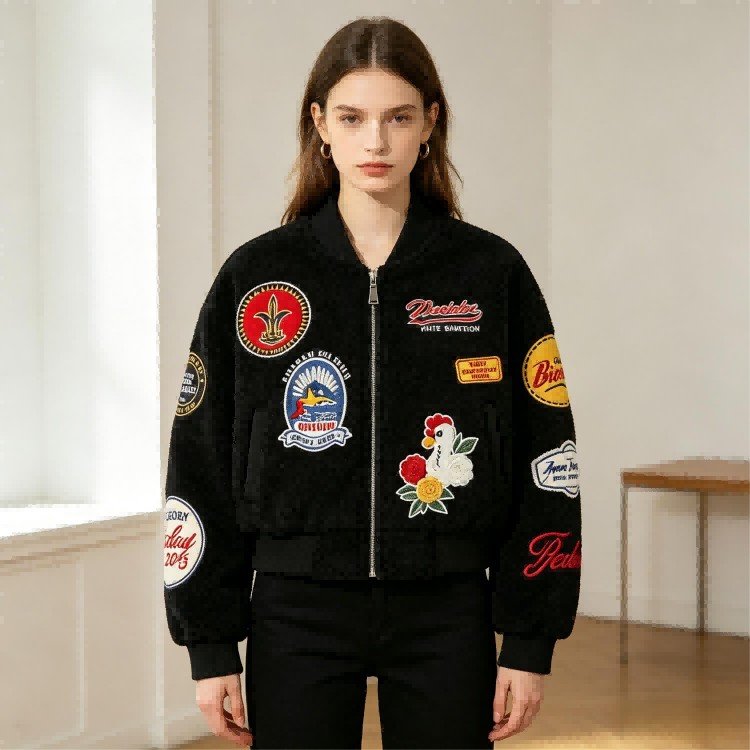
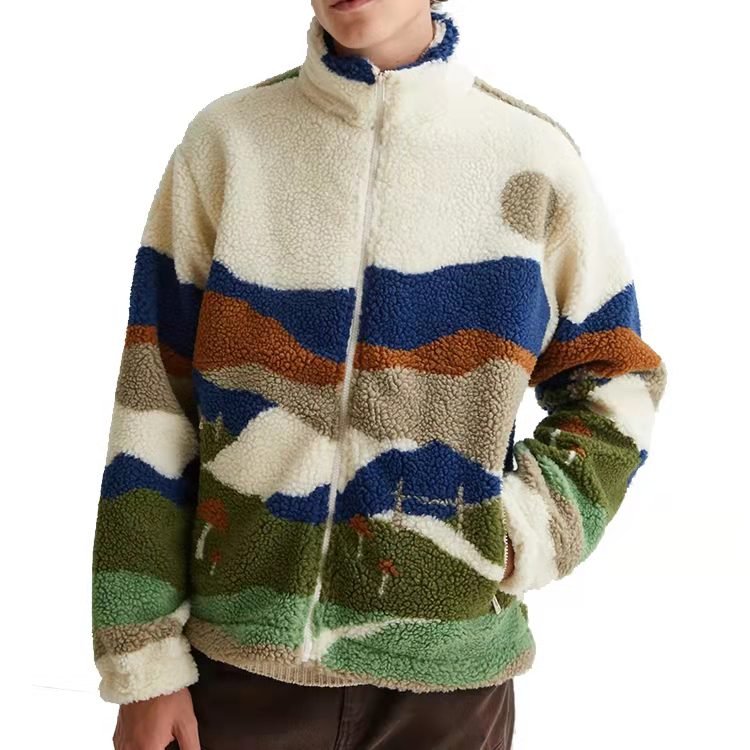
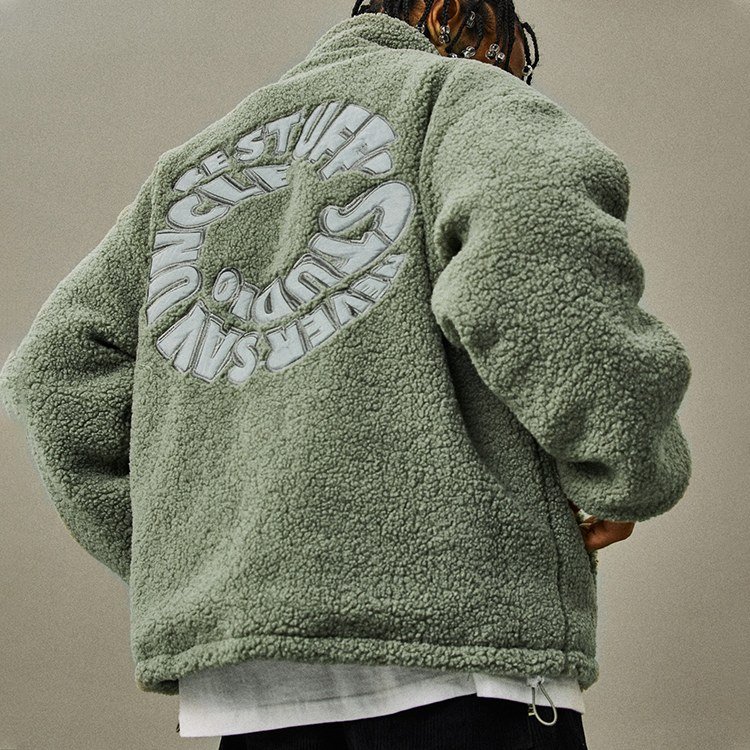
Windbreaker Product Gallery
Why Choose Our Mens Windbreaker Manufacturer
Clothing Manufacturer Ltd combines streetwear expertise, rigorous quality control, and flexible production to empower your brand with premium windbreakers that stand out.
5-Step QC Guarantee
Every windbreaker passes materials, cutting, craft, sewing, and finished product inspections—ensuring zero defects reach your customers.
Low MOQ for Startups
Launch your windbreaker line without massive inventory risk. We support emerging brands and designers with accessible minimum order quantities.
Fast Sample Turnaround
Our in-house design and sampling team delivers quick prototypes so you can test styles and hit seasonal deadlines confidently.
Streetwear Design Expertise
15-member R&D team with deep streetwear knowledge ensures your windbreakers capture trend-driven aesthetics and bold, authentic style.
Global Shipping & Logistics
Seamless international fulfillment to over 100 countries. We handle customs, documentation, and delivery so you focus on growth.
10+ Years Manufacturing Experience
Founded by Tesla Luo with a decade in apparel production, backed by infrastructure and expertise of Dongguan TuoZhen Clothing.
Mens Windbreaker Manufacturer Product Lines We Excel At
From lightweight packables to premium 3-in-1 systems, our manufacturing expertise covers every windbreaker category your brand needs—backed by our 5-step QC guarantee and low MOQ flexibility.
Lightweight Packable Windbreakers
Brands struggle to find manufacturers who can produce ultra-lightweight windbreakers that pack into small pouches without compromising durability or water resistance—critical for activewear and travel lines.
We engineer packable windbreakers using ripstop nylon and advanced seam-sealing, delivering sub-200g jackets that withstand our cutting QC and sewing QC tests while meeting your brand's performance standards.
Hooded Windbreaker Jackets
Many factories cut corners on hood construction, resulting in poor drape, uncomfortable fits, and hoods that lose shape after washing—damaging your brand reputation with every sale.
Our pattern team designs ergonomic hoods with reinforced drawcord channels and proper interfacing. Each hooded windbreaker passes our clothing craft QC testing to ensure the hood maintains structure through wear and laundering.
3-in-1 System Windbreakers
Technical 3-in-1 jackets with zip-out liners demand precision zipper placement and compatible sizing between layers—complexity that overwhelms inexperienced manufacturers, leading to costly production errors and delays.
Leveraging 10+ years of technical apparel experience, we master the dual-layer construction with interlocking zippers and thermal liners, validated at every stage by our five-step quality control methodology.
Seasonal Trend Windbreakers
Streetwear brands need windbreakers that capture current color trends, oversized silhouettes, and bold graphics—but most manufacturers lack the design fluency and turnaround speed to deliver on-trend seasonal collections.
Our 15-member R&D team specializes in streetwear aesthetics and works with you to develop seasonal colorways and prints. Fast sampling and low MOQs let you test trends without overcommitting inventory.
Custom Print & Embroidered Windbreakers
Achieving vibrant, durable custom prints or intricate embroidery on windbreaker fabrics is notoriously difficult—poor adhesion, color bleeding, and puckering plague orders from factories without specialized finishing capabilities.
We coordinate in-house screen printing, heat transfer, and embroidery with materials QC testing on every fabric batch, ensuring your custom graphics stay vivid and intact through our finished clothing quality inspection.
Premium Fabrics Our Mens Windbreaker Manufacturer Uses
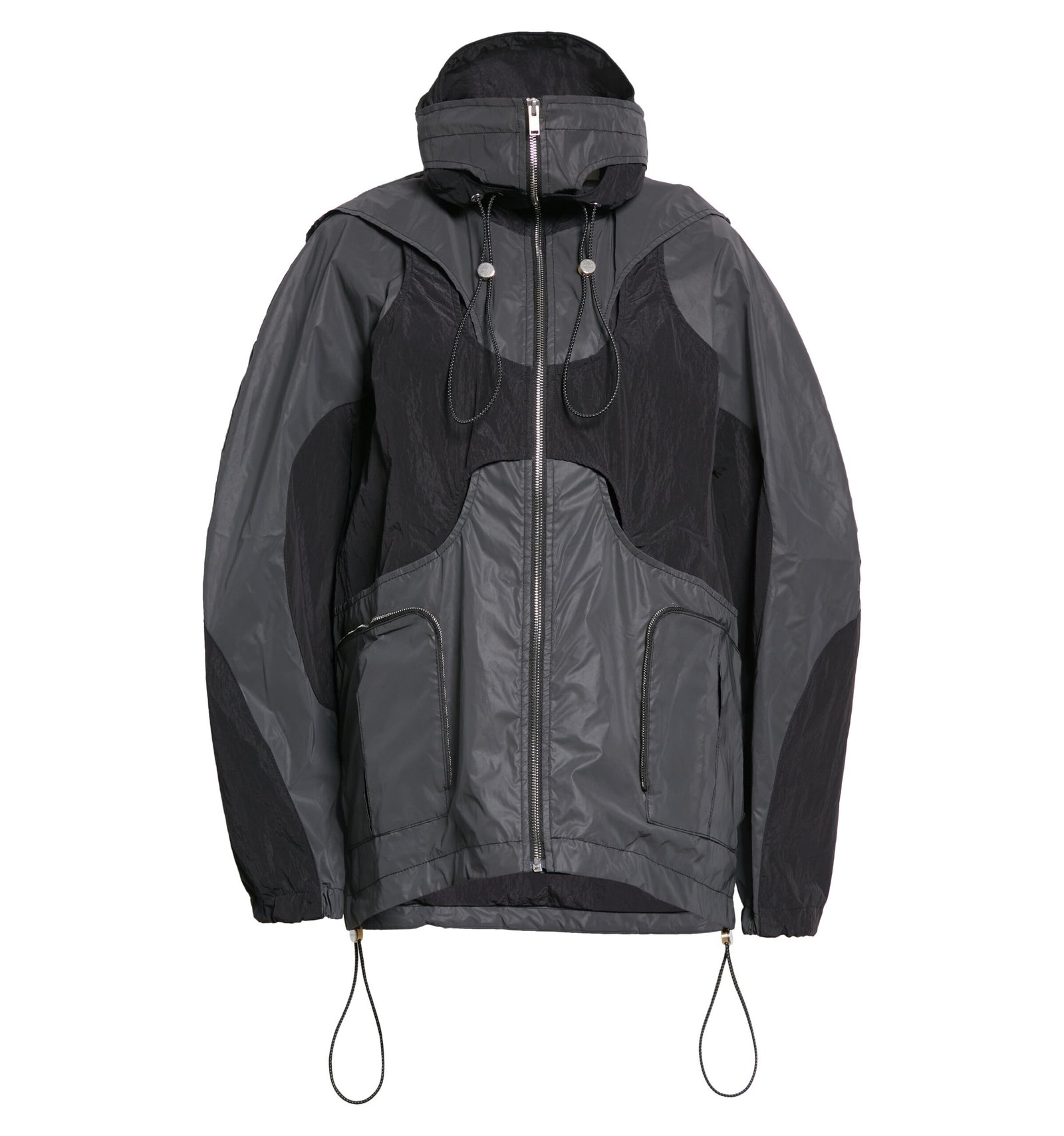
Nylon Taffeta
Smooth, lightweight shell fabric with a subtle sheen. Ideal for packable windbreakers and athletic outerwear. Water-resistant coating available. Weight range: 50–70 GSM for maximum breathability and quick-dry performance.
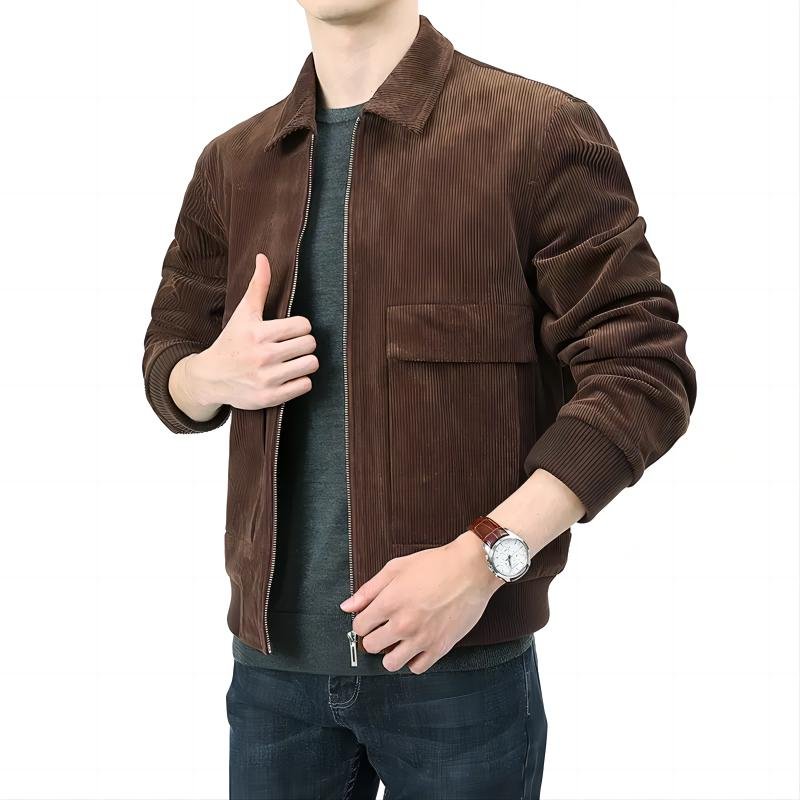
Ripstop Polyester
Reinforced grid weave that resists tearing and abrasion. Perfect for high-performance streetwear windbreakers and outdoor activewear. Durable, fade-resistant, and holds vibrant prints. Weight: 70–90 GSM with superior tear strength.
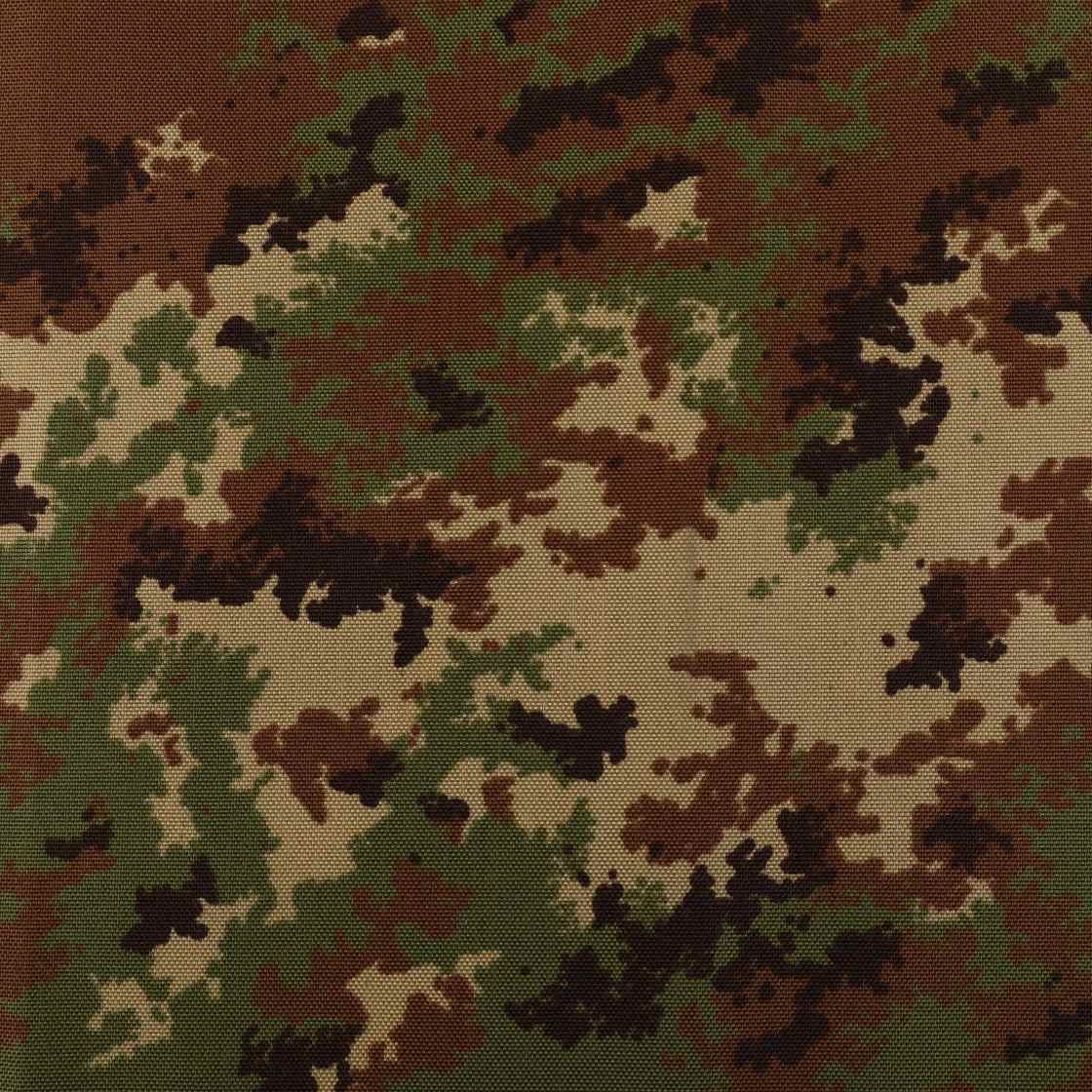
Water-Resistant Nylon Blends
Advanced nylon-spandex or nylon-polyester composites with DWR (Durable Water Repellent) finish. Offers light stretch and wind protection for fashion-forward streetwear. Breathable hand-feel with 5–10% elastane for mobility and comfort.
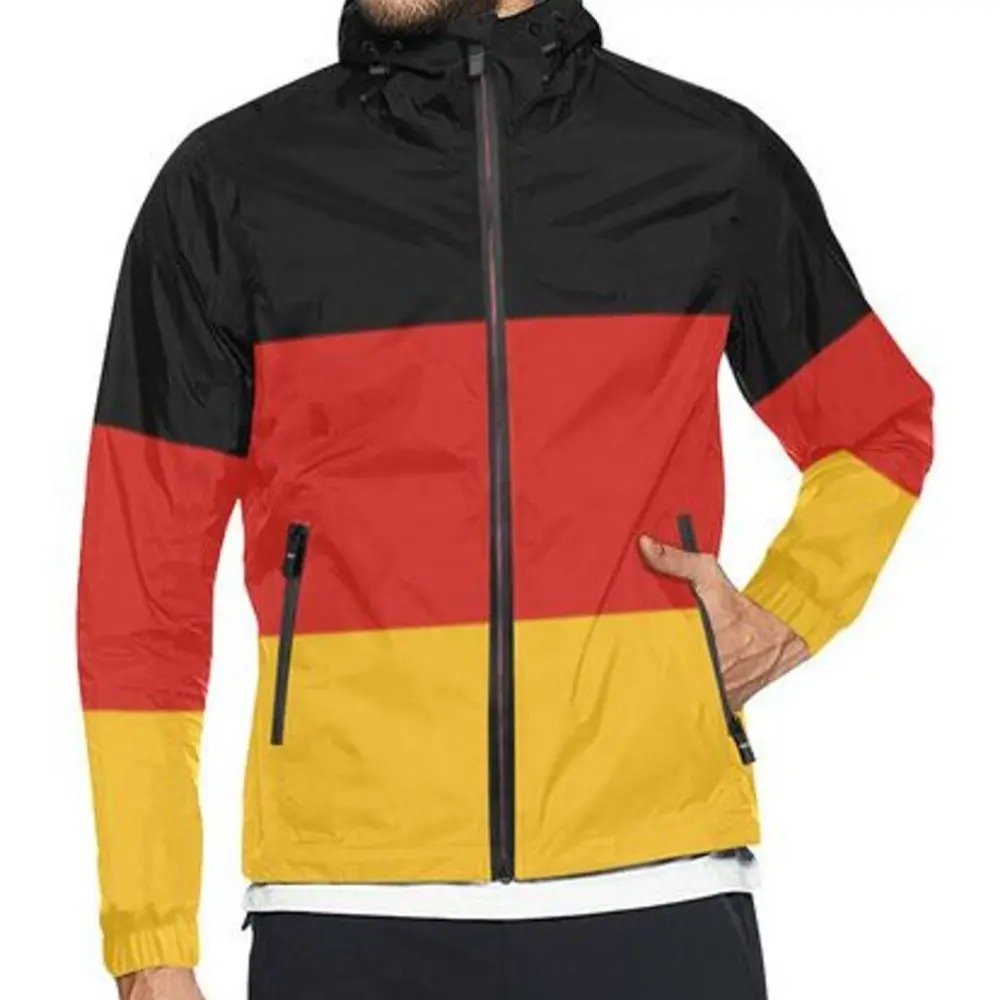
Breathable Mesh Lining
Soft polyester mesh engineered for interior windbreaker linings. Enhances airflow, wicks moisture, and prevents clinging. Lightweight at 40–60 GSM. Essential for all-season comfort in layered streetwear and activewear designs.
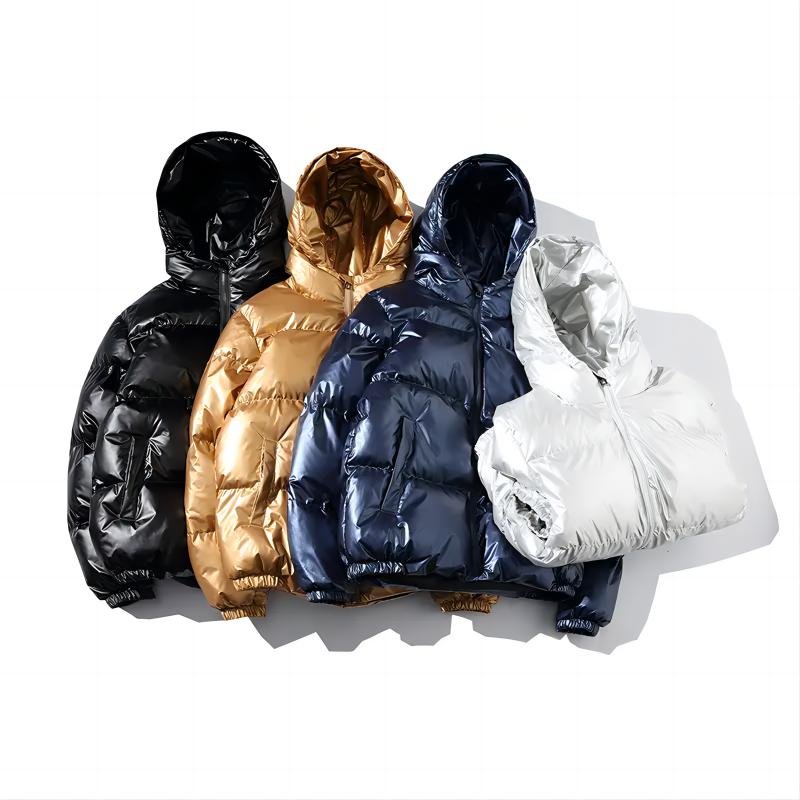
Taslan Nylon
Textured nylon with a soft, natural cotton-like feel and matte finish. Popular for premium streetwear windbreakers and coach jackets. Excellent drape and printability. Weight: 80–100 GSM with enhanced durability and wrinkle resistance.
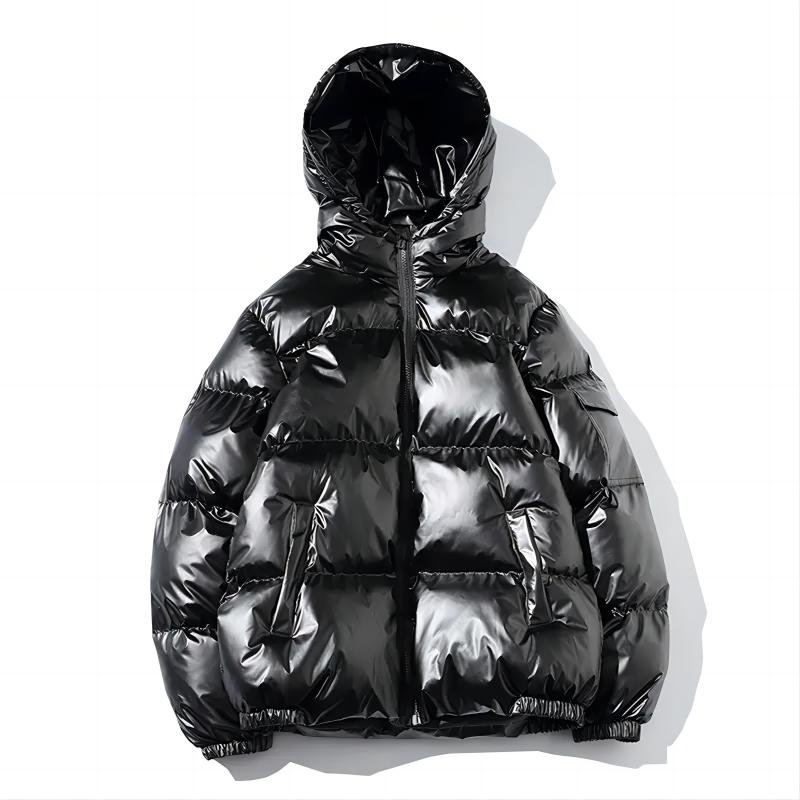
Coated Polyester Twill
Medium-weight twill with waterproof or water-resistant coating. Delivers structured silhouette and robust weather protection. Ideal for urban streetwear and utility-inspired windbreaker styles. Weight: 100–130 GSM with firm hand-feel and superior wind-blocking properties.
Advanced Mens Windbreaker Manufacturer Production Processes
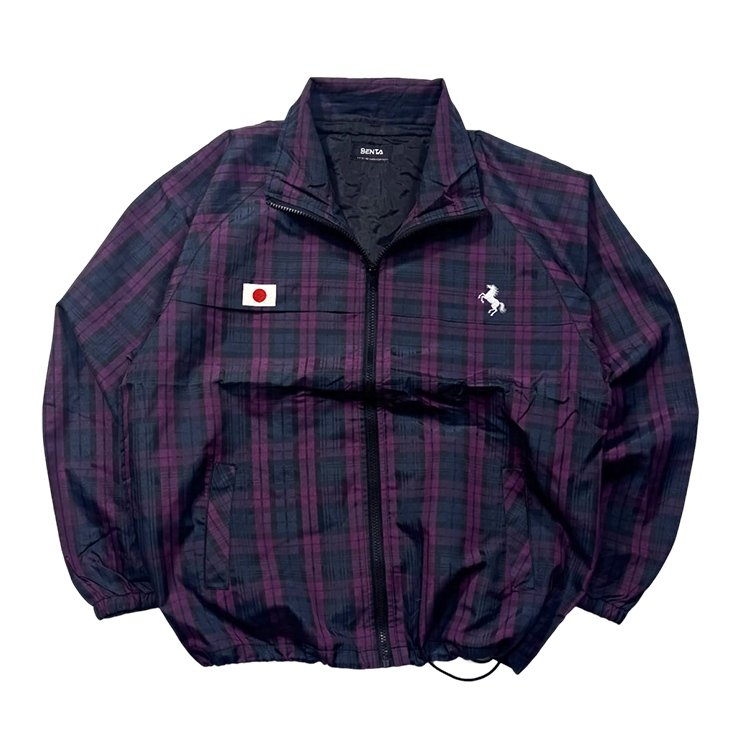
Screen Printing
High-opacity ink application perfect for bold logos and graphics on windbreaker shells. Delivers vibrant, long-lasting color that withstands washing and outdoor wear while maintaining crisp edges and detail.
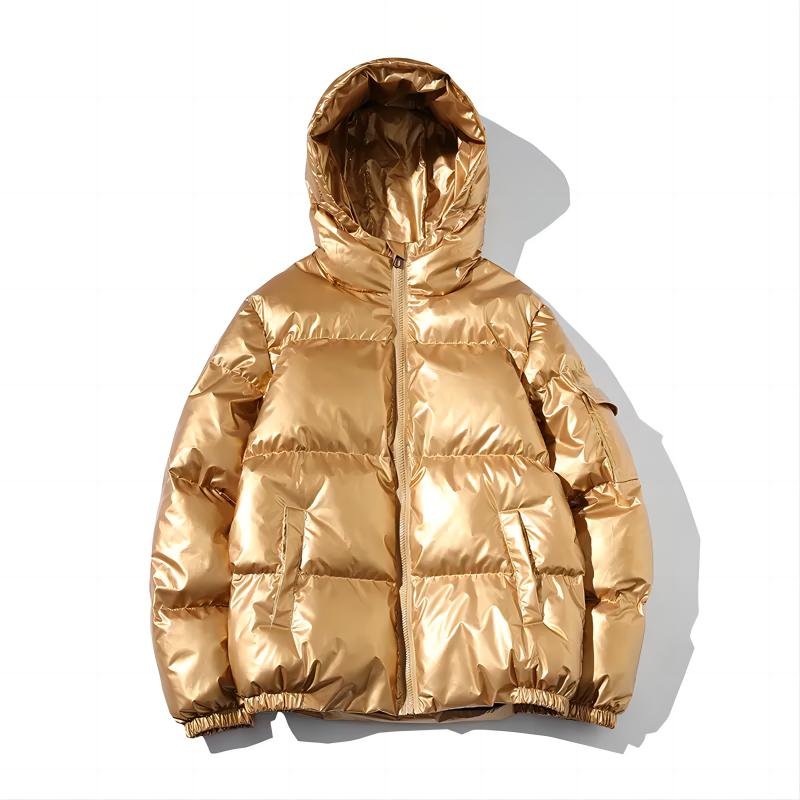
Embroidery
Precision thread work that adds premium texture and dimension to windbreaker designs. Creates durable, professional branding that won’t fade or peel, ideal for logos, monograms, and intricate streetwear motifs.
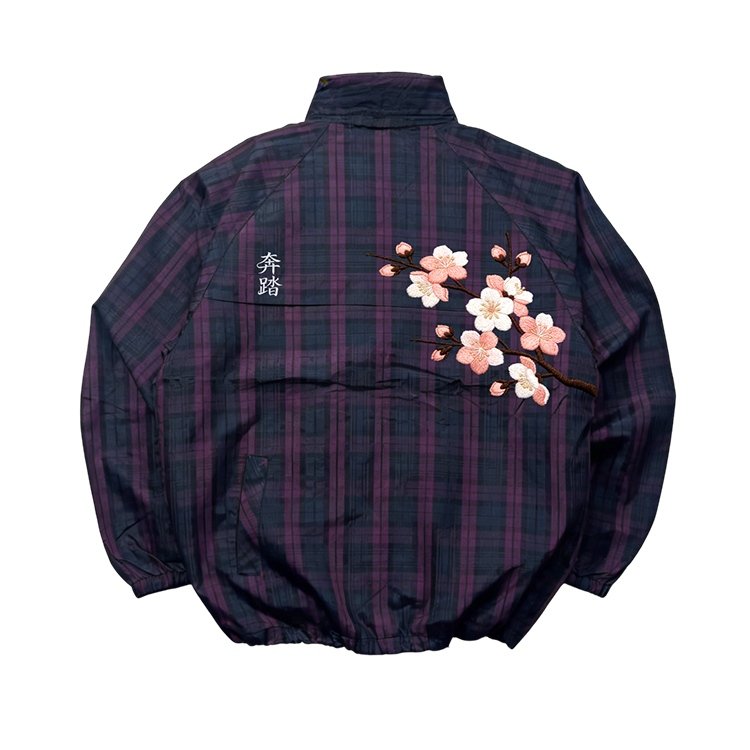
Heat Transfer
Advanced thermal bonding for complex multi-color designs and photorealistic graphics. Produces smooth, lightweight finishes with exceptional color accuracy and flexibility that moves naturally with windbreaker fabric.
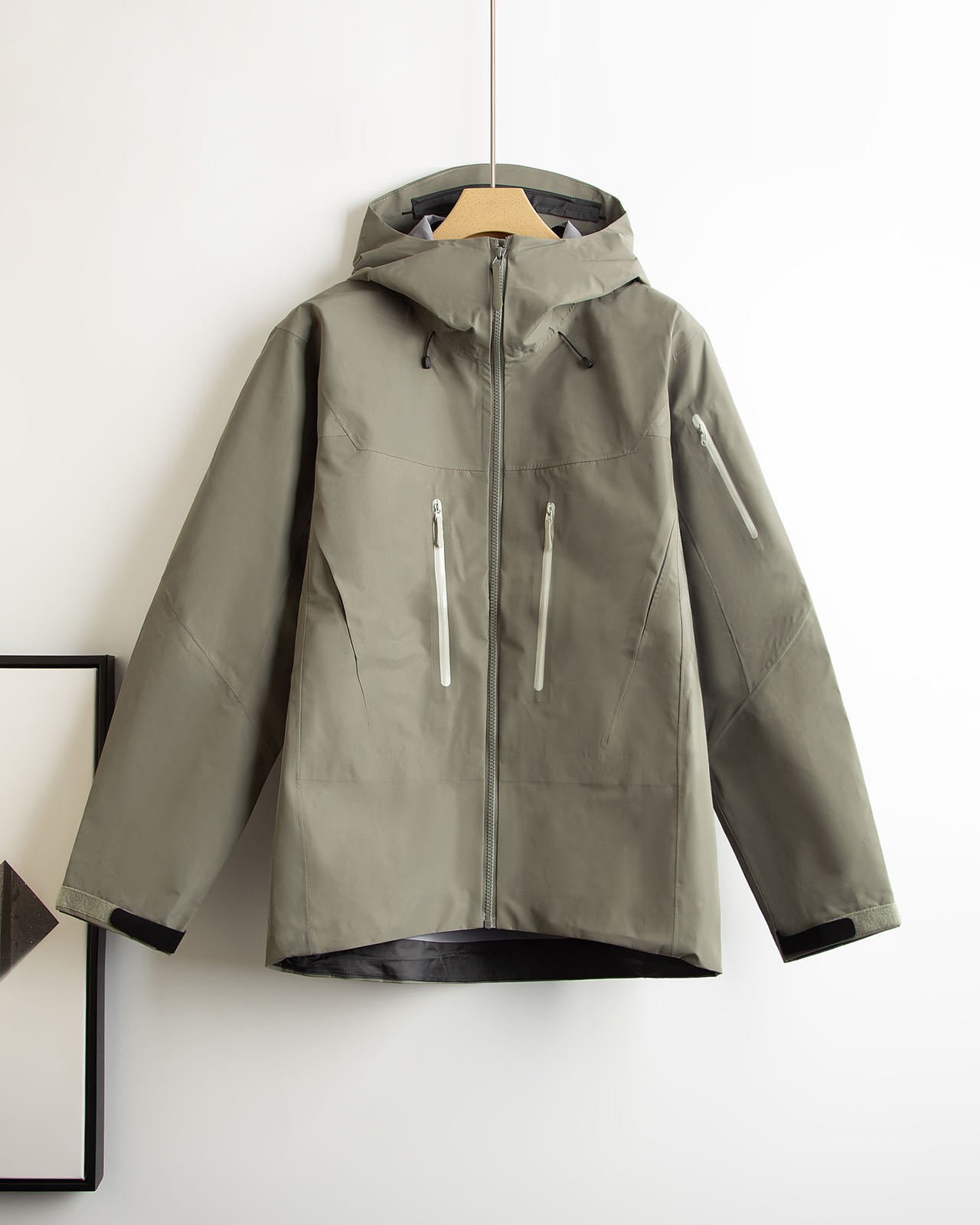
Waterproof Coating
Technical lamination and sealing processes that create genuine water-resistant barriers. Our coatings maintain breathability while protecting against rain and moisture, essential for functional windbreaker performance.
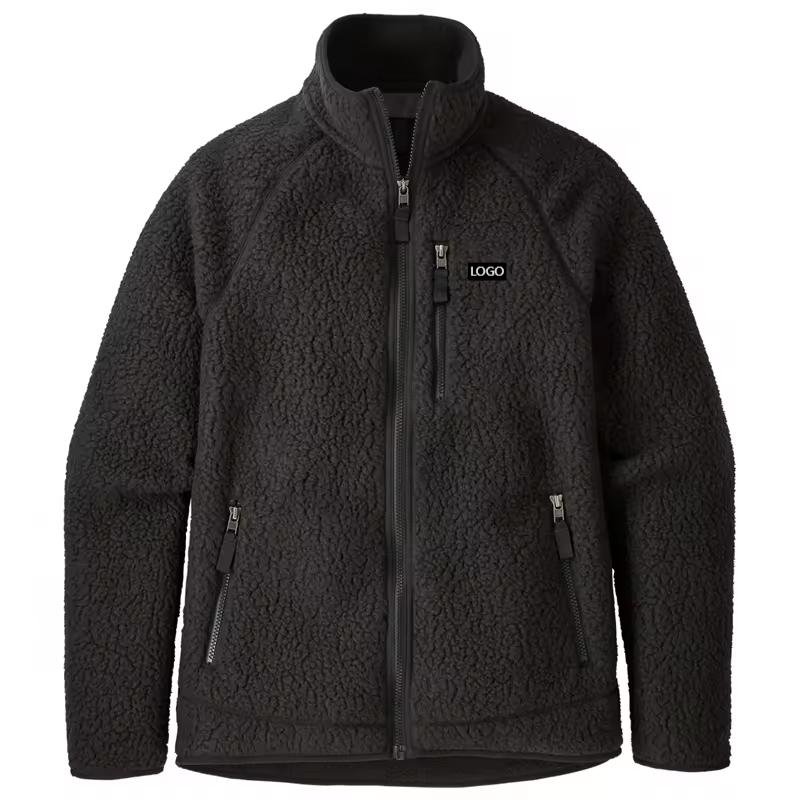
Heat Sealing
Ultrasonic bonding technology for seamless, tape-sealed construction. Eliminates needle holes in critical areas, enhancing wind and water resistance while creating clean, modern aesthetic lines throughout the garment.
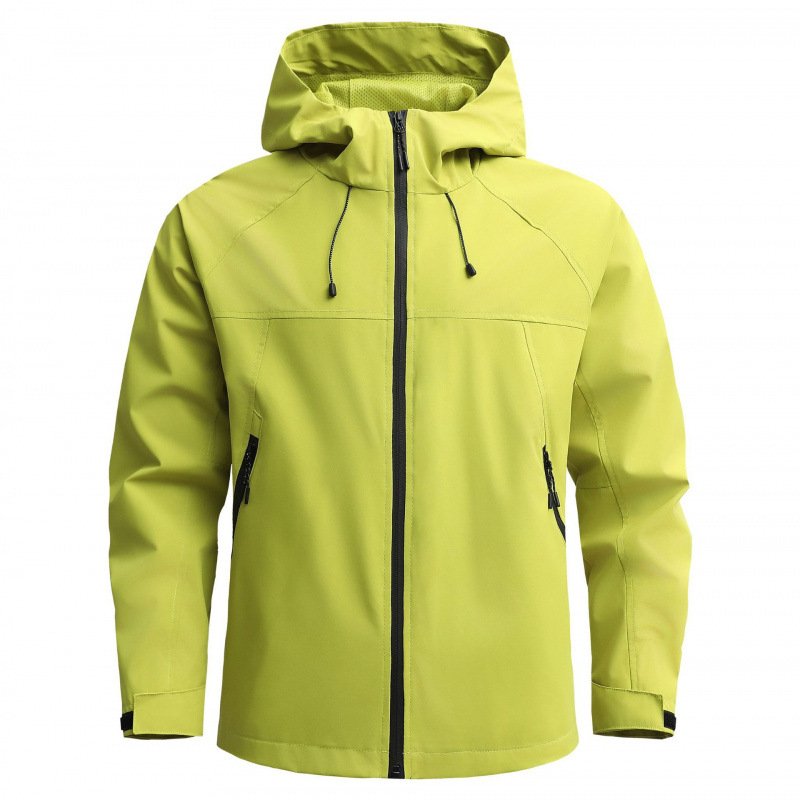
Sublimation Printing
Dye-infusion process for all-over patterns and gradient effects on polyester windbreakers. Produces permanent, fade-resistant designs with unlimited color options and soft hand-feel that never cracks or peels.
Mens Windbreaker Manufacturer Accessories & Finishing Options
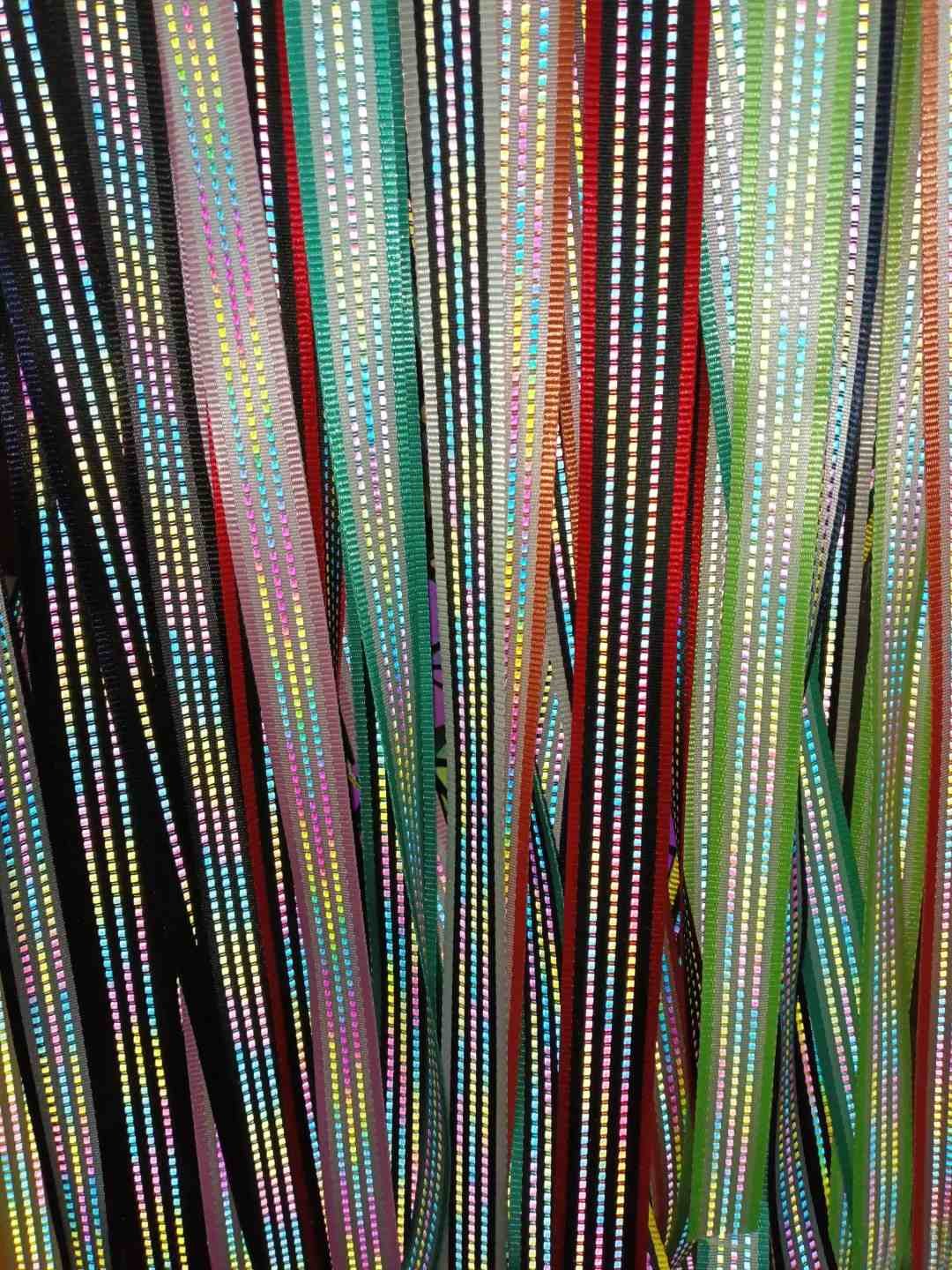
Reflective Strips
High-visibility reflective tape applied to seams, chest panels, or sleeves. Enhances safety for active wear and adds modern streetwear appeal. Available in silver, iridescent, and custom colors to match your brand aesthetic.
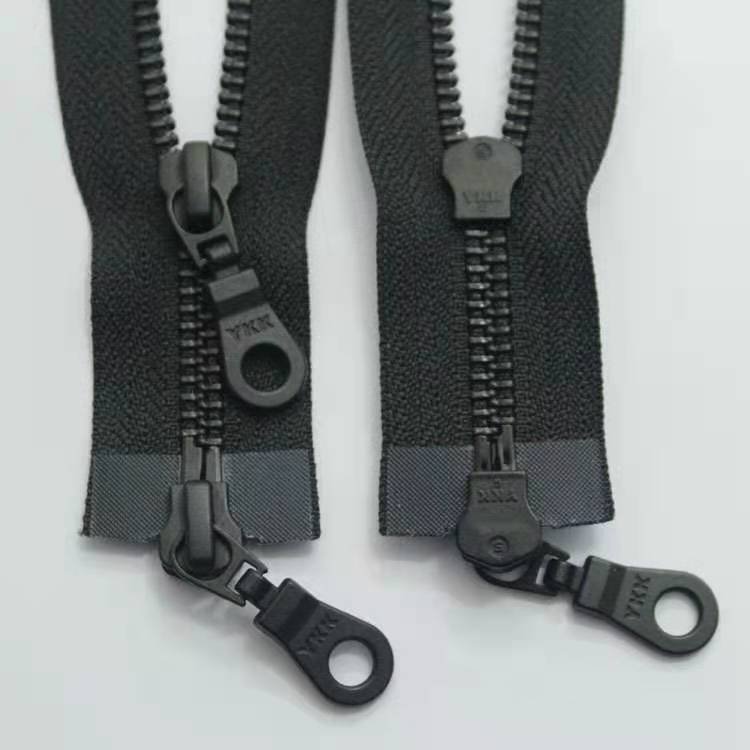
YKK Zippers
Premium YKK front zippers and pocket closures engineered for smooth operation and long-lasting durability. Available in metal, coil, or waterproof styles with custom pullers and branded sliders to elevate your windbreaker quality.
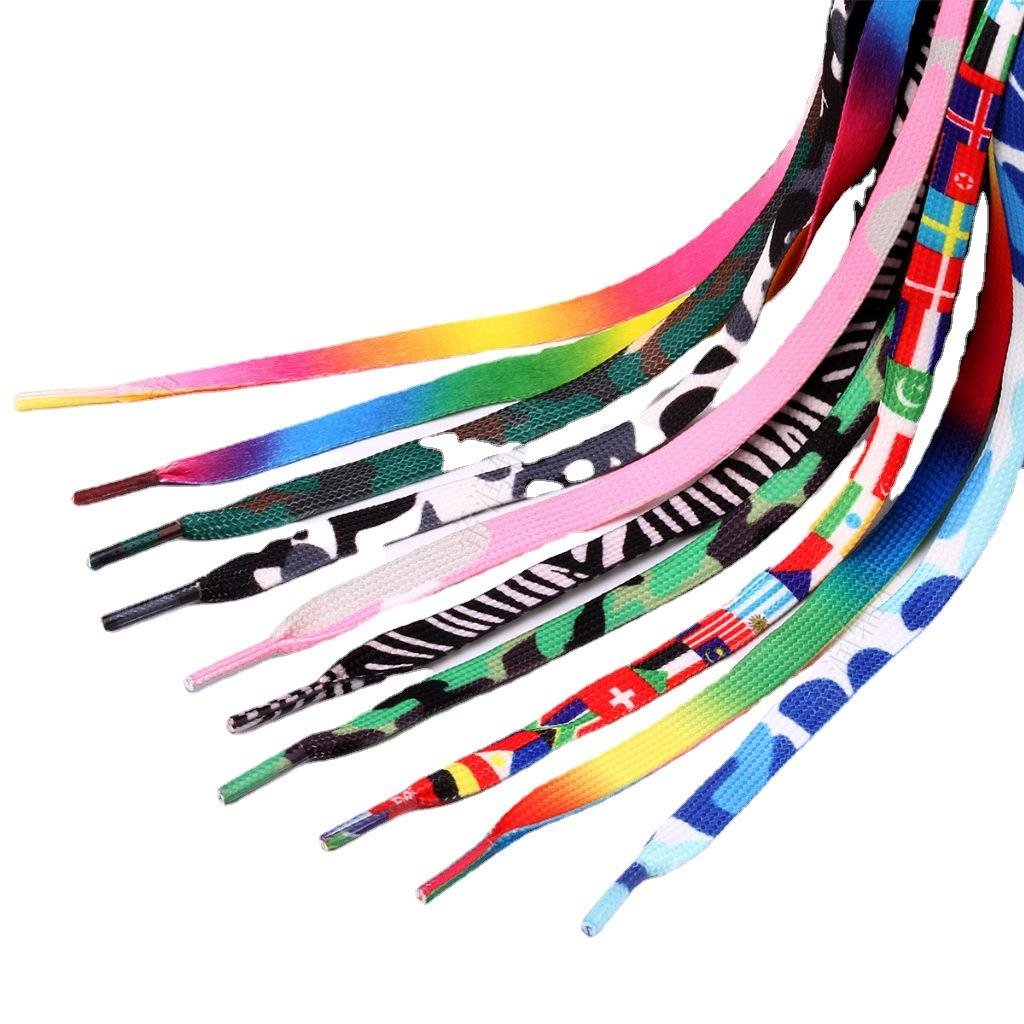
Drawcords & Tipping
Round or flat drawcords for hood and hem adjustments, finished with metal or plastic tipping for a polished look. Choose from standard colors or custom-dyed cords with branded aglets to reinforce your identity.
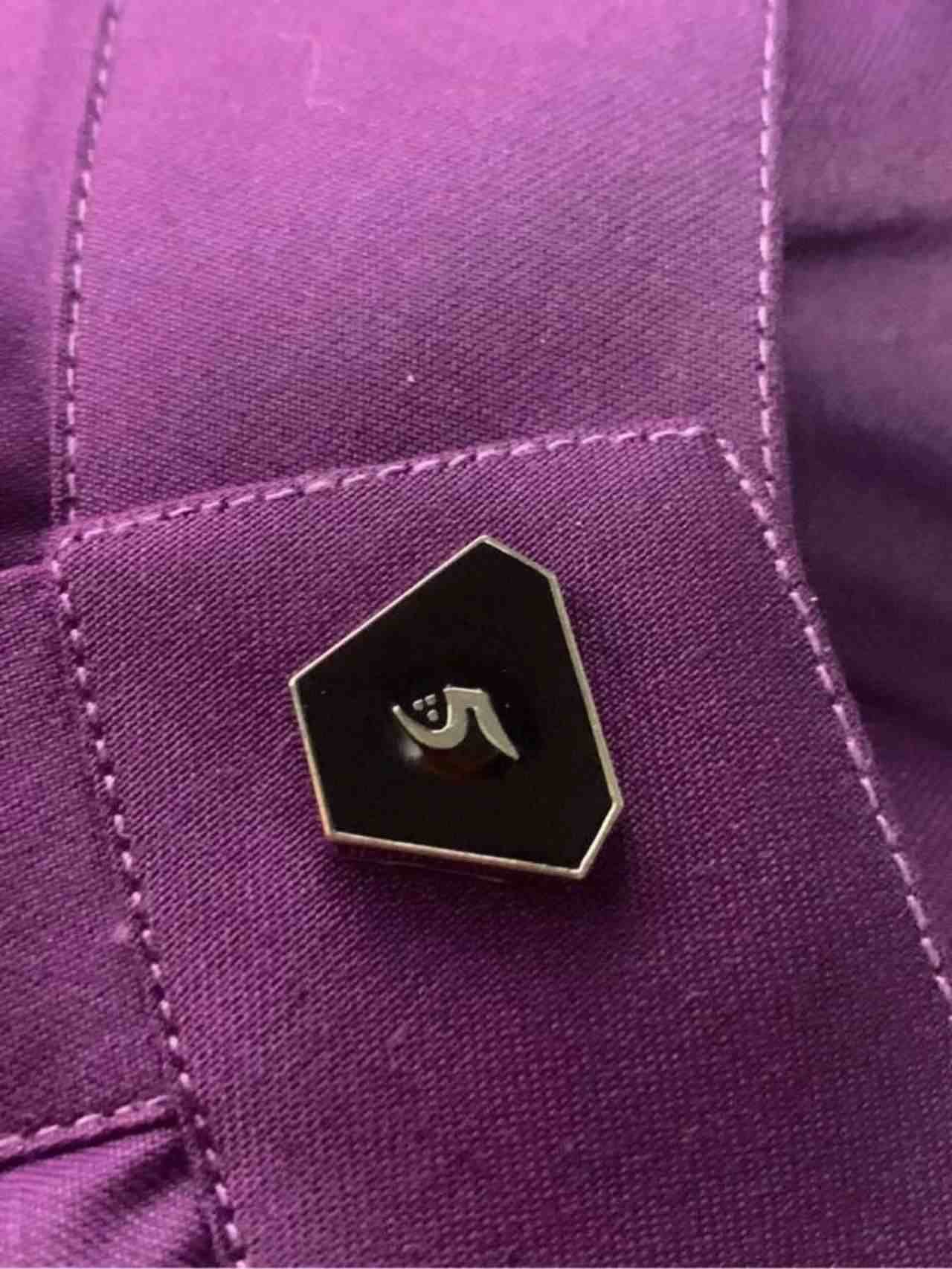
Snap Buttons
Durable metal or resin snap closures for cuffs, pockets, and plackets. Ideal for windbreakers requiring quick-release functionality. Available with custom engraving or logo embossing to strengthen brand recognition on every garment.
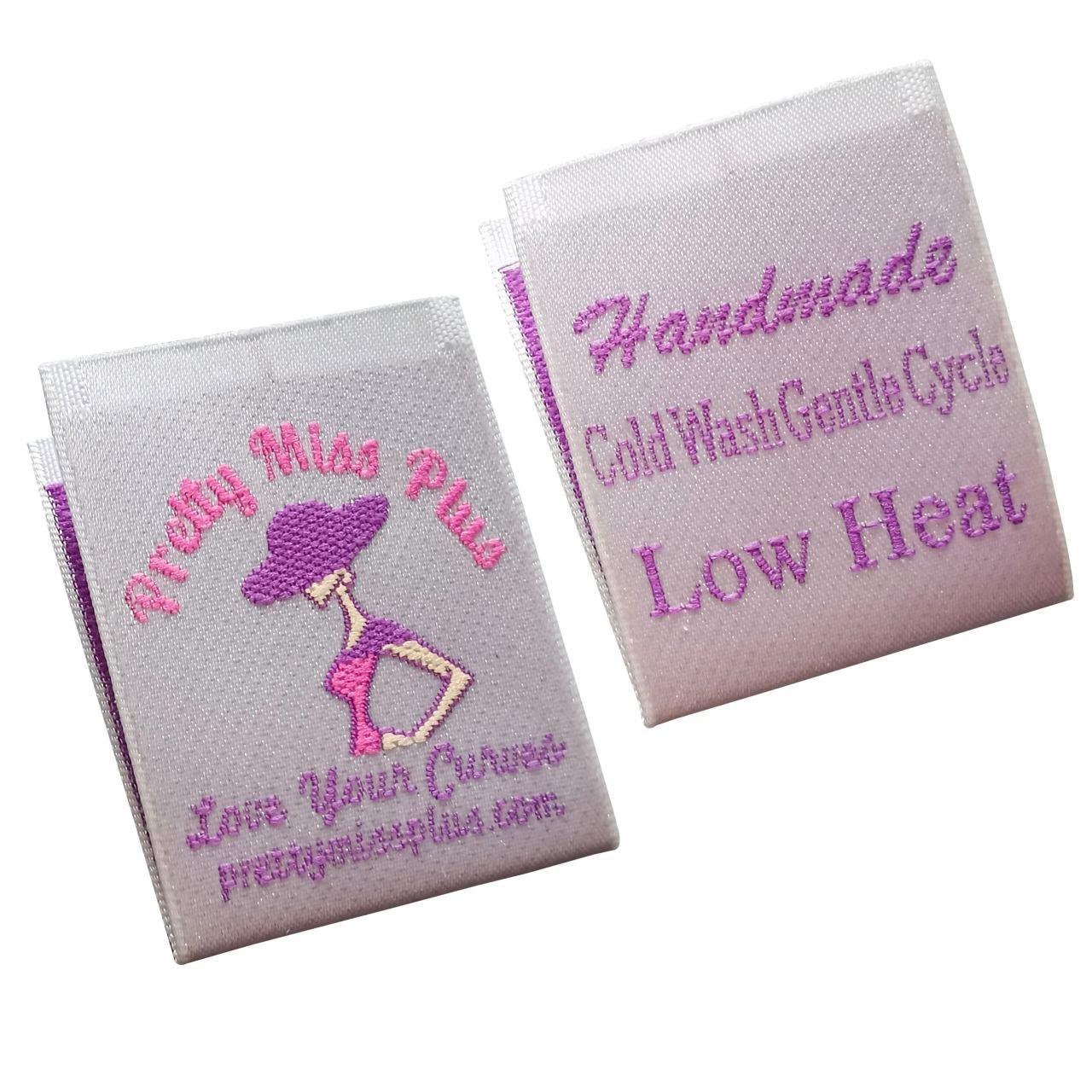
Woven Labels
High-definition woven brand labels for neck, side seam, or pocket placement. Crafted with premium threads for sharp logo reproduction and lasting color. Custom sizes and fold styles available to match your windbreaker design requirements.
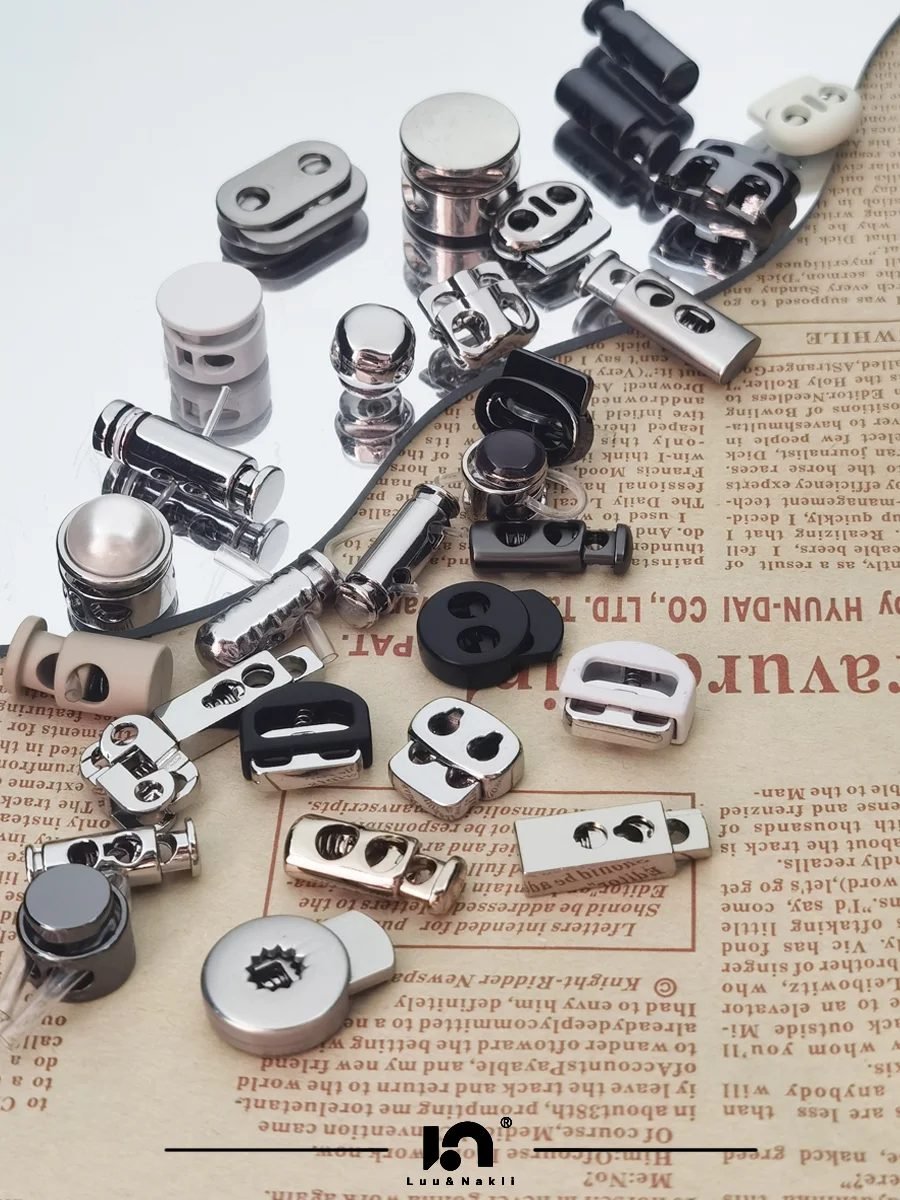
Hood Adjusters
Cord-lock toggles and elastic adjusters for precise hood fit and wind protection. Available in plastic, metal, or rubberized finishes. Functional hardware that adds technical detail and improves wearer comfort in variable weather conditions.
Your Trusted Mens Windbreaker Manufacturer
Founded in 2024 by Tesla Luo, Clothing Manufacturer Ltd brings over 10 years of apparel production expertise and 6 years of specialized streetwear experience to every windbreaker we produce. Raised in a garment manufacturing family, Tesla learned every production role from the ground up—sewing, cutting, quality control, and finishing—giving him unmatched insight into what separates premium outerwear from mass-market mediocrity.
Our mission is simple: eliminate low-quality clothing through rigorous testing at every stage. While many manufacturers skip quality checks until final inspection, we implement our proprietary 5-step QC guarantee across materials, cutting, craftsmanship, sewing, and finished goods. This zero-compromise approach has earned the trust of streetwear brands, fashion startups, and global retailers across more than 100 countries.
Backed by a 15-person R&D team and 10 patents, we offer low MOQs for emerging brands, fast turnaround for seasonal collections, and in-house design and sampling capabilities. Whether you’re launching your first windbreaker line or scaling an established label, we deliver the premium craftsmanship and trend-driven designs your customers demand.
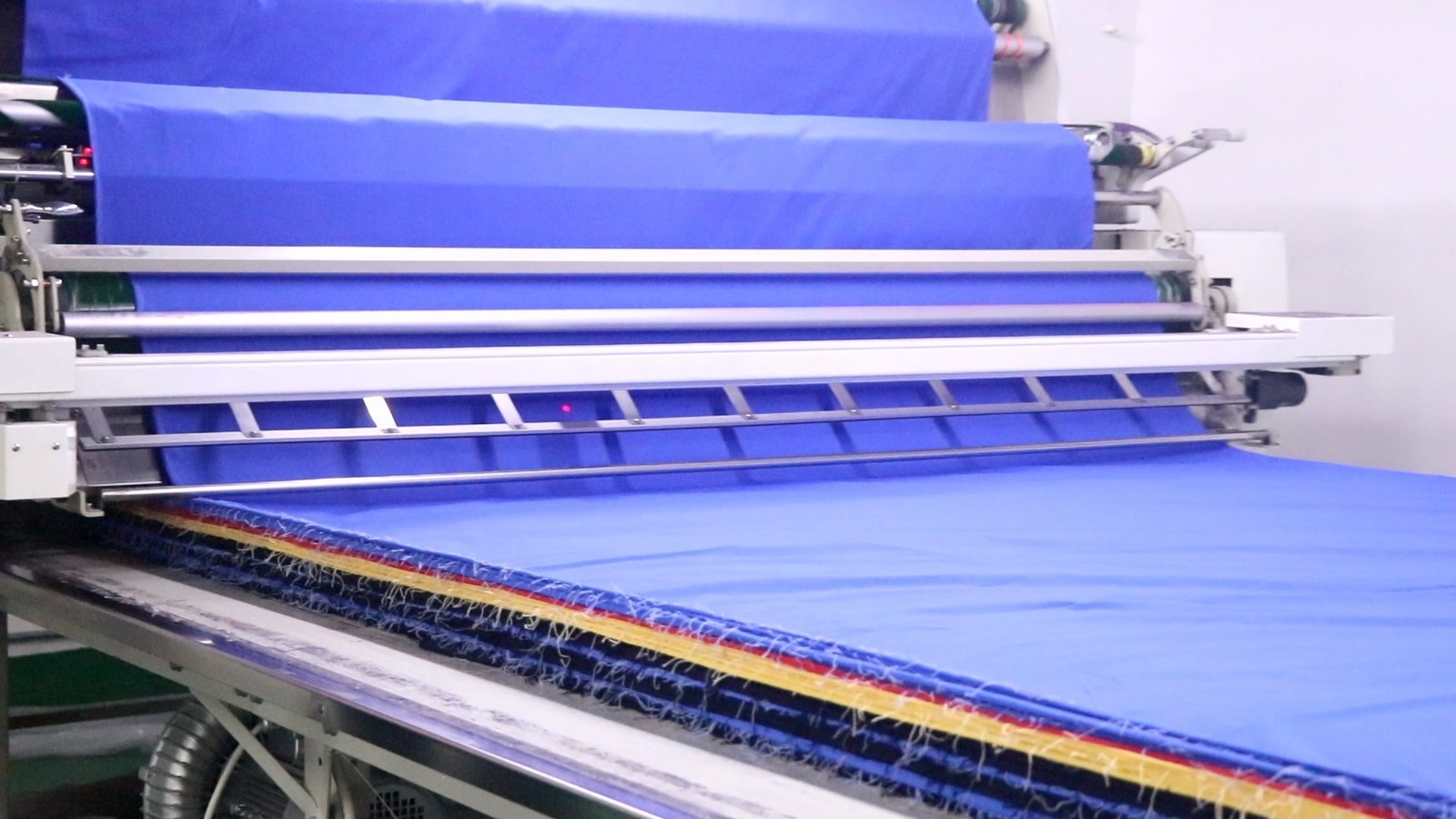
Our Five-Step Quality Control Guarantee for Mens Windbreaker Manufacturer
Materials QC Testing
Every fabric roll, zipper, and trim component is inspected before production begins. Our materials QC team verifies weight, water resistance, breathability, and colorfastness to ensure your mens windbreaker manufacturer order starts with premium-grade inputs that meet your brand specifications.
- Fabric weight and density verification using precision instruments
- Water resistance and breathability testing for performance windbreaker fabrics
- Colorfastness and shrinkage testing to prevent post-wash issues
- Zipper pull-strength and hardware durability checks
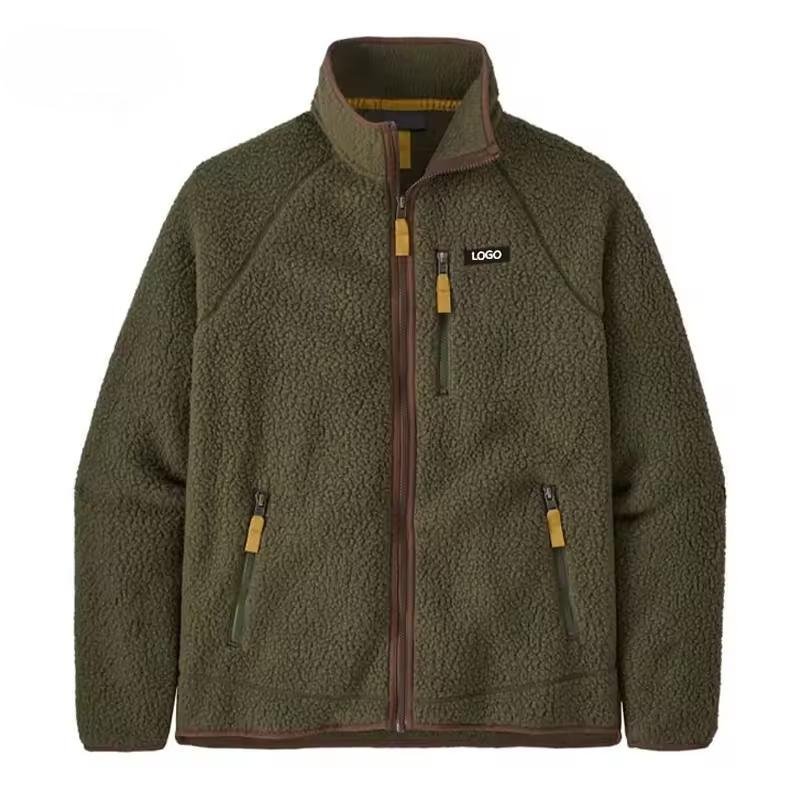
Cutting QC Testing
Pattern accuracy determines fit consistency across your entire production run. Our cutting QC process validates every panel dimension, grain alignment, and notch placement before pieces move to sewing, eliminating the fit variations that plague competitors who skip this critical checkpoint.
- Computerized pattern verification against approved tech packs
- Grain line alignment checks to prevent twisting and distortion
- Panel dimension measurement to ensure size spec accuracy
- Notch and marking placement validation for seamless assembly
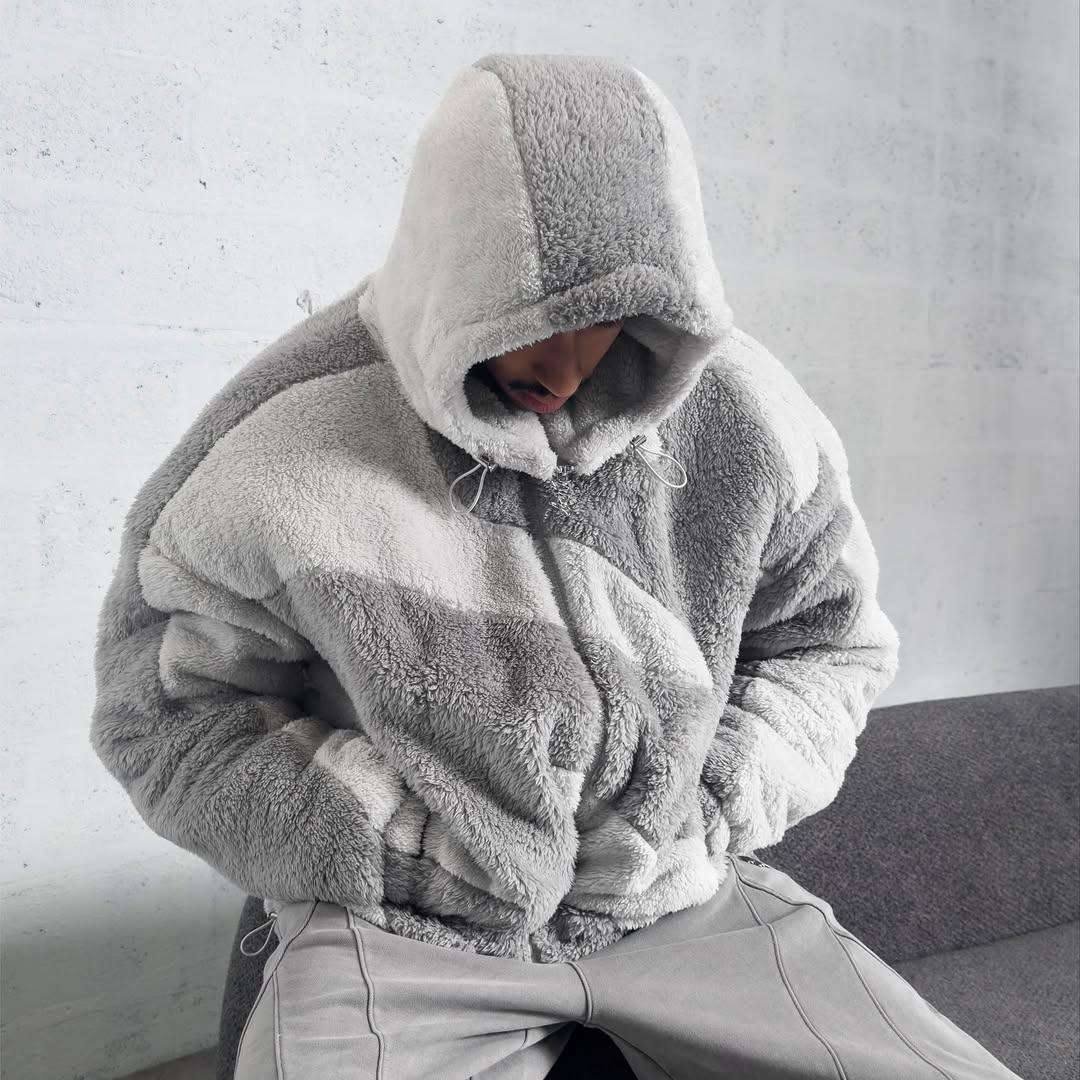
Clothing Craft QC Testing
Construction techniques define durability and visual appeal. Our craft QC specialists evaluate seam types, stitch density, reinforcement placement, and finishing methods during assembly, ensuring every mens windbreaker manufacturer detail reflects the premium quality your brand promises to customers.
- Seam type and stitch-per-inch verification for structural integrity
- Reinforcement bar-tack placement at stress points like pockets and zippers
- Topstitching alignment and consistency checks for clean aesthetics
- Lining attachment and interior finishing quality validation
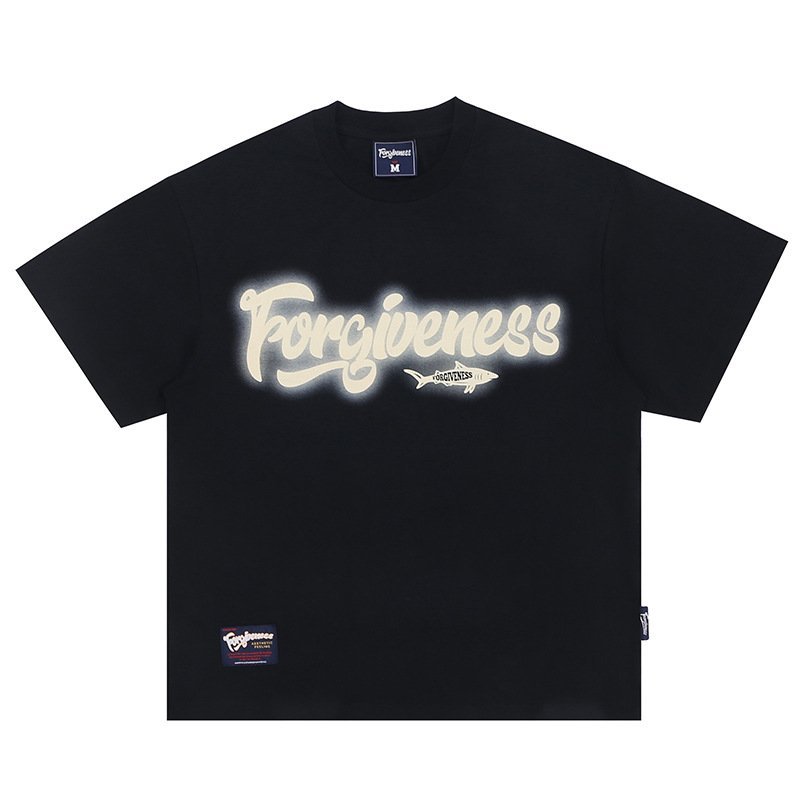
Sewing Production QC Testing
Real-time monitoring catches defects when correction is fastest and most cost-effective. Our floor supervisors conduct in-line inspections throughout sewing production, identifying thread tension issues, skipped stitches, and assembly errors before they compound into larger quality problems downstream.
- In-line inspection at every major assembly stage
- Thread tension and stitch quality monitoring on all seams
- Immediate correction protocols to prevent defect propagation
- Operator feedback loops to maintain consistent craftsmanship
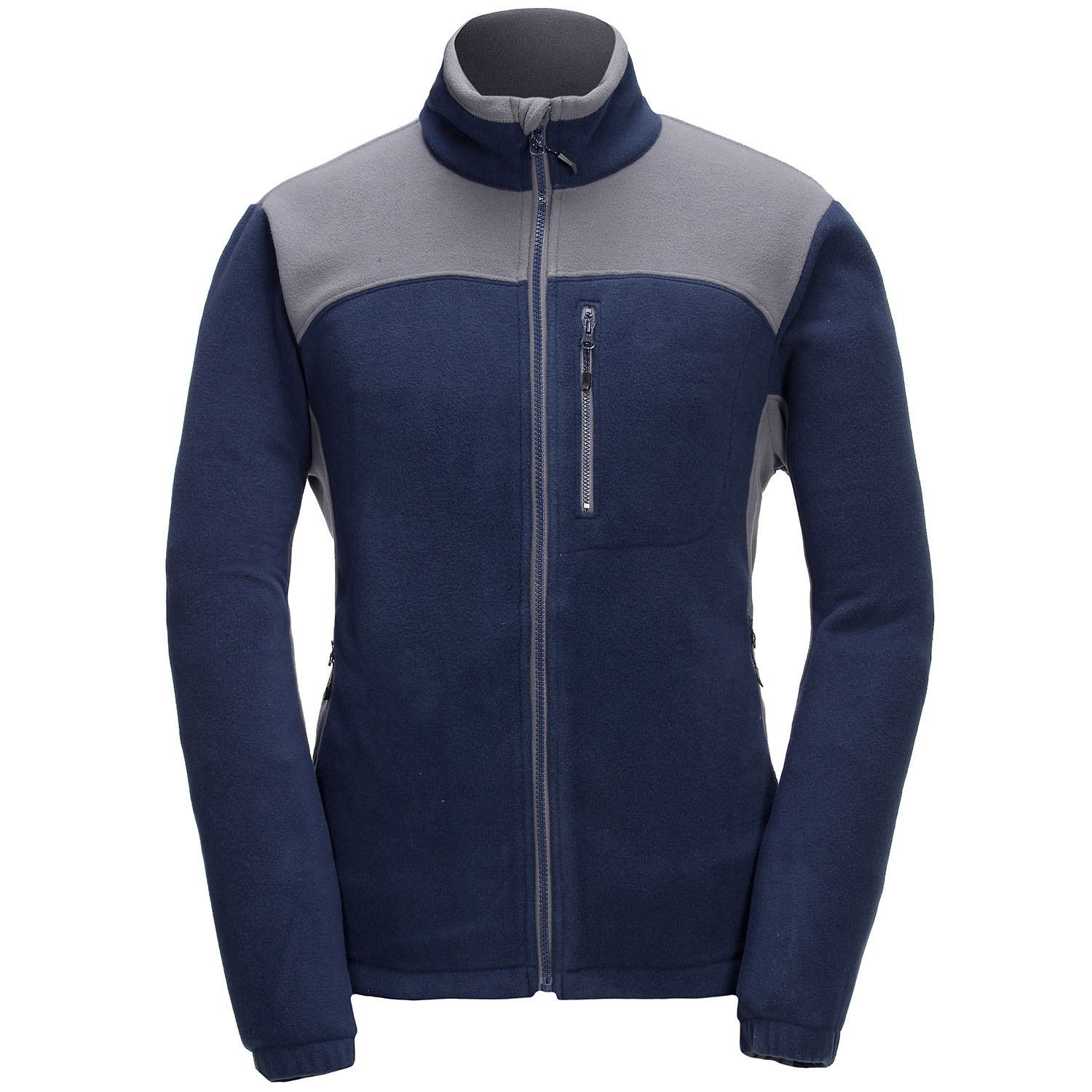
Finished Clothing Quality Inspection
Final inspection is our last line of defense before shipment. Every completed windbreaker undergoes comprehensive visual, functional, and measurement checks. We verify sizing accuracy, test all zippers and closures, inspect for loose threads or stains, and confirm packaging meets your brand guidelines.
- 100% garment-by-garment inspection before packing
- Full measurement verification against approved size charts
- Functional testing of all zippers, snaps, drawcords, and closures
- Visual inspection for stains, loose threads, and finishing flaws
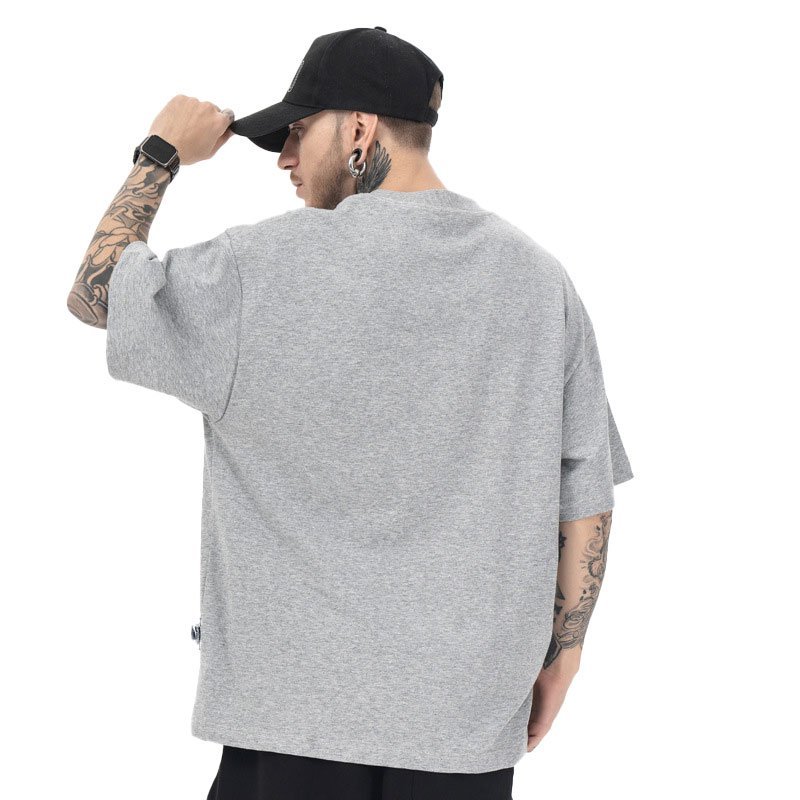
Why Mens Windbreaker Buyers Choose Us Over Typical Suppliers
Not all mens windbreaker manufacturers are created equal. See how our quality-first approach, streetwear expertise, and transparent processes set us apart from standard Chinese suppliers.
← 左右滑动查看 →
Our Mens Windbreaker Manufacturer Production Workflow
From fabric selection to final shipment, every windbreaker passes through our rigorous six-phase production system with quality checks at every critical milestone.
Fabric Sourcing & Approval
We source premium windbreaker fabrics—nylon, polyester, ripstop—and conduct materials QC testing to verify durability, water resistance, and colorfastness before production begins.
Design & Pattern Making
Our 15-member R&D team develops patterns and technical packs tailored to your brand. We create samples for approval, ensuring fit and style align perfectly.
Cutting & Pre-Production QC
Fabric is precision-cut to patterns, then undergoes cutting QC testing. Every piece is inspected for accuracy and defects before moving to the sewing floor.
Sewing & In-Process QC
Skilled technicians assemble windbreakers with reinforced seams and quality stitching. Sewing production QC testing catches issues in real-time, preventing defects from advancing downstream.
Final QC & Finishing
Completed windbreakers pass through finished clothing quality QC inspection. We verify measurements, hardware, zippers, and overall craftsmanship, then apply ironing and final touches.
Packing & Shipping
Approved garments are carefully packed per your specifications. Our global logistics support ensures your windbreakers reach you on time, anywhere in the world.
How to Partner With Your Mens Windbreaker Manufacturer in 4 Steps
From initial design to bulk production, our streamlined process removes friction and delivers quality windbreakers on time. Every order benefits from our 5-step QC guarantee and transparent communication.
Submit Your Tech Pack & Design
Share your windbreaker specifications, fabric preferences, colorways, and branding requirements. Our team reviews your tech pack and confirms feasibility within 24 hours for fast project kickoff.
Receive Quote & Sample Timeline
Get a detailed quote covering materials, production costs, and MOQ options. We provide a clear sample timeline, typically 7 days, so you can plan your collection launch confidently.
Approve Samples & Finalize Details
Review physical samples crafted by our in-house team. Request adjustments to fit, finishes, or trims. Once approved, we lock in specifications and prepare for bulk production with zero surprises.
Bulk Production With Quality Milestones
Your windbreakers move through our 5-step quality control process—materials QC, cutting QC, craft QC, sewing QC, and finished goods inspection—ensuring every piece meets your standards before global shipping.
Certifications & Quality Standards from Your Trusted Mens Windbreaker Manufacturer
Mens Windbreaker Manufacturer Trusted by Streetwear Brands Worldwide
We launched our first windbreaker collection with zero defects. The 5-step QC caught issues before production that saved us thousands. Our Instagram grew from 12K to 68K followers in 9 months thanks to consistent quality.
Sampling time dropped by 65% compared to our previous mens windbreaker manufacturer. Low MOQ of 50 pieces per colorway let us test three seasonal drops without overcommitting inventory. Game changer for our startup.
Shipped 2,400 windbreakers to our US warehouse with zero quality complaints from customers. Their in-house design team nailed our custom prints on the first sample. Fast turnaround kept us ahead of trend cycles.
Frequently Asked Questions About Mens Windbreaker Manufacturing
What is the minimum order quantity (MOQ) for working with a mens windbreaker manufacturer?
How long does production take from order confirmation to delivery?
Do you charge for samples when choosing a mens windbreaker manufacturer?
What payment terms does your mens windbreaker manufacturer require?
How do you protect my designs and intellectual property?
What customization options are available for mens windbreakers?
How does your 5-step quality control process work?
Do you handle international shipping and logistics?
Can you match Pantone colors and specific fabric weights for my brand?
The Complete Buyer’s Guide to Choosing a Mens Windbreaker Manufacturer
Navigate the sourcing landscape with confidence. This guide delivers a proven decision framework, essential supplier evaluation criteria, material specifications, customization options, and the critical mistakes to avoid when partnering with a mens windbreaker manufacturer for your brand.
1. What Is a Mens Windbreaker Manufacturer?
A mens windbreaker manufacturer is a specialized apparel production facility that handles design development, technical pattern making, fabric sourcing, cut-and-sew operations, finishing (ironing, quality inspection, tagging), and fulfillment for lightweight outerwear. Unlike general garment factories that produce t-shirts or denim, windbreaker specialists maintain expertise in working with coated nylons, polyester taffetas, ripstop weaves, and waterproof membranes that require seam-sealing equipment and heat-press machinery not found in standard cut-and-sew shops.
Full-package manufacturers manage the entire production cycle from fabric procurement and trim sourcing (zippers, drawcords, elastic cuffs) through to final packaging and logistics, ideal for startups and independent designers who lack supply-chain infrastructure. CMT (cut-make-trim) shops execute sewing and assembly only, requiring the brand to supply all materials, patterns, and technical packs—common among established labels with in-house design teams. Private-label suppliers offer pre-designed windbreaker styles that brands can customize with logos, colorways, and minor design tweaks, enabling faster time-to-market with lower minimums but limited differentiation.
Brands partner with specialized windbreaker manufacturers because technical outerwear demands knowledge of DWR (durable water repellent) finishes, mesh lining construction, ventilation grommet placement, and elastic-cuff attachment methods that general factories often lack. A dedicated mens windbreaker manufacturer maintains relationships with performance-fabric mills, owns pattern blocks optimized for athletic and streetwear fits, and employs QC protocols that test water resistance, seam strength, and zipper durability at multiple production stages.
2. Evolution of Mens Windbreaker Manufacturing
The windbreaker emerged in the 1970s as a lightweight nylon shell designed for runners and cyclists, typically weighing 80–120 GSM and offering basic wind protection without breathability. By the mid-1980s, brands introduced coated polyester and early water-repellent treatments, but these fabrics trapped moisture and limited all-day wearability.
The 1990s brought breathable membrane technologies and durable water-repellent (DWR) coatings that allowed vapor to escape while blocking rain, transforming windbreakers from purely athletic gear into lifestyle pieces. Manufacturing shifted decisively to Asia during this decade, with Guangdong Province in China becoming a global hub for high-volume apparel production due to skilled labor, integrated supply chains, and competitive lead times of 30–45 days.
The 2010s saw the rise of recycled polyester fabrics—often sourced from post-consumer PET bottles—and the integration of streetwear aesthetics such as oversized silhouettes, bold graphics, and reflective trims. Today’s mens windbreaker manufacturer must navigate buyer expectations for sustainability certifications (OEKO-TEX, Global Recycled Standard), on-demand production with MOQs as low as 50–100 pieces per colorway, and rigorous quality control at every stage from cutting to finished garment inspection.
Modern production incorporates five-step QC testing—materials, cutting, craft, sewing, and finished inspection—to ensure that technical performance and streetwear design standards align, reflecting a market where fashion-forward brands demand both aesthetic innovation and functional reliability from their manufacturing partners.
3. Types of Mens Windbreaker Manufacturers
The mens windbreaker manufacturer landscape divides into six distinct archetypes, each serving different buyer needs, order volumes, and production timelines. Understanding which factory model aligns with your brand stage and budget determines sourcing success.
Full-Package OEM/ODM Manufacturers
Full-package suppliers handle design, fabric sourcing, sampling, production, and quality control under one roof. MOQs typically range from 300 to 1,000 pieces per style, with 45–60 day lead times.
Startups and independent designers benefit most, eliminating the need to coordinate multiple vendors. These factories often maintain R&D teams — Clothing Manufacturer Ltd. operates a 15-member R&D team — and provide tech packs, pattern grading, and material recommendations.
CMT Contractors
Cut-Make-Trim (CMT) factories require buyers to supply all materials, trims, and tech packs. MOQs start at 500 pieces, with 30–45 day production cycles once materials arrive.
Established brands with in-house design teams and fabric suppliers use CMT to control material quality and reduce per-unit costs. This model demands strong technical knowledge and supply-chain coordination.
Low-MOQ Boutique Manufacturers
Boutique producers accept orders from 50 to 300 pieces per style, targeting fashion startups and influencer brands testing new designs. Lead times extend to 50–70 days due to smaller batch scheduling.
Creator brands launching first collections or seasonal capsules gain flexibility without inventory risk. Per-unit costs run 15–25 percent higher than mass production, but lower capital requirements offset the premium.
Large-Scale Mass Production Plants
High-volume facilities require MOQs above 2,000 pieces per colorway, delivering 25–35 day lead times and the lowest per-unit pricing. Global retailers and established streetwear labels with proven demand use these plants for core styles and reorders.
4. Materials and Fabrics for Mens Windbreakers
Windbreaker performance hinges on fabric choice, weight, and finish. A mens windbreaker manufacturer typically stocks nylon taffeta, polyester ripstop, nylon taslan, recycled polyester, and blends, each optimized for distinct use cases and price points.
| Fabric Type | Typical GSM | Water Resistance | Breathability | Cost Tier | Best Application |
|---|---|---|---|---|---|
| Nylon Taffeta | 70–100 | Moderate (DWR) | High | Budget | Packable, promotional |
| Polyester Ripstop | 80–120 | Moderate (DWR) | High | Mid | Active, outdoor |
| Nylon Taslan | 100–150 | Moderate (DWR) | Medium | Mid-Premium | Streetwear, casual |
| Recycled Polyester | 75–110 | Moderate (DWR) | High | Mid-Premium | Eco-conscious brands |
| Nylon/Poly Blends | 90–130 | Good (enhanced DWR) | Medium | Premium | Heavy-duty, workwear |
Common Windbreaker Fabrics and Their Properties
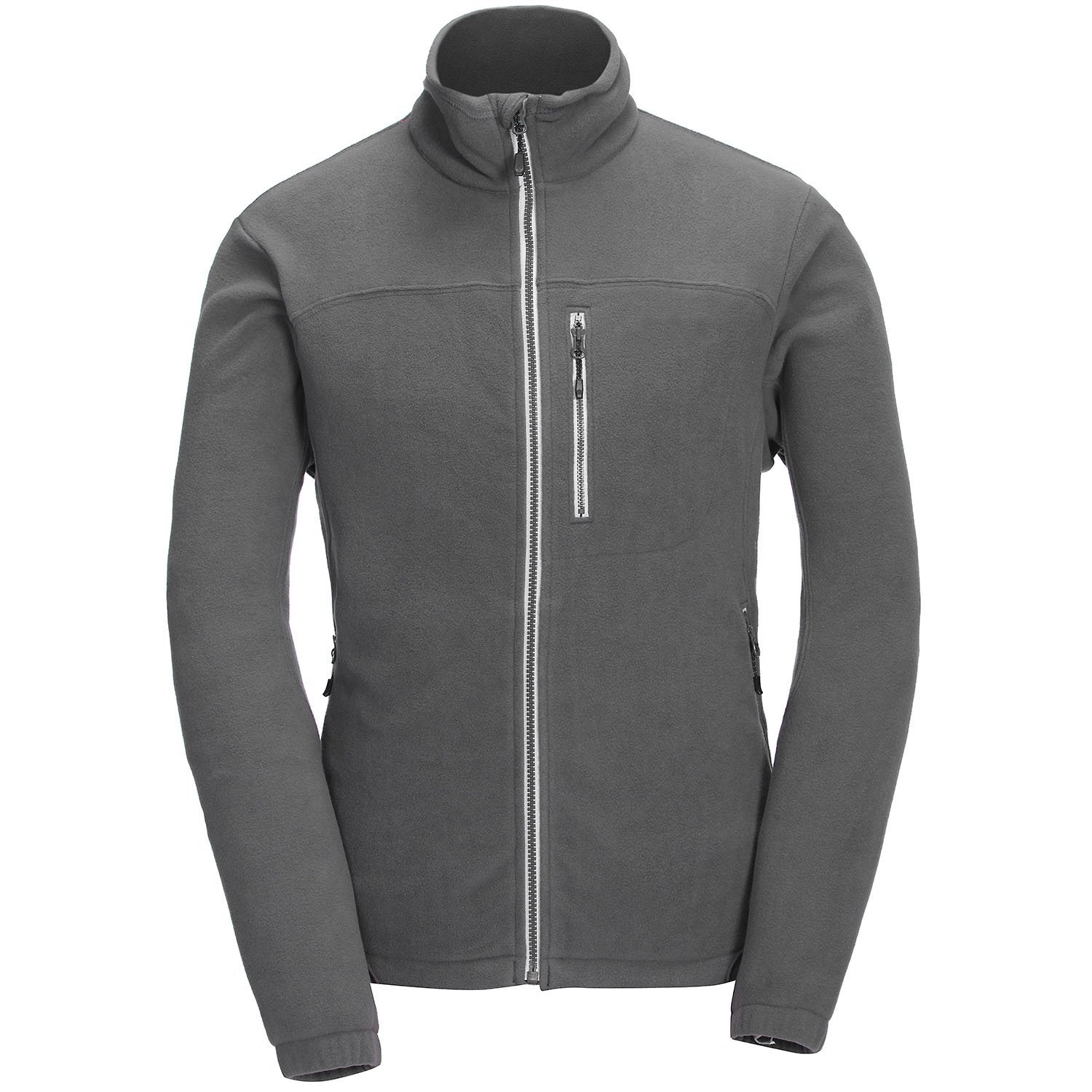
Nylon taffeta (70–100 GSM) offers a smooth, lightweight shell ideal for packable jackets; it accepts DWR (durable water repellent) finishes well but tears more easily than ripstop weaves. Polyester ripstop (80–120 GSM) incorporates reinforcement threads in a crosshatch pattern, delivering superior tear resistance for active wear and outdoor use.
Nylon taslan (100–150 GSM) features a textured surface that feels softer and looks more casual, making it popular in streetwear windbreakers where hand-feel and drape matter. Recycled polyester (75–110 GSM) uses post-consumer PET bottles, meeting sustainability mandates without sacrificing water resistance when paired with eco-friendly DWR coatings.
GSM Weight Ranges and Performance Trade-Offs
GSM (grams per square meter) directly impacts packability, warmth, and durability. Fabrics below 90 GSM fold into pocket-sized pouches but offer minimal wind insulation and lower abrasion resistance. Mid-range 100–120 GSM fabrics balance portability with structure, suitable for daily commuter jackets.
Heavy-duty windbreakers at 130–150 GSM provide better shape retention and longevity, preferred by retailers targeting outdoor enthusiasts or workwear markets. A quality-focused mens windbreaker manufacturer will match GSM to your brand’s intended use case rather than default to the cheapest option.
Water-Repellent Finishes and Breathability
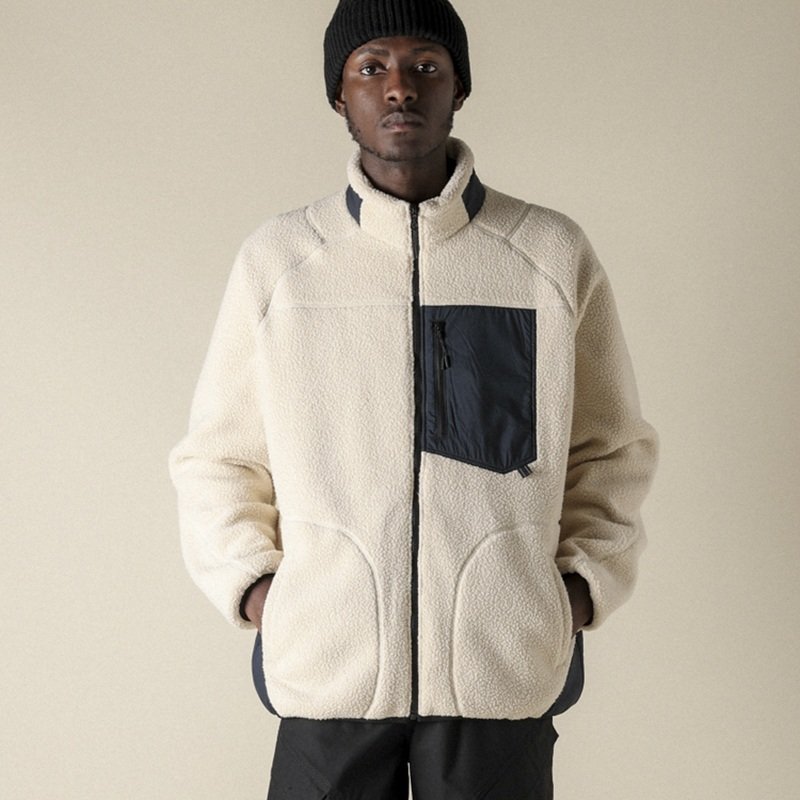
DWR coatings cause water to bead and roll off the fabric surface; standard C6 fluorocarbon-free DWR lasts 20–30 washes, while premium silicone-based treatments extend durability to 40+ washes. Breathability is measured in grams of moisture vapor transmitted per square meter per 24 hours (MVTR); uncoated nylon taffeta may exceed 10,000 g/m²/24h, whereas heavy DWR or laminated membranes drop MVTR below 5,000 g/m²/24h, trading ventilation for weather protection.
5. Customization and Decoration Options with a Mens Windbreaker Manufacturer
A mens windbreaker manufacturer typically offers six to eight decoration methods, each suited to different brand aesthetics, order volumes, and durability requirements. Screen printing and embroidery remain the most common for streetwear, while sublimation and reflective prints serve performance-focused collections.
| Technique | Setup Cost | Unit Cost | MOQ (pcs) | Durability (washes) | Best Fit |
|---|---|---|---|---|---|
| Screen Printing | $15–50/color | $0.50–2.00 | 50–100 | 50+ | Streetwear logos |
| Heat Transfer | $0 | $2–5 | 10–25 | 20–30 | Samples, limited drops |
| Embroidery | $20–100 | $3–8 | 50–100 | 100+ | Premium branding |
| Woven Labels | $50–150 | <$0.30 | 500–1,000 | 100+ | Neck/exterior tags |
| Rubber Patches | $100–300 | $1–4 | 100–200 | 50+ | 3D streetwear details |
| Sublimation | $0 | $3–6 | 25–50 | 50+ | All-over prints |
| Reflective Prints | $0 | $2–5 | 50–100 | 30–50 | Performance/safety |
Screen Printing and Heat Transfer
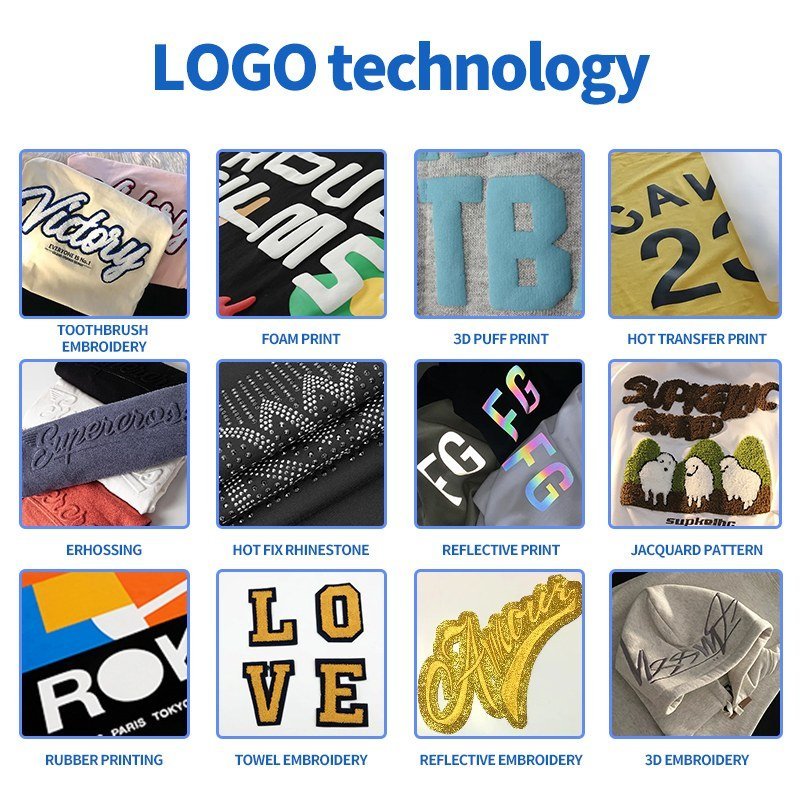
Screen printing requires setup screens for each color, with one-time costs of $15–50 per screen but unit costs as low as $0.50–2.00 for large runs. MOQs typically start at 50–100 pieces per design. Plastisol inks deliver bold, opaque graphics ideal for streetwear logos, though they add stiffness; water-based inks offer a softer hand but require compatible fabrics.
Heat transfer eliminates setup costs and accommodates orders as small as 10–25 pieces, with per-unit costs of $2–5. Durability is lower—transfers may crack or peel after 20–30 washes—making them better suited for limited drops or sample runs than high-volume retail.
Embroidery and Woven Labels
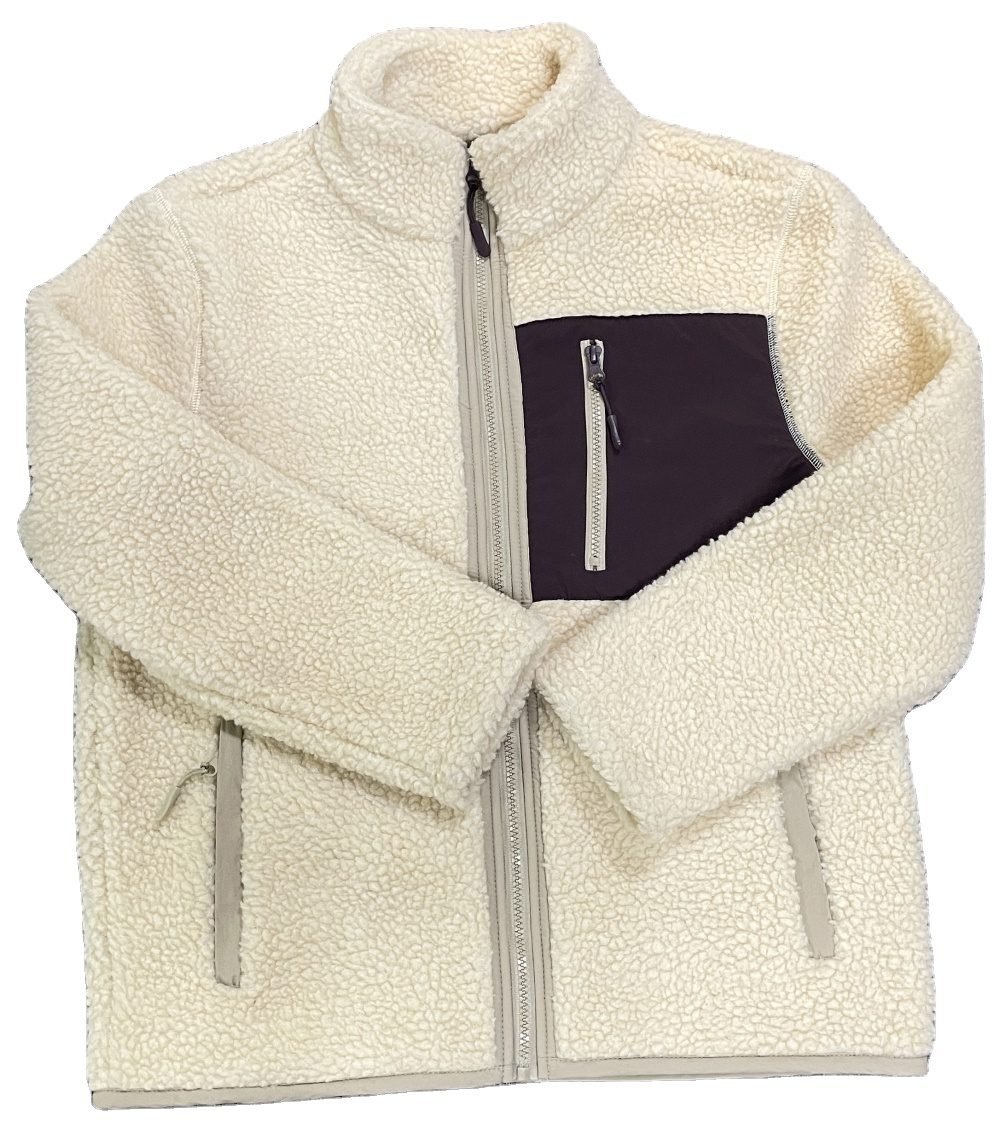
Embroidery digitization costs $20–100 per design, with per-piece charges of $3–8 depending on stitch count (typically 5,000–15,000 stitches for a chest logo). MOQs range from 50–100 units. Heavy embroidery suits structured areas like chest pockets or sleeves but can pucker lightweight nylon unless backed with stabilizer.
Woven labels for neck tags or exterior branding require mold fees of $50–150 and MOQs of 500–1,000 labels, with unit costs under $0.30. Damask weave offers higher thread density and finer detail than taffeta, preferred by premium streetwear brands.
Rubber Patches, Sublimation, and Reflective Prints
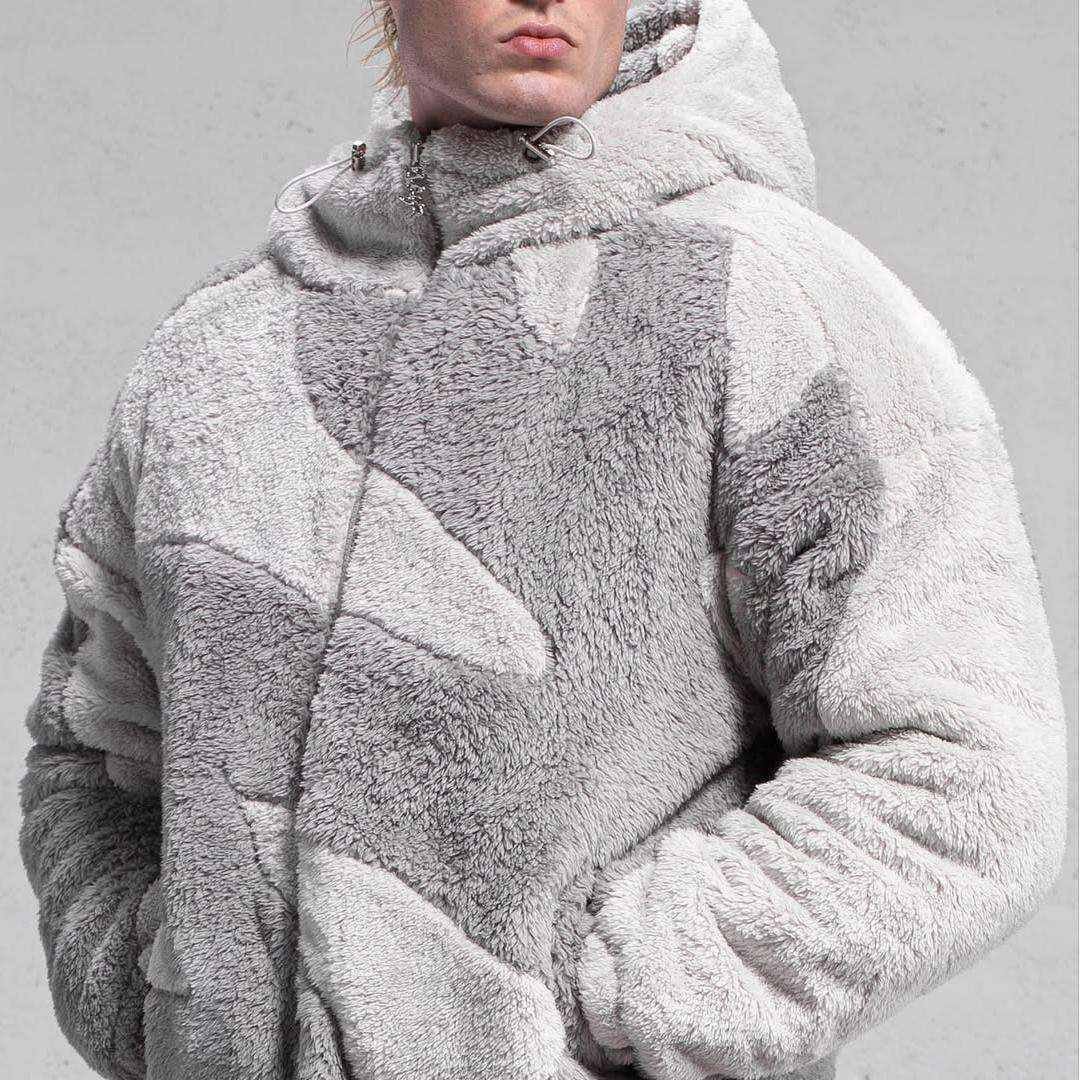
Silicone and rubber patches provide three-dimensional branding with mold costs of $100–300 and MOQs of 100–200 pieces; unit costs run $1–4. They withstand 50+ washes without fading, ideal for high-wear zones like sleeves or chest.
Sublimation prints full-color gradients directly into polyester fabrics with no hand feel, requiring minimums of 25–50 units and costing $3–6 per garment. Reflective prints use glass-bead or micro-prismatic films for visibility, adding $2–5 per placement and suiting performance or safety-focused collections.
6. Key Quality Control Elements in Windbreaker Production
A mens windbreaker manufacturer’s reputation hinges on quality control at every production stage, not just final inspection. The five-step QC methodology—materials testing, cutting checks, craft verification, sewing inspection, and finished-product review—catches defects early and ensures consistent output across orders and sizes.
Materials QC Testing
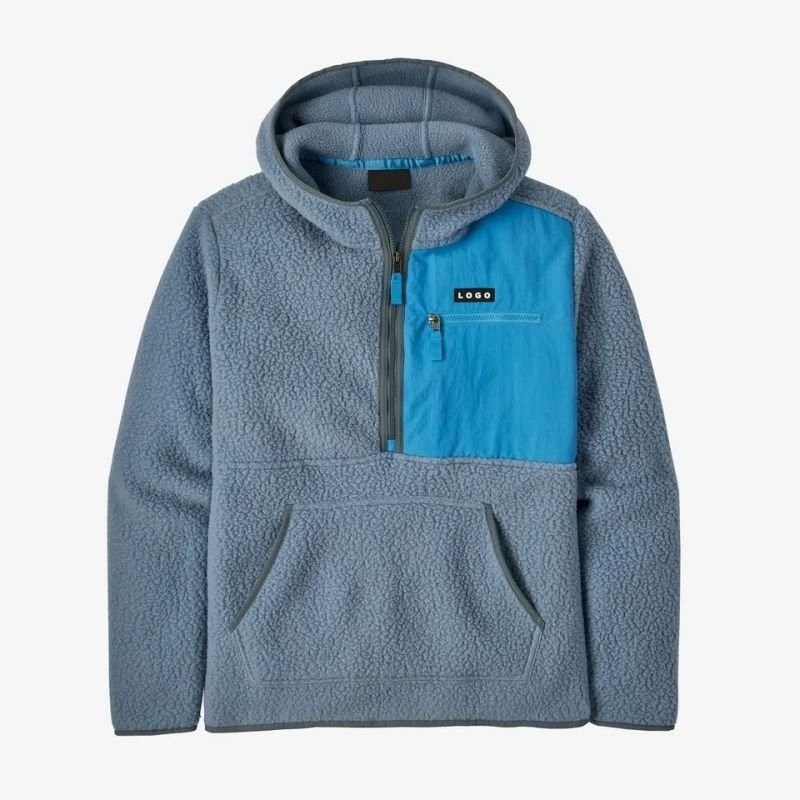
Fabric inspection begins before cutting, measuring tear strength (typically 30–50 N for nylon taffeta), colorfastness (grade 4 minimum to washing and light), and water-repellent performance (ISO 4920 spray test rating 4–5). Windbreaker fabrics must meet specified GSM (70–120 for packable shells) and pass dimensional stability tests to prevent shrinkage.
Zipper quality separates reliable garments from returns: YKK Vislon or Metaluxe zippers endure 1,000+ cycles, while generic alternatives often fail within 200. Verifying zipper batch consistency and pull-tab attachment strength at intake prevents costly mid-production stoppages.
Cutting and Craft QC Testing
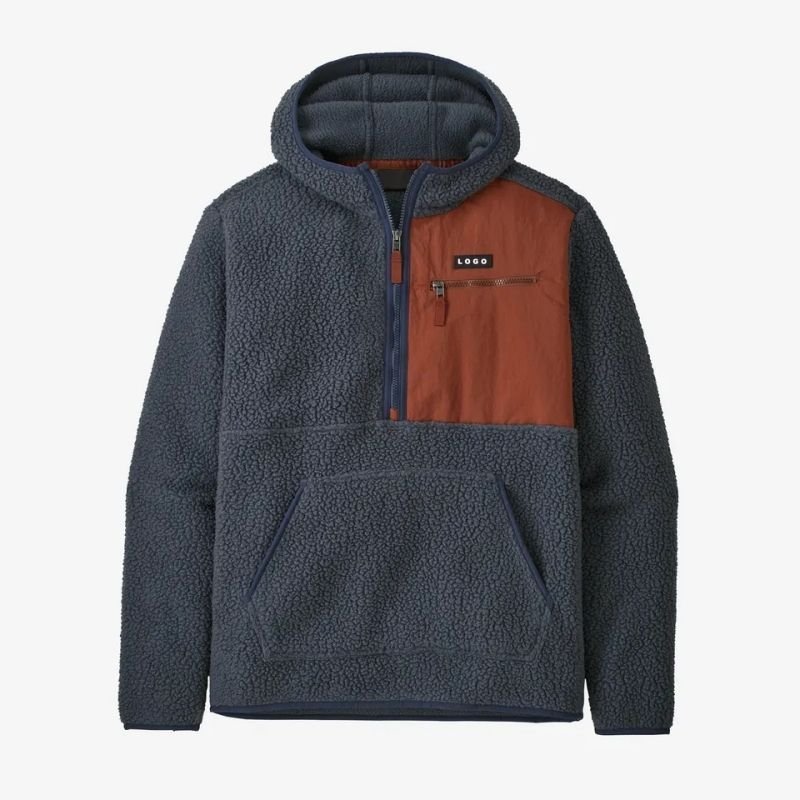
Pattern accuracy and seam allowances (standard 1 cm for windbreakers) are verified post-cutting to ensure fit consistency across S–3XL size runs. Misaligned cuts cause puckering and asymmetric hems.
Seam sealing and taping inspection confirms full coverage on critical joins—shoulder, underarm, center-back—using polyurethane or rubberized tape. Gaps as small as 2 mm compromise water resistance and void brand warranties.
Sewing Production and Finished QC Inspection
Stitching density for windbreakers ranges from 12–14 stitches per inch; lower counts risk seam failure under stress. In-line inspectors check thread tension, needle damage, and skipped stitches every 50 units.
Final inspection verifies fit consistency (measure chest, sleeve, and body length against tech packs), water-repellent spray tests on random samples, and packaging integrity. This checkpoint catches labeling errors, missing hang tags, and folding defects before shipment, protecting your brand reputation in over 100 countries.
7. How to Choose the Right Mens Windbreaker Manufacturer
Selecting a mens windbreaker manufacturer requires systematic evaluation across production capability, quality assurance, and business reliability. A structured checklist prevents costly mistakes and ensures your partner can scale with your brand as order volumes grow.
Certifications and Compliance Standards
Verify that the factory holds current certifications such as WRAP, BSCI, or OEKO-TEX Standard 100, which confirm ethical labor practices and fabric safety. Clothing Manufacturer Ltd. implements a five-step QC methodology covering materials, cutting, craft, sewing, and finished-goods inspection, ensuring defects are caught early rather than at final packing.
Request certificate copies with valid dates and scope; expired or generic documents signal weak oversight.
Portfolio Review and Sample Quality
Examine past windbreaker projects for fabric hand-feel, seam consistency, zipper alignment, and print durability. Order a paid sample before committing to production; reputable manufacturers charge $30–80 per sample and deduct the fee from bulk orders.
Look for clean topstitching, reinforced stress points at pockets and zippers, and color-matched thread—details that separate professional output from rushed work.
MOQ Flexibility and Lead Times
Compare minimum order quantities; 100–300 pieces per design suits startups, while 500+ is standard for established brands. Lead times typically span 25–45 days from approved sample to shipment, depending on fabric sourcing and decoration complexity.
Confirm whether the factory can accommodate test runs or seasonal reorders without penalizing smaller volumes.
Communication and Payment Terms
Assess response speed, clarity, and willingness to answer technical questions about GSM, water-column ratings, or seam-sealing methods. Standard deposits range from 30–50 percent, with the balance due before shipment; avoid suppliers demanding full payment upfront or offering quotes 40+ percent below market—both are red flags for quality shortcuts or fraud.
8. Common Mistakes When Sourcing a Mens Windbreaker Manufacturer
Sourcing a mens windbreaker manufacturer involves technical and contractual decisions that directly affect product quality, delivery timelines, and brand reputation. Avoiding common pitfalls requires understanding fabric specifications, legal protections, and production workflows before committing to an order.
Choosing Solely on Price Without Sampling
Many brands select a mens windbreaker manufacturer based on the lowest unit price, only to discover poor stitching, incorrect sizing, or substandard fabric after bulk production. A $2 difference per unit can translate to thousands of dollars in returns, refunds, and damaged brand credibility.
Always request physical samples before placing production orders. Compare seam strength, zipper durability, and fabric hand-feel across at least two suppliers to verify that quoted pricing reflects actual quality standards.
Ignoring Fabric Specifications and GSM
Windbreaker performance depends on fabric weight (typically 60–120 GSM for shell layers) and weave density. Suppliers may substitute a 70 GSM polyester taffeta for a specified 100 GSM ripstop, reducing wind resistance and durability while keeping the same SKU label.
Specify exact GSM, weave type (ripstop, taffeta, oxford), and any required coatings (PU, DWR) in your tech pack. Request fabric swatch approval and third-party lab testing for water-resistance ratings before sewing begins.
Skipping IP and Design Protection Clauses
Without a non-disclosure agreement or exclusivity clause, your custom prints, patterns, and branding can be replicated and sold to competitors or on wholesale platforms. Independent designers and influencer brands are particularly vulnerable when proprietary graphics lack contractual protection.
Include IP ownership and confidentiality terms in your manufacturing agreement. Register trademarks and copyrights in your home market, and require the mens windbreaker manufacturer to sign an NDA before sharing design files or brand assets.
Underestimating Lead Times for Custom Colors or Prints
Standard production for solid-color windbreakers averages 25–35 days, but custom Pantone dye lots, all-over sublimation prints, or multi-color screen printing can add 10–20 days for color matching and sample approval. Brands often miss launch windows or pre-order deadlines by failing to account for these extensions.
Confirm total lead time in writing, broken down by fabric dyeing, printing, sewing, and QC stages. Build a 15–20 day buffer into your product launch calendar when ordering custom colors or complex graphics.
Failing to Clarify Shipping and Duty Responsibilities
Confusion over Incoterms—whether the quote is FOB, CIF, or DDP—can result in unexpected customs duties, port fees, and freight charges that double your landed cost. New brands frequently overlook import tariffs (often 16–27 percent for apparel into the US and EU) when budgeting retail pricing.
Agree on Incoterms before signing the purchase order, and request a full cost breakdown including freight, insurance, and estimated duties. Work with a customs broker or freight forwarder to calculate landed cost per unit for accurate margin planning.
9. Steps to Launch Your Windbreaker Brand
Launching a windbreaker brand requires a structured workflow from concept to customer. Following these phases ensures you secure the right mens windbreaker manufacturer, maintain quality standards, and reach your audience efficiently.
Define Target Market and Design Aesthetic
Identify your core customer — streetwear enthusiasts, outdoor athletes, or urban commuters — and the design language that resonates with them. Research color palettes, graphic motifs (skeleton, cross, graffiti elements), and silhouette preferences within your niche.
Document your brand’s unique positioning, whether minimalist technical wear or bold streetwear graphics, to guide every downstream decision from fabric selection to decoration techniques.
Create Tech Packs with Detailed Specifications
Develop comprehensive tech packs that include flat sketches, measurement charts (chest, length, sleeve), fabric callouts (nylon ripstop 70 GSM, polyester taffeta 190T), colorways with Pantone references, and construction notes (taped seams, elastic cuffs, zipper type).
Accurate tech packs reduce sampling iterations and ensure every mens windbreaker manufacturer quotes on identical specifications, making price and quality comparisons transparent.
Request Quotes and Samples from Multiple Manufacturers
Approach 3–5 manufacturers with your tech pack, requesting unit pricing at different MOQ tiers (100, 300, 500 pieces) and lead times. Request physical samples to evaluate fabric hand-feel, stitching consistency, and fit.
Compare not only price but also communication responsiveness, QC protocols (five-step inspection versus final-only checks), and production capacity to handle future scale.
Approve Pre-Production Samples and Monitor Milestones
Sign off on a pre-production sample that locks in fabric, color, fit, and all details before bulk production begins. Establish milestone check-ins — materials QC, cutting QC, mid-sewing inspection — to catch issues early.
Request photo or video updates at each quality checkpoint to verify adherence to your tech pack and maintain transparency throughout the production cycle.
Arrange QC, Shipping, and Go-to-Market Strategy
Conduct a final finished-goods inspection, either in-house at the factory or via third-party audit, before approving shipment. Coordinate logistics (FOB, DDP terms) and customs documentation to ensure on-time delivery.
Plan your launch across e-commerce platforms (Shopify, WooCommerce), retail partnerships, and influencer seeding campaigns to build initial traction and gather customer feedback for future collections.
10. Pricing and Cost Breakdown
Mens windbreaker pricing varies by order volume, fabric grade, and customization complexity. At 50-unit MOQ, per-piece costs typically range $18–$28, while 1,000-unit orders drop to $8–$14 per windbreaker depending on shell fabric (nylon taffeta versus ripstop polyester), lining weight, and hardware specifications. Setup fees cover pattern grading, sample development, and cutting templates; most manufacturers charge $150–$400 per style, waived or amortized at higher volumes.
Decoration adds $1.50–$3.00 per unit for screen printing (simple one- or two-color logos), $4–$8 for embroidery (up to 10,000 stitches), and $2–$5 for heat-transfer labels or woven patches. Full-chest sublimation or all-over prints can add $5–$12 per piece due to specialized fabric requirements and additional press time. Fabric upgrades—switching from 210T nylon to 300D ripstop or adding DWR coating—typically increase unit cost by $1.50–$4.00.
Lead times stretch from 21–28 days for stock-fabric orders (100–500 units) to 35–45 days when custom dyeing or specialty membranes are required. Air freight adds $4–$8 per unit but compresses delivery to 5–7 days; sea shipping costs $0.80–$1.50 per unit with 25–35 day transit. Landed cost calculations must include tariffs (often 16.5–27.5 percent ad valorem for apparel imports into the U.S.), payment terms (30 percent deposit, 70 percent before shipment is standard), and any third-party inspection fees ($200–$350 per visit).
| Quantity Tier | Unit Price (USD) | Setup Cost | Decoration Add-On | Lead Time (Days) |
|---|---|---|---|---|
| 50–99 units | $18–28 | $150–400 | +$1.50–8.00 | 21–28 |
| 100–499 units | $14–22 | $150–300 | +$1.50–8.00 | 21–28 |
| 500–999 units | $10–16 | $100–200 | +$1.50–8.00 | 25–35 |
| 1,000+ units | $8–14 | Waived / amortized | +$1.50–8.00 | 28–45 |
Ready to Launch Your Mens Windbreaker Line?
Low MOQ, 5-step QC guarantee, and 7-day sampling. Partner with a mens windbreaker manufacturer that delivers quality without compromise.