
Premium Lightweight Windbreaker Manufacturer for Streetwear Brands
Your dedicated lightweight windbreaker manufacturer — backed by a 5-step QC guarantee, low MOQ, and rapid turnaround for streetwear labels and startups worldwide.
Lightweight Windbreaker Styles & Collections
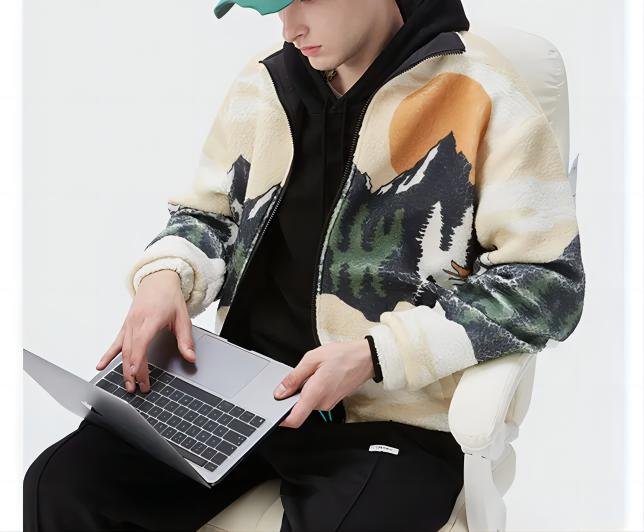
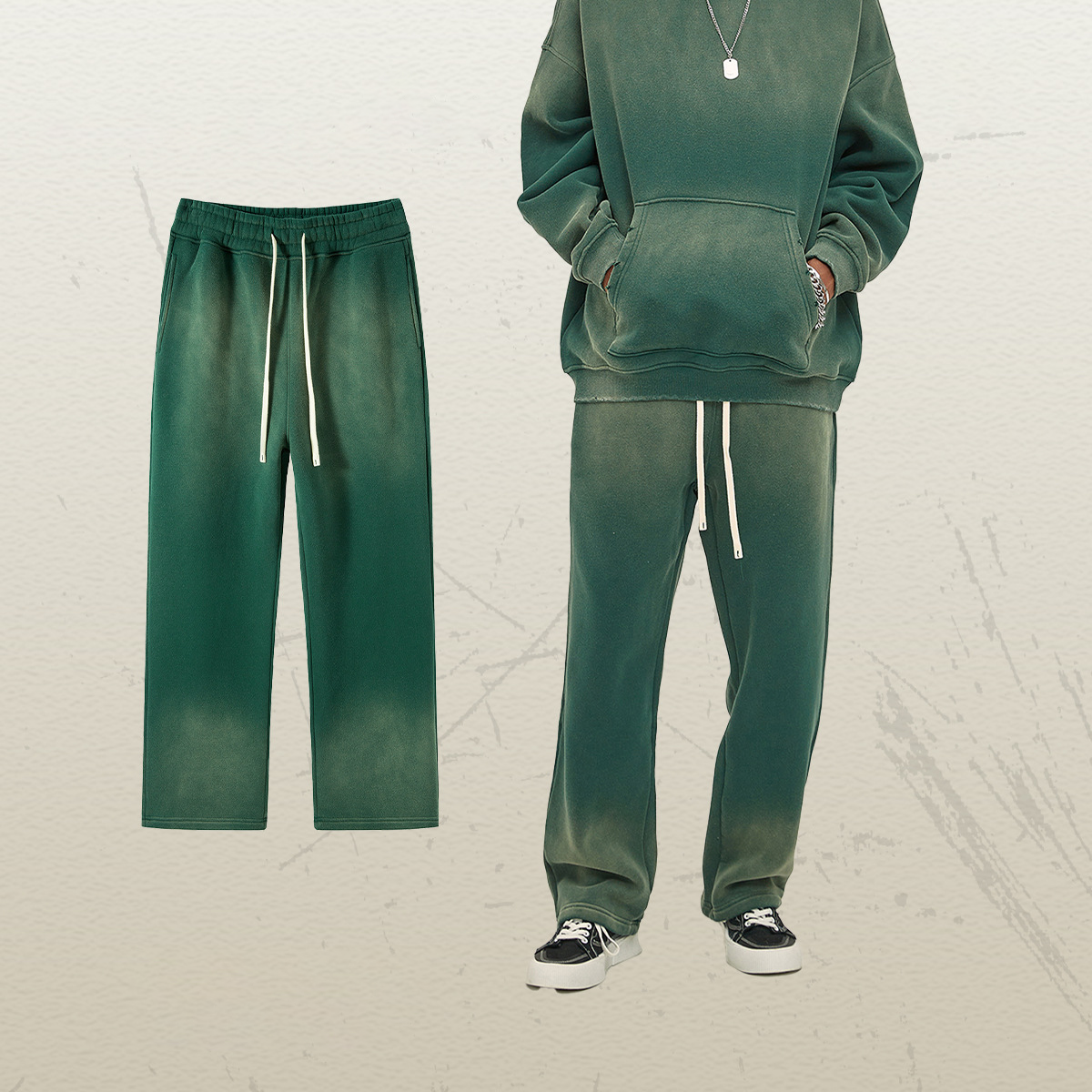
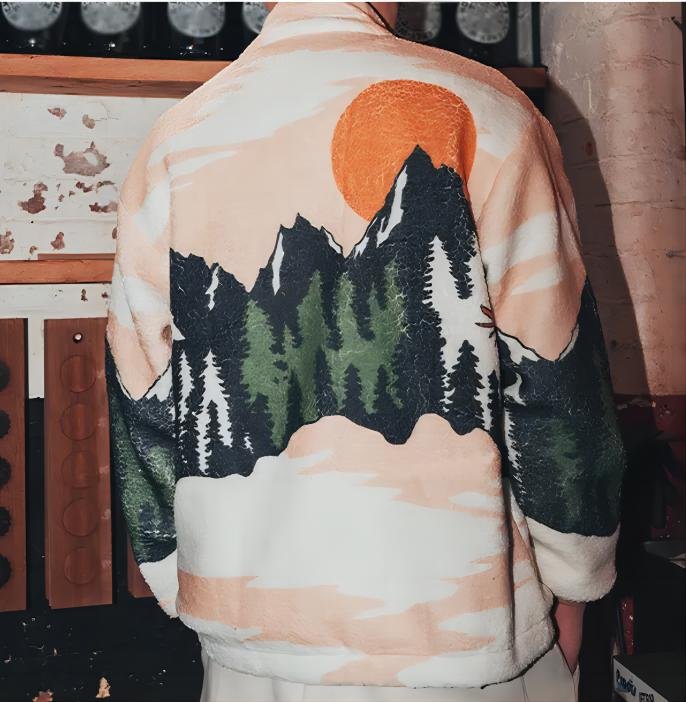
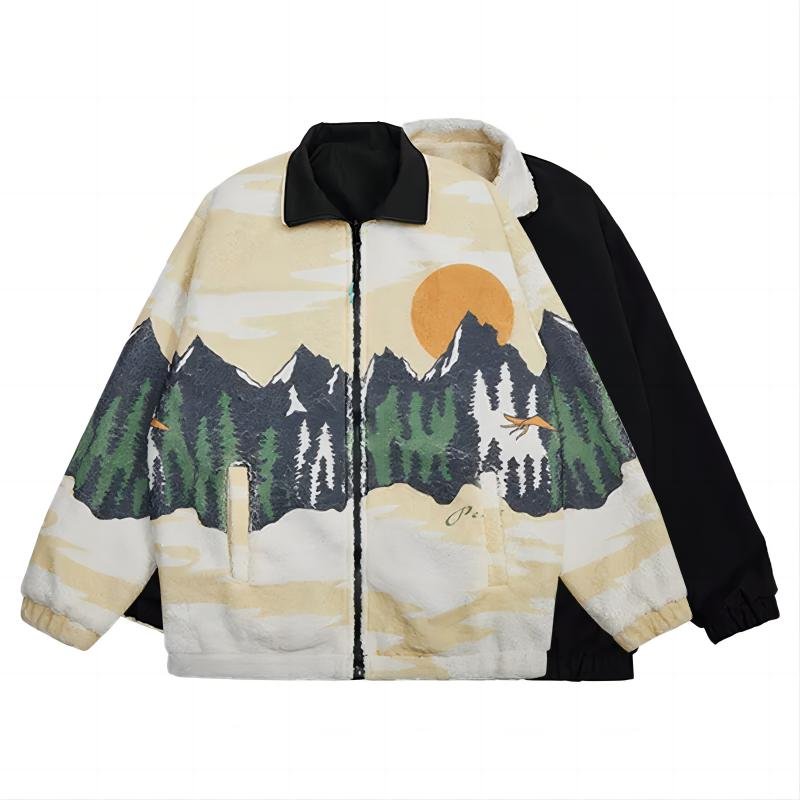
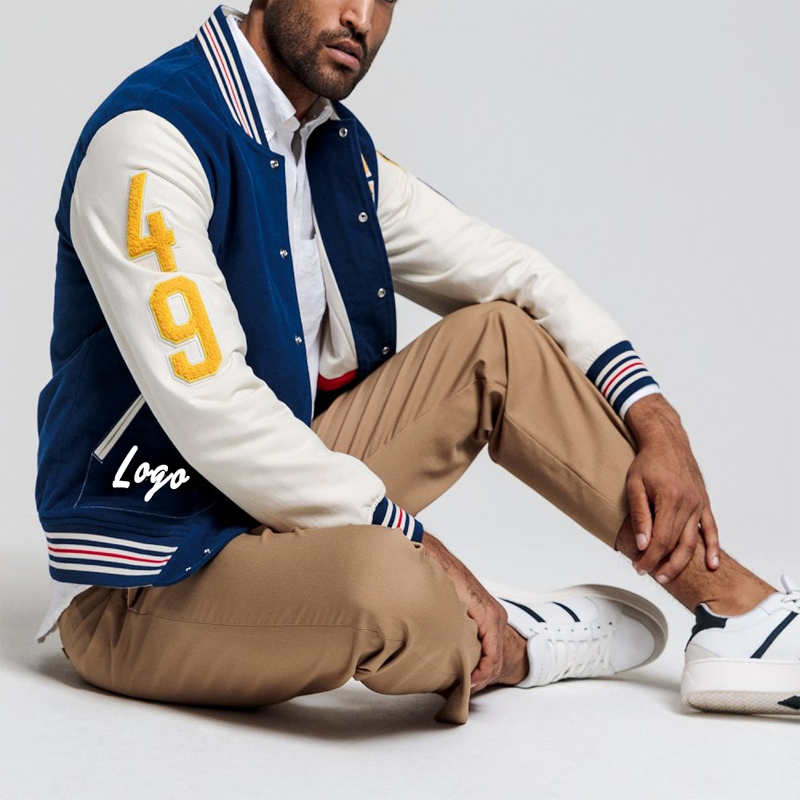
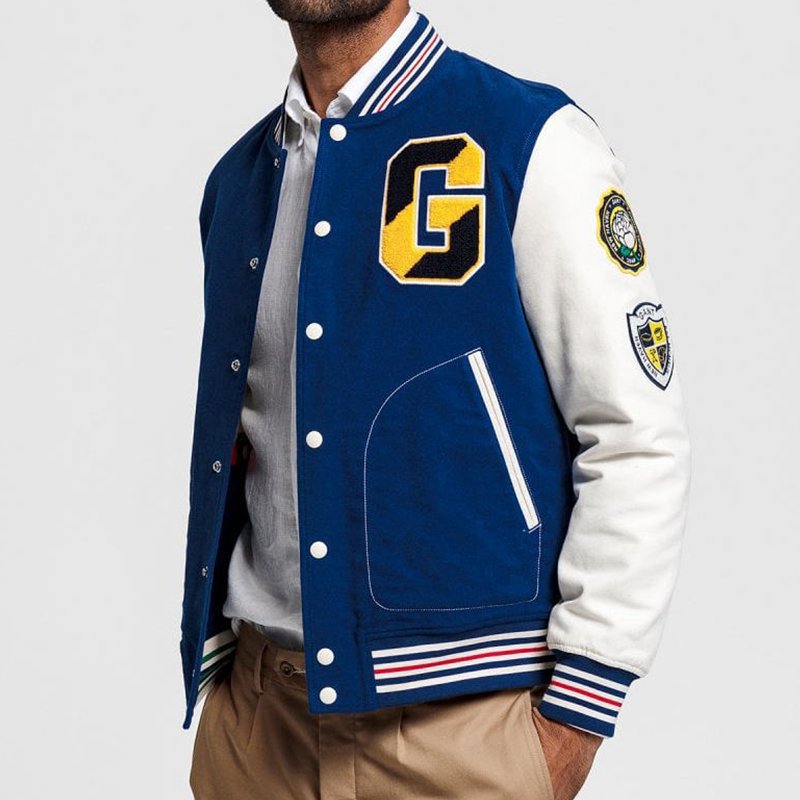
The Lightweight Windbreaker Manufacturer Built on Zero-Compromise Quality
Six reasons streetwear brands, startups, and global retailers choose us over suppliers who skip the quality checks that matter.
Proprietary 5-Step QC Guarantee
We inspect at every production stage — materials, cutting, craft, sewing, and finish — so defects never reach your customers.
Low MOQ for Emerging Brands
Launch your first lightweight windbreaker line without massive commitments. Our low minimums are built for startups and independent designers.
7-Day Sample Turnaround
Our in-house design and sampling team delivers production-ready windbreaker prototypes in just seven days, keeping your launch timeline on track.
Streetwear Trend Expertise
Our 15-person R&D team brings 6-plus years of specialized streetwear knowledge, from bold graphic motifs to the silhouettes defining today’s culture.
Global Shipping & Logistics Support
We manage end-to-end logistics from Dongguan to your door, reliably serving brands across more than 100 countries and regions worldwide.
Fast Seasonal Collection Turnaround
Streamlined production workflows let influencer lines and retail buyers hit every seasonal drop window without compromising on windbreaker quality.
Lightweight Windbreaker Manufacturer: Core Styles for Every Brand
From techwear drops to packable travel shells, we produce the windbreaker styles your customers demand — with low MOQs, 5-step QC, and global shipping built in.
Techwear Jackets for Startups
Emerging brands struggle to find a lightweight windbreaker manufacturer who handles techwear aesthetics — functional features, clean construction, and low MOQs rarely come together at one factory.
Our 5-step QC process and low MOQ options let startups launch precision-crafted techwear windbreakers with water-resistant fabrics, refined seam construction, and fast seasonal turnaround times.
Streetwear Bombers for Influencer Labels
Influencer brands need bold bomber windbreakers that photograph well and drop fast, but most factories demand high minimums and deliver generic silhouettes with no real streetwear knowledge.
With deep streetwear expertise and an in-house design team, we produce trend-driven bomber windbreakers that ship globally, sell fast, and reflect your brand's unique cultural identity.
Packable Windbreakers for Global Retailers
Global retailers sourcing packable lightweight windbreakers face inconsistent quality, sizing variation, and logistical complexity that cut into profit margins and damage consumer trust in their brand.
Scalable production runs, global logistics support, and our 5-step QC guarantee deliver retail-ready packable windbreakers with zero-compromise consistency in sizing, finish, and performance across every shipment.
Athletic Windbreakers for Independent Designers
Independent designers building athletic windbreaker lines often lack factory access, technical sampling support, and QC infrastructure to translate their creative vision into production-ready, high-performance garments.
Our 15-member R&D team and in-house sampling specialists collaborate directly with designers to develop athletic windbreakers that perform in the field and stand out on the market.
Premium Fabrics From a Trusted Lightweight Windbreaker Manufacturer
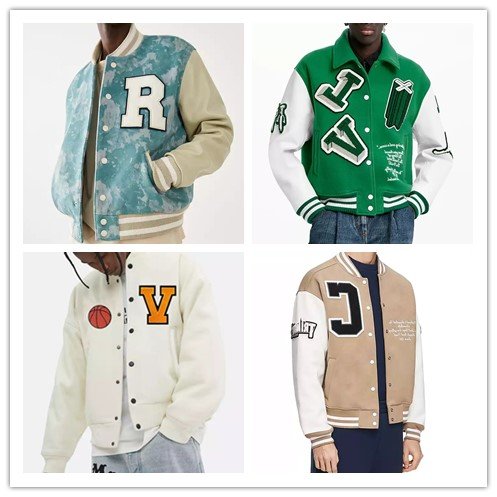
Nylon Ripstop
Ultralight and tear-resistant at 40D, nylon ripstop uses a reinforcing grid weave to stop small tears from spreading. The benchmark shell fabric for packable windbreakers and performance-driven streetwear collections.
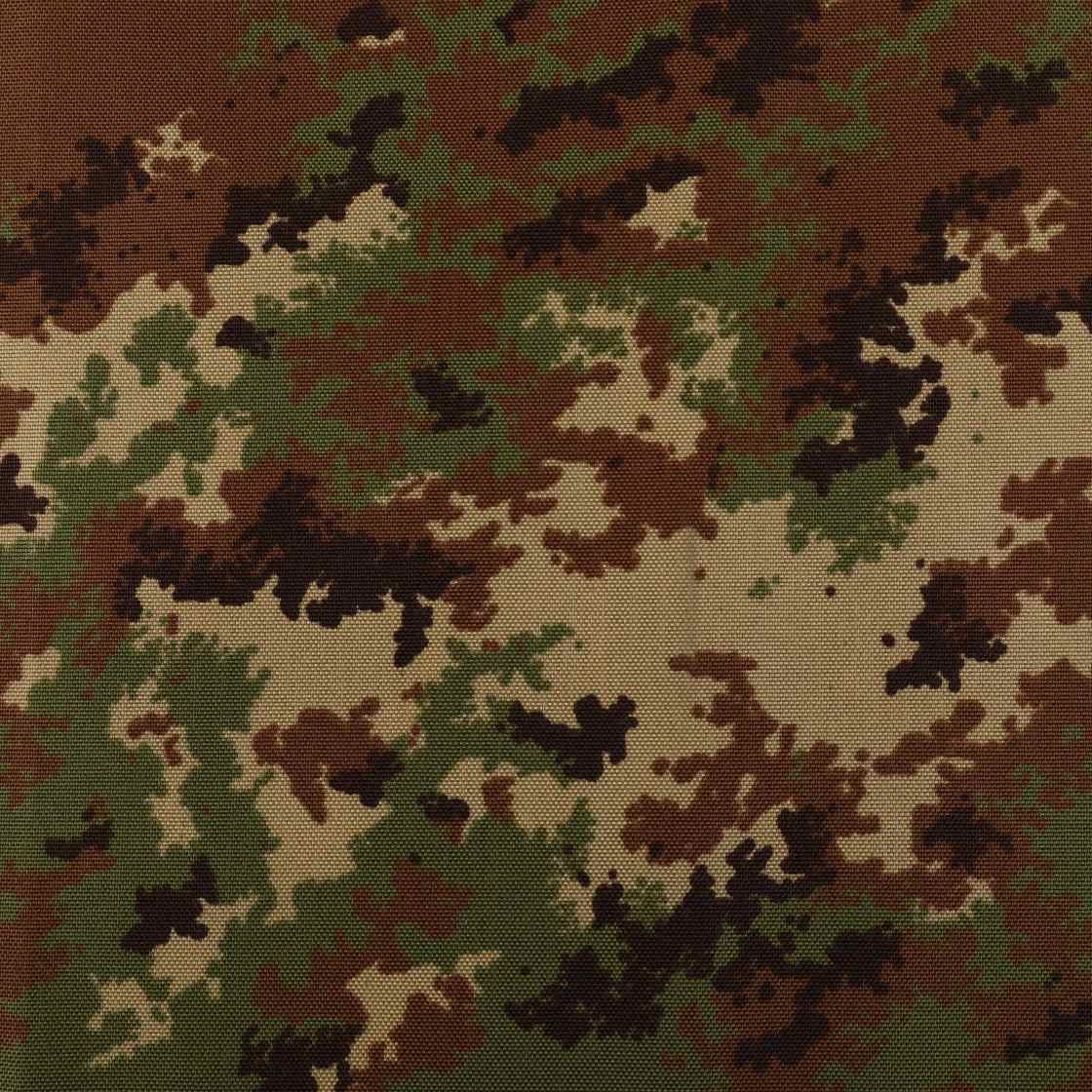
Polyester Taffeta
Featherweight 50D polyester taffeta delivers crisp drape, reliable wind resistance, and a smooth low-friction hand-feel. The preferred shell for packable silhouettes targeting active streetwear consumers and travel-ready retail buyers.
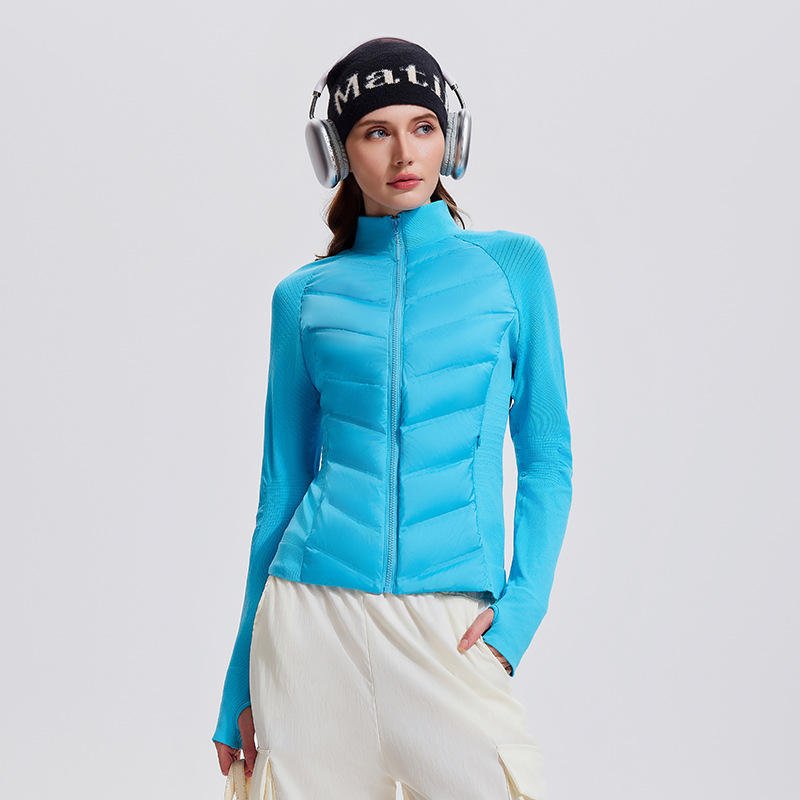
Gore-Tex Laminate
Industry-leading 2.5-layer Gore-Tex laminate combines a waterproof, windproof membrane with breathability rated at 28,000 g/m²/24h. Engineered for premium performance outerwear that satisfies demanding brand standards and commands elevated retail price points.
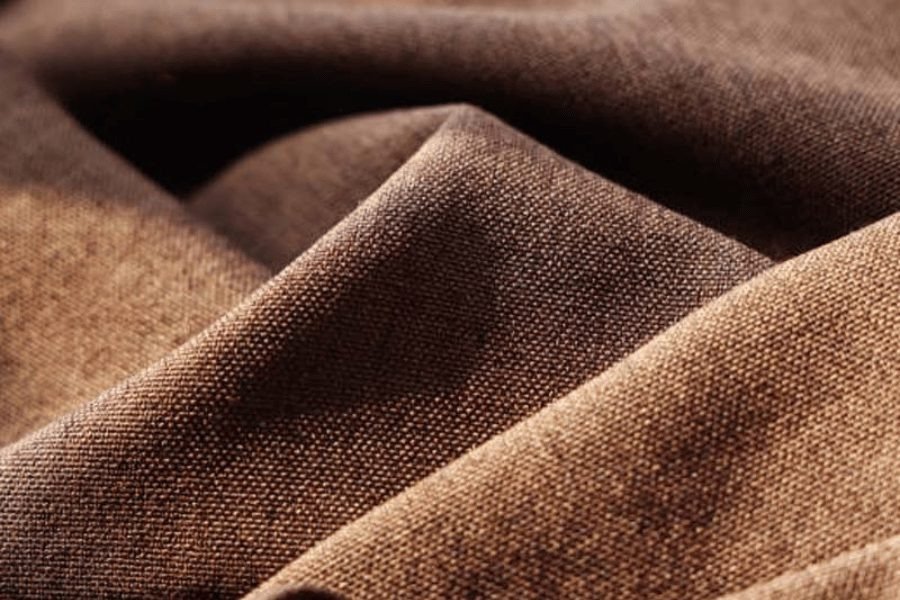
Micro Fleece Lining
Soft 100gsm micro fleece bonded to outer shell fabrics adds thermal comfort without added bulk. Its plush hand-feel and moisture-wicking properties make it the ideal inner layer for lined cold-weather windbreakers.
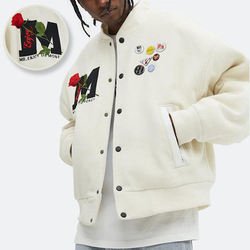
DWR Ripstop Blend
A polyester-nylon blend finished with a durable water-repellent coating sheds light rain and blocks wind at an accessible price tier. Perfect for everyday streetwear windbreakers that balance weather protection, style versatility, and retail value.
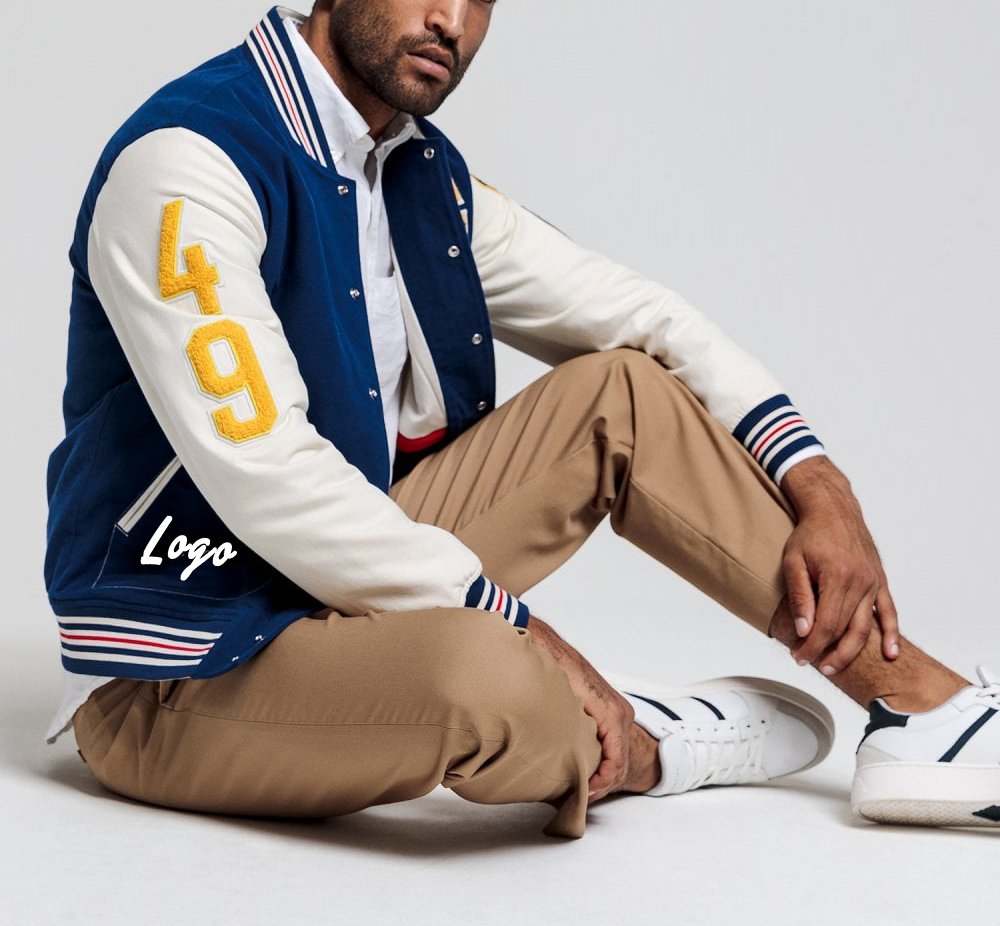
Recycled Polyester
Made from post-consumer PET bottles, recycled polyester matches virgin poly’s lightweight performance while delivering up to 50% lower carbon footprint. Ideal for sustainability-led streetwear brands and eco-conscious influencer collections.
Advanced Production Techniques from a Premier Lightweight Windbreaker Manufacturer
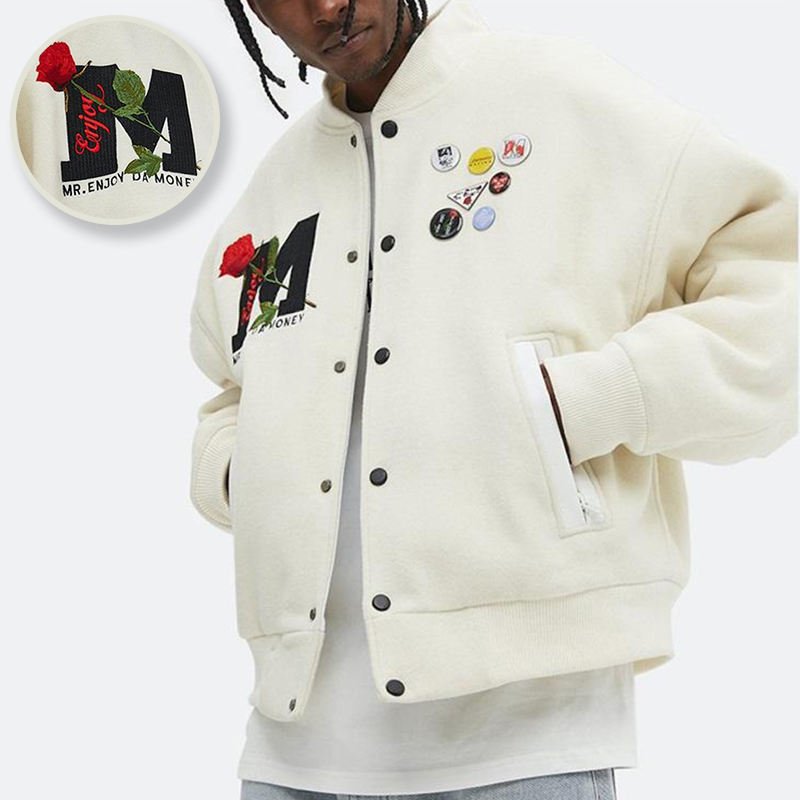
Precision Pattern Cutting
Our CAD-driven cutting process delivers panel-level accuracy for every windbreaker silhouette, reducing material waste, ensuring size consistency, and giving your brand a polished, precise fit across the entire production run.
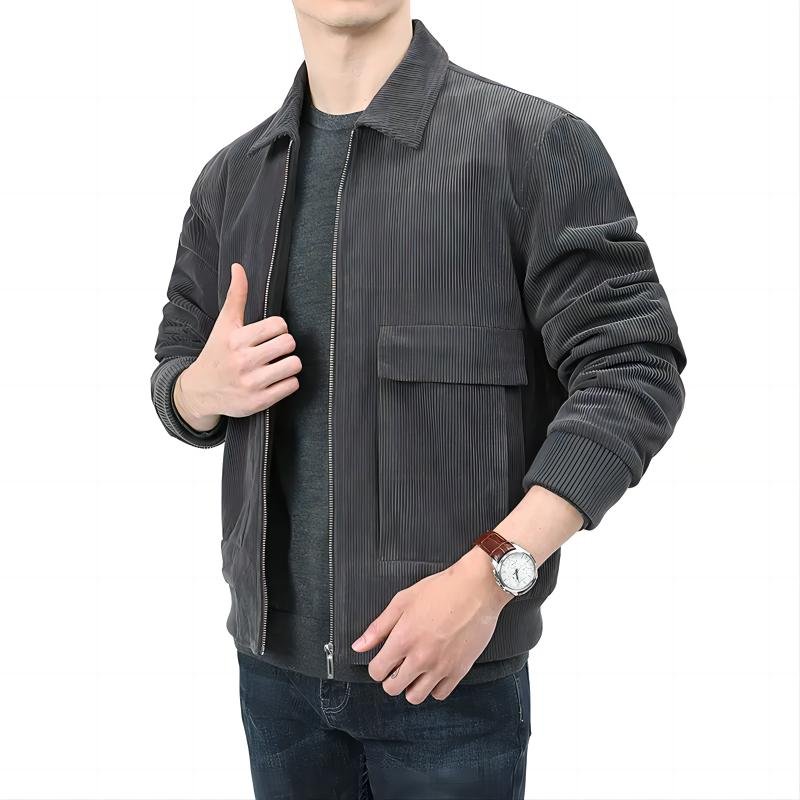
Seam Taping and Bonding
Critical windbreaker seams are sealed with heat-activated tape or ultrasonic bonding, creating fully waterproof joints that resist water penetration and hold up through years of active streetwear use.
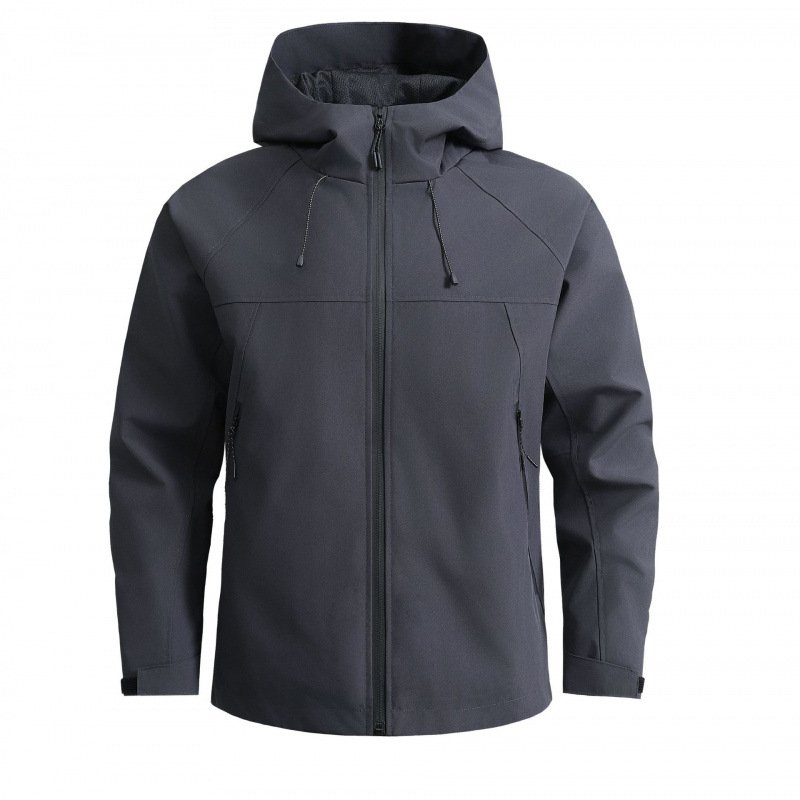
DWR Waterproof Coating
Our durable water-repellent finishing treatment causes moisture to bead and roll off the shell fabric, keeping garments lightweight, breathable, and protective without adding unwanted bulk or stiffness to the hand feel.
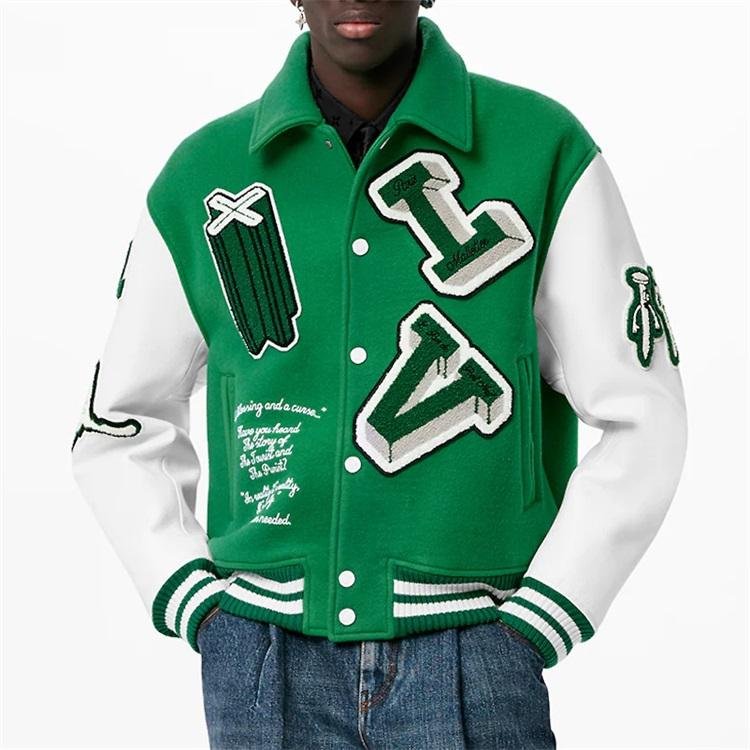
Custom Embroidery
Precision multi-head embroidery machines stitch logos, insignia, and streetwear graphics directly into windbreaker panels, delivering sharp, raised detail and lasting brand visibility that withstands repeated washing and heavy daily wear.
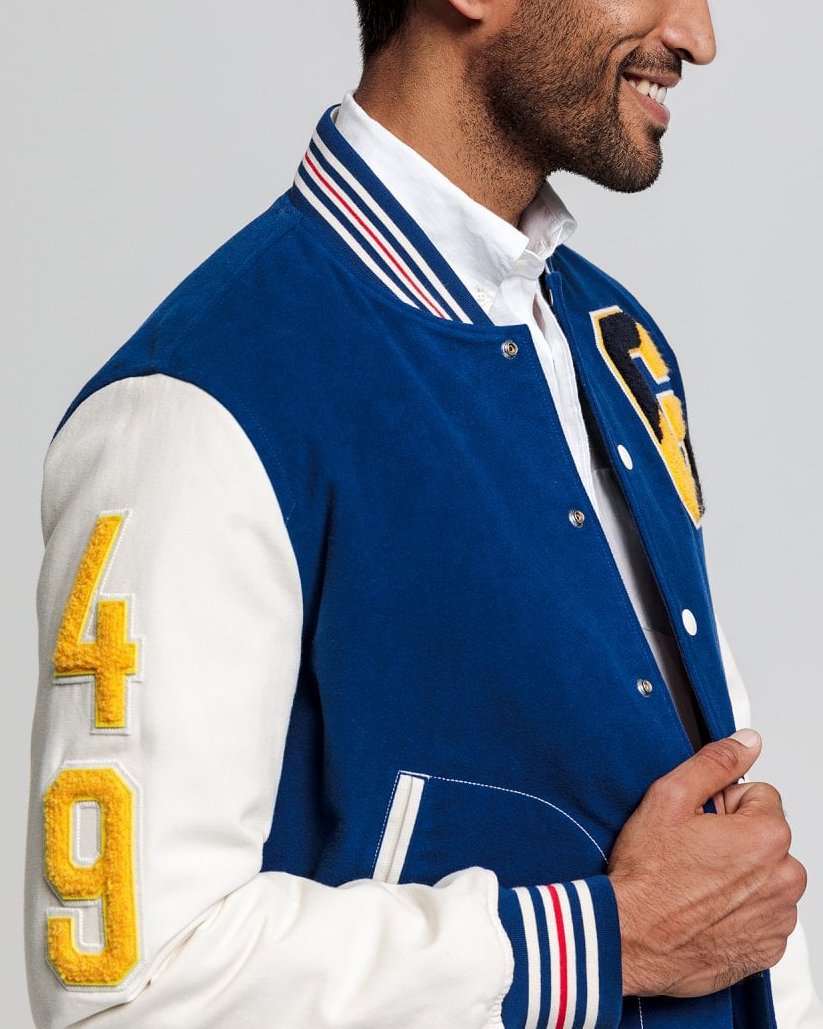
Sublimation Printing
Full-panel sublimation transfers vivid, photographic-quality graphics and all-over patterns into polyester-blend fabrics, producing permanently bonded, fade-resistant prints that become part of the windbreaker’s structure with no cracking or peeling.
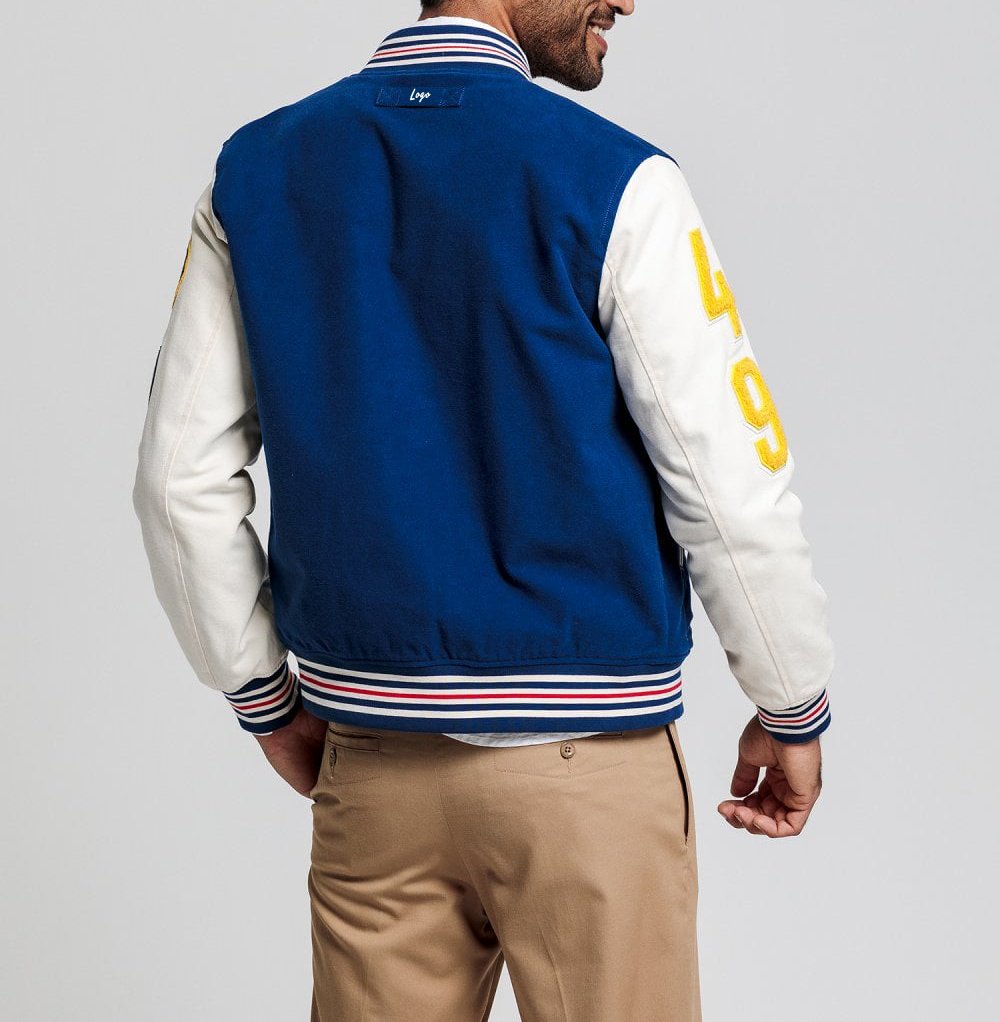
Screen Printing
High-opacity screen printing deposits premium inks directly onto windbreaker shells, ideal for bold streetwear graphics, oversized chest logos, and color-blocked designs that demand crisp, defined edges and long-lasting saturated color.
Windbreaker Hardware & Finishing Details
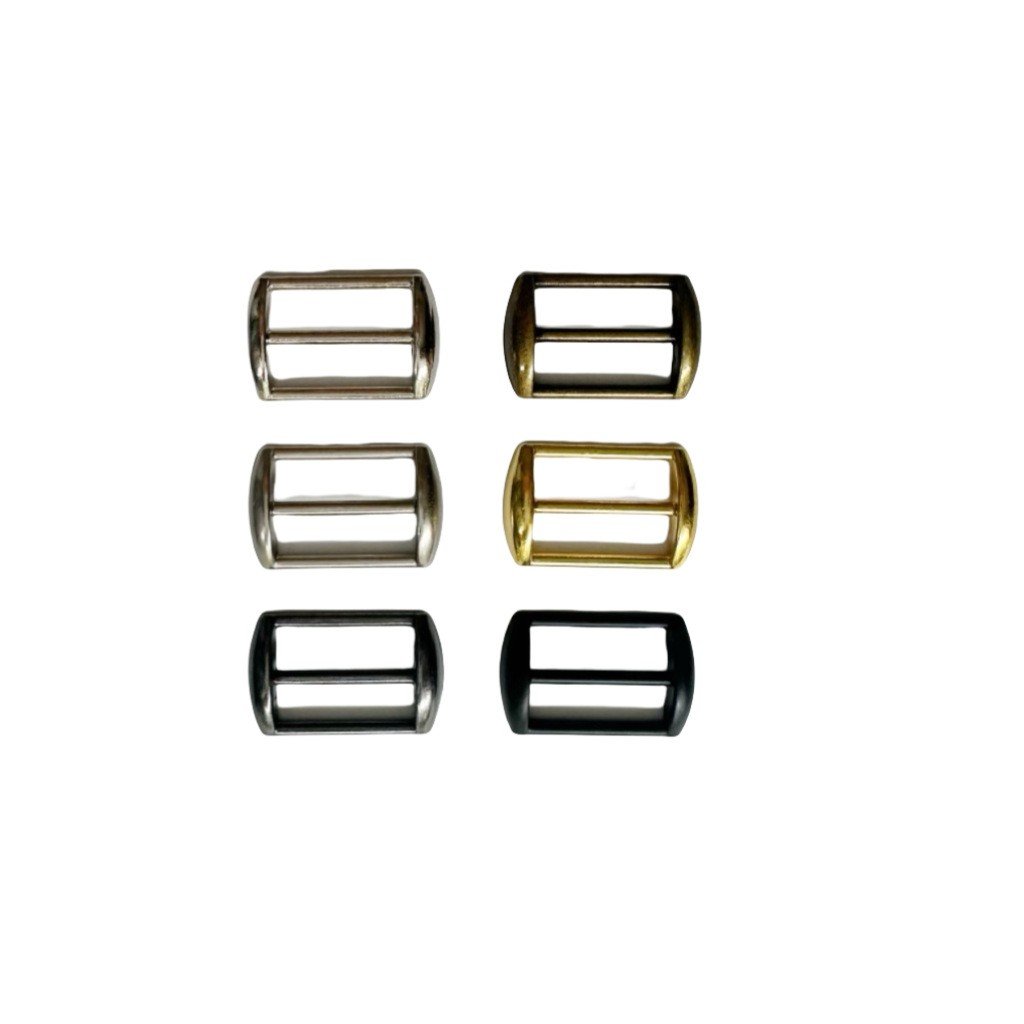
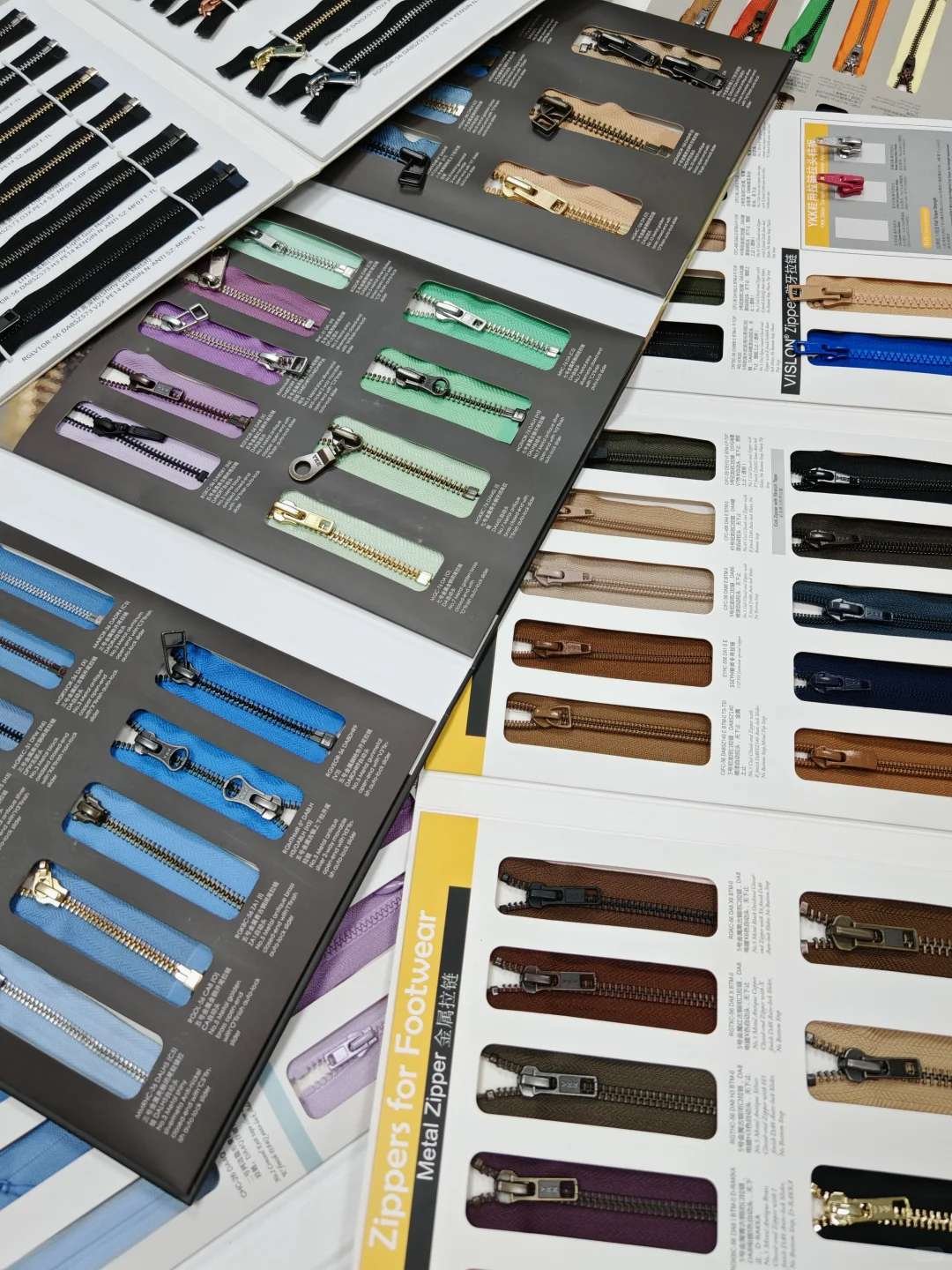
YKK Zippers
Industry-standard YKK zipper hardware for main closures, pockets, and vents. Delivers smooth operation, rated durability through thousands of cycles, and a premium aesthetic that streetwear and retail buyers immediately associate with quality outerwear.
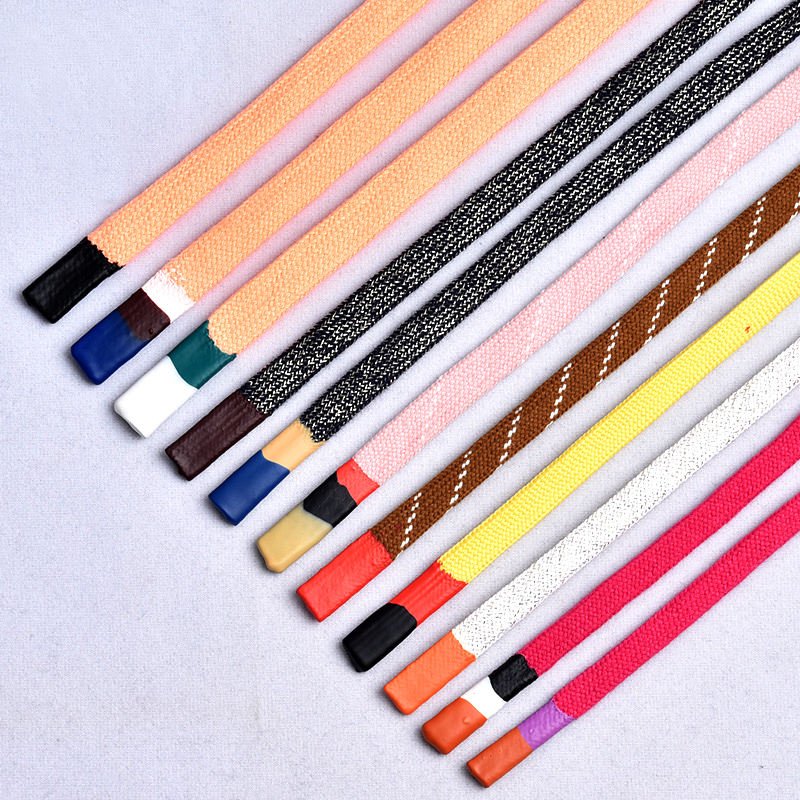
Toggle Drawcords
Adjustable drawcords with branded or custom-colored toggles for hood and hem channels. Let wearers dial in fit on demand while adding a signature functional detail that streetwear audiences recognize as a mark of intentional windbreaker design.
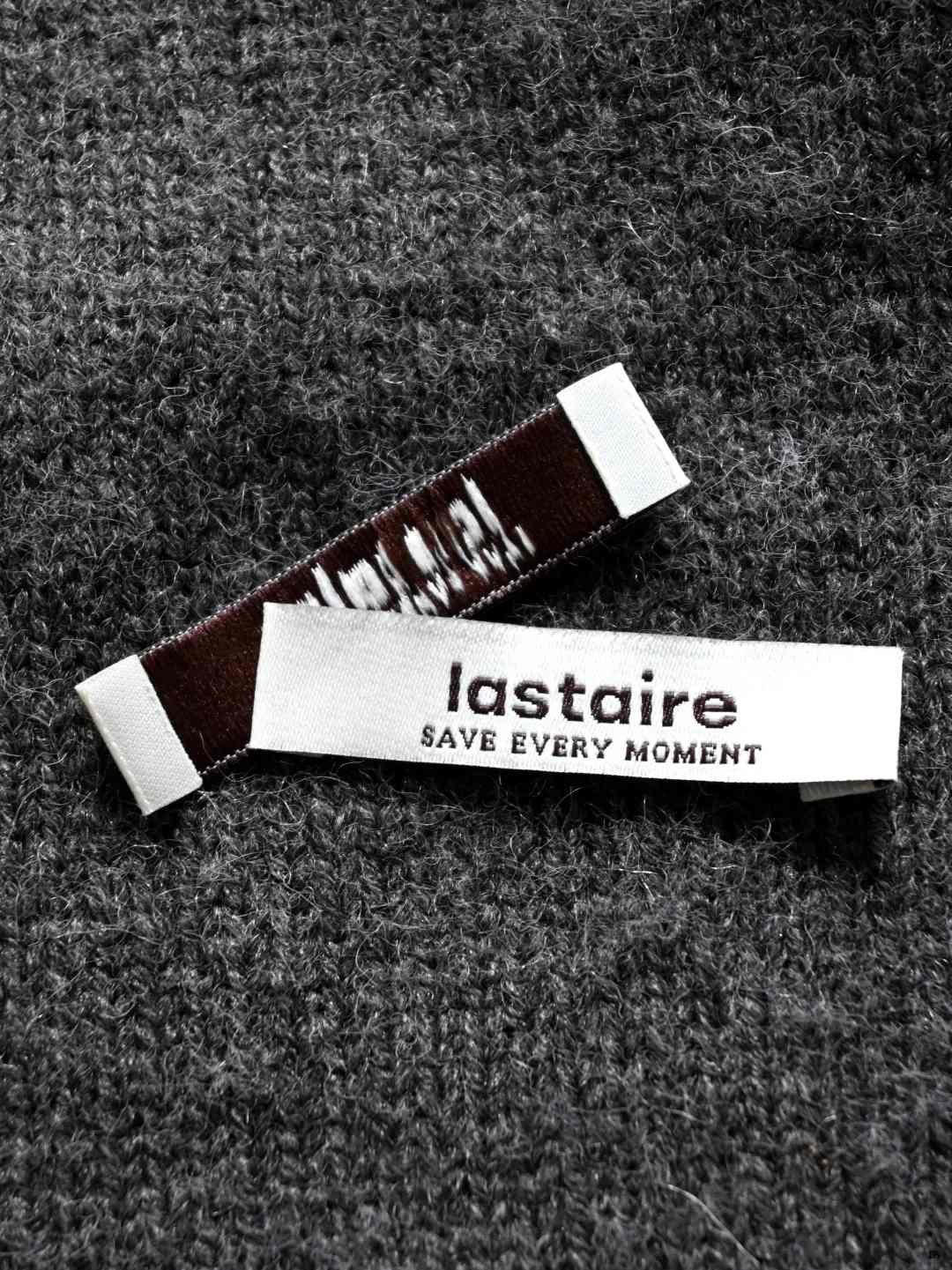
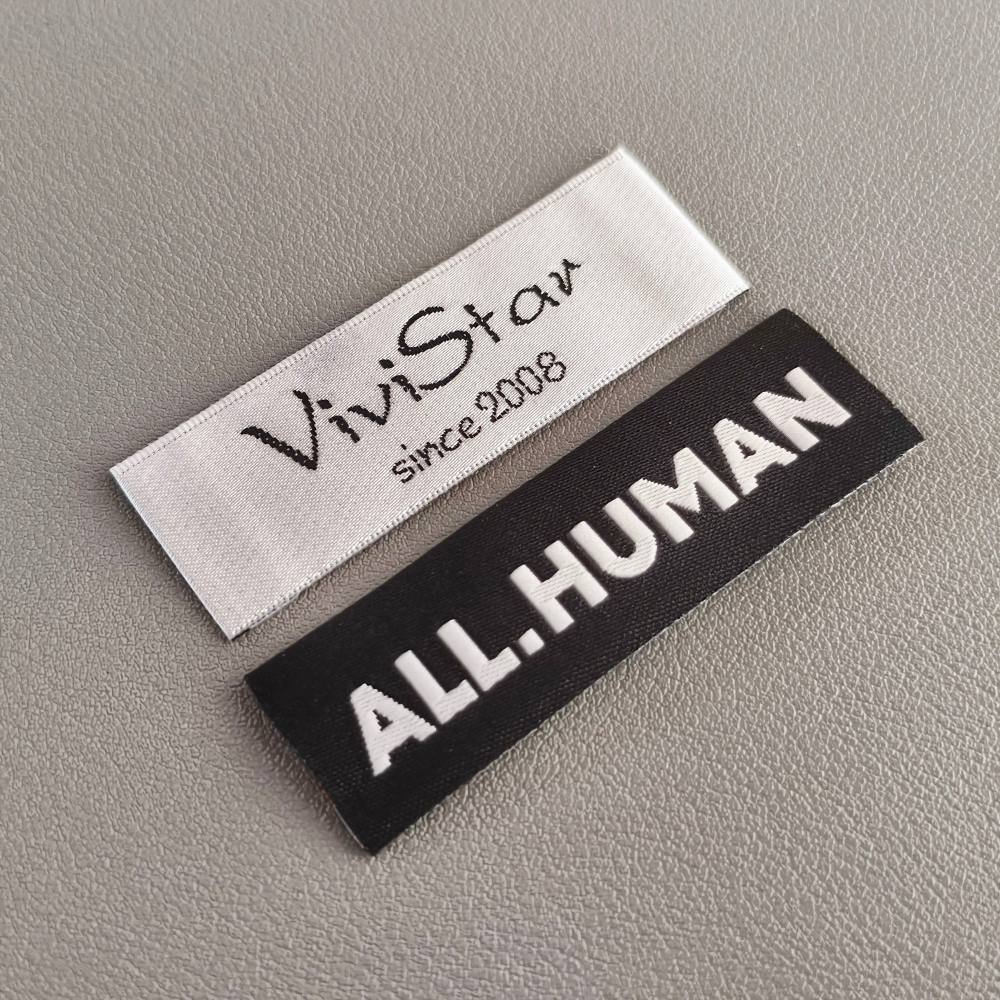
Woven Labels
Custom woven brand labels for neck tape, hem, or interior pocket placement. High-thread-count weaving captures fine logo detail, resists fraying after repeated washing, and gives every windbreaker a polished, retail-ready brand identity.
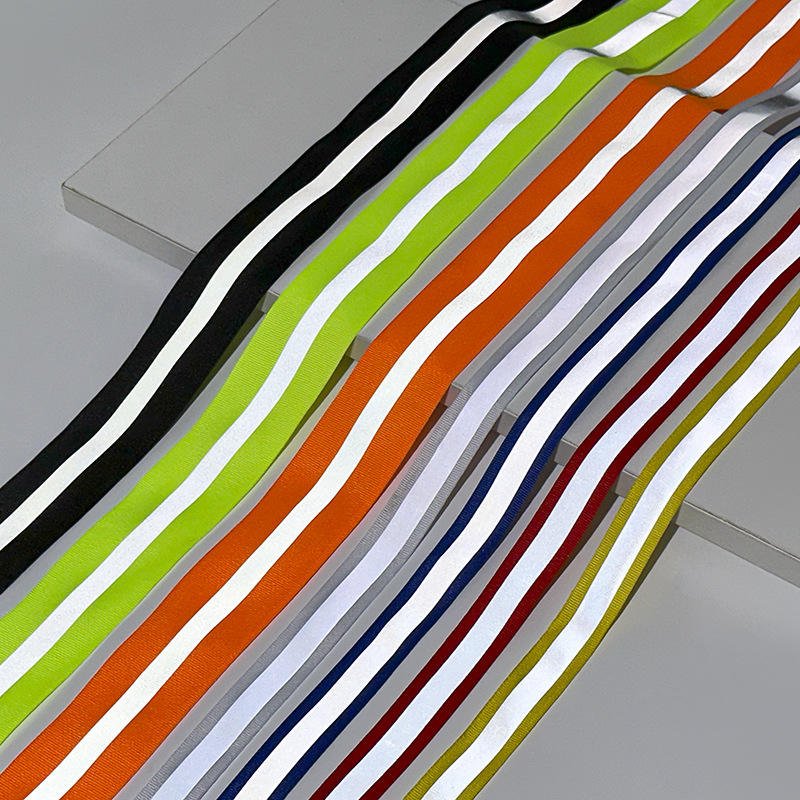
Reflective Trim
Heat-applied or sewn reflective tape positioned along seams, cuffs, or chest panels. Adds safety-conscious functionality alongside a bold, futuristic visual element that resonates with streetwear and activewear audiences who demand standout outerwear.
Metal D-Rings
Durable zinc-alloy D-ring hardware used for zipper pulls, cord loops, or decorative accents. Introduces industrial edge and satisfying tactile weight that elevates a lightweight windbreaker from basic outerwear to a true streetwear statement piece.
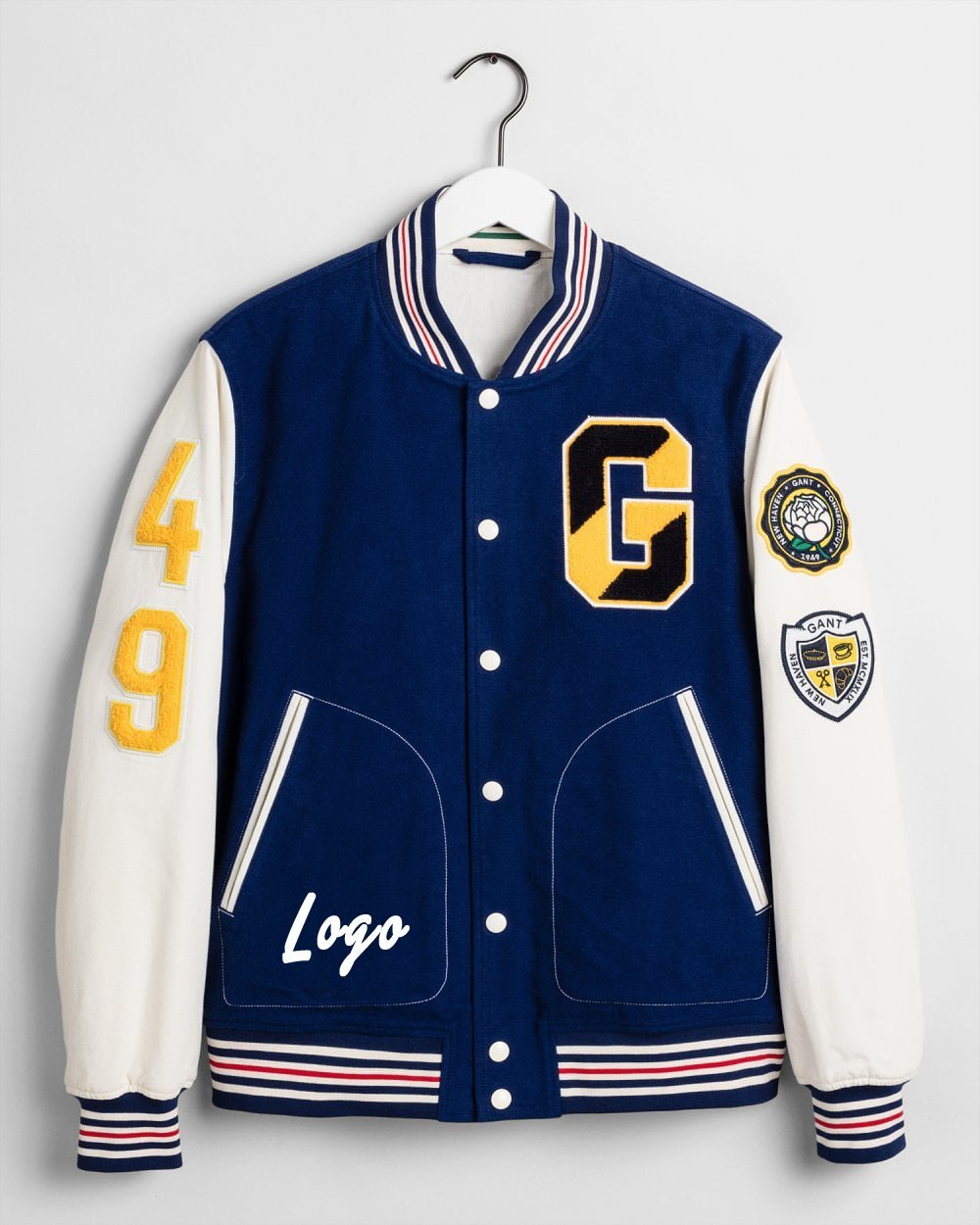
Custom Patches
Embroidered or woven patches for chest, sleeve, or back placement. An essential detail for influencer and creator brands seeking bold brand expression, adding dimension, texture, and collectible visual appeal that sets windbreaker designs apart at retail.
A Lightweight Windbreaker Manufacturer Built on Integrity
Clothing Manufacturer Ltd was founded in 2024 by Tesla Luo, a garment industry veteran with over 10 years of production experience and 6 years of dedicated streetwear expertise. Raised in a family of senior apparel professionals and personally trained in every factory role — from sewing and cutting to QC and logistics — Luo launched the company to eliminate the quality shortcuts that quietly damage trust in Chinese manufacturing worldwide.
Backed by the infrastructure of parent company Dongguan TuoZhen Clothing Co., Ltd. and a 15-member R&D team holding 10 production patents, we combine the focus of a boutique streetwear specialist with genuine manufacturing scale. Since launch, we have served customers across more than 100 countries, partnering with first-collection startups, global apparel retailers, and influencer-driven labels that demand consistent, scalable results every season.
What truly separates us is our proprietary 5-step QC process — covering materials, cutting, clothing craft, sewing production, and finished garment inspection — applied at every stage, not just the end of the line. Too many suppliers rush straight from sewing to packaging; we refuse that shortcut. Every lightweight windbreaker manufacturer makes quality promises, but we build the evidence for those promises into the production workflow itself.
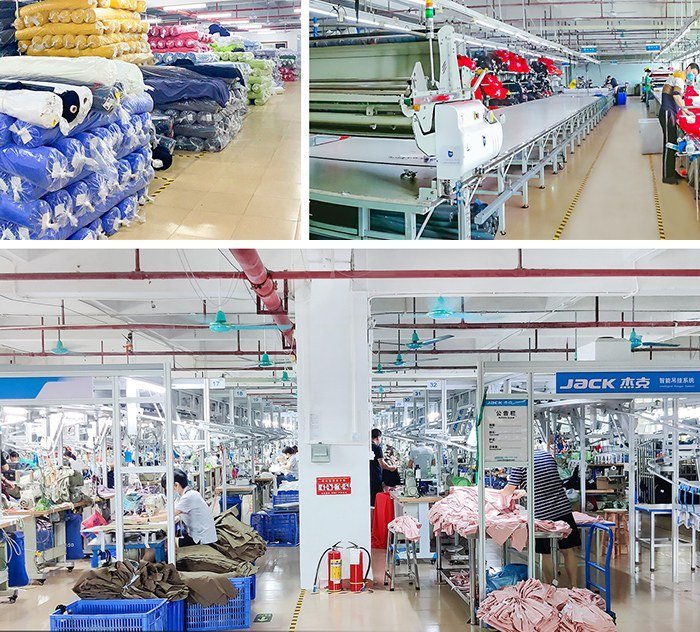
Five-Step QC: How a Lightweight Windbreaker Manufacturer Eliminates Defects
Materials QC: Every Fabric Approved Before Cutting
Before a single panel is cut, our R&D team subjects every fabric to rigorous materials QC testing. Thread count, shrinkage rates, colorfastness, and tensile strength are all verified — ensuring only windbreaker-grade materials ever enter the production line.
- Lab-tested for colorfastness, shrinkage, and tensile strength
- Windbreaker-specific fabrics — ripstop nylon, polyester taffeta, and bonded fleece — each assessed separately
- Defective or off-spec materials rejected before production begins
- Full documentation maintained for end-to-end traceability
Precision Cutting QC Locks In Pattern Accuracy
Our cutting QC stage verifies every panel against approved master patterns before sewing begins. Misaligned cuts that cause downstream fit failures are caught here — reducing waste, protecting silhouette integrity, and keeping your brand’s design intent fully intact.
- Panel dimensions cross-checked against approved tech pack specifications
- Grain alignment and seam allowance confirmed piece by piece
- Precision marker-making minimizes fabric waste without compromising accuracy
- Cutting QC sign-off required as a hard gate before sewing commences
Craft and Sewing QC Catches Defects Mid-Production
Unlike factories that skip inline checks entirely, our craft and sewing QC stages inspect construction quality while garments are still on the line. Stitch density, seam strength, zipper alignment, and hardware placement are all verified at each workstation in real time.
- Stitch density, tension, and seam integrity checked at every workstation
- Zipper, toggle, drawcord, and snap hardware tested for smooth function
- Seam stress-tested before each panel progresses to the next stage
- Inline corrections prevent compounding defects and costly end-of-line rework
Finished Product Inspection: Our Zero-Defect Shipping Standard
Every completed windbreaker undergoes a comprehensive finished product QC inspection before packaging. Measurements, stitching quality, hardware function, label placement, and overall presentation are evaluated against your signed-off tech pack — guaranteeing what ships matches exactly what was approved.
- Full measurement audit conducted against approved tech pack specs
- Hardware function, label accuracy, and finish quality assessed on every unit
- Failed units quarantined, corrected, and re-inspected before release
- Final QC sign-off required — no windbreaker ships without it
Clothing Manufacturer Ltd vs. Other Lightweight Windbreaker Manufacturers
See how our 5-step QC guarantee, 7-day sampling, and low MOQ outperform standard suppliers at every stage of production.
← 左右滑动查看 →
Trusted Lightweight Windbreaker Manufacturer: Our Production Process
From premium fabric sourcing to global delivery, every phase is engineered with embedded quality gates so your windbreakers arrive on time and defect-free.
Fabric Sourcing & Materials QC
We select premium windbreaker textiles and run rigorous materials QC testing, approving only fabrics that meet our strict performance, weight, and durability standards.
Pattern Development & Sampling
Our 15-member R&D team builds precise patterns and delivers samples for your approval, with low-MOQ trial runs designed so emerging brands can iterate fast.
Bulk Cutting & Cutting QC
Every panel is inspected at the cutting stage before sewing begins, eliminating sizing and alignment defects early and keeping your production run on schedule.
Sewing & Craft QC Checks
Clothing craft QC and sewing production QC tests run continuously on the line, catching stitching, seam, and hardware issues before they multiply across the batch.
Final Inspection & Global Dispatch
Each finished windbreaker clears a comprehensive QC inspection before branded packing and handoff to our global logistics partners for on-time, fully documented worldwide delivery.
How to Order From a Lightweight Windbreaker Manufacturer
Five friction-free steps take your design from concept to delivered collection — with a 7-day sample turnaround and zero-compromise quality built in at every stage.
Submit Your Tech Pack or Sample
Share your tech pack, reference sample, or design concept. Our team reviews your specs and responds within 24 hours with clear feedback and a production roadmap.
Receive Your Quote and Approval Sample
We deliver a detailed quote and a physical approval sample within 7 days. Evaluate fit, fabric quality, and finish before committing to any bulk production.
Lock In Your Bulk Order
Approve your sample, then confirm colorways, quantities, labels, and packaging. Our low MOQ options give startups and emerging brands full flexibility to scale confidently.
Produce Under 5-Step QC
Your windbreakers enter our production line backed by our proprietary five-step QC process, covering materials, cutting, craft, sewing, and final finished-garment inspection.
Receive Your Delivery Worldwide
We manage end-to-end global shipping and logistics, delivering your collection on schedule with dedicated post-delivery follow-up to confirm every order meets your exact standards.
Certified Lightweight Windbreaker Manufacturer: Standards Your Buyers Trust
What Streetwear Brands & Startups Say About Their Lightweight Windbreaker Manufacturer
We launched our first windbreaker drop with just 50 units and grew to 60,000 Instagram followers in under 8 months. The low MOQ and consistent quality from Clothing Manufacturer Ltd made every limited release feel premium. We’ve since reordered 12 times.
As a solo designer, I needed a manufacturer who could move fast without cutting corners. We shipped 4 seasonal windbreaker collections in our first year with zero production delays. Their 5-step QC process meant zero customer returns on over 1,800 units sold.
We source lightweight windbreakers for three retail concepts across Southeast Asia. After switching to Clothing Manufacturer Ltd, our return rate dropped from 4.2% to effectively zero. Their quality checks at every production stage are genuinely different from any other supplier we’ve used.
Lightweight Windbreaker Manufacturer FAQ
Everything you need to know about MOQs, lead times, sampling, quality guarantees, and working with Clothing Manufacturer Ltd — answered directly.
What is the minimum order quantity (MOQ) for a lightweight windbreaker manufacturer like Clothing Manufacturer Ltd?
Can a lightweight windbreaker manufacturer realistically support a brand that is just launching?
How long does sampling take, and what does it cost?
What quality control process does your lightweight windbreaker manufacturer follow?
What customization options are available for lightweight windbreakers?
How do you protect my designs and intellectual property during production?
What payment terms do you offer for international windbreaker orders?
How does international shipping and logistics work when ordering from your factory?
What separates Clothing Manufacturer Ltd from other lightweight windbreaker manufacturers on the market?
The Complete Buyer’s Guide to Choosing a Lightweight Windbreaker Manufacturer
Discover a proven decision framework for sourcing from a lightweight windbreaker manufacturer — covering supplier criteria, fabric selection, customization options, quality checkpoints, and the critical mistakes that derail brand launches before the first sample ships.
1. What Is a Lightweight Windbreaker Manufacturer?
A lightweight windbreaker is defined by its shell weight — typically 60–180 gsm woven or coated nylon or polyester — and by three functional benchmarks: wind resistance (EN 13537 or ASTM D737 air-permeability standards), water repellency (DWR coating rated 80/20 or higher on the AATCC 22 spray test), and packability into a self-stuffing pocket or included pouch. The category sits below 200 grams for a standard adult size, distinguishing it clearly from heavier softshells, fleece midlayers, and insulated outerwear.
A lightweight windbreaker manufacturer is not a general outerwear factory. Specialist producers maintain dedicated woven-shell lines, seam-sealing equipment, and partnerships with technical fabric mills supplying 20D–75D ripstop and taffeta constructions — capabilities a multi-category CMT factory rarely carries on the production floor.
Working with a specialist matters because compliance is built into the supply chain, not bolted on afterward. Certifications such as OEKO-TEX Standard 100 for fabric safety and BSCI or WRAP for ethical production are standard practices at factories that run technical shell programs daily, not occasionally.
The buyer’s foundational question — who should I actually be looking for? — has a precise answer: a factory with documented technical shell experience, in-house QC checks at every production stage rather than only at final inspection, and proven sample capability on fabrics below 100 gsm. Humen Town, Dongguan, is home to several such specialists, including operations backed by 10-plus years of streetwear and branded outerwear production.
2. A Brief History of Windbreaker Production and Innovation
By the early 1970s, athletic brands introduced the first commercially produced windbreakers as functional shells built from 70-denier nylon taffeta and, later, nylon ripstop — a grid-reinforced weave that resisted tearing at a fraction of the weight of earlier outerwear. Early production remained largely domestic, concentrated in the U.S. and Western Europe, with cut-and-sew operations supplying team sports and track-and-field markets.
The 1990s brought two pivotal shifts: bonded polyurethane and TPU membranes laminated to woven shells created windbreakers that blocked wind and light rain without sacrificing packability, and manufacturing began migrating in volume to East Asian supply chains — particularly the Pearl River Delta region, which includes Humen Town, Dongguan. Global sourcing compressed per-unit costs, enabled faster pattern iteration, and gave brands access to specialized finishing equipment unavailable in domestic factories.
Since 2015, recycled nylon (GRS-certified, sourced from post-consumer plastic bottles) and recycled polyester have entered mainstream windbreaker production as brands respond to OEKO-TEX and sustainability pressures, typically running 75–100 GSM for ultralight constructions. The simultaneous rise of streetwear — rooted in hip-hop, skateboarding, and sport — elevated the windbreaker from training gear to a canvas for bold graphic treatments and limited-edition drops.
Today, every serious lightweight windbreaker manufacturer must command both technical fabric knowledge and streetwear design fluency to serve the activewear-streetwear crossover market. For brands sourcing production in Humen Town, Dongguan — a decades-deep hub for garment manufacturing — that dual capability is the baseline expectation, not a differentiator.
3. Types of Products a Lightweight Windbreaker Manufacturer Offers
A capable lightweight windbreaker manufacturer offers at least six distinct product lines. Knowing each style’s construction logic and brand fit helps you order the right silhouette for your label from day one.
Pullover Anoraks
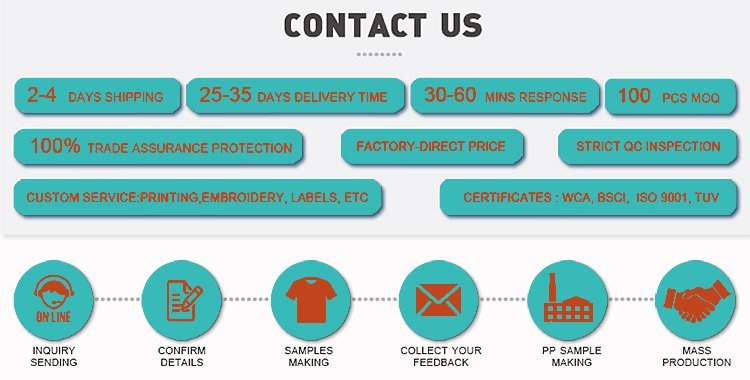
Anoraks use a half-zip or overhead entry — no full front zipper — keeping shell weight under 120g. The clean back panel and kangaroo pocket make them a streetwear staple. Streetwear and creator brands favor this cut for drop-style limited releases.
Full-Zip Shells

Full-zip shells run 80–130g using 20D–40D nylon or polyester with taped seams and a packable hood. YKK #5 or #3 zippers are industry standard here. Activewear and outdoor-influenced brands rely on this versatile style for seasonal and year-round programs.
Packable Puffer-Windbreaker Hybrids
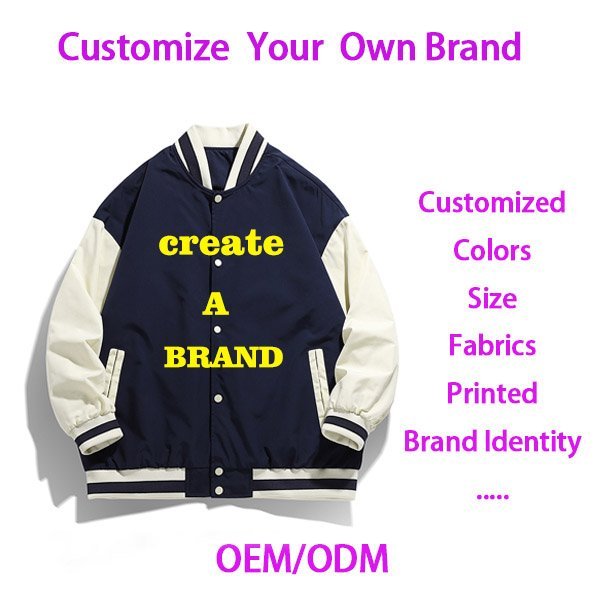
These hybrids layer 20–30 g/m² light insulation between a wind-resistant shell and liner, packing into a self-pocket at 200–280g total. They bridge activewear and streetwear territory effectively. Creator brands launching fall capsule collections use this category to justify higher retail price points.
Coach Jackets
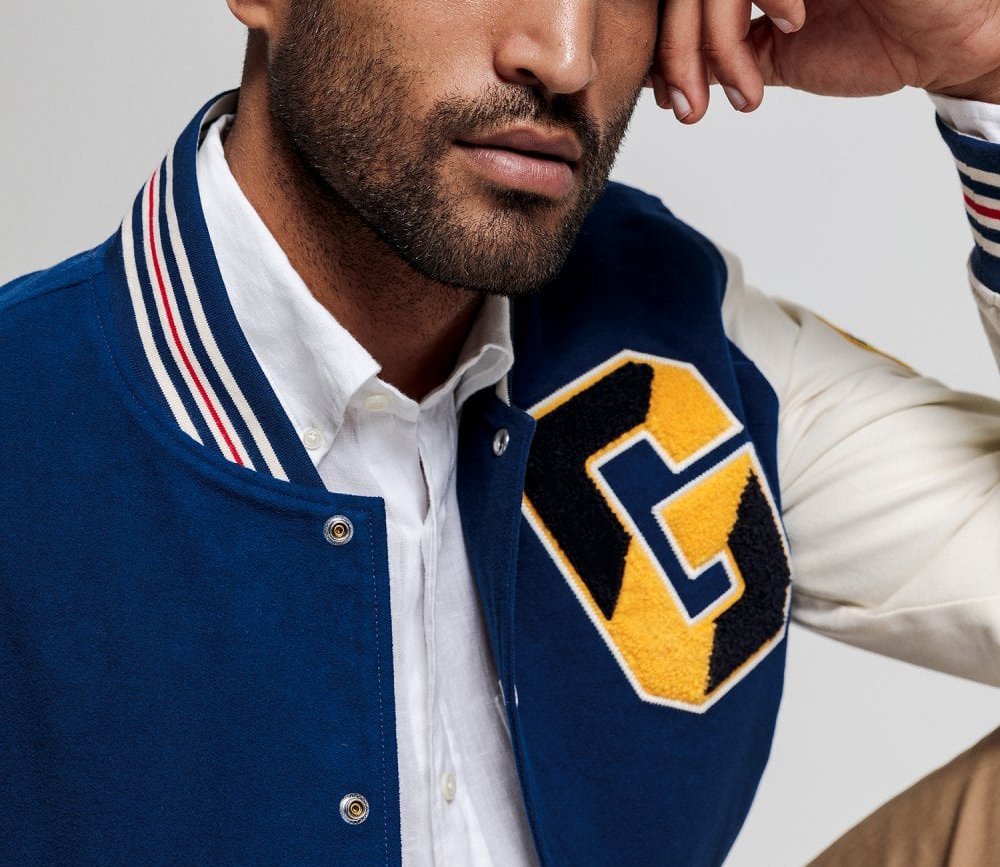
Coach jackets use a snap-button front, ribbed cuffs, and a 50–75D woven shell — a heavier hand-feel than technical shells. They remain a core embroidery and screen-print canvas for branded graphics. Streetwear labels and influencer brands choose this cut for bold statements and collaborative drops.
Technical Running Shells
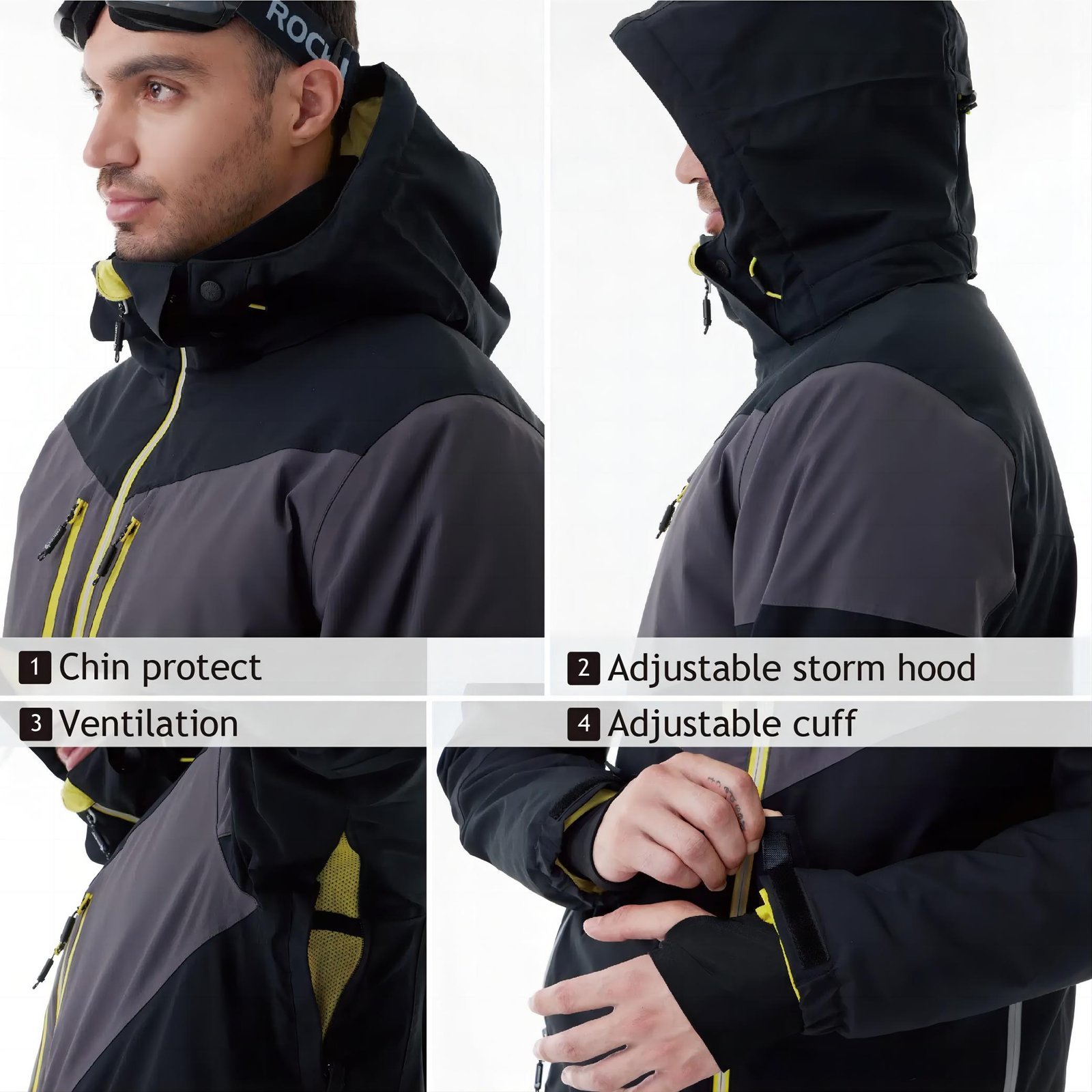
Running shells feature 4-way stretch panels, underarm vents, and reflective trim on 15D–20D fabrics. Construction includes flatlock seams and DWR finishes rated 20,000mm hydrostatic head or above. Activewear-forward brands and fitness creator accounts find this category essential for performance capsule programs.
Oversized Streetwear Silhouettes
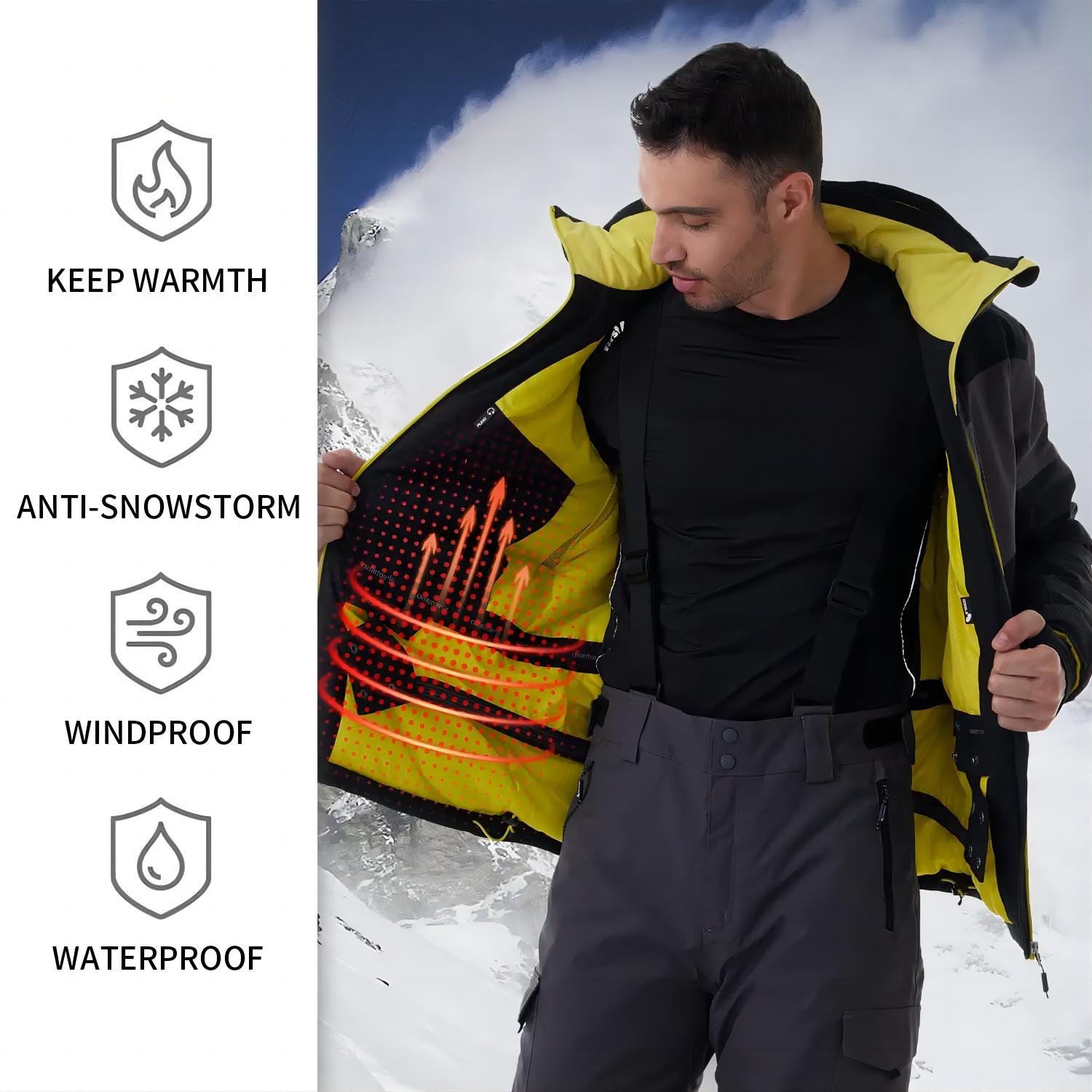
Oversized windbreakers drop 3–6 inches below standard fit blocks, with elongated sleeves and boxy shoulders at size medium. This silhouette, rooted in 1990s hip-hop and skate culture, suits streetwear startups targeting Gen Z audiences. Creator brands use the exaggerated proportions to drive organic social engagement.
4. Materials and Fabrics Used by Top Manufacturers
Fabric selection is the single biggest lever in windbreaker cost and performance. A credible lightweight windbreaker manufacturer works across five core families — each with distinct GSM ranges, wind ratings, and packability profiles — so brands can match material to end-use and budget precisely.
| Fabric | GSM Range | Wind Rating | Price Tier |
|---|---|---|---|
| Nylon Ripstop | 40–70 | Excellent | Mid |
| Polyester Taffeta | 50–80 | Good | Budget |
| Bonded Softshell | 200–320 | Excellent | Premium |
| Recycled rPET | 60–100 | Good–Very Good | Mid-Premium |
| Coated Woven Membrane | 80–120 | Very Good | Mid-Premium |
Nylon Ripstop and Polyester Taffeta
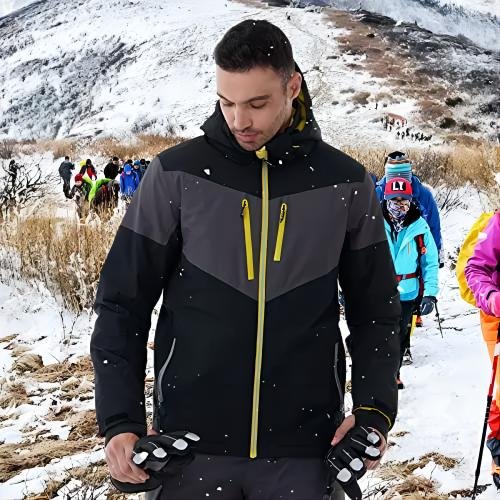
Nylon ripstop (40–70 GSM) delivers an excellent strength-to-weight ratio and packs into a fist-sized pouch, making it the dominant pick for streetwear silhouettes. Polyester taffeta runs 50–80 GSM, costs 15–20% less per meter, and suits entry-price retail lines where packability is secondary.
Bonded Softshell and Coated Woven Membranes
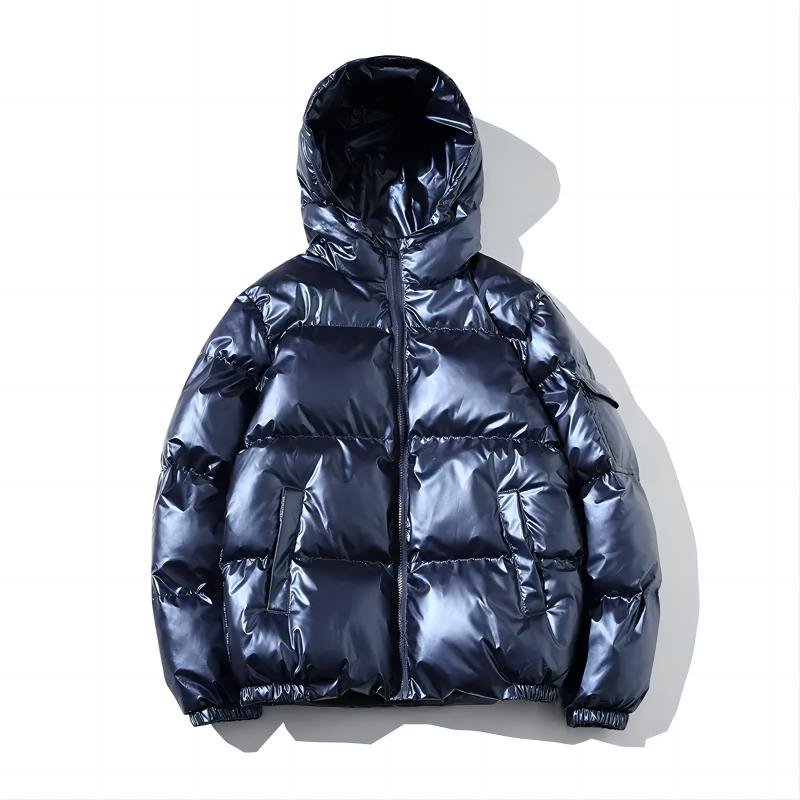
Bonded softshell (200–320 GSM) laminates a fleece backer to a woven face, delivering wind resistance above 100 Pa and a structured drape suited to premium streetwear or performance use. PU-coated woven membranes (80–120 GSM) add 1,000–3,000 mm water column ratings without sacrificing pack-down convenience.
Recycled rPET Fabrics and GRS Certification
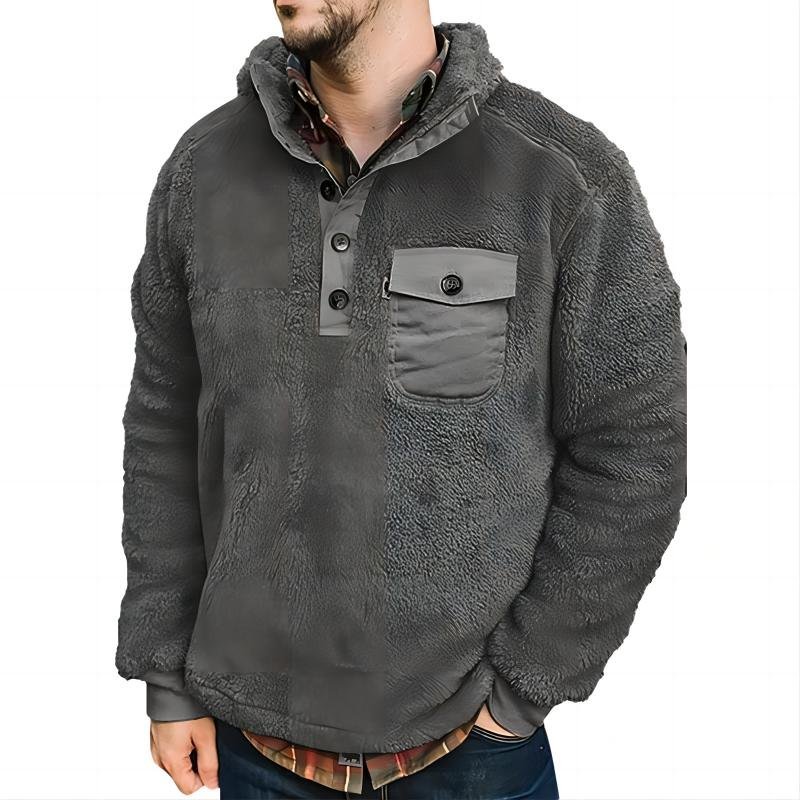
GRS-certified recycled rPET (60–100 GSM) converts post-consumer plastic bottles into woven shell fabric, reducing carbon output roughly 30–50% versus virgin polyester. Always request a valid GRS transaction certificate — sustainability claims without third-party verification carry real legal risk in EU and US markets.
5. Customization and Decoration Options for Your Brand
Every lightweight windbreaker manufacturer worth partnering with offers far more than blank shells. Decoration choices — from all-over print to custom hardware — determine brand identity and directly affect MOQ, cost, and lead time.
Custom Colorways and All-Over Print
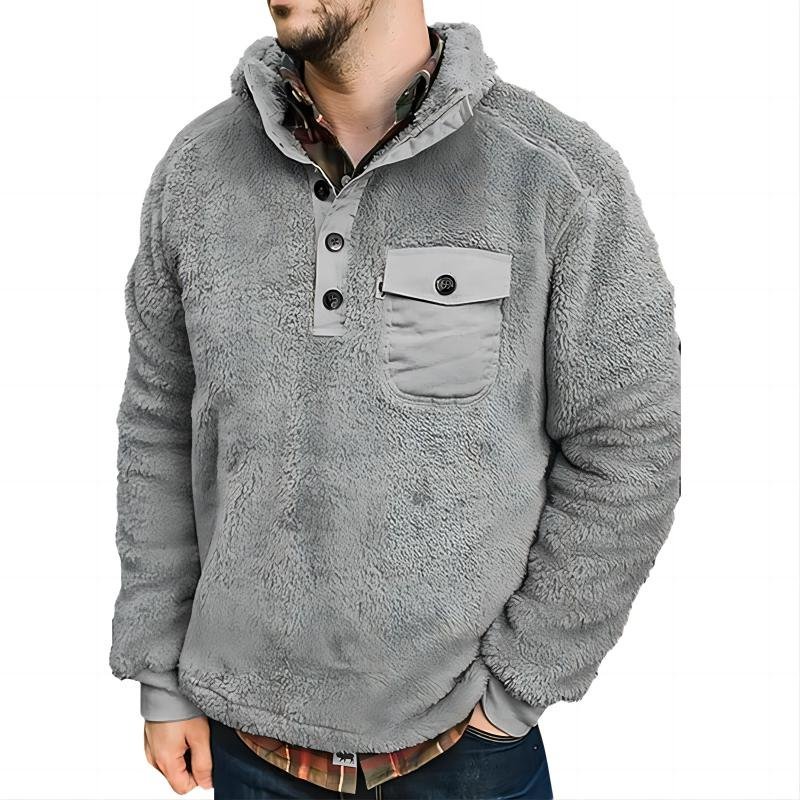
Pantone-matched solid colorways typically carry a 50-piece MOQ; dye-sublimation all-over print (AOP) requires 100+ pieces minimum.
AOP resonates with streetwear and influencer audiences seeking edge-to-edge graphics. Expect 7-10 extra days for AOP sampling and color approval.
Screen Print, Heat Transfer, and Embroidery
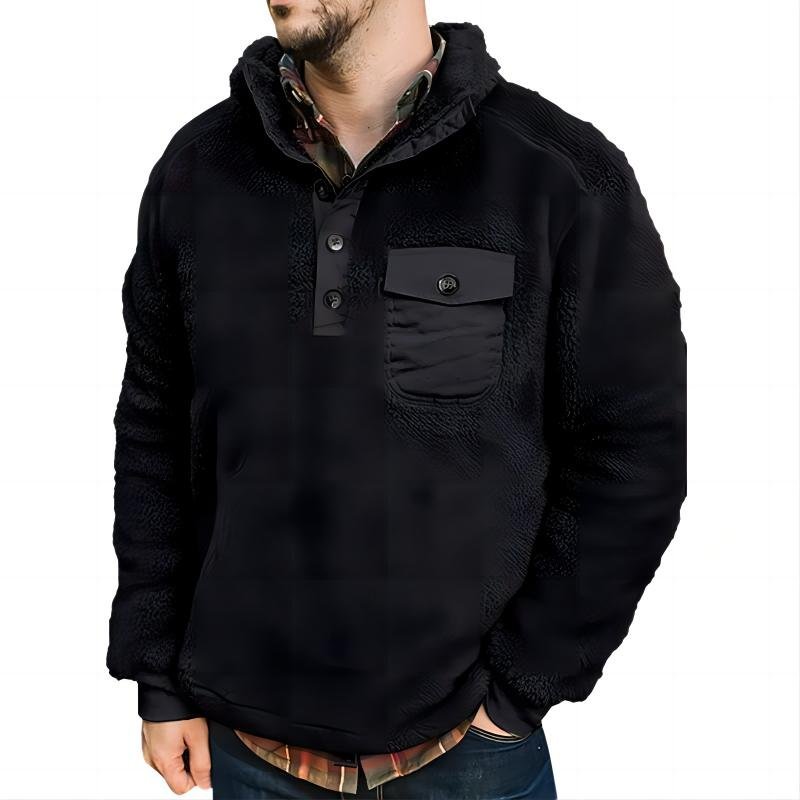
Screen printing suits bold chest logos at 30-50 piece MOQs; heat-transfer labels work at lower minimums and handle inside-neck branding cleanly.
Embroidered logos carry a one-time digitizing fee ($20-50) and a 100-piece minimum — their premium texture resonates with retail buyers.
Custom Zipper Pulls and Cord Locks
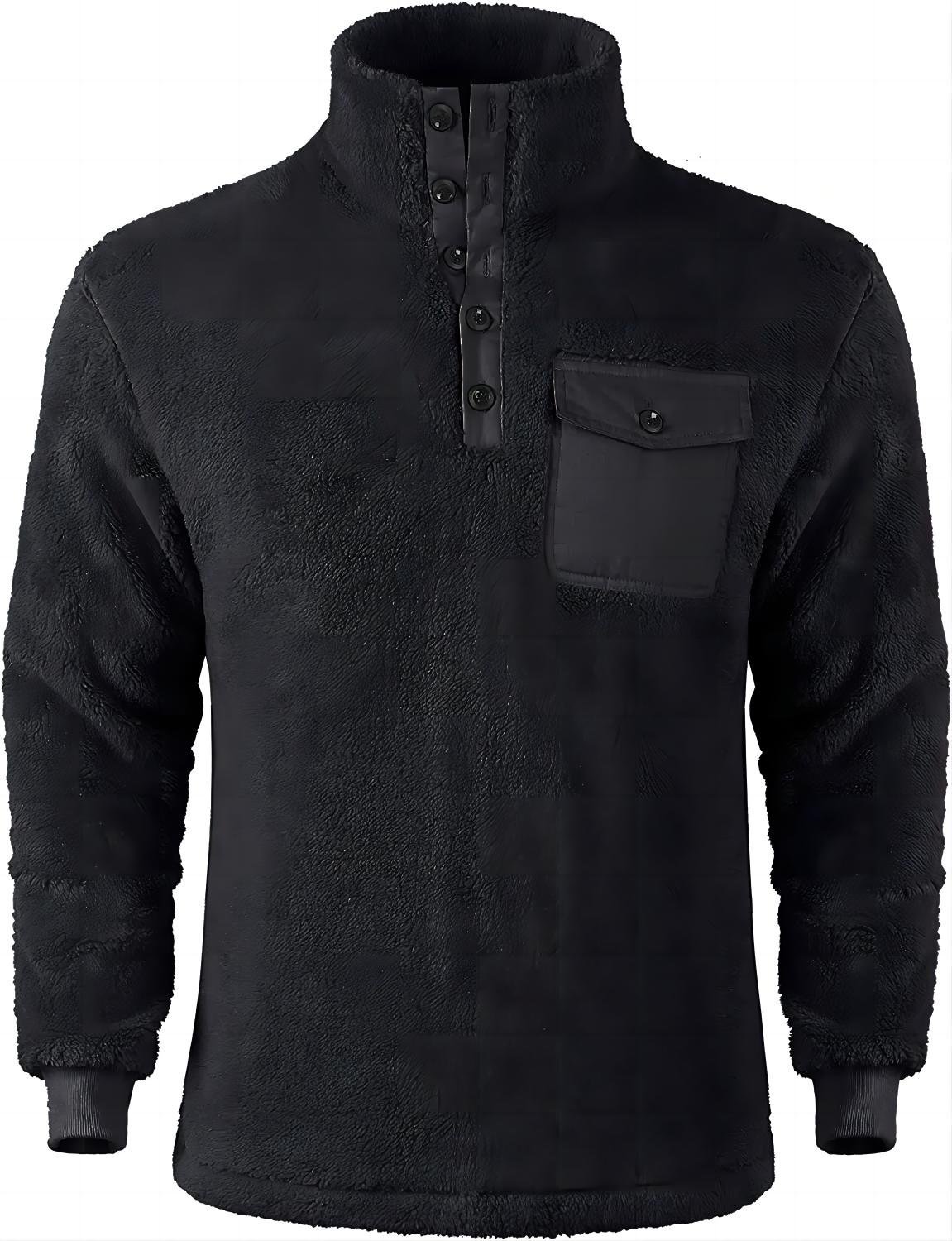
Custom metal or silicone zipper pulls and cord locks are available at 100-500 piece MOQs; YKK hardware with debossed logos adds $0.30-0.80 per piece.
These details photograph well and signal craftsmanship to streetwear buyers. Mold production extends lead time by 5-7 days.
Woven Labels, Lining Prints, and Hang Tags
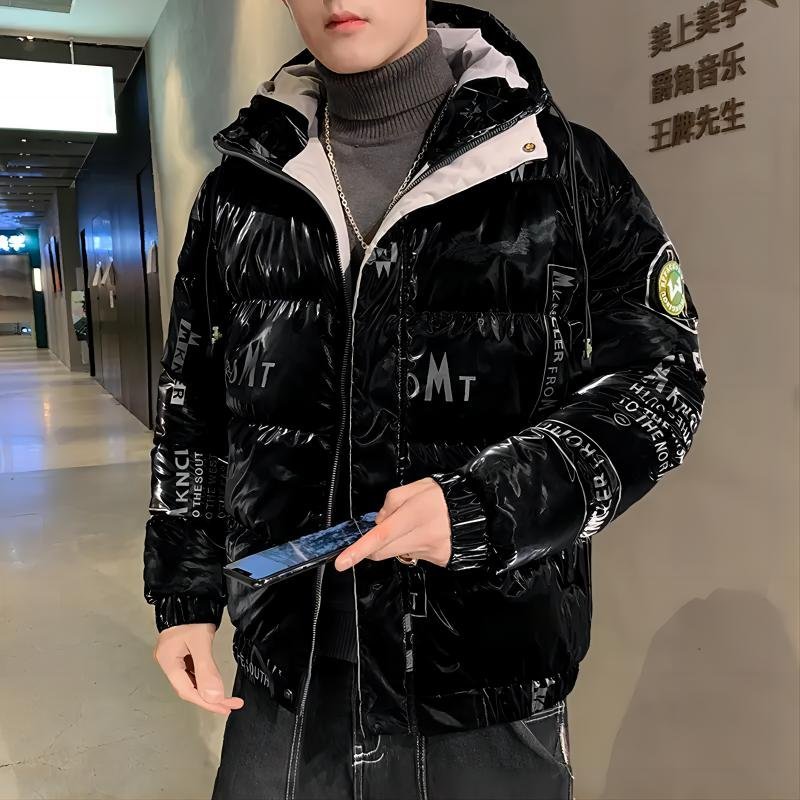
Woven labels require a 100-piece minimum with a one-time loom fee of $30-60; custom lining prints demand 300+ meters committed, suiting larger retailer runs.
Private-label hang tags are printable at 50 pieces — the most accessible branding touchpoint for influencer drops.
6. Key Construction and Quality Elements to Inspect
Most brands without in-house technical staff approve samples on appearance alone — a costly mistake. A reliable lightweight windbreaker manufacturer embeds quality checks at every production stage, not just final inspection. Walk every sample through these construction benchmarks before committing to bulk.
Taped vs. Sealed Seams
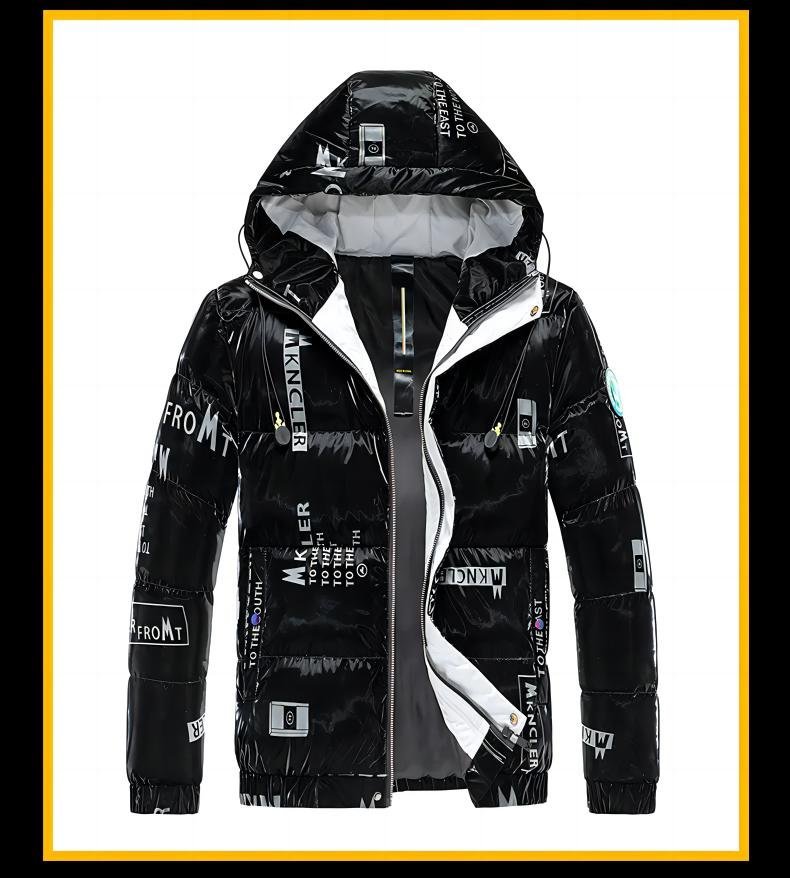
Seam taping applies a heat-bonded strip over stitch lines, blocking wind infiltration at the join. Critically taped seams cover every stitched joint; spot-taped seams cover only high-stress panels — the minimum acceptable for a windbreaker.
Reject any sample where tape lifts at its edges, which signals adhesive failure and early delamination risk.
YKK vs. Generic Zipper Quality
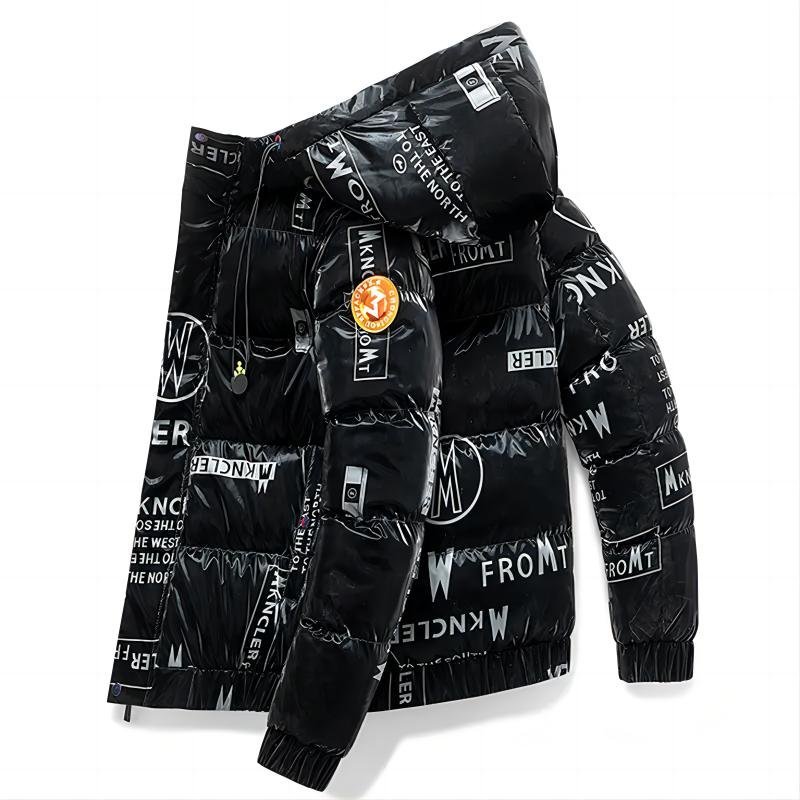
YKK zippers use self-lubricating sliders and uniform teeth spacing rated for 1,000-plus open/close cycles — the recognized industry benchmark for outerwear hardware. Generic alternatives skip the lubrication process, causing slider jams and tooth separation after minimal use.
Specify YKK #5 or #8 coil for center-front zippers in every tech pack.
Bartack Reinforcement at Stress Points
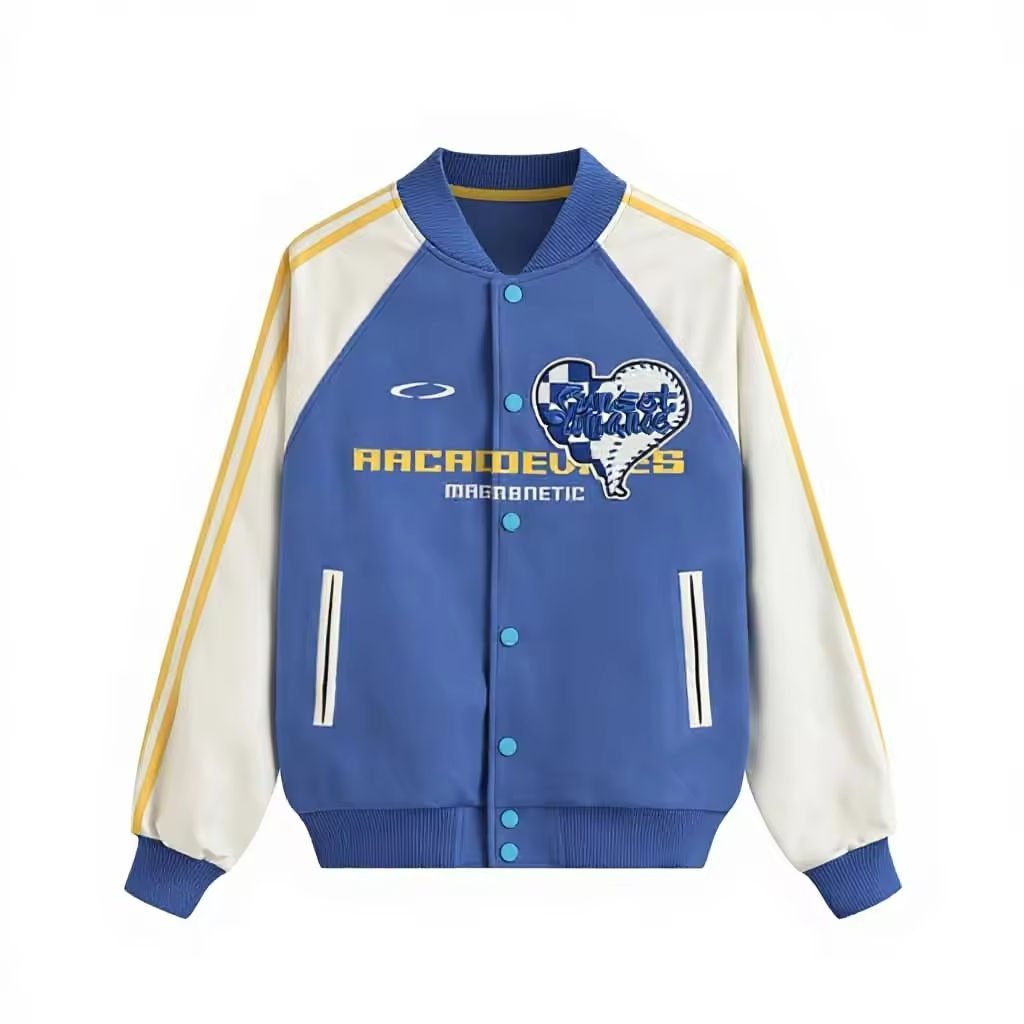
Bartack stitching — a dense, perpendicular stitch cluster — must appear at every pocket mouth, zipper base, and drawcord anchor. Without it, seam failure occurs within 20–30 wash cycles under normal use.
Tug each stress point firmly on the sample; any thread slippage signals a production reject.
Hood Systems and Packable Pocket Build
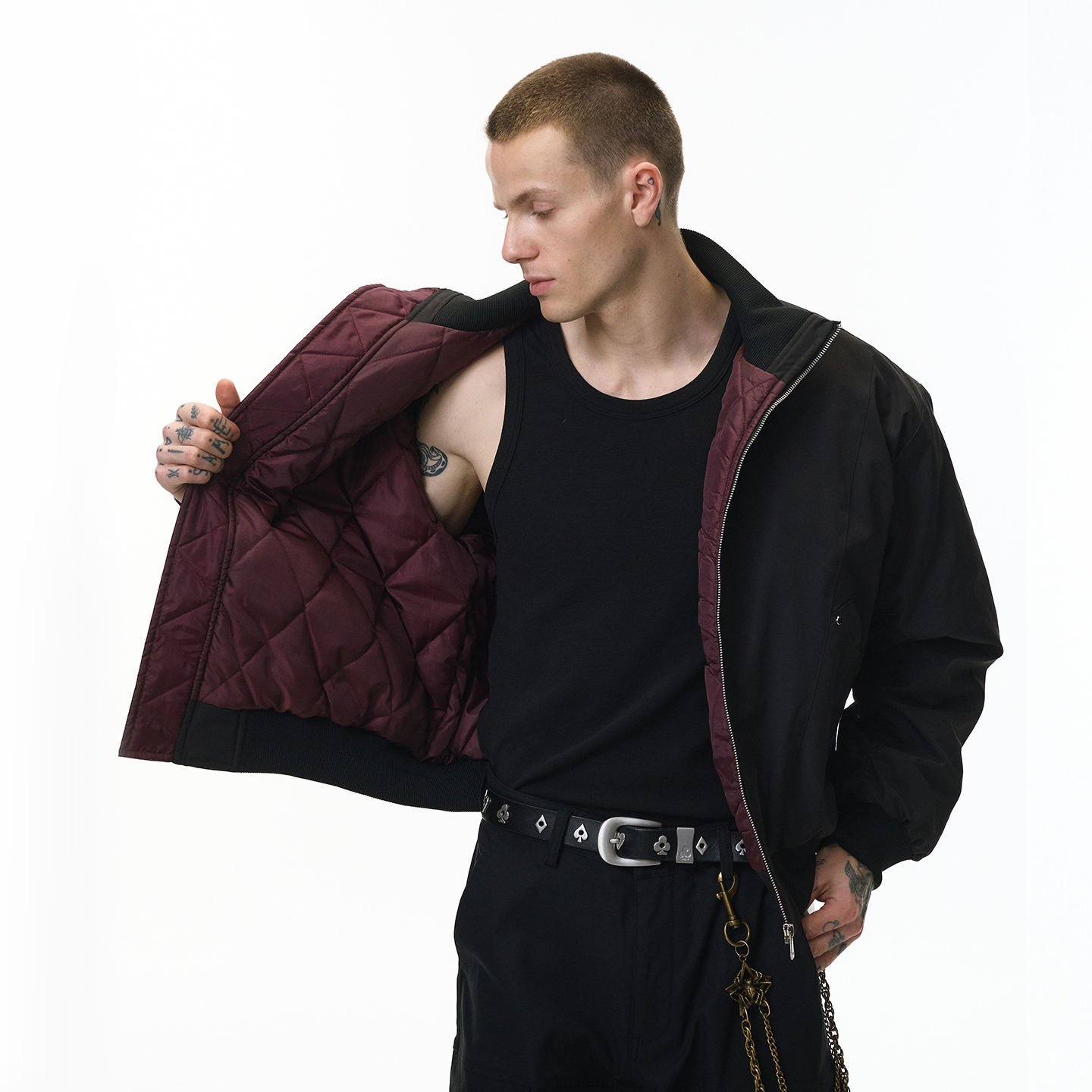
A well-engineered hood uses dual cord-locks at the face opening and nape to eliminate wind funneling at speed. Packable pockets should be cut from the shell fabric itself — not a lighter mesh substitute — with bartacked, seam-taped zipper openings.
A packed jacket that won’t compress to fist-size signals excess interior bulk from unclipped thread or under-taped joins.
7. How to Choose the Right Lightweight Windbreaker Manufacturer
MOQ minimums, factory type, and certification status are the three factors that most predictably determine whether a lightweight windbreaker manufacturer relationship scales or stalls from the first order.
| Criteria | Independent Designer | Global Retailer |
|---|---|---|
| MOQ | 30–100 pcs | 300+ pcs |
| Certifications | Nice-to-have | Required |
| Tech Pack Support | Essential | Standard |
| Sample Speed | Under 10 days | Under 15 days |
| IP Protection Priority | High | High |
Factory vs. Trading Company: Price and IP Protection
Direct factories cut 15–30% from unit costs compared to trading companies, and they manage your design files internally — reducing IP exposure that arises when orders route through intermediary brokers.
A business license copy and third-party factory audit report are the two documents that confirm you are contracting with an actual production source, not a reseller.
MOQ Flexibility and Sample Turnaround Speed
30–100 pieces per colorway is the MOQ range that serves most startups and independent designers; sample turnaround under 10 business days signals a factory with real capacity flexibility.
100 pieces per colorway — versus per style — is a critical distinction: a four-color launch quadruples effective order size under colorway-based minimums.
Certifications, Communication, and References
OEKO-TEX Standard 100 certification is the baseline for EU and North American retail channels; BSCI audits validate ethical labor practices, and GRS traceability is required for any windbreaker marketed with rPET or recycled-nylon fiber content.
- OEKO-TEX Standard 100 — confirms no harmful substances in finished fabric
- BSCI audit — validates ethical labor compliance across the supply chain
- GRS — required for rPET or recycled-nylon fiber marketing claims
8. Common Mistakes Brands Make When Sourcing a Lightweight Windbreaker Manufacturer
Even experienced buyers repeat the same sourcing errors when partnering with a lightweight windbreaker manufacturer for the first time. Each mistake carries a measurable cost — in time, money, or brand reputation — and each has a straightforward fix.
Skipping Pre-Production Samples
Brands that skip pre-production samples to save 2–3 weeks typically lose 6–8 weeks correcting bulk defects after shipment. Request a sealed sample before any cutting begins and match it against your tech pack spec sheet to confirm fit, seam construction, and zipper function.
Choosing on Unit Price Alone
A $2 lower unit price often signals thinner 40D nylon instead of 70D, open-end stitching instead of flatlock, or no mid-production QC checks. Request a full Bill of Materials confirming fabric GSM and denier before accepting any quote.
Underestimating Custom Hardware Lead Times
Custom YKK zippers, branded pullers, and heat-transfer labels each carry independent 4–8 week lead times separate from fabric sourcing. Build hardware procurement into your production calendar early to avoid holding finished shells with no functional closure.
Failing to Lock In Fabric Lot Consistency
Dye lots shift between rolls; a Pantone-matched navy can drift two Delta-E values on a reorder. Require your manufacturer to reserve fabric from one production lot and retain swatch records for every order.
Ignoring Compliance Documentation
EU and US retailers increasingly require OEKO-TEX Standard 100 or REACH compliance for synthetic outerwear. Request certification documentation before production starts — retrofitting approvals after bulk completion can delay market entry by 8–12 weeks.
Over-Ordering on a First Run
Committing to 500+ units on an untested silhouette ties up capital and warehouse space if sell-through underperforms. Start at the manufacturer’s minimum — often 50–100 pieces per colorway — then scale reorders once market demand is confirmed.
9. Steps to Launch Your Brand With a Lightweight Windbreaker Manufacturer
Launching a private-label windbreaker requires five sequential steps, each with a firm timeline. Skipping any phase — especially QC — is the most common reason first-run orders arrive defective or unsellable.
Finalize Your Design Brief and Tech Pack
A complete tech pack covers flat sketches, Pantone colorways, fabric GSM targets, seam type (flatlock vs. overlock), and hardware specs such as YKK zipper grade. Without it, factories quote blind.
Allow 1–2 weeks. Anchor measurements to a fit model or size chart aligned to your target market.
Source and Vet a Lightweight Windbreaker Manufacturer
Request BSCI or WRAP certification, factory audit reports, and production photos before committing. A reliable lightweight windbreaker manufacturer shares past client styles and MOQ tiers upfront.
Budget 1–2 weeks for shortlisting and video calls. Humen, Dongguan factories offer deep supply chains for technical outerwear.
Negotiate Sampling and MOQ
First samples cost $30–$80 each and arrive in 10–15 business days. MOQ for cut-and-sew windbreakers typically starts at 100–300 pieces per colorway.
Allow 2–3 weeks for sample rounds. Lock in a 30% deposit, unit price, and revision count in writing before bulk approval.
Conduct Pre-Production QC Inspection
A five-stage QC process — materials, cutting, craft, sewing, finished goods — stops defects before they multiply. Check fabric GSM, OEKO-TEX status, and zipper pull strength mid-production.
Allow 3–5 days. Catching issues here typically avoids re-order costs that run 40–60% of the original bulk price.
Arrange Freight and Customs Documentation
Sea freight from Guangdong to the US takes 20–35 days; air freight cuts this to 5–7 days at 6–8× the cost. Windbreakers typically fall under HS codes 6201–6202.
Allow 1–2 weeks to confirm FOB Yantian terms, engage a customs broker, and verify destination textile-labeling rules.
10. Pricing and Cost Breakdown by Quantity Tier
All figures below are estimates for standard nylon or polyester ripstop windbreakers (40–70 GSM shell); actual pricing shifts with fabric specification, regional logistics, and design complexity. Sample fees are typically credited toward bulk orders of 300 units or more.
Decoration setup costs are one-time per colorway; per-unit costs fall as quantity rises. Screen printing, embroidery, heat transfer, and sublimation each carry different tooling economics — factor these into your true landed cost before selecting a technique.
- Screen print: $25–$80 setup per color; $0.50–$1.50/unit — best for bold, flat graphic hits
- Heat transfer: $15–$40 setup; $0.80–$2.00/unit — strong for photorealistic or full-color designs
- Embroidery: $40–$100 digitizing fee; $1.50–$4.00/unit — premium look, suits chest logos and patches
- All-over sublimation: minimal setup; $1.00–$3.00/unit — ideal for polyester shells with no color limit
- Woven label or patch: $50–$80 setup; $0.30–$0.80/unit — durable branded detail on chest, sleeve, or hem
| Quantity Tier | Est. Unit Price (USD) | Sample Cost | Lead Time | Custom Surcharge |
|---|---|---|---|---|
| 50 units | $22–$28 | $80–$150 | 25–30 days | +$3–$5/unit |
| 100 units | $18–$24 | $80–$150 | 20–25 days | +$2–$3/unit |
| 300 units | $14–$18 | $60–$120 | 18–22 days | +$1–$2/unit |
| 500 units | $11–$15 | $60–$120 | 15–20 days | +$0.50–$1/unit |
| 1,000+ units | $8–$12 | $50–$100 | 12–18 days | Included |
Partner with a Trusted Lightweight Windbreaker Manufacturer Today
Submit your tech pack, request a quote, or schedule a call — low MOQ, 5-step QC, and global shipping guaranteed.