
Premium Half Zip Windbreaker Manufacturer — 50-Piece MOQ
Partner with a trusted half zip windbreaker manufacturer offering 5-step quality control, 7-day sampling, and low minimums for emerging streetwear brands and global retailers.
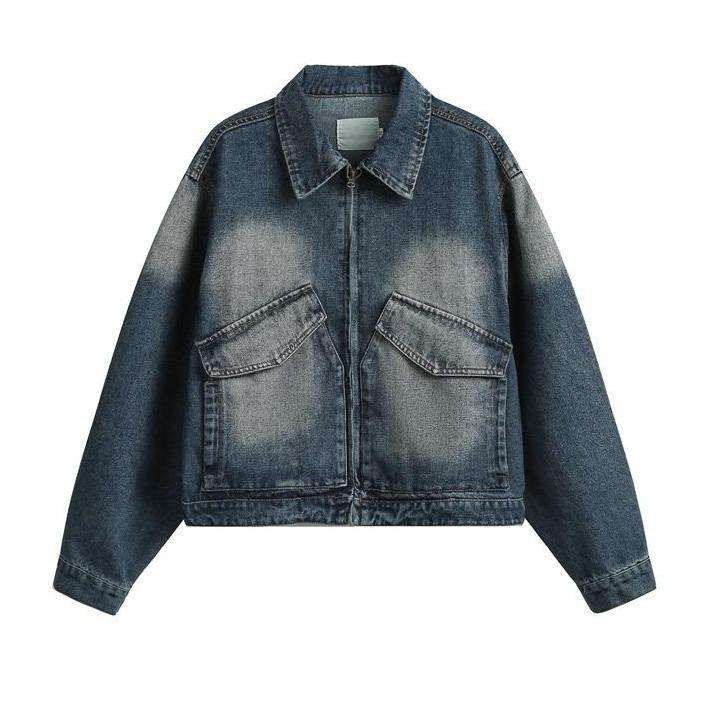
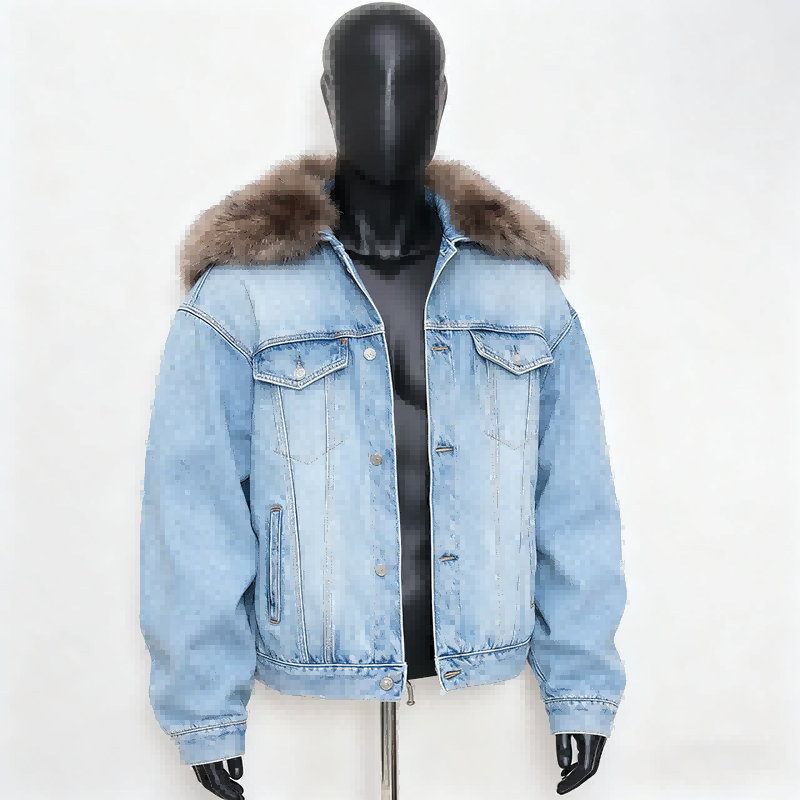
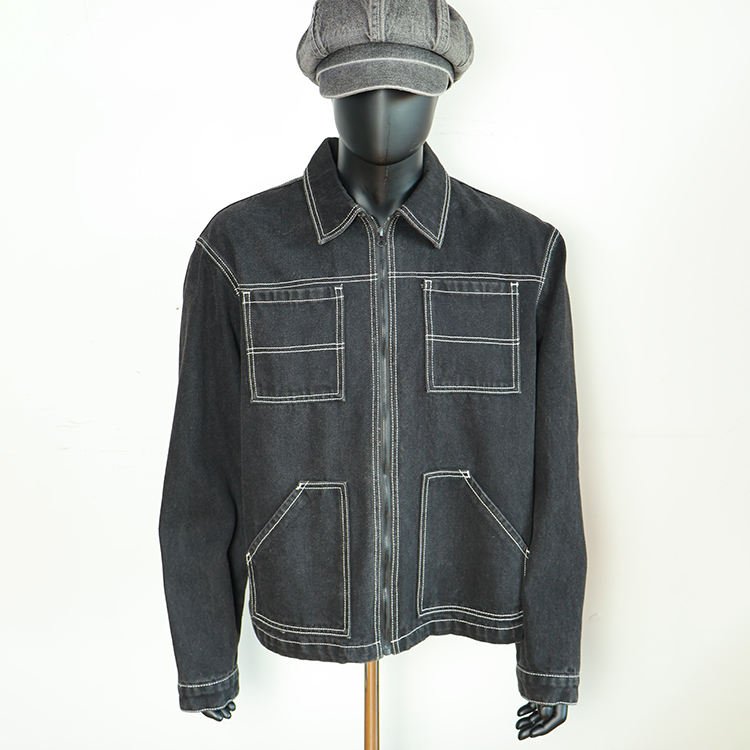
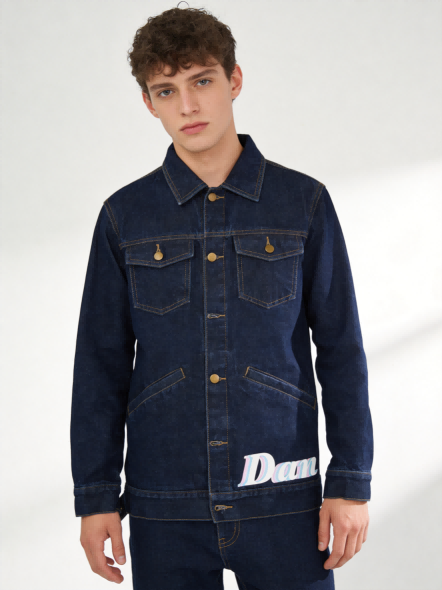
Half Zip Windbreaker Samples & Production Gallery
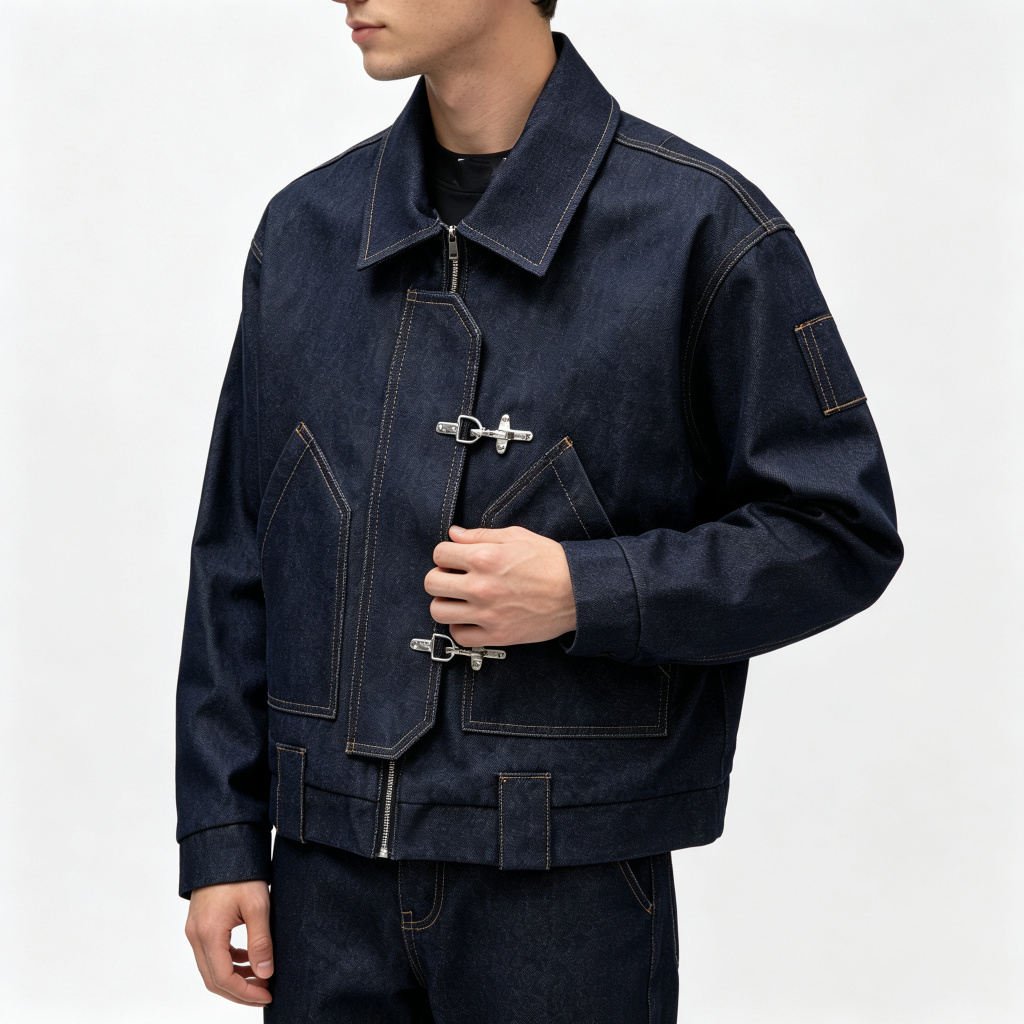
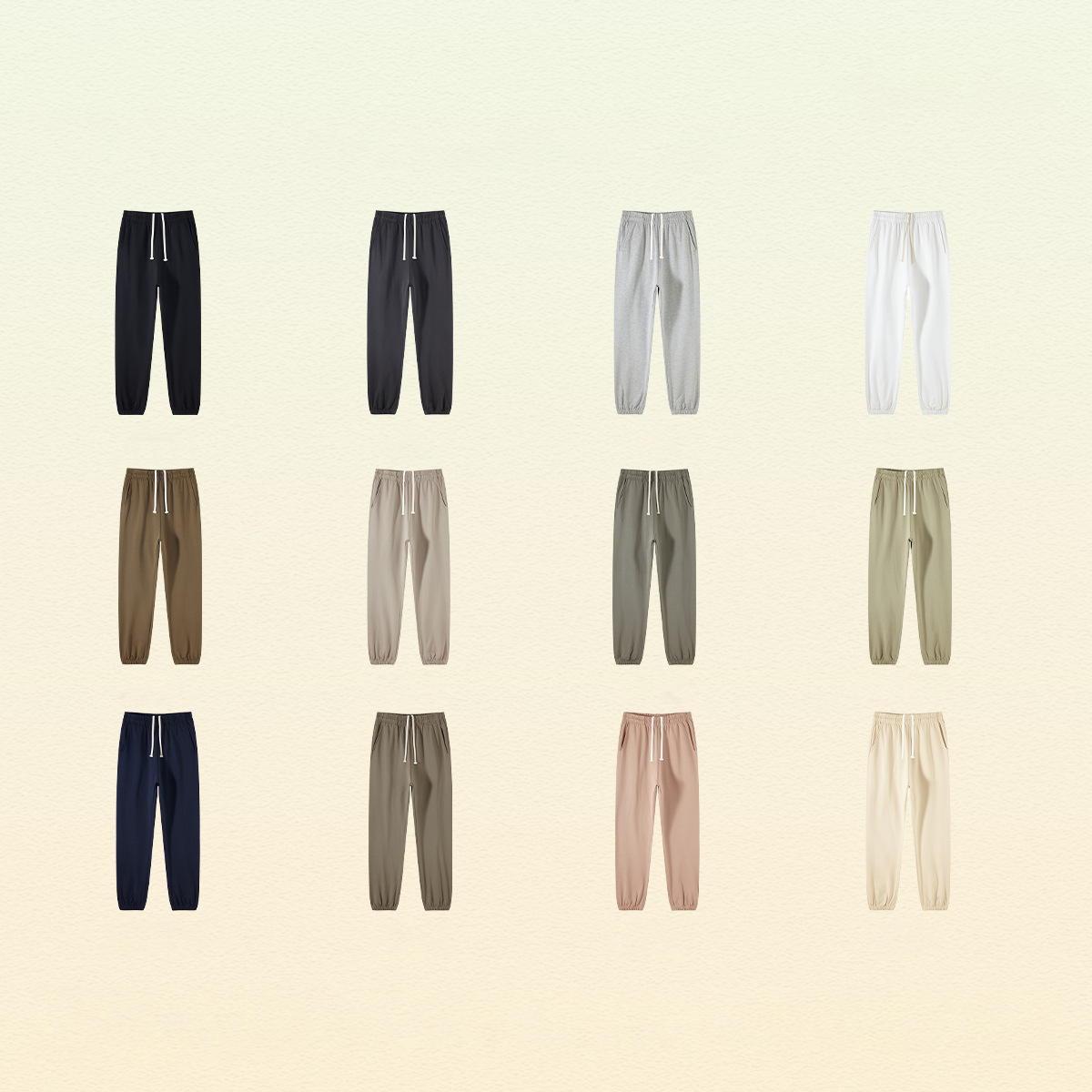
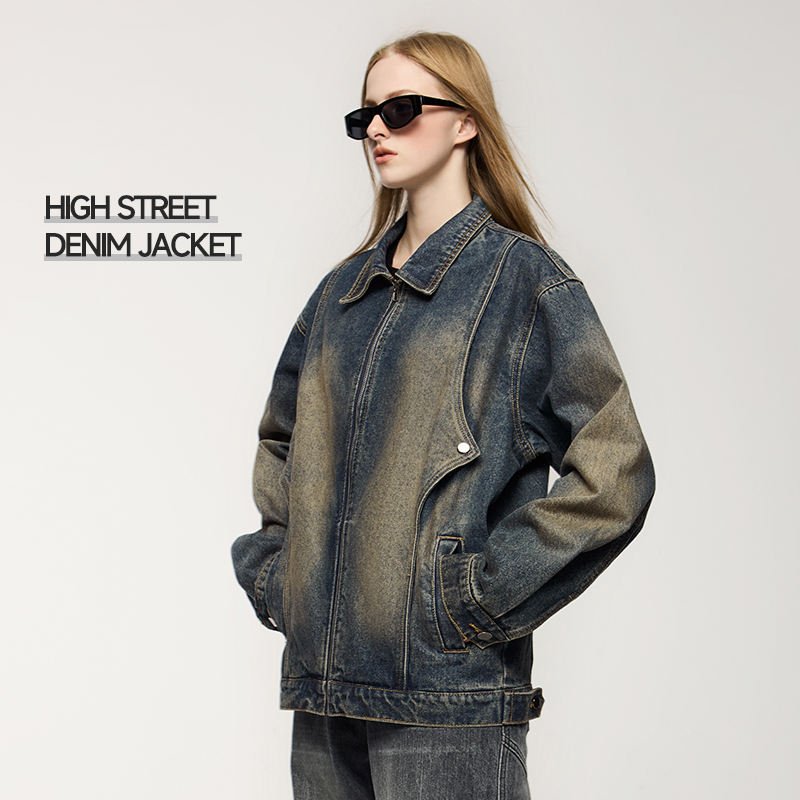
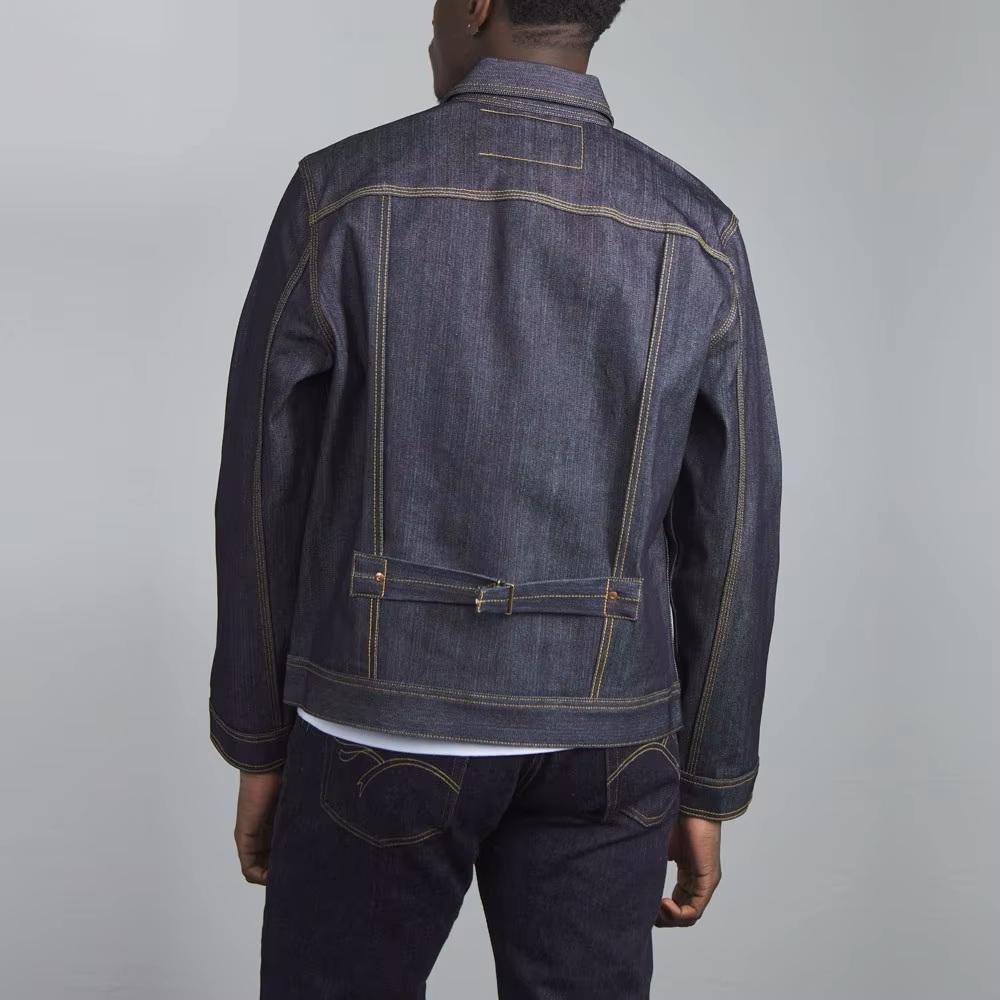
Why Brands Choose Our Half Zip Windbreaker Manufacturer
We combine streetwear expertise, rigorous quality control, and flexible production to help your brand stand out—without the compromises of standard suppliers.
5-Step Quality Control Process
Every half zip windbreaker undergoes materials, cutting, craft, sewing, and finished product QC testing—eliminating defects before shipping.
7-Day Sample Turnaround
Fast sampling for seasonal collections lets you test designs, validate fits, and launch on trend without production delays.
50-Piece Minimum Order Quantity
Low MOQ empowers startups and independent designers to launch half zip windbreaker lines without massive upfront inventory risk.
In-House Streetwear Design Team
Our 15-member R&D team supports custom graphics, pattern development, and trend-driven details that resonate with your audience.
Decade of Streetwear Expertise
Six years specializing in streetwear production means we understand the construction, finishing, and quality standards influencer brands demand.
Global Shipping & Logistics
Serving customers in over 100 countries with transparent customs, reliable freight partners, and end-to-end order tracking support.
Half Zip Windbreaker Manufacturer Categories & Customization Options
From classic cuts to performance blends, our half zip windbreaker manufacturer capabilities cover every style and customization your brand needs—with the same rigorous 5-step QC across all product lines.
Classic Half-Zip Windbreakers
Emerging streetwear brands need timeless, versatile pieces that appeal to broad audiences but struggle to find manufacturers willing to produce small batches with consistent quality and accurate sizing.
Our 50-piece MOQ and in-house pattern development deliver perfectly fitted classic half-zips with reliable fabric weight, zipper durability, and colorfast finishes—ideal foundation pieces for new collections.
Oversized Fit Windbreakers
Trend-driven brands and influencer lines want oversized, streetwear-inspired silhouettes but face pattern inaccuracies and inconsistent drape when manufacturers lack experience with contemporary streetwear proportions and construction techniques.
Leveraging 6 years of streetwear specialization, we engineer oversized half-zip windbreakers with precise drop shoulders, extended sleeves, and balanced proportions that maintain structure while delivering the relaxed aesthetic your audience expects.
Performance Blend Windbreakers
Active lifestyle brands require windbreakers with technical features—moisture-wicking, breathability, lightweight durability—but many manufacturers offer only basic nylon without fabric innovation or performance testing capabilities.
Our R&D team sources and tests performance fabrics including ripstop blends and water-resistant coatings, integrating mesh linings and ventilation details to deliver half-zip windbreakers that perform as well as they look.
Seasonal Colorway Collections
Fashion startups launching seasonal drops need fast turnaround on trend-responsive colorways and prints, but traditional manufacturers have long lead times and rigid production schedules that miss market windows.
Our 7-day sampling and streamlined production workflow enable rapid colorway development and seasonal releases, helping you capitalize on trends with coordinated half-zip windbreaker collections that reach market when demand peaks.
Custom Embroidery & Print
Independent designers and creator brands want unique branding—custom embroidery, screen prints, heat transfers—but face high setup fees, minimum decoration quantities, and quality inconsistencies that compromise their vision.
We offer integrated embroidery and print services with low minimums and precise placement control, ensuring your custom logos, graphics, and artwork are flawlessly applied to every half-zip windbreaker through our quality-controlled finishing process.
Premium Fabrics for Half Zip Windbreaker Manufacturer Production
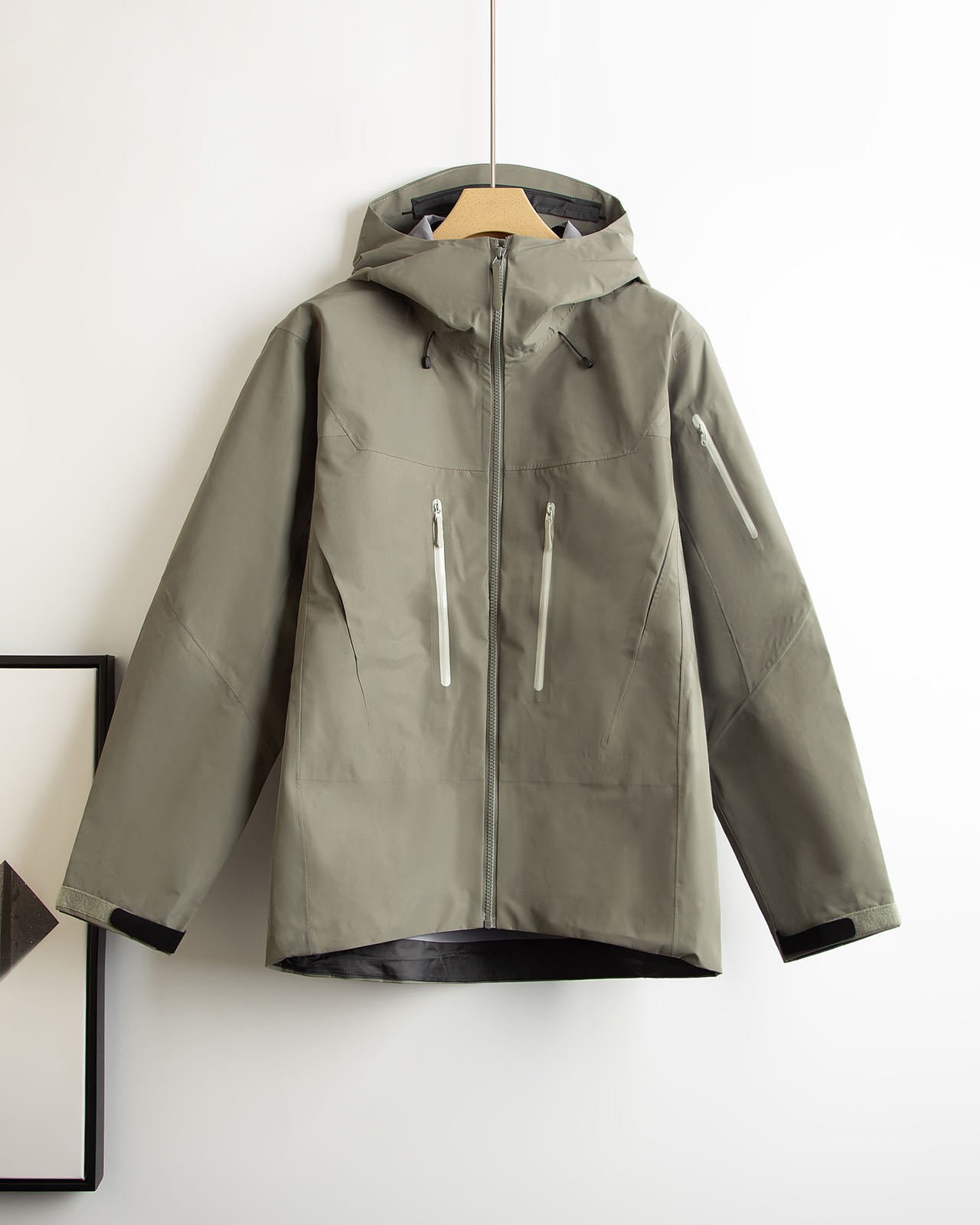
Ripstop Nylon
Lightweight yet tear-resistant fabric with reinforced crosshatch weave. Ideal for packable windbreakers and active streetwear. Weight: 50-70 GSM. Delivers superior wind resistance with minimal bulk, perfect for layering pieces that need to withstand daily urban wear.
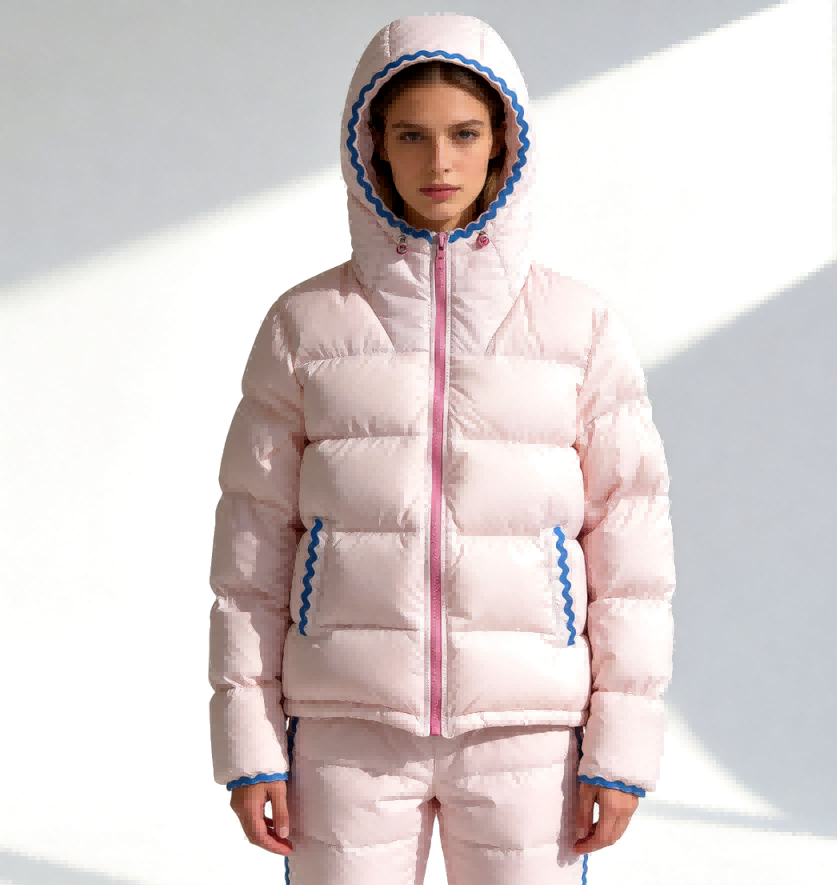
Polyester Taffeta
Smooth, crisp hand-feel with excellent water repellency and vibrant color retention. Popular for bold, statement windbreakers. Weight: 60-80 GSM. The tight weave blocks wind effectively while maintaining breathability, making it a go-to choice for fashion-forward streetwear brands.
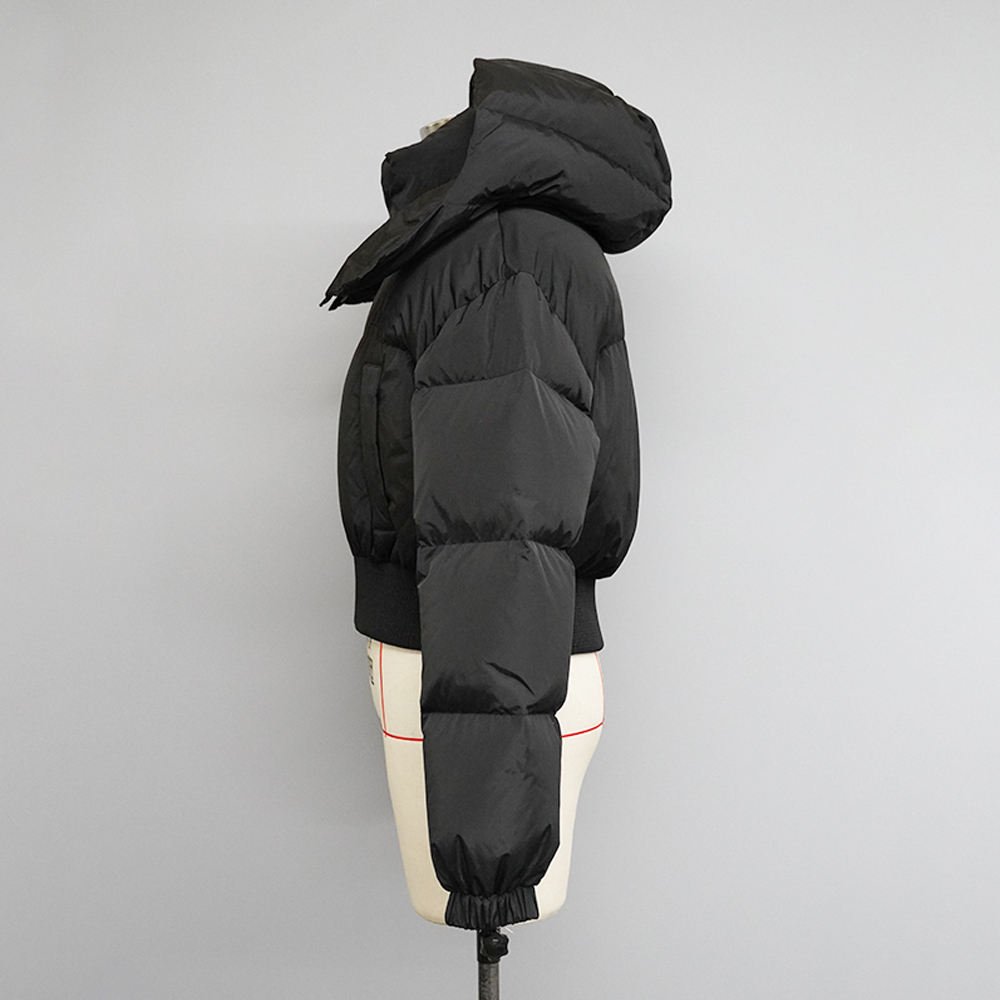
Recycled Polyester Blend
Eco-conscious performance fabric made from post-consumer materials without compromising durability. Ideal for sustainable brand positioning. Weight: 65-85 GSM. Offers the same wind protection and color vibrancy as virgin polyester while reducing environmental impact and appealing to conscious consumers.
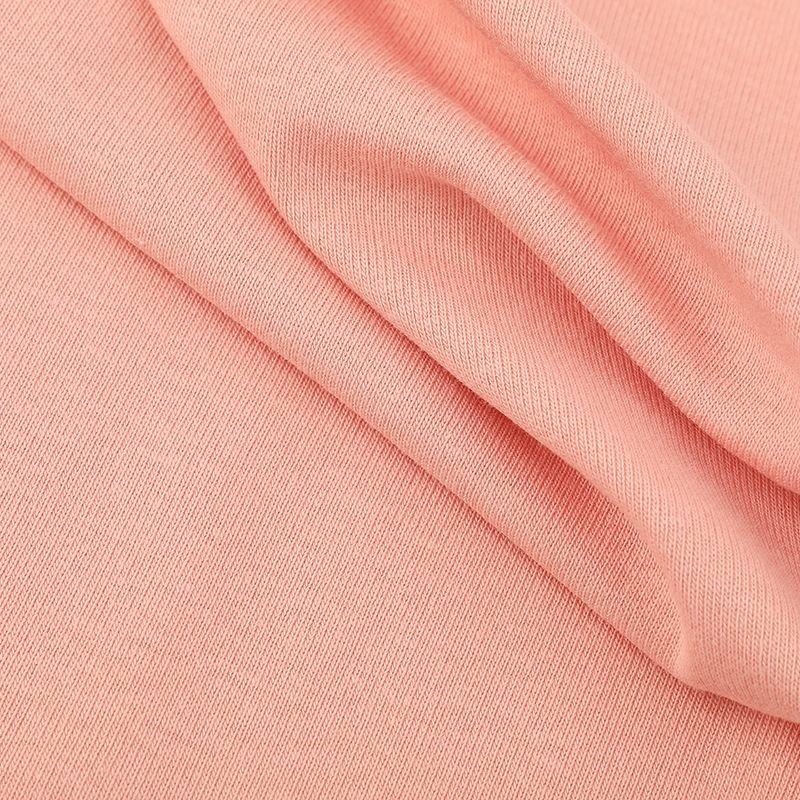
Technical Tricot
Soft, stretchy knit construction with enhanced moisture-wicking properties. Perfect for athletic-inspired half zips. Weight: 70-90 GSM. Four-way stretch ensures unrestricted movement while maintaining shape recovery, ideal for brands targeting active lifestyle and performance streetwear markets.
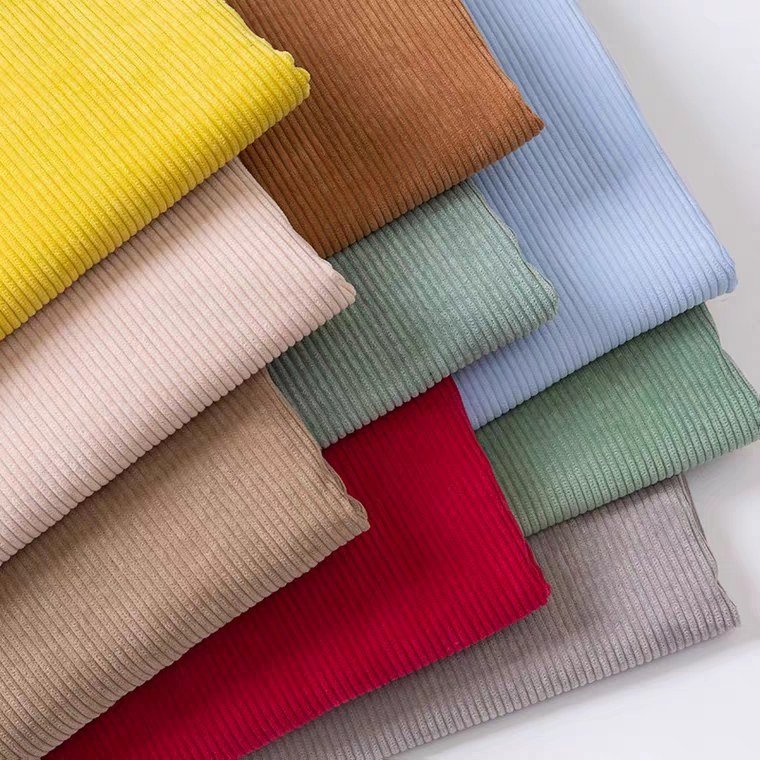
Coated Polyester
Premium fabric with PU or TPU coating for superior waterproofing and modern aesthetic. Best for high-performance windbreakers. Weight: 80-100 GSM. The coating creates a sleek, technical appearance while providing genuine weather protection, elevating your product from basic to premium category.
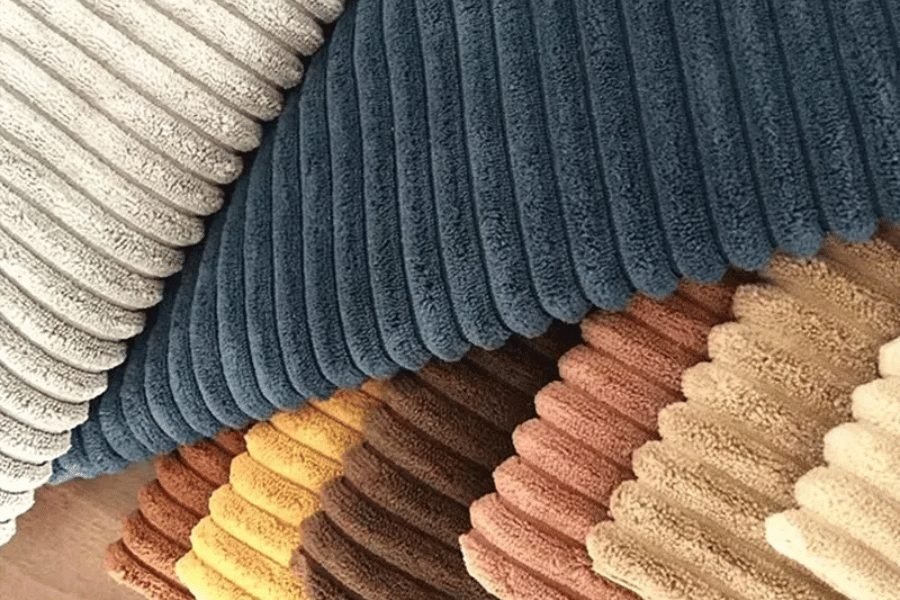
Microfiber Peach Skin
Ultra-soft brushed finish that feels luxurious against skin while maintaining wind-blocking capability. Popular for comfort-focused designs. Weight: 75-95 GSM. The fine fiber construction creates a subtle matte sheen and gentle drape, perfect for elevated streetwear collections prioritizing tactile quality.
Advanced Production Processes from Your Half Zip Windbreaker Manufacturer
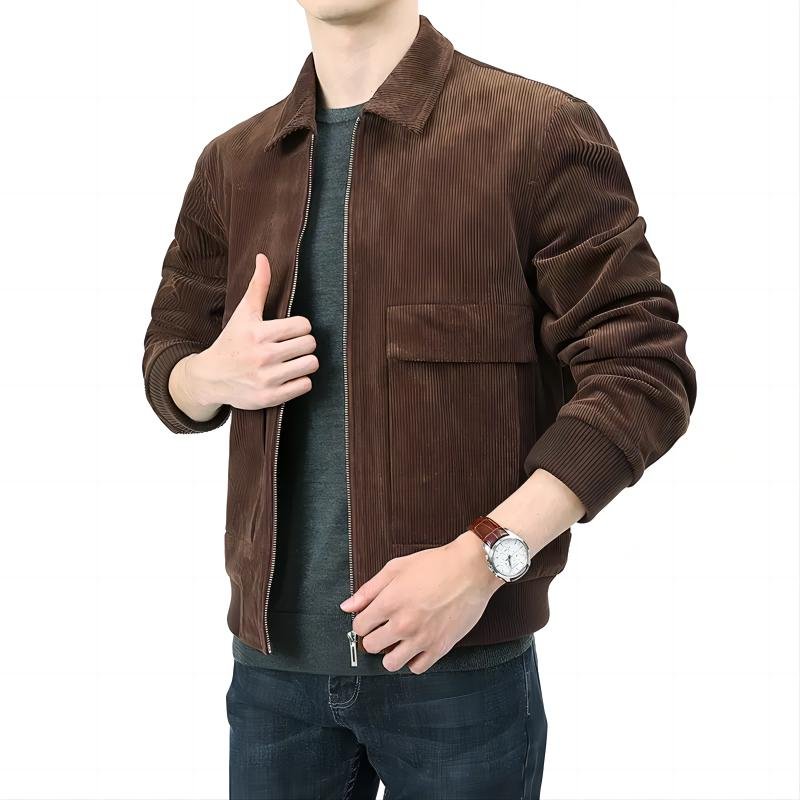
Screen Printing
High-opacity ink application ideal for bold logos and graphics on windbreaker shells. Delivers vibrant, durable prints that withstand washing and outdoor wear, perfect for brand statements and streetwear designs.
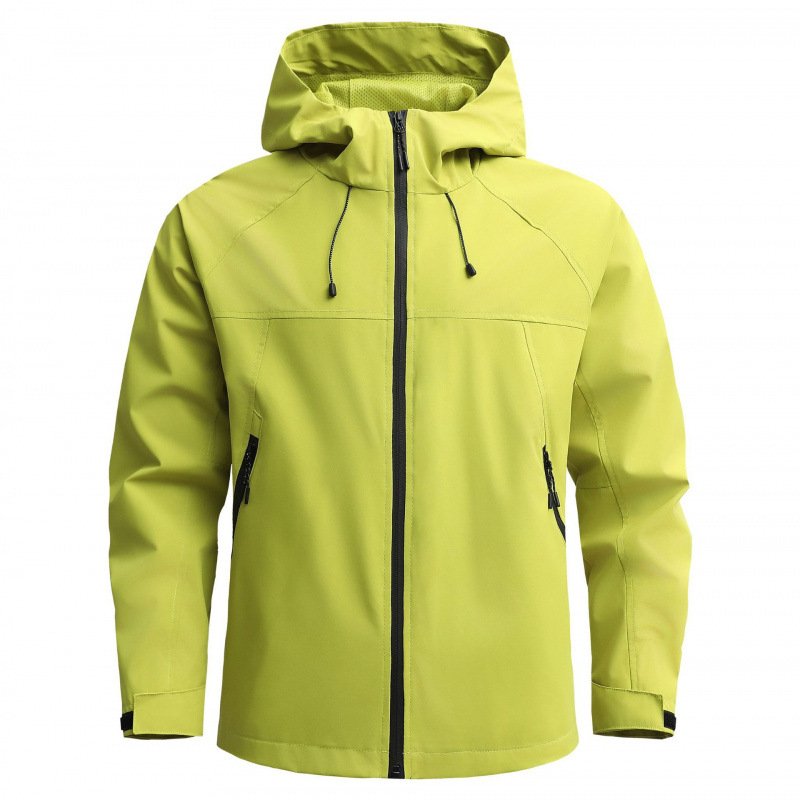
Embroidery
Premium thread-based branding for logos, monograms, and decorative elements. Creates a raised, tactile finish with exceptional durability and perceived value, elevating your half zip windbreaker’s premium positioning.
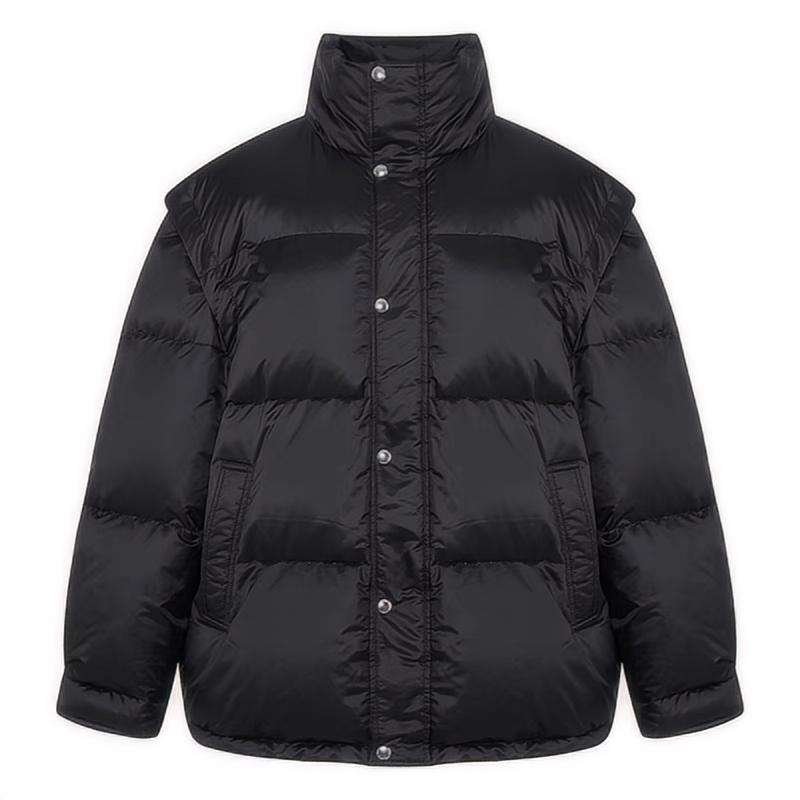
Heat Transfer
Precision application of detailed graphics, reflective elements, and multi-color designs. Ideal for complex artwork and small-batch customization, offering sharp detail without minimum order constraints on artwork.
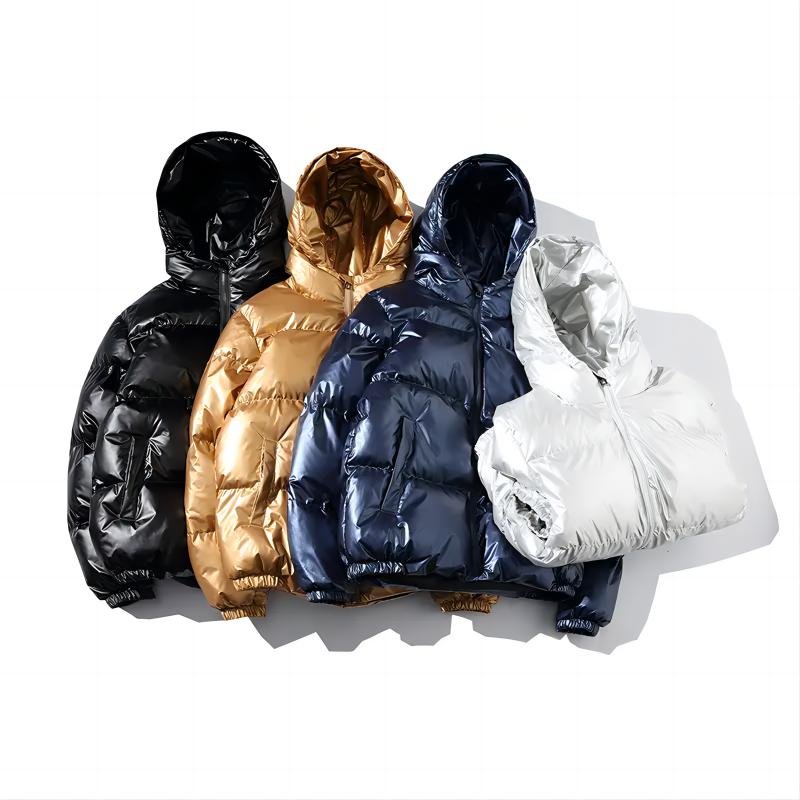
Sublimation Printing
Full-color, all-over pattern integration directly into polyester fabric fibers. Produces fade-resistant, breathable designs with unlimited color options, perfect for eye-catching streetwear and athletic windbreaker collections.
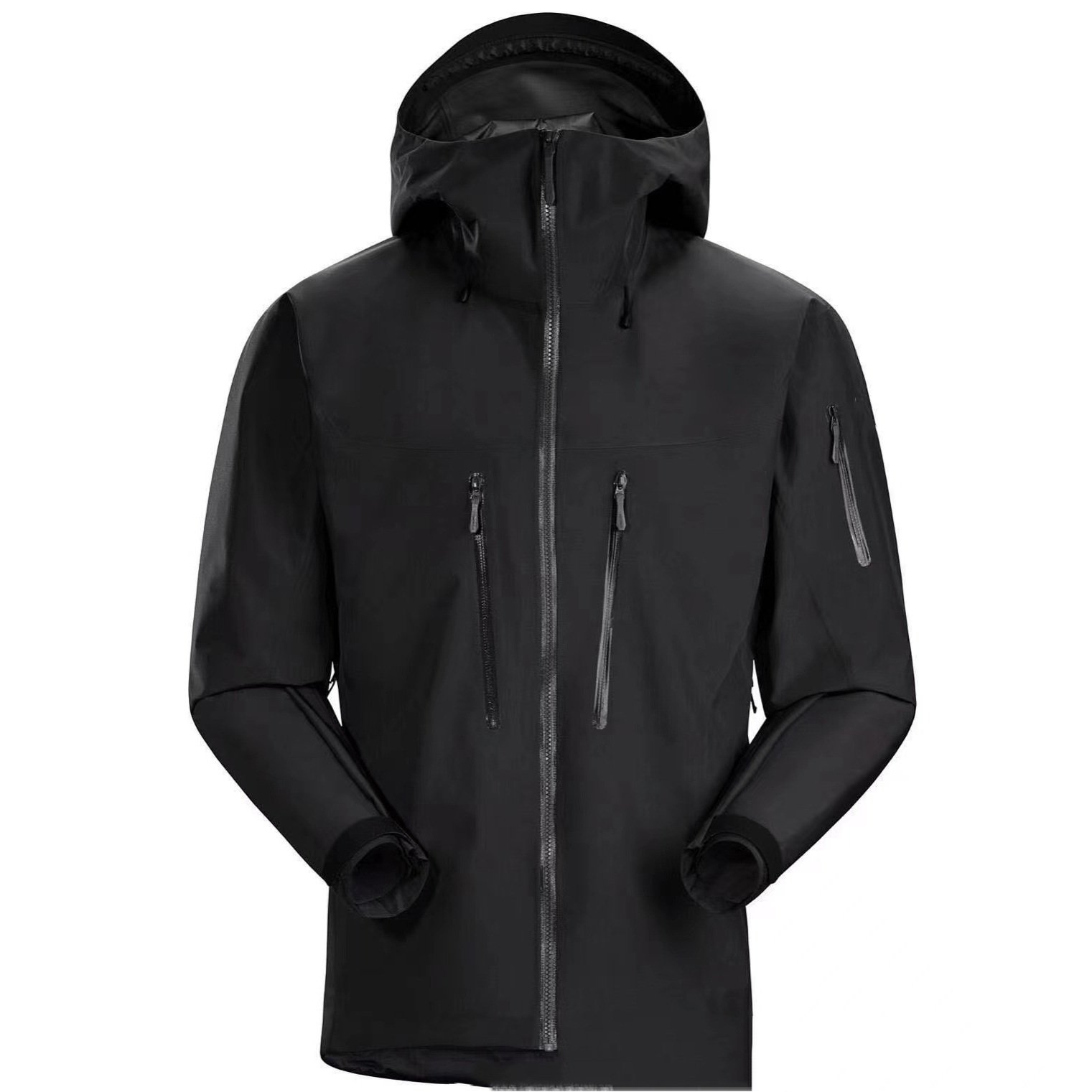
Water-Resistant Coating
Advanced DWR and PU coating application for superior weather protection. Our multi-layer finishing process ensures windbreakers repel moisture while maintaining breathability, tested through our rigorous five-step quality control.
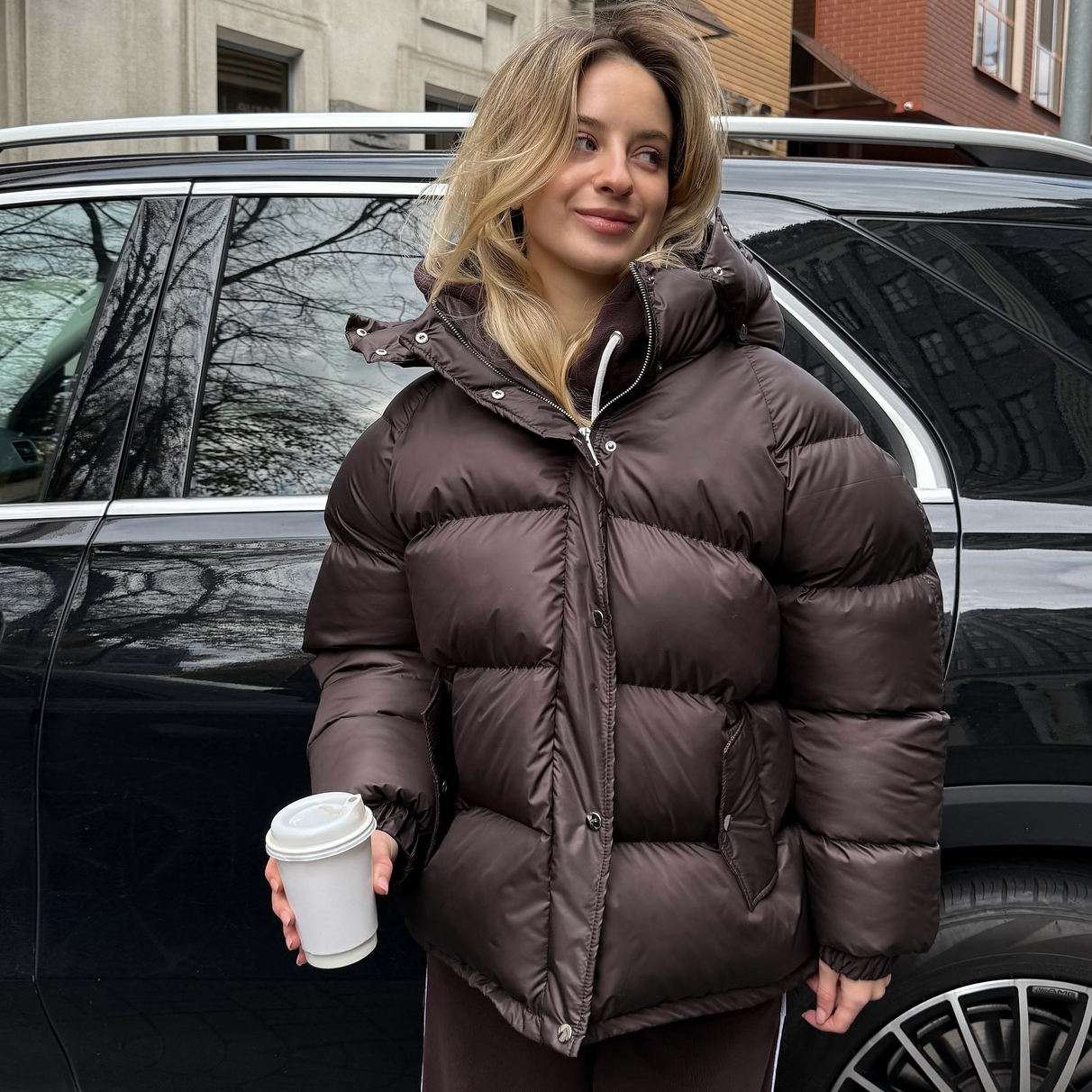
Custom Dyeing
In-house fabric dyeing for exclusive colorways and seasonal trend matching. Achieve precise Pantone color matching and unique finishes including tie-dye, gradient, and vintage wash effects for distinctive collections.
Accessories & Hardware for Half Zip Windbreaker Customization
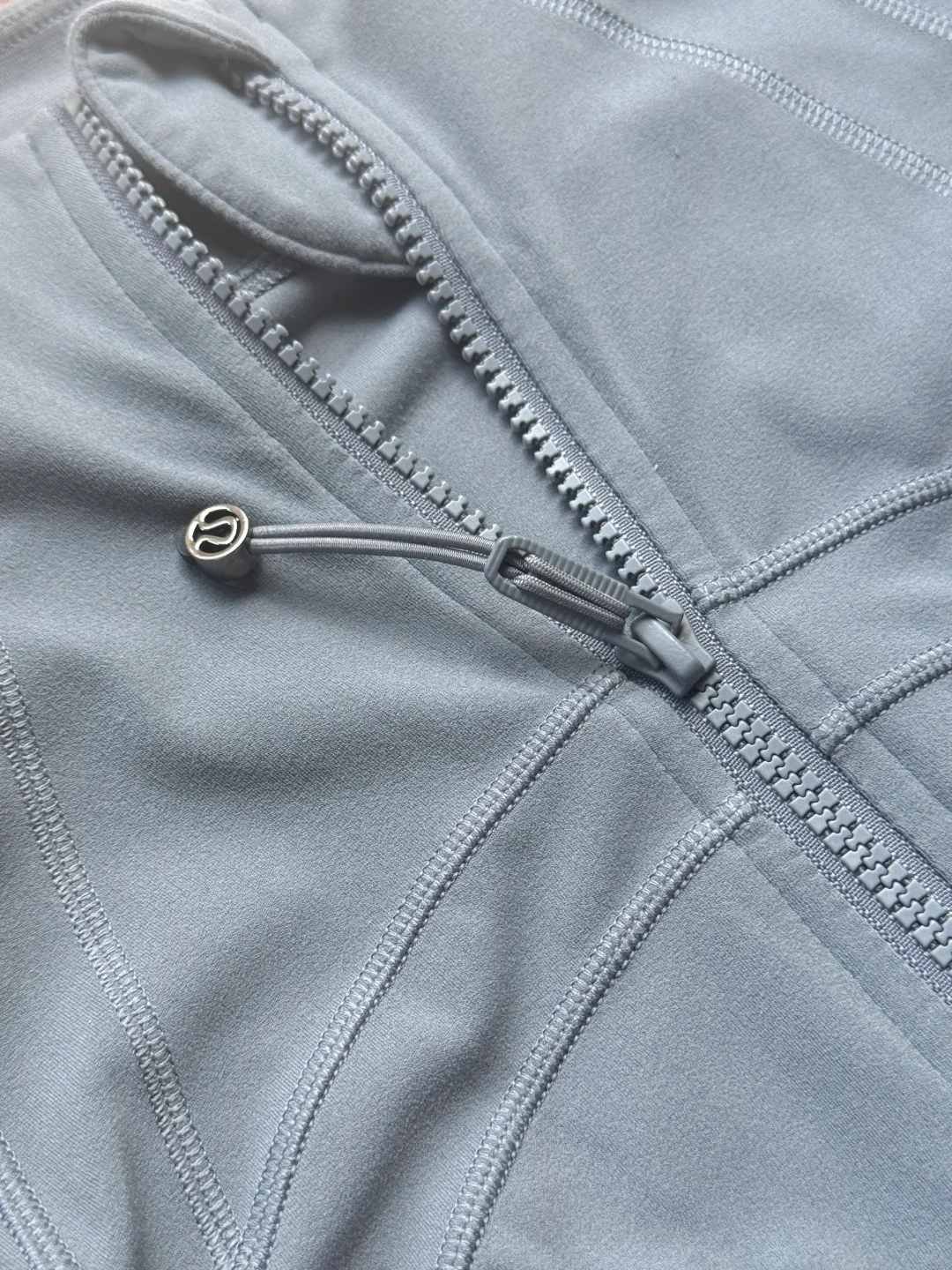
YKK Zippers
Premium half-zip closures engineered for smooth operation and durability. Available in metal, resin, or coil styles with custom pullers and branded sliders to match your windbreaker aesthetic and performance requirements.
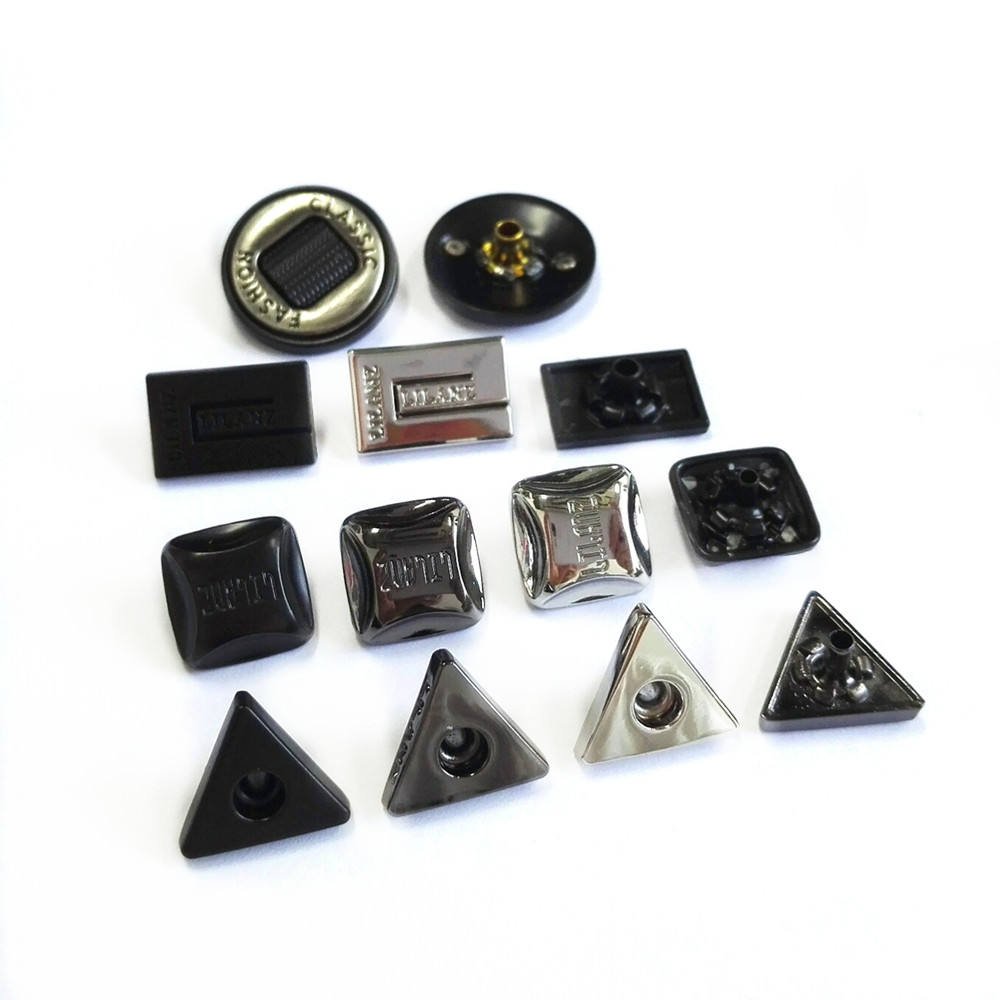
Metal Snap Buttons
Durable snap closures for windbreaker cuffs, plackets, and pocket flaps. Choose from antique brass, gunmetal, or polished finishes with optional logo engraving to reinforce brand identity on every fastener.
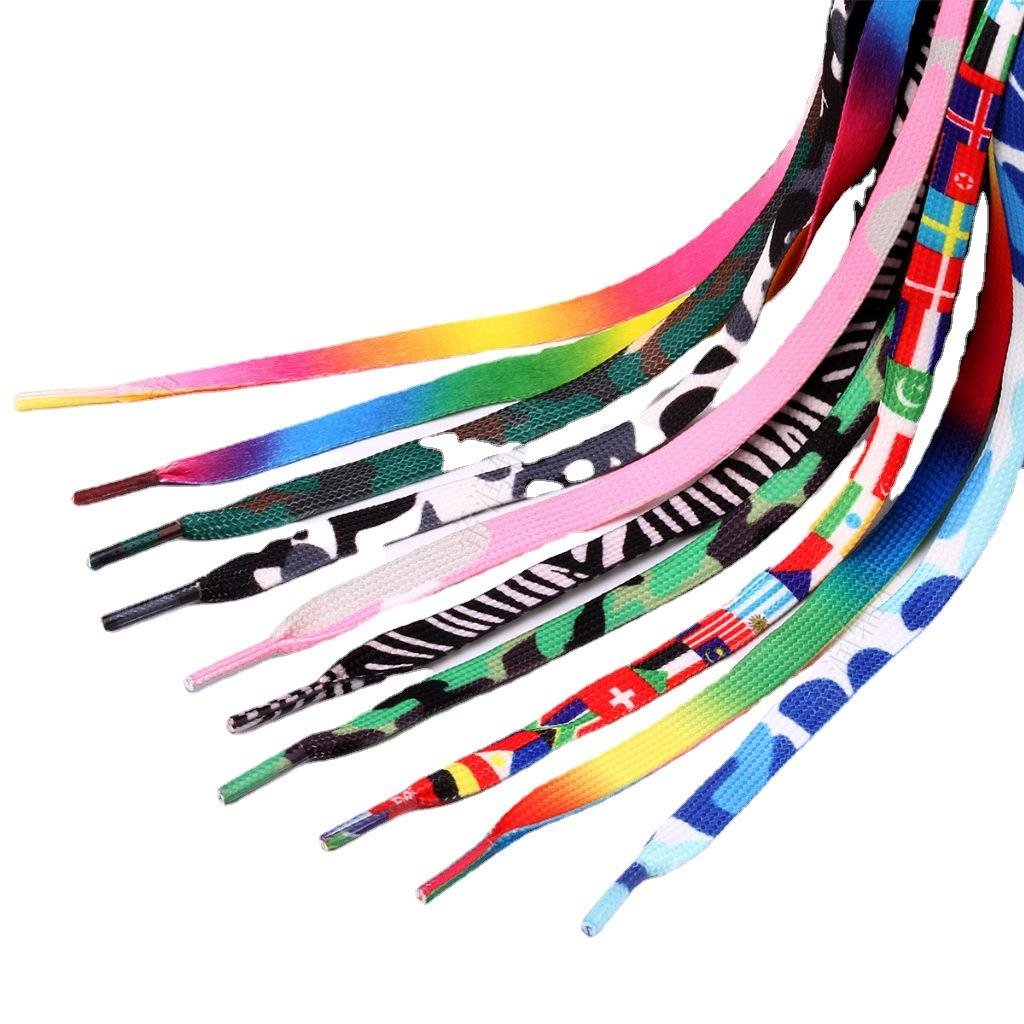
Custom Drawcords
Adjustable drawcords with metal or plastic cord locks for hood and hem cinching. Select from flat, round, or elastic styles in any colorway, with optional branded aglets and reflective threading for visibility.
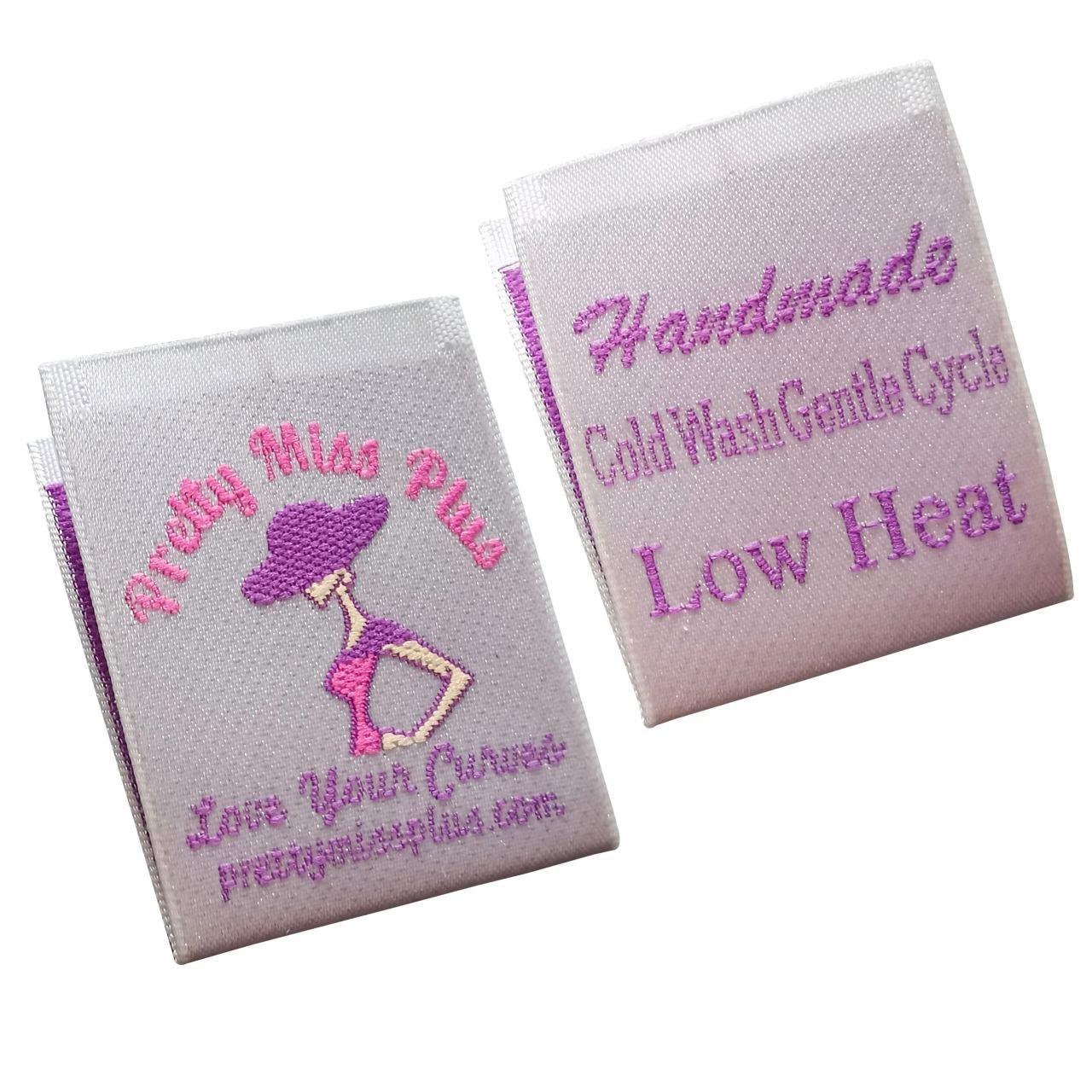
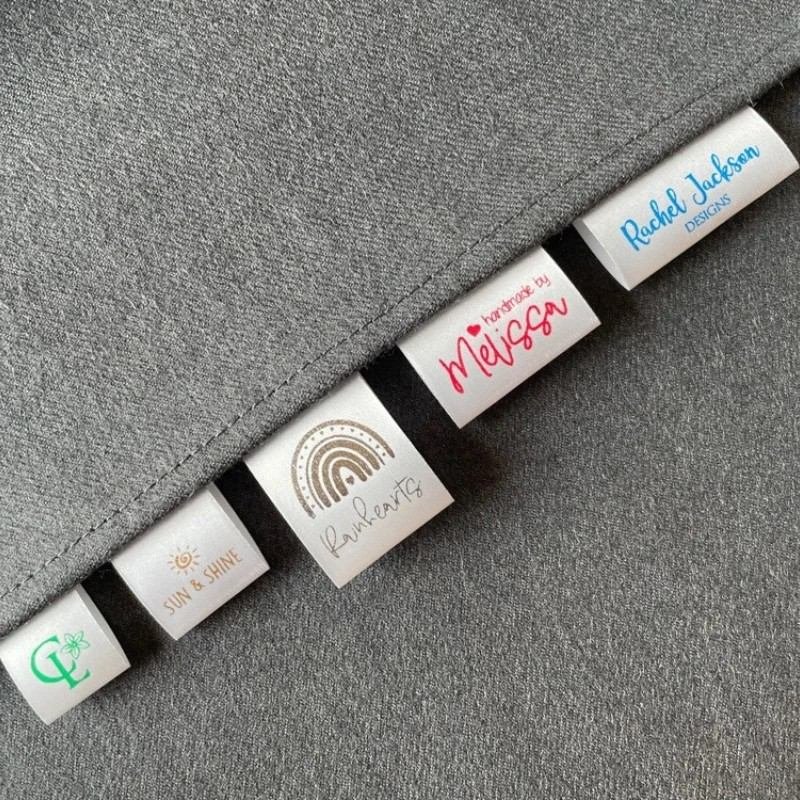
Woven Labels
High-definition woven brand labels for neck, side seam, or interior placement. Manufactured with fade-resistant thread in satin, taffeta, or damask weave to showcase your logo with professional clarity and lasting durability.
Custom Patches
Embroidered or PVC patches for chest, sleeve, or back branding. Created with up to 12-color embroidery or molded rubber for bold streetwear graphics, icons, and logos that define your windbreaker collection.
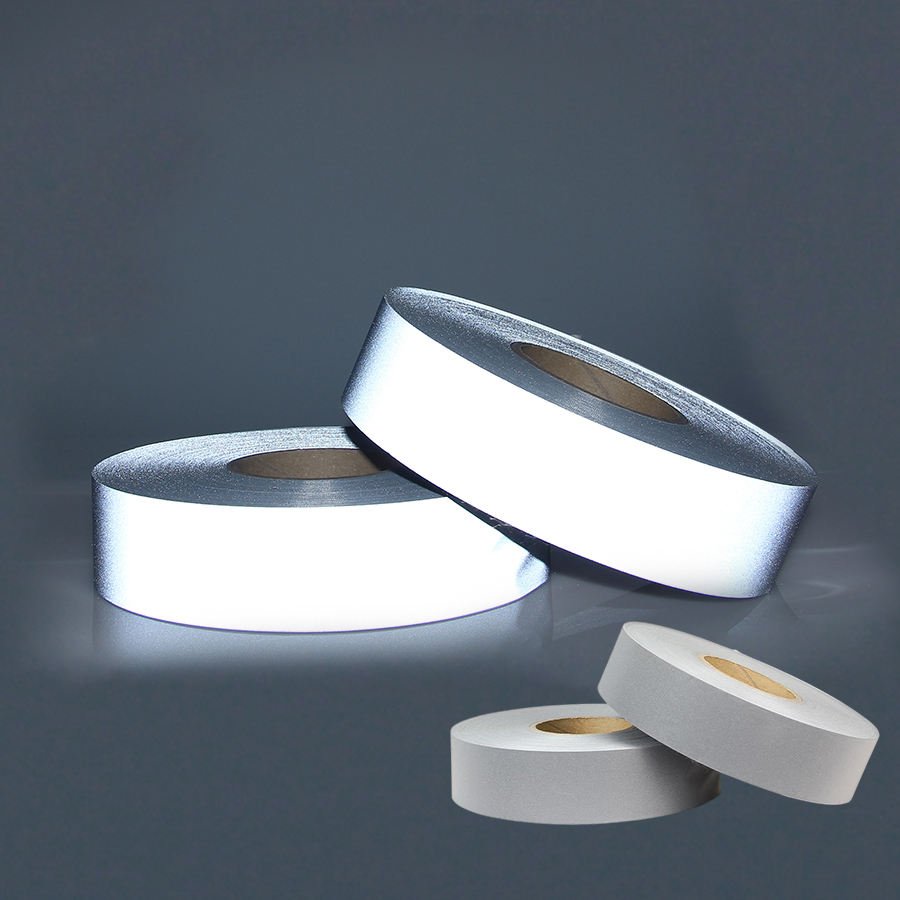
Reflective Trim
High-visibility reflective piping, tape, or heat-transfer elements for safety and style. Applied to seams, zippers, or panel edges to enhance nighttime visibility while adding technical, urban appeal to your windbreakers.
Your Trusted Half Zip Windbreaker Manufacturer
Founded in 2024 by Tesla Luo, Clothing Manufacturer Ltd. brings over 10 years of apparel production expertise and 6 years of specialized streetwear experience to every half zip windbreaker we produce. After serving 200+ clients personally and witnessing too many manufacturers skip quality checks, Tesla built our company on one mission: eliminate low-quality clothing through rigorous testing at every production stage.
Today we serve streetwear brands, fashion startups, and global retailers across 100+ countries with our proprietary 5-step QC guarantee—from fabric inspection through final garment testing. Our 15-member R&D team and 10 production patents ensure your half zip windbreakers meet the highest standards, whether you’re launching your first 50-piece collection or scaling to thousands of units per season.
We combine the agility of a streetwear specialist with the capacity of an established manufacturing operation. Low MOQs, fast sampling, transparent communication, and zero compromise on quality—that’s how we help brands like yours grow from concept to global recognition.
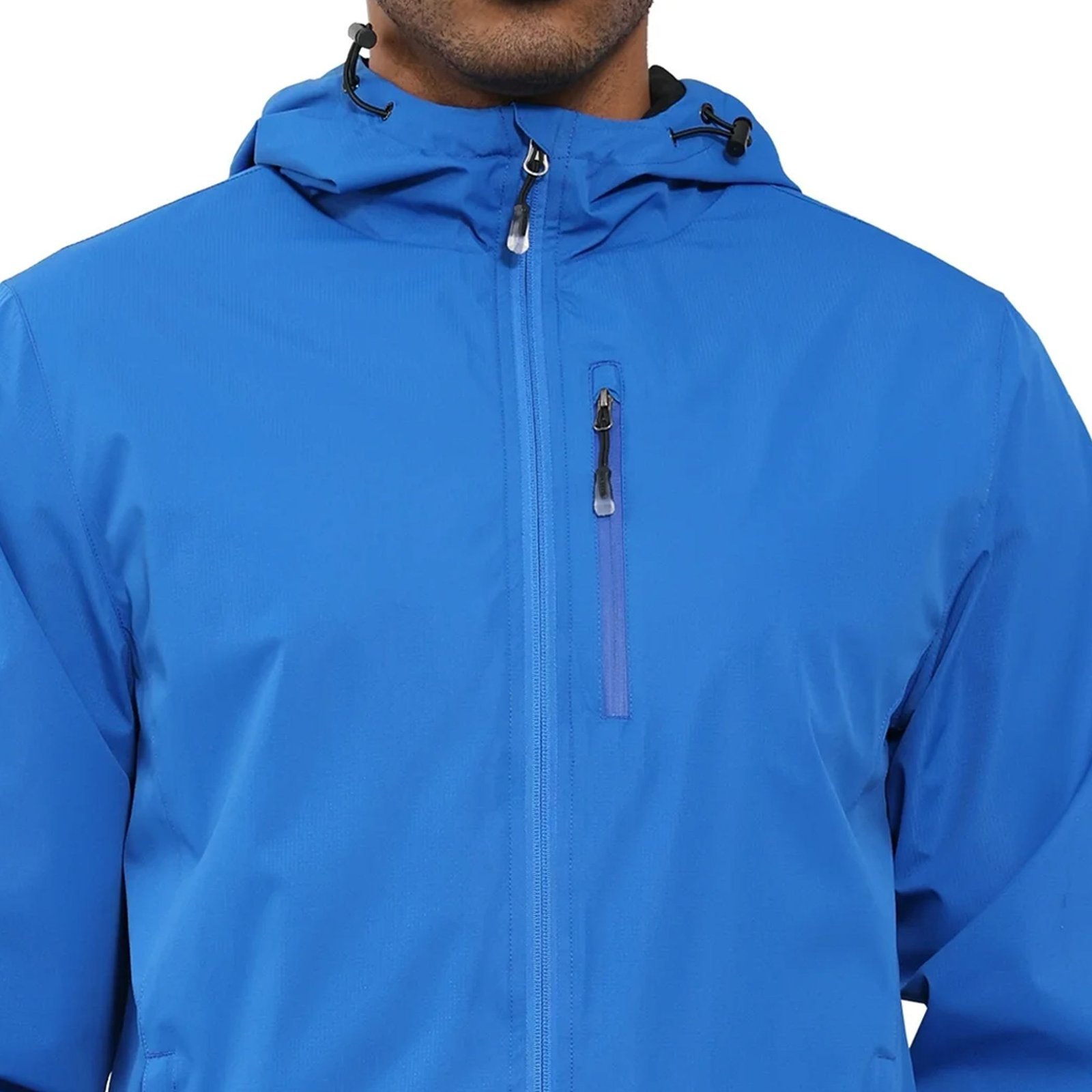
Our 5-Step Quality Control Guarantee for Every Half Zip Windbreaker
Materials QC Testing Before Production
Every fabric roll, zipper, and trim undergoes rigorous inspection before entering production. We verify weight, colorfastness, elasticity, and durability to ensure only premium materials reach your half zip windbreakers. This upstream checkpoint prevents defects that standard manufacturers miss.
- Fabric weight and density verification against specifications
- Colorfastness testing to prevent bleeding and fading issues
- Zipper pull-strength and smooth-operation checks
- Trim and hardware durability assessment before cutting
Cutting QC Testing for Precision
After pattern development, our cutting QC ensures every panel matches your tech pack exactly. We verify dimensions, grain alignment, and pattern placement so sleeves, body panels, and collar pieces fit together flawlessly. Precision at this stage eliminates costly rework downstream.
- Panel dimension checks against approved patterns
- Grain-line alignment to prevent twisting and distortion
- Pattern-match verification for prints and stripes
- Notch and marking accuracy for seamless assembly
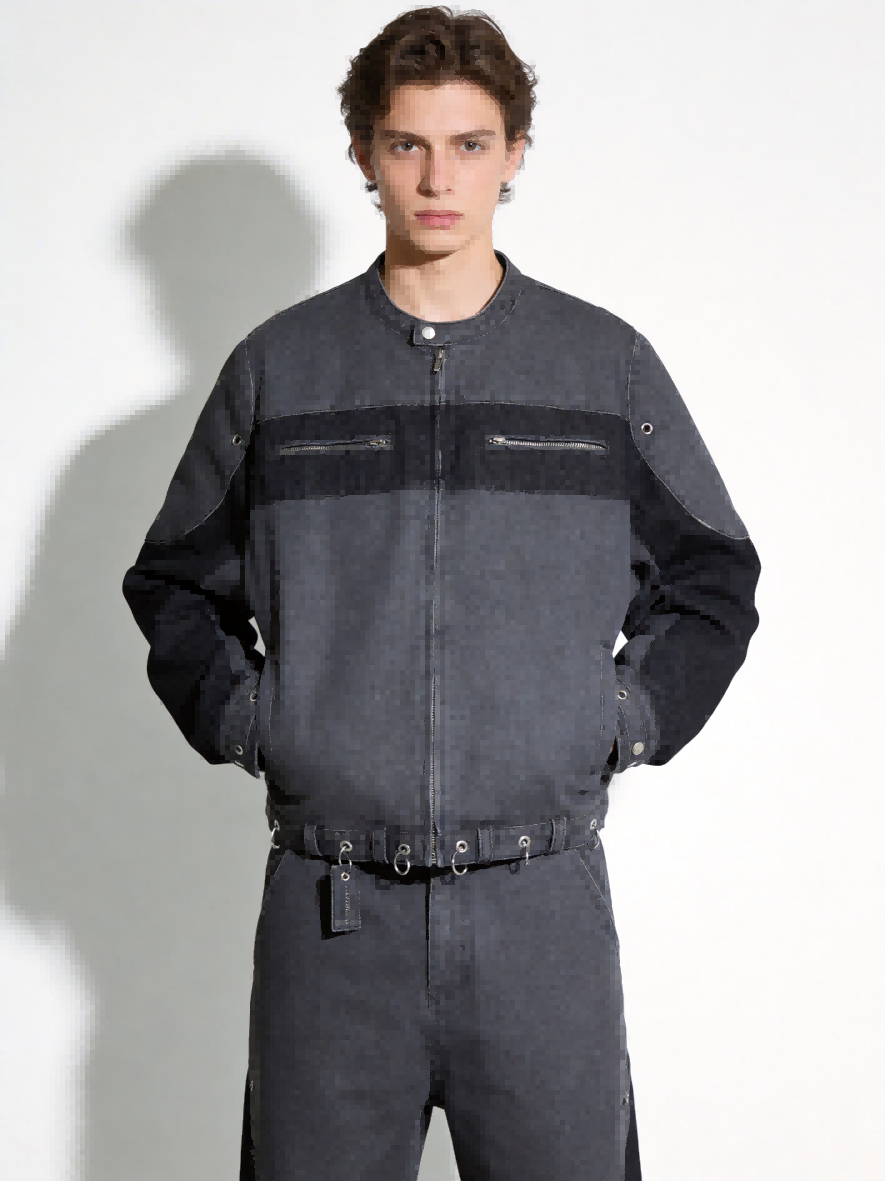
Clothing Craft QC Testing During Assembly
As your half zip windbreaker takes shape, our craft QC team inspects construction techniques at critical junctures. We validate seam types, stitch density, and reinforcement placement to ensure structural integrity and longevity. This mid-production checkpoint catches issues other half zip windbreaker manufacturers overlook.
- Seam-type validation for weather resistance and durability
- Stitch-per-inch counts to meet technical specifications
- Reinforcement placement at stress points and pocket corners
- Zipper installation alignment and tape application checks
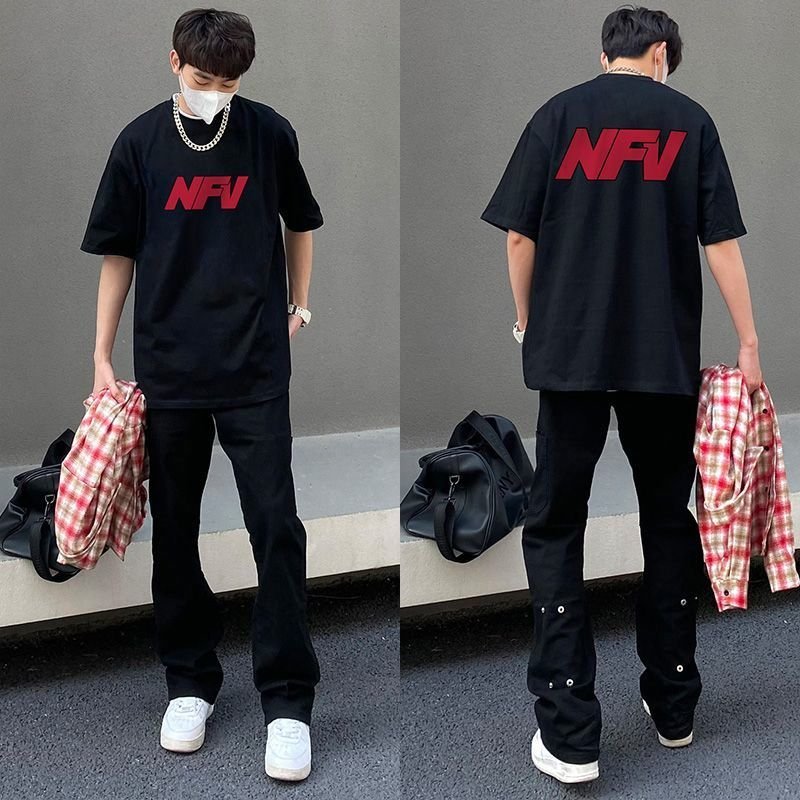
Finished Clothing Quality Inspection Before Shipping
Every completed half zip windbreaker undergoes final inspection covering measurements, appearance, functionality, and packaging. We test zippers, examine stitching, verify colorways, and confirm sizing accuracy. Only garments that pass all criteria earn our approval and ship to your customers.
- Full garment measurements against size-spec tolerances
- Zipper functionality and smooth pull-tab operation testing
- Surface inspection for loose threads, stains, or imperfections
- Packaging verification with correct labeling and folding standards
How We Compare: Half Zip Windbreaker Manufacturer vs. Standard Suppliers
When choosing a half zip windbreaker manufacturer, the details matter. We built our reputation on rigorous quality control, transparent communication, and flexible production—not cutting corners to win on price alone.
← 左右滑动查看 →
Our Half Zip Windbreaker Manufacturer Production Workflow
From tech pack to final shipment, every half zip windbreaker passes through our rigorous 7-phase process with quality checks at every milestone.
Tech Pack Review
Our design team analyzes your tech pack, specifications, and brand requirements to ensure accurate interpretation before production begins.
Design & Sampling
In-house designers create patterns and produce samples within 7 days, incorporating your feedback for perfect fit and style alignment.
Material Sourcing & QC
We source premium windbreaker fabrics, zippers, and hardware, conducting materials QC testing to verify durability and performance standards.
Cutting & Production Launch
Precision cutting QC testing ensures accurate pattern pieces before sewing begins, minimizing waste and guaranteeing consistent sizing across your order.
Sewing & Craft QC
Skilled technicians assemble each windbreaker with clothing craft QC and sewing production QC testing at critical construction points throughout assembly.
Final Inspection & Finishing
Every completed half zip windbreaker undergoes finished clothing quality QC inspection, checking stitching, zippers, fit, and finishing details before approval.
Packing & Global Shipping
Quality-approved garments are professionally packed per your branding requirements and shipped worldwide with full logistics support and tracking.
How to Partner With Our Half Zip Windbreaker Manufacturer — 3 Simple Steps
From tech pack submission to finished product, our streamlined workflow makes it easy to launch your half zip windbreaker line with confidence and speed.
Submit Your Tech Pack & MOQ
Share your design specifications, fabric preferences, and order quantity. Our team reviews your requirements and provides a detailed quote within 24 hours with transparent pricing.
Receive Quote & Free Sample
Approve your quote and we’ll produce a physical sample within 7 days. Review quality, fit, and finishing before committing to bulk production—no surprises.
Approve & Start Bulk Production
Once you approve the sample, we launch production with our 5-step QC guarantee. Track progress, receive updates, and get global shipping support throughout.
Certified Half Zip Windbreaker Manufacturer You Can Trust
Half Zip Windbreaker Manufacturer — Brands Growing With Us
We launched our first windbreaker collection with just 100 pieces and sold out in 11 days. The quality exceeded our Instagram audience’s expectations, and we’ve now placed three repeat orders totaling over 800 units.
Their 5-step QC process caught sizing inconsistencies before shipping that would have destroyed our brand reputation. We received 250 half zip windbreakers with zero defects and our return rate stayed under 2%.
As a new brand, the 50-piece MOQ let us test four colorways without massive risk. Samples arrived in 8 days, production in 19 days. We hit our fall launch deadline and generated $47K in presales.
Half Zip Windbreaker Manufacturer — Frequently Asked Questions
What is the minimum order quantity with your half zip windbreaker manufacturer?
How long does it take to receive samples from a half zip windbreaker manufacturer?
Can your half zip windbreaker manufacturer handle custom designs and branding?
What fabrics do you offer for half zip windbreaker production?
What are your payment terms for windbreaker manufacturing orders?
How do you protect my designs and intellectual property?
What is the typical production lead time for bulk orders?
Do you provide global shipping and logistics support?
Can I request revisions during the sampling and production process?
The Complete Buyer’s Guide to Choosing the Right Half Zip Windbreaker Manufacturer
Navigate the sourcing landscape with confidence. This guide delivers a proven decision framework, essential supplier criteria, quality benchmarks, and the most common mistakes to avoid when partnering with a half zip windbreaker manufacturer for your brand.
1. What Is a Half Zip Windbreaker Manufacturer?
A half zip windbreaker manufacturer specializes in producing lightweight, wind-resistant outerwear featuring a partial-length zipper that typically stops at mid-chest, allowing quick ventilation without full removal. These factories focus on athletic and streetwear styling using materials in the 80–150 GSM range, engineered for breathability and weather protection. Unlike generic jacket suppliers who produce multiple categories with variable quality, dedicated half zip windbreaker manufacturers maintain tooling, patterns, and expertise specific to this silhouette, ensuring consistent fit, proper zipper placement, and wind-blocking construction.
Most half zip windbreaker manufacturers operate on OEM (Original Equipment Manufacturer) and ODM (Original Design Manufacturer) models. OEM services produce garments to your exact specifications and tech packs, while ODM offers pre-developed designs you can customize with your branding, colorways, and trims. Minimum order quantities typically range from 50 to 500 pieces per style per color, with sample turnaround in 7–14 days and bulk production in 25–45 days depending on order complexity and decoration requirements.
Specialized manufacturers differ from broad-spectrum suppliers in three critical areas: they stock wind-resistant technical fabrics year-round, maintain relationships with zipper suppliers like YKK for reliable half-zip hardware, and employ quality control processes tailored to performance outerwear. For streetwear brands and independent designers, partnering with a dedicated half zip windbreaker manufacturer ensures access to trend-responsive design capabilities, consistent technical standards, and production teams fluent in the construction nuances that distinguish a premium windbreaker from a basic shell.
2. Evolution of the Half Zip Windbreaker in Fashion
The half zip windbreaker emerged in the early 1980s as functional athletic gear for runners and outdoor enthusiasts, engineered with lightweight nylon shells and partial zippers that allowed ventilation control without full garment removal. Brands serving marathon runners and trail athletes prioritized packability and water resistance, driving early manufacturing innovations in ripstop weaves and elastic cuffs that became category standards.
By the mid-1990s, hip-hop artists and skate crews adopted oversized half zip windbreakers as signature streetwear pieces, transforming the silhouette from performance apparel into cultural statement wear. This crossover demanded new manufacturing approaches: bold colorblocking, screen-printed graphics, and relaxed fits that required pattern adjustments and different fabric weights than the original athletic versions. Factories in Guangdong Province began scaling production to meet demand from both sports brands and emerging streetwear labels.
The 2010s athleisure wave brought half zip windbreakers back into mainstream fashion, with DTC brands and influencer lines requesting technical fabrics paired with fashion-forward cuts. Modern half zip windbreaker manufacturers now integrate moisture-wicking polyester blends, laser-cut ventilation panels, and heat-transfer branding—techniques unavailable in earlier decades—while maintaining the heritage silhouette that resonates across generations.
Today’s half zip windbreaker production combines CNC fabric cutting for precision, flatlock seaming for durability, and five-step quality control processes that address both performance standards and streetwear aesthetics. This evolution reflects how manufacturing capabilities must adapt as a single garment category spans athletic function, cultural identity, and fashion trend cycles.
3. Types of Half Zip Windbreakers Offered by Manufacturers
A half zip windbreaker manufacturer typically segments production into six core categories, each optimized for distinct fabric weights, fits, and end users. Understanding these variants helps brands align product selection with their positioning and customer demographics.
Performance Athletic Half Zips
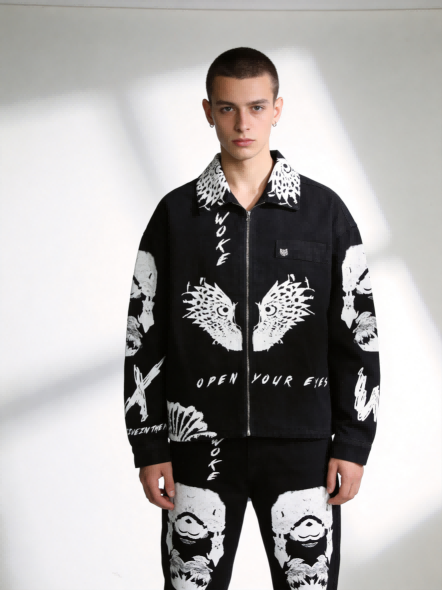
Built for running and cycling, these windbreakers use 50–80 GSM nylon or polyester with moisture-wicking liners. Slim, ergonomic cuts reduce drag, and reflective trims enhance visibility.
Target customers include activewear brands and fitness influencers seeking lightweight, breathable outerwear for high-output activities.
Streetwear Oversized Fit
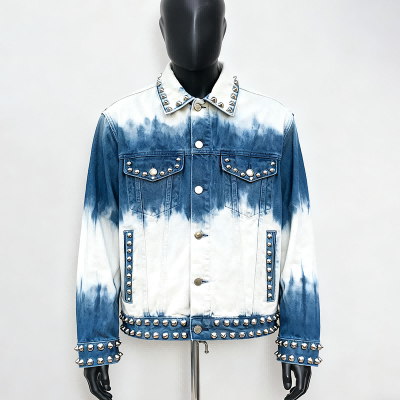
Oversized silhouettes in 90–120 GSM fabrics dominate streetwear collections, featuring dropped shoulders and boxy cuts. Color-blocking, bold graphics, and relaxed proportions appeal to trend-driven youth markets.
Fashion startups and creator brands prioritize this category for its cultural resonance and Instagram-friendly aesthetics.
Packable Travel Styles
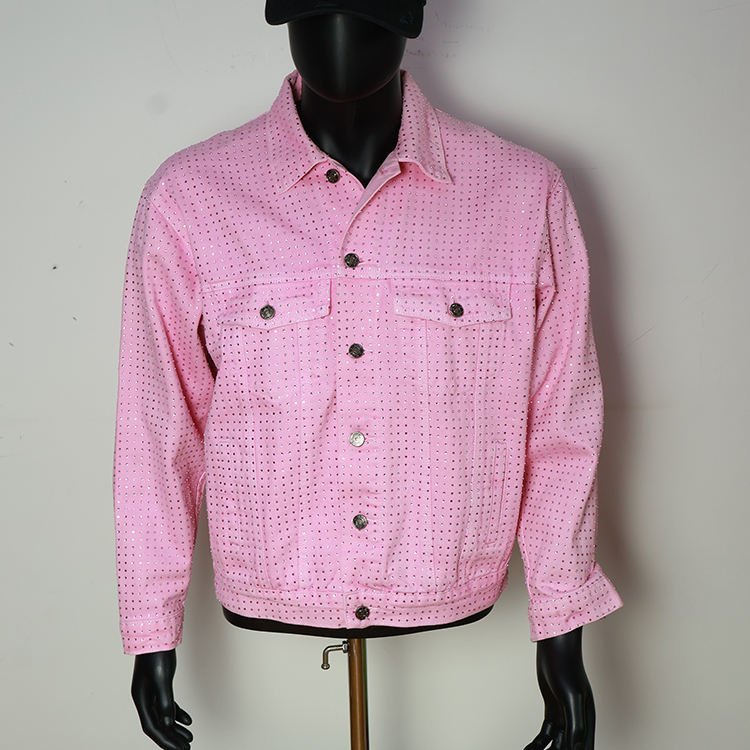
Ultra-light 40–60 GSM ripstop nylon compresses into integrated pouches or stuff sacks. These designs prioritize portability for commuters, travelers, and outdoor enthusiasts needing emergency weather protection.
Retailers targeting urban professionals and adventure travel segments favor packable options for versatility and convenience.
Technical Outdoor with DWR
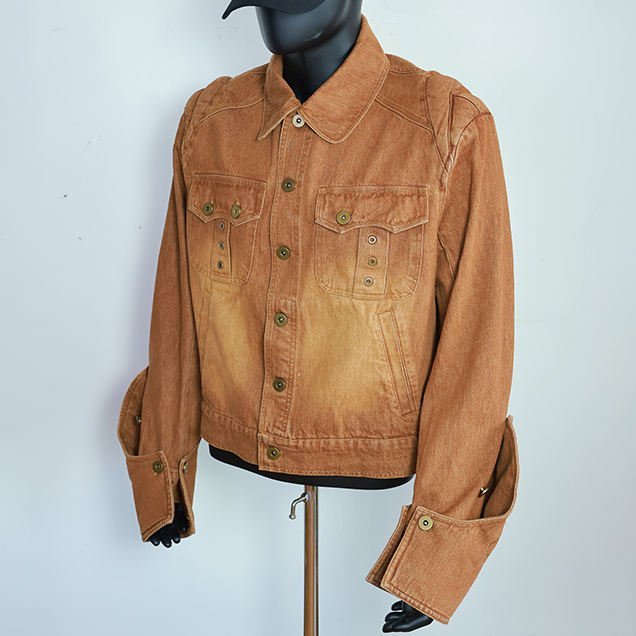
DWR (Durable Water Repellent) coatings and sealed seams define this category, using 100–150 GSM fabrics for durability. Adjustable hems, storm flaps, and reinforced zippers withstand rugged conditions.
Outdoor brands and performance retailers require these features for hiking, trail running, and all-weather reliability.
Fashion-Forward Cropped & Color-Blocked
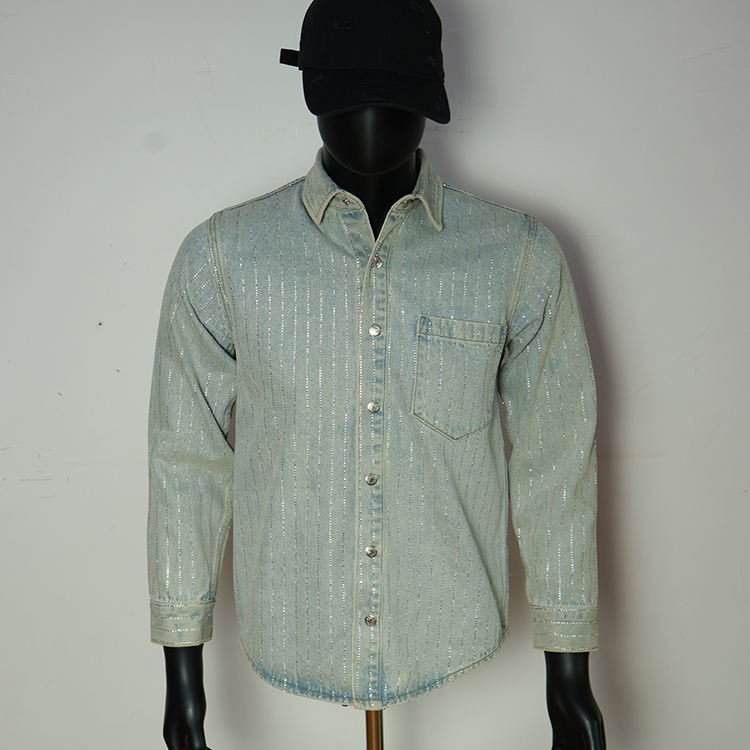
Cropped lengths and multi-panel color-blocking cater to fashion-first buyers. Fabric weights range 70–100 GSM, balancing structure with style-driven silhouettes.
Independent designers and trendy labels use these designs to differentiate in competitive retail environments and social media campaigns.
Eco-Friendly Recycled Nylon
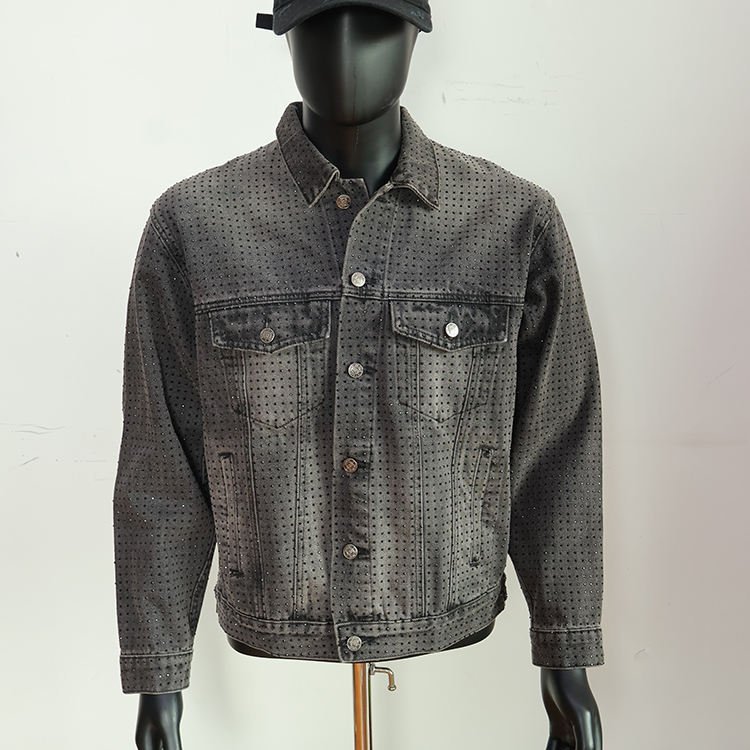
Recycled nylon and polyester (often GRS-certified) meet sustainability mandates without sacrificing 80–110 GSM performance. These options appeal to conscious consumers and align with ESG branding goals.
Global retailers and purpose-driven startups adopt eco materials to meet regulatory standards and consumer demand for responsible manufacturing.
4. Materials and Fabrics Used by Half Zip Windbreaker Manufacturers
Fabric choice determines performance, price, and brand positioning for every half zip windbreaker order. Most half zip windbreaker manufacturer partners offer five core material families, each optimized for specific weight, water resistance, and cost targets.
| Fabric Type | GSM | Water Resistance | Breathability | Durability | Price Tier |
|---|---|---|---|---|---|
| Nylon Ripstop | 50–70 | DWR / PU-coated | Moderate | High | Mid |
| Polyester Taffeta | 60–90 | DWR / calendered | Low–Moderate | Moderate | Budget |
| Nylon Taslan | 70–100 | DWR / light coat | High | Moderate–High | Mid |
| Recycled PET | 60–85 | DWR / coated | Moderate | Moderate | Budget–Mid |
| Blended Technical | 55–95 | DWR / multi-layer | High | High | Premium |
Nylon Ripstop
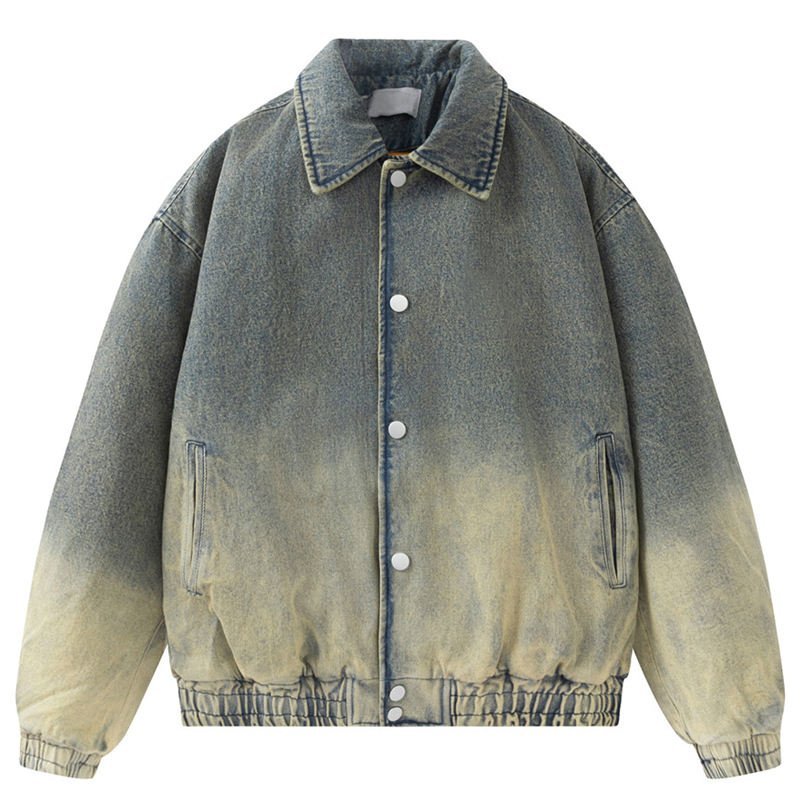
Nylon ripstop runs 50–70 GSM and features a crosshatch reinforcement grid that resists tearing. DWR (durable water repellent) finishes bead light rain; PU-coated versions block heavier moisture. Breathability remains moderate, durability is high, and price sits mid-tier — ideal for outdoor-inspired streetwear.
This fabric’s signature grid texture adds visual interest and aligns with technical aesthetics popular in trendy brand collections.
Polyester Taffeta
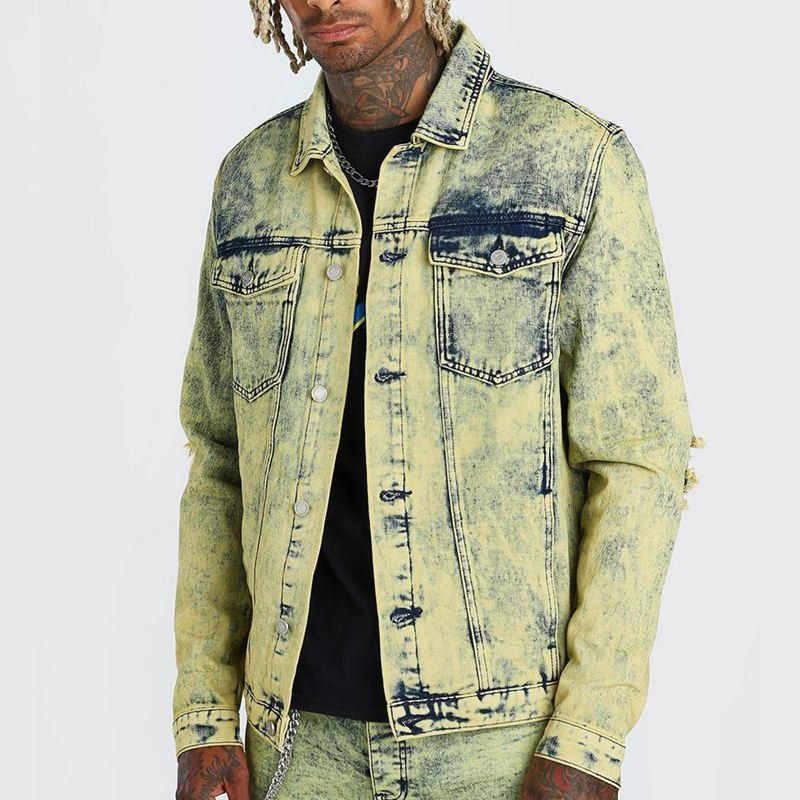
Polyester taffeta spans 60–90 GSM with a smooth, slightly glossy surface. DWR treatments handle light showers; calendered or coated versions improve water resistance. Breathability is lower than ripstop, durability is moderate, and cost is budget-friendly.
Taffeta’s clean finish suits minimalist designs and high-volume retail orders where price sensitivity drives fabric selection.
Nylon Taslan and Recycled PET
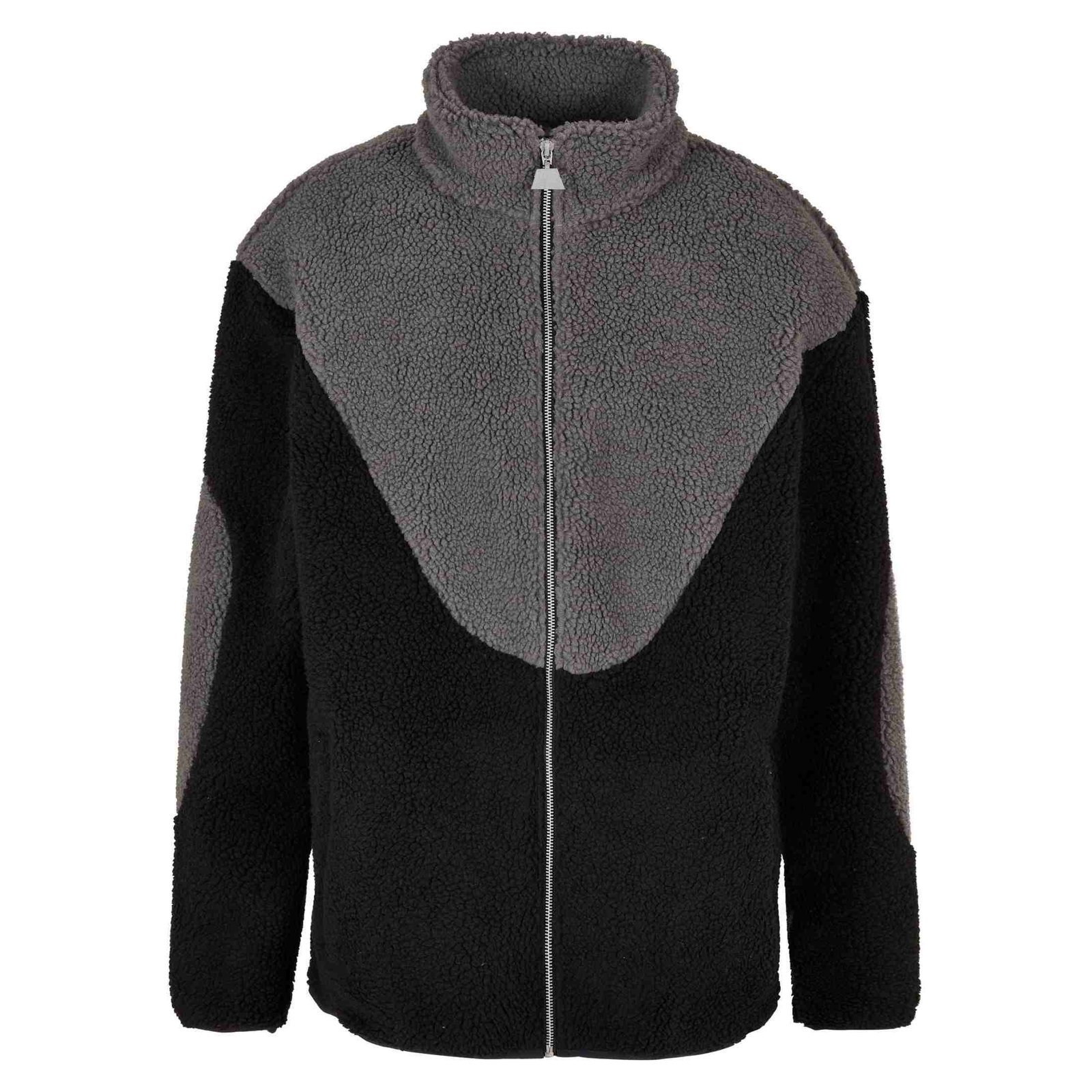
Nylon taslan (70–100 GSM) offers a soft, textured hand and excellent breathability with DWR or light coating. Recycled PET polyester (60–85 GSM) delivers sustainability credentials at comparable performance and price to virgin taffeta.
Both options appeal to eco-conscious influencer brands and startups seeking differentiation without premium cost penalties.
5. Customization and Decoration Options with a Half Zip Windbreaker Manufacturer
A half zip windbreaker manufacturer offers multiple decoration techniques to differentiate your brand, each with distinct cost structures, durability profiles, and minimum order requirements. Understanding setup fees, per-unit costs, and wash-cycle performance helps you balance visual impact against budget constraints.
| Technique | Setup Cost | Per-Unit Cost | Durability (Washes) | Minimum Order |
|---|---|---|---|---|
| Screen Printing | $25–75/color | $0.50–2.00 | 30–40 | 100 pcs |
| Embroidery | $50–150 | $2–8 | 50+ | 50–100 pcs |
| Heat Transfer | $0–100 | $0.10–3.00 | 20–40 | 500 pcs |
| Woven Patch | $0–50 | $0.50–2.00 | 50+ | 100 pcs |
| Sublimation | $200–500 | $3–6 | Permanent | 100–300 pcs |
Screen Printing and Embroidery Placement
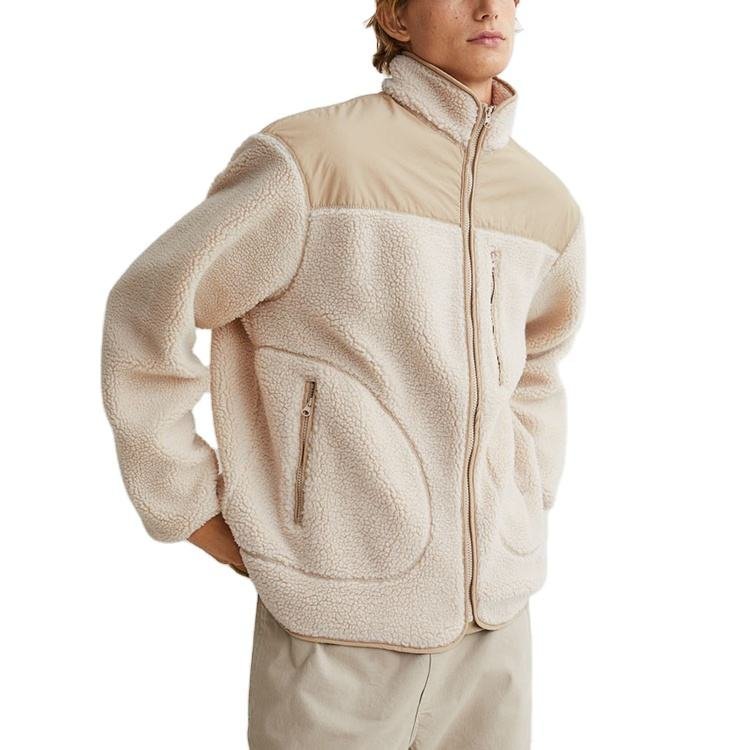
Screen printing remains the most cost-effective method for bold graphics, with setup fees of $25–75 per color and per-unit costs dropping below $1 at 500+ pieces. Embroidery delivers premium texture on chest logos (typically 3–4 inches), sleeves, and back yokes, with setup digitizing fees of $50–150 and per-1,000-stitch costs of $0.02–0.05.
Most half zip windbreaker manufacturers require 100-piece minimums for screen printing and 50–100 pieces for embroidery. Embroidery withstands 50+ industrial washes without fading, while plastisol screen prints last 30–40 cycles before cracking on nylon shells.
Heat Transfer Labels and Woven Patches
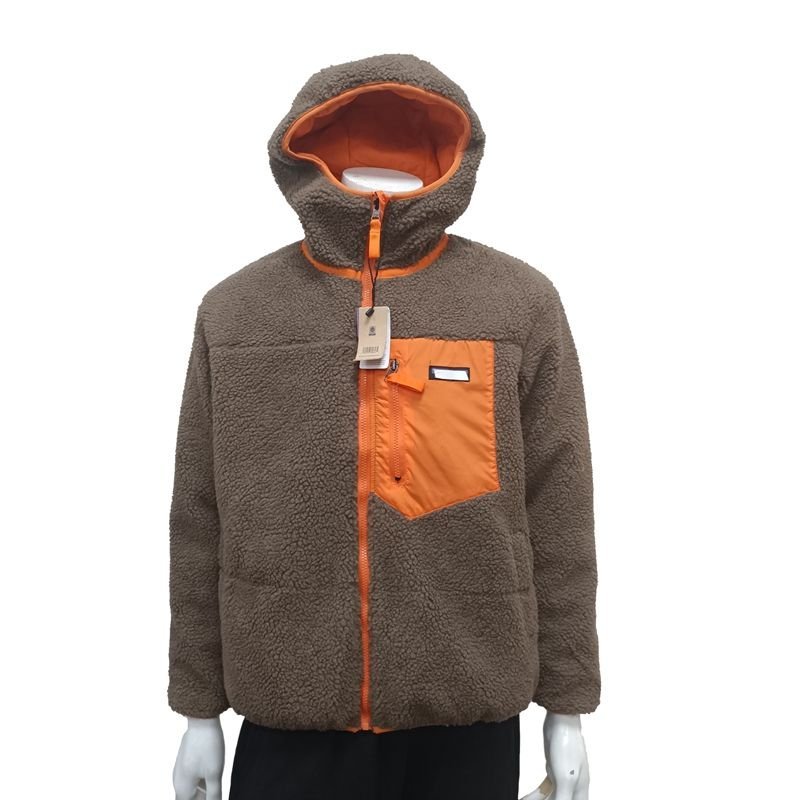
Heat transfer labels offer full-color interior neck branding at $0.10–0.30 per label with no setup fee above 500 units. Woven patches (damask or satin weave) provide tactile branding on sleeves or chest pockets, costing $0.50–2.00 per patch depending on size and thread count.
Reflective heat transfer prints use glass-bead vinyl for high-visibility logos, ideal for athletic windbreakers, with setup costs of $40–100 and per-piece costs of $1.50–3.00. Durability ranges from 20–30 washes for standard heat transfers to 40+ for premium reflective films.
Sublimation and Custom Colorways
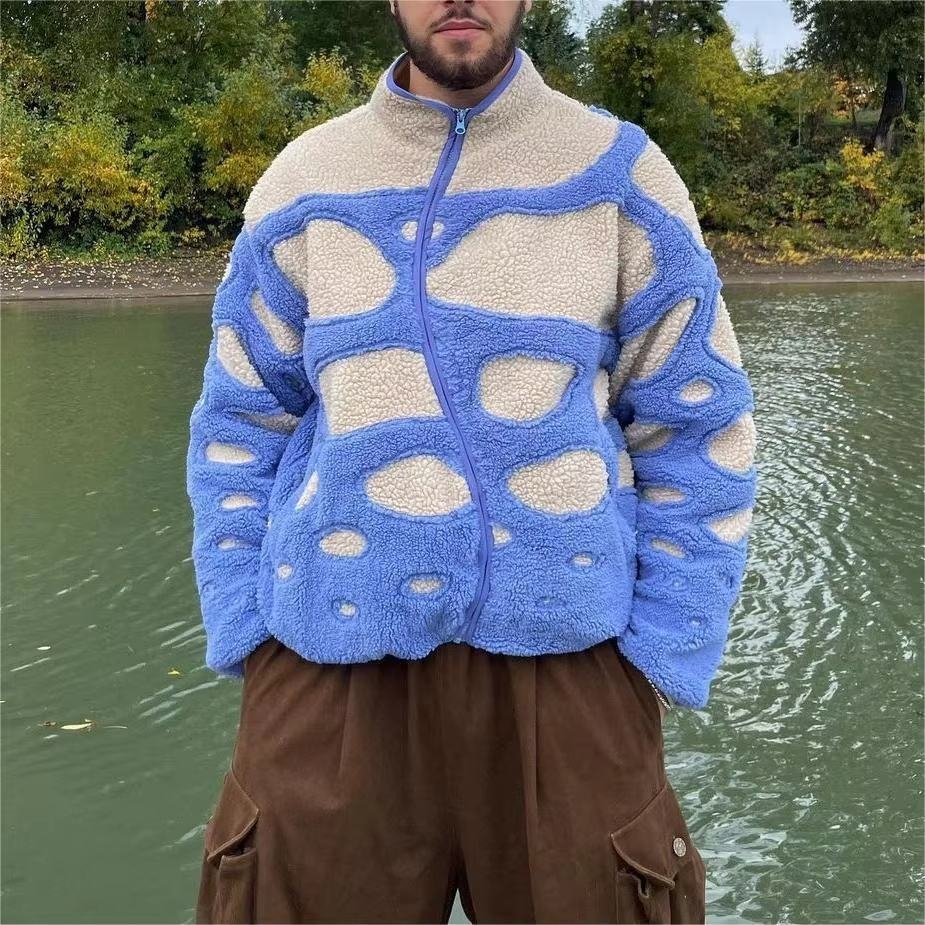
Dye sublimation enables all-over patterns and gradients on polyester windbreakers, requiring 100–300 piece minimums and setup fees of $200–500 for digital printing plates. Per-unit costs run $3–6, but the technique produces permanent, fade-resistant graphics that outlast surface applications.
Pantone color matching for custom shell fabrics typically adds $0.50–1.50 per yard and requires 500–1,000 piece minimums to justify dye-lot runs. Custom zipper pulls (metal or silicone) cost $0.30–1.00 each with 300+ unit minimums, offering subtle brand differentiation.
6. Key Quality Indicators When Evaluating a Half Zip Windbreaker Manufacturer
Pre-production samples reveal whether a half zip windbreaker manufacturer meets professional standards or cuts corners. Inspecting five critical checkpoints before bulk production protects your brand reputation and reduces costly rework.
Zipper Quality and Pull Strength
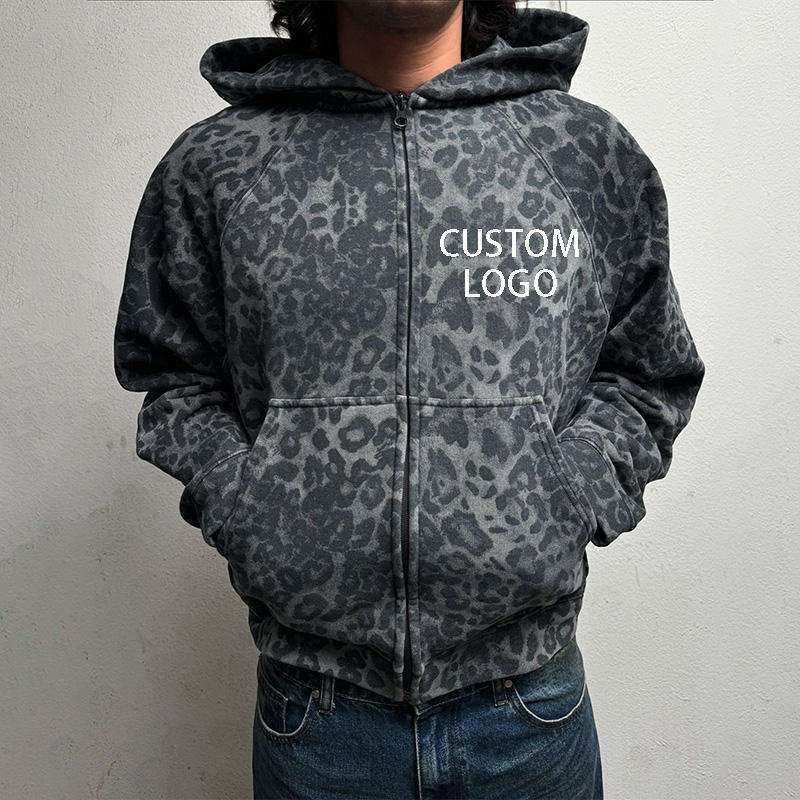
YKK zippers deliver 1,500–2,000 cycle durability compared to 300–500 cycles for generic alternatives, making them the industry benchmark for windbreakers subject to frequent use. Request pull-strength testing per ASTM D2061 to verify slider retention under load.
A reputable half zip windbreaker manufacturer will specify zipper brand, tooth type (coil vs. metal), and tape width in technical packs. Generic zippers fail prematurely, generating customer complaints and return costs that exceed the 15–25% upfront savings.
Seam Construction and Tape Application
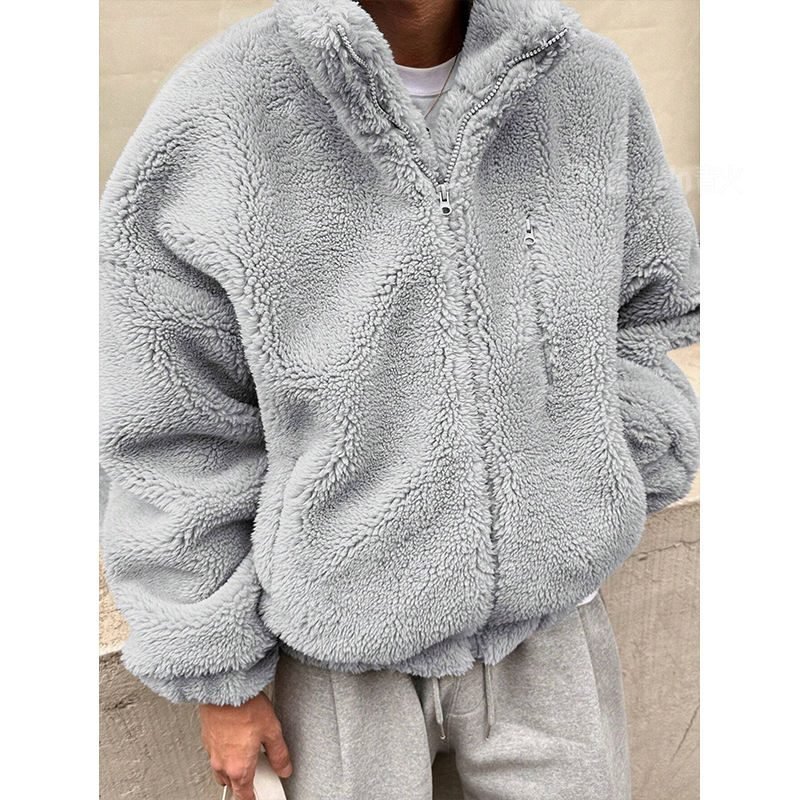
Flat-felled seams prevent fraying and add clean interior finish, while taped seams block wind and moisture penetration at stress points. Overlocked seams alone are insufficient for performance windbreakers.
Inspect seam allowance (typically 1–1.5 cm) and stitch density (12–14 stitches per inch minimum). Clothing Manufacturer Ltd.’s five-step QC includes dedicated sewing production testing to catch irregular tension or skipped stitches before garments reach finishing.
Fabric Hand-Feel and Tear Resistance
Request ASTM D1424 tear strength reports (minimum 2,000 gf for warp and weft) and ASTM D3884 abrasion resistance data (≥10,000 cycles). Nylon ripstop at 70–90 GSM balances weight and durability for streetwear windbreakers.
Hand-feel assessment during sampling identifies stiff, plastic-like coatings that compromise comfort. A quality manufacturer provides fabric swatch libraries and mill certifications before cutting begins.
Fit Consistency Across Size Runs
Size grading errors create fit discrepancies that damage brand credibility. Request tolerance specifications (±1 cm for chest, ±0.5 cm for sleeve length) and cutting QC documentation.
Manufacturers using computerized cutting systems maintain tighter tolerances than manual cutting. Verify that the factory tests one garment per size per colorway during pre-production, comparing measurements against your approved spec sheet.
Finishing Details and Factory Certifications
Inspect hem binding stitch integrity, cuff elasticity retention (minimum 80% recovery after 500 stretch cycles), and drawcord tip reinforcement. These details separate premium windbreakers from budget alternatives.
Request ISO 9001, WRAP, or BSCI certificates to confirm quality management systems and ethical compliance. A certified half zip windbreaker manufacturer maintains audit trails and documented inspection procedures, reducing risk for brands entering regulated markets.
7. How to Choose the Right Half Zip Windbreaker Manufacturer for Your Brand
Selecting a half zip windbreaker manufacturer requires evaluating seven operational criteria that directly impact your brand’s launch timeline, cash flow, and product consistency. Startups and independent designers need partners who balance low minimums with proven quality systems, while established retailers prioritize scalable capacity and logistics flexibility.
Assess MOQ Flexibility and Order Scaling
MOQ requirements typically range from 50 pieces for boutique manufacturers to 500–1,000 pieces for high-volume factories. Brands launching their first collection benefit from 50–100 piece minimums that allow testing multiple colorways without excess inventory risk.
Manufacturers offering tiered MOQs—such as 50 pieces for sampling runs and 200+ for repeat orders—provide growth pathways as your brand scales. Confirm whether per-style or per-colorway minimums apply, since some factories count each color as a separate SKU.
Evaluate Turnaround Times for Samples and Bulk
Industry-standard sampling windows run 7–10 days for physical prototypes after tech pack approval, with revisions adding 5–7 days per cycle. Bulk production typically requires 30–45 days from deposit to ex-factory date, depending on order size and fabric lead times.
Manufacturers with in-house fabric stock can compress timelines by 10–15 days, critical for brands targeting seasonal drops or influencer launch windows. Always request written production schedules with milestone dates for cutting, sewing, QC, and packing.
Verify Design and Tech Pack Support
Factories with in-house design teams can translate sketches or reference images into production-ready tech packs, eliminating the need to hire external pattern makers. A complete tech pack includes flat sketches, measurements, fabric specs, colorways, and construction details.
Manufacturers experienced in streetwear understand oversized fits, dropped shoulders, and kangaroo pocket construction common in half zip windbreakers. Request sample tech packs from past projects to assess detail accuracy and whether grading tables cover your size range.
Check References and Past Client Portfolios
Review portfolios for brands in your category—streetwear startups, influencer labels, or athletic retailers—to confirm the manufacturer has produced similar styles and volumes. Ask for references from clients who launched collections within the past 12 months.
Manufacturers serving 100+ countries or 200+ clients demonstrate operational maturity and cross-border logistics experience. Verify case studies showing progression from initial samples to repeat orders, indicating strong client retention and quality consistency.
Confirm Communication Responsiveness
Response times under 24 hours for email inquiries and real-time support via WhatsApp or WeChat signal strong customer service infrastructure. Test responsiveness during initial outreach by asking specific questions about fabric options, MOQs, and lead times.
Manufacturers with dedicated account managers provide single points of contact throughout sampling, production, and shipping. Multilingual teams fluent in English reduce miscommunication risks on technical specs, color matching, and revision requests.
Review Payment Terms and Quality Guarantees
Standard payment structures require 30–50% deposit before production and balance upon completion, with some manufacturers offering net-30 terms for repeat clients. Confirm whether deposits are refundable if pre-production samples fail approval.
Quality guarantees should specify defect thresholds (typically 2–5% AQL), remedy options (remake, credit, or refund), and inspection checkpoints. Manufacturers implementing five-step QC processes—materials, cutting, craft, sewing, and finished goods—reduce defect rates and costly chargebacks.
Assess Logistics Capabilities
FOB (Free on Board) terms require you to arrange freight, suitable for brands with established logistics partners. DDP (Delivered Duty Paid) shifts customs clearance and delivery to the manufacturer, simplifying first-time imports but adding 15–25% to unit cost.
Dropshipping support allows direct-to-consumer brands to fulfill individual orders without warehousing inventory. Confirm whether the manufacturer integrates with Shopify, WooCommerce, or other e-commerce platforms and whether per-unit fulfillment fees apply.
8. Common Mistakes Brands Make When Sourcing from a Half Zip Windbreaker Manufacturer
Even experienced brands fall into preventable sourcing traps that delay launches, inflate costs, and compromise quality. Recognizing these pitfalls before you engage a half zip windbreaker manufacturer saves time and protects your brand reputation.
Choosing Lowest Price Without Quality Vetting
Quotes 30–40% below market average often signal skipped QC steps, inferior fabrics, or inconsistent construction. Factories offering rock-bottom pricing may omit critical testing stages, resulting in zipper failures, color bleeding, or seam unraveling after first wash.
Request fabric GSM specs, zipper brand (YKK vs. generic), and details of the manufacturer’s quality control process. A reputable half zip windbreaker manufacturer will document each QC checkpoint rather than testing only finished goods.
Skipping Sample Approval Stages
Rushing from tech pack to bulk production without pre-production samples leads to costly errors in fit, color, and fabric hand-feel. Many brands approve a photo instead of a physical sample, only to discover that the final batch differs in weight or drape.
Always order a pre-production sample and test it through a full wash cycle. Confirm every detail—Pantone match, zipper pull design, cuff elasticity—before authorizing production.
Unclear Tech Pack Specifications
Vague instructions such as ‘standard collar’ or ‘medium-weight fabric’ invite interpretation errors. Without precise GSM, stitch type (flatlock, overlock), and graded measurements for each size, factories guess—and guesses rarely match your vision.
Provide a complete tech pack with flat sketches, stitch callouts, trim details, and a size chart showing chest, length, and sleeve measurements for every size run.
Ignoring Lead Time Buffers for Seasonal Launches
Standard production spans 25–35 days after sample approval, yet many brands order with only four weeks before their drop date. Shipping delays, fabric shortages, or minor revisions can push delivery past your launch window.
Add a 10–14 day buffer to your timeline and confirm fabric availability before placing deposits. Seasonal collections require even longer lead times to account for peak factory schedules.
9. Steps to Launch Your Half Zip Windbreaker Collection
Launching a half zip windbreaker collection requires a structured six-step process that takes most brands 60–90 days from concept to warehouse inventory. Each phase builds on the previous one, and skipping steps typically adds cost and delays downstream.
Define Target Market and Design Concept
Identify your customer demographic, price point, and design direction before contacting any half zip windbreaker manufacturer. Streetwear brands targeting 18–25 year-olds require different colorways, fits, and fabric weights than outdoor-performance labels.
Create a mood board with reference images, color palettes, and competitor benchmarks. Specify whether you need oversized fits, cropped silhouettes, or athletic cuts, and note any signature design elements like reflective piping, contrast zippers, or logo placement.
Develop Tech Packs and CAD Sketches
A complete tech pack includes flat sketches, measurement spec sheets (graded across all sizes), fabric callouts with GSM, colorway breakdowns, and construction notes for seams, hems, and hardware. Most manufacturers require tech packs before quoting.
If you lack in-house design resources, hire a freelance technical designer or request CAD assistance from your half zip windbreaker manufacturer. Factories with R&D teams can convert rough sketches into production-ready specs for a nominal fee or as part of sample costs.
Request Samples and Iterate
Order one sample per colorway or fit variation, typically completed in 7–10 days. Evaluate fabric hand-feel, zipper pull resistance, hood drawcord function, and overall construction quality against your tech pack.
Provide written feedback on fit adjustments, color corrections, or hardware swaps. Most brands iterate 1–2 times before approving a final sample; each round adds 7–10 days but prevents costly bulk-order mistakes.
Approve Pre-Production Sample and Place Bulk Order
The pre-production sample (PPS) is sewn using actual bulk fabrics and trims, confirming final color matches and construction. Sign off only after verifying measurements, stitching, and branding match your approved tech pack.
Submit your purchase order with full size-run breakdown, delivery deadline, and payment terms (typically 30–50% deposit). Confirm the manufacturer’s five-step QC process covers materials, cutting, craft, sewing, and finished-goods inspection.
Coordinate Production Timeline and QC Inspections
Bulk production for 500–1,000 pieces typically requires 25–35 days after deposit. Request progress photos at cutting, mid-production, and final stages to catch issues early.
Schedule an on-site or third-party QC inspection before shipment. Check random samples for stitch integrity, zipper function, colorway accuracy, and packaging compliance to ensure the manufacturer’s quality standards align with your brand promise.
Plan Logistics, Warehousing, and Go-to-Market Strategy
Arrange freight (air for speed, sea for cost) and customs clearance 10–14 days before your planned launch date. Coordinate with your 3PL or warehouse to receive, inspect, and stock inventory.
Prepare marketing assets—product photography, size charts, and launch campaigns—while goods are in transit. Sync your e-commerce platform, influencer seeding, and retail distribution to maximize first-week sell-through and validate reorder quantities.
10. Pricing and Cost Breakdown for Half Zip Windbreaker Manufacturing
Factory-direct pricing from a half zip windbreaker manufacturer typically ranges from $8.50 to $22.00 per unit depending on order volume, fabric grade, and decoration complexity. Most manufacturers apply tiered pricing: orders of 50 pieces start at the higher end, while runs exceeding 1,000 units unlock economies of scale that reduce per-piece costs by 30–40 percent. Setup and tooling fees — covering pattern grading, screen setup, or digitizing for embroidery — range from $80 to $250 and are often waived or amortized across larger orders.
Fabric selection drives the widest cost variance. A basic 210T polyester taffeta shell costs approximately $1.20 per meter, whereas a three-layer bonded softshell with waterproof membrane runs $4.80 per meter, directly impacting the final unit price. Decoration method also plays a critical role: screen printing incurs a one-time screen fee of $25–$50 per color but keeps per-unit costs under $1.00, while embroidery setup averages $40 per location with a $2.50–$4.00 per-piece stitch cost for complex logos.
Lead times compress or extend based on order size and season. A 100-piece run with single-color screen print typically ships in 18–22 days, whereas a 1,000-piece order with multi-location embroidery may require 28–35 days. Packaging upgrades — poly bags versus branded boxes — add $0.15 to $0.80 per unit, and FOB versus DDP shipping terms shift responsibility for freight, duties, and customs clearance between buyer and manufacturer. Learn more about Clothing Manufacturer Ltd.
| Quantity Tier | Price per Unit (USD) | Setup/Tooling | Lead Time (Days) |
|---|---|---|---|
| 50–99 units | $18.00–$22.00 | $150–$250 | 18–22 |
| 100–499 units | $12.50–$16.00 | $100–$150 | 20–25 |
| 500–999 units | $10.00–$13.00 | $80–$120 | 25–30 |
| 1,000+ units | $8.50–$11.00 | Waived or amortized | 28–35 |
Ready to Launch Your Half Zip Windbreaker Line?
Partner with a trusted half zip windbreaker manufacturer. Get your free quote in 24 hours with our 7-day sample guarantee.