
Premium Color Block Windbreaker Manufacturer — 50-Piece MOQ, 5-Step QC
Partner with a color block windbreaker manufacturer that eliminates defects at every production stage. Low minimums, fast sampling, and zero-compromise quality for streetwear brands worldwide.
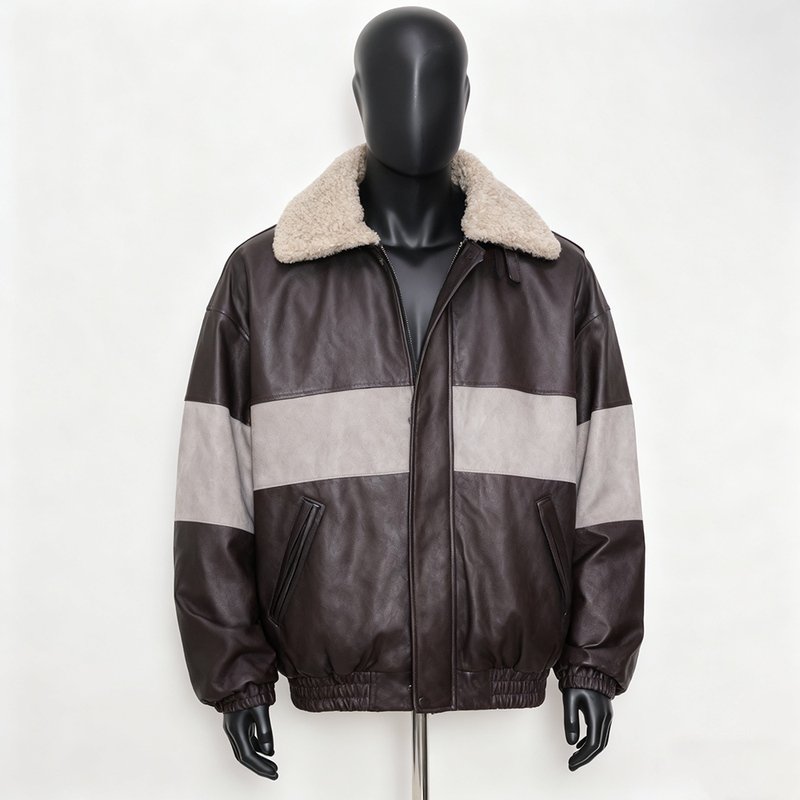
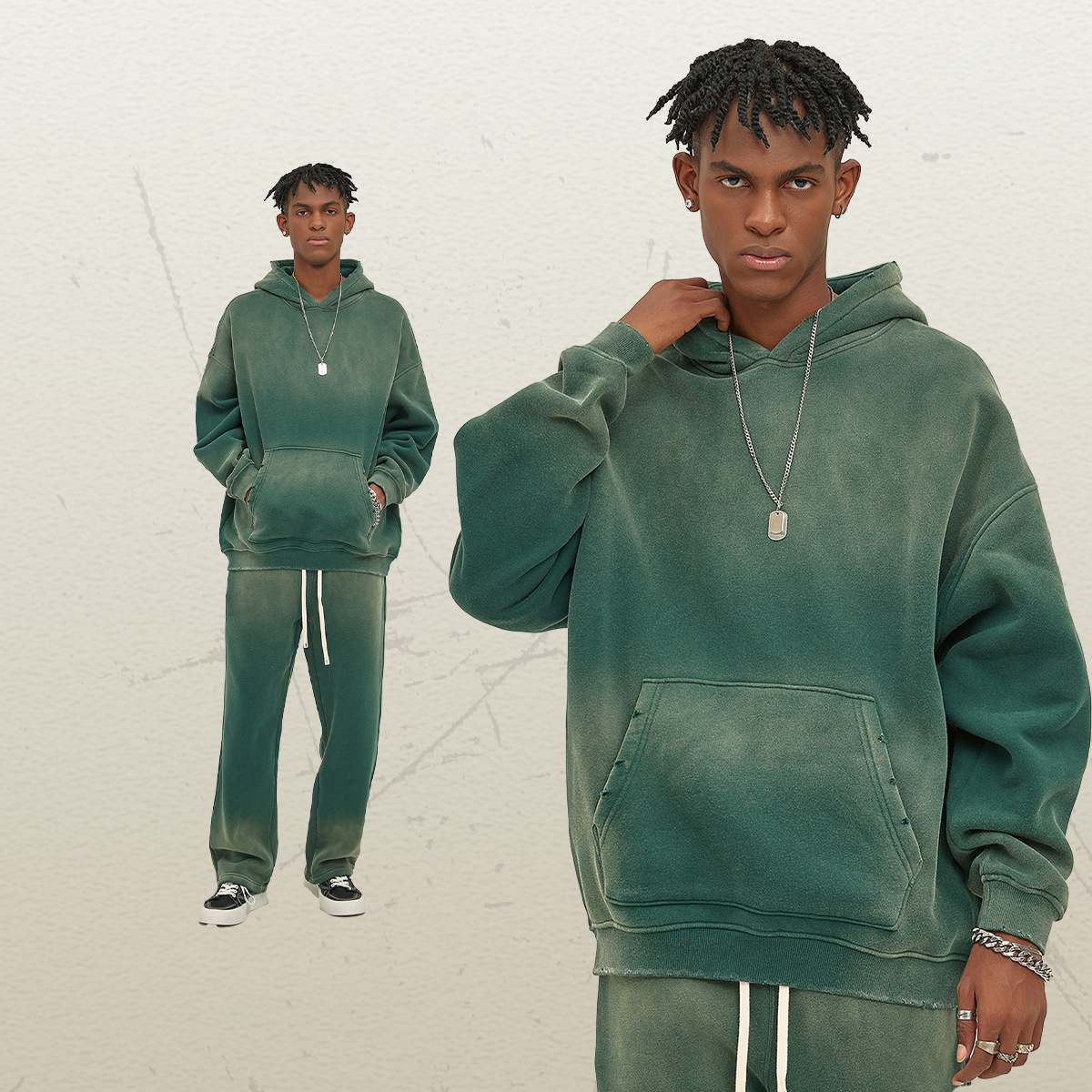
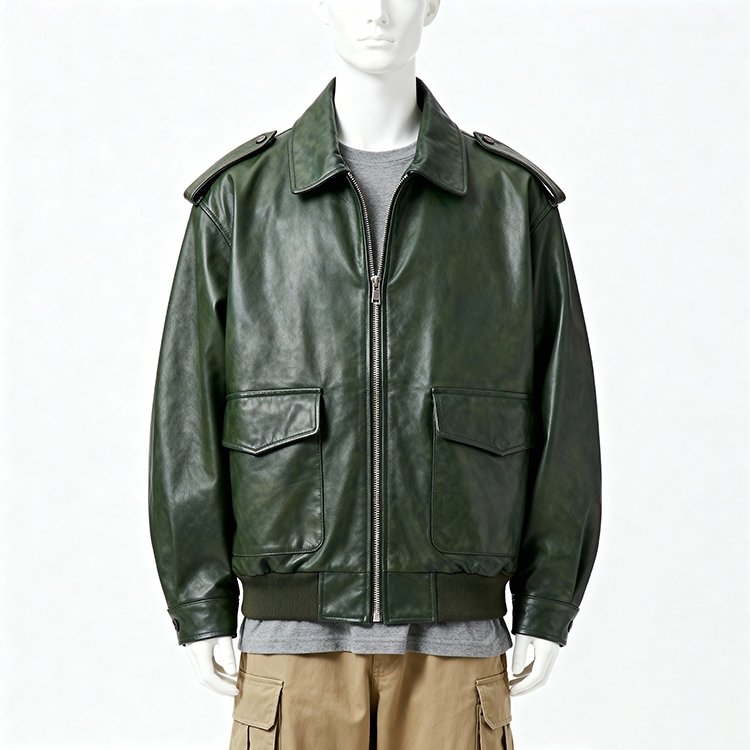
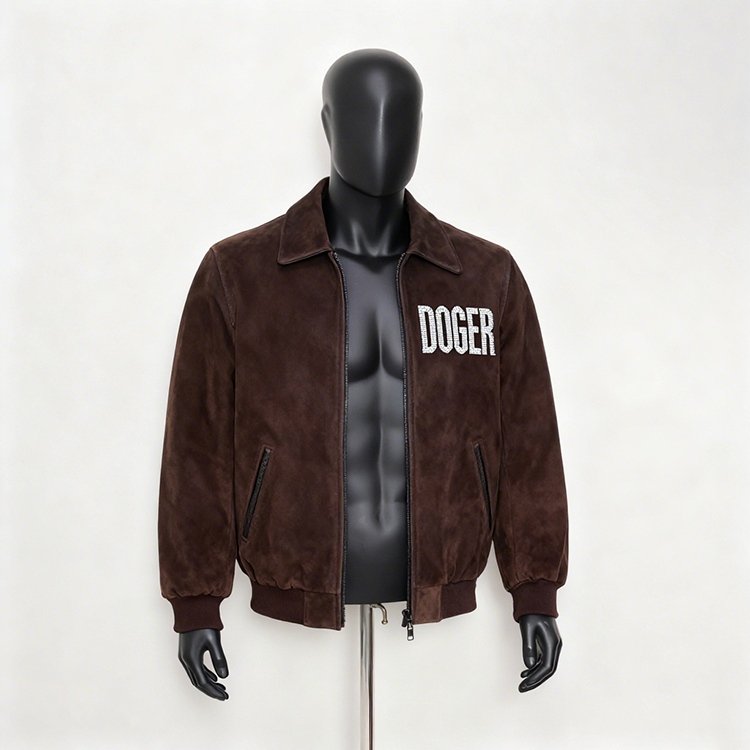
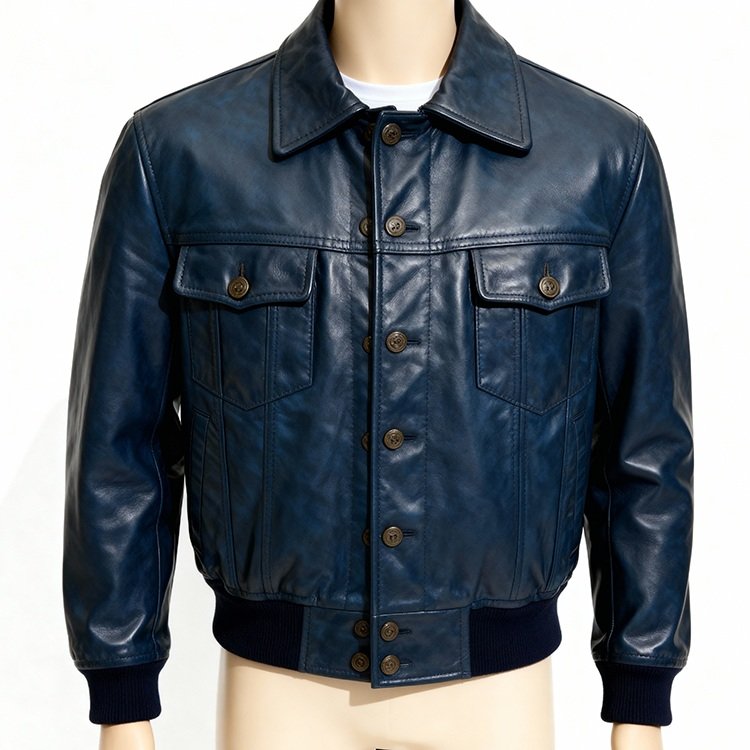
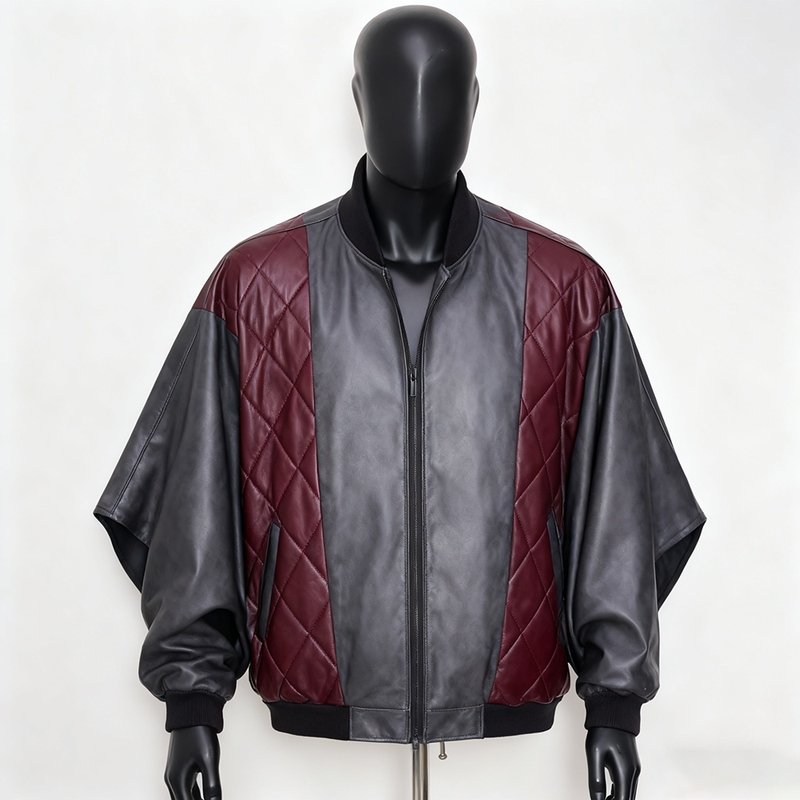
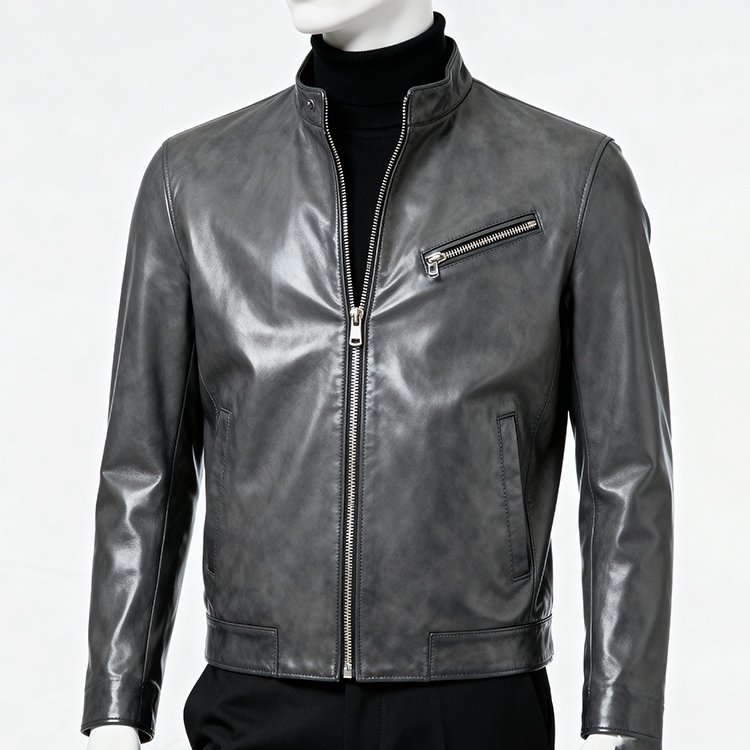
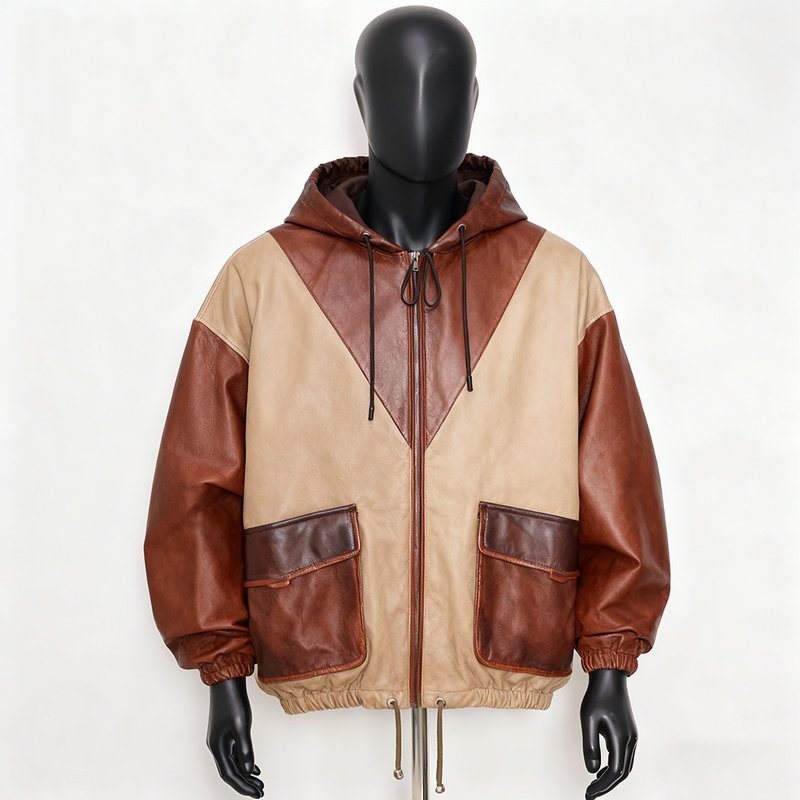
Color Block Windbreaker Designs in Action
Why Brands Choose Our Color Block Windbreaker Manufacturer
From emerging streetwear labels to global retailers, our clients rely on proven quality systems, flexible minimums, and deep windbreaker expertise that standard suppliers can’t match.
5-Step QC Guarantee
Materials, cutting, craft, sewing, and finished inspection ensure every color block windbreaker meets strict quality standards before shipping.
50-Piece Low MOQ
Launch your windbreaker line without huge inventory risk. Perfect for startups, designers, and seasonal test collections.
Fast Sample Turnaround
In-house design and sampling team delivers color block windbreaker prototypes in days, not weeks, keeping your launch on schedule.
Streetwear Design Expertise
Six years of specialized streetwear experience means we understand bold color blocking, oversized fits, and trend-driven windbreaker aesthetics.
Global Shipping Support
Seamless logistics to over 100 countries with customs, inspection, and tracking handled by our experienced international trade team.
Full Design Collaboration
Our 15-member R&D team works with you on fabric selection, pattern development, and technical specs for perfect windbreakers.
Color Block Windbreaker Manufacturer Categories We Specialize In
From oversized streetwear staples to technical performance pieces, our production expertise covers every color block windbreaker style your brand needs.
Oversized Color Block Windbreakers
Streetwear brands struggle to find manufacturers who understand the relaxed, boxy fit and bold panel placement that define oversized color block windbreakers without compromising drape and movement.
We deliver oversized silhouettes with perfectly balanced color blocking, engineered patterns for the right drop-shoulder fit, and fabric weights that maintain structure while ensuring all-day comfort for your customers.
Fitted Color Block Windbreakers
Athletic and activewear brands need sleek, body-contoured color block windbreakers with technical performance features, but many manufacturers lack the pattern-making precision for tailored fits that move with the wearer.
Our 15-member R&D team engineers fitted windbreakers with articulated sleeves, stretch panels, and strategic color blocking that flatters while delivering moisture-wicking performance and unrestricted mobility for active lifestyles.
Reversible Color Block Windbreakers
Designer brands want reversible windbreakers with dual color-block patterns to maximize versatility, but complex construction demands flawless seam finishing and symmetrical blocking on both sides—few factories execute this reliably.
We produce reversible color block windbreakers with hidden seam construction, mirror-image panel alignment, and dual-sided quality finishing, giving your customers two premium looks in one jacket backed by our 5-step QC process.
Technical Color Block Windbreakers
Outdoor and performance brands require color block windbreakers with waterproof membranes, taped seams, and breathable fabrics, but integrating technical features with bold color blocking often results in stiff, uncomfortable garments.
We combine advanced weatherproof fabrics with strategic color panel placement, delivering windbreakers that offer full water resistance, breathability ratings up to 10,000g/m², and the vibrant aesthetic your brand demands without sacrificing comfort.
Retro Color Block Windbreakers
Vintage-inspired brands need authentic 90s-style color block windbreakers with period-correct details like contrast piping and geometric panels, but modern manufacturers often miss the nuanced design elements that make retro pieces feel genuine.
Drawing from our deep streetwear expertise and archive study, we recreate authentic retro color blocking with era-appropriate trims, nylon finishes, and construction techniques that capture nostalgic appeal while meeting contemporary quality standards.
Premium Fabrics for Color Block Windbreakers
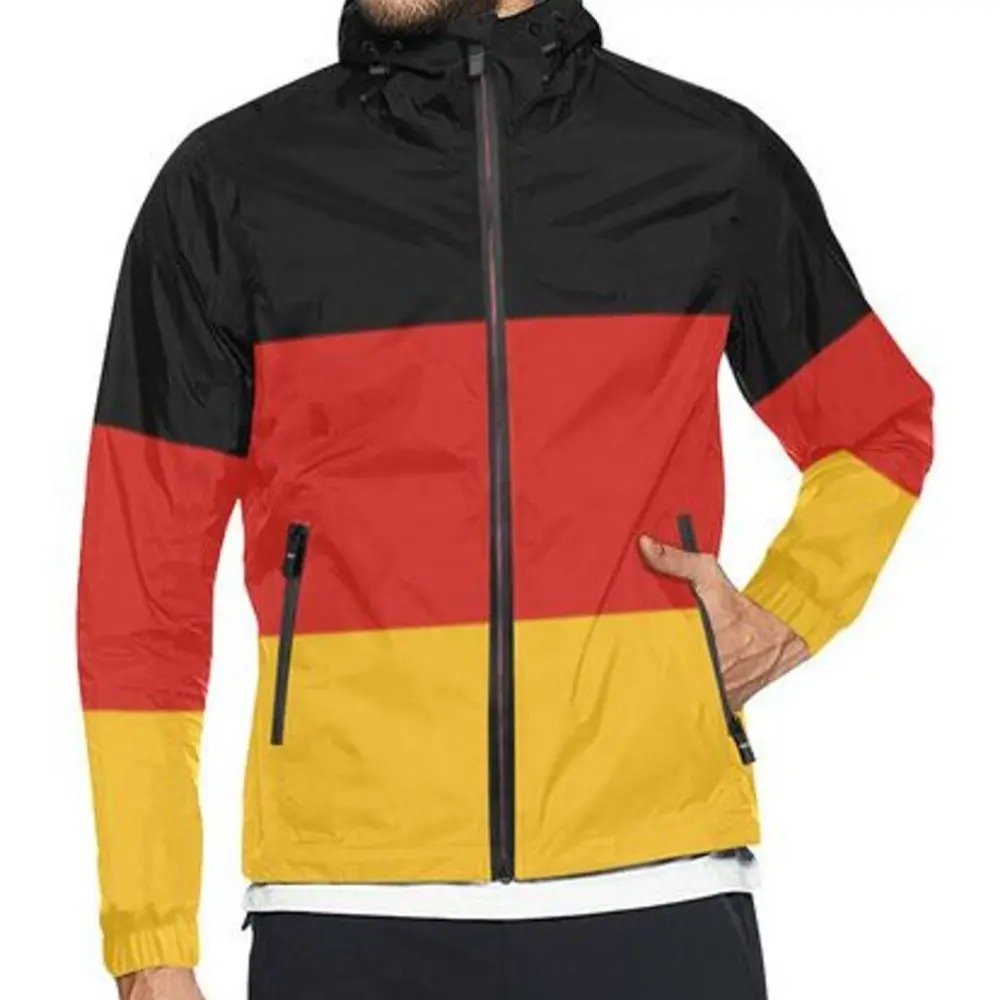
Nylon Ripstop
Lightweight yet tear-resistant fabric with a distinctive grid pattern that stops rips from spreading. Ideal for active windbreakers requiring durability without bulk. Weight ranges from 40-70 GSM with excellent wind resistance and crisp hand-feel that holds color blocking beautifully.
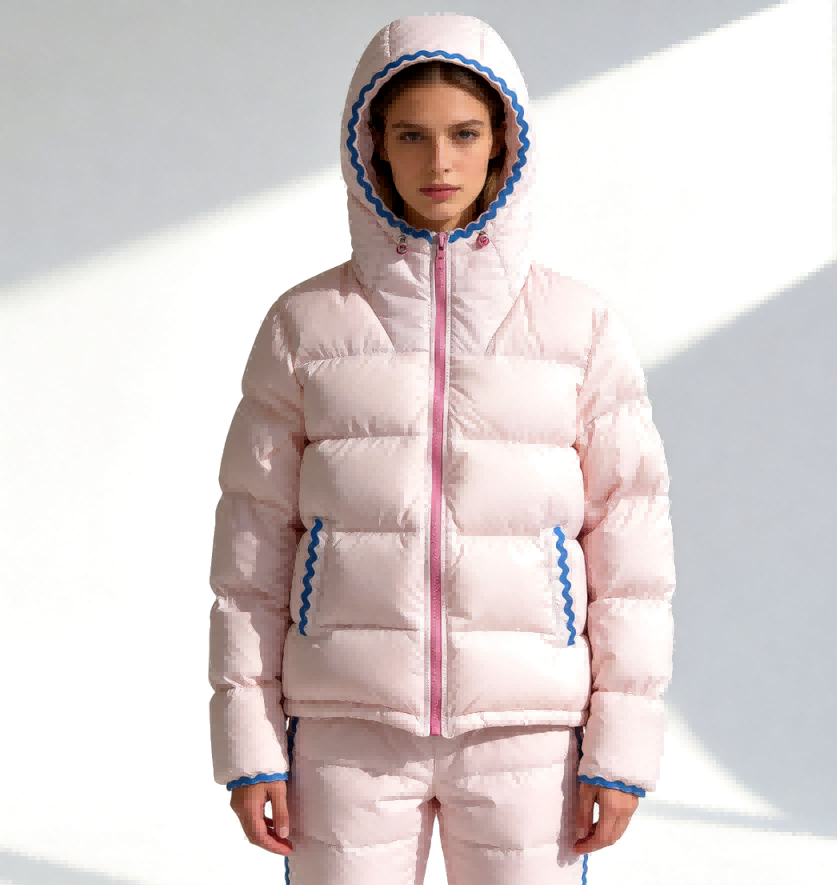
Recycled Polyester Taffeta
Eco-conscious taffeta with a smooth, slightly shiny surface perfect for bold color contrast panels. Sustainable choice made from post-consumer bottles, offering water-repellent properties and breathability. Medium weight at 60-80 GSM with a soft rustle and excellent drape for contemporary silhouettes.
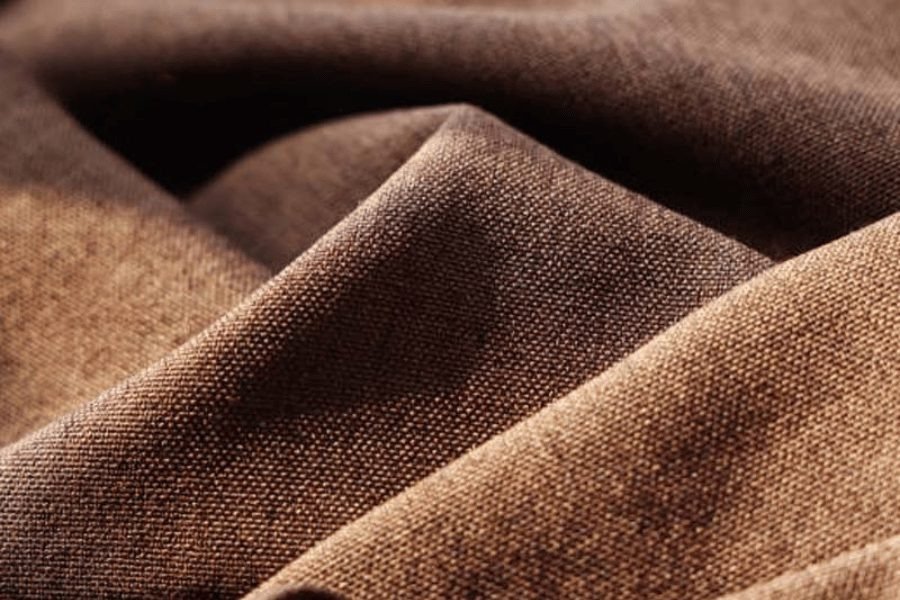
Technical Mesh
Breathable mesh panels for ventilation zones in performance windbreakers. Open-knit construction allows airflow while maintaining structure, commonly used in underarm, back, or side panels. Lightweight at 100-140 GSM with four-way stretch and moisture-wicking properties for active streetwear lines.
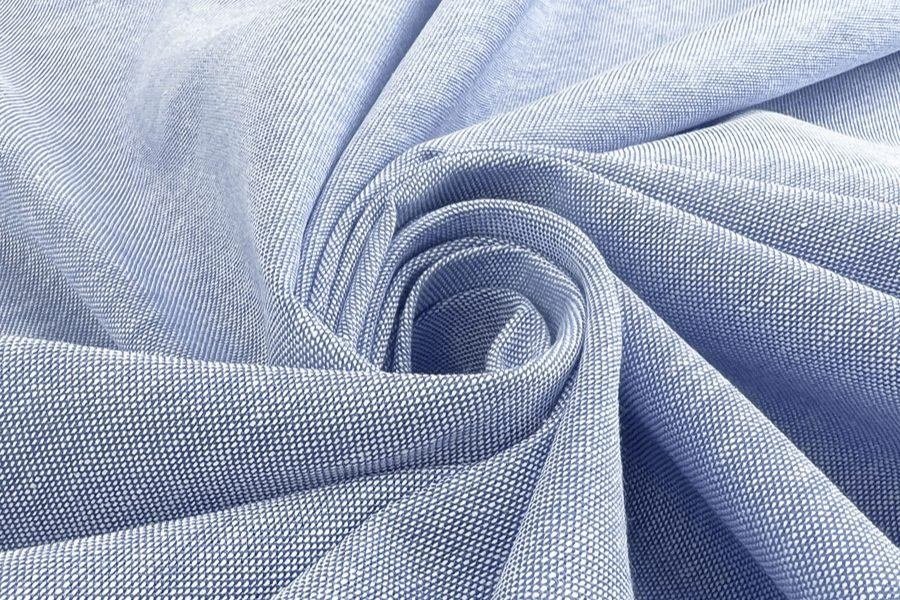
Water-Repellent Polyester
DWR-coated polyester that sheds light rain and moisture while maintaining breathability. Versatile base fabric for all-weather windbreakers with consistent color saturation across panels. Medium-weight at 75-95 GSM with a matte finish and soft hand-feel that resists pilling and fading.
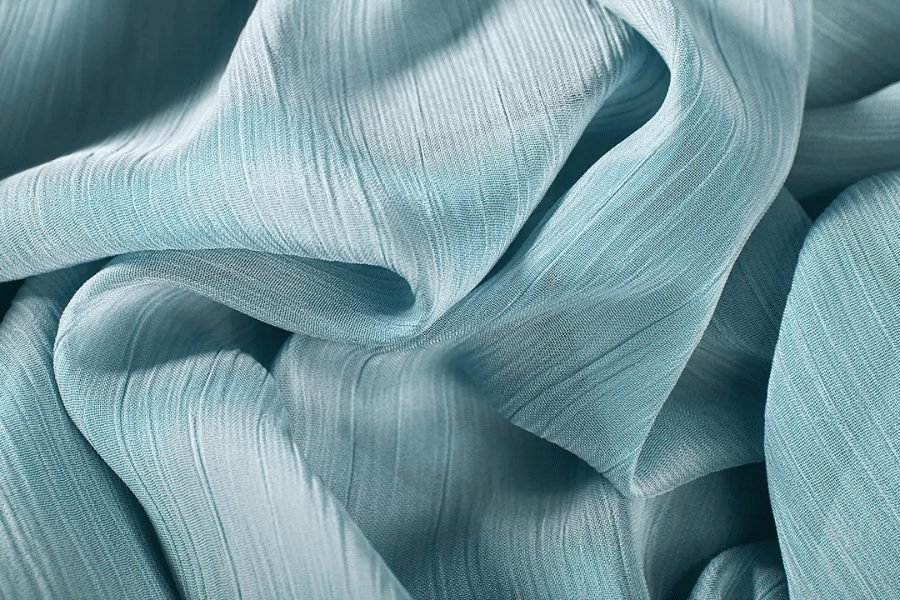
Taslan Nylon
Textured nylon with a natural cotton-like feel and enhanced durability for premium windbreakers. Air-jet processing creates a soft, matte surface that elevates comfort and drape. Heavier weight at 80-110 GSM with superior wind-blocking capability and excellent printability for branded detailing.
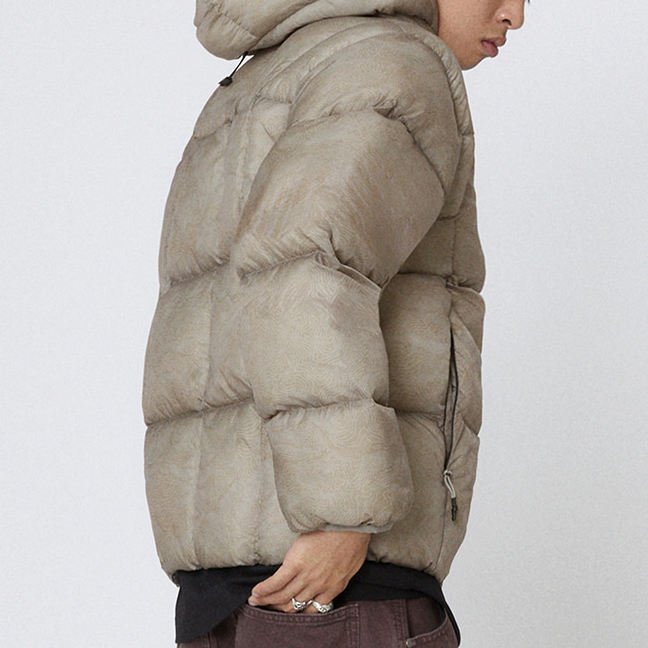
Reflective Polyester Blend
High-visibility fabric incorporating reflective yarns or coatings for safety-conscious streetwear designs. Creates striking visual effects under light while maintaining flexibility and comfort. Available in 70-90 GSM weights with weather-resistant finish, perfect for statement color block panels that enhance brand identity.
Production Techniques Behind Every Color Block Windbreaker Manufacturer Order
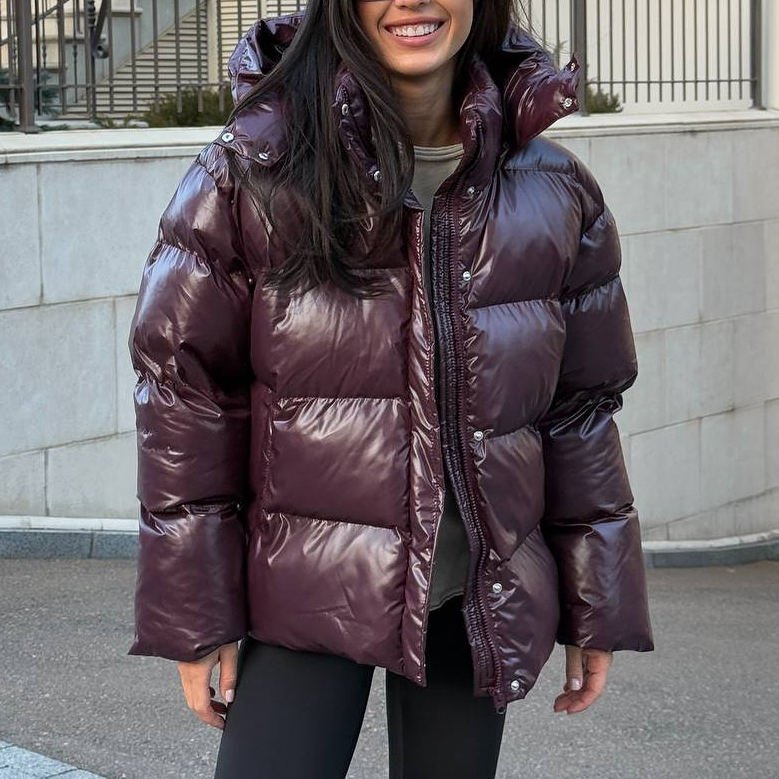
Precision Panel Cutting
Computer-aided cutting technology ensures every color block panel is cut to exact specifications, minimizing fabric waste and guaranteeing consistent fit across production runs. Critical for achieving sharp, clean color block transitions.
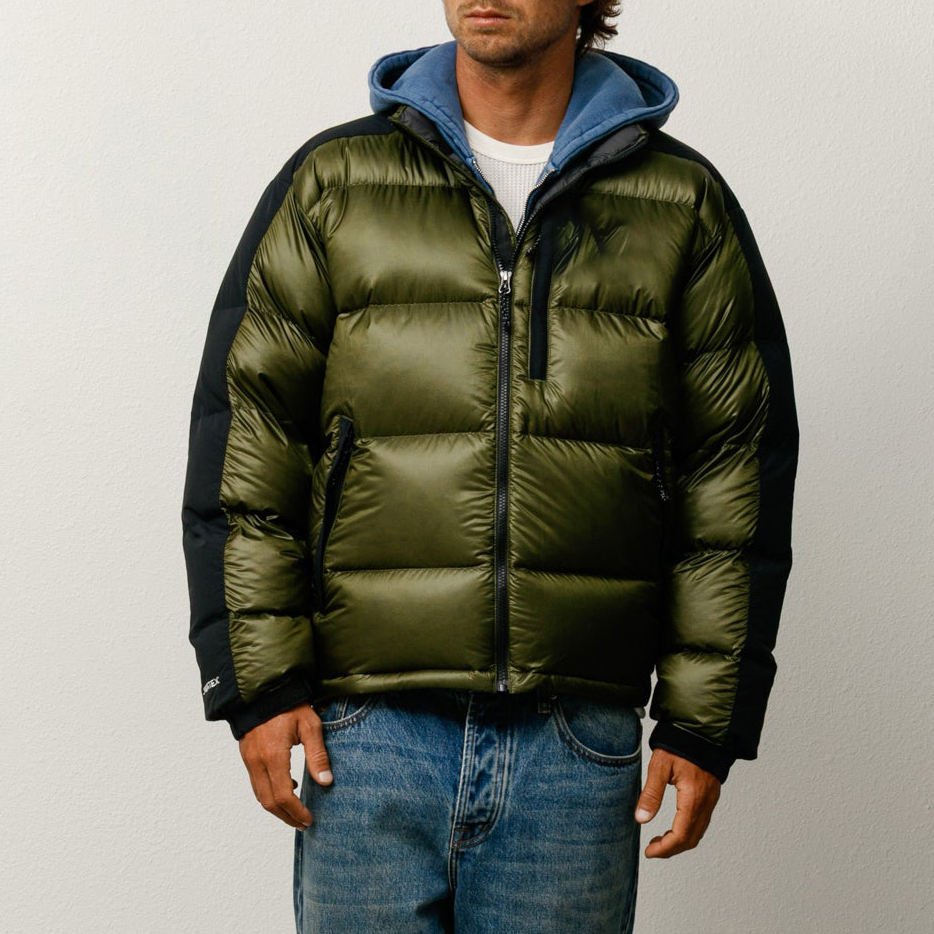
Heat-Seal Bonding
Advanced heat-sealing creates waterproof seams and bonds color block panels without visible stitching. This process delivers sleek, modern aesthetics while enhancing wind and water resistance for superior performance.
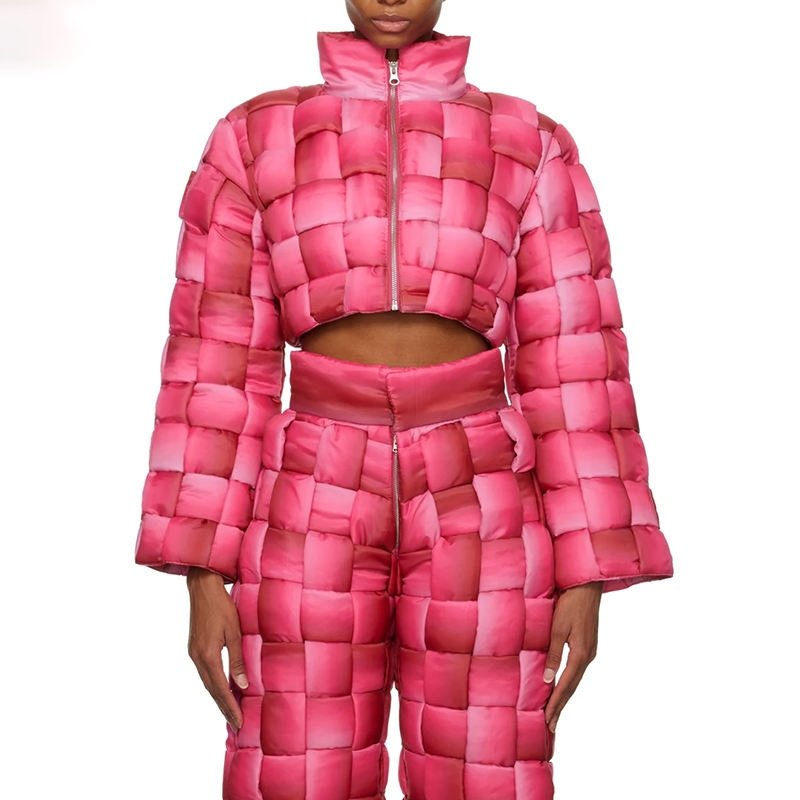
Multi-Color Screen Printing
High-definition screen printing applies bold graphics, logos, and branding with exceptional color vibrancy and durability. Ideal for streetwear designs that demand eye-catching visual impact and wash-after-wash longevity.
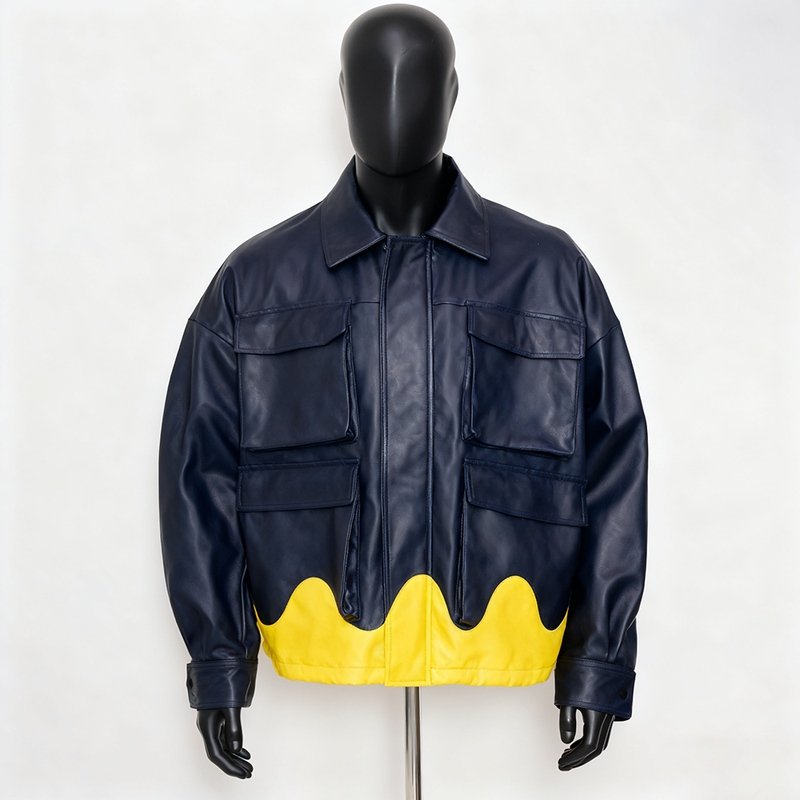
Embroidery Application
Precision embroidery adds premium texture and dimension to logos, wordmarks, and design elements. Our computerized embroidery machines ensure consistent stitch density and placement, elevating perceived brand value.
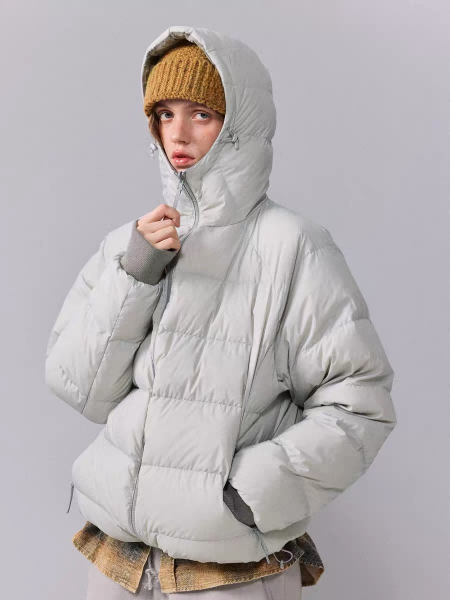
Reactive Dyeing
Our reactive dyeing process delivers rich, fade-resistant color blocks with excellent colorfastness. This technique penetrates fabric fibers deeply, ensuring vibrant hues that maintain intensity through repeated wear and washing.
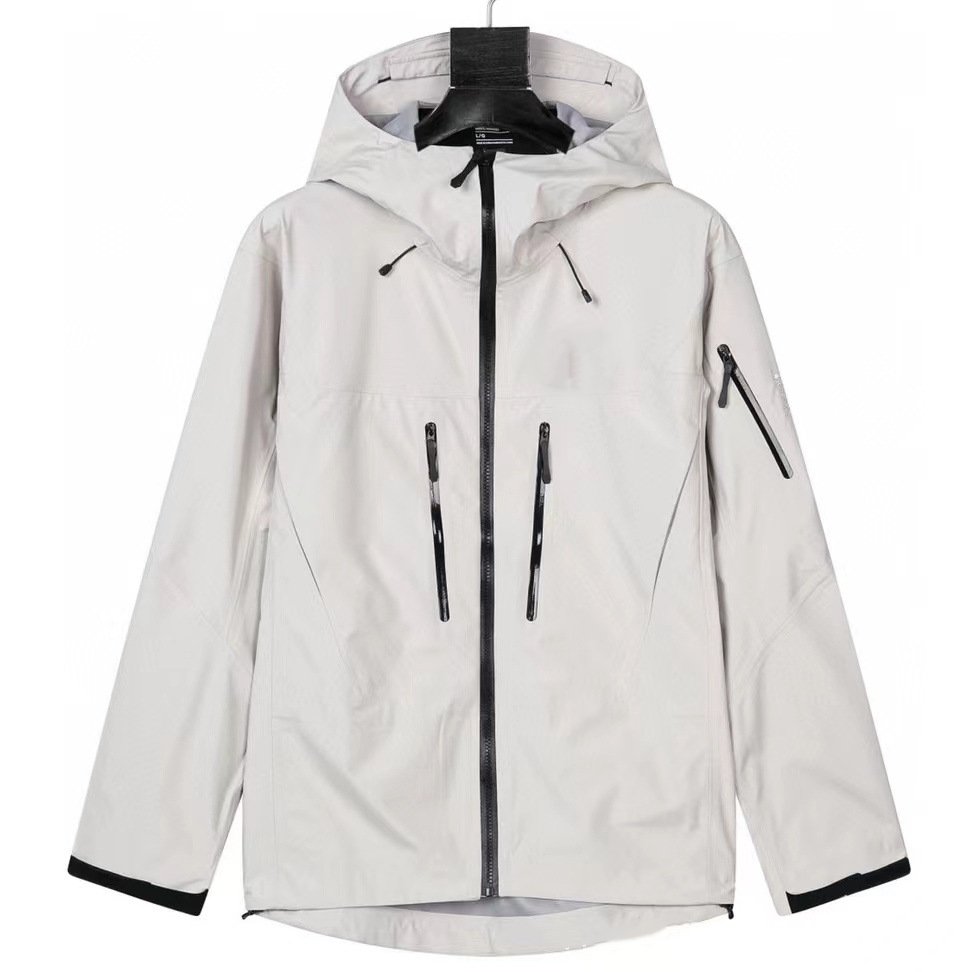
Professional Finishing
Final pressing, quality inspection, and specialized folding prepare each windbreaker for retail presentation. Our finishing team ensures every garment leaves our facility looking showroom-ready with zero defects.
Windbreaker Hardware & Trims From Your Color Block Windbreaker Manufacturer
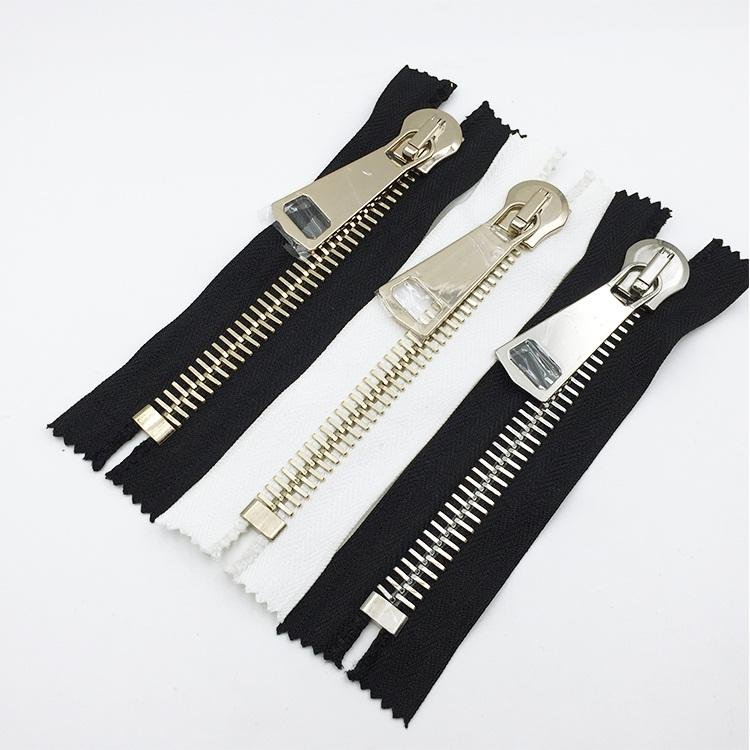
YKK Metal Zippers
Premium YKK zippers in gunmetal, brass, or custom colors provide smooth operation and long-lasting durability. Essential for front closures and pocket details on color block windbreakers that demand reliability.
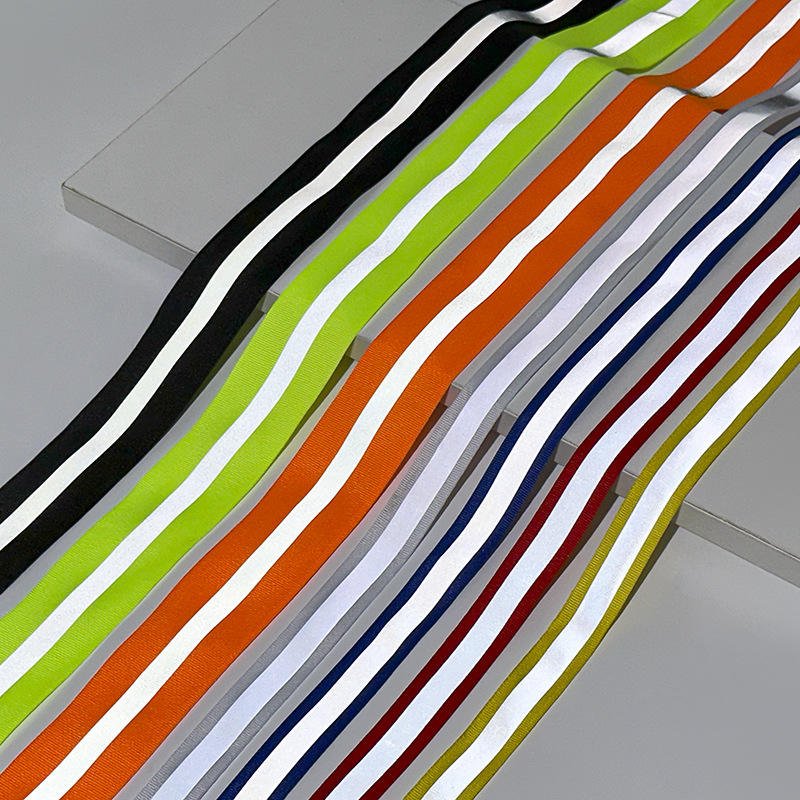
Reflective Strips
High-visibility reflective tape and piping enhance safety and streetwear aesthetics. Applied along seams, sleeves, or color-block borders to add functional style and nighttime visibility to windbreaker designs.
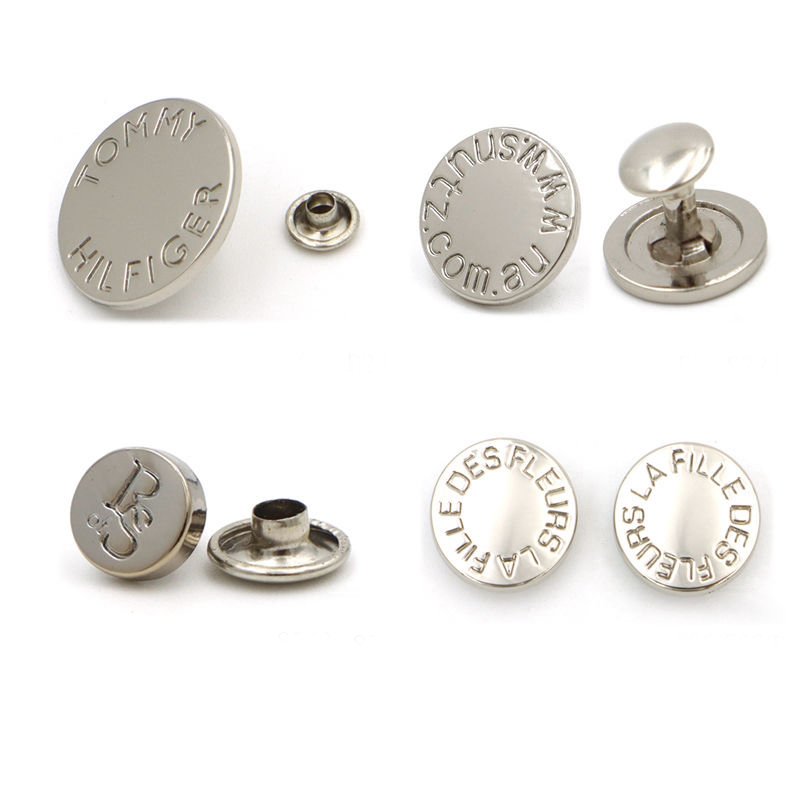
Adjustable Drawcords
Elastic or flat drawcords with metal or plastic tips for hood and hem adjustments. Available in contrasting colors to complement your color block palette and improve fit customization.
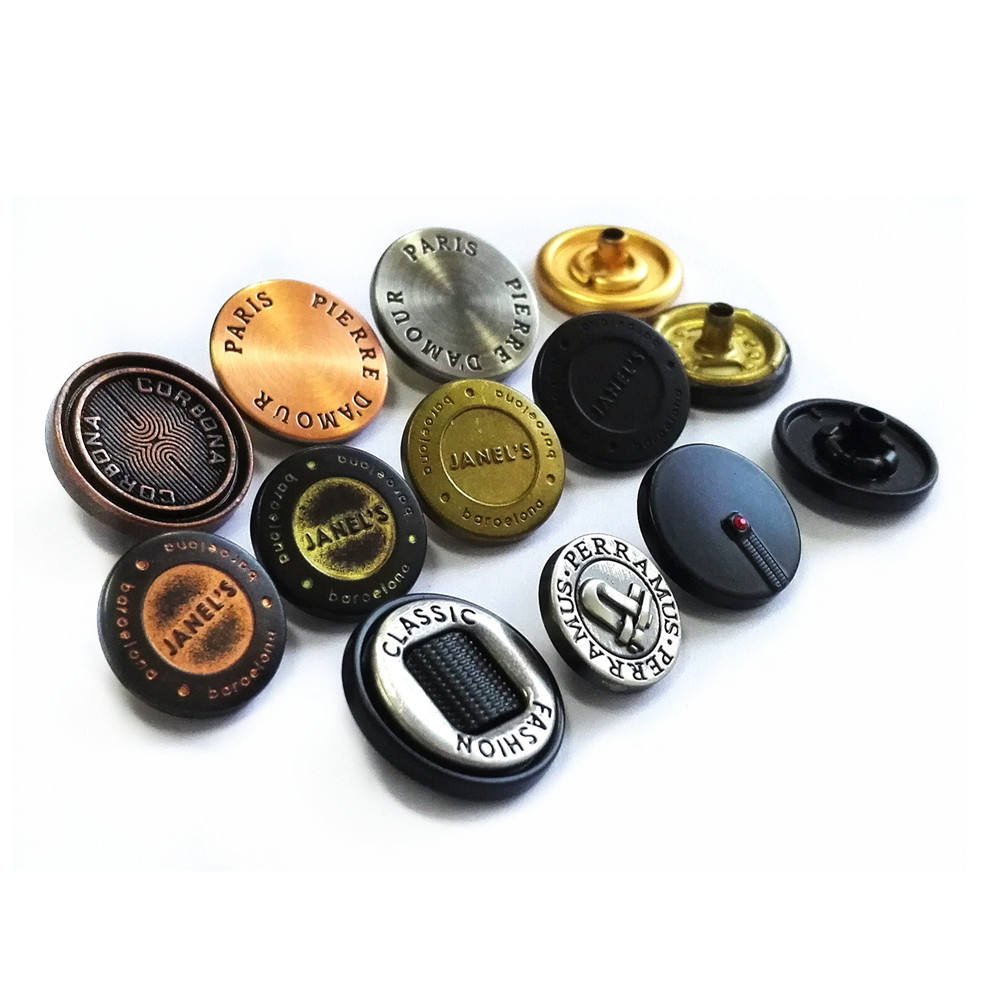
Snap Buttons
Metal or resin snap closures for pockets, cuffs, and storm flaps. Choose from gunmetal, brass, matte black, or custom-engraved options that reinforce your brand identity on every windbreaker.
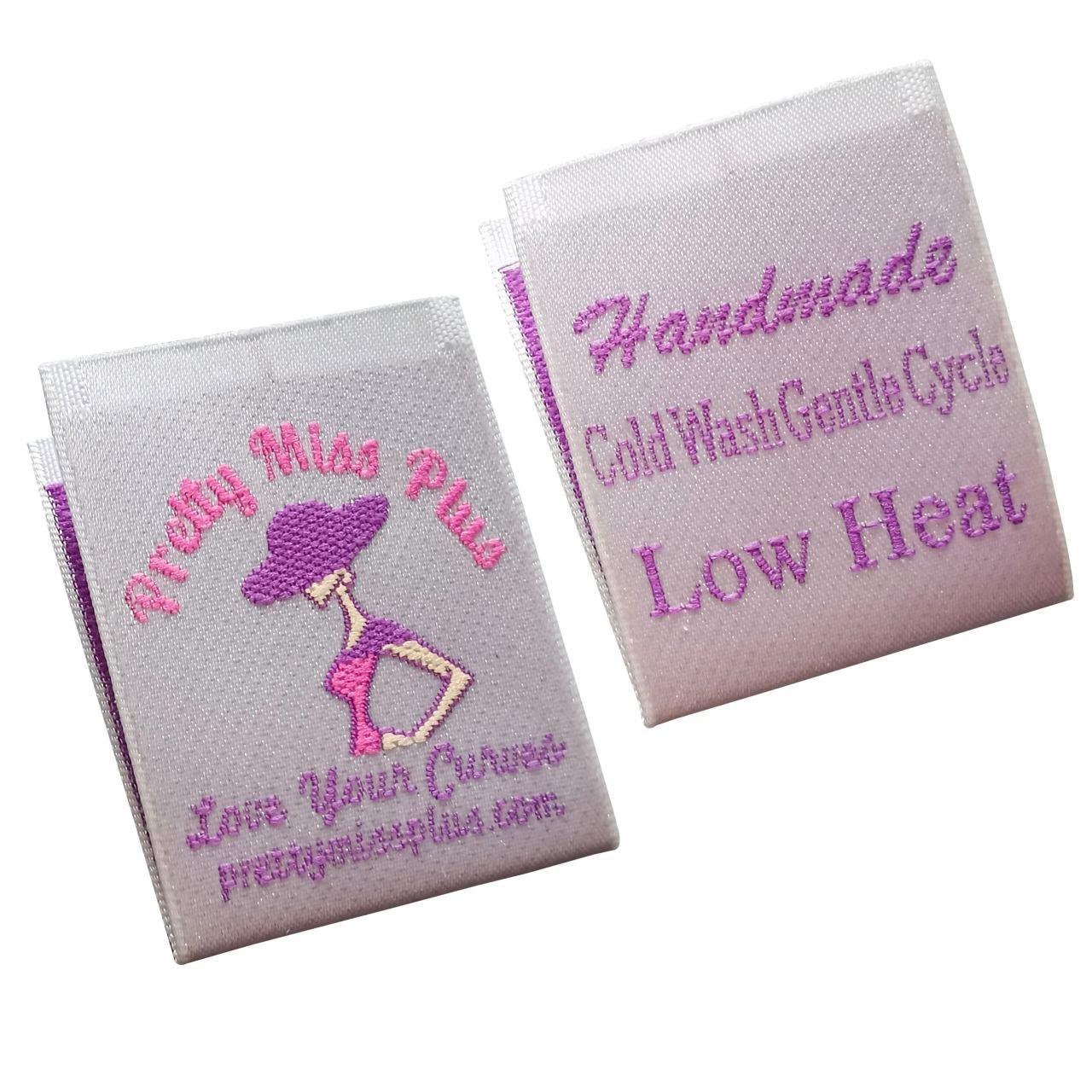
Woven Labels
Custom woven brand labels in damask, taffeta, or satin weave for neck, sleeve, or hem placement. High-definition thread work ensures your logo stands out with professional clarity and durability.
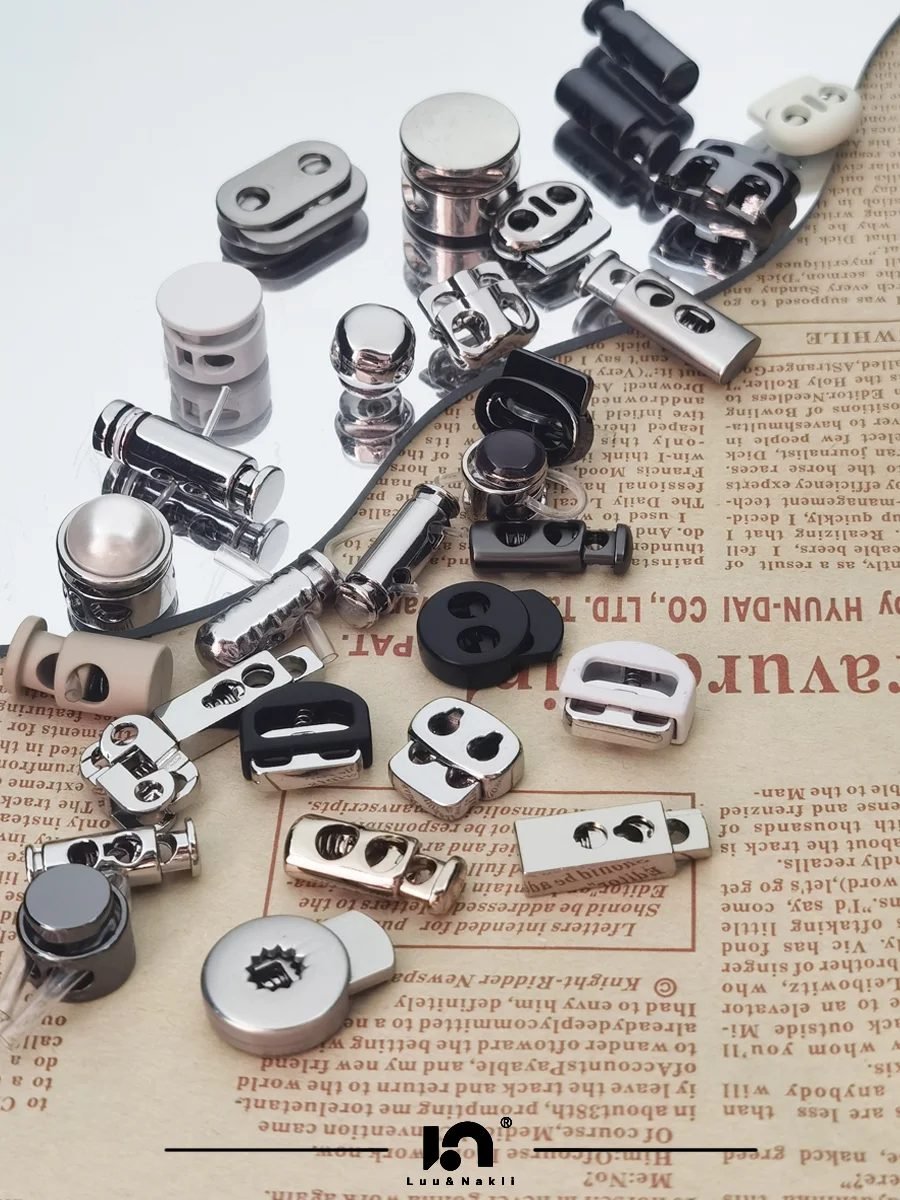
Hood Adjusters
Plastic or metal cord locks and toggles for hood drawstrings. Available in multiple finishes and sizes to match your windbreaker’s hardware palette and provide secure, easy adjustment for wearers.
Color Block Windbreaker Manufacturer You Can Trust
Founded in 2024 by Tesla Luo, Clothing Manufacturer Ltd. brings over 10 years of production experience and 6 years of streetwear specialization to every color block windbreaker we produce. Our mission is to restore the reputation of Chinese garment manufacturers through rigorous quality control, ensuring that every piece leaving our facility meets the standards global brands deserve.
We serve streetwear brands, fashion startups, and independent designers across more than 100 countries and regions. Backed by our parent company Dongguan TuoZhen Clothing Co., Ltd., we combine the agility of a focused streetwear specialist with the production capacity and infrastructure of an established manufacturing operation.
What sets us apart is our proprietary 5-step quality control process, testing materials, cutting, craftsmanship, sewing, and finished garments at every stage. We believe quality assurance must be embedded throughout production, not treated as an afterthought. Our 15-member R&D team and 10 patents reflect our commitment to innovation and excellence in every color block windbreaker we manufacture.
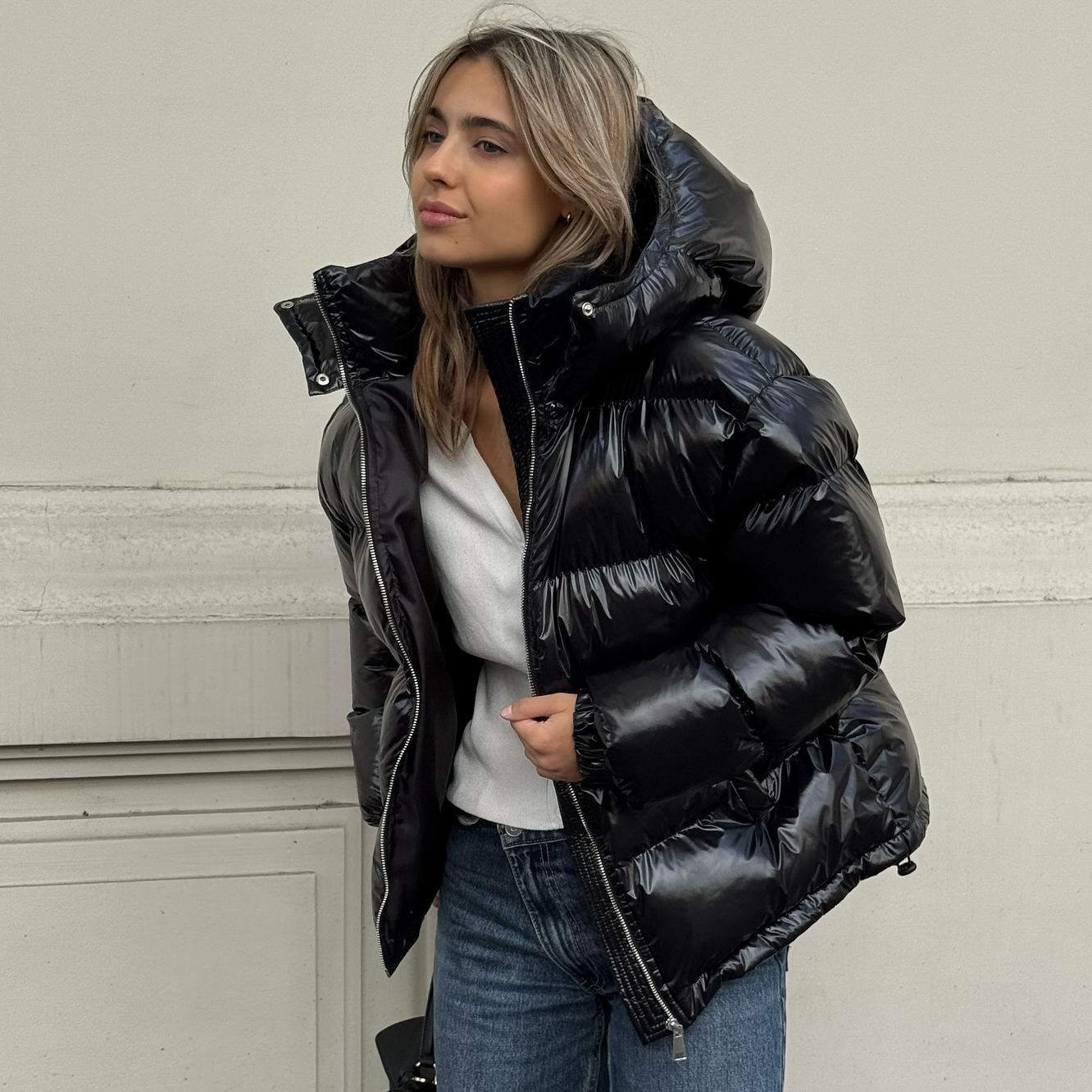
Our 5-Step Quality Control Process — The Color Block Windbreaker Manufacturer Guarantee
Materials QC Testing — Before Production Begins
Every roll of fabric, zipper, and trim is inspected before cutting. Our color block windbreaker manufacturer process starts with verifying color accuracy, weight consistency, and water resistance to ensure your design specs are met from day one.
- Lab-tested fabric weight, colorfastness, and waterproof ratings against your specifications
- Hardware stress tests on zippers, snaps, and drawcords to prevent field failures
- Color matching under standardized lighting to guarantee block-color consistency across panels
- Supplier batch documentation tracked for full traceability and quality accountability
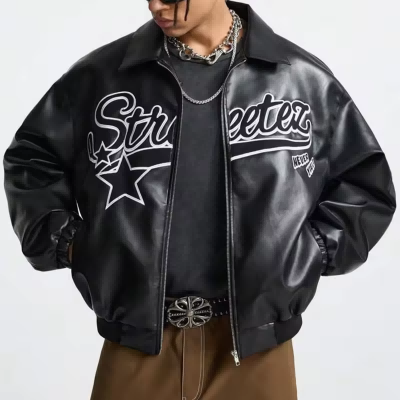
Cutting QC Testing — Precision Pattern Integrity
After materials pass, our cutting team verifies every pattern piece for dimensional accuracy and grain alignment. This step prevents fit issues and fabric waste, ensuring each color block panel aligns perfectly during assembly.
- Digital pattern verification against approved tech packs before blade touches fabric
- Random sampling of cut pieces measured to within ±2mm tolerance for size consistency
- Grain-line checks on all panels to prevent twisting and distortion after washing
- Color block panel sorting and labeling to eliminate assembly errors downstream
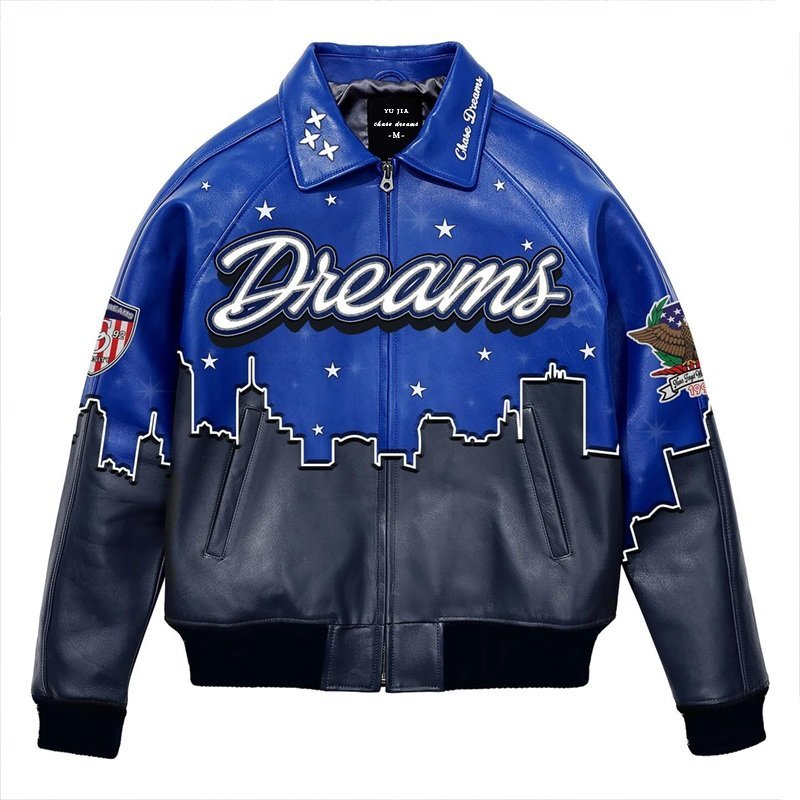
Craft & Sewing QC Testing — In-Line Quality Checks
Unlike factories that skip mid-production inspection, we halt the line at critical assembly stages. Our color block windbreaker manufacturer team checks seam strength, panel alignment, and stitch quality before garments move to finishing.
- Seam strength pull-tests at 20-garment intervals to catch thread or tension issues early
- Color block junction inspections ensuring clean, aligned transitions between panels
- Zipper function and tape adhesion checks before garments proceed to final assembly
- Real-time defect logging with immediate corrective action to prevent batch-wide errors
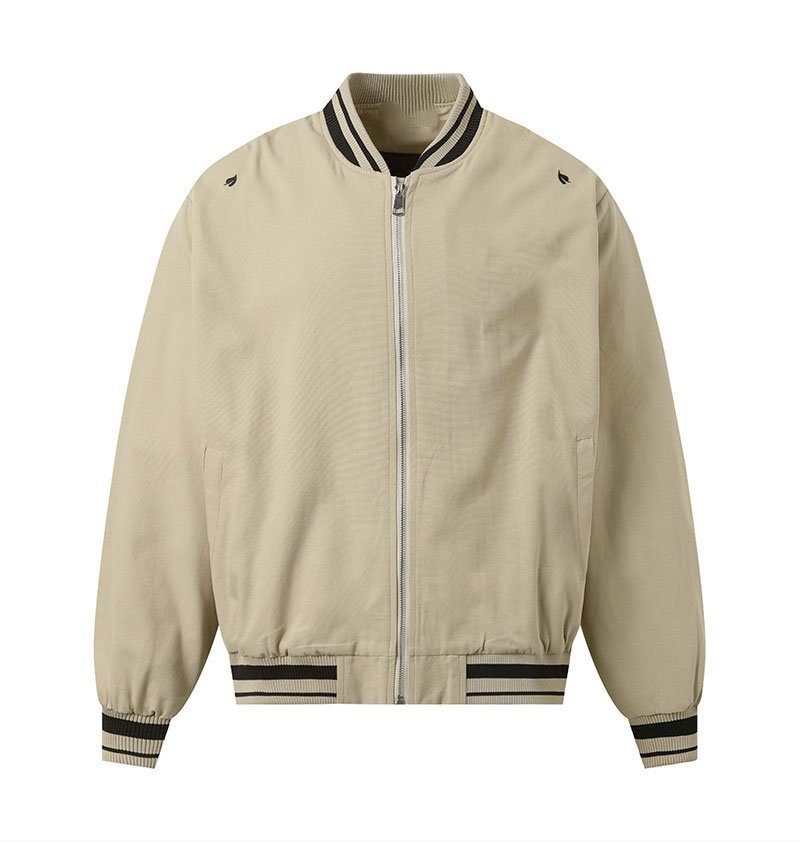
Finished Clothing Quality Inspection — Zero-Defect Shipping
Every completed windbreaker undergoes a comprehensive final inspection covering measurements, function, and appearance. Only garments that pass all checkpoints are tagged, pressed, and packed for your brand, guaranteeing your customers receive flawless products.
- 100% garment inspection for measurements, stitching, and color block alignment accuracy
- Functional testing of all zippers, snaps, Velcro, and adjustable features under load
- Surface inspection under bright light for stains, pulls, loose threads, or fabric flaws
- Photographic quality records for each batch with defect rate reporting and trend analysis
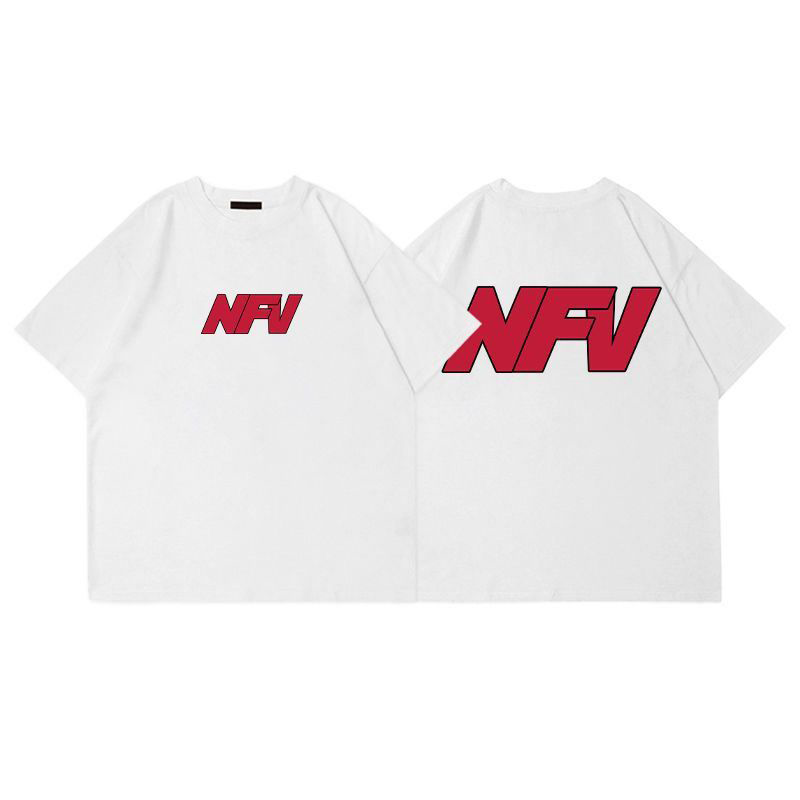
Color Block Windbreaker Manufacturer vs. Standard Suppliers
Most suppliers cut corners on quality checks, demand high minimums, and lack streetwear expertise. We built our process differently—with rigorous QC at every stage, flexible order sizes, and deep knowledge of trend-driven designs that resonate with your audience.
← 左右滑动查看 →
From Concept to Shipping — Our Color Block Windbreaker Manufacturer Timeline
Every windbreaker moves through six rigorous phases, with quality checkpoints embedded at each stage to ensure your color block designs meet our zero-compromise standards.
Fabric Sourcing & Testing
We select premium windbreaker fabrics—nylon, polyester, or waterproof blends—and conduct materials QC testing to verify durability, colorfastness, and performance before production begins.
Pattern Development & Cutting
Your color block design is translated into precise patterns. Our cutting QC testing ensures every panel is accurately measured and color placements align perfectly across all pieces.
Sewing & Craft Inspection
Expert seamstresses assemble windbreakers with reinforced stitching and clean color transitions. Clothing craft QC testing and sewing production QC testing catch defects in real time.
Finishing & Hardware Installation
Zippers, drawstrings, and trims are installed. Each windbreaker is pressed and inspected for proper fit, functional hardware, and flawless color blocking before final quality checks.
Final QC & Packaging
Finished clothing quality QC inspection verifies every windbreaker meets our standards. Approved pieces are carefully folded, tagged, and packed to your brand specifications for shipment.
Global Logistics & Delivery
We coordinate customs documentation, freight forwarding, and tracking to deliver your color block windbreakers on time to over one hundred countries and regions worldwide.
How to Partner With a Color Block Windbreaker Manufacturer — Three Simple Steps
Working with Clothing Manufacturer Ltd is straightforward. From your first design to bulk delivery, our streamlined process ensures quality, transparency, and speed at every stage.
Submit Your Design or Tech Pack
Share your color block windbreaker concept, tech pack, or reference samples. Our team reviews specifications, fabric requirements, and customization details to provide accurate production guidance.
Receive Quote and Approve Samples
We send a detailed quote and produce pre-production samples for your approval. Review fit, color blocking, hardware, and finishing before committing to bulk orders.
Approve and Launch Bulk Production
Once samples are approved, we begin manufacturing with our 5-step QC process. Your color block windbreakers are inspected at every stage, then shipped globally on schedule.
Certified Color Block Windbreaker Manufacturer — Trusted Quality & Compliance
Brands Trust Our Color Block Windbreaker Manufacturer — Real Results From Our Customers
We scaled from 500 units to 15,000 units in just 8 months. Their color matching was perfect on every production run, and the 5-step QC process gave us zero defects. Game-changer for our streetwear brand.
Perfect color blocking on first sampling — no revisions needed. They delivered 2,000 windbreakers in 18 days for our seasonal drop. Their understanding of streetwear trends and technical execution is unmatched.
As a startup, the 50-piece MOQ let us test three colorways without breaking the bank. Quality exceeded brands we’ve paid triple for. Now we’re on our fourth collection with them.
FAQ — Color Block Windbreaker Manufacturing Questions Answered
What is the minimum order quantity (MOQ) for a color block windbreaker manufacturer?
How long does it take to produce color block windbreakers from order to delivery?
Does your color block windbreaker manufacturer offer free samples before bulk orders?
What payment terms does a color block windbreaker manufacturer typically require?
How do you protect my designs and intellectual property as a color block windbreaker manufacturer?
Can you customize fabric weights, colors, and blocking patterns for windbreakers?
What quality control measures ensure windbreaker durability and finish?
Do you handle international shipping and customs for windbreaker orders?
Can a color block windbreaker manufacturer add custom branding like woven labels and embroidery?
The Complete Buyer’s Guide to Choosing the Right Color Block Windbreaker Manufacturer
Navigate supplier selection with confidence. This guide delivers a proven decision framework, critical quality criteria, customization options, and the most common sourcing mistakes to avoid when partnering with a color block windbreaker manufacturer.
1. What Is a Color Block Windbreaker Manufacturer?
A color block windbreaker manufacturer specializes in producing multi-panel outerwear garments that combine two or more contrasting fabric colors in a single design, requiring precision pattern-making, color-matching expertise, and waterproof seam-sealing capabilities that generic jacket factories typically lack. Unlike standard outerwear producers who work with single-color shells, these specialists manage complex panel alignment where three to eight distinct color sections must meet at precise seam junctions without puckering or color bleed. Clothing Manufacturer Ltd., founded in 2024 with over 10 years of production experience, implements a five-step quality control methodology introduced February 12, 2025, testing materials, cutting, craft, sewing, and finished garments to ensure each color block meets Pantone standards and seam integrity holds under 10,000+ flex cycles.
Brands seek dedicated color block windbreaker manufacturers because multi-panel construction demands specialized skills in fabric tension management across different dye lots, heat-sealed or taped seam application to maintain waterproofing at color transitions, and pattern grading that preserves visual balance when scaling designs from XS to 3XL. Typical services extend beyond sewing to include custom color development, reflective or contrast zipper sourcing (often YKK), packable design engineering, and small-batch production with MOQs as low as 50–100 units per colorway for emerging streetwear labels. The company’s 15-member R&D team and 10 patents support trendy brands, fashion startups, global retailers, and influencer labels across more than 100 countries, delivering what founder Tesla Luo describes as ‘the best streetwear fabrics, technology, and quality’ through rigorous in-process inspection absent in many Chinese garment operations.
2. Evolution of Color Block Windbreakers in Fashion
Color block windbreakers first gained mass appeal in the mid-1980s when sportswear brands introduced bold geometric panels to differentiate performance apparel from everyday clothing. Early manufacturing relied on simple cut-and-sew techniques with nylon taffeta and basic screen-printed logos, targeting runners and outdoor enthusiasts who valued lightweight, packable shells. By 1987–1989, brands like Adidas, Nike, and Reebok had popularized tri-color and quad-panel designs that became visual shorthand for athletic culture.
The 1990s streetwear movement reclaimed color block windbreakers as a fashion statement, blending hip-hop aesthetics with skate and graffiti influences. Manufacturing evolved to include heat-sealed seams, reflective piping, and embroidered patches, while MOQs dropped as independent labels entered the market. This era cemented the windbreaker’s association with youth culture, self-expression, and bold pattern mixing—themes that remain central to streetwear today.
From 2015 onward, high-fashion collaborations and nostalgia-driven retro releases reignited demand among influencer brands and fashion startups. Modern color block windbreaker manufacturers now offer laser-cut panels, sublimation printing, and technical fabrics like ripstop polyester and water-resistant coatings, enabling designers to balance heritage aesthetics with performance features. Streetwear and athleisure brands continue sourcing these styles because color blocking delivers instant visual impact, supports brand identity through custom palettes, and appeals to consumers seeking both function and statement pieces.
3. Types of Color Block Windbreaker Manufacturers
Color block windbreaker manufacturers fall into four distinct categories, each serving different brand volumes and customization needs. Understanding factory tiers helps match your production requirements with the right manufacturing partner.
Full-Package ODM Factories
Full-package ODM (Original Design Manufacturer) factories handle every step from fabric sourcing to finished garment delivery. Typical MOQs range from 500 to 2,000 pieces per style, with lead times of 45–60 days. These factories offer design libraries, pattern development, and material procurement, making them ideal for fashion startups and independent designers who lack in-house technical teams.
Clothing Manufacturer Ltd. operates in this category, combining full-package capabilities with a five-step QC process that tests materials, cutting, craft, sewing, and finished products at every production stage.
- MOQ: 500–2,000 pieces per colorway
- Lead time: 45–60 days from approval to shipment
- Best for: Startups, independent designers, influencer brands
Cut-and-Sew Specialists
Cut-and-sew shops focus exclusively on garment assembly, requiring clients to supply all fabrics, trims, and approved patterns. MOQs typically start at 300 pieces, with 30–45 day turnarounds. These manufacturers suit established brands with dedicated sourcing teams and technical designers who manage their own material supply chains and pattern grading.
- MOQ: 300–1,000 pieces
- Lead time: 30–45 days
- Best for: Established brands with in-house design and sourcing
Technical Sportswear Producers
Technical sportswear factories specialize in performance windbreakers with waterproof membranes, taped seams, and breathable fabrics. MOQs often exceed 1,000 pieces due to specialized equipment requirements, with lead times of 60–75 days. These producers serve athletic brands and global retailers demanding lab-tested performance standards and certifications like OEKO-TEX or bluesign.
- MOQ: 1,000+ pieces
- Lead time: 60–75 days
- Best for: Athletic brands, performance-focused retailers
Boutique Small-Batch Manufacturers
Boutique manufacturers accept orders as low as 50–200 pieces, serving micro-brands and creator collections. Lead times run 25–40 days, but per-unit costs rise 30–50% compared to larger runs. Customization flexibility is highest in this tier, with many shops accommodating unique color blocking patterns and limited-edition collaborations for influencer brands testing new designs.
- MOQ: 50–200 pieces
- Lead time: 25–40 days
- Best for: Micro-brands, creators, limited-edition drops
4. Materials and Fabrics for Color Block Windbreakers
Selecting the right fabric determines a windbreaker’s performance, durability, and cost structure. Most color block windbreaker manufacturers offer four primary base fabrics, each with distinct GSM ranges, water resistance, and price points that align with different brand positioning and end-use requirements.
| Fabric Type | Typical GSM | Water Resistance | Cost Tier | Best Use Case |
|---|---|---|---|---|
| Nylon Taffeta | 50–80 | 600–1,500 mm | Low–Mid | Fashion streetwear, vibrant prints |
| Polyester Ripstop | 70–100 | 1,000–3,000 mm | Mid | Outdoor, activewear, durability focus |
| Taslan | 90–120 | 800–2,000 mm | Mid–High | Comfort-first casual wear |
| Recycled Polyester | 60–90 | 600–1,500 mm | Mid–High | Eco-conscious brands, certifications |
Common Base Fabrics and Their Properties
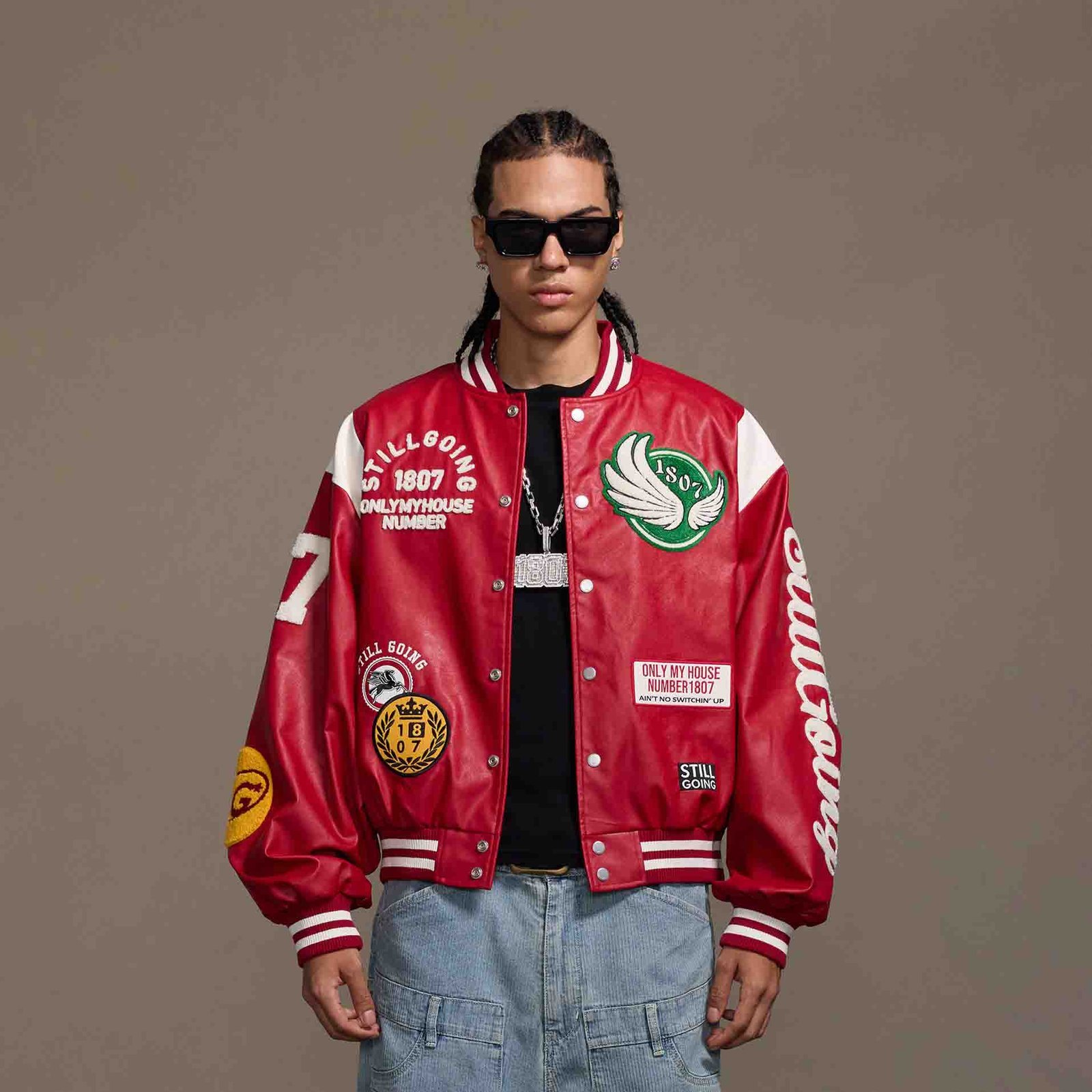
Nylon taffeta (50–80 GSM) delivers a crisp hand feel and excellent printability, making it the most popular choice for fashion-forward streetwear windbreakers. Polyester ripstop (70–100 GSM) features a grid reinforcement pattern that resists tearing, ideal for outdoor and activewear applications.
Taslan fabric (90–120 GSM) offers a softer, cotton-like texture with moderate water repellency, appealing to brands prioritizing comfort over technical performance. Recycled polyester options (60–90 GSM) now match virgin-fiber quality while meeting sustainability certifications, though they typically carry a 15–25% cost premium.
Waterproof Ratings and Breathability Trade-Offs
Water resistance is measured in millimeters of hydrostatic pressure: 600–1,000 mm handles light rain, 1,500–3,000 mm withstands moderate showers, and 5,000+ mm qualifies as waterproof. A color block windbreaker manufacturer applies DWR (durable water repellent) coatings to achieve these ratings.
Breathability decreases as waterproofing increases; uncoated nylon offers maximum airflow for urban wear, while laminated or PU-coated fabrics sacrifice ventilation for weather protection. Brands must balance these factors based on target climate and activity level.
Lining and Mesh Options
Mesh linings (30–50 GSM polyester or nylon) reduce fabric-to-skin contact and improve airflow, essential for high-movement streetwear. Taffeta linings (40–60 GSM) add structure and a premium hand feel but increase weight and cost by 8–12%.
Partial mesh panels in underarm or back yoke zones offer targeted ventilation without full lining expense, a common specification for mid-tier collections.
5. Customization and Branding Options
A color block windbreaker manufacturer offers extensive customization across design, hardware, and branding to differentiate your collection. From panel layouts and zipper finishes to decoration methods, every element can be tailored to your tech pack and Pantone specifications.
Color Blocking Layouts and Component Options
Panel configurations range from classic two-tone sleeves to complex multi-panel chest, hood, and back constructions. Manufacturers accommodate custom colorways per panel, Pantone matching to ±0.5 ΔE tolerance, and contrast stitching for added detail.
Zipper choices include YKK nylon coil (economy), YKK Vislon (mid-tier durability), and metal teeth (premium aesthetic), available in black, gunmetal, brass, or custom Pantone-dyed tape. Drawcords come in round, flat, or elastic variants, color-matched or contrast. Pocket configurations—kangaroo, zippered side, chest, or hidden interior—are specified in your tech pack and affect both cost and lead time by 3–5 days for complex placements.
Decoration Methods and Durability
Embroidery delivers 10,000+ wash durability, ideal for logos up to 100,000 stitches; setup costs run $30–60 per design. Screen printing suits large graphics, withstands 50+ washes when plastisol ink is properly cured, and costs $1–3 per print location. Heat transfer (vinyl or sublimation) offers full-color flexibility at $0.50–2 per piece but fades after 25–30 washes.
Woven labels and rubber patches provide permanent branding; woven labels cost $0.10–0.40 each, rubber patches $0.50–1.50 depending on size and color count. A color block windbreaker manufacturer integrates decoration into the production timeline, scheduling embroidery before assembly and screen printing post-sewing to prevent fabric distortion.
- Embroidery: 10,000+ washes, $30–60 setup, best for small logos
- Screen print: 50+ washes, $1–3/location, ideal for large graphics
- Heat transfer: 25–30 washes, $0.50–2/piece, full-color flexibility
- Woven labels: permanent, $0.10–0.40 each
- Rubber patches: durable 3D effect, $0.50–1.50 each
6. Key Quality and Construction Standards
Quality control in windbreaker production separates reputable manufacturers from those that skip critical checkpoints. A color block windbreaker manufacturer must implement testing at every production stage—materials, cutting, crafting, sewing, and final inspection—rather than relying on end-of-line checks alone.
Seam Taping and Stitching Integrity
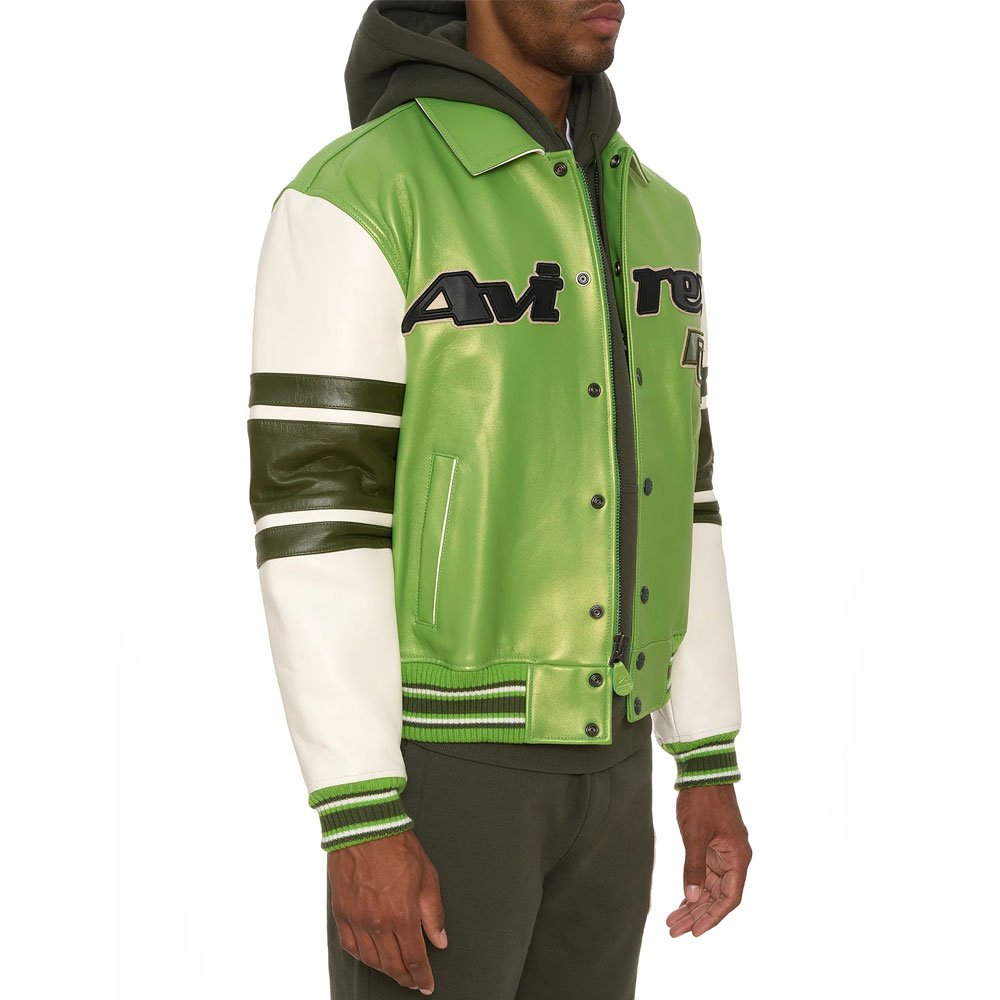
Seam tape prevents water ingress at stitched joints where needle holes compromise fabric waterproofing. Quality manufacturers apply heat-sealed tape to all major seams, verifying bond strength through peel tests before garments leave production.
Stitching density typically ranges from 12 to 14 stitches per inch (SPI) for windbreakers; lower counts risk seam failure under stress. Inspect sample seams for uniform tension, no skipped stitches, and reinforced stress points at pockets and zippers.
Zipper Durability and Hardware Standards
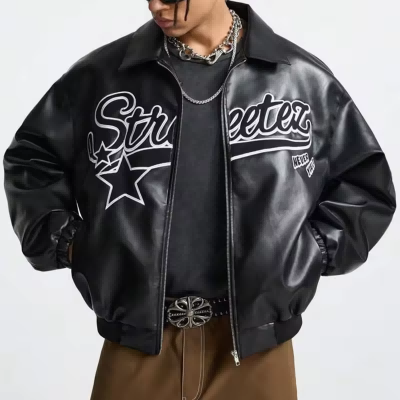
YKK zippers remain the industry benchmark for cycle life, rated for 5,000+ operations versus 1,000–2,000 for generic alternatives. Reputable color block windbreaker manufacturers specify YKK or equivalent (SBS, KCC) and test sliders under load to confirm smooth action and pull-tab retention.
Metal and plastic hardware should pass 72-hour salt-spray corrosion tests. Request material certifications to verify nickel-free, lead-compliant finishes that meet EU and US safety thresholds.
Color Fastness and DWR Longevity
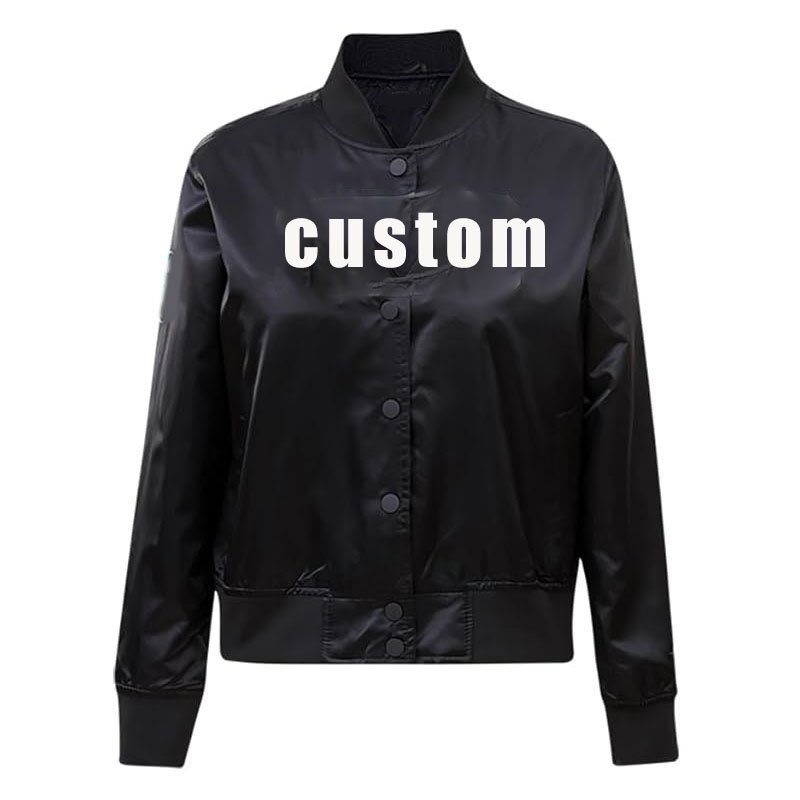
Color fastness testing (ISO 105 standards) measures dye stability under washing, rubbing, and light exposure. Grade 4 or higher on a 5-point scale ensures color blocks retain contrast after 20+ wash cycles without bleeding or fading.
Durable water repellent (DWR) coatings degrade over time; quality finishes maintain beading performance through 30–50 washes. Manufacturers should provide wash-test reports and reapplication instructions for end consumers.
Certifications and Audit Red Flags
Oeko-Tex Standard 100 certifies fabrics free from harmful chemicals; BSCI and WRAP verify ethical labor practices. Request current certificates with scope matching your product category—expired or mismatched documents signal weak compliance.
Red flags in sample evaluation include inconsistent panel alignment, loose threads, uneven topstitching, and skipped quality tags. A manufacturer unwilling to share QC checklists or stage-gate inspection photos likely lacks systematic process control.
7. How to Choose the Right Color Block Windbreaker Manufacturer
Selecting a color block windbreaker manufacturer requires a structured evaluation of production capabilities, quality systems, and communication infrastructure. Brands that skip due diligence often face delays, quality inconsistencies, and hidden costs that erode margins and damage customer trust.
Assess Production Capacity and MOQ Fit
Confirm the factory’s minimum order quantity aligns with your launch volume—emerging brands typically need 100–500 units per colorway, while established retailers may order 2,000+ pieces. Ask whether the manufacturer runs dedicated streetwear lines or mixes general apparel; specialized facilities like Clothing Manufacturer Ltd. maintain separate workflows for trend-driven designs, reducing lead times from 45–60 days to 30–40 days.
Request monthly capacity figures and current order backlog to gauge whether your timeline is realistic. Factories operating above 85 percent capacity often push smaller clients to the end of the queue, delaying delivery by 2–4 weeks.
Evaluate Sample Quality and Turnaround
Order a pre-production sample to inspect seam construction, zipper alignment, and color-block panel symmetry before committing to bulk production. High-quality manufacturers complete samples within 7–10 days and include detailed measurement reports; delays beyond 14 days signal workflow bottlenecks.
Examine whether the sample matches your tech pack specifications for stitch density (12–14 stitches per inch for windbreakers), fabric weight, and Pantone color accuracy. Factories using five-step QC processes catch pattern misalignments and fabric defects before sewing, reducing sample revision cycles from three rounds to one.
Verify Fabric Sourcing Transparency
Ask suppliers to disclose fabric mill names, GSM ranges (typically 180–240 GSM for windbreakers), and certifications such as OEKO-TEX or GOTS. Transparent manufacturers provide fabric swatch cards with fiber content breakdowns and water-resistance ratings (3,000–5,000 mm for standard windbreakers).
Confirm whether the factory sources locally in Guangdong Province or imports materials; local sourcing shortens lead times by 10–15 days and simplifies quality audits. Request lab test reports for colorfastness (grade 4 minimum) and abrasion resistance to ensure fabric durability.
Check References and Past Clients
Request case studies or client references from brands in your category—streetwear startups, influencer labels, or mid-tier retailers. Manufacturers serving 100+ countries, like Clothing Manufacturer Ltd., typically share anonymized portfolio examples showing color-block designs, custom embroidery, and packaging solutions.
Contact at least two references to ask about on-time delivery rates, defect percentages, and responsiveness during revisions. Factories with defect rates below 2 percent and on-time shipment records above 95 percent demonstrate operational maturity and reliable QC systems.
Understand Communication and Tech Pack Capabilities
Evaluate whether the manufacturer’s team can interpret detailed tech packs, including graded spec sheets, construction diagrams, and trim callouts. Strong partners respond to inquiries within 12–24 hours and assign a dedicated account manager for order follow-up.
Ask how the factory handles design revisions, color approvals, and fit adjustments—experienced teams use digital tools for virtual sampling and provide photo updates at cutting, sewing, and finishing stages. Clear communication reduces misunderstandings that cause costly rework or shipment delays.
Negotiate Payment Terms and Request a Trial Order
Standard terms range from 30 percent deposit / 70 percent before shipment to 50/50 splits; negotiate milestone payments tied to sample approval, cutting completion, and final inspection. Request a trial order of 100–300 units to test production quality, packaging accuracy, and logistics coordination before scaling to full production runs.
Clarify who bears costs for defects, rework, and shipping delays—reputable manufacturers absorb expenses for factory errors and offer replacement units at no charge. Lock in pricing for 6–12 months to protect against fabric cost fluctuations and currency swings.
8. Common Mistakes When Sourcing a Color Block Windbreaker Manufacturer
Brands often lose thousands of dollars and months of time by repeating avoidable sourcing errors. Recognizing these pitfalls before signing a contract protects your investment and ensures your color block windbreaker manufacturer delivers quality products on schedule.
Skipping Fabric Pre-Production Testing
Many startups approve fabrics based on swatches alone, only to discover color bleeding or pilling after the first wash. Nylon and polyester blends used in windbreakers require wash testing at 40°C and colorfastness checks to ISO 105 standards before bulk production.
Clothing Manufacturer Ltd. includes materials QC testing as the first step in its five-step quality control process, catching fabric defects before cutting begins. Always request lab dip approvals and physical strike-offs for each color block to verify dye lot consistency.
Underestimating Color Matching Lead Times
Achieving exact Pantone matches across three or four fabric panels typically adds 10–15 days to production schedules. Brands that skip this timeline buffer face delayed launches and missed seasonal windows.
Provide Pantone TPX or TCX codes upfront and request digital color approvals within 48 hours. Factories with cutting QC testing verify color accuracy before panels are assembled, reducing rework and ensuring blocks align perfectly.
Neglecting Fit Samples and Grading
Ordering bulk production without fit samples leads to costly sizing errors. A medium that fits well in one factory’s pattern may run small in another due to different seam allowances or block adjustments.
Request at least one pre-production sample in your core size and test it on your target demographic. Verify that the manufacturer applies consistent grading rules across XS to XXL to maintain proportions.
Choosing Price Over Quality Audits
The lowest quote often signals skipped quality checks. Factories that omit sewing production QC testing and finished clothing quality inspection deliver garments with loose stitching, misaligned zippers, and inconsistent hemlines.
Ask every color block windbreaker manufacturer to document their QC process at each production stage. Clothing Manufacturer Ltd.’s five-step methodology ensures defects are identified early, reducing return rates and protecting brand reputation.
9. Steps to Launch Your Windbreaker Collection
Launching a color block windbreaker collection requires coordinated steps from concept to delivery, with each phase building on the previous. Realistic timelines and clear manufacturer collaboration ensure your collection reaches market on schedule and meets quality standards.
Concept and Tech Pack Development
Begin with mood boards that define color-blocking patterns, silhouette details, and brand positioning; share these with your color block windbreaker manufacturer to align expectations. Translate concepts into tech packs that specify fabric types (nylon, polyester, ripstop), colorway breakdowns, zipper placements, and all construction details.
Allow 1–2 weeks for internal design finalization and another week for manufacturer review and costing feedback. Clear tech packs reduce sample revisions and accelerate approval cycles.
Material Selection and Approval
Request fabric swatches and trim samples—zippers, drawcords, elastic cuffs—from your manufacturer’s approved suppliers to verify hand-feel, weight (typically 80–120 GSM for windbreakers), and color accuracy against Pantone references. Approve all materials in writing before cutting begins.
This phase typically takes 5–7 days for sample dispatch and client review. Manufacturers using a five-step QC process will document material approvals as the first checkpoint, ensuring traceability throughout production.
Sample Rounds and Fit Adjustments
Expect one to three sample iterations: initial prototype, fit-corrected sample, and pre-production approval sample. Each round requires 7–10 days for production and 3–5 days for your feedback.
Collaborate closely on fit adjustments—sleeve length, body width, hem drop—and construction refinements such as seam reinforcement or pocket depth. Manufacturers with in-house R&D teams can iterate faster and propose technical solutions for design challenges.
Bulk Order and QC Inspections
Once the final sample is approved, place your bulk order with confirmed quantities, delivery dates, and payment terms. Production timelines range from 25–45 days depending on order size and fabric lead times.
Manufacturers applying cutting QC, sewing QC, and finished-garment inspections catch defects early, reducing rework and ensuring consistent output. Schedule mid-production and final inspections, and request detailed QC reports with photos before shipment.
10. Pricing and Cost Breakdown
Production costs for color block windbreakers depend on quantity, fabric selection, and construction complexity. A 50-unit order typically carries higher per-unit costs due to setup overhead, while orders of 1,000 units or more achieve economies of scale that reduce unit prices by 30–40 percent. Lead times range from 15 days for small batches to 30–35 days for large runs, reflecting cutting, sewing, and the five-step QC process that Clothing Manufacturer Ltd. applies at materials, cutting, craft, sewing, and finished-goods stages.
Fabric choice significantly impacts pricing: lightweight 210T polyester with water-repellent coating starts lower, while premium 300D ripstop nylon or bonded softshell fabrics add 15–25 percent to material costs. Each additional color block increases cutting and sewing time, and YKK zippers cost more than generic alternatives but deliver longer service life. Packaging upgrades—polybags versus branded boxes—add $0.50–$2.00 per unit.
Decoration methods carry distinct setup and per-unit fees. Embroidery requires digitizing (one-time setup of $30–$50 per design) and charges by stitch count, making it ideal for logos under 10,000 stitches. Screen printing spreads setup costs across larger runs, while woven or embroidered patches offer modular branding with lower minimum commitments. Choosing the right method balances upfront investment against order volume and design complexity.
| Quantity Tier | Price per Unit (USD) | Setup Fee (USD) | Lead Time (Days) |
|---|---|---|---|
| 50 units | $18–$24 | $150–$200 | 15–20 |
| 100 units | $15–$20 | $150–$200 | 18–22 |
| 500 units | $12–$16 | $100–$150 | 25–30 |
| 1,000+ units | $10–$14 | $100–$150 | 30–35 |
Ready to Launch Your Color Block Windbreaker Line?
Partner with a trusted color block windbreaker manufacturer. Low MOQ, 5-step QC, and fast turnaround for your brand.