
Premium Wholesale Track Jackets with 5-Step QC & Low MOQ
Partner with a trusted manufacturer for wholesale track jackets built with rigorous quality control at every stage. Perfect for emerging streetwear brands and global retailers.
Track Jacket Gallery — Styles & Customization Options
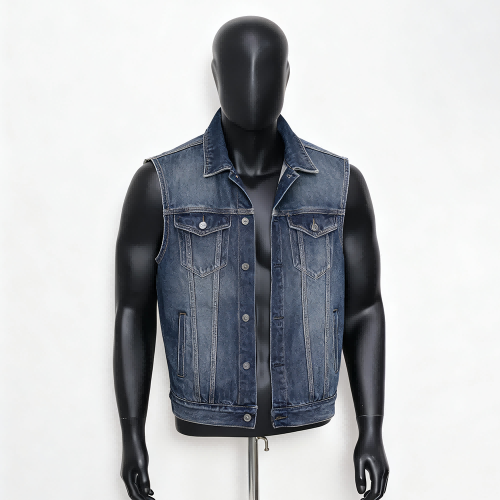
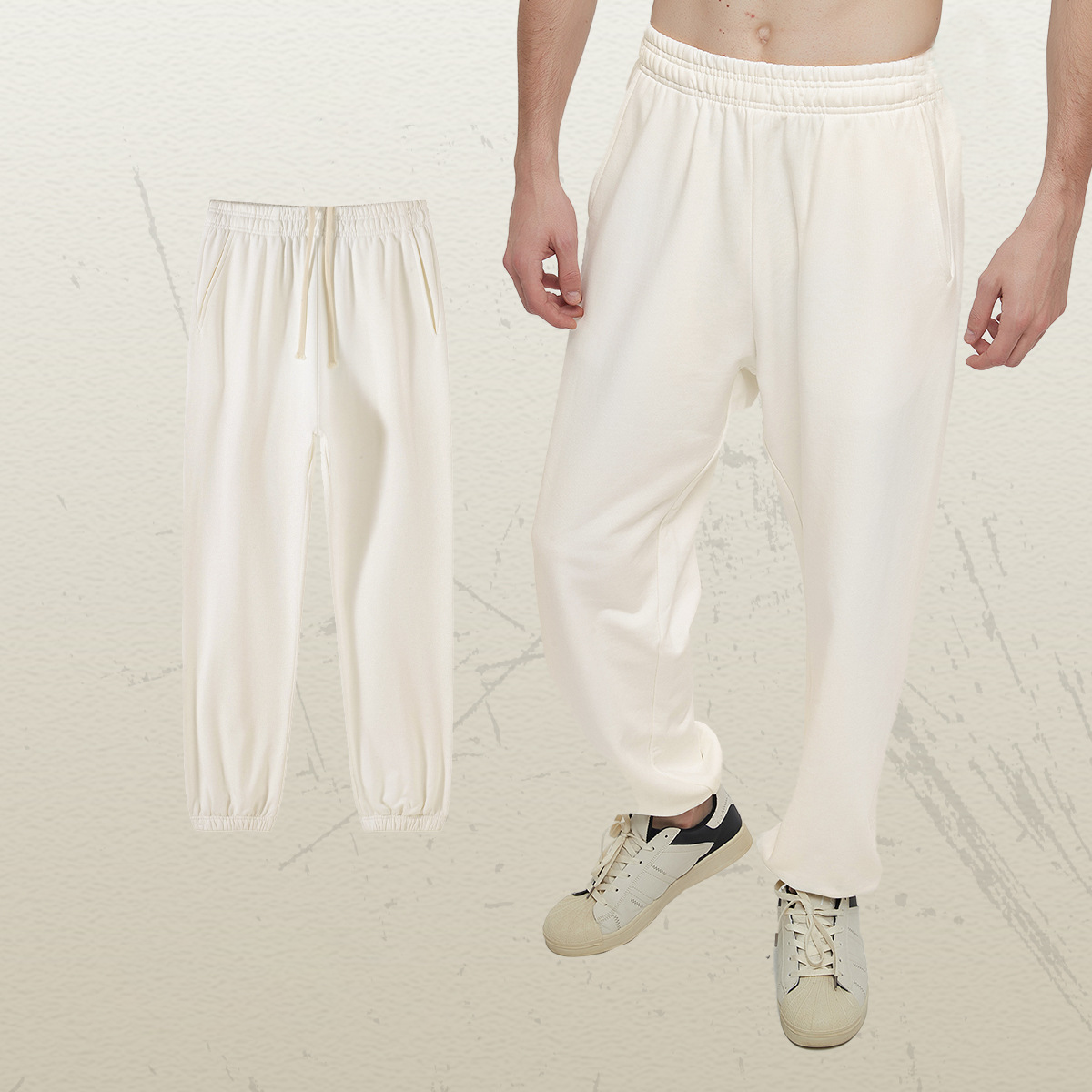
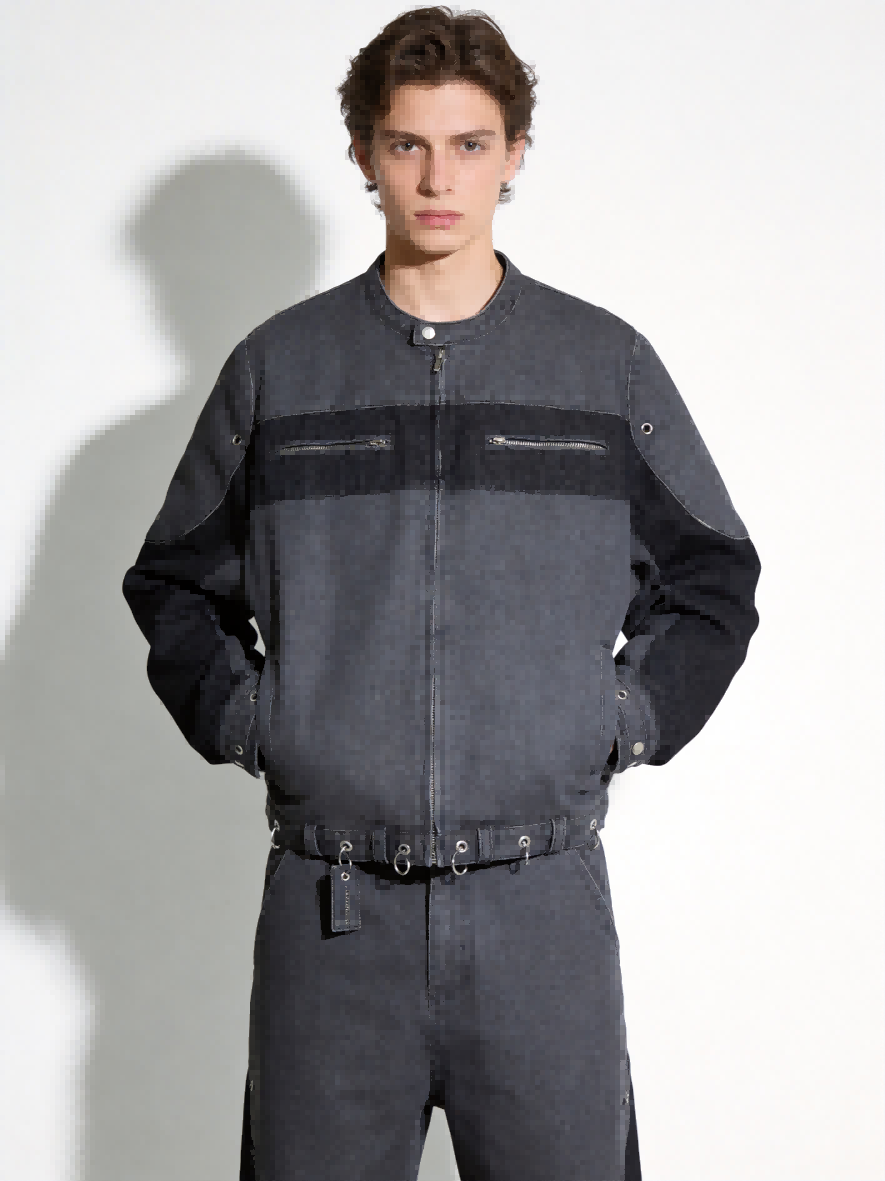
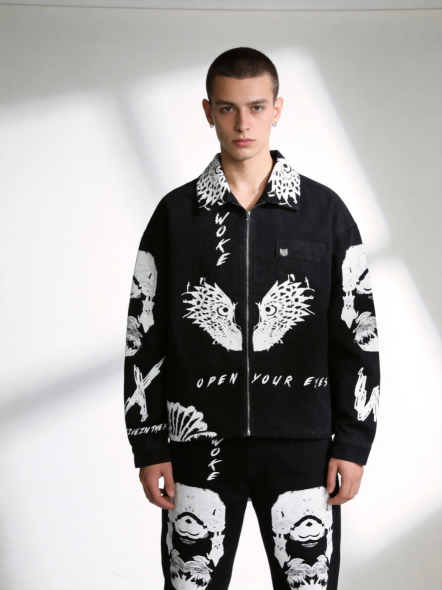
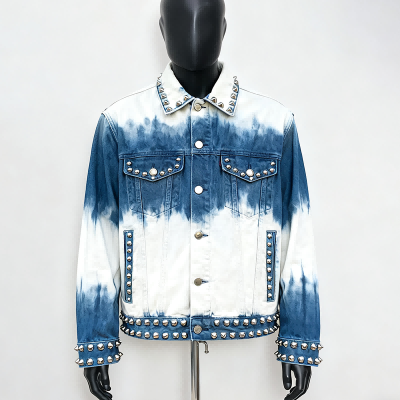
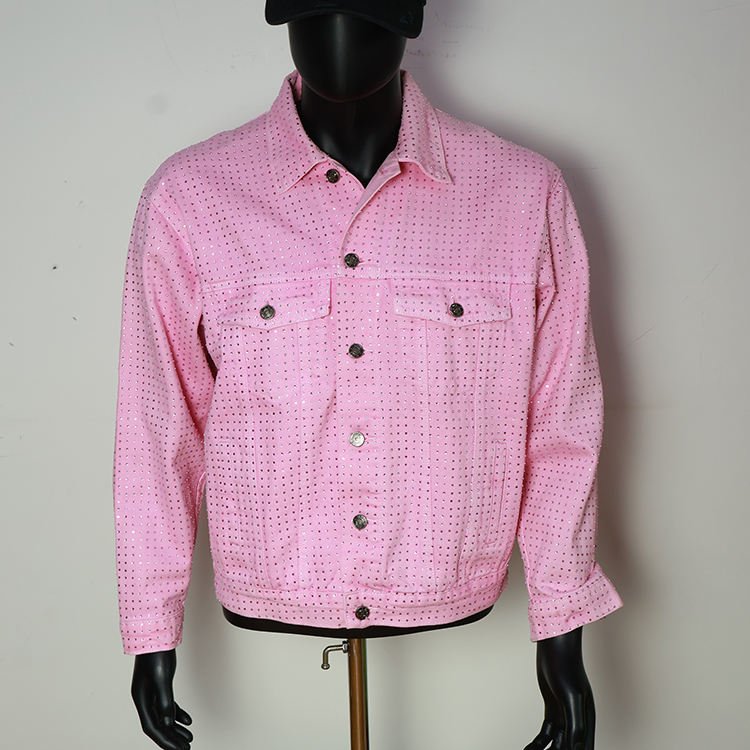
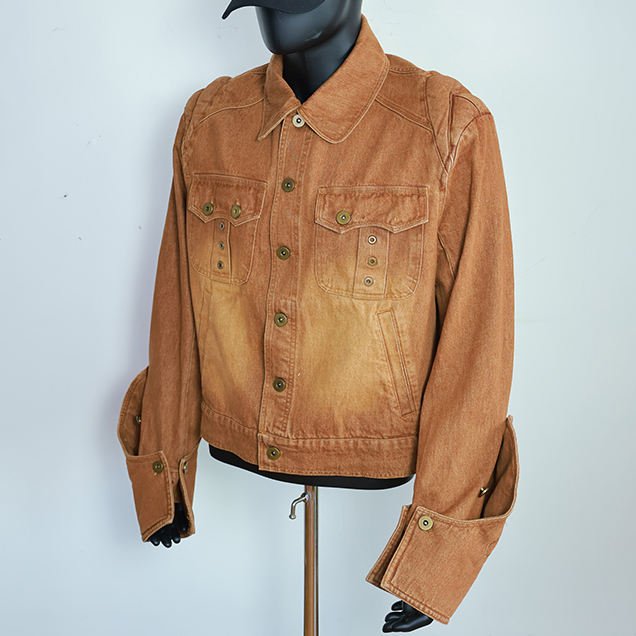
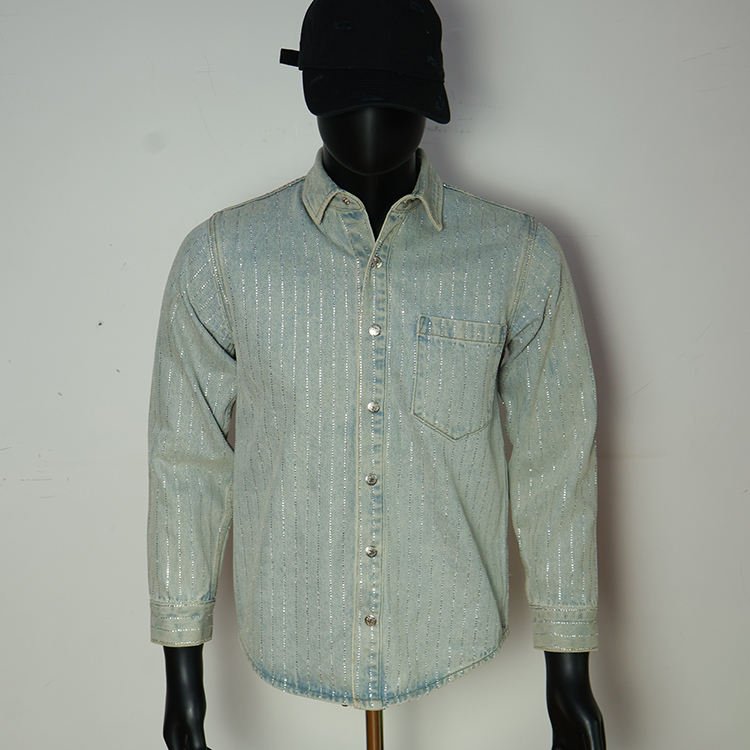
Why Clothing Manufacturer Leads in Wholesale Track Jackets
5-Step QC at Every Stage
Unlike competitors who skip mid-production checks, we test materials, cutting, craft, sewing, and finished garments to eliminate defects before shipping.
In-House Design & Sampling Team
Our 15-member R&D team creates custom track jacket designs and delivers samples in 7 days, backed by 10 production patents.
Low MOQ for Emerging Brands
Launch your streetwear line without massive inventory risk. We support startups and independent designers with flexible minimum order quantities.
Streetwear Expertise Since 2016
Tesla Luo’s 6 years of streetwear specialization means we understand trend-driven designs, bold graphics, and the cultural elements your audience demands.
Fast Turnaround for Seasonal Drops
Meet tight launch windows with our streamlined production workflow. We’ve helped influencer brands scale from zero to hundreds of thousands of followers.
Global Shipping & Logistics Support
Serving customers in over 100 countries with transparent customs, inspection procedures, and reliable international freight management from Dongguan to your door.
Wholesale Track Jacket Categories — From Classic to Custom
Whether you’re launching a streetwear line or scaling an established brand, our wholesale track jackets come in styles engineered for every audience and budget. Explore the category that matches your vision.
Classic Polyester Track Jackets
Emerging streetwear brands and fashion startups need affordable, versatile wholesale track jackets that look premium without breaking the budget, yet struggle to find suppliers who maintain consistent quality at low MOQs.
Our classic polyester track jackets deliver lightweight comfort, vibrant colorways, and our 5-step QC guarantee—starting from just 50 pieces. Perfect for first collections and seasonal drops that demand reliable turnaround and global shipping support.
Premium Fleece-Lined Track Jackets
Global apparel retailers and trendy brands targeting colder markets require wholesale track jackets with superior warmth and luxury hand-feel, but most manufacturers compromise on fabric quality or finishing to cut costs.
We source the best streetwear fabrics—premium fleece interiors paired with durable shells—and apply rigorous craft QC testing at every stage. The result: track jackets that elevate your brand positioning and customer satisfaction year-round.
Custom-Print Ready Track Jackets
Influencer and creator brands need wholesale track jackets that serve as blank canvases for bold, trend-driven graphics and unique artwork, but face long lead times and quality inconsistencies when adding custom prints.
Our in-house design and sampling team collaborates with you to perfect placement, color matching, and print durability. Fast turnaround for seasonal collections means your custom-print track jackets hit the market while the trend is hot.
Embroidered & Branded Track Jackets
Independent designers and fashion startups want wholesale track jackets with intricate embroidery, woven labels, and premium trims to differentiate their brand, but lack access to manufacturers who excel in detailed craftsmanship.
Leveraging 10+ years of production experience and 10 patents in garment innovation, we deliver embroidered track jackets with flawless stitch precision, custom trims, and accessories—all validated through our finished clothing quality QC inspection.
Premium Fabrics for Wholesale Track Jackets — Comfort & Durability
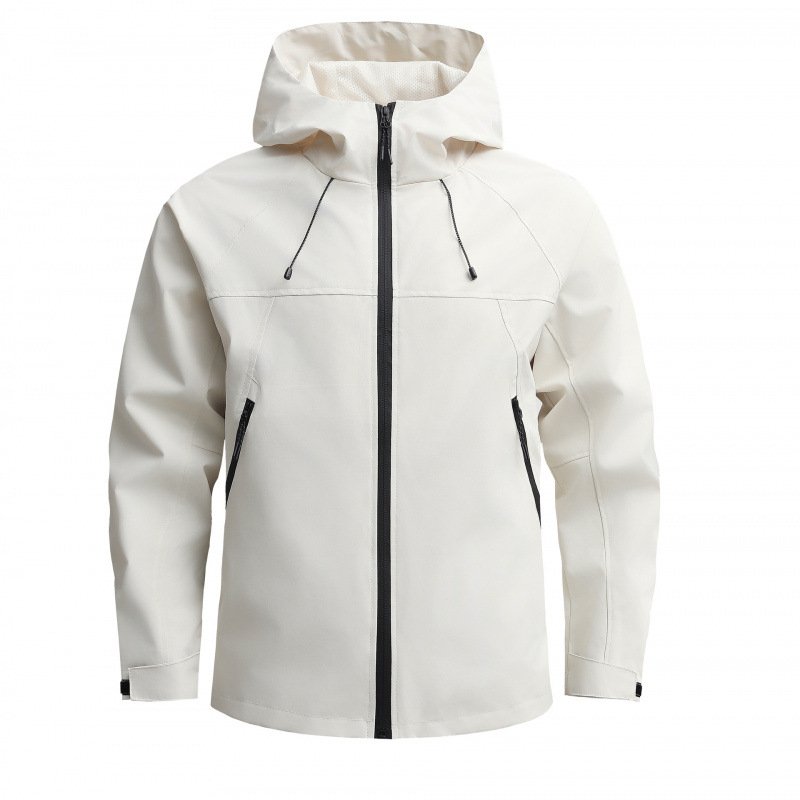
Polyester Tricot
Smooth, lightweight synthetic with excellent drape and sheen. Ideal for classic track jacket shells that require moisture resistance and quick drying. Weight: 150–180 GSM, minimal stretch, silky hand-feel for athletic aesthetics.
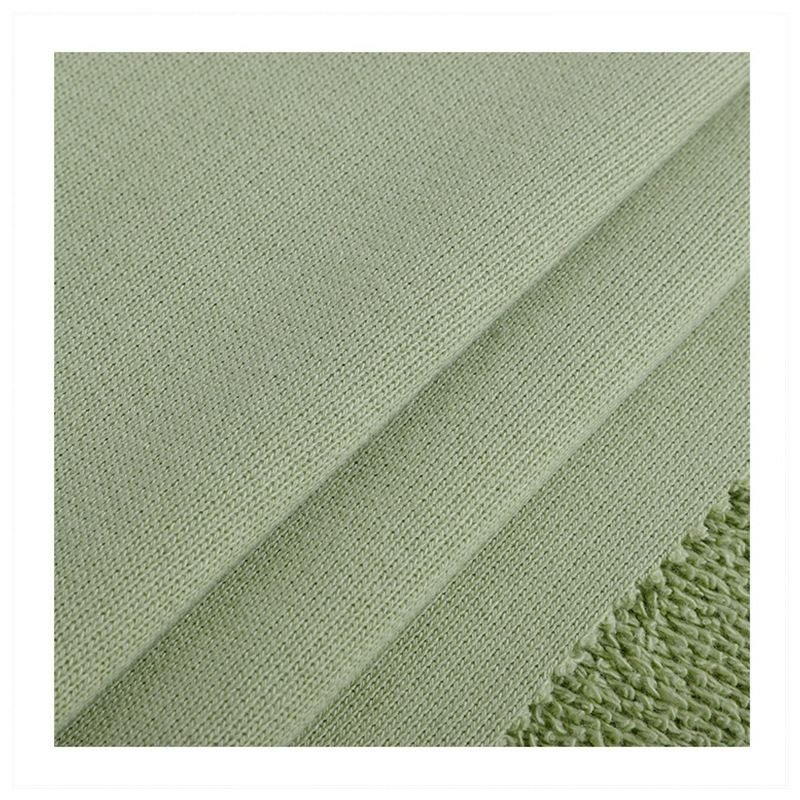
Cotton French Terry
Soft looped interior, smooth exterior face for comfort and breathability. Perfect for track jacket linings or casual athleisure styles. Weight: 240–280 GSM, moderate stretch, absorbs moisture naturally for all-day wear.
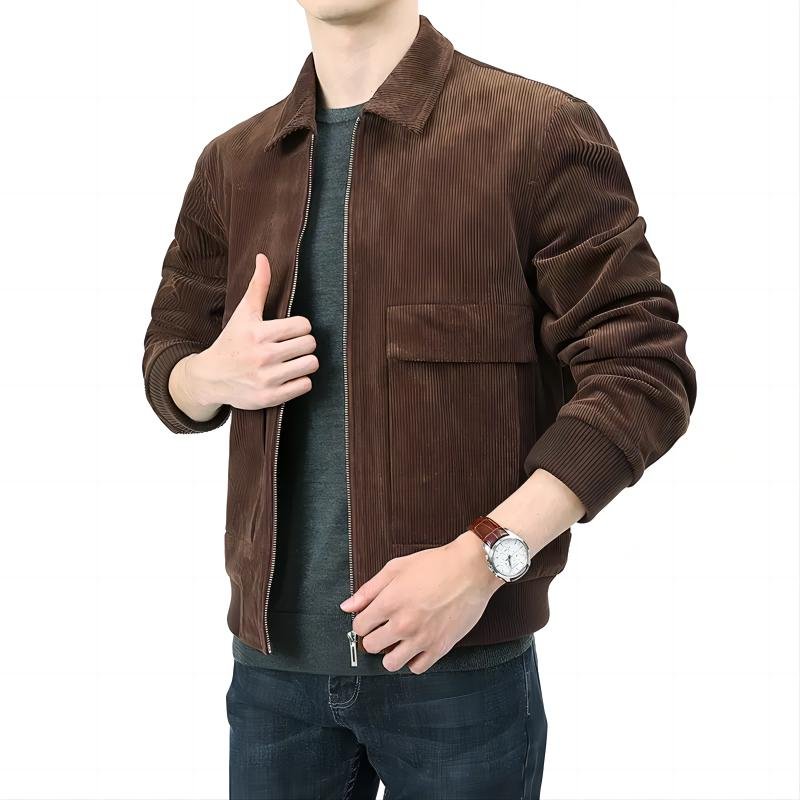
Poly-Spandex Blend
High-performance stretch fabric engineered for movement and recovery. Suits modern athletic track jackets demanding flexibility and shape retention. Weight: 200–240 GSM, four-way stretch, moisture-wicking finish for active lifestyles.
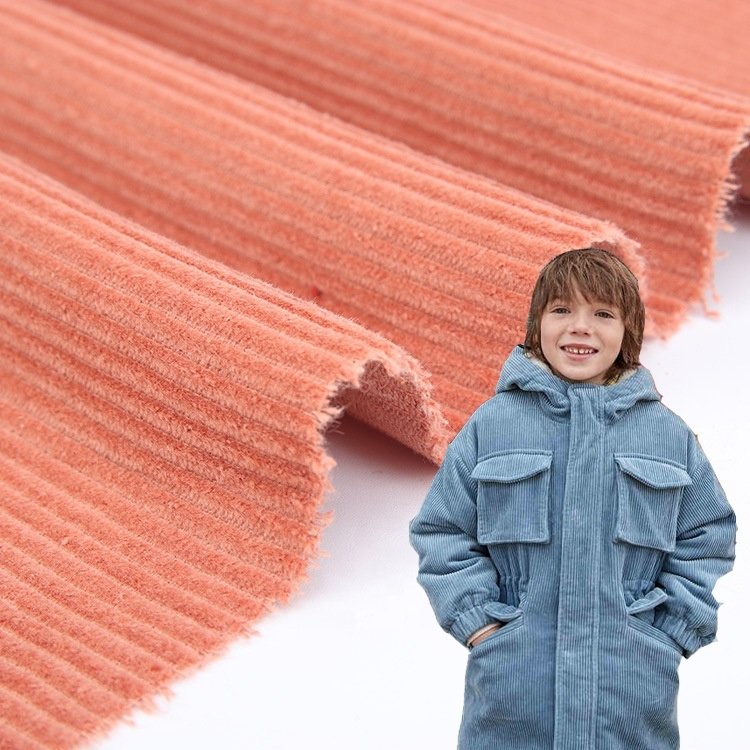
Heavyweight Fleece
Plush, insulating knit with brushed interior for warmth without bulk. Excellent for lined track jackets or cold-weather collections. Weight: 300–350 GSM, soft hand-feel, traps heat while remaining breathable and durable.
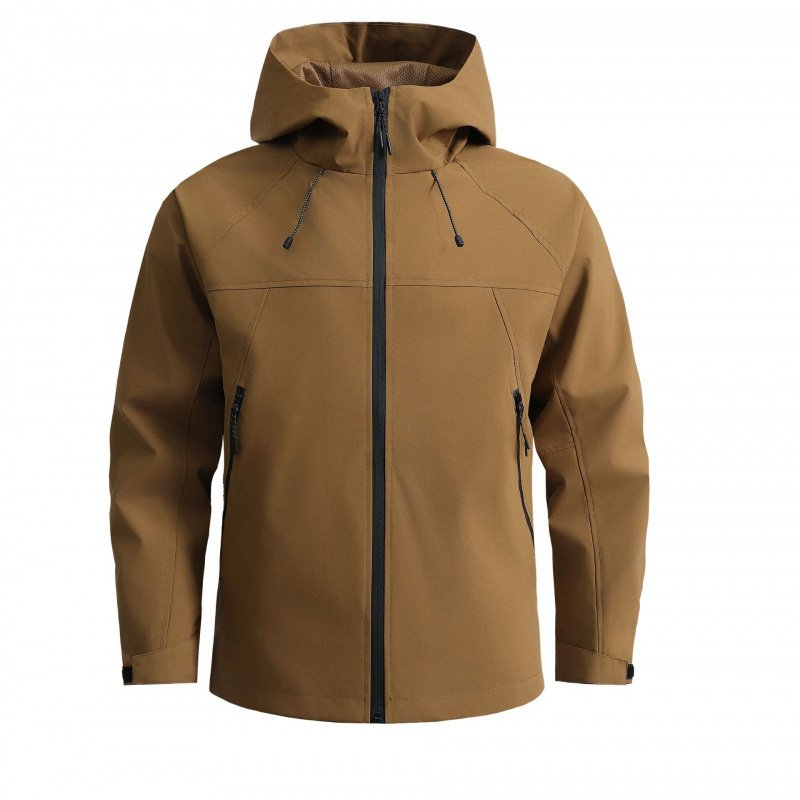
Nylon Taffeta
Crisp, wind-resistant shell fabric with a subtle rustle and premium finish. Ideal for lightweight track jackets requiring packability and weather protection. Weight: 60–90 GSM, water-repellent coating, ultra-smooth texture for layering.
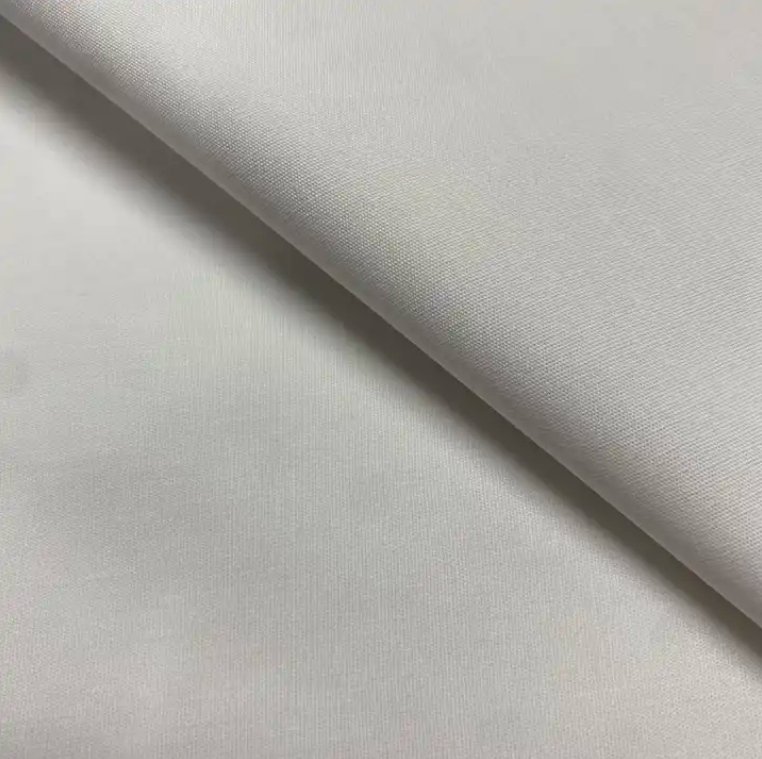
Mesh Knit
Open-weave construction for maximum ventilation and breathability. Perfect for track jacket panels, linings, or summer-weight styles. Weight: 120–160 GSM, high air permeability, quick-dry properties for performance-focused designs.
Advanced Production Processes for Wholesale Track Jackets
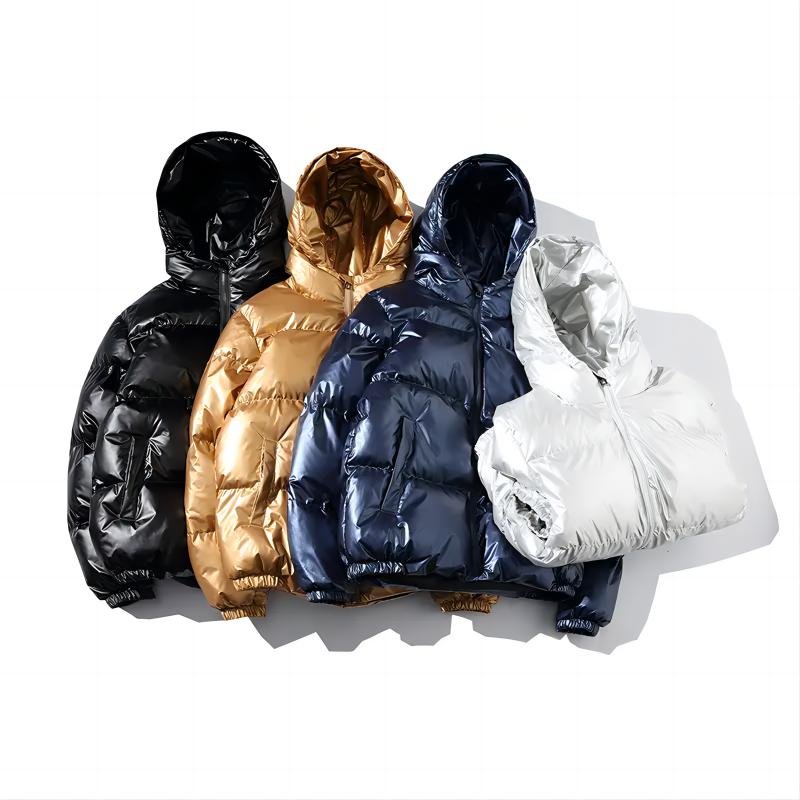
Precision Cutting
Computer-aided cutting systems ensure every panel of your wholesale track jackets matches specifications exactly. Our cutting QC testing verifies pattern accuracy and fabric alignment before sewing begins, eliminating fit inconsistencies across production runs.
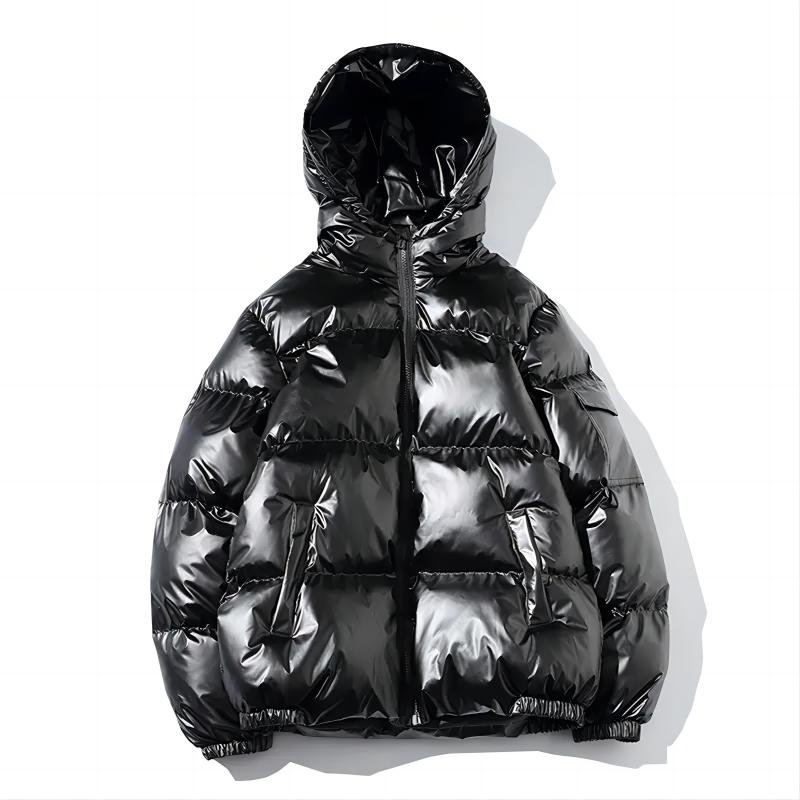
High-Speed Sewing
Advanced industrial machines and skilled operators construct wholesale track jackets with reinforced seams and consistent stitch density. Our sewing production QC testing inspects every garment mid-assembly to catch and correct defects before they reach finishing stages.
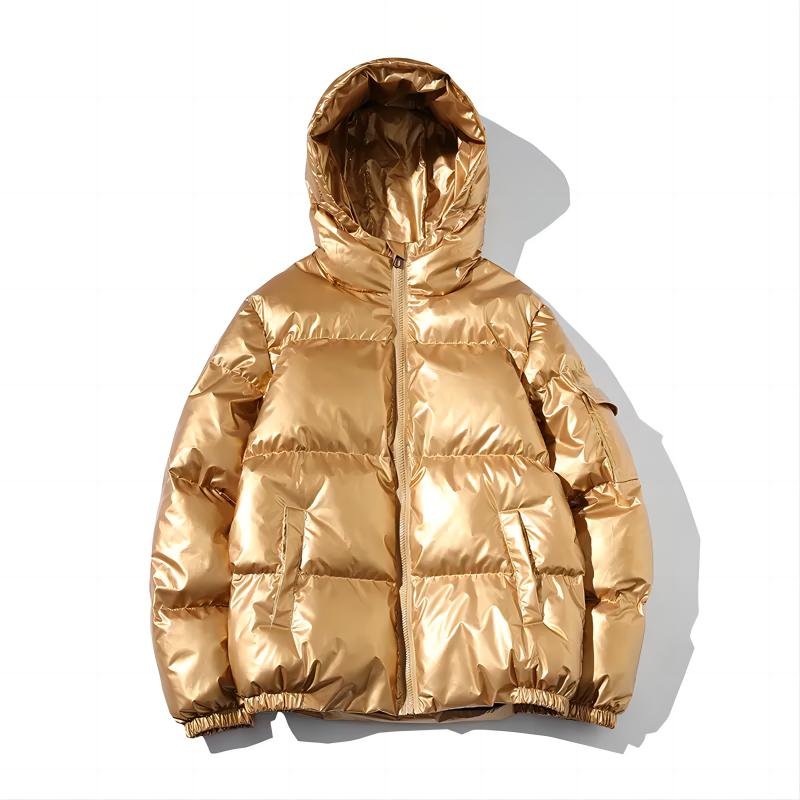
Screen Printing
Vibrant, fade-resistant graphics applied with precision registration and curing. Ideal for bold streetwear designs on wholesale track jackets, screen printing delivers sharp detail and exceptional wash durability that maintains color intensity wear after wear.
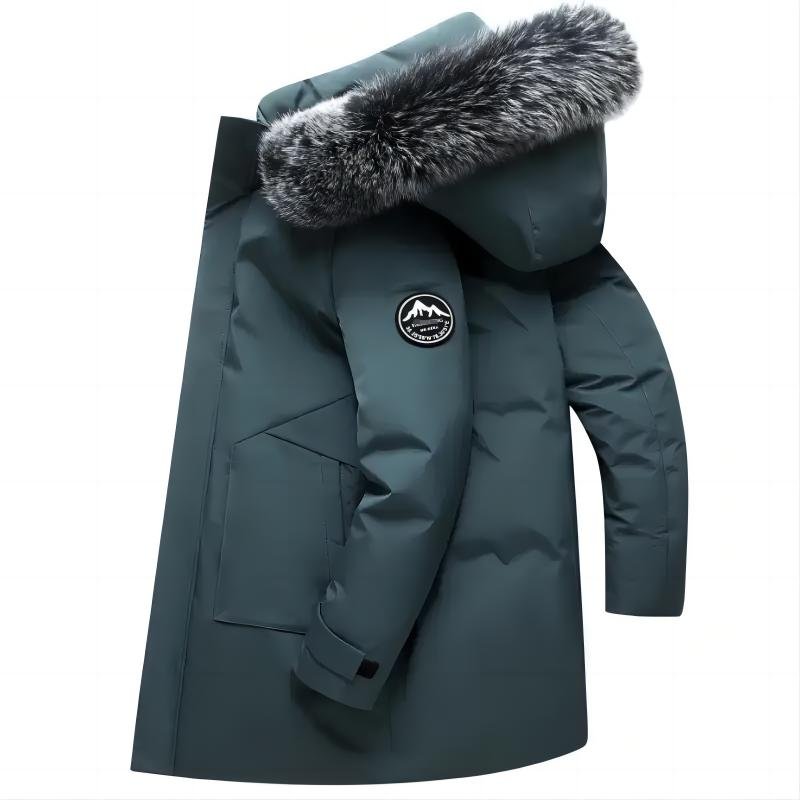
Embroidery Application
Premium thread embroidery adds dimensional logos and custom branding to wholesale track jackets with a luxury finish. Our craft QC testing ensures tight stitching, proper backing, and flawless placement that elevates perceived value for your brand.
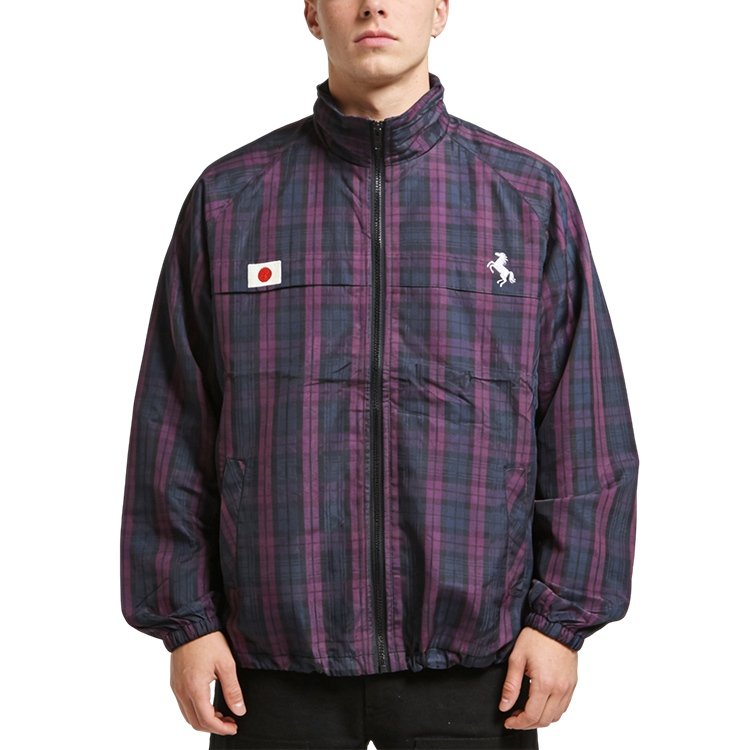
Heat-Seal Finishing
Clean, modern aesthetic achieved through heat-applied patches, labels, and trims on wholesale track jackets. This process creates smooth, lightweight branding elements that won’t irritate skin while maintaining professional appearance through repeated washing and wearing.
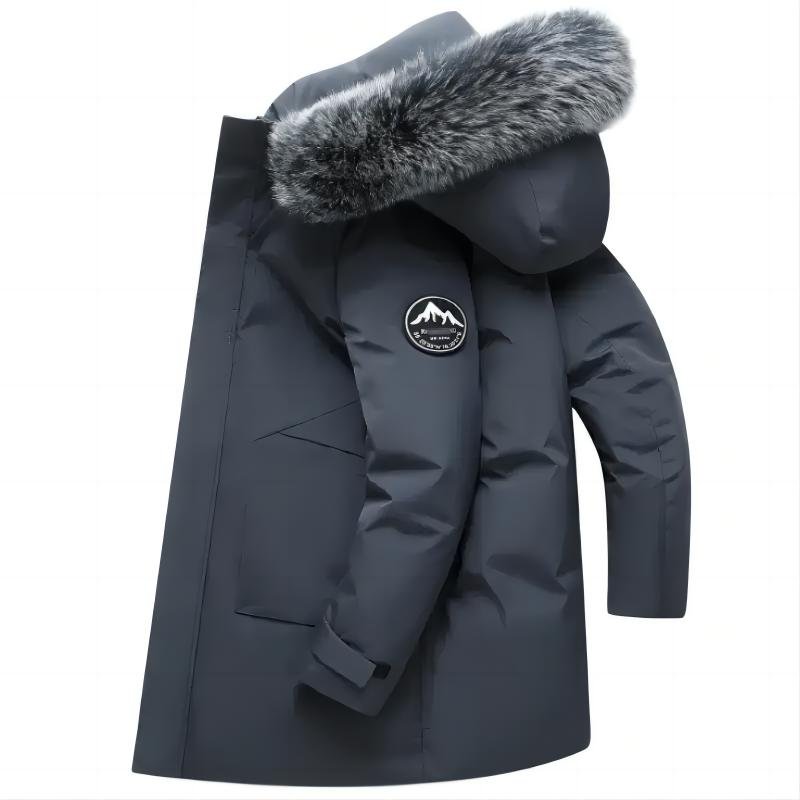
Final Inspection
Every wholesale track jacket undergoes comprehensive finished clothing quality QC inspection, checking measurements, construction integrity, print quality, and packaging standards. Only garments meeting our zero-compromise criteria ship to your brand, protecting your reputation in the market.
Custom Trims & Accessories for Wholesale Track Jackets
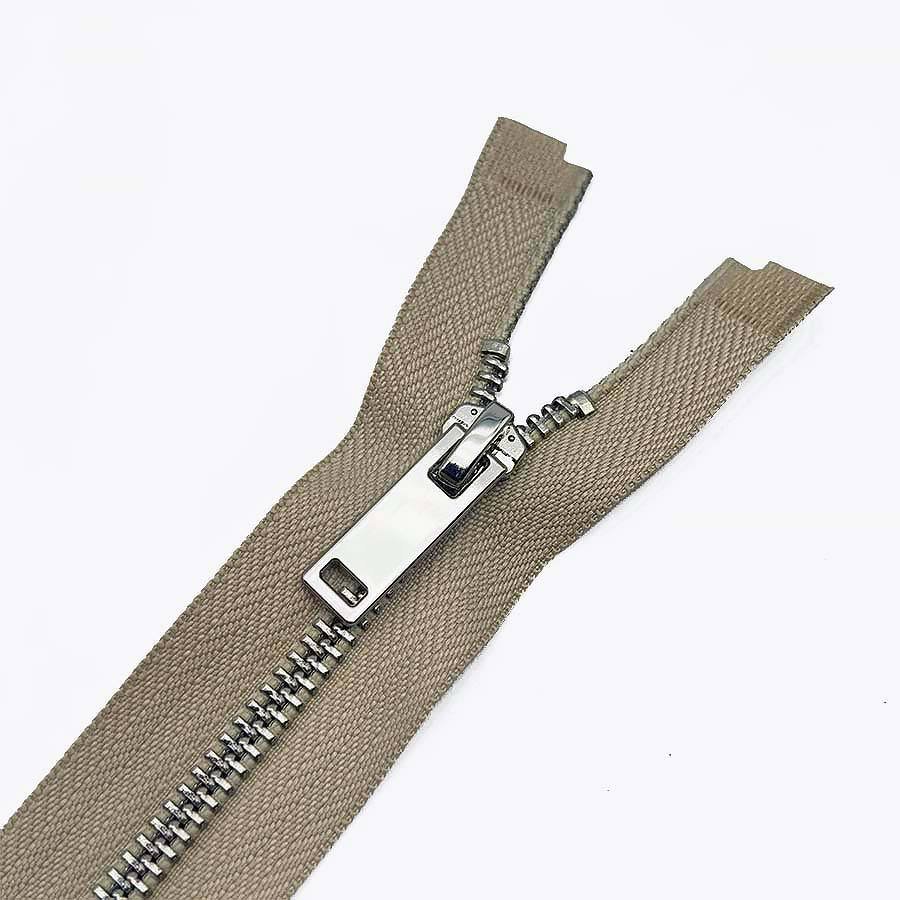
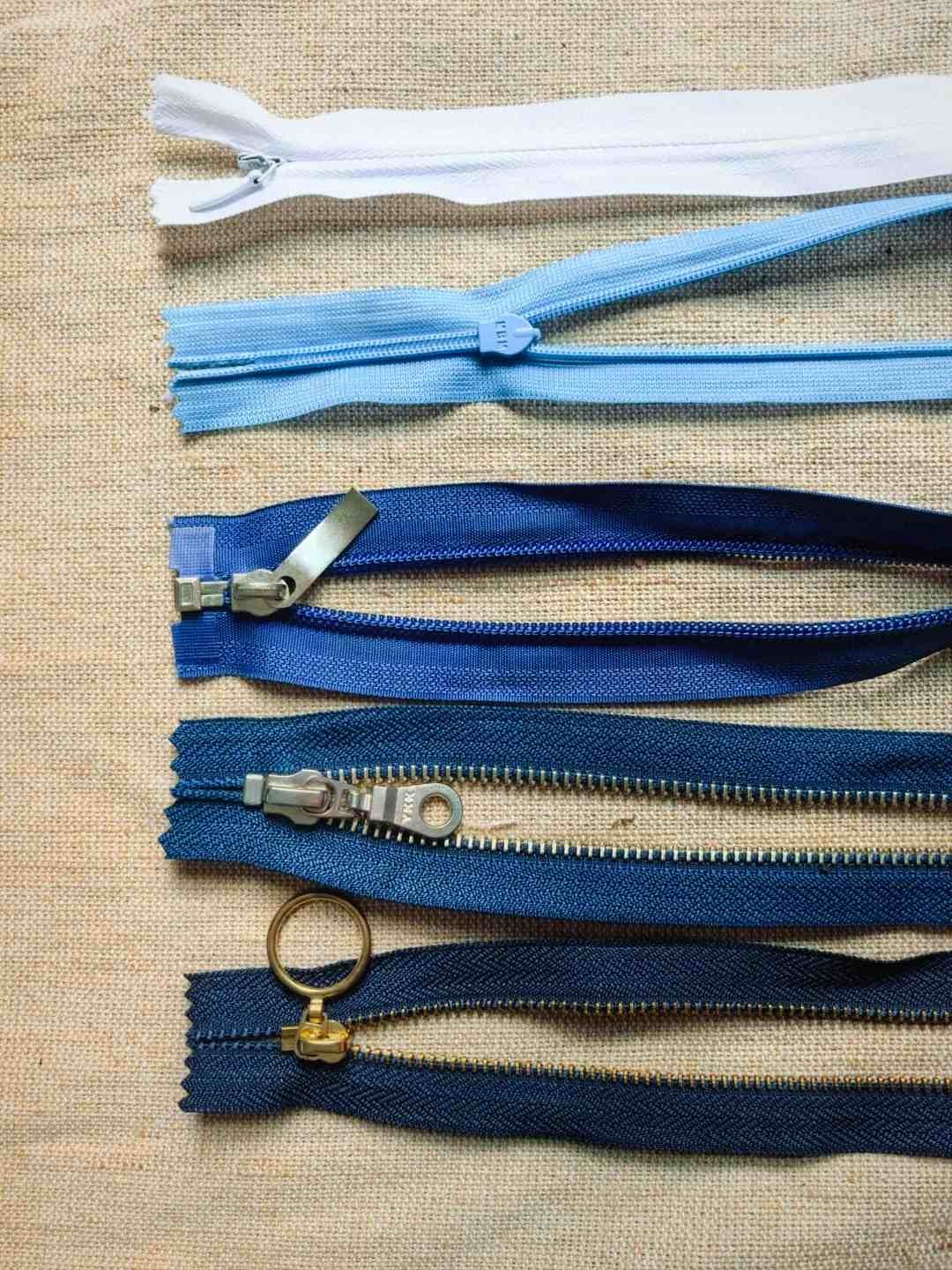
YKK Metal Zippers
Premium YKK metal zippers for center-front closures and pocket details deliver smooth operation and lasting durability. Available in custom colors and finishes to match your track jacket’s aesthetic and brand identity.
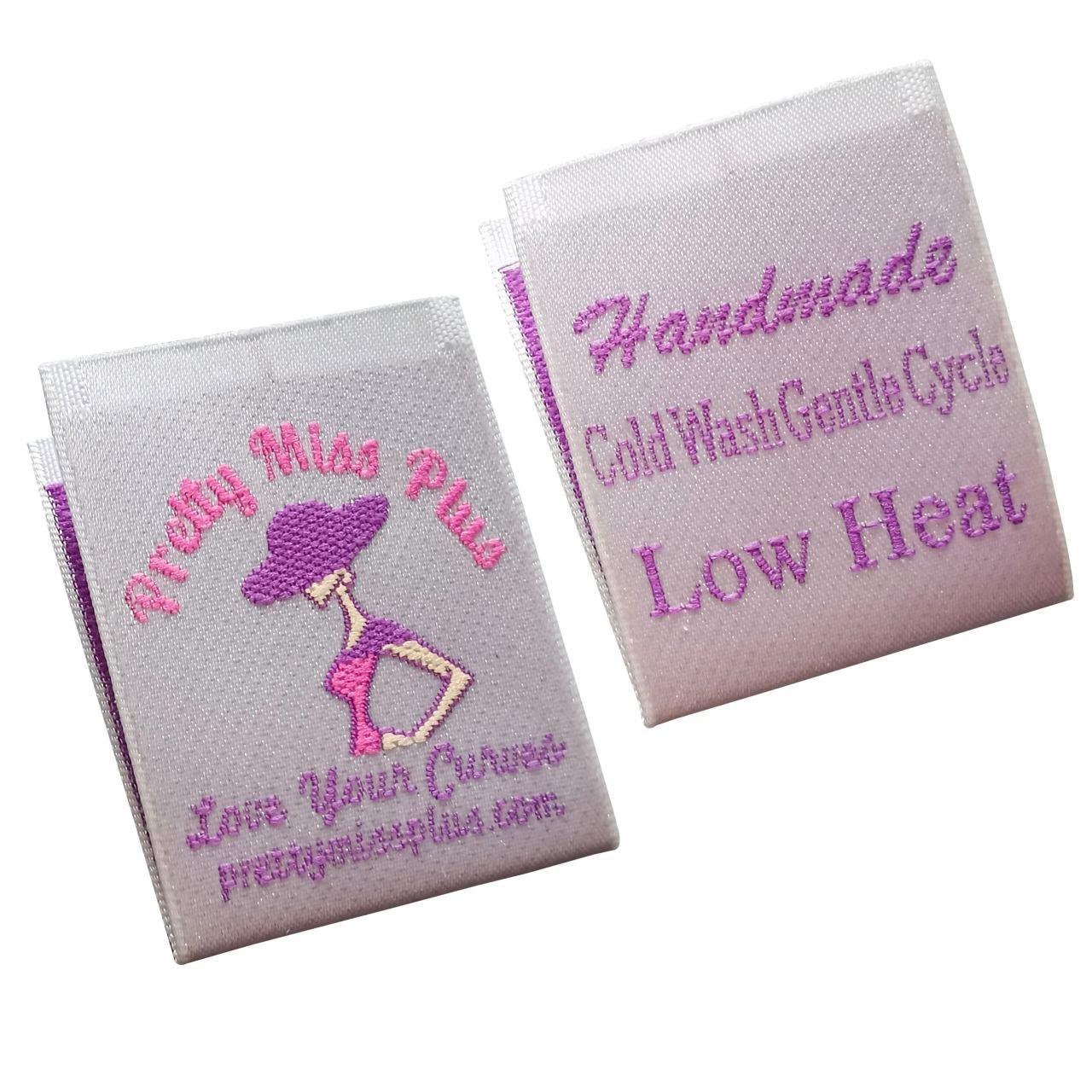
Woven Brand Labels
High-definition woven labels sewn into neck, side seam, or pocket positions communicate your brand story with professional clarity. Custom thread colors, sizes, and fold styles available for wholesale track jacket orders.
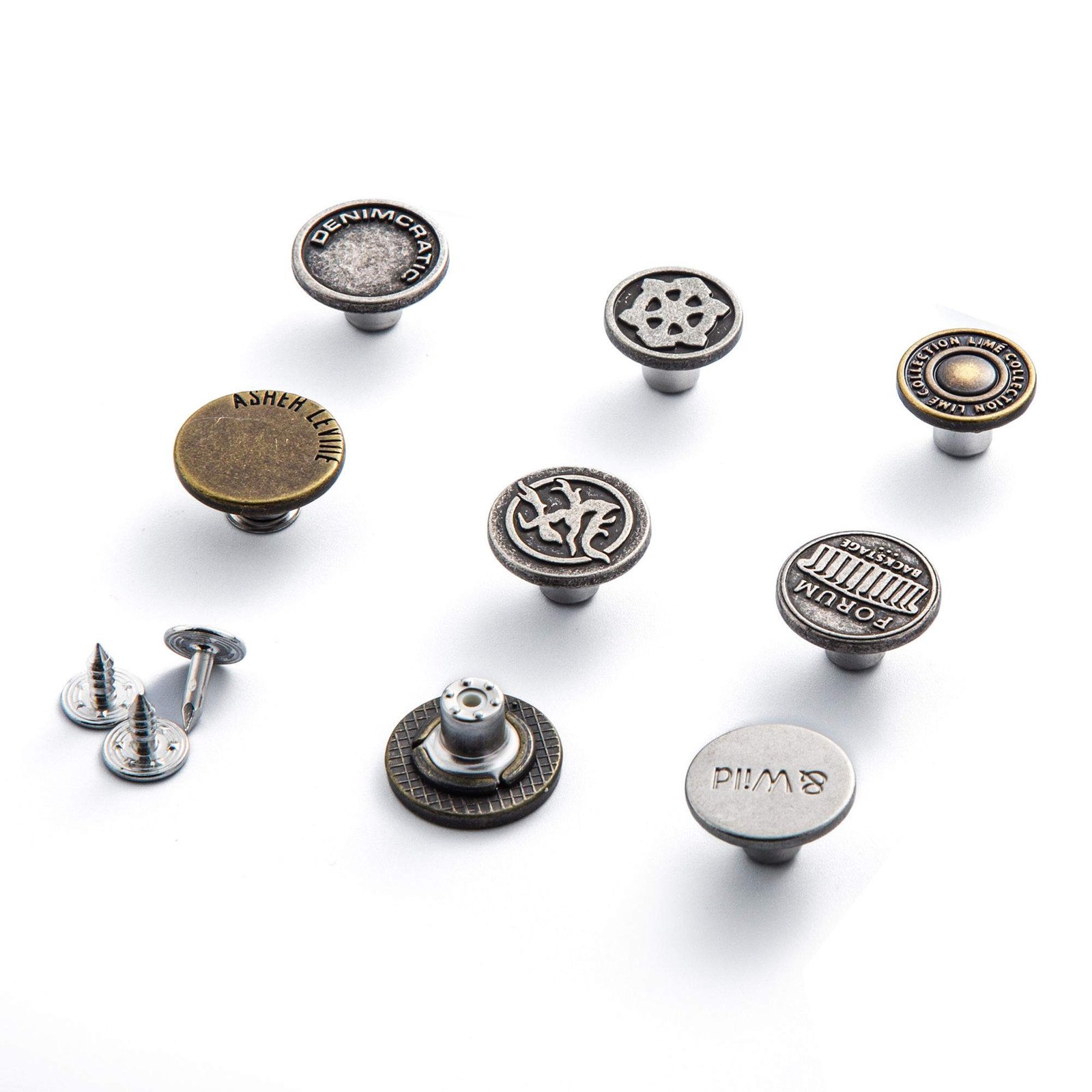
Embroidered Patches
Custom embroidered patches add dimension and streetwear credibility to chest, sleeve, or back panels. Our in-house team digitizes your artwork and produces patches with crisp detail and secure attachment for track jackets.
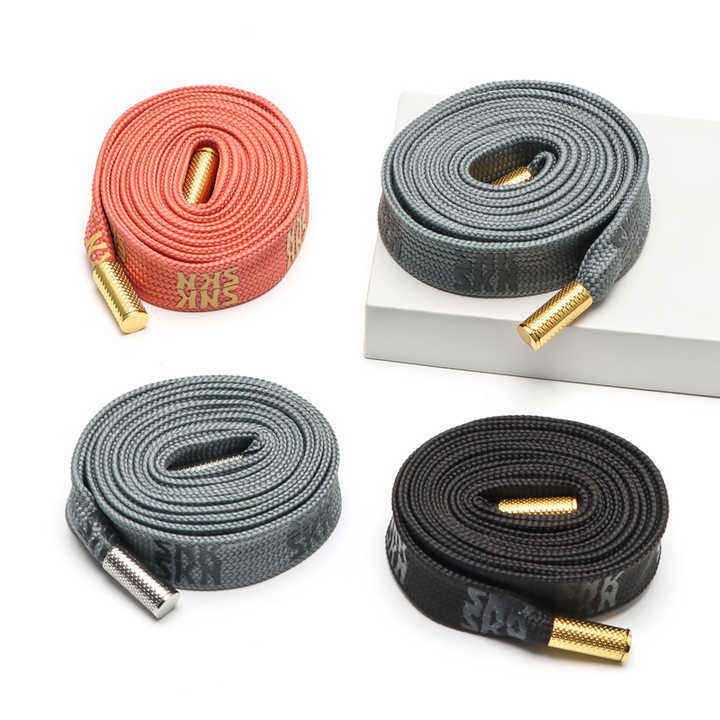
Drawcords & Tipping
Flat or round drawcords with metal or plastic aglets finish hoods and hems with functional style. Choose from rope, elastic, or reflective cord options with custom tipping colors that complement your wholesale track jacket design.
Snap Buttons
Durable metal or resin snap buttons provide secure closure for pockets, cuffs, and plackets on track jackets. Available with custom engraving or logo embossing to reinforce brand recognition on every garment detail.
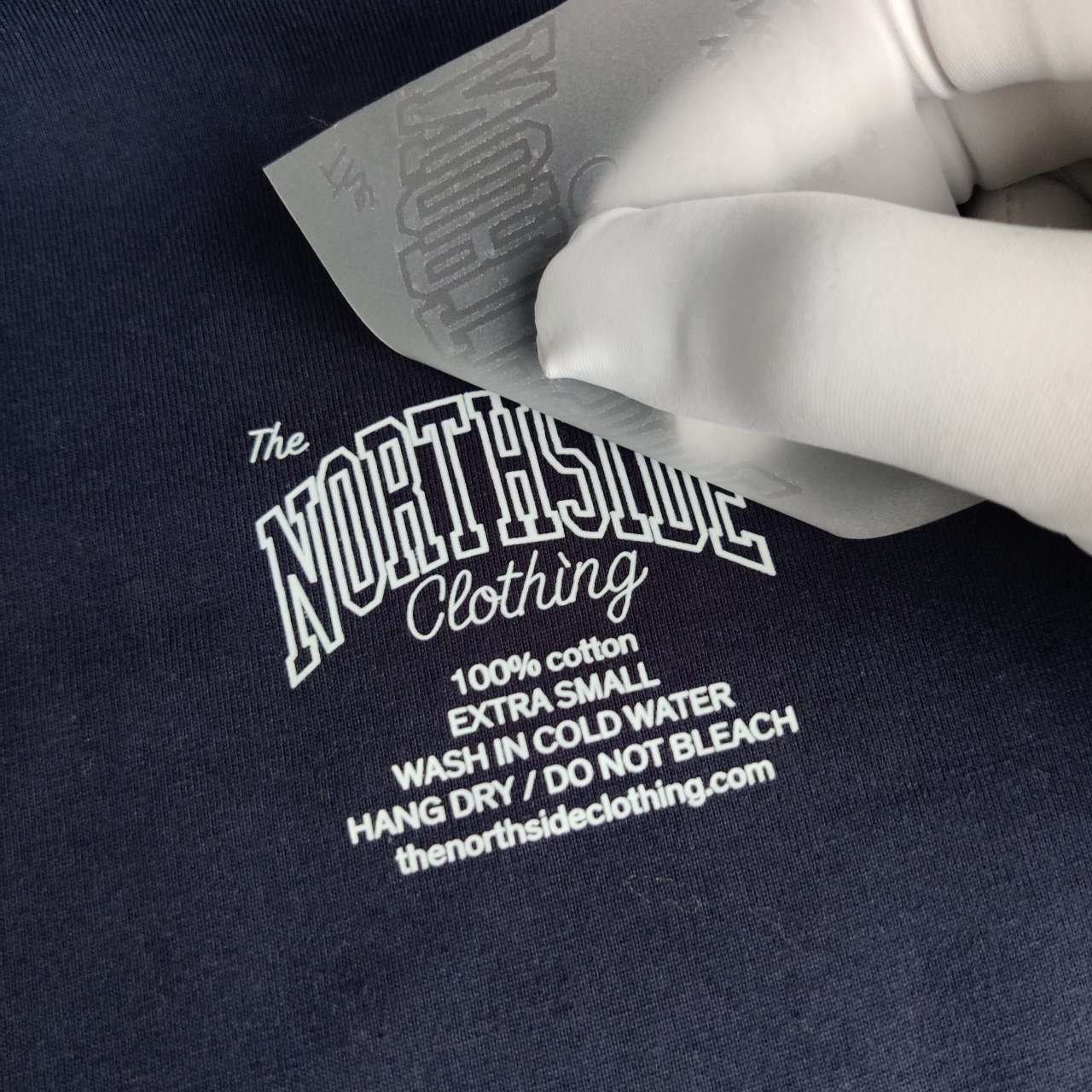
Heat-Transfer Logos
Vibrant heat-transfer graphics and logos apply cleanly to chest, back, or sleeve positions without the bulk of embroidery. Ideal for intricate designs, gradient effects, and photorealistic artwork on wholesale track jackets with a modern finish.
About Clothing Manufacturer — Wholesale Track Jacket Experts
Founded in 2024 by Tesla Luo, Clothing Manufacturer Ltd. emerged from a decade of hands-on apparel production experience and six years specializing in streetwear. Growing up in a garment manufacturing family, Tesla witnessed firsthand the quality shortcuts that damaged the reputation of Chinese manufacturers and committed to building a company that restores trust through rigorous standards.
Today we serve streetwear brands, fashion startups, and global retailers across 100+ countries, producing wholesale track jackets and streetwear apparel with our proprietary five-step quality control process. Every garment undergoes materials testing, cutting inspection, craft verification, sewing checks, and finished product review before it ships—ensuring zero-compromise quality at every production stage.
Backed by a 15-member R&D team, 10 production patents, and the manufacturing infrastructure of our parent company Dongguan TuoZhen Clothing Co., Ltd., we offer low MOQs for emerging brands, fast turnaround for seasonal collections, and the technical expertise to bring your wholesale track jacket vision to life with confidence.
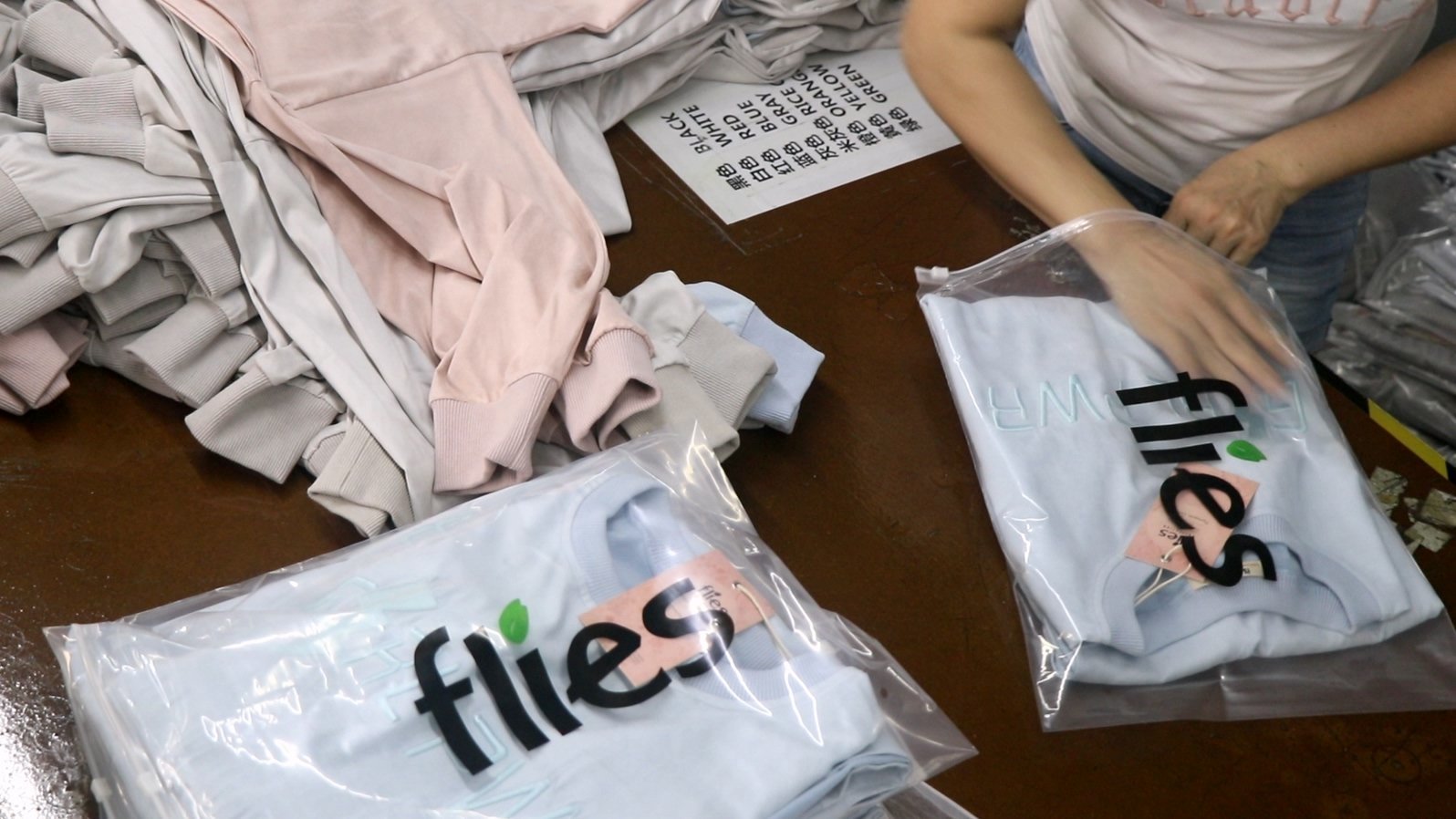
Our 5-Step Quality Control — Built Into Every Wholesale Track Jacket
Materials QC Testing Before Production
Every fabric roll, zipper, and trim undergoes rigorous inspection before cutting begins. We verify weight, color fastness, stretch recovery, and durability against your specifications so defective materials never enter our production line.
- Fabric weight and composition verification using calibrated instruments
- Color fastness testing to ensure prints and dyes withstand washing
- Zipper pull-strength and smooth-operation checks on every batch
- Supplier material certificates cross-referenced with in-house lab results
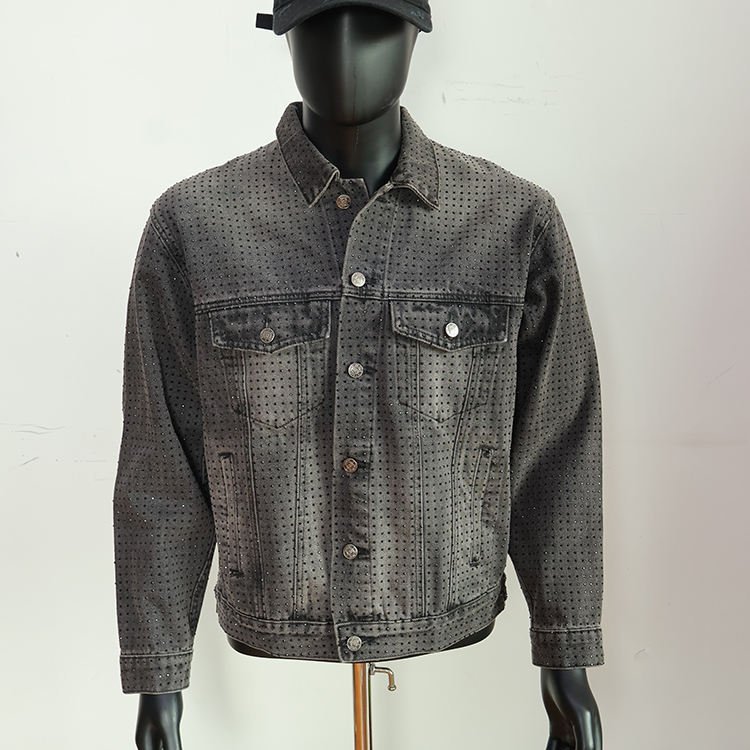
Cutting QC Testing for Pattern Accuracy
After materials pass inspection, our cutting team verifies every pattern piece against approved tech packs. Measurements are spot-checked to confirm grain alignment, symmetry, and dimensional accuracy before panels move to sewing.
- Digital pattern overlay to confirm cutting tolerances within ±2mm
- Grain-line and stripe-matching checks for consistent panel alignment
- Random sampling of cut pieces measured against master specifications
- Immediate correction protocols if any variance is detected
Craft and Sewing Production QC
During assembly, our QC inspectors monitor stitch density, seam strength, and construction techniques at each workstation. This in-line testing catches issues in real time, preventing defects from compounding through later stages.
- Stitch-per-inch counts verified on collar, cuffs, and high-stress seams
- Seam-strength pull tests on zippers, pockets, and sleeve attachments
- Alignment checks for logos, stripes, and color-block panels mid-production
- Immediate rework stations to address flagged garments without delay
Final Finished Garment Quality Inspection
Every completed wholesale track jacket undergoes a comprehensive final audit covering measurements, appearance, function, and packaging readiness. Only garments that pass all checkpoints earn our QC seal and proceed to your shipment.
- Full-body measurement verification against approved size charts
- Visual inspection under standardized lighting for loose threads or marks
- Functional testing of all zippers, snaps, and adjustable features
- Steam-pressing and fold standards checked before poly-bagging
Why Our Wholesale Track Jackets Outperform Typical Suppliers
We built our production process to eliminate the shortcuts that compromise quality. Here’s how Clothing Manufacturer compares to conventional wholesale suppliers who skip critical quality checks.
← 左右滑动查看 →
Wholesale Track Jackets Production Timeline — From Order to Delivery
Every wholesale track jacket order follows our proven 6-phase workflow, with quality checkpoints at each stage to ensure your brand receives premium products on schedule.
Tech Pack Review
Our design team reviews your specifications, confirms fabric choices, sizing, branding details, and finalizes the production blueprint for your wholesale track jackets.
Sampling & Approval
We produce physical samples with your exact materials and construction. You review, request revisions if needed, and approve before bulk production begins.
Fabric Cutting & QC
Approved patterns are cut from premium fabrics. Our first two QC checkpoints—materials testing and cutting inspection—verify accuracy and quality at the source.
Sewing & In-Line QC
Skilled craftspeople assemble your track jackets while our clothing craft and sewing production QC tests catch defects in real time, not after completion.
Finishing & Final Inspection
Garments are pressed, branded, and undergo our fifth QC checkpoint—finished clothing quality inspection—ensuring every piece meets our zero-compromise standards before packing.
Packing & Global Logistics
Your wholesale track jackets are carefully packed per your requirements and shipped worldwide with full tracking, customs support, and delivery coordination to your destination.
How to Order Wholesale Track Jackets — Simple 4-Step Process
From design submission to global delivery, our streamlined workflow makes sourcing premium wholesale track jackets effortless for streetwear brands, startups, and retailers worldwide.
Submit Your Design or Tech Pack
Share your track jacket design, tech pack, or reference images with our team. We’ll review your specifications and customization requirements within 24 hours.
Receive Quote and Sample Timeline
Get a detailed quote with fabric options, pricing, and MOQ details. Approve your sample order and we’ll produce your prototype using our 5-step QC process.
Approve Sample for Bulk Production
Review your physical sample for fit, fabric quality, and finishing. Once approved, we launch bulk production with quality checks at every manufacturing stage.
Ship Your Order Worldwide
After final inspection, your wholesale track jackets are packaged and shipped globally. We handle logistics, customs documentation, and delivery tracking for you.
Certifications & Quality Standards for Wholesale Track Jackets
Customer Success Stories — Brands Growing with Our Wholesale Track Jackets
We launched our streetwear line with their wholesale track jackets and grew from 0 to 47,000 Instagram followers in 8 months. The quality and custom embroidery options made our brand stand out immediately.
Their 5-step QC process eliminated our return rate issues. We ordered 500 custom track jackets with zero defects—first supplier to deliver that in three years. Lead time was cut by 35% compared to our previous manufacturer.
As a startup, the low MOQ for wholesale track jackets let us test three colorways without breaking our budget. Sold out in 19 days and reordered immediately. Their team understood our vision from day one.
FAQ — Wholesale Track Jacket Sourcing Questions Answered
What is the minimum order quantity for wholesale track jackets?
How long does production take for wholesale track jackets?
Do you offer samples before bulk production of wholesale track jackets?
Can I customize colors, fabrics, and branding on wholesale track jackets?
What payment terms do you offer for wholesale track jacket orders?
How do you protect my designs and intellectual property for wholesale track jackets?
What shipping and logistics support do you provide for wholesale track jackets?
How does your 5-step QC process apply to wholesale track jackets?
Do you offer bulk pricing discounts for larger wholesale track jacket orders?
The Complete Buyer’s Guide to Wholesale Track Jackets for Your Brand
Navigate the wholesale track jacket sourcing landscape with confidence. This guide delivers a proven decision framework, supplier evaluation criteria, material comparisons, customization options, and the most common mistakes to avoid when ordering in bulk.
1. What Are Wholesale Track Jackets?
Wholesale track jackets are athletic-inspired zip-front outerwear pieces characterized by elastic or ribbed cuffs, side stripes, and a relaxed fit that bridges sportswear and casual fashion. These garments trace their design DNA to 1970s and 1980s sportswear but have evolved into a streetwear staple embraced by independent designers, fashion startups, and global retailers. The wholesale model involves bulk orders placed directly with manufacturers at business-to-business pricing, typically requiring minimum order quantities (MOQs) ranging from 50 to 500 units per style depending on fabric complexity and customization level.
Streetwear brands and fashion startups source wholesale track jackets because they combine strong margin potential with broad consumer appeal across age groups and style tribes. B2B pricing structures allow brands to purchase at 30–50% of retail cost, enabling healthy markups while maintaining competitive shelf prices. Retailers value track jackets for their versatility: they work as layering pieces, standalone outerwear, and transitional-season inventory that moves quickly during spring and fall.
Demand for wholesale track jackets has surged alongside the athleisure movement, which blurred boundaries between performance wear and everyday fashion starting in the mid-2010s. Retro sportswear aesthetics—fueled by nostalgia for 1980s and 1990s athletic brands—drive continuous interest in classic track jacket silhouettes with modern fabric upgrades. Influencer and creator brands particularly favor track jackets because the silhouette offers ample surface area for logo placement, custom embroidery, and screen-printed graphics that build brand recognition without requiring complex pattern development.
2. Evolution and History of Track Jackets
Track jackets emerged in the 1960s and 1970s as functional athletic wear for European and American sports teams, designed with lightweight polyester, zip fronts, and ribbed cuffs to allow freedom of movement during warm-ups. Adidas popularized the silhouette with its iconic three-stripe design in 1967, while Puma introduced competing styles that became standard issue for track-and-field athletes and Olympic teams worldwide.
By the early 1980s, hip-hop culture in New York City adopted track jackets as street uniform, with crews and breakdancers wearing Adidas Firebird and Puma T7 styles as symbols of identity and status. Run-DMC’s partnership with Adidas in 1986 cemented the track jacket’s transition from performance gear to cultural statement, blending athletic heritage with urban self-expression. This crossover established the garment’s dual identity: technical sportswear and streetwear icon.
The 2000s brought a full streetwear revival, with Supreme, Stüssy, and independent labels reinterpreting track jackets through bold graphics, retro colorways, and limited drops that honored 1980s aesthetics. Wholesale buyers today source track jackets precisely because this 60-year heritage delivers instant brand credibility and resonates with audiences who value authenticity rooted in sport, music, and street culture.
Understanding this evolution matters for modern brands: design details like contrast piping, chest logos, and tricot fabrics signal awareness of the garment’s lineage, while quality construction reflects the performance standards that originally defined the category. Brands that respect this history create collections that feel genuine rather than derivative.
3. Types of Wholesale Track Jackets
Wholesale track jackets span six primary categories, each defined by distinct silhouettes, fabric choices, and target markets. Understanding these types ensures brands select the right style for their customer base and positioning.
Classic Retro Track Jackets
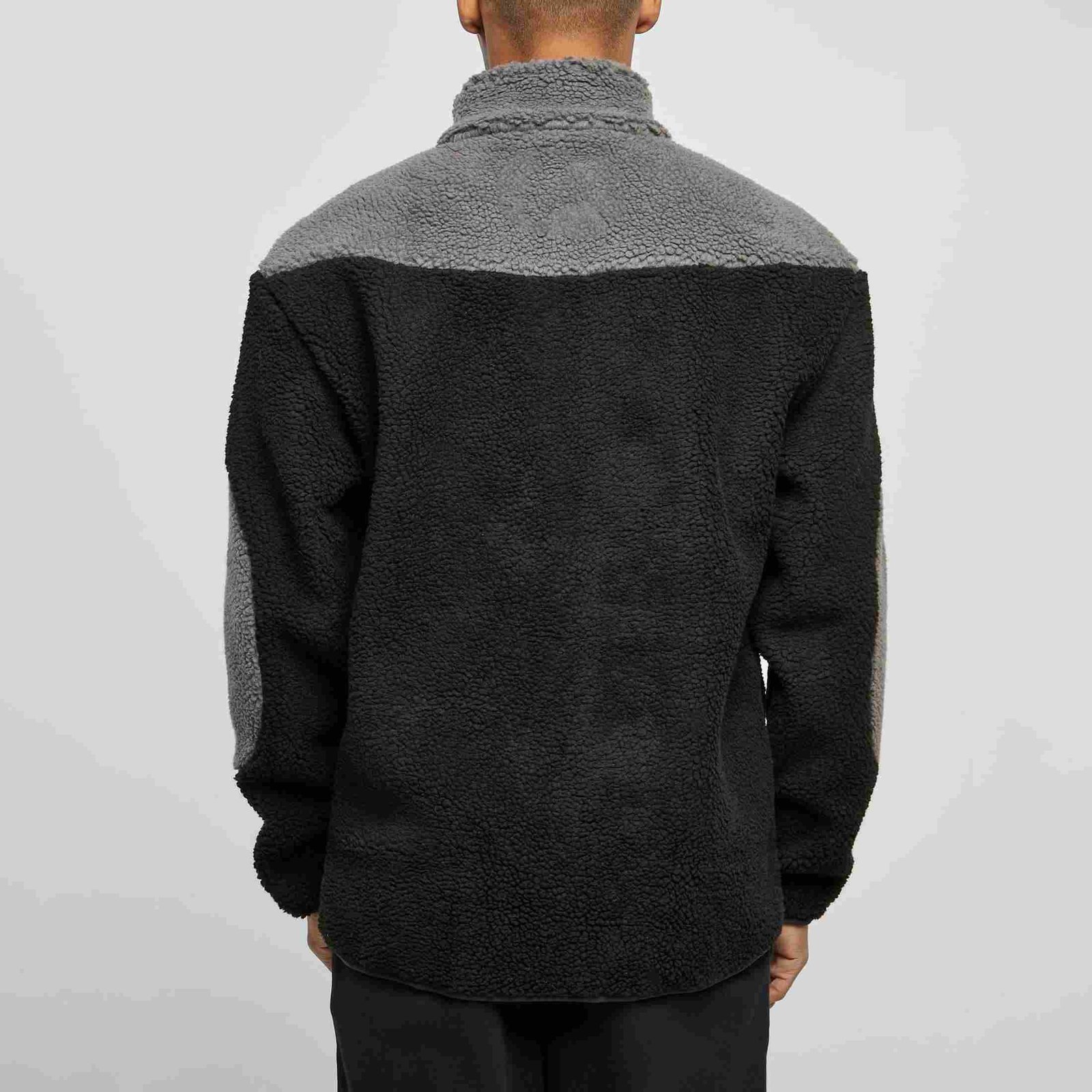
Side-stripe panels, zip-front closures, and ribbed cuffs define this timeless silhouette. Typically constructed from lightweight polyester or poly-cotton blends in the 180–220 GSM range, these jackets appeal to streetwear brands and nostalgic sportswear lines.
Use cases span casual athleisure, team uniforms, and heritage-inspired collections where recognizable ’70s and ’80s aesthetics drive sales.
Tricot Track Jackets
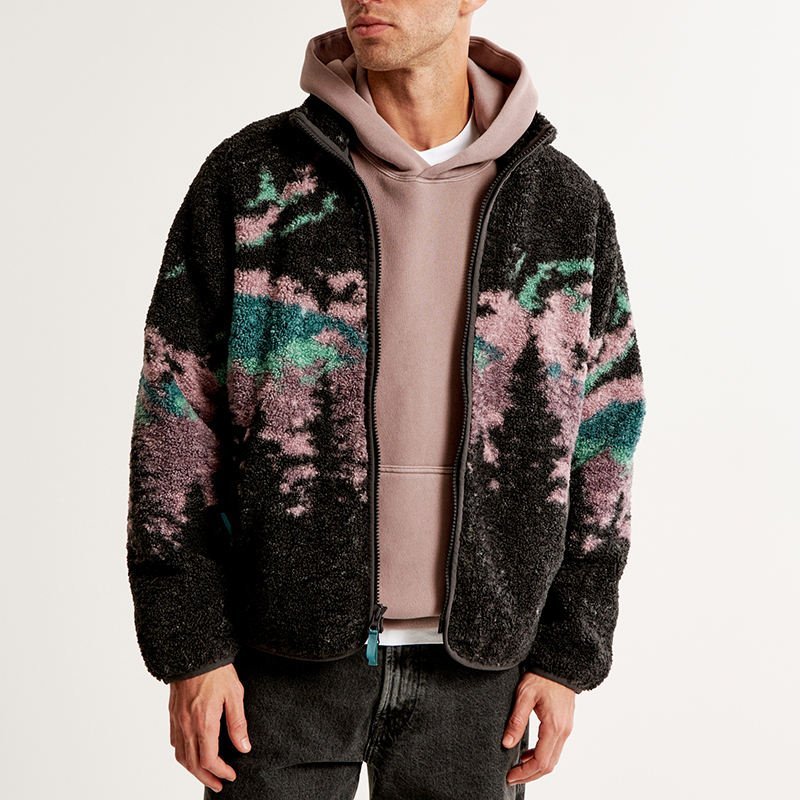
Shiny polyester tricot fabric delivers the signature glossy finish associated with classic tracksuits. Weight ranges from 160–200 GSM, offering a smooth hand feel and excellent printability for logos and graphics.
Fashion startups and influencer brands favor tricot for bold colorways and high-shine street looks, while retailers use it for budget-friendly athleisure collections.
Velour Track Jackets
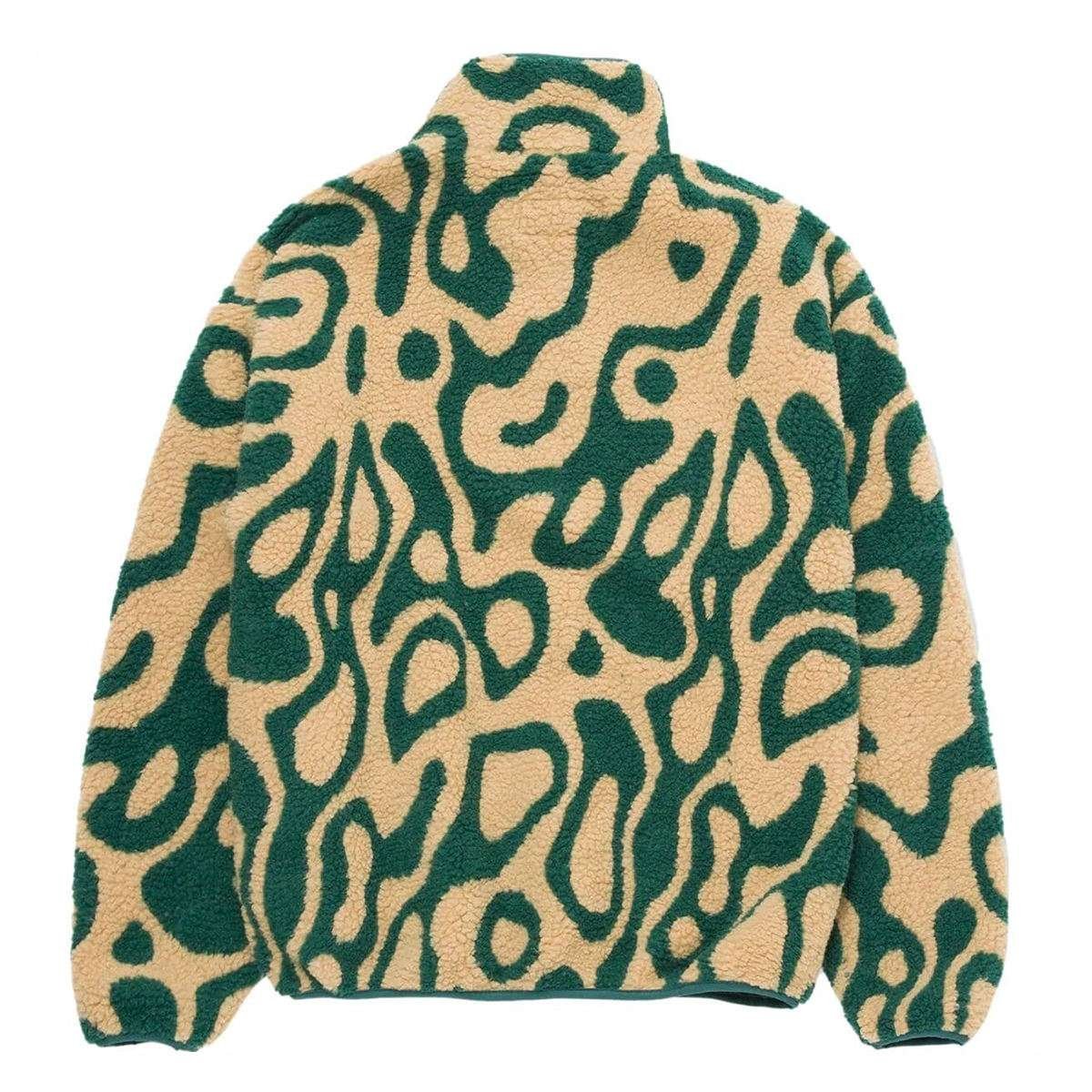
Plush velour fabric—usually cotton-poly blends at 250–300 GSM—positions these jackets in the luxury loungewear segment. The soft pile surface and drape appeal to premium casual brands and celebrity-driven labels.
Target customers seek elevated comfort and status signaling, making velour ideal for high-margin capsule collections and influencer collaborations.
Technical Performance Track Jackets

Moisture-wicking polyester, mesh panels, and breathable membranes distinguish performance-oriented designs. Fabrics range from 140–180 GSM with anti-microbial treatments and UV protection.
Active brands, gym apparel lines, and sports retailers prioritize these jackets for functional sportswear where moisture management and ventilation outweigh fashion aesthetics.
Oversized and Cropped Fashion Track Jackets
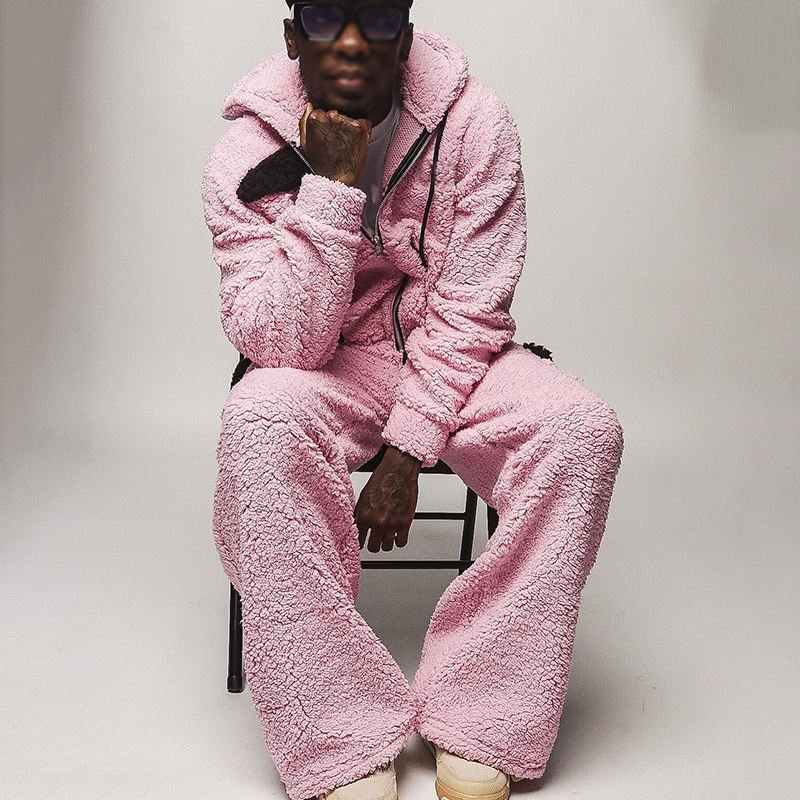
Exaggerated proportions—oversized fits or cropped hemlines—cater to trend-driven streetwear audiences. Fabric weights mirror classic styles (180–220 GSM) but silhouettes deviate sharply from traditional athletic cuts.
Independent designers and Gen Z–focused brands leverage these shapes for Instagram-ready drops and limited-edition releases that emphasize bold styling over utility.
Bomber-Hybrid Track Jackets
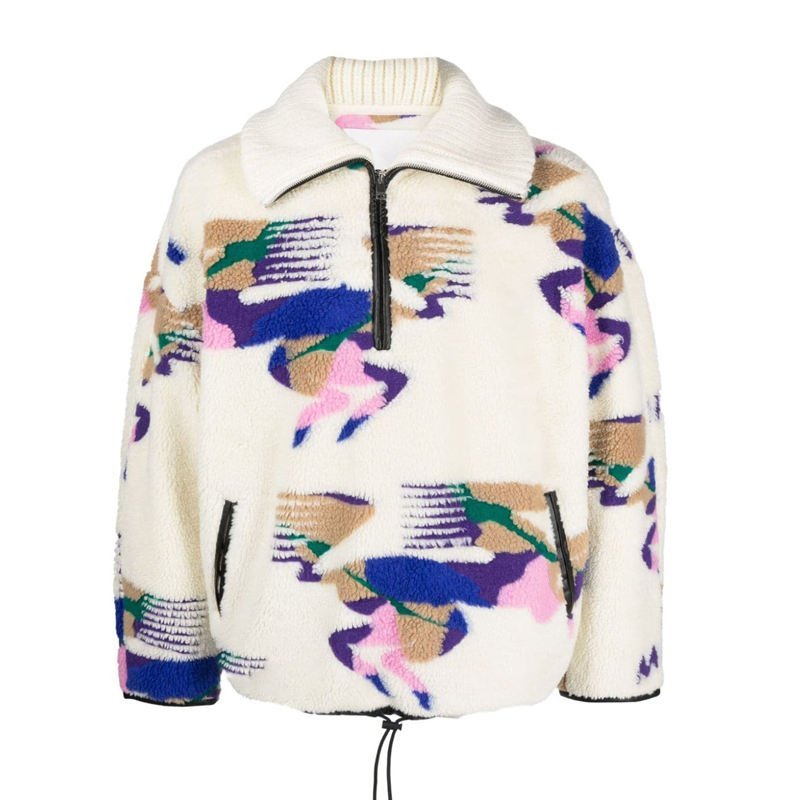
Ribbed bomber cuffs and waistbands merge with track-jacket zip fronts and side stripes. Fabrics include nylon, satin, and tricot blends at 200–240 GSM, blending streetwear edge with sportswear heritage.
Trendy brands and global retailers use bomber hybrids to bridge athletic and urban fashion, appealing to customers seeking versatile outerwear for layering and statement looks.
4. Materials and Fabrics for Wholesale Track Jackets
Fabric choice determines the performance, drape, and market positioning of wholesale track jackets. Each material offers distinct GSM ranges, breathability, and cost profiles that align with specific brand needs and seasonal collections.
| Fabric Type | GSM Range | Breathability | Cost Tier | Best Use Case |
|---|---|---|---|---|
| Polyester Tricot | 150–200 | Moderate | Low | Retro athletic, slim-fit styles |
| Poly-Cotton Blend | 220–280 | High | Mid | Casual streetwear, all-season |
| French Terry | 260–320 | Moderate | Mid | Fall/winter comfort pieces |
| Velour | 280–350 | Low | High | Premium drops, luxury streetwear |
| Technical Knits | 200–260 | Very High | High | Performance activewear crossover |
Polyester Tricot
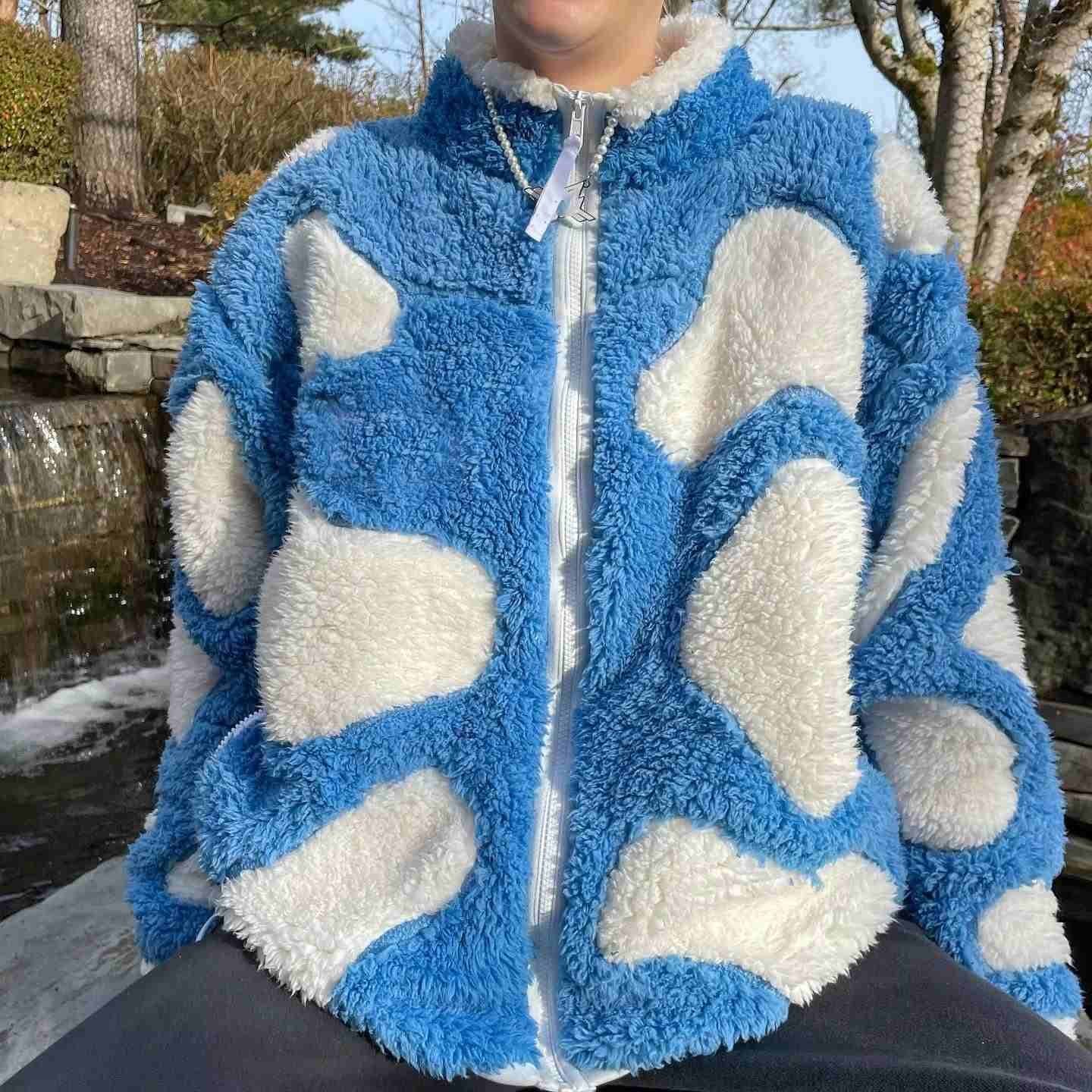
Polyester tricot delivers the classic shiny, athletic aesthetic at 150–200 GSM. Its lightweight construction and smooth surface make it ideal for spring and fall layering pieces.
Tricot resists wrinkles and dries quickly, making it a reliable choice for activewear-inspired streetwear. The fabric drapes cleanly without adding bulk, suited to slim-fit silhouettes and retro track jacket designs.
Poly-Cotton Blends
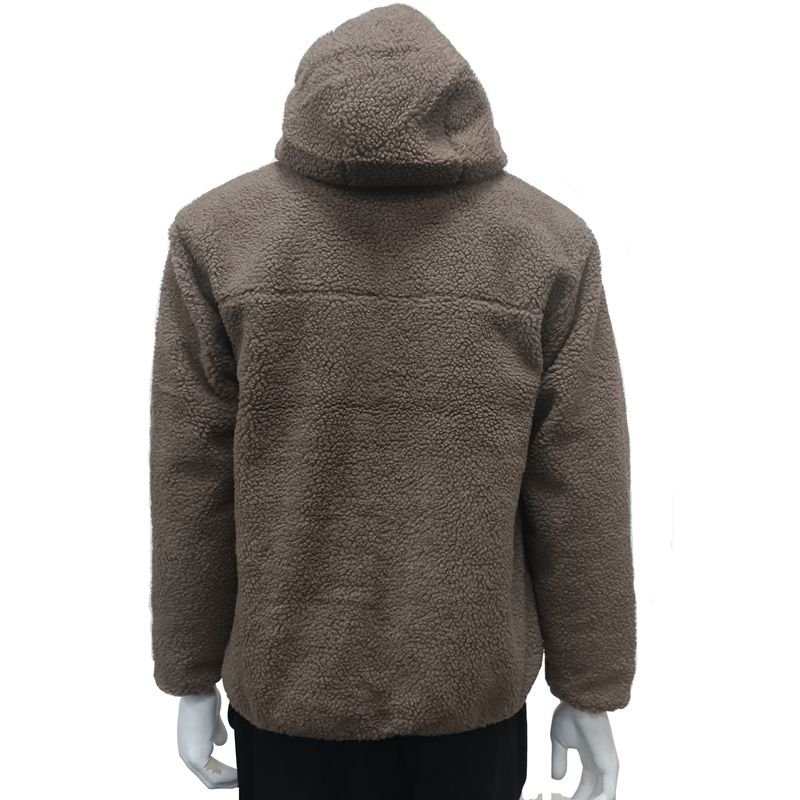
Poly-cotton blends at 220–280 GSM combine cotton’s soft hand feel with polyester’s durability and color retention. This balance appeals to brands prioritizing comfort without sacrificing washability.
The blend breathes better than pure synthetics, extending wearability into warmer months. Expect moderate drape and a semi-structured silhouette that works across casual and athleisure contexts.
French Terry and Velour
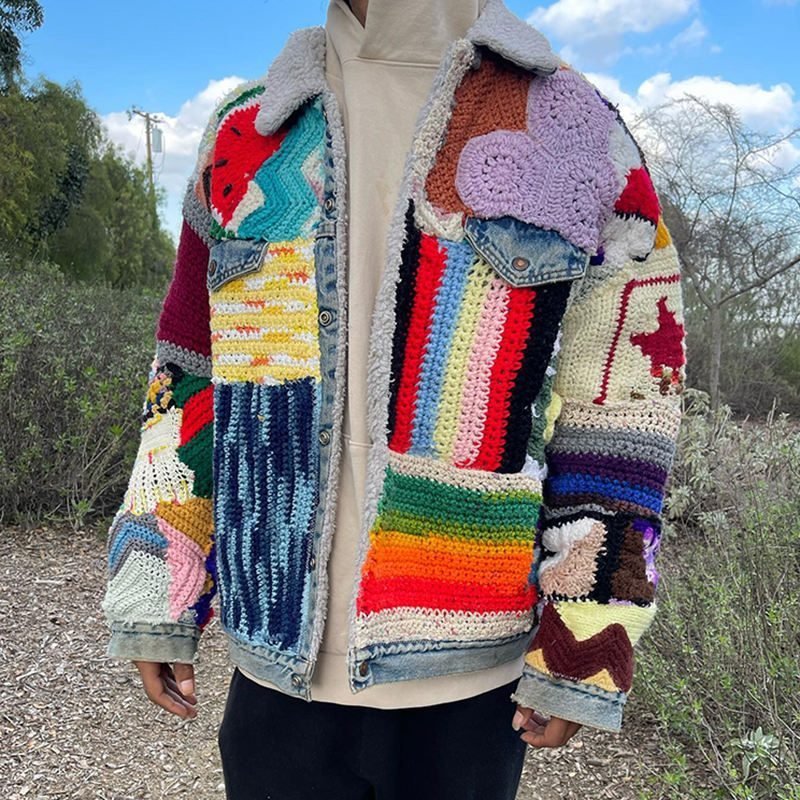
French terry (260–320 GSM) features a brushed interior loop that traps warmth while maintaining breathability. It suits fall and winter collections where comfort and insulation are priorities.
Velour (280–350 GSM) offers a plush pile surface with premium visual appeal. Its heavier weight and luxe texture command higher price points, ideal for elevated streetwear and limited-edition drops.
Technical Knits
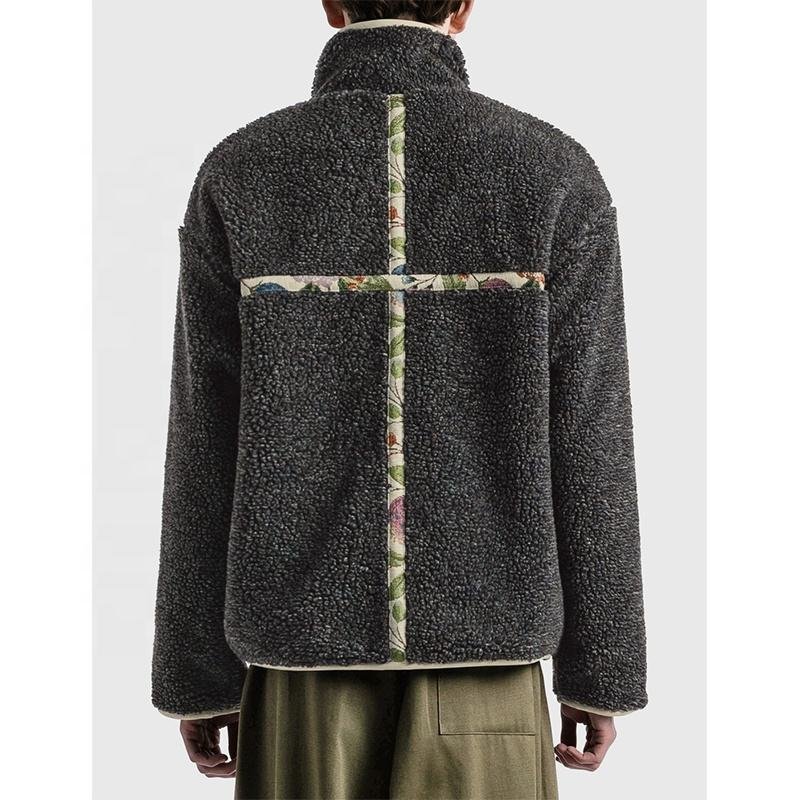
Technical knits with 4-way stretch and moisture-wicking treatments cater to performance-focused brands. GSM typically ranges 200–260, balancing flexibility with structure.
These fabrics integrate synthetic fibers engineered for movement and quick-dry properties. They excel in activewear crossover designs and year-round collections where function meets streetwear styling.
5. Customization and Decoration Options for Wholesale Track Jackets
Decoration transforms commodity wholesale track jackets into branded assets that drive customer loyalty and premium positioning. Each technique carries distinct cost structures, durability profiles, and minimum-order implications that directly affect margin and production timelines.
| Decoration Method | Setup Cost | Per-Unit Cost | Durability (Washes) | Minimum Order |
|---|---|---|---|---|
| Embroidery | $40–80 | $2–6 | 50+ | 50 pcs |
| Screen Printing | $25–50/color | $1–1.50 | 30–40 | 100 pcs |
| Sublimation | $10–20 | $1.50–3 | Permanent | 100 pcs |
| Heat Transfer Vinyl | $0 | $1–3 | 20–50 | 1 pc |
| Woven Labels | $50–100 | $0.15–0.50 | 100+ | 500 pcs |
Embroidery for Logos and Patches
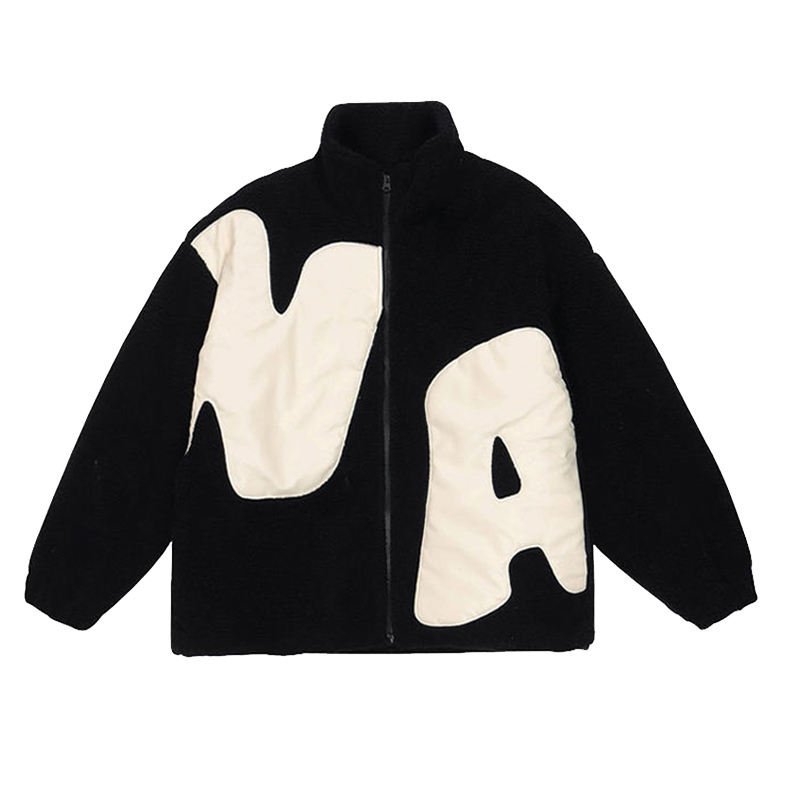
Embroidery delivers the highest perceived value and longest lifespan, surviving 50+ industrial wash cycles without fading. Typical setup costs run $40–80 per design for digitizing, with per-unit costs of $2–6 depending on stitch count.
Chest logos (2–4 inch) require 3,000–8,000 stitches; back yokes and sleeve patches scale to 15,000+ stitches. MOQs typically start at 50 pieces per colorway. Dense embroidery on lightweight polyester requires backing stabilizers to prevent puckering.
Screen Printing and Heat Transfer Vinyl
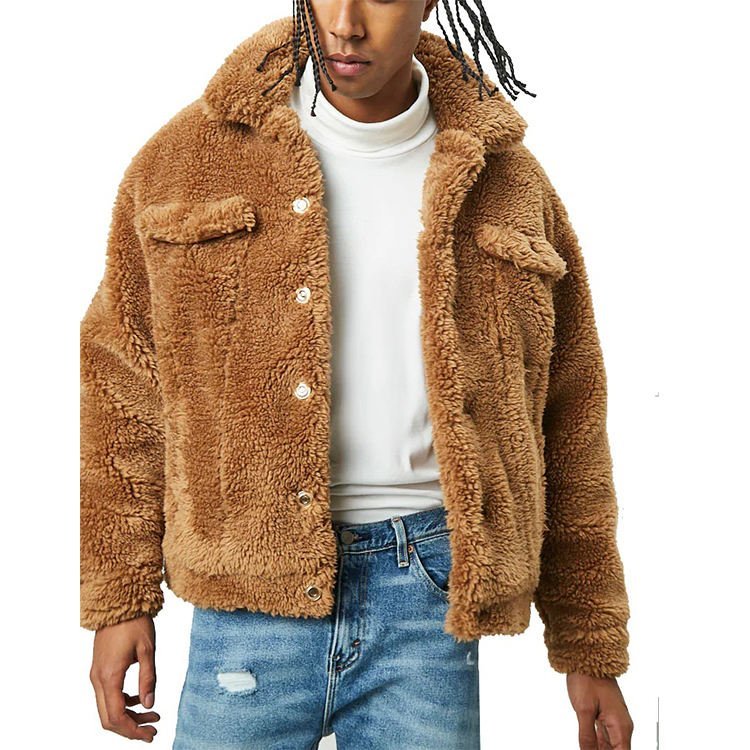
Screen printing excels for large back graphics and sleeve prints, with setup costs of $25–50 per color and per-unit costs under $1.50 for simple designs. Plastisol inks last 30–40 washes; water-based inks offer softer hand feel but fade faster.
Heat transfer vinyl (HTV) requires no setup fee, costs $1–3 per unit, and supports single-piece orders, making it ideal for sampling. Durability ranges from 20–30 washes for standard vinyl to 50+ for premium polyurethane films.
Sublimation, Labels, and Hardware
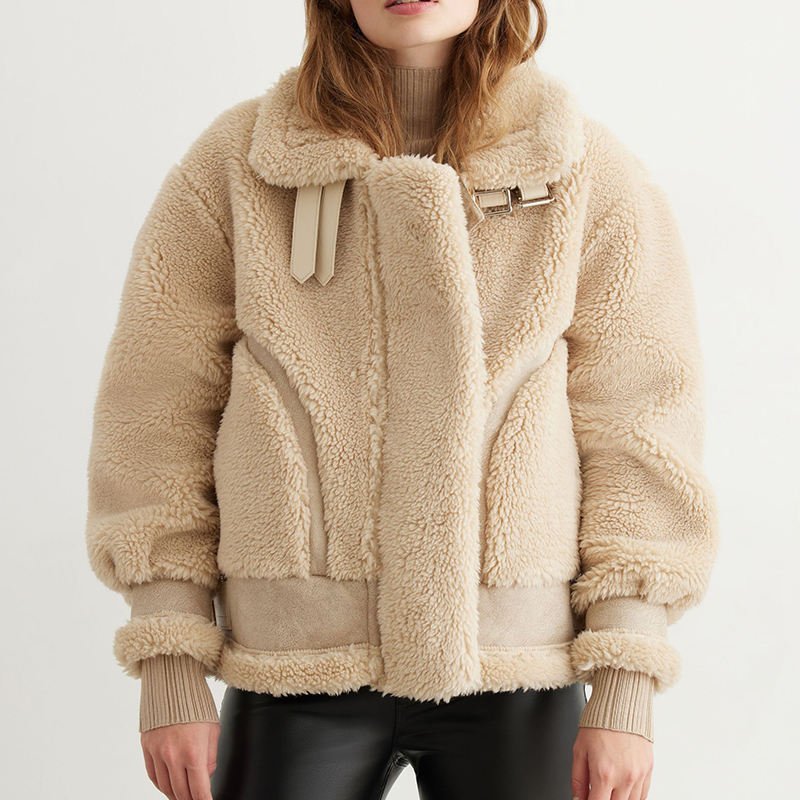
Sublimation printing bonds dye directly into polyester fibers, enabling photo-realistic all-over patterns with zero hand feel and permanent color. Setup costs are minimal ($10–20), but the technique works only on white or light polyester; MOQs start at 100 pieces.
Woven labels ($0.15–0.50 each, 500-piece minimum) and custom zipper pullers ($0.30–1.20 each) reinforce brand identity. Contrast piping and custom Pantone colorways typically add 8–12 days to lead time and require 200+ unit minimums per color.
6. Key Construction Quality Elements in Wholesale Track Jackets
Construction quality separates wholesale track jackets that earn repeat orders from those that damage brand reputation. Each checkpoint—from zipper grade to stitch density—directly impacts longevity, comfort, and customer satisfaction.
Zipper Grade and Hardware
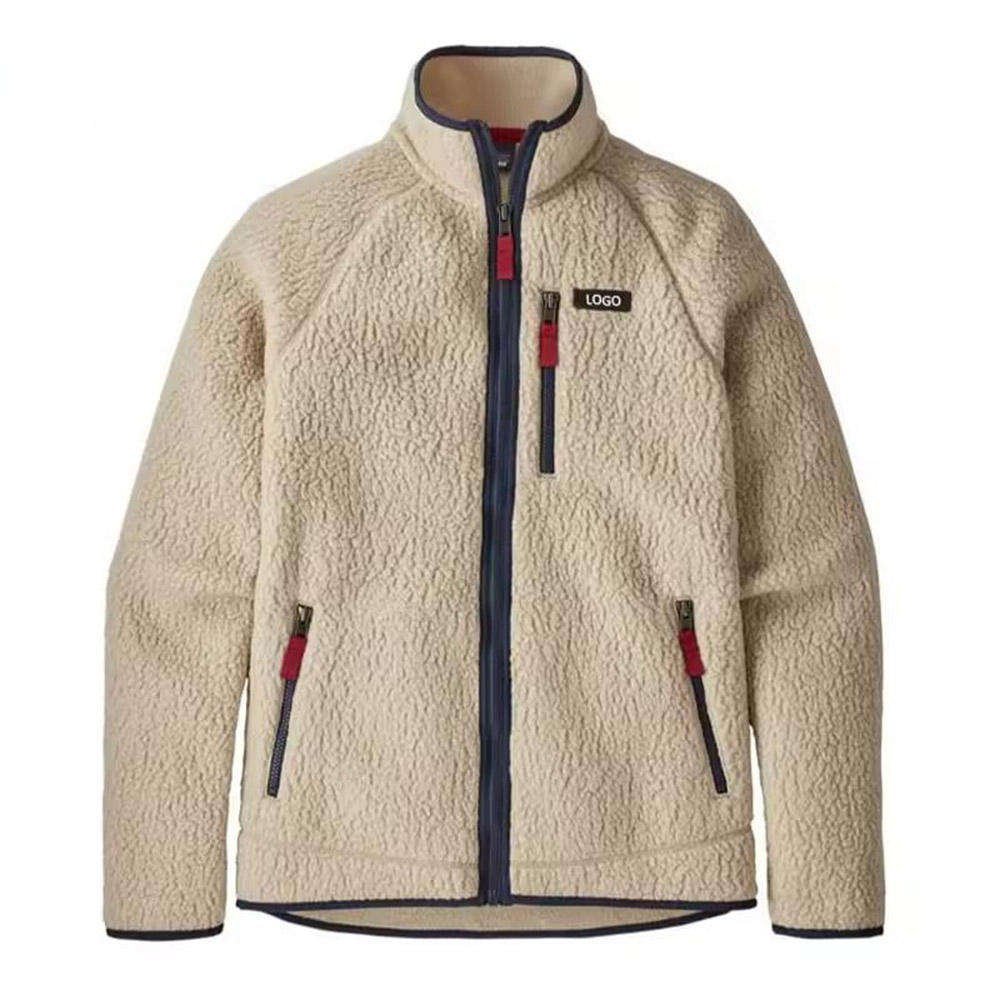
YKK zippers withstand 1,500+ cycles versus 300–500 for generic alternatives, reducing warranty claims and returns. Metal sliders resist corrosion better than plastic, critical for activewear exposed to sweat and frequent washing.
Autolock mechanisms prevent mid-wear slippage, a common complaint with budget hardware. Reinforced zipper tape at stress points extends life by 40% compared to standard stitching.
Stitching Techniques and Density
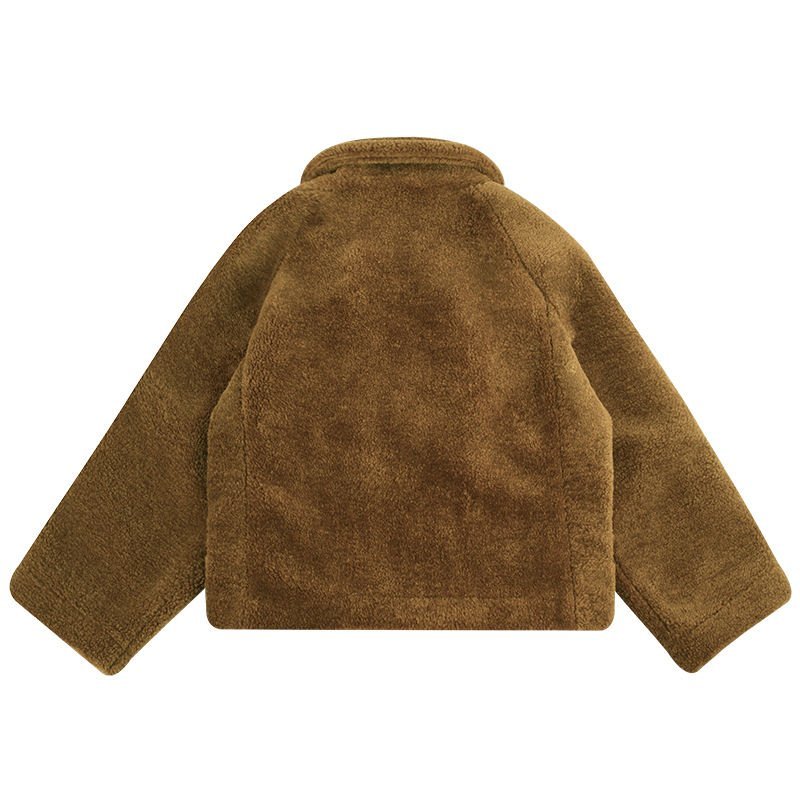
Flatlock seams lie flat against skin, eliminating chafing during movement, while overlock seams offer faster production at lower cost but create raised ridges. Stitch density of 12–14 stitches per inch (SPI) balances strength and fabric integrity; below 10 SPI risks seam failure under tension.
Double-needle topstitching on hems and cuffs prevents unraveling after 50+ washes. Bartack reinforcement at pocket corners and zipper ends distributes stress across multiple threads.
Ribbed Cuffs and Hem Elasticity
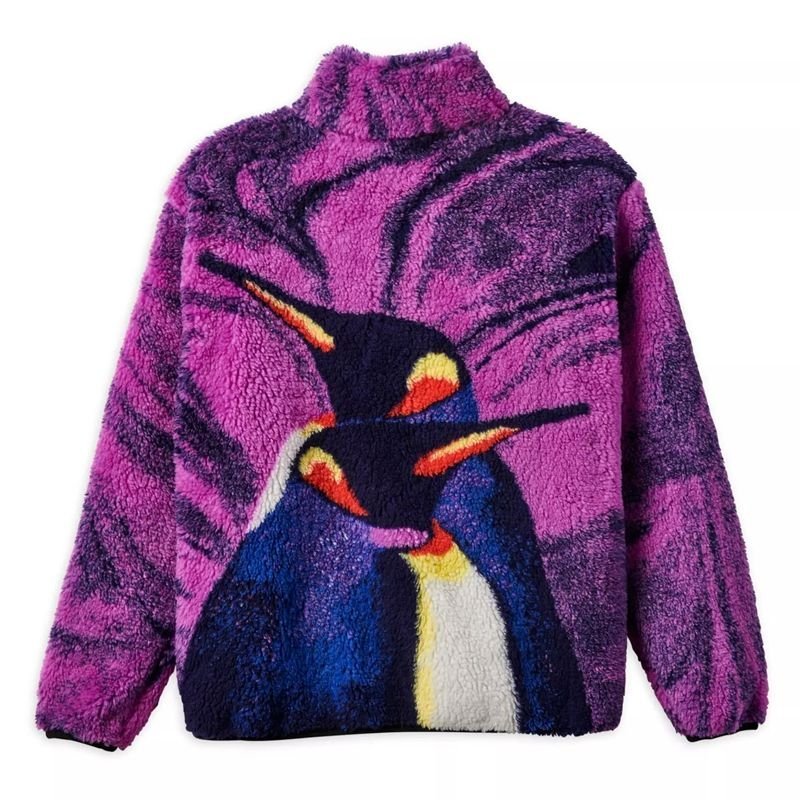
Spandex content of 3–5% in rib knit maintains shape recovery after 100+ stretch cycles, while lower percentages sag within weeks. Double-needle finish on cuff and hem edges prevents curling and thread pull.
Elasticity retention testing at 72 hours under constant tension identifies substandard rib material before bulk production. Pre-shrunk rib knit eliminates size distortion after first wash.
Lining Quality and Breathability
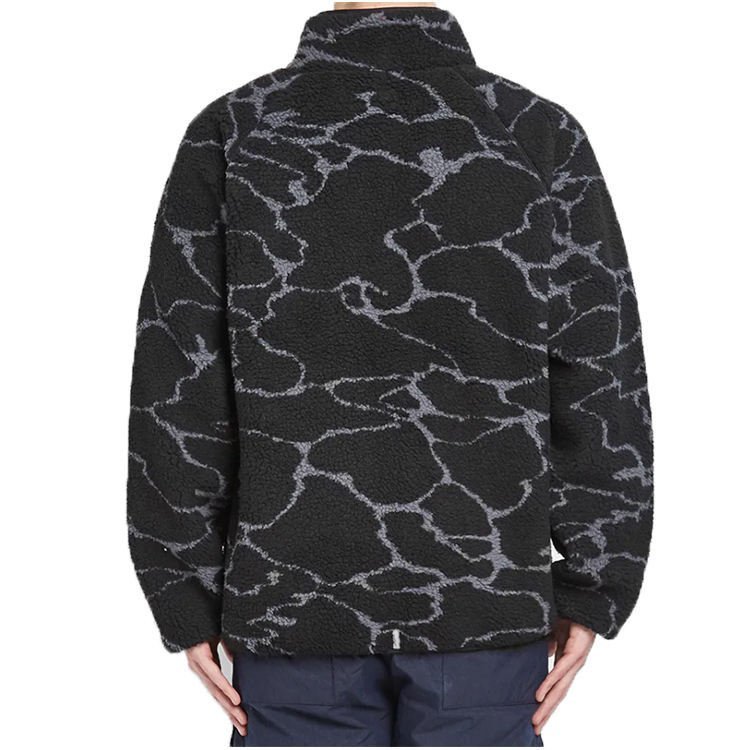
Mesh lining (80–100 GSM) offers superior moisture wicking for activewear, taffeta (50–70 GSM) provides smooth hand-feel for fashion lines, and unlined construction reduces weight for summer styles. Lining attachment via French seams hides raw edges and prevents snagging.
Colorfast dye processes meeting OEKO-TEX Standard 100 prevent color transfer to skin and garments during sweat exposure. Shoulder and armhole reinforcement with twill tape or bias binding absorbs stress from arm movement, extending garment life by 30%.
7. How to Choose the Right Wholesale Track Jacket Manufacturer
Selecting a wholesale track jackets partner requires systematic evaluation across production, quality, and service dimensions. The right manufacturer balances MOQ flexibility, technical capability, and transparent communication to support your brand’s growth trajectory.
MOQ Flexibility and Sampling Policy
MOQ thresholds typically range from 50 pieces for emerging brands to 500 pieces for established retailers. Startups benefit from manufacturers offering 50–100 piece minimums, allowing product testing without inventory risk.
Sampling policies vary: paid samples ($30–$80 per unit) with 7–14 day turnaround are standard, though some suppliers refund costs upon bulk order. Free samples often signal lower quality standards or hidden fees in production pricing.
Customization and In-House Capabilities
In-house printing and embroidery facilities ensure tighter quality control and faster turnaround than outsourced decoration. Verify whether the manufacturer owns screen printing, DTG, or sublimation equipment and embroidery machines with multi-head capacity.
Manufacturers with 15+ R&D staff and proprietary patents demonstrate technical depth for custom pattern development, fabric innovation, and construction problem-solving beyond basic cut-and-sew services.
Certifications and Quality Systems
WRAP, BSCI, and Oeko-Tex certifications validate ethical labor practices and chemical safety compliance. Five-step QC processes—covering materials, cutting, craft, sewing, and finished goods—catch defects at every production stage rather than only at final inspection.
Request documentation of inspection protocols and defect rates. Manufacturers committed to quality testing during production, not just before shipping, reduce rework costs and delivery delays.
Lead Times, Communication, and Payment Terms
Standard lead times for wholesale track jackets span 4–8 weeks from order confirmation, depending on customization complexity and order volume. Responsive communication within 24 hours across email, WhatsApp, or WeChat signals reliable project management.
Payment terms typically require 30–50% deposit with balance due before shipment. Manufacturers offering milestone payments or net-30 terms for repeat clients provide cash-flow advantages for growing brands.
8. Common Mistakes When Ordering Wholesale Track Jackets
Even experienced buyers make costly errors when ordering wholesale track jackets, often discovering problems only after production is complete. Understanding these pitfalls and implementing preventive measures saves time, money, and brand reputation.
Skipping Pre-Production Samples
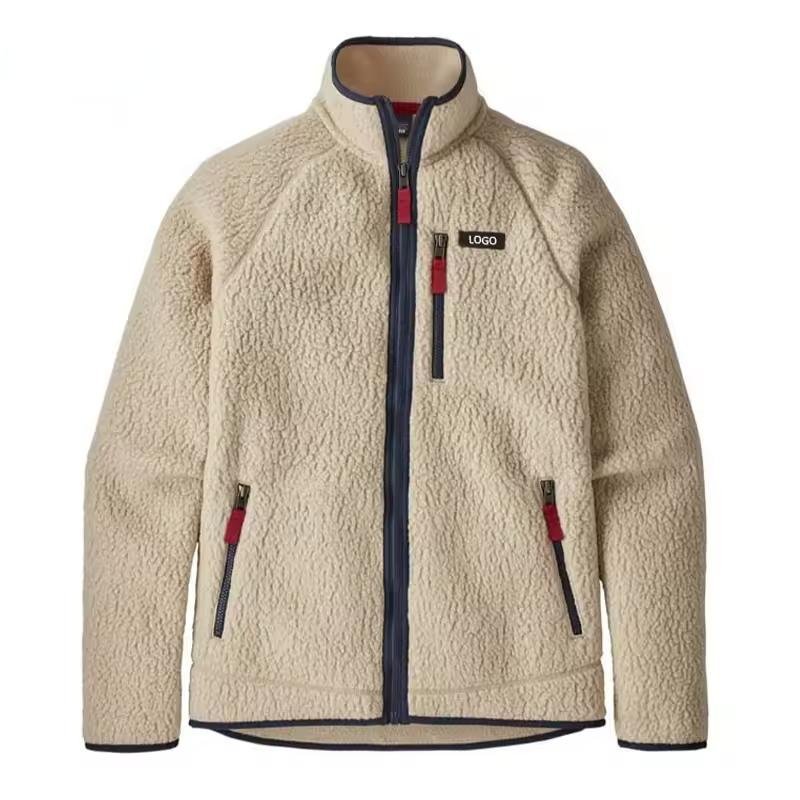
Many startups rush into bulk production without approving physical samples, trusting digital mockups alone. Pre-production samples reveal fit issues, fabric hand-feel, zipper quality, and color accuracy that no screen can show.
Always request and approve samples before authorizing full production. Clothing Manufacturer Ltd.’s five-step QC process includes materials testing and craft inspection at the sample stage, catching defects before they multiply across thousands of units.
Ignoring Fabric Shrinkage Rates
Polyester blends typically shrink 2–3%, while cotton-rich fabrics can shrink 5–7% after washing. Failing to account for shrinkage results in track jackets that fit perfectly off the rack but become unwearable after the first wash.
Request shrinkage test reports and adjust pattern grading accordingly. Reputable manufacturers conduct wash tests during materials QC and compensate dimensions in the cutting phase to ensure post-wash garments match your size specifications.
Underestimating Color-Matching Complexity
Pantone references and digital mockups often differ significantly from dyed fabric under natural light. Dye lot variations, fabric substrate, and finish treatments all affect final color.
Specify Pantone TPX (textile) codes, request lab dips, and approve strike-offs under daylight conditions. Negotiate acceptable color variance (typically ΔE < 1.0 for premium lines) in your contract to avoid disputes over minor shade differences inherent in textile dyeing.
Neglecting AQL Defect Standards
Without agreed defect tolerance, you and your manufacturer may disagree on what constitutes acceptable quality. AQL 2.5 is standard for apparel; AQL 1.5 suits premium streetwear.
Define AQL levels in your purchase order and specify critical, major, and minor defects. Clothing Manufacturer Ltd. applies finished-clothing quality inspection as the final step in its five-step QC, ensuring every batch meets negotiated AQL thresholds before shipment.
9. Pricing and Cost Breakdown for Wholesale Track Jackets
Wholesale track jacket pricing typically ranges from $12 to $25 per unit depending on order volume, fabric selection, and decoration complexity. Manufacturers in Dongguan’s Humen Town garment hub structure pricing around four key tiers: starter runs of 50–100 units for brand launches, growth orders of 200–500 pieces for expanding collections, volume production of 500–1,000 units for established lines, and bulk orders exceeding 1,000 pieces for retail distribution. Each tier reflects economies of scale in fabric procurement, cutting efficiency, and setup cost amortization.
Setup fees for wholesale track jackets include embroidery digitizing ($30–$80 per design depending on stitch count), screen printing setup ($40–$100 per color per location), and heat-transfer tooling ($25–$60 for custom transfers). Fabric choice drives significant cost variation: polyester tricot starts around $2.80 per yard, while premium French terry or brushed fleece runs $4.50–$6.20 per yard, adding $3–$7 to the per-unit cost. Decoration complexity—single-color chest embroidery versus multi-color back prints with sleeve graphics—can shift unit pricing by $2–$5.
Lead times compress as order volume increases due to production-line optimization and priority scheduling. The five-step QC process implemented in February 2025 adds two to three days to total lead time but eliminates the costly rework and customer returns common when manufacturers skip in-process testing. Transparent cost breakdowns allow fashion startups and independent designers to forecast margins accurately and scale orders as brand traction grows.
| Order Quantity | Price per Unit (USD) | Setup Fee | Lead Time |
|---|---|---|---|
| 50–100 units | $22–$25 | $150–$300 total | 18–22 days |
| 200–500 units | $16–$20 | $150–$300 total | 16–20 days |
| 500–1,000 units | $13–$17 | $100–$250 total | 14–18 days |
| 1,000+ units | $12–$15 | $80–$200 total | 12–16 days |
10. Steps to Launch Your Brand with Wholesale Track Jackets
Launching a brand with wholesale track jackets requires a disciplined roadmap that balances creative vision with production realities. Independent designers and fashion startups must sequence six critical steps—from brand definition through launch marketing—while allocating realistic timelines and budgets at each stage.
Define Brand Aesthetic and Target Customer
Start by documenting your brand’s visual identity, core values, and target demographic. Streetwear brands typically define age brackets (16–24, 25–34), price positioning (entry $45–65, mid $70–95, premium $100+), and stylistic influences—whether minimalist, maximalist, sportswear-inspired, or graphic-heavy.
Create mood boards with 15–20 reference images, competitor analysis of 5–7 brands in your niche, and a one-page brand brief. This foundation guides every downstream decision, from fabric selection to decoration techniques, ensuring your wholesale track jackets align with customer expectations and retail positioning.
Research and Shortlist Manufacturers
Compile 8–12 candidate manufacturers using trade directories, LinkedIn, and industry referrals. Evaluate each on MOQ thresholds (50–200 pieces for startups), production capacity (500–5,000 units per month), quality certifications (WRAP, BSCI, OEKO-TEX), and streetwear specialization.
Clothing Manufacturer Ltd. offers a five-step QC methodology covering materials, cutting, craft, sewing, and finished garment inspection—critical for brands where quality defines reputation. Narrow your list to 3–4 finalists based on communication responsiveness, portfolio relevance, and transparent pricing structures.
Request Samples and Evaluate Quality
Order pre-production samples from each finalist, budgeting $80–150 per sample including shipping. Assess fabric hand-feel, zipper operation (YKK preferred), stitch density (12–14 SPI for wovens), colorfast accuracy (Delta E < 2.0), and finishing details like hem straightness and label placement.
Test samples through wash cycles (3–5 washes at 30°C) and wear trials. Document defects with photos and measurements. Manufacturers implementing QC at every production stage—materials through final inspection—deliver fewer surprises in bulk orders, reducing costly rework and protecting launch timelines.
Finalize Designs and Tech Packs
Develop complete tech packs for each style, including flat sketches with 6–8 views, graded spec sheets (XS–XXL or S–3XL), fabric swatches with GSM and content, Pantone references for all colors, and decoration artwork at vector resolution.
Include construction notes (flatlock vs overlock seams, ribbing gauge, pocket placement tolerances ±3 mm) and trim callouts (zipper length, drawcord diameter, label dimensions). Clear tech packs reduce sampling rounds from 3–4 iterations to 1–2, compressing timelines by 2–3 weeks and cutting sample costs 40–60 percent.
Place First Order and Schedule QC Inspections
Confirm your initial order quantity—typically 100–300 pieces across 2–4 colorways for new brands—and establish a production calendar. Standard lead times span 25–35 days (fabric sourcing 7–10 days, cutting and sewing 12–18 days, QC and finishing 4–6 days, packing 2–3 days).
Schedule in-process inspections at cutting (verify pattern accuracy), mid-production (check first 10 percent of run), and pre-shipment (AQL 2.5 standard, 0 critical defects). Manufacturers with embedded QC testing at materials, cutting, craft, sewing, and finished stages catch defects early, ensuring your launch inventory meets brand standards without last-minute rejections.
Plan Launch Marketing and Distribution
Allocate 4–6 weeks pre-arrival for marketing preparation. Shoot lookbook content with 3–5 styled looks per track jacket, seed 10–15 samples to micro-influencers (10k–50k followers), and build e-commerce product pages with size charts, fabric descriptions, and care instructions.
Budget $1,500–3,000 for launch marketing (photography $500–800, influencer seeding $400–600, paid social $600–1,600). Coordinate your launch date with inventory arrival plus 5–7 days for quality inspection and fulfillment setup, ensuring you can ship orders within 24–48 hours of going live.
Ready to Source Wholesale Track Jackets? Get Your Quote
Partner with a manufacturer that delivers 5-step QC, low MOQ, and 7-day sampling for your streetwear brand’s next collection.