A blank dress is a simple, unbranded piece of clothing. Think of it as a clean canvas. It’s made to be customized with prints and designs. You can also wear it as a simple, stylish piece.

This type of dress is getting very popular. For new business owners, it’s a low-risk way to start a clothing line. For fashion lovers, it’s a must-have item. You can wear it in many different ways.
This guide will teach you everything you need to know. We will cover how to pick the right fabric for a blank dress. We’ll show you how to add your own designs. You’ll learn where to buy them. We’ll also teach you how to style them for any event.
The Blank Dress Decoded: Why It’s a Game-Changer
The blank dress is changing things for both businesses and personal style. It offers special benefits for creators. It also helps anyone who wants a flexible wardrobe. Understanding these benefits shows why this simple piece of clothing is so powerful.
For the Aspiring Entrepreneur & Small Business
- Lower Financial Risk: Starting with a blank dress means you avoid high costs. You don’t have to make clothes from scratch. You don’t have to order thousands of pieces at once.
- Speed to Market: You can launch new designs very quickly. This lets you see what customers like. You don’t have to wait months for production.
- Brand Focus: Using blank clothing lets you focus on what makes your brand special. You can spend more time on design and marketing. You can connect with customers instead of dealing with factory problems.
For the Style-Savvy Individual & DIY Enthusiast
- The Perfect Canvas for Creativity: A plain dress is perfect for personal art projects. You can use it for tie-dye and fabric painting. It’s also great for embroidery and more.
- Ultimate Wardrobe Versatility: A single blank dress can be styled for almost any event. You can dress it up for a party. You can dress it down for a casual day out.
- A Foundation for Minimalist Style: This dress is a key piece for a capsule wardrobe. It helps you buy fewer, better things. This approach is part of a move toward Affordable, essential fashion that is both smart and sustainable.
How to Choose the Perfect Blank Dress: A Fabric and Quality Deep Dive
Choosing the right blank dress is the most important step. The fabric and quality will affect how it looks and feels. It also affects how long it lasts. This is true whether you are selling it or wearing it yourself.
Understanding Fabrics and Their Best Uses

The material of your dress matters a lot. It affects the feel and how it hangs on your body. It also affects what kind of printing works best. Here is a simple guide to common fabrics for a blank dress.
| Fabric Type | Feel/Characteristics | Best For (Customization) | Common Use Cases |
|---|---|---|---|
| 100% Cotton | Soft, breathable, comfortable. Gets softer with washing. | DTG, Screen Printing | T-shirt dresses, casual wear |
| Polyester | Durable, resists wrinkles and shrinking. Dries quickly. | Sublimation Printing | Athletic dresses, fashion styles |
| Cotton/Poly Blends | Soft like cotton, but stronger like polyester. | Screen Printing, HTV | Everyday dresses, workwear |
| Tri-Blends | Very soft, lightweight, and drapes well on the body. | Screen Printing (vintage look) | Premium fashion dresses |
| Rayon/Viscose | Silky, smooth feel. Excellent drape for a flowy look. | Delicate; best for simple prints | Slip dresses, elegant styles |
A Checklist for Assessing Quality
When you look at a blank dress, check for these signs of good quality.
- Stitching and Seams: Look for tight, clean stitches. Double-needle stitching on the bottom hem and sleeves adds strength. There should be no loose threads.
- Fabric Weight (GSM): GSM means “Grams per Square Meter.” It tells you how thick the fabric is. A t-shirt dress might be 150-180 GSM. A heavier sweatshirt dress could be 280-320 GSM. Higher GSM usually means better quality.
- Fit and Construction: A good dress will have consistent sizing. The neckline should be well-made so it doesn’t stretch out easily. The shape should be flattering and well-cut.
- “Pilling” Potential: Pilling is when tiny balls of fiber appear on the fabric. This happens after washing and wearing. Some fabrics are more likely to pill. Higher-quality materials are often treated to resist this.
From Blank to Brand: Your Guide to Customization Techniques
Turning a blank dress into a unique branded product is exciting. Choosing the right customization method is key. Your choice depends on your design and your budget. It also depends on how many dresses you plan to make.
Comparing the Top 4 Customization Methods
Here are the most popular ways to add graphics to a blank dress. We’ll show you the good and bad points of each.
-
Screen Printing
- Pros: Great for large orders because it’s cheap per item. The colors are bright and the print lasts a long time.
- Cons: It has high setup costs for each color in your design. This makes it expensive for small orders or designs with many colors.
-
Direct-to-Garment (DTG)
- Pros: Perfect for very detailed, full-color images like photos. There are no setup costs. It’s great for printing just one item or small batches.
- Cons: It works best on 100% cotton. Colors can look less bright on dark fabrics. The cost per dress can be higher than screen printing.
-
Embroidery
- Pros: It creates a professional, high-end look that feels valuable. It’s very durable and great for logos on the chest.
- Cons: The cost is based on how many stitches are in the design. It’s not good for very large graphics or very thin, delicate fabrics.

- Heat Transfer (HTV & Sublimation)
- Pros: HTV is good for simple text or shapes and can be done easily. Sublimation creates amazing full-color prints on polyester that never fade or crack.
- Cons: HTV can sometimes feel like a plastic sticker on the fabric. Sublimation only works on light-colored, polyester fabrics.
Case Study: Launching a 3-Dress “City Bloom” Capsule Collection
Let’s imagine a new brand called “City Bloom.” They want to launch a small collection using a simple blank dress. They decide to create three different styles to appeal to more customers.
-
The Concept: The collection features three blank t-shirt dresses. One has a small, one-color flower logo embroidered on the chest. Another has a big, colorful floral painting on the back. The third has a simple, one-color slogan printed across the front.
-
The Decision Process: For the small chest logo, they chose embroidery. It gives a premium feel that justifies a higher price. For the large, colorful back graphic, they chose DTG printing. It was the only way to capture the detail and many colors without a huge setup cost. For the simple slogan, they chose screen printing. They planned to sell many of these. The low cost-per-print on a large batch made the most sense.
-
The Outcome: By using three different methods, City Bloom created a varied collection. They offered an expensive-looking embroidered dress. They had a bright and artistic DTG dress. They also made an affordable screen-printed dress. This mixed approach helped them manage costs. It also gave their customers exciting options.
Sourcing Your Canvas: Wholesale vs. Manufacturing Partners
Once you know what kind of blank dress you want, you need to find a place to buy it. There are two main paths for a business. You can work with a wholesaler or partner with a manufacturer.
Starting Out: Working with Wholesale Suppliers
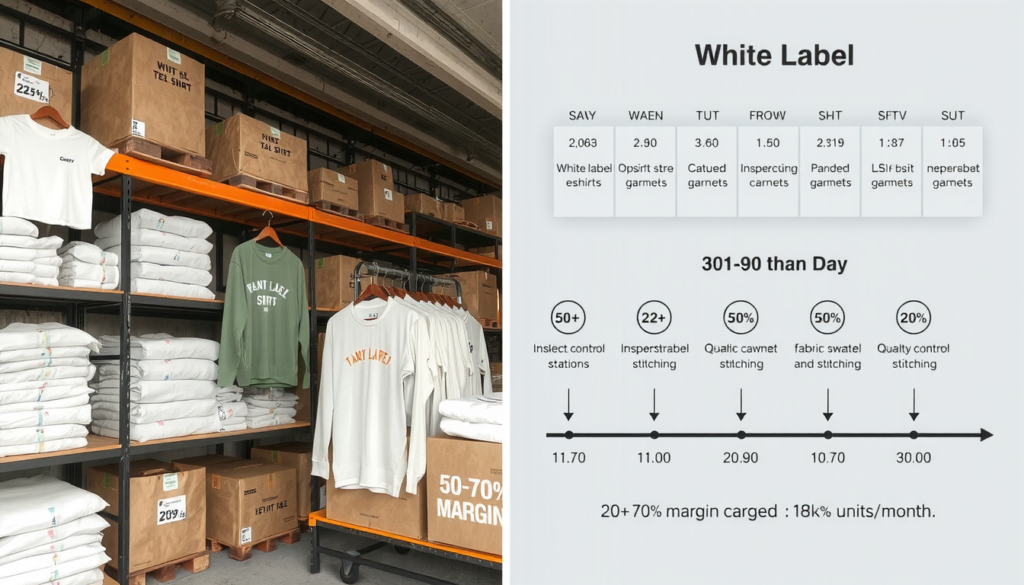
The wholesale model means you buy ready-made blank clothing in bulk from a supplier. This is the best way to start for most new brands.
When you look at suppliers, check these key things:
- Minimum Order Quantity (MOQ): This is the smallest number of pieces you have to buy. Some suppliers have no minimum. Others may require you to buy a dozen or more.
- Pricing Tiers: The price per dress usually goes down as you buy more. For example, wholesale blank dress prices often range from $6 to $20 per piece. A dress might be $15 individually but drop to $9 when you buy 50.
- Sample Programs: Always order a sample first. This lets you check the quality, fit, and feel of the blank dress before you commit to a big order.

Scaling Up: Partnering with a Manufacturer
As your brand grows, you might want more control. You may want a specific fit, color, or fabric that wholesalers don’t offer. This is when you partner directly with a clothing manufacturer.
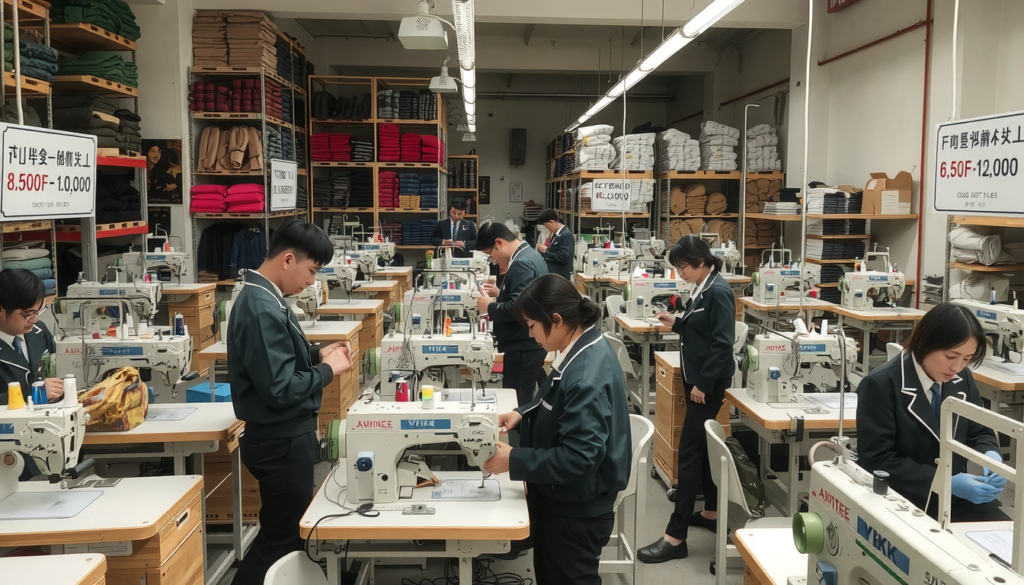
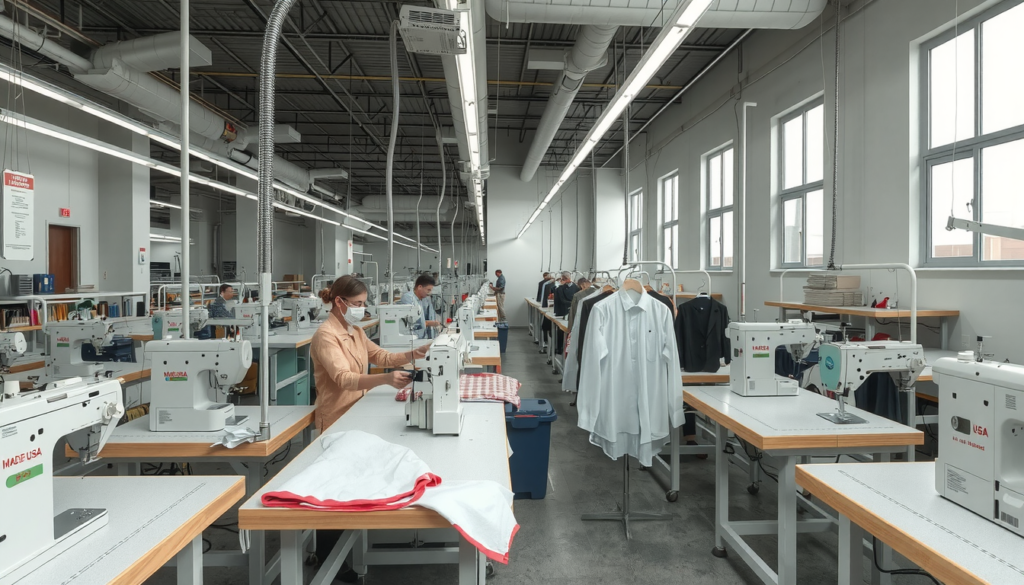
This “cut-and-sew” process means the factory makes the dress just for you. You decide every detail. This allows you to create a truly unique product that no one else has.
This partnership also lets you expand your brand. You could work with a specialized hoodie manufacturer to create matching sets for your dresses. To make your brand even more unique, you could explore special techniques. You could work with a puff print hoodie manufacturer to add textured, 3D designs to your clothing line.
The Art of Styling: 3 Ways to Transform a Blank Dress
A blank dress is one of the most versatile pieces you can own. It is a simple starting point for countless outfits. Here are three ideas to show you how to style a single blank dress. You can wear it for work, weekends, and evenings.
Look 1: The Boardroom Boss
- Base: Start with a simple black or navy blank dress in a sheath or A-line cut.
- Layer with: Add a sharp, tailored blazer. You can choose a classic fit or a modern, oversized style.
- Accessorize with: Finish the look with pointed-toe flats or block heels. Add a structured work bag and simple silver or gold jewelry.
Look 2: The Weekend Wanderer
- Base: Use a comfortable white or grey cotton t-shirt dress as your foundation.
- Layer with: Throw on a classic denim jacket. Wear it normally or tie it around your waist for a relaxed vibe.
- Accessorize with: Complete the outfit with clean white sneakers. Add a crossbody bag for your essentials and your favorite sunglasses.
Look 3: The Evening Out
- Base: Choose a blank slip dress made from a silky fabric like rayon or viscose.
- Layer with: Add some edge with a leather moto jacket. You could also go for an elegant look with a soft cashmere wrap.
- Accessorize with: Elevate the outfit with strappy heels and a small clutch bag. Add a bold statement necklace or earrings. This shows how a simple piece can become modern basic fashion for every occasion.
FAQ: Your Blank Dress Questions Answered
Here are quick answers to some of the most common questions about the blank dress.
What’s the best fabric for printing on a blank dress?
For the most vibrant and detailed prints, especially with DTG printing, 100% ringspun cotton is the gold standard. For sublimation, you must use a high-percentage polyester fabric. Cotton/poly blends offer a good balance of softness and print versatility for methods like screen printing.
Can I buy just one blank dress for a personal project?
Yes. While many suppliers focus on wholesale, many online retailers and craft stores sell individual blank dresses. These are perfect for DIY projects like tie-dyeing or creating a custom gift. Search for “dyeable dress blanks” or “ready-to-decorate clothing.”
How do wholesale blank dress prices work?
Wholesale prices are typically tiered. The more you buy, the lower the price per unit. A basic cotton dress might cost $15 for a single piece. That price could drop to $8-$10 per piece when you buy a dozen or more. It gets even lower for bulk orders in the hundreds.
What’s the difference between a “blank dress” and a “basic dress”?
The terms are often used for the same thing. But there is a small difference in purpose. A “blank dress” is made specifically for customization. It often has a tear-away tag and is made from fabrics that print well. A “basic dress” is simply a minimalist dress sold for everyday wear. But it can also be used as a blank canvas.
How should I care for my customized dress?
To protect the print or embroidery, always turn the dress inside out before washing. Use cold water on a gentle cycle. Tumble dry on low heat, or hang it to dry for the best results. Avoid using bleach. Do not iron directly on the customized area.