Finding a reliable partner for your clothing business is challenging. Many entrepreneurs face issues finding appropriate clothing wholesale suppliers. A good vendor is more than a simple source for goods. They are an important partner in your success. This guide is different from simple lists. We will show you how to search for, evaluate, and collaborate with the best wholesale clothing suppliers for your brand in 2024.

The Wholesale Landscape: A Primer on Different Types of Suppliers
Choosing the right supplier is a huge business decision. Your selection depends on the goals you want to achieve, the funds you have, and your business plan. Are you interested in selling existing brands or designing your own? Here are the main types of wholesale clothing vendors to help you decide.
Clothing Manufacturers
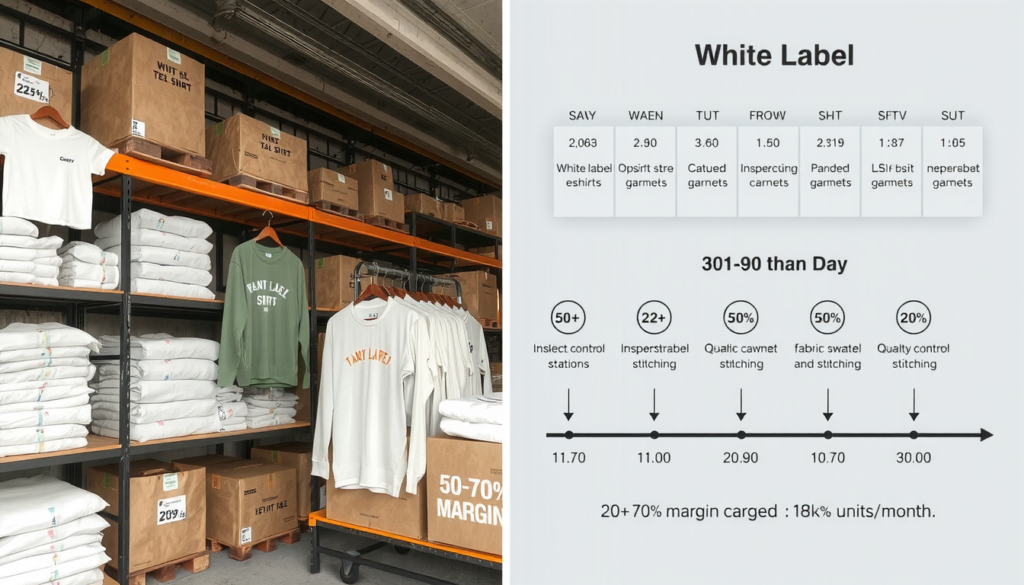
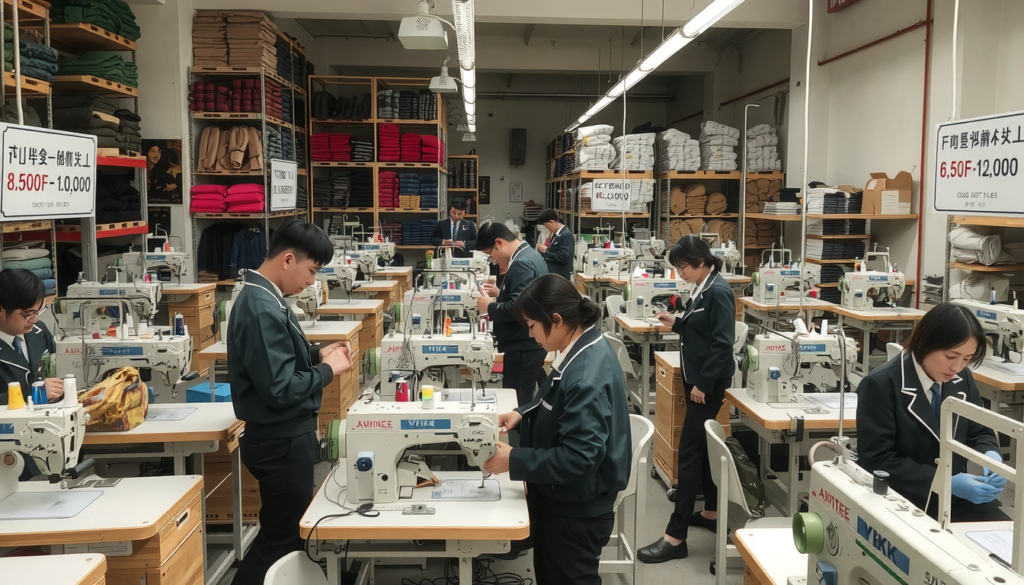
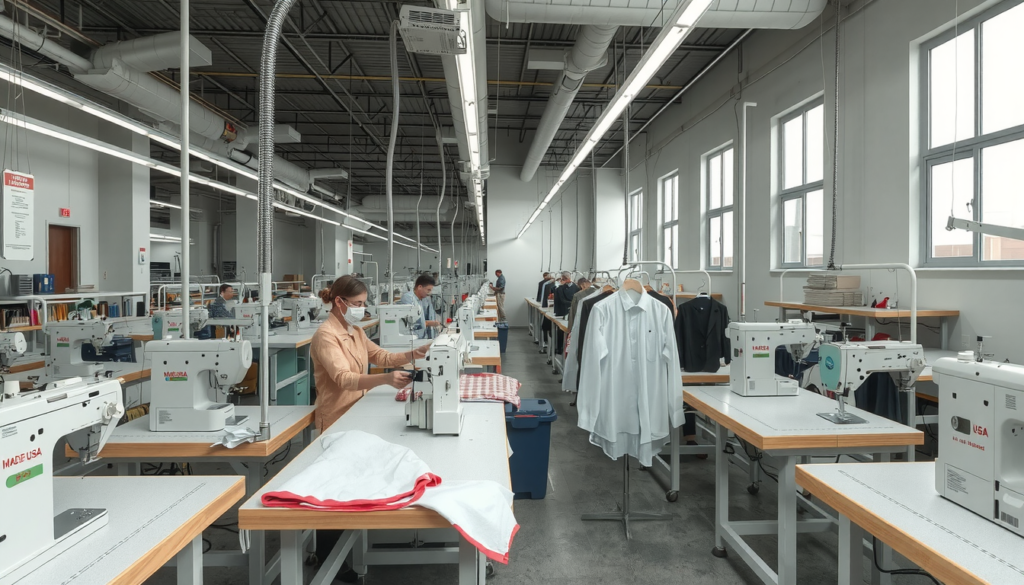
Clothing manufacturers are the companies that create the clothing products. Working directly with them is the most suitable option for bespoke clothing. This is known as a private label. As a result, you get the highest profit margins since you buy directly from the source.
Yet, manufacturers often require high Minimum Order Quantities (MOQs). This means you have to purchase a considerable amount of items at once. You also need more time for production and some level of design knowledge. For brands that want to create unique lines from scratch, working directly with a manufacturer gives you the most control.
Wholesale Distributors/Stockists
These suppliers purchase large quantities of clothing from various manufacturers and then sell them in smaller batches to retailers like you. They offer many brands and styles in one place.
Working with distributors means you can make smaller orders (lower MOQs). You also get your products much quicker. The main downside is that you have no control over the designs. Your profits will also be lower compared to working directly with a factory.
Wholesale Marketplaces
Wholesale marketplaces are big online platforms that link numerous suppliers with retailers. Popular ones include Faire and FashionGo. These marketplaces host many vendors, making it easy to browse and compare.
You can find many products, and prices are often good. It is easy to order from multiple brands. However, the quality can vary greatly among different sellers on the same site, so you need to check each seller very carefully. Trendy fashion vendors like Tasha Apparel work this way. They offer a large catalog.
| Supplier Type | Best For | Pros | Cons | Typical MOQ |
|---|---|---|---|---|
| Manufacturer | Custom designs, private label, high-volume brands. | Full design control, highest profit margins. | High MOQs, long lead times, needs tech specs. | 500 – 1,000+ units per style. |
| Distributor | Boutiques, new businesses, reselling known brands. | Lower MOQs, fast shipping, brand variety. | No design control, lower profit margins. | $100 – $500 per order. |
| Marketplace | Retailers wanting variety, testing new products. | Huge selection, competitive prices, easy ordering. | Inconsistent quality, must vet each vendor. | Varies, can be as low as $50. |
Where to Look for Clothing Wholesale Suppliers
Now that you are aware of the different types of suppliers, where do you find them? Here are the best ways to start your search for the perfect wholesale partner.

Online B2B Directories and Marketplaces
The easiest place to start is online. Business-to-business (B2B) sites like Alibaba, Faire, and FashionGo list thousands of clothing wholesale suppliers. You can filter them by product type, location, and price. Special directories focused on specific markets (like eco-friendly fashion) are also helpful.
Industry Trade Shows
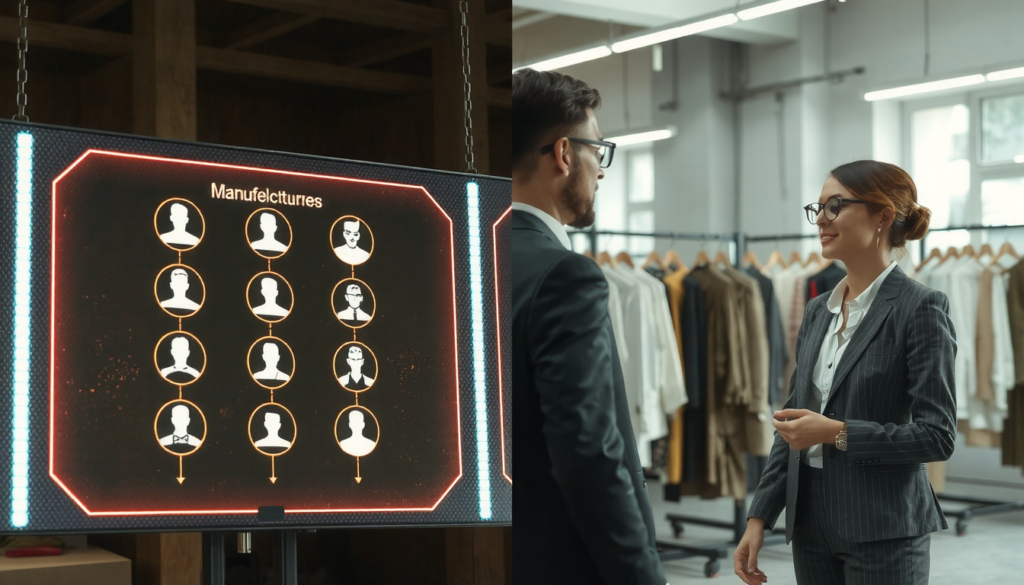
Trade shows are events where suppliers show their products to buyers. Going to one lets you see and touch the clothing in person. You can meet the suppliers face-to-face, ask questions, and build relationships. This is one of the most effective ways of sourcing high-quality and unique wholesale clothing vendors.
Social Media & Niche Forums
Sites like Instagram and Pinterest are very useful for finding new suppliers. Search for hashtags like #wholesaleclothing or #boutiquesupplier. You can find new brands and suppliers. Online groups, such as Reddit’s r/streetwearstartup, are full of business owners sharing their knowledge and favorite suppliers.
Competitor Research
Look at brands that are similar to yours. What kinds of products do they sell? Although they will not give you their supplier details, it is helpful to know. You will be able to detect trends and potential brands to search for on wholesale sites. Blog posts listing top wholesale clothing vendors can also be a great starting point for your research.
The Irrefutable Vetting Checklist: Verify a Supplier Through These 7 Steps
Finding potential suppliers is just the initial step. You have to check them thoroughly to avoid issues later on. This checklist will help you systematically vet each potential partner and find the best one.
Step 1: Initial Communication and Professionalism
Your initial communication with a supplier will tell you a lot. Send them an email with clear questions about their business. A professional supplier will respond quickly (usually within 24-48 hours). Their answers should be clear, helpful, and well-written. Slow or unclear responses can signal other problems.
Step 2: Verify Business Credentials
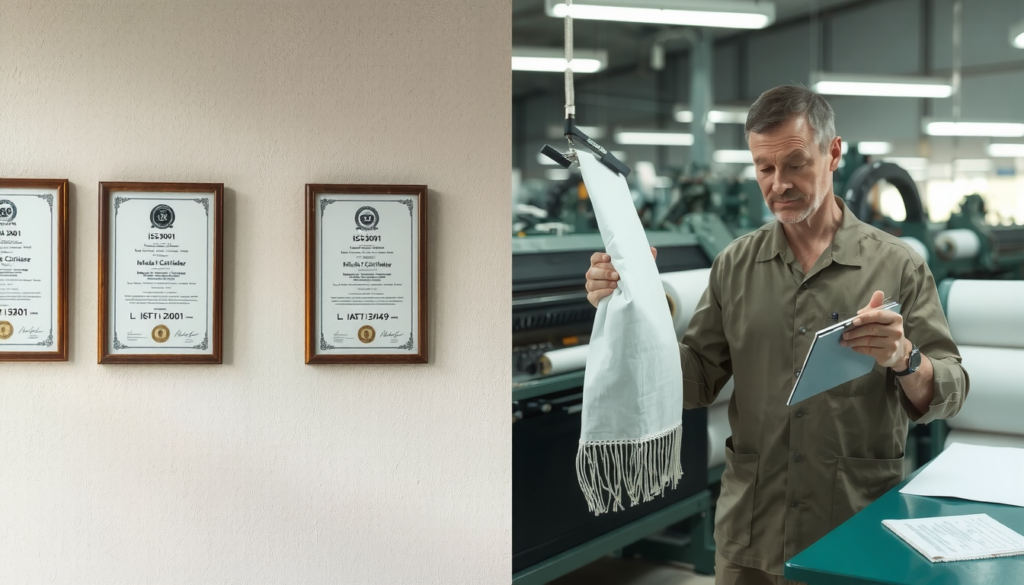
A genuine business will have proper documents. Ask for their business license number and physical address. You should also ask for a Resale Certificate or a similar document. This proves they are a real business-to-business company and allows you to purchase from them without paying sales tax, as you will collect it from your customers.
Step 3: Request and Evaluate Samples

Never place a large order without seeing the product first. Always order samples. Paying for samples is normal and necessary. When you get them, check everything closely. Feel the fabric quality. Is it what you expected? Look at the stitching. Is it neat and strong? Check the sizing to make sure a “medium” is a true medium. If there are prints or colors, check their accuracy. This step is key for making sure you partner with a quality clothing wholesale supplier.
Step 4: Clarify MOQs and Pricing Tiers
Every supplier has a Minimum Order Quantity (MOQ). This is the smallest order they will accept. Make sure their MOQ fits your budget. Ask if they offer discounts for larger purchases. Many clothing wholesale suppliers have pricing tiers where the cost per item decreases as you buy more. Understanding this will help you plan your inventory budget.
Step 5: Learn Their Production and Shipping Process
Ask about their production lead time. How long will it take for them to prepare an order for shipment? Find out which shipping companies they use and the related costs. Do they provide tracking numbers for all shipments? Clear logistics are vital for managing your inventory and keeping your customers happy. Some wholesale clothing factory and apparel vendors also offer export services. It’s important to understand their logistics abilities, especially for international shipping.
Step 6: Read Reviews and Ask for References
Look for reviews of the supplier on platforms other than their own. Search Google, Trustpilot, or industry forums. You can also ask the supplier for references from a few of their current clients. A confident and reliable supplier should be happy to connect you with other happy customers.
Step 7: Inquire About Return and Damage Policies
Problems can happen. A shipment might have damaged items, or you could receive the wrong sizes or colors. A trustworthy supplier will have a clear and fair policy for handling these issues. Ask them what the process is for returns, exchanges, or credits for defective products. A good policy shows they stand behind their quality.
Signs of a Potential Supplier Not to be Trusted
Knowing what to look for is important, but knowing what to avoid is even more so. Here are some major red flags that indicate a potential wholesale supplier might not be trustworthy.
-
Ambiguous or Evasive Communication. If they can’t provide clear information regarding their products, pricing, or business, be careful. A good partner is truthful.
-
No Physical Address or Verifiable Credentials. If a supplier only has a P.O. box or won’t provide a business license, it’s a huge warning sign. They could be a middleman or not a real company at all.
-
Refusal to Provide Samples. A vendor that is proud of their quality will always be willing to sell you samples. If they refuse or make it very difficult, they may be hiding poor quality.

-
Unrealistic “Luxury for Less” Claims. Be very careful of suppliers offering designer or luxury goods for prices that seem too good to be true. These are often fake products, which are illegal to sell.
-
Pressure for Large Upfront Payments via Unsecure Methods. Real businesses use secure payment methods like bank transfers, credit cards, or PayPal. If a supplier pressures you to send a large payment only through a service like Western Union, walk away.
Collaborating With Your Supplier: Best Practices for Maintaining the Partnership
After you have chosen the right supplier, your job is not finished. Fostering a strong, long-term relationship is key to your business success. These best practices will help you manage the partnership well.
Maintain Clear and Consistent Communication
Decide on one main contact person at the supplier’s company. Keep a written record of all your conversations and orders to prevent mix-ups. Regular check-ins can also help you learn about new products or upcoming deals.
Provide Detailed Purchase Orders (POs)
A Purchase Order is a formal document you send to place an order. It should be very detailed. Include item numbers, product descriptions, a breakdown of sizes and colors, the quantity of each, and the price you agreed on. A clear PO ensures you get exactly what you ordered.
Fostering a Long-Term Partnership
A good relationship should benefit both parties. Always pay your bills on time. If you have an issue, give feedback that is honest but respectful. As you become a loyal and reliable customer, your supplier will see you as a valued partner. This can lead to better service and even special pricing.
Placing Specialized Orders
When ordering custom items, detail is everything. For instance, if you need a unique hoodie, you must specify the fabric type, weight (GSM), exact color code, and features like zipper type or pocket style. For the best results, it is wise to work with a specialized hoodie manufacturer. If your design has special graphics, make sure your partner has the right technology. For example, find a dedicated puff print hoodie manufacturer for creating trendy, textured 3D designs.
Conclusion: Your Partner for Growth
Finding the right clothing wholesale suppliers is a core foundation of a successful fashion brand. It is not a quick search but a careful process of research, communication, and checking. By understanding the different types of suppliers, knowing where to look, and using a strict checklist to verify them, you can reduce your risk and build a reliable supply chain.
Consider your supplier as more than just a vendor. They are a crucial partner on your business path. A strong, trustworthy partnership is the key for your boutique or online store to thrive for years to come.
Frequently Asked Questions (FAQ) about Clothing Wholesale Suppliers
What is the difference between wholesale and dropshipping?
Wholesale means you buy products in bulk and store them yourself. You are responsible for packing and shipping orders to your customers. This gives you control over your inventory and branding. Dropshipping is when a third party ships products directly to your customer for you. You never hold any inventory, but you have less control and make smaller profits on each sale.
Do I need a business license to buy from clothing wholesale suppliers?
Yes, almost all real clothing wholesale suppliers require you to have a business license. They will also ask for a resale certificate or tax ID number. This proves you are a real business and allows them to sell to you without charging sales tax, because you will be collecting it from your own customers.
How much money do I need to start buying wholesale clothing?
The amount varies greatly. Some manufacturers may require a first order of several thousand dollars. On the other hand, some wholesale marketplaces have Minimum Order Quantities (MOQs) as low as $100. Your starting budget will be a major factor in what type of supplier you can work with.
Can I find suppliers for niche markets like plus-size or sustainable clothing?
Yes, absolutely. Many wholesale clothing vendors specialize in specific niches. To find them, use targeted keywords in your search, like “plus-size wholesale clothing” or “organic cotton apparel manufacturer.” When checking them, look for specific certifications. For example, the GOTS certification is a good sign for organic and sustainable textiles.
How do I negotiate prices with a wholesale supplier?
Negotiation is most common with manufacturers or for very large orders with distributors. It’s hard to negotiate on your first order. The best strategy is to build a good relationship first. After you become a consistent and reliable customer, you can ask about better pricing tiers, discounts for buying in larger volumes, or more flexible payment terms.