
Vintage T-Shirt Manufacturer for Streetwear Brands & Startups
Your dedicated vintage t-shirt manufacturer backed by a proprietary 5-step QC guarantee, low MOQ, fast samples, and global shipping — built for brands that refuse to compromise.
Our Vintage T-Shirt Collection
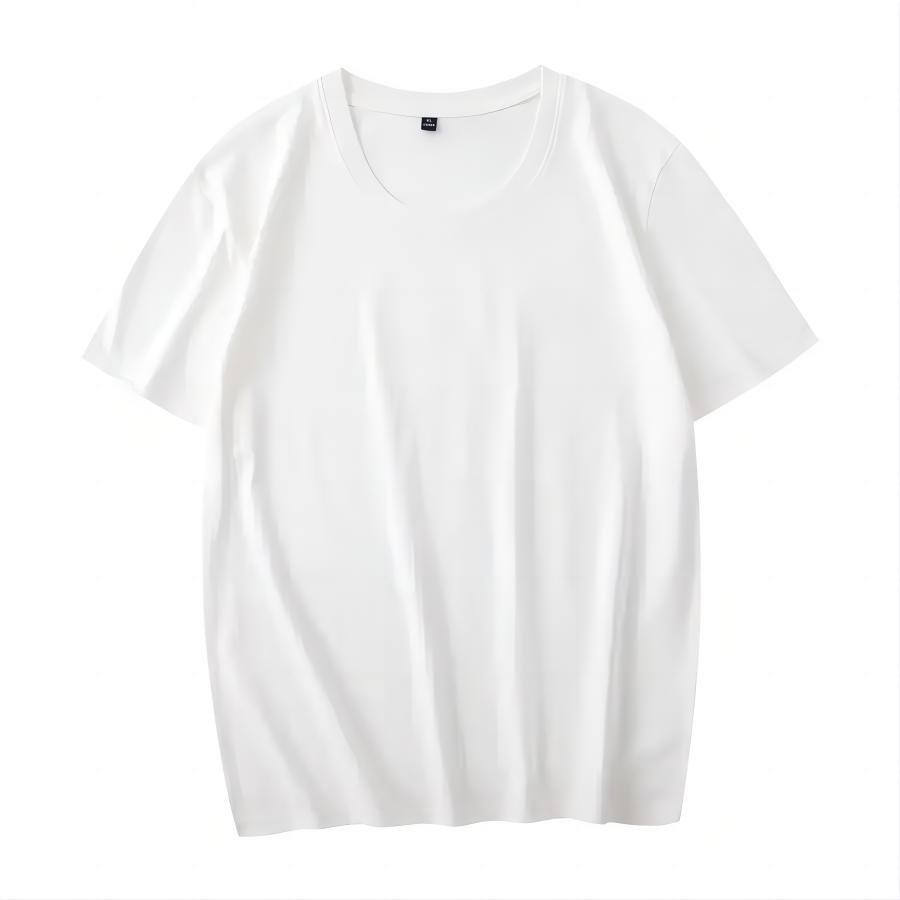
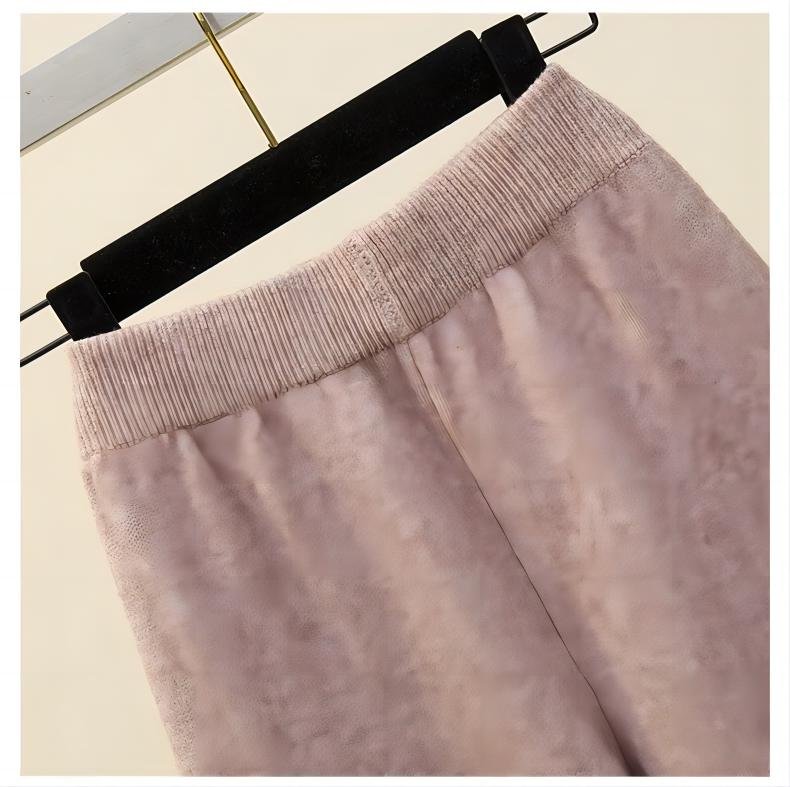
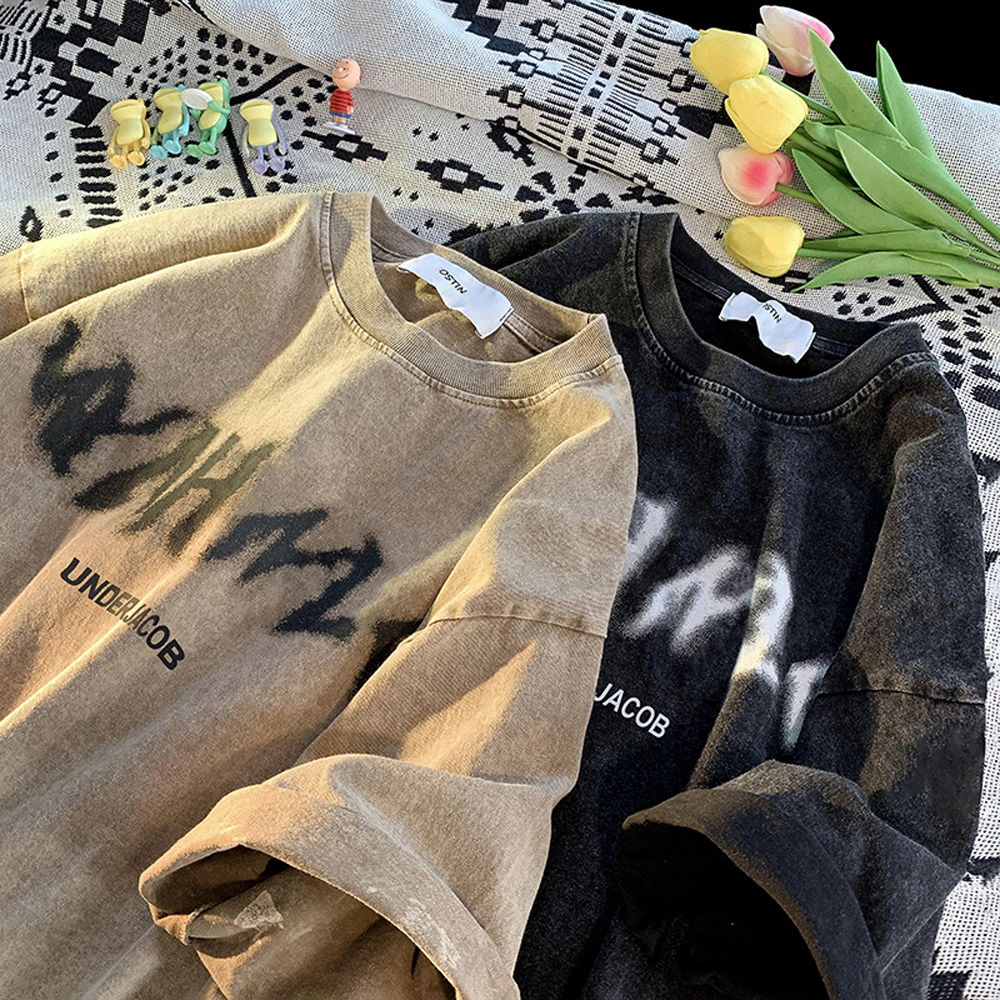
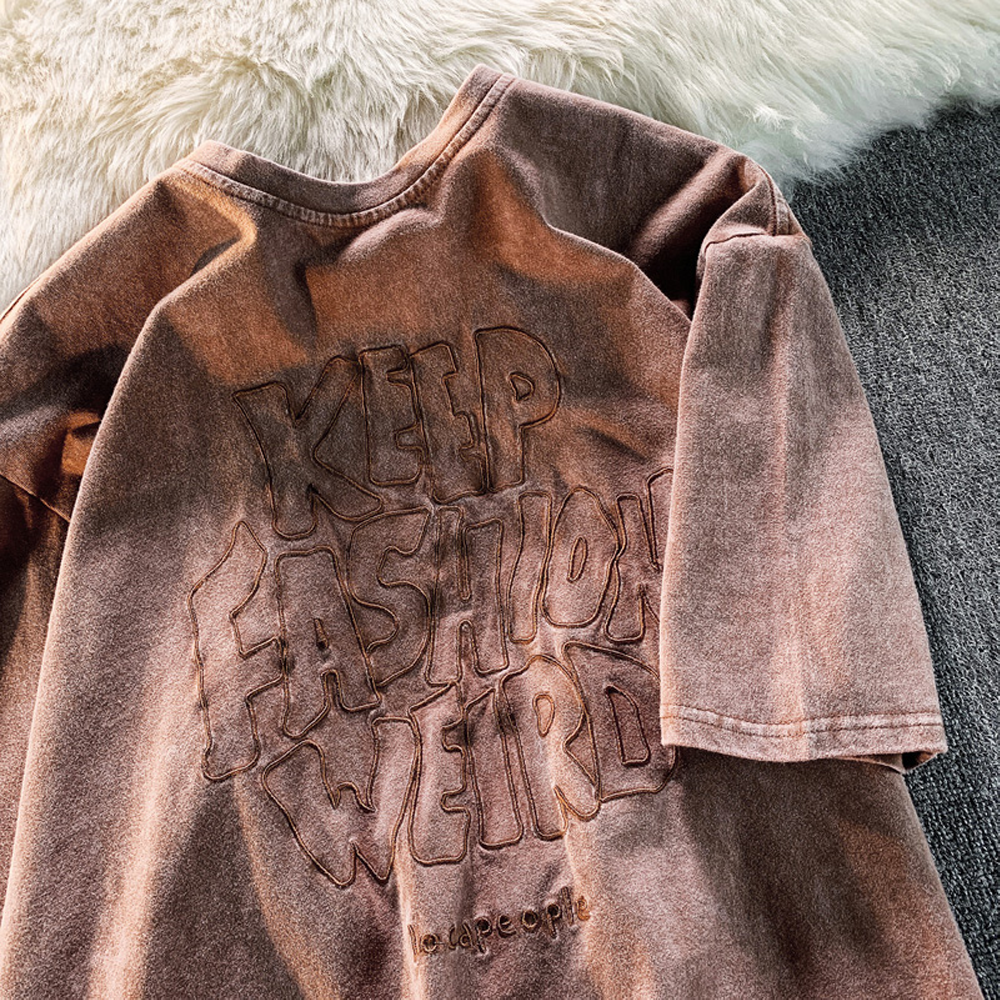
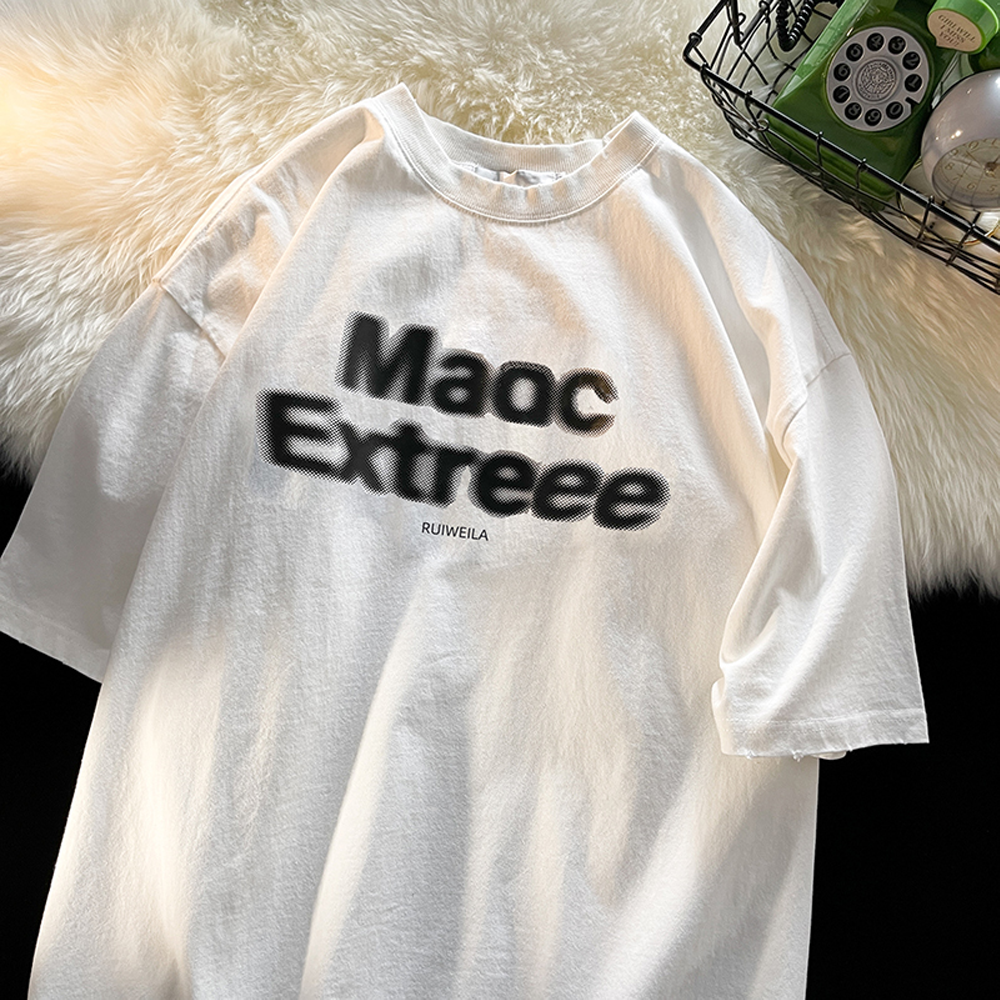
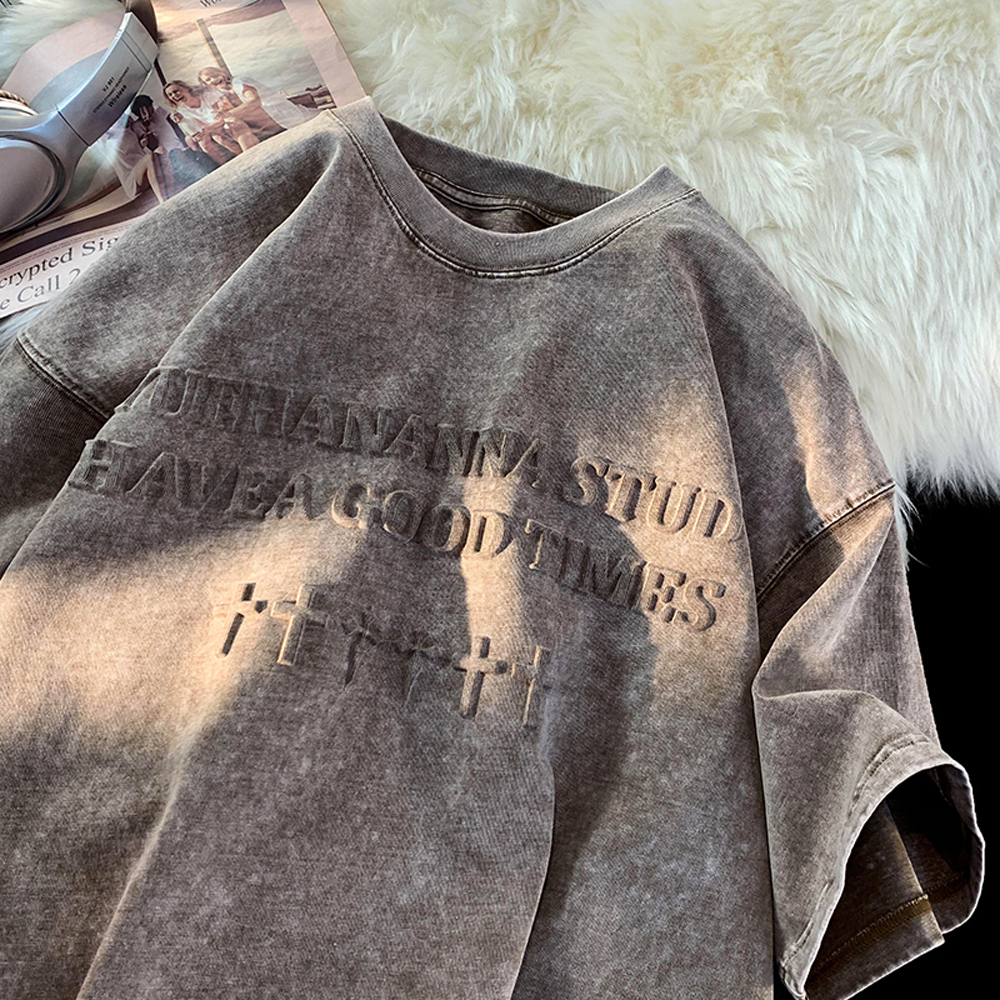
The Vintage T-Shirt Manufacturer Built for Streetwear Brands
Six production advantages that separate us from manufacturers who skip quality checks and cut corners at your brand’s expense.
5-Step Quality Control Process
Quality checks embedded at every stage — materials, cutting, crafting, sewing, and final inspection — so zero defects reach your customers.
Low MOQ, Zero Entry Barriers
Start production with low minimum order quantities, ideal for emerging streetwear labels and indie designers launching their first vintage collection.
Rapid Sampling Turnaround
Fast prototype delivery keeps your seasonal drops and trend-responsive collections perfectly aligned with market timing, every single time.
In-House Streetwear Design Team
Our 15-member R&D team masters bold streetwear aesthetics — skeleton motifs, graffiti prints, and more — turning your vision into production-ready designs.
Global Shipping & Logistics Support
We handle end-to-end logistics, customs clearance, and international shipping so your orders arrive on time across 100-plus countries.
10+ Years of Production Experience
Founded by Tesla Luo with over a decade in garment manufacturing — every order benefits from deep, hard-won streetwear production expertise.
The Vintage T-Shirt Manufacturer for Every Brand Style
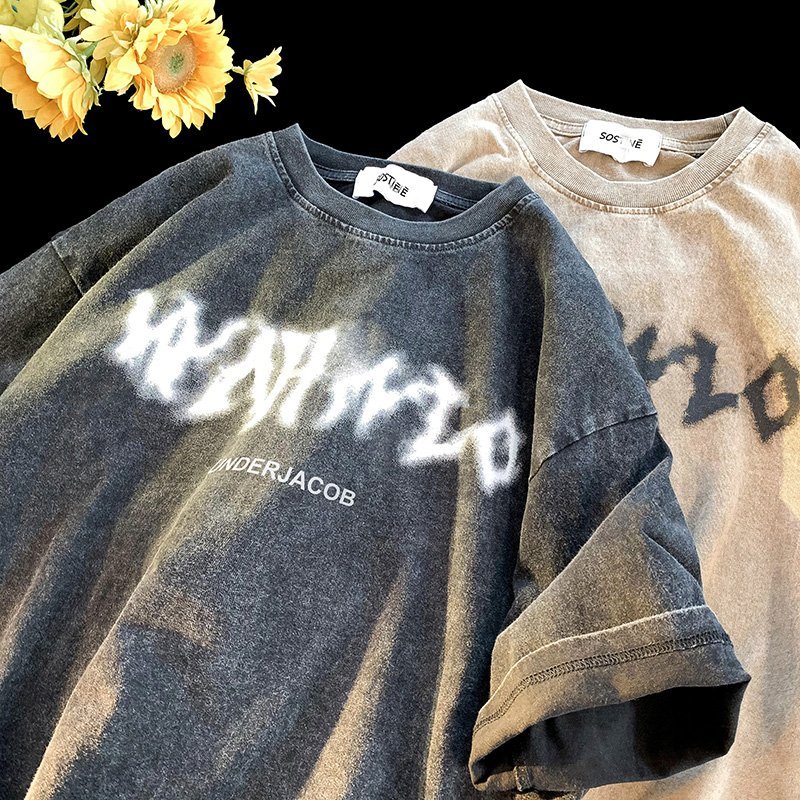
From oversized streetwear drops to fitted retro cuts, heavy-wash distressing, reverse-dye colorways, and graphic placement tees — every style built to your brand’s positioning with zero-compromise quality control.
Oversized Streetwear Drops
Streetwear labels need boxy, drop-shoulder silhouettes that photograph well and sell fast, but most manufacturers deliver inconsistent sizing and stiff fabrics that kill the relaxed, premium feel audiences expect.
Our oversized vintage t-shirt cuts deliver consistent drop-shoulder fits in pre-shrunk heavyweight cotton, cleared through all five QC stages so every unit in your drop looks and feels identical.
Fitted Retro Silhouettes
Independent designers building retro-inspired lines struggle to find a vintage t-shirt manufacturer that nails slim, tailored cuts without sacrificing the soft, broken-in feel that defines authentic vintage aesthetics.
We engineer fitted vintage silhouettes with enzyme-washed fabrics and precision cutting QC, giving your collection the structured retro look that resonates with fashion-forward audiences and commands premium retail pricing.
Heavy-Wash Distressed Tees
Retailers sourcing heavy-wash vintage styles face suppliers who apply inconsistent wash treatments, producing uneven color, fabric damage, and costly returns that erode margins and damage brand credibility with loyal customers.
Our controlled garment-washing process, verified at every production stage, delivers rich, uniform vintage distressing across bulk orders — the authentic aged aesthetic your customers pay a premium for, every time.
Reverse-Dyed Statement Styles
Influencer and creator brands launching limited drops need unique reverse-dye colorways, but most factories lack dye expertise, producing muddy tones and lot-to-lot inconsistency that disappoints loyal followers and kills re-order rates.
Our dye specialists produce vivid, repeatable reverse-dye effects backed by materials and craft QC checks, so your drop ships in colors as bold and consistent as your brand's visual identity.
Graphic Placement Statement Tees
Fashion startups with signature graphics need exact print placement across multiple sizes, but overseas factories often shift artwork position between pieces, diluting the visual impact that makes streetwear collections sell.
We execute precise front, back, and oversized graphic placements with cutting and sewing QC at every step — shipped at low MOQ so emerging labels can launch without overcommitting on inventory.
Premium Material Selection from Your Vintage T-Shirt Manufacturer
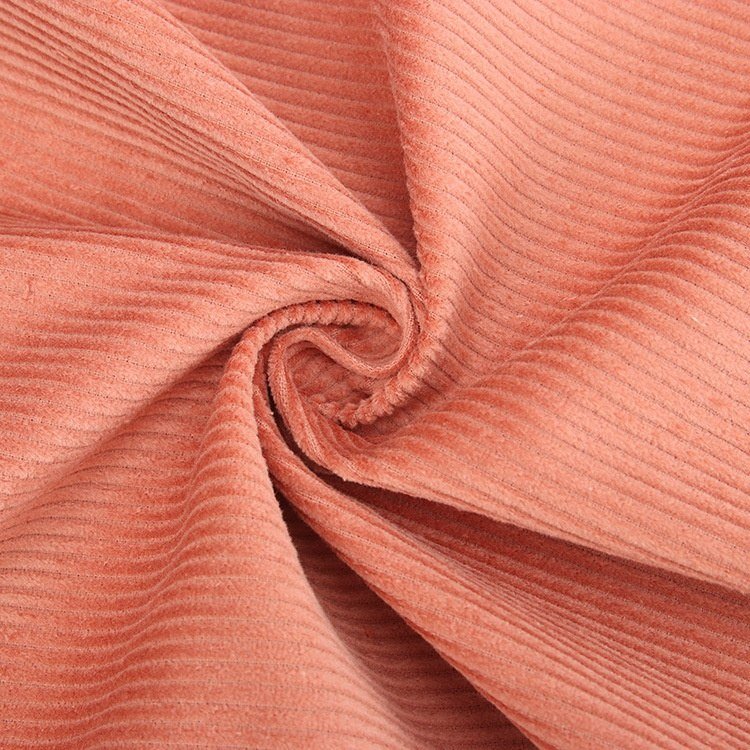
Ringspun Cotton
Tightly twisted fibers produce an ultra-soft, smooth hand-feel that deepens with every wash. At 160–180 gsm, it delivers the authentic drape and lived-in texture that defines true vintage t-shirt aesthetics.
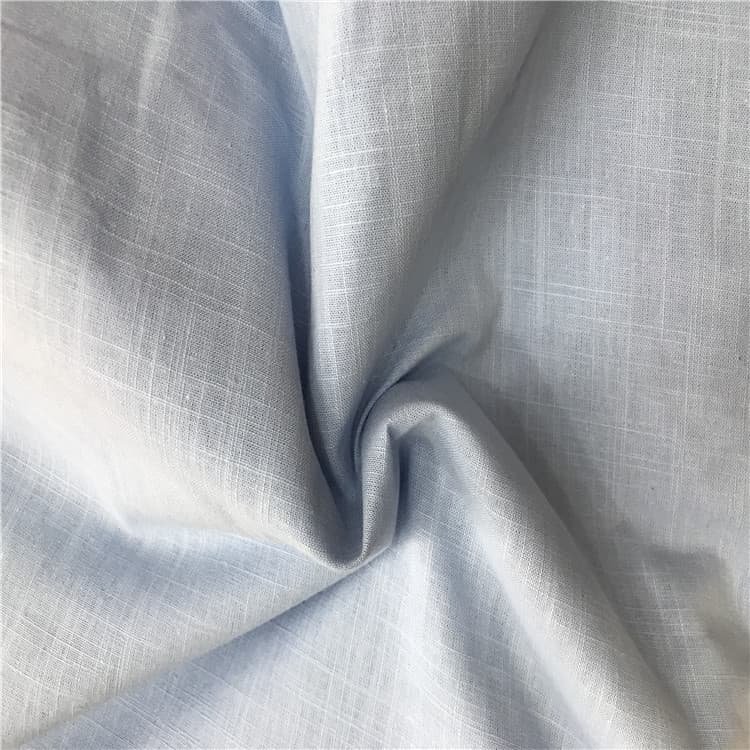
Slub Jersey
Intentional yarn irregularities create a naturally uneven surface that mimics decades of wear from day one. Lightweight at 140–160 gsm, slub jersey is the cornerstone fabric for authentic vintage distressed silhouettes.
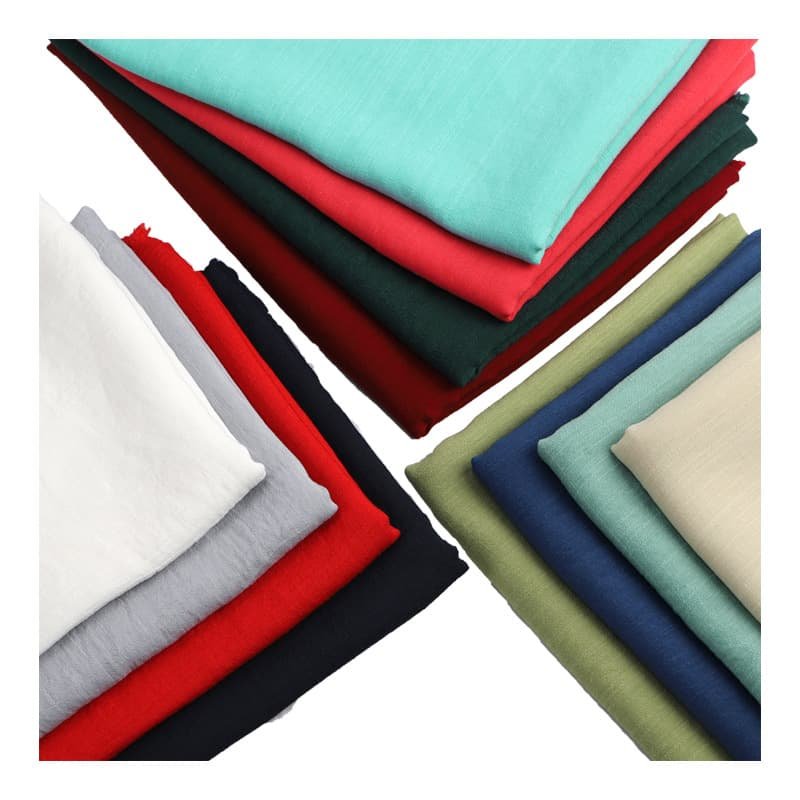
Tri-Blend Jersey
A premium union of cotton, polyester, and rayon delivers featherlight softness with subtle sheen and excellent stretch recovery. At 130–150 gsm, it drapes flawlessly for fitted vintage cuts favored by influencer and creator brands.
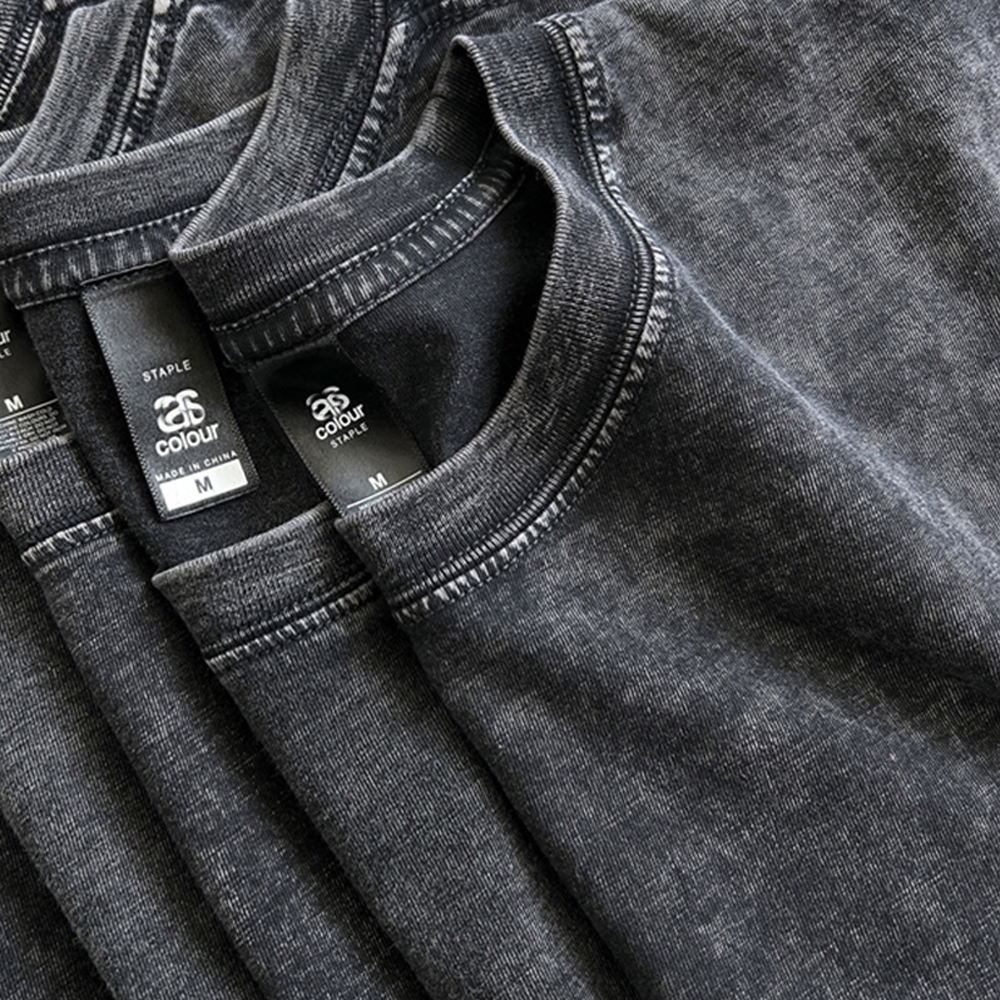
Heavyweight Ringspun
Densely constructed at 220–260 gsm, this premium ringspun cotton provides exceptional structure and long-term durability. Ideal for oversized vintage streetwear drops that hold their shape wash after wash while developing a rich, broken-in patina.
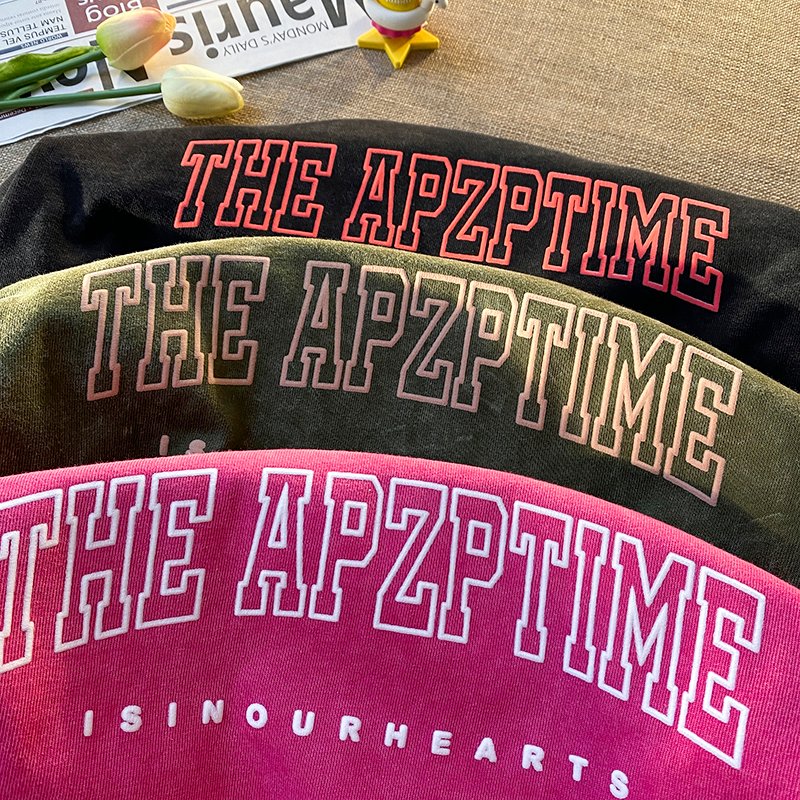
Cotton-Poly Blend
A 65/35 cotton-polyester mix balances breathability with superior shape retention and color-fastness. At 180–200 gsm, it is the high-volume workhorse for consistent streetwear production runs requiring reliable quality at global retail scale.
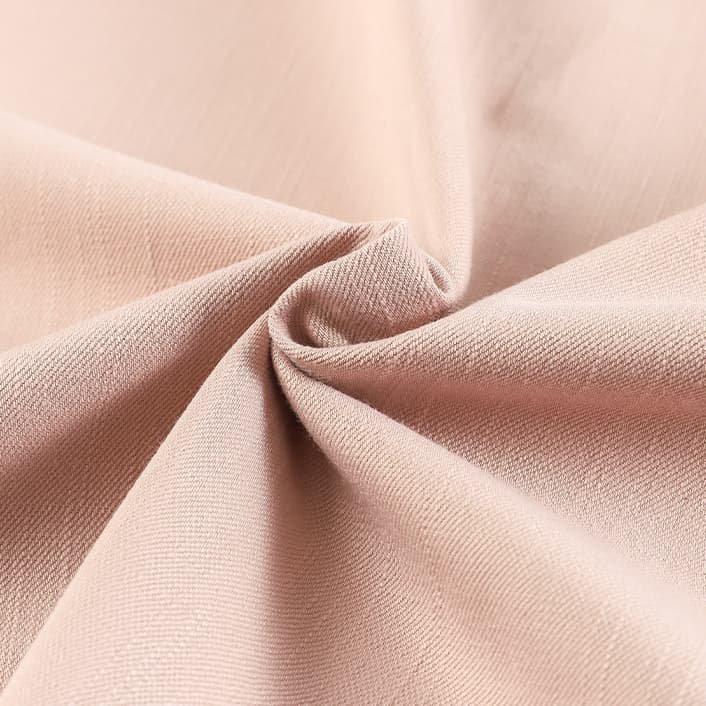
Enzyme-Washed Jersey
Standard jersey cotton treated with enzyme washing achieves instant softness and a pre-aged surface character. This 160–180 gsm fabric replicates classic vintage garment-wash results without compromising structural integrity or print surface quality.
Vintage T-Shirt Manufacturer Techniques for Authentic, Durable Style
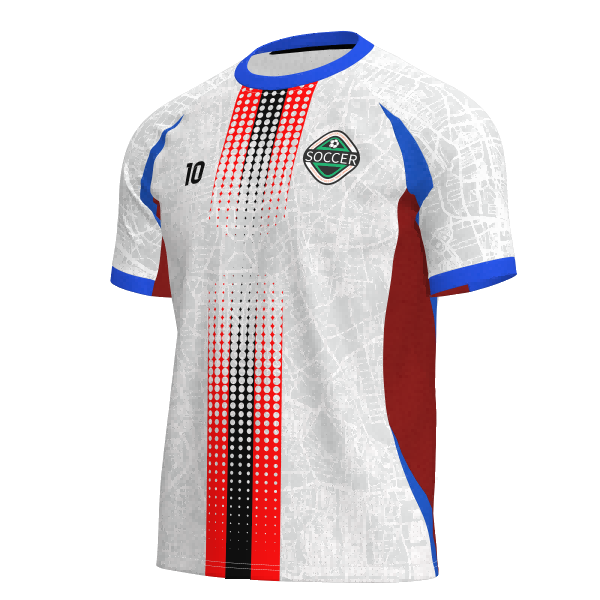
Stone Wash Finish
Garments are tumbled with pumice stones to mechanically abrade fibers, producing a naturally worn-in texture and softly faded color. Delivers uniform distressing, a broken-in hand feel, and enduring variation across large production runs.
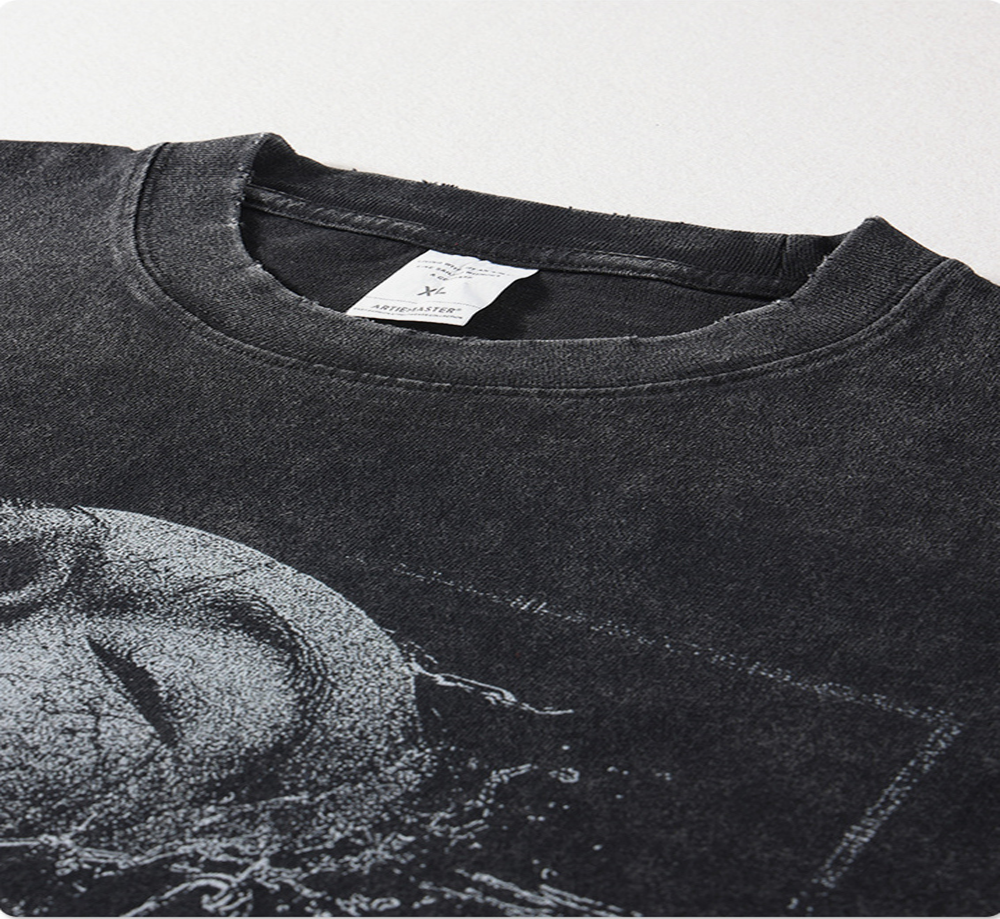
Reverse Acid Wash
A controlled bleach application selectively strips dye to create bold, marbled contrast patterns across the fabric. Produces striking vintage aesthetics with strong wash fastness, keeping the effect vivid and sharp after repeated laundering.
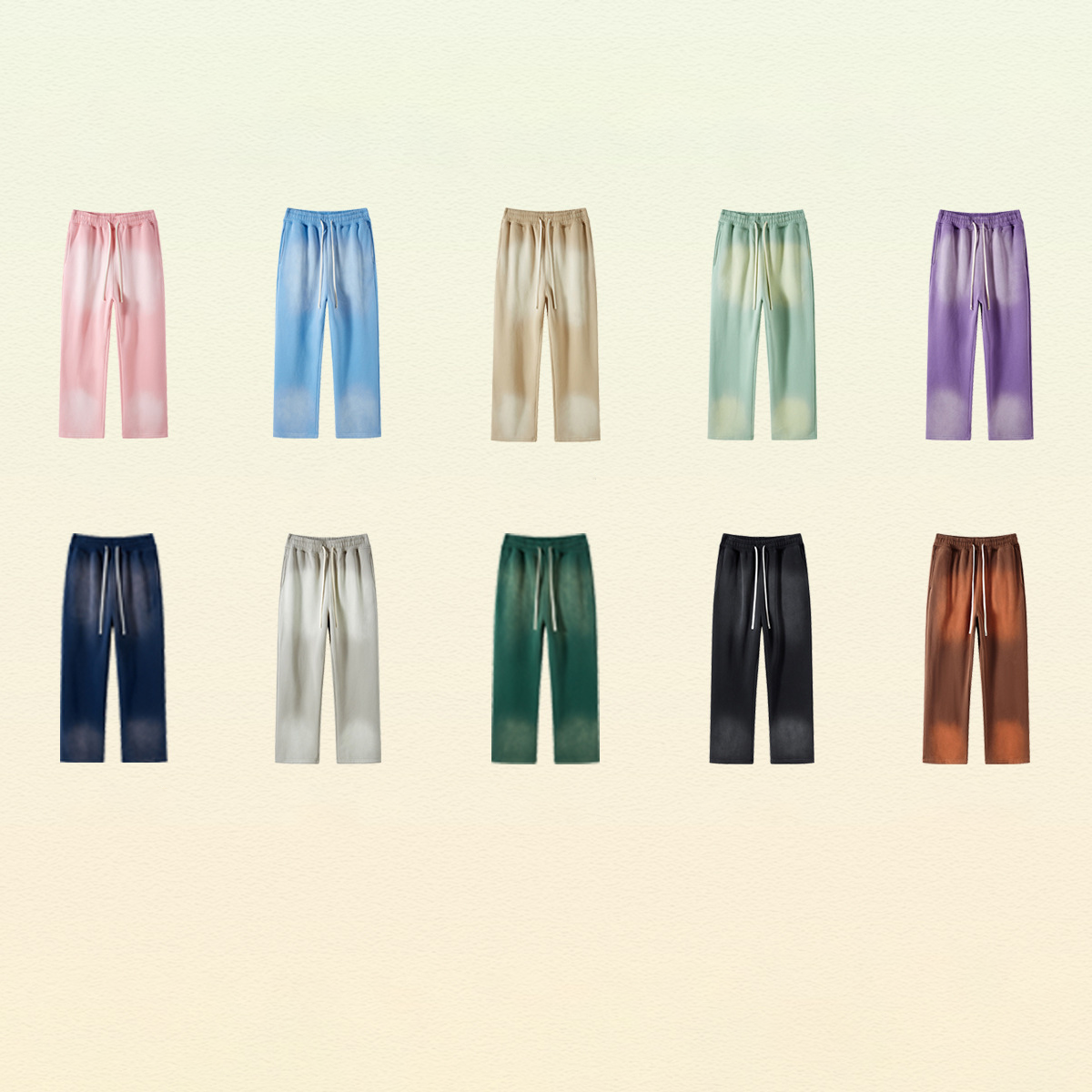
Vintage Overdyeing
Finished garments are dyed over an existing base color to build layered, complex hues with natural tonal depth. Achieves the earthy, sun-bleached palette of authentic retro streetwear while maintaining color consistency across every bulk piece.
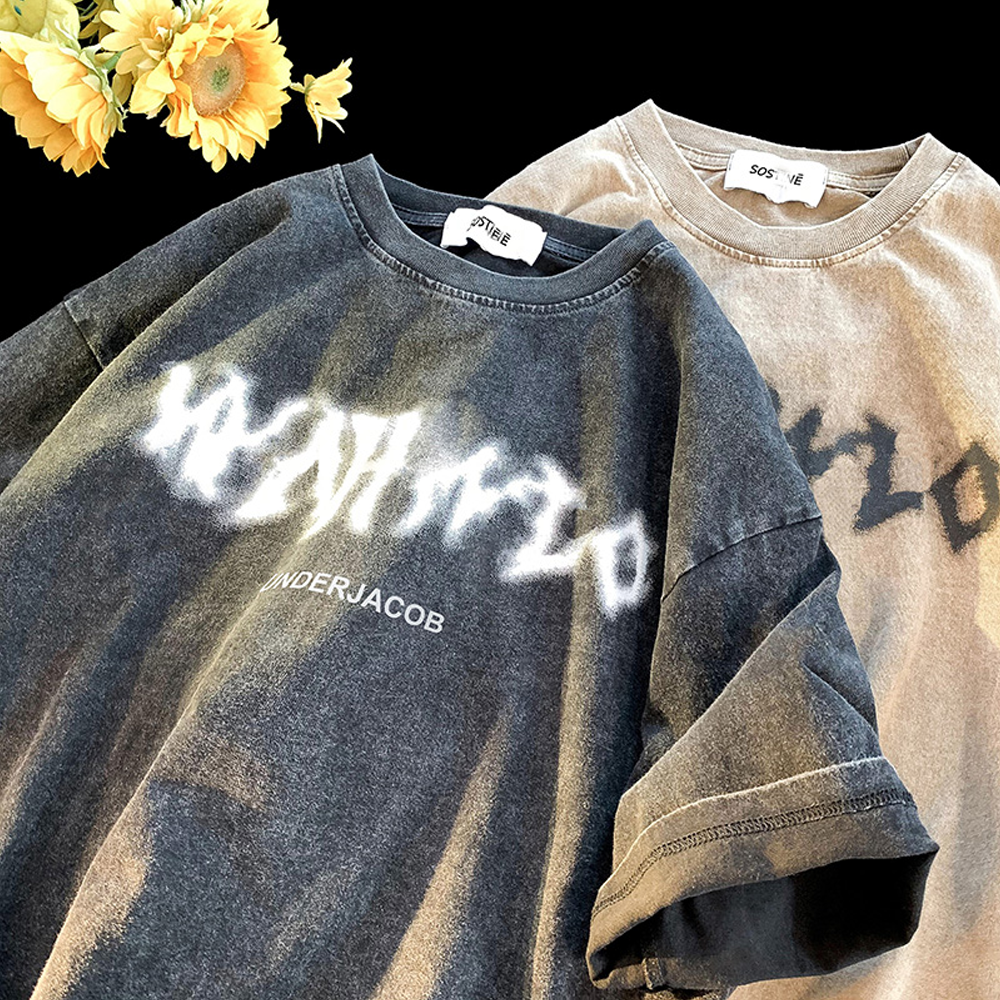
Screen Printing
Multi-layer screen printing deposits plastisol or water-based inks for high-opacity, sharp-edged graphics built to last. Ideal for bold streetwear artwork and distressed vintage-style prints, retaining vivid color and crisp detail through heavy washing.
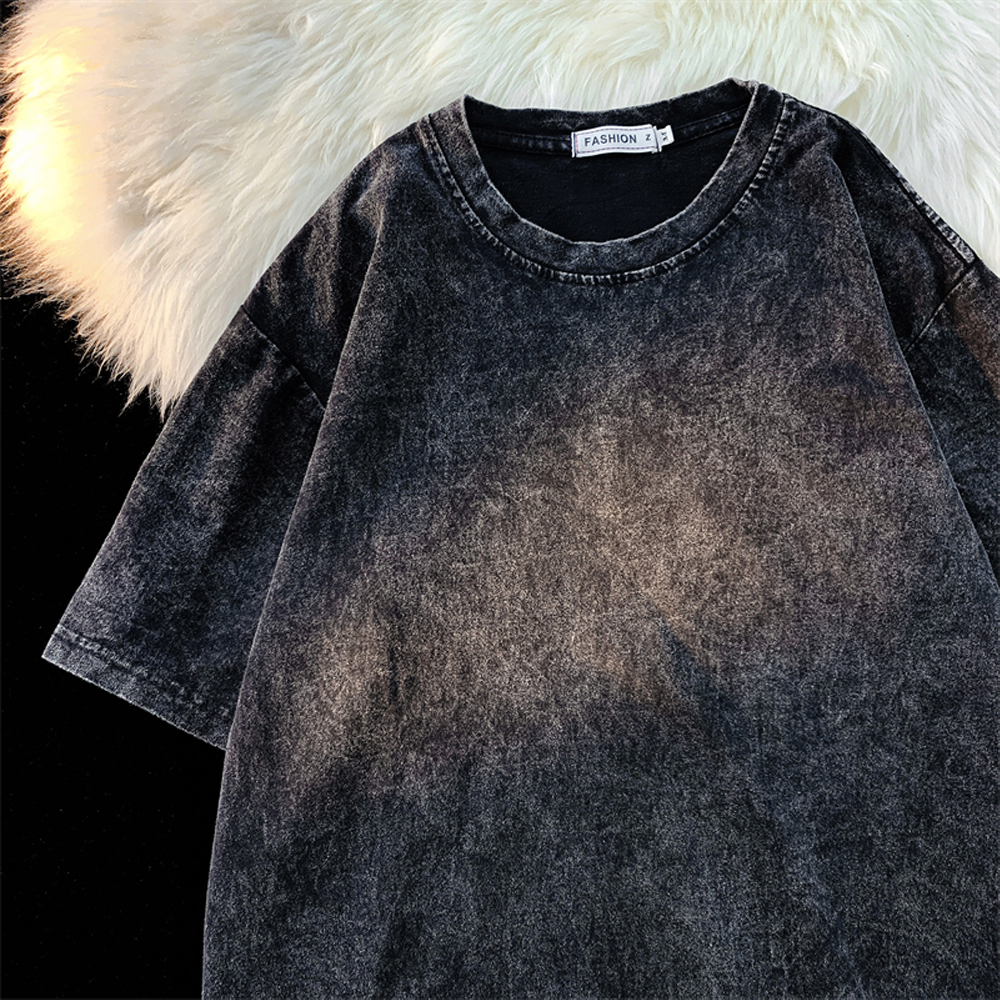
Custom Embroidery
High-definition machine embroidery stitches logos and brand motifs directly into fabric, adding dimensional texture and a premium heritage feel. Engineered to resist fraying and color loss, holding its craftsmanship through hundreds of wash cycles.
Sublimation Printing
Heat transfers dye directly into polyester-blend fibers for all-over photographic prints with unlimited color depth. Colors fuse into the fabric itself — no cracking, no peeling — delivering vivid, durable imagery perfect for full-coverage vintage-style designs.
Custom Trims & Accessories From Your Vintage T-Shirt Manufacturer
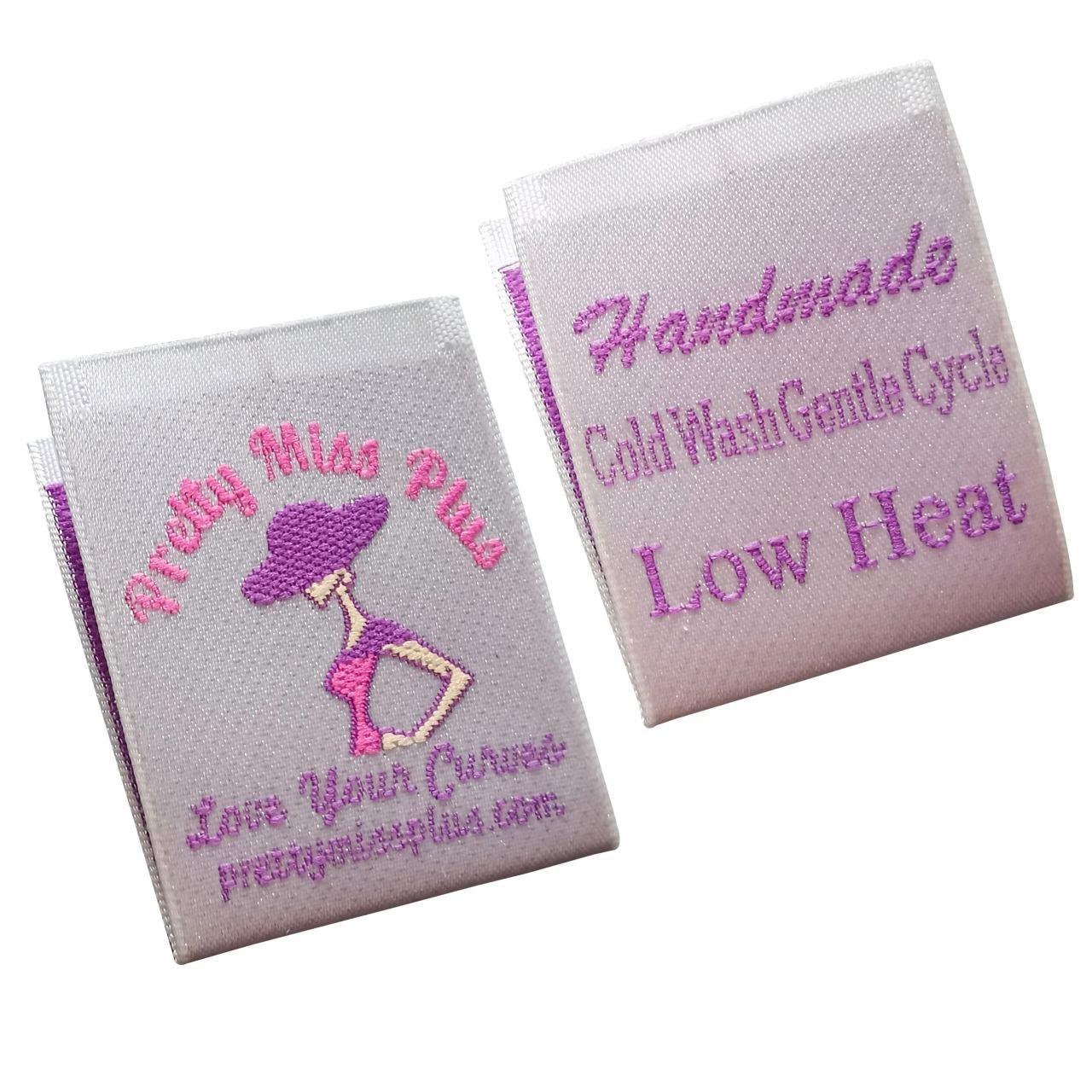
Woven Neck Labels
Custom-woven neck and side-seam labels carrying your logo, brand name, and colorways. Choose weave density, label size, and fold style for a refined, durable brand signature that survives hundreds of washes.
Custom Hang Tags
Die-cut or standard-shape hang tags printed with your brand identity, sizing info, and optional QR codes. Attached pre-shipment to deliver a polished, retail-ready unboxing experience that lifts perceived product value.
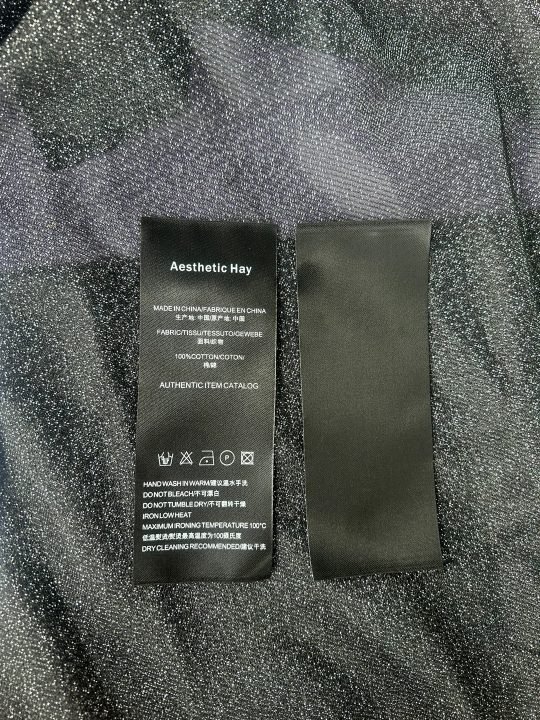
Care Label Printing
Fully customizable care labels printed with wash instructions, fiber content, country-of-origin compliance text, and your brand mark. Positioned at the inner hem for wearer comfort and seamless global market compliance.
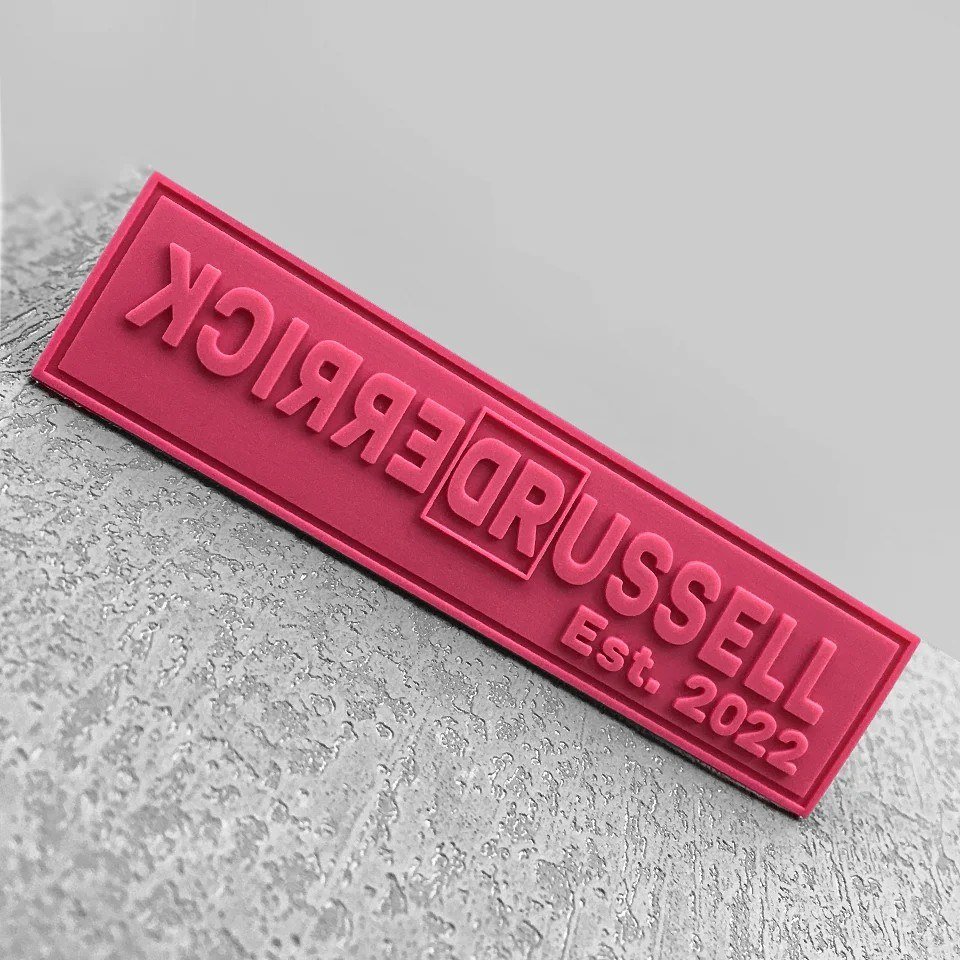
Embroidered Patches
Heat-seal or sew-on embroidered patches showcasing logos, streetwear motifs, or seasonal graphics. Perfect for layering vintage-inspired texture and dimension across chest, sleeve, or back placements on any garment style.
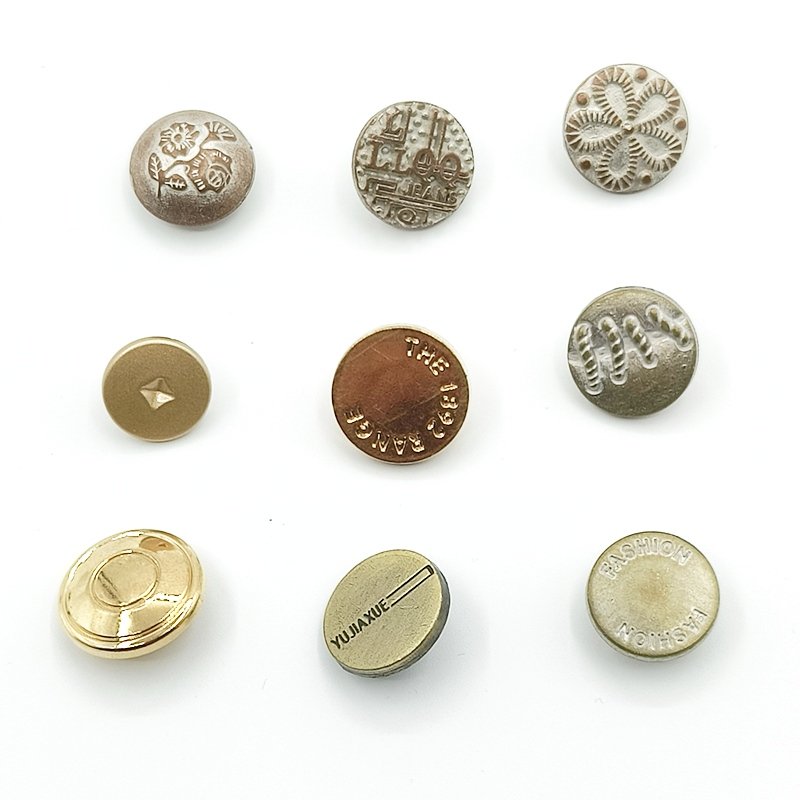
Snap Buttons
Antique-brass, gunmetal, or custom-plated snap buttons engineered for vintage-style plackets and closures. Each unit passes dedicated hardware testing within our 5-step QC process to guarantee smooth, lasting operation at scale.
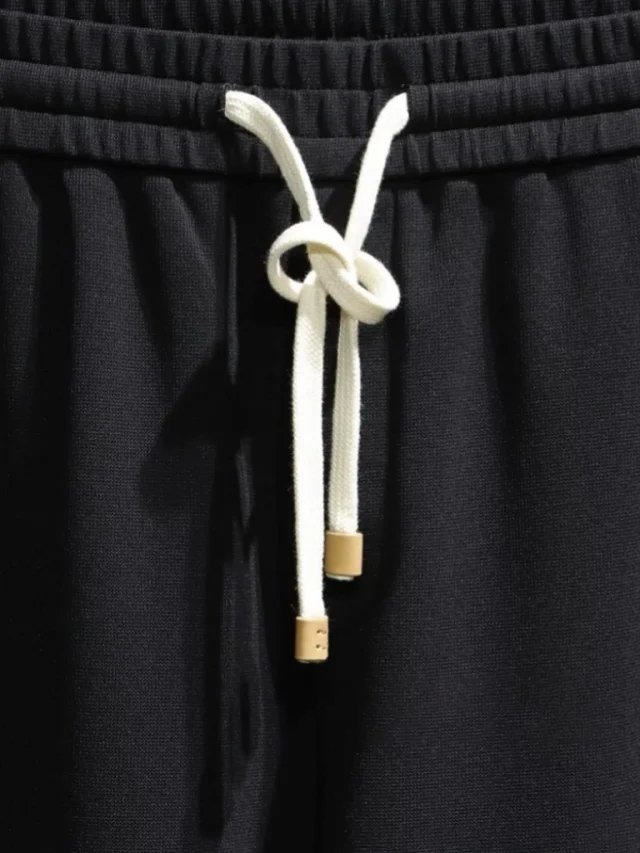
Drawcord & Tipping
Flat or round drawcords in cotton, nylon, or polyester, finished with metal or woven-cap tipping. Color-matched and sized to your exact spec for hoodies, joggers, and neckline drawstring details.
The Vintage T-Shirt Manufacturer Built on Integrity
Clothing Manufacturer Ltd. was founded in August 2024 by Tesla Luo, whose roots in garment production run deeper than most. Raised in a family of apparel professionals in Dongguan — the heartbeat of China’s garment industry — Luo spent his childhood summers rotating through every production role, from cutting and sewing to QC, packing, and shipping. That immersive upbringing, combined with 10-plus years of industry experience and 6 years of dedicated streetwear expertise, shaped a founder who understands quality from the inside out.
After personally serving more than 200 clients and helping numerous creators grow from zero to influencers with hundreds of thousands of followers, Luo saw a recurring problem: factories skipping quality control entirely, going straight from sewing to packaging. He founded Clothing Manufacturer Ltd. to eliminate that practice, introducing a proprietary five-step QC methodology covering materials, cutting, craftsmanship, sewing, and finished garment inspection — checks embedded at every stage, not bolted on at the end.
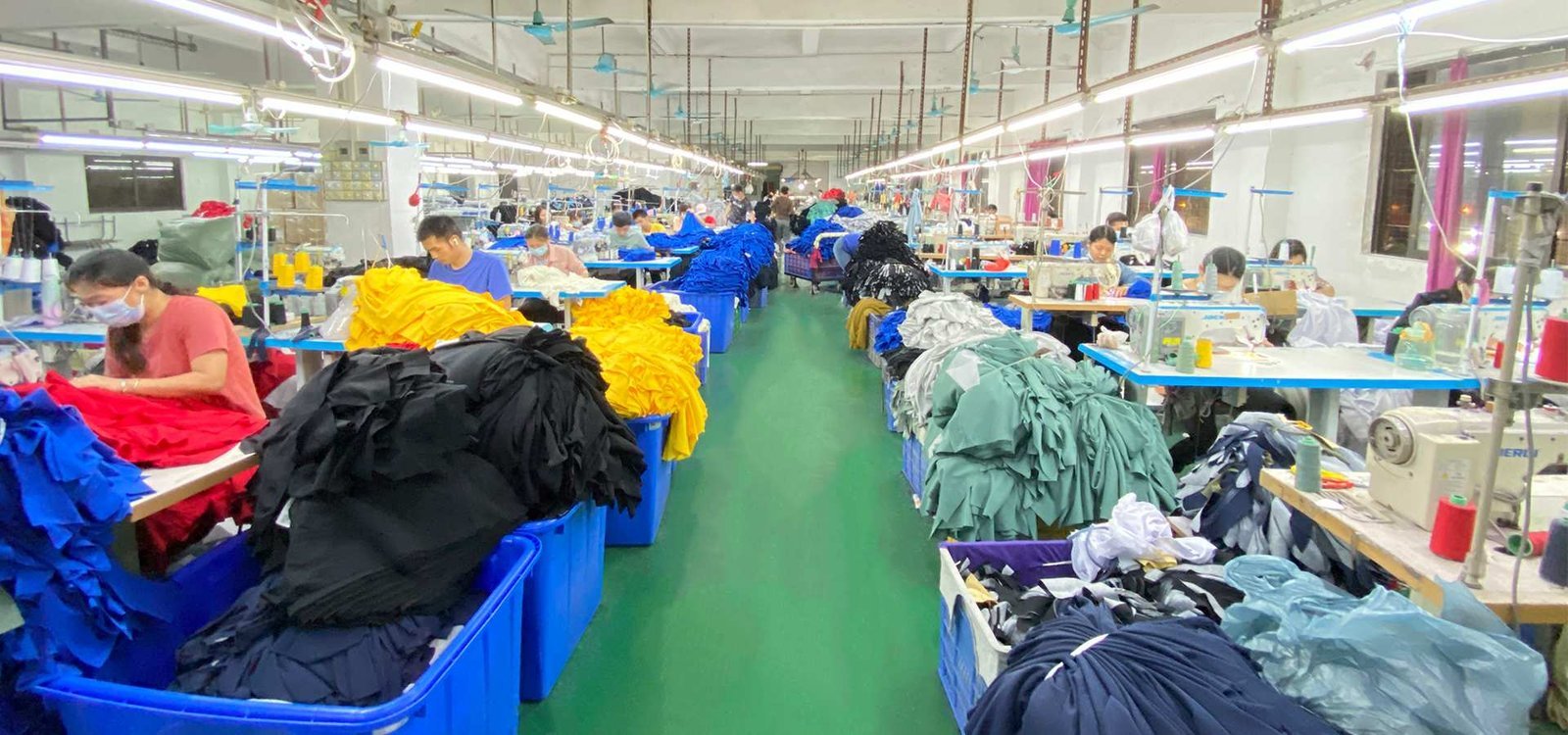
As a trusted vintage t shirt manufacturer operating out of Humen Town and backed by the infrastructure of parent company Dongguan TuoZhen Clothing Co., Ltd., we combine the agility of a streetwear specialist with serious production scale. Our 15-member R&D team, 10 production patents, low MOQ options for emerging brands, and reach across 100-plus countries mean we are built to grow alongside you — from your first sample to your largest seasonal run.
The Vintage T-Shirt Manufacturer Built for Streetwear Brands
5-Step QC: Zero-Defect Production Guaranteed
Our proprietary five-step quality control methodology inspects materials, cutting, craftsmanship, sewing, and finished garments at every production stage — catching defects early so every vintage t-shirt leaving our facility meets strict outgoing standards.
- Materials QC testing conducted before a single cut is made
- Cutting and craft inspections eliminate costly early-stage errors
- Real-time sewing production QC identifies stitching and seam issues as they occur
- Final finished-garment inspection completed before packing and global shipment
15-Specialist In-House Design and Sampling Team
Our 15-member R&D and sampling team turns your concepts into production-ready samples fast. From initial tech packs to first-fit proofs, we iterate rapidly so your brand hits seasonal deadlines without costly revisions or delays.
- In-house pattern makers, graphic designers, and dedicated sample sewers under one roof
- Low MOQ sampling available for startups and independent designers entering the market
- Rapid prototype turnarounds to compress your go-to-market timeline
- 10 proprietary production patents backing innovative garment construction techniques
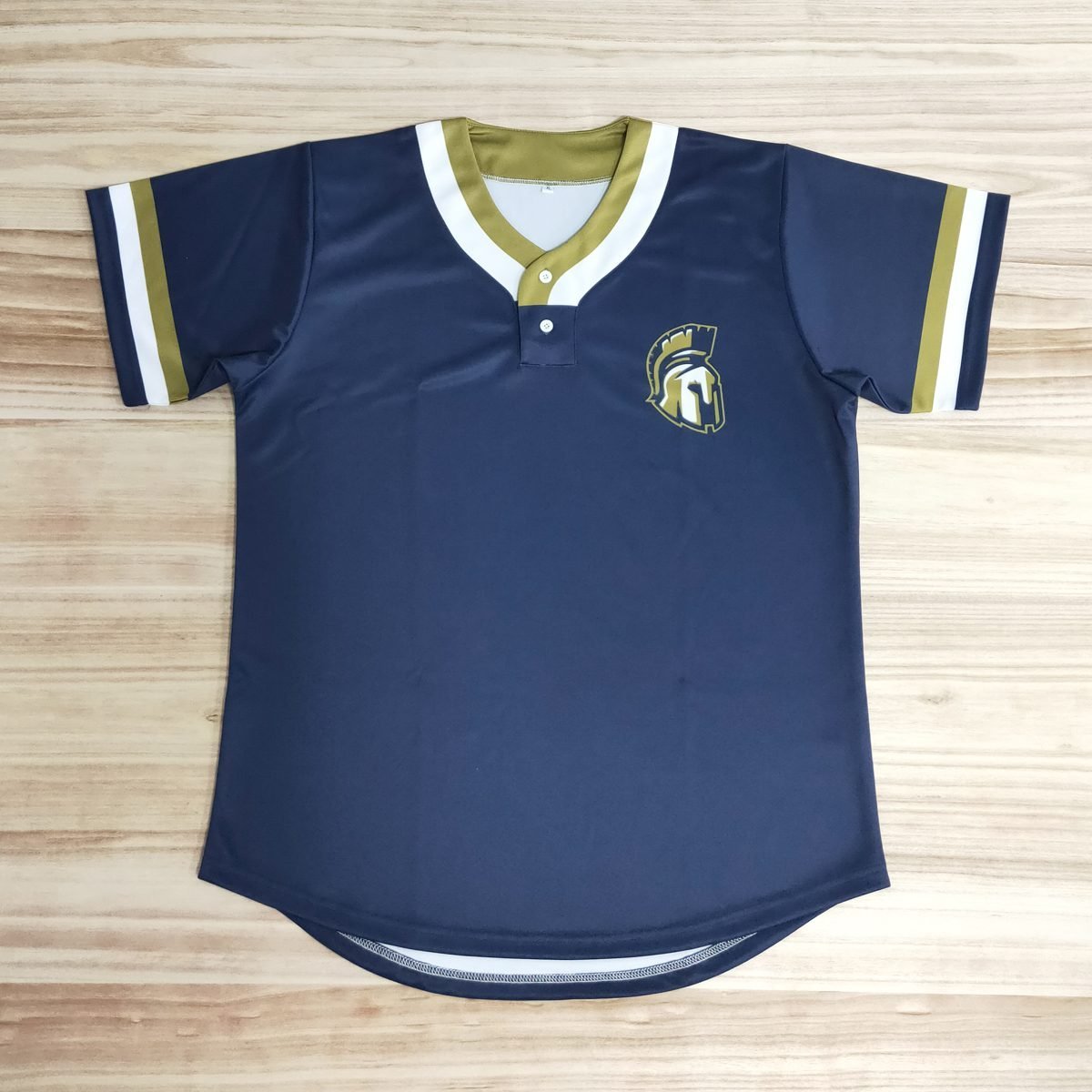
Streetwear Aesthetic Fluency Across Every Design Element
Founded by a streetwear culture specialist with 6-plus years of focused expertise, our team masters the graphics, silhouettes, wash effects, and motifs — from distressed vintage treatments to bold skeleton, rose, and graffiti-inspired prints.
- Deep knowledge of hip-hop, skate, graffiti, and street art design vocabularies
- Vintage wash expertise spanning acid wash, garment dyeing, pigment prints, and distressing
- Graphic motif mastery across skeleton, animal print, mystery symbol, and cross elements
- Consistent aesthetic execution from small pilot runs through high-volume seasonal orders
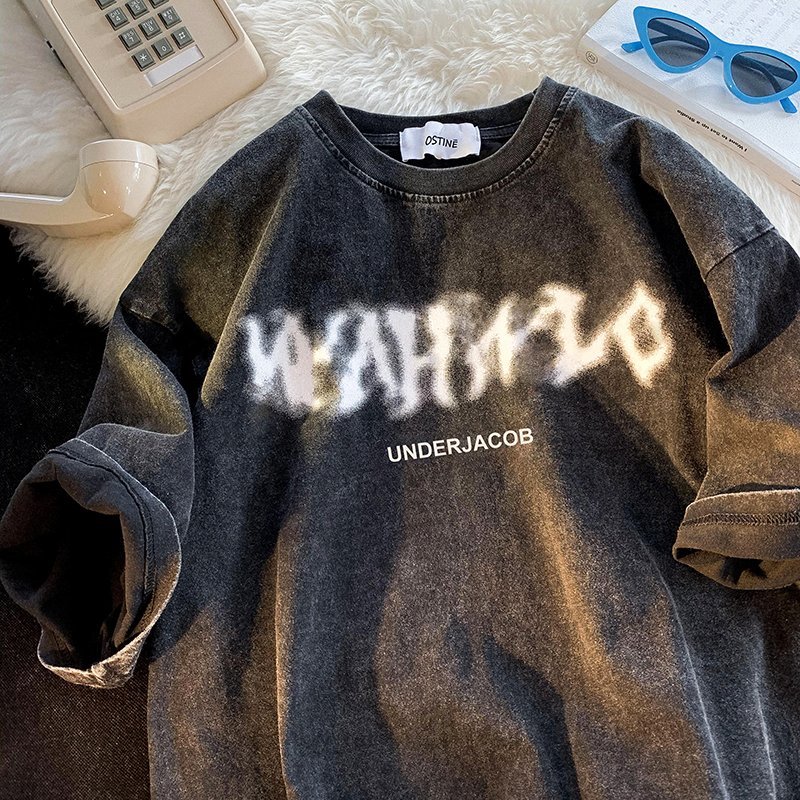
Fast Seasonal Turnaround Without Sacrificing Quality
Speed-to-market defines streetwear success. Our streamlined production workflow — backed by Dongguan TuoZhen Clothing Co., Ltd.’s full manufacturing infrastructure — delivers seasonal collections on tight schedules to brands across more than 100 countries worldwide.
- Scalable production capacity handles volume spikes for drops and limited-edition releases
- End-to-end logistics support including customs clearance and global shipping coordination
- Serves emerging startups and established global retailers on the same rigorous quality standard
- Proven delivery track record across 100-plus countries and regions since launch
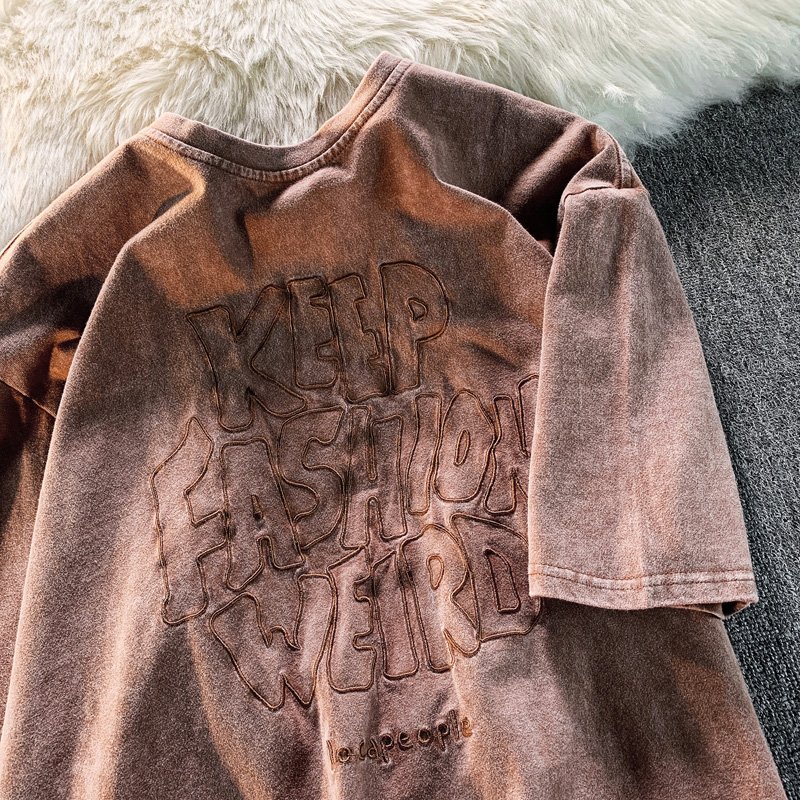
Why Clothing Manufacturer Ltd. Is the Vintage T-Shirt Manufacturer Brands Choose
Most Chinese manufacturers skip quality control during production. We built a 5-step QC system that catches defects at every stage — so your finished garments arrive right the first time.
← 左右滑动查看 →
How Your Vintage T-Shirt Manufacturer Delivers Zero-Defect Production
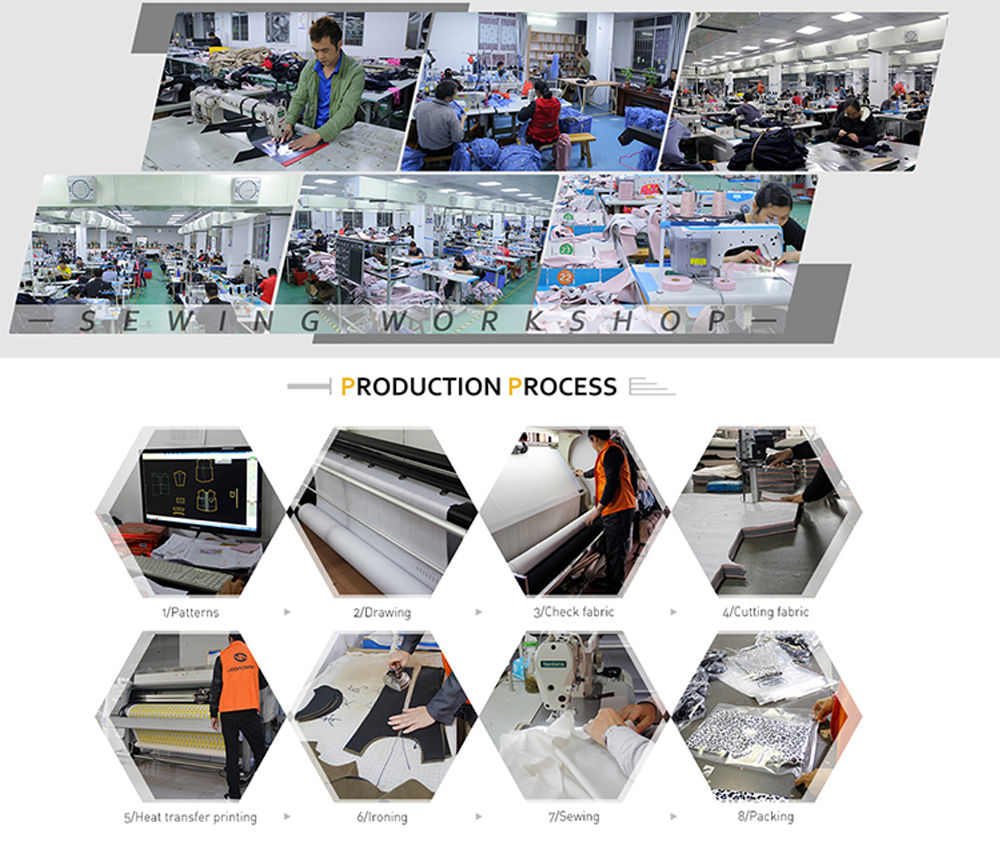
From raw fabric to your doorstep, our proprietary five-step QC methodology catches defects at every stage so nothing substandard ever reaches your customers.
Materials Sourcing & QC
Every fabric bolt is tested for weight, shrinkage, colorfastness, and hand feel before entering production, eliminating defects at their source rather than the end.
Precision Cutting QC
Each cut piece is checked against your approved specs for accuracy and alignment, ensuring dimensional consistency across every unit in your production run.
Printing, Wash & Craft QC
Vintage washes, distress treatments, and print applications are individually tested for durability and color accuracy before the full production run is authorized to proceed.
Sewing & Assembly QC
Inline inspectors monitor stitch density, seam strength, and construction quality in real time, halting the line immediately the moment any deviation from standard appears.
Finished Goods Inspection
Every completed garment receives a full audit covering measurements, print integrity, wash effect, and overall appearance verified against your original approved sample.
Packing & Global Shipping
QC-cleared garments are folded, branded, and packed to your spec, then shipped via our global logistics network with end-to-end tracking direct to your door.
How to Partner With a Trusted Vintage T-Shirt Manufacturer
From your first design brief to worldwide delivery, our dedicated account team guides every step — with zero-compromise quality built in at every stage of production.
Share Your Design or Tech Pack
Upload your artwork, reference images, or tech pack. Our dedicated account team reviews your brief and responds within 24 hours with tailored production recommendations.
Receive Your Free Quote and Sample
We return a transparent, itemized quote with no hidden fees and produce free pre-production samples so you can validate fit, feel, and finish firsthand.
Approve Samples and Confirm Your Order
Review your sample against our in-house benchmarks, lock in fabric choices and branded trims, then place your order — low-MOQ quantities are always welcome.
Trust Our 5-Step QC Guarantee
Our proprietary five-step QC process inspects materials, cutting, craftsmanship, sewing, and finished goods at every stage — so defects are caught long before your order ships.
Receive Fast Global Delivery
Your finished collection is packed, fully documented, and dispatched with end-to-end logistics support, reaching brands and retailers across 100-plus countries on schedule.
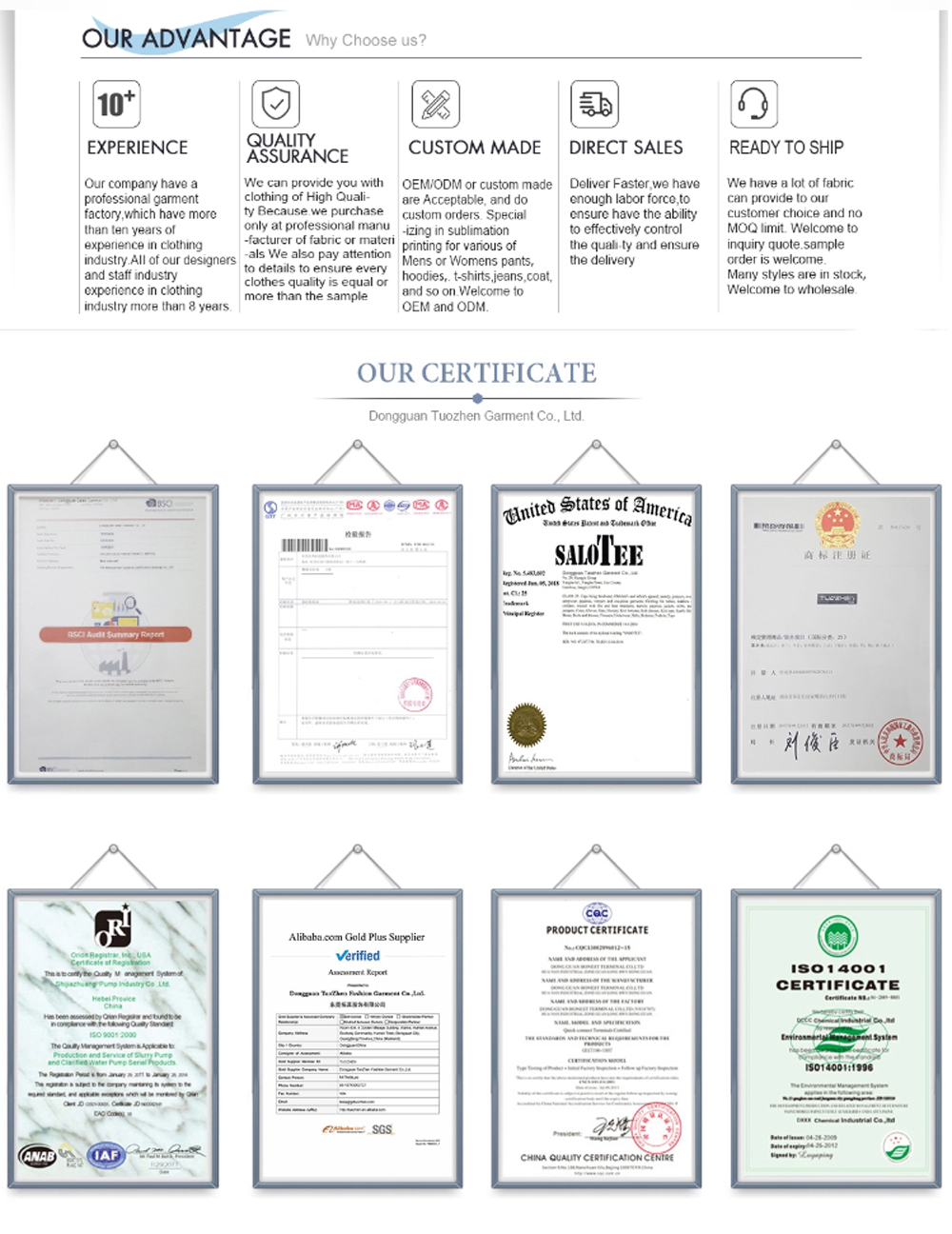
Compliance You Can Trust From a Certified Vintage T-Shirt Manufacturer
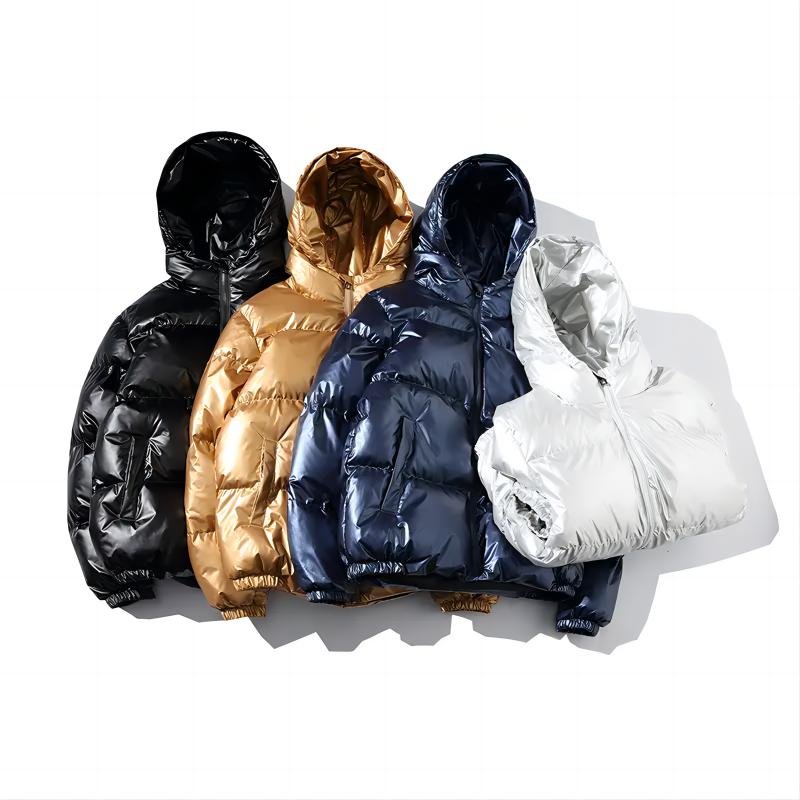
What Global Brands Say About Our Vintage T-Shirt Manufacturer
We’ve placed 6 repeat orders in under 12 months. The 5-step QC process means zero rejects in our last three runs — our retail buyers noticed the consistency and our wholesale volume is up 40%. This is the only vintage t shirt manufacturer we trust at scale.
Turnaround from sample approval to delivery was 18 days — faster than any supplier we’d tried. We dropped a limited run that sold out in 3 hours and grew our Instagram to 85,000 followers within 6 months. The acid-wash tee quality was flawless.
As a startup, the low MOQ let us test 4 colorways without overcommitting on inventory. Within 8 months we scaled from 50 to 500 units per run. Their in-house sampling team turned our sketches into production-ready samples in under 2 weeks.
Vintage T-Shirt Manufacturer FAQ: Your Top Questions Answered
Everything you need to know about MOQ, sampling, quality control, shipping, and partnering with Clothing Manufacturer Ltd.
What is the minimum order quantity at your vintage t shirt manufacturer?
How long does a vintage t shirt manufacturer take to turn around samples?
What should I look for when choosing a vintage t shirt manufacturer for my streetwear brand?
Do you sign NDAs and protect my designs before production begins?
What payment terms do you offer for bulk production orders?
Can you manage international shipping and customs documentation for my orders?
How many design revisions are included before you move to bulk production?
How flexible are your production timelines for seasonal streetwear collections?
What does your 5-step quality control process actually cover during production?
The Complete Buyer’s Guide to Choosing a Vintage T Shirt Manufacturer
Discover how to evaluate every vintage t shirt manufacturer on quality, MOQ, and turnaround — plus a clear decision framework, supplier criteria checklist, and the costliest sourcing mistakes brands make before placing their first order.
1. What Is a Vintage T Shirt Manufacturer?
Ring-spun cotton at 160–200 gsm, enzyme or acid wash finishing, and deliberate surface distressing are what separate a true vintage t shirt manufacturer from a generic blank supplier that prints on commodity 180-gsm open-end cotton and ships. A specialist in this category applies garment-wash finishing after the garment is sewn — not just fabric pre-treatment — so every panel, seam, and hem ages simultaneously, softening hand-feel and producing the worn drape that defines the aesthetic.
Three process decisions determine whether a factory genuinely qualifies: yarn type (ring-spun or slub versus open-end spun), wash chemistry (acid, enzyme, mineral, or pigment-dye), and the sequence in which dyeing and washing are applied — before or after cutting and sewing. Garment-dyeing post-assembly means seams, hems, and panels absorb color at different rates, producing the non-uniform tonal variation that conventional piece-dye methods cannot replicate.
Discharge printing, mineral-wash finishing, and overdye layering — three process-level techniques — require a base fabric engineered to absorb and release dye unevenly, which only a dedicated vintage t shirt manufacturer can supply. Streetwear labels, creator brands, and independent designers seek this category of partner precisely because these effects cannot be replicated by a generic print shop applying ink to commodity blanks after the fact.
2. The Evolution of Vintage T Shirt Manufacturing
By 1975, plastisol screen printing on 100% cotton jerseys had become the standard production method for band merchandise and concert tees, establishing the visual language that modern buyers now call ‘vintage.’ Single-color and two-color prints on 180-GSM ring-spun cotton blanks created the faded, tactile quality that aging and repeated washing amplified over decades.
Through the 1990s, garment-dyeing and enzyme-wash finishing techniques moved from niche Japanese denim mills into mainstream apparel factories, allowing manufacturers to simulate decades of wear at scale. Distressed hems, acid washing, and intentional pilling became commercially viable production steps rather than accidents of age, opening the category to mass-market retailers.
Fast fashion compressed trend cycles to under six weeks by the mid-2010s, and streetwear culture — rooted in hip-hop, skateboarding, and graffiti — put premium value on pieces that looked earned rather than new. Influencer and creator brands, many built on audiences of tens of thousands to hundreds of thousands of followers, drove demand for small, differentiated drops rather than generic seasonal runs.
Today, any credible vintage t shirt manufacturer must offer low minimum order quantities — commonly 50 to 100 pieces per colorway — alongside OEKO-TEX certified fabrics and transparent supply chains. Buyers now treat authenticity and sustainability as baseline requirements, not differentiators, pushing manufacturers to document each production stage and embed quality checks throughout rather than only at final inspection.
3. Types of Vintage T Shirt Manufacturer to Know
Not every vintage t shirt manufacturer operates the same way — six distinct archetypes serve different volumes, budgets, and timelines. Identifying the right type early prevents costly sourcing mismatches downstream.
Full-Package Cut-and-Sew with In-House Washing
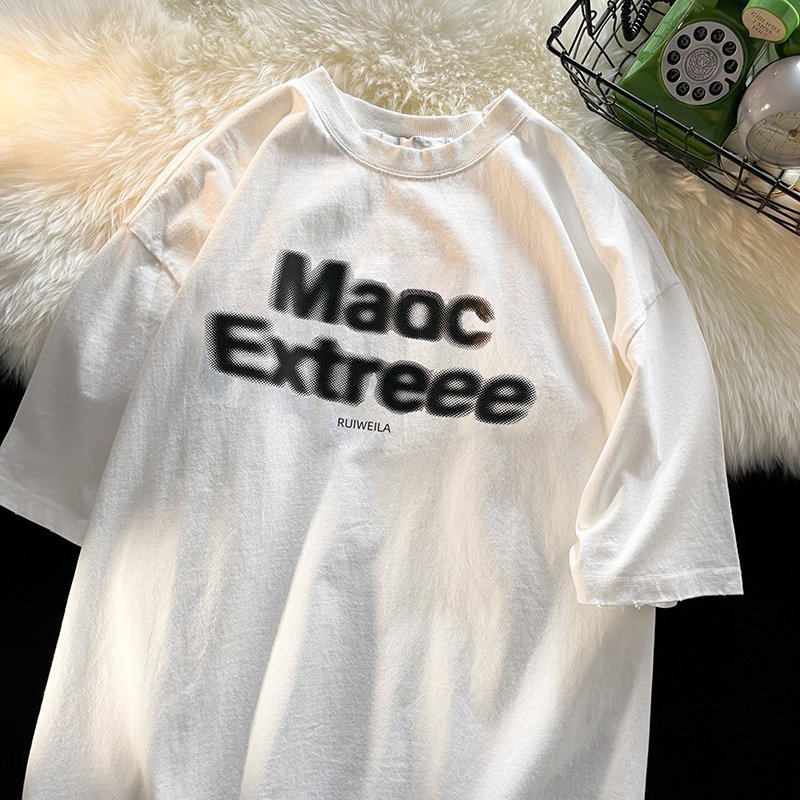
These factories manage fabric sourcing, cutting, sewing, garment-wash, and finishing under one roof. MOQ typically runs 100–300 pieces per colorway; lead times average 30–60 days. Best for brands needing end-to-end control over the vintage wash result.
Blank Wholesale Mills with Vintage Finishing Add-On
High-volume mills produce commodity blanks, then offer enzyme-wash or acid-wash as an optional service tier. MOQ starts at 144–500 pieces; lead times run 2–3 weeks on in-stock styles. Best for cost-sensitive brands building on established base fabrics.
Print-on-Demand Platforms with Vintage Effects
These platforms apply digital distressed overlays to simulate a worn look — no garment washing involved. MOQ is 1 unit; fulfillment ships in 5–10 business days. Best for testing designs before committing to bulk inventory.
Boutique Atelier Studios for Small Runs
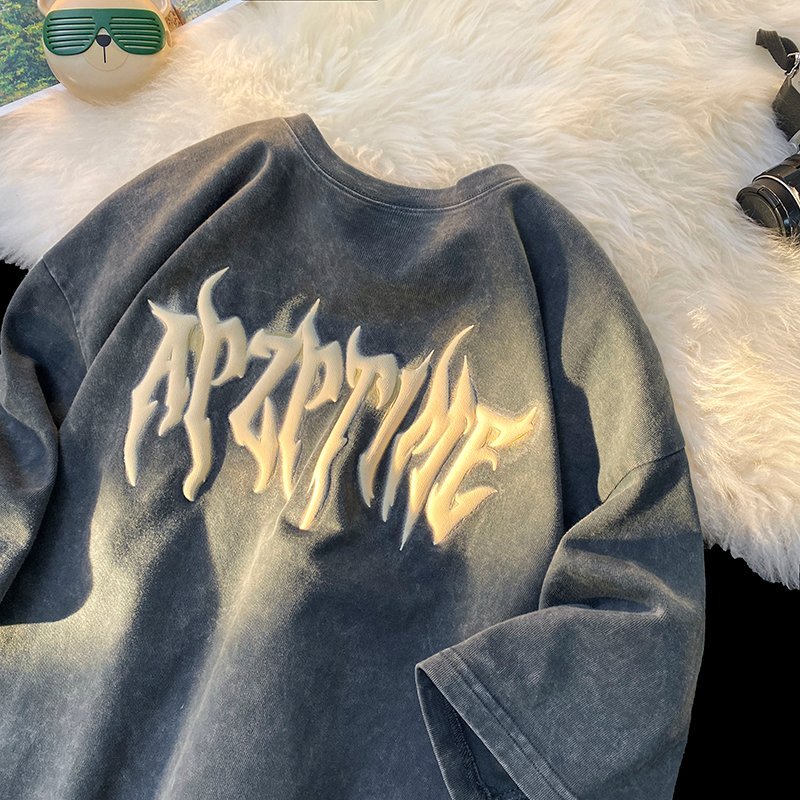
Ateliers specialize in 12–50-piece runs using hand-selected ring-spun fabric with overdye or sun-fade techniques. Lead times range 3–6 weeks depending on technique complexity. Ideal for independent designers and limited-edition drops where craft matters more than cost.
Overseas OEM Factories with Export Pricing
OEM factories in China, Bangladesh, or Vietnam offer the lowest per-unit cost at MOQs of 200–500 pieces. Lead times run 45–75 days including ocean freight. Best for global retailers scaling proven SKUs with tight cost targets.
Domestic USA or EU Heritage Manufacturers
These makers emphasize WRAP or GOTS certification and domestic labor, often at premium price points. MOQ ranges 50–200 pieces; lead times are 3–5 weeks. Best for brands with ‘Made in USA’ positioning or strict ethical sourcing mandates.
4. Materials & Fabrics Used by a Vintage T Shirt Manufacturer
Fabric selection determines how well a tee accepts vintage wash-down processes. A qualified vintage t shirt manufacturer typically stocks five core constructions, each with distinct GSM ranges, wash behavior, and certification requirements.
| Fabric Type | GSM Range | Vintage-Wash Suitability | Cost Tier |
|---|---|---|---|
| Ring-Spun Cotton | 160–180 | Excellent | Mid |
| Slub Jersey | 150–170 | Excellent | Mid–High |
| Tri-Blend (Cotton/Poly/Rayon) | 130–150 | Good | Mid |
| French Terry | 280–320 | Fair | Mid–High |
| Organic Cotton | 160–200 | Excellent | High |
| Recycled rPET Blend | 150–180 | Fair | High |
Core Fabric Constructions
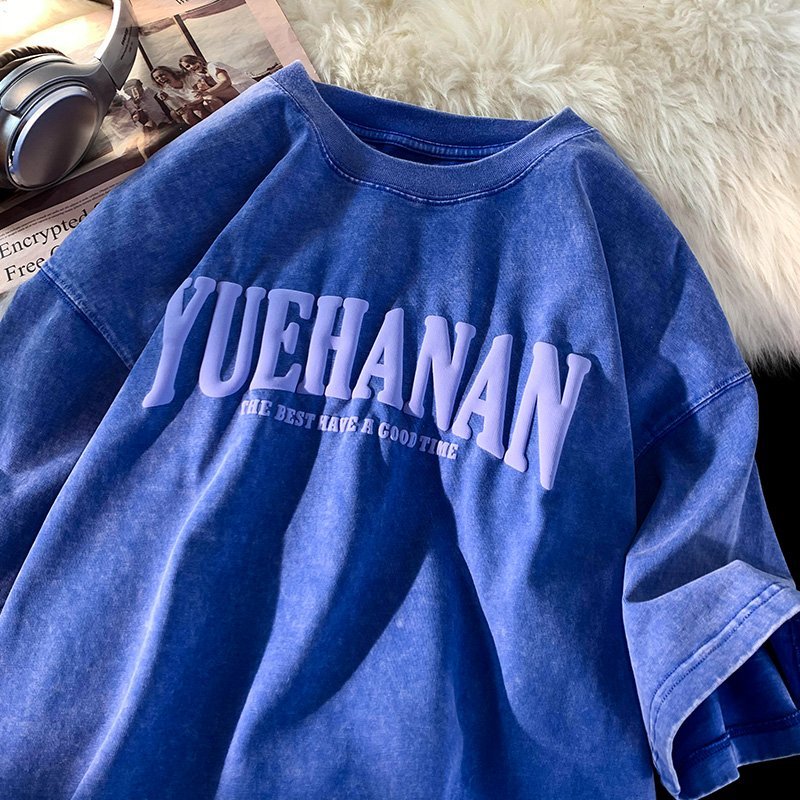
Ring-spun cotton (160–180 GSM) is the vintage staple — its twisted yarns soften predictably during enzyme or stone washes. Slub jersey (150–170 GSM) mimics aged texture straight off the loom, while tri-blend (130–150 GSM) drapes like a worn-in piece and accepts heathered dyeing well.
French terry (280–320 GSM) suits heavier vintage-style tees where structure and absorbency matter more than drape.
GSM Weight and Print Viability
Fabrics below 160 GSM allow water-based inks to penetrate deeper, producing a faded vintage-worn screen print. Above 200 GSM, discharge printing outperforms plastisol for achieving true color removal. DTG works best on 180–200 GSM ring-spun or tri-blend, where weave density provides a stable print surface.
Certifications Retail Buyers Require
GOTS (Global Organic Textile Standard) covers the organic cotton supply chain end-to-end and is required by most European and U.S. retailers. OEKO-TEX STANDARD 100 tests for 100+ harmful substances and serves as the baseline certification most buyers now mandate.
Recycled rPET blends require GRS (Global Recycled Standard) certification, relevant for brands targeting ESG-focused retail channels.
5. Customization & Decoration Options From a Vintage T Shirt Manufacturer
A specialist vintage t shirt manufacturer offers six core decoration techniques, each reacting differently with enzyme, stone, or acid-wash post-processing. Matching method to run size, budget, and durability requirement separates a truly aged result from a cheap imitation.
| Technique | Setup Cost | Durability | MOQ Fit |
|---|---|---|---|
| Plastisol + Crackle | $25–$60/screen | 50+ washes | 50–500 units |
| Water-Based Discharge | $30–$60/screen | 40+ washes | 100+ units |
| DTG (Distressed Art) | No screen cost | 30+ washes | 12–100 units |
| Worn-Edge Embroidery | $50–$80 digitizing | 80+ washes | 50+ units |
| Heat-Transfer Patches | $15–$40/design | 30+ washes | 24+ units |
| Neck-Print / Label | $20–$50 | 60+ washes | 100+ units |
Plastisol and Water-Based Discharge Printing
Plastisol with crackle additive cures at 320°F and fractures during wash cycles, producing authentic surface aging. Water-based discharge removes base dye for a softer hand-feel; both require screen setup at $25–$60 per color and suit 50–300-unit runs.
DTG and Heat-Transfer Vintage Patches
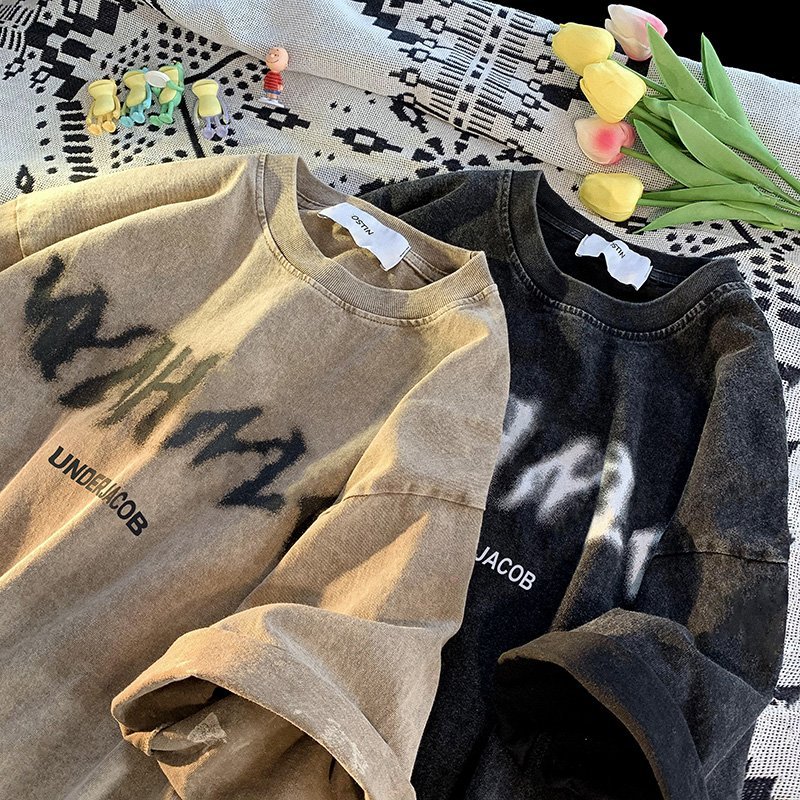
DTG with pre-distressed artwork files needs no screens, making it cost-effective from 12 units. Heat-transfer vintage patches — woven or sublimated on aged-look stock — bond at 350°F and survive 30+ industrial wash cycles without edge separation.
Embroidery and Label Customization
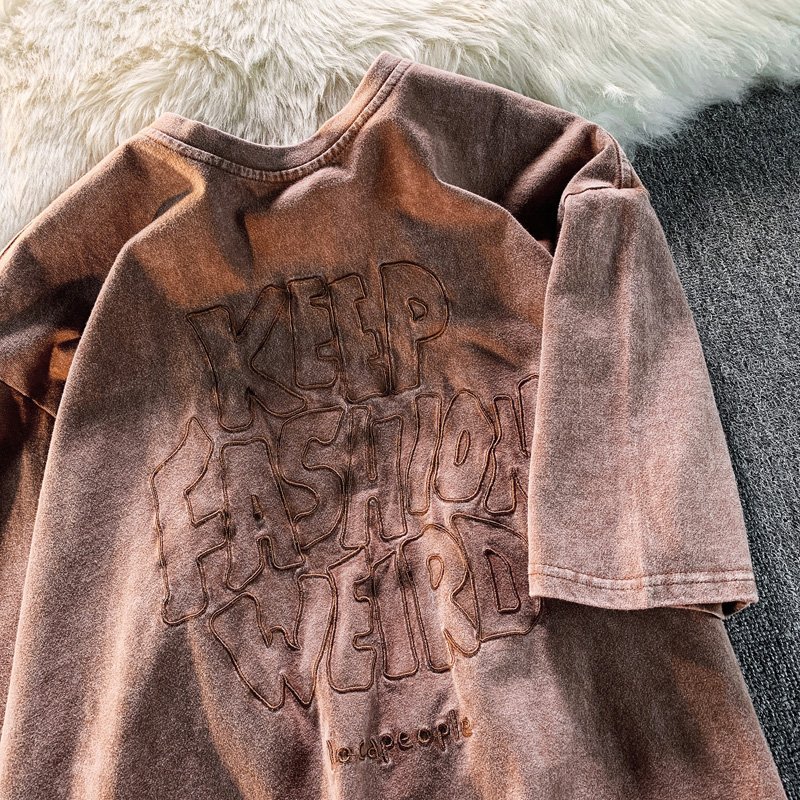
Worn-edge embroidery uses reduced stitch density (4,000–6,000 stitches) with intentional thread gaps that deepen after garment washing. Neck-print and label customization — tear-away labels, woven tags, or heat-transfer prints — add brand identity with no significant MOQ surcharge above 100 units.
6. Key Construction Quality Elements to Evaluate
Construction quality reveals itself in details most buyers overlook until bulk arrives defective. Evaluating stitching, finishing, and QC documentation before committing to a vintage t shirt manufacturer prevents costly re-orders downstream.
Stitching and Seam Construction
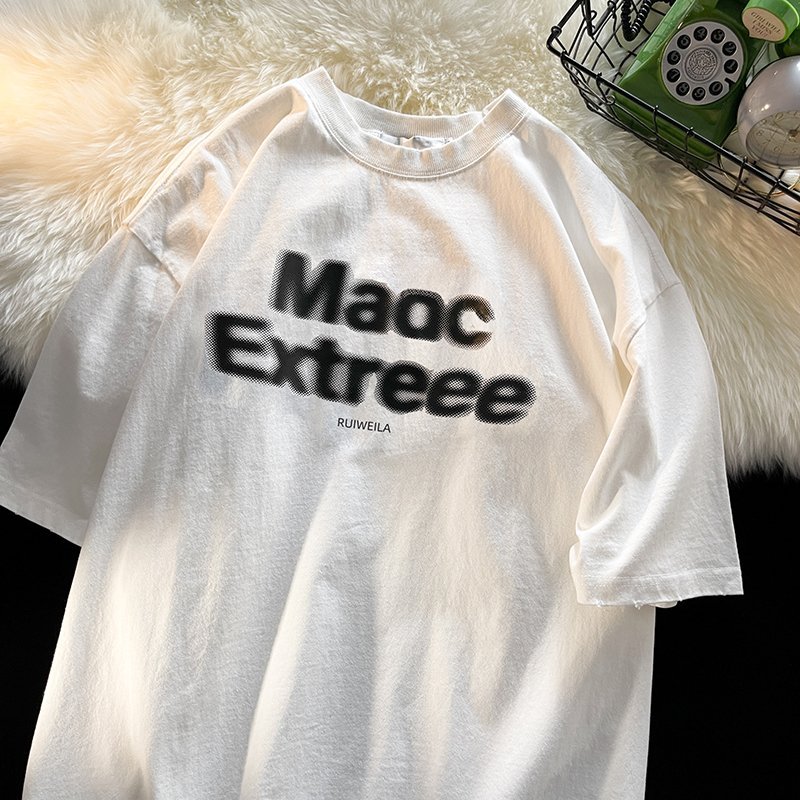
Side-seam construction outperforms tubular builds for fit accuracy and post-production tailoring; tubular tees cannot be tapered or adjusted after cutting.
Target 7–9 stitches per centimeter on main seams, with flatlock or coverstitch on hem edges to prevent curling after repeated washing.
Collar, Shoulder Tape, and Shrinkage
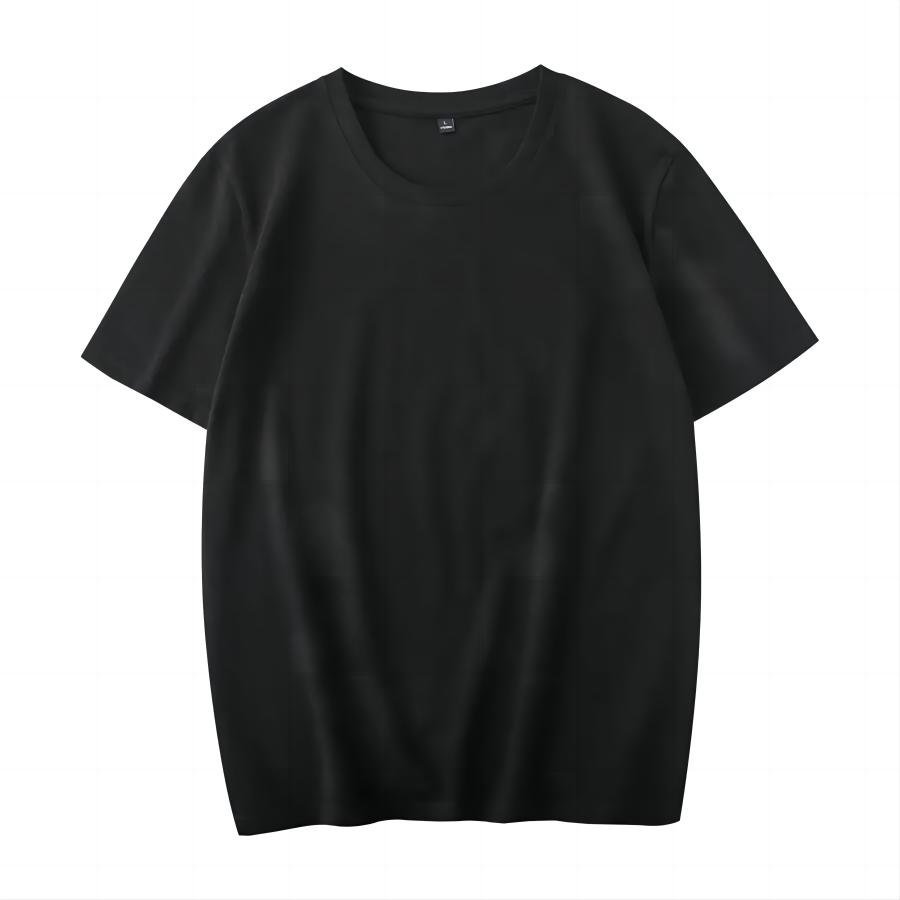
Collar rib weight of 220–260 GSM ensures shape recovery after repeated stretch; lighter constructions lose form within 10–15 wash cycles.
Shoulder tape — a woven twill strip sewn inside the shoulder seam — prevents neck distortion and signals production discipline. Wash-shrinkage tolerance must not exceed 3% after five washes per standard industry spec.
Tech Pack Reading and QC Documentation
A complete tech pack specifies fabric GSM, stitch type codes, trim specs, and shrinkage tolerance per ASTM or equivalent testing standards.
Request wash-test reports showing pre- and post-wash measurements across at least three size breaks. Grade samples from S through XL against your spec sheet — variance beyond ±0.5 cm at any size break signals pattern grading errors that compound at scale.
7. How to Choose the Right Vintage T Shirt Manufacturer for Your Brand
Selecting the right vintage t shirt manufacturer requires a consistent scoring framework, not gut feel. Apply six measurable criteria across every candidate before committing to a sample order.
Six Criteria to Score Every Vendor
Score each candidate on MOQ flexibility, sample turnaround, decoration capabilities, ethical certifications, communication speed, and pricing transparency. Startups need vendors with MOQs of 50–100 pieces; scaling retailers require 500+ and a documented path to higher volumes.
- MOQ: 50–100 pcs for startups, 300–500 for growth brands, 1,000+ for volume retailers
- Sample turnaround: 10–14 days is the industry benchmark; flag any vendor quoting 30+ days
- Decorations: confirm screen print, DTG, and discharge options are available in-house
- Certifications: request OEKO-TEX Standard 100, GOTS, WRAP, or BSCI audit documentation
- Pricing: require itemized quotes covering fabric, CMT, finishing, packaging, and freight
Build Your Shortlist and Issue an RFQ
Cap your shortlist at five vendors. Your RFQ must specify fabric weight (180–220 GSM is standard for vintage tees), Pantone color codes, and a target FOB unit price. Vendors who respond within 72 hours consistently outperform slower communicators on actual production timelines.
Evaluate Samples With a Scorecard
Test every sample on five dimensions: seam integrity, print opacity after three washes, dimensional accuracy against your tech pack, hand-feel relative to spec, and label placement. Score each vendor 1–5 per dimension — total scores remove emotion from the final shortlist decision.
Negotiate Payment Terms by Segment
Creator brands running drop models need confirmed 3-week production cycles and net-30 payment terms to protect cash flow. Startups should push for a 30/70 split: 30% deposit, 70% against Bill of Lading copy. Retailers placing 1,000+ units per style have leverage to negotiate 60-day payment windows.
8. Common Mistakes Brands Make When Sourcing a Vintage T Shirt Manufacturer
Sourcing errors compound fast: one skipped step can void an entire bulk run. Six recurring mistakes drain brand budgets when working with a vintage t shirt manufacturer — each carries a direct fix.
Choosing on Price While Ignoring Wash Consistency
Factory quotes vary 20–40% on enzyme-wash jobs, tempting buyers to cut cost. Cheaper bids often signal inconsistent wash baths where color drift above delta-E 1.5 makes batches unmatchable across reorders.
Fix: require wash-consistency strike-offs across two separate production days before committing to bulk.
Skipping the Salesman Sample
Bulk orders placed without a sealed salesman sample remove the only objective quality benchmark. Factories calibrate shrinkage tolerance, GSM, and hand-feel from the approved proto — not verbal briefs.
Fix: approve and retain one sealed sample per colorway as the binding production standard.
Treating ‘Vintage Effect’ as a Defined Standard
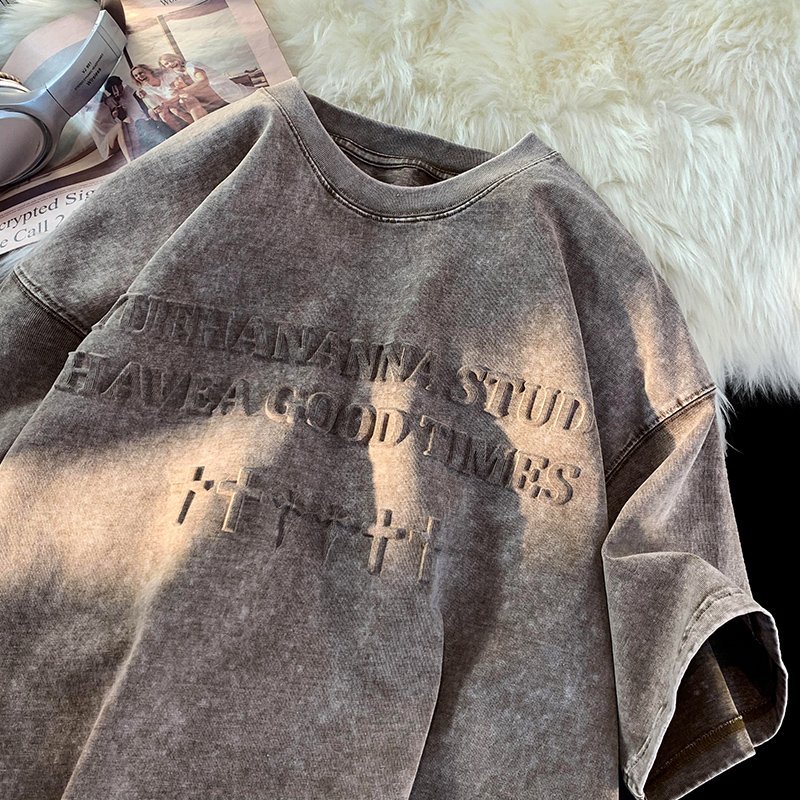
Acid wash, enzyme wash, and garment-dye each produce distinct GSM loss and color depth — ‘vintage’ is not one finish. Without L*a*b* targets in your tech pack, reorders drift visibly.
Fix: specify the exact wash recipe and acceptable color variance in writing before sampling begins.
Submitting Unlocked or Low-Resolution Artwork
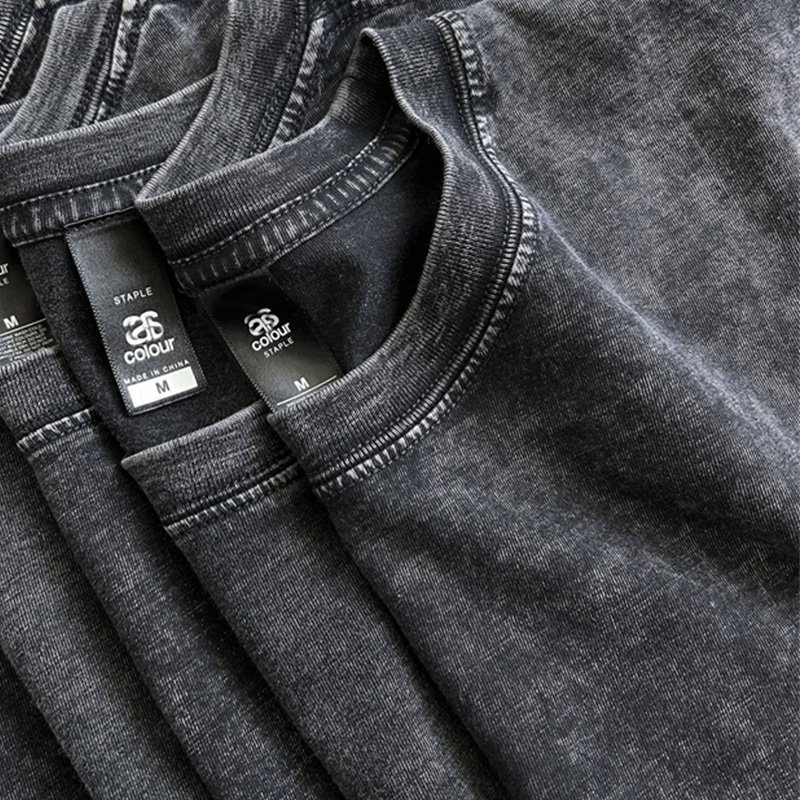
Screen-print separations require vector files and Pantone color codes per ink layer. Low-res JPEGs force the factory to interpret artwork, causing registration shifts across colors.
Fix: deliver layered AI or PSD files at 300 dpi minimum with a Pantone-matched color callout sheet per ink station.
Ignoring Lead-Time Buffers for Wash Cycles
Enzyme-wash and garment-dye add 5–10 production days beyond standard cut-and-sew timelines. Brands planning to standard schedules miss retail windows when wash machines queue.
Fix: build a 7-day buffer per wash process and confirm finishing capacity at order placement.
Overlooking Factory Certifications and Import Compliance
OEKO-TEX Standard 100 and WRAP certification signal audited dye and labor practices. U.S. FTC rules and EU Textile Regulation both mandate fiber-content and country-of-origin labels.
Fix: verify factory certs before sampling and confirm label requirements with a licensed customs broker before production starts.
9. Steps to Launch Your Brand With a Vintage T Shirt Manufacturer
First-time founders placing orders with a vintage t shirt manufacturer often underestimate pre-production prep. A structured eight-step roadmap reduces costly sample revisions, missed deadlines, and quality disputes before a single yard of fabric is cut.
Define Aesthetic and Build Your Tech Pack
Start by documenting wash effect targets — acid wash, enzyme wash, or garment dye — alongside GSM range (typically 180–220 GSM for vintage tees) and colorways in Pantone references.
Convert those notes into a complete tech pack: flat sketches, construction specs, trim details, and print-ready artwork files at 300 DPI minimum.
Shortlist Suppliers and Request Quotes
Send RFQs to three to five suppliers, specifying MOQ tiers, wash technique, and required certifications such as OEKO-TEX or GOTS. Request itemized pricing for fabric, wash processing, and packaging separately.
Order pre-production samples from your top two candidates. Budget 15–25 USD per sample and allow 7–14 days for delivery before committing to bulk.
Approve Samples and Confirm QC Terms
Evaluate each sample against your tech pack — check wash uniformity, post-wash shrinkage, and print registration. Reject pieces showing color variation beyond a half-step on the Pantone scale.
After approval, negotiate bulk pricing by MOQ tier and obtain a written inspection plan covering in-process sewing checks and finished-goods QC.
Lock Freight, Customs, and Reorder Triggers
Choose your Incoterm — FOB is standard for China-origin orders — and confirm HS codes with your freight forwarder before goods ship. Prepare a commercial invoice, packing list, and any destination-country textile compliance certificates.
Set reorder triggers at 30–40% of remaining stock and hold a two-to-four-week buffer to absorb the 20–35-day sea freight lead time from Guangdong.
10. Pricing & Cost Guide for Vintage T Shirt Manufacturing
Ring-spun 180 GSM cotton blanks sourced from Guangdong run 20–35% below comparable Turkish or Bangladeshi FOB prices once import duties are included. A five-color screen print setup adds $225–$325 in one-time plate costs, making quantity tiers above 100 units the natural break-even point for most vintage t shirt manufacturer relationships.
Heavyweight 240–280 GSM ring-spun fabric adds $1.50–$3.00 per blank over standard 180 GSM stock. Multi-step vintage washes — enzyme, bleach, and softener rinse — cost $1.00–$1.50 more per unit than a single-step acid wash, and OEKO-TEX or GOTS-certified fabric adds $0.50–$1.20 per unit but removes retailer compliance audit friction.
- Screen print: $45–$65 setup per color, $0.65–$3.50 per unit — highest ROI at 100+ units with bold, flat graphics.
- Discharge print: $50–$80 setup per color, $1.80–$4.00 per unit — removes dye for a soft-hand vintage feel.
- DTG: $0–$25 setup, $3.50–$7.00 per unit — photo-realistic art at 24–50 units with no plate minimums.
- Embroidery: $60–$120 digitizing fee, $2.50–$5.00 per unit — chest logos and sleeve patches on premium blanks.
- Heat transfer: $0–$30 setup, $1.50–$3.50 per unit — full-color low-MOQ runs without per-color plate fees.
| Qty Tier | Unit Blank Cost | Vintage Wash Add-On | Screen Print Setup | Per-Unit Print Cost | Est. Landed Cost |
|---|---|---|---|---|---|
| 24 | $8.50–$11.00 | $2.50–$4.00 | $45–$65/color | $3.50–$5.00 | $18–$26 |
| 50 | $7.00–$9.50 | $2.00–$3.50 | $45–$65/color | $2.50–$4.00 | $14–$22 |
| 100 | $5.50–$7.50 | $1.75–$3.00 | $45–$65/color | $1.80–$3.00 | $11–$17 |
| 250 | $4.50–$6.00 | $1.50–$2.50 | $45–$65/color | $1.20–$2.00 | $8.50–$13 |
| 500 | $3.80–$5.00 | $1.20–$2.00 | $45–$65/color | $0.90–$1.50 | $7.00–$10 |
| 1,000 | $3.00–$4.20 | $0.90–$1.50 | $45–$65/color | $0.65–$1.10 | $5.50–$8.00 |
Partner With a Vintage T-Shirt Manufacturer That Delivers
Submit your tech pack, request free samples, or get a custom quote — our team responds within 24 hours, zero pressure.