
Boxy T Shirt Manufacturer With 5-Step QC & Low MOQ
Partner with a boxy t shirt manufacturer that combines proprietary 5-step quality control, in-house design, and low MOQ to launch your streetwear brand with confidence — worldwide.
Boxy T Shirt Styles & Customization Gallery
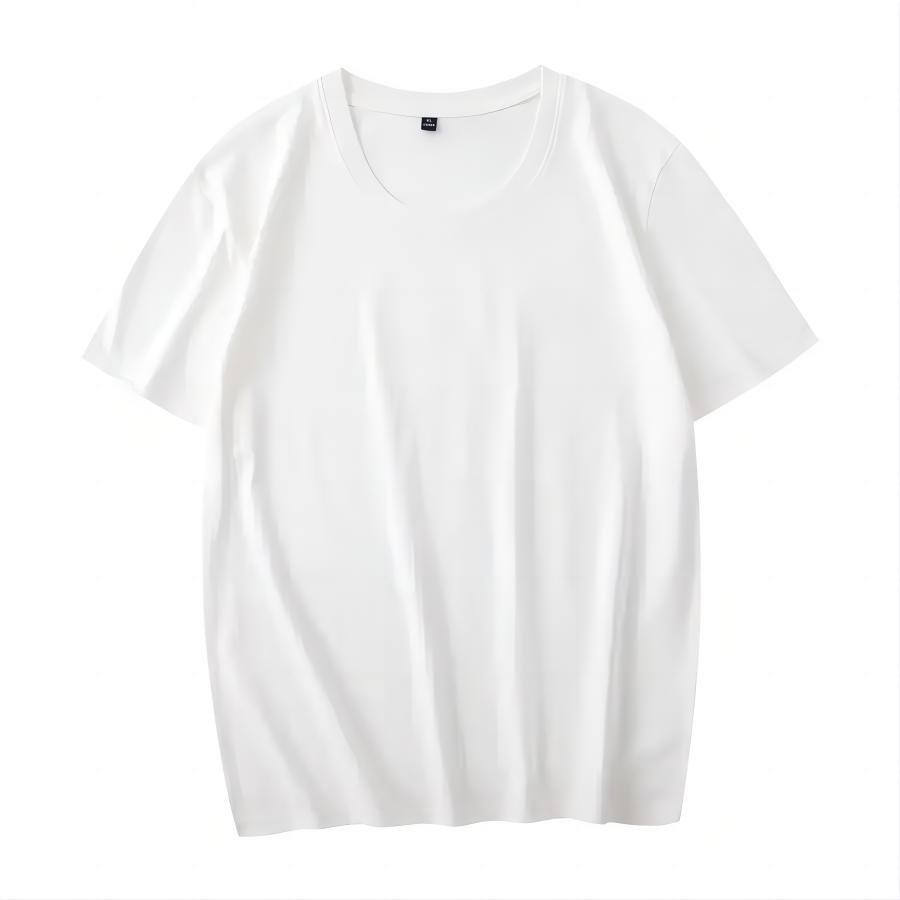
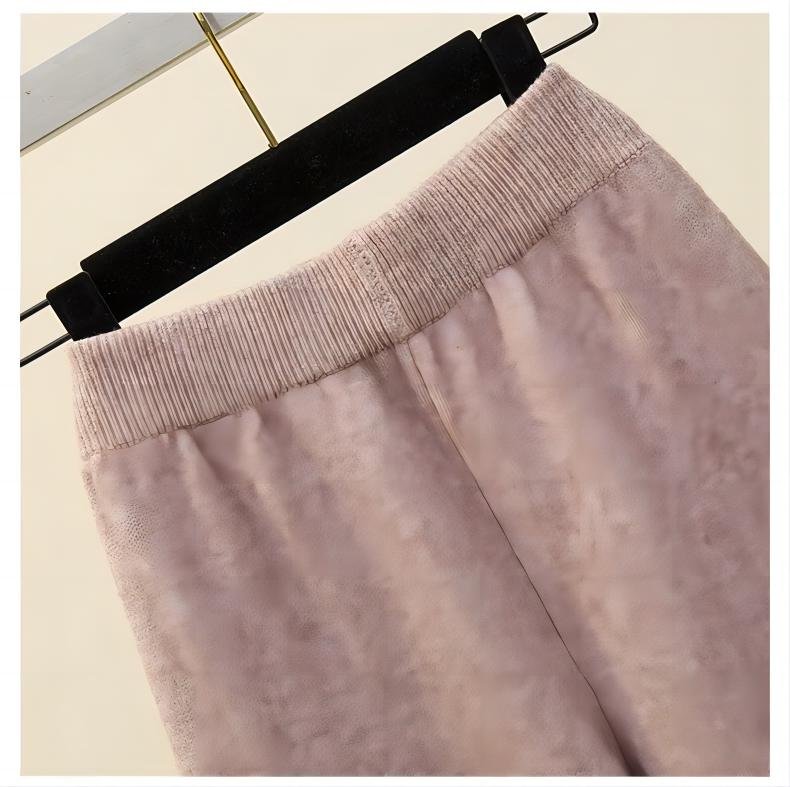
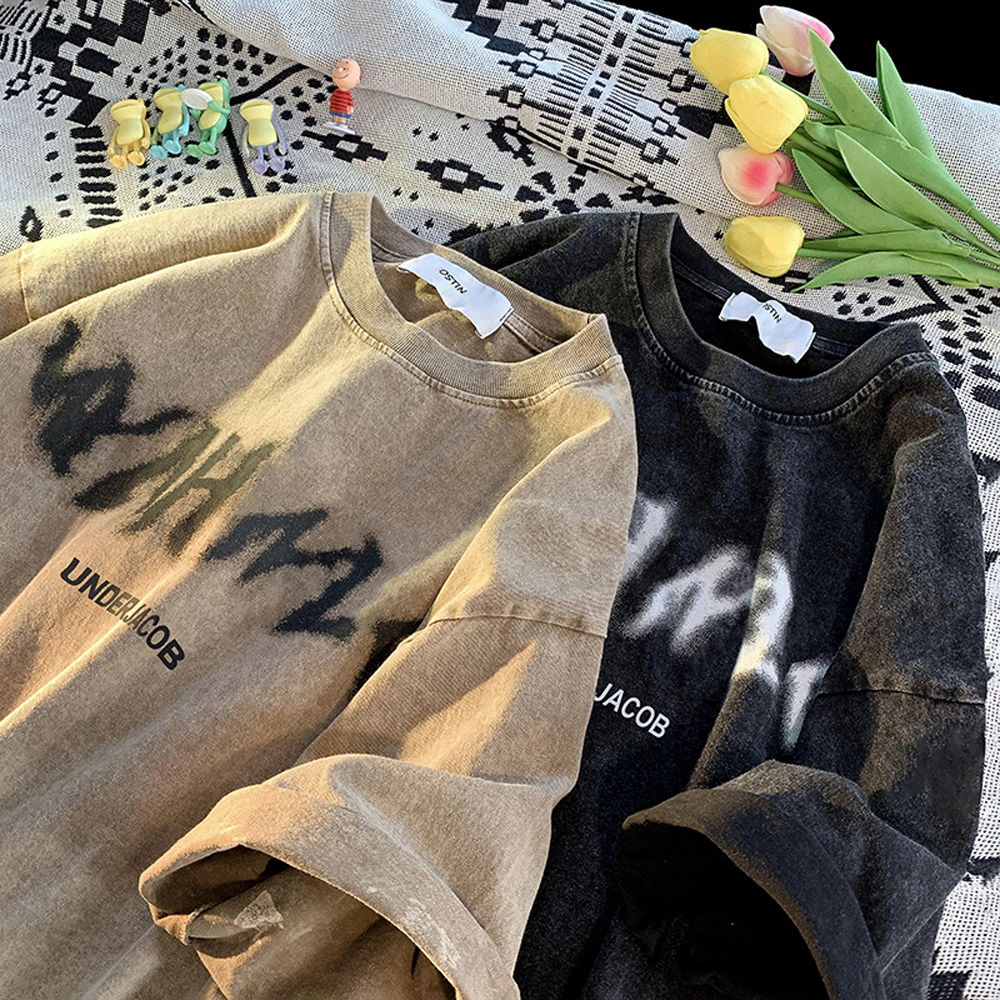
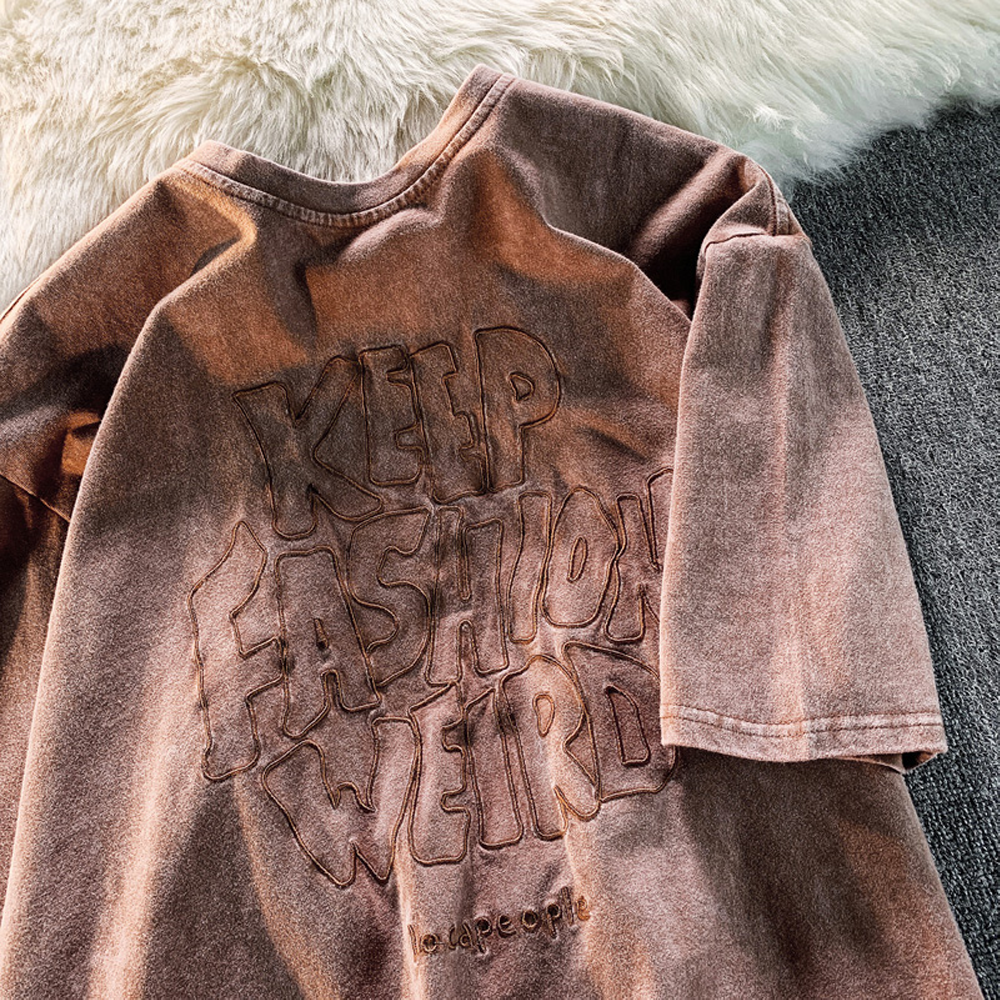
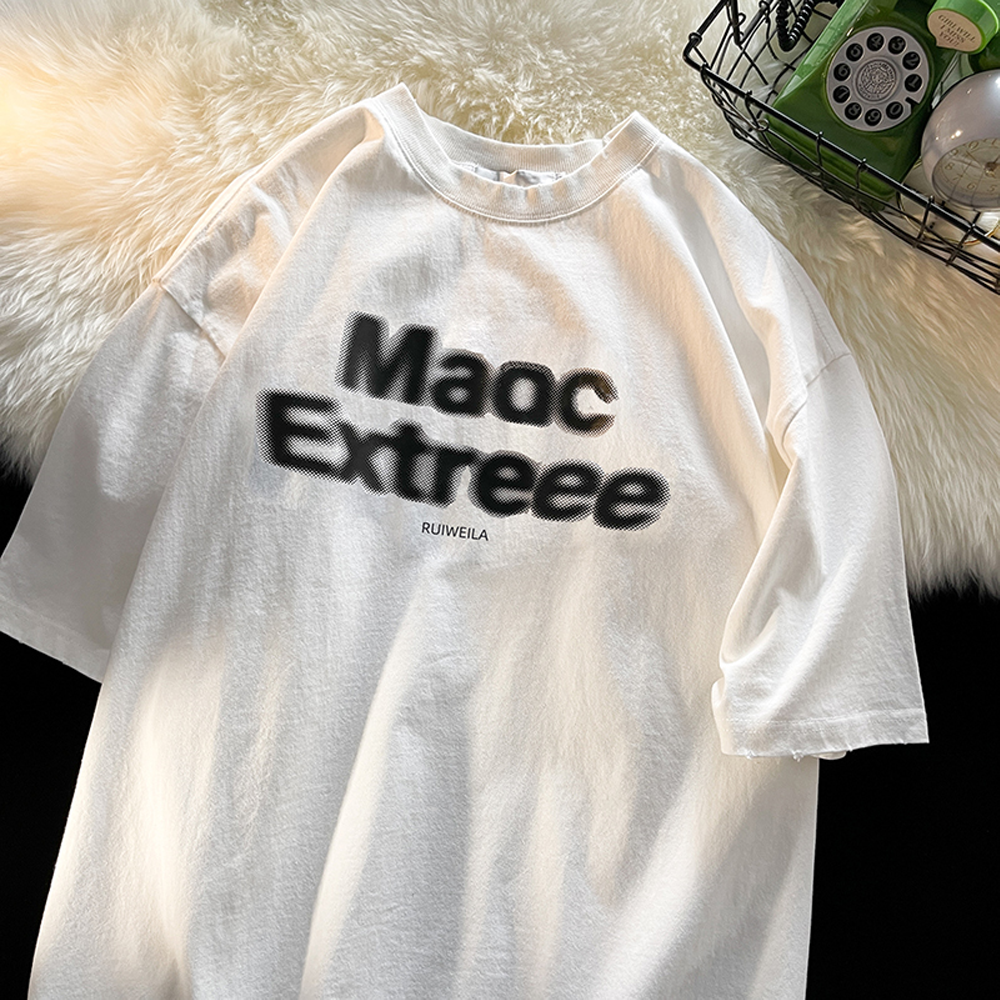
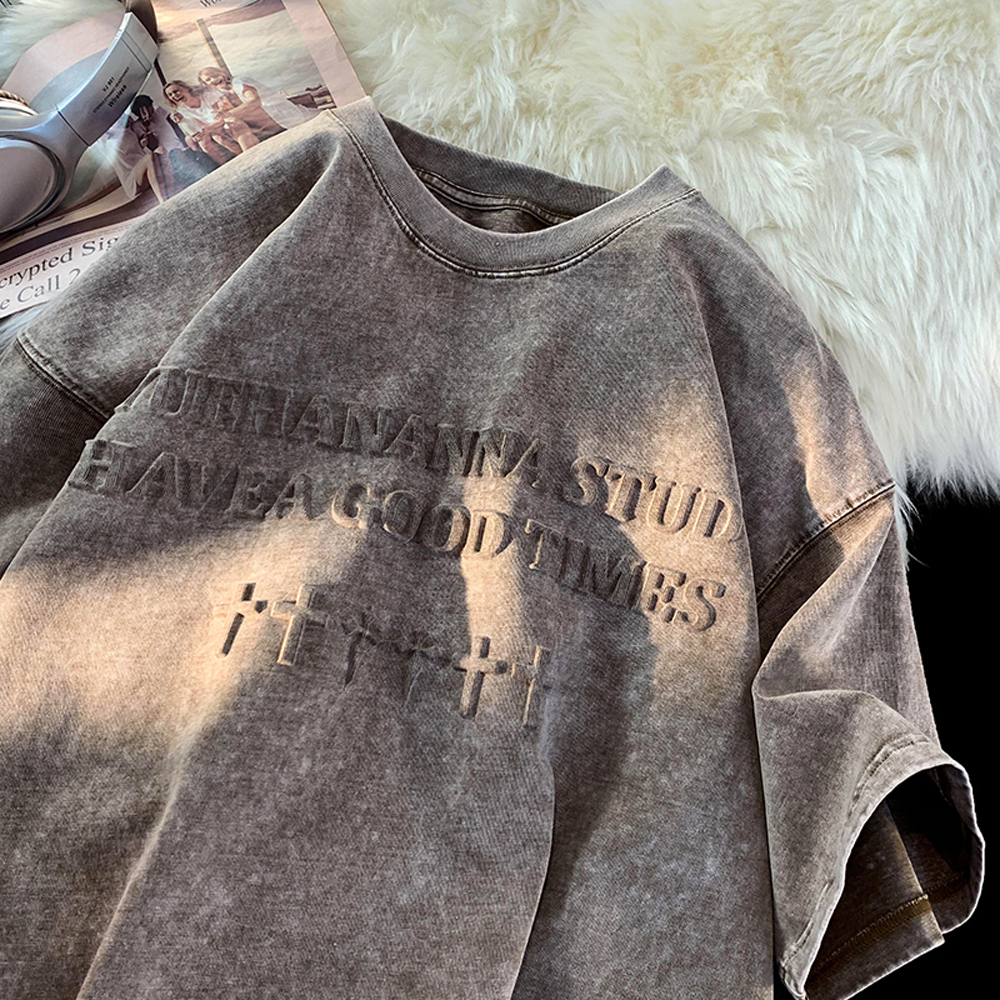
Why Our Boxy T Shirt Manufacturer Stands Out
From a founder who grew up on factory floors to a proprietary 5-step QC system, every advantage we offer is earned — not claimed.
5-Step QC, Zero Defects
Our proprietary process inspects materials, cutting, craft, sewing, and finished garments — catching every defect before it ever reaches you.
In-House Design & Sampling Team
A 15-member R&D team handles patterns, samples, and trend-driven designs in-house, moving you quickly from concept to production-ready.
Delivered to 100+ Countries
We’ve partnered with brands across more than 100 countries, backed by end-to-end global logistics and customs expertise on every shipment.
Fast Turnaround, On-Time Drops
Flexible scheduling keeps your seasonal boxy tee collections and capsule drops landing on time, whether it’s your first run or fiftieth.
Low MOQ for Emerging Brands
Startups and independent designers are welcome — our low minimum order quantities let you launch and validate without overcommitting to inventory.
Transparent, Founder-Led Partnerships
Founder Tesla Luo personally brings 10-plus years of streetwear manufacturing experience, ensuring honest communication and accountability on every single order.
Boxy T Shirt Manufacturer for Every Style, Finish, and Brand Vision
From clean classic cuts to embroidered streetwear statements, we produce the full spectrum of boxy tees — every order backed by our 5-step QC guarantee.
Classic Boxy Tees
Emerging labels need a clean, oversized silhouette with consistent boxy proportions across all sizes, but most manufacturers drift on measurements mid-run, leaving startups with mismatched units that damage brand reputation.
Our 5-step QC process locks in boxy dimensions from pattern through final inspection, so your classic tees arrive perfectly proportioned — ready to sell, with low MOQ options for first-run launches.
Heavyweight Streetwear Tees
Streetwear brands demand 300–400 GSM fabric that holds its structure and premium hand-feel, yet many suppliers substitute lighter material after sampling approval, destroying the product quality that defines your brand.
Our materials QC stage verifies GSM and fabric composition at intake — before a single stitch is sewn — so your heavyweight boxy streetwear tees match the approved sample every time.
Printed Edition Boxy Tees
Creator and influencer brands drop limited graphic tees on tight deadlines, but oversized boxy cuts can distort print placement — causing misaligned artwork, costly reprints, and missed launch windows.
Our in-house design team calibrates print artwork to the boxy template before production begins, delivering sharp, perfectly placed graphics and fast turnaround so your seasonal drop ships on schedule.
Embroidered Boxy Variants
Retailers sourcing embroidered boxy tees at volume need flawless stitch consistency across hundreds of units, but thread pulls, uneven density, and poor registration drive expensive return rates and chargebacks.
Our clothing craft QC stage inspects every embroidered panel for stitch count, density, and alignment before assembly, giving retail buyers the unit-level consistency required for confident large-volume reorders.
Premium Fabrics From a Dedicated Boxy T Shirt Manufacturer
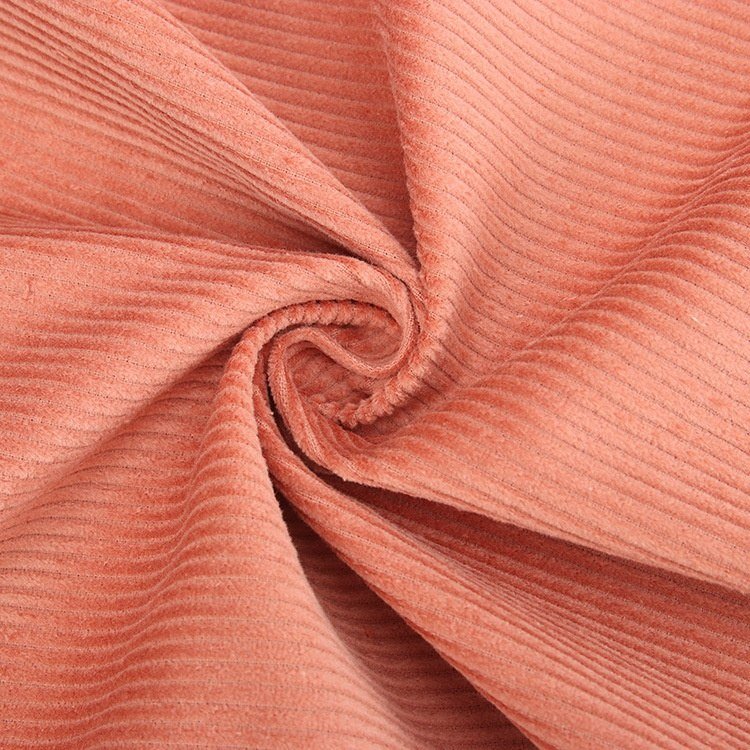
Heavyweight Cotton Jersey
A dense, structured knit fabric weighing 260–320 GSM, ideal for boxy silhouettes that hold their shape. Delivers a substantial hand-feel favored by premium streetwear labels and creator brands seeking bold, long-lasting impact.
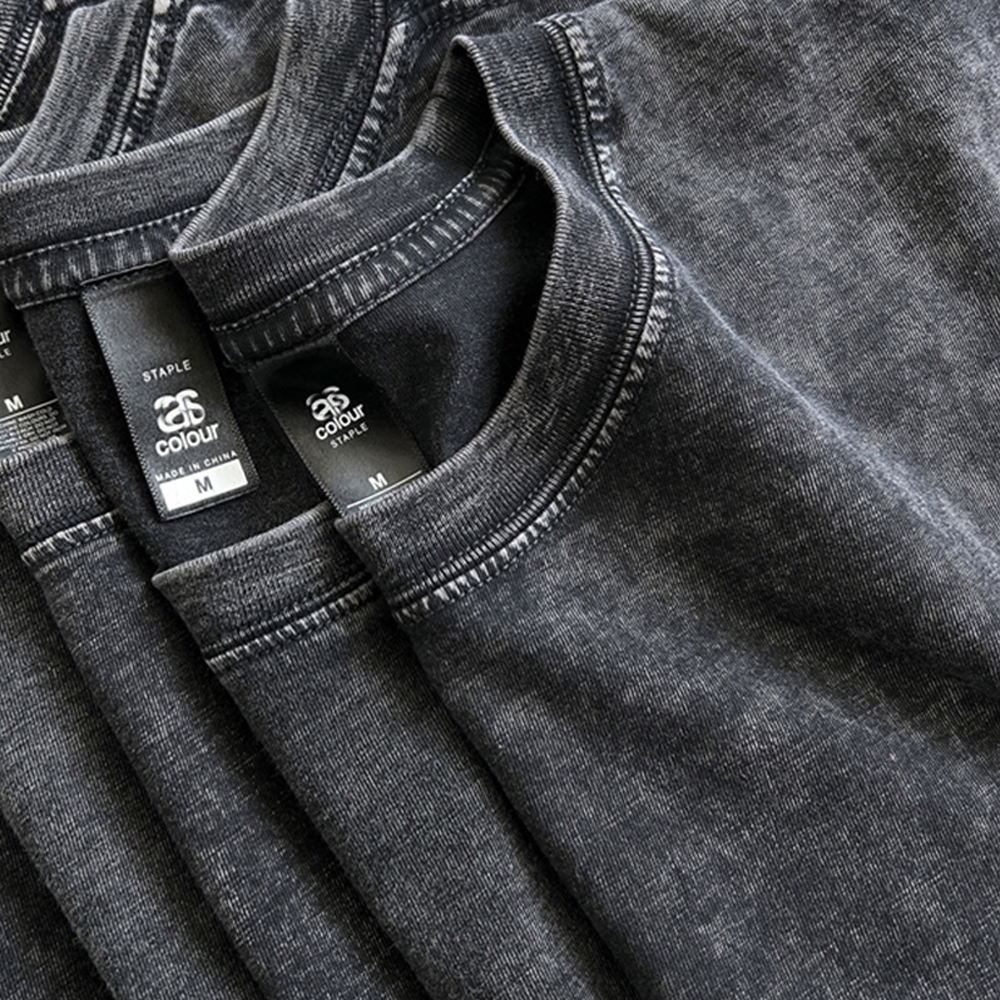
100% Combed Cotton
Ultra-smooth, ring-spun cotton with fine-combed fibers that eliminate short strands for a clean, soft surface. Weighing 180–220 GSM, it prints crisply and drapes well — perfect for graphic tees and logo-driven streetwear drops.
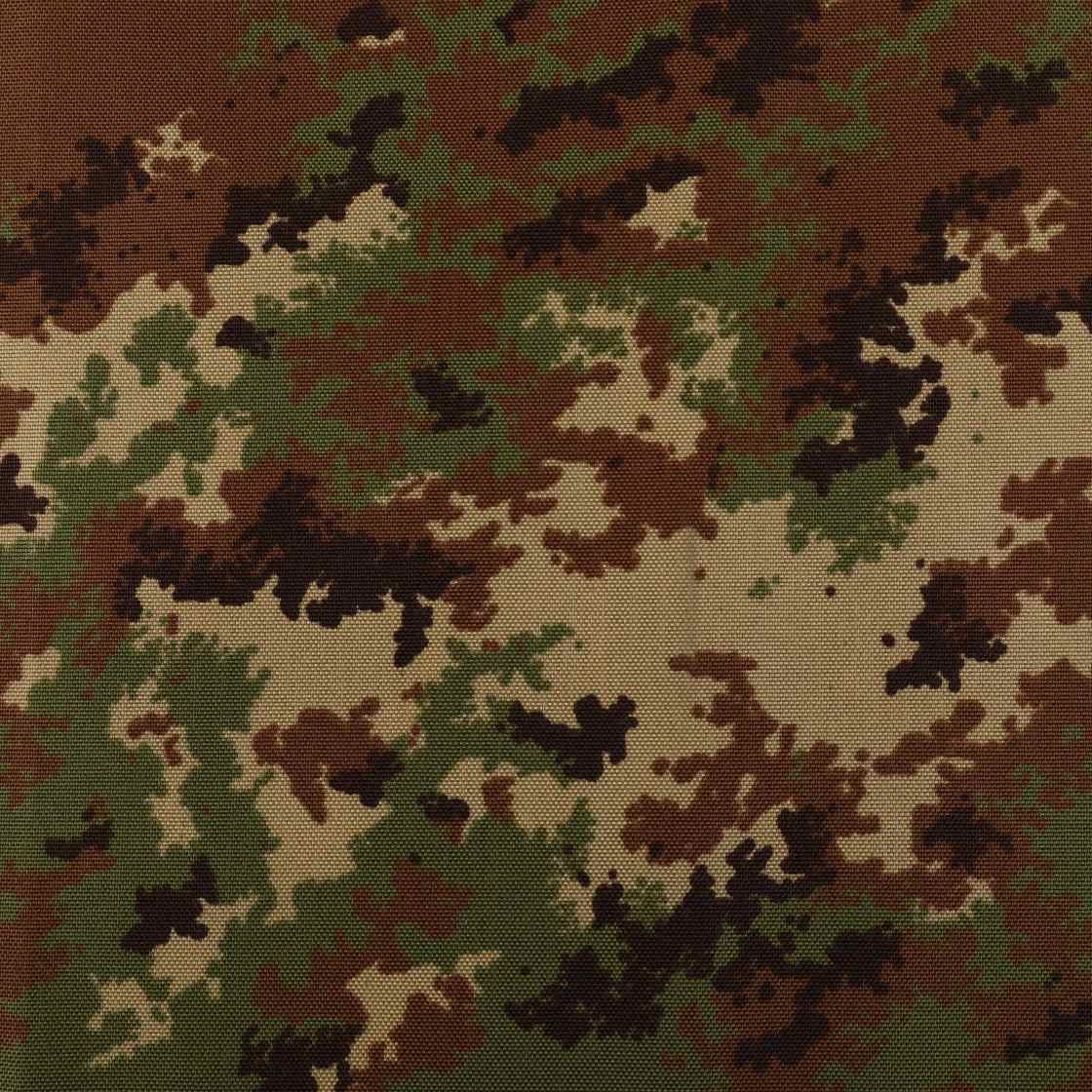
Organic Cotton Jersey
GOTS-certified, pesticide-free cotton woven into a breathable, mid-weight jersey at 180–240 GSM. Preferred by eco-conscious brands and independent designers who demand sustainable credentials without sacrificing softness or printability.
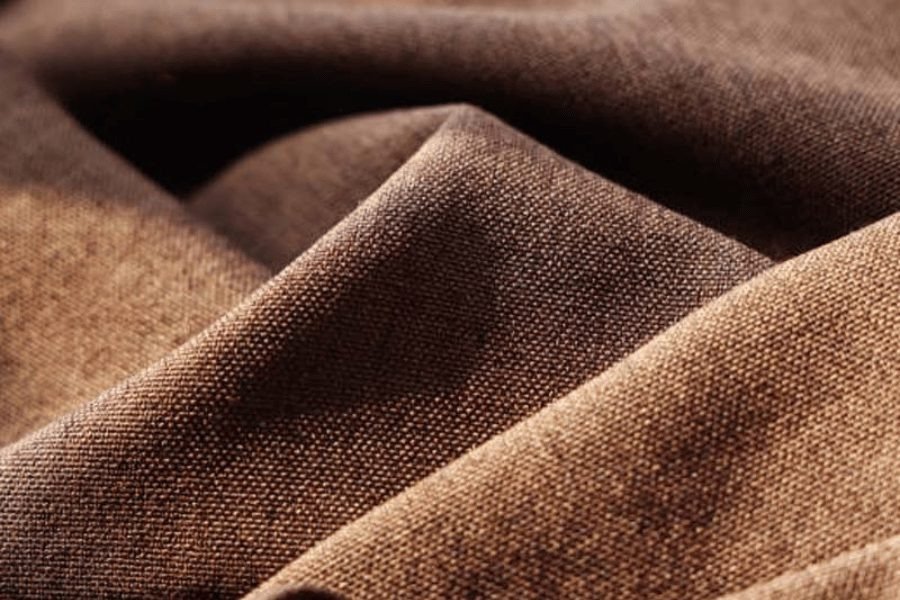
Cotton-Poly Blend
A 60/40 cotton-polyester mix offering balanced durability and moisture management at 200–250 GSM. Resists shrinkage and wrinkling — a reliable, cost-effective choice for high-volume retail lines and influencer merch collections.
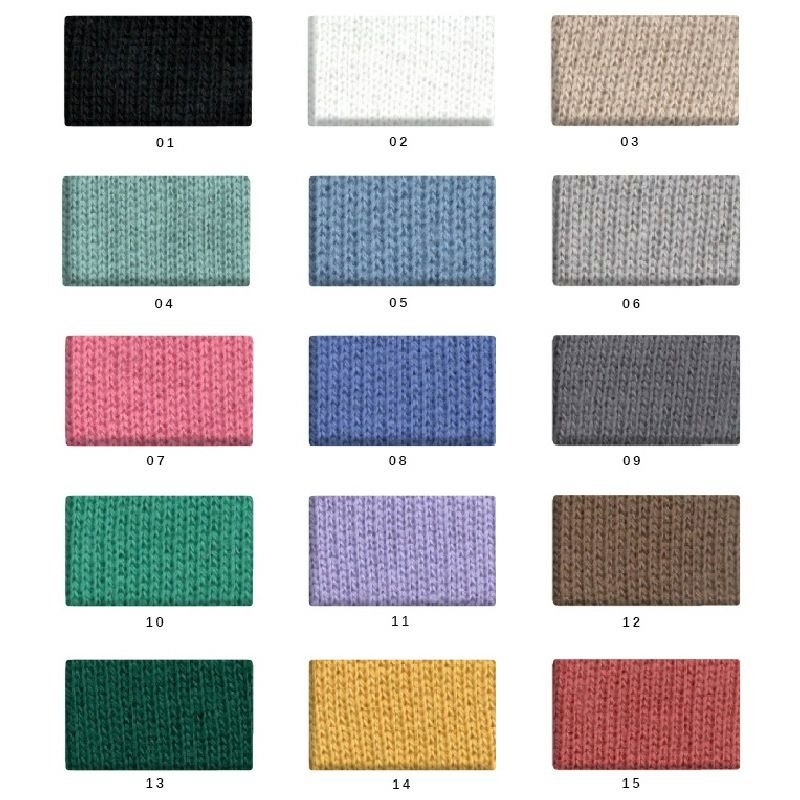
French Terry Loop
A single-faced loopback knit with a smooth outer surface and soft looped interior. At 280–340 GSM, it adds structure and warmth — ideal for oversized, boxy streetwear tops with a premium, lived-in hand-feel.
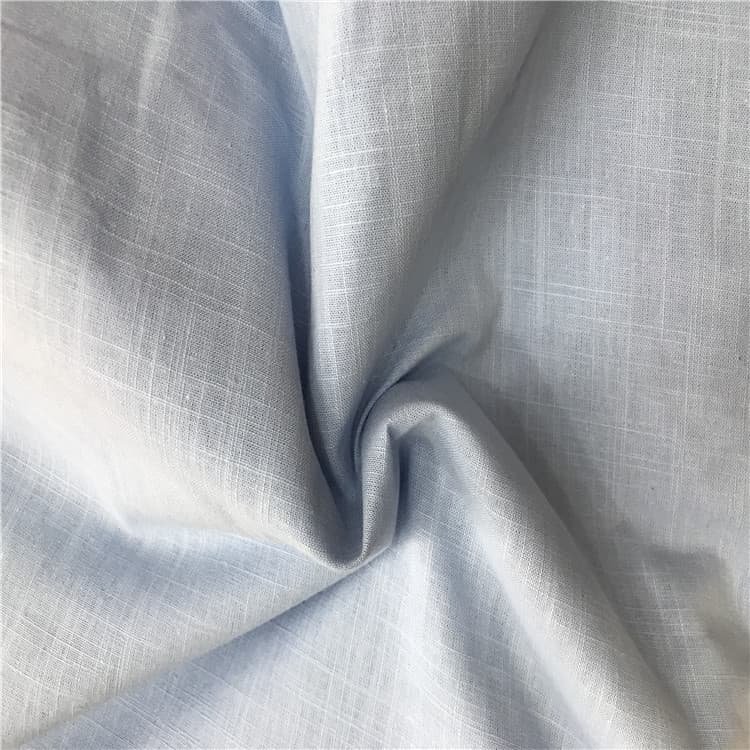
Slub Cotton Jersey
Ring-spun cotton with deliberate slub irregularities that create a textured, vintage surface aesthetic. Weighing 160–200 GSM, it suits limited-edition capsule drops and independent designers seeking artisan character in every garment.
Printing & Finishing Techniques From Your Boxy T Shirt Manufacturer
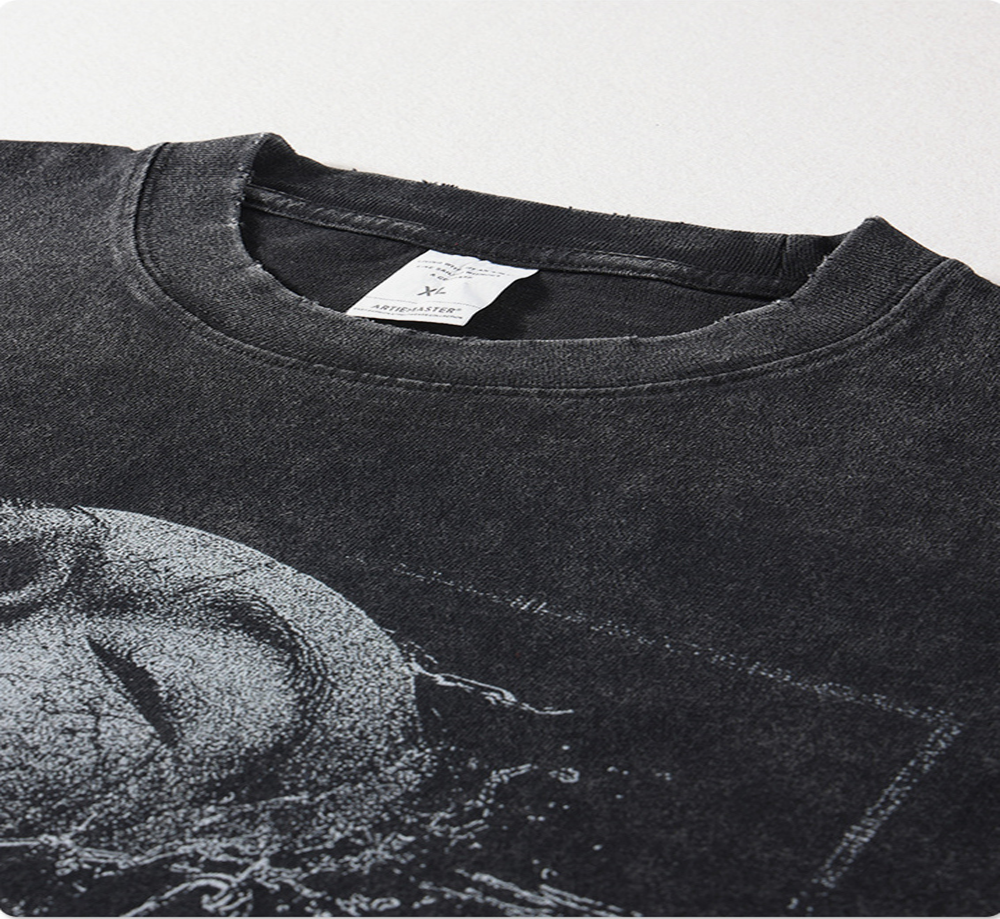
Screen Printing
A time-tested ink-on-fabric method delivering vivid, opaque graphics with exceptional wash durability. Ideal for bold streetwear motifs on large runs, producing rich color laydown that holds its intensity season after season.
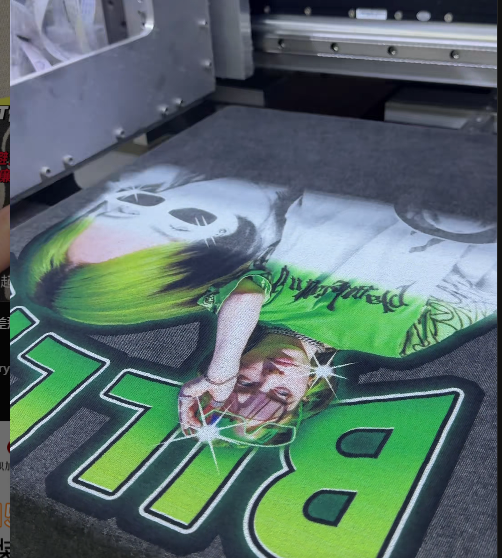
DTG Printing
Direct-to-garment technology jets ink directly onto fabric, reproducing photo-realistic artwork, fine gradients, and unlimited colors with no screen setup fees — perfect for sampling runs, influencer drops, and low-MOQ debut collections.
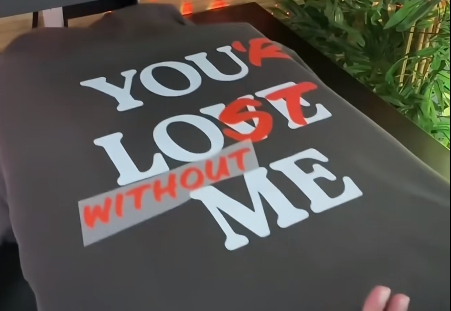
Sublimation Printing
Heat-activated dye bonds permanently into polyester fibers for all-over, edge-to-edge prints that never crack or peel. Delivers full-bleed patterns and vibrant color-blocked statements ideal for standout boxy streetwear silhouettes.
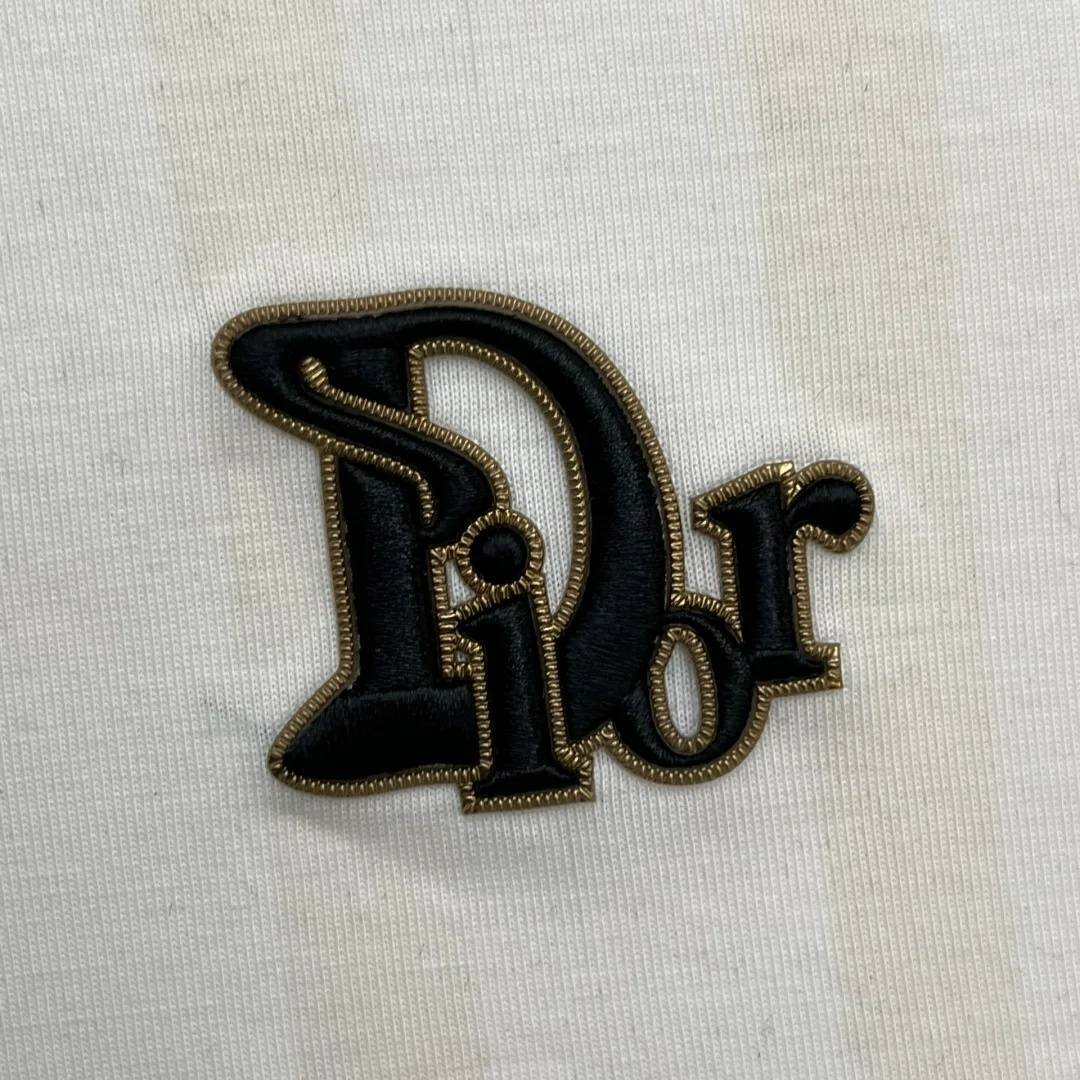
Embroidery
Programmed multi-needle machines stitch thread directly into fabric, creating a raised, tactile finish with premium longevity. Elevates chest logos, sleeve hits, and collar branding on heavyweight boxy tees with a luxury feel.
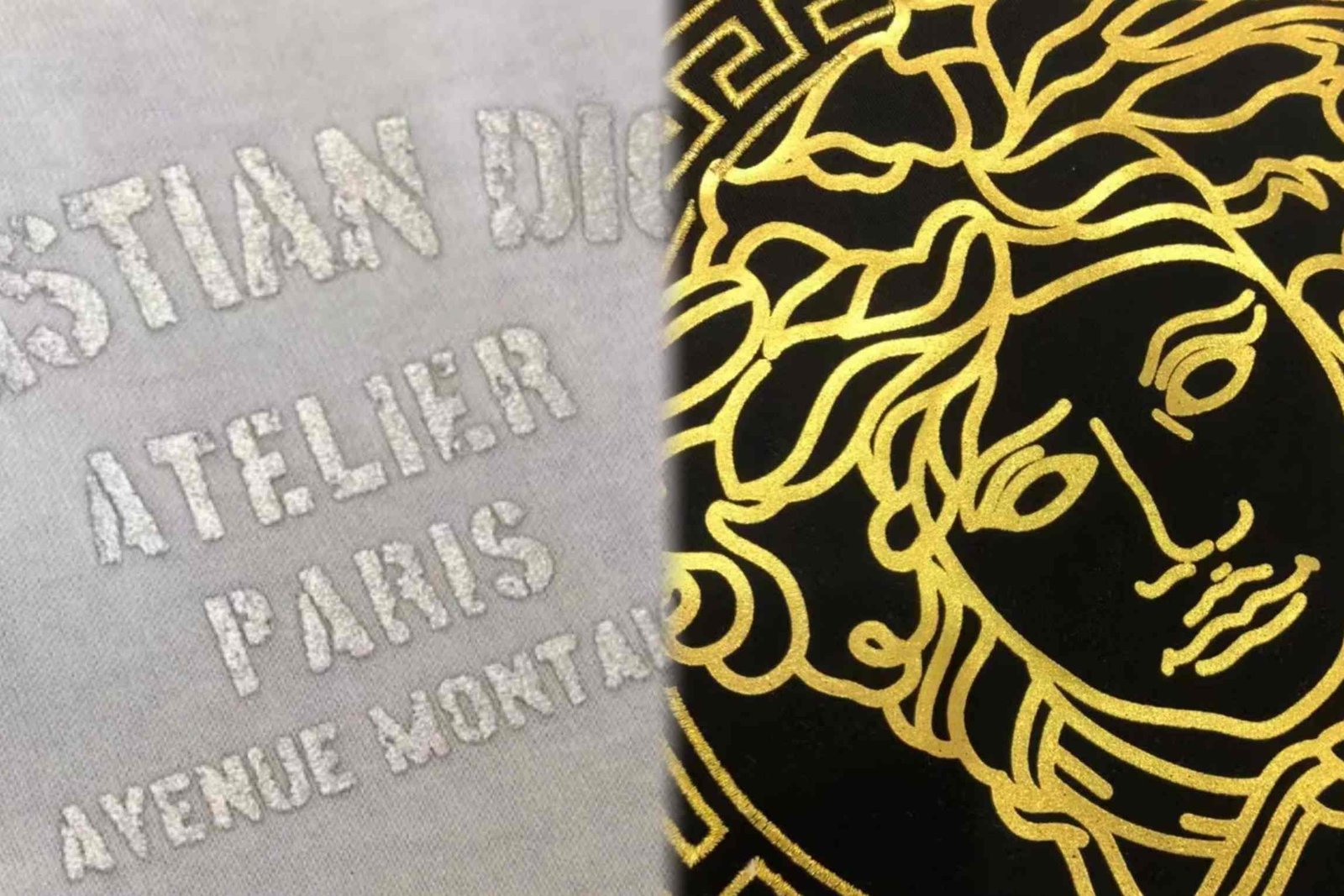
Heat Transfer
Pre-printed films are pressure-bonded to fabric under precise heat, enabling intricate multicolor artwork, metallic finishes, and photographic imagery on virtually any fabric blend without costly screen preparation or high minimums.
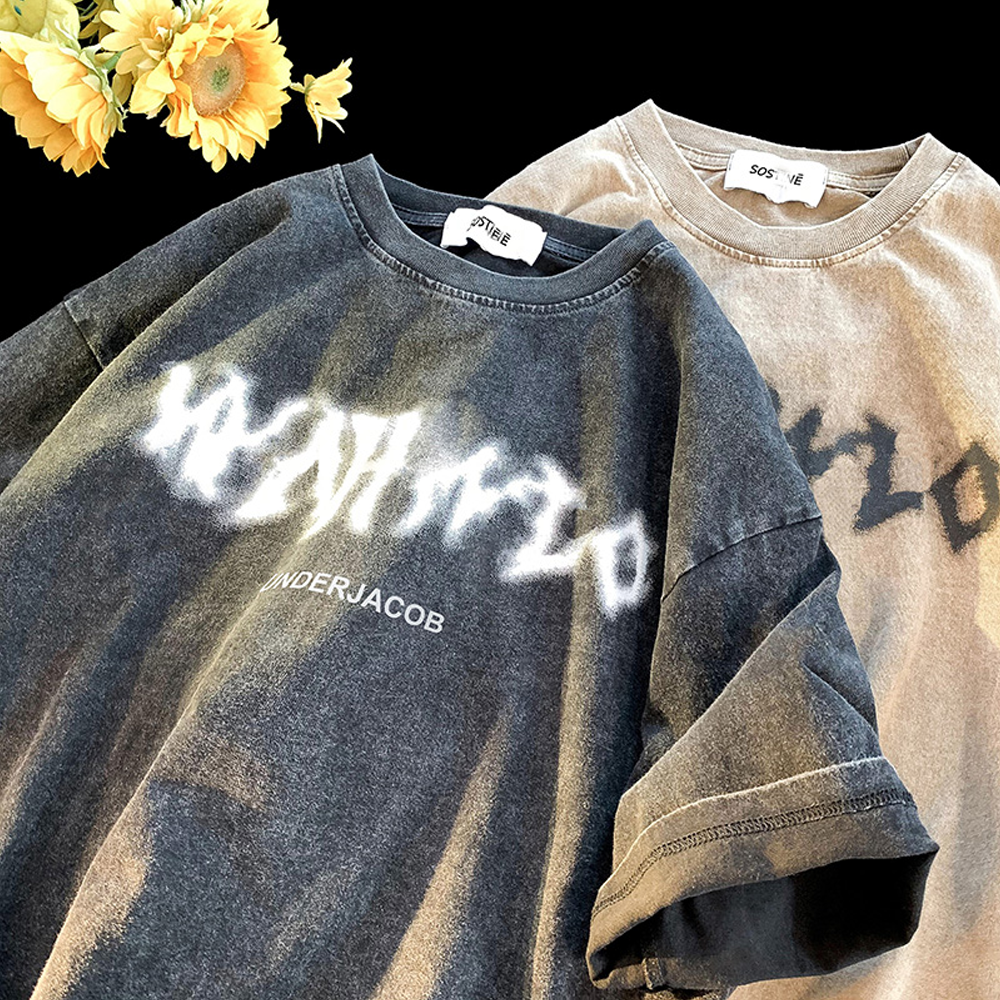
Acid Wash Finishing
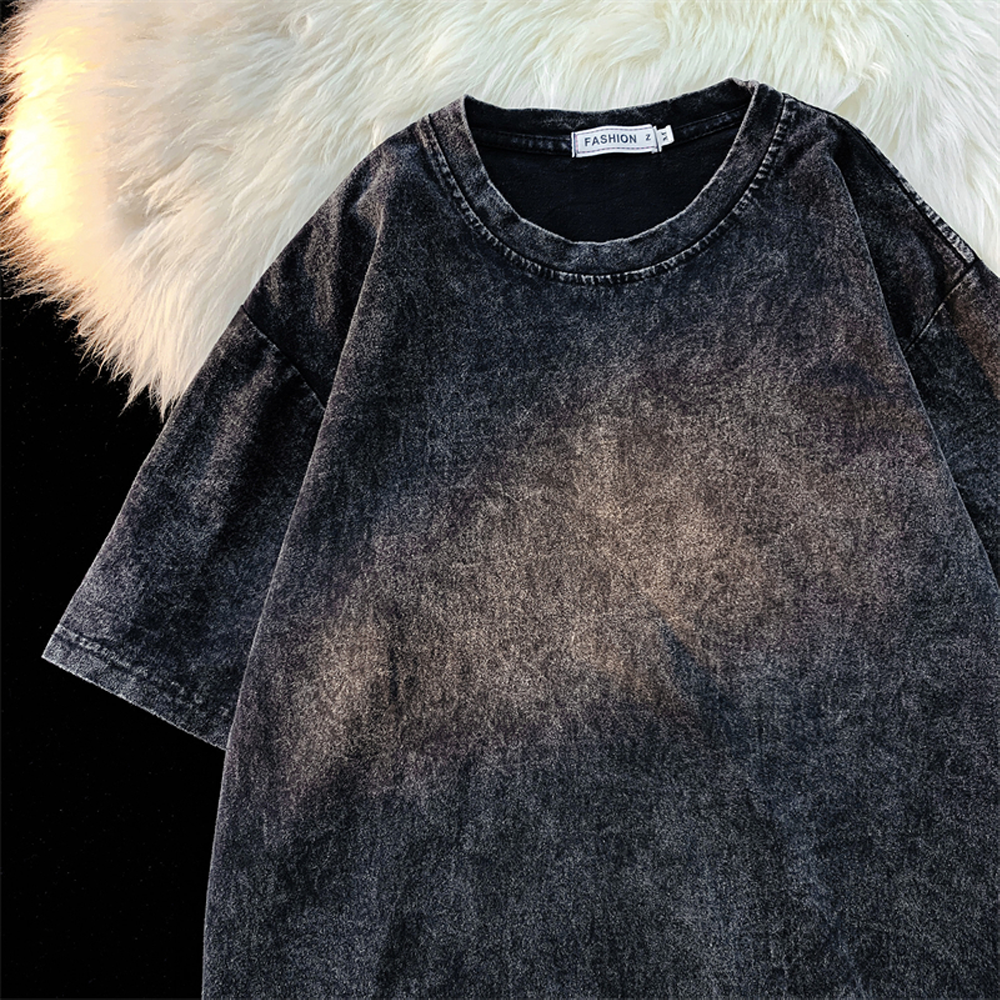
A controlled bleach and dye process strips and redeposits color to create marbled, distressed, or faded effects — delivering authentic vintage streetwear character and one-of-a-kind tonal variation straight from the production line.
Complete Trims & Hardware for Your Boxy T Shirt
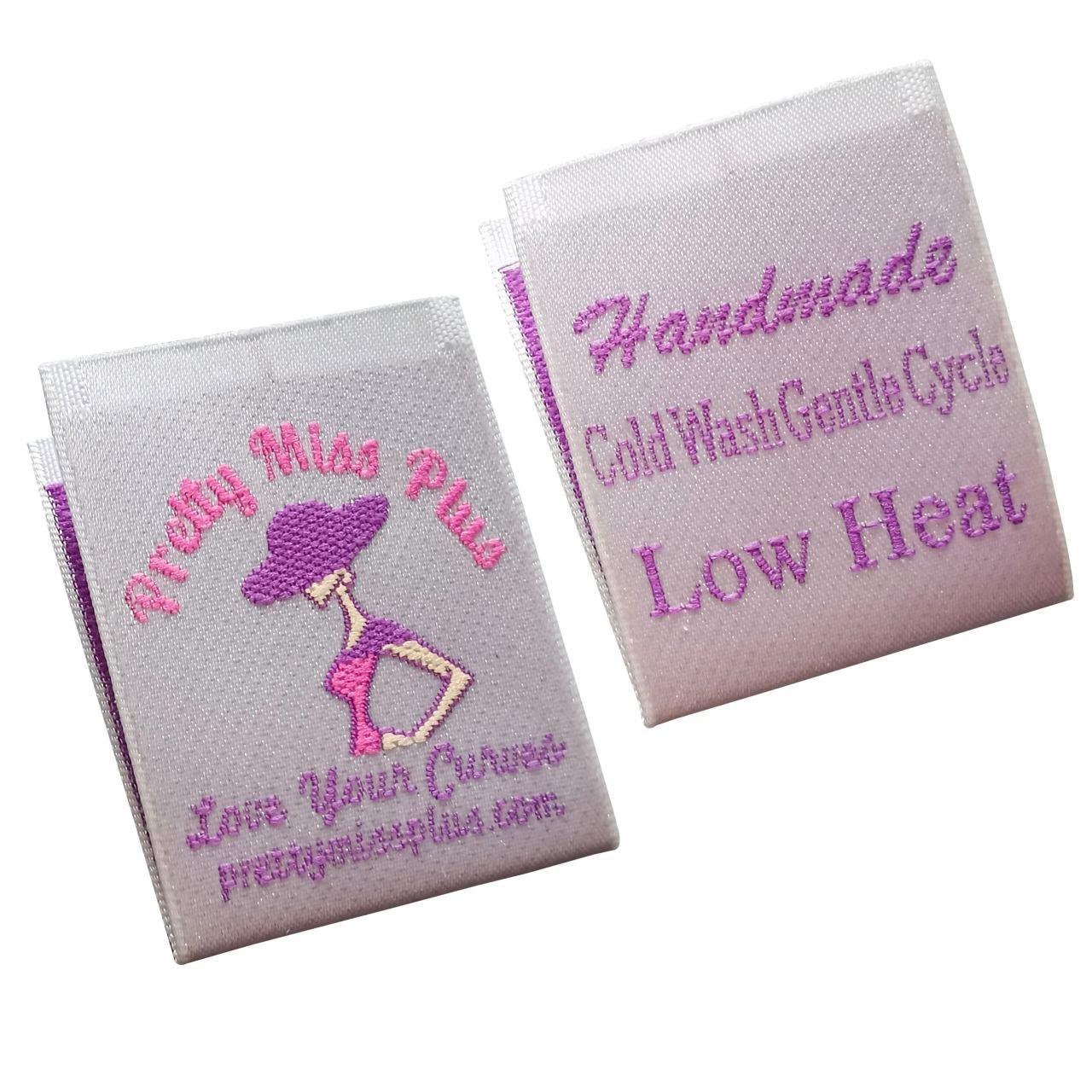
Woven Neck Labels
Custom woven labels at the neck or hem anchor your brand identity on every piece. Available in a range of thread colors, weave densities, and fold styles to deliver a premium, tactile finish.
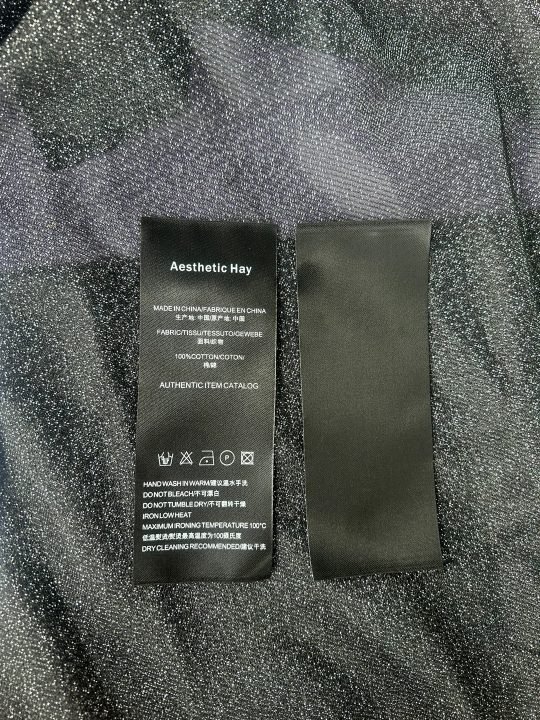
Printed Care Tags
Tearaway-friendly printed care labels replace bulky woven tags for a clean, skin-friendly interior. Compliance-ready with fiber content, wash instructions, and country-of-origin info — essential for global retail distribution.
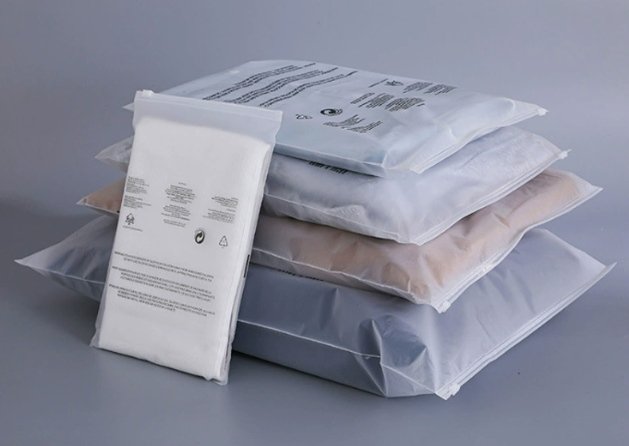
Embroidered Patches
Sewn-on or iron-on embroidered patches bring authentic streetwear edge to boxy tees. Perfect for chest, sleeve, or back placements, delivering bold, textured branding that resonates with influencer and trendy brand audiences.
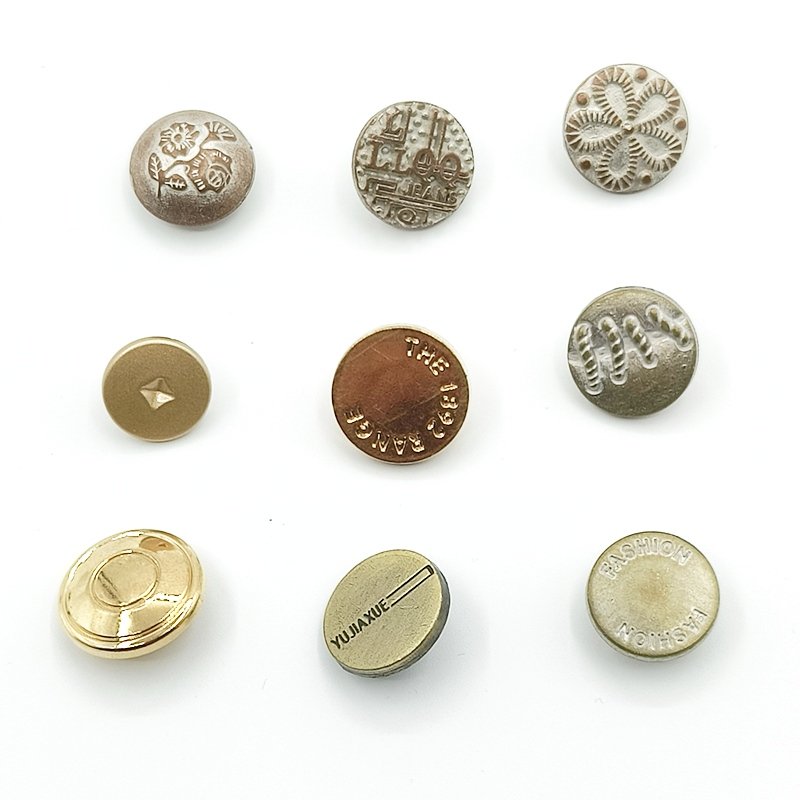
Metal Snap Buttons
Durable metal or resin snap buttons add functional hardware detail to plackets, pocket flaps, and hem vents. Available in matte, brushed, or antique finishes to match your streetwear collection’s exact aesthetic direction.
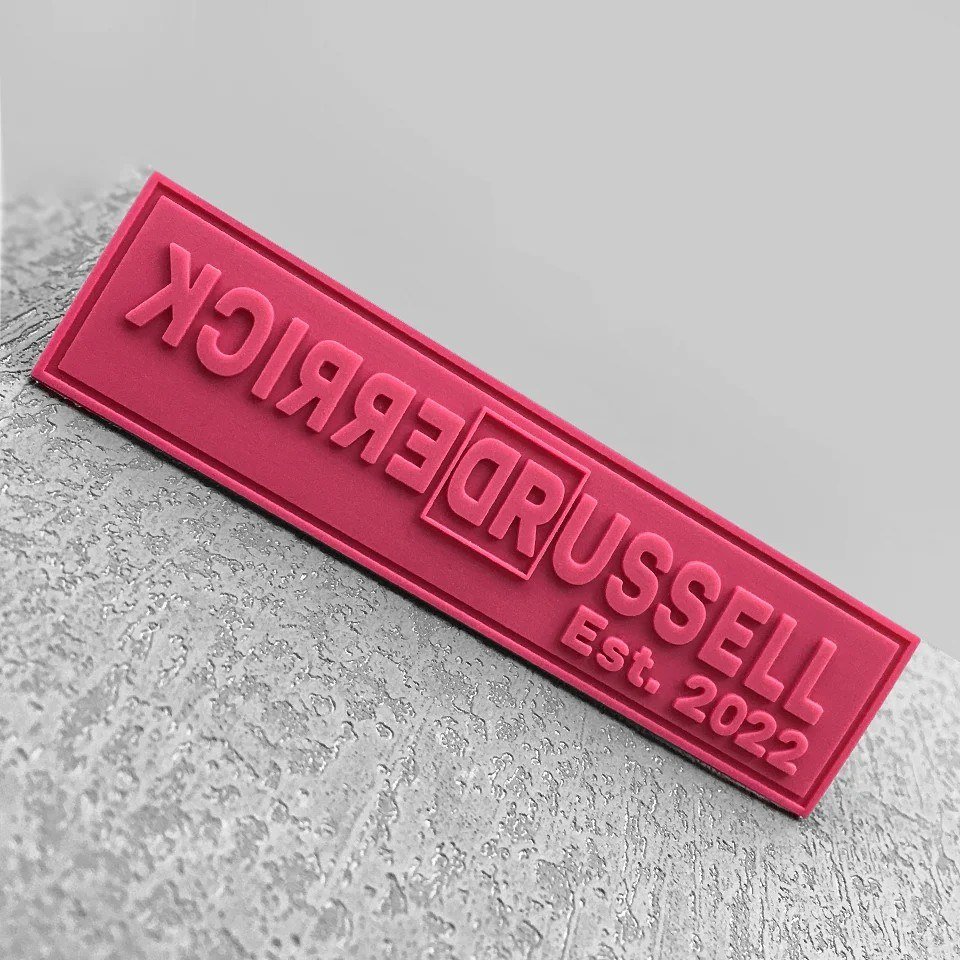
Custom Hangtags
Branded hangtags communicate your story, sizing, and care information at the point of sale. Fully customizable in shape, stock weight, and print finish — a critical detail for retail-ready and DTC drop presentations.
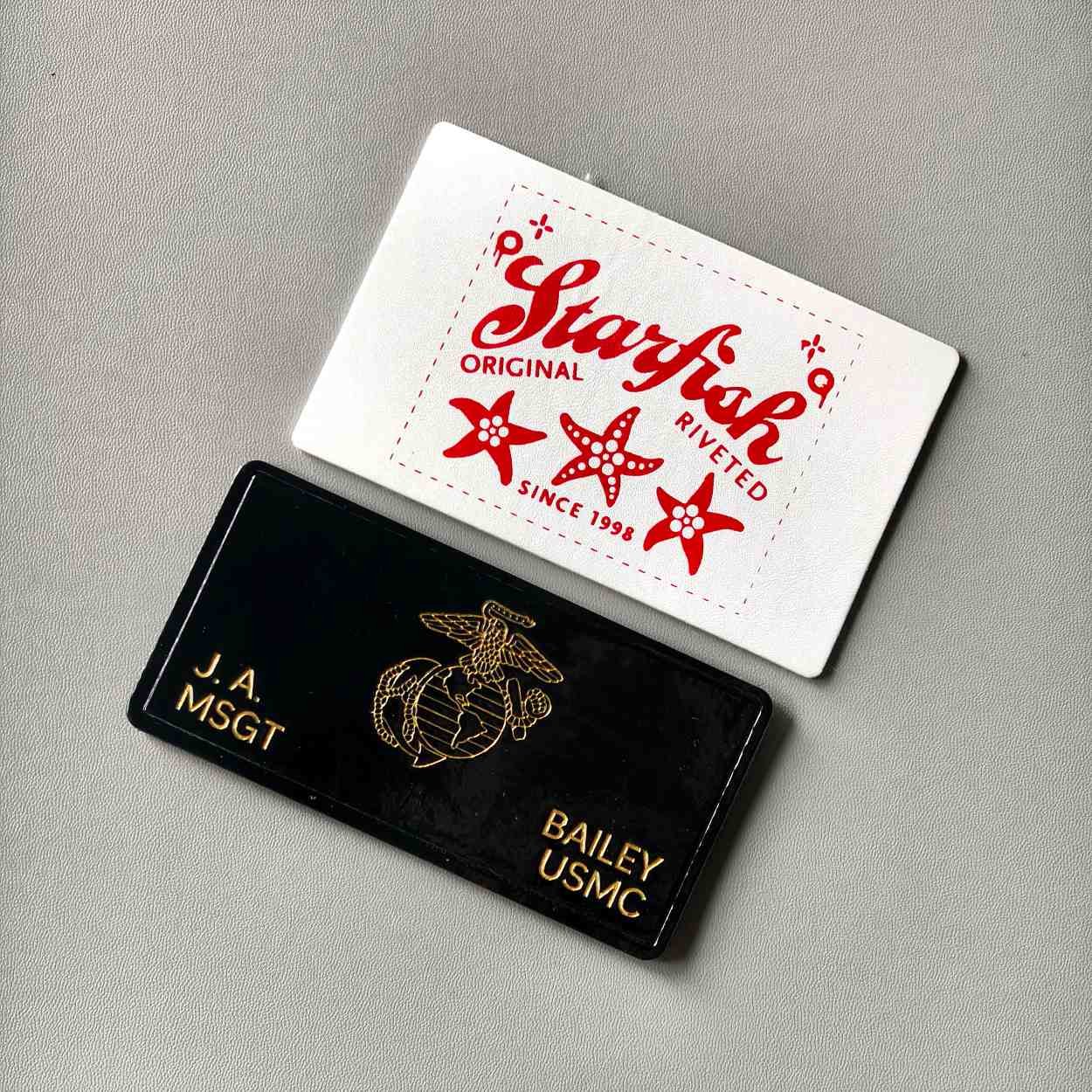
Branded Packaging
Custom poly bags, tissue wraps, and rigid boxes transform unboxing into a brand moment. Sized precisely for your boxy t shirt dimensions and tailored to support DTC, wholesale, and influencer drop fulfillment formats.
About Our Boxy T Shirt Manufacturing Company
Clothing Manufacturer Ltd. was founded in 2024 by Tesla Luo, a second-generation garment industry professional with over 10 years of production experience and 6 years of specialized streetwear manufacturing expertise. After witnessing factories worldwide skip critical quality checks — rushing straight from sewing to packaging — Luo established a boxy t shirt manufacturer built on a different standard: a proprietary 5-step QC process embedded at every stage of production, not bolted on at the end.
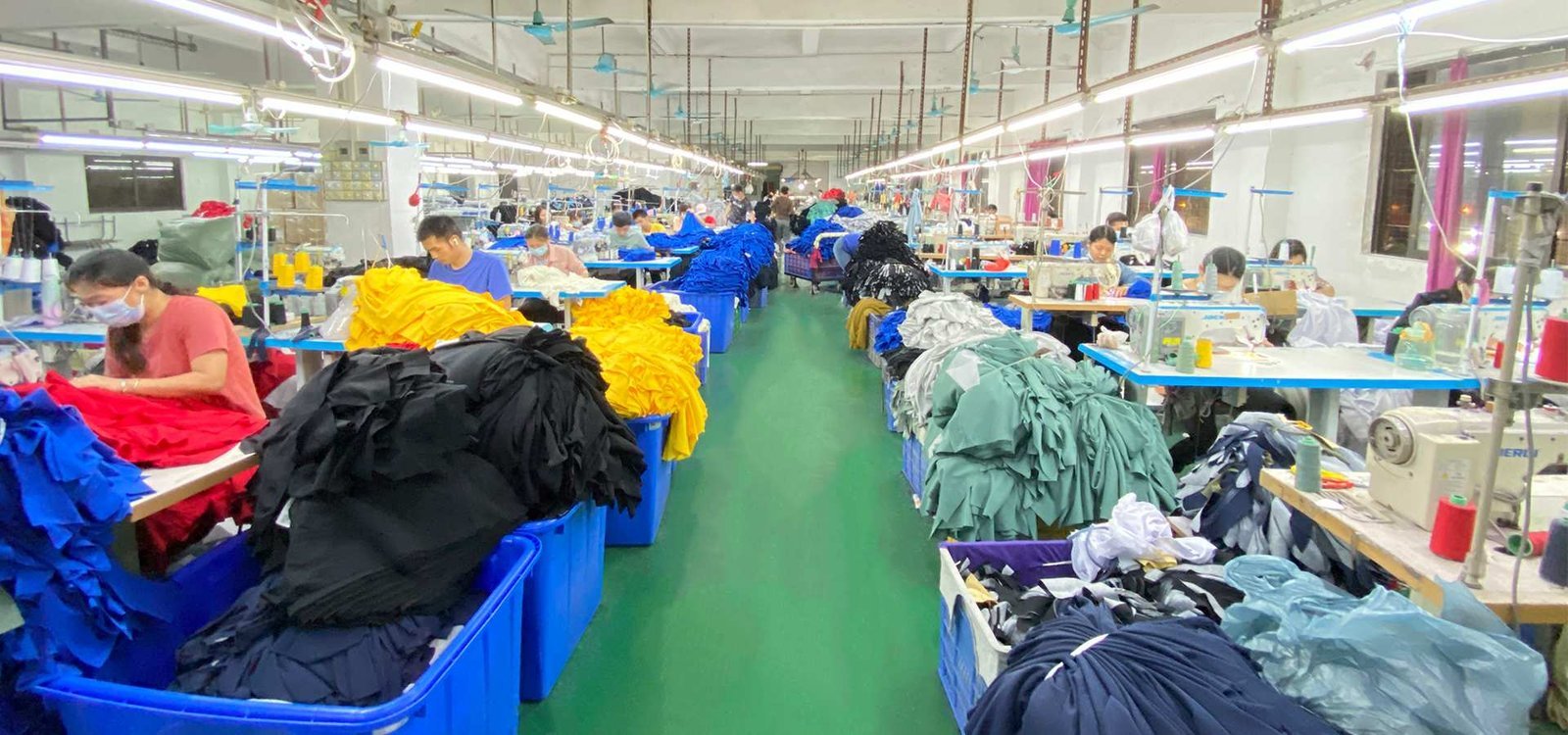
Headquartered in Humen Town, Dongguan — China’s historic garment manufacturing hub — we combine the agility of a focused streetwear specialist with the production capacity of our parent company, Dongguan TuoZhen Clothing Co., Ltd. Our 15-member R&D team, 10 production patents, and low MOQ options make us the ideal partner for everyone from fashion startups launching their first collection to global retailers scaling seasonal lines with fast turnaround.
Since inception, we have served customers across more than 100 countries, partnering with streetwear labels, independent designers, influencer brands, and established retailers worldwide. Our mission is clear: restore global trust in Chinese garment manufacturing by delivering premium craftsmanship, transparent communication, and zero-compromise quality on every order — from the first sample to full-scale production.
What Sets Our Boxy T Shirt Manufacturer Apart
Trend-Driven Design & In-House Sampling
Our 15-member R&D team translates streetwear culture — from skeleton graphics and rose motifs to bold color patterns — into production-ready samples fast, giving your brand a competitive edge in fashion’s fastest-moving segments.
- In-house design team fluent in streetwear aesthetics, signature motifs, and current trend cycles
- Rapid prototyping with sample turnaround timelines built around your launch schedule
- Full pattern development, fabric sourcing, and tech pack creation under one roof
- 10 registered patents covering proprietary production processes and design innovations

5-Step QC Embedded at Every Production Stage
Unlike factories that inspect only at the end, our proprietary five-step QC process runs dedicated checks through materials, cutting, craft, sewing, and final inspection — catching defects early and guaranteeing zero-compromise output.
- Materials QC testing for fabric weight, color fastness, and shrinkage compliance
- Cutting and craft QC to verify pattern precision and construction accuracy
- In-line sewing production checks conducted at multiple milestones during assembly
- Final garment inspection measured against exact brand specifications before packaging
Low MOQ to Full-Scale Global Production
Whether you are launching your first streetwear drop or scaling an established retail line, our flexible production model supports low minimums for startups and high-volume runs for global brands — both with the same precision and care.
- Low MOQ options purpose-built for emerging designers and independent fashion labels
- Fast turnaround timelines engineered around seasonal streetwear launch windows
- Seamless capacity scaling from pilot sample runs to large bulk retail orders
- Global shipping and logistics support covering 100-plus countries and regions
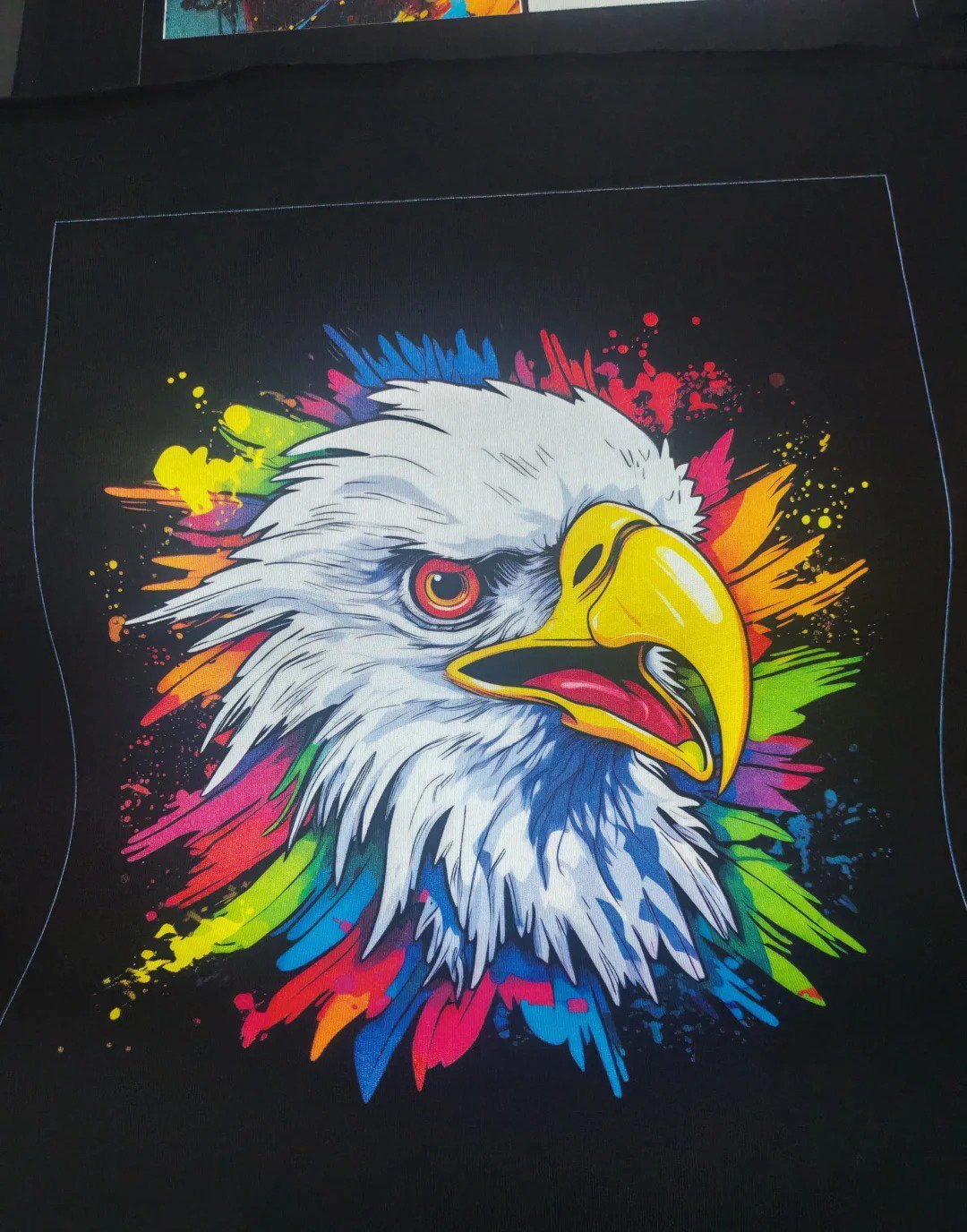
White-Glove Support From Brief to Delivery
Every client receives dedicated, transparent communication from initial brief through final sign-off — backed by a team with over 10 years of global trade experience and a proven record of growing brands from zero to influencer scale.
- Single point-of-contact order management from design confirmation through shipment
- Real-time production updates and milestone reporting at every QC checkpoint
- International customs, logistics, and import compliance expertise across 100-plus markets
- Proven track record launching and scaling influencer and creator-led clothing collections
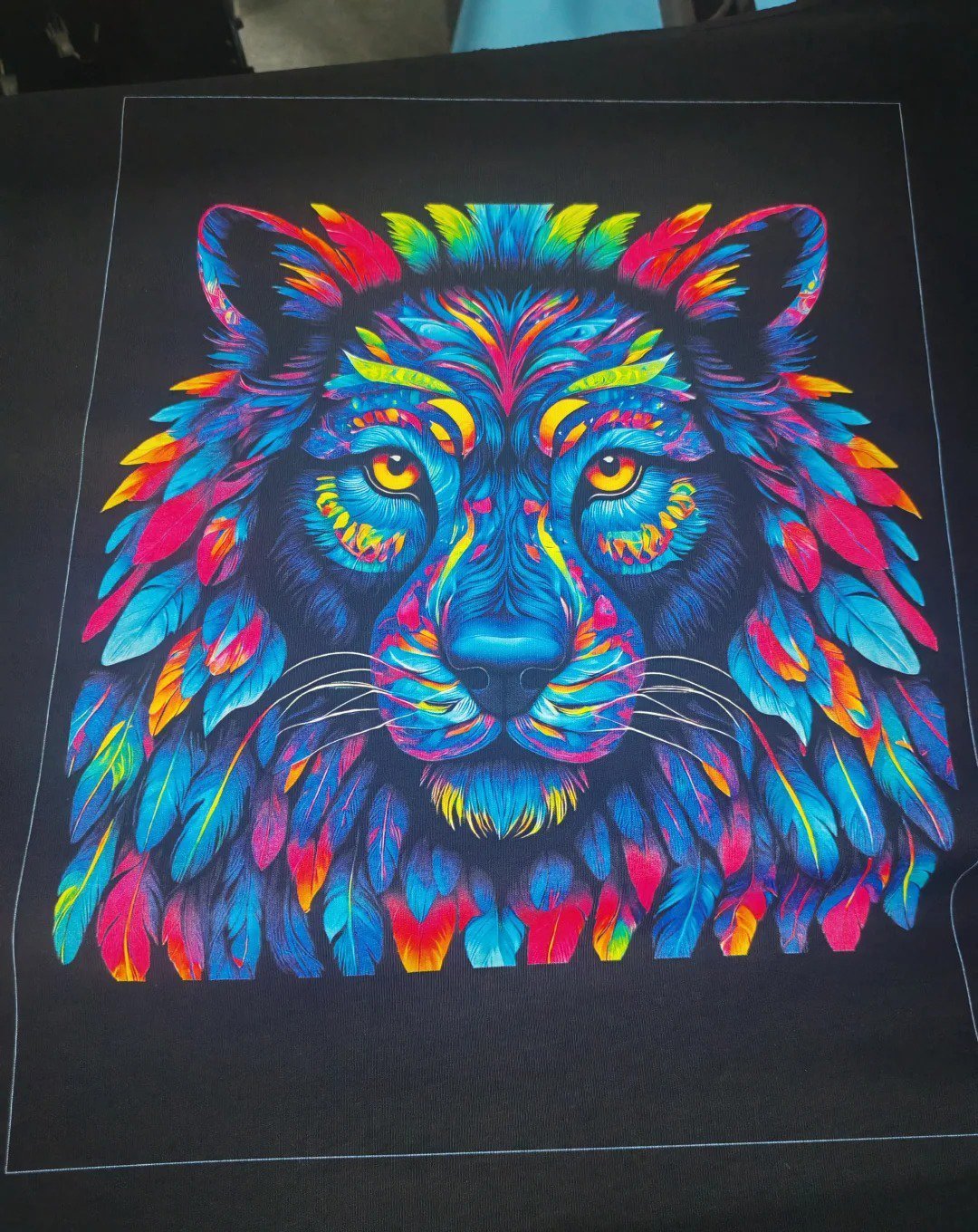
Why Choose Our Boxy T Shirt Manufacturer Over Competitors
Not all manufacturers are equal. See the exact differences that make Clothing Manufacturer Ltd the partner serious brands choose — from QC rigor to global reach.
← 左右滑动查看 →
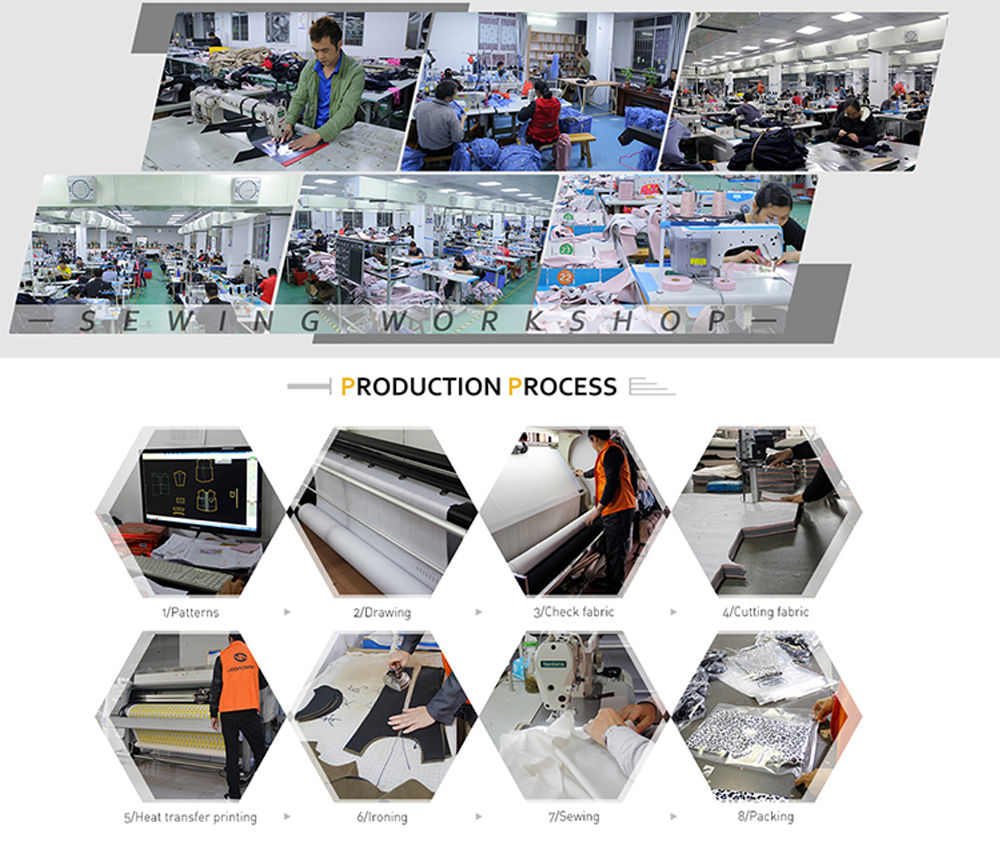
Our Boxy T Shirt Manufacturer Production Process
Six tightly controlled phases with QC checkpoints built into every stage — so every boxy tee that leaves our facility meets your exact standards.
Design Brief and Sampling
Share your vision, references, and technical details. Our in-house design and sampling team develops pre-production samples for your review and approval before any cutting begins.
Materials QC Testing
Every fabric roll, trim, and hardware component is tested against your approved specs. Only materials that pass our stringent standards advance to the cutting stage.
Cutting and Craft QC
Panels are precision-cut and verified for accuracy. Our cutting and clothing craft QC testing catches pattern misalignments and construction issues before a single stitch is sewn.
Sewing Production QC
Inline sewing production QC testing monitors stitch quality, seam strength, and garment construction at every workstation, eliminating defects at the source during the build.
Finished Goods Inspection
Each completed boxy tee is measured, checked for print fidelity and finishing quality, and approved against your spec sheet before it advances to packaging.
Pack and Ship Globally
Approved garments are packed to your labeling and folding requirements, then dispatched via our global logistics network with full shipment tracking and customs documentation support.
Partner With Your Boxy T Shirt Manufacturer in 5 Simple Steps
From first concept to delivered collection, our streamlined process removes guesswork and keeps your brand moving at full speed.
Submit Your Tech Pack or Idea
Share design files, mood boards, or a rough concept. Our team reviews your vision and delivers a detailed, itemized quote within 24 hours.
Review Your Sample and Quote
Our in-house sampling team crafts a pre-production sample. Evaluate the fit, fabric weight, and finish, then approve or request revisions before committing.
Confirm Order Details and Timeline
Lock in colorways, quantities, and your delivery window. We support low MOQs, making us the ideal boxy t shirt manufacturer for startups and scaling labels.
Enter 5-Step Quality-Controlled Production
Your order moves through our proprietary QC process — materials, cutting, craft, sewing, and finished-goods inspection — catching and correcting defects at every stage.
Receive Your Collection Worldwide
After final QC sign-off, garments are packed and dispatched globally with full logistics support, arriving on schedule and ready for immediate sale.
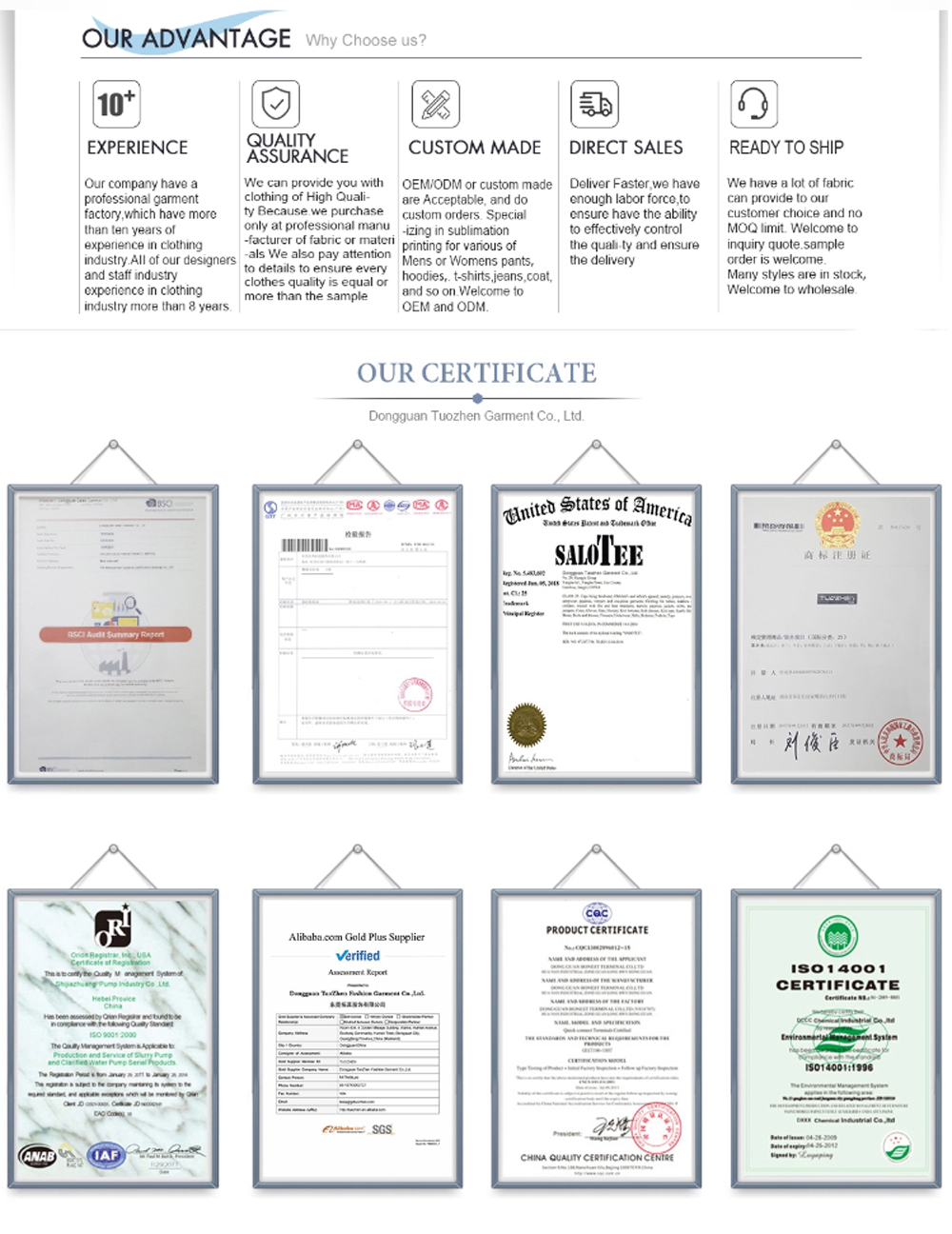
Certifications That Back Every Boxy T Shirt Manufacturer Order
What Brands Say About Our Boxy T Shirt Manufacturer
We launched our debut drop of 12 boxy tee styles in under 6 weeks — zero defects, zero delays. Their 5-step QC caught a stitching issue in sampling that would have cost us 800 units. Game-changing partner for a startup.
I grew my brand from 500 to 40,000 Instagram followers in one season, partly because the quality was so consistent my customers kept reposting. Low MOQ let me test 5 colorways without killing my budget. Truly the right manufacturing partner.
Switched from our previous supplier and cut return rates by 34% in the first quarter. Their boxy t shirt production is consistent across every run — sizing, fabric weight, print registration. We now scale seasonal orders with full confidence.
Frequently Asked Questions About Our Boxy T Shirt Manufacturer
Real answers to the questions buyers ask before placing their first order — MOQ, lead times, payment, IP protection, and more.
What is the minimum order quantity for a boxy t shirt manufacturer like Clothing Manufacturer Ltd.?
How long does sampling take at your boxy t shirt manufacturer facility?
What payment terms does your boxy t shirt manufacturer accept?
How do you protect my designs and intellectual property during boxy t shirt production?
What fabrics do you use for boxy t shirt production?
Can I fully customize the fit, sizing, and graphic design of my boxy t shirts?
How does your 5-step quality control process prevent defective boxy t shirts from shipping?
How do you handle international shipping and customs for global orders?
How fast can you turn around a seasonal boxy t shirt collection?
The Complete Buyer’s Guide to Boxy T Shirt Manufacturer
Discover how to evaluate every boxy t shirt manufacturer against proven supplier criteria, navigate fabric and construction trade-offs, and avoid the sourcing mistakes that derail emerging streetwear and creator brands.
1. What Is a Boxy T Shirt Manufacturer?
Three construction variables define the boxy silhouette: dropped shoulders that fall 1–3 inches below the natural shoulder point, a torso width 4–6 inches wider than a fitted tee at the same chest measurement, and a body length that runs 2–3 inches shorter than a standard cut. These proportions produce the relaxed, structured aesthetic that separates a true boxy tee from a garment that simply scales up a slim-fit pattern block.
A specialist boxy t shirt manufacturer engineers graded patterns built exclusively for this silhouette — not adaptations of a fitted block. General tee suppliers typically maintain one or two standard fits and stretch them, which distorts proportions: sleeves that drop past the elbow, torsos without the intended volume, or neck openings that gap. A dedicated producer holds separate pattern libraries with drop-shoulder sleeve caps and width-to-length ratios calibrated specifically for the boxy cut.
The silhouette dominates streetwear, hip-hop, and creator merch because it photographs well across a wide range of body types and provides a clean, flat canvas for large graphic placements — screen prints, all-over prints, and embroidery all translate without the compression distortion common on slim fits. Independent designers, influencer merch lines, and limited-drop streetwear labels consistently choose this cut to project cultural credibility.
If your target customer moves within streetwear, skateboarding, or the creator economy, a boxy t shirt manufacturer is the right category partner — not a commodity blank supplier that treats silhouette as a secondary specification.
2. Evolution and History of the Boxy T Shirt
By 1984, hip-hop artists and skate crews in New York and Los Angeles had adopted oversized, drop-shoulder silhouettes as a deliberate rejection of tailored menswear — the earliest commercial ancestor of today’s boxy t-shirt. Brands sourced heavy 6.5–7.5 oz ring-spun cotton blanks and sized up two to three numbers to achieve the relaxed fit without any dedicated pattern work.
1990s grunge scenes pushed drop shoulders and boxy cuts further into mainstream retail, and by the early 2010s the streetwear revival — anchored by labels drawing on hip-hop, skate, and graphic-art motifs — created consistent, scalable demand for the silhouette. Automated CAD pattern-cutting systems, widely adopted in Chinese factories after 2010, allowed any boxy t shirt manufacturer to replicate exact shoulder-drop and body-width specifications at volume with minimal waste.
Fabric innovation accelerated the trend’s durability: slub cotton, acid-wash French terry, and 200–300 GSM heavyweight jerseys gave designers textural and structural variety unavailable to earlier generations. OEKO-TEX Standard 100 certification became a baseline expectation, pushing mills to develop cleaner pigment-dye processes compatible with the distressed finishes streetwear demands.
Since 2020, influencer and creator brands — many scaling from zero to tens of thousands of followers within a single product cycle — have sustained demand by releasing limited boxy-cut drops that sell out quickly and drive resale premiums. This cycle of scarcity and cultural relevance is structural, not cyclical, which is why the boxy silhouette has moved from subculture novelty to a permanent, high-velocity SKU for any serious streetwear production partner.
3. Types of Boxy T Shirts a Manufacturer Can Produce
A skilled boxy t shirt manufacturer should offer at least five core silhouette variants. Each cut targets a distinct demographic and styling context — knowing the differences before sampling prevents costly pattern revisions downstream.
Classic Boxy Crop
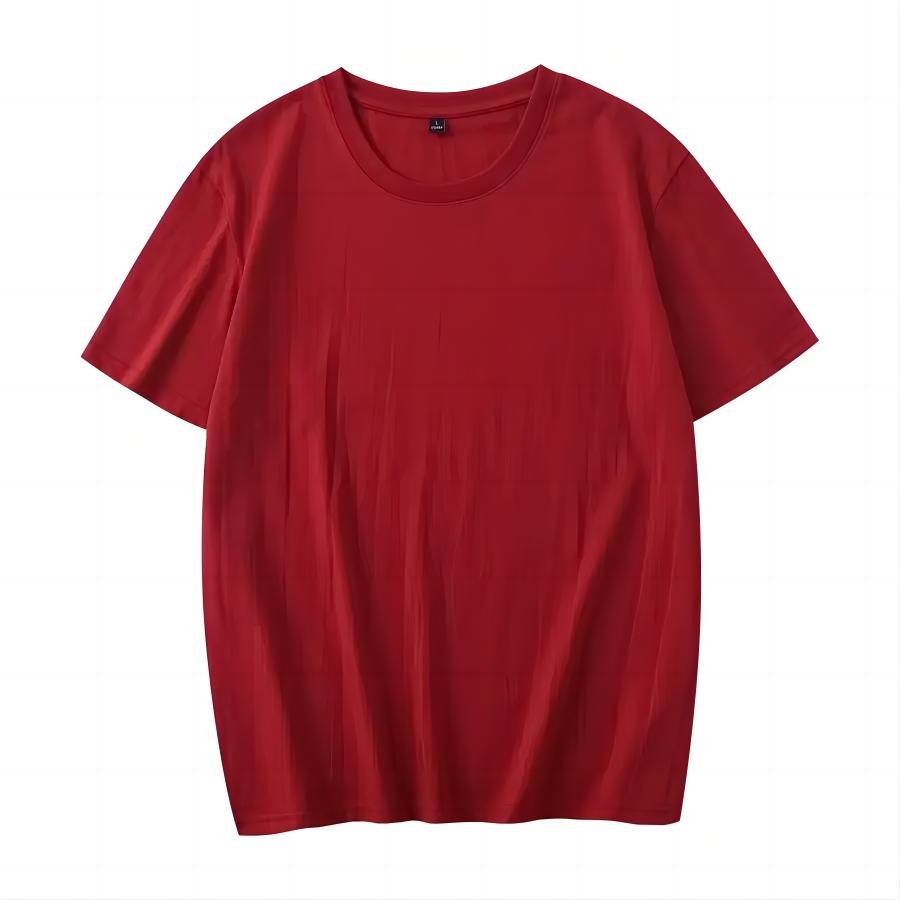
Hem falls 2–4 inches above the natural waist, making this the go-to cut for women’s streetwear and Gen Z labels. Pattern construction requires a wider front panel and reduced shoulder slope, adding slight complexity over a standard tee.
Longline Boxy
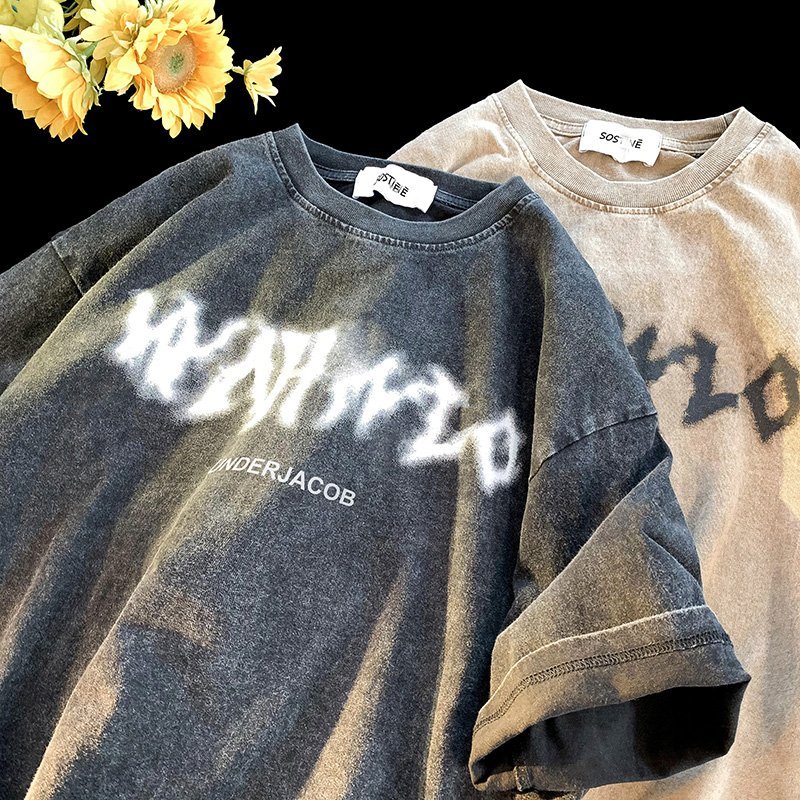
Hem drops 6–10 inches below the waistband, favored by men’s urban brands for layering over joggers. Extra fabric length increases per-unit material cost by roughly 15–20%, so factor this into your costing conversation with any boxy t shirt manufacturer.
Boxy Polo
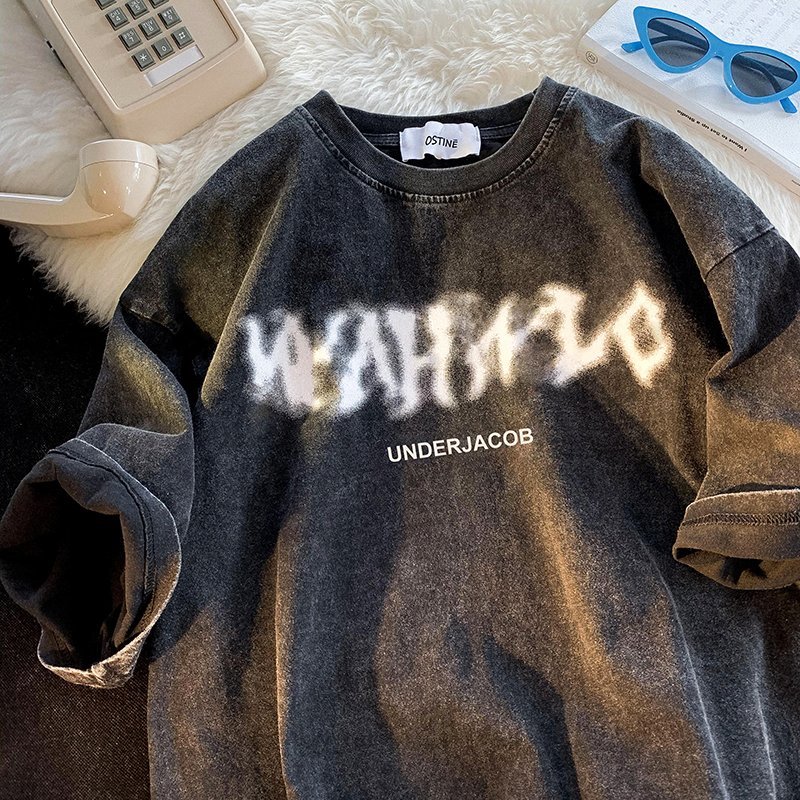
A ribbed piqué collar and 3-button placket replace the crewneck, bridging prep and streetwear aesthetics popular with influencer brands. Collar attachment and placket stitching add 2–3 extra operations per unit, raising labor minutes and requiring tighter sewing QC.
Boxy Oversized Unisex
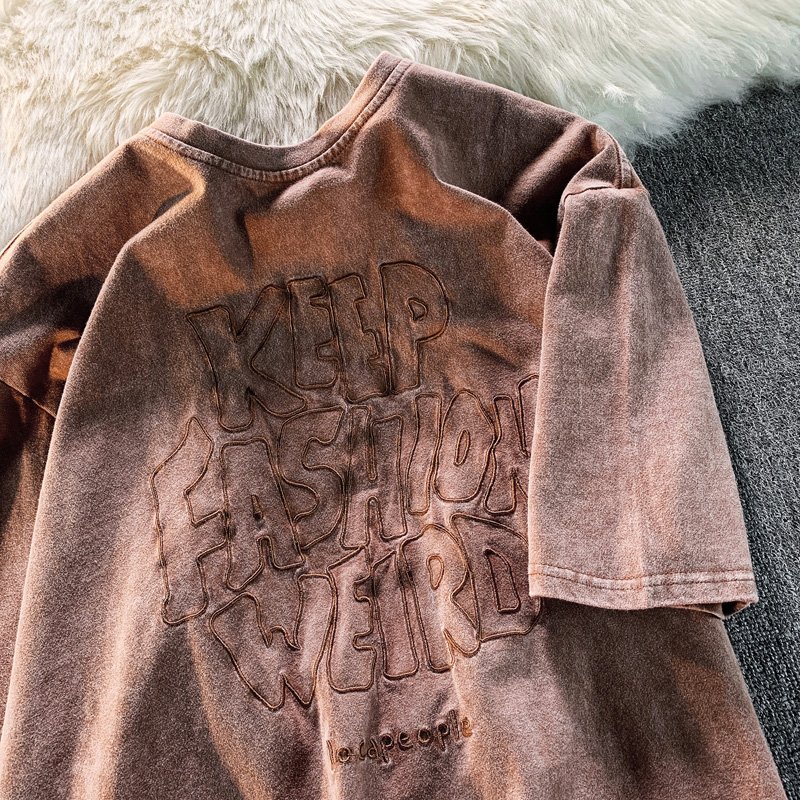
Dropped shoulders extend 2–3 inches past the natural shoulder point, delivering a gender-neutral silhouette that one SKU can sell across all demographics. This highest-volume cut suits 180–240 GSM ring-spun cotton or heavyweight French terry blends.
Boxy Raglan
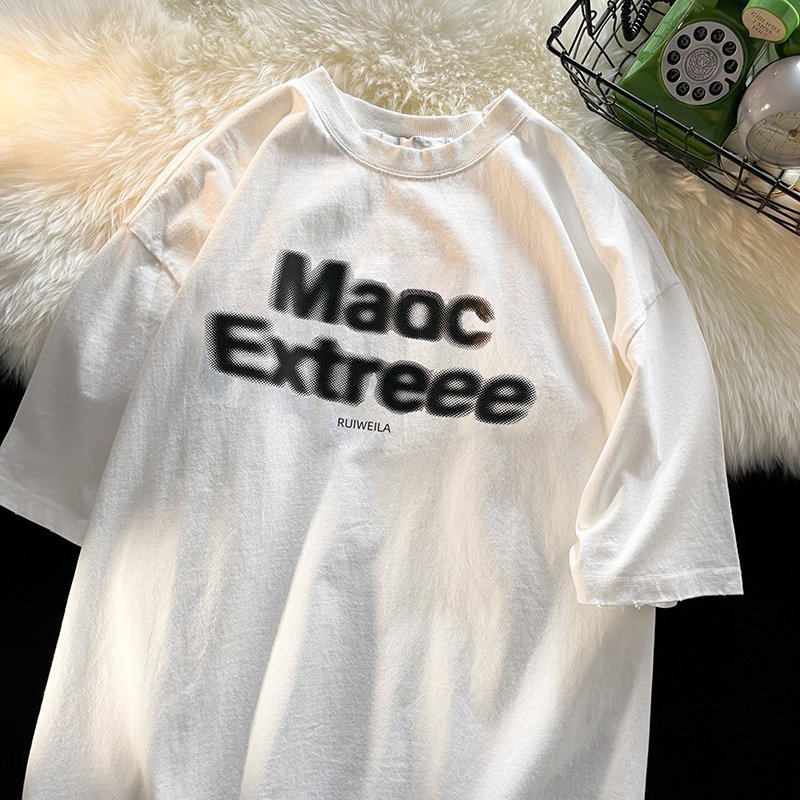
Contrast-sleeve raglan panels run from underarm to collar, a signature of skate and sport-streetwear brands since the 1980s. Setting raglan seams accurately requires a skilled operator — misaligned panels are a common defect, so insist on in-process sewing QC checks.
4. Materials and Fabrics Used by a Boxy T Shirt Manufacturer
Fabric specification is the most consequential pre-sample decision a brand makes. A qualified boxy t shirt manufacturer stocks at least six base fabrics, each mapping to a distinct retail price point, print method, and shrinkage tolerance.
| Fabric | GSM Range | Best Use | Price Index | Print Suitability |
|---|---|---|---|---|
| 100% Combed Ring-Spun Cotton | 160–220 | Premium basics, screen print | $$ | Excellent |
| Cotton-Poly Blend (60/40) | 150–200 | Mid-tier streetwear, DTG | $ | Very Good |
| Tri-Blend | 130–160 | Fashion basics, retail | $$$ | Good (DTG best) |
| French Terry | 240–320 | Drop-shoulder boxy styles | $$$ | Fair |
| Waffle Knit | 180–260 | Textured lifestyle tees | $$ | Fair |
| Bamboo Blend | 160–200 | Eco-label collections | $$$$ | Good |
Cotton and Cotton-Poly Blend Foundations
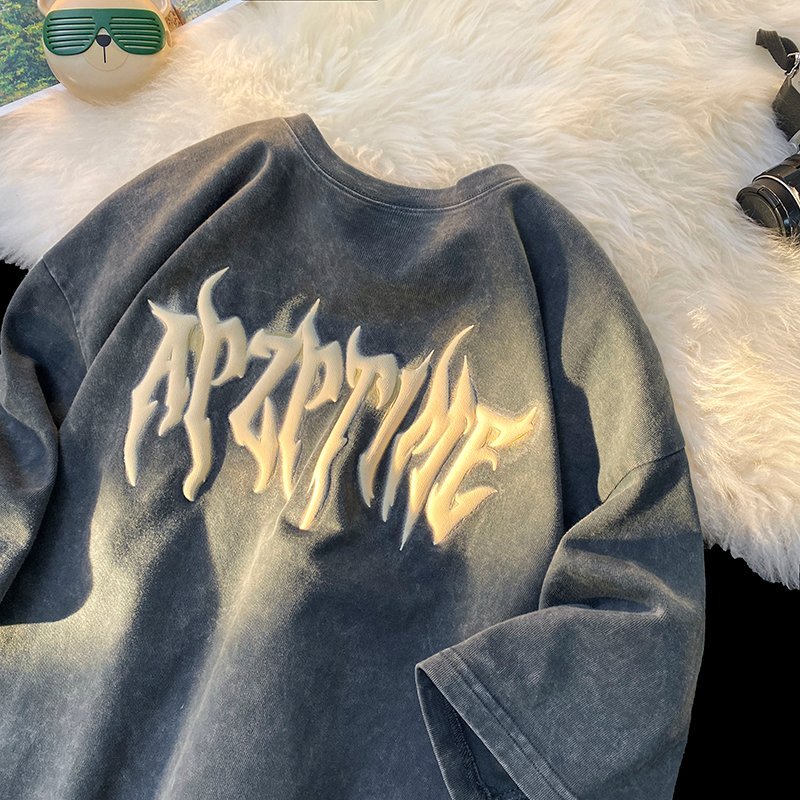
Ring-spun combed cotton at 180–220 GSM delivers the soft hand-feel premium streetwear buyers expect, with excellent ink hold for plastisol and water-based screen printing.
Cotton-poly blends (typically 60/40) cut shrinkage risk from 5–8% down to 2–3% and reduce unit cost by roughly 15–20%, making them the default choice for mid-tier labels.
Tri-Blend and French Terry Fabrics
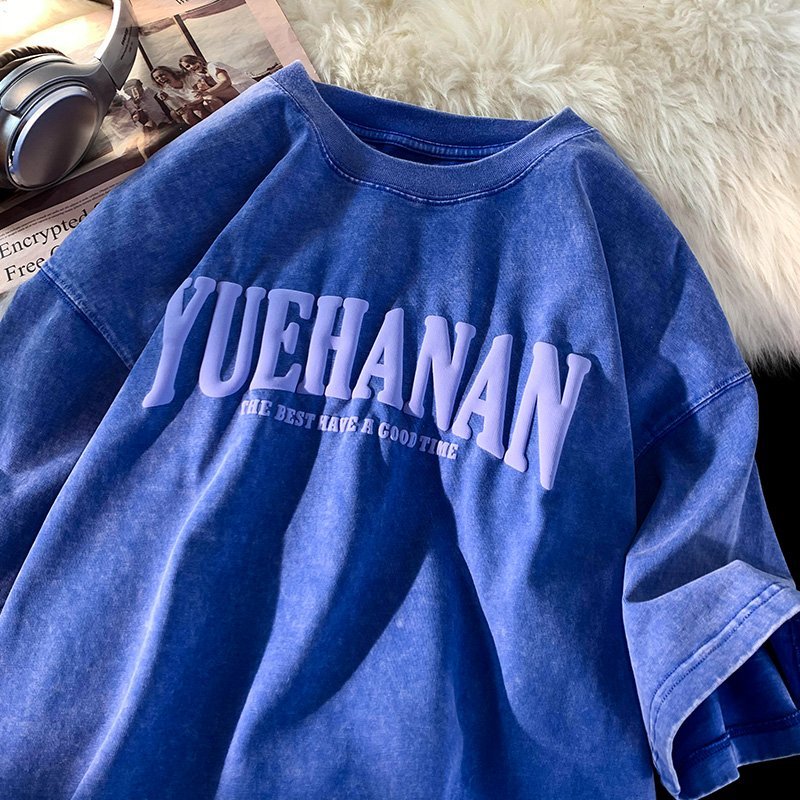
Tri-blend constructions — usually 50% polyester, 25% cotton, 25% rayon — run 130–160 GSM and produce a vintage drape that retails well in the $35–55 range.
French terry at 240–320 GSM adds structure to drop-shoulder boxy cuts but limits large-format graphic placement due to its looped interior pile.
Waffle Knit and Bamboo Blend Options
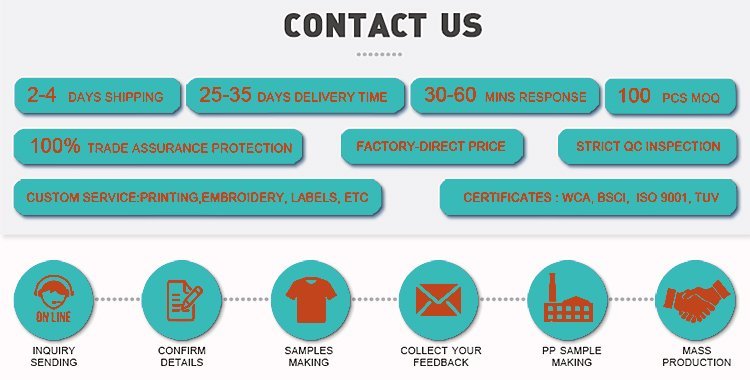
Waffle knit at 180–260 GSM creates surface texture that reads premium at retail but restricts prints to patch-size or heat transfer placements.
Bamboo blends (typically 70% bamboo, 30% cotton) carry OEKO-TEX certification potential and attract eco-conscious labels, though fabric MOQ minimums commonly run 300–500 meters per colorway.
5. Customization and Decoration Options Your Manufacturer Should Offer
A full-service boxy t shirt manufacturer should support at least six decoration methods. Locking in your technique before requesting a quote prevents pricing surprises and keeps sampling timelines on track.
| Technique | Setup Cost | Per-Unit Cost | Durability | Best For |
|---|---|---|---|---|
| Screen Printing | $50–$150/color | $0.50–$3 | Excellent (50+ washes) | Bulk runs, bold graphics |
| DTG | $0 | $3–$8 | Good (30–40 washes) | Low MOQ, photorealistic art |
| Embroidery | $50–$100 digitizing | $2–$6 | Excellent (lifetime) | Premium logos, patch details |
| Heat Transfer | $0–$30 | $1.50–$4 | Moderate (20–30 washes) | Short runs, gradients, metallics |
| Discharge Printing | $80–$200/color | $1–$4 | Excellent | Soft hand on dark fabrics |
| Woven/Printed Labels | $100–$200/run | $0.10–$0.50 | Excellent | Brand identity, neck labels |
Choosing the Right Print Method
Screen printing costs $50–$150 per color in setup but drops below $1 per unit at 100+ pieces, making it the default for streetwear bold graphics. DTG requires zero setup and suits photo-quality or sub-24-piece drops, though wash durability tops out at roughly 30–40 cycles.
Embroidery and Heat Transfer Details
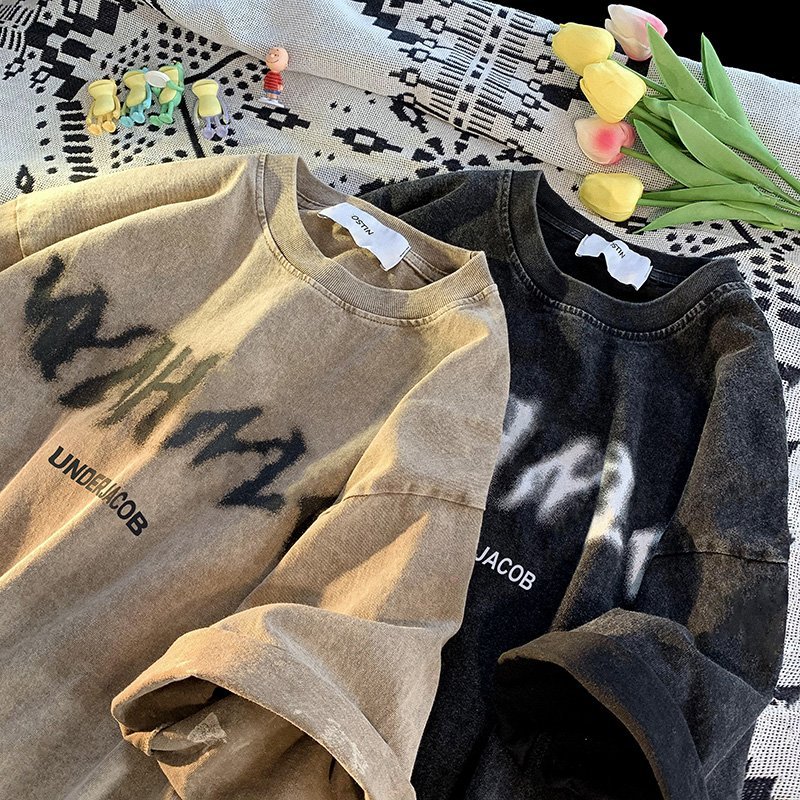
Embroidery carries a $50–$100 digitizing fee but outlasts the garment itself — ideal for chest logos and patch details on premium boxy tees. Heat transfer fills the gap for short runs with gradient or metallic artwork, though durability falls to 20–30 washes under repeated machine cycles.
Labels and Brand Packaging
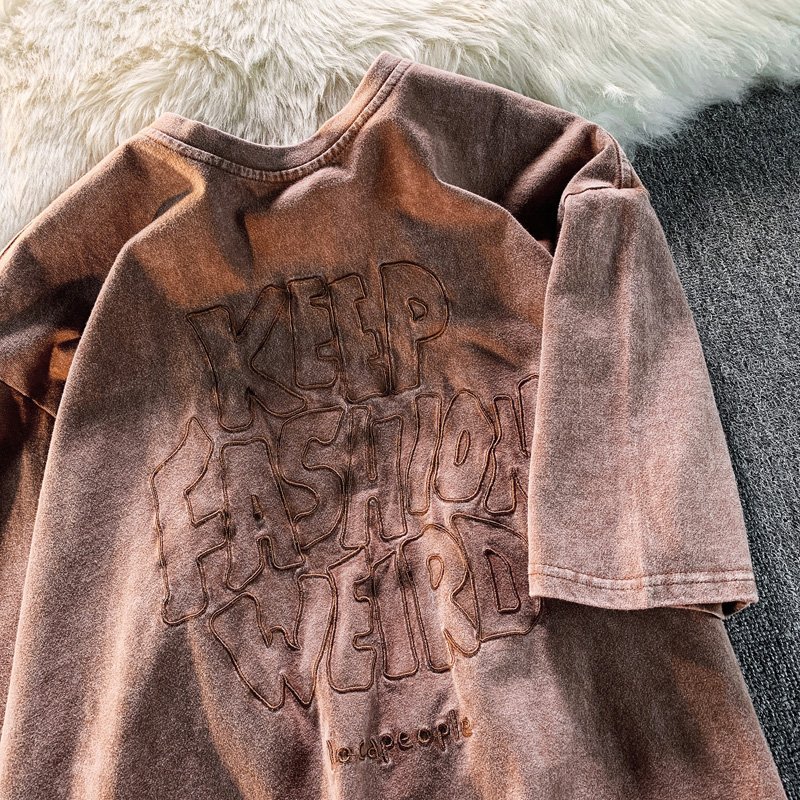
Woven neck labels require a minimum run of roughly 200–500 pieces and cost $0.10–$0.50 per unit; printed labels run slightly cheaper at scale. Ask your boxy t shirt manufacturer for a physical sample of each label type before approving bulk production — label hand feel directly affects perceived garment quality.
6. Key Construction Quality Elements to Inspect
Fabric choice draws attention, but construction details separate premium output from budget shortcuts. When evaluating a boxy t shirt manufacturer, verify these five elements in the tech pack and on a physical pre-production sample before approving bulk.
Seam Type: Single-Needle vs. Double-Needle
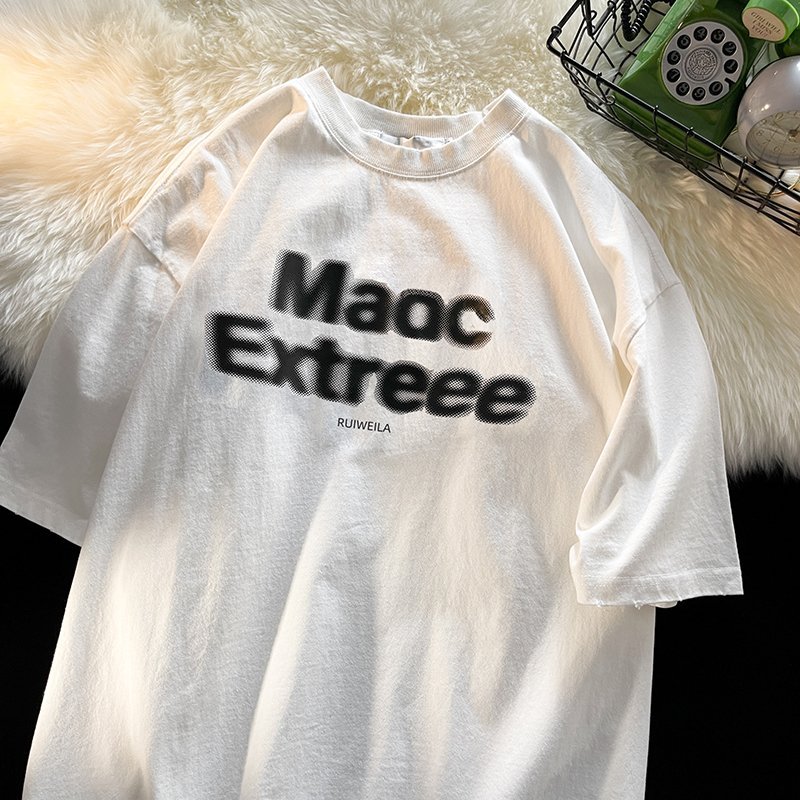
Double-needle hemming — two parallel stitch rows spaced roughly 6mm apart — resists hem flare and fraying far better than single-needle finishing. Specify double-needle on bottom hems and sleeve cuffs; single-needle is acceptable only on side seams where reducing seam bulk is necessary.
Stitch Density and SPI Standards
Quality body seams should register 7–9 stitches per inch (SPI). Fewer than 7 SPI signals rushed production; exceeding 9 SPI on lightweight fabric causes puckering. Request explicit SPI targets in the tech pack and confirm with a seam gauge on the pre-production sample.
Collar Rib Weight and Recovery
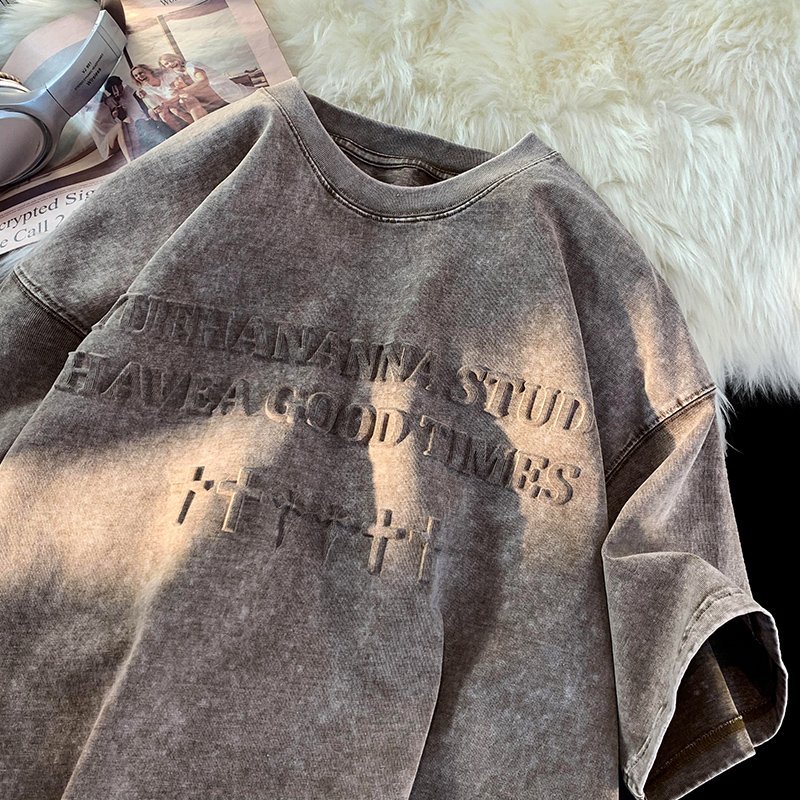
Premium boxy tee collars use 180–220 GSM 1×1 or 2×1 rib that springs back fully after stretching. Ribs under 160 GSM lose their shape within 10–15 washes. Cut a small swatch from the collar on your pre-production sample and weigh it to confirm the GSM specification.
Shoulder Tape and Construction Type
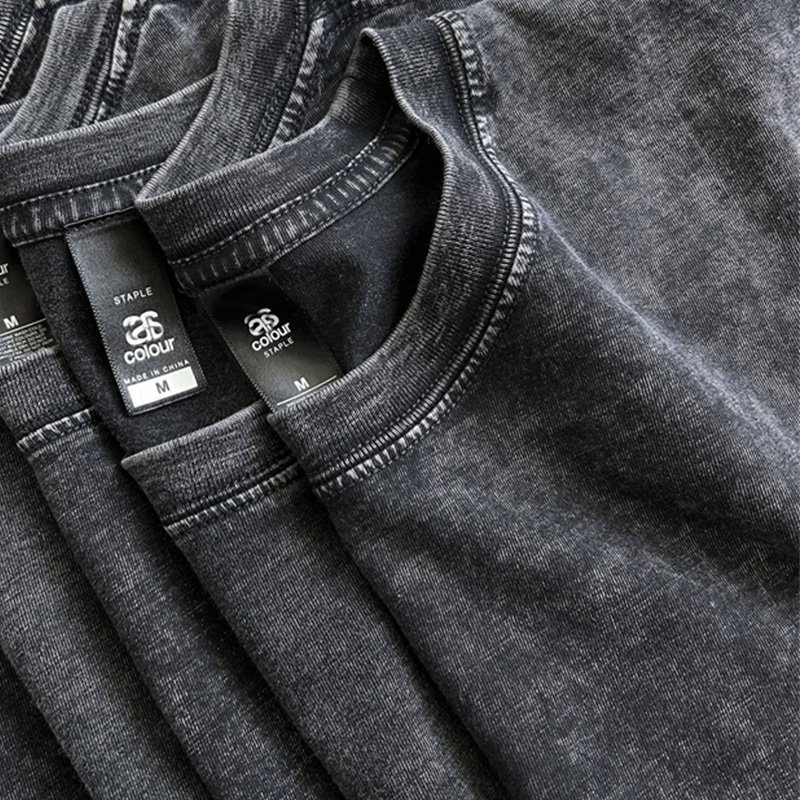
A 12–16mm twill tape sewn into the shoulder seam prevents neckline distortion over repeated washing — budget factories routinely skip this step. Side-seam cut-and-sew construction delivers superior shaping over tubular (seamless-tube) construction and is the recognized standard for structured streetwear silhouettes. Confirm both details in the tech pack’s construction notes.
Label Finish and Attachment Method
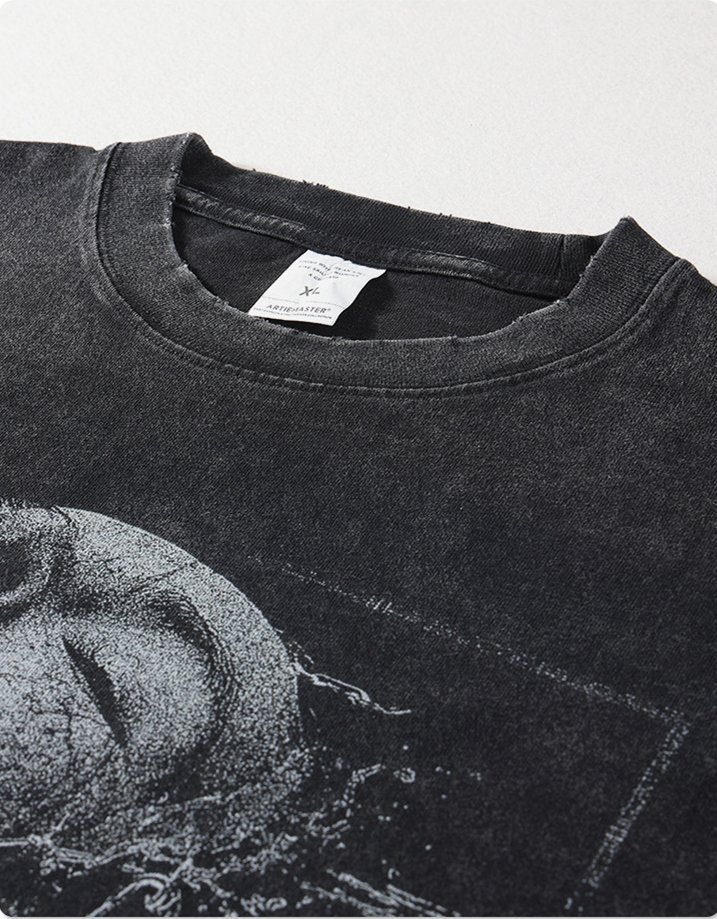
Woven, printed tear-away, and heat-transfer labels each signal a different quality tier to end wearers. Tear-away printed labels reduce neck irritation; woven labels add perceived durability and brand permanence. Specify label dimensions, placement in millimeters, and attachment method — bar-tack or standard lock-stitch — explicitly in your QC checklist.
7. How to Choose the Right Boxy T Shirt Manufacturer
Choosing a boxy t shirt manufacturer demands vetting across six criteria beyond price alone. Apply this framework before committing to a production run and you will sidestep the mid-season quality and timeline surprises that derail emerging brands.
MOQ and Reorder Flexibility
Reputable factories tier MOQs at 50–100 pieces per colorway for startups and 300-plus for scale. Confirm reorder minimums separately — some set a higher threshold for repeat runs. Ask whether they hold fabric reserves for 90-day reorder windows.
Sampling Lead Time
Standard sample lead time is 7–14 days; fit-approved bulk production follows in 25–45 days. Factories quoting under 5 days for samples often outsource pattern-making, introducing hidden variation between the sample and the production run.
Certifications That Matter
OEKO-TEX Standard 100 covers chemical safety at the fiber level; GOTS certifies organic textile chains end-to-end; BSCI audits factory social compliance. Request audit dates — certifications older than 24 months may have lapsed.
- OEKO-TEX 100: chemical safety, fiber through finished garment
- GOTS: organic fiber chain, annually third-party audited
- BSCI: factory social and labor compliance audit
In-House vs. Outsourced Decoration
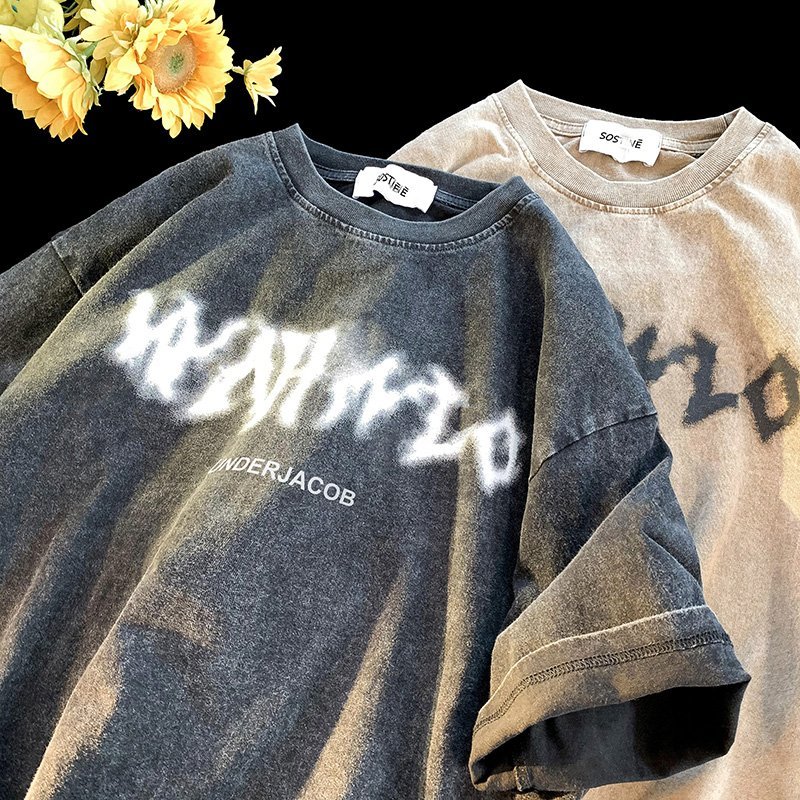
In-house screen printing cuts turnaround by 3–7 days and keeps Pantone-matched ink registration tighter across large runs. Outsourced DTG or embroidery adds a handoff point where color accuracy can drift.
Offshore vs. Nearshore Trade-Offs
Unit cost and transit time diverge sharply by sourcing region. Nearshore options carry 20–35% higher unit costs but cut ocean transit by 4–6 weeks.
| Region | Unit Cost | Lead Time | Sustainability |
|---|---|---|---|
| China | $3–8 | 30–50 days | Moderate |
| Bangladesh | $2–5 | 35–55 days | Improving |
| Turkey | $6–12 | 25–40 days | Strong |
| Portugal | $10–18 | 15–25 days | Premium |
| Mexico | $7–14 | 10–20 days | Strong |
Weighted Vetting Scorecard
Score each shortlisted factory out of 100 before issuing a purchase order.
| Criterion | Weight |
|---|---|
| MOQ flexibility | 20% |
| Sample lead time | 15% |
| Certifications held | 20% |
| In-house decoration | 15% |
| Communication speed | 15% |
| Region cost and lead time | 15% |
8. Common Mistakes Brands Make When Sourcing a Boxy T Shirt Manufacturer
Most sourcing failures trace back to decisions made before the first sample is cut. Each mistake is predictable, and every one of them is preventable with a structured pre-production checklist.
Skipping the Fit Sample
Brands often skip the fit sample to save 2–3 weeks, then discover sizing is off by a full grade after bulk production ships. A single pre-production sample costs $30–$80 and eliminates a $5,000–$20,000 rework scenario.
Under-Specifying the Tech Pack
A tech pack missing GSM weight, seam type — flatlock vs. overlock — or Pantone color references forces your boxy t shirt manufacturer to guess. Guesses produce inconsistent results across colorways and reorder batches.
Chasing the Lowest MOQ Without Vetting QC
A factory offering a 30-piece MOQ without a documented QC process is a risk, not a deal. No mid-production inspection means defects compound across the entire run before any finished-goods check occurs.
Ignoring Port-to-Door Lead Times
Ocean freight from Guangdong to the US East Coast averages 28–35 days; air freight runs 5–7 days but costs 4–6x more per kilogram. Brands that plan only for production time routinely miss launch windows by 3–4 weeks.
Overlooking Label and Hang-Tag Setup Costs
Woven label tooling runs $50–$150 per setup; printed hang tags with barcodes add $0.10–$0.30 per unit at low quantities. Omitting these from your first-order budget creates a cash-flow gap that delays fulfillment.
9. Steps to Launch Your Brand With a Boxy T Shirt Manufacturer
First-time founders consistently underestimate how many decisions separate a sketch from a shippable garment. A seven-step roadmap — running roughly 10 to 16 weeks from brief to delivery — removes that guesswork for fashion startups placing their first order.
Silhouette Brief and Tech Pack
Lock your boxy silhouette specs first: chest width, body length, sleeve length, and hem finish, all in centimeters. Allocate weeks 1–2 for this stage.
Then build a tech pack noting Pantone color references, fabric GSM (180–240 g/m² for a standard boxy tee), seam type, and label placement. A complete tech pack reduces proto revisions by eliminating verbal ambiguity.
Proto Samples From Shortlisted Factories
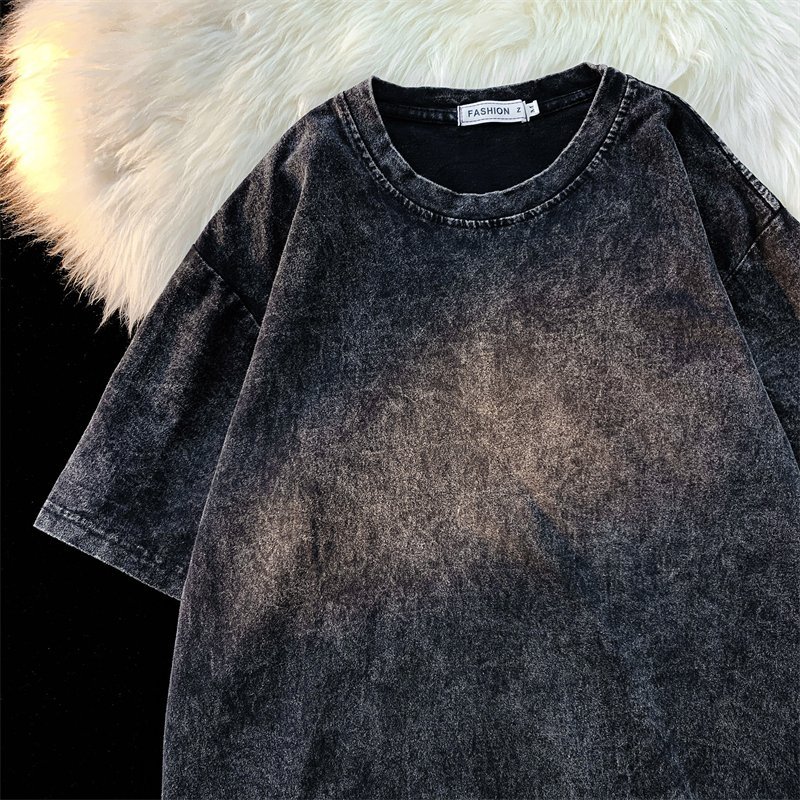
Contact 2–3 shortlisted boxy t shirt manufacturer partners simultaneously and request a proto sample from each. Budget weeks 3–5 for turnaround.
Evaluate construction quality, stitch density (8–10 SPI), and Pantone color accuracy side by side before committing to one vendor.
Fit, Wash, and Drop Testing
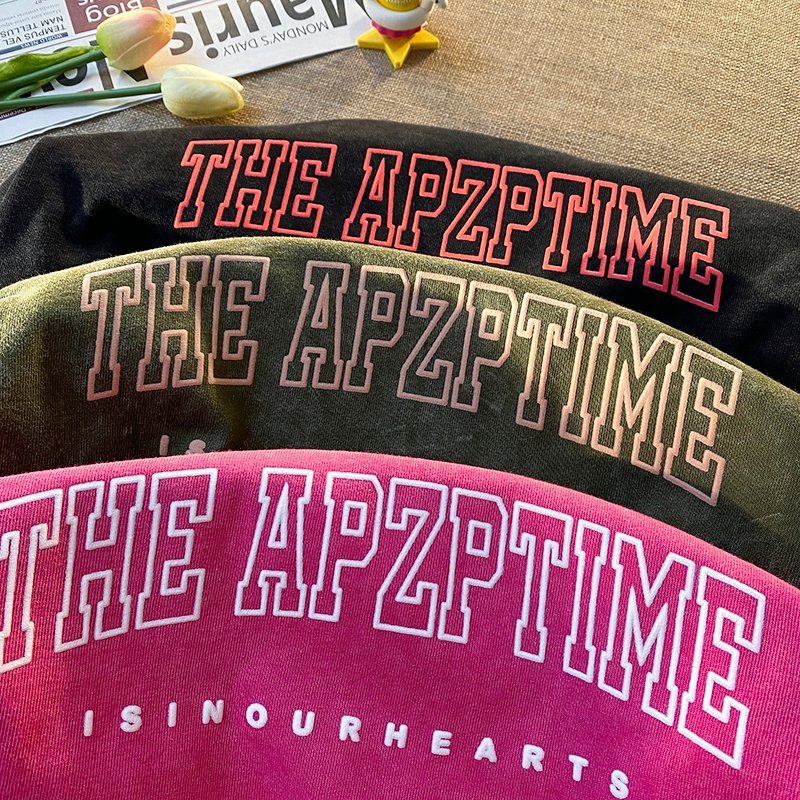
Run fit testing across at least 3 body types and conduct 5-wash shrinkage tests per AATCC 135 standards. Schedule weeks 6–7 for this phase.
Reject samples showing more than 3% dimensional change or visible color fading before approving bulk production.
Pilot Run With In-Line QC Inspection
Place a pilot order of 50–200 units per colorway and expect a 3–4 week production window, landing around weeks 8–11.
Insist on in-line QC at fabric, cutting, and sewing stages — not only a final audit — to catch defects early and avoid costly rework at shipment.
Reorder Triggers and Inventory Planning
Set a reorder trigger when on-hand stock drops to a 30-day supply. From week 12 onward, track sell-through weekly.
Share monthly sales forecasts with your factory to secure fabric allocation and negotiate shorter lead times on repeat runs.
10. Pricing and Cost Breakdown From a Boxy T Shirt Manufacturer
Unit pricing at a boxy t shirt manufacturer typically spans $6–$18 depending on quantity tier, fabric weight (180–320 GSM), and decoration method — screen print adds roughly $0.80–$2.50 per color per unit, while DTG averages $3–$6 per unit at low volumes.
Fabric choice drives the largest cost swing: a 100% ring-spun cotton blank runs 20–35% less than a 350 GSM French terry or heavyweight fleece blank. OEKO-TEX certified or GOTS organic fabric adds $0.50–$1.20 per unit across all tiers.
Private labels, woven neck tapes, and custom polybag packaging combined add $0.30–$0.80 per unit. Sea freight from Dongguan to the US West Coast runs $0.40–$1.20 per unit at full-carton quantities; air freight triples that figure.
| Quantity Tier | Est. Unit Price (USD) | Typical Lead Time | Recommended Use Case |
|---|---|---|---|
| 50 units | $14–$18 | 18–22 days | Sampling / capsule drops |
| 100 units | $11–$14 | 15–20 days | Brand launch / test run |
| 300 units | $9–$11 | 14–18 days | Small seasonal collection |
| 500 units | $7.50–$9 | 12–16 days | Growth-stage reorders |
| 1,000+ units | $6–$7.50 | 10–15 days | Scaled wholesale / retail |
Work With a Trusted Boxy T Shirt Manufacturer Today
Request a free quote, submit your tech pack, and let our 5-step QC process bring your collection to life.