
Premium 240gsm T-Shirt Manufacturer for Global Streetwear Brands
As a dedicated 240gsm t shirt manufacturer, we combine a 5-step QC guarantee, low MOQ, and fast sampling to power streetwear labels, startups, and influencer brands worldwide.
Our 240gsm T-Shirt Collection
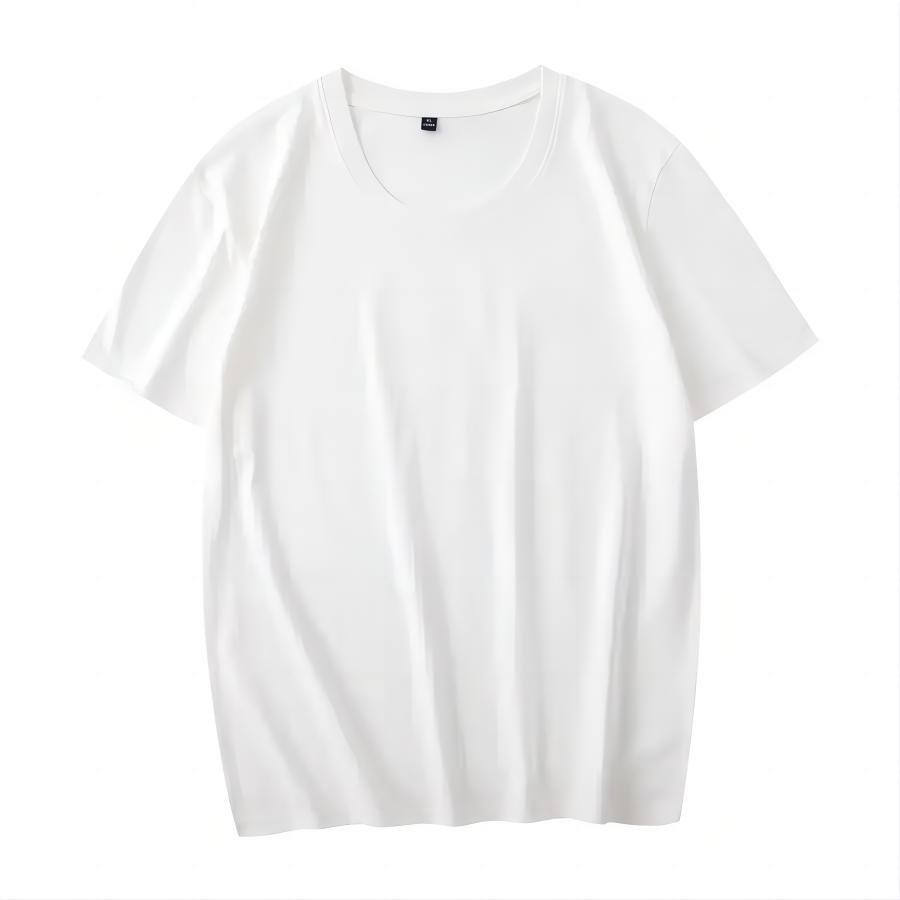
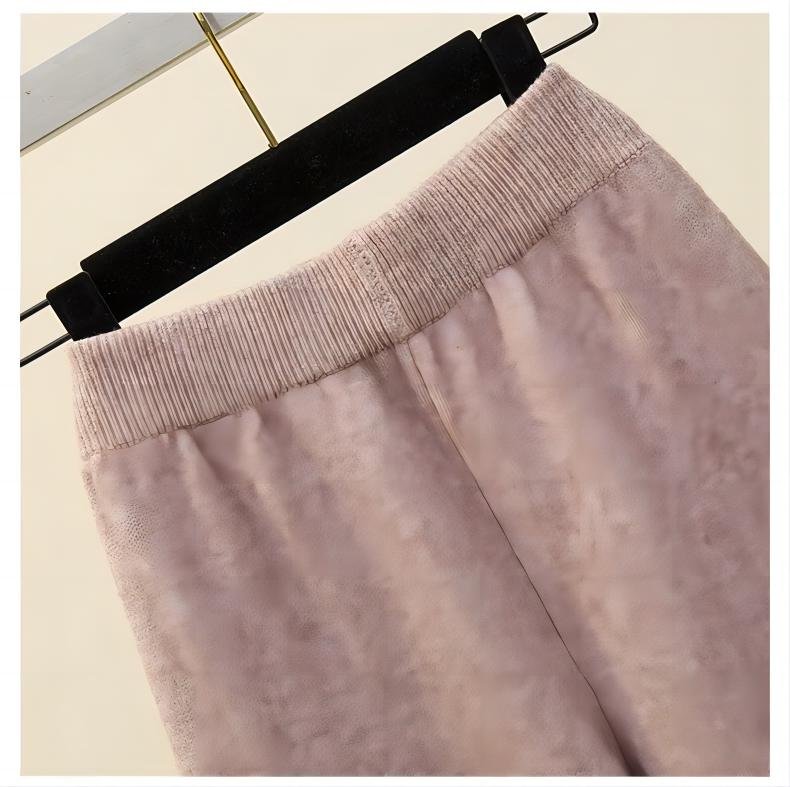
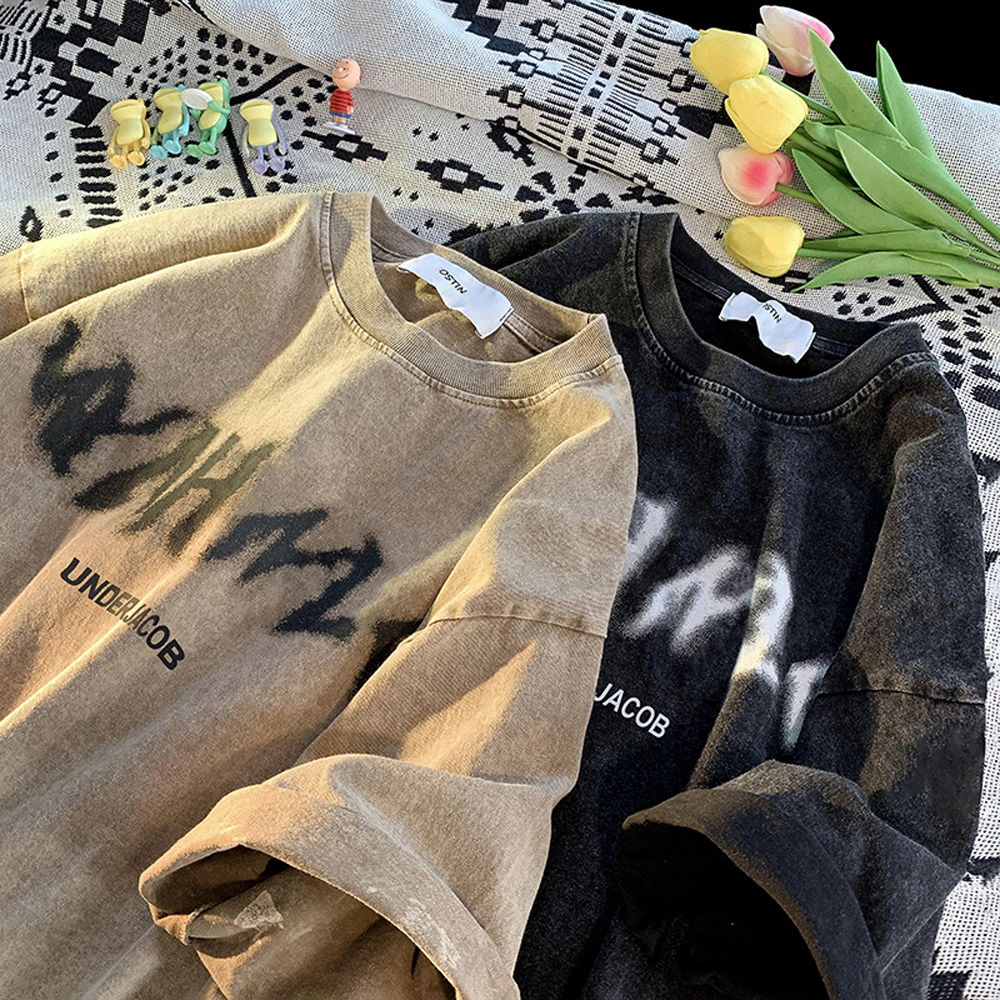
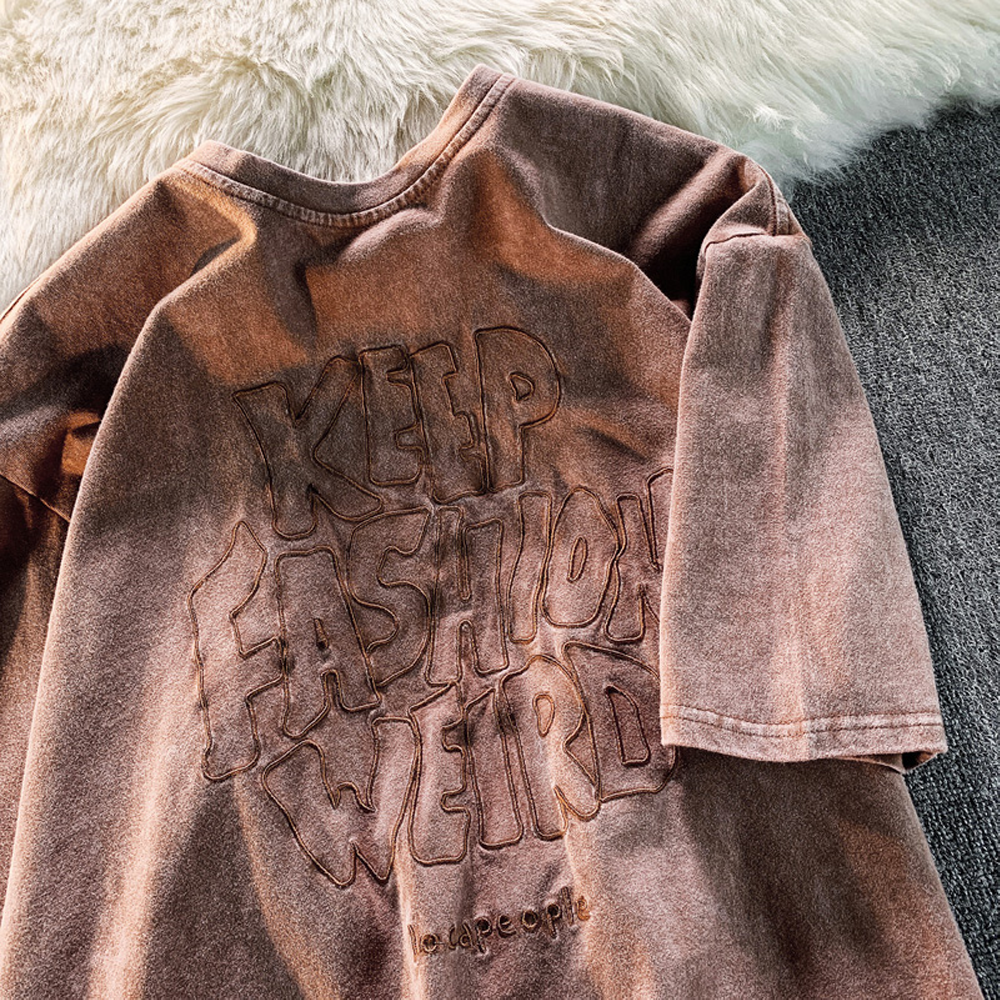
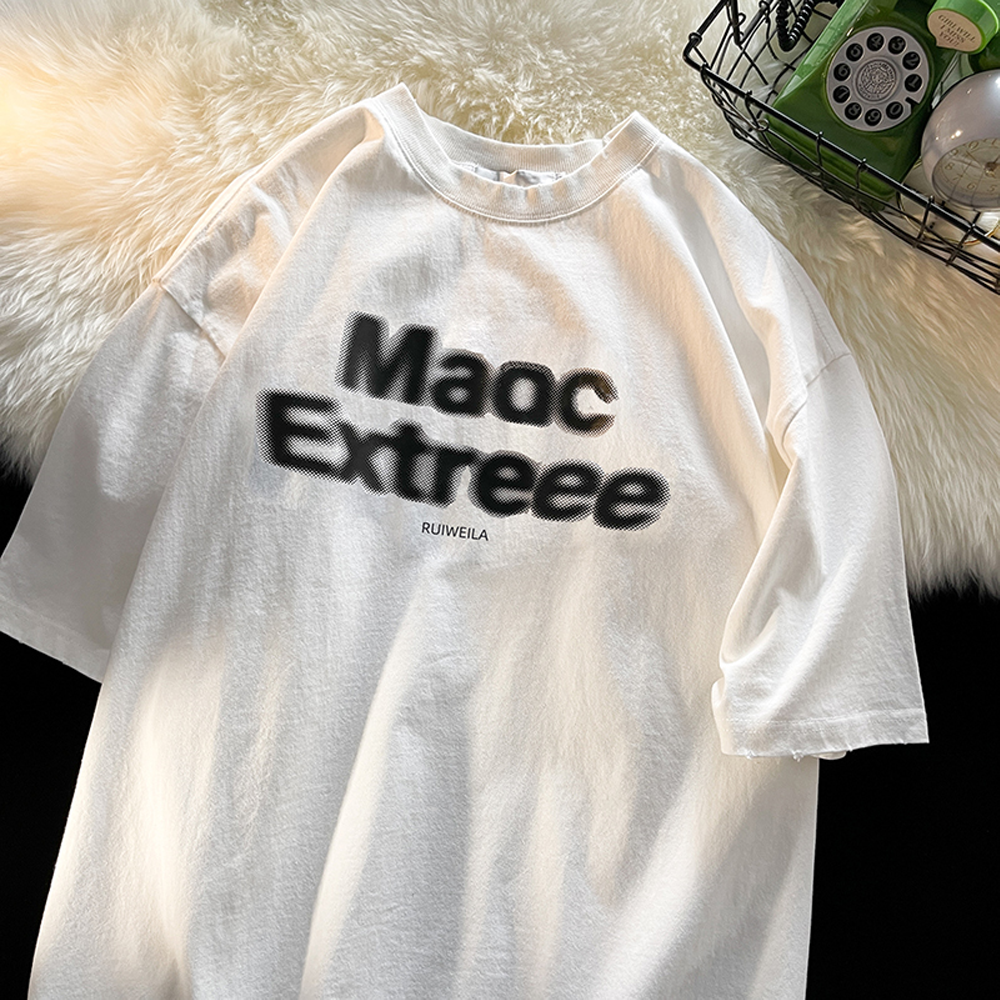
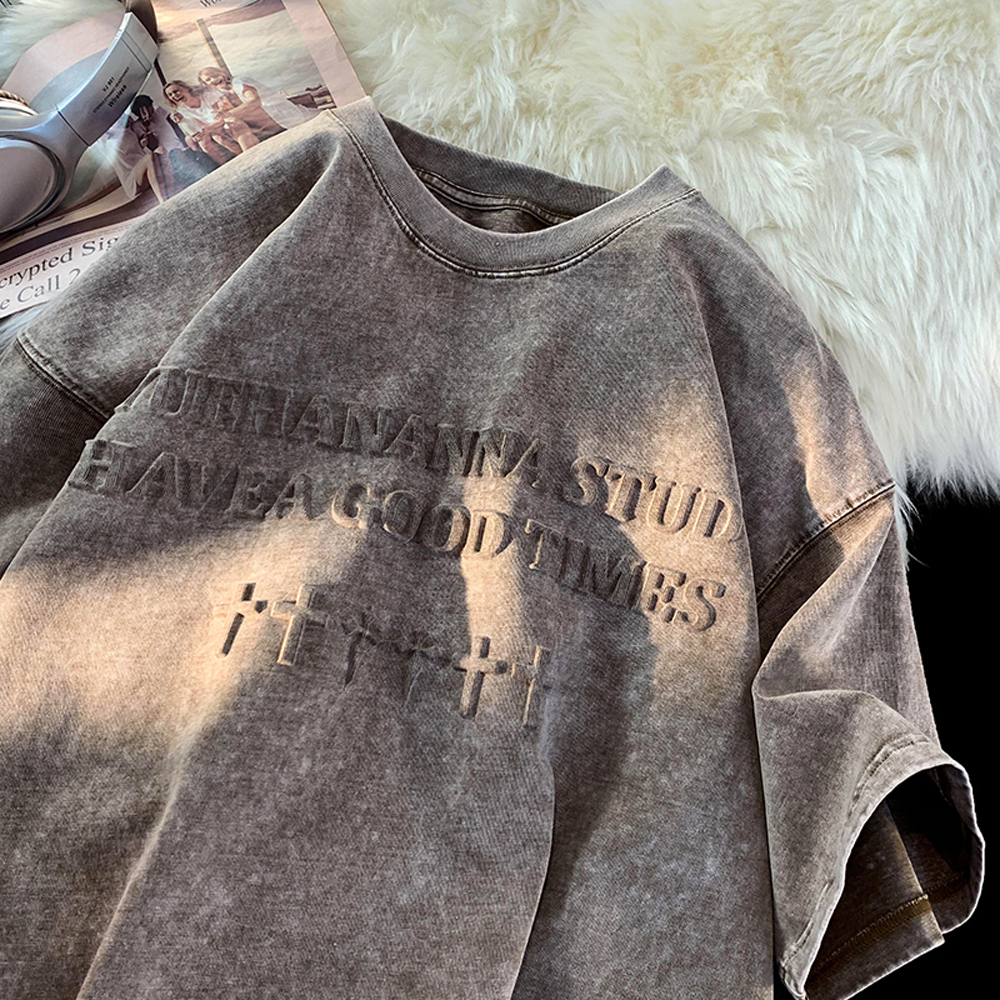
The 240gsm T-Shirt Manufacturer Built for Streetwear Brands
Six reasons premium labels and rising startups choose Clothing Manufacturer Ltd over commodity suppliers.
Proprietary 5-Step QC Process
Quality checks embedded at every stage — materials, cutting, crafting, sewing, and final inspection — so defects never reach your customers.
Low MOQ for Emerging Brands
Launch your first streetwear drop without factory-scale commitments. Our low minimums let startups move fast and test the market.
Fast Sampling, Faster Turnarounds
Our in-house sampling team delivers prototypes quickly, keeping your seasonal collections on schedule and competitive in trend-driven markets.
In-House Design & R&D Team
A 15-member R&D team backed by 10 patents handles everything from streetwear-specific graphics to precision pattern development.
Premium 240gsm Fabric Selection
Carefully sourced heavyweight cotton and blends deliver the structure, drape, and durability that discerning streetwear buyers demand.
Global Shipping & Logistics Support
End-to-end logistics coordination across 100-plus countries, handling customs, inspection, and delivery so your brand ships without friction.
240gsm T-Shirt Solutions for Every Brand
From first-run independents to scaling global labels, our capabilities as a dedicated 240gsm t shirt manufacturer are built to flex with your brand at every stage of growth.
Independent Streetwear Basics
Launching your first collection with limited capital means most factories demand minimum orders that drain your budget before a single tee reaches customers or proves the market.
Low-MOQ runs on premium 240gsm fabric, fast sample turnarounds, and our 5-step QC guarantee mean you launch confidently without overcommitting inventory or compromising on the quality your customers expect.
Oversized Seasonal Drop Brands
Seasonal hype windows are unforgiving — slow sample approvals and production delays kill your drop's momentum right when your audience is most engaged and ready to buy.
Rapid sampling and streamlined production of heavyweight 240gsm oversized tees ensure your seasonal drop ships on schedule, delivering the boxy silhouette and premium weight your streetwear audience demands.
Custom Graphic Print Collections
You have bold streetwear graphics — skulls, roses, dark motifs — but most manufacturers lack the cultural fluency and print precision to execute your vision without color distortion or warped artwork.
Our in-house design and sampling team reproduces your artwork on 240gsm blanks with exacting color accuracy, validated at every production stage through our 5-step QC before anything ships.
Influencer Limited Edition Drops
Influencer drops live or die in 72 hours — a delayed shipment or inconsistent quality run in front of thousands of followers destroys brand trust you spent years building.
Fast-turn limited runs on premium 240gsm tees, backed by our 5-step quality guarantee and global shipping support, ensure every unit is flawless and delivered on time to protect your reputation.
Premium Fabrics From Your 240gsm T-Shirt Manufacturer
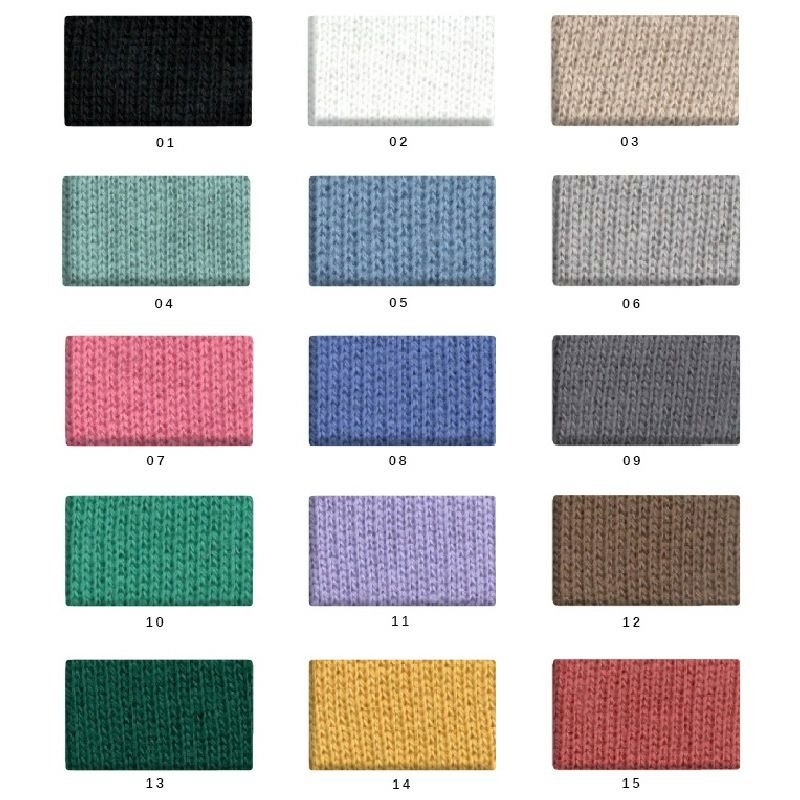
Heavyweight French Terry
A looped-back cotton knit with a smooth face and cushioned interior, ideal for oversized streetwear tees. Sits at a true 240gsm for substantial body and excellent wrinkle resistance through repeated washes.
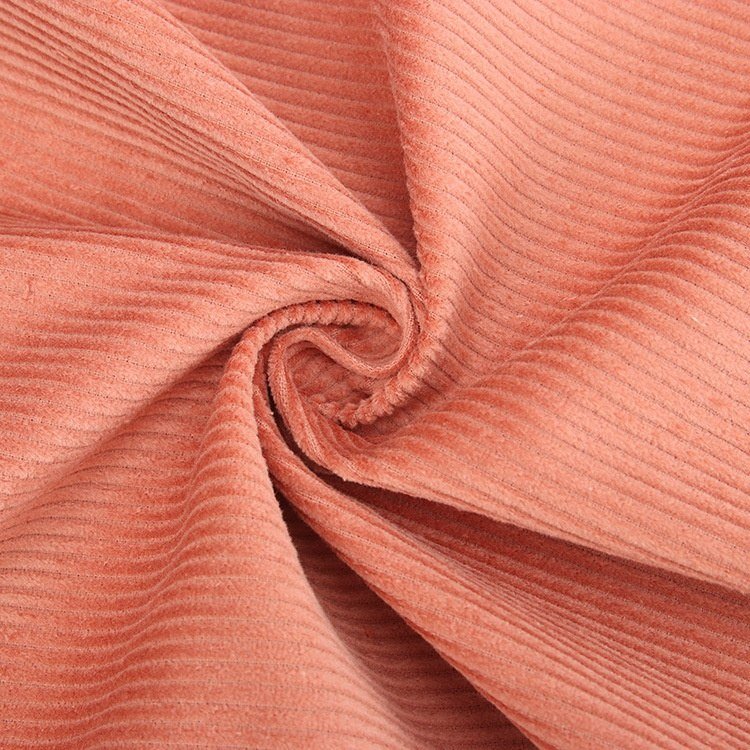
Pique Cotton Knit
Features a distinctive raised waffle texture that enhances breathability and moisture wicking. A go-to for structured streetwear and polo-collar tees, with a firm 240gsm hand-feel that reliably holds garment shape wash after wash.
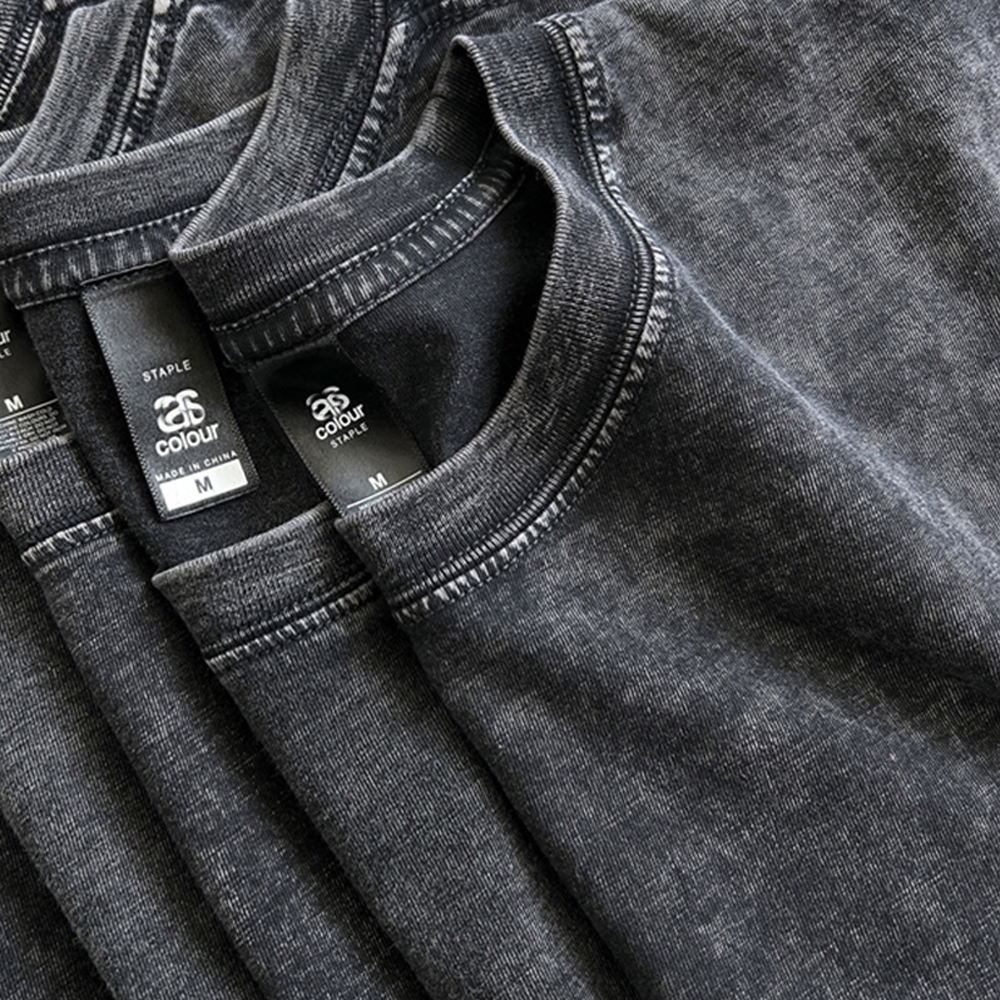
Combed Ring-Spun Cotton
Ultra-smooth single-jersey construction achieved by combing out short fibers for silk-like softness. Ideal for print-forward streetwear tees demanding crisp graphic detail retention, with a dense 240gsm weight that resists pilling over time.
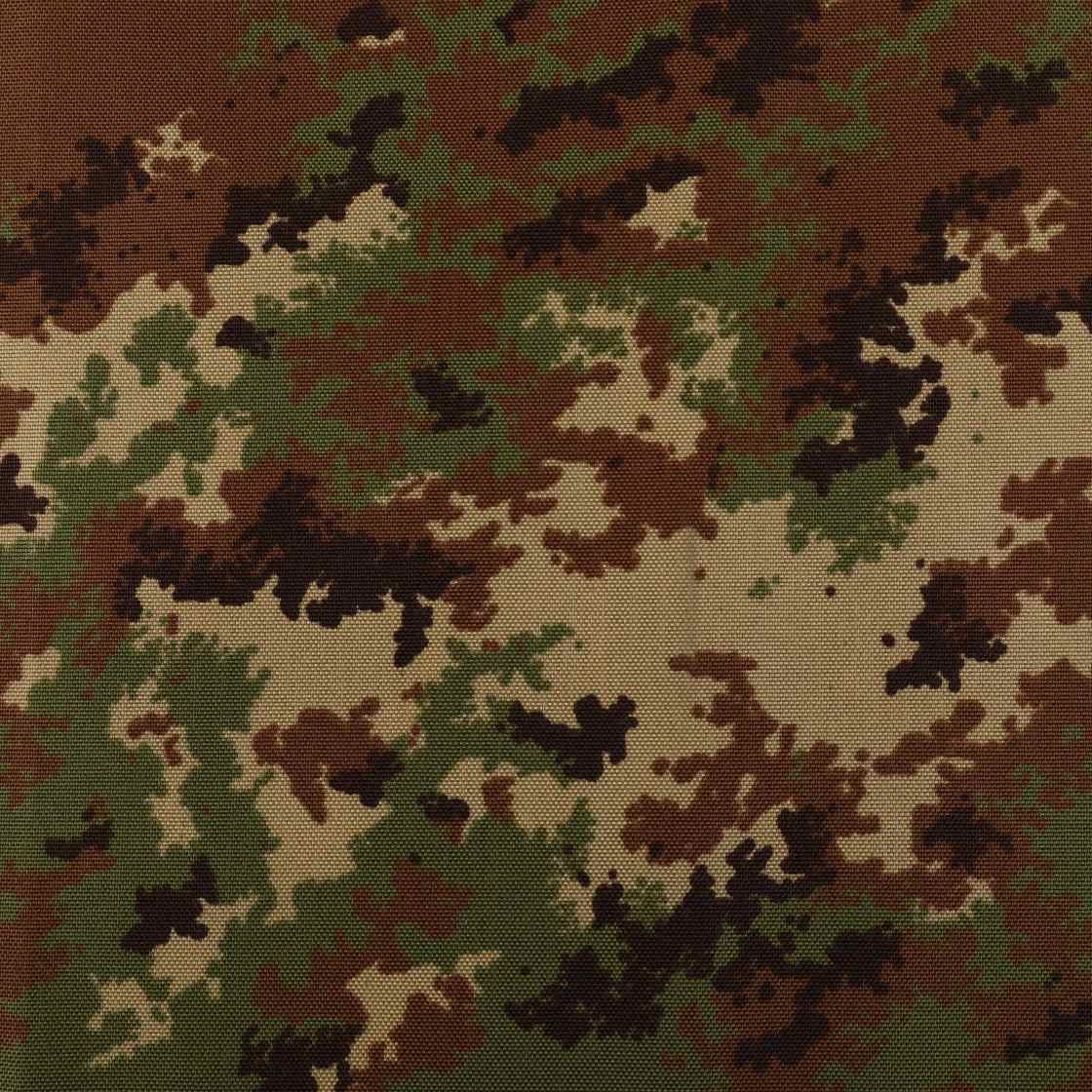
Cotton-Polyester Blend
A 60/40 cotton-polyester mix combining natural breathability with enhanced dimensional stability. Resists shrinkage and color fade through repeated washing — ideal for high-volume influencer drops and retailer basics at 240gsm.
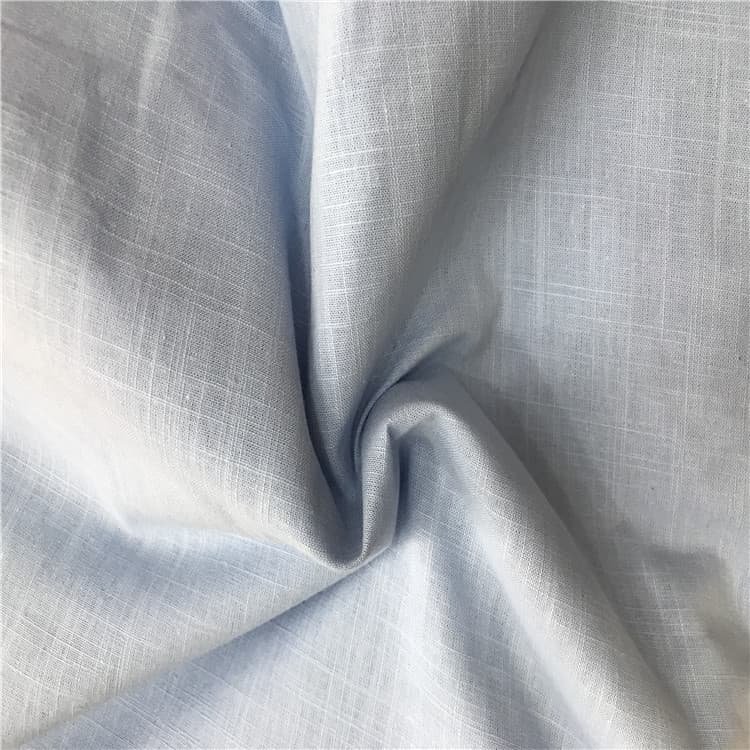
Slub Cotton Jersey
Intentional yarn irregularities create a subtle, artisanal surface texture that instantly elevates casual streetwear silhouettes. Despite its full 240gsm density, slub jersey drapes with a relaxed, lived-in feel beloved by independent designers.
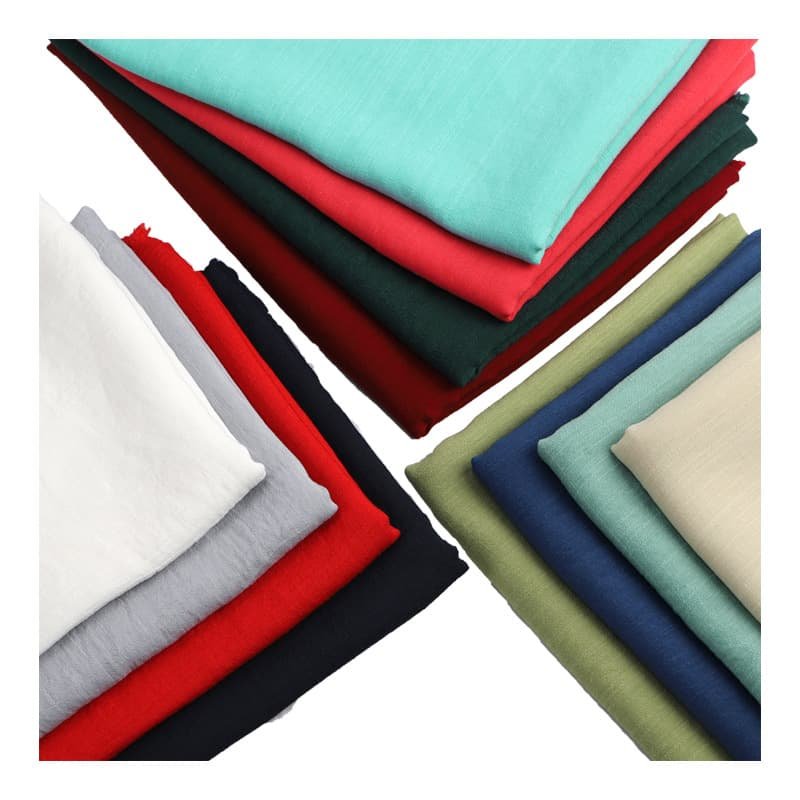
Tri-Blend Jersey
A cotton, polyester, and rayon blend engineered for ultra-soft drape and four-way stretch. Its heathered surface makes vintage-washed graphics pop — perfect for creator-brand tees demanding standout retail presence at 240gsm.
Printing & Finishing Techniques From Your 240gsm T-Shirt Manufacturer
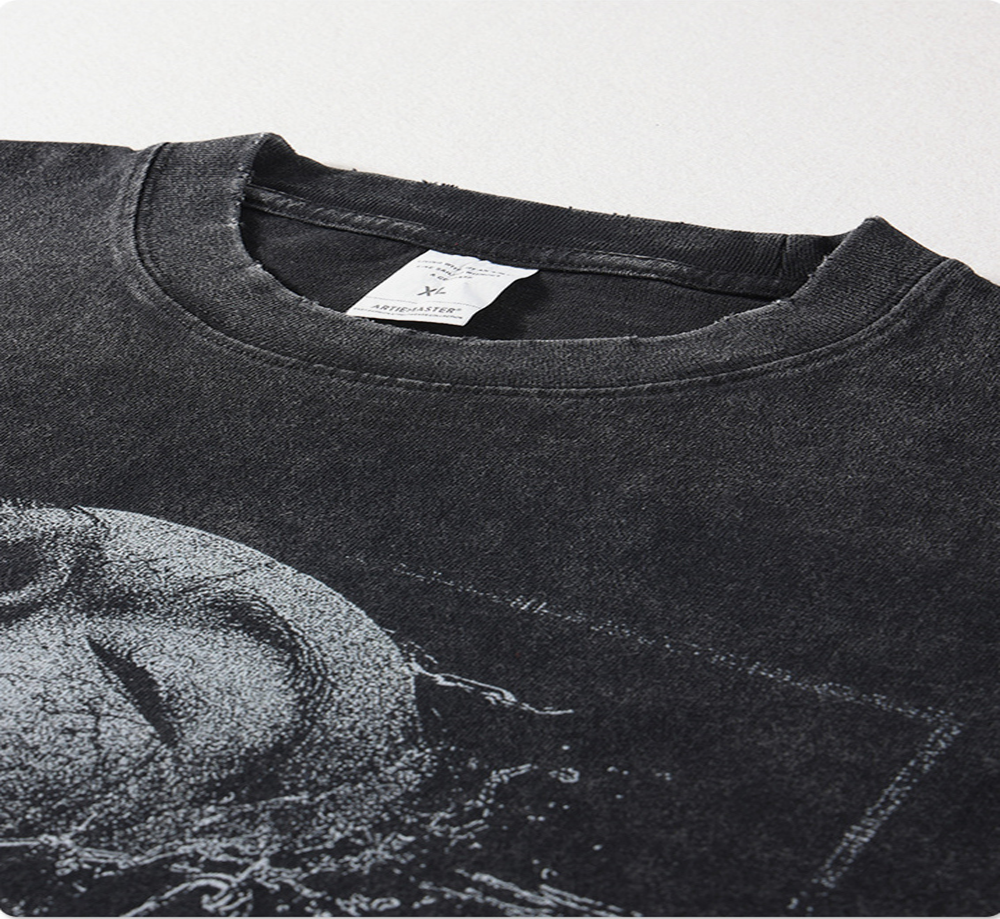
Screen Printing
Traditional ink-on-mesh technique delivering bold, opaque color blocks with exceptional wash durability. Ideal for large streetwear graphic runs, logos, and text-based designs demanding vibrant, consistent coverage across every tee.
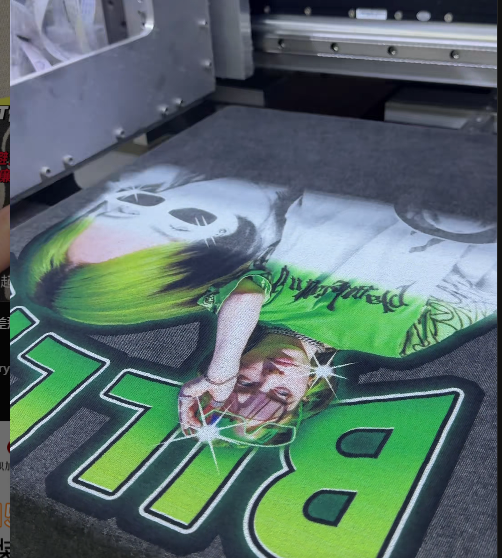
DTF Printing
Direct-to-film transfers lay down full-color, photo-realistic artwork with ultra-fine detail and a soft hand feel. Perfect for complex streetwear graphics, gradient designs, and small-batch drops with no minimum color restrictions.
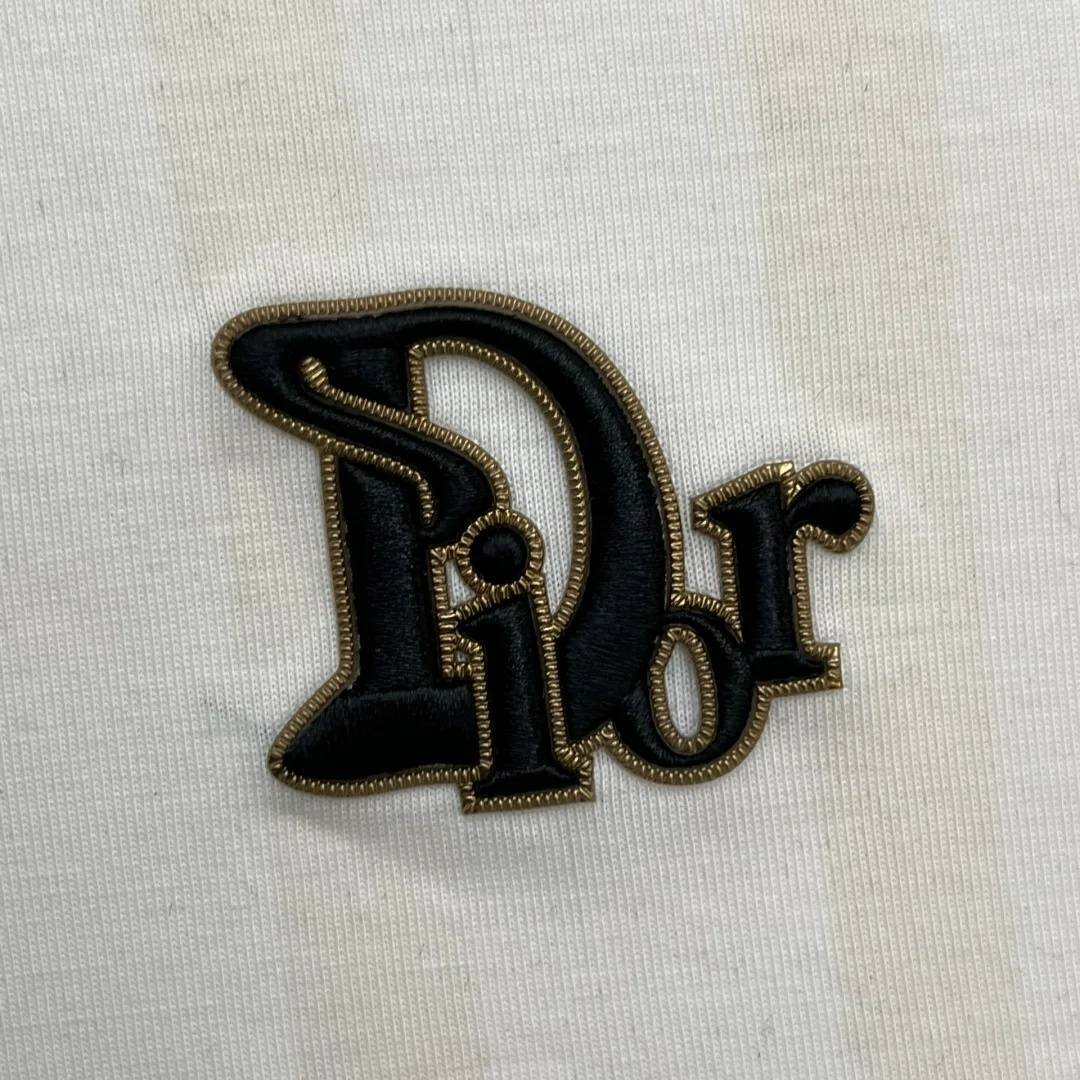
Embroidery
Needle-and-thread construction builds richly textured, raised logo work with premium dimensional depth. Delivers the tactile quality streetwear and influencer brands rely on for chest badges, sleeve hits, and collar branding.
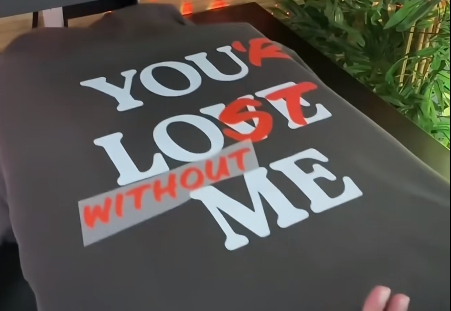
Sublimation Printing
Dye-sublimation bonds ink directly into the fiber for seamless, edge-to-edge coverage without cracking or peeling. Best suited for all-over pattern designs, bold colorways, and expressive streetwear statements on polyester-blend fabrics.
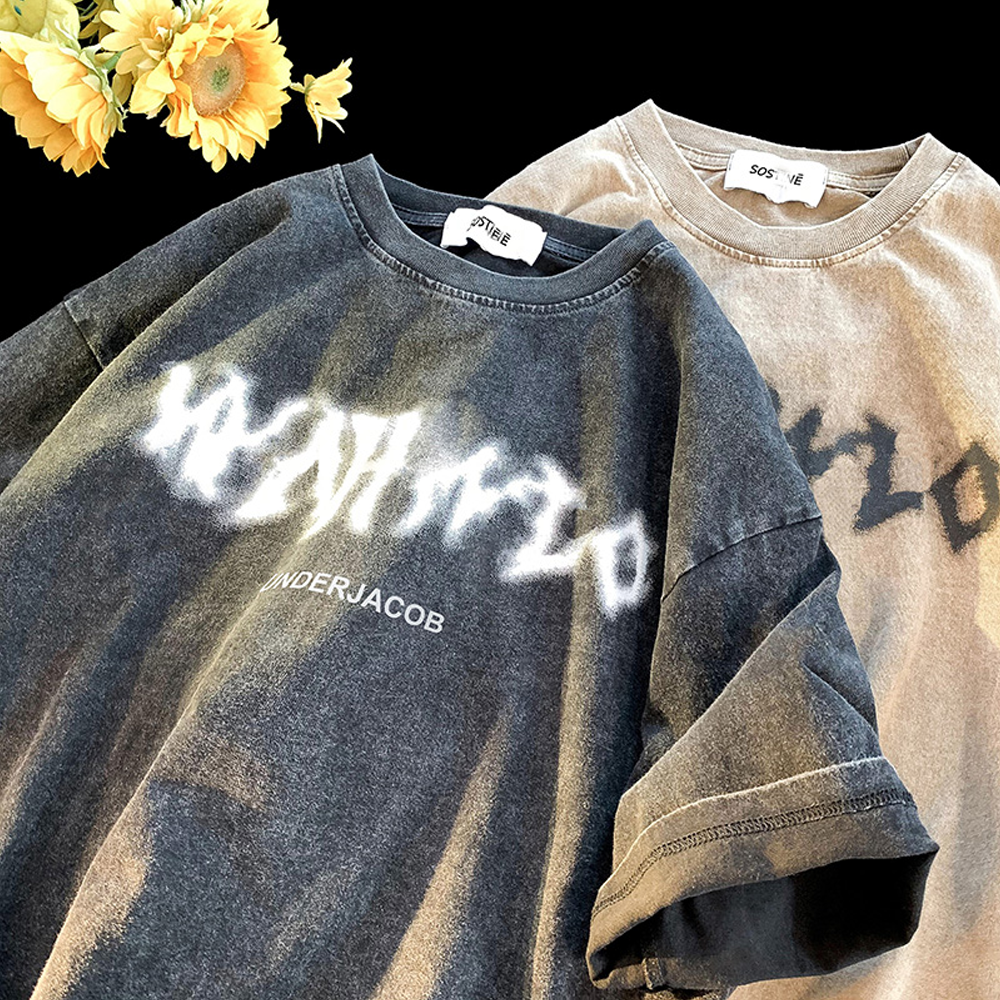
Bio-Washing
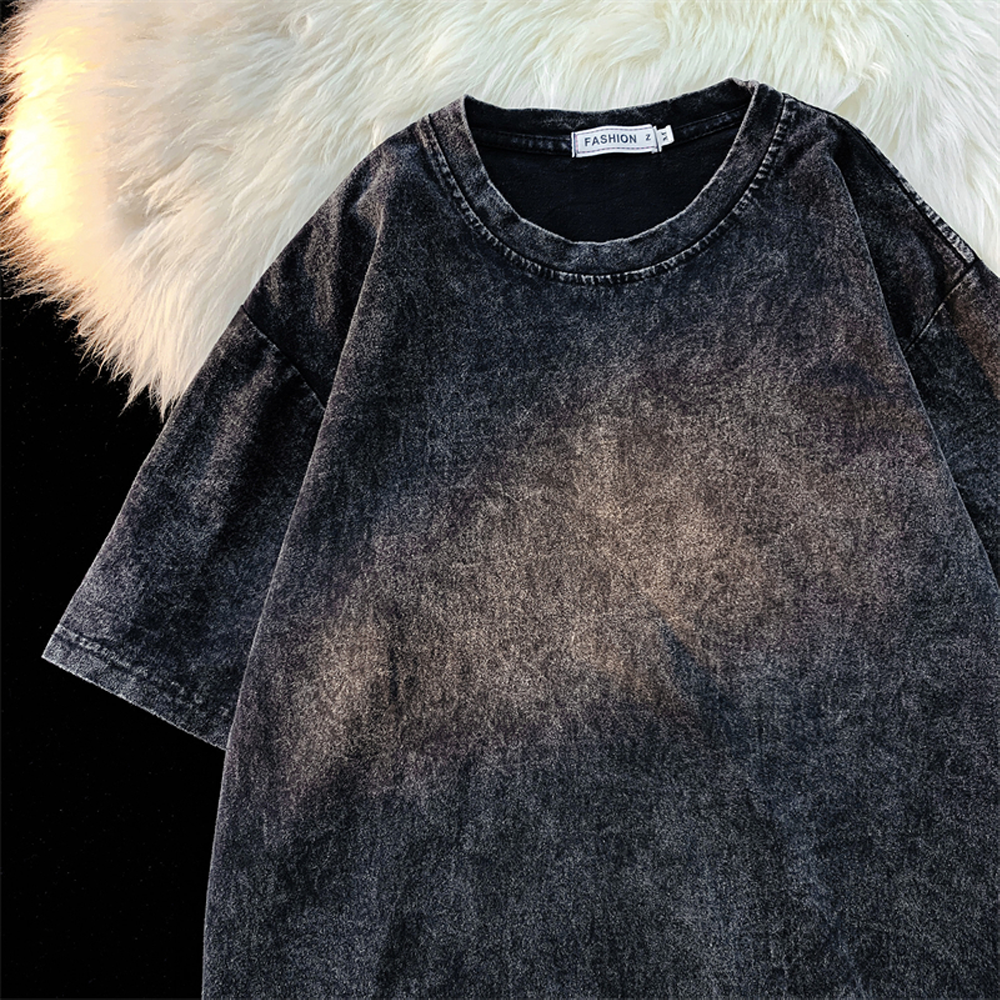
Enzyme and stone-wash finishing softens the hand feel while introducing a naturally worn, vintage aesthetic. Gives streetwear collections that lived-in character consumers seek without compromising the structural integrity of 240gsm cotton.
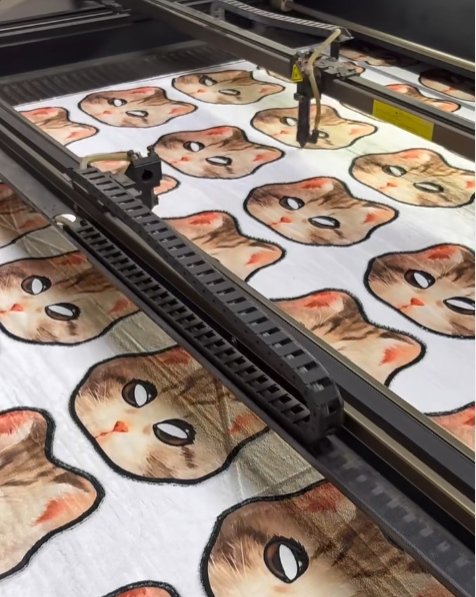
Heat Transfer
Precision heat-applied transfers reproduce intricate multi-color artwork, foil accents, and holographic effects with sharp edge definition. An efficient option for limited-edition streetwear drops and influencer collections demanding maximum visual impact.
Complete Your 240gsm T-Shirt with Premium Labels & Hardware
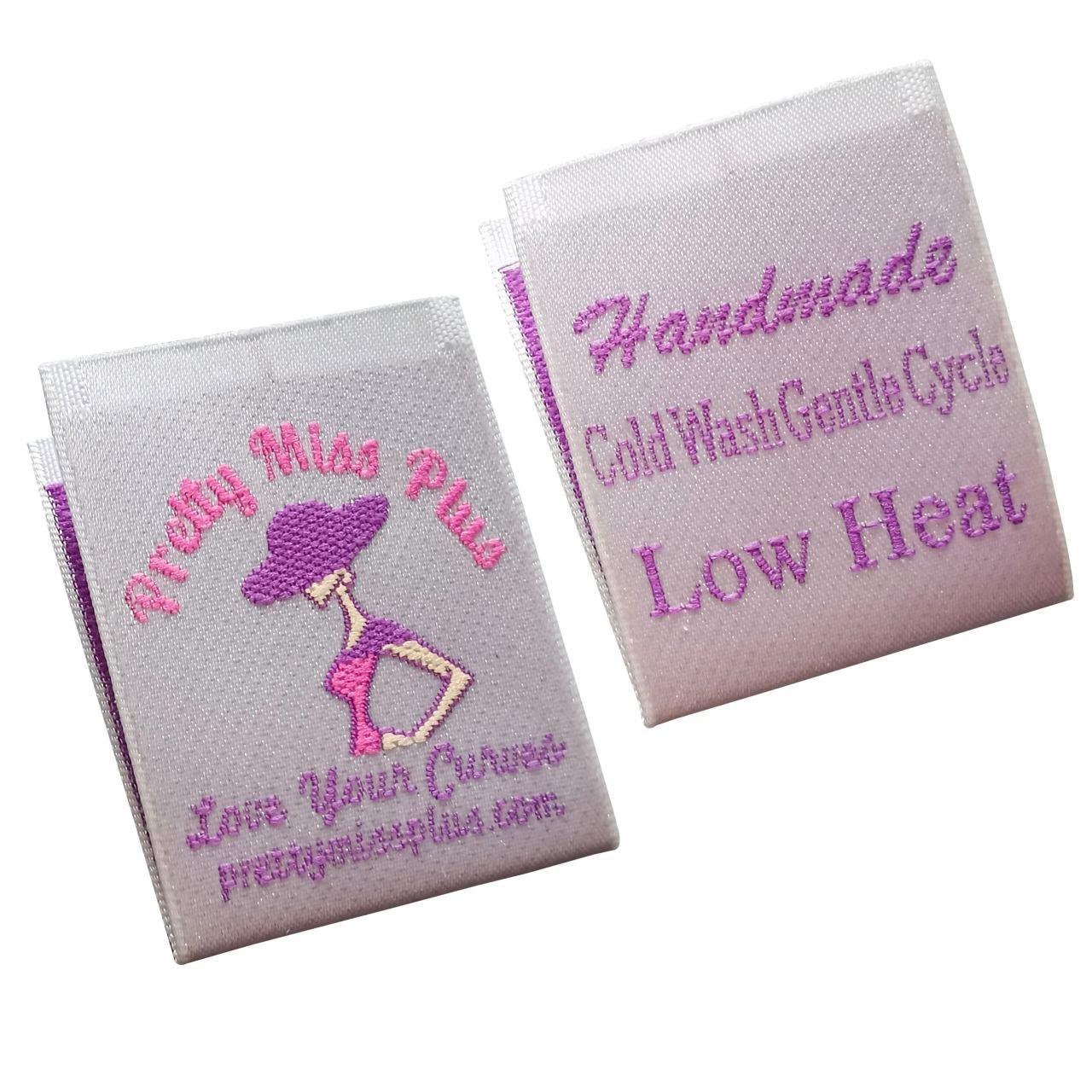
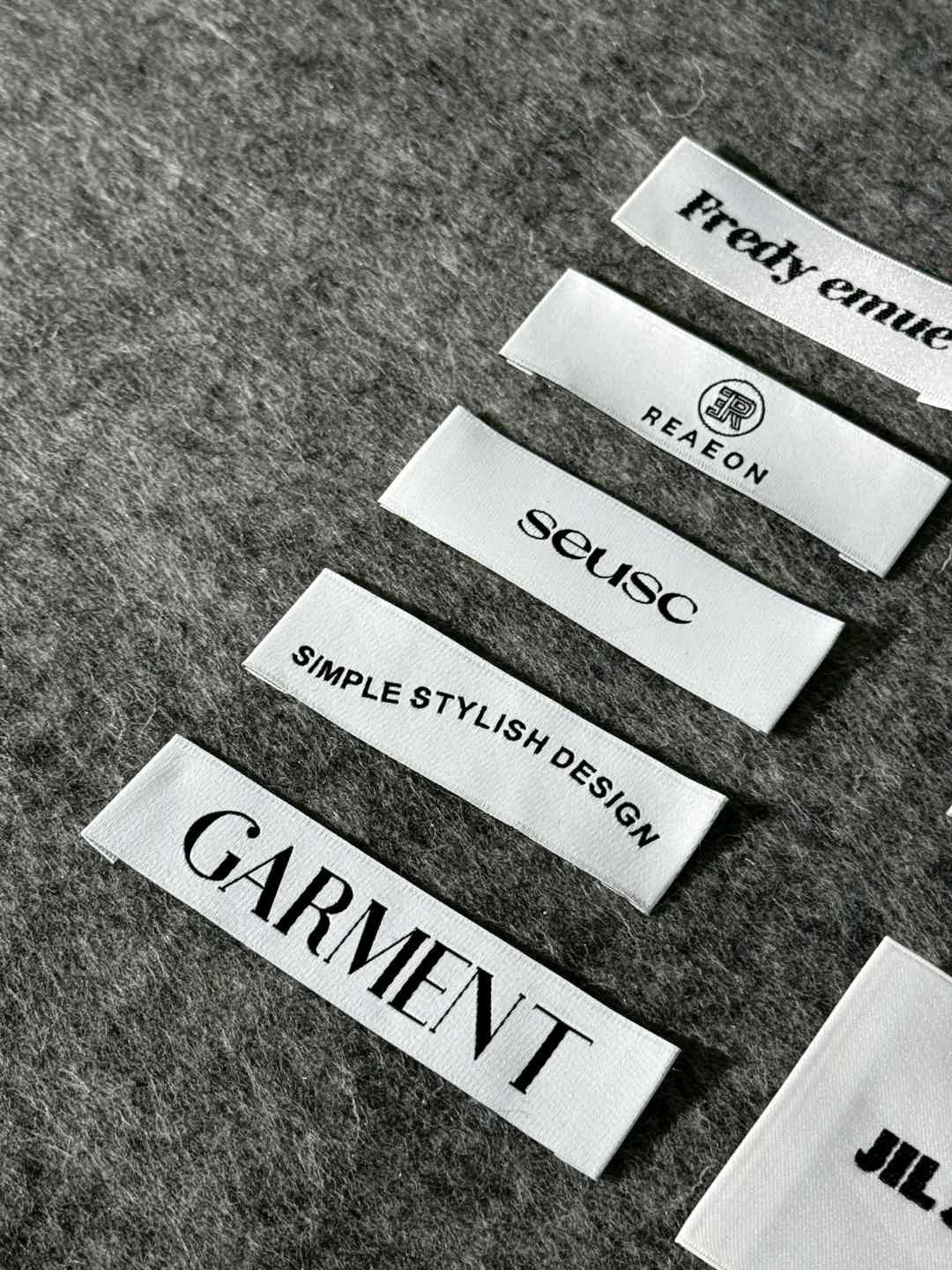
Woven Neck Labels
Custom woven neck labels carry your brand name, logo, and sizing inside every tee. Available in damask or satin weaves with exact Pantone color matching for a consistently premium, retail-ready presentation.
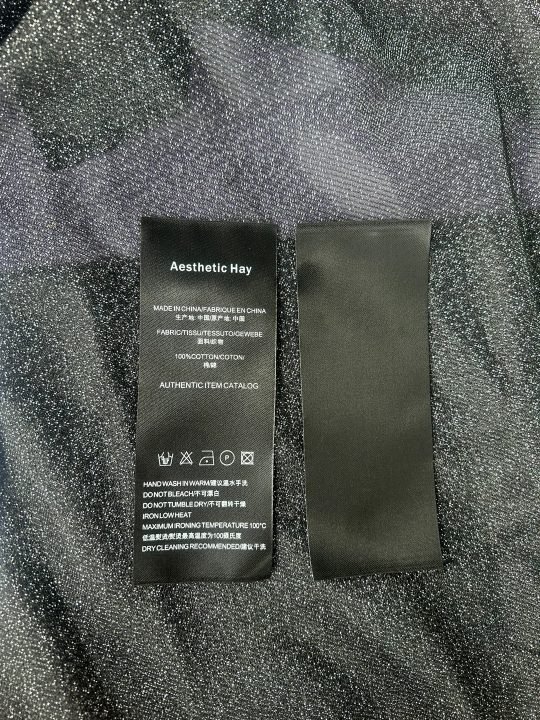
Tear-Away Care Tags
Soft printed tear-away care labels eliminate collar discomfort while meeting global textile compliance requirements. We print wash instructions, fiber content, and country-of-origin data directly for a clean, regulation-ready finish on every garment.
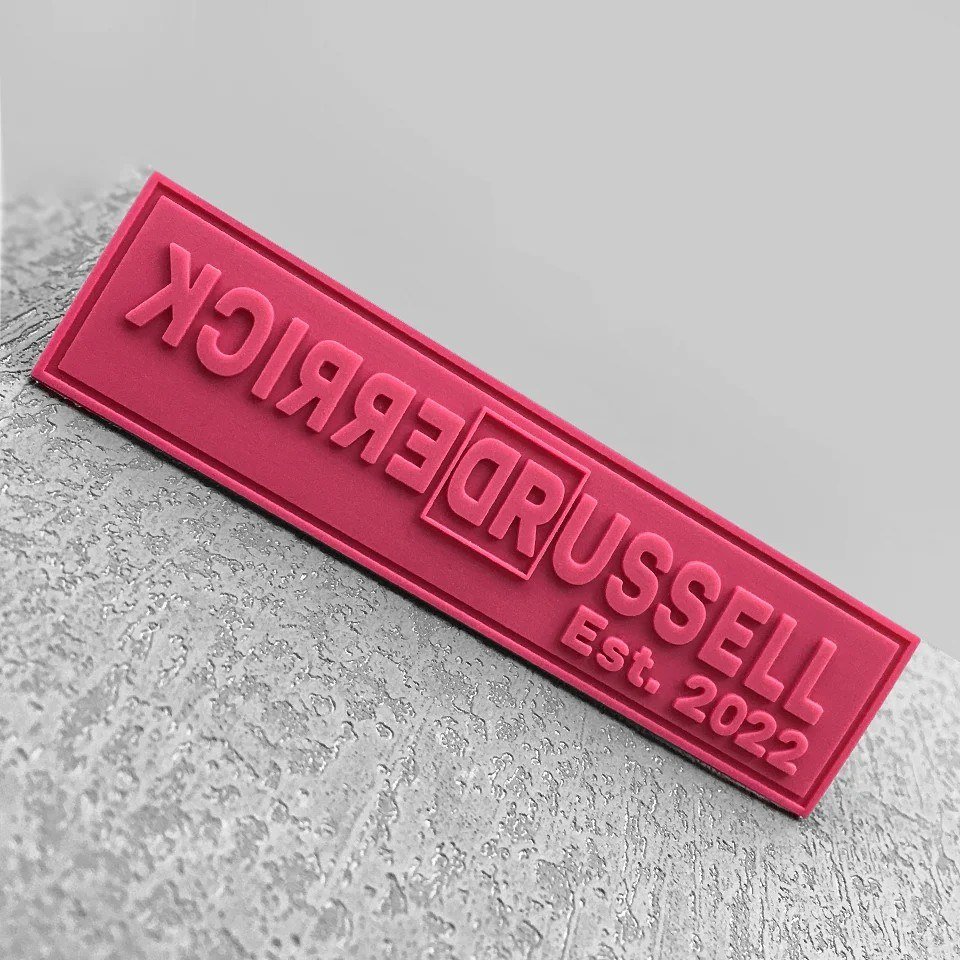
Custom Hang Tags
From minimalist kraft cards to foil-stamped premium boards, branded hang tags communicate your story at retail. Die-cut shapes, barcode printing, and ribbon attachments are available for a polished, shelf-ready presentation buyers instantly recognize.
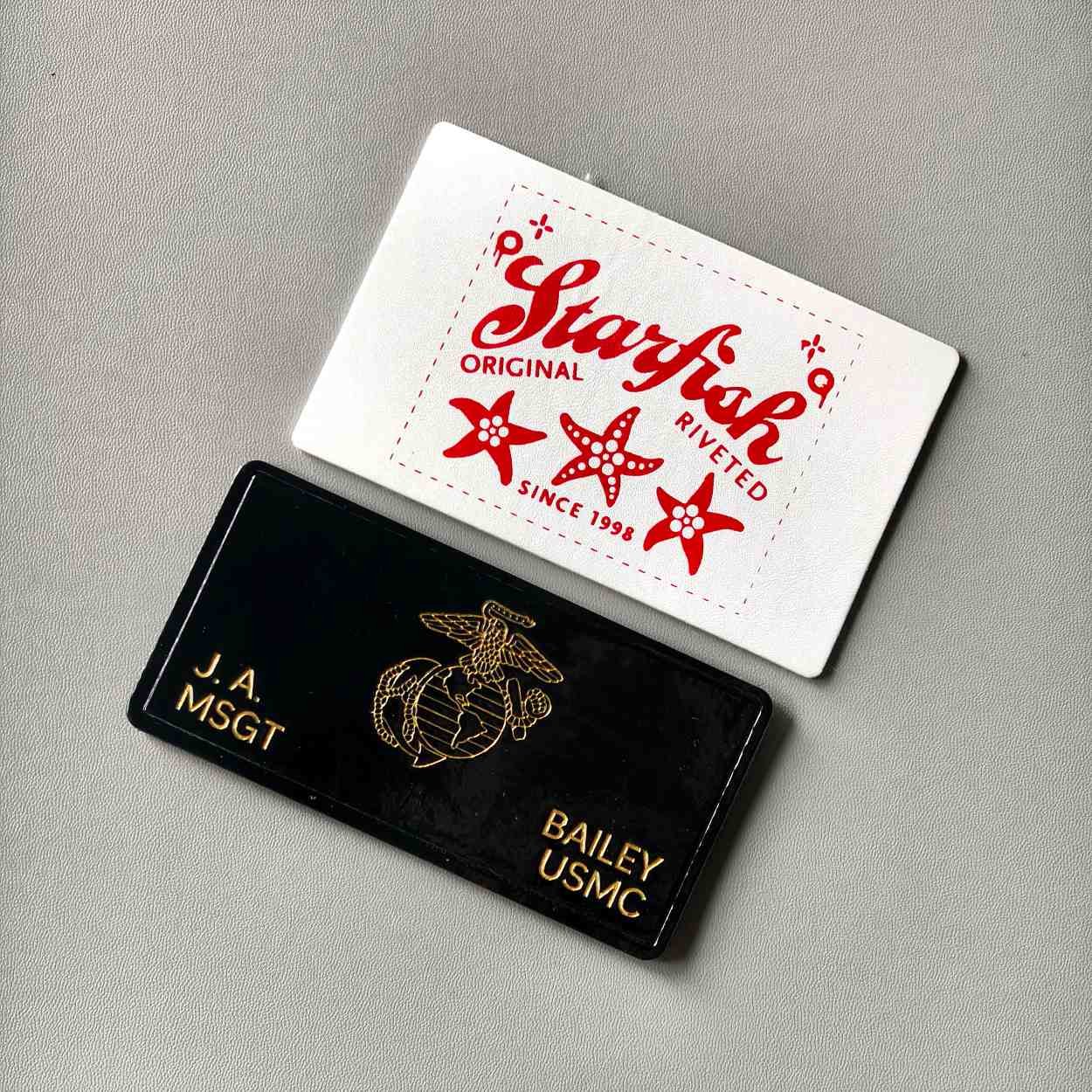
Hem & Side Labels
Woven or printed hem labels sewn into side seams or cuffs add a subtle signature streetwear detail. Popular with influencer brands, they reinforce brand identity throughout the garment without cluttering the primary label area.
Embroidered Patches
Sew-on or iron-on custom embroidered patches transform any chest, sleeve, or back panel into a brand canvas. Our in-house design team executes your streetwear graphics with precise thread counts and color-matched embroidery for standout results.
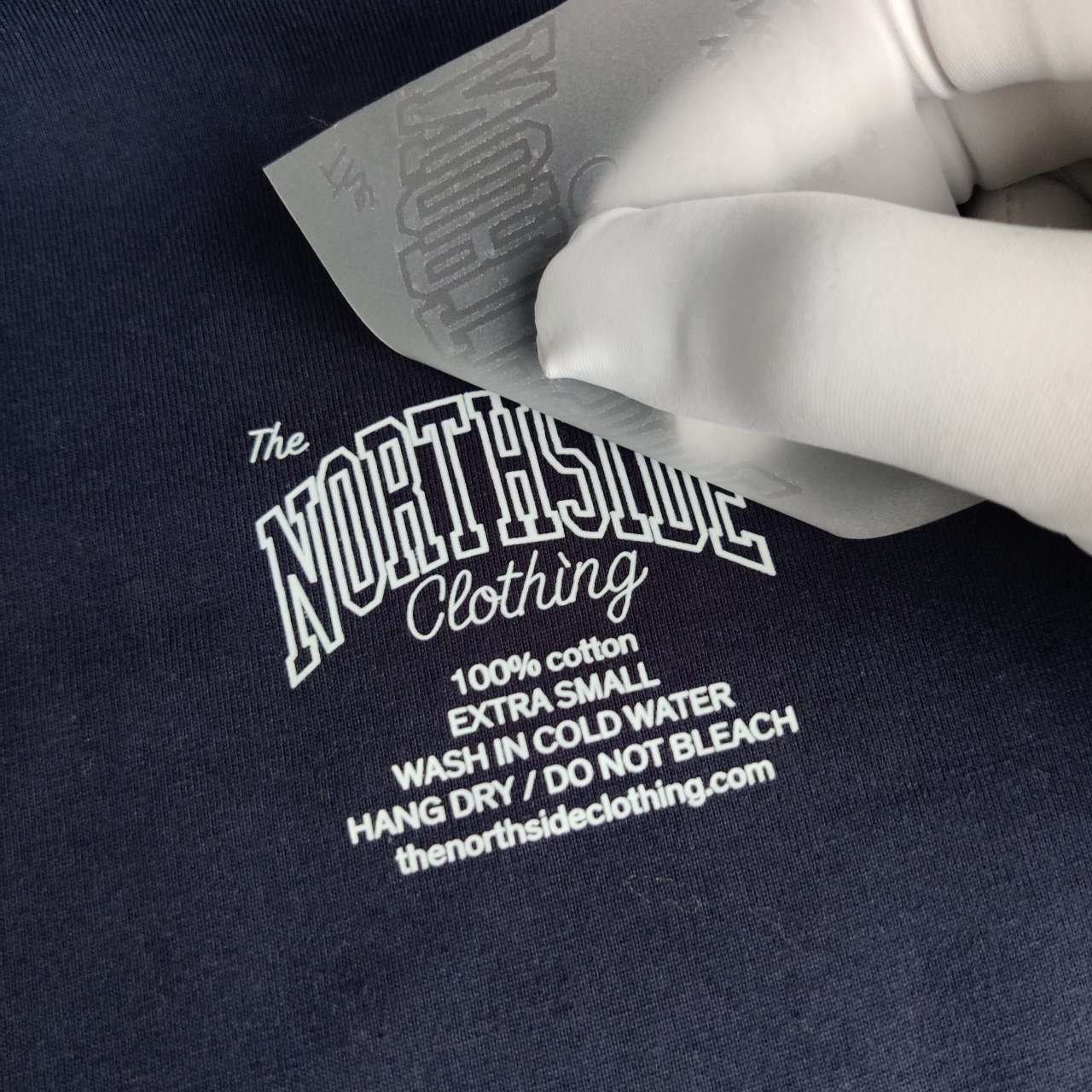
Heat Transfer Labels
Skin-friendly heat transfer labels replace scratchy woven tags at the collar with a smooth, printed finish. Tested for 50-plus wash cycles, they keep your branding sharp and legible through the full garment lifetime.
Built Different: Your 240gsm T-Shirt Manufacturer
Tesla Luo founded Clothing Manufacturer Ltd in 2024 to restore trust in Chinese garment production. With over 10 years of hands-on experience — from childhood summers on Dongguan factory floors to personally serving more than 1,000 international clients — he built this company on a single conviction: quality must be engineered into every stage of manufacturing, not patched on at the end.
Operating from Humen Town, Dongguan — China’s historic garment hub — we leverage the full manufacturing infrastructure of our parent company, Dongguan TuoZhen Clothing Co., Ltd., a 15-member in-house R&D team, and 10 production patents. Since launch we have served customers in more than 100 countries, partnering with streetwear startups, independent designers, global retailers, and influencer brands at every stage of their growth.
What sets us apart as a 240gsm t shirt manufacturer is our proprietary five-step QC methodology — materials, cutting, craft, sewing, and finished-garment inspection — applied at every production stage, not just a final check. Combined with low MOQ options, fast seasonal turnarounds, deep streetwear design expertise, and global logistics support, we are built to take your brand from its very first drop to full-scale production.
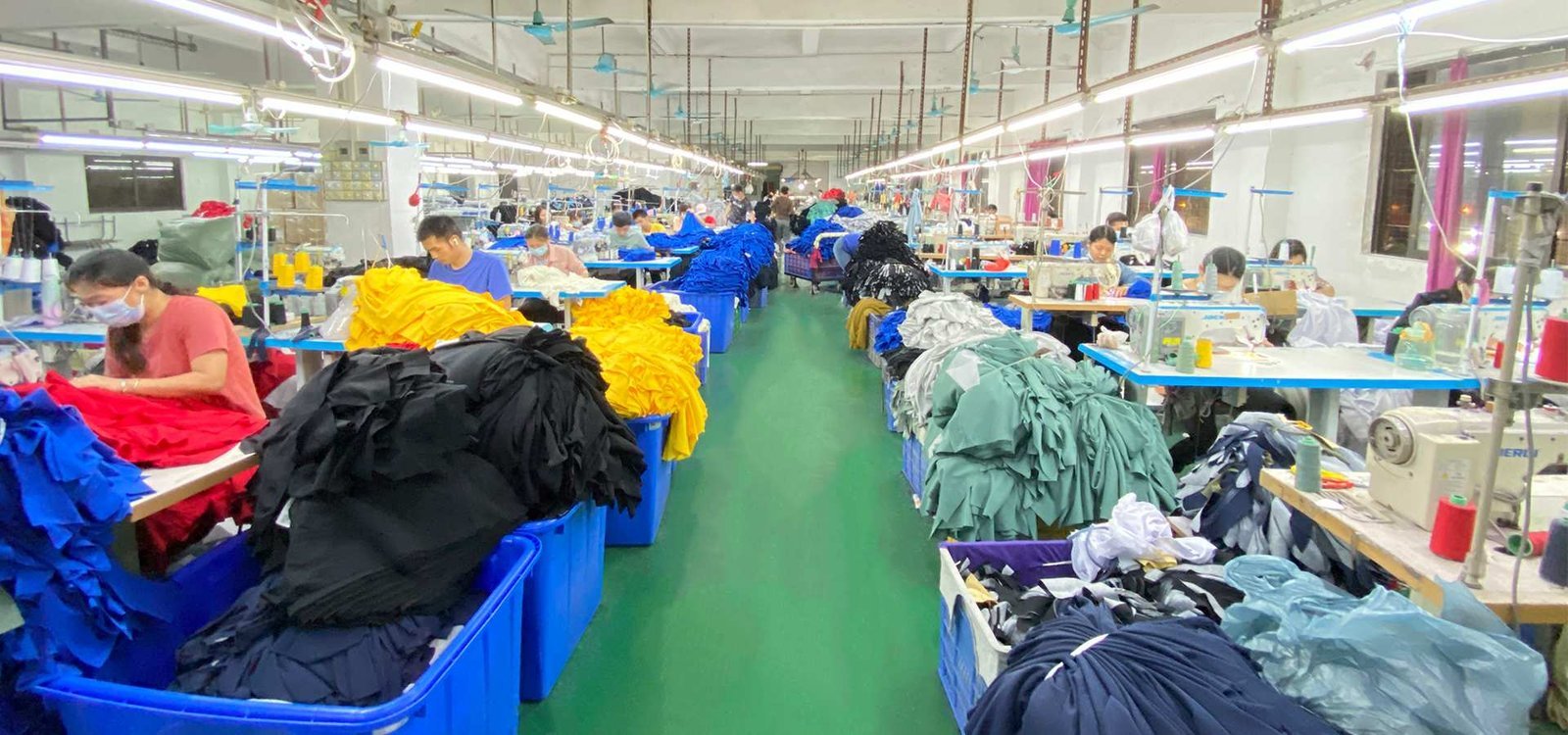
Five-Step Quality Control: The 240gsm T-Shirt Manufacturer Standard
Raw Fabric Vetted Before Production Begins
Every bolt of 240gsm fabric entering our facility is tested for weight consistency, colorfastness, shrinkage tolerance, and tensile strength before a single panel is cut — eliminating defects at their source, not after they are sewn in.
- Weight verification confirms true 240gsm density per square meter on every incoming fabric roll
- Colorfastness testing conducted to international wash and rub-cycle standards before batch approval
- Shrinkage pre-assessment locks in final garment dimensions before any cutting begins
- Hand-feel and weave-structure inspection signed off by senior QC personnel for every fabric type
Precision Cutting and Craft Checked In-Process
Mis-cut panels and craft inconsistencies are the hidden root of most garment defects. Our cutting QC and clothing craft QC testing stages catch alignment errors, seam allowance deviations, and placement issues before sewing locks them in permanently.
- Panel-by-panel alignment verified against approved tech pack dimensions and grain lines
- Seam allowances measured at multiple checkpoints across each size run in the cut order
- Print, embroidery, and embellishment placement confirmed pre-assembly on every colorway
- Craft technique sign-off required before the order advances to the sewing production floor

Live Sewing Floor QC, Zero Defects Passed
Unlike factories that inspect only at the end, our sewing production QC testing embeds inspectors directly on the line, auditing stitch density, seam strength, and finishing quality in real time — correcting issues the moment they surface.
- Inline stitch-density and tension checks performed at every operator station throughout the run
- Seam pull-tests conducted at timed production intervals to verify structural integrity at scale
- Thread trimming and surface-defect audits completed before garments advance to any downstream stage
- Defects tagged and root-cause corrected immediately to prevent volume-level propagation across the batch
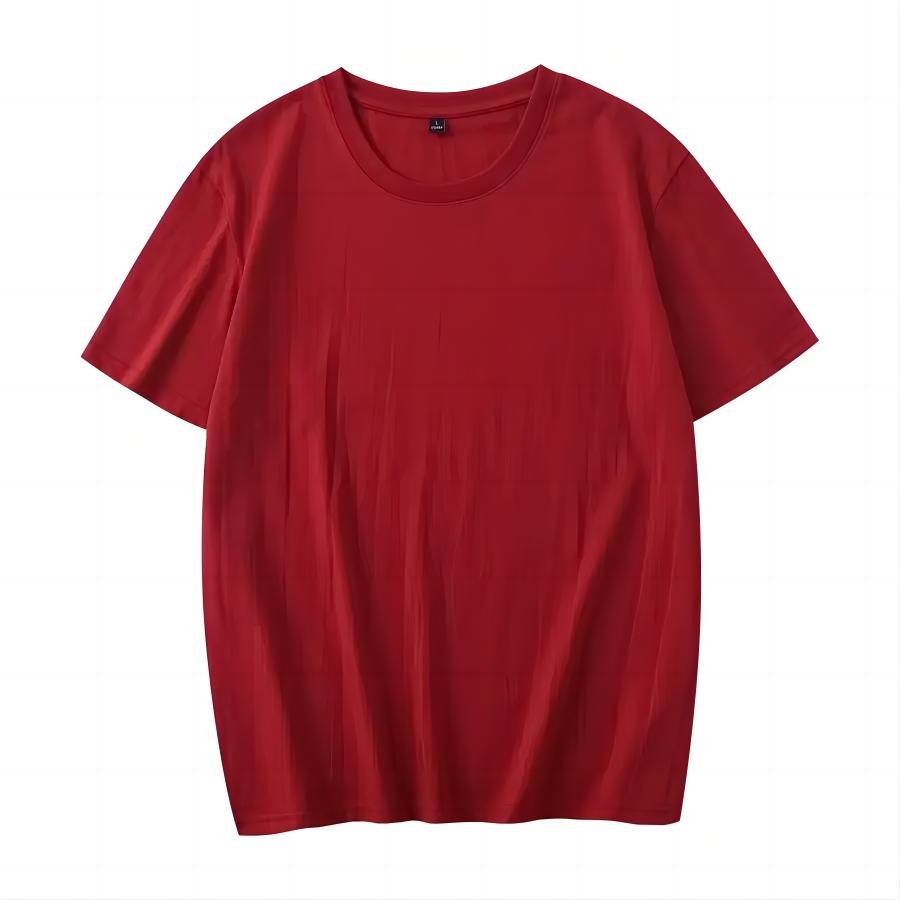
Final Inspection: No Garment Ships Uninspected
Before any order leaves our 240gsm t-shirt manufacturer facility, every finished piece passes a comprehensive inspection covering measurements, appearance, hardware, labeling, and packaging integrity — with full documentation your team can audit from anywhere in the world.
- Full measurement audit against approved size specifications completed for every SKU in the order
- Visual scan for pilling, uneven dye, halo effect, and any loose or missed threads
- Label, hang-tag, and barcode accuracy verified against the confirmed order specification sheet
- Packing list reconciliation and carton-integrity check finalized before shipment is released to logistics
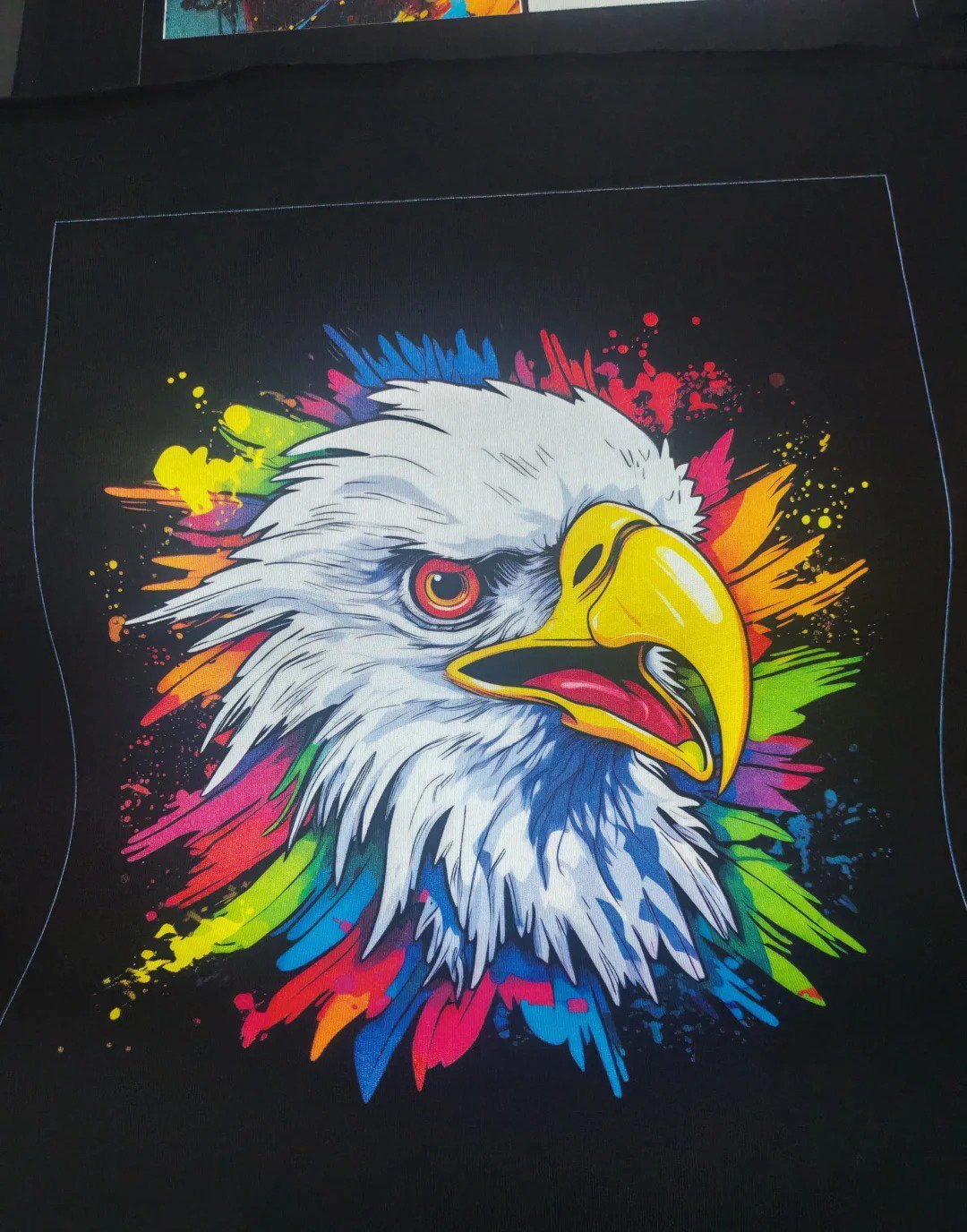
The 240gsm T-Shirt Manufacturer Raising the Industry Standard
Most low-cost suppliers skip quality checks and offer zero design support. Here is how Clothing Manufacturer Ltd compares across every dimension that protects your brand.
← 左右滑动查看 →
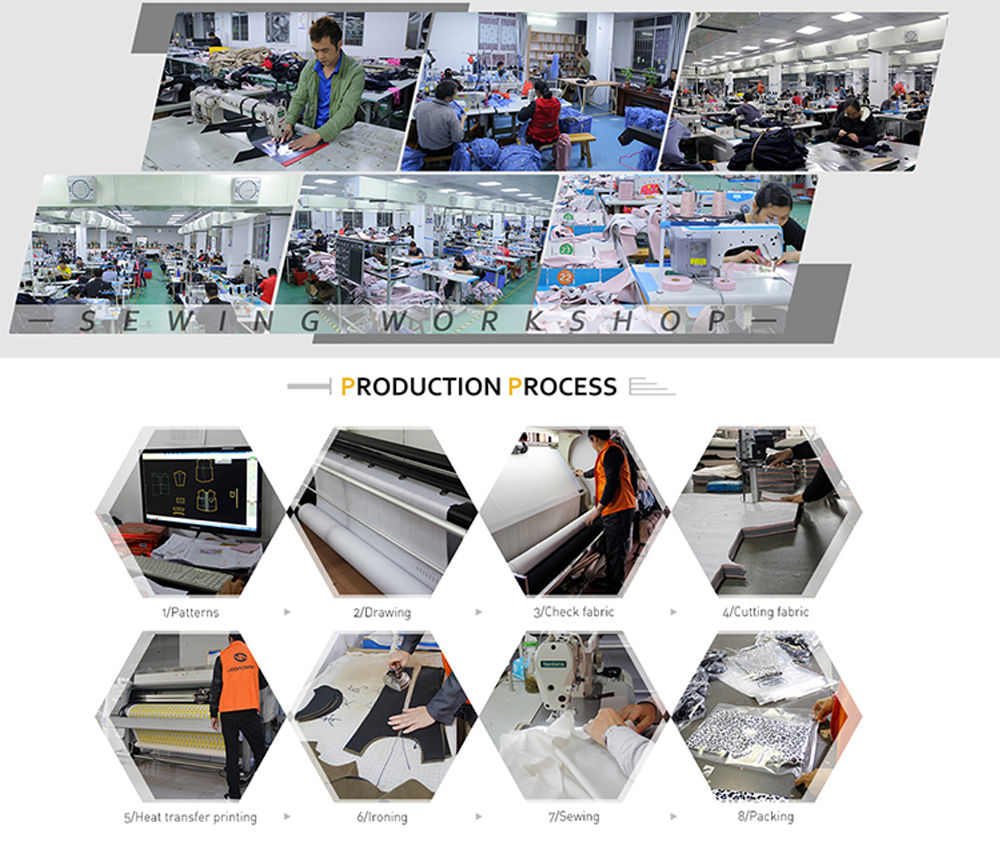
How We Manufacture Your 240gsm T-Shirts
Six transparent stages, five embedded quality checkpoints, and one guarantee: every tee that leaves our floor meets your exact specification.
Fabric & Supplier Sourcing
We select premium 240gsm cotton blends from vetted mills, running materials QC testing before a single yard enters our cutting room.
Precision Cutting & Layout
Panels are precision-cut from approved fabric rolls; our cutting QC step catches misalignments early, protecting every downstream production stage from costly defects.
Printing & Craft QC
Screen printing, DTF, or embroidery is applied and verified under our clothing craft QC test before any garment advances to the sewing floor.
Sewing & Construction
Skilled operators assemble each tee to your tech pack; inline sewing QC keeps stitch density, seam strength, and construction consistent across every unit.
Final Quality Inspection
Every finished garment passes a rigorous five-point QC inspection covering measurements, color accuracy, print registration, stitching integrity, and overall presentation before packing begins.
Packing & Global Shipping
Orders are folded, tagged, and packed to your spec, then dispatched via your preferred freight route with full tracking to over 100 countries.
From Tech Pack to Delivery: Your 240gsm T-Shirt Manufacturer in 5 Steps
A transparent, end-to-end production journey built for streetwear brands, startups, and independent designers — with clear timelines and zero guesswork at every stage.
Submit Your Tech Pack
Share your design files, spec sheets, and fabric preferences. Our team reviews your requirements within 24 hours and confirms production feasibility.
Receive Your Custom Quote
Get a transparent, itemized quote covering fabric, MOQ tiers, and lead times tailored to your budget. No hidden fees, no surprises.
Approve Samples and Refine Design
We produce physical samples for your review. Our in-house design team iterates on every detail until your brand standards are fully met.
Launch Bulk Production
Your approved design enters full-scale production, protected at every stage by our rigorous 5-step QC process from cutting through finished garment inspection.
Ship and Scale Worldwide
Fully inspected garments are professionally packed and dispatched globally, with end-to-end logistics and customs support ensuring on-time arrival at your door.
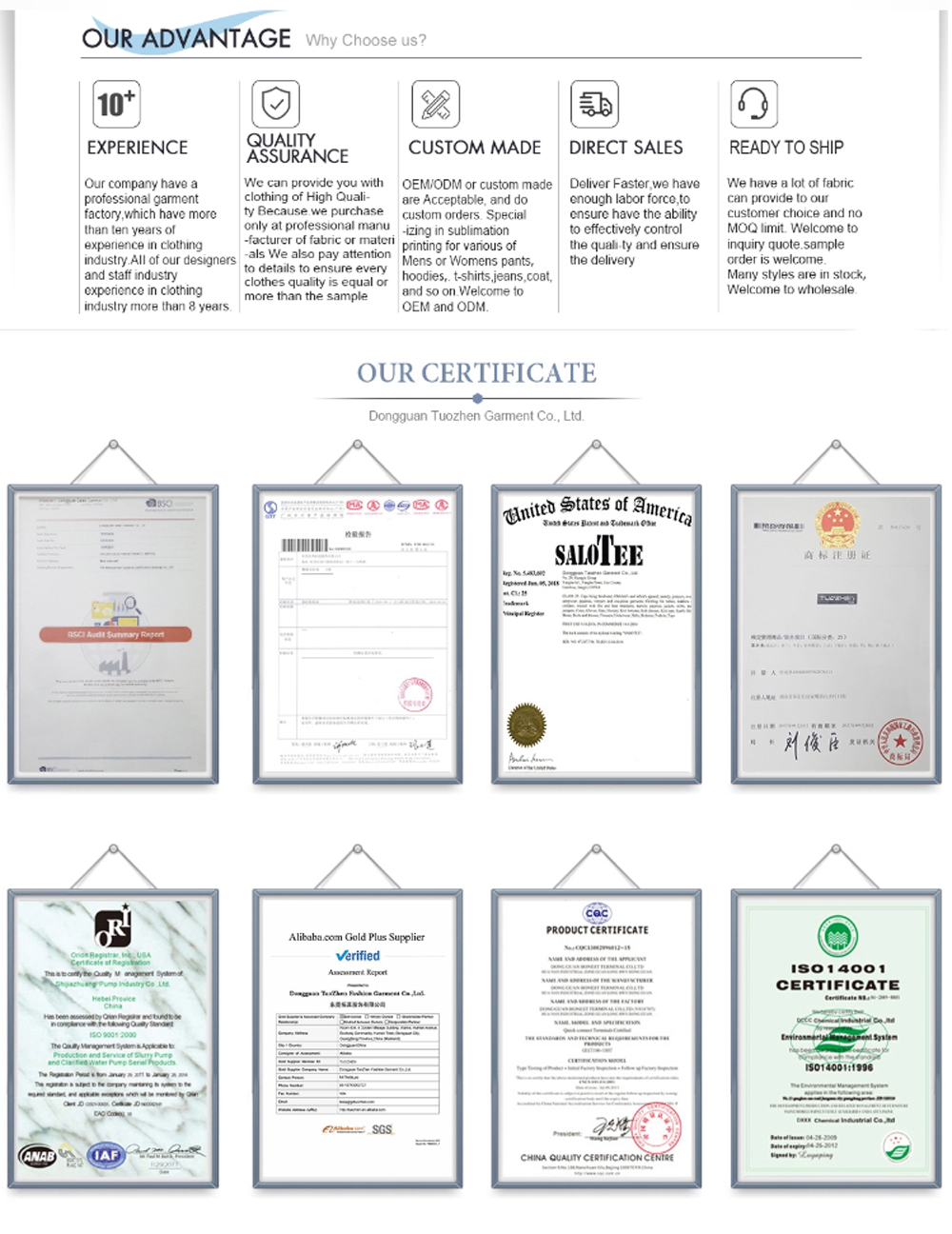
Certified Quality: Our 240gsm T-Shirt Manufacturer Standards
Trusted by Streetwear Brands Worldwide
We launched our debut drop using Clothing Manufacturer Ltd. as our 240gsm t-shirt manufacturer and sold out all 500 units in 72 hours. Their 5-step QC process meant zero returns and zero headaches. An absolute must-have production partner.
As a startup, I needed a low-MOQ 240gsm t-shirt manufacturer I could actually trust. We started at 50 units and scaled to 1,200 pieces across three collections. Their in-house sampling team got our graphics right on the very first sample.
My influencer merch line went from tech pack to delivered in under 18 days. The 240gsm weight held print vibrancy after 30-plus washes, and fans noticed — repeat orders jumped 3x in the first month alone.
Frequently Asked Questions About 240gsm T-Shirts
Everything streetwear brands, startups, and global retailers need to know before placing an order with Clothing Manufacturer Ltd.
What makes Clothing Manufacturer Ltd the right 240gsm t shirt manufacturer for my streetwear brand?
What is the minimum order quantity at your 240gsm t shirt manufacturer?
How long does sampling take, and what does it cost?
How do I know a 240gsm t shirt manufacturer in China will protect my designs and brand IP?
What payment terms do you offer for new and returning customers?
Can your 240gsm t shirt manufacturer match my exact Pantone colors?
How fast can you turn around a seasonal streetwear collection?
What global shipping and logistics options do you provide?
Can I mix colorways, graphic designs, or sizes within a single order?
The Complete Buyer’s Guide to 240gsm T-Shirt Manufacturer
Discover everything you need to confidently source from a 240gsm t shirt manufacturer — from fabric selection and print techniques to supplier vetting criteria, red-flag mistakes, and a step-by-step launch framework for brands of every size.
1. What Is a 240gsm T-Shirt Manufacturer?
GSM — grams per square metre — is the universal measurement garment buyers use to compare fabric weight across suppliers and fiber types. Most standard single-jersey tees run between 150 gsm and 180 gsm; a 240gsm t shirt manufacturer works in a noticeably heavier tier, producing blanks that feel dense, structured, and premium in the hand.
At 240 gsm, ring-spun cotton or cotton-polyester jersey delivers a mid-heavyweight profile that sits just below the 260–280 gsm ‘boxy heavyweight’ silhouettes favoured by premium streetwear labels. The added weight means less drape distortion, minimal see-through, and a silhouette that holds its shape after repeated washing — qualities lightweight suppliers at 160 gsm simply cannot replicate.
Three end markets drive the bulk of demand for 240 gsm construction: streetwear labels printing bold graphics, corporate and event branded merch requiring a premium unboxing feel, and independent retail brands building core essentials lines. For streetwear and influencer brands especially, the tactile difference between a 180 gsm and a 240 gsm tee translates directly into perceived value and repeat purchase rate.
A specialist 240gsm t shirt manufacturer differs from a general cut-and-sew supplier by sourcing heavier combed or ring-spun greige fabric rolls, calibrating stitch tension for the denser knit, and adjusting shrinkage pre-treatment to OEKO-TEX Standard 100 benchmarks. First-time buyers should confirm GSM with a fabric swatch before approving bulk production, as actual delivered weight can vary ±10 gsm from the stated spec depending on yarn count and knit tightness.
2. The Evolution of 240gsm T-Shirt Manufacturing
Before 2010, the mass-market T-shirt ran between 130gsm and 160gsm — thin enough for promotional giveaways but prone to misshaping after a handful of washes. Brands accepted GSM tolerances of ±15gsm because retail margins absorbed the complaints.
By 2015, streetwear labels rooted in hip-hop, skateboarding, and graffiti culture had trained consumers to expect a structured, weighty hand-feel in every drop. Influencer and creator brands followed, discovering that a 240gsm ring-spun cotton tee photographs sharper, holds screen-printed ink more cleanly, and commands retail markups two to three times higher than lightweight alternatives.
Global supply chains responded unevenly: Bangladesh scaled cut-and-sew volume at sub-180gsm weights; Portugal and Turkey developed GOTS-certified 200–240gsm blanks for European premium buyers; China, anchored in manufacturing hubs like Dongguan’s Humen Town, built the 240gsm t shirt manufacturer capacity to serve streetwear orders with faster sampling cycles — often 7–15 days versus 30-plus days from European sources.
Since 2015, buyer expectations around consistency have sharpened materially. Brands now specify OEKO-TEX Standard 100 certification, Pantone-matched dye lots within ±1 DE tolerance, and GSM verification at fabric intake — checks that were rare before direct-to-consumer labels made every product detail publicly reviewable online.
3. Types of 240gsm T-Shirt Manufacturer to Know
Not every 240gsm t shirt manufacturer fits the same brand stage. Five distinct supplier types differ on MOQ, lead time, and customisation depth — matching your profile to the right category avoids costly sourcing mismatches.
| Supplier Type | MOQ | Lead Time | Best-Fit Brand Stage |
|---|---|---|---|
| Cut-and-Sew Blank | 12–50 pcs | 2–4 wks | Early startups |
| Private-Label OEM | 100–500 pcs | 30–45 days | Growing brands |
| Full-Package CMT | 200–500 pcs | 45–60 days | Independent designers |
| Domestic Boutique | 25+ pcs | 2–3 wks | Premium / compliance labels |
| Overseas Large-Scale Mill | 1,000–5,000 pcs | 60–90 days | Global retailers |
Cut-and-Sew Blank Suppliers
MOQ runs 12–50 pieces with 2–4 week lead times.
Customisation is limited to labeling and overdyeing. Best fit: early startups validating silhouettes before committing to full branded production.
Private-Label OEM Factories
MOQ ranges 100–500 units with 30–45 day lead times.
Full Pantone-matched branding, custom neck labels, and woven trims are standard. Best fit: growing brands needing consistent, repeatable 240gsm batches.
Full-Package CMT Manufacturers
CMT (cut, make, trim) factories manage fabric sourcing through finished garment. MOQ sits at 200–500 units; lead times reach 45–60 days.
Customisation is maximum, including pattern development and OEKO-TEX certified fabric options. Best fit: independent designers needing turnkey production.
Domestic Boutique Manufacturers
MOQ as low as 25 pieces and 2–3 week turnarounds suit urgent drops.
Per-unit costs run 3–5× overseas rates. Best fit: premium or compliance-sensitive labels where local oversight justifies the price premium.
Overseas Large-Scale Mills
MOQ of 1,000–5,000 units and 60–90 day lead times reflect mill-scale minimums.
Per-unit cost drops sharply at volume. Best fit: global retailers and influencer brands placing large, standardised seasonal orders.
4. Materials & Fabrics Used by 240gsm T-Shirt Manufacturers
At the 240gsm tier, fibre composition drives every downstream outcome — shrinkage rate, dye retention, and hand-feel. A qualified 240gsm t shirt manufacturer carries at least four core constructions; specifying the right one before sampling prevents costly rework.
| Fabric Type | GSM Range | Key Properties | Best Use Case |
|---|---|---|---|
| 100% Combed Cotton | 220–260gsm | Ring-spun, low shrinkage, vivid print base, breathable | Premium basics, print-heavy drops |
| Cotton-Poly Blend (50/50) | 230–260gsm | Wrinkle-resistant, fast-dry, <2% shrinkage, cost-efficient | Activewear crossover, value retail |
| Cotton-Modal (60/40) | 220–250gsm | Ultra-soft drape, 15% less shrinkage, silk-like hand-feel | Luxury streetwear, DTC labels |
| Organic GOTS-Certified Cotton | 220–260gsm | OEKO-TEX dyes, chemical-free, EU REACH-compliant | Sustainability brands, EU retail |
Fibre Choice and Its Effect on Shrinkage
Ring-spun 100% combed cotton sits at 220–260gsm and shrinks 3–5% after one cold wash when pre-shrunk at the mill. Cotton-modal (60/40) blends run slightly lighter per square metre yet shrink less than pure cotton, making them reliable for slim or fitted silhouettes.
Cotton-polyester blends at a 50/50 ratio shrink under 2% and hold dimensional stability through 50+ wash cycles — critical for brands with strict size-run consistency requirements.
Colour Vibrancy and Long-Term Wash Durability
100% combed cotton accepts reactive dyes at 180–200°C, producing vivid Pantone-matched hues that hold through 30+ wash cycles with proper fixation chemistry. Organic GOTS-certified cotton uses OEKO-TEX-compliant dye processes — mandatory for brands targeting EU markets under REACH regulations.
Cotton-modal retains colour saturation 10–15% longer than standard cotton because modal fibres are less absorbent, reducing dye bleed on dark colourways.
5. Customization & Decoration Options at a 240gsm T-Shirt Manufacturer
Six decoration methods are available at a quality 240gsm t shirt manufacturer, each carrying distinct setup costs, per-unit economics, and wash-durability ratings. Choosing the right technique for streetwear drops versus retail chains versus creator merch can meaningfully shift both margin and longevity.
| Method | Setup Cost | Per-Unit Cost | Wash Durability | Best For |
|---|---|---|---|---|
| Screen Printing | $50–$150/color | $1–$3 (50+ pcs) | 50+ washes | Streetwear drops, retail |
| DTG | $0 | $4–$8 | 25–40 washes | Creator merch, small runs |
| Discharge Printing | $50–$100 | $2–$4 | 50+ washes | Vintage streetwear drops |
| Embroidery | $20–$60 digitize | $3–$6 | 100+ washes | Retail chains, premium |
| Heat Transfer | Under $20 | $1.50–$3 | 20–30 washes | Creator drops, samples |
| Woven Labels | $30–$80 setup | $0.30–$0.80/unit | Lifetime | All brand types |
Print Techniques and Their Trade-offs
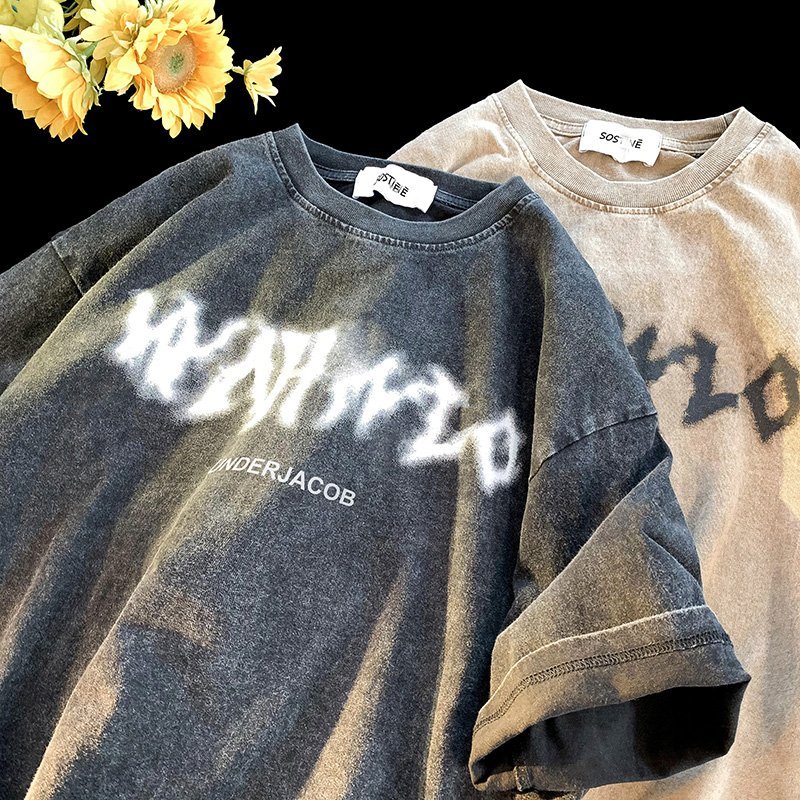
Screen printing runs $50–$150 setup per color but drops to $1–$3 per unit at 50+ pieces, surviving 50+ washes — the go-to for streetwear drops.
DTG requires zero setup, handles unlimited colors, and suits creator merch runs under 24 units, though per-unit cost hits $4–$8 and wash durability tops out at 25–40 cycles.
Discharge printing removes base dye for a soft, vintage hand feel; MOQ typically starts at 50 units and durability matches screen print.
Embellishment, Transfer, and Label Options
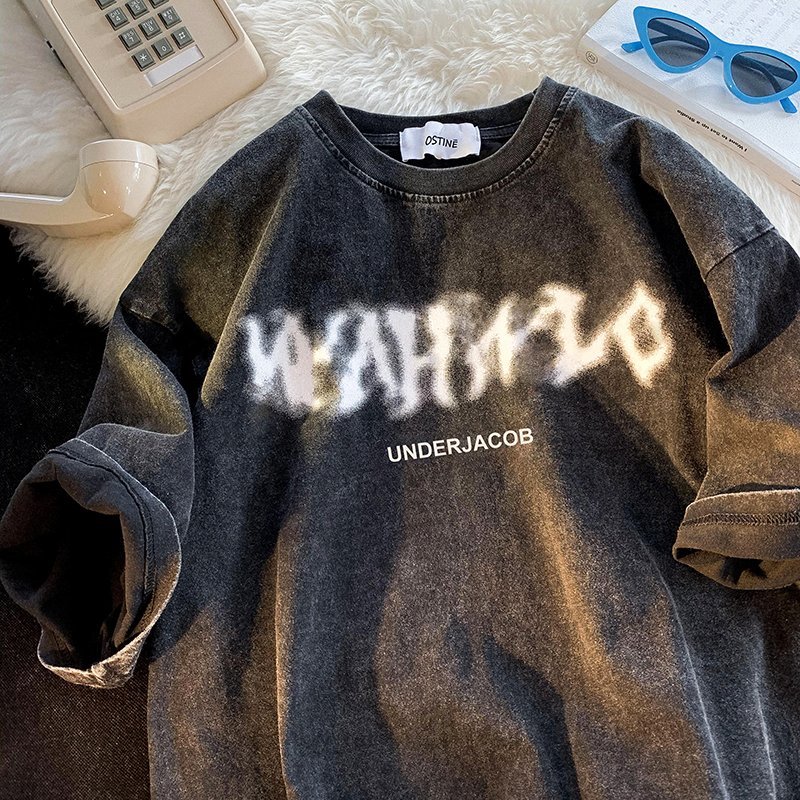
Embroidery carries a $20–$60 digitizing fee, adds premium tactile value, and outlasts 100+ washes — the standard for retail chain basics and logo chest placements.
Heat transfer starts under $20 setup but degrades at 20–30 washes, best reserved for limited creator drops or samples. Woven labels add lifelong brand permanence at $0.30–$0.80 per unit with no color limit.
6. Key Construction Quality Elements to Demand from Any 240gsm T-Shirt Manufacturer
Heavy fabric demands rigorous construction. When vetting a 240gsm t shirt manufacturer, request a sample tech pack and audit six structural checkpoints before approving production — these determine durability, fit retention, and retail appeal.
Stitch Density and Seam Type
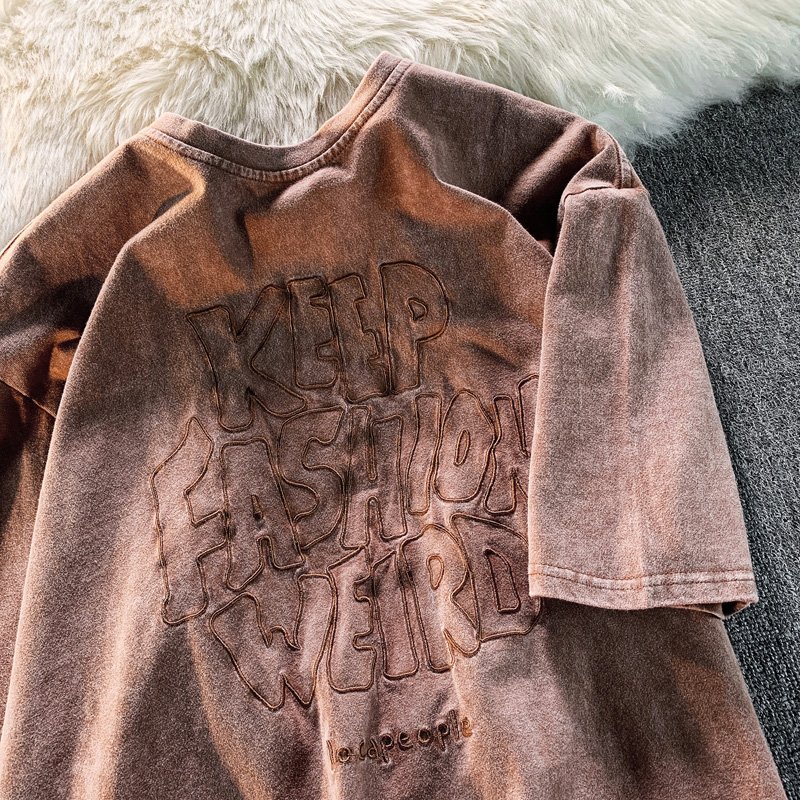
Industry standard for premium tees is 8–10 stitches per inch (SPI). Single-needle side seams deliver a clean, flat finish; twin-needle hem stitching at 6 mm adds visible durability and the tailored look that separates retail-quality garments from factory basics.
Shoulder Tape and Side-Seam Construction
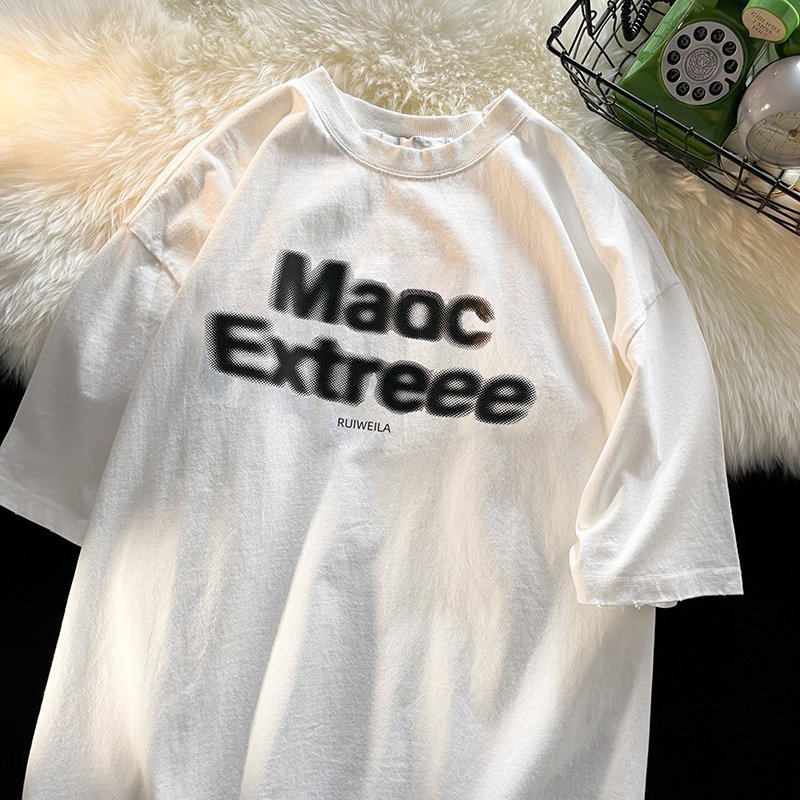
Taped shoulders — a 12–15 mm polyester or cotton twill tape set into the shoulder seam — prevent stretching at the garment’s highest-stress point. Side-seam construction using cut-and-sew panels holds body shape across washes; tubular-knit blanks shift and warp after repeated laundering.
Collar Ribbing and Preshrunk Finishing
Collar rib should measure 200–230 gsm to resist rollover on a 240gsm body. Preshrunk finishing — pre-washing or sanforizing — limits residual shrinkage below 3%, the threshold most OEKO-TEX–compliant retailers specify. Request both specs confirmed in the factory tech pack before approving samples.
Sample Quality-Audit Checklist
Use these checkpoints when inspecting any sample from a 240gsm t shirt manufacturer.
- Confirm 8–10 SPI on all structural seams
- Check twin-needle hem stitching width: 6 mm minimum
- Verify shoulder tape is present and fully stitched in
- Confirm side-seam construction — reject tubular-knit for fitted styles
- Request preshrink test results showing under 3% shrinkage
7. How to Choose the Right 240gsm T-Shirt Manufacturer for Your Brand
Choosing a 240gsm t shirt manufacturer requires more than comparing price sheets. A five-point vetting framework — covering MOQ, certifications, samples, lead times, and packaging — filters reliable partners from risky ones before you commit capital.
Define Your Volume and MOQ Needs First
Most 240gsm blank tee manufacturers set MOQs between 50 and 500 units per colorway. Startups should confirm whether per-style or per-color MOQs apply.
Clothing Manufacturer Ltd. accommodates emerging brands with flexible minimums backed by TuoZhen’s established production infrastructure in Humen Town, Dongguan.
Verify Certifications Before Committing
OEKO-TEX Standard 100, GOTS, and BSCI audits confirm chemical safety, organic supply-chain integrity, and ethical labor standards respectively. Request certificate numbers and verify them directly on each issuing body’s portal.
Brands selling into EU or US retail chains increasingly require at least one of these credentials from every supplier in their chain.
Request and Evaluate Strike-Off Samples
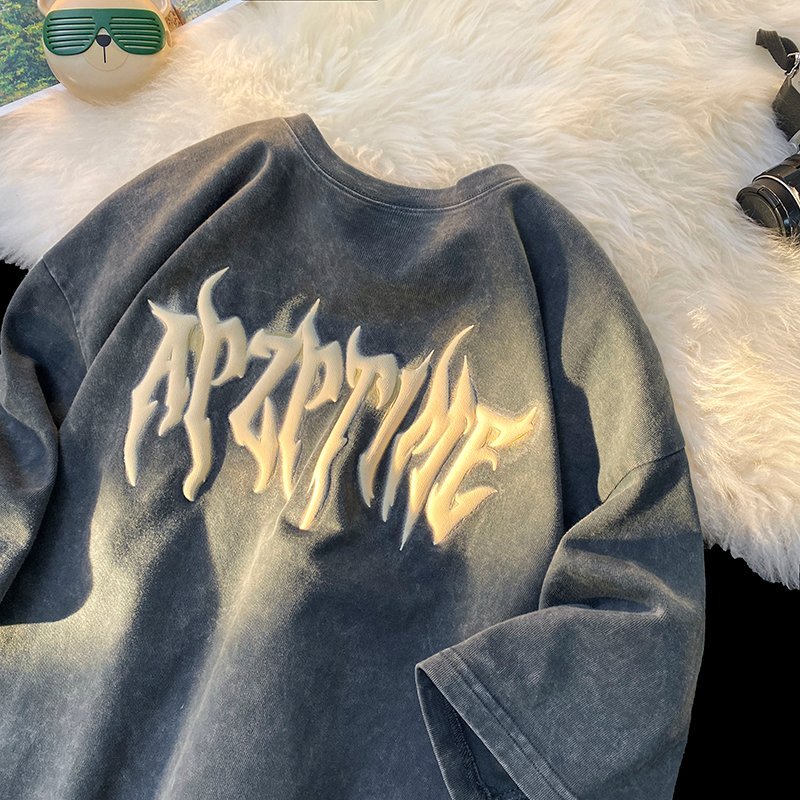
A strike-off sample tests GSM accuracy, color fastness, and seam integrity before bulk production. Evaluate shrinkage after three washes and verify actual GSM against spec using a postal scale.
Pre-production sample turnaround typically runs 7–14 days; insist on written sign-off approval before authorizing any production run.
Audit Lead Times and Communication Response
Standard production lead times for 240gsm tees run 15–30 days post-sample approval. Supplier response windows under 24 hours signal operational maturity and dedicated account management.
Clothing Manufacturer Ltd., led by Tesla Luo with 10-plus years of production experience, maintains direct client communication and had served over 1,000 clients by 2022.
Confirm Packaging and Labelling Capabilities
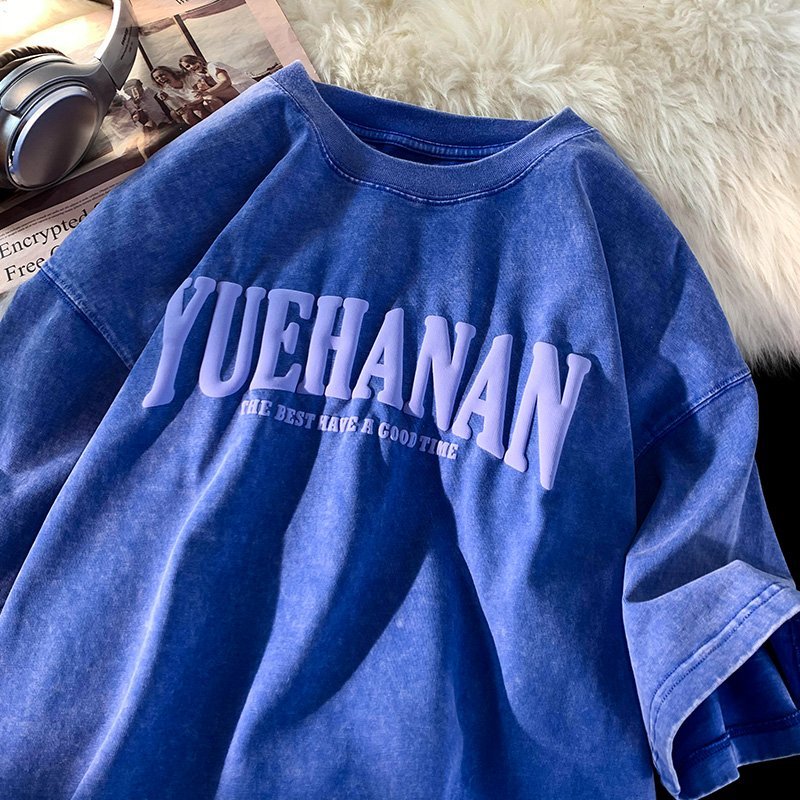
Branded hang-tags, woven neck labels, and poly-bag packaging should all be confirmed in writing before signing any agreement. Insist on contract clauses covering label placement tolerance and barcode/UPC compliance for retail distribution.
Clothing Manufacturer Ltd.’s five-step QC process includes a finished-goods inspection stage that specifically checks packaging integrity before shipment.
8. Common Mistakes Buyers Make When Sourcing from a 240gsm T-Shirt Manufacturer
Even experienced buyers make preventable errors when partnering with a 240gsm t shirt manufacturer. These mistakes — from vague fabric specs to ambiguous shipping terms — trigger costly returns, erode margins, and damage brand credibility before a single unit reaches consumers.
Ignoring Shrinkage Specs and Stitch Counts
Ring-spun 240gsm cotton can shrink 3–5% if pre-shrunk fabric is not explicitly required in the purchase order. Failing to list stitch density — typically 10–12 stitches per inch — in your tech pack lets the factory default to its cheapest setting.
Fix: request a wash-shrinkage test report before bulk cutting begins, and add stitch count requirements to every tech pack you submit.
Skipping Pre-Production Samples
Buyers who skip pre-production samples to save $50–$150 risk an entire run of mismatched Pantone colors or incorrect GSM weight. A signed-off physical sample is the only binding reference the factory holds during bulk production.
Fix: always approve a sealed pre-production sample before releasing the purchase order, regardless of MOQ size.
Underestimating Custom Dye-Lot Lead Times
Custom dye lots for 240gsm fabric add 10–20 business days on top of a standard 25–35 day production window. Brands that ignore this buffer consistently miss seasonal sell-through peaks and absorb expedited freight premiums that erase profit.
Fix: confirm dye-lot timelines during the sampling stage, not after the purchase order is placed.
Choosing Price Over Certifications and Incoterms
Accepting the lowest quote without verifying OEKO-TEX, GOTS, or WRAP certifications exposes your brand to retail compliance failures and potential delisting. Not specifying whether terms are FOB, EXW, or DDP leaves freight and import duty costs unaccounted, routinely erasing 8–15% of gross margin.
Fix: confirm certifications and agree on Incoterms 2020 in writing before any deposit is transferred.
9. Steps to Launch Your Brand with a 240gsm T-Shirt Manufacturer
Launching with a 240gsm t shirt manufacturer follows a repeatable 8-step roadmap. Each step in order protects margin, compresses lead time, and ensures finished garments match brand vision before full production begins.
Define Positioning and Build Your Tech Pack
Set your retail price target first — a 3×–5× markup on ex-factory cost is the streetwear industry norm. Work backward from that ceiling to acceptable fabric and decoration budgets.
A tech pack must cover fabric GSM (240), Pantone color references, stitch density, label placement, and trim specs. Clothing Manufacturer Ltd reviews tech packs within 48 hours and flags ambiguities before sampling starts.
Shortlist Factories and Evaluate Samples
Shortlist 3–5 verified 240gsm t shirt manufacturer candidates and send identical RFQs covering MOQ, unit price at 100/500/1,000 pieces, and sample lead time. Response speed reveals communication standards.
Order one sample per vendor. Check weight (verify 240gsm on a postal scale), seam integrity, Pantone color accuracy, and shrinkage after one wash. Clothing Manufacturer Ltd ships evaluation samples within 7 days.
Negotiate Pricing Tiers and Approve Pre-Production Sample
Negotiate unit pricing at three tiers — 100, 500, and 1,000+ pieces — and confirm payment terms (typically 30% deposit, 70% balance before shipment). Request a formal price sheet to lock rates.
The pre-production sample (PPS) is the final physical checkpoint before bulk cutting. Approve it in writing; any deviation in stitching, label, or trim resets this gate.
Confirm Production QC and Arrange Shipping
After PPS approval, schedule an in-line QC inspection at the 30%–50% sewing stage. Clothing Manufacturer Ltd’s five-step QC process — covering materials, cutting, craft, sewing, and finished goods — catches defects before they compound.
For shipping, choose sea freight (20–40 days, lower cost) or air freight (5–7 days, premium). Confirm HS codes and import duties at the destination before dispatch.
10. Pricing & Cost Breakdown for a 240gsm T-Shirt Manufacturer
240gsm ring-spun cotton blanks sourced from Dongguan carry a factory gate cost roughly 40–60% below comparable blanks from U.S. or European suppliers at identical GSM. Unit price drops sharply between 50 and 500 units — the steepest discount window for most independent brands.
Decoration setup fees are a fixed cost that amortizes across quantity; at 50 units a $150 screen-print setup adds $3 per shirt, while at 500 units it adds $0.30. Factor a 2.5–3× retail markup to assess margin viability before committing to a tier.
- Screen print: $80–$200 setup per color; +$0.50–$1.50/unit uplift; best for 100+ identical runs
- DTG direct-to-garment: $0 setup; +$2.50–$5/unit uplift; best for full-color art under 100 units
- DTF (direct-to-film): $20–$50 setup; +$1.50–$3/unit uplift; suits short-run photographic prints
- Embroidery: $50–$100 digitizing fee; +$1.50–$4/unit uplift; ideal for chest logos and sleeve branding
- Heat transfer vinyl: $30–$60 setup; +$1–$3/unit uplift; best for names, numbers, and small batches
| Quantity Tier | Unit Price (USD) | Sample Cost | Lead Time | Deco Setup Fee |
|---|---|---|---|---|
| 50 units | $8–$14 | $80–$150 | 7–10 days | $80–$200 |
| 100 units | $6–$10 | $80–$150 | 10–15 days | $80–$200 |
| 250 units | $5–$8 | $80–$150 | 12–18 days | $80–$200 |
| 500 units | $4–$6.50 | $80–$150 | 14–20 days | $80–$200 |
| 1,000+ units | $3–$5 | $80–$150 | 18–25 days | $80–$200 |
Launch Your Brand With a Premium 240gsm T-Shirt Manufacturer
Low MOQ, 5-step quality control, and fast turnaround — everything your streetwear brand needs to launch and scale with confidence.