
Vintage Washed Sweatshirt Manufacturer for Streetwear Brands Worldwide
Partner with a trusted vintage washed sweatshirt manufacturer — low MOQ, 5-step QC guarantee, and fast turnaround for streetwear startups, designers, and global retailers.
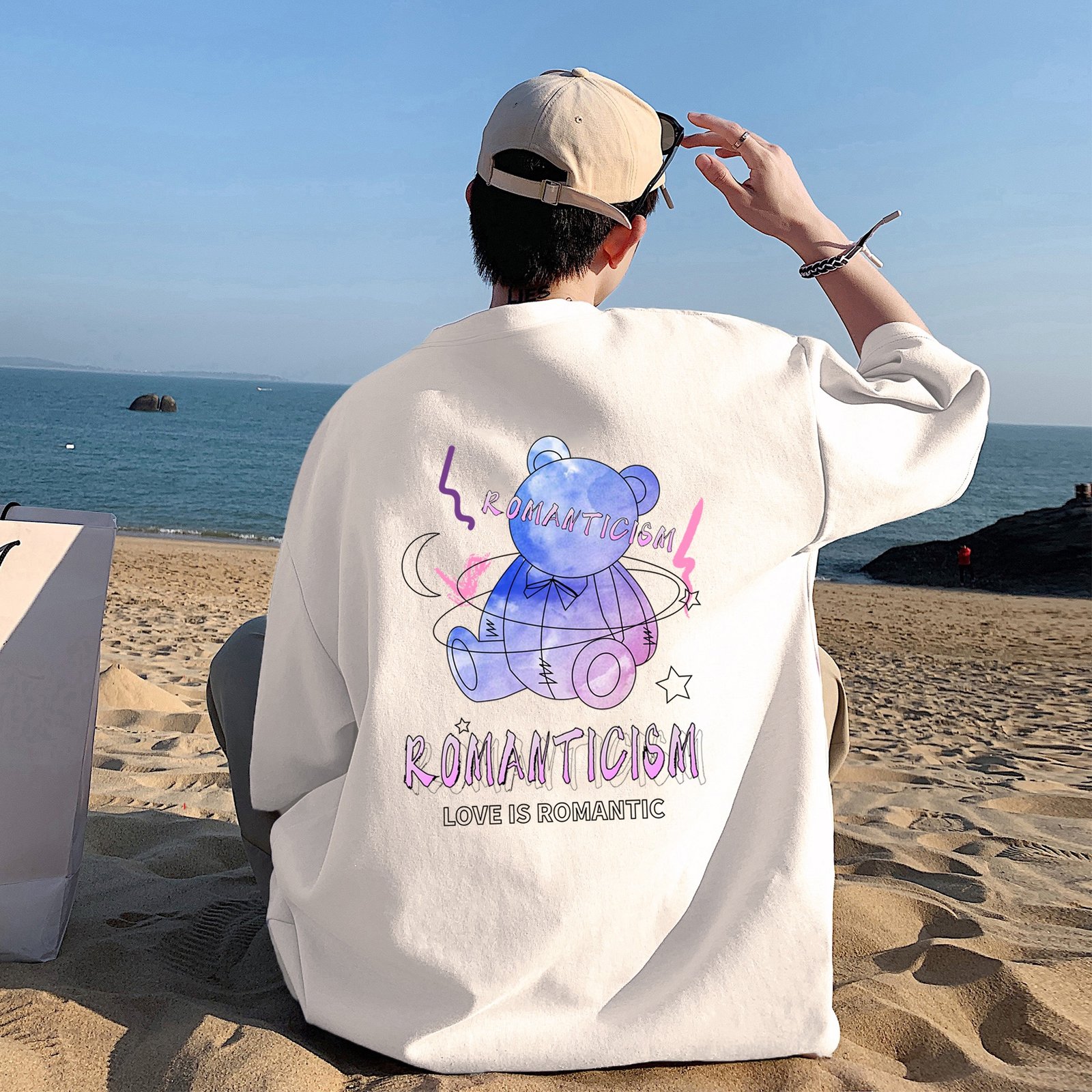
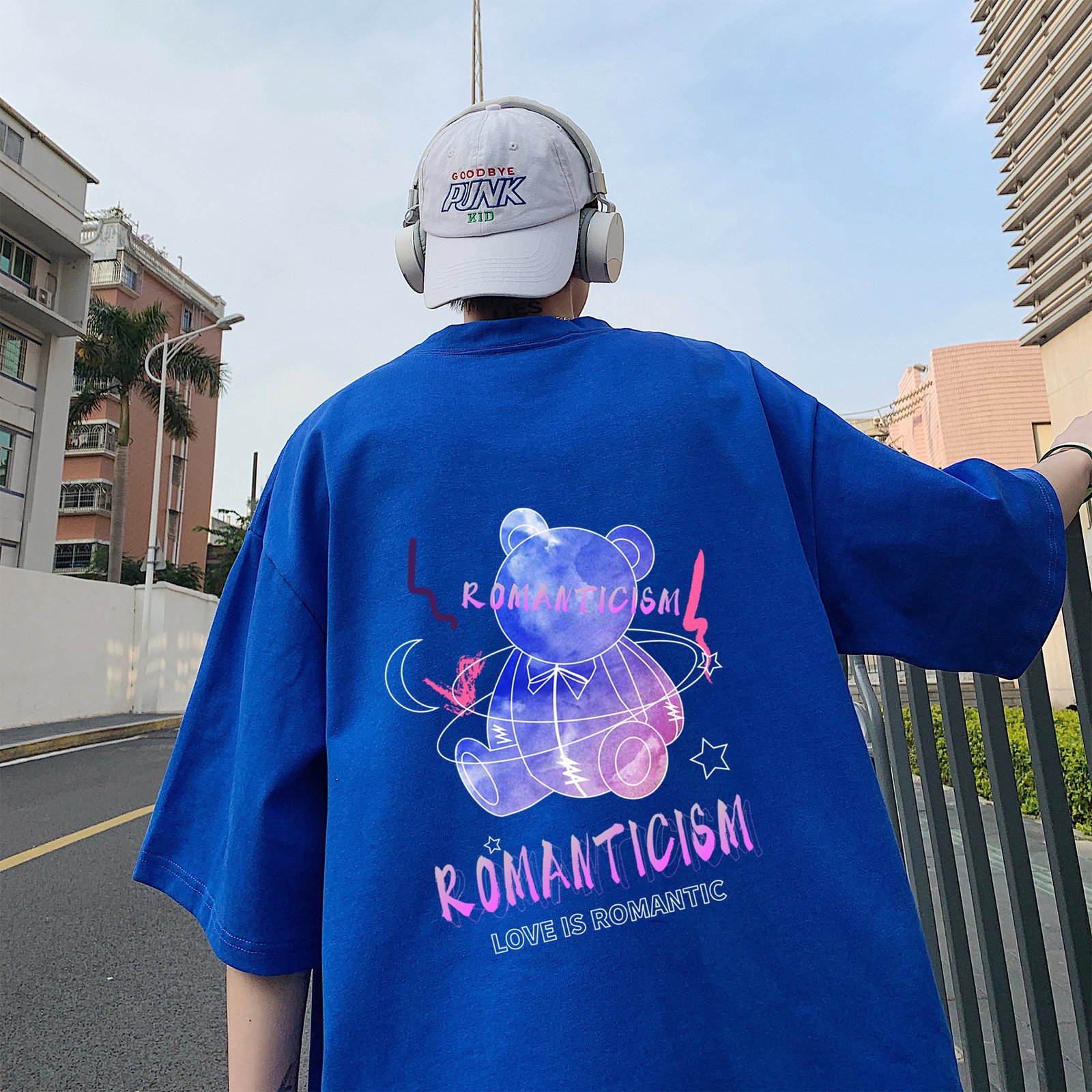
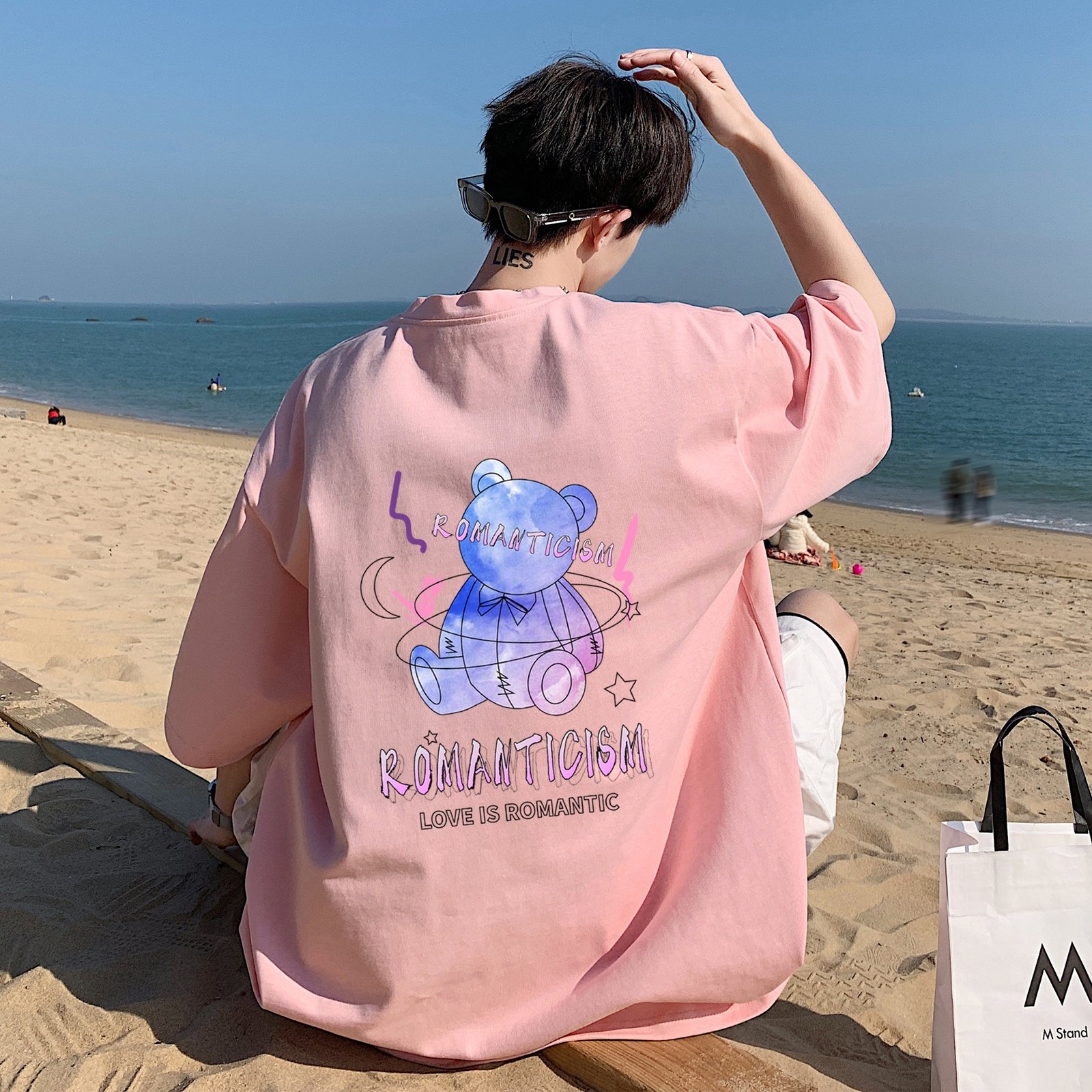
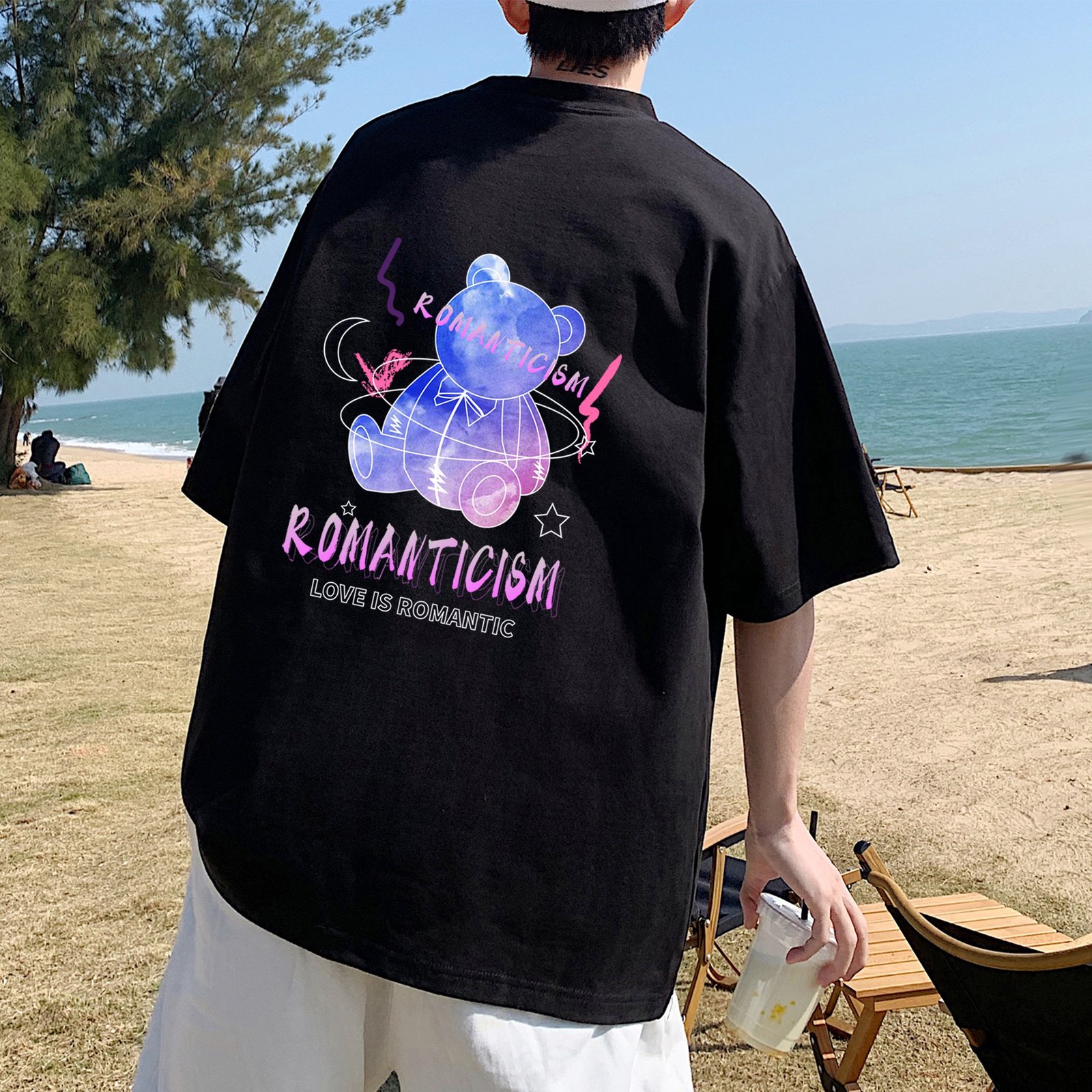
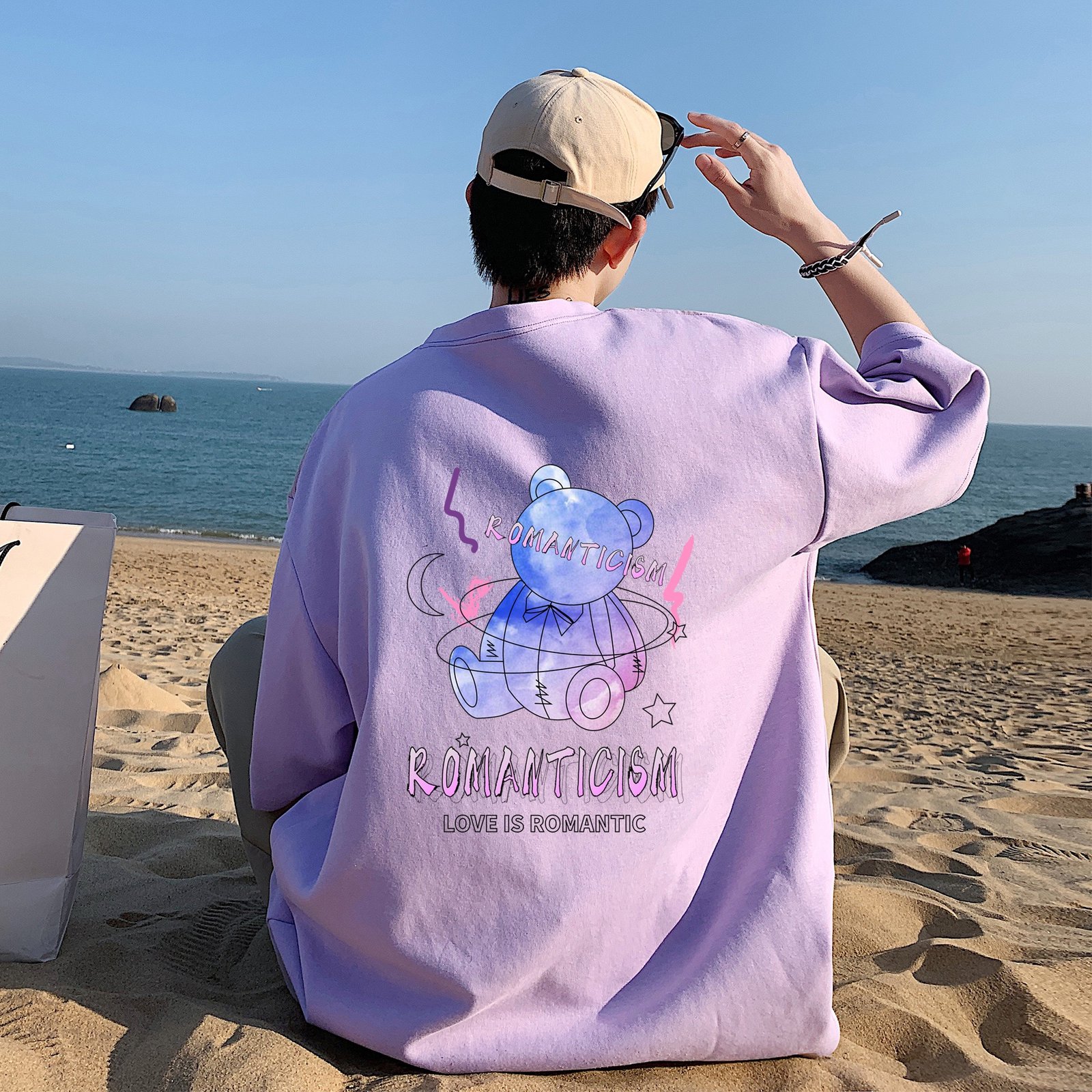
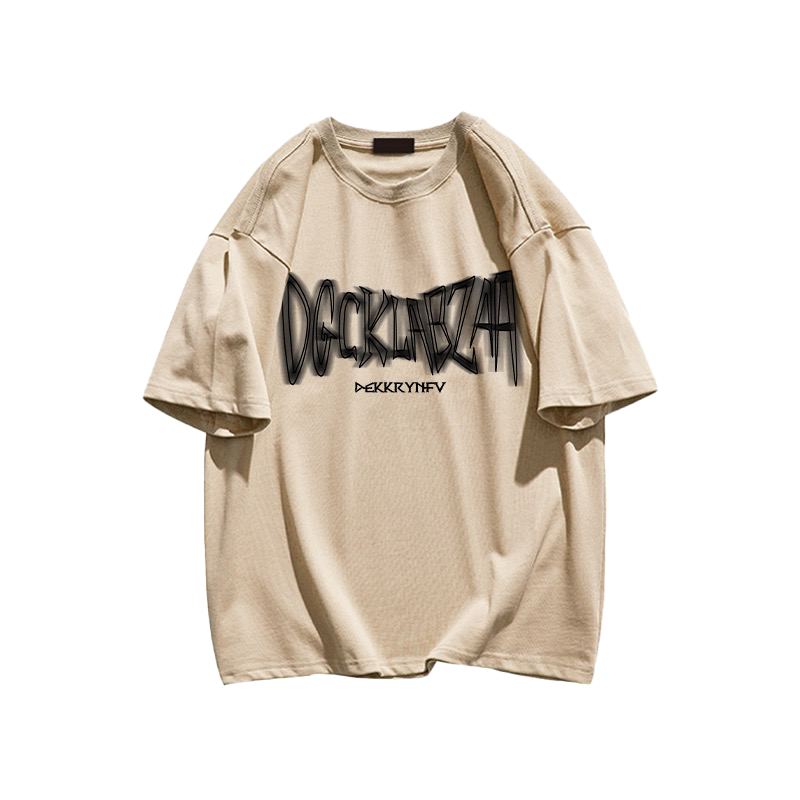
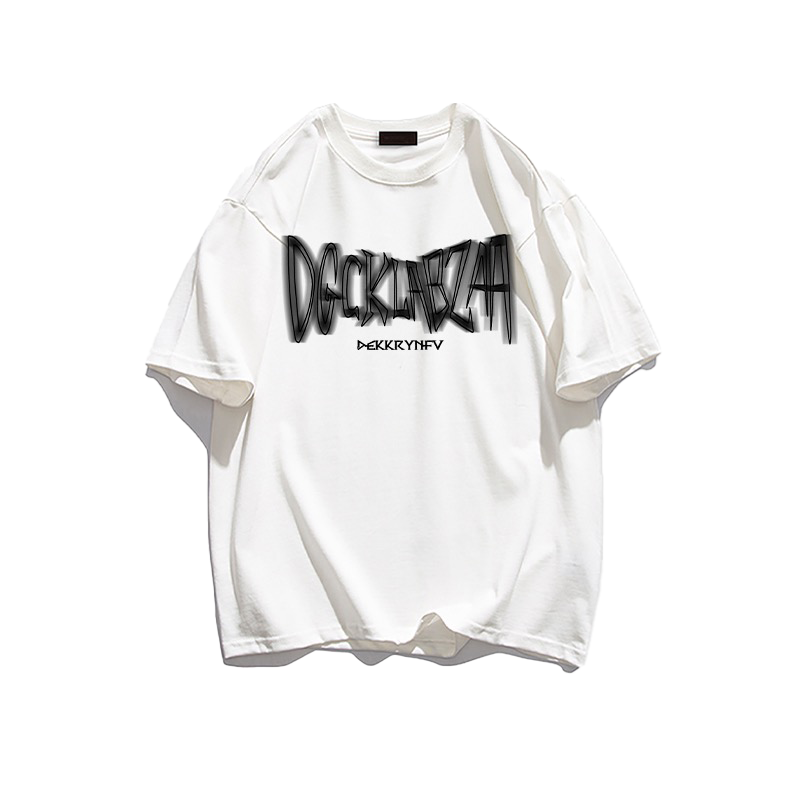
Vintage Washed Sweatshirt Styles & Collections

Why Choose Our Vintage Washed Sweatshirt Manufacturer
Six advantages that set Clothing Manufacturer Ltd. apart — from first sample to final shipment.
5-Step QC Guarantee
Our proprietary quality control checks materials, cutting, craftsmanship, sewing, and finished goods — zero defects leave our floor.
Low MOQ From 50 Pieces
Launch your vintage washed line without huge inventory risk. Minimums start at 50–100 pcs, perfect for startups and independent designers.
7-Day Sample Turnaround
Our in-house sampling team delivers production-ready prototypes in as little as 7 days, keeping your seasonal drops on schedule.
In-House Design Team
15 dedicated R&D specialists develop streetwear-native graphics, washes, and colorways — from concept sketch to approved sample.
Global Shipping & Logistics
We handle export documentation, customs, and door-to-door freight to 100-plus countries so your brand scales without logistics headaches.
Deep Streetwear Expertise
10-plus years in garment production and 6 years specializing in streetwear mean we understand the aesthetics, fabrics, and finishing your audience demands.
Your Vintage Washed Sweatshirt Manufacturer for Every Core Style
From acid-wash hoodies to oversized distressed crewnecks, we produce across every vintage wash category with five-stage QC embedded at every step.
Acid-Wash Hoodies & Pullovers
Streetwear brands need authentic acid-wash texture that holds consistent tone across every unit — most manufacturers skip mid-production QC, causing batch-to-batch color shifts that ruin a drop.
Our five-step QC process locks in consistent acid-wash tones from cut to pack, so every hoodie in your run ships with the same authentic, streetwear-ready finish.
Vintage Distressed Crewneck Sweatshirts
Independent designers launching first collections struggle to find a manufacturer offering low MOQ distressed crewnecks without sacrificing the authentic worn-in texture that makes vintage streetwear pieces sell.
Low MOQ production, in-house sampling, and expert garment distressing give emerging designers access to premium crewneck collections at launch-ready quality, with full QC backing every unit shipped.
Oversized Washed Sweatshirt Production
Global retailers sourcing oversized silhouettes demand consistent sizing specs, reliable bulk capacity, and fast seasonal turnarounds — requirements most manufacturers cannot meet without skipping quality checks mid-production.
Our vintage washed sweatshirt manufacturer workflow embeds QC at five production stages, delivering uniform oversized fits at scale with global shipping support and on-time seasonal delivery.
Creator Brand Washed Drop Sets
Influencer and creator brands need rapid prototyping and fast turnarounds for time-sensitive seasonal drops — coordinated washed sweatshirt sets that are trend-perfect and ready to generate social traction.
Our in-house design and sampling team accelerates concept to sample, with fast production turnarounds that keep creator brands ahead of trend cycles and ready for every drop window.
Premium Fabrics From a Trusted Vintage Washed Sweatshirt Manufacturer

Heavyweight Cotton Fleece
A 380–420 gsm loopback construction that forms the backbone of premium vintage washed sweatshirts. Its dense pile absorbs garment dye and enzyme treatments beautifully, producing authentic faded, lived-in textures streetwear buyers love.
Ringspun French Terry
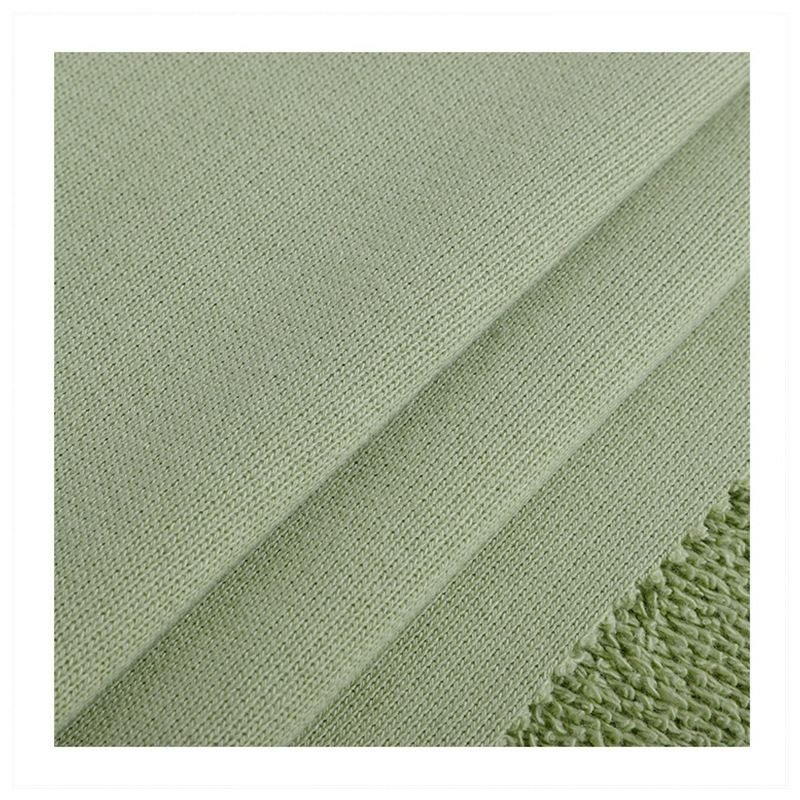
Crafted from long-staple, tightly twisted cotton yarns at 280–320 gsm with a smooth outer face and looped back. Lightweight yet structured, it delivers excellent color take-up for even, consistent vintage wash results.
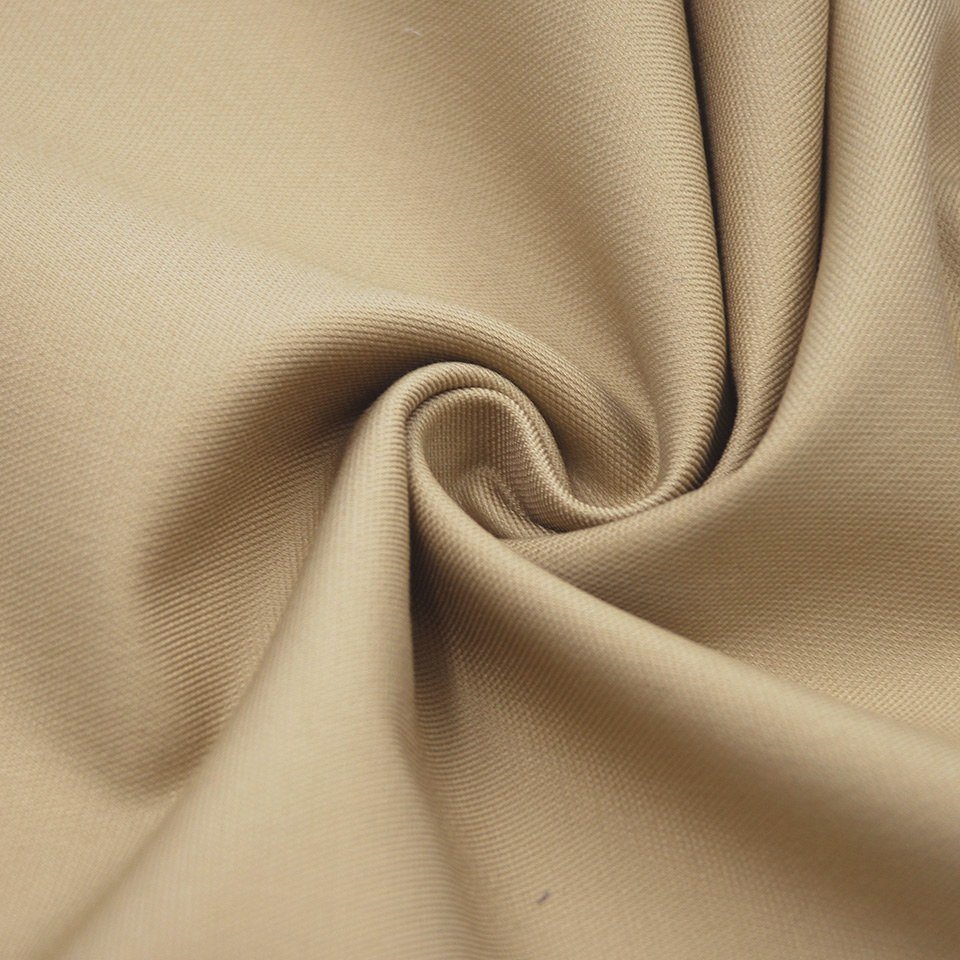
Cotton-Poly Fleece Blend
An 80/20 or 60/40 cotton-polyester mix at 320–360 gsm that balances natural softness with dimensional stability. Polyester fibers lock in shape through repeated wash cycles, ideal for high-volume vintage washed sweatshirt production.
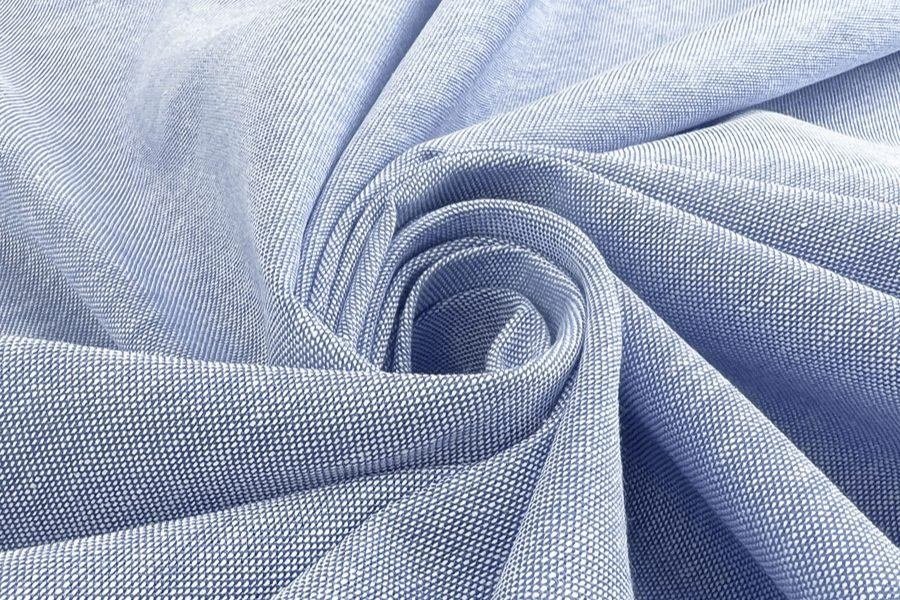
Organic Cotton Fleece
GOTS-certified organic cotton fleece at 350–400 gsm, free from harmful dyes and pesticides. Its clean fiber structure takes low-impact enzyme and stone-wash treatments evenly, making it the top choice for sustainability-led brands.
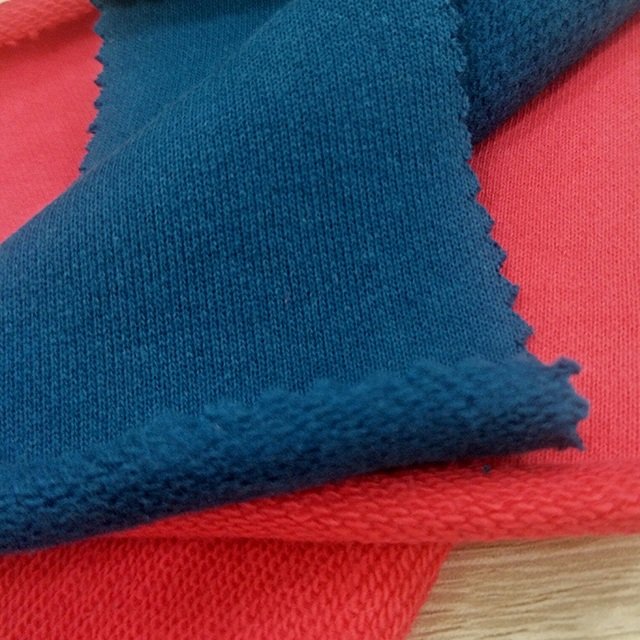
Brushed Heavy Terry
A 360–400 gsm cotton terry with a mechanically brushed interior surface that creates a cloud-soft lining. The brushed back retains vintage wash effects beautifully on the outer face without pilling or fiber breakdown over time.
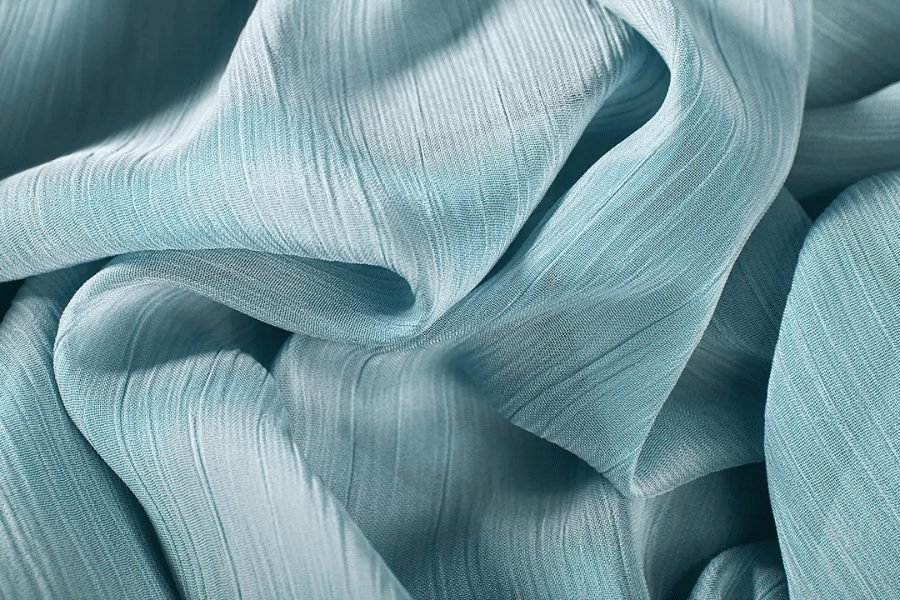
Bamboo Cotton Fleece
A 60/40 bamboo-viscose and cotton blend at 300–340 gsm prized for silky hand-feel and natural moisture-wicking properties. Bamboo fibers enhance post-wash softness while giving eco-conscious brands a credible sustainability story.
Signature Wash & Finish Techniques From Your Vintage Washed Sweatshirt Manufacturer
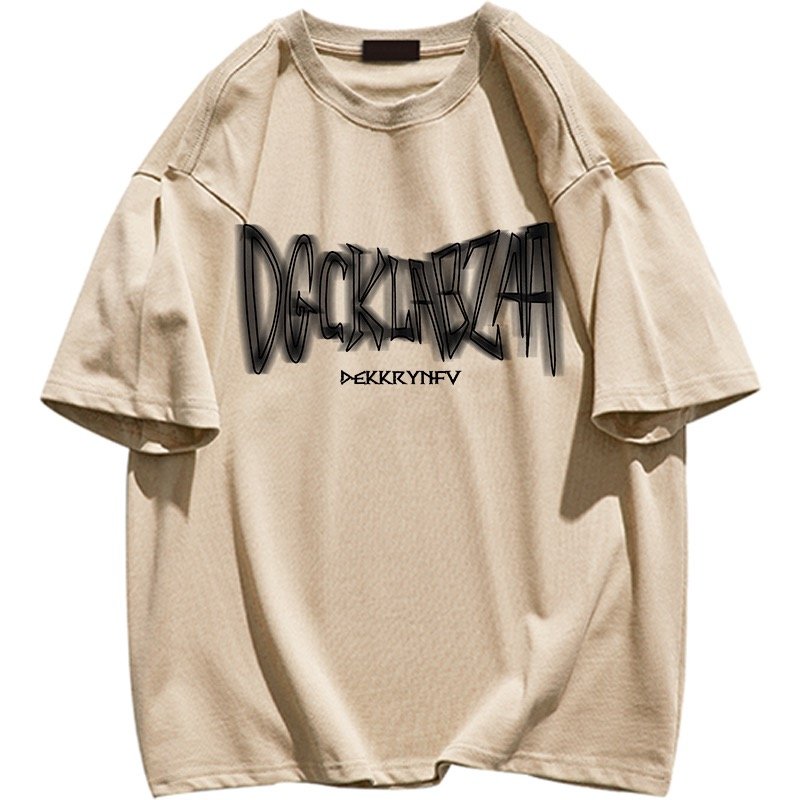
Stone Washing
Garments tumbled with pumice stones in large drums, mechanically abrading the fabric surface to create soft texture, natural color fade, and an authentic lived-in vintage feel.
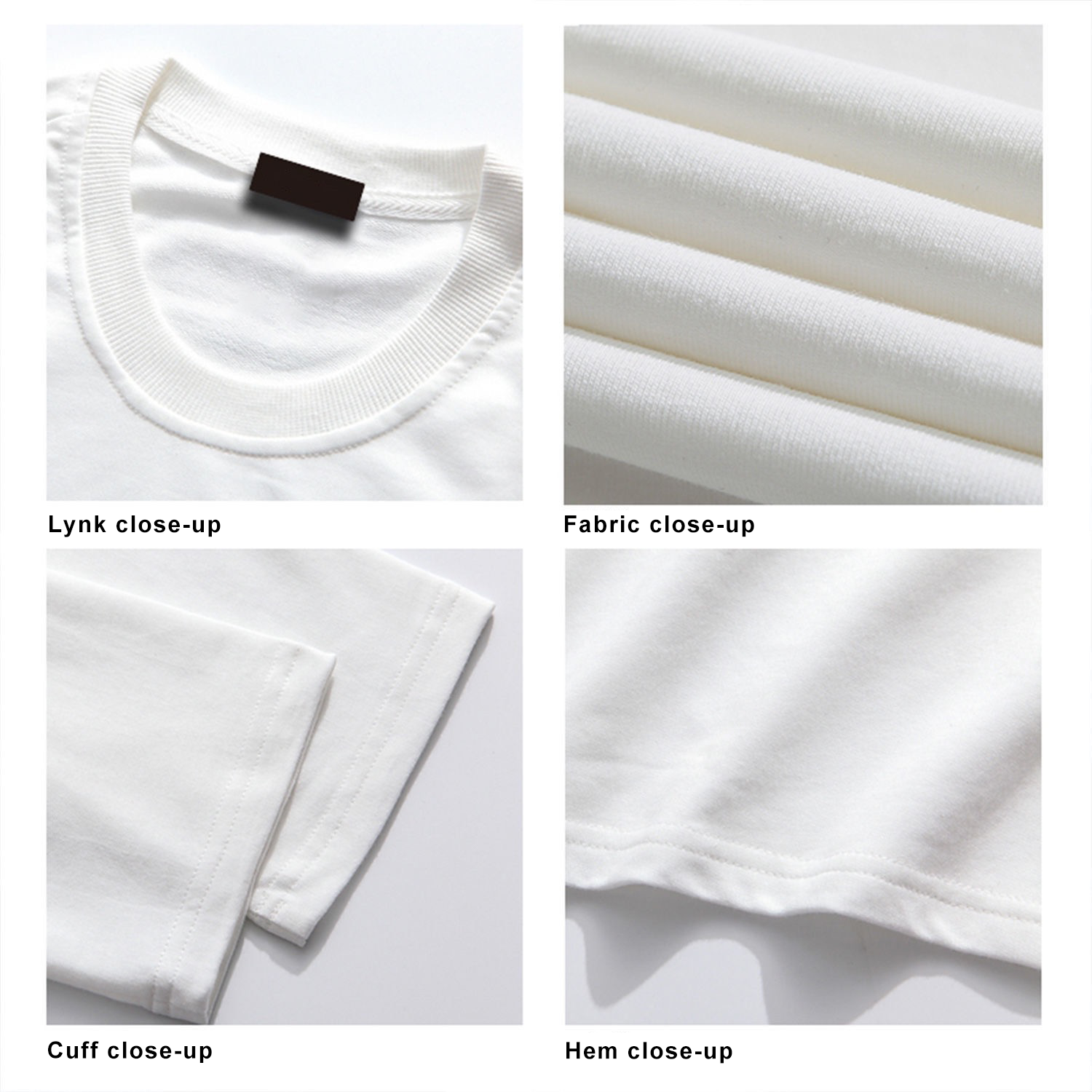
Acid Washing
Sweatshirts treated with chlorine-bleached pumice stones or targeted chemical solutions, producing dramatic high-contrast bleach spots, irregular streaks, and a bold, edgy vintage aesthetic built to last.
Enzyme Washing
Bio-enzymatic agents break down cotton fiber surfaces without harsh chemicals, producing a silky-smooth hand-feel, subtle color softening, and long-lasting softness that only improves with each wash.
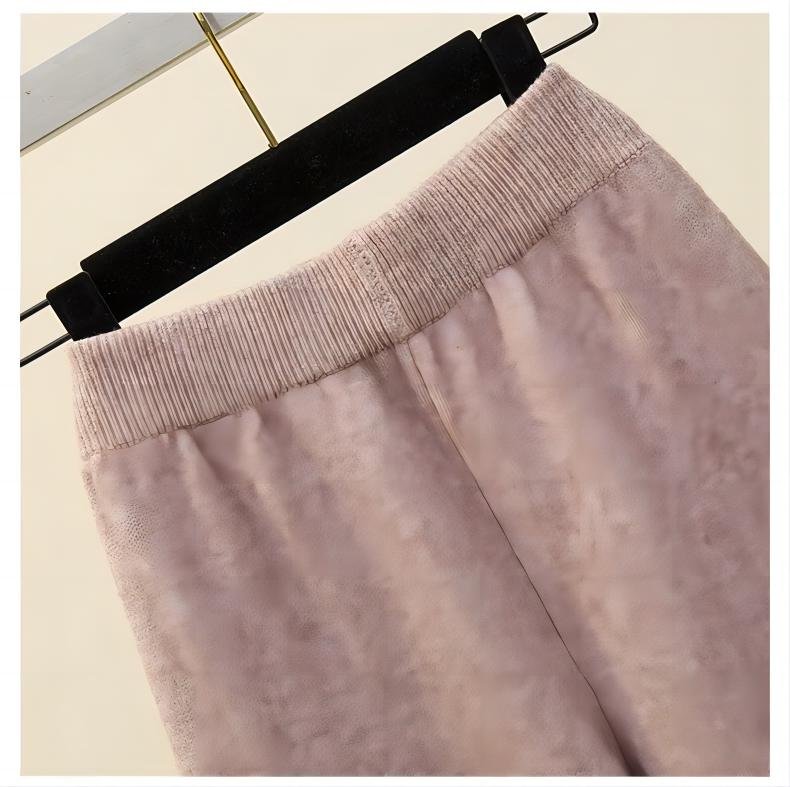
Garment Distressing
Controlled abrasion applied to stress points such as cuffs, hems, and collar edges, replicating years of natural wear and delivering authentic worn-in character unique to every piece.
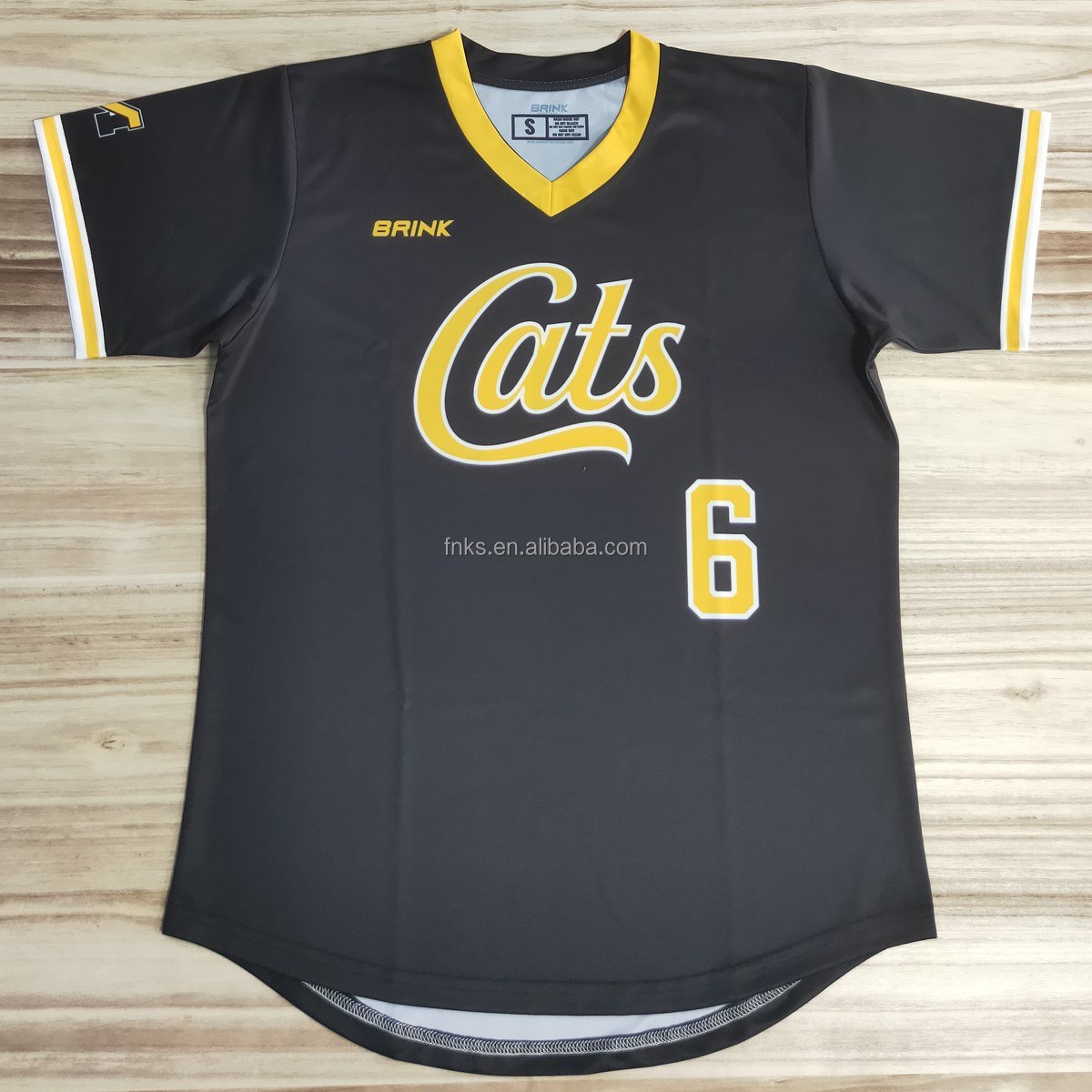
Vintage Piece Dyeing
Finished garments immersed in custom dye baths at varied temperatures and durations, creating uneven, tonal color effects that authentically mimic decades-old vintage fading with consistent, repeatable batch results.
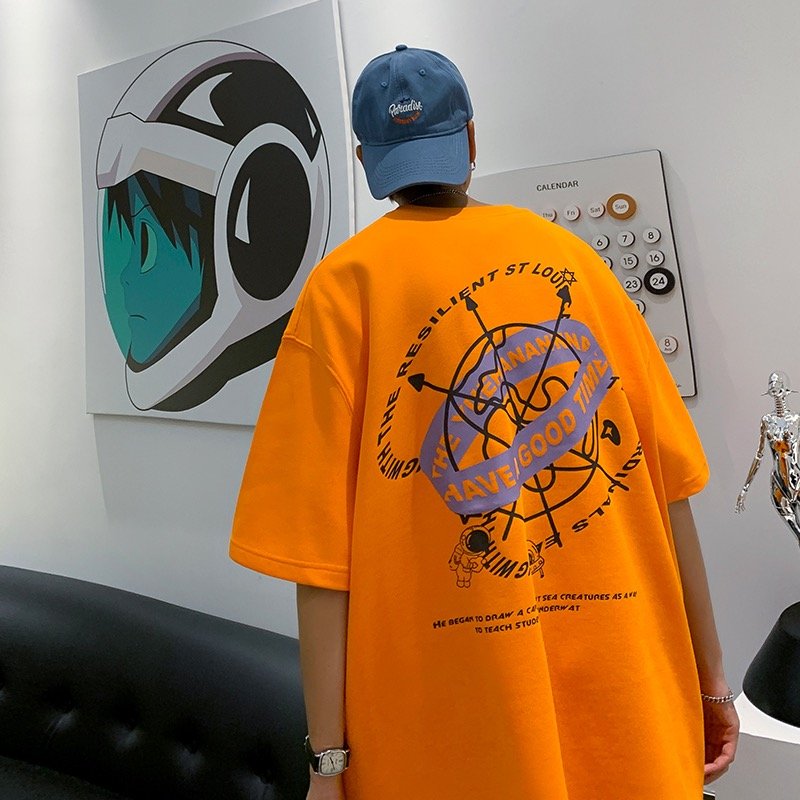
Hand Distressing
Skilled artisans manually sand, scrape, and brush select areas of each sweatshirt, producing one-of-a-kind distressed details that machinery alone cannot replicate for truly individualized streetwear character.
Premium Hardware & Accessories From Your Vintage Washed Sweatshirt Manufacturer
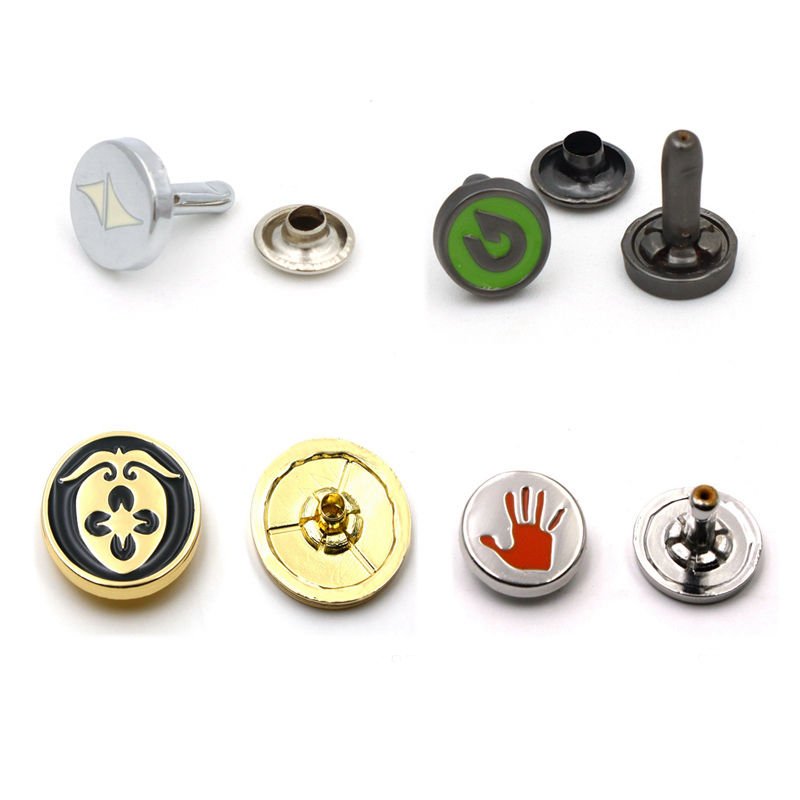
Metal Drawcord Tips
Precision-crafted metal aglets secure and elevate every hoodie drawcord on your vintage washed sweatshirt. Available in brass, silver, and gunmetal finishes, they add a premium streetwear edge while preventing fraying on washed-effect fabrics.
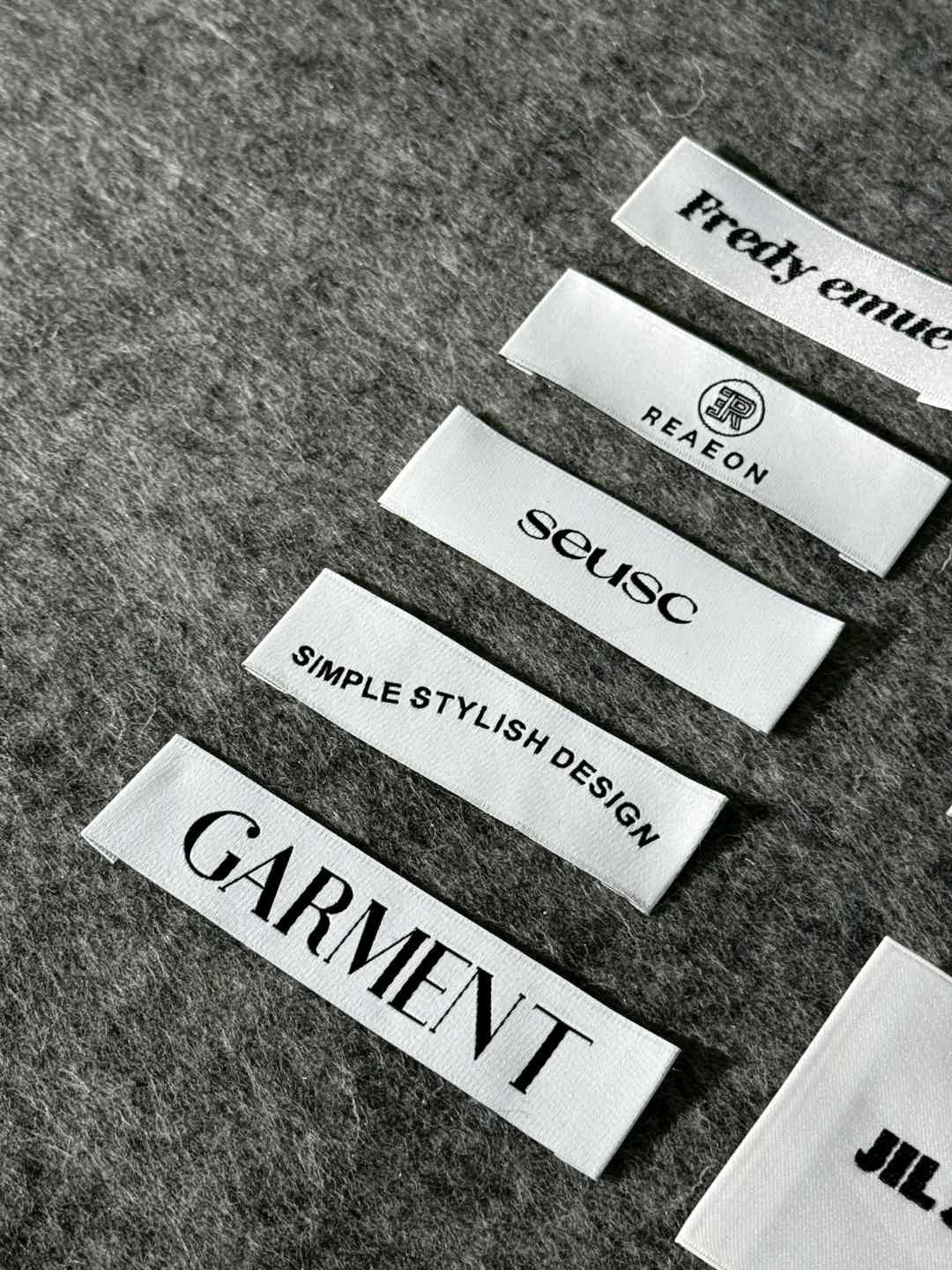
Woven Neck Labels
Custom woven neck labels embed your brand identity directly into every garment. Crafted in soft, skin-friendly yarns sized to fit discreetly, they survive repeated washes without fading — essential for vintage wash collections built to endure heavy laundering.
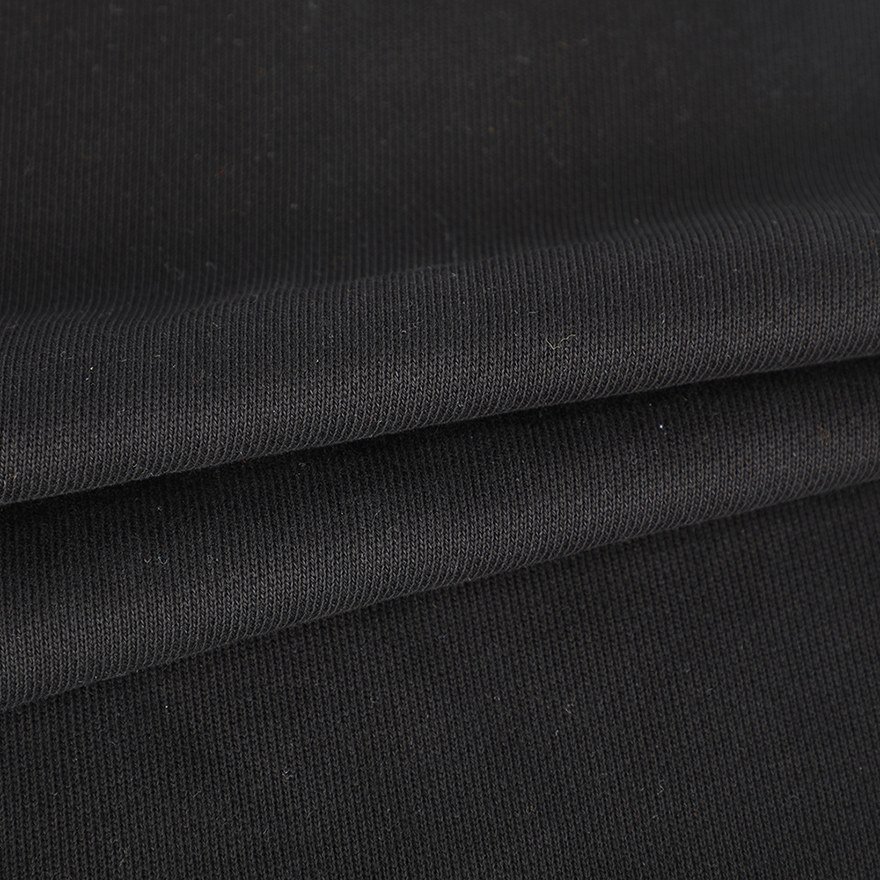
Embroidered Chest Patches
Iron-on or sew-on embroidered patches deliver bold, tactile branding to chest, sleeves, or back panels. High-stitch-density construction holds vibrant color against the distressed, worn-in aesthetic of vintage washed fabrics for lasting visual impact.
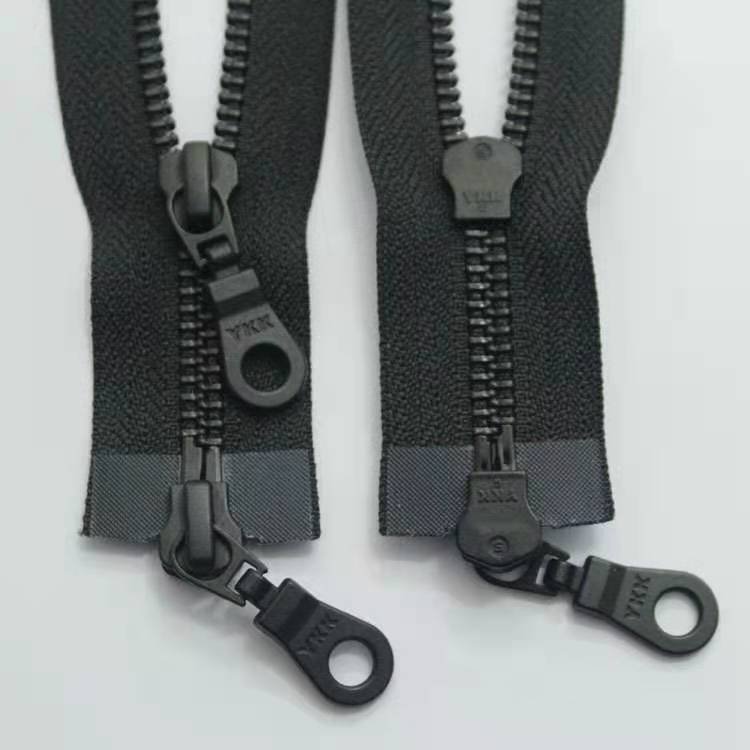
YKK Kangaroo Zippers
Genuine YKK zippers ensure smooth, reliable operation on kangaroo pockets and half-zip necklines. Corrosion-resistant sliders and reinforced tape attachment are built to withstand the chemical exposure of the vintage wash process without performance compromise.
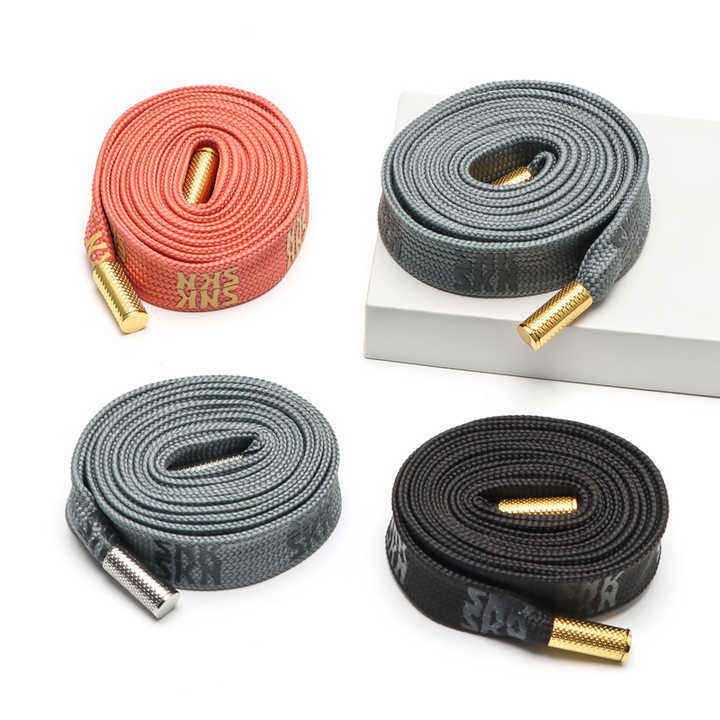
Custom Drawcords
Flat, round, or braided drawcords in cotton, polyester, or waxed blends complement the relaxed silhouette of vintage washed sweatshirts. Available in custom widths and colorways to precisely match or boldly contrast your seasonal palette.
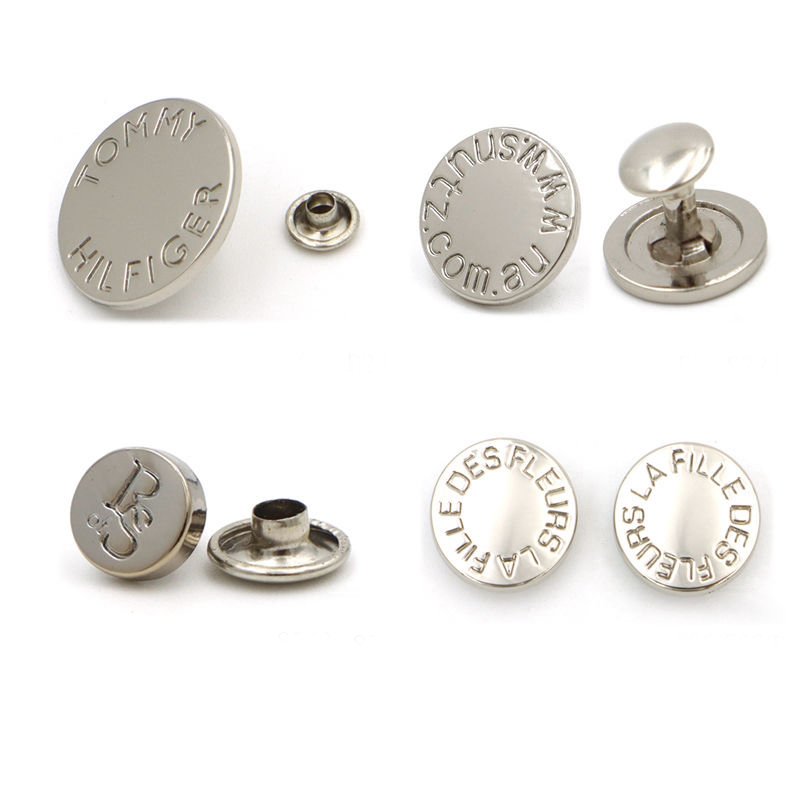
Hangtags & Packaging
Premium custom hangtags in kraft, coated, or specialty stock present your brand professionally at retail. Attached with branded string or metal pins, they complete the unboxing experience for influencer launches and direct-to-consumer drops.
Vintage Washed Sweatshirt Manufacturer Built on Expertise
Clothing Manufacturer Ltd. was founded in 2024 by Tesla Luo, a Dongguan-based production veteran who grew up on the factory floor — literally. Raised by parents who held senior roles in apparel manufacturing, Luo spent childhood summers rotating through every production station: sewing, cutting, QC, packing, and shipping. That foundation, combined with more than 10 years of industry experience and 6 years focused exclusively on streetwear, drove him to build a vintage washed sweatshirt manufacturer committed to one mission: eliminate low-quality clothing for good.
That mission takes shape through a proprietary five-step quality control process — covering materials, cutting, craft, sewing, and finished-goods inspection — embedded at every production stage, not bolted on at the end. Backed by a 15-member R&D team, 10 production patents, and the full manufacturing infrastructure of parent company Dongguan TuoZhen Clothing Co., Ltd., we offer emerging brands low MOQs and fast seasonal turnarounds alongside the scalable capacity that established retailers demand.
Since launching, we have served more than 1,000 clients across 100-plus countries and regions — from first-collection independent designers to influencer brands with hundreds of thousands of followers. Our expertise spans every streetwear motif and every finishing technique, including the vintage wash processes that define today’s most sought-after silhouettes. When you partner with us, you get a team that has lived every stage of production and refuses to cut corners on any of them.
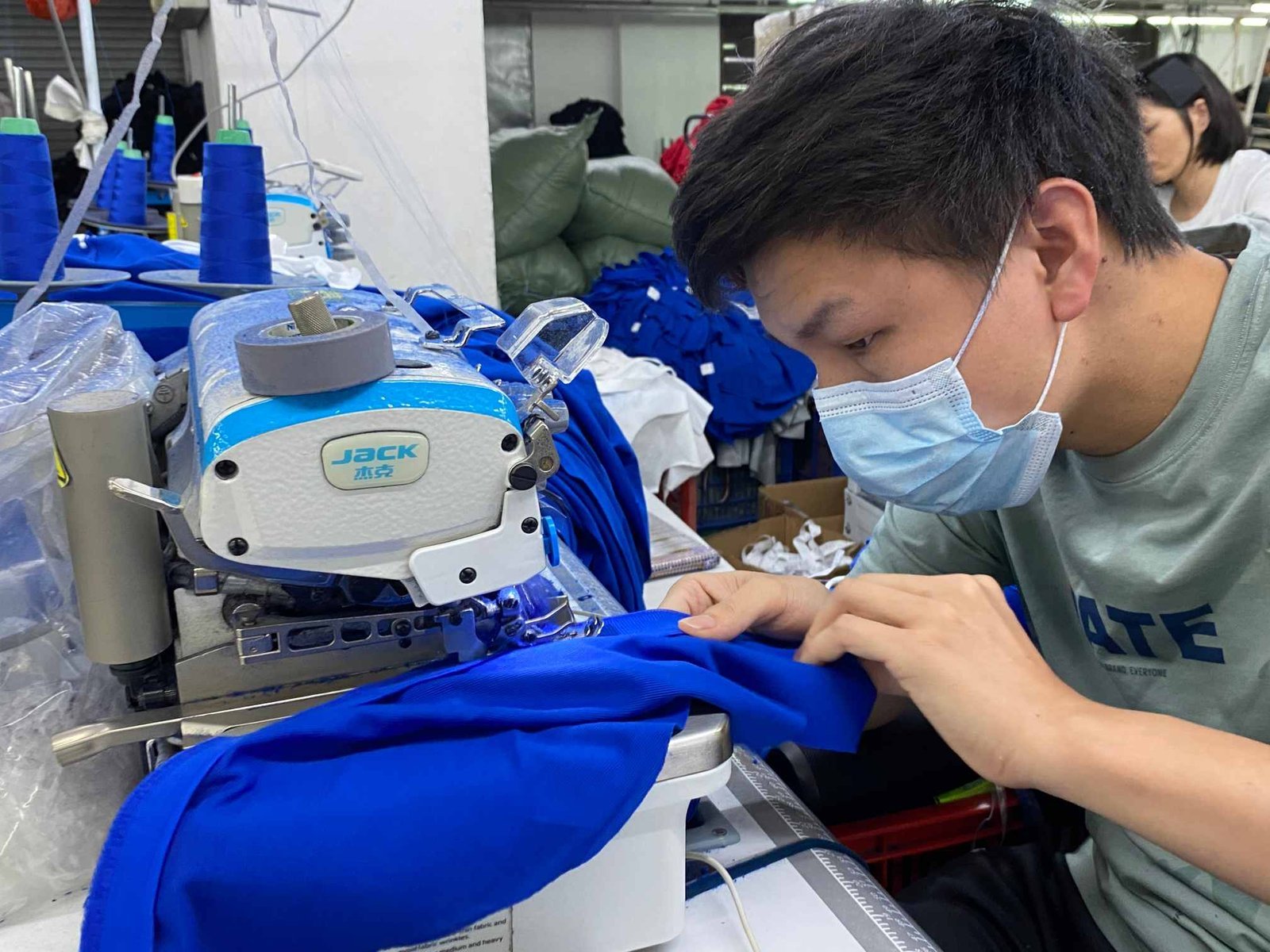
How Our Vintage Washed Sweatshirt Manufacturer Embeds Quality at Every Stage
Step 1: Materials QC Testing Starts Here
Before a single thread is cut, every fabric batch is tested for weight, color fastness, and shrinkage. Our materials QC stage ensures each substrate can withstand the vintage wash process and deliver the consistent, lived-in look your brand demands.
- Fabric weight and GSM verified against approved specifications
- Color fastness and bleed testing conducted before cutting begins
- Shrinkage rate checks to protect final garment measurements
- Wash-response simulation to confirm authentic vintage texture output
Precision Cutting QC for Perfect Pattern Alignment
Poor cutting is a hidden defect that no amount of finishing can fix. Our cutting QC stage validates marker accuracy, ply consistency, and grain alignment on every layer — so seams, pockets, and panels meet precisely during assembly.
- Marker and pattern accuracy validated against approved tech packs
- Ply count and layer alignment checked before cutting runs begin
- Grain line and notch verification for clean, consistent seam joins
- Defective panels flagged and replaced before sewing ever starts
In-Process Craft and Sewing QC Checks
Two dedicated QC checkpoints run during active production: craft QC evaluates stitch techniques, construction methods, and specialty details, while sewing QC monitors seam integrity and thread tension on every station — catching defects at the moment they occur, not after.
- Stitch type and SPI verified at each construction stage
- Pocket placement, hem width, and logo positioning audited mid-run
- Thread tension and seam strength tested across all sewing stations
- Defective units pulled from the line before they can advance
Final Inspection: Zero Tolerance Before Shipping
Our fifth and final QC gate is a full finished-garment inspection before any order is packed or shipped. Every piece is measured, checked for defects, and compared against the approved sample — your vintage washed sweatshirts leave our factory only when they pass.
- Full measurement audit conducted against approved tech pack specifications
- Visual inspection for stitching flaws, wash inconsistencies, and trim defects
- Each colorway compared against a sealed, brand-approved reference sample
- AQL-standard inspection reports available for every production run
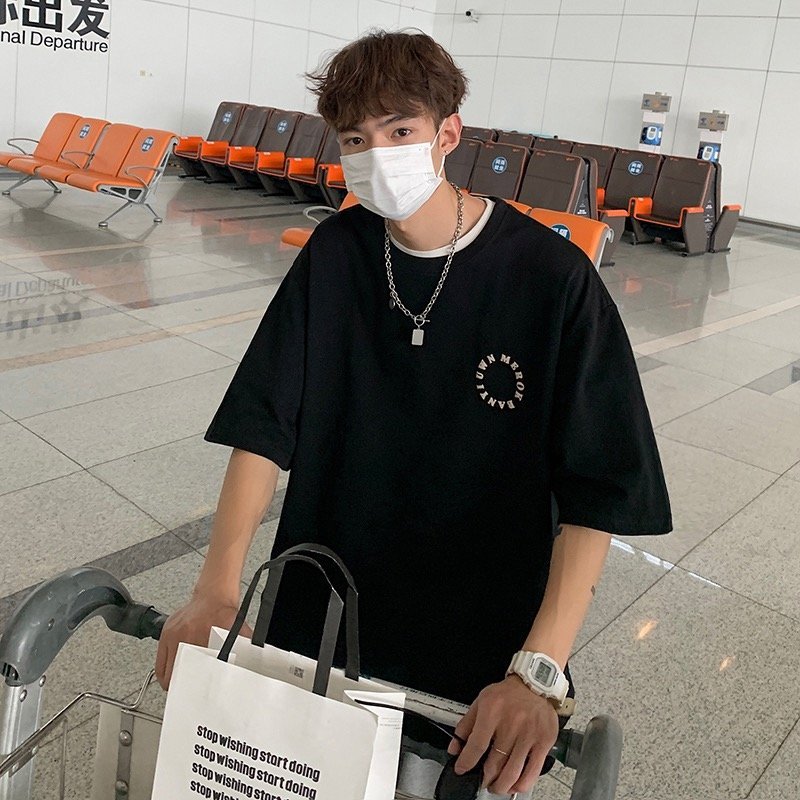
Vintage Washed Sweatshirt Manufacturer: How We Compare
See exactly why streetwear brands, startups, and global retailers choose Clothing Manufacturer Ltd. over generic suppliers — on every metric that actually impacts your bottom line.
← 左右滑动查看 →
Vintage Washed Sweatshirt Manufacturer: From Sourcing to Shipping
Six tightly managed production phases, with our 5-step QC embedded at every critical checkpoint — so your order arrives on time and exactly to spec.
Fabric Sourcing & Materials QC
We source premium vintage-wash-ready fleece and jersey fabrics, then run materials QC testing to verify weight, colorfastness, and shrinkage before production begins.
Pattern Making & Sampling
Our in-house R&D team develops precise technical patterns and produces sealed samples for your approval, locking in fit, silhouette, and design details before bulk production.
Cutting & Sewing Production
Precision cutting and sewing follow strict craft and sewing QC checkpoints at every station, catching defects early so they never compound across the full production run.
Vintage Wash & Finishing
Each piece undergoes our specialized vintage wash process — enzyme, stone, or acid — delivering authentic fading, a soft hand-feel, and the worn-in aesthetic your brand demands.
Final QC Inspection
Every finished sweatshirt clears our finished-goods QC inspection: seam integrity, wash consistency, measurements, and surface quality all verified against your approved sealed sample.
Packing & Global Shipping
Orders are packed to your specifications and dispatched via our global logistics network, with full shipment tracking and customs documentation handled by our experienced trade team.
How to Order From Your Vintage Washed Sweatshirt Manufacturer
A clear, friction-free process built for first-time buyers, emerging streetwear labels, and global brands scaling production with confidence.
Submit Your Design or Tech Pack
Share your artwork, tech pack, or concept. Our in-house design team reviews your brief and proposes fabric, wash effects, and construction options within 24 hours.
Receive Your Quote and Sample Plan
We deliver a transparent quote with MOQ-friendly pricing suited for startups and emerging brands, alongside a clear sample timeline so you know exactly what to expect.
Approve Your Production Sample
Our sampling team crafts a physical prototype reflecting your vintage wash finish and streetwear specs. Review, request revisions, and sign off before bulk production begins.
Place Your Bulk Order
Confirm your order and our five-step QC process activates immediately, covering materials, cutting, craft, sewing, and final inspection at every production stage.
Receive Delivery Worldwide
We coordinate global logistics and shipping to over 100 countries, ensuring your vintage washed sweatshirts arrive on schedule, safely packaged, and ready to sell.
Certified Standards From a Trusted Vintage Washed Sweatshirt Manufacturer
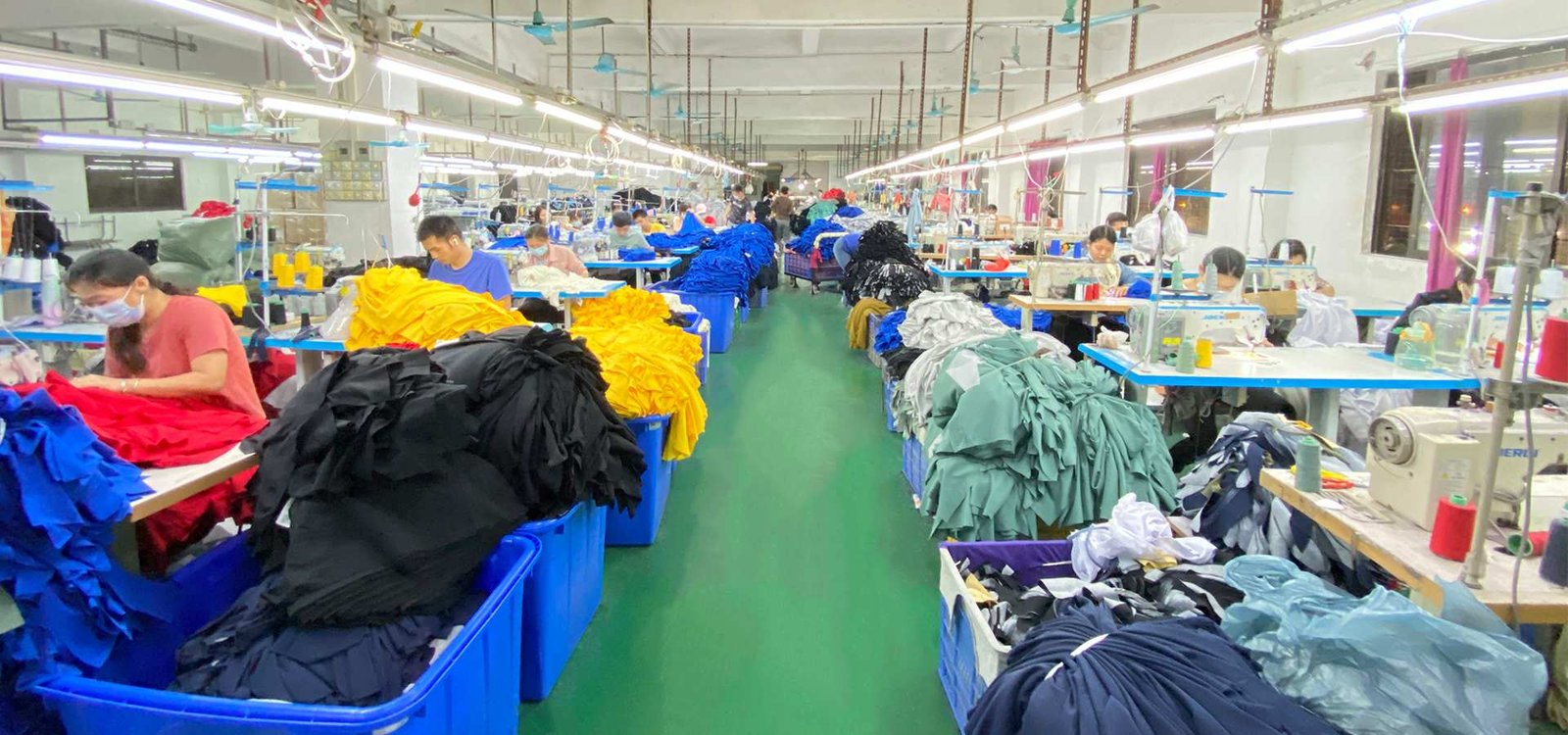
Trusted by Global Streetwear Brands — Our Vintage Washed Sweatshirt Manufacturer Delivers
We launched our first drop with 200 vintage washed sweatshirts and sold out in 48 hours. Clothing Manufacturer Ltd. nailed the washed finish on every single piece — zero QC rejections. We’ve since scaled to 1,500 units per run and our return rate is under 1%.
As an independent designer with a tight budget, I needed a manufacturer who’d take my low MOQ seriously. They sampled my acid-wash crewneck in 9 days, and the 5-step QC process meant I didn’t have to babysit production. My Instagram grew from 4k to 62k followers after that collection dropped.
We switched from our previous vintage washed sweatshirt manufacturer after too many inconsistent dye lots. Clothing Manufacturer Ltd. cut our QC issues by 90% in the first season. Their team communicated every step, and our seasonal restock hit shelves three weeks ahead of schedule.
Vintage Washed Sweatshirt Manufacturer FAQs: Everything You Need to Know
From minimum orders to IP protection, here are the straight answers global brands and startups ask us most before placing their first production run.
What is the minimum order quantity (MOQ) for a vintage washed sweatshirt manufacturer like Clothing Manufacturer Ltd.?
How long does sampling take for vintage washed sweatshirts?
How do I know a vintage washed sweatshirt manufacturer in China will protect my designs and intellectual property?
Does your vintage washed sweatshirt manufacturer process include quality control at every production stage?
Can a first-time brand owner or startup work with your vintage washed sweatshirt manufacturer team?
What are the standard payment terms for bulk vintage washed sweatshirt orders?
How fast can you turn around seasonal or trend-driven sweatshirt collections?
What global shipping and logistics support do you offer after production?
Do you offer design support if I do not have a finished tech pack or artwork?
The Complete Buyer’s Guide to Choosing a Vintage Washed Sweatshirt Manufacturer
Everything streetwear brands, independent designers, and global retailers need to evaluate a vintage washed sweatshirt manufacturer — from fabric weights and wash techniques to supplier vetting criteria, pricing tiers, and the sourcing mistakes that kill margins before launch.
1. What Is a Vintage Washed Sweatshirt Manufacturer?
A vintage washed sweatshirt manufacturer is a production facility that integrates post-construction finishing — garment dyeing, enzyme washing, and acid washing — directly into its manufacturing workflow rather than treating the sewn sweatshirt as a finished good. Standard apparel suppliers deliver cut-and-sew garments in a final pressed state; a vintage wash specialist runs completed or semi-finished pieces through industrial drum machines loaded with cellulase enzymes, pumice stones, or diluted oxidizing solutions to deliberately abrade surface fibers and produce the faded, lived-in aesthetic streetwear consumers recognize.
The core processes differ in mechanism and result. Enzyme washing uses cellulase or protein-based enzymes at controlled temperatures — typically 50–60°C — to micro-abrade cotton surface fibers, softening hand-feel without compromising structural integrity. Acid washing soaks pumice stones in sodium hypochlorite before loading them into the drum, generating the irregular bleached patches associated with 1980s and 1990s streetwear revival; garment dyeing dyes the fully constructed piece rather than raw yarn, allowing color to penetrate seams and panels unevenly and create tonal variation no pre-dyed fabric can replicate.
Brands seek out a dedicated vintage washed sweatshirt manufacturer because post-purchase washing produces inconsistent results — consumer machines cannot replicate the calibrated enzyme concentrations, drum-load ratios, and water temperatures used in industrial production. Without process controls, wash-down percentages and color tone shift unpredictably between batches, making it impossible to scale a signature aesthetic across seasonal collections.
A true specialist maintains in-house washing equipment alongside its cut-and-sew lines, employs finishing technicians who calibrate variables per fabric weight — typically 280–420 GSM fleece — and conducts wash-fastness testing against OEKO-TEX Standard 100 or AATCC benchmarks before bulk shipment. This vertical integration of sewing, washing, finishing, and quality control under one roof is the defining operational difference between a vintage wash specialist and a commodity sweatshirt factory.
2. The Evolution of Vintage Wash: From Workwear to Streetwear
In 1984, stonewash denim entered mass retail after Italian mills pioneered pumice-stone tumbling to simulate decades of wear inside a single wash drum. The technique proved that consumers would pay a premium for ‘pre-aged’ texture, and garment finishers quickly adapted the chemistry from denim to cotton fleece blanks.
By the mid-1990s, collegiate-weight French terry and 80/20 cotton-poly fleece were receiving acid-wash and enzyme treatments at scale, embedding the faded, soft-hand aesthetic into campus and skate culture. Early-2000s Y2K nostalgia reinforced the cycle, as pre-aged silhouettes commanded consistent retail price premiums over unwashed equivalents and pushed cut-and-sew factories to invest in dedicated wash equipment.
Since 2018, the drop-culture model — fueled by limited-release streetwear labels and creator brands — has elevated vintage wash from a finishing option to a brand-identity signal. Ring-spun 400 GSM fleece treated with pigment overdye, ozone wash, or bio-enzyme processes now commands meaningful retail premiums, making wash quality a direct revenue lever for any label.
Four decades of wash-technology evolution separate suppliers with genuine technical heritage from factories that retrofitted a single wash drum after 2020 to chase demand. A vintage washed sweatshirt manufacturer with deep roots in enzyme chemistry, multi-step garment dyeing, and QC embedded across cutting, sewing, and finishing carries institutional knowledge trend-chasing operations cannot replicate. When vetting partners, request wash-development samples across at least three distinct techniques — the range reveals process depth, not just capacity.
3. Types of Vintage Wash Techniques Every Buyer Should Know
Each vintage washed sweatshirt manufacturer offers a distinct finishing menu. The technique you select determines visual character, hand-feel, and per-unit cost — making it a core sourcing decision aligned to brand identity.
Enzyme Wash
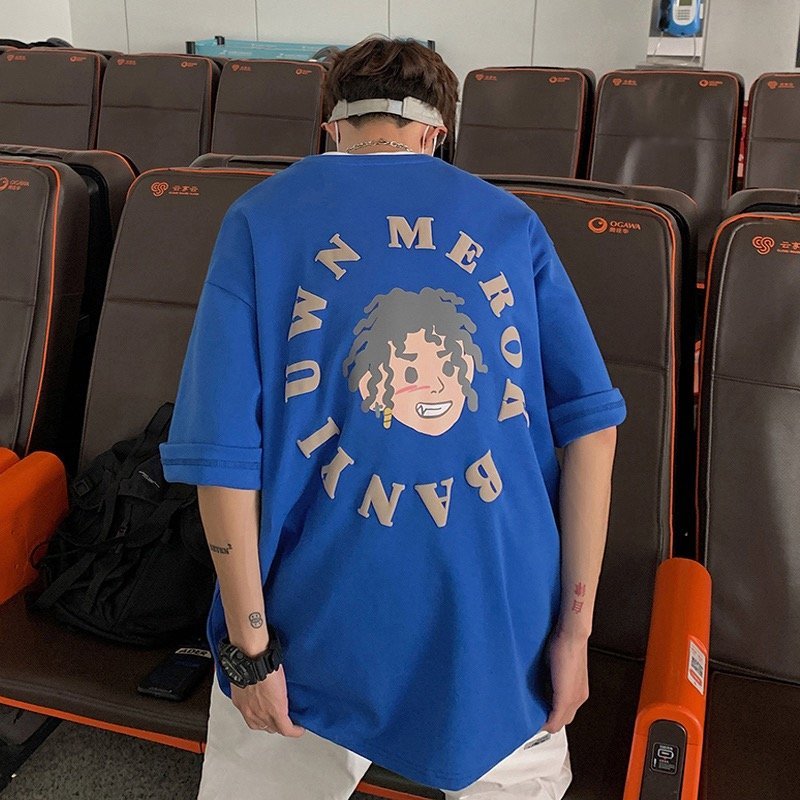
Enzyme wash uses biological enzymes to soften fibers and produce a subtle, uneven fade without harsh chemicals. The result is a lived-in, low-contrast tone ideal for lifestyle, minimalist, or premium basics brands. MOQs typically start at 100–300 pieces per colorway.
Acid Wash
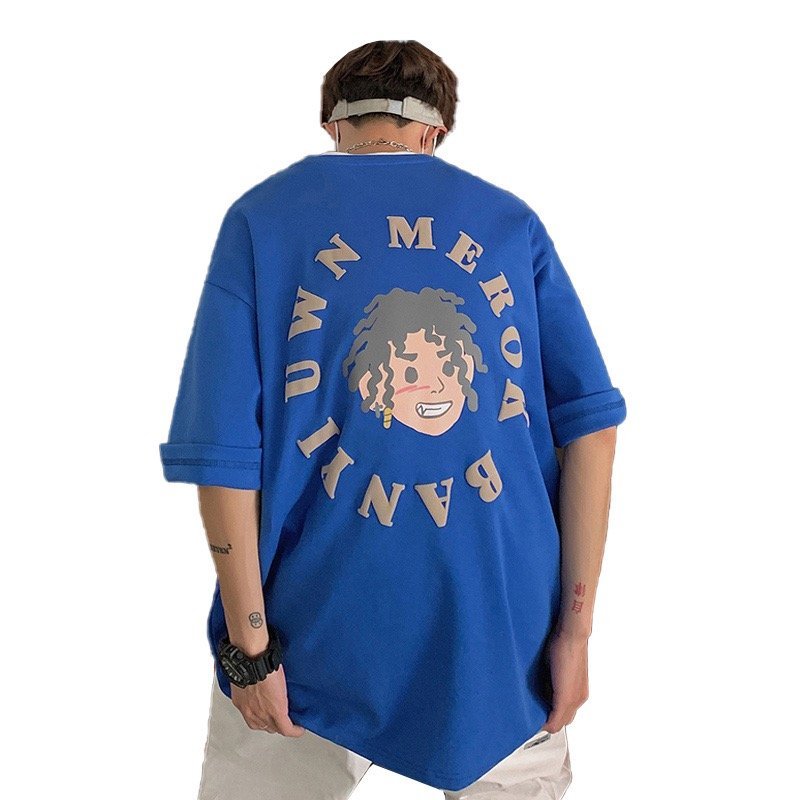
Acid wash applies chlorinated solutions to damp fabric, creating high-contrast blotched or marbled patterns. It is aggressive on fibers, so 380–400 GSM fleece is recommended over lightweight fabric. MOQs run 200-plus pieces due to dye-bath setup costs; best fit is bold, retro, or ’90s-influenced streetwear.
Garment Dye and Pigment Overdye
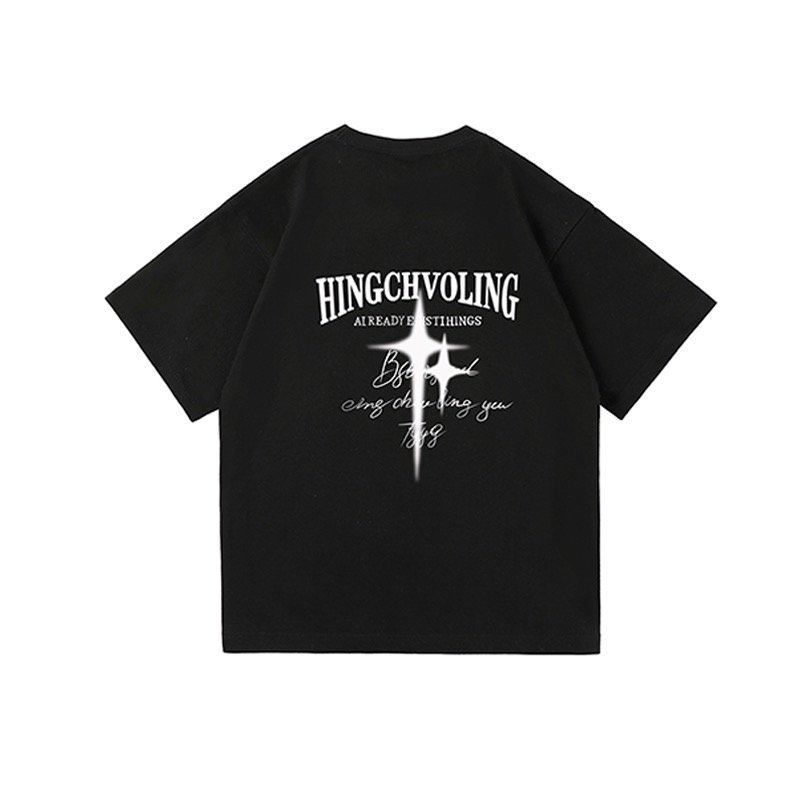
Garment dyeing colors a finished blank in a rotating drum, generating natural tonal variation at seams and stress points. Pigment overdye deposits a dusty surface layer for a sun-bleached effect. MOQs range 100–500 pieces; a 5–7-day dye cycle adds to lead time.
Stone Wash
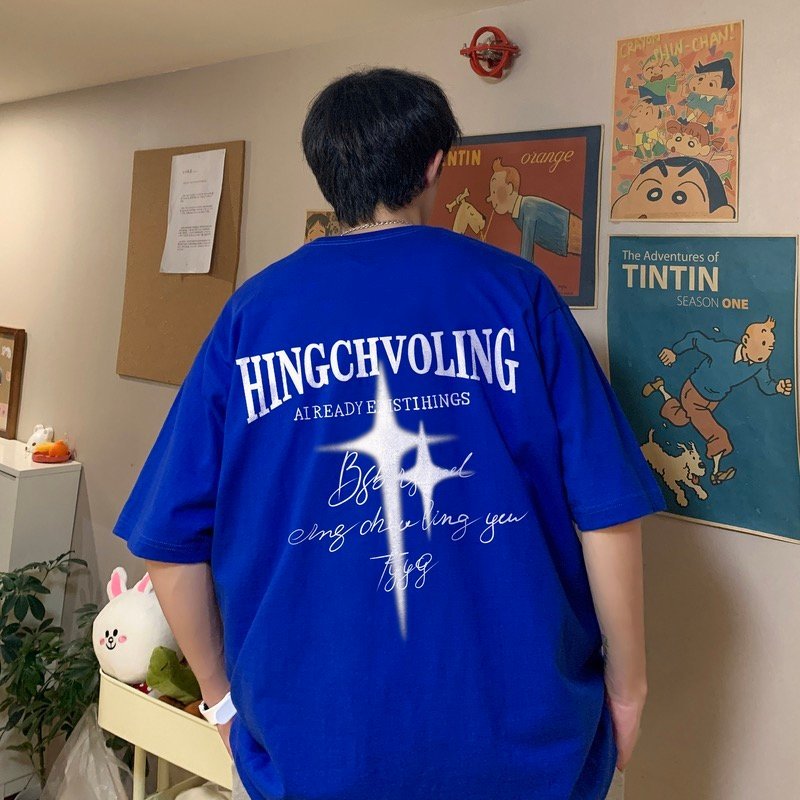
Stone wash tumbles garments with pumice stones to physically abrade fibers, delivering a broken-in texture and matte finish. Pilling risk rises on fabrics below 350 GSM. This technique suits workwear-inspired, heritage, and heavyweight streetwear brands targeting a durable, rugged aesthetic.
Bleach Wash and Distressing
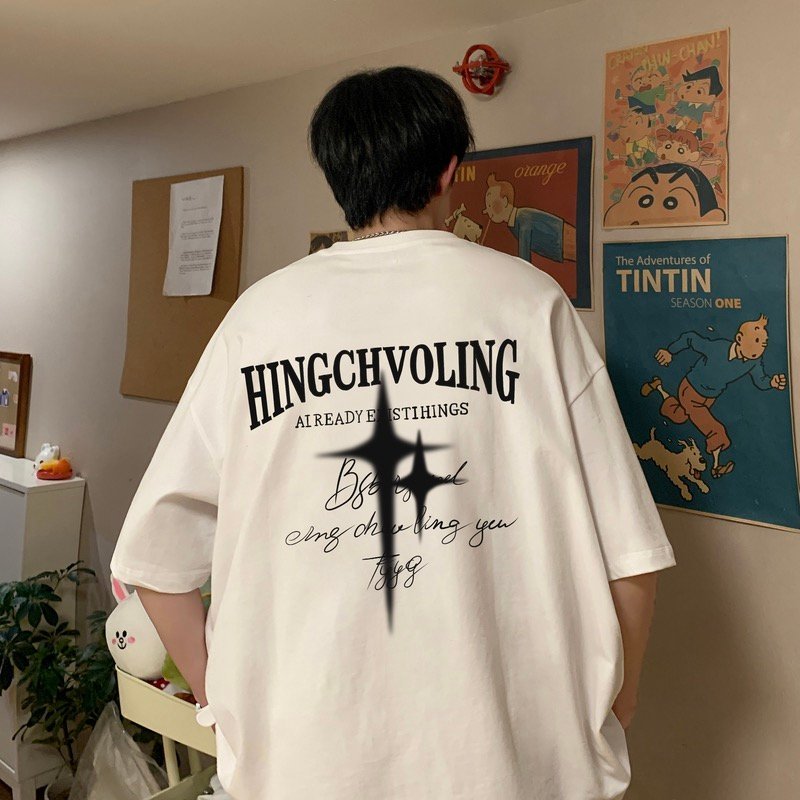
Bleach wash strips base dye unevenly, producing high-contrast fading from all-over lightening to dramatic splash effects. Heavy distressing — frayed hems, worn-through patches — is often added in the same finishing pass. This targets punk-influenced, grunge, or bold streetwear brand identities.
Silicone Softener Finish

Silicone softener is a post-wash chemical bath that adds a silky hand-feel and improved drape without altering visual appearance. It pairs with any wash technique listed above and adds minimal cost per unit. Ideal for premium basics brands where tactile quality is a key selling point.
4. Materials & Fabric Weights Used by Top Manufacturers
Fabric construction dictates wash survival and aesthetic retention. Any credible vintage washed sweatshirt manufacturer specifies GSM, fiber blend, and loop structure before choosing a wash technique — mismatches cause uneven fading or uncontrolled shrinkage.
| Fabric Type | GSM Range | Wash Compatibility | Recommended Use Case |
|---|---|---|---|
| 100% Cotton Fleece | 280–350 | Acid, enzyme, pigment | Year-round midweight styles |
| 80/20 Cotton-Poly | 300–380 | Enzyme, stone | Durable budget-to-mid retail basics |
| 60/40 Cotton-Poly | 320–420 | Stone, vintage rinse | Heavy winter capsule builds |
| French Terry | 260–300 | Enzyme, pigment | Spring/summer lightweight builds |
| Waffle-Knit | 240–300 | Enzyme, soft rinse | Textured layering pieces |
| Recycled Fiber Blend | 300–360 | Acid, enzyme | Sustainable brand collections |
Core Fabric Constructions

100% ring-spun cotton fleece (280–350 GSM) delivers the softest hand-feel and best pigment absorption for garment dyeing. Cotton-polyester blends — 80/20 and 60/40 — add dimensional stability and reduce post-wash shrinkage, while French terry’s loop-back construction suits lighter 260–300 GSM warm-weather builds.
Waffle-Knit and Recycled-Fiber Options
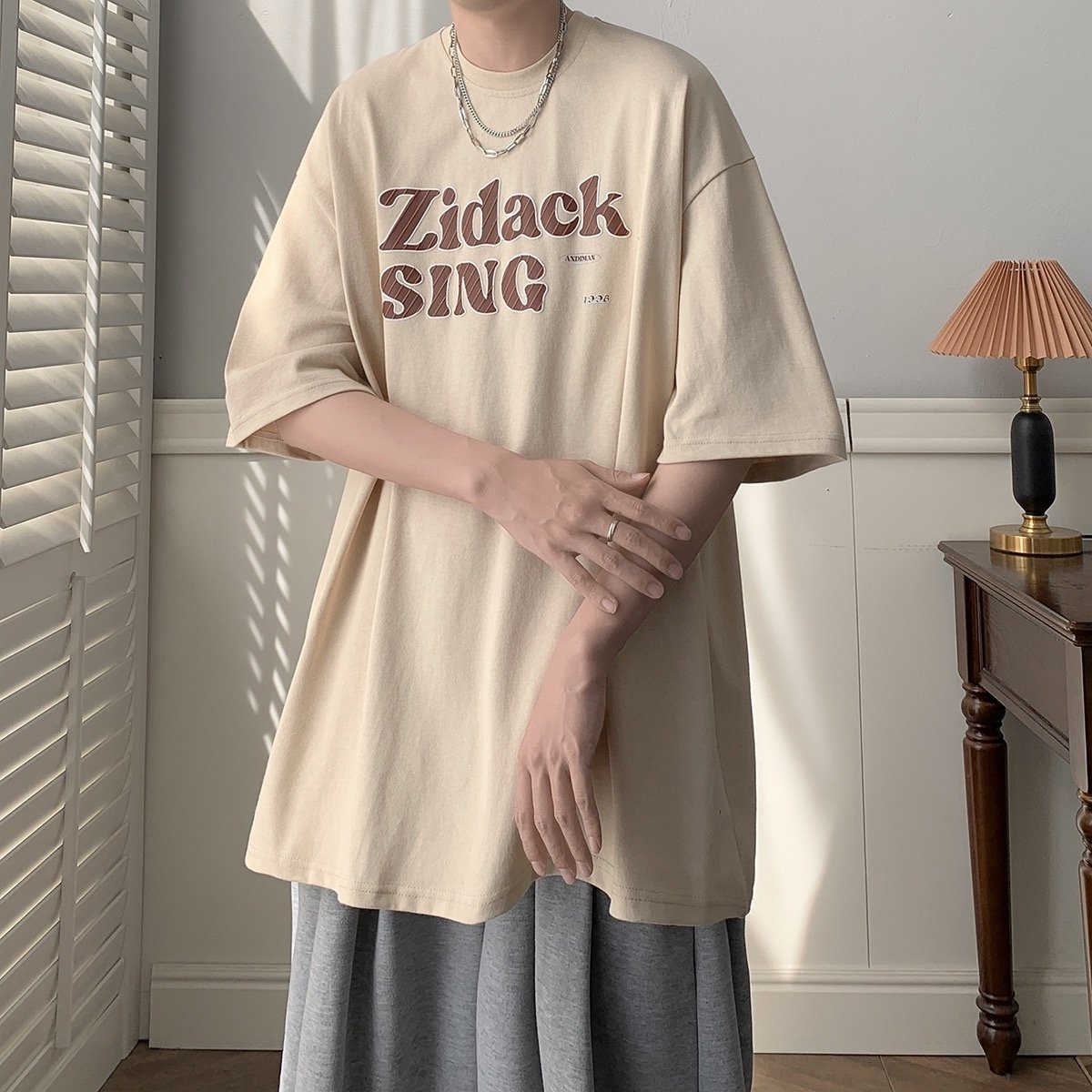
Waffle-knit construction adds surface texture at 240–300 GSM, making it ideal for layering pieces at accessible retail price points. Recycled-fiber options using GRS-certified rPET blends now reach 300–360 GSM, meeting OEKO-TEX Standard 100 requirements while absorbing acid and enzyme washes comparably to virgin cotton.
Shrinkage and Pre-Treatment Methods
Ring-spun cotton fleece shrinks 5–8% lengthwise and 3–5% in width after the first industrial wash cycle. Manufacturers compensate by pre-shrinking greige fabric before cutting or by grading patterns 1–2 sizes up, then verifying dimensions after a sample wash confirmation run.
5. Customization & Decoration Options from a Vintage Washed Sweatshirt Manufacturer
A skilled vintage washed sweatshirt manufacturer sequences decoration around the wash process — some techniques survive the garment wash cycle intact, while others must be applied post-wash to avoid cracking, delamination, or distortion.
Pre-Wash vs. Post-Wash Decoration Timing
Discharge screen printing and flat embroidery are pre-wash safe — discharge ink bonds chemically with cotton fibers and fades uniformly with the garment wash.
Plastisol, heat-transfer vinyl, puff ink, and chenille patches must be applied post-wash to prevent cracking, delamination, or patch warping during the wash cycle.
Screen Printing: Discharge and Plastisol
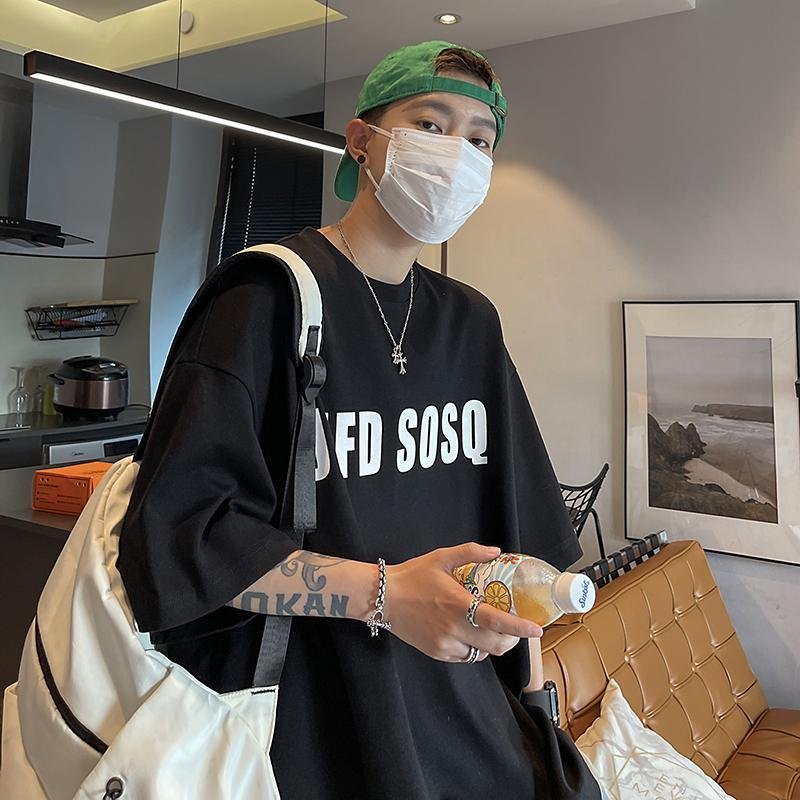
Discharge ink removes the fabric’s dye and replaces it with pigment, producing a soft, breathable hand-feel suited to 280–400 GSM cotton fleece.
Plastisol supports up to 8 spot colors with sharp edge definition. Screen printing MOQs start at 50 pieces per colorway, adding 3–5 production days.
Embroidery, Puff Ink, and Chenille Patches
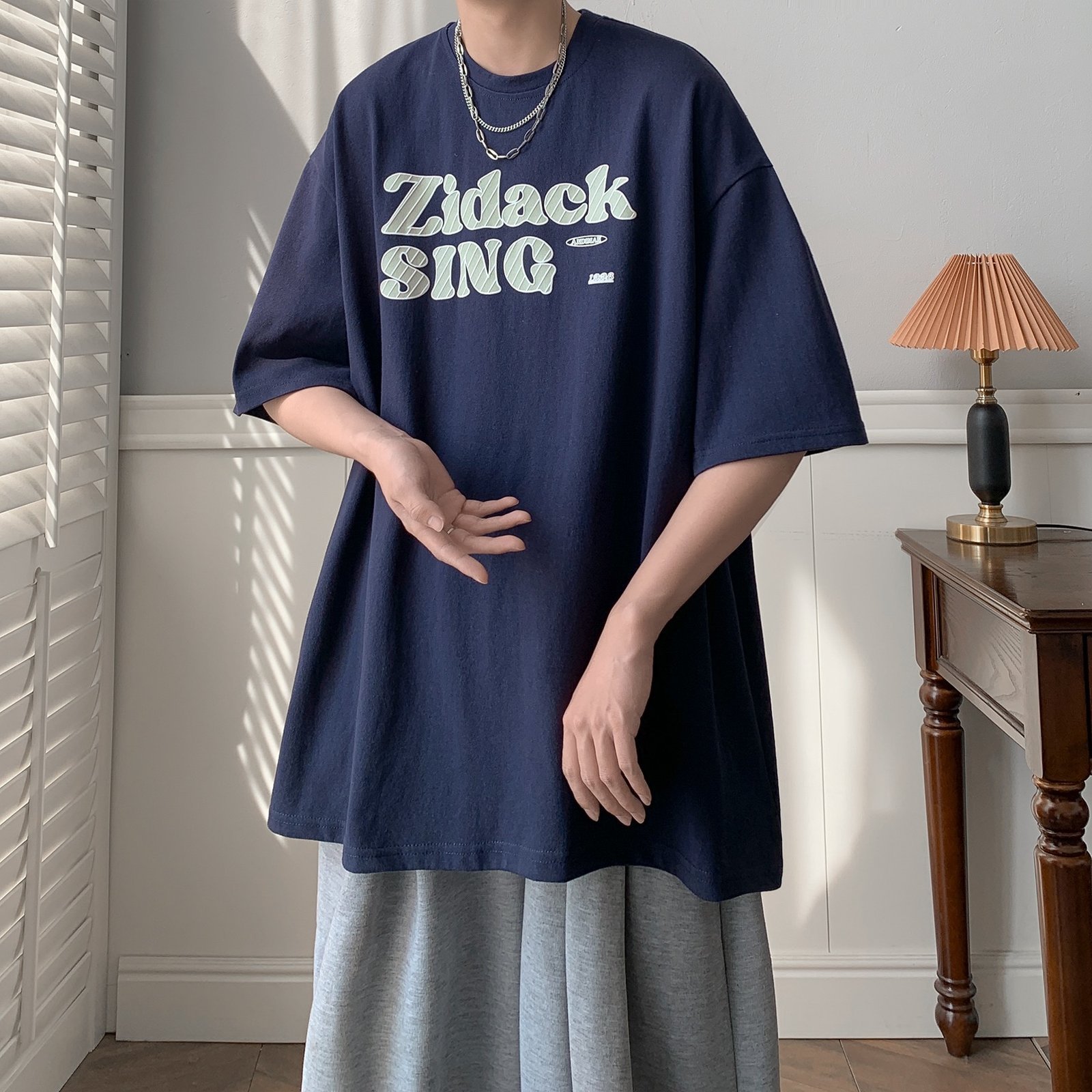
Flat embroidery holds through repeated washing and suits chest logos under 4 inches in diameter; minimum orders typically start at 50 pieces.
3D puff embroidery and chenille patches — a varsity-streetwear staple — are applied post-wash at MOQs of 50–100 pieces, adding 5–7 days to production schedules.
Private Label and Hang-Tag Branding
Custom woven neck labels and heat-transfer labels are standard options; woven labels carry a 100-piece MOQ and require 7–10 additional days for loom production.
Hang tags with Pantone-matched colors and custom die-cuts attach at final packing. Private label setup fees typically run $50–$150 USD per label style.
6. Key Construction Quality Elements to Inspect
Evaluating a sample from any vintage washed sweatshirt manufacturer requires testing beyond aesthetics. Construction integrity under repeated washing determines whether a garment holds its retail value or becomes a return-rate problem for your brand.
Seam Construction: Flatlock vs. Overlock
Flatlock seams lie flat against the skin and withstand repeated wash cycles better than overlock on high-movement areas like side seams and sleeves. Request seam type callouts on your tech pack to confirm the manufacturer meets this standard.
Rib Cuff and Waistband Recovery
2×2 rib knit cuffs and waistbands should return to original width within 30 seconds after stretching. After 5 wash cycles, any loss exceeding 5% of original elasticity signals inferior yarn quality.
Print Adhesion and Color Fastness
Screen-print and DTG prints on vintage washed garments must score ≥4 on the AATCC gray scale for color change after 5 washes. Cracking or peeling by wash cycle 3 indicates insufficient ink cure temperature or the wrong plastisol formula.
Color Consistency Across a Production Run
Pull 10 random units from a bulk run and compare against the approved Pantone standard under D65 lighting. A Delta-E reading above 1.5 is a visible mismatch that triggers rejection in most retail QC protocols.
Hardware: Zipper Grade and Drawcord
YKK #5 coil or metal zippers are the industry baseline for quality half-zip and full-zip sweatshirts; generic hardware fails pull-force tests at roughly 40% lower thresholds. Drawcords should be 8mm flat woven with heat-sealed tips to prevent fraying after washing.
Five-Wash Shrinkage Protocol
Wash 5 consecutive cycles at 40°C using standard detergent, then measure chest width and body length against pre-wash dimensions. Accept a shrinkage delta of ≤3% for ring-spun cotton fleece; anything higher requires the manufacturer to adjust preshrinking or fabric tension.
7. How to Choose the Right Vintage Washed Sweatshirt Manufacturer
Selecting the right vintage washed sweatshirt manufacturer requires more than comparing price sheets. Vet every candidate against objective criteria — certifications, sample quality, and process transparency — before committing to a production run.
Certifications to Require
Require OEKO-TEX Standard 100 for chemical safety, GOTS if organic fibers are claimed, and BSCI for social compliance audits. Verify certificate numbers directly on each issuing body’s public database — copies alone can be forged.
A manufacturer holding all three certifications signals investment in auditable systems, not just end-product testing.
Auditing Wash Consistency
Request lab dip approvals before bulk dyeing and a minimum 3-wash test sample to confirm color retention and dimensional stability. Each wash cycle should show no more than half a Pantone shade of drift.
Ask whether washing is handled in-house or outsourced. In-house garment washing gives tighter batch-to-batch control; outsourced washing introduces a variable the manufacturer may not fully monitor.
Key Sourcing Questions to Ask
Before signing any agreement, run through non-negotiable questions covering MOQ, lead times, sampling policy, and communication cadence.
- What is the MOQ for vintage washed styles — industry standard runs 100–300 pieces per colorway?
- Are sampling fees credited against the bulk order price?
- What is the standard production lead time — typically 30–60 days post-sample approval?
- How are order milestones communicated — daily updates, weekly reports, or on-demand?
Red Flags to Avoid
Vague process descriptions — ‘we use special wash techniques’ with no documented SOP — reliably signal inconsistent output. Any vintage washed sweatshirt manufacturer that skips pre-production samples is bypassing the single most effective defect-prevention step.
Opaque subcontracting is equally dangerous: if a supplier cannot name its washing facility or share that factory’s audit records, you lose visibility into a critical production stage.
8. Common Mistakes Brands Make When Sourcing a Vintage Washed Sweatshirt Manufacturer
Even experienced buyers lose margin and launch windows to avoidable production errors. Working with a vintage washed sweatshirt manufacturer demands extra diligence at every stage, from colorway sampling through customs clearance.
Skipping Wash-Consistency Testing Across Colorways
Acid and enzyme washes interact differently with each dye lot, producing uneven fade intensity across a six-colorway run. Request a wash-consistency test panel covering every colorway before approving bulk production to avoid a mismatched collection on arrival.
Underestimating Shrinkage and Skipping Spec Adjustments
Vintage wash processes shrink 280–320 GSM fleece by 3–8% in both length and width. Submit pre-wash measurements and require the factory to grade size specs post-wash, or your ‘size L’ ships fitting like a medium.
Choosing Price Over Wash Technique Expertise
A manufacturer quoting 15–20% below market often skips enzyme neutralization steps, leaving residual chemicals that accelerate fabric breakdown within 10–15 washes. Verify wash-process credentials before negotiating unit cost downward.
Ordering Bulk Without a Sealed Pre-Production Sample
Bulk orders placed without a signed-off, sealed PP sample have no binding reference for wash intensity, color tone, or hand feel. Require one sealed sample per colorway, retained by both parties, before releasing a production deposit.
Ignoring MOQ Flexibility for Launch Drops
Launch drops typically require 50–150 units per colorway to test demand without over-committing capital. A manufacturer with rigid 500-piece MOQs forces dead stock risk. Confirm tiered MOQ options during vetting, not after sampling costs are sunk.
Neglecting Customs and Import Duty Planning
HS code misclassification on washed fleece garments triggers re-inspection delays of 5–15 business days and unexpected duty adjustments of 12–32%. Confirm correct HS codes and request OEKO-TEX or WRAP compliance documentation from your offshore manufacturer before shipment.
9. Steps to Launch Your Brand with a Vintage Washed Sweatshirt Manufacturer
Launching with a vintage washed sweatshirt manufacturer takes 14–20 weeks from concept to landed goods. Following a structured sequence prevents costly re-samples, misaligned wash results, and customs delays that derail launch calendars.
Define Your Aesthetic and Wash Reference
Collect 5–10 physical or digital wash references pinning the exact aged tone — stone-washed, enzyme-washed, or garment-dyed. Specify fabric weight (320–400 GSM French terry or fleece) and Pantone color anchors before any outreach. This 3–5 day step prevents sample misalignment downstream.
Shortlist and RFQ Two to Three Manufacturers
Contact 2–3 candidates simultaneously with a one-page brief covering silhouette, fabric weight, wash type, MOQ target, and delivery window. Request itemized quotes within 7 days. Comparing responses reveals pricing gaps, MOQ flexibility, and which suppliers carry OEKO-TEX or BSCI compliance.
Order Strike-Off Samples and Run Wash Tests
Strike-off samples typically arrive in 10–15 days. Wash each sample 20–30 cycles and measure shrinkage, color fade consistency, and seam integrity. Reject any sample showing more than 3% dimensional change or uneven wash tone before approving bulk.
Lock Tech Pack and Confirm Bulk MOQ
Finalize a tech pack with graded size specs (XS–3XL), stitch density (7–9 SPI flatlock seams), and trim callouts (YKK zippers, ribbed cuffs). Confirm bulk MOQ — commonly 100–300 units per colorway — and agree on payment terms, typically 30% deposit and 70% before shipment.
Schedule Production, QC Inspection, and Freight
Bulk production runs 30–45 days for orders under 1,000 units. Book a third-party inline and final QC inspection at the factory. Plan 25–35 days for sea freight or 5–7 days for air, and submit HS code 6110.20 customs documentation at least 2 weeks before vessel departure.
10. Pricing & Cost Breakdown by Tier and Technique
Sampling fees at a vintage washed sweatshirt manufacturer typically run $50–$200 per sample, depending on wash complexity, fabric weight, and custom trims; many factories deduct this against your first bulk order above 100 units.
Freight from Guangdong adds $0.80–$2.50 per kg by sea FCL/LCL and $4–$8 per kg by air to major ports. US buyers should verify current HTS 6110.20 rates — Section 301 duties on Chinese-origin goods push effective tariffs above 25%; EU buyers typically pay 12%; UK buyers pay 12% post-Brexit. Always calculate full landed cost, including brokerage and last-mile fees, before comparing quotes.
- Enzyme wash: $80–$150 setup fee, +$0.80–$1.50 per-unit add-on, 100-unit MOQ
- Acid wash: $150–$300 setup, +$1.50–$2.80 per unit, 200-unit MOQ
- Garment dye: $200–$400 setup, +$2.00–$3.50 per unit, 200-unit MOQ
- Stone wash: $120–$200 setup, +$1.20–$2.00 per unit, 150-unit MOQ
| Quantity Tier | Unit Price Range (USD) | Lead Time |
|---|---|---|
| 50 units | $18–$28 | 25–35 days |
| 100 units | $14–$22 | 20–30 days |
| 300 units | $10–$16 | 18–25 days |
| 500 units | $8–$13 | 15–22 days |
| 1,000+ units | $6–$10 | 12–18 days |
Your Trusted Vintage Washed Sweatshirt Manufacturer — Start Today
Low MOQ, fast samples, and our 5-step QC guarantee mean your collection launches right the first time.