
Premium Jogger Manufacturer — Low MOQ, 5-Step QC Guaranteed
Partner with a jogger manufacturer built for streetwear brands and startups — low MOQ, fast samples, and a 5-step quality control guarantee on every order.
Our Jogger Collections
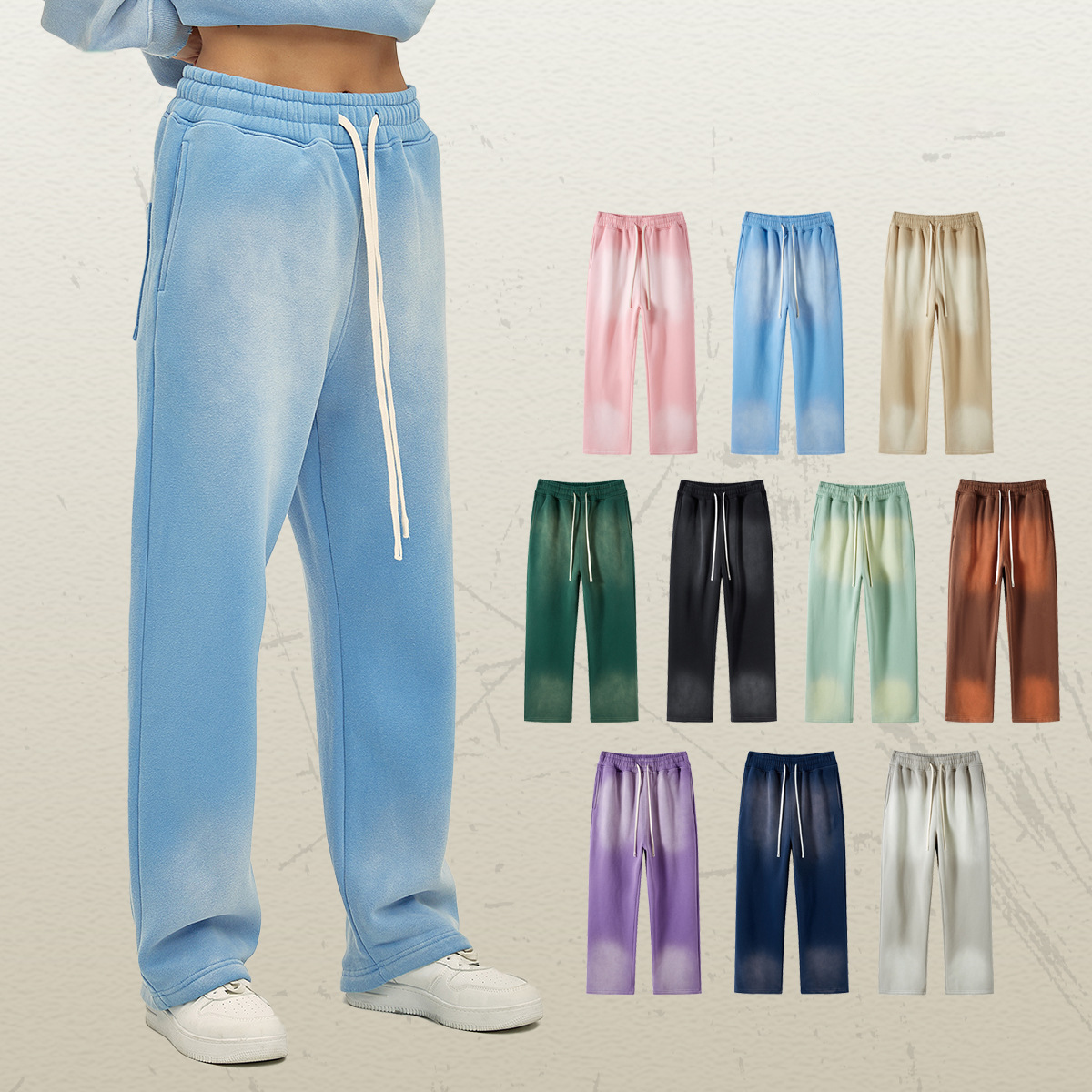
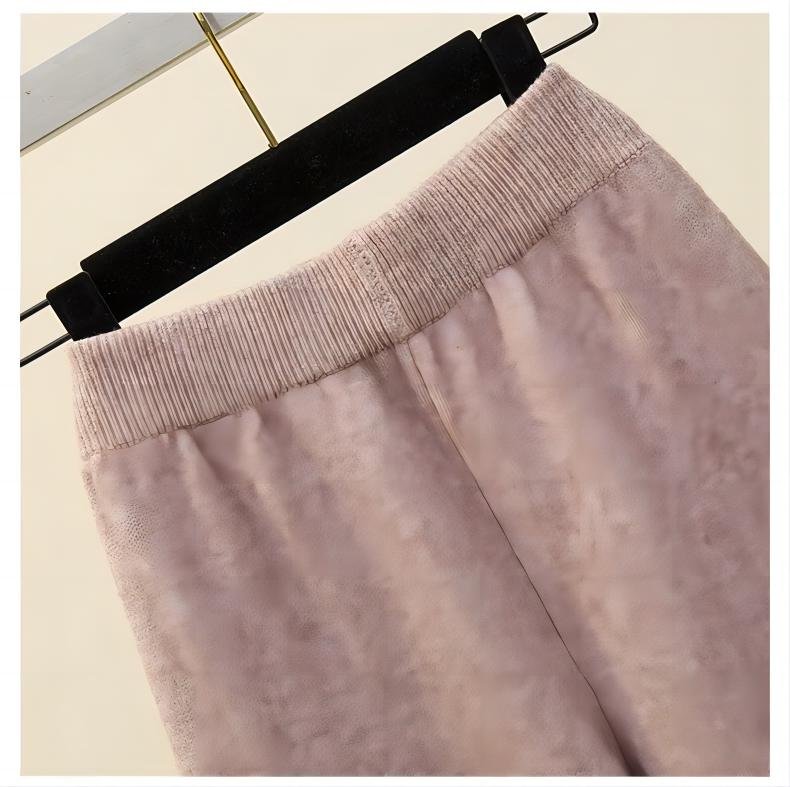
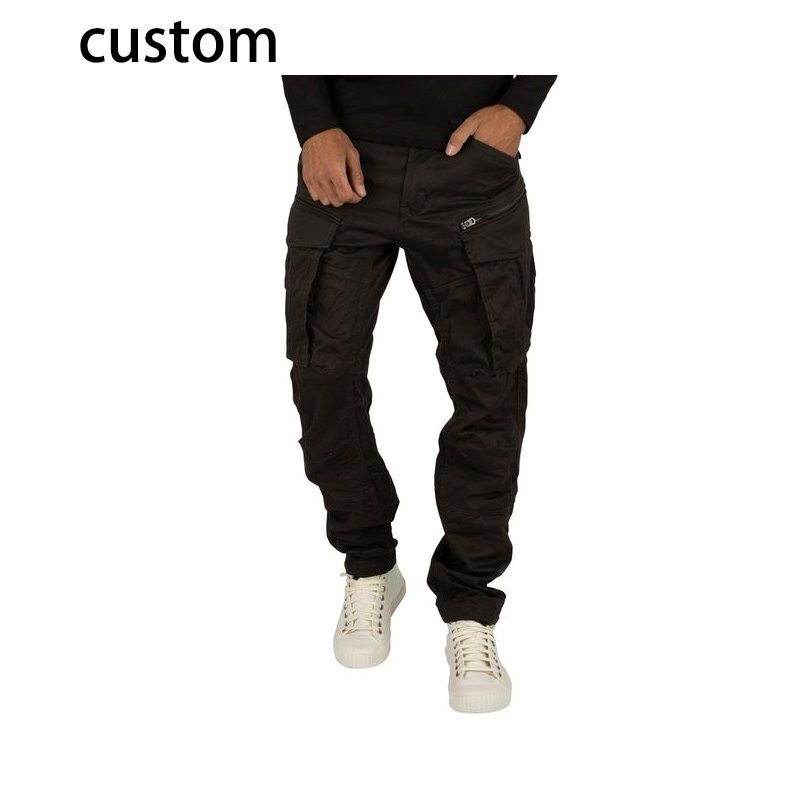
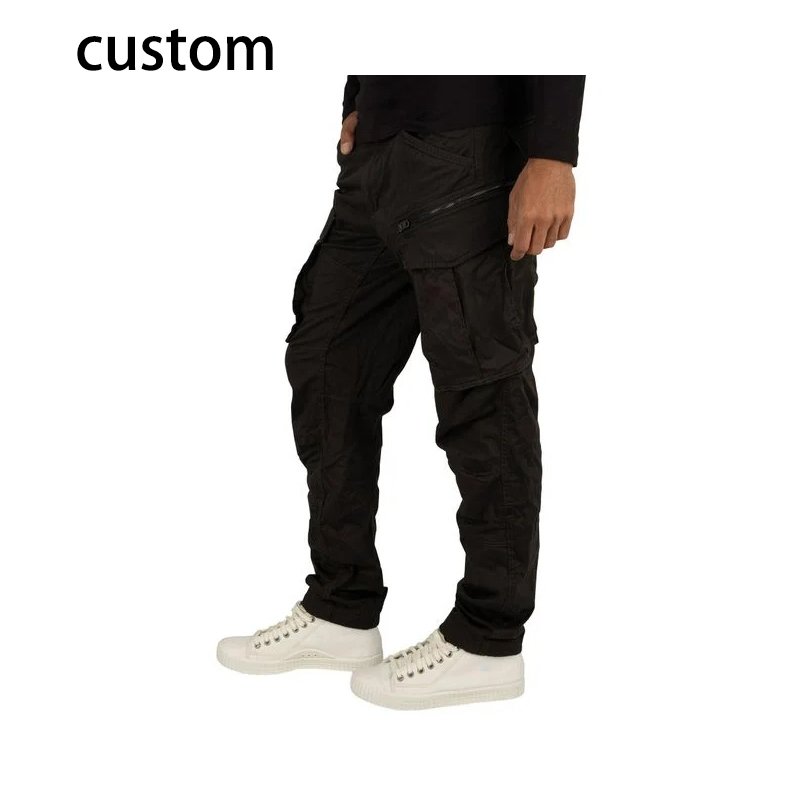
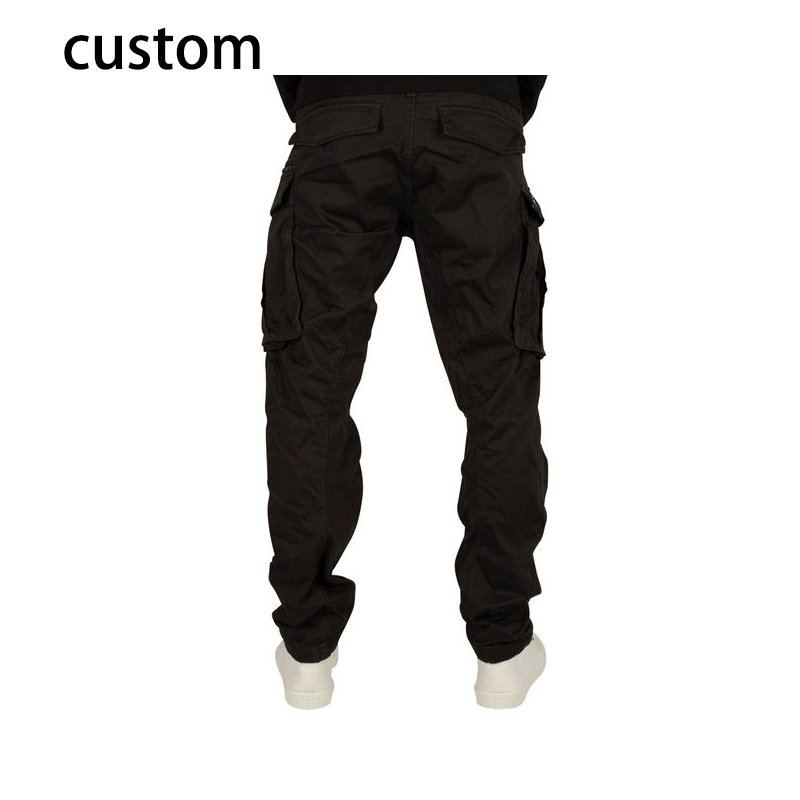
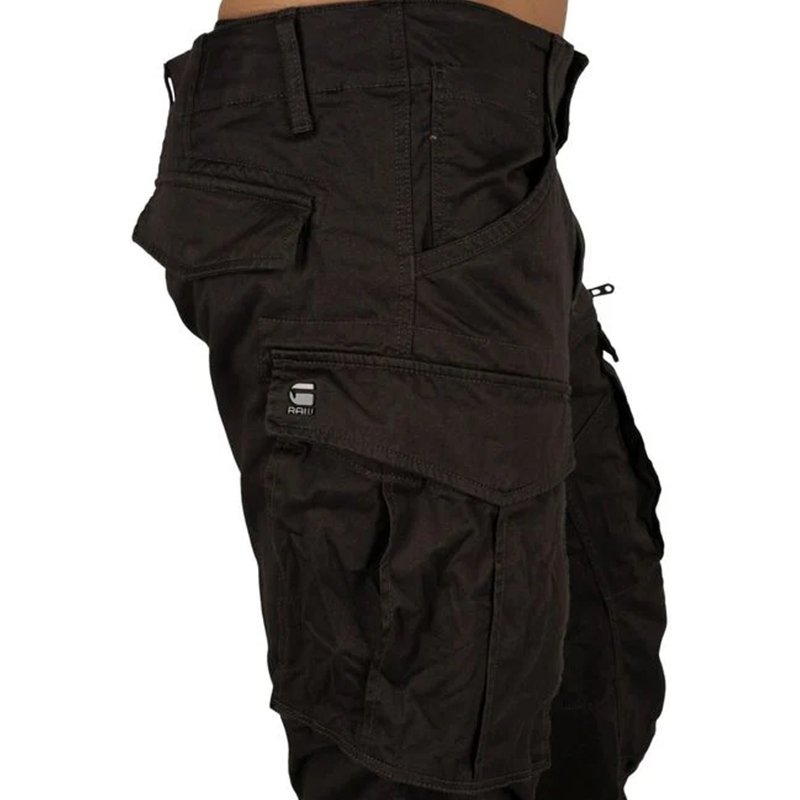
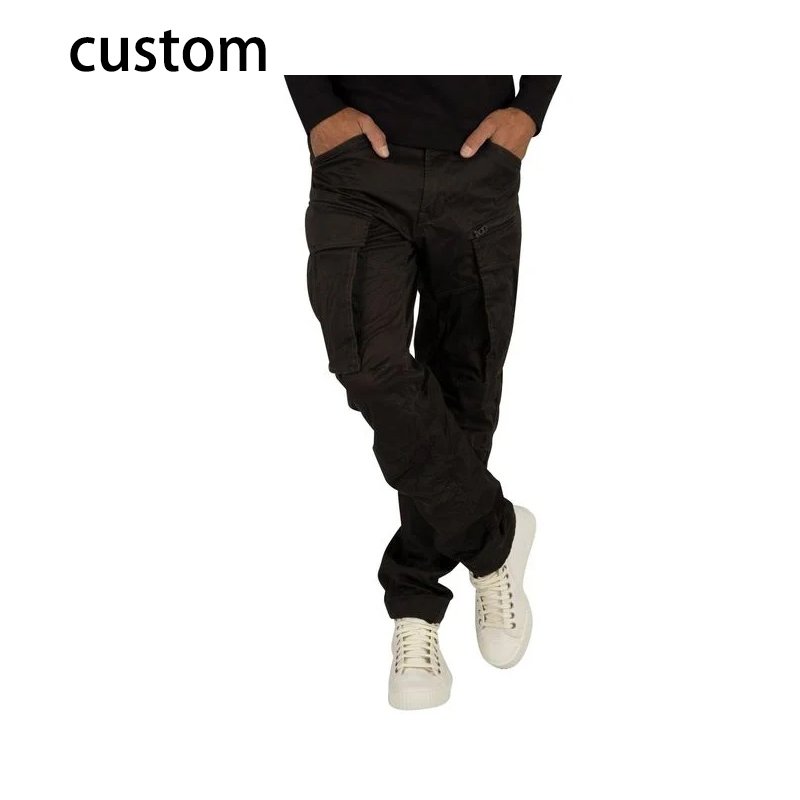
Why Brands Choose This Jogger Manufacturer
From low MOQ accessibility to a 5-step QC guarantee, every feature is engineered to help streetwear brands and startups launch faster and scale with confidence.
5-Step QC, Zero Compromises
Every jogger batch passes five rigorous quality checkpoints — materials, cutting, craft, sewing, and final inspection — before it ships.
Low MOQ, Startup Friendly
Launch your first jogger line without massive inventory risk. Our low minimums make premium manufacturing accessible to emerging brands and independent designers.
Fast 7–10 Day Samples
Receive production-ready jogger samples in as little as seven to ten days, keeping your seasonal drops and launch timelines firmly on track.
In-House Design & Sampling
Our 15-member R&D team — backed by 10 patents — converts your streetwear concepts into polished tech packs and prototypes ready for bulk production.
Global Shipping, 100+ Countries
We manage logistics, customs documentation, and end-to-end delivery, reliably reaching retailers and brand partners across more than 100 countries worldwide.
Deep Streetwear Cultural Expertise
From skeleton graphics to graffiti prints, our team lives and breathes streetwear culture — producing joggers that authentically resonate with trend-driven audiences.
The Jogger Manufacturer for Every Style
From utility cargo to technical performance, we produce the full spectrum of jogger silhouettes your brand demands — each backed by our 5-step QC guarantee.
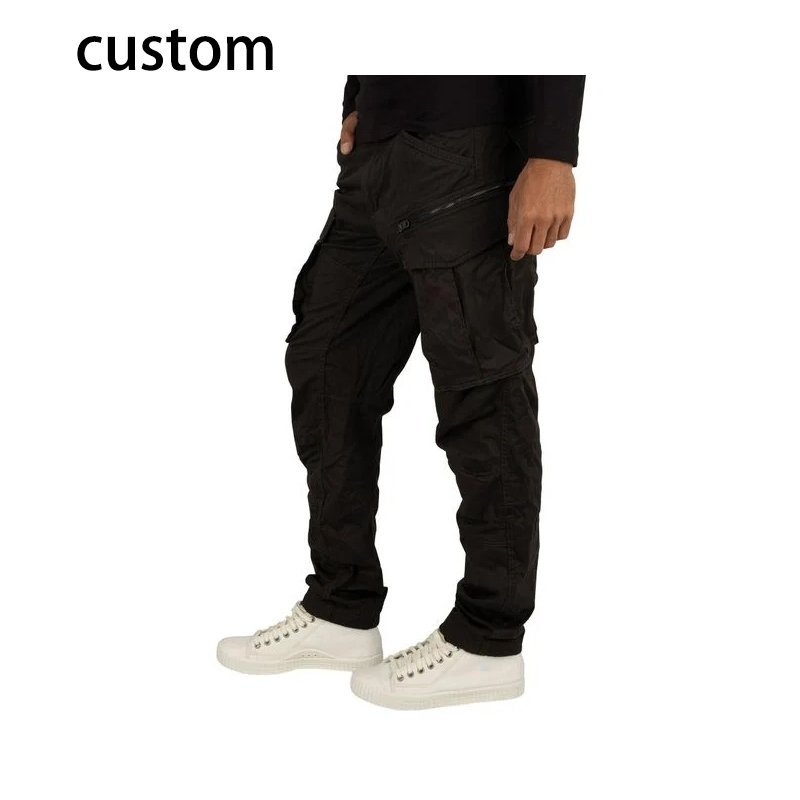
Cargo Joggers for Streetwear Brands
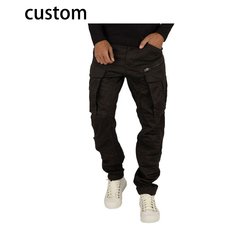
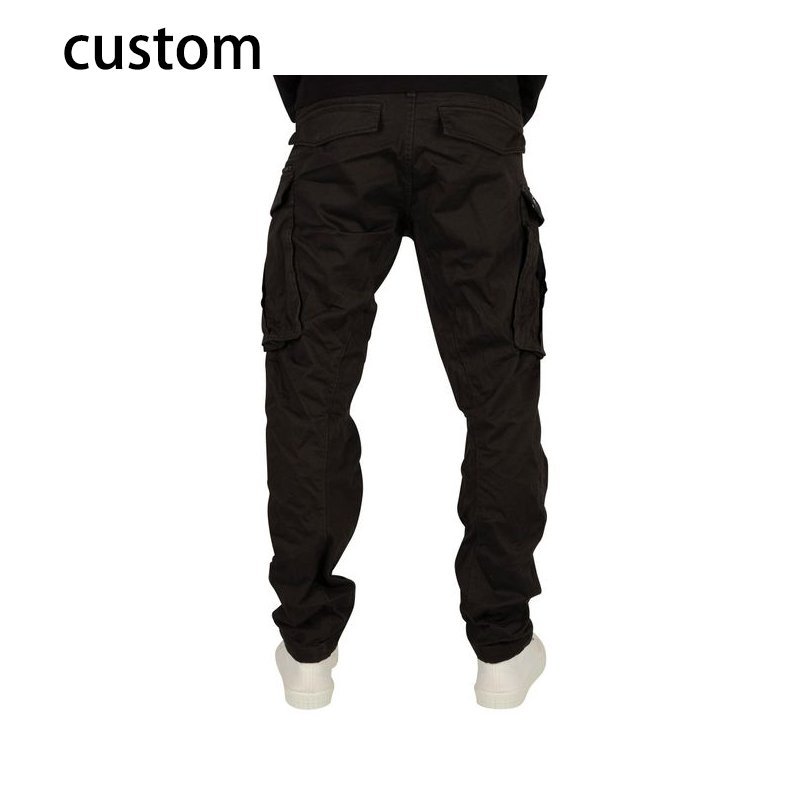
Streetwear labels demand cargo joggers with utility pockets, heavy-duty fabric, and bold graphic potential — details that require precise construction to stand out on shelves and in social feeds.
We engineer multi-pocket cargo silhouettes in durable twill and ripstop, backed by our 5-step QC guarantee, so every unit ships ready to move product and build real brand equity.
Slim-Fit Joggers for Designers
Independent designers need tailored slim-fit joggers but face high MOQs, slow sampling cycles, and factories that quietly distort carefully planned proportions once production begins to scale.
Low MOQ entry points and precise pattern grading keep your slim-fit silhouette true from the first sample through full bulk production, delivering consistency every single collection.
Oversized Joggers for Creator Brands
Influencer brands need oversized, drop-crotch joggers with bold, content-ready aesthetics and attitude, but most factories lose the intended silhouette when scaling past the initial sample stage.
Our in-house sampling team nails the oversized drape on the first prototype, and sewing production QC locks that signature silhouette in across every production unit.
Fleece Joggers for Seasonal Retail
Retailers need fleece and seasonal joggers on tight delivery windows, but inconsistent fabric weight and hand-feel across large dye lots can derail sell-through and brand reputation.
Fast-turnaround production and materials QC at every fabric lot deliver uniform weight and hand-feel on schedule, helping seasonal collections land on shelves with consistent quality.
Technical Joggers, Performance Ready
Active and athleisure brands require technical joggers with moisture-wicking fabrics and precise stitch tolerances — specs that most factories never verify once production begins in earnest.
Our cutting and sewing QC stages verify stretch seams, taped waistbands, and fabric performance specs before any unit leaves the floor, so every pair meets your technical standards.
Premium Fabrics From Your Trusted Jogger Manufacturer
Heavyweight Cotton Terry
Plush loopback interior delivers exceptional warmth and a premium hand-feel. The go-to fabric for high-end streetwear joggers and retail drops, available at 380-420 GSM for a substantial, shape-retaining drape.
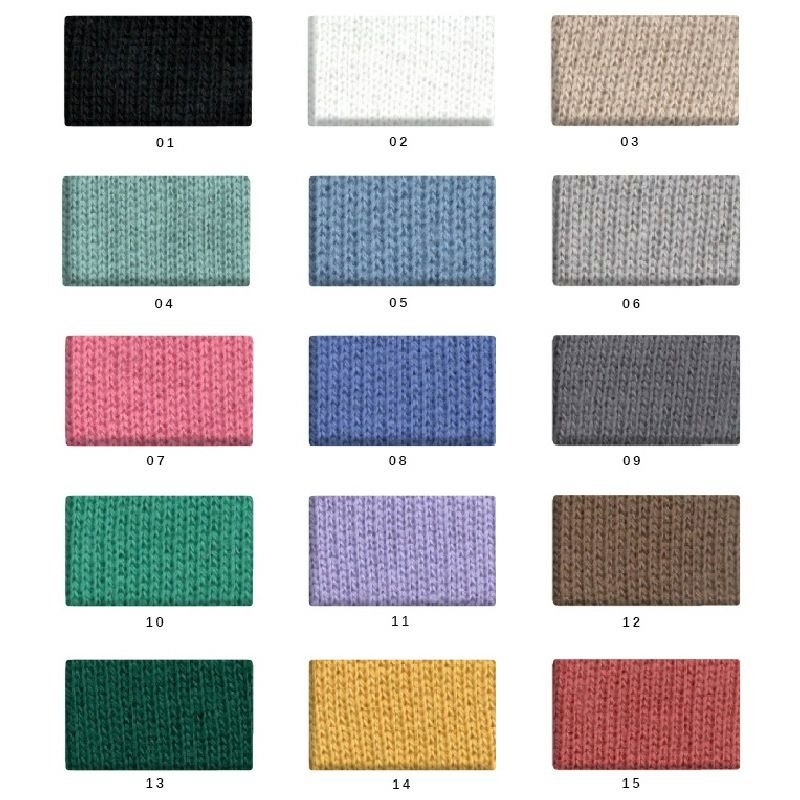
French Terry Knit
Smooth-faced knit with a soft loop-backed interior, ideal for year-round athleisure joggers. Available at 260-300 GSM, offering natural stretch and breathability suited to mid-tier and premium streetwear collections alike.

Polar Fleece
Ultra-soft brushed fleece with an anti-pill finish for lasting durability. Best suited for winter-weight joggers and cold-weather streetwear drops, weighing 300-350 GSM with an outstanding warmth-to-weight ratio.
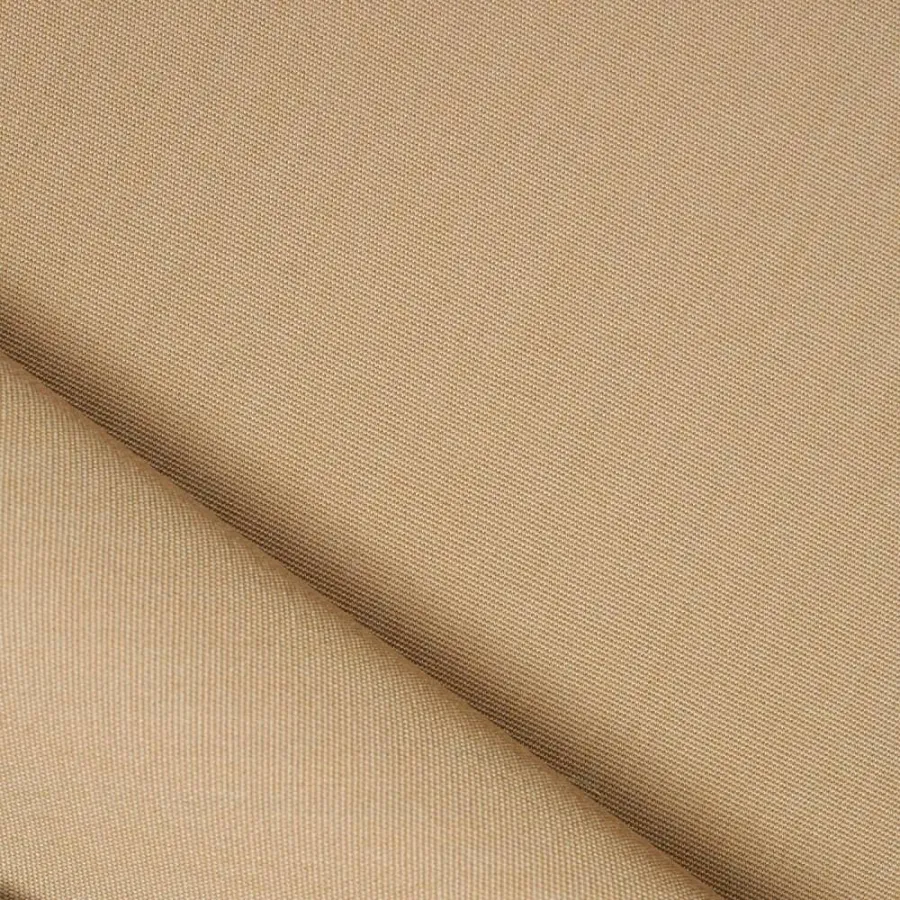
Organic Cotton Fleece
GOTS-certified sustainable fleece with a brushed interior and a clean, natural hand-feel. Perfect for eco-conscious jogger lines targeting premium retail buyers, offered at 300-340 GSM with low environmental impact.
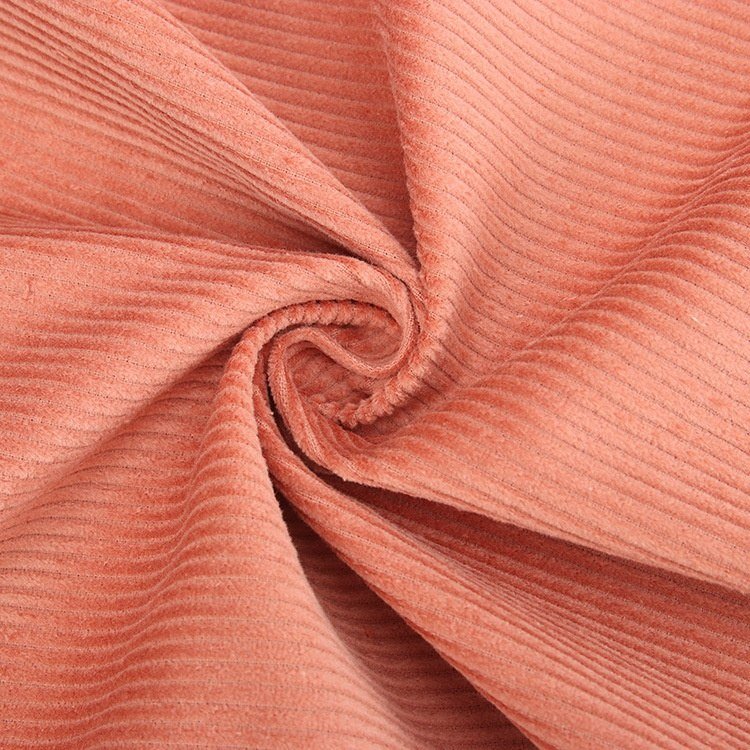
Performance Polyester
Four-way stretch technical knit engineered with moisture-wicking and quick-dry properties. Built for athletic and activewear jogger collections at 200-240 GSM, delivering high color retention and excellent long-term abrasion resistance.
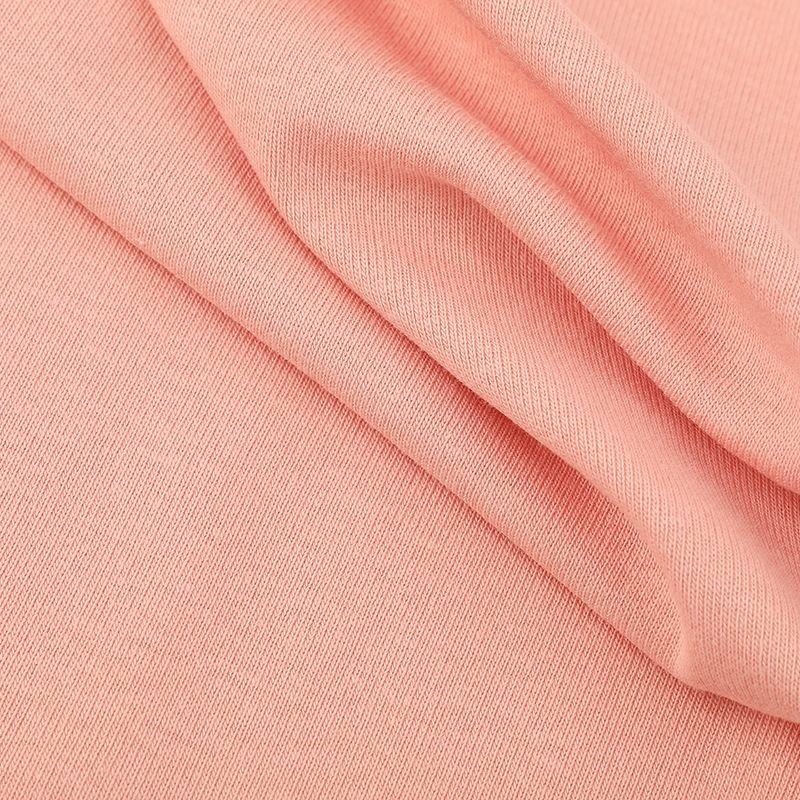
Cotton-Spandex Blend
95/5 cotton-spandex jersey delivering 15-20% four-way stretch with strong shape recovery. Ideal for slim-fit and tapered jogger silhouettes requiring body-conforming comfort, available at 240-280 GSM for versatile seasonal production.
Expert Techniques From Your Jogger Manufacturer
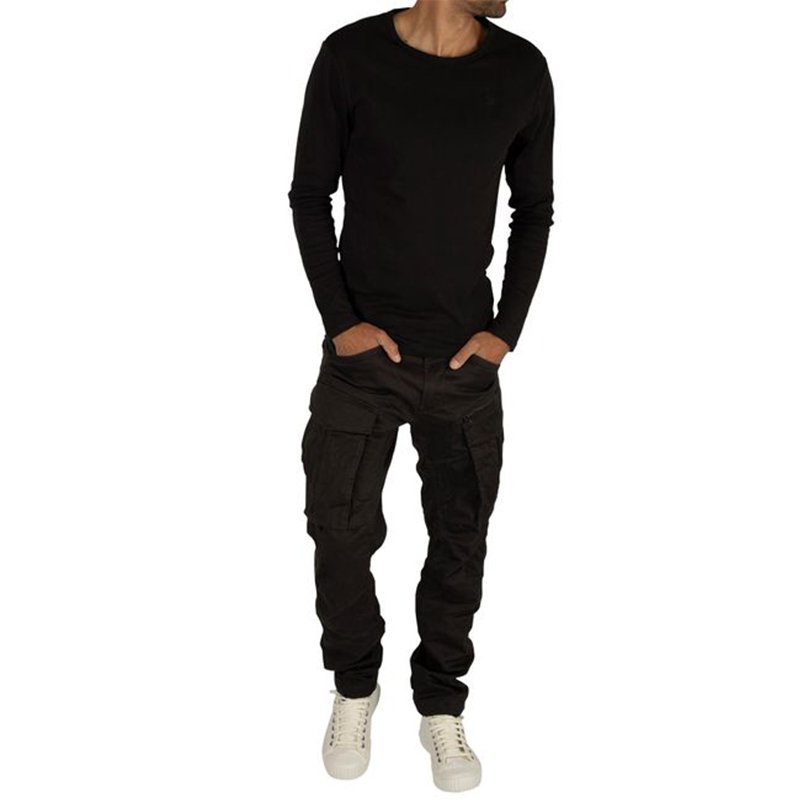
Precision Cutting
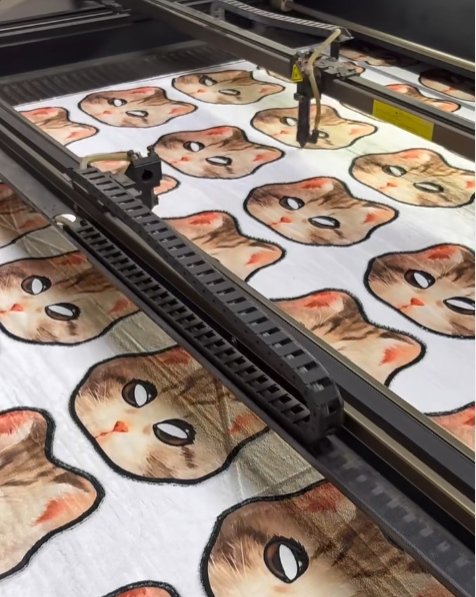
Advanced computer-aided die-cutting ensures every jogger panel is dimensionally consistent, minimizing fabric waste and locking in exact fit specifications your brand demands across every production run.
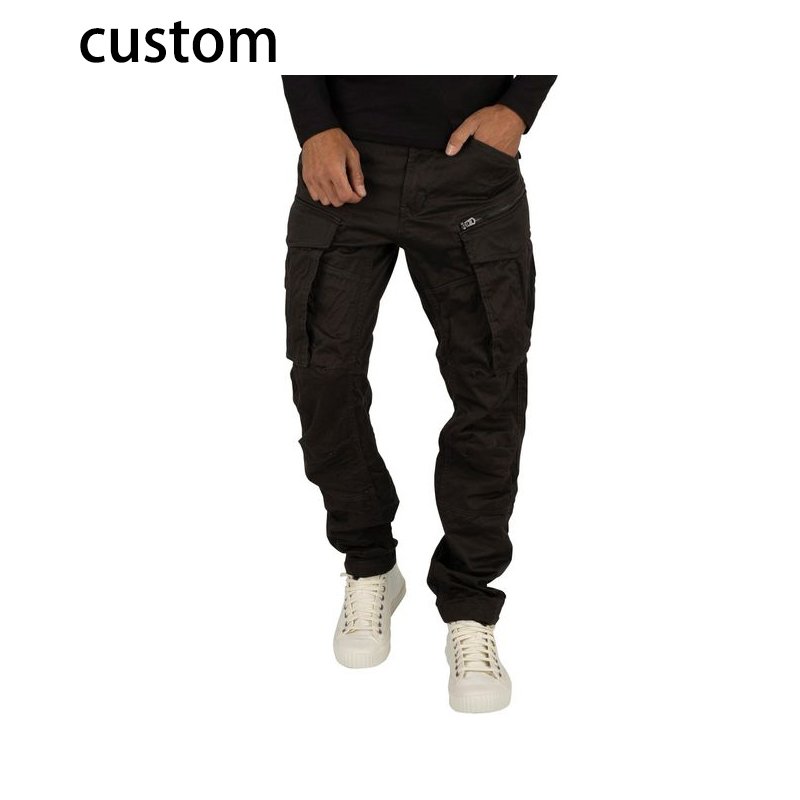
Coverstitch Sewing
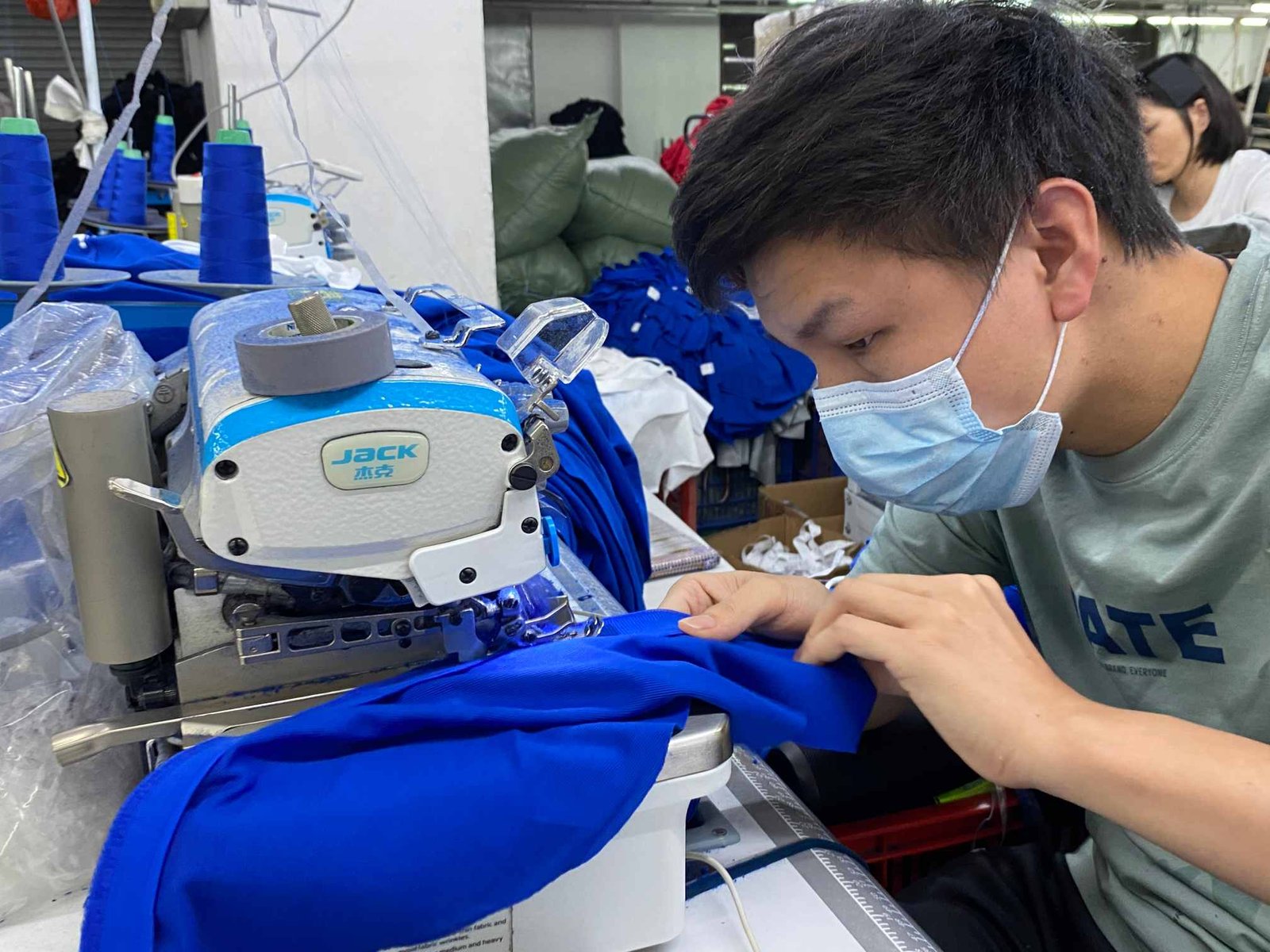
Industrial coverstitch and flatlock sewing techniques produce the clean, stretch-resistant seams that define premium streetwear joggers, keeping waistbands, cuffs, and inseams sharp through years of heavy wear.
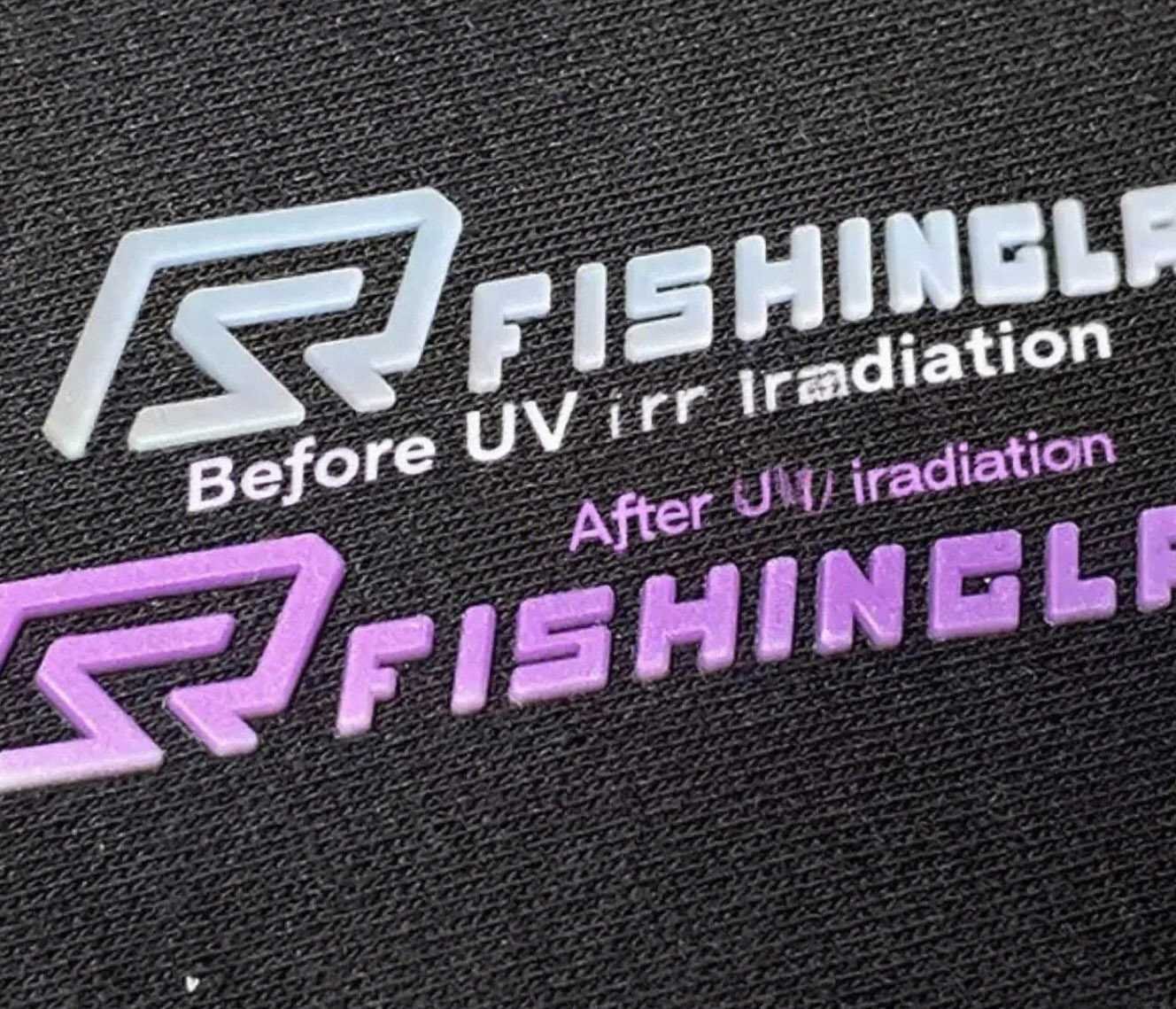
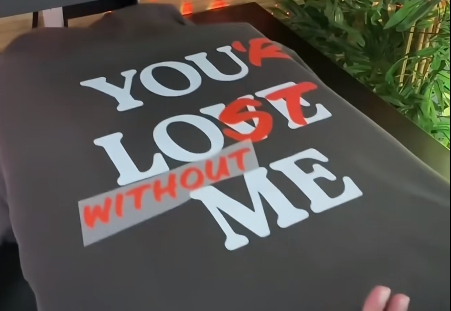
Screen Printing
High-opacity plastisol and water-based screen printing lays bold, vivid graphics directly onto jogger fabric, delivering wash-resistant artwork that retains color and edge definition over hundreds of wash cycles.
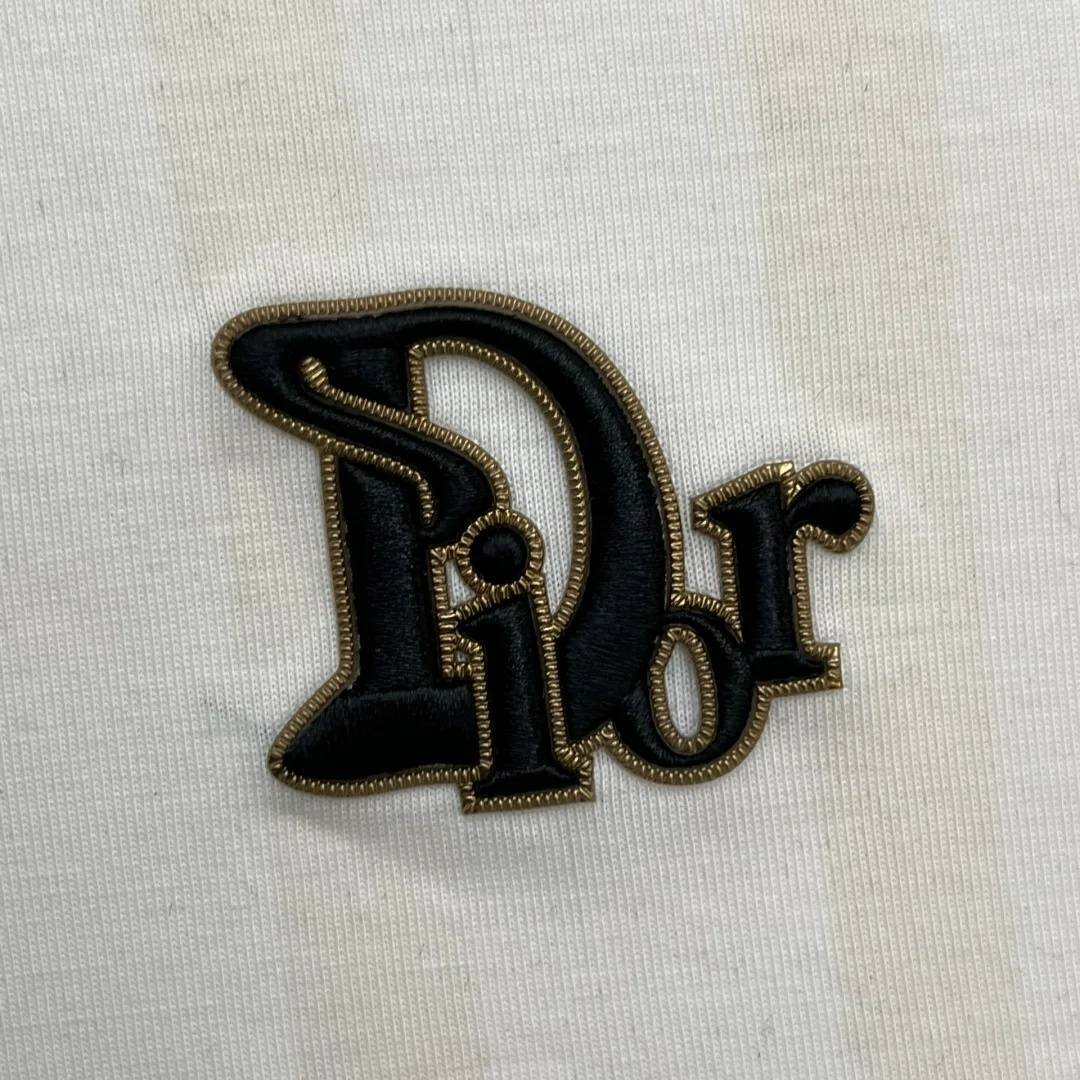
Custom Embroidery
Computerized multi-head embroidery adds raised, textured logos and motifs to jogger panels, waistbands, and hems — creating tactile brand detailing that communicates premium quality and elevates perceived value.
Sublimation Printing
All-over dye sublimation infuses color directly into polyester jogger fabric at the molecular level, enabling edge-to-edge photographic prints that never crack, peel, or fade regardless of wash frequency.
Heat Transfer Application
Specialty heat-transfer vinyl and reflective film bring metallic, holographic, and high-definition graphic elements to finished joggers — perfect for limited-edition drops and influencer-exclusive streetwear capsule collections.
Customizable Details & Trims for Your Jogger Line
Drawcord & Tipping
Custom flat or round drawcords in cotton, polyester, or nylon, finished with branded metal or plastic tipping. A signature waistband detail that elevates the look and feel of any premium jogger collection.
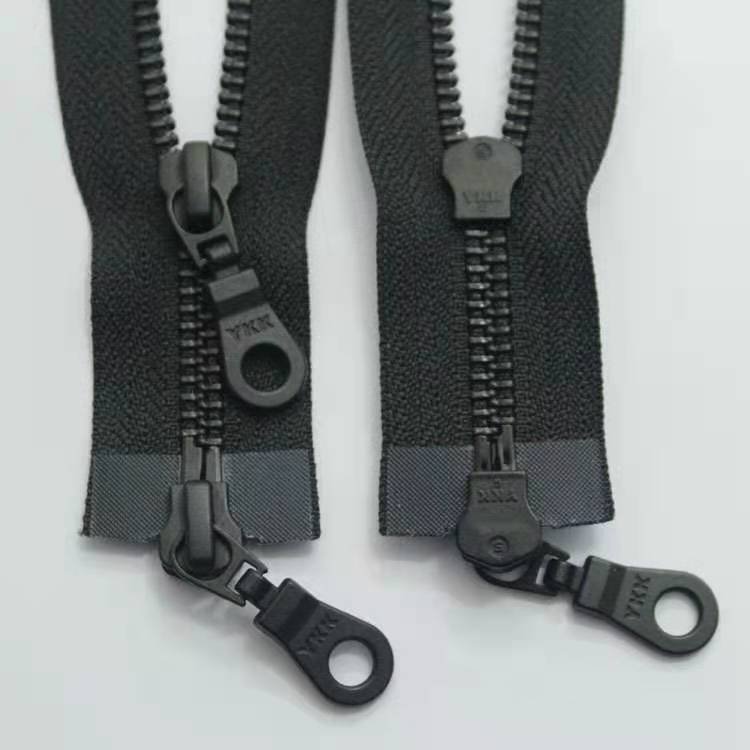
YKK Zippers
Globally trusted YKK zippers for side pockets, ankle vents, and cargo panel details. Available in coil, invisible, and metal-tooth finishes — engineered to perform wash after wash without snagging or color loss.
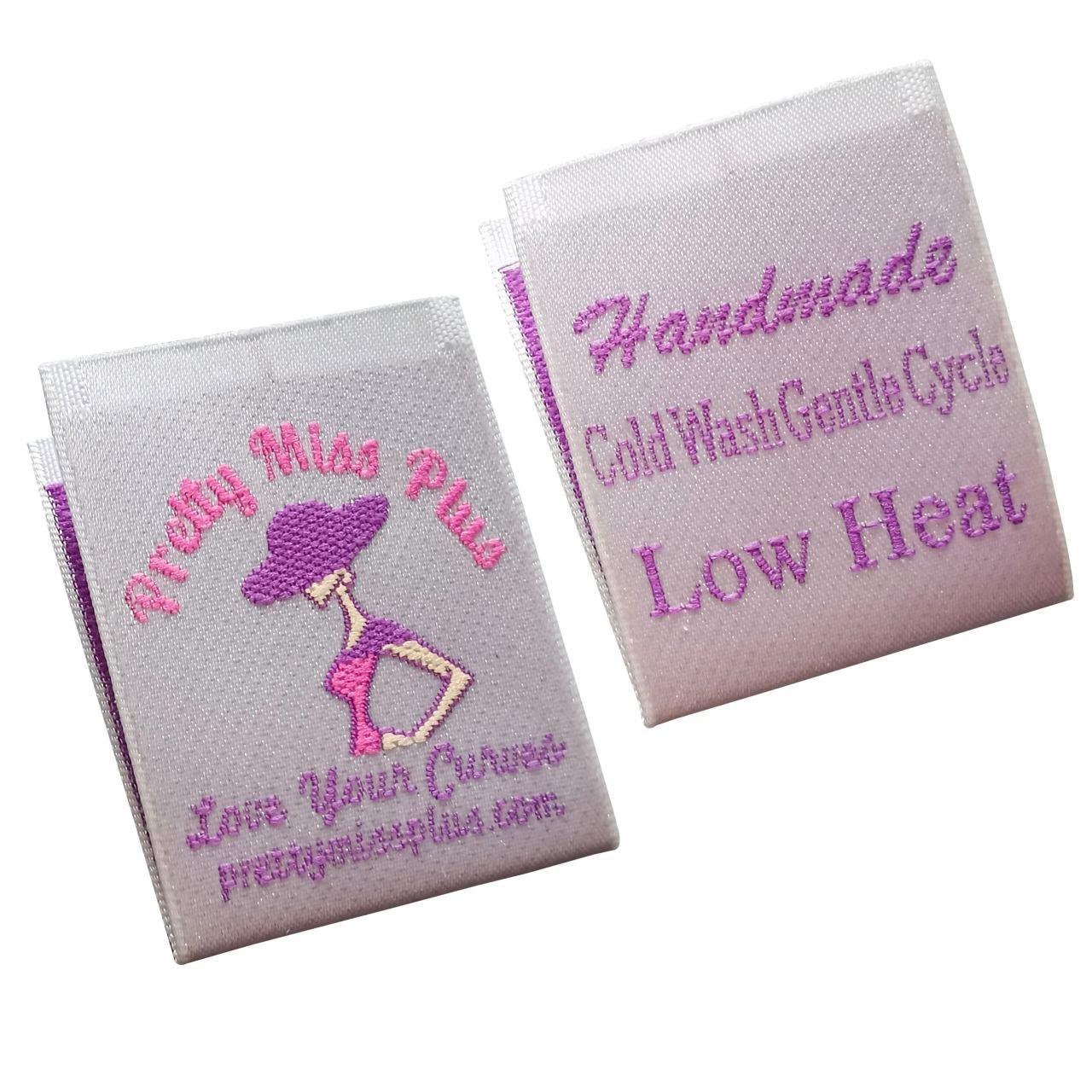
Woven Labels
High-definition woven brand labels for neck, hem, or interior placement. Fully customizable in size, thread color, and weave density — a polished, fade-resistant touch that reinforces brand identity with every wear.
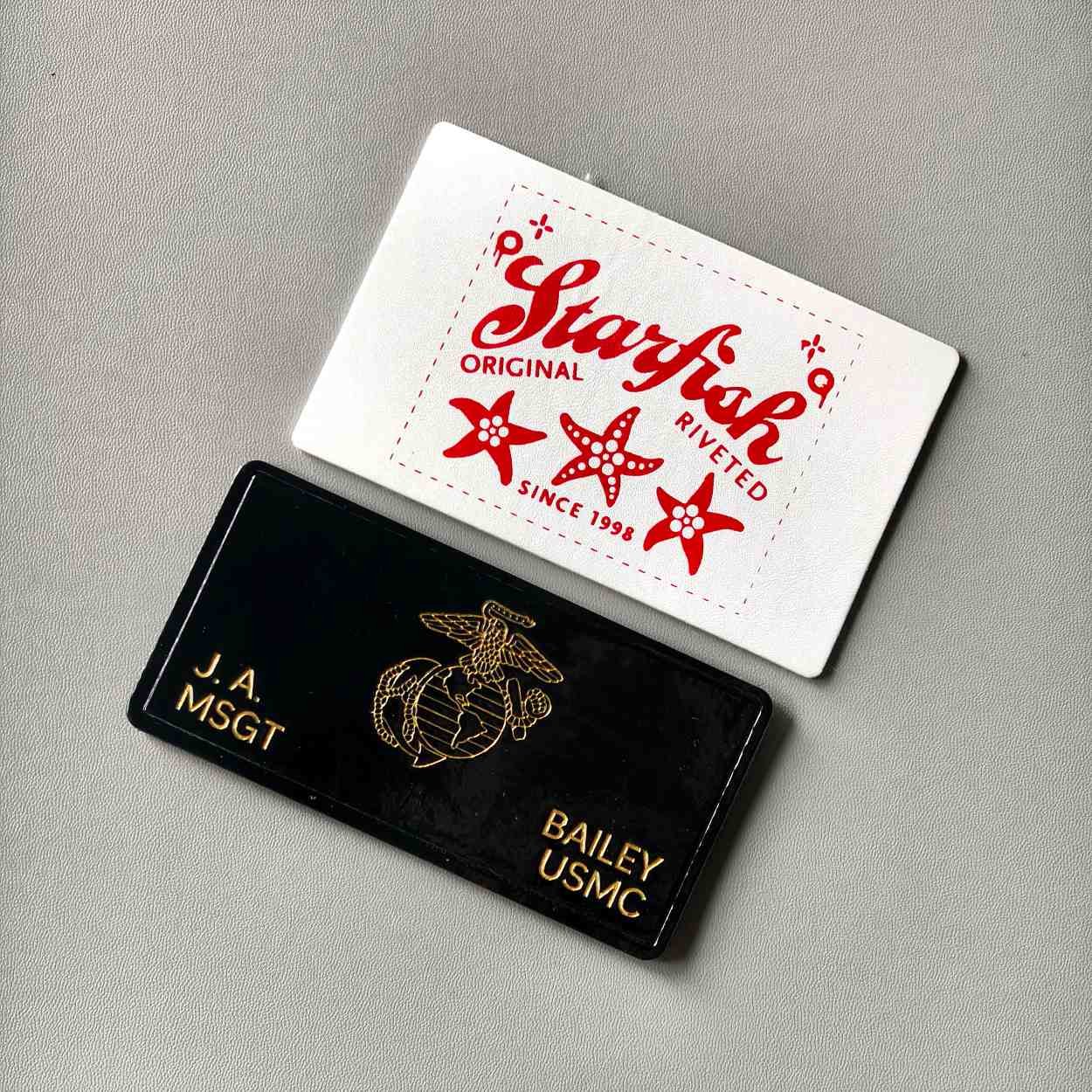
Custom Hangtags
Retail-ready hangtags in custom shapes, paper stocks, and finishes. Attached via string, safety pin, or heat seal, they deliver the final brand impression before your jogger reaches the end customer.
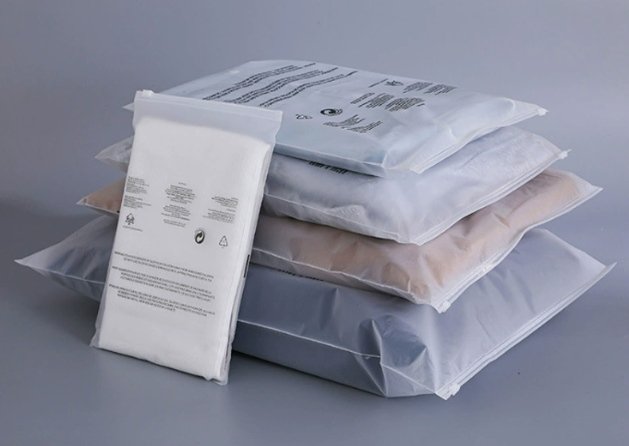
Embroidered Patches
Custom embroidered or woven patches for chest, knee, or leg placement. Ideal for streetwear and influencer jogger lines that demand bold, tactile branding with long-lasting structural durability and vivid color retention.
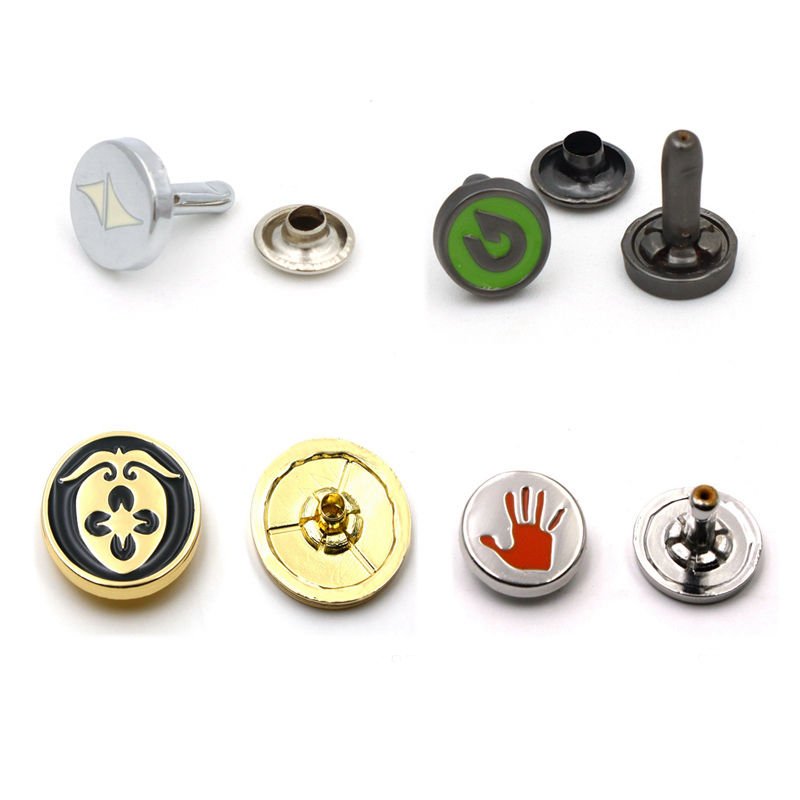
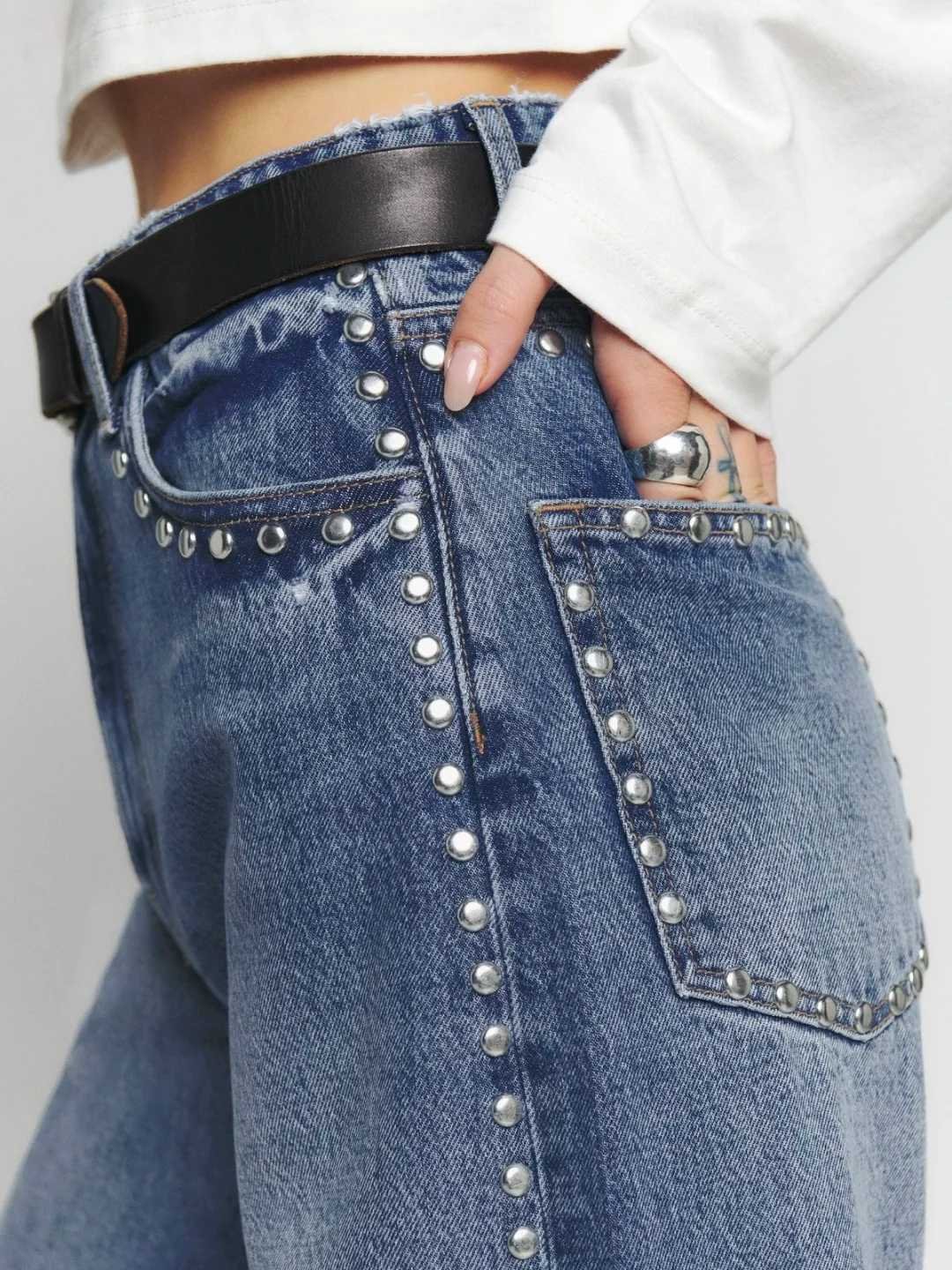
Snap Button Hardware
Branded metal snap buttons and rivets for cargo pockets, ankle closures, and adjustable waist tabs. Sourced in anti-tarnish alloys and available with custom engraving to carry your logo on every closure point.
The Jogger Manufacturer Built on Proven Quality
Founded in 2024 by Tesla Luo, Clothing Manufacturer Ltd. was built to fix a systemic problem: factories skipping quality control and shipping directly from sewing to packaging. With over 10 years of production experience and 6 years specializing in streetwear, Luo established this jogger manufacturer on hard work, trustworthiness, and a zero-compromise approach to garment quality.
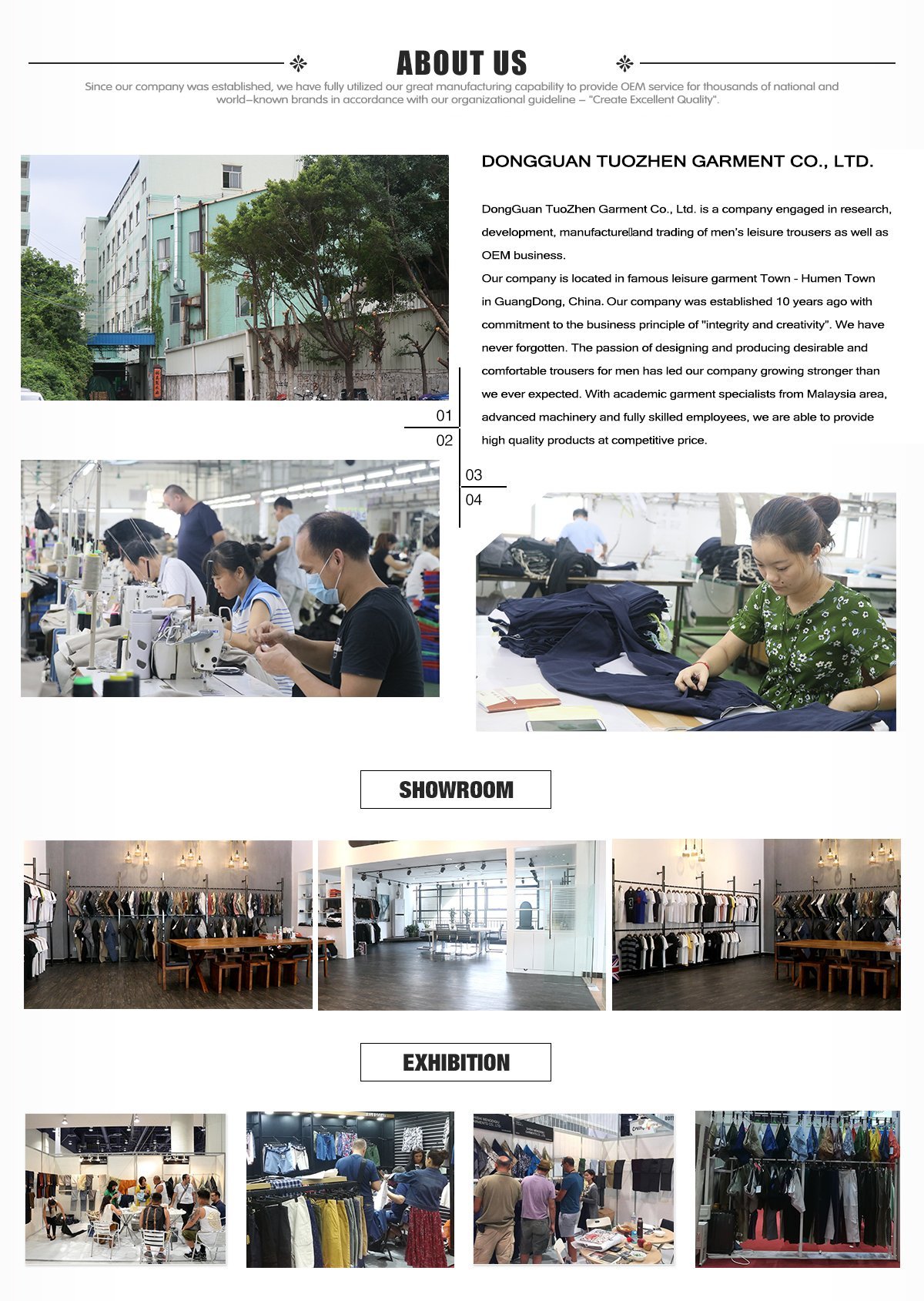
Rooted in Humen Town, Dongguan — one of China’s most established garment manufacturing hubs — we combine the agility of a dedicated streetwear specialist with the production capacity of our parent company, Dongguan TuoZhen Clothing Co., Ltd. Our 15-member R&D team, 10 process patents, and low MOQ model make us the ideal production partner for startups and scaling brands alike.
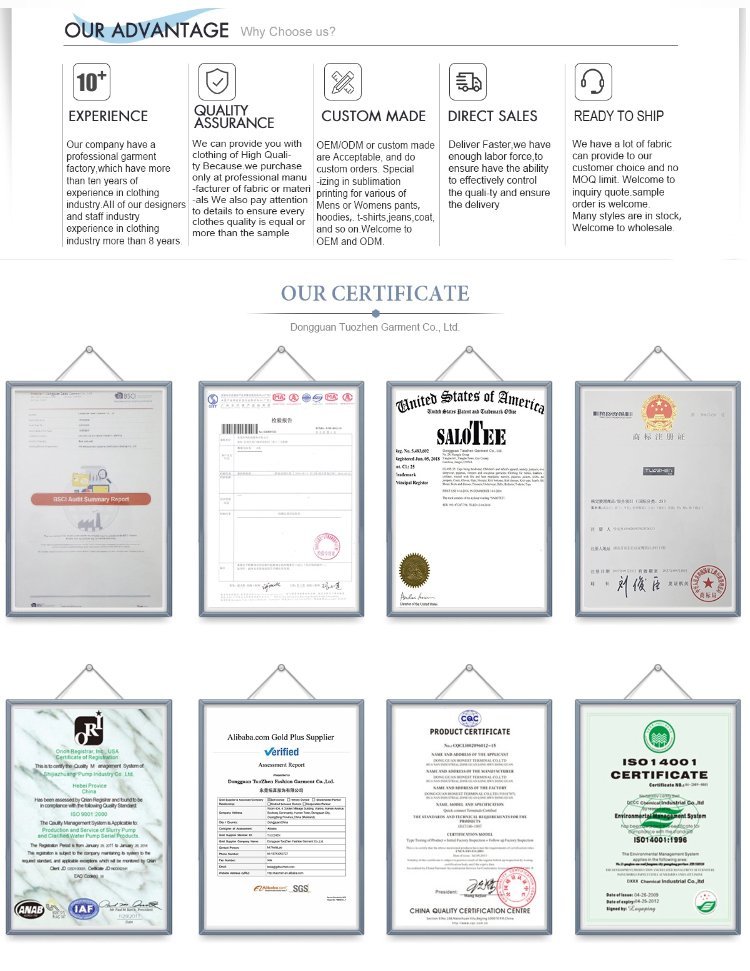
What truly sets us apart is our proprietary 5-step quality control process, embedded at every stage of production — from materials and cutting through sewing, craft, and final inspection. Coupled with fast turnaround times, an in-house design and sampling team, and global shipping support, we have helped brands across 100-plus countries launch standout streetwear, jogger, and apparel collections with confidence.
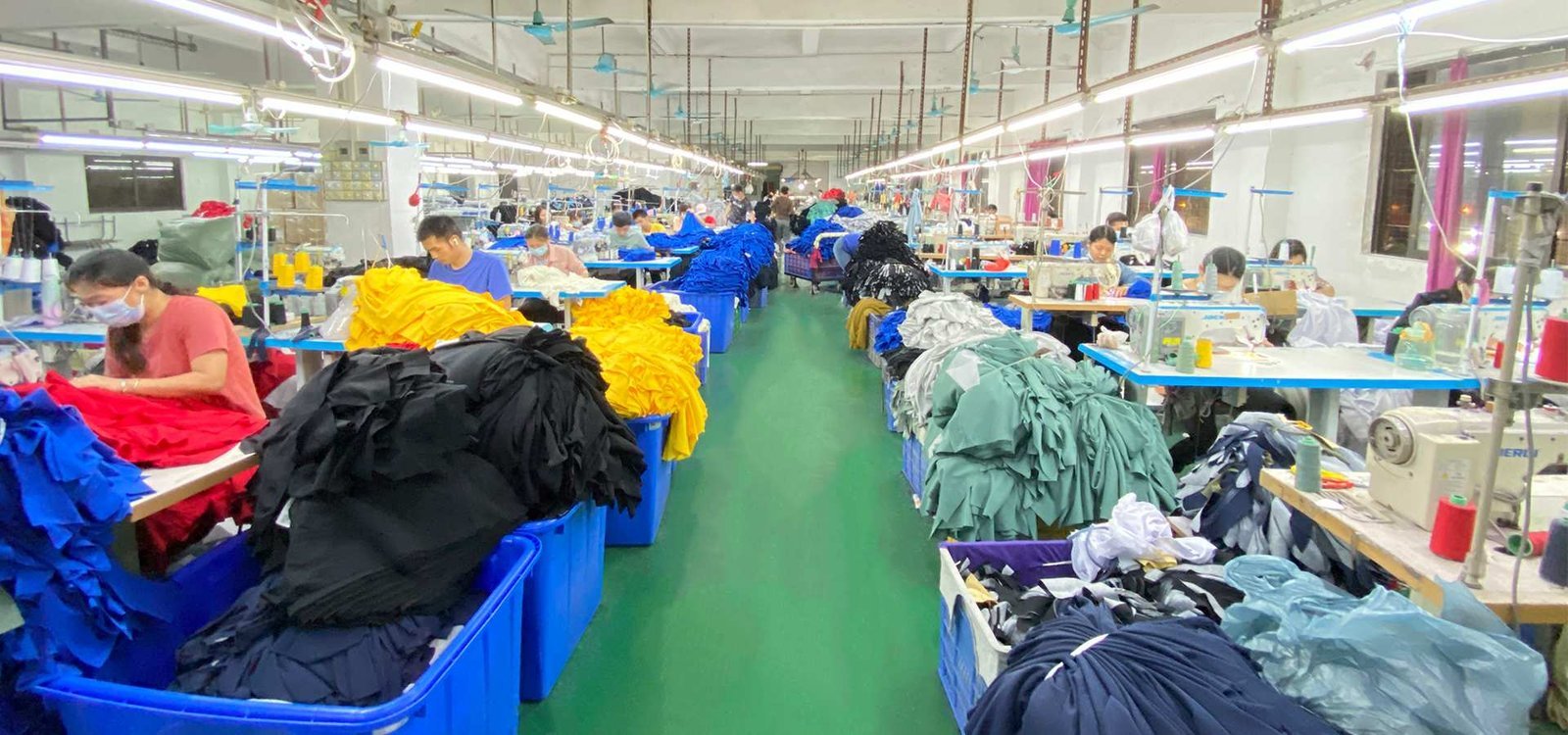
What Sets Our Jogger Manufacturer Apart
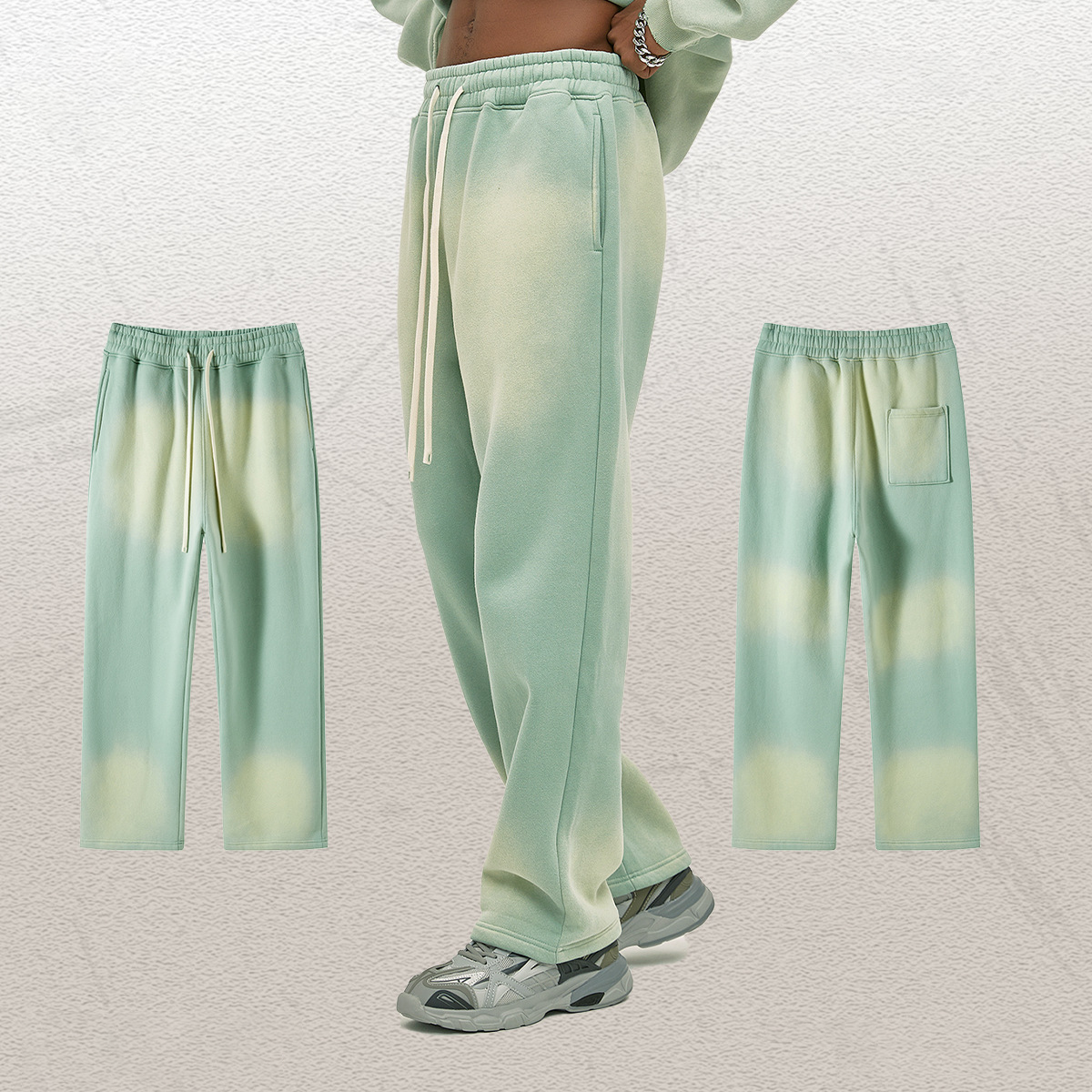
Streetwear DNA Built Into Every Design
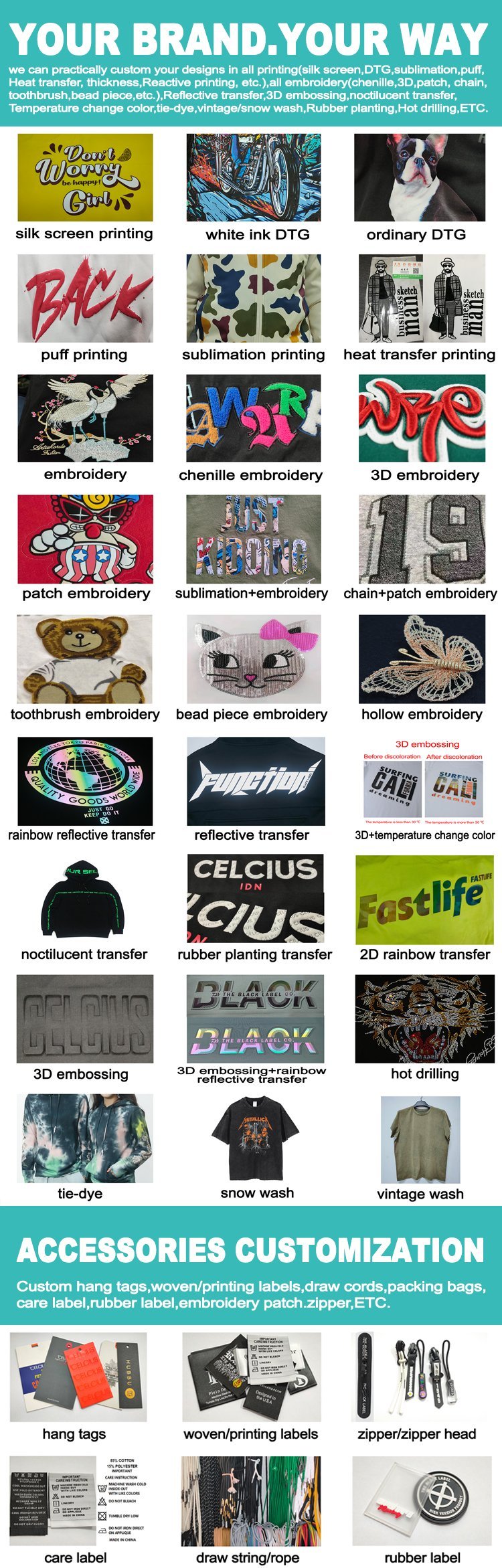
Our 15-member R&D team brings genuine cultural fluency in streetwear aesthetics — from skeleton motifs and graffiti-inspired graphics to bold colorways — translating global trends into production-ready jogger designs your audience will actually wear.
- In-house design team with 10 registered production patents and dedicated streetwear specialists
- Deep expertise in hip-hop, skate, street-art, and graphic-driven design elements
- Original sampling from concept sketch to production-ready prototype
- Trend-aligned seasonal design support for drops and capsule collections
5-Step QC: Zero Defects Leave Our Floor
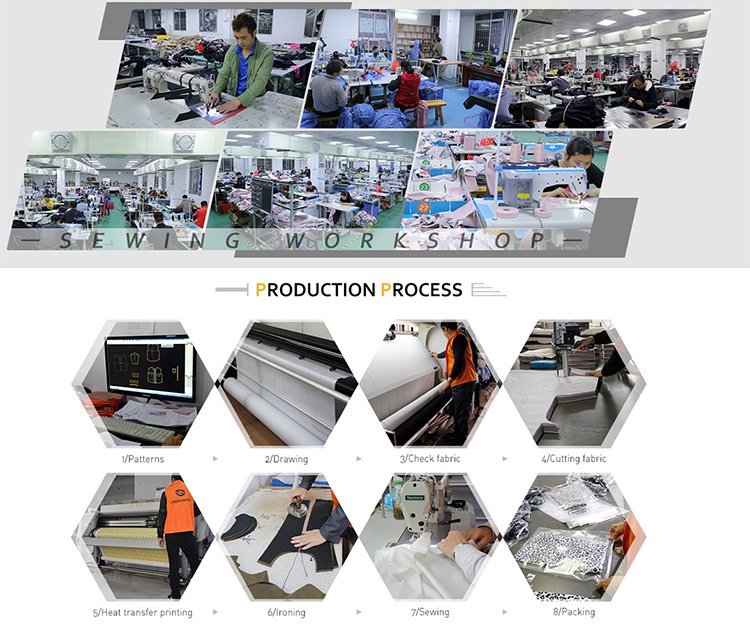
Our proprietary five-step QC methodology — covering materials, cutting, craft, sewing, and final inspection — embeds quality checks at every production stage so defects are caught and corrected before your joggers are ever packed for shipment.
- Materials QC: every fabric and trim tested before a single stitch is sewn
- Cutting and craft QC: precision checks at each pattern and construction stage
- Inline sewing QC: active inspection throughout live production runs
- Final finished-garment review covering fit, stitching, and packaging integrity
Low MOQ and Fast Turnaround for Startups
Launching a jogger line should not require a warehouse commitment. We offer low minimum order quantities and rapid sample turnarounds so streetwear startups and independent designers can test concepts, iterate fast, and scale production as demand grows.
- Low MOQ structures built specifically for first-time and emerging brands
- Fast sample production to validate fit, fabric, and colorway before bulk
- Flexible volume scaling from launch runs to large retailer reorders
- Dedicated order management from first sample through final delivery
Global Logistics From Our Factory to Yours
Based in Humen Town, China’s garment manufacturing heartland, we manage the full export chain from production to doorstep, serving brands across more than 100 countries with reliable customs handling, compliance documentation, and on-time seasonal delivery.
- Full export logistics managed from Dongguan to international destinations
- Customs documentation, compliance support, and declaration handled in-house
- On-time shipping for seasonal drops, restocks, and urgent reorders
- Proven track record serving brands across North America, Europe, and Asia-Pacific
Why We Stand Out From Other Jogger Manufacturers
Not all jogger manufacturing partners are equal. See exactly how Clothing Manufacturer Ltd. raises the bar on quality, speed, and service where others cut corners.
← 左右滑动查看 →
Our Jogger Manufacturer 5-Step Quality Control Process
Unlike manufacturers who only inspect finished garments, we embed rigorous quality checks at every production stage — so defects are caught before they multiply.
Materials QC Testing
Every fabric roll is inspected for weight, colorfastness, and shrinkage before cutting begins, guaranteeing your joggers are built on premium-grade materials from the start.
Cutting QC Testing
Patterns and cut pieces are verified for dimensional accuracy and alignment, eliminating sizing errors before they can multiply across your entire production run.
Clothing Craft QC Testing
Waistbands, pockets, drawstrings, hems, and seam placements are all checked against your approved tech pack before full-scale sewing production commences.
Sewing Production QC Testing
Line supervisors monitor stitch tension, seam strength, and construction integrity at multiple intervals during sewing, stopping defects before they compound into larger batches.
Finished Clothing QC Inspection
Every completed jogger is measured, fit-checked, and reviewed for print quality, hardware function, and packaging accuracy before it is cleared for shipment to your brand.
Partner With Your Jogger Manufacturer: From Concept to Production
Four transparent steps from your first design file to final delivery — built for speed, precision, and brands that refuse to compromise on quality.
Submit Your Tech Pack
Share your design files, fabric preferences, colorways, and sizing specs. Our in-house sampling team reviews every detail to ensure your joggers are production-ready from day one.
Receive Your Sample in Days
We produce a precision sample within 7-10 days using your chosen fabrics and trims. Review, request revisions, and approve before any bulk production begins.
Begin Production With 5-Step QC
Once you approve the sample, our five-step QC process covers materials, cutting, crafting, sewing, and finished-goods inspection — catching every defect early so only zero-compromise product advances.
Ship Globally, Track Every Order
Your finished joggers are packed, documented, and dispatched via our global logistics network, with full customs and shipping support to over 100 countries and regions.
Certified Jogger Manufacturer — Standards & Patents That Set Us Apart
Client Success Stories From Brands Who Chose the Right Jogger Manufacturer
We launched our first jogger line with a 50-piece MOQ and sold out in 3 weeks. Their 5-step QC caught a stitching flaw before bulk production ever started — saved us from a costly return. We’ve since scaled to 500 units per month.
As an independent designer I needed a jogger manufacturer who wouldn’t ghost me on small orders. They delivered 80 units in 18 days with zero defects. Our brand grew from 0 to 42,000 Instagram followers in six months — quality made the difference.
I had zero wholesale experience and they guided me through every step. My first influencer drop — 200 custom joggers — sold out in 48 hours. We’re now on our fourth production run and planning a 1,200-unit holiday collection with them.
Jogger Manufacturer FAQs — MOQ, Samples, Timelines
Real answers to the questions streetwear founders, designers, and retailers ask before placing their first order.
What is the minimum order quantity (MOQ) for a jogger manufacturer like Clothing Manufacturer Ltd.?
How long does it take to receive samples from your jogger manufacturer?
What customization options does your jogger manufacturer provide?
How does your 5-step quality control process protect my jogger order?
How do you protect my proprietary designs and intellectual property?
What payment terms do you accept for production orders?
What is the typical production lead time for a bulk jogger order?
Do you have experience manufacturing joggers for streetwear and influencer-driven brands?
What shipping and logistics options are available for international orders?
The Complete Buyer’s Guide to Finding the Right Jogger Manufacturer
Discover a proven decision framework for vetting any jogger manufacturer — covering material selection, construction standards, customization options, supplier red flags, and the exact steps to launch your streetwear or athleisure line with confidence.
1. What Is a Jogger Manufacturer and Why It Matters
Three supplier types handle branded jogger production, each with a fundamentally different scope of service. Blank wholesalers stock pre-made, unbranded styles and apply your label — fast to market but offering zero design control, leaving your brand with the same silhouettes as every competing retailer. Cut-and-sew manufacturers build garments from fabric rolls to your technical spec, but typically stop at sewing and hand pattern-making, sampling coordination, and QC oversight back to the buyer.
A full-service OEM/ODM jogger manufacturer manages the entire chain — fabric sourcing, pattern development, sampling, bulk cutting, sewing, finishing, quality inspection, and export packaging — under one roof. MOQs at this tier commonly range from 50 to 300 units per colorway, with sample lead times of 7–15 days and bulk production windows of 25–45 days depending on order complexity.
Clothing Manufacturer Ltd., based in Humen Town, Dongguan — one of China’s most concentrated garment-manufacturing zones — operates as this kind of end-to-end partner. Founded by Tesla Luo, whose background spans every production role from sewing floor to factory management, the company runs a five-step in-line QC process covering materials, cutting, craft, sewing, and finished-goods inspection.
When sourcing any jogger manufacturer, demand documentation of in-line quality checks, not just a final audit report. A factory that tests fabric GSM before cutting and stitch integrity before hemming will ship measurably fewer defective units than one that inspects only at the packing table.
| Supplier Type | Design Control | Typical MOQ | QC Ownership | Best For |
|---|---|---|---|---|
| Blank Wholesaler | None | 1–12 units | Buyer | Speed, demand testing |
| Cut-and-Sew Manufacturer | Partial | 50–200 units | Shared | Spec-driven basics |
| Full-Service OEM/ODM | Full | 50–300 units | Factory | Branded, scalable lines |
2. The Evolution of Jogger Manufacturing in Modern Fashion
By 2015, the global athleisure market had crossed $270 billion, pulling joggers out of gym bags and into everyday wardrobes. What began as a simple drawstring pant cut for track-and-field athletes became a style statement across age groups and price tiers — from fast-fashion basics to $400 luxury-casual iterations.
Sneaker culture accelerated that crossover. Starting around 2012, major streetwear drops and limited-edition sneaker releases consistently paired with tapered joggers, cementing the silhouette as a cultural anchor rather than an athletic afterthought. Hip-hop, skateboarding, and graffiti aesthetics — the same pillars underpinning modern streetwear — made the fitted ankle cuff and mid-rise waistband a wardrobe standard.
Consumer expectations then forced a technical leap on every jogger manufacturer. Fabrics evolved from basic 280 GSM cotton fleece to performance blends — French terry, four-way stretch, and moisture-wicking poly-cotton — while construction demands added flatlock stitching, articulated knees, and ribbed ankle bands as baseline requirements rather than premium upsells.
Sustainability added a third layer of complexity. By 2023, brands sourcing joggers routinely required OEKO-TEX STANDARD 100 certified fabrics, recycled polyester inputs, and supplier compliance aligned to GOTS or WRAP standards. That convergence of technical fabrication, cultural fit, and ethical sourcing is exactly why vetting a capable jogger manufacturer now demands far more rigor than it did a decade ago.
3. Types of Joggers Every Jogger Manufacturer Should Offer
Not every jogger manufacturer offers the same product range — six distinct styles dominate the market, each requiring different fabrics, construction methods, and branding strategies. Matching your brand identity to the right category before requesting samples prevents wasted MOQ spend and misaligned prototypes.
Classic Fleece Joggers
280–320 GSM French terry or brushed fleece, an elasticated waistband, and ribbed ankle cuffs define this foundational style.
High-volume streetwear labels and basics brands treat it as an anchor SKU with broad demographic appeal across ages 16–40.
Slim and Tapered Joggers
Cut narrow from the thigh to a fitted ankle in 220–280 GSM cotton-poly blends, this silhouette reads polished and athleisure-forward.
Trendy independent designers and influencer brands use it to project a premium aesthetic without a luxury price point.
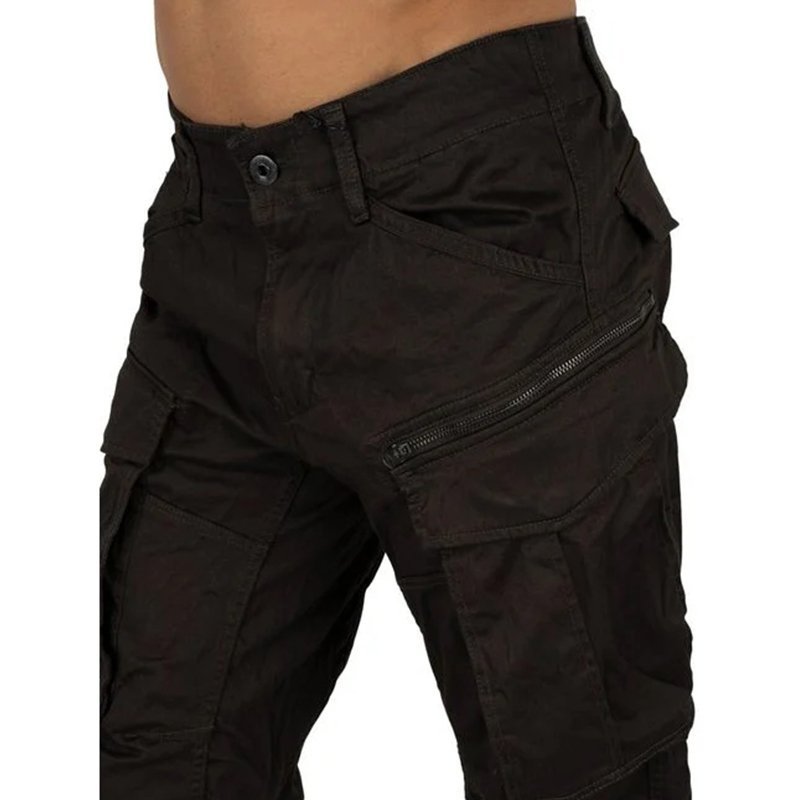
Cargo Joggers
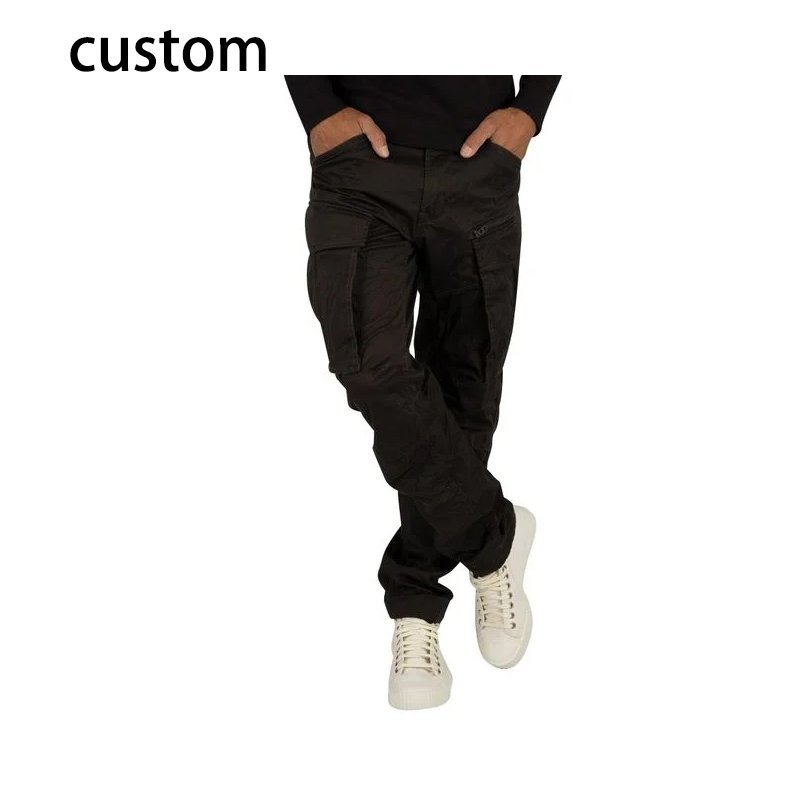
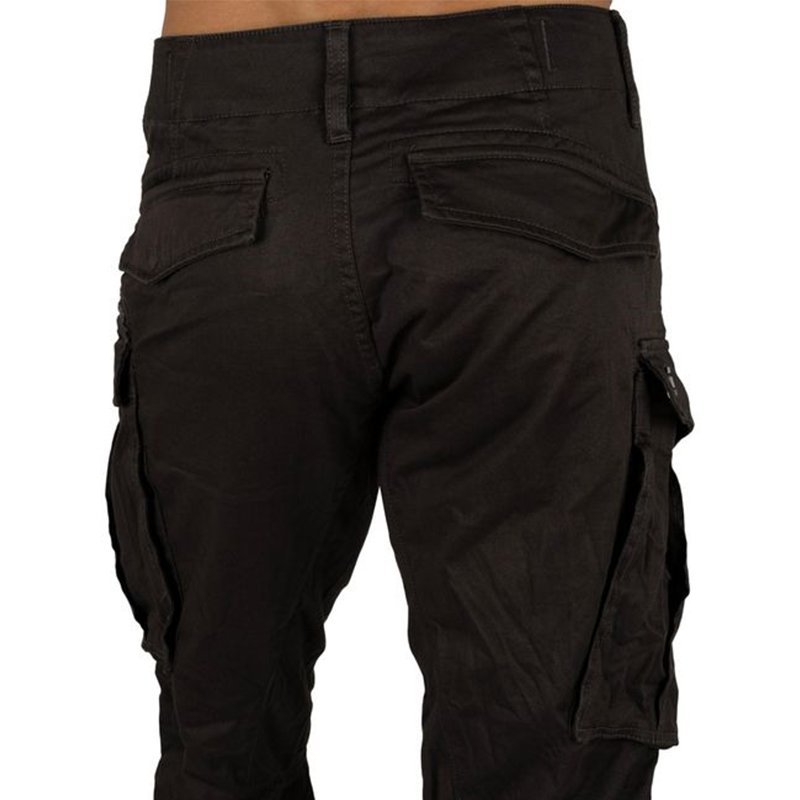
Four to six utility side pockets sewn onto a tapered base add function without sacrificing street aesthetic.
Crosswear brands targeting men aged 16–30 rely on this style to merge workwear practicality with a recognizable streetwear silhouette.
Tech and Performance Joggers
150–200 GSM nylon-spandex or polyester-elastane with four-way stretch, flatlock seams, and gusset crotch panels define this category.
Activewear startups and sports crossover brands require OEKO-TEX–certified fabrics and moisture-wicking finishes as baseline specifications.
Lounge and Co-ord Joggers
300–380 GSM heavy fleece or waffle knit engineered to sell as matching two-piece sets raises average order value per drop.
DTC labels and creator-economy brands build cohesive seasonal collections using co-ord joggers with minimal SKU complexity.
Luxury and Fashion Joggers
400 GSM heavyweight terry, brushed velour, or satin-panel construction places this category well above mass-market basics.
Fashion-forward capsule brands and high-end streetwear labels use this style to justify retail price points above $120 per unit.
4. Materials and Fabrics Used by a Quality Jogger Manufacturer
Fabric choice determines how a jogger feels, performs, and holds up after dozens of washes. A quality jogger manufacturer stocks at least five core knit and woven constructions, each matched to different end-uses and price points.
| Fabric Type | GSM Range | Feel | Best For | Sustainability Rating |
|---|---|---|---|---|
| French Terry | 280–380 gsm | Smooth face, looped back | Year-round joggers | Moderate |
| Brushed Fleece | 300–450 gsm | Plush, napped interior | Winter joggers | Moderate |
| Cotton-Poly Blend | 240–320 gsm | Balanced, structured | Everyday streetwear | Moderate |
| Jersey Knit | 160–240 gsm | Lightweight, drapey | Summer / loungewear | Low–Moderate |
| Tech Woven | 90–130 gsm | Smooth, wind-resistant | Performance joggers | Low |
| Organic Cotton / Recycled Poly | 200–350 gsm | Natural or wicking | Eco collections | High |
Heavyweight Knits: French Terry and Fleece
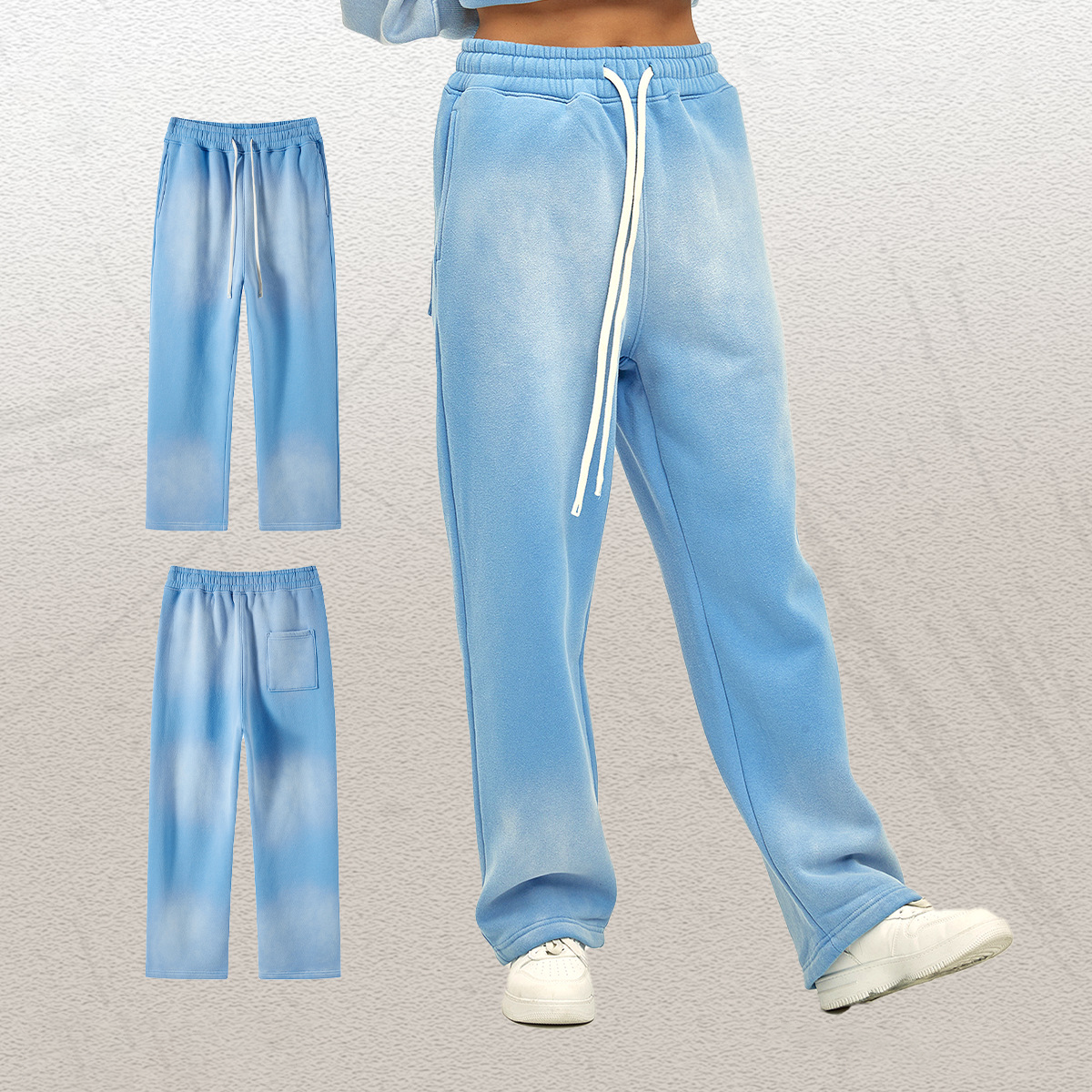
French terry runs 280–380 gsm and features a smooth face with looped backing, making it the workhorse fabric for year-round jogger production. Brushed fleece (300–450 gsm) adds a napped interior that raises warmth without sacrificing drape — ideal for fall and winter drops.
Lightweight and Technical Constructions
Jersey knit (160–240 gsm) delivers a drapey, breathable hand feel suited to summer cuts and loungewear cross-sells. Tech woven fabrics at 90–130 gsm add wind resistance and moisture management for performance-focused jogger lines targeting athletic markets.
Sustainable Fabric Alternatives

GOTS-certified organic cotton and OEKO-TEX-verified recycled polyester are the two dominant sustainable alternatives sought by brands building eco-conscious collections. Both carry a fabric cost premium of 15–30% over conventional options but support higher retail price points and resonate strongly with North American and European buyers.
5. Customization and Branding Options From Your Jogger Manufacturer
A qualified jogger manufacturer delivers far more than cut-and-sew. From jacquard waistbands to DTF graphics, every customization choice shapes brand identity and affects production timelines — brief your factory precisely from day one.
| Decoration Method | MOQ Effect | Lead Time Added | Best For |
|---|---|---|---|
| Embroidery | Raises MOQ to 100+ units | +3–5 days | Logos, chest hits, tonal details |
| Screen print | Minimal impact | +2–3 days | Large graphics, 1–4 spot colors |
| Puff print | Raises MOQ to 200+ units | +4–6 days | 3D raised streetwear details |
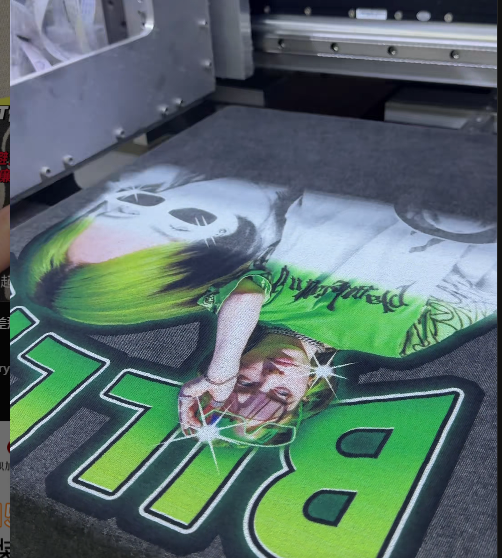
| DTF transfer | No MOQ increase | +1–2 days | Full-color photographic prints |
Waistband and Drawcord Options
Jacquard elastic weaves your logo directly into 3–5 cm waistbands; printed elastic costs roughly 20% less but has lower wash durability. Jacquard requires a 500-unit minimum per colorway and adds 5–7 days to your schedule.
Specify drawcord construction — flat, round, or braided — plus aglet material and Pantone color in your tech pack before sampling.
Pocket Configurations and Leg Openings
Side seam, cargo patch, and zippered hip pockets each add $0.50–$2.00 per unit depending on hardware and lining choices. Confirm pocket count and placement dimensions in your spec sheet before sampling begins.
Leg opening style is locked at the pattern stage: ribbed cuffs add 5–7 days, zip hems require YKK or equivalent hardware sourcing, and raw open hems carry no lead-time penalty.
Label Types and Branding Tags
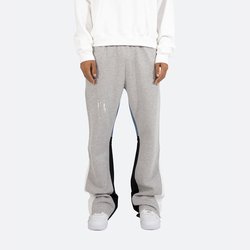
Woven labels carry a standard MOQ of 500 pieces; heat-transfer and silicone neck labels drop that floor to 200 pieces and suit minimalist streetwear aesthetics. Submit your finalized vector logo file at least two weeks before bulk production.
Care labels must list fiber content percentages and country of origin to satisfy import regulations in most destination markets.
6. Key Construction Quality Elements to Demand From Any Jogger Manufacturer
Six construction checkpoints separate a premium jogger manufacturer from one that cuts corners: seam type, stitch density, waistband attachment, crotch gusset, hem finish, and colorfastness. Verify each on every sample before committing to a production order.
Seam Type and Stitch Density
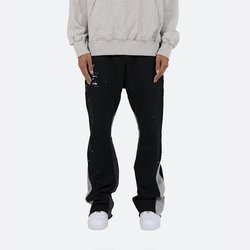
Flatlock seams lie flat against the skin and withstand high-stretch movement, making them the benchmark for activewear joggers; overlock (serger) seams cost less but raise and can abrade during wear. Demand 8–12 SPI on all structural seams — counts below 8 unravel under repeated wash cycles and lateral stress.
Waistband Attachment and Crotch Gusset
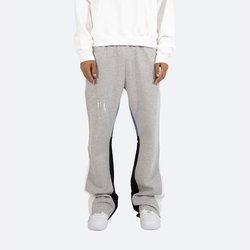
Coverstitch or flatlock joins on the waistband channel hold elastic tension through 50-plus wash cycles; plain overlock attachment is a cost-cutting red flag. A crotch gusset — a diamond or square fabric insert at the seat seam — distributes stress and reduces split risk in high-movement or heavyweight jogger styles.
Hem Finish, Colorfastness, and QC Checklist
Twin-needle coverstitch hem finishing delivers clean, stretch-retaining ankle cuffs; raw-edge or single-needle finishes signal a supplier skipping steps.
Colorfastness must meet AATCC 61 (wash) and AATCC 16 (light) minimum ratings of 4 at AQL 2.5. Embed every requirement in your tech pack before samples are cut:
- Seam type called out per panel in construction notes
- SPI minimum (8–12) specified for all structural seams
- Waistband elastic width, grams-per-meter weight, and attachment stitch documented
- Crotch gusset dimensions and fabric insert explicitly required
- AATCC colorfastness rating of 4 or above listed as a pass criterion
7. How to Choose the Right Jogger Manufacturer for Your Brand
Vetting a jogger manufacturer before placing your first order separates brands that scale from those stuck chasing defects. Five checkpoints — MOQ, certifications, sampling speed, communication, and references — cut supplier risk to manageable levels.
Define Your MOQ and Budget First
Low-MOQ suppliers typically accept 50–100 units per colorway; high-volume factories rarely go below 300. Lock your unit budget — including sampling fees of $30–$150 per style — before outreach so you can filter suppliers quickly and avoid wasting weeks on mismatched partners.
Certifications That Signal Reliability
OEKO-TEX Standard 100 confirms fabrics are free of harmful substances; GOTS covers the full organic supply chain; BSCI audits social compliance across the factory floor. Suppliers holding these credentials operate to documented standards — not verbal assurances — reducing audit liability for retail buyers.
Sample Turnaround and Communication Speed
A credible jogger manufacturer returns development samples in 7–15 days. Factories quoting 30+ days for a basic sample often lack dedicated sampling teams, a red flag for production timelines. Responsiveness within 24 hours on initial inquiry is a reliable baseline filter.
Check References and Brand Case Studies
Request two or three client references in your category — streetwear, athleisure, or retail. Clothing Manufacturer Ltd’s founder personally served over 200 customers across 100+ countries, giving new buyers verifiable growth trajectories — including influencer brands that scaled from zero to hundreds of thousands of followers.
Domestic vs. Overseas Trade-Offs
Domestic manufacturers offer faster local shipping but carry 3–5× higher unit costs. Overseas factories in Humen, Dongguan — a historic garment hub — deliver competitive pricing, full-service sampling, and established export logistics, making them the default choice for cost-conscious startups and global retail buyers prioritizing margin.
8. Common Mistakes Buyers Make When Sourcing a Jogger Manufacturer
First-time buyers routinely lose money on preventable sourcing errors when working with a jogger manufacturer. Six recurring mistakes account for the majority of costly production failures, delayed launches, and compliance penalties that derail new streetwear brands.
Skipping the Pre-Production Sample
A pre-production sample catches fit, stitch density, and colorway issues before bulk cutting begins. Always request a sealed sample and sign off on it formally before authorizing any production run.
Ignoring Fabric GSM Specifications
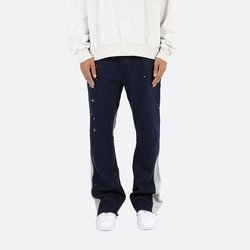
Jogger fleece typically runs 280–380 GSM; dropping below spec to cut costs produces a thin, low-drape garment customers return. Lock GSM, fiber content, and Pantone shade in writing before sampling begins.
Starting Production Without a Tech Pack
Launching production without a tech pack hands the factory control over seam allowances, pocket placement, and waistband construction. A thorough tech pack typically reduces sampling rounds from three to one.
Underestimating Lead Times and Production Calendars
Standard overseas jogger production runs 45–75 days from order confirmation; peak season adds 2–4 weeks. Build buffer time into every launch calendar to avoid air-freight surcharges that can double unit cost.
Choosing a Manufacturer on Price Alone
The lowest quoted price per unit frequently omits in-line QC testing, leaving defect rates of 5–15% that damage the brand. Request a sample rejection report alongside any price quote to gauge real factory standards.
Overlooking Import and Compliance Requirements
OEKO-TEX or GOTS certification requirements vary by retailer and market; missing them blocks entry into major wholesale accounts. Confirm chemical compliance and labeling rules — fiber content, country of origin — before sampling.
9. Steps to Launch Your Jogger Line With a Manufacturer
Launching a jogger line requires a structured production roadmap — skipping any stage compounds errors downstream. These six steps walk creator brands and fashion startups through the full journey, from first concept to reorder-ready inventory.
Brand Brief and Mood Board
Define target consumer, price tier, and streetwear aesthetic before contacting a jogger manufacturer. Collect reference images covering silhouette, colorways, and graphic motifs, plus fabric weight preferences — typically 280–320 GSM for heavyweight fleece.
Include Pantone color codes and competitor samples. A clear brief reduces revision rounds by 2–3 cycles.
Tech Pack Creation
A tech pack translates your mood board into a factory-ready document: flat sketches, measurement specs, BOM (bill of materials), stitch type, and trim details such as YKK zippers or custom drawcords.
Without a tech pack, factories quote on assumptions. Even a one-page spec sheet cuts sampling errors and misquotes significantly.
Sample Request and Revision
Request a proto sample before committing to bulk; sample fees typically run $30–$80 per style, often credited against bulk orders. Expect one to two revision rounds before a production-approved (PP) sample is signed off.
Mark all fit, stitching, and colorway comments on photos with clear annotations to keep revisions efficient.
Bulk Order and QC Approval
Confirm MOQ, colorway breakdown, and lead time before placing a deposit — typically 30% upfront, 70% pre-shipment. Clothing Manufacturer Ltd.’s five-step QC process — covering materials, cutting, craft, sewing, and finished-goods inspection — embeds quality checks throughout production, not only at the end.
Request in-line photos at each stage before approving the full production run.
Shipping and Reorder Planning
Choose between FOB and DDP Incoterms based on customs experience; first-time importers often benefit from DDP to avoid surprise duties. Request OEKO-TEX documentation if selling to compliance-sensitive retailers.
Track sell-through weekly and place reorders at 60–70% inventory depletion. Sharing sales data with your jogger manufacturer improves forecast accuracy on future runs.
10. Pricing and Cost Breakdown When Working With a Jogger Manufacturer
Jogger unit cost breaks into four components: fabric (roughly 40–50% of total cost), CMT or cut-make-trim (25–35%), branding and labeling (10–15%), and finishing or packaging (5–10%). For a 300 GSM French terry jogger, fabric alone runs $3–$8 per unit depending on fiber blend and order volume.
Sampling is a separate line item — a quality jogger manufacturer typically charges $60–$150 per sample, covering pattern development, fabric sourcing, and construction. Many factories credit this fee against bulk orders placed above 200 units.
Shipping adds $0.50–$2.50 per unit depending on Incoterms (FOB vs. DDP), destination, and whether you choose sea freight or air. A five-step QC process — embedded from cutting through finished inspection — is typically absorbed into CMT pricing rather than billed separately, preventing costly end-of-run rework charges.
| Order Quantity | Est. Unit Cost (USD) | Sample Fee (USD) | Lead Time |
|---|---|---|---|
| 50 units | $18–$24 | $80–$150 | 20–25 days |
| 100 units | $14–$19 | $80–$150 | 20–25 days |
| 250 units | $10–$14 | $60–$120 | 18–22 days |
| 500 units | $7–$11 | $60–$120 | 15–20 days |
| 1,000 units | $5–$8 | $50–$100 | 12–18 days |
Ready to Launch? Partner With a Proven Jogger Manufacturer
Submit your tech pack today for a fast quote — low MOQ, free sample eligibility, and our 5-step QC guarantee on every order.