
Premium Heavyweight Sweatpants Manufacturer for Streetwear Brands
Partner with a heavyweight sweatpants manufacturer that delivers 50-piece MOQ, 7-day sampling, and a proprietary 5-step QC guarantee for emerging and established brands worldwide.
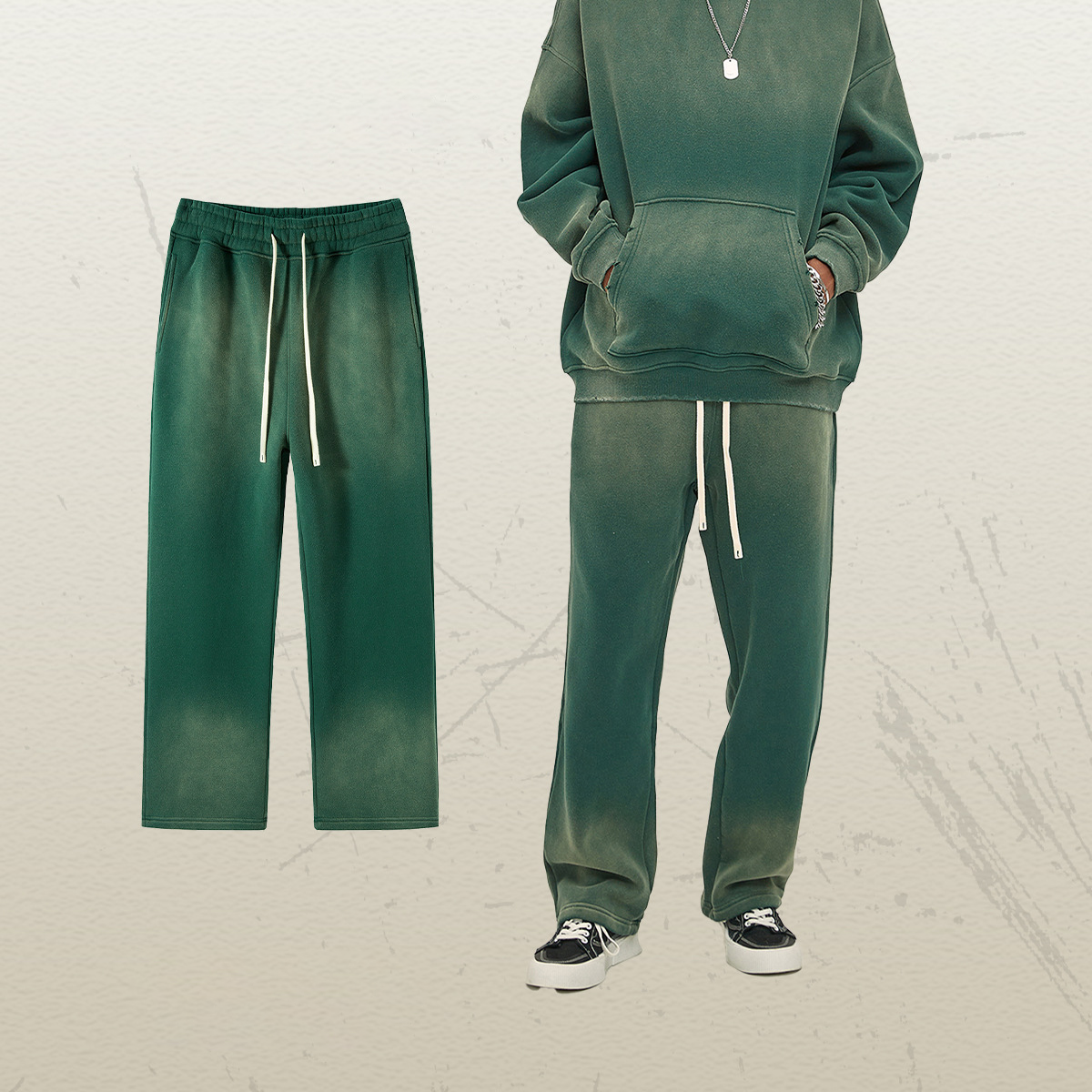
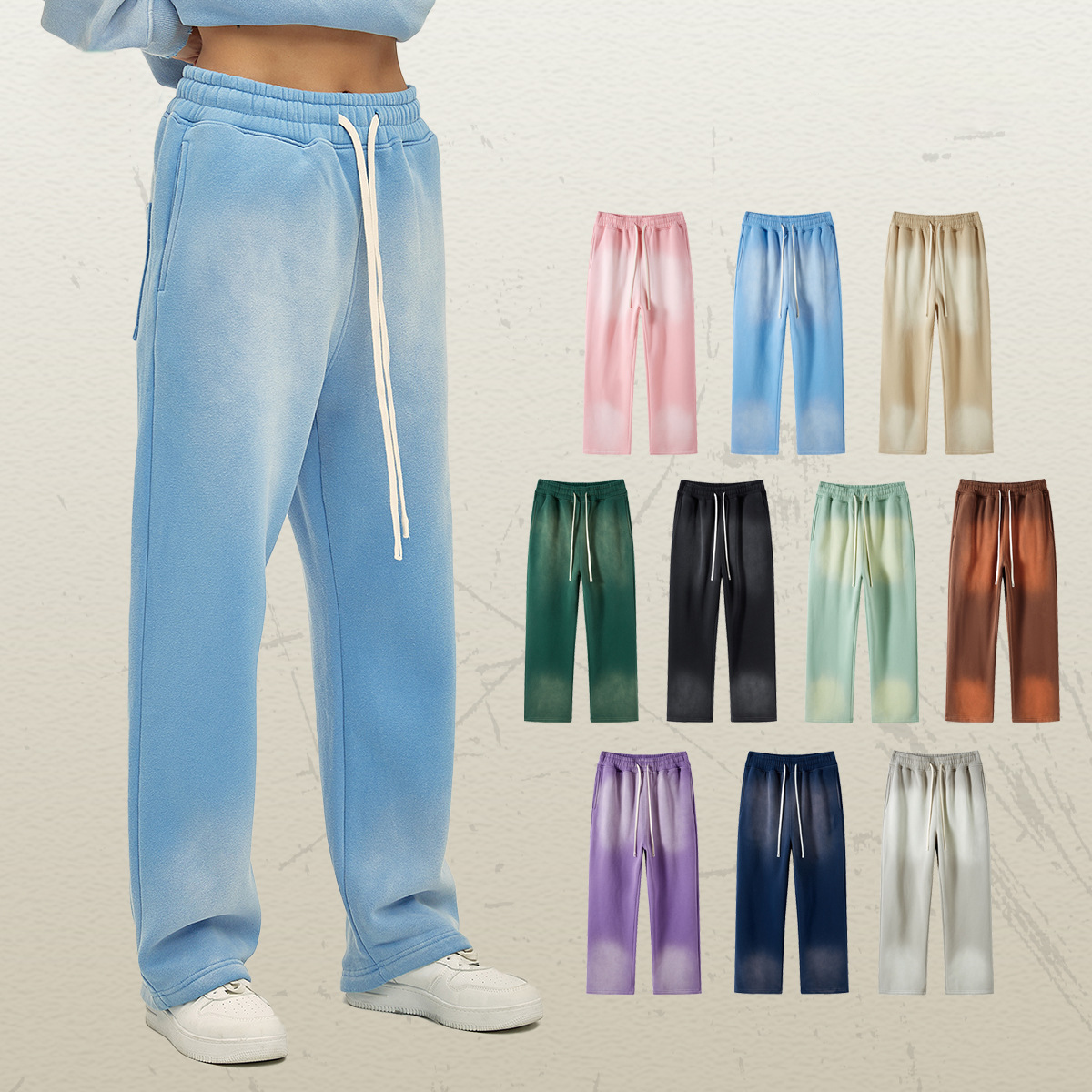
Heavyweight Sweatpants Collection Showcase
Why Brands Choose Our Heavyweight Sweatpants Manufacturer
5-Step QC Guarantee
Every heavyweight sweatpants order passes through materials, cutting, craft, sewing, and finished garment quality inspections before shipping.
50-Piece Minimum Order
Launch your streetwear line without massive inventory risk. Perfect for emerging brands, influencers, and independent designers testing new styles.
7-Day Sample Turnaround
Get production-ready heavyweight sweatpants samples in one week. Fast iteration means you stay ahead of seasonal trends and drops.
In-House Design Team
Our 15-member R&D team brings streetwear expertise and 10 patents to help refine your heavyweight sweatpants designs and specs.
Streetwear Production Expertise
Six years specializing in streetwear aesthetics, construction, and trend-driven details. We understand oversized fits, bold graphics, and quality finishes.
Global Shipping & Logistics
Seamless export to over 100 countries with full customs, inspection, and freight support. Your heavyweight sweatpants delivered on time, anywhere.
Heavyweight Sweatpants Manufacturer Product Categories
From classic relaxed fits to cargo-hybrid designs, our heavyweight sweatpants manufacturer expertise covers every silhouette your streetwear brand needs to stand out in today’s competitive market.
Classic Relaxed-Fit Heavyweight Sweatpants
Many brands struggle to source timeless, comfortable heavyweight sweatpants that appeal to broad demographics without sacrificing the premium weight and durability streetwear customers expect from quality loungewear.
Our classic relaxed-fit heavyweight sweatpants deliver universal appeal with 400+ GSM fabric options, reinforced stitching, and customizable waistbands—perfect for brands building core collections that drive repeat purchases and customer loyalty.
Tapered Jogger Heavyweight Sweatpants
Emerging streetwear brands need modern, athletic-inspired silhouettes that balance performance aesthetics with heavyweight comfort, but most manufacturers offer only basic cuts that lack the tapered precision today's consumers demand.
Our tapered jogger heavyweight sweatpants feature precision ankle cuffs, ergonomic side pockets, and sleek silhouettes in 350-450 GSM fabrics—enabling fashion-forward brands to capture the athleisure crossover market with confidence.
Cargo-Hybrid Heavyweight Sweatpants
Trendsetting brands require utility-driven designs that merge streetwear edge with functional cargo details, yet sourcing manufacturers who can execute complex multi-pocket constructions with heavyweight materials proves difficult and expensive.
Our cargo-hybrid heavyweight sweatpants combine oversized utility pockets, adjustable straps, and reinforced heavyweight fleece—delivered with our 5-step QC process to ensure every functional detail meets streetwear quality standards your influencer customers expect.
Oversized Silhouette Heavyweight Sweatpants
Independent designers and creator brands need bold, statement oversized fits that align with current streetwear trends, but struggle to find manufacturers experienced in pattern-making for exaggerated proportions without compromising garment structure.
Our oversized heavyweight sweatpants deliver dramatic silhouettes with expert pattern engineering, drop-crotch options, and wide-leg cuts in premium heavyweight fabrics—helping your brand capture the avant-garde streetwear segment with production minimums as low as 50 pieces.
Premium Fabrics Every Heavyweight Sweatpants Manufacturer Should Master
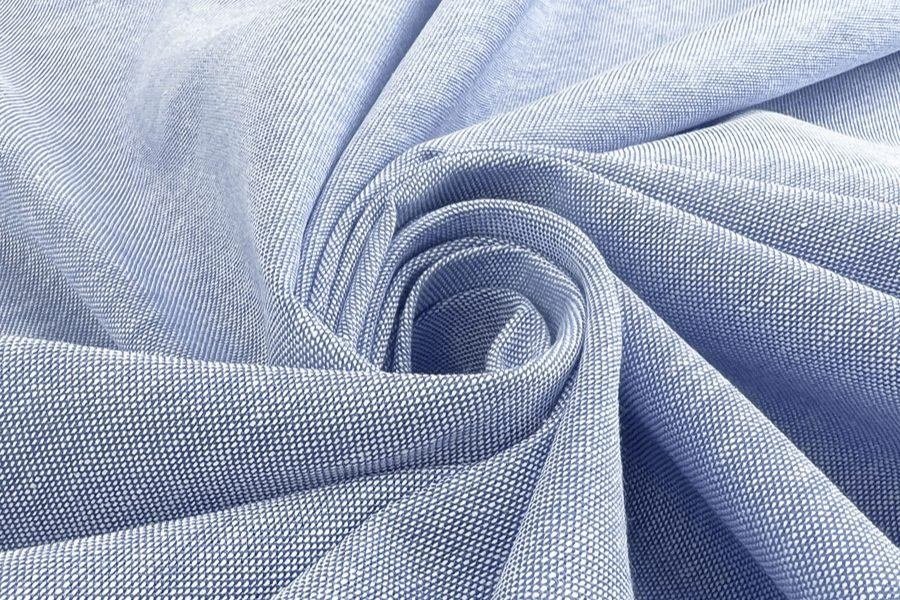
Cotton Loopwheel Terry
Ultra-soft, durable fabric woven on vintage loopwheel machines for authentic streetwear texture. Weight: 380-420 GSM. Minimal shrinkage, exceptional breathability, and a plush hand-feel ideal for premium heavyweight sweatpants that retain shape after repeated wear.
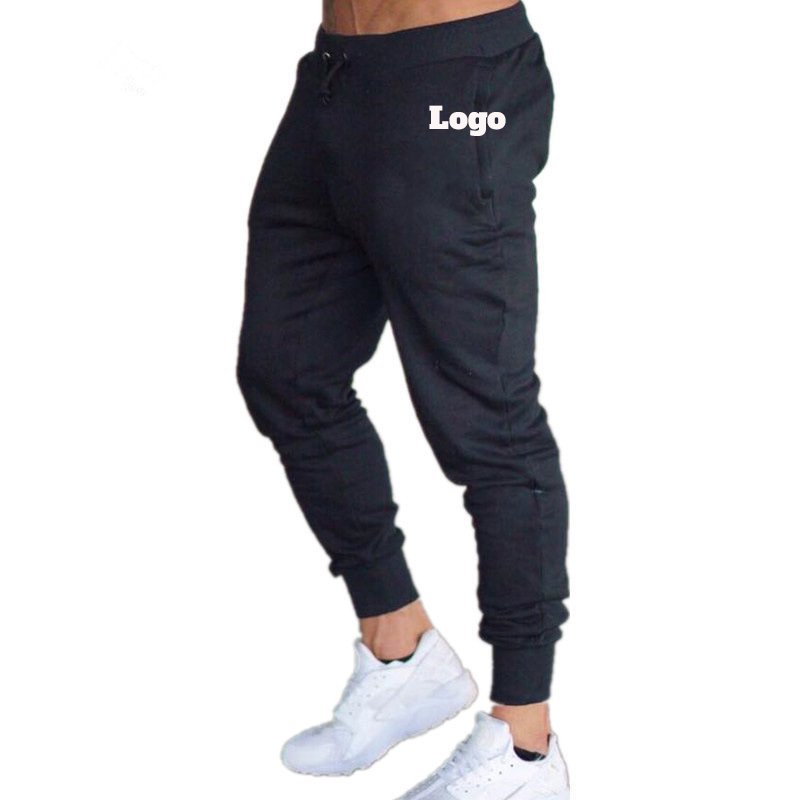
Recycled Cotton Blend
Eco-conscious 60% recycled cotton, 40% polyester fleece combining sustainability with performance. Weight: 350-400 GSM. Offers excellent moisture-wicking, reduced environmental impact, and the structured drape today’s conscious streetwear brands require for heavyweight sweatpants.
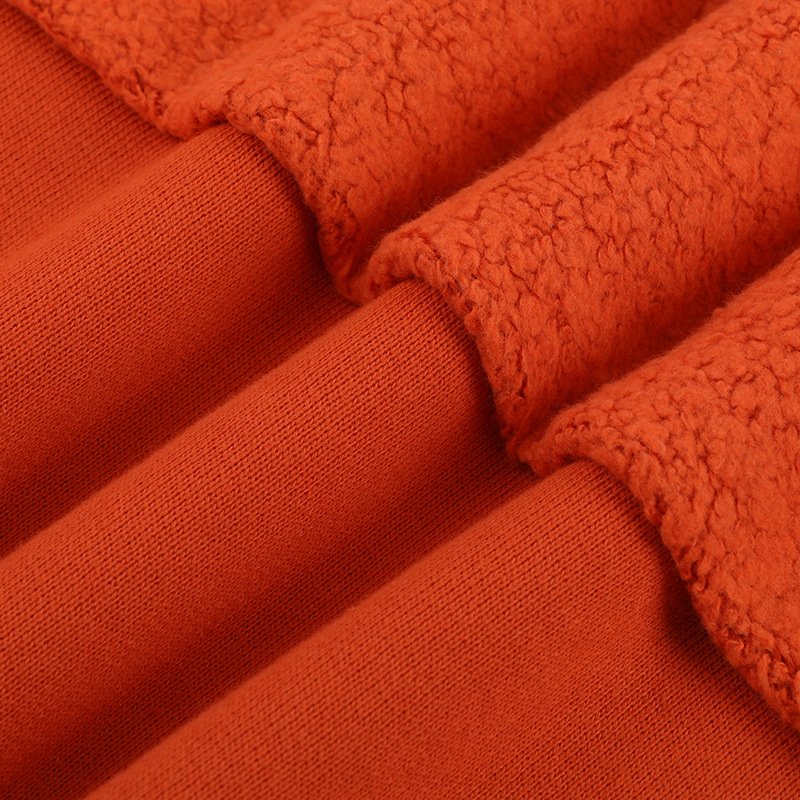
Organic Cotton Fleece
GOTS-certified organic cotton with brushed interior for luxurious warmth and softness. Weight: 400-450 GSM. Chemical-free cultivation ensures hypoallergenic comfort, superior color retention, and the premium quality discerning brands expect from a heavyweight sweatpants manufacturer.
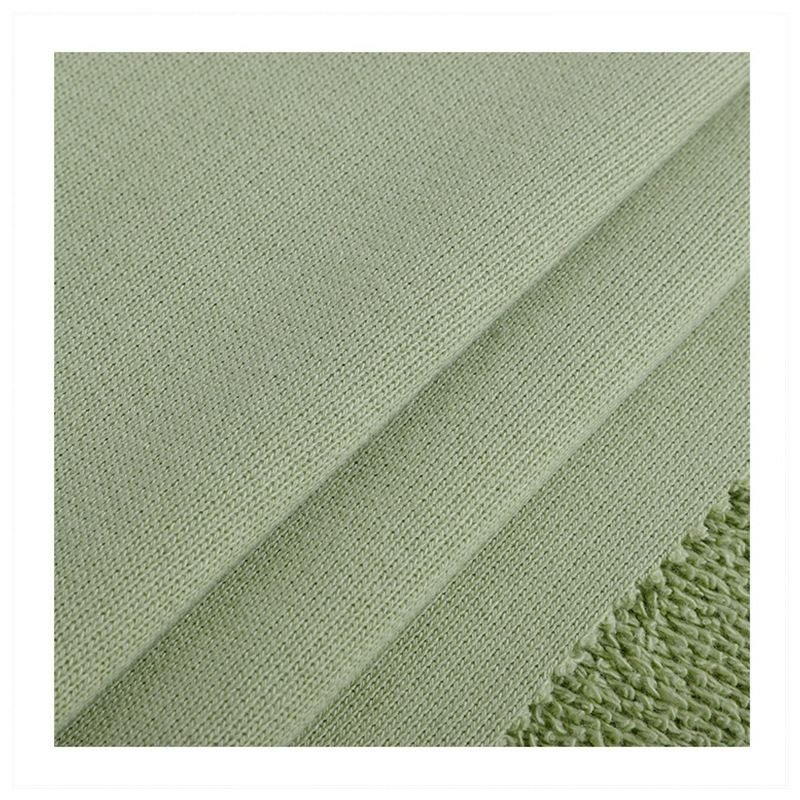
Cotton-Polyester French Terry
Versatile 80/20 cotton-polyester blend offering balanced stretch and recovery. Weight: 320-360 GSM. Smooth exterior, looped interior provides excellent printability for graphics, quick-dry performance, and reliable durability for high-volume streetwear collections.
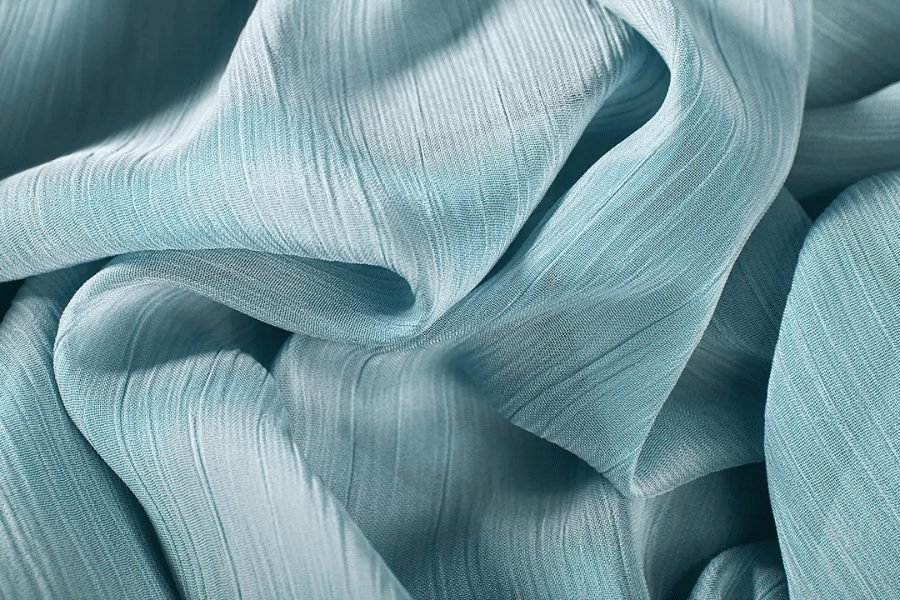
Heavyweight Sinker Weave
Dense, structured knit with vertical ribs for distinctive texture and shape retention. Weight: 380-420 GSM. Superior dimensional stability, minimal pilling, and refined drape make this ideal for elevated streetwear heavyweight sweatpants with architectural silhouettes.
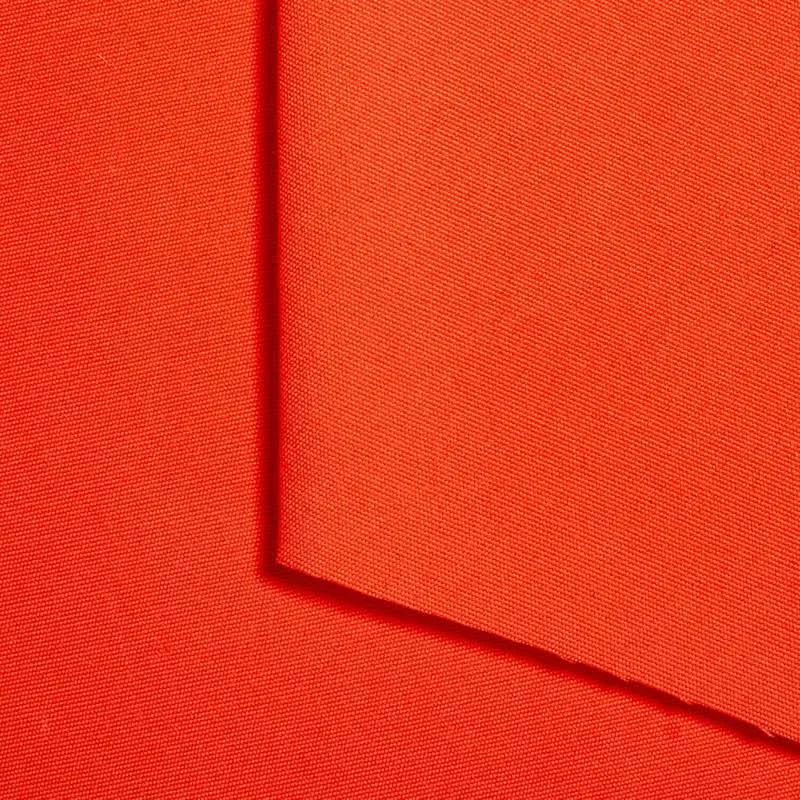
Polar Fleece Heavyweight
High-loft polyester fleece engineered for maximum insulation and softness. Weight: 400-480 GSM. Exceptional warmth-to-weight ratio, anti-pill finish, and vibrant dye uptake perfect for bold colorways and cold-weather heavyweight sweatpants lines.
Advanced Heavyweight Sweatpants Manufacturer Production Processes
Precision Cutting
Computer-guided fabric cutting ensures millimeter-accurate pattern pieces for consistent fit across production runs. Our cutting QC testing eliminates material waste while guaranteeing uniform heavyweight fabric panels that maintain structural integrity through repeated wear.
Reinforced Seaming
Double-needle and flatlock stitching techniques fortify stress points at waistbands, crotch seams, and pockets. This sewing production QC-tested method prevents unraveling and extends garment lifespan, essential for heavyweight sweatpants durability that streetwear customers demand.
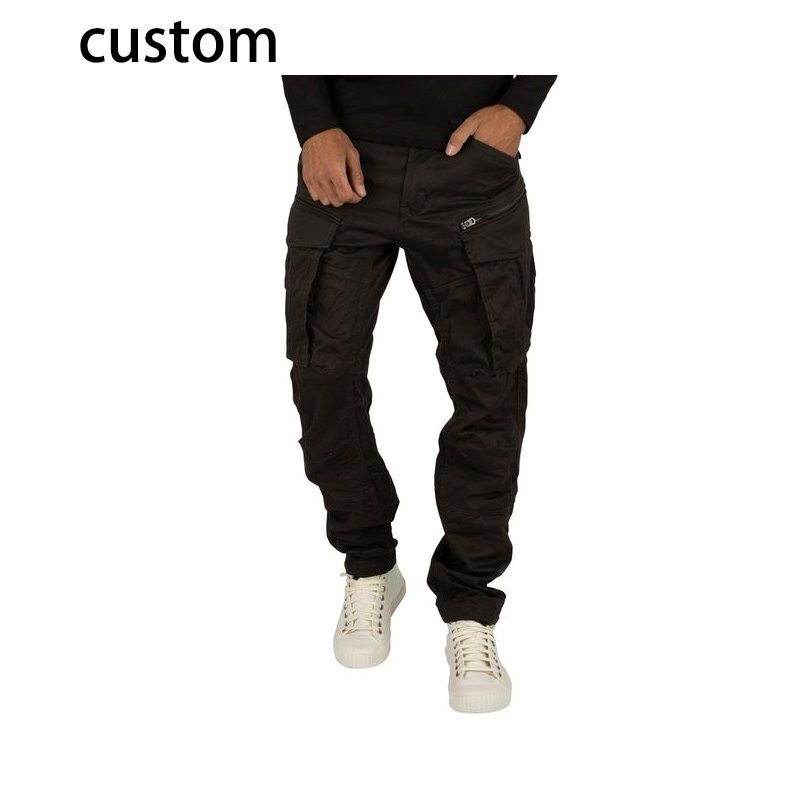
Custom Dyeing
Reactive and pigment dye processes achieve vibrant, fade-resistant colorways in heavyweight fleece. Our materials QC testing verifies color fastness and consistency, enabling bold streetwear palettes from classic blacks to trend-forward pastels and neons.
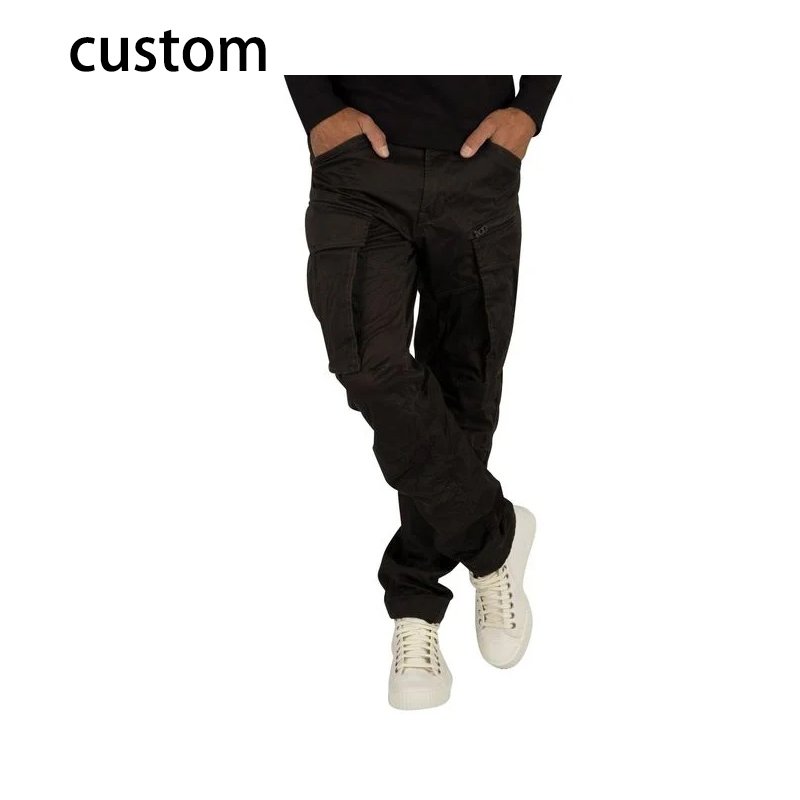
Embroidery Application
High-density embroidered logos and graphics add premium texture and dimension to heavyweight sweatpants. Thread counts up to 15,000 stitches create intricate designs that withstand industrial washing, perfect for brand storytelling and influencer collaboration pieces.
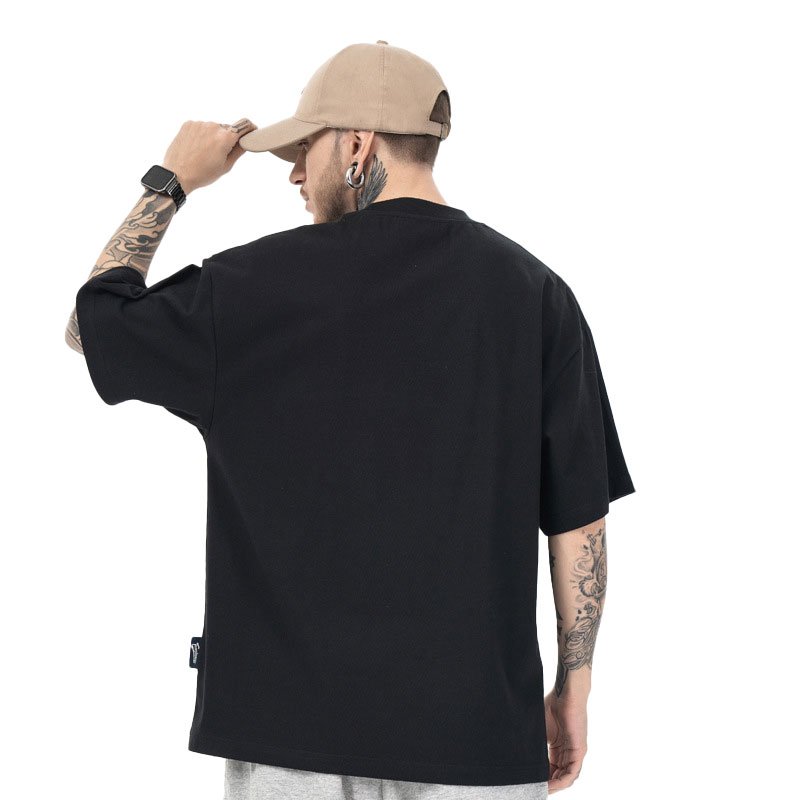
Screen Printing
Multi-color plastisol and water-based screen printing delivers bold graphics with exceptional opacity on heavyweight fleece. Our clothing craft QC testing ensures crisp edges and color vibrancy, ideal for statement graphics central to streetwear aesthetics.
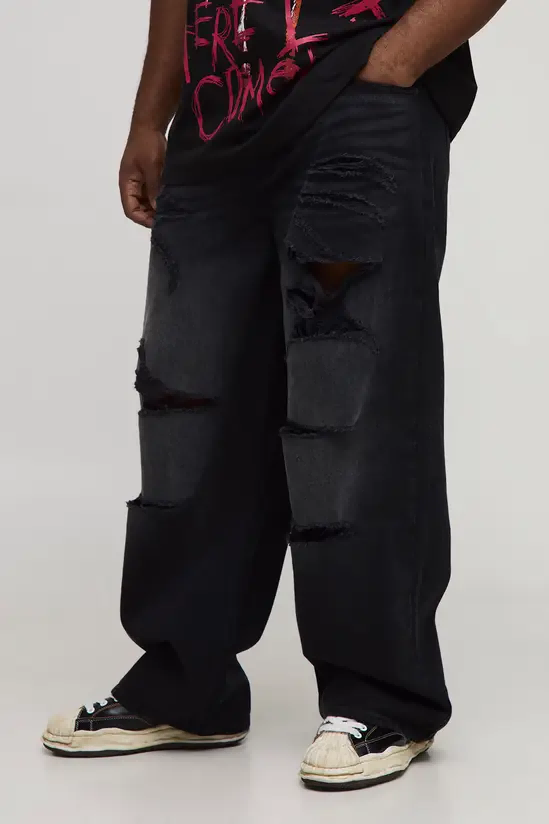
Sublimation Transfer
Dye-sublimation technology embeds full-color patterns directly into polyester-blend heavyweight fabrics for photographic detail and permanent results. This process enables all-over prints, gradients, and complex artwork that won’t crack or peel over time.
Heavyweight Sweatpants Manufacturer Customization & Finishing Options
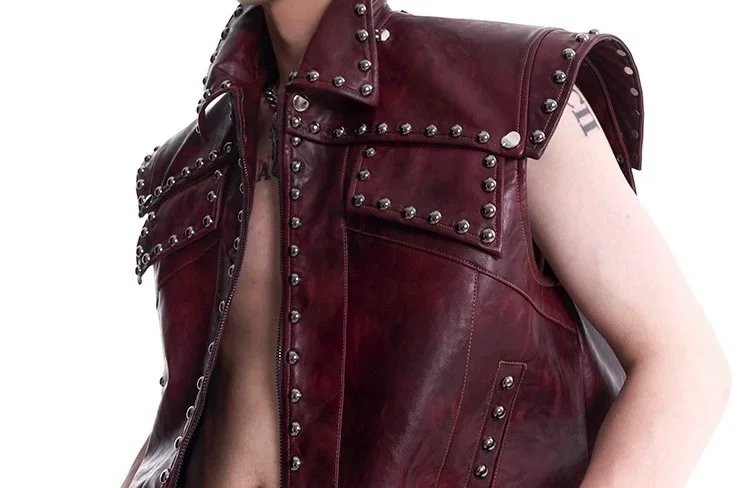
Custom Drawcords
Premium flat or round drawcords with metal or plastic aglets, available in any color to match your brand palette. Essential for adjustable waistbands on heavyweight sweatpants, adding both function and signature style.
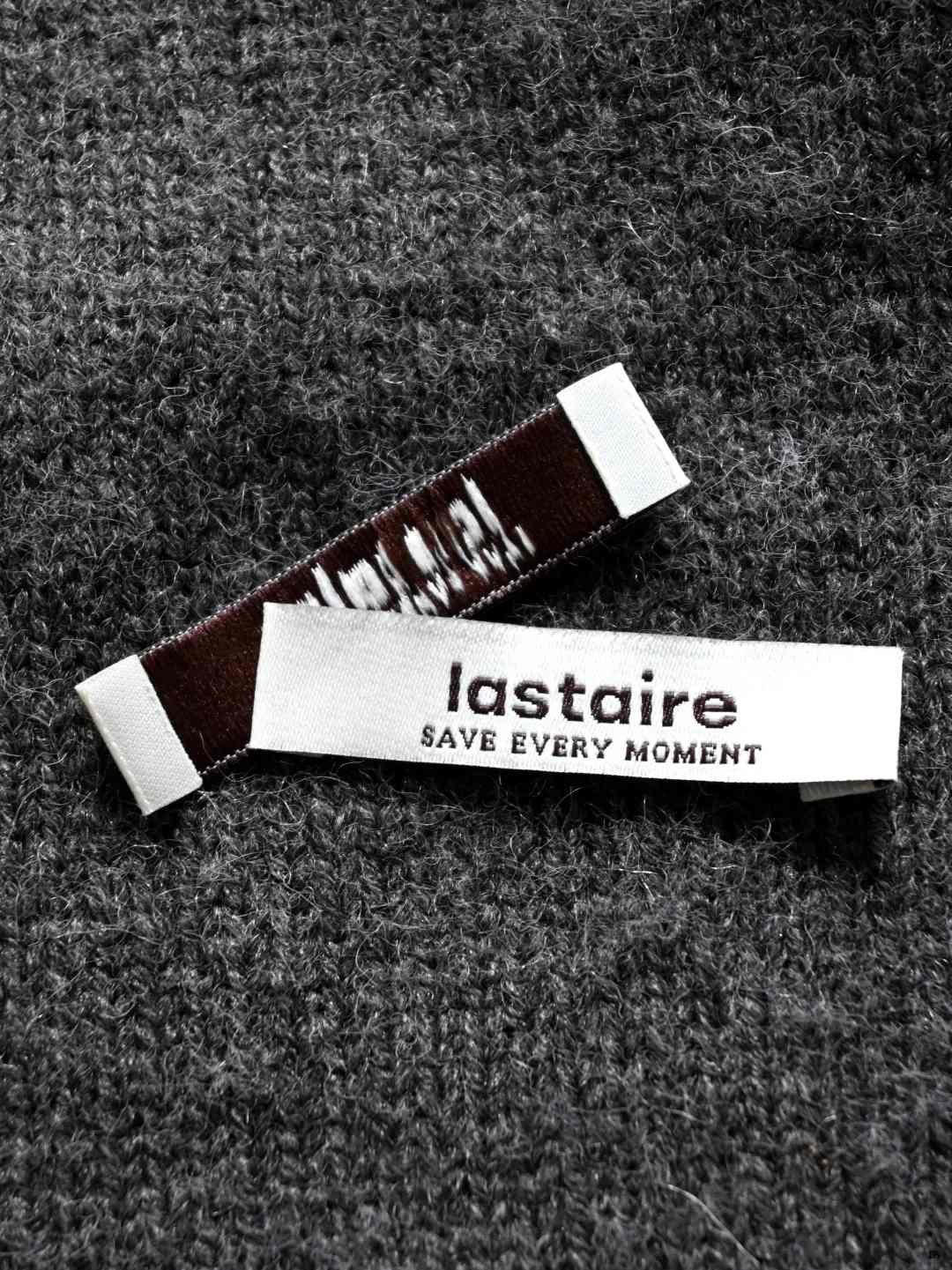
Woven Labels
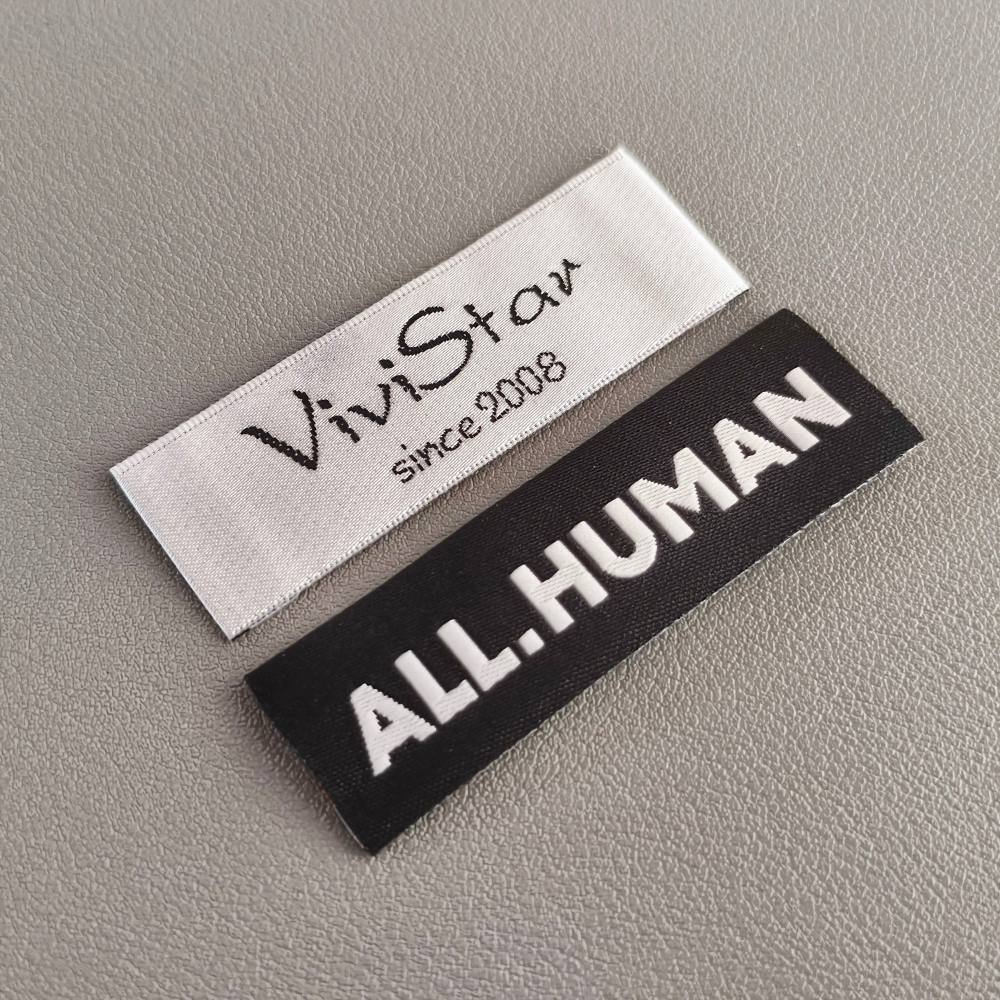
High-density woven brand labels with your logo, care instructions, and size markers. Sewn into waistbands or side seams to establish authenticity and elevate the perceived value of your heavyweight sweatpants.
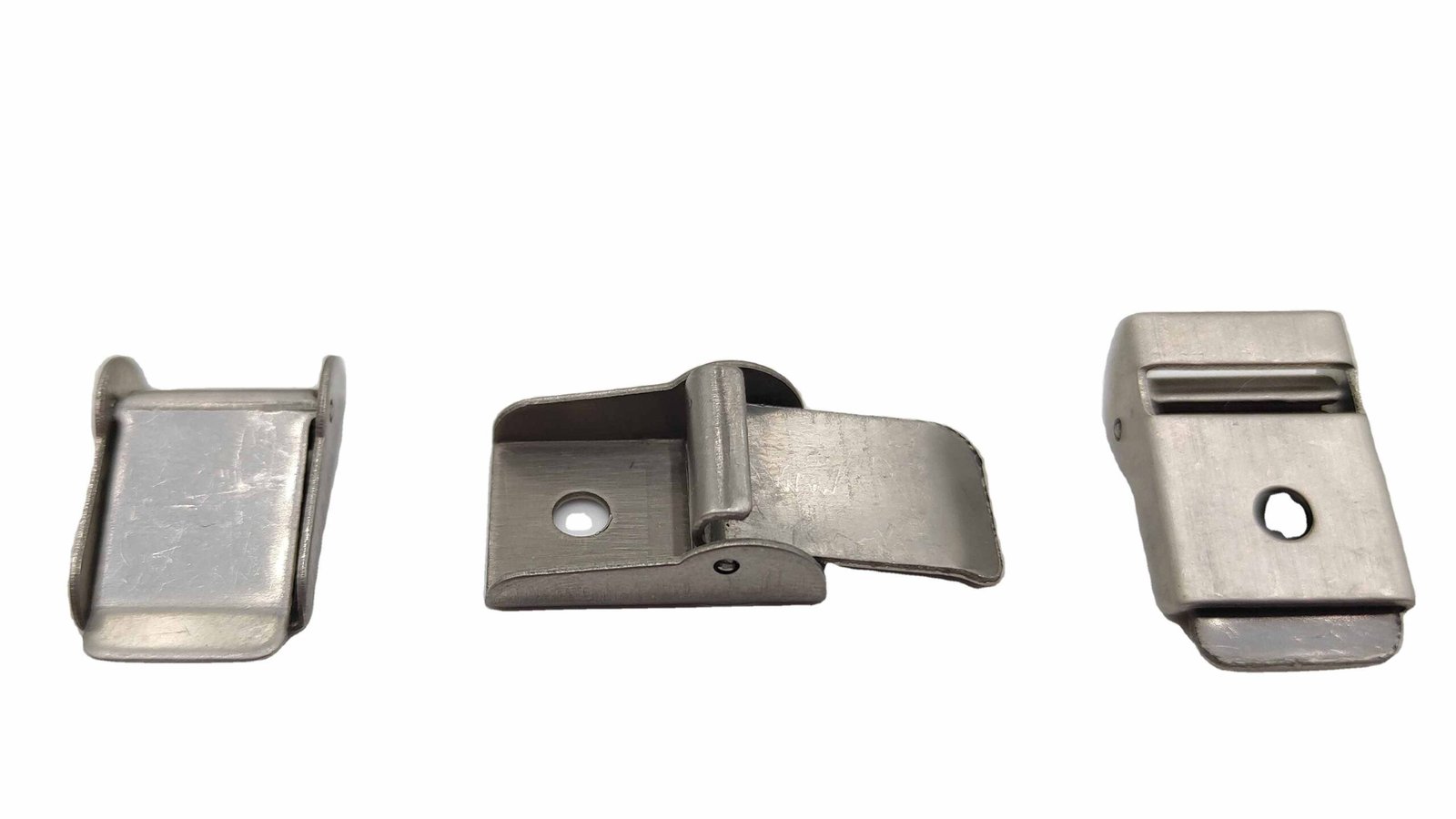
YKK Zippers
Industry-leading YKK zippers for pocket closures and ankle zips on heavyweight sweatpants. Durable, smooth-gliding hardware that withstands repeated wear and reinforces premium quality standards in every pair.
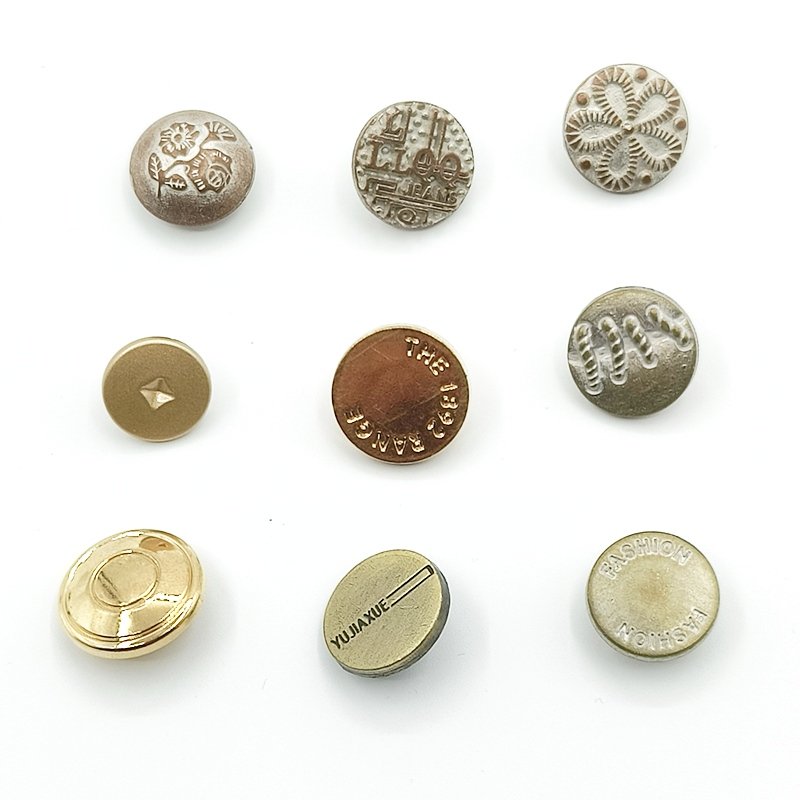
Snap Buttons
Custom metal or resin snap buttons for adjustable cuffs, cargo pockets, and functional details. Available in brushed metal, matte black, or custom finishes to complement your heavyweight sweatpants aesthetic.
Embroidered Logos
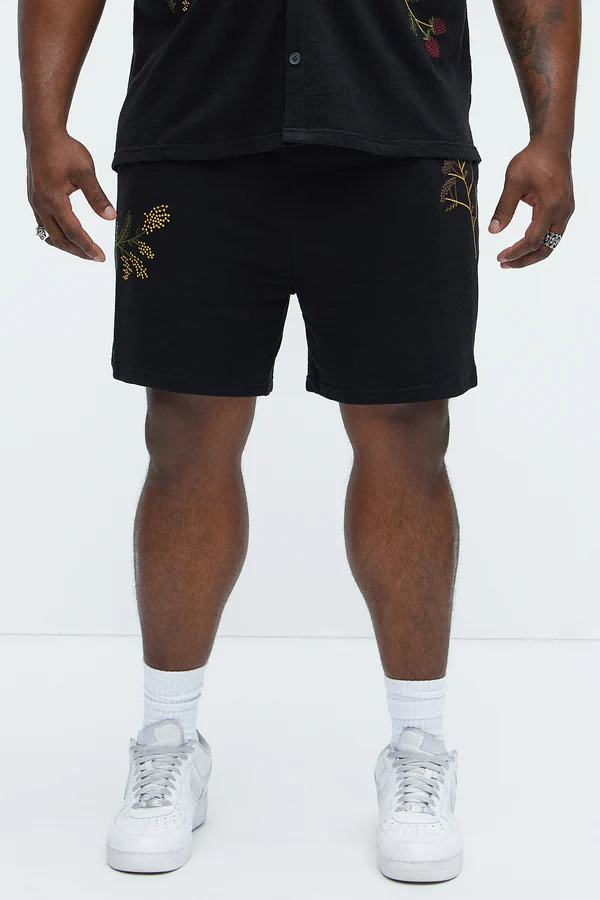
High-definition embroidery for brand logos, graphics, and text on thighs, pockets, or waistbands. Our in-house embroidery team ensures crisp, durable branding that stands out on heavyweight sweatpants fabric.
Custom Hangtags
Printed or embossed hangtags that communicate your brand story, fabric details, and care instructions. The first touchpoint for customers, custom hangtags complete the premium unboxing experience for heavyweight sweatpants.
Your Trusted Heavyweight Sweatpants Manufacturer
Founded in 2024 by Tesla Luo, Clothing Manufacturer Ltd. was born from a mission to restore trust in Chinese garment production. With over 10 years of apparel manufacturing experience and 6 years specializing in streetwear, Tesla witnessed too many factories skip critical quality checks. He built our heavyweight sweatpants manufacturer to do the opposite—embedding rigorous testing at every production stage.
Growing up in garment factories and rotating through every role from cutting to QC, Tesla learned that quality cannot be an afterthought. Today, our 15-member R&D team and proprietary 5-step quality control process ensure every heavyweight sweatpants order meets global standards. We serve fashion startups, streetwear brands, and retailers across 100+ countries with low MOQs, fast sampling, and zero compromises.
As a heavyweight sweatpants manufacturer, we combine trend-driven streetwear expertise with manufacturing discipline. Our parent company infrastructure gives you production scale, while our startup agility delivers the customization and communication your brand deserves. We’re here to prove Chinese manufacturers can lead on quality, not just price.
Our 5-Step Quality Control Guarantee for Heavyweight Sweatpants
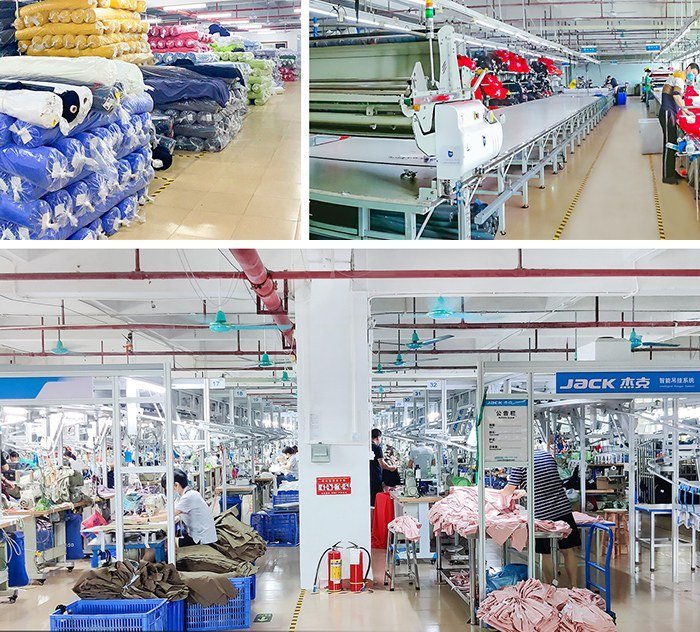
Materials QC Testing Before Production
Every heavyweight fabric roll undergoes rigorous pre-production inspection to verify weight, stretch recovery, and colorfastness. As a heavyweight sweatpants manufacturer, we catch material defects before cutting begins, eliminating costly rework and ensuring your brand receives only premium-grade fleece and French terry.
- Fabric weight verification (300-450 GSM tolerance ±5%)
- Shrinkage and colorfastness testing per batch
- Surface inspection for pilling resistance and texture consistency
- Detailed material certification report for every order
Cutting QC and Pattern Accuracy
Our cutting-stage quality control validates pattern precision and fabric alignment to prevent size inconsistencies. This second checkpoint ensures every heavyweight sweatpants panel matches your tech pack specifications exactly, maintaining fit integrity across production runs from 50 to 5,000 pieces.
- Digital measurement verification of all cut panels
- Grain-line and pattern-match inspection for stripes and prints
- Left-right symmetry checks for consistent leg profiles
- Real-time corrections before panels reach the sewing floor
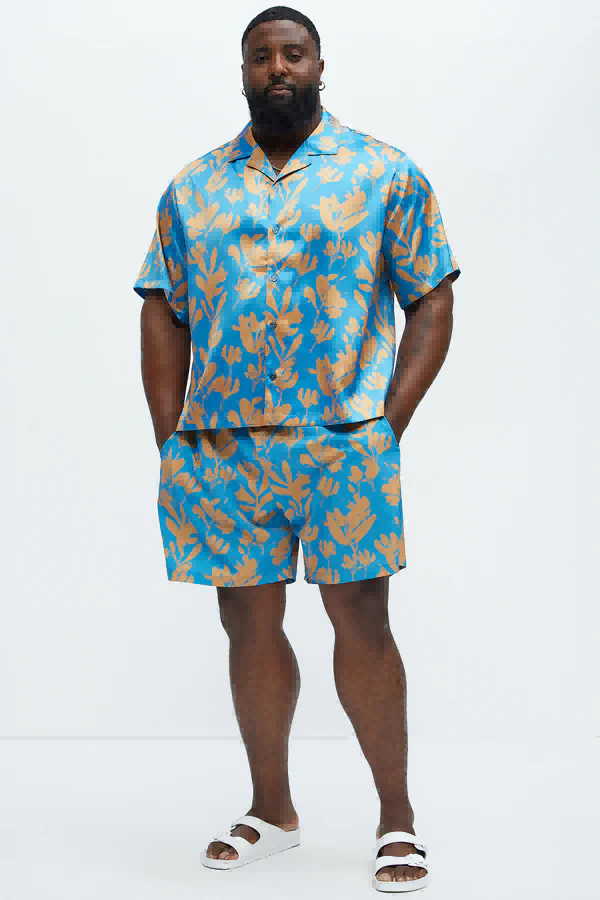
Sewing Production QC at Critical Stages
Unlike manufacturers who skip in-line checks, we inspect heavyweight sweatpants at five critical sewing stages: waistband attachment, side seams, crotch reinforcement, hem finishing, and drawstring installation. Early detection prevents defective units from advancing, protecting your brand reputation and reducing rejection rates to below 0.5%.
- Stitch density and seam strength testing (minimum 12 stitches/inch)
- Waistband elasticity and drawstring security validation
- Crotch gusset and reinforcement bar-tack inspection
- Real-time operator feedback loop to correct technique drift
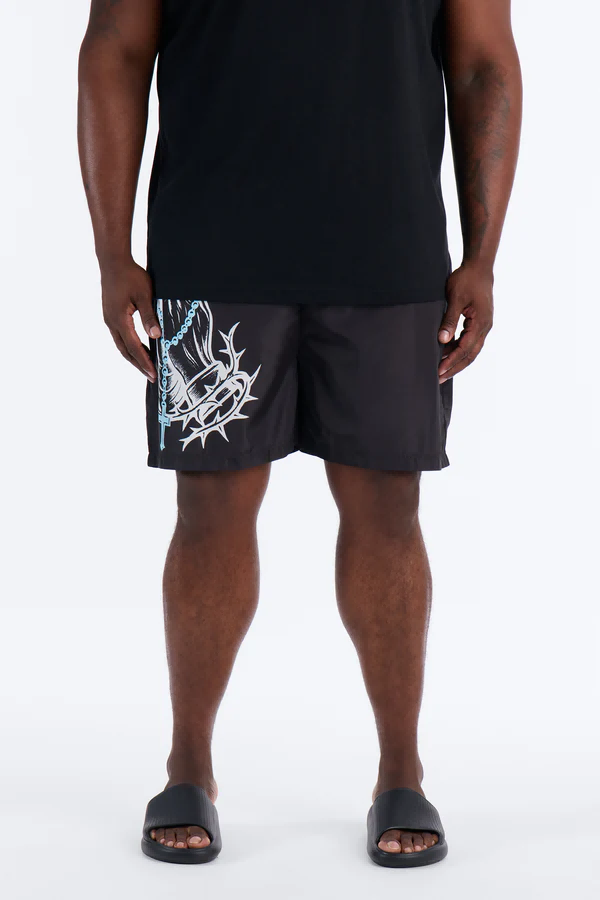
Finished Garment Quality Inspection
Every completed heavyweight sweatpants unit passes through our final 48-point inspection covering measurements, stitching, finishing, and presentation. This comprehensive audit guarantees that only garments meeting your brand standards are packed and shipped, backed by our documented QC reports and photographic evidence.
- Full measurement audit against approved samples (waist, inseam, rise, leg opening)
- Thread trimming, pressing quality, and packaging presentation review
- Functional testing of drawstrings, pockets, and elastic performance
- Batch sampling at AQL 2.5 standard with detailed defect documentation
Why Choose Our Heavyweight Sweatpants Manufacturer Over Competitors
Most suppliers cut corners on quality and communication. We’ve built our reputation on transparency, speed, and a zero-compromise QC process that protects your brand at every production stage.
← 左右滑动查看 →
Our Production Process: From Concept to Delivery
Every heavyweight sweatpants order moves through six quality-controlled phases, ensuring your brand receives premium garments that meet streetwear standards and exceed customer expectations.
Design & Sampling
Our 15-member R&D team develops tech packs, creates patterns, and produces pre-production samples with your branding and specifications for approval.
Fabric Sourcing & QC
We source premium heavyweight fleece and conduct materials QC testing to verify weight, stretch, shrinkage, and colorfastness before production begins.
Cutting & Marking
Approved fabrics are precision-cut using digital markers and patterns, followed by cutting QC testing to ensure accurate piece dimensions and alignment.
Sewing & In-Line QC
Skilled sewers assemble sweatpants using advanced stitching techniques while our clothing craft QC and sewing production QC catch defects in real-time.
Finishing & Final Inspection
Garments are pressed, trimmed, and undergo finished clothing quality QC inspection, checking measurements, stitching integrity, print quality, and overall appearance.
Packing & Shipping
Approved heavyweight sweatpants are folded, poly-bagged, carton-packed with your labels, and shipped globally with full logistics tracking and documentation support.
How to Partner With a Heavyweight Sweatpants Manufacturer: 3 Simple Steps
From initial design brief to finished product, our streamlined process makes custom heavyweight sweatpants production fast, transparent, and hassle-free for streetwear brands of every size.
Submit Your Design & Tech Pack
Share your heavyweight sweatpants design, fabric preferences, and tech specifications. Our team reviews your brief within 24 hours and provides expert recommendations for materials and construction techniques.
Approve Samples & Receive Quote
We produce 7-day samples with your exact specifications and deliver a transparent quote. Review fit, fabric weight, and finishing details before committing to bulk production orders.
Launch Production With 5-Step QC
Once approved, your order enters our rigorous five-step quality control process. From cutting to finished garment inspection, every heavyweight sweatpant meets our zero-compromise standards before global shipping.
Certified Heavyweight Sweatpants Manufacturer You Can Trust
Trusted Heavyweight Sweatpants Manufacturer for 100+ Streetwear Brands Worldwide
We launched our first heavyweight sweatpants collection with just 100 pieces. The quality was so consistent that we scaled to 5,000+ units monthly within 8 months. Their 5-step QC process eliminated returns completely.
As an influencer brand, speed matters. Their 7-day sampling reduced our product development time by 65%, letting us drop three seasonal collections instead of one. The heavyweight fabric quality is unmatched.
Started with their 50-piece MOQ to test the market. Our heavyweight sweatpants sold out in 72 hours. We’ve reordered six times this year and grew from 2K to 48K Instagram followers on product quality alone.
Heavyweight Sweatpants Manufacturer: Frequently Asked Questions
What is your minimum order quantity for heavyweight sweatpants?
How long does it take to receive samples from a heavyweight sweatpants manufacturer?
What are the sampling costs when working with your heavyweight sweatpants manufacturer?
What payment terms does your heavyweight sweatpants manufacturer offer?
How does a heavyweight sweatpants manufacturer handle international shipping and logistics?
How do you protect my designs and intellectual property?
What customization options are available for heavyweight sweatpants?
Does your heavyweight sweatpants manufacturer have quality control guarantees?
Can you produce heavyweight sweatpants for influencer brands and small collections?
The Complete Buyer’s Guide to Choosing a Heavyweight Sweatpants Manufacturer
This comprehensive guide walks you through the essential criteria for selecting the right heavyweight sweatpants manufacturer, from fabric weight and construction quality to MOQ requirements and customization options, while highlighting the most common sourcing mistakes to avoid.
1. What Is a Heavyweight Sweatpants Manufacturer?
A heavyweight sweatpants manufacturer specializes in producing garments using fabrics that weigh 12 ounces per square yard (approximately 400 GSM) or heavier, compared to standard loungewear that typically uses 7–10 oz materials. These manufacturers maintain dedicated equipment and expertise for handling dense, thick fabrics that require reinforced stitching, industrial-grade needles, and specialized pressing techniques. The distinction matters because heavyweight construction demands different machinery tolerances, longer sewing times, and quality control protocols tailored to prevent seam puckering and fabric distortion during production.
Streetwear brands and independent designers seek dedicated heavyweight sweatpants manufacturers because standard activewear producers often lack the technical capability to handle fabrics above 10 oz without compromising structural integrity. A true heavyweight specialist operates cutting tables calibrated for thicker material stacks, uses heavy-duty flatlock or coverstitch machines for waistbands and hems, and implements tension adjustments that prevent thread breakage on dense fleece. Clothing Manufacturer Ltd. applies a five-step quality control methodology introduced on February 12, 2025, testing materials, cutting, craft standards, sewing production, and finished garments—a process critical for heavyweight items where defects are costlier and harder to correct post-production.
Technical capabilities that define a heavyweight sweatpants manufacturer include pattern grading adjusted for fabric memory and shrinkage rates of 3–5 percent, reinforced gussets and stress points using bartack stitching, and finishing processes such as enzyme washing or brushing that preserve fabric hand without thinning the pile. These producers typically require minimum order quantities starting at 50–100 pieces per colorway due to setup complexity and material waste ratios inherent in heavyweight cutting.
2. The Evolution of Heavyweight Sweatpants in Streetwear
Champion introduced reverse-weave construction in 1938, engineering heavyweight fleece to resist shrinkage by running fabric perpendicular to the garment body. This innovation established the technical foundation for durable athletic sweatpants that would later define streetwear quality standards. By the 1950s, heavyweight sweatpants transitioned from purely functional training gear to casual wear, with fabric weights typically ranging from 10 to 14 ounces per square yard.
The 1990s marked the convergence of heavyweight sweatpants and hip-hop culture, as artists and fans adopted oversized, durable fleece as a visual signature of the movement. Brands recognized that heavier fabrics—300 GSM and above—signaled authenticity and longevity, differentiating premium pieces from thin, disposable alternatives. This era cemented heavyweight construction as a cultural marker, not merely a technical specification.
Post-2010, the athleisure boom and the rise of independent streetwear labels elevated heavyweight sweatpants from subcultural staple to mainstream luxury. Emerging brands leveraged fabric weight as a tangible quality differentiator, with 400–500 GSM fleece becoming standard for premium collections. A heavyweight sweatpants manufacturer offering rigorous quality control—such as the five-step QC methodology implemented by specialized producers—enables independent designers to compete on craftsmanship and durability, reinforcing the product’s evolution from gym essential to fashion statement and investment piece.
3. Types of Heavyweight Sweatpants Manufacturers
Understanding the five major categories of heavyweight sweatpants manufacturer helps brands match their production needs to the right partner. Each type offers distinct advantages in MOQ flexibility, lead times, and service scope.
Full-Package ODM Partners
Full-package ODM manufacturers handle every step from fabric sourcing and pattern development to sewing, decoration, and packaging. Typical MOQs range from 50 to 300 pieces per design, with lead times of 25 to 45 days after sample approval.
Startups and independent designers benefit most from this model because it eliminates the need to coordinate multiple vendors. Clothing Manufacturer Ltd. operates as a full-package partner, providing design consultation, material selection, and end-to-end quality control through its five-step QC process.
Cut-and-Sew Specialists
Cut-and-sew factories focus exclusively on garment construction, requiring clients to supply all fabrics, trims, and finished patterns. MOQs typically start at 200 pieces, with production cycles of 15 to 25 days once materials arrive.
Established brands with in-house design teams and existing fabric relationships prefer this route for tighter margin control. However, this model demands strong technical knowledge and coordination across multiple suppliers.
Vertically Integrated Mills with Garment Divisions
Vertically integrated manufacturers own spinning, knitting, dyeing, and sewing operations under one roof. MOQs often exceed 500 pieces per colorway, but lead times can compress to 20 to 30 days because fabric is produced in-house.
Global retailers and high-volume brands prioritize these partners for consistent fabric quality and faster turnaround on reorders. The trade-off is reduced flexibility in fabric customization and higher entry barriers for smaller labels.
Sampling-Focused Prototyping Houses
Prototyping specialists produce tech packs, fit samples, and pre-production prototypes with MOQs as low as 1 to 10 pieces. Sampling lead times range from 5 to 10 days, but per-unit costs are significantly higher than bulk production.
Fashion startups and influencer brands use prototyping houses to validate designs and secure pre-orders before committing to full production runs. Many then transition to full-package partners for volume manufacturing.
High-Volume Contract Manufacturers
High-volume contractors specialize in runs exceeding 2,000 pieces per style, offering the lowest per-unit costs but requiring long lead times of 45 to 60 days. These facilities prioritize efficiency and standardized processes over customization.
Major apparel retailers and licensed brands with proven demand rely on high-volume partners to meet seasonal inventory needs. Smaller brands often find limited flexibility and minimal design support in this tier.
4. Heavyweight Fabrics and Materials Used by Manufacturers
A heavyweight sweatpants manufacturer selects fabrics in the 400–600+ GSM range to deliver the structure, warmth, and premium hand-feel streetwear customers expect. Understanding fabric weight, fiber content, and construction type is essential for balancing cost, performance, and brand positioning.
| Fabric Type | Typical Weight | Best Use Case | Price Tier |
|---|---|---|---|
| French Terry | 12–14 oz (400–475 GSM) | Tailored fits, spring/summer | Mid |
| Fleece-Back Terry | 14–16 oz (475–540 GSM) | All-season comfort, retail | Mid–High |
| Brushed Fleece | 16–18 oz (540–610 GSM) | Winter collections, premium | High |
| Loopback Knit | 12–14 oz (400–475 GSM) | Vintage streetwear, layering | Low–Mid |
French Terry and Fleece-Back Terry
French terry typically weighs 12–16 oz per yard (400–540 GSM) and features smooth-faced yarns with looped pile on the reverse. Fleece-back terry replaces loops with a brushed interior, adding softness and insulation without excessive bulk.
Both constructions offer excellent printability on the face and moisture-wicking properties. French terry drapes cleanly for tailored silhouettes, while fleece-back terry suits colder climates and premium loungewear positioning.
Brushed Fleece and Loopback Knits
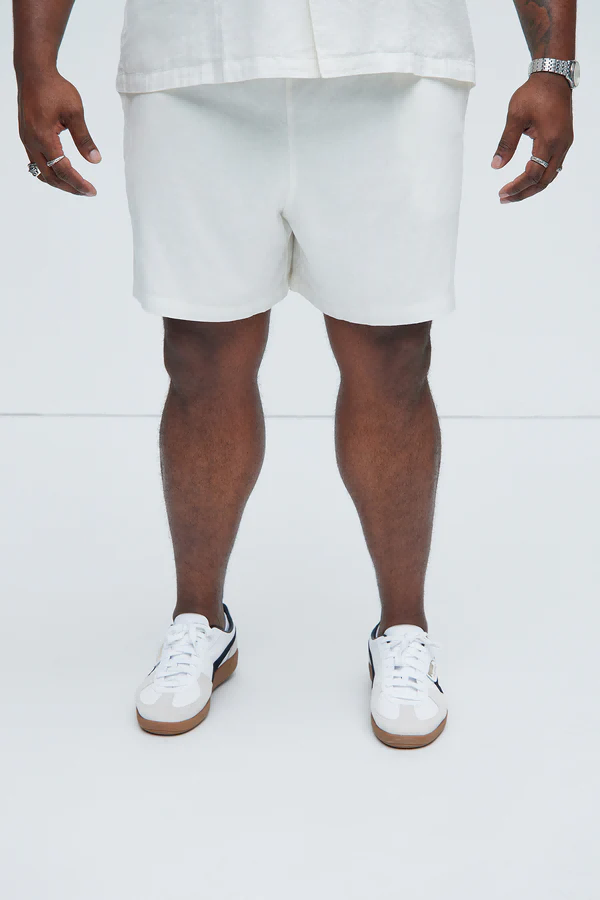
Brushed fleece starts at 16 oz (540+ GSM) and is mechanically raised on one or both sides to trap air and maximize warmth. Loopback knits retain the original terry loops, delivering a vintage aesthetic and breathability favored in retro streetwear.
Brushed fleece commands higher per-kilogram pricing due to additional processing steps. Loopback knits are lighter and more affordable, ideal for layering pieces and spring/fall collections.
Cotton, Blends, and Sustainable Fibers
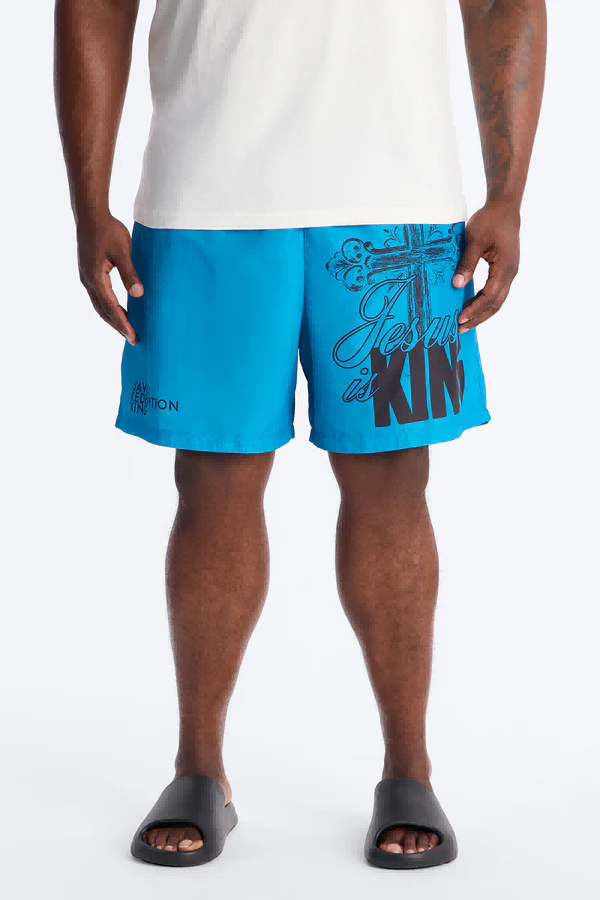
100% cotton delivers softness and breathability but shrinks 3–5% and costs more per kilogram. Cotton-poly blends (80/20 or 70/30) reduce shrinkage, improve shape retention, and lower fabric cost by 15–25%.
Organic cotton and recycled polyester options meet GOTS or GRS certifications, adding 20–40% to material cost but appealing to eco-conscious consumers. A heavyweight sweatpants manufacturer with a five-step QC process ensures organic and recycled fabrics meet the same durability standards as conventional materials.
5. Customization and Decoration Options for Heavyweight Sweatpants
A heavyweight sweatpants manufacturer offers multiple branding and personalization techniques, each with distinct cost structures, durability profiles, and minimum order requirements. Understanding setup fees, decoration longevity, and visual impact helps brands select methods aligned with their budget and aesthetic goals.
| Decoration Method | Setup Cost | Per-Piece Cost | Durability (Washes) | Visual Impact |
|---|---|---|---|---|
| Embroidery | $30–$80 | $2–$6 | Lifetime | Premium, textured |
| Screen Printing | $15–$40/color | $0.50–$2.50 | 40–50 | Bold, flat color |
| Heat Transfer | $0 | $1–$4 | 20–30 | Full-color, photographic |
| Woven Labels | $0 (at 100+ pcs) | $0.15–$0.60 | Lifetime | Subtle, professional |
| Custom Drawcords | $0 (at 500+ pcs) | $0.20–$0.80 | Lifetime | Functional branding |
Embroidery for Premium Branding
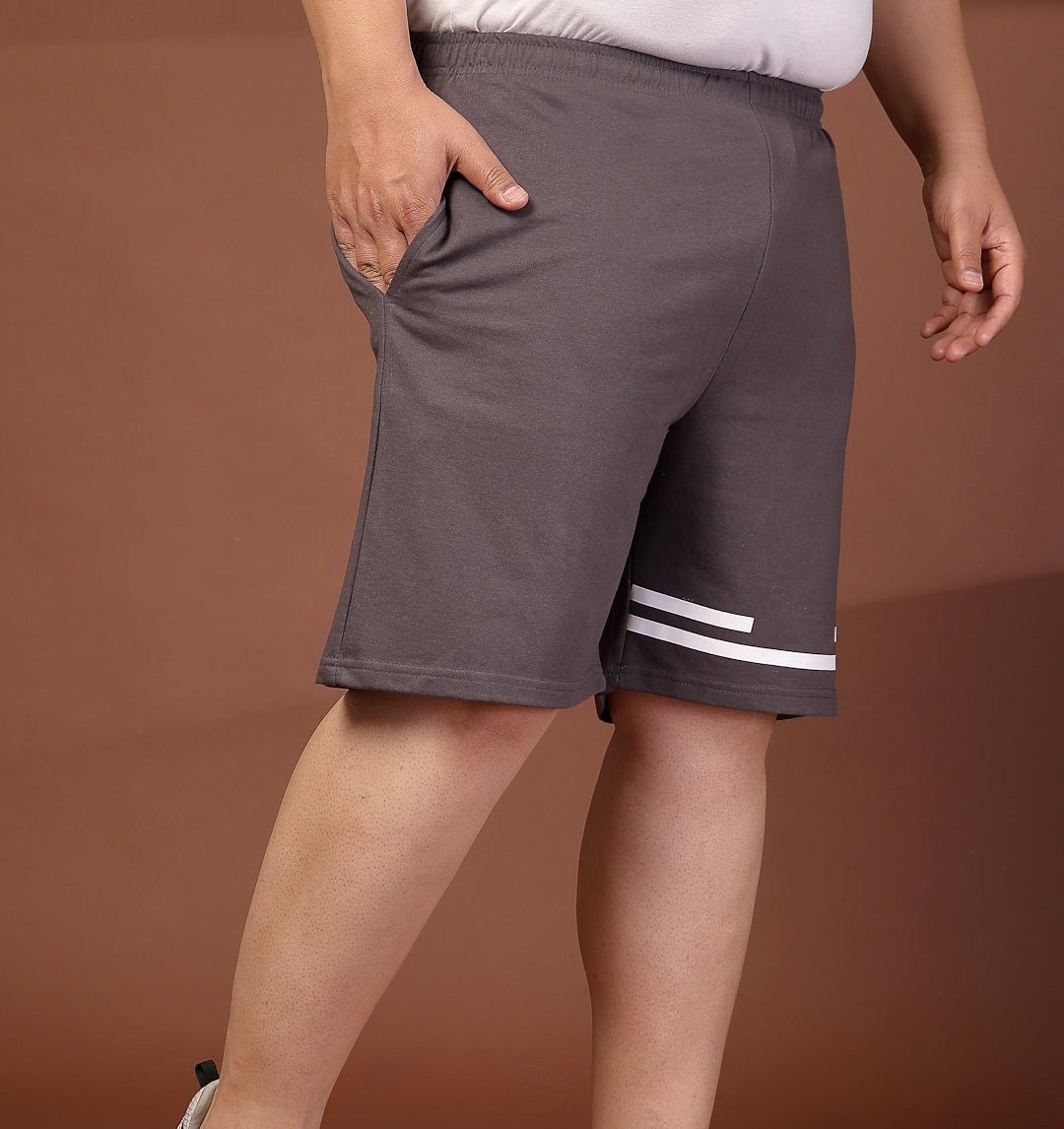
Embroidery delivers the highest durability and perceived value, lasting the lifetime of the garment without fading or cracking. Setup costs range from $30 to $80 per design depending on stitch count, with per-piece charges of $2 to $6 for logos under 10,000 stitches.
Most heavyweight sweatpants manufacturers apply embroidery to thigh panels, waistbands, or back pockets using 40-weight polyester thread. The technique works best for simple logos and text, as intricate details require high stitch counts that can distort heavyweight fleece.
Screen Printing and Heat Transfer Methods
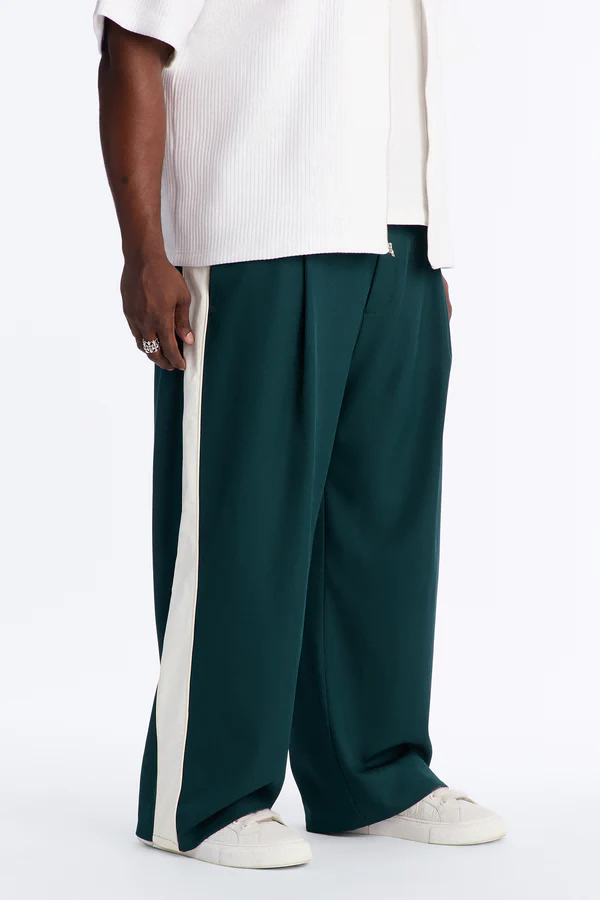
Screen printing suits large graphics and color-heavy designs, with setup fees of $15 to $40 per color and per-piece costs of $0.50 to $2.50. Plastisol inks last 40 to 50 washes on heavyweight fleece when properly cured at 320°F.
Heat transfer offers no setup cost and per-piece pricing of $1 to $4, ideal for low-volume runs or full-color photographic prints. Durability ranges from 20 to 30 washes for standard vinyl transfers, while sublimation transfers work only on polyester-blend heavyweight fabrics.
Woven Labels and Custom Drawcords
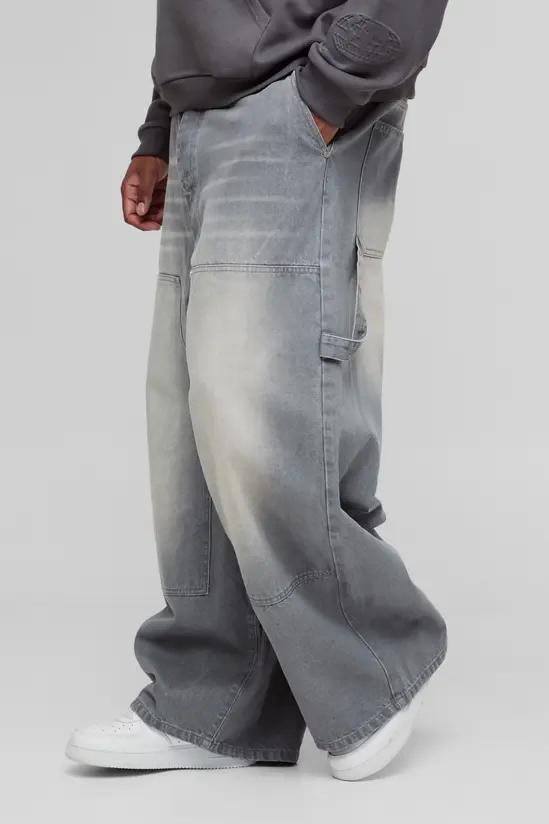
Woven labels sewn into waistbands or side seams cost $0.15 to $0.60 each with minimums of 100 to 500 pieces. High-density woven labels withstand industrial laundering and convey premium brand identity without adding bulk.
Custom drawcords in branded colors or patterns cost $0.20 to $0.80 per pair, with Pantone color-matching available at 500-piece minimums. Metal or plastic aglet tips with logo debossing add $0.10 to $0.30 per set, reinforcing brand touchpoints at every detail.
Fit Customization: Tapered vs. Straight-Leg Cuts
Pattern modifications for tapered or straight-leg silhouettes incur one-time grading fees of $50 to $150 per size run. Tapered cuts reduce fabric consumption by 8 to 12 percent compared to straight-leg styles, lowering per-unit material costs on orders above 300 pieces.
Zipper pockets, cargo pockets, or knee panels add $1.50 to $4.00 per garment depending on hardware and construction complexity. A heavyweight sweatpants manufacturer typically requires 100-piece minimums for fit and construction customizations to justify pattern development and quality control testing.
6. Key Construction Quality Elements in Heavyweight Sweatpants
Quality heavyweight sweatpants manufacturers distinguish themselves through construction details that directly impact garment longevity and customer retention. Every seam, stitch, and reinforcement point must withstand repeated wear and washing cycles without failure.
Stitch Density and Seam Types
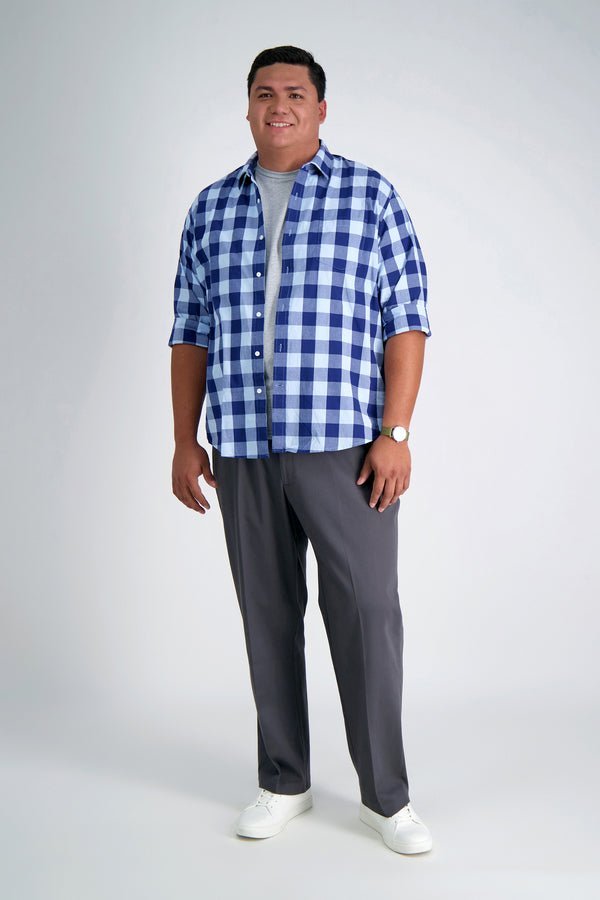
Professional heavyweight sweatpants require 12–14 stitches per inch (SPI) on main seams; lower densities lead to seam failure under stress. Flatlock seams lie flat against skin and eliminate chafing, making them ideal for inseams and side seams, while overlock (serged) seams offer stretch and durability for high-movement areas.
A reputable heavyweight sweatpants manufacturer inspects stitch consistency during production, not only after completion. Inconsistent SPI or skipped stitches signal inadequate quality control and predict early garment failure.
Reinforced Stress Points
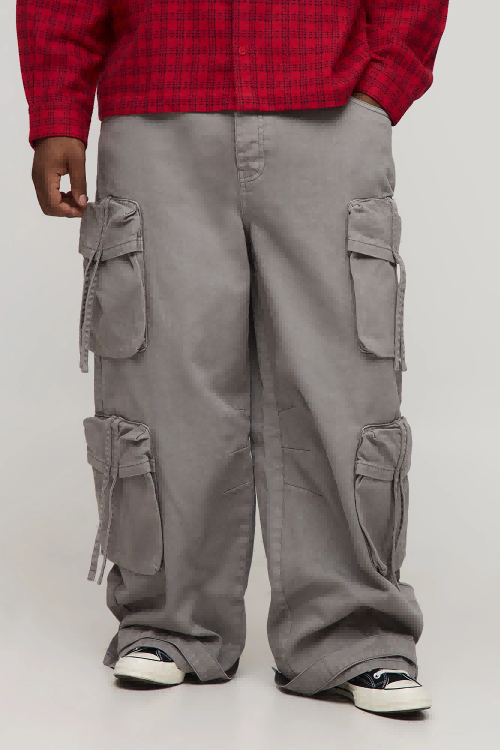
Crotch gussets, waistband attachment zones, and pocket openings endure the highest tension and require double or triple-needle stitching with bar tacks at termination points. Manufacturers who skip reinforcement see return rates spike within the first three wash cycles.
Quality factories apply bar tacks at every stress vector—pocket corners, drawcord exit points, and fly terminations—using 20–30 stitch bar tacks that distribute load across a broader fabric area.
Elastic Waistband Construction
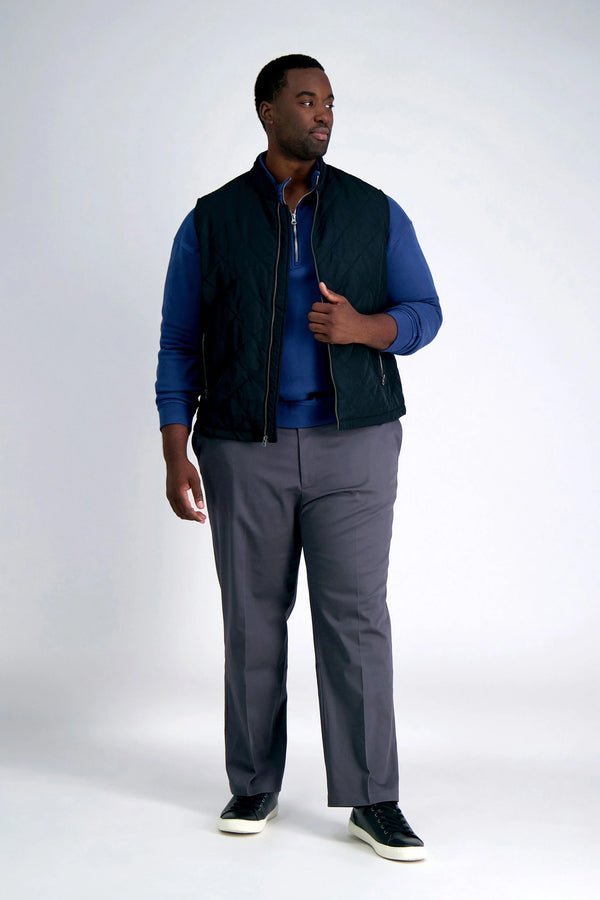
Premium heavyweight sweatpants use 38–50 mm wide elastic encased in a double-fold waistband with coverstitch finish on the interior. Exposed or single-fold waistbands roll, twist, and lose elasticity faster, degrading fit and comfort.
Drawcord anchoring must include metal or reinforced plastic grommets and internal bar tacks to prevent pull-through. A heavyweight sweatpants manufacturer committed to quality tests drawcord retention under 15 kg load before approving production samples.
Hem and Cuff Finishing
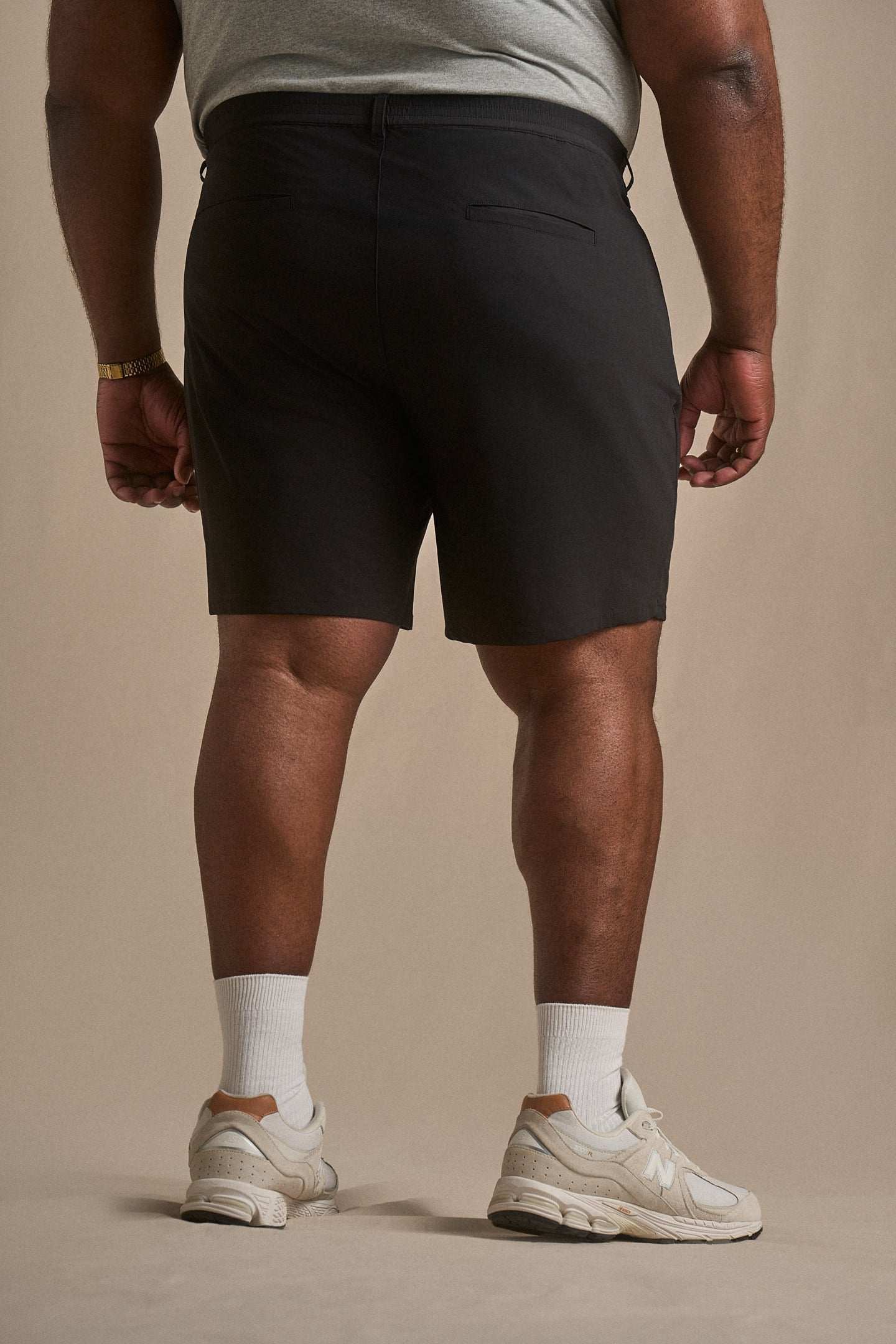
Ribbed cuffs in 2×2 or 1×1 configurations maintain shape recovery over hundreds of wear cycles; hem tape or coverstitch hems without rib knit stretch out and fray. Cuff attachment requires coverstitch with four-needle, six-thread construction for maximum elasticity and seam integrity.
Manufacturers applying the five-step QC process catch cuff misalignment and uneven hem widths before garments reach packing, ensuring consistent leg openings and professional appearance across every unit in the order.
7. How to Choose the Right Heavyweight Sweatpants Manufacturer
Selecting a heavyweight sweatpants manufacturer requires evaluating production capabilities, quality systems, and business terms in parallel. A systematic vetting process ensures your partner can meet technical specifications, order volumes, and timelines while maintaining transparent communication throughout production.
Verify Certifications and Quality Standards
WRAP, BSCI, and GOTS certifications indicate that a manufacturer adheres to ethical labor practices, environmental standards, and organic textile protocols. Factories implementing five-step QC testing (materials, cutting, craft, sewing, finished goods) catch defects early rather than only at final inspection.
Request documentation of quality control procedures and ask how often inspections occur during production. Manufacturers with 10+ years of experience typically maintain stricter internal standards than newer operations lacking structured QC frameworks.
Assess MOQ Flexibility and Sampling Process
MOQ ranges from 50 pieces for startups to 500+ for established brands, with per-piece costs dropping 15–30% at higher volumes. Confirm whether the factory offers 7-day sample turnaround and whether sampling fees are credited toward production orders.
Evaluate sample quality for stitch consistency, fabric weight accuracy (typically 320–450 GSM for heavyweight styles), and finishing details. A manufacturer willing to iterate samples demonstrates commitment to matching your design intent before bulk production begins.
Review Lead Times and Client Portfolios
Standard production lead times span 21–35 days, with an additional 15–30 days for ocean freight or 5–7 days for air shipping. Factories serving 100+ countries or 1,000+ clients show proven logistics coordination and customs documentation capabilities.
Request case studies or portfolio examples from brands in your segment (streetwear, athleisure, independent designers). Past work with influencer brands or fashion startups indicates experience scaling small orders and adapting to trend-driven design cycles.
8. Common Mistakes When Sourcing a Heavyweight Sweatpants Manufacturer
Even experienced buyers make costly errors when selecting a heavyweight sweatpants manufacturer. Recognizing these pitfalls early protects your brand reputation, budget, and launch timeline.
Skipping Pre-Production Samples
Many startups order full production runs without approving physical samples, assuming digital mockups reflect reality. Pre-production samples reveal fabric hand-feel, colorway accuracy, and construction details that photos cannot capture.
Request samples in your exact GSM specification (typically 350–450 GSM for heavyweight) and test wash durability before committing to bulk orders. This step prevents expensive reprints and customer returns.
Underestimating Fabric Shrinkage
Heavyweight cotton fleece shrinks 3–5% in length and width after the first wash, yet many buyers neglect preshrinking or grade adjustments. A size-medium sweatpant can become unwearable if patterns ignore shrinkage.
Specify compacting or sanforizing during fabric finishing, and always wash-test samples three times to measure true dimensional change. Adjust pattern grades accordingly to maintain fit after customer laundering.
Choosing Price Over Quality Standards
Low quotes often signal skipped quality control steps or substandard materials. Manufacturers who omit mid-production QC testing deliver higher defect rates, damaging your brand and increasing return costs.
Prioritize partners with documented QC protocols at materials, cutting, sewing, and finishing stages. A five-step quality process ensures defects are caught early, reducing costly rework and protecting your reputation in competitive streetwear markets.
Failing to Clarify IP and Design Ownership
Ambiguous contracts leave custom prints, patterns, and tech packs vulnerable to unauthorized reproduction. Without explicit IP clauses, manufacturers may resell your designs to competitors.
Include non-disclosure agreements and design-ownership terms in every contract. Specify that all artwork, patterns, and proprietary construction details remain your exclusive property, enforceable across jurisdictions.
9. Steps to Launch Your Brand with a Heavyweight Sweatpants Manufacturer
Launching a streetwear brand with a heavyweight sweatpants manufacturer follows a structured six-stage process from initial concept to final delivery. Each stage builds on the previous one, ensuring that your brand aesthetic, technical specifications, and quality standards align before production begins.
Define Brand Aesthetic and Target Customer
Start by documenting your brand’s visual identity, price positioning, and customer demographics. Streetwear buyers aged 18–34 expect heavyweight fabrics (300–450 GSM) with distinctive design elements such as skeleton motifs, cross symbols, or bold color blocking.
Share mood boards, competitor references, and sales channel details (online, retail, influencer-driven) with your heavyweight sweatpants manufacturer to ensure fabric and construction choices match your market segment.
Create Tech Packs with Measurements and Specs
Tech packs are blueprints that include flat sketches, measurements for every size (inseam, waist, rise, leg opening), fabric weight (GSM), color codes (Pantone or hex), and construction details (flatlock seams, drawcord type, cuff style).
Include stitch density (12–14 stitches per inch for durability), trim specifications (YKK zippers, metal grommets), and decoration placement (screen print coordinates, embroidery size). Precise tech packs reduce sample revisions and prevent miscommunication during bulk production.
Request and Approve Samples
Order one or two samples per colorway to verify fabric hand-feel, fit, and construction quality. Expect 7–14 day turnaround for heavyweight sweatpants samples; expedited services may deliver in 5–7 days.
Inspect seam strength, drawcord tension, waistband elasticity, and color accuracy under natural light. Document any adjustments (inseam length, pocket depth, logo size) and request revised samples before approving for production.
Negotiate Pricing and Payment Terms
Discuss unit cost, MOQ (typically 50–200 pieces per style for custom heavyweight sweatpants), and payment structure. Standard terms are 30–50% deposit upon order confirmation and balance before shipment.
Clarify whether pricing includes decoration (embroidery, screen print), packaging (poly bags, hangtags), and shipping to your warehouse or fulfillment center. Lock in lead times (30–45 days for first orders, 21–30 days for reorders) and confirm currency and payment methods.
Place Your First Production Order
Submit a purchase order listing SKU codes, quantities per size and color, delivery address, and required ship date. Pay the deposit to trigger fabric procurement and cutting.
Request production updates at key milestones: fabric arrival, cutting complete, 50% sewing done, and pre-shipment inspection scheduled. Clear communication prevents delays and ensures your heavyweight sweatpants manufacturer addresses issues before final packing.
Plan for QC Inspections and Delivery
Schedule quality control inspections at the sewing stage and before final shipment. A five-step QC process—materials, cutting, craft, sewing, and finished garment checks—catches defects early.
Define acceptable quality levels (AQL 2.5 is standard for streetwear), specify inspection criteria (stitch integrity, color consistency, measurements within ±1 cm), and arrange third-party inspection if ordering remotely. Approve shipment only after QC sign-off to protect your brand reputation.
10. Pricing and Cost Breakdown for Heavyweight Sweatpants Manufacturing
Order quantity is the single largest driver of per-unit cost when working with a heavyweight sweatpants manufacturer. At 50-piece minimums, unit prices typically range from $18–$28, reflecting setup amortization across fewer garments; scaling to 1,000 pieces drops costs to $9–$14 per unit as fabric purchasing, cutting efficiency, and fixed setup expenses spread across volume. Fabric weight directly impacts material cost—400 GSM fleece adds approximately $1.50–$2.50 per garment compared to 280 GSM French terry, while premium ring-spun cotton commands a 15–20% premium over open-end yarns.
Customization complexity layers additional expense onto base manufacturing. Screen printing setup fees run $40–$80 per color per location, making single-color placements economical for small runs; embroidery incurs $150–$300 digitizing charges plus $0.80–$2.50 per 1,000 stitches, favoring larger orders. Woven labels, custom drawcords, and interior printed neck tags each add $0.30–$0.90 per unit, while all-over sublimation or cut-and-sew panels can increase garment cost by 30–50%.
Lead time contracts with volume and decoration method. Sampling averages 7–10 days; bulk production spans 18–25 days for 50–250 pieces, extending to 28–35 days for 500–1,000 units when embroidery or multi-location prints are specified. Factories applying five-step QC testing at materials, cutting, craft, sewing, and finished-goods stages may add 2–4 days but reduce defect rates below 2%, protecting brand reputation and minimizing costly chargebacks.
| Order Quantity | Unit Price Range (USD) | Setup / Sampling Fee | Decoration Cost (per unit) | Typical Lead Time |
|---|---|---|---|---|
| 50 pieces | $18–$28 | $200–$400 | $2–$5 | 18–22 days |
| 100 pieces | $15–$22 | $200–$400 | $1.50–$4 | 20–25 days |
| 250 pieces | $12–$18 | $150–$300 | $1–$3 | 22–28 days |
| 500 pieces | $10–$15 | $100–$250 | $0.80–$2.50 | 25–32 days |
| 1,000 pieces | $9–$14 | $80–$200 | $0.60–$2 | 28–35 days |
Ready to Launch Your Heavyweight Sweatpants Line?
Partner with a trusted heavyweight sweatpants manufacturer offering 50-piece MOQ, 7-day samples, and our 5-step QC guarantee. Start your order today.