
Embroidered Sweatpants Manufacturer — Low MOQ, Fast Turnaround
Partner with a trusted embroidered sweatpants manufacturer offering 5-step QC, in-house design, and fast samples for streetwear brands and startups worldwide.
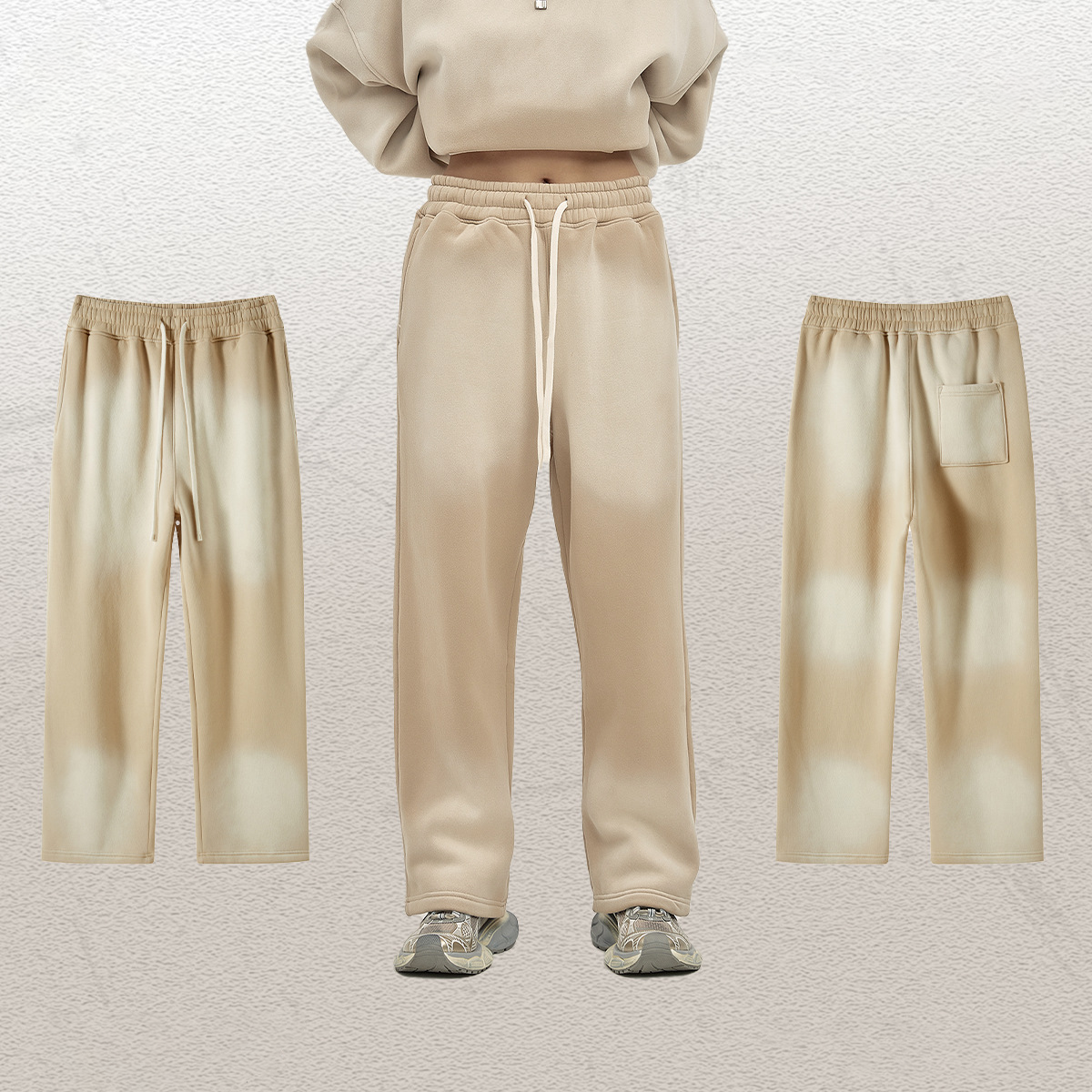
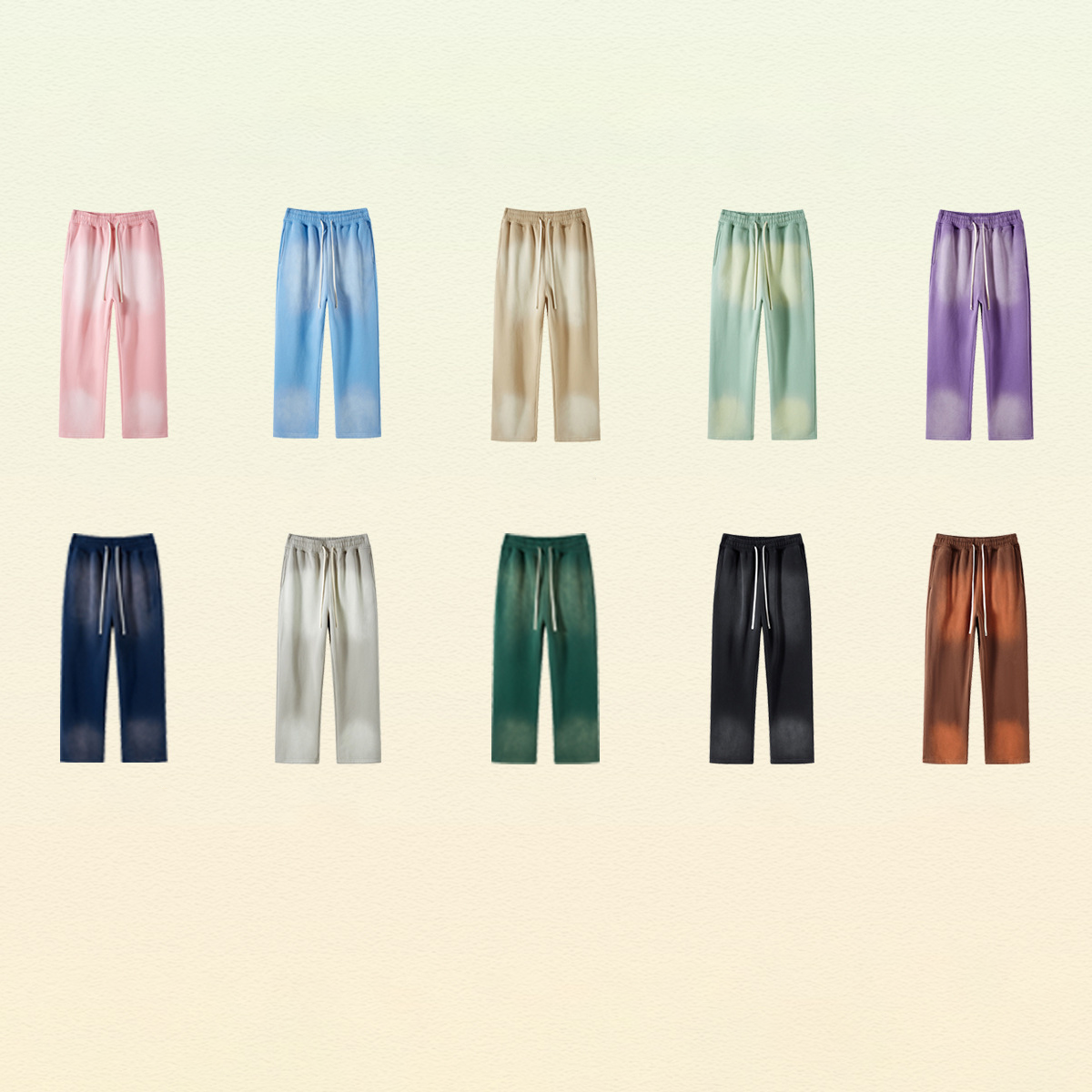
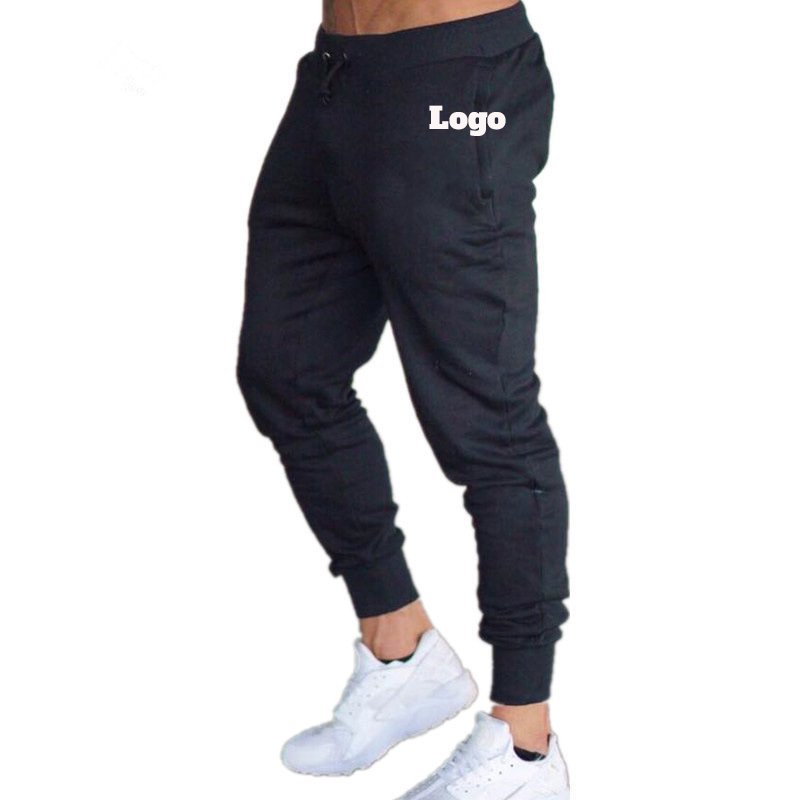
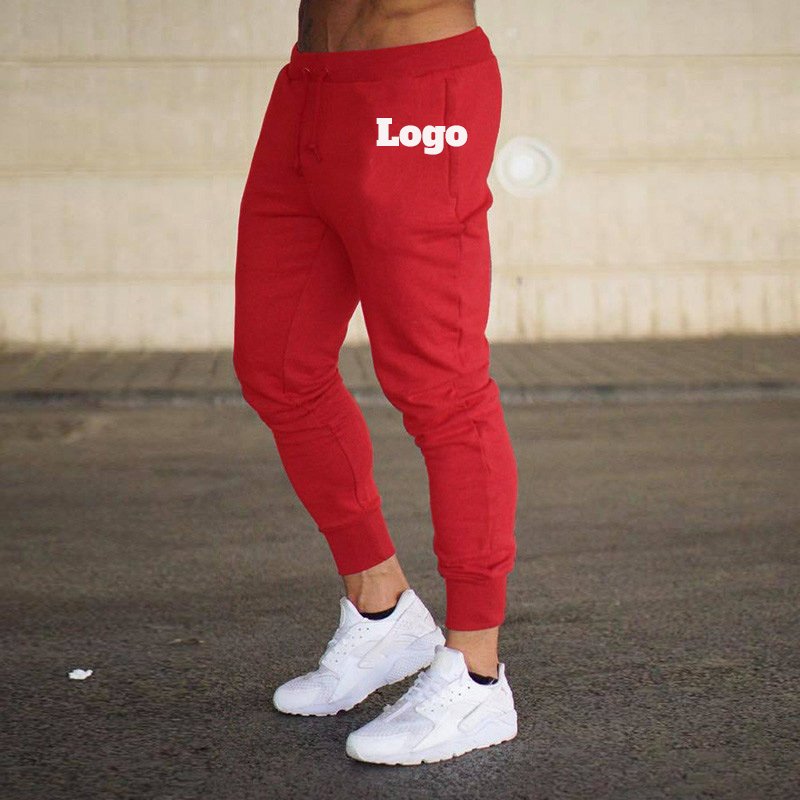
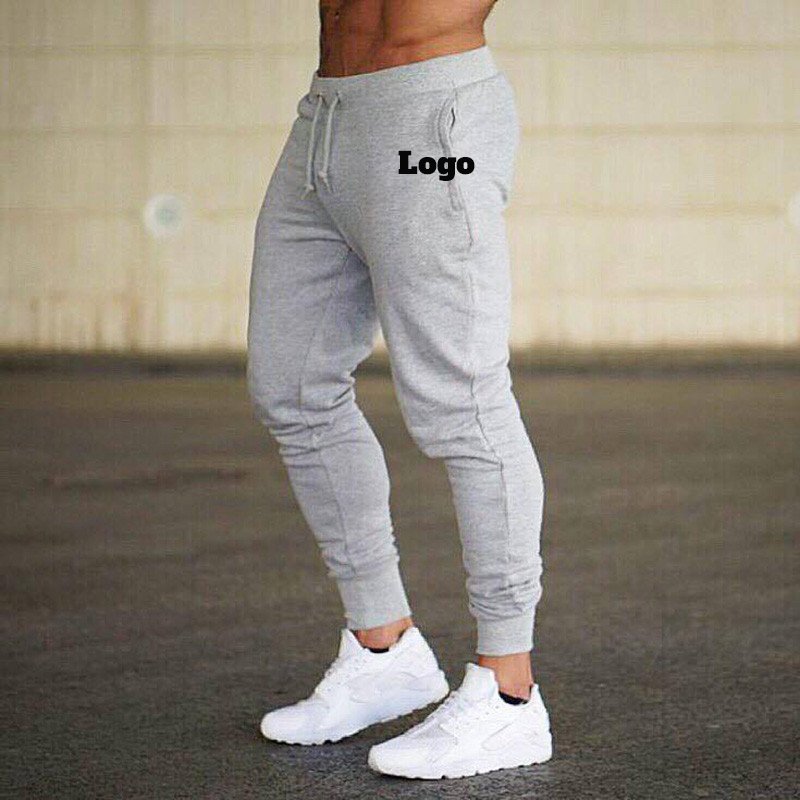
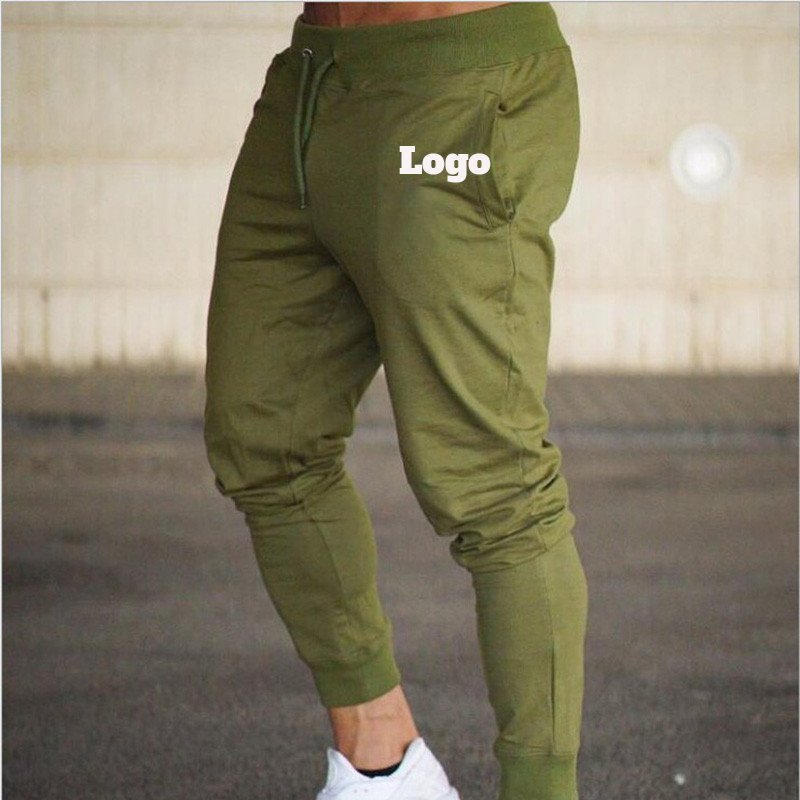
Embroidered Sweatpants Gallery
Why Brands Choose Our Embroidered Sweatpants Manufacturer
5-Step QC Guarantee
Every embroidered sweatpant undergoes materials, cutting, craft, sewing, and finished product inspections before shipping to eliminate defects.
In-House Design Team
Our 15-member R&D team creates custom embroidery placements, patterns, and streetwear designs tailored to your brand vision.
50-Piece MOQ
Launch your embroidered sweatpants line with just 50 pieces per design, perfect for fashion startups and emerging streetwear brands.
7-Day Sampling
Receive production-ready embroidered sweatpants samples within one week to validate quality and fit before committing to bulk orders.
Streetwear Expertise
Six years specializing in streetwear embroidery techniques, bold graphics, and trend-driven designs that resonate with your audience.
Global Logistics Support
End-to-end shipping coordination to over 100 countries with customs documentation, freight forwarding, and delivery tracking included.
Embroidered Sweatpants Manufacturer for Every Style
From varsity classics to oversized streetwear, we produce embroidered sweatpants that match your brand’s vision with precision embroidery, low MOQs, and our 5-step QC guarantee.
Varsity Embroidered Sweatpants
Streetwear brands need authentic varsity-style sweatpants with chenille patches and letterman embroidery that capture retro athletic aesthetics without sacrificing modern fit and durability.
We deliver varsity embroidered sweatpants with premium chenille appliqués, bold collegiate lettering, and reinforced stitching that withstand daily wear while maintaining that classic sports-inspired look your customers love.
Oversized Embroidered Sweatpants
Fashion startups struggle to find manufacturers who understand oversized silhouettes and can place large-scale embroidered graphics without distortion or puckering on relaxed, wide-leg cuts.
Our in-house design team engineers oversized patterns with precise embroidery placement, ensuring your bold graphics sit perfectly on dropped crotches and wide legs, delivering the trend-driven fit influencers demand.
Custom Graphic Embroidered Sweatpants
Independent designers need embroidered sweatpants that bring intricate artwork to life—skulls, roses, crosses, symbols—but most factories lack the technical skill for complex multi-color embroidery at low minimums.
We translate your custom graphics into high-definition embroidery with up to 15 thread colors, fine detail work, and low MOQs starting at 50 pieces, empowering emerging brands to launch unique collections without compromise.
Appliqué Embroidered Sweatpants
Global retailers require sweatpants with layered appliqué embroidery and mixed textures—combining fabric patches, 3D puff, and flat stitching—but need consistent quality across large production runs.
Our 5-step QC process inspects every appliqué layer from cutting through final assembly, ensuring uniform placement, secure attachment, and flawless finish across thousands of units for scalable retail distribution.
Premium Fabrics for Embroidered Sweatpants
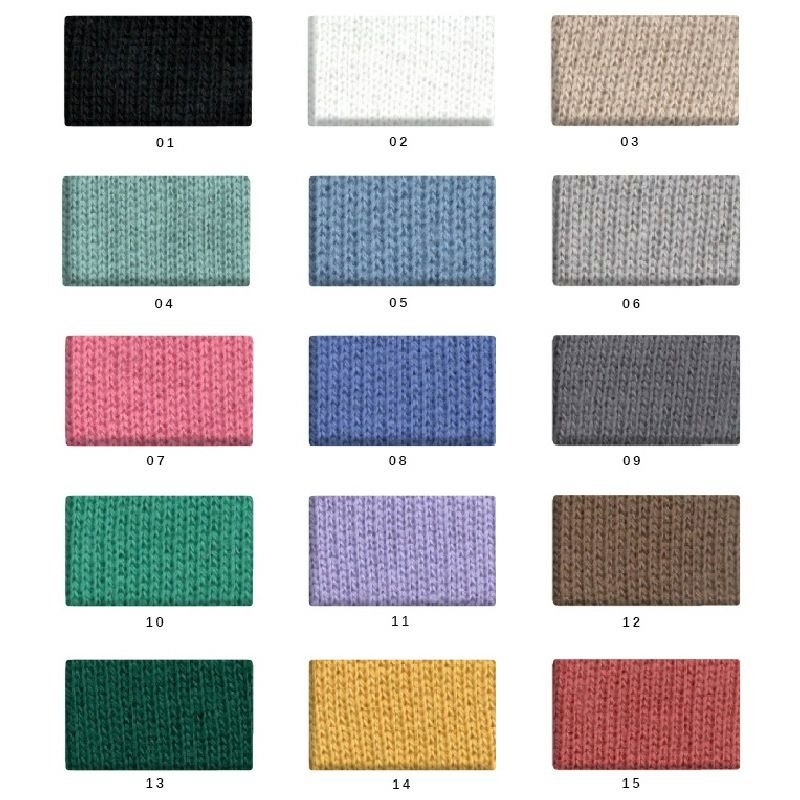
French Terry
Soft looped interior with smooth face ideal for intricate embroidery. Medium-weight (260–300 GSM) with natural stretch, breathable structure, and excellent stitch retention for detailed logo placement on streetwear sweatpants.
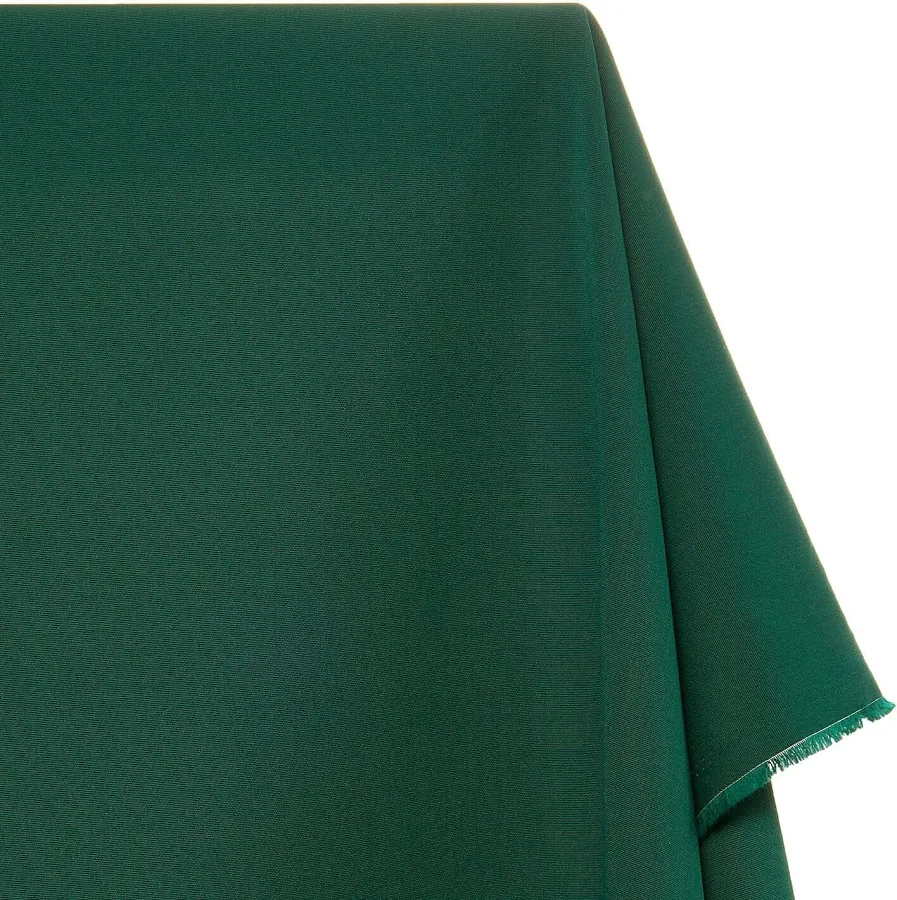
Heavyweight Fleece
Plush brushed interior delivers warmth and premium hand-feel. Dense 320–400 GSM construction provides superior embroidery stability, resists pilling, and maintains shape through repeated wear—perfect for luxury streetwear collections.
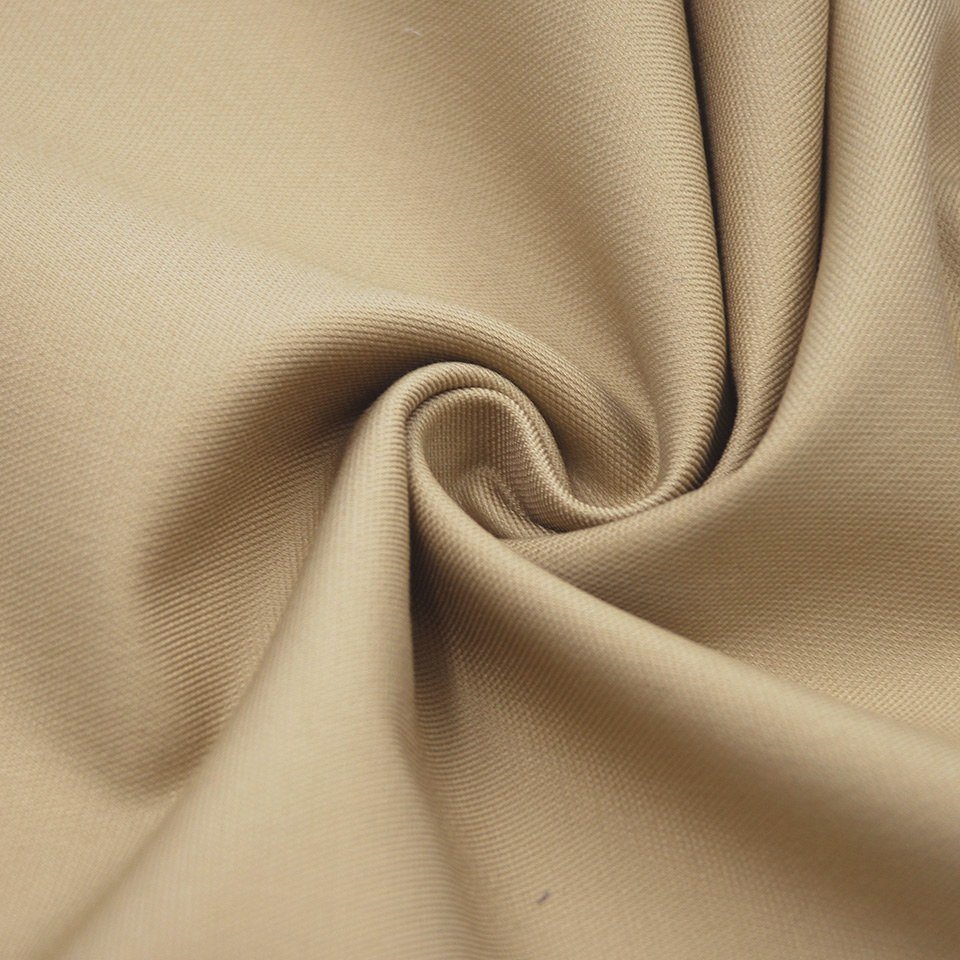
Cotton-Poly Blend
Balanced 80/20 cotton-polyester blend combines natural comfort with durability. Mid-weight fabric (280–320 GSM) offers color fastness, reduced shrinkage, and clean embroidery edges ideal for high-volume influencer brand orders.
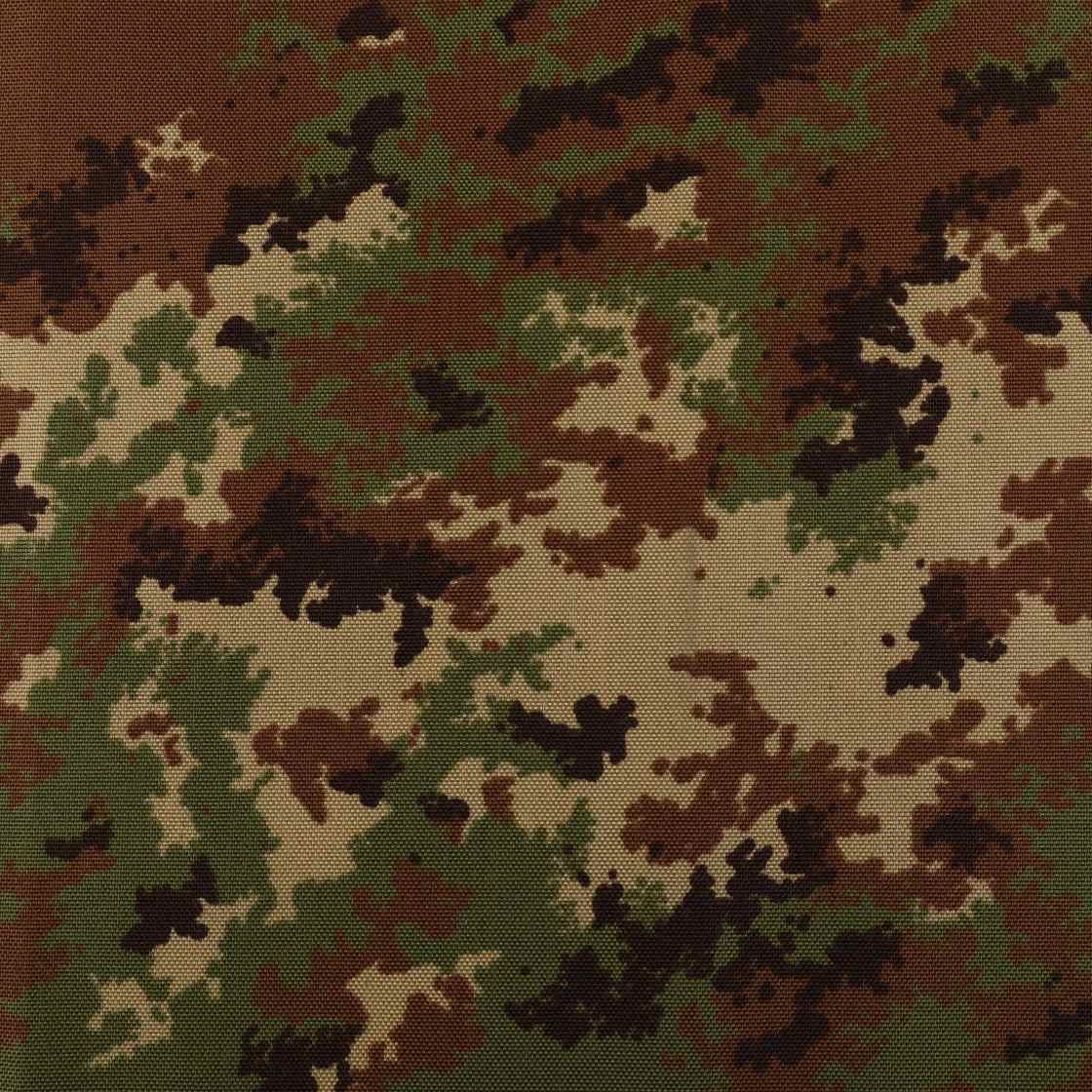
Performance Knit
Moisture-wicking polyester-spandex blend engineered for activewear. Four-way stretch (10–15%) maintains embroidery integrity during movement, quick-dry finish, and lightweight 240–280 GSM construction for athleisure sweatpants lines.
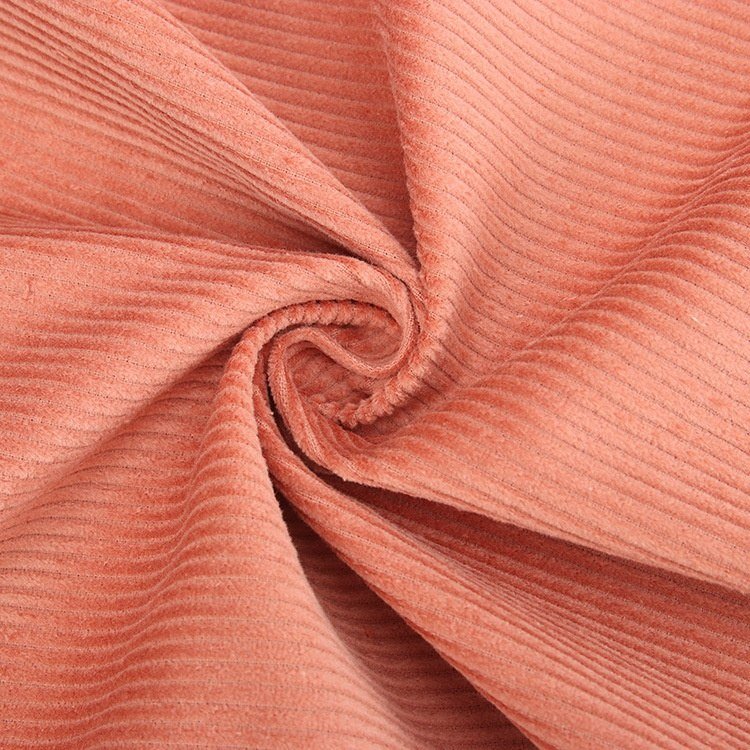
Organic Cotton Terry
GOTS-certified organic cotton with looped texture for eco-conscious brands. Soft 280–320 GSM weight provides sustainable comfort, hypoallergenic properties, and stable embroidery base for premium streetwear startups prioritizing sustainability.
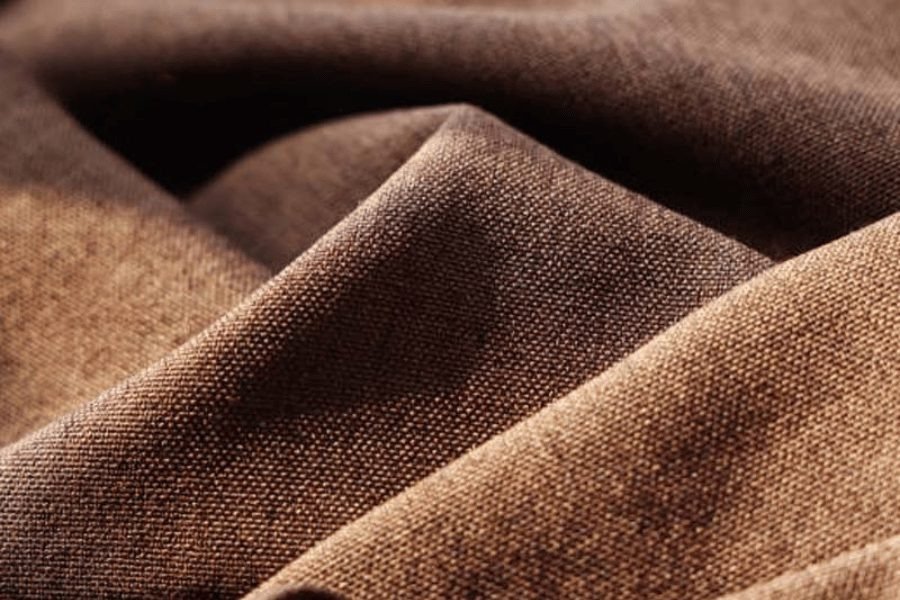
Polar Fleece
Ultra-soft synthetic fleece with anti-pill finish for long-lasting quality. Lightweight yet insulating 260–300 GSM fabric holds embroidery detail sharply, dries quickly, and offers cost-effective production for emerging designer brands.
Embroidery & Printing Techniques for Custom Sweatpants
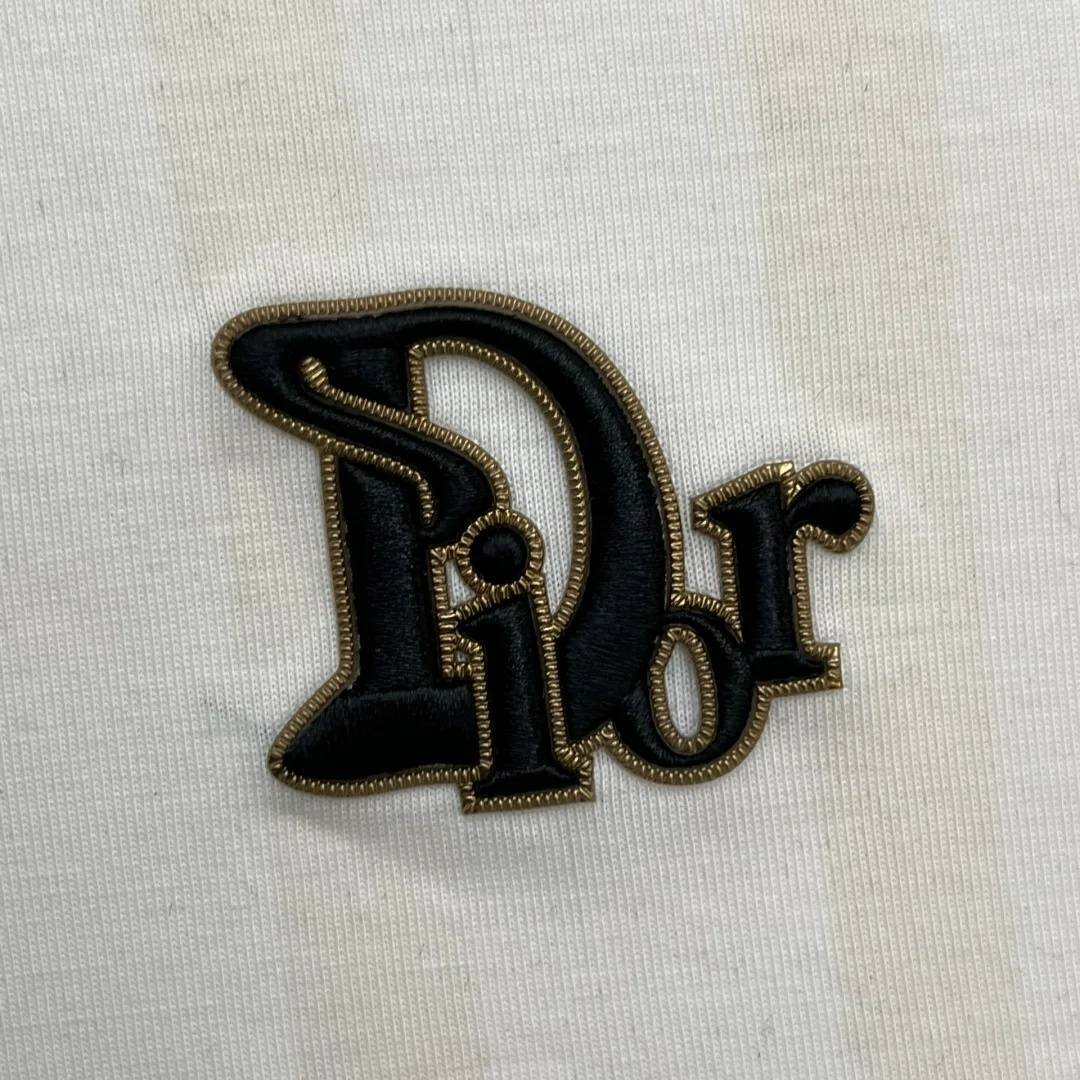
Machine Embroidery
High-density thread stitching creates raised, textured logos and designs with exceptional wash durability. Ideal for brand emblems, monograms, and intricate lettering on sweatpants that demand a premium, tactile finish.
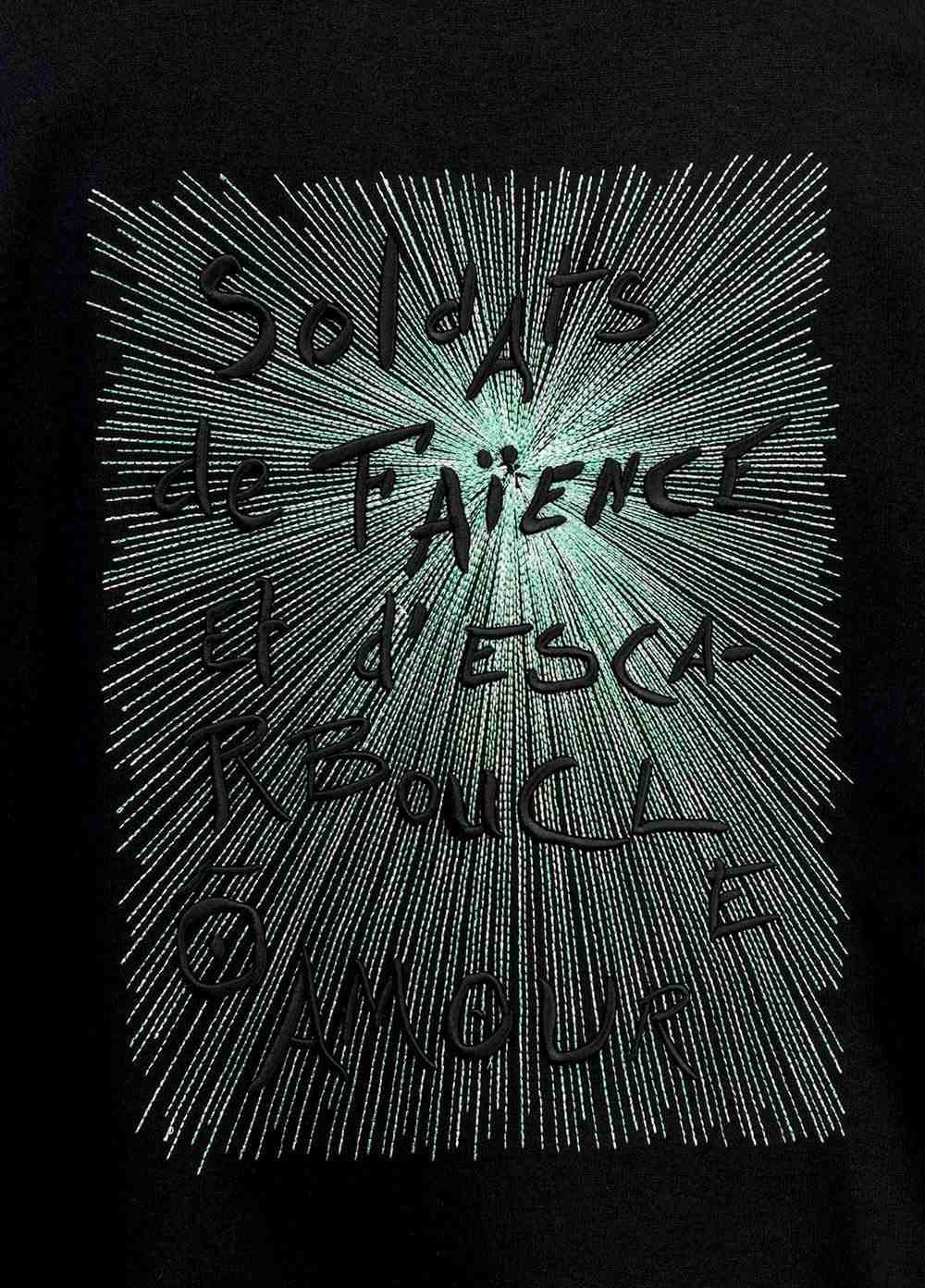
3D Puff Embroidery
Foam underlay beneath embroidery thread produces bold, three-dimensional graphics that stand out. Perfect for streetwear brands seeking eye-catching logos and text with a contemporary, elevated look on custom sweatpants.
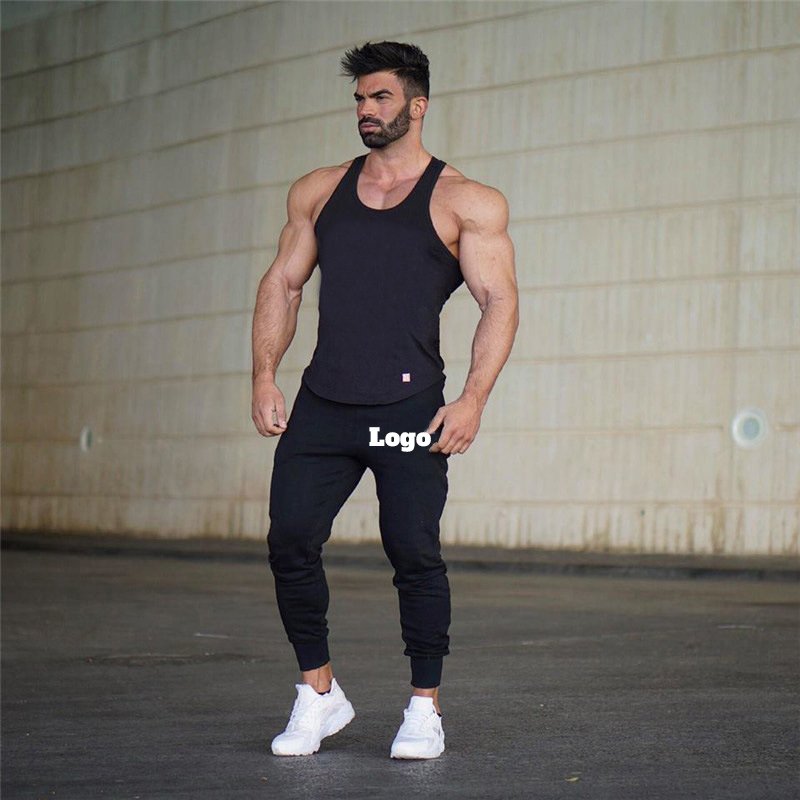
DTF Transfer Printing
Direct-to-film technology enables full-color, photorealistic graphics with soft hand feel and excellent stretch. Ideal for complex artwork, gradients, and vibrant designs that maintain flexibility and comfort on embroidered sweatpants.
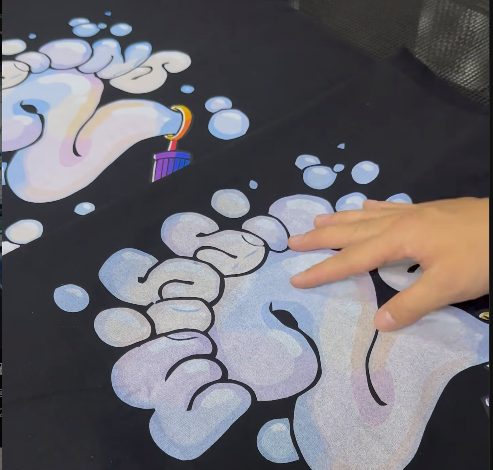
Appliqué Stitching
Layered fabric patches secured with decorative stitching create bold, dimensional designs. Combines embroidery with fabric overlays for varsity-style lettering, chenille patches, and unique textural effects on premium sweatpants.
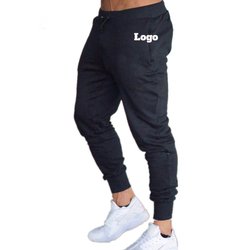
Custom Thread Colors
Pantone-matched embroidery threads ensure precise brand color consistency across every production run. Our in-house design team works with you to select thread weights, finishes, and color combinations that elevate your sweatpants collection.
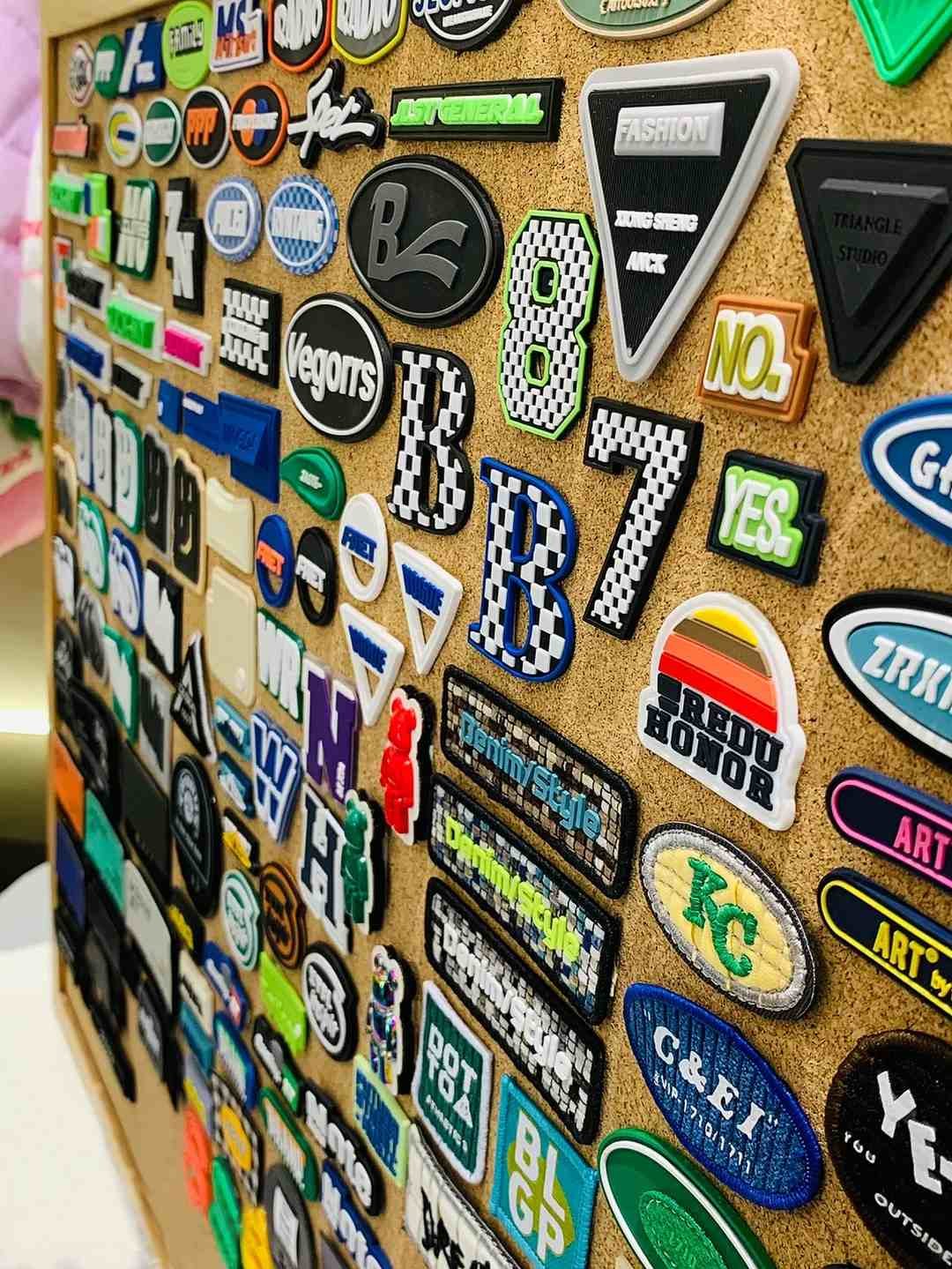
Heat Transfer Patches
Woven or printed patches applied via heat press deliver clean, durable branding without needle holes. Excellent for silicone labels, reflective logos, and rubber badges that add functional style to embroidered sweatpants designs.
Hardware & Finishing Options for Embroidered Sweatpants
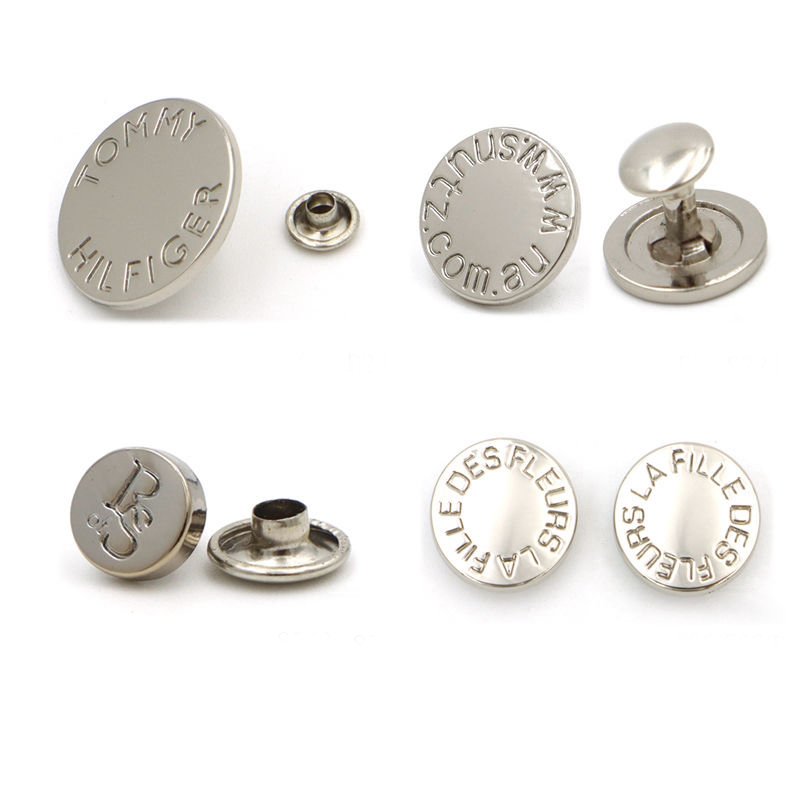
Custom Drawcords
Flat, round, or tipped drawcords in any color to match your embroidered sweatpants design. Available in cotton, polyester, or blended materials with metal or plastic aglets for a premium waistband finish.
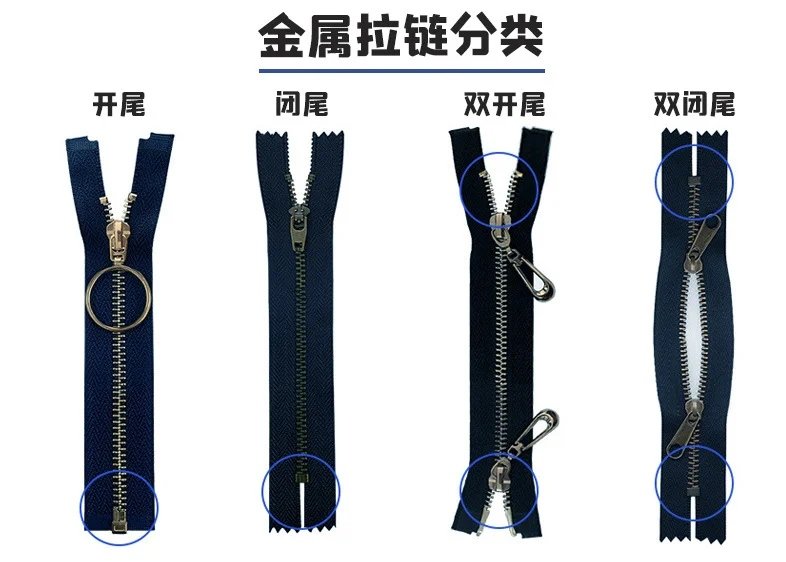
YKK Zippers
Genuine YKK zippers for side pockets, cargo pockets, or ankle zips on embroidered sweatpants. Durable, smooth-operating hardware in metal or nylon finishes that withstand thousands of cycles without failure.
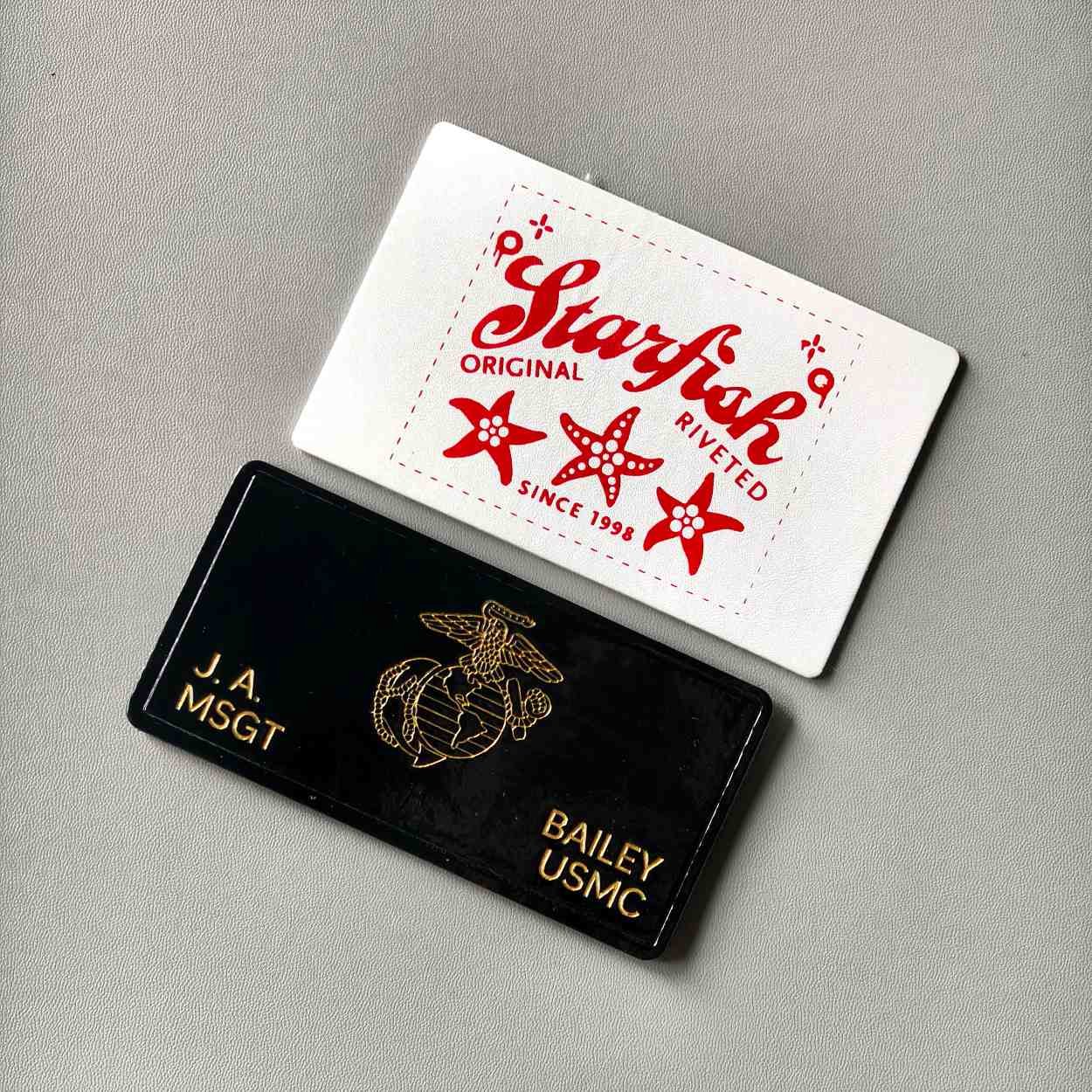
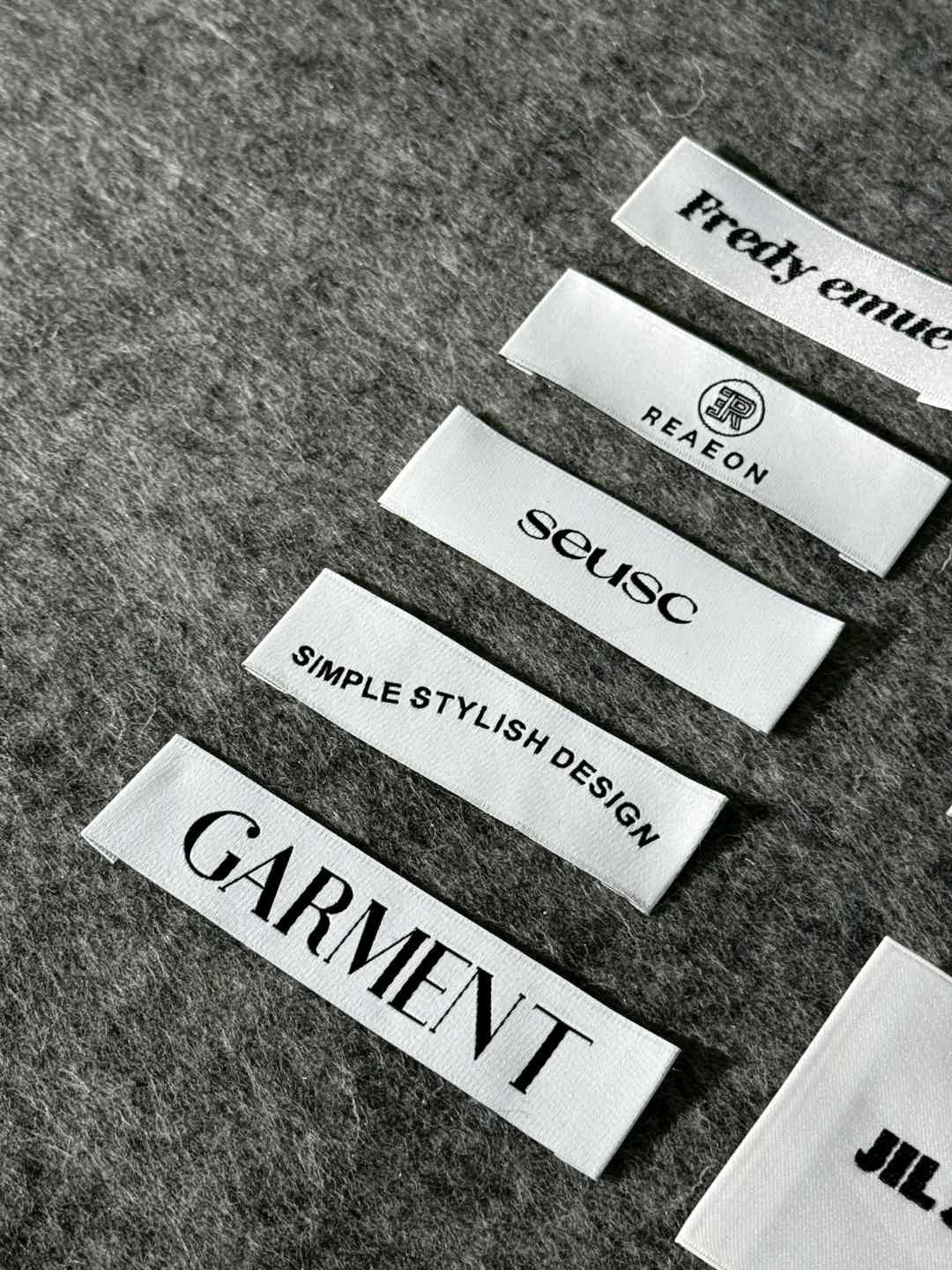
Woven Labels
High-definition woven brand labels for waistbands, side seams, or back pockets. Damask or taffeta weave with your logo, care instructions, and brand story to reinforce authenticity on every pair.
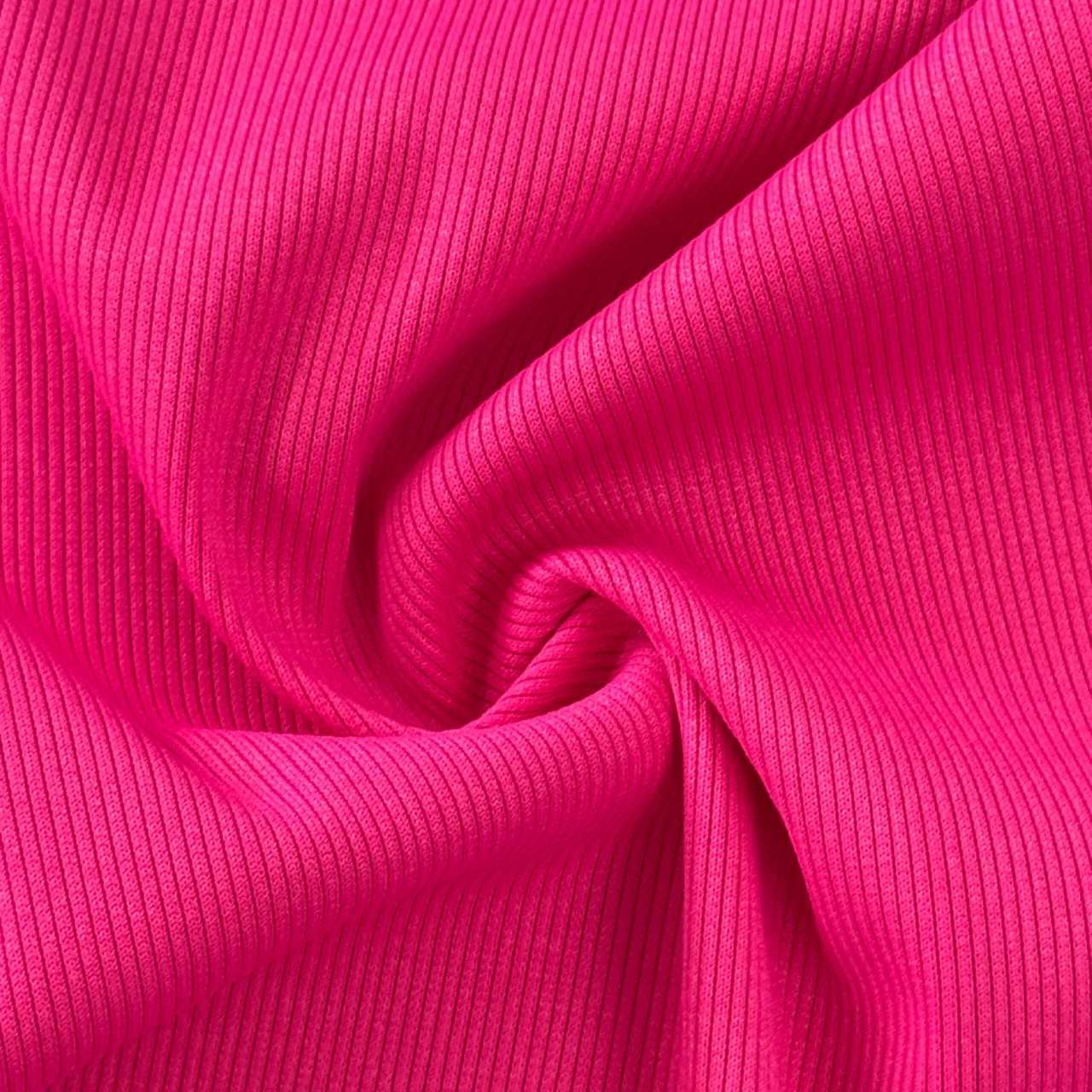
Ribbed Cuffs
Elastic ribbed cuffs in 1×1 or 2×2 rib knit for ankle closures. Available in matching or contrasting colors with excellent recovery and stretch retention to maintain shape after repeated wear and washing.
Custom Hangtags
Die-cut, embossed, or foil-stamped hangtags that communicate your brand positioning. Attached with plastic fasteners, string, or safety pins to showcase your embroidered sweatpants at retail or online unboxing.
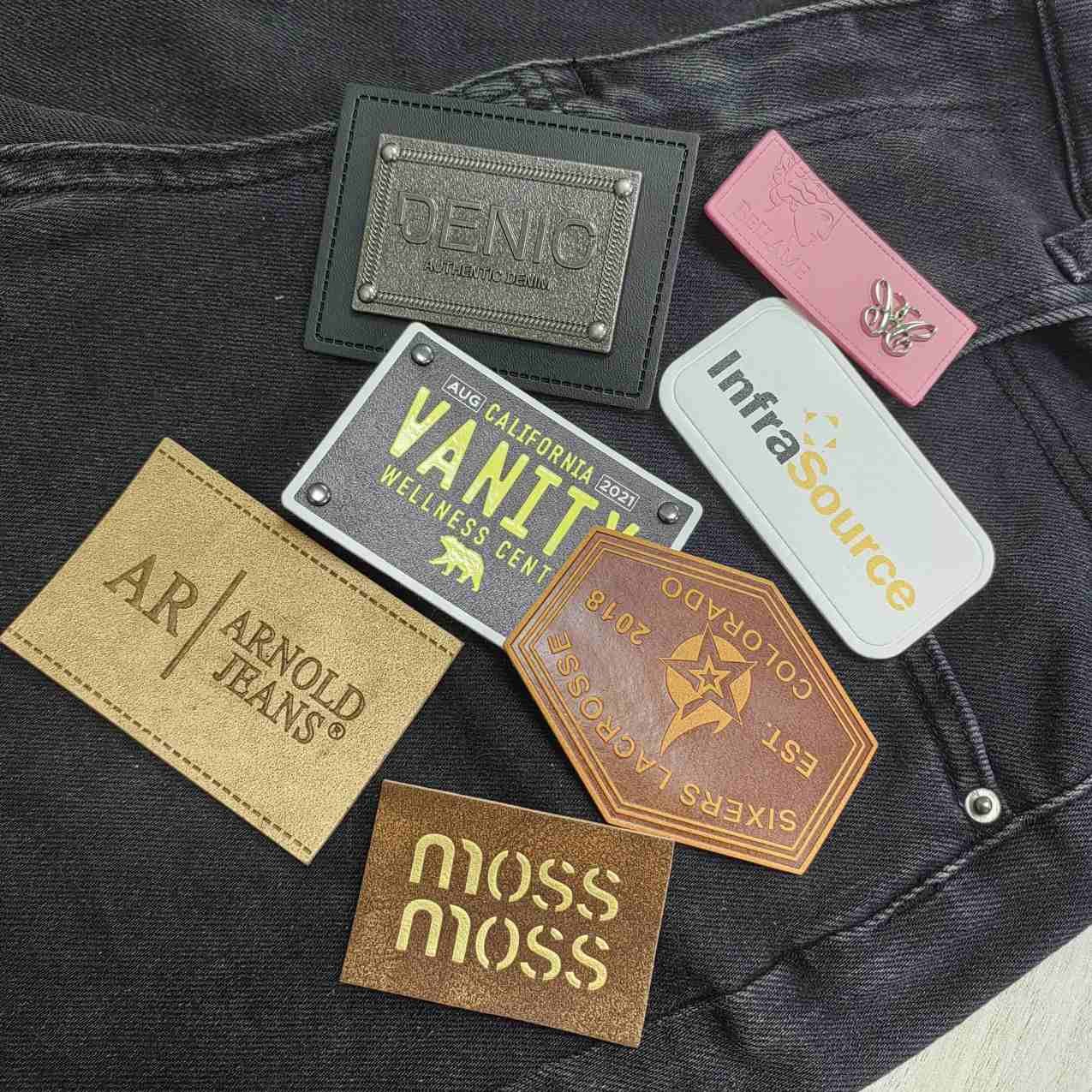
Embroidered Patches
Direct-embroidered or appliqué patches for thighs, pockets, or waistbands. Adds dimensional branding and streetwear authenticity to your embroidered sweatpants with up to 15 thread colors and 3D puff options.
Your Trusted Embroidered Sweatpants Manufacturer
Founded in 2024 by Tesla Luo, Clothing Manufacturer Ltd. was built on 10+ years of apparel production experience and 6 years of streetwear specialization. Frustrated by manufacturers who skipped quality checks, Tesla launched our company to restore trust in Chinese garment production through rigorous testing at every stage, serving brands across 100+ countries.
As an embroidered sweatpants manufacturer, we combine deep streetwear expertise with a zero-compromise quality philosophy. Our 5-step QC process ensures every pair meets exacting standards, from fabric inspection through final embroidery verification. We support emerging designers and global retailers alike with low MOQs, fast turnaround, and in-house design capabilities.
We believe quality craftsmanship and transparent communication are non-negotiable. Whether you’re launching your first collection or scaling an established line, our team brings the technical precision and cultural fluency in streetwear trends that turn your vision into premium embroidered sweatpants your customers will love.
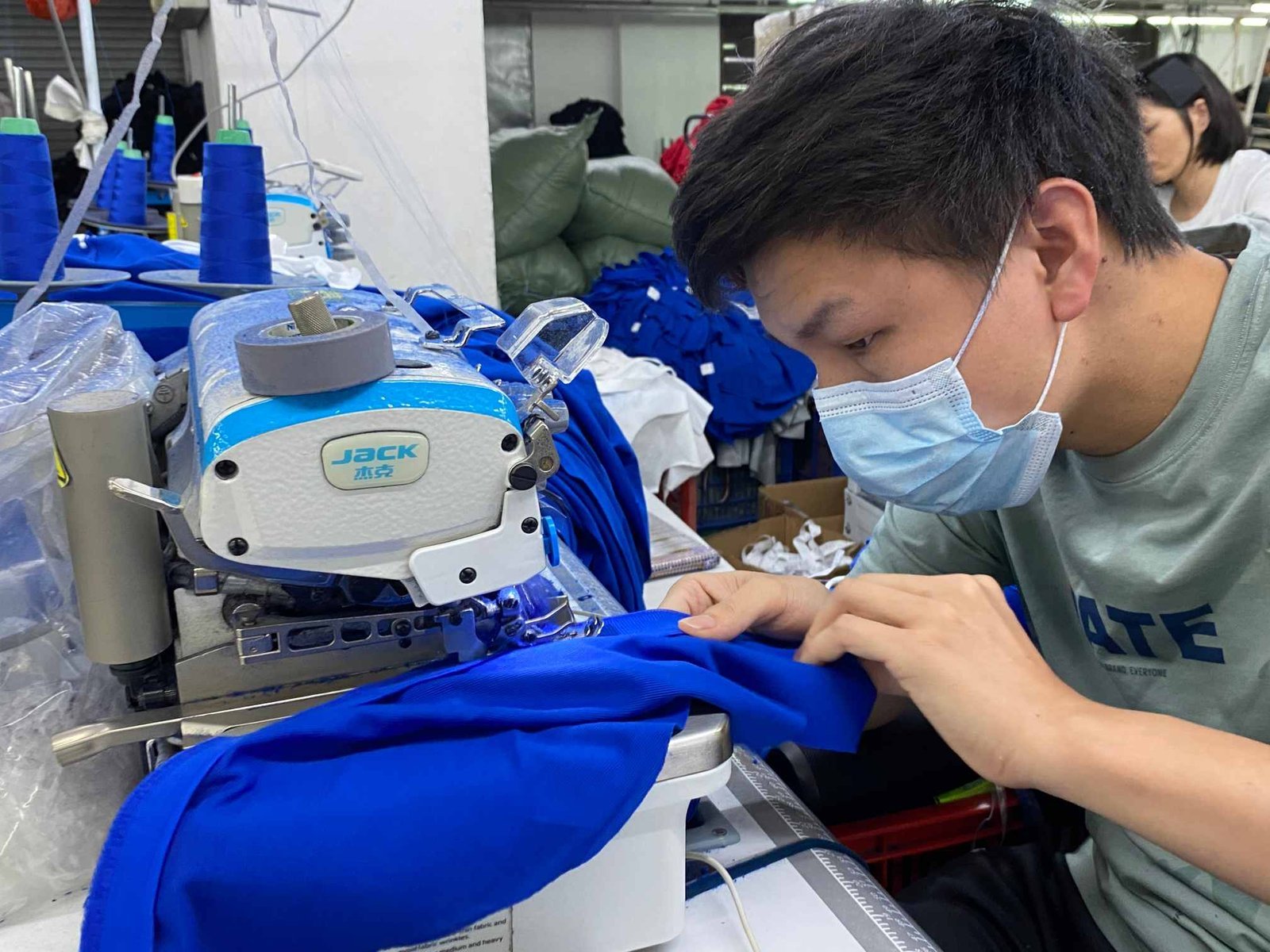
Embroidered Sweatpants Manufacturer 5-Step Quality Control
Materials QC Testing Before Production
Every fabric roll and embroidery thread spool is inspected before cutting begins. Our embroidered sweatpants manufacturer process starts with rigorous material verification to catch defects, color variance, and weight inconsistencies that competitors miss until it’s too late.
- Fabric weight, stretch recovery, and shrinkage pre-testing
- Embroidery thread colorfastness and tensile strength verification
- Trim and elastic component durability checks
- Material batch documentation and traceability logging
Cutting QC Testing for Precision
Pattern accuracy determines fit consistency across your entire order. Our cutting QC stage ensures every sweatpants panel matches your approved tech pack dimensions, preventing size variation and fabric waste that plague rush production environments.
- Digital pattern verification against approved specifications
- Cut-piece measurement sampling for dimensional accuracy
- Grain-line and pattern-matching alignment checks
- Cutting defect identification and immediate correction
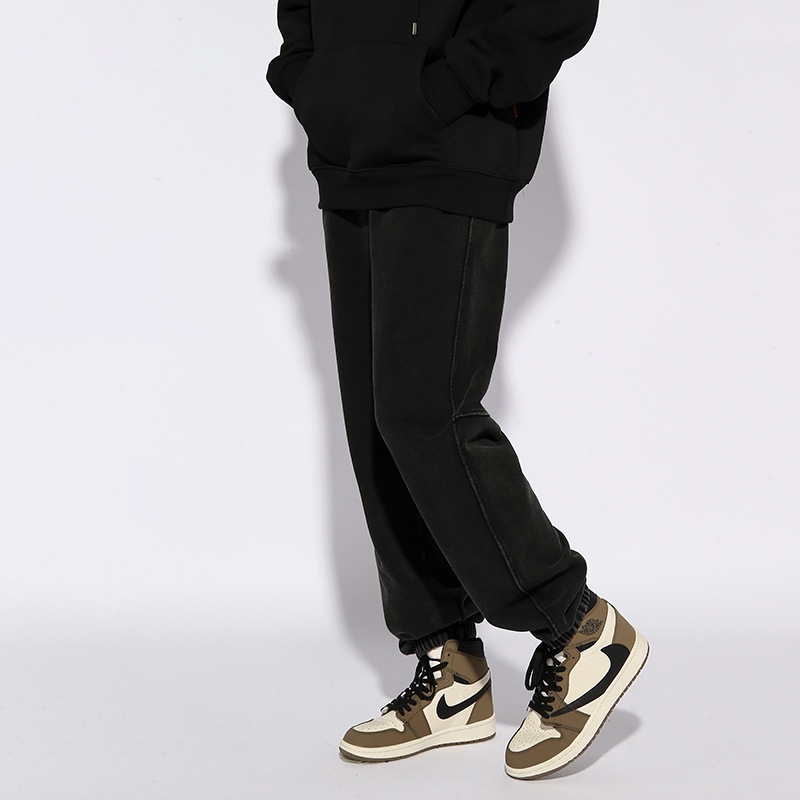
Craft & Sewing Production QC Testing
Quality is built in, not inspected in. Our embroidered sweatpants manufacturer methodology includes real-time monitoring during embroidery application and garment assembly, catching stitching flaws, thread tension issues, and placement errors before they multiply across hundreds of units.
- Embroidery density, registration, and thread-break monitoring
- Seam strength and stitch-per-inch consistency checks
- In-line inspection at every major construction milestone
- Immediate operator feedback and corrective action protocols
Finished Clothing Quality Inspection
The final checkpoint before packaging combines automated and manual inspection to verify every embroidered sweatpants piece meets brand standards. This comprehensive audit covers appearance, functionality, measurements, and packaging integrity—eliminating the defects that damage your reputation.
- 100% visual inspection for embroidery flaws and fabric defects
- Fit, measurement, and symmetry verification sampling
- Wash-care label, hangtag, and packaging accuracy checks
- AQL-based acceptance criteria and detailed defect reporting
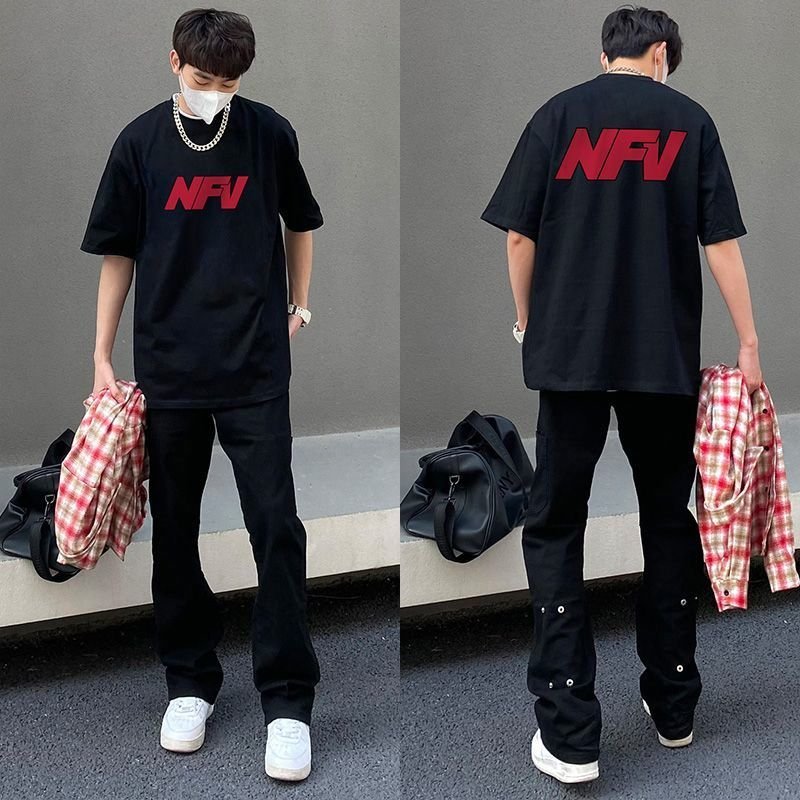
Embroidered Sweatpants Manufacturer vs. Competitors
See how our 5-step QC process, in-house design team, and streetwear expertise deliver superior embroidered sweatpants compared to typical low-cost suppliers.
← 左右滑动查看 →
Embroidered Sweatpants Manufacturer Production Timeline
From design approval to global delivery, our transparent 6-phase process ensures your custom embroidered sweatpants meet streetwear quality standards at every stage.
Design & Sampling
Our 15-member R&D team creates tech packs, develops patterns, and produces sample embroidered sweatpants for your approval within 7–10 business days.
Fabric Sourcing & Inspection
We select premium fleece, French terry, or custom blends, then conduct materials QC testing to verify weight, stretch, and colorfastness standards.
Cutting & Preparation
Precision cutting with cutting QC testing ensures every panel matches your approved patterns, minimizing fabric waste and fit inconsistencies for embroidered sweatpants.
Embroidery & Decoration
Advanced multi-head embroidery machines apply your logos, graphics, or text with clothing craft QC testing to confirm thread tension, stitch density, and placement accuracy.
Sewing & In-Line QC
Skilled operators assemble each garment under sewing production QC testing, checking seam strength, stitch uniformity, and construction details throughout the production run.
Final Inspection & Shipping
Finished clothing quality QC inspection verifies embroidery integrity, sizing, and packaging standards before global logistics partners deliver your embroidered sweatpants order on schedule.
How to Order from Your Embroidered Sweatpants Manufacturer
Our streamlined process makes it easy for streetwear brands and startups to bring custom embroidered sweatpants from concept to delivery with full quality assurance at every stage.
Submit Your Tech Pack
Share your embroidered sweatpants design, fabric preferences, sizing specs, and embroidery placement details. Our team reviews everything and provides a detailed quote within 24 hours.
Approve Pre-Production Samples
We create physical samples with your exact embroidery, fit, and fabric choices. Review, request adjustments, and approve before any bulk production begins.
Place Your Bulk Order
Confirm quantities, colors, and delivery timelines. We accept low MOQs for emerging brands and offer flexible payment terms to support your growth.
Track Production with QC Updates
Your order moves through our 5-step quality control process—materials, cutting, craftsmanship, sewing, and final inspection—with regular progress updates and photo documentation.
Receive Global Shipping & Delivery
Finished embroidered sweatpants are packed, inspected, and shipped worldwide. We handle customs documentation and provide full tracking for seamless delivery to your warehouse.
Certified Embroidered Sweatpants Manufacturer You Can Trust
What Our Embroidered Sweatpants Manufacturer Clients Say
We launched our first embroidered sweatpants drop with just 120 units. The embroidery was flawless, turnaround was 18 days, and we sold out in 48 hours. Now we’re scaling to 500-piece orders every month.
The 5-step QC process caught a thread tension issue before bulk production. Saved us from a disaster. Our embroidered joggers now have a 98% customer satisfaction rate across 3,000+ units shipped.
As an influencer brand, speed matters. Clothing Manufacturer delivered 300 custom embroidered sweatpants in 21 days with intricate logo work. Quality exceeded our LA-based samples, and our followers noticed the difference immediately.
Embroidered Sweatpants Manufacturer — Frequently Asked Questions
What is the minimum order quantity for an embroidered sweatpants manufacturer?
How long does it take to produce custom embroidered sweatpants?
Can an embroidered sweatpants manufacturer help with custom designs?
What are the payment terms when working with your embroidered sweatpants manufacturer?
How do you protect my designs and intellectual property?
What embroidery techniques does your manufacturer offer for sweatpants?
Do you provide global shipping for embroidered sweatpants orders?
Is there a cost for sampling before bulk production?
Why choose Clothing Manufacturer Ltd as your embroidered sweatpants manufacturer?
The Complete Buyer’s Guide to Choosing an Embroidered Sweatpants Manufacturer
Navigate the sourcing landscape with confidence. This guide delivers a proven decision framework, essential supplier criteria, quality benchmarks, and the most common mistakes brands make when selecting an embroidered sweatpants manufacturer for their collection.
1. What Is an Embroidered Sweatpants Manufacturer?
An embroidered sweatpants manufacturer is a specialized production partner that integrates garment construction with in-house embroidery decoration capabilities, enabling brands to source both cut-and-sew fabrication and thread-based graphic application from a single facility. Unlike standard apparel factories that outsource embroidery to third-party contractors, these manufacturers operate multi-head computerized embroidery machines alongside sewing lines, reducing lead times by 7–14 days and eliminating coordination friction between separate vendors.
Brands choose embroidery over screen printing for three core reasons: durability, perceived value, and design dimensionality. Embroidered logos and graphics withstand 50+ industrial wash cycles without fading or cracking, whereas screen-printed designs typically degrade after 20–30 washes. Retail markup on embroidered sweatpants averages 2.8× to 3.5× wholesale cost compared to 2.2× to 2.8× for printed equivalents, reflecting consumer willingness to pay a premium for tactile, three-dimensional branding.
Technical requirements separate embroidered sweatpants manufacturers from general cut-and-sew operations. Facilities must maintain digitizing software to convert artwork into stitch files, stock 40+ thread colors for Pantone matching, and employ technicians trained in density calibration (typically 0.4–0.6 mm for fleece substrates) to prevent puckering on stretch knit fabrics. Quality control extends beyond garment construction to include embroidery registration accuracy within ±1 mm, thread tension consistency, and backing removal that preserves fabric hand feel—capabilities absent in factories focused solely on sewing and finishing.
2. Evolution of Custom Embroidered Sweatpants in Streetwear
Sweatpants originated in the 1920s as athletic wear for training, but embroidery as a premium detail emerged in the late 1980s when hip-hop artists and sports teams began customizing sweats with chenille patches and chain-stitch lettering. By the early 1990s, brands like Champion and Russell Athletic offered embroidered collegiate logos, transforming sweatpants from purely functional garments into identity markers. This shift coincided with hip-hop’s mainstream rise, where artists wore oversized embroidered sweats as statements of crew affiliation and personal style.
The 2000s saw luxury fashion houses adopt streetwear codes, with embroidered sweatpants appearing in collections from brands collaborating with skate and hip-hop labels. Embroidery became a signal of authenticity and craftsmanship, distinguishing premium streetwear from mass-market basics. During this period, multi-head computerized embroidery machines enabled complex designs—skulls, roses, Gothic lettering, and Japanese kanji—that resonated with streetwear’s graphic-heavy aesthetic rooted in graffiti, skateboarding, and underground music.
Today’s market reflects three converging trends driving demand for an embroidered sweatpants manufacturer: influencer and creator brands seeking differentiation through custom embroidery, independent designers using embroidery to add artisanal value without screen-print minimums, and established labels responding to consumer expectations for unique detailing. Embroidered elements—whether small chest logos, full leg graphics, or interior waistband branding—now command retail premiums of 30 to 50 percent over blank sweatpants. Buyers expect embroidery thread counts above 10,000 stitches for durability, Pantone-matched threads, and placement precision within 2 millimeters, standards that separate quality manufacturers from those treating embroidery as an afterthought.
3. Types of Embroidered Sweatpants Manufacturer Services
Embroidered sweatpants manufacturers operate under distinct service models, each tailored to different production volumes, budgets, and brand maturity. Understanding these models helps you match your needs to the right partner and avoid costly misalignments.
Full-Package Manufacturers
Full-package providers handle fabric sourcing, pattern development, cutting, sewing, embroidery, and finishing under one roof. MOQs typically start at 300–500 pieces per design, with lead times of 45–60 days including sampling.
This model suits fashion startups and independent designers who lack supply-chain infrastructure. Clothing Manufacturer Ltd. offers full-package service with its five-step QC methodology embedded at every production stage, ensuring consistent quality from materials inspection through final garment checks.
- Design consultation, tech-pack development, and fabric procurement included
- Single point of contact simplifies communication and accountability
- Higher per-unit cost offset by reduced logistics complexity
CMT with In-House Embroidery
Cut-make-trim (CMT) manufacturers require buyers to supply fabrics and trims, then handle cutting, sewing, and embroidery. MOQs drop to 100–300 pieces, and lead times shorten to 25–35 days since material procurement is client-managed.
This model fits brands with established fabric suppliers or specific material requirements. Buyers retain tighter control over input costs but assume responsibility for fabric quality and delivery timing.
- Lower production fees but requires fabric logistics expertise
- Ideal for brands with proprietary fabric blends or exclusive mills
- Risk of production delays if materials arrive late or fail QC
Low-MOQ and Small-Batch Specialists
Low-MOQ providers cater to influencer brands and creator labels testing designs before scaling. Minimums range from 50–150 pieces, with lead times of 20–30 days and per-unit premiums of 15–30 percent over standard runs.
Clothing Manufacturer Ltd. supports emerging brands with flexible MOQs, allowing streetwear startups to validate market demand without overcommitting inventory capital.
- Rapid prototyping and faster market entry for trend-driven collections
- Higher unit costs reflect setup time amortized over fewer garments
- Perfect for capsule drops and limited-edition collaborations
4. Materials and Fabrics for Embroidered Sweatpants
Fabric choice directly affects embroidery quality, garment durability, and final cost when working with an embroidered sweatpants manufacturer. Each knit type presents distinct stitch-stability characteristics, weight ranges, and aesthetic outcomes that influence both production feasibility and market positioning.
| Fabric Type | GSM Range | Embroidery Suitability | Price Tier | Best For |
|---|---|---|---|---|
| French Terry | 220–280 | Excellent (low pucker) | Mid | Activewear, spring streetwear |
| Brushed Fleece | 280–340 | Good (needs stabilizer) | Mid-High | Premium loungewear |
| Unbrushed Fleece | 260–300 | Excellent | Mid | Core streetwear collections |
| Cotton-Poly Blend | 240–300 | Excellent | Low-Mid | High-volume retail |
| Performance Knit | 200–260 | Moderate (stretch limits) | Mid-High | Athleisure, activewear |
| Organic/Recycled | 260–320 | Good to Excellent | High | Eco-focused brands |
French Terry
French terry typically ranges from 220 to 280 GSM and features flat-knit face with looped backing. The tight surface structure minimizes puckering during embroidery, making it ideal for detailed logos and text.
This fabric offers moderate drape and breathability, positioning it between lightweight activewear and heavier loungewear. Embroidered sweatpants manufacturer teams favor French terry for spring and fall collections where weight balance matters.
Fleece Variants
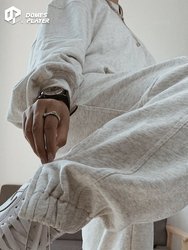
Brushed fleece (280–340 GSM) delivers soft hand-feel and warmth but requires stabilizer backing to prevent embroidery sinking into the pile. Unbrushed fleece (260–300 GSM) provides firmer stitch support with less bulk.
Brushed options suit premium loungewear where comfort outweighs embroidery complexity. Unbrushed fleece balances embroidery definition with cozy aesthetics, making it a workhorse fabric for streetwear brands.
Cotton Blends and Performance Knits
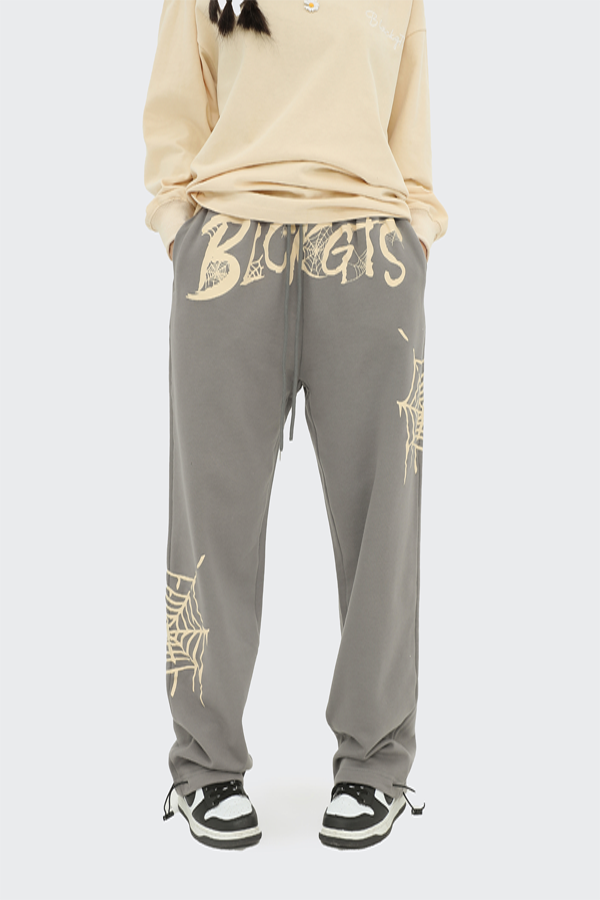
Cotton-polyester blends (80/20 or 70/30, 240–300 GSM) reduce shrinkage and improve colorfastness while maintaining natural feel. Polyester performance knits (200–260 GSM) offer moisture-wicking and stretch recovery, critical for activewear applications.
Blends accept embroidery well with minimal distortion. Performance knits demand lower stitch density to preserve stretch, requiring experienced embroidered sweatpants manufacturer oversight to avoid fabric memory issues.
Organic and Sustainable Materials
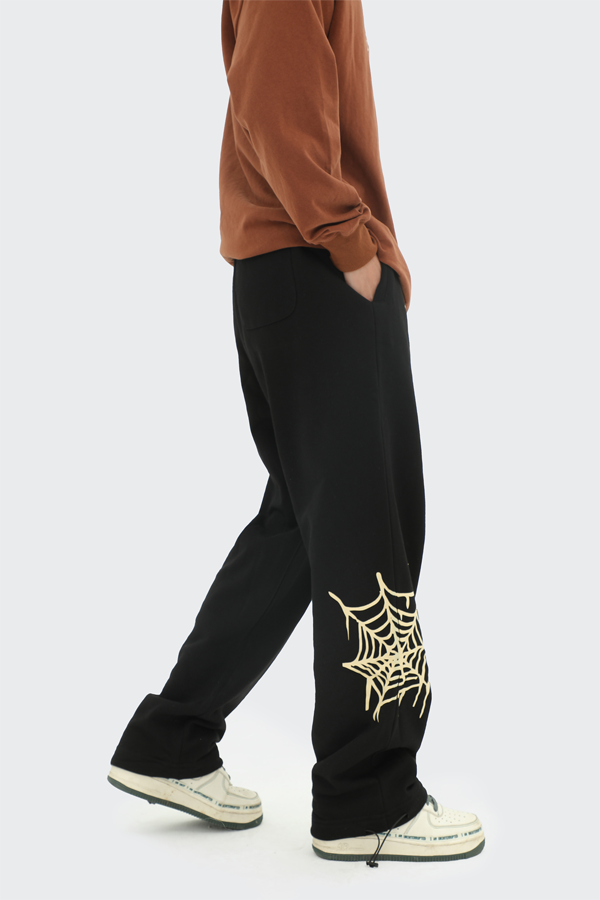
Organic cotton fleece (GOTS-certified, 260–320 GSM) and recycled polyester blends command 15–30 percent price premiums but align with eco-conscious brand positioning. These fabrics embroider comparably to conventional counterparts when properly stabilized.
Sustainable materials appeal to influencer and creator brands targeting environmentally aware audiences. Lead times may extend 2–3 weeks due to supply-chain traceability requirements.
5. Embroidery Customization and Decoration Techniques
An embroidered sweatpants manufacturer must master multiple embroidery techniques to meet diverse streetwear design demands. Each method delivers distinct visual effects, durability profiles, and cost structures that influence brand positioning and retail price points.
| Technique | Visual Effect | Cost Impact | Durability | Min. Detail Size |
|---|---|---|---|---|
| Flat embroidery | Crisp, professional | Baseline | High (50+ washes) | 1.5 mm |
| 3D puff | Raised, tactile | +20–35% | Medium (30 washes) | 3 mm |
| Appliqué | Bold, layered | +10–20% | High (40+ washes) | 10 mm |
| Chenille | Plush, textured | +40–60% | Medium (25 washes) | 8 mm |
| Chainstitch | Vintage loop | +15–25% | Medium (35 washes) | 2 mm |
Embroidery Techniques and Visual Effects
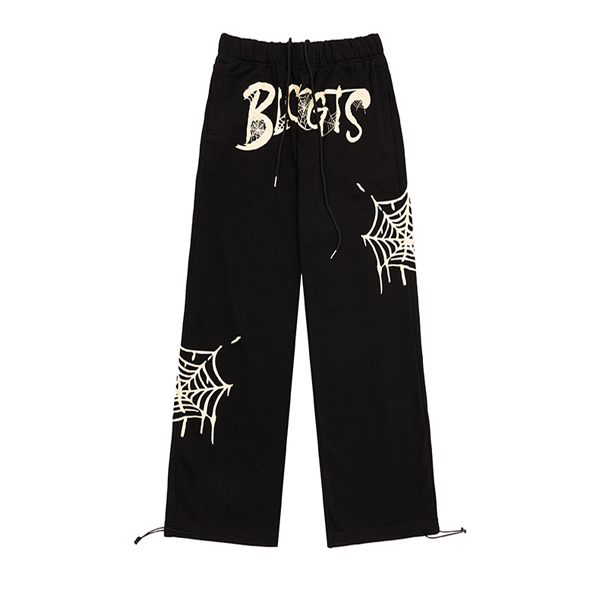
Flat embroidery uses standard stitch density (typically 0.4–0.6 mm spacing) for crisp logos and text, while 3D puff embroidery layers foam under stitches to create raised, tactile designs popular in streetwear branding. Appliqué combines fabric patches with embroidery borders for bold, cost-effective large graphics.
Chenille embroidery produces plush, rope-like lettering favored for varsity-style sweatpants, and chainstitch delivers a vintage, looped finish ideal for retro collections. Mixed-media approaches pair embroidery with screen print or heat transfer to balance detail and production speed.
Placement Options and Design Strategy
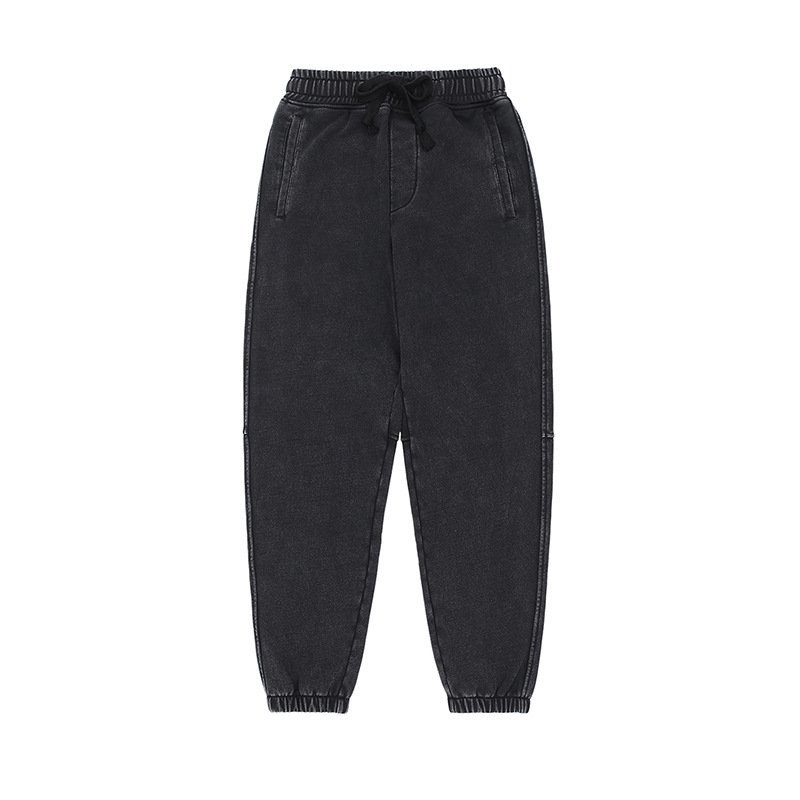
Left thigh and back yoke placements anchor brand identity without interfering with pocket construction, while waistband embroidery adds subtle branding visible when layering. Leg-side placements running vertically suit athletic and technical streetwear aesthetics.
Placement choice affects hoop setup and production time; single-position designs reduce per-unit embroidery cost by 15–25 percent compared to multi-location runs.
Thread Types and File Requirements
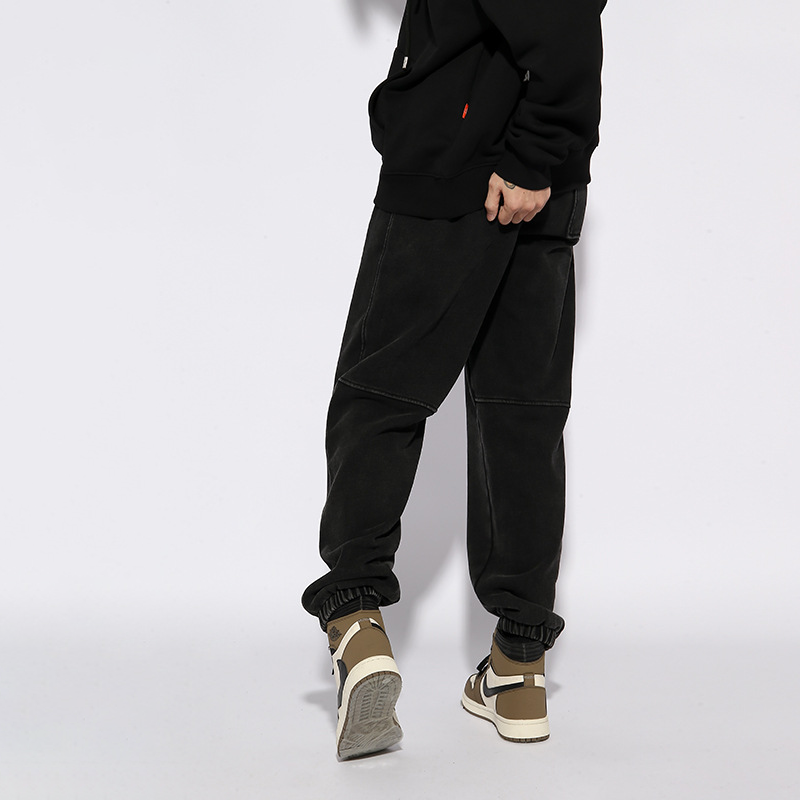
Rayon thread offers high sheen and color vibrancy but lower wash durability than polyester, which resists fading through 50+ industrial laundry cycles. Metallic threads add premium visual impact yet require slower stitch speeds and careful tension control.
Design files in DST or PES formats must specify stitch count, density, and underlay paths; files exceeding 15,000 stitches typically incur surcharges. Clothing Manufacturer Ltd. requires vector artwork and digitized embroidery files to ensure accurate replication across production batches.
6. Key Quality and Construction Standards
Embroidered sweatpants require strict quality checkpoints at every production stage to prevent defects that compromise both aesthetics and durability. A five-step QC methodology—materials testing, cutting inspection, craft validation, sewing checks, and finished-product audits—ensures embroidery integrity and garment longevity.
Stitch Density and Tension Control
Embroidery stitch density between 0.4 mm and 0.6 mm prevents puckering while maintaining design clarity. Excessive tension distorts fabric, especially on fleece or French terry, causing thread breakage and uneven surfaces.
Manufacturers should calibrate tension for each fabric weight and test samples before full production runs. Ask suppliers for stitch-count reports per design and tension-adjustment protocols for different garment zones.
- Stitch density 0.4–0.6 mm for standard sweatpants fabrics
- Tension calibration documented per fabric type
- Pre-production test samples mandatory for complex designs
Backing and Stabilizer Selection
Cut-away stabilizers provide permanent support for high-stitch-count logos and large embroidery areas, preventing distortion through repeated wash cycles. Tear-away or water-soluble backings suit lightweight designs but may compromise durability on heavy-use zones like thigh panels.
Specify stabilizer type based on embroidery placement and expected garment lifespan. Manufacturers experienced in streetwear understand that waistband and pocket embroidery require heavier backing than small chest logos.
- Cut-away stabilizer for logos over 10,000 stitches
- Tear-away for minimal designs under 5,000 stitches
- Water-soluble backing for delicate fabrics only
Seam Construction and Durability
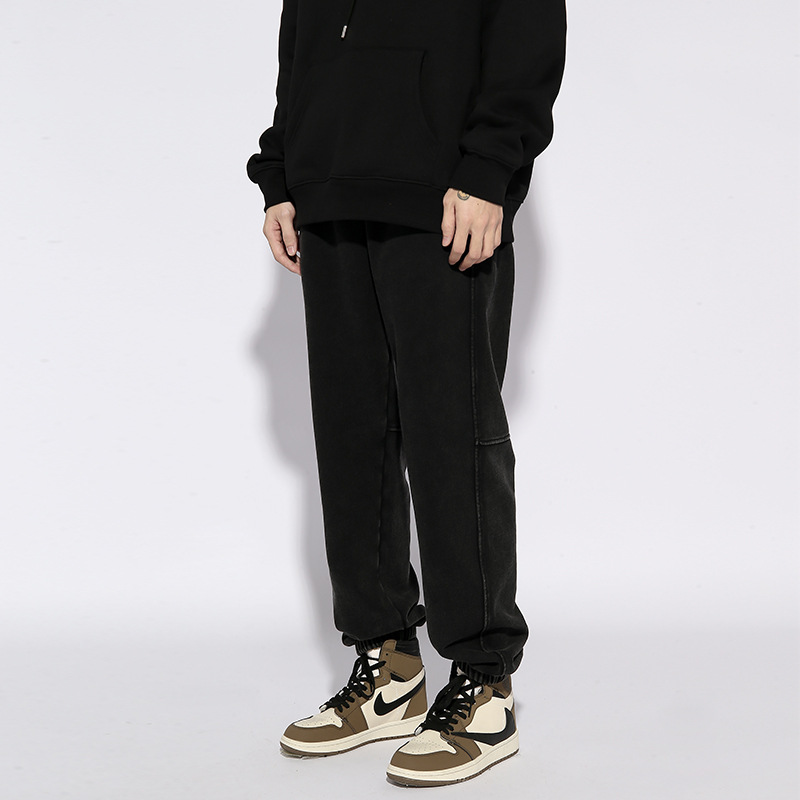
Flatlock seams reduce bulk and irritation on side seams and inseams, critical for athletic sweatpants. Coverstitch construction on waistbands and cuffs provides stretch recovery and prevents thread pop during wear.
Inspect seam allowances (typically 1–1.5 cm) and thread type—polyester core-spun threads offer better elasticity than 100% cotton. Request seam-strength test data, especially for high-stress zones like crotch gussets and waistband casings.
Thread Color-Fastness and Wash Testing
Embroidery thread must meet ISO 105-C06 color-fastness standards (grade 4 minimum) to prevent bleeding onto base fabric. Polyester and rayon threads perform differently; polyester resists fading better under UV exposure and repeated laundering.
Demand wash-test reports for 10+ cycles at 40°C, documenting color retention, thread integrity, and fabric shrinkage. Reputable embroidered sweatpants manufacturers include wash testing in their five-step QC process before shipment approval.
- ISO 105-C06 grade 4+ color-fastness required
- Minimum 10-cycle wash test at 40°C documented
- Thread type specified (polyester vs. rayon) per design
7. How to Choose the Right Embroidered Sweatpants Manufacturer
Selecting an embroidered sweatpants manufacturer requires evaluating technical capability, quality systems, and business alignment. A structured framework helps brands avoid costly missteps and identify partners who can scale with their growth.
Assess Production Capacity and MOQ Fit
Verify the factory’s minimum order quantity aligns with your launch volume and reorder cadence. Startups typically need 100–500 pieces per style, while established brands order 1,000+ units. Ask whether the manufacturer handles small-batch runs or requires consolidation across multiple styles to meet minimums.
Production lead times for embroidered sweatpants range from 25 to 45 days depending on embroidery complexity and fabric sourcing. Confirm the factory’s current order backlog and capacity to absorb rush orders without compromising quality checks.
Verify Embroidery Equipment and Software
Multi-head embroidery machines (6–15 heads) indicate scalability and consistent stitch quality across large runs. Single-head setups suit sampling but slow production timelines. Ask which digitizing software the factory uses — Wilcom and Tajima are industry standards for converting artwork into machine-readable stitch files.
Request thread brand specifications; Madeira and Gunold offer colorfastness and tensile strength superior to generic alternatives. Confirm the factory maintains backup needles, hoops, and tension calibration logs to prevent mid-run defects.
Review Portfolio, Samples, and QC Process
Examine finished samples for thread density, backing stability, and wash durability. High-quality embroidery shows no puckering, thread breaks, or misaligned registration on complex logos. Request references from brands in your category and ask about defect rates and rework policies.
A five-step QC methodology — materials testing, cutting checks, craft inspection, sewing monitoring, and final audit — catches defects early and reduces costly post-shipment returns. Factories skipping in-process checks often deliver inconsistent stitch counts and fabric distortion.
8. Common Mistakes When Sourcing an Embroidered Sweatpants Manufacturer
Sourcing an embroidered sweatpants manufacturer requires attention to technical and commercial details that many brands overlook. Avoiding these common pitfalls saves time, protects product quality, and prevents costly production delays.
Ignoring Fabric-Embroidery Compatibility
Heavyweight fleece (300+ GSM) and French terry behave differently under embroidery needles. Thin or stretchy fabrics pucker and distort when dense embroidery is applied without proper stabilizers, resulting in wavy seams and unprofessional finishes.
Request test samples on your chosen fabric weight before committing to bulk production. A qualified embroidered sweatpants manufacturer will recommend backing materials—tear-away, cut-away, or water-soluble—based on fabric type and stitch density to prevent puckering.
Underestimating Lead Times for Sampling and Bulk
Digitizing custom logos takes 2–5 business days, physical samples require 7–10 days, and bulk orders for embroidered sweatpants typically need 25–35 days after approval. Brands that skip sampling or compress timelines face quality issues and missed launch dates.
Build a production calendar with buffer time for revisions. Confirm digitizing turnaround, sample rounds, and bulk lead times in writing before placing deposits.
Skipping Wash and Durability Tests
Embroidery that looks sharp on arrival can unravel, fade, or cause fabric shrinkage after the first wash cycle. Skipping wash tests exposes your brand to returns and negative reviews from customers.
Request pre-production samples and perform at least three home wash-and-dry cycles at 40°C. Check thread tension, color fastness, and fabric stability. Reputable manufacturers using the five-step QC process include wash testing in their standard protocol.
Choosing Price Over Quality and IP Clarity
The lowest quote often signals shortcuts: skipped QC steps, low-grade thread, or no digitizing expertise. Additionally, failing to clarify design ownership in contracts risks your artwork being resold to competitors.
Compare at least three quotes and request references. Include IP assignment clauses in your purchase agreement, specifying that all digitized files and custom designs remain your exclusive property.
9. Steps to Launch Your Embroidered Sweatpants Collection
Launching an embroidered sweatpants collection requires coordination across design, production, and quality stages. The following roadmap breaks each phase into timeline estimates and deliverables, helping fashion startups and independent designers manage the end-to-end workflow with an embroidered sweatpants manufacturer.
Concept and Design Development
Define your collection’s aesthetic, target audience, and embroidery placement during the concept phase. Streetwear brands typically allocate 1–2 weeks to sketch designs, select embroidery motifs (skeleton, rose, cross elements), and finalize colorways.
Deliverables include design sketches, embroidery artwork files (vector format), and a mood board. Independent designers should document every design decision to ensure alignment with their brand identity before moving to technical specifications.
Tech Pack Creation and Fabric Sourcing
A complete tech pack specifies measurements, fabric weight (280–350 GSM French terry or fleece), thread count, embroidery thread color (Pantone references), and construction details. Manufacturers like Clothing Manufacturer Ltd. use tech packs to source materials and plan cutting.
Timeline: 3–5 days for tech pack finalization, 5–7 days for fabric and trim sourcing. Deliverables include approved tech pack, fabric swatches, and trim samples (drawcords, ribbing).
Embroidery Digitizing and Sampling
Embroidery digitizing converts artwork into machine-readable stitch files, typically requiring 2–3 days for complex designs. The manufacturer produces a pre-production sample to verify embroidery placement, stitch density, and overall fit.
Sampling takes 7–10 days. Deliverables include digitized embroidery file, physical sample with embroidery, and fit photos. Startups should approve or request revisions at this checkpoint to avoid costly production errors.
Production Planning and Quality Control
Bulk production begins after sample approval. Clothing Manufacturer Ltd. applies its five-step QC process: materials QC, cutting QC, clothing craft QC, sewing production QC, and finished clothing inspection. Each checkpoint catches defects early.
Production timeline: 15–25 days depending on order volume. QC deliverables include inspection reports at each stage, inline defect logs, and final AQL test results before packing and shipment.
10. Pricing and Cost Breakdown for Embroidered Sweatpants
Base garment cost for embroidered sweatpants typically ranges from $8–$15 per unit depending on fabric weight (280–400 GSM French terry or fleece), construction details (ribbed cuffs, drawcords, pockets), and order volume. Fabric and labor account for 60–70% of the base price, with higher-end ring-spun cotton and reinforced stitching pushing costs toward the upper range.
Embroidery setup includes a one-time digitizing fee of $30–$80 per design, which converts artwork into machine-readable stitch files, plus a setup charge of $20–$50 per placement location (left thigh, back pocket, leg panel). Per-piece embroidery cost is driven by stitch count: simple text or small logos (2,000–5,000 stitches) add $1.50–$3.00 per garment, while complex multi-color designs (10,000+ stitches) can add $4–$7. Thread color changes and specialty threads (metallic, glow-in-the-dark) increase per-unit costs by 15–25%.
MOQ significantly impacts unit economics. Orders below 100 units carry higher per-piece costs due to setup amortization, while volumes above 500 units unlock bulk fabric pricing and streamlined production runs. Shipping and duties add 10–18% to landed cost depending on destination country, shipping method (air vs. sea), and tariff classification under HS code 6203 or 6103. Brands should budget an additional 8–12% for quality control, packaging upgrades (hang tags, polybags), and freight forwarding when calculating total investment per piece.
| Quantity Tier | Unit Price Range | Embroidery Cost/Piece | Lead Time | Total Investment |
|---|---|---|---|---|
| 50 units | $12–$18 | $2.50–$5.00 | 18–25 days | $725–$1,150 |
| 250 units | $10–$14 | $2.00–$4.00 | 20–28 days | $3,000–$4,500 |
| 500 units | $9–$12 | $1.50–$3.50 | 25–32 days | $5,250–$7,750 |
| 1,000+ units | $8–$11 | $1.50–$3.00 | 30–40 days | $9,500–$14,000 |
Partner with a Trusted Embroidered Sweatpants Manufacturer
Low MOQ, 5-step QC guarantee, and fast turnaround for your streetwear brand. Get your custom quote today.