
Premium Bulk Joggers with 5-Step QC Guarantee
Order bulk joggers designed for streetwear brands and retailers. Low MOQ, fast turnaround, and rigorous quality control at every production stage.
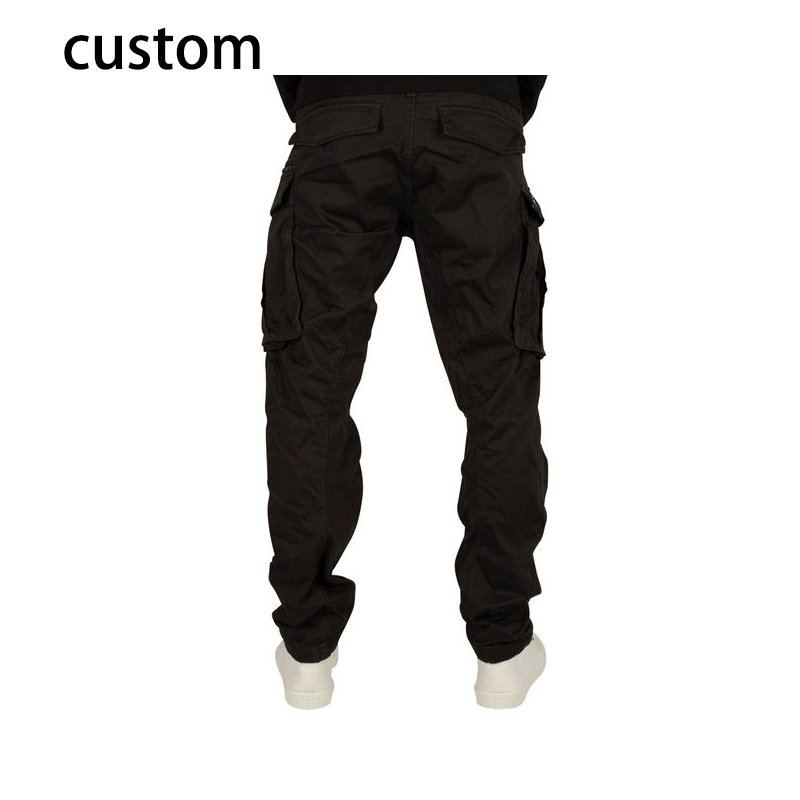
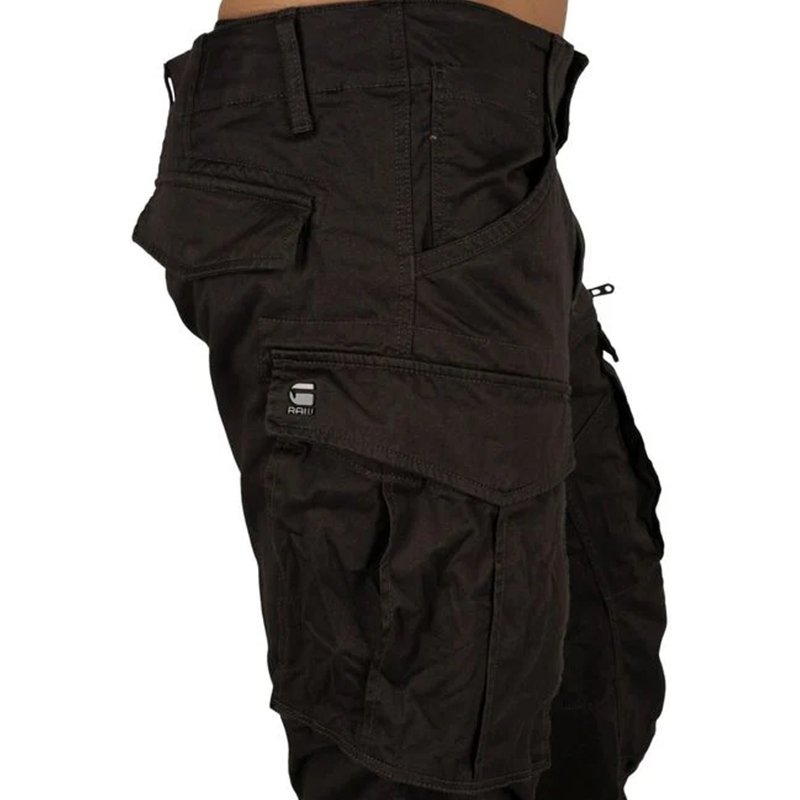
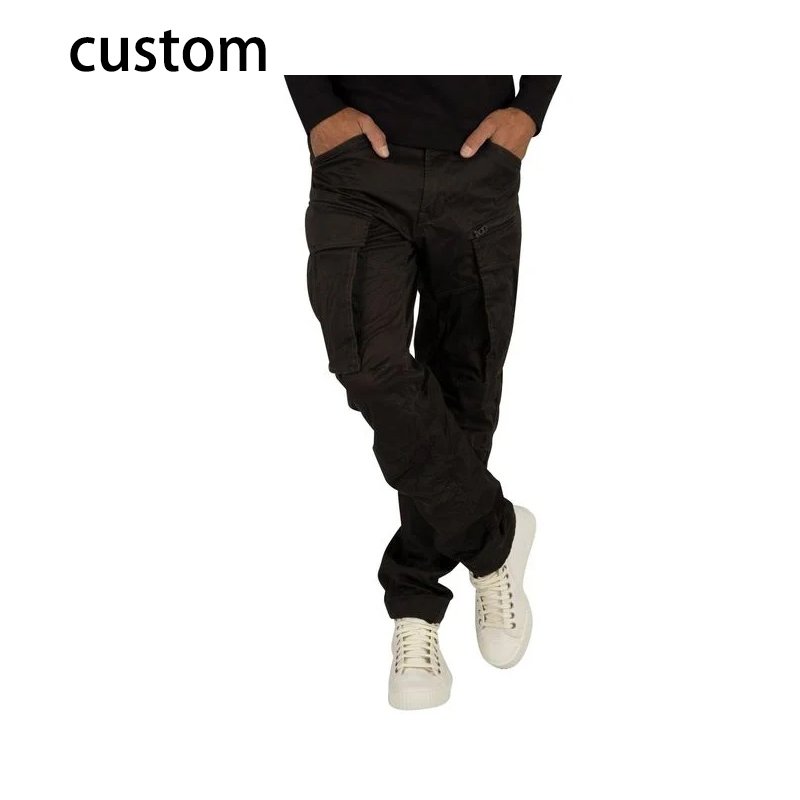
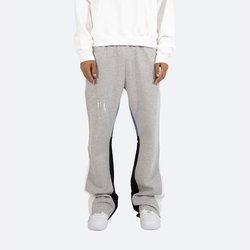
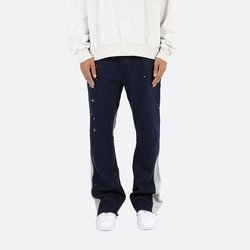
Bulk Joggers Gallery — Trending Styles & Colorways
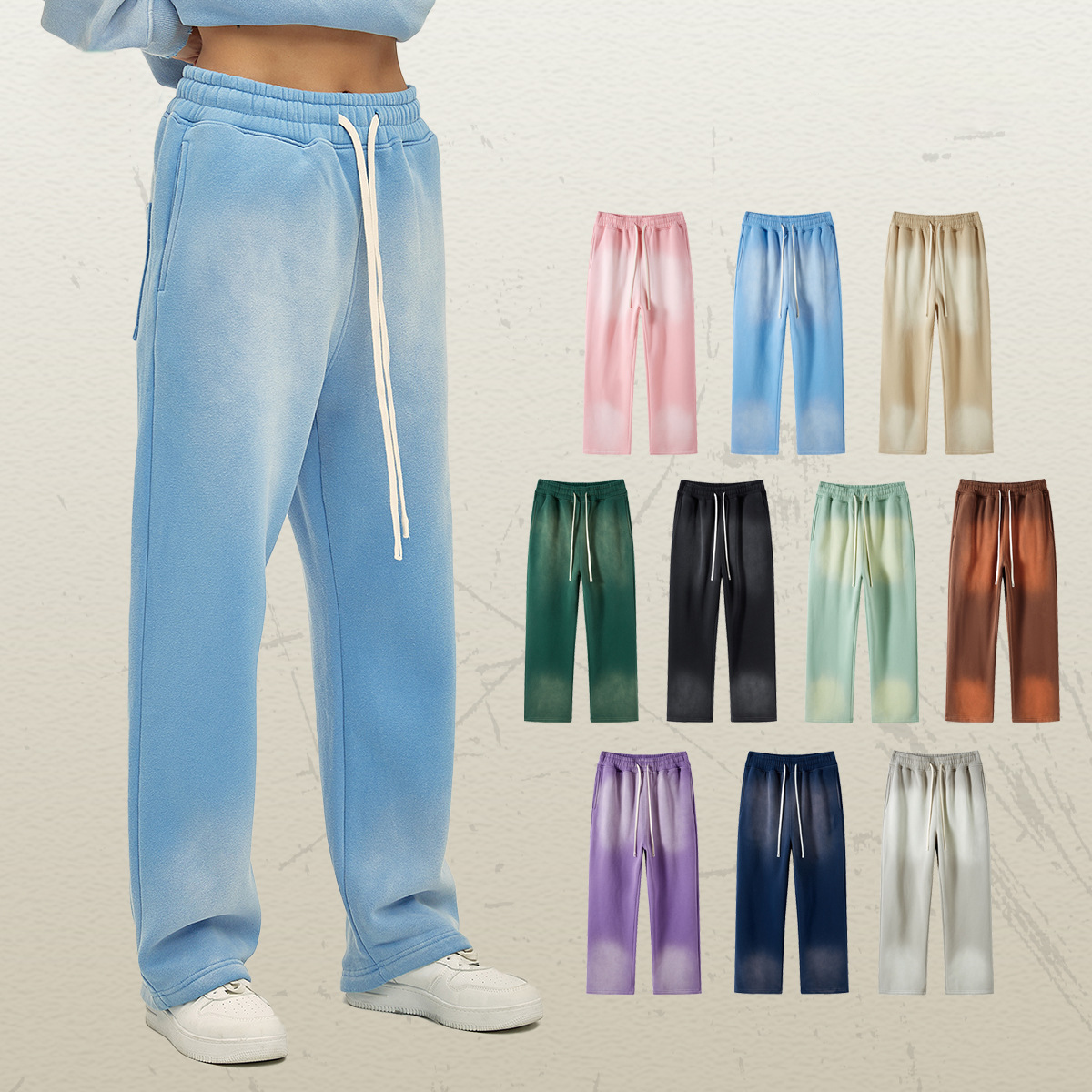
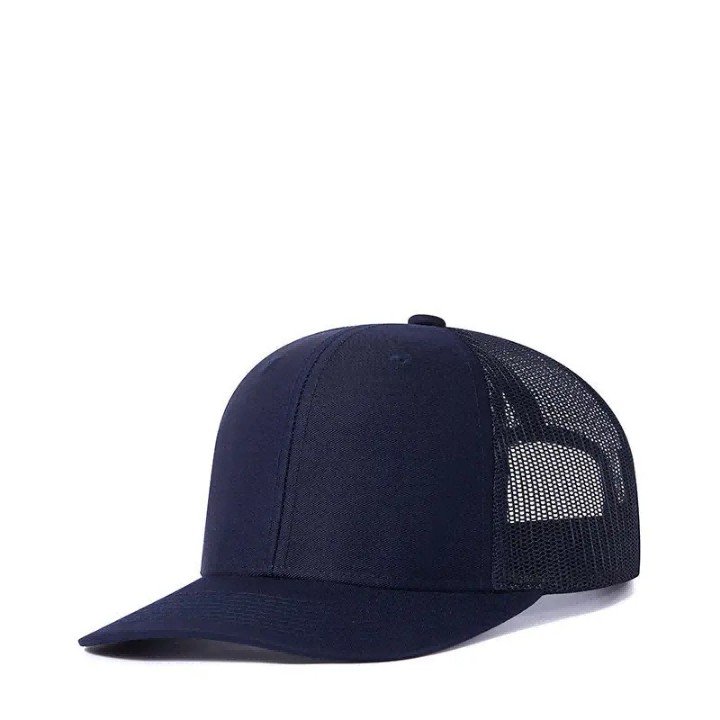
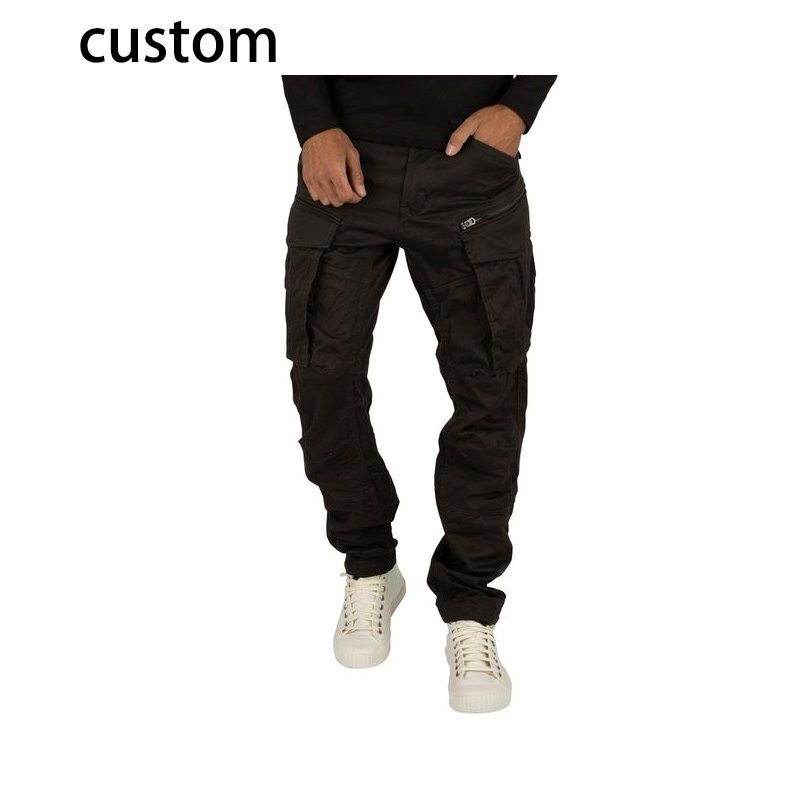
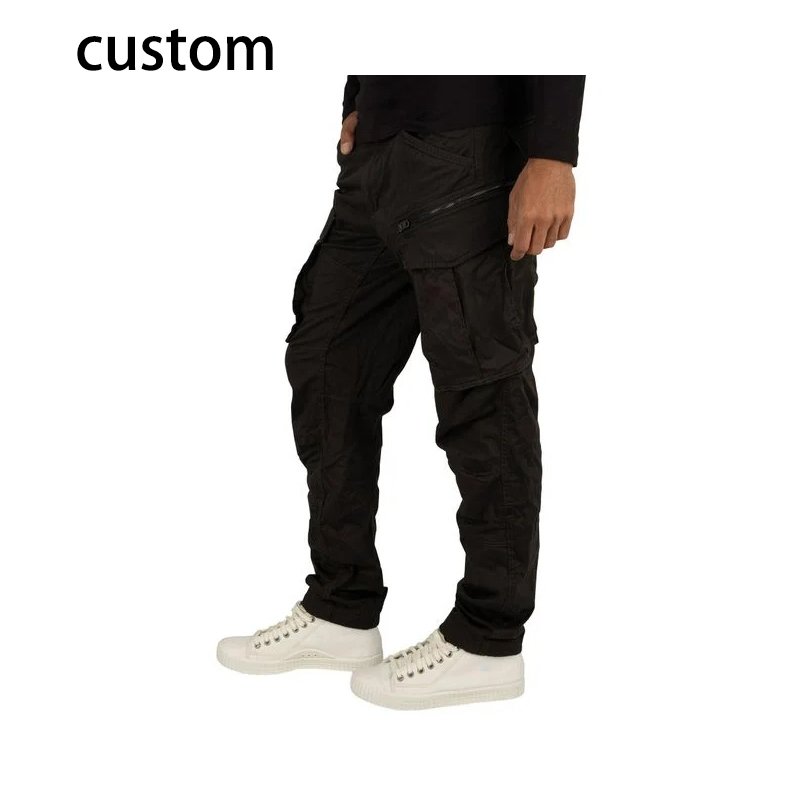
Why Brands Choose Our Bulk Joggers
5-Step QC Every Order
Every bulk jogger batch undergoes materials, cutting, craft, sewing, and finished-product inspection—eliminating defects before shipment.
Low MOQ for Startups
Launch your jogger line without massive inventory risk. We support emerging brands and designers with flexible minimum order quantities.
Fast Sampling & Turnaround
Get production-ready samples quickly and meet tight seasonal deadlines with our streamlined workflow and experienced 15-member R&D team.
In-House Streetwear Design Team
Tap into 6+ years of streetwear expertise. Our designers understand trend-driven elements, from graphics to silhouettes and finishing details.
Global Shipping & Logistics
Reliable international fulfillment to over 100 countries. We handle customs documentation, freight coordination, and on-time delivery worldwide.
Proven Influencer & Brand Success
We’ve helped 200+ clients grow from zero to tens of thousands of followers, delivering consistent quality that builds customer loyalty.
Bulk Joggers for Every Streetwear Vision
From tapered classics to cargo-pocket statement pieces, our bulk joggers collections deliver the exact fit, fabric, and finish your brand demands—backed by our 5-step QC guarantee.
Tapered Fit Joggers
Streetwear brands struggle to source tapered joggers that balance a modern silhouette with durability and comfort—resulting in customer returns and inconsistent sizing across bulk orders.
Our tapered fit bulk joggers deliver precision-cut patterns and reinforced stitching tested at every production stage, ensuring consistent sizing and a sleek, on-trend fit that drives repeat purchases.
Oversized & Relaxed Joggers
Achieving the perfect oversized drop without sacrificing structure is difficult—many suppliers deliver baggy, shapeless joggers that lack the streetwear aesthetic influencer brands need.
We engineer oversized bulk joggers with strategic paneling and premium heavyweight fabrics, creating the relaxed, statement silhouette your audience craves while maintaining garment integrity through rigorous craft QC.
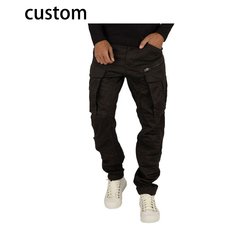
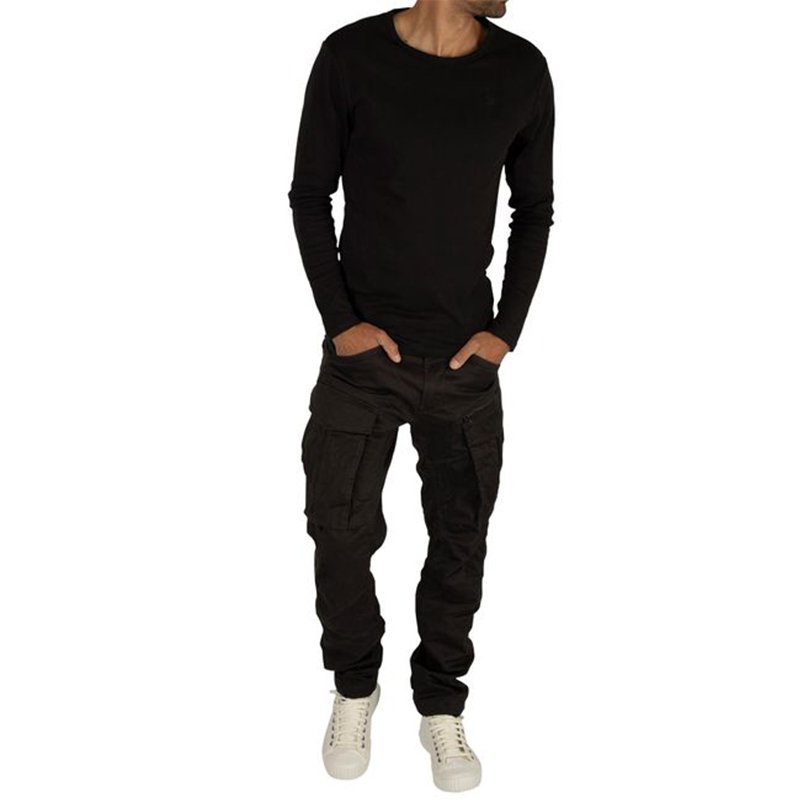
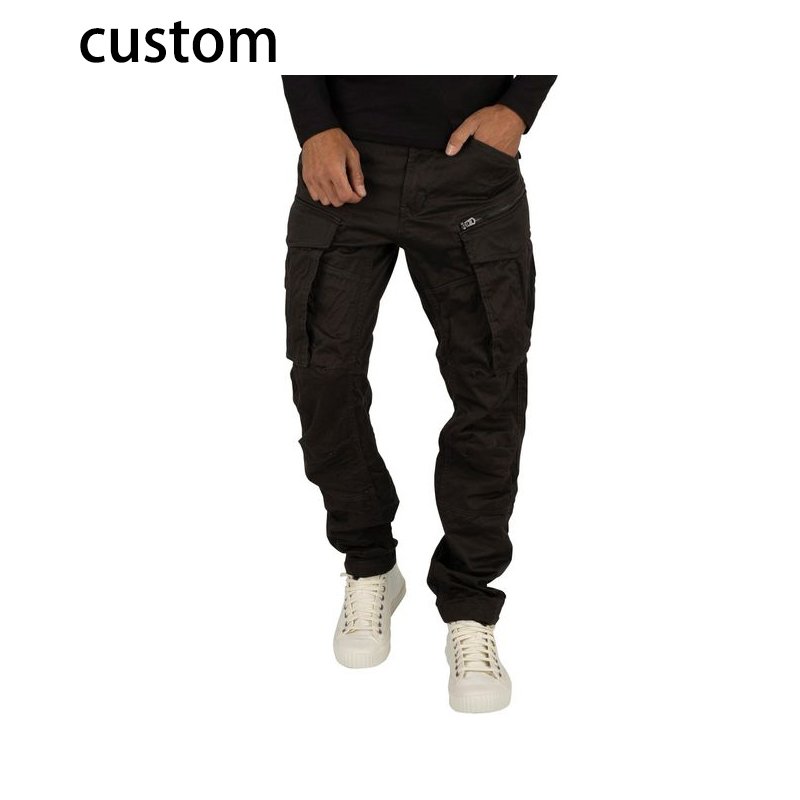
Cargo Pocket Joggers
Cargo-pocket joggers often suffer from weak pocket construction and misaligned stitching in bulk production, leading to quality complaints and damaged brand reputation among fashion-forward customers.
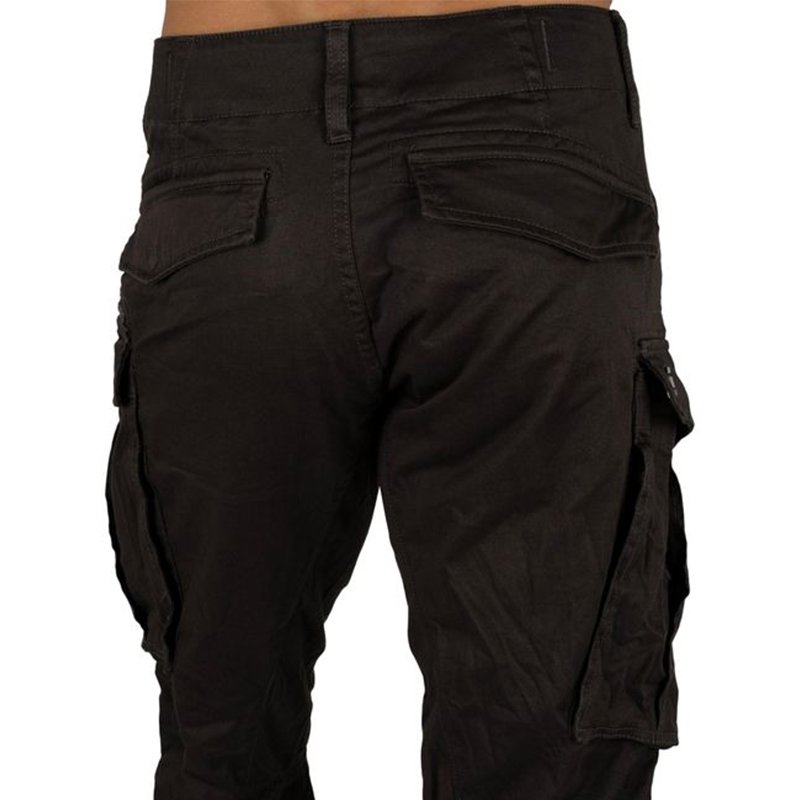
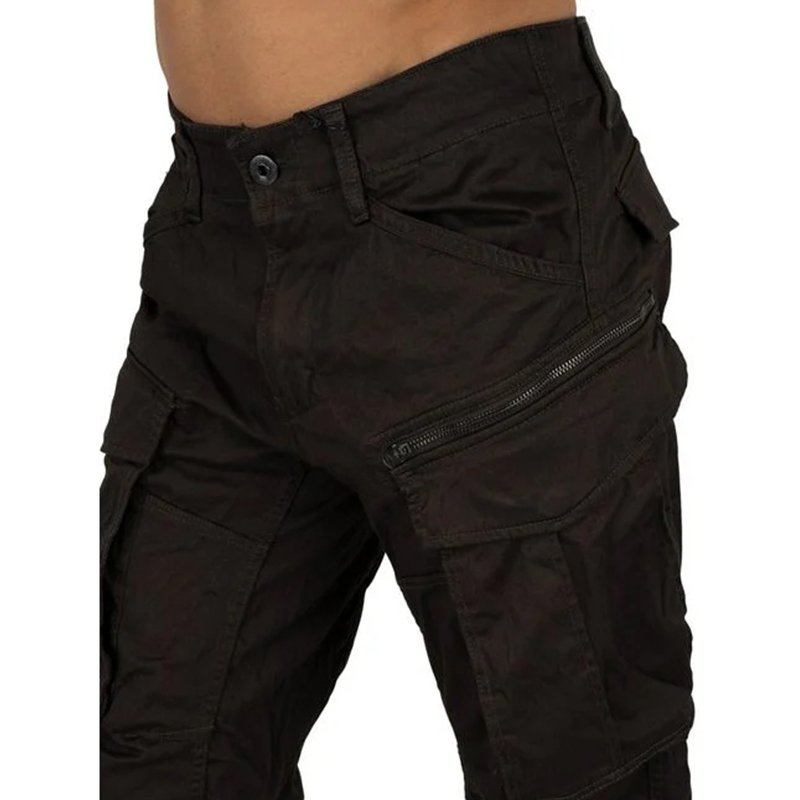
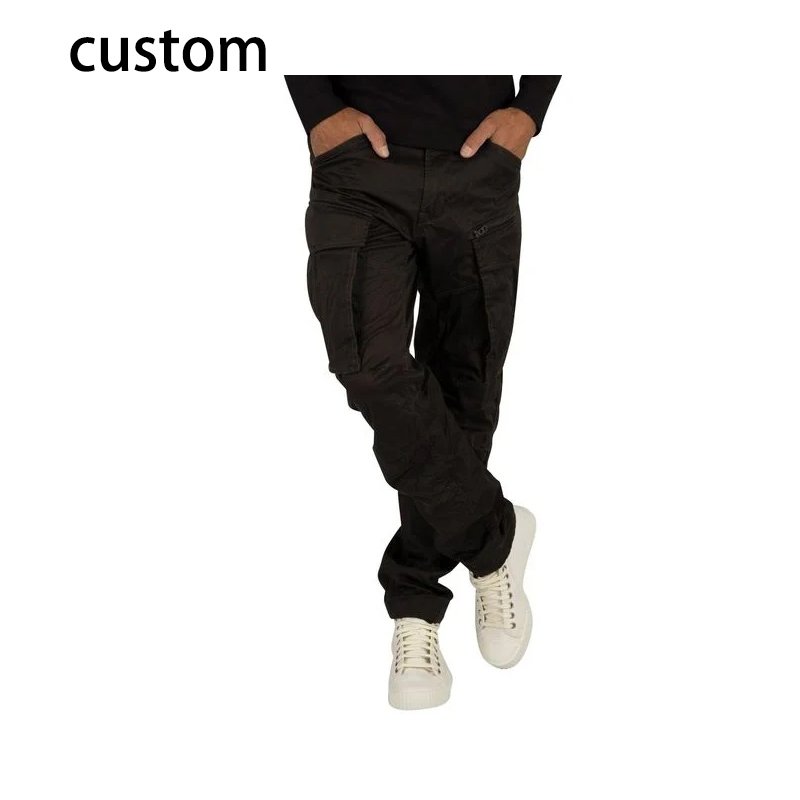
Our cargo bulk joggers undergo specialized sewing production QC testing to verify every pocket placement, reinforcement bar, and utility detail—delivering functional, durable pieces that elevate your streetwear collection.
Premium Fleece Joggers
Fashion startups need luxurious fleece joggers for seasonal drops, but most manufacturers compromise on fabric quality or skip materials testing, resulting in pilling, shrinkage, and disappointed customers.
We source the best streetwear fabrics and perform materials QC testing on every fleece batch, ensuring your bulk joggers deliver premium hand-feel, color vibrancy, and lasting comfort that justifies your price point.
Premium Fabrics for Bulk Joggers
Cotton French Terry
Soft, mid-weight fabric with a smooth outer face and looped interior for warmth and breathability. Perfect for everyday streetwear joggers with a 280–320 GSM range. Offers excellent printability for bold graphics and logos.
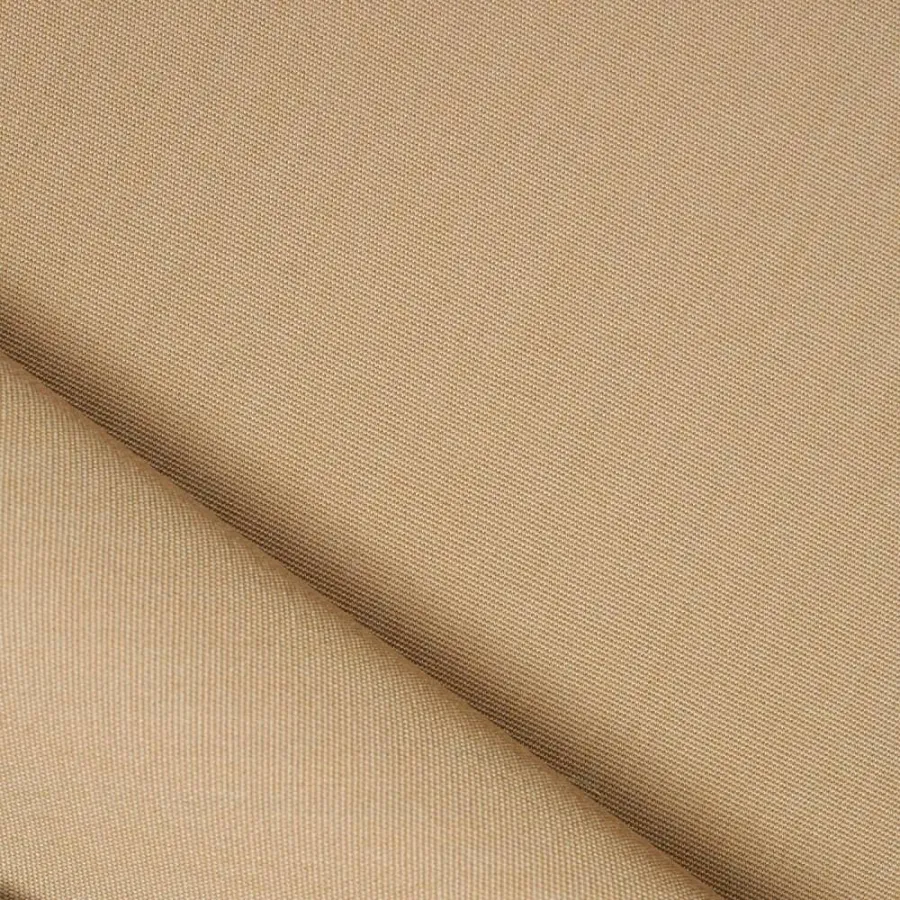
Brushed Fleece
Plush, heavyweight fleece with a brushed interior for maximum warmth and comfort. Ideal for premium winter joggers and cozy loungewear collections. Typically 350–400 GSM with superior heat retention and a luxurious hand-feel.
Tech Poly-Spandex Blend
Lightweight, moisture-wicking fabric with 4-way stretch for active and athleisure joggers. Features quick-dry properties and shape retention at 200–240 GSM. Perfect for performance-driven streetwear and gym-to-street collections.
Organic Cotton Terry
Eco-friendly, GOTS-certified organic cotton with a soft terry loop construction. Sustainable choice for conscious brands seeking premium bulk joggers at 260–300 GSM. Delivers natural breathability with minimal environmental impact.
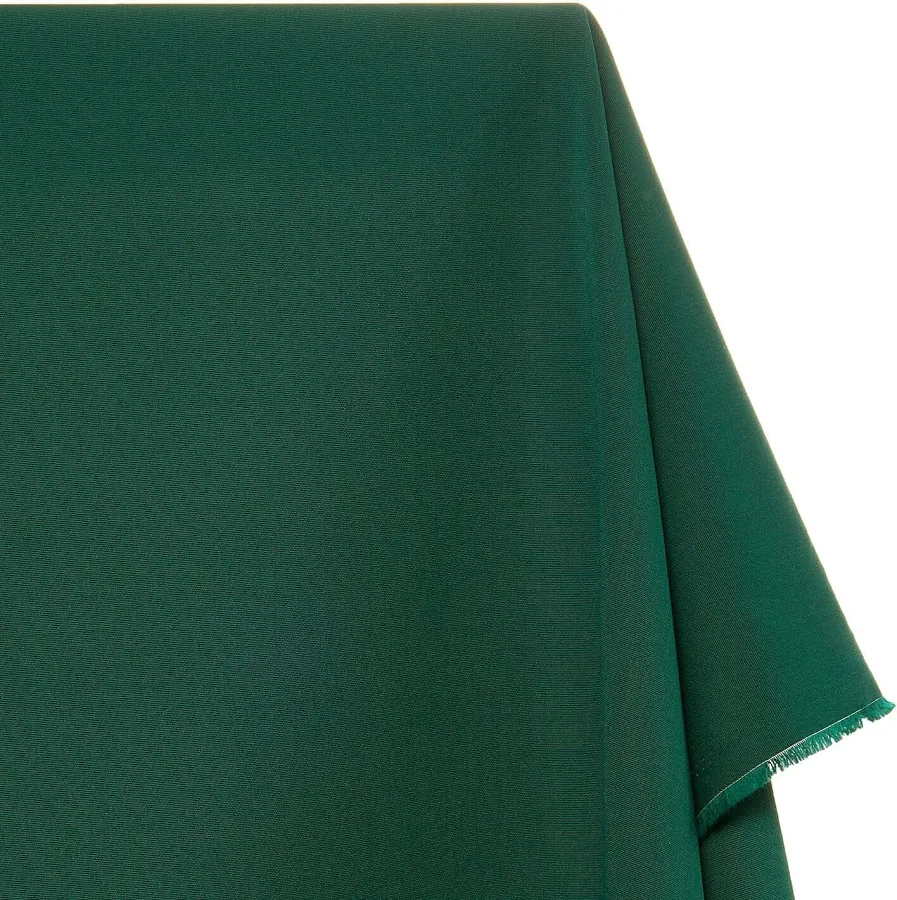
Cotton-Poly Fleece
Durable blend combining cotton comfort with polyester resilience and color fastness. Balanced 280–320 GSM weight makes it versatile for year-round jogger production. Resists pilling and maintains shape through repeated wear and washing.
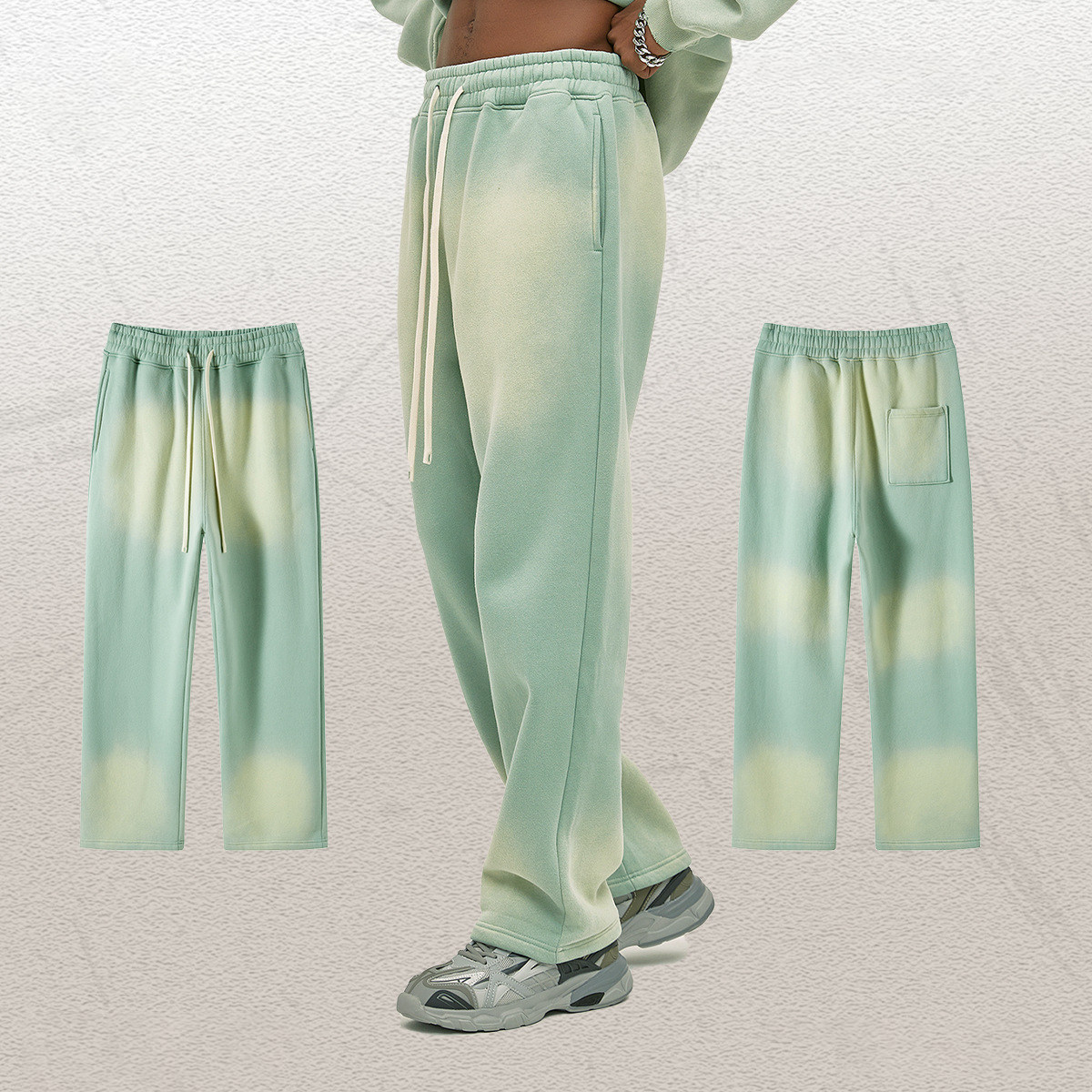
Heavyweight Jersey
Dense, structured knit fabric offering a premium drape and substantial feel for luxury joggers. Ranges from 320–380 GSM with excellent stitch definition. Ideal for high-end streetwear brands seeking elevated bulk joggers with refined construction.
Custom Production Processes for Bulk Joggers
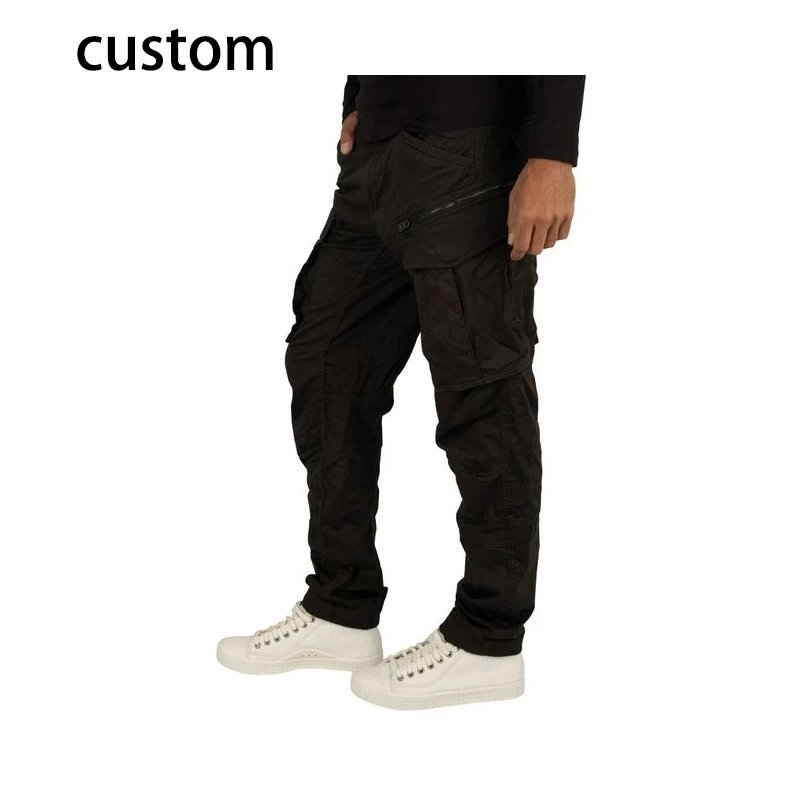
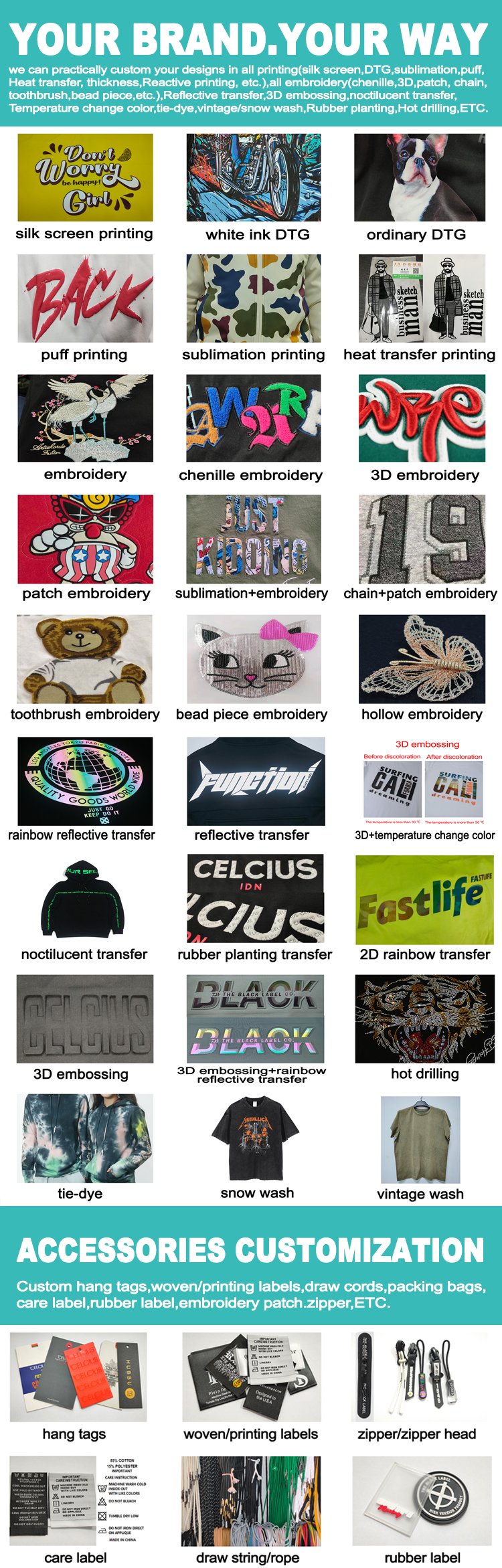
Screen Printing
Bold, high-opacity graphics ideal for streetwear logos and artwork. Our screen printing delivers vibrant, long-lasting colors that withstand repeated washing while maintaining sharp edges and deep saturation on bulk joggers.
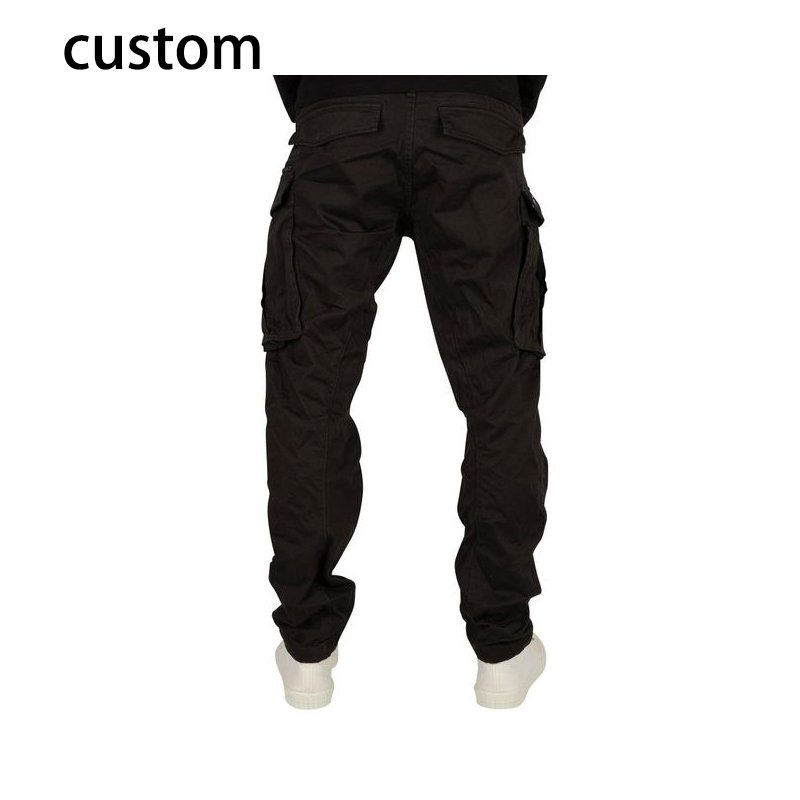
Embroidery
Premium dimensional branding with superior durability. We embroider logos, text, and intricate designs directly onto jogger fabric, creating a tactile, luxury finish that elevates your brand identity and resists fading or peeling.
Sublimation Printing
Full-color, all-over patterns embedded into fabric fibers for seamless, fade-resistant designs. Perfect for complex streetwear graphics, gradients, and photographic prints that demand maximum visual impact across the entire jogger surface.
Custom Dyeing
Precision color-matching and trend-driven hues tailored to your collection. Our custom dyeing process ensures consistent, uniform coloration across bulk jogger orders, from classic neutrals to bold, season-defining streetwear tones.
Heat Transfer
Versatile application for detailed graphics, reflective elements, and specialty finishes. Heat transfer allows intricate multi-color designs and metallic accents on joggers with smooth, flexible adhesion that moves naturally with the fabric.
Patch Application
Woven or embroidered patches sewn or heat-sealed onto joggers for authentic streetwear detailing. Adds dimensional branding, vintage aesthetics, or collectible elements that enhance perceived value and brand storytelling in bulk orders.
Customization & Accessories for Bulk Joggers
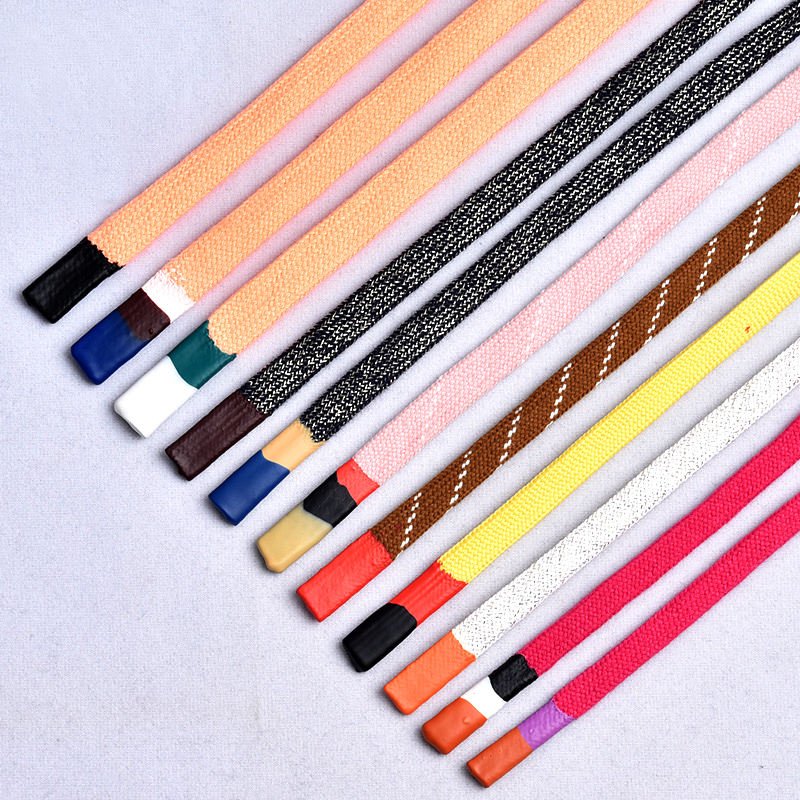
Custom Drawcords
Upgrade your bulk joggers with branded drawcords in custom colors, tips, and materials. Perfect for waistbands and hems, these details reinforce brand identity while adding functional style that streetwear customers notice and appreciate.
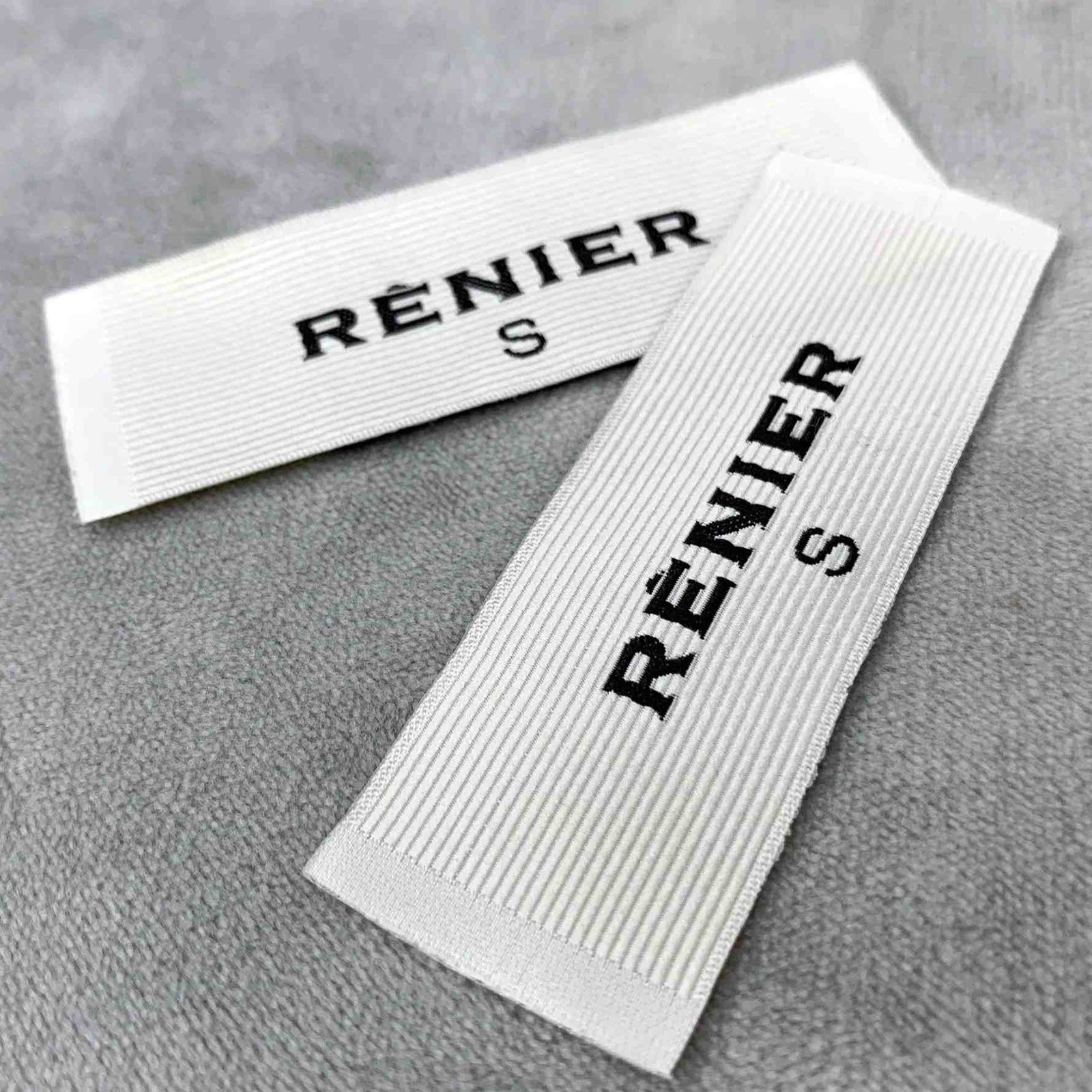
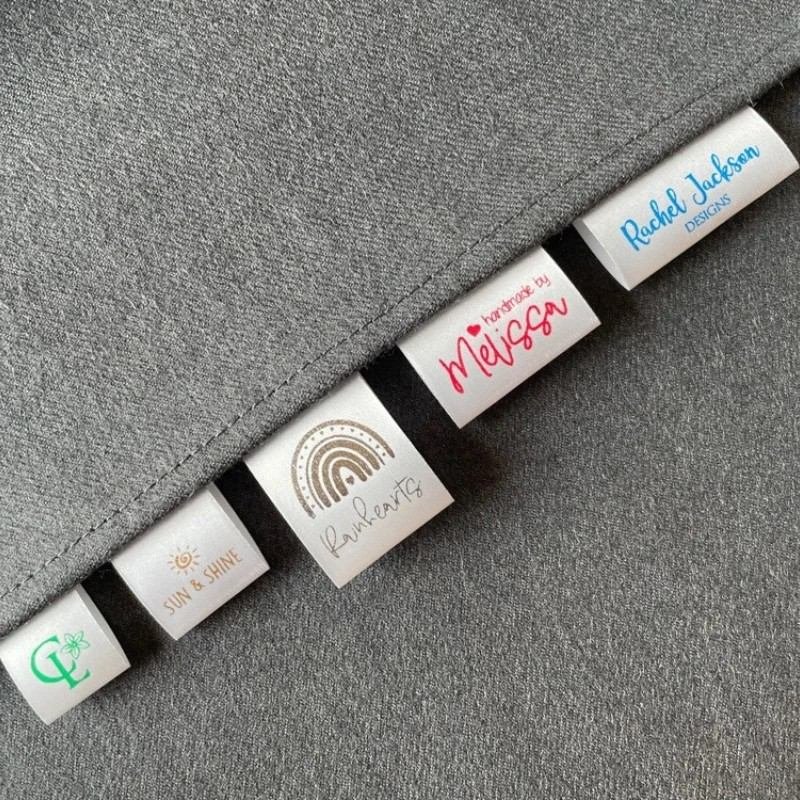
Woven Labels
Premium woven labels showcase your logo inside waistbands or on exterior patches. High-definition weaving ensures sharp branding that withstands repeated washing, giving your bulk joggers a professional, authentic streetwear finish.
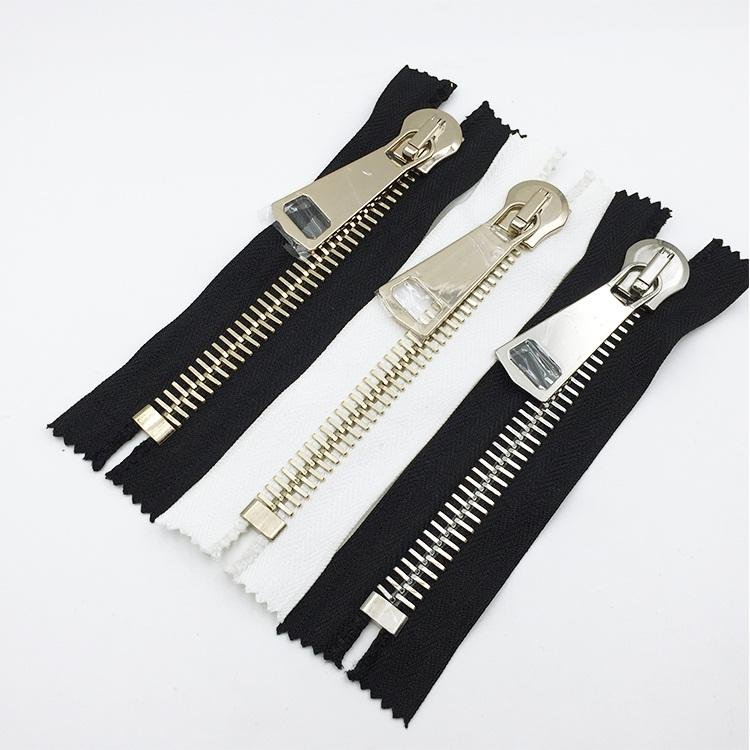
YKK Zippers
Industry-leading YKK zippers for cargo pockets, ankle zips, and side seams. Durable, smooth-operating hardware that passes our 5-step QC testing ensures your bulk joggers deliver the reliability trendy brands and retailers demand.
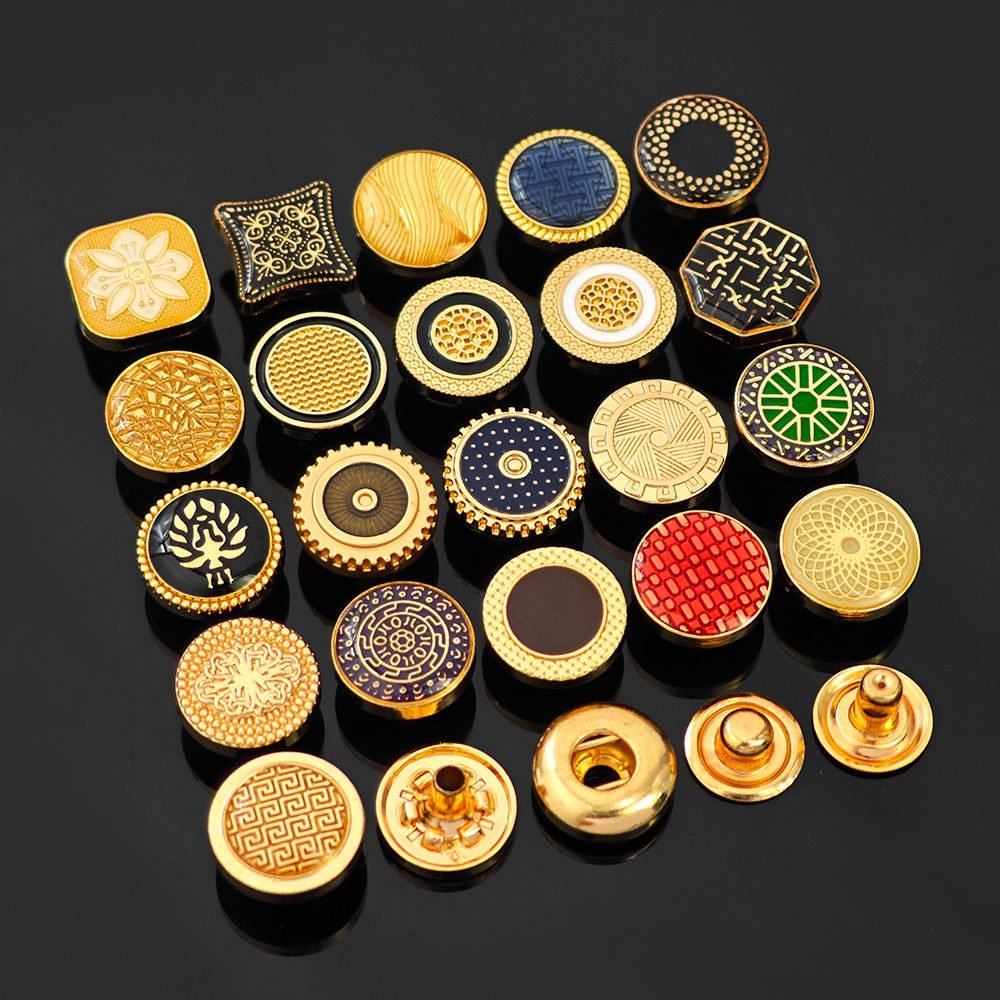
Snap Buttons
Metal or resin snap buttons add functional detailing to cargo pockets, cuffs, and waistbands. Available in custom finishes and engraving, these accessories enhance the tactical, street-ready aesthetic of your bulk joggers collection.
Embroidered Patches
Custom embroidered patches bring bold branding to thighs, pockets, or back panels. Our in-house design team translates your artwork into high-definition embroidery that captures streetwear motifs, logos, and graphics with precision.
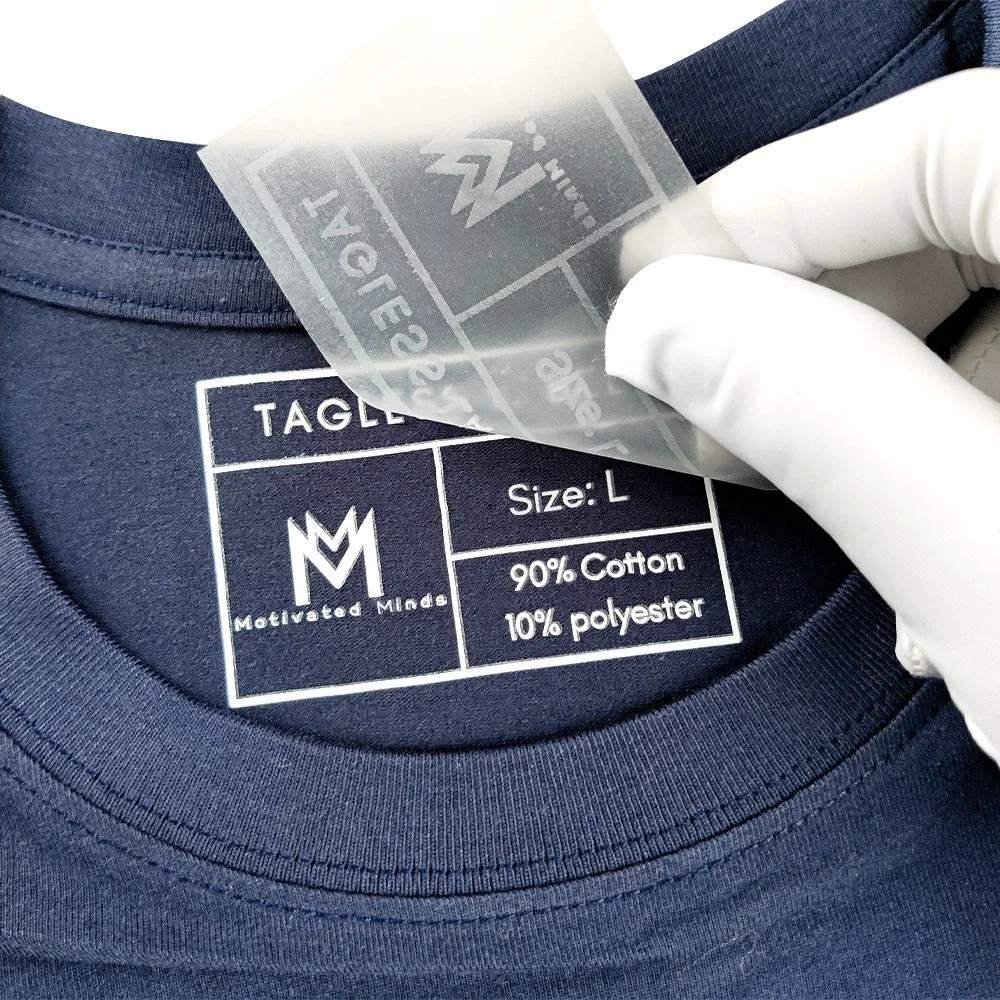
Custom Hangtags
Professionally designed hangtags communicate your brand story at point-of-sale. Printed on premium cardstock with custom shapes, finishes, and messaging, hangtags complete the unboxing experience for your bulk joggers orders.
Bulk Joggers Built on Legacy and Quality
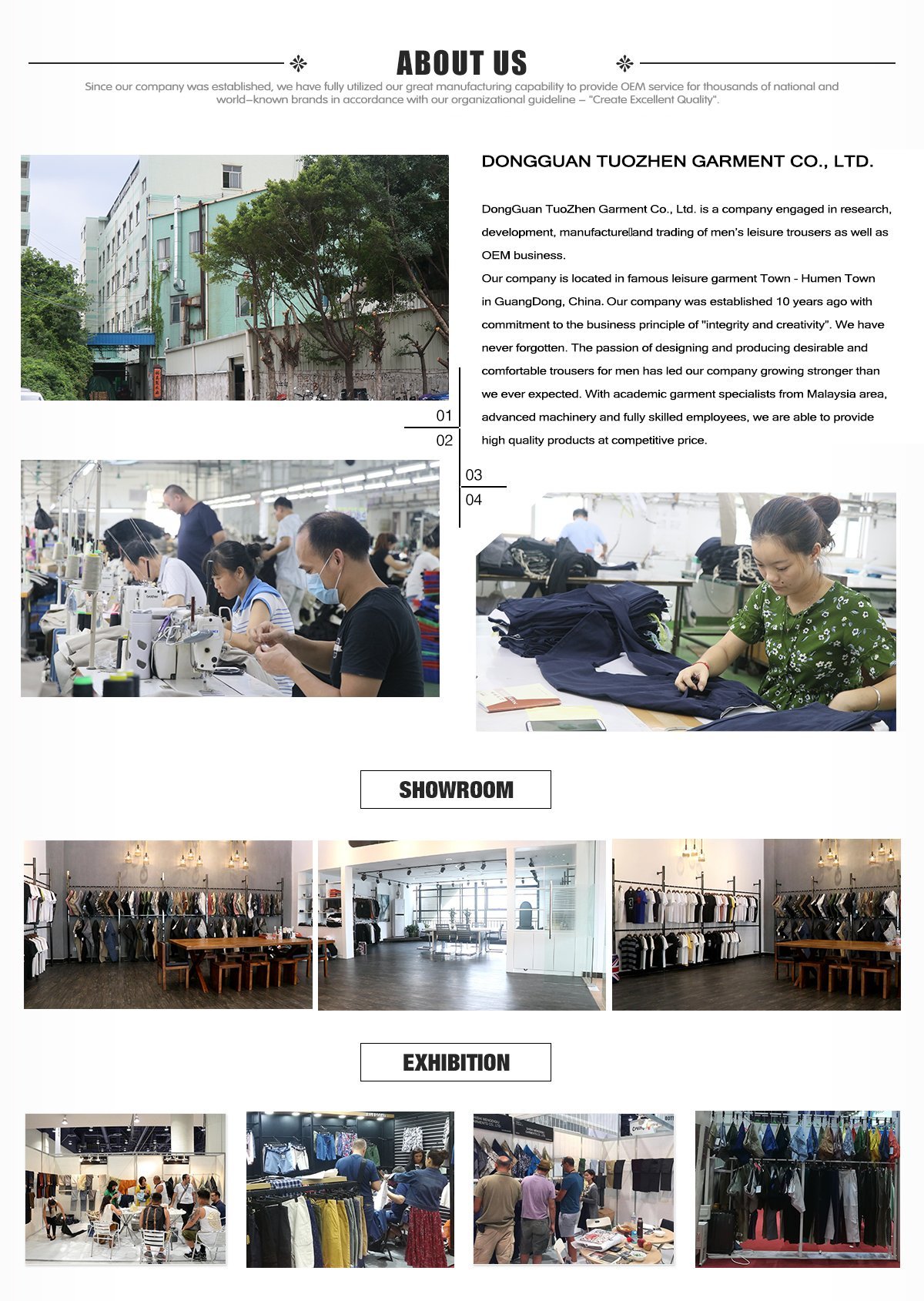
Founded in 2024 by Tesla Luo, Clothing Manufacturer Ltd. brings over 10 years of apparel production expertise and 6 years of specialized streetwear experience to every bulk joggers order. Raised in a garment manufacturing family, Tesla learned every production role from cutting to quality control, building the foundation for our zero-compromise approach to streetwear production.
Our mission is simple: eliminate low-quality clothing from the global market. Too many manufacturers skip critical quality checks, shipping defective bulk joggers that damage brand reputations. We counter this with our proprietary 5-step QC process, inspecting materials, cutting, craft, sewing, and finished garments before any joggers leave our facility in Dongguan, China.
With a 15-member R&D team, 10 production patents, and clients in over 100 countries, we serve streetwear brands, fashion startups, and independent designers who demand premium bulk joggers with reliable quality. Our deep cultural fluency in streetwear design elements and low MOQ options make us the trusted partner for brands at every growth stage.
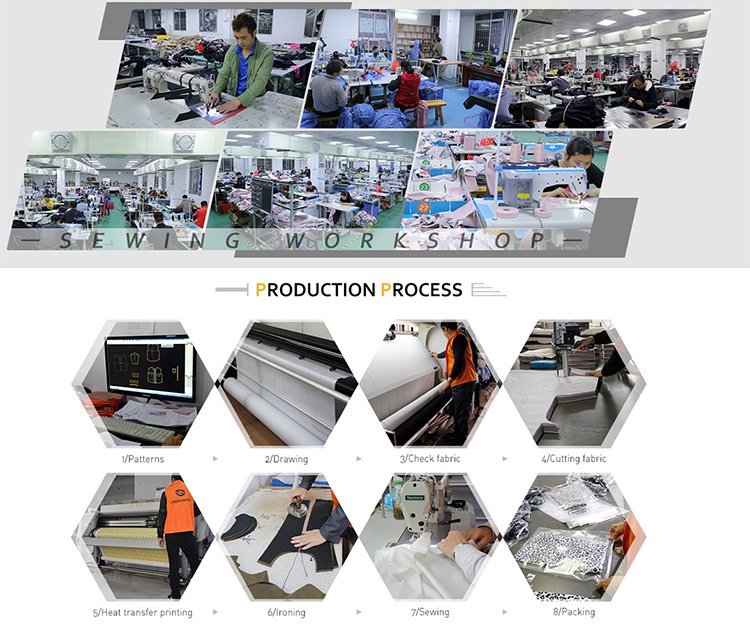
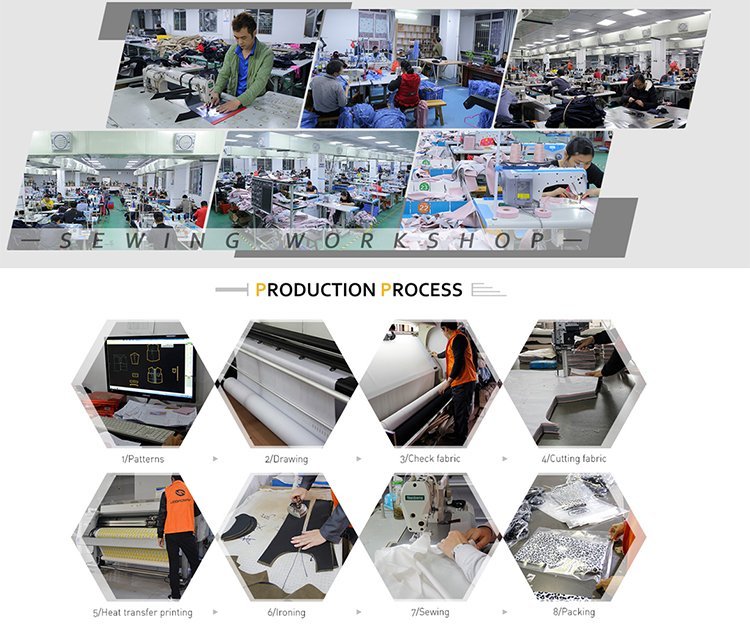
Our 5-Step Quality Control Process — Every Bulk Jogger Inspected
Materials QC Testing Before Production Begins
Every fabric roll and trim component undergoes rigorous inspection before cutting. We verify weight, stretch recovery, colorfastness, and dimensional stability to ensure your bulk joggers start with premium materials that meet streetwear durability standards.
- Fabric weight and GSM verification against specifications
- Stretch and recovery testing for waistbands and leg panels
- Colorfastness testing to prevent fading and bleeding
- Trim and hardware inspection for zippers, drawstrings, and elastic
Cutting QC Testing for Pattern Accuracy
After materials pass inspection, our cutting team verifies every pattern piece for dimensional accuracy and grain alignment. This critical mid-production checkpoint catches errors before sewing begins, eliminating costly rework and ensuring consistent sizing across your bulk jogger order.
- Pattern piece measurement verification against tech packs
- Grain line and fabric direction checks for uniform drape
- Matching and alignment inspection for prints and stripes
- Count verification to ensure complete sets for each garment
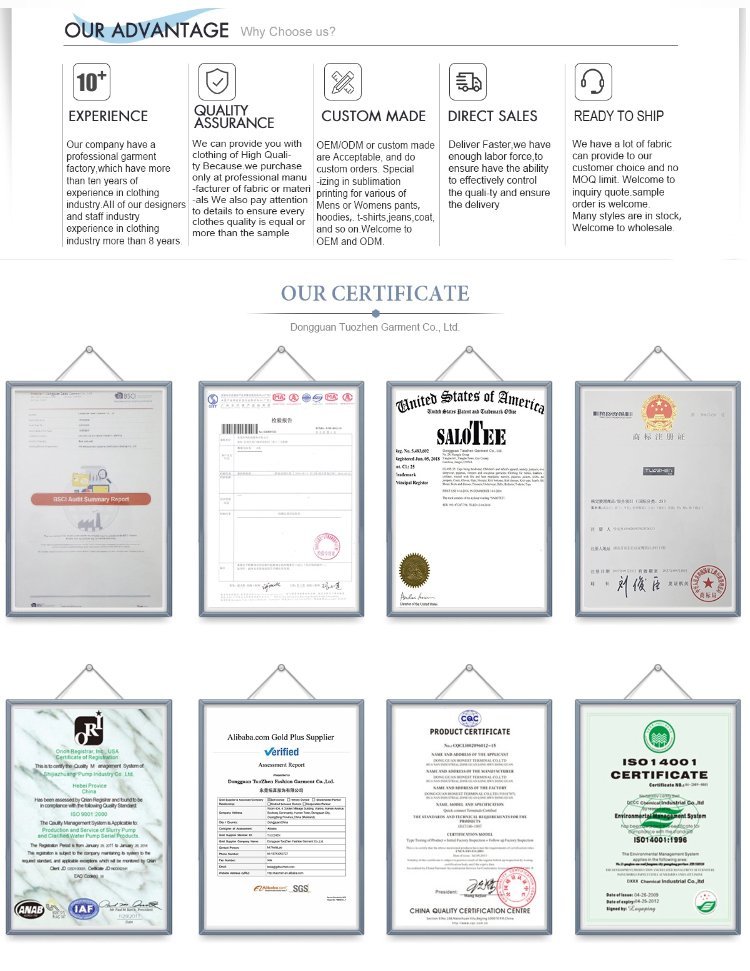
Clothing Craft QC During Sewing Production
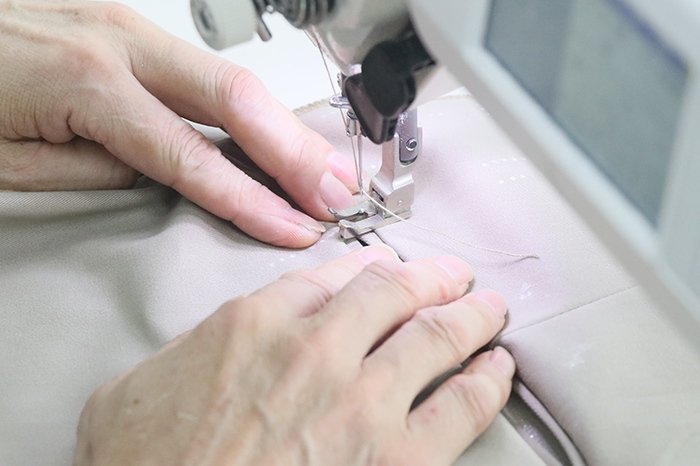
Unlike competitors who skip mid-production checks, we conduct real-time craft inspections as joggers move through the sewing line. Our QC team verifies stitch quality, seam strength, and construction details at every workstation, catching defects immediately rather than at final inspection.
- Stitch density and tension checks at each sewing station
- Seam strength testing for side seams, inseams, and waistbands
- Pocket placement and reinforcement verification
- Drawstring and elastic insertion quality control
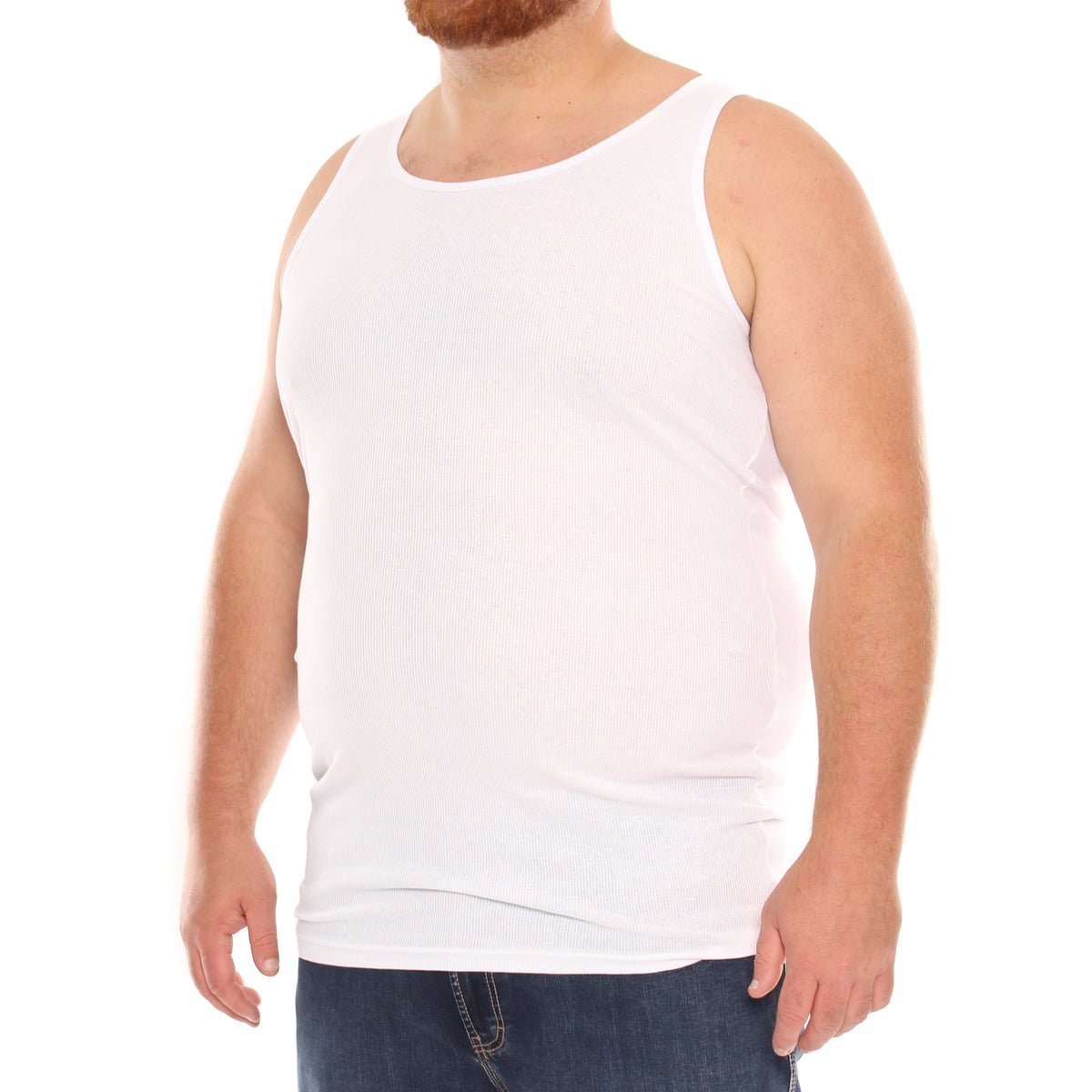
Finished Clothing Quality Inspection Before Shipment
Every completed jogger undergoes comprehensive final inspection covering measurements, appearance, functionality, and packaging. This final quality gate ensures only defect-free bulk joggers that uphold your brand reputation reach your customers, backed by our zero-compromise quality guarantee.
- Full garment measurement audit against approved samples
- Visual inspection for loose threads, stains, and fabric flaws
- Functional testing of drawstrings, pockets, and elastic waistbands
- Packaging verification with correct labeling and folding standards
Clothing Manufacturer vs. Typical Bulk Joggers Suppliers
Evidence-based comparison: Why streetwear brands, startups, and retailers worldwide choose our 5-step QC process and in-house design expertise over generic bulk jogger manufacturers.
← 左右滑动查看 →
Bulk Joggers Production Timeline — From Order to Shipment
Our 5-step QC guarantee is embedded throughout every phase of your bulk jogger order, ensuring premium quality at each milestone from tech pack review through final shipment.
Tech Pack Review
Our design team reviews your specifications, confirms fabric selections, sizing, and custom branding details for your bulk joggers order within 24 hours.
Sampling & Approval
We produce pre-production samples with materials QC testing and cutting QC testing, then ship for your approval before bulk production begins.
Bulk Cutting & Sewing
Fabric is cut to pattern and bulk joggers enter sewing production, with clothing craft QC testing and sewing production QC testing at every station.
Finishing & Packaging
Completed joggers undergo ironing, custom labeling, hang tags, and poly-bagging, all inspected under our finished clothing quality QC inspection standards.
Final Quality Audit
Every carton is audited against your specifications and our zero-compromise quality standards before warehouse release and shipping documentation preparation.
Global Shipment & Tracking
Your bulk joggers ship via your preferred carrier with full logistics support, customs documentation, and real-time tracking until delivery to your door.
How to Order Bulk Joggers — Simple 4-Step Process
From concept to delivery, we’ve streamlined bulk jogger production to remove friction and accelerate your time to market. Our transparent process ensures quality at every stage.
Submit Your Design or Tech Pack
Share your jogger specifications, design files, or reference samples. Our in-house design team reviews your requirements and confirms fabric, fit, and customization details within 24 hours.
Receive Quote and Sample Approval
Get a detailed quote with transparent pricing and lead times. We produce pre-production samples for your approval, ensuring fit, fabric quality, and construction meet your exact standards.
Finalize Specs and Begin Production
Once you approve the sample, we lock in all specifications and initiate bulk production. Our 5-step QC process monitors quality from cutting through final inspection at every stage.
Quality Check and Global Shipment
Every bulk jogger passes our finished clothing quality inspection before careful packaging. We coordinate global shipping and logistics, delivering your order on schedule with full tracking support.
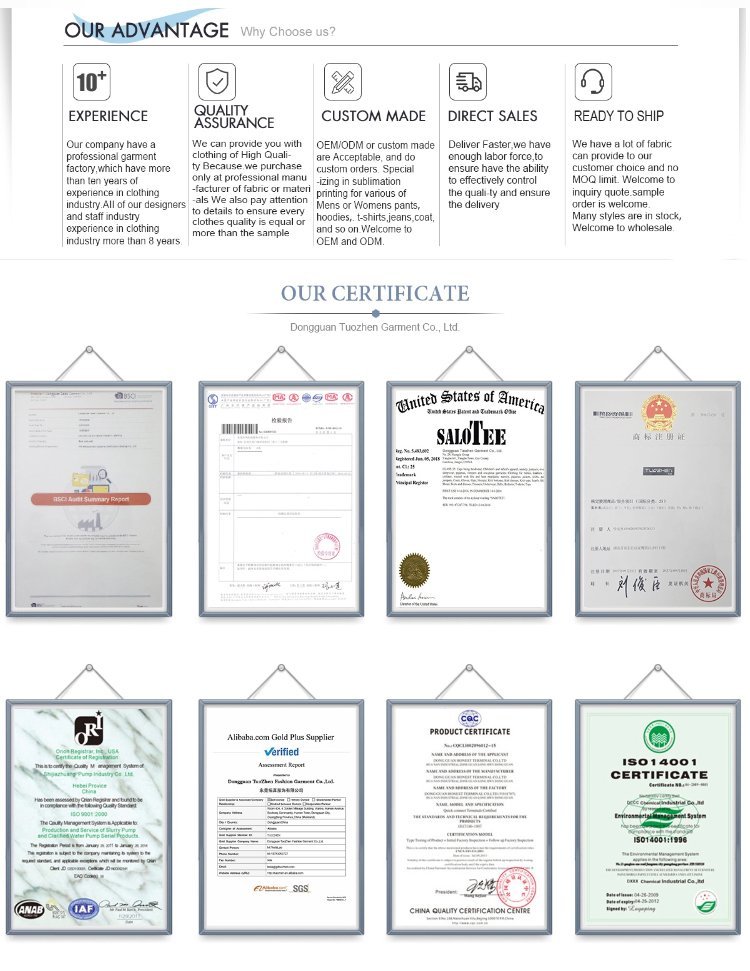
Quality Certifications & Industry Standards for Bulk Joggers
Brands Trust Our Bulk Joggers — Real Results from Real Customers
We scaled from 500 to 5,000 bulk joggers per season with zero quality issues. The 5-step QC process caught every detail before shipping. Our customers love the fit and fabric consistency across every reorder.
Ordered 10,000 units for our influencer drop and received zero defects. The turnaround was fast, MOQ worked for our startup budget, and the custom embroidery on bulk joggers exceeded our expectations. Already planning our next collection.
As an independent designer, I needed a manufacturer who understood streetwear culture and delivered premium bulk joggers without compromise. Their team nailed our color-blocking and the fabric quality rivals luxury brands. Worth every penny.
Bulk Joggers FAQ — MOQ, Lead Time, Sampling & More
What is your minimum order quantity for bulk joggers?
How fast can you produce samples for bulk joggers orders?
Do you offer free samples for bulk joggers?
What are your payment terms for bulk joggers production?
Can you handle custom designs and branding for bulk joggers?
How do you protect my designs and intellectual property?
What are the shipping costs and delivery times for bulk joggers?
Can you handle capacity spikes for seasonal bulk joggers collections?
What quality guarantees come with bulk joggers orders?
The Complete Buyer’s Guide to Bulk Joggers for Your Brand
Navigate supplier selection, fabric choices, and customization options with confidence. This guide provides a proven decision framework, quality criteria, and common pitfalls to avoid when sourcing bulk joggers for streetwear and fashion brands.
1. What Are Bulk Joggers?
Bulk joggers are wholesale athletic-casual pants characterized by elastic waistbands, cuffed ankles, and tapered leg silhouettes, typically ordered in minimum quantities ranging from 50 to 500 units per style or colorway. Unlike retail purchases where consumers buy single garments at marked-up prices, bulk orders connect brands directly with manufacturers at factory-direct pricing, reducing per-unit costs by 40–70 percent depending on order volume and customization complexity.
Streetwear brands, fashion startups, and independent designers source bulk joggers for three strategic reasons: cost efficiency that preserves margin for marketing and growth, full customization control over fabrics, fits, colorways, and branding elements, and product differentiation that prevents direct competition with mass-market retail inventory. A startup ordering 200 units of custom-dyed French terry joggers with embroidered logos pays approximately $8–$14 per piece, compared to $35–$60 retail equivalents that offer no brand exclusivity.
Minimum order quantities exist because garment factories allocate production lines, purchase fabric rolls in bulk yardage (typically 1,000–3,000 meters per dye lot), and set up cutting tables and sewing sequences for batch runs rather than single pieces. Clothing Manufacturer Ltd. implements a five-step quality control process across materials inspection, cutting verification, craft standards review, sewing-line checks, and finished-garment audits, ensuring that bulk joggers meet the quality benchmarks required by brands building long-term customer loyalty rather than clearing one-time inventory.
2. The Evolution of Joggers in Streetwear
In the 1980s joggers emerged as purely functional athletic wear, designed for runners and gym-goers with elastic waistbands and cuffed ankles to prevent fabric drag during exercise. These early designs used basic cotton-poly blends in the 200–250 GSM range, prioritizing moisture management and durability over aesthetics. By the early 2010s the athleisure movement transformed joggers into everyday wear, driven by consumers seeking comfort without sacrificing style in casual settings.
Celebrity endorsements between 2012 and 2015 accelerated joggers’ transition into streetwear, with hip-hop artists and athletes photographed wearing tapered, fashion-forward silhouettes in premium French terry and fleece fabrics. Social media platforms amplified this trend, enabling emerging brands to showcase jogger-based collections to global audiences without traditional retail infrastructure. Influencers and creators began launching their own apparel lines, and bulk joggers became the go-to product for startups seeking low-risk, high-demand basics that resonated with young, trend-conscious buyers.
Today’s bulk joggers reflect a complete departure from their athletic origins, incorporating design elements like dropped crotches, side zippers, cargo pockets, and oversized fits that align with streetwear aesthetics. Manufacturers now offer fabrics in the 280–350 GSM range with brushed interiors, enzyme washes, and garment-dyed finishes to achieve the premium hand-feel and visual depth that fashion-forward brands demand. This evolution has made bulk joggers an essential SKU for independent designers and global retailers alike, bridging the gap between comfort-driven athleisure and bold, culturally resonant streetwear.
3. Types of Bulk Joggers for Your Collection
Bulk joggers span six core categories, each defined by fabric weight, fit architecture, and target use case. Selecting the right mix ensures your collection meets seasonal demand and customer lifestyle needs.
Classic Fleece Joggers
Heavyweight fleece joggers typically range from 280 to 350 GSM, offering thermal insulation for fall and winter collections. The brushed interior traps warmth while maintaining breathability, making them ideal for loungewear and cold-weather streetwear.
Target customers include urban commuters, college students, and athleisure buyers seeking comfort without sacrificing style. Stock these for Q4 launches and winter drops.
Lightweight French Terry Joggers
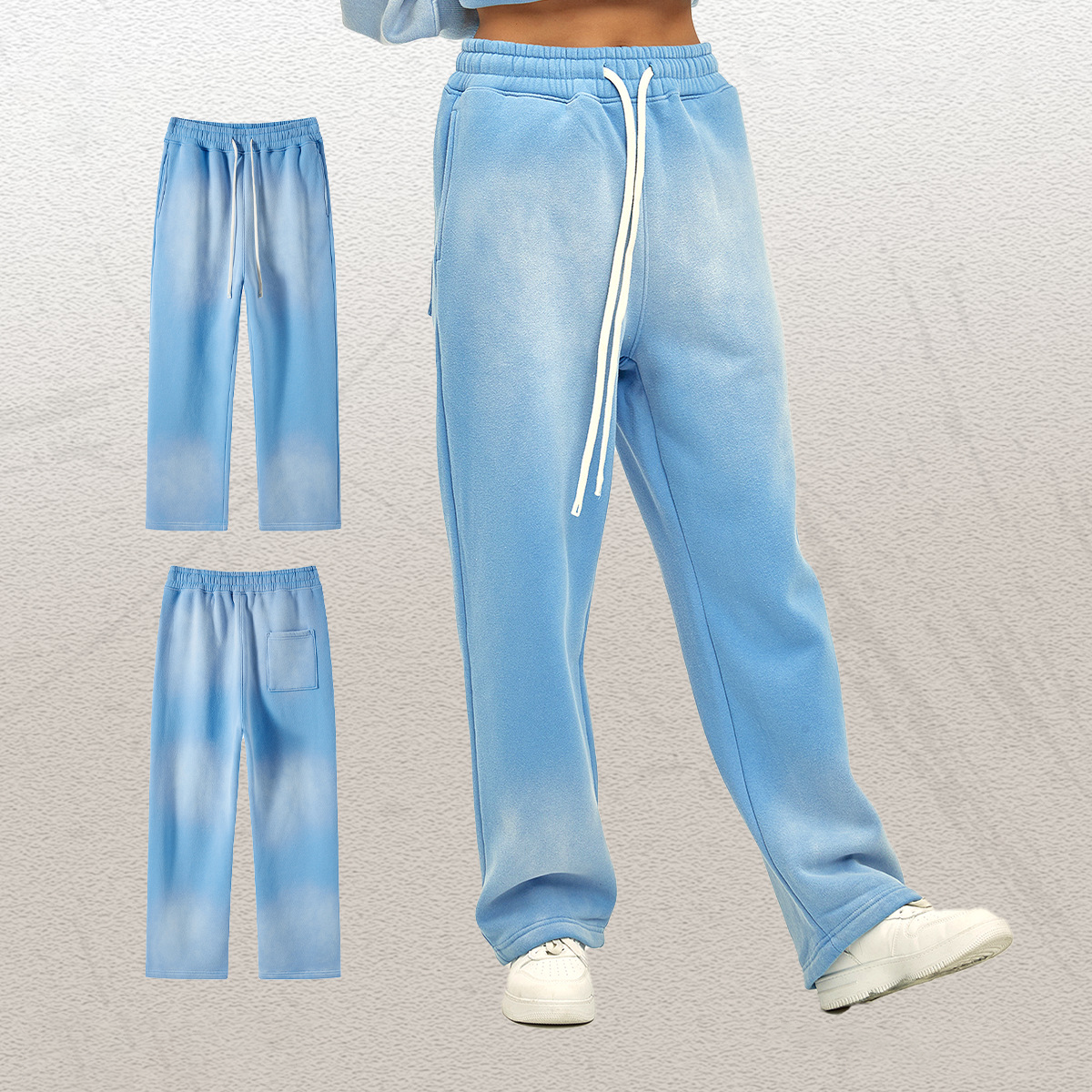
French terry joggers weigh 200 to 240 GSM, featuring looped interior piles that wick moisture and dry quickly. These spring and summer staples appeal to activewear brands and warm-climate retailers.
The breathable construction suits gym-goers, outdoor enthusiasts, and customers in tropical or Mediterranean markets. Plan production lead times for March through August peaks.
Tech Joggers

Performance-fabric joggers use polyester blends or nylon-spandex mixes (typically 88% polyester, 12% spandex) with moisture-wicking and quick-dry properties. Fabric weights range from 180 to 220 GSM.
Fitness influencers, running communities, and activewear startups prioritize these styles. They command higher retail margins due to technical fabric costs.
Cargo Joggers
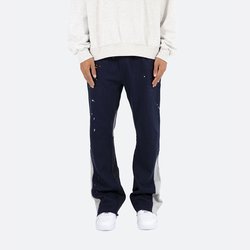
Cargo joggers integrate utility pockets—side cargo flaps, zippered thigh compartments, or back patch pockets—into jogger silhouettes. Fabric weights mirror classic fleece (280–320 GSM) but use twill or ripstop blends for durability.
Streetware brands, skateboarding labels, and Gen Z retailers stock cargo joggers for their bold, utilitarian aesthetic. Pair with oversized hoodies for cohesive drops.
Tapered Slim-Fit Joggers
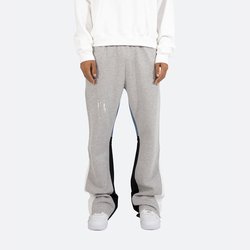
Tapered joggers feature narrowed leg openings (typically 10–12 cm cuff diameter) and contoured inseams for a modern, athletic silhouette. Fabric choices span fleece, French terry, and tech blends.
Fashion-forward startups, minimalist brands, and European retailers favor this cut. It appeals to customers seeking polished casualwear that transitions from gym to street.
Oversized and Relaxed Joggers
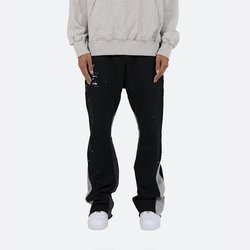
Oversized joggers use looser leg cuts, dropped crotches, and wider cuffs (14–16 cm) to deliver trending relaxed fits. Fabric weights range from 260 to 320 GSM, often in heavyweight fleece or brushed cotton blends.
Influencer brands, TikTok-driven labels, and Y2K-inspired collections prioritize these styles. They resonate with customers valuing comfort and statement proportions over fitted looks.
4. Materials and Fabrics for Bulk Joggers
Fabric selection determines the drape, warmth, durability, and cost of bulk joggers. GSM (grams per square meter) measures fabric weight; higher GSM delivers more warmth and structure, while lower GSM offers breathability and lighter drape.
| Fabric Type | GSM Range | Best Season | Price Tier |
|---|---|---|---|
| Cotton Fleece | 280–350 | Fall/Winter | $$–$$$ |
| French Terry | 220–280 | Spring/Summer | $–$$ |
| Polyester Blend | 240–300 | Year-Round | $ |
| Cotton-Poly-Spandex Tri-Blend | 250–320 | Year-Round | $$ |
Cotton Fleece: Premium Weight and Warmth
Cotton fleece typically ranges from 280 to 350 GSM, making it the heaviest and warmest jogger fabric. The brushed interior traps heat, ideal for fall and winter collections.
Fleece resists pilling when ring-spun yarns are used, though it shrinks 3–5% on first wash if not pre-shrunk. Screen printing and embroidery adhere well to the stable surface, and the substantial hand-feel communicates premium quality to streetwear customers.
French Terry: Lightweight and Breathable
French terry sits between 220 and 280 GSM, offering looped interior texture without heavy brushing. This mid-weight fabric suits spring, summer, and layering.
Terry absorbs moisture better than fleece, shrinks less (2–3%), and resists pilling over repeated wear. Its smooth exterior accepts direct-to-garment printing and heat transfers cleanly, making it versatile for multi-color designs.
Polyester Blends and Tri-Blends
Polyester blends (typically 65% polyester, 35% cotton) deliver durability and minimal shrinkage, ideal for performance joggers and activewear. Tri-blends add 5–10% spandex for four-way stretch and shape recovery.
Blends pill less than pure cotton, dry faster, and hold vibrant dye. However, they breathe less than natural fibers and may feel less premium. Tri-blends balance comfort, stretch, and cost, appealing to fitness-focused streetwear lines.
5. Customization and Decoration Options for Bulk Joggers
Branding transforms generic bulk joggers into signature pieces that carry your identity. Five decoration methods dominate the streetwear market, each offering distinct trade-offs in cost, durability, and visual impact.
| Method | Cost per Unit | Typical MOQ | Wash Durability |
|---|---|---|---|
| Screen Printing | $0.80–$2.50 | 100+ units | 50+ cycles |
| Embroidery | $3.00–$8.00 | 50+ units | 100+ cycles |
| Heat Transfer Vinyl | $2.00–$5.00 | 1–50 units | 25–40 cycles |
| Sublimation | $4.00–$7.00 | 100+ units | Fabric lifespan |
| Woven Labels | $0.15–$0.50 | 500+ units | Fabric lifespan |
| Printed Labels | $0.05–$0.20 | 500+ units | 30–50 cycles |
Screen Printing for Large Runs
Screen printing remains the most economical choice for orders above 100 units, with per-piece costs dropping to $0.80–$2.50 depending on design complexity. Setup fees range from $25–$75 per screen color, making multi-color designs viable only at scale.
Wash durability exceeds 50 cycles when plastisol or water-based inks are properly cured. The technique suits bold graphics on thighs, back pockets, or waistbands, delivering the saturated colors streetwear audiences expect.
Embroidery for Premium Branding

Embroidery adds perceived value, with setup digitization costing $15–$50 and per-piece fees of $3–$8 for logos under 10,000 stitches. Minimum orders typically start at 50 units.
Thread withstands 100+ wash cycles without fading, making it ideal for waistband logos, pocket crests, or small chest emblems. High stitch density on lightweight fabrics can pucker; test samples on your chosen jogger weight before committing to full production.
Heat Transfer Vinyl and Sublimation
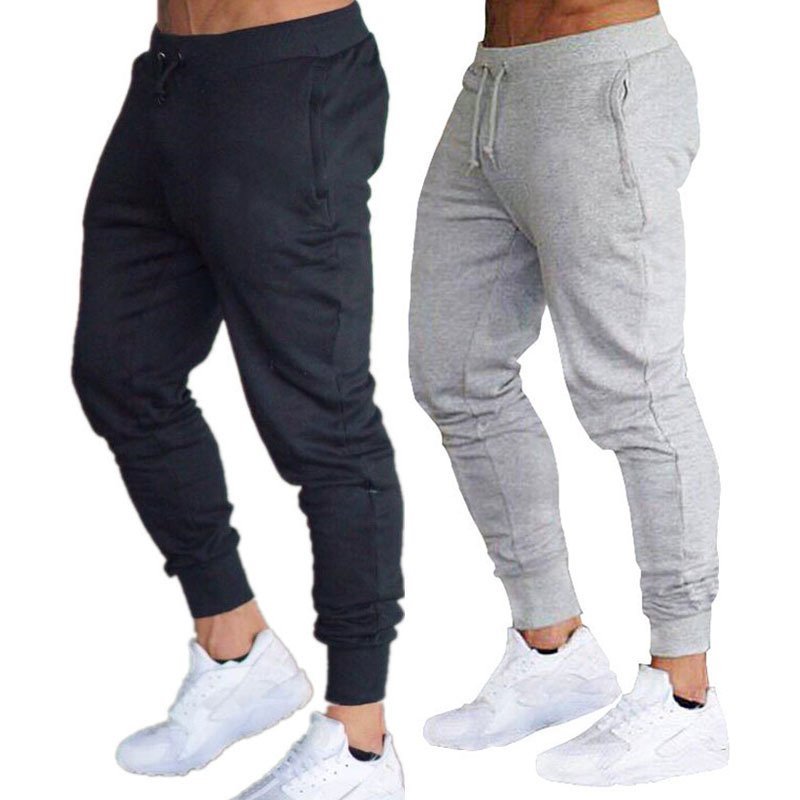
Heat transfer vinyl (HTV) suits batches under 50 units, with no setup fees and per-piece costs of $2–$5. Durability averages 25–40 washes before edges lift, limiting it to sample runs or limited drops.
Sublimation prints full-color, photorealistic designs directly into polyester fibers, achieving all-over patterns impossible with other methods. It requires 100% polyester fabric and minimum orders of 100+ units, with per-piece costs around $4–$7. Wash durability matches the fabric itself, as dye becomes part of the fiber.
Woven and Printed Labels
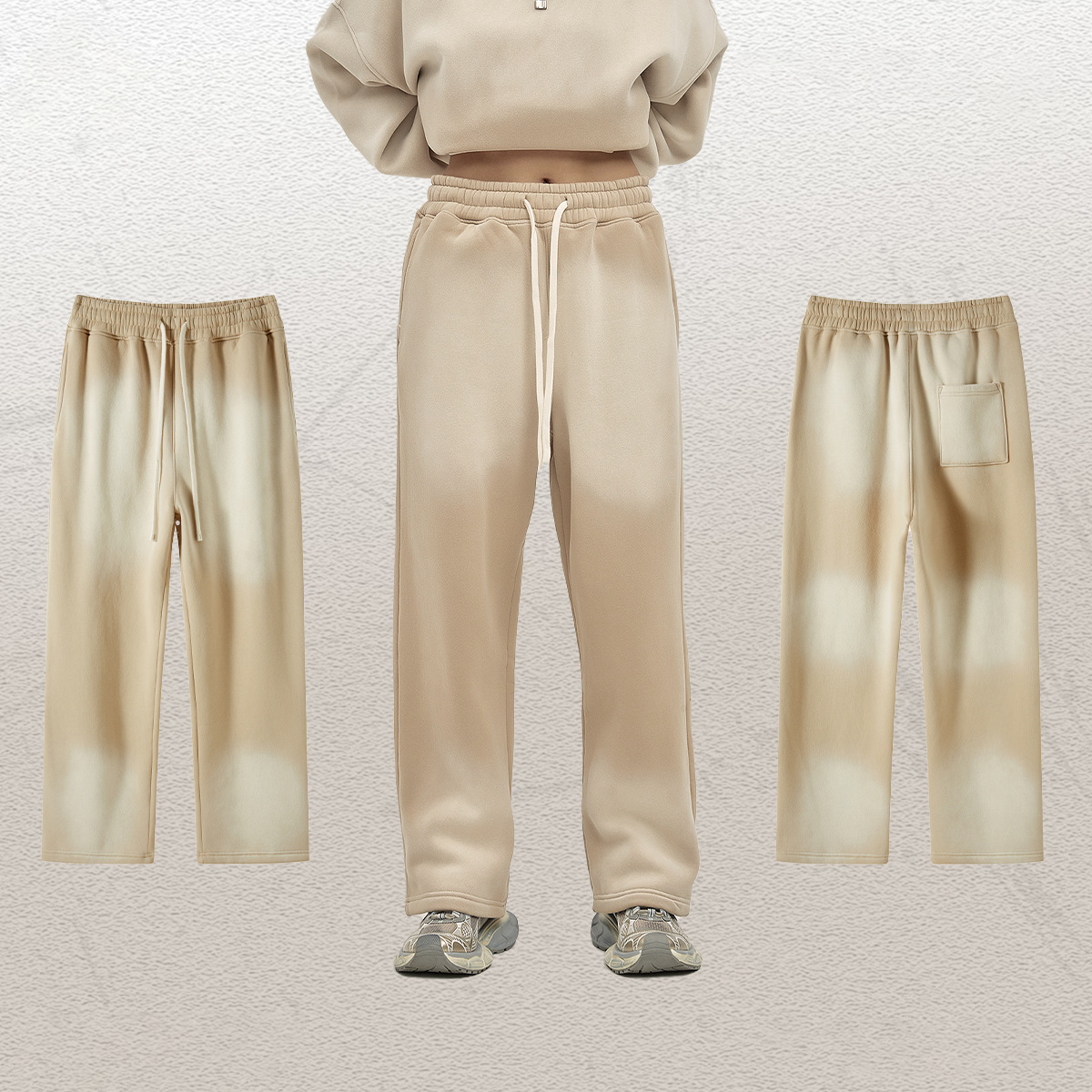
Woven labels cost $0.15–$0.50 each at 500-unit minimums, offering crisp branding on waistbands or back pockets. Printed satin labels drop to $0.05–$0.20 but fade after 30–50 washes. Both options reinforce brand identity without altering the jogger silhouette, a subtle touch that resonates with detail-focused streetwear customers.
6. Key Construction Quality Elements in Bulk Joggers
Quality construction separates premium bulk joggers from budget alternatives that fail after a few washes. Every seam, elastic band, and stitch contributes to durability, customer satisfaction, and your brand’s reputation.
Reinforced Stitching at Stress Points
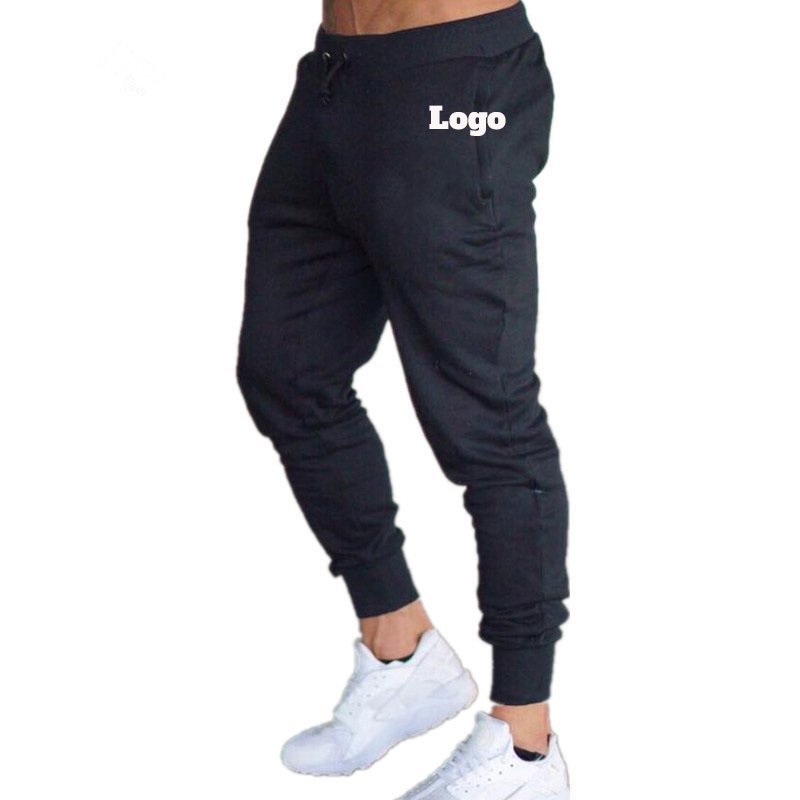
Crotch seams, pocket openings, and waistband attachment points endure the highest mechanical stress during wear and washing. Reinforced bar-tack or double-needle stitching at these zones prevents tearing and extends garment life by 40–60 percent compared to single-stitch construction.
Inspect crotch gussets for flat-felled seams and pocket corners for bar-tack reinforcement. Quality manufacturers apply backstitching at stress points as standard practice, ensuring joggers withstand repeated stretching and movement.
Elastic Waistband and Drawcord Quality
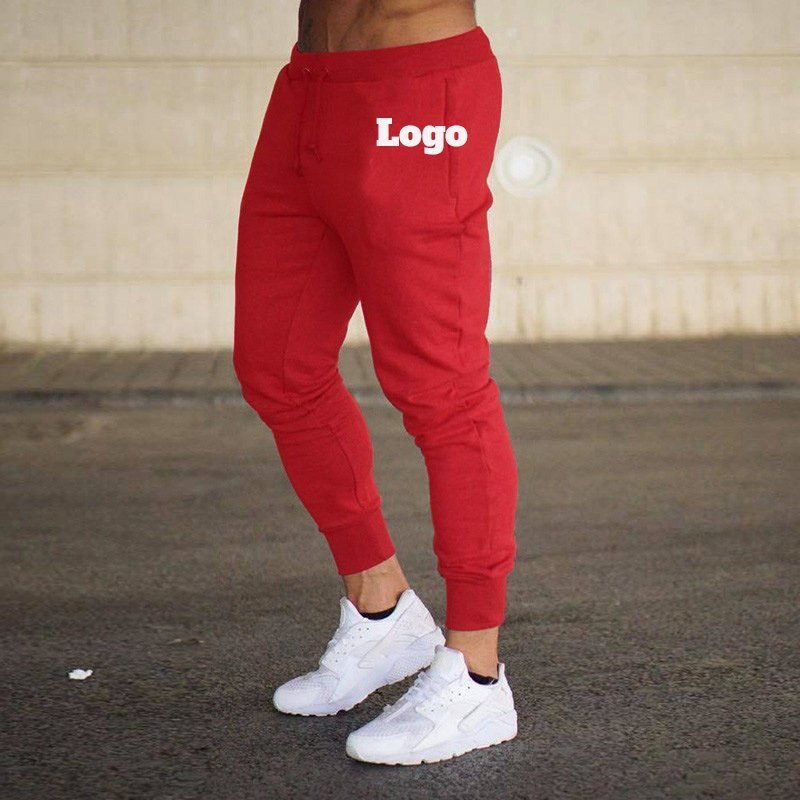
Waistbands require 1.5–2 inch elastic with 30–40 percent spandex content to maintain tension after 50-plus wash cycles. Metal-tipped or heat-sealed plastic aglets prevent drawcord fraying and ensure smooth adjustment.
Test waistband recovery by stretching to 150 percent and releasing; premium elastic returns to original width within two seconds. Drawcord channels should feature reinforced grommets or bartacks at exit points to prevent fabric tearing.
Ribbed Ankle Cuffs Retention
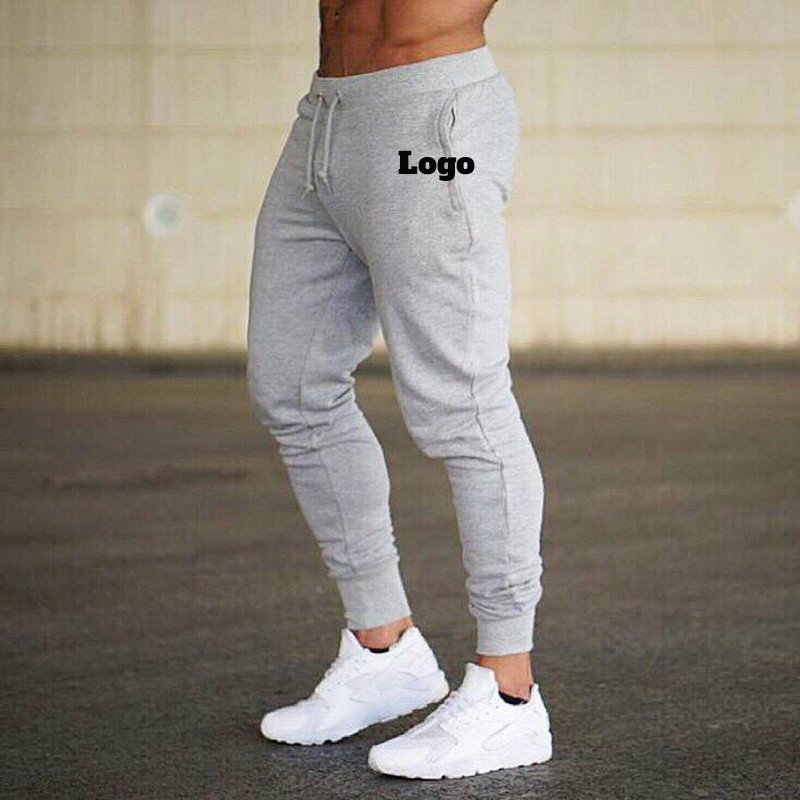
Ankle cuffs use 2×2 or 1×1 rib-knit fabric with 5–10 percent spandex for elasticity. Quality cuffs maintain their grip after 30 wash cycles without bagging or losing shape.
Measure cuff recovery rate and inspect attachment seams for cover-stitch or flatlock construction. Cuffs attached with chain-stitch alone often unravel; double-needle cover-stitch provides superior durability and prevents edge curling.
Pocket Construction and Lining
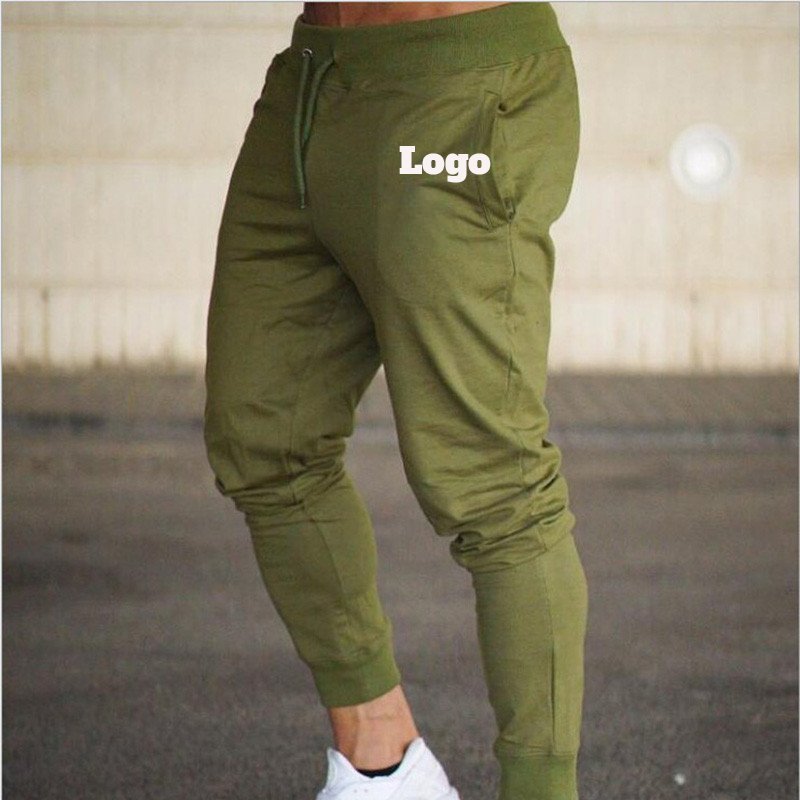
Side-seam pockets should measure 6–7 inches deep with reinforced openings and poly-cotton lining to prevent sagging. Inseam zipper pockets require YKK or equivalent coil zippers with bartack reinforcement at both ends.
Check pocket bag fabric weight (minimum 180 GSM) and seam allowance (0.5 inch minimum). Poorly constructed pockets tear away from side seams within 10–15 wears, generating customer complaints and returns.
Stitch Density and Thread Quality
Professional jogger construction requires 12–14 stitches per inch on main seams and 3–4 stitches per inch on cover-stitch hems. Core-spun polyester thread (T40 or T35 weight) offers superior strength and colorfastness compared to cotton thread.
Inspect seam lines under magnification for consistent spacing and uniform tension. Uneven stitch density indicates poor machine calibration and leads to seam puckering, thread breakage, and premature garment failure.
7. How to Choose the Right Bulk Joggers Manufacturer
Selecting the right manufacturing partner for bulk joggers determines product quality, delivery reliability, and brand reputation. Startups and established labels face different requirements in MOQ, lead times, and quality assurance systems that must align with business goals.
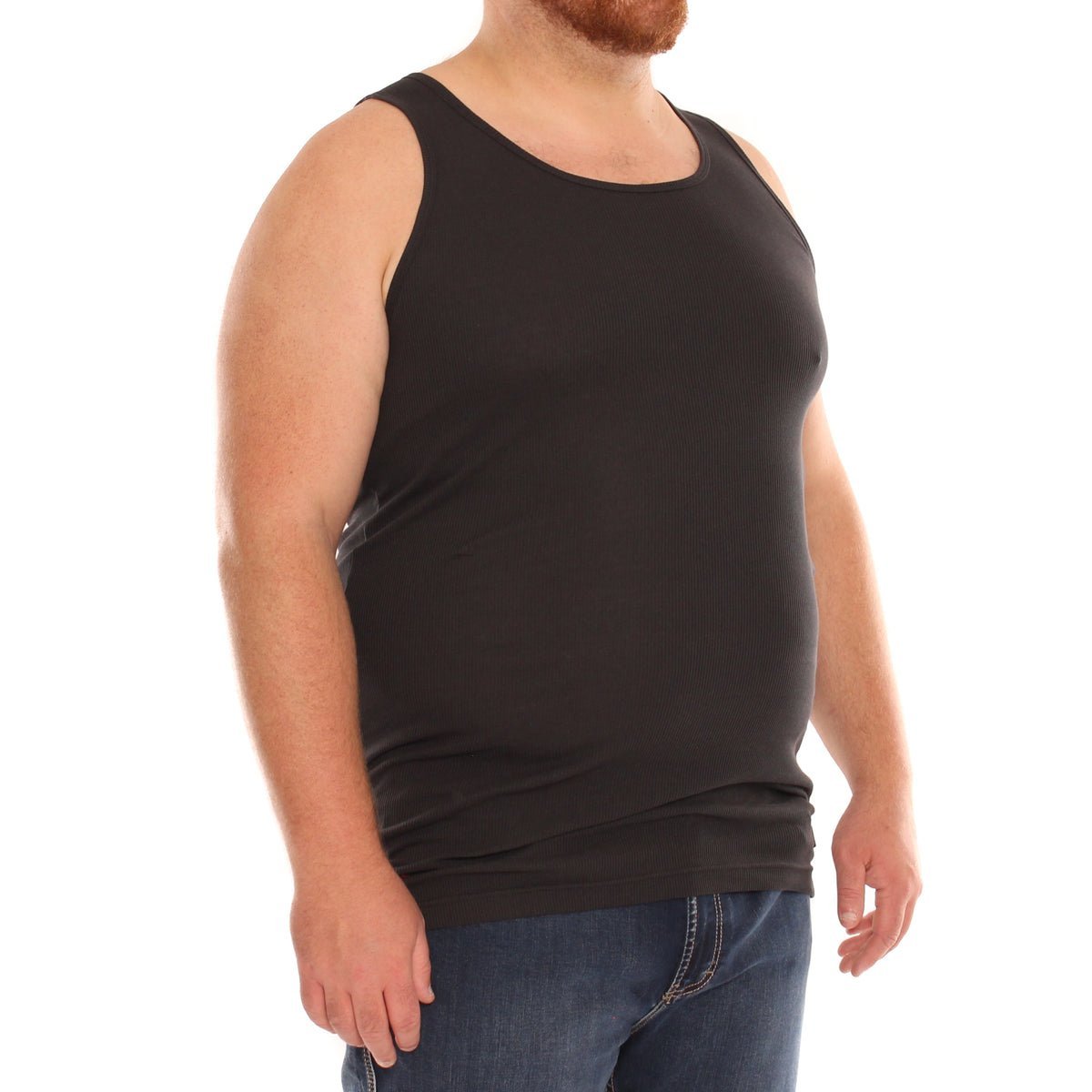
Verify Certifications and Quality Systems
Request proof of WRAP, BSCI, or Oeko-Tex Standard 100 certifications to confirm ethical labor practices and fabric safety. A manufacturer implementing a 5-step QC process—materials testing, cutting inspection, craft verification, sewing checks, and finished-goods review—catches defects at every production stage rather than only at final inspection.
Clothing Manufacturer Ltd. introduced its proprietary five-step methodology on February 12, 2025, embedding quality control throughout the workflow to eliminate low-quality output. This approach contrasts with factories that skip mid-production testing and ship defective garments.
Assess MOQ Flexibility and Lead Times
Fashion startups typically need 50–200 units per style to test market demand, while established brands order 500+ units for inventory depth. Confirm whether the supplier accommodates low-MOQ runs without prohibitive setup fees.
Typical lead times for bulk joggers range from 4 to 8 weeks, depending on fabric sourcing, decoration complexity, and order volume. Factories with in-house dyeing and printing capabilities often deliver faster than those outsourcing multiple processes.
Evaluate Customization and Communication
Check whether printing, embroidery, and fabric dyeing are handled in-house or subcontracted; integrated facilities maintain tighter quality control and shorter timelines. Request fabric swatches and pre-production samples to verify hand-feel, weight, and color accuracy before committing to full production.
Responsive communication—replies within 24 hours, clear documentation, and proactive updates—signals a reliable partner. Clothing Manufacturer Ltd. has served customers across more than 100 countries since 2024, building workflows that prioritize transparency and collaboration from design through delivery.
8. Common Mistakes When Ordering Bulk Joggers
Even experienced buyers make costly errors when ordering bulk joggers that lead to delays, quality disputes, and unsellable inventory. Understanding these pitfalls before production begins protects your investment and brand reputation.
Skipping Sample Orders Before Bulk Production
Ordering 500 or 1,000 units without a physical sample creates blind spots in fit, fabric hand-feel, and construction quality. Many manufacturers deliver samples that differ from bulk runs in stitching density or fabric weight.
Always request and approve a pre-production sample that uses the exact fabric, trim, and construction method planned for your bulk order. Budget 7–10 days for sample production and shipping before committing to full production.
Ignoring Fabric Shrinkage Specifications
Ordering non-pre-shrunk cotton-blend joggers can result in 3–5 percent length shrinkage after the first wash, turning size L into unwearable M. Sanforized or compacted fabrics reduce shrinkage to under 2 percent.
Specify pre-shrunk or sanforized treatment in your purchase order and request shrinkage test reports before bulk production begins.
Choosing the Wrong GSM for Your Market
Selecting 180 GSM lightweight joggers for winter collections or 320 GSM heavyweight fleece for tropical climates leads to poor sell-through and returns. GSM must align with target season and regional climate.
Match fabric weight to your sales calendar: 180–220 GSM for spring and summer, 260–320 GSM for fall and winter, and specify this range in your technical pack.
Underestimating Custom Branding Lead Times
Assuming embroidery, woven labels, or custom hang tags add only 2–3 days often delays shipments by two weeks. Custom trim sourcing, artwork approval, and decoration setup require separate lead times.
Add 10–15 days to standard production timelines when ordering custom branding, and confirm all artwork and Pantone codes before cutting begins.
Failing to Specify Sizing Standards
Ordering ‘medium’ joggers without clarifying US, EU, or Asian fit standards results in garments 1–2 sizes smaller than expected. Asian fit medium typically matches US small.
Provide a detailed size chart with measurements in centimeters for waist, hip, inseam, and outseam in your purchase order, and request a fit sample in each size before bulk production.
Skipping a Written QC Agreement
Verbal quality expectations create disputes over acceptable defect rates and inspection criteria. Without documented AQL standards, manufacturers may ship garments with loose threads, uneven hems, or color variance.
Draft a QC agreement that specifies AQL 2.5 or stricter, lists critical defects (broken zippers, holes, misaligned prints), and requires inspection reports with photos before final shipment.
9. Steps to Launch Your Jogger Line Successfully
Launching a jogger line requires a structured approach that aligns product specifications with brand identity and market expectations. The five-step roadmap below ensures that your bulk joggers meet customer needs while maintaining production efficiency and quality standards.
Define Your Target Audience and Style
Streetwear joggers typically feature bold graphics, oversized fits, and 280–320 GSM French terry or fleece, appealing to trend-conscious youth aged 16–28. Athleisure joggers prioritize moisture-wicking polyester blends (200–240 GSM) with tapered fits for active consumers who value performance and versatility. Loungewear joggers use soft cotton-modal blends (220–260 GSM) in relaxed silhouettes, targeting comfort-first shoppers seeking casualwear for home and errands.
Clearly identifying your niche determines fabric weight, fit profile, and decoration methods, ensuring your bulk joggers resonate with the intended customer segment.
Select Fabric and Fit Based on Climate and Brand Positioning
Tropical and warm-climate markets require lightweight 180–220 GSM cotton-poly blends with breathable construction, while cold-climate regions demand 300–340 GSM brushed fleece with thermal retention. Mid-climate zones perform well with 260–280 GSM French terry offering year-round wearability.
Brand positioning also dictates fabric choice: premium streetwear labels specify ring-spun cotton with enzyme washes, while value-oriented retailers select open-end cotton-poly to maintain accessible price points without sacrificing durability.
Design Custom Branding and Colorways
Logo placement on the left thigh, rear waistband, or chest pocket creates brand recognition without overwhelming the garment silhouette. Embroidery (5,000–15,000 stitches) suits premium positioning, while screen printing and heat transfers offer cost-effective alternatives for startups.
Colorways should include 2–3 core neutrals (black, heather gray, navy) and 1–2 seasonal accent shades aligned with Pantone trend forecasts. Packaging with branded poly bags, hang tags, and size labels reinforces brand identity at the unboxing moment.
Order Samples and Conduct Wear-Testing
Sample orders of 3–5 units per style allow physical evaluation of fabric hand-feel, fit accuracy, and decoration quality before committing to bulk joggers production. Wear-testing over 5–7 days across multiple body types reveals comfort issues, waistband elasticity, and hem durability that photos cannot capture.
Manufacturers offering free or low-cost sampling (under $50 per unit including shipping) accelerate decision cycles and reduce financial risk for fashion startups and independent designers testing new silhouettes.
Place Bulk Order with Clear QC Milestones
Bulk orders should specify materials QC, cutting QC, craft QC, sewing QC, and finished-goods inspection aligned with the five-step quality control methodology. Setting inspection checkpoints at 25%, 50%, 75%, and 100% production completion ensures defects are caught early, minimizing rework costs and delivery delays.
Clear timelines—typically 3–5 weeks for 500–1,000 units—with milestone-based communication keep both brand and manufacturer accountable, ensuring your jogger line launches on schedule with consistent quality across every piece.
10. Pricing and Cost Breakdown for Bulk Joggers
Bulk joggers pricing typically ranges from $8 to $15 per unit depending on fabric weight, customization complexity, and order volume. Basic French terry joggers at 280 GSM start around $8–$9 per piece at 500-unit orders, while premium 320 GSM fleece with custom embroidery can reach $14–$15 per unit at lower quantities. Setup fees for screen printing average $45–$75 per color per location, while embroidery setups range from $60 to $100 depending on stitch count and placement.
Lead times for bulk joggers span 4 to 8 weeks from order confirmation to shipment, with higher volumes and complex decoration methods extending timelines. Orders under 250 units often require expedited production slots that add 10–15 percent to base costs, while orders above 1,000 units unlock volume discounts of 12–18 percent. Fabric choice directly impacts pricing: fleece blends cost 15–20 percent more than standard French terry due to higher material weight and brushing processes.
Decoration method drives the largest cost variance after fabric selection. Screen printing remains the most economical option for orders above 100 units at $1.20–$2.50 per print location, whereas embroidery adds $2.80–$4.50 per location but delivers superior durability and perceived value. Heat-transfer methods fall between these at $1.80–$3.20 per location, suitable for full-color designs on smaller runs. Clothing Manufacturer Ltd. applies its five-step QC process across all price tiers, ensuring consistent quality from 50-unit startup orders to 1,000-unit retail programs.
| Quantity Tier | Price per Unit (Base) | Screen Print Setup | Embroidery Setup | Lead Time |
|---|---|---|---|---|
| 50 units | $13–$15 | $75 per color | $100 | 4–5 weeks |
| 100 units | $11–$13 | $60 per color | $85 | 4–6 weeks |
| 250 units | $9.50–$11 | $50 per color | $75 | 5–6 weeks |
| 500 units | $8.50–$10 | $45 per color | $65 | 6–7 weeks |
| 1,000 units | $8–$9 | $45 per color | $60 | 7–8 weeks |
Ready to Order Bulk Joggers? Get Your Quote Today
Join 200+ brands worldwide who trust our 5-step QC process, low MOQ, and fast turnaround for premium streetwear joggers.