
Blank Sweatpants Wholesale — Premium Streetwear from 50 Pieces
Source high-quality blank sweatpants wholesale with our 5-step QC guarantee, fast sampling, and flexible low minimums designed for emerging streetwear brands and retailers.
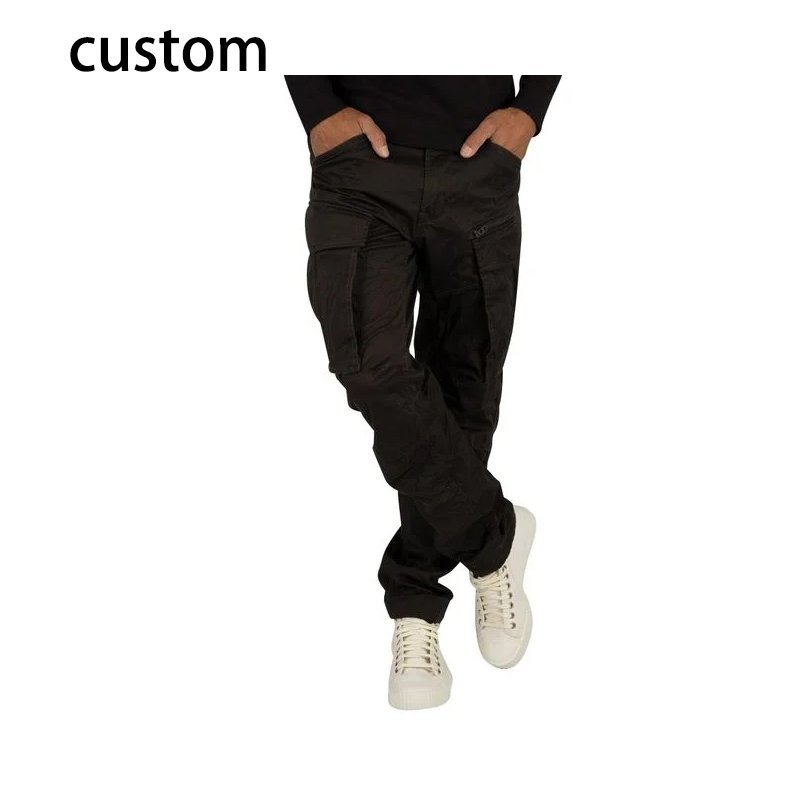
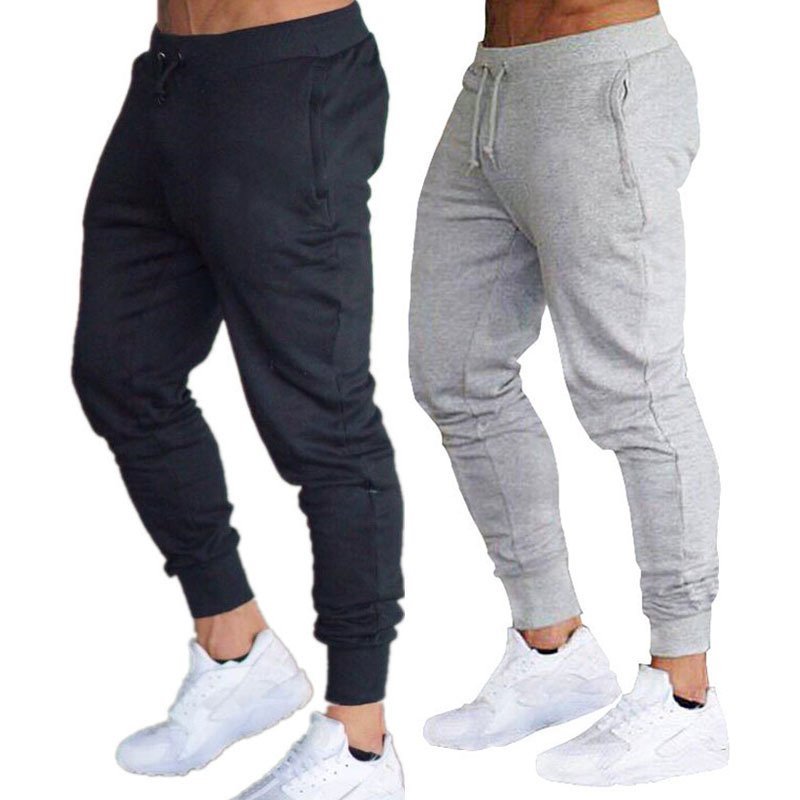
Blank Sweatpants in Action — Product Gallery
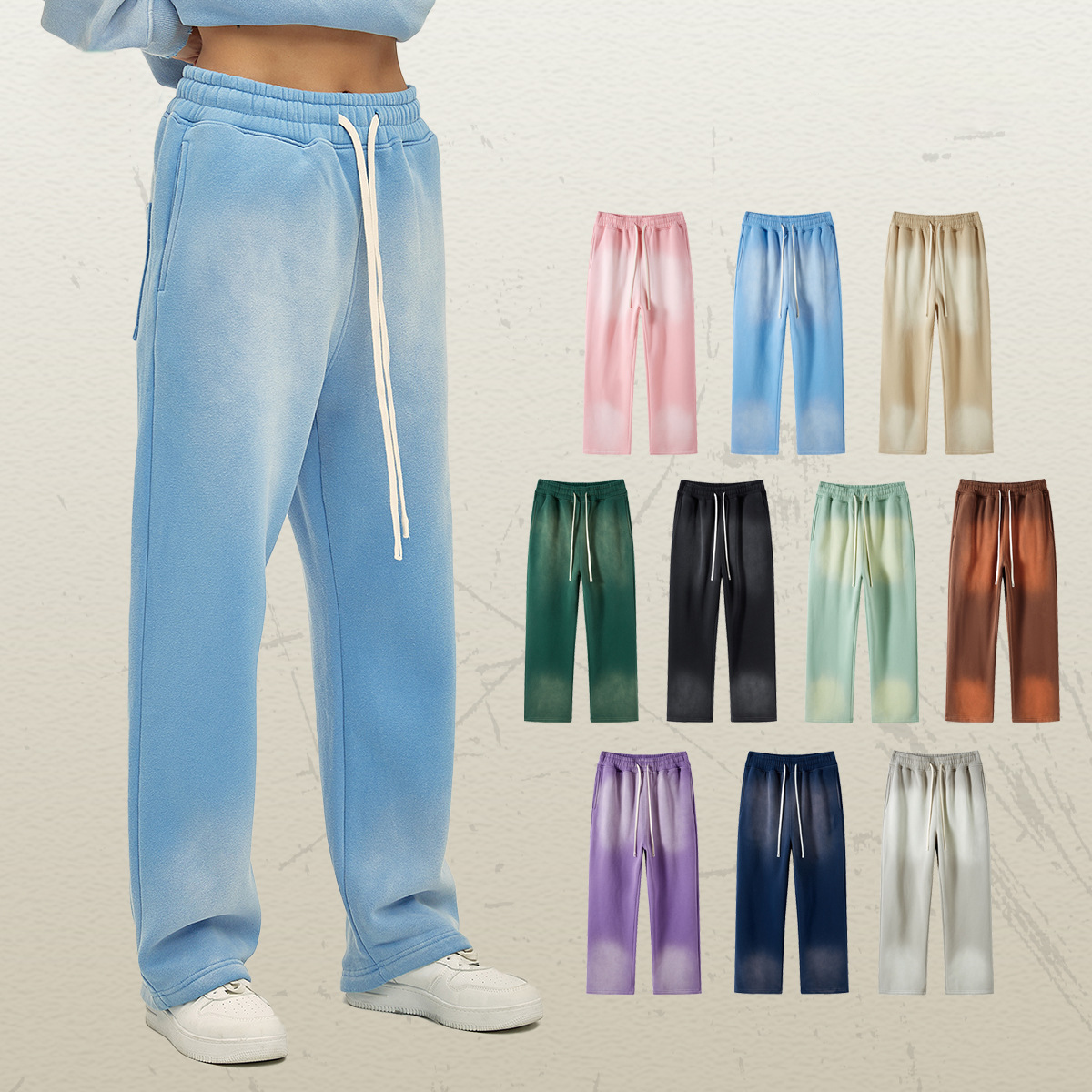
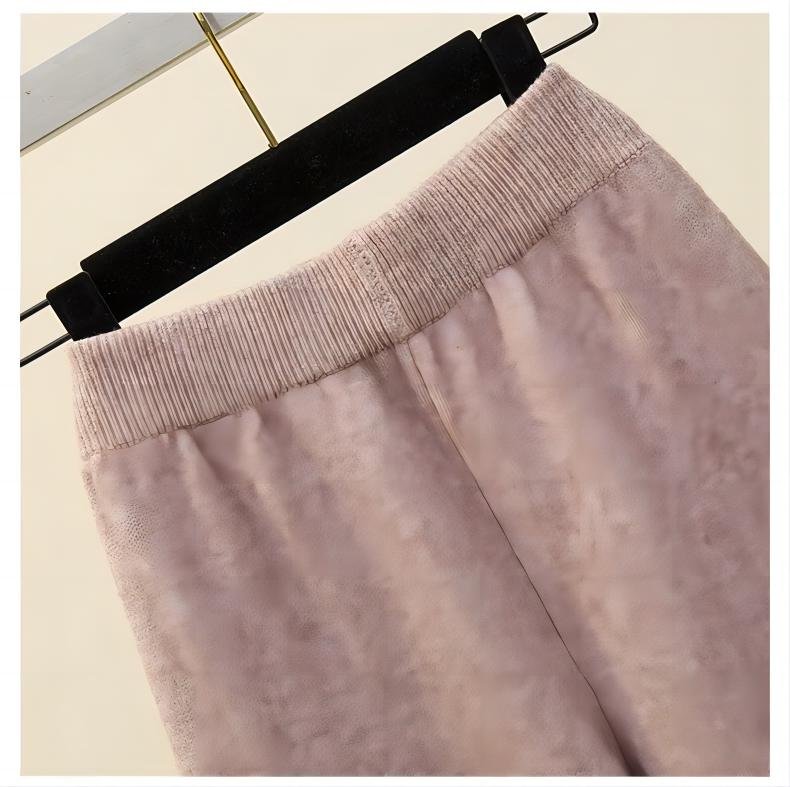
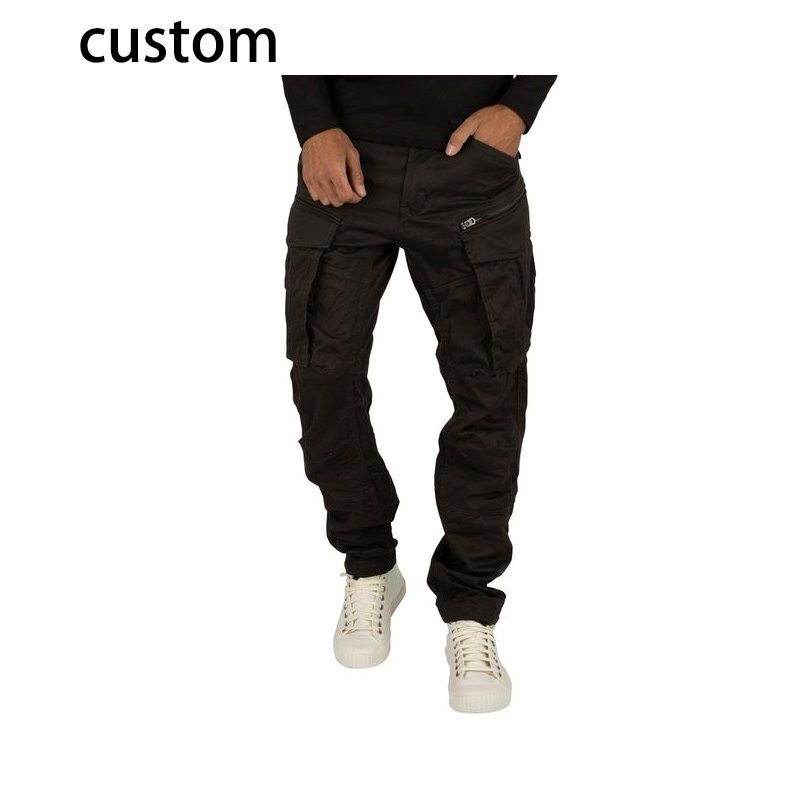
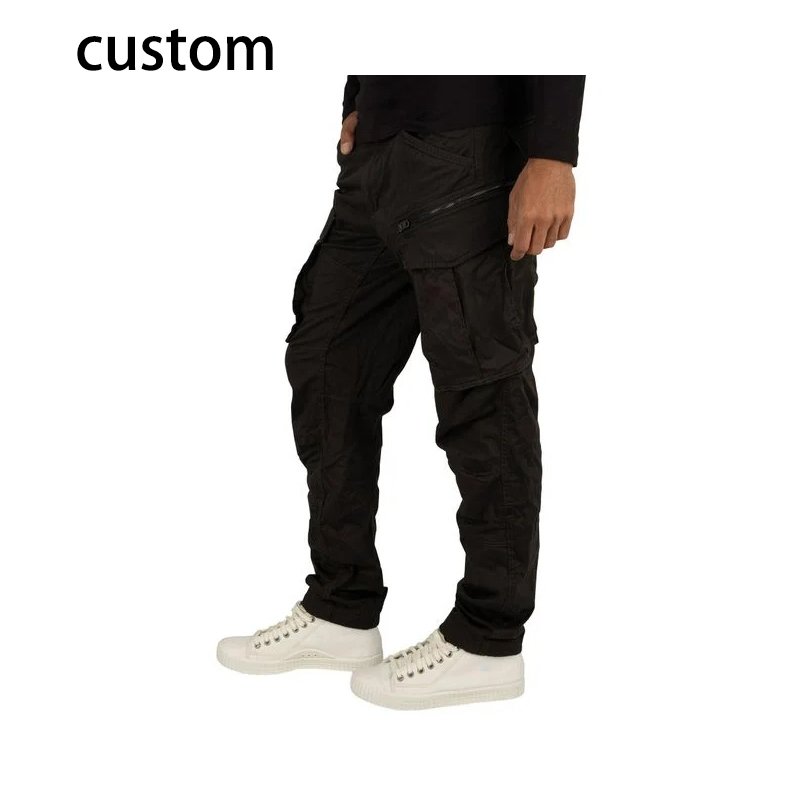
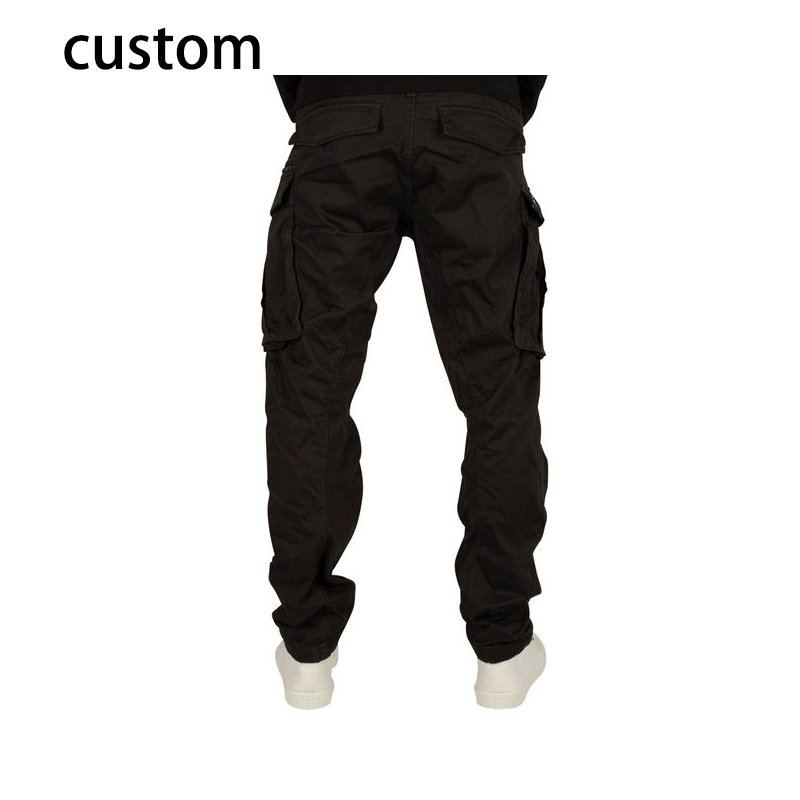
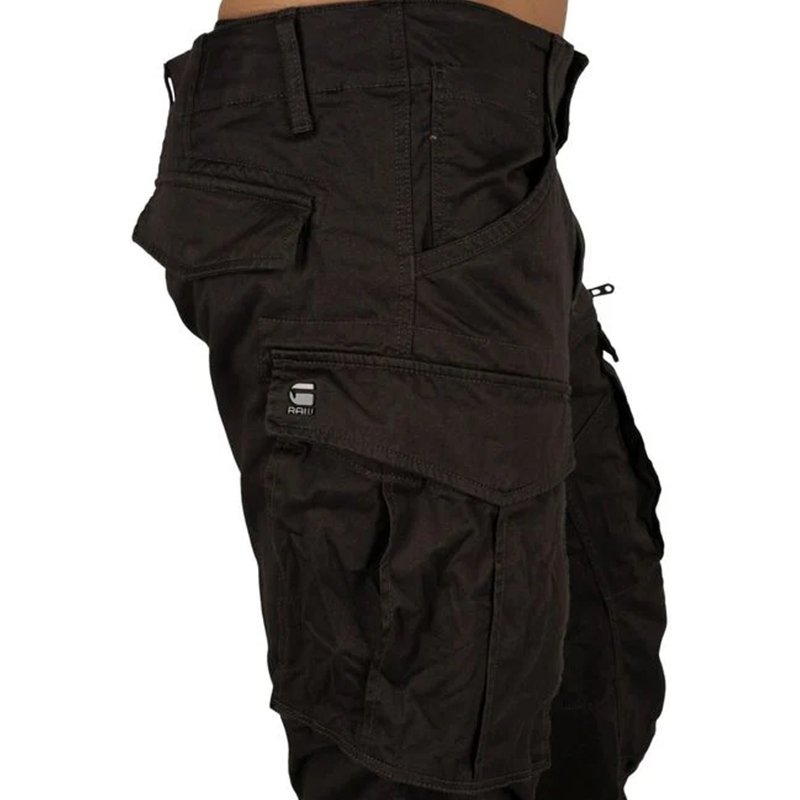
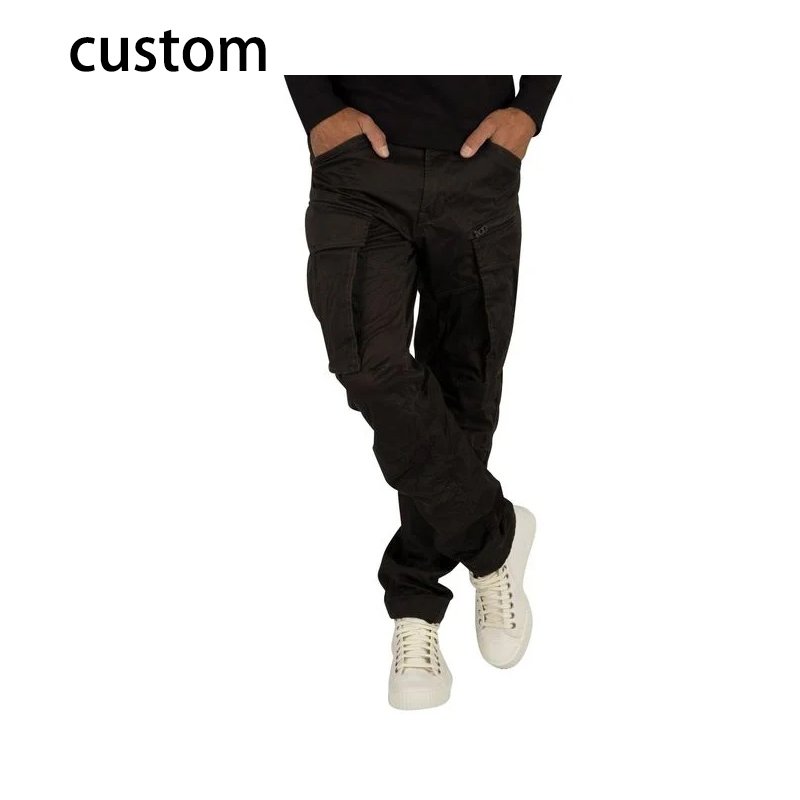
Why Blank Sweatpants Wholesale from Clothing Manufacturer Stands Out
5-Step QC Guarantee
Every blank sweatpants order passes through materials, cutting, craft, sewing, and finished goods inspections before shipment.
50-Piece Minimum Order
Launch your streetwear line or test new styles with our accessible low MOQ designed for startups and growing brands.
7-Day Sample Turnaround
Get physical samples fast to validate fit, fabric, and finishing before committing to full blank sweatpants wholesale production.
In-House Design Team
15-member R&D team with streetwear expertise and 10 patents helps refine your jogger and sweatpants specifications.
Global Shipping Support
Seamless logistics and customs documentation to over 100 countries, backed by 6 years of international streetwear trade experience.
Streetwear Culture Expertise
Deep knowledge of trend-driven design elements and influencer brand needs ensures your blank sweatpants resonate with your audience.
Blank Sweatpants Wholesale Categories — Joggers, Fleece & French Terry
From tapered joggers to heavyweight fleece, our blank sweatpants wholesale collection covers every streetwear aesthetic. Match your brand’s style with the right fit, fabric, and silhouette.
Tapered Jogger Sweatpants
Streetwear brands need modern, athletic-inspired joggers with elastic cuffs and tapered legs that appeal to trend-conscious customers, but struggle to find manufacturers who balance style with construction quality.
Our tapered jogger blank sweatpants wholesale line delivers the contemporary silhouette influencer brands demand, with reinforced cuffs, ribbed waistbands, and 5-step QC testing to ensure every pair meets streetwear standards.
Heavyweight Fleece Sweatpants
Winter collections require substantial, warm fleece sweatpants that feel premium and hold their shape after repeated wear, yet many wholesale suppliers cut corners with thin fabric and poor stitching.
We produce heavyweight fleece blank sweatpants wholesale in 320–400 GSM fabrics with brushed interiors, flat-lock seams, and rigorous materials QC testing to deliver the durability and warmth your customers expect.
Lightweight French Terry Sweatpants
Spring and summer lines need breathable, comfortable sweatpants that won't overheat, but finding French Terry blank sweatpants wholesale with consistent quality and soft hand-feel is difficult at accessible MOQs.
Our French Terry blank sweatpants wholesale are crafted from premium looped-back cotton blends, perfect for layering or standalone wear, with low 50-piece MOQs and our full quality control guarantee for emerging brands.
Straight-Leg Classic Sweatpants
Retailers and independent designers want timeless, versatile straight-leg sweatpants that work across demographics and seasons, but need a manufacturer who can deliver consistent sizing and finishing across bulk orders.
Our straight-leg blank sweatpants wholesale offer universal appeal with clean lines, reinforced waistbands, and cutting QC testing that ensures every size runs true, making reorders seamless for growing brands.
Performance & Activewear Sweatpants
Fitness and athleisure brands require blank sweatpants wholesale with moisture-wicking, stretch fabrics and ergonomic construction, but many factories lack the technical expertise to produce performance-grade garments at scale.
We engineer performance sweatpants with four-way stretch blends, flatlock seams, and sewing production QC testing at every stage, delivering activewear-grade blank sweatpants wholesale that support your brand's athletic positioning.
Premium Fabrics for Blank Sweatpants Wholesale
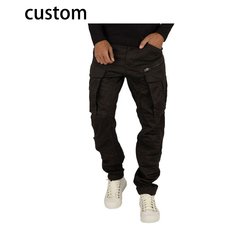
French Terry
Soft looped interior with smooth face, ideal for lightweight joggers and athleisure sweatpants. Mid-weight construction (240–280 GSM) offers excellent breathability and drape while maintaining structure through repeated wear and washing.
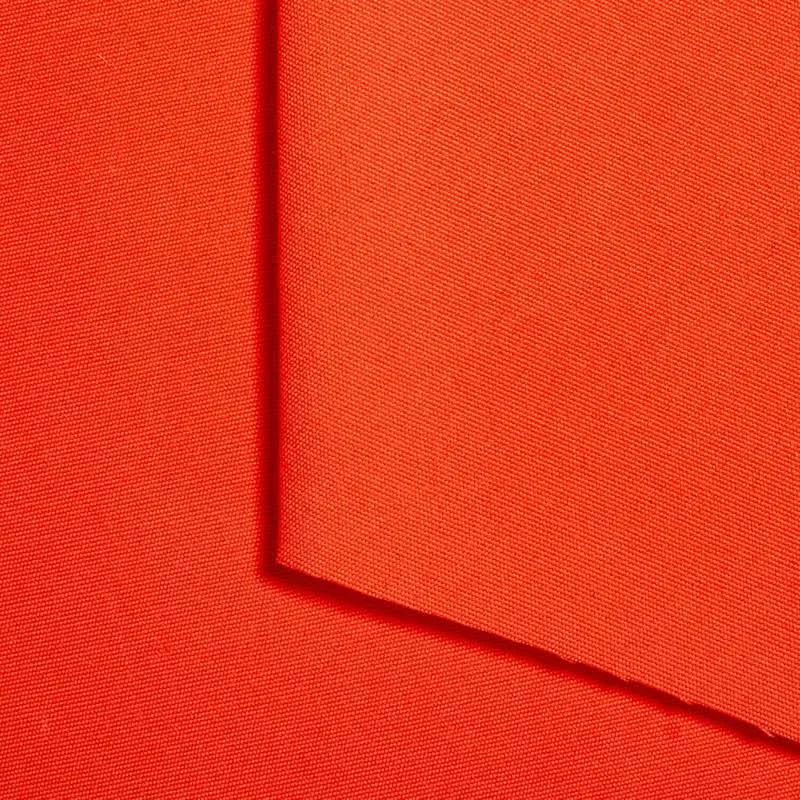
Cotton Fleece
Brushed interior for maximum warmth and comfort, perfect for premium streetwear sweatpants. Heavyweight fabric (300–350 GSM) provides a plush hand-feel and superior insulation, making it the go-to choice for fall and winter collections.
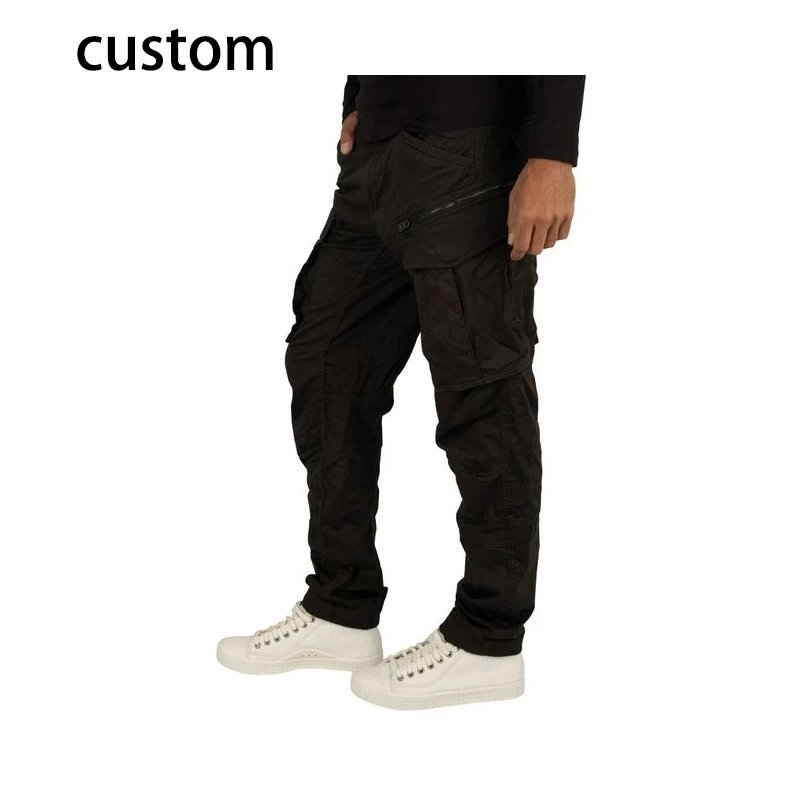
Cotton-Poly Blend
Balanced 80/20 or 70/30 cotton-polyester ratio combines natural softness with enhanced shape retention and reduced shrinkage. Medium-weight (260–300 GSM) fabric delivers durability and easy care, ideal for high-volume retail blank sweatpants wholesale programs.
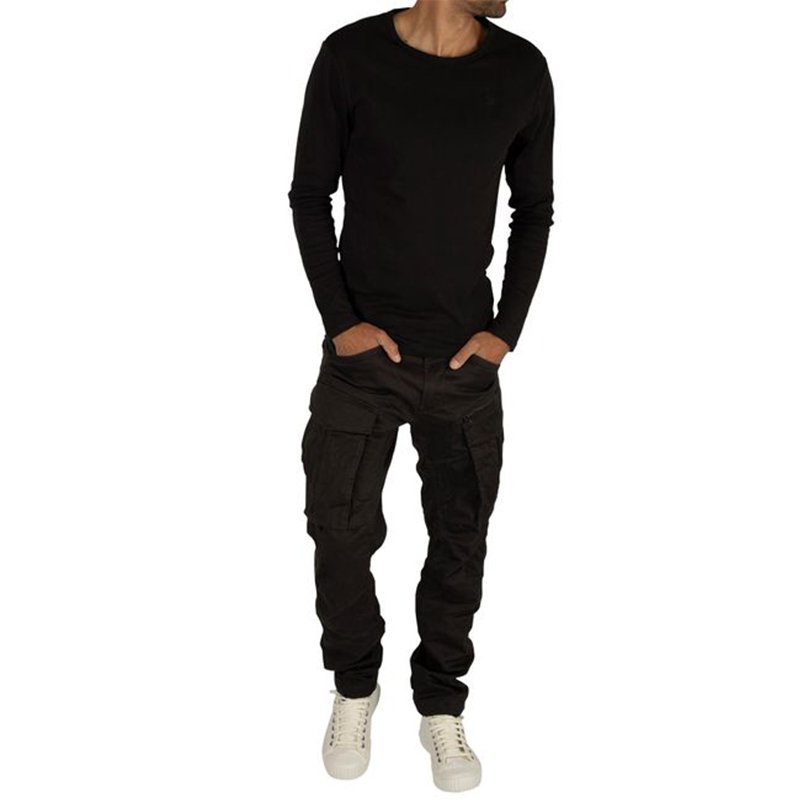
Performance Knit
Moisture-wicking polyester or poly-spandex blend engineered for activewear and athletic sweatpants. Four-way stretch and quick-dry properties (200–240 GSM) support movement and recovery, appealing to fitness-focused brands and influencer athleisure lines.
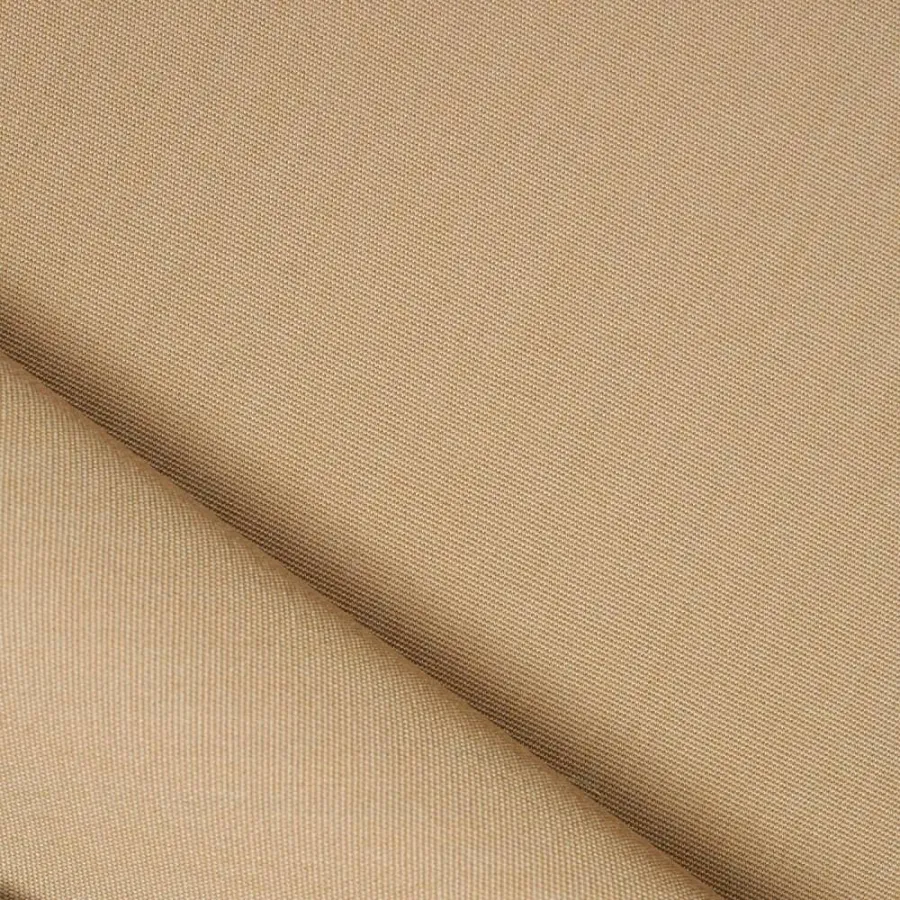
Heavyweight Fleece
Dense, brushed construction for premium cold-weather sweatpants and loungewear. Extra-thick fabric (380–450 GSM) offers exceptional warmth and a luxury hand-feel, positioning your brand at the high end of the blank sweatpants wholesale market.
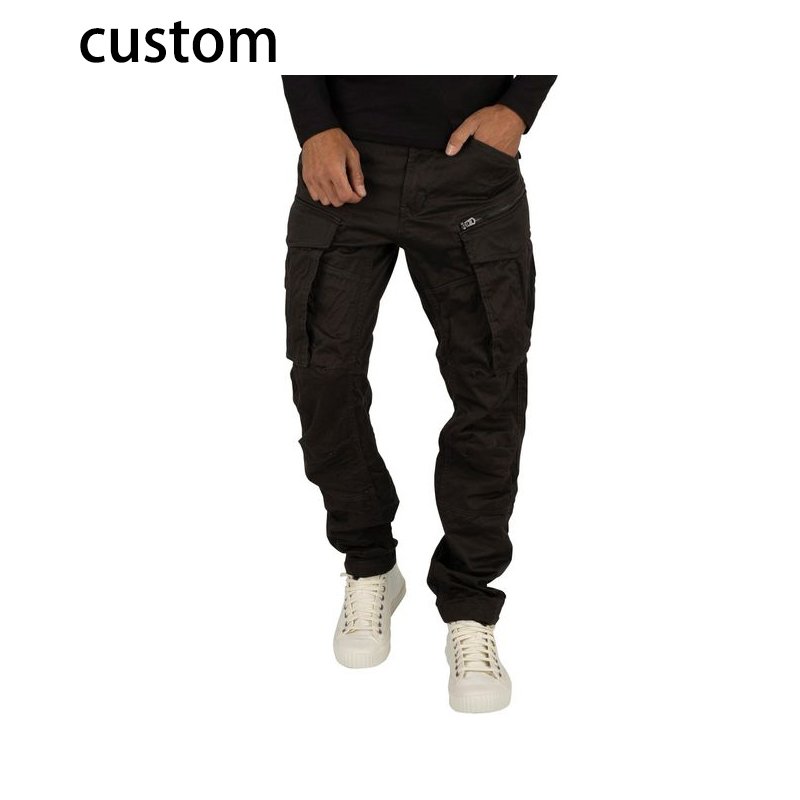
Organic Cotton Terry
GOTS-certified organic cotton with looped pile interior for eco-conscious brands. Sustainable, breathable, and hypoallergenic (260–300 GSM), this fabric meets growing consumer demand for environmentally responsible blank sweatpants without compromising on comfort or quality.
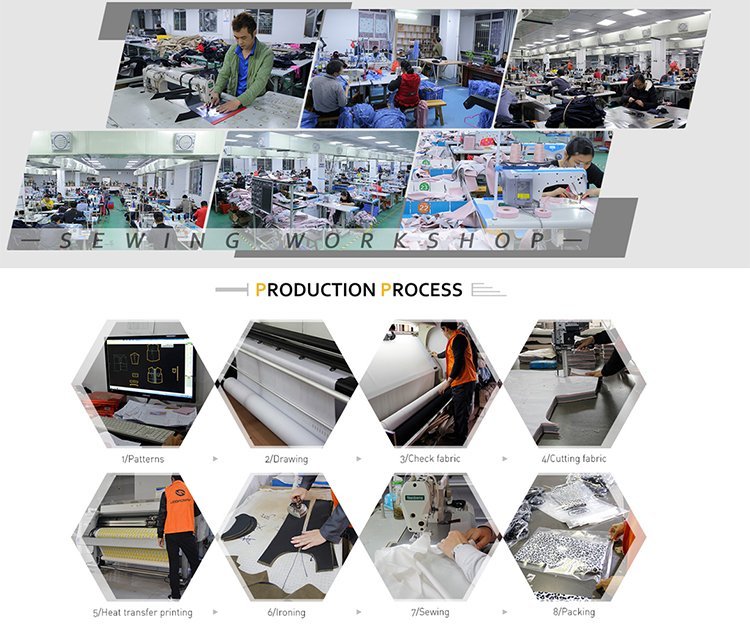
Blank Sweatpants Wholesale Production Processes — Cutting, Sewing & Finishing Excellence
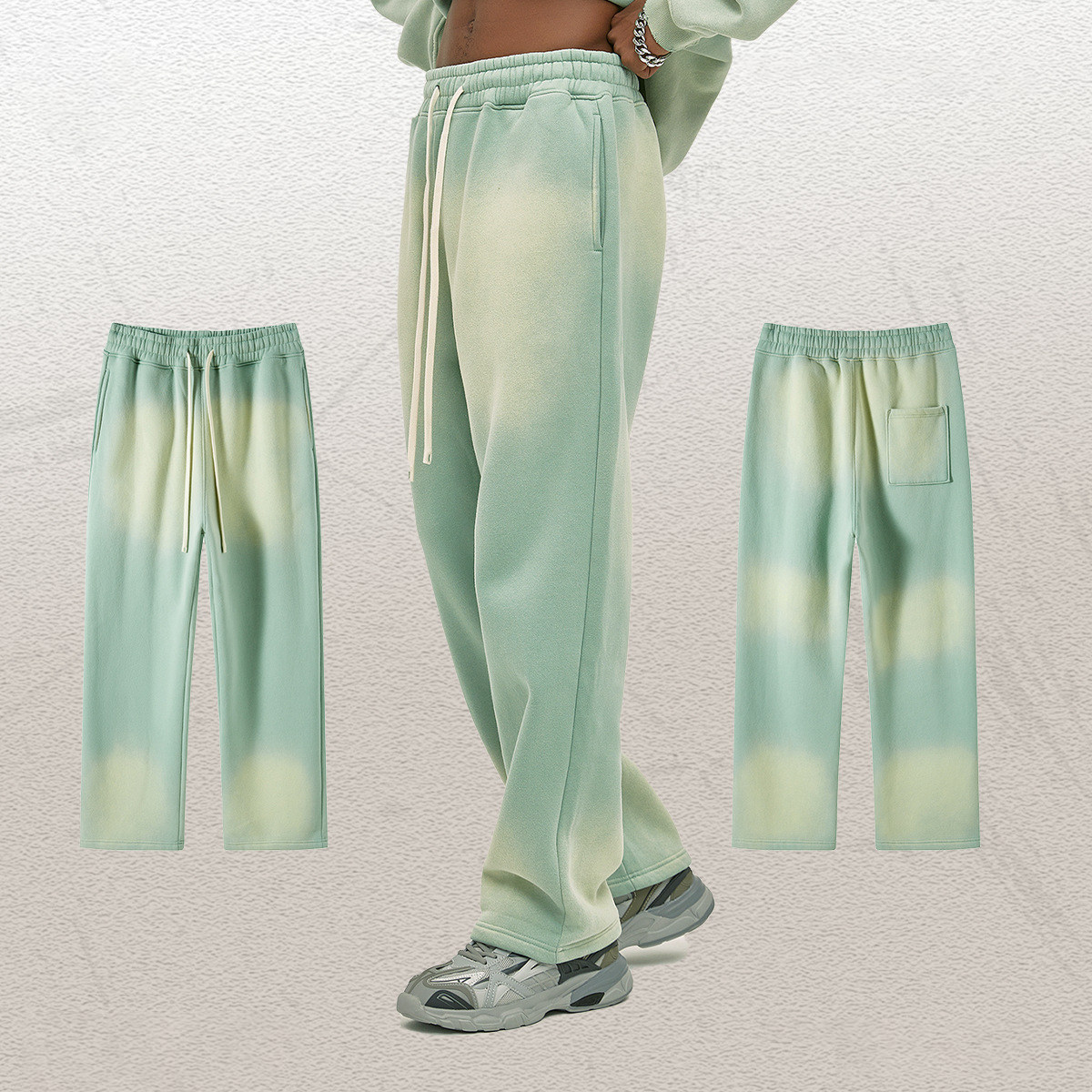
Precision Cutting
Computer-guided pattern cutting ensures consistent sizing and minimal fabric waste across every blank sweatpants order. Each piece is inspected during our cutting QC testing phase to verify accuracy before moving to production, guaranteeing uniform fit and professional results.
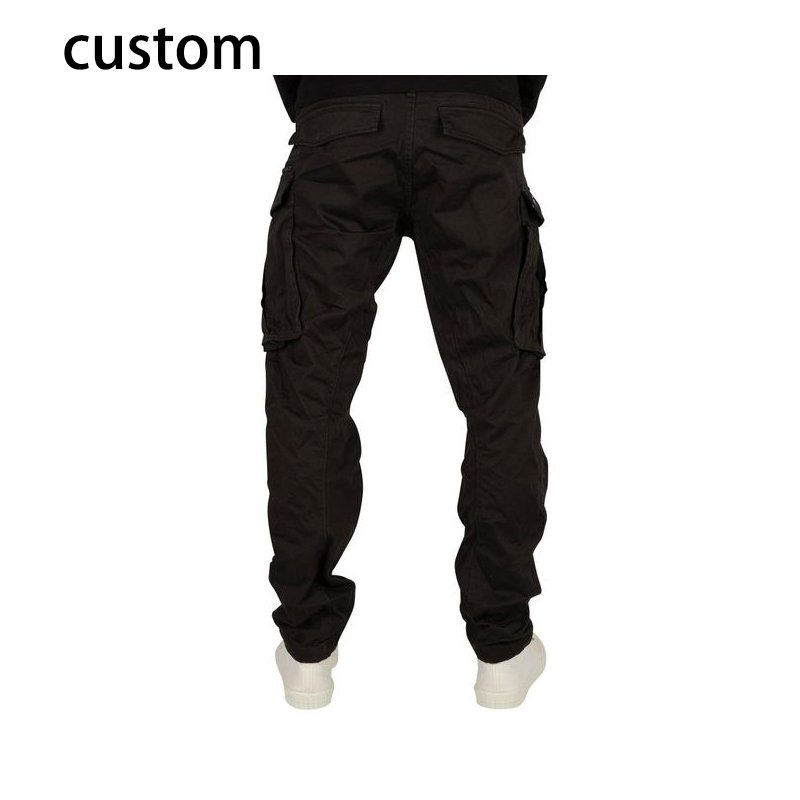
Flatlock Seaming
Industrial flatlock stitching creates smooth, low-profile seams that eliminate bulk and chafing for maximum comfort. This technique is essential for athletic and streetwear sweatpants, delivering durability that withstands repeated wear and washing while maintaining a clean aesthetic.
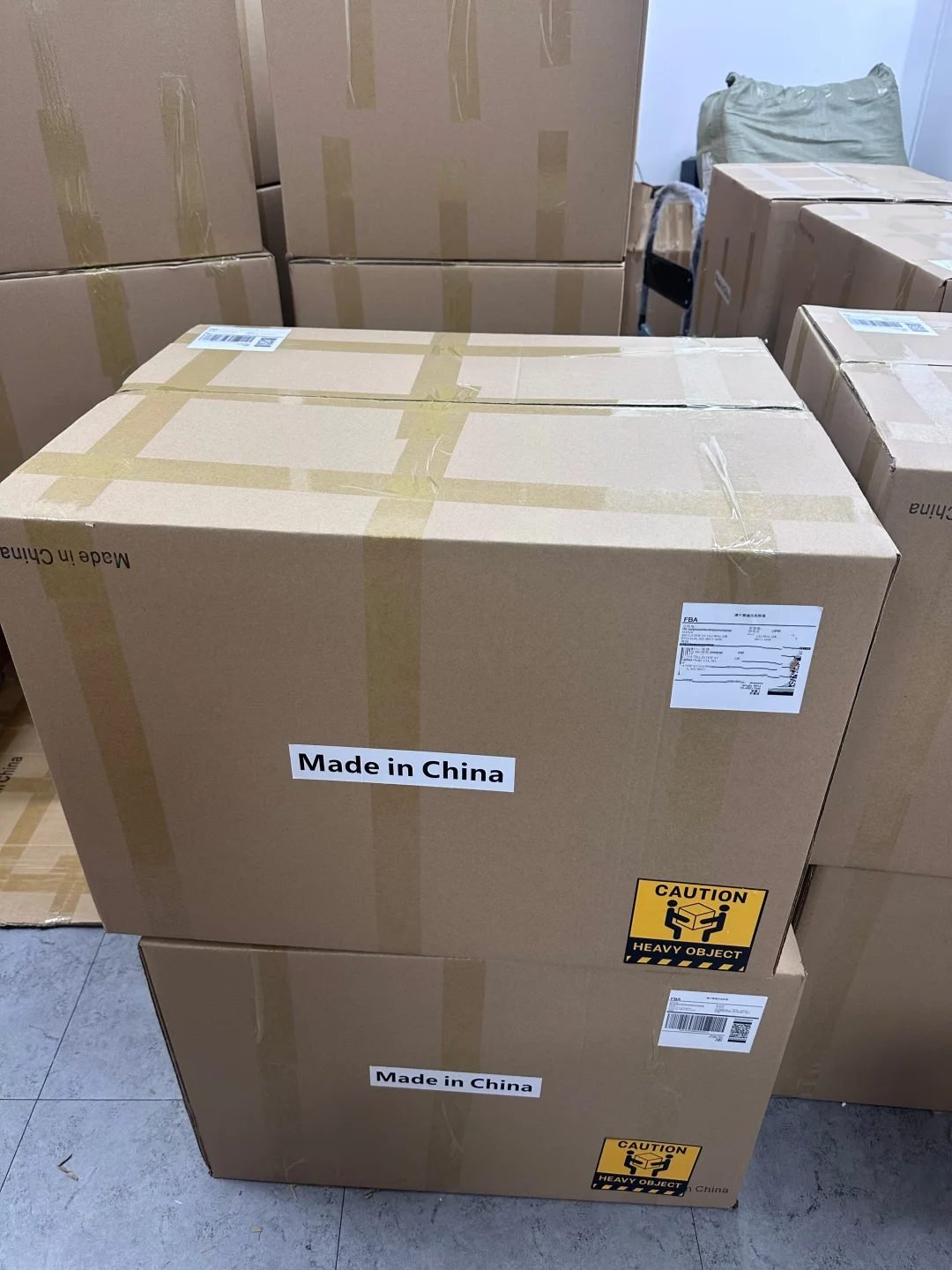
Ribbed Cuff Application
Elastic ribbed cuffs and waistbands are attached using specialized machinery that ensures consistent tension and stretch recovery. Our sewing production QC testing verifies every cuff for proper elasticity, secure attachment, and long-term shape retention across thousands of wear cycles.
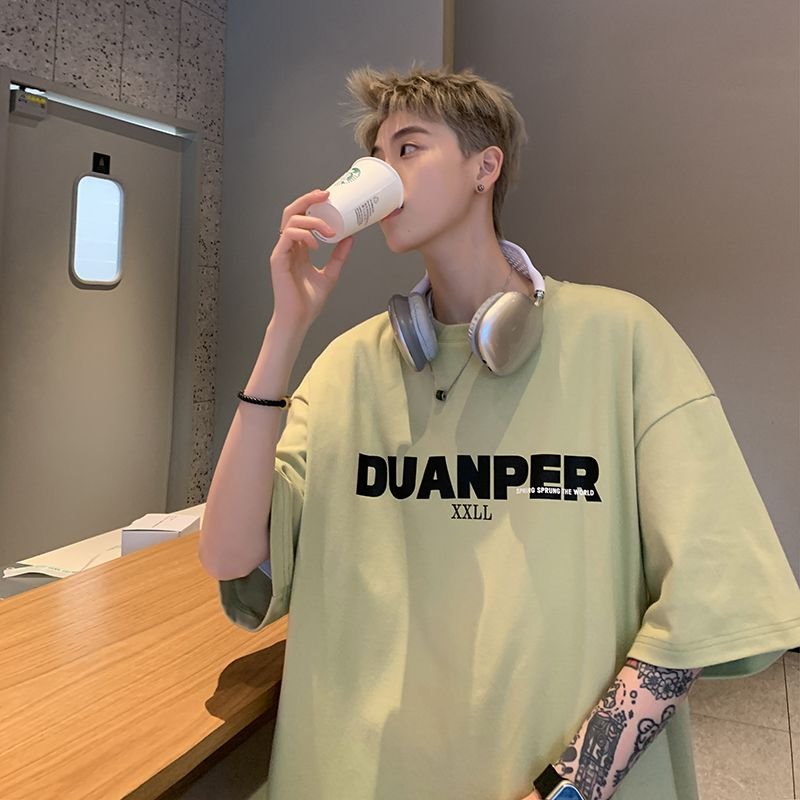
Drawcord Attachment
Reinforced drawcord channels and metal or plastic tipped cords are installed with precision to prevent pullout and ensure smooth adjustment. We test every drawcord system during clothing craft QC to confirm secure anchoring, smooth glide, and resistance to fraying or breakage.
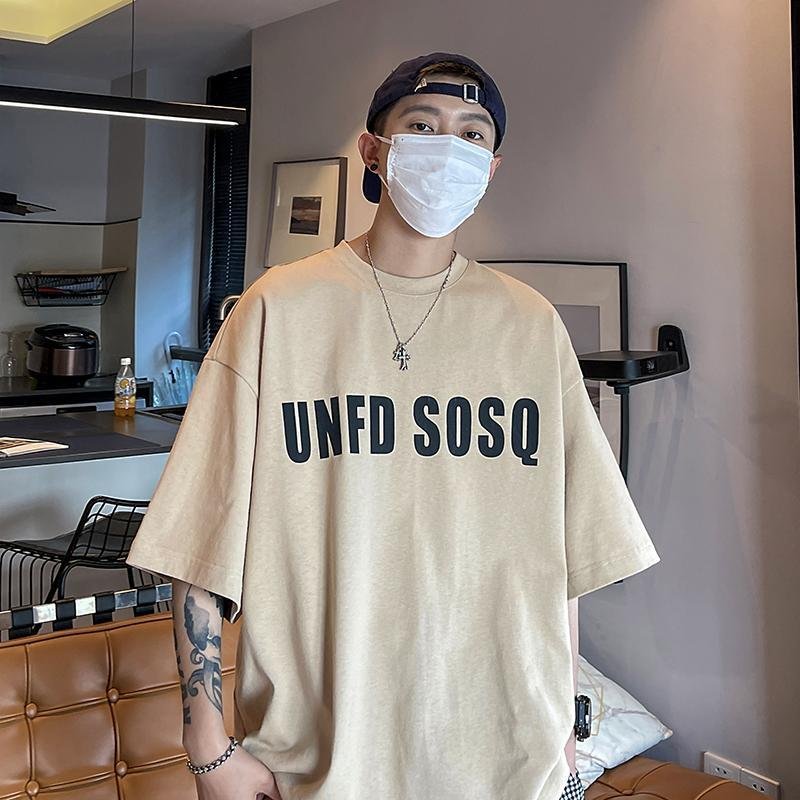
Hem Finishing
Professional hem finishing with coverstitch or twin-needle techniques creates a polished, retail-ready appearance that resists unraveling. Each hem is inspected during finished clothing quality QC to ensure straight stitching, proper thread tension, and a clean finish that elevates your brand.
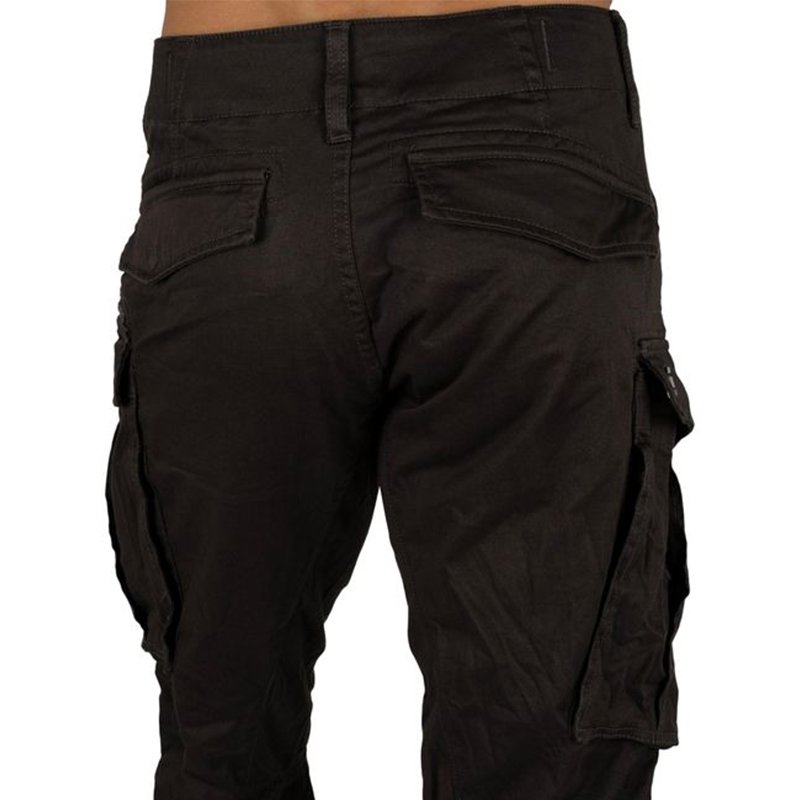
Final Pressing
Industrial steam pressing removes wrinkles and sets the garment shape for a premium, shelf-ready presentation. Our final QC inspection follows pressing to verify that every blank sweatpants unit meets dimensional specs, has no defects, and is ready for your branding or immediate resale.
Accessories & Trims for Blank Sweatpants Wholesale
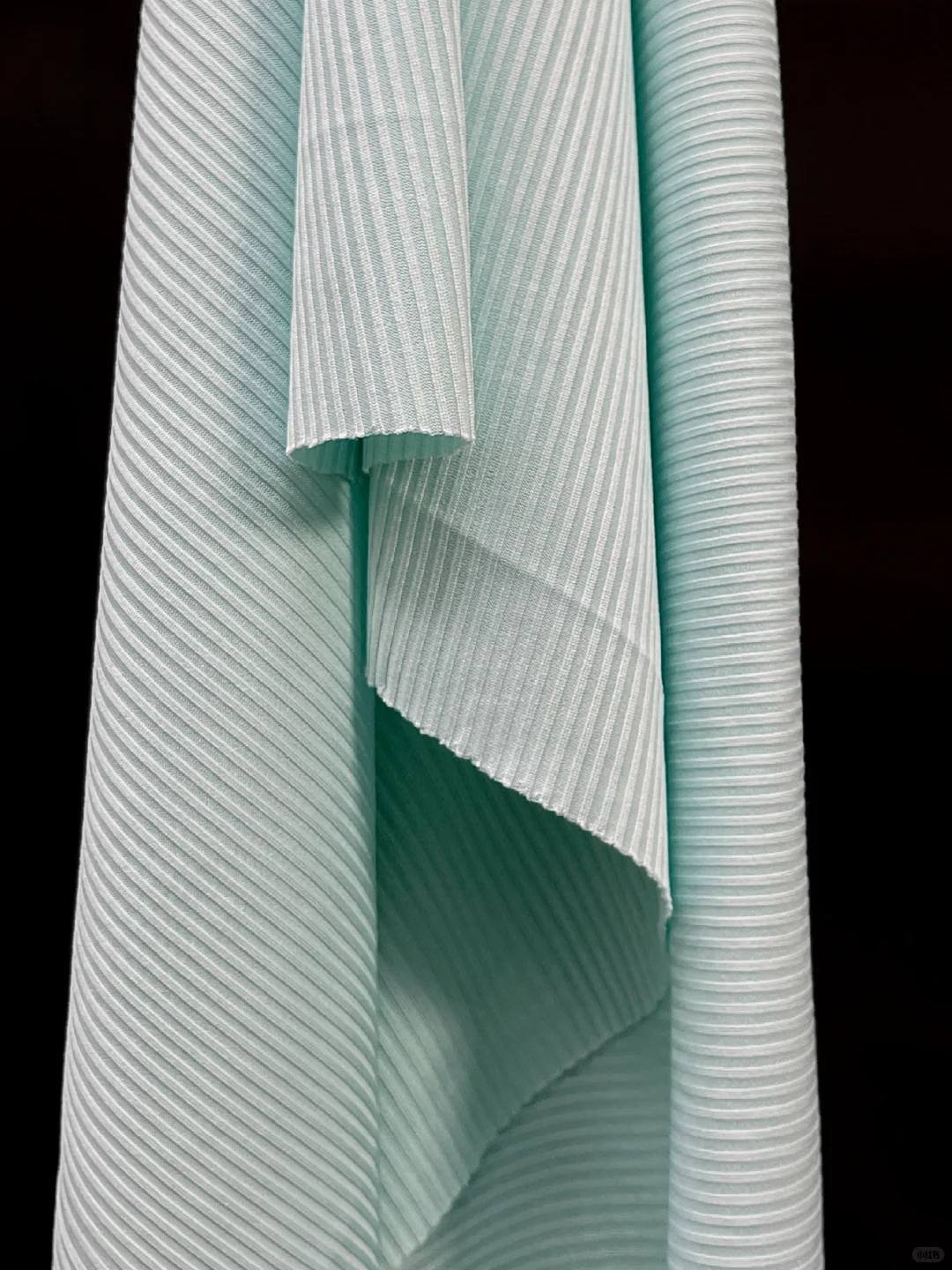
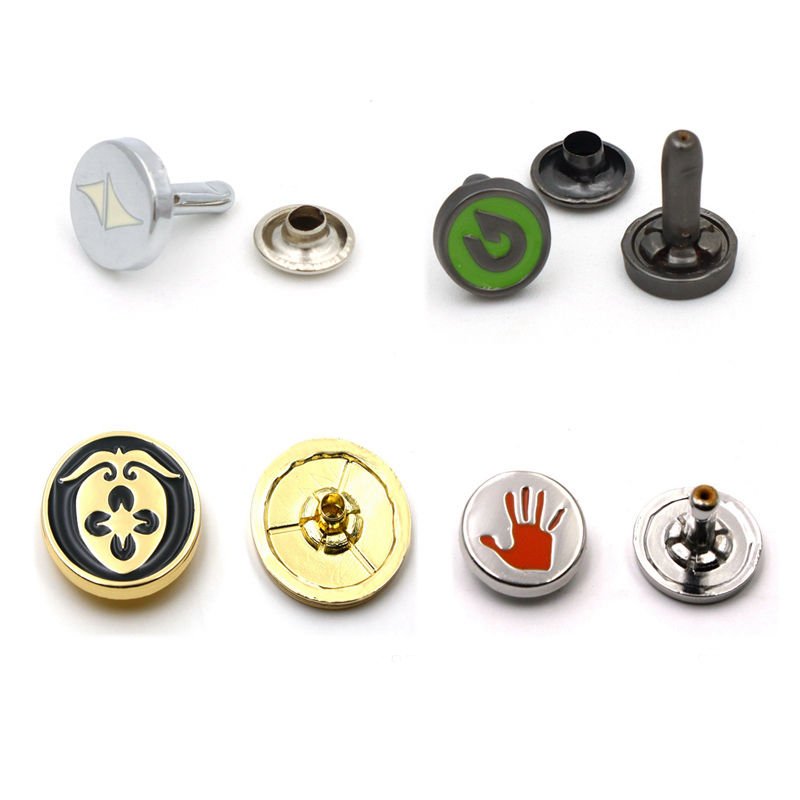
Metal Eyelets
Durable metal eyelets for drawcord reinforcement at waistbands and cuffs. Available in gunmetal, brass, and custom finishes to add streetwear edge and prevent fabric tearing under tension.
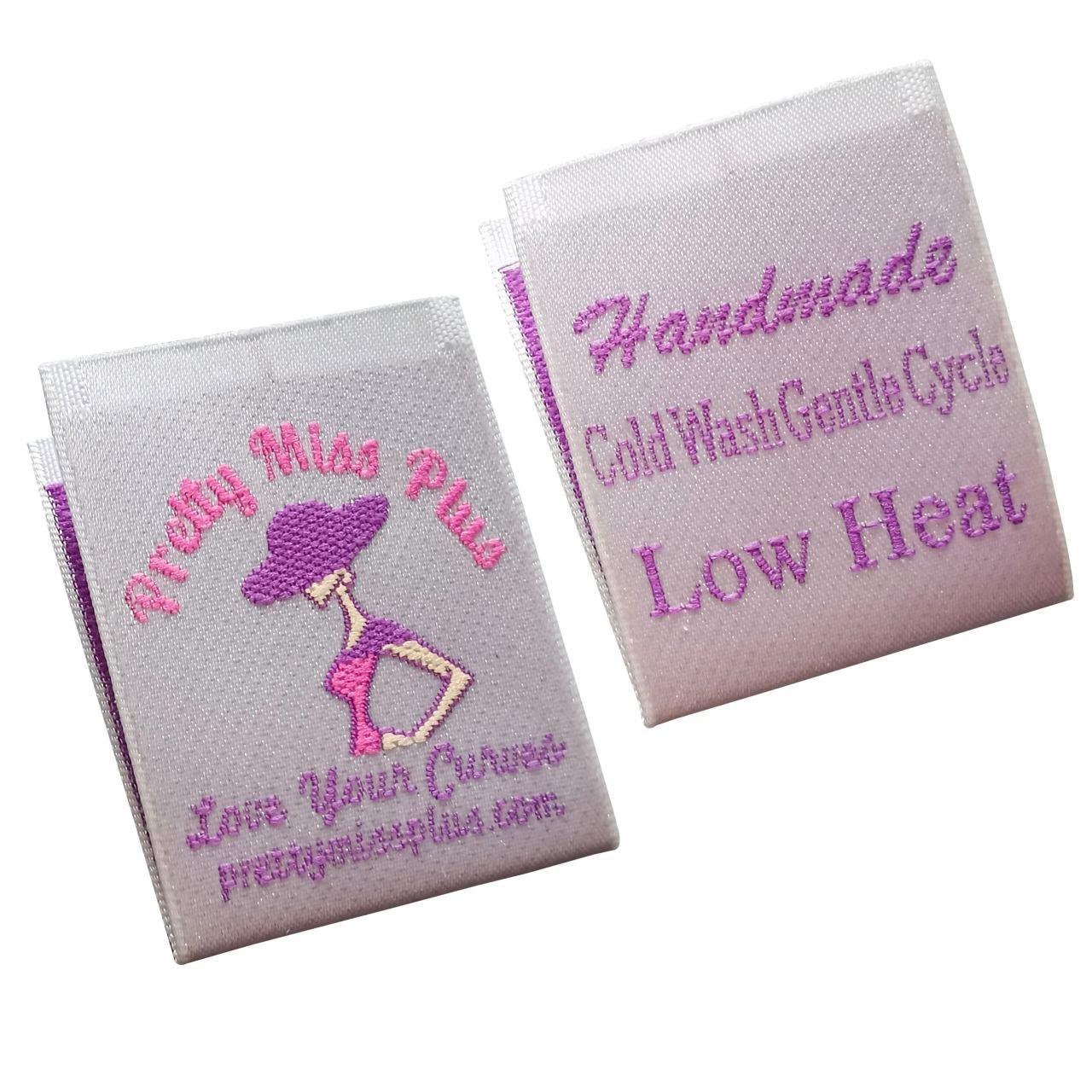
Woven Labels
Custom woven brand labels in damask or taffeta weave for interior waistbands and exterior pockets. High-definition branding that withstands repeated washing and reinforces your label identity on every pair.
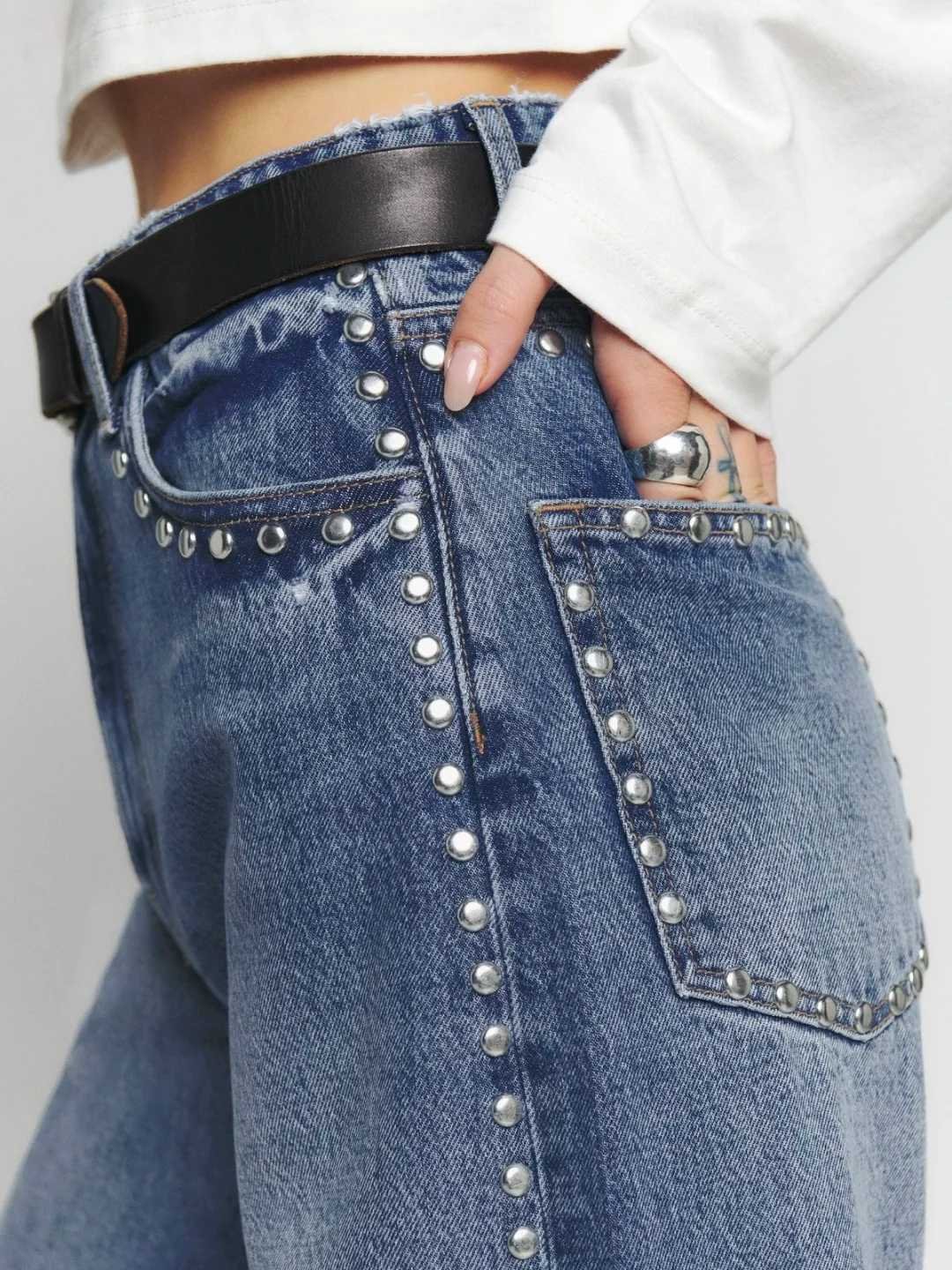
Premium Drawcords
Flat or round drawcords in cotton, polyester, or reflective materials with metal or plastic aglets. Choose from standard or custom colors to complement your blank sweatpants wholesale aesthetic.
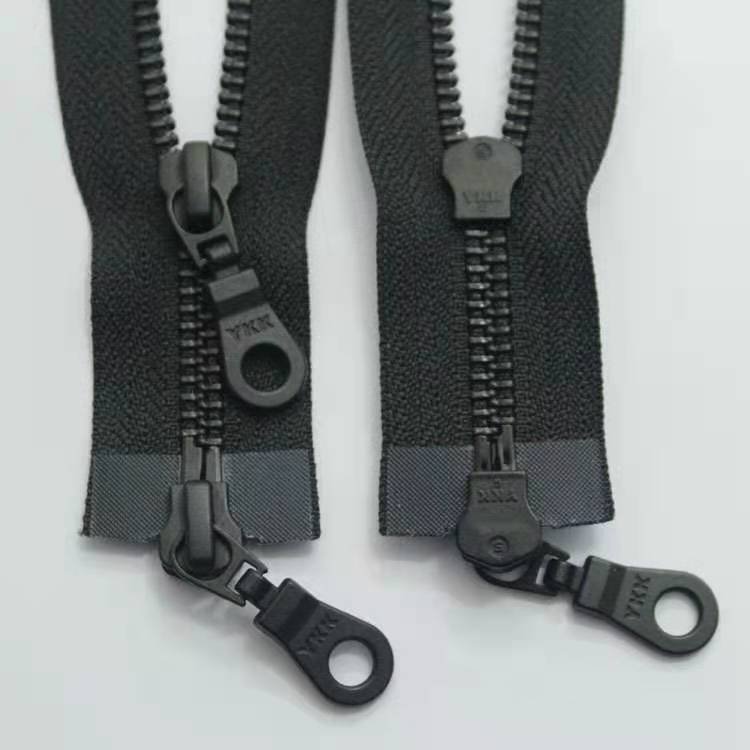
Side Zippers
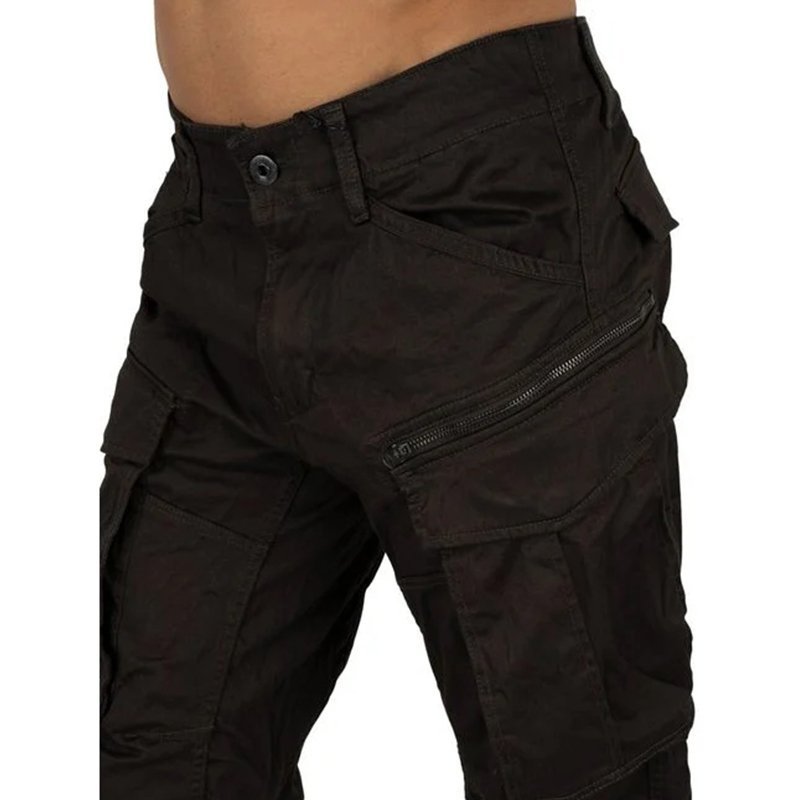
YKK or SBS side-seam zippers for cargo pockets, ankle vents, or decorative detailing. Adds functionality and modern streetwear styling to joggers and tapered sweatpants with reliable open-close performance.
Pocket Reinforcement
Bartack stitching and reinforced pocket openings for side-seam, cargo, and back pockets. Prevents stretching and tearing during daily wear, essential for high-quality blank sweatpants that last season after season.
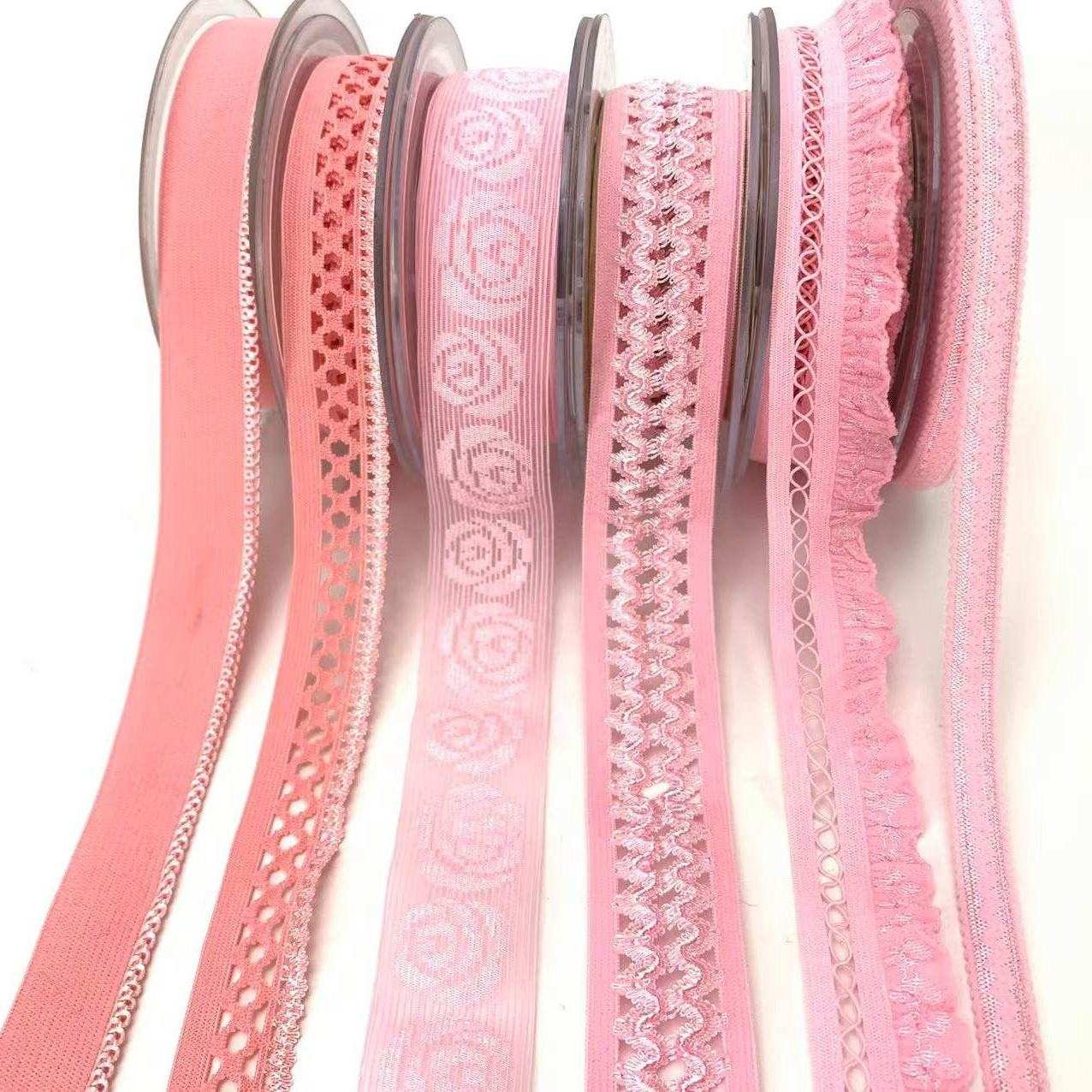
Waistband Customization
Jacquard elastic waistbands with custom logo weave, silicone grip strips, or contrast tipping. Elevates comfort and brand presence at the most visible touchpoint of your sweatpants design.
Blank Sweatpants Wholesale Built on Quality
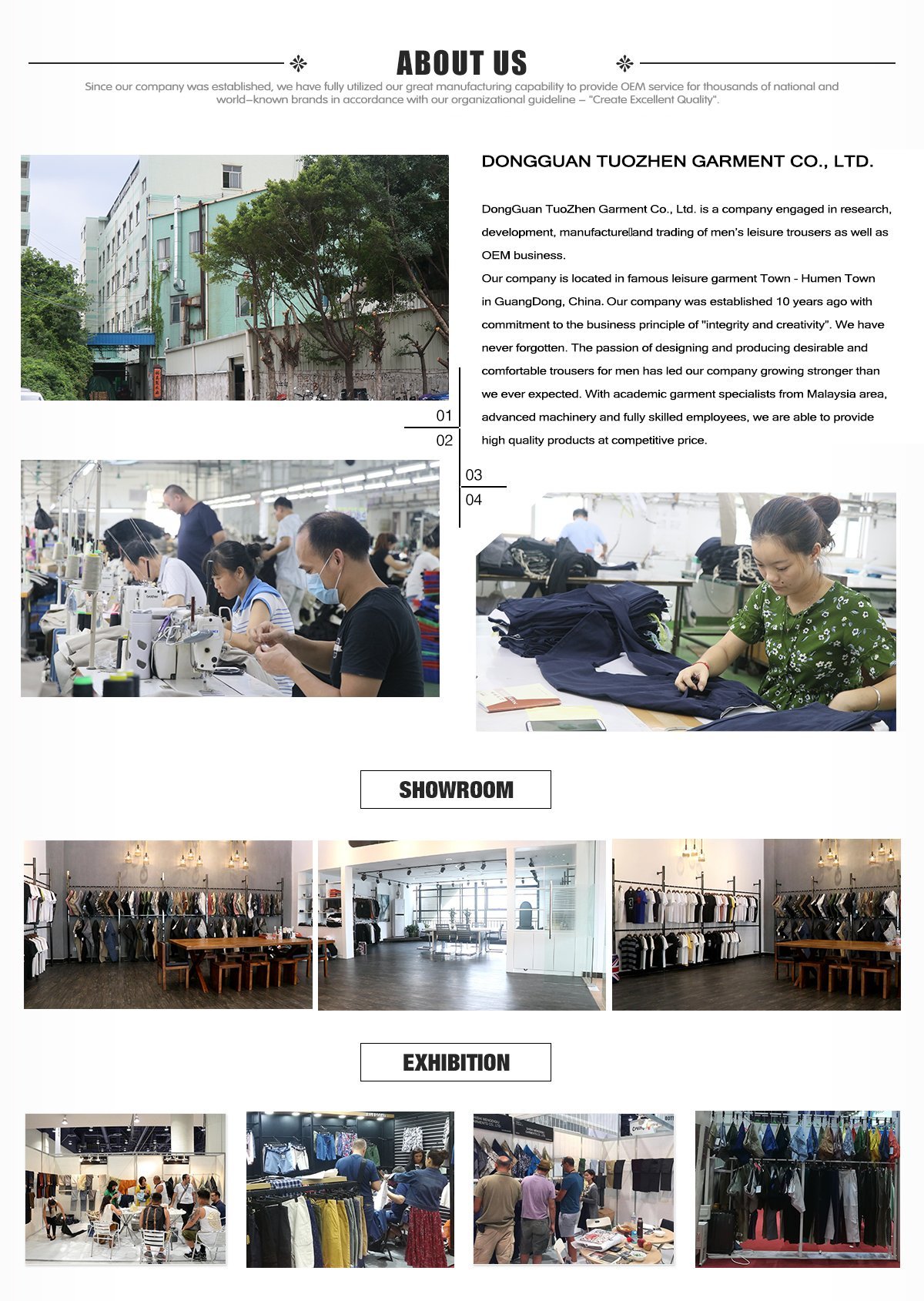
Founded in 2024 by Tesla Luo, Clothing Manufacturer Ltd. emerged from a mission to restore trust in Chinese garment manufacturing. With over 10 years in apparel production and 6 years specializing in streetwear, Luo witnessed too many factories skip quality control entirely. Raised in a manufacturing family and trained across every production role from cutting to QC, he built this company on one principle: rigorous testing at every stage.
Today we serve streetwear brands, fashion startups, and global retailers across 100-plus countries, offering blank sweatpants wholesale with a proprietary 5-step quality control process. Our 15-member R&D team and 10 patents support low MOQs from 50 pieces, fast turnaround for seasonal collections, and in-house design and sampling. We combine the agility of a streetwear specialist with the production capacity of our parent company, Dongguan TuoZhen Clothing Co., Ltd.
Every blank sweatpants wholesale order reflects our commitment to premium fabrics, expert craftsmanship, and zero-compromise QC. We partner with emerging influencer lines and established brands alike, providing global shipping and the transparent communication you need to grow. Our goal is simple: ensure Chinese manufacturers earn respect worldwide by delivering quality that speaks for itself.
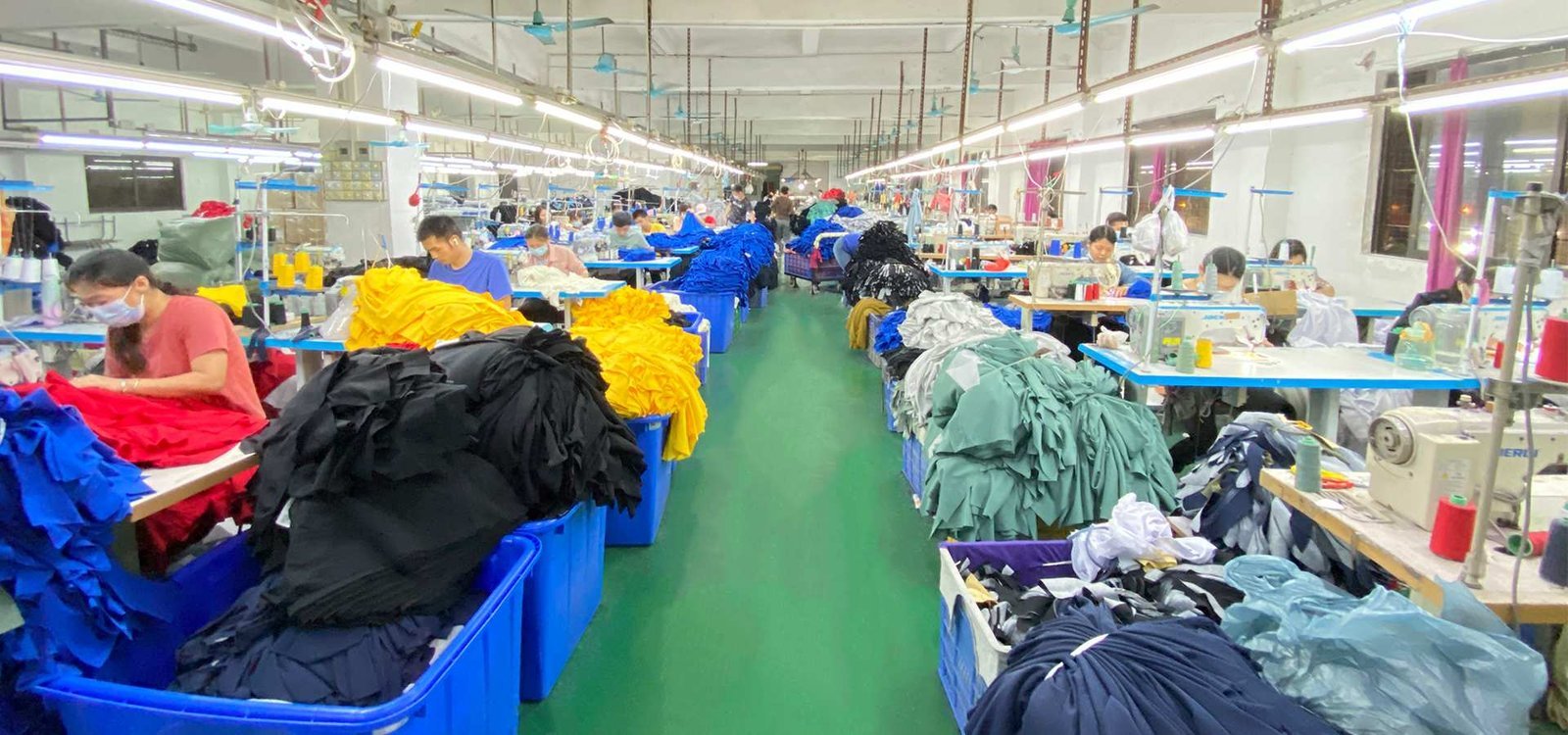
Our 5-Step Quality Control Process for Blank Sweatpants Wholesale
Materials QC Testing — Before Production Begins
Every fabric roll destined for your blank sweatpants wholesale order undergoes rigorous pre-production inspection. We verify weight, stretch recovery, colorfastness, and shrinkage rates before a single cut is made, ensuring only premium materials enter our workflow.
- Fabric weight and GSM verification against specifications
- Colorfastness testing to prevent fading and bleeding
- Stretch and recovery analysis for lasting garment shape
- Shrinkage rate measurement to guarantee size consistency
Cutting QC Testing — Precision Pattern Accuracy
Our cutting department implements checkpoint inspections to ensure every panel meets exact pattern specifications. This stage catches dimensional errors before sewing begins, eliminating the costly defects that plague factories without mid-process quality controls.
- Pattern alignment verification for consistent sizing
- Panel dimension checks against technical specifications
- Grain line and fabric direction confirmation
- Defect identification and replacement before assembly
Craft & Sewing Production QC Testing
During assembly, our quality inspectors monitor stitch integrity, seam allowances, and construction techniques at critical checkpoints. This dual-stage approach catches issues in real time, not after hundreds of units have been sewn incorrectly—a practice that sets us apart.
- Real-time stitch quality and tension monitoring
- Seam strength testing at stress points and waistbands
- Construction technique verification against tech packs
- Immediate correction protocols to prevent batch defects
Finished Clothing Quality Inspection — Final Validation
Every completed blank sweatpants wholesale garment undergoes comprehensive final inspection covering measurements, stitching, finishing, and presentation. Only products that pass all criteria are approved for packaging and shipment, ensuring your brand receives nothing but first-quality goods.
- Full measurement audit against size specification sheets
- Visual inspection for thread trimming and finishing details
- Functional testing of drawstrings, pockets, and elastic
- Packaging readiness check and batch documentation
Why Choose Clothing Manufacturer for Blank Sweatpants Wholesale
We deliver the quality control, speed, and support that typical wholesale suppliers skip. Here’s how we compare when you source blank sweatpants wholesale.
← 左右滑动查看 →
Blank Sweatpants Wholesale Production Timeline — From Order to Delivery
Our streamlined 6-phase process ensures your blank sweatpants wholesale order moves efficiently from confirmation through our 5-step QC system to final shipment, so you can plan product launches and inventory with confidence.
Order Confirmation & Planning
We finalize your blank sweatpants wholesale specifications, fabric choices, quantities, and delivery timeline. Production schedule locked within 24 hours of deposit.
Fabric Sourcing & Inspection
Premium fleece, French terry, or performance blends sourced and tested. Materials QC testing—our first quality checkpoint—ensures fabric meets weight and durability standards.
Pattern & Cutting QC
Patterns graded to your size range, fabric spread and cut with precision. Cutting QC testing verifies accurate dimensions before pieces move to sewing floor.
Sewing & In-Line QC
Skilled operators assemble sweatpants with flatlock or overlock seams. Clothing craft QC and sewing production QC testing catch defects in real time during assembly.
Finishing & Final Inspection
Garments pressed, trimmed, and subjected to finished clothing quality QC inspection—our fifth and final checkpoint—before approval for packing and labeling.
Packing & Global Shipment
Blank sweatpants poly-bagged, carton-packed with your branding inserts, and dispatched via air or sea. Full logistics support and tracking provided to your warehouse.
How to Order Blank Sweatpants Wholesale — Simple 4-Step Process
From initial inquiry to bulk delivery, our streamlined ordering process makes sourcing blank sweatpants wholesale effortless. Work directly with our team to bring your vision to life with confidence.
Submit Your Tech Pack or Specifications
Share your design requirements, fabric preferences, sizing charts, and quantity needs. Our team reviews every detail to ensure we understand your blank sweatpants wholesale vision completely.
Receive Quote and Pre-Production Samples
Within 48 hours, get a detailed quote with pricing, timeline, and MOQ options. Approve pre-production samples to verify fit, fabric quality, and construction before bulk manufacturing begins.
Approve Production and Quality Checkpoints
Once samples are confirmed, production starts with our 5-step QC process. Receive progress updates and checkpoint approvals at materials, cutting, crafting, sewing, and final inspection stages.
Receive Bulk Shipment with Documentation
Your finished blank sweatpants wholesale order ships with full quality reports, packing lists, and customs documentation. Global logistics support ensures smooth delivery to your warehouse or fulfillment center.
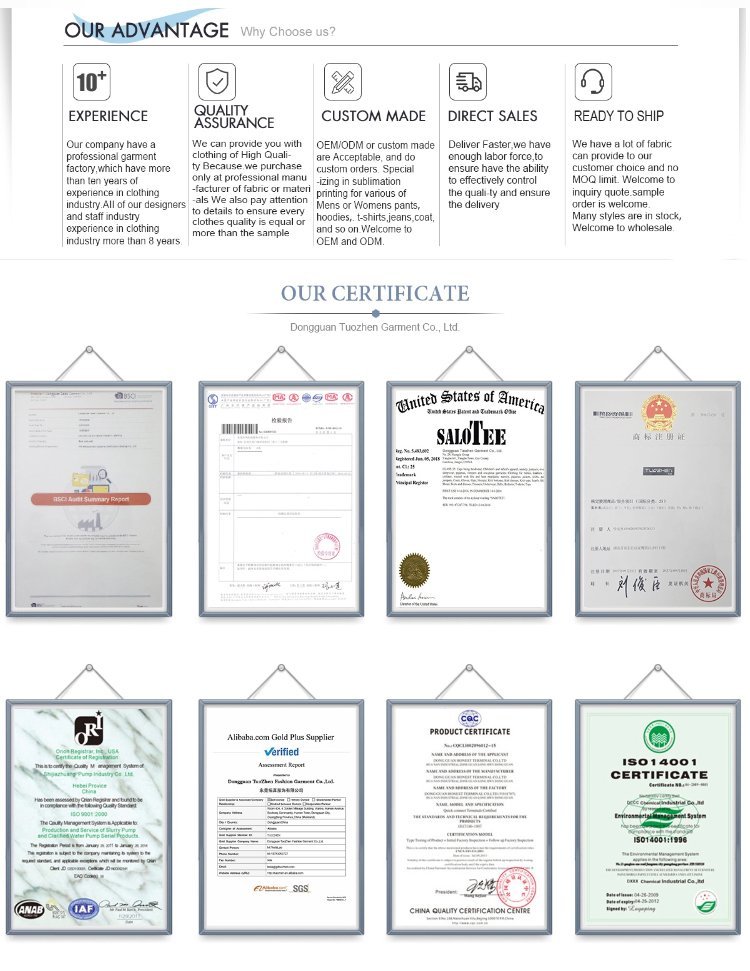
Certifications & Quality Standards for Blank Sweatpants Wholesale
Customer Stories — Brands Growing with Our Blank Sweatpants Wholesale
We scaled from 500 to 8,000 units in just 7 months with zero defects. The 5-step QC process on their blank sweatpants wholesale gave us confidence to grow fast without quality worries.
As a new brand, the 50-piece MOQ for blank sweatpants wholesale was perfect. We tested three colorways, sold out in 11 days, and reordered 600 pieces. Best manufacturing partner for startups.
Their blank sweatpants wholesale quality is unmatched. We’ve ordered over 12,000 pieces across four seasonal drops with 99.7% pass rate. The turnaround speed keeps our influencer collabs on schedule every time.
FAQ — Blank Sweatpants Wholesale Questions Answered
What is the minimum order quantity for blank sweatpants wholesale?
How long does production take for blank sweatpants wholesale orders?
Do you offer samples before I place a bulk blank sweatpants wholesale order?
What payment terms do you offer for blank sweatpants wholesale?
Can you ship blank sweatpants wholesale orders to North America and Europe?
How do you protect my designs and intellectual property?
What customization options are available for blank sweatpants wholesale?
What fabrics do you recommend for streetwear blank sweatpants wholesale?
Do you handle quality control for every blank sweatpants wholesale order?
The Complete Buyer’s Guide to Blank Sweatpants Wholesale for Your Brand
Navigate the wholesale blank sweatpants market with confidence. This guide delivers a proven decision framework, essential supplier criteria, quality benchmarks, and the critical mistakes to avoid when sourcing for your apparel brand.
1. What Is Blank Sweatpants Wholesale?
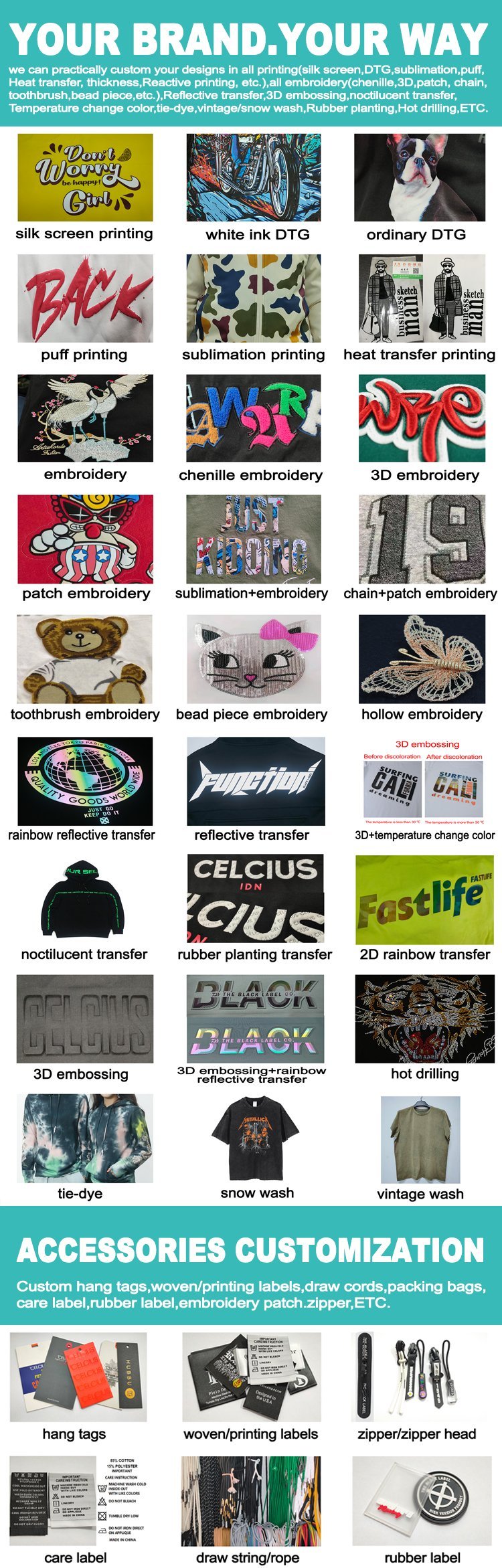
Blank sweatpants wholesale refers to unbranded, ready-to-customize fleece or terry joggers and track pants sold in bulk quantities, typically starting at minimum order quantities (MOQs) of 50 to 100 pieces per style and color. These garments arrive without logos, labels, or proprietary branding, allowing buyers to add their own screen prints, embroidery, heat transfers, or custom tags before resale. Wholesale blanks serve as the foundation for private-label apparel businesses, enabling brands to bypass the 12- to 16-week lead times and 500- to 1,000-piece MOQs common in full custom manufacturing.
Streetwear brands, fashion startups, independent designers, influencer-driven labels, and global apparel retailers purchase blank sweatpants wholesale to accelerate time to market and reduce upfront capital risk. A startup launching its first collection can order 200 blank joggers, apply unique artwork through a local decorator, and test market demand within four to six weeks rather than committing to a full production run with fabric sourcing and pattern development. Retailers and influencer brands use blanks to experiment with seasonal colorways or limited drops without locking in large inventory positions.
The value proposition centers on three pillars: speed, cost efficiency, and flexibility. Wholesale blanks eliminate fabric procurement, pattern grading, and sample approval cycles, cutting launch timelines by 60 to 75 percent. Upfront costs drop because buyers pay only for finished garments plus decoration, avoiding tooling fees, pattern charges, and bulk fabric purchases. Flexibility allows brands to mix sizes, test multiple color options, and pivot designs based on real-time customer feedback, making blank sweatpants wholesale the preferred entry point for emerging labels building their first collections.
2. The Evolution of Blank Sweatpants Wholesale
In the 1920s through 1950s, sweatpants originated as purely functional athletic wear, designed by sportswear pioneers for training and warm-up routines in gymnasiums and college sports programs. Heavy cotton fleece construction prioritized warmth and durability over style, with elastic waistbands and cuffed ankles preventing fabric from interfering with movement. These garments remained confined to locker rooms and practice fields for decades.
The 1980s and 1990s marked the transformation of sweatpants into streetwear essentials, driven by hip-hop culture, breakdancing crews, and skate communities that adopted athletic silhouettes as everyday uniform. Brands recognized the crossover appeal and began producing joggers with tapered fits, side stripes, and logo placements that resonated with youth seeking comfort and self-expression. This cultural shift created the first wave of demand for customizable blank sweatpants among independent labels and local screen-printers.
The 2000s introduced direct-to-garment printing, heat transfer vinyl, and on-demand fulfillment platforms that lowered the barrier to entry for startups and influencer brands. Wholesale blank suppliers emerged to serve this independent brand economy, offering 50-piece to 500-piece MOQs and neutral colorways ready for decoration. By the 2010s, streetwear’s global dominance and e-commerce growth solidified blank sweatpants wholesale as a core business model.
Today’s market prioritizes sustainable fabrics, OEKO-TEX and GOTS certifications, and premium construction details like flatlock seams and ring-spun cotton blends. Brands now expect wholesale partners to deliver both ethical sourcing and consistent quality, reflecting consumer demand for transparency and longevity in every garment.
3. Types of Blank Sweatpants Wholesale
Blank sweatpants wholesale inventory spans six core silhouettes, each serving distinct demographics and retail positioning strategies. Understanding which cut aligns with your brand identity and target customer determines sell-through velocity and margin structure.
Classic Joggers
Classic joggers feature tapered legs with elastic ankle cuffs and a mid-rise elastic waistband with drawstring. This silhouette dominates athleisure and casual streetwear, appealing to customers aged 16–35 who prioritize comfort and mobility.
Fitness influencers, gym apparel startups, and lifestyle brands favor joggers because the tapered cut flatters multiple body types and transitions seamlessly from workout to social settings. Retail positioning typically centers on versatility and everyday wearability.
Tapered Fit
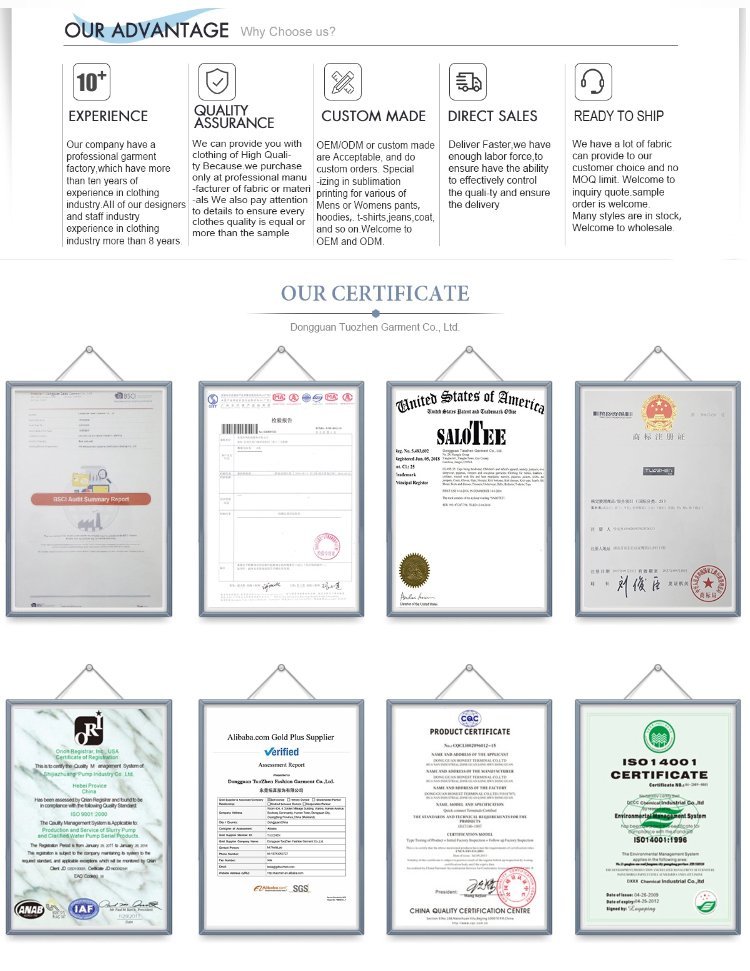
Tapered-fit sweatpants narrow gradually from hip to ankle without elastic cuffs, offering a cleaner, more refined silhouette than classic joggers. Independent designers and premium streetwear labels use tapered cuts to convey sophistication while maintaining comfort.
This style appeals to fashion-conscious buyers aged 20–40 who seek elevated casualwear. Brands position tapered sweatpants at higher price points, emphasizing craftsmanship and modern aesthetics over pure athletic function.
Straight-Leg Fleece
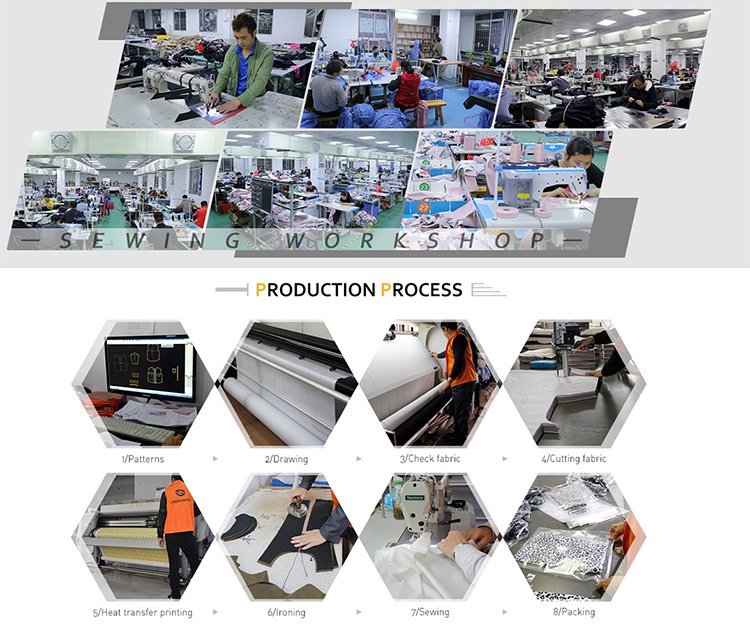
Straight-leg fleece sweatpants maintain consistent width from thigh to hem, delivering a relaxed, retro aesthetic rooted in 1990s sportswear. Vintage-inspired streetwear brands and loungewear labels favor this cut for its nostalgic appeal and unisex fit.
Target demographics include customers aged 18–45 seeking oversized comfort or heritage styling. Retail positioning emphasizes authenticity, comfort, and gender-neutral design, often paired with bold graphics or minimalist branding.
Oversized Silhouettes
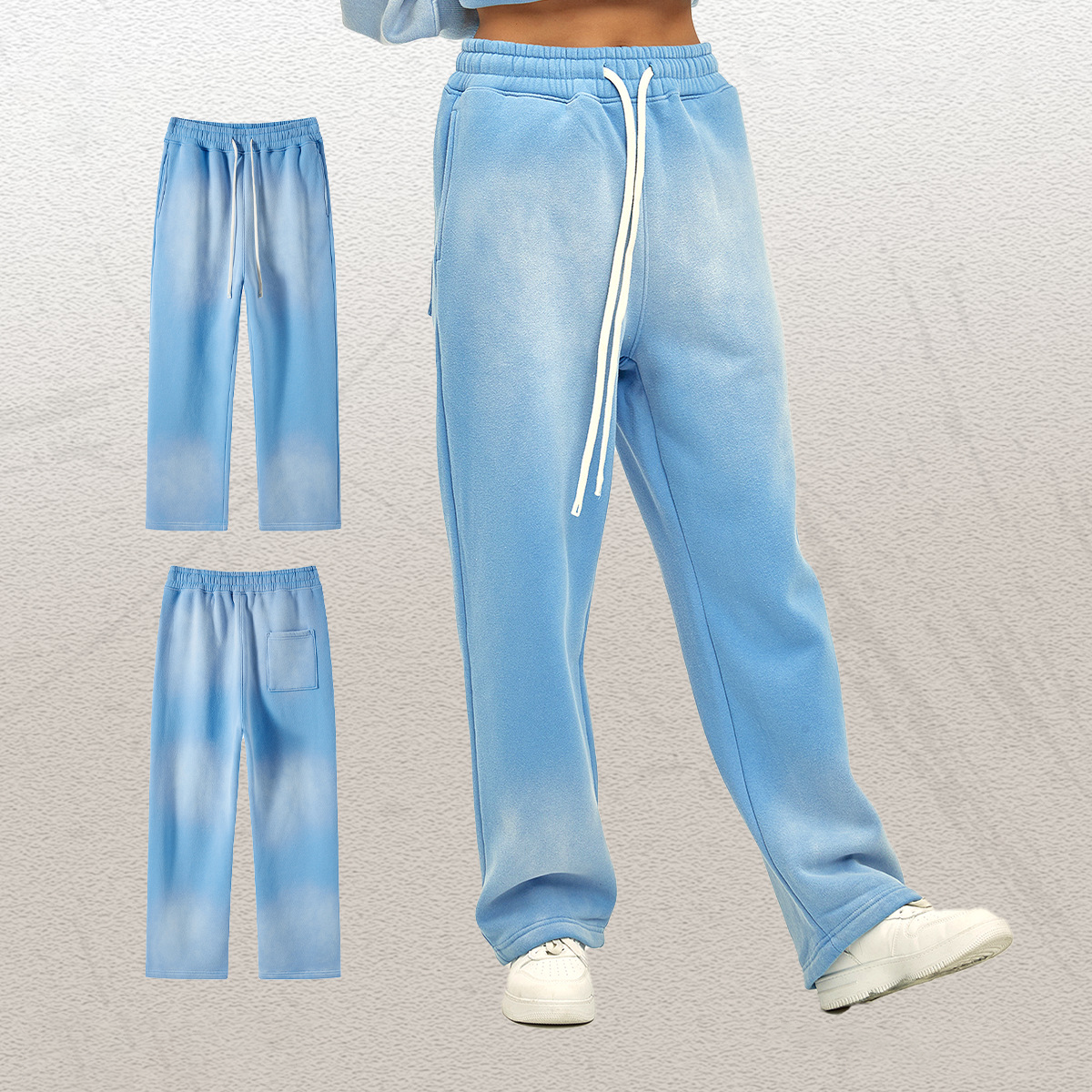
Oversized sweatpants feature dropped crotches, wide legs, and exaggerated proportions that align with contemporary streetwear trends. Influencer brands, creator labels, and trend-driven retailers use oversized cuts to capture Gen Z and millennial customers who prioritize statement pieces.
This silhouette supports bold graphic placements and embroidery, reinforcing brand identity through visual impact. Positioning focuses on exclusivity, cultural relevance, and social-media appeal rather than functional performance.
4. Materials and Fabrics in Blank Sweatpants Wholesale
Fabric choice determines weight, durability, printability, and price point for blank sweatpants wholesale orders. Most manufacturers offer five core materials, each optimized for different brand positioning and customer expectations. Understanding GSM ranges and certifications ensures alignment with quality standards and sustainability goals.
| Fabric Type | GSM Range | Pros | Cons | Best For |
|---|---|---|---|---|
| French Terry | 240–280 | Breathable, moisture-wicking, smooth exterior | Moderate shrinkage, mid-tier cost | Lightweight streetwear, activewear |
| Brushed Fleece | 280–340 | Soft hand, warm, excellent printability | Higher cost, potential pilling | Fall/winter collections, premium lines |
| Poly-Cotton Blend | 260–300 | Shape retention, low shrinkage, affordable | Less breathable than pure cotton | Budget to mid-tier brands |
| 100% Polyester | 240–320 | Lowest cost, fast-drying, wrinkle-free | Odor retention, synthetic feel | Performance wear, budget lines |
| Organic Cotton | 280–320 | GOTS/OEKO-TEX certified, eco-friendly | 20–35% price premium | Premium streetwear, sustainability brands |
| Recycled Polyester | 260–300 | GRS certified, circular fashion appeal | Limited color range, higher MOQs | Eco-conscious retailers, Gen Z brands |
Cotton Fleece: French Terry and Brushed Fleece

French terry (240–280 GSM) features looped interior yarns that wick moisture while maintaining a smooth exterior, ideal for lightweight streetwear and activewear. Brushed fleece (280–340 GSM) adds a soft, raised interior for warmth and comfort, popular in fall and winter collections.
Both variants accept screen printing, embroidery, and direct-to-garment decoration with excellent color saturation. Cotton fleece offers superior breathability compared to synthetics but may shrink 3–5% after the first wash if not pre-shrunk during production.
Poly-Cotton Blends and 100% Polyester
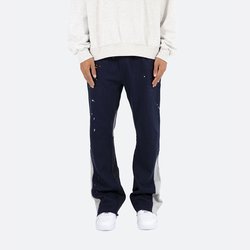
Poly-cotton blends (260–300 GSM, typically 50/50 or 65/35 ratios) combine cotton’s softness with polyester’s wrinkle resistance and dimensional stability. These fabrics hold shape better than pure cotton and reduce shrinkage to under 2%, making them a cost-effective mid-tier option.
100% polyester fleece (240–320 GSM) delivers the lowest per-unit cost and fastest drying time, suited for performance brands and budget lines. However, polyester retains odors more than natural fibers and may pill after repeated washing if low-quality yarns are used.
Organic Cotton and Recycled Materials
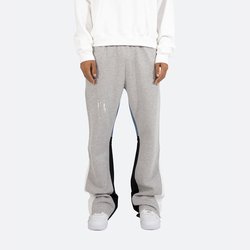
Organic cotton fleece (280–320 GSM) carries GOTS or OEKO-TEX certification, appealing to eco-conscious consumers and premium streetwear labels. Prices run 20–35% higher than conventional cotton due to certified supply chains and lower crop yields.
Recycled polyester fleece (260–300 GSM) diverts post-consumer plastic from landfills and qualifies for GRS certification. Brands targeting Gen Z and sustainability-focused retailers increasingly specify recycled content to meet corporate ESG commitments and consumer demand for circular fashion.
5. Customization and Decoration Options for Blank Sweatpants Wholesale
Decoration transforms blank sweatpants wholesale into branded products that command premium pricing and build customer loyalty. Each technique offers distinct trade-offs in setup cost, durability, aesthetic finish, and minimum order quantity that directly impact your margin structure and brand positioning.
| Decoration Method | Setup Cost | Per-Unit Cost | Durability (Washes) | Minimum Qty |
|---|---|---|---|---|
| Screen Printing | $25–75/color | $0.50–2.00 | 50+ | 50–100 |
| Embroidery | $15–50 digitizing | $1.50–5.00 | 200+ | 50 |
| Heat Transfer | $0 | $1.00–3.00 | 20–40 | 1 |
| DTG | $0 | $2.00–6.00 | 30–50 | 1 |
| Woven Labels | $30–100 | $0.10–0.50 | Permanent | 500–1,000 |
Screen Printing
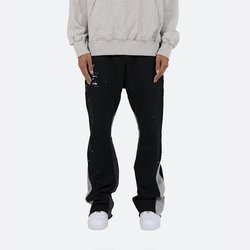
Screen printing delivers vibrant, opaque graphics on cotton and cotton-blend sweatpants with setup costs of $25–75 per color and per-unit costs of $0.50–2.00 depending on design complexity. Most suppliers require 50–100 piece minimums per design. Prints withstand 50+ wash cycles when cured properly, making screen printing ideal for bold logos and text.
Multi-color designs increase both setup time and per-unit cost, so brands often limit palettes to two or three colors to preserve margin.
Embroidery
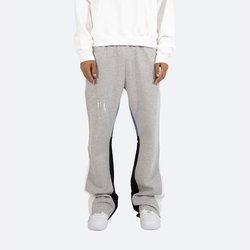
Embroidery offers premium texture and exceptional durability, with digitizing fees of $15–50 per design and per-unit costs of $1.50–5.00 based on stitch count. Minimums typically start at 50 pieces. Embroidered logos survive hundreds of washes without fading, elevating brand perception for streetwear and athletic labels.
Placement on waistbands, pockets, or leg panels adds perceived value; however, dense embroidery on lightweight fabrics can pucker or distort if not properly hooped.
Heat Transfer and DTG
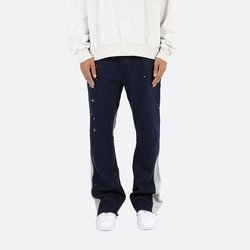
Heat transfer (vinyl or plastisol) requires no setup fee and costs $1–3 per unit, ideal for small runs and full-color photographic designs. Direct-to-garment (DTG) printing works best on 100% cotton, with per-unit costs of $2–6 and no minimums. Both methods suit startups testing designs before committing to larger screen-print runs.
Durability ranges from 20–40 washes for standard transfers; premium vinyl and pre-treatment extend lifespan but add cost.
Woven Labels and Hang Tags
Woven labels (neck, waistband, or exterior patches) cost $0.10–0.50 per piece with 500–1,000 unit minimums and one-time setup fees of $30–100. Hang tags range from $0.05–0.30 each, depending on paper weight, finishing, and quantity. Both elements reinforce brand identity at minimal per-unit expense and signal quality to retail buyers and end consumers.
6. Key Construction Quality Elements in Blank Sweatpants Wholesale
Construction quality determines whether blank sweatpants wholesale inventory becomes a repeat bestseller or a costly return liability. Every checkpoint—from stitch density to seam alignment—directly impacts durability, comfort, and customer satisfaction.
Stitch Density and Seam Type
Premium blank sweatpants wholesale typically feature 12–14 stitches per inch (SPI) on main seams, while economy-grade blanks often use 8–10 SPI. Higher stitch density resists unraveling during washing and extends garment life by 30–50 percent.
Flatlock seams lie flat against skin and eliminate chafing, making them ideal for athletic or loungewear applications. Overlock (serged) seams cost less but can create bulk at side seams and inseams, reducing comfort for extended wear.
Waistband Elasticity and Width

Standard waistbands measure 38–45 mm wide and use 80–90 percent polyester elastic with 10–20 percent spandex for recovery. Premium blanks incorporate double-ply elastic or covered elastic that maintains tension after 50-plus wash cycles.
Narrow or single-ply elastic loses stretch within 15–20 washes, causing waistband roll and customer complaints. Five-step QC processes test elasticity under repeated extension to ensure consistent performance across production runs.
Drawcord, Pocket Reinforcement, and Hem Finish
Drawcords should be bar-tacked at entry points with minimum 20 mm reinforcement stitching to prevent pullout. Flat braided cords resist fraying better than round cords and provide a cleaner aesthetic for streetwear brands.
Pocket openings require double-needle topstitching and reinforced stress points at corners. Hem finishes on premium blanks use coverstitch (two-needle, three-thread) for stretch retention, while economy-grade blanks rely on single-needle hems that crack after repeated washing.
7. How to Choose a Blank Sweatpants Wholesale Manufacturer
Selecting the right blank sweatpants wholesale manufacturer determines product quality, delivery reliability, and long-term brand reputation. Buyers must evaluate production capabilities, quality systems, and commercial terms before committing to a supplier.
Verify MOQ Flexibility and Lead Times
Minimum order quantities range from 50 pieces for startup-friendly manufacturers to 500–1,000 pieces at large-scale facilities. Lead times typically span 15–25 days for blank inventory orders and 30–45 days for custom dyeing or branding.
Startups benefit from lower MOQs that reduce upfront capital risk, while established brands prioritize faster turnaround and volume discounts. Confirm whether the supplier can scale as your order size grows.
Assess Quality Control Protocols
Rigorous manufacturers implement multi-stage QC testing at materials, cutting, sewing, and finished-goods stages rather than single end-of-line inspections. A five-step quality methodology catches defects early and reduces rejection rates below 2 percent.
Request detailed QC checklists and ask whether inspections occur in-house or through third-party agencies such as SGS or Bureau Veritas. Pre-production samples and approval cycles prevent costly errors at scale.
Check Certifications and Compliance
ISO 9001, WRAP, SA8000, and OEKO-TEX certifications signal adherence to quality management, ethical labor, and chemical-safety standards. Certifications matter most for brands entering North American and European retail channels.
Overseas suppliers in China, Bangladesh, and Vietnam often hold BSCI or SEDEX audits; domestic U.S. manufacturers may emphasize Made in USA provenance. Verify certificates are current and cover the specific factory producing your order.
Evaluate Communication and Payment Terms
Responsive communication within 24 hours and fluency in your language streamline approvals and resolve production questions quickly. Domestic suppliers offer timezone alignment; overseas partners may provide cost savings of 30–50 percent.
Standard payment structures include 30 percent deposit and 70 percent before shipment, with letters of credit common for large orders. Transparent pricing, clear lead-time commitments, and willingness to provide references build trust before the first order.
8. Common Mistakes When Sourcing Blank Sweatpants Wholesale
Sourcing blank sweatpants wholesale involves technical decisions that directly affect product quality, delivery schedules, and brand reputation. Seven recurring mistakes account for the majority of production disputes and quality failures in the streetwear apparel industry.
Skipping Sample Orders Before Bulk Production
Ordering 500 units without first receiving and testing physical samples exposes brands to catastrophic losses when fit, fabric hand, or construction quality fails to meet expectations. A single sample order of 3–5 pieces costs $50–$150 but reveals shrinkage behavior, seam durability, and colorfast performance.
Clothing Manufacturer Ltd. requires sample approval before any production run exceeding 100 pieces, applying the same five-step QC testing to samples that will govern bulk orders. Always request samples in your target fabric weight and confirm wash testing across three cycles before committing to MOQ volumes.
Ignoring Fabric Shrinkage Rates and Pre-Shrink Specs
Cotton fleece typically shrinks 3–5 percent in length and 2–3 percent in width after the first wash; failing to account for this results in undersized finished garments and customer returns. Specify compacting or sanforizing during fabric preparation to reduce residual shrinkage below 2 percent.
Request written shrinkage test reports conforming to AATCC 135 standards, and adjust pattern grading to compensate for any remaining dimensional change. Clothing Manufacturer Ltd. conducts materials QC testing that includes shrinkage verification before cutting begins, ensuring size consistency from sample to final shipment.
Underestimating Lead Times and Production Cycles
Assuming a 15-day turnaround for 500-piece orders ignores fabric sourcing (7–10 days), cutting and sewing (10–14 days), and quality inspection (2–3 days), leading to missed launch windows. Realistic lead times for blank sweatpants wholesale range from 25 to 35 days for standard orders and 40–50 days when custom dyeing or special trims are required.
Add 5–7 days for international shipping and customs clearance. Always build a 10-day buffer into your retail calendar, and confirm each production milestone—material arrival, cutting completion, sewing midpoint, final QC—in writing with your manufacturer.
Neglecting Size-Grading Consistency Across Runs
Reordering the same style six months later without locked grading specs can yield Medium garments that differ by 2–3 cm in waist or inseam, eroding customer trust. Establish and archive a master tech pack with measurements for every size, stitch count, and tolerance range (typically ±1 cm for waist, ±0.5 cm for inseam).
Clothing Manufacturer Ltd. maintains digital records of all approved patterns and applies cutting QC testing to verify that each production batch matches the original grading. Require your manufacturer to store your patterns and reference the same master file for every repeat order.
Choosing Price Over Quality and Long-Term Value
Selecting a supplier quoting $4.50 per unit instead of $5.80 often means open-end yarn, single-needle side seams, and zero mid-production inspection, resulting in 15–20 percent defect rates and damaged brand reputation. The $1.30 savings per piece disappears when factoring in returns, replacement shipments, and lost repeat customers.
Clothing Manufacturer Ltd.’s five-step QC process—materials testing, cutting verification, craft inspection, sewing checks, and finished-goods review—adds modest per-unit cost but reduces defect rates below 2 percent. Evaluate total cost of ownership, including quality risk, rather than unit price alone.
Failing to Verify Labor Compliance and Factory Audits
Omitting requests for WRAP, BSCI, or equivalent certifications exposes your brand to reputational damage if labor violations surface, and many retailers now require proof of ethical manufacturing before onboarding new vendors. Verified audits confirm fair wages, safe working conditions, and legal employment practices.
Request current audit certificates and factory registration documents during initial conversations. Clothing Manufacturer Ltd. operates under the compliance framework of Dongguan TuoZhen Clothing Co., Ltd., which maintains transparent labor standards and welcomes third-party inspections.
Omitting Written Specifications and Approved Tech Packs
Relying on verbal descriptions or sample photos without a formal tech pack—listing fabric GSM, stitch type (e.g., 401 chainstitch, 504 overlock), thread count, trim specifications, and Pantone codes—guarantees miscommunication and disputes over ‘approved’ versus delivered quality. A complete tech pack serves as the legal reference for all production decisions.
Clothing Manufacturer Ltd. will not begin cutting until the client countersigns a detailed specification sheet covering every material, measurement, and construction detail. Invest 2–3 hours drafting or refining your tech pack; it prevents weeks of rework and protects both parties in the event of disagreement.
9. Steps to Launch Your Brand with Blank Sweatpants Wholesale
Launching a streetwear brand with blank sweatpants wholesale requires a structured roadmap that balances creative vision with production realities. Each step carries timeline and budget implications that determine speed to market and initial capital requirements.
Define Target Audience and Positioning
Identify your core customer demographic by age, lifestyle, and price sensitivity before selecting product details. A Gen Z streetwear audience expects bold graphics and oversized fits, while independent designers may target minimalist aesthetics and premium fabrics.
Positioning decisions—luxury versus accessible, trend-driven versus timeless—guide every downstream choice from fabric weight to decoration technique. Allocate 1–2 weeks and minimal budget for market research and mood boards.
Select Silhouette and Fabric
Choose between tapered joggers, straight-leg, or wide-leg silhouettes based on your audience research. Pair the cut with fabric: 280–320 GSM French terry for breathable everyday wear, 350–400 GSM fleece for cold-weather collections.
Request fabric swatches and tech packs from your manufacturer to confirm hand feel and drape. This step typically requires 3–5 days and under $100 for sample yardage.
Order Samples and Finalize Branding
Order 2–5 sample units in your chosen silhouette, fabric, and decoration method—screen print, embroidery, or heat transfer. Clothing Manufacturer Ltd.’s five-step QC process ensures samples reflect production-grade quality at every stage.
Test fit, wash durability, and color accuracy before approving bulk production. Sample rounds take 7–14 days and cost $50–$150 per unit depending on decoration complexity.
Place Production Order and Plan Fulfillment
Confirm your first production run—typically 50–500 pieces for startups—and lock lead time, usually 25–35 days for blank sweatpants wholesale. Arrange warehousing or third-party logistics (3PL) for inventory storage and order fulfillment.
Budget $2,000–$10,000 for initial inventory and $200–$500 monthly for 3PL services. Coordinate shipping and customs documentation with your manufacturer to avoid delays.
Execute Go-to-Market Strategy
Launch through Shopify or WooCommerce storefronts, Instagram and TikTok content, and local pop-ups or wholesale partnerships. Allocate 15–20% of your production budget to digital ads, influencer seeding, and launch events.
Track sell-through rates weekly and reorder lead items within 4–6 weeks to maintain momentum. Early sales data informs colorway expansion, size scaling, and seasonal design iterations.
10. Pricing and Cost Breakdown for Blank Sweatpants Wholesale
Blank sweatpants wholesale pricing typically ranges from $4.50 to $12.00 per unit depending on order volume, fabric weight, and construction quality. Entry-level 50-piece orders at Clothing Manufacturer Ltd. start at approximately $8.50 per unit for 280 GSM French terry, while 1,000-piece runs drop to $5.20 per unit for the same specification, reflecting economies of scale in cutting, sewing, and quality control labor. Fabric accounts for 40–50% of unit cost, with ring-spun cotton commanding a 15–25% premium over open-end blends.
Decoration costs vary significantly by method and setup complexity. Screen printing incurs a $45–$75 setup fee per color but offers the lowest per-unit cost at $1.20–$2.50 for standard one- to three-color designs, making it ideal for orders above 100 units. Embroidery setup ranges from $25–$50 per location with a $3.50–$6.00 per-unit cost for logos up to 10,000 stitches, best suited for premium branding on smaller runs. Direct-to-garment printing eliminates setup fees but costs $4.00–$7.50 per unit, viable only for highly complex graphics or orders under 50 pieces.
Lead times directly impact cash flow and launch schedules. Clothing Manufacturer Ltd.’s five-step QC process requires 18–22 days for 50–100 units, 25–30 days for 500 units, and 35–42 days for 1,000+ units, including materials QC testing, cutting QC testing, and finished clothing quality inspection. Retail margins of 2.5× to 4× landed cost are standard in streetwear, so a $6.80 wholesale unit (including decoration) supports a $17–$27 retail price point.
| Quantity Tier | Price per Unit (USD) | Setup/Decoration Cost | Lead Time (Days) |
|---|---|---|---|
| 50–99 units | $8.50–$10.00 | $45–$75 (screen print) | 18–22 |
| 100–499 units | $6.50–$8.00 | $1.20–$2.50 per unit | 22–28 |
| 500–999 units | $5.50–$6.80 | $1.20–$2.50 per unit | 25–30 |
| 1,000+ units | $5.20–$6.00 | $1.00–$2.00 per unit | 35–42 |
Ready to Source Premium Blank Sweatpants Wholesale?
50-piece MOQ, 5-step QC guarantee, and fast turnaround. Partner with a manufacturer that puts quality first.