
Premium Wholesale Streetwear — 50-Piece MOQ, 5-Step QC Guarantee
Launch your streetwear brand with confidence. Our wholesale streetwear manufacturing combines low minimums, rigorous quality control at every production stage, and trend-driven designs trusted by brands in 100+ countries.
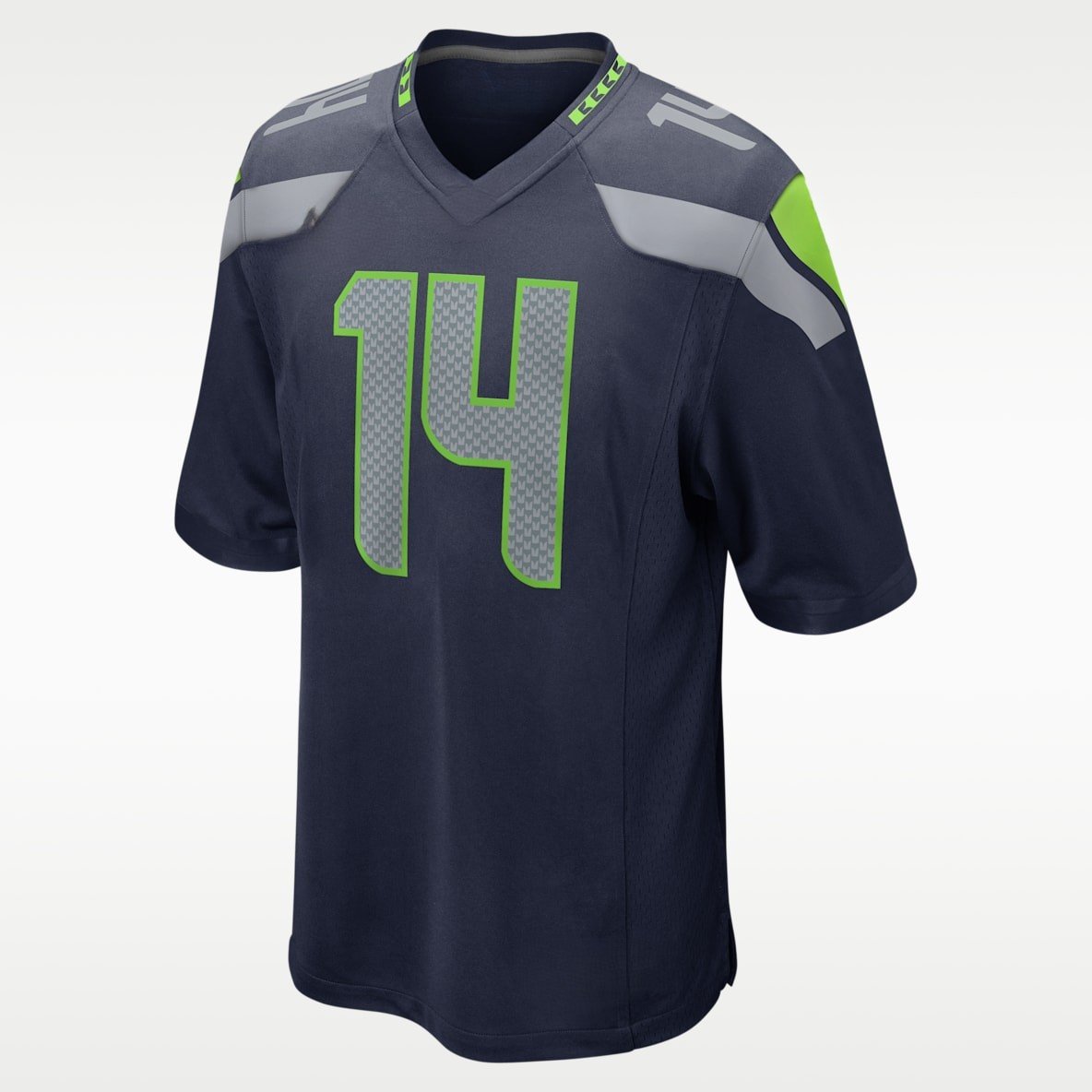
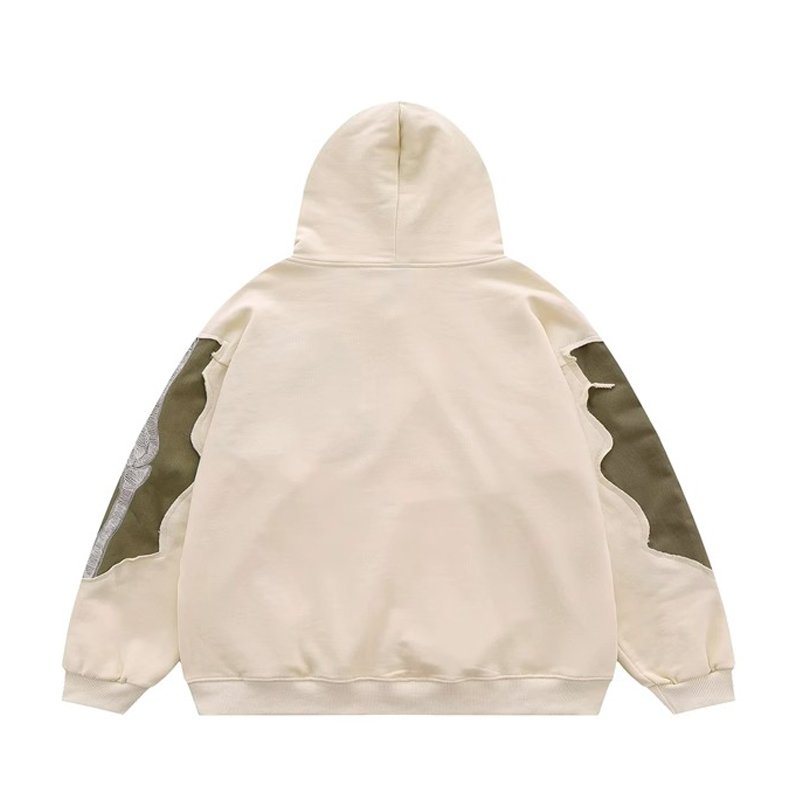
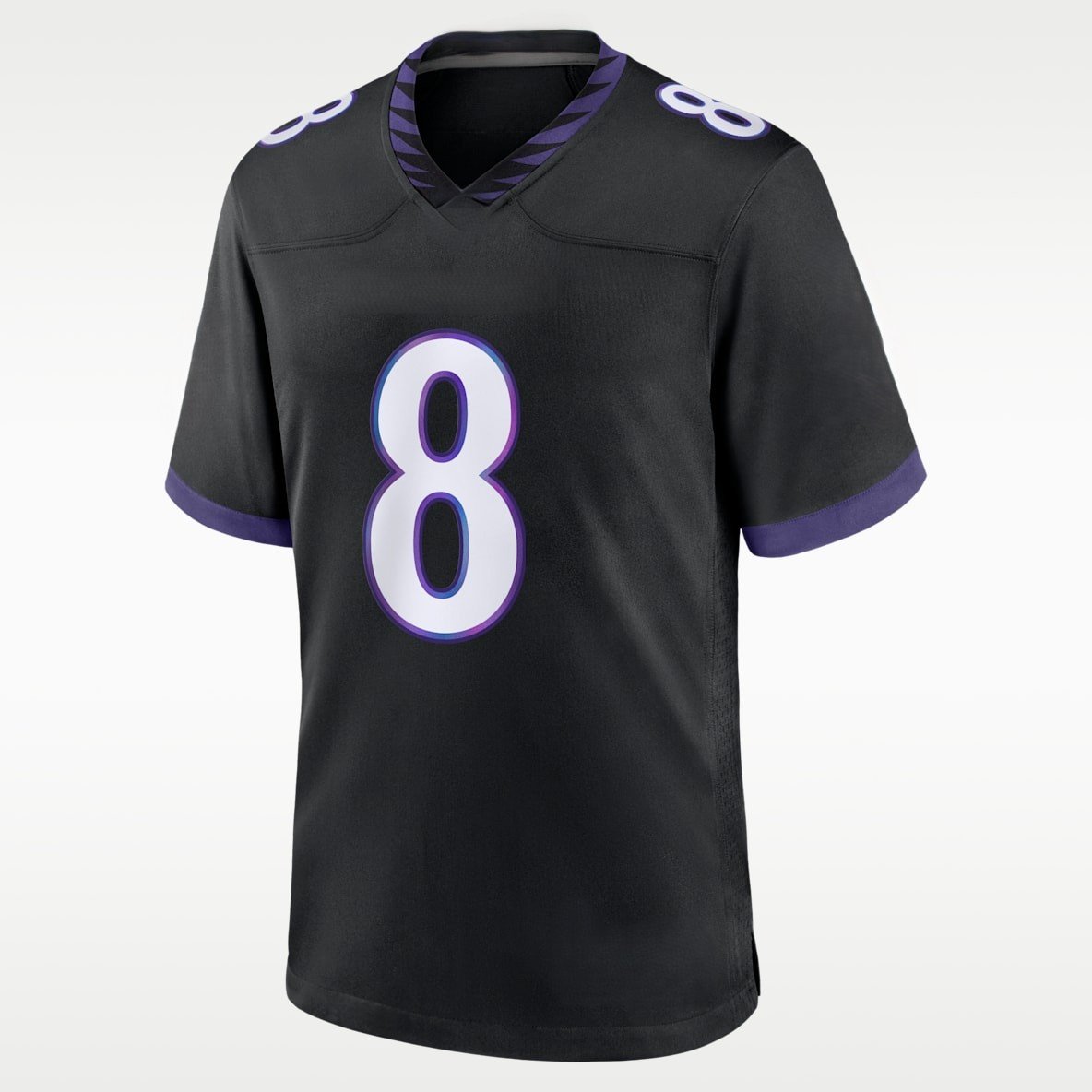
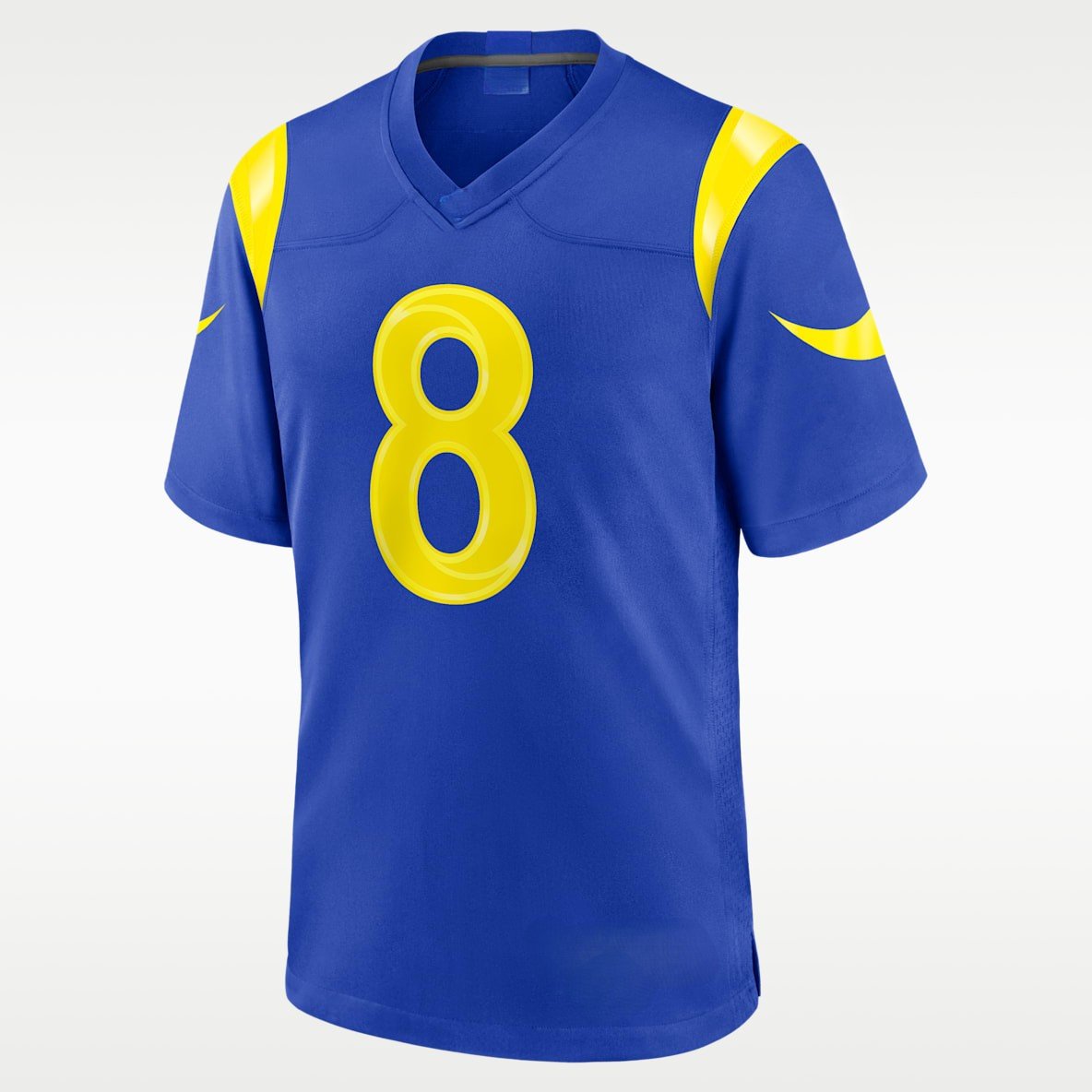
Streetwear Collection Showcase

Why Brands Choose Our Wholesale Streetwear
From emerging streetwear startups to established global retailers, our clients trust us to deliver premium quality, trend-driven designs, and reliable production at every scale.
5-Step QC Guarantee
Every order undergoes rigorous quality testing at five production stages—materials, cutting, craft, sewing, and final inspection—ensuring zero-defect delivery.
Low MOQ for Startups
Launch your streetwear brand with as few as 50 pieces per design, giving emerging labels and influencer brands flexibility without compromise.
Fast Seasonal Turnaround
Meet tight drop deadlines with streamlined production timelines designed for trend-driven collections and time-sensitive streetwear releases.
In-House Design & Sampling
Our 15-member R&D team collaborates on custom designs, tech packs, and rapid sampling to bring your streetwear vision to life.
Global Shipping & Logistics
Seamless international fulfillment to over 100 countries, with full customs, declaration, and freight support for hassle-free delivery worldwide.
Streetwear Specialist Expertise
Six years of dedicated streetwear production experience across skeleton graphics, bold prints, oversized fits, and trend-forward aesthetics young audiences demand.
Wholesale Streetwear Categories & Production Expertise
From oversized hoodies to graphic tees, we manufacture every core streetwear category with precision grading, consistent quality, and trend-driven details that keep your collections fresh.
Graphic Tees & Statement Tops
Graphic prints fade or crack after washing, and inconsistent fabric weight across batches ruins brand reputation. Many suppliers skip color-fastness testing entirely.
Vibrant, durable screen prints and DTG graphics tested for wash resistance. Our 5-step QC ensures every tee maintains color integrity and fabric consistency across all production runs.
Oversized Hoodies & Sweatshirts
Achieving consistent oversized fit across all sizes is difficult. Poor grading leads to XL fitting like L, and heavyweight fleece often shrinks unpredictably after the first wash.
Precision pattern grading delivers true oversized proportions in every size. Pre-shrunk premium fleece and rigorous fit testing guarantee your hoodies maintain their signature drop-shoulder silhouette wash after wash.
Joggers & Streetwear Bottoms
Elastic waistbands lose tension quickly, tapered fits don't hold their shape, and cheap drawstrings fray within weeks. Inconsistent inseam lengths create sizing chaos for customers.
Durable elastics rated for 10,000+ stretch cycles, reinforced stitching at stress points, and precise inseam control. Every pair passes our sewing production QC to ensure long-lasting comfort and fit.
Caps, Bags & Accessories
Embroidered logos pucker on caps, hardware breaks on bags, and mismatched colorways between accessories and apparel damage cohesive brand identity across collections.
Expert embroidery with proper stabilization, premium zippers and metal hardware, and coordinated color matching across all accessories. Our R&D team ensures every detail complements your main apparel line.
Bomber Jackets & Outerwear
Complex construction with linings, zippers, and ribbed trims creates quality control nightmares. Many manufacturers rush assembly, resulting in crooked zippers and uneven hems that ruin the premium feel.
Multi-layer construction expertise with precise zipper alignment, symmetrical ribbing, and flawless lining attachment. Our clothing craft QC testing catches defects at every assembly stage before final inspection.
Premium Fabrics for Wholesale Streetwear
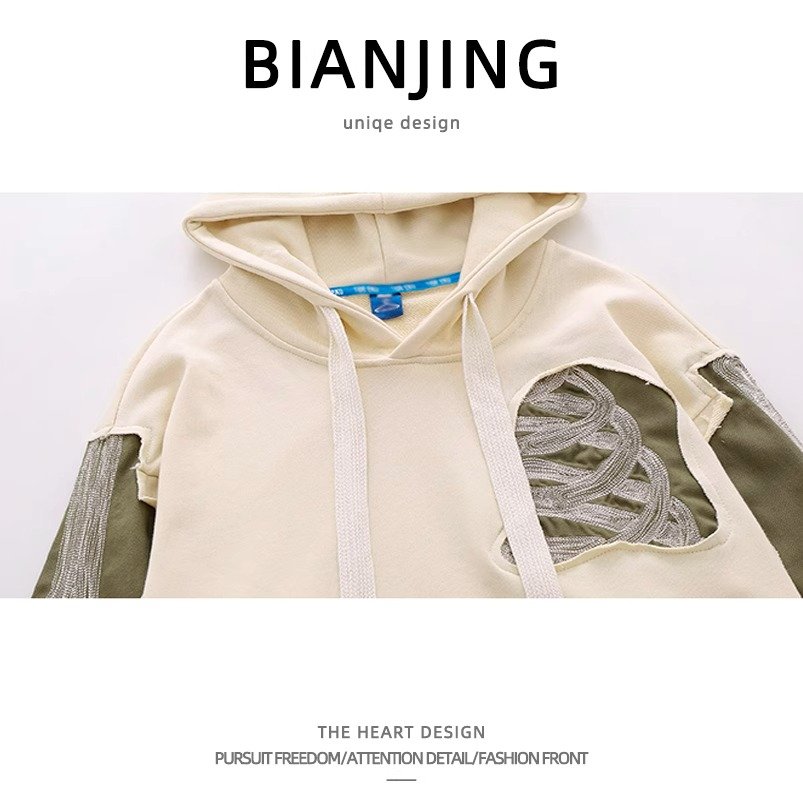
Heavyweight Cotton
Dense, structured feel with exceptional durability. Ideal for oversized tees, hoodies, and statement pieces that hold their shape. Typically 280–350 GSM, offering premium hand-feel and long-lasting wear that streetwear fans expect.
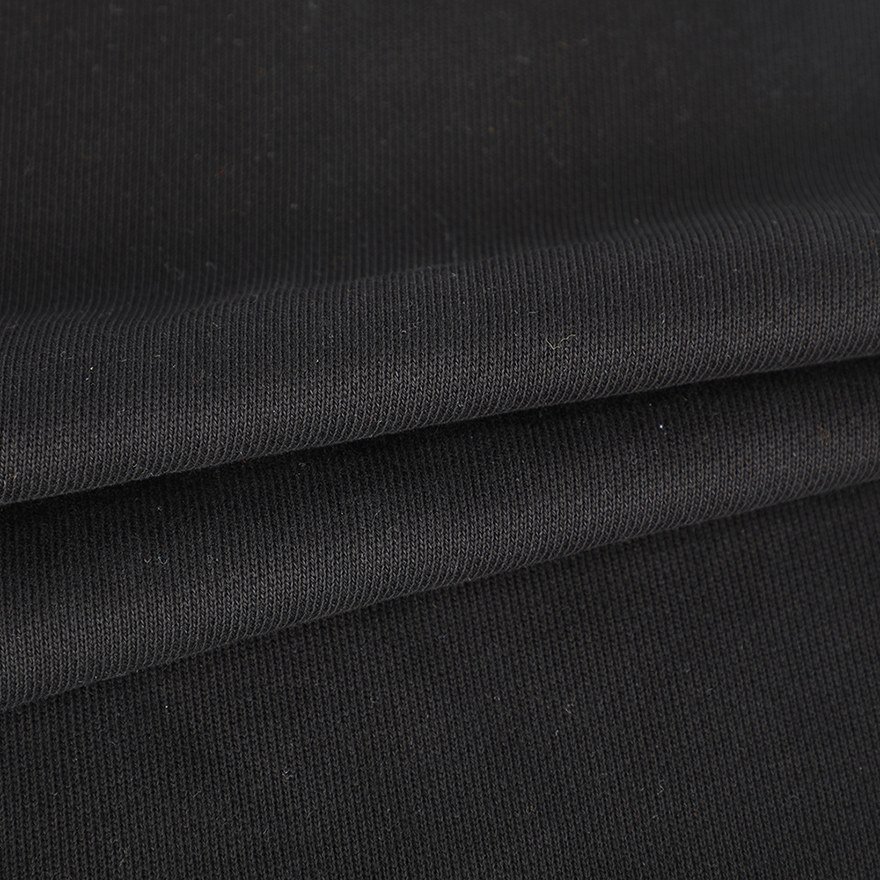
French Terry
Soft looped interior with smooth face fabric, perfect for hoodies and joggers. Mid-weight at 240–280 GSM with natural stretch and breathability, balancing comfort and structure for year-round streetwear staples.
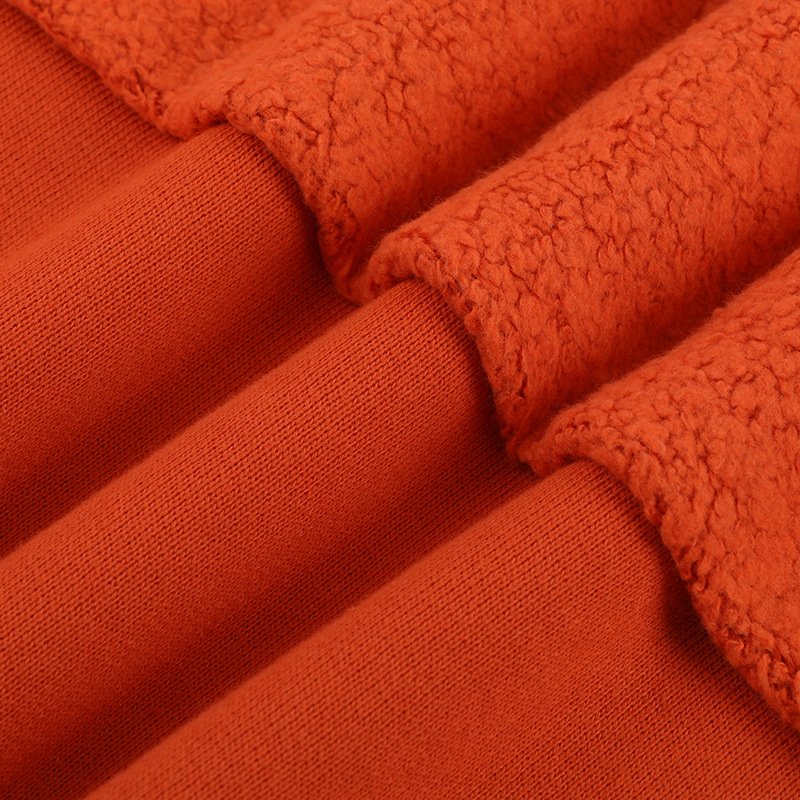
Cotton Fleece
Brushed inner surface delivers plush warmth and cozy texture. Essential for heavyweight hoodies, crewnecks, and winter collections. Available in 300–400 GSM, offering superior insulation without sacrificing drape or movement.
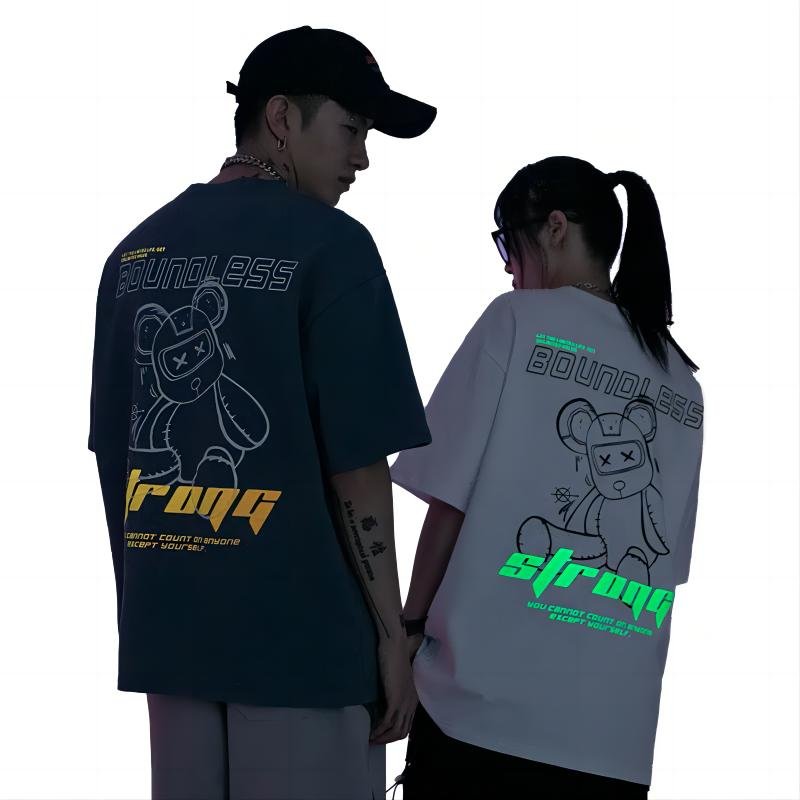
Poly-Cotton Blend
Combines cotton’s breathability with polyester’s resilience and color retention. Perfect for graphic-heavy tees and performance streetwear. Typically 60/40 or 50/50 blend, reducing shrinkage while maintaining soft hand-feel and vibrant prints.
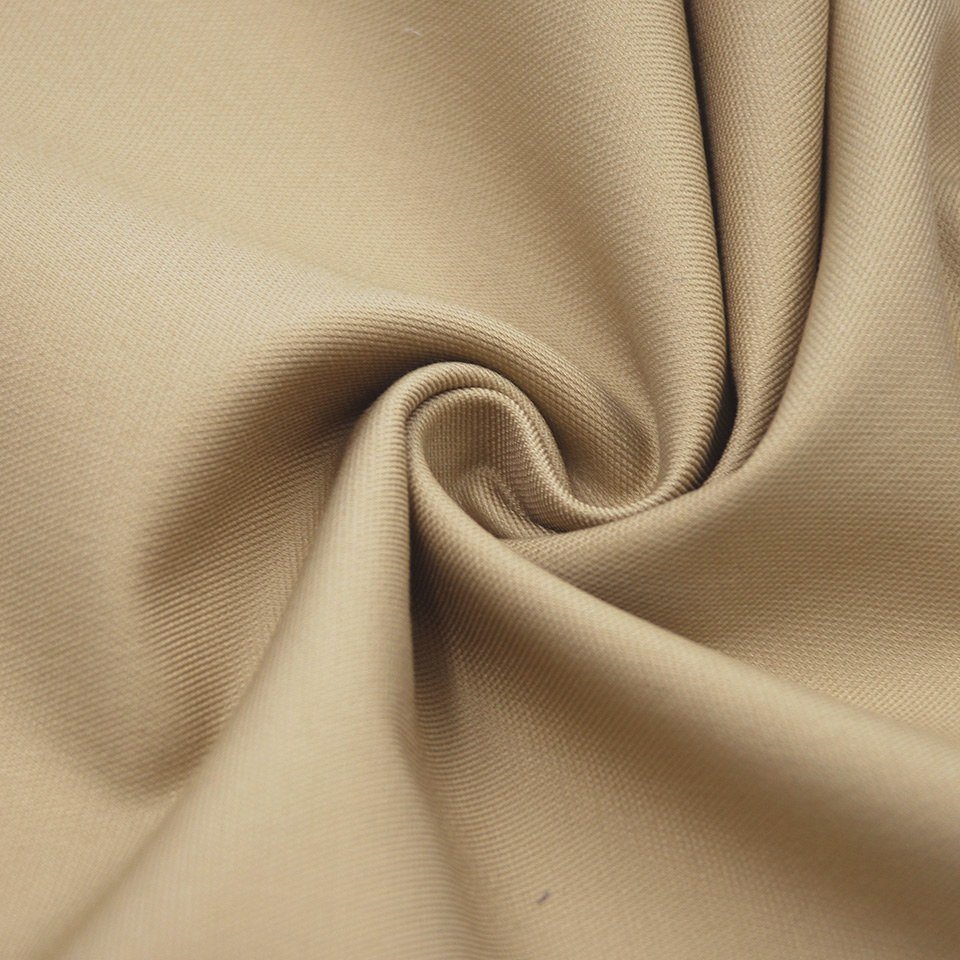
Organic Cotton Jersey
Sustainably sourced, lightweight knit with natural softness and excellent drape. Ideal for premium tees and layering pieces. 160–220 GSM weight offers breathability and comfort, appealing to eco-conscious streetwear brands and their audiences.
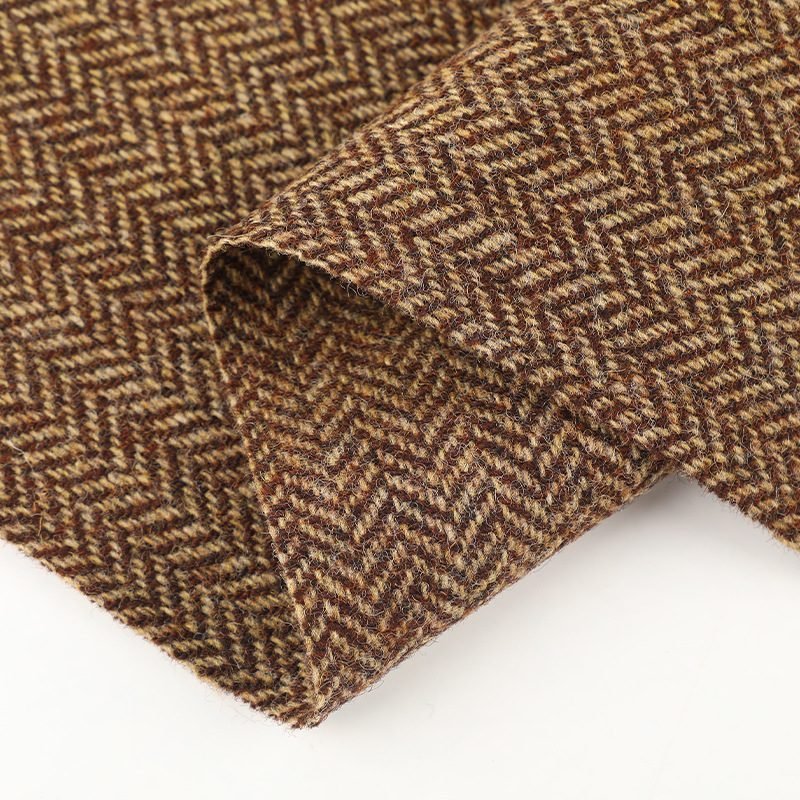
Heavyweight Twill
Diagonal weave construction provides strength and refined texture. Perfect for streetwear pants, jackets, and structured outerwear. 280–320 GSM with minimal stretch, delivering crisp lines and professional finish that elevates any collection.
Wholesale Streetwear Printing & Embroidery Techniques
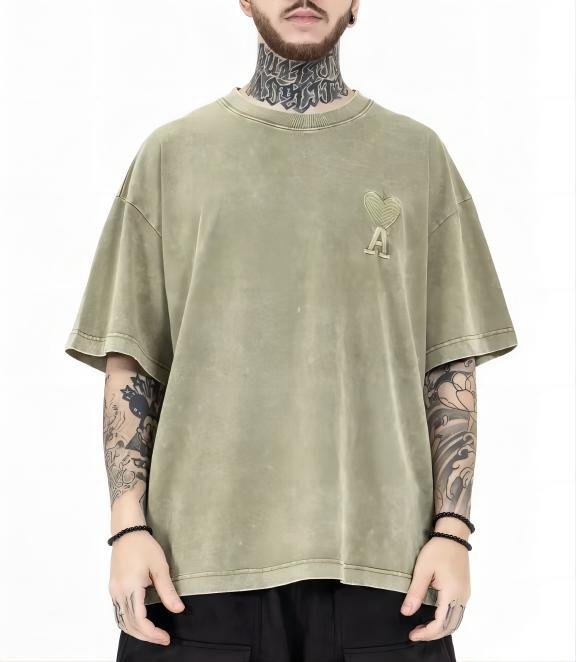
Screen Printing
High-opacity ink layers ideal for bold logos, large graphics, and vibrant streetwear designs. Delivers exceptional color saturation and wash durability, perfect for bulk wholesale streetwear orders with consistent branding across every piece.
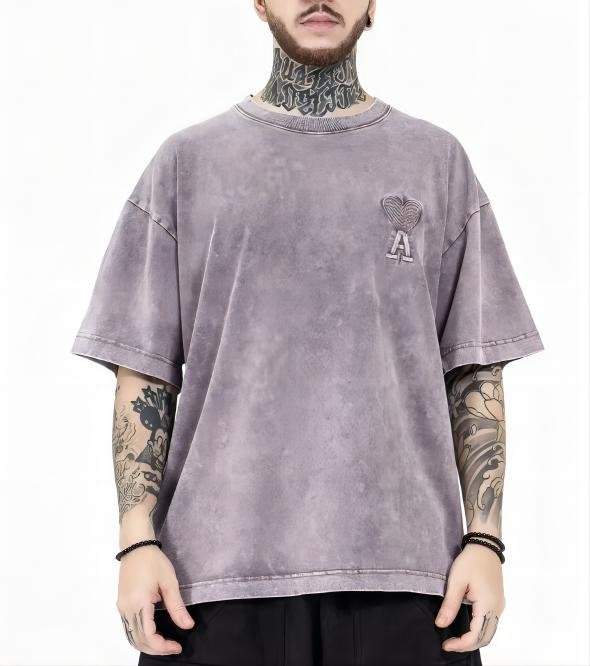
Direct-to-Garment (DTG)
Digital inkjet printing for photorealistic detail and unlimited color gradients. Best suited for complex artwork, small-batch custom designs, and influencer capsule collections requiring intricate streetwear graphics with soft hand-feel.
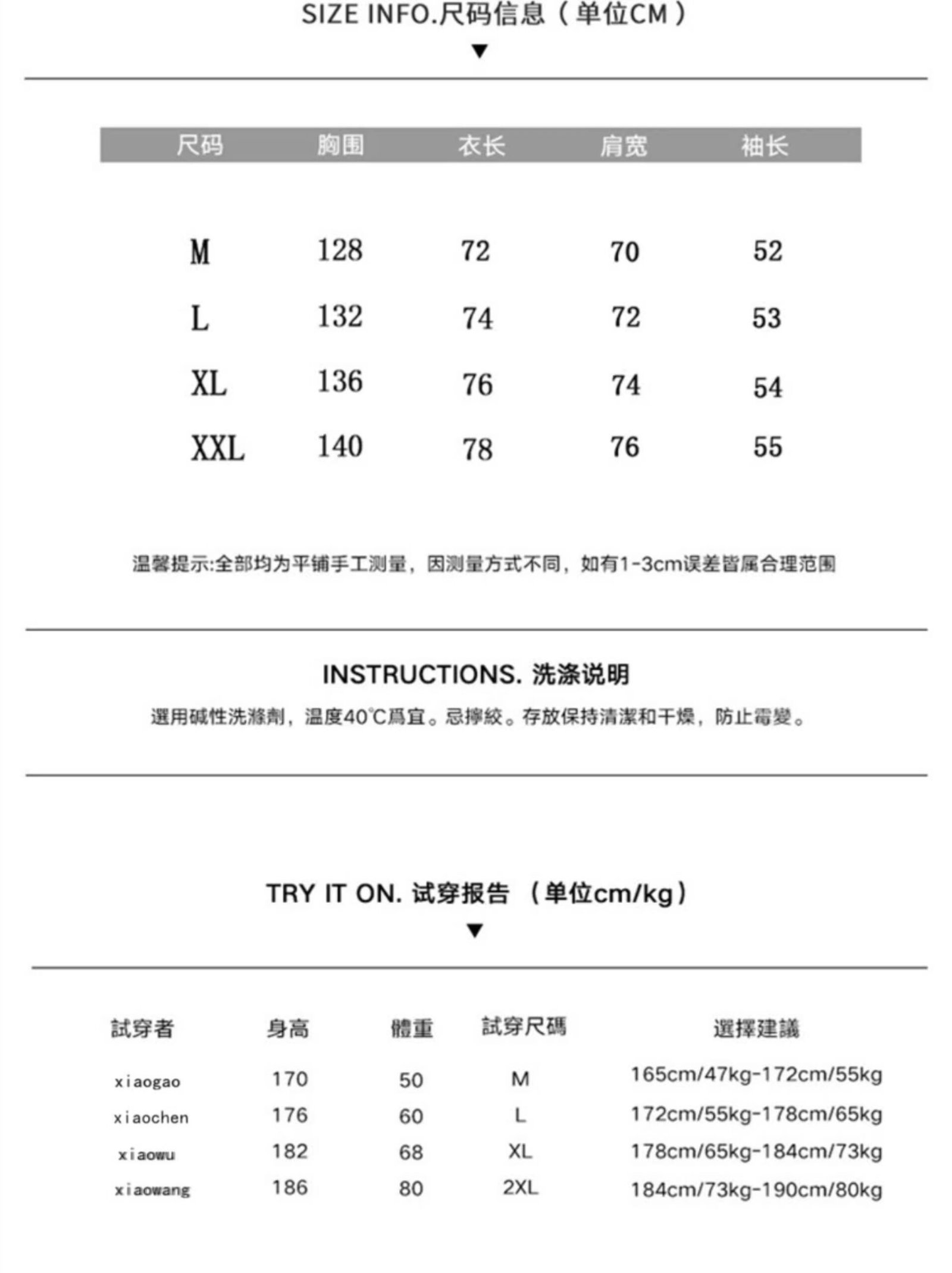
Embroidery
Premium thread stitching that adds texture, dimension, and luxury to hoodies, caps, and jackets. Highly durable and fade-resistant, embroidery elevates streetwear branding with a tactile, high-end finish that withstands heavy wear.
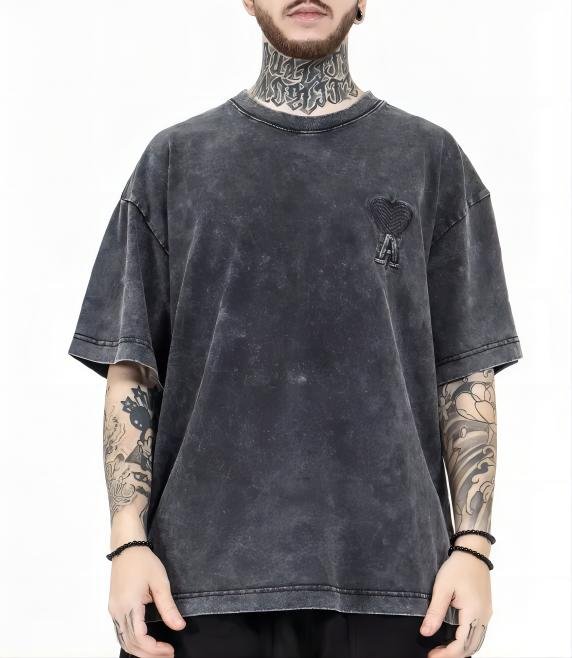
Sublimation Printing
Dye-infusion process for all-over prints and seamless patterns on polyester fabrics. Creates breathable, lightweight streetwear with edge-to-edge graphics that never crack, peel, or fade—ideal for athletic streetwear and bold statement pieces.
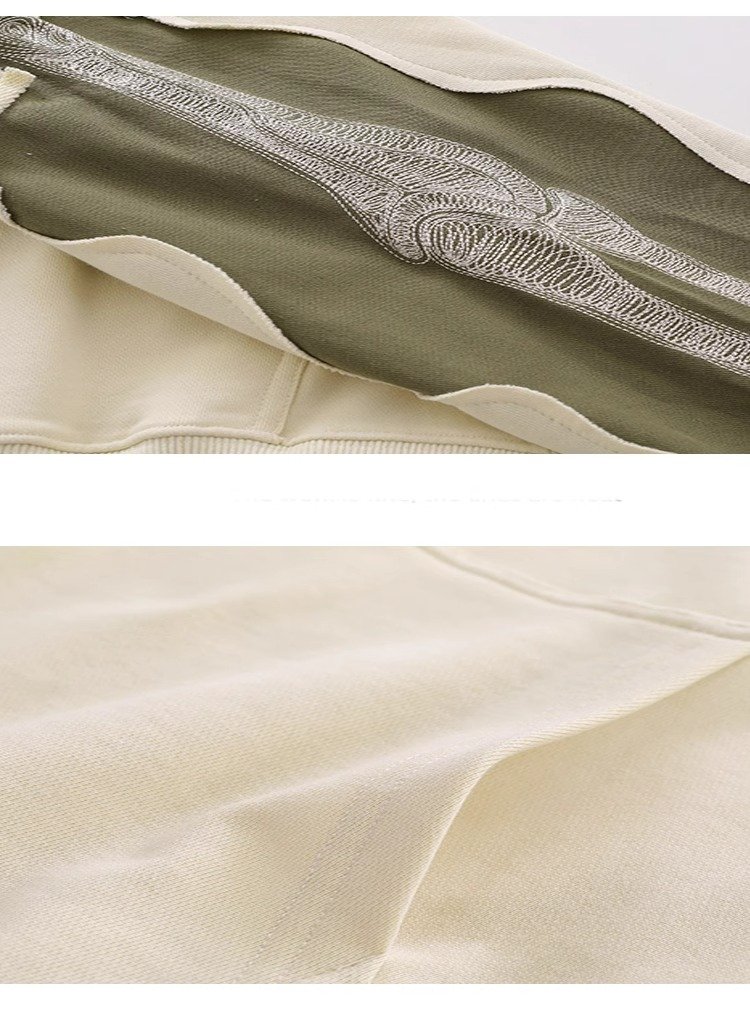
Heat Transfer
Versatile application method for specialty finishes including metallic foils, glitter effects, and reflective details. Perfect for adding eye-catching accents to wholesale streetwear collections, delivering trendy visual impact with reliable adhesion.
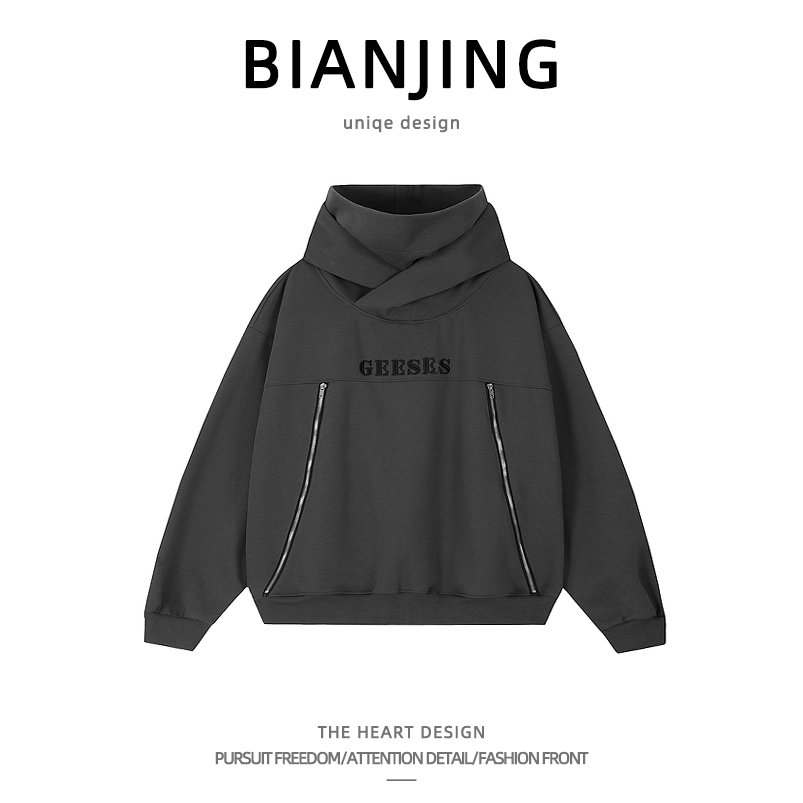
Custom Dyeing
Garment-dyed and pigment-dyed techniques for unique vintage washes, acid washes, and trend-driven color effects. Achieves authentic streetwear aesthetics with depth and character, ensuring each batch meets strict color consistency standards through our QC process.
Hardware & Finishing Accessories for Wholesale Streetwear
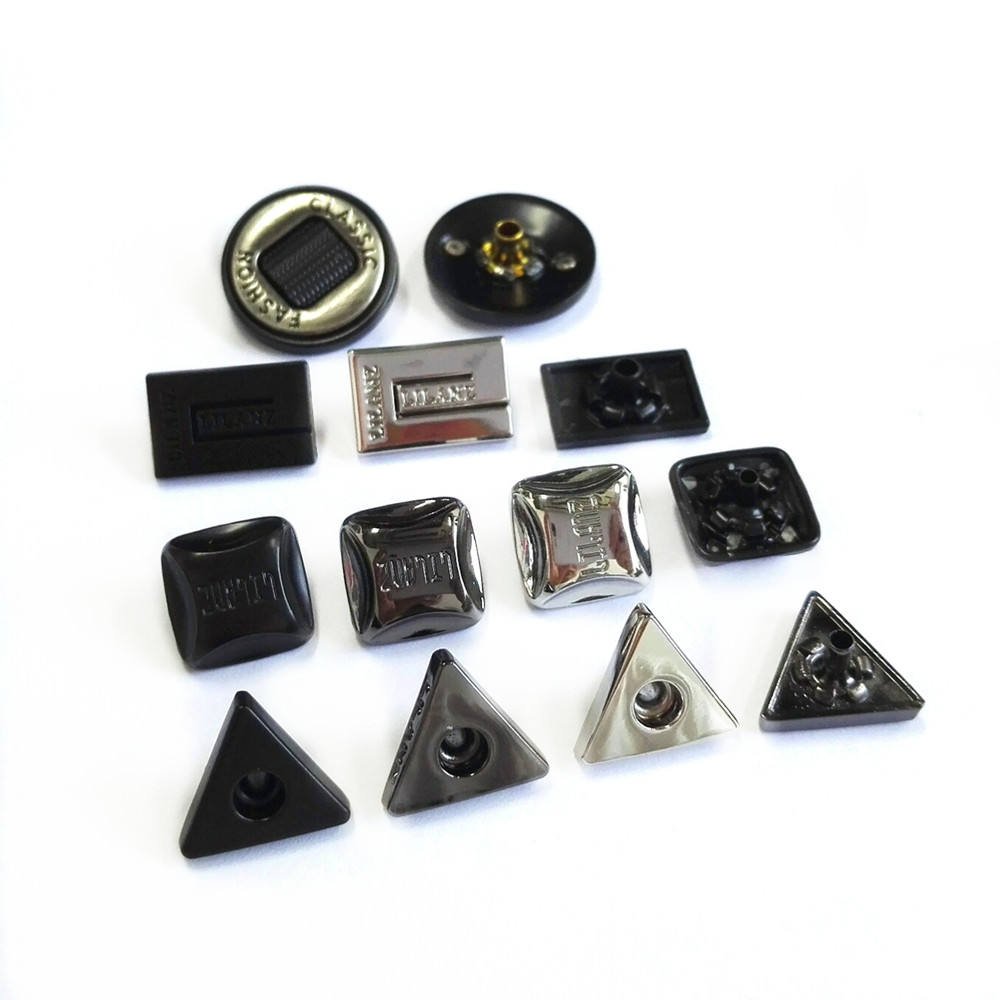
Metal Snap Buttons
Durable zinc-alloy or brass snap fasteners in gunmetal, antique, or custom finishes. Ideal for jacket closures, pocket flaps, and adjustable waistbands on streetwear hoodies and outerwear.
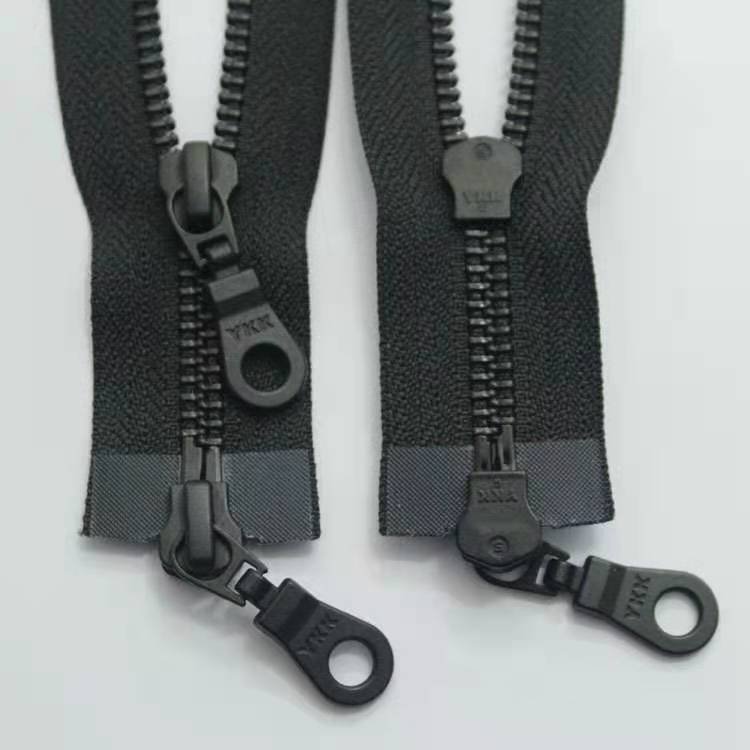
YKK Zippers
Authentic YKK metal and resin zippers engineered for smooth operation and long-lasting reliability. Perfect for bomber jackets, hoodies, cargo pants, and any streetwear piece requiring premium closure hardware.
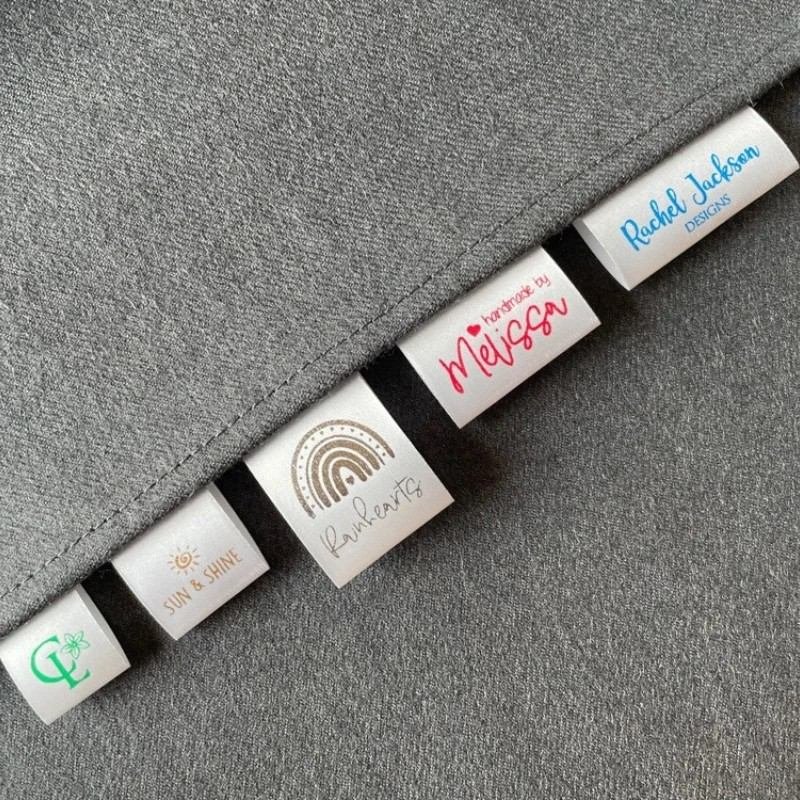
Custom Drawcords
Round, flat, or tipped drawcords in cotton, polyester, or reflective materials with branded aglets. Essential for hoodies, joggers, and streetwear shorts requiring adjustable fit and signature branding details.
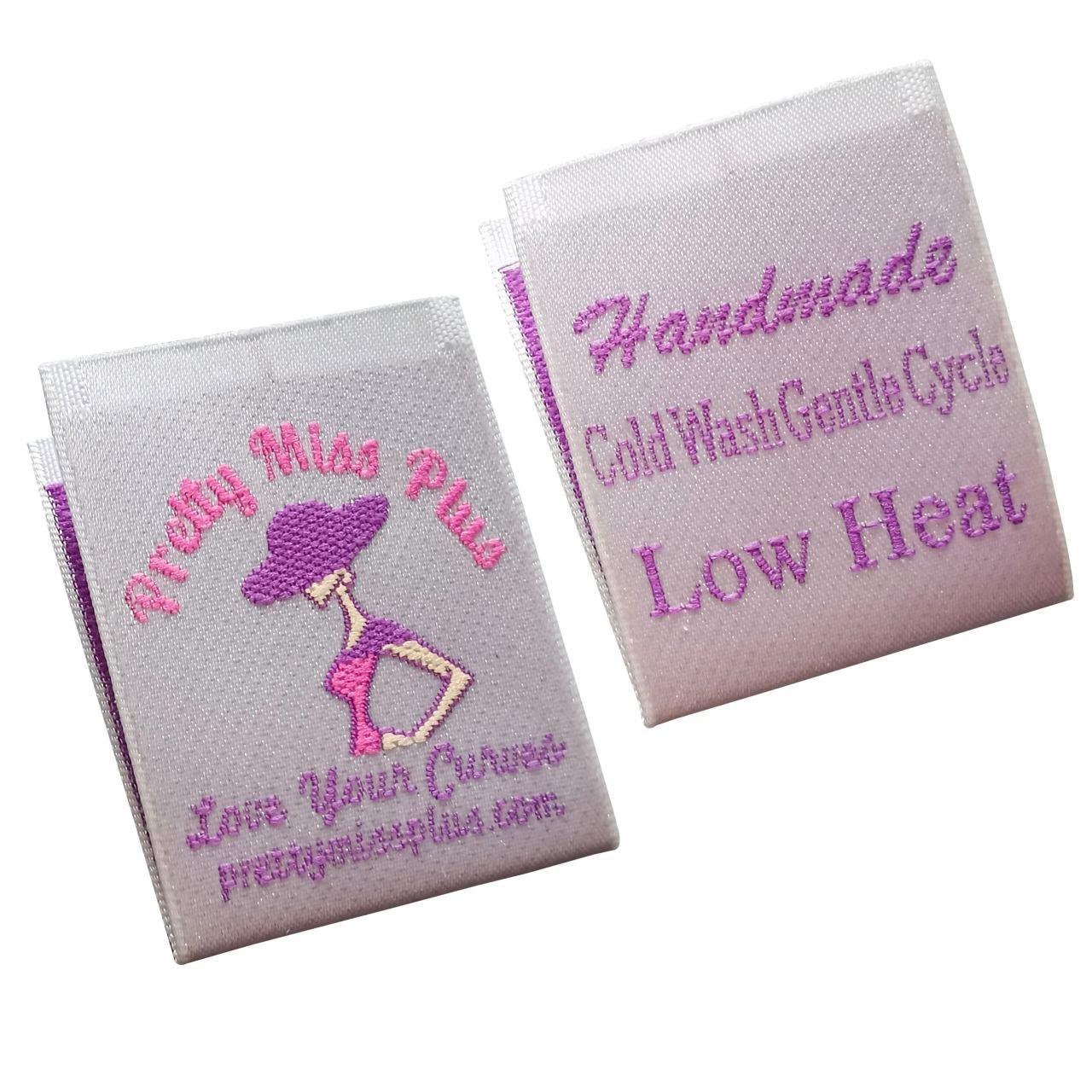
Woven Labels
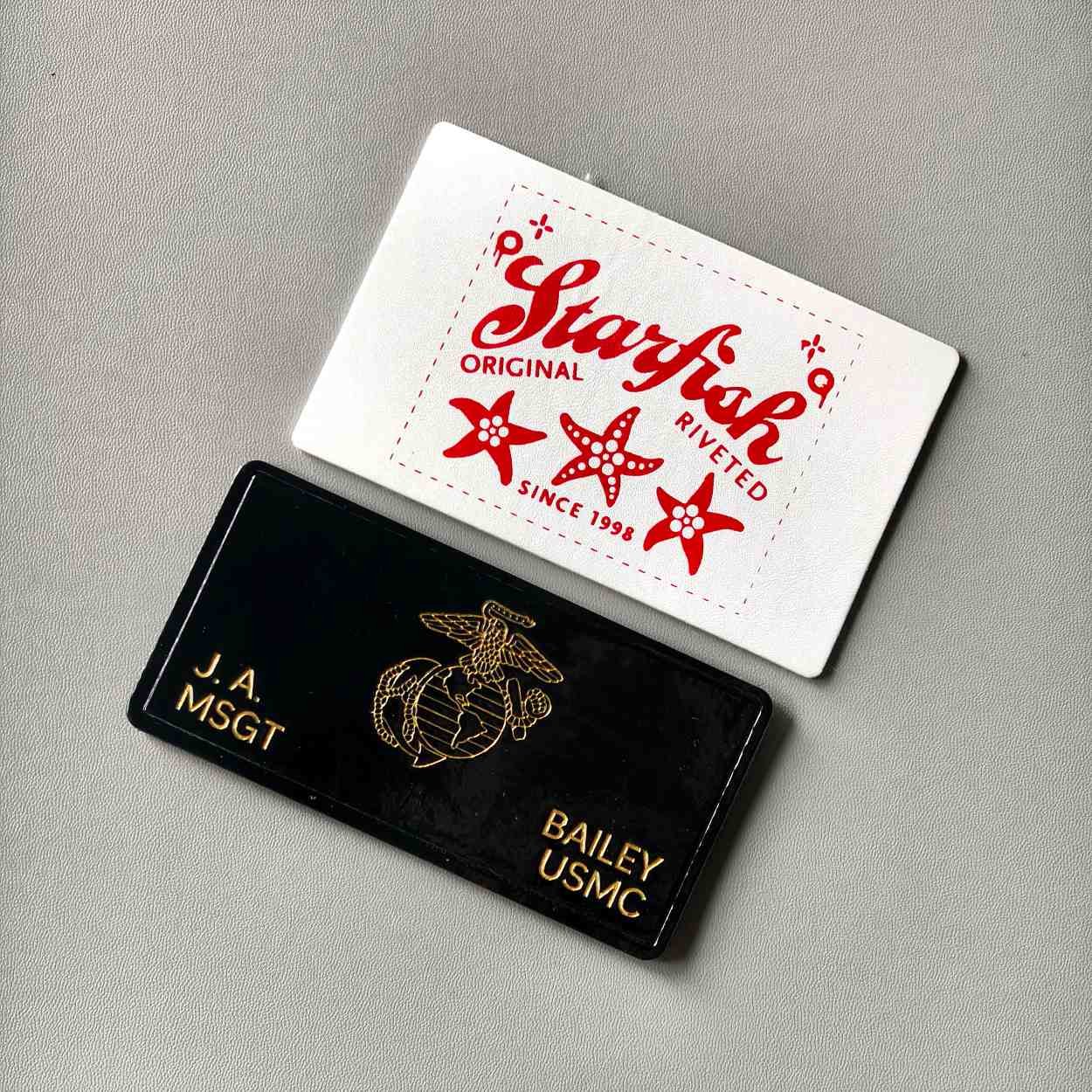
High-definition woven damask or taffeta labels featuring your logo and branding in full color or tone-on-tone. Sewn into neck, hem, or pocket for authentic brand identity on every garment.
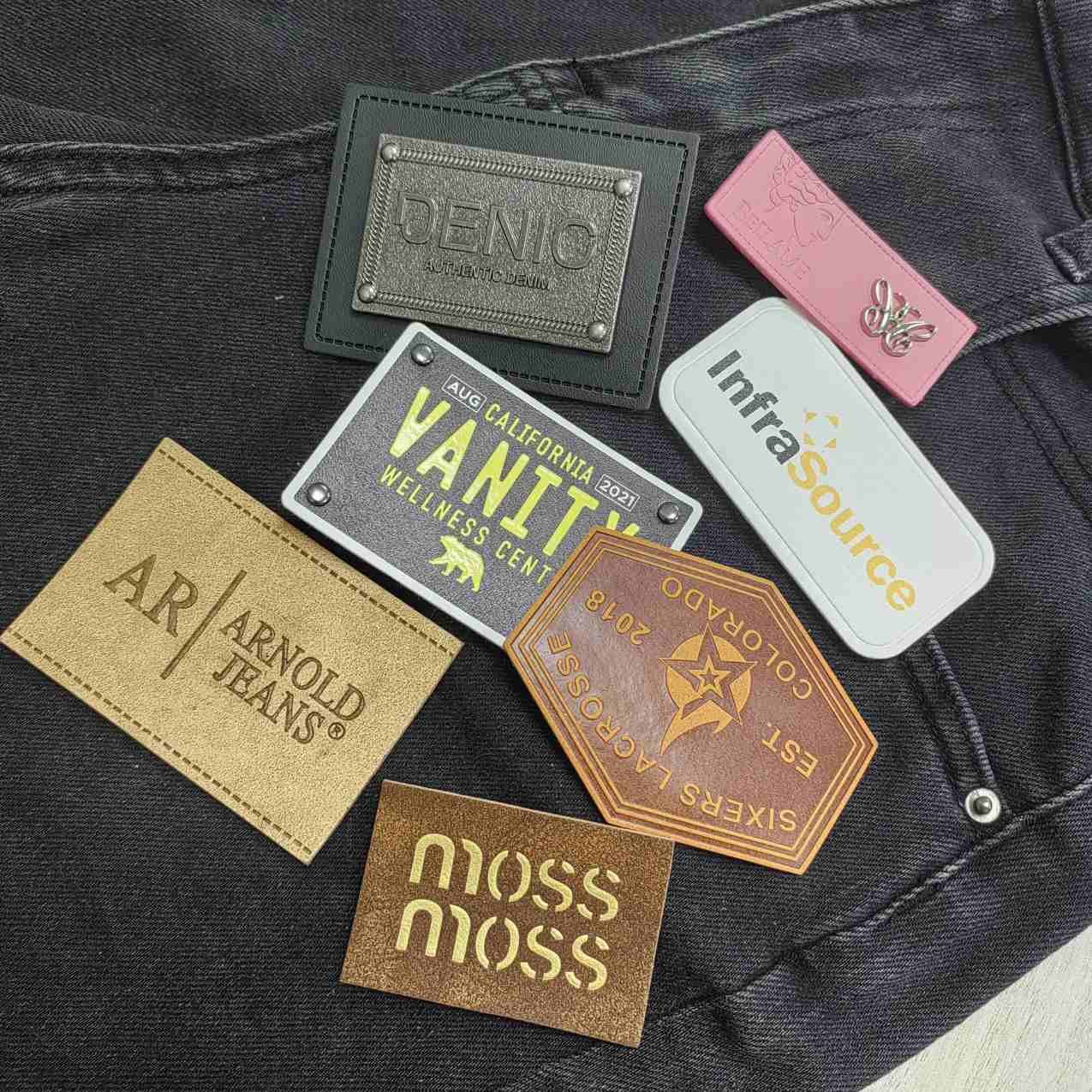
Custom Hang Tags
Die-cut, embossed, or foil-stamped hang tags on premium cardstock or specialty materials. Communicate your brand story, care instructions, and streetwear authenticity at the point of purchase.
Branded Packaging
Custom poly mailers, tissue paper, stickers, and folded boxes printed with your streetwear brand graphics. Create an unforgettable unboxing experience that builds loyalty and drives social sharing.
Wholesale Streetwear Built on Quality, Not Compromise
Founded in 2024 by Tesla Luo, Clothing Manufacturer Ltd. was born from a mission to restore the reputation of Chinese garment manufacturers through zero-compromise quality control. With over 10 years of production experience and 6 years specializing in wholesale streetwear, Luo witnessed too many factories skip critical quality checks. Leveraging the infrastructure of parent company Dongguan TuoZhen Clothing Co., Ltd., we combine startup agility with two decades of manufacturing excellence.
Our proprietary 5-step QC guarantee ensures every wholesale streetwear piece is tested at materials, cutting, crafting, sewing, and finishing stages—eliminating defects before they reach your customers. Backed by a 15-person R&D team and 10 patents, we’ve served brands across 100+ countries with cultural fluency in streetwear design trends, from skeleton motifs to graffiti-inspired graphics.
Whether you’re launching your first collection or scaling an established line, we deliver premium wholesale streetwear with accessible 50-piece MOQs, fast turnaround for seasonal drops, and transparent communication at every step. Our hands-on expertise and rigorous quality standards empower streetwear brands worldwide to compete on craftsmanship, not just price.
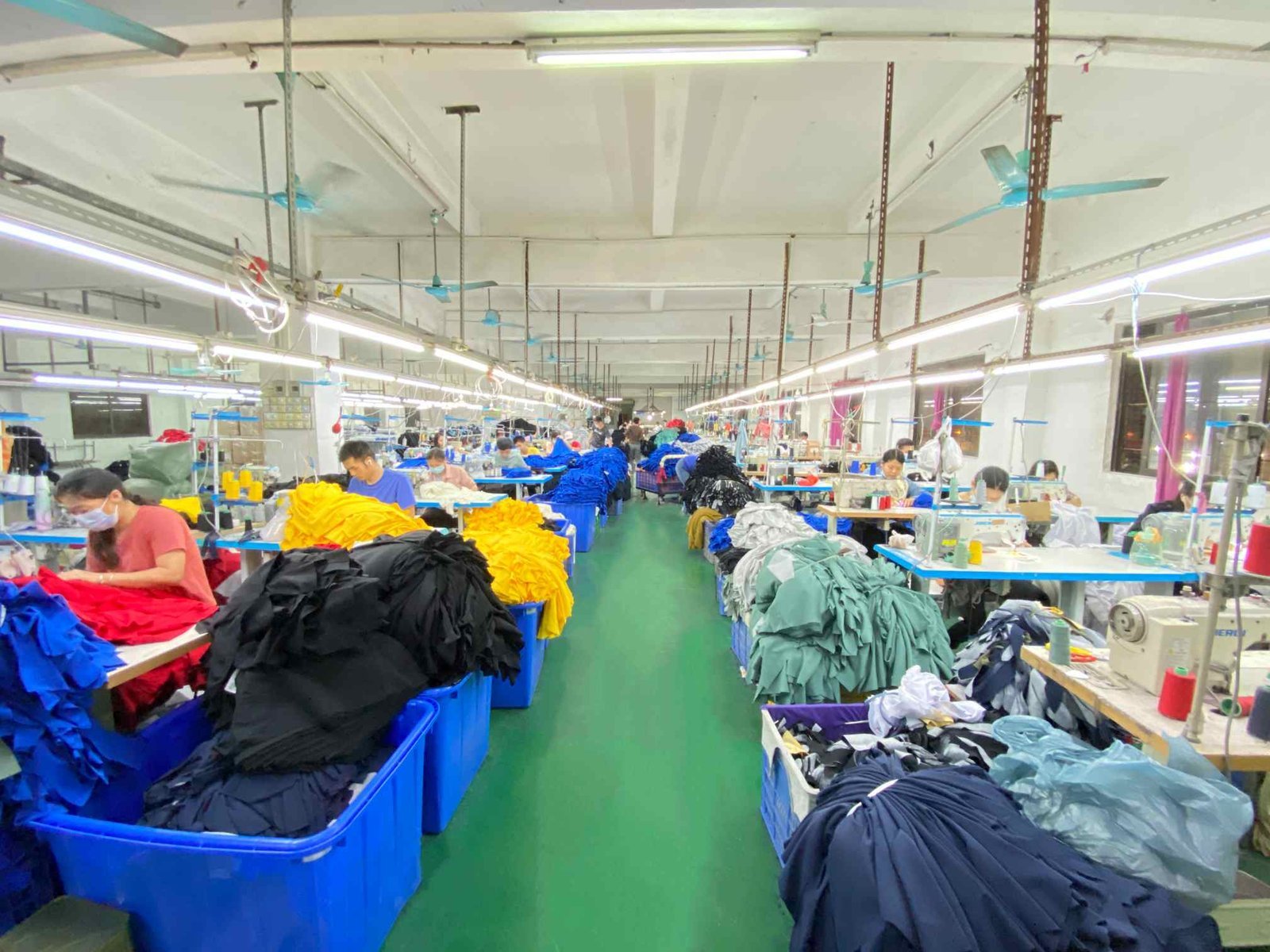
Our 5-Step Quality Control for Wholesale Streetwear
Materials QC Testing
Every fabric roll, trim, and component is inspected before production begins. We verify weight, colorfastness, stretch recovery, and print quality against your specifications to ensure only approved materials enter our cutting room.
- Fabric weight and density verification against spec sheets
- Colorfastness testing to prevent fading and bleeding
- Stretch and recovery checks for knits and performance fabrics
- Print and dye lot consistency validation
Cutting QC Testing
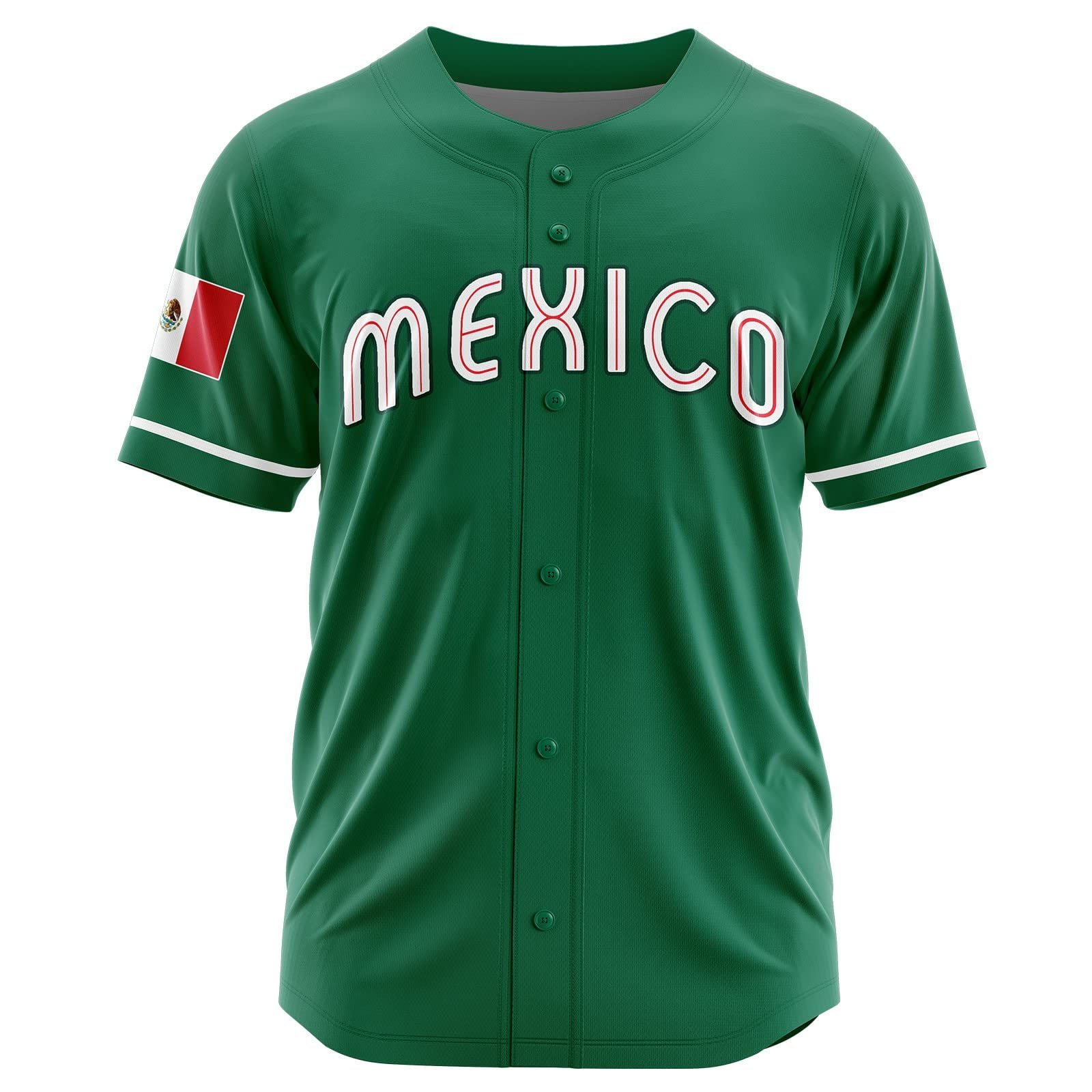
Pattern accuracy determines garment fit. Our cutting QC validates marker layouts, grain alignment, and piece dimensions immediately after cutting to catch sizing errors before a single stitch is sewn, saving time and material.
- Pattern piece measurement verification against tech packs
- Grain line and fabric direction alignment checks
- Notch and drill mark accuracy validation
- Ply count and bundle labeling confirmation
Clothing Craft QC Testing
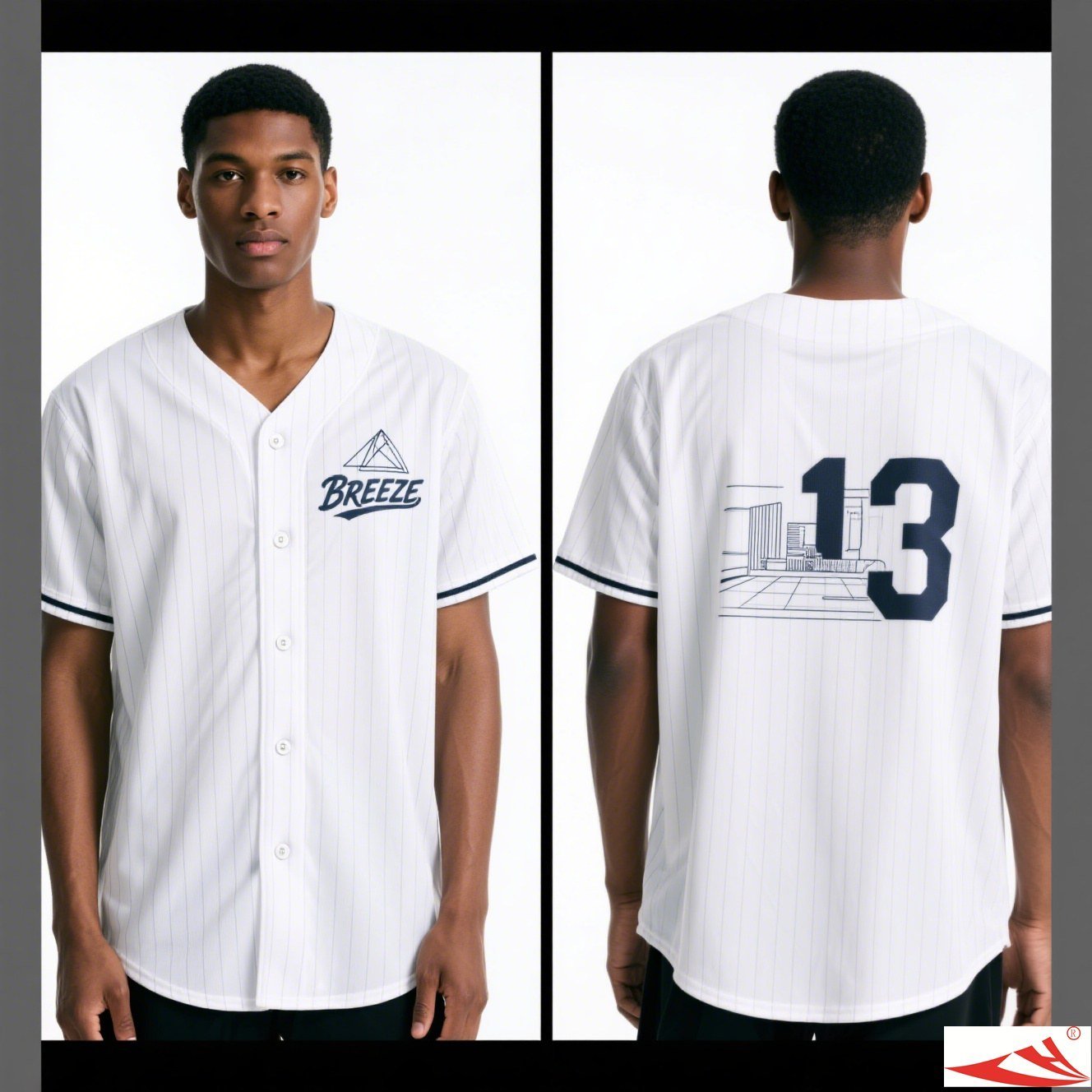
Before full production, sample garments undergo rigorous craft inspection. We evaluate construction techniques, seam types, stitch density, and finishing methods to confirm every detail matches your brand’s quality standards and design intent.
- Seam type and stitch-per-inch verification
- Construction technique validation against samples
- Finishing details and topstitching accuracy review
- Fit and drape assessment on live forms
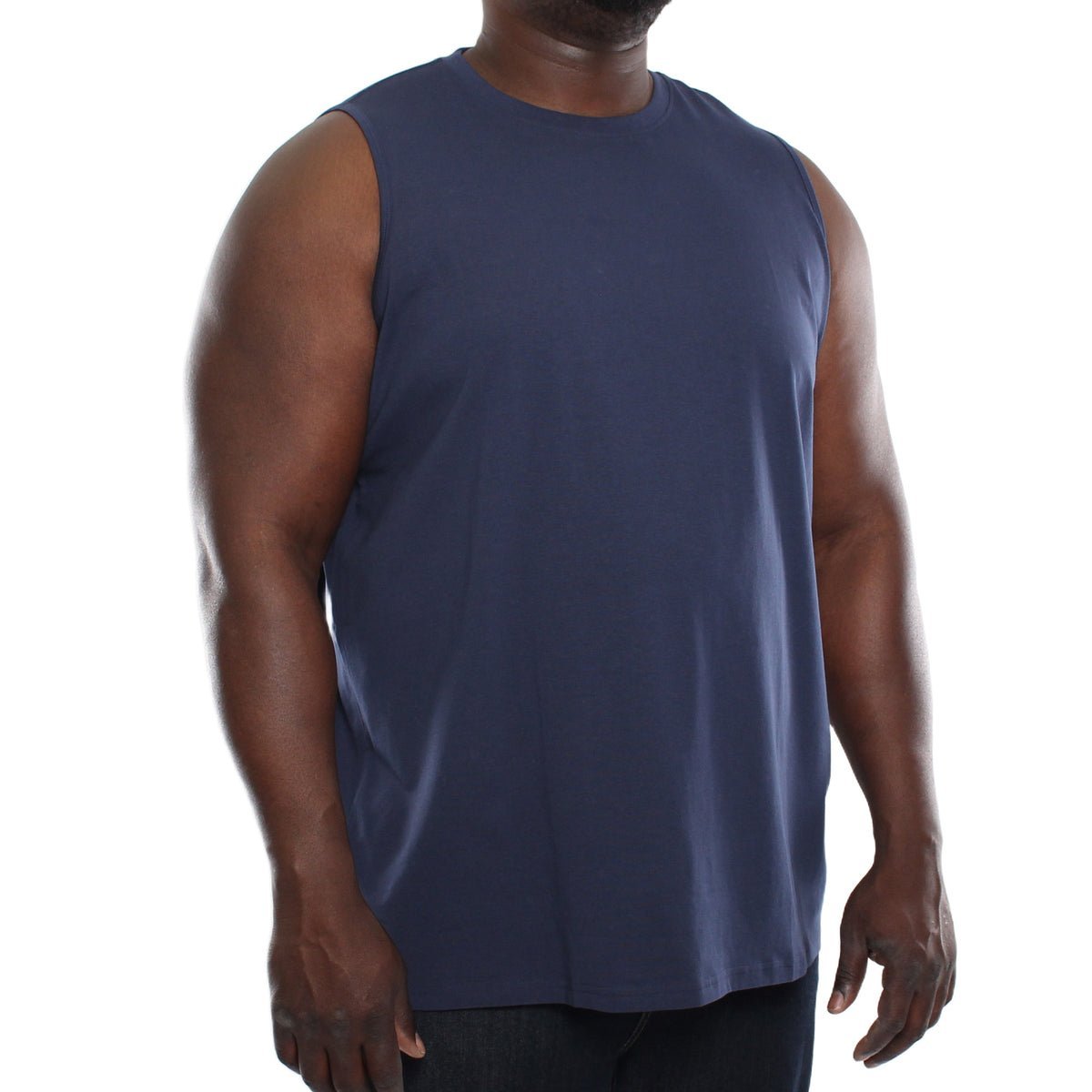
Sewing Production QC Testing
Real-time in-line inspection catches defects during production, not after. Our QC team monitors every operator station, checking seam quality, thread tension, and construction accuracy so issues are corrected immediately, preventing batches of flawed garments.
- In-line checks at every major sewing operation
- Thread tension and stitch quality monitoring
- Immediate correction of operator errors
- Random hourly audits across all production lines
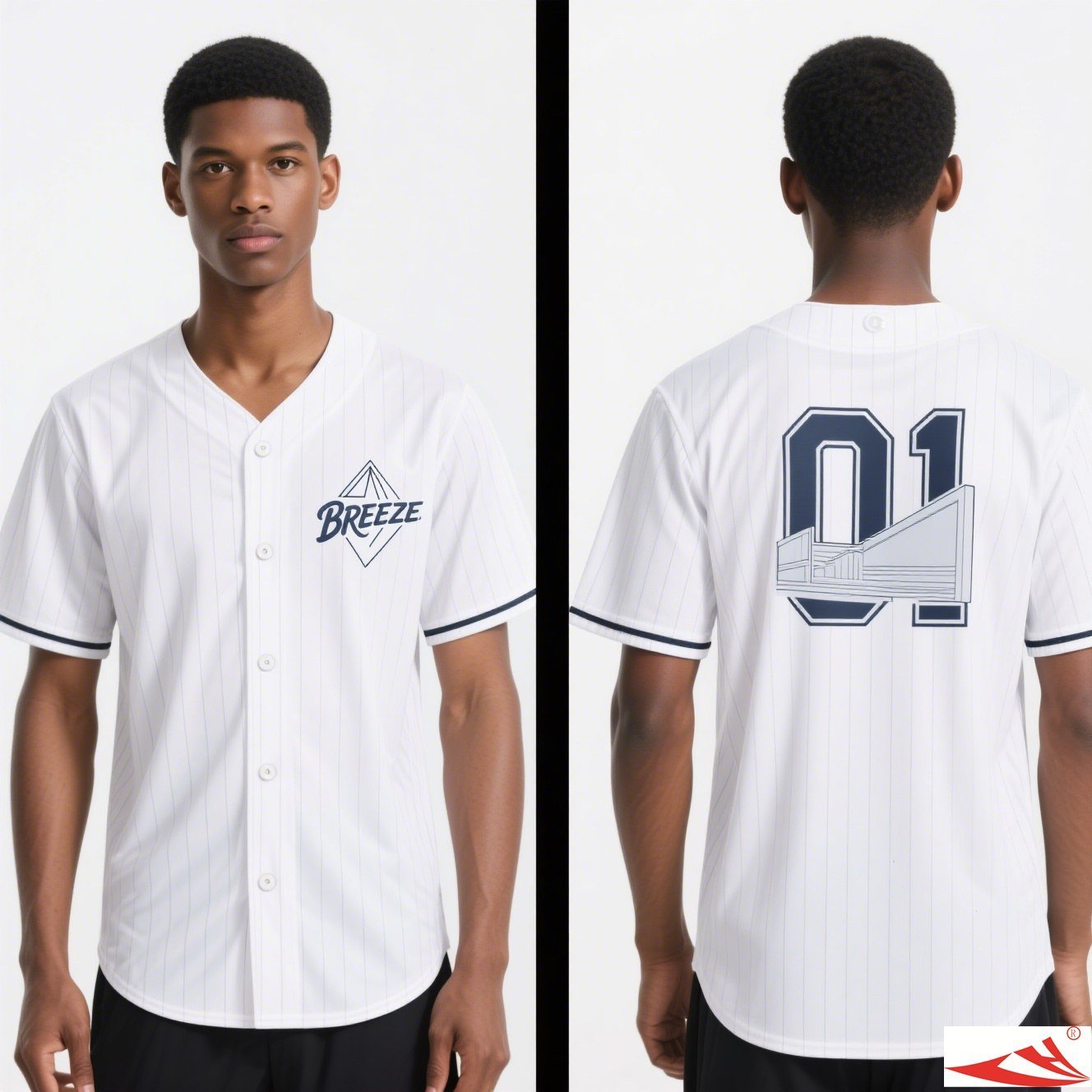
Finished Clothing Quality Inspection
The final checkpoint before packing. Every completed garment is inspected for measurements, fabric defects, construction flaws, and presentation. Only pieces that pass our comprehensive checklist are approved for shipment to your customers.
- Full garment measurement verification against size specs
- Visual inspection for fabric flaws and stains
- Final construction and finishing review
- Packaging and labeling accuracy confirmation
Why Choose Our Wholesale Streetwear Over Typical Suppliers
Most manufacturers cut corners on quality control, impose high minimums, and lack streetwear design expertise. We built our process to eliminate these pain points and deliver consistent, trend-driven results for emerging and established brands alike.
← 左右滑动查看 →
From Order to Delivery: Our Wholesale Streetwear Production Timeline
Full transparency at every stage. Each phase includes dedicated quality checkpoints to ensure your streetwear meets our zero-compromise standards before moving forward.
Sourcing & Fabric Approval
We select premium streetwear fabrics based on your design specs, submit samples for approval, and conduct materials QC testing before production begins.
Cutting & Marking
Patterns are laid out and fabric is precision-cut to your specifications. Our cutting QC testing verifies accuracy and minimizes material waste.
Production & In-Line QC
Garments move through sewing, printing, and embroidery. Clothing craft QC and sewing production QC testing catch defects in real time, not after completion.
Finishing & Final Inspection
Each piece is pressed, trimmed, and subjected to finished clothing quality QC inspection. Only garments that pass all checks advance to packing.
Packing & Global Shipping
Approved orders are carefully packaged with your branding and shipped worldwide. Full logistics support ensures on-time delivery to your warehouse or fulfillment center.
How to Start Your Wholesale Streetwear Order in 4 Steps
From initial inquiry to finished goods, our streamlined process ensures your wholesale streetwear production runs smoothly with full transparency at every stage.
Submit Your Design Brief
Share your tech pack, sketches, or reference samples with our team. We’ll review your wholesale streetwear specifications and confirm fabric, trims, and construction details within 24 hours.
Receive Quote and Sample Timeline
Get a detailed quotation covering materials, labor, and shipping, plus a sampling schedule. Most streetwear samples are completed in 7–10 days for your approval.
Approve Samples and Confirm Order
Review physical samples for fit, quality, and finishing. Once approved, confirm your bulk order quantity—starting from just 50 pieces—and we’ll schedule production immediately.
Production and Global Delivery
Your order moves through our 5-step QC process at every stage. Bulk production typically completes in 20–30 days, followed by international shipping to your destination.
Wholesale Streetwear Certifications & Quality Standards
Wholesale Streetwear Success Stories
We launched our streetwear line with zero followers and hit 52,000 in eight months. Their low MOQ let us test designs without massive risk, and the 5-step QC meant every drop was flawless.
Sampling time dropped by 65% compared to our old supplier. Their in-house design team understood streetwear aesthetics immediately—skeleton graphics, oversized fits, everything. We went from concept to production in three weeks.
Our return rate fell from 12% to under 2% after switching to Clothing Manufacturer. The quality control at every production stage catches issues before shipping. Our customers notice the difference in every stitch.
Wholesale Streetwear: Frequently Asked Questions
What is the minimum order quantity for wholesale streetwear?
How long does it take to receive samples?
Do you charge for samples, and is the cost refundable?
What are your payment terms for wholesale streetwear orders?
Do you ship wholesale streetwear worldwide?
How do you protect my designs and intellectual property?
How much design and customization support do you provide?
What makes your wholesale streetwear quality better than other manufacturers?
Can you handle fast turnaround times for seasonal streetwear collections?
The Complete Buyer’s Guide to Wholesale Streetwear for Your Brand
Navigate the wholesale streetwear landscape with confidence. This guide delivers a proven decision framework, supplier selection criteria, quality benchmarks, customization options, and the most common mistakes to avoid when sourcing urban apparel at scale.
1. What Is Wholesale Streetwear?
Wholesale streetwear refers to bulk-purchased urban fashion apparel sold business-to-business to retailers, independent brands, and resellers who then market the garments under their own labels or stock them for retail sale. Unlike direct-to-consumer retail transactions, wholesale orders typically start at minimum order quantities ranging from 50 to 500 pieces per style, depending on the manufacturer’s capacity and the buyer’s needs. This B2B model allows brands to access professionally manufactured streetwear without investing in factory infrastructure, equipment, or skilled labor.
The core characteristics of streetwear include oversized silhouettes, graphic-heavy designs featuring bold prints and embroidery, and cultural influences drawn from skateboarding, hip-hop, graffiti art, and youth subcultures. Design elements such as skeleton motifs, rose graphics, animal prints, mystery symbols, and cross imagery reflect the genre’s roots in self-expression and counter-culture movements that emerged in the 1980s and 1990s. Fabrics commonly range from 180 to 320 GSM for hoodies and sweatshirts, with French terry, fleece, and heavyweight cotton jersey dominating material selections.
Brands source wholesale streetwear instead of manufacturing in-house to reduce capital expenditure, shorten time-to-market, and leverage specialized production expertise. Establishing an internal production line requires investment in cutting tables, industrial sewing machines, quality control systems, and trained personnel—costs that can exceed six figures before a single garment ships. Partnering with experienced wholesale manufacturers grants access to established supply chains, pattern-making teams, and multi-stage quality inspection processes that ensure consistent output across production runs.
2. The Evolution of Streetwear and Wholesale Markets
Streetwear emerged in the early 1980s when California surf-and-skate culture collided with New York hip-hop, creating a distinct aesthetic rooted in graphic tees, oversized silhouettes, and bold logos. Shawn Stüssy began screen-printing surfboards and T-shirts in Laguna Beach in 1980, laying the groundwork for branded streetwear, while brands like Supreme (founded 1994) transformed skate shops into cultural hubs that blended limited drops with art and music collaborations.
The late 1990s and early 2000s saw streetwear shift from niche subculture to global phenomenon as hip-hop artists and athletes adopted the style, driving demand beyond local skate shops. Brands faced a choice: scale through traditional retail or maintain exclusivity through controlled distribution. Many opted for hybrid wholesale models, supplying independent boutiques and concept stores while preserving brand mystique through limited quantities and selective partnerships.
By the 2010s, hype culture and social media accelerated the wholesale streetwear market as online retailers, pop-up shops, and influencer-driven brands required reliable manufacturing partners who understood streetwear’s design language. The rise of direct-to-consumer e-commerce created demand for manufacturers offering lower minimum order quantities, faster turnarounds, and customization capabilities that traditional apparel factories could not meet.
Today’s wholesale streetwear ecosystem serves startups launching first collections, established boutiques expanding product lines, and creator brands scaling from dozens to thousands of units. Manufacturers with deep streetwear expertise—covering skeleton motifs, oversized fits, distressed finishes, and graphic-heavy designs—enable brands to compete in a market where authenticity, quality, and speed-to-market determine success.
3. Types of Wholesale Streetwear Products
Wholesale streetwear spans five core product categories, each with distinct design characteristics and production requirements. Understanding these categories helps brands allocate budgets and align inventory with target demographics.
Graphic Tees and Hoodies
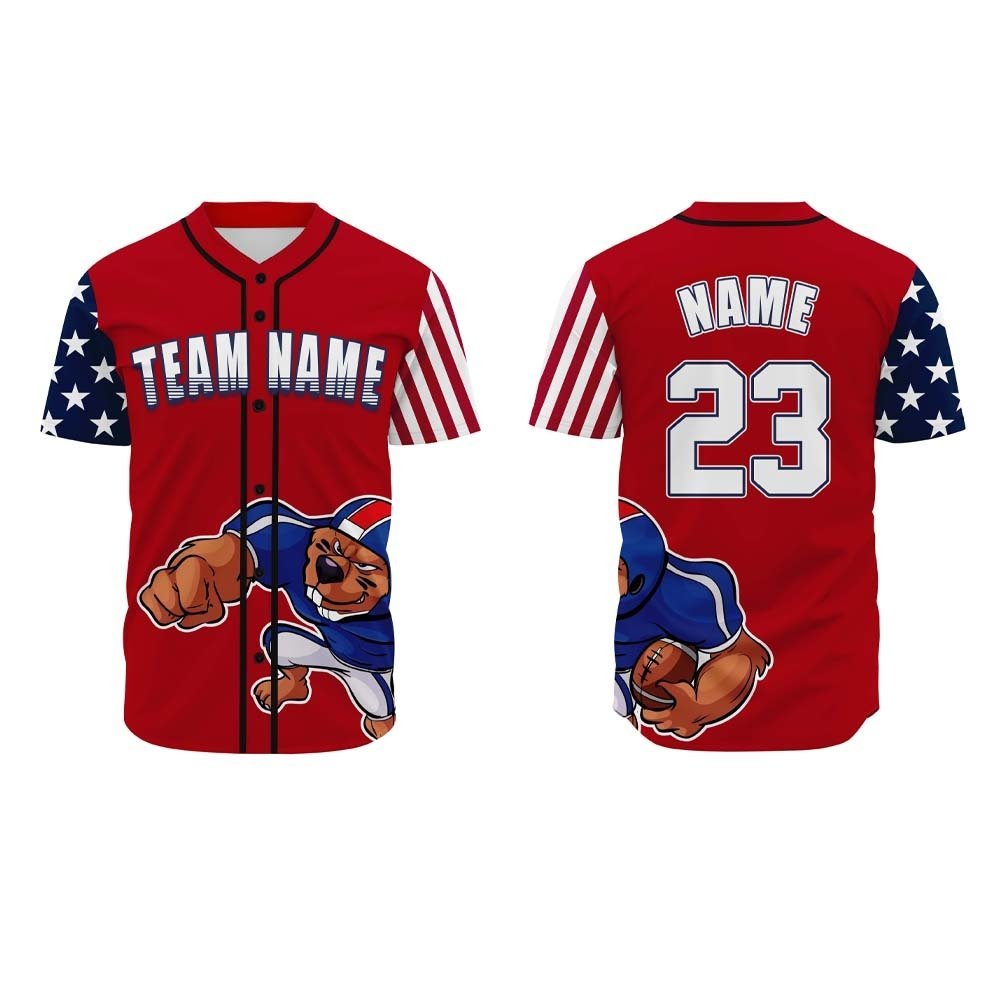
Graphic tees typically use 180–220 GSM cotton or cotton-poly blends, with oversized fits and dropped shoulders defining modern silhouettes. Hoodies range from 300–400 GSM French terry or fleece, often featuring screen-printed or embroidered graphics across chest, back, and sleeves.
These staples anchor most streetwear collections because they offer high margin potential and rapid turnover. Brands launching their first wholesale orders often allocate 50–60 percent of SKUs to tees and hoodies due to proven demand and lower per-unit costs.
Oversized Outerwear and Jackets
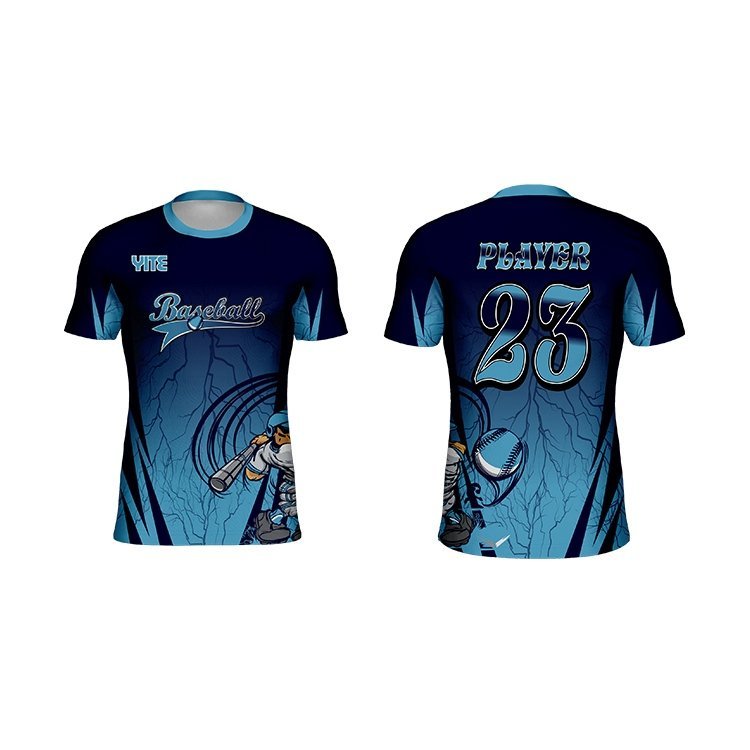
Bombers, coaches’ jackets, and puffer vests dominate outerwear assortments, typically constructed from nylon, polyester taffeta, or denim with quilted or sherpa linings. Oversized cuts with exaggerated sleeve lengths and boxy torsos reflect current streetwear proportions.
Outerwear commands higher wholesale prices—$25–$60 per unit—but requires longer lead times (45–60 days) due to multi-layer construction and hardware sourcing.
Joggers and Cargo Pants
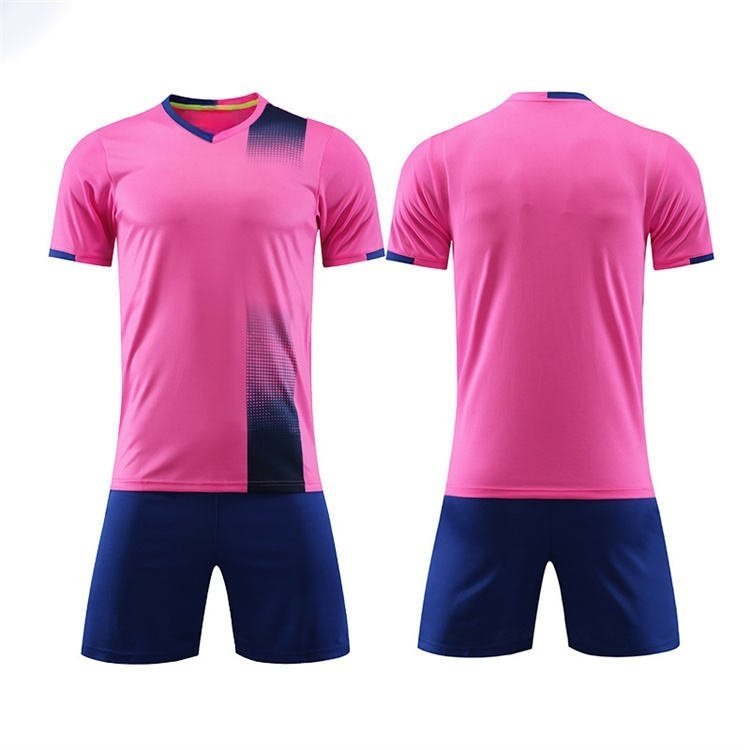
Joggers use 280–320 GSM French terry or fleece with elasticated cuffs and drawstring waists; cargo pants favor ripstop or twill fabrics with utility pockets and adjustable straps. Both categories prioritize comfort and functionality, appealing to athleisure and urban wear audiences.
These bottoms pair naturally with graphic tops, enabling brands to build cohesive seasonal capsules and increase average order value.
Headwear and Accessories
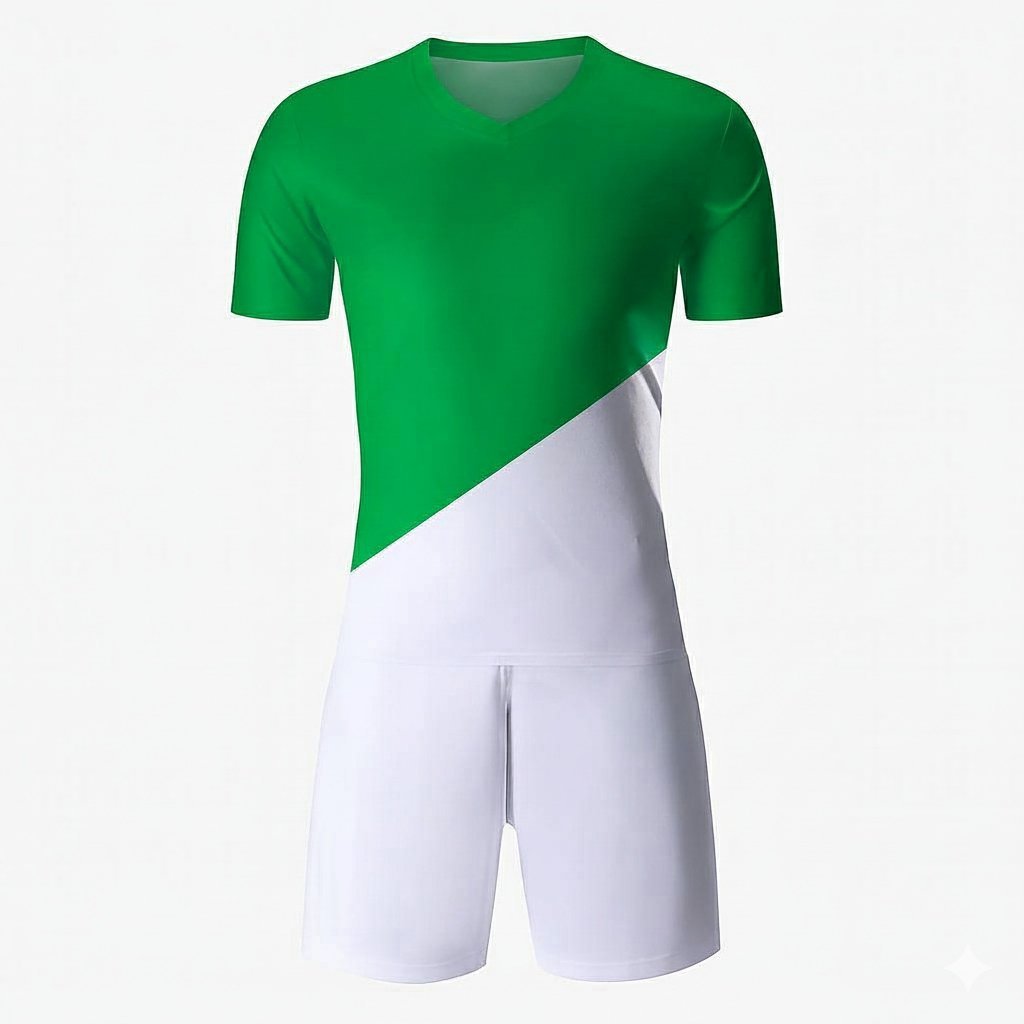
Snapbacks, beanies, crossbody bags, and branded socks round out wholesale streetwear assortments. Headwear typically features embroidered logos or woven patches, while bags use durable nylon or canvas with adjustable straps.
Accessories carry lower MOQs (often 50–100 pieces per style) and serve as entry-level purchases for new customers, driving brand visibility at accessible price points.
4. Materials and Fabrics in Wholesale Streetwear
Fabric selection defines both the tactile quality and market positioning of wholesale streetwear. Heavyweight cotton, French terry, fleece, polyester blends, and denim each serve distinct roles in a collection, influencing durability, comfort, and price tier. Understanding GSM (grams per square meter) and fiber composition enables brands to align material costs with target customer expectations.
| Fabric Type | Typical GSM / Weight | Best Use Cases | Durability & Care |
|---|---|---|---|
| Heavyweight Cotton | 280–350 GSM | Hoodies, oversized tees, crewnecks | High durability, minimal pilling, warm wash |
| French Terry | 240–280 GSM | Joggers, lightweight hoodies, sweatshirts | Moderate stretch, breathable, cool wash |
| Fleece | 280–340 GSM | Cold-weather layers, premium hoodies | Brushed warmth, prone to pilling if low-quality |
| Polyester Blends | 150–220 GSM | Performance tees, sublimation prints, athleisure | Wrinkle-resistant, fast-dry, colorfast |
| Denim | 10–14 oz/yd | Jeans, jackets, utility pieces | Extremely durable, ages well, heavy wash safe |
| Cotton Twill | 7–10 oz/yd | Cargo pants, coaches jackets, structured items | Tear-resistant, holds shape, medium durability |
Heavyweight Cotton for Core Streetwear Staples
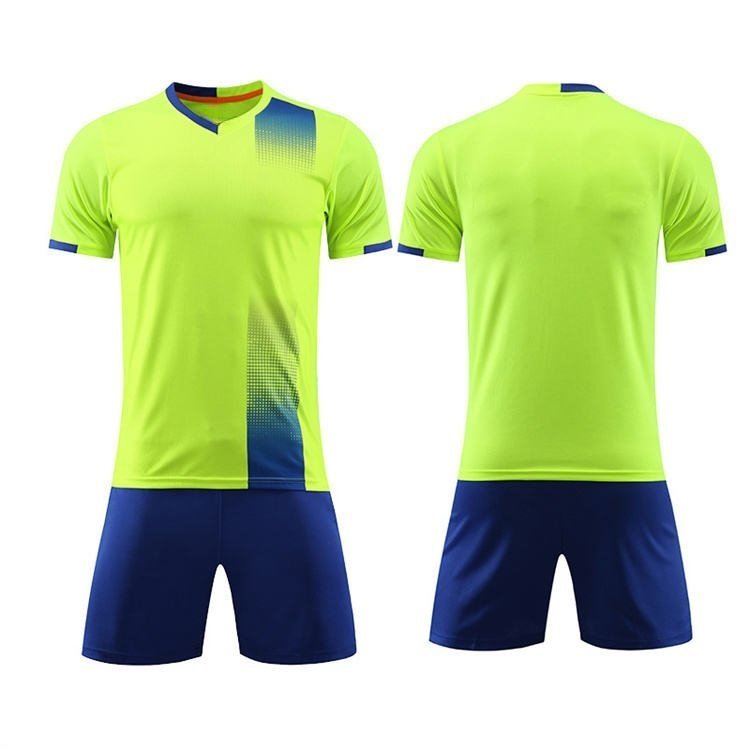
Cotton fabrics in the 280–350 GSM range form the backbone of streetwear hoodies, oversized tees, and crewnecks. Ring-spun cotton offers superior softness and durability compared to open-end alternatives, while combed cotton reduces pilling and extends garment life.
Brands targeting premium streetwear typically specify 300+ GSM to convey substance and quality. Heavier weights resist shrinkage better and hold screen-printed or embroidered graphics without distortion, making them ideal for statement pieces that define a collection’s identity.
French Terry and Fleece for Comfort Layers
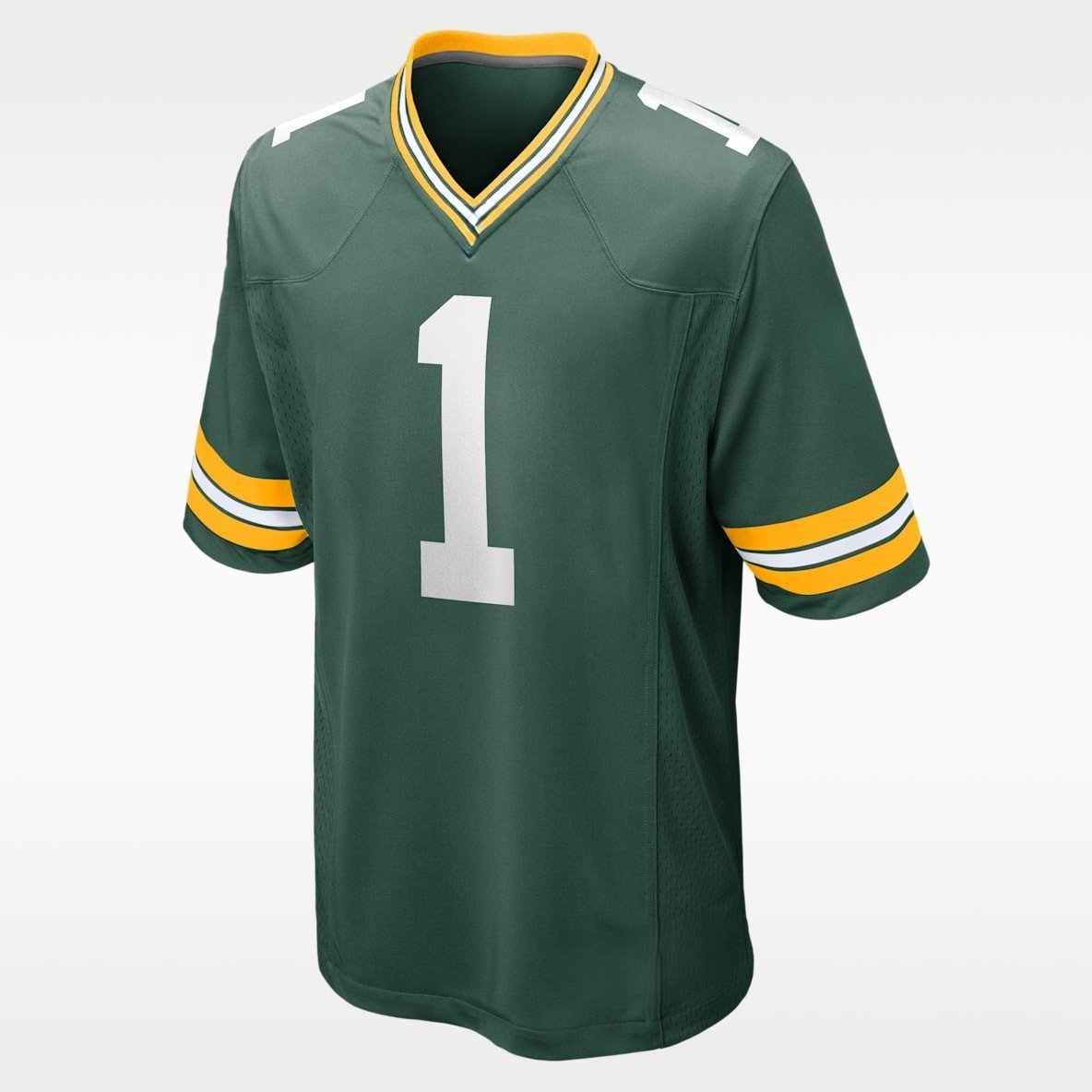
French terry (240–280 GSM) features looped pile on the interior, delivering breathability and stretch for joggers, hoodies, and sweatshirts. Fleece (280–340 GSM) adds brushed warmth, preferred for cold-weather streetwear and layering pieces.
Fleece-backed fabrics command higher wholesale prices due to additional finishing steps, yet their perceived luxury justifies retail markups. Both materials accept dye evenly and support vibrant colorways central to trend-driven streetwear collections.
Polyester Blends for Performance and Print Versatility
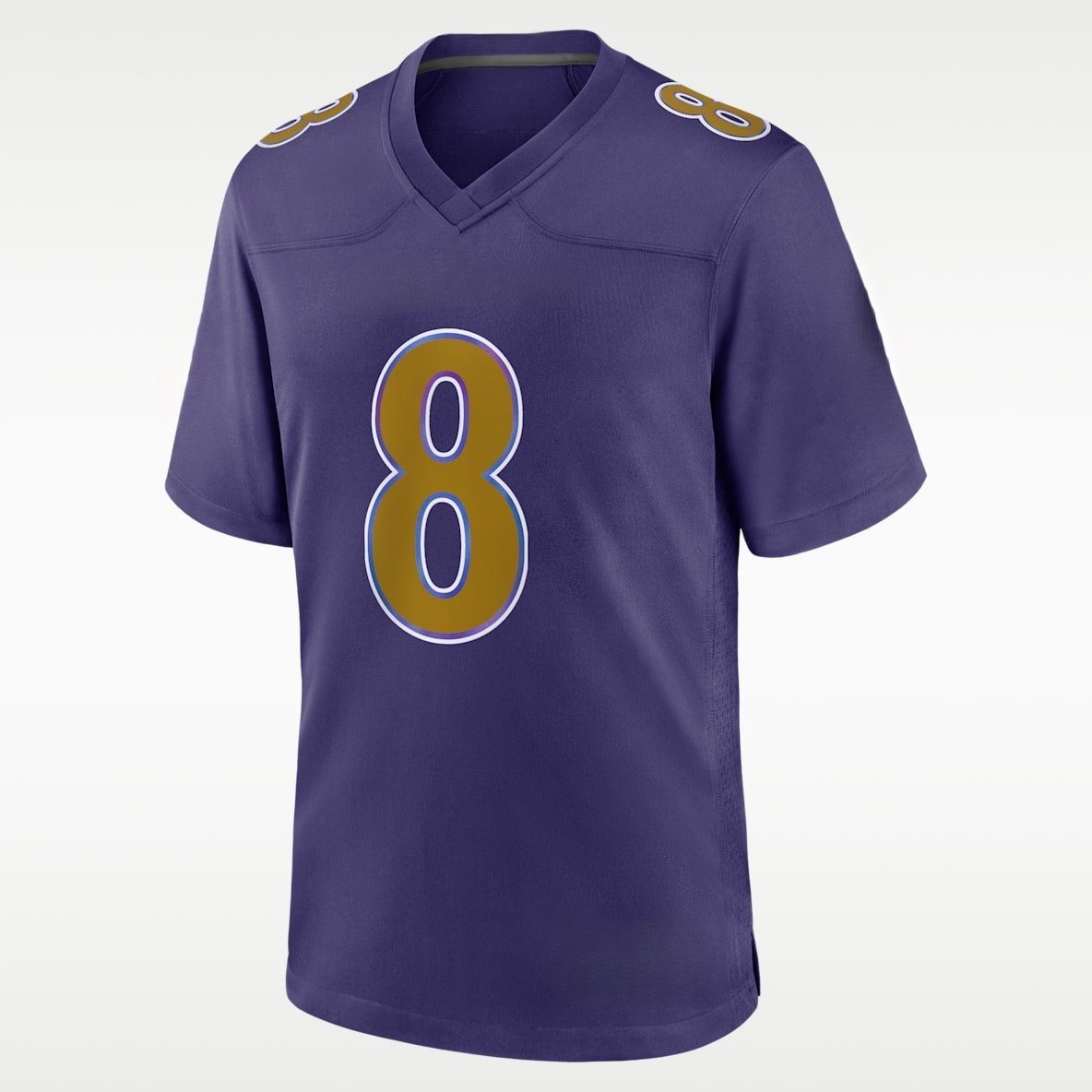
Polyester-cotton blends (typically 65/35 or 50/50) reduce shrinkage, speed drying, and lower per-unit costs. Pure polyester fabrics enable sublimation printing for all-over graphics and gradients that cotton cannot achieve.
Performance streetwear lines incorporate moisture-wicking polyester for athleisure hybrids, appealing to customers seeking functional fashion. Blends sacrifice some breathability but gain color retention and dimensional stability, critical for high-volume wholesale orders requiring consistent sizing across production runs.
Denim and Twill for Bottoms and Outerwear
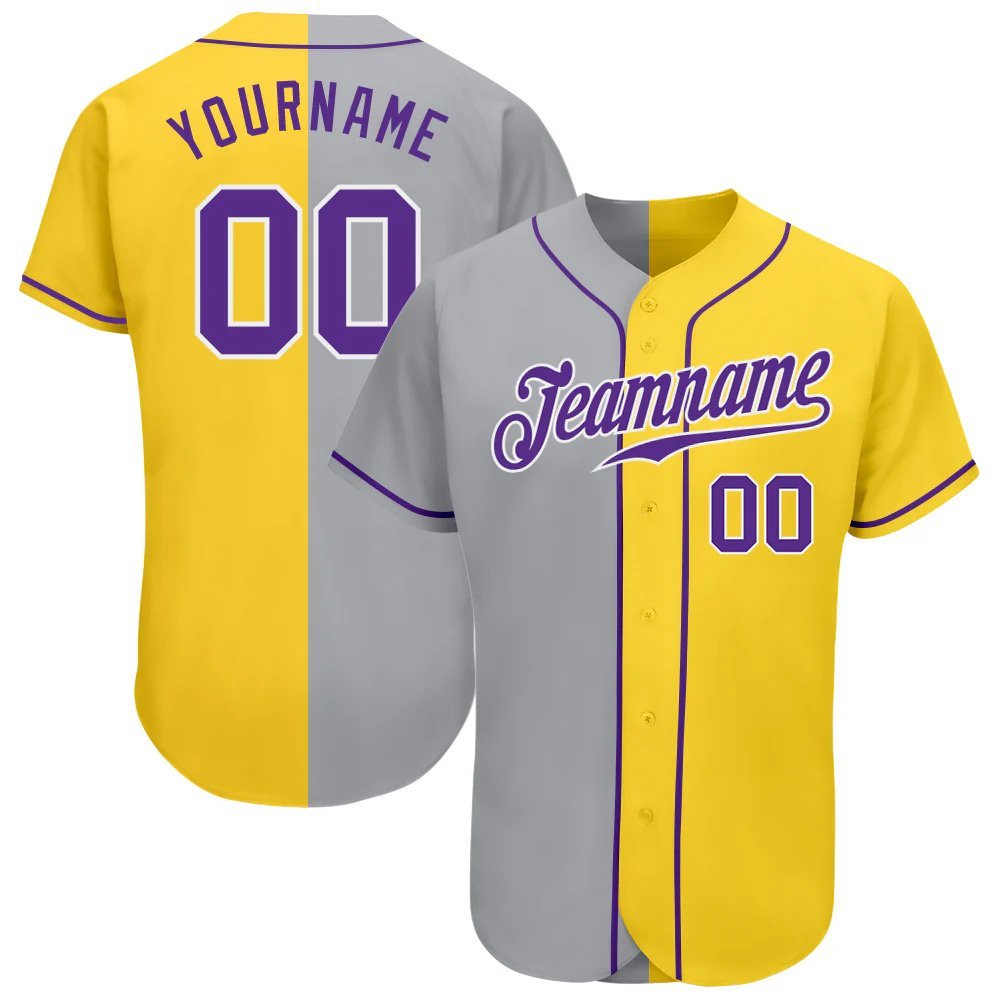
Denim (10–14 oz per yard) and cotton twill (7–10 oz) anchor streetwear bottoms, jackets, and utility pieces. Heavier denim weights convey durability and heritage, while stretch denim blends (with 2–5% elastane) improve fit and comfort for modern silhouettes.
Twill’s diagonal weave resists tearing and holds structured shapes, making it ideal for cargo pants, coaches jackets, and work-inspired streetwear. Both fabrics accept garment washes, distressing, and enzyme treatments that add character and differentiate wholesale offerings in competitive markets.
5. Customization and Decoration Options for Wholesale Streetwear
Decoration transforms blank garments into branded streetwear assets. Each technique carries distinct cost structures, durability profiles, and aesthetic signatures that shape both production economics and final product appeal.
| Decoration Method | Setup Cost | Per-Unit Cost | Minimum Order | Best For |
|---|---|---|---|---|
| Screen Printing | $15–$50/color | $1–$3 | 50–100 pcs | Bold graphics, high volume |
| Embroidery | $10–$30 digitizing | $0.50–$3 | 24–50 pcs | Logos, premium branding |
| DTG Printing | $0 | $3–$8 | 1 pc | Samples, photo prints, small runs |
| Heat Transfer | $0–$10 | $2–$5 | 12–24 pcs | Names, numbers, simple art |
| Sublimation | $50–$150 | $2–$6 | 25–50 pcs | All-over prints, polyester only |
Screen Printing for Bold Graphics
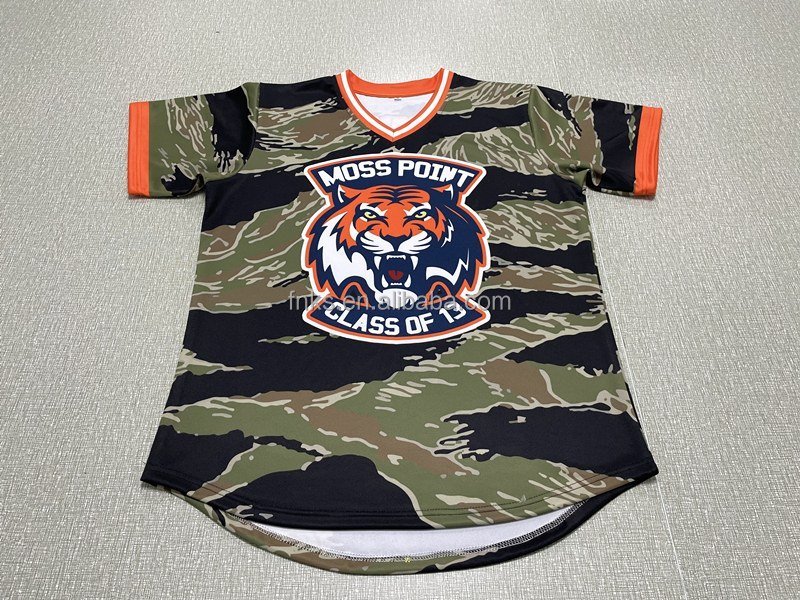
Screen printing remains the workhorse of wholesale streetwear decoration, delivering opaque, vibrant graphics at scale. Setup costs range from $15–$50 per screen (one per color), making it economical above 50–100 units but expensive for small runs.
Ink sits atop the fabric surface, creating a tactile hand that appeals to streetwear’s bold aesthetic. Plastisol inks offer excellent durability through 50+ washes, while water-based inks yield a softer hand and eco-friendly profile. Most manufacturers impose 50–100 unit minimums per design to justify screen setup labor.
Embroidery for Premium Branding
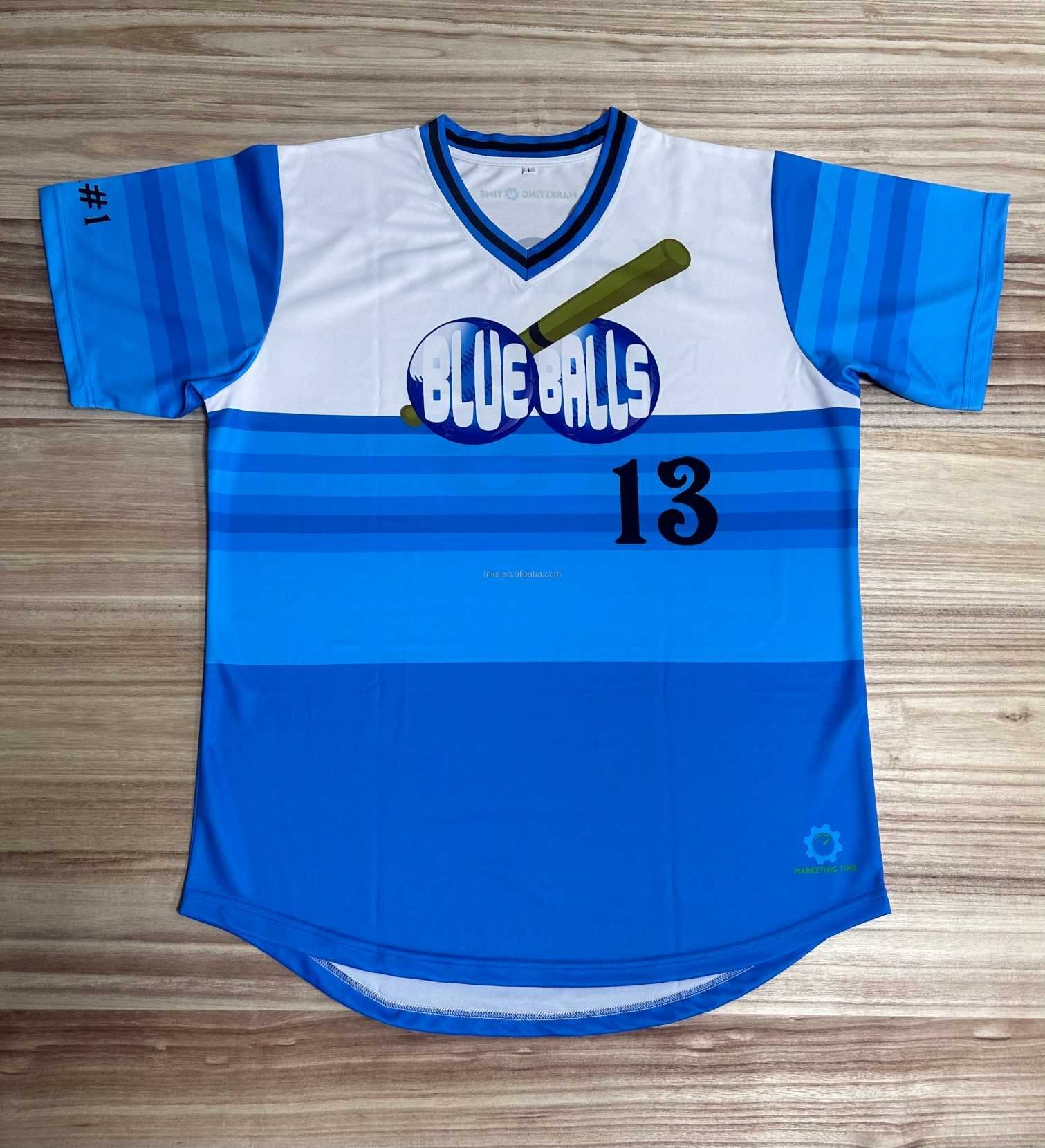
Embroidery conveys permanence and premium positioning, ideal for logos, chest crests, and sleeve badges. Digitizing fees run $10–$30 per design; per-unit costs average $0.50–$3.00 depending on stitch count (typically 3,000–10,000 stitches for streetwear logos).
Thread resists fading and withstands industrial laundering, making embroidery the choice for high-end hoodies and caps. Minimums typically start at 24–50 pieces per colorway. The raised texture adds dimension that heat transfers cannot replicate.
Heat Transfer, DTG, and All-Over Sublimation
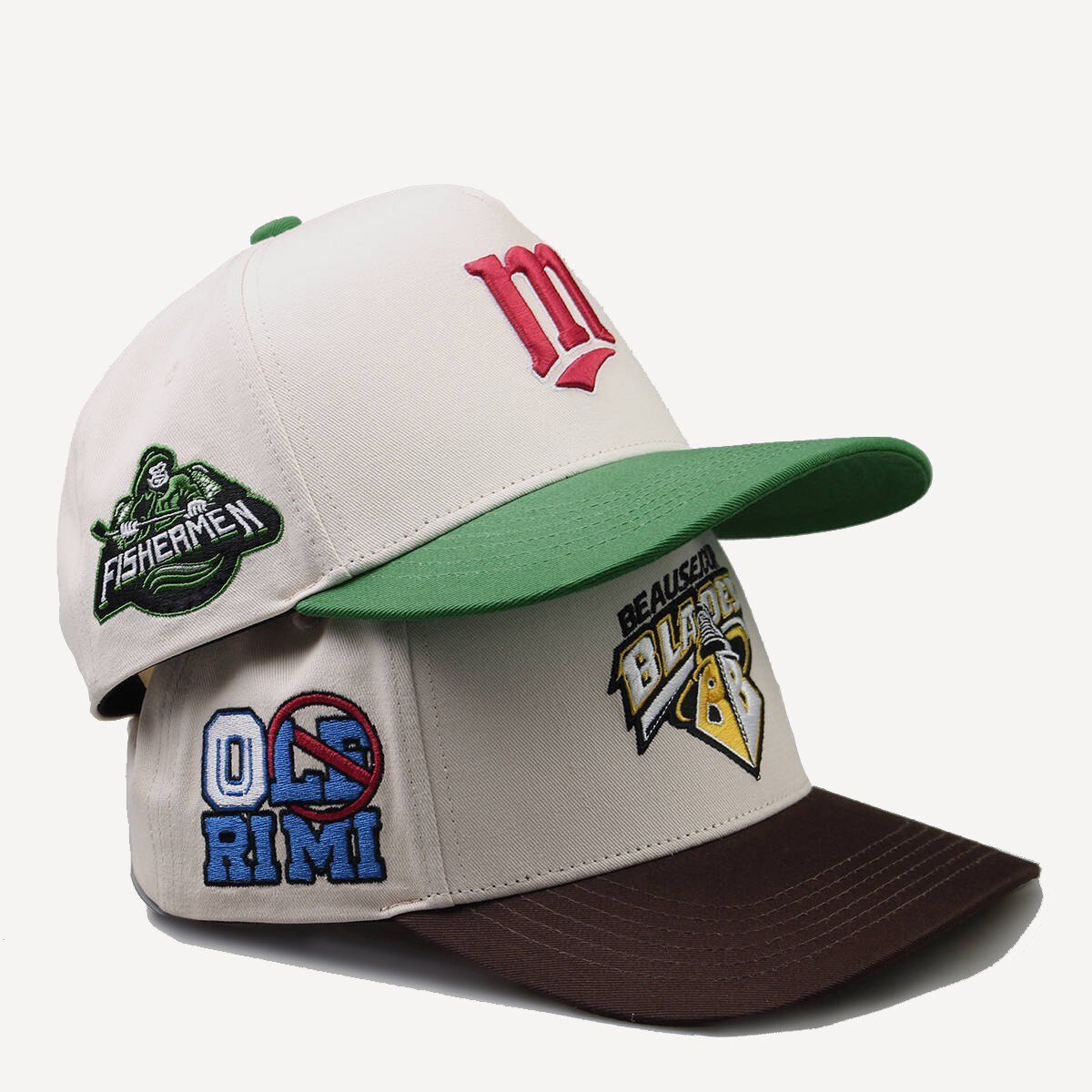
Direct-to-garment (DTG) printing eliminates setup costs, enabling single-unit orders and photorealistic detail on light-colored cotton. Per-unit costs of $3–$8 make DTG viable for sampling and limited drops but uncompetitive at volume.
Heat transfer vinyl suits names, numbers, and simple graphics; setup is minimal, but durability lags screen printing. Sublimation dye-bonds to polyester, enabling full-coverage all-over prints popular in performance streetwear; it requires polyester content above 65% and works only on white or light base fabrics.
6. Key Quality Indicators in Wholesale Streetwear Manufacturing
Quality checkpoints at every production stage separate reliable wholesale streetwear manufacturers from those who ship defects. Clothing Manufacturer Ltd.’s five-step QC methodology tests materials, cutting, craft, sewing, and finished garments, catching issues before they reach customers. Buyers must audit samples against measurable tolerances to evaluate factory capabilities objectively.
Stitch Density and Seam Reinforcement
Streetwear garments endure heavy wear, making stitch density critical. Industry-standard hoodies and tees require 12–14 stitches per inch on main seams; stress points like shoulder seams, armholes, and pocket attachments need double-needle or flatlock reinforcement to prevent splitting.
Audit samples by counting stitches over a one-inch span and inspecting seam allowances. Acceptable tolerance is ±1 stitch per inch; anything below 11 SPI on body seams indicates rushed production and early failure risk.
Fabric Weight Consistency
Weight variation within a single order signals poor material sourcing. Premium streetwear hoodies typically range 300–400 GSM; tees 180–220 GSM. Manufacturers should hold fabric weight within ±5 percent across the entire production run.
Request fabric weight certificates from suppliers and weigh random samples from different dye lots. Inconsistent GSM leads to color variation, shrinkage differences, and fit issues that damage brand reputation.
Color Fastness and Dye Quality
Color fastness grade 4 or higher (ISO 105 scale) ensures streetwear withstands repeated washing without bleeding or fading. Manufacturers using reactive dyes on cotton and disperse dyes on polyester achieve superior retention compared to direct dyes.
Test samples with a white cloth rub after washing at 40°C; minimal color transfer indicates acceptable fastness. Reject batches showing grade 3 or lower, as customers will experience rapid color loss.
Print Durability and Wash Resistance
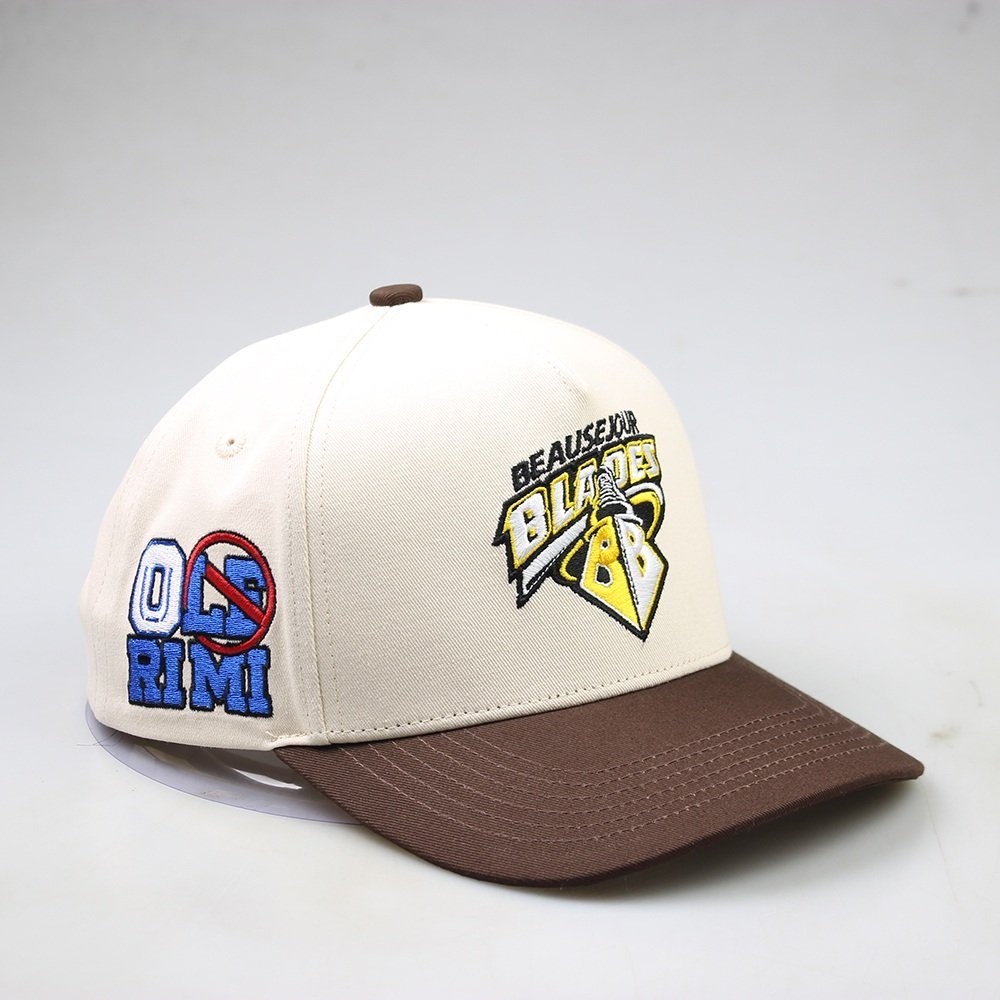
Screen-printed graphics should survive 50+ washes without cracking when cured at 160–180°C for 45–60 seconds. DTG prints require pretreatment and proper curing; embroidery thread must be polyester or rayon with 75–90 denier for abrasion resistance.
Wash test samples five times at 40°C, tumble dry, and inspect for cracking, peeling, or thread breakage. Acceptable prints show no visible degradation; embroidery should have zero loose or broken threads.
Fit Consistency Across Size Runs
Size grading errors create returns and erode customer trust. Each size should grade evenly in 1–1.5 inch increments across chest, length, and sleeve measurements. Manufacturers must use digital patterns and maintain grade rules throughout cutting and sewing.
Measure three random samples per size, comparing against the approved spec sheet. Tolerance is ±0.5 inch on key measurements; deviations beyond ±0.75 inch require production correction before shipment.
Finishing Details: Tags, Trims, Packaging
Woven labels, hang tags, and care labels reflect brand professionalism. Tags should be securely sewn with no loose threads; printed care instructions must meet destination-country regulations (FTC in the U.S., CE in the EU).
Inspect trim placement, zipper alignment (YKK zippers should glide smoothly with no snags), and poly-bag packaging for damage. Finishing quality signals whether a manufacturer respects the final customer experience or treats it as an afterthought.
7. How to Choose the Right Wholesale Streetwear Manufacturer
Selecting the right wholesale streetwear manufacturer determines product quality, production speed, and long-term brand scalability. A systematic vetting process covering MOQ flexibility, lead times, customization depth, quality protocols, and communication responsiveness ensures alignment between supplier capabilities and brand requirements.
Minimum Order Quantity and Scalability
MOQ thresholds vary widely: established factories typically require 500–1,000 pieces per design, while flexible manufacturers offer 50–200 piece minimums for startups. Clothing Manufacturer Ltd. accommodates emerging brands with low-MOQ runs, allowing test launches before scaling.
Scalability matters equally—confirm the supplier can increase production from hundreds to thousands of units without compromising lead times or quality. Ask for case examples showing volume ramp-up for previous clients.
Quality Control Processes and Certifications
Manufacturers who inspect only finished goods miss defects embedded during cutting or sewing. A five-step QC methodology—materials testing, cutting checks, craft inspection, sewing audits, and final garment review—catches errors at every stage and reduces rejection rates.
Request documentation of QC workflows and ask whether inspections occur in-house or through third parties. Certifications such as OEKO-TEX, WRAP, or BSCI signal compliance with international safety and labor standards.
Customization and Decoration Capabilities
In-house decoration—screen printing, embroidery, heat transfer, sublimation—shortens turnaround and simplifies communication. Outsourcing decoration adds 7–14 days and coordination risk.
Verify whether the manufacturer offers custom pattern development, fabric sourcing, and trim selection. Brands requiring unique washes, distressing, or specialty inks need suppliers with dedicated R&D teams and sample rooms.
Communication and Sample Turnaround
Response time within 24 hours and English-fluent account managers prevent costly misunderstandings. Request a pre-production sample before committing to full runs; turnaround should be 7–10 days.
Transparent pricing—itemized quotes covering fabric, labor, decoration, and shipping—builds trust. Hidden fees for revisions, packaging, or inspection erode margins and signal poor partnership practices.
8. Common Mistakes When Sourcing Wholesale Streetwear
Sourcing wholesale streetwear involves technical and strategic decisions that can make or break a brand launch. Six recurring mistakes cost startups thousands in wasted inventory, missed deadlines, and damaged reputations.
Prioritizing Price Over Fabric Quality
Choosing 160 GSM fabric instead of 280 GSM heavyweight cotton to save $2 per unit leads to thin, transparent garments that lose shape after three washes. Streetwear customers expect substantial, durable pieces; lightweight fabrics destroy brand credibility.
Always request fabric weight specifications and wash-test samples before committing to bulk orders. A five-step QC process catches material defects early, preventing costly chargebacks.
Skipping Sample Orders Before Bulk Production
Ordering 500 hoodies without a pre-production sample risks discovering fit issues, incorrect print placement, or color mismatches only after full payment. Sample orders cost $50–$150 but prevent $5,000+ losses.
Manufacturers with streetwear experience provide samples within 7–10 days, allowing fit testing across size runs and verifying construction details like flatlock seams and reinforced stress points.
Underestimating Lead Times and Launch Windows
Assuming 15-day production when realistic timelines are 25–35 days (including materials sourcing, cutting QC, sewing QC, and finished goods inspection) causes missed seasonal launches and lost pre-order revenue.
Confirm every production stage timeline in writing: materials procurement (5–7 days), cutting and sewing (12–18 days), QC testing (3–5 days), and shipping (7–14 days for air, 30–45 for ocean).
Neglecting Size Grading and Fit Testing
Streetwear demands oversized, boxy fits distinct from standard athletic cuts. Manufacturers without streetwear grading expertise produce tapered silhouettes that alienate target customers.
Request detailed size charts with chest width, sleeve length, and drop-shoulder measurements. Test samples on multiple body types before approving bulk production.
Failing to Clarify IP and Design Ownership
Unclear contracts allow manufacturers to reproduce your graphics, patterns, or custom washes for competitors. Design theft is common when intellectual property terms are not explicit.
Include IP ownership clauses in purchase orders: all original artwork, tech packs, and custom processes remain your exclusive property. Reputable manufacturers sign non-disclosure agreements before reviewing designs.
9. Steps to Launch Your Streetwear Brand with Wholesale Partners
Launching a streetwear brand with wholesale partners requires a structured approach that balances creative vision with manufacturing realities. First-time founders who follow a step-by-step roadmap reduce costly missteps and accelerate time to market.
Define Brand Identity and Target Audience
Successful streetwear brands start with a clear identity rooted in cultural references — hip-hop, skateboarding, graffiti, or subculture motifs. Document your aesthetic direction (skeleton elements, mystery symbols, color palettes) and define your core customer: age range, income bracket, style preferences, and shopping behavior.
This foundation guides every downstream decision from fabric weight to decoration techniques, ensuring your collection resonates authentically rather than chasing fleeting trends.
Develop Your First Collection
Limit your debut to 3–5 core pieces — typically a graphic tee, hoodie, jogger, and one statement piece. Each design should share cohesive visual elements (color story, graphic style, fit silhouette) while offering variety in price and occasion.
Sketch technical flats with measurements, specify fabrics (280–320 GSM French terry for hoodies, 180–200 GSM jersey for tees), and document decoration methods (screen print, embroidery, heat transfer) before approaching manufacturers.
Source and Vet Manufacturers
Request samples from 3–5 wholesale streetwear manufacturers, comparing MOQ requirements (50–200 pieces per style is common for startups), lead times (30–45 days for bulk orders), and QC protocols. Verify that suppliers inspect at materials, cutting, sewing, and finished-goods stages — not just final packing.
Check references from brands at similar scale and confirm the factory holds relevant certifications (WRAP, BSCI, OEKO-TEX) to ensure ethical and quality standards.
Order Samples and Refine Designs
Produce pre-production samples in your target fabrics and decoration techniques, testing fit across size runs and wash durability. Refine stitch types (flatlock for athletic pieces, coverstitching for hems), adjust graphic placement, and confirm colorways match Pantone references.
This iteration phase prevents bulk-order regrets; budget 2–3 sample rounds and 10–14 days per cycle before approving final production specs.
Place Bulk Order with Clear Specifications
Submit a detailed tech pack for each style: construction diagrams, measurement charts (tolerance ±1 cm), fabric GSM and composition, thread color codes, label placement, and packaging instructions. Specify inspection checkpoints and acceptable quality limits (AQL 2.5 is industry standard for apparel).
Confirm payment terms (30% deposit, 70% before shipment is typical), delivery Incoterms (FOB or DDP), and request progress photos at cutting, sewing, and QC milestones.
Plan Go-to-Market and Scale
Launch through owned channels (Shopify store, Instagram Shop) to retain margin and gather direct customer feedback, then expand to pop-ups, boutique consignment, or wholesale accounts once demand is validated. Track sell-through rates, size distribution, and customer reviews to inform your next production run.
Successful brands reorder best-sellers within 60–90 days and introduce 2–3 new styles per season, using real sales data rather than assumptions to guide inventory investment.
10. Wholesale Streetwear Pricing and Cost Breakdown
Wholesale streetwear pricing typically ranges from $4–$8 per unit for basic tees at 500-piece orders, $12–$22 for hoodies, and $8–$15 for joggers, with per-unit costs dropping 15–30% as order volumes scale from 100 to 1,000 pieces. Setup fees for screen printing average $25–$50 per color per design, while direct-to-garment (DTG) printing carries no setup cost but higher per-unit rates of $3–$6. Embroidery setup runs $50–$100 per design with per-unit costs of $2–$8 depending on stitch count.
Fabric choice directly impacts base cost: 180 GSM ring-spun cotton tees cost 20–35% more than open-end equivalents, and premium French terry hoodies with YKK zippers add $4–$7 per unit over standard fleece. Minimum order quantities (MOQs) at most manufacturers range from 50 to 300 pieces per design, with lower MOQs incurring 10–25% price premiums. Lead times stretch from 15–25 days for stock fabrics to 35–50 days for custom dyeing or all-over prints.
Total landed cost includes unit price, decoration, setup fees, shipping (typically $2–$5 per unit air, $0.50–$1.50 sea), and duties. Brands should request itemized quotes separating base garment, decoration, and logistics to compare suppliers accurately. Clothing Manufacturer Ltd. applies its five-step QC process across all pricing tiers, ensuring that quality testing at materials, cutting, craft, sewing, and finished-goods stages is standard rather than an optional upcharge.
| Product Type | 100 Units | 500 Units | 1,000 Units | Lead Time (Days) |
|---|---|---|---|---|
| Basic Tee (180 GSM) | $6.50 | $5.20 | $4.30 | 15–20 |
| Premium Hoodie (French Terry) | $20.00 | $16.50 | $14.00 | 20–30 |
| Joggers (Terry Fleece) | $13.00 | $10.50 | $8.80 | 18–25 |
| Screen Print (per color) | $4.00 + $35 setup | $2.50 + $35 setup | $1.80 + $35 setup | — |
| Embroidery (5k stitches) | $6.00 + $75 setup | $4.50 + $75 setup | $3.50 + $75 setup | — |
Ready to Launch Your Wholesale Streetwear Line Today?
No MOQ surprises, no hidden fees. Just premium quality, transparent pricing, and our 5-step QC guarantee on every order.