
Premium Vintage Streetwear Manufacturer With 5-Step QC Guarantee
Partner with a vintage streetwear manufacturer backed by 10+ years of production expertise, serving 100+ countries with low MOQs, fast sampling, and zero-compromise quality control.
Vintage Streetwear Collections
Why Brands Choose Our Vintage Streetwear Manufacturer
5-Step QC at Every Stage
Materials, cutting, craft, sewing, and finished product testing ensure zero-defect vintage streetwear production from start to finish.
In-House Vintage Design Team
15-member R&D team fluent in retro graphics, distressed finishes, and authentic vintage streetwear aesthetics for trend-driven collections.
Low MOQ from 50 Pieces
Launch vintage streetwear lines without massive inventory risk. Perfect for startups, influencer brands, and independent designers testing new drops.
7-Day Sample Turnaround
Fast-track your vintage streetwear concepts from sketch to physical sample in one week, keeping pace with seasonal trends and drops.
10+ Years Streetwear Expertise
Deep knowledge of vintage washes, retro prints, oversized fits, and street culture elements that resonate with today’s trend-conscious consumers.
Global Shipping & Logistics
Seamless customs, freight, and delivery to over 100 countries. Your vintage streetwear reaches customers worldwide with full tracking support.
Vintage Streetwear Manufacturer Product Categories
From distressed hoodies to retro jackets, we produce every vintage streetwear essential with premium craftsmanship and our 5-step QC guarantee.
Vintage Streetwear Hoodies
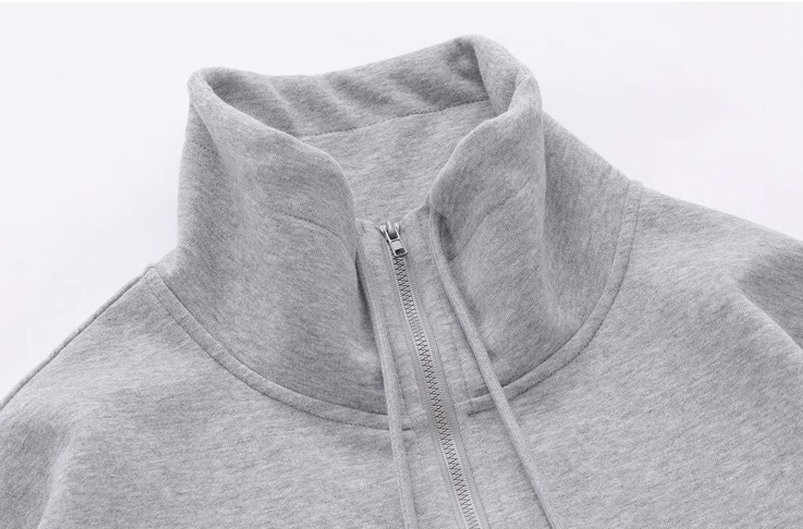
Emerging brands struggle to find manufacturers who can execute authentic vintage washes, distressed details, and oversized fits without compromising fabric integrity or consistency across production runs.
Our in-house design team perfects every vintage wash technique and oversized pattern. With low MOQ options and rigorous QC testing at each production stage, your hoodies ship with consistent color, fit, and durability.
Retro Graphic T-Shirts
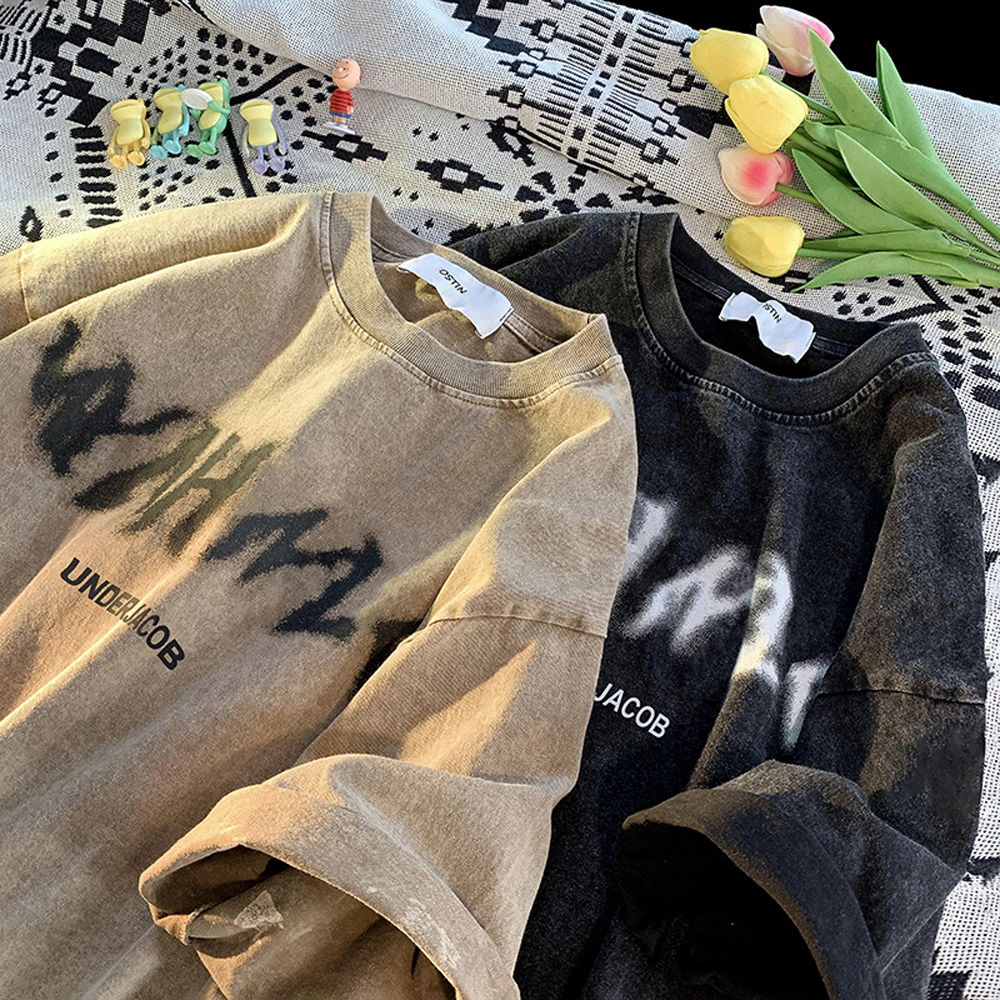
Independent designers need vintage-inspired tees with cracked prints, faded graphics, and soft-hand finishes, but most suppliers lack the specialized printing capabilities or deliver inconsistent results.
We deliver authentic retro aesthetics using advanced screen printing and garment-dye processes. Every tee passes our five-step quality control, ensuring graphics, fabric hand-feel, and vintage character meet your exact specifications.
Vintage Streetwear Jackets
Streetwear brands launching seasonal collections face long lead times and high minimums for complex vintage jackets with custom hardware, embroidery, and distressed finishes that require expert craftsmanship.
Our experienced production team handles intricate construction details and custom embellishments with fast turnaround times. Low MOQs let startups test designs, while our global logistics ensure on-time delivery for seasonal drops.
Vintage Streetwear Pants & Denim
Influencer brands demand vintage-washed denim and cargo pants with unique distressing patterns, but struggle to find manufacturers who maintain size consistency and quality control across small to medium batch orders.
We specialize in custom vintage washes and distressing techniques with precise pattern grading. Our cutting QC and sewing QC testing guarantee every pair maintains accurate sizing and finishing quality, batch after batch.
Vintage Streetwear Accessories
Fashion startups want to complete their vintage streetwear collections with matching caps, bags, and beanies, but coordinating multiple suppliers creates quality inconsistencies and complicates logistics management.
We produce complete vintage streetwear collections under one roof, from apparel to accessories. Single-source manufacturing streamlines your supply chain, ensures cohesive vintage aesthetics, and simplifies quality control across all product categories.
Premium Fabrics for Vintage Streetwear Manufacturer Production
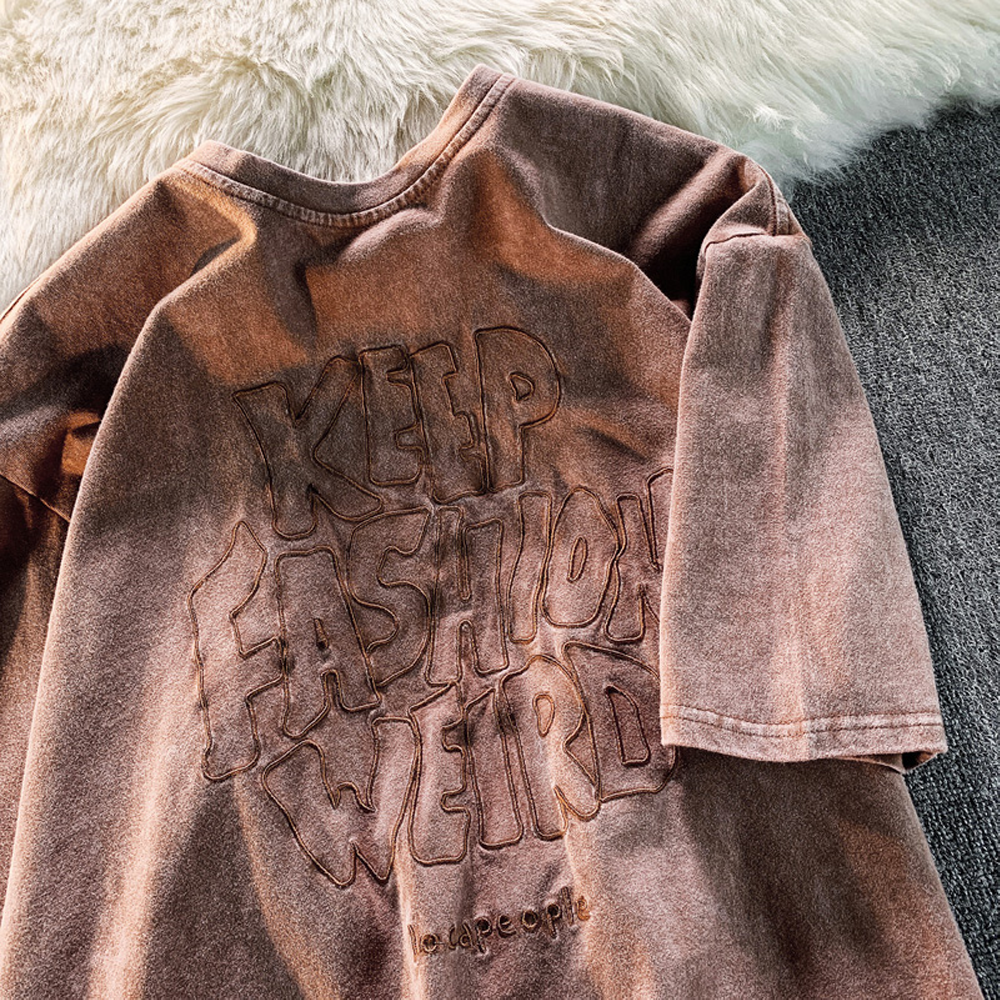
Heavyweight Cotton
Dense, substantial fabric with a classic vintage hand-feel. Ideal for oversized tees, boxy hoodies, and retro crewnecks. Typically 300-400 GSM for authentic streetwear weight and durability that improves with every wash.
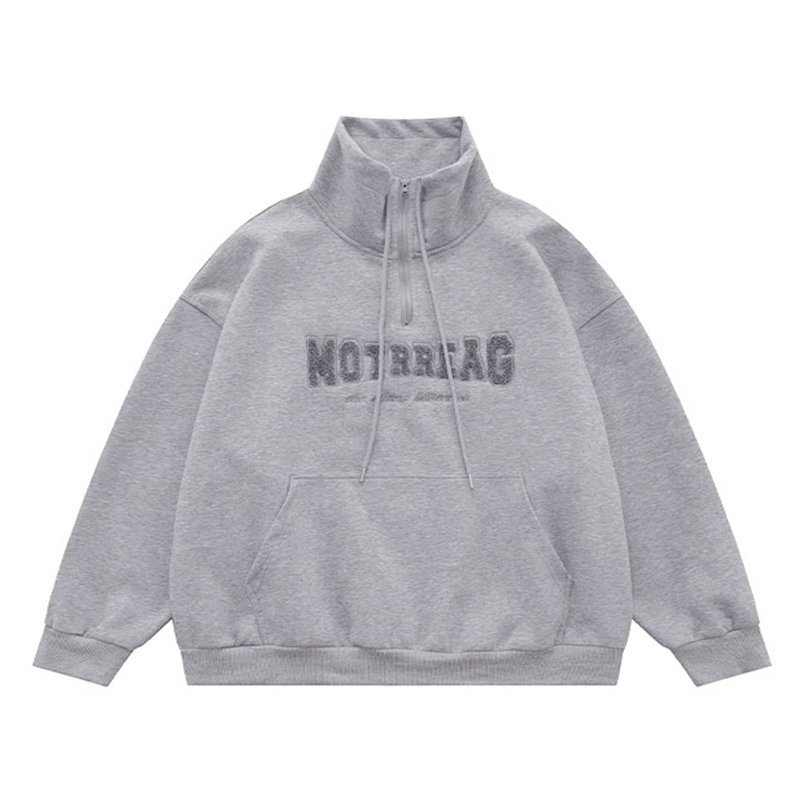
French Terry
Soft looped interior with smooth face, offering comfort and breathability. Perfect for vintage-style hoodies, joggers, and sweatshirts. Mid-weight 280-320 GSM construction balances drape with structure for relaxed streetwear silhouettes.
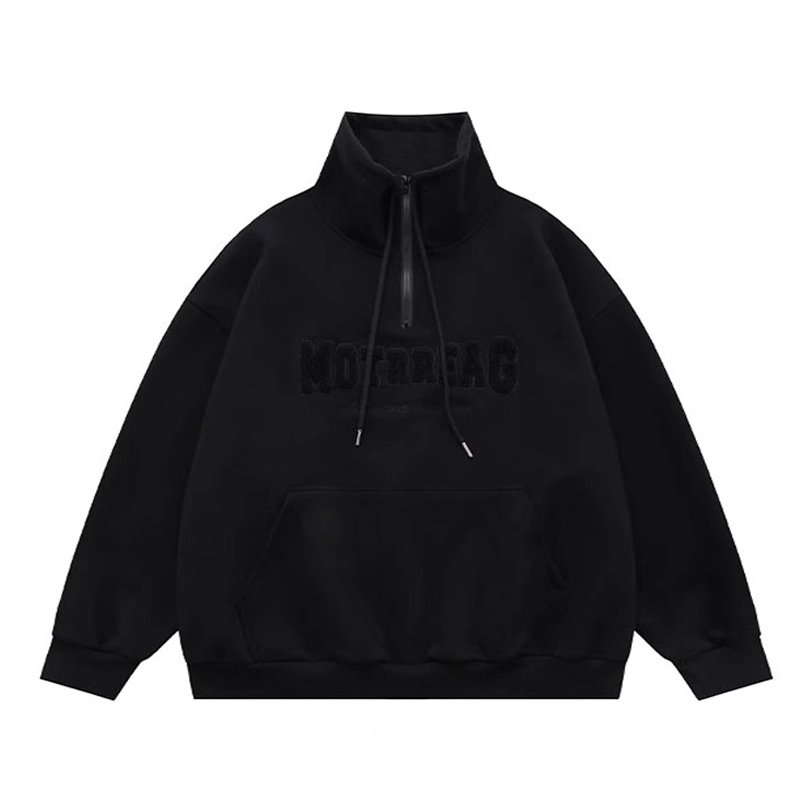
Polar Fleece
Plush, insulating fabric with excellent warmth-to-weight ratio. Used for vintage jackets, oversized pullovers, and layering pieces. 300-400 GSM density provides cozy texture and retro athletic aesthetic popular in 90s-inspired streetwear.
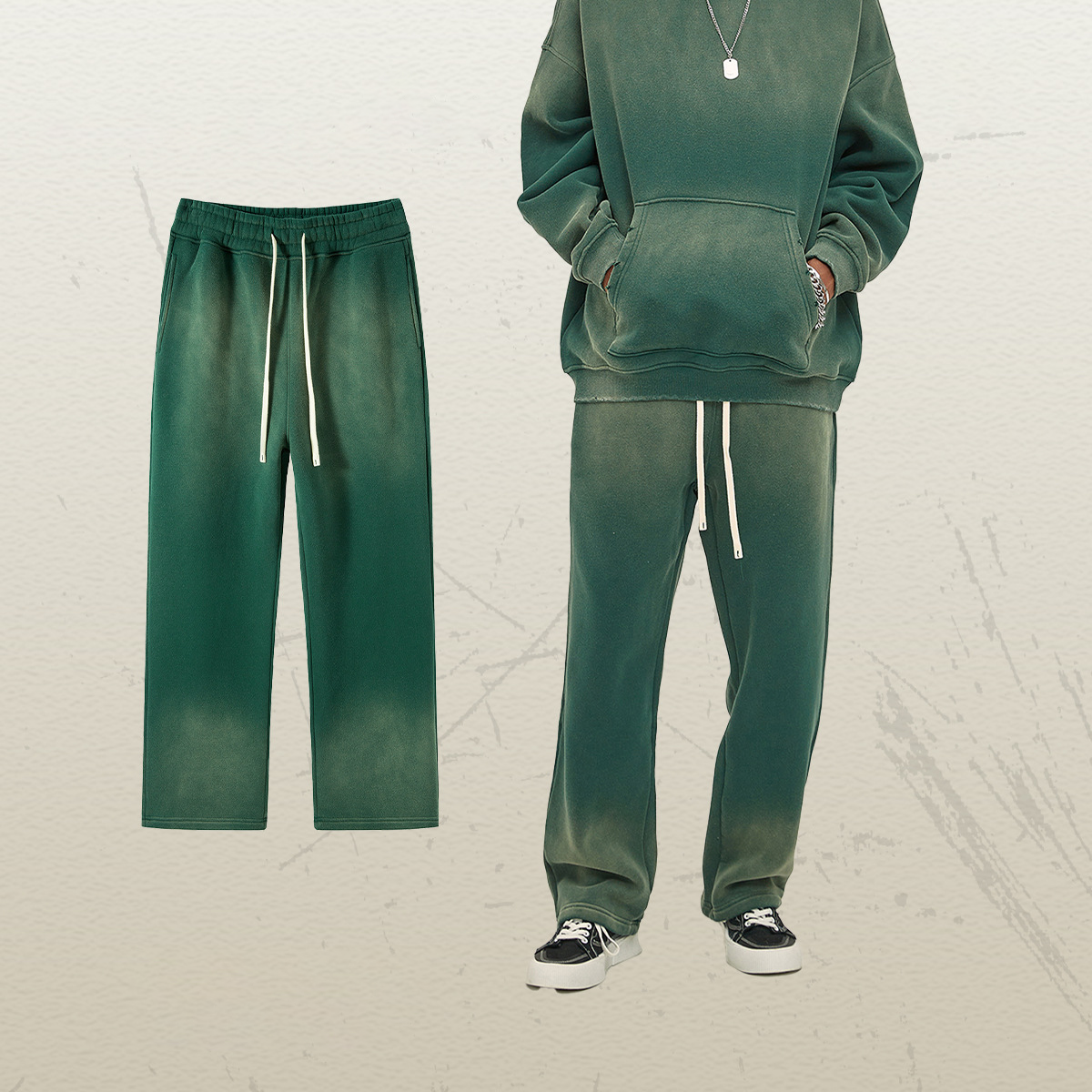
Heavyweight Denim
Rugged twill-weave cotton with authentic vintage character and superior longevity. Essential for streetwear jackets, trucker styles, and workwear-inspired pieces. 12-14 oz weight delivers structure, break-in potential, and timeless appeal.
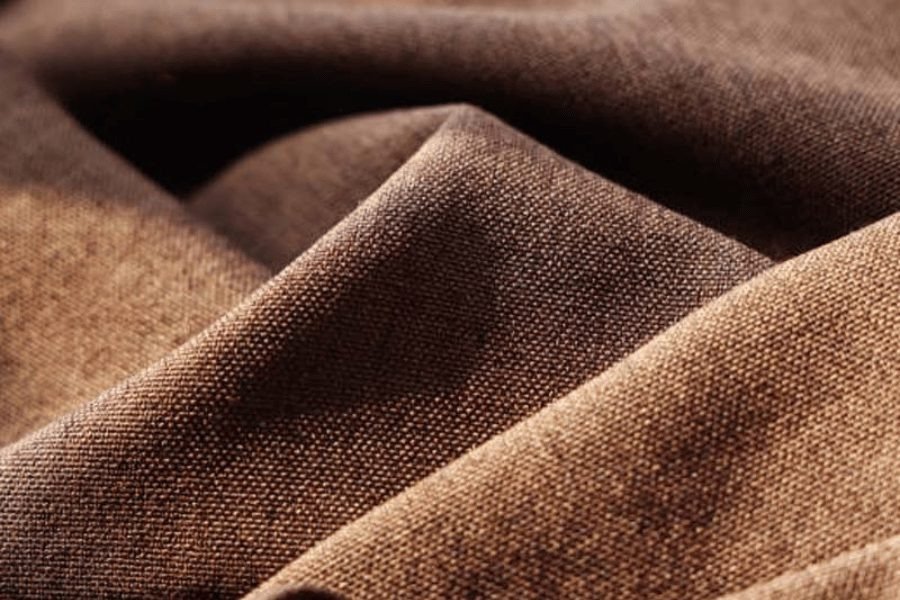
Cotton Twill
Diagonal weave fabric offering durability and refined drape. Ideal for vintage cargo pants, utility jackets, and structured streetwear. 250-300 GSM weight provides body without stiffness, holding shape through repeated wear and washing.

Brushed Fleece
Soft-napped interior creates luxurious warmth and vintage comfort. Perfect for premium hoodies, crewnecks, and cold-weather streetwear. 320-380 GSM construction with cotton-poly blends for enhanced softness and color retention.
Vintage Streetwear Manufacturer Production Techniques
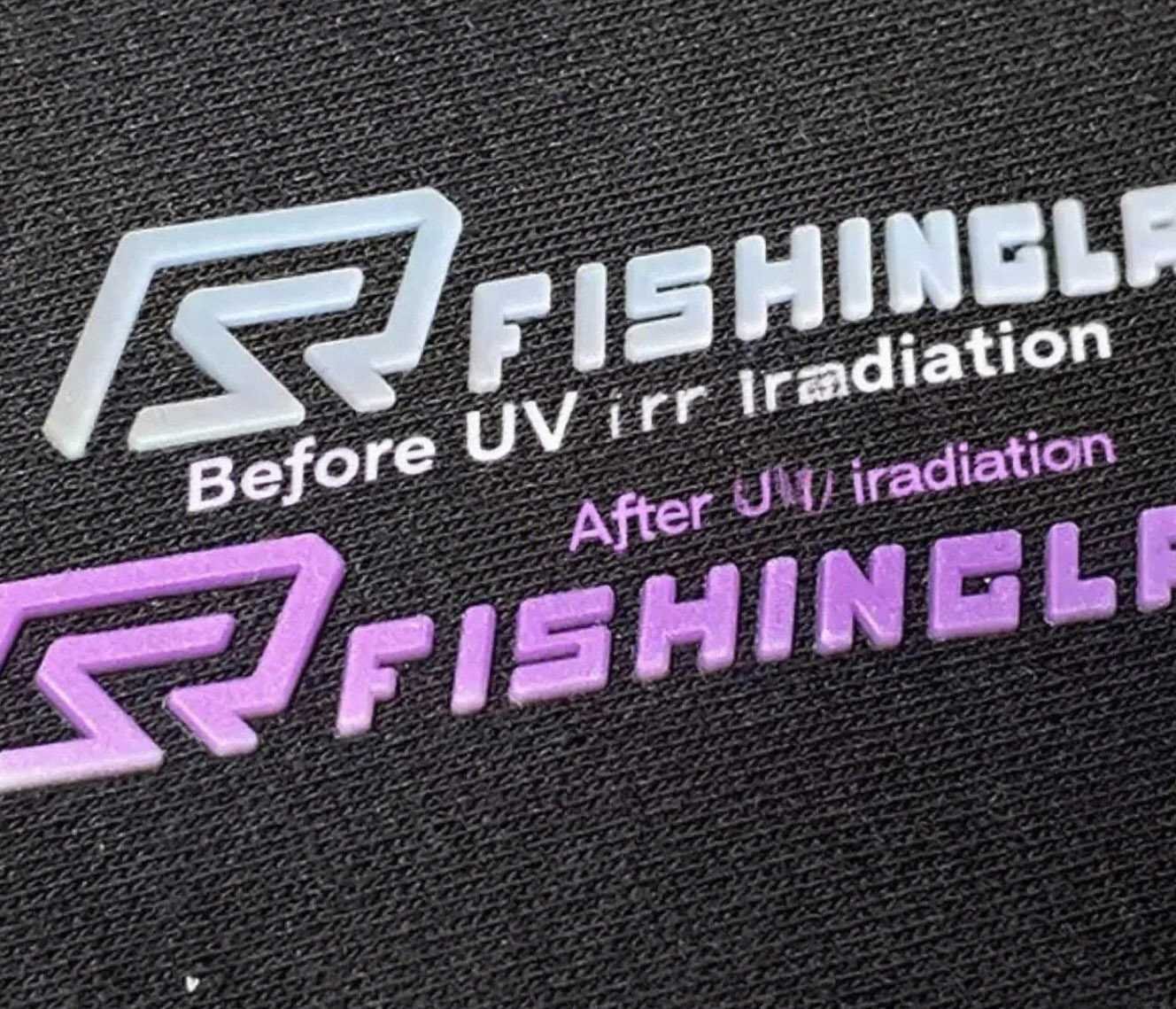
Screen Printing
Classic screen printing delivers bold, vintage-inspired graphics with a slightly raised texture that captures the authentic retro feel. Our water-based and plastisol inks ensure vibrant color saturation and excellent wash durability for streetwear collections.
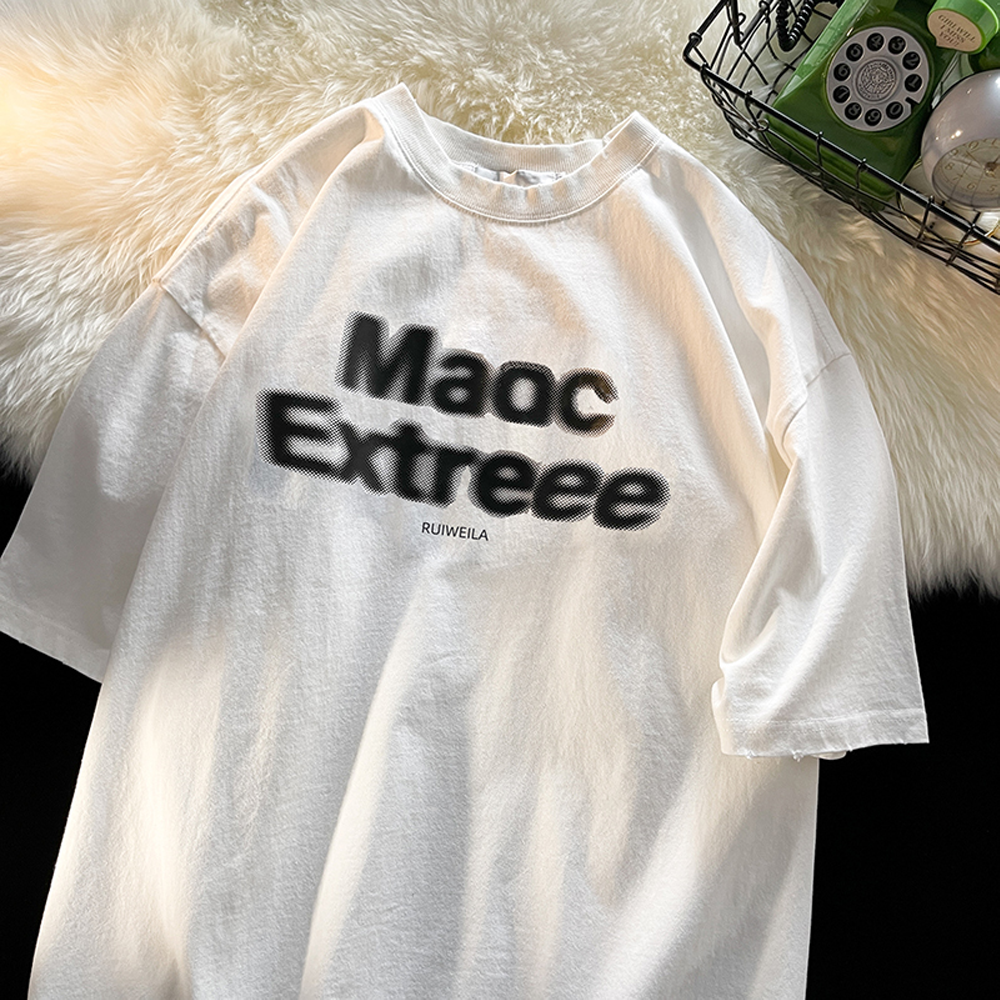
Distressing & Hand-Washing
Expert distressing and enzyme hand-washing techniques create lived-in, worn textures that define vintage streetwear. Each garment is carefully processed to achieve authentic fading, soft hand feel, and unique character without compromising fabric integrity.
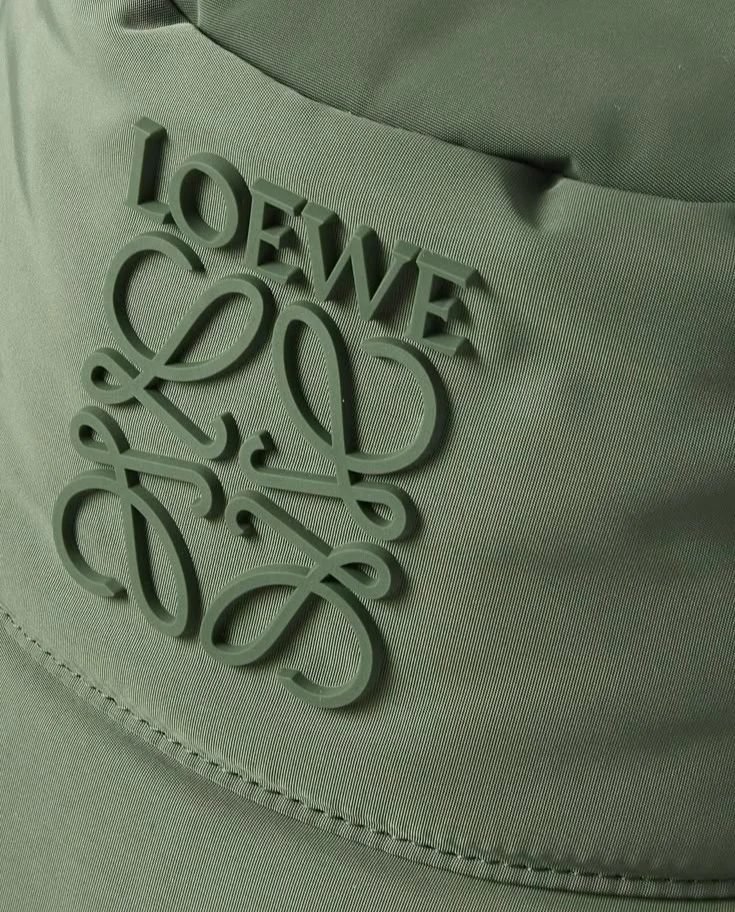
Vintage Dyeing
Specialized pigment and reactive dyeing processes produce faded, sun-bleached, and mineral-washed color effects that evoke classic vintage aesthetics. Our dyeing methods ensure consistent color variation while maintaining colorfastness and garment longevity.
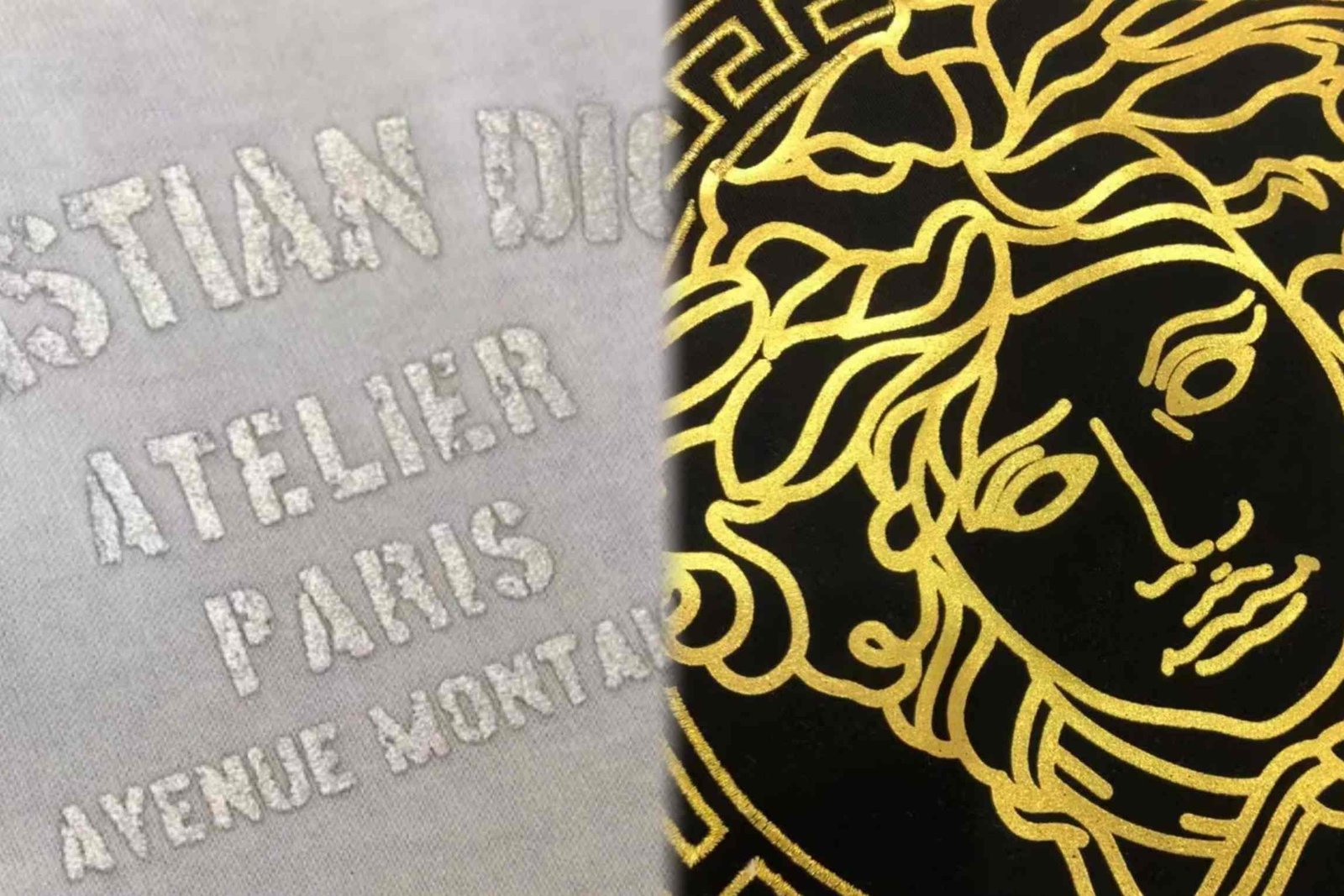
Embroidery
High-density embroidery adds dimensional texture and premium detail to vintage designs. Our computerized machines execute intricate logos, retro lettering, and decorative motifs with precision threading that withstands repeated wear and washing.
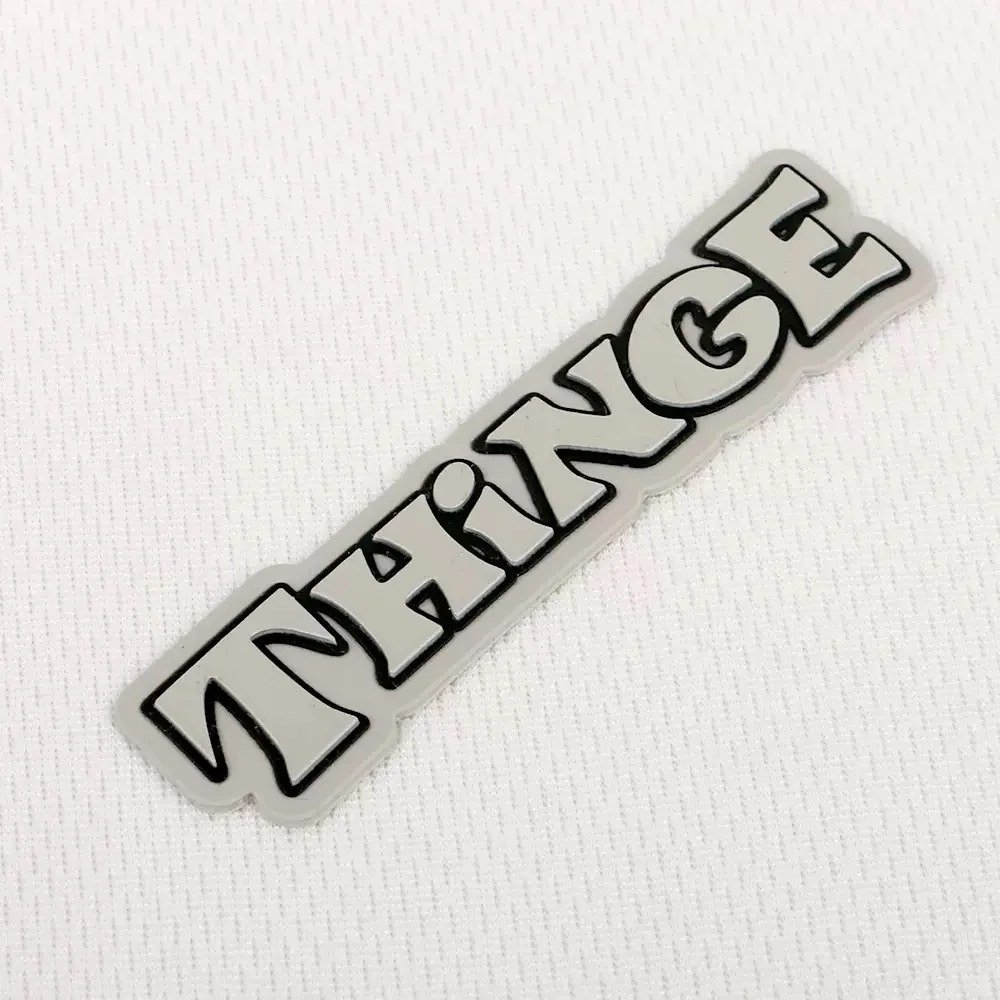
Sublimation Printing
Dye-sublimation transfers vibrant, all-over prints and vintage graphics directly into fabric fibers for a soft, breathable finish. Ideal for polyester-based vintage athletic and performance streetwear styles with no surface cracking or peeling.
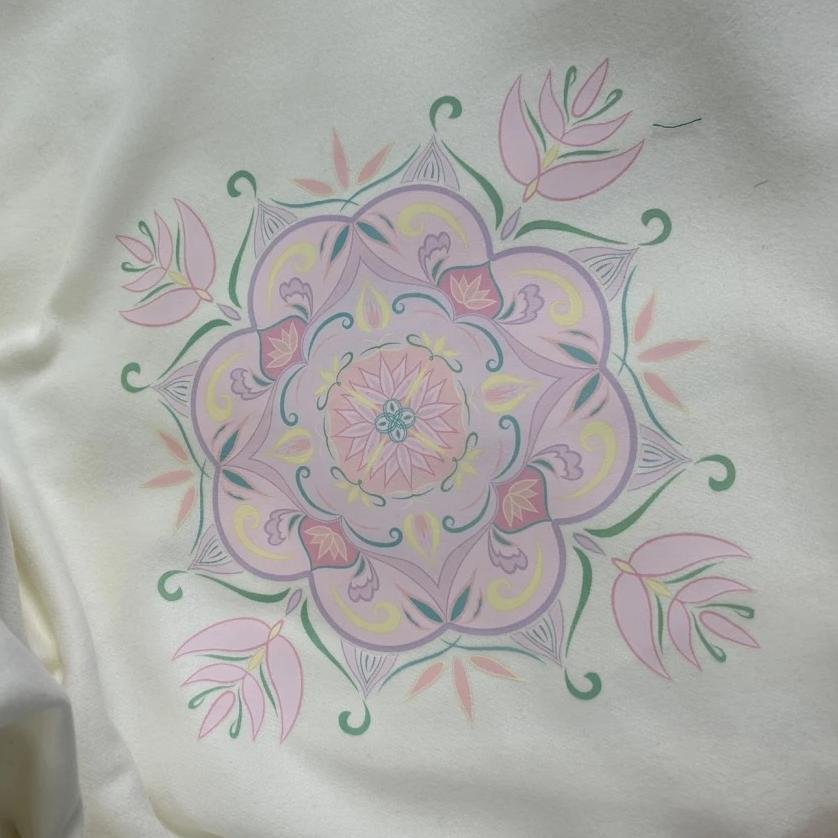
Patch Application
Woven and embroidered patch application delivers authentic vintage workwear and military-inspired details. We offer sew-on, heat-seal, and Velcro attachment methods to match your brand’s aesthetic and functional requirements for removable customization.
Vintage Streetwear Manufacturer Hardware & Embellishments
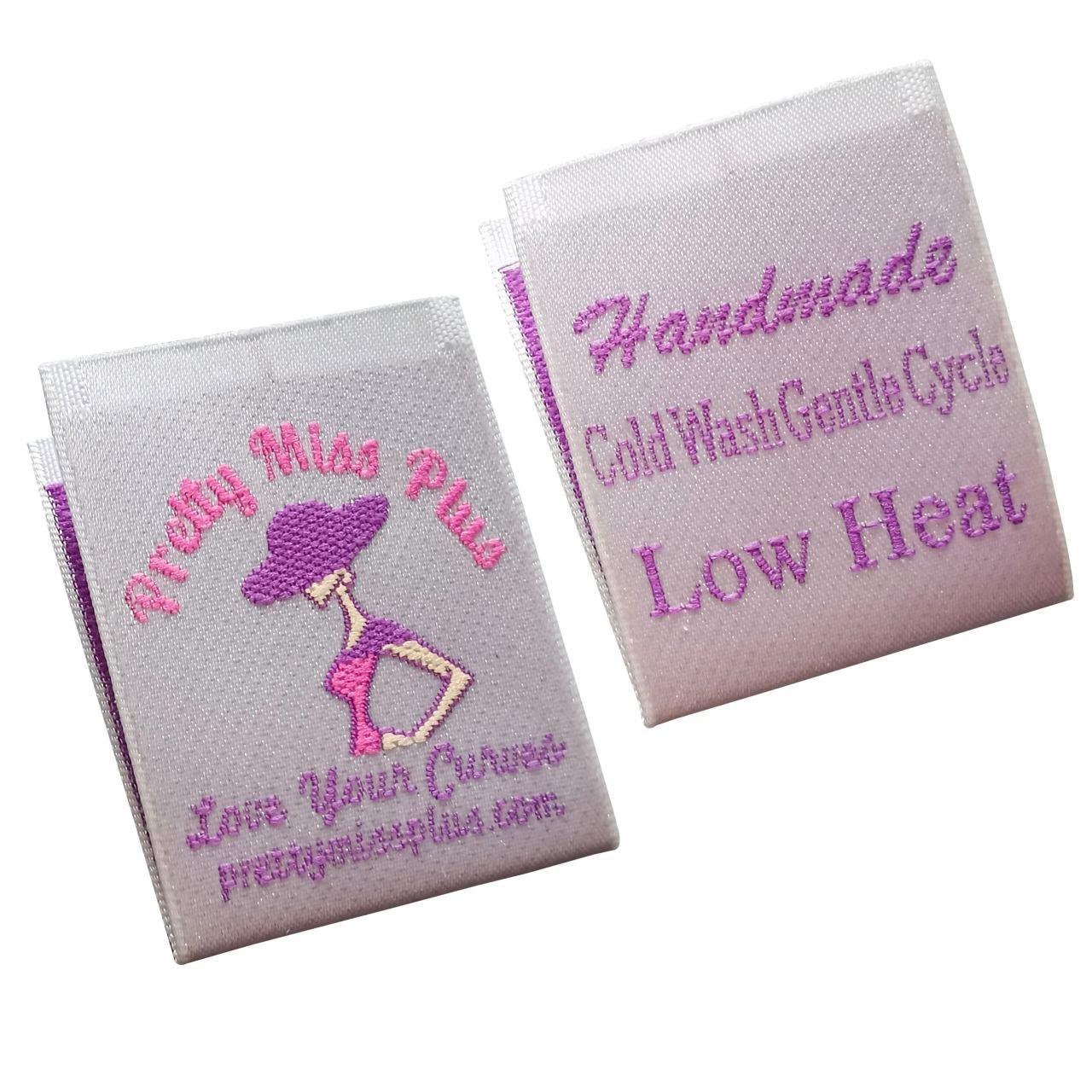
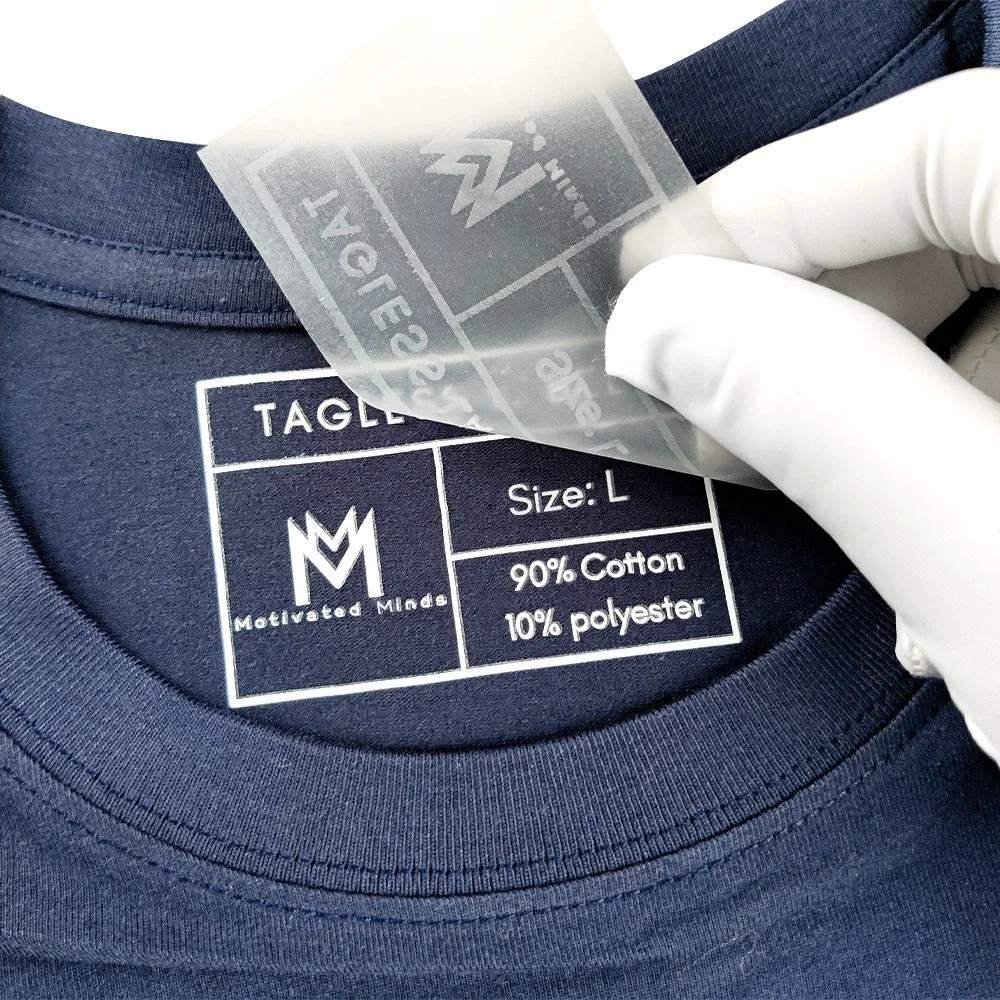
Woven Labels
High-density woven brand labels for necks, hems, and sleeves. Durable polyester or damask construction withstands repeated washing while maintaining vibrant colors and sharp logo detail for authentic vintage branding.
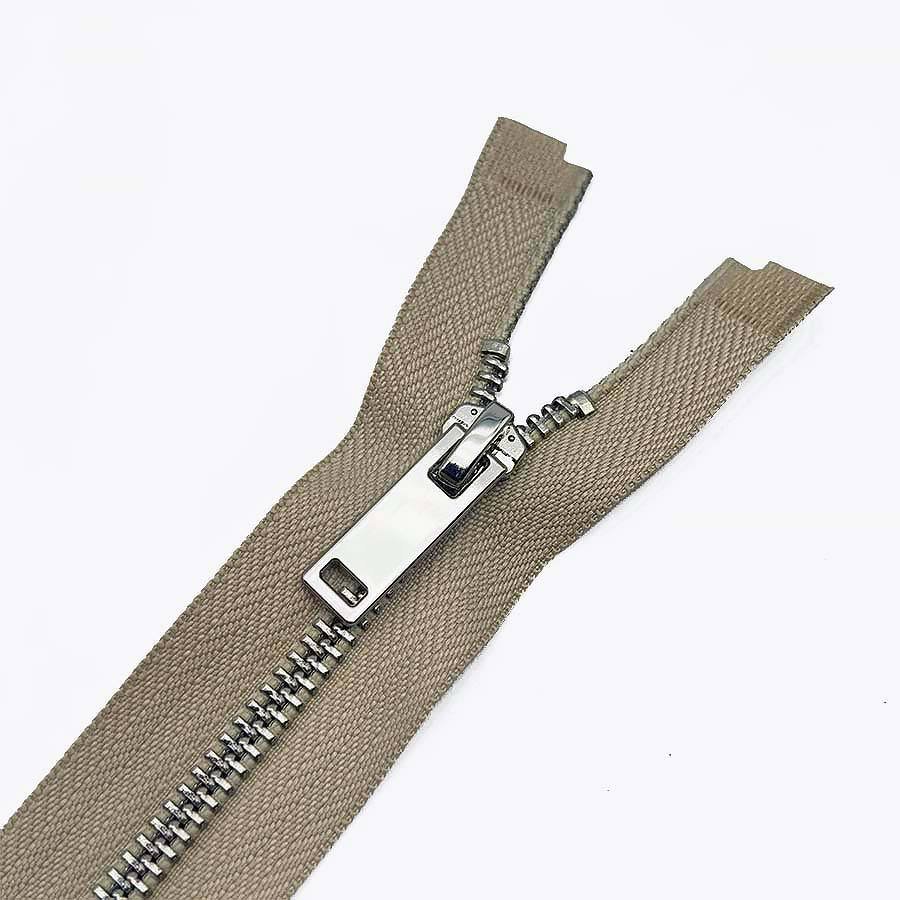
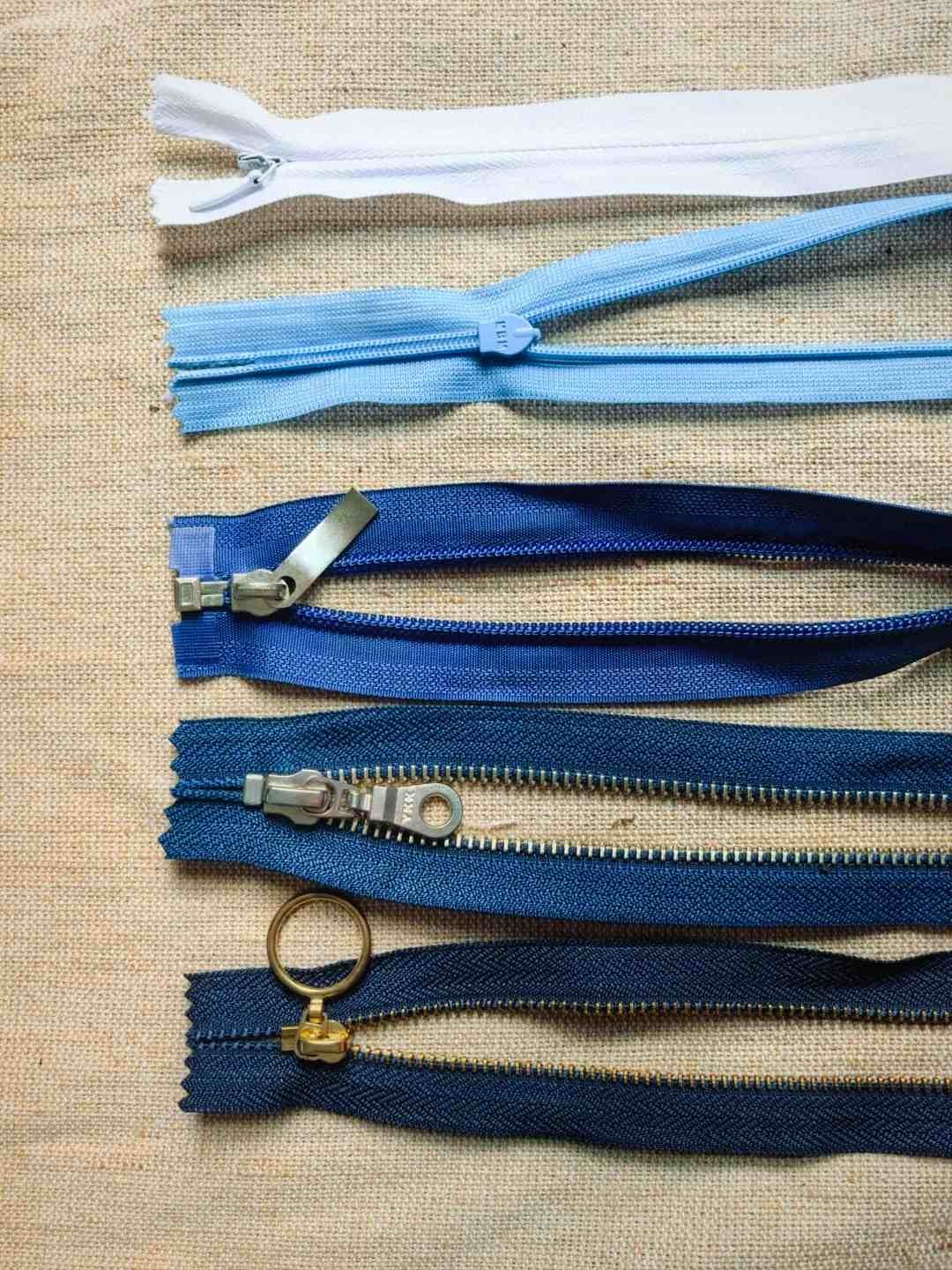
Metal Zippers
YKK and premium metal zippers in antique brass, gunmetal, and vintage finishes. Ideal for hoodies, bomber jackets, and cargo pants requiring smooth operation and period-accurate hardware aesthetics.
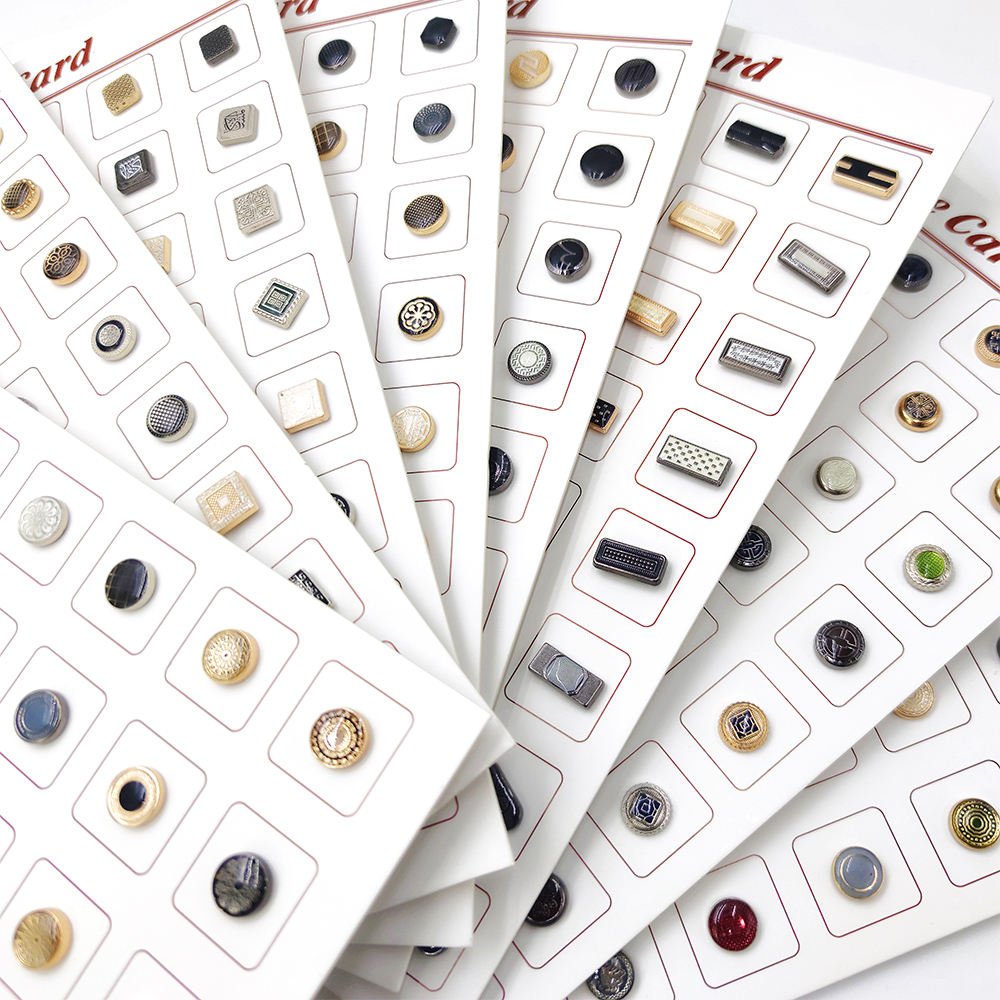
Snap Buttons
Heavy-duty metal snap fasteners in aged finishes for authentic vintage appeal. Perfect for varsity jackets, workshirts, and overshirts where secure closure meets retro styling and repeated-use reliability.
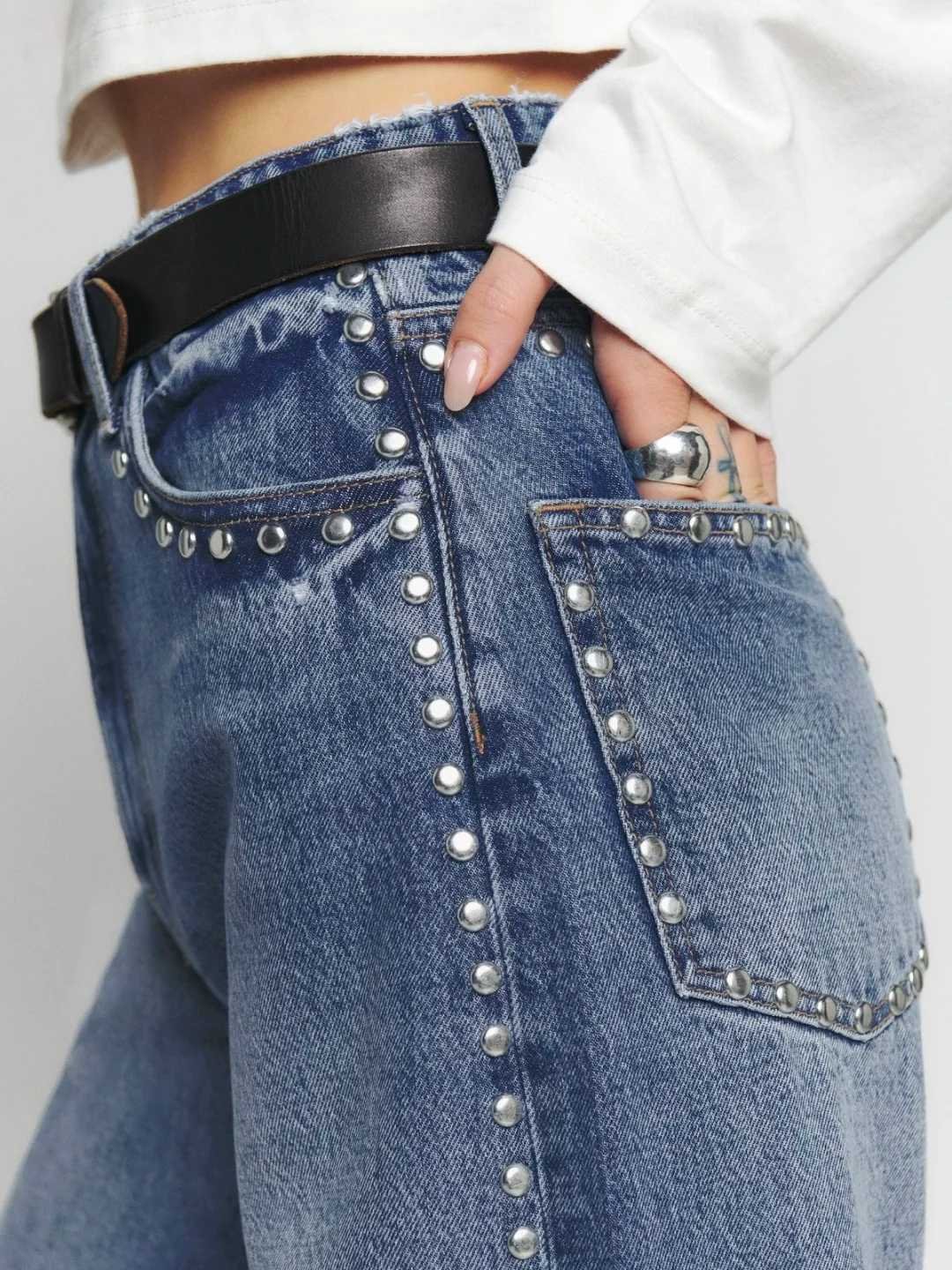
Custom Drawcords
Round and flat drawcords with metal or resin aglets in custom colors. Essential for hoodies, joggers, and shorts, offering functional adjustability with color-matched or contrast tipping options.
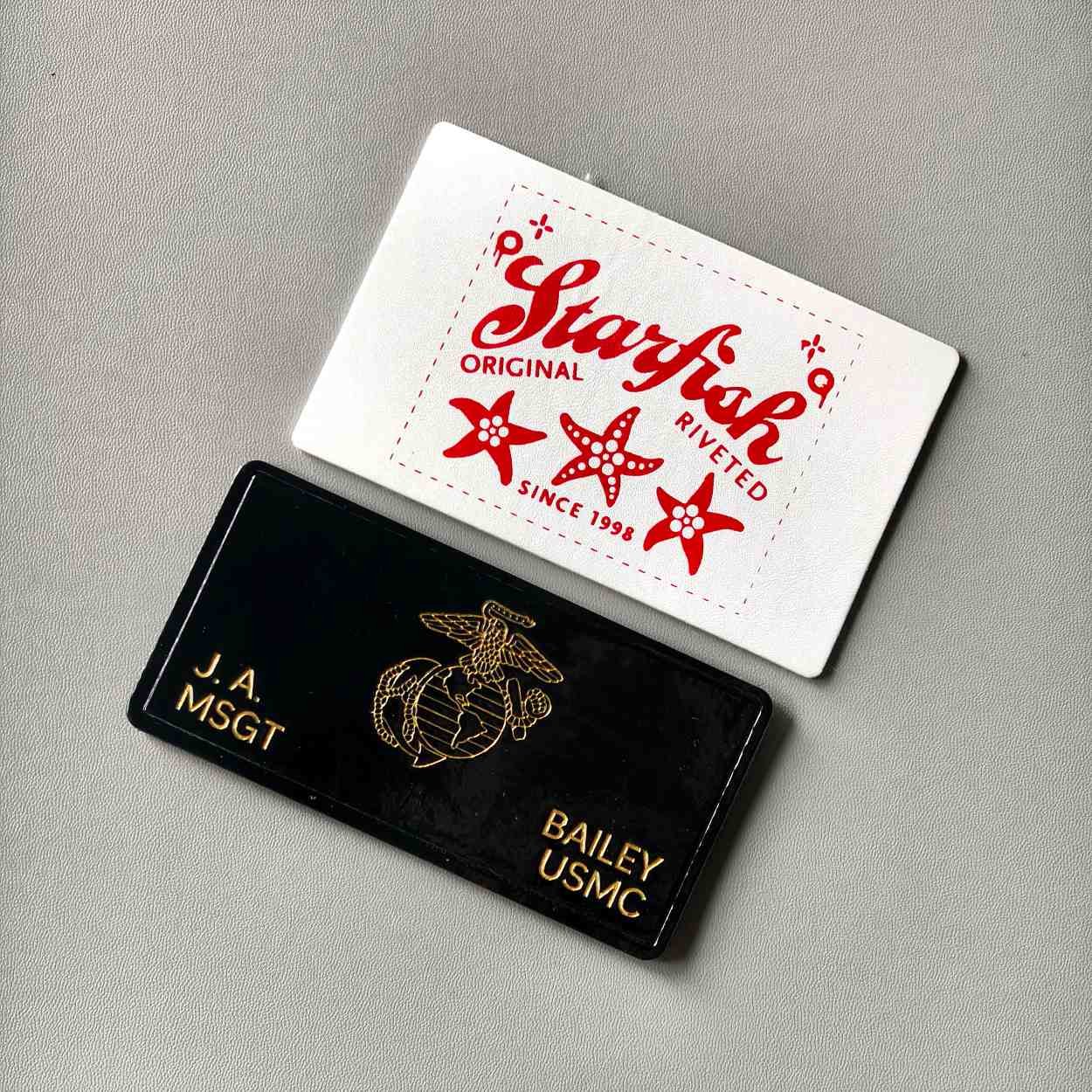
Embroidered Patches
Woven or embroidered patches with vintage motifs, logos, and graphics. Iron-on or sewn application for jackets, tees, and denim, adding layered storytelling and collectible brand identity elements.
Metal Eyelets
Rust-resistant brass or gunmetal eyelets for lace-up details and ventilation. Common in vintage sneaker-inspired apparel, cargo designs, and corset-laced garments requiring industrial-strength reinforcement and period-correct detailing.
Custom Hang Tags
Die-cut hang tags in specialty paper, leather, or metal with vintage typography and finishes. Reinforce brand narrative at point of sale with tactile, collectible tags that communicate quality and heritage.
Your Trusted Vintage Streetwear Manufacturer
Founded in 2024 by Tesla Luo, Clothing Manufacturer Ltd brings over 10 years of apparel production expertise and 6 years of specialized streetwear experience to every project. Raised in a garment manufacturing family and trained across every production role, Tesla witnessed too many manufacturers skip quality control entirely. He launched our vintage streetwear manufacturer to restore trust in Chinese apparel production through rigorous testing at every stage.
Today we serve brands in 100+ countries with a 15-person R&D team and 10 patents protecting our innovative processes. Our proprietary 5-step quality control methodology ensures every vintage streetwear piece meets exacting standards from fabric inspection through final packaging. We partner with fashion startups, independent designers, and established retailers who demand premium craftsmanship without compromise.
As a vintage streetwear manufacturer rooted in Dongguan’s historic garment hub, we combine deep cultural fluency in streetwear trends with manufacturing scale and reliability. From low MOQ orders for emerging brands to fast seasonal turnarounds for growing labels, we deliver the quality, speed, and transparency your brand deserves.
5-Step QC Process Every Vintage Streetwear Manufacturer Should Follow
Materials QC Testing
Before cutting begins, our vintage streetwear manufacturer inspects every fabric roll for color consistency, weight accuracy, shrinkage rate, and defects. This first checkpoint prevents flawed materials from entering production, saving time and protecting your brand reputation from the start.
- Fabric weight and GSM verification against specifications
- Color fastness testing to prevent fading and bleeding
- Pre-production shrinkage and stretch analysis
- Surface inspection for holes, stains, and weaving flaws
Cutting QC Testing
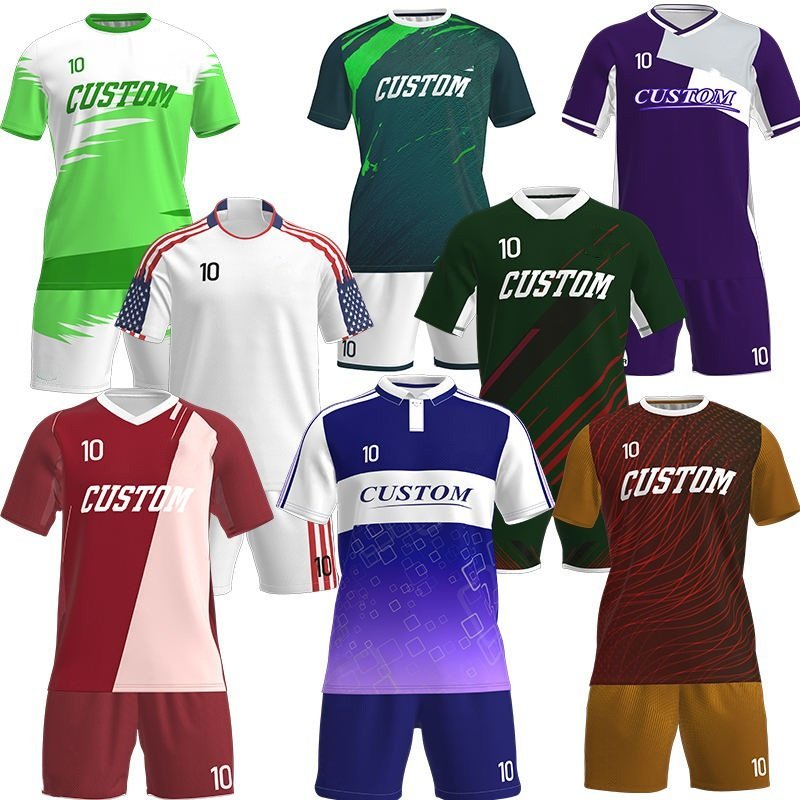
After pattern grading, our QC team verifies every cut piece for dimensional accuracy, grain alignment, and pattern matching. This stage ensures vintage streetwear pieces fit consistently across sizes and that prints, stripes, or distressed effects align perfectly at seams.
- Measurement verification for each cut component
- Grain line and bias alignment checks
- Pattern matching for prints and vintage washes
- Quantity count to prevent shortages during assembly
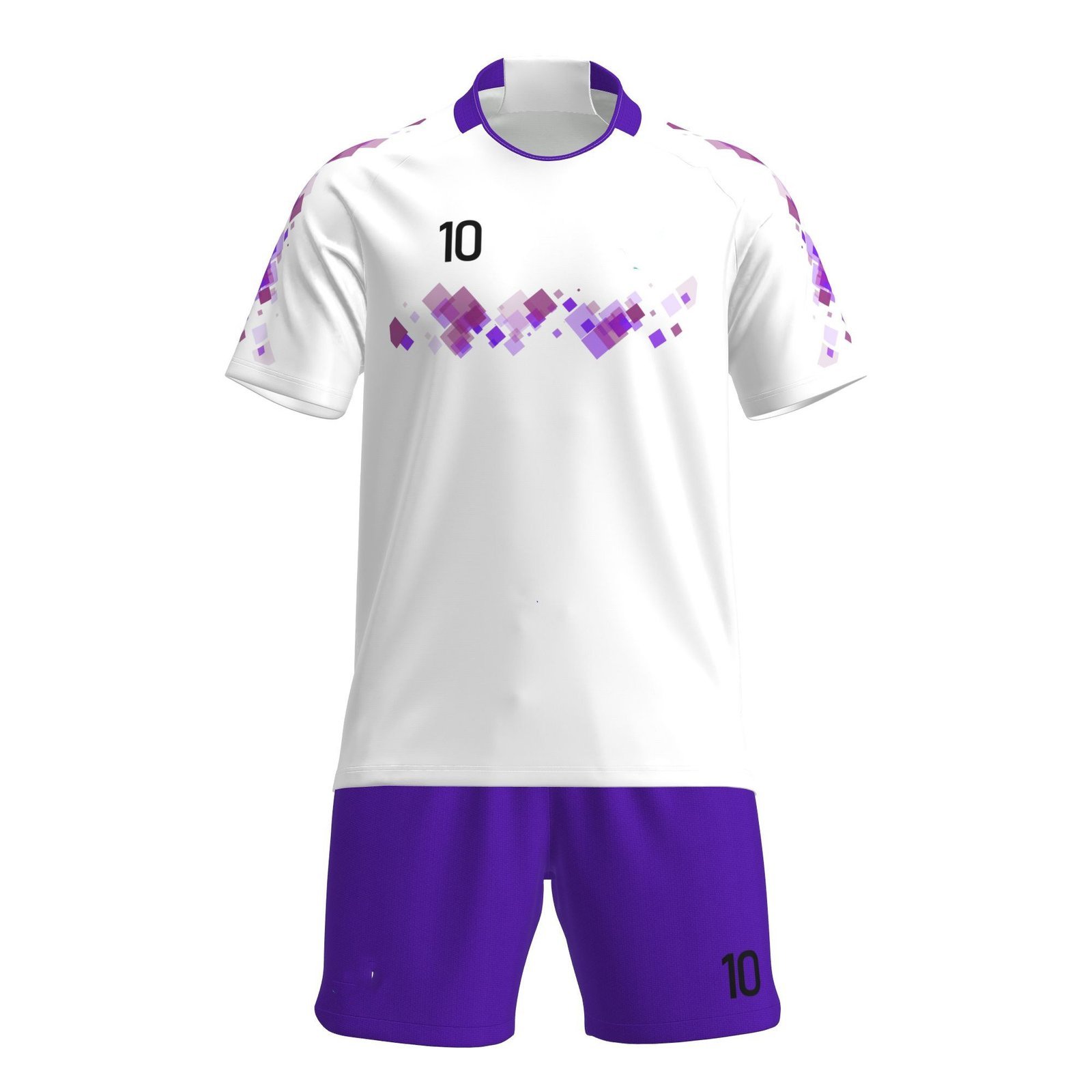
Clothing Craft QC Testing
Before full-scale sewing, sample garments undergo detailed craft inspection. Our vintage streetwear manufacturer evaluates construction techniques, stitch density, seam strength, and finishing methods to confirm they meet your design intent and durability standards for streetwear use.
- Seam construction and reinforcement evaluation
- Stitch-per-inch count and tension balance
- Vintage wash and distressing technique validation
- Hardware attachment strength and placement accuracy
Sewing Production QC Testing
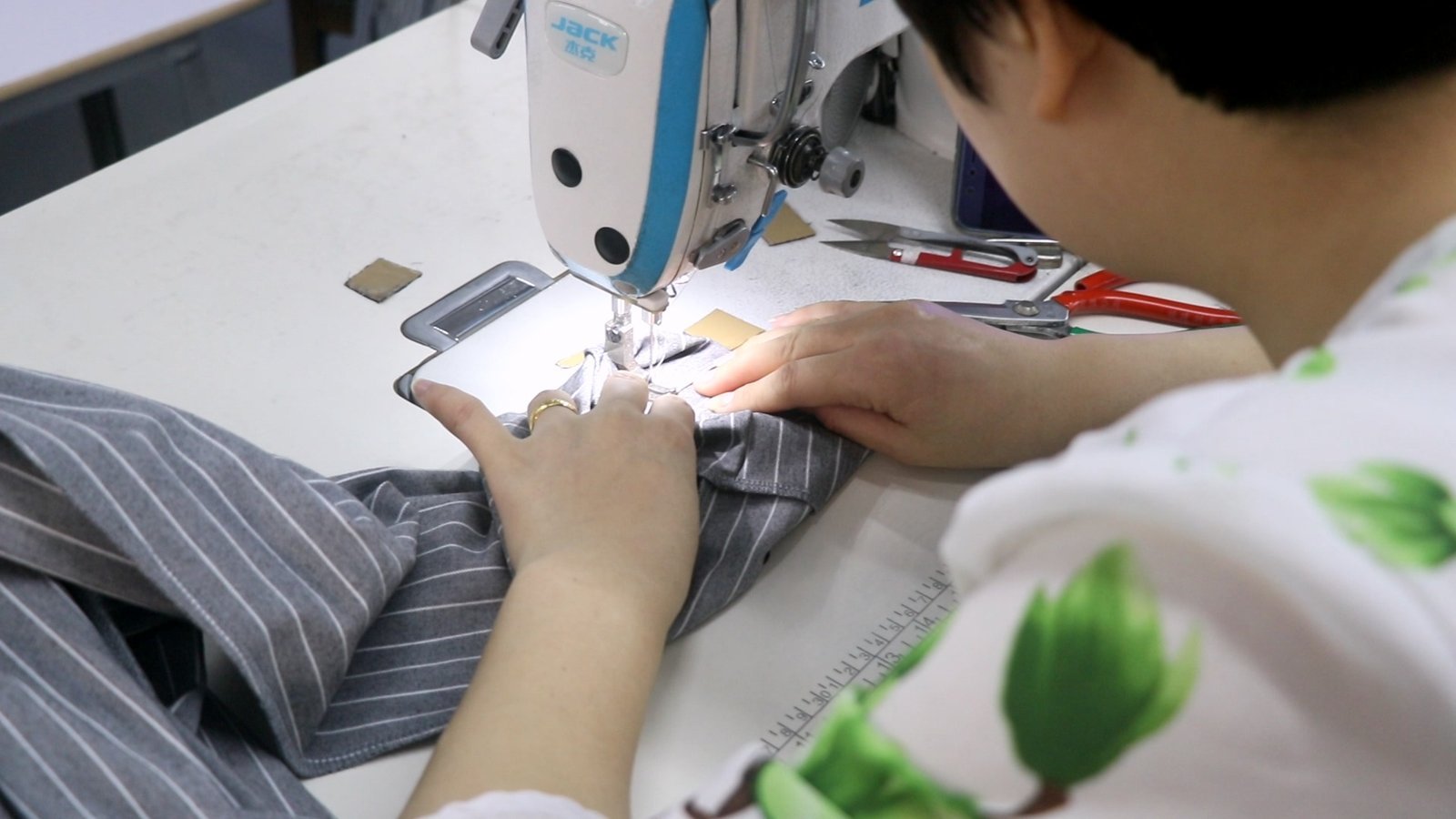
During bulk production, roving QC inspectors check garments at multiple assembly stages rather than waiting until completion. This real-time intervention catches and corrects issues immediately, preventing hundreds of defective units and ensuring every vintage streetwear piece leaves our facility flawless.
- In-line inspection at collar, sleeve, and hem stages
- Thread tension and stitch quality monitoring
- Immediate correction of sewing deviations
- Random sampling throughout production runs
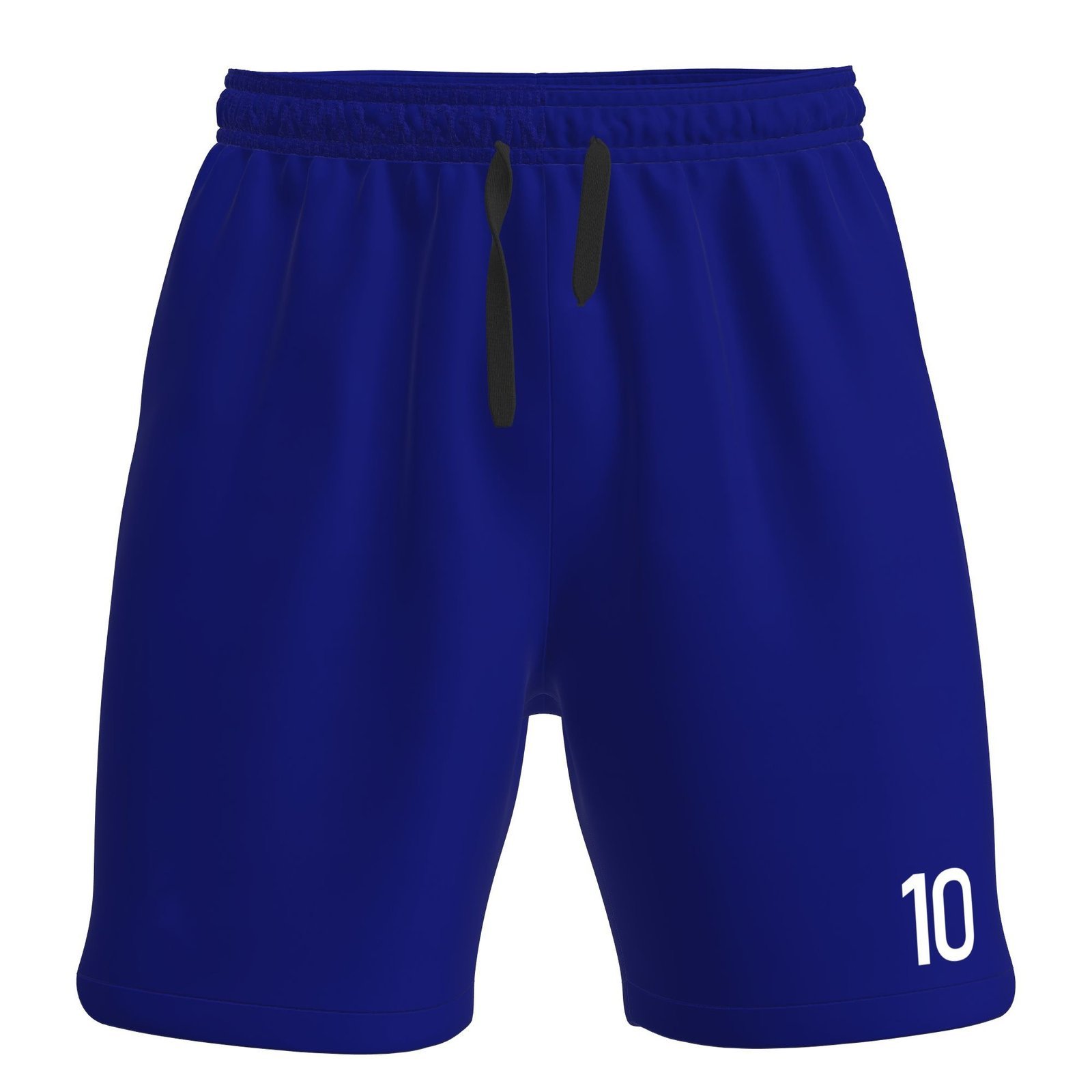
Finished Clothing Quality Inspection
Every completed garment undergoes final inspection for measurements, appearance, functionality, and packaging standards. Our vintage streetwear manufacturer checks zippers, buttons, labels, and overall presentation to guarantee only retail-ready pieces ship to your warehouse or customers.
- Full garment measurement against tech pack specs
- Visual inspection for loose threads and stains
- Functional testing of all closures and hardware
- Packaging, labeling, and hangtag verification
Vintage Streetwear Manufacturer vs. Standard Suppliers
See why emerging brands and global retailers choose Clothing Manufacturer Ltd for authentic vintage streetwear production with zero-compromise quality control.
← 左右滑动查看 →
Your Vintage Streetwear Manufacturer Production Journey
We guide your vintage streetwear collection through six precision-controlled phases, ensuring every piece meets our zero-compromise quality standards before it reaches your customers.
Tech Pack & Design
Submit your vintage streetwear designs or collaborate with our 15-member R&D team to develop authentic retro aesthetics, distressed finishes, and era-specific details that define your collection.
Sampling & Approval
Receive production-ready samples showcasing vintage washes, aged graphics, and period-correct construction. Fast turnaround ensures your seasonal collections stay on schedule with minimal revisions.
Material Sourcing & QC
Our vintage streetwear manufacturer sources premium fabrics with authentic textures and hand-feel, then applies rigorous materials QC testing to verify colorfastness, weight, and durability standards.
Cutting & Pre-Production QC
Precision pattern cutting followed by cutting QC testing ensures accurate sizing and minimal fabric waste. Every panel is inspected before entering the sewing workflow.
Production & Multi-Stage QC
Garments move through clothing craft QC testing and sewing production QC testing at every stage. Our five-step quality control catches defects early, eliminating the costly rework common with standard suppliers.
Final Inspection & Shipping
Finished clothing quality QC inspection verifies every vintage streetwear piece meets brand specifications. Global logistics support delivers your collection on time, with full customs and tracking documentation.
How to Partner With Our Vintage Streetwear Manufacturer
From concept to delivery, our streamlined process ensures your vintage streetwear collection meets the highest quality standards while respecting your timeline and budget.
Submit Your Design Brief
Send your tech pack, sketches, or design references. Our team reviews your vintage streetwear concept and provides a detailed quote within 24 hours.
Approve Sample & Specifications
Receive your free sample within 7-10 days. Review fit, fabric, and finishing details before we proceed to bulk production orders.
Place Your Bulk Order
Confirm quantities and timelines. We accept low MOQs perfect for emerging brands and influencer lines launching vintage streetwear collections.
Production With 5-Step QC
Your order moves through our proprietary quality control process—materials testing, cutting inspection, craft review, sewing checks, and final garment inspection.
Final Inspection & Global Shipment
Every piece undergoes final quality verification before secure packaging. We coordinate global shipping and logistics support directly to your destination.
Certified Vintage Streetwear Manufacturer You Can Trust
Brands Trust Our Vintage Streetwear Manufacturer
We launched our vintage streetwear line with just 50 pieces per design. Within 8 months, their consistent quality and fast turnaround helped us grow from 0 to 47,000 Instagram followers. The 5-step QC process eliminated returns completely.
Sampling time dropped by 65% compared to our previous manufacturer. Their in-house design team understood vintage streetwear aesthetics perfectly—distressed finishes, retro washes, and period-accurate details. We expanded from 5 SKUs to 22 in one season.
As a fashion influencer launching my own brand, I needed low MOQs and premium craftsmanship. They delivered 100-piece runs with zero defects. My vintage collection sold out in 72 hours, and reorders were seamless. True manufacturing partner.
Vintage Streetwear Manufacturer FAQ
What is the minimum order quantity for a vintage streetwear manufacturer?
How quickly can a vintage streetwear manufacturer produce samples?
Does your vintage streetwear manufacturer offer free samples?
What payment terms does a vintage streetwear manufacturer typically require?
Can your vintage streetwear manufacturer protect my designs and intellectual property?
How are shipping costs calculated when working with a vintage streetwear manufacturer?
What makes your vintage streetwear manufacturer different from standard suppliers?
Can a vintage streetwear manufacturer handle rush orders for seasonal collections?
The Complete Buyer’s Guide to Choosing a Vintage Streetwear Manufacturer
Navigate the world of vintage streetwear production with confidence. This guide delivers a proven decision framework, essential supplier criteria, quality benchmarks, and the most common sourcing mistakes to avoid when partnering with a vintage streetwear manufacturer.
1. What Is a Vintage Streetwear Manufacturer?
A vintage streetwear manufacturer specializes in producing apparel that replicates the aesthetic, construction, and finish of streetwear garments from the 1980s through early 2000s. Unlike standard cut-and-sew factories that focus on clean, contemporary finishes, these specialists apply distressed washes, enzyme treatments, stone-washing, and garment-dyeing techniques to achieve authentic worn-in textures and faded colorways. They also engineer retro fits—boxy silhouettes, dropped shoulders, oversized sleeves—that mirror the proportions popular in hip-hop, skateboarding, and graffiti subcultures of past decades.
Brands choose a vintage streetwear manufacturer over generic apparel producers because this niche demands cultural fluency and technical expertise that general factories lack. Vintage aesthetics require precise control over fabric weight (typically 200–280 GSM heavyweight cotton), specific knit structures like ring-spun jersey or French terry, and decoration methods including screen-printed cracked inks, puff prints, and chenille patches. Standard factories often skip quality checks during distressing stages, leading to inconsistent fading or premature tearing, whereas specialized manufacturers implement multi-stage QC to ensure each garment meets durability and aesthetic standards.
The value proposition centers on authenticity and consistency. A dedicated vintage streetwear manufacturer maintains in-house R&D teams that study archive pieces, develop proprietary wash formulas, and test aging processes across multiple fabric bases. This expertise ensures that skeleton graphics, rose motifs, and cross elements—core streetwear design themes—are rendered with period-accurate color palettes and print textures, delivering nostalgic appeal that resonates with young consumers seeking unique, personality-driven fashion.
2. The Evolution of Vintage Streetwear Manufacturing
Between 1985 and 1995, streetwear emerged from the intersection of hip-hop, skateboarding, and graffiti culture in Los Angeles and New York, with brands like Stüssy and Supreme establishing the foundational aesthetics that define the category today. Early adopters sourced authentic vintage band tees, military surplus, and thrift-store finds, creating a grassroots market for worn-in, one-of-a-kind garments that signaled cultural affiliation and anti-establishment values.
By the early 2000s, thrift culture had transitioned from necessity to deliberate curation, as online marketplaces like eBay democratized access to rare vintage pieces and drove prices upward for authentic 1980s and 1990s streetwear. The supply of genuine vintage garments could not meet growing demand, prompting manufacturers to develop purpose-built vintage aesthetics—distressing techniques, enzyme washes, and pigment dyes that replicated decades of wear in controlled factory environments.
The Y2K revival beginning around 2018 accelerated the shift toward manufactured vintage, with brands requiring scalable production methods to deliver distressed hoodies, faded graphics, and oversized silhouettes at retail volumes. Vintage streetwear manufacturers introduced specialized processes including stone washing, sandblasting, garment dyeing, and screen-print cracking to achieve authentic aged appearances without sourcing decades-old inventory. Today, a vintage streetwear manufacturer combines cultural fluency in streetwear’s design heritage—skeleton motifs, graffiti-inspired graphics, and oversized fits—with industrial techniques that replicate the patina of thrift-store finds at order quantities ranging from 50 to 5,000 pieces, enabling emerging brands to compete in a market where authenticity and scalability must coexist.
3. Types of Vintage Streetwear Manufacturer Services
Vintage streetwear manufacturer services fall into four distinct models, each tailored to different production scales and brand maturity levels. Understanding these service types helps buyers match their current stage—whether launching a first collection or scaling an established label—to the right manufacturing partner.
Full-Package Vintage Streetwear Manufacturers
Full-package providers handle design development, fabric sourcing, pattern making, sampling, bulk production, and final packaging. MOQs typically range from 300 to 1,000 pieces per style, with lead times of 45 to 75 days from approval to delivery.
This model suits established brands and retailers seeking turnkey solutions without maintaining in-house design or sourcing teams. Startups with sufficient capital and clear brand direction also benefit, as the manufacturer assumes responsibility for technical execution and quality control across all production stages.
Cut-Make-Trim Specialists
CMT factories focus exclusively on cutting fabric, sewing garments, and attaching trims, while the buyer supplies all materials and finished tech packs. MOQs often start at 200 pieces per colorway, with production cycles of 25 to 40 days once materials arrive.
Independent designers and brands with established fabric suppliers prefer this route, retaining control over material quality and sourcing costs. CMT works best when you have technical design skills and reliable fabric vendors but lack sewing infrastructure.
Sampling and Small-Batch Producers
Small-batch specialists produce prototype samples and limited runs from 50 to 300 units per design. Lead times compress to 15 to 30 days, ideal for testing market response before committing to larger orders.
Fashion startups, influencer brands, and independent designers launching debut collections rely on this model to validate designs with real customers. Lower financial risk and faster iteration cycles make small-batch production the entry point for most new vintage streetwear labels.
4. Materials and Fabrics for Authentic Vintage Aesthetics
Authentic vintage streetwear relies on fabric selection that replicates the worn-in feel, faded color depth, and relaxed drape of garments from the 1980s and 1990s. A vintage streetwear manufacturer must source materials that deliver these tactile and visual qualities from the first wear, not after years of aging.
| Fabric Type | GSM Range | Typical Use | Vintage Effect Achieved |
|---|---|---|---|
| Heavyweight Cotton Jersey | 180–220 | T-shirts, long-sleeves | Soft hand, relaxed drape |
| French Terry | 240–280 | Crewnecks, light hoodies | Looped texture, mid-weight feel |
| Fleece Blends | 300–400 | Hoodies, sweatpants | Brushed interior, plush warmth |
| Garment-Dyed Knits | 200–260 | Tees, hoodies, joggers | Faded color, uneven wash |
| Pre-Shrunk Cotton | 180–240 | All garment types | Stable fit, no post-wash distortion |
Core Fabric Types for Vintage Streetwear
Heavyweight cotton jersey in 180–220 GSM delivers the substantial hand and natural drape essential to vintage tees and long-sleeves. French terry at 240–280 GSM provides the looped interior texture and mid-weight structure that defined classic crewnecks and lightweight hoodies.
Fleece blends ranging from 300–400 GSM replicate the plush, brushed interior of vintage sweatshirts and heavyweight hoodies. Garment-dyed knits achieve the soft, uneven color fade that mimics decades of washing, while pre-shrunk fabrics eliminate post-purchase dimensional change and ensure consistent fit across production runs.
Why Fabric Choice Drives Authenticity
Customers purchasing vintage-inspired streetwear expect immediate comfort and visual credibility. Thin, stiff, or overly uniform fabrics betray modern fast-fashion construction and undermine brand positioning.
Clothing Manufacturer Ltd. applies its five-step QC methodology starting at materials testing, verifying GSM, shrinkage rates, and dye consistency before cutting begins. This upstream quality control prevents fabric defects from reaching finished garments and ensures every piece meets the tactile and aesthetic standards that define authentic vintage streetwear.
5. Customization and Decoration Techniques for Vintage Streetwear
Decoration techniques define the visual authenticity of vintage streetwear, transforming blank garments into collectible pieces that resonate with retro culture. A vintage streetwear manufacturer must master methods that replicate aged, worn aesthetics while maintaining production consistency and durability standards.
| Technique | Setup Cost | Per-Unit Cost | Best Use Case |
|---|---|---|---|
| Cracked ink screen print | $25–$75 | $1.50–$3.00 | Graphic tees, hoodies |
| Puff print | $25–$75 | $2.00–$4.00 | Bold logos, sweatshirts |
| Chenille patches | $50–$150 | $3.00–$8.00 | Varsity jackets, outerwear |
| Distressed embroidery | $40–$120 | $2.00–$5.00 | Caps, sleeves, premium tees |
| Garment wash effects | $0–$50 | $1.50–$4.00 | Full collections, denim |
| Appliqué | $25–$75 | $2.50–$6.00 | Jackets, jeans, statement pieces |
Screen Printing with Cracked and Puff Inks
Screen printing remains the dominant decoration method for vintage graphic tees, with cracked inks and puff prints delivering authentic retro appeal. Cracked plastisol inks simulate years of wear by intentionally fragmenting after curing, creating fissures that mimic 1980s and 1990s band tees.
Setup costs range from $25 to $75 per screen depending on design complexity, while per-unit costs drop to $1.50–$3.00 at volumes above 100 pieces. Puff inks add three-dimensional texture by expanding during heat curing, ideal for bold logos and lettering on hoodies and tees.
Chenille Patches and Distressed Embroidery
Chenille patches deliver tactile vintage varsity aesthetics, with looped yarn construction creating plush, raised lettering and logos popular on jackets and sweatshirts. Custom chenille patches cost $3 to $8 per piece depending on size and thread count, with setup fees of $50 to $150 for digitizing.
Distressed embroidery uses intentionally frayed or faded thread to replicate aged stitching, achieving a worn-in look on caps, sleeves, and chest graphics. Both techniques suit outerwear and premium streetwear pieces where higher per-unit decoration costs are justified by perceived value.
Garment Wash Effects and Appliqué
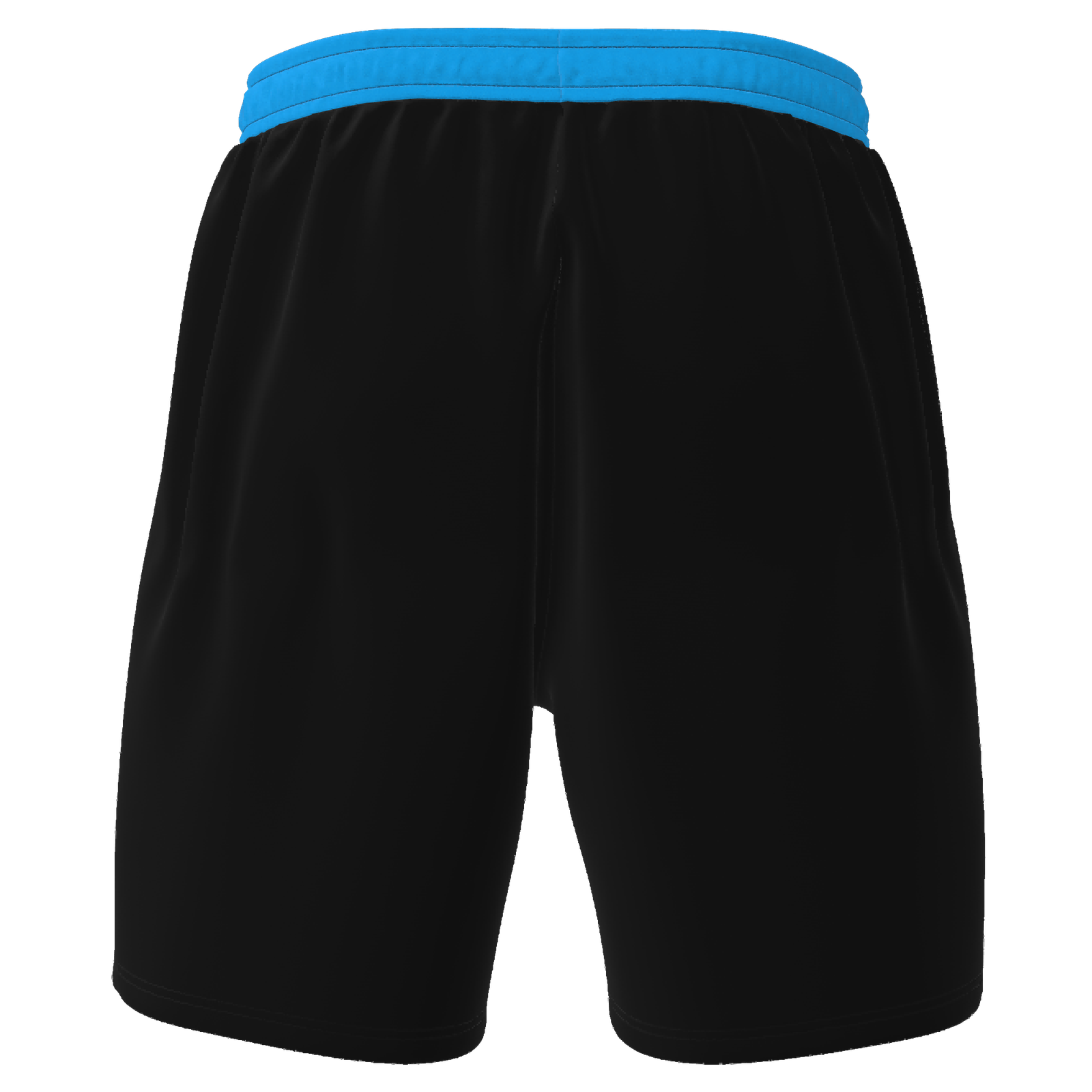
Garment washing techniques—enzyme wash, stone wash, acid wash—age entire pieces uniformly, softening fabric hand-feel and fading colors to replicate decades of use. Wash processes add $1.50 to $4.00 per garment and require 24 to 48 hours of processing time, making them cost-effective for vintage collections.
Appliqué layering of fabric patches, distressed denim, or leather adds dimensional storytelling to jackets and jeans. Setup costs mirror screen printing, while per-unit labor ranges from $2.50 to $6.00 depending on piece complexity and attachment method (stitched vs. heat-sealed).
6. Key Quality Indicators When Evaluating a Vintage Streetwear Manufacturer
Quality control separates reputable vintage streetwear manufacturers from those who skip critical checkpoints. The five-step QC methodology introduced by Clothing Manufacturer Ltd. on February 12, 2025, ensures testing at materials, cutting, craft, sewing, and finished-garment stages—not just final inspection.
Stitch Integrity and Seam Reinforcement
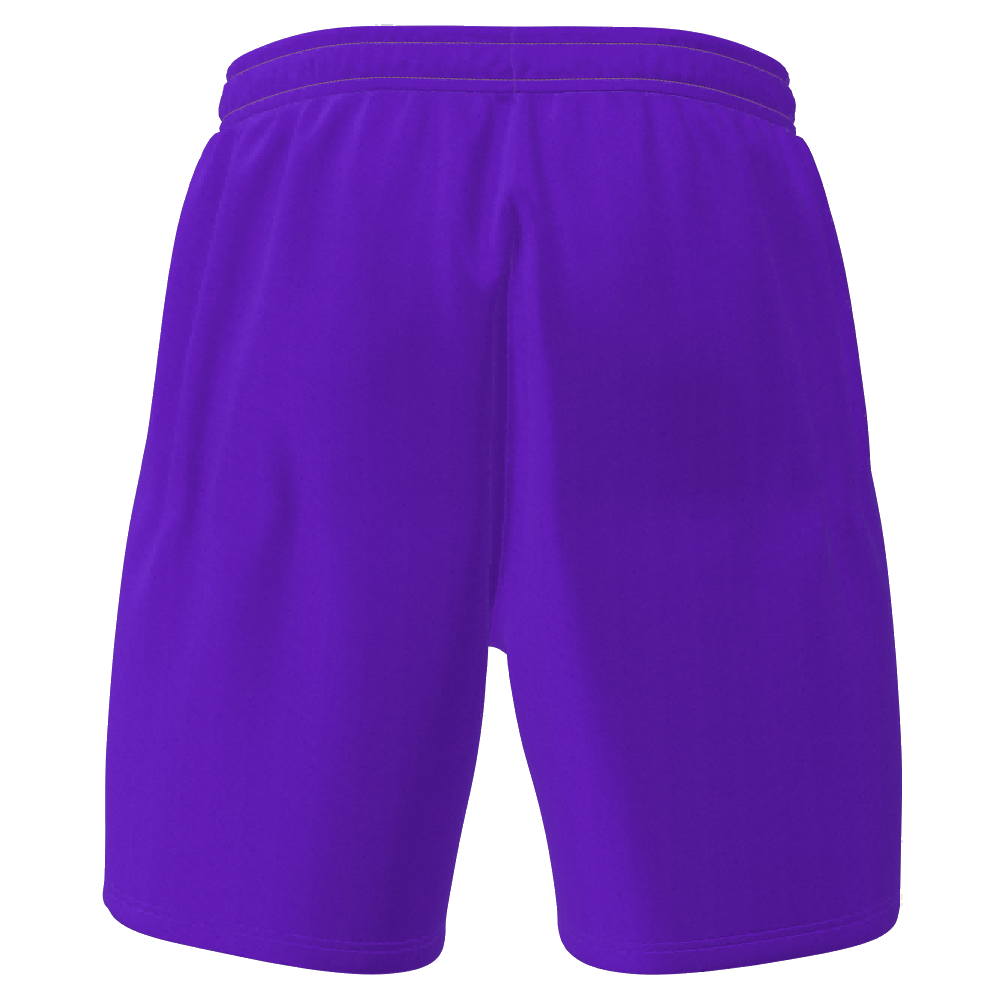
Double-needle hems and flatlock seams are non-negotiable for vintage streetwear that withstands repeated wear and washing. Inspect side seams, shoulder joints, and pocket attachments for stitch density of 10–12 stitches per inch; lower counts signal rushed production.
Request samples after 20–30 wash cycles to verify that seams remain flat and hems do not unravel. Red flags include puckered armholes, skipped stitches along stress points, and single-needle construction on high-tension areas like waistbands.
Colorfast Dyeing and Wash Stability
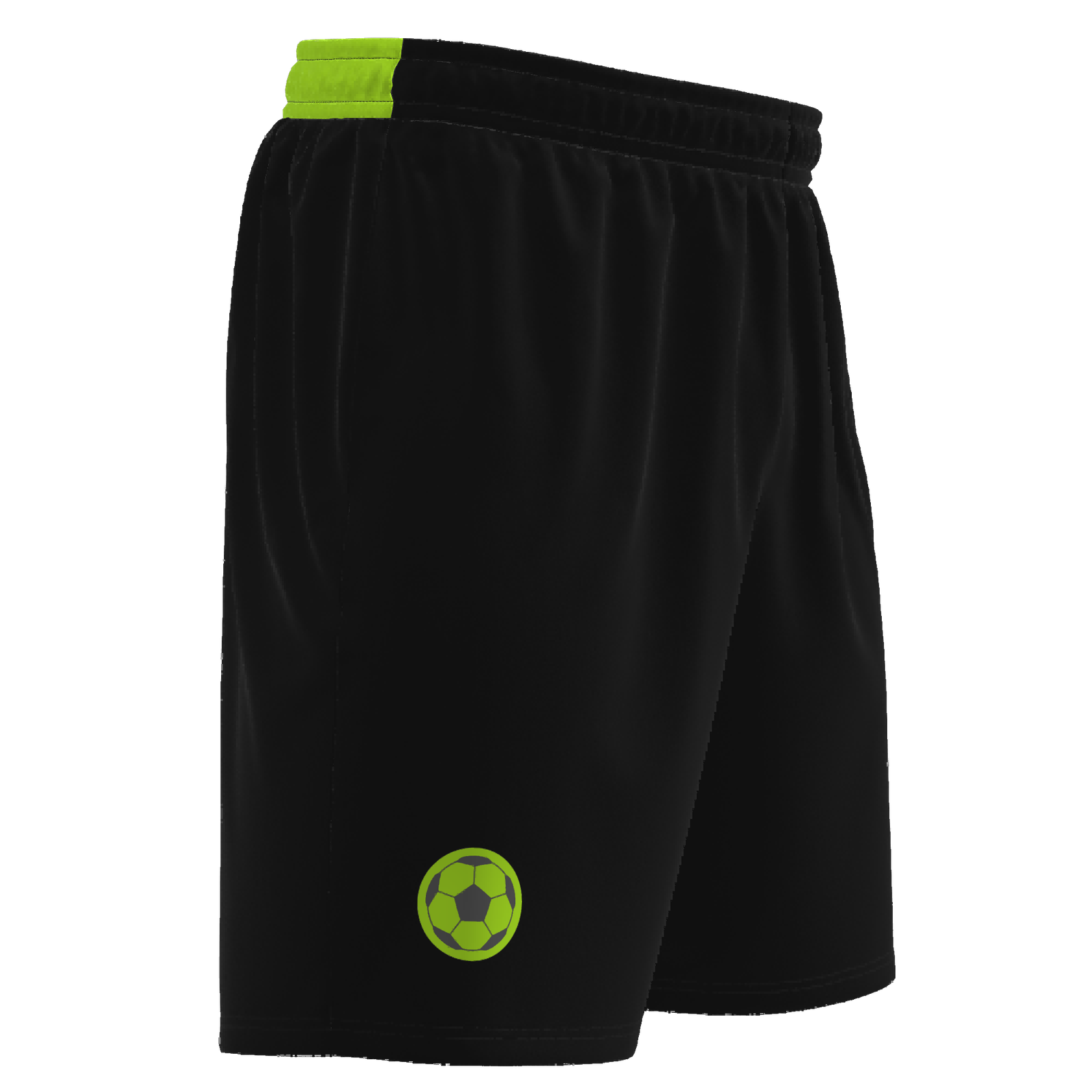
Vintage washes and pigment dyes must resist bleeding and fading beyond the intended aesthetic. Perform a white-cloth rub test on damp fabric; any color transfer indicates inadequate fixation or low-quality reactive dyes.
Request AATCC 61 or ISO 105 wash-fastness reports showing grades of 4 or higher. Beware of manufacturers who cannot provide dye-lot traceability or who mix reactive and direct dyes without disclosure, leading to uneven fade patterns after customer laundering.
Consistent Sizing Across Production Batches
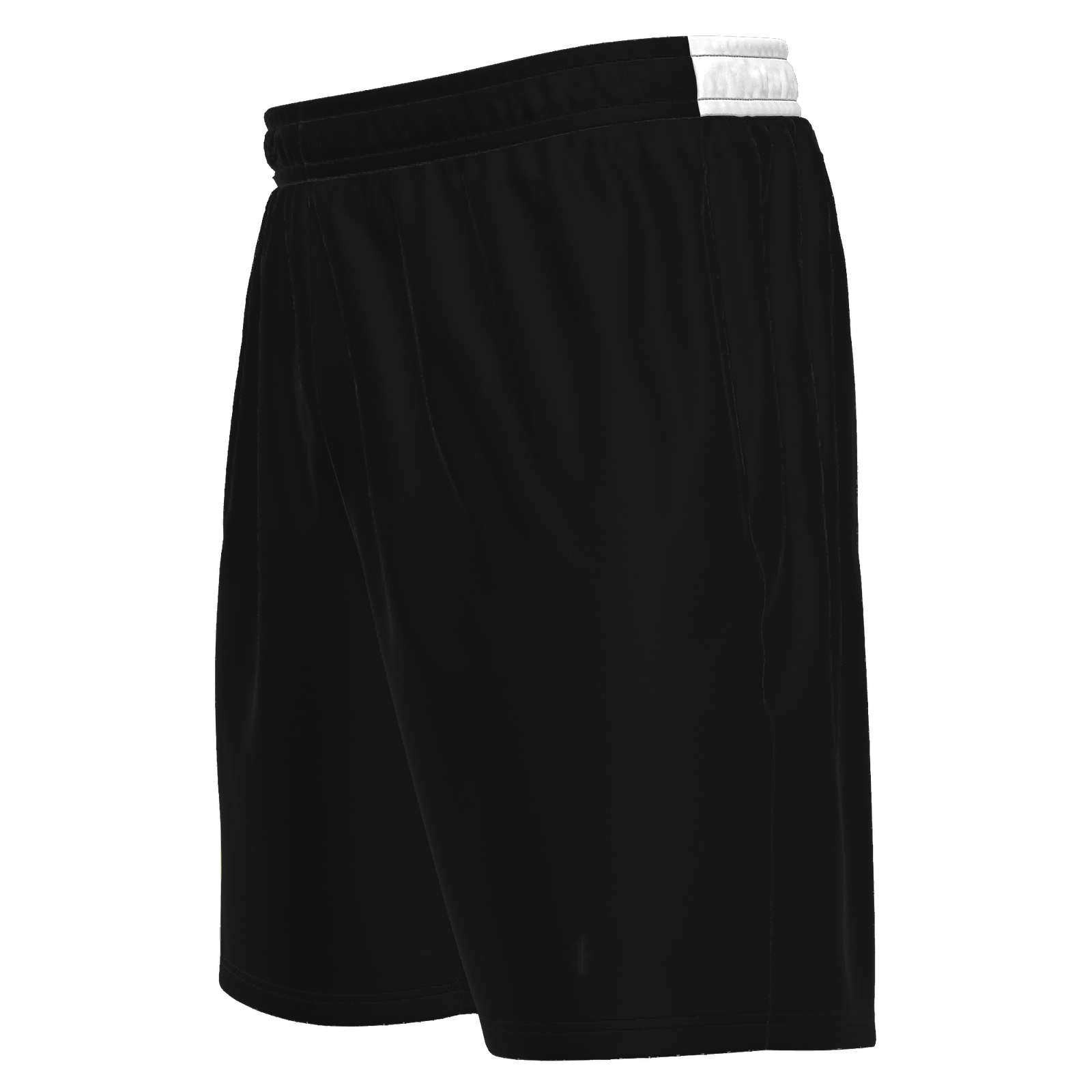
Variance beyond ±1.5 cm in chest, length, and sleeve measurements between batches damages brand reputation and increases returns. Require cutting QC reports that log pattern-piece dimensions before sewing begins.
Test garments from the first, middle, and final cartons of each order using a standardized measuring protocol. Warning signs include reliance on ‘eye-balling’ during cutting, absence of graded size-spec sheets, and refusal to share tolerance data from previous runs.
Authentic Vintage Finishes Without Premature Wear
Enzyme washes, stone washing, and distressing should create controlled aging—not structural weakness. Examine distressed zones under 10× magnification for clean, sealed edges; frayed threads that extend beyond design intent indicate poor craft QC.
Request abrasion-resistance testing (ASTM D4966) on treated areas to confirm fabric retains at least 70 percent tensile strength. Red flags include holes that widen after minimal handling, uneven enzyme application leaving blotchy patterns, and missing post-wash neutralization that causes ongoing fiber degradation.
Protective Packaging for Distressed Garments
Vintage streetwear with intentional distressing, screen-printed graphics, or appliqué details requires individual poly-bagging and interleaving to prevent transit damage. Verify that manufacturers use acid-free tissue and avoid metal clips that snag delicate finishes.
Inspect carton packing density; over-compression crushes three-dimensional embellishments and creates permanent creases in enzyme-washed fabrics. Warning signs include bulk folding without protective layers, use of rough cardboard inserts, and absence of moisture barriers for overseas shipments.
7. How to Choose the Right Vintage Streetwear Manufacturer
Selecting the right vintage streetwear manufacturer requires evaluating multiple operational and quality criteria before committing to production. A systematic assessment of capabilities, transparency, and track record reduces risk and ensures alignment with your brand’s standards and timelines.
Assess Production Capabilities and Flexibility
MOQ requirements vary widely: established factories often demand 500–1,000 units per design, while flexible vintage streetwear manufacturer partners start at 50–100 pieces per style. Lead times for vintage streetwear typically span 25–45 days from approved samples to shipment, depending on decoration complexity.
Ask suppliers for their capacity on specialty finishes—acid wash, enzyme treatment, screen printing, embroidery, and distressing. Request documentation of machinery (e.g., industrial washers, screen-printing carousels) and finishing equipment. Verify turnaround for sampling: 7–10 days is standard; longer delays signal bottlenecks.
Verify Portfolio and Past Vintage Projects
Review the manufacturer’s portfolio for completed vintage streetwear collections, focusing on garment categories (hoodies, tees, denim) and decoration techniques (puff print, chenille patches, stone wash). Request client references and photos of finished production runs, not just prototypes.
Clothing Manufacturer Ltd. maintains a portfolio spanning customers in over 100 countries and regions, with documented experience in skeleton, rose, graffiti, and other streetwear motifs. Ask for case studies showing progression from tech pack to bulk delivery.
Evaluate Communication and Sampling Process
Transparent communication during sampling reveals how a factory will handle production issues. Expect detailed responses within 24–48 hours and proactive updates on material availability, timeline shifts, or technical constraints.
Request a paid sample round (typically $50–150 per piece) to test fabric hand-feel, print durability, and construction accuracy. Factories that skip pre-production samples or resist revisions often cut corners during bulk runs. Clothing Manufacturer Ltd.’s five-step QC methodology includes materials, cutting, craft, sewing, and finished-garment inspections—ask suppliers to describe their equivalent checkpoints.
8. Common Mistakes When Sourcing from a Vintage Streetwear Manufacturer
Brands launching vintage streetwear collections often stumble over technical and operational pitfalls that delay production and inflate costs. Recognizing these common mistakes early—and understanding how to avoid them—protects your timeline, budget, and product quality from the start.
Neglecting Fabric Pre-Shrinkage and Wash Testing

Many startups skip pre-shrinkage and wash-durability tests, assuming fabrics will behave like retail garments. Cotton jersey can shrink 3–7% in length after the first wash, and pigment-dyed fabrics may fade unevenly without proper testing.
Request lab dips and wash samples before bulk production. A vintage streetwear manufacturer with five-step QC testing performs materials QC at intake, catching shrinkage and colorfastness issues before cutting begins. This prevents size discrepancies and customer returns that damage brand reputation.
Underestimating Lead Times for Custom Dye and Distressing
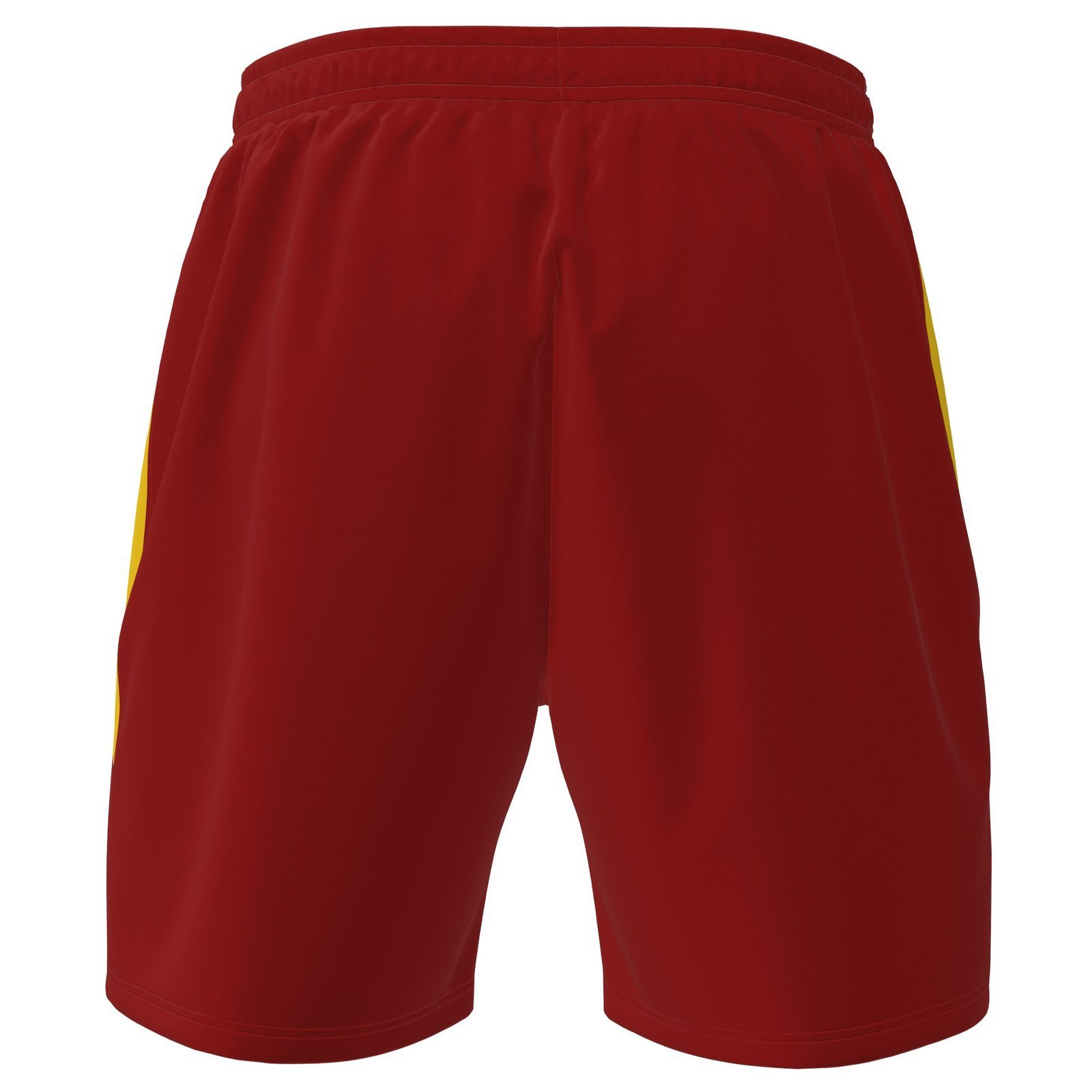
Custom garment-dye lots require 10–14 days for dyeing, drying, and QC; enzyme washes and screen-printed distressing add another 7–10 days. Brands that assume standard 30-day lead times face delays when vintage techniques extend timelines to 45–60 days.
Align on a detailed production calendar during sampling. Factories with cutting QC and sewing production QC stages build buffer time into schedules, ensuring distressing and finishing steps don’t compress final inspection windows.
Skipping Sample Approval Stages
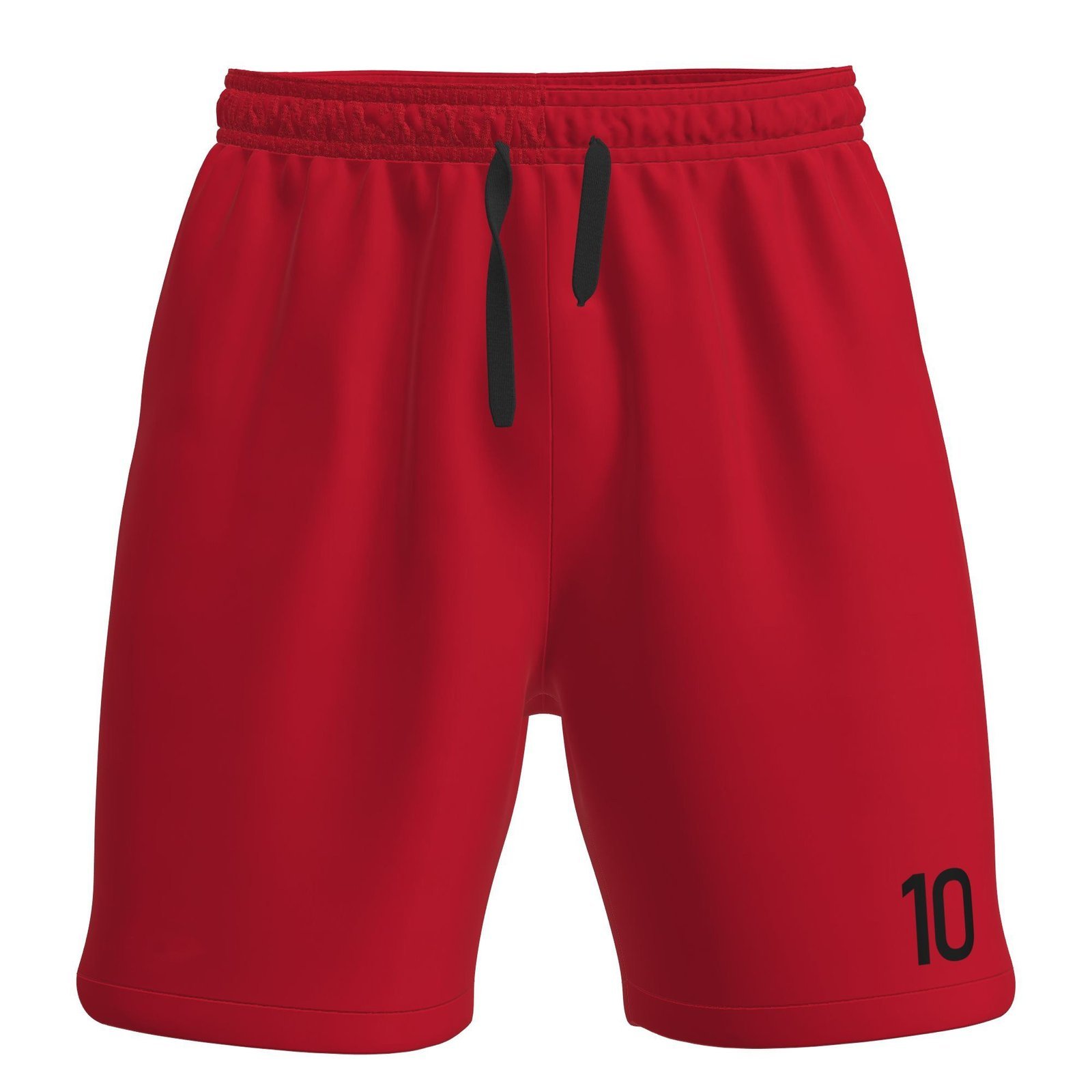
Rushing from tech pack to bulk production without fit samples, pre-production samples, and wash-test samples leads to costly rework. A single overlooked detail—hem width, print placement, or collar shape—can render an entire run unsellable.
Insist on three sample rounds: initial prototype, pre-production approval, and wash-test confirmation. Manufacturers using clothing craft QC and finished clothing quality QC inspection catch construction errors before bulk cutting, saving weeks and preventing waste.
Ignoring IP Protection for Unique Vintage Graphics
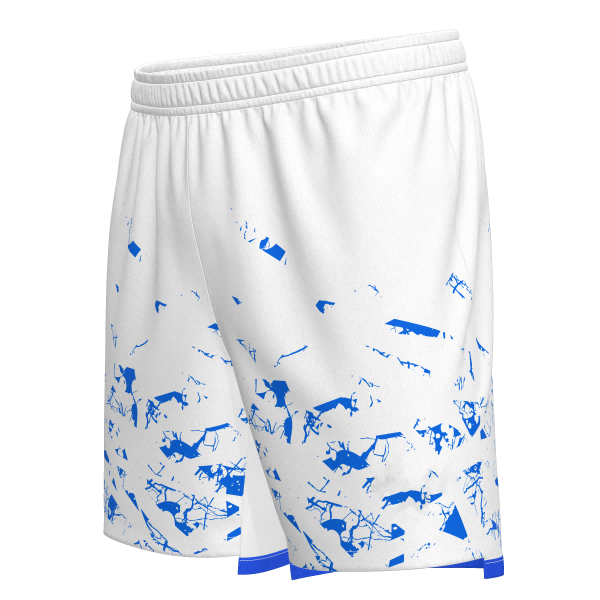
Original skeleton motifs, mystery symbols, and custom typography are easily copied without signed non-disclosure agreements and clear IP clauses. Brands lose exclusivity when factories reuse designs for other clients or sell overruns on wholesale platforms.
Execute NDAs and specify IP ownership in contracts before sharing artwork. Reputable vintage streetwear manufacturers respect design confidentiality and destroy surplus prints after order completion, protecting your brand’s unique aesthetic.
Choosing Price Over Proven Quality
The lowest quote often signals skipped QC steps—no materials testing, no in-line checks, no final inspection. Factories that cut corners ship garments with loose stitching, misaligned prints, and inconsistent sizing, eroding customer trust and driving up return rates.
Evaluate quality systems alongside pricing. A manufacturer implementing five-step QC—materials, cutting, craft, sewing production, and finished inspection—delivers consistent output that reduces long-term costs through lower defect rates and stronger brand loyalty.
Failing to Align on MOQ Flexibility
Assuming rigid 500–1,000 piece minimums per style blocks emerging brands from testing colorways or launching capsule drops. Inflexible MOQs force overstock and cash-flow strain, especially for independent designers and influencer labels.
Negotiate MOQ tiers early: 100–200 pieces for first orders, 300–500 for reorders. Factories serving fashion startups and creator brands often offer lower minimums on core silhouettes, enabling gradual scaling without excess inventory risk.
9. Steps to Launch Your Vintage Streetwear Brand Successfully
Launching a vintage streetwear brand requires coordinated execution across design, production, and distribution phases. A realistic timeline spans 12 to 16 weeks from concept to first shipment, with each stage building on deliverables from the previous phase. Clear communication between brand and vintage streetwear manufacturer ensures on-time delivery and quality alignment.
Concept and Mood Board Development
Week 1–2: Define your vintage aesthetic — 1990s hip-hop, early 2000s skate, or retro sportswear — and compile reference images, color palettes, and graphic motifs. Share mood boards with your manufacturer to align on washed finishes, distressed details, and era-specific silhouettes.
Deliver at least 8–12 reference images and written descriptions of desired fabric hand-feel (soft vintage cotton, heavyweight fleece). This phase establishes creative direction and prevents costly revisions during sampling.
- Compile era-specific references: band tees, varsity jackets, baggy denim
- Specify wash effects: enzyme wash, stone wash, pigment dye
- Identify signature graphics: screen-print artwork, embroidered patches
Tech Pack Creation with Vintage Specs
Week 3–4: Translate mood boards into technical specifications including garment measurements, fabric weights (180–220 GSM for vintage tees), construction details, and decoration placements. Include tolerances for intentional irregularities like uneven hems or faded prints.
A complete tech pack lists stitch types (chain stitch for vintage hems), hardware (YKK antique brass zippers), and finishing instructions (garment-dyed for authentic color variation). Clothing Manufacturer Ltd.’s R&D team reviews tech packs to flag production feasibility before sampling begins.
- Document all measurements with +/− 0.5 cm tolerance
- Specify vintage trims: woven labels, metal rivets, contrast stitching
- Note wash-after-sew requirements for shrinkage and texture
Sample Iteration and Fit Approval
Week 5–8: Manufacturers produce 1–3 sample rounds. First samples validate pattern and construction; subsequent iterations refine fit, wash intensity, and graphic placement. Brands should test samples on multiple body types and document feedback with annotated photos.
Approve fit and color only after physical inspection. Clothing Manufacturer Ltd.’s five-step QC process begins at this stage, with materials QC testing and cutting QC testing applied to sample production to ensure bulk-run consistency.
- Allow 7–10 days per sample round including shipping
- Test wash durability: launder samples 3–5 times before approval
- Confirm Pantone references under daylight and indoor lighting
Bulk Production and QC Checkpoints
Week 9–13: After sample sign-off, bulk production begins with fabric procurement (1–2 weeks) followed by cutting, sewing, and finishing. The manufacturer implements clothing craft QC testing during pattern cutting, sewing production QC testing on every 50th unit, and finished clothing quality QC inspection before packing.
Request in-process photos at 25%, 50%, and 75% completion milestones. This transparency allows brands to catch deviations early, avoiding costly remakes and ensuring vintage details — distressing depth, print opacity, garment-dye evenness — match approved samples.
- Fabric lead time: 7–14 days for custom-dyed or washed materials
- Sewing and finishing: 14–21 days depending on order quantity
- Final QC inspection: 2–3 days with photographic documentation
Logistics and Inventory Planning
Week 14–15: Coordinate shipping method (air for speed, sea for cost) and prepare customs documentation. Plan initial inventory allocation across SKUs based on pre-orders or market research — vintage streetwear brands typically stock 60% core sizes (M, L) and 40% XS, XL, XXL.
Clothing Manufacturer Ltd. provides packing lists, commercial invoices, and carton dimensions for logistics planning. Brands should budget 5–10 days for international shipping and 3–5 days for customs clearance when calculating go-to-market dates.
- Air freight: 5–7 days, $6–$9 per kg; sea freight: 25–35 days, $1–$2 per kg
- Allocate 10–15% buffer stock for replacements and influencer seeding
- Confirm packaging includes hang tags, poly bags, and size stickers
Go-to-Market Strategy
Week 16+: Launch with coordinated content across e-commerce, social media, and retail or pop-up channels. Seed samples to micro-influencers (10k–50k followers) 2–3 weeks before public release to generate organic buzz and user-generated content showcasing vintage aesthetics.
Monitor sell-through rates weekly and communicate reorder timelines with your vintage streetwear manufacturer. Brands achieving strong initial traction can typically reorder within 6–8 weeks, leveraging approved tech packs and established QC protocols for faster turnaround on subsequent production runs.
10. Pricing and Cost Structures for Vintage Streetwear Manufacturing
Vintage streetwear manufacturing pricing varies by order volume, garment category, and finishing complexity. A vintage streetwear manufacturer typically quotes tees at $8–$12 per unit for 50-piece runs, dropping to $4.50–$6.50 for orders exceeding 1,000 units, while hoodies range from $18–$26 at low volumes to $11–$16 at scale. Setup fees for sampling average $150–$300 per design, covering pattern development, grading, and initial quality checks.
Decoration techniques add incremental costs: screen printing runs $1.50–$3.00 per placement depending on color count, embroidery costs $2.50–$5.00 per 10,000 stitches, and specialty vintage washes—enzyme, stone, or acid—add $2.00–$4.50 per garment. Custom overdye or pigment-dye processes introduce $1.80–$3.50 per piece, reflecting the additional labor and chemical handling required to achieve authentic faded aesthetics. Lead times stretch from 18–25 days for plain garments to 30–40 days when vintage finishes, custom prints, and embroidery are combined.
Outerwear such as vintage-style coaches jackets or denim trucker jackets commands $28–$42 per unit at 250 pieces, falling to $19–$28 at 1,000+ units due to fabric weight, lining, and hardware costs. Brands launching their first collection should budget for sampling, decoration setup, and at least 250 units to balance per-unit economics with manageable inventory risk.
| Quantity Tier | Tees (per unit) | Hoodies (per unit) | Outerwear (per unit) | Lead Time (days) |
|---|---|---|---|---|
| 50–100 units | $8.00–$12.00 | $18.00–$26.00 | $35.00–$42.00 | 18–25 |
| 250–500 units | $6.00–$8.50 | $13.00–$18.00 | $24.00–$32.00 | 20–28 |
| 500–1,000 units | $5.00–$7.00 | $12.00–$15.00 | $21.00–$28.00 | 25–35 |
| 1,000+ units | $4.50–$6.50 | $11.00–$16.00 | $19.00–$28.00 | 30–40 |
Partner With a Trusted Vintage Streetwear Manufacturer
Get your free sample quote today. Our 5-step QC guarantee and 7-day turnaround bring your vintage streetwear vision to life.