
Premium Techwear Manufacturer for Streetwear Brands & Startups
As your techwear manufacturer, we deliver trend-driven designs, 50-piece MOQ, and a rigorous 5-step QC guarantee—empowering emerging and established brands with uncompromising craftsmanship.
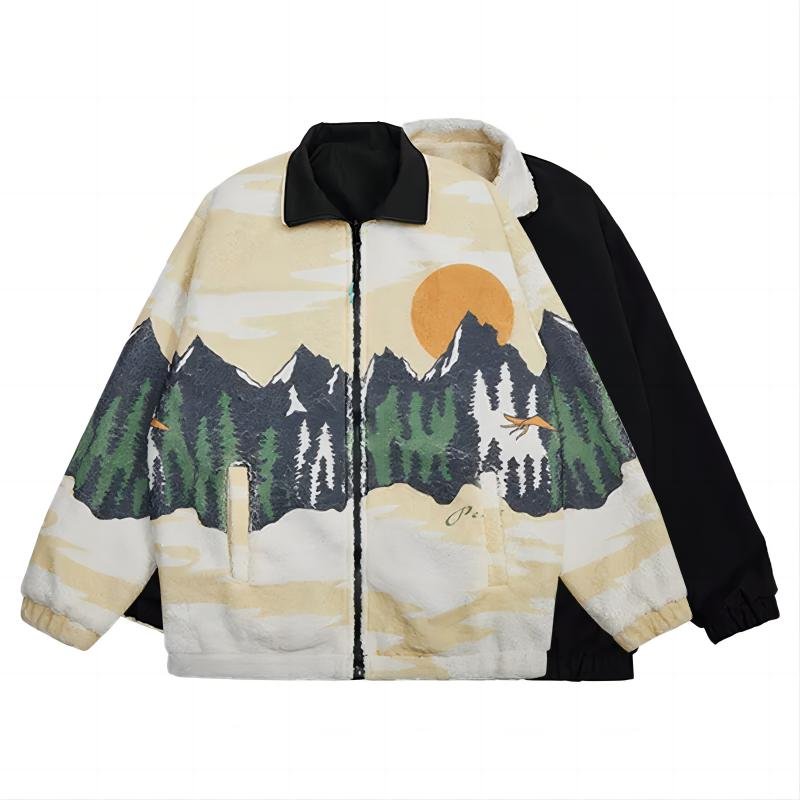
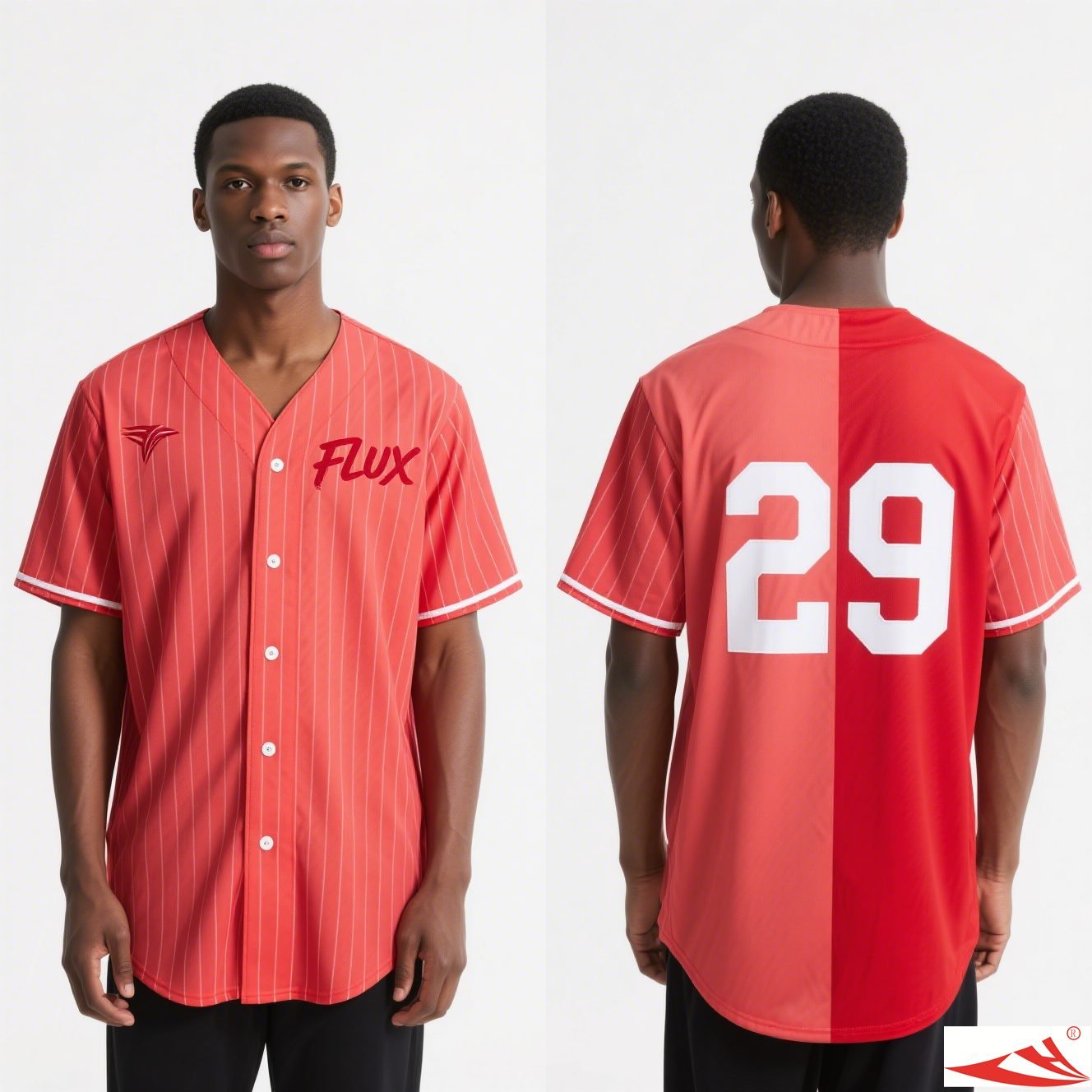
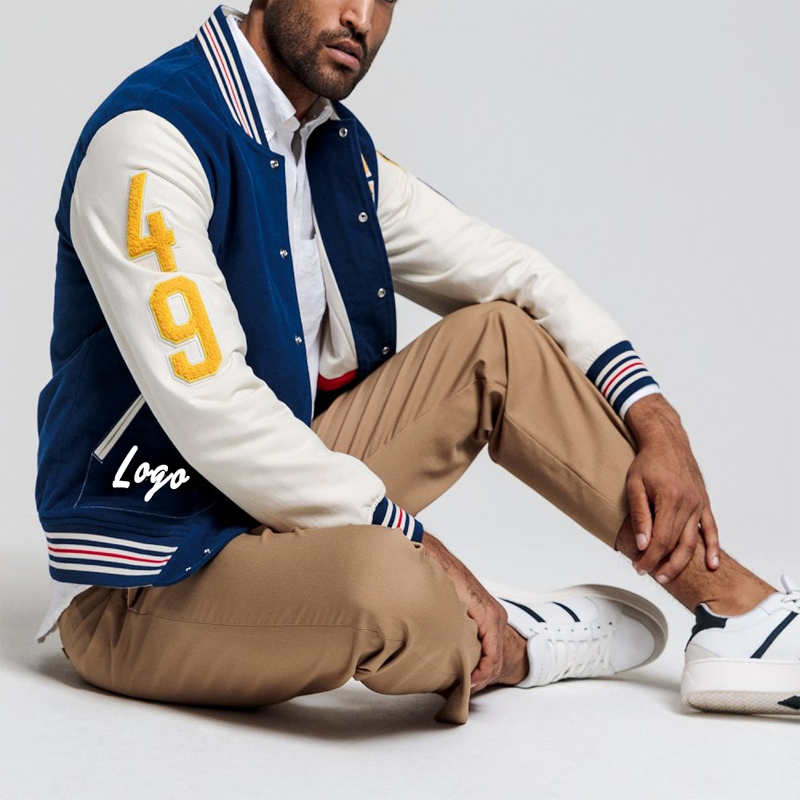
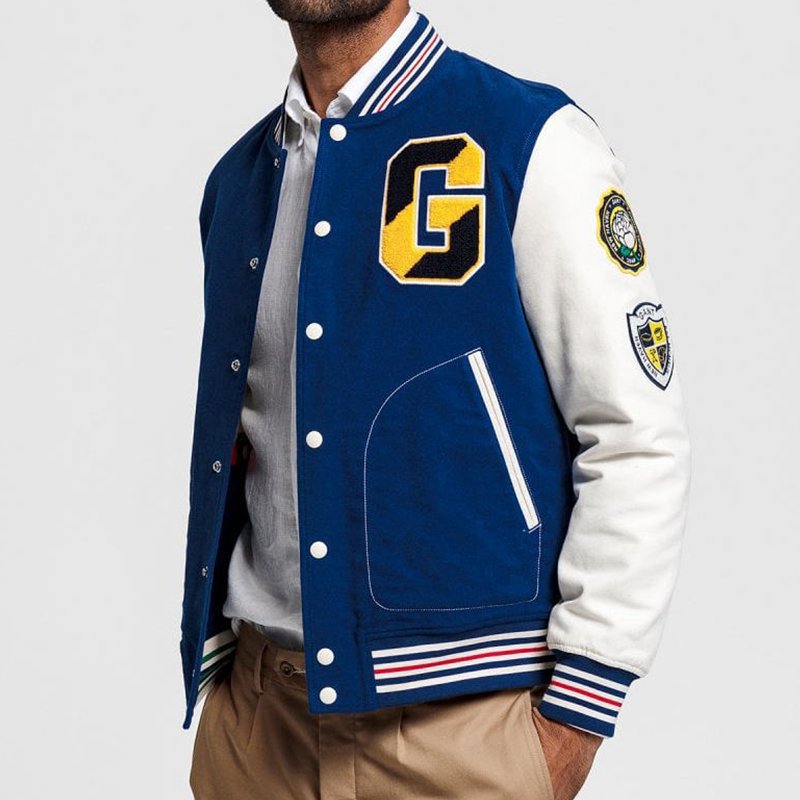
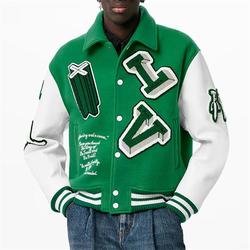
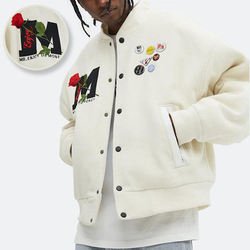
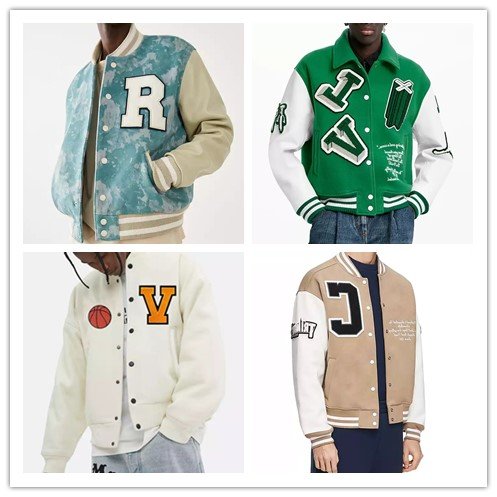
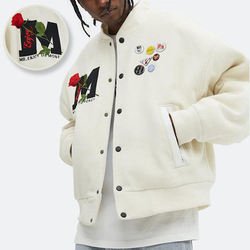
Techwear Designs & Samples
Why Brands Choose Our Techwear Manufacturer
5-Step QC Guarantee
Every techwear piece passes materials, cutting, craft, sewing, and finished-product inspections—defects caught early, quality assured at delivery.
50-Piece Minimum Order
Launch your techwear line without huge inventory risk. Perfect for fashion startups, independent designers, and influencer brands testing new collections.
7-Day Sample Turnaround
In-house design and sampling team delivers techwear prototypes in one week, so you stay ahead of seasonal trends and launch faster.
Streetwear Design Expertise
Six years specializing in streetwear aesthetics and techwear elements—our 15-member R&D team understands your brand’s bold, functional vision.
Global Shipping & Logistics
Reliable international shipping to over 100 countries with transparent customs support, so your techwear reaches customers anywhere, on time.
10 Production Patents
Proprietary manufacturing innovations and proven processes ensure your techwear is crafted with cutting-edge techniques and consistent premium quality.
Techwear Product Categories We Manufacture
From tactical jackets to technical accessories, our techwear manufacturer delivers precision-engineered garments across every category. Each piece combines functional design with streetwear aesthetics, backed by our 5-step QC guarantee.
Tactical Techwear Jackets
Designing water-resistant shells with multiple utility pockets, adjustable straps, and breathable panels requires advanced pattern-making and precise hardware placement that many manufacturers cannot execute consistently at scale.
Our in-house design team engineers tactical jackets with reinforced seams, functional pocket systems, and weatherproof zippers. Every jacket passes cutting QC and sewing QC testing to ensure durability and fit integrity.
Technical Cargo Pants
Producing cargo pants with articulated knees, modular pockets, drawstring adjustments, and tapered silhouettes demands expertise in stretch fabrics and multi-panel construction that standard apparel factories lack.
We manufacture cargo pants with ergonomic paneling, reinforced stitching at stress points, and precision hardware installation. Our materials QC and craft QC testing guarantee every pair meets techwear performance standards.
Performance Techwear Hoodies
Creating hoodies with asymmetric cuts, hidden zip compartments, thumb loops, and layered hoods requires specialized sewing techniques and quality control to prevent fabric distortion and ensure all functional elements operate smoothly.
Our production team delivers hoodies with clean asymmetric seams, functional concealed pockets, and durable hardware. Each hoodie undergoes our five-step quality control process to verify construction quality and design accuracy.
Tactical Vests & Accessories
Manufacturing modular vests with adjustable straps, detachable pouches, and load-bearing construction alongside accessories like face masks and utility bags demands precise hardware integration and consistent quality across small components.
We produce tactical vests and techwear accessories with military-grade hardware, reinforced attachment points, and modular compatibility. Our finished clothing quality inspection ensures every accessory meets functional and aesthetic requirements.
Technical Streetwear Tees
Producing technical tees with moisture-wicking fabrics, ergonomic cuts, reflective prints, and seamless construction requires fabric expertise and print precision that generic manufacturers cannot deliver without compromising breathability or durability.
Our R&D team selects performance fabrics and applies advanced printing techniques for technical tees that balance comfort and style. Materials QC testing and craft QC inspection ensure every tee maintains its technical properties.
Premium Fabrics Every Techwear Manufacturer Should Master
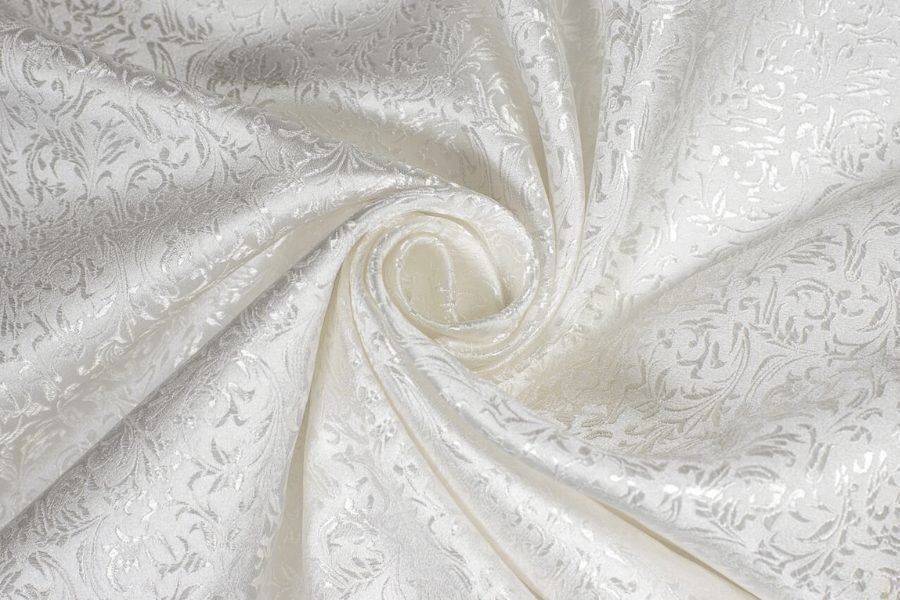
Ripstop Nylon
Lightweight yet incredibly tear-resistant fabric with reinforced grid pattern. Ideal for tactical pants, cargo shorts, and outer shells. Weight ranges from 40D to 210D for versatile applications across techwear silhouettes.
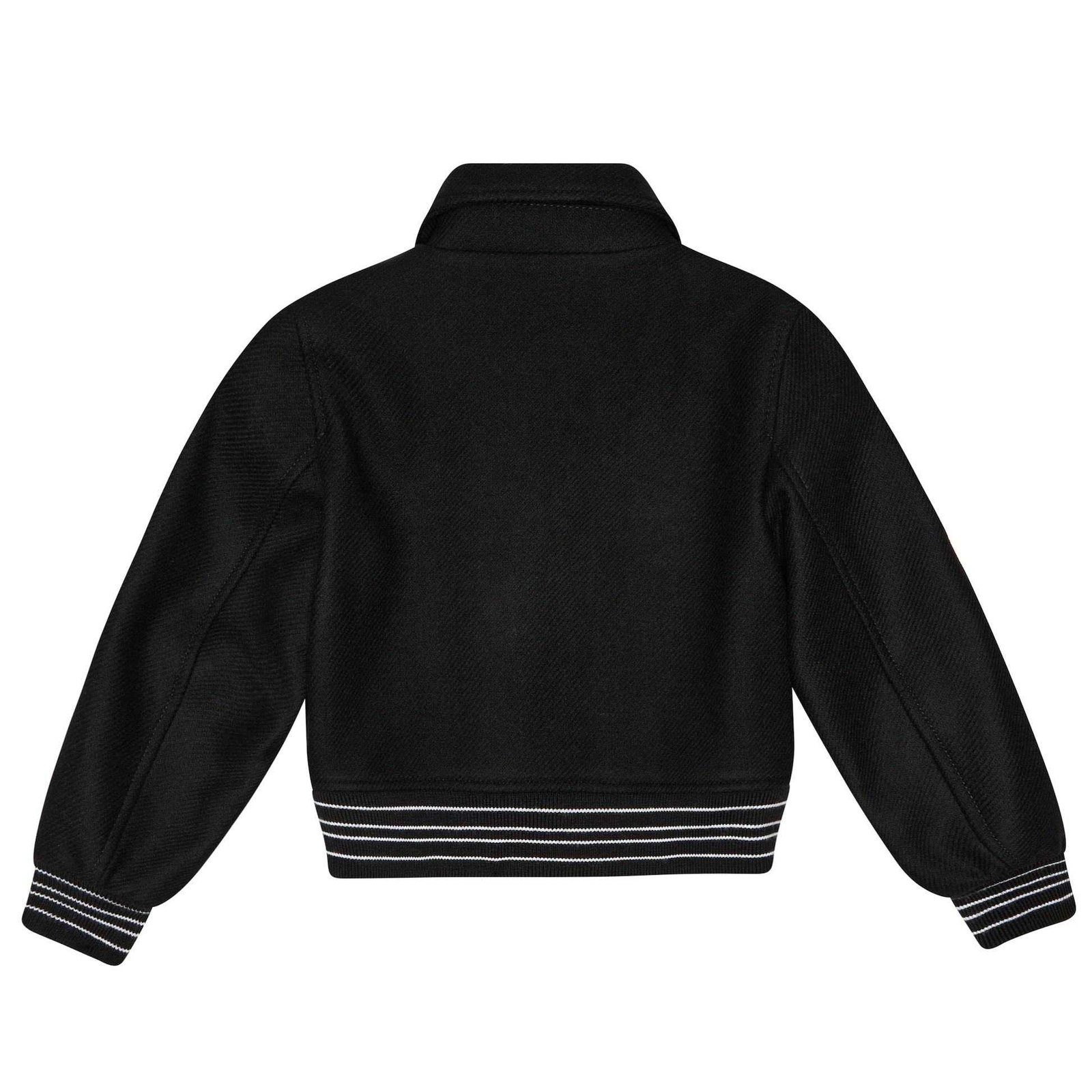
Water-Resistant Polyester
DWR-coated synthetic with excellent moisture repellency and quick-dry properties. Perfect for techwear jackets, vests, and all-weather outerwear. Maintains breathability while shedding light rain and urban moisture.
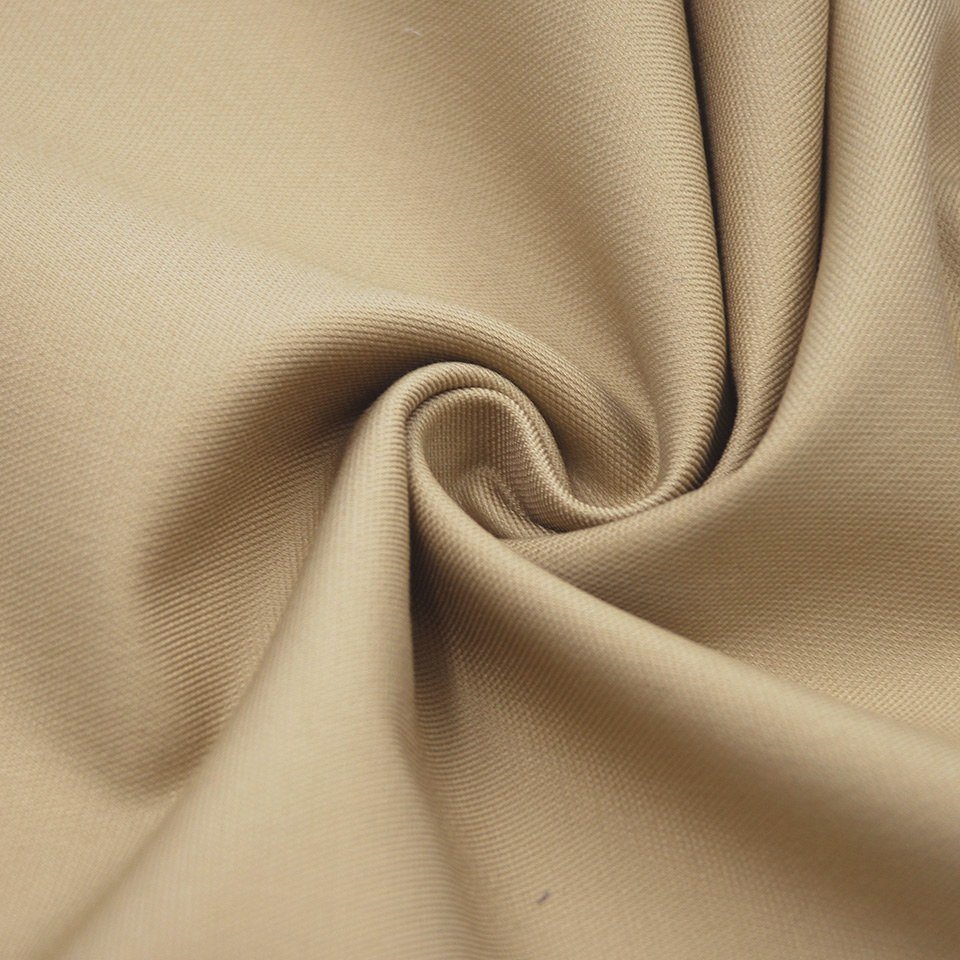
4-Way Stretch Cotton
Cotton-spandex blend offering superior mobility and recovery. Commonly used in techwear joggers, tapered pants, and performance tops. Provides 20-30% stretch in all directions while maintaining structured appearance.
Schoeller Softshell
Premium technical fabric combining wind resistance, water repellency, and breathability. Signature material for high-end techwear jackets and tactical outerwear. Features mechanical stretch and exceptional durability for urban exploration.
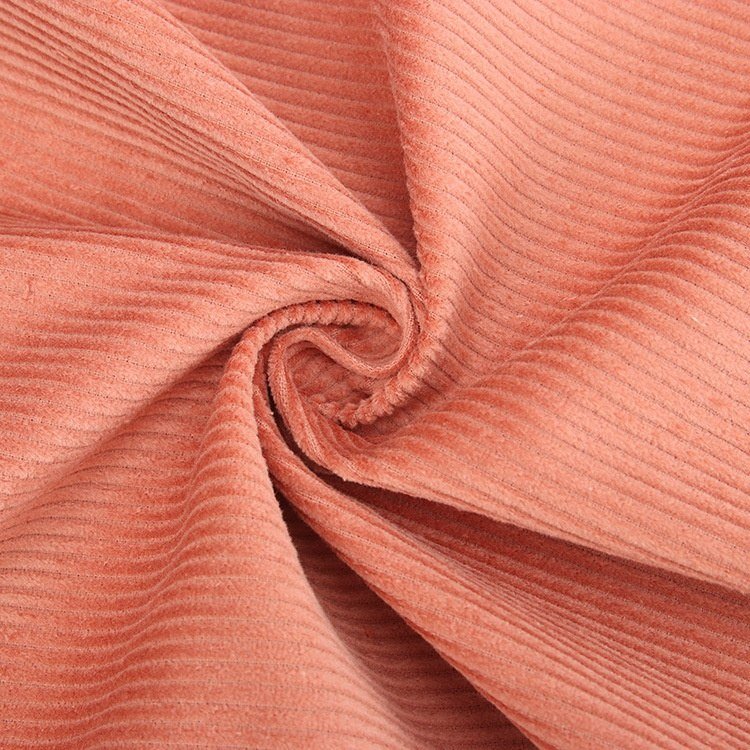
Cordura Blend
Ultra-durable nylon fabric engineered for abrasion resistance and longevity. Ideal for reinforced panels, utility pockets, and heavy-duty techwear pieces. Seven times stronger than standard cotton while remaining surprisingly lightweight.
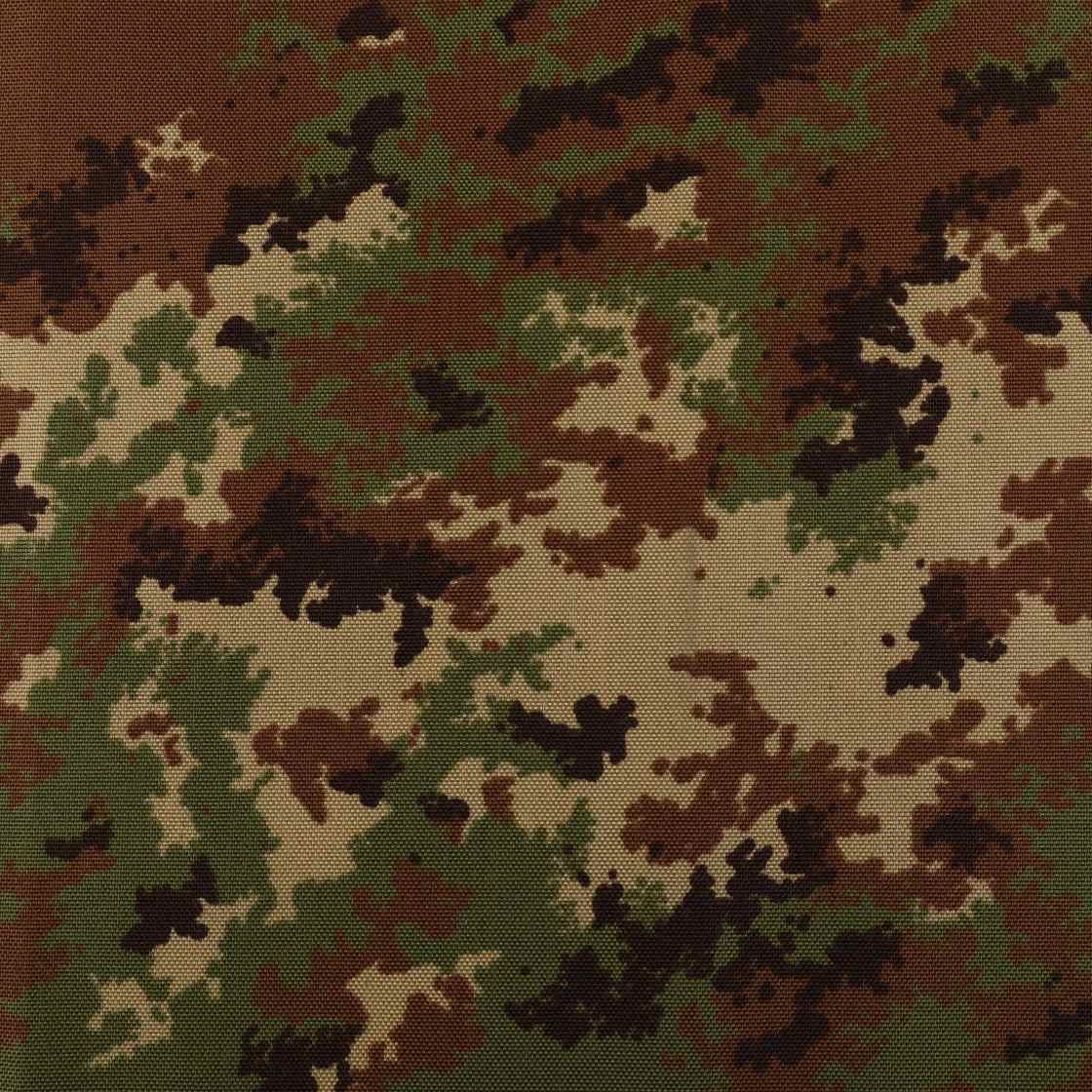
Bonded Technical Mesh
Breathable mesh laminated to performance backing for structure and opacity. Used in techwear vests, panel inserts, and ventilated zones. Offers superior airflow while maintaining the architectural aesthetic techwear demands.
Advanced Techwear Manufacturer Production Techniques
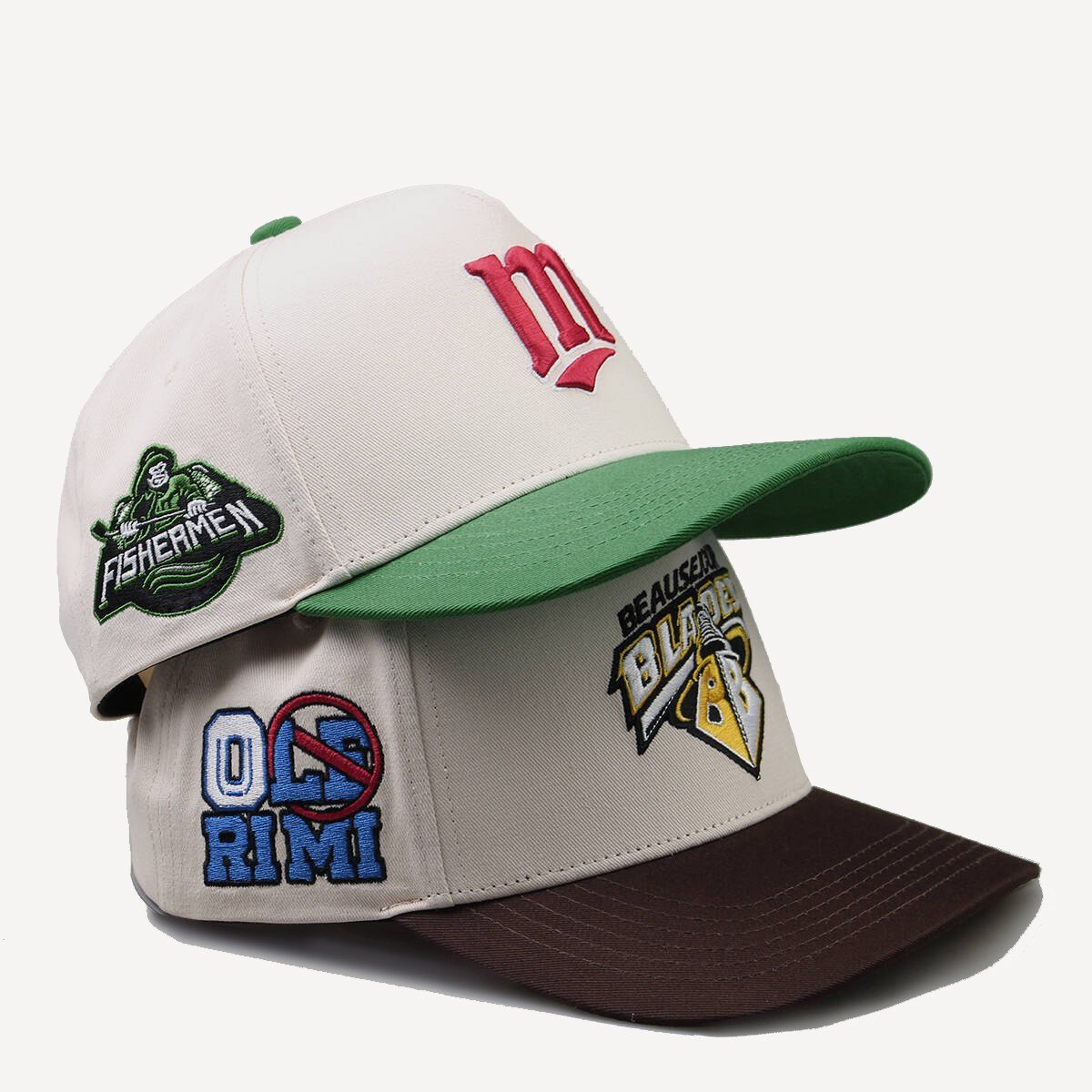
Laser Cutting
Precision laser technology cuts intricate patterns and clean edges in technical fabrics without fraying. Delivers sharp geometric designs, ventilation panels, and complex shapes that define modern techwear aesthetics with micron-level accuracy.
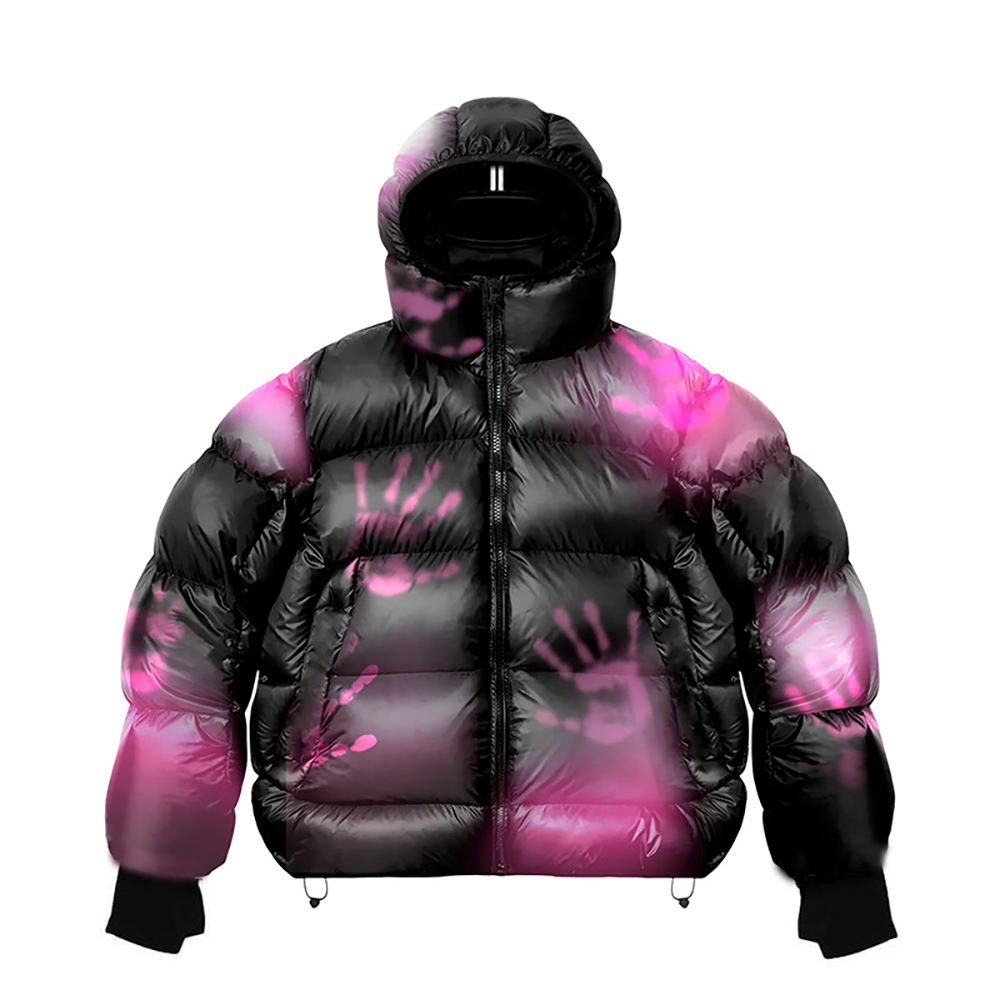
High-Frequency Welding
Heat-bonded seams create waterproof, airtight joins without stitching holes. Ideal for weather-resistant techwear garments, this process fuses fabric layers together for superior durability and a sleek, futuristic finish that withstands extreme conditions.
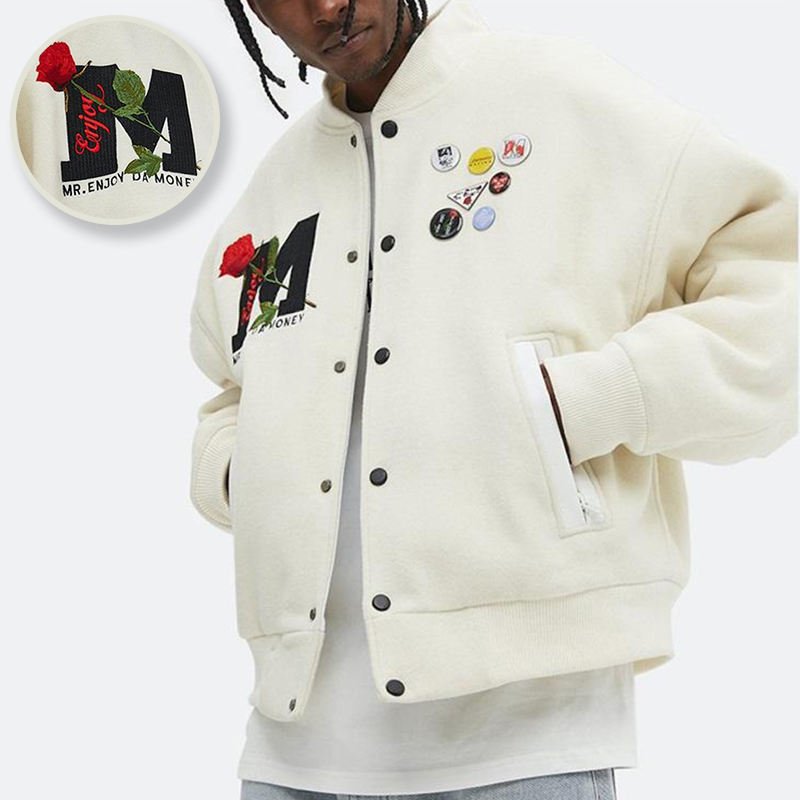
Multi-Needle Stitching
Industrial multi-needle machines produce reinforced seams and parallel topstitching that handle high stress points. Essential for load-bearing techwear features like strap anchors and pocket reinforcements, ensuring garments endure heavy daily use.
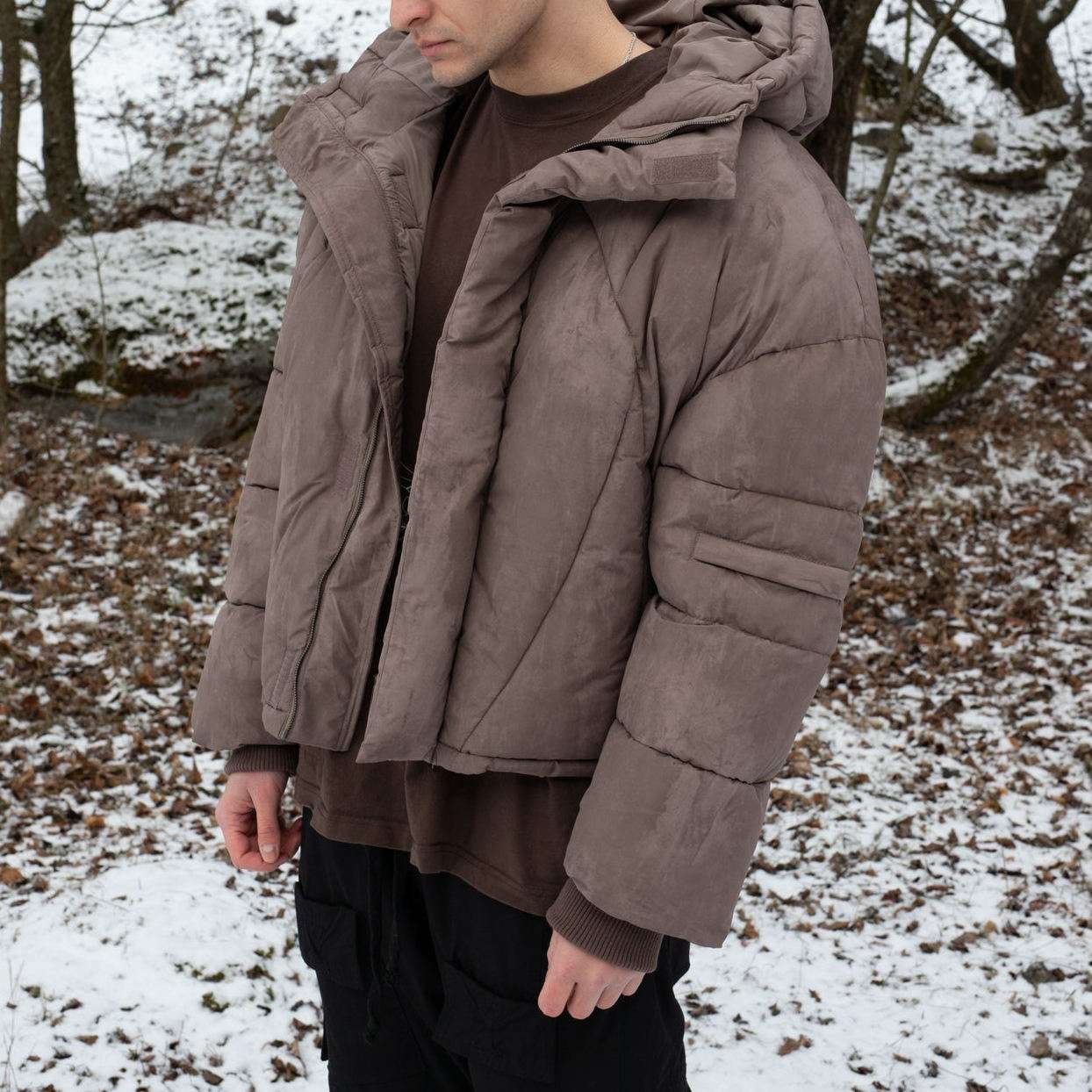
Sublimation Printing
Dye-sublimation embeds full-color graphics directly into synthetic fibers at the molecular level. Creates vibrant, fade-resistant patterns and gradients on performance fabrics without adding weight or affecting breathability, perfect for statement techwear pieces.
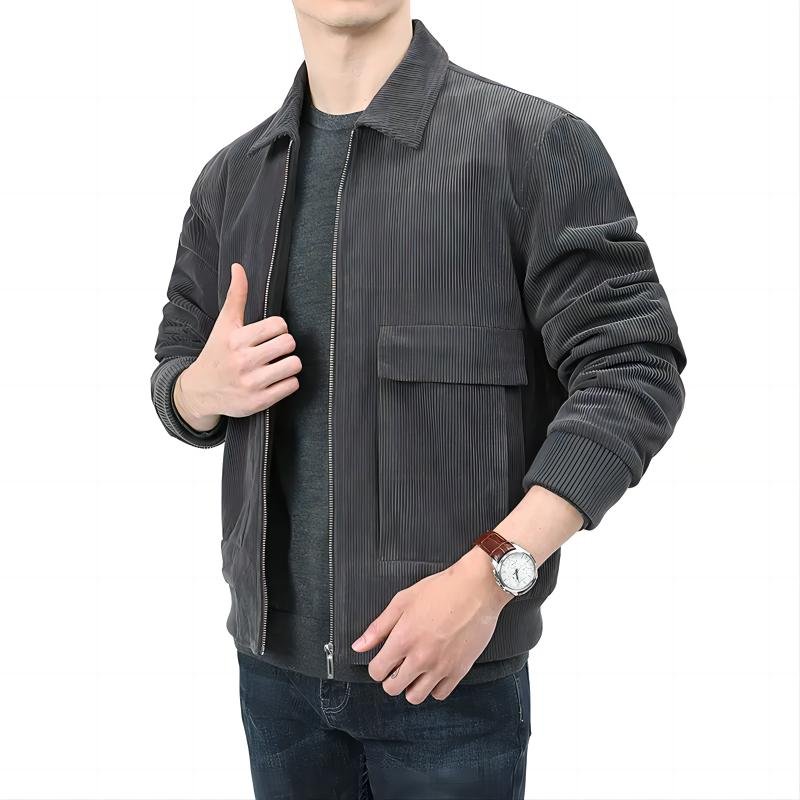
Water-Resistant Coating
Advanced DWR and PU coating application provides durable water repellency and weatherproofing. Our controlled coating process ensures even coverage and breathability retention, giving your techwear garments reliable protection without compromising comfort or flexibility.
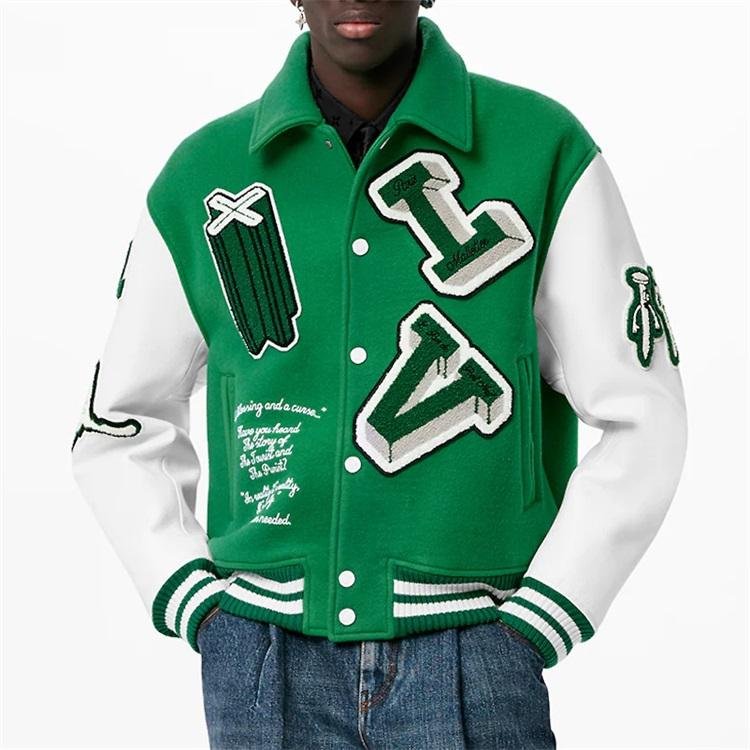
Ultrasonic Bonding
High-frequency vibration fuses synthetic materials without heat damage or adhesives. Perfect for attaching logos, patches, and technical details to techwear garments with invisible, permanent bonds that maintain fabric integrity and create a clean, minimalist appearance.
Techwear Hardware & Accessories From Your Techwear Manufacturer
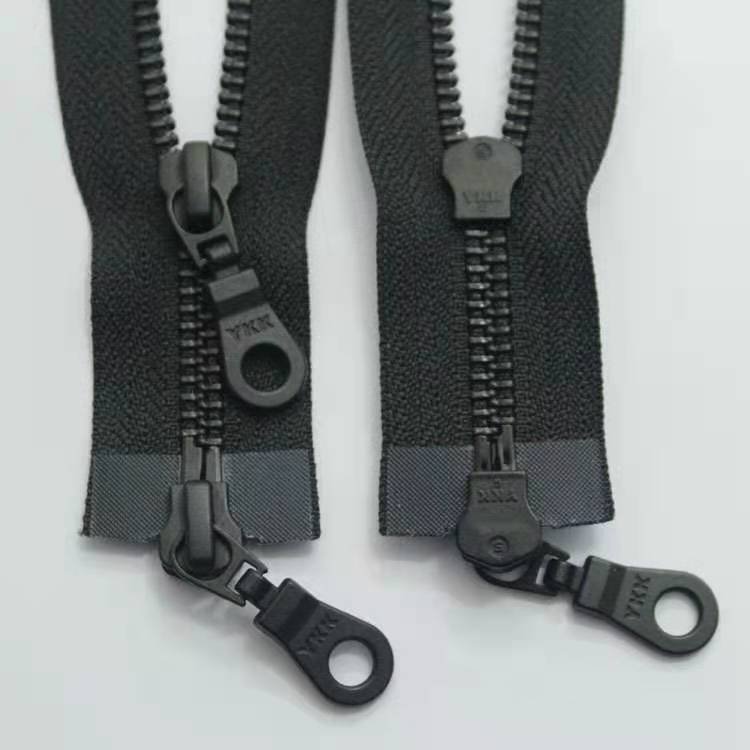
YKK Zippers
Industry-leading zippers engineered for extreme durability and smooth operation. Essential for techwear jackets, cargo pockets, and modular panels where reliability and weather resistance are non-negotiable.
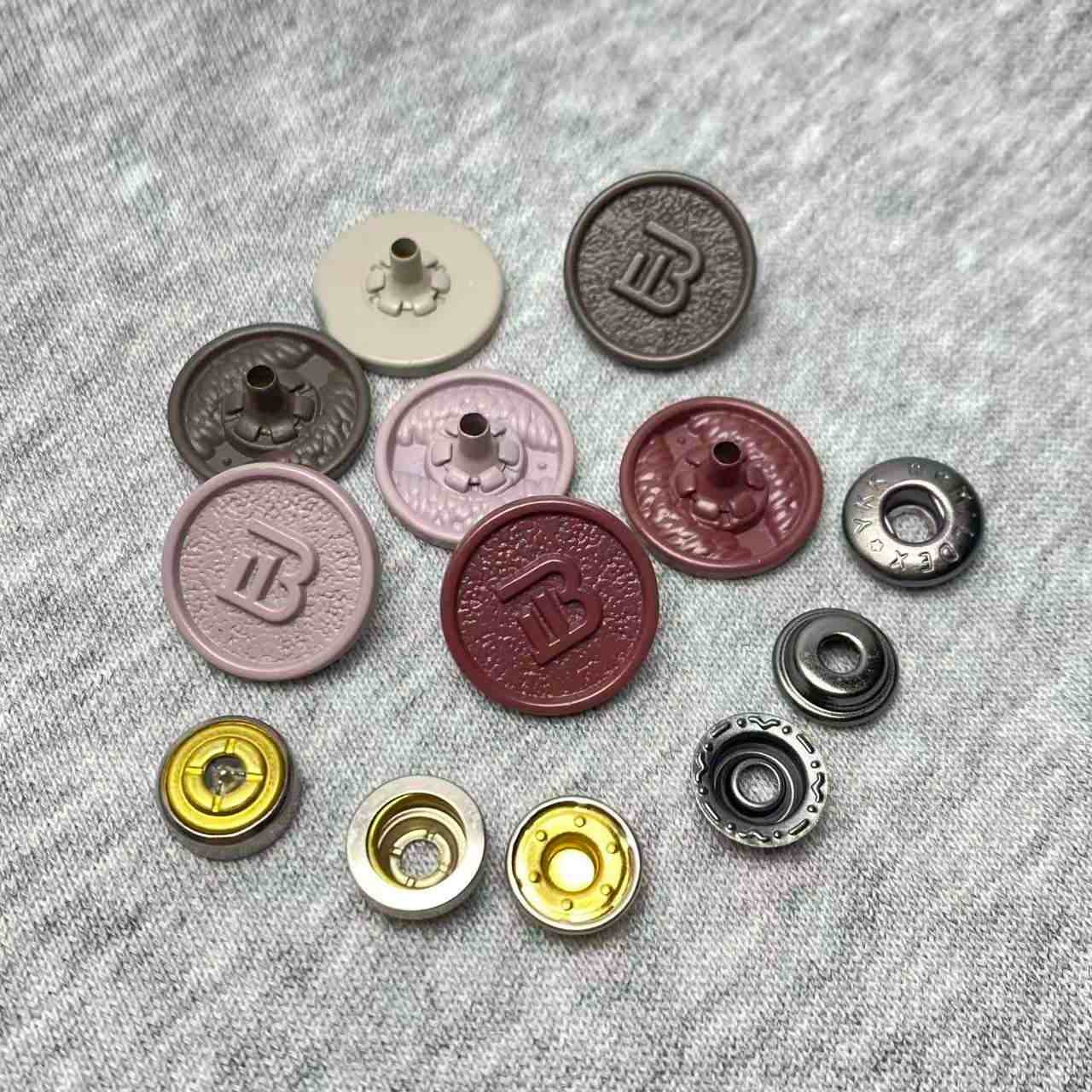
Snap Buttons
Heavy-duty metal snaps that provide secure closures for pockets, cuffs, and convertible panels. Tested through our 5-step QC process to ensure consistent fastening strength across every garment.
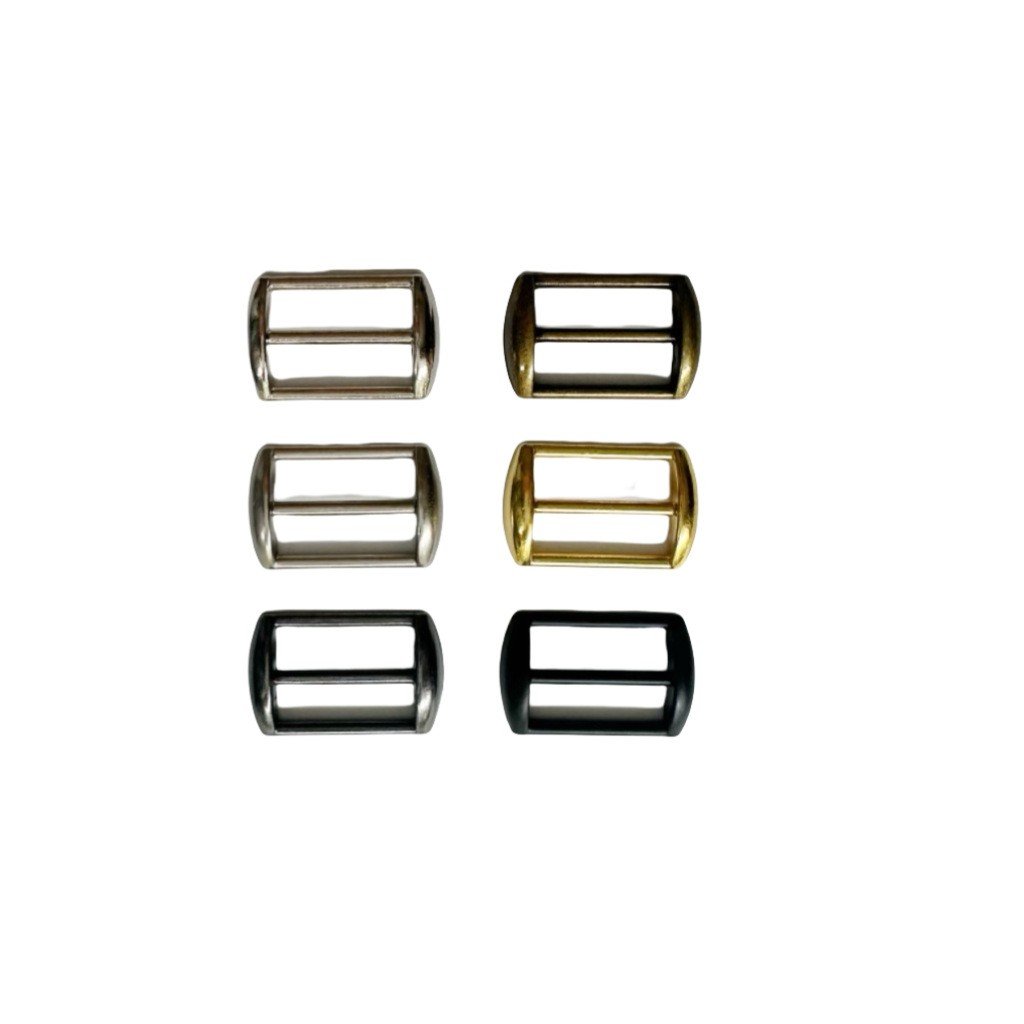
D-Rings & Buckles
Military-grade metal hardware for adjustable straps, utility attachments, and modular carry systems. Critical components that define techwear’s functional aesthetic and enable customizable fit adjustments.
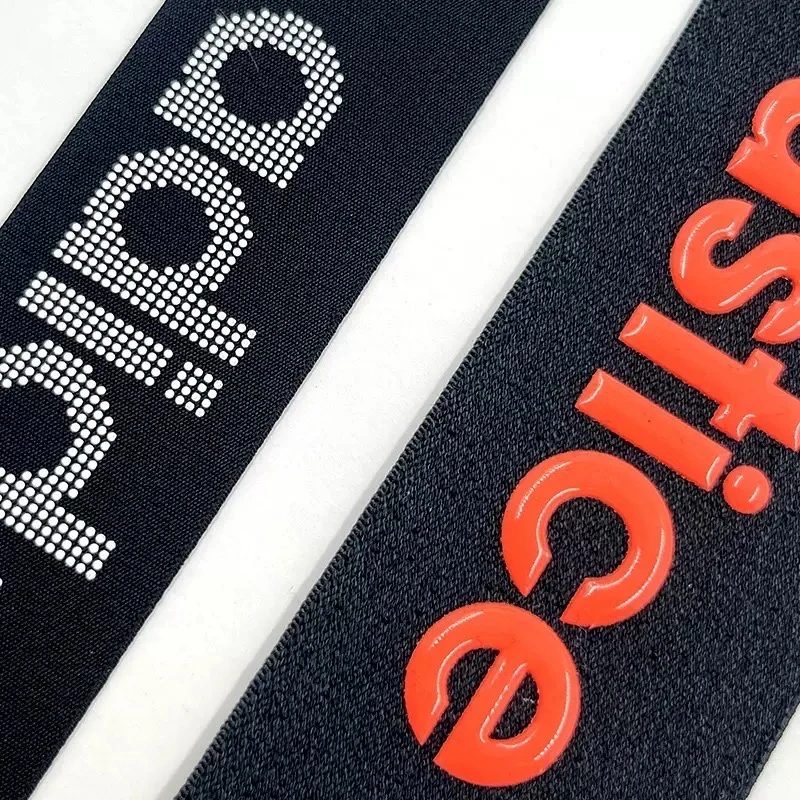
Webbing Straps
High-tensile nylon webbing in multiple widths for cargo straps, harness systems, and adjustable closures. Sourced from premium suppliers and integrated seamlessly into technical streetwear designs.
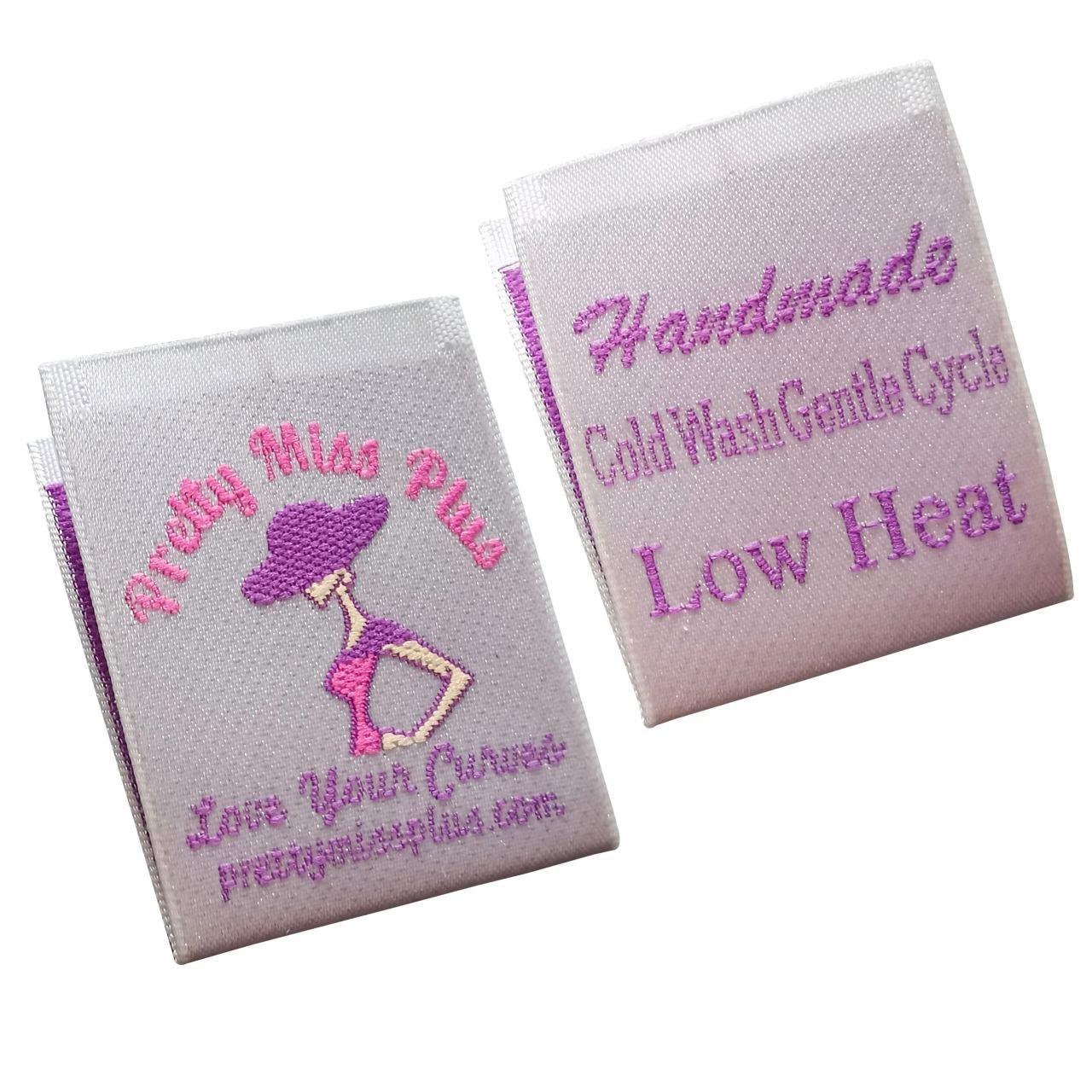
Woven Labels
Custom branded woven labels and care tags that communicate your brand identity. Designed to withstand repeated washing and wear, maintaining crisp legibility throughout the garment’s lifecycle.
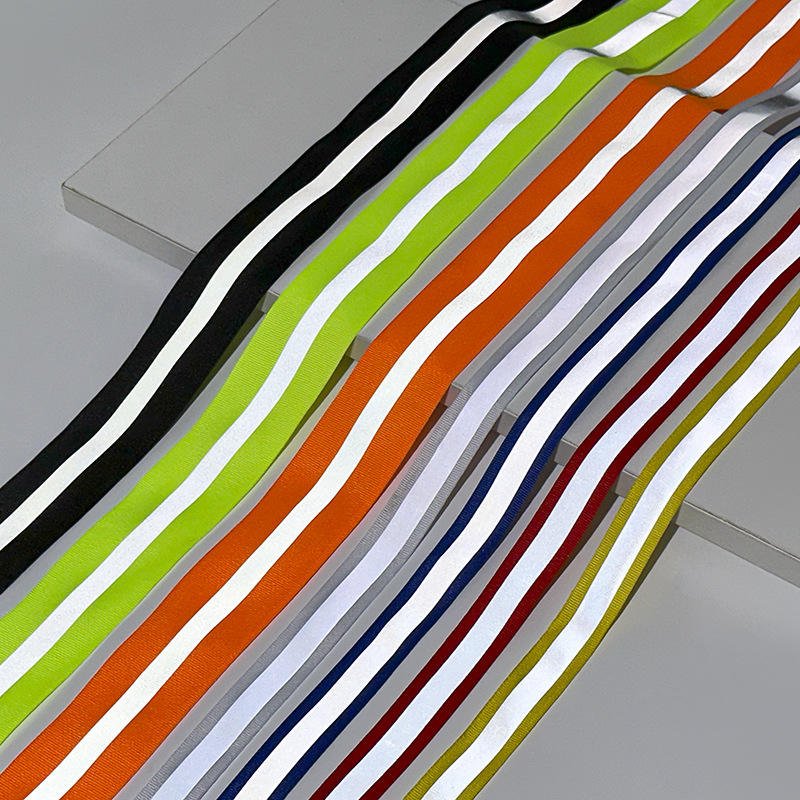
Reflective Piping
3M-grade reflective trim and piping that enhances visibility and adds signature techwear detailing. Applied with precision stitching techniques to ensure secure bonding and long-lasting reflectivity.
Your Trusted Techwear Manufacturer Partner
Founded in 2024 by Tesla Luo, Clothing Manufacturer Ltd brings over 10 years of apparel production expertise and 6 years of specialized streetwear experience to every techwear project. Raised in the garment industry and trained across every production role, Tesla established our company with a mission to restore the reputation of Chinese manufacturers through uncompromising quality standards and transparent partnerships with global brands.
We serve trendy brands, fashion startups, independent designers, and retailers across 100+ countries with a complete techwear manufacturing solution. Our 15-member R&D team and 10 production patents enable us to deliver premium craftsmanship at accessible 50-piece MOQs, empowering emerging labels and established names alike to bring bold, trend-driven collections to market with confidence.
What sets us apart as a techwear manufacturer is our proprietary 5-step quality control process, testing materials, cutting, craftsmanship, sewing, and finished garments at every production stage. Unlike factories that skip critical QC checkpoints, we embed quality assurance throughout the workflow, ensuring every piece meets exacting standards before it reaches your customers.
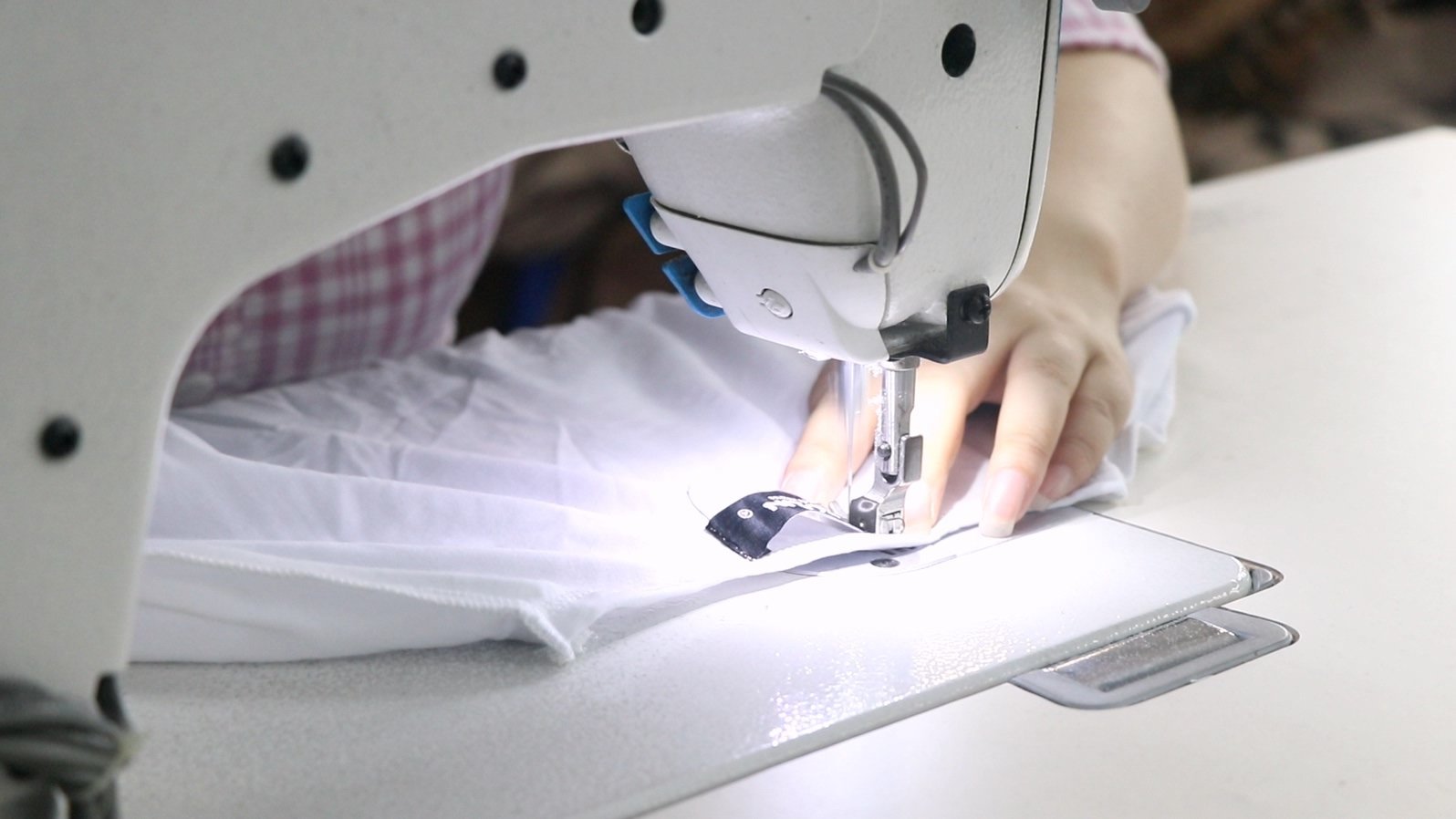
Our 5-Step Quality Control Process for Every Techwear Manufacturer Order
Materials QC Testing Phase
Before production begins, every fabric roll and component undergoes rigorous inspection. Our techwear manufacturer team verifies weight, colorfastness, waterproofing, and stretch recovery to ensure only premium materials enter your order workflow.
- Fabric weight and density measured against specifications
- Colorfastness tested for wash and light resistance
- Waterproof and breathable membrane integrity verified
- Zippers, tapes, and hardware inspected for durability
Cutting QC Testing Phase
After pattern grading, each cut piece is checked for dimensional accuracy and grain alignment. This techwear manufacturer checkpoint catches sizing errors and fabric defects before they reach the sewing floor, eliminating costly rework.
- Pattern dimensions verified against approved tech packs
- Grain line and fabric stretch direction confirmed
- Cut edges inspected for fraying or blade damage
- Piece counts matched to production orders
Craft QC and Sewing QC Testing
During assembly, our techwear manufacturer inspectors monitor seam construction, tape application, and stitch quality at every workstation. Real-time checks ensure technical details like sealed seams and reinforced stress points meet streetwear durability standards.
- Seam allowances and stitch density checked per garment type
- Taped seams tested for adhesion and waterproof seal
- Pocket construction and zipper installation verified
- Reinforcement stitching inspected at stress points
Finished Clothing Quality Inspection
Every completed garment undergoes final inspection covering measurements, functionality, and appearance. Our techwear manufacturer protocol includes fit testing, hardware operation checks, and a thorough visual audit before packaging and shipment approval.
- Garment measurements compared to approved size specs
- All zippers, snaps, and adjusters tested for smooth operation
- Surface inspected for loose threads, stains, or defects
- Packaging and labeling verified against brand requirements
Why Choose Our Techwear Manufacturer Over Alternatives
Not all techwear manufacturers deliver the same quality, flexibility, and expertise. Here’s how Clothing Manufacturer Ltd stands apart from typical low-cost suppliers.
← 左右滑动查看 →
Our Techwear Manufacturer Production Workflow
Every techwear order follows our proven 6-phase production system, with quality checkpoints at each stage to ensure your garments meet streetwear standards from tech pack to final shipment.
Tech Pack Review
Our design team analyzes your specifications, confirms technical details, fabric choices, and hardware requirements. Turnaround: 1-2 business days with full transparency.
Sampling & Approval
We produce pre-production samples with your chosen techwear fabrics and accessories. You review, request revisions, and approve before bulk production begins.
Cutting & Materials QC
Approved patterns are cut from bulk fabric rolls. Our first quality control checkpoint inspects all materials and cutting precision to prevent downstream defects.
Sewing & In-Line QC
Skilled technicians assemble garments using advanced techwear construction techniques. Real-time sewing production QC testing catches issues before they multiply across your order.
Finishing & Craft QC
Garments undergo ironing, hardware attachment, and clothing craft QC testing. Every piece is inspected for stitching integrity, fit, and functional techwear features.
Final Inspection & Shipment
Finished clothing quality QC inspection verifies every garment meets our zero-compromise standards. We pack, label, and coordinate global shipping with full logistics support.
How to Partner With Our Techwear Manufacturer
From concept to delivery, our streamlined process ensures your techwear collection is produced with precision, quality, and speed.
Submit Your Tech Pack
Send us your design brief, technical specifications, and fabric preferences. Our team reviews your requirements and confirms feasibility within 24 hours.
Receive Quote and Sample Timeline
We provide transparent pricing, MOQ details starting at 50 pieces, and a clear timeline for sample development and bulk production.
Approve Production Samples
Our in-house design team creates samples for your review. Request revisions until every detail meets your brand standards before bulk production.
Track Production With Weekly Updates
Once you place your bulk order, receive progress reports at every stage as our 5-step QC process ensures consistent quality throughout manufacturing.
Receive Final QC and Shipment
Your techwear passes rigorous finished-product inspection before global shipping. We handle logistics, customs documentation, and delivery to your location worldwide.
Certified Techwear Manufacturer You Can Trust
Real Results From Brands Who Chose Our Techwear Manufacturer
We launched our first techwear collection with just 50 pieces and grew from 2,000 to 47,000 followers in 8 months. The quality control caught issues our previous manufacturer missed completely. Game changer for our brand credibility.
Their 5-step QC process reduced our defect rate from 12% to under 1%. We’ve launched three techwear collections on schedule with zero production delays. The sampling team understood our technical fabric requirements immediately.
As an influencer brand, low MOQ was critical. We started with 75-piece runs and scaled to 500+ within six months. Lead time dropped by 35% compared to our old manufacturer, and the techwear finishing details are flawless.
Techwear Manufacturer: Frequently Asked Questions
What is the minimum order quantity with your techwear manufacturer?
How long does sampling and production take for techwear orders?
Does your techwear manufacturer offer design and customization services?
What payment terms do you offer for new clients?
How do you protect my designs and intellectual property?
What quality guarantees does your techwear manufacturer provide?
Do you offer bulk pricing discounts for larger techwear orders?
What shipping and logistics support do you provide internationally?
The Complete Buyer’s Guide to Choosing the Right Techwear Manufacturer
Navigate the techwear manufacturing landscape with confidence. This guide delivers a proven decision framework, essential supplier criteria, material specifications, and the critical mistakes to avoid when sourcing your technical apparel collection.
1. What Is a Techwear Manufacturer?
A techwear manufacturer specializes in producing garments that merge technical performance fabrics—such as waterproof membranes, breathable synthetics, and ripstop nylon—with urban, utility-driven design. Unlike conventional apparel factories that focus on cotton basics or fashion pieces, a dedicated techwear manufacturer maintains expertise in laminating, taping seams, and integrating modular features like detachable pockets, adjustable straps, and concealed zippers. These capabilities require specialized machinery, trained operators familiar with coated textiles, and quality control protocols that test waterproofing integrity and seam strength under stress.
Techwear production demands fabrics rated by measurable standards: waterproof ratings from 5,000 mm to 20,000 mm, breathability scores (MVTR) of 5,000–15,000 g/m²/24h, and abrasion resistance verified through Martindale tests exceeding 50,000 cycles. A specialized techwear manufacturer sources materials like Gore-Tex alternatives, Cordura blends, and 4-way stretch softshells, and understands how to construct garments with taped or welded seams to prevent moisture ingress. Certifications such as OEKO-TEX Standard 100 for chemical safety and bluesign for sustainable textile production signal a factory’s commitment to both performance and responsible manufacturing.
Buyers should expect a techwear manufacturer to offer pattern development for articulated cuts, prototyping with functional hardware (YKK AquaGuard zippers, Fidlock magnetic closures), and rigorous testing at every production stage. Clothing Manufacturer Ltd., for example, applies a five-step QC methodology—from materials inspection through finished garment testing—ensuring that technical features perform as specified and that streetwear aesthetics align with the functional demands of modern techwear collections.
2. The Evolution of Techwear Manufacturing
Techwear manufacturing traces its roots to military and outdoor performance gear developed in the 1980s and 1990s, when brands like Gore-Tex pioneered waterproof-breathable membranes for extreme conditions. Stone Island introduced garment-dyeing techniques and thermosensitive fabrics in 1982, merging technical innovation with fashion-forward design. These early innovations established the foundation for functional apparel that could withstand harsh environments while maintaining aesthetic appeal.
Acronym, founded in 1994 by Errolson Hugh and Michaela Sachenbacher, redefined techwear by integrating modular pockets, articulated patterning, and urban utility into high-performance garments designed for city environments. By the early 2000s, manufacturing shifted from purely technical specifications—such as 10,000 mm waterproof ratings and taped seams—to include streetwear silhouettes, asymmetric cuts, and graphic elements that resonated with youth culture. This transition required techwear manufacturers to master both advanced fabric lamination and precision pattern-making for complex, layered designs.
Today’s techwear manufacturer must balance technical performance standards with the aesthetic demands of streetwear brands and independent designers. Production now involves laser-cutting for ventilation panels, ultrasonic welding for seamless construction, and multi-layer bonding that maintains breathability ratings above 5,000 g/m²/24h while delivering the sharp, futuristic silhouettes urban consumers expect. The evolution from military surplus to runway-ready utility wear has transformed manufacturing from a purely functional discipline into a hybrid craft where technical textiles meet trend-driven design, enabling brands to offer garments that perform in rain, wind, and daily commutes without sacrificing street credibility.
3. Types of Techwear Manufacturer Specializations
Techwear manufacturers divide into four core specializations, each serving distinct product categories and brand strategies. Understanding these categories helps buyers align production capabilities with their design vision and order volume.
Full-Package Technical Outerwear Specialists
These factories focus on jackets, coats, and shell garments with waterproof membranes, taped seams, and ventilation systems. MOQs typically range from 300 to 500 pieces per style due to specialized machinery and fabric minimums.
Ideal for established brands launching technical jacket lines or retailers needing performance outerwear. Strengths include expertise in lamination, seam-sealing equipment, and multi-layer construction.
Modular Gear Producers
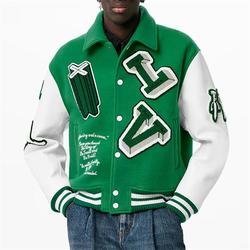
Modular specialists manufacture vests, harnesses, and multi-pocket systems with detachable components and MOLLE webbing. Production runs start at 200 to 400 units, requiring tooling for buckles, straps, and attachment hardware.
Best suited for tactical-inspired brands and utility-focused designers. These manufacturers excel in hardware sourcing, load-bearing construction, and adjustable fit engineering.
Urban Utility Apparel Makers
Urban utility factories produce pants, shorts, and everyday techwear with hidden pockets, articulated knees, and stretch panels. MOQs often begin at 100 to 300 pieces, balancing technical features with streetwear aesthetics.
Perfect for fashion startups and independent designers blending function with daily wear. Capabilities include laser-cut ventilation, bonded pocket construction, and ergonomic pattern development.
Hybrid Streetwear-Tech Factories
Hybrid manufacturers combine streetwear design elements with functional fabrics and utility details. Clothing Manufacturer Ltd. operates in this category, offering 50-piece MOQs with five-step quality control across hoodies, joggers, and technical tops.
Ideal for influencer brands, creator labels, and startups testing techwear concepts. Strengths include flexible order sizes, cultural fluency in street fashion, and rapid sampling for emerging brands entering the techwear market.
4. Technical Fabrics and Materials in Techwear Production
A techwear manufacturer differentiates itself through mastery of advanced technical fabrics that deliver waterproofing, breathability, and durability simultaneously. Performance textiles form the foundation of every techwear garment, requiring suppliers who understand membrane lamination, abrasion testing, and moisture-vapor transmission rates.
| Fabric Type | Key Properties | Typical Weight (GSM) | Best Use Case |
|---|---|---|---|
| Gore-Tex / eVent | 20,000+ mm waterproof, 15,000+ g breathability | 140–180 | Outerwear shells, jackets |
| Ripstop Nylon | Tear-resistant grid, lightweight | 40–70 | Windbreakers, liners |
| Cordura 1000D | High abrasion resistance, durable | 320–400 | Cargo pockets, knee panels |
| Schoeller Stretch | 4-way stretch, water-repellent | 200–280 | Articulated pants, mobility zones |
Waterproof-Breathable Membranes

Gore-Tex and eVent membranes dominate high-end techwear production, offering water column ratings between 20,000–28,000 mm while maintaining breathability above 15,000 g/m²/24hr. These ePTFE (expanded polytetrafluoroethylene) membranes are laminated to face fabrics, creating two-layer or three-layer constructions.
A techwear manufacturer must source certified membrane materials and operate clean-room lamination equipment to prevent contamination. Cheaper alternatives include proprietary PU-coated fabrics with 10,000 mm water column ratings, suitable for urban techwear where extreme weather protection is secondary to aesthetics.
Ripstop Nylons and Cordura
Ripstop nylon fabrics feature reinforced grid patterns that prevent tear propagation, typically weighing 40–70 GSM for shell layers and 100–150 GSM for cargo pockets and reinforcement panels. Cordura nylon, rated by denier (500D, 1000D), provides abrasion resistance 2–3 times higher than standard nylon.
Manufacturers combine lightweight ripstop face fabrics with Cordura reinforcements at knees, elbows, and cuffs to balance mobility and durability. Schoeller fabrics integrate elastane (5–10%) for four-way stretch while maintaining water and wind resistance through dense weave construction.
5. Customization and Functional Features
A techwear manufacturer differentiates itself through functional hardware and modular design systems that transform garments into adaptable tools. Customization in technical apparel extends beyond aesthetics to include utility features, attachment points, and weather-resistant construction that preserve performance integrity.
Modular Attachments and MOLLE Integration
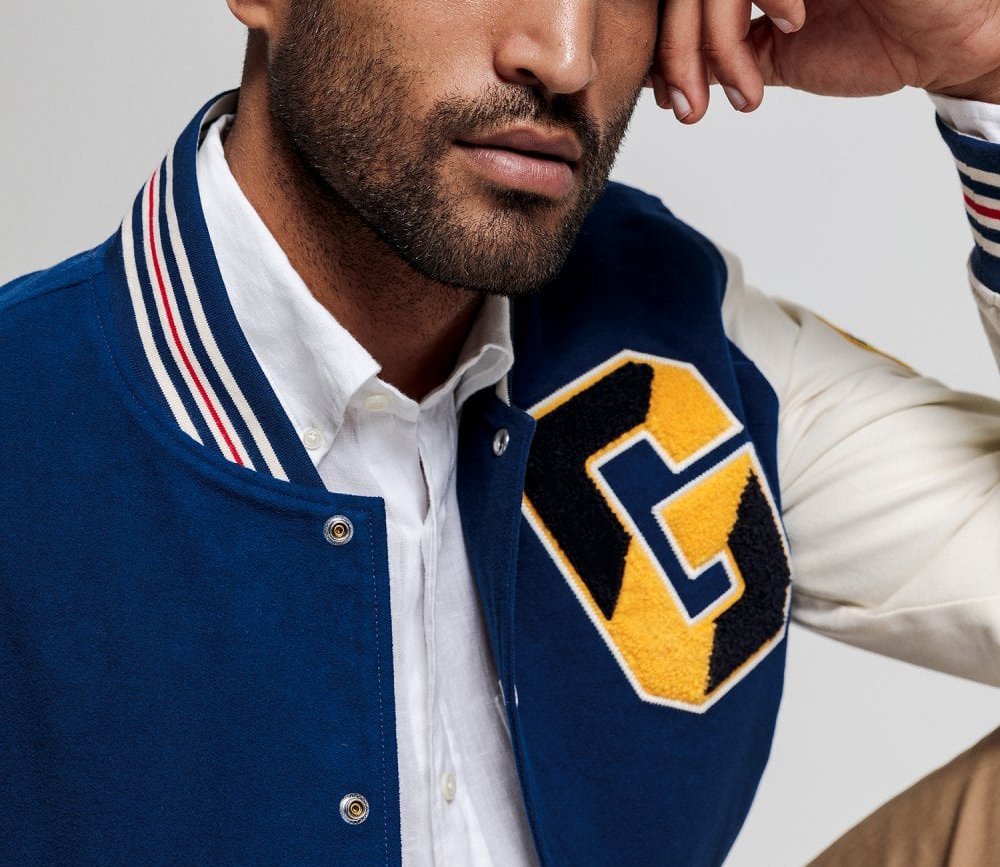
MOLLE (Modular Lightweight Load-carrying Equipment) webbing allows wearers to attach pouches, holsters, and accessories using standardized 1-inch nylon straps. Techwear manufacturers integrate MOLLE panels on jackets, pants, and bags, typically using bartack stitching at 1-inch intervals to meet military-spec durability standards.
Magnetic closures and snap-button systems provide quick-release functionality for detachable hoods, sleeves, and pockets. Brands specify neodymium magnets rated for 3–5 kg pull force to ensure secure attachment during movement while enabling one-handed operation.
Articulated Patterning and Ventilation Systems
Articulated knees, elbows, and gussets use curved pattern pieces that follow natural joint movement, reducing fabric tension during activity. Techwear manufacturers add 15–25% ease at articulation points and reinforce stress zones with double-needle stitching or bonded seams.
Ventilation systems include laser-cut perforations, mesh-backed zipper vents, and underarm gussets that regulate temperature without compromising water resistance. Sealed seams use heat-applied tape (typically 20–22 mm wide) to cover stitch holes and maintain waterproof integrity at critical zones.
Technical Branding and Finishing Options
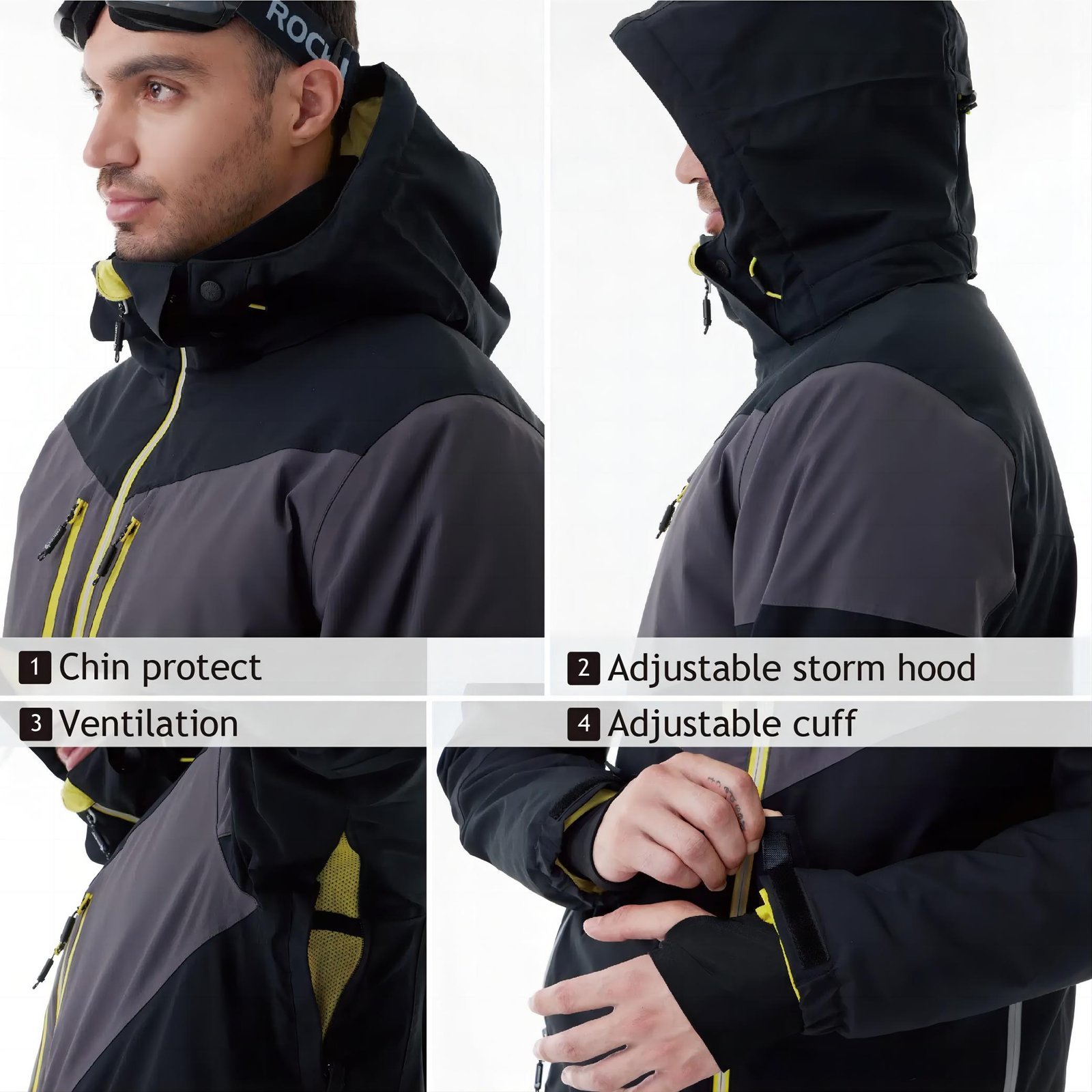
Laser etching on metal hardware, silicone patches, and tonal embroidery preserve the minimalist aesthetic of techwear while maintaining durability through wash cycles. Woven labels with heat-cut edges prevent fraying, and reflective screen printing or 3M Scotchlite tape enhances visibility without adding bulk.
Clothing Manufacturer Ltd. applies its five-step QC process to every branding element, testing adhesion strength, colorfastness, and reflective luminance to ensure technical integrity across all customization methods.
6. Quality Control and Construction Standards
Quality control separates functional techwear from fashion-only garments. A qualified techwear manufacturer implements checkpoint testing at every production stage, from raw material inspection through final garment validation, ensuring waterproofing, breathability, and structural integrity meet technical specifications.
Critical Construction Checkpoints
Taped or welded seams prevent water ingress at stitch lines, where needle holes compromise fabric waterproofing. YKK Aquaguard zippers feature waterproof coil construction and bonded teeth that maintain 1,500 mm+ water column ratings. Reinforced stress points at pockets, cuffs, and articulated knees use bar-tack stitching or bonded overlays to withstand 50+ kg pull tests.
Bonded hems eliminate raw edges through heat-press lamination or ultrasonic welding, creating seamless finishes that resist fraying and moisture wicking. These techniques preserve the garment’s technical performance while extending durability beyond standard sewn hems.
- Taped seams: 20–22 mm seam tape, heat-applied at 160–180°C
- Welded seams: ultrasonic or RF bonding for zero-stitch waterproofing
- YKK Aquaguard: coil zippers rated ≥1,500 mm water column
- Reinforced stress points: bar-tack or triple-stitch at high-tension areas
Testing Protocols for Performance Validation
Waterproofing tests measure hydrostatic head pressure in millimeters; techwear fabrics typically achieve 5,000–20,000 mm ratings. Breathability is quantified via MVTR (moisture vapor transmission rate), with quality techwear exceeding 5,000 g/m²/24h. Abrasion resistance uses Martindale tests, where premium techwear withstands 50,000+ cycles without fabric breakdown.
Durability protocols include seam-slippage tests (≥4 mm displacement under 150 N load) and colorfastness assessments (ISO 105 standards, grade 4+ for wash and light). These metrics ensure garments perform across extended wear cycles and environmental exposure.
- Hydrostatic head: 5,000–20,000 mm for waterproof techwear
- MVTR breathability: ≥5,000 g/m²/24h minimum
- Martindale abrasion: 50,000+ cycles for high-wear zones
- Seam slippage: ≤4 mm under 150 N load
5-Step QC Process and Certification Verification
Clothing Manufacturer Ltd.’s proprietary five-step quality control includes materials QC testing, cutting QC testing, clothing craft QC testing, sewing production QC testing, and finished clothing quality inspection. This methodology catches defects at origin rather than post-production, reducing rework by 60–80% and ensuring every garment meets technical standards before shipment.
Verify a techwear manufacturer’s capabilities through ISO 9001 quality management certification, OEKO-TEX Standard 100 for fabric safety, and bluesign® approval for sustainable chemical use. Request third-party lab reports for waterproofing, breathability, and abrasion metrics, and inspect sample batches under controlled conditions to confirm stated performance claims.
- Materials QC: fabric weight, waterproofing, and composition verification
- Cutting QC: pattern accuracy and fabric alignment checks
- Craft QC: seam taping, welding, and reinforcement application
- Sewing QC: in-line inspection during assembly
- Finished QC: hydrostatic, breathability, and durability testing
7. How to Choose the Right Techwear Manufacturer
Selecting a techwear manufacturer requires evaluating technical capability, quality systems, and partnership fit. Beyond price, assess whether the factory can execute waterproof seam-taping, laser-cut ventilation panels, and multi-layer lamination at your scale.
Technical Capability and Sample Evaluation
Request samples demonstrating waterproof zippers, taped seams, and articulated patterning before committing to production. Inspect stitch density (12–14 stitches per inch for technical garments), seam alignment on multi-panel construction, and finish quality on bonded hems.
A capable techwear manufacturer maintains an R&D team—Clothing Manufacturer Ltd. employs 15 R&D members and holds 10 patents—and can provide technical spec sheets for each fabric and finish. Ask for test reports on water-column ratings (minimum 10,000 mm for true waterproofing) and breathability (MVTR scores).
MOQ Flexibility and Lead Times
Techwear production typically requires 100–500 piece MOQs per style due to specialized fabric rolls and technical processes. Startups and independent designers benefit from factories offering 50–100 piece runs to test market fit before scaling.
Standard lead times span 30–45 days for sampling and 45–60 days for bulk production, including fabric sourcing, cutting QC, sewing QC, and finished-goods inspection. Factories implementing five-step quality control—materials, cutting, craft, sewing, and final QC—add 5–7 days but reduce defect rates below 2 percent.
Communication Standards and IP Protection
Evaluate responsiveness during the inquiry phase: manufacturers serving 100+ countries typically reply within 24 hours and provide detailed quotations with fabric options, construction methods, and pricing tiers. Clear communication on Pantone color matching, hardware specifications (YKK Aquaguard vs. Vislon), and packaging requirements prevents costly revisions.
Request non-disclosure agreements before sharing original designs, especially for proprietary pocket systems or modular attachment points. Verify that the factory does not produce for direct competitors in your market segment to protect design exclusivity.
8. Common Mistakes When Sourcing a Techwear Manufacturer
Sourcing a techwear manufacturer requires technical diligence that standard apparel production does not demand. Many brands encounter costly delays and quality failures by overlooking specialized equipment, material lead times, and performance validation steps that define functional techwear.
Choosing Factories Without Membrane-Bonding Equipment
Membrane-bonding equipment is essential for laminating waterproof or breathable membranes to face fabrics, a core techwear construction technique. Factories lacking hot-press laminators or ultrasonic bonding machines cannot produce true performance shells.
Without proper bonding infrastructure, manufacturers may substitute glued seams or sewn-through layers that compromise waterproofing and breathability. Verify that your techwear manufacturer owns or partners with facilities equipped for membrane lamination before committing to production.
Underestimating Lead Times for Technical Materials
Technical fabrics such as Gore-Tex, Schoeller, or proprietary membranes carry lead times of 60 to 90 days from mill to factory, far exceeding standard cotton or polyester. Brands often plan production schedules based on conventional fabric timelines and face launch delays.
Communicate fabric sourcing timelines early and request material procurement schedules in writing. Clothing Manufacturer Ltd. advises clients to lock fabric orders at least 90 days before target ship dates to accommodate technical material supply chains.
Ignoring Seam-Sealing Capabilities
Seam-sealing with heat-applied tape is mandatory for waterproof techwear, yet many general apparel factories lack seam-sealing machines or trained operators. Unsealed seams allow water ingress at stitch holes, negating membrane performance.
Confirm that the factory operates seam-sealing equipment and request sample garments with sealed seams for inspection. Poor seam-sealing results in customer returns and brand reputation damage that far exceed the cost of proper equipment validation.
Poor Tech Pack Specifications
Incomplete tech packs that omit membrane weights, seam-sealing requirements, or zipper waterproof ratings lead to spec mismatches and rework cycles. Techwear demands precise callouts for every functional element, from taped zippers to articulated patterning.
Include fabric GSM, membrane breathability ratings (e.g., 10,000 g/m²/24h), seam-sealing tape width, and hardware specifications in every tech pack. Clothing Manufacturer Ltd. uses a five-step QC process to catch spec deviations early, but clear documentation prevents errors before production begins.
9. Steps to Launch Your Techwear Brand
Launching a techwear brand requires close coordination with your techwear manufacturer through seven distinct production stages. Realistic timelines range from 8 to 14 weeks from concept to finished goods, depending on fabric lead times and design complexity.
Concept and Mood Board Development
Begin with a visual brief that communicates your design intent, target market, and functional requirements. Share reference images, color palettes, and sketches that highlight key details such as pocket configurations, closure systems, and weatherproofing zones.
Your techwear manufacturer will review feasibility and suggest construction methods aligned with your aesthetic. Clothing Manufacturer Ltd.’s 15-member R&D team evaluates each concept against streetwear design trends and technical production capabilities during this 3–5 day consultation phase.
Technical Design and Material Sourcing
Convert approved concepts into technical packs with measurements, seam placements, and fabric specifications. Your manufacturer sources performance textiles—waterproof membranes, ripstop nylons, or stretch wovens—and submits swatches for approval.
Material testing for water resistance, abrasion, and colorfastness occurs before sampling begins. Expect 7–10 days for fabric procurement and lab testing when working with a quality-focused techwear manufacturer.
Sampling, Pre-Production, and Bulk Manufacturing
First samples undergo fit sessions to refine proportions, pocket depth, and articulation points. Revisions typically require one to two additional sample rounds over 10–14 days.
Pre-production approval triggers bulk cutting and sewing. Clothing Manufacturer Ltd. applies its five-step QC methodology—materials QC, cutting QC, craft QC, sewing QC, and finished-goods inspection—at every stage. Bulk production for 50–500 units spans 21–35 days, with inline inspections catching defects before garments reach finishing and packaging.
10. Techwear Manufacturing Pricing and Cost Breakdown
Techwear manufacturing pricing varies by garment complexity, fabric grade, and order volume. A basic shell jacket with waterproof coating and minimal pockets typically costs $28–35 per unit at 50 pieces, dropping to $18–22 at 1,000+ units, with 25–30 day lead times and $200–300 setup fees. Multi-pocket cargo pants featuring reinforced stitching, articulated knees, and utility webbing run $32–42 per unit at 50 pieces and $22–28 at higher volumes, requiring 30–35 days and $250–400 setup costs. Fully featured technical outerwear with seam sealing, premium hardware, and integrated harness systems commands $55–75 per unit at 50 pieces, scaling to $38–48 at 1,000+, with 35–45 day production windows and $400–600 setup investments.
Cost drivers include fabric grade—three-layer Gore-Tex alternatives add $8–12 per garment over standard ripstop—and hardware selection, where YKK AquaGuard zippers and Duraflex buckles contribute $3–6 per piece. Seam sealing adds $2–4 per unit depending on seam count, while laser-cut ventilation and bonded construction increase costs by 15–25 percent. Finishing processes such as DWR coating, reflective heat-transfer logos, and custom label packages add $1.50–3 per garment.
Clothing Manufacturer Ltd. applies its five-step QC process across all pricing tiers, ensuring materials testing, cutting inspection, craft verification, sewing checks, and finished-product audits at every order size. This systematic quality control, combined with a 50-piece minimum order quantity, enables fashion startups and independent designers to access techwear manufacturer capabilities without the prohibitive MOQs common in technical apparel production.
| Garment Type | 50 Units | 100 Units | 500 Units | 1,000+ Units | Lead Time |
|---|---|---|---|---|---|
| Basic Shell Jacket | $28–35 | $24–30 | $20–25 | $18–22 | 25–30 days |
| Multi-Pocket Cargo Pants | $32–42 | $28–36 | $24–30 | $22–28 | 30–35 days |
| Technical Outerwear (Full Features) | $55–75 | $48–65 | $42–52 | $38–48 | 35–45 days |
Ready to Launch Your Techwear Line?
Partner with a trusted techwear manufacturer. 50-piece MOQ, 5-step QC guarantee, and fast turnaround for your brand.