
Streetwear Shorts Manufacturer — 50-Piece MOQ, 5-Step QC Guarantee
Partner with a streetwear shorts manufacturer that delivers trend-driven designs, rigorous quality control at every production stage, and flexible minimums to launch your collection with confidence.
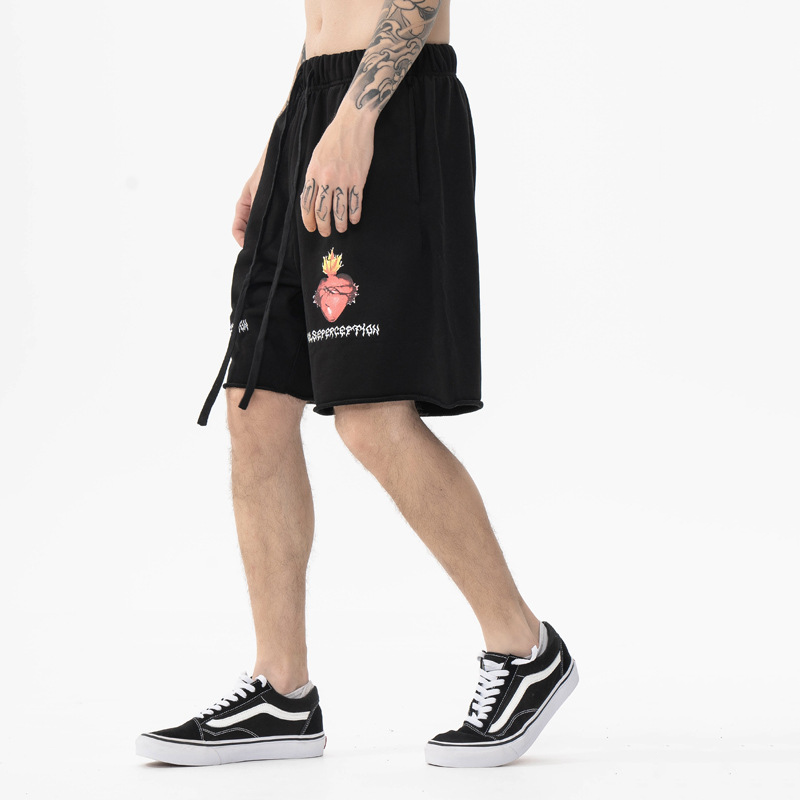
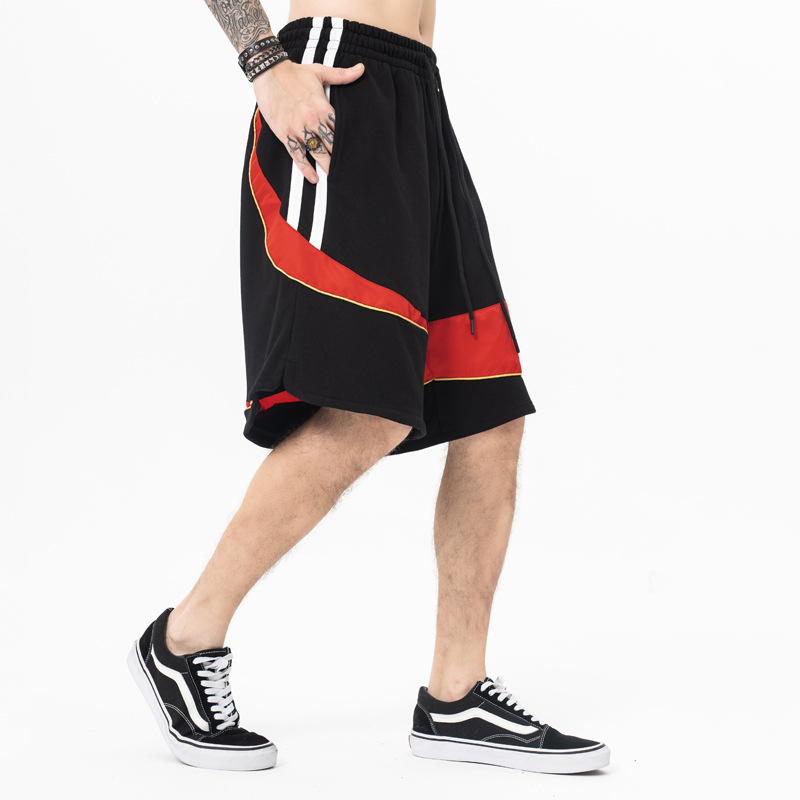
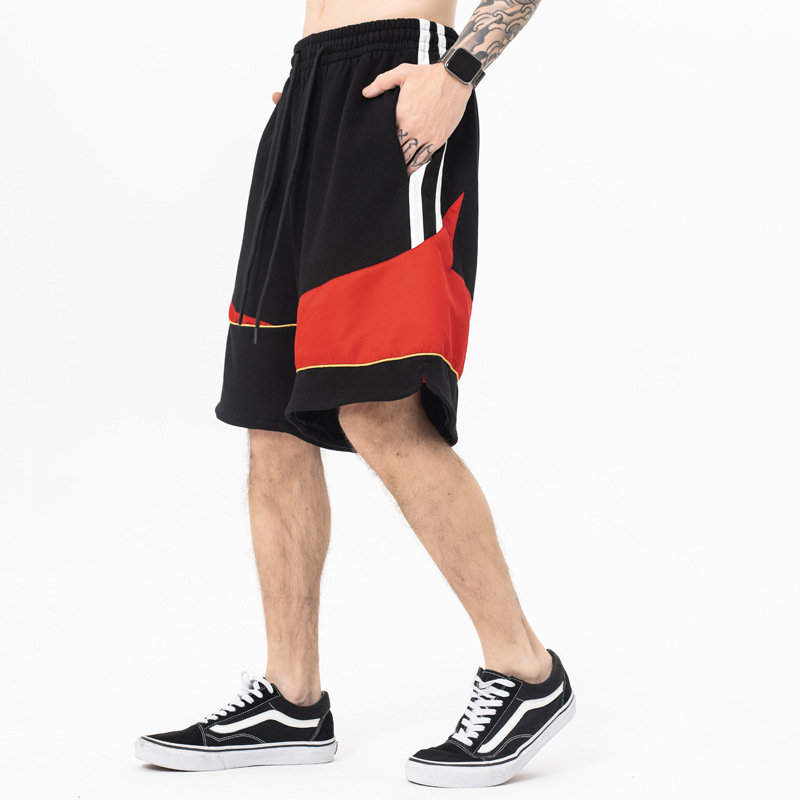
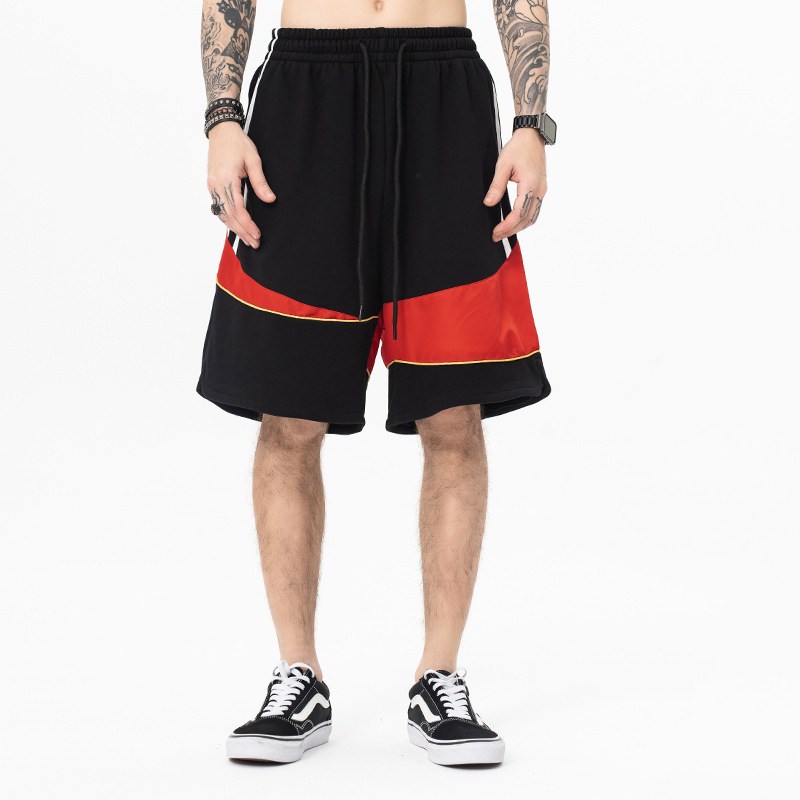
Streetwear Shorts Design & Sample Gallery
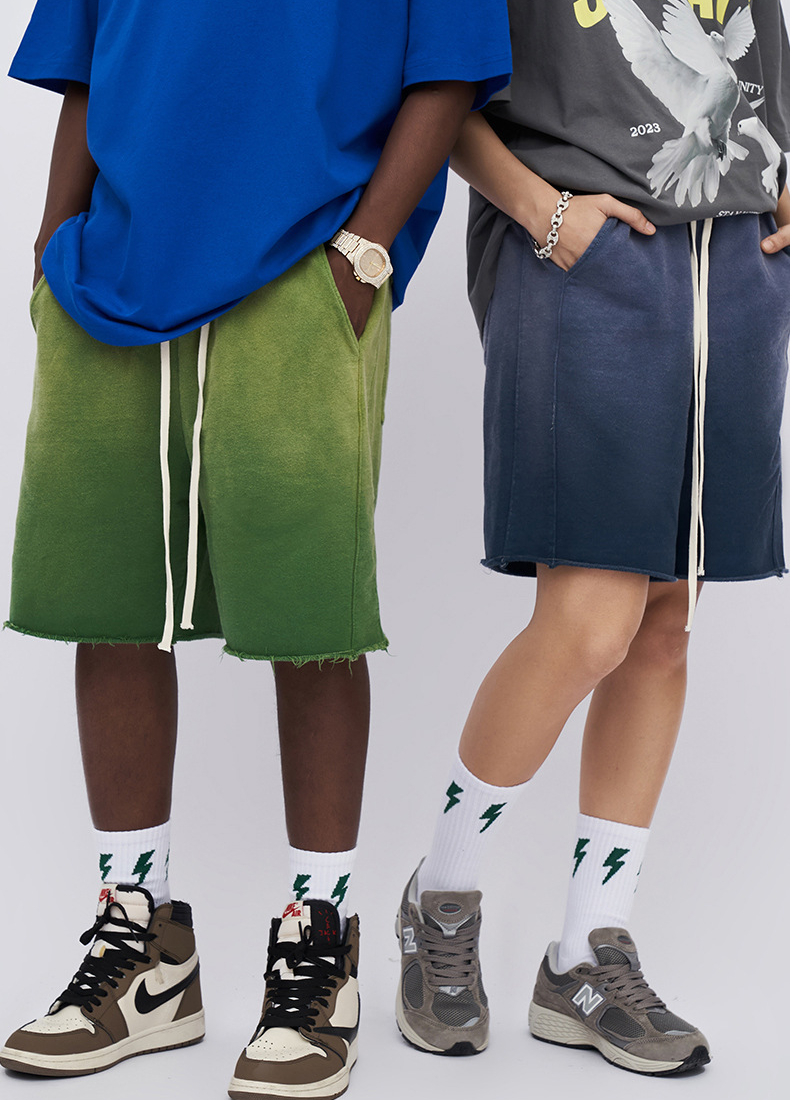
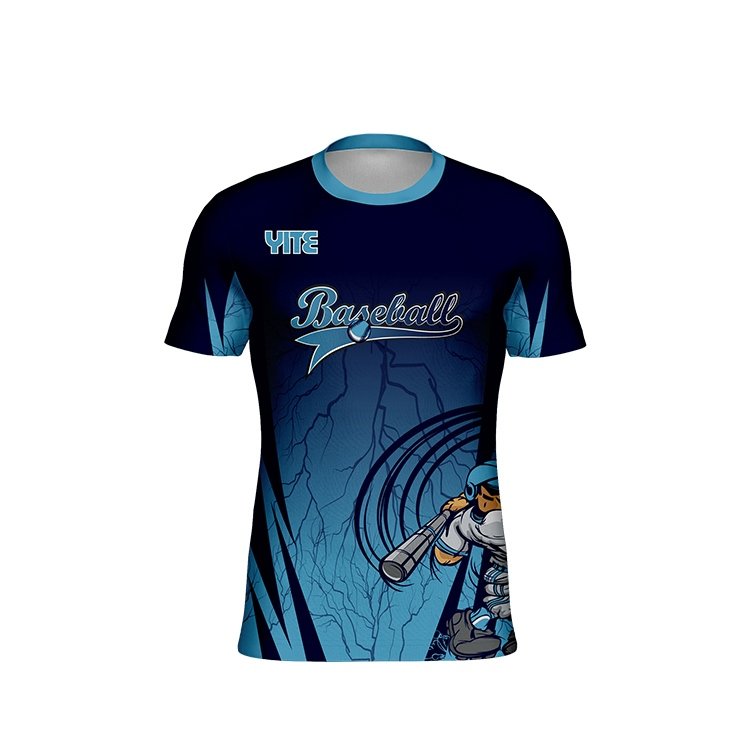
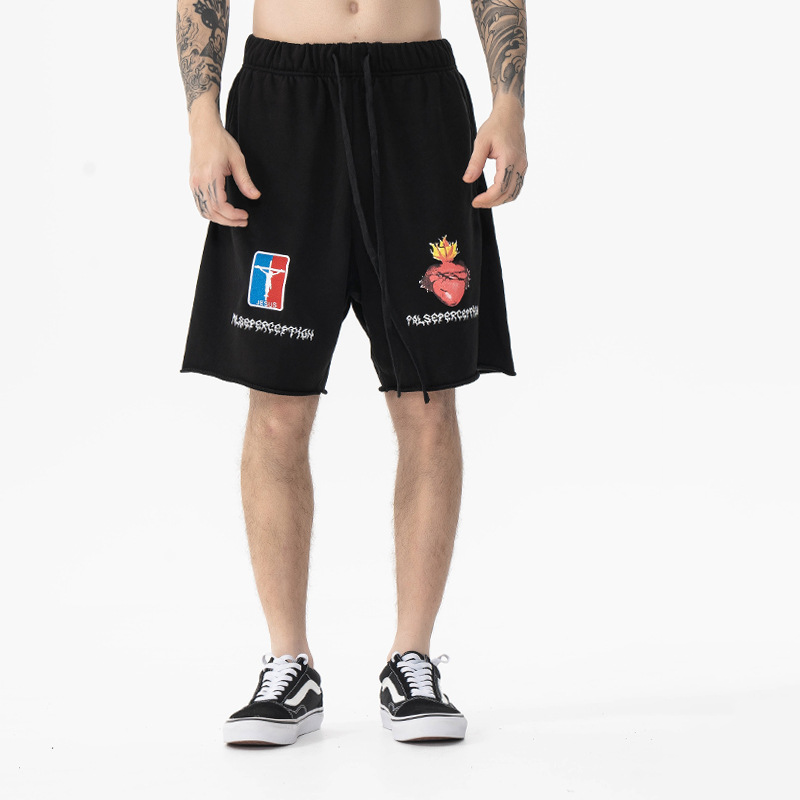
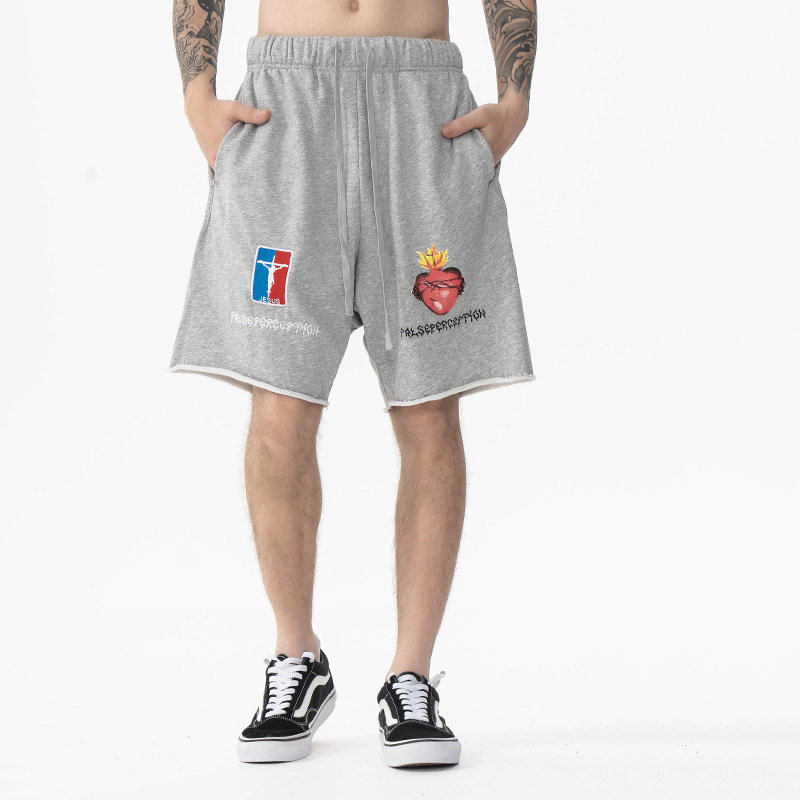
Why Choose Our Streetwear Shorts Manufacturer
5-Step Quality Control Guarantee
Every streetwear shorts order undergoes rigorous QC testing at materials, cutting, craft, sewing, and finished product stages to eliminate defects.
50-Piece Low MOQ Available
Launch your streetwear shorts collection without massive inventory risk. Perfect for fashion startups, designers, and influencer brands testing new styles.
Fast Sampling & Turnaround
In-house design and sampling team delivers streetwear shorts prototypes quickly, ensuring you capture seasonal trends before they fade.
Trend-Driven Design Expertise
Six years of streetwear specialization in skeleton, graffiti, rose, and street art elements. We understand what resonates with your audience.
Global Shipping & Logistics
Seamless international fulfillment to over 100 countries. Customs, documentation, and tracking handled with transparent communication throughout your order.
Startup-Friendly Production Partner
From first collection to scaling production, we support emerging brands with flexible terms, technical guidance, and consistent streetwear shorts quality.
Streetwear Shorts Manufacturer: Categories & Customization Options
From denim to athletic mesh, our streetwear shorts manufacturer delivers every style with premium craftsmanship, low 50-piece MOQs, and our 5-step QC guarantee for emerging and established brands.
Denim Streetwear Shorts
Finding a streetwear shorts manufacturer capable of vintage washes, distressing, and custom hardware on denim without sacrificing durability or requiring 500+ piece minimums that price out emerging brands.
Premium denim shorts with authentic vintage washes, reinforced stitching, custom metal hardware, and embroidered details—delivered in runs as low as 50 pieces with full quality testing at every production stage.
French Terry Sweat Shorts
Streetwear startups struggle to source French terry and fleece shorts with the right weight, drawstring quality, and pocket construction while maintaining the relaxed, oversized fit that defines modern streetwear aesthetics.
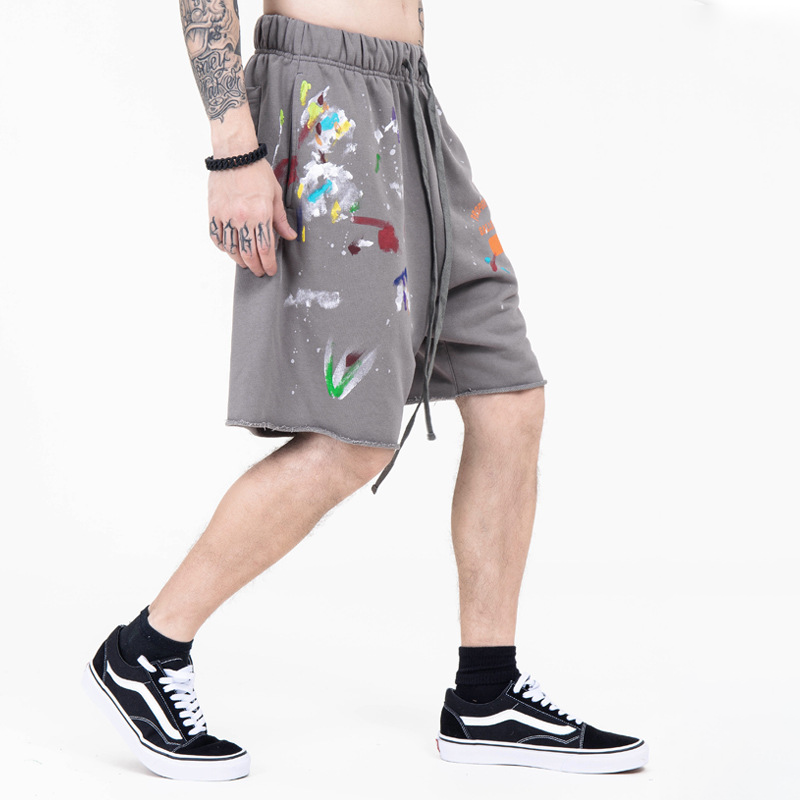
Perfectly weighted sweat shorts with reinforced waistbands, premium drawcords, deep side pockets, and trend-driven silhouettes—backed by our cutting QC and sewing production testing for consistent sizing across every piece.
Mesh Athletic Shorts
Independent designers and influencer brands need breathable mesh shorts with bold graphics, sublimation prints, or embroidered logos, but most manufacturers lack the technical expertise to execute complex artwork on performance fabrics.
High-performance mesh shorts with vibrant sublimation, precision embroidery, and moisture-wicking fabrics—produced by our 15-member R&D team with materials QC testing and finished garment inspection to ensure print durability and color accuracy.
Cargo & Utility Shorts
Global retailers launching tactical-inspired streetwear collections face challenges sourcing cargo shorts with functional multi-pocket designs, quality zippers, and reinforced seams that withstand the rigors of daily wear and frequent washing.
Durable cargo shorts featuring reinforced stitching at stress points, premium YKK or custom zippers, multiple secure pockets, and ripstop or heavyweight twill fabrics—all validated through our clothing craft QC and five-stage quality control process.
Vintage Wash & Tie-Dye Shorts
Fashion startups and creator brands want unique vintage-washed, acid-washed, or tie-dye shorts that capture streetwear's bold aesthetic, but inconsistent dyeing processes and poor color-fastness testing lead to fading and customer returns.
Eye-catching vintage and tie-dye shorts with controlled, repeatable wash effects, colorfast dyes, and unique pattern variations—delivered with fast turnaround for seasonal drops and backed by our finished clothing quality inspection to prevent color bleeding.
Premium Fabrics for Streetwear Shorts Manufacturing
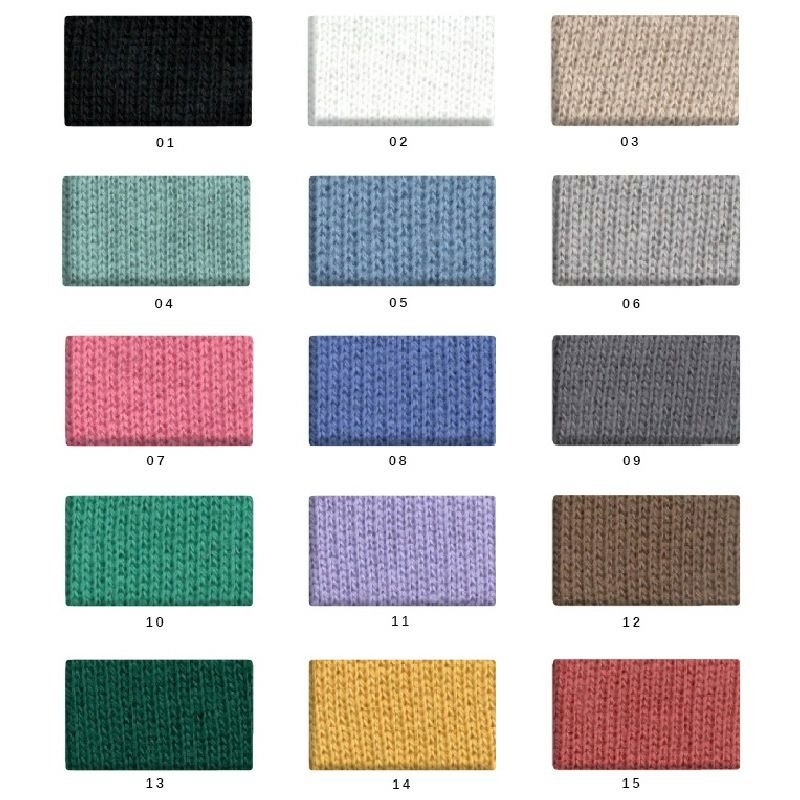
Cotton French Terry
Soft looped interior with smooth exterior face, ideal for casual streetwear shorts with excellent breathability. Medium-weight construction (280-320 GSM) offers superior comfort and shape retention through repeated wear and washing cycles.
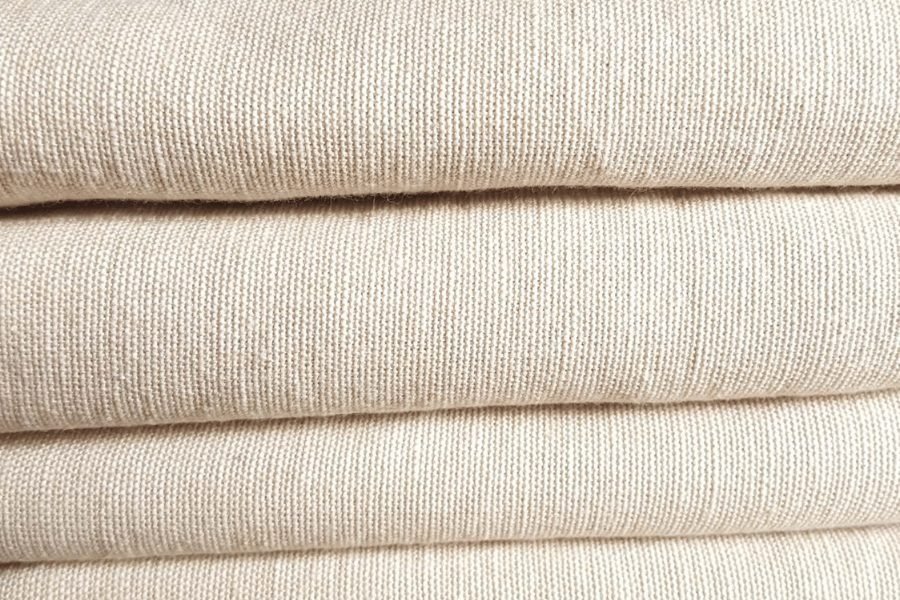
Heavyweight Cotton Twill
Durable diagonal weave fabric perfect for cargo and utility-style streetwear shorts. Dense 340-380 GSM weight provides structure and longevity, while natural cotton fibers ensure all-day comfort for urban wear and skateboarding.
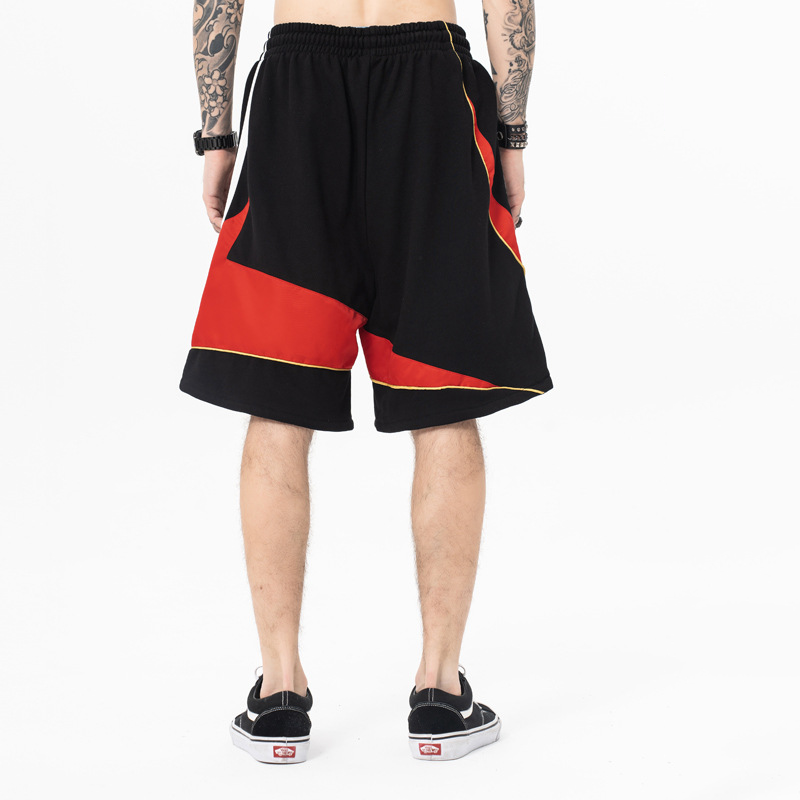
Polyester Mesh
Lightweight open-knit construction engineered for athletic streetwear shorts with maximum ventilation. Quick-dry performance fabric (150-180 GSM) features excellent moisture wicking, making it ideal for basketball-inspired and active lifestyle collections.
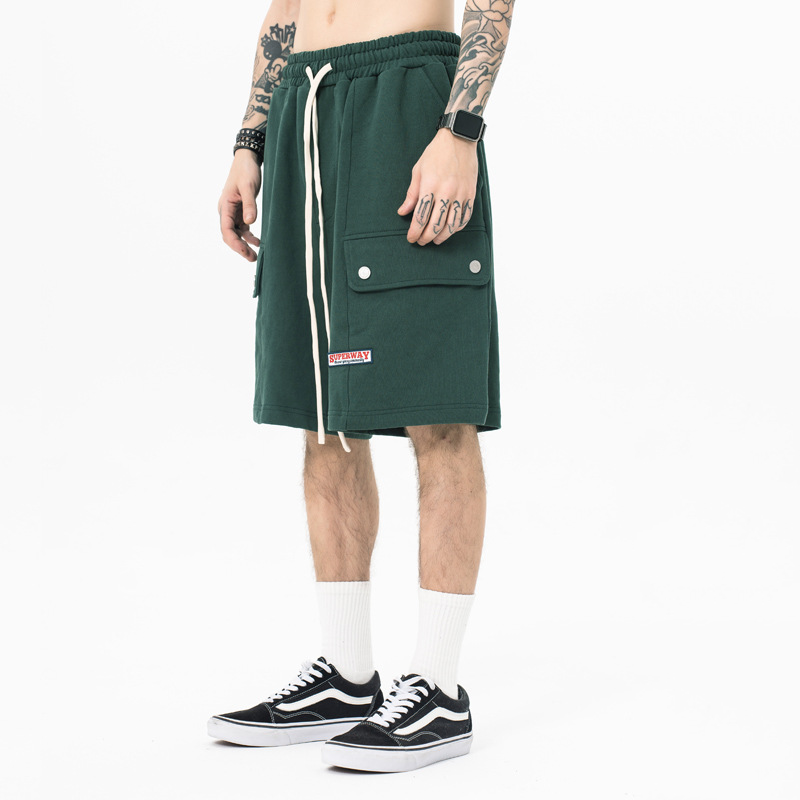
Cotton-Poly Fleece
Blended fabric combining cotton softness with polyester durability for premium sweat shorts. Brushed interior provides plush hand-feel while 300-340 GSM weight delivers warmth without bulk, perfect for year-round streetwear collections.
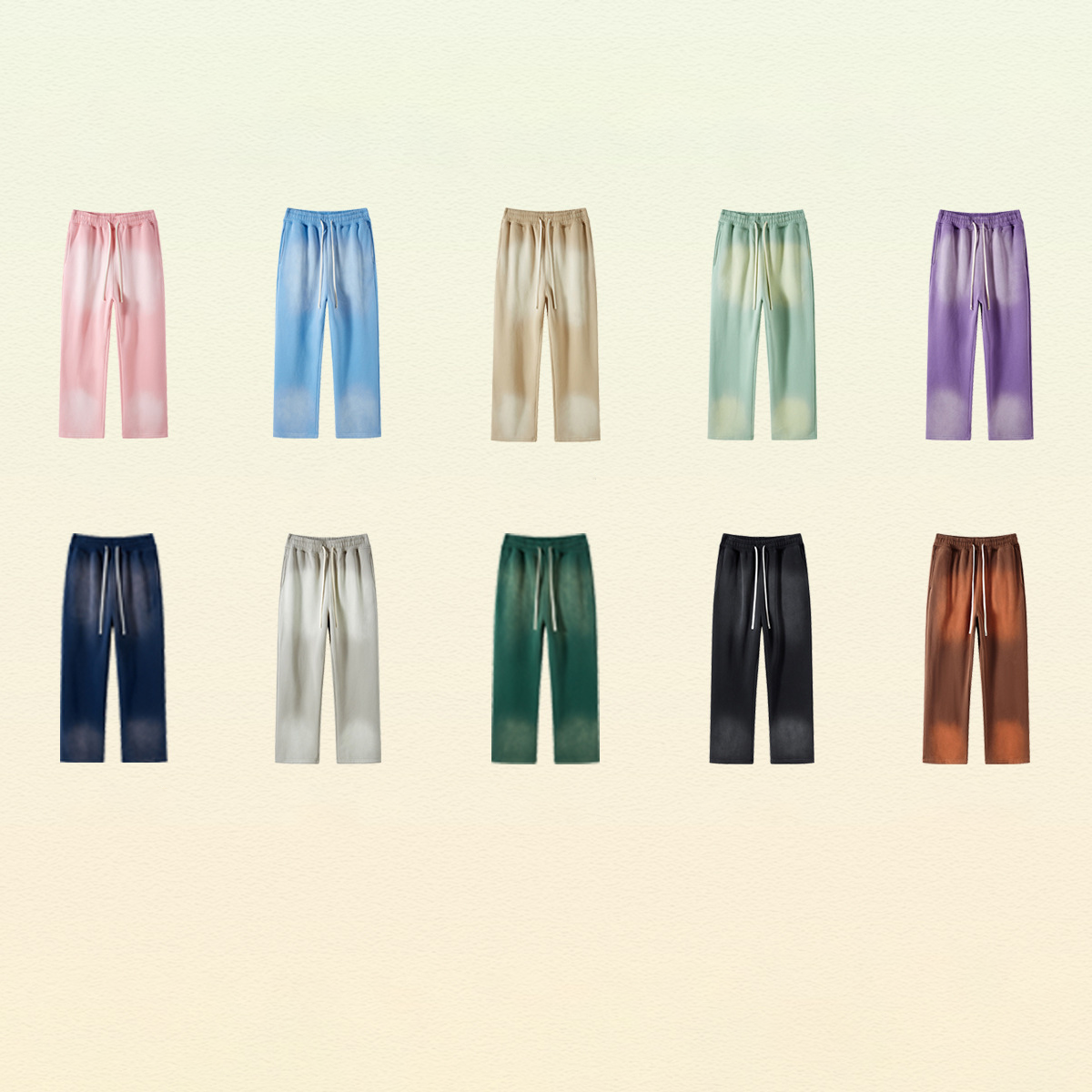
Vintage Wash Denim
Pre-treated cotton denim with authentic worn-in character for retro streetwear shorts. Medium-weight 10-12 oz construction offers classic rigid feel that softens beautifully over time, ideal for heritage-inspired and skate brands.
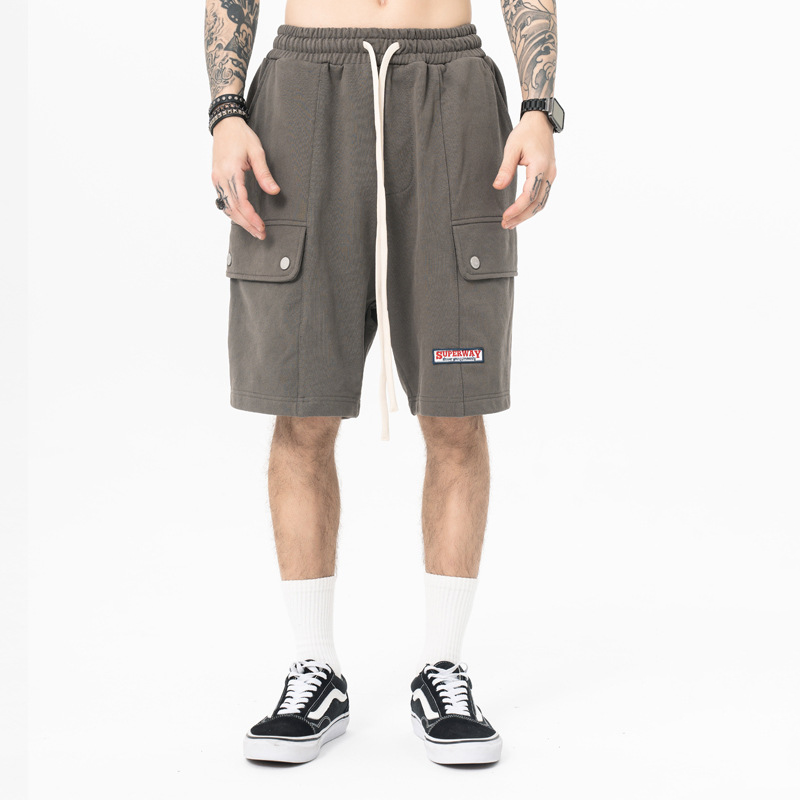
Nylon Ripstop
Technical tear-resistant fabric featuring reinforced crosshatch weave for performance streetwear shorts. Ultra-lightweight 80-120 GSM with water-repellent finish, delivering packable convenience and urban utility for outdoor-inspired collections and techwear aesthetics.
Advanced Production Processes for Your Streetwear Shorts Manufacturer
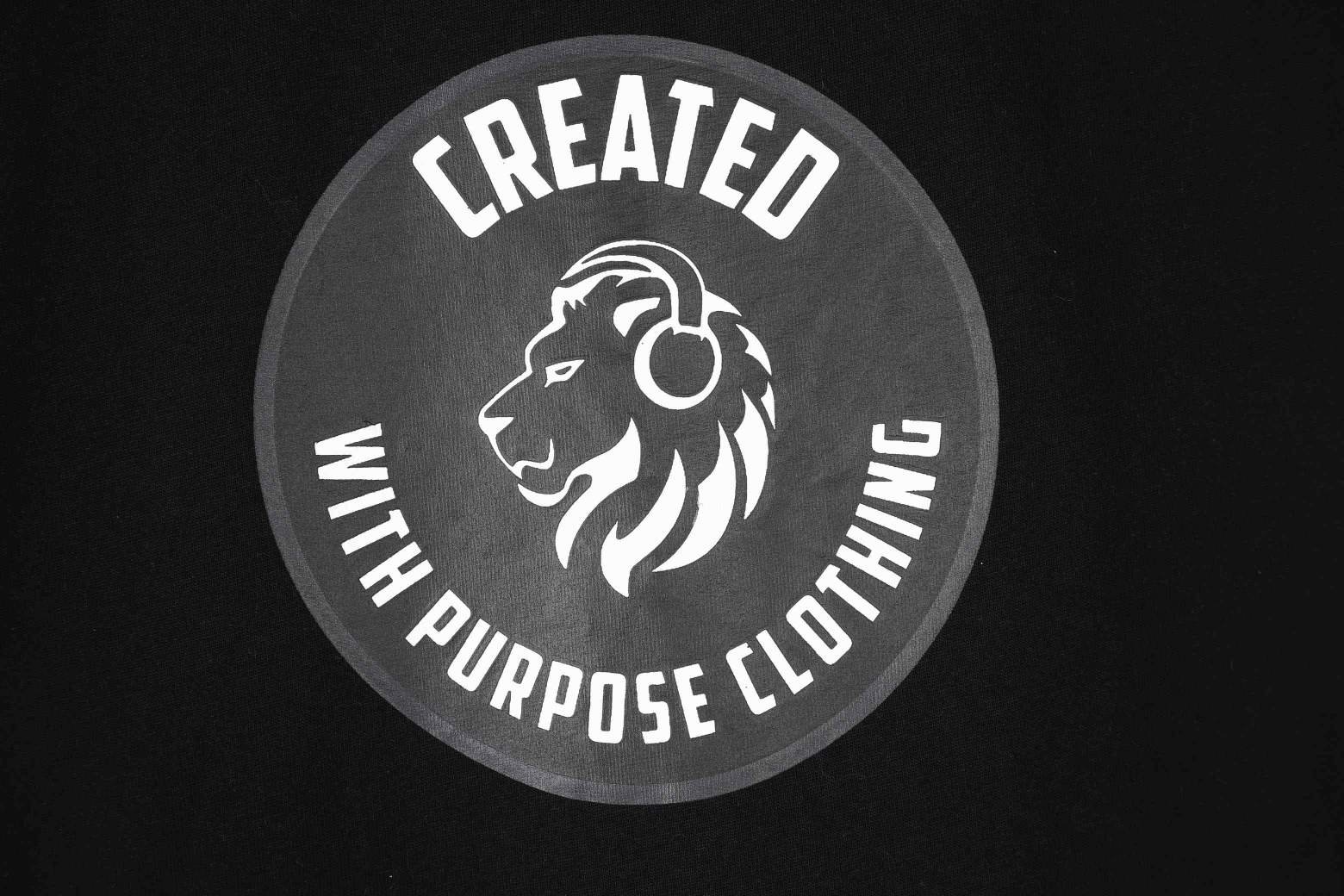
Screen Printing
High-opacity ink layers create vibrant graphics and logos with exceptional wash durability. Perfect for bold streetwear branding, large designs, and multi-color artwork that demands sharp detail and long-lasting color retention.
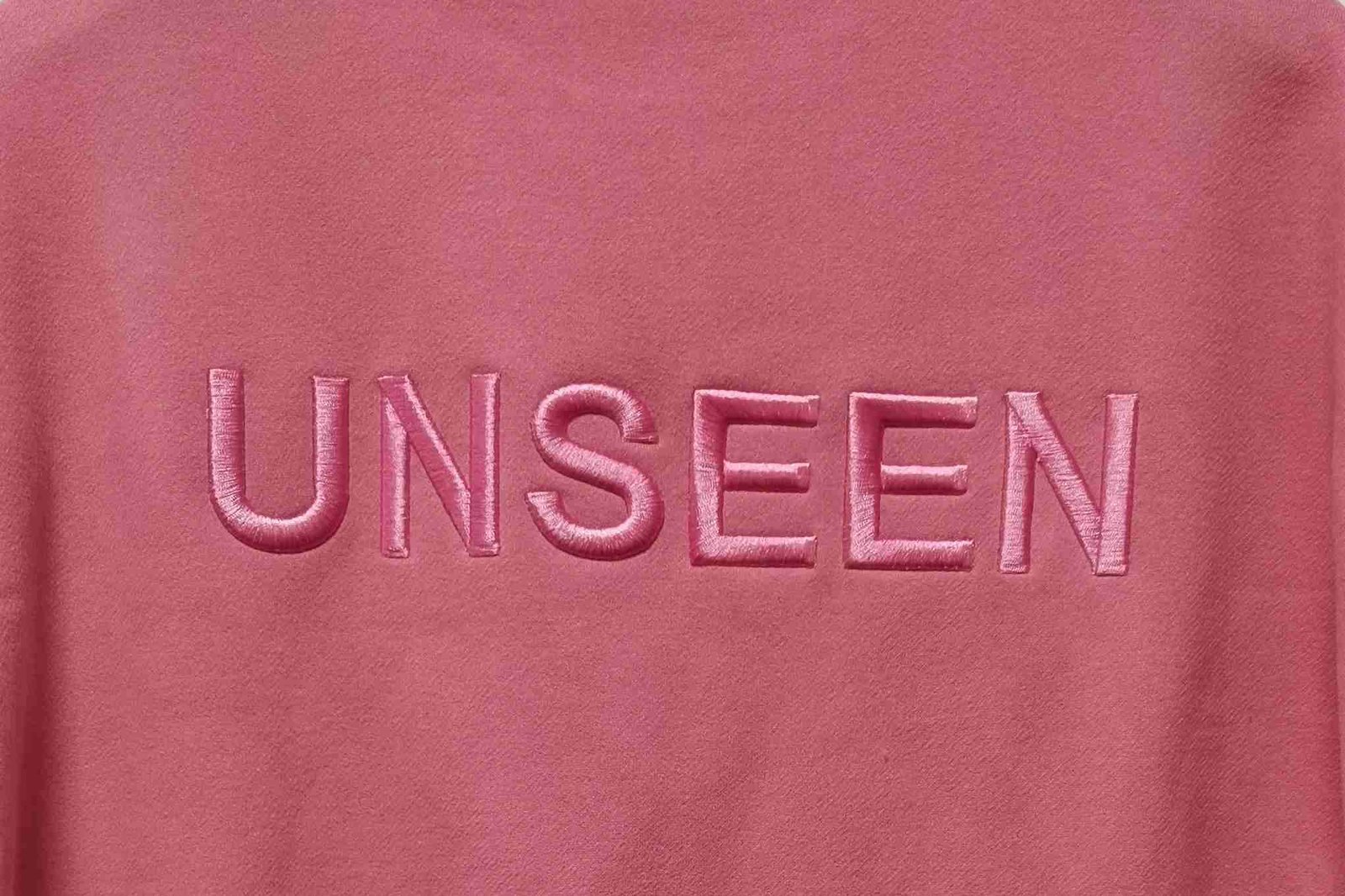
Embroidery
Premium thread stitching adds dimensional texture and a luxury finish to your shorts. Ideal for logos, badges, and intricate patterns that elevate perceived value while delivering superior durability through countless washes.
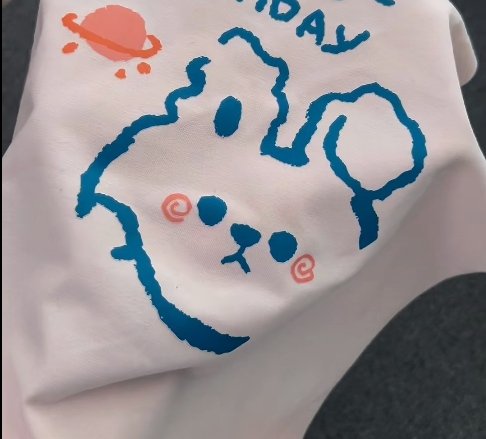
Sublimation Printing
Dye infusion technology embeds full-color, photorealistic designs directly into fabric fibers. Creates breathable, fade-resistant all-over prints and complex gradients that maintain softness and won’t crack or peel over time.
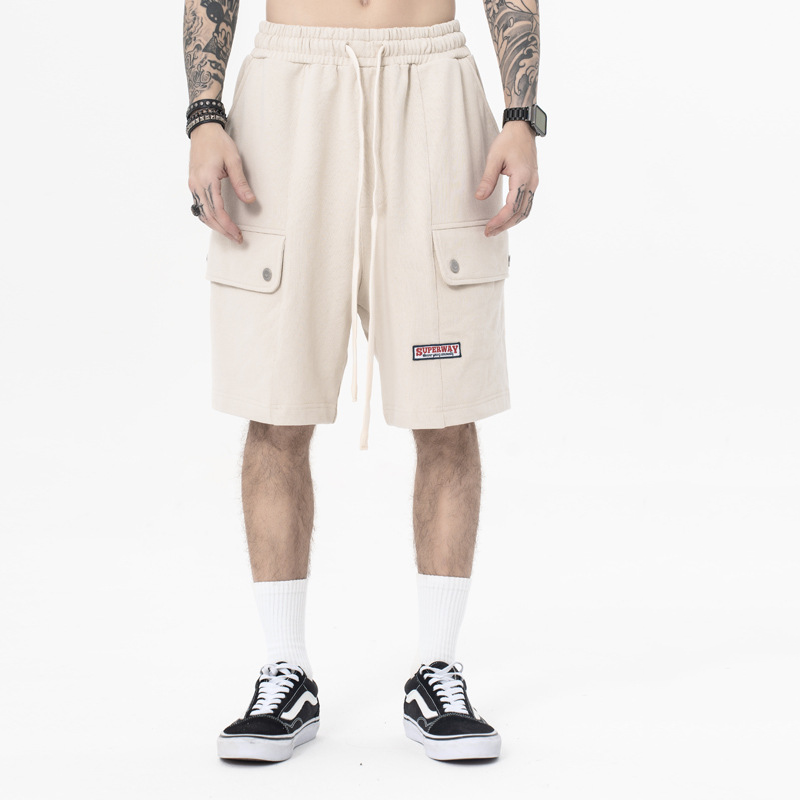
Vintage Washing
Specialized enzyme and stone-washing treatments produce authentic worn-in textures and faded color effects. Delivers the coveted vintage streetwear aesthetic with controlled distressing that maintains fabric integrity and comfort.
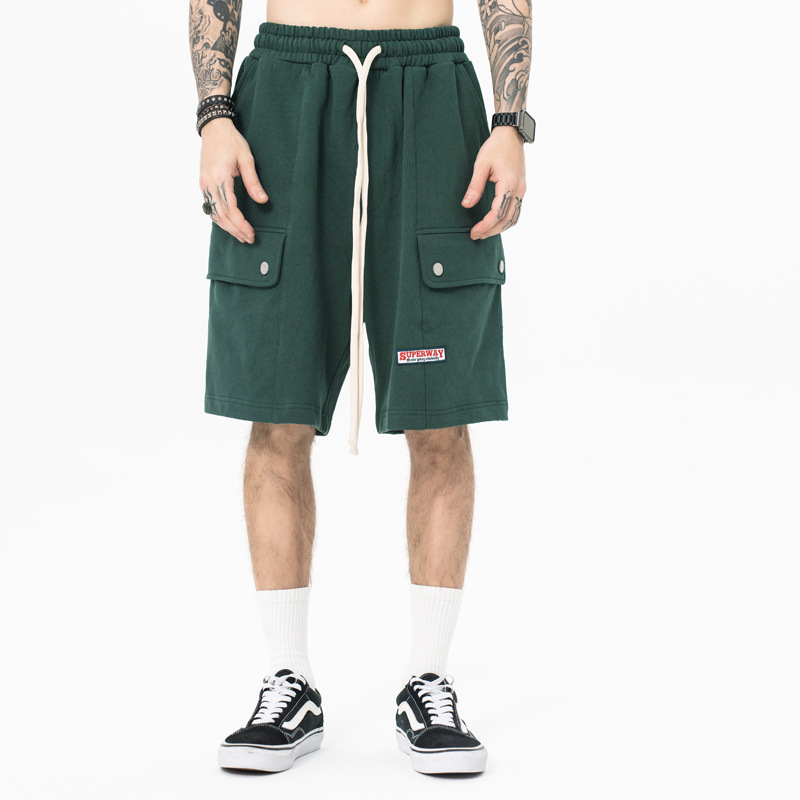
Custom Dyeing
Precision color-matching and reactive dye processes achieve any shade from neon brights to deep neutrals. Ensures consistent batch-to-batch color accuracy and vibrant, lightfast results that align perfectly with your brand palette.
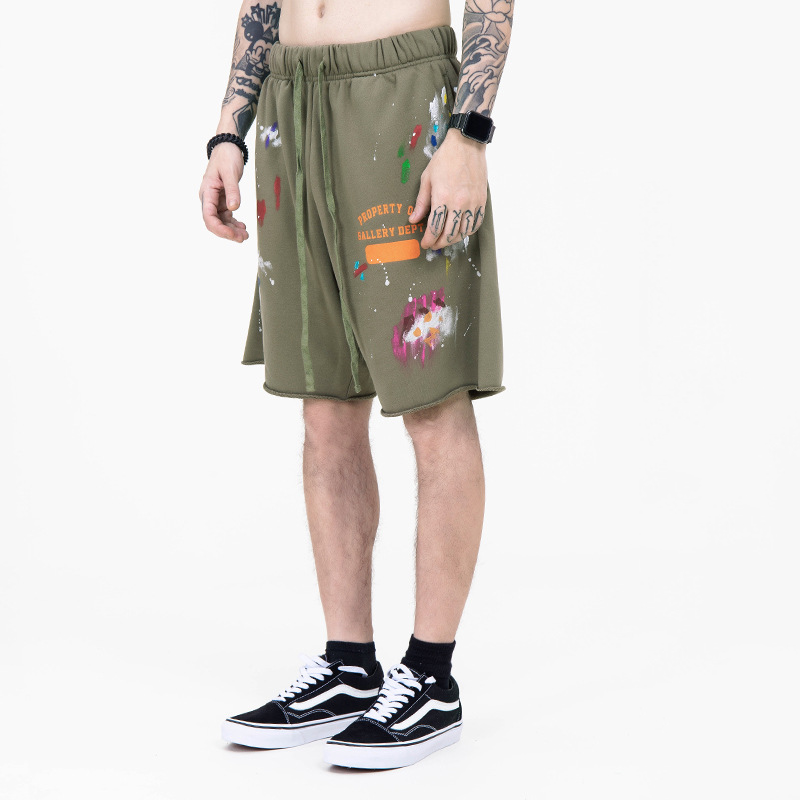
Distressing & Finishing
Hand-guided abrasion, laser etching, and chemical treatments create unique worn details, fraying, and pattern effects. Adds distinctive character and streetwear edge while our quality control ensures every distressed element is intentional and durable.
Hardware & Accessories for Streetwear Shorts
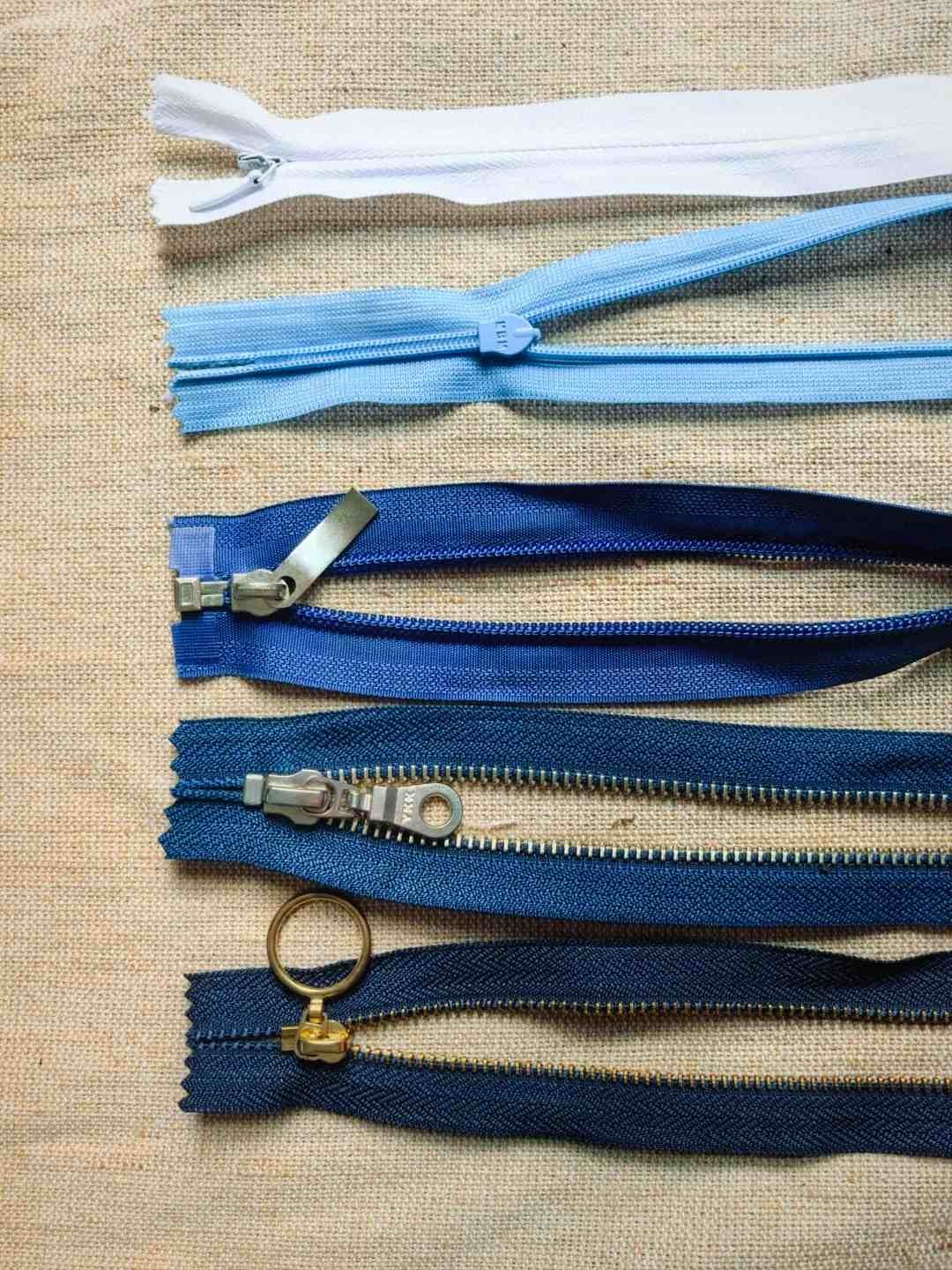
YKK Zippers
Premium metal and resin zippers for cargo pockets, side seams, and utility details. Durable, smooth-pull hardware that reinforces your brand’s quality reputation and withstands daily streetwear use.
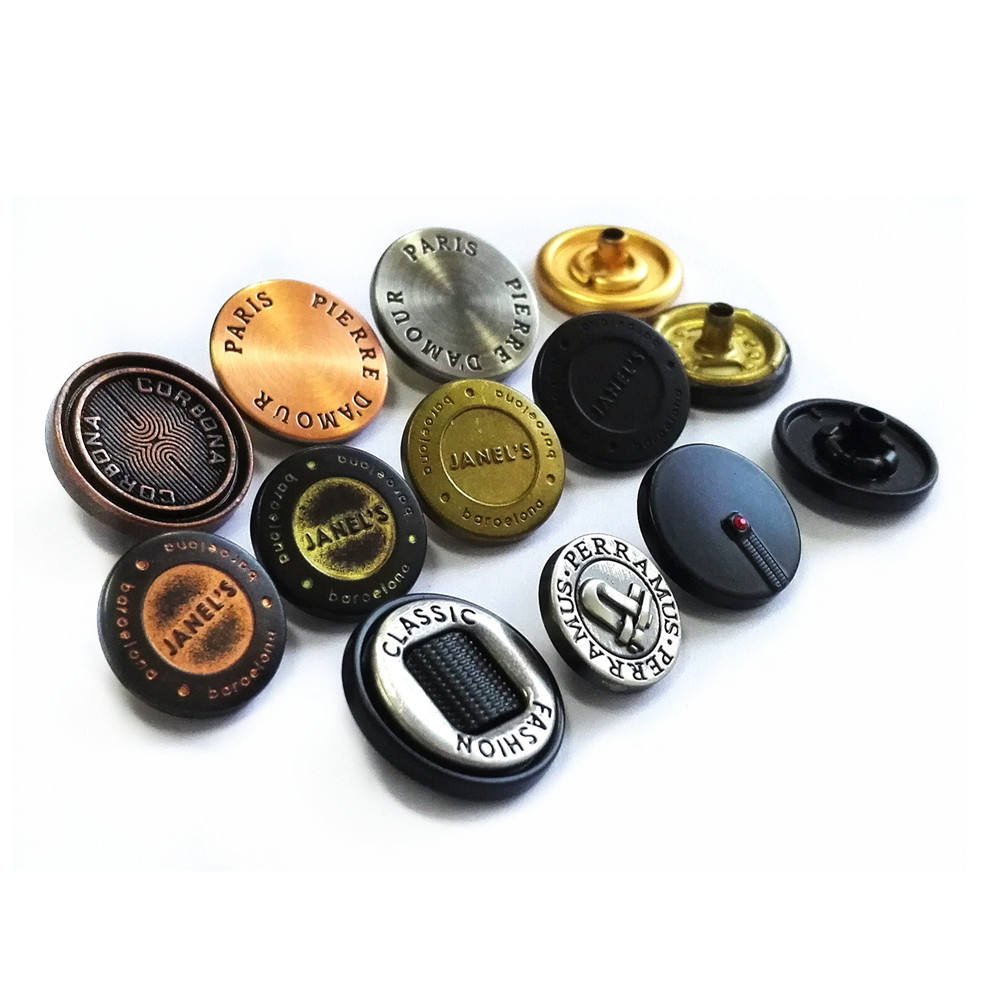
Snap Buttons
Heavy-duty metal snap closures for waistbands, cargo flaps, and adjustable features. Available in custom finishes including gunmetal, brass, and matte black to match your design aesthetic.
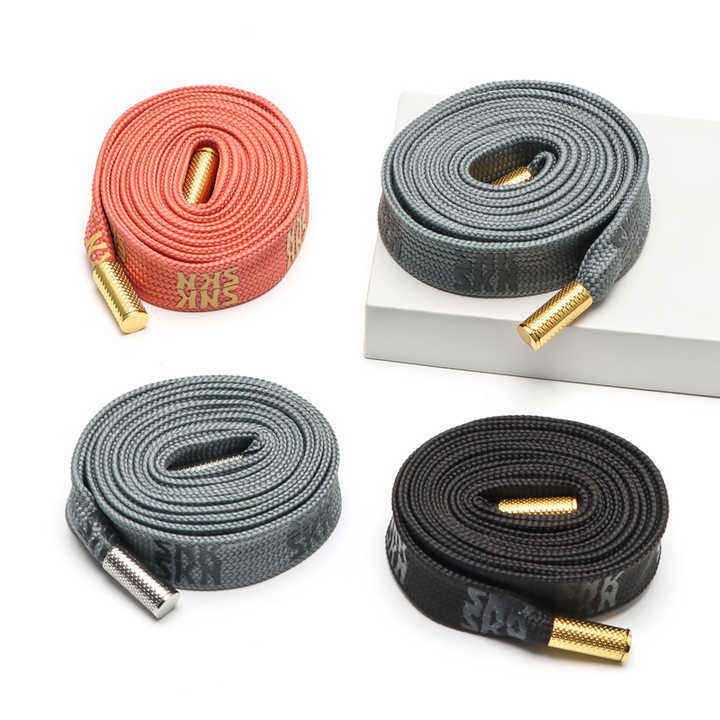
Drawcord & Tipping
Custom-branded drawstrings with metal or plastic aglets for waistbands and hems. Choose from flat, round, or rope styles in any color to complement your streetwear shorts design.
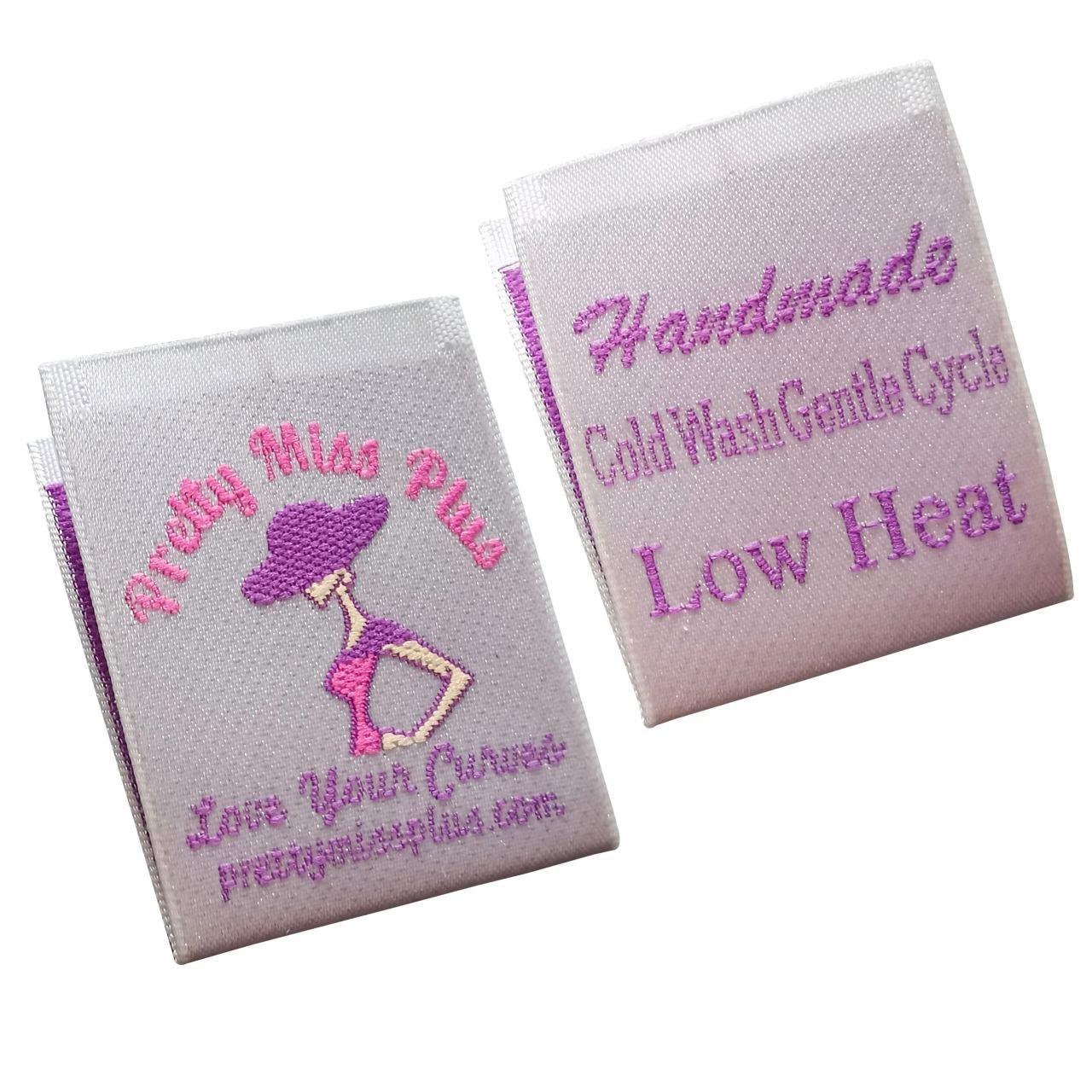
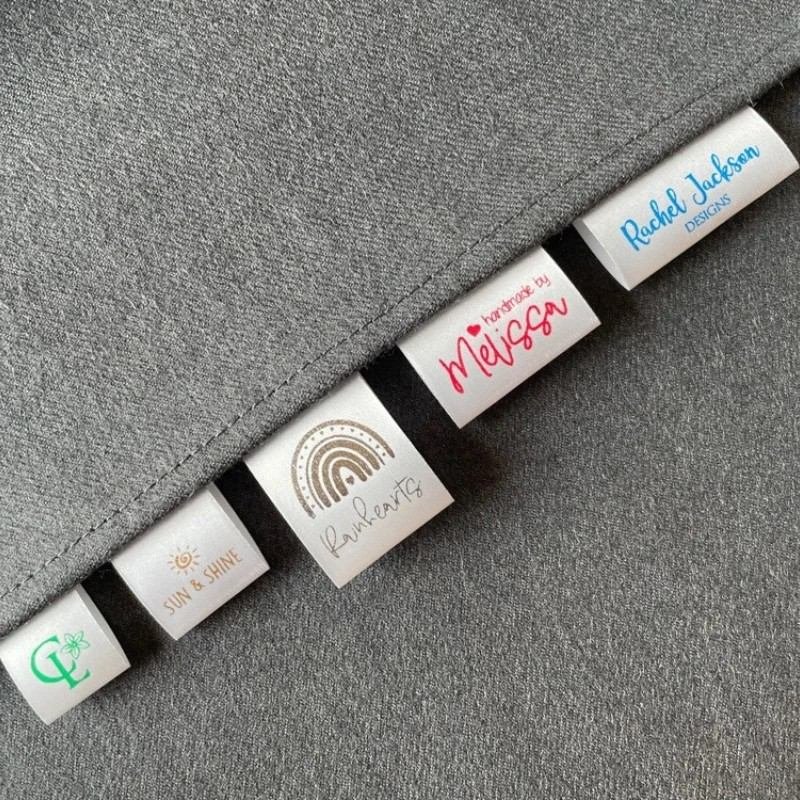
Woven Labels
High-definition woven brand labels for waistbands, side seams, and pocket details. Fade-resistant threads and multiple size options ensure your logo stays sharp through countless washes.
Custom Patches
Embroidered or PVC patches for legs, pockets, and back panels. Perfect for streetwear branding, logos, or artistic elements that add dimension and authenticity to your shorts collection.
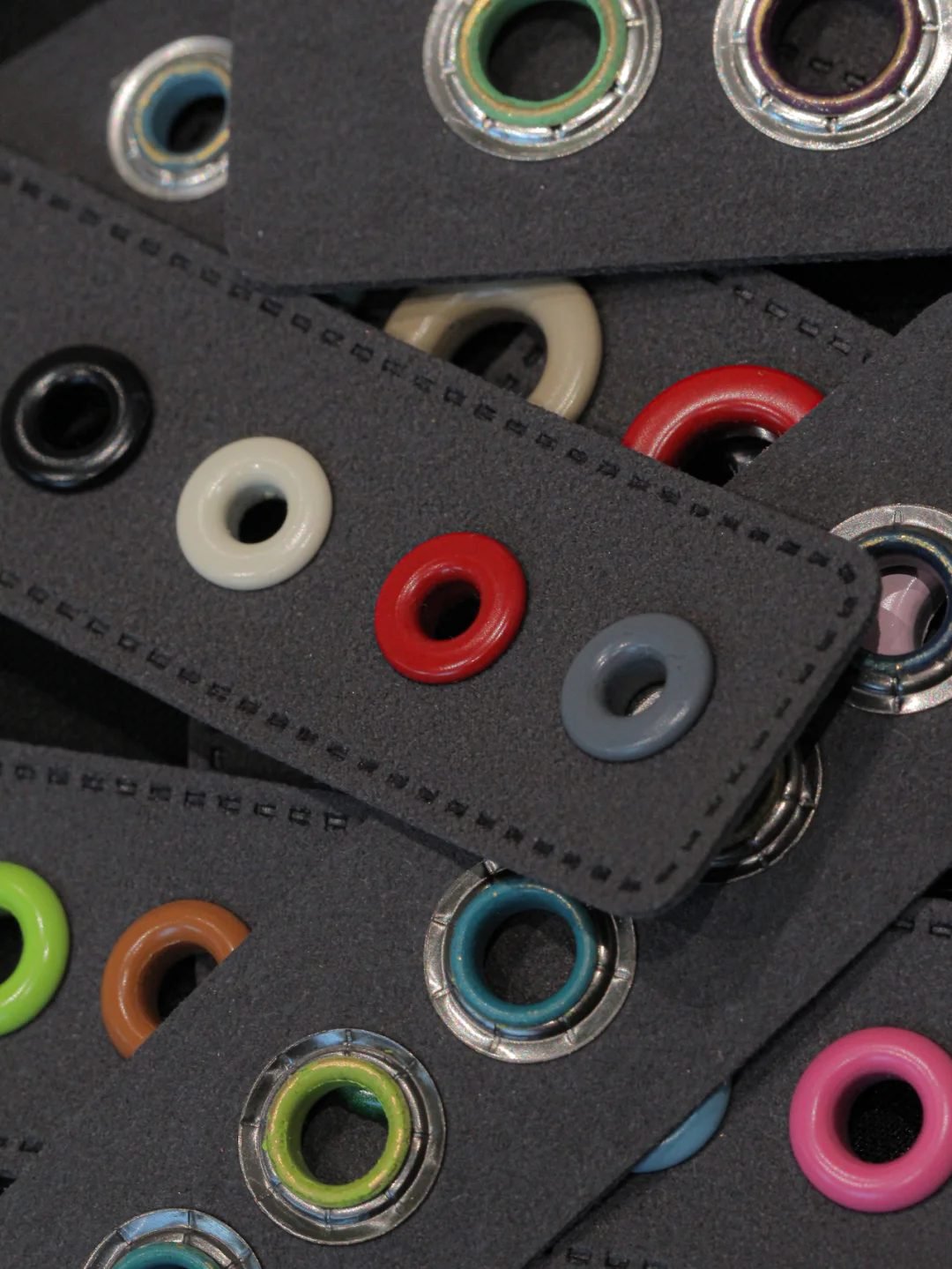
Hangtags & Cards
Custom-printed hangtags and care instruction cards that complete your product presentation. Reinforced eyelets, premium cardstock, and full-color printing options available for brand storytelling.
Your Trusted Streetwear Shorts Manufacturer Since 2024
Founded by Tesla Luo in August 2024, Clothing Manufacturer Ltd. was born from a mission to restore the reputation of Chinese garment manufacturing. With over 10 years of production experience and 6 years specializing in streetwear, Luo witnessed too many factories skip quality control—shipping defective products that damaged customer trust and tarnished the industry’s standing globally.
Today, we serve streetwear brands, fashion startups, and independent designers across 100+ countries with a zero-compromise approach. Our proprietary 5-step quality control process tests every garment at materials, cutting, craft, sewing, and finishing stages—ensuring your streetwear shorts meet the highest standards before they reach your customers.
Backed by a 15-member R&D team, 10 patents, and the manufacturing infrastructure of Dongguan TuoZhen Clothing Co., Ltd., we combine the agility of a streetwear specialist with the capacity of an established factory. Whether you’re launching your first collection or scaling an influencer brand, we deliver premium craftsmanship, low 50-piece MOQs, and fast turnaround for seasonal drops.
Our 5-Step Quality Control Process for Streetwear Shorts
Materials QC Testing Before Production
Every fabric roll, trim, and component is inspected before cutting begins. We verify weight, colorfastness, stretch recovery, and print quality to ensure your streetwear shorts start with premium materials that match specifications and withstand repeated wear.
- Fabric weight and density verification against approved samples
- Colorfastness testing to prevent fading and bleeding
- Stretch and recovery testing for performance fabrics
- Print quality and pattern alignment inspection
Cutting QC Testing for Precision
After pattern cutting, each piece is measured and inspected for accuracy. This critical step catches sizing errors, fabric flaws, and pattern misalignment before sewing, eliminating costly rework and ensuring consistent fit across your entire streetwear shorts order.
- Dimensional accuracy checks against technical specifications
- Fabric defect identification and marking for removal
- Pattern alignment verification for prints and stripes
- Grain line and bias cut confirmation
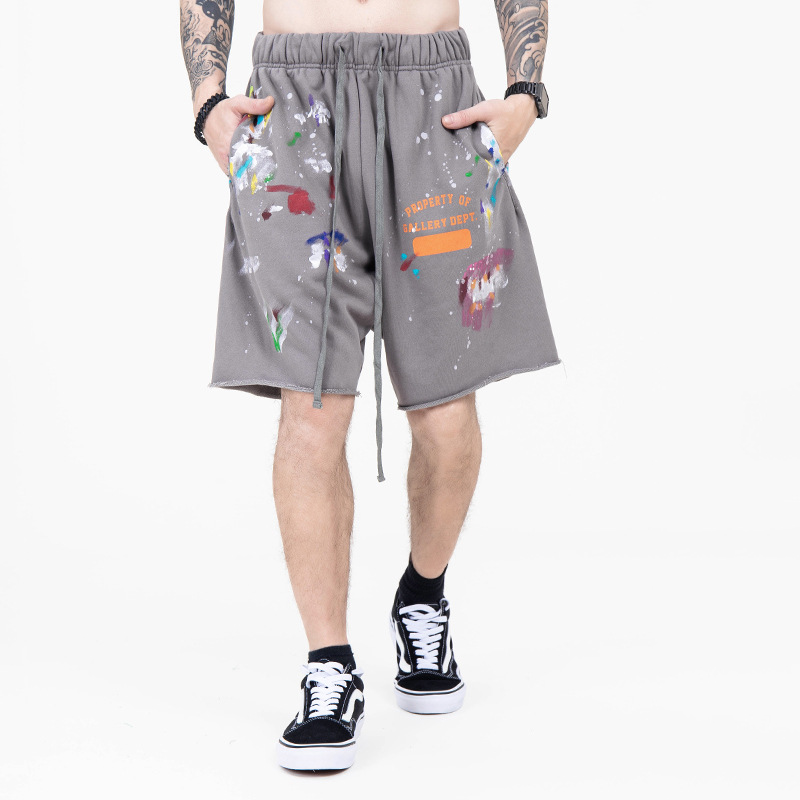
Craft & Sewing Production QC Testing
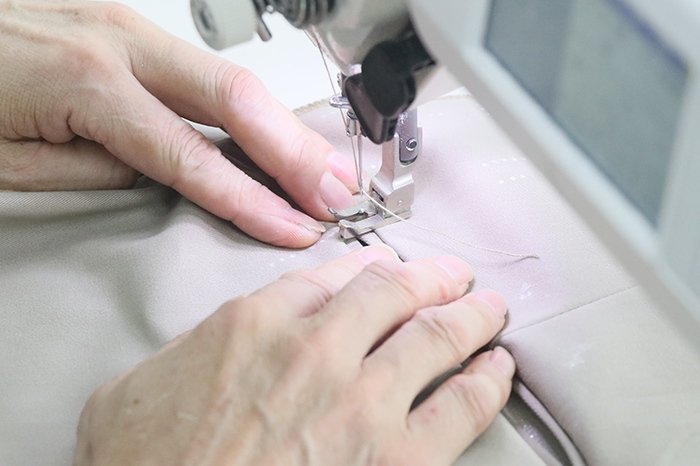
During assembly, our QC team monitors stitching quality, seam strength, and construction techniques at every workstation. Real-time checks ensure proper thread tension, stitch density, and technique execution, preventing defects from progressing through the production line.
- Stitch density and tension monitoring at each station
- Seam strength and durability testing on sample pieces
- Construction technique verification against tech packs
- In-line defect correction before garments advance
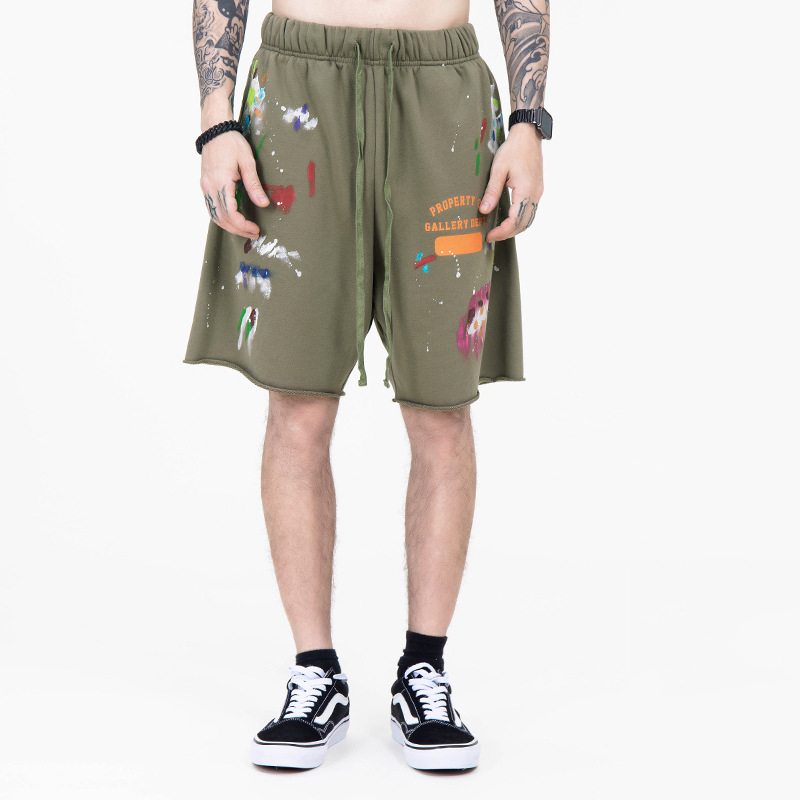
Finished Clothing Quality Inspection
Every completed pair of streetwear shorts undergoes final inspection covering measurements, stitching integrity, hardware functionality, and aesthetic finish. Only garments that pass all checkpoints are approved for ironing, packaging, and shipment to your brand.
- Full garment measurement verification against size charts
- Thread trimming and finishing quality assessment
- Hardware function testing for zippers, buttons, and drawstrings
- Overall appearance and brand standard compliance check
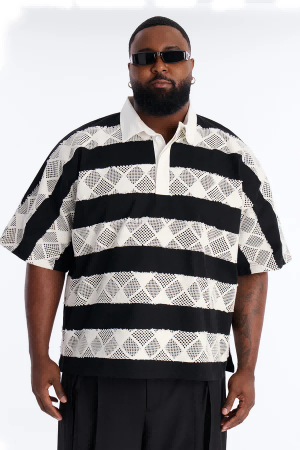
Streetwear Shorts Manufacturer vs. Standard Suppliers
Not all manufacturers deliver the same quality, flexibility, or support. See how Clothing Manufacturer Ltd. stands apart from typical low-cost suppliers.
← 左右滑动查看 →
Streetwear Shorts Manufacturer Production Timeline
From fabric selection to global shipping, our transparent six-phase workflow ensures your streetwear shorts meet every quality standard and deadline.
Fabric Sourcing & Approval
We source premium streetwear fabrics tailored to your design requirements and submit samples for your approval before production begins.
Design Development & Sampling
Our 15-member R&D team creates tech packs, develops patterns, and produces pre-production samples with your branding and custom details.
Cutting, Printing & Embellishment
Approved designs move to precision cutting and advanced printing techniques including screen print, embroidery, and heat transfer applications.
Sewing & Multi-Point QC
Skilled operators assemble your streetwear shorts while our 5-step quality control process inspects materials, cutting, craftsmanship, and sewing at every stage.
Final Inspection & Packaging
Finished garments undergo comprehensive quality inspection, professional ironing, and custom packaging with your labels, tags, and poly bags.
Global Shipping & Logistics
We coordinate international freight, customs documentation, and tracking to deliver your streetwear shorts collection anywhere in the world.
How to Order from Our Streetwear Shorts Manufacturer
From concept to delivery, our streamlined workflow makes custom streetwear shorts production fast and transparent. Submit your designs, approve samples, and receive world-class quality in four simple steps.
Submit Your Tech Pack or Design
Share your streetwear shorts design, tech pack, or reference images with our team. We’ll review specifications, fabric choices, and customization details to understand your vision.
Receive Quote and Free Sample
Within 24 hours, get a detailed quote with pricing, timeline, and MOQ. Approve a complimentary sample to validate fit, fabric quality, and construction before bulk production.
Approve Production with 5-Step QC
Once you approve the sample, we begin bulk manufacturing with our proprietary five-step quality control process ensuring every pair meets strict streetwear standards at each production stage.
Ship Worldwide with Full Support
Your finished streetwear shorts undergo final inspection, professional packaging, and global logistics coordination. We handle customs documentation and provide end-to-end shipping support to your destination.
Certified Streetwear Shorts Manufacturer — Trusted Quality & Compliance
Streetwear Shorts Manufacturer Trusted by Brands Worldwide
We grew from zero to 48,000 followers in 7 months thanks to their consistent quality and fast turnaround. The 5-step QC process means we never worry about defects reaching our customers.
The 50-piece MOQ let us test three colorways without breaking our budget. Our first drop sold out in 72 hours, and reorders were ready in just 18 days.
Best streetwear shorts manufacturer we’ve worked with across four countries. Their team understands trend-driven design, and the in-house sampling saved us two weeks per collection. Quality is unmatched.
Streetwear Shorts Manufacturing — Frequently Asked Questions
What is the minimum order quantity (MOQ) for a streetwear shorts manufacturer?
How long does it take to produce custom streetwear shorts from order to delivery?
Do you charge for samples when working with a streetwear shorts manufacturer?
What payment terms does your streetwear shorts manufacturer offer?
Can your streetwear shorts manufacturer help with fabric sourcing and selection?
How does your streetwear shorts manufacturer protect my designs and intellectual property?
How many design revisions are included when ordering from a streetwear shorts manufacturer?
What quality control processes does your streetwear shorts manufacturer use?
Does your streetwear shorts manufacturer handle international shipping and customs?
The Complete Buyer’s Guide to Choosing the Right Streetwear Shorts Manufacturer
Navigate the streetwear shorts manufacturing landscape with confidence. This guide delivers a proven decision framework, essential supplier criteria, quality benchmarks, customization options, and critical mistakes to avoid when partnering with your manufacturer.
1. What Is a Streetwear Shorts Manufacturer?
A streetwear shorts manufacturer specializes in producing urban-inspired bottoms that blend hip-hop culture, skateboarding aesthetics, and bold graphic elements — a distinct niche requiring expertise beyond standard garment factories. Unlike general apparel producers who may handle basic chino or athletic shorts, a dedicated streetwear shorts manufacturer understands trend-driven design motifs such as skeleton prints, graffiti-inspired graphics, oversized fits, and statement branding that resonate with youth culture and independent fashion labels.
Streetwear shorts demand specific technical knowledge in fit engineering and fabric selection. Oversized silhouettes typical of streetwear require pattern adjustments for drop-crotch or relaxed waistbands, while fabric weights between 200–320 GSM ensure structure without sacrificing comfort. Many streetwear brands integrate custom embroidery, screen-printed logos, woven labels, and appliqué patches — decorative techniques that require coordination across multiple production stations and quality checkpoints to maintain alignment and durability.
Clothing Manufacturer Ltd., founded in 2024 by Tesla Luo with over 10 years of production experience and 6 years specializing in streetwear, exemplifies this focused approach. The company implements a five-step quality control methodology — materials QC, cutting QC, craft QC, sewing QC, and finished garment inspection — introduced on February 12, 2025, to eliminate defects at every stage rather than only at final packing. This rigorous process addresses the common industry shortcoming where factories skip mid-production testing, a practice Luo observed firsthand and designed his operation to counter. With 15 R&D team members and 10 patents, the company serves trendy brands, startups, and designers across more than 100 countries, offering the technical fluency and cultural understanding that streetwear collections require.
2. The Evolution of Streetwear Shorts Manufacturing
Streetwear shorts emerged in the late 1980s and early 1990s from skateboard parks and hip-hop block parties, where oversized basketball shorts and baggy cargo styles became cultural signatures. Early production relied on local cut-and-sew shops in cities like Los Angeles and New York, often handling runs of 500–1,000 units for independent labels that distributed through skate shops and record stores. These small-scale operations prioritized speed and subcultural authenticity over standardized quality control.
By the mid-2000s, rising global demand and cost pressures shifted production to specialized overseas facilities in China, Bangladesh, and Vietnam. Humen Town in Dongguan emerged as a hub for streetwear shorts manufacturing, offering access to technical fabrics like moisture-wicking polyester blends, four-way stretch nylon, and lightweight ripstop—materials that traditional cut-and-sew shops could not source at scale. This period marked the fusion of athleisure and streetwear, with brands incorporating mesh panels, reflective trims, and elastane for performance-driven aesthetics.
After 2015, the explosion of influencer-driven brands and fashion startups created demand for low-MOQ production. Traditional manufacturers required minimums of 500–1,000 pieces per colorway, locking out emerging designers. Forward-thinking streetwear shorts manufacturer partners began offering 50–100 piece MOQs, enabling brands to test designs and scale gradually. Simultaneously, quality expectations rose: buyers demanded embedded QC at every stage—materials testing, cutting inspection, sewing checks, and final audits—rather than end-of-line sampling. This shift separated reputable facilities from those that skipped mid-production quality gates, a practice that had long undermined the reputation of overseas garment manufacturing.
3. Types of Streetwear Shorts Manufacturers Offer
A professional streetwear shorts manufacturer produces six core categories, each defined by silhouette, fabric weight, and cultural positioning. Understanding these variants ensures your brand selects styles that resonate with your target demographic and retail channel.
Athletic Jogger Shorts
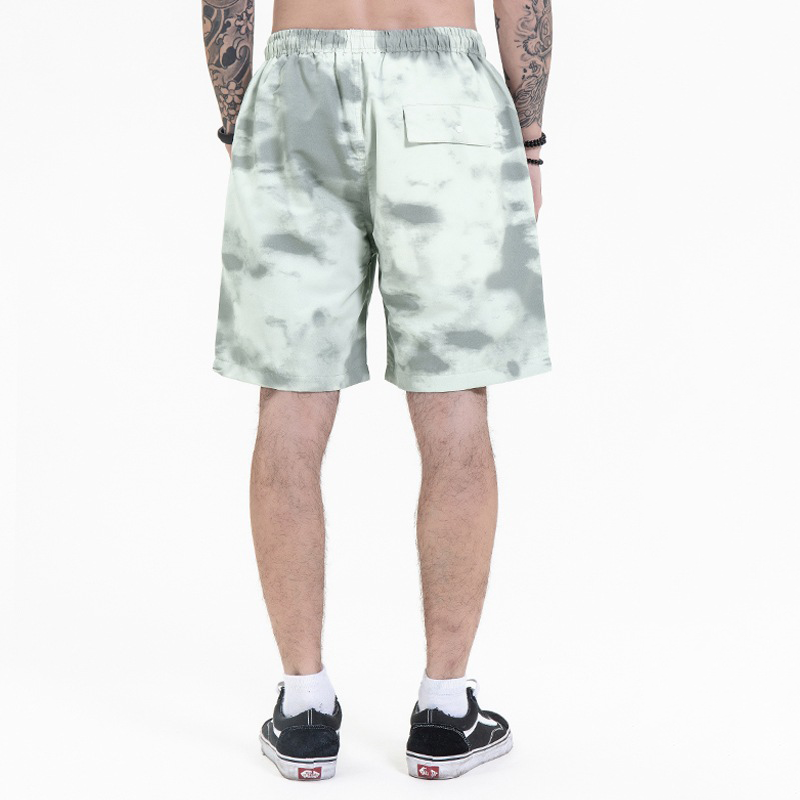
Jogger shorts feature tapered legs with elasticated cuffs, typically cut 18–22 inches in outseam. Manufacturers construct them from 240–280 GSM French terry or lightweight fleece blends for breathability and drape.
Target customers include athleisure brands and fitness-lifestyle labels. Popular branding placements are left thigh embroidery, drawstring-end silicone tags, and reflective heat transfers on the back yoke.
Cargo Shorts
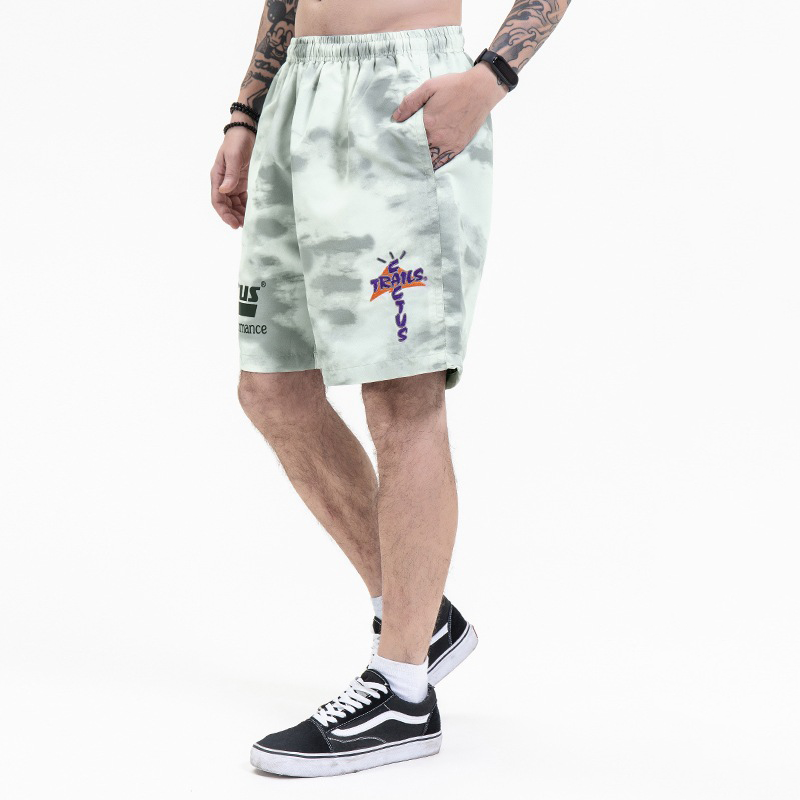
Cargo silhouettes incorporate oversized utility pockets—usually two side flap pockets plus standard slash pockets—in a relaxed, straight-leg cut. Typical fabrics range from 280–320 GSM cotton twill to ripstop nylon for durability.
Independent designers and workwear-inspired streetwear brands favor this style. Branding appears on cargo-flap labels, interior waistband taping, and woven patches above the back pocket.
Basketball Shorts and Sweat Shorts
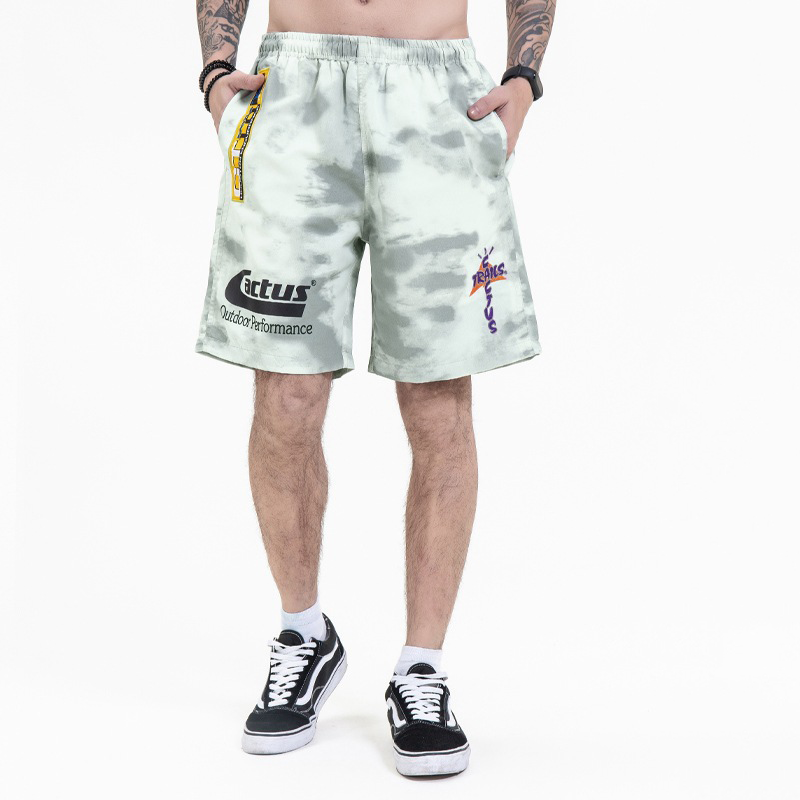
Basketball shorts use 180–220 GSM mesh polyester with a 9–11 inch inseam and loose, athletic fit. Sweat shorts mirror this silhouette but substitute 260–300 GSM loop-back fleece for off-court wear.
Both appeal to sportswear-inspired streetwear lines and influencer brands targeting Gen Z. Screen-printed logos run down the side seam, and woven labels sit at the hem or waistband interior.
Denim Cutoffs and Hybrid Technical Styles
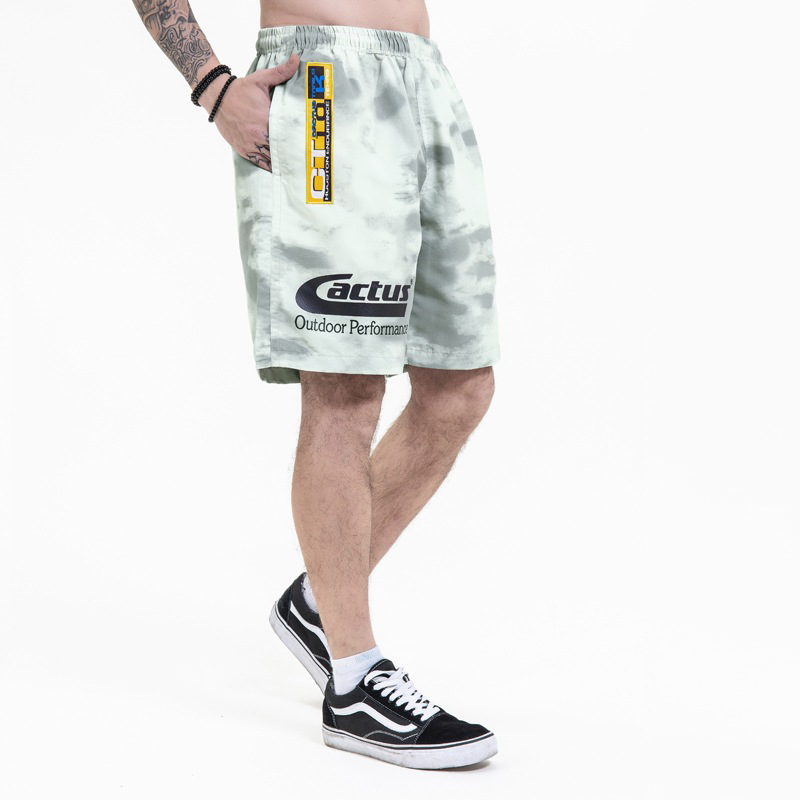
Denim cutoffs range from 10–14 oz denim with raw or rolled hems, offering a vintage aesthetic. Hybrid technical shorts blend nylon ripstop panels with stretch-woven fabrics, often featuring zip pockets and adjustable waist systems.
Cutoffs suit retro and skate-focused brands; hybrids attract techwear and urban-outdoor labels. Branding includes leather back-patch embossing for denim and rubberized logos on technical variants.
4. Materials and Fabrics for Streetwear Shorts
Fabric selection defines performance, cost, and brand positioning for any streetwear shorts line. A streetwear shorts manufacturer typically stocks seven core materials, each with distinct weight ranges, durability profiles, and seasonal applications that directly impact both production timelines and retail perception.
| Fabric Type | GSM Range | Breathability | Durability | Best Use Case |
|---|---|---|---|---|
| French Terry | 220–280 | High | Medium | Summer casual, lounge |
| Fleece | 280–350 | Medium | High | Fall/winter, athleisure |
| Nylon | 80–150 | Very High | Very High | Activewear, running |
| Polyester Blend | 150–220 | High | High | Performance, gym |
| Cotton Twill | 200–280 | Medium | Very High | Cargo, workwear style |
| Ripstop | 100–180 | Very High | Very High | Outdoor, technical |
| Mesh | 60–120 | Very High | Low | Liner, ventilation panels |
French Terry and Fleece for Core Streetwear
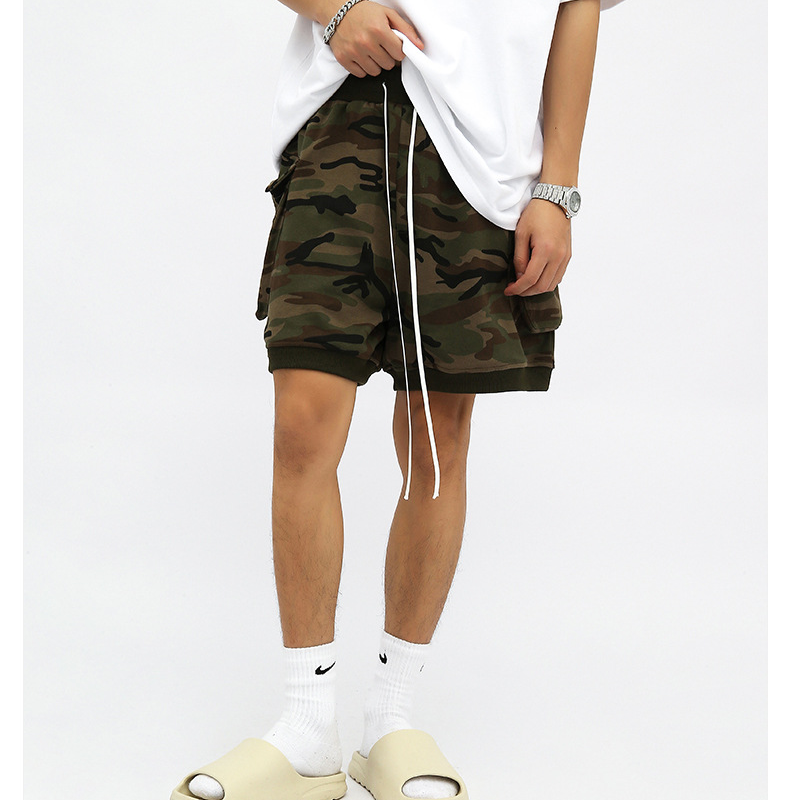
French terry (220–280 GSM) dominates summer streetwear shorts due to soft hand feel and moisture-wicking loops on the interior. Fleece (280–350 GSM) serves colder months and athleisure collections, offering brushed warmth without excessive bulk.
Both fabrics typically add 2–3 days to cutting schedules compared to wovens because knit stability requires careful handling. Cotton-rich blends (80/20 cotton-poly) command 15–25 percent price premiums over synthetic fleece but elevate brand perception for premium streetwear labels.
Technical Fabrics: Nylon, Ripstop, and Mesh
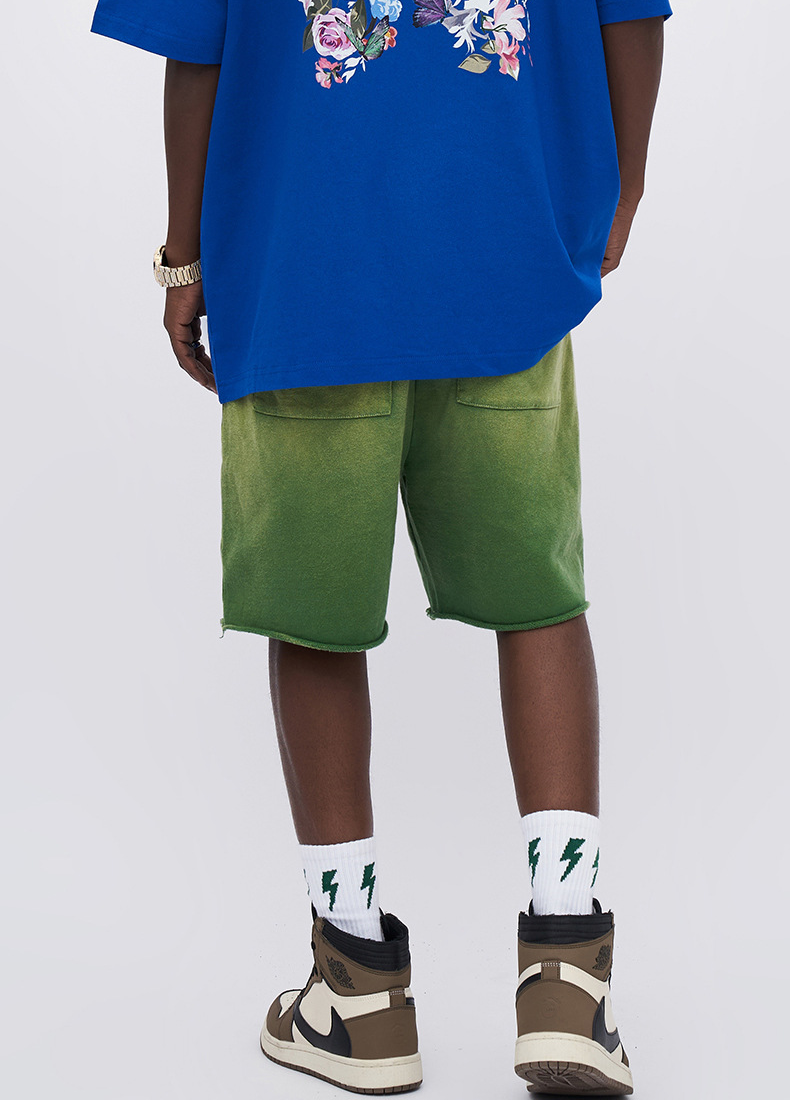
Nylon and ripstop (80–180 GSM) deliver lightweight durability for performance-oriented streetwear shorts, resisting tears and abrasion during high-movement activities. Mesh panels (60–120 GSM) are commonly inserted as liners or side vents to enhance breathability.
These synthetics reduce lead time by 3–5 days because they require no pre-shrinking and cut cleanly at high speed. However, they demand specialized needle types and thread tension settings, so confirm your streetwear shorts manufacturer has experience with technical wovens to avoid puckering and skipped stitches.
Polyester Blends and Cotton Twill for Versatility
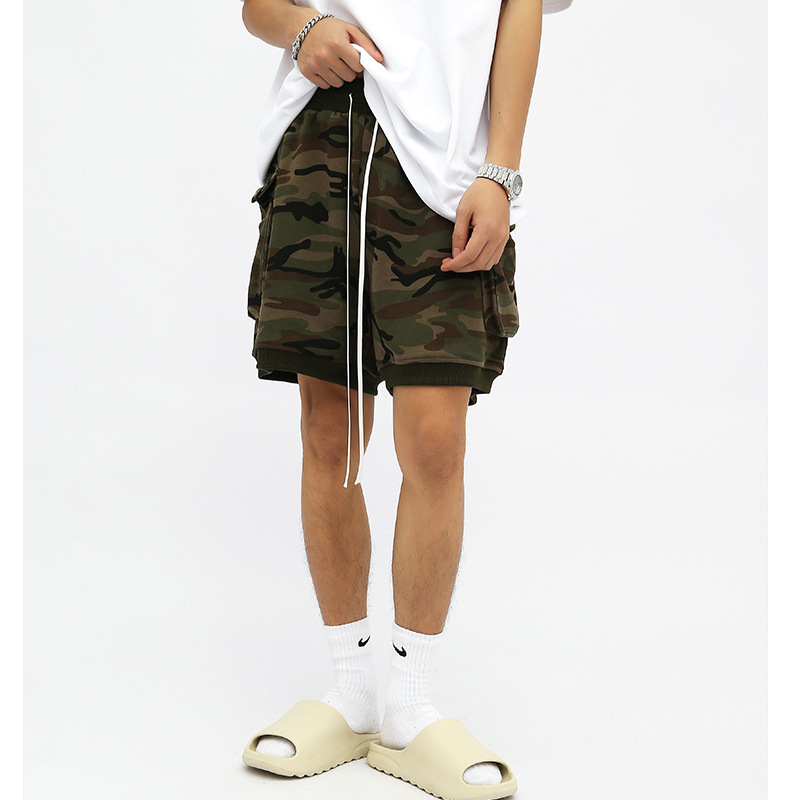
Polyester-cotton blends (150–220 GSM) balance cost, durability, and printability, making them the workhorse fabric for mid-tier streetwear brands. Cotton twill (200–280 GSM) supports cargo and utility shorts, offering structure and a heritage workwear aesthetic.
Blends typically cost 20–30 percent less than pure cotton and hold screen-print and embroidery detail without distortion. Twill’s tight weave adds 1–2 days to sewing time due to needle penetration resistance, but the premium look justifies the investment for brands targeting skate and urban outdoor segments.
5. Customization and Decoration Options
Decoration techniques transform blank streetwear shorts into branded products that command premium pricing. Each method carries distinct setup costs, minimum order requirements, durability characteristics, and visual impact that influence both production budgets and final retail positioning.
| Decoration Method | Setup Cost | Durability Rating | Typical Lead Time | Best Use Case |
|---|---|---|---|---|
| Embroidery | $50–150 per design | Excellent (wash-resistant) | 7–10 days | Logos, small text, premium branding |
| Screen Printing | $25–75 per screen | Very Good (fades after 50+ washes) | 5–7 days | Large graphics, multi-color designs |
| Heat Transfer | $15–40 per design | Good (may crack over time) | 3–5 days | Photo-realistic images, small runs |
| Sublimation | No setup (digital) | Excellent (dye-infused) | 4–6 days | All-over prints, polyester fabrics only |
| Appliqué | $30–100 per design | Very Good (stitched fabric) | 8–12 days | Textured patches, vintage aesthetics |
| Woven Labels | $0.10–0.50 per unit | Excellent (sewn-in) | 10–14 days | Brand tags, care instructions |
| Custom Hardware | $0.20–2.00 per piece | Excellent (metal/plastic) | 12–18 days | Branded drawstrings, zipper pulls |
6. Key Quality and Construction Elements
Quality construction separates premium streetwear shorts from fast-fashion rejects that unravel after three washes. Every streetwear shorts manufacturer should implement checkpoint testing at materials, cutting, craft, sewing, and finished-garment stages to catch defects before they reach your customers.
Stitching Techniques and Durability
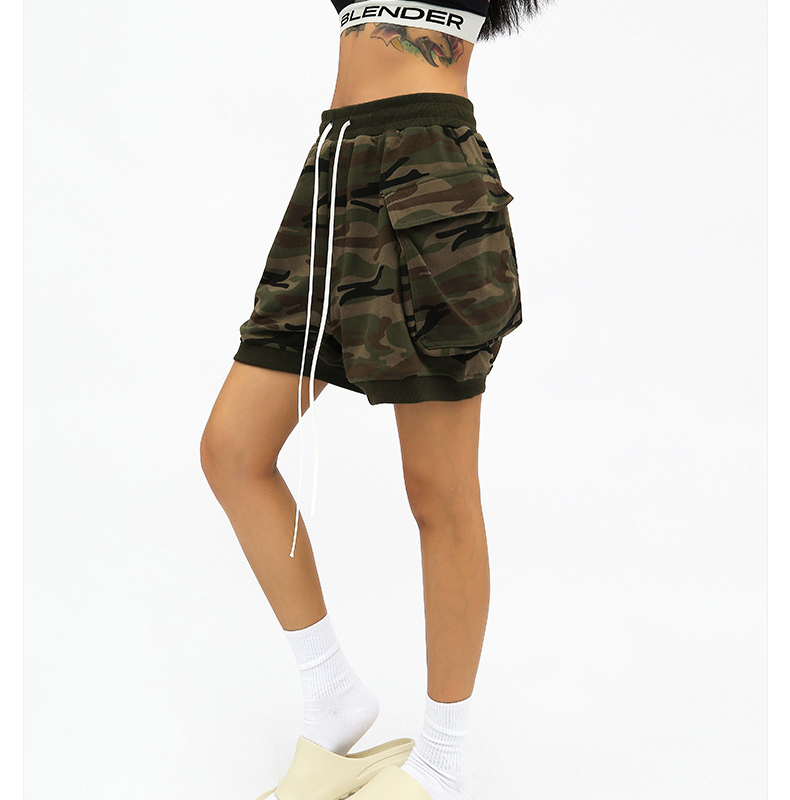
Flatlock stitching lies flat against the skin and prevents chafing on side seams and inseams, critical for athletic and lounge shorts. Overlock (serger) stitching finishes raw edges to prevent fraying, while chain stitch provides stretch recovery on waistbands and hems.
Demand 12–14 stitches per inch on main seams and double-needle construction on stress points like crotch gussets and pocket openings. Loose or skipped stitches indicate rushed production and lead to seam failure within weeks of wear.
Waistband Construction Standards
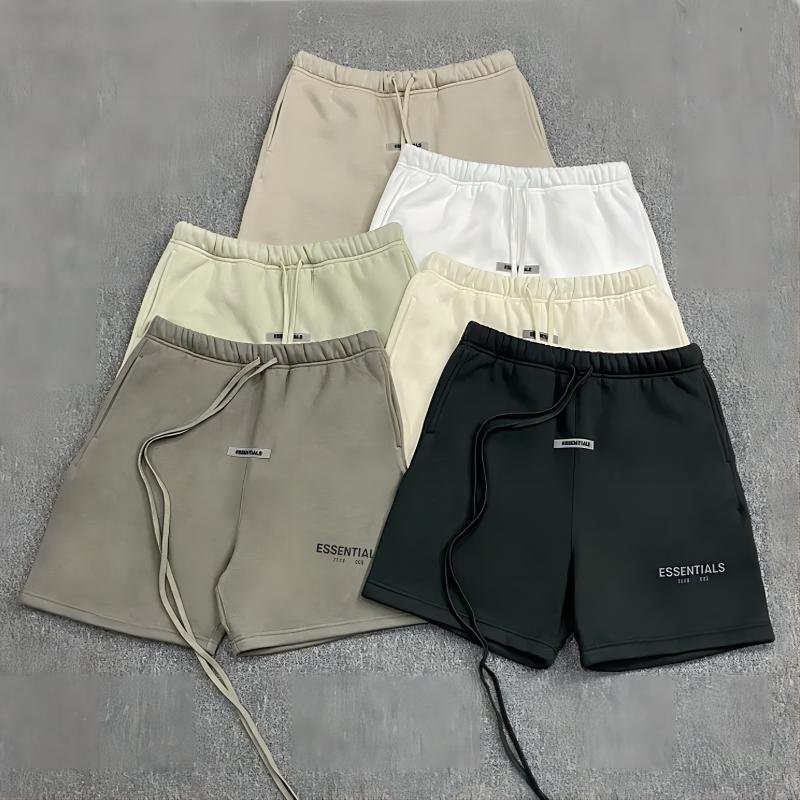
Elastic waistbands require 1.5–2 inch width with four-needle coverstitch attachment to prevent twisting and rolling. Drawcord channels must be reinforced with bar tacks at entry and exit points to handle repeated tension.
Test elastic recovery by stretching to 150 percent of resting width; quality elastic snaps back immediately without sagging. Drawcords should be tipped or heat-sealed to prevent fraying and sized at 5–6 mm diameter for secure knotting.
Pocket Reinforcement and Hem Finishing
Pocket openings require bar tack reinforcement at top corners to withstand phone weight and daily use. Welt and patch pockets need double-fold edges with topstitching 3–5 mm from the fold for clean, durable lines.
Hems demand double-fold construction with coverstitch or twin-needle finish to maintain stretch and prevent curling after washing. Hem width should measure 1–1.5 inches, and colorfast testing must confirm zero dye transfer after five hot-water wash cycles.
7. How to Choose the Right Streetwear Shorts Manufacturer
Selecting the right streetwear shorts manufacturer requires evaluating production capabilities, quality systems, and partnership terms across multiple vendors. A structured scorecard comparing MOQ thresholds, sampling workflows, lead times, certifications, and communication speed helps brands make data-driven decisions rather than relying on price alone.
Vetting Factory Credentials and Portfolio
Request evidence of quality certifications such as ISO 9001, WRAP, BSCI, or OEKO-TEX before engaging in detailed discussions. Manufacturers with documented compliance demonstrate commitment to labor standards and environmental controls.
Review the factory’s existing portfolio for streetwear-specific work, paying attention to construction details like reinforced waistbands, clean embroidery, and consistent colorways. A manufacturer experienced in streetwear will understand elements like skeleton prints, graffiti motifs, and oversized silhouettes without extensive explanation.
Confirm the factory’s R&D capacity and patent holdings if innovation matters to your brand; for example, Clothing Manufacturer Ltd. maintains a 15-member R&D team and holds 10 patents related to production processes.
Sampling Process and Tech Pack Requirements
Ask how the manufacturer handles tech packs—detailed specification documents covering measurements, stitching, materials, and trims. Factories that request comprehensive tech packs typically deliver more accurate samples than those accepting vague sketches.
Clarify sampling timelines (commonly 7–14 days) and costs, including whether sample fees are refundable against bulk orders. A transparent sampling workflow with photo updates at cutting, sewing, and finishing stages signals strong project management.
MOQ Flexibility and Lead Time Expectations
Compare minimum order quantities across shortlisted suppliers; streetwear startups often need 50–200 pieces per design, while established brands may order 500+ units. Manufacturers offering lower MOQs provide flexibility for testing new styles without excess inventory risk.
Confirm production lead times from deposit to shipment, typically 20–45 days depending on order complexity and factory workload. Factories that guarantee specific delivery windows and provide regular progress updates reduce the risk of missed launch dates.
Red Flags and Negotiation Leverage
Avoid manufacturers that skip in-process quality checks, performing inspection only at final packing. This practice, common among cost-cutting factories, leads to high defect rates and damages brand reputation.
Watch for vague answers about fabric sourcing, unclear payment terms, or reluctance to share client references. Negotiate terms that include penalty clauses for late delivery, sample approval milestones, and detailed QC reports at materials, cutting, sewing, and finished-goods stages.
8. Common Mistakes When Selecting a Streetwear Shorts Manufacturer
Even experienced brands make critical errors when sourcing a streetwear shorts manufacturer, often discovering problems only after production begins. Understanding these pitfalls and implementing preventive measures protects your investment and ensures consistent quality from the first order forward.
Skipping Pre-Production Samples
Ordering bulk production without approving a physical sample is the fastest route to costly mistakes. Fabric weight, fit, and construction details rarely match expectations based solely on photos or descriptions.
Always request and approve samples before committing to full production. A 15-day sampling phase prevents 90-day production disasters and ensures your tech pack translates correctly to finished garments.
Choosing Based on Price Alone
The lowest quote typically signals cut corners in fabric quality, stitching standards, or QC processes. Manufacturers who skip mid-production quality checks deliver higher defect rates, increasing your returns and damaging brand reputation.
Evaluate total cost of ownership: a factory with five-step QC testing may quote 8–12% higher but saves 20–30% in rework, returns, and customer service expenses over time.
Underestimating Lead Times
Standard streetwear shorts production spans 25–35 days after sample approval, plus 15–25 days for international shipping. Brands that ignore these timelines miss launch windows and lose pre-order revenue.
Add buffer time for fabric sourcing, customs clearance, and potential revisions. Communicate your drop dates upfront so your streetwear shorts manufacturer can schedule production slots accordingly.
Neglecting IP and Design Protection
Sharing original graphics or patterns without a non-disclosure agreement exposes your designs to copying. Some manufacturers replicate trending styles for other clients, diluting your brand’s uniqueness.
Require signed NDAs before sending tech packs or artwork. Work with manufacturers who respect intellectual property and maintain confidentiality as standard practice.
9. Steps to Launch Your Streetwear Shorts Line
Launching a streetwear shorts line requires a structured workflow from concept to customer. Following a step-by-step process with clear deliverables and timelines ensures your collection reaches market on schedule and meets quality standards.
Concept and Design Development
Define your design direction, target audience, and key streetwear elements—skeleton graphics, color patterns, or mystery symbols—within the first two weeks. Create mood boards, sketch initial concepts, and finalize 3–5 shorts styles with specific fabric choices, colorways, and decoration placements.
Deliver a design brief that includes style names, inspiration references, and preliminary measurements. This foundation guides every subsequent step and aligns your creative vision with production capabilities.
Tech Pack Creation and Sample Approval
Build detailed tech packs for each style, specifying fabric type and GSM, measurements for all sizes, construction details (flatlock seams, drawcord specs), and decoration methods (screen print, embroidery). Allocate one week for tech pack completion and another 10–14 days for the streetwear shorts manufacturer to produce physical samples.
Review samples for fit, fabric hand-feel, color accuracy, and decoration quality. Request revisions if needed—most brands require one to two sample rounds before final approval.
Production Order and Quality Control
Issue a purchase order with confirmed quantities per style and size, deposit terms (typically 30–50 percent upfront), and delivery date. Production timelines range from 25–35 days depending on order size and decoration complexity.
Ensure your streetwear shorts manufacturer implements quality checks at materials, cutting, sewing, and finished-goods stages. Clothing Manufacturer Ltd.’s five-step QC methodology exemplifies this approach, catching defects early and protecting brand reputation.
Shipping, Logistics, and Launch Marketing
Coordinate freight options—air (7–10 days) or sea (25–35 days)—and complete customs documentation. Plan your launch campaign during transit: build social media teasers, prepare influencer seeding, and schedule product photography.
Set a hard launch date two weeks after expected delivery to allow for warehouse receiving, final inspection, and fulfillment setup. Announce pre-orders or drops to generate early momentum and validate demand before restocking.
10. Pricing and Cost Breakdown for Streetwear Shorts
Most streetwear shorts manufacturers set minimum order quantities between 50 and 1,000 pieces, with per-unit costs dropping significantly at higher volumes. At 50 units, expect $12–18 per piece for basic French terry or fleece shorts; at 1,000+ units, that same style typically falls to $6–9. Setup fees for screen printing range from $25–75 per color, while embroidery digitizing adds $50–150 per design, making decoration costs a larger share of total budget on smaller runs.
Fabric choice directly impacts pricing: premium ring-spun cotton terry runs $1.50–3.00 per yard more than standard open-end blends, while technical moisture-wicking fabrics add $2–4 per garment. Customization complexity—multi-color sublimation prints, appliqué patches, contrast paneling, or YKK zippers—can increase unit cost by 20–50 percent compared to single-color screen prints on solid fabrics. Factories in Guangdong Province, China, including Humen Town operations like Clothing Manufacturer Ltd., typically offer 15–30 percent lower base pricing than comparable facilities in Southeast Asia or North America, though shipping and lead times vary.
Lead times extend with order complexity: 100-piece runs of two-color screen-printed shorts average 18–25 days from approved samples, while 500-piece orders with embroidery, woven labels, and custom packaging may require 28–35 days. Rush fees of 15–25 percent apply for production windows under 14 days, and air freight can double landed costs compared to standard ocean shipping.
| Quantity Tier | Price per Unit (USD) | Setup/Tooling | Lead Time (Days) |
|---|---|---|---|
| 50–99 units | $12–18 | $150–300 | 18–25 |
| 100–299 units | $9–14 | $150–300 | 20–28 |
| 300–499 units | $7–11 | $100–250 | 22–30 |
| 500–999 units | $6–9 | $75–200 | 25–32 |
| 1,000+ units | $5–8 | $50–150 | 28–35 |
Ready to Launch Your Streetwear Shorts Collection?
Partner with a trusted streetwear shorts manufacturer. 50-piece MOQ, 5-step QC guarantee, and 10-15 day turnaround for your brand.