
Premium Streetwear Matching Sets Manufacturer — Trend-Driven, Quality-First
Partner with a streetwear matching sets manufacturer built on 10+ years of expertise, 5-step QC guarantee, 50-piece MOQ, and 7-day sampling for emerging brands worldwide.
Streetwear Sets Gallery — Trending Designs & Colorways
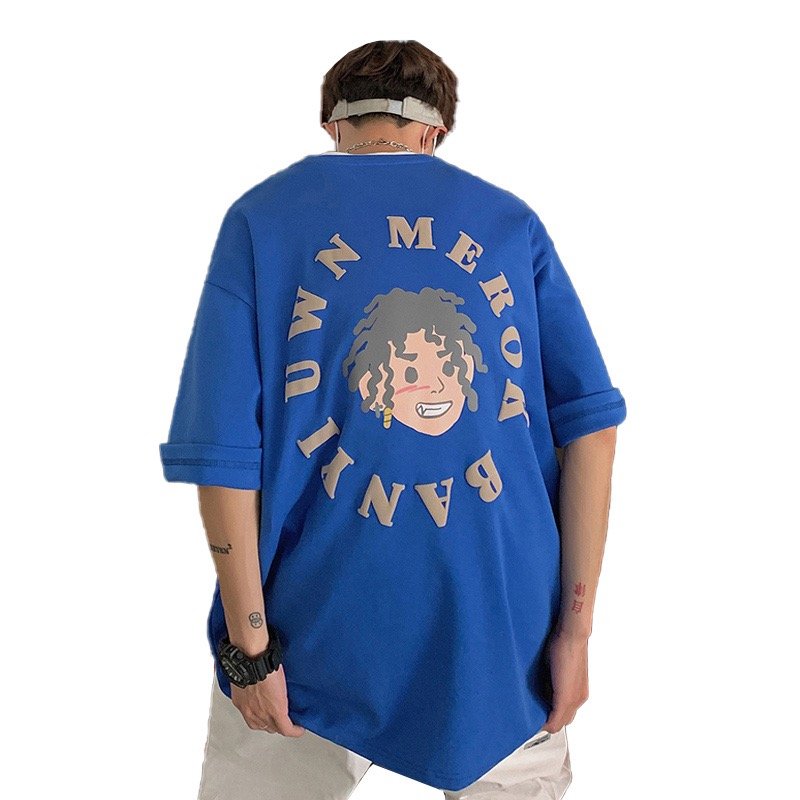
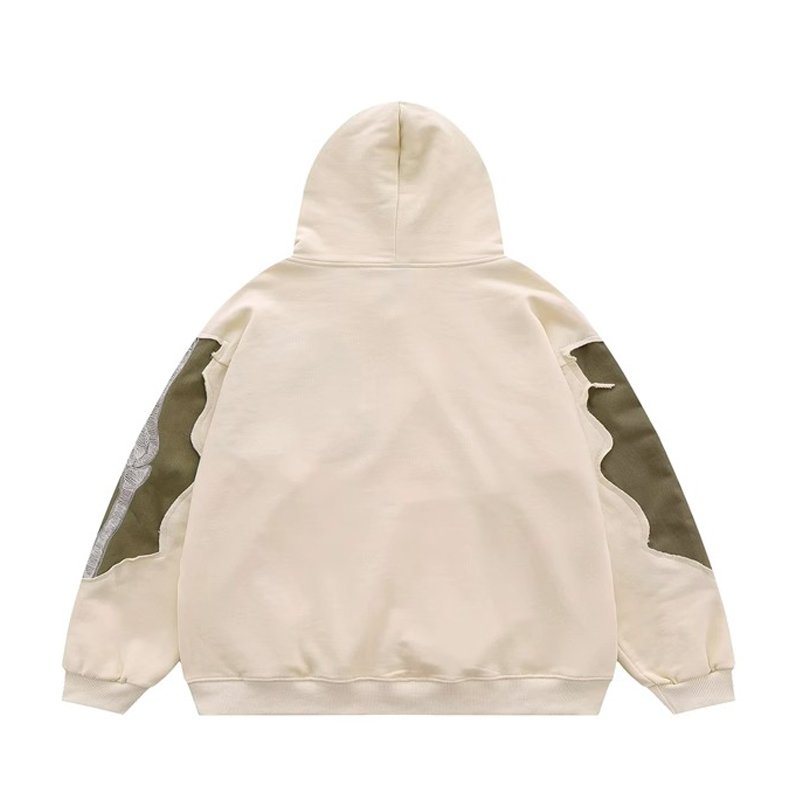
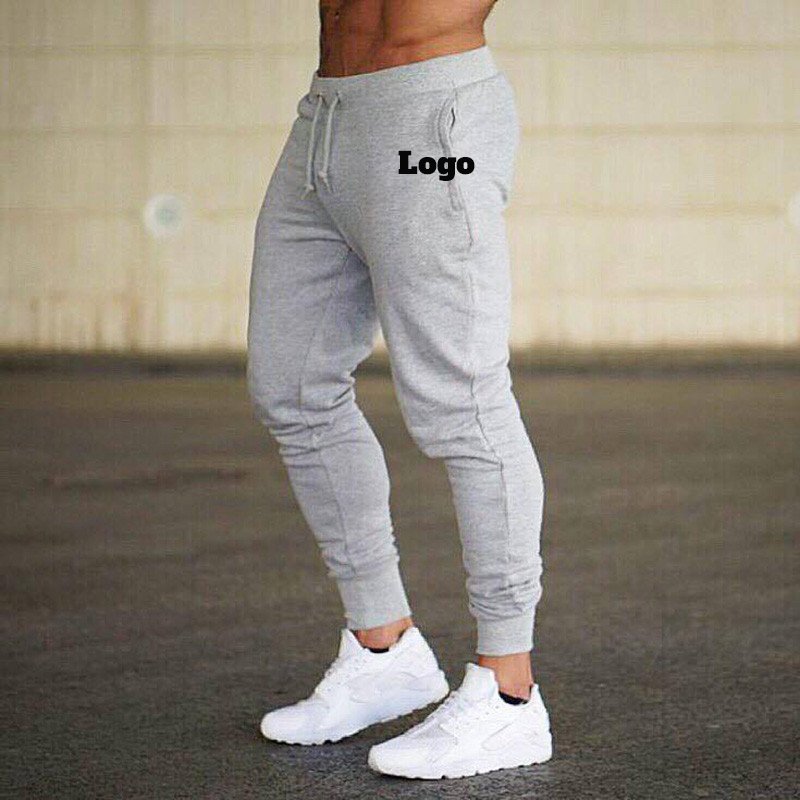
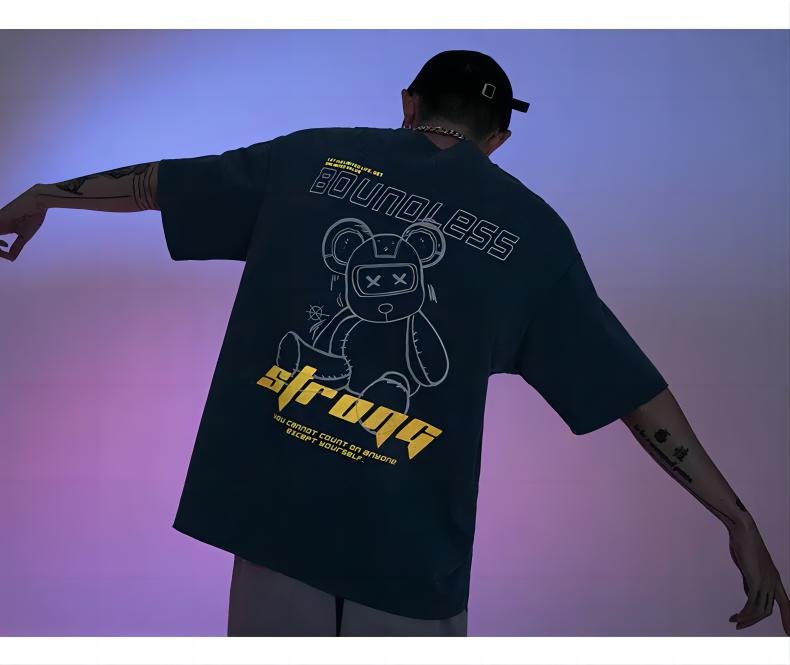
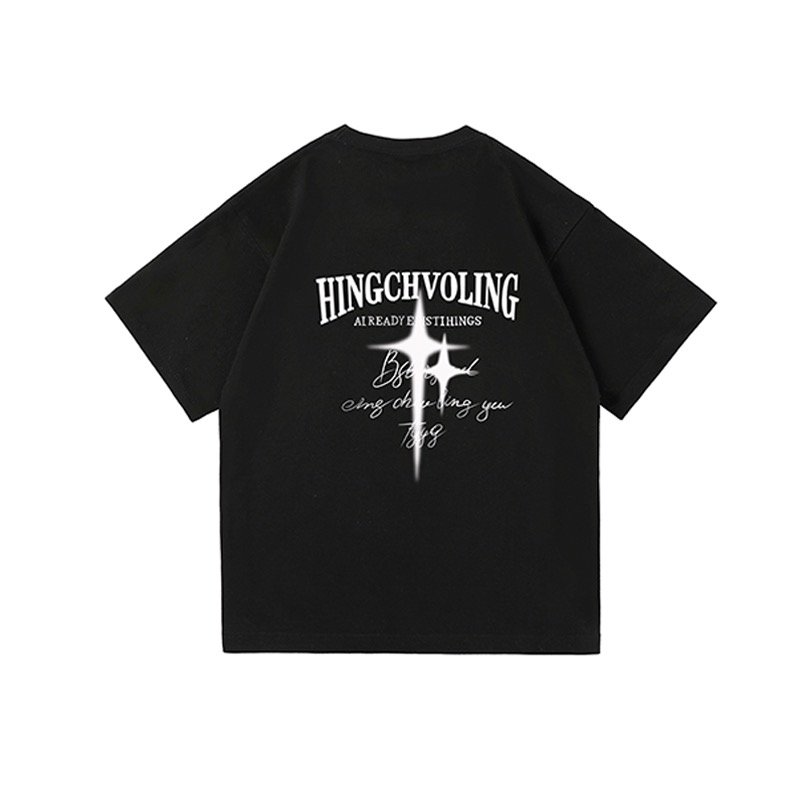
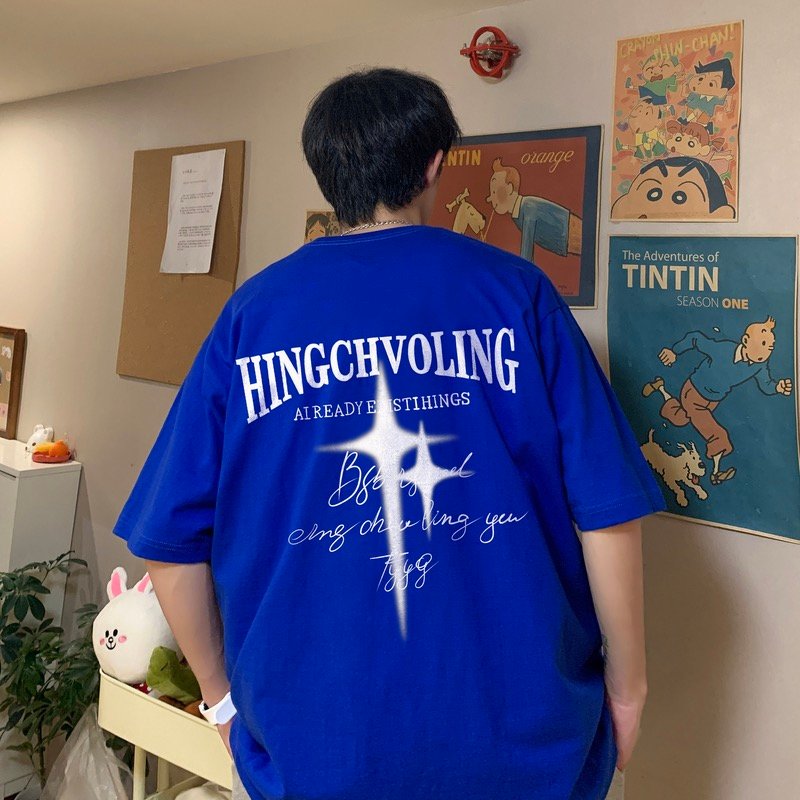
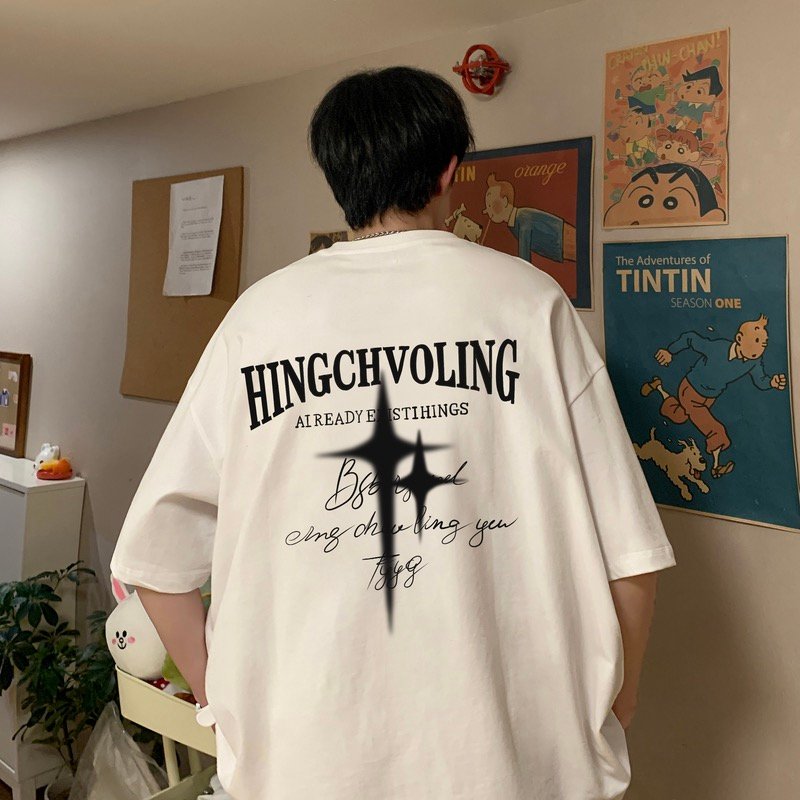
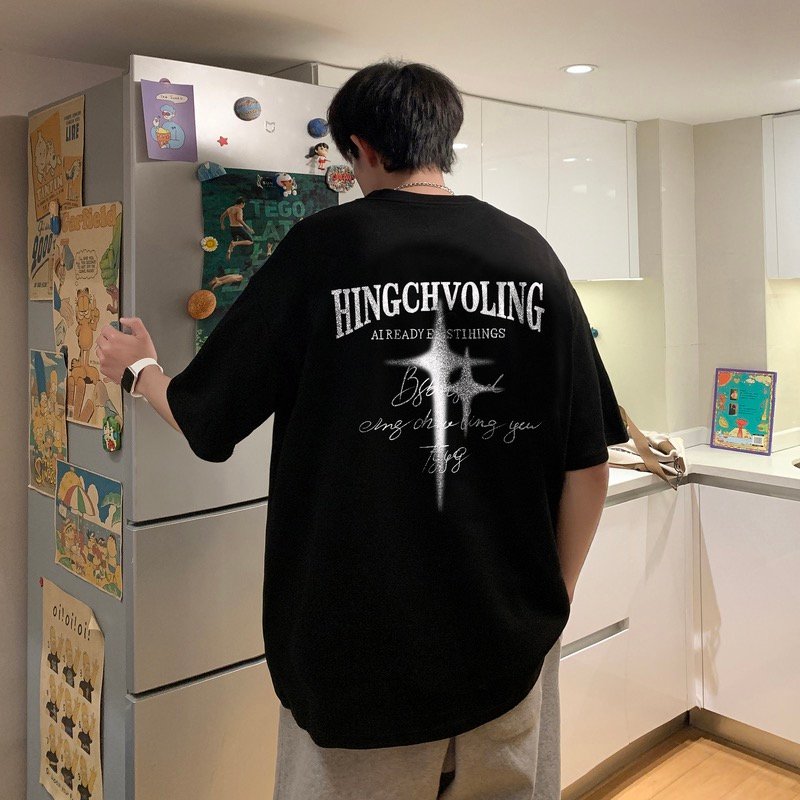
Why Brands Choose Our Streetwear Matching Sets Manufacturer
5-Step QC Guarantee
Every matching set undergoes rigorous quality control at materials, cutting, craft, sewing, and finished-product stages for zero-defect delivery.
50-Piece MOQ Per Design
Launch your streetwear line without massive inventory risk. Perfect for startups, influencer brands, and independent designers testing collections.
7-Day Sample Turnaround
Fast-track your seasonal drops with rapid sampling. Our in-house team delivers trend-ready prototypes so you stay ahead of the market.
In-House Design Team
Fifteen streetwear specialists translate your vision into production-ready patterns, with expertise in hoodies, tracksuits, and co-ord sets.
Global Shipping Expertise
Proven logistics support to over one hundred countries. We handle customs, documentation, and delivery so your orders arrive on time.
10+ Years Streetwear Experience
Founded by Tesla Luo with a decade in apparel and six years specializing in streetwear, serving influencers and brands worldwide.
Streetwear Matching Sets Manufacturer — Hoodies, Tracksuits & Co-Ords
From oversized hoodie sets to heavyweight tracksuits, we produce every category of matching streetwear with precision craftsmanship and trend-driven design.
Oversized Hoodie + Shorts Sets
Brands struggle to find manufacturers who can balance oversized proportions with consistent fit across sizes, often resulting in awkward silhouettes that hurt sales and brand reputation.
Our pattern team engineers oversized fits with precise grading and our 5-step QC ensures every hoodie-shorts set maintains the relaxed streetwear aesthetic customers expect across XS to 3XL.
Matching Tracksuit Sets
Traditional suppliers often produce jacket and pants separately without coordinating fabric batches, leading to color mismatches and inconsistent texture between pieces in the same set.
We cut and sew tracksuit tops and bottoms from identical fabric rolls with synchronized dyeing, guaranteeing perfect color harmony and texture consistency in every matching set we ship.
Heavyweight Sweatsuit Sets
Many manufacturers lack experience working with premium heavyweight fleece, resulting in puckering seams, stretched-out necklines, and poor shape retention that damages brand credibility with quality-conscious streetwear buyers.
Our specialized equipment and decade of streetwear production experience handles 400+ GSM fleece flawlessly, delivering structured, durable sweatsuit sets that hold their shape season after season.
Fashion Co-Ord Sets
Emerging designers and influencer brands need trend-forward co-ord sets in small quantities, but most factories require prohibitive MOQs that make testing new styles financially impossible for startups.
Our 50-piece MOQ and in-house sampling team let fashion startups launch bold, trend-driven co-ord collections without overstock risk, with 7-day samples to capture seasonal trends fast.
Custom Graphic Matching Sets
Brands with unique artwork face quality inconsistencies when graphics are applied poorly—cracking prints, misaligned embroidery, and faded colors that fail after a few washes, disappointing customers.
Our production facility offers screen printing, embroidery, sublimation, and heat transfer in-house with dedicated QC testing for graphics, ensuring your custom designs stay vibrant and intact wash after wash.
Premium Fabrics for Streetwear Matching Sets — Heavyweight, Breathable & Trend-Ready
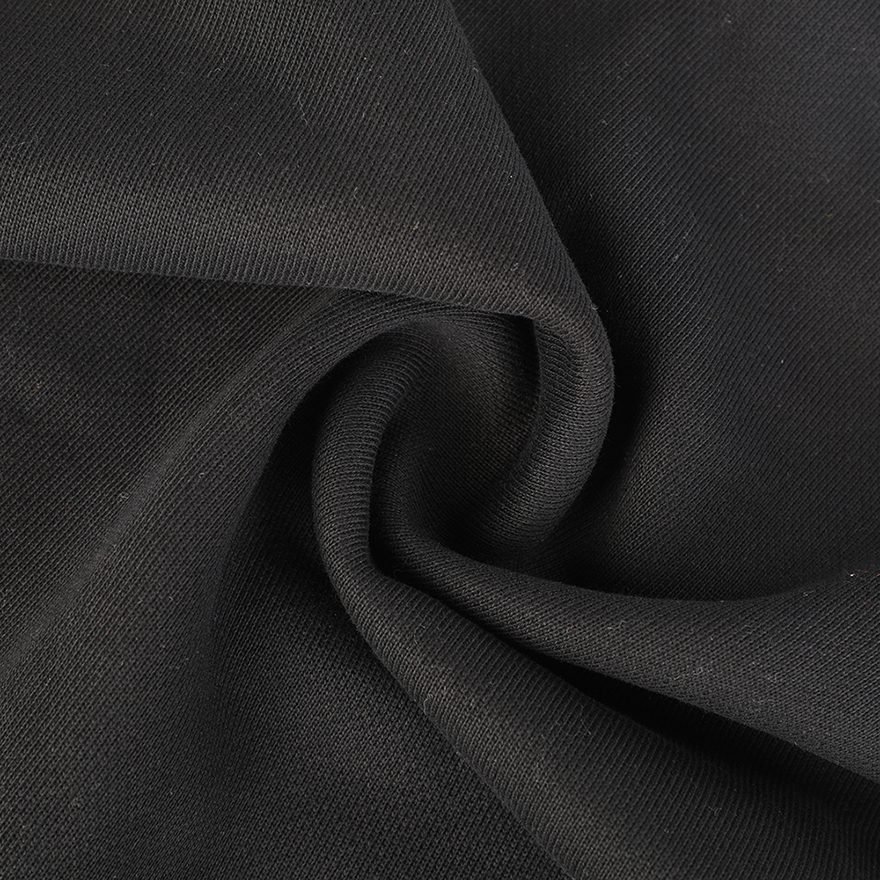
French Terry
Soft looped interior with smooth face, ideal for lightweight hoodies and joggers. Medium weight (280–320 GSM) offers excellent breathability and superior screen-print definition for bold streetwear graphics.
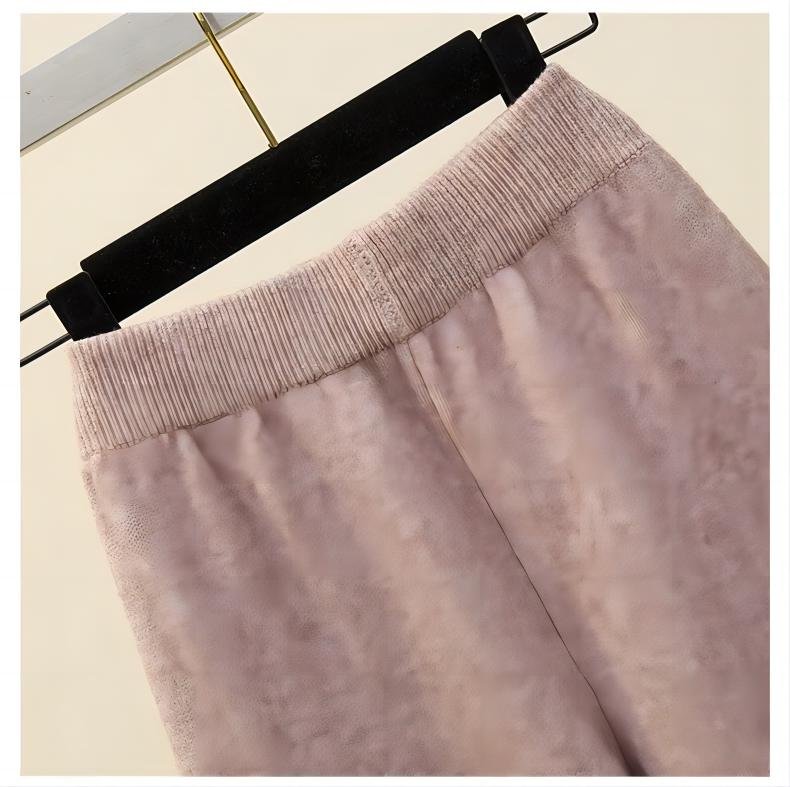
Heavyweight Fleece
Brushed inner lining delivers premium warmth and structure for winter matching sets. Dense 400–450 GSM construction ensures durability, shape retention, and vibrant embroidery compatibility across oversized silhouettes.
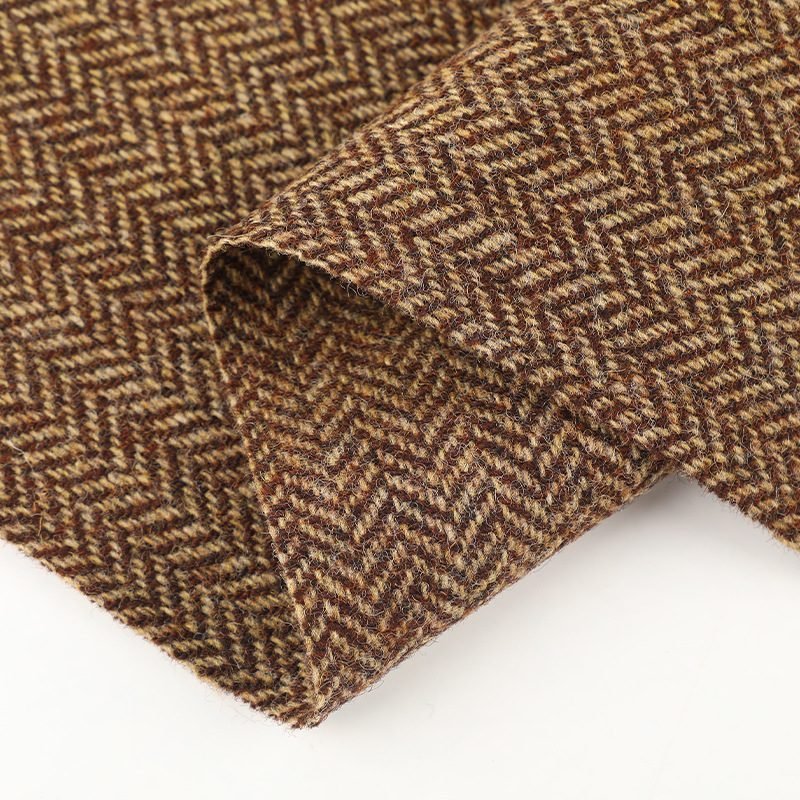
Cotton Terry
Classic looped cotton on both sides provides ultimate comfort and moisture absorption. Weighing 300–340 GSM, this fabric excels in relaxed-fit tracksuits and offers excellent dye uptake for rich, saturated colorways.
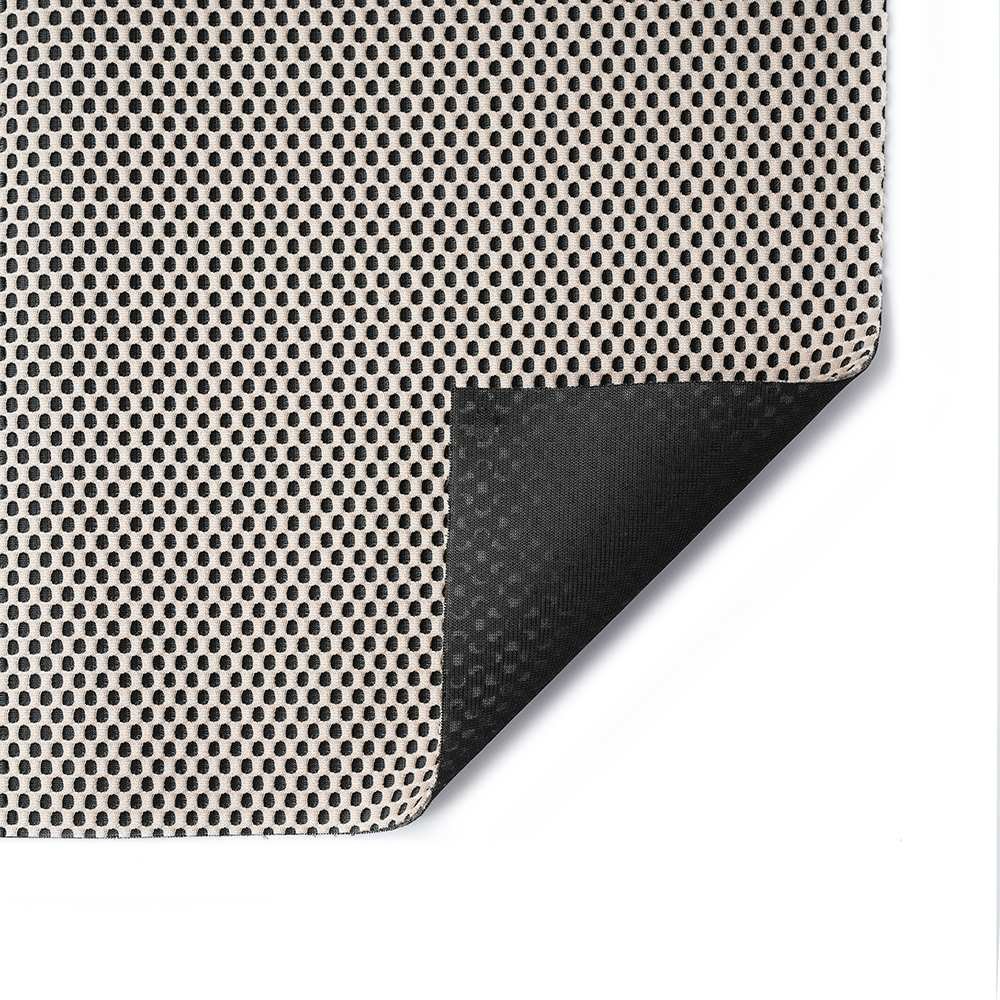
Performance Poly Blend
Moisture-wicking polyester-cotton blend engineered for active streetwear and athletic co-ords. Lightweight 240–280 GSM with four-way stretch, quick-dry properties, and exceptional sublimation print clarity for all-over designs.
Heavyweight Twill
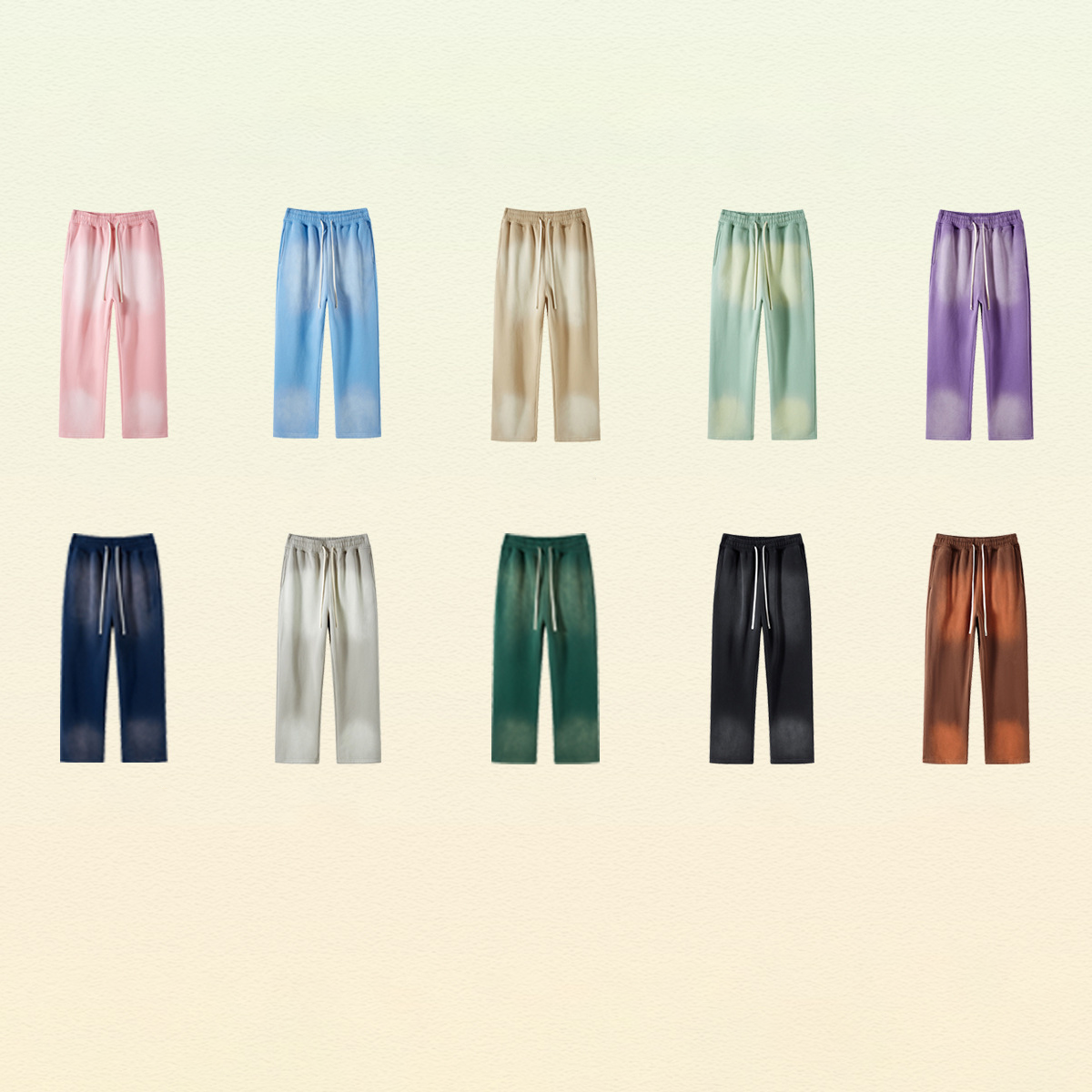
Diagonal weave structure delivers premium drape and durability for structured streetwear sets. Robust 320–360 GSM weight resists pilling, holds crisp edges, and provides an elevated canvas for embroidered logos and patches.
Organic Cotton Jersey
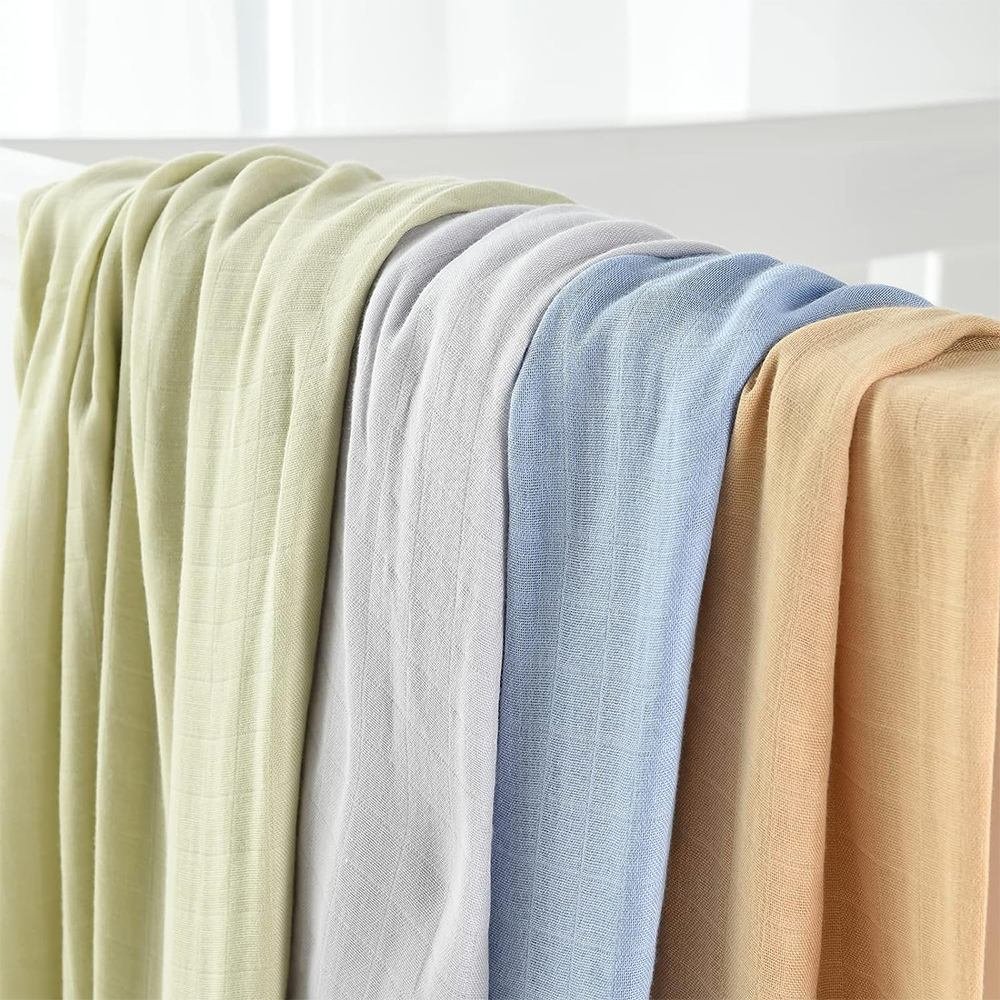
Sustainable single-knit fabric with natural stretch and soft hand-feel for eco-conscious brands. Medium 200–240 GSM weight offers breathability, comfort, and clean print results ideal for minimalist streetwear aesthetics.
Streetwear Matching Sets Manufacturer Production Processes
Screen Printing
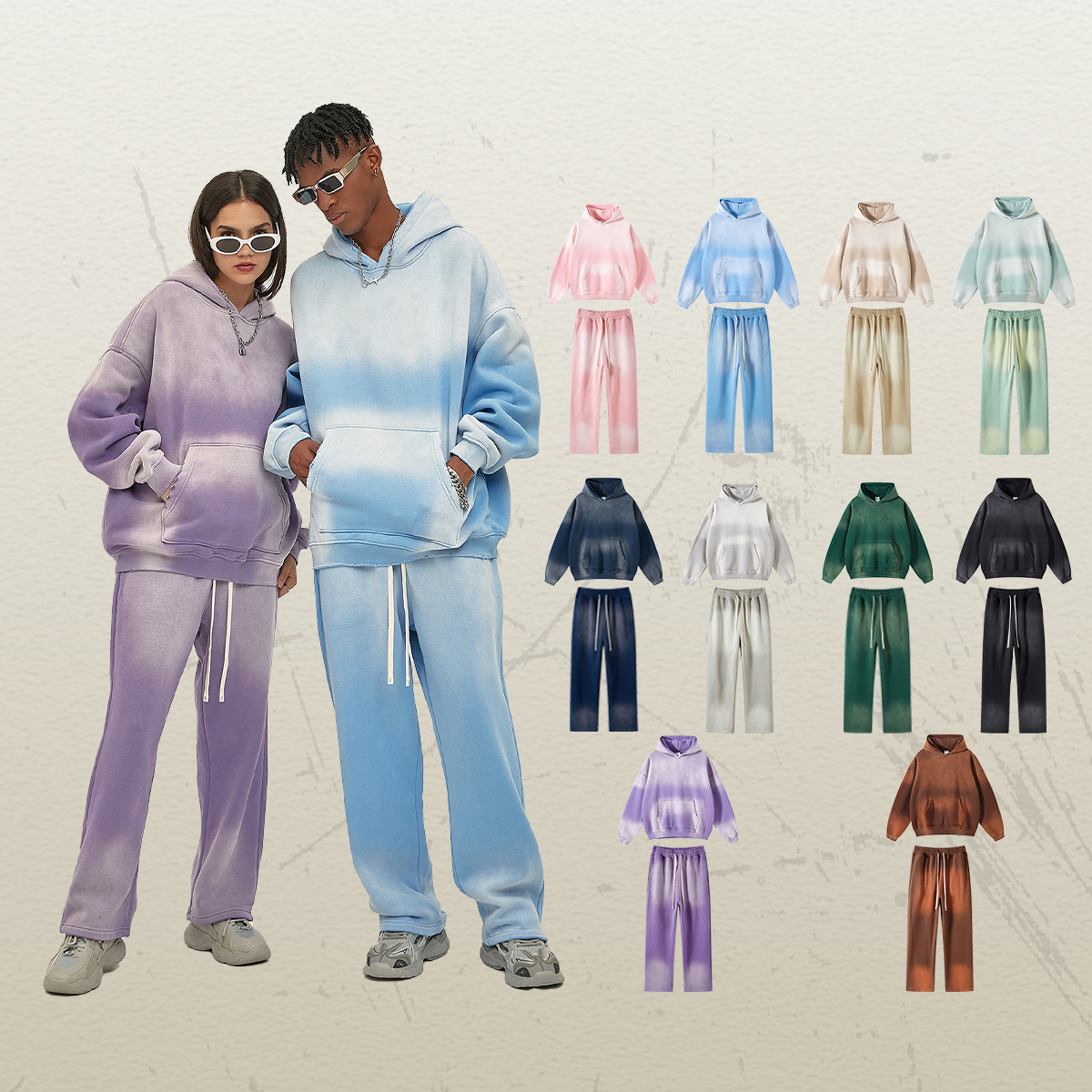
High-opacity ink layers create vibrant, bold graphics ideal for logos and oversized artwork on matching sets. Durable through repeated washes, perfect for statement streetwear pieces with solid color designs.
Embroidery
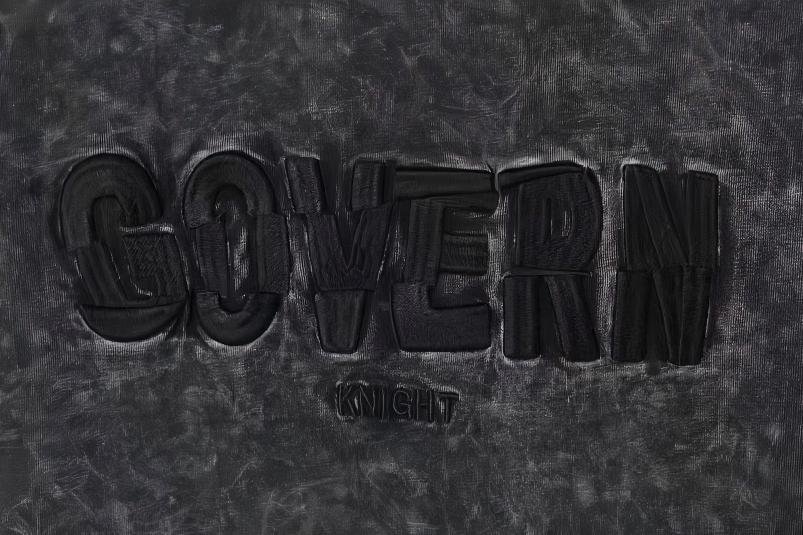
Precision thread work adds premium texture and dimension to logos, monograms, and small details. Exceptionally durable and elevated in appearance, ideal for branding on hoodies, tracksuits, and co-ord chest panels.
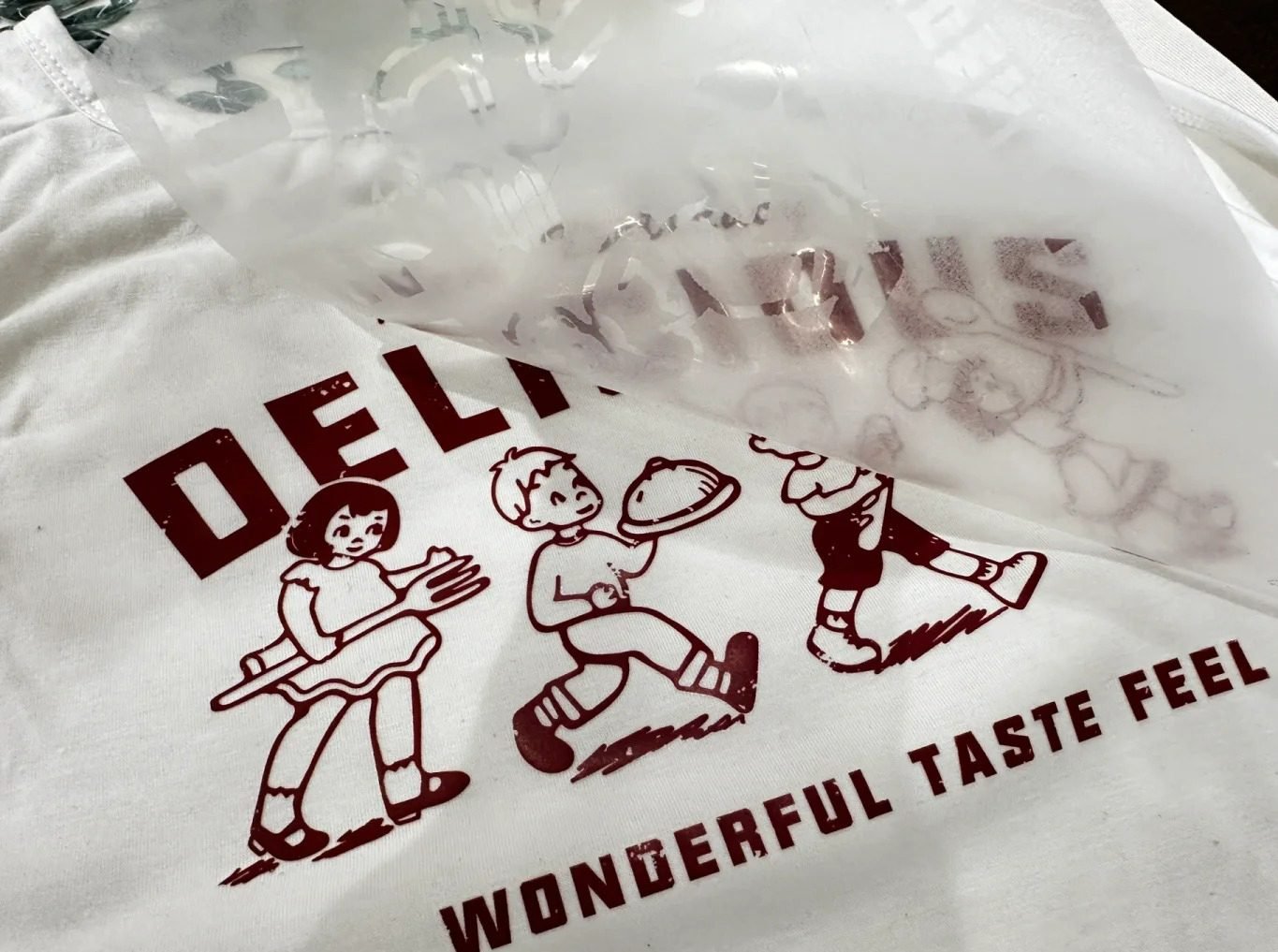
Sublimation Printing
Full-color, all-over prints with photographic detail and seamless patterns. Ink becomes part of the fabric for breathable, fade-resistant results—perfect for gradient designs, complex graphics, and vibrant matching set colorways.
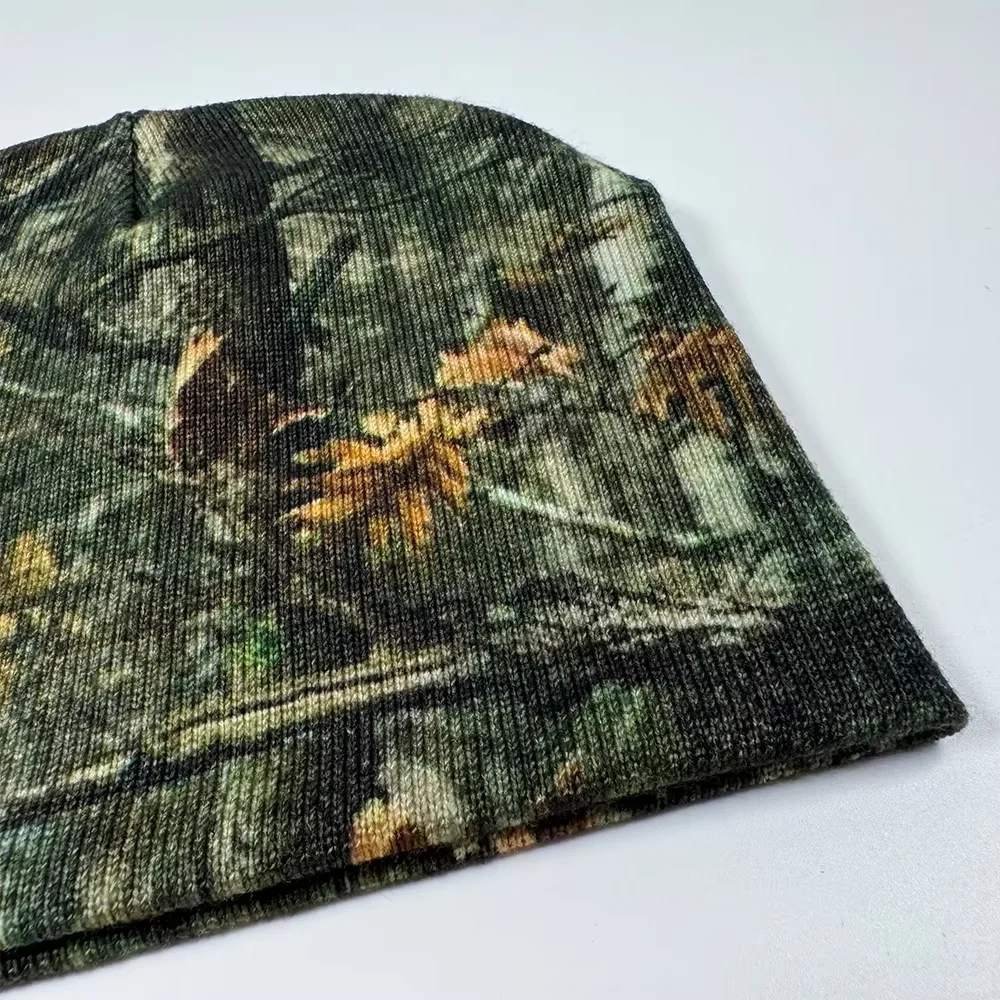
Heat Transfer
Versatile application for detailed graphics, metallic finishes, and reflective elements. Quick turnaround for small-batch runs and seasonal drops, delivering sharp visuals with flexible design complexity for trend-driven streetwear.
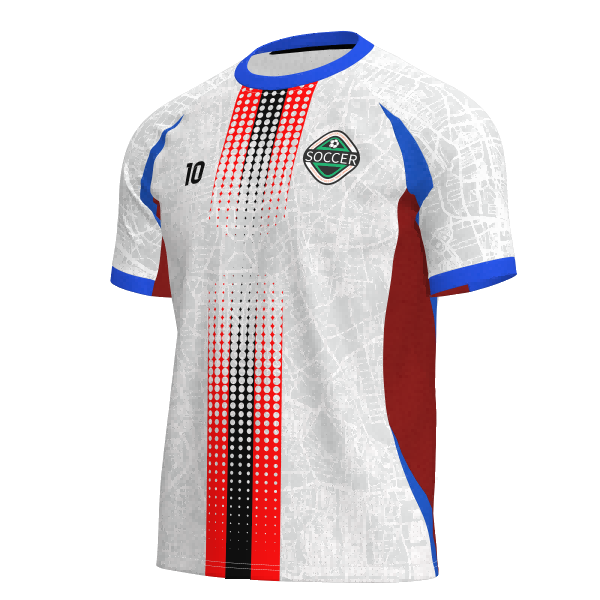
Custom Garment Dyeing
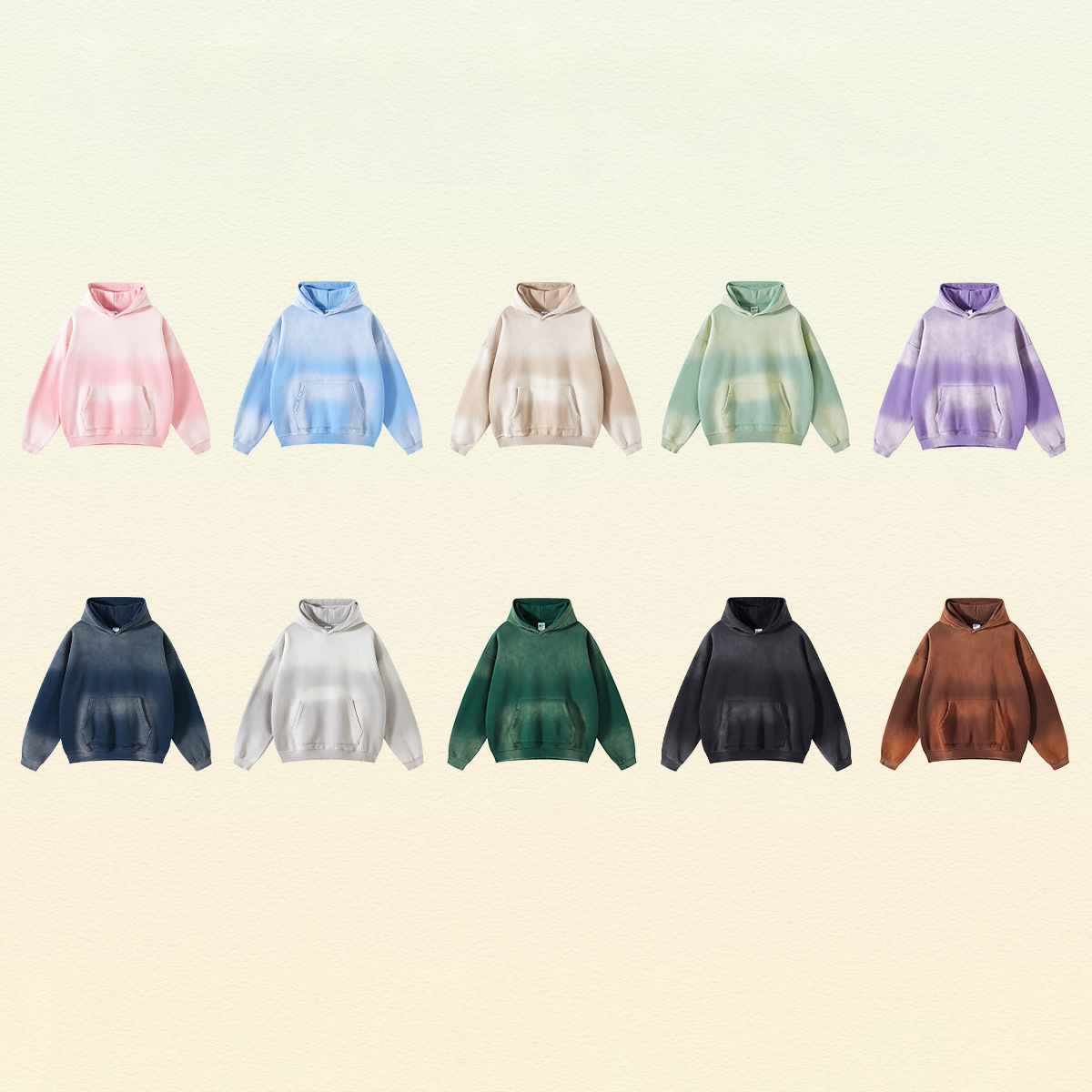
Achieve unique washed, vintage, or tie-dye effects that set your matching sets apart. Our controlled dyeing process ensures color consistency across tops and bottoms, delivering on-trend aesthetics with reliable repeatability.
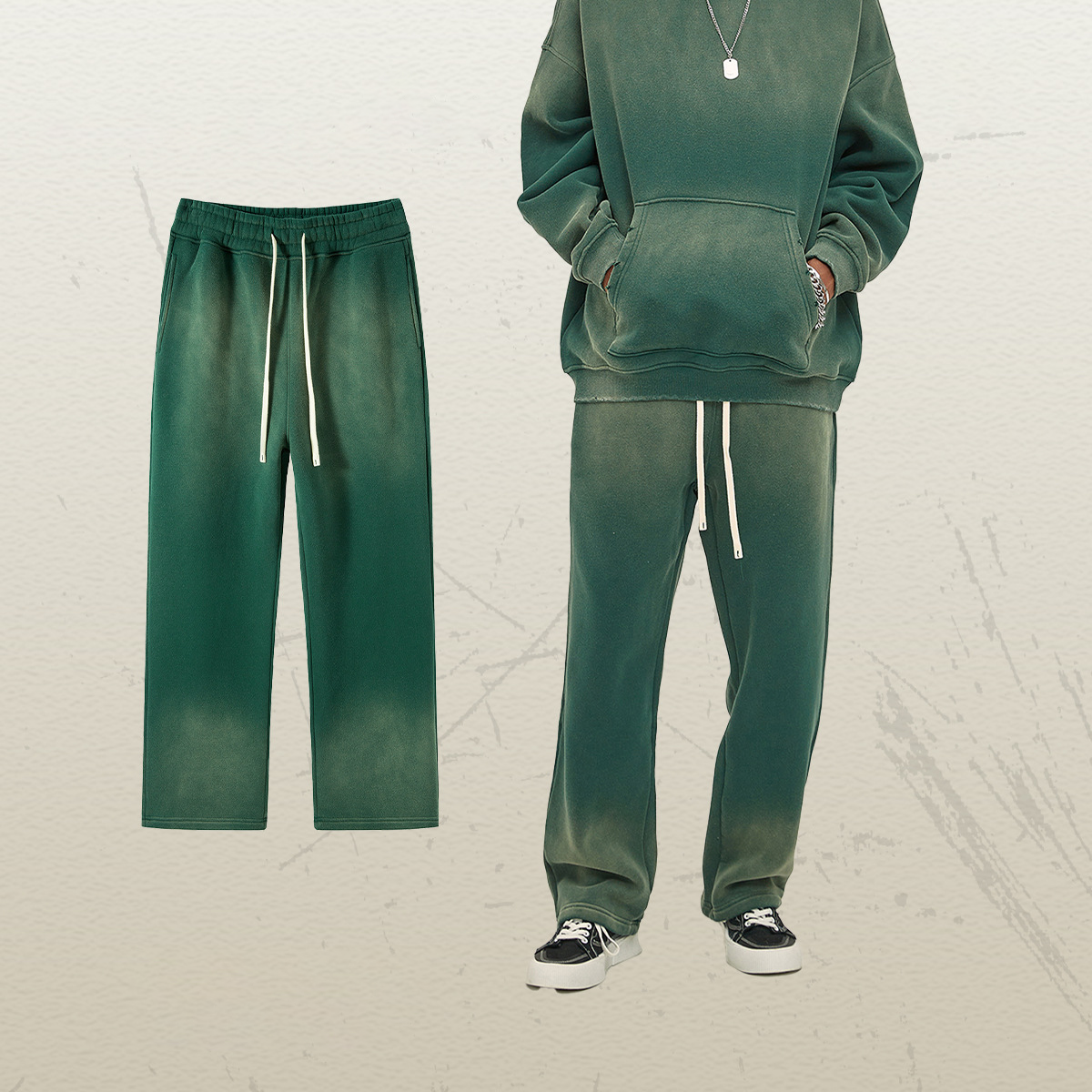
Woven Label Application
High-definition woven labels for neck tags, side seams, and exterior branding. Soft-touch construction with intricate logo detail reinforces brand identity and premium positioning on every piece in your matching set collection.
Hardware & Trims for Streetwear Matching Sets Manufacturer
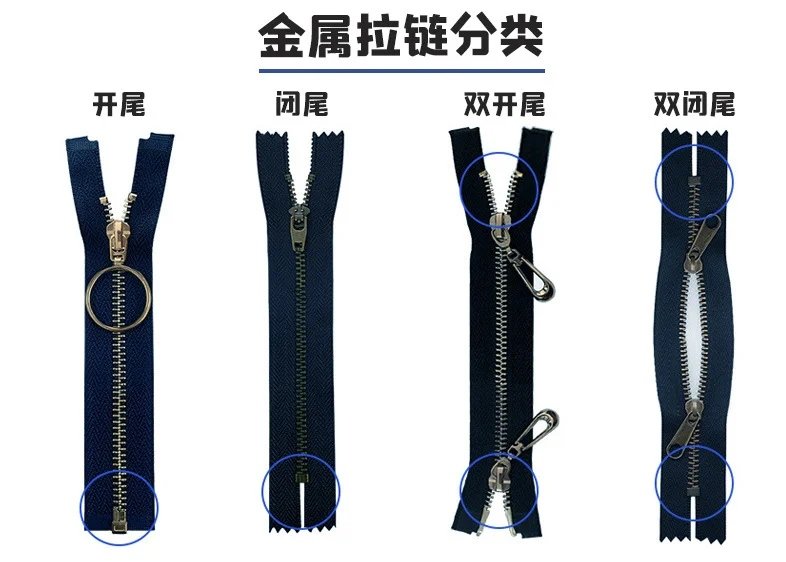
YKK Metal Zippers
Industry-leading YKK zippers in antique brass, gunmetal, and custom finishes. Built for 10,000+ cycles, perfect for hoodies, track jackets, and joggers. Available with custom pullers and logo engraving for premium branding.
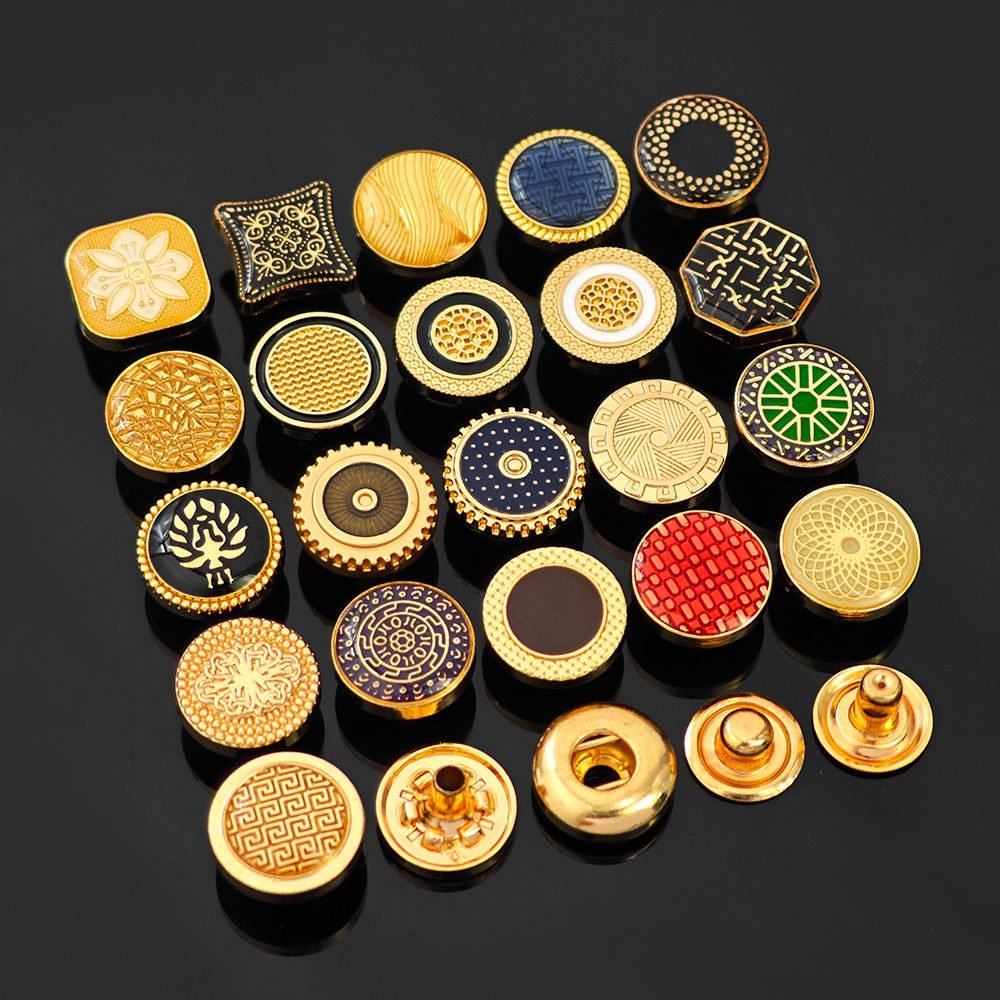
Snap Buttons
Heavy-duty metal snap buttons in matte black, silver, and gold. Corrosion-resistant and tested for repeated use. Ideal for jacket plackets, waistbands, and adjustable cuffs on matching sets.
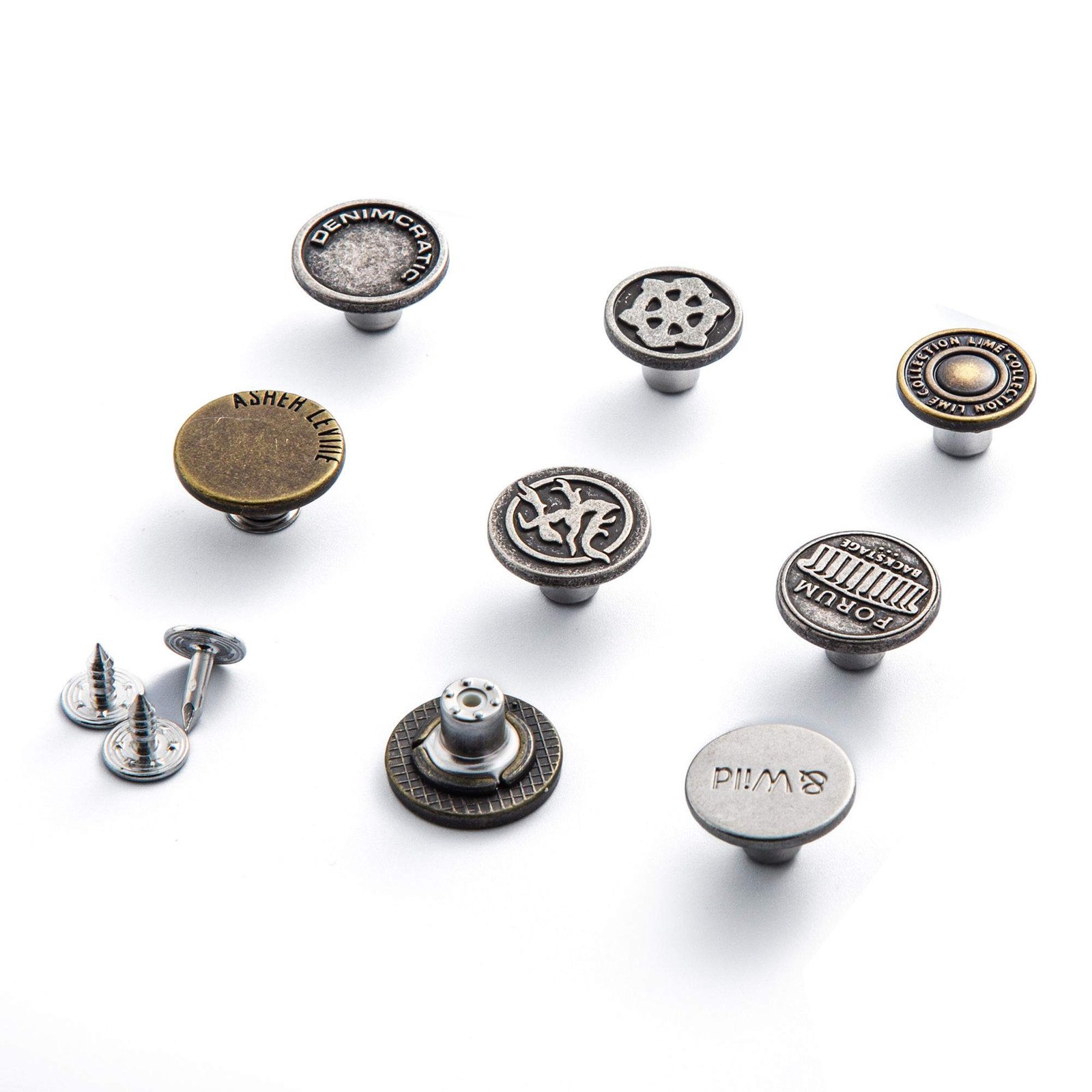
Drawcords & Tipping
Round, flat, and tubular drawcords in cotton, polyester, and reflective finishes. Custom-dyed to match your colorways with metal or plastic aglets. Essential for hoodies, shorts, and jogger waistbands.
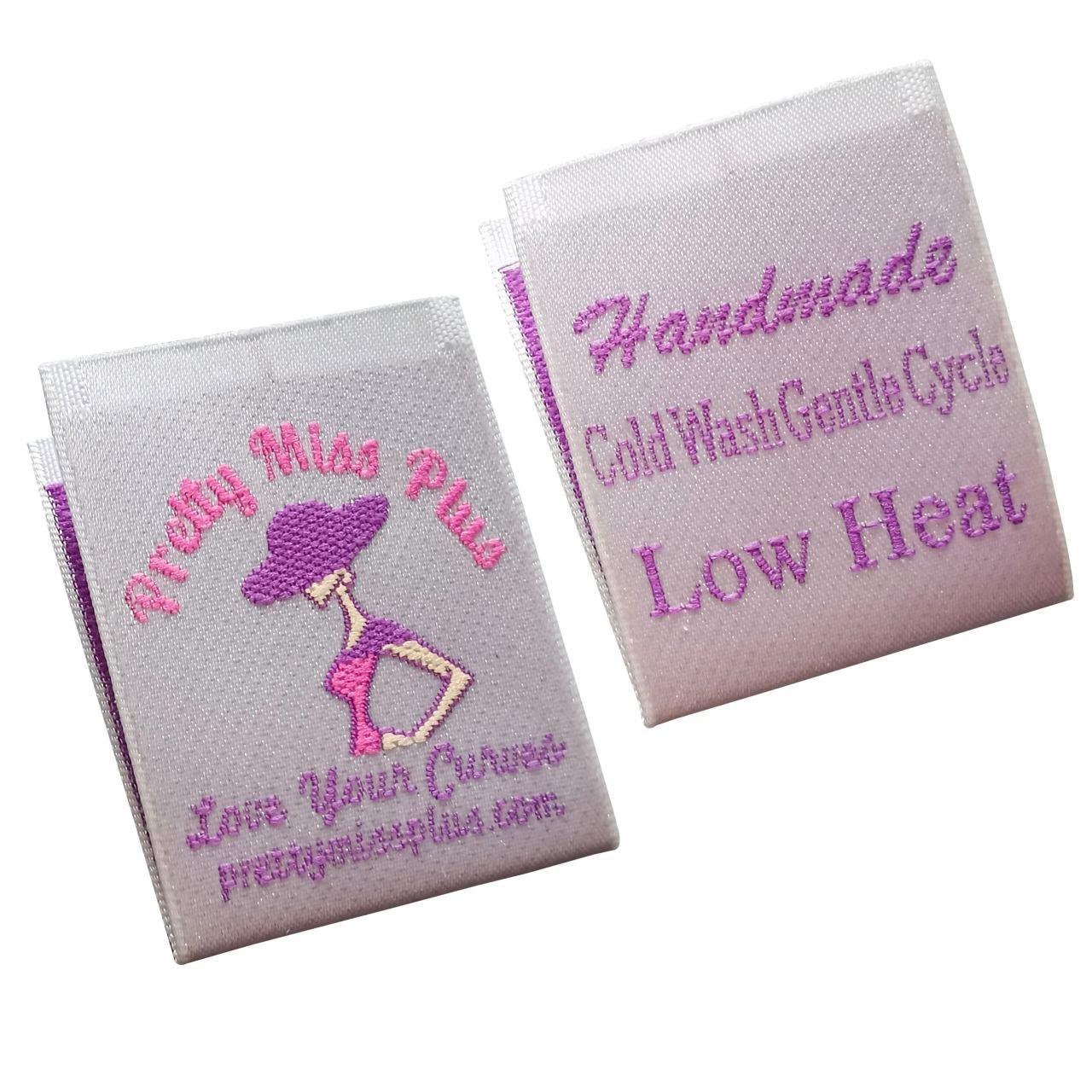
Woven Labels
High-density woven labels with your logo, tagline, or care instructions. Satin, damask, and taffeta base options. Sewn into necklines, side seams, or exterior pockets for lasting brand recognition.
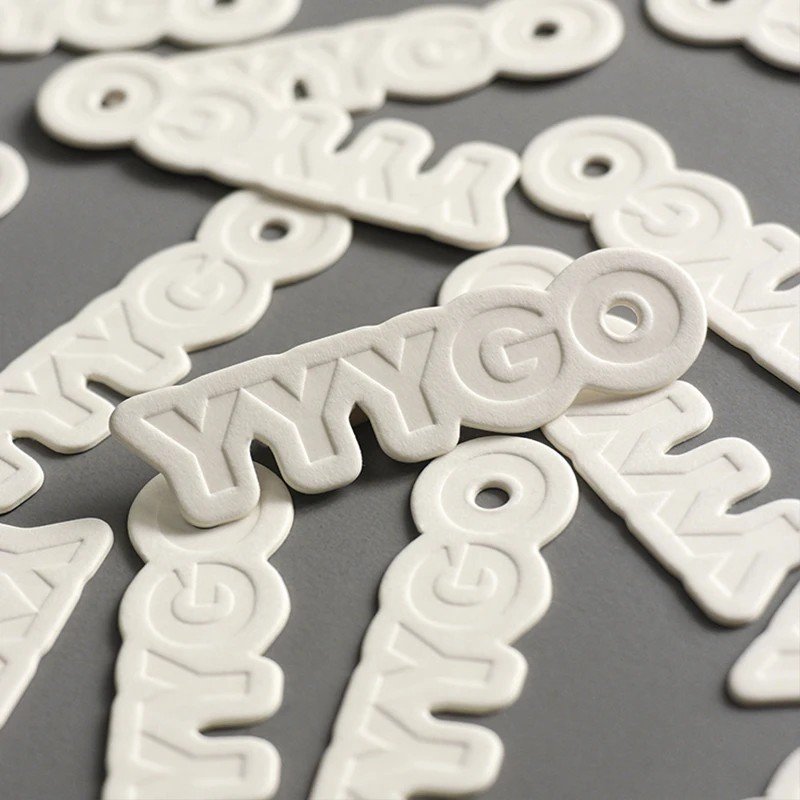
Custom Hang Tags
Branded hang tags in kraft paper, coated cardstock, or rigid board. Full-color printing, embossing, foil stamping, and die-cut shapes available. Reinforces brand story at point of sale and unboxing.
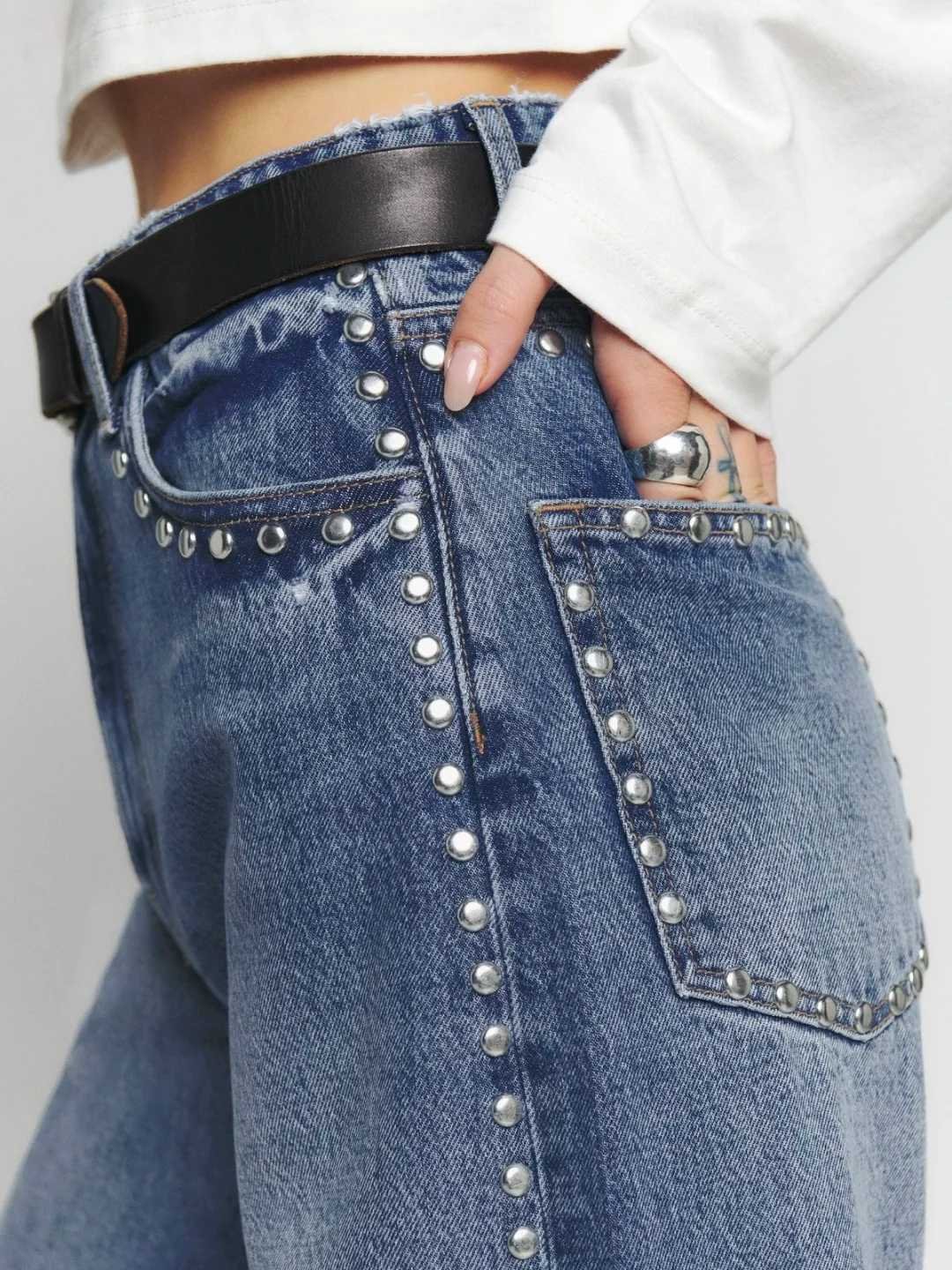
Metal Eyelets
Rust-proof brass or stainless steel eyelets for hoodie hoods, lace-up details, and ventilation panels. Available in sizes 4mm to 12mm with gunmetal, gold, or nickel plating for streetwear aesthetics.
Streetwear Matching Sets Manufacturer Since 2024
Founded by Tesla Luo in August 2024, Clothing Manufacturer Ltd. brings over 10 years of apparel production expertise and 6 years of specialized streetwear focus to every project. Our mission is clear: eliminate low-quality clothing through rigorous quality control and restore trust in Chinese garment manufacturing. Backed by parent company Dongguan TuoZhen Clothing Co., Ltd., we combine startup agility with proven infrastructure.
We’ve served brands across 100+ countries and regions, from emerging influencer lines to established retailers. Our proprietary 5-step quality control system tests materials, cutting, craftsmanship, sewing, and finished garments at every production stage—ensuring zero defects reach your customers. With a 15-member R&D team and 10 patents, we deliver trend-driven streetwear matching sets that meet the highest standards.
Whether you’re launching your first collection or scaling an established brand, we offer low MOQs, fast turnaround for seasonal drops, and end-to-end support from fabric selection to global shipping. We don’t just manufacture clothing—we partner with you to build a brand your audience will trust.
Streetwear Matching Sets Manufacturer With 5-Step QC & In-House Design
5-Step Quality Control Process
Every streetwear matching set passes through materials QC, cutting QC, craft QC, sewing QC, and finished inspection. This zero-compromise system catches defects early, ensuring your hoodies, tracksuits, and co-ords meet brand standards before they ship.
- Materials QC testing verifies fabric weight, color fastness, and stretch recovery
- Cutting and craft QC ensure pattern accuracy and construction integrity
- Sewing and finished inspections guarantee stitching, alignment, and final appearance
- Defect rates reduced by embedding quality checks at every production stage
In-House Design & Sampling Team
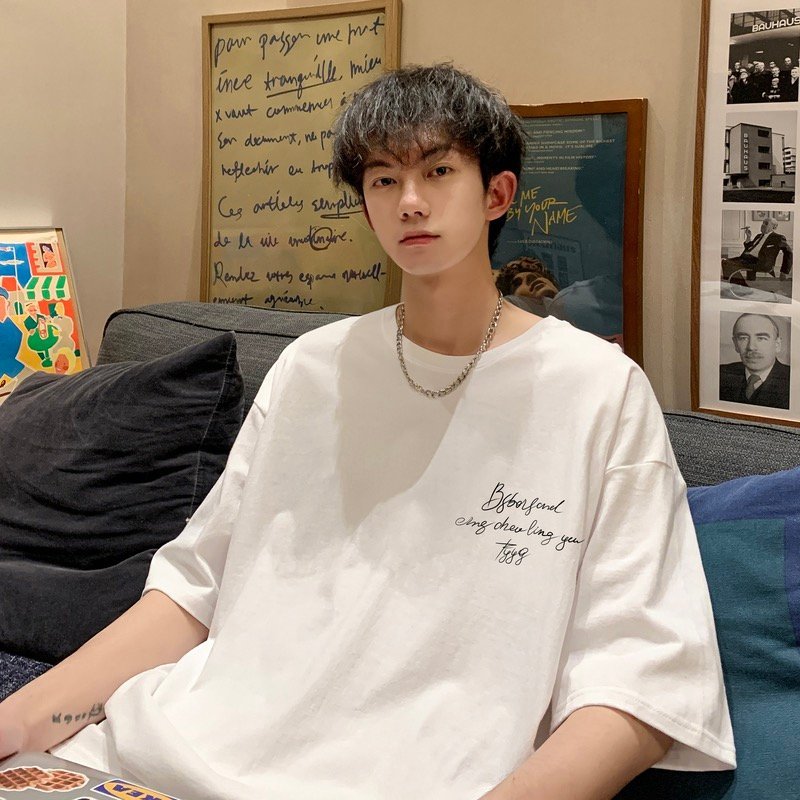
Our 15-member R&D team translates your vision into production-ready tech packs and samples. From skeleton graphics to oversized silhouettes, we handle pattern development, fabric sourcing, and 7-day sample turnaround for rapid iteration.
- Tech pack development for hoodies, joggers, shorts, and co-ord sets
- Pattern grading and fit adjustments for streetwear proportions and oversized fits
- Fabric and trim sourcing aligned with trend forecasts and your budget
- 7-day sample delivery for fast approval and seasonal launch readiness
Fast Turnaround for Seasonal Drops
Streetwear moves fast. We deliver bulk orders in 21–35 days, so your matching sets hit the market while trends peak. Our streamlined workflow and priority scheduling keep your launch calendar on track.
- 21–35 day bulk production for standard streetwear matching sets
- Priority scheduling for influencer collabs and limited-edition drops
- Real-time production updates and photo reports at every milestone
- Flexible capacity to scale from 50-piece test runs to 10,000+ unit reorders
Global Logistics & Shipping Support
We manage customs, freight forwarding, and door-to-door delivery to over 100 countries. Whether you need air express for launch urgency or sea freight for cost efficiency, our logistics team ensures your matching sets arrive intact and on time.
- Customs documentation, HS code classification, and duty guidance
- Air express (5–7 days) and sea freight (20–35 days) options
- Door-to-door delivery with tracking to the US, EU, UK, Australia, and beyond
- Consolidated shipping for multi-SKU orders and restock efficiency
Streetwear Matching Sets Manufacturer vs. Typical Suppliers
We deliver the quality control, flexibility, and speed that low-cost factories skip. Here’s how Clothing Manufacturer Ltd. stands apart from typical suppliers in the streetwear matching sets market.
← 左右滑动查看 →
Streetwear Matching Sets Manufacturer Production Workflow — Quality at Every Stage
Our proprietary 5-step QC system ensures every matching set meets premium standards from fabric selection through final shipment. Each production phase includes dedicated quality checkpoints to eliminate defects before they reach the next stage.
Material Sourcing & QC Testing
Premium streetwear fabrics selected and tested for weight, colorfastness, shrinkage, and durability. Materials QC testing verifies every roll meets specifications before cutting begins.
Pattern Development & Cutting QC
In-house design team creates patterns for hoodies, joggers, and co-ords. Cutting QC testing ensures precise dimensions and zero fabric waste for matching set components.
Screen Print, Embroidery & Finishing
Trend-driven graphics, logos, and decorative elements applied using embroidery, screen printing, or sublimation. Clothing craft QC testing validates print quality and placement accuracy.
Sewing Production & In-Process QC
Expert seamstresses assemble matching set pieces with reinforced stitching and premium construction. Sewing production QC testing catches defects during assembly, not after completion.
Final Inspection & Packing
Finished clothing quality QC inspection examines every matching set for fit, symmetry, thread trimming, and overall appearance before packaging with custom labels and tags.
Logistics & Global Shipping
Coordinated customs documentation, freight forwarding, and tracking support ensure your streetwear matching sets reach customers in over one hundred countries on schedule.
How to Partner With Your Streetwear Matching Sets Manufacturer in 4 Steps
From concept to finished product, our transparent process ensures your vision becomes reality with zero compromise on quality or timelines.
Submit Your Design Brief
Send us your tech pack, sketches, or reference images. Our team reviews your streetwear matching sets concept and confirms fabric, trim, and decoration requirements within 24 hours.
Receive Quote & Sampling Proposal
We provide transparent pricing, MOQ options starting at 50 pieces, and a sampling timeline. Approve the proposal and we begin crafting your first samples immediately.
Approve Samples in 7 Days
Review production-ready samples with our 5-step QC guarantee applied. Request revisions or greenlight bulk production—your feedback drives every refinement until it’s perfect.
Launch Bulk Production & Shipping
Once approved, we initiate full-scale manufacturing with continuous quality checks at every stage. Track progress in real time and receive global shipping support for on-time delivery.
Certifications & Quality Standards Our Streetwear Matching Sets Manufacturer Holds
Streetwear Matching Sets Manufacturer Trusted by Global Brands
We grew from zero to 52,000 followers in 6 months after launching our first matching set collection. The quality and fit consistency across all five seasonal drops kept our customers coming back.
Switched suppliers and cut our sample lead time by 65%—from 21 days down to 7. Their in-house design team understood our streetwear aesthetic immediately and nailed the oversized fit on the first try.
The 5-step QC process is no joke. We’ve placed eight orders totaling over 3,200 pieces and haven’t received a single defective set. That reliability lets us focus on marketing, not damage control.
FAQ — Streetwear Matching Sets Manufacturer MOQ, Lead Time & IP Protection
What is your MOQ for streetwear matching sets?
How quickly can a streetwear matching sets manufacturer produce samples?
Do you charge for samples from your streetwear matching sets manufacturer service?
What payment terms does your streetwear matching sets manufacturer offer?
How do you protect our designs and intellectual property?
What is the lead time for bulk orders of streetwear matching sets?
Can you work with our existing tech pack for matching sets?
Why choose a specialized streetwear matching sets manufacturer over a general factory?
Do you provide global shipping and logistics support?
The Complete Buyer’s Guide to Streetwear Matching Sets Manufacturer
Discover the decision framework, supplier evaluation criteria, and common pitfalls to avoid when sourcing from a streetwear matching sets manufacturer. This guide helps fashion startups, independent designers, and apparel retailers choose the right partner for coordinated streetwear collections.
1. What Is a Streetwear Matching Sets Manufacturer?
A streetwear matching sets manufacturer specializes in producing coordinated two-piece or multi-piece outfits designed to be worn together, such as hoodies paired with joggers, crop tops with shorts, or oversized tees with track pants. Unlike separates, which are sold and designed as individual garments, matching sets share identical or complementary fabrics, colorways, prints, and design elements across all pieces in the set. This coordination creates a cohesive visual identity that simplifies purchasing decisions for consumers and strengthens brand recognition.
Coordinated streetwear has grown rapidly since 2020, driven by demand for effortless styling, social media aesthetics, and the athleisure movement that blurred the line between performance wear and everyday fashion. Matching sets offer brands a higher average order value compared to single items, while customers gain a ready-to-wear outfit that eliminates guesswork. For fashion startups and independent designers, launching with matching sets accelerates market entry by reducing SKU complexity and inventory planning.
A streetwear matching sets manufacturer like Clothing Manufacturer Ltd. manages the entire production workflow — fabric sourcing, pattern grading for both pieces, cutting, sewing, quality control, and finishing — ensuring that color, fit, and construction standards remain consistent across every component. The five-step QC methodology implemented in February 2025 checks materials, cutting, craft, sewing, and finished garments to prevent mismatched dye lots, uneven seam allowances, or inconsistent sizing between tops and bottoms. This end-to-end oversight is critical because even minor discrepancies between set components can undermine the coordinated aesthetic that defines the product category.
2. Evolution of Streetwear Matching Sets in Fashion
Matching sets trace their origins to 1970s athletic wear, when tracksuits paired jackets with coordinated pants for sports teams and casual training. By the mid-1980s, hip-hop pioneers including Run-DMC and LL Cool J elevated tracksuits from functional sportswear to cultural statements, pairing Adidas and Puma sets with sneakers and gold chains. This shift embedded matching sets into streetwear DNA, linking coordinated silhouettes with self-expression and subcultural identity.
The athleisure boom of 2012–2016 reintroduced matching sets through yoga-pant-and-sports-bra combinations and jogger-hoodie pairings, driven by brands that blurred gym and street boundaries. Instagram’s visual-first platform accelerated adoption: a single outfit post showcasing a coordinated set generated higher engagement than mix-and-match looks, rewarding creators and brands with measurable reach. Influencers discovered that matching sets simplified content creation, delivering polished aesthetics without styling complexity, and followers began purchasing complete looks rather than separates.
By 2019, streetwear labels recognized that matching sets commanded 20–35 percent higher average order values than individual pieces, while reducing customer decision fatigue and return rates. Manufacturers responded by developing dedicated matching-set production lines, synchronizing fabric batches, color dye lots, and pattern grading across tops and bottoms to ensure perfect visual and dimensional harmony. Today’s streetwear matching sets manufacturer invests in paired quality control workflows and coordinated inventory systems that treat sets as single SKUs rather than separate garments, reflecting the category’s evolution from niche athletic gear to a cornerstone of trend-driven fashion commerce.
3. Types of Streetwear Matching Sets Manufacturers Produce
Streetwear matching sets manufacturers produce six core categories, each optimized for distinct fabric weights, silhouettes, and consumer occasions. Understanding these archetypes helps brands align product development with target demographics and seasonal demand cycles.
Hoodie and Jogger Sets
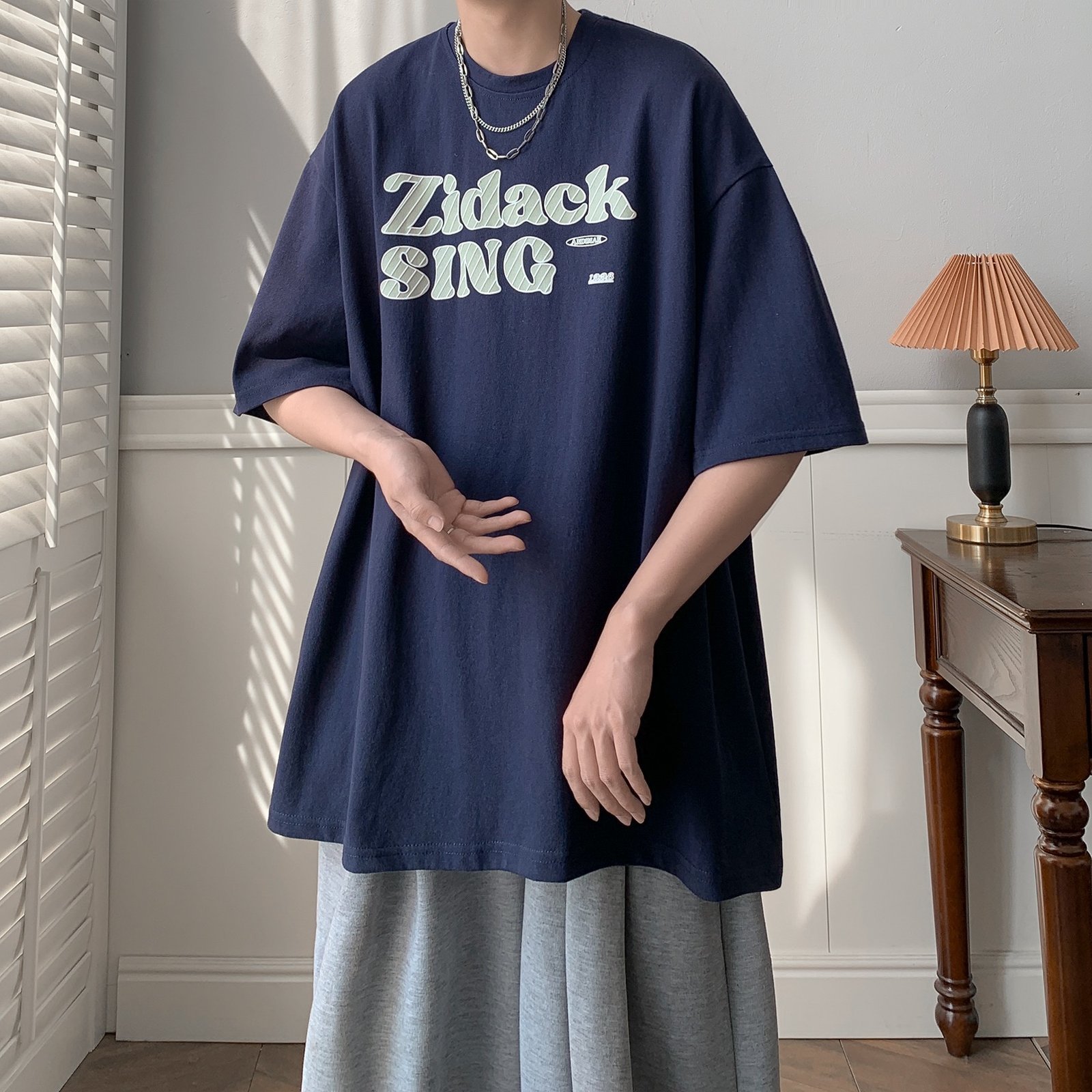
Hoodie and jogger combinations account for the largest share of matching set orders, typically constructed from 280–320 GSM French terry or fleece. Brands target 16–34 year-old consumers seeking versatile loungewear that transitions from home to casual outings.
Manufacturers often pair oversized pullover hoodies with tapered or straight-leg joggers featuring elastic cuffs and adjustable drawcords. Popular colorways include neutral tones (black, grey, sand) and seasonal palettes (burnt orange, forest green). These sets serve equally as athleisure staples and streetwear essentials, with decoration options ranging from screen-printed graphics to embroidered logos.
Crop Top and Biker Short Sets
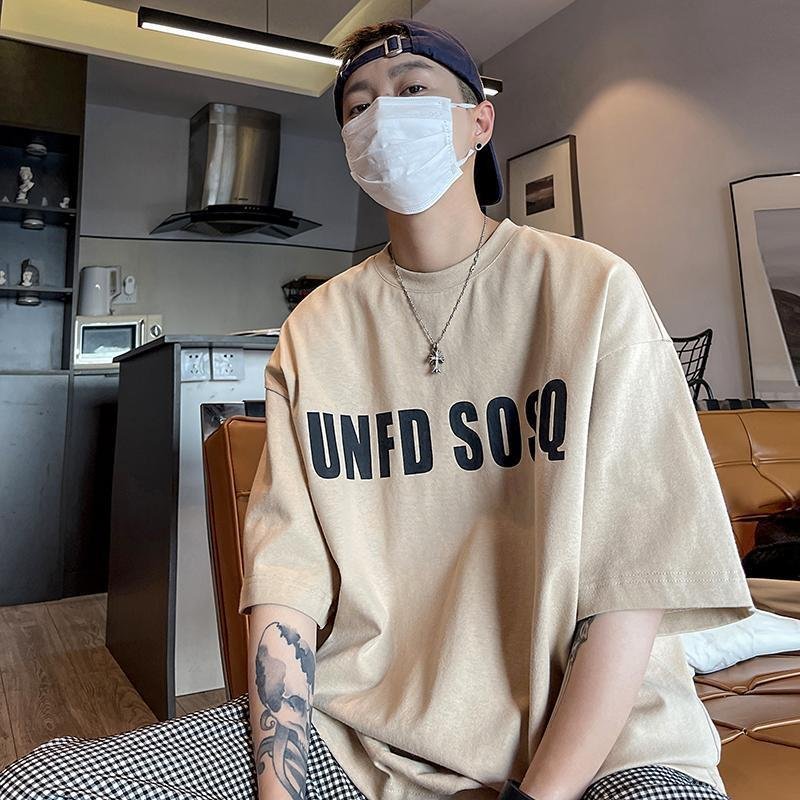
Crop top and biker short pairings use 200–240 GSM cotton-spandex blends or ribbed knit fabrics, targeting female consumers aged 18–28 for activewear and festival fashion. The crop silhouette typically ends 2–4 inches above the natural waist, while shorts feature 6–8 inch inseams.
This category peaks in spring and summer order cycles, with brands requesting high-stretch fabrics (15–20% spandex content) for yoga, gym wear, and casual streetwear. Manufacturers apply techniques like dye sublimation for all-over prints or contrast piping for athleisure aesthetics.
Oversized Tee and Cargo Pant Sets
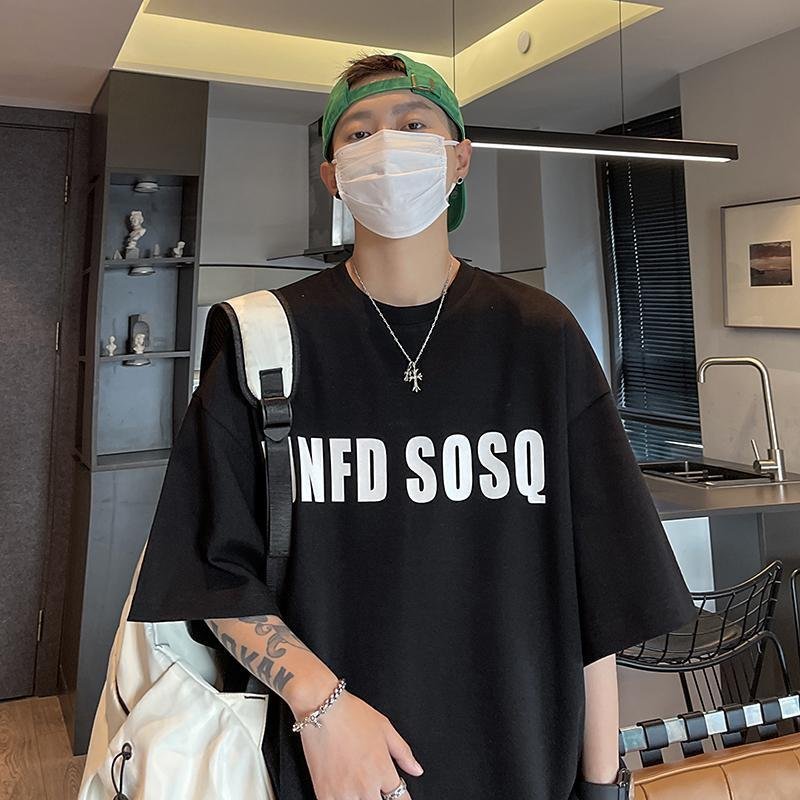
Oversized tee and cargo pant sets combine 180–220 GSM ring-spun cotton tees with mid-weight twill or ripstop cargo bottoms, appealing to streetwear purists and skate culture audiences. Manufacturers cut tees with dropped shoulders and extended hemlines, while cargo pants feature utility pockets and adjustable waist tabs.
This archetype dominates urban fashion markets, with brands ordering earth tones, camo prints, and monochrome colorways. Use cases span street photography, skateboarding, and everyday casual wear, with decoration focused on large-scale screen prints and woven labels.
Zip-Up and Sweatpant Sets
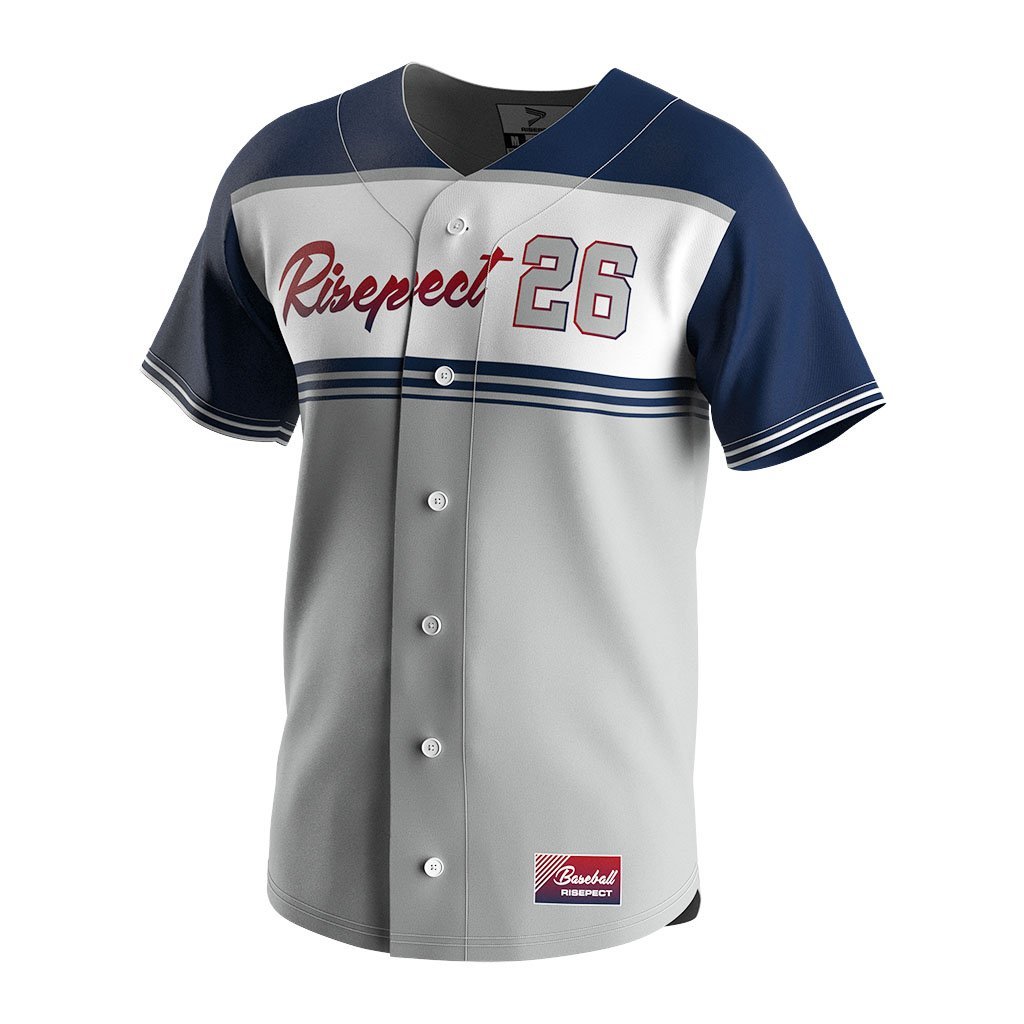
Zip-up jacket and sweatpant combinations use 260–300 GSM fleece or French terry, serving as elevated loungewear for both genders across 20–40 age demographics. Full-zip closures with YKK or equivalent hardware provide layering flexibility, while sweatpants feature side pockets and elastic or drawstring waistbands.
Retailers order these sets for fall and winter inventory, emphasizing comfort and functionality. Manufacturers apply embroidery, chenille patches, or reflective prints to differentiate premium lines from basic offerings.
4. Materials and Fabrics for Streetwear Matching Sets
Fabric choice defines the comfort, durability, and seasonal appeal of every matching set a streetwear matching sets manufacturer produces. Weight measured in grams per square meter (GSM), drape, print compatibility, and cost all vary significantly across the six most common materials in streetwear production.
| Fabric Type | GSM Range | Best Season | Price Tier |
|---|---|---|---|
| French Terry | 240–320 | Spring / Fall | Mid |
| Brushed Fleece | 280–350 | Winter | Mid-High |
| Unbrushed Fleece | 260–300 | Fall / Winter | Mid |
| 100% Cotton | 180–220 | Summer | Mid-High |
| Cotton-Poly Blend | 200–240 | Year-Round | Low-Mid |
| Modal Blend | 190–230 | Spring / Summer | High |
| Performance Knit | 160–200 | Year-Round | Mid-High |
French Terry and Fleece
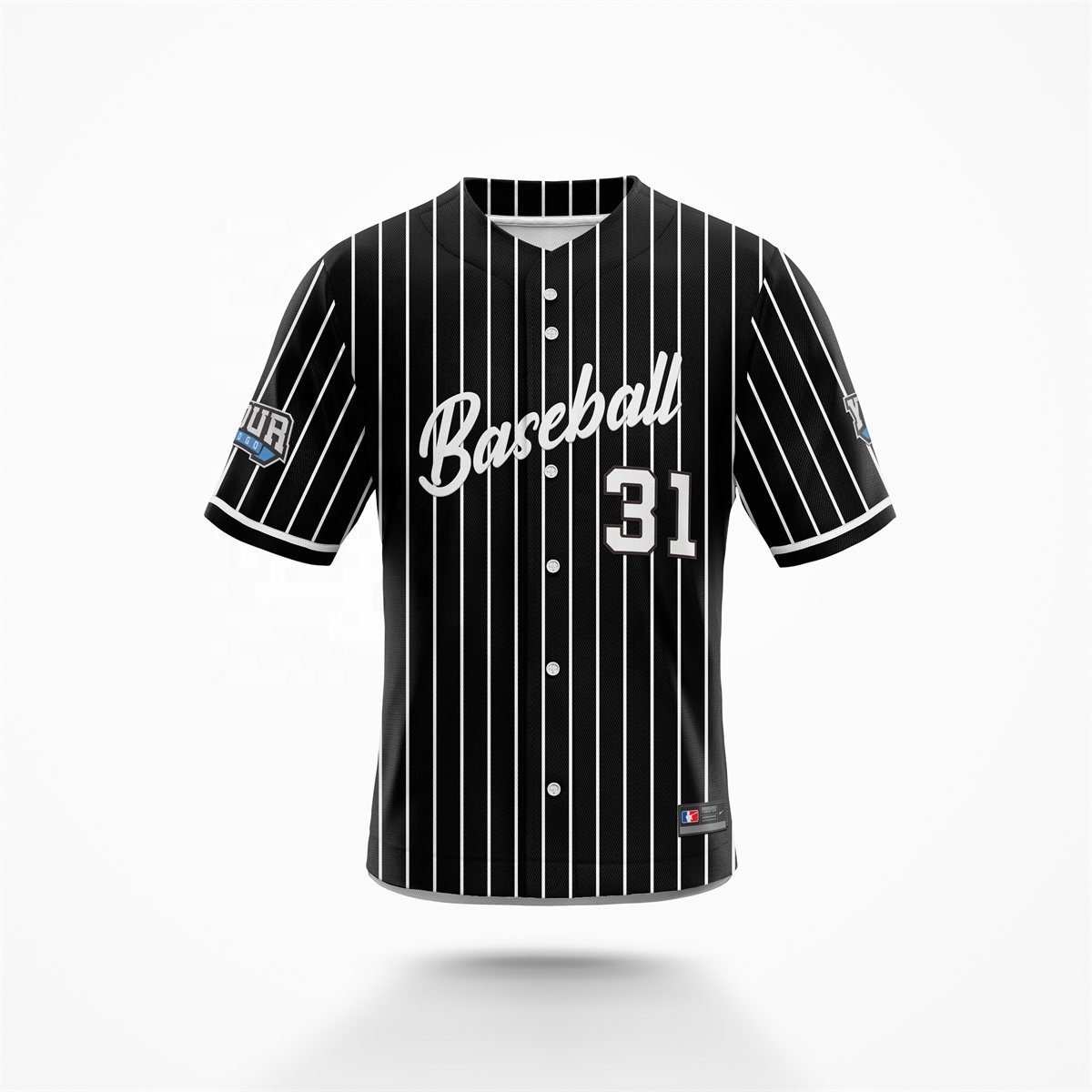
French terry ranges from 240 to 320 GSM, offering a smooth exterior and looped interior ideal for spring and fall layering. Its flat face accepts screen printing, DTG, and embroidery without pilling, making it the workhorse fabric for hoodies and joggers.
Brushed fleece (280–350 GSM) delivers winter-weight warmth with a soft hand feel, while unbrushed fleece (260–300 GSM) suits milder climates. Both fleece types hold vibrant prints but require higher ink deposits than French terry to prevent color migration into the brushed fibers.
Cotton and Cotton-Poly Blends
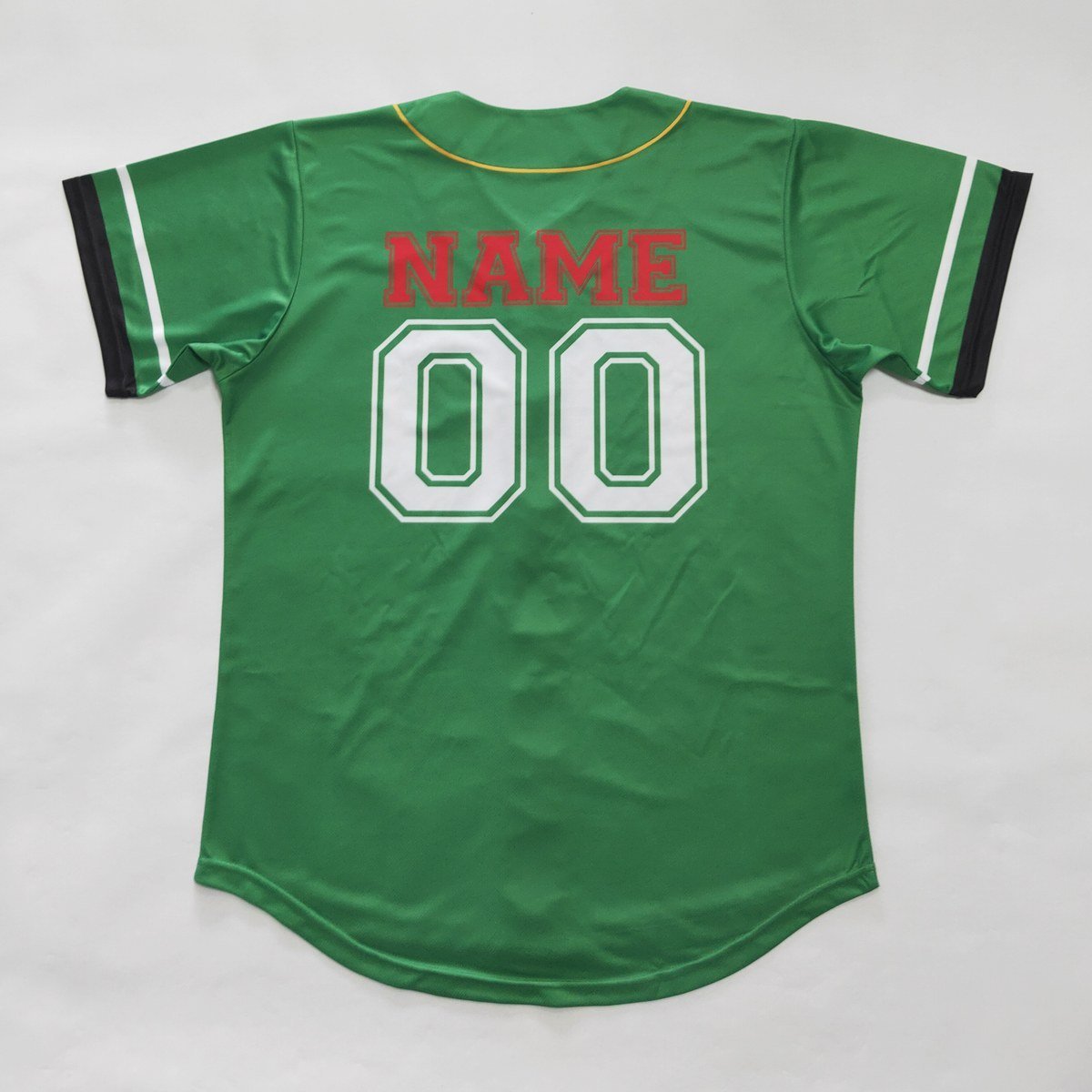
100% cotton knits (180–220 GSM) provide breathability and natural drape for summer sets, though they shrink 3–5% after the first wash unless pre-shrunk. Ring-spun cotton costs 15–20% more than open-end but delivers superior softness and print clarity.
Cotton-poly blends (typically 80/20 or 65/35, 200–240 GSM) reduce shrinkage to under 2%, lower per-unit costs by 10–15%, and speed drying time. The synthetic content slightly reduces breathability but improves color retention across 50+ wash cycles.
Modal Blends and Performance Knits
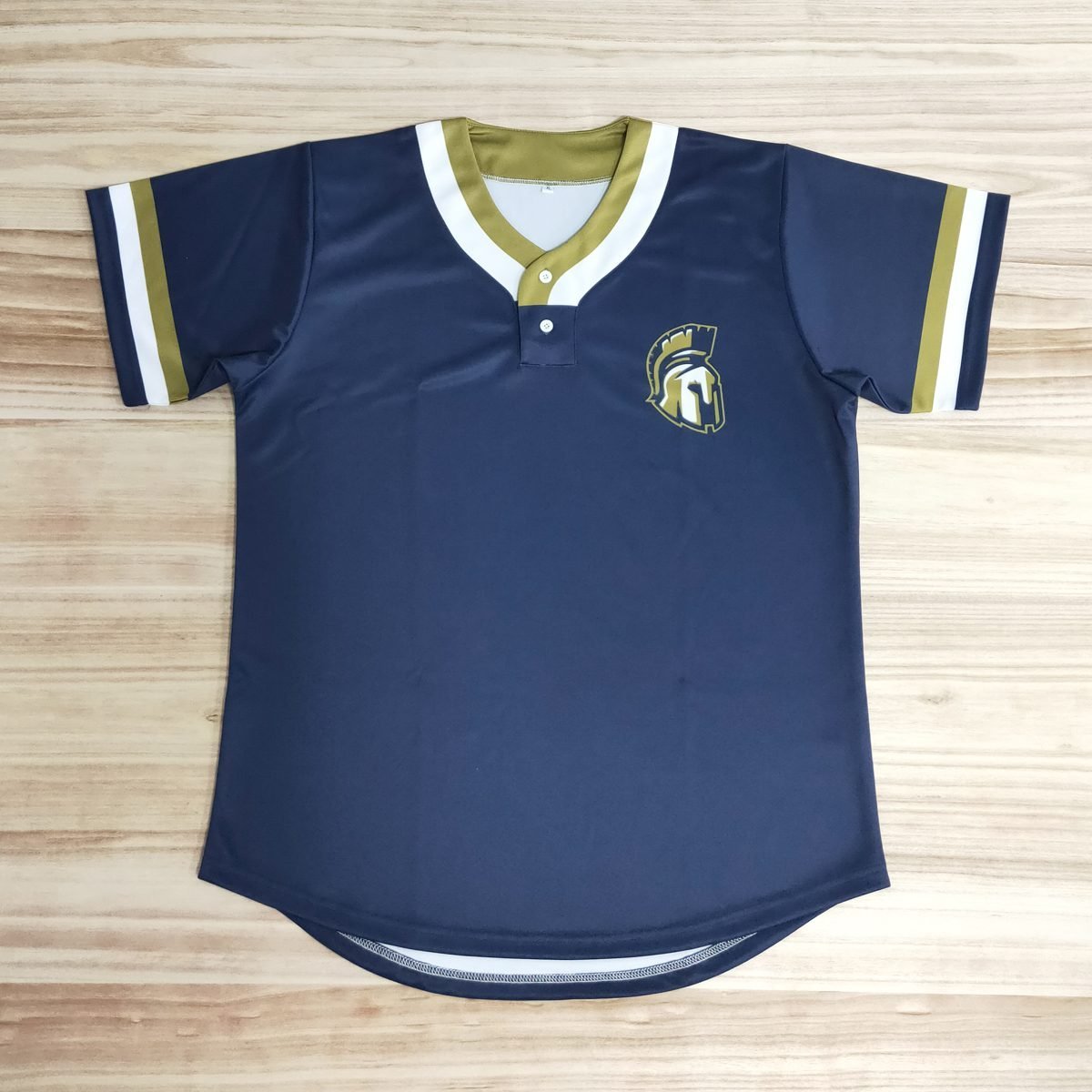
Modal-cotton blends (190–230 GSM) offer luxury drape and moisture wicking for premium-tier sets, adding 25–35% to fabric costs versus standard cotton. Performance knits with polyester or nylon (160–200 GSM) suit athleisure-inspired matching sets, featuring four-way stretch and quick-dry properties ideal for active lifestyles and year-round wear.
5. Customization and Decoration Options
A streetwear matching sets manufacturer offers multiple decoration techniques, each with distinct cost structures, durability profiles, and design limitations. Choosing the right method depends on your artwork complexity, order volume, and brand positioning.
Screen Printing and DTG Comparison
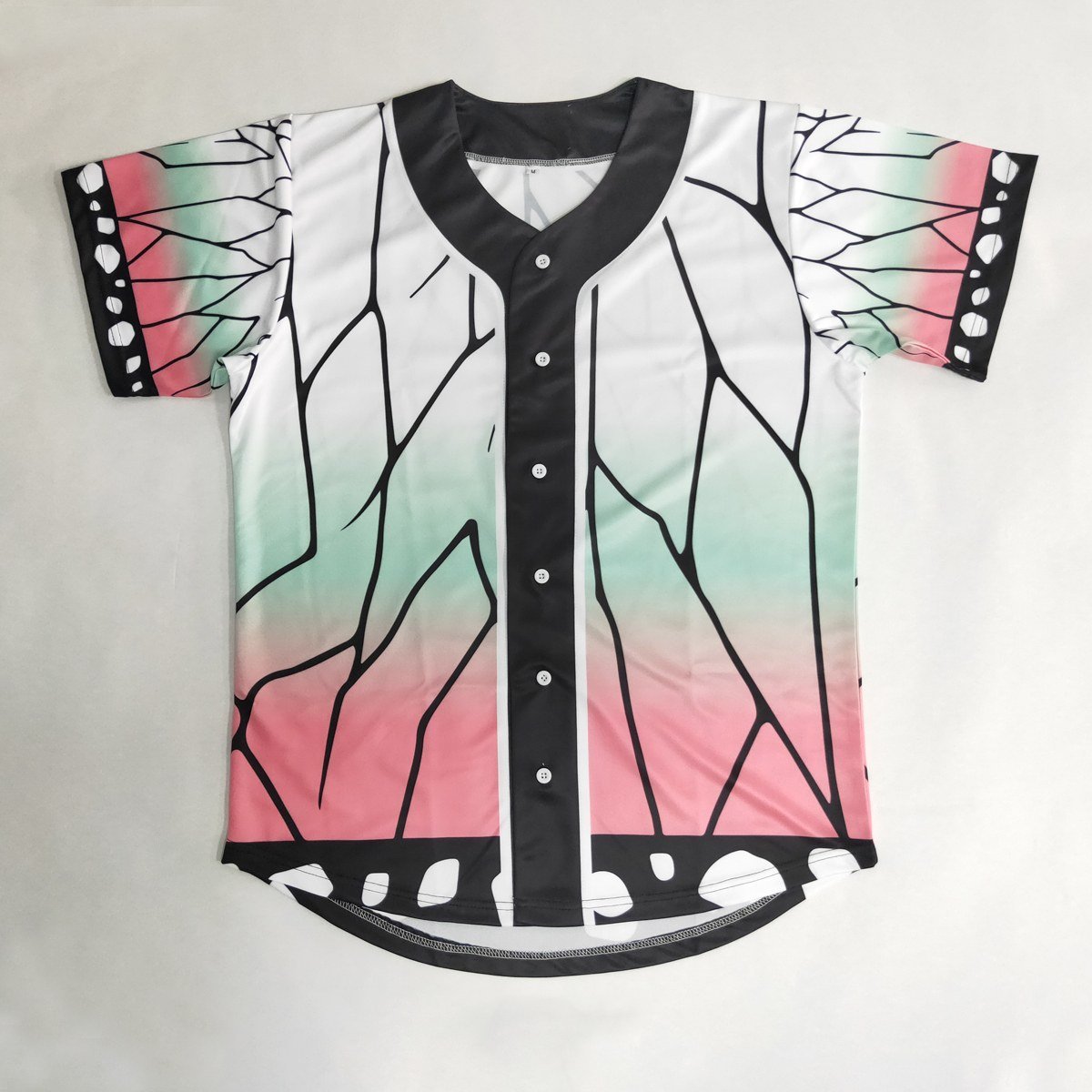
Screen printing remains the industry standard for runs above 50 pieces, with setup costs of $15–$25 per color but per-piece costs dropping to $0.80–$2.50 on volume orders. Direct-to-garment (DTG) eliminates setup fees, making it ideal for 10–100 piece orders with photorealistic or gradient designs, though per-piece costs range $3–$7.
Screen prints endure 50+ industrial washes when cured correctly, while DTG prints typically last 30–40 washes before noticeable fading. A streetwear matching sets manufacturer will recommend screen printing for bold, solid-color logos and DTG for intricate graphics with unlimited color palettes.
Embroidery, Puff Print, and Chenille Patches
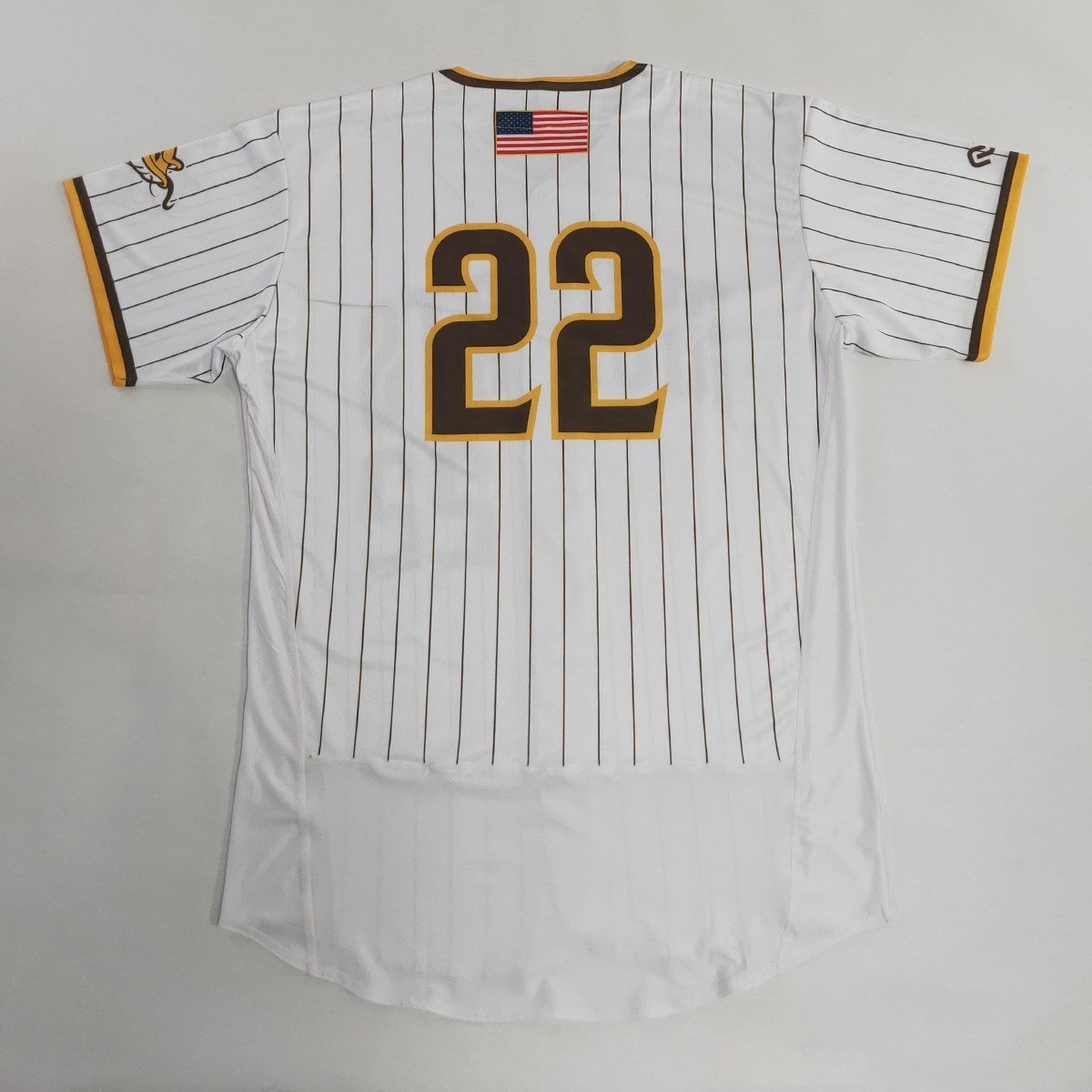
Embroidery adds premium texture with per-piece costs of $2–$6 depending on stitch count (typically 5,000–15,000 stitches for chest logos). Puff print creates three-dimensional effects ideal for lettering and simple shapes, adding $1.50–$3 per location with excellent wash durability.
Chenille patches deliver varsity-style branding at $4–$10 per patch, requiring minimums of 50–100 pieces due to custom die-cutting setup. These techniques suit streetwear matching sets targeting higher price points and tactile brand differentiation.
Sublimation, Heat Transfer, and Appliqué
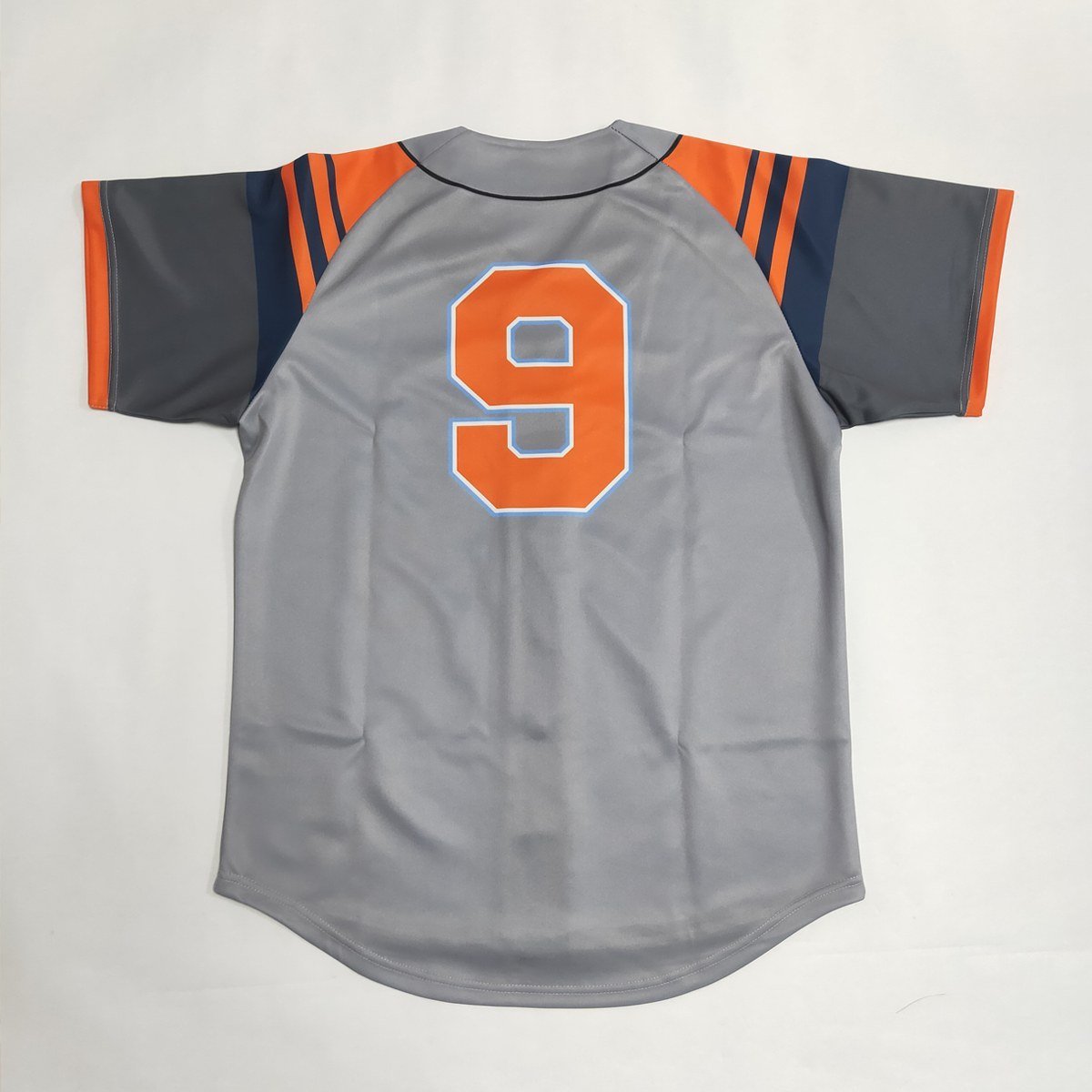
Sublimation works exclusively on polyester fabrics, allowing full-garment prints with no per-color upcharge, ideal for all-over graphic sets at $5–$12 per piece. Heat transfers offer flexibility for small runs (10+ pieces) at $2–$5 per location but show cracking after 20–30 washes.
Appliqué involves stitching fabric cutouts onto garments, creating layered dimension at $3–$8 per design element with 50-piece minimums. A streetwear matching sets manufacturer will pair appliqué with embroidery for maximum visual impact on hoodies and jogger sets.
6. Key Quality Indicators in Matching Set Construction
Quality checkpoints in matching set construction directly determine durability, customer satisfaction, and return rates. Buyers should verify specific technical indicators at each production stage, from raw materials through finished garments.
Stitch Density and Seam Construction
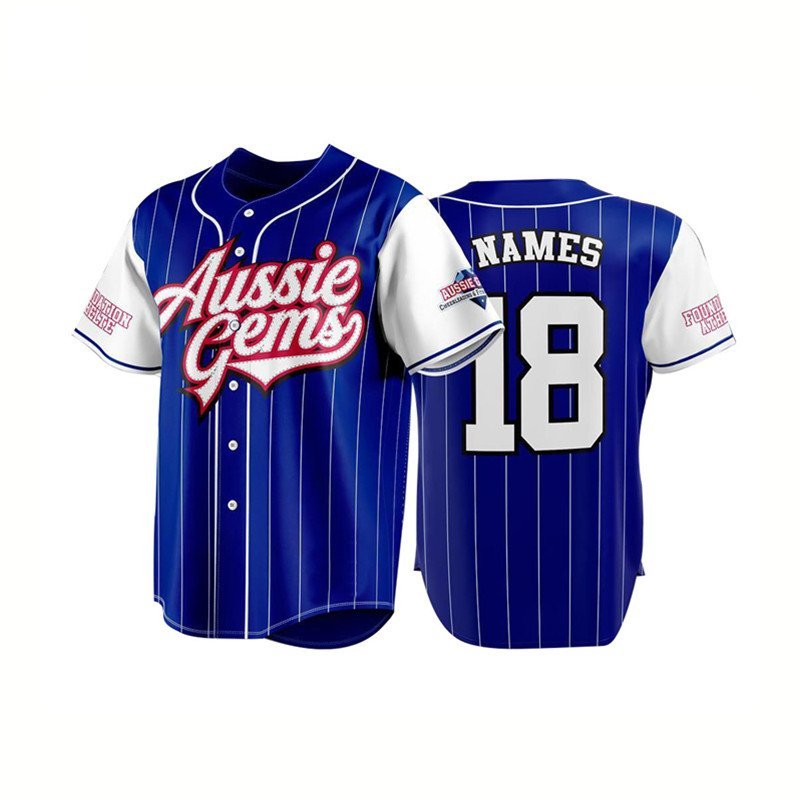
Premium streetwear matching sets require 12–14 stitches per inch (SPI) for main seams and 14–16 SPI for stress points like shoulders and crotch. Flatlock or overlock seams prevent fraying and provide flexibility during movement.
Manufacturers using five-step QC processes test stitch integrity during sewing production, catching tension issues before garments reach finishing. Weak seams account for 30–40% of customer returns in budget streetwear lines.
Pattern and Color Matching Across Pieces
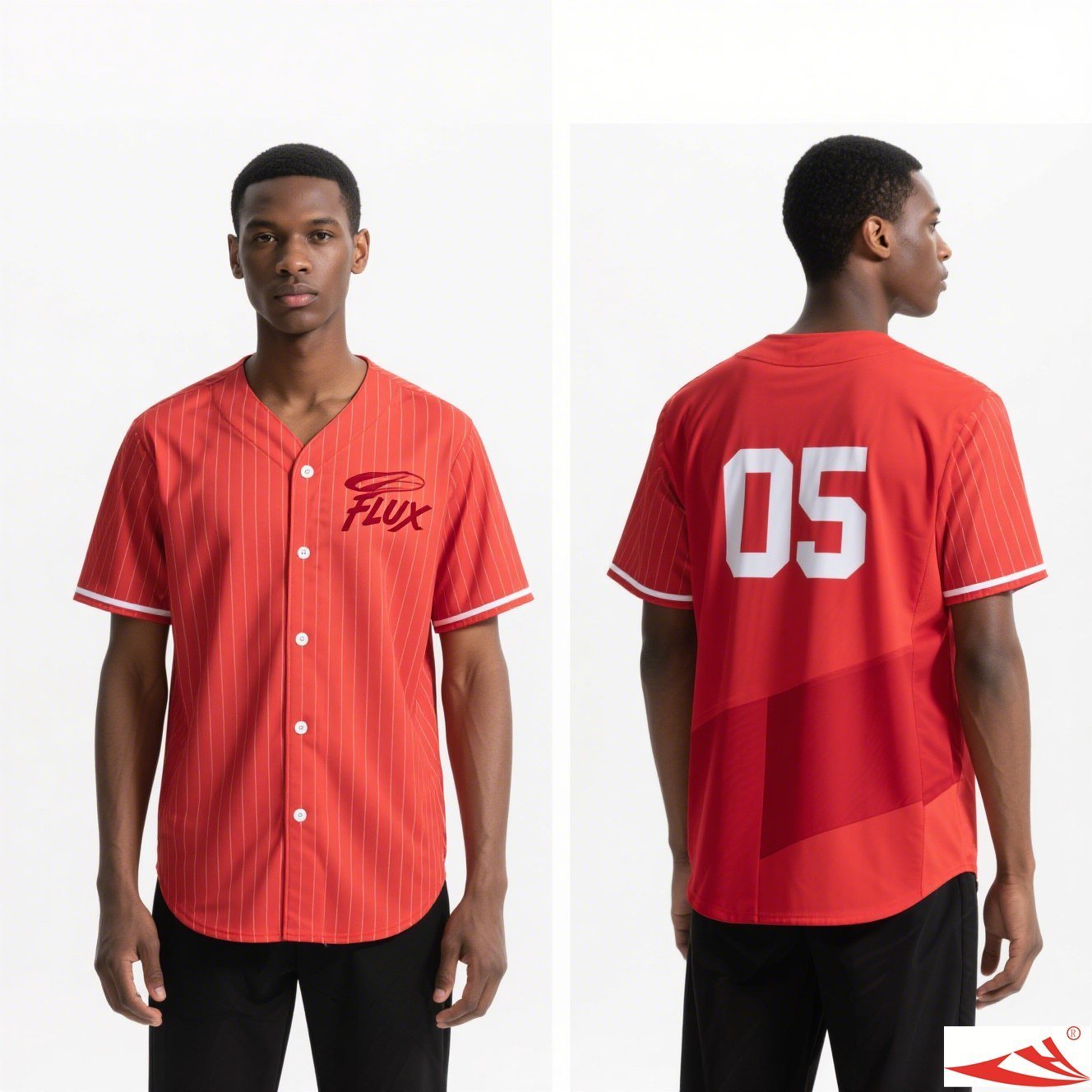
Top and bottom pieces in a set must match precisely in print placement, color tone, and fabric hand-feel. Dye-lot consistency requires batch tracking and spectrophotometer verification to ensure Delta E values below 1.0.
Cutting QC testing confirms that pattern repeats align at side seams and that graphic elements maintain consistent scale. Mismatched sets generate immediate customer complaints and damage brand credibility.
Elastic Waistband and Drawstring Reinforcement
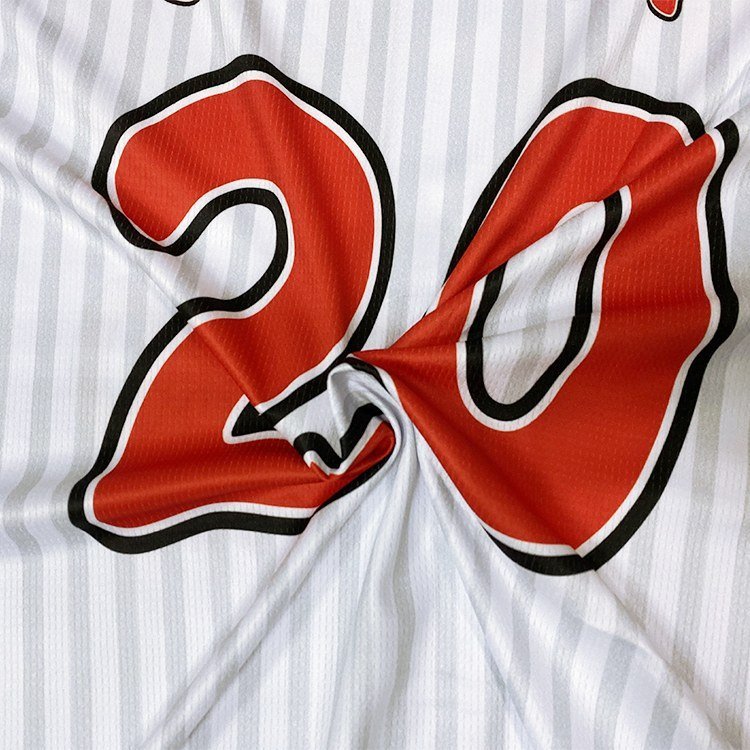
Waistbands should use covered elastic with 40–60% stretch recovery, stitched with a minimum three-needle coverstitch to prevent twisting or bunching. Bar-tack reinforcement at drawstring entry points prevents pull-through and extends garment life.
Finished clothing quality QC inspection verifies that elastic width matches spec (typically 25–40 mm) and that drawstring tips are heat-sealed or metal-tipped to resist fraying. Poor waistband construction is a leading cause of returns in jogger and shorts sets.
Hem Finishes and Pre-Shrinking Treatments
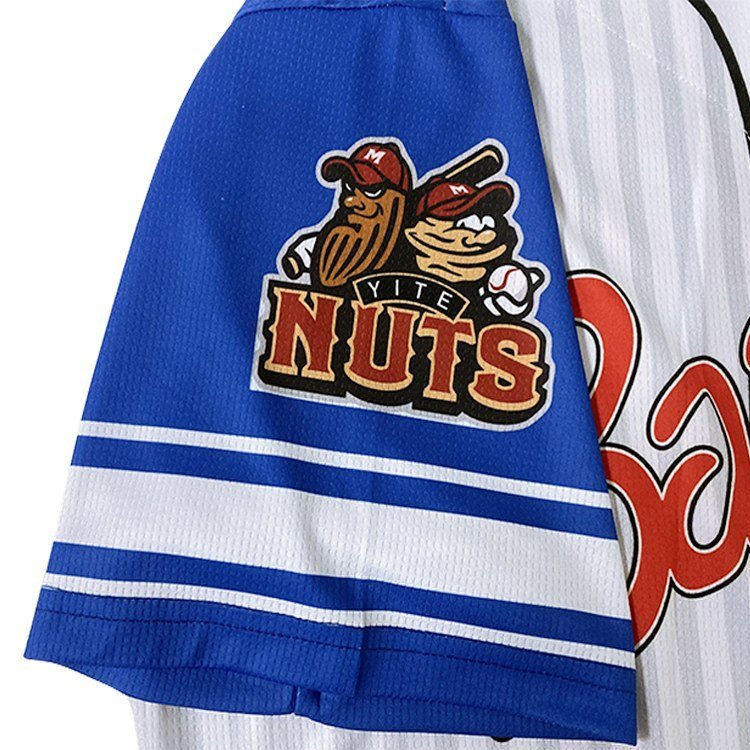
Double-needle hem stitching at cuffs and bottom hems ensures clean edges and prevents unraveling after repeated washing. Pre-shrinking treatments—compressive shrinkage or sanforization—limit post-purchase dimensional change to under 3%.
Materials QC testing confirms fabric has undergone heat-setting before cutting, preventing size discrepancies that trigger returns. Brands skipping pre-shrink steps face 15–25% higher return rates due to fit complaints.
7. How to Choose the Right Streetwear Matching Sets Manufacturer
Selecting a streetwear matching sets manufacturer requires evaluating eight core criteria that directly impact product quality, timelines, and scalability. Brands that skip systematic vetting often face costly delays, inconsistent quality, or communication breakdowns that derail launch schedules.
MOQ Flexibility and Sampling Terms
Minimum order quantities for matching sets typically range from 50 to 500 pieces per design, with sampling costs between $50 and $200 per set depending on complexity. Manufacturers offering 50-piece MOQs enable startups to test designs without excess inventory risk, while 7-day sample turnaround allows rapid iteration.
Request detailed sampling terms upfront, including whether sample fees apply to bulk orders and whether you retain design exclusivity during the sampling phase.
Production Lead Times and Capacity
Standard production windows for matching sets span 25 to 45 days from approved samples to shipment, varying by order volume and decoration requirements. Factories with in-house cutting, sewing, and finishing departments typically deliver faster than those outsourcing stages.
Ask for a production timeline breakdown by stage—cutting, sewing, decoration, QC, packing—to identify potential bottlenecks and confirm the manufacturer can scale as your brand grows.
Quality Control and Inspection Protocols
Manufacturers implementing multi-stage QC—materials inspection, cutting checks, in-line sewing audits, and final garment review—reduce defect rates below 2 percent. Clothing Manufacturer Ltd.’s five-step QC methodology exemplifies this approach, testing at materials, cutting, craft, sewing, and finished stages rather than only at the end.
Request documentation of QC checkpoints and ask whether third-party inspections (BSCI, WRAP) are available. Red flag: factories that inspect only finished goods miss early-stage defects that compound costs.
Red Flags During Vetting
Avoid manufacturers unwilling to share past client portfolios, provide fabric sourcing details, or clarify whether decoration is handled in-house or outsourced. Communication delays exceeding 24 hours during the inquiry phase often signal poor responsiveness during production.
Other warning signs include vague pricing (no per-piece breakdown), no physical address or factory photos, and reluctance to sign non-disclosure agreements for custom designs.
8. Common Mistakes When Sourcing from a Streetwear Matching Sets Manufacturer
Even experienced buyers make costly errors when ordering streetwear matching sets. Many of these mistakes stem from skipping verification steps or accepting vague terms that create production conflicts and financial losses down the line.
Ignoring Fit Grading Across Sizes
Brands often approve a sample in size M but fail to verify how proportions scale to XS or XXL. Poor grading creates sets where tops fit but bottoms don’t, forcing returns and damaging brand reputation.
Request a fit sample in your smallest and largest size before bulk production. Check sleeve length, inseam, and waist-to-hip ratios at every size tier to ensure consistent wearability across your range.
Underestimating Fabric Shrinkage
Cotton fleece and French terry can shrink 3–5% after the first wash. Skipping pre-shrink testing means your Medium becomes a Small, triggering customer complaints and size-chart inaccuracies.
Always request wash-test samples using your care-label instructions. Measure garments before and after three wash cycles to confirm dimensional stability and adjust pattern specs accordingly.
Skipping Pre-Production Samples
Jumping straight to bulk orders without a pre-production sample risks receiving sets with incorrect colors, misaligned prints, or substandard stitching. Fixing errors post-production is expensive and delays launch.
Insist on a final pre-production sample that uses actual bulk fabrics and trims. Approve it in writing before the streetwear matching sets manufacturer begins cutting your full order.
Neglecting Wash-Care and IP Ownership
Brands often skip colorfastness and pilling tests, only to see graphics fade or fabric pill after customer washes. Equally critical: failing to secure design ownership in contracts leaves your artwork unprotected.
Include wash-care test reports (ISO 105 for colorfastness, ASTM D3512 for pilling) in your quality checklist. Ensure contracts explicitly assign all design IP to your brand and prohibit the manufacturer from reselling your styles.
9. Steps to Launch Your Streetwear Brand with Matching Sets
Launching a streetwear brand with matching sets requires coordinating design, production, and go-to-market activities across a compressed timeline. Missing a single dependency—sample approval, payment milestone, or shipping window—can delay your entire launch by weeks.
Define Target Audience and Aesthetic Direction
Identify your core customer demographic—age range, income level, style influences—and map that to specific streetwear elements like skeleton graphics, rose motifs, or mystery symbols. Document 3–5 reference brands and 8–12 design inspiration images in a mood board.
Share this brief with your streetwear matching sets manufacturer during initial contact to confirm they have experience producing your chosen aesthetic and can source appropriate fabrics and decoration techniques.
Create Tech Packs and Request Samples
Develop tech packs specifying measurements (chest, length, sleeve for tops; waist, inseam, rise for bottoms), fabric weight in GSM, colorways with Pantone codes, and decoration placements. Include stitch types, hem finishes, and hardware callouts.
Submit tech packs to request samples; expect 7–10 days for physical prototypes. Evaluate fit on live models, check color accuracy under daylight, and test fabric hand-feel and weight before approving for bulk production.
Negotiate Terms and Finalize Production Timeline
Confirm MOQ per colorway (typically 50–100 pieces for matching sets), unit pricing, payment structure (30% deposit, 70% before shipment is common), and lead time from deposit to ex-factory (usually 25–35 days).
Build a reverse timeline: add 15–25 days for ocean freight, 5–7 days for customs clearance, and 10–14 days for warehouse receiving and quality inspection before your planned launch date.
Coordinate Branding, Packaging, and Launch Marketing
Finalize woven labels, hang tags, poly-bag inserts, and outer carton artwork at least 15 days before bulk production starts; packaging lead times often run parallel to garment sewing.
Plan pre-launch content—lookbook shoots, influencer seeding, email teasers—4–6 weeks before inventory arrival to build momentum and capture day-one sales when stock lands.
10. Pricing and Cost Breakdown for Streetwear Matching Sets
Streetwear matching set pricing scales predictably across five quantity tiers, with per-set costs dropping 40–55% between 50-unit and 1,000-unit orders. A basic two-piece set (hoodie and joggers) in 280–320 GSM French terry typically ranges from $18–22 per set at 50 units to $8–11 per set at 1,000+ units, while heavier 400+ GSM fleece adds $2–4 per set across all tiers. Decoration complexity drives the widest cost variation: single-location screen printing adds $0.80–1.50 per set with a $45–75 setup fee, whereas all-over sublimation or multi-color embroidery can add $3–6 per set with $120–200 setup costs.
Sampling costs for a streetwear matching sets manufacturer average $65–95 per set including basic decoration, with 7–10 day turnaround standard and 3–5 day rush available for an additional 40–60% fee. Lead times compress as order size grows: 50-unit runs ship in 18–25 days, 250-unit orders in 22–28 days, and 1,000+ unit production in 28–35 days, all post-approval. Payment terms typically require 30–50% deposit at order confirmation and balance before shipment, though established clients may negotiate net-30 terms after three successful orders.
Fabric weight and decoration method interact significantly: lightweight 240 GSM sets with single-color prints hit the lowest price floor, while heavyweight 400 GSM sets with embroidered patches and custom woven labels reach premium tiers. Brands should budget an additional 8–12% for international shipping, duties, and import fees when calculating landed cost per set.
| Quantity Tier | Per-Set Cost (Basic) | Decoration Setup | Lead Time (Days) |
|---|---|---|---|
| 50 units | $18–22 | $45–75 (screen print) | 18–25 |
| 100 units | $15–18 | $45–75 (screen print) | 20–26 |
| 250 units | $12–15 | $45–75 (screen print) | 22–28 |
| 500 units | $10–13 | $45–75 (screen print) | 25–30 |
| 1,000+ units | $8–11 | $45–75 (screen print) | 28–35 |
| Sample (1 set) | $65–95 | Included | 7–10 |
Ready to Launch Your Streetwear Matching Sets Line?
Join 1,000+ satisfied clients across 100+ countries. 50-piece MOQ, 7-day samples, and our 5-step QC guarantee ensure your vision becomes reality.