
Premium Streetwear Cargo Pants Manufacturer — 50-Piece MOQ, 7-Day Samples
Partner with a streetwear cargo pants manufacturer that combines 10+ years of production expertise, trend-driven designs, and a rigorous 5-step QC guarantee to deliver quality your brand can trust.
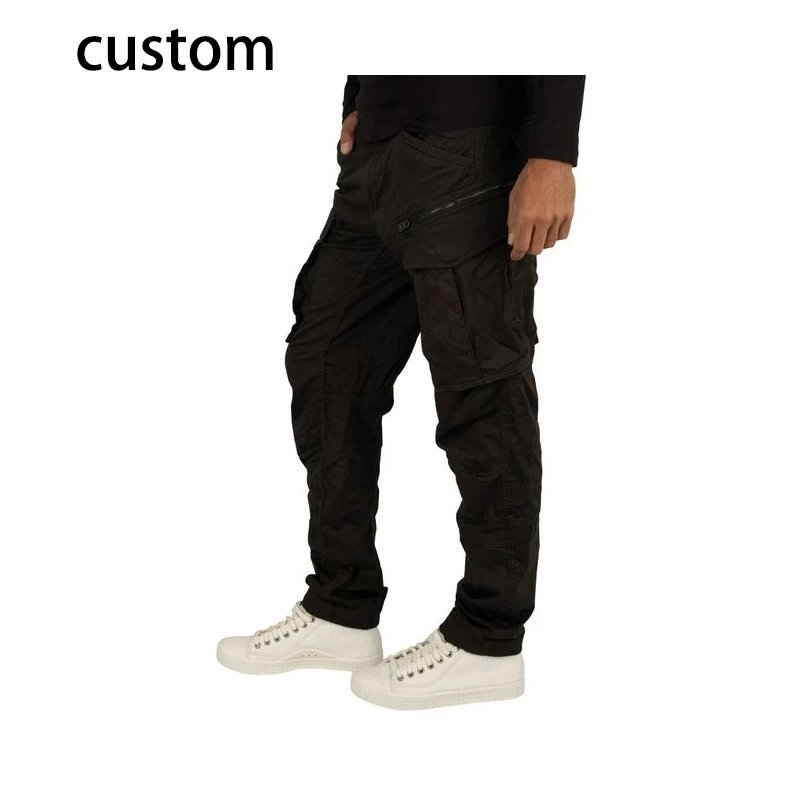
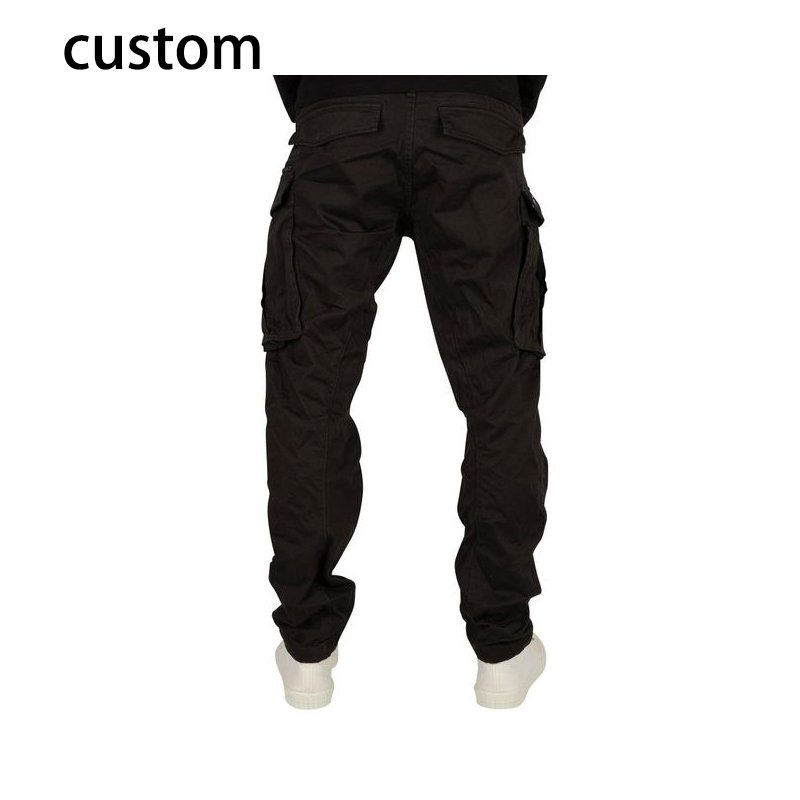
Cargo Pants Design & Sample Gallery
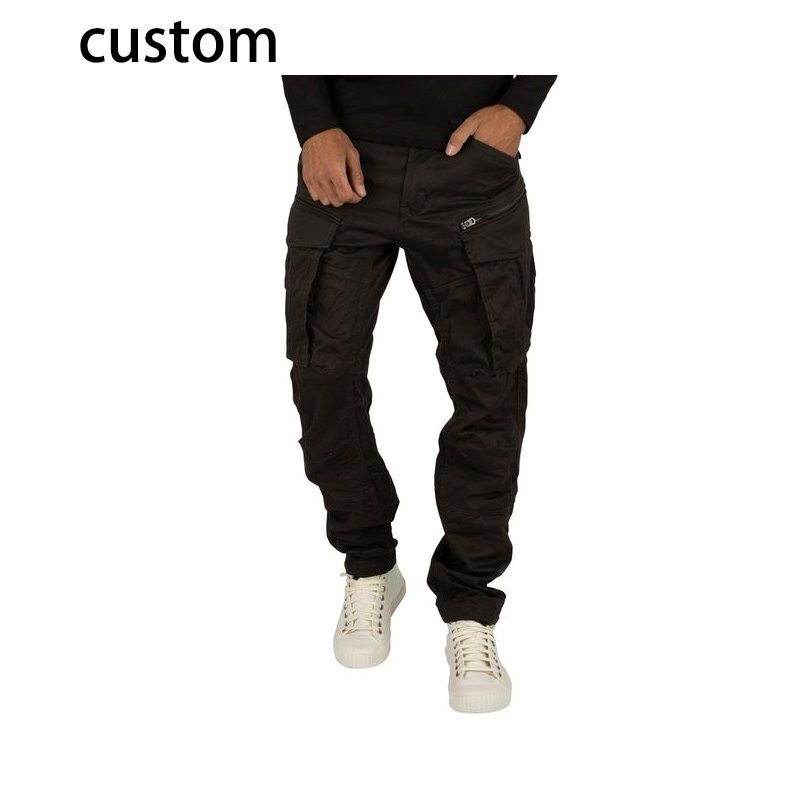

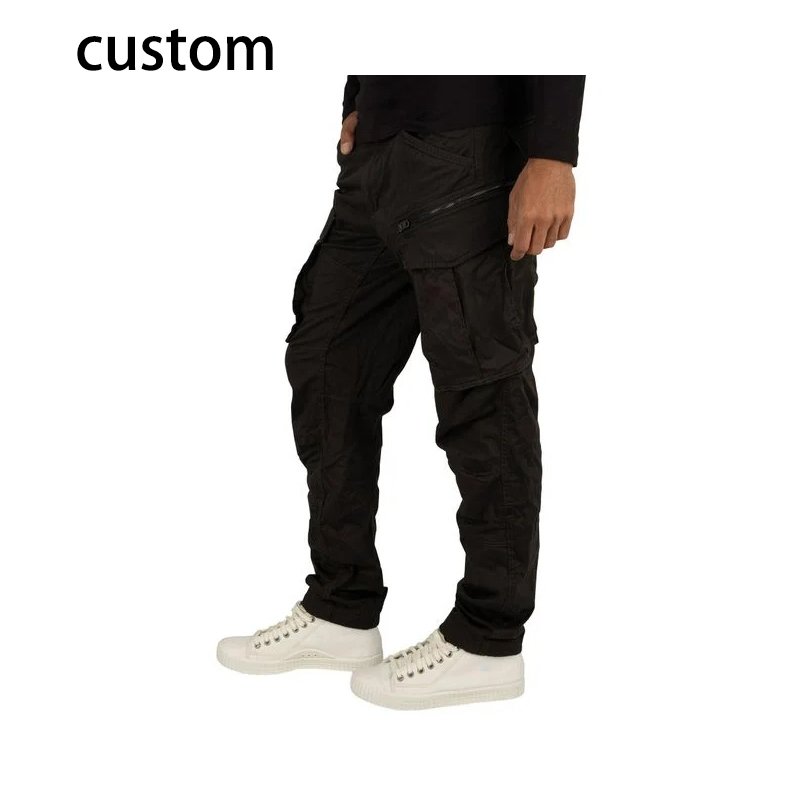
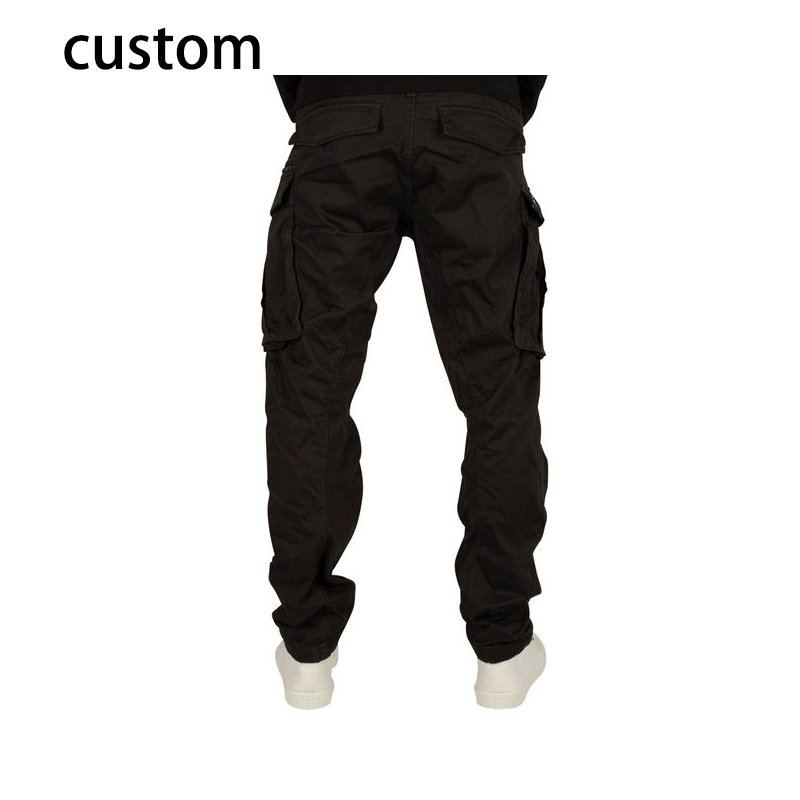
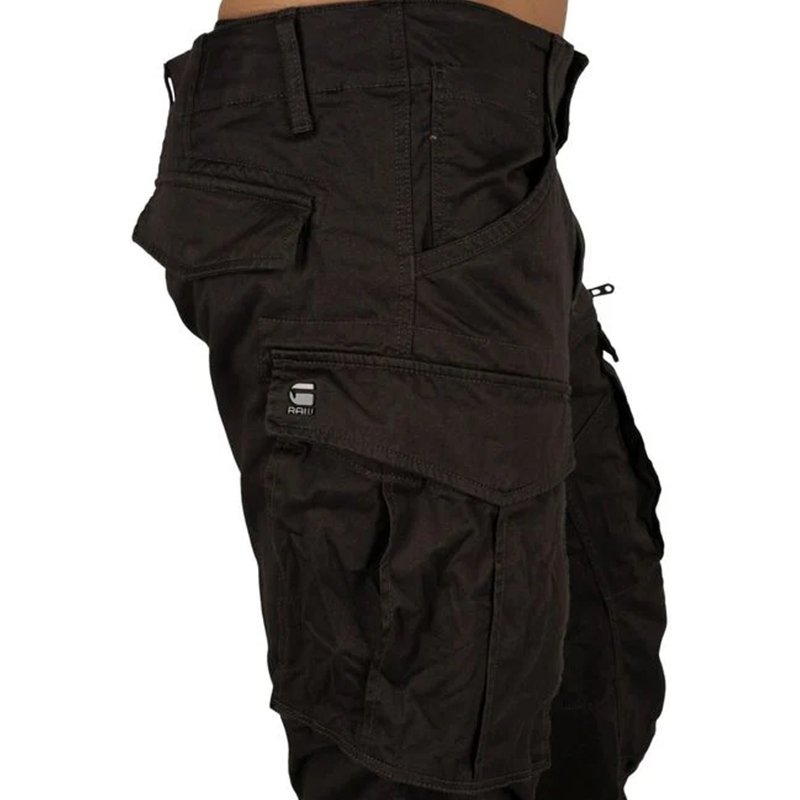
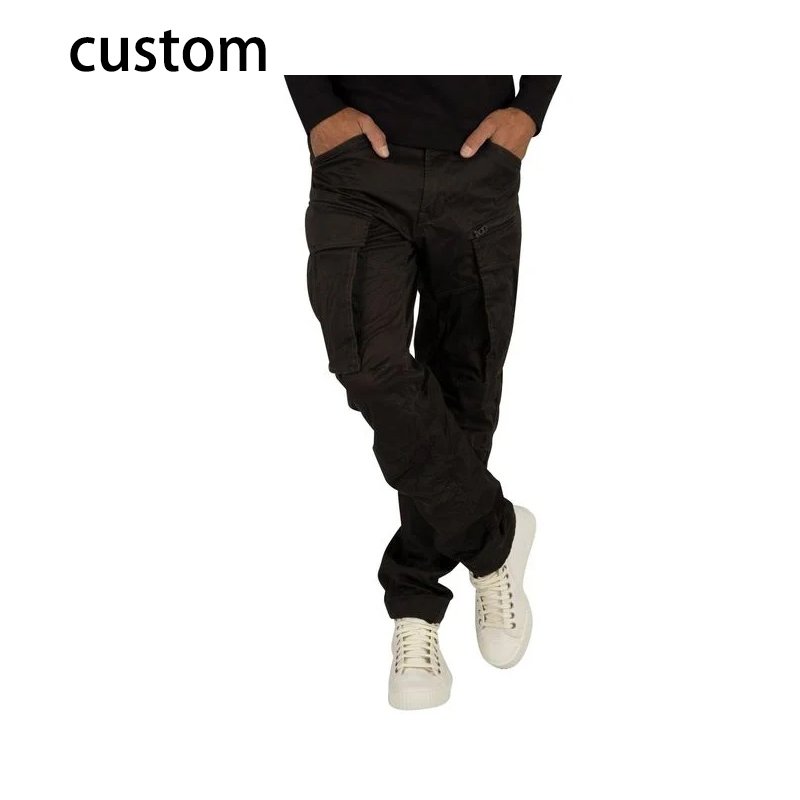
Why Emerging Brands Choose Our Streetwear Cargo Pants Manufacturer
50-Piece Minimum Order Quantity
Launch your cargo pants line without overcommitting inventory. Perfect for fashion startups testing new designs and independent designers building collections.
7-Day Sample Turnaround
Receive production-ready cargo pants samples in one week. Fast iteration cycles keep you ahead of seasonal trends and streetwear market shifts.
5-Step Quality Control Guarantee
Every cargo pant passes materials, cutting, craft, sewing, and finished garment inspections. Zero-compromise QC at every production stage, not just final packaging.
In-House Streetwear Design Team
15-member R&D team fluent in cargo pants trends, utility pocket placements, strap details, and streetwear silhouettes that resonate with your audience.
Global Shipping & Logistics
Seamless delivery to over 100 countries with transparent customs, inspection procedures, and tracking. Your cargo pants arrive on time, every time.
Trend-Driven Cargo Expertise
Six years specializing in streetwear cargo pants: tactical pockets, oversized fits, parachute styles, and bold colorways that influencer brands and retailers demand.
Streetwear Cargo Pants Manufacturer Categories We Specialize In
From classic stacked styles to technical performance cargos, our production expertise covers every streetwear cargo pants category your brand needs to stand out.
Stacked Cargo Pants
Your brand needs the signature stacked look with precise leg length and fabric weight to create authentic bunching at the ankle, but most manufacturers can't nail the proportions or fabric drape.
We produce stacked cargo pants with optimized inseam lengths, carefully selected heavyweight fabrics, and reinforced knee construction that delivers the coveted stacked aesthetic your streetwear customers demand.
Oversized Cargo Pants
Oversized silhouettes require expert pattern grading to maintain proportions across sizes. Poor execution results in pants that look baggy instead of intentionally oversized, damaging your brand's credibility.
Our pattern team engineers oversized cargo pants with balanced proportions, strategic pocket placement, and adjustable waist systems that deliver the bold, trend-right fit influencer brands need.
Tapered Cargo Pants
Achieving the perfect taper from thigh to ankle while maintaining cargo pocket functionality is a technical challenge. Too narrow and pockets bulge awkwardly; too wide and the silhouette loses its edge.
We craft tapered cargo pants with precision-engineered leg curves, flat-profile pocket construction, and ankle openings that create a clean, modern streetwear silhouette without sacrificing utility or comfort.
Cargo Joggers
Cargo joggers blend athletic comfort with streetwear style, requiring elastic waistbands, cuffed ankles, and cargo pockets that don't compromise the streamlined jogger aesthetic your active customers expect.
Our cargo joggers feature reinforced elastic cuffs, ergonomic pocket placement, and breathable fabric selections that balance streetwear edge with all-day wearability for your brand's versatile collections.
Technical Cargo Pants
Technical cargos demand advanced fabrics like ripstop, water-resistant coatings, and functional details such as zip pockets and utility loops, but sourcing and assembling these components requires specialized manufacturing expertise.
We source premium technical fabrics and execute complex construction with waterproof zippers, reinforced stress points, and modular pocket systems that position your brand at the intersection of function and streetwear style.
Premium Fabrics From Your Streetwear Cargo Pants Manufacturer
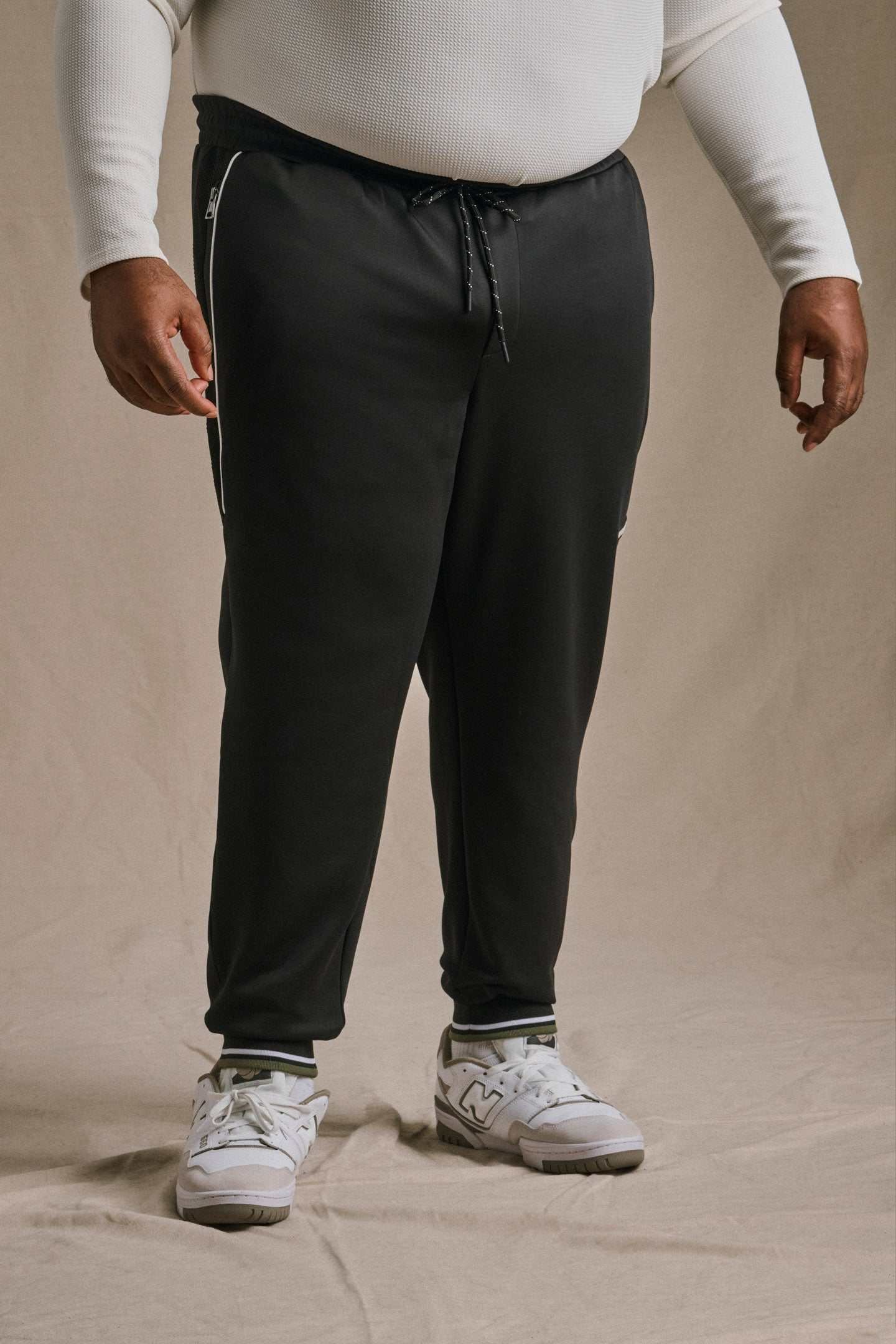
100% Cotton Twill
Classic heavyweight twill with a diagonal weave pattern, offering excellent durability and breathability. Weight: 280-320 GSM. Ideal for traditional cargo pants with a structured, premium hand-feel that softens with wear while maintaining shape.
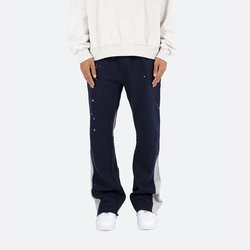
Cotton-Poly Blend
Balanced 65/35 cotton-polyester blend combining natural comfort with wrinkle resistance and color retention. Weight: 240-280 GSM. Perfect for everyday streetwear cargo pants that require minimal maintenance and long-lasting vibrancy across bold colorways.
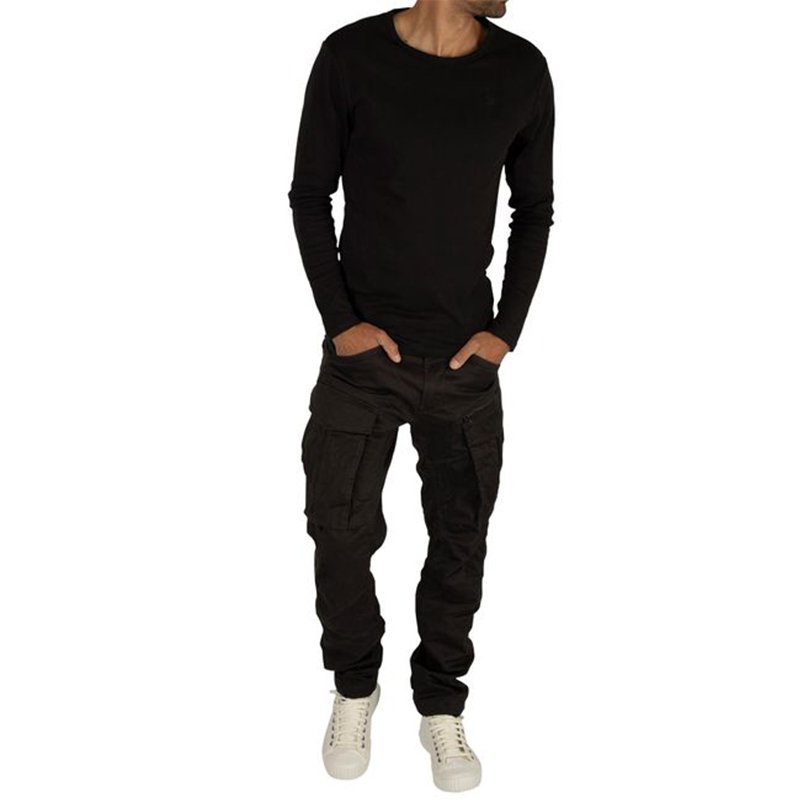
Ripstop Fabric
Reinforced grid-pattern weave that resists tearing and abrasion, delivering technical performance with a lightweight feel. Weight: 180-220 GSM. Popular for utility-inspired cargo pants and outdoor streetwear collections that demand functional durability.
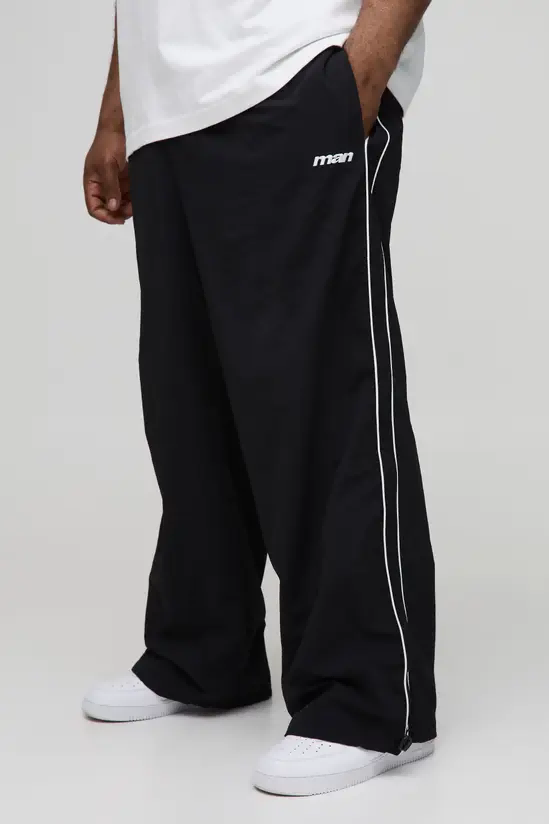
Stretch Cotton
Cotton-spandex blend (typically 97/3 or 95/5) offering 4-way stretch for enhanced mobility and comfort. Weight: 260-300 GSM. Excellent for modern tapered cargo pants and silhouettes requiring flexibility without sacrificing the structured cargo aesthetic.
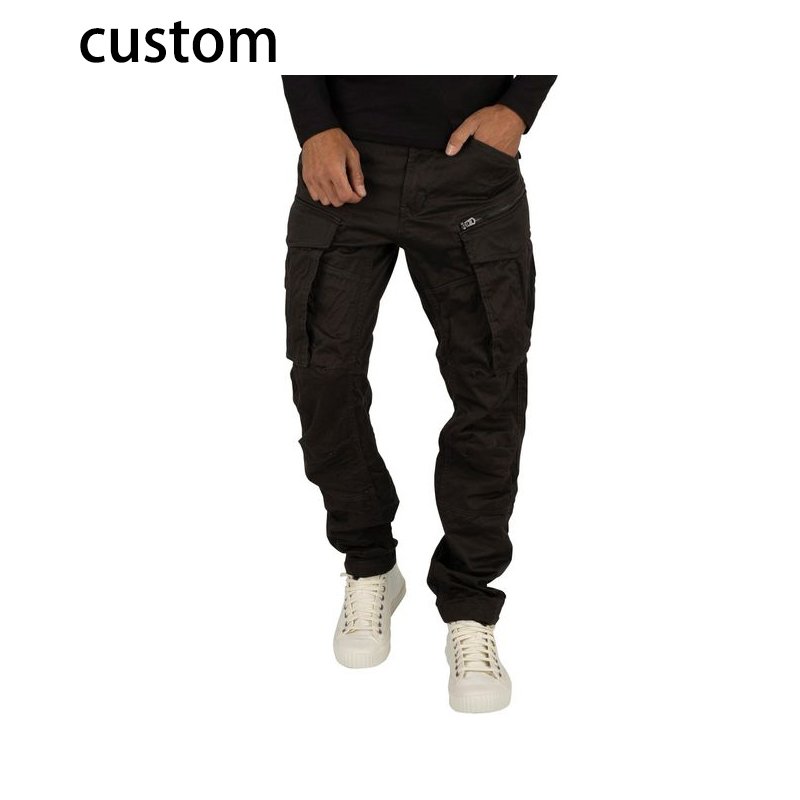
Corduroy
Distinctive vertical ribbed texture with a soft, plush surface that adds vintage streetwear character. Weight: 300-350 GSM. Ideal for seasonal collections and retro-inspired cargo pants that stand out with tactile visual interest and warmth.
Linen-Cotton Blend
Breathable natural fiber blend (typically 55/45 linen-cotton) with excellent moisture-wicking properties and a relaxed drape. Weight: 200-240 GSM. Perfect for summer streetwear cargo pants offering lightweight comfort with an effortlessly cool, lived-in aesthetic.
Advanced Techniques Every Streetwear Cargo Pants Manufacturer Should Master
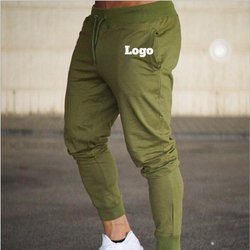
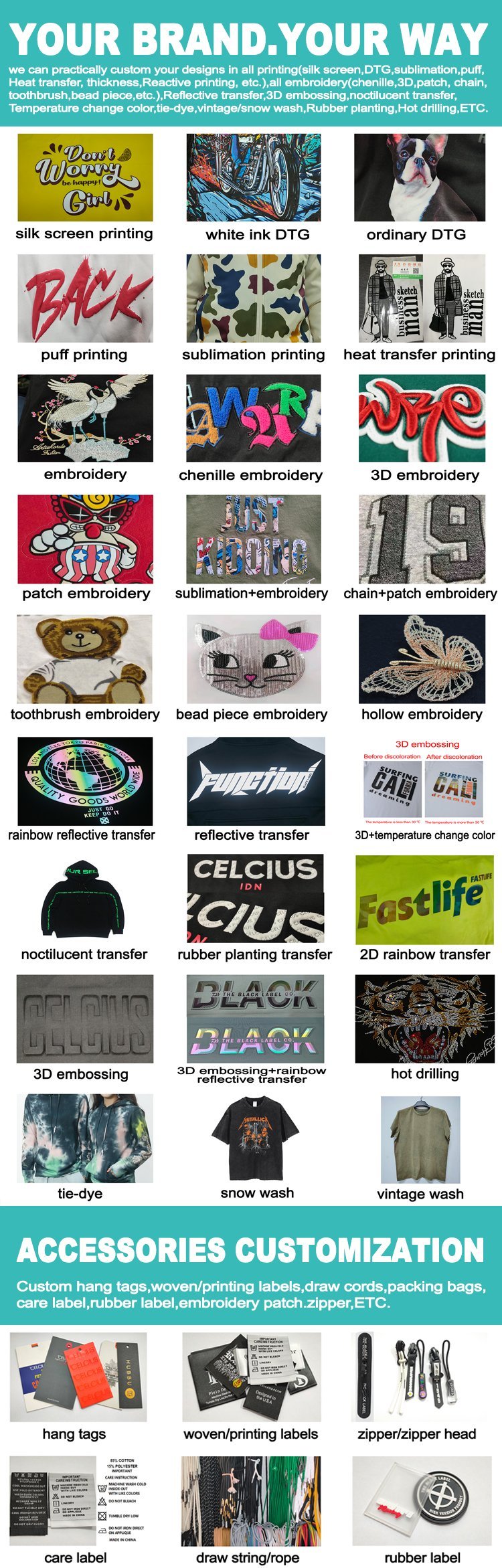
Screen Printing
High-opacity ink layering for bold graphics, logos, and artwork on cargo pockets and leg panels. Delivers vibrant, wash-resistant prints that maintain color intensity through repeated wear, perfect for statement streetwear designs.
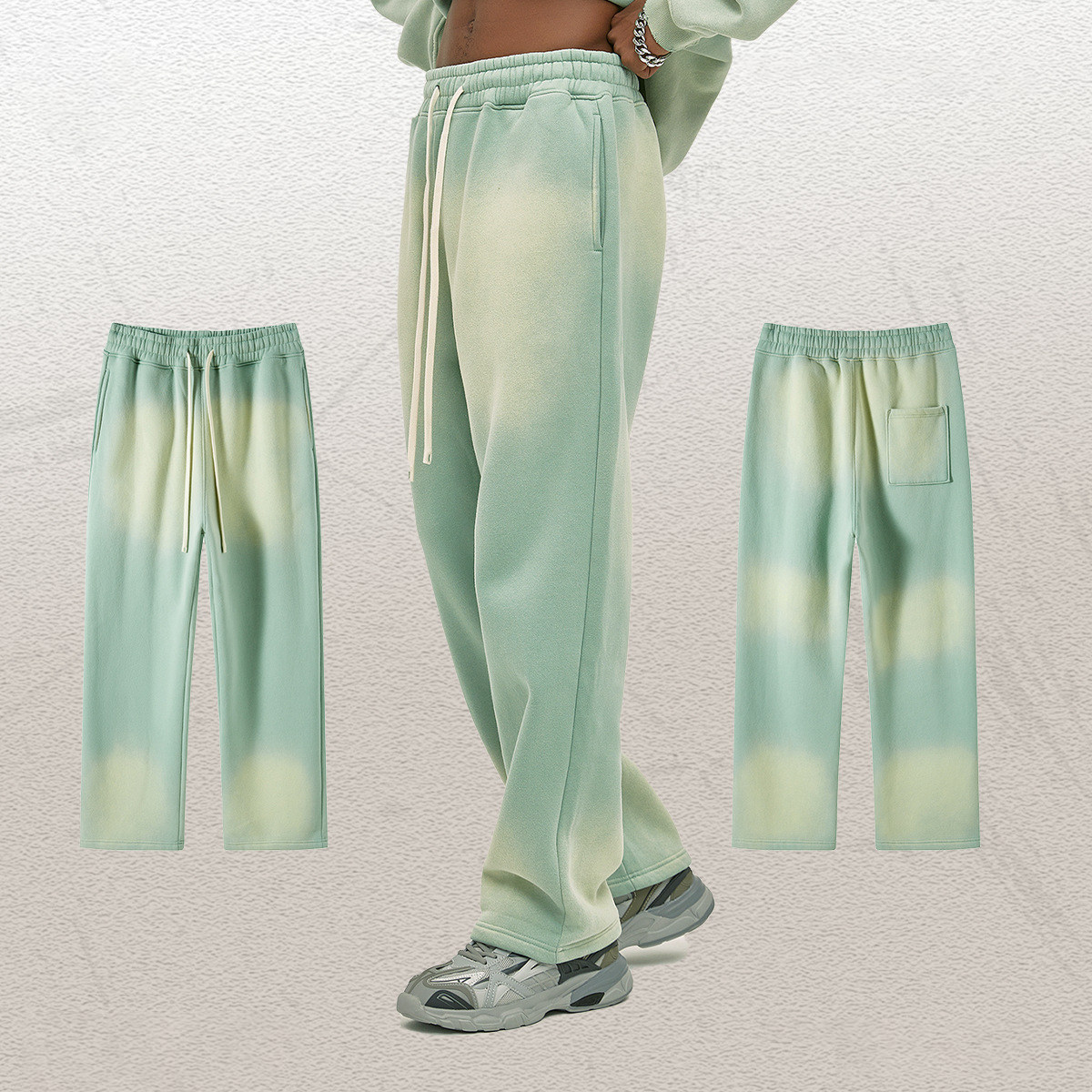
Custom Embroidery
Precision thread work for logos, text, and intricate motifs on waistbands, pockets, and cargo flaps. Creates premium tactile dimension and lasting brand identity that elevates perceived value and withstands heavy use.
Gradient Wash & Dye
Controlled fade and ombré effects using specialized dyeing techniques for unique color transitions. Achieves the vintage, lived-in aesthetic central to streetwear culture while ensuring colorfastness and consistent batch-to-batch results.
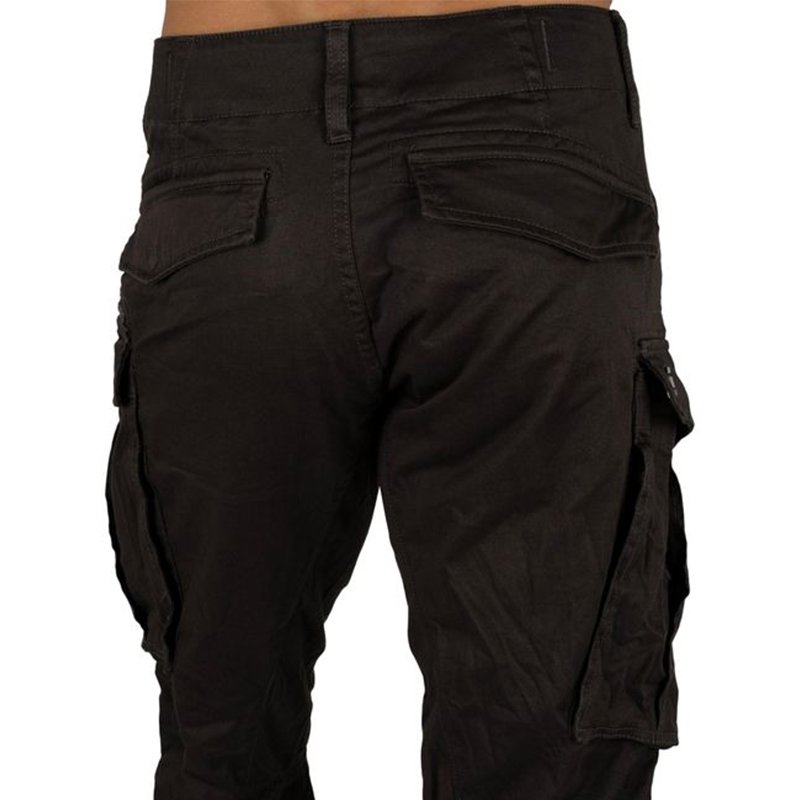
Distressing & Aging
Strategic abrasion, fraying, and wear simulation on seams, pockets, and hems for authentic urban edge. Hand-finished details add character and individuality, creating the rebellious, worn-in look that streetwear enthusiasts demand.
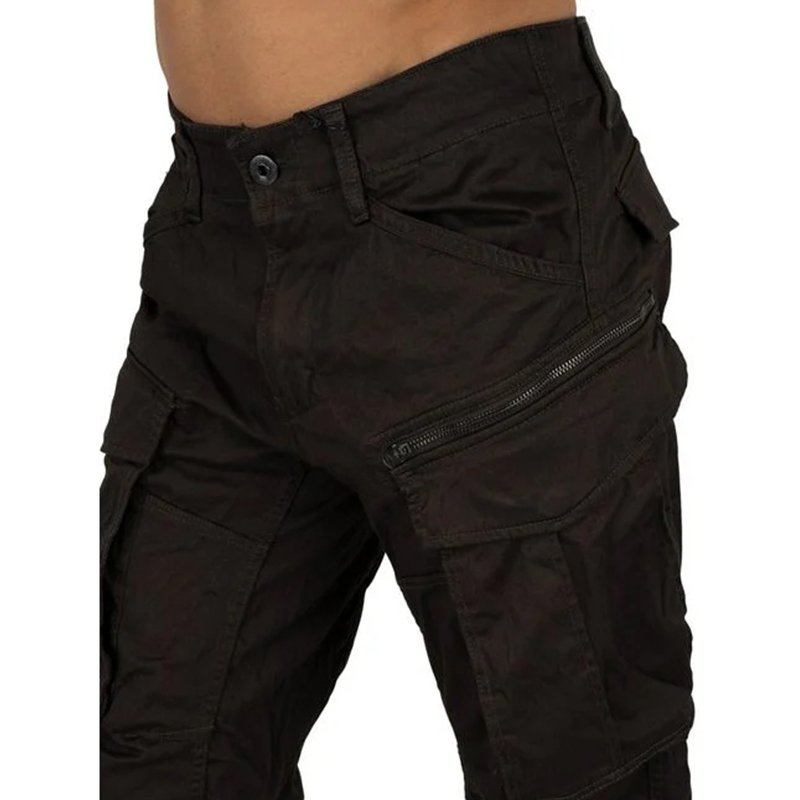
Sublimation Printing
Dye-infusion process for all-over patterns, camo prints, and photographic graphics with no surface texture. Produces breathable, ultra-soft finishes with unlimited color complexity that won’t crack, peel, or fade over time.
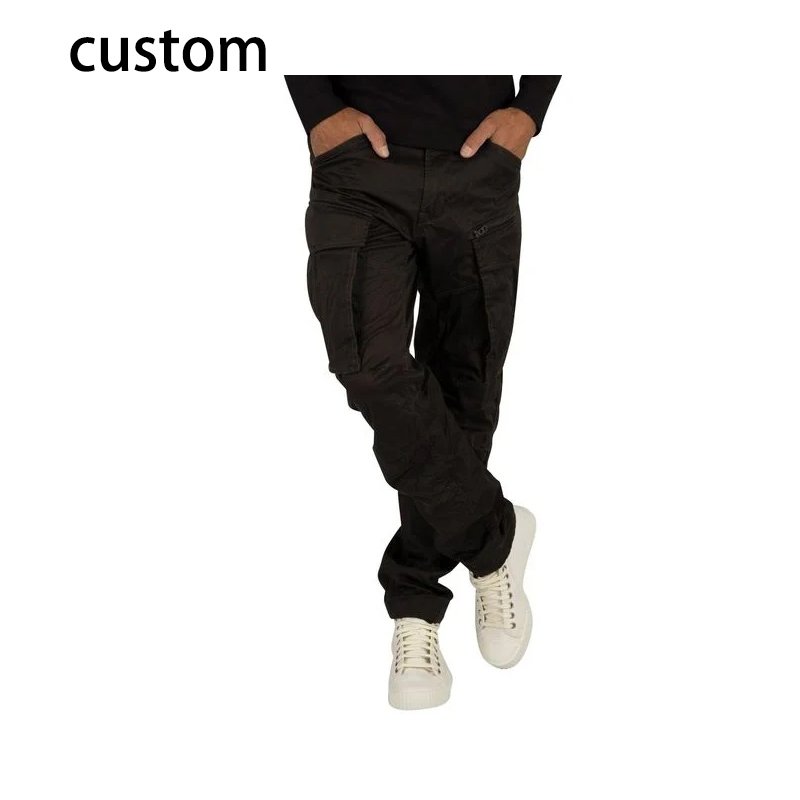
Heat Transfer Application
Precision placement of reflective strips, metallic accents, and custom patches using controlled heat bonding. Adds functional visibility and premium detailing with strong adhesion that survives industrial washing and streetwear demands.
Hardware & Finishing Accessories for Streetwear Cargo Pants
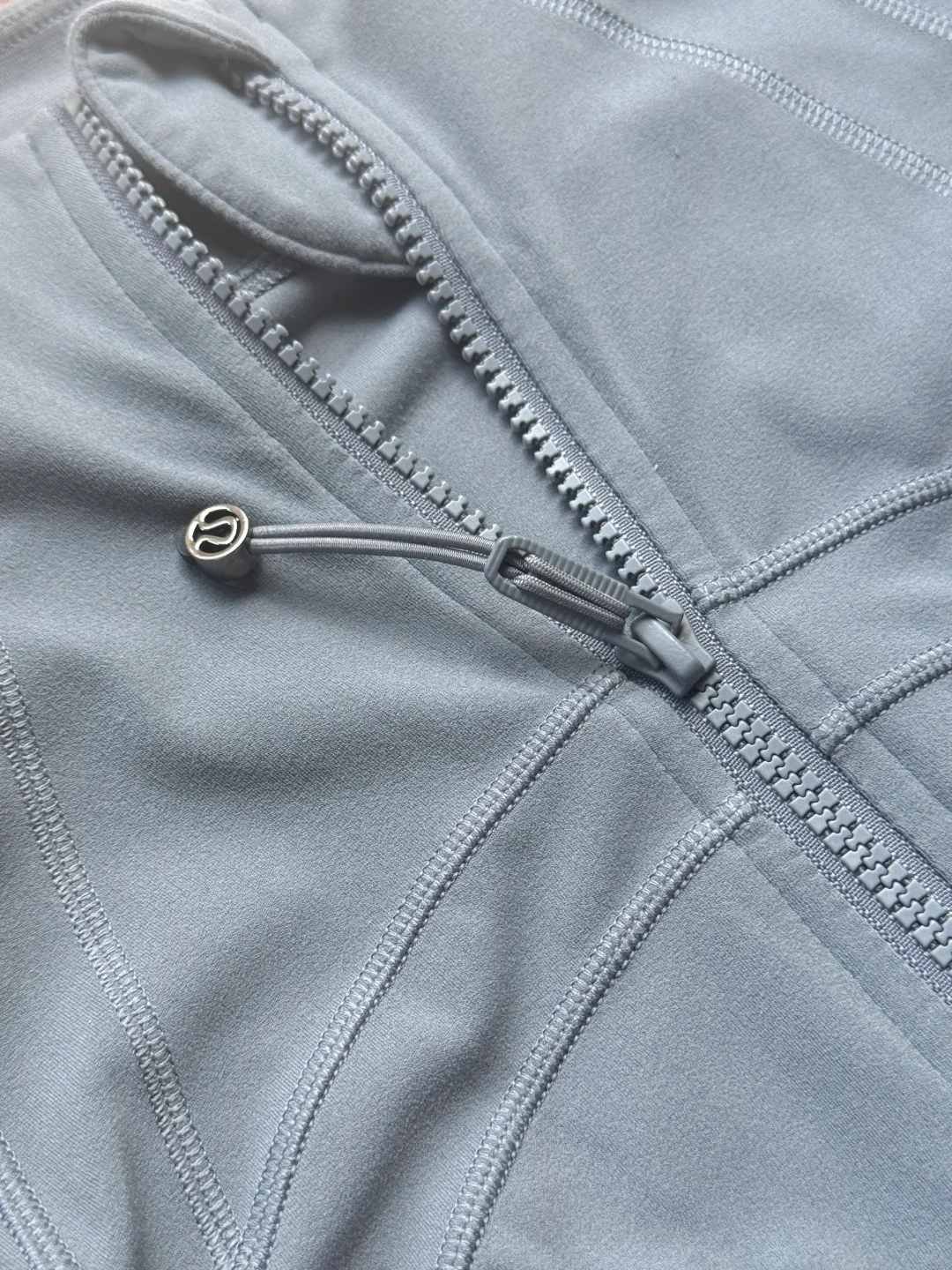
YKK Metal Zippers
Premium YKK zippers for cargo pockets, side seams, and ankle closures. Available in antique brass, gunmetal, and custom finishes. Built to withstand heavy use while adding authentic streetwear edge to every pair of cargo pants.
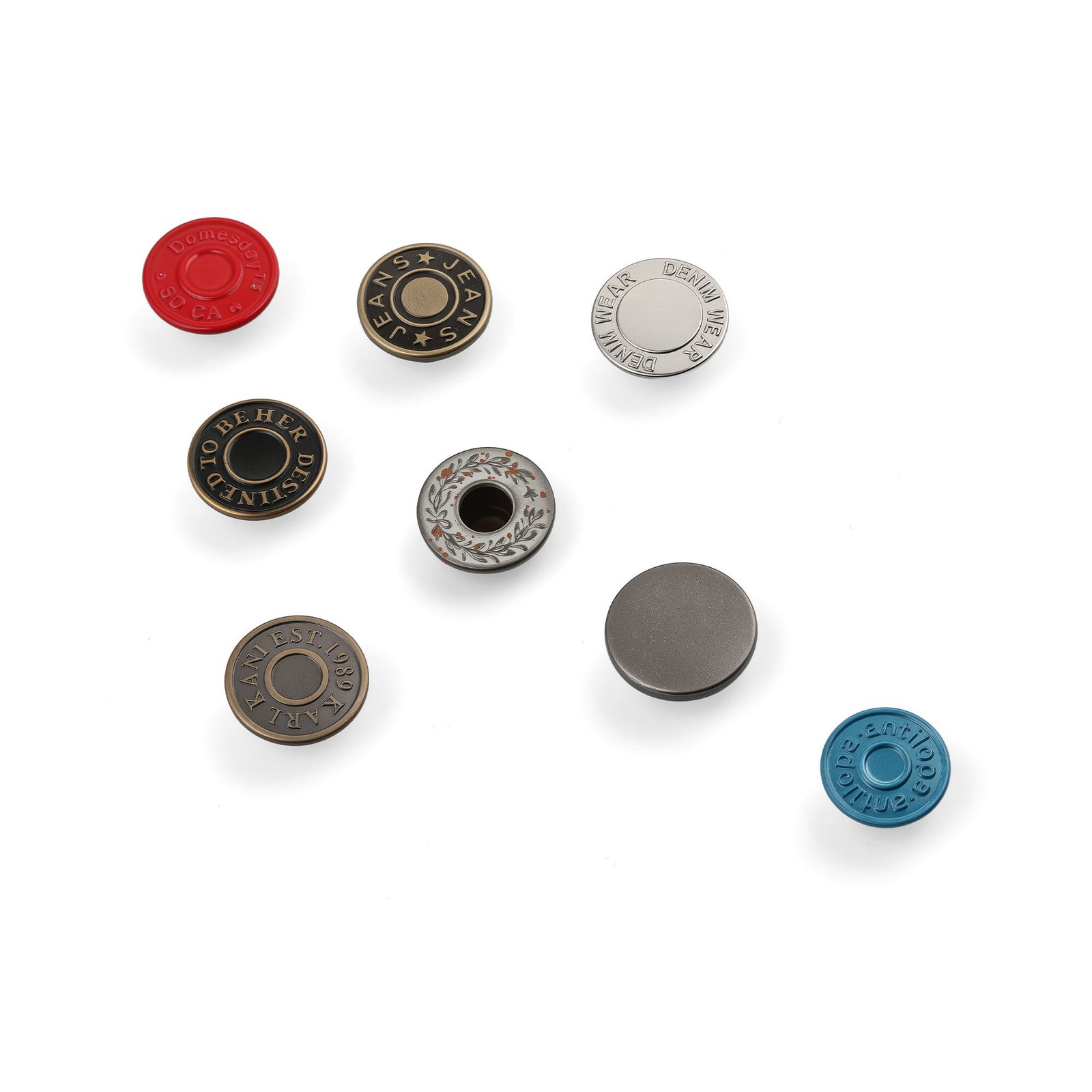
Snap Buttons & Rivets
Heavy-duty metal snaps and rivets for pocket flaps, waistband adjustments, and reinforcement points. Choose from matte black, brushed silver, or branded custom engravings that reinforce your label’s identity on every cargo pant.
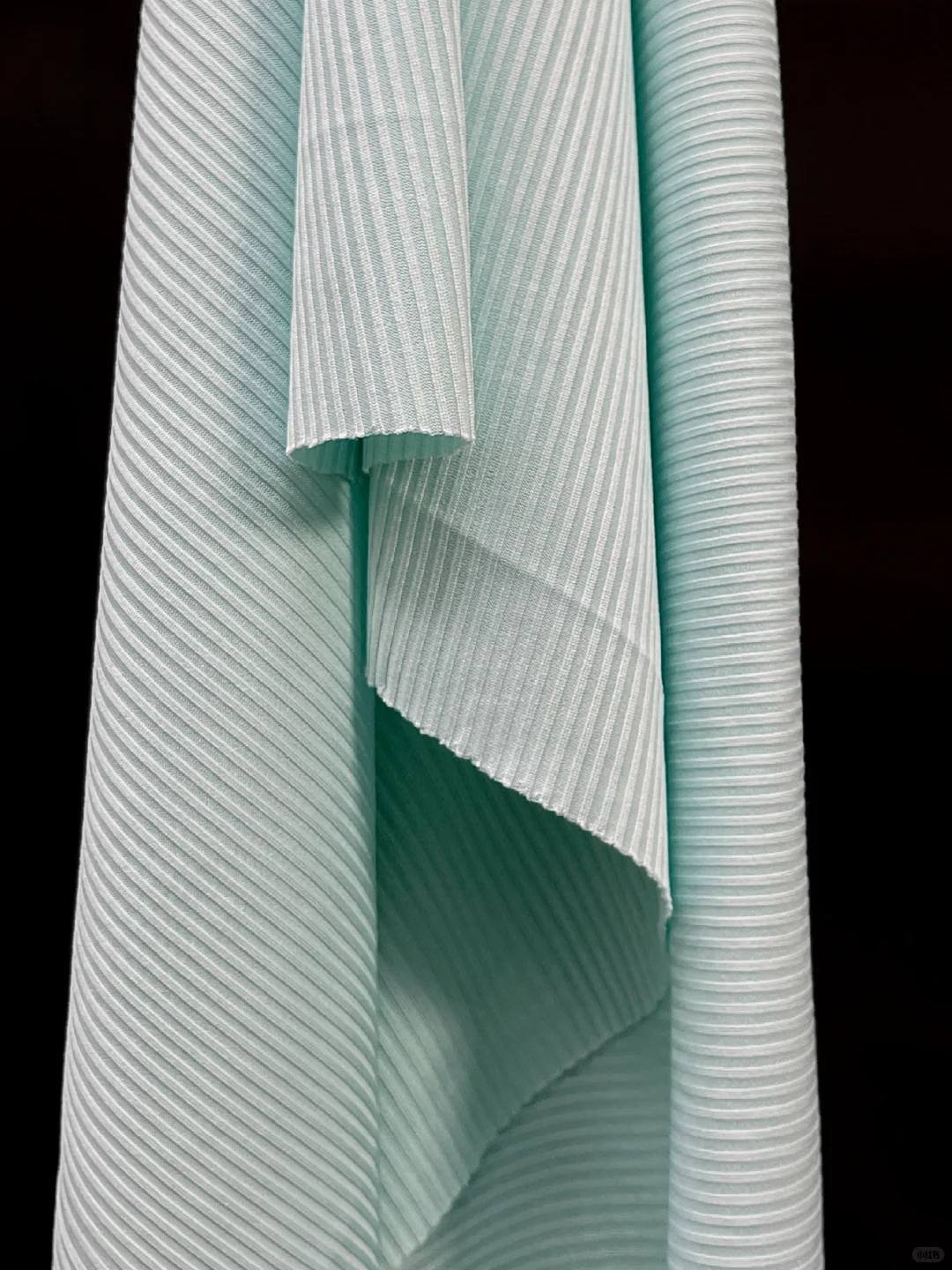
Drawcords & Tipping
Custom drawcords with metal or plastic tipping for waistbands and ankle cuffs. Available in flat, round, or reflective styles with color-matched or contrasting aglets. Essential for adjustable-fit cargo pants that blend function and streetwear aesthetics.
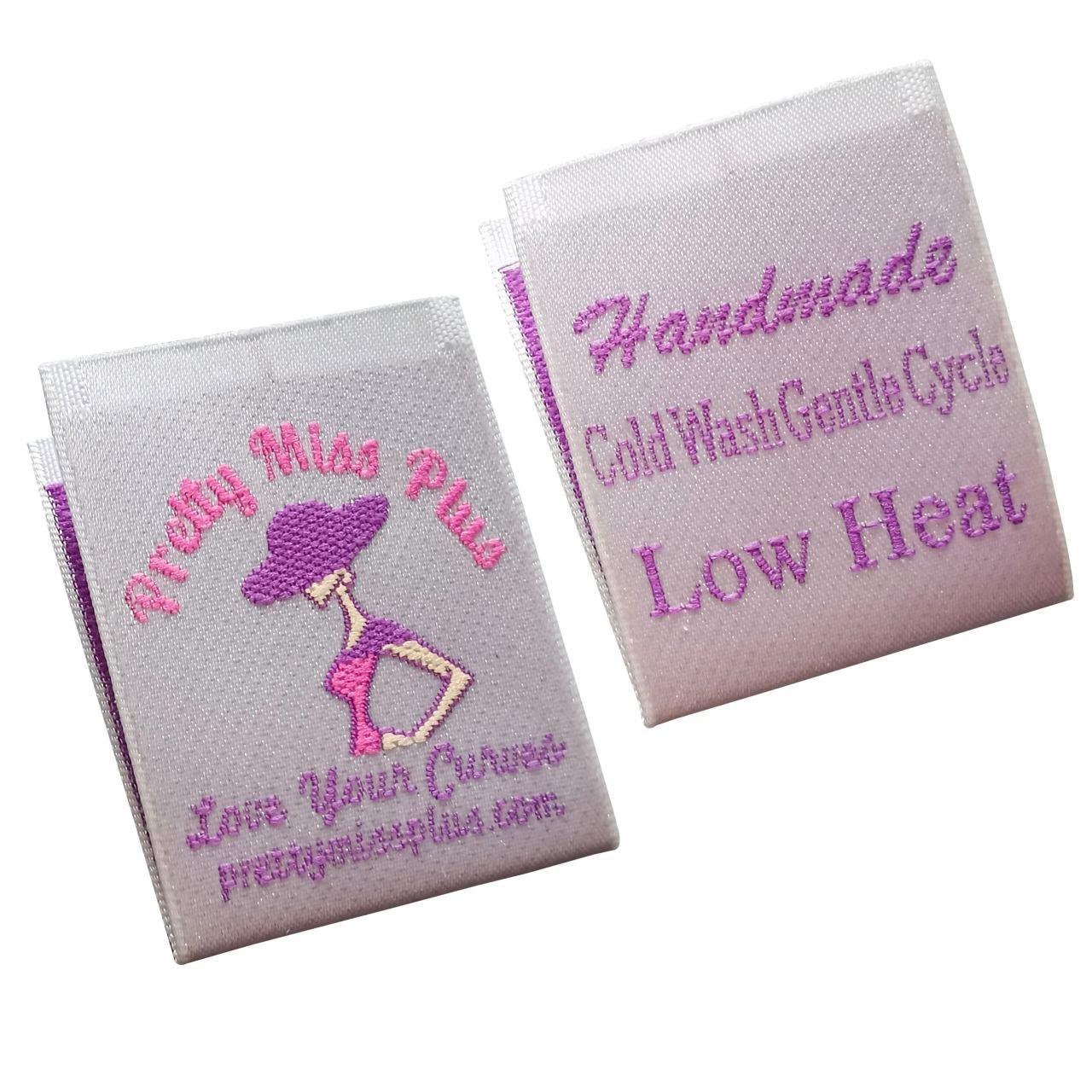
Woven Labels
High-definition woven brand labels for waistbands, pockets, and exterior placements. Fade-resistant threads ensure your logo stays sharp through countless washes. Perfect for building brand recognition on every cargo pant you produce.
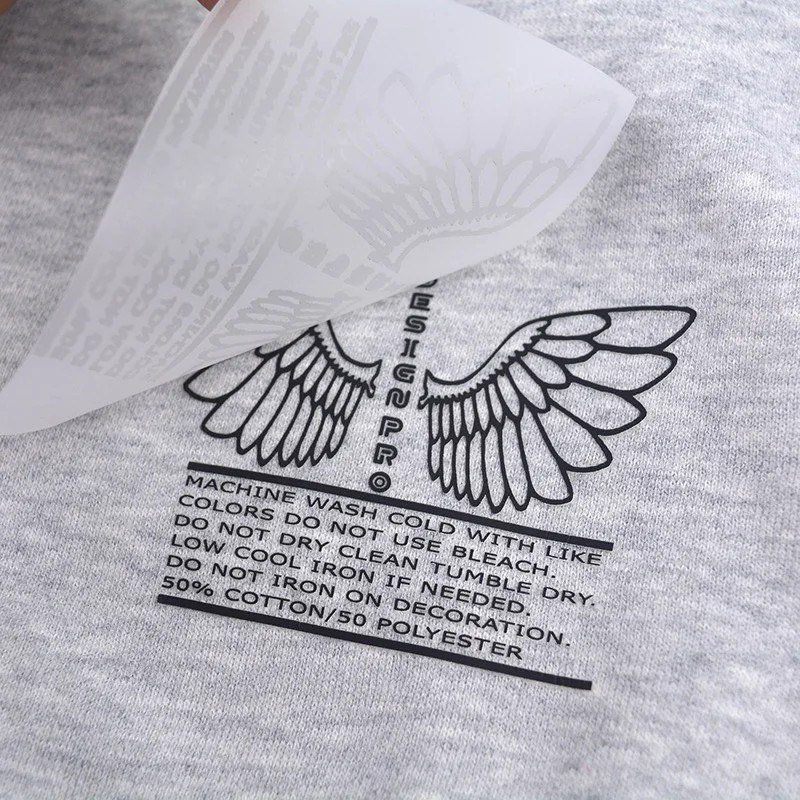
Leather Patches
Genuine or vegan leather patches with embossed or debossed branding. Ideal for back waistbands or cargo pocket accents. Adds premium tactile detail that elevates perceived value and differentiates your streetwear cargo pants in competitive markets.
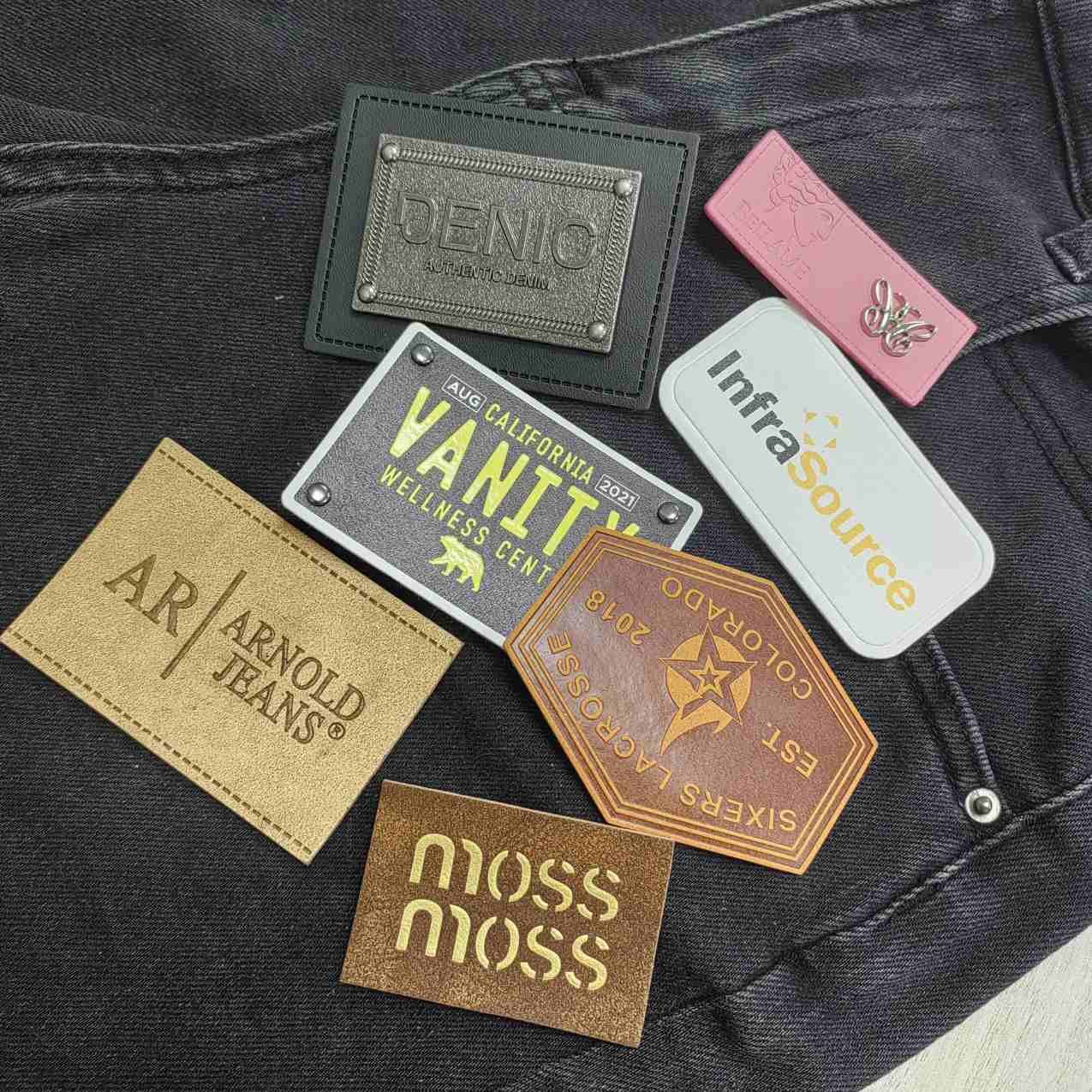
Custom Hangtags
Branded hangtags in custom shapes, materials, and finishes. From minimalist kraft paper to thick cardstock with foil stamping. The first touchpoint customers experience—designed to communicate your brand story before the cargo pants are even worn.
Streetwear Cargo Pants Manufacturer With a Mission
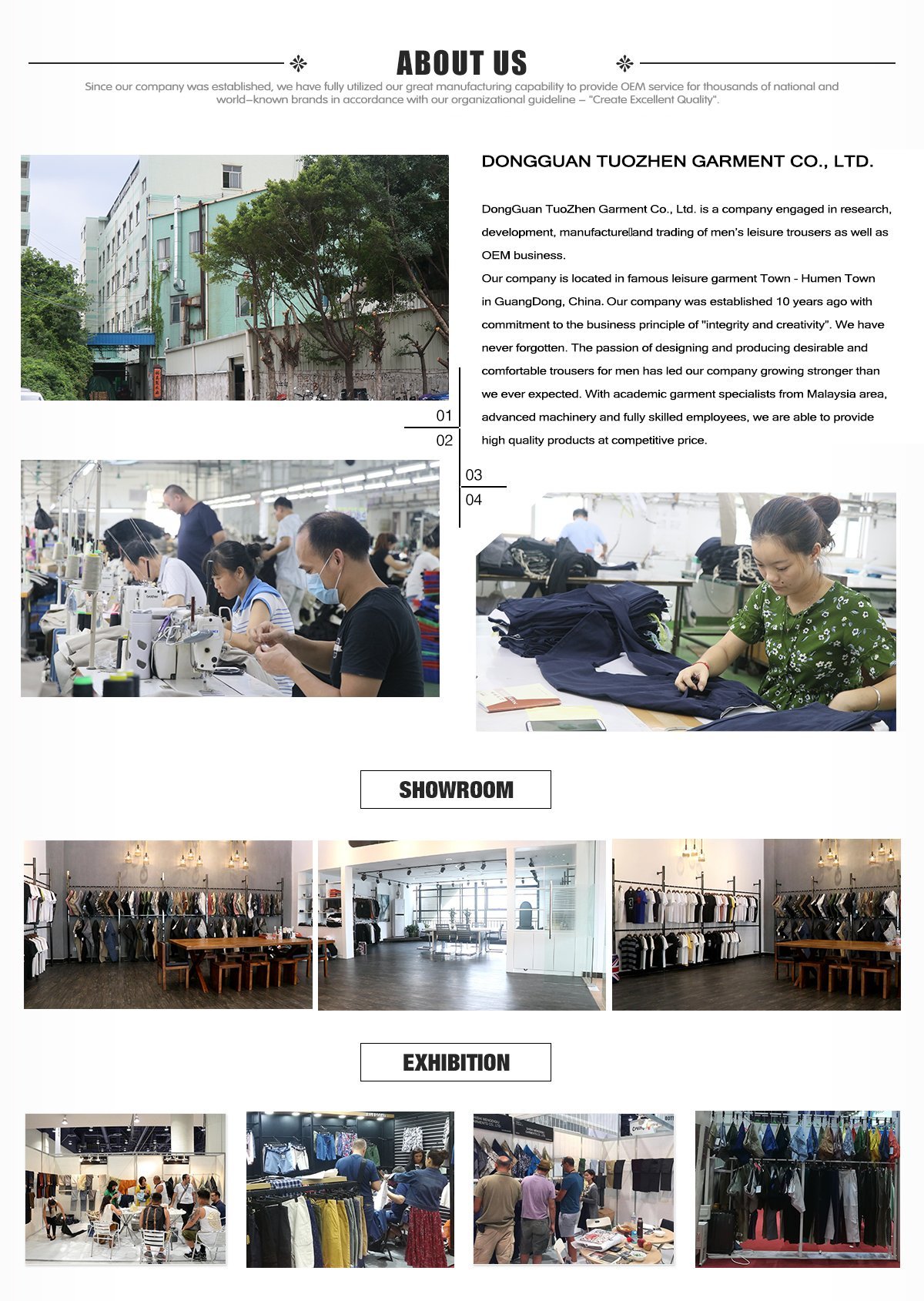
Founded in 2024 by Tesla Luo, Clothing Manufacturer Ltd. was born from a decade of frontline garment production experience and a commitment to eliminate low-quality manufacturing. Growing up in a garment family and rotating through every factory role from cutting to quality control, Luo witnessed firsthand how skipping QC steps damaged the reputation of Chinese manufacturers. He established our company to restore trust through rigorous quality standards and transparent production.
With over 6 years specializing in streetwear cargo pants and trend-driven apparel, our 15-member R&D team holds 10 patents and serves customers across 100+ countries. We combine deep cultural fluency in streetwear aesthetics with a proprietary 5-step quality control process that tests materials, cutting, craft, sewing, and finished garments. This ensures every cargo pant meets the standards emerging brands and global retailers demand.
As a streetwear cargo pants manufacturer, we partner with fashion startups, independent designers, and influencer brands at every growth stage. Our low MOQ, fast sampling, and end-to-end support empower you to launch bold collections without compromising on craftsmanship or cutting corners on quality.
How Our Streetwear Cargo Pants Manufacturer Guarantees Zero-Defect Production
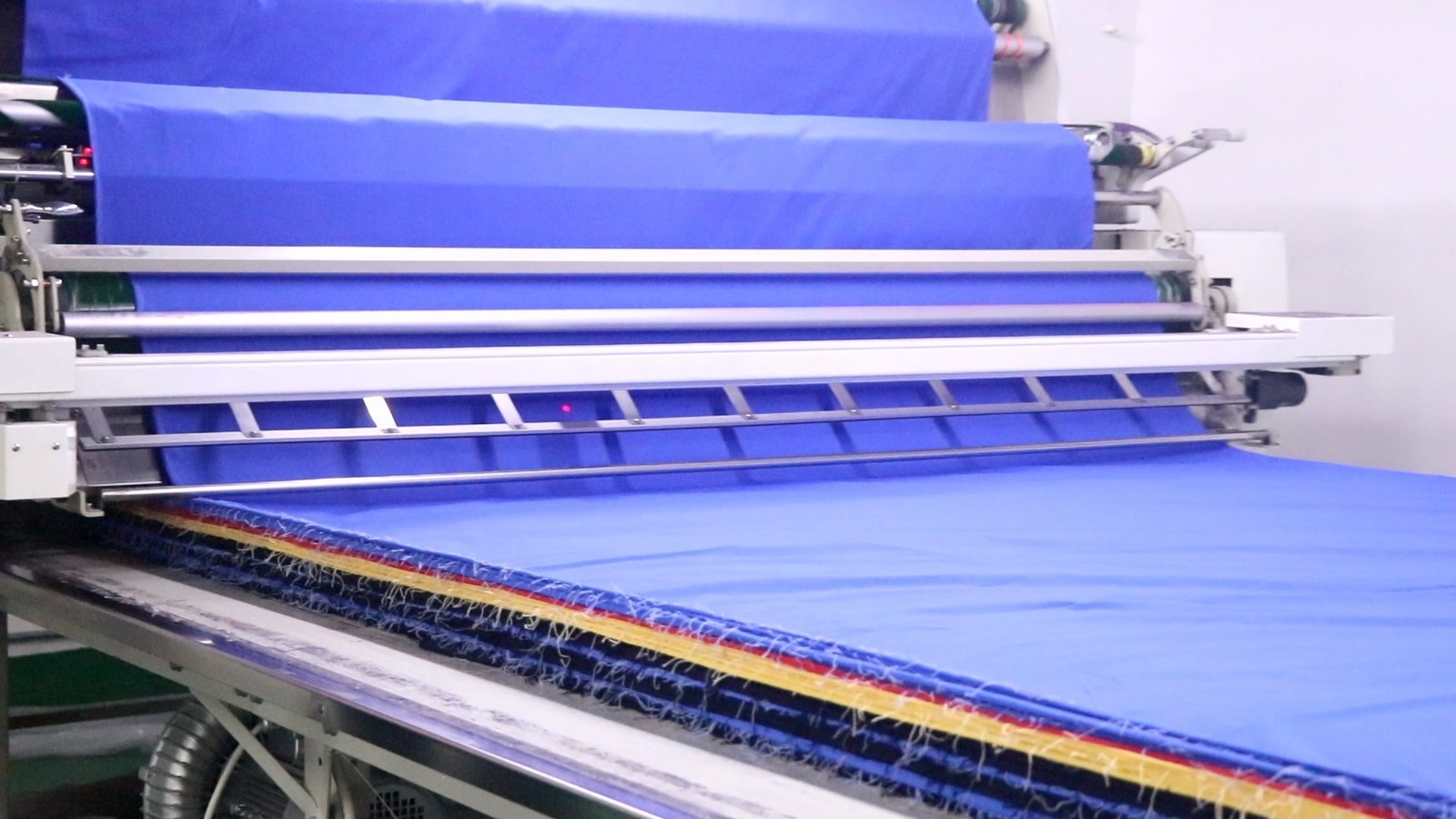
Materials QC Testing Before Cutting
Every fabric roll is inspected for color consistency, weight accuracy, and structural integrity before it touches our cutting tables. This first checkpoint catches supplier defects that competitors miss, ensuring your streetwear cargo pants start with premium-grade materials that match your approved samples perfectly.
- Colorfast testing to prevent fading after first wash
- Weight and density verification against specifications
- Surface inspection for weave flaws or dye inconsistencies
- Shrinkage pre-testing to guarantee fit accuracy
Cutting QC and Craft Quality Checks
Our cutting QC validates pattern accuracy and fabric grain alignment, while craft QC examines pocket construction, zipper placement, and cargo flap symmetry. These mid-production checks eliminate fit inconsistencies and construction errors before sewing begins, saving weeks of costly rework that other manufacturers discover only at final inspection.
- Laser-guided cutting verification for pattern precision
- Grain-line alignment checks to prevent leg twisting
- Component matching for multi-panel cargo designs
- Pre-assembly fit testing on sample pieces
Sewing Production QC During Assembly
Unlike factories that inspect only finished garments, we embed quality controllers directly on the sewing floor. Every tenth cargo pant is pulled mid-assembly to verify stitch density, seam strength, and hardware attachment, catching operator errors in real time before they multiply across your entire production run.
- Real-time stitch-per-inch measurement and correction
- Seam strength pull-testing during production
- Hardware stress-testing on buckles and snap buttons
- Immediate operator retraining when deviations occur
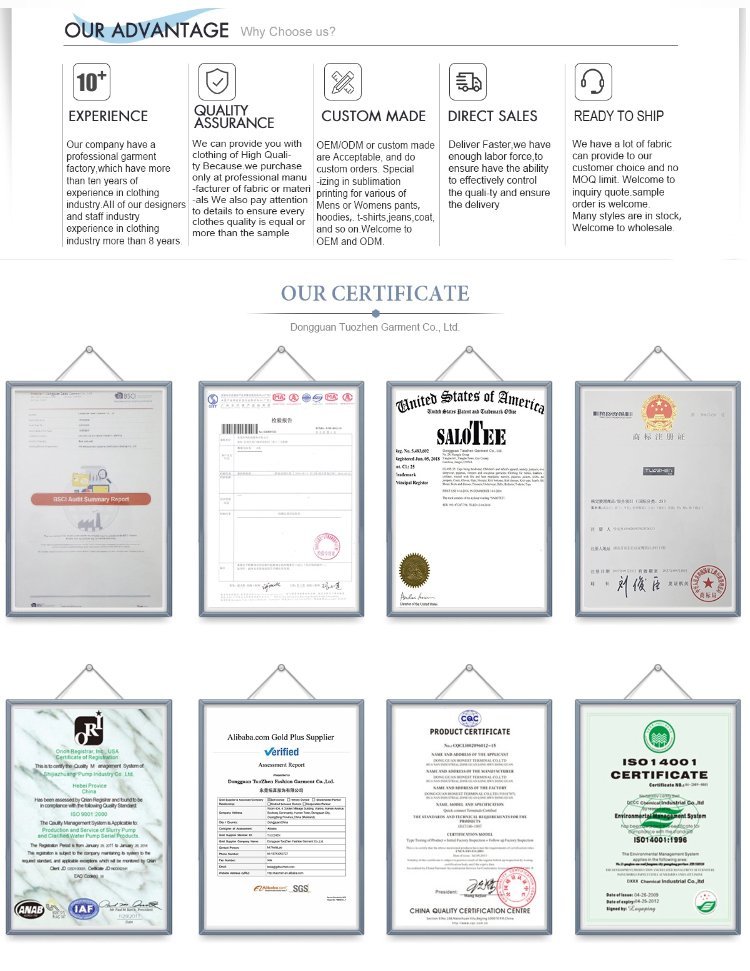
Finished Garment Quality Inspection
Our final QC stage subjects every completed cargo pant to a 23-point inspection covering measurements, finishing, labeling, and packaging. This comprehensive audit ensures that only garments meeting our zero-compromise standard reach your warehouse, protecting your brand reputation and eliminating costly customer returns.
- Full measurement audit against your tech pack specifications
- Thread-trimming and pressing quality verification
- Label placement and care-instruction accuracy checks
- Individual poly-bagging and carton inspection before shipping
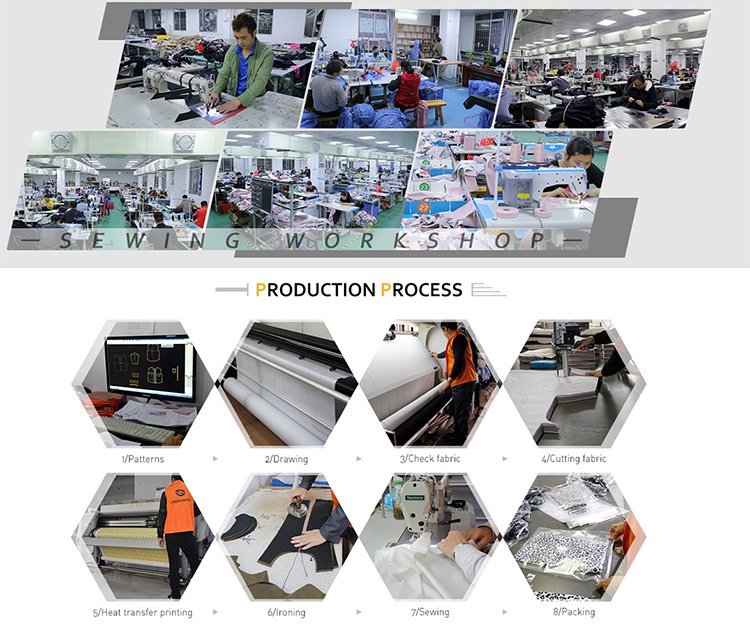
Why Choose Our Streetwear Cargo Pants Manufacturer Over Competitors
We combine the agility of a streetwear specialist with rigorous quality standards that typical manufacturers skip. Here’s how Clothing Manufacturer Ltd. stands apart from other China-based cargo pants producers.
← 左右滑动查看 →
From Order to Doorstep — Our Streetwear Cargo Pants Manufacturer Production Timeline
Transparent lead times and quality checkpoints at every stage — from tech pack review to global delivery, our streamlined process ensures your cargo pants meet streetwear standards.
Tech Pack Review
Our design team analyzes your specifications, confirms fabric choices, hardware, and fit details, then provides costing and a production roadmap tailored to your brand.
Sampling & Approval
We cut and sew your first sample with exact fabrics and trims, ship it for your review, and refine any details until you approve the final prototype.
Bulk Production Setup
Materials pass our first QC checkpoint, patterns are graded, cutting begins, and our 5-step quality control process launches to catch defects before sewing starts.
In-Line QC & Sewing
Every cargo pant moves through craft QC and sewing production QC testing, ensuring stitching, pocket construction, and hardware installation meet streetwear durability standards at each workstation.
Finishing & Final Inspection
Finished clothing quality QC inspection verifies measurements, wash effects, and branding. Garments are pressed, folded, and packed to your labeling and hang-tag specifications.
Shipping & Delivery
We coordinate global logistics, handle customs documentation, and provide tracking so your streetwear cargo pants arrive on schedule, ready to launch or restock your collection.
How to Partner With a Streetwear Cargo Pants Manufacturer in 4 Simple Steps
From design submission to finished goods delivery, our streamlined process makes launching your cargo pants line fast, transparent, and hassle-free.
Submit Your Design or Tech Pack
Share your cargo pants design, reference images, or full tech pack. No tech pack? Our 15-member R&D team will help develop specifications from your concept.
Receive Quote and Sample Timeline
Within 24 hours, get a detailed quote covering materials, production, and shipping. Approve pricing and we’ll produce your sample in 7 days with our fast-turnaround process.
Approve Sample and Place Order
Review your physical sample for fit, fabric, and finishing. Request revisions if needed. Once approved, confirm your bulk order starting at just 50 pieces per style.
Receive Quality-Tested Finished Goods
Your cargo pants undergo our proprietary 5-step QC process at every production stage. We handle global shipping and logistics, delivering ready-to-sell inventory to your door.
Certifications & Quality Standards — Trusted Streetwear Cargo Pants Manufacturer
Customer Success Stories — Streetwear Cargo Pants Manufacturer Partners
We launched three seasonal cargo pants collections on-time with zero production delays. Their 5-step QC process kept our defect rate under 1%, and our customers noticed the quality immediately.
As a new brand, the 50-piece MOQ was perfect for testing our market. We grew from 500 units to over 50,000 annual orders in 18 months thanks to their consistent quality and fast turnaround.
Their streetwear cargo pants manufacturer expertise is unmatched. They understood our skeleton and graffiti design vision immediately, delivered samples in 7 days, and scaled production seamlessly as our influencer brand exploded to 120K followers.
FAQ — Your Streetwear Cargo Pants Manufacturer Questions Answered
What is the minimum order quantity with your streetwear cargo pants manufacturer?
How long does it take to receive samples from your streetwear cargo pants manufacturer?
What are the sampling costs when working with a streetwear cargo pants manufacturer?
What payment terms does your streetwear cargo pants manufacturer require?
What shipping options are available for international orders?
How do you protect my designs and intellectual property?
What customization options are available for cargo pants production?
How quickly can I reorder after my first production run?
Do you handle small modifications between production runs?
The Complete Buyer’s Guide to Choosing a Streetwear Cargo Pants Manufacturer
Navigate the sourcing landscape with confidence. This guide delivers a proven decision framework, essential supplier criteria, quality benchmarks, and the most common mistakes to avoid when partnering with a streetwear cargo pants manufacturer.
1. What Is a Streetwear Cargo Pants Manufacturer?
A streetwear cargo pants manufacturer specializes in producing urban fashion bottoms with multi-pocket designs, oversized silhouettes, and hardware-intensive construction that generic apparel factories typically cannot execute at consistent quality. Unlike general cut-and-sew shops that handle basic garments, these manufacturers maintain expertise in trend-responsive pattern engineering, technical fabric sourcing (ripstop nylon, cotton twill blends, parachute materials), and hardware application including YKK zippers, snap buttons, buckle straps, and Velcro closures. Clothing Manufacturer Ltd., for example, implements a five-step quality control methodology—materials QC, cutting QC, craft QC, sewing QC, and finished garment inspection—ensuring that every cargo pant meets streetwear standards for both aesthetic and durability.
Specialized manufacturers understand streetwear design elements including dropped crotches, tapered legs with elastic cuffs, reinforced knee panels, and utility pocket placements that align with skate, hip-hop, and tactical fashion influences. They source fabrics in the 200–350 GSM range for structure and drape, apply flatlock or chain-stitch techniques for visible seam details, and coordinate Pantone-matched hardware finishes. Generic factories often skip in-process quality checks, leading to misaligned pockets, weak stitching at stress points, and inconsistent hardware attachment—issues that damage brand reputation in the competitive streetwear market.
Brands choose dedicated streetwear cargo pants manufacturers because specialization translates to faster sampling (7-day turnarounds versus 3–4 weeks), lower minimums (50-piece MOQs instead of 500+), and production teams fluent in current silhouette trends. This expertise reduces costly revisions, accelerates time-to-market, and ensures that finished products reflect the bold, functional aesthetic streetwear customers expect.
2. The Evolution of Streetwear Cargo Pants in Fashion
Cargo pants originated in the 1930s as British military battle dress, featuring large thigh pockets designed to carry maps, rations, and ammunition. By the 1990s, hip-hop artists and skaters adopted surplus military cargos for their durability and anti-establishment aesthetic, transforming utilitarian workwear into cultural currency.
The 1990s silhouette was aggressively baggy, often cut from heavyweight cotton twill or ripstop nylon in earth tones and camo patterns. Early 2000s skate brands introduced slimmer tapers, reinforced knees, and elastic cuffs to accommodate technical tricks while retaining the signature cargo pocket. This era saw the shift from single side pockets to multi-pocket configurations—some designs featured six or more compartments, blending function with visual complexity.
Today’s streetwear cargo pants manufacturer works with technical blends—cotton-spandex for stretch, nylon-polyester for weather resistance, and even Cordura reinforcements at stress points. Modern fits range from relaxed tapered to cropped wide-leg, reflecting collaborations between streetwear labels and luxury houses. Pocket placement has evolved into a design statement: asymmetric flaps, zipper closures, modular Velcro panels, and 3D cargo pockets that protrude beyond the leg line.
Understanding this evolution is critical for buyers. Heritage military details—bartack stitching, drawcord hems, utility loops—remain baseline expectations, while trend cycles now demand rapid iteration on silhouette and fabric. A capable streetwear cargo pants manufacturer must archive classic constructions and prototype emerging styles within the same production cycle, balancing nostalgia with innovation to meet brand positioning and seasonal drops.
3. Types of Streetwear Cargo Pants Manufacturers Offer
A streetwear cargo pants manufacturer typically produces six core silhouettes, each targeting distinct customer demographics and styling preferences. Understanding these variants helps brands select the right fit and pocket configuration for their audience.
Classic Six-Pocket Cargo
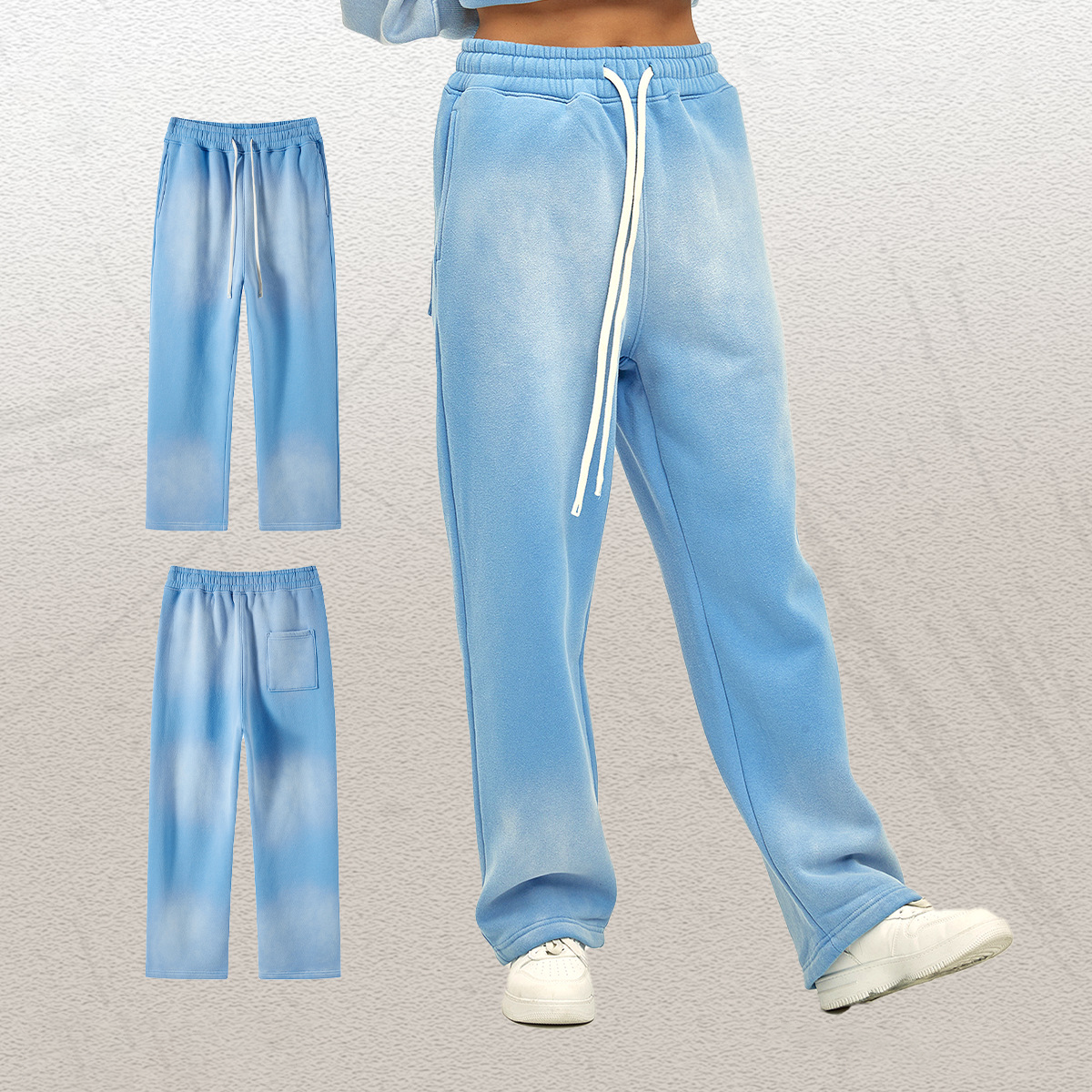
This style features two large flap pockets on the thighs plus standard front and back pockets. Manufacturers use medium-weight cotton twill (220–280 GSM) or cotton-poly blends for durability. The straight-leg silhouette appeals to skate brands, hip-hop labels, and retailers targeting customers aged 18–35 who value utility and heritage streetwear aesthetics.
Tapered Jogger Cargo

Jogger cargos combine elasticated cuffs with side cargo pockets, often using stretch twill or French terry (240–300 GSM). The tapered leg and ribbed ankle create a modern silhouette favored by athleisure brands and influencer labels. This variant suits customers seeking comfort without sacrificing pocket functionality.
Parachute Cargo
Lightweight nylon or polyester ripstop (80–120 GSM) defines parachute cargos, which feature oversized pockets and a relaxed fit. Manufacturers add drawstring hems and reflective trims for a tech-forward look. Fashion startups and Y2K-inspired brands target Gen Z customers drawn to bold, utilitarian silhouettes.
Techwear Tactical Cargo
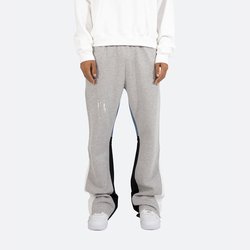
Techwear cargos use water-resistant fabrics, modular pocket systems, and articulated knees. Manufacturers apply DWR coatings to nylon-spandex blends (200–260 GSM) and integrate zippers, buckles, and strap details. Independent designers and urban outdoor brands serve customers prioritizing function and futuristic aesthetics.
Oversized Wide-Leg Cargo
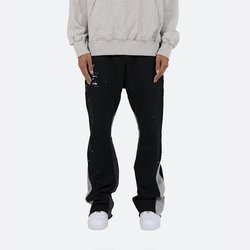
Wide-leg cargos offer a voluminous silhouette with dropped crotch and exaggerated pocket flaps. Cotton canvas or heavyweight twill (280–340 GSM) provides structure. This style appeals to high-fashion streetwear labels and gender-neutral brands targeting trend-conscious buyers who embrace maximalist proportions.
Cropped Cargo
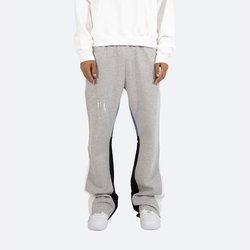
Cropped cargos end above the ankle, using mid-weight twill or denim (240–280 GSM). Manufacturers position cargo pockets higher on the thigh to maintain proportion. Retailers and creator brands target warm-climate markets and customers seeking summer-ready streetwear with retained utility.
4. Materials and Fabrics for Streetwear Cargo Pants
Fabric selection determines durability, comfort, and brand positioning for cargo pants. A streetwear cargo pants manufacturer typically stocks five core material families, each with distinct GSM ranges, performance characteristics, and cost structures that directly impact MOQ, lead time, and wholesale pricing.
| Fabric Type | GSM Range | Key Properties | Best Use Case |
|---|---|---|---|
| Cotton Twill | 240–320 | High durability, breathable, minimal stretch | Classic streetwear, workwear-inspired lines |
| Ripstop Nylon | 180–240 | Tear-resistant, lightweight, water-repellent | Technical streetwear, outdoor-inspired collections |
| Poly-Cotton Blend | 220–300 | Wrinkle-resistant, fast-drying, moderate durability | Budget-friendly lines, high-volume production |
| Stretch Denim | 280–360 | Excellent mobility, shape retention, premium feel | Premium streetwear, fitted silhouettes |
| Technical Fabrics | 200–280 | Water-resistant, breathable, functional finishes | Performance streetwear, athleisure crossover |
5. Customization Options with a Streetwear Cargo Pants Manufacturer
Customization transforms standard cargo pants into brand signatures. A streetwear cargo pants manufacturer offers structural modifications and decoration techniques that define your identity in a crowded market.
| Decoration Technique | Setup Cost (USD) | Durability (Washes) | Minimum Order (pcs) |
|---|---|---|---|
| Screen Print | $50–$150 | 30–50 | 50–100 |
| Embroidery | $75–$200 | Lifetime | 100+ |
| Woven Label | $100–$300 | Lifetime | 500+ |
| Heat Transfer | $0–$50 | 20–40 | No minimum |
| Custom Hardware | $200–$800 | Lifetime | 500+ |
Structural Customization Options
Pocket configurations range from classic side cargo flaps to zippered chest pockets, angled utility pockets, and hidden phone compartments. Waistband choices include drawstring-only (lowest cost), elastic-only (comfort fit), or hybrid drawstring-over-elastic (adjustable retention). Closure systems vary: YKK zippers offer durability at $0.30–$0.80 per unit, while snap buttons cost $0.10–$0.25 but require reinforced fabric backing.
Adjustable ankle straps with snap or buckle closures add $0.50–$1.20 per pair. Reflective trims—heat-applied tape or woven-in 3M Scotchlite—improve visibility and streetwear appeal at $0.40–$1.00 per meter. Utility loops for carabiners or keychains typically add $0.15–$0.30 per loop.
Decoration Methods and Branding
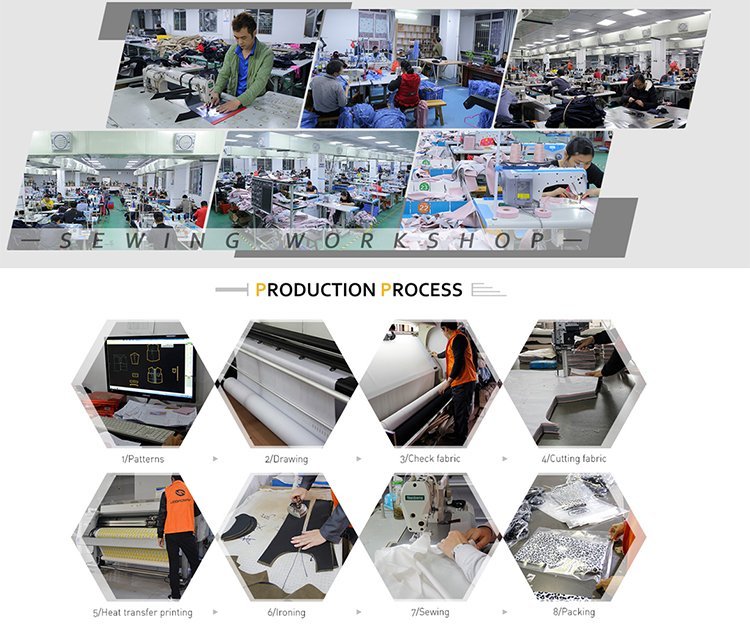
Screen printing costs $0.50–$2.00 per print location with 50–100 piece minimums; it delivers bold graphics but fades after 30–50 washes. Embroidery ranges $1.50–$4.00 per 10,000-stitch design, requires 100+ piece runs, and lasts the garment’s lifetime. Woven labels cost $0.20–$0.60 each at 500-piece minimums and resist fraying. Heat-transfer logos run $0.80–$2.50 per placement with no minimum but peel after 20–40 washes. Custom hardware—metal zipper pulls, branded snaps, or engraved buckles—starts at $0.50–$3.00 per piece with 500+ unit orders, creating premium differentiation.
6. Key Quality Indicators in Cargo Pants Construction
Quality control separates professional streetwear cargo pants from disposable fast fashion. A streetwear cargo pants manufacturer must implement rigorous inspection at every construction stage to ensure durability, fit consistency, and brand reputation.
Stitching Standards and Seam Construction

Flat-felled seams at side seams and inseams prevent fraying and add structural strength, especially in heavyweight twill or ripstop fabrics. Bar tacks — short, dense zigzag stitches — must reinforce all stress points: pocket openings, belt loops, cargo-pocket corners, and fly ends.
Seam allowance should measure 1.0–1.5 cm for main seams; narrower allowances pucker under tension. Thread count on lockstitch seams typically runs 10–12 stitches per inch for woven cargo pants; denser stitching (14+ SPI) suits stretch blends. Inspect samples under tension to reveal skipped stitches or uneven feed.
Hardware and Fastener Quality
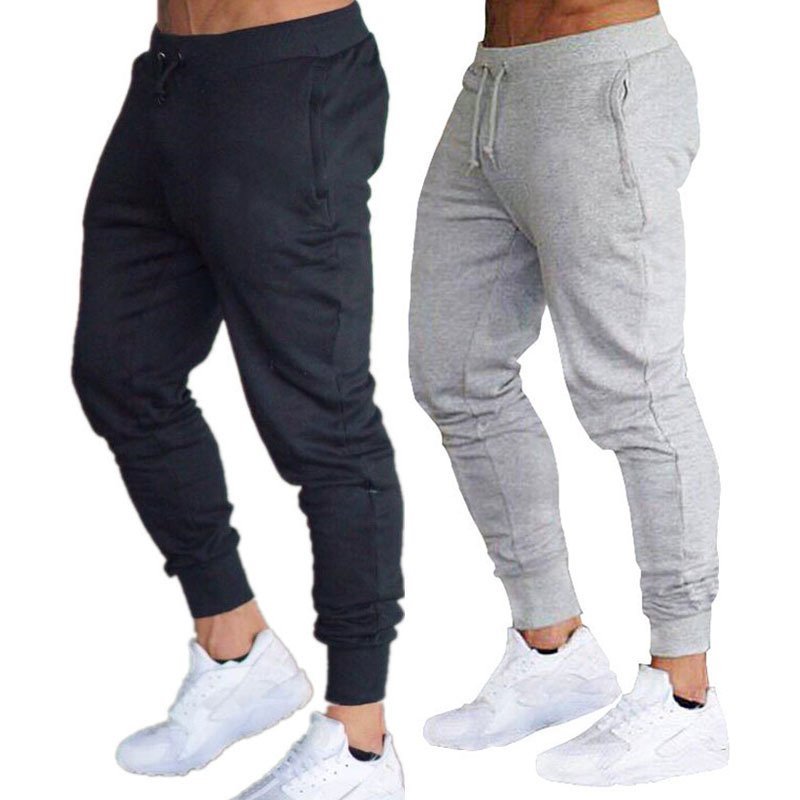
YKK zippers dominate premium streetwear for their corrosion resistance and smooth operation; generic alternatives often fail within 20–30 wash cycles. Snap buttons and D-rings should pass a 15 kg pull test without deformation.
Reinforced pocket corners use double-needle stitching or triangular bar tacks to distribute load. Cargo-pocket flaps require interfacing to maintain shape and prevent sagging. Verify that all metal hardware is nickel-free or coated to meet OEKO-TEX standards and avoid skin irritation.
Waistband and Hem Finishing
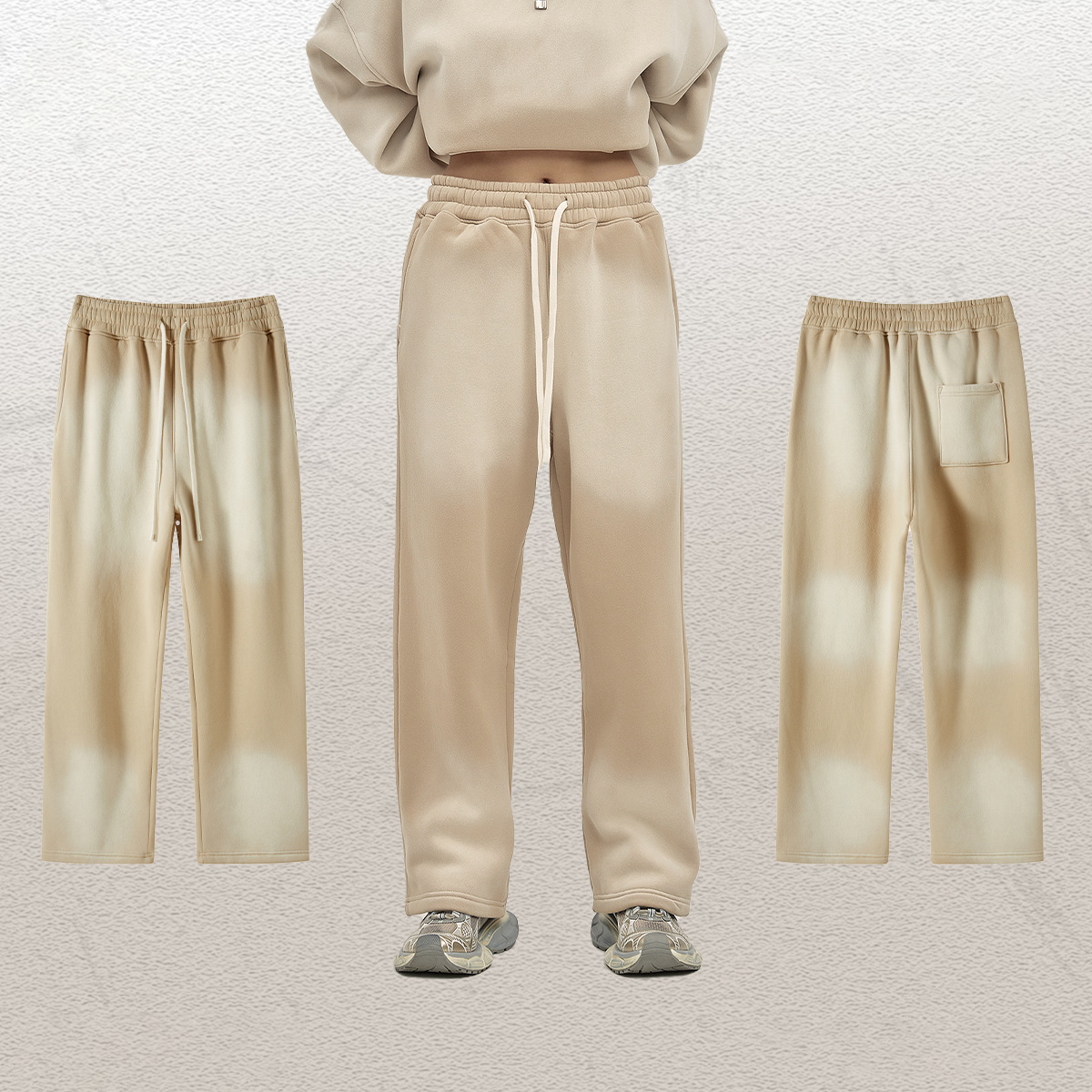
Waistband construction uses interlining (fusible or sewn-in) to prevent rolling and maintain structure through repeated wear. A five-step quality control process — materials QC, cutting QC, craft QC, sewing QC, and finished-goods inspection — catches defects before shipment.
Hem finishes on cargo pants typically feature chain-stitch or cover-stitch for stretch recovery and a clean interior. Check for consistent stitch tension and thread color match across all panels. Pre-production samples should undergo wash testing to verify colorfastness and dimensional stability before bulk orders.
7. How to Choose the Right Streetwear Cargo Pants Manufacturer
Selecting a streetwear cargo pants manufacturer requires evaluating six core criteria: MOQ flexibility, sampling turnaround, fabric sourcing depth, customization capabilities, compliance certifications, and communication responsiveness. Brands that skip systematic vetting often face delayed launches, quality inconsistencies, and hidden costs that erode margins.
Evaluate MOQ Flexibility and Sampling Speed
MOQ thresholds directly impact cash flow for startups and independent designers. Manufacturers offering 50–100 piece minimums per style enable test drops without overstock risk, while traditional factories require 500–1,000 pieces that tie up capital.
Sampling speed separates agile partners from slow operators. A 7–10 day sample turnaround allows iterative fit adjustments and fabric trials before bulk production, whereas 3–4 week cycles delay market entry and miss trend windows. Request sample lead times and revision policies upfront.
Assess Fabric Sourcing and Customization Depth
In-house fabric libraries reduce lead times and cost. Manufacturers with direct mill relationships can source ripstop nylon, cotton twill, and stretch canvas at 15–20 percent below broker pricing, passing savings to clients.
Customization depth includes pocket configurations, hardware options (YKK zippers, snap buttons), elastic waistband styles, and embroidery or screen-print placement. Factories with pattern-making teams and 10+ years of streetwear experience handle complex tech packs without repeated sampling errors.
Verify Compliance Certifications and Quality Systems
WRAP, BSCI, and OEKO-TEX certifications confirm ethical labor practices and chemical safety standards required by U.S. and EU retailers. Request certificate copies and audit dates during initial discussions.
A five-step quality control process—materials QC, cutting QC, craft QC, sewing QC, and finished-goods inspection—catches defects before shipment. Manufacturers skipping mid-production checks deliver 8–12 percent defect rates versus 1–3 percent for rigorous QC operators.
Key Questions During Supplier Discovery
Ask for portfolio samples showing similar cargo pant styles, fabric weights, and hardware finishes. Review past client references, especially brands in your size tier.
Confirm tech pack interpretation capabilities: Can the factory read Illustrator or PDF tech packs? Do they provide pre-production samples with all specified details? Clarify payment terms, shipping Incoterms (FOB, DDP), and revision limits to avoid scope creep and surprise fees.
8. Common Mistakes When Sourcing from a Streetwear Cargo Pants Manufacturer
Production errors with a streetwear cargo pants manufacturer cost brands thousands in wasted inventory and missed launch windows. Most failures trace to six preventable mistakes made during the sourcing and sampling phase.
Skipping Sample Approval
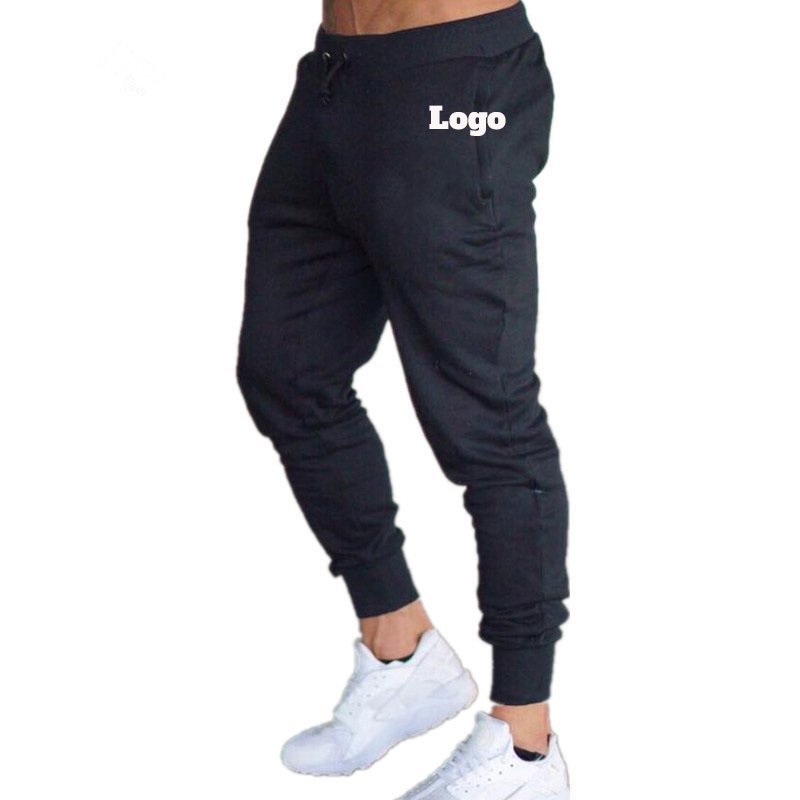
Brands that approve production based on tech packs alone face fit inconsistencies, incorrect pocket placement, and hardware mismatches. A physical pre-production sample reveals construction issues invisible in 2D drawings.
Request at least one wear-test sample before committing to bulk orders. Wash the sample three times to check stitching durability, fabric hand-feel changes, and colorfast performance.
Ignoring Fabric Shrinkage Testing
Cotton-blend cargo pants shrink 3–5% after the first wash; untested fabrics can shift an entire size run off-spec. Pre-shrinking or sanforization adds 0.15–0.30 USD per unit but prevents customer returns.
Specify shrinkage tolerance limits (typically ±3%) in your purchase order and request a lab wash report for each fabric lot before cutting begins.
Underestimating Lead Times
Standard cargo pants production requires 35–45 days from fabric procurement to final QC. Custom hardware, embroidery, or specialty dyes add 10–15 days; failing to buffer time forces rushed production and quality shortcuts.
Build a 60-day timeline for first orders and 45 days for repeat runs. Confirm fabric availability before issuing a deposit to avoid mill delays.
- Fabric sourcing: 7–10 days
- Cutting and sewing: 18–22 days
- QC and packing: 5–7 days
- Shipping buffer: 5 days
Choosing Price Over Quality
Manufacturers quoting 30% below market average often skip mid-production QC testing, use substandard thread (20/2 instead of 40/2), or substitute approved fabrics. A 2 USD savings per unit becomes a 15 USD loss per return.
Request a breakdown of materials cost, labor rate, and QC steps. Verify the factory implements inspection at cutting, sewing, and finishing stages—not just final packing.
9. Steps to Launch Your Cargo Pants Line Successfully
Launching a cargo pants line with a streetwear cargo pants manufacturer requires a structured timeline across eight distinct phases. Understanding realistic lead times for sampling, production, and logistics ensures you can plan launch dates and inventory accurately.
Concept Development and Mood Board
Define your design direction by assembling mood boards that capture streetwear elements—skeleton graphics, color palettes, pocket configurations, and silhouette references. Share these visuals with your manufacturer to align on aesthetic goals before technical work begins.
Allocate 3–5 days for this phase, ensuring both parties agree on the creative vision and feasibility of design details.
Tech Pack and Fabric Selection
Create a detailed tech pack specifying measurements, construction methods, hardware (YKK zippers, snap buttons), and stitch types. Simultaneously select fabrics—cotton twill at 280–320 GSM or ripstop nylon—and trims including drawcords, labels, and hang tags.
This phase typically requires 5–7 days and forms the blueprint for sampling, reducing miscommunication during production.
Sample Rounds and Fit Testing
Request an initial sample to evaluate fit, fabric hand-feel, and construction quality. Most manufacturers deliver samples in 7–14 days. Conduct fit testing on multiple body types, then request revisions if needed—second samples add another 7–10 days.
Approve the final sample only after confirming all specifications match your tech pack and quality expectations.
Bulk Production and Quality Inspection
Place your bulk order with confirmed quantities and colorways. Production runs typically span 30–45 days depending on order size and complexity. Implement the manufacturer’s five-step QC process—materials, cutting, craft, sewing, and finished garment inspection—to catch defects early.
Schedule a pre-shipment inspection before final packing to verify compliance with your standards.
Logistics and Delivery
Coordinate shipping method—air freight (5–7 days) for urgent launches or sea freight (25–35 days) for cost efficiency. Confirm customs documentation, including commercial invoices and packing lists, to avoid delays at port of entry.
Total cycle from concept to delivery ranges 60–90 days, so build buffer time into your launch calendar.
10. Pricing and Cost Structure for Streetwear Cargo Pants
Unit cost for streetwear cargo pants varies primarily by fabric grade, hardware specifications, and order volume. Premium ripstop cotton or stretch twill fabrics add $2–4 per unit over standard canvas, while branded YKK zippers and metal buckles contribute $1.50–3 per garment compared to generic alternatives. Embroidery, screen printing, and custom woven labels each add $0.80–2.50 per placement depending on stitch count and color complexity.
Minimum order quantities directly affect per-unit pricing through setup amortization and cutting efficiency. A 50-piece run requires the same pattern grading, cutting table setup, and quality control protocols as a 1,000-piece order, so fixed costs distribute across fewer units. Factories typically price small batches 40–60% higher than bulk orders to cover these overhead expenses.
Lead times compress as volume increases because larger runs justify dedicated production lines and bulk fabric procurement. A 50-piece sample order may require 18–22 days as the factory schedules it between larger contracts, while a 1,000-piece order can move through cutting, sewing, and finishing in 12–15 days with priority line allocation.
Sampling fees are usually deducted from the first production order when the client commits to manufacturing. Most streetwear cargo pants manufacturers charge $80–150 per sample garment to cover pattern development, fabric swatches, and one revision cycle, ensuring serious buyers before allocating design resources.
| Order Quantity | Price per Unit (USD) | Lead Time (Days) | Sample Fee |
|---|---|---|---|
| 50 pcs | $28–38 | 18–22 | $80–150 (deductible) |
| 200 pcs | $22–30 | 15–18 | Waived on order |
| 500 pcs | $18–25 | 12–16 | Waived on order |
| 1,000 pcs | $15–22 | 12–15 | Waived on order |
| Embroidery add-on | +$1.50–2.50/placement | — | — |
| Screen print add-on | +$0.80–1.80/placement | — | — |
Ready to Launch Your Streetwear Cargo Pants Line?
Partner with a streetwear cargo pants manufacturer that delivers 50-piece MOQ, 7-day samples, and our zero-compromise 5-step QC guarantee.