
Streetwear Manufacturer for Startups — Premium Quality, Zero Compromise
Launch your brand with a trusted streetwear manufacturer for startups. 50-piece MOQ, 7-day samples, and our exclusive 5-step QC guarantee. Serving 100+ countries with 10+ years of expertise.
Our Streetwear Collections
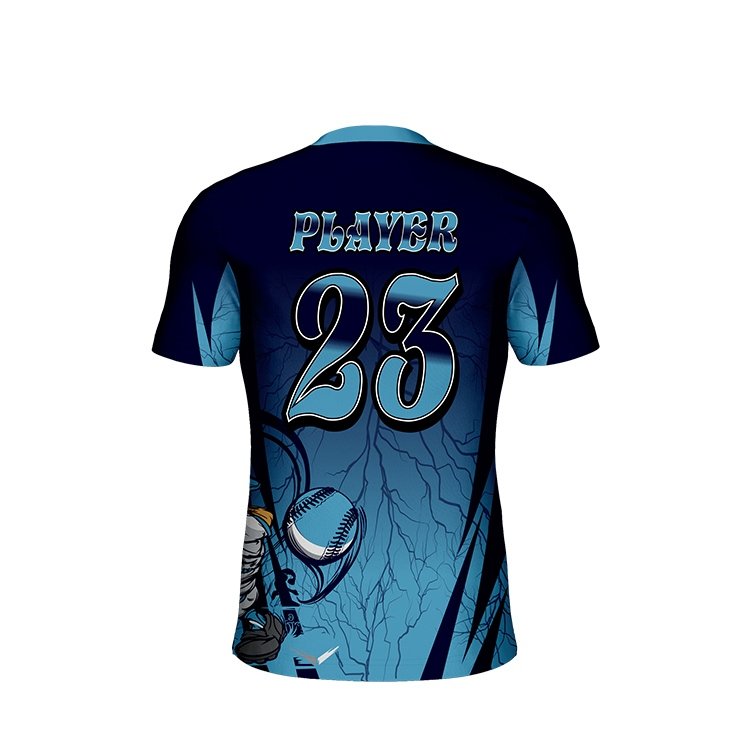
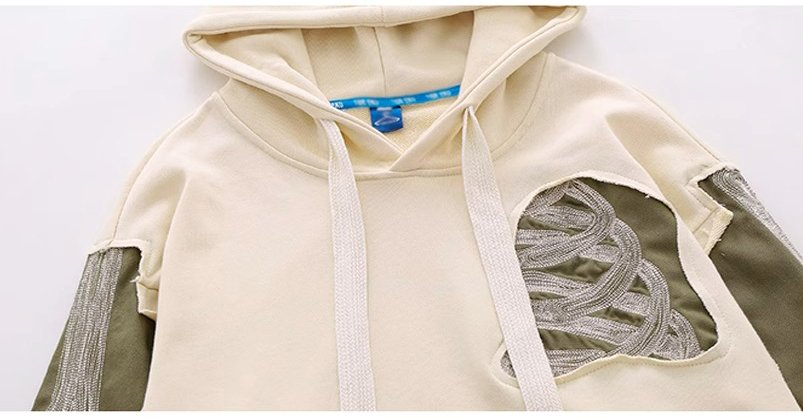
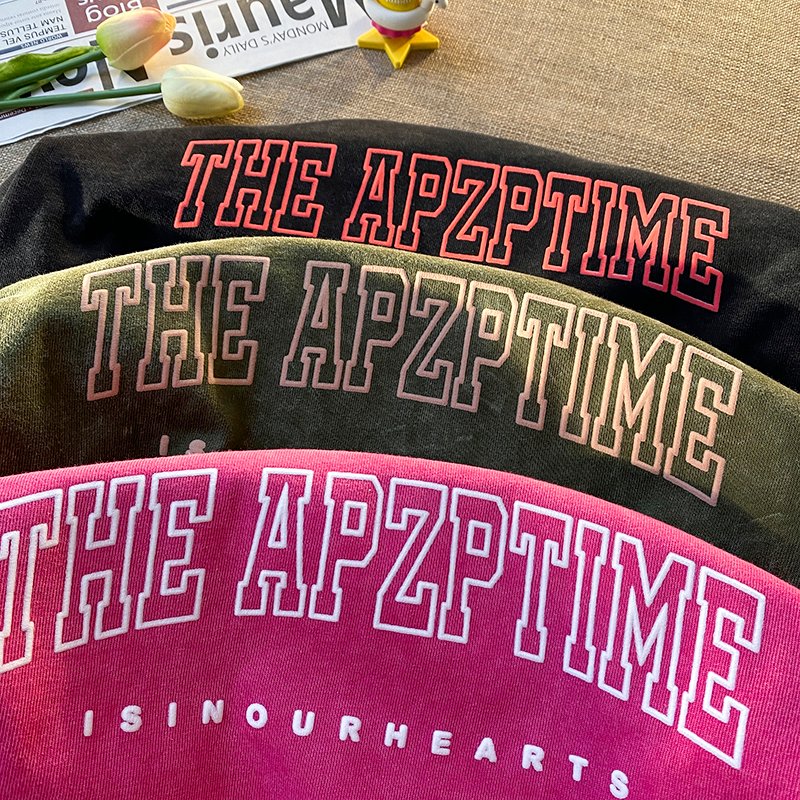
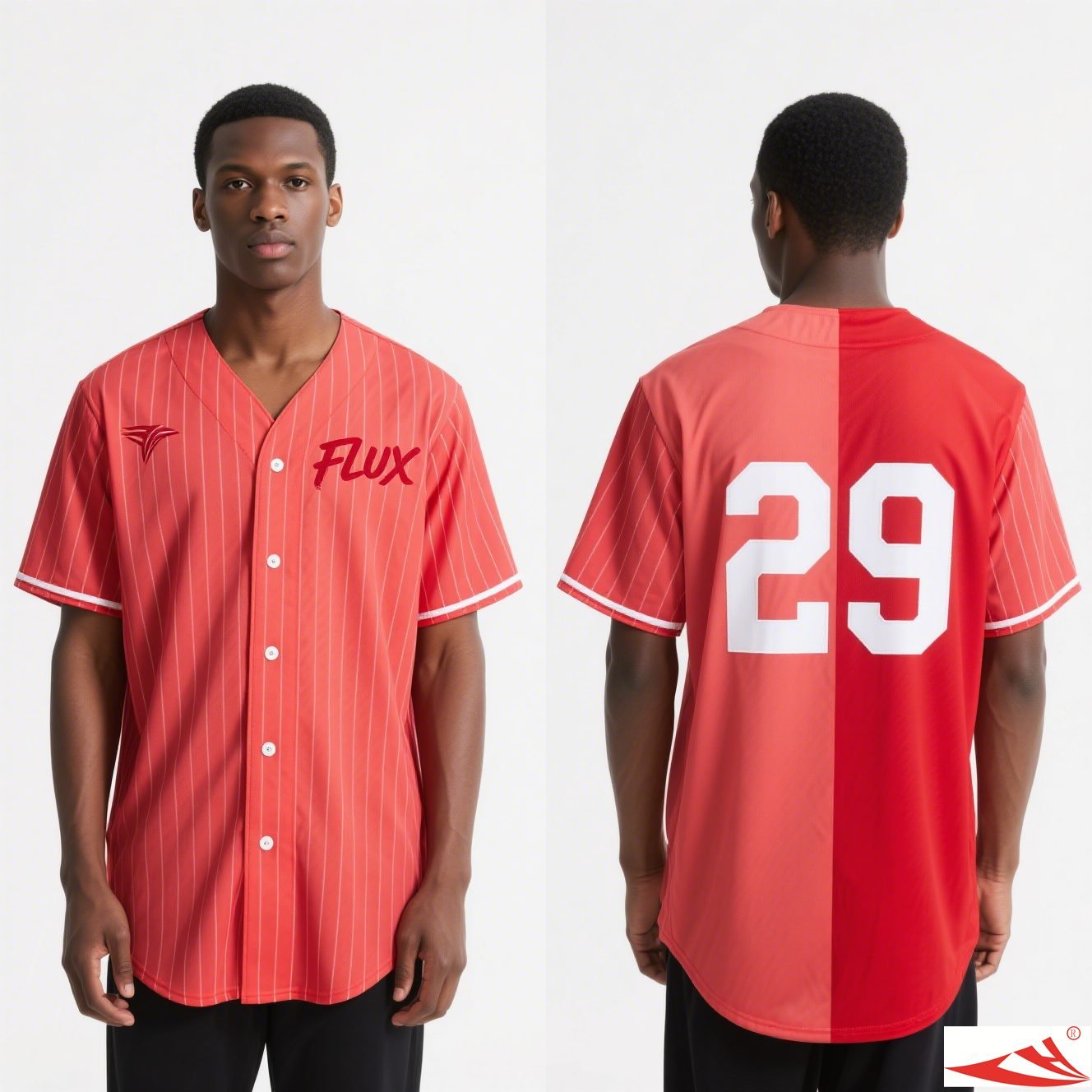
Why Startups Choose Our Streetwear Manufacturer for Startups
We empower emerging brands with the same premium craftsmanship, trend-driven designs, and rigorous quality standards trusted by established labels worldwide.
5-Step QC Guarantee
Every order undergoes materials, cutting, craft, sewing, and finished product quality testing to eliminate defects before shipping.
50-Piece Minimum Order
Launch your streetwear line without breaking the bank. Our low MOQ lets startups test designs and grow sustainably.
7-Day Sample Turnaround
Get physical samples in one week so you can validate designs, test fits, and move fast on seasonal collections.
In-House Design Team
Our 15-member R&D team brings streetwear expertise in graphics, patterns, and trend-driven elements to every project.
Fast Production Cycles
Rapid turnaround for seasonal drops and influencer launches, backed by over 10 years of streamlined manufacturing experience.
Global Shipping Support
Seamless logistics to over 100 countries with customs, declaration, and tracking handled by our experienced trade team.
Streetwear Manufacturer for Startups: Our Core Categories
From oversized hoodies to custom joggers, we bring your vision to life with precision craftsmanship and trend-driven design across every streetwear essential.
Premium Streetwear Hoodies
Startup brands struggle to find manufacturers who can deliver oversized fits, quality heavyweight fabrics, and intricate graphic placements without massive minimum orders that drain limited budgets.
We produce premium hoodies with 50-piece MOQs, offering custom fits, embroidery, screen printing, and puff prints. Our 5-step QC ensures every stitch and graphic meets your brand standards.
Custom Streetwear T-Shirts
Many manufacturers compromise on fabric weight and print durability for t-shirts, resulting in products that fade, shrink, or lose shape after a few washes—damaging your brand reputation before it's established.
Our t-shirts use premium cotton blends and advanced printing techniques tested at every production stage. Startups receive samples in 7 days to validate quality before committing to full runs.
Trendy Joggers & Sweatpants
Achieving the perfect balance of comfort, durability, and street-ready aesthetics in joggers requires specialized pattern-making and fabric knowledge that generic manufacturers lack, especially for emerging brands with unique designs.
We specialize in tapered fits, cargo styles, and custom waistband details. Our in-house design team translates your sketches into production-ready patterns with fast turnaround for seasonal drops.
Statement Streetwear Jackets
Complex jacket construction—from bomber silhouettes to oversized denim pieces—demands advanced technical skills and quality control. Startups often face rejected samples, missed deadlines, and inconsistent sizing from inexperienced factories.
With 10+ years of garment expertise and 15-member R&D team, we execute intricate jacket designs with precision. Our cutting and sewing QC stages catch fit issues early, ensuring your launch stays on schedule.
Streetwear Accessories & Add-Ons
Building a complete streetwear brand requires coordinated accessories like beanies, caps, and bags, but working with multiple suppliers creates quality inconsistencies, logistical headaches, and higher costs for startups.
We offer one-stop production for accessories alongside your apparel, maintaining consistent quality standards and simplifying global shipping. Launch cohesive collections without juggling multiple vendor relationships.
Premium Fabrics Every Streetwear Manufacturer for Startups Should Offer
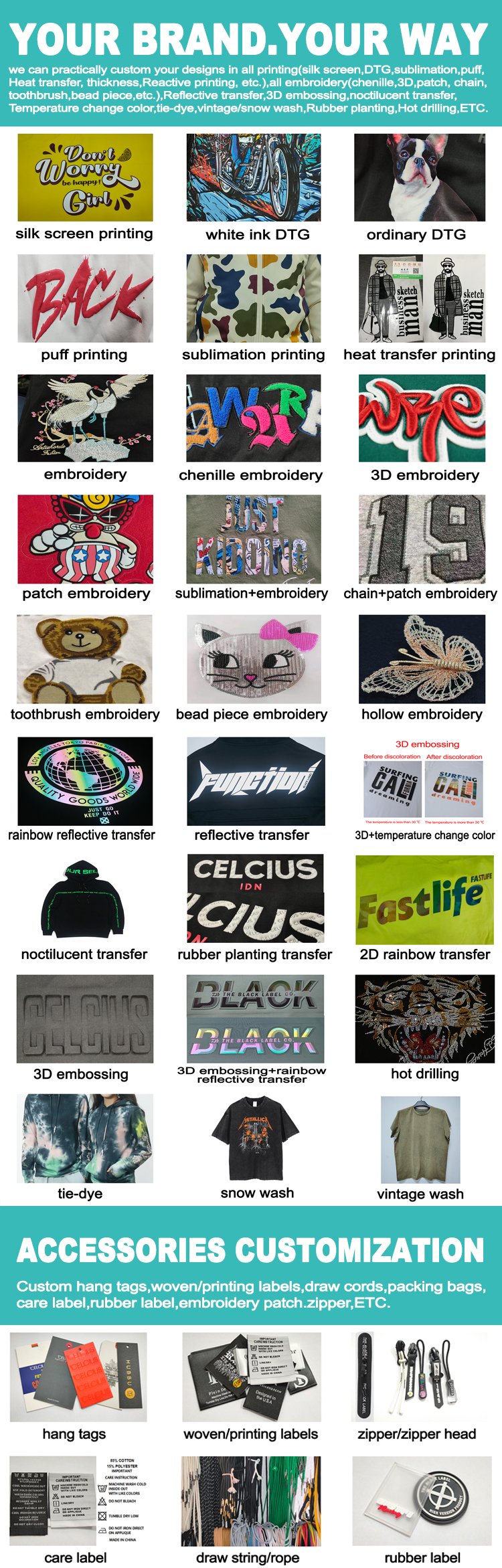
Heavyweight Cotton
Dense, structured fabric with a substantial hand-feel, ideal for oversized tees, hoodies, and statement pieces. Weight ranges from 280-400 GSM, offering excellent printability and long-lasting shape retention for bold streetwear graphics.
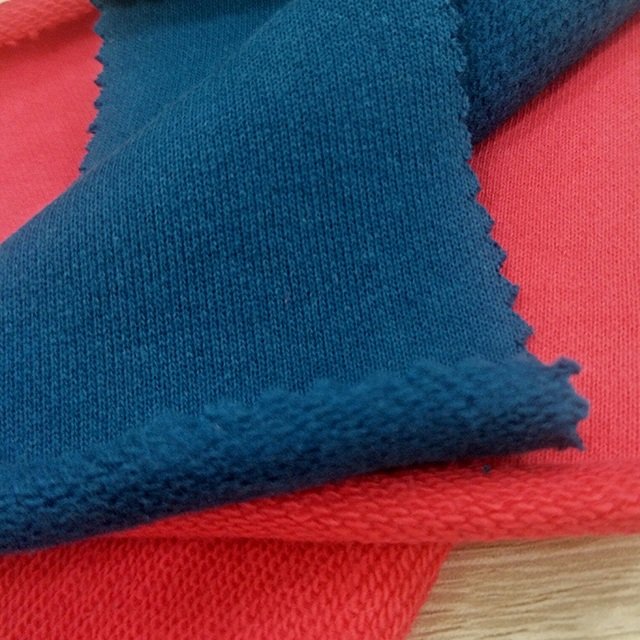
French Terry
Soft looped interior with smooth exterior face, perfect for hoodies, joggers, and layering pieces. Mid-weight construction (240-280 GSM) delivers breathability and comfort while maintaining clean lines and drape for modern streetwear silhouettes.
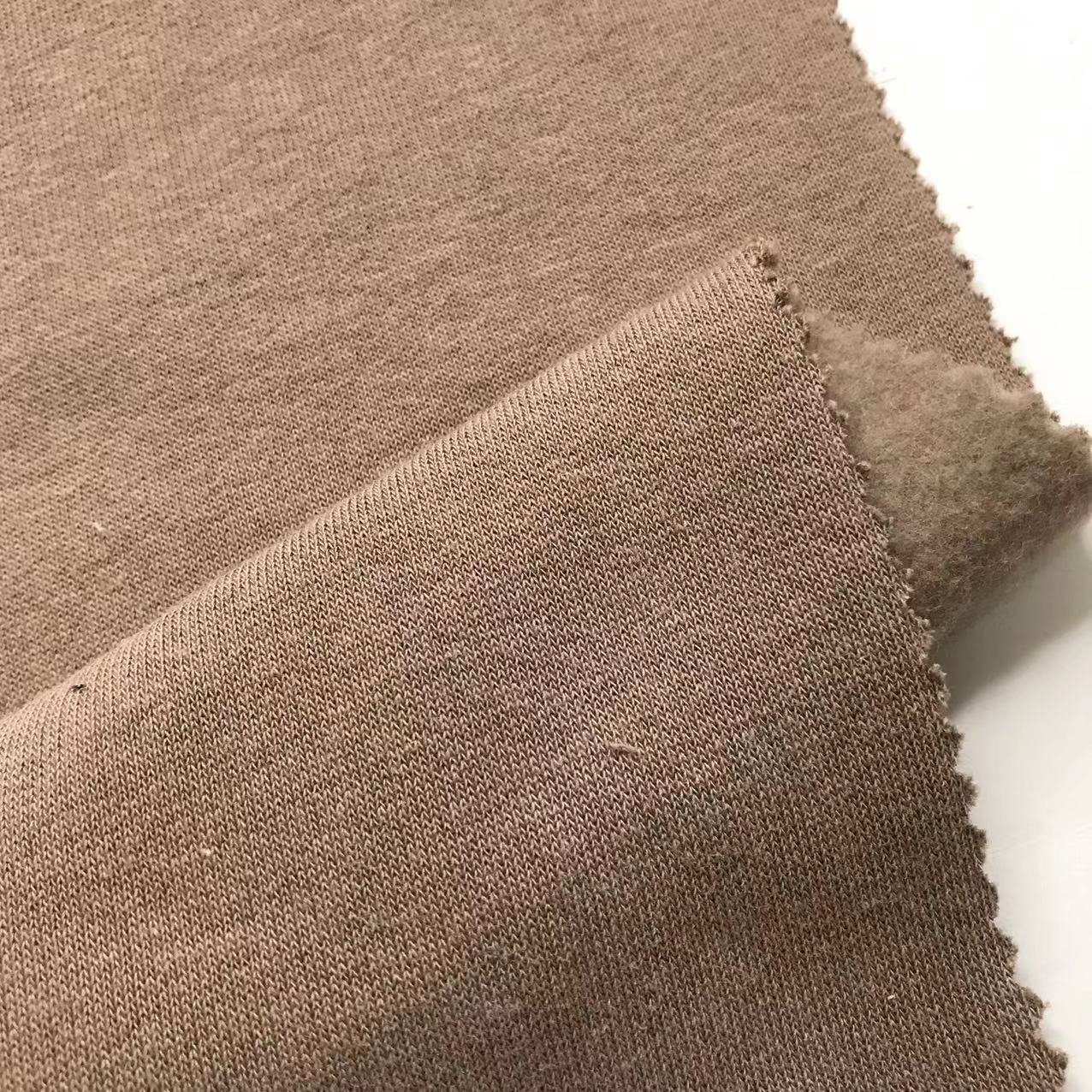
Fleece Blend
Brushed interior creates plush warmth without bulk, ideal for winter collections and cozy streetwear staples. Poly-cotton blends offer superior color retention, minimal pilling, and the heavyweight feel (300-350 GSM) customers expect from premium brands.
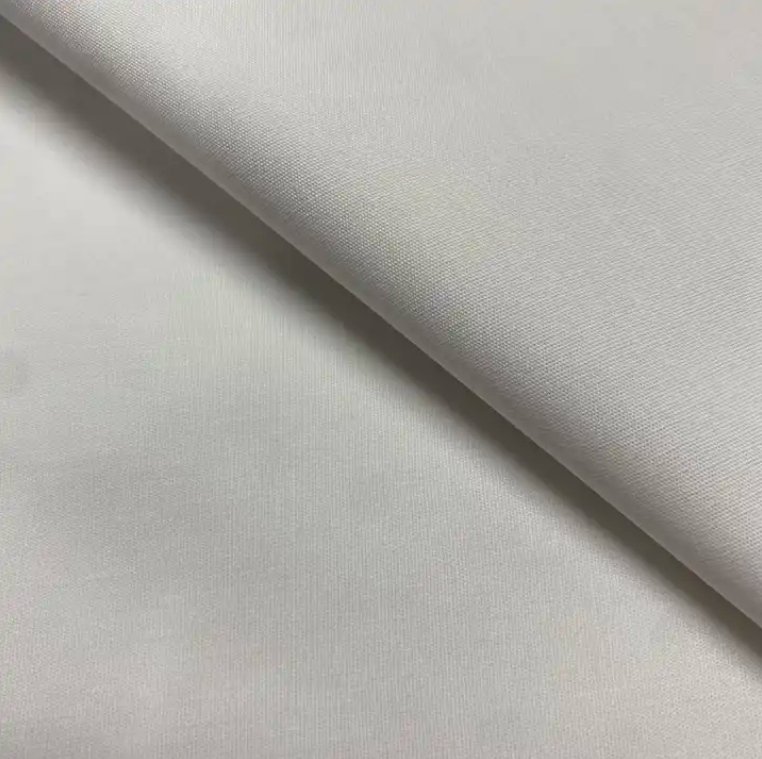
Performance Mesh
Lightweight, breathable polyester knit engineered for athletic-inspired streetwear and layering pieces. Open-knit structure provides ventilation and moisture-wicking properties, with four-way stretch for movement-focused designs and technical apparel.
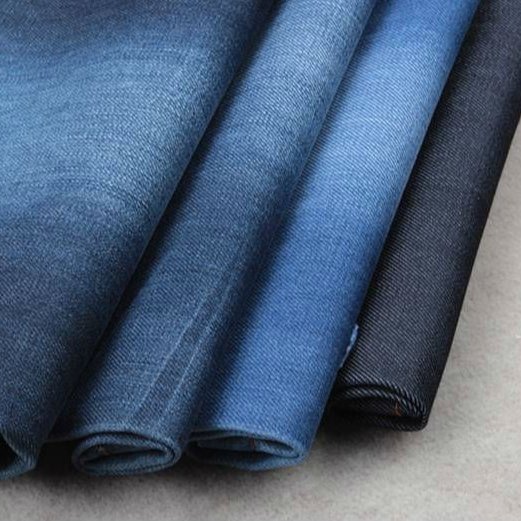
Organic Cotton
Sustainably grown, chemical-free cotton with natural softness and eco-conscious appeal for conscious streetwear brands. Certified organic fibers deliver premium comfort, excellent dye uptake, and the authentic story today’s consumers value in their wardrobe.
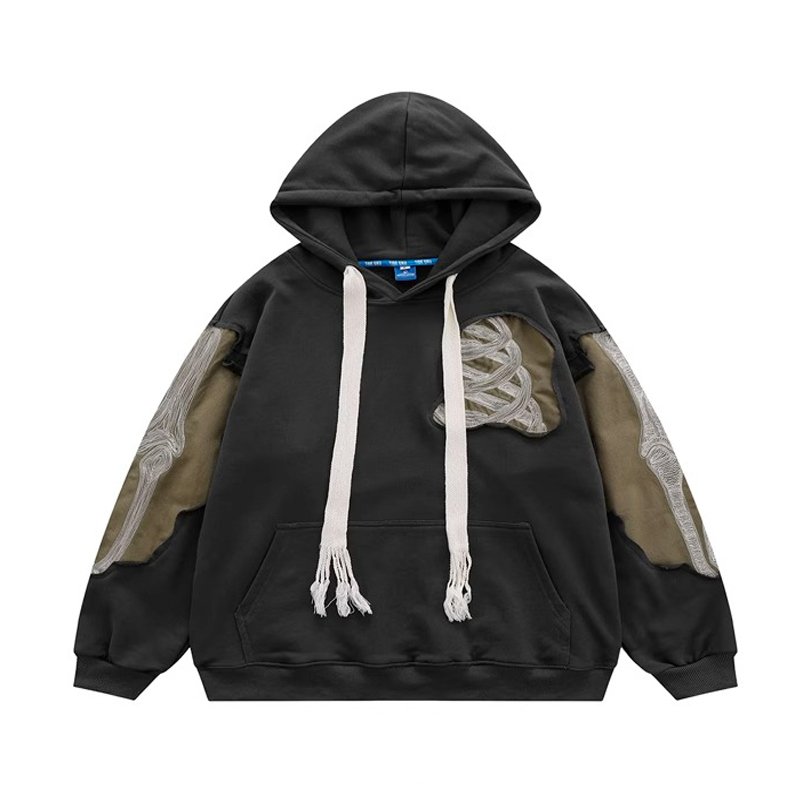
Poly-Cotton Blend
Balanced hybrid combining cotton breathability with polyester durability, perfect for everyday streetwear essentials. Typically 65/35 or 50/50 ratios resist shrinkage and wrinkles while maintaining softness, offering startups reliable performance at accessible price points.
Advanced Production Techniques from Your Streetwear Manufacturer for Startups
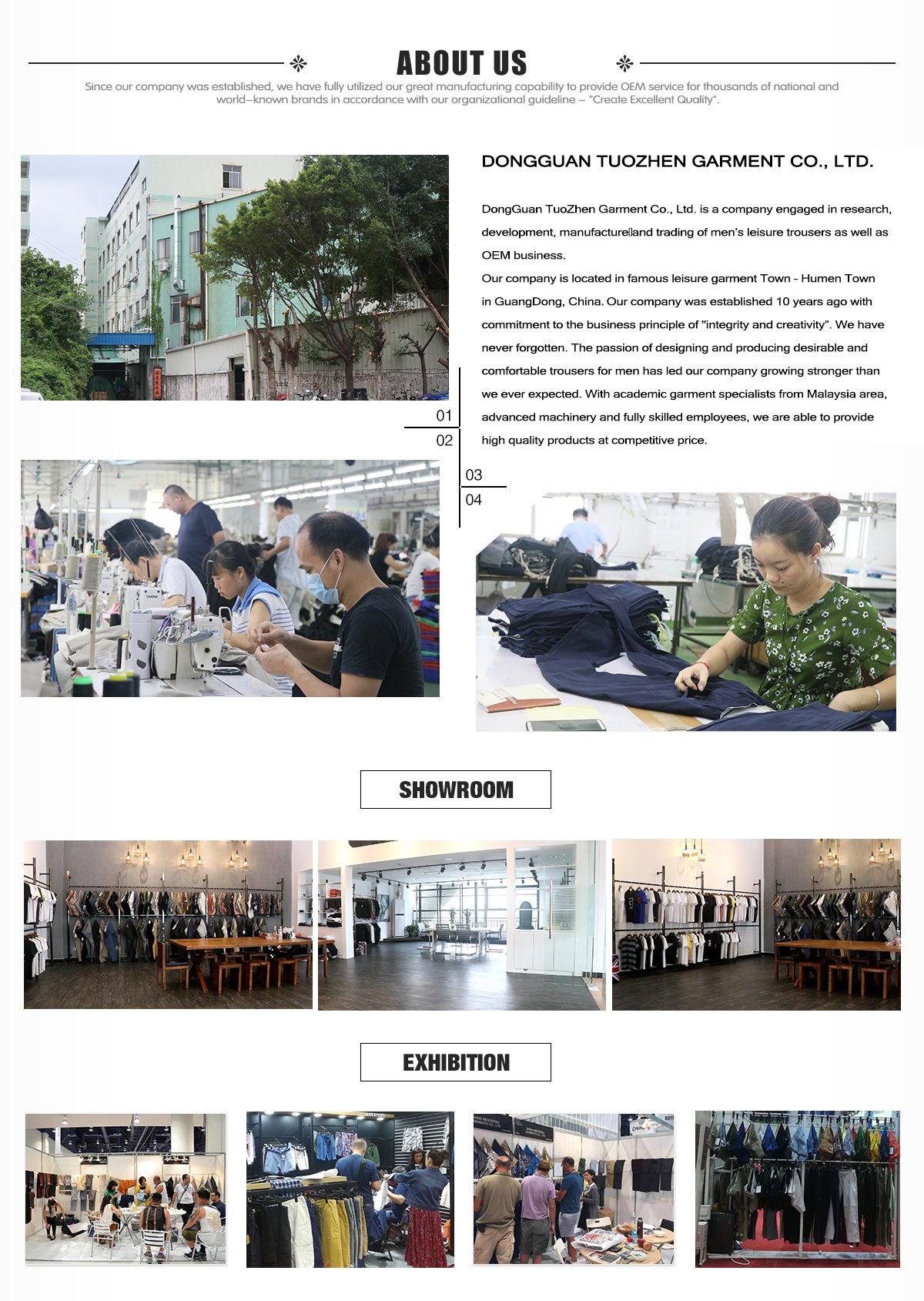
Screen Printing
High-opacity ink layers create bold, vibrant graphics ideal for streetwear logos and large designs. Delivers excellent wash durability and color saturation, perfect for hoodies, tees, and oversized fits that define urban style.
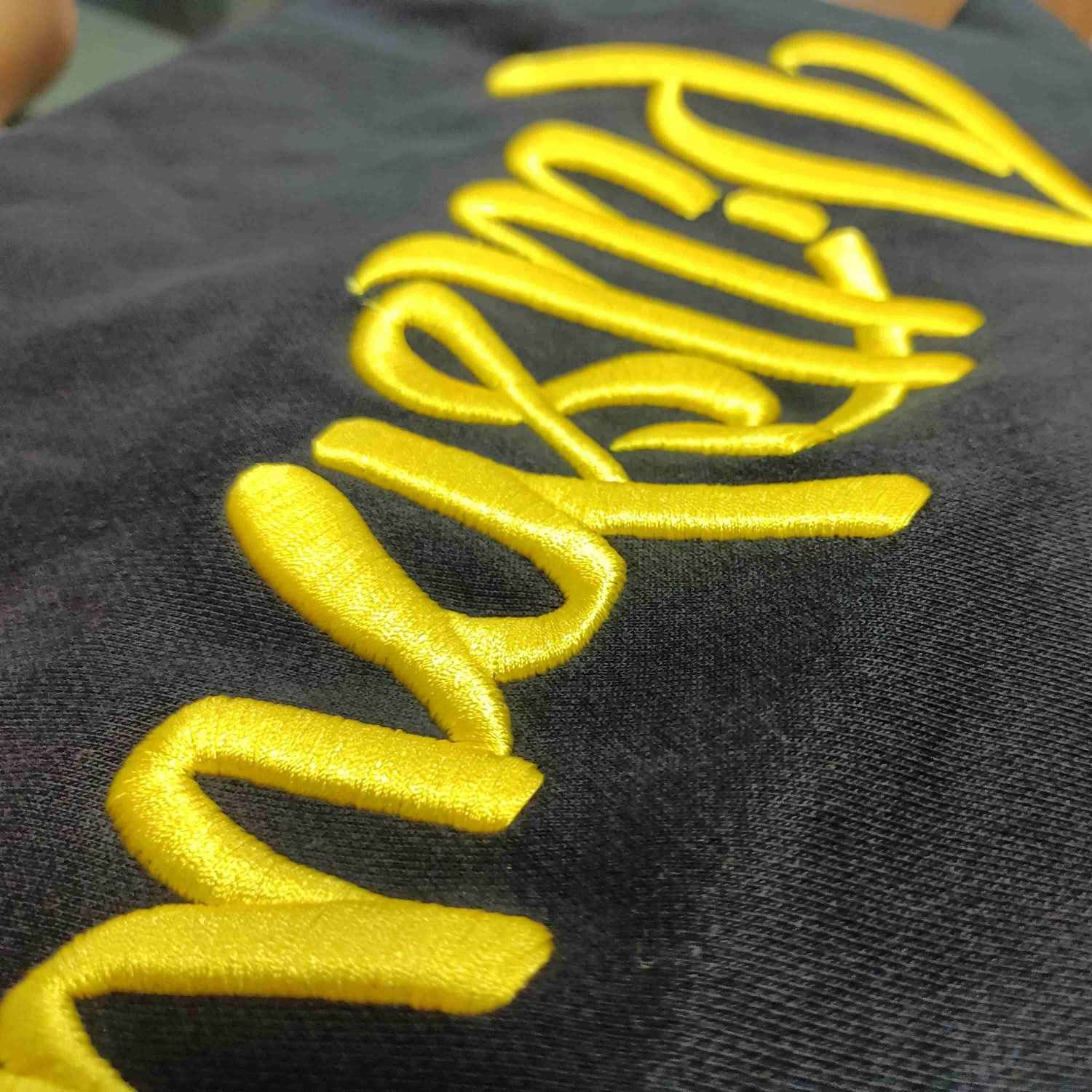
Embroidery
Precision thread work adds premium texture and dimension to your brand. Ideal for logos, patches, and intricate details on caps, jackets, and chest branding. Offers unmatched longevity and a luxury feel that elevates startup collections.
Sublimation Printing
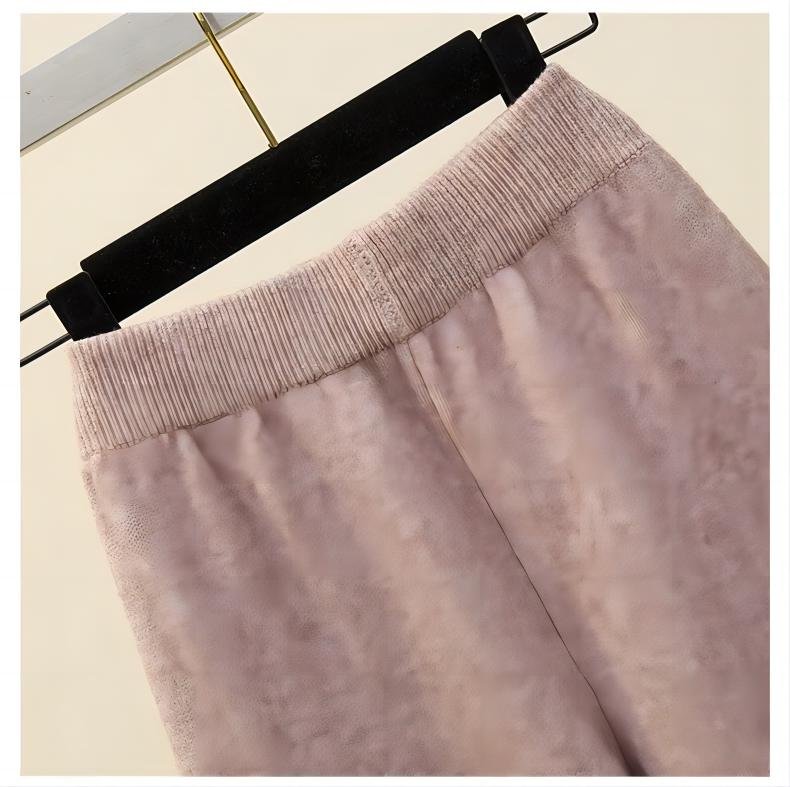
Heat-activated dye infusion creates seamless, full-color all-over prints with photographic detail. Perfect for bold patterns, gradients, and complex artwork on polyester streetwear pieces. Colors remain vibrant through countless washes without cracking or fading.
Direct-to-Garment (DTG)
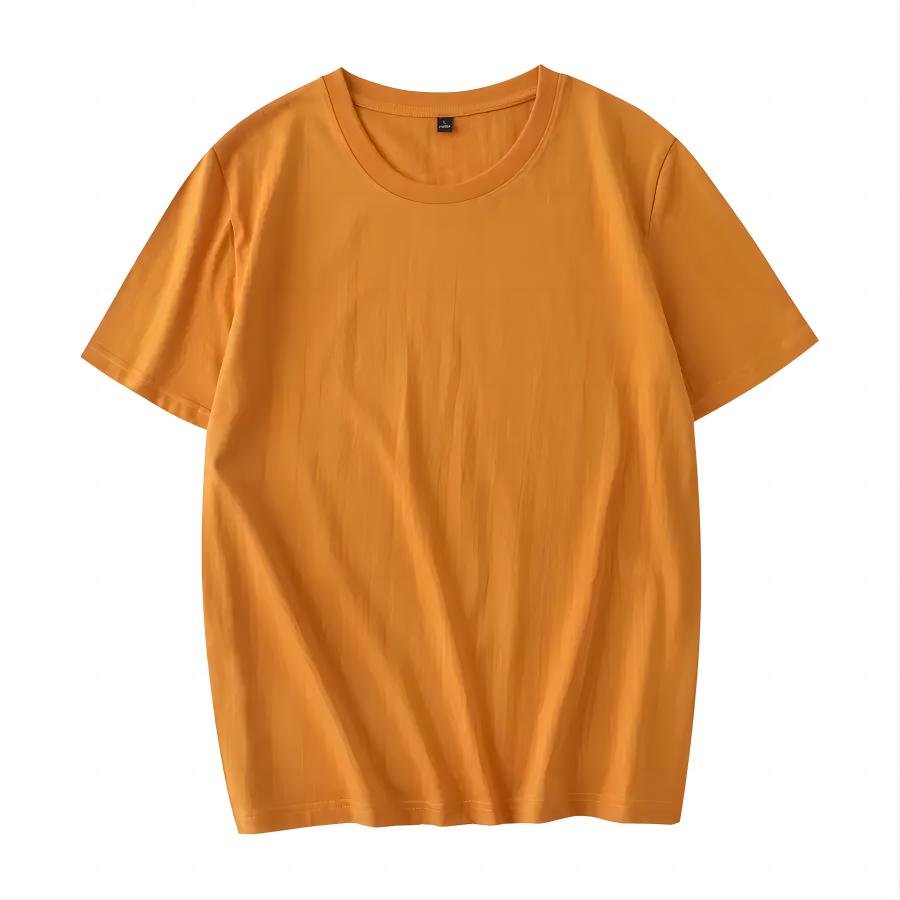
Digital inkjet technology prints intricate, multi-color designs directly onto fabric with exceptional detail. Ideal for limited runs, custom pieces, and complex graphics that demand precision. Soft hand feel with no added weight or stiffness.
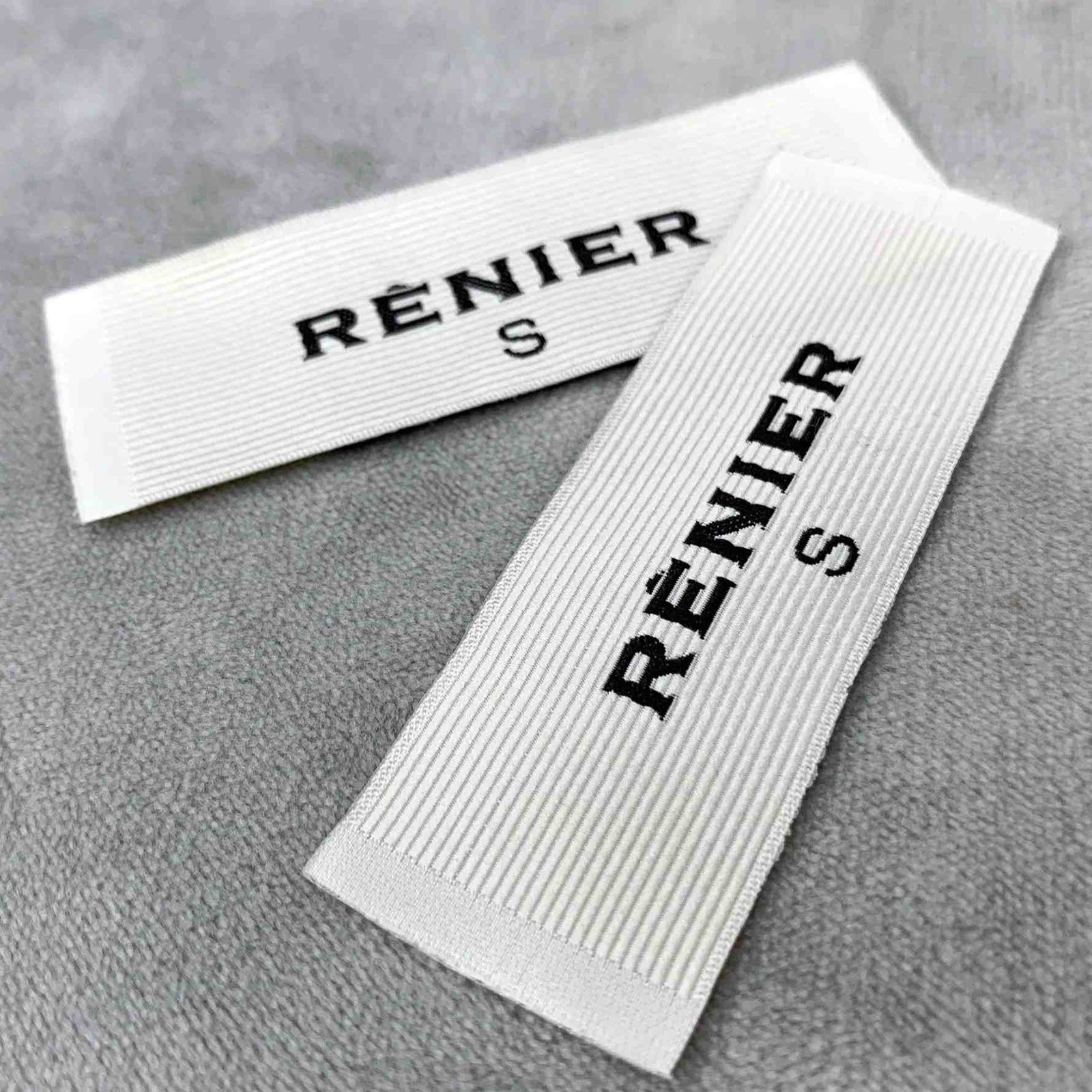
Woven Labels
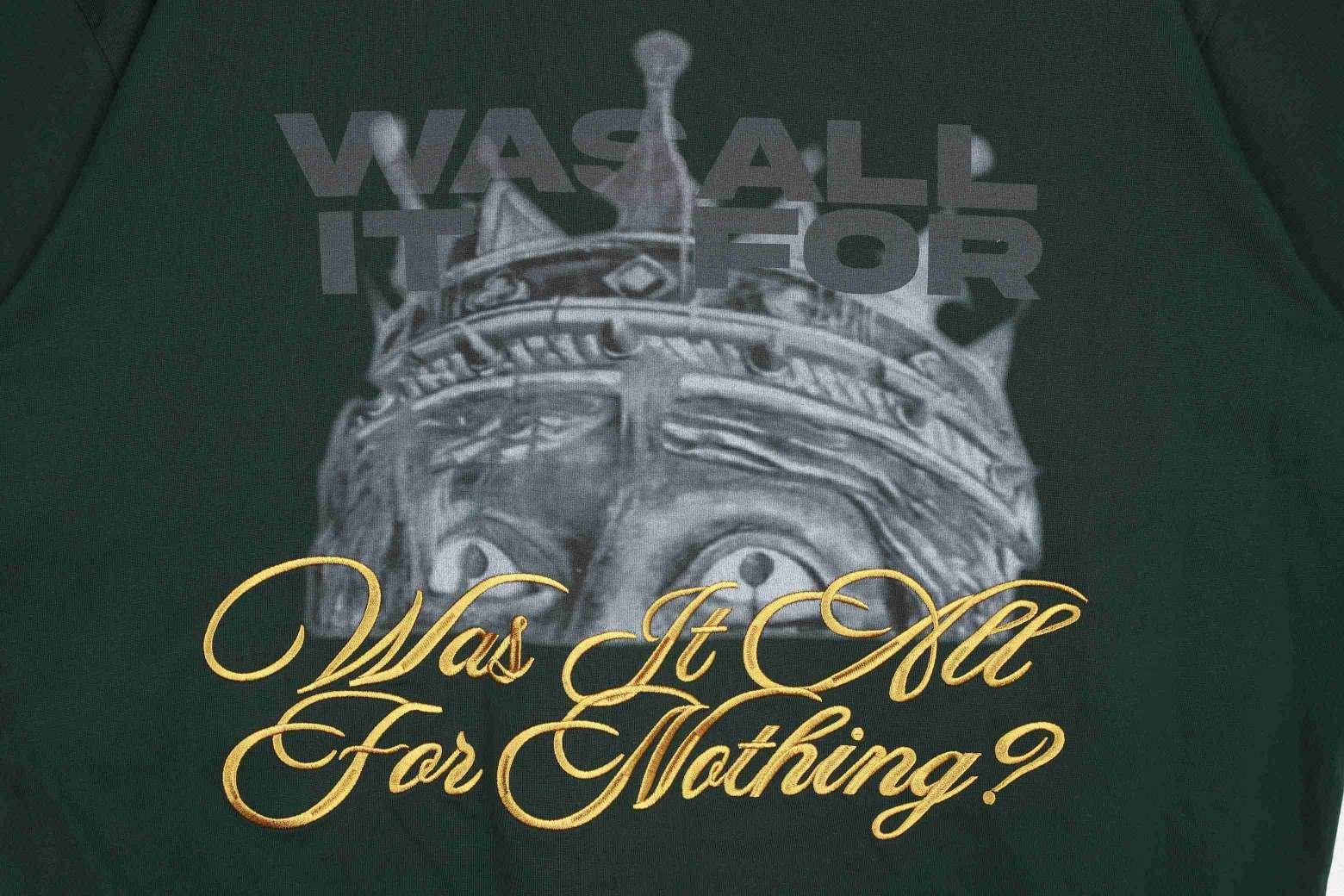
Custom-woven branding tags crafted with your logo, care instructions, or signature details. Adds professional finishing and brand recognition to every garment. Durable, fade-resistant, and available in multiple sizes and weave densities for premium presentation.
Custom Dyeing
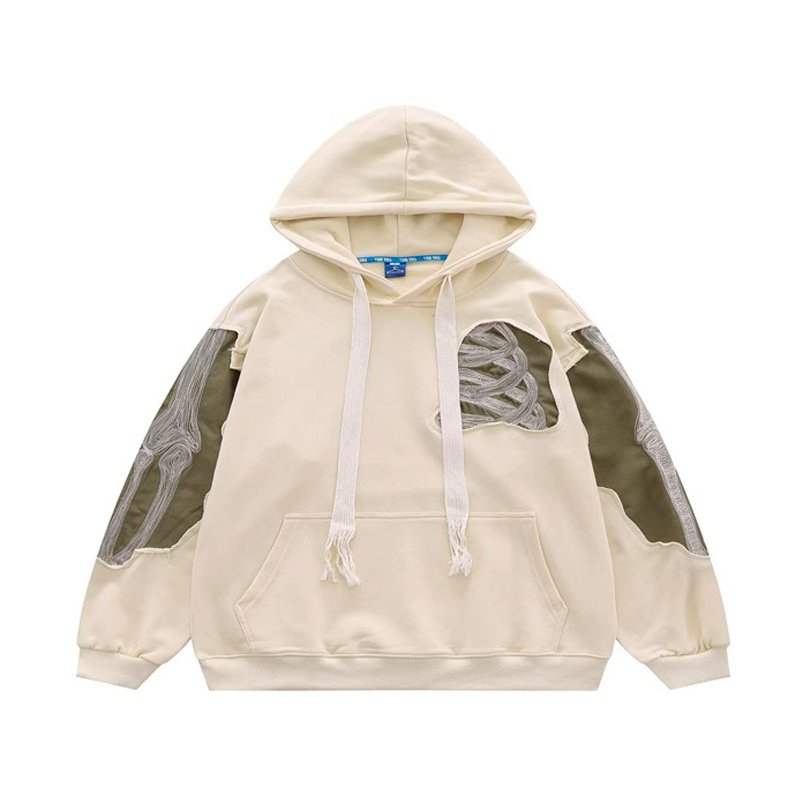
Specialized fabric dyeing techniques create unique colorways, vintage washes, and trend-forward effects. From acid wash to garment dye and reactive dyeing, we achieve the exact aesthetic your streetwear brand demands with consistent, repeatable results.
Customization & Accessories for Your Streetwear Manufacturer for Startups
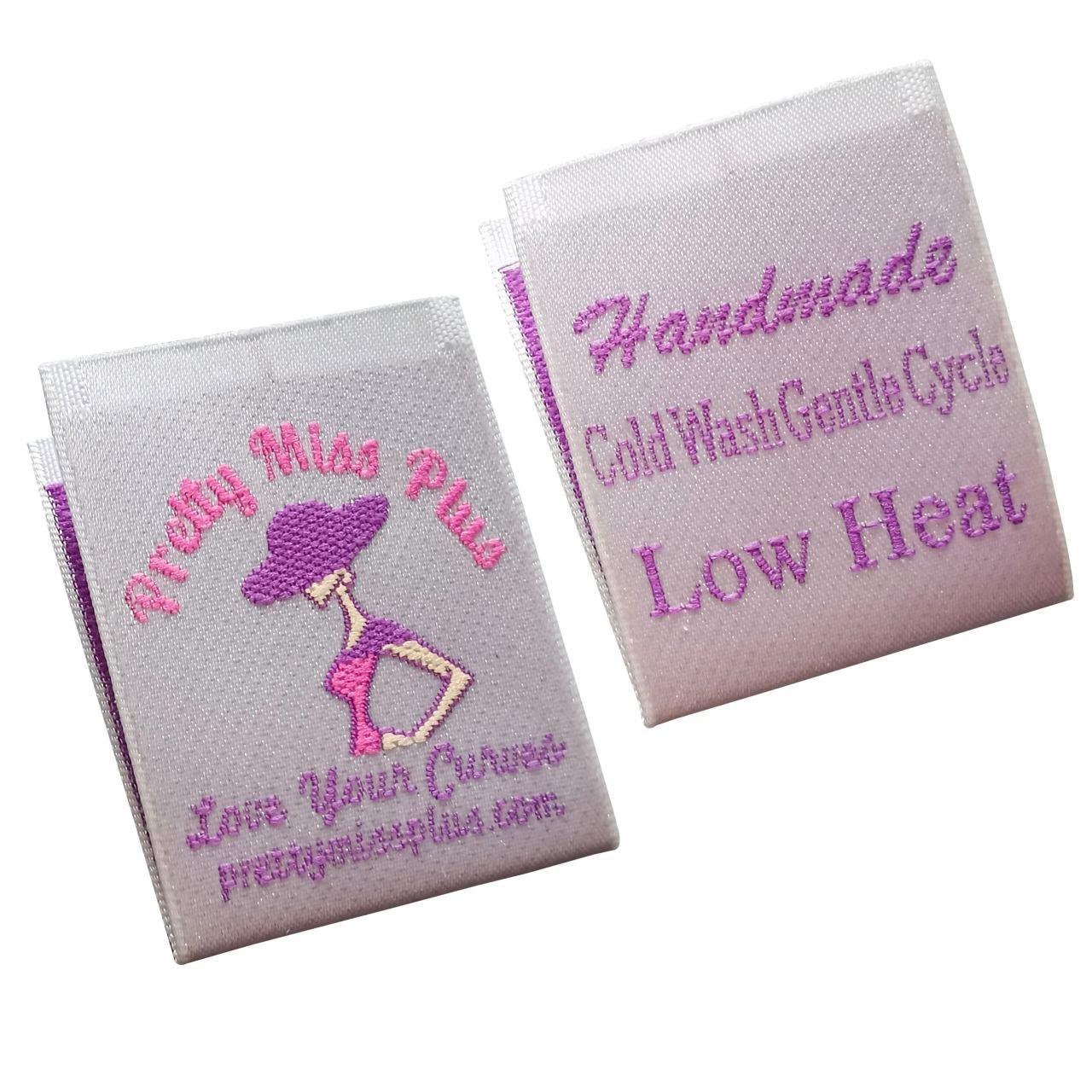
Woven Labels
High-definition woven brand labels for necklines, waistbands, and exterior placements. Durable, soft-touch construction that withstands repeated washing while maintaining vivid colors and sharp logo detail for lasting brand recognition.
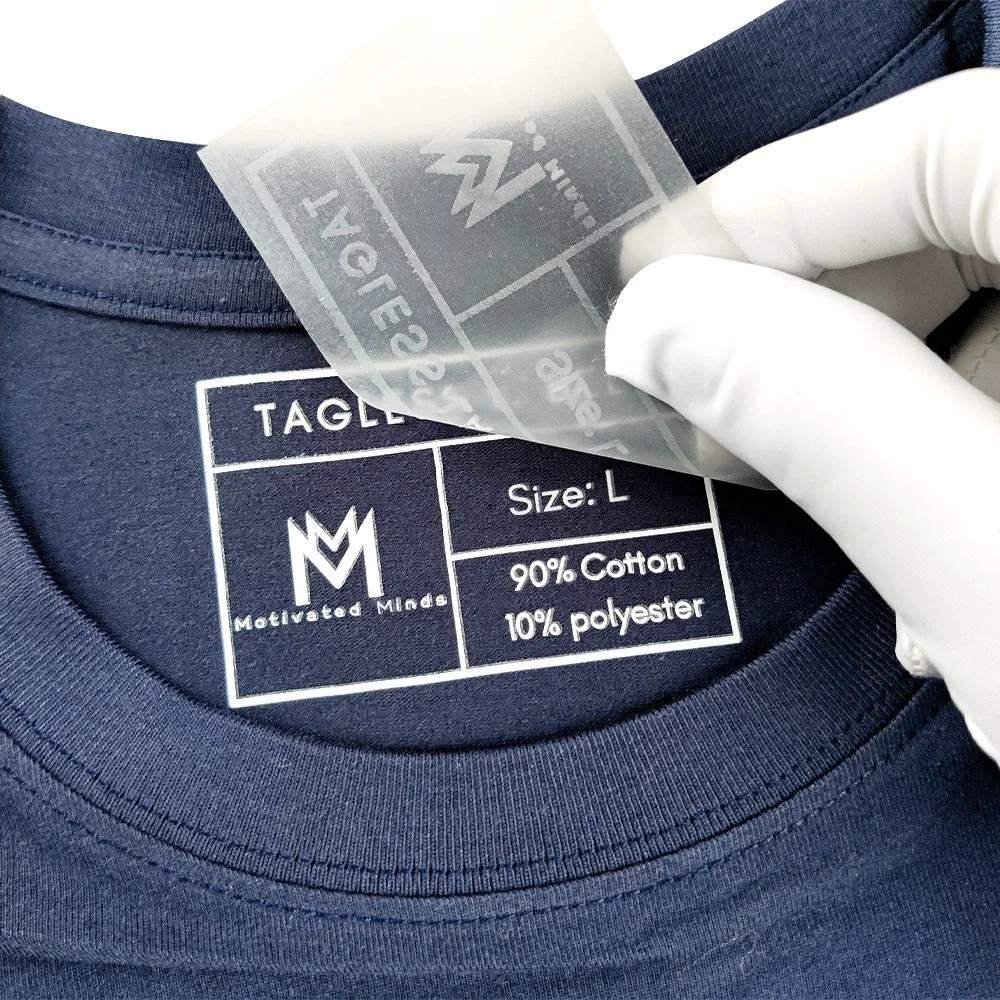
Custom Hang Tags
Premium cardstock or specialty material hang tags with your brand artwork, QR codes, and product information. Essential for retail presentation and storytelling, reinforcing your streetwear identity at point of sale and unboxing.
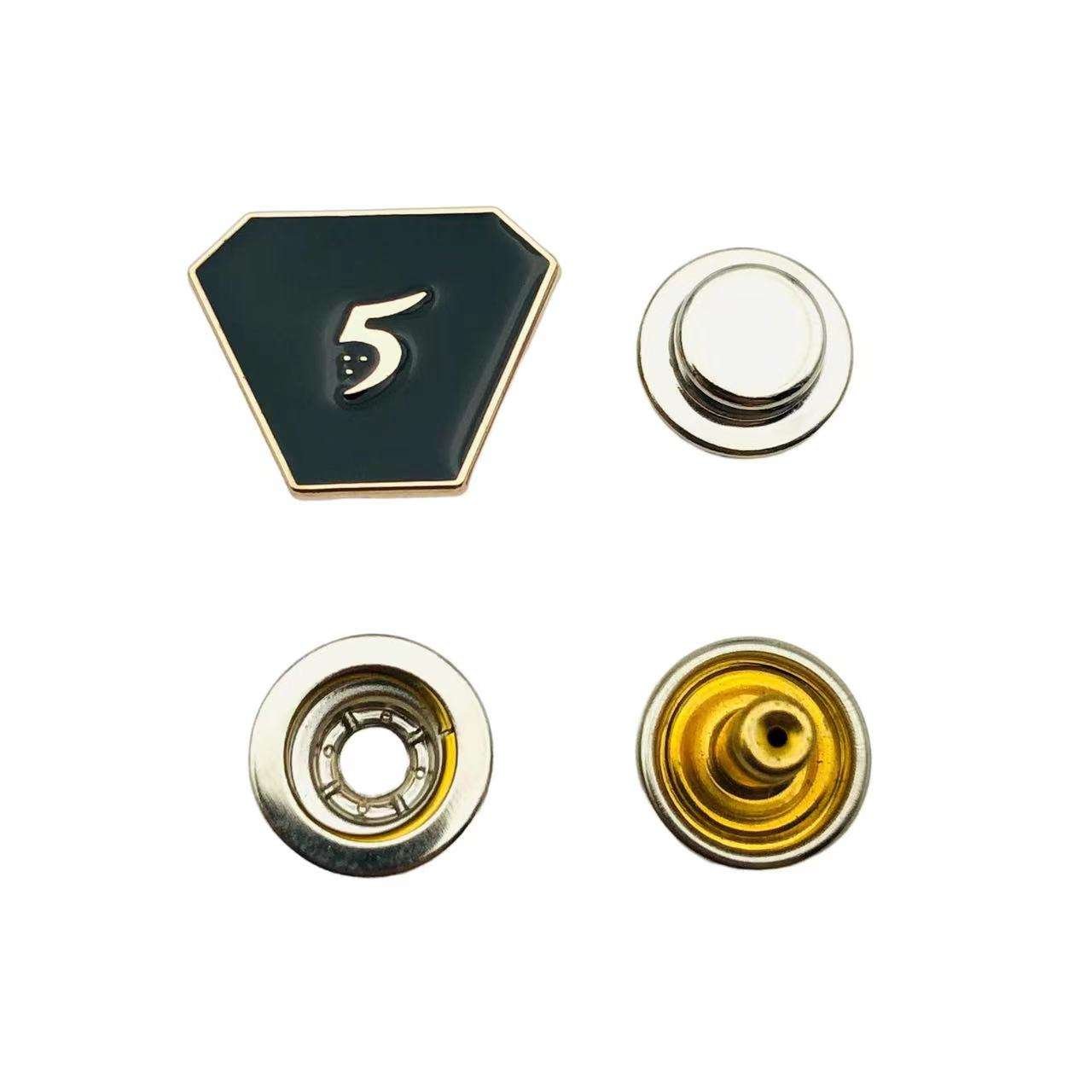
Metal Snap Buttons
Corrosion-resistant metal snaps for jackets, hoodies, and cargo pants. Available in brushed nickel, antique brass, and custom finishes. Tested for 10,000+ cycles to ensure reliable closure performance in high-wear streetwear applications.
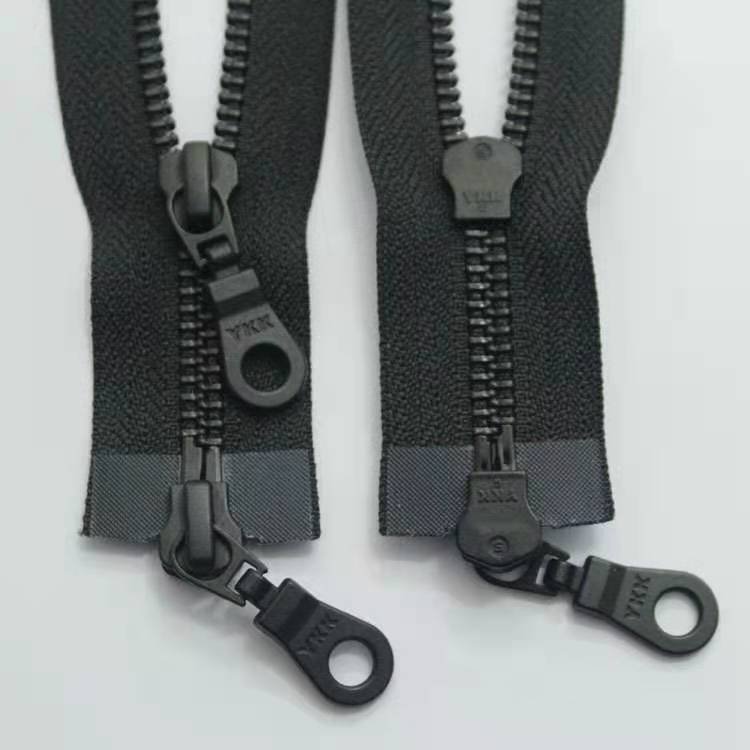
YKK Zippers
Industry-leading YKK zippers for hoodies, bomber jackets, and cargo pockets. Self-locking sliders and reinforced tape prevent snags and breakage. Available in metal, coil, and waterproof variants to match your design aesthetic.
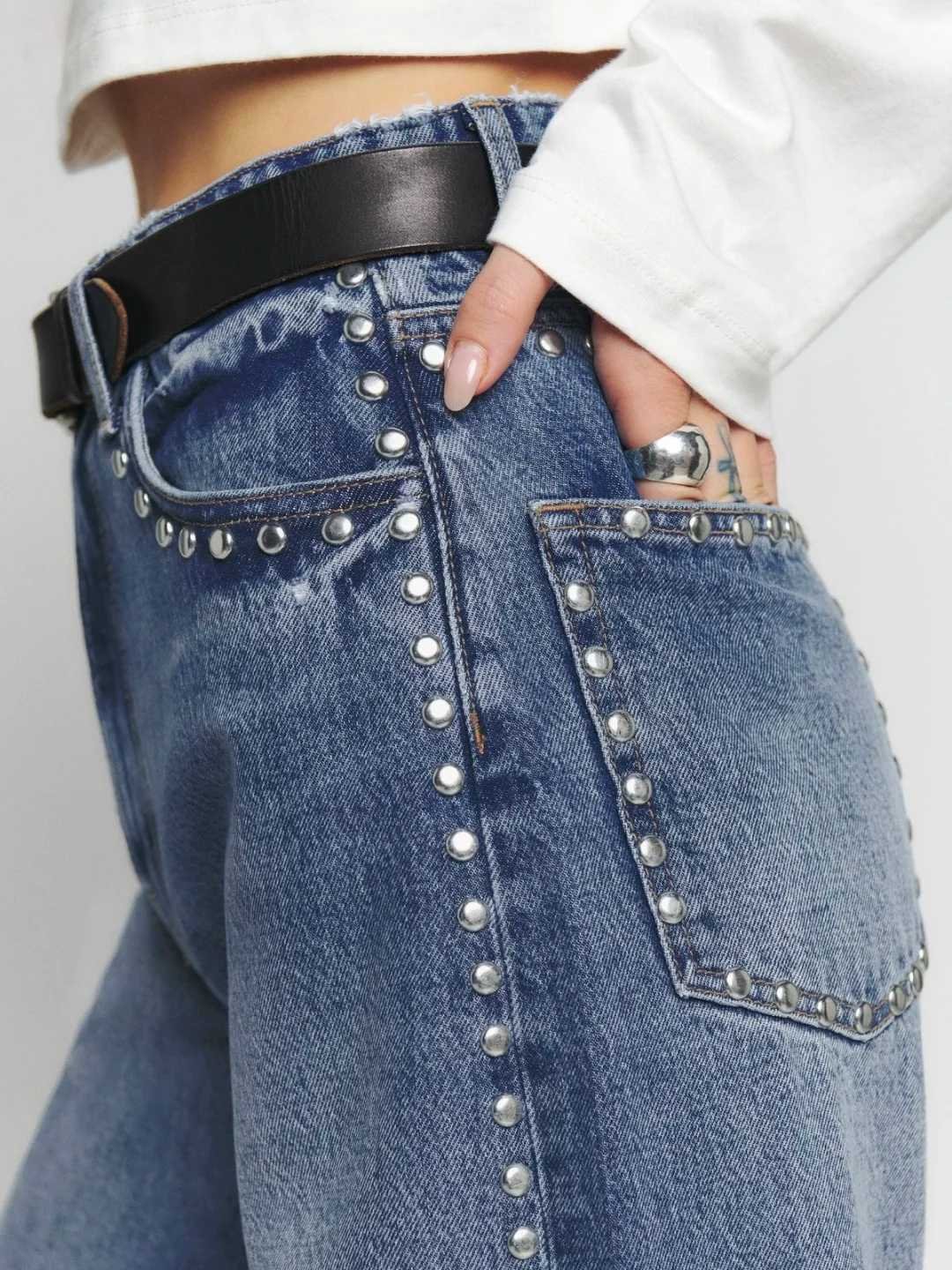
Custom Drawcords
Braided or flat drawcords with branded metal or silicone aglets. Choose from round, flat, or rope styles in unlimited colorways. Ideal for hoodies, joggers, and cargo shorts to add functional detail and visual interest.
Embroidered Patches
Heat-seal or sew-on embroidered patches with intricate threadwork and 3D puff options. Perfect for sleeves, chest panels, and back yokes. Adds texture and premium streetwear branding that influencer and creator brands demand.
Trusted Streetwear Manufacturer for Startups Worldwide
Founded in 2024 by Tesla Luo, Clothing Manufacturer Ltd. was built on a mission to restore the reputation of Chinese garment manufacturing. With over 10 years of production experience and deep roots in the apparel industry through his family, Tesla witnessed firsthand how cutting corners damaged trust. He established our company as a streetwear manufacturer for startups committed to rigorous quality, transparency, and craftsmanship at every production stage.
Our team serves fashion startups, independent designers, and trendy brands across more than 100 countries and regions. Backed by a 15-member R&D team and 10 proprietary patents, we combine technical innovation with cultural fluency in streetwear design trends. From skeleton motifs to bold graphics rooted in hip-hop and street art, we understand what resonates with your audience.
What sets us apart is our zero-compromise approach. While many manufacturers skip quality checks until the end, we implement a proprietary 5-step QC process at every production stage—from materials and cutting to sewing and final inspection. This ensures startups receive premium streetwear that builds brand loyalty, not returns. We empower emerging labels with low MOQs, fast turnaround, and the same quality standards we demand for established brands.
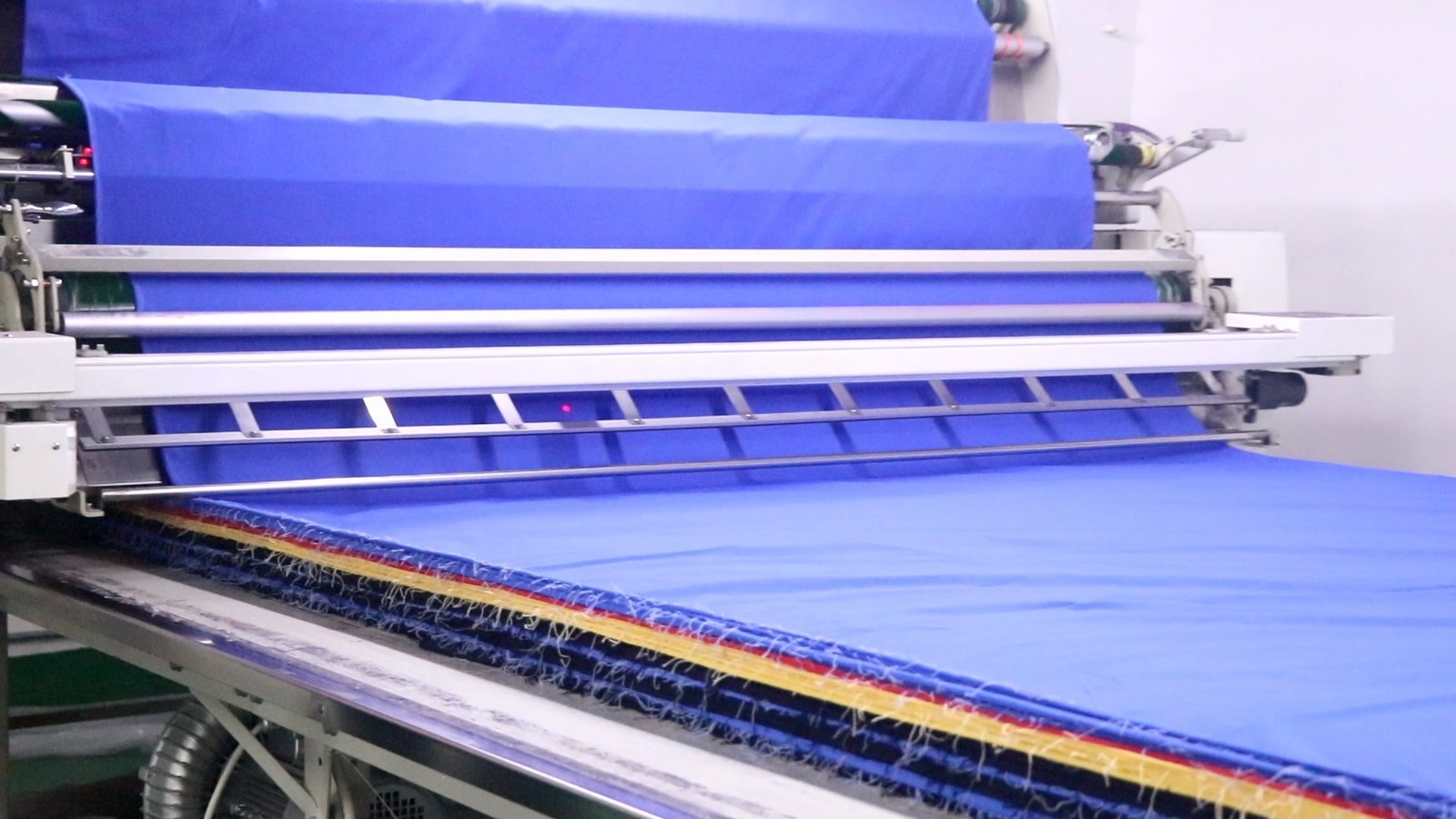
Our 5-Step Quality Control Guarantee for Startups
Materials QC Testing Before Production
Every fabric roll and trim component is inspected before cutting begins. We verify color accuracy, weight specifications, stretch recovery, and surface defects to ensure your streetwear manufacturer for startups delivers only premium-grade materials that match your approved samples.
- Color fastness testing to prevent fading after first wash
- Fabric weight and composition verification against specifications
- Surface inspection for weaving defects, pilling, or inconsistencies
- Stretch and recovery testing for performance fabrics
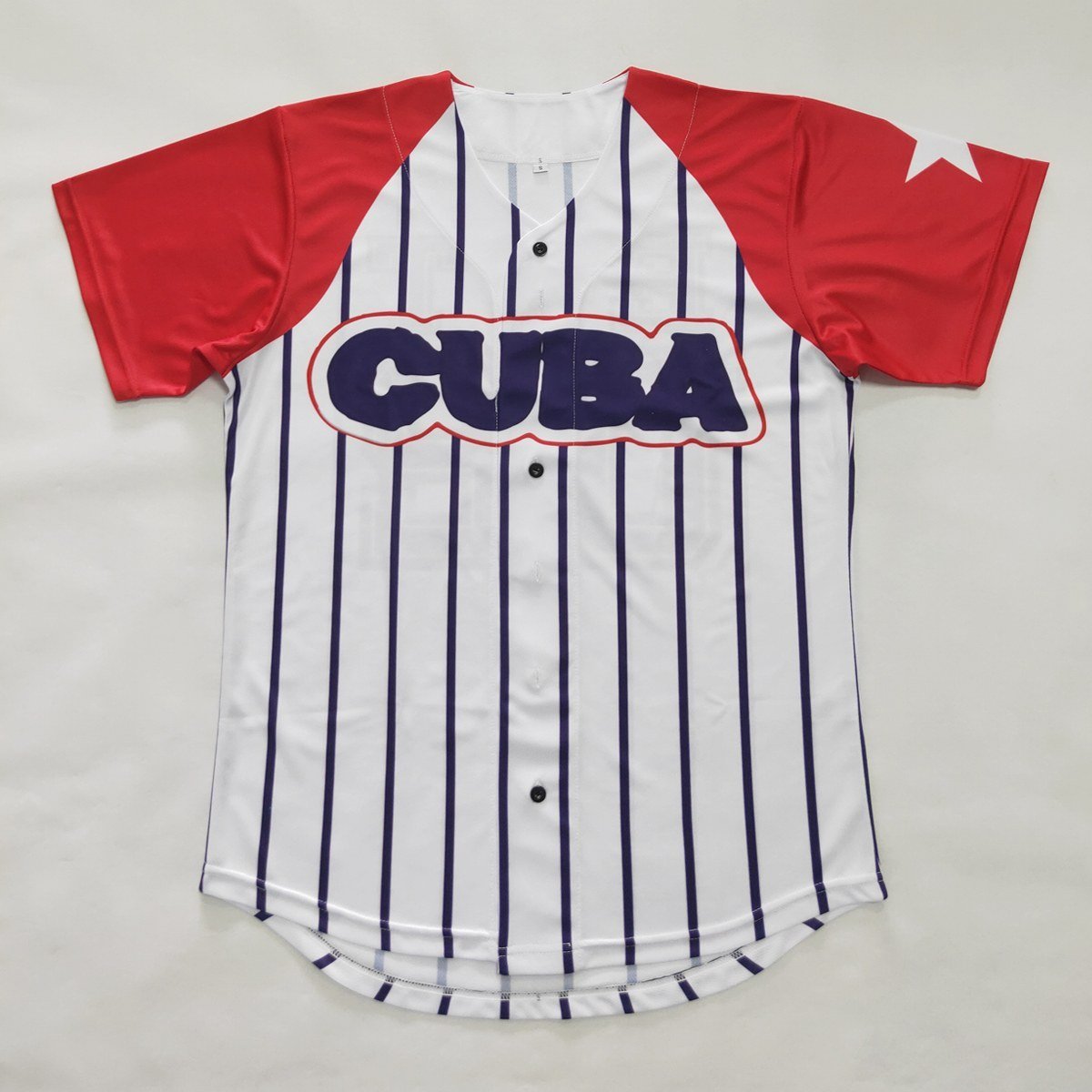
Cutting QC Testing for Precision
After pattern grading and marker planning, our cutting team performs dimensional checks on every size run. This stage catches sizing errors before sewing begins, eliminating costly remakes and ensuring consistent fit across your entire streetwear collection for startup brands.
- Pattern piece measurement verification against tech packs
- Grain line and fabric direction checks for pattern alignment
- Notch and drill hole accuracy to ensure proper assembly
- Quantity audits to confirm all pieces are cut before sewing
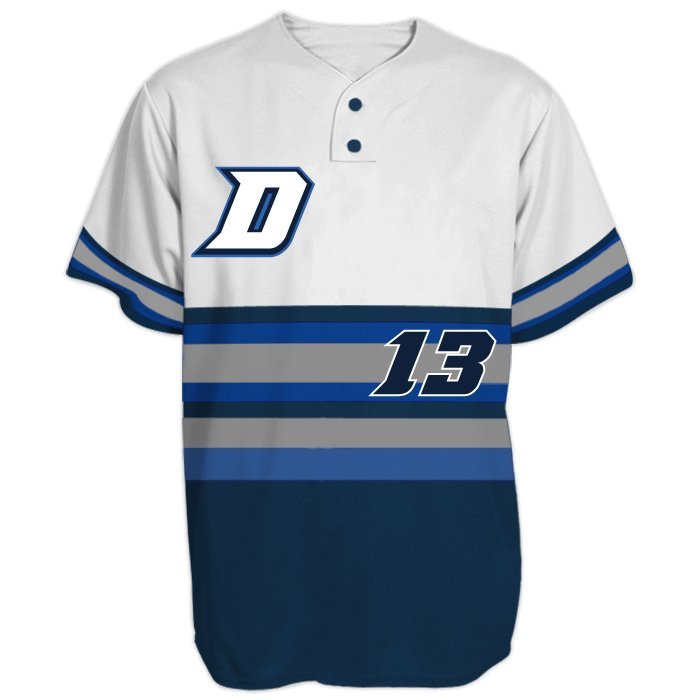
Clothing Craft QC During Assembly
Our quality controllers monitor construction techniques as garments move through production lines. We check stitch density, seam allowances, and detail placement at critical assembly points, catching issues in real-time rather than after hundreds of units are completed.
- Stitch-per-inch counts to meet durability standards
- Seam strength testing on stress points like shoulders and crotch
- Graphic placement and embroidery registration checks
- Hardware attachment and reinforcement verification
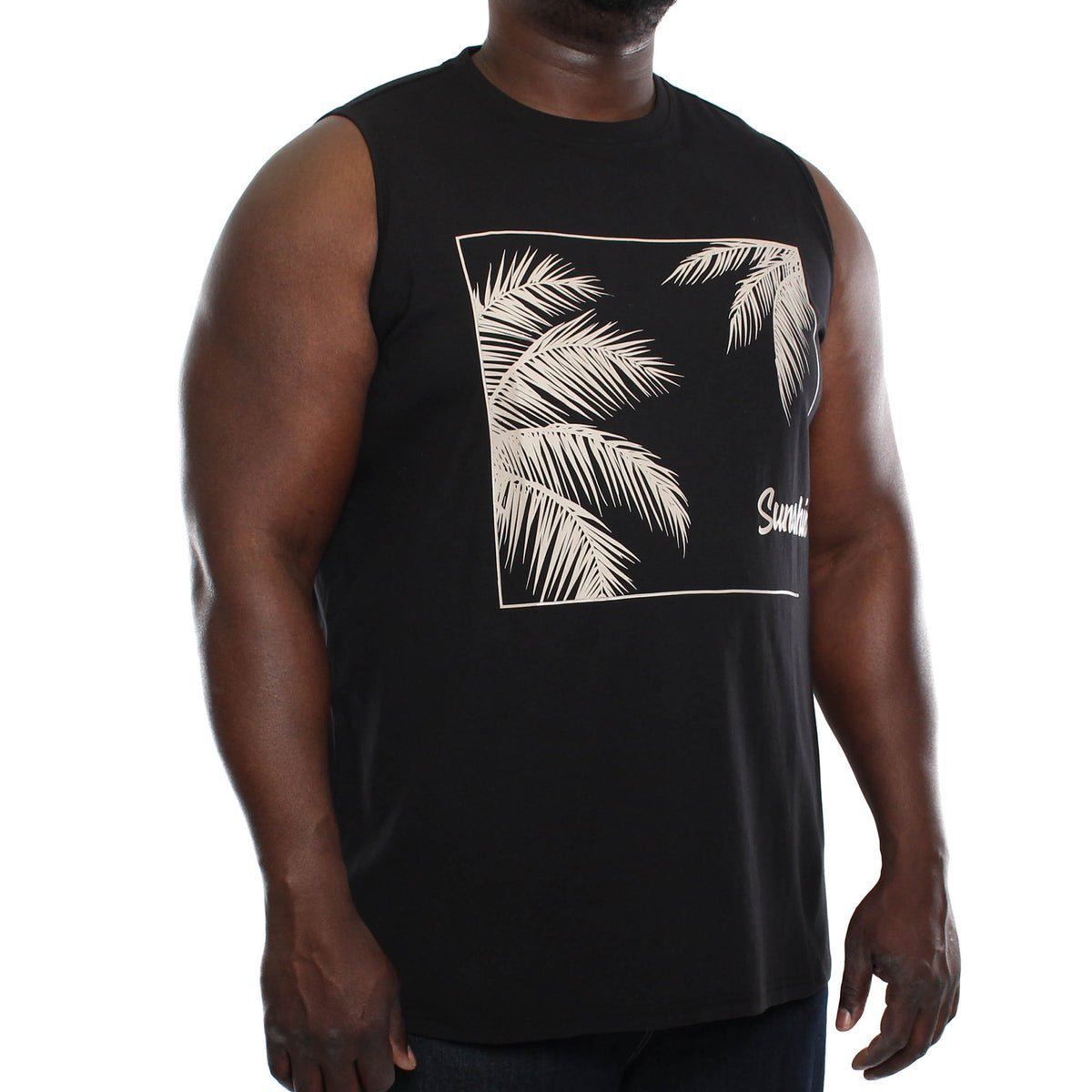
Finished Goods Quality Inspection
Every completed garment undergoes final inspection before packaging. Our team examines measurements, appearance, labeling, and functionality using AQL sampling standards. Only pieces that pass all criteria earn our quality seal and ship to your startup brand.
- Full measurement audit against approved size specifications
- Visual inspection for loose threads, stains, or pressing marks
- Label placement, care instructions, and branding verification
- Functional testing of zippers, buttons, drawstrings, and closures
Streetwear Manufacturer for Startups: How We Compare
We built our company to fix the problems that plague typical low-cost manufacturers—skipped quality checks, poor communication, and hidden fees that hurt emerging brands.
← 左右滑动查看 →
From Order to Delivery: Our Production Timeline
Every streetwear order follows our proven six-phase production system, with quality checks embedded at each stage to ensure your brand launches with confidence.
Sample Approval
Design consultation and sample creation within 7 days. Review fit, fabric, and finishing details before committing to full production runs.
Material Sourcing & Testing
Premium streetwear fabrics selected and inspected through our materials QC testing protocol. Every textile meets durability and aesthetic standards.
Cutting & Pattern Development
Precision cutting with cutting QC testing ensures pattern accuracy. Our 15-member R&D team optimizes every piece for consistent sizing and fit.
Sewing & Craft Production
Expert garment construction with sewing production QC testing at every seam. Clothing craft QC testing verifies stitching, reinforcement, and construction details.
Final Quality Inspection
Comprehensive finished clothing quality QC inspection examines every garment. Only pieces meeting our zero-compromise standards proceed to ironing and packaging.
Packaging & Global Shipping
Professional packaging with your branding. Global logistics support delivers your streetwear collection to over 100 countries with full tracking and documentation.
How to Partner With a Streetwear Manufacturer for Startups
From concept to delivery, our streamlined process makes it easy for emerging brands to launch high-quality streetwear collections with confidence.
Submit Your Design Concept
Share your tech pack, sketches, or reference images with our team. We’ll review your vision and provide expert guidance on fabrics and construction.
Receive Quote and Free Sample
Within 24 hours, get a detailed quote with transparent pricing. Approve it and we’ll produce your sample in just 7 days for review.
Approve Sample and Place Order
Review your physical sample for fit, fabric, and finish. Request revisions if needed, then confirm your bulk order starting at 50 pieces per style.
Production With 5-Step QC Testing
Your order enters our rigorous production cycle with quality checks at materials, cutting, craft, sewing, and finished garment stages to ensure zero defects.
Final Inspection and Global Shipment
After final QC approval, we handle packing, customs documentation, and shipping to your location anywhere in the world with full tracking support.
Trusted Streetwear Manufacturer for Startups — Certified Quality & Ethics
What Startups Say About Their Streetwear Manufacturer
We grew from zero to 47,000 Instagram followers in 8 months thanks to their fast turnaround and consistent quality. Their 5-step QC process means we never worry about returns or complaints from customers.
As a new brand, their 50-piece MOQ was perfect for testing designs. We’ve launched 4 seasonal drops on time, and their sampling team delivered prototypes in 7 days every single time. Game changer for startups.
Tesla and his team understand streetwear culture deeply. They helped us refine our graphics and fabric choices, and our first collection sold out in 3 weeks. Production quality exceeded what we saw from other manufacturers.
Streetwear Manufacturer for Startups: Frequently Asked Questions
What is the minimum order quantity for a streetwear manufacturer for startups?
How long does it take to receive samples from a streetwear manufacturer for startups?
Do you charge for samples as a streetwear manufacturer for startups?
What payment terms do you offer for startup brands?
Do you ship worldwide and handle logistics for international startups?
How do you protect my designs and intellectual property?
How many design revisions are included during the sampling process?
What customization options are available for startup streetwear brands?
Can you help if I’m a startup with design ideas but no technical patterns?
The Complete Buyer’s Guide to Streetwear Manufacturer for Startups
Navigate the streetwear manufacturing landscape with confidence. This guide delivers a proven decision framework, essential supplier criteria, quality benchmarks, and the critical mistakes to avoid when launching your streetwear brand.
1. What Is a Streetwear Manufacturer for Startups?
A streetwear manufacturer for startups is a production partner that specializes in trend-driven apparel with flexible minimums, typically 50–500 pieces per design versus the 1,000–5,000 units required by mass-market factories. Unlike generic cut-and-sew operations focused on basics like plain tees and polos, these manufacturers understand streetwear’s signature design elements — oversized silhouettes, graphic placements, distressed finishes, and cultural motifs from skateboarding, hip-hop, and graffiti — and can execute techniques such as screen printing, puff embroidery, acid wash, and custom labeling.
Startups require partners who offer design collaboration and rapid prototyping, with sample turnarounds of 7–14 days rather than the 30–45 days typical at high-volume plants. A specialized streetwear manufacturer for startups provides pattern development support, fabric sourcing for weights like 280–320 GSM French terry and ring-spun cotton jersey, and trend-responsive adjustments to keep collections aligned with fast-moving street culture. Payment terms often include 30–50 percent deposits instead of full prepayment, reducing cash-flow pressure for emerging brands.
Quality control is the critical differentiator: startup-focused manufacturers implement stage-gate inspections — materials QC, cutting QC, craft QC, sewing QC, and finished-product QC — to catch defects early, whereas mass producers frequently skip in-process checks and inspect only at packing. This rigorous approach, combined with lower MOQs and cultural fluency in streetwear aesthetics, enables independent designers and influencer brands to launch professional collections without the capital or volume commitments of traditional apparel sourcing.
2. Evolution of Streetwear Manufacturing for Independent Brands
Streetwear emerged in the late 1970s and early 1980s from California surf and skate communities and New York hip-hop culture, with brands like Stüssy and FUCT producing small runs on local screen-printing equipment. Early independent labels faced minimum order quantities of 1,000–3,000 units per style from overseas factories, forcing founders to commit tens of thousands of dollars before testing market demand. This capital barrier kept streetwear manufacturing accessible only to well-funded operations or those willing to accept significant financial risk.
The 2000s brought the rise of independent streetwear labels such as Supreme, The Hundreds, and Mishka, yet manufacturing remained concentrated in large-scale Chinese and Southeast Asian facilities optimized for volume, not agility. MOQs of 500–1,000 pieces per colorway were standard, and sampling cycles stretched 4–6 weeks, slowing product iteration and tying up working capital. Brands either self-financed inventory or sought outside investment to bridge the gap between production and sales.
E-commerce platforms like Shopify (launched 2006) and social media marketing after 2010 enabled direct-to-consumer models, eliminating retail markups and allowing startups to validate designs with pre-orders before committing to full production. By the mid-2010s, digital printing technologies—such as direct-to-garment (DTG) and dye-sublimation—reduced setup costs and enabled economical runs as small as 50–100 pieces. Simultaneously, a new generation of streetwear manufacturer for startups emerged in China’s Guangdong Province, offering MOQs of 50–200 units, 7–10 day sampling, and integrated quality control, democratizing access to professional garment production for bootstrapped founders and influencer-driven brands worldwide.
3. Types of Streetwear Manufacturer for Startups
Streetwear manufacturer for startups fall into six distinct categories, each offering different MOQ thresholds, lead times, and customization capabilities. Matching your business model to the right manufacturer type determines both launch speed and long-term scalability.
Full-Service Cut-and-Sew Partners
Full-service manufacturers handle pattern development, fabric sourcing, cutting, sewing, and finishing under one roof. MOQs typically range from 50 to 300 pieces per style, with production lead times of 30 to 60 days after sample approval.
These partners offer complete design customization, from custom fits and silhouettes to proprietary fabric blends and hardware selection. Unit costs run higher than blanks-based models but deliver unique products that cannot be replicated by competitors. Ideal for brands prioritizing original design and quality differentiation.
Print-on-Demand Platforms
Print-on-demand services require no MOQ and fulfill orders individually as they arrive, with typical turnaround of 3 to 7 days. Customization is limited to surface decoration—screen printing, DTG, embroidery—applied to pre-made blanks.
Unit costs are highest in the industry, often 2 to 3 times cut-and-sew pricing, but zero inventory risk suits test-and-learn brands. Best for influencer drops, limited capsules, and validating designs before committing to production runs.
Overseas Low-MOQ Factories
Factories in China, Vietnam, and Bangladesh offer MOQs as low as 50 to 100 pieces per colorway with lead times of 45 to 75 days including shipping. Full cut-and-sew capabilities support custom patterns, trims, and fabric choices at competitive per-unit costs.
Overseas partners require stronger communication protocols and quality oversight but unlock cost advantages of 30 to 50 percent versus domestic production. Ideal for startups planning multi-season collections and scaling beyond initial drops.
Hybrid Manufacturers
Hybrid manufacturers combine blank garment bases with custom decoration, offering MOQs of 24 to 100 pieces and 10 to 21 day lead times. Customization includes screen printing, embroidery, patches, labels, and hang tags on pre-constructed tees, hoodies, and sweatpants.
This model balances speed and branding flexibility at moderate cost, typically 40 to 60 percent below print-on-demand. Best for brands building visual identity through graphics and trims while deferring full cut-and-sew investment.
4. Materials and Fabrics for Streetwear Production
Fabric selection defines streetwear quality, durability, and brand positioning from the first customer touchpoint. A streetwear manufacturer for startups must balance weight, hand-feel, and cost to meet both margin targets and the expectations of trend-conscious consumers who recognize premium materials.
| Fabric Type | Typical GSM | Best Applications | Price Tier | Durability |
|---|---|---|---|---|
| Heavyweight Cotton Jersey | 180-220 | Oversized tees, long-sleeves | Mid | High |
| French Terry | 240-280 | Hoodies, crewnecks | Mid-High | High |
| Brushed Fleece | 280-340 | Winter hoodies, sweatpants | High | Very High |
| Nylon/Polyester Blends | 120-180 | Joggers, track pants, windbreakers | Mid | Very High |
| Organic Cotton | 180-220 | Premium tees, hoodies | High | High |
| Recycled Polyester | 140-200 | Eco joggers, jackets | High | High |
Heavyweight Cotton Jersey for Core Streetwear
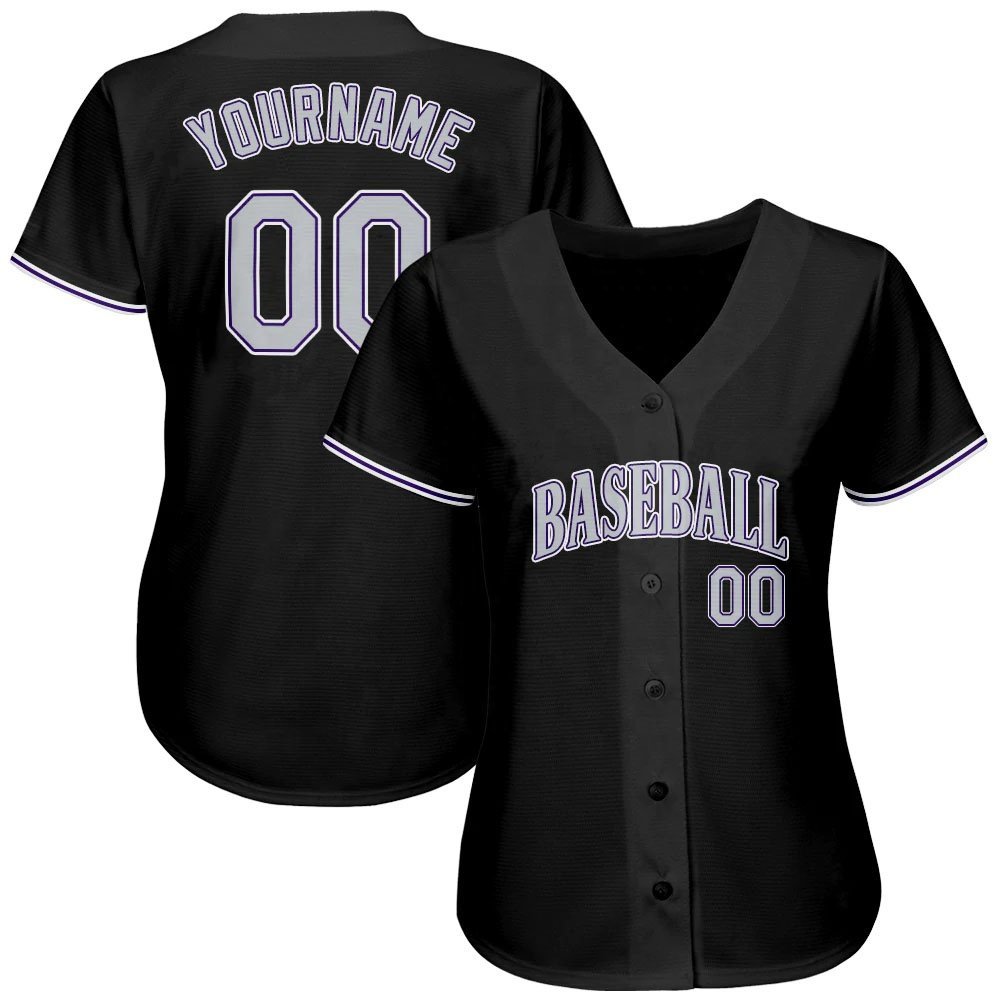
Cotton jersey between 180-220 GSM delivers the substantial hand-feel that streetwear customers associate with premium basics. Ring-spun cotton at 200+ GSM provides better drape and durability than open-end equivalents, reducing pilling and extending garment life.
Startups positioning as mid-tier or premium brands typically specify 200-220 GSM for oversized tees and long-sleeves. Budget lines may use 180 GSM to lower per-unit costs, but thinner fabrics risk transparency and faster wear, affecting repeat purchase rates.
French Terry and Fleece for Layering Pieces
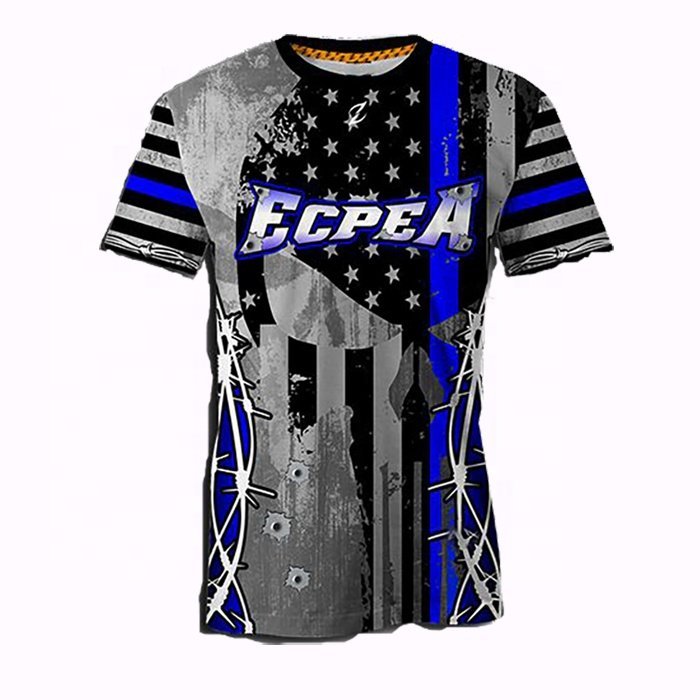
French terry (240-280 GSM) features looped pile on the interior, offering breathability for hoodies and sweatshirts without excessive bulk. Brushed fleece (280-340 GSM) traps more warmth and delivers a soft hand, ideal for fall/winter collections.
Unbrushed fleece sits between the two, balancing weight and cost. Startups launching year-round collections often specify French terry for transitional pieces and brushed fleece for cold-weather drops, managing inventory complexity and production lead times.
Tech Fabrics and Sustainable Alternatives
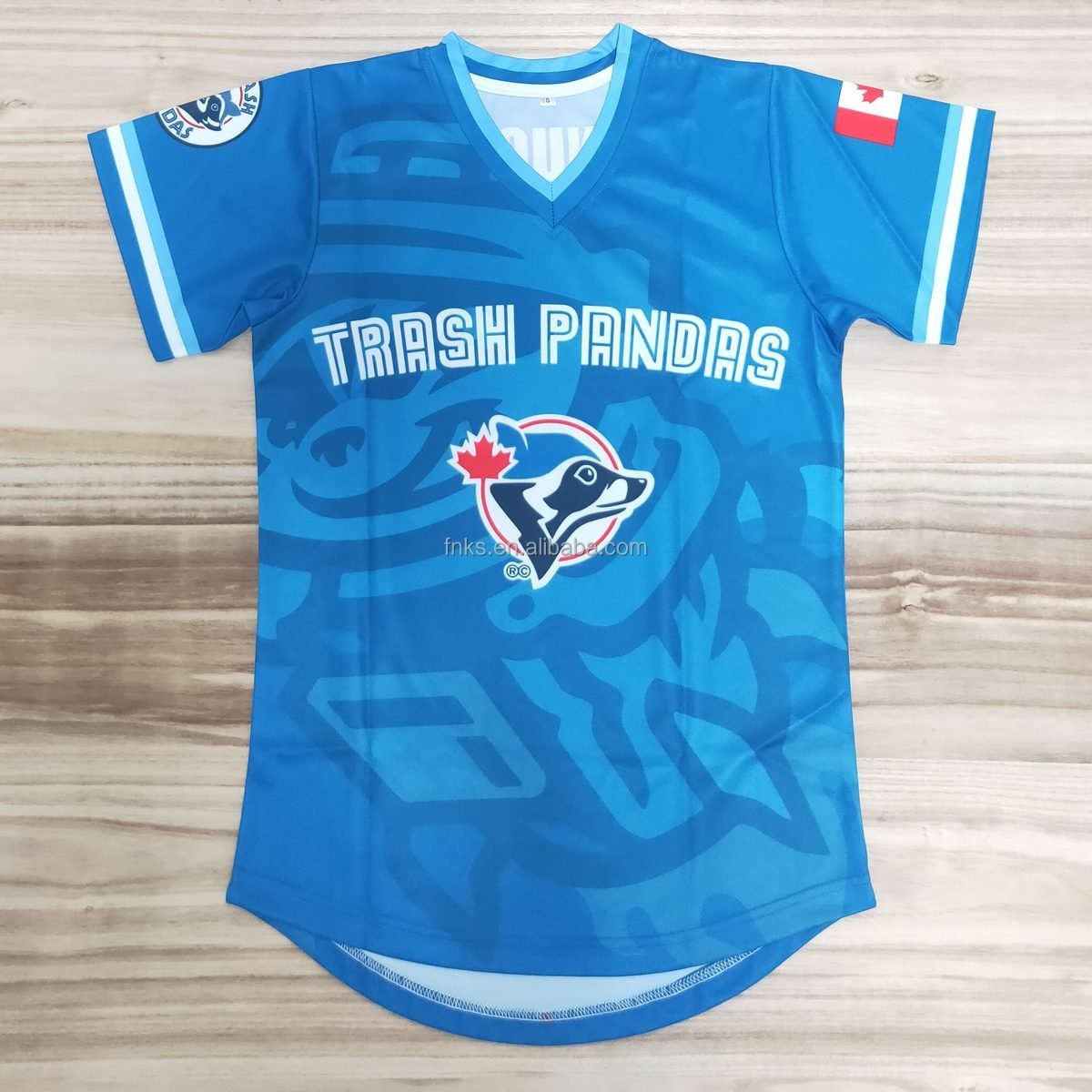
Nylon and polyester blends (120-180 GSM) enable water-resistant joggers, track pants, and windbreakers that align with athleisure trends. These synthetics dry faster and resist wrinkles, appealing to customers seeking functional streetwear.
Organic cotton and recycled polyester command 15-30 percent price premiums but attract eco-conscious buyers and support sustainability messaging. A streetwear manufacturer for startups with GOTS or GRS certification can authenticate these claims, strengthening brand credibility and justifying higher retail prices.
5. Customization and Decoration Techniques
Decoration techniques define streetwear aesthetics and production economics. A streetwear manufacturer for startups should offer multiple methods, each with distinct cost structures, minimum order quantities, and durability profiles that directly impact turnaround time and unit pricing.
| Technique | Setup Cost | Per-Unit Cost | Typical MOQ | Wash Durability | Best Use Case |
|---|---|---|---|---|---|
| Screen Printing | $25–75/color | $1.50–4 | 50–100 pcs | Excellent (50+ washes) | Bold graphics, high-volume runs |
| DTG (Direct-to-Garment) | $0 setup | $4–8 | 1–25 pcs | Good (30–40 washes) | Photo-realistic art, small batches |
| Embroidery | $15–40/design | $3–10 | 25–50 pcs | Excellent (100+ washes) | Logos, premium branding |
| Heat Transfer | $0–20 | $2–5 | 10–50 pcs | Fair (15–25 washes) | Full-color patches, quick samples |
| Puff/Discharge Print | $30–80/color | $2–5 | 100+ pcs | Excellent (50+ washes) | Textured effects, vintage looks |
| Sublimation | $50–150 | $3–6 | 50+ pcs | Permanent | All-over prints, polyester only |
Screen Printing and Specialty Inks
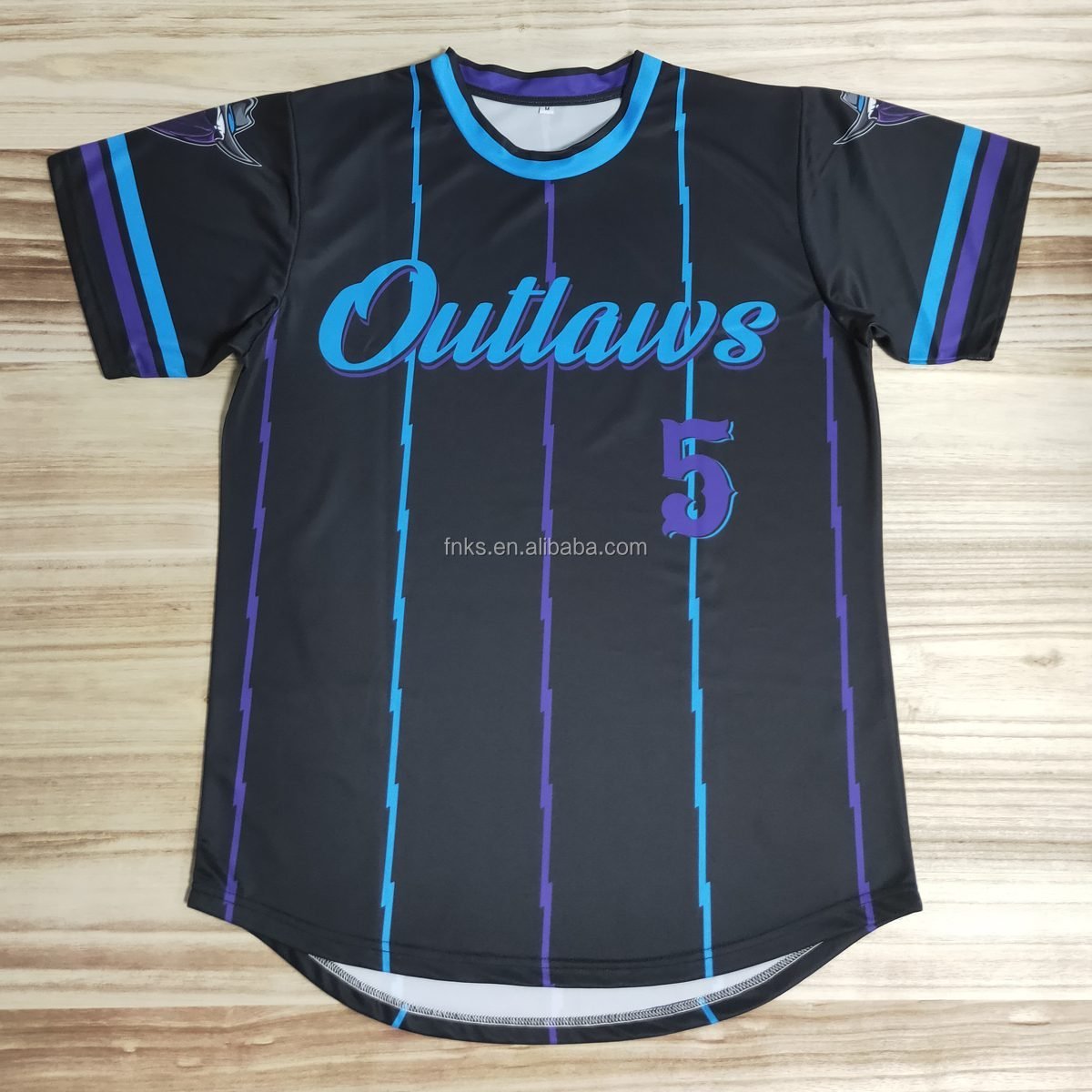
Screen printing remains the industry standard for streetwear runs above 50 pieces due to ink opacity and wash permanence. Setup requires one mesh screen per color, driving per-color fees of $25–75, but per-unit costs drop to $1.50–4 as volume increases.
Puff ink creates raised 3D effects popular in retro streetwear, while discharge printing removes fabric dye for soft, breathable vintage graphics. Both specialty techniques add $0.50–2 per unit and require 100-piece minimums to justify screen preparation time.
Embroidery for Premium Branding
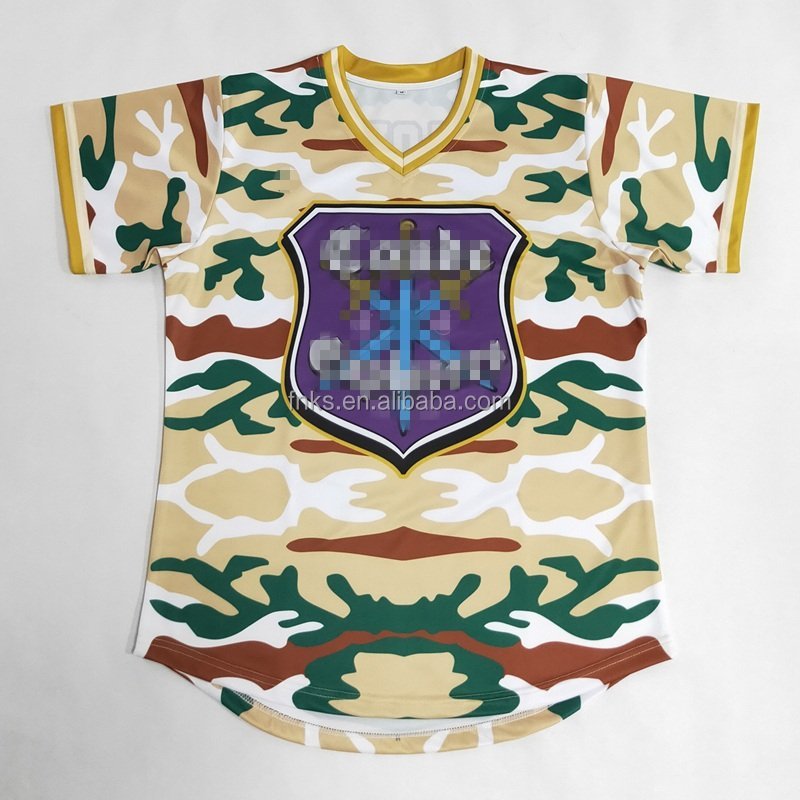
Embroidery digitization costs $15–40 per design and supports complex logos up to 100,000 stitches. Per-unit pricing ranges $3–10 depending on stitch count, with dense designs on heavyweight hoodies reaching the upper end.
Thread durability exceeds 100 wash cycles without fading, making embroidery ideal for chest logos and hat branding. Turnaround adds 3–5 days versus printing due to machine setup and slower stitch speeds of 800–1,000 stitches per minute.
6. Key Quality Indicators in Streetwear Manufacturing
Quality checkpoints separate manufacturers who inspect at every stage from those who skip testing until final packing. Evaluating samples against five core indicators — stitch density, fabric stability, print durability, size consistency, and finishing precision — reveals whether a streetwear manufacturer for startups follows rigorous QC or cuts corners that damage your brand reputation.
Stitch Density and Seam Strength
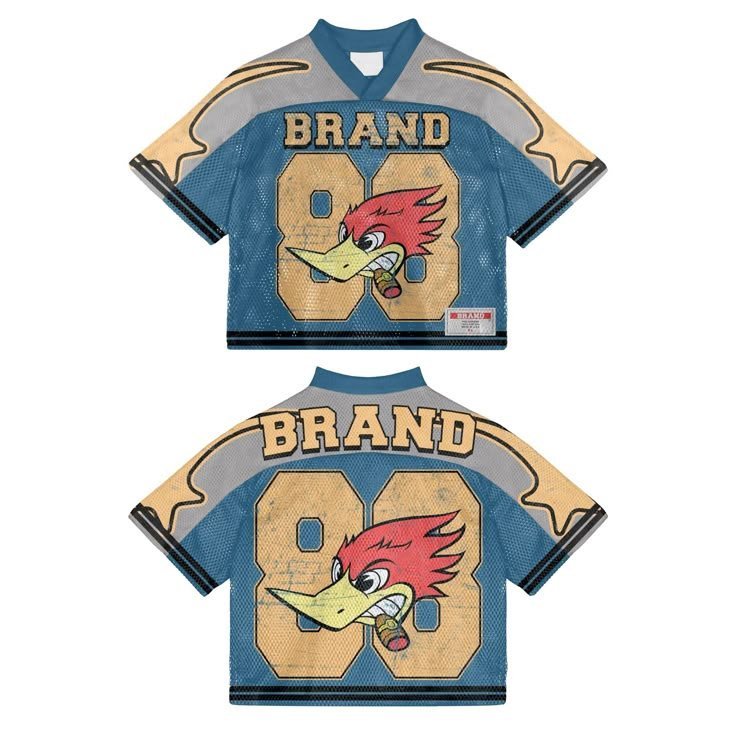
Premium streetwear requires 12–14 stitches per inch on seams and 10–12 SPI on topstitching; counts below 10 SPI indicate rushed production. Pull shoulder seams, side seams, and sleeve attachments firmly — threads should not shift or gap.
Red flags include puckered seams, skipped stitches, or visible thread nests on the underside. Flatlock or coverstitch seams on hoodies and sweatshirts should lie flat without ridges, ensuring comfort and longevity through repeated wash cycles.
Fabric Pre-Shrinking and Colorfastness
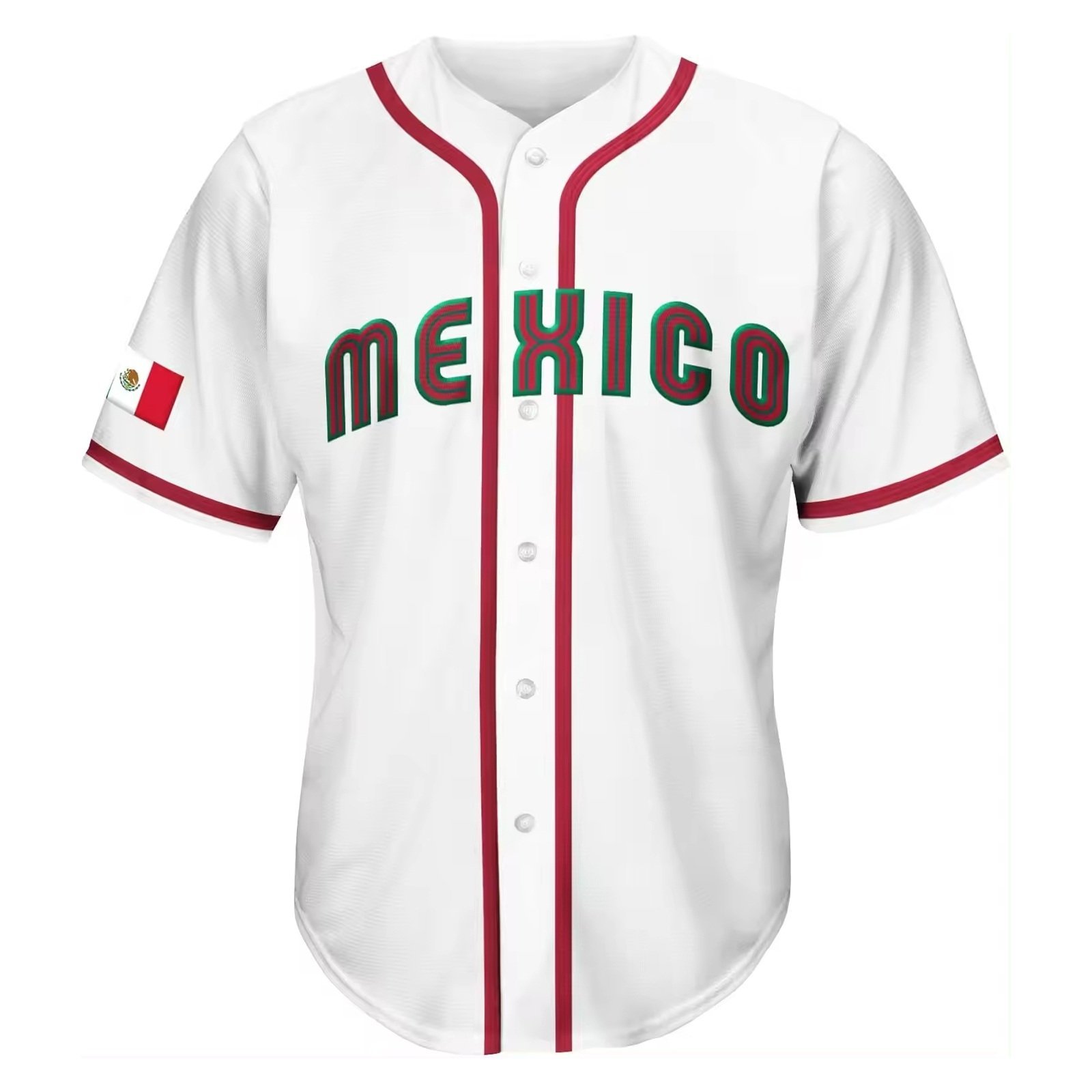
Request pre-production samples washed at 40°C (104°F) to verify shrinkage stays under 3 percent in length and width; untreated cotton can shrink 5–8 percent, rendering sizing inaccurate. Measure garments before and after washing to confirm dimensional stability.
Test colorfastness by rubbing a damp white cloth across printed or dyed areas — any color transfer signals poor fixation. Reputable manufacturers pre-shrink fabric and use reactive dyes or discharge inks that bond chemically, preventing fading and bleeding over dozens of washes.
Print Adhesion and Wash Testing
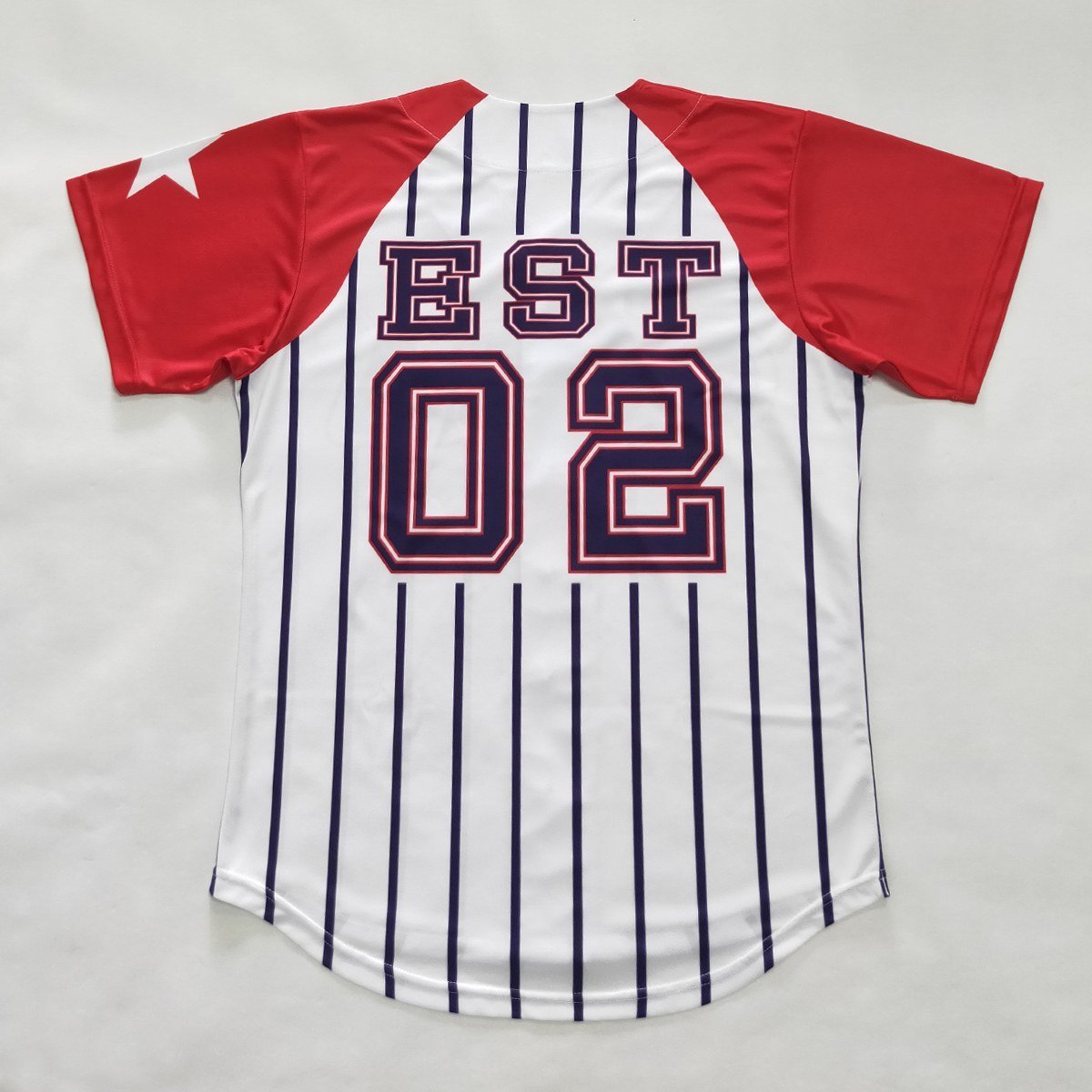
Screen prints and heat transfers must survive 20+ industrial wash cycles without cracking, peeling, or significant fading. Bend printed areas sharply; cracks indicate insufficient curing or low-quality plastisol. DTG prints should show no hand-feel stiffness and retain detail after washing.
Request wash-test reports or conduct your own cycle tests before approving bulk orders. Factories that skip mid-production QC often discover print failures only at final inspection, causing costly delays and re-runs.
Fit Consistency Across Sizes
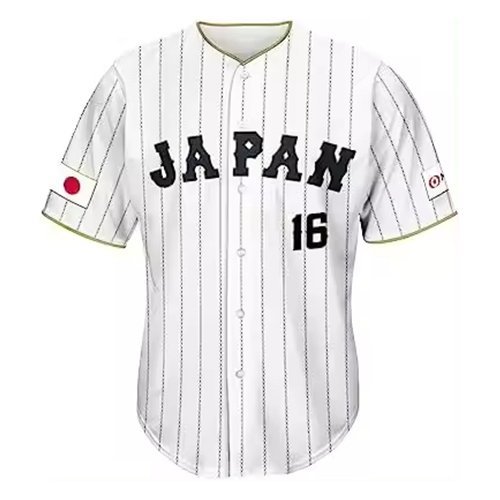
Order samples in at least three sizes (S, M, L or M, L, XL) and measure chest, length, sleeve, and shoulder against your tech pack specifications; tolerances should stay within ±1 cm. Inconsistent grading — where size jumps are uneven — creates fit complaints and returns.
Check that proportions scale logically: a 2 cm chest increase per size should match corresponding sleeve and length adjustments. Manufacturers using automated cutting and pattern software maintain tighter tolerances than those relying on manual marker-making.
Finishing Details: Hem, Cuffs, Neckline
Inspect ribbed cuffs and waistbands for even tension — overstretched ribs lose shape after one wash, while too-tight ribs restrict movement. Necklines should lie flat without rippling; double-needle topstitching on hems should run parallel with no thread breaks.
Red flags include raw edges inside seams, uneven hem widths, and loose thread ends. A five-step QC process that includes finishing inspection catches these defects before packing, ensuring every piece meets retail-ready standards and protects your brand image.
7. How to Choose the Right Streetwear Manufacturer for Startups
Selecting a streetwear manufacturer for startups requires evaluating six core criteria that distinguish reliable partners from those who promise but underdeliver. The right factory balances low MOQs with scalable capacity, transparent sampling, and embedded quality controls that protect your brand reputation from the first order forward.
Assess MOQ and Scalability
Startup-friendly manufacturers typically offer MOQs between 50 and 200 pieces per design, allowing you to test the market without tying up capital. Verify that the factory can scale from initial runs to 1,000+ units per style as your brand grows, maintaining consistent quality at both volumes.
Ask: ‘What is your minimum order per design, per colorway, and per size run?’ and ‘At what volume do unit costs decrease, and by how much?’ Factories that quote only high-volume pricing or refuse small orders will bottleneck early-stage growth.
Verify Sampling Speed and Cost
Sample turnaround separates agile partners from slow bureaucracies. Leading streetwear manufacturers deliver physical samples in 7 to 10 days; anything beyond 14 days signals inefficient workflows or capacity constraints.
Sampling fees range from 50 to 150 USD per piece and are often refundable against production orders above 100 units. Confirm whether the sample reflects your exact fabric, print technique, and construction specs, not a generic proxy.
Evaluate Design and Tech-Pack Support
Many startups lack formal tech packs. Manufacturers with in-house design teams (typically 10 to 20 members) can translate sketches or reference images into production-ready specifications, including graded size charts, stitch details, and trim callouts.
Ask: ‘Do you provide tech-pack development, and is it included or billed separately?’ and ‘Can you suggest fabric and decoration alternatives to meet my budget?’ A partner who only executes existing tech packs limits creative collaboration.
Check References and Portfolio
Request a portfolio of completed streetwear projects in styles similar to yours—oversized hoodies, graphic tees, cargo pants. Look for clean construction, consistent print registration, and finishes that match the aesthetic you’re targeting.
Ask for two to three client references and inquire about on-time delivery rates, defect percentages, and responsiveness to revisions. Factories serving 100+ countries or 1,000+ clients demonstrate proven logistics and communication infrastructure.
Confirm Communication Responsiveness
Response time within 24 hours on email or messaging platforms is the baseline for professional manufacturers. Delays beyond 48 hours indicate understaffing, poor CRM systems, or lack of priority for smaller accounts.
Test responsiveness during initial outreach: send a detailed inquiry with fabric specs, MOQ requirements, and timeline expectations. Partners who reply with vague answers or ignore specific questions will replicate that behavior throughout production.
8. Common Mistakes When Sourcing a Streetwear Manufacturer for Startups
Even experienced founders make avoidable sourcing errors that delay launches, inflate costs, or compromise brand reputation. Recognizing these pitfalls early saves time, capital, and customer trust.
Choosing Solely on Price
Selecting the lowest-cost streetwear manufacturer for startups often means sacrificing quality control, communication, and service reliability. Factories that undercut competitors typically skip in-process inspections, use cheaper fabrics below the specified GSM, or ignore stitch-count standards.
Consequence: High defect rates (often 10–20 percent) force expensive rework or destroy your brand’s credibility on first launch. Corrective action: Compare unit price alongside sample quality, QC protocols (e.g., five-step inspection), and references from similar-sized brands.
Skipping Sample Orders
Jumping straight to bulk production without approving a physical sample is the fastest route to costly mistakes. Fabric hand-feel, print vibrancy, and fit tolerances cannot be judged from digital mockups alone.
Consequence: You may receive 500 hoodies with off-register screen prints or incorrect sizing, requiring full remanufacture. Corrective action: Always order at least one pre-production sample and one SMS (Sealed Master Sample) before authorizing bulk cutting.
Underestimating Lead Times
Startups routinely assume 14-day turnarounds when realistic streetwear production spans 25–45 days from fabric sourcing to final QC. Seasonal peaks (Chinese New Year, Black Friday prep) can add another 10–15 days.
Consequence: Missed drop dates erode hype and lose pre-orders. Corrective action: Build a 60-day buffer into your calendar and confirm lead times in writing, including fabric procurement and shipping windows.
Neglecting IP and Design Ownership
Many manufacturers retain the right to reproduce your graphics or sell similar styles to other clients unless contracts explicitly transfer design ownership to you.
Consequence: Your signature skeleton graphic appears on a competitor’s line six months later. Corrective action: Include a clause that assigns all custom artwork, tech packs, and pattern IP to your brand upon final payment.
9. Steps to Launch Your Streetwear Brand with a Manufacturing Partner
Launching a streetwear brand with a manufacturing partner follows a structured eight-stage process from concept to inventory. Most startups complete the cycle in 8–12 weeks, though timelines vary with design complexity and sample iterations.
Concept Development and Tech-Pack Creation
Begin by defining your brand aesthetic—whether skeleton elements, rose motifs, or graffiti-inspired graphics align with your target audience. Translate sketches into technical specification sheets (tech packs) that include flat drawings, measurements, stitch details, fabric callouts, and Pantone color codes.
A complete tech pack reduces sample revisions by 40–60 percent. Include seam allowances, label placement, and decoration methods (screen print, embroidery, or heat transfer) so the streetwear manufacturer for startups can quote accurately and begin pattern development immediately.
Sample Request, Iteration, and Material Selection
Request an initial sample within 7–10 days to evaluate fit, fabric hand-feel, and construction quality. Most brands iterate two to three times, adjusting sleeve length, hem curve, or graphic placement before approval.
During this phase, finalize fabric weight (280–320 GSM French terry for hoodies, 180–200 GSM jersey for tees) and trims such as YKK zippers or custom woven labels. Lock material choices before production to avoid color mismatches or texture discrepancies in bulk orders.
Production Order, QC Approval, and Fulfillment Setup
Place your first production order at the agreed MOQ—often 50–100 pieces per design for startups. A five-step quality control process (materials, cutting, craft, sewing, finished goods) ensures consistency before shipment.
Arrange shipping via sea freight (30–40 days, lower cost) or air (7–10 days, higher rate). Coordinate with your 3PL or warehouse to receive inventory, then schedule launch marketing—email campaigns, influencer seeding, and social media drops—to align with stock arrival and drive day-one sales.
10. Pricing and Cost Structure
Per-unit garment costs for streetwear startups typically range from $8 to $25 depending on fabric weight, construction complexity, and order volume. Base production includes fabric (30–40% of cost), cutting and sewing labor (25–35%), trims and hardware (10–15%), and quality control overhead (5–10%). Streetwear pieces using heavyweight French terry (280–320 GSM) or specialty knits cost 15–30% more than standard jersey blanks.
Decoration fees add $1.50 to $8.00 per garment depending on method. Screen printing incurs a one-time setup charge of $25–$50 per color but drops to $1.50–$3.00 per print at volume, making it economical above 100 units. Direct-to-garment (DTG) printing carries no setup fee but costs $5–$8 per piece, suitable for small runs with complex artwork. Embroidery setup runs $40–$80 per design with per-piece costs of $3–$6 for standard logos up to 10,000 stitches.
Sampling charges range from $50 to $150 per prototype depending on garment complexity and decoration. Most manufacturers credit sampling fees against production orders above 200 units. Shipping from Dongguan to North America averages $4–$7 per kilogram by air (7–10 days) or $0.80–$1.50 per kilogram by sea (25–35 days), with DDP terms adding 8–12% for duties and clearance.
Economies of scale reduce per-unit costs by 20–35% as volume increases from 50 to 500 pieces. Startups should budget $1,200–$2,500 for an initial 100-piece run including sampling, base production, single-color printing, and air freight. Learn more about Clothing Manufacturer Ltd.
| Quantity Tier | Per-Unit Cost (Base + Print) | Lead Time | Total Investment |
|---|---|---|---|
| 50 units | $18–$28 | 18–22 days | $900–$1,400 |
| 100 units | $14–$22 | 20–25 days | $1,400–$2,200 |
| 250 units | $11–$18 | 25–30 days | $2,750–$4,500 |
| 500 units | $9–$15 | 30–35 days | $4,500–$7,500 |
Ready to Launch with a Trusted Streetwear Manufacturer for Startups?
Join 100+ countries of brands who trust our 5-step QC guarantee. Get your quote today and start your first order with confidence.