
Skateboard Clothing Manufacturer With 5-Step QC & 50-Piece MOQ
Trusted skateboard clothing manufacturer delivering trend-driven designs, rigorous quality control, and 7-day samples for streetwear brands, startups, and designers worldwide.
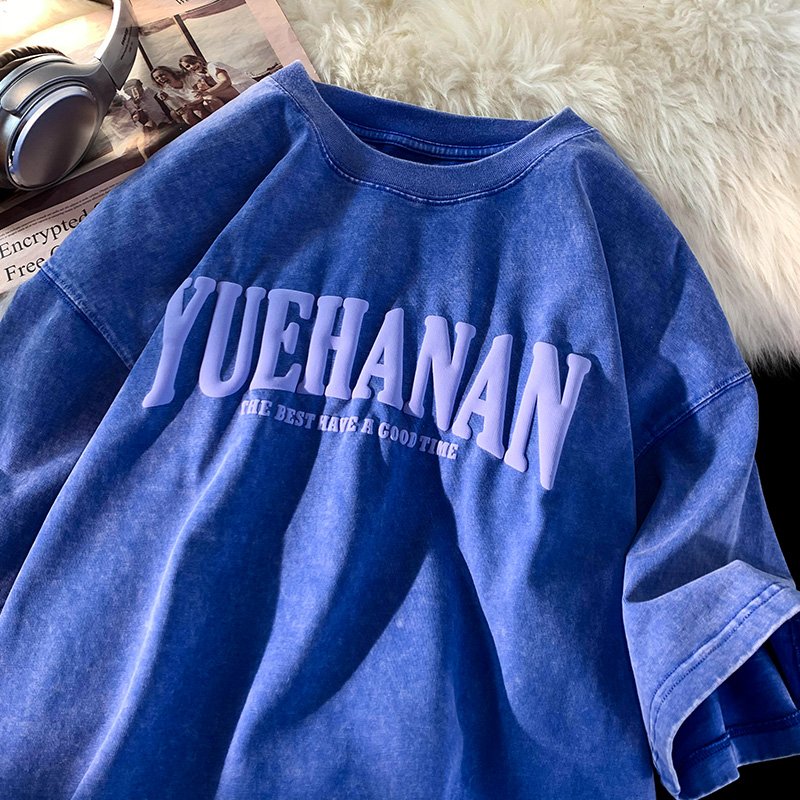
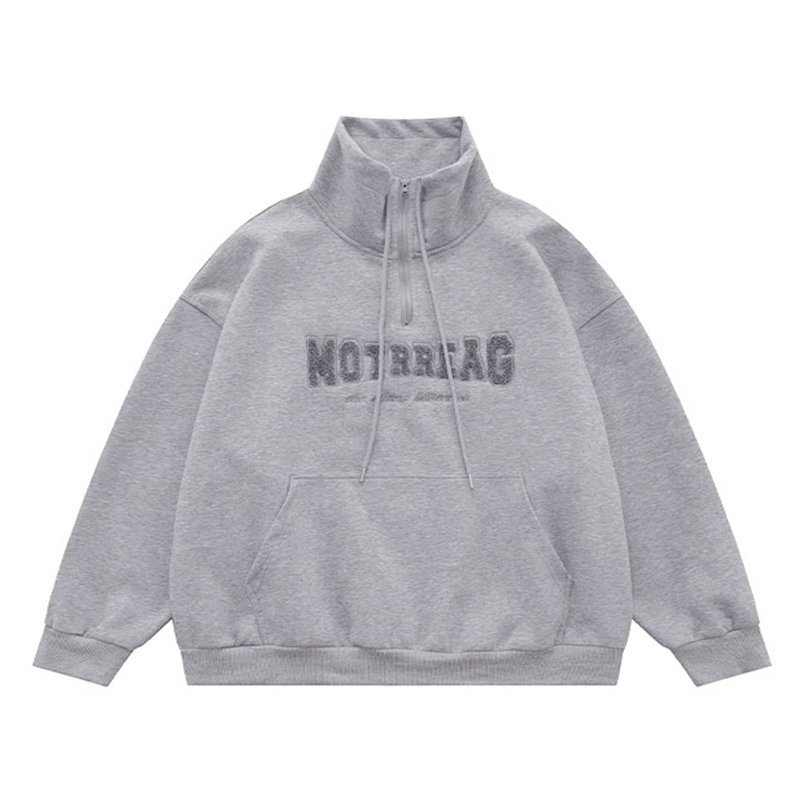
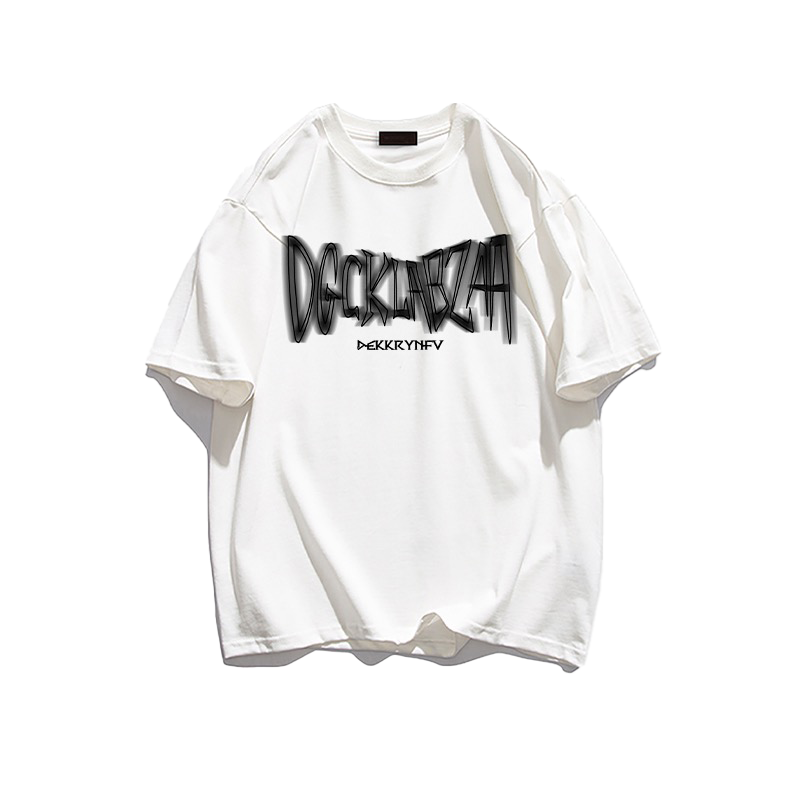
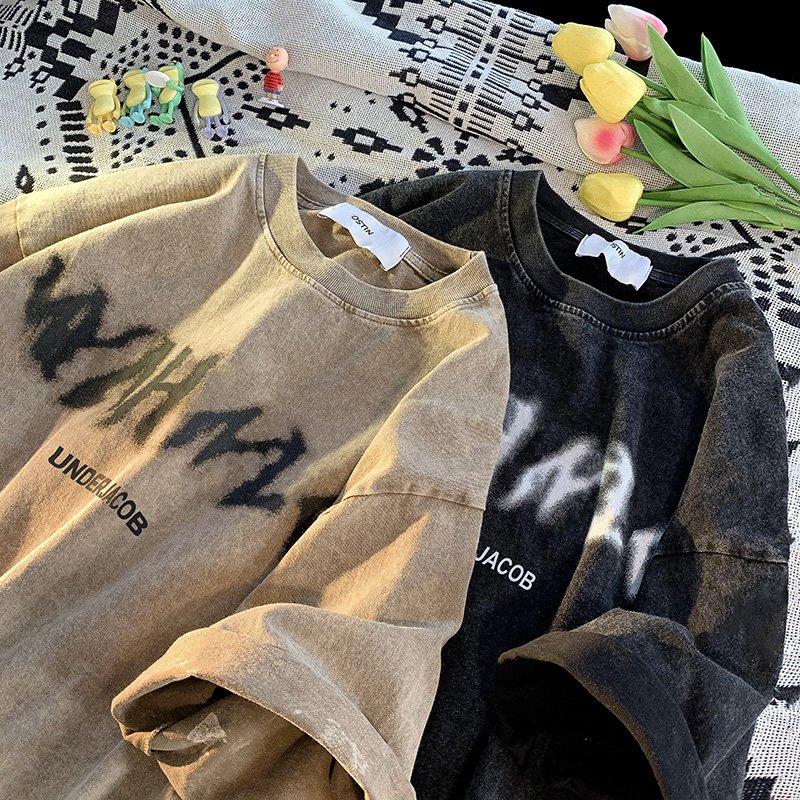
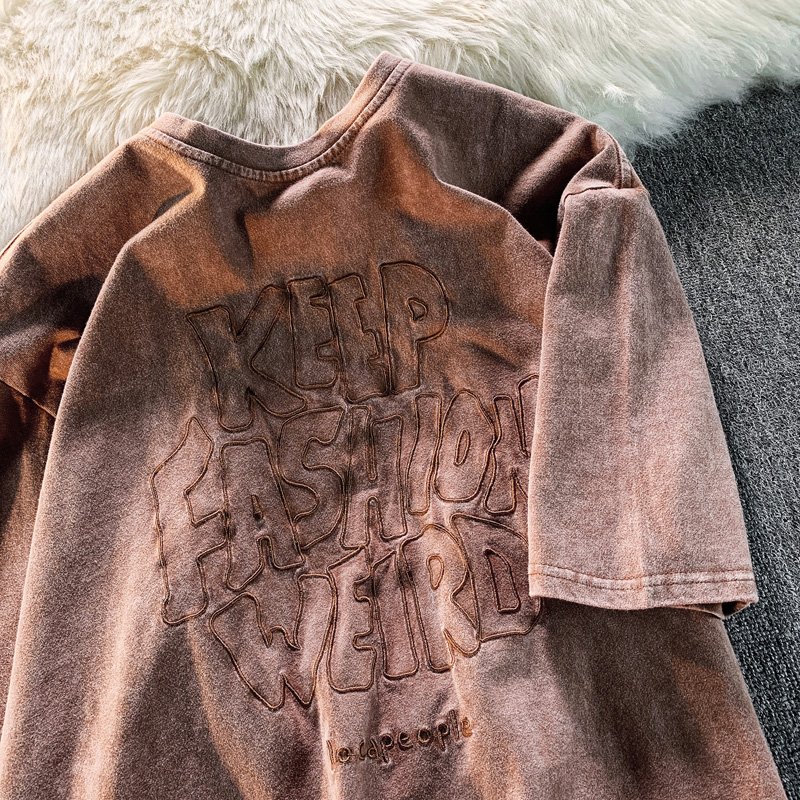
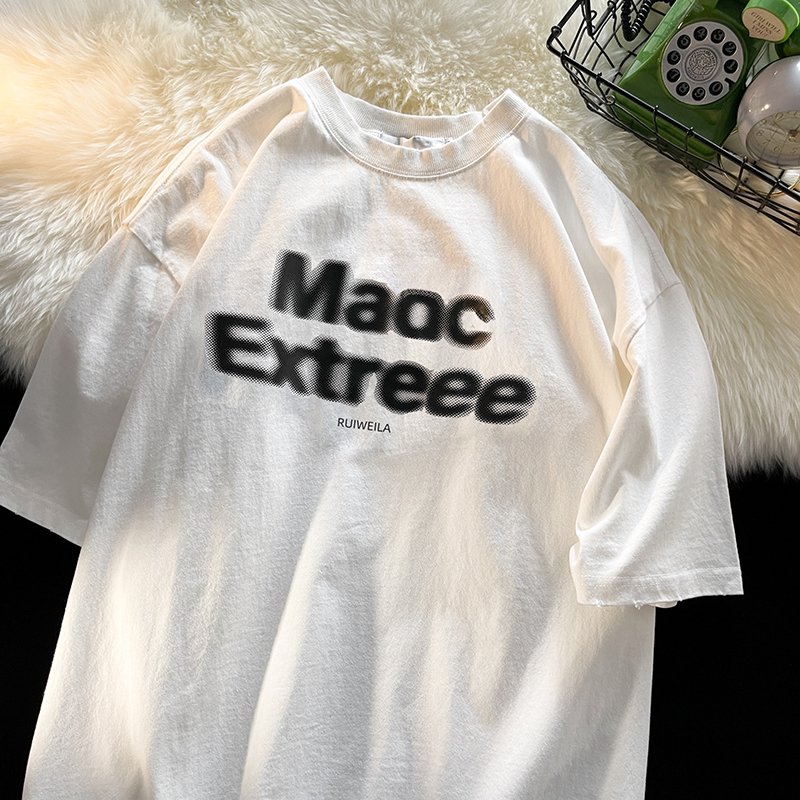
Skateboard Apparel & Streetwear Collections
Why Choose Our Skateboard Clothing Manufacturer
5-Step Quality Control Guarantee
Every skateboard garment passes rigorous QC at materials, cutting, craft, sewing, and finished stages before shipping worldwide.
50-Piece Minimum Order Quantity
Launch your skateboard clothing line without massive inventory risk. Perfect for startups, influencers, and independent streetwear brands.
7-Day Sample Turnaround
Get production-ready samples in one week. Fast-track your seasonal collections and stay ahead of skateboard fashion trends.
In-House Streetwear Design Team
15-member R&D team with deep skateboard culture expertise. From skeleton graphics to bold prints, we bring your vision to life.
Serving 100+ Countries Globally
Trusted by skateboard brands worldwide with seamless global shipping, customs support, and transparent logistics coordination every step.
10+ Years Streetwear Expertise
Specialized skateboard apparel knowledge rooted in hip-hop, graffiti, and street culture. We understand what skaters and streetwear fans demand.
Skateboard Clothing Manufacturer Categories We Produce
From graphic tees to technical outerwear, our skateboard clothing manufacturer delivers trend-driven designs with rigorous quality control across every category.
Graphic Tees & Tank Tops
Skateboard brands struggle with faded prints, poor fabric hand-feel, and inconsistent sizing that damages their reputation with riders who demand durability and bold graphics that last.
Our 5-step QC process ensures vibrant, crack-resistant prints on premium cotton blends, with precise sizing and reinforced stitching that withstands the demands of skateboarding and street culture.
Hoodies & Crewneck Sweatshirts
Emerging skateboard brands need heavyweight, oversized hoodies with custom embroidery and unique washes, but most manufacturers impose high minimums or deliver thin, shapeless garments that miss the mark.
We produce premium heavyweight fleece with trend-driven silhouettes, custom embellishments, and garment-dyed finishes at 50-piece MOQ, helping startups launch authentic skateboard clothing lines without compromise.
Skate Pants & Joggers
Skateboard apparel requires reinforced knees, articulated cuts for movement, and durable fabrics that resist abrasion, but generic manufacturers lack the technical expertise to deliver functional skate-specific bottoms.
Our in-house design team engineers skate pants with reinforced stress points, stretch panels, and heavy-duty twill or denim that balances style with the performance demands of skateboarding.
Jackets & Technical Outerwear
Skateboard brands launching seasonal collections face long lead times and quality issues with coaches' jackets, windbreakers, and puffer jackets that fail to meet streetwear aesthetic and durability standards.
We deliver fast-turnaround technical outerwear with custom linings, screen-printed graphics, and water-resistant finishes, backed by our rigorous quality inspection to ensure every jacket reflects your brand's vision.
Premium Fabrics for Skateboard Clothing Manufacturer Production
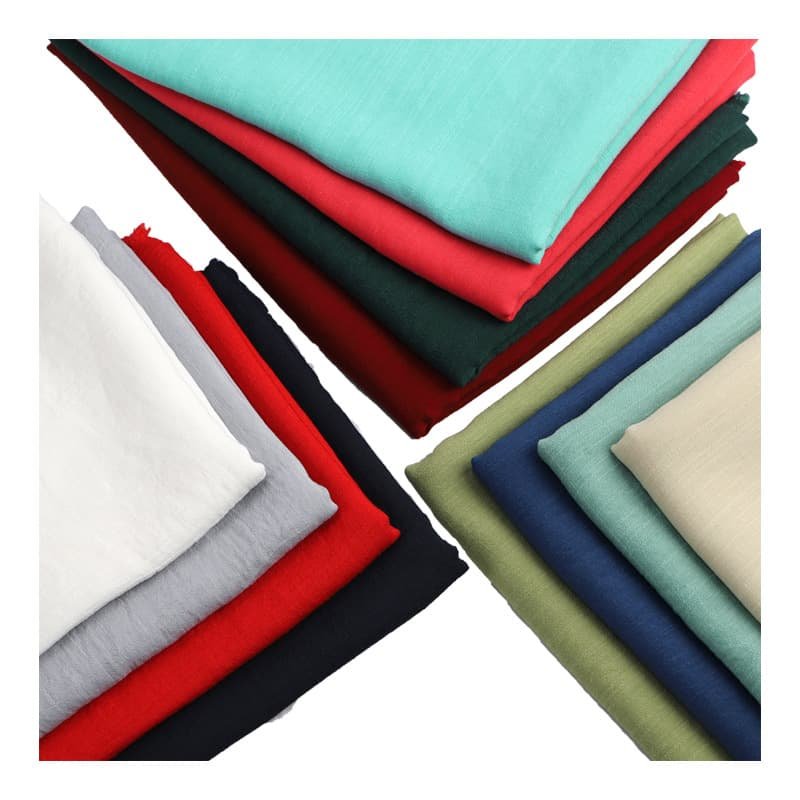
Heavyweight Cotton Jersey
Dense 280-320 GSM cotton with superior durability and structure. Ideal for skateboard tees and hoodies that withstand daily wear, abrasion, and repeated washing while maintaining shape and print integrity.
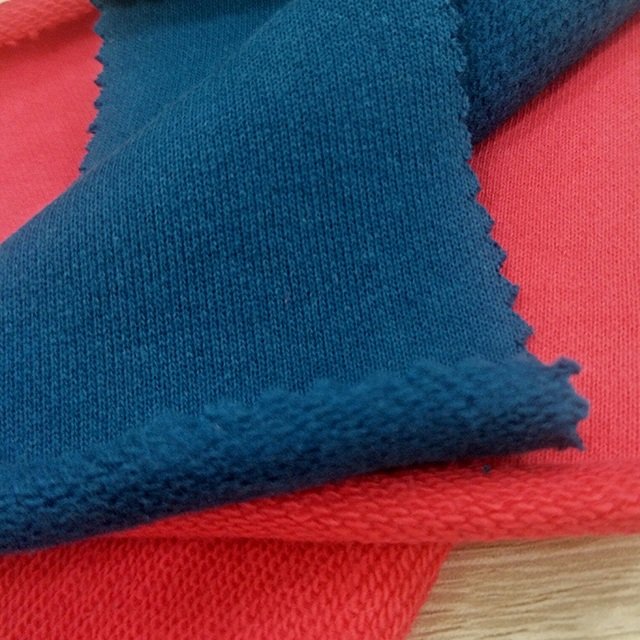
French Terry
Soft-faced cotton blend with looped interior for moisture absorption and breathability. Perfect for crewnecks and joggers, offering comfort during active sessions with natural stretch and a premium hand-feel.
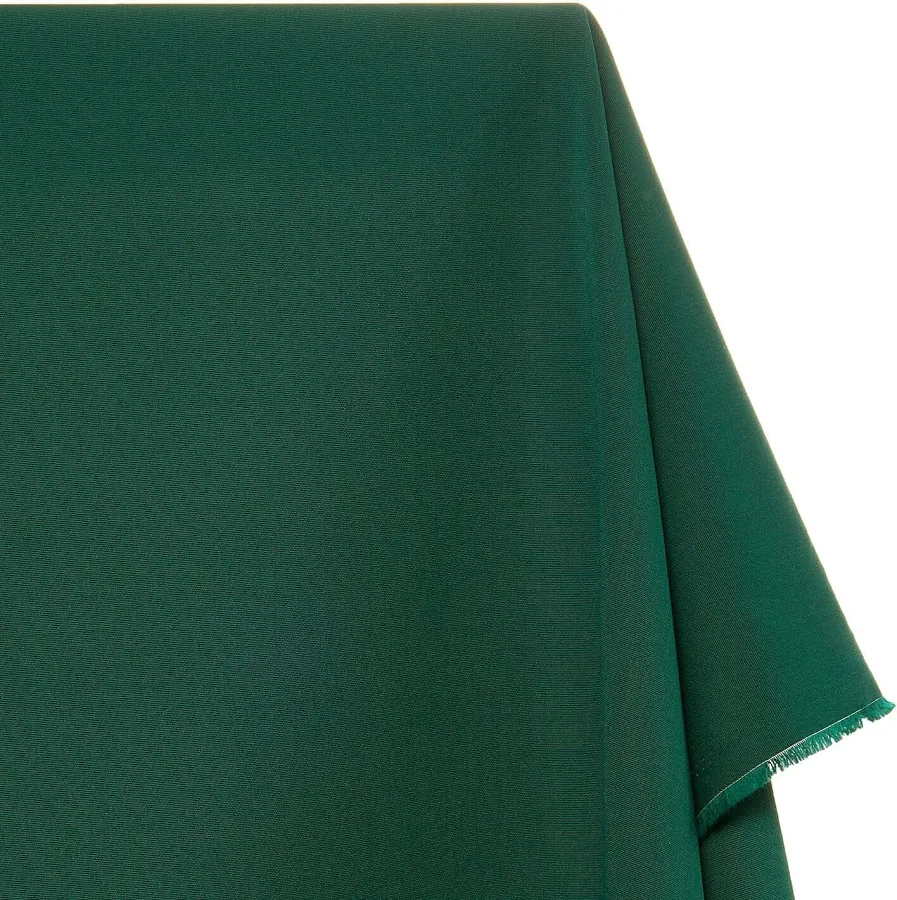
Polar Fleece
Brushed polyester fleece delivering exceptional warmth-to-weight ratio and quick-dry performance. The go-to choice for skateboard hoodies and outerwear, combining insulation with lightweight comfort for layering.
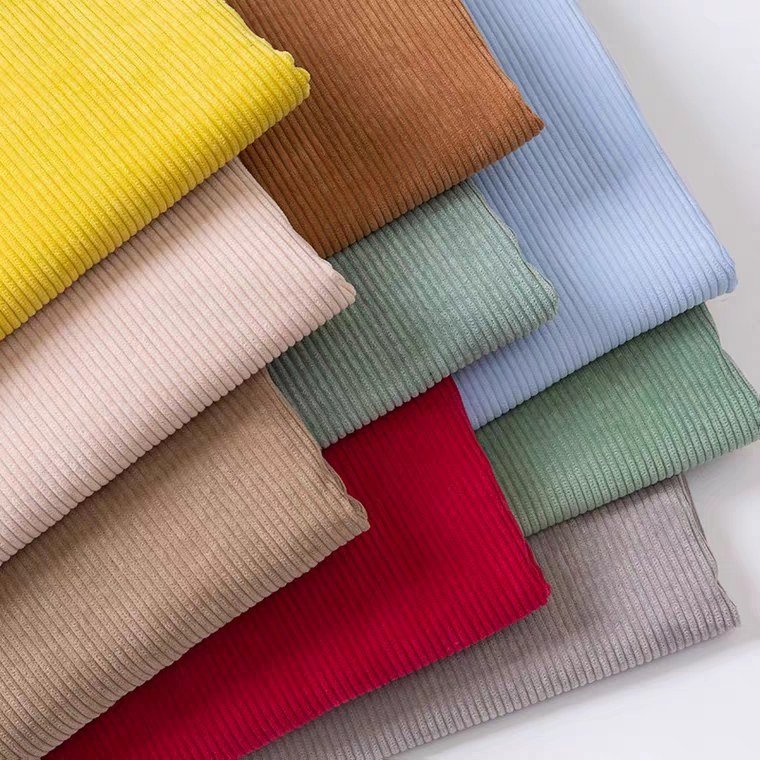
Cotton Twill
Tightly woven diagonal-rib construction at 300+ GSM for maximum abrasion resistance. Essential for skateboard pants and jackets, providing rugged durability against concrete, rails, and high-impact street environments.
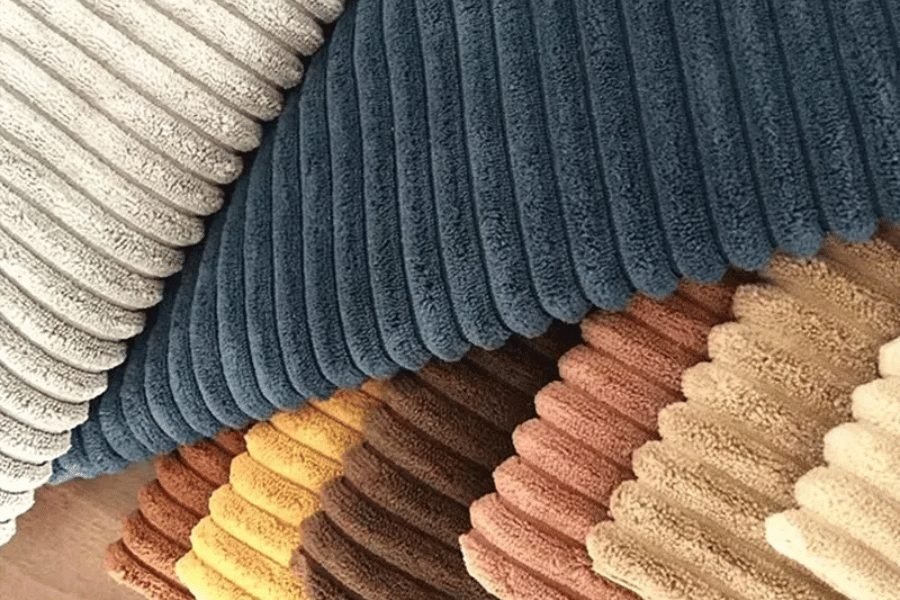
Performance Poly-Blend
Technical cotton-polyester blend engineered for moisture-wicking and shape retention. Delivers athletic performance with streetwear aesthetics, ideal for skateboard apparel requiring flexibility, durability, and quick recovery.
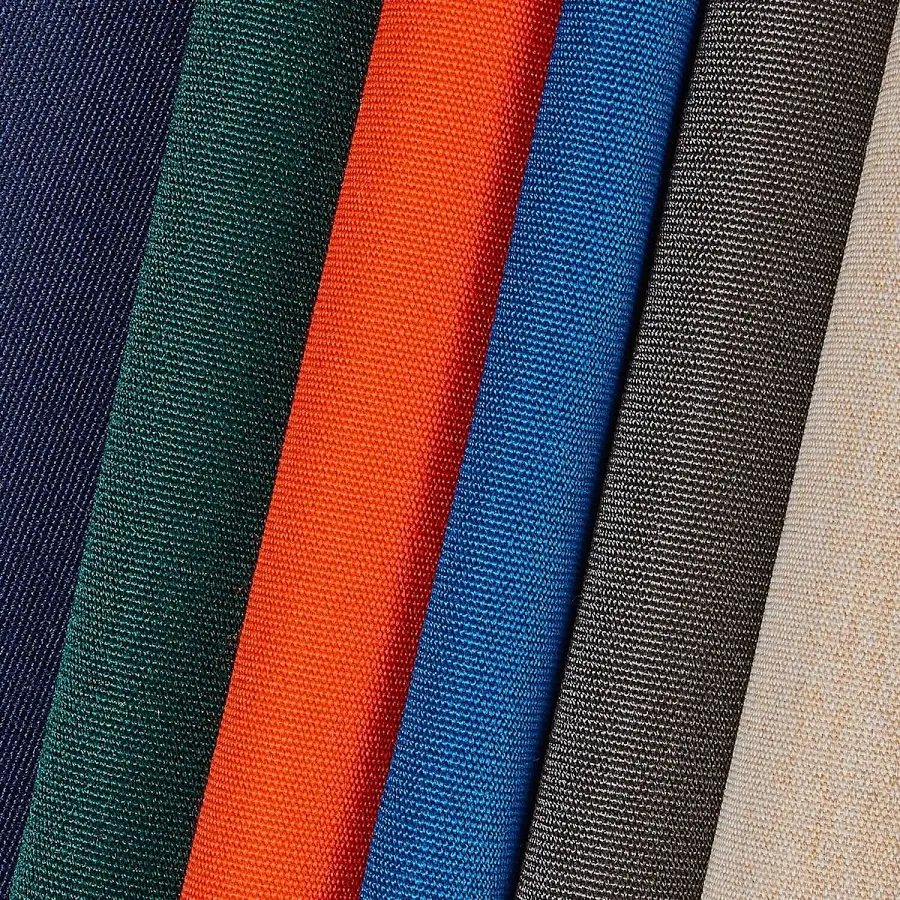
Brushed Cotton Fleece
Premium cotton with soft brushed interior for plush comfort and warmth. A favorite for premium skateboard hoodies and sweatpants, offering luxury hand-feel with the durability skaters demand.
Advanced Production Techniques From Your Skateboard Clothing Manufacturer
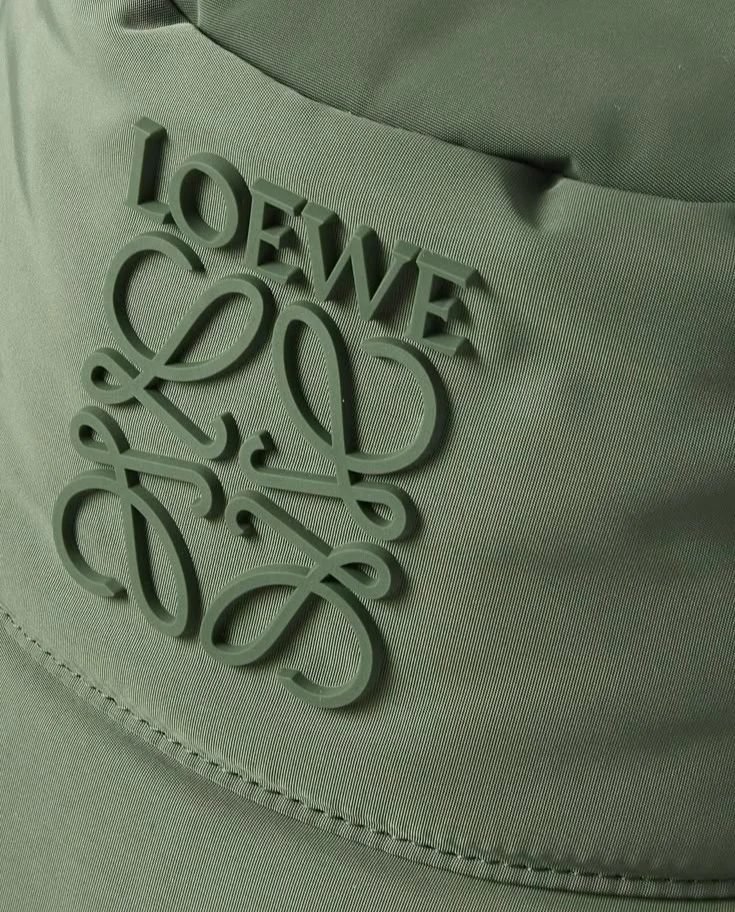
Screen Printing
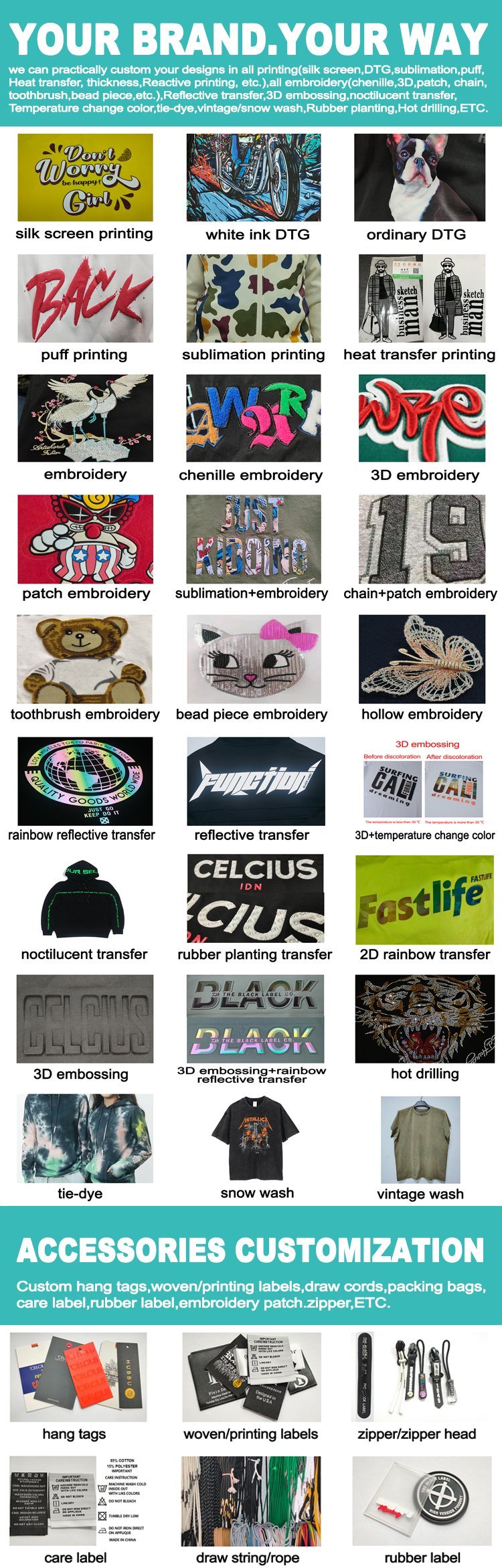
High-opacity ink layers create bold, vibrant graphics perfect for skateboard apparel. Delivers exceptional wash durability and color saturation on cotton, blends, and performance fabrics, ideal for logos and large artwork.
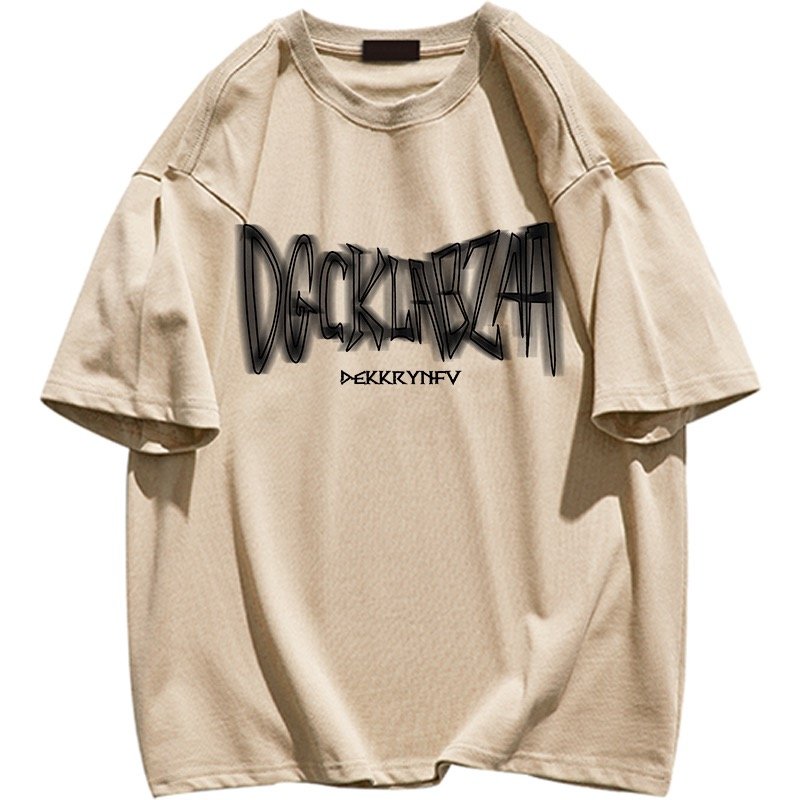
Custom Embroidery
Premium thread work adds texture and dimension to skateboard clothing. Our computerized embroidery machines produce intricate logos, lettering, and designs with thread counts up to 100,000 stitches for lasting quality.
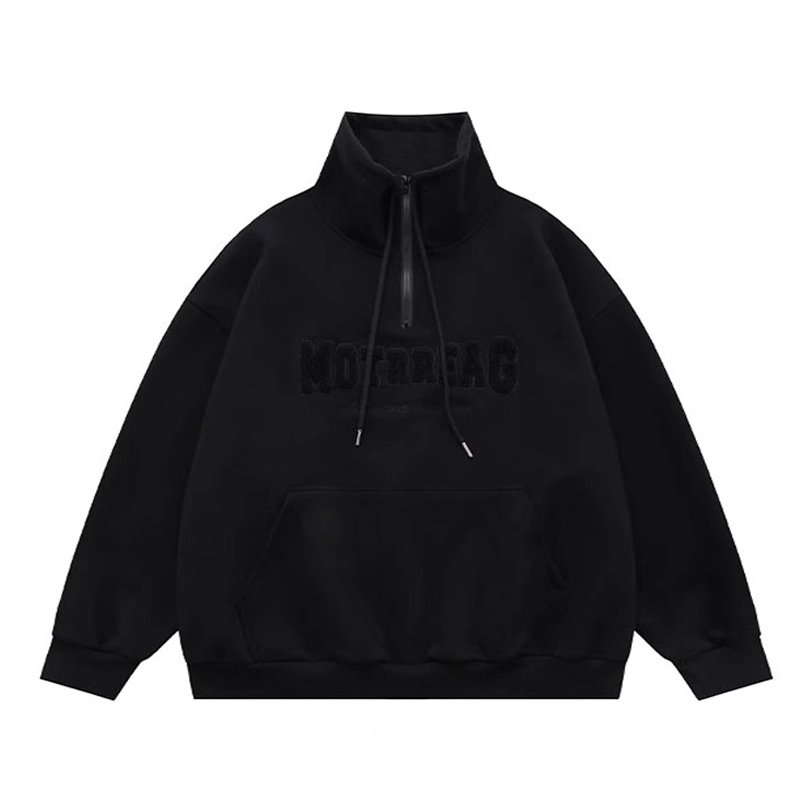
Sublimation Printing
Full-color dye infusion creates seamless, all-over patterns with no hand feel. Ideal for polyester skateboard jerseys, hoodies, and activewear where breathability and unlimited color options are essential for trend-driven designs.
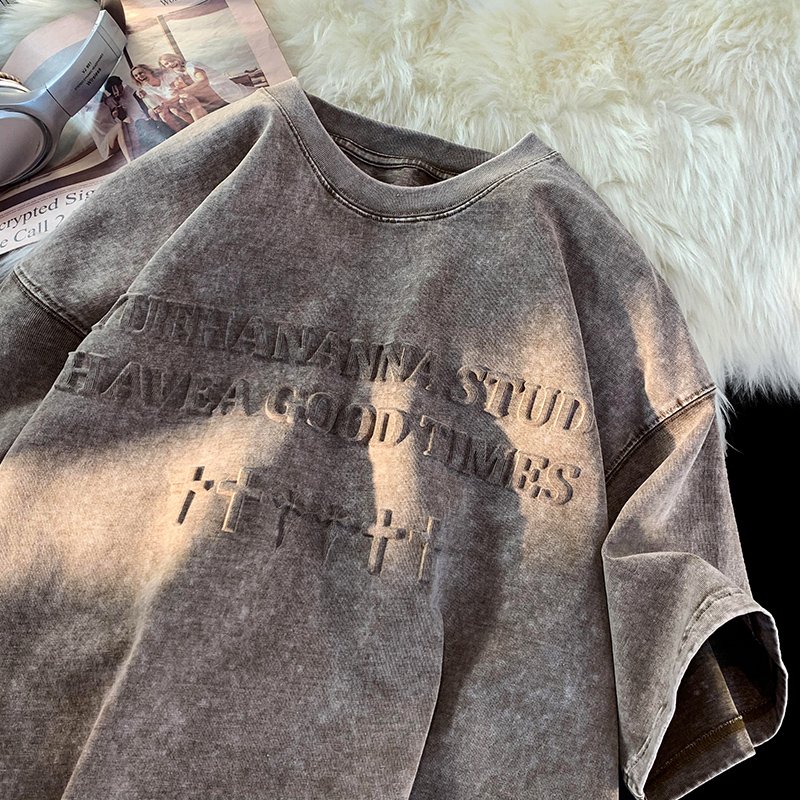
Garment Dyeing
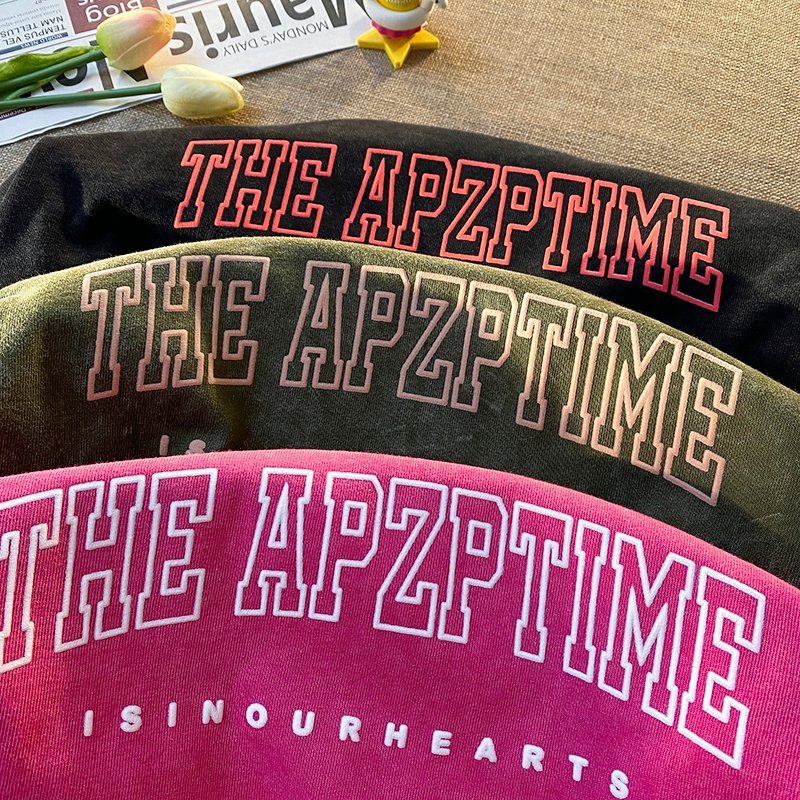
Post-construction dyeing produces unique washed-out, vintage aesthetics popular in skateboard culture. Achieves soft hand feel and authentic streetwear color variations that resonate with skate brands and independent designers.
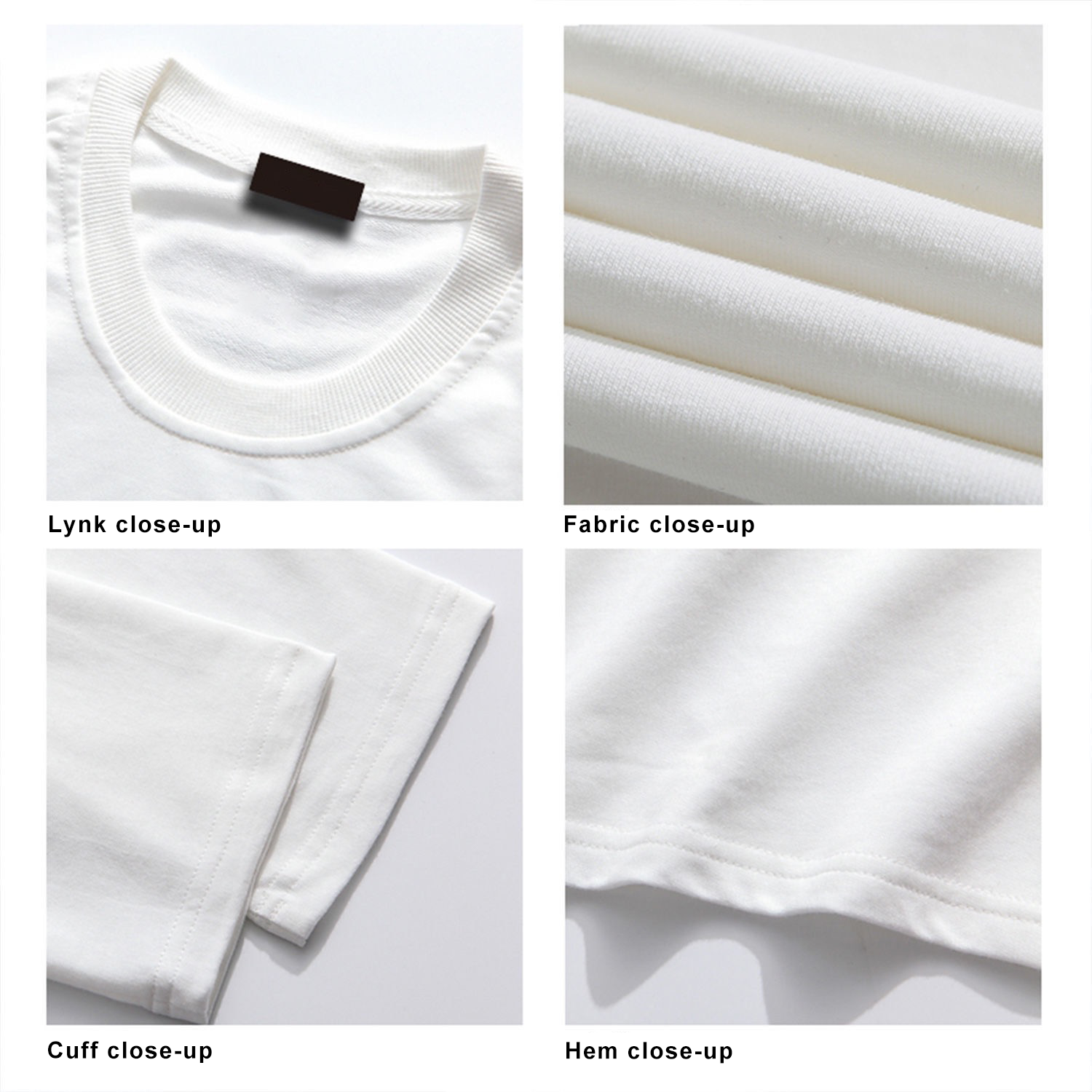
Distressing & Washing
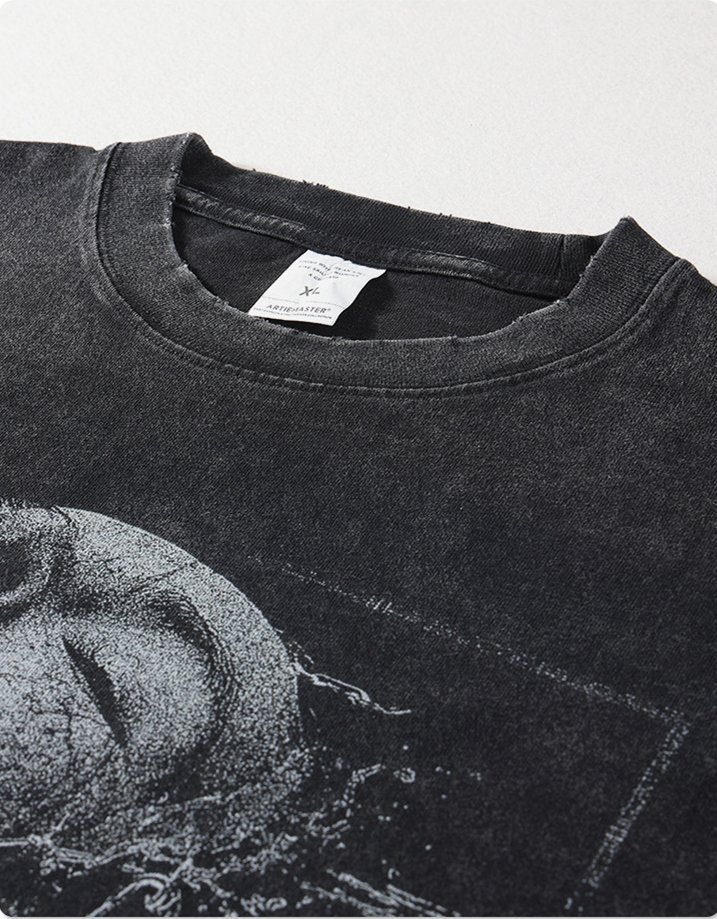
Specialized techniques including enzyme wash, stone wash, and manual distressing create authentic worn-in looks. Perfect for skateboard apparel that demands edgy, lived-in character straight from production.
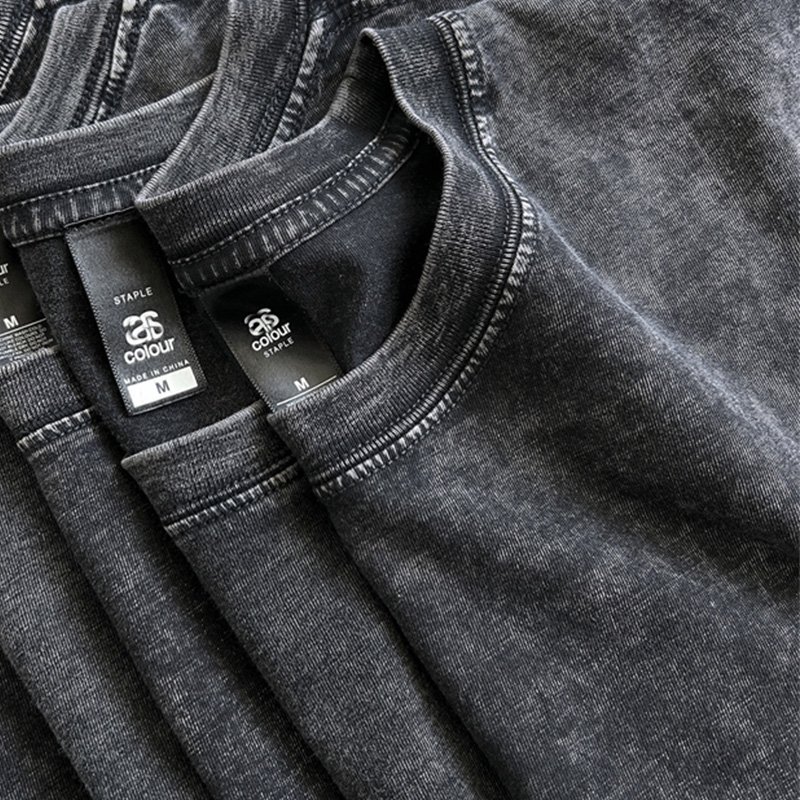
Heat Transfer Application
Precision heat-seal graphics deliver photo-quality detail and metallic finishes for skateboard streetwear. Supports reflective materials, holographic effects, and gradient designs that elevate brand identity with modern visual impact.
Custom Trims & Accessories for Skateboard Clothing
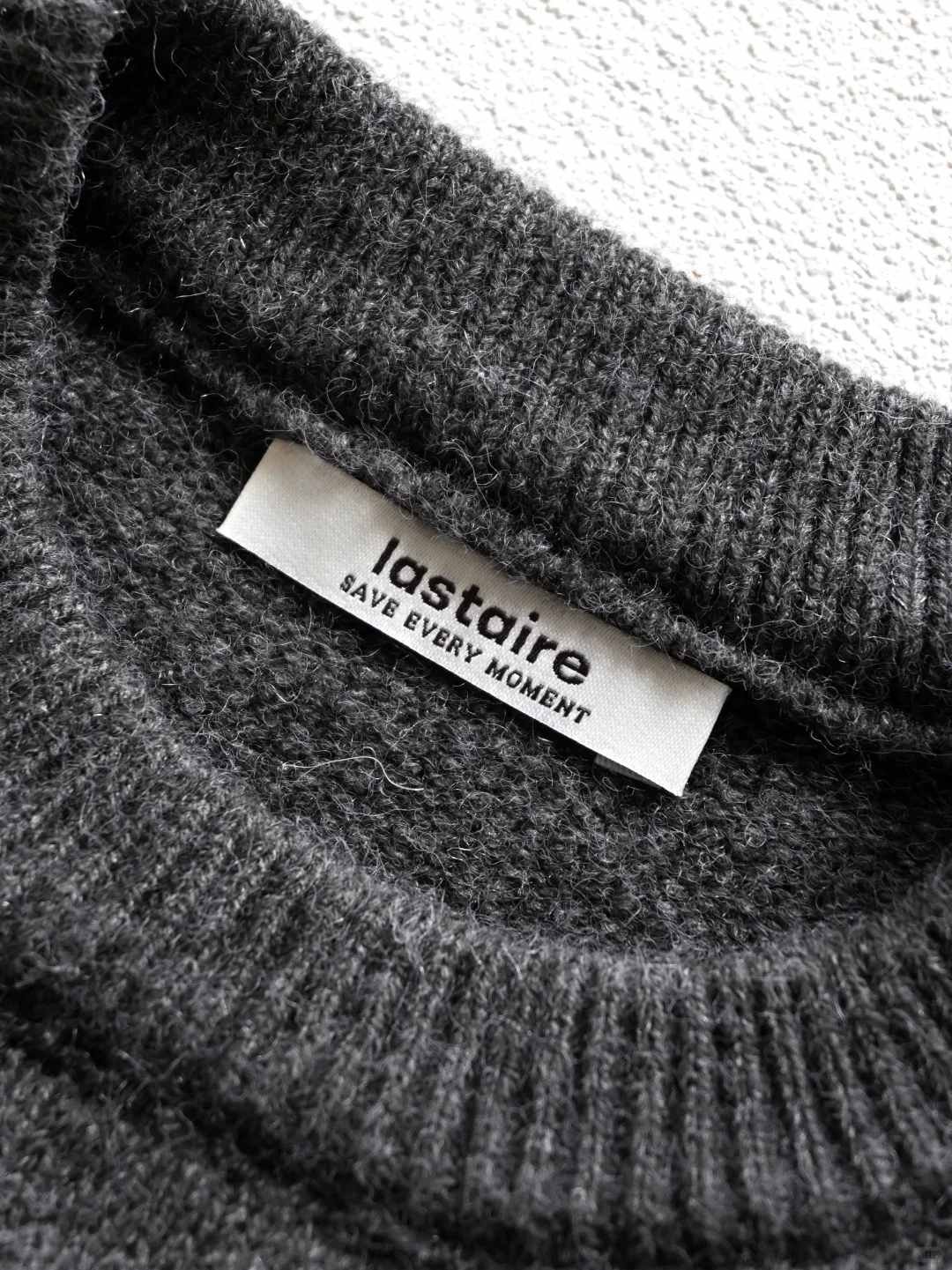
Woven Labels
High-definition woven brand labels in any size, color, or artwork. Perfect for neck labels, side seams, and hem tags on skateboard hoodies, tees, and joggers. Durable through hundreds of washes.
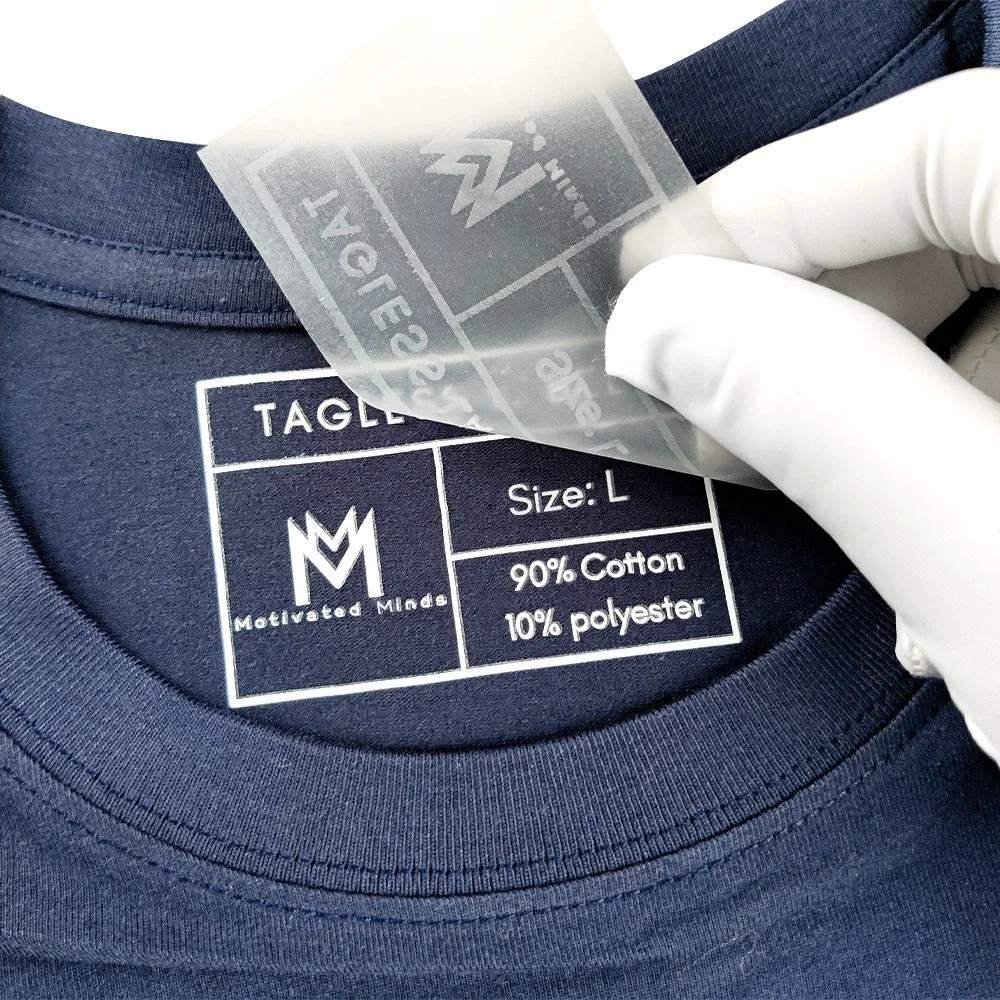
Custom Hangtags
Printed or embossed hangtags that communicate your brand story and product details. Essential for retail presentation of skateboard apparel. Available in cardstock, recycled paper, or specialty finishes.
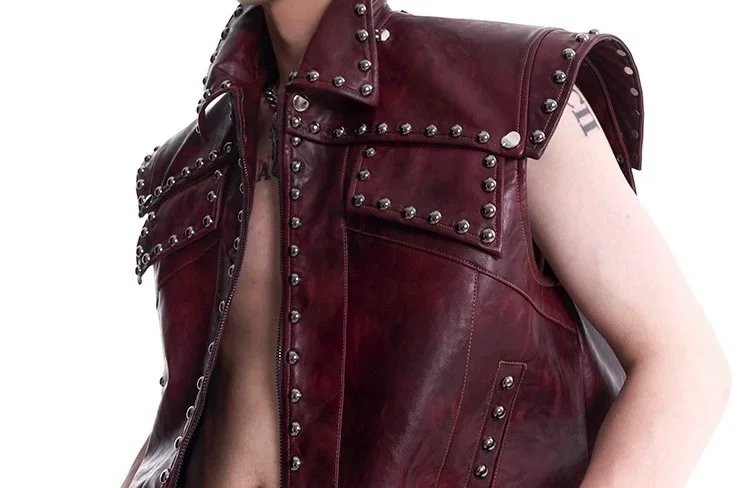
Metal Hardware
YKK zippers, snap buttons, eyelets, and D-rings in gunmetal, brass, or custom finishes. Engineered for durability in high-wear skateboard clothing like jackets, cargo pants, and utility vests.
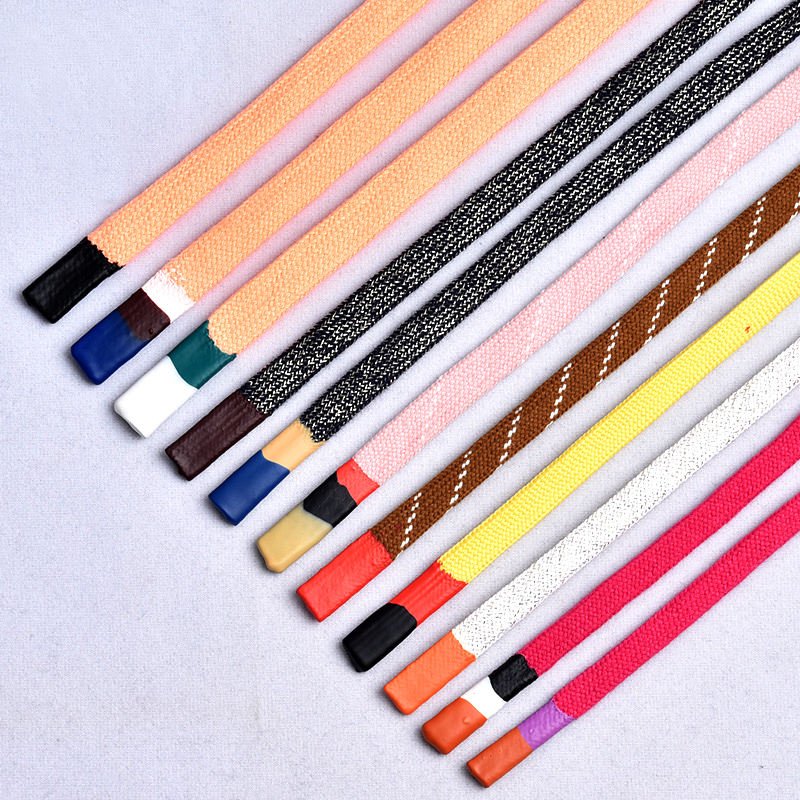
Drawcords & Tipping
Branded drawstrings with custom aglets and color-matched tipping for hoodies, shorts, and track pants. Available in flat, round, or reflective styles to enhance your skateboard clothing aesthetic.
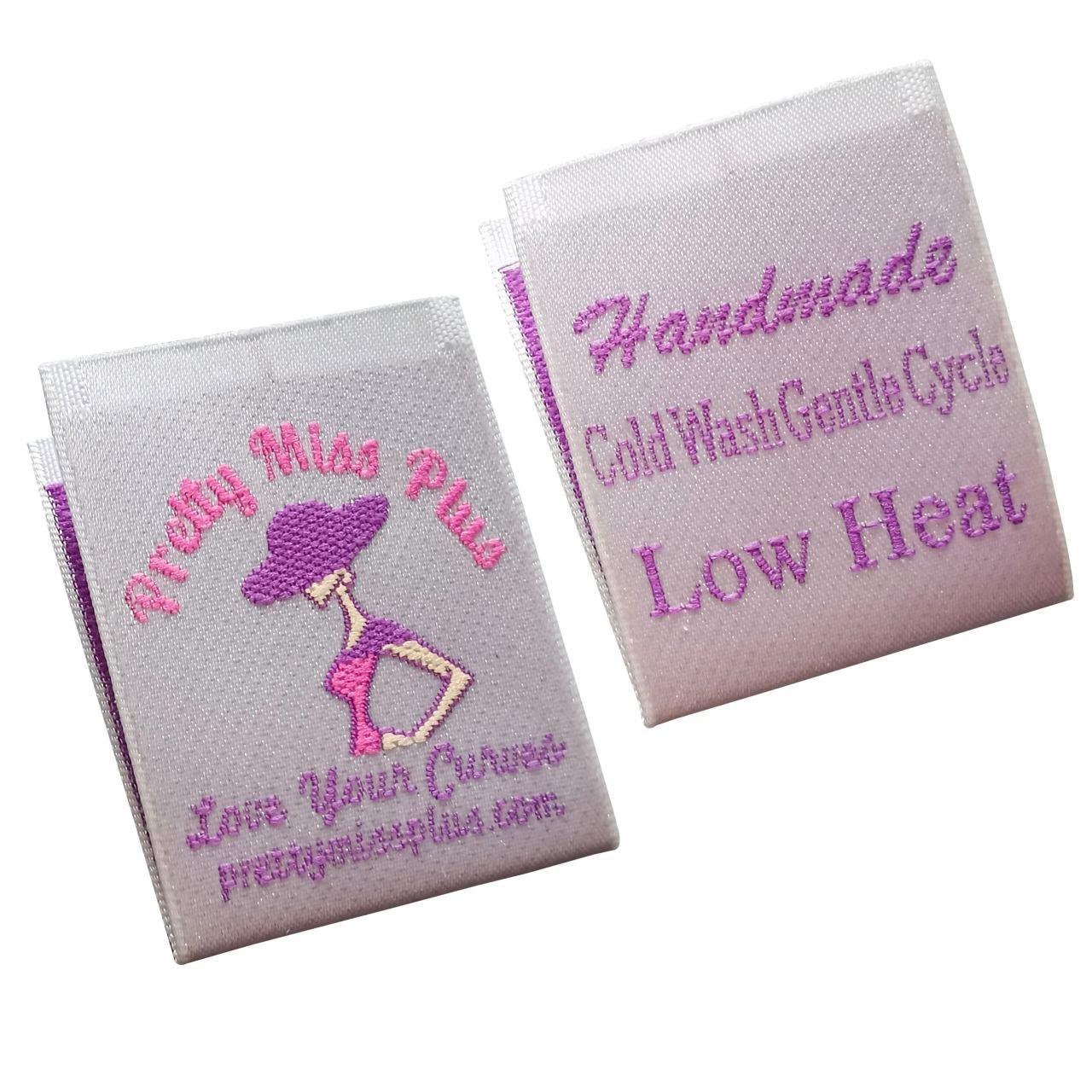
Embroidered Patches
Fully custom embroidered or woven patches with heat-seal or sew-on backing. Ideal for adding bold graphics, logos, or streetwear motifs to skateboard jackets, beanies, and denim pieces.
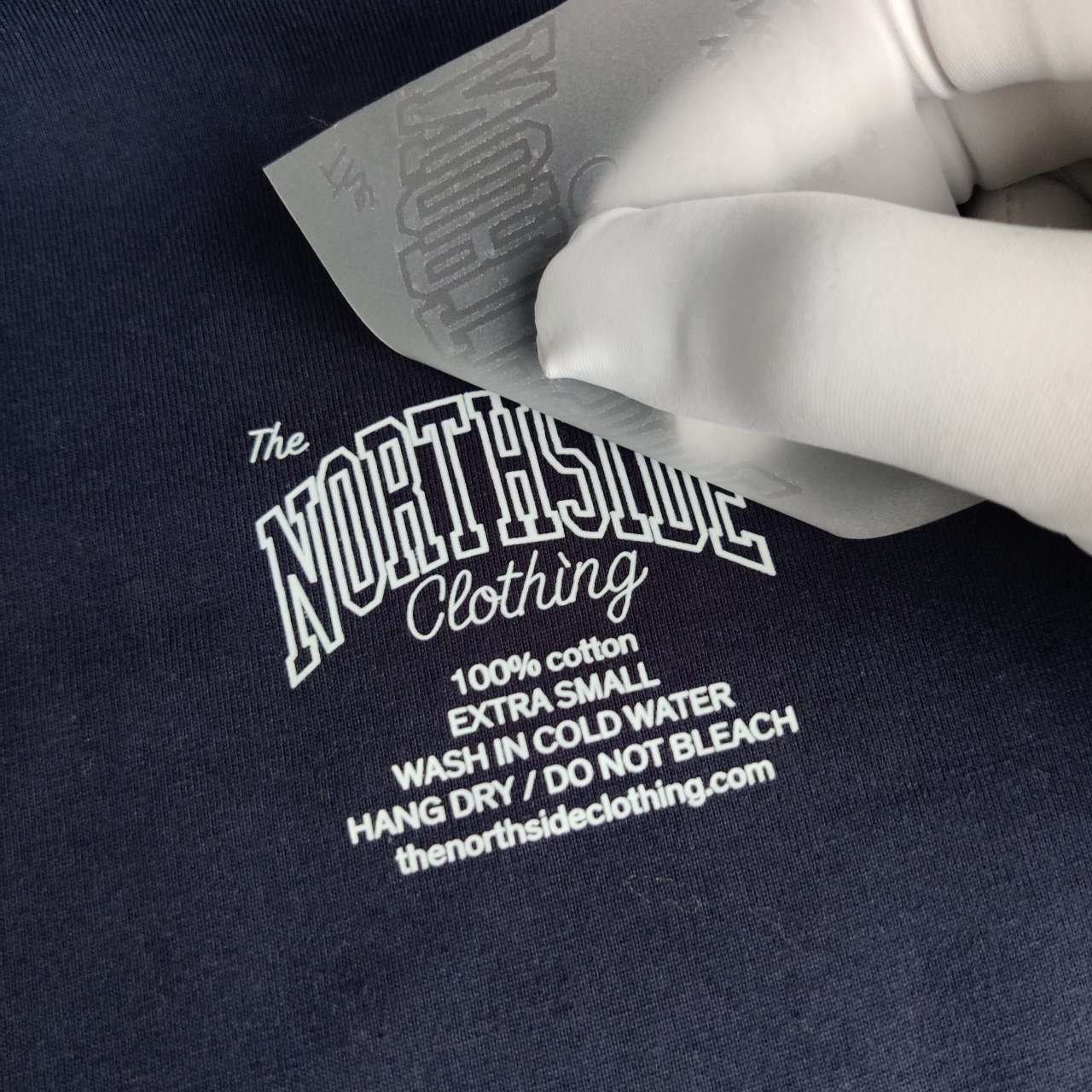
Silicone Transfers
3D raised silicone prints and heat transfers for premium branding on skateboard tees, hoodies, and outerwear. Soft-hand feel with excellent wash durability and vibrant color reproduction.
Skateboard Clothing Manufacturer You Can Trust
Founded in 2024 by Tesla Luo, Clothing Manufacturer Ltd. emerged from a decade of production experience and a mission to restore trust in Chinese garment manufacturing. After witnessing too many factories skip quality checks, Luo built a skateboard clothing manufacturer committed to rigorous testing at every production stage, serving brands across 100+ countries.
Our proprietary 5-step quality control process—from materials inspection through finished garment testing—ensures zero compromises on craftsmanship. With 15 in-house designers, 10 production patents, and deep expertise in streetwear culture, we partner with fashion startups, influencer brands, and global retailers to deliver trend-driven skateboard apparel that stands up to the demands of street culture.
Whether you’re launching your first collection or scaling an established line, our low MOQ options, 7-day sampling, and transparent communication empower you to bring bold, high-quality skateboard clothing to your customers. We combine the agility of a streetwear specialist with the capacity of a trusted manufacturing operation.
5-Step QC From a Trusted Skateboard Clothing Manufacturer
Materials QC Testing
Every fabric roll undergoes rigorous inspection before cutting begins. We verify weight, colorfastness, stretch recovery, and surface consistency to ensure your skateboard apparel meets durability standards from the first thread.
- Fabric weight and density verification against specifications
- Colorfastness testing to prevent fading after wash cycles
- Stretch and recovery analysis for performance materials
- Surface defect scanning to eliminate flaws before production
Cutting QC Testing
Precision cutting determines fit and waste. Our cutting QC validates pattern accuracy, grain alignment, and piece counts, catching dimensional errors before they reach the sewing floor and ensuring consistent sizing across your skateboard clothing line.
- Pattern alignment verification for symmetrical designs
- Grain direction checks to maintain fabric stability
- Piece count validation to prevent shortages mid-production
- Dimensional accuracy testing against approved samples
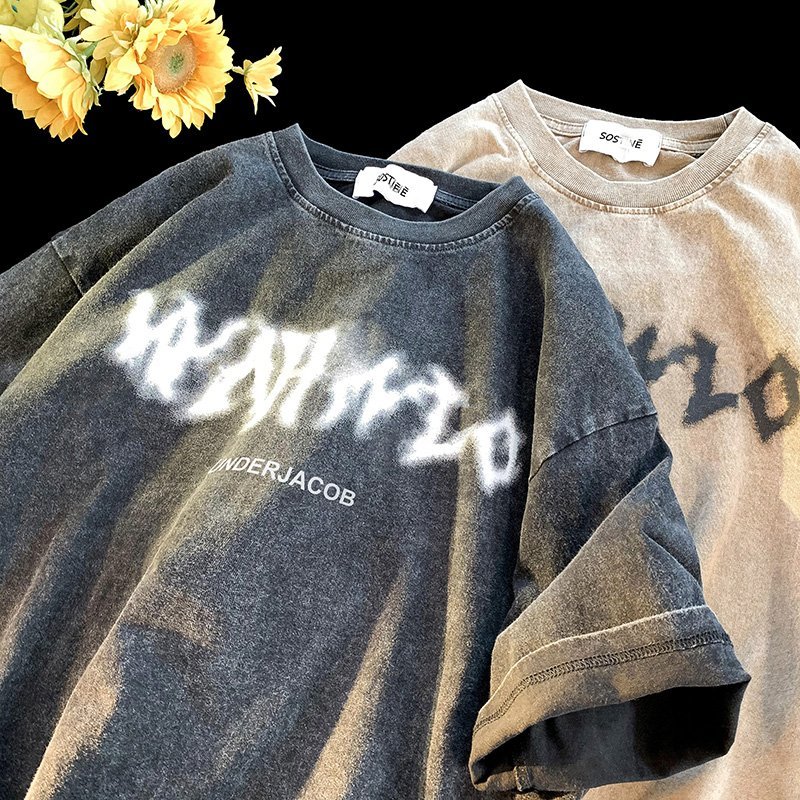
Clothing Craft QC Testing
Skateboard apparel demands functional construction. We inspect seam types, stitch density, reinforcement points, and trim placement during assembly, ensuring graphics stay sharp, hems hold strong, and every detail matches your approved prototype.
- Seam strength and stitch-per-inch consistency checks
- Reinforcement verification at stress points and pockets
- Trim and label placement accuracy for brand identity
- Graphic print alignment and adhesion quality control
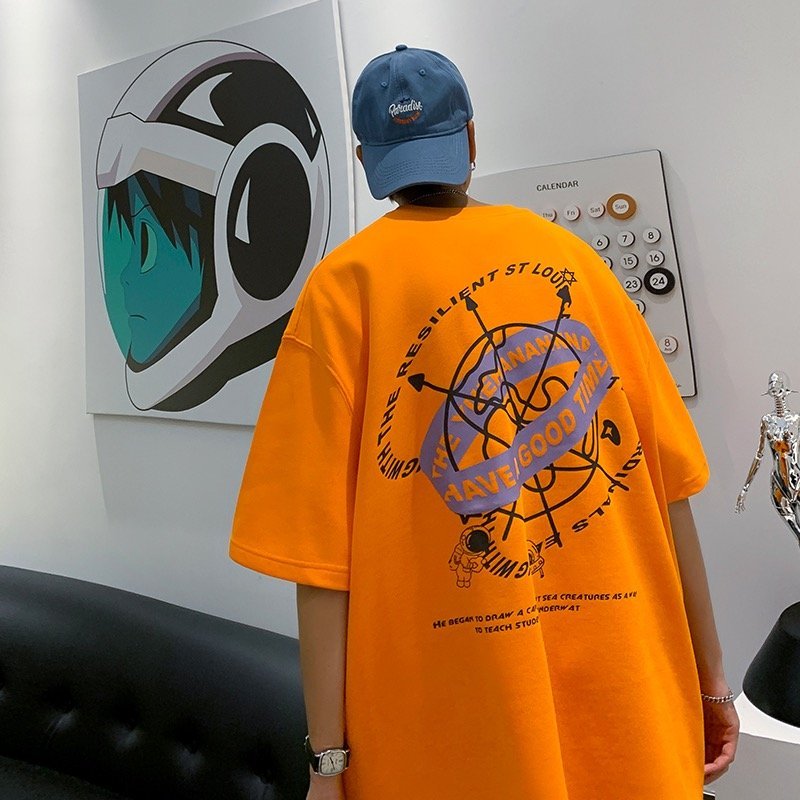
Sewing Production QC Testing
Real-time monitoring during sewing prevents cascading defects. Our QC team inspects garments at multiple production stages, identifying thread tension issues, skipped stitches, or misaligned panels before batches are completed, saving time and materials.
- In-line inspections at 25%, 50%, and 75% completion
- Thread tension and needle condition monitoring
- Panel alignment and symmetry verification during assembly
- Immediate correction protocols to halt defect propagation
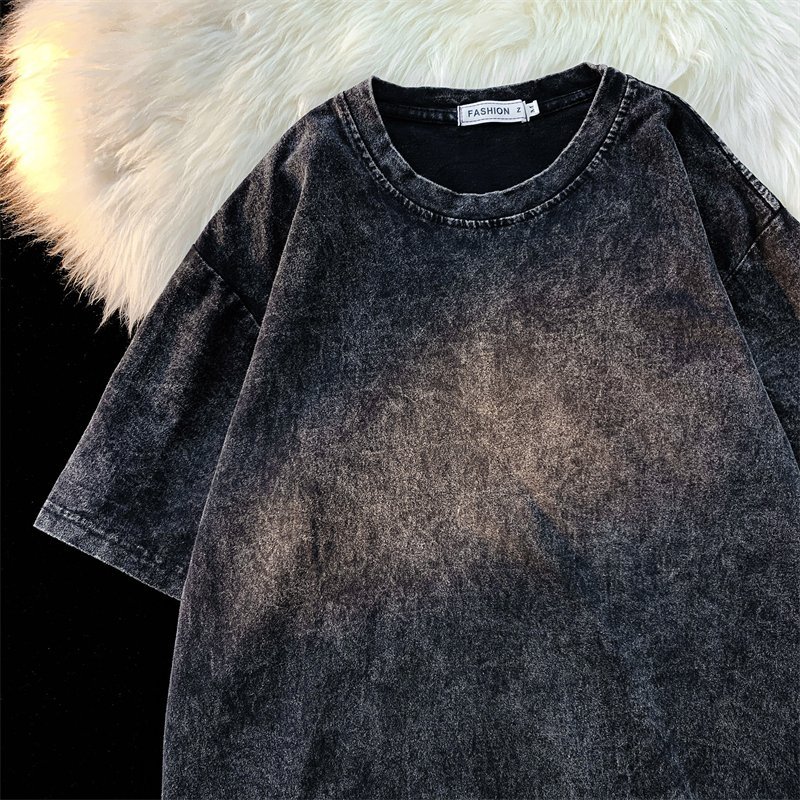
Finished Clothing Quality Inspection
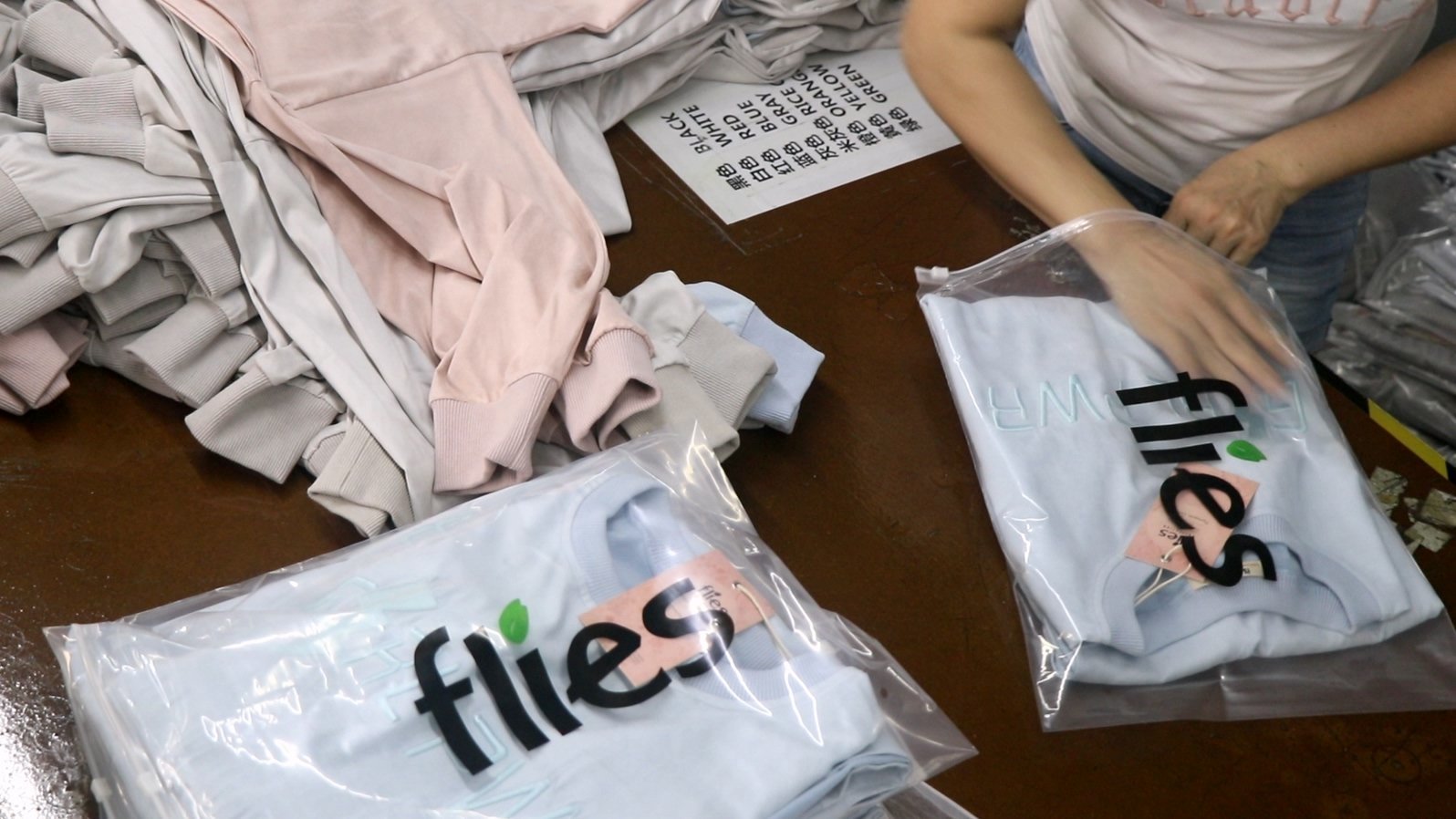
Final inspection is our last line of defense. Every finished skateboard garment is examined for measurements, appearance, functionality, and packaging standards. Only pieces that pass all criteria earn our approval for shipment to your customers.
- Full measurement verification against size spec sheets
- Visual inspection for stains, loose threads, and finish quality
- Functional testing of zippers, buttons, and drawstrings
- Packaging and labeling accuracy before shipment authorization
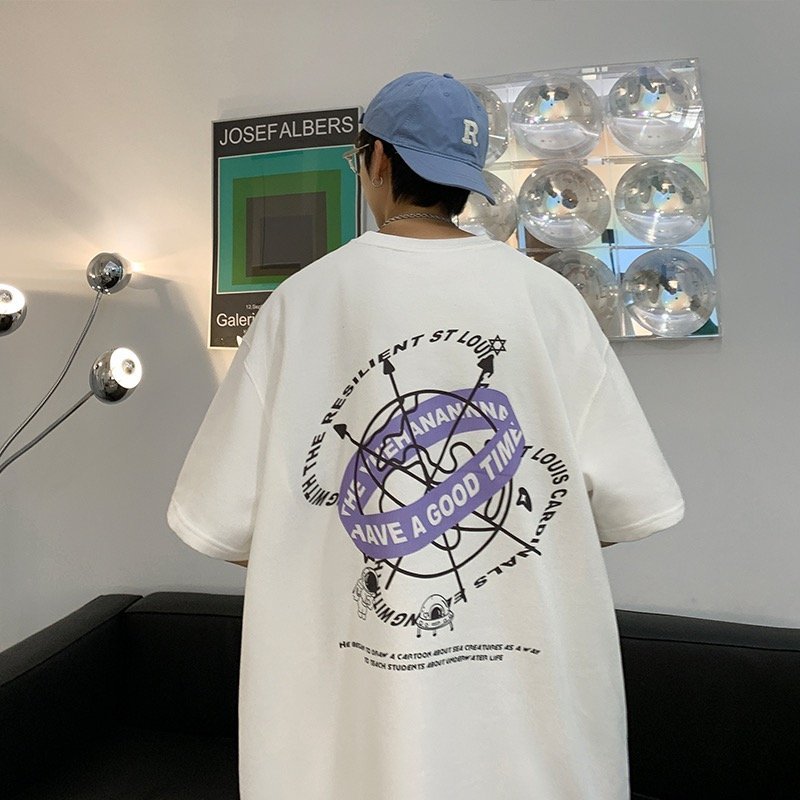
Skateboard Clothing Manufacturer vs. Standard Suppliers
We built our production process to eliminate the shortcuts and quality compromises that plague typical low-cost factories. Here’s how our skateboard clothing manufacturer approach compares to standard suppliers.
← 左右滑动查看 →
Skateboard Clothing Manufacturer Production Timeline
Our streamlined 5-phase process takes your skateboard apparel from concept to finished goods with built-in quality checkpoints at every stage, ensuring on-time delivery and zero-compromise craftsmanship.
Tech Pack Review
Our design team analyzes your tech pack, confirms fabric selections, and provides expert recommendations on streetwear construction techniques for skateboard apparel durability.
Sample Development
We produce your first samples within 7 days, incorporating skateboard-specific design elements like reinforced stitching and trend-driven graphics for your approval.
Bulk Production Launch
After sample approval, production begins with materials QC testing and cutting QC testing to ensure every piece meets our skateboard clothing manufacturer standards.
5-Step Quality Control
Clothing craft QC, sewing production QC, and finished garment inspection guarantee that every skateboard tee, hoodie, and pant passes rigorous quality benchmarks.
Final Packaging & Shipping
Garments are professionally finished, packed to your specifications, and shipped globally with full logistics support and tracking for complete transparency.
How to Partner With Your Skateboard Clothing Manufacturer
From concept to delivery, our streamlined five-step process ensures your skateboard apparel meets every quality standard and timeline expectation.
Submit Your Design Brief
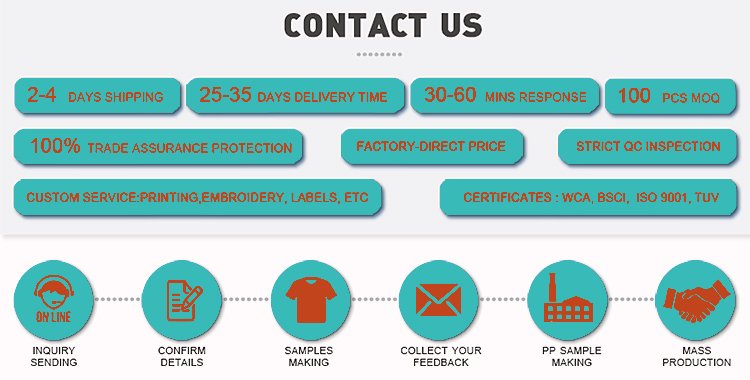
Share your skateboard clothing concepts, reference images, and technical specifications. Our team reviews your requirements and confirms MOQ, fabric options, and production capabilities within 24 hours.
Receive Your Custom Quote
Get a detailed quote covering materials, production costs, and shipping. We provide transparent pricing with no hidden fees, plus recommendations to optimize quality and budget.
Approve Samples and Specs
Review physical samples produced in 7 days. Our in-house design team incorporates your feedback and refines fit, fabric, and finishing until you’re completely satisfied.
Confirm Your Production Order
Once samples are approved, place your order with a 50-piece minimum. We initiate our rigorous 5-step QC process across materials, cutting, sewing, and final inspection.
Track Shipment to Delivery
Monitor your order in real time as we handle customs documentation and global logistics. Receive your finished skateboard apparel on schedule, ready for your customers.
Certified Skateboard Clothing Manufacturer You Can Trust
Skateboard Clothing Manufacturer Success Stories
We launched our skate brand with zero followers and Clothing Manufacturer Ltd helped us scale to 47,000 Instagram followers in 18 months. Their 5-step QC process means we’ve never had a quality complaint.
As an influencer brand, we needed a skateboard clothing manufacturer who could handle 50-piece test drops and scale to 5,000 units fast. They delivered our first samples in 7 days and grew with us every season.
We switched from our old supplier after too many defects. Since partnering with Clothing Manufacturer Ltd, our return rate dropped from 8% to under 1% and we scaled our skate line from 200 to 12,000 units per quarter.
Skateboard Clothing Manufacturer FAQs
What is the minimum order quantity with your skateboard clothing manufacturer?
How long does it take to receive samples from a skateboard clothing manufacturer?
Does your skateboard clothing manufacturer charge for samples?
What payment terms does your skateboard clothing manufacturer offer?
How do you protect my designs and intellectual property?
What customization options are available for skateboard apparel?
What are the production lead times for bulk skateboard clothing orders?
Do you handle international shipping and customs for skateboard clothing orders?
Can you match specific Pantone colors and branded materials for my skateboard clothing line?
The Complete Buyer’s Guide to Choosing a Skateboard Clothing Manufacturer
Navigate supplier selection with confidence. This guide delivers a proven decision framework, essential quality criteria, customization options, and the most common mistakes to avoid when partnering with a skateboard clothing manufacturer for your streetwear brand.
1. What Is a Skateboard Clothing Manufacturer?
A skateboard clothing manufacturer is a specialized apparel producer that combines technical garment construction with deep fluency in skate culture, youth fashion trends, and the durability demands of action sports. Unlike general cut-and-sew factories that treat skate apparel as commodity T-shirts and hoodies, a dedicated skateboard clothing manufacturer understands that skate garments must withstand abrasion from grip tape, accommodate dynamic movement, and carry authentic visual language rooted in hip-hop, graffiti, and street art. Clothing Manufacturer Ltd., founded in 2024 with over 10 years of production experience and 6 years of streetwear specialization, implements a five-step quality control methodology introduced February 12, 2025, covering materials QC, cutting QC, craft QC, sewing production QC, and finished garment inspection—ensuring every piece meets the technical and aesthetic standards skate brands require.
Skateboard apparel typically uses heavier-weight fabrics (200–320 GSM for tees, 280–400 GSM for hoodies) with reinforced stitching at stress points, looser fits for mobility, and design elements including skeleton motifs, sword patterns, rose graphics, mystery symbols, and death themes that resonate with skate culture. Generic suppliers often skip in-process quality checks, moving directly from sewing to ironing and packing—a practice that results in defects reaching customers and damages brand reputation.
Brands choose a skateboard clothing manufacturer over generic suppliers because skate-focused producers maintain R&D teams (Clothing Manufacturer Ltd. employs 15 R&D members and holds 10 patents), source appropriate streetwear fabrics, and deliver consistent quality through systematic testing rather than post-production inspection alone. This expertise ensures garments perform on the board and align with the bold, trend-driven aesthetic that defines skate fashion.
2. Evolution of Skateboard Apparel Manufacturing
In the 1970s and early 1980s, skateboard apparel emerged from garage operations where riders screen-printed logos on blank tees sourced from local suppliers, often running batches of 50–100 units. Brands like Powell Peralta and Vision Street Wear relied on regional printers in California, keeping production cycles short and designs closely tied to team riders’ input. This DIY model defined the first wave of skate manufacturing, prioritizing authenticity over scale.
By the mid-1990s, baggy fits became the dominant silhouette as skate culture absorbed hip-hop influences, pushing manufacturers to adopt looser patterns and heavier 200–240 GSM cotton jersey for durability during tricks. Production began shifting to Mexico and Central America to meet rising demand from mall retailers, with MOQs climbing from hundreds to thousands of pieces. Screen printing remained the standard decoration method, but embroidery gained traction for headwear and outerwear as brands sought premium detailing.
The 2000s introduced performance fabrics—moisture-wicking polyester blends, ripstop nylon, and stretch twill—as skateboard clothing manufacturers responded to demands for garments that could withstand repeated abrasion and maintain shape after washing. Overseas production in China, Vietnam, and Bangladesh became the norm, offering access to technical textiles and lower per-unit costs, though lead times extended to 60–90 days. Factories began integrating quality checkpoints inspired by sportswear standards, a shift that elevated construction consistency across the category.
Today’s skateboard clothing manufacturer landscape is shaped by sustainability mandates: organic cotton, recycled polyester, and GOTS-certified fabrics now appear in 30–40% of new collections, while brands demand transparency in dyeing, water use, and labor practices. The five-step QC methodology—materials, cutting, craft, sewing, and finished-goods inspection—has become essential to meet retailer compliance and maintain brand reputation in a market where quality directly impacts online reviews and repeat purchases.
3. Types of Skateboard Clothing Manufacturers
Skateboard clothing manufacturers operate under distinct service models, each suited to different brand needs and growth stages. Understanding these categories helps you match your business model, budget, and design capabilities to the right production partner.
Full-Package Manufacturers
Full-package providers handle every step from fabric sourcing and pattern development through cutting, sewing, finishing, and packaging. Clothing Manufacturer Ltd. operates this model, managing design refinement, materials procurement, and five-step QC testing in-house.
MOQs typically range from 50 to 300 pieces per design, ideal for fashion startups and independent designers launching collections without in-house production teams. Brands receive finished, retail-ready garments and can focus entirely on marketing and sales.
CMT (Cut-Make-Trim) Factories
CMT facilities perform cutting, sewing, and finishing only; clients must supply all fabrics, trims, and tech packs. This model suits established brands with dedicated sourcing teams and existing supplier relationships.
MOQs often start at 500 pieces per style because factories assume lower per-unit margins. CMT works best for brands seeking cost control and specific fabric partnerships but requires deep technical knowledge and logistics coordination.
Private-Label Suppliers
Private-label manufacturers offer pre-designed skateboard apparel that retailers rebrand with custom labels and hang tags. MOQs can be as low as 100 pieces across multiple styles, appealing to influencer brands and small retailers testing new product lines.
Design flexibility is limited to colorways and minor trim changes. This model accelerates time-to-market but reduces brand differentiation in crowded streetwear segments.
Hybrid Tech-Streetwear Producers
Hybrid manufacturers combine streetwear aesthetics with technical fabrications—moisture-wicking blends, anti-abrasion panels, and ergonomic cuts for active skating. These specialists serve performance-focused skate brands prioritizing durability and function alongside style.
MOQs range from 200 to 500 pieces. Brands targeting competitive skaters or action-sports crossover markets benefit most, though lead times extend 2–4 weeks beyond standard streetwear due to specialized fabric testing.
4. Materials and Fabrics for Skateboard Clothing
Skateboard apparel demands fabrics that withstand abrasion, repeated washing, and high-impact movement while maintaining breathability. A professional skateboard clothing manufacturer selects materials based on GSM (grams per square meter), fiber composition, and garment type to balance durability with comfort.
| Fabric Type | Typical GSM | Best Applications | Durability Rating |
|---|---|---|---|
| Heavyweight Cotton Jersey | 180–220 | T-shirts, basics | Medium-High |
| French Terry | 240–280 | Hoodies, joggers | Medium-High |
| Fleece | 280–350 | Sweatshirts, cold-weather hoodies | Medium |
| Canvas | 300–400 | Pants, work jackets | Very High |
| Ripstop Nylon | 70–120 | Windbreakers, lightweight outerwear | High |
| Cotton-Poly Blend | 180–260 | Active tees, performance hoodies | High |
Heavyweight Cotton Jersey for Tees and Basics
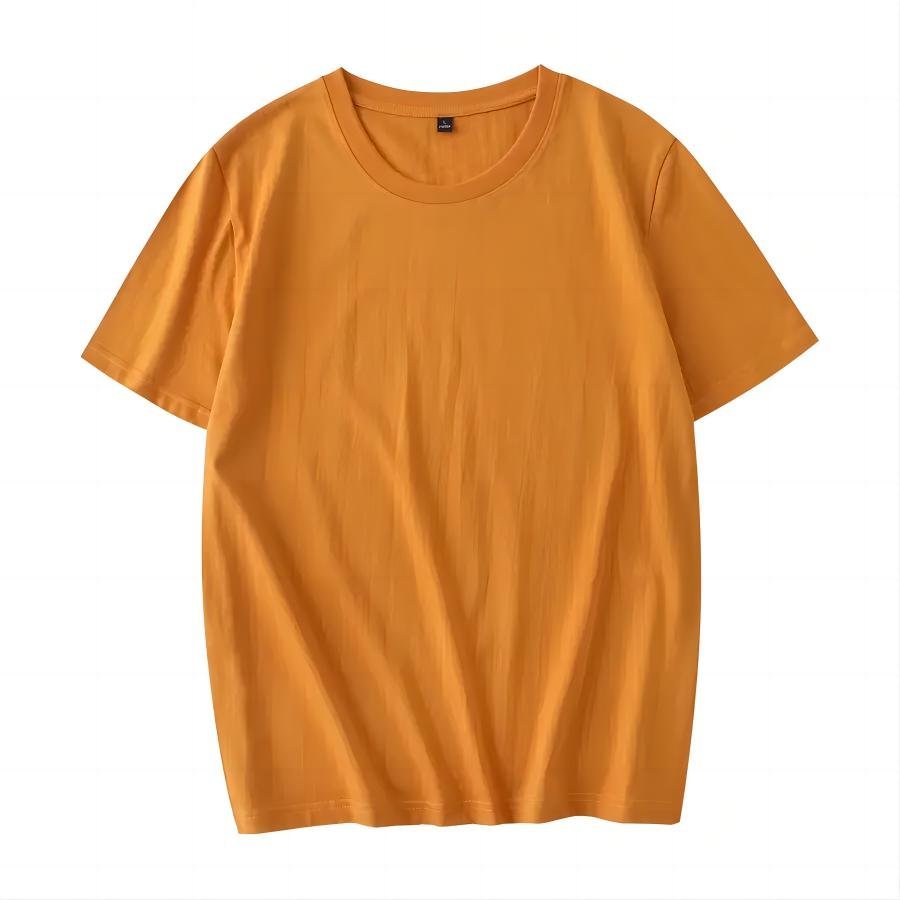
Ring-spun cotton jersey in the 180–220 GSM range delivers the durability skaters need for everyday wear. Heavier weights resist pilling and hold shape through frequent washes, while maintaining the soft hand feel expected in streetwear.
Open-end cotton offers a lower-cost alternative at similar weights but lacks the strength and smoothness of ring-spun fibers. Most skateboard clothing manufacturers recommend ring-spun for premium collections and open-end for entry-level price points.
French Terry and Fleece for Hoodies and Sweatshirts
French terry (240–280 GSM) features looped interior pile that wicks moisture without the bulk of fleece, making it ideal for active wear hoodies. Fleece (280–350 GSM) provides superior warmth and a plush interior, preferred for cold-weather collections.
Brushed fleece adds softness but reduces durability under heavy abrasion. Skateboard clothing manufacturers often specify unbrushed or lightly brushed fleece to extend garment life while retaining comfort.
Canvas, Ripstop, and Performance Blends
Canvas (300–400 GSM cotton or cotton-poly blend) is the standard for skate pants and work-style jackets, offering exceptional tear resistance. Ripstop nylon (70–120 GSM) incorporates reinforcement threads in a crosshatch pattern, preventing rip propagation in lightweight outerwear.
Performance blends—typically 60/40 or 50/50 cotton-polyester—combine natural breathability with synthetic durability and moisture management. These blends dry faster and resist shrinkage, critical for active skate sessions.
Sustainability: Organic and Recycled Options
Organic cotton certified to GOTS standards eliminates pesticide residues and reduces environmental impact, appealing to eco-conscious brands. Recycled polyester, derived from post-consumer PET bottles, cuts virgin plastic use by up to 59 percent while matching conventional polyester performance.
A quality skateboard clothing manufacturer maintains supplier certifications (OEKO-TEX, GRS) and transparent sourcing to verify sustainability claims, ensuring brands can market eco-friendly collections with confidence.
5. Customization and Decoration Options
Skateboard clothing manufacturers offer a wide range of decoration techniques to bring your brand identity to life, each with distinct cost structures, durability profiles, and aesthetic alignment with skate culture. Understanding the trade-offs between setup fees, per-unit pricing, and wash longevity helps you select methods that balance budget constraints with brand impact.
| Technique | Setup Cost | Per-Unit Cost | Wash Durability |
|---|---|---|---|
| Screen Printing | $15–$50/color | $1–$3 | 50+ washes |
| Embroidery | $20–$40 | $2–$8 | 200+ washes |
| Heat Transfer | $5–$15 | $2–$5 | 10–40 washes |
| Sublimation | Digital (no screens) | $4–$10 | Permanent |
Screen Printing and Embroidery

Screen printing remains the workhorse of skateboard apparel decoration, with setup costs typically ranging from $15 to $50 per color and per-unit costs dropping to $1–$3 on runs above 100 pieces. Multi-color designs require separate screens, raising initial investment but delivering vibrant, long-lasting prints that withstand 50+ industrial washes.
Embroidery offers premium durability and tactile depth, ideal for logos on beanies, hoodies, and caps. Setup digitization fees run $20–$40, with per-unit costs of $2–$8 depending on stitch count. Embroidered graphics survive hundreds of washes without fading, making them a hallmark of quality in skate culture.
Heat Transfer and Sublimation
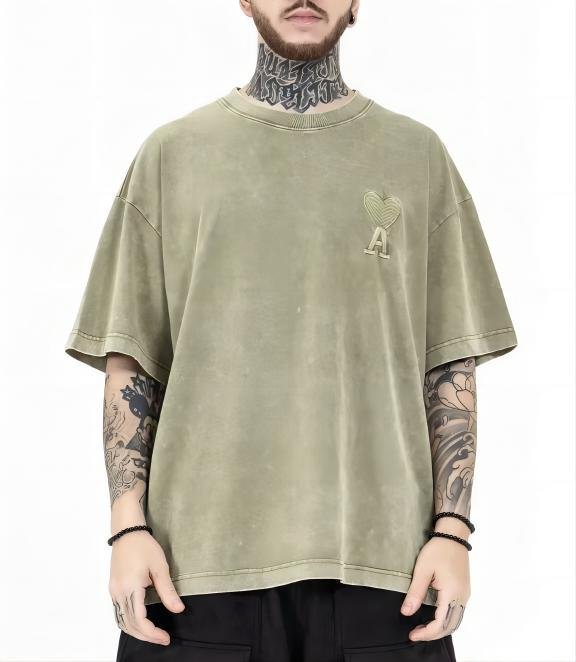
Heat transfer vinyl and plastisol transfers suit low-MOQ runs and complex artwork, with minimal setup costs ($5–$15) and per-unit fees of $2–$5. Durability varies: high-quality transfers last 30–40 washes, while budget options crack or peel after 10–15 cycles.
Dye sublimation bonds ink directly into polyester fibers, enabling full-color, all-over prints with zero hand feel. Setup is digital (no screens), but fabric must be light-colored polyester. Per-unit costs range $4–$10, and prints endure indefinitely without fading or cracking.
Labels, Tags, and Packaging
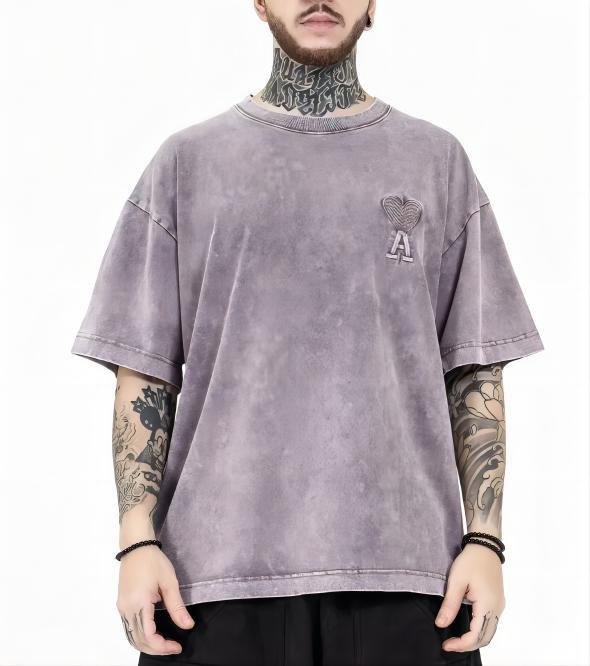
Woven labels and custom hang tags complete brand presentation. Woven neck labels cost $0.10–$0.30 per piece with 500-unit minimums, while printed care labels start at $0.05 each. Hang tags range from $0.15 for basic cardstock to $1+ for specialty finishes like embossing or foil stamping.
Custom polybags, tissue paper, and branded boxes elevate unboxing experiences. Polybags with logo printing cost $0.08–$0.20 each at 1,000-piece MOQs, while rigid boxes run $1–$3 per unit, reserved for premium collections or influencer seeding.
6. Key Quality and Construction Elements
Premium skateboard apparel withstands repeated impact, abrasion, and high-stress movement that fast fashion cannot survive. Construction quality determines whether your brand earns repeat customers or returns, making every stitch, seam, and hardware choice critical to long-term reputation.
Reinforced Stitching Standards

Skateboard clothing requires double-needle stitching on all main seams, with stitch density of 10–12 stitches per inch for durability. Bar tacks at pocket corners, waistbands, and stress points prevent tear-out during falls and tricks.
Flatlock seams on technical garments reduce bulk and chafing, while cover-stitch hems on tees and hoodies maintain stretch without popping. A skateboard clothing manufacturer with streetwear expertise applies these reinforcements as standard, not upgrades.
Fabric Pre-Treatment Protocols
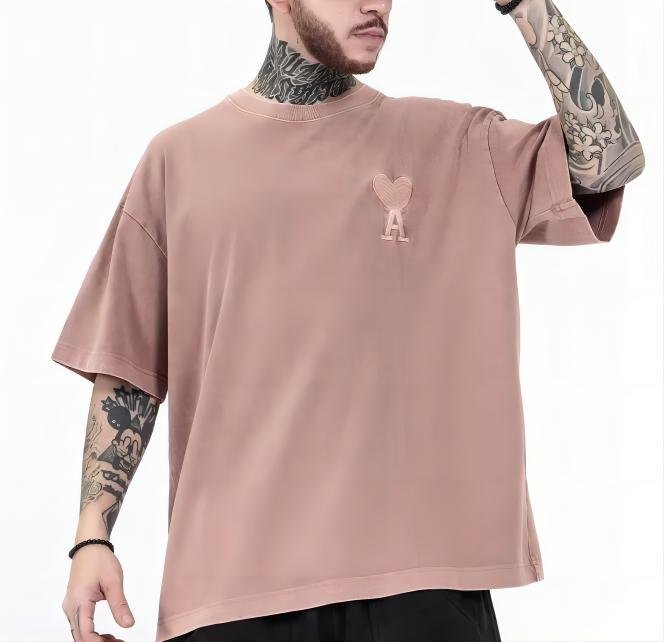
Pre-shrunk fabrics prevent size drift across wash cycles, ensuring your size chart remains accurate after customer purchase. Compacting and sanforizing reduce shrinkage to under 3 percent, critical for consistent fit.
Pre-washing removes excess dye and chemicals, stabilizing color fastness and preventing first-wash surprises. Manufacturers skipping pre-treatment deliver garments that shrink unpredictably, damaging brand trust and increasing return rates.
Hardware and Trim Quality
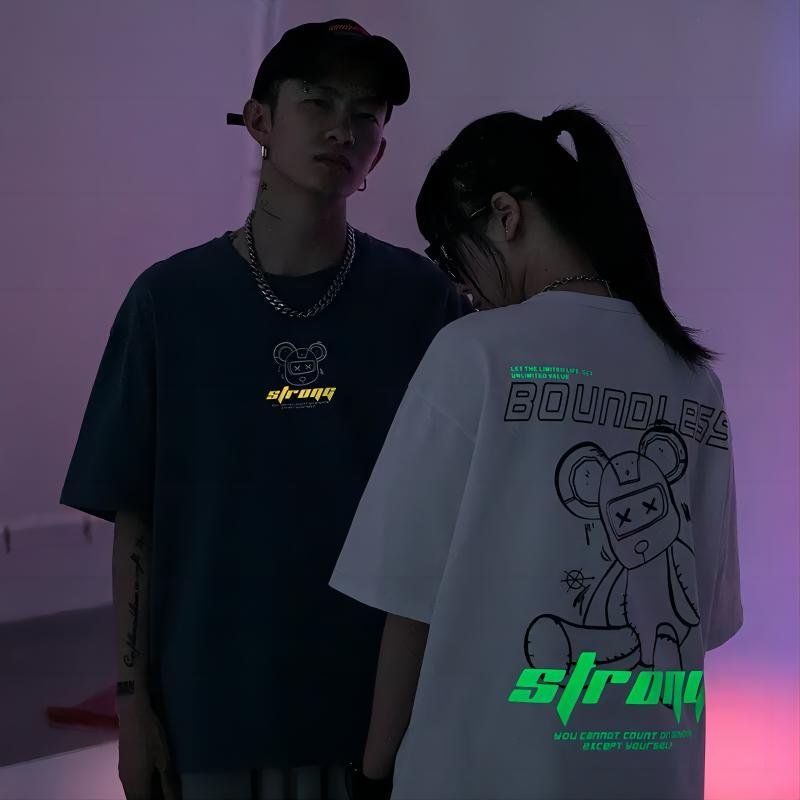
YKK or equivalent zippers withstand 2,500+ cycles without failure, while budget alternatives break within months. Metal eyelets, rivets, and snaps must be corrosion-resistant and securely set to survive repeated stress.
Drawcords, elastic waistbands, and ribbing should maintain tension after 50+ washes. Quality hardware adds minimal cost per unit but dramatically extends garment lifespan and customer satisfaction.
Fit Grading and Consistency
Accurate grading ensures each size scales proportionally from XS to 3XL, maintaining silhouette and comfort across the range. Pattern markers must replicate measurements within ±0.5 cm to prevent fit variation between production runs.
Manufacturers using digital cutting systems achieve tighter tolerances than manual methods. Inconsistent sizing forces customers to gamble on fit, eroding brand loyalty and increasing return logistics costs.
Five-Step QC Inspection Protocols
Effective quality control tests at materials receipt, cutting, sewing, finishing, and final inspection rather than only at shipment. This five-stage approach catches defects early, reducing waste and rework costs.
Clothing Manufacturer Ltd. implements materials QC, cutting QC, craft QC, sewing QC, and finished-product inspection on every order. Brands should require photographic QC reports at each stage, with defect rates documented and corrective actions logged for transparency.
7. How to Choose the Right Skateboard Clothing Manufacturer
Selecting the right skateboard clothing manufacturer requires systematic evaluation across six core dimensions. Each criterion reveals how a supplier will perform under real production conditions and whether they align with your brand’s growth trajectory.
Assessing Production Capacity and MOQs
Ask manufacturers their minimum order quantities per style and colorway; credible streetwear specialists typically quote 50–200 pieces for startups and 500+ for established brands. Verify monthly production capacity in units—factories running 15+ R&D staff and multi-step QC systems like Clothing Manufacturer Ltd.’s five-stage process can scale with your growth.
Request lead times for sampling (7–14 days) and bulk production (30–45 days). Factories that skip in-process quality checks often promise shorter timelines but deliver inconsistent results.
Evaluating Design and Sampling Capabilities
Confirm whether the manufacturer offers tech-pack development, pattern grading, and fabric sourcing for skateboard-specific features like reinforced knees and gusseted crotches. Ask to see sample books showing streetwear elements—skeleton graphics, graffiti prints, cross motifs—that reflect current skate culture.
Request a paid sample round with 2–3 revisions included. Manufacturers experienced in streetwear will understand Pantone matching, screen-print placement, and embroidery digitizing without extensive hand-holding.
Verifying Certifications and Compliance
Request copies of WRAP, BSCI, or GOTS certificates to confirm ethical labor practices and sustainable material sourcing. Factories serving global retailers in 100+ countries typically maintain OEKO-TEX Standard 100 for textile safety.
Ask how certifications integrate into daily QC—materials testing, cutting inspection, and finished-garment audits should reference documented standards, not generic checklists.
Checking Client References and Portfolio
Request case studies or references from brands in your niche—streetwear startups, influencer labels, or independent designers. Manufacturers who have grown clients from zero to tens of thousands of followers demonstrate partnership beyond order fulfillment.
Review their portfolio for style diversity (hoodies, joggers, tees) and decoration techniques (puff print, appliqué, laser-cut). A narrow portfolio signals limited technical range.
Understanding Communication and Lead Times
Evaluate response time during initial inquiries—replies within 24 hours and proactive clarification questions indicate professional account management. Confirm whether you will work with a dedicated contact or rotate through a team.
Ask how the factory handles revisions, delays, and quality disputes. Transparent communication protocols and documented escalation paths reduce costly misunderstandings during production.
Reviewing Payment Terms and Contracts
Standard terms are 30–50% deposit, balance before shipment; flexible manufacturers may offer net-30 terms after trust is established. Confirm whether payment milestones align with QC checkpoints—material approval, pre-production sample, and final inspection.
Request a written contract specifying MOQs, lead times, quality standards, and penalty clauses for defects exceeding agreed thresholds (typically 2–5%). Clear contracts protect both parties and set performance expectations.
8. Common Mistakes When Partnering with a Skateboard Clothing Manufacturer
New brands frequently lose months and thousands of dollars on preventable errors when selecting and working with a skateboard clothing manufacturer. Understanding these pitfalls before you commit to production protects your budget, timeline, and brand reputation.
Skipping Sample Approval Stages
Rushing from design to bulk production without approving pre-production samples is the most expensive mistake startups make. A single overlooked detail—wrong neck label placement, incorrect thread color, or off-spec sleeve length—can render an entire 500-piece run unsellable.
Always request and physically approve a pre-production sample that matches your final fabric, trims, and decoration. Document every approval in writing with dated photos to avoid disputes when bulk goods arrive.
Underestimating Lead Times
First-time brands often expect 2–3 week turnarounds, but typical skateboard clothing production requires 4–6 weeks after sample approval, plus 2–4 weeks for international shipping. Missing a seasonal launch window because you ordered too late costs far more than expedited freight.
Add a 20 percent time buffer to every quoted lead time and schedule your order to land 30 days before your planned launch date.
Choosing on Price Alone
The cheapest quote frequently hides costs: no quality control testing, inferior fabrics below 180 GSM, or skipped finishing steps like pre-shrinking. Brands that save 15 percent per unit often face 40 percent return rates and destroyed reputations.
Evaluate manufacturers on their five-step QC process, fabric certifications (OEKO-TEX, GOTS), and client references, not just unit price.
Failing to Plan for Reorders
Successful first drops sell out fast, but many manufacturers require 4–8 week reorder lead times and cannot guarantee dye-lot color matching months later. Brands lose momentum and customer trust when restocks take two months.
Negotiate reorder terms and minimum quantities upfront, and ask your skateboard clothing manufacturer to reserve fabric from your initial dye lot for at least one planned restock run.
9. Steps to Launch Your Skateboard Apparel Brand
Launching a skateboard apparel brand requires a clear roadmap from initial concept through market entry. First-time founders who follow a structured six-step process reduce time-to-market by 30–40% and avoid costly production errors that plague unplanned launches.
Define Your Brand Identity and Target Customer
Document your brand’s visual aesthetic, core values, and the specific skate community segment you serve—whether street, park, vert, or lifestyle crossover. Map your ideal customer’s age range (typically 16–34), price sensitivity, and preferred retail channels (DTC, boutique, or marketplace).
Allocate 2–3 weeks for brand positioning research. Survey 50–100 potential customers through Instagram polls or skate forums to validate design preferences and price thresholds before committing to production.
Develop Your First Collection and Tech Packs
Start with 4–6 core styles that share fabric bases to meet 50–100 piece MOQs per colorway. Create tech packs specifying fabric type (GSM, composition), construction details (flatlock seams, reinforced stress points), sizing (S–XXL grading), and decoration placement.
Budget 3–4 weeks for design finalization. A skateboard clothing manufacturer like Clothing Manufacturer Ltd. reviews tech packs within 48 hours and flags production feasibility issues—missing stitch specs or incompatible fabric-decoration pairings—before sampling begins.
Request and Approve Samples
Order pre-production samples to verify fit, fabric hand-feel, print accuracy, and construction quality. Expect 7–14 day sample turnaround; faster timelines (7 days) are available from manufacturers with in-house sampling teams and dedicated QC.
Test samples through wash cycles and wear tests with team riders. Approve only when color matches Pantone references within ΔE <2.0, seams withstand 15+ kg pull tests, and prints survive five wash cycles without cracking.
Place Your First Production Order
Confirm MOQs (typically 50–100 pieces per style-color), payment terms (30% deposit, 70% before shipment), and lead time (25–35 days for cut-and-sew). Negotiate sample costs (usually $50–150 per piece) to be deducted from bulk orders above 200 units.
Secure production slots 4–6 weeks before your target launch date. Peak seasons (March–May, September–November) require 8-week advance booking to avoid delays.
Manage Production and Quality Control
Request progress updates at materials QC, cutting QC, mid-production, and final inspection—the five-step methodology implemented by manufacturers like Clothing Manufacturer Ltd. ensures defects are caught early, reducing reject rates from industry-average 8% to below 2%.
Schedule a pre-shipment inspection (PSI) or third-party audit (AQL 2.5 standard) before final payment. Verify carton labeling, poly-bag packaging, and shipping documentation match your order specifications.
Plan Fulfillment and Launch Marketing
Arrange warehousing or 3PL integration 2 weeks before goods arrive. Coordinate customs clearance (budget 5–10 days for ocean freight) and domestic delivery to avoid storage fees.
Launch pre-orders or influencer seeding 3–4 weeks before inventory lands. Skate brands that seed 20–30 micro-influencers (5K–50K followers) generate 3–5× ROI within the first 60 days, building momentum before public sale.
10. Pricing and Cost Breakdown
Most skateboard clothing manufacturer pricing follows tiered structures tied to order volume, with 50-piece minimums typically priced 40–60% higher per unit than 1,000-piece runs. Setup costs for screen printing range from $15–$45 per screen color, while DTG (direct-to-garment) eliminates setup fees but adds $2–$5 per print depending on design complexity. Sampling fees of $30–$80 per prototype are standard and often credited back after production orders exceed 250 units.
Lead times compress as brands scale: 50-piece orders require 18–25 days from approval to shipment, while 1,000+ piece runs benefit from dedicated production lines and ship in 20–28 days. Decoration costs stack independently — embroidery adds $1.50–$4.00 per placement (chest, sleeve, back), and custom woven labels range from $0.30–$0.80 each at 500+ quantity. Fabric upgrades such as organic cotton or heavyweight French terry typically increase base garment cost by 15–25%.
Skateboard clothing manufacturer partnerships with quality-focused suppliers reduce defect rates below 2%, minimizing costly rework and chargebacks. Transparent cost breakdowns should include fabric GSM specifications, thread counts, and decoration methods to ensure accurate budget forecasting and prevent scope creep during production.
| Quantity Tier | Price per Unit (Tee) | Setup Fee | Lead Time (Days) |
|---|---|---|---|
| 50 pieces | $9.50–$14.00 | $30–$80 sampling | 18–25 |
| 250 pieces | $7.00–$10.50 | $15–$45 per color | 16–22 |
| 500 pieces | $5.80–$8.50 | $15–$45 per color | 18–24 |
| 1,000+ pieces | $4.50–$7.00 | $15–$45 per color | 20–28 |
Ready to Launch Your Skateboard Clothing Line?
Partner with a trusted skateboard clothing manufacturer. Get 7-day samples, 50-piece MOQ, and our 5-step QC guarantee on every order.