
Plus Size Streetwear Manufacturer With 5-Step Quality Control
Partner with a plus size streetwear manufacturer that delivers premium craftsmanship, 50-piece MOQ, and zero-compromise quality testing at every production stage.
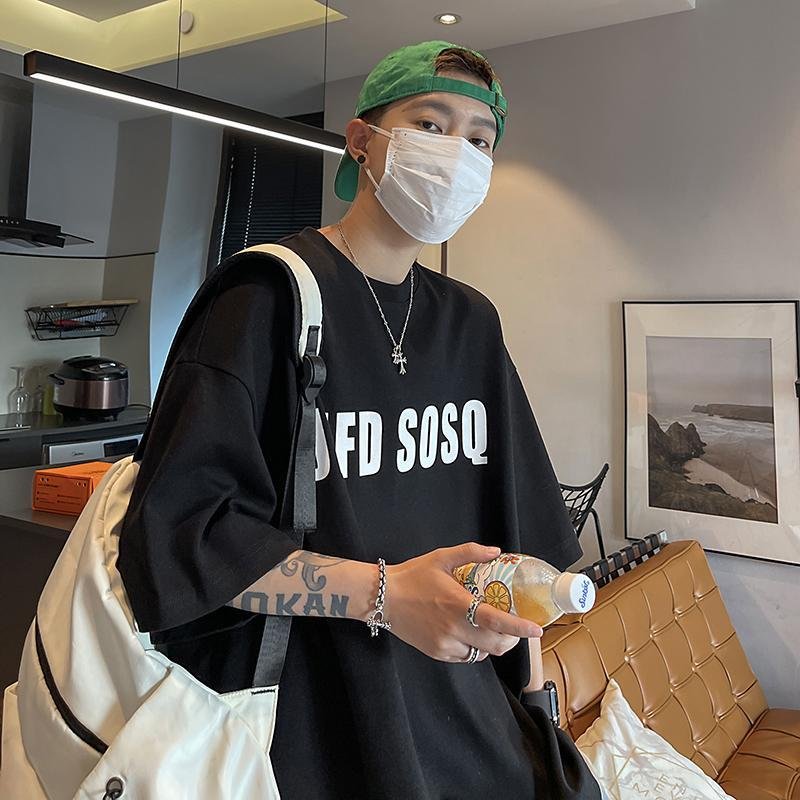
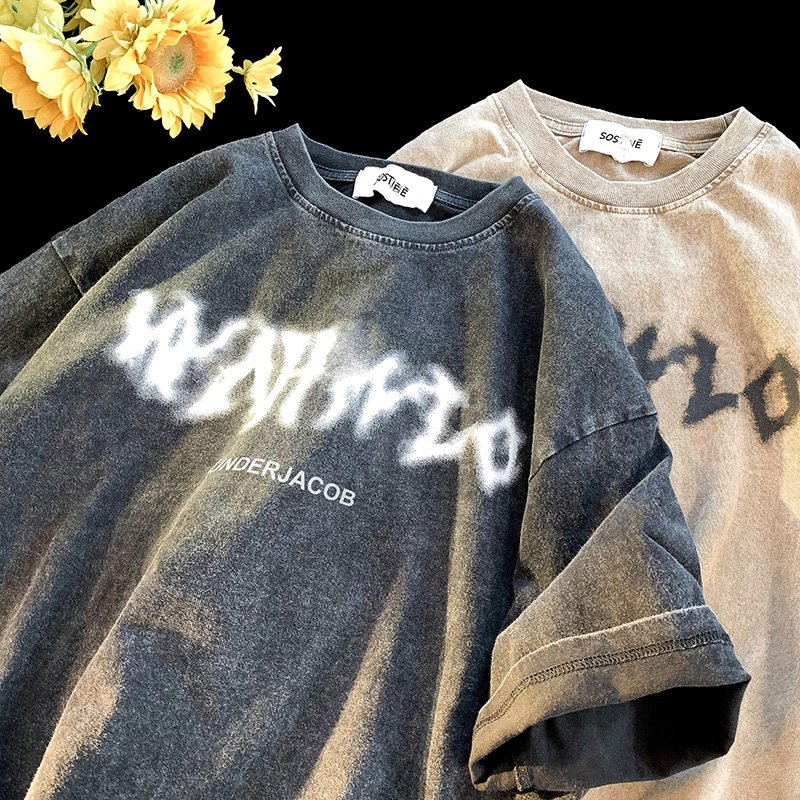
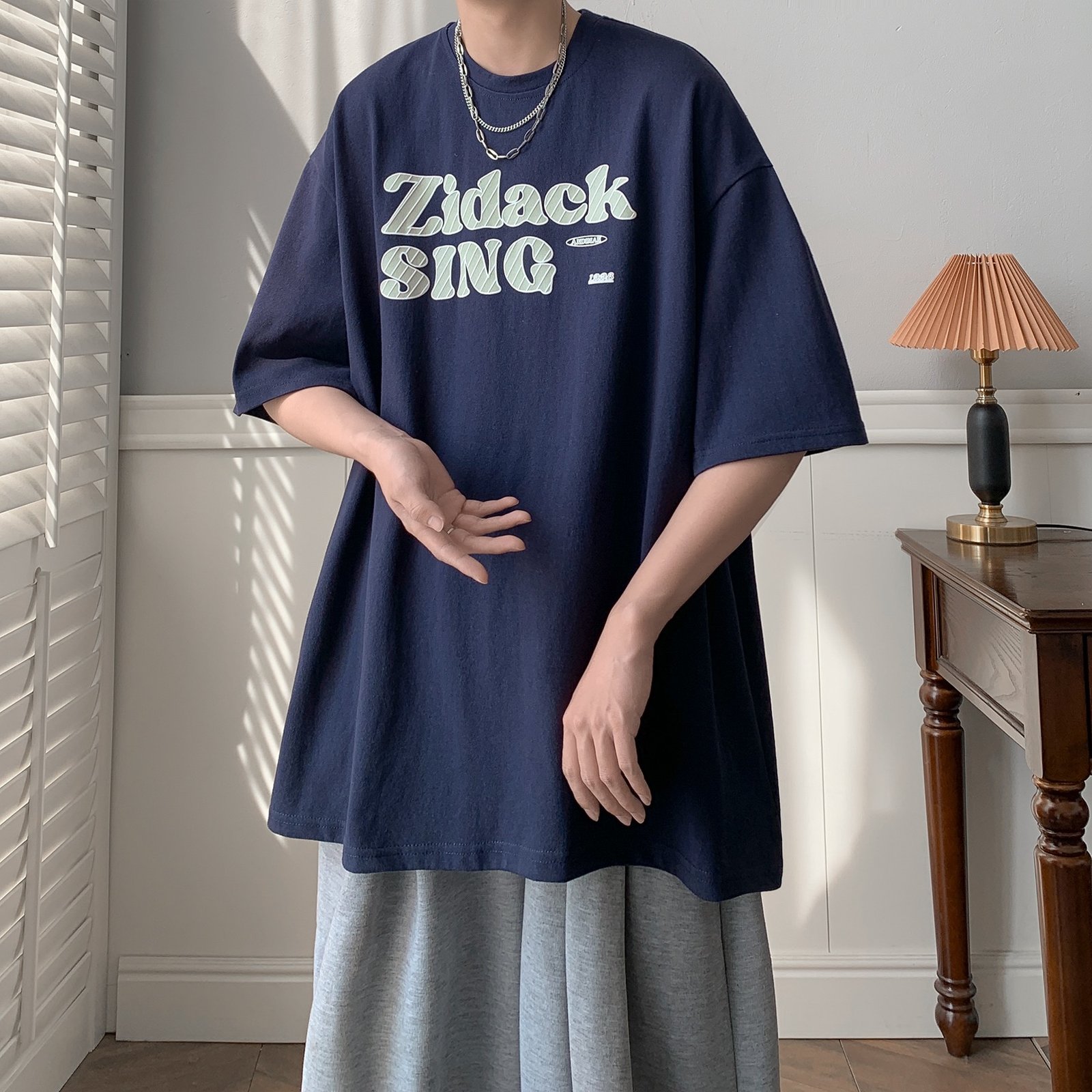
Premium Plus Size Streetwear Collections
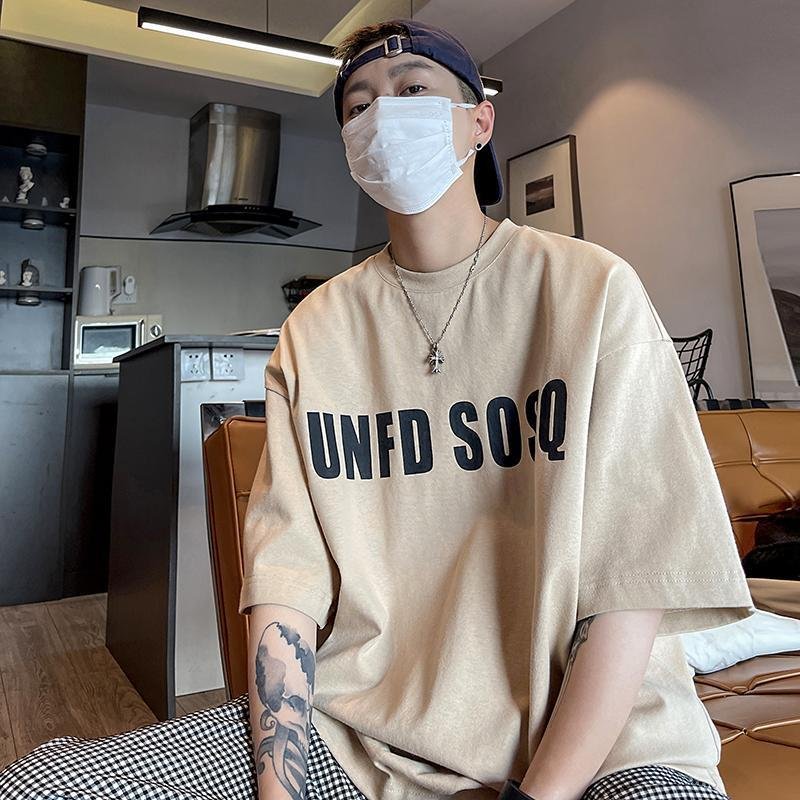
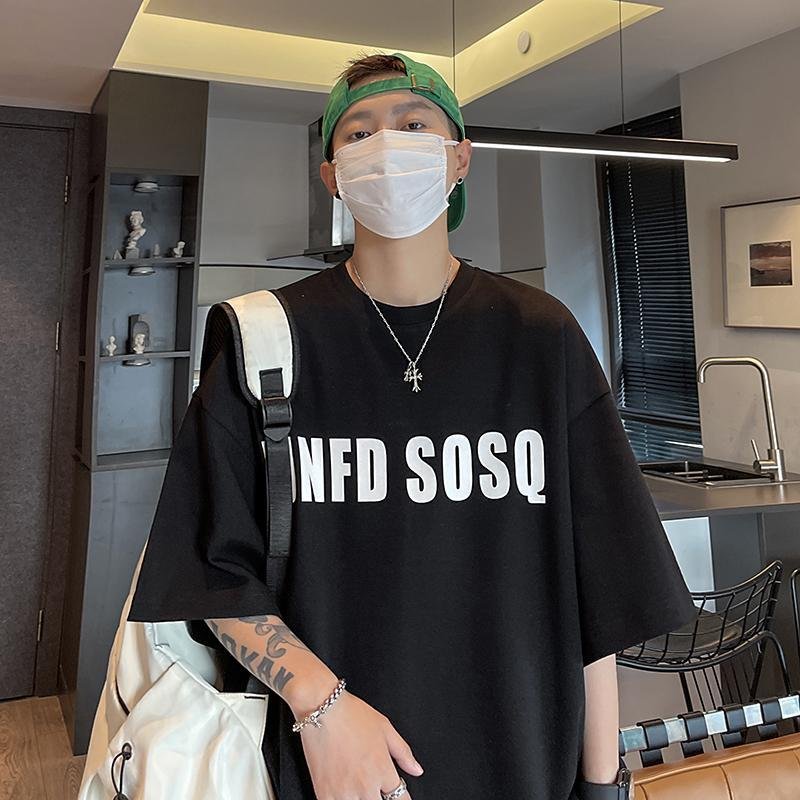
Why Brands Choose Our Plus Size Streetwear Manufacturer
5-Step QC Guarantee
Every garment passes rigorous quality checks at materials, cutting, craft, sewing, and finished product stages before shipping to you.
50-Piece Low MOQ
Launch your plus size streetwear line without massive inventory risk. Perfect for startups, influencer brands, and test collections.
7-Day Sampling Turnaround
Our in-house design and sampling team delivers production-ready samples in one week to keep your seasonal launches on schedule.
Streetwear Design Expertise
15-member R&D team fluent in skeleton, graffiti, oversized silhouettes, and all trend-driven elements that define authentic street culture.
Global Shipping Support
Seamless logistics to over 100 countries with transparent customs, tracking, and delivery coordination for every order size.
Plus Size Fit Mastery
Specialized pattern grading and construction techniques ensure comfort, drape, and streetwear aesthetics across all extended size ranges.
Plus Size Streetwear Manufacturer: Categories We Specialize In
From oversized hoodies to cargo pants, we produce trend-driven plus size streetwear with precise grading, premium fabrics, and our 5-step QC guarantee for every garment category.
Plus Size Oversized Hoodies
Oversized streetwear hoodies in plus sizes often suffer from poor proportions, awkward sleeve lengths, and fabric that loses shape after washing, disappointing customers who expect premium quality.
Our pattern team engineers balanced oversized silhouettes with reinforced stitching and pre-shrunk fleece. Every hoodie passes cutting QC and sewing QC testing to ensure consistent fit across all plus sizes.
Plus Size Graphic Tees
Graphic placement on plus size tees frequently distorts or cracks because standard print techniques don't account for larger body contours and fabric stretch, ruining the streetwear aesthetic.
We use stretch-compatible printing methods and adjust graphic scaling for each size grade. Our materials QC and finished clothing inspection catch print defects before shipping, delivering bold, lasting designs.
Plus Size Cargo Pants
Plus size cargo pants often feature flimsy pocket construction, inadequate rise measurements, and cheap hardware that breaks under real-world wear, frustrating streetwear enthusiasts seeking functional style.
Our R&D team develops reinforced pocket structures with industrial-grade zippers and snaps. Clothing craft QC testing verifies every stitch point and hardware attachment for durability across extended size ranges.
Plus Size Streetwear Jackets
Streetwear jackets in plus sizes commonly have restrictive armholes, unbalanced hem lengths, and lining that bunches or tears, limiting movement and reducing the garment's lifespan for active wearers.
We draft custom patterns with ergonomic armhole curves and mobility gussets. Our five-step quality control process includes dedicated lining inspections and fit testing to ensure comfort and long-term performance.
Plus Size Sweatpants & Joggers
Plus size sweatpants frequently feature elastic waistbands that roll or dig in, inseams that twist during wear, and cuffs that lose elasticity quickly, compromising both comfort and streetwear style.
We source premium elastic with retention testing and use flat-lock seams to prevent twisting. Sewing production QC testing checks every waistband and cuff before final inspection, guaranteeing lasting fit.
Premium Fabrics for Plus Size Streetwear Manufacturer Production
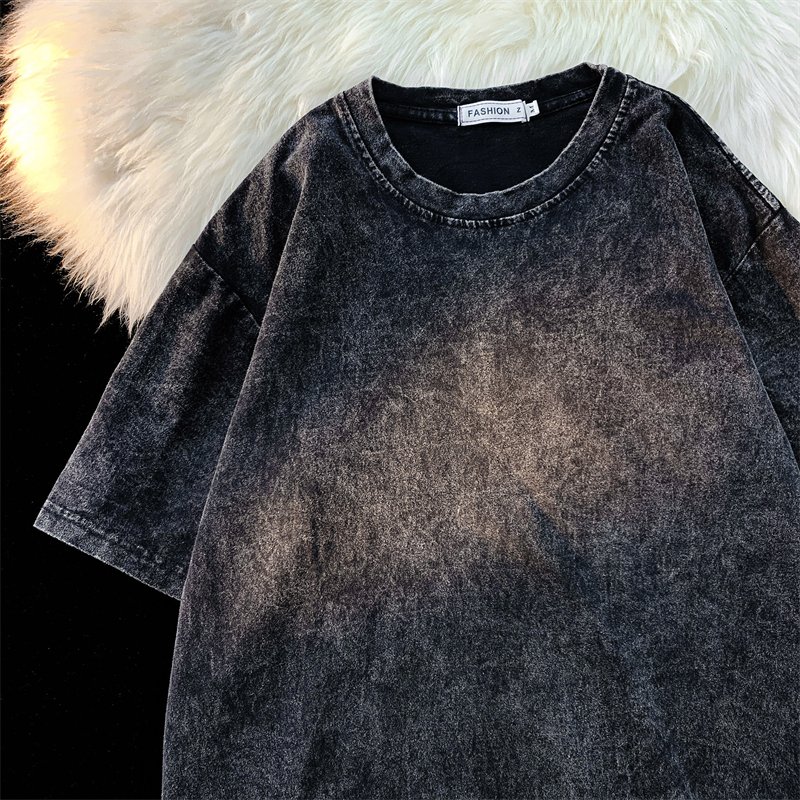
Heavyweight Cotton
Dense, substantial hand-feel with 280-320 GSM weight. Perfect for oversized hoodies and statement tees that hold their shape wash after wash. Exceptional printability for bold graphics and street art designs that define plus size streetwear.
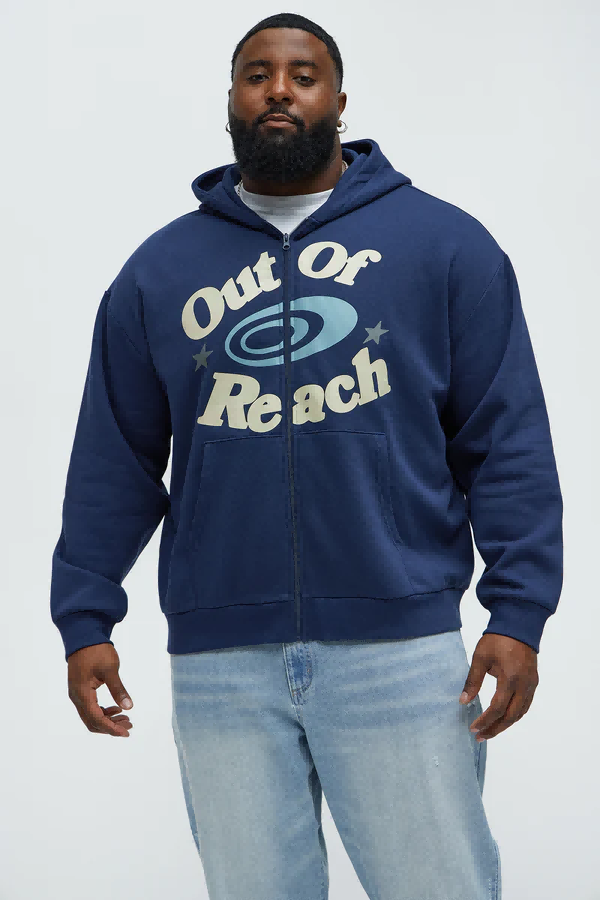
French Terry
Soft looped interior with smooth face, 240-280 GSM. Ideal for joggers, sweatshirts, and layering pieces offering breathability and stretch. Provides structured drape that flatters plus size silhouettes while maintaining streetwear’s relaxed aesthetic.
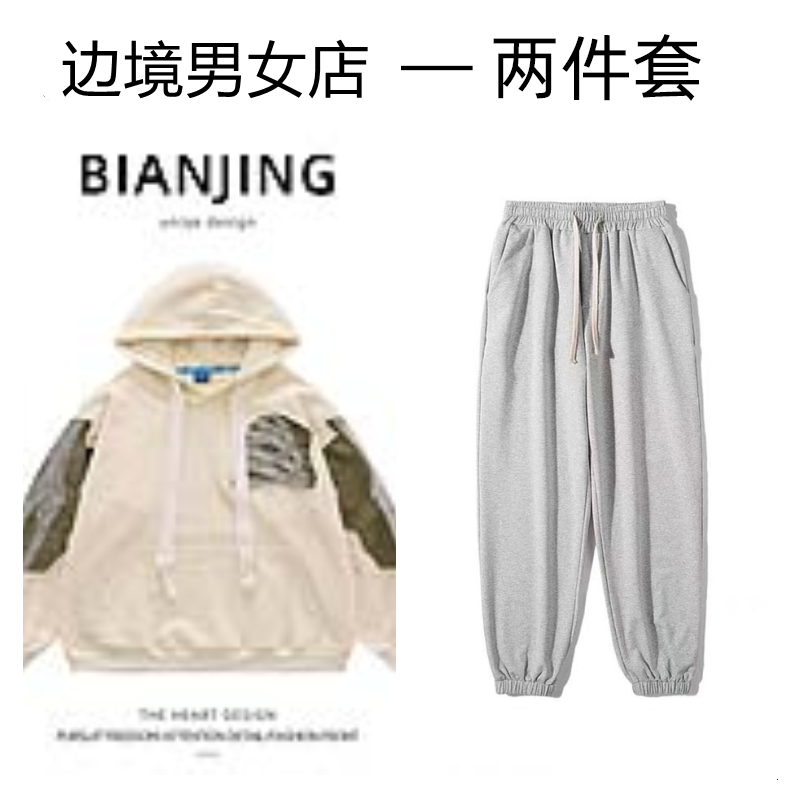
Brushed Fleece
Ultra-soft brushed interior, 300-340 GSM for premium warmth. The go-to for luxury hoodies and cold-weather streetwear that feels as good as it looks. Superior durability prevents pilling and maintains plushness through repeated wear.
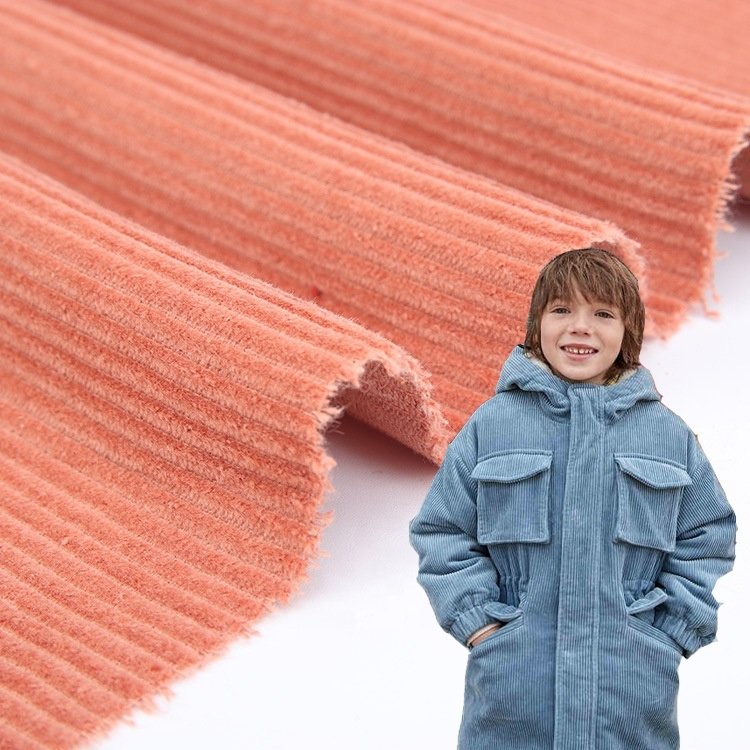
Organic Cotton Blend
Sustainable 95% organic cotton with 5% elastane for recovery, 220-260 GSM. Combines eco-conscious production with gentle stretch for all-day comfort. Perfect for brands targeting conscious consumers without sacrificing streetwear edge.
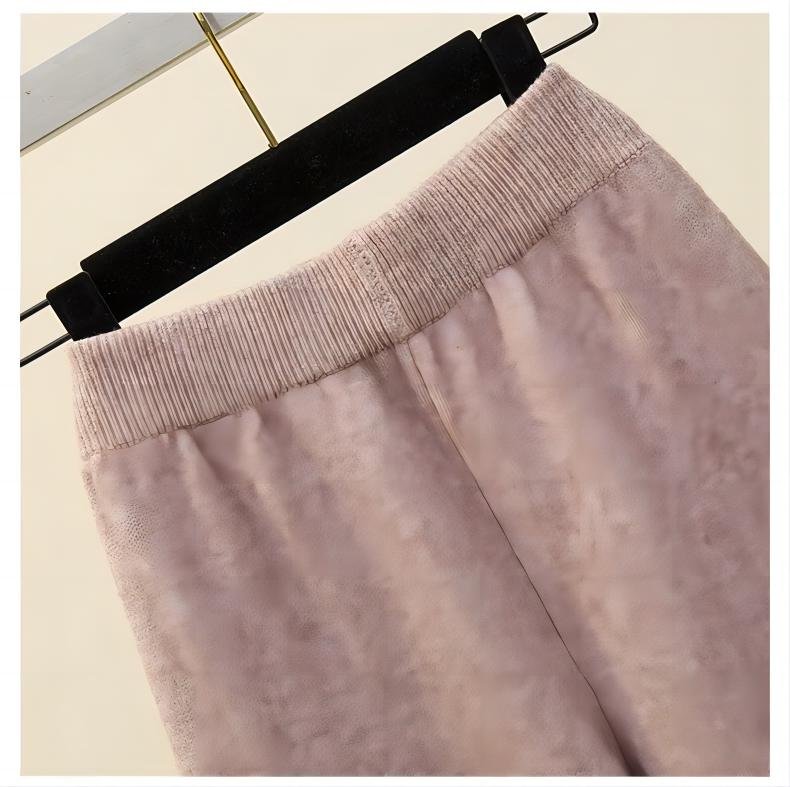
Performance Polyester
Moisture-wicking technical fabric, 180-220 GSM with four-way stretch. Engineered for activewear-inspired streetwear, athleisure lines, and performance pieces. Lightweight yet durable construction ensures shape retention and vibrant color fastness.
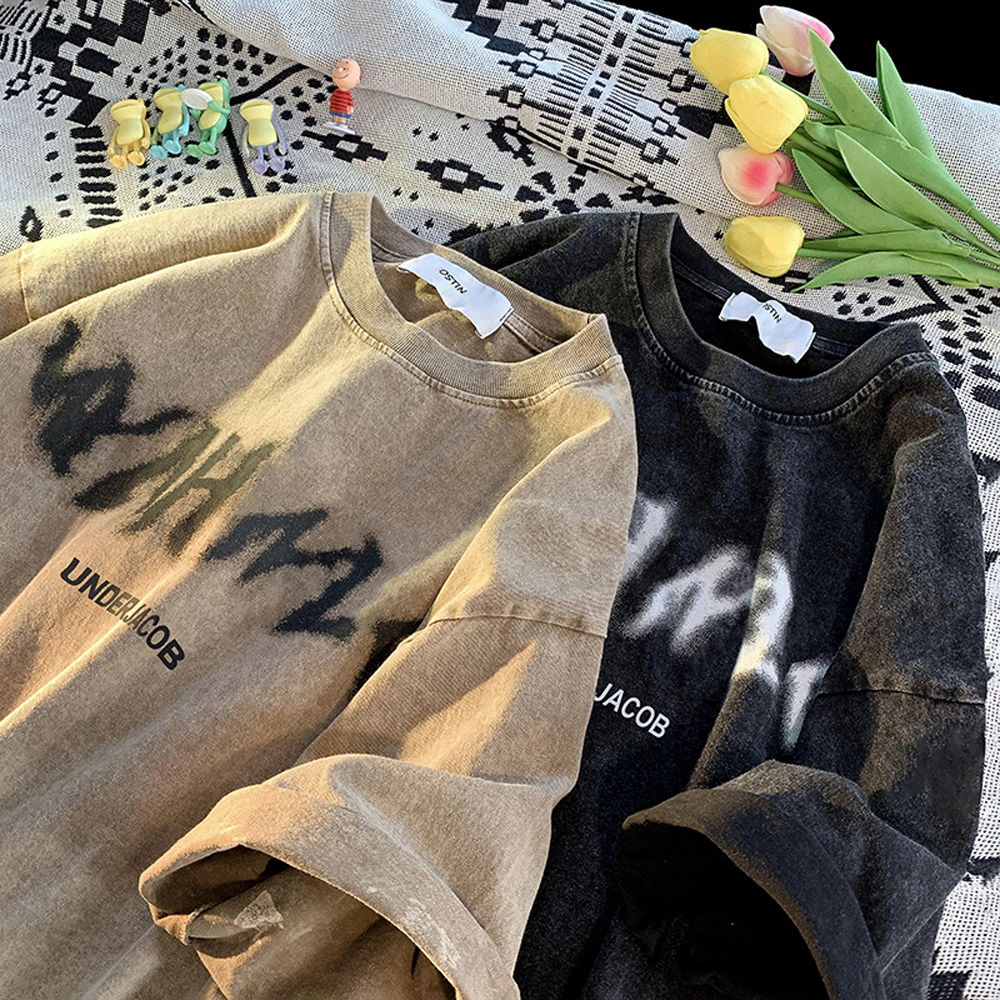
Washed Denim
Pre-washed 12-14 oz denim with vintage hand-feel and controlled shrinkage. Essential for streetwear jackets, oversized shirts, and statement denim pieces. Heavy-duty construction withstands distressing treatments and maintains authentic street style character.
Advanced Production Processes for Plus Size Streetwear Quality

Screen Printing
High-opacity ink layering perfect for bold streetwear graphics, logos, and text across plus size garments. Delivers vibrant, durable prints that maintain color intensity through repeated washing and wear, ideal for oversized tees and hoodies.
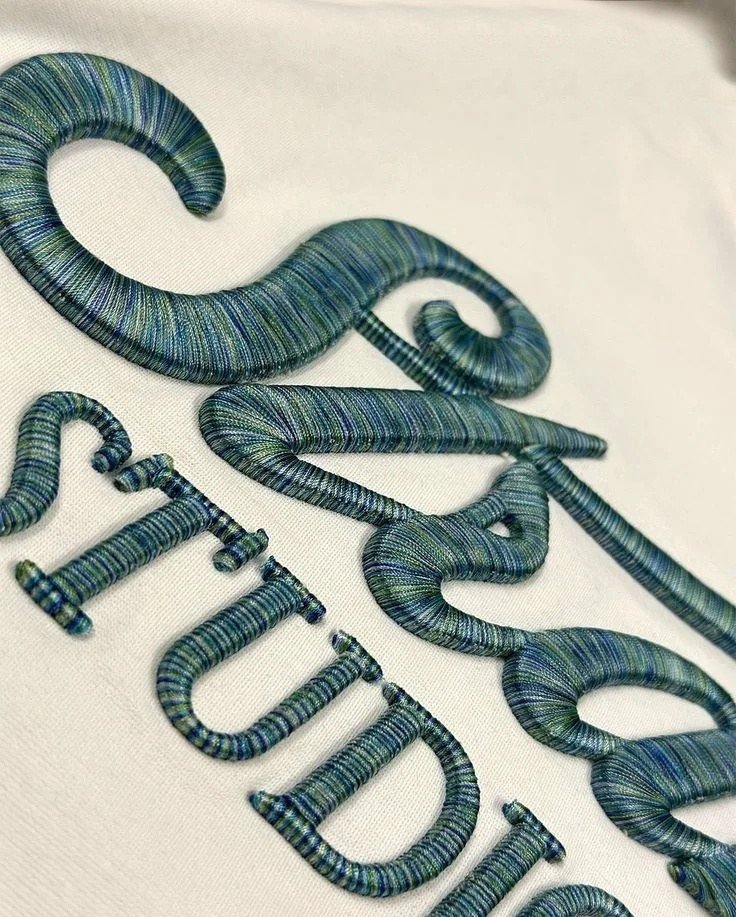
Custom Embroidery
Premium thread work for logos, patches, and intricate streetwear motifs that add dimension and luxury. Our embroidery adapts seamlessly to plus size pattern grading, ensuring consistent stitch density and placement across all size runs.
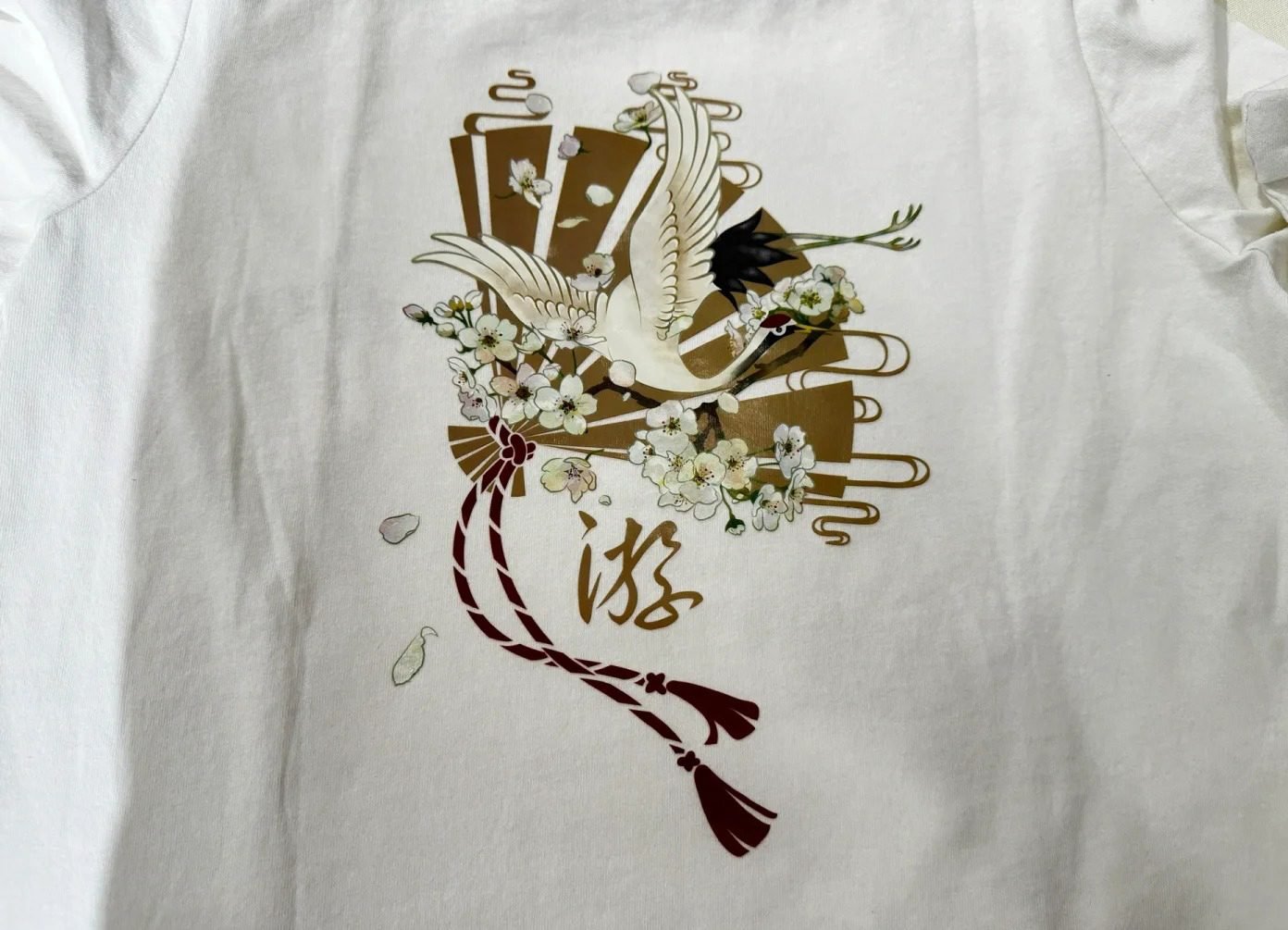
Sublimation Printing
Full-color, all-over prints embedded directly into fabric fibers for breathable, fade-resistant designs. Ideal for complex streetwear patterns, graffiti-inspired graphics, and seamless repeats on plus size activewear and performance streetwear pieces.
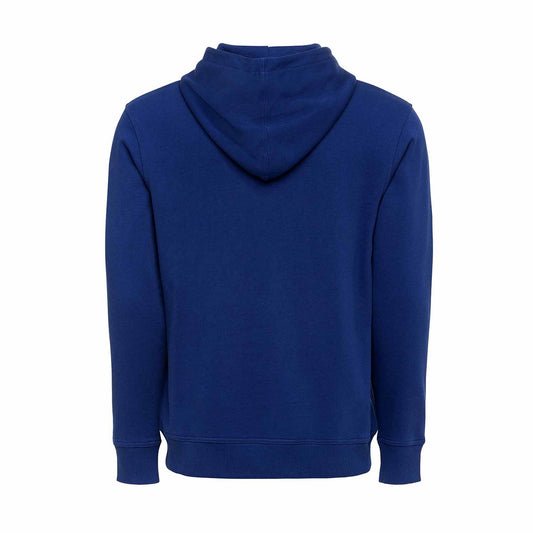
Heat Transfer
Versatile application method for detailed graphics, metallic finishes, and specialty effects on diverse fabric types. Perfect for small-batch plus size runs and limited-edition streetwear drops requiring intricate, photo-quality imagery.
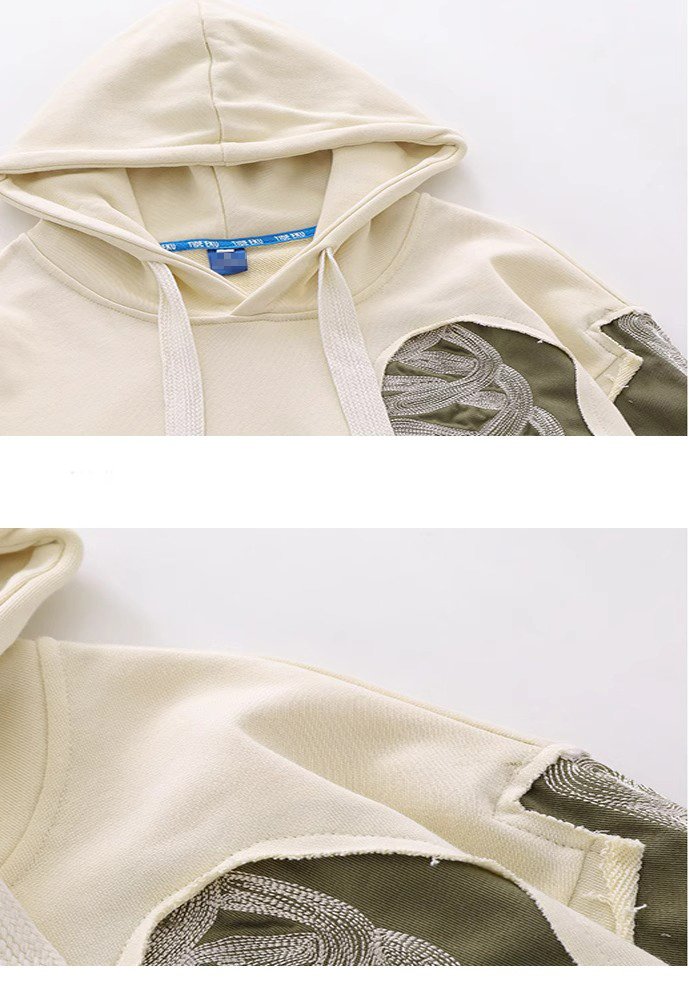
Custom Garment Dyeing
Trend-driven color development including tie-dye, ombré, acid wash, and vintage effects that define modern streetwear aesthetics. Our dyeing process accounts for plus size fabric volumes, ensuring uniform saturation and consistent colorways.
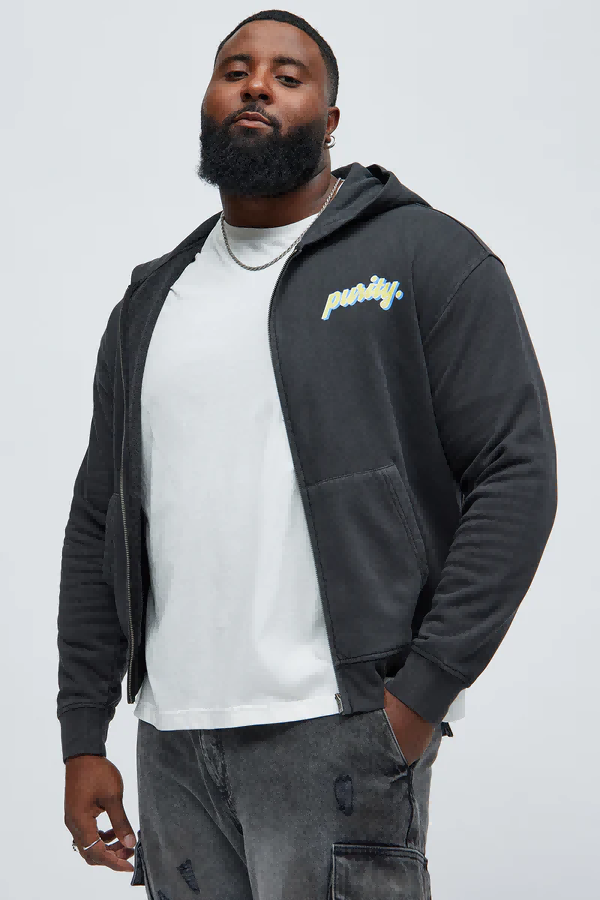
Oversized Pattern Grading
Specialized technical grading that maintains streetwear’s intentional proportions—drop shoulders, extended lengths, relaxed fits—across the full plus size spectrum. Ensures authentic streetwear silhouettes without compromising fit or drape at any size.
Premium Accessories & Trims for Plus Size Streetwear Manufacturer Projects
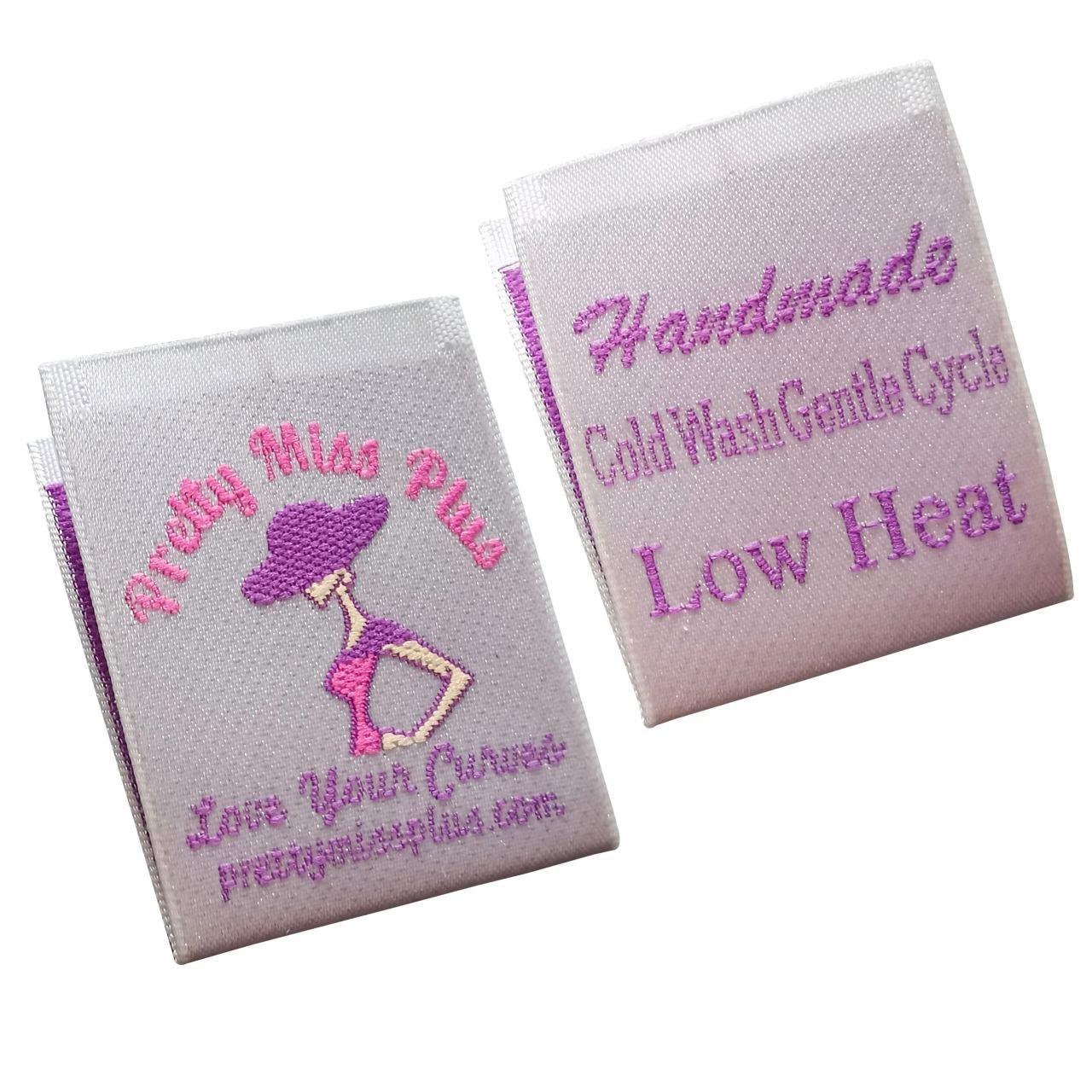
Woven Labels
Custom woven brand labels in satin, damask, or taffeta finishes for neck, side seam, or hem placement. Essential for building brand recognition and perceived value in plus size streetwear lines targeting fashion-conscious consumers.
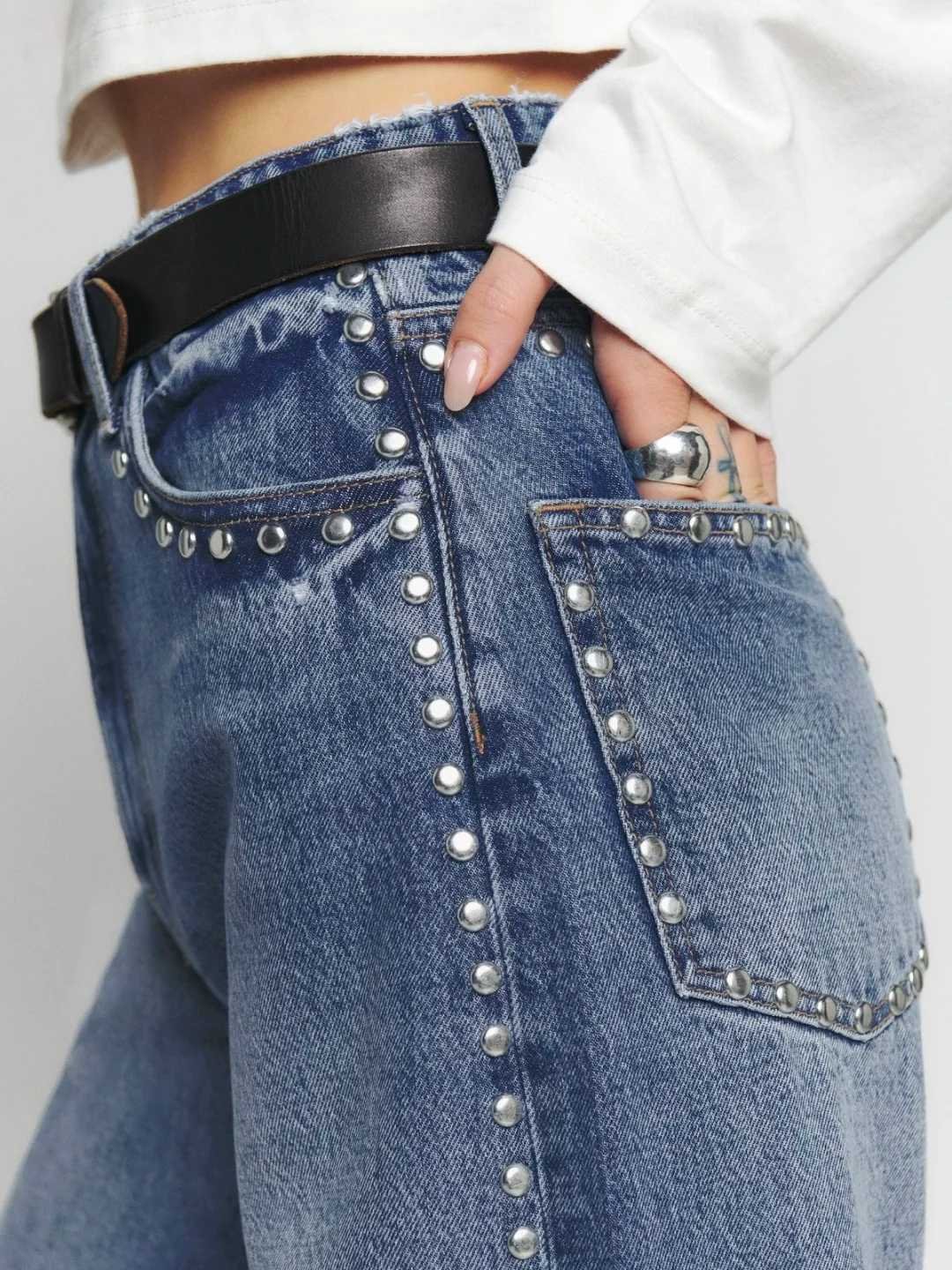
Metal Eyelets
Heavy-duty brass or gunmetal eyelets for hoodies, jackets, and cargo pants. Reinforced construction ensures durability under stress in extended size ranges while adding authentic streetwear aesthetic and functional ventilation details.
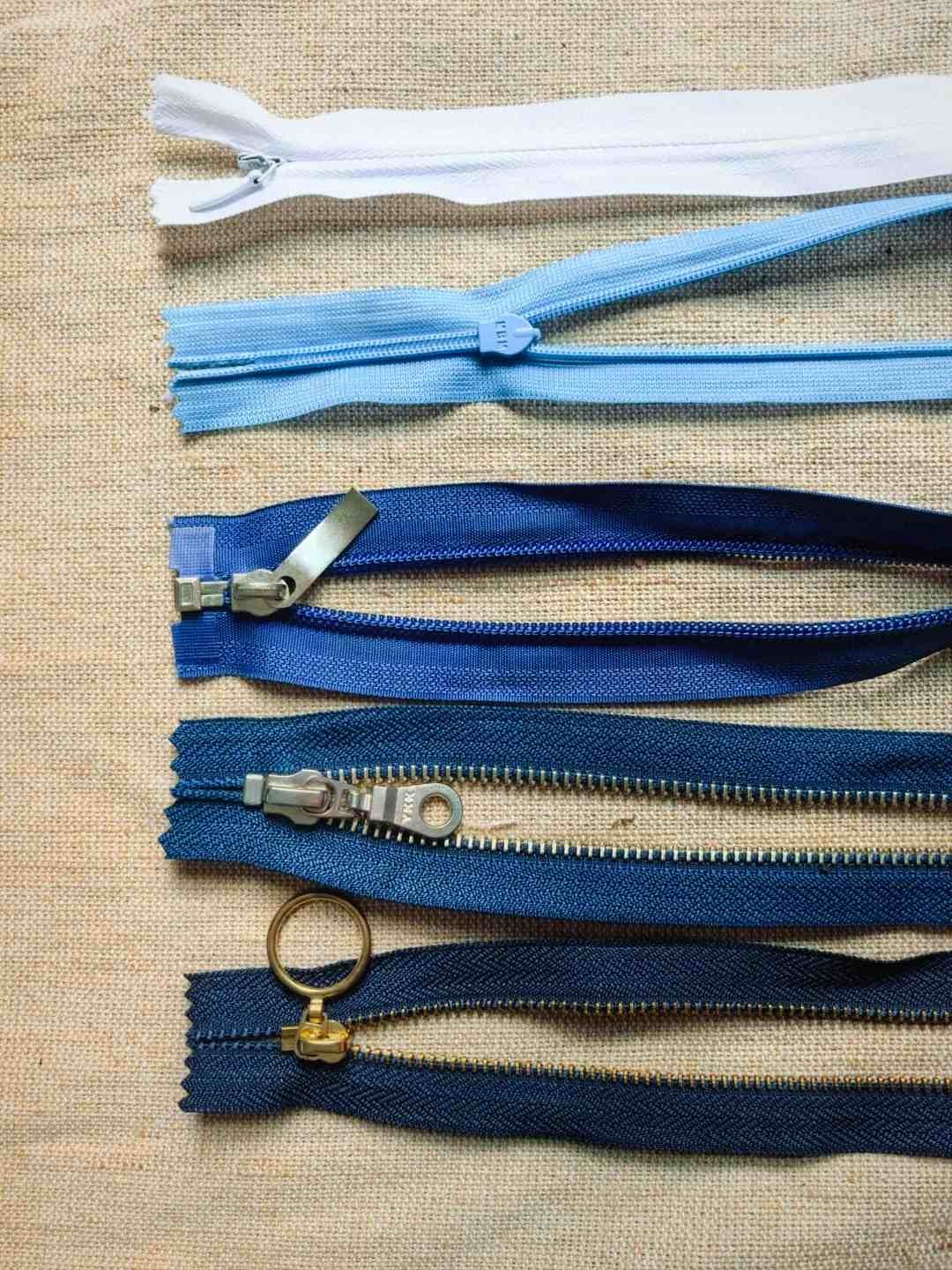
Custom Zippers
YKK and premium zipper options in custom colors, metal finishes, and oversized pulls. Critical for plus size garments requiring smooth operation, long-term durability, and on-brand hardware that complements bold streetwear designs.
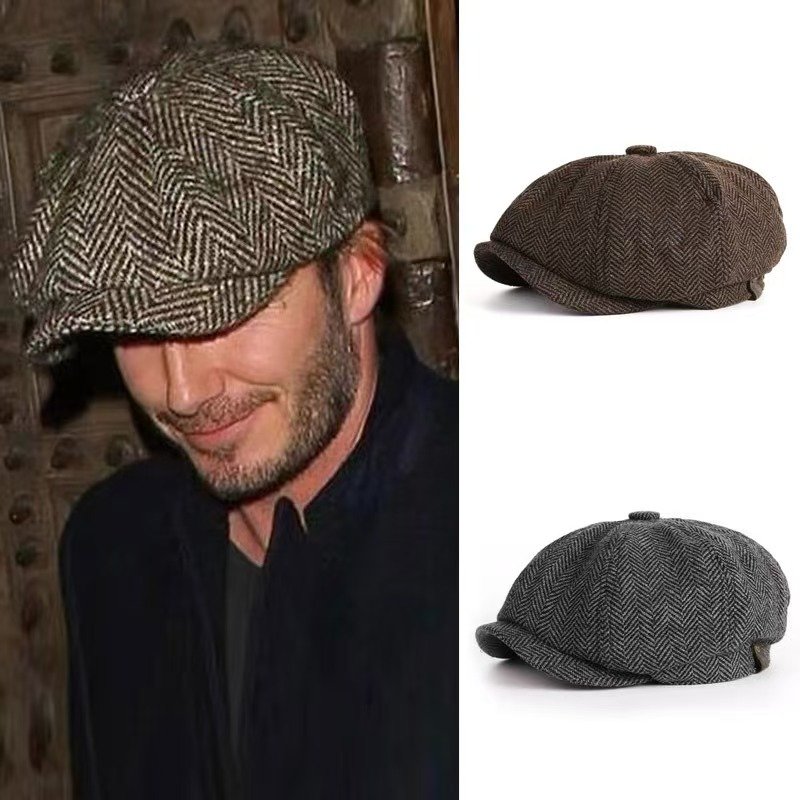
Drawcords & Tipping
Round, flat, or rope-style drawcords with metal or plastic aglets in custom Pantone colors. Adjustable fit features are especially valued in plus size streetwear for waistbands, hoods, and hems that accommodate diverse body types.

Snap Buttons
Durable metal snap closures in antique brass, matte black, or polished silver finishes. Ideal for plus size bomber jackets, overshirts, and cargo pockets where secure fastening and repeated use demand industrial-grade hardware.
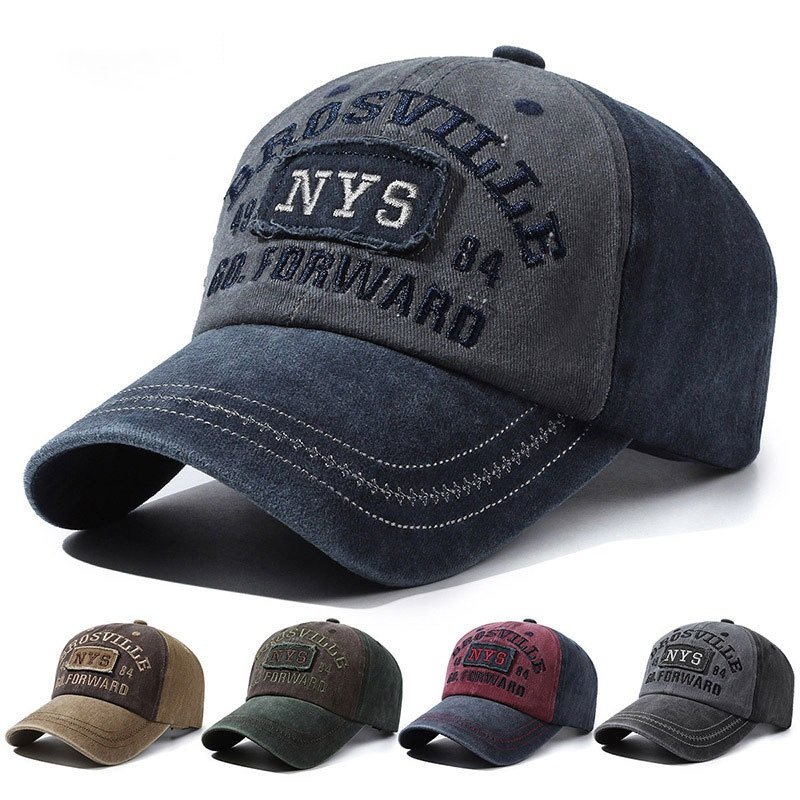
Rubber Patches
3D silicone and rubber logo patches with heat-seal or stitch-on backing. Weather-resistant branding solution popular in streetwear outerwear and activewear, offering bold visual impact and tactile dimension that elevates plus size collections.
Your Plus Size Streetwear Manufacturer Partner
Founded in 2024 by Tesla Luo, Clothing Manufacturer Ltd. brings over 10 years of apparel production expertise and 6 years of specialized streetwear experience to every order. After serving 200+ brands across 100+ countries and witnessing too many manufacturers skip quality checks, Tesla built a company on one mission: eliminate low-quality clothing through rigorous testing at every production stage.
As a dedicated plus size streetwear manufacturer, we combine trend-driven design knowledge with a proprietary 5-step QC process that tests materials, cutting, craftsmanship, sewing, and finished garments before shipping. Our 15-member R&D team and 10 production patents ensure your plus size collections meet the bold aesthetics and durability streetwear customers demand.
Whether you’re launching your first collection or scaling an established line, we offer low 50-piece MOQs, fast turnaround for seasonal drops, and transparent communication backed by a decade of manufacturing integrity. We partner with startups, influencer brands, and global retailers who refuse to compromise on quality.
Our 5-Step Quality Control Process for Plus Size Streetwear
Materials QC Testing Before Production
Every fabric roll and trim component is inspected before cutting begins. We verify weight, stretch recovery, colorfastness, and dimensional stability to ensure plus size streetwear garments maintain their shape and appearance through wear and washing.
- Fabric weight and hand-feel verification against approved samples
- Stretch and recovery testing for knits and performance fabrics
- Colorfastness testing to prevent bleeding and fading
- Pre-shrinkage testing to guarantee accurate sizing across all plus size ranges
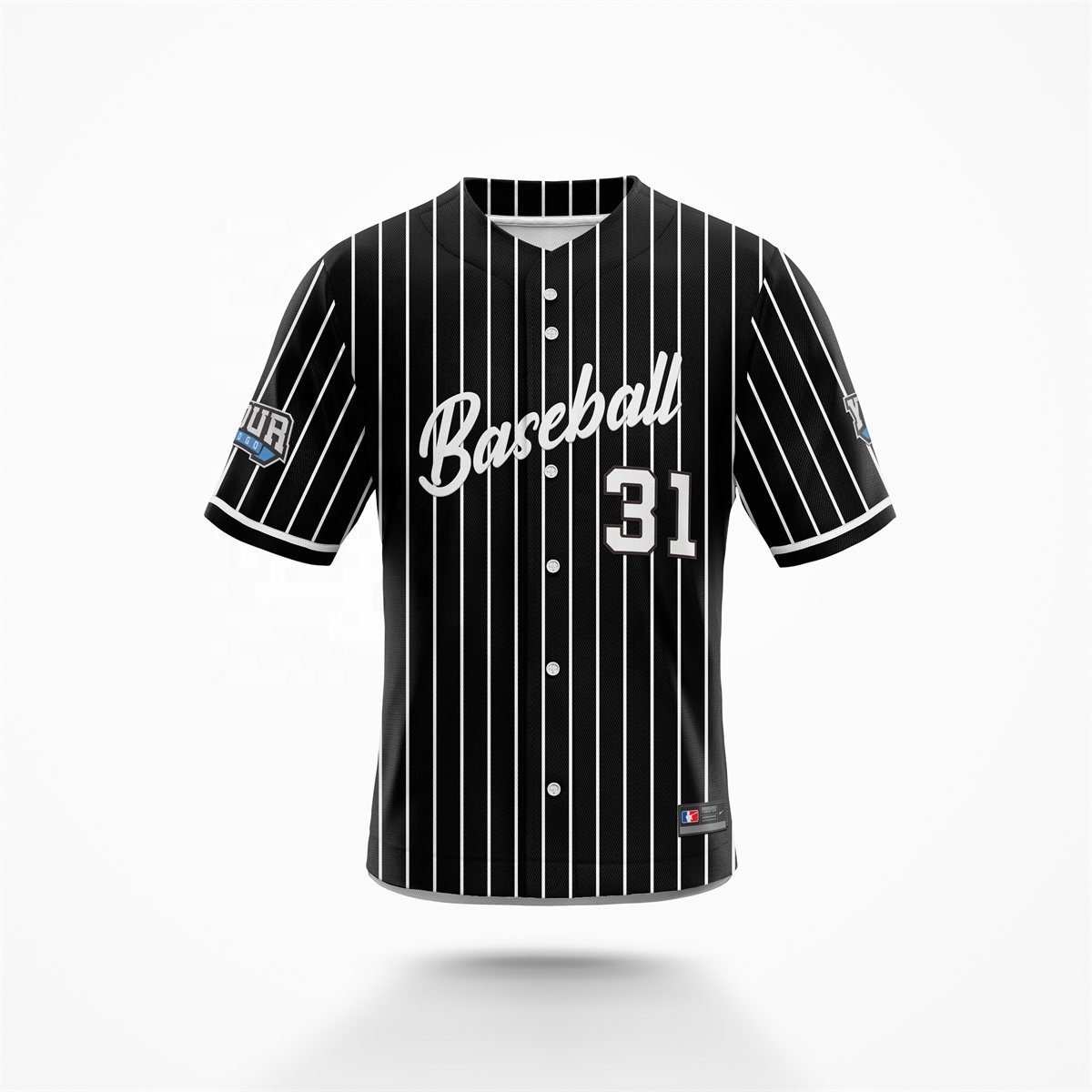
Cutting QC Testing for Precision
After pattern grading and marker making, our cutting team verifies every piece against technical specifications. This stage prevents size inconsistencies that plague plus size streetwear, ensuring pattern pieces align with your approved tech packs.
- Pattern piece measurement verification for all plus size grades
- Grain line and fabric direction checks for drape and appearance
- Notch and marking accuracy to ensure proper garment assembly
- Cut edge inspection to prevent fraying and construction issues
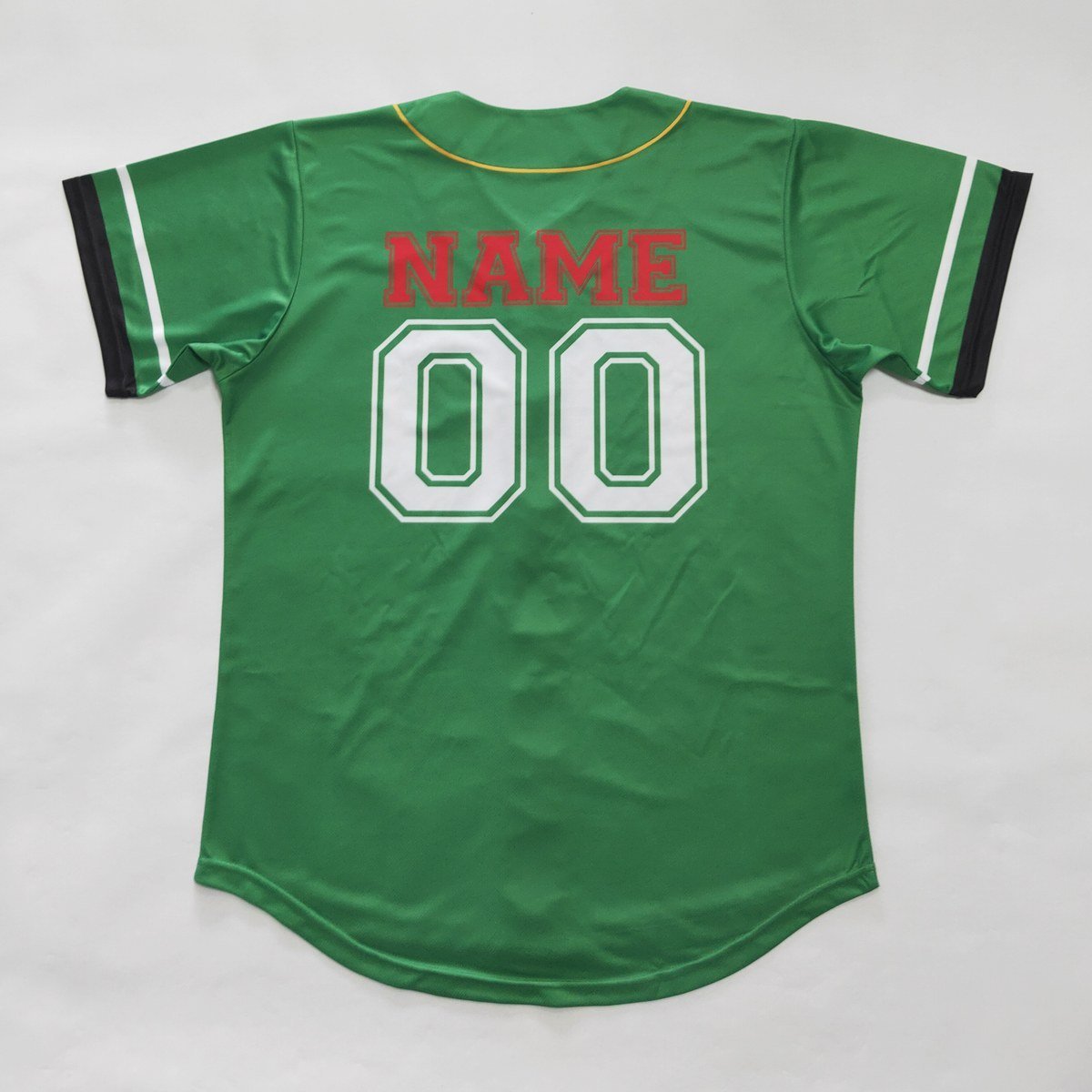
Clothing Craft and Sewing Production QC
During assembly, quality controllers monitor stitch density, seam strength, and construction techniques at critical checkpoints. This dual-stage approach catches errors during production rather than after completion, protecting your brand reputation.
- Stitch-per-inch verification for seam strength and durability
- Seam allowance consistency checks across all garment sections
- Construction technique validation for collars, cuffs, and waistbands
- In-line defect correction to maintain production flow and quality
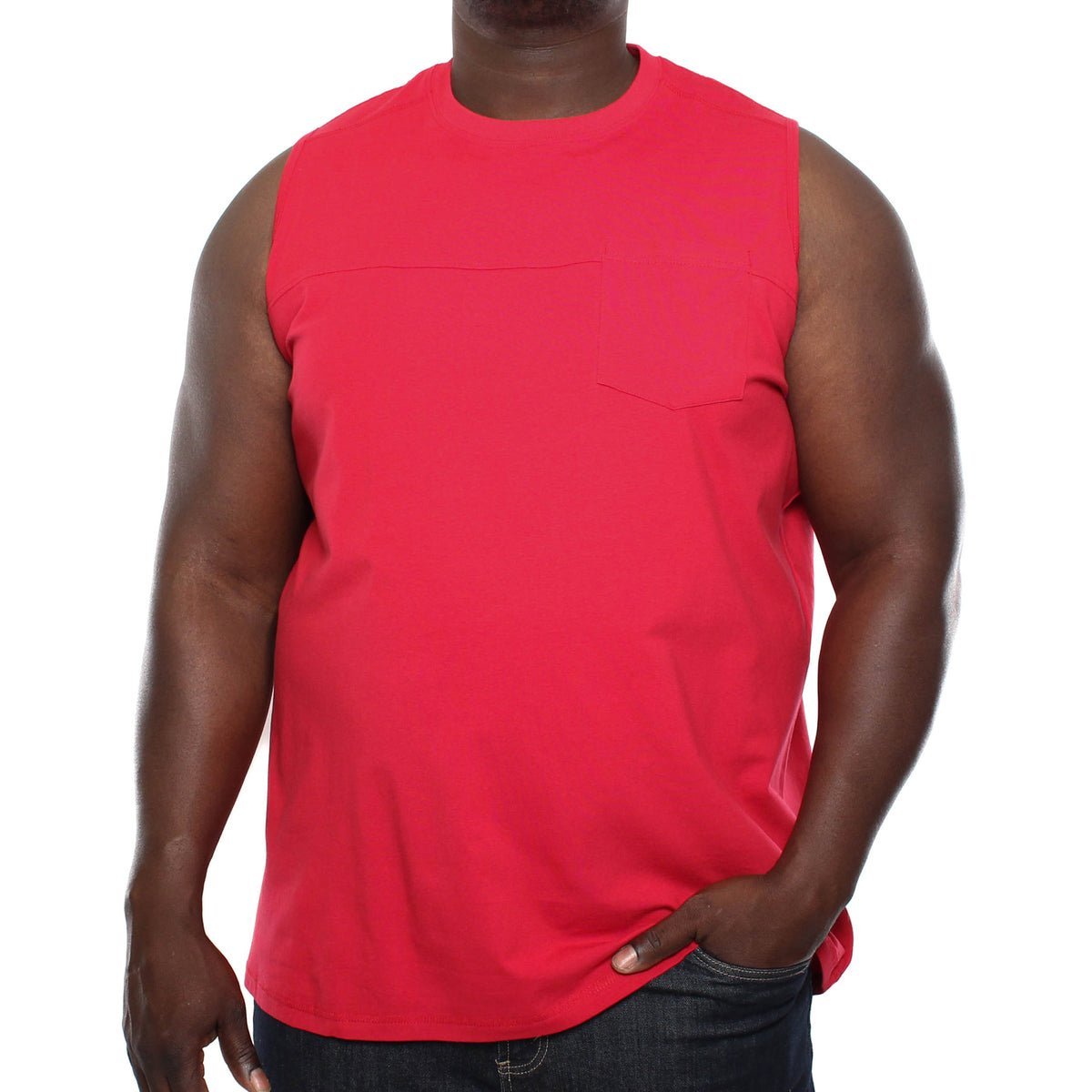
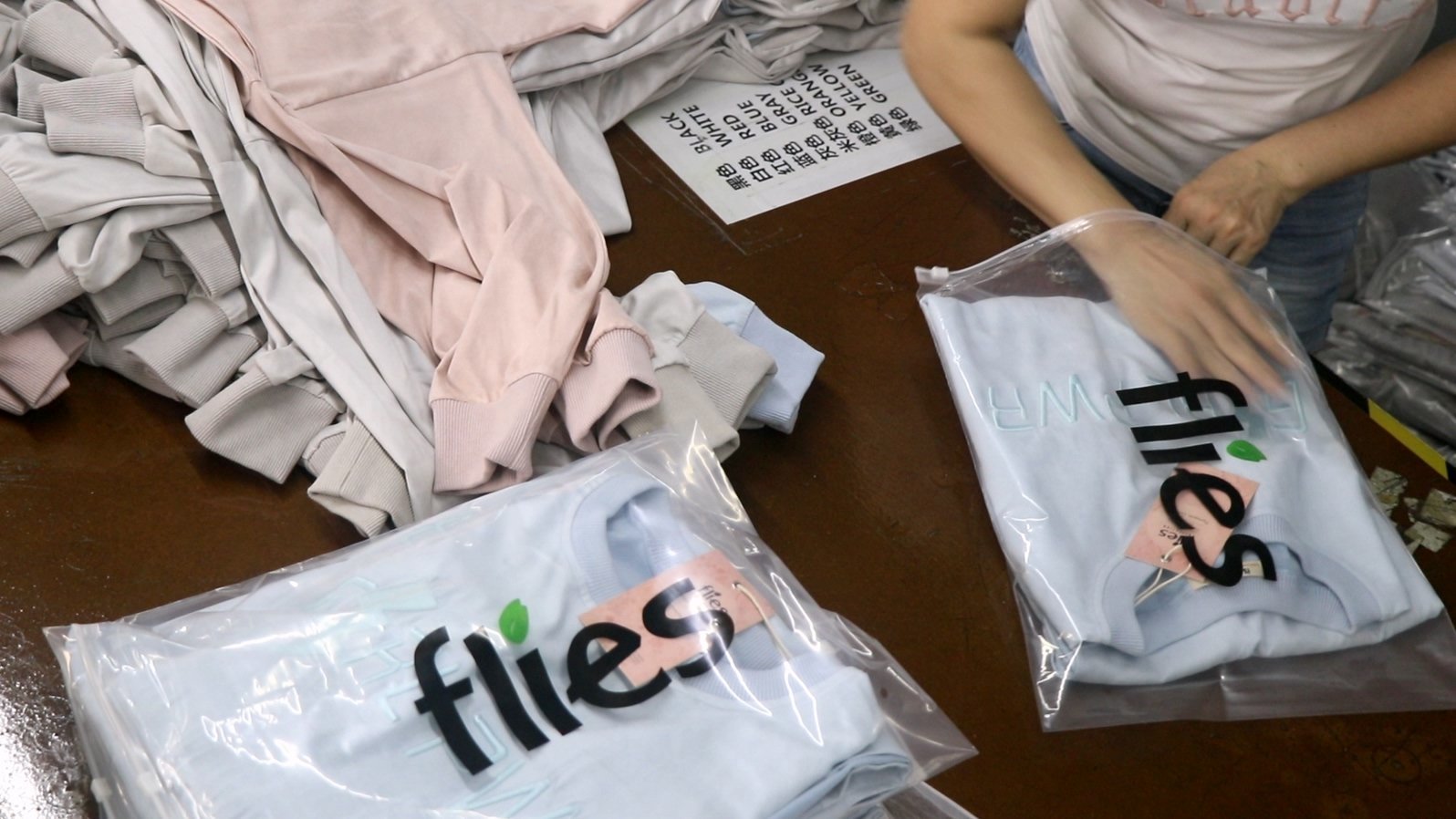
Finished Clothing Quality Inspection
Every completed garment undergoes comprehensive final inspection covering measurements, appearance, functionality, and packaging. This final gate ensures only garments meeting international standards reach your customers, protecting your brand and reducing returns.
- Full measurement audit against approved size specifications
- Visual inspection for stains, pulls, loose threads, and finish quality
- Functional testing of zippers, buttons, drawstrings, and closures
- Packaging verification including hangtags, labels, and folding standards
Plus Size Streetwear Manufacturer vs. Standard Factories
We built our process around what plus size streetwear brands actually need: rigorous quality control at every stage, cultural fluency in street design, flexible minimums, and fast turnaround. See how we compare to typical suppliers.
← 左右滑动查看 →
Plus Size Streetwear Manufacturer Production Timeline
Every order flows through our proven 6-phase workflow with built-in QC checkpoints at materials, cutting, sewing, and finishing—ensuring your plus size streetwear arrives on time and on spec for every seasonal drop.
Tech Pack & Material Sourcing
We review your tech pack, confirm sizing specs, and source premium streetwear fabrics. Materials QC testing verifies weight, stretch, and color before production begins.
Pattern Grading & Cutting QC
Patterns are graded for plus sizes, then cut with precision machinery. Cutting QC testing checks every panel for accuracy and fabric integrity before assembly.
Printing, Embroidery & Craft QC
Graphics, embroidery, and custom details are applied using advanced streetwear techniques. Clothing craft QC testing ensures artwork placement, color match, and durability meet brand standards.
Sewing Production & In-Line QC
Garments move through our sewing lines with real-time quality checks. Sewing production QC testing catches stitching defects, fit issues, and construction flaws before finishing.
Final Inspection & Finishing
Completed pieces undergo finished clothing quality QC inspection, checking measurements, labeling, and appearance. Items are ironed, folded, and prepared for packing.
Packaging & Global Logistics
Orders are packed to your brand’s specifications and handed to our logistics partners. We coordinate customs, tracking, and delivery to meet your launch deadlines worldwide.
How Our Plus Size Streetwear Manufacturer Partnership Works
From initial tech pack submission to final shipment, we’ve streamlined every step so emerging brands and established labels can launch plus size streetwear collections with confidence, speed, and zero quality compromises.
Submit Tech Pack & Grading
Send us your design specifications, size grading requirements, and fabric preferences. Our team reviews your tech pack within 24 hours and confirms feasibility for plus size production.
Receive Quote & Free Sample
We provide a detailed quotation with pricing, MOQ options starting at 50 pieces, and production timelines. Approve the quote to receive your complimentary pre-production sample for fit testing.
Approve Sample & Launch Production
Once you confirm the sample meets your standards, place your bulk order. Production begins immediately with our 5-step QC process integrated at every stage until shipping.
Certifications & Quality Standards From Your Plus Size Streetwear Manufacturer
What Streetwear Brands Say About Our Plus Size Streetwear Manufacturer
We launched our plus size line with zero experience. Their fit grading was flawless and we grew from 0 to 47,000 followers in 8 months thanks to consistent quality and happy customers who finally found streetwear that fits.
Sampling time dropped by 65% compared to our old factory. Their in-house team nailed our oversized hoodies and cargo pants on the first try, and the 5-step QC means we never worry about defects reaching customers.
As an influencer brand, fit consistency across sizes 2X to 5X was make-or-break for us. They delivered perfect grading every drop, and our return rate fell from 18% to under 3% since switching manufacturers.
FAQ — Plus Size Streetwear Manufacturing Questions
What is the minimum order quantity (MOQ) for a plus size streetwear manufacturer?
How long does sampling take with your plus size streetwear manufacturer?
Do you offer free samples as a plus size streetwear manufacturer?
What payment terms do you accept?
How do you handle plus size grading and fit?
Can you protect our intellectual property and designs?
What is your production turnaround time?
Do you have experience with influencer and creator streetwear brands?
What makes your 5-step quality control different?
The Complete Buyer’s Guide to Choosing a Plus Size Streetwear Manufacturer
This comprehensive guide walks you through the essential criteria for selecting a plus size streetwear manufacturer, including fabric choices, quality benchmarks, customization options, and the most common sourcing mistakes to avoid when launching your inclusive streetwear brand.
1. What Is a Plus Size Streetwear Manufacturer?
A plus size streetwear manufacturer specializes in producing trend-driven apparel in extended sizing, typically ranging from 1X to 6X or numerical sizes 14 and above, with expertise in pattern grading and fit engineering for curvier body types. Unlike standard streetwear producers who often scale existing patterns proportionally — a method that distorts armholes, necklines, and torso balance — dedicated plus size manufacturers adjust each pattern piece independently to accommodate fuller busts, wider hips, and varying body proportions while preserving the oversized, graphic-heavy aesthetic that defines streetwear culture.
Pattern grading for plus size streetwear requires 15–20 percent more technical development time than straight-size grading because each size increment demands recalculated dart placement, sleeve pitch adjustments, and shoulder slope modifications to ensure garments drape correctly without pulling or gaping. Manufacturers experienced in this segment understand that plus size customers expect the same bold graphics, dropped shoulders, and relaxed silhouettes as straight-size offerings, but with reinforced seams at stress points, deeper armholes for mobility, and longer back rises to prevent ride-up.
For streetwear brands targeting inclusive markets, partnering with a dedicated plus size streetwear manufacturer eliminates costly fit samples and returns caused by poor grading. Clothing Manufacturer Ltd., founded in 2024 with over 10 years of production experience and a proprietary five-step quality control process, serves trendy brands and independent designers across more than 100 countries, applying rigorous QC testing at materials, cutting, craft, sewing, and finished-garment stages to ensure every extended-size piece meets the same standards as core-range products.
2. The Evolution of Plus Size Streetwear Manufacturing
Between 1980 and 2005, mainstream streetwear labels routinely capped sizing at XL or XXL, reflecting the youth-centric, slim-fit aesthetic rooted in skateboarding and hip-hop subcultures. Manufacturers during this period optimized grading systems and fabric yields for sizes S through XL, leaving plus-size consumers largely excluded from trend-driven casual apparel. Production infrastructure—pattern blocks, sample sizing, and cut-make-trim workflows—prioritized narrow size ranges to minimize fabric waste and simplify inventory.
The body positivity movement gained commercial traction after 2010, prompting legacy brands to test extended sizing between 2015 and 2018. Manufacturers responded by developing new grading algorithms that preserved streetwear silhouettes—oversized hoodies, drop-shoulder tees, tapered joggers—across size 2XL to 5XL without distorting proportions. This required investment in plus-size fit models, revised pattern libraries, and adjusted cutting tables to handle wider fabric lays and increased material consumption per garment.
By 2020, dedicated plus-size streetwear labels emerged, and the global plus-size apparel market reached approximately 178 billion USD, with streetwear representing a fast-growing segment driven by influencer culture and social media visibility. Manufacturers adapted by training pattern makers in inclusive grading, sourcing stretch French terry and heavyweight fleece in wider widths (typically 180–220 cm open-width), and recalibrating quality control checkpoints to account for stress points unique to larger sizes—armhole seams, waistband elastics, and shoulder joins.
Today, plus size streetwear manufacturing integrates five-step QC protocols and scalable MOQs as low as 50 pieces per colorway, enabling independent designers and influencer brands to launch inclusive collections without prohibitive minimums. The segment is projected to grow at a compound annual rate exceeding 4 percent through 2030, reflecting sustained consumer demand for size-inclusive, trend-forward apparel.
3. Types of Plus Size Streetwear Manufacturer Services
Plus size streetwear manufacturers offer distinct service models tailored to different business stages and capabilities. Understanding each model helps brands select the right partner and avoid mismatched expectations around cost, control, and minimum order quantities.
Full-Package Manufacturing
Full-package manufacturers handle every step from fabric sourcing and pattern development through cutting, sewing, finishing, and shipping. This turnkey approach suits fashion startups and independent designers who lack in-house technical teams or fabric supply chains.
MOQs typically start at 100–300 pieces per style, with per-unit costs 15–25% higher than CMT due to material procurement margins. Clothing Manufacturer Ltd. offers full-package service with a 50-piece MOQ and five-step quality control at every production stage, enabling smaller brands to launch collections without compromising quality standards.
Cut-Make-Trim (CMT) Services
CMT manufacturers execute production when clients supply their own fabrics, trims, and finished tech packs. This model gives established brands tighter cost control and fabric choice but requires supply-chain expertise.
MOQs range from 200–500 pieces per colorway, and per-unit labor costs run 30–40% below full-package pricing. Brands must coordinate fabric delivery timing, manage inventory risk, and ensure material specifications match factory capabilities.
Sampling and Tech Pack Execution
Sampling specialists produce pre-production samples, fit samples, and sales samples before committing to bulk orders. Tech pack execution services translate design files into production-ready garments.
Sampling costs range from $80–$250 per prototype depending on complexity and fabric. Independent designers and influencer brands use this model to validate fit and construction before scaling, minimizing financial risk while refining plus size grading and streetwear details like oversized silhouettes and graphic placements.
4. Essential Fabrics and Materials for Plus Size Streetwear
Fabric selection determines fit, comfort, and durability in plus size streetwear, where structure and stretch must balance across a broader size range. A plus size streetwear manufacturer sources materials that support garment integrity, ease of movement, and flattering drape without compromising streetwear aesthetics.
| Fabric Type | Weight (GSM) | Stretch % | Best Applications | Price Tier |
|---|---|---|---|---|
| Heavyweight Cotton Fleece | 300–400 | 0–5 % | Hoodies, sweatshirts, joggers | Mid |
| Stretch Denim | 10–14 oz/sq yd | 2–5 % | Jeans, cargo pants, jackets | Mid-High |
| Jersey Knits with Spandex | 180–220 | 5–10 % | T-shirts, long sleeves, bodysuits | Low-Mid |
| Technical Performance | 150–200 | 10–15 % | Track pants, windbreakers, activewear | Mid-High |
| Heavyweight Wovens | 250–350 | 0–2 % | Outerwear, cargo pants, utility vests | Mid |
Heavyweight Cotton Fleece
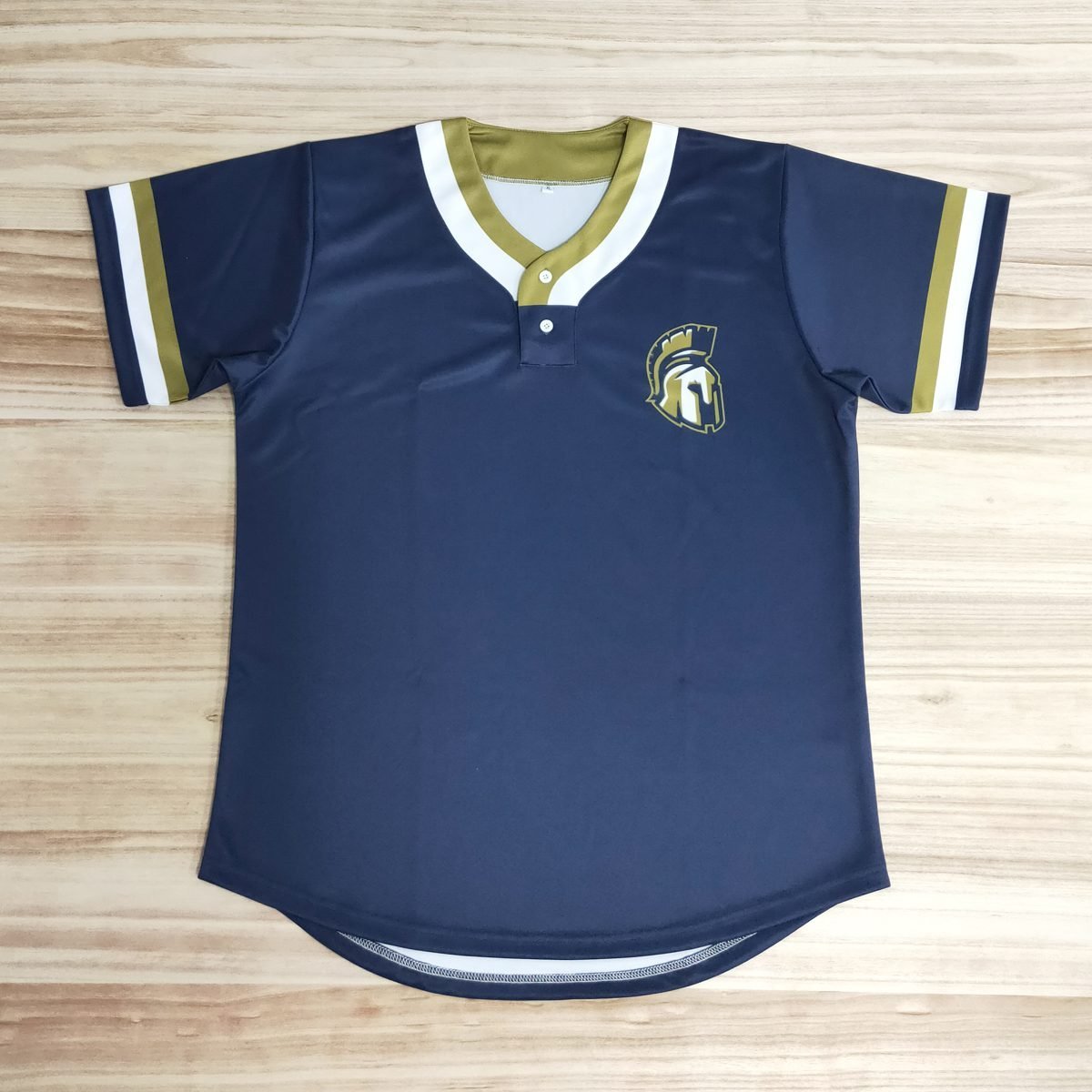
Heavyweight cotton fleece in the 300–400 GSM range provides the structure and warmth essential for hoodies, sweatshirts, and joggers. Fleece at 350 GSM or above resists pilling, holds embroidery and screen prints cleanly, and drapes without clinging.
For plus size construction, this weight supports seams and prevents sagging at stress points. French terry and brushed fleece variants offer softer hand feel while maintaining body, making them ideal for oversized silhouettes and layering pieces.
Stretch Denim and Twill
Stretch denim blends typically contain 2–5 % spandex or elastane, delivering recovery and comfort across hip and thigh areas. Weight ranges from 10 oz to 14 oz per square yard, with 12 oz providing optimal balance between structure and flexibility.
Plus size denim relies on four-way stretch for ease and shape retention. Heavier twills in similar stretch percentages work well for cargo pants and utility jackets, resisting abrasion while allowing natural movement.
Jersey Knits with Spandex
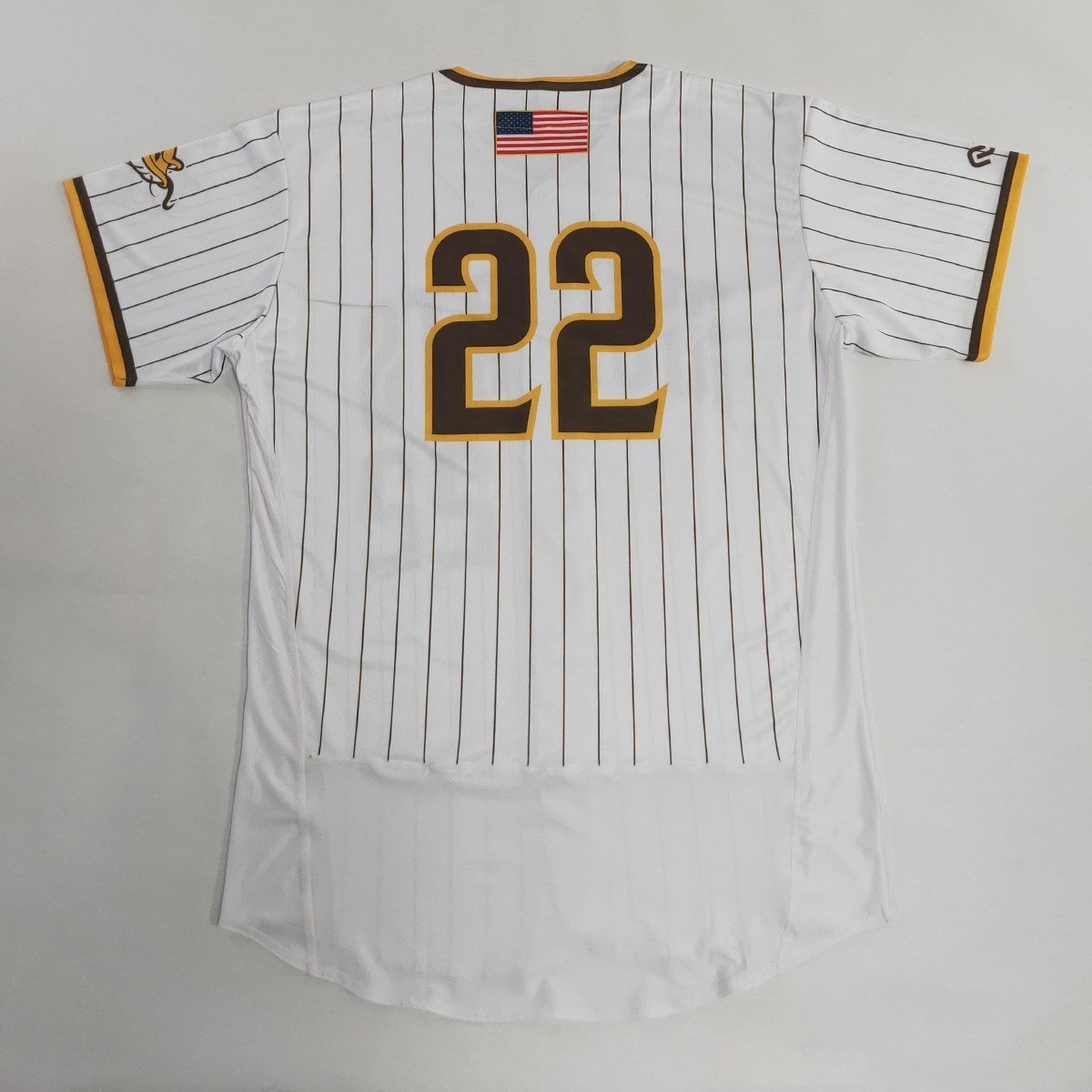
Single and double jersey knits at 180–220 GSM with 5–10 % spandex deliver drape and recovery for T-shirts, long sleeves, and bodysuits. Higher spandex content ensures the fabric returns to shape after wear, critical for fitted plus size tops.
Ring-spun cotton jersey offers a smoother surface and greater tensile strength than open-end alternatives, reducing the risk of seam failure and fabric distortion during washing.
Technical Performance Fabrics
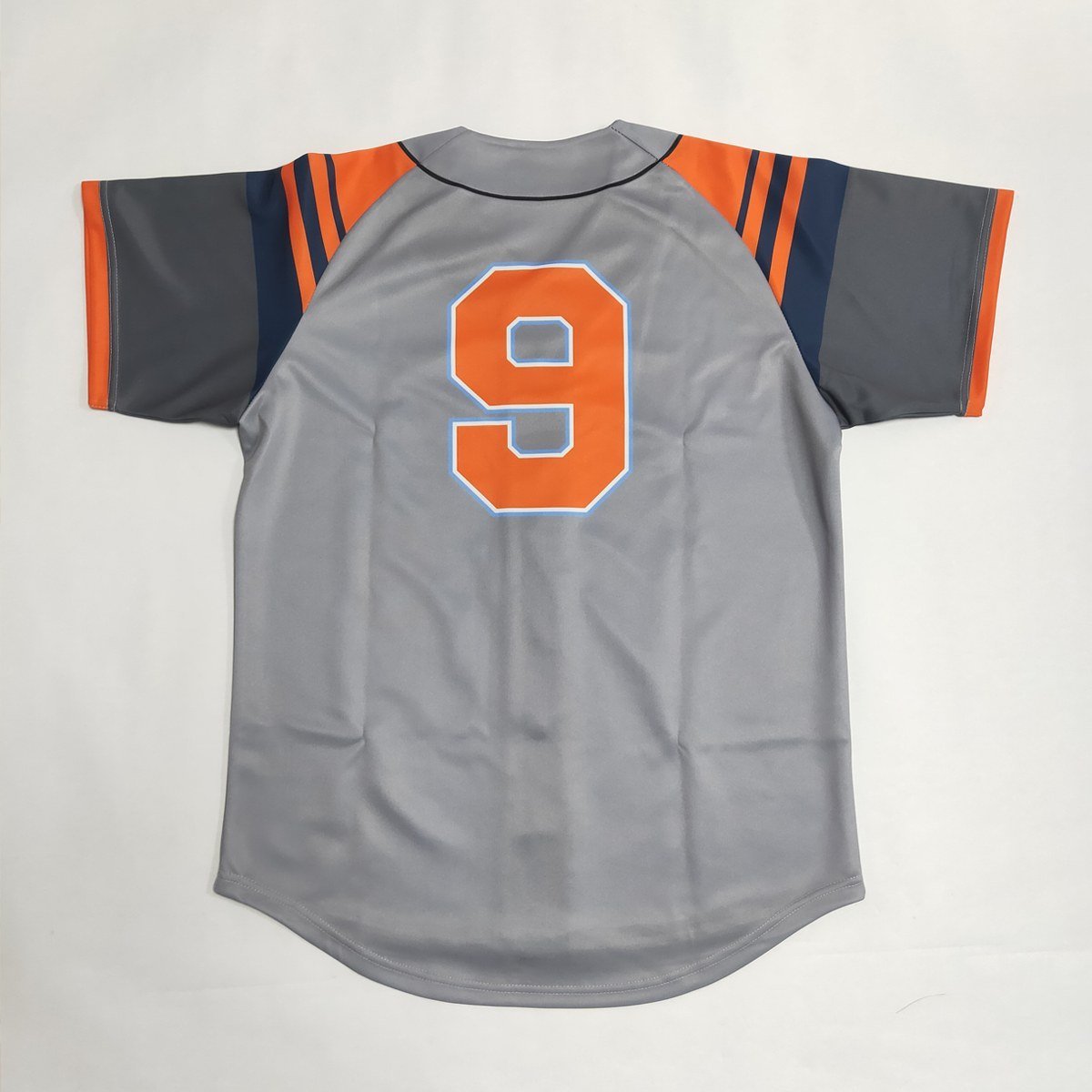
Polyester and nylon blends at 150–200 GSM with moisture-wicking and quick-dry properties suit activewear-inspired streetwear. These fabrics often include 10–15 % spandex for four-way stretch, supporting joggers, track pants, and windbreakers.
Performance fabrics maintain shape under repeated stress and offer lightweight comfort, appealing to customers seeking functional street style without bulk.
Heavyweight Wovens
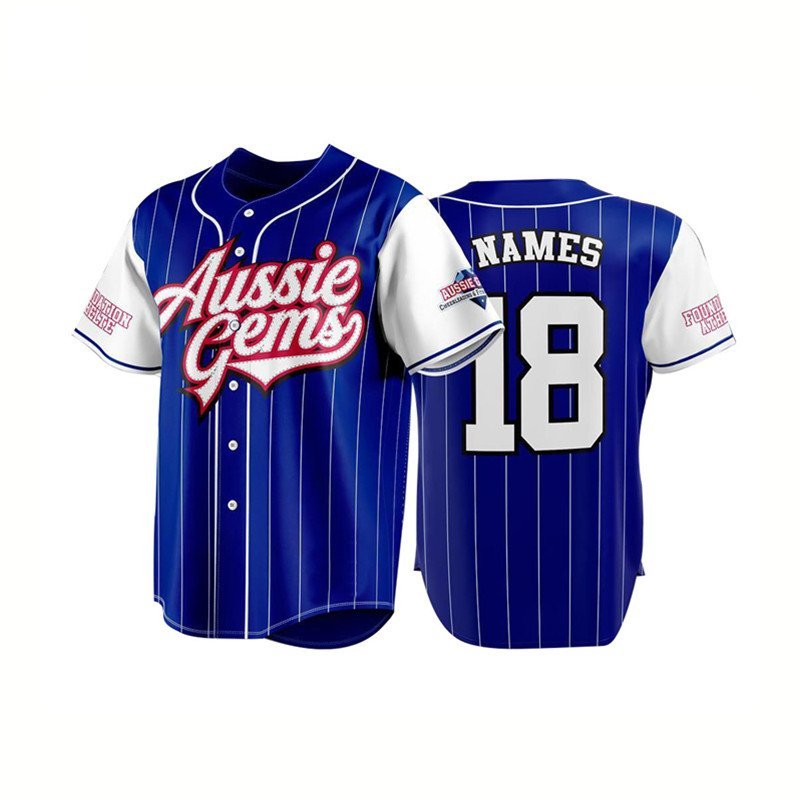
Canvas, ripstop, and twill wovens at 250–350 GSM provide structure for outerwear, cargo pants, and utility vests. These fabrics resist tearing and hold hardware like snaps, zippers, and D-rings securely.
In plus size garments, heavyweight wovens support construction details such as reinforced pockets and double-stitched seams, ensuring longevity and professional finish across all sizing.
5. Customization and Branding Options with a Plus Size Streetwear Manufacturer
A plus size streetwear manufacturer must offer decoration techniques that perform reliably on extended fabric surfaces and stretch materials. Print placement, durability under tension, and setup economics differ significantly across methods, making technique selection critical for brands targeting size-inclusive collections.
| Technique | Cost per Unit (50+ pcs) | Durability (washes) | Typical MOQ |
|---|---|---|---|
| Screen printing | $2.50–6.00 | 50+ | 50–100 |
| Embroidery | $4.00–12.00 | 100+ | 12–24 |
| DTG | $5.00–15.00 | 30–50 | 1–24 |
| Heat transfer vinyl | $3.00–8.00 | 20–40 | 1–50 |
| Woven labels | $0.15–0.50 | Permanent | 100–500 |
Screen Printing and Embroidery for Large-Format Graphics
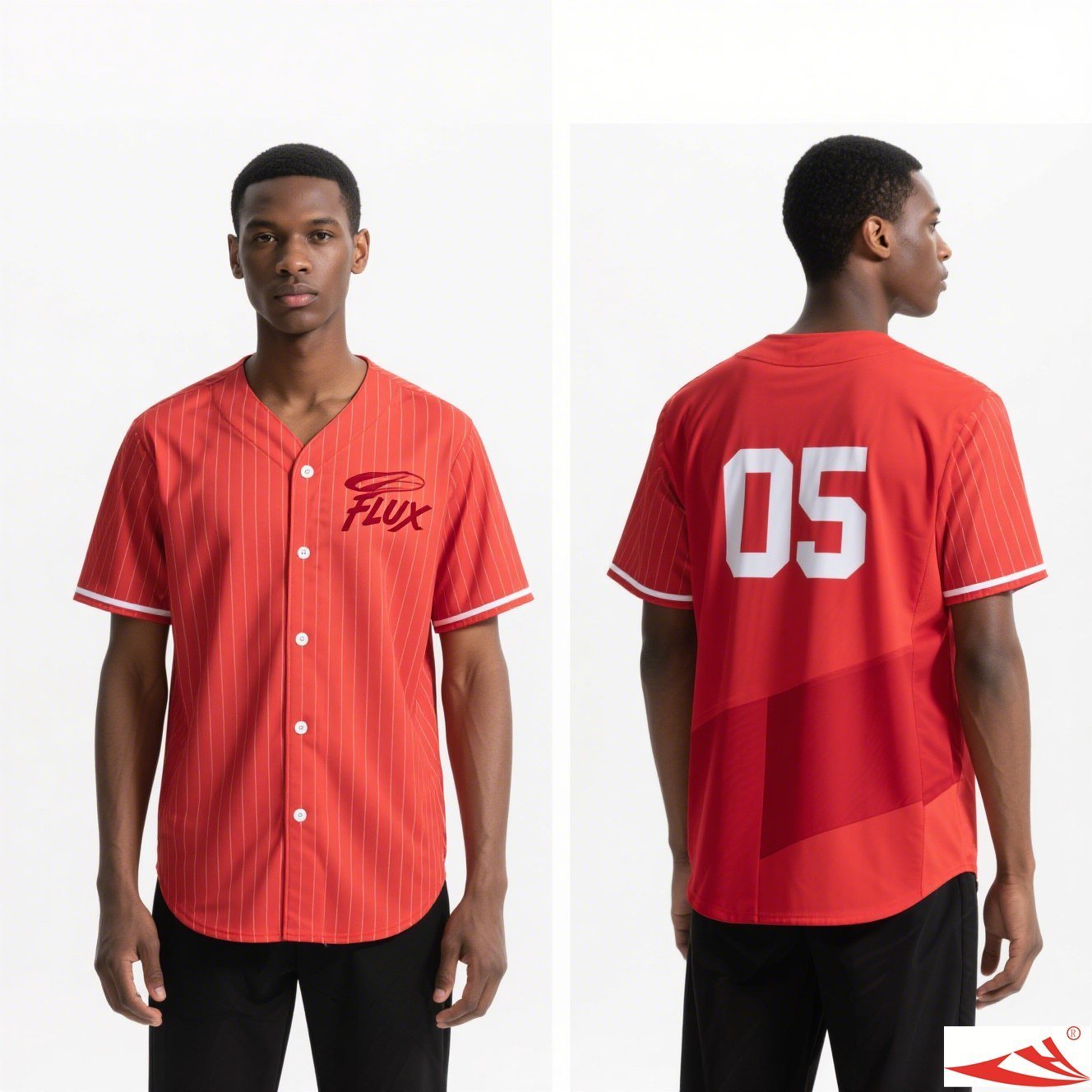
Screen printing remains the workhorse for bold streetwear graphics on plus sizes, with plastisol inks delivering excellent opacity on dark fabrics and water-based inks offering softer hand feel. Setup costs range $25–75 per screen, making runs above 50 pieces economical; larger garments may require oversized screens or repositioning for chest-to-hem designs.
Embroidery adds premium texture but requires careful digitizing on stretch knits; densities above 0.4 mm can pucker jersey fabrics. Minimum orders typically start at 12–24 pieces due to digitizing fees ($15–50), and placement on plus sizes should avoid high-stretch zones like side seams.
Direct-to-Garment and Heat Transfer Methods
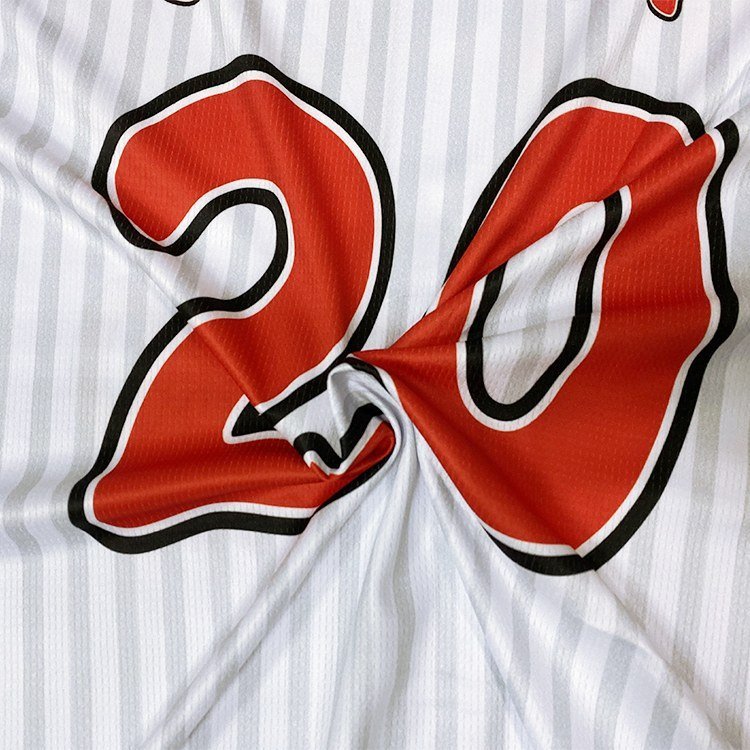
DTG printing excels for full-color, photorealistic designs with no setup fees, ideal for sampling or micro-runs under 24 units. Print durability on stretch fabrics depends on proper pretreatment; expect 30–50 washes before noticeable fading on cotton blends.
Heat transfer vinyl and sublimation (polyester only) suit small logos and numbered pieces. Vinyl can crack on high-stretch areas; sublimation offers permanent dye integration but requires light-colored poly fabrics.
Custom Labels, Hang Tags, and Packaging
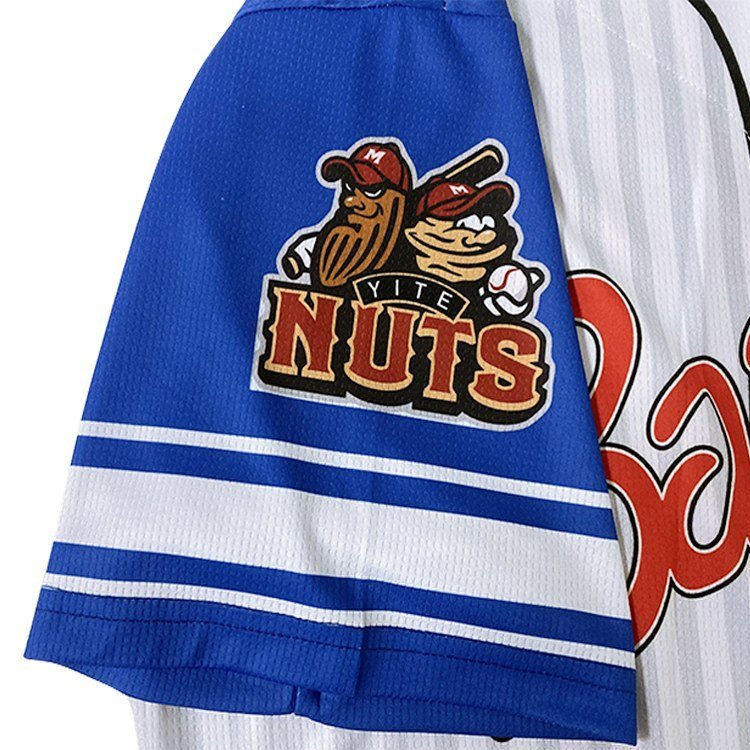
Woven labels (damask or satin) start at 100–500 piece minimums, while printed care labels drop to 50 units. Hang tags with custom die-cuts or foil stamping typically require 500–1,000 pieces; digital printing enables runs as low as 100.
Custom poly mailers and tissue paper reinforce brand identity; MOQs range from 500 (digital print) to 3,000 (offset). Clothing Manufacturer Ltd. integrates these elements into its five-step QC process to ensure consistent branding across every touchpoint.
6. Quality Construction Standards for Plus Size Streetwear
Quality construction separates durable plus size streetwear from garments that fail after a few wears. A reliable plus size streetwear manufacturer implements specific structural standards and testing protocols to ensure every piece meets performance expectations across the full size range.
Reinforced Seams and Stress Points
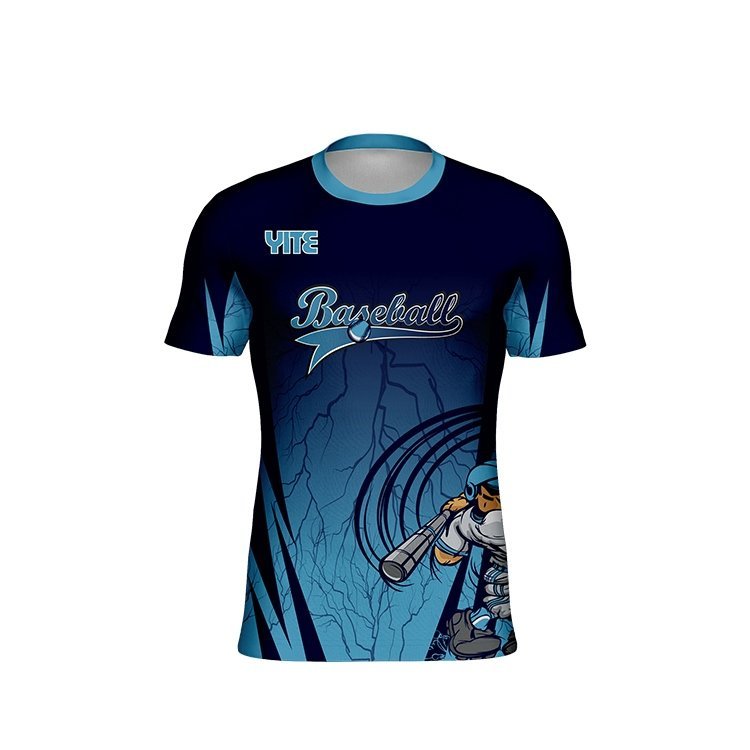
Underarms, crotch seams, and shoulder joints experience 40–60% more tension in plus sizes than in standard cuts. Reputable manufacturers apply double-needle stitching or flatlock seams at these zones, often adding bartack reinforcement at pocket corners and waistband ends.
Red flag: single-needle construction at high-stress areas indicates the factory skips durability testing and prioritizes speed over longevity.
Proper Grading Across All Sizes
True grading adjusts proportions—not just width—so a 3XL maintains the same armhole depth-to-shoulder ratio as an XS. Poor manufacturers simply scale patterns uniformly, creating sleeve binds and torso pulls in larger sizes.
Clothing Manufacturer Ltd. grades each size increment using body-scan data, ensuring fit consistency from S to 5XL without distortion.
Stitch Density and Fabric Hand-Feel
Knit streetwear requires 12–14 stitches per inch (SPI) to balance stretch recovery and seam strength. Lower counts (8–10 SPI) cause puckering and thread breakage under stress. Fabric hand-feel must remain uniform across all size runs; inconsistent GSM or dye lots signal weak supplier control.
A five-step QC process—materials, cutting, craft, sewing, and finished inspection—catches these variances before shipment, eliminating the defects common when factories test only final garments.
7. How to Choose the Right Plus Size Streetwear Manufacturer
Selecting a plus size streetwear manufacturer requires evaluating six core criteria that directly impact product quality, brand fit, and scalability. Each factor—from size range to certifications—shapes your ability to deliver on-trend, well-fitting garments that resonate with your audience.
Size Range Capability and Grading Expertise
Ask manufacturers what maximum size they produce (1X, 3X, 5X, or beyond) and whether they offer custom grading tables tailored to your target demographic. Factories experienced in plus size work maintain fit models or digital avatars in multiple size brackets to validate proportions across the range.
Request sample garments in your highest size to assess fit accuracy, armhole depth, rise length, and shoulder slope. A manufacturer with proven grading expertise will show you past tech packs demonstrating incremental adjustments in key measurement points, not simple scale-ups.
MOQ Flexibility and Sampling Terms
MOQ thresholds for plus size streetwear typically span 50 to 500 pieces per style per colorway. Startups and independent designers benefit from lower minimums (50–100 pieces), while established brands can negotiate volume pricing at 300+ units.
Clarify sampling turnaround (7–14 days is standard) and cost (often $30–$80 per sample, sometimes refundable with production orders). Evaluate samples for construction quality, fabric hand-feel, print clarity, and fit consistency before committing to bulk.
Communication, Transparency, and Portfolio Review
Reliable manufacturers provide clear timelines, itemized quotations, and regular production updates. Ask for references from brands in your niche and review portfolios showcasing streetwear aesthetics—skeleton graphics, oversized silhouettes, bold color blocking, and embroidered patches.
Verify ethical certifications such as WRAP or BSCI, which confirm adherence to labor standards and social compliance. Transparent partners share factory audit reports and quality control protocols, such as the five-step QC process that tests materials, cutting, craft, sewing, and finished garments at every production stage.
8. Common Mistakes When Sourcing a Plus Size Streetwear Manufacturer
Sourcing a plus size streetwear manufacturer requires specialized knowledge that many brands overlook during initial production planning. Five common mistakes can derail fit, quality, and timelines, yet each is preventable with proper preparation and clear communication.
Choosing a Manufacturer Without Plus Size Grading Experience
Grading patterns from size M to 3XL requires proportional adjustments beyond simple scaling. Manufacturers without plus size grading expertise often stretch base patterns uniformly, resulting in garments that fit poorly across shoulders, hips, and armholes.
Clothing Manufacturer Ltd. applies dedicated grading rules for sizes XL through 5XL, adjusting rise depth, sleeve pitch, and torso length independently. Always request grading charts and sample multiple sizes before committing to production runs.
Ignoring Fabric Stretch and Recovery Requirements
Plus size streetwear demands fabrics with 15–25% four-way stretch and strong recovery to prevent bagging at stress points. Cotton-spandex blends below 5% elastane content lose shape after repeated wear, especially around waistbands and cuffs.
Specify stretch percentage, recovery time, and GSM in your tech pack. Request fabric swatches and conduct stretch tests before approving bulk orders to ensure longevity.
Skipping Fit Samples on Actual Plus Size Models
Fit samples tested only on standard mannequins or smaller body types miss critical issues in movement, drape, and comfort. Real-world testing reveals problems with side seam placement, underarm mobility, and hem length that affect wearability.
Always fit-test samples on models representing your target size range. Clothing Manufacturer Ltd. recommends testing at minimum one size per grade bracket (L, 2XL, 4XL) before approving production.
Underestimating Lead Times for Extended Size Runs
Extended size runs require additional fabric yardage, longer cutting times, and more complex assembly. Brands often apply standard 30–45 day timelines without accounting for the 10–15% longer production cycle typical for plus size orders.
Add 7–10 days to standard lead times for orders spanning sizes XL to 5XL. Communicate size distribution early so your manufacturer can allocate cutting tables and sewing capacity accurately.
Failing to Specify Reinforcement Details in Tech Packs
Plus size garments endure higher stress at seams, pockets, and closures. Tech packs that omit reinforcement specs—bartack stitch counts, double-needle seams, interfacing weight—result in premature tearing and customer returns.
Document every reinforcement point: bartacks at pocket corners, double-stitched side seams, and fusible interfacing at waistbands. Clothing Manufacturer Ltd.’s five-step QC process includes sewing production testing to verify all reinforcement details match specifications.
9. Steps to Launch Your Plus Size Streetwear Brand
Launching a plus size streetwear line demands a structured workflow that addresses grading, fit validation, and quality assurance at every milestone. The following six-step roadmap reflects timelines observed across trendy brand startups and independent designers working with manufacturers in Dongguan and similar production hubs.
Develop Tech Packs with Plus Size Grading Specs
Tech packs must include graded measurements for each size (1XL through 5XL or numeric equivalents), specifying chest, waist, hip, sleeve length, and rise increments of 1.5–2 inches per size. Include construction details — stitch type (flatlock, overlock), seam allowances (typically 0.5–0.75 inch), and fabric specs (GSM, content, stretch percentage).
Allow 1–2 weeks for an experienced designer or pattern maker to finalize tech packs. Manufacturers require complete documentation before quoting or sampling; incomplete packs delay timelines by 7–10 days on average.
Request and Evaluate Samples from Multiple Manufacturers
Contact 2–3 manufacturers and request samples in at least two sizes (e.g., 1XL and 3XL) to assess grading accuracy and construction quality. Sample lead times range from 10–21 days depending on fabric sourcing and design complexity.
Compare stitching consistency, fabric hand-feel, and fit across suppliers. Manufacturers using inline QC testing — such as the five-step process introduced by Clothing Manufacturer Ltd. in February 2025 — typically deliver samples with fewer defects than those relying solely on final inspection.
Conduct Fit Testing with Diverse Models
Recruit fit models representing your target size range, ideally 3–5 individuals spanning 1XL to 4XL with varied body proportions (apple, pear, hourglass). Fit sessions identify issues invisible in flat measurements: armhole binding, hip pulling, or inadequate rise.
Allocate 1–2 weeks for fit adjustments and pattern revisions. Document every change in updated tech packs to ensure the manufacturer implements corrections before bulk production.
Place Pilot Production Order
Order 50–200 units distributed across your size range (weighted toward bestselling sizes if data exists). Pilot runs validate scalability and uncover production inconsistencies not evident in samples.
Production timelines for pilot orders typically span 3–5 weeks, including fabric procurement (7–14 days), cutting and sewing (10–15 days), and QC inspection (2–3 days). Confirm the manufacturer’s MOQ aligns with your pilot quantity.
Implement QC Checkpoints
Require pre-production approvals (fabric swatch, trim colors, first sample off the line), inline inspections during sewing (every 50–100 pieces), and final AQL 2.5 inspection before shipment. Manufacturers embedding QC at materials, cutting, craft, sewing, and finished-goods stages — such as the methodology deployed by Clothing Manufacturer Ltd. — reduce defect rates to below 2 percent.
Schedule QC touchpoints into your production calendar: pre-production (day 1), inline (mid-run), and final (last 2 days before packing).
Plan Logistics and Inventory for Size Distribution
Analyze pre-order data or industry benchmarks (1XL and 2XL often represent 50–60 percent of plus size sales) to allocate inventory. Over-ordering smaller or larger sizes ties up capital; under-stocking core sizes costs revenue.
Factor shipping timelines (ocean freight 25–35 days, air 5–7 days) and customs clearance (3–7 days) into launch calendars. Reserve 10–15 percent of total units as safety stock for size exchanges and influencer seeding.
10. Pricing and Cost Breakdown for Plus Size Streetwear Manufacturing
Plus size streetwear manufacturing typically carries a 10–20% cost premium over standard sizing due to increased fabric consumption and pattern grading complexity across extended size runs. A 3XL heavyweight hoodie, for example, requires approximately 15–18% more fabric than an XL, and each additional size grade adds engineering time to ensure proper fit and proportion.
Order volume remains the most significant cost lever. Brands ordering 500 units achieve per-piece costs 30–40% lower than 50-unit runs, as fixed setup expenses—pattern development, sample approval, cutting room setup—are amortized across more garments. Lead times compress at higher volumes because factories prioritize larger orders and achieve sewing-line efficiencies.
Fabric choice and trim complexity directly impact unit economics. A basic French terry crewneck in solid colors costs substantially less than a garment using jacquard knit, contrast panels, custom woven labels, metal hardware, and multicolor embroidery. Size distribution also matters: orders skewed heavily toward 3XL–5XL incur higher material costs than balanced assortments.
Decoration method selection affects both setup investment and per-unit expense. Screen printing offers the lowest per-piece cost at volume but requires separate screens for each color and design. Direct-to-garment printing eliminates setup fees and suits small runs or complex graphics, while embroidery delivers premium perceived value at a higher per-unit cost and longer production time.
| Quantity Tier | Price per Unit (USD) | Lead Time |
|---|---|---|
| 50 units | $28–42 | 25–30 days |
| 100 units | $22–35 | 22–28 days |
| 250 units | $18–28 | 20–25 days |
| 500 units | $15–24 | 18–22 days |
| 1,000 units | $12–20 | 15–20 days |
Ready to Launch Your Plus Size Streetwear Line?
Partner with a plus size streetwear manufacturer trusted in 100+ countries. 50-piece MOQ, 5-step QC guarantee, and fast turnaround times.