
Premium Oversized Streetwear Manufacturer — 5-Step QC, 50-Piece MOQ
Partner with a proven oversized streetwear manufacturer offering rigorous quality control at every production stage, flexible low minimums, and fast turnaround for emerging brands and global retailers.
Oversized Streetwear Collections

Why Our Oversized Streetwear Manufacturer Stands Out
Clothing Manufacturer Ltd combines rigorous quality control, streetwear expertise, and flexible production to empower brands at every stage—from first-time creators to global retailers.
5-Step QC Guarantee
Every oversized piece passes materials, cutting, craft, sewing, and finished-product inspections—eliminating defects before they reach your customers.
50-Piece Minimum Order Quantity
Launch your streetwear line or test new designs without massive upfront inventory risk. Perfect for startups and influencer brands.
Fast Sampling & Turnaround
In-house design team delivers samples quickly and scales production to meet seasonal drops and trend-driven release schedules.
Streetwear Design Expertise
Six years specializing in oversized fits, graphic prints, and trend elements—skeletons, roses, graffiti, and bold streetwear motifs.
Global Shipping & Logistics
Proven track record serving customers in over 100 countries with transparent customs, reliable freight, and end-to-end order management.
In-House Design & Sampling
Fifteen-member R&D team and ten patents support custom development, tech packs, and collaborative design refinement for your brand.
Oversized Streetwear Manufacturer — Product Categories We Produce
From oversized hoodies to cargo pants, we specialize in the core product lines that define modern streetwear. Each category benefits from our 5-step QC process and low 50-piece MOQ.
Oversized Hoodies & Sweatshirts
Many manufacturers struggle with boxy, unflattering oversized fits that lack structure. Poor sleeve proportions and thin fabrics undermine the premium look streetwear brands need to compete.
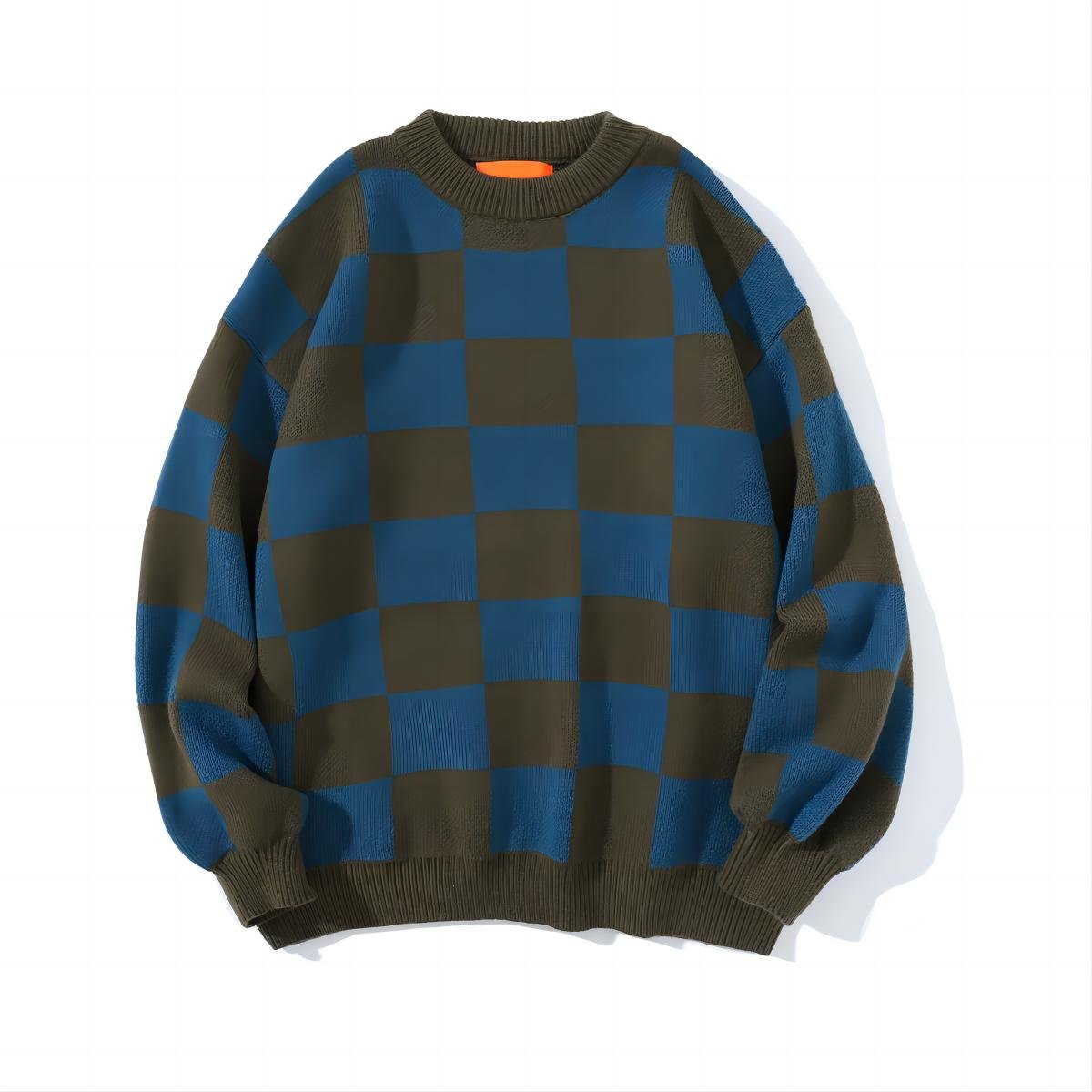
We engineer balanced oversized silhouettes with reinforced shoulder seams, heavyweight French terry or fleece, and drop-shoulder construction that delivers the coveted relaxed-yet-structured aesthetic influencer brands demand.
Oversized Graphic T-Shirts
Startups often receive oversized tees with inconsistent sizing, faded prints after the first wash, or necklines that stretch out. These quality issues damage brand reputation and drive returns.
Our cutting QC and sewing QC testing ensure every oversized tee maintains consistent measurements across runs. High-density screen printing and reinforced ribbed collars guarantee graphics and fit stay sharp season after season.
Oversized Jackets & Outerwear
Complex outerwear construction—multiple panels, zippers, linings—multiplies the risk of defects. Many suppliers lack the technical expertise to produce oversized jackets that are both durable and on-trend.
With 10+ years of production experience and 15-member R&D team, we handle intricate bomber jackets, coach jackets, and puffer styles. Every piece passes five quality checkpoints before shipping to your warehouse.
Cargo Pants & Streetwear Bottoms
Cargo pants require precise pocket placement, reinforced stitching at stress points, and durable hardware. Inconsistent craftsmanship leads to sagging pockets, broken snaps, and customer complaints.
Our clothing craft QC testing verifies every utility pocket, drawstring, and rivet before assembly. We source heavy-duty twill and ripstop fabrics, delivering cargo pants and joggers built for daily wear and repeat purchases.
Streetwear Accessories & Finishing
Brands often overlook accessories—beanies, caps, bags—yet these items drive brand loyalty and higher average order values. Finding a single manufacturer for both apparel and accessories is difficult.
We produce matching streetwear accessories in-house, from embroidered beanies to branded tote bags, all under the same 5-step QC guarantee. Launch complete collections with one trusted oversized streetwear manufacturer partner.
Premium Fabrics Every Oversized Streetwear Manufacturer Should Offer
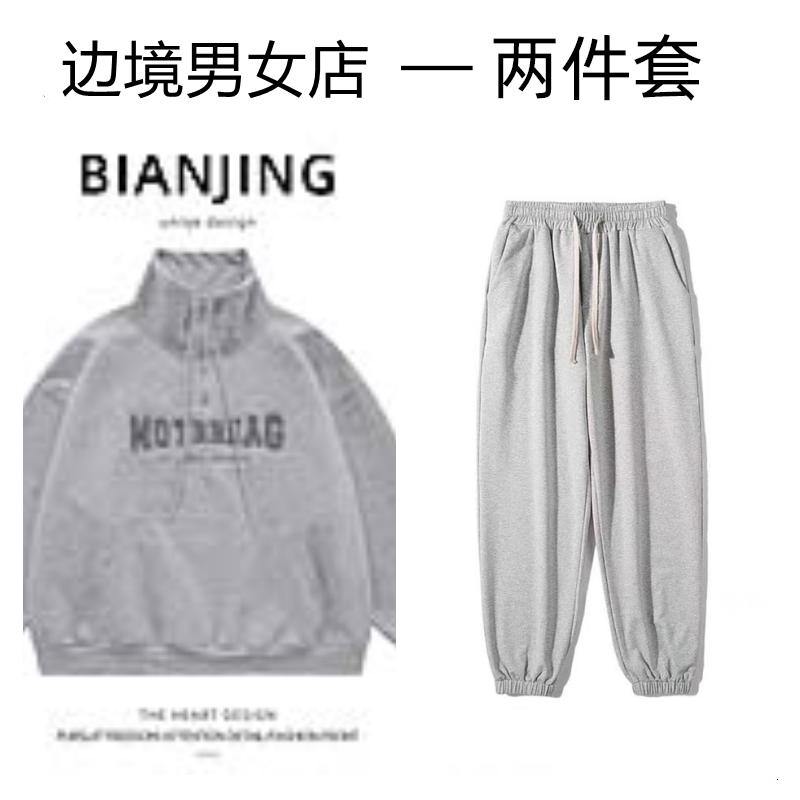
Heavyweight Cotton Terry
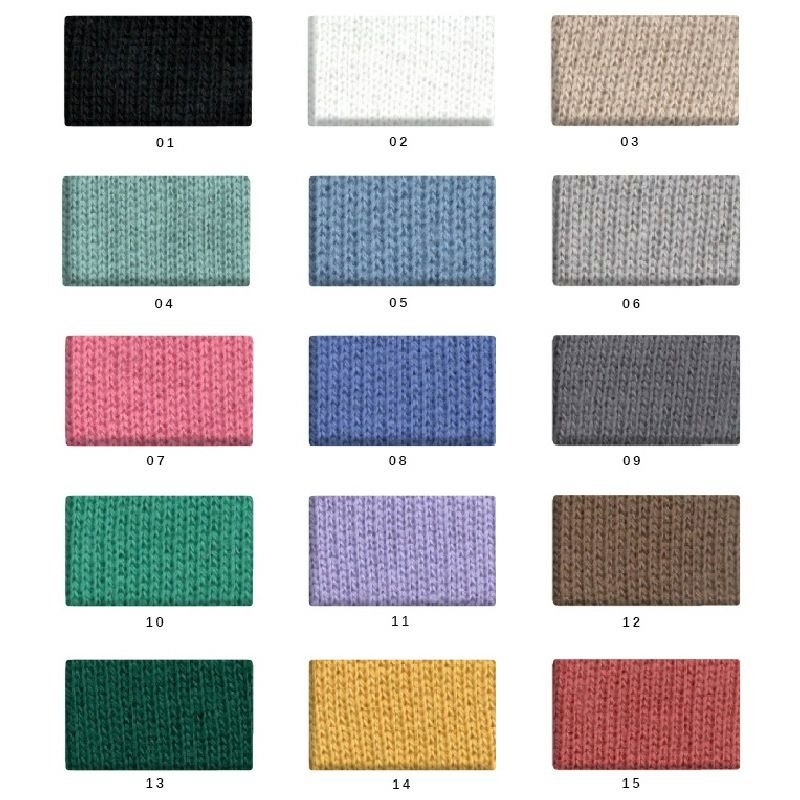
Dense, looped interior with a plush hand-feel, ideal for oversized hoodies and sweatshirts. Weight: 320–400 GSM. Excellent print retention and durability through repeated washing, perfect for screen-printed graphics and embroidery.
Premium French Terry
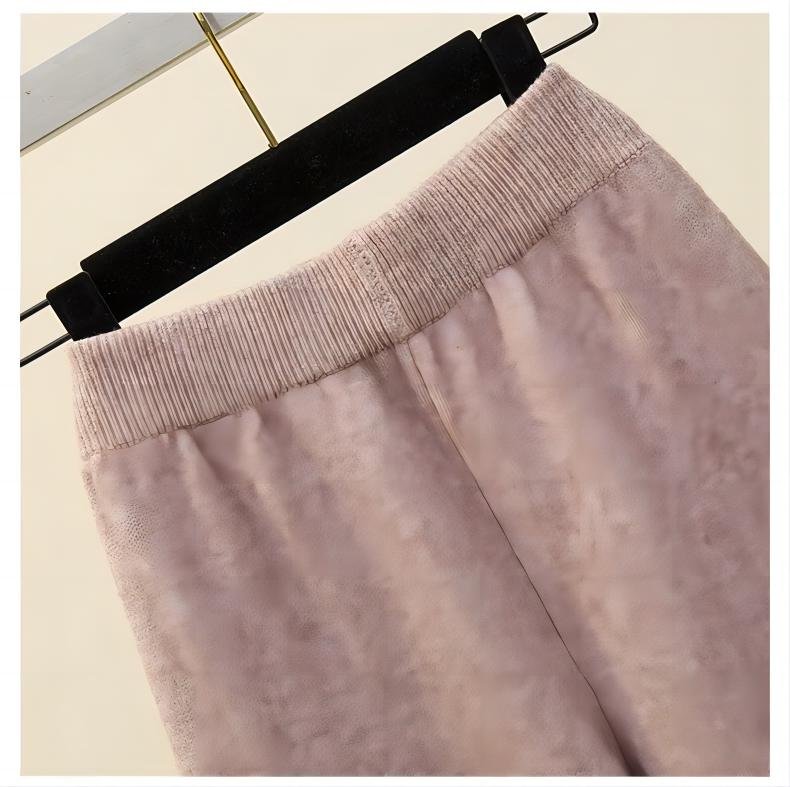
Soft fleece backing with a smooth outer face, offering superior drape for relaxed-fit tees and crewnecks. Weight: 280–320 GSM. Breathable yet structured, it holds oversized shapes without sagging and accepts dye sublimation beautifully.
Heavyweight Polar Fleece
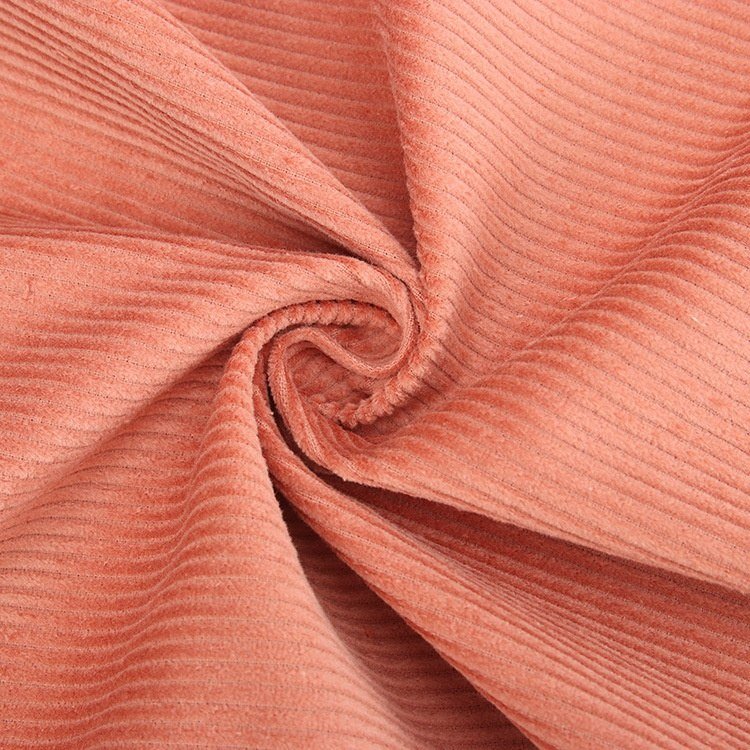
Ultra-warm, brushed synthetic with exceptional loft, designed for statement outerwear and layering pieces. Weight: 300–380 GSM. Anti-pilling treatment ensures long-lasting texture, while its bulk enhances the exaggerated proportions streetwear demands.
Heavyweight Twill
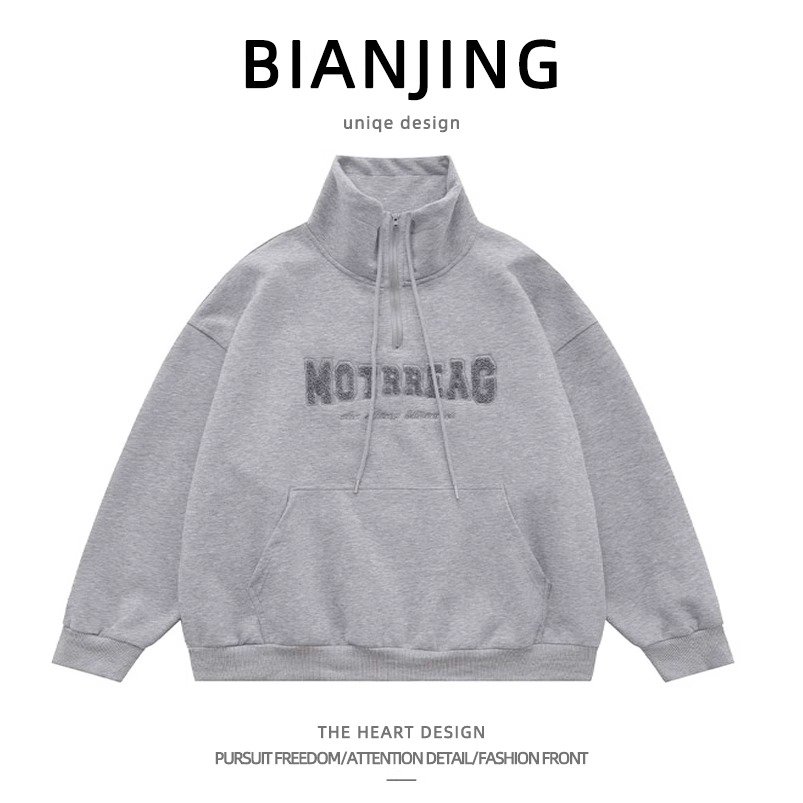
Diagonal-weave cotton with a firm, structured hand, perfect for oversized cargo pants, jackets, and workwear-inspired pieces. Weight: 280–340 GSM. Resists wrinkles and abrasion, holds crisp edges, and provides excellent canvas for patches and embellishments.
Cotton-Polyester Blend
Balanced hybrid combining cotton’s breathability with polyester’s shape retention, ideal for oversized tees and hoodies that travel well. Weight: 260–300 GSM. Minimizes shrinkage and maintains vibrant color after multiple washes, ensuring consistency across production runs.
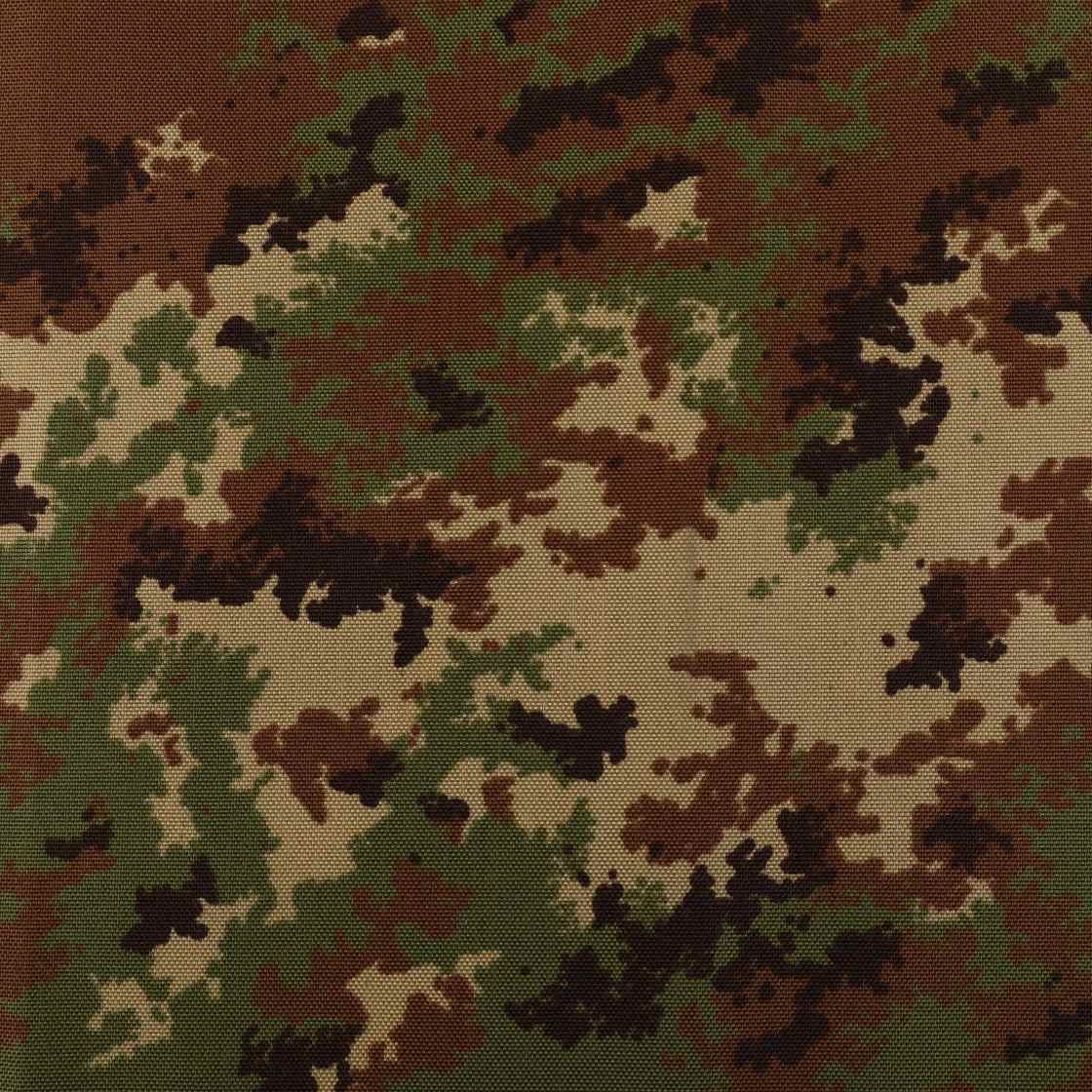
Heavyweight Jersey Knit
Single-knit construction with substantial weight and excellent stretch recovery, tailored for oversized tees and long-sleeve basics. Weight: 220–260 GSM. Smooth surface optimizes screen-printing detail and DTG applications, while four-way stretch ensures all-day comfort.
Advanced Production Techniques From Your Oversized Streetwear Manufacturer
Screen Printing
High-opacity ink layers create vivid, durable graphics perfect for oversized tees and hoodies. Ideal for bold logos, vintage designs, and multi-color streetwear artwork that withstands repeated washing.
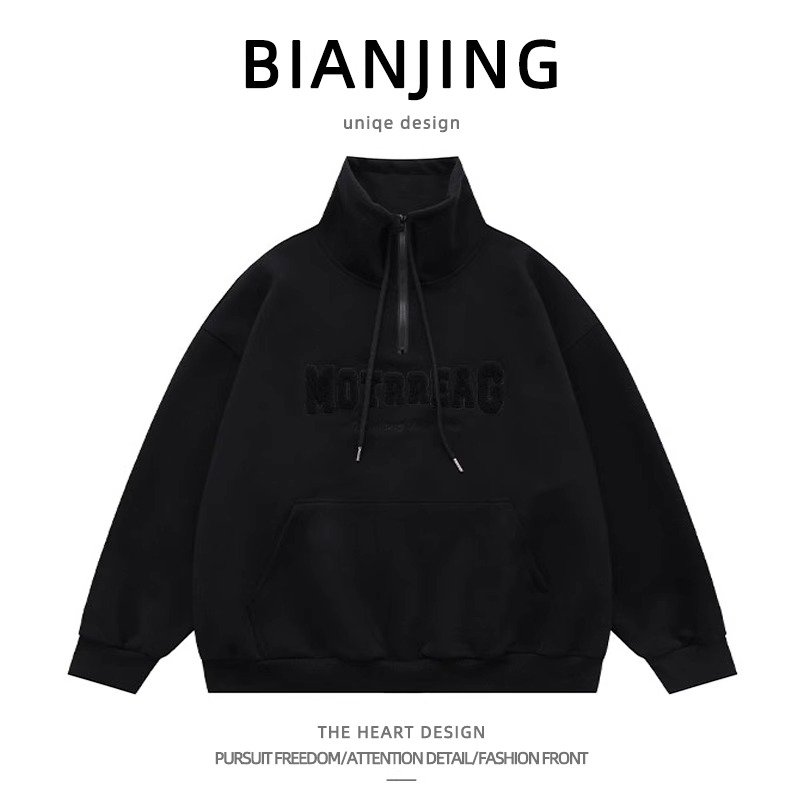
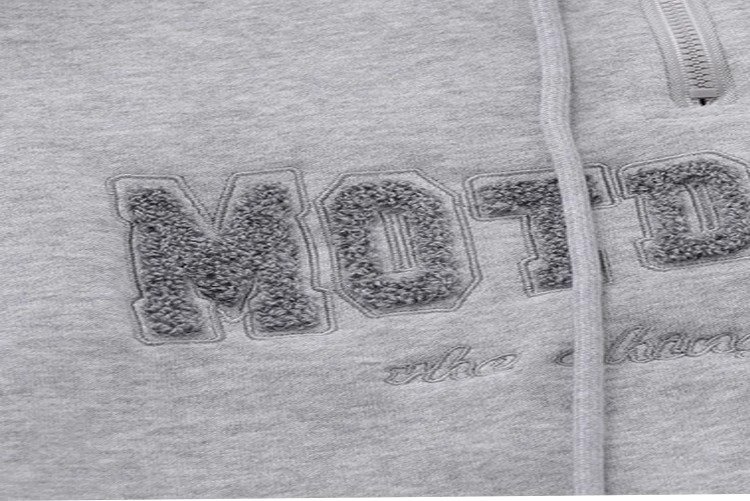
Embroidery
Precision thread work adds premium texture and dimension to oversized garments. Perfect for brand logos, patch details, and elevated streetwear elements that communicate quality and craftsmanship.
Sublimation Printing
Full-coverage dye infusion delivers seamless all-over prints and photographic designs. Creates lightweight, breathable oversized pieces with graphics that never crack, peel, or fade over time.
Custom Garment Dyeing
Specialized dye techniques produce unique washes, vintage fades, and trend-driven colorways. Achieves the authentic streetwear aesthetic your brand needs, from acid wash to tie-dye effects.
Distressing & Finishing
Controlled abrasion, fraying, and aging treatments create authentic worn-in looks. Delivers the edgy, lived-in character that resonates with streetwear audiences seeking individuality and bold self-expression.
Oversized Pattern Grading
Expert pattern engineering ensures true oversized silhouettes with balanced proportions across all sizes. Maintains the relaxed, drop-shoulder fits and extended lengths that define contemporary streetwear trends.
Oversized Streetwear Manufacturer Finishing & Accessories
Custom Woven Labels
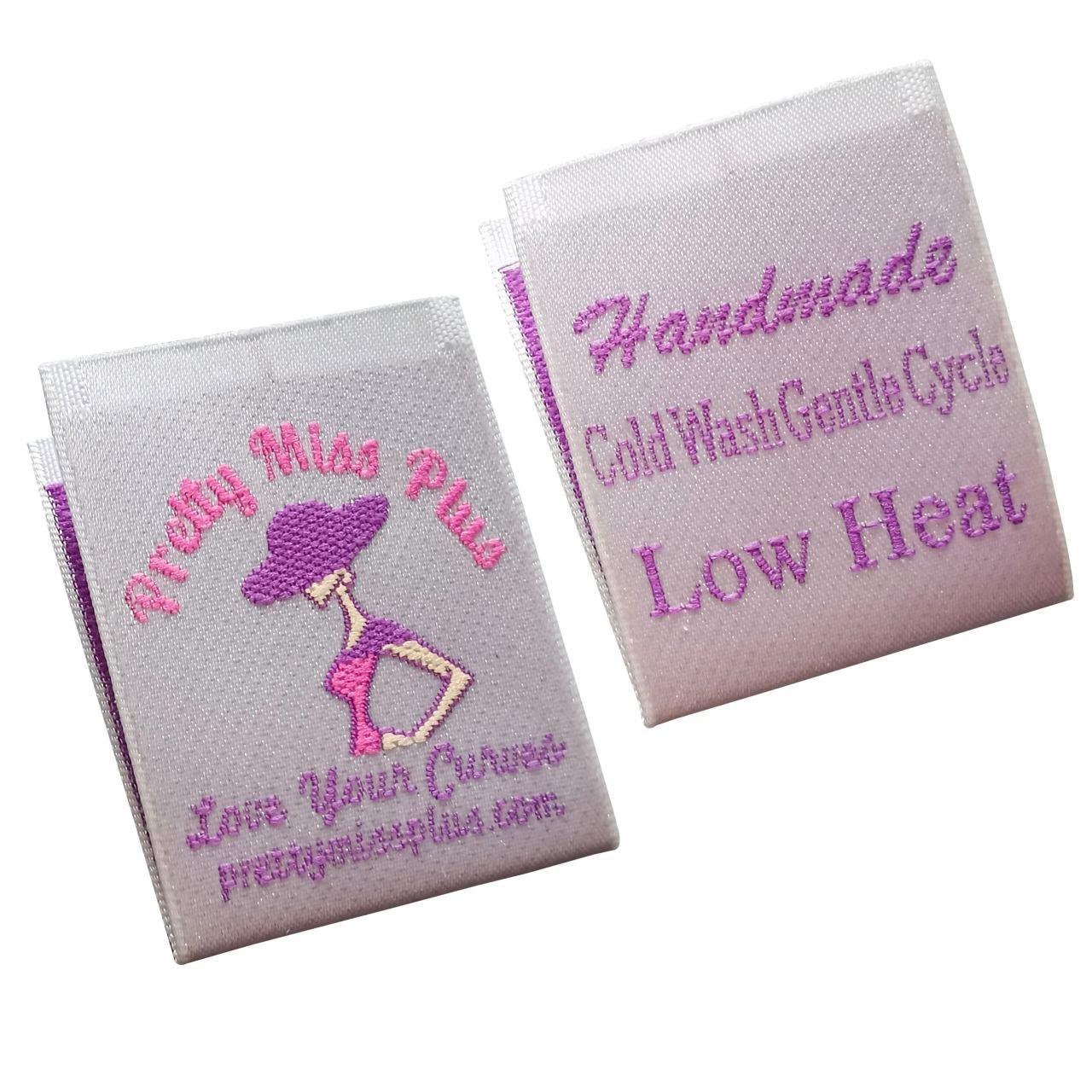
High-definition woven brand labels for neck, hem, and sleeve placement. Reinforce your brand identity with durable, fade-resistant labels that withstand repeated washing and wear in oversized hoodies, tees, and jackets.
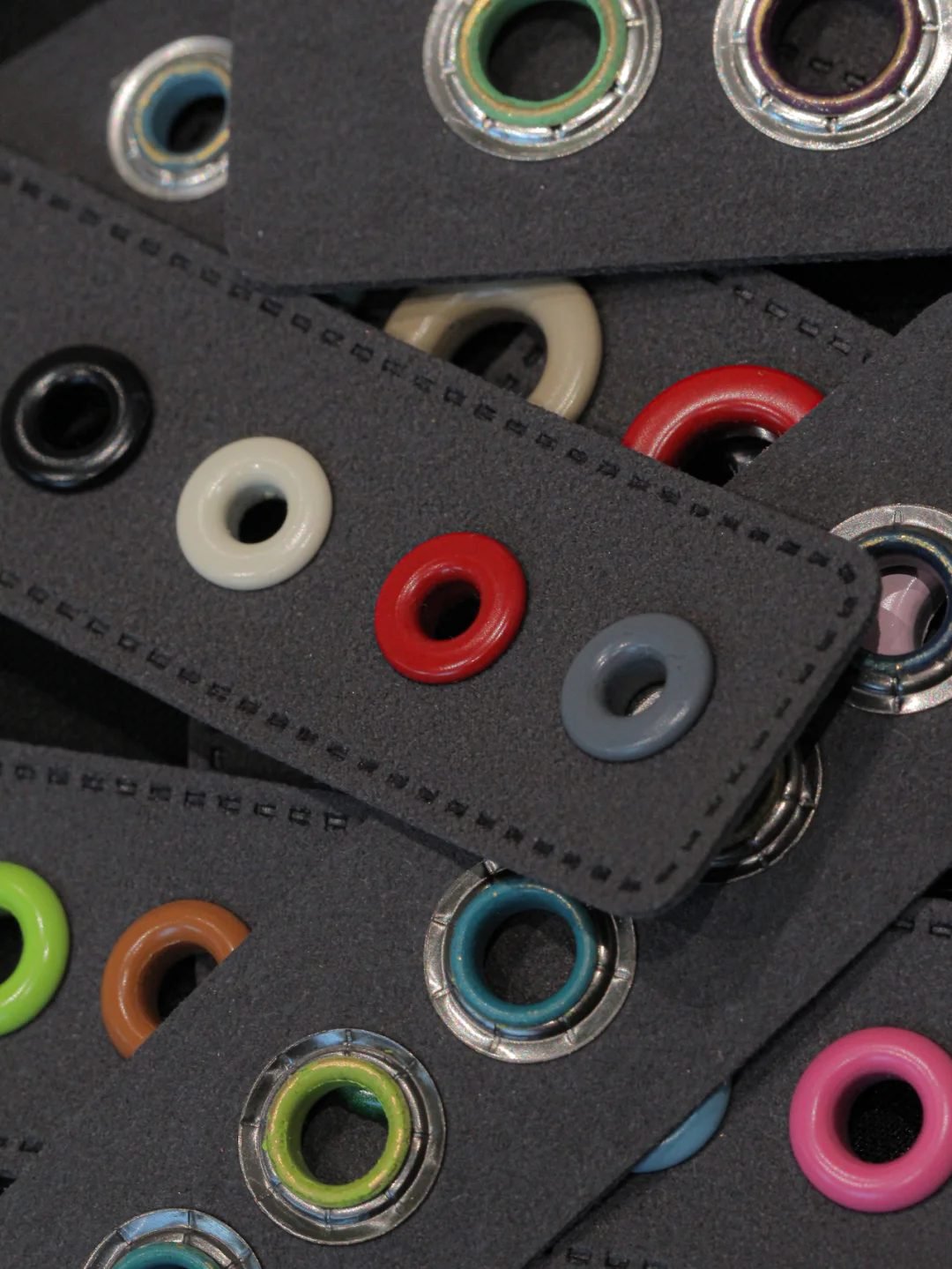
Metal Eyelets & Grommets
Heavy-duty metal eyelets and grommets for oversized hoodies, lace-up details, and drawstring reinforcement. Available in gunmetal, brass, and custom finishes to match your streetwear aesthetic and ensure long-lasting durability.
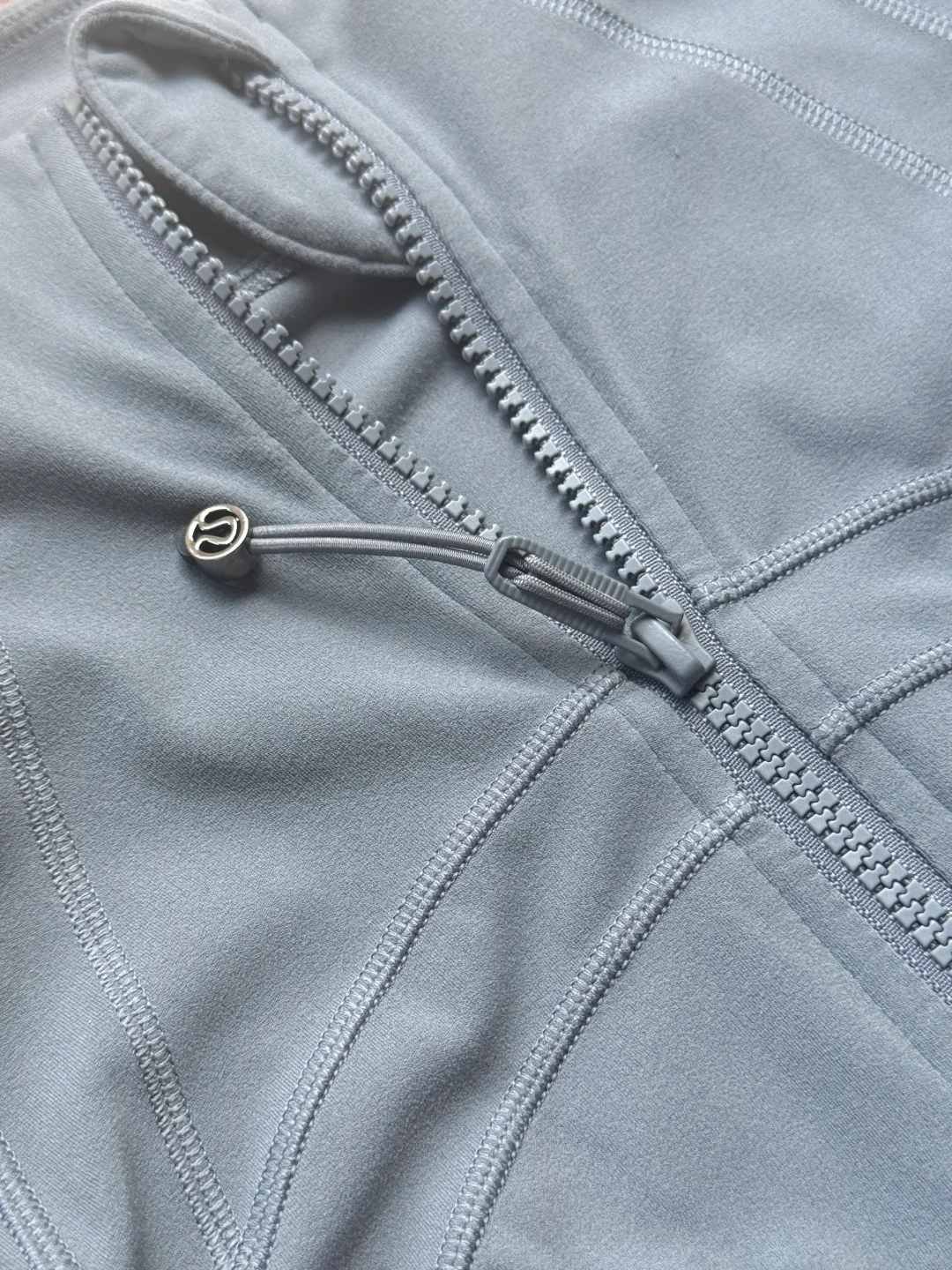
YKK Zipper Pulls
Premium YKK zippers with custom pulls and branded sliders for oversized jackets, hoodies, and track pants. Choose from metal, resin, or coil options with logo engraving to add a professional finishing touch.
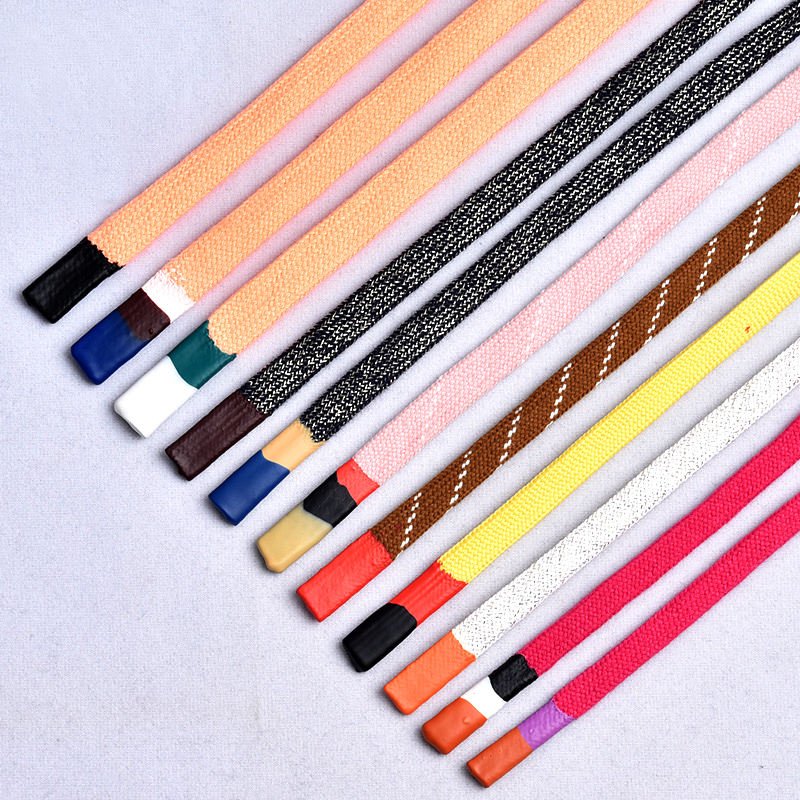
Drawcords & Tipping
Custom drawcords with metal or plastic tipping for oversized hoodies and joggers. Select from flat, round, or reflective cord styles in any color, with optional branded aglets to enhance functionality and brand recognition.
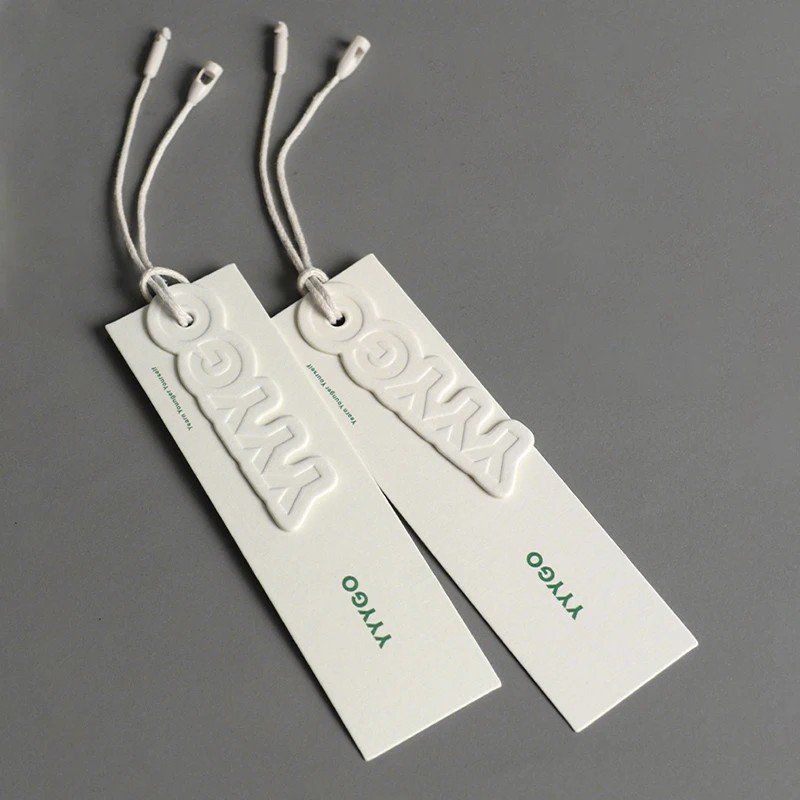
Custom Hang Tags
Branded hang tags in custom shapes, materials, and finishes to communicate your brand story at point of sale. Perfect for oversized streetwear collections, our tags feature premium cardstock, foil stamping, and embossing options.
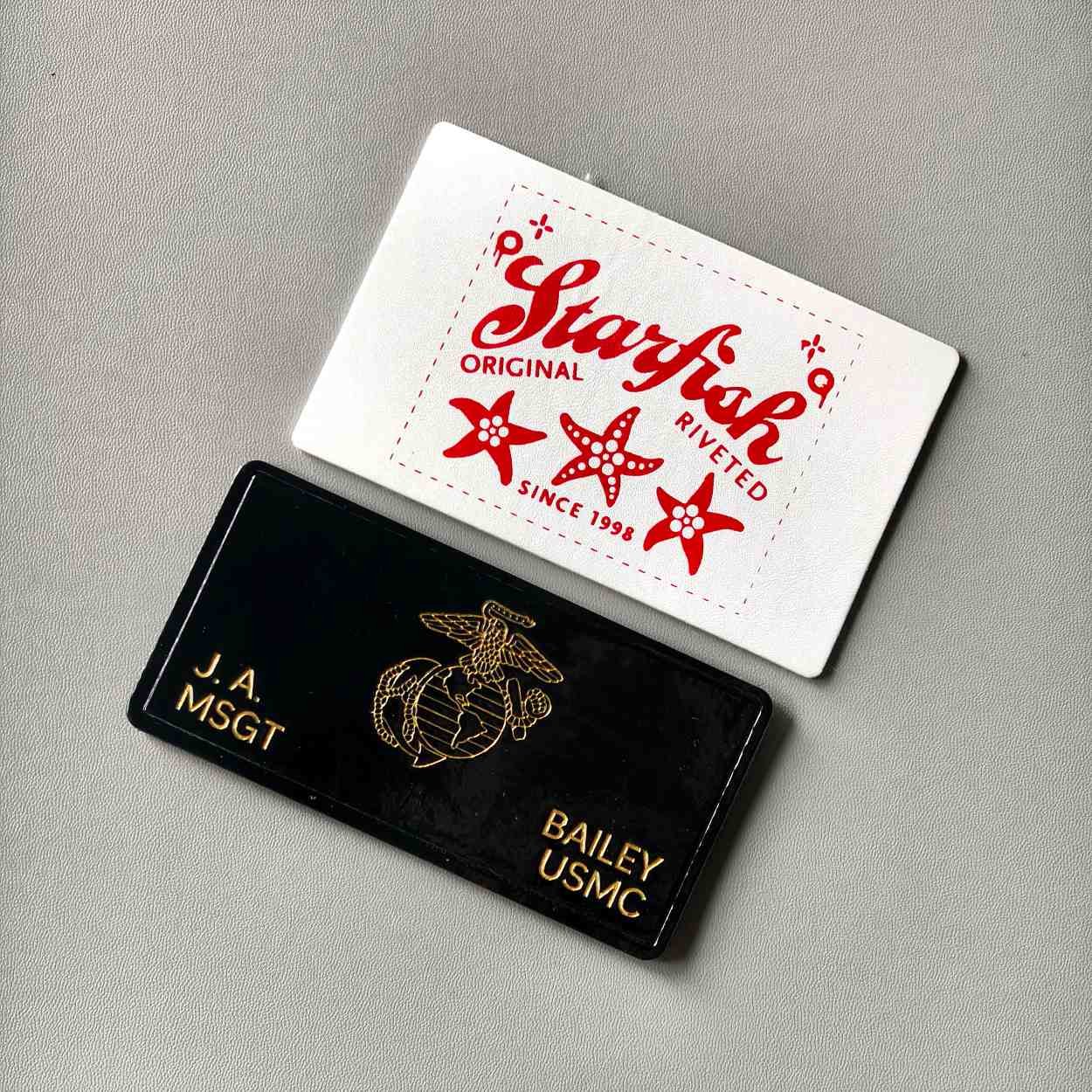
Embroidered Patches
High-quality embroidered or woven patches for oversized jackets, hoodies, and denim. Create bold brand statements with custom shapes, colors, and backing options including iron-on, sew-on, or Velcro for removable styling versatility.
Your Trusted Oversized Streetwear Manufacturer Partner
Founded in 2024 by Tesla Luo, Clothing Manufacturer Ltd was born from a mission to restore the reputation of Chinese garment manufacturers through uncompromising quality. With over 10 years in apparel production and 6 years specializing in streetwear, Tesla grew up immersed in the garment industry, rotating through every production role from sewing to quality control in Dongguan’s manufacturing hub.
We serve trendy brands, fashion startups, independent designers, and global retailers across 100+ countries with our proprietary 5-step quality control guarantee. Unlike factories that skip critical QC checkpoints, we test at every stage—from materials and cutting through sewing and finishing—ensuring zero defects reach your customers. Our 15-member R&D team and 10 patents power innovative streetwear production that respects both craft and culture.
As a specialized oversized streetwear manufacturer, we combine deep cultural fluency in streetwear design elements with scalable production infrastructure. Whether you’re launching your first collection with our low 50-piece MOQ or scaling an established influencer line, we deliver premium fabrics, expert craftsmanship, and the transparent partnership your brand deserves.
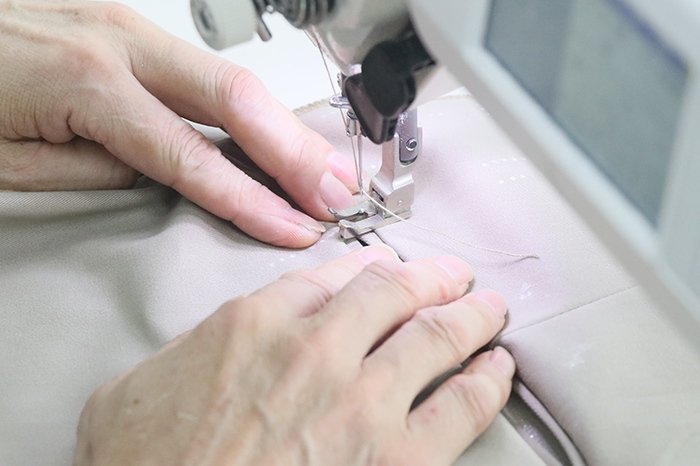
Our 5-Step Quality Control Guarantee for Every Oversized Streetwear Manufacturer Order
Materials QC Testing Before Production
Every fabric roll, trim, and component is inspected for weight, color consistency, and durability before cutting begins. We reject substandard materials at the source, ensuring your oversized streetwear pieces start with premium foundations that meet your brand’s specifications.
- Fabric weight and GSM verification against approved samples
- Color-fastness testing to prevent fading and bleeding
- Stretch recovery and shrinkage pre-testing for oversized fits
- Trims and hardware strength testing before assembly
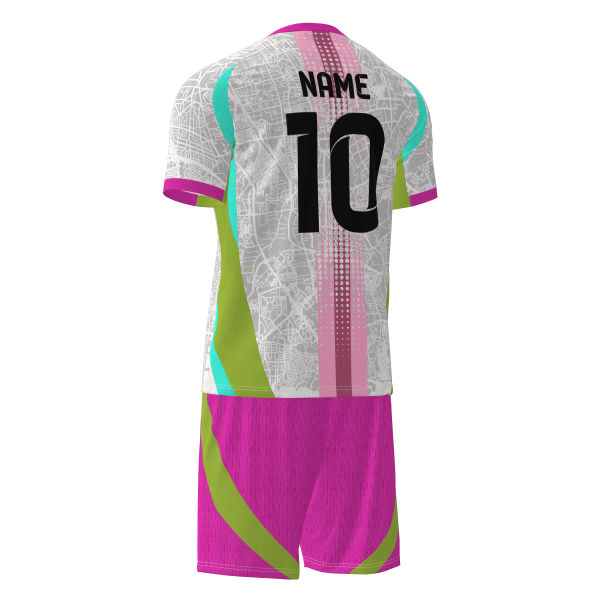
Cutting QC Testing for Precision
After pattern grading, our cutting team verifies every piece against technical specifications. Oversized silhouettes demand exact proportions—sleeves, body length, and drop-shoulder measurements are checked to ensure consistent fit across all sizes before sewing starts.
- Pattern piece measurement verification for oversized proportions
- Grain alignment checks to prevent twisting and distortion
- Notch and marking accuracy to ensure proper assembly
- Cutting defect identification to eliminate flawed panels early
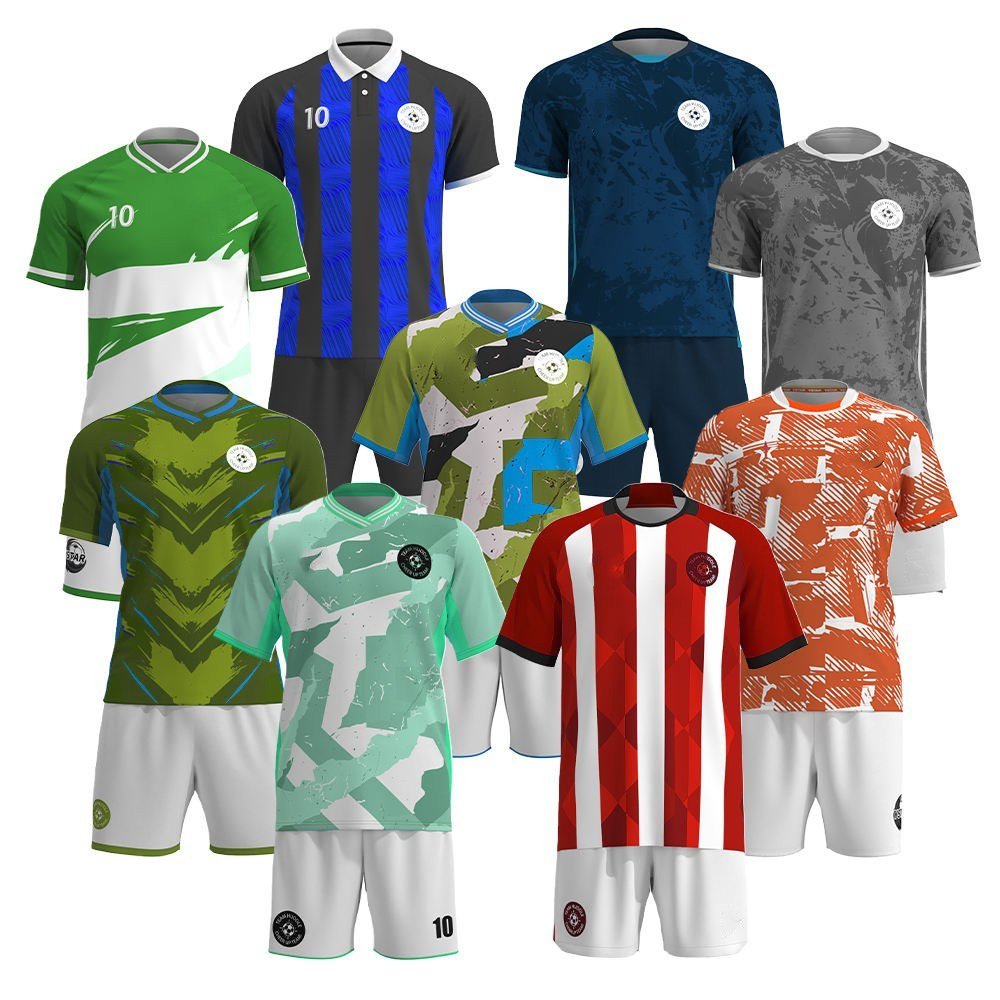
Clothing Craft QC During Assembly
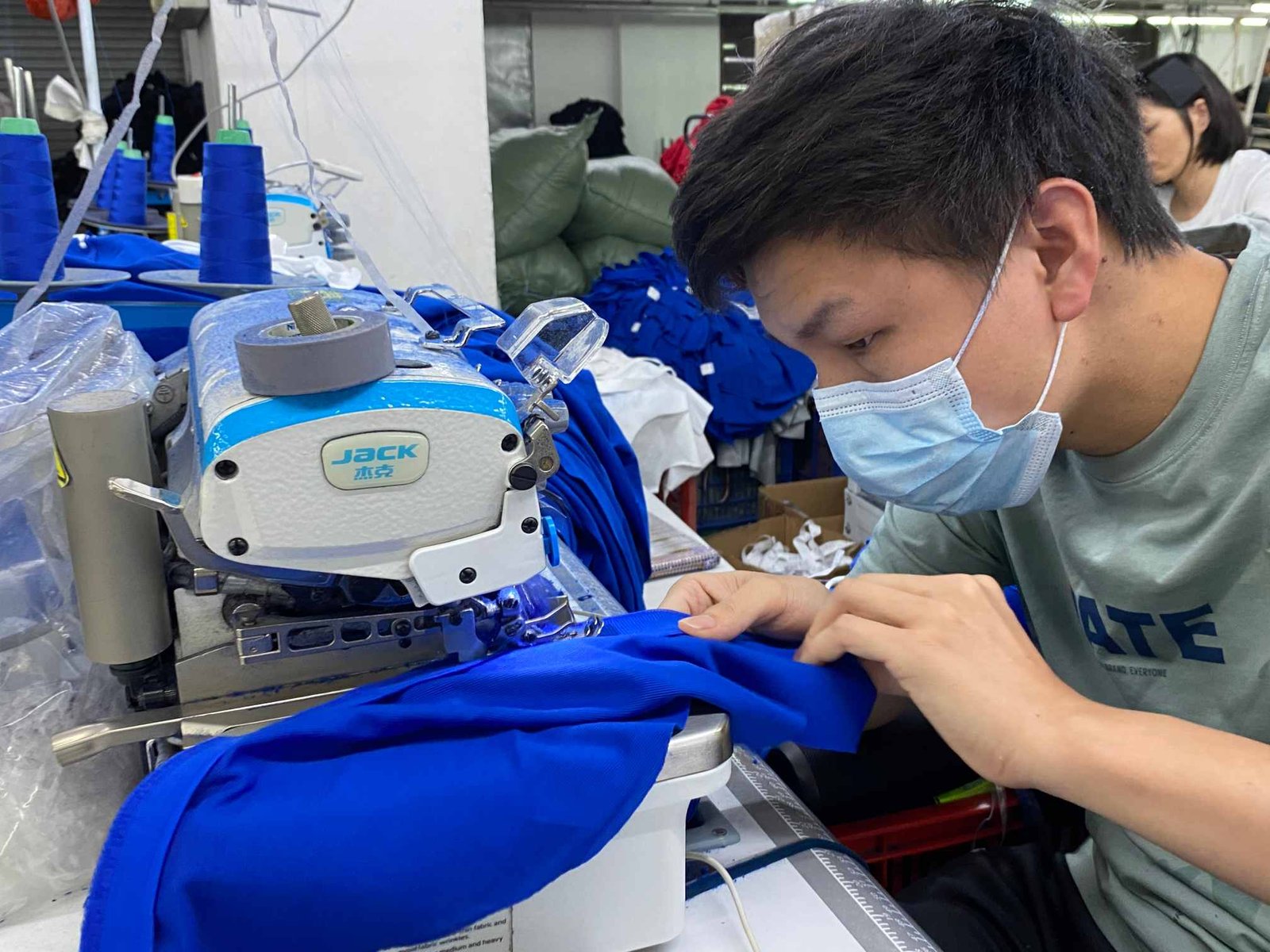
As garments move through construction, our QC team inspects stitching techniques, seam allowances, and construction methods at critical checkpoints. This stage catches craftsmanship issues before they compound, maintaining the structural integrity essential for oversized streetwear’s bold, relaxed aesthetic.
- Seam strength and stitch-per-inch consistency verification
- Collar, cuff, and hem construction quality checks
- Pocket placement and reinforcement testing for durability
- Embellishment and print alignment inspections during application
Finished Clothing Quality Inspection
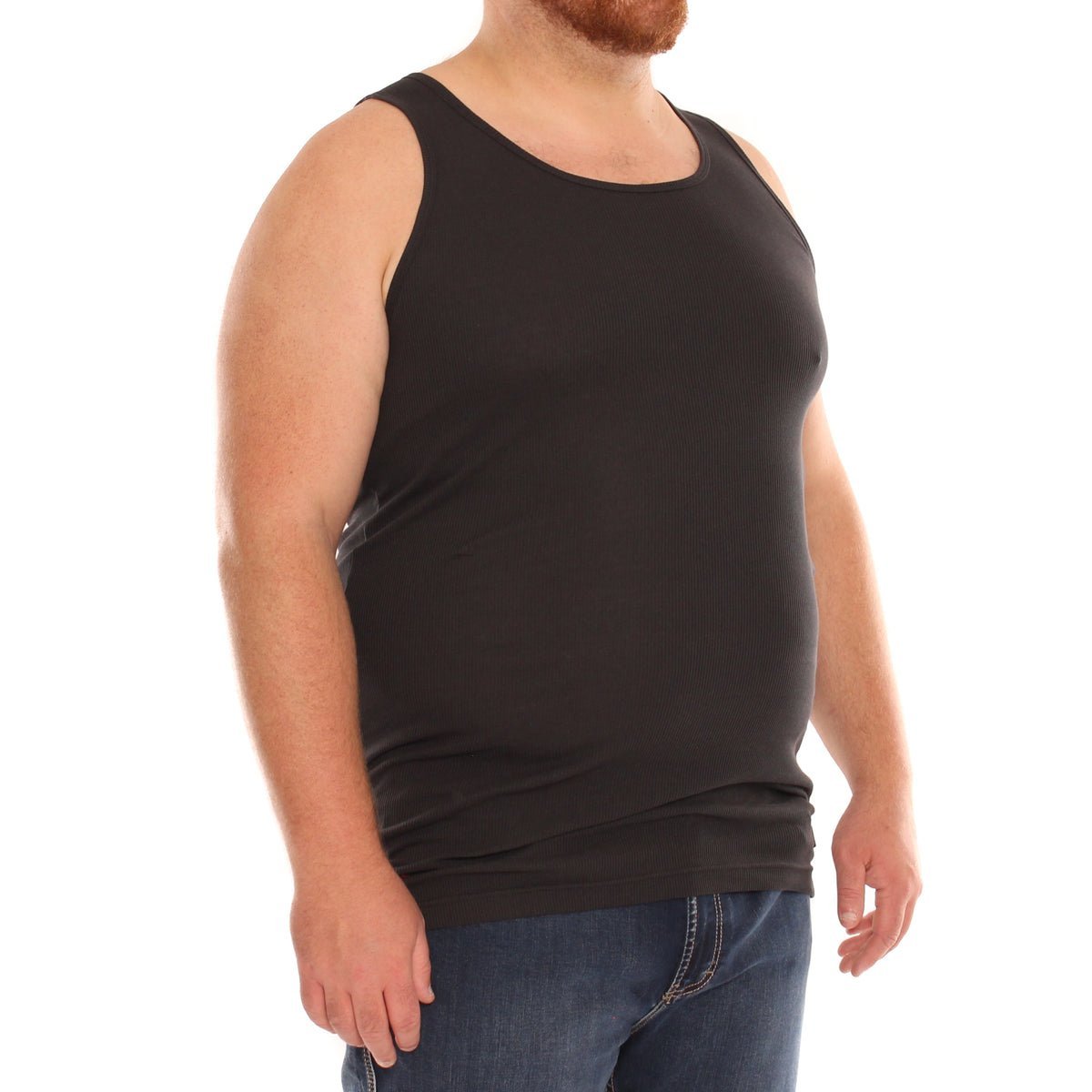
Every completed garment undergoes final inspection covering fit, finish, and functionality. We check measurements, examine all seams and hems, test closures, and verify that prints, embroidery, and washes meet approved standards—ensuring only flawless pieces reach your customers.
- Full garment measurement audit against size specifications
- Visual inspection for loose threads, stains, and surface defects
- Wash and care label placement and accuracy verification
- Packaging standards check before shipping to your warehouse
Oversized Streetwear Manufacturer Comparison: Clothing Manufacturer Ltd vs. Typical Suppliers
See how our 5-step QC process, low MOQ, and streetwear expertise deliver better results than conventional manufacturers who skip quality checks and demand higher minimums.
← 左右滑动查看 →
Our Oversized Streetwear Manufacturer Production Workflow
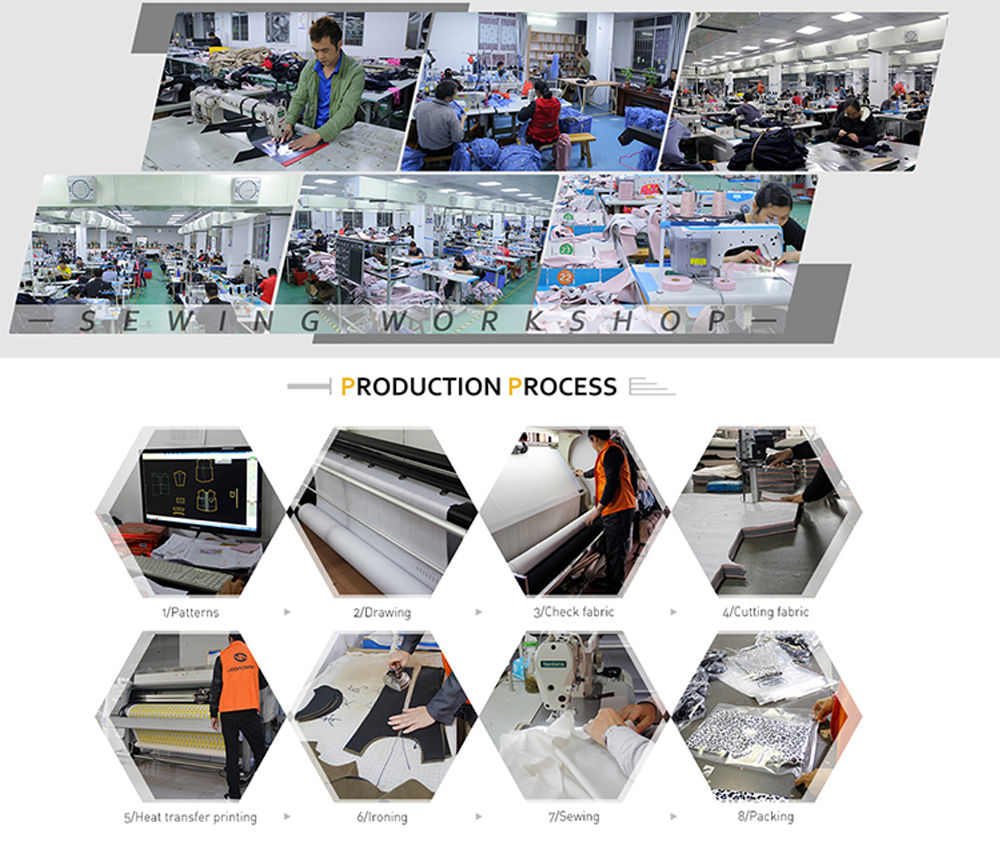
From tech pack to global delivery, every oversized streetwear order moves through six rigorous phases with built-in quality checkpoints at each stage to guarantee on-time delivery and zero-defect products.
Tech Pack Review
Our design team analyzes your specifications, confirms oversized fit grading, selects fabrics, and provides costing within 24 hours for fast decision-making.
Sampling & Approval
We produce pre-production samples with exact oversized proportions, apply your branding, and ship for approval—typically completed within 7-10 days.
Bulk Production Launch
Materials QC and cutting QC testing ensure fabric integrity and pattern accuracy before sewing begins, catching issues early in the workflow.
Sewing & In-Line QC
Clothing craft QC and sewing production QC checkpoints monitor stitch quality, seam strength, and oversized silhouette consistency throughout assembly.
Finishing & Final Inspection
Finished clothing quality QC inspection verifies measurements, print placement, and all details before garments move to ironing and professional packaging.
Global Shipping & Delivery
We coordinate customs documentation, freight forwarding, and tracking to deliver your oversized streetwear collection on schedule to any destination worldwide.
How to Partner With Your Oversized Streetwear Manufacturer in 4 Simple Steps
From first inquiry to final shipment, we’ve streamlined every stage so emerging brands and established retailers can launch oversized streetwear collections with confidence and speed.
Submit Your Tech Pack or Design Brief
Share your oversized streetwear concept, sketches, or tech pack. Our 15-member R&D team reviews every detail and responds within 24 hours with initial feedback.
Receive Quote and Physical Sample
We provide transparent pricing and produce a physical sample using your chosen fabrics and finishes, ensuring every element meets your brand’s vision before bulk production.
Approve Production and Track Progress
Once you approve the sample, we launch bulk manufacturing with our 5-step QC guarantee at every stage, keeping you updated throughout the production cycle.
Receive Global Shipment and Support
Your oversized streetwear arrives on time with full logistics support. We provide post-delivery assistance to ensure smooth fulfillment and long-term partnership success.
Certified Oversized Streetwear Manufacturer with 10 Patents
Trusted Oversized Streetwear Manufacturer for Brands & Influencer Lines Worldwide
We launched our oversized hoodie line with just 100 pieces and grew from 0 to 47,000 followers in 8 months. The 5-step QC meant zero returns and our customers kept coming back for every drop.
Clothing Manufacturer Ltd reduced our sampling costs by 38% and cut turnaround time from 6 weeks to 18 days. Their oversized tee production quality is unmatched—we’ve shipped to 22 countries with consistent results.
As an influencer brand, we needed reliable oversized fits and fast production cycles. Tesla’s team delivered three seasonal collections on time with perfect sizing consistency across 500+ units. Game changer for our growth.
Oversized Streetwear Manufacturer — Frequently Asked Questions
What is the minimum order quantity with your oversized streetwear manufacturer?
How long does production take for oversized streetwear orders?
Do you offer sampling services before bulk production with your oversized streetwear manufacturer?
What payment terms does your oversized streetwear manufacturer accept?
How do you protect my designs and intellectual property?
Can you customize oversized fits, fabrics, and branding elements?
What shipping and logistics options are available?
What makes your quality control process different from other manufacturers?
Do you have experience producing for influencer and creator brands?
The Complete Buyer’s Guide to Choosing the Right Oversized Streetwear Manufacturer
Navigate the oversized streetwear manufacturing landscape with confidence. This guide provides a proven decision framework, essential supplier criteria, quality benchmarks, and common pitfalls to avoid when selecting your manufacturing partner.
1. What Is an Oversized Streetwear Manufacturer?
An oversized streetwear manufacturer is a specialized apparel production facility that engineers garments with intentionally exaggerated proportions—typically 2 to 6 inches wider in chest and 1 to 4 inches longer in body and sleeves than standard sizing—while maintaining proper draping, balance, and wearability. Unlike conventional factories that follow traditional fit blocks, these manufacturers possess technical expertise in pattern grading, fabric behavior under increased weight, and construction methods that prevent sagging, twisting, or collar distortion in oversized silhouettes.
Streetwear brands require specialized manufacturers because oversized fits demand distinct technical capabilities that general clothing factories often lack. A standard factory may simply scale up a medium pattern to create an oversized piece, resulting in poor shoulder alignment, sleeve pitch errors, and armhole gaping. Specialized oversized streetwear manufacturers adjust dart placement, redraft armholes, recalculate ease allowances, and select fabrics with appropriate GSM (typically 200–320 for heavyweight streetwear) to ensure the garment holds its intended shape.
Clothing Manufacturer Ltd., founded in 2024 by Tesla Luo with over 10 years of production experience and 6 years in streetwear, implements a five-step quality control methodology introduced February 12, 2025, covering materials QC, cutting QC, craft QC, sewing QC, and finished garment inspection. This systematic approach addresses the common industry shortcoming Luo observed: factories proceeding directly from sewing to packing without intermediate quality checks, a practice that undermines garment integrity and damages manufacturer credibility in global markets.
2. Evolution of Oversized Streetwear Manufacturing
In the early 1990s, hip-hop artists and skateboarders popularized oversized silhouettes as a deliberate style statement, wearing garments two to three sizes larger than standard fits. This aesthetic emerged from urban street culture, where baggy jeans, XXXL tees, and oversized hoodies signaled rebellion and individuality. Manufacturers initially treated oversized requests as simple grading errors, scaling patterns uniformly without adjusting drop lengths, armhole depths, or shoulder slopes — resulting in garments that looked poorly fitted rather than intentionally voluminous.
By the mid-2000s, brands like Supreme, Stüssy, and BAPE drove demand for oversized pieces engineered with proper proportions, prompting factories in Guangdong Province and other manufacturing hubs to develop specialized pattern-making techniques. Pattern makers learned to extend body length by 5–10 cm, widen chest measurements by 15–20 cm, and drop shoulders by 3–5 cm while maintaining balanced silhouettes. These adjustments required new grading rules, revised size-spec sheets, and quality control checks focused on intentional drape rather than traditional tailoring standards.
Between 2018 and 2024, the global streetwear market grew from approximately 185 billion USD to over 230 billion USD, with oversized silhouettes accounting for an estimated 40–50 percent of streetwear production volume. High-fashion collaborations with Off-White, Fear of God, and Yeezy further legitimized oversized construction, pushing manufacturers to invest in R&D teams, digital pattern software, and multi-stage QC processes that verify proportional accuracy at cutting, sewing, and finishing stages. Today, specialized oversized streetwear manufacturers distinguish themselves through proprietary grading systems and rigorous testing protocols that ensure every garment achieves the intended boxy, relaxed aesthetic without sacrificing wearability.
3. Types of Oversized Streetwear Manufacturer Services
Oversized streetwear manufacturers operate across six distinct service models, each aligned with different brand stages and resource levels. Understanding these models helps buyers select partners that match their design capability, budget, and order volume.
Full-Package Manufacturers
Full-package manufacturers handle fabric sourcing, pattern development, sampling, production, and finishing under one roof. Ideal for fashion startups and independent designers lacking in-house technical teams, these partners manage the entire workflow from concept to finished garment.
Typical MOQs range from 50 to 300 pieces per style, depending on complexity. Clothing Manufacturer Ltd. offers full-package services at 50-piece minimums with five-step quality control embedded throughout production, eliminating the need for brands to coordinate multiple vendors.
Cut-Make-Trim (CMT) Specialists
CMT manufacturers execute cutting, sewing, and finishing when clients supply their own fabrics and trims. This model suits established brands with dedicated sourcing teams and existing supplier relationships.
MOQs typically start at 100–500 pieces. Brands retain tighter control over materials but assume responsibility for fabric quality, shrinkage testing, and delivery coordination.
Sampling-Only Studios
Sampling studios produce prototypes and tech packs without committing to bulk production. Independent designers and influencer brands use these services to validate fit and design before placing large orders.
Sample costs range from $50 to $200 per piece, with turnaround times of 7–14 days. Many full-package manufacturers, including Clothing Manufacturer Ltd., offer integrated sampling as part of their design-to-production workflow.
Private Label Providers
Private label manufacturers produce pre-designed oversized streetwear collections that brands customize with their own labels and branding. This model accelerates time-to-market for retailers and creator brands prioritizing speed over unique design.
MOQs are often lower—25 to 100 pieces per colorway—but design differentiation is limited to graphic placements, color selection, and labeling.
4. Materials and Fabrics for Oversized Streetwear
An oversized streetwear manufacturer must balance structure and drape across five core fabric families. Each material delivers distinct silhouette behavior, seasonal suitability, and cost implications that directly shape your brand’s aesthetic and margin.
| Fabric Type | GSM Range | Drape Quality | Price Tier | Best Use Cases |
|---|---|---|---|---|
| Heavyweight Cotton Fleece | 300–450 | Structured, boxy | Mid | Hoodies, crewnecks, winter pieces |
| French Terry | 200–280 | Soft, moderate | Low-Mid | Lightweight hoodies, spring/summer tees |
| Jersey Knits | 160–220 | Fluid, relaxed | Low-Mid | Oversized tees, long-sleeves |
| Heavyweight Canvas | 280–350 | Stiff, architectural | Mid-High | Jackets, overshirts, workwear |
| Technical Blends | 180–260 | Flexible, resilient | Mid-High | Performance tees, athleisure hybrids |
Heavyweight Cotton Fleece
Heavyweight cotton fleece ranges from 300 to 450 GSM and provides the boxy, structured drape essential to oversized hoodies and crewnecks. The looped interior traps air for warmth, making it ideal for fall and winter collections.
Mid-tier pricing positions fleece as the workhorse fabric for high-volume streetwear drops. Brushed finishes add softness without sacrificing the rigid silhouette that defines oversized fits.
French Terry
French terry sits between 200 and 280 GSM, offering a softer drape than fleece with looped backing and smooth face. This fabric suits transitional seasons and layering pieces where breathability matters.
Lower weight yields better movement for oversized tees and lightweight hoodies. Cost sits below heavyweight fleece, making French terry a strategic choice for entry-price items and summer streetwear lines.
Jersey Knits and Technical Blends
Jersey knits span 160 to 220 GSM and deliver fluid drape for oversized tees and long-sleeve basics. Cotton-polyester blends (80/20 or 65/35) reduce shrinkage and improve color retention.
Technical blends incorporating spandex or modal enhance stretch recovery, critical when oversized cuts must retain shape after repeated wear. Price varies widely; ring-spun cotton jersey commands premium over open-end constructions.
5. Customization and Decoration Options
An oversized streetwear manufacturer offers multiple decoration techniques to apply branding, graphics, and design elements to garments. Each method varies in setup cost, durability, minimum order quantity, and suitability for specific artwork types. Understanding these trade-offs ensures you select the right technique for your brand’s aesthetic and budget.
| Technique | Setup Cost | Per-Piece Cost | Typical MOQ | Best For |
|---|---|---|---|---|
| Screen Print | $15–50/color | $0.50–2.00 | 50–100 | Bulk orders, bold graphics |
| DTG | $0 | $3–8 | 1+ | Samples, photo-realistic art |
| Embroidery | $20–75 | $1.50–6.00 | 50+ | Premium logos, small text |
| Puff Print | $15–50/color | $0.80–2.80 | 50–100 | 3D logos, streetwear text |
| Sublimation | $10–30 | $2–5 | 25+ | All-over prints, polyester |
| Chenille Patch | $50–100 | $3–10 | 100+ | Varsity letters, textured logos |
Screen Printing and Puff Print
Screen printing remains the most cost-effective method for bulk orders, requiring one-time screen setup ($15–50 per color) and achieving per-piece costs of $0.50–2.00 depending on color count. Typical MOQs range from 50 to 100 pieces per design. Durability is excellent, with prints lasting 50+ washes when properly cured.
Puff printing adds a raised, three-dimensional effect using expandable ink, popular for streetwear logos and text. Setup costs mirror standard screen printing, but per-piece pricing increases $0.30–0.80 due to specialized ink. Puff prints are limited to simpler designs without fine detail and can crack if over-stretched.
Direct-to-Garment and Sublimation
DTG printing uses inkjet technology to apply full-color, photorealistic designs directly onto fabric, with no setup fees and MOQs as low as 1 piece. Per-unit costs range $3–8, making it ideal for sampling or small runs. DTG works best on 100% cotton; polyester blends reduce vibrancy and wash durability drops to 25–40 cycles.
Sublimation transfers dye into polyester fibers, creating permanent, fade-resistant graphics suitable for all-over prints. It requires polyester content above 65% and white or light base colors. Setup costs are minimal ($10–30 per design), with per-piece pricing of $2–5. Sublimation cannot be applied to dark garments.
Embroidery, Chenille Patches, and Appliqué
Embroidery delivers premium, durable branding with digitizing fees of $20–75 per design and per-piece costs of $1.50–6.00 based on stitch count (typically 5,000–15,000 stitches for streetwear logos). MOQs start at 50 pieces. Embroidery is limited to designs under 4 inches wide and cannot render photographic detail.
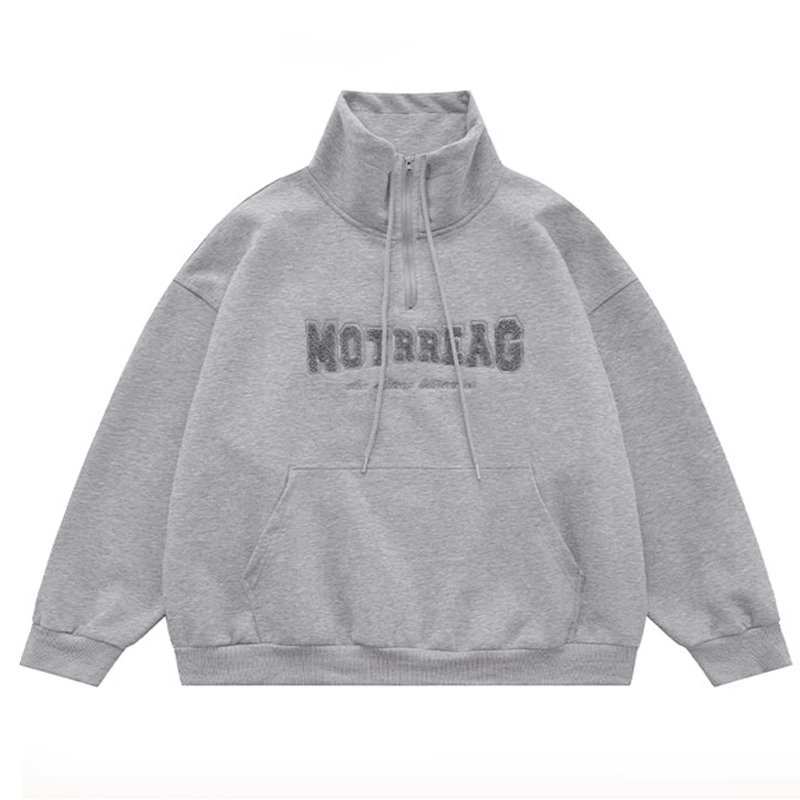
Chenille patches use looped yarn to create textured, varsity-style letters and logos, priced $3–10 per patch depending on size. Appliqué layers fabric shapes under embroidery stitching, reducing stitch count and adding dimension. Both techniques require 100+ piece MOQs and are best suited to bold, simple graphics.
6. Quality Benchmarks for Oversized Streetwear Manufacturing
Auditing quality before bulk orders requires checking five construction benchmarks at every production stage. An oversized streetwear manufacturer should demonstrate measurable standards for stitch density, fabric consistency, grading accuracy, reinforcement, and finishing—not just final inspection.
Stitch Density and Seam Strength
Standard streetwear seams require 12–14 stitches per inch (SPI) for woven fabrics and 10–12 SPI for knits. Oversized garments experience greater stress at shoulder and side seams due to fabric weight and drape.
Request a seam-strength test: pull a 2-inch section with moderate force. Acceptable seams show no thread breakage or puckering. Red flags include skipped stitches, uneven tension, or visible gaps when stretched.
- 12–14 SPI for wovens, 10–12 SPI for knits
- Flatlock or double-needle stitching for stretch panels
- No skipped stitches or puckering under moderate pull
Fabric Weight Consistency and Shrinkage Control
Oversized fits rely on precise fabric weight—typically 220–320 GSM for heavyweight tees and 400–500 GSM for hoodies. Request GSM tolerance certificates showing ±5% variance maximum.
Shrinkage must stay below 3% after three wash cycles. Demand pre-production wash tests with documented measurements. Red flags: no wash-test data, GSM variance above 5%, or fabric hand-feel differences between samples and bulk rolls.
- 220–320 GSM tees, 400–500 GSM hoodies
- ±5% GSM tolerance maximum
- ≤3% shrinkage after three washes
Pattern Grading Accuracy for Oversized Proportions
Oversized grading adds 2–4 inches per size in chest and length, not uniform scaling. Check that XL to XXL increments maintain drop (chest-to-waist ratio) and sleeve pitch.
Request a grade rule chart showing measurements for each size. Red flags: identical increments across all sizes, sleeve length mismatched to body length, or shoulder slope changes between sizes.
- 2–4 inch increments in chest and length per size
- Consistent drop and sleeve pitch across sizes
- Grade rule chart provided before sampling
Reinforcement at Stress Points
Shoulder seams, pocket corners, and hem vents require bar-tack or double-stitch reinforcement. Oversized garments without reinforcement fail within 10–15 wears.
Inspect samples under strong light: bar tacks should show 8–12 stitches in a 0.5-inch span. Red flags: single-stitch pocket corners, no reinforcement at side-seam vents, or loose thread ends at stress points.
Finishing Details: Hem Quality and Label Attachment
Hems should lie flat with consistent 1–1.5 inch turn-up and coverstitch or twin-needle finish. Labels must be sewn (not heat-pressed) with reinforced edges to prevent fraying.
Check hem straightness with a ruler and tug labels gently. Red flags: wavy hems, uneven stitch lines, heat-transfer labels peeling after one wash, or care labels attached with single-thread chain stitch.
- 1–1.5 inch hem turn-up with coverstitch or twin-needle
- Sewn labels with reinforced edges, no heat-transfer
- Straight hem lines within 0.25 inch tolerance
7. How to Choose the Right Oversized Streetwear Manufacturer
Vetting an oversized streetwear manufacturer requires a systematic evaluation across six operational and compliance dimensions. Each criterion reveals whether a factory can scale with your brand while maintaining quality and transparency.
MOQ and Scalability Fit
Minimum order quantities range from 50 pieces per design at specialized streetwear manufacturers to 500–1,000 units at traditional factories. Ask whether MOQs apply per colorway or per style, and confirm reorder minimums for proven bestsellers.
Deal-breaker: factories that cannot accommodate growth from startup runs (50–200 pieces) to mid-volume production (500+ units) will force costly supplier transitions within 12–18 months.
Sampling and Prototyping Process
Request sample lead times (typically 7–14 days), cost per prototype, and the number of revision rounds included. Clarify whether samples use production-grade fabrics or substitutes.
Warning sign: manufacturers who skip fit samples and proceed directly to bulk production lack the quality discipline required for oversized silhouettes, where grading errors amplify across sizes.
Production Lead Times and Capacity
Standard bulk lead times span 25–45 days after approval, depending on fabric sourcing and decoration complexity. Confirm peak-season capacity and whether your orders will be deprioritized during high-volume periods.
Ask: ‘What is your current production backlog, and how many active clients do you serve?’ Evasive answers indicate overcommitment or poor planning.
Communication and Transparency
Evaluate response times (within 24 hours is standard), English proficiency, and willingness to share production progress photos. Request references from brands in your size tier.
Red flag: suppliers who refuse factory visits, avoid video calls, or provide only generic product photos likely operate as brokers rather than direct manufacturers.
Certifications and Ethical Compliance
Verify OEKO-TEX, GOTS, WRAP, or BSCI certifications by requesting certificate numbers and expiration dates. These standards ensure safe dyes, fair labor, and environmental responsibility.
Deal-breaker: manufacturers unable to provide third-party audit documentation expose your brand to reputational and legal risk in regulated markets like the EU and North America.
Payment Terms and Logistics Support
Standard terms require 30–50% deposit and balance before shipment. Confirm whether the factory arranges freight forwarding, handles customs documentation, and offers DDP (Delivered Duty Paid) shipping.
Ask: ‘What happens if the shipment is delayed or damaged?’ Clear policies on insurance, inspection, and defect resolution separate professional operations from unreliable vendors.
8. Common Mistakes When Sourcing an Oversized Streetwear Manufacturer
Sourcing an oversized streetwear manufacturer involves more than comparing quotes and MOQs. Buyers frequently overlook critical factors—pattern grading expertise, quality validation, and intellectual property terms—that later derail production timelines, product quality, and brand ownership.
Choosing Solely on Price Without Quality Samples
Many startups select the lowest-priced factory without requesting pre-production samples, only to discover fabric pilling, inconsistent sizing, or poor stitching after bulk delivery. Price-only decisions ignore the five-step QC processes—materials testing, cutting checks, craft validation, sewing inspection, and finished-product review—that separate reliable manufacturers from those who ship directly from sewing to packing.
Always request samples in your target fabric weight (typically 280–400 GSM for oversized hoodies) and inspect seam construction, print durability, and wash performance before committing to full production.
Ignoring Pattern Grading Expertise for Oversized Fits
Oversized silhouettes require specialized grading: shoulder drops of 2–4 cm per size, extended body lengths, and wider sleeve openings. Factories experienced only in standard fits often scale patterns proportionally, resulting in boxy, unflattering shapes rather than the intentional drape streetwear demands.
Verify that your oversized streetwear manufacturer maintains dedicated pattern teams and can provide grading charts showing drop-shoulder measurements, chest-to-length ratios, and sleeve taper adjustments across your size run.
Underestimating Lead Times for Custom Fabrics
Custom-dyed or printed fabrics add 15–25 days to standard 30–45 day production cycles. Buyers who skip fabric lead-time discussions face delayed launches and missed seasonal windows, especially when ordering reactive-dyed cotton or all-over sublimation prints.
Confirm fabric sourcing timelines separately from cut-and-sew schedules, and request milestone dates for fabric approval, bulk yardage arrival, and cutting commencement.
Skipping Pre-Production Samples
Proceeding directly to bulk production without a pre-production sample (PPS) in final fabric and trims locks in errors—wrong label placement, incorrect thread color, or misaligned prints—across hundreds or thousands of units.
Insist on a PPS that matches your approved tech pack in every detail, and conduct a fit session on live models before authorizing bulk cutting.
Failing to Clarify IP and Design Ownership
Without written agreements, factories may reuse your graphics, patterns, or brand elements for other clients or their own wholesale lines. This is common when buyers provide artwork files without trademark notices or confidentiality clauses.
Include IP ownership and non-disclosure terms in your manufacturing contract, specifying that all custom designs, tech packs, and brand assets remain your exclusive property and cannot be reproduced.
9. Steps to Launch Your Brand with an Oversized Streetwear Manufacturer
Launching a streetwear brand with an oversized streetwear manufacturer follows a structured six-step process from concept to inventory. Each phase builds on the previous, ensuring that design vision, production quality, and market readiness align before your first units reach customers.
Define Collection Concept and Target Market
Map your collection’s aesthetic direction, price points, and audience demographics before contacting any factory. Identify which streetwear elements—skeleton graphics, rose motifs, graffiti prints—resonate with your target customer and how oversized silhouettes fit your brand narrative.
Document 3–5 hero pieces, preferred fabric weights (typically 280–400 GSM for hoodies), and colorways. This clarity accelerates manufacturer conversations and ensures alignment on style and budget from day one.
- List 3–5 core styles (hoodies, tees, joggers) with silhouette notes
- Define target retail price and calculate reverse margin to set FOB budget
- Research competitor fits and identify your unique oversized proportions
Create Tech Packs and Specifications
Prepare detailed tech packs including flat sketches, measurements for each size, fabric specifications (fiber content, GSM, finish), trim callouts (YKK zippers, woven labels), and decoration placements. Tech packs are the blueprint your oversized streetwear manufacturer uses to quote accurately and produce consistently.
Include grading rules for oversized fits—sleeve length drops, body width increments, and hem curves—to ensure every size maintains your intended silhouette. Clear specs prevent costly revisions during sampling.
- Provide flat technical drawings with front, back, and detail views
- Specify fabric type, weight, and any special finishes (enzyme wash, silicone)
- Mark all print, embroidery, and label positions with dimensions
Request and Evaluate Samples
Order pre-production samples in at least two sizes to verify fit, fabric hand-feel, construction quality, and decoration accuracy. Evaluate stitching (flatlock vs. overlock), print adhesion, and whether the oversized proportions match your tech pack.
A five-step QC process during sampling—materials, cutting, craft, sewing, and final inspection—catches errors early. Request revisions until samples meet your standards; this is your last checkpoint before bulk production commits.
- Order samples in small and large sizes to test grading accuracy
- Check seam allowances, hem finishes, and pocket placements against specs
- Wash samples to assess shrinkage, color fastness, and print durability
Negotiate Terms and Place Pilot Orders
Once samples pass, negotiate MOQ (often 50–100 pieces per design for oversized streetwear), payment terms (30% deposit, 70% before shipment is common), and lead times (typically 25–35 days). Clarify Incoterms—FOB, CIF, or DDP—to understand landed costs.
Place a pilot order of 50–200 units across your top styles to test market response before scaling. Pilot runs minimize risk and provide real inventory for pre-launch campaigns and influencer seeding.
- Confirm MOQ per colorway and whether mixed styles meet factory minimums
- Request a production timeline with milestone dates for cutting, sewing, QC
- Agree on payment method (T/T, PayPal, Alibaba Trade Assurance)
Conduct Quality Control Inspections
Schedule in-line and final inspections to verify that bulk production matches approved samples. Check random units for measurement consistency, stitch integrity, print registration, and packaging compliance.
A rigorous five-step QC methodology—materials testing, cutting checks, craft audits, sewing line inspections, and finished garment reviews—ensures defects are caught before shipment. Request photo reports at each QC stage for remote oversight.
- Inspect 10–15% of finished units for size accuracy and construction defects
- Verify hangtags, care labels, and polybag packaging meet your brand guidelines
- Document any discrepancies and request rework before final sign-off
Plan Fulfillment and Launch Logistics
Coordinate shipping method—air freight (7–10 days) for speed or ocean (25–35 days) for cost—and arrange customs clearance, duties, and last-mile delivery to your warehouse or 3PL. Confirm carton dimensions and weight for freight quotes.
Schedule inventory receipt to align with your launch date, allowing buffer time for photography, e-commerce setup, and influencer outreach. A coordinated launch maximizes early momentum and turns your first production run into validated market traction.
- Book freight 2–3 weeks before production completes to secure capacity
- Prepare commercial invoice, packing list, and any certificates of origin
- Set up inventory management and order fulfillment systems before stock arrives
10. Pricing and Cost Structures
Oversized streetwear production costs break into five primary components: fabric and trims typically account for 35–45% of total unit cost, with heavyweight cotton French terry (280–320 GSM) and fleece fabrics commanding premium pricing. Labor and construction represent 25–35%, varying by garment complexity—oversized hoodies with kangaroo pockets and reinforced seams require more sewing time than basic tees. Decoration and branding add $2–$8 per unit depending on method: screen printing averages $1.50–$3 per location after setup, while embroidery runs $4–$8 for complex designs.
Sampling fees range from $80–$150 per style for tech packs and first prototypes, refundable against production orders above 200 units at most manufacturers. Shipping and duties add 8–15% to landed cost; sea freight from Dongguan to Los Angeles takes 18–25 days and costs approximately $2.80–$4.20 per kilogram, while air express delivers in 5–7 days at $8–$12 per kilogram. Duty rates for cotton apparel into the United States sit at 16.5% under HTS code 6110, though Section 301 tariffs may apply depending on trade policy.
Minimum order quantities directly influence unit economics. At 50 pieces, setup costs spread across fewer units, raising per-piece expense by 40–60% compared to 500-unit runs. Manufacturers offering 50-piece MOQs provide startups and independent designers critical flexibility to test designs and colorways before committing to larger inventory investments, though brands should budget $28–$42 per oversized hoodie and $18–$26 per oversized tee at entry volumes.
| Quantity Tier | Price per Unit (Hoodie) | Price per Unit (Tee) | Setup Fee | Lead Time |
|---|---|---|---|---|
| 50 units | $35–42 | $22–26 | $200–300 | 18–22 days |
| 100 units | $28–35 | $18–22 | $200–300 | 20–25 days |
| 500 units | $22–28 | $14–18 | $150–250 | 25–30 days |
| 1,000+ units | $18–24 | $11–15 | $100–200 | 30–35 days |
Partner With a Trusted Oversized Streetwear Manufacturer Today
Start with just 50 pieces, receive 7-day samples, and launch your collection backed by our 5-step QC guarantee.