
Premium Hip Hop Clothing Manufacturer for Streetwear Brands
Partner with a hip hop clothing manufacturer offering 50-piece MOQ, 5-step quality control, and fast turnaround for emerging labels and influencer brands worldwide.
Our Hip Hop Apparel Collections
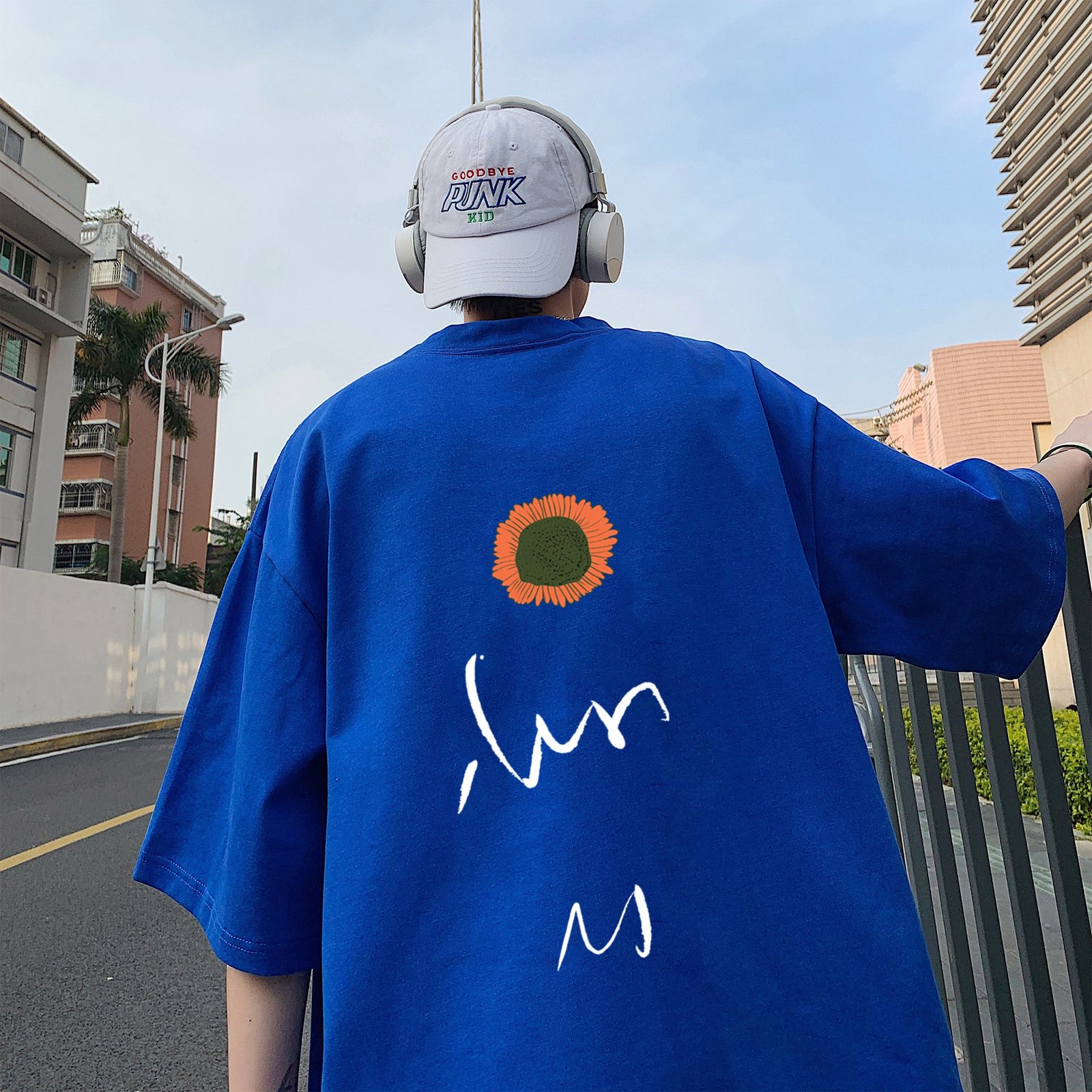
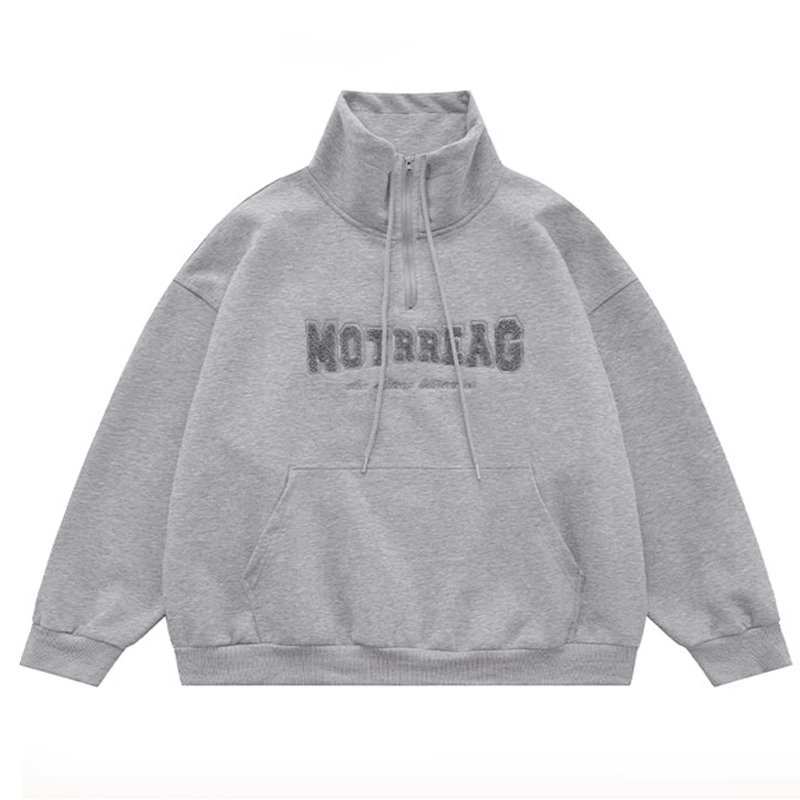
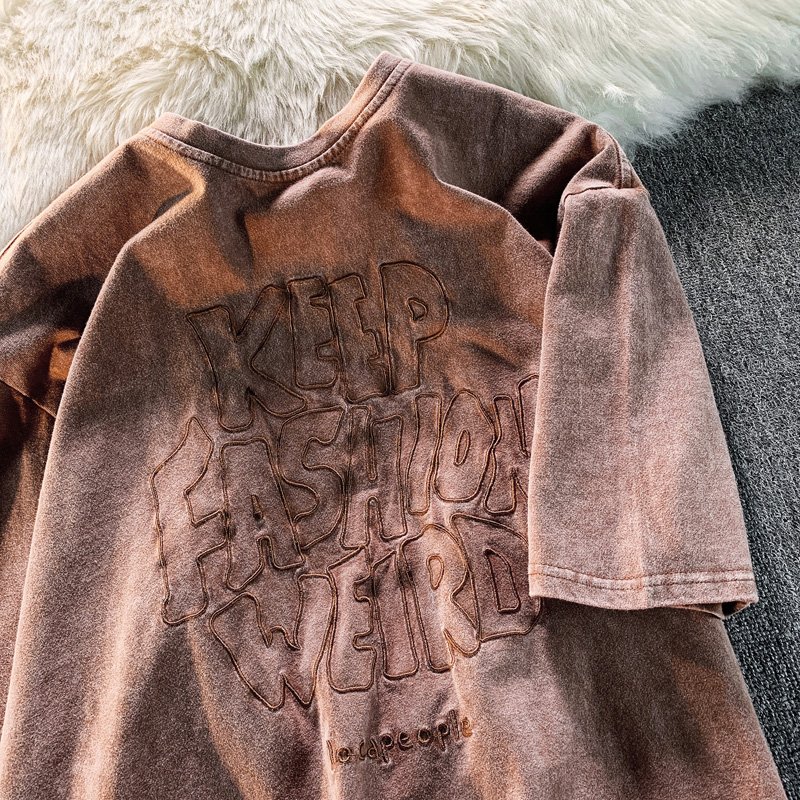
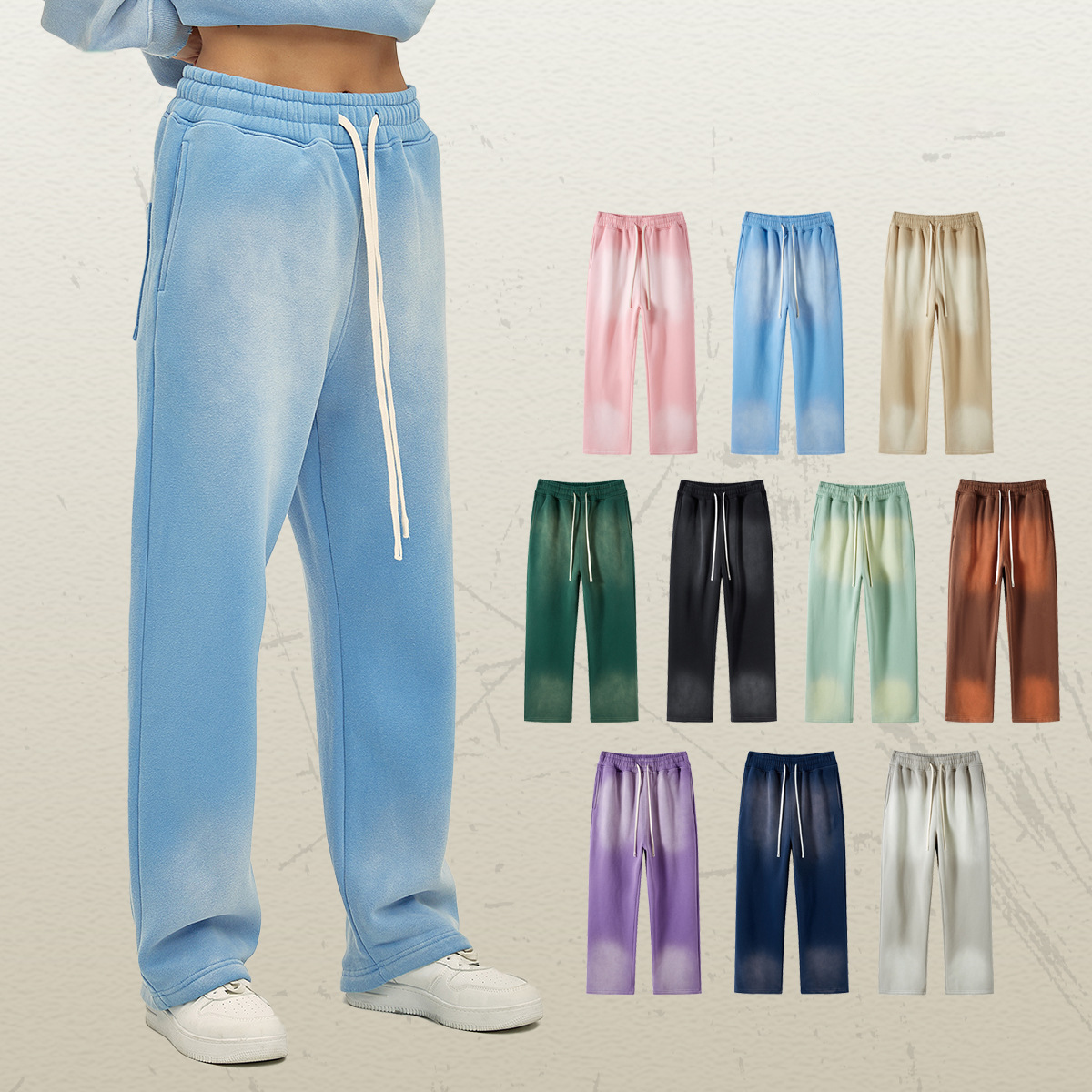
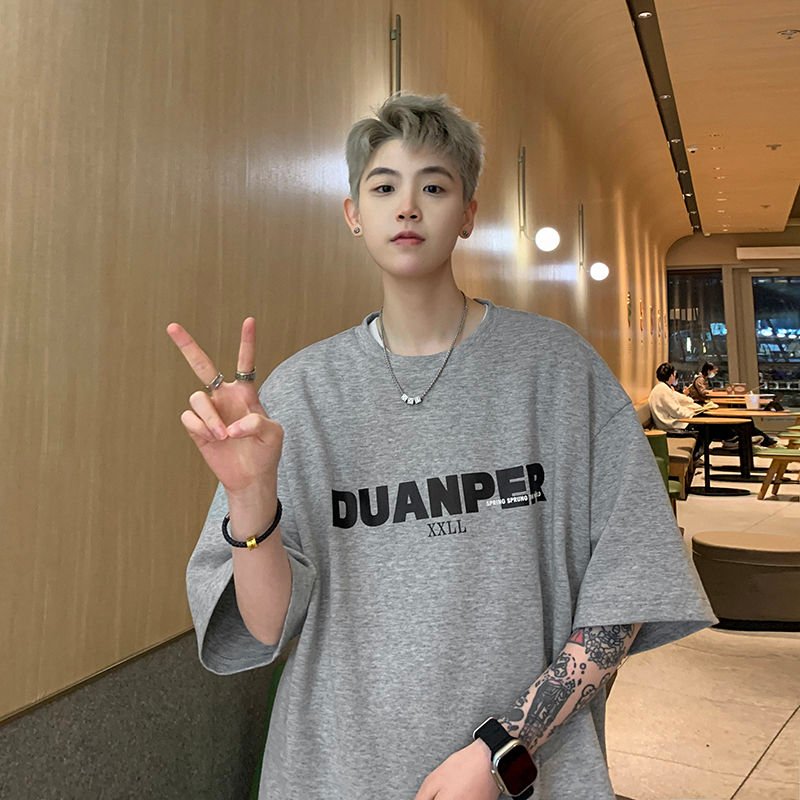
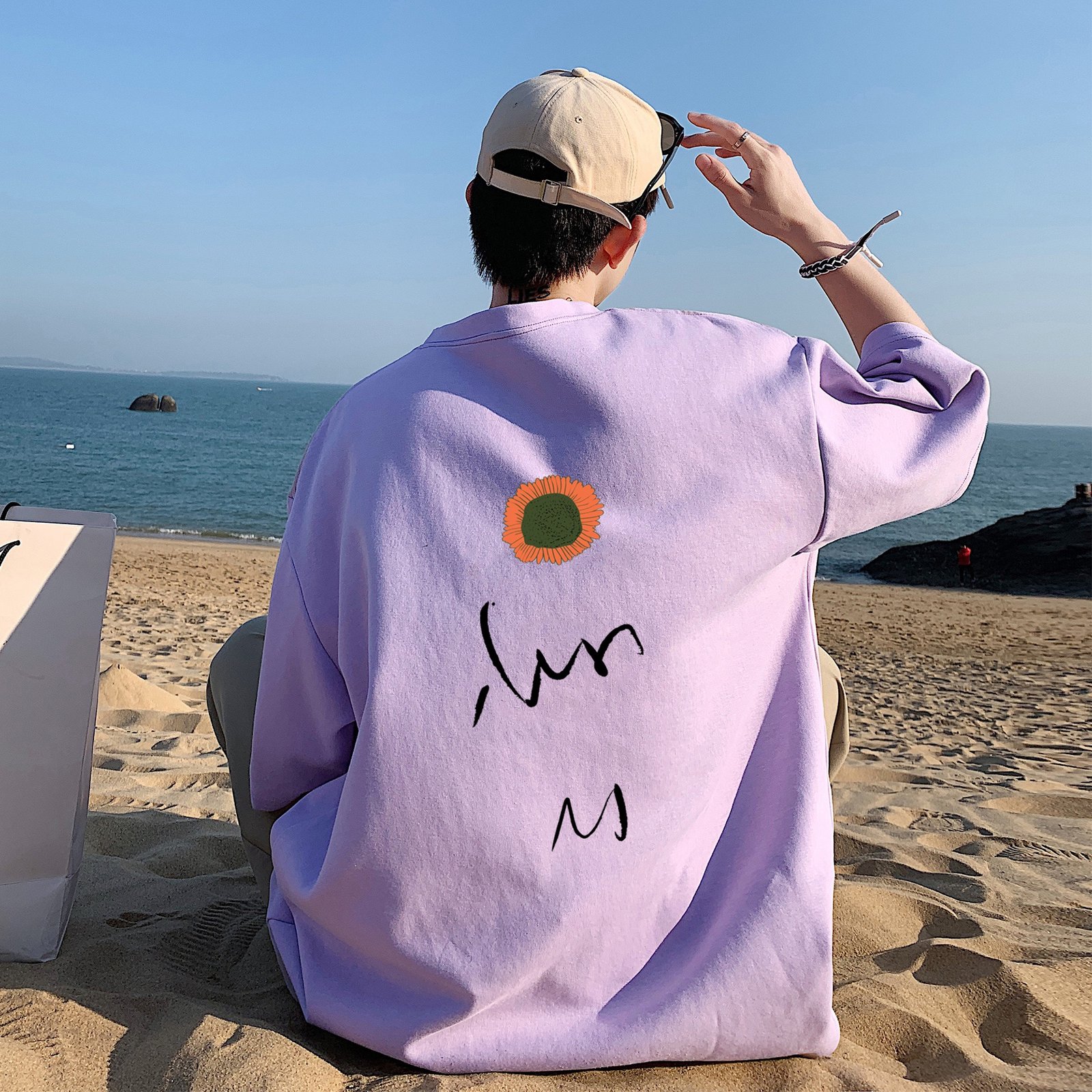
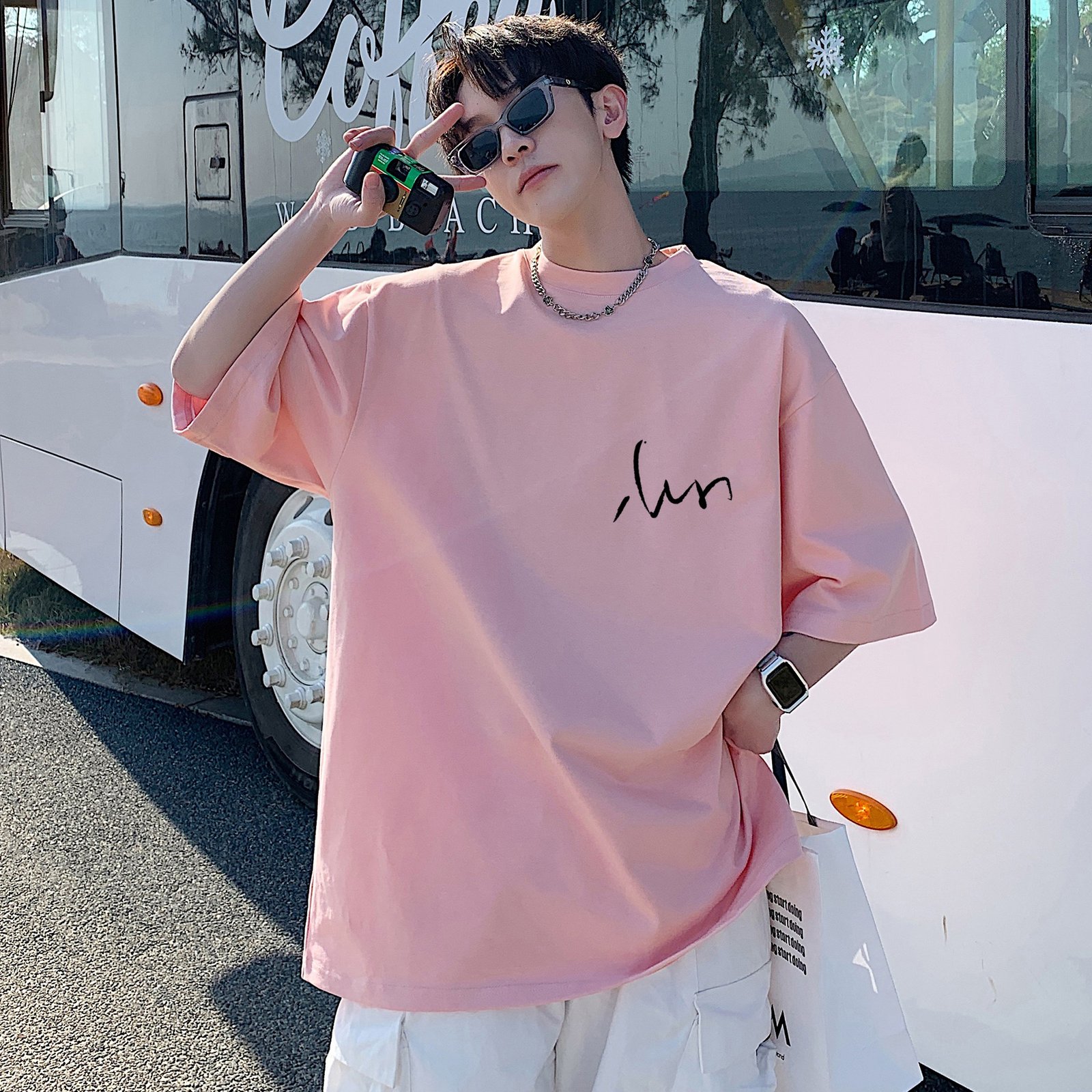
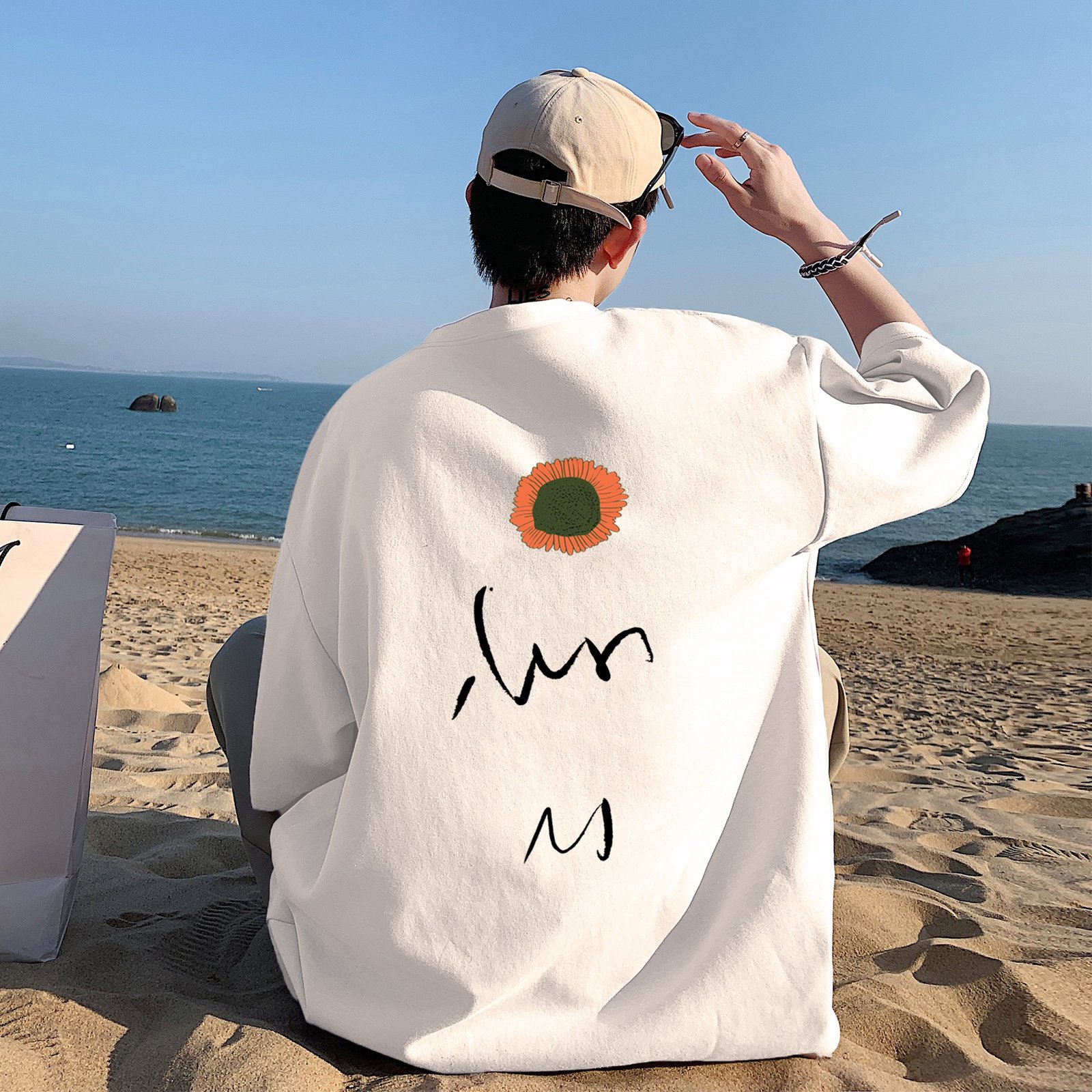
Why Brands Choose Our Hip Hop Clothing Manufacturer
5-Step QC Guarantee
Every hip hop garment passes five quality checkpoints from materials to finished product, ensuring zero defects reach your customers.
50-Piece Minimum Order
Launch your streetwear line without breaking the bank. Our low MOQ empowers startups and independent designers to test collections affordably.
7-Day Sample Turnaround
Fast-track your seasonal drops with rapid sampling. Get physical prototypes in one week to stay ahead of streetwear trends.
In-House Design Team
Our 15-member R&D team brings streetwear expertise in skeleton, graffiti, and bold graphics to elevate your hip hop apparel vision.
Global Shipping & Logistics
Seamless delivery to over 100 countries with full customs support, so your hip hop clothing reaches customers anywhere, on time.
10+ Years Streetwear Expertise
Founder Tesla Luo’s decade of production experience and six years specializing in streetwear guarantee authentic, trend-driven hip hop manufacturing.
Hip Hop Clothing Manufacturer Product Categories We Specialize In
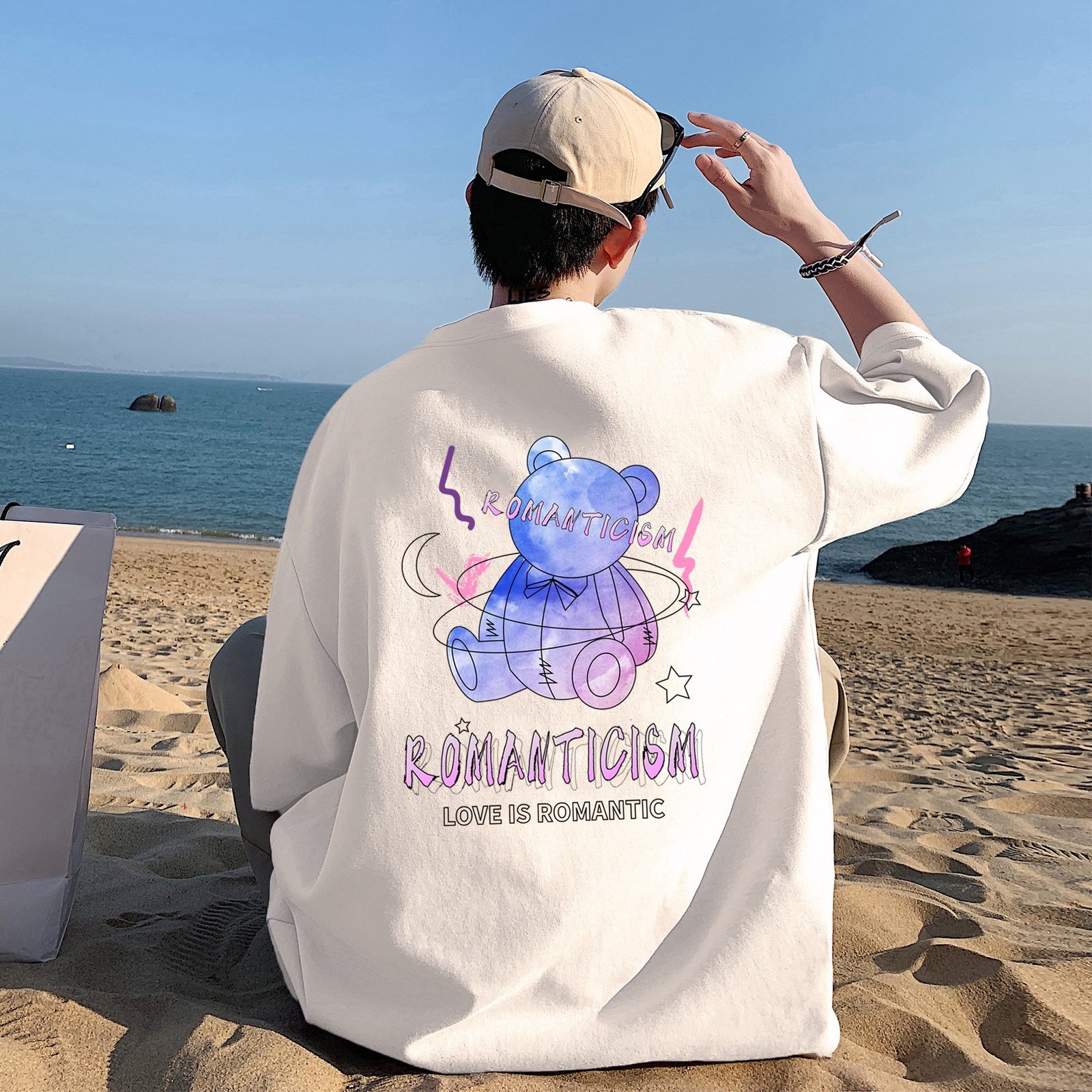
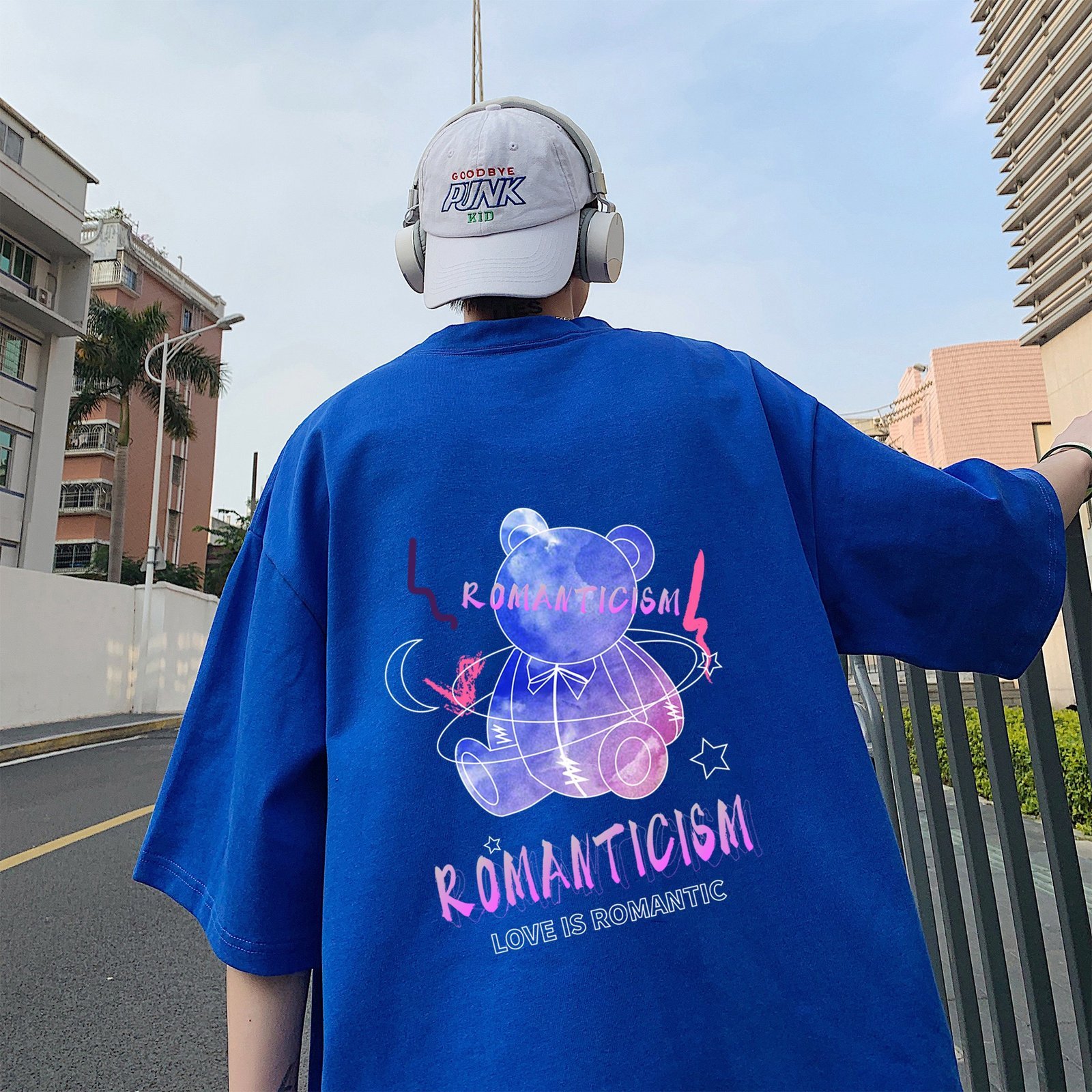
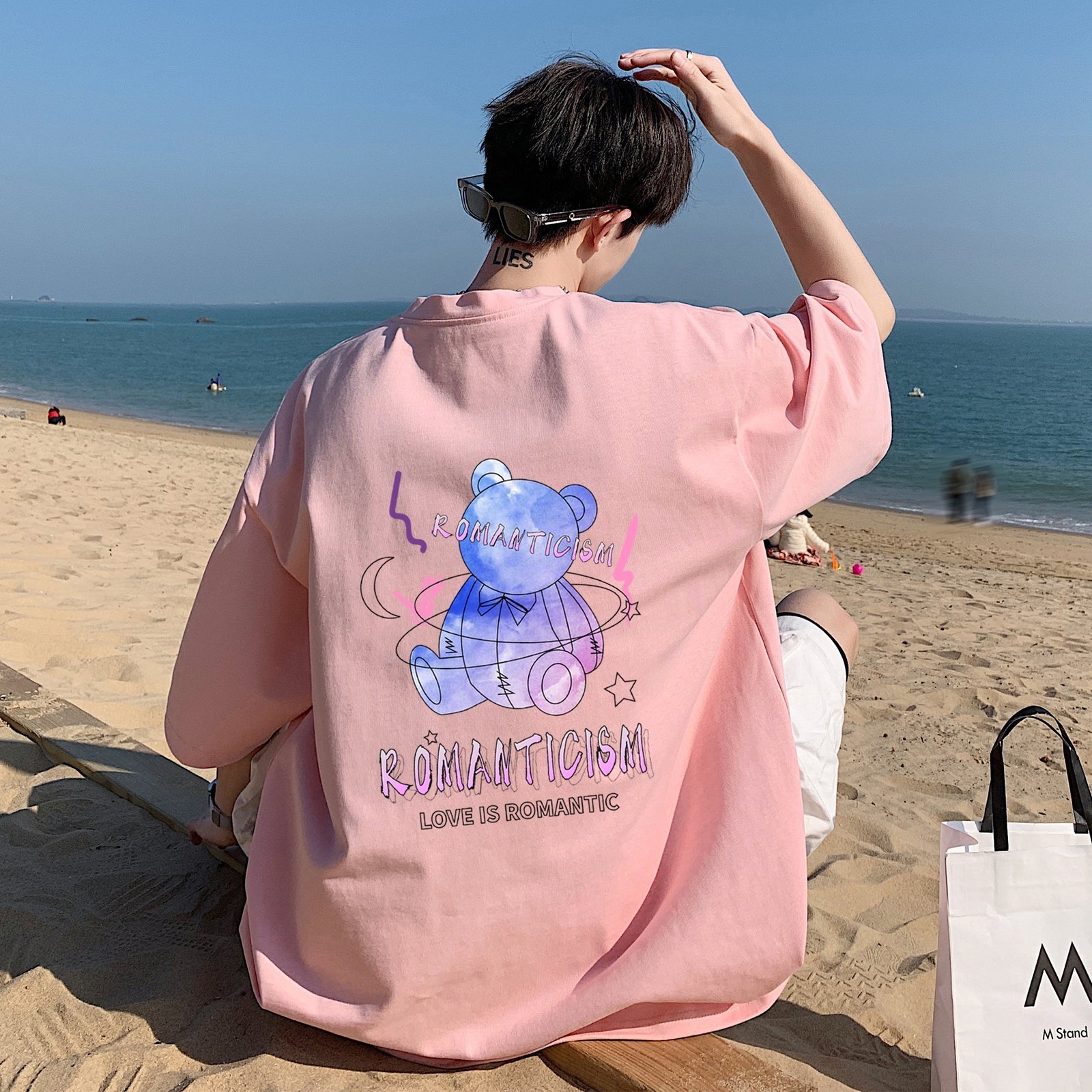
From oversized hoodies to statement graphic tees, we produce every essential streetwear piece with trend-driven design and rigorous quality control.
Graphic Tees & Oversized Shirts
Many brands struggle with low-quality prints that crack or fade after a few washes, damaging customer trust and brand reputation in competitive streetwear markets.
Our 5-step QC process ensures vibrant, durable graphics using premium printing techniques. Your tees maintain bold colors and sharp details wash after wash, building loyal customers.
Hoodies & Sweatshirts
Emerging streetwear brands need heavyweight, premium-feel hoodies but face high MOQs and inconsistent fabric quality from manufacturers who prioritize volume over craftsmanship.
We offer 50-piece MOQ on heavyweight fleece hoodies with custom embroidery and screen printing. Your brand launches with premium pieces that feel luxury without massive upfront investment.
Joggers & Streetwear Pants
Independent designers find it difficult to source joggers with the right fit, taper, and construction details that define authentic hip hop style and comfort for active lifestyles.
Our in-house design team develops custom jogger patterns with tapered fits, reinforced stitching, and adjustable waistbands. Your pants deliver the silhouette and durability streetwear fans expect.
Jackets & Outerwear
Seasonal collections demand fast turnaround on trend-driven bomber jackets, varsity styles, and puffer coats, but most manufacturers can't deliver quality at speed for limited drops.
We specialize in rapid production of statement outerwear with detailed embroidery, custom patches, and premium zippers. Launch your seasonal drops on time with pieces that sell out fast.
Accessories & Finishing Touches
Streetwear brands want cohesive collections including caps, beanies, bags, and bandanas, but coordinating multiple suppliers creates quality inconsistencies and logistical headaches.
We manufacture complete accessory lines alongside your apparel, ensuring consistent branding, color matching, and quality across every product. One partner, one shipment, zero compromise.
Premium Fabrics Every Hip Hop Clothing Manufacturer Should Offer
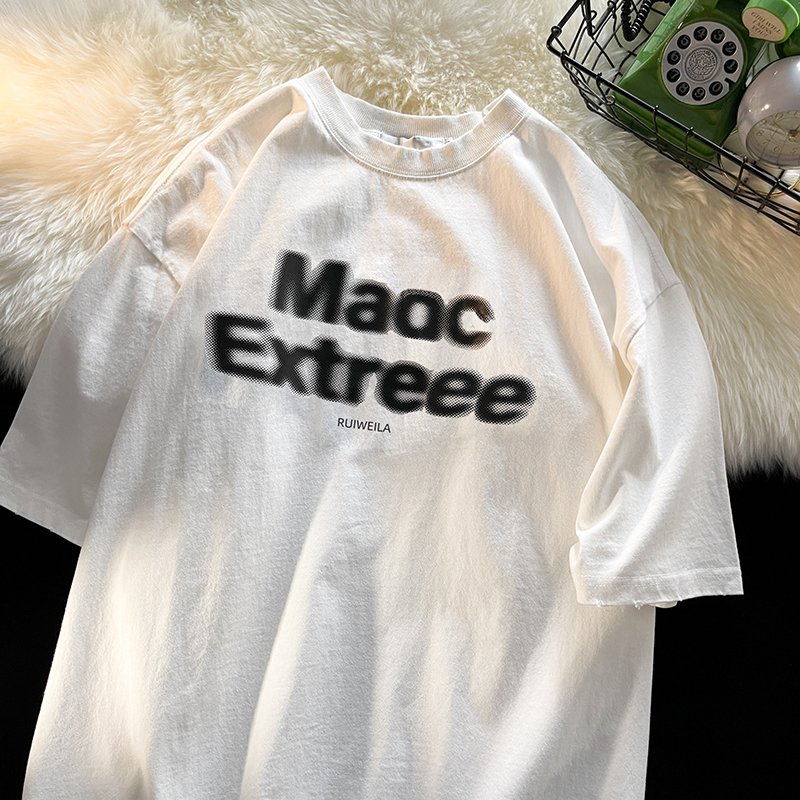
Heavyweight Cotton
Dense, durable fabric with substantial hand-feel, ideal for oversized hoodies, graphic tees, and statement pieces. Weight ranges from 300-400 GSM, offering structure and premium drape that holds bold prints and embroidery without distortion.
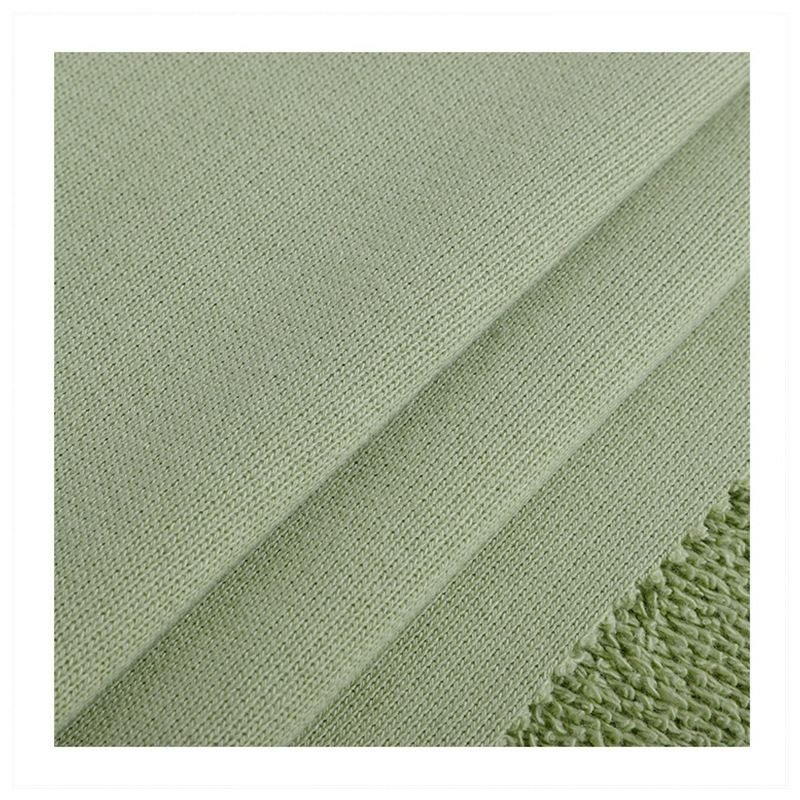
French Terry
Soft looped interior with smooth outer face, perfect for joggers, crewnecks, and layering pieces. Medium-weight construction (240-280 GSM) provides breathability and comfort while maintaining the relaxed silhouette hip hop culture demands.
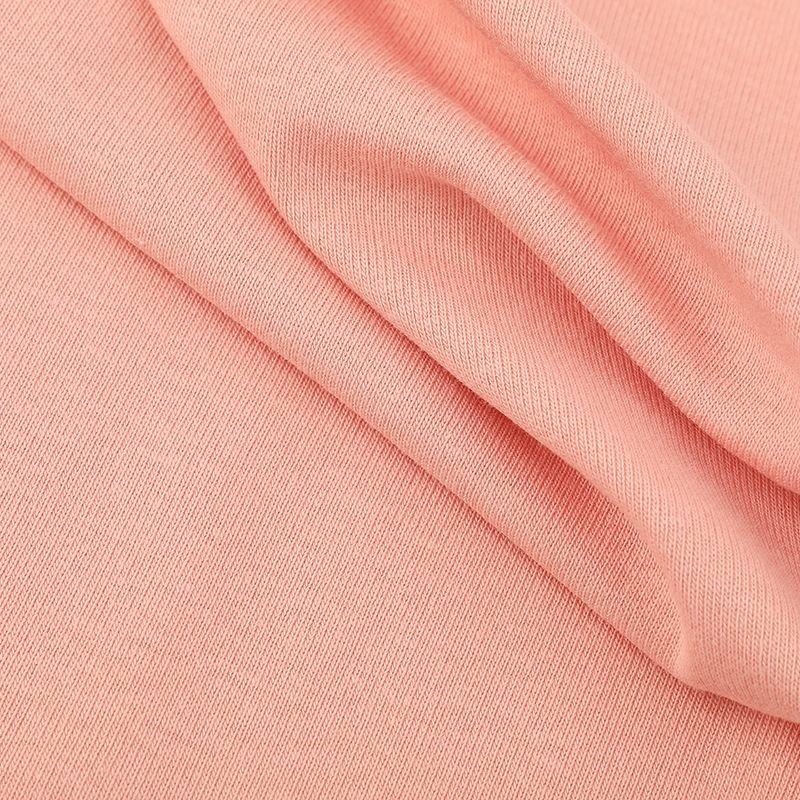
Athletic Mesh
Lightweight, breathable knit with excellent moisture-wicking properties for performance-inspired streetwear. Open-weave construction allows airflow, making it essential for basketball jerseys, track pants, and summer capsule collections with authentic sports heritage.
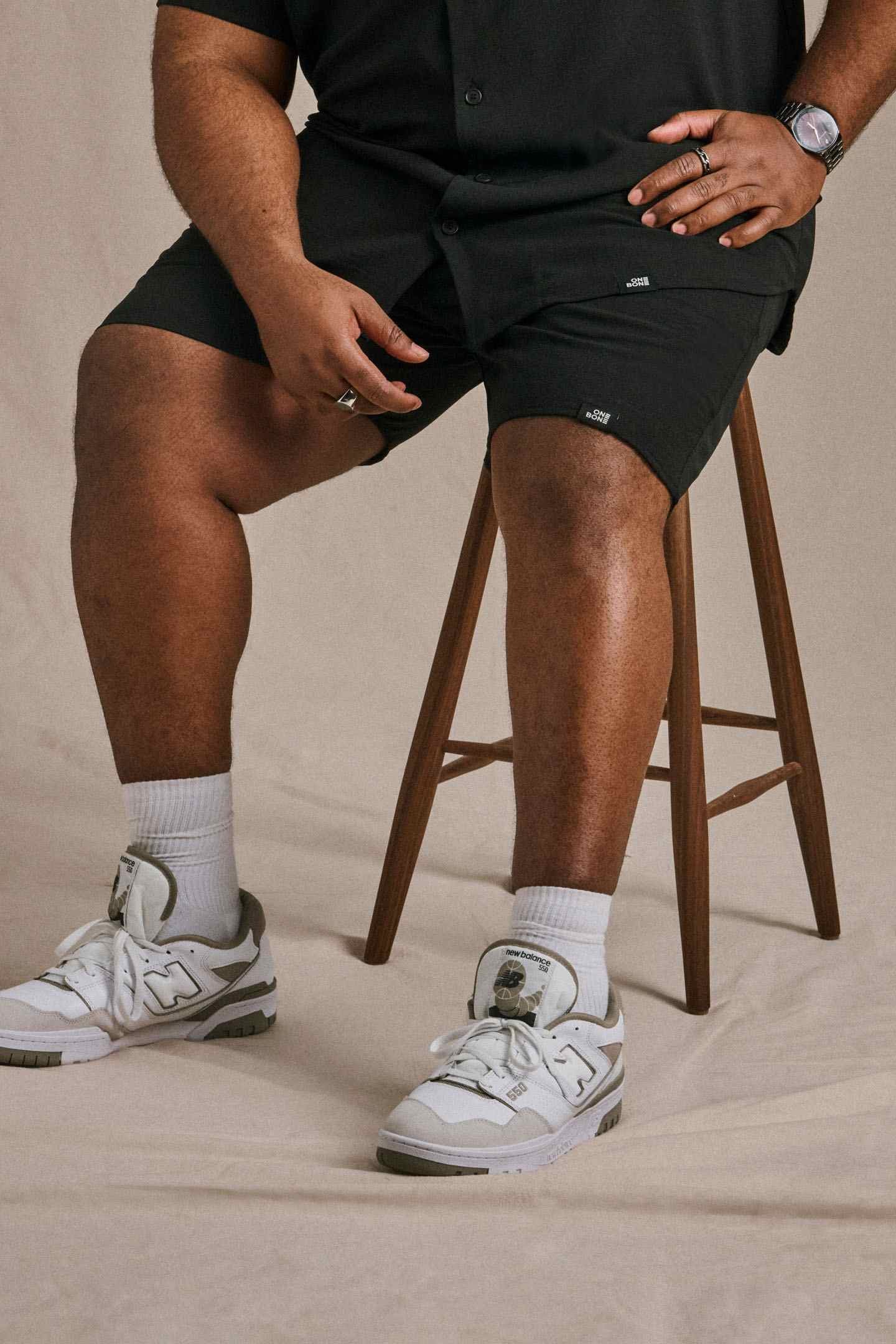
Ripstop Nylon
Technical fabric with reinforced crosshatch weave that resists tearing, ideal for windbreakers, cargo pants, and utility vests. Water-resistant finish and lightweight durability make it a staple for urban outdoor and techwear-influenced hip hop lines.
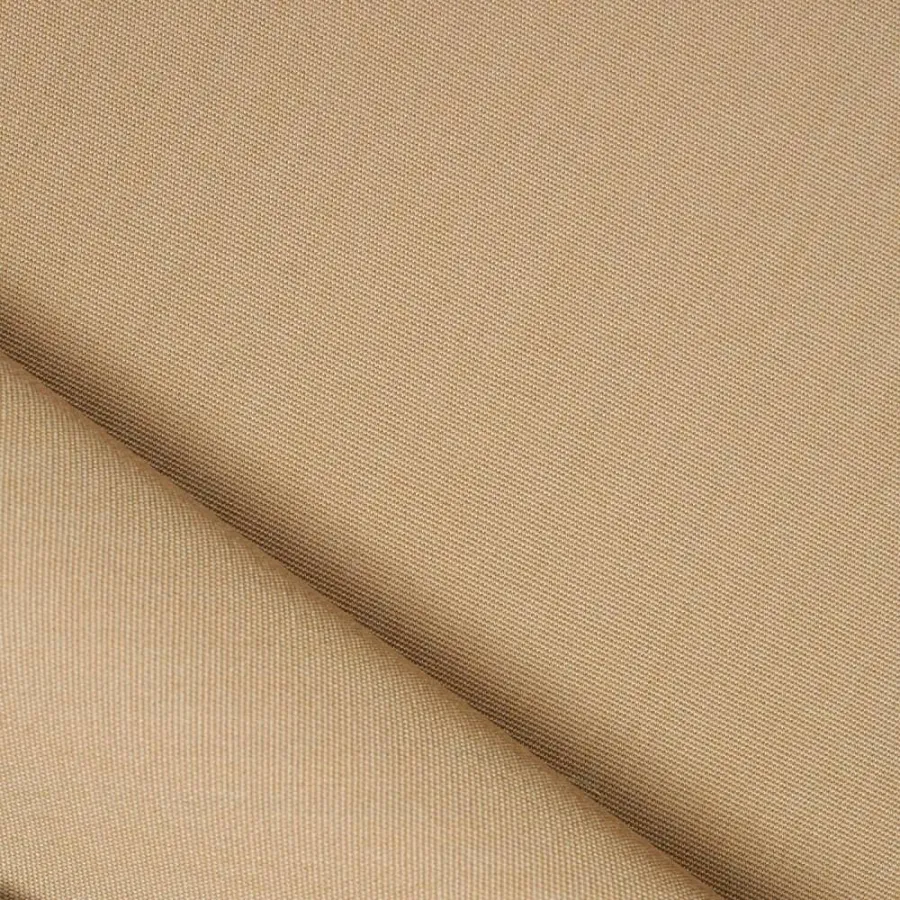
Poly-Cotton Fleece
Blended fabric combining cotton comfort with polyester resilience, brushed for warmth and softness. Typically 60/40 or 80/20 ratio, this versatile material holds vibrant dyes and resists pilling, perfect for hoodies and sweatpants in high-volume collections.
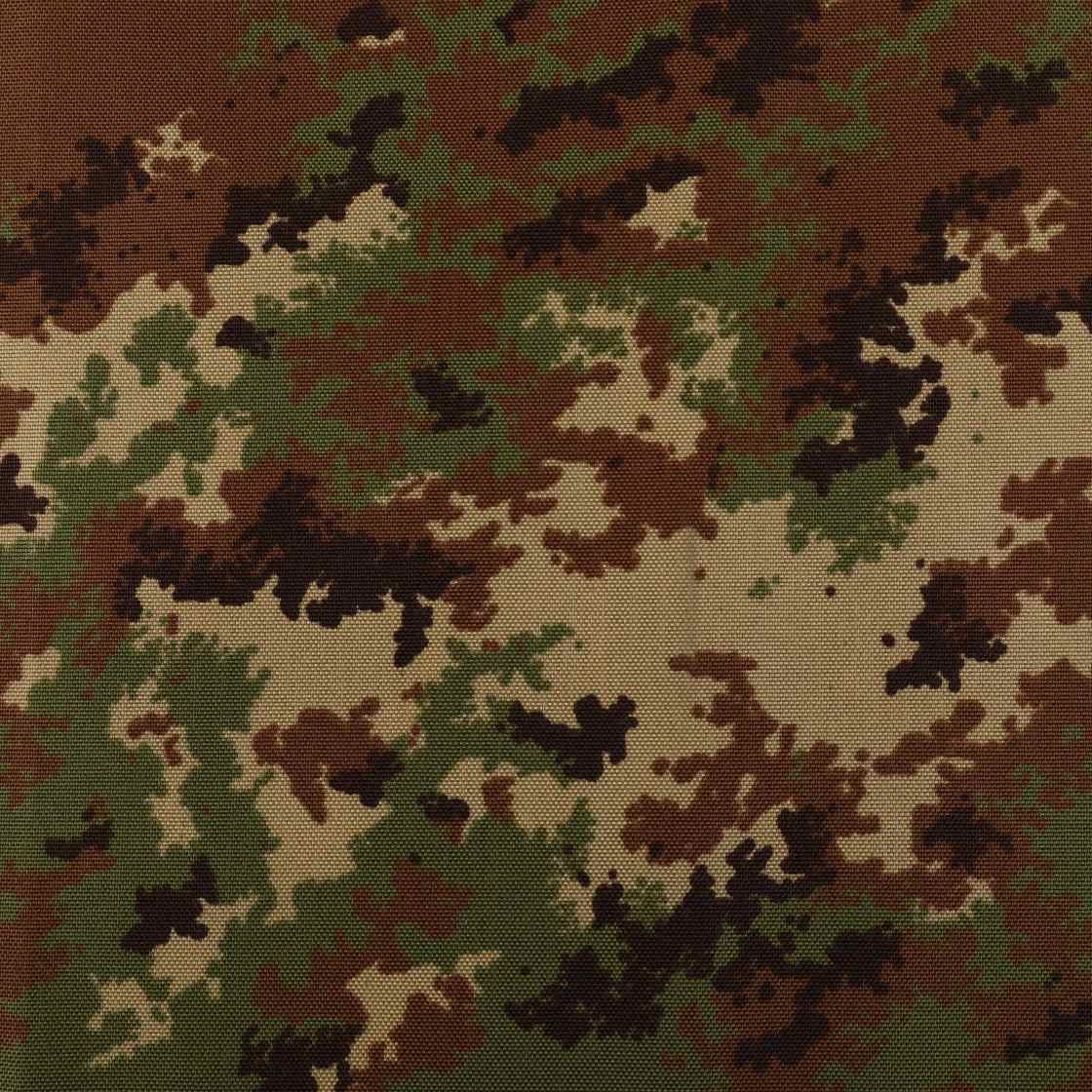
Denim Twill
Heavyweight diagonal weave fabric with authentic workwear heritage, essential for streetwear denim jackets, jeans, and vests. Available in 10-14 oz weights with stretch or rigid options, offering the rugged aesthetic and durability hip hop brands require.
Advanced Hip Hop Clothing Manufacturer Production Processes
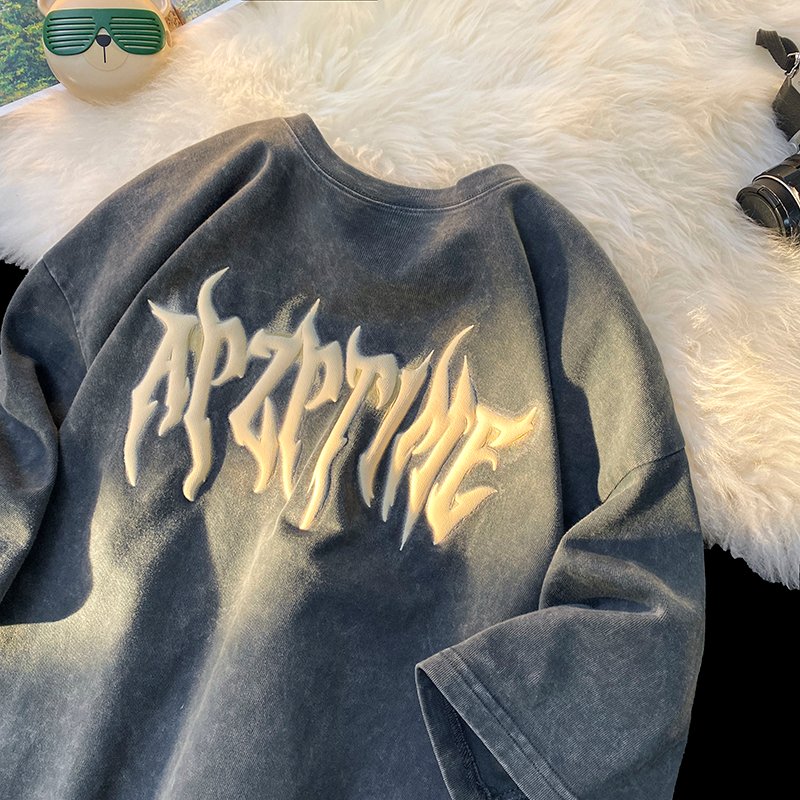
Screen Printing
High-opacity ink layers create vivid, bold graphics perfect for hip hop designs. Delivers exceptional wash durability and color vibrancy for oversized logos, graffiti-style art, and statement graphics that define streetwear aesthetics.
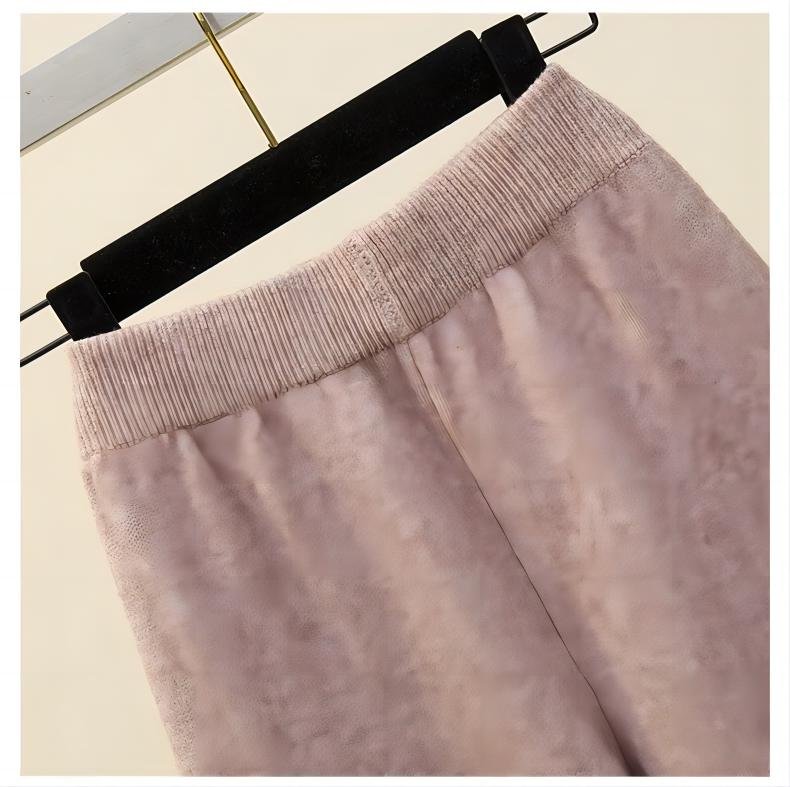
Embroidery
Premium thread stitching adds dimensional texture and luxury to streetwear pieces. Ideal for brand logos, gothic lettering, and intricate motifs like crosses and skulls, delivering a high-end finish that elevates any hip hop collection.
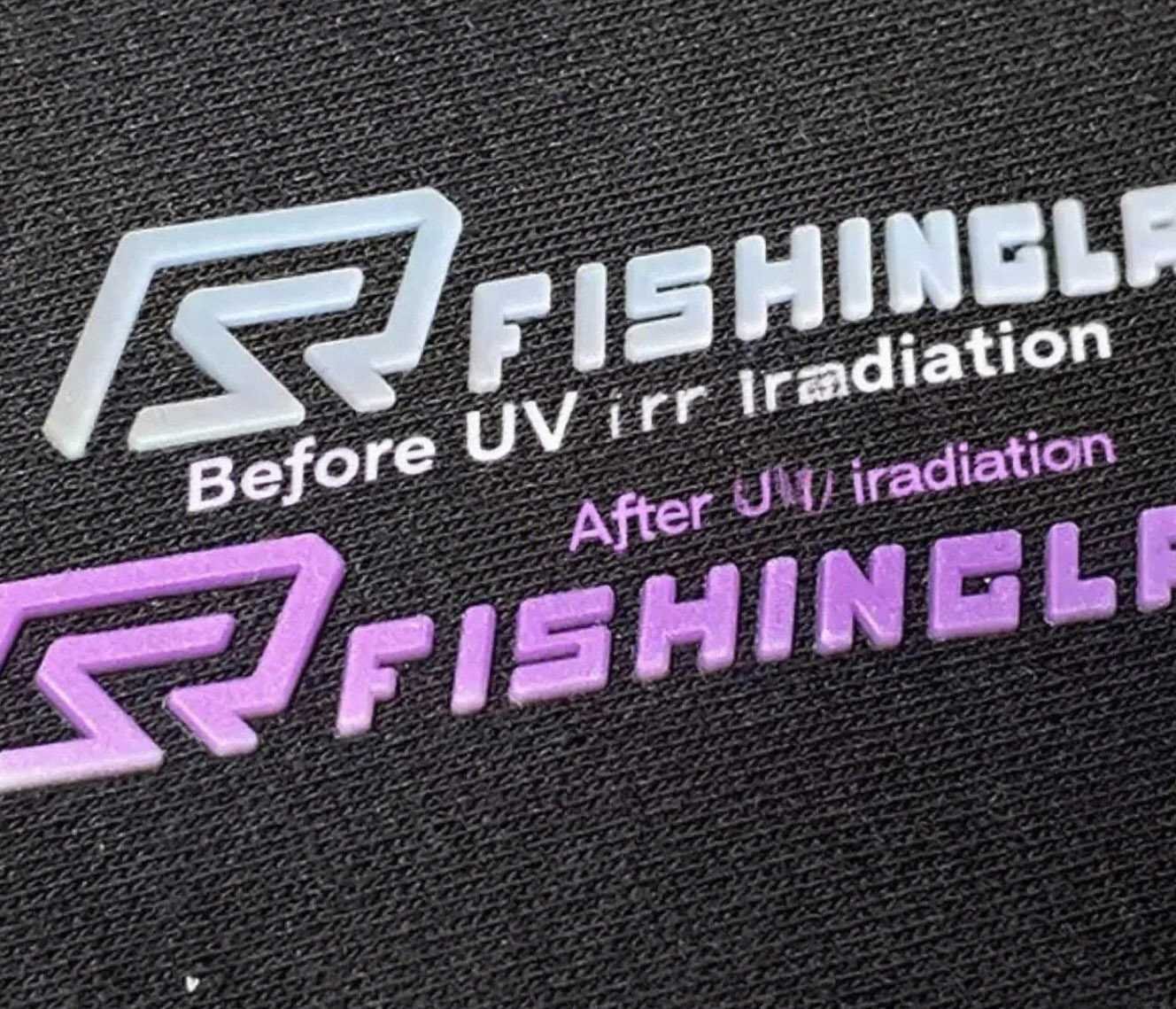
Sublimation Printing
Dye-infusion technology creates all-over prints with photographic detail and unlimited color options. Perfect for complex patterns, gradient effects, and full-coverage designs that capture the bold, expressive spirit of hip hop fashion.
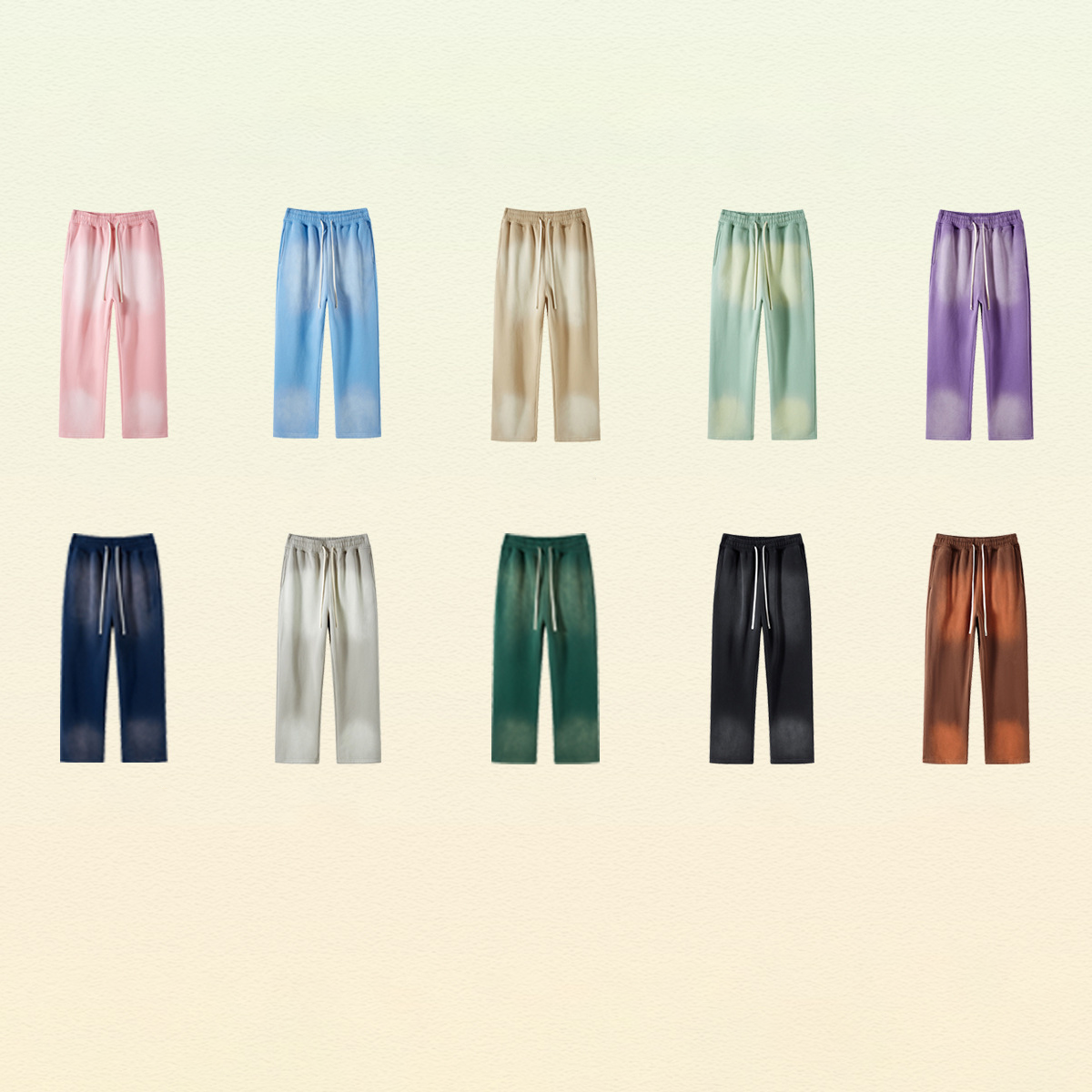
Direct-to-Garment (DTG)
Digital inkjet printing delivers intricate, full-color designs with soft hand feel and no minimum order per design. Ideal for limited drops, custom influencer pieces, and detailed artwork requiring precise color matching and fine details.
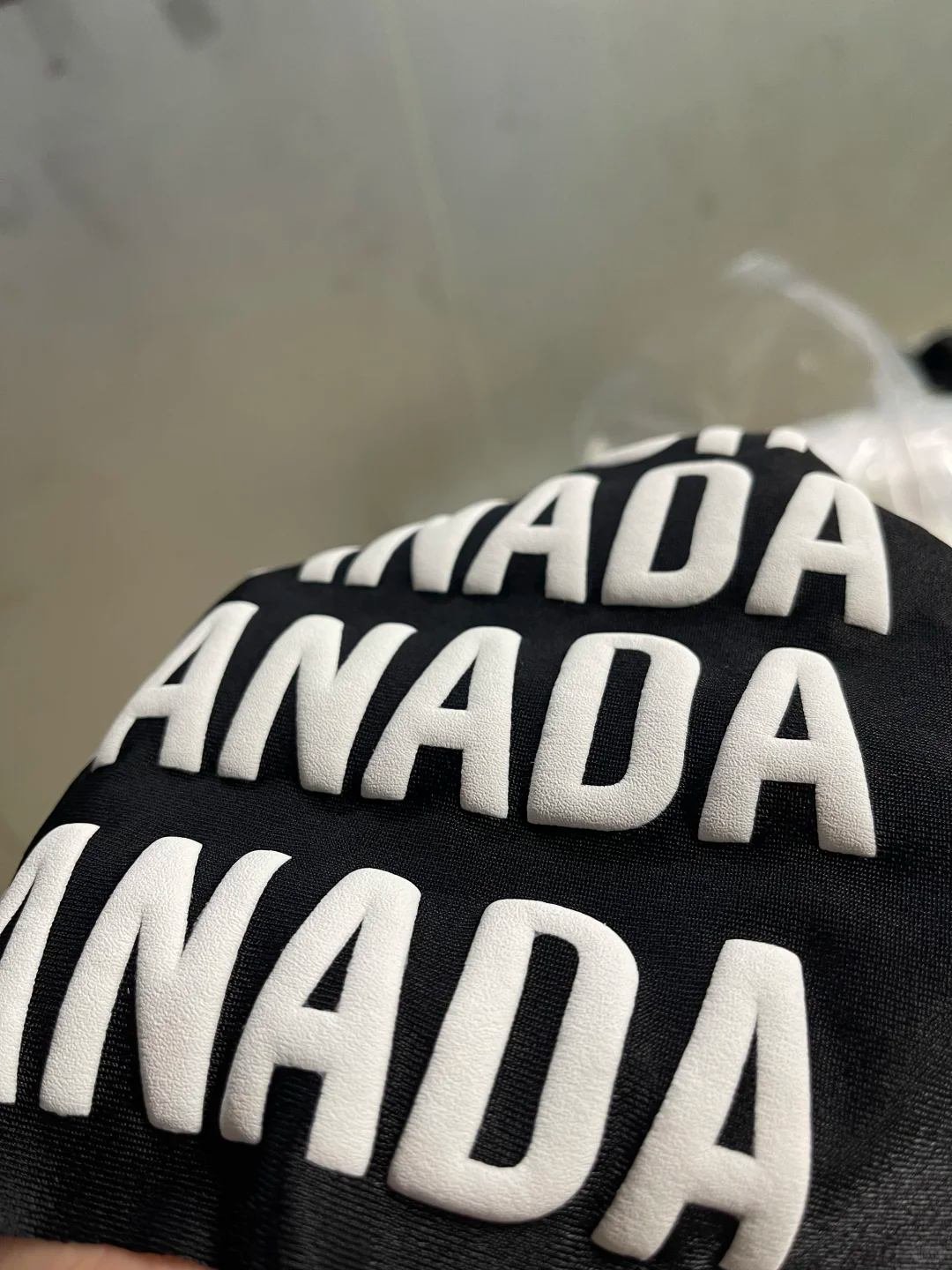
Heat Transfer
Precision heat-applied graphics and specialty foils create metallic, reflective, or textured effects. Excellent for trend-driven elements like holographic accents, puff prints, and layered designs that add depth to contemporary streetwear collections.
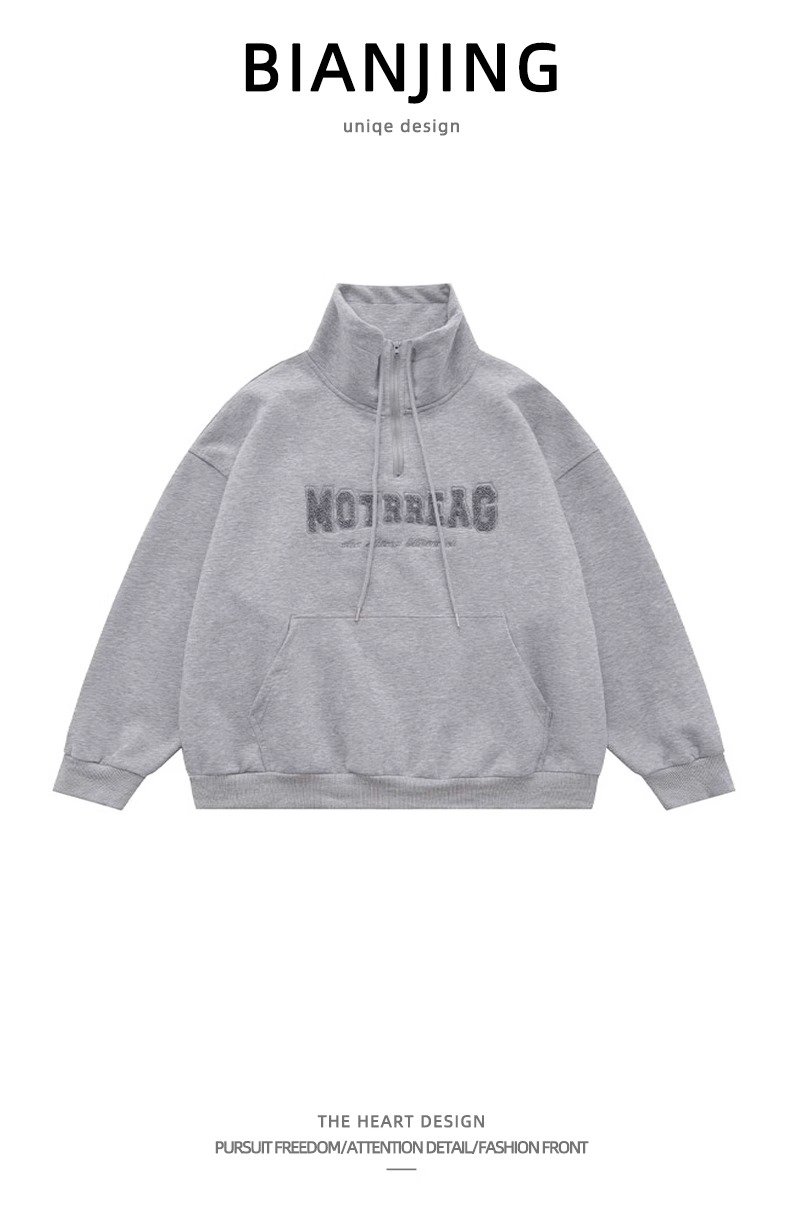
Custom Cut-and-Sew
Full garment construction from pattern to finished piece enables unique silhouettes and design innovation. Our experienced team brings oversized fits, deconstructed details, and signature streetwear shapes to life with precision craftsmanship and quality control.
Complete Your Hip Hop Clothing with Premium Accessories
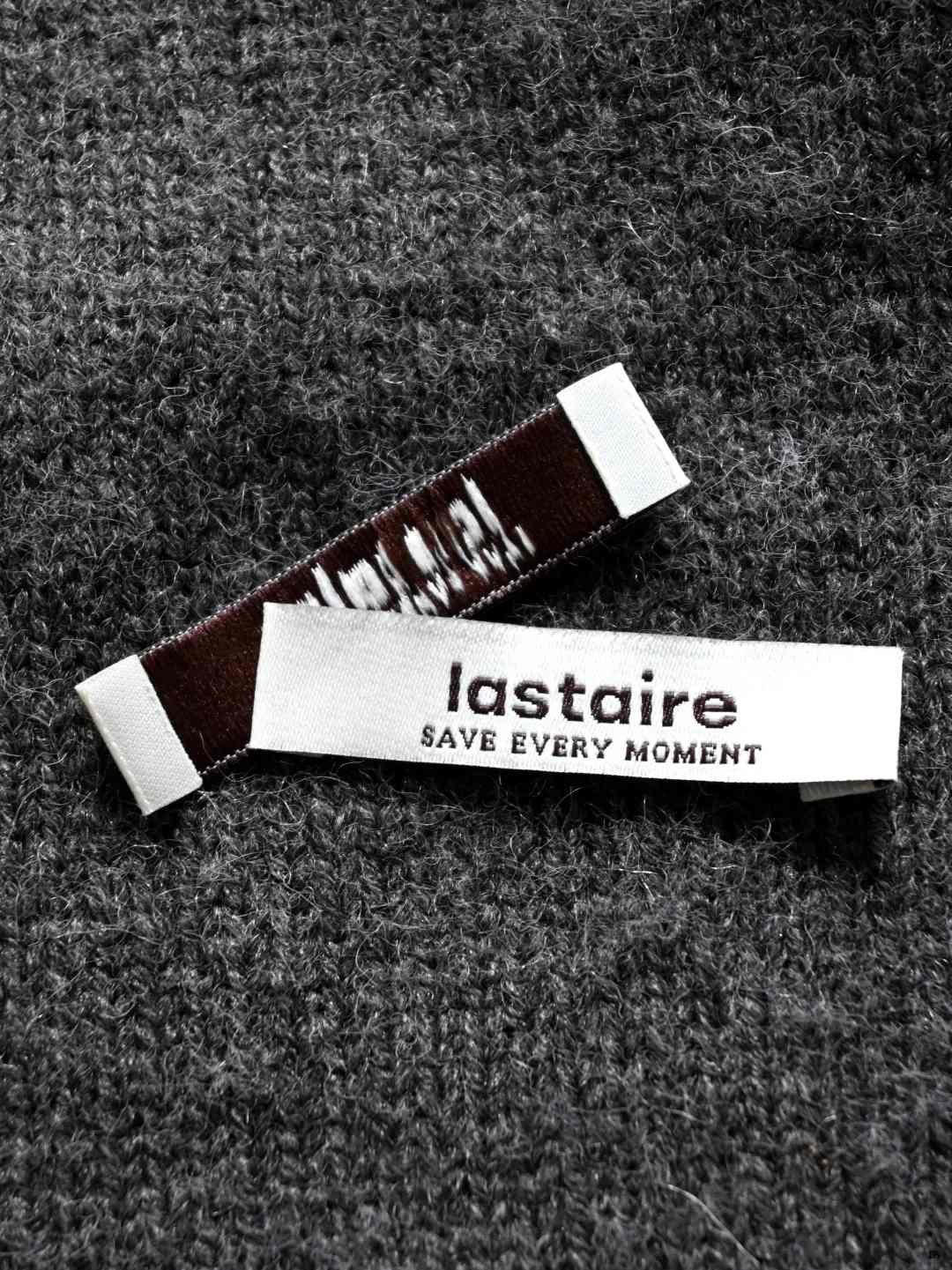
Custom Woven Labels
High-definition woven brand labels for neck, side seam, or hem placement. Essential for establishing brand identity on every hip hop garment. Available in damask, taffeta, and satin weaves with unlimited color options.
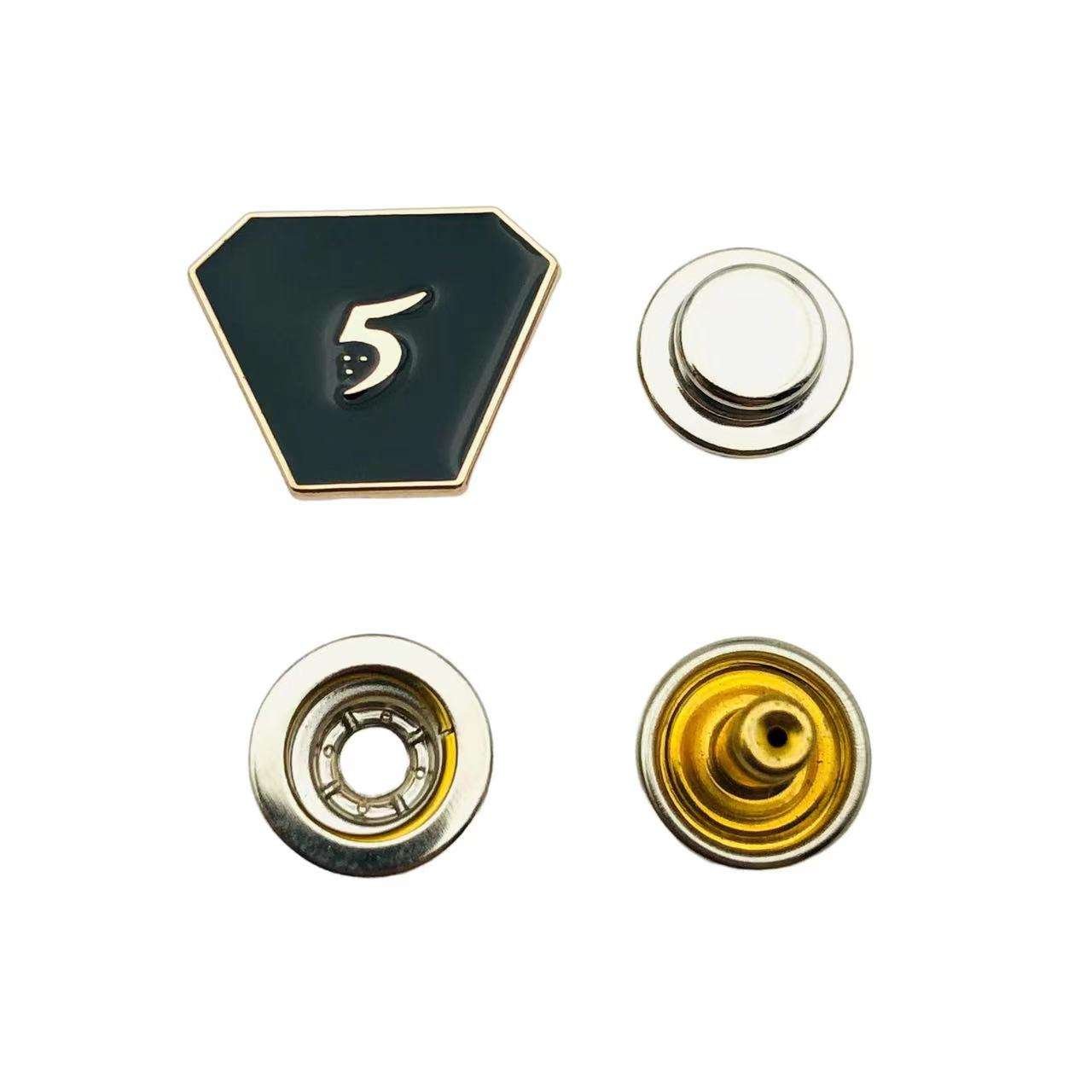
Metal Snap Buttons
Durable snap closures for jackets, hoodies, and cargo pants. Choose from gunmetal, brass, or custom-engraved finishes that add functional style to streetwear pieces while reinforcing your brand’s premium positioning.
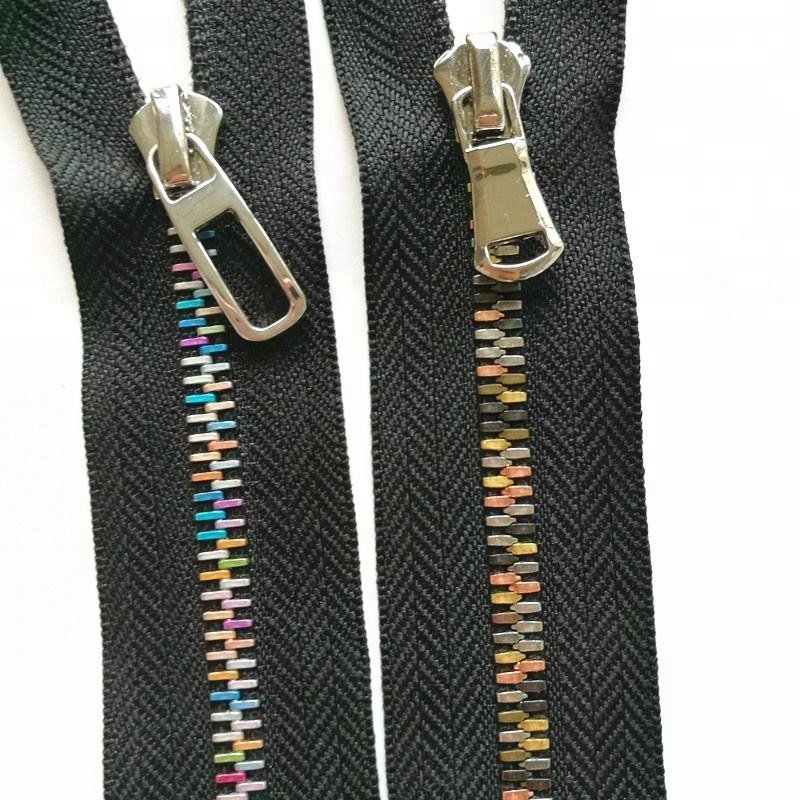
YKK Zippers
Industry-leading YKK zippers for hoodies, track jackets, and cargo details. Smooth operation and long-lasting durability ensure your hip hop apparel performs as boldly as it looks, with custom pullers available.
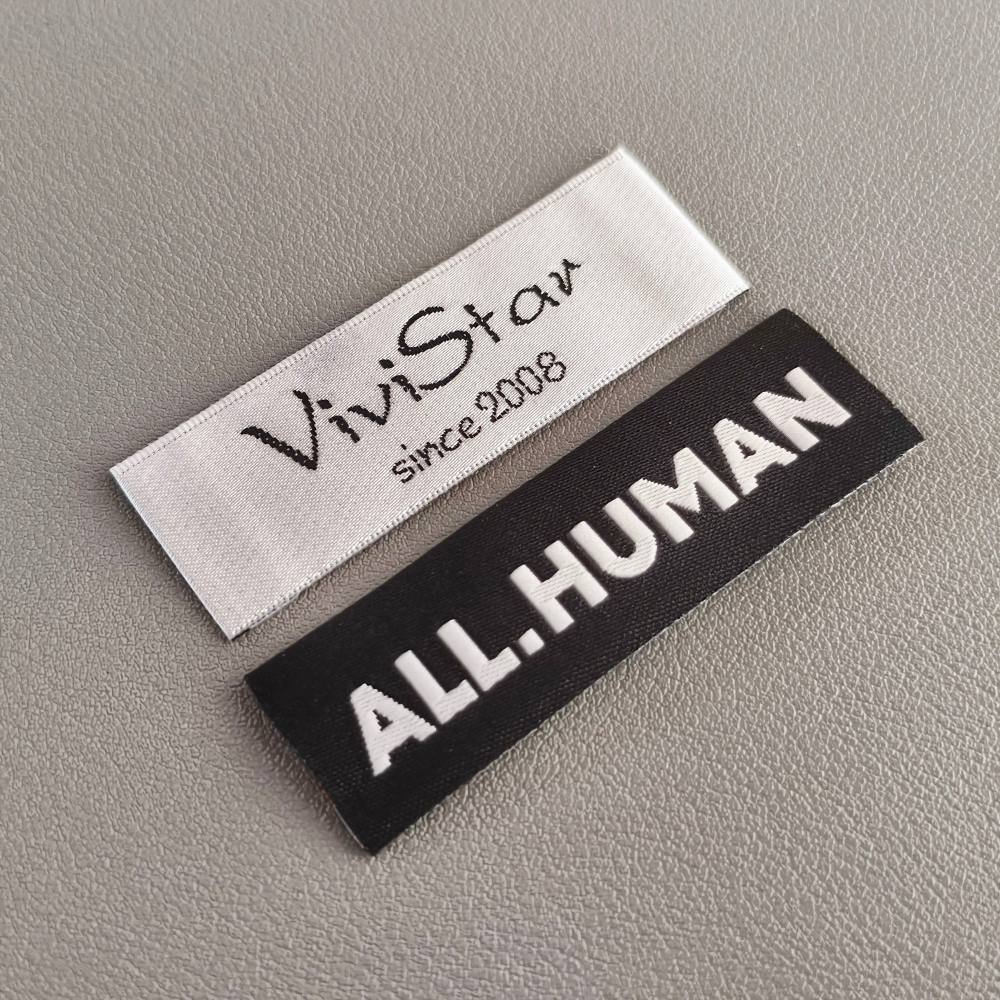
Embroidered Patches
Custom embroidered or woven patches for sleeves, chest, or back panels. Perfect for logo placement, limited-edition drops, and collaborative collections. Heat-seal or stitch-on application methods available for any design.
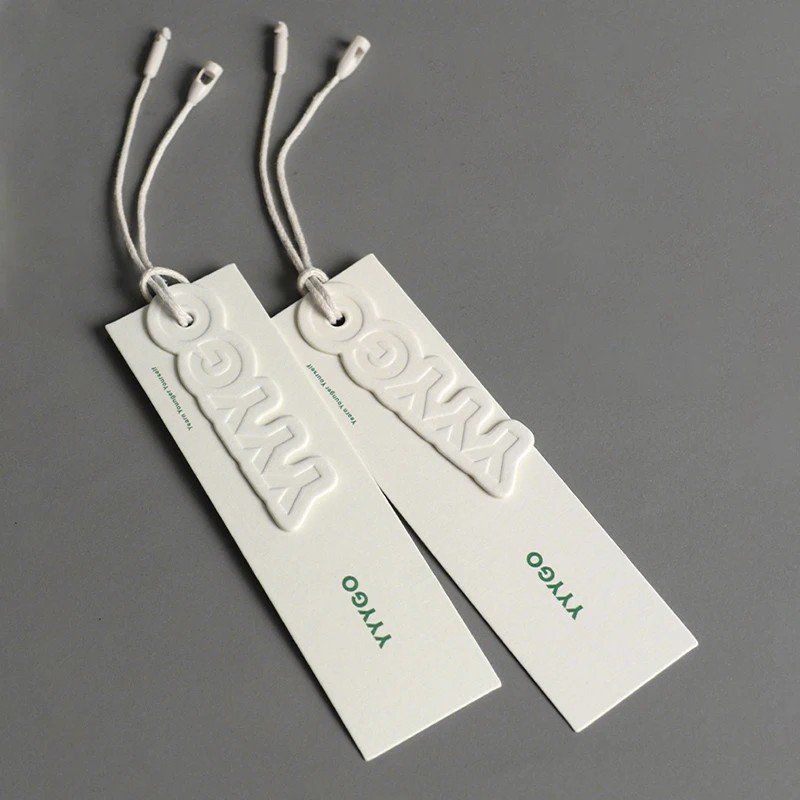
Branded Hang Tags
Die-cut hang tags printed on premium cardstock with foil stamping, embossing, or matte finishes. The first touchpoint customers experience, reinforcing your streetwear brand story and quality commitment at point of sale.
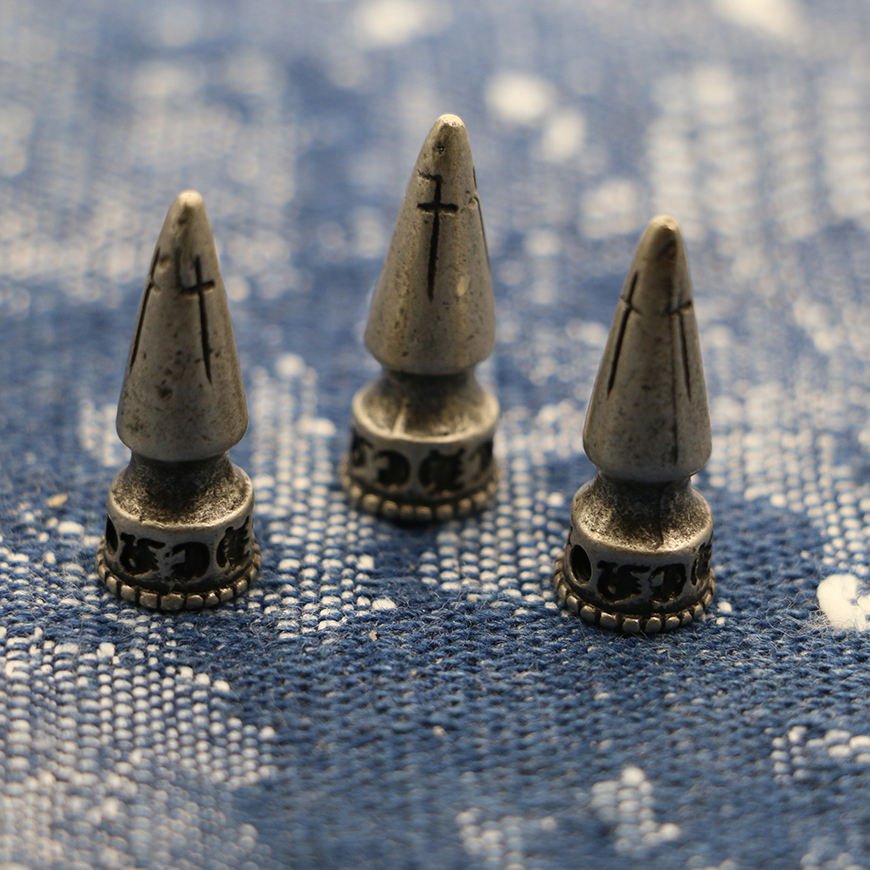
Drawcords & Tipping
Round or flat drawcords with metal or plastic aglets in custom colors. Functional details for hoodies and joggers that enhance comfort while adding signature color accents aligned with your hip hop brand aesthetic.
Your Trusted Hip Hop Clothing Manufacturer
Founded in 2024 by Tesla Luo, Clothing Manufacturer Ltd. was born from a decade of hands-on apparel experience and a family legacy in garment production. Growing up in factories and working every role from cutting to quality control, Tesla witnessed how many manufacturers skip critical testing. He built this company to restore trust in Chinese garment makers through rigorous standards and transparent craftsmanship.
As a specialized hip hop clothing manufacturer, we combine Tesla’s 6 years of streetwear expertise with the infrastructure of our parent company, Dongguan TuoZhen Clothing Co., Ltd. Our 15-member R&D team and 10 patents support brands in over 100 countries, from emerging influencer lines to established streetwear labels seeking reliable, quality-first production partners.
We’ve embedded quality control at every production stage—not just the end. Our proprietary 5-step QC process, low MOQs for startups, and deep cultural fluency in hip hop design elements set us apart. We’re committed to empowering your brand with premium craftsmanship, fast turnaround, and the integrity Chinese manufacturing deserves.
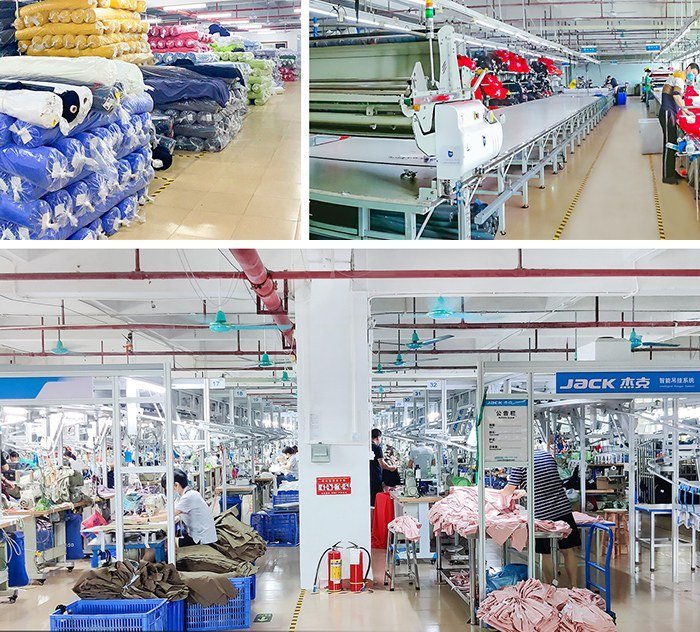
Hip Hop Clothing Manufacturer With 5-Step QC Guarantee
Proprietary Five-Stage Quality Control Process
Unlike competitors who skip critical checkpoints, our hip hop clothing manufacturer implements rigorous testing at every production phase—from raw materials through final inspection. Each garment passes five distinct QC gates before shipping, ensuring zero defects reach your customers.
- Materials QC testing validates fabric weight, colorfastness, and durability before cutting begins
- Cutting QC ensures pattern accuracy and minimizes fabric waste for cost efficiency
- Craft QC and sewing production testing catch construction flaws during assembly, not after
- Finished clothing inspection verifies measurements, stitching integrity, and print quality on every piece
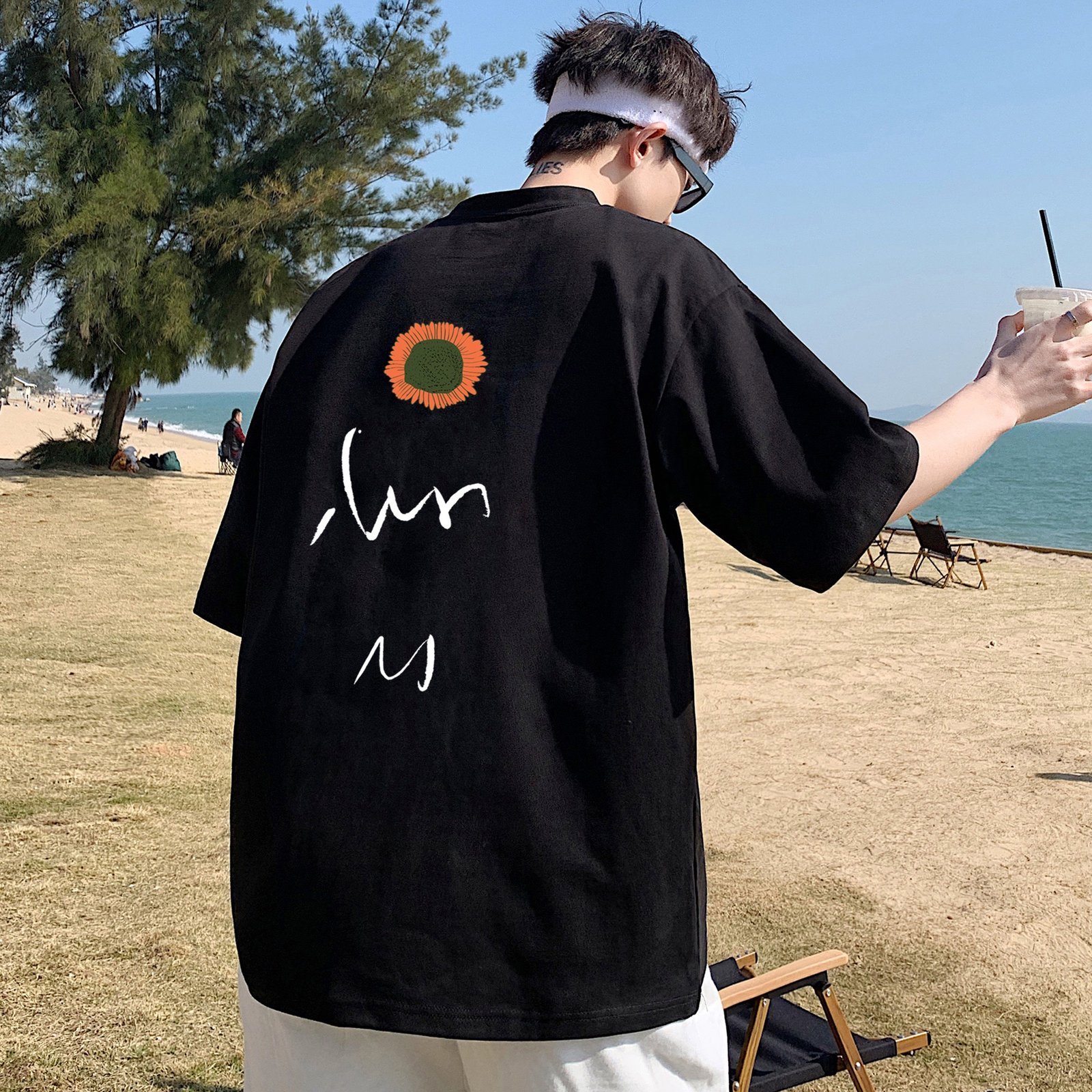
Six Years of Streetwear Design Expertise
Founder Tesla Luo has dedicated over six years to mastering hip hop and streetwear aesthetics—skeleton motifs, graffiti elements, bold graphics, and cultural references that resonate with your audience. Our 15-member R&D team translates trend intelligence into production-ready designs.
- Deep knowledge of hip-hop culture, skateboarding, and street art influences that define authentic streetwear
- Expertise in signature elements: demon and angel themes, mystery symbols, animal prints, and cross graphics
- In-house sampling team rapidly prototypes your concepts with technical precision and cultural authenticity
- 10 patents covering innovative production techniques developed specifically for streetwear construction
Quality-First Philosophy From Industry Veteran
With over 10 years in apparel production and firsthand experience in every factory role—sewing, cutting, ironing, packing—our founder built this company to restore trust in Chinese manufacturing. We embed quality assurance into our culture, not just our checklist.
- Comprehensive production knowledge from childhood immersion in family garment business to factory floor experience
- Personally served 200+ clients including major American and Asian brands, scaling influencer lines to six-figure followings
- Founded on August 8, 2024 with mission to eliminate low-quality products through trustworthiness and rigorous testing
- Backed by parent company Dongguan TuoZhen Clothing Co., Ltd. for manufacturing scale and reliability
Agile Production for Emerging Hip Hop Brands
We combine startup agility with established infrastructure, offering 50-piece minimum orders and fast turnaround times that let new streetwear labels test collections without massive inventory risk. Scale confidently as your brand grows, with consistent quality at every order size.
- Low MOQ perfect for fashion startups, influencer brands, and independent designers launching first drops
- Rapid sampling and production cycles keep pace with seasonal streetwear trends and drop culture
- Global shipping and logistics support to 100+ countries with transparent customs and documentation
- Scalable capacity handles growth from startup launch to high-volume retailer orders without quality compromise
How We Compare to Other Hip Hop Clothing Manufacturers
We built our manufacturing process to eliminate the shortcuts that compromise quality and slow down emerging streetwear brands. See how our approach stacks up against typical competitors.
← 左右滑动查看 →
Our Hip Hop Clothing Manufacturer Production Workflow
From fabric sourcing to final shipment, every phase includes dedicated quality checkpoints to ensure your streetwear meets the highest standards.
Sourcing & Sampling
We select premium streetwear fabrics and create initial samples with your design specs, ensuring materials align with hip hop aesthetics and durability requirements.
Pattern Development & Cutting
Our design team finalizes patterns and executes precision cutting with materials QC and cutting QC testing to eliminate defects before production begins.
Sewing & Craft Production
Skilled technicians assemble garments using advanced streetwear techniques, with clothing craft QC and sewing production QC testing at every construction milestone.
Finishing & Inspection
Each piece undergoes ironing, accessory attachment, and our rigorous finished clothing quality QC inspection to verify every detail meets brand standards.
Packing & Global Shipping
Final garments are professionally packed and dispatched with full logistics support, ensuring your hip hop collection arrives on time, anywhere worldwide.
How to Partner With a Hip Hop Clothing Manufacturer
From concept to delivery, our streamlined five-step process makes it easy for streetwear brands, startups, and designers to bring their hip hop apparel vision to life with confidence.
Submit Your Tech Pack
Send us your design specifications, artwork, and requirements. Our team reviews every detail and provides expert feedback to optimize your hip hop clothing for production.
Receive Quote and Samples
We deliver a transparent quote with no hidden fees and produce pre-production samples so you can verify fit, fabric, and finishing before committing to bulk.
Approve Bulk Production Start
Once you approve samples and terms, we schedule your production run. Our team keeps you updated at every milestone throughout the manufacturing cycle.
Complete Five-Step Quality Inspection
Every garment passes through our proprietary five-step QC process—materials, cutting, craft, sewing, and finished inspection—ensuring zero-compromise quality standards.
Ship to Your Destination
We handle global logistics, customs documentation, and shipping coordination, delivering your finished hip hop apparel collection safely to any location worldwide.
Certified Hip Hop Clothing Manufacturer You Can Trust
What Our Hip Hop Clothing Manufacturer Clients Say
We scaled from 500 units to 50,000 units in 18 months with zero quality issues. Their 5-step QC process caught defects early and saved us thousands in returns. Game changer for our streetwear brand.
Three full seasonal collections and literally zero defects reached our customers. The low 50-piece MOQ let us test designs before committing big. Best hip hop clothing manufacturer we’ve worked with by far.
As an influencer launching my own line, I needed a partner who understood streetwear culture and could deliver fast. They turned samples in 7 days and helped us grow to 12,000 Instagram sales in our first year.
Frequently Asked Questions About Hip Hop Clothing Manufacturing
What is the minimum order quantity with your hip hop clothing manufacturer?
How long does production take from order to delivery?
Do you charge for samples when working with a hip hop clothing manufacturer?
What payment terms does your hip hop clothing manufacturer offer?
How do you protect my designs and intellectual property?
Can you handle international shipping and customs for hip hop clothing orders?
What customization options are available with your hip hop clothing manufacturer?
What makes your quality control different from other manufacturers?
The Complete Buyer’s Guide to Choosing the Right Hip Hop Clothing Manufacturer
Navigate the streetwear production landscape with confidence. This guide delivers a proven decision framework, essential supplier criteria, quality benchmarks, and the critical mistakes to avoid when partnering with a hip hop clothing manufacturer for your brand.
1. What Is a Hip Hop Clothing Manufacturer?
A hip hop clothing manufacturer is a specialized apparel production facility that combines technical garment construction with cultural fluency in urban aesthetics, oversized silhouettes, graphic-heavy designs, and streetwear elements rooted in hip-hop, skateboarding, and graffiti culture. Unlike generic apparel factories that produce basic T-shirts and trousers, a dedicated hip hop clothing manufacturer understands the design language of streetwear — skeleton motifs, bold color patterns, sword graphics, rose elements, mystery symbols, and cross imagery — and possesses the technical capability to execute complex screen printing, embroidery, appliqué, and distressing techniques that define the category.
Streetwear production demands fabric weights typically ranging from 180 to 320 GSM for hoodies and heavyweight tees, oversized pattern grading that deviates from standard fit blocks, and decoration processes such as puff printing, discharge inks, and multi-layer screen prints that require specialized equipment and operator expertise. Generic factories often lack the machinery, color-matching systems (Pantone references), and quality control protocols necessary to deliver the bold, durable graphics and consistent oversized fits that hip hop brands require.
Brands partnering with a hip hop clothing manufacturer gain access to R&D teams experienced in trend forecasting, fabric sourcing for French terry and fleece blends, and rigorous quality inspection at every production stage — materials QC, cutting QC, craft QC, sewing QC, and finished garment inspection. This five-step approach ensures that cultural authenticity and technical precision align, preventing the quality failures common when mainstream factories attempt streetwear without understanding its design DNA or production nuances.
2. The Evolution of Hip Hop Fashion Manufacturing
In the early 1980s, hip hop fashion emerged from New York City street culture through DIY customization — artists hand-painted leather jackets, screen-printed tees in basements, and modified existing garments because mainstream brands ignored urban youth. Production was hyper-local, often single operators with industrial sewing machines in storefronts or home workshops. By the mid-1990s, brands like FUBU (founded 1992) and Karl Kani (launched 1989) formalized hip hop apparel, scaling from cut-and-sew shops in Queens and Los Angeles to factories capable of handling thousands of units per style.
The late 1990s and early 2000s saw rapid offshoring as brands chased lower labor costs and higher margins. Manufacturing hubs shifted to China, Bangladesh, and Vietnam, where MOQs dropped and production capacity expanded, enabling even startup labels to order 500–1,000 pieces per colorway. This globalization democratized access but introduced quality inconsistencies — many overseas factories skipped in-process QC, shipping garments that failed durability and fit standards.
Since 2018, a counter-trend has emerged: influencer-driven streetwear brands and independent designers now prioritize transparency, ethical labor, and rigorous quality control over rock-bottom pricing. Manufacturers in Guangdong Province, particularly Humen Town, have responded by implementing systematic QC frameworks — such as the five-step methodology introduced by hip hop clothing manufacturer specialists in 2025 — and offering flexible MOQs as low as 50 pieces. This evolution reflects hip hop culture’s shift from mass-market dominance to niche authenticity, where production partners must balance speed, quality, and cultural fluency.
3. Types of Hip Hop Clothing Manufacturers
Hip hop clothing manufacturer options span six distinct categories, each offering different capabilities, minimum order quantities, and production timelines. Understanding these types helps brands match factory services to their current growth stage and budget constraints.
Full-Package Manufacturers
Full-package providers handle design development, fabric sourcing, pattern making, sampling, production, and quality control under one roof. MOQs typically range from 50 to 500 pieces per style, with 4–8 week lead times after sample approval.
This model suits fashion startups and independent designers who lack in-house technical teams. Full-package hip hop clothing manufacturers like Clothing Manufacturer Ltd. offer end-to-end service, eliminating the need to coordinate multiple vendors.
Cut-Make-Trim (CMT) Services
CMT factories perform cutting, sewing, and finishing only; clients must supply all fabrics, trims, and finished tech packs. MOQs often start at 200–1,000 pieces, with 3–6 week production windows.
Established brands with dedicated sourcing teams benefit most from CMT arrangements, which offer lower per-unit costs but require significant internal coordination and material procurement expertise.
Print-on-Demand Specialists
POD platforms produce single garments on demand using DTG (direct-to-garment) or sublimation printing. No MOQ exists, but per-piece costs run $15–$40, limiting margin potential.
Influencer and creator brands testing designs or running limited drops use POD to validate concepts before committing to bulk manufacturing. Quality and fabric selection remain restricted compared to traditional cut-and-sew production.
Sustainable and Ethical Producers
Certified ethical manufacturers hold GOTS, OEKO-TEX, WRAP, or BSCI credentials and prioritize organic fabrics, fair wages, and transparent supply chains. MOQs range from 100 to 300 pieces; lead times extend 6–10 weeks.
Global apparel retailers and mission-driven streetwear brands leverage these partners to meet consumer demand for responsible production, often accepting higher unit costs in exchange for verifiable sustainability credentials.
4. Materials and Fabrics for Hip Hop Apparel
Fabric selection defines the look, feel, and durability of every hip hop garment, directly influencing brand positioning and customer loyalty. A hip hop clothing manufacturer must source materials that balance weight, comfort, and streetwear aesthetics while meeting the performance expectations of trend-conscious consumers.
| Fabric Type | Weight / GSM | Typical Use Cases | Durability | Price Tier |
|---|---|---|---|---|
| Heavyweight Cotton Fleece | 300–400 | Hoodies, crewnecks | High | Mid to Premium |
| French Terry | 200–280 | Joggers, lightweight hoodies | Medium-High | Mid |
| Jersey Knit | 150–200 | T-shirts, long sleeves | Medium | Budget to Mid |
| Denim | 10–14 oz | Jeans, jackets | Very High | Mid to Premium |
| Nylon / Polyester | 70–100 | Windbreakers, track pants | High | Budget to Mid |
| Performance Blends | 180–250 | Joggers, activewear hybrids | Medium-High | Mid to Premium |
Heavyweight Cotton Fleece for Hoodies and Sweatshirts
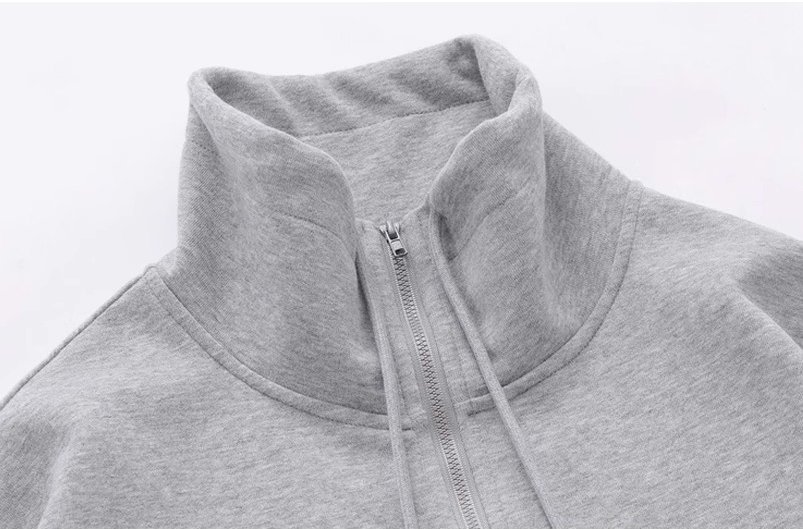
Heavyweight cotton fleece in the 300–400 GSM range is the foundation of premium hip hop hoodies and crewnecks. This weight delivers the substantial hand-feel and drape that streetwear customers associate with quality, resisting pilling and maintaining shape through repeated wear.
Brands targeting mid-to-premium tiers specify 350 GSM or higher to differentiate from fast-fashion competitors. Ring-spun cotton fleece offers softer texture and stronger fibers than open-end alternatives, justifying higher retail price points and reinforcing brand credibility.
French Terry and Jersey Knits
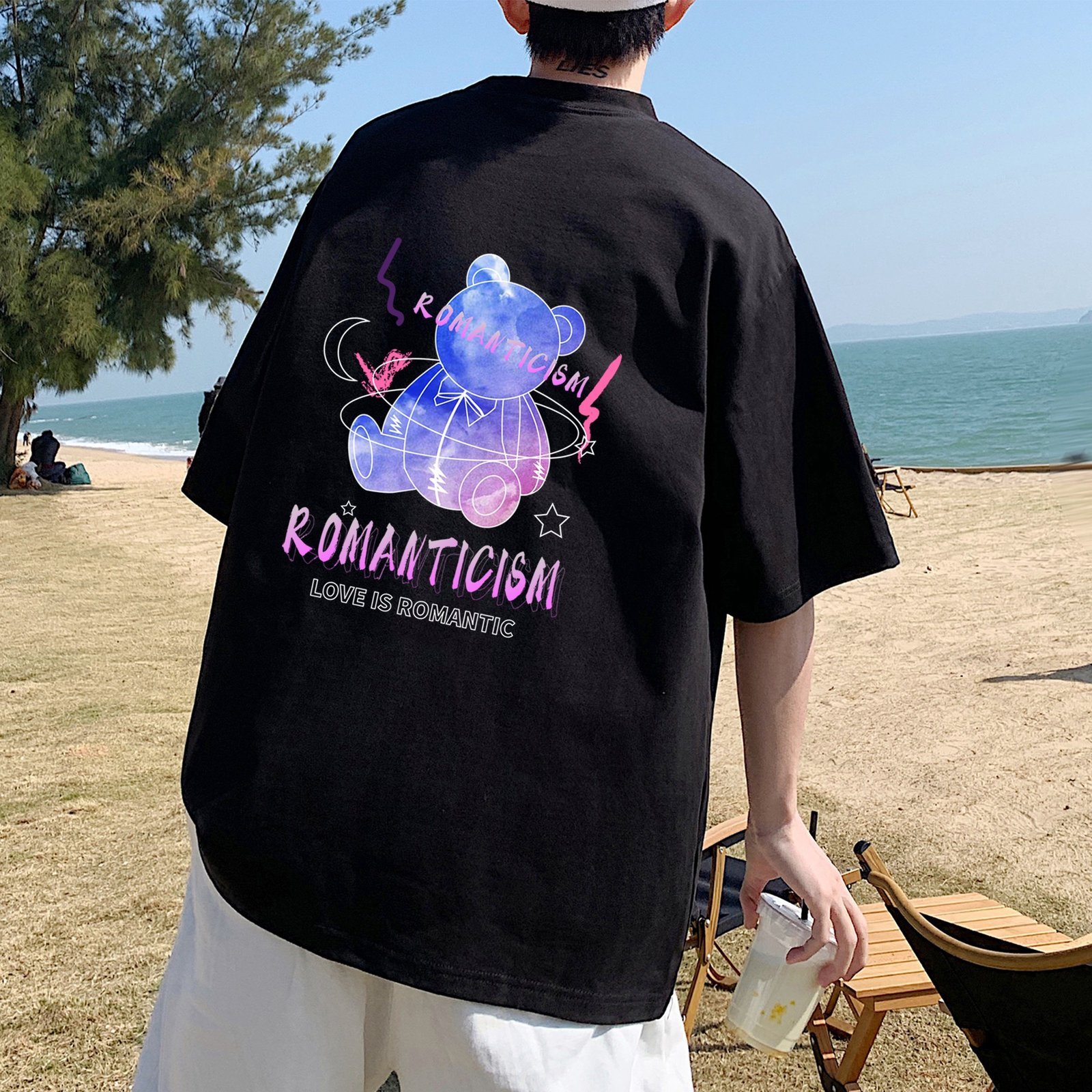
French terry, typically 200–280 GSM, features looped interior pile that wicks moisture while providing a smooth exterior surface ideal for printing and embroidery. Hip hop joggers, lightweight hoodies, and layering pieces commonly use French terry for its breathability and stretch recovery.
Jersey knits in 150–200 GSM serve as the workhorse fabric for oversized tees and long-sleeve shirts. Combed and ring-spun jersey delivers the soft, drapey silhouette central to hip hop aesthetics, while heavier 200 GSM weights prevent transparency and enhance perceived value.
Denim, Nylon, and Performance Blends
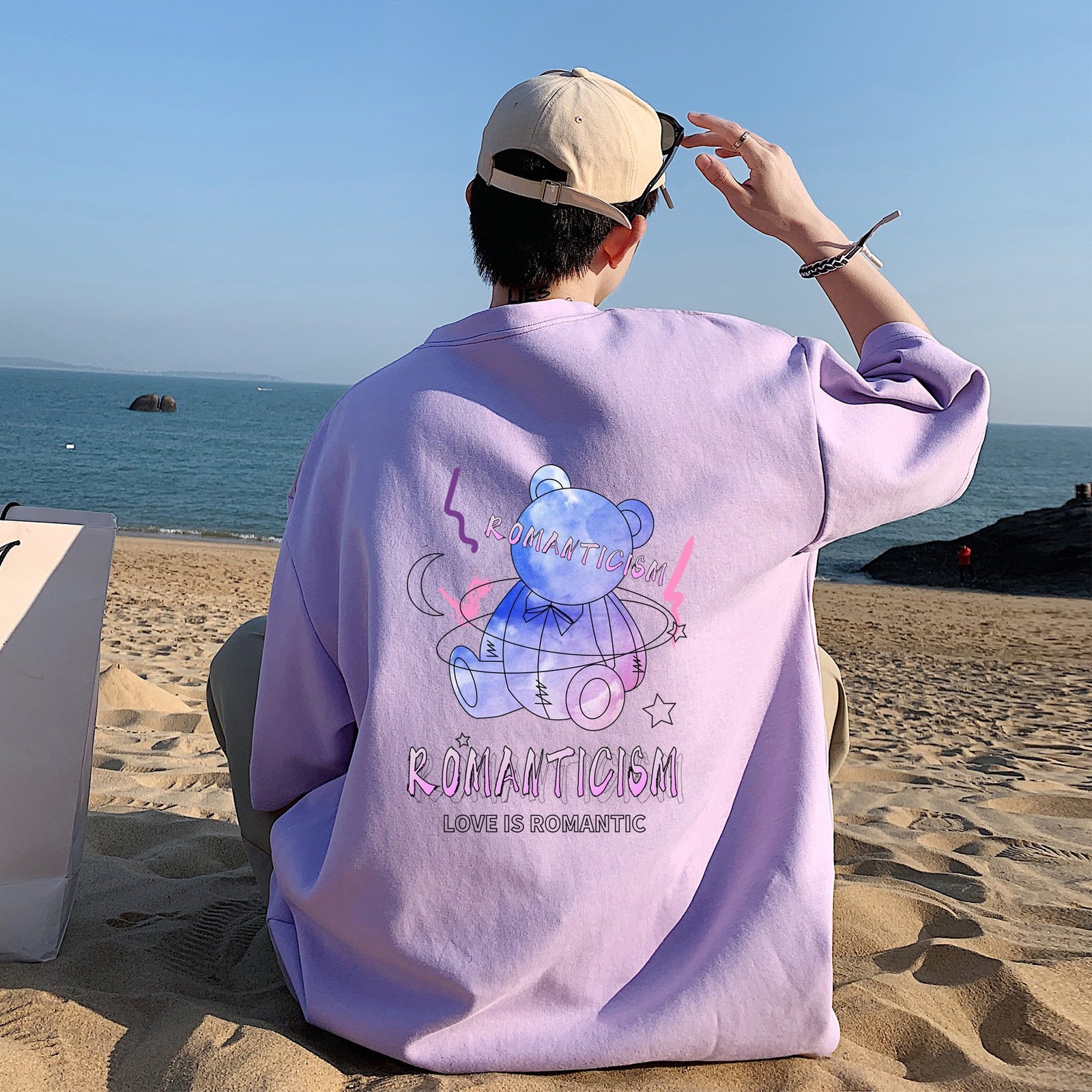
Denim in 10–14 oz weights is standard for hip hop jeans and jackets, with stretch blends (98% cotton / 2% elastane) accommodating the relaxed, tapered fits popular in streetwear. Selvedge and raw denim options appeal to heritage-focused brands.
Ripstop nylon and polyester blends (70–100 GSM) dominate windbreakers and track pants, offering water resistance and packability. Performance blends incorporating spandex or modal enhance comfort in joggers and activewear-inspired pieces, bridging street style and functionality.
5. Customization and Decoration Techniques
Hip hop clothing demands decoration techniques that deliver bold graphics, vibrant colors, and long-lasting durability. Each method carries distinct cost structures, minimum order requirements, and aesthetic strengths that align with different streetwear design goals.
| Technique | Setup Fee | Cost/Unit | Min. Qty | Best For | Durability |
|---|---|---|---|---|---|
| Screen Printing | $25–75/color | $2–6 | 50–100 pcs | Bold logos, text, solid colors | Excellent (50+ washes) |
| DTG | None | $5–12 | 1–50 pcs | Photo-realistic graphics, multi-color | Good (30–40 washes) |
| Embroidery | $15–40 digitizing | $3–8 | 12–50 pcs | Premium logos, small text | Excellent (100+ washes) |
| Puff Print | $30–80/screen | $3–7 | 50–100 pcs | 3D effects, raised text | Very Good (40–50 washes) |
| Chenille Patches | $50–150/design | $4–10/patch | 25–100 pcs | Varsity-style lettering, badges | Excellent (100+ washes) |
| Heat Transfer Vinyl | None | $1–4 | 1–25 pcs | Names, numbers, single-color graphics | Good (25–35 washes) |
6. Quality Benchmarks for Hip Hop Clothing Production
Hip hop apparel demands rigorous quality standards at every production stage to ensure garments withstand frequent wear and maintain their bold aesthetic. A reliable hip hop clothing manufacturer implements systematic checkpoints from fabric inspection through final packaging, catching defects before they reach your customers.
Stitch Density and Seam Strength
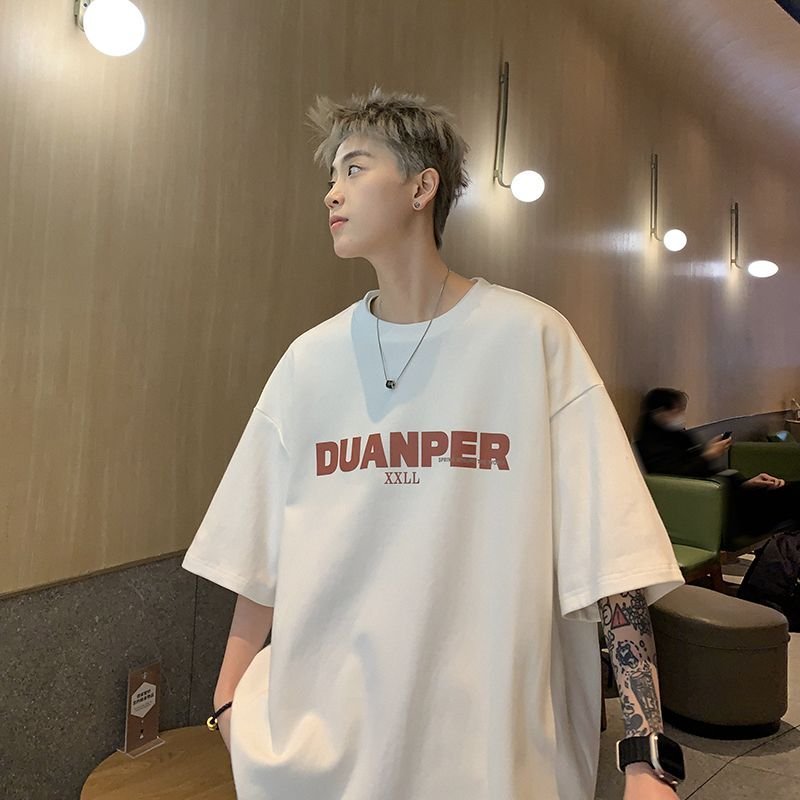
Oversized fits and heavyweight fabrics require 12–14 stitches per inch on main seams to prevent gapping and blowouts. Flatlock or double-needle stitching on shoulder seams, side seams, and sleeve attachments distributes tension evenly across stress points.
A five-step QC process tests seam strength at the cutting, sewing, and finished-garment stages, ensuring every piece can endure repeated washing and active movement without unraveling.
Colorfast Dye and Print Adhesion
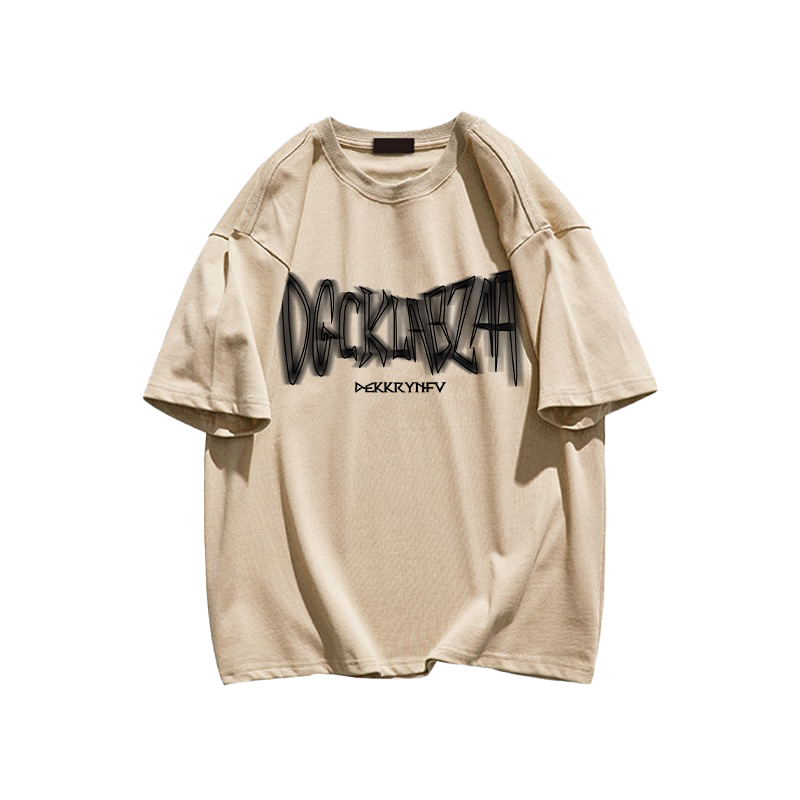
Reactive or vat dyeing locks pigment into cotton and blends, minimizing color migration after 20+ wash cycles. Plastisol and water-based inks must cure at 160–180°C to bond permanently with fabric, preventing cracking or peeling.
Request wash-test reports showing Grade 4 or higher on the AATCC grayscale for colorfastness and adhesion, standard benchmarks in streetwear manufacturing.
Fit Consistency Across Sizes
Pattern grading must maintain proportional sleeve length, chest width, and hem drop from XS through 3XL. A 1–2 cm tolerance on key measurements is acceptable; deviations beyond that create sizing complaints and returns.
Manufacturers with 10+ years of experience and dedicated pattern teams ensure each size block reflects the intended silhouette, critical for brands scaling from startup to high-volume production.
Finishing Details and Hardware
YKK or equivalent metal zippers, reinforced bartacks on pocket corners, and heat-sealed or woven labels signal professional-grade construction. Hang loops, internal neck tapes, and chain-stitched hems prevent fraying and extend garment life.
Inspect samples for loose threads, skipped stitches, and misaligned prints—tolerances above 2% defect rate indicate inadequate final QC inspection.
7. How to Choose the Right Hip Hop Clothing Manufacturer
Selecting a hip hop clothing manufacturer requires evaluating both technical capabilities and cultural alignment. A systematic vetting process protects your brand investment and ensures production partners understand streetwear aesthetics while delivering reliable quality and service.
Assess Portfolio and Cultural Fit
Review the manufacturer’s past work for streetwear design fluency—skeleton motifs, graffiti-inspired graphics, oversized silhouettes, and bold color blocking. A factory experienced in hip hop apparel will showcase hoodies, joggers, and graphic tees that reflect authentic street culture rather than generic casual wear.
Clothing Manufacturer Ltd. specializes in streetwear elements including rose patterns, mystery symbols, animal prints, and death themes rooted in hip-hop, skateboarding, and graffiti culture. Ask for client case studies showing progression from startup to established brand, confirming the partner can scale with your growth.
Verify MOQ and Budget Alignment
Minimum order quantities range from 50 pieces per design at streetwear specialists to 500–1,000 at mass-production facilities. Startups and independent designers require lower MOQs to test markets without excess inventory risk.
Confirm per-unit pricing at your target volume, including decoration costs for embroidery, screen printing, or heat transfers. Transparent quotes should itemize fabric, labor, and finishing separately to prevent hidden fees at final invoicing.
Evaluate Turnaround and Lead Times
Standard production cycles span 25–45 days from approved sample to finished goods, with sampling adding 7–14 days. Rush orders may incur 15–30 percent surcharges but remain essential for seasonal launches.
Test responsiveness during initial inquiries—manufacturers replying within 24 hours and providing detailed answers signal reliable communication. Clothing Manufacturer Ltd. implements five-step QC testing at materials, cutting, craft, sewing, and finished-goods stages, ensuring defects are caught early rather than at final inspection only.
Check References and Red Flags
Request contact details for three recent clients in your category and ask about on-time delivery rates, defect percentages, and dispute resolution. Red flags include refusal to provide samples before bulk orders, vague answers on fabric sourcing, absence of formal quality-control documentation, and pressure to pay full deposits upfront.
Review contract terms for IP protection clauses preventing the factory from reproducing your designs for competitors. Confirm sampling and revision policies—reputable partners offer one to two free revisions before charging for additional prototypes.
8. Common Mistakes When Partnering with a Hip Hop Clothing Manufacturer
Even experienced brands stumble when selecting a hip hop clothing manufacturer, often repeating preventable errors that delay launches, inflate costs, or compromise authenticity. Recognizing these pitfalls early protects your investment and brand reputation.
Choosing Based on Price Alone
The lowest quote rarely delivers the best value in streetwear production. Factories that undercut competitors by 30–40 percent typically skip quality control steps, substitute cheaper fabrics, or rush sewing to meet margins.
Clothing Manufacturer Ltd.’s five-step QC process — materials, cutting, craft, sewing, and finished inspection — adds modest cost but prevents defects that damage brand credibility. Compare total landed cost, including rework and returns, not just the unit price on a pro forma invoice.
Ignoring Cultural Authenticity and Design Expertise
Hip hop apparel demands fluency in streetwear motifs: skeleton elements, graffiti typography, rose and cross symbols, and oversized silhouettes. Manufacturers without dedicated streetwear R&D teams often produce generic garments that miss the cultural nuance.
Verify that your partner employs designers who study hip hop trends, skateboarding aesthetics, and street art. Ask for portfolio samples featuring demon-and-angel graphics, mystery symbols, or animal prints to confirm genuine expertise, not surface-level imitation.
Skipping Sample Rounds
Proceeding directly to bulk production without pre-production samples invites costly errors in fit, graphic placement, and fabric hand feel. A single sample round costs 150–300 USD but can reveal misaligned screen prints, incorrect thread weights, or poor drape before you commit to 500 units.
Request at least one physical sample with final fabrics, trims, and decoration. Conduct wear testing for 48–72 hours to assess comfort, durability, and wash performance before authorizing full production.
Neglecting Written Fabric and Trim Specifications
Verbal agreements on fabric weight, color codes, and hardware types lead to substitutions mid-production. Lock every specification in a tech pack: GSM for French terry or fleece, Pantone references for dye lots, YKK zipper grades, and stitch counts per inch.
Clothing Manufacturer Ltd. maintains detailed material QC testing at the first of five checkpoints, ensuring fabrics match approved standards. Request signed approval sheets for all components before cutting begins.
9. Steps to Launch Your Hip Hop Brand with a Manufacturing Partner
Launching a hip hop brand requires coordinating design, production, and logistics across multiple stages. A structured roadmap with clear timeline and budget checkpoints ensures you move from concept to market efficiently.
Develop Concept and Mood Boards
Start by defining your brand’s visual identity and target audience. Create mood boards that capture streetwear elements — skeleton graphics, rose motifs, graffiti-inspired typography, or mystery symbols — and compile reference images for fabrics, fits, and colorways.
Allocate 2–4 weeks for this phase. Budget $500–2,000 if hiring a designer or illustrator to translate your vision into sketches and digital mockups that communicate your aesthetic to manufacturers.
Create Tech Packs with Sizing and Grading
Translate designs into technical specification sheets that include construction details, stitch types, measurements for every size, and trim callouts. Tech packs should specify fabric weight in GSM, Pantone color codes, and placement dimensions for prints or embroidery.
This step typically takes 1–3 weeks and costs $100–300 per garment if outsourced to a freelance tech designer. Accurate grading across XS to 3XL prevents fit issues during sampling.
Source and Vet Manufacturers
Research hip hop clothing manufacturers with streetwear expertise, reviewing portfolios, MOQ policies, and quality control processes. Request factory certifications and sample products to assess craftsmanship.
Allow 2–3 weeks for vetting. Clothing Manufacturer Ltd. implements five-step QC testing — materials, cutting, craft, sewing, and finished inspection — ensuring defects are caught early rather than only at final packing.
Approve Samples and Revise
Order pre-production samples to evaluate fit, fabric hand-feel, print clarity, and construction quality. Expect 2–4 rounds of revisions, each taking 7–14 days including shipping.
Budget $50–150 per sample unit plus courier fees. Check seam strength, color accuracy against Pantone standards, and whether graphics align with your mood boards before greenlighting bulk production.
Place First Production Order
Confirm quantities, delivery timelines, and payment terms — typically 30–50% deposit, balance before shipment. Minimum order quantities for streetwear often start at 50–100 pieces per design.
Production lead time ranges 20–45 days depending on complexity. Secure your budget for the full order value plus 10% contingency for revisions or air freight if launch deadlines tighten.
Implement Quality Control and Fulfillment
Arrange third-party or manufacturer-led inspections before final packing. Review AQL sampling reports, checking stitch integrity, print durability, and sizing consistency across the batch.
Plan fulfillment logistics 2–3 weeks before goods ship: select 3PL partners, prepare packaging inserts, and coordinate customs clearance. Budget $2–5 per unit for warehousing, pick-and-pack, and domestic shipping to end customers.
10. Pricing and Cost Structure for Hip Hop Clothing Manufacturing
Most hip hop clothing manufacturers set minimum order quantities between 50 and 100 units per design, with per-unit costs dropping sharply as volume increases. A 50-piece run of heavyweight cotton T-shirts typically costs $8–12 per unit, while 1,000-piece orders can reduce that to $4–6 per unit, reflecting economies of scale in fabric cutting, sewing labor, and setup time. Sampling fees range from $50 to $150 per prototype depending on garment complexity and decoration count, and most factories require full payment or 50% deposit before cutting fabric.
Decoration methods carry distinct cost profiles that directly impact margin planning. Screen printing offers the lowest per-unit cost at high volumes—setup runs $40–80 per color, but each print adds only $0.50–1.50 per garment once screens are burned. Embroidery commands higher perceived value but costs $2–5 per design depending on stitch count, with digitizing fees of $30–60 for new artwork. Direct-to-garment printing eliminates setup costs entirely, charging $3–7 per print regardless of color count, making it ideal for small runs or photo-realistic graphics common in influencer collaborations.
Lead times stretch from 18 to 25 days for standard orders and 10 to 14 days for rush production, with air freight adding $4–8 per kilogram versus 30–45 days for sea shipping. Clothing Manufacturer Ltd. implements its five-step QC process across all tiers without surcharges, ensuring that budget constraints do not compromise quality inspection at materials, cutting, craft, sewing, and finished-goods stages.
| Quantity Tier | Per-Unit Cost | Sampling Fee | Lead Time |
|---|---|---|---|
| 50–99 units | $8–12 | $50–150 | 18–25 days |
| 100–499 units | $6–9 | $50–150 | 18–25 days |
| 500–999 units | $5–7 | $50–150 | 18–22 days |
| 1,000+ units | $4–6 | Negotiable | 15–20 days |
Ready to Launch Your Hip Hop Clothing Collection?
Partner with a trusted hip hop clothing manufacturer. 50-piece MOQ, 5-step QC guarantee, and fast turnaround for your streetwear brand.