
Premium Graphic Streetwear Manufacturer — 50-Piece MOQ, 7-Day Samples
Partner with a graphic streetwear manufacturer that delivers trend-driven designs, fast sampling, and a zero-compromise 5-step QC guarantee for brands at every stage.
Graphic Streetwear Collections — Design to Delivery
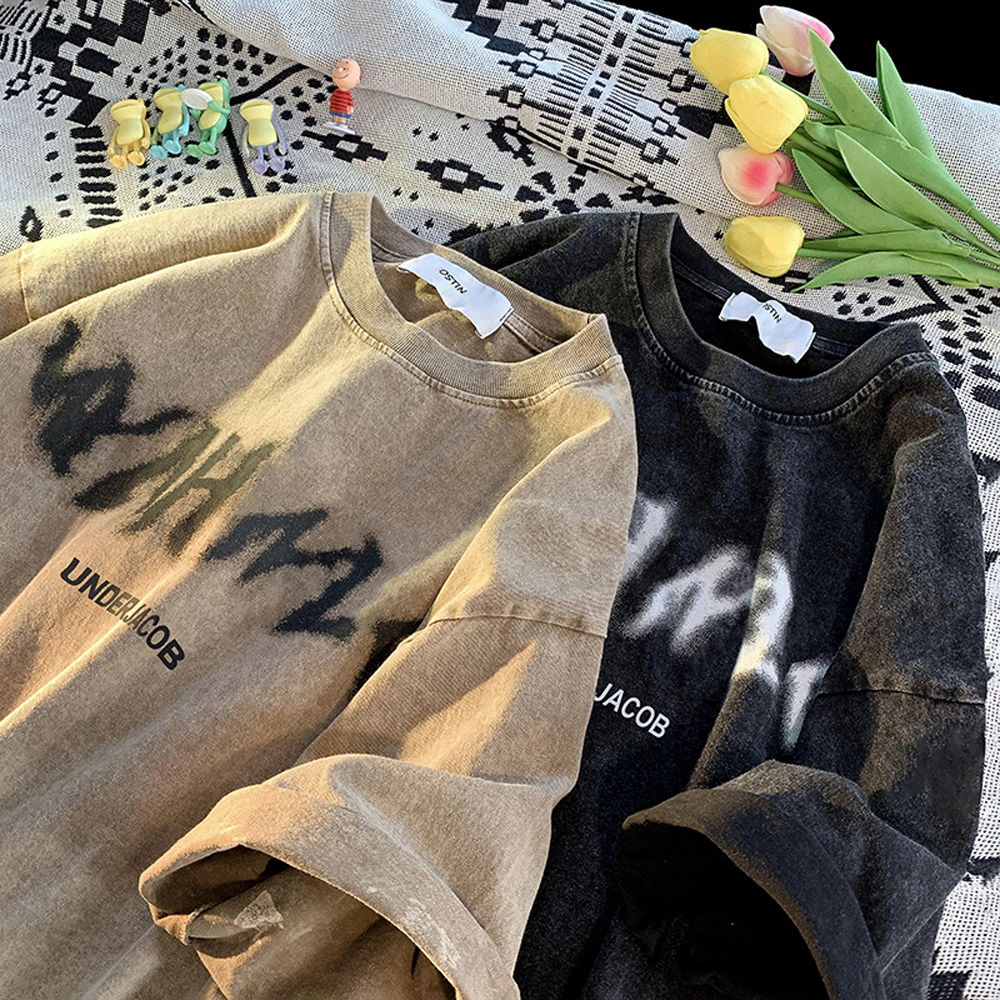
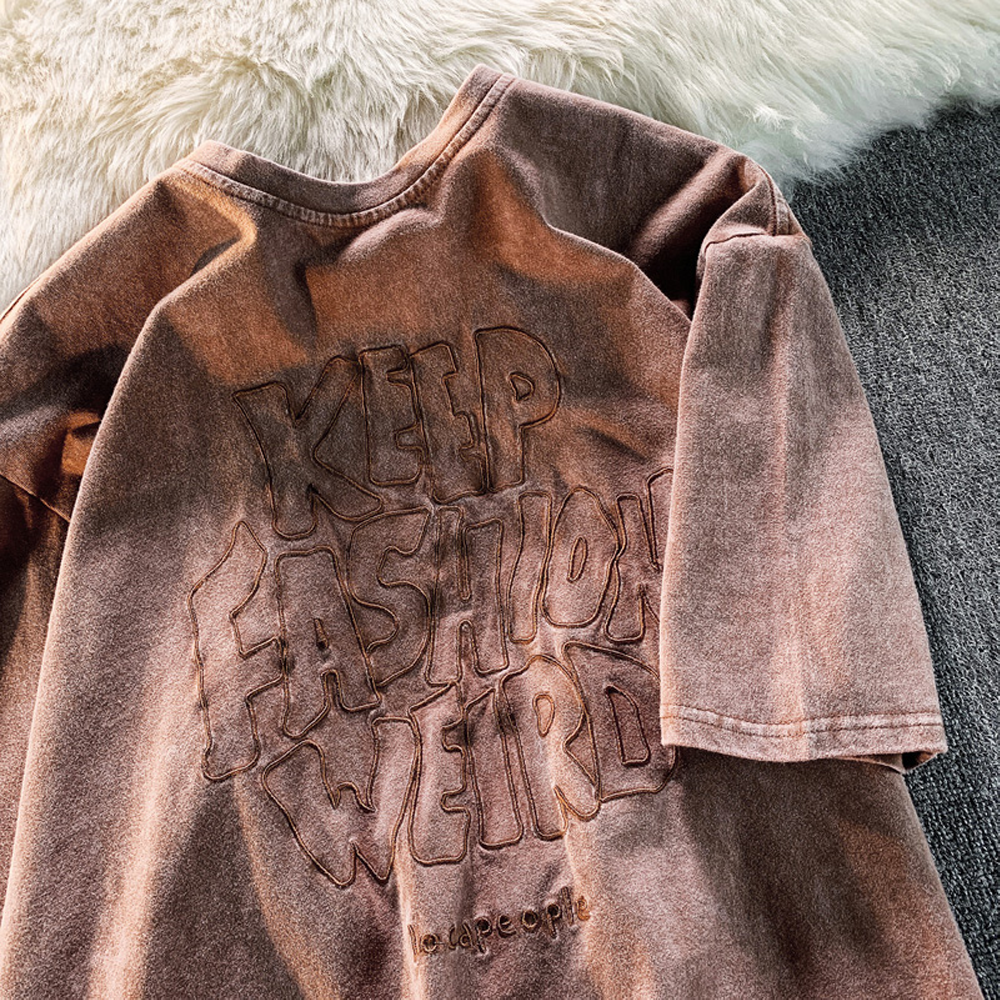
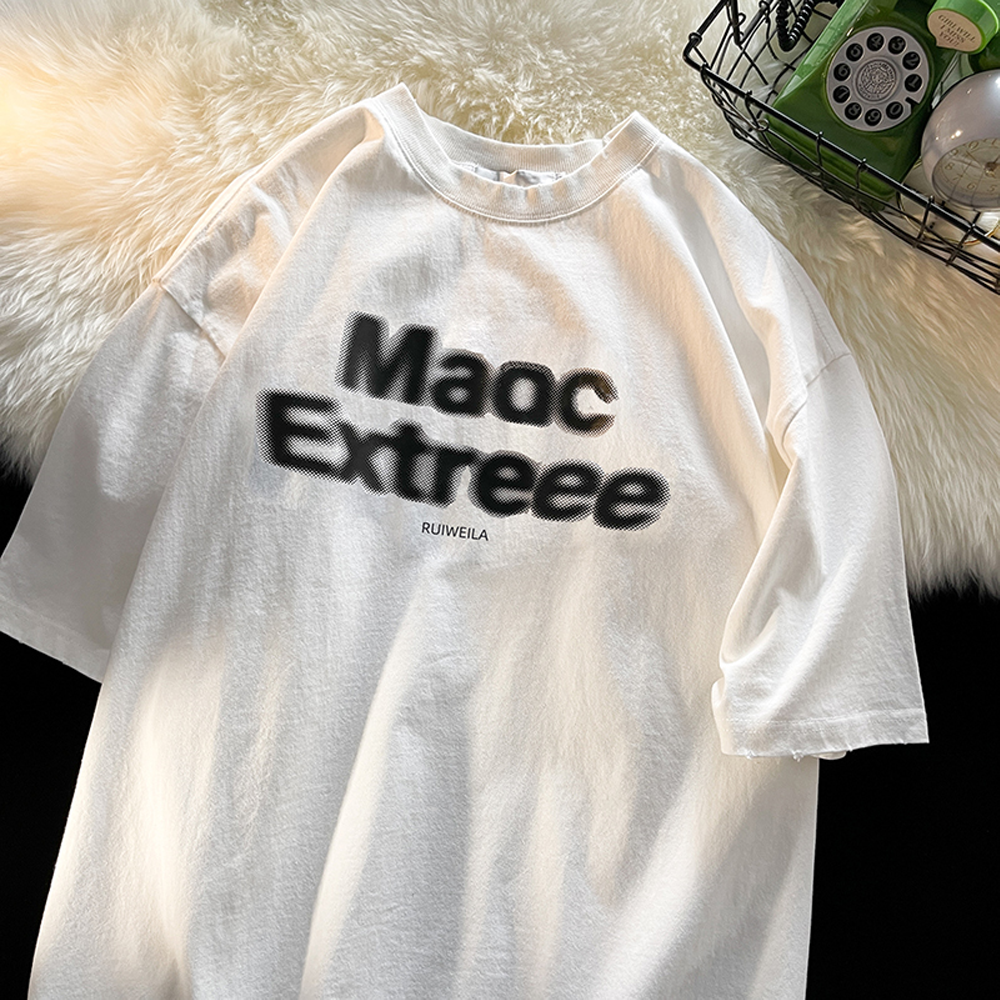
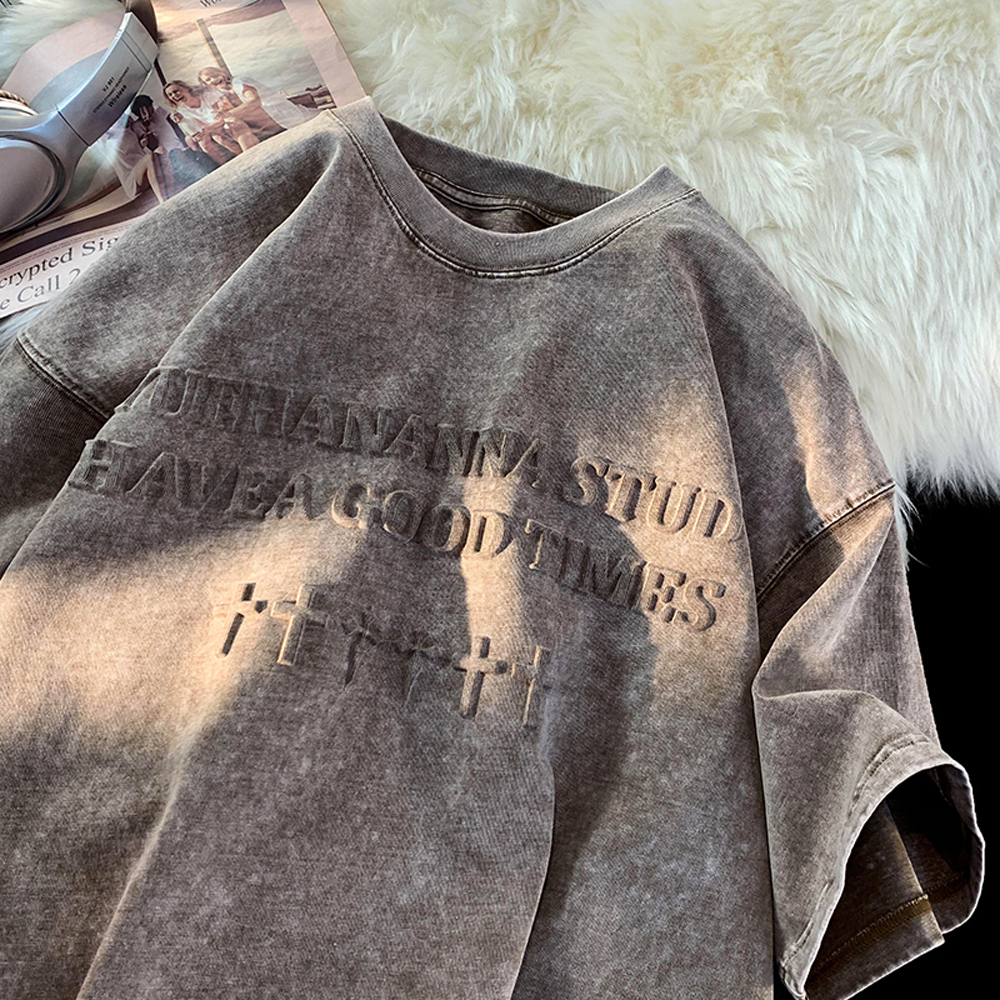
Why Brands Choose Our Graphic Streetwear Manufacturer
5-Step QC Guarantee
Every graphic streetwear piece passes five rigorous quality checkpoints from materials to finished garment, eliminating defects before shipping.
In-House Design Team
Our 15-member R&D team brings trend-driven graphics, sampling, and technical packs to life with deep streetwear culture expertise.
50-Piece Minimum Order
Launch your graphic streetwear line without breaking the bank. Low MOQ flexibility empowers startups and independent designers to test collections.
7-Day Sample Turnaround
Fast sampling keeps your seasonal drops on schedule. Review, refine, and approve graphic prototypes in days, not weeks.
Streetwear Trend Expertise
Six years specializing in graphic tees, hoodies, and statement pieces. We understand skeleton, rose, graffiti, and bold color-pattern elements.
Global Shipping Support
Seamless logistics to over 100 countries. We handle customs, inspection, and delivery so your graphic streetwear reaches customers worldwide.
Graphic Streetwear Manufacturer Categories We Specialize In
From bold printed tees to statement outerwear, we produce every graphic streetwear essential with precision craftsmanship and our 5-step QC guarantee.
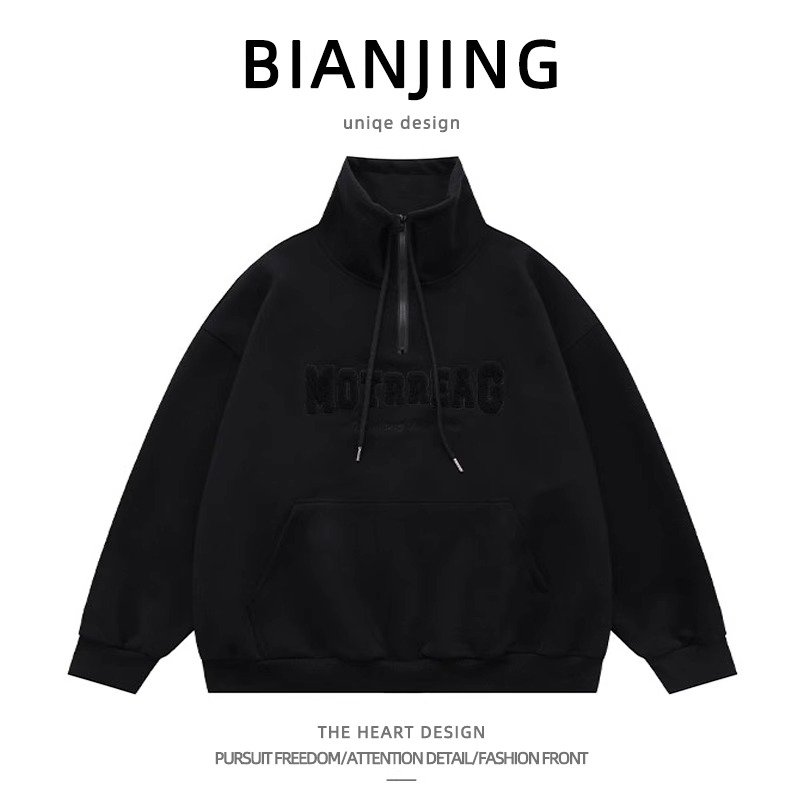
Graphic Hoodies & Sweatshirts
Many manufacturers struggle with graphic placement accuracy on heavyweight fleece, leading to cracked prints, misaligned designs, and inconsistent color vibrancy across production runs that damage brand reputation.
Our specialized heat-transfer and screen-printing techniques ensure crisp, durable graphics on premium fleece. Every hoodie passes cutting QC and sewing QC testing before shipping, guaranteeing placement precision and colorfastness.
Printed Tees & Oversized Shirts
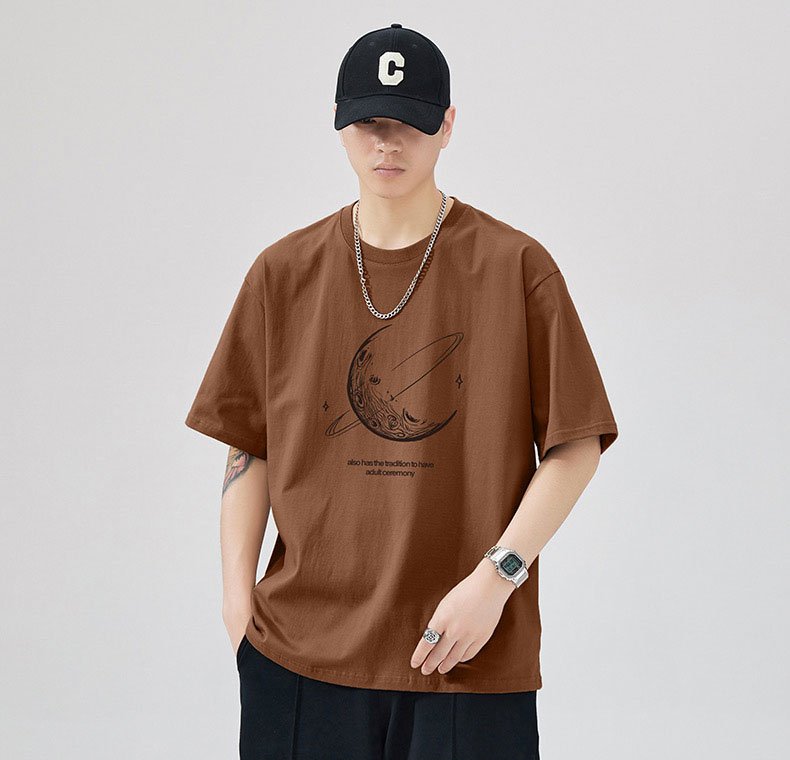
Startups and influencer brands need eye-catching graphic tees with low minimums, but most suppliers require thousands of units or deliver washed-out prints that fade after a few washes.
We produce bold, high-definition printed tees from just 50 pieces with DTG, screen, or discharge printing. Our materials QC and finished clothing inspection ensure every tee meets streetwear durability standards.
Graphic Sweatpants & Joggers
Coordinating graphic elements across hoodies and bottoms is challenging when manufacturers lack experience with streetwear aesthetics, resulting in mismatched sets that don't resonate with your audience.
Our 15-person R&D team understands streetwear design elements from skeleton motifs to mystery symbols. We produce matching graphic joggers and sweatpants with consistent print quality and perfect set coordination.
Embroidered & Printed Jackets
Premium outerwear with complex embroidery or large-scale back prints requires advanced technical skills. Poor stitch density, puckering, or print cracking on technical fabrics ruins high-margin jacket collections.
With 10+ years of production expertise and clothing craft QC testing at every stage, we deliver flawless embroidered patches, appliqué details, and oversized prints on bombers, coaches jackets, and puffer styles.
Graphic Accessories & Headwear
Brands launching full streetwear collections need reliable manufacturing for graphic beanies, caps, bags, and accessories, but coordinating multiple suppliers creates quality inconsistencies and delays.
We manufacture complete graphic streetwear lines under one roof—from apparel to accessories—with unified quality standards, faster turnaround, and cohesive branding across every piece in your collection.
Premium Fabrics Every Graphic Streetwear Manufacturer Should Master
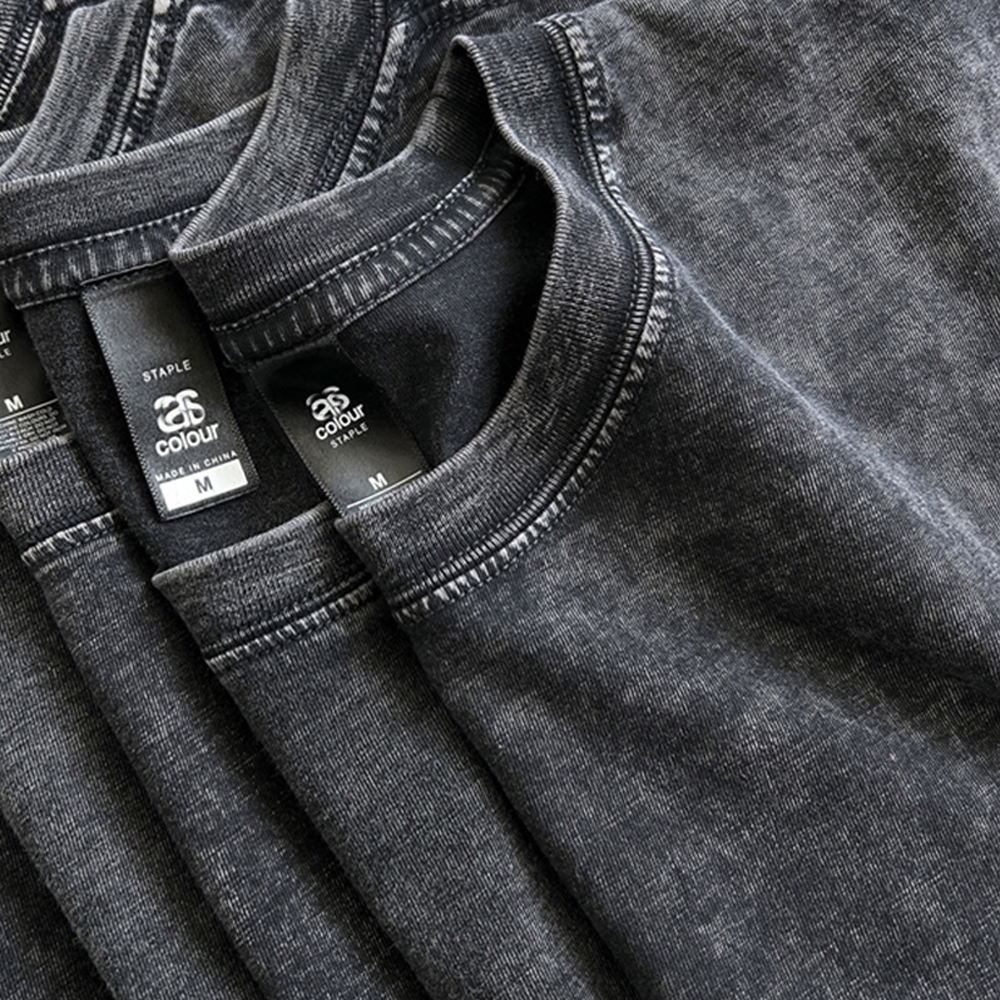
Heavyweight Cotton
Dense, substantial hand-feel ideal for oversized tees and hoodies. Weight ranges from 280–320 GSM, providing excellent print retention for bold graphic designs while maintaining breathability and a premium drape that streetwear customers expect.
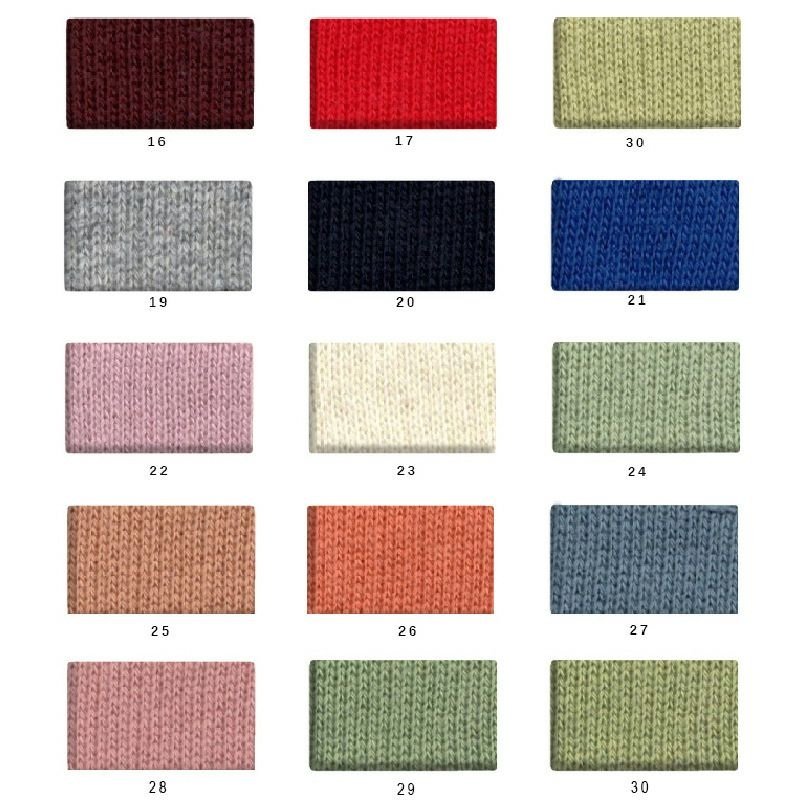
French Terry
Soft looped interior with smooth face, perfect for crewnecks and joggers. Mid-weight at 240–280 GSM with natural stretch, this fabric offers comfort and structure, holding screen prints and embroidery without puckering or distortion.
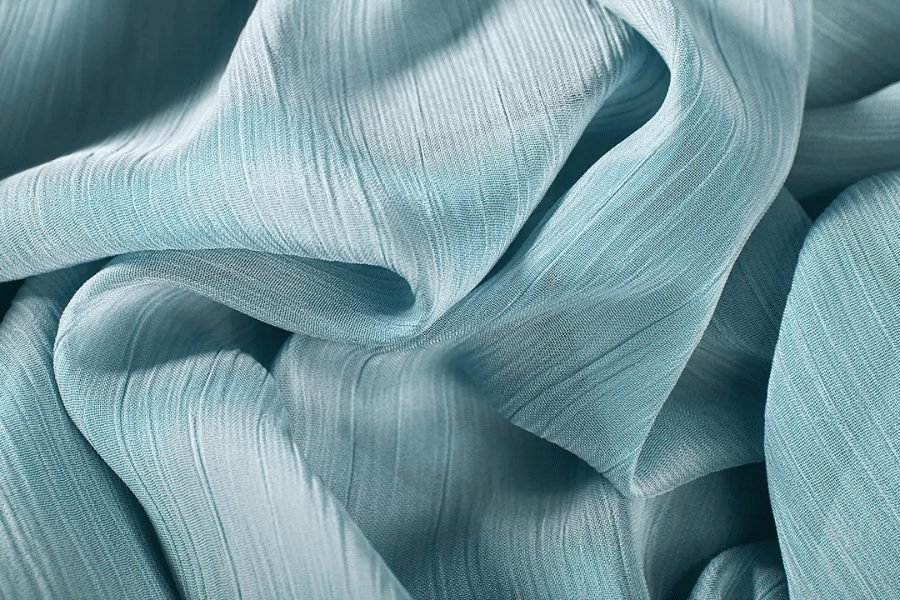
Polar Fleece
Plush, insulating knit for cold-weather streetwear staples like hoodies and track jackets. Typically 280–340 GSM, fleece delivers warmth without bulk and accepts dye sublimation and appliqué graphics with exceptional color vibrancy and durability.
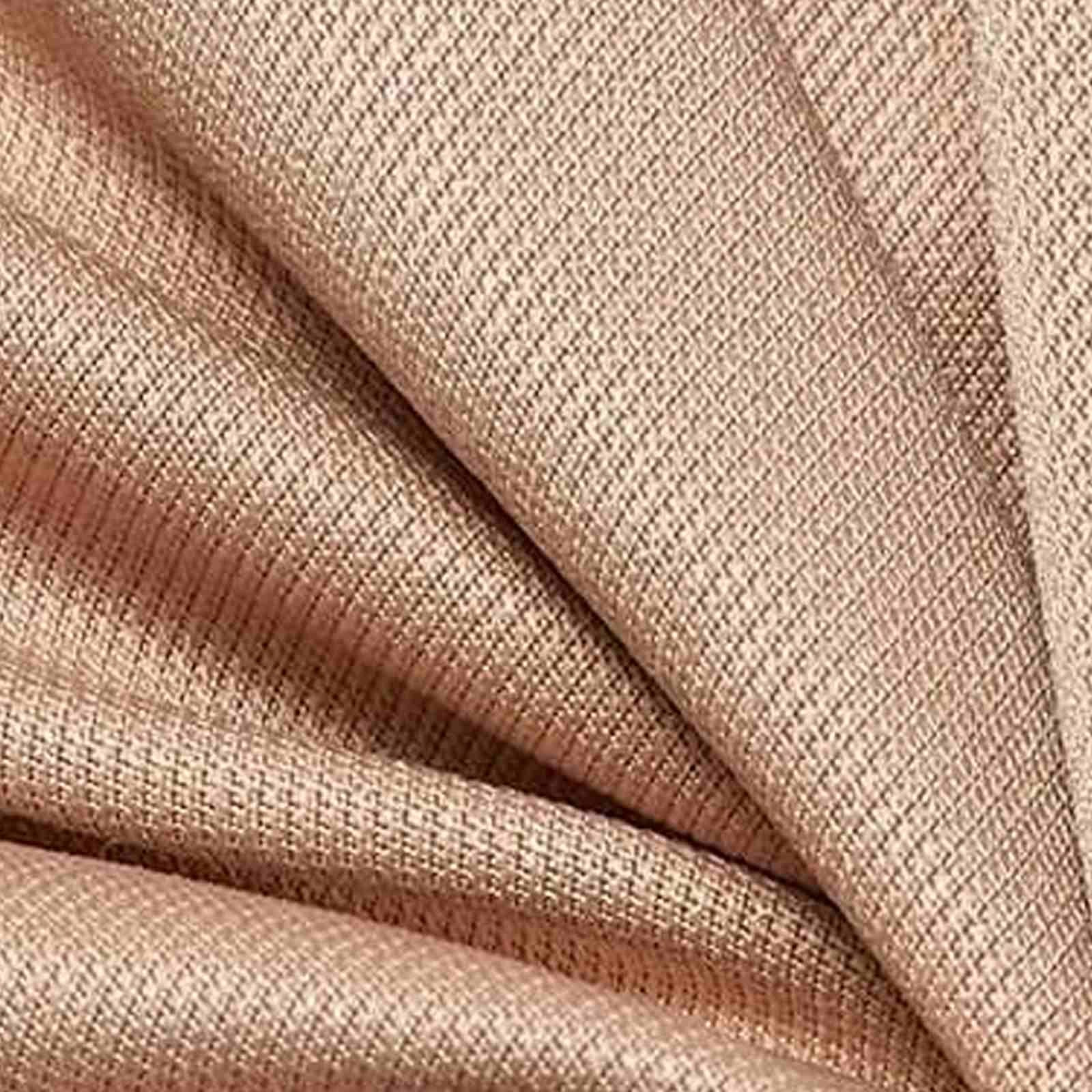
Polyester Tricot
Smooth, athletic-inspired warp-knit fabric with excellent stretch recovery. Lightweight at 150–200 GSM, tricot is moisture-wicking and ideal for track pants, windbreakers, and performance streetwear that demands movement and vibrant all-over prints.
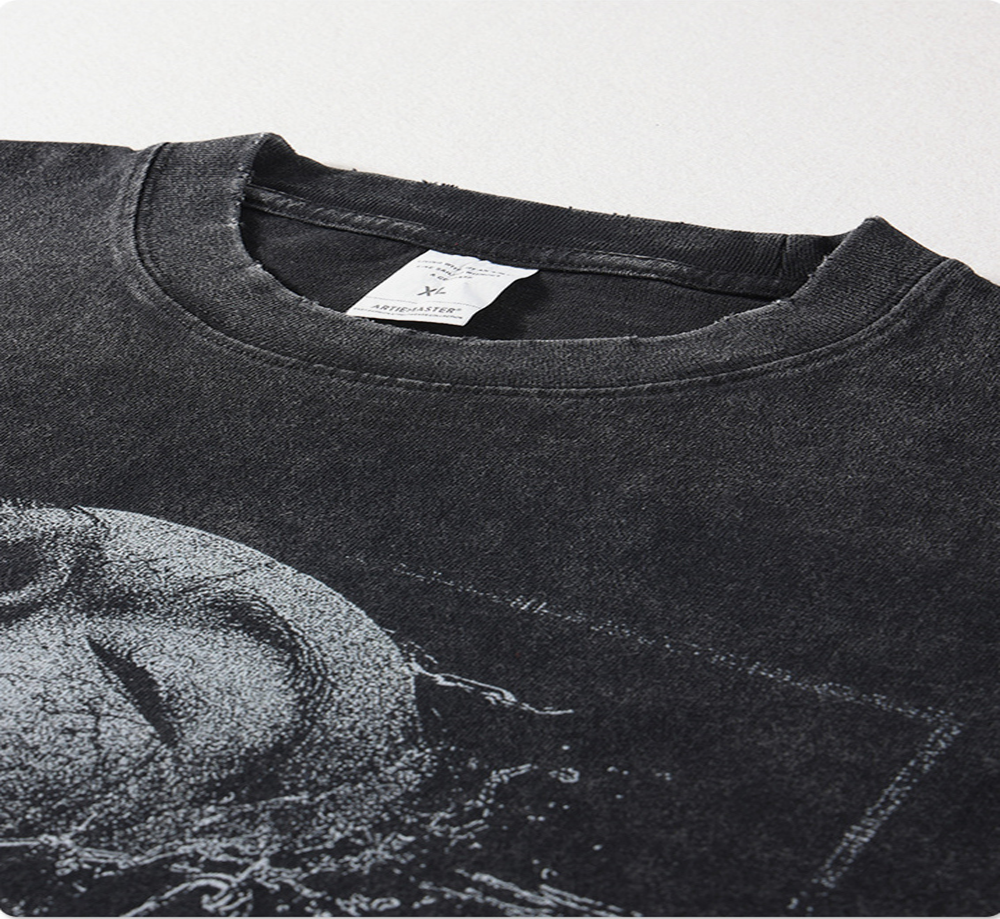
Organic Cotton Jersey
Eco-conscious single-knit with a soft, natural hand. Weighing 160–200 GSM, this sustainable option appeals to environmentally aware brands while delivering the classic tee feel and crisp graphic definition that modern streetwear lines require.
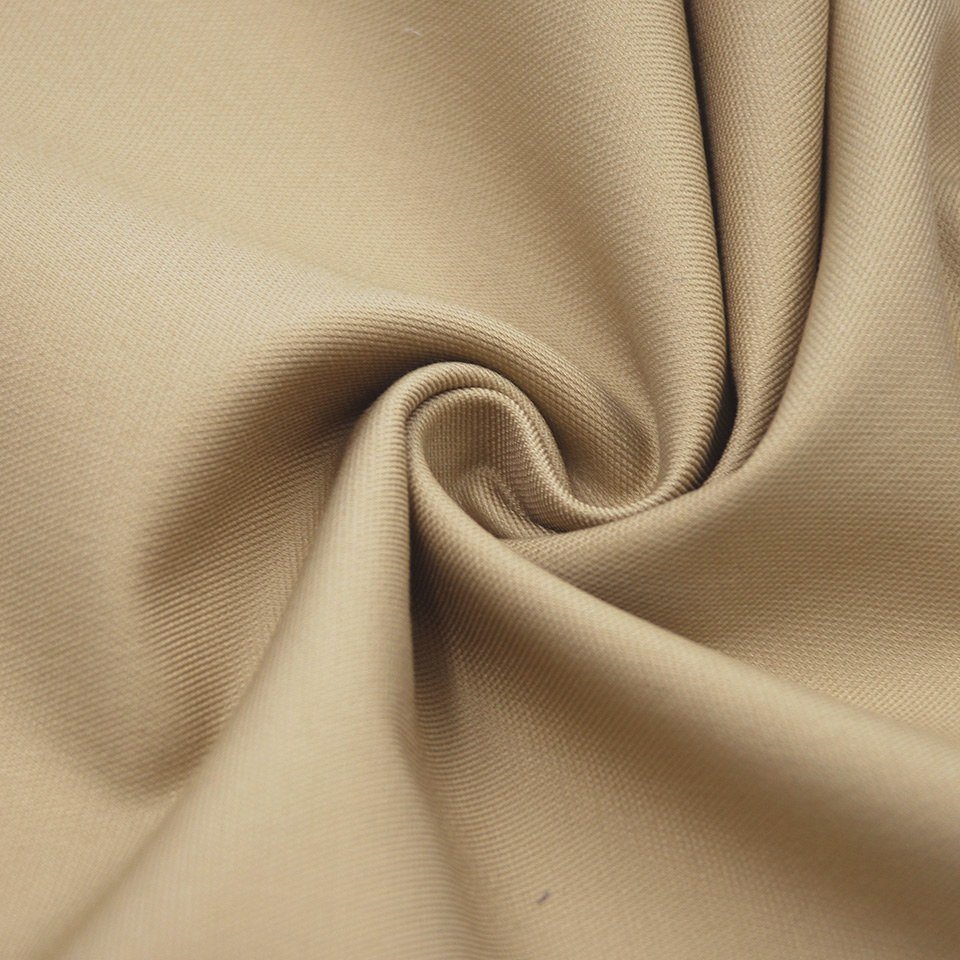
Cotton-Poly Blend
Balanced 60/40 or 80/20 blend combining cotton comfort with polyester durability. At 220–260 GSM, this workhorse fabric resists shrinkage and fading, ensuring graphic prints stay sharp through repeated washes and heavy wear.
Graphic Production Techniques Your Graphic Streetwear Manufacturer Masters
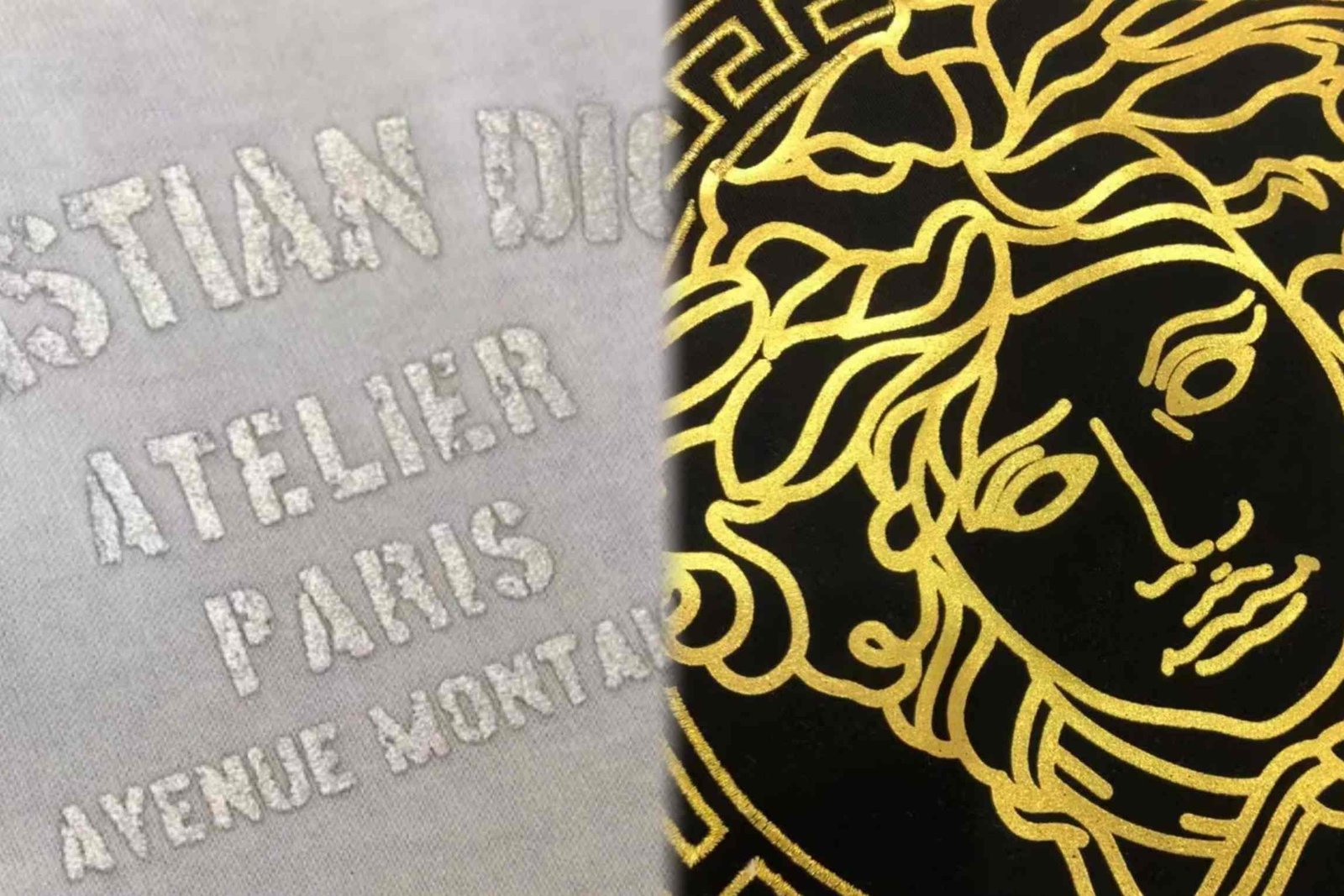
Screen Printing
High-opacity ink layers create vibrant, long-lasting graphics perfect for bold logos and large designs. Ideal for bulk runs with consistent color reproduction and excellent wash durability across cotton and blends.
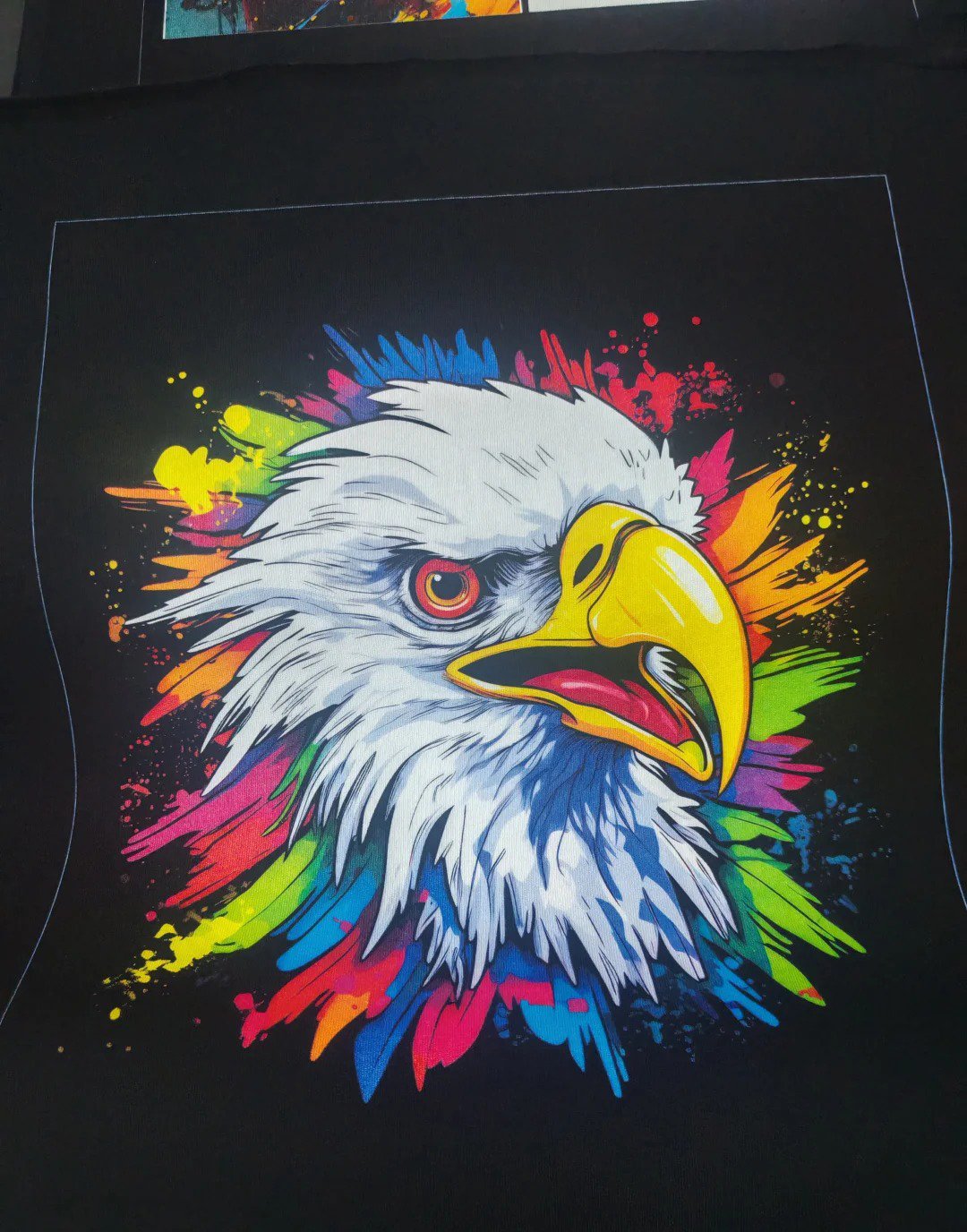
Direct-to-Garment (DTG)
Digital printing technology delivers photorealistic detail and unlimited color options without setup costs. Perfect for complex artwork, small batches, and designs requiring smooth gradients or intricate patterns on demand.
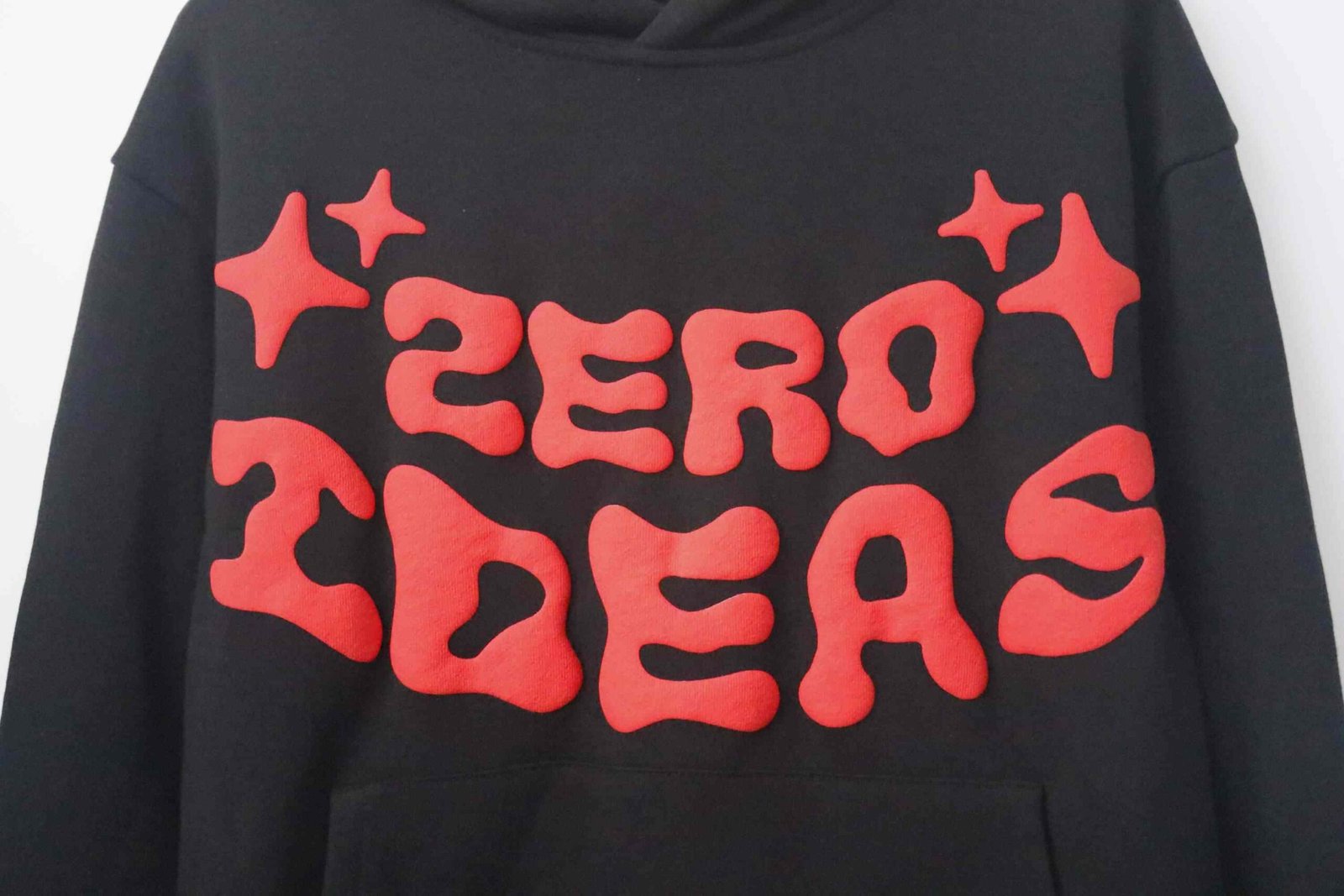
Puff Print
Raised, three-dimensional ink creates tactile texture that elevates streetwear graphics with premium visual impact. Adds depth to logos and lettering while maintaining flexibility and resistance to cracking through repeated wear.
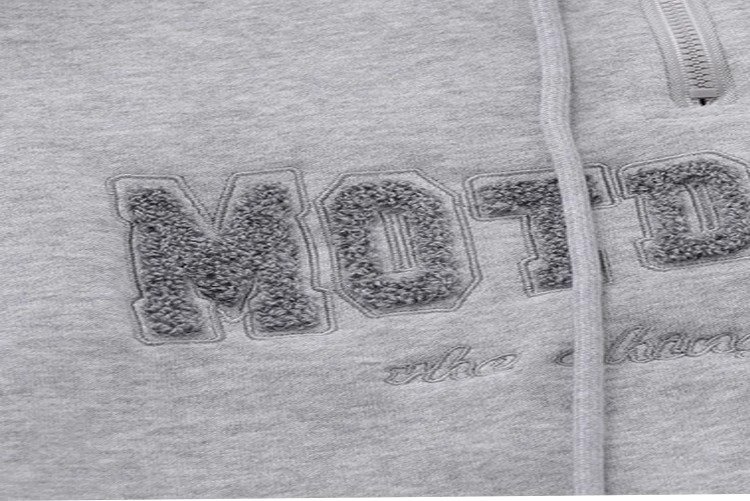
Embroidery
Precision thread work produces premium, textured branding with unmatched durability and luxury appeal. Ideal for logos, monograms, and detailed artwork on hoodies, caps, and heavyweight garments requiring elevated craftsmanship.
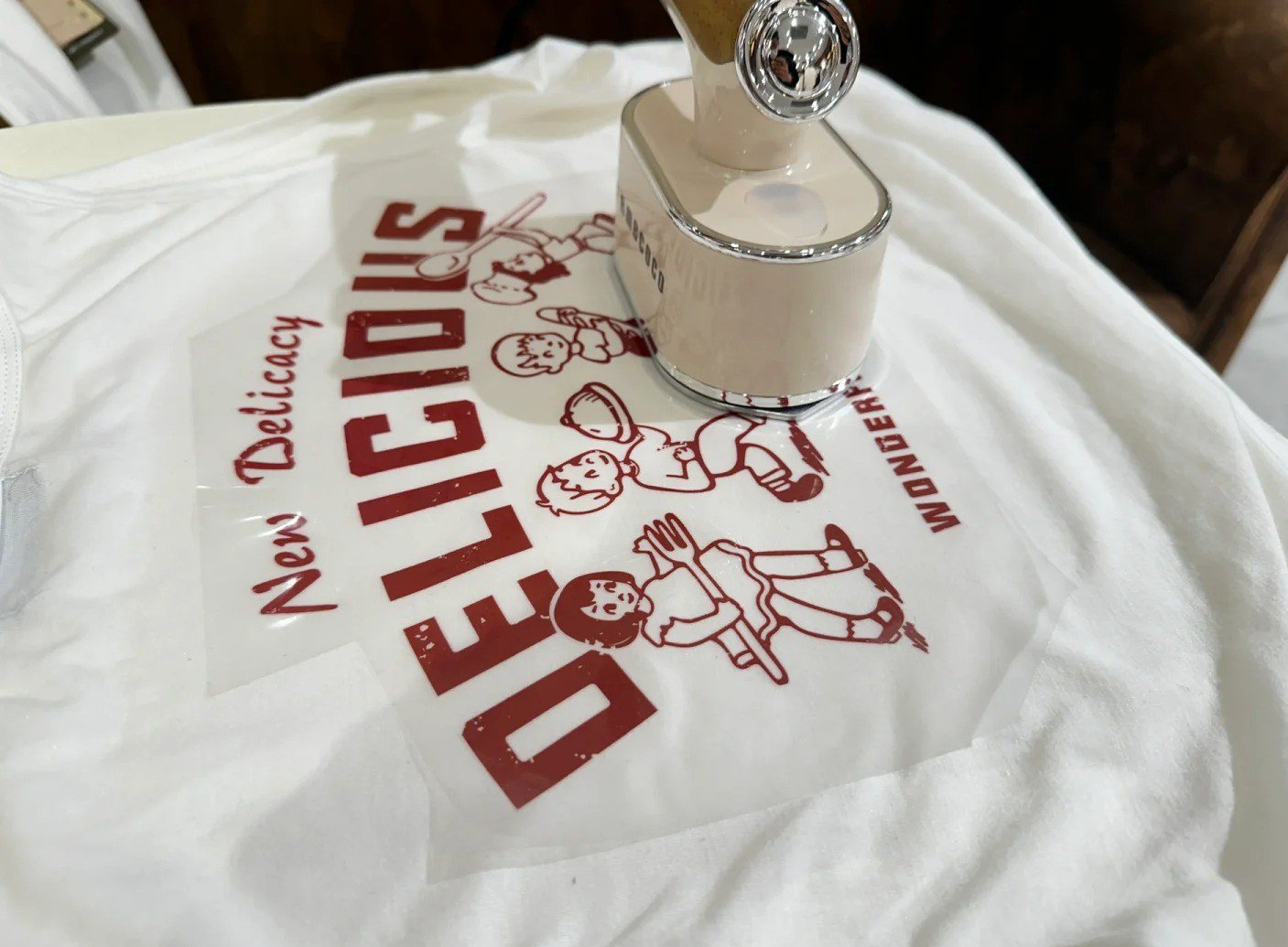
Sublimation Printing
Dye infusion bonds graphics directly into polyester fibers for all-over prints with zero surface feel. Delivers vibrant, fade-resistant patterns across entire garments, perfect for athletic streetwear and performance-driven collections.
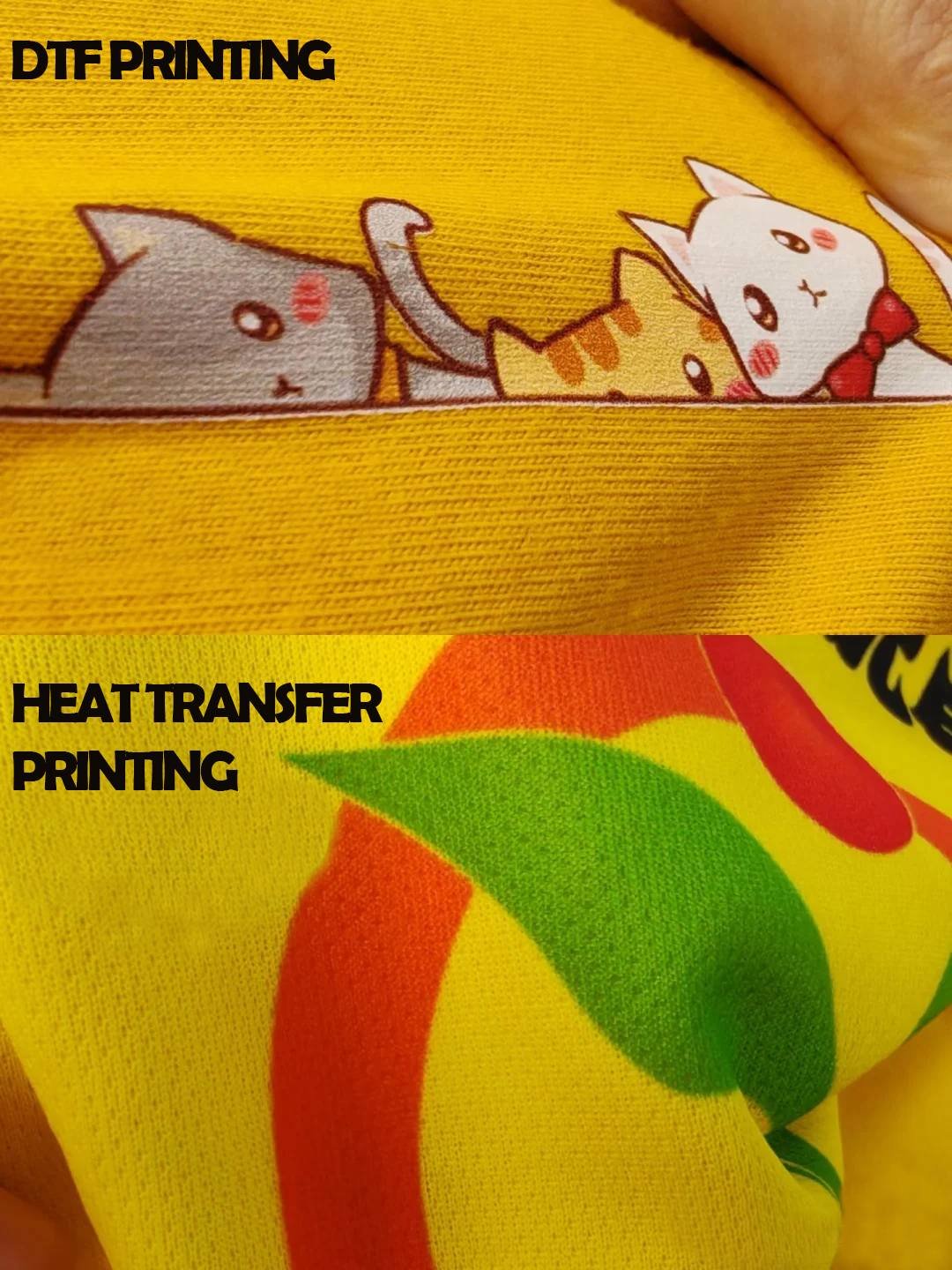
Heat Transfer
Versatile application method applies vinyl, foil, or specialty films for metallic, reflective, and textured effects. Enables quick turnaround for limited drops, custom names, numbers, and experimental finishes without minimum order constraints.
Graphic Streetwear Manufacturer Finishing & Accessories
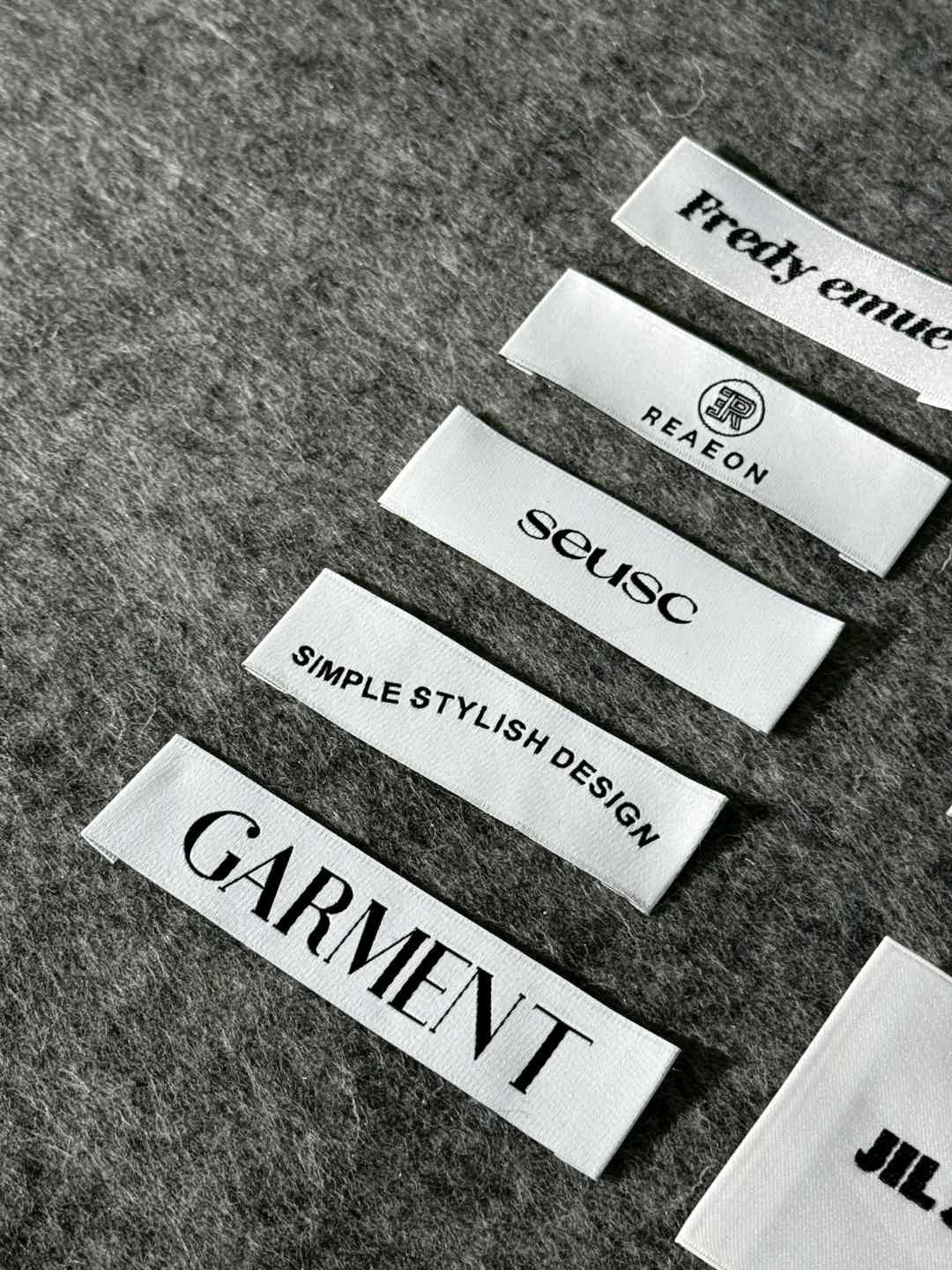
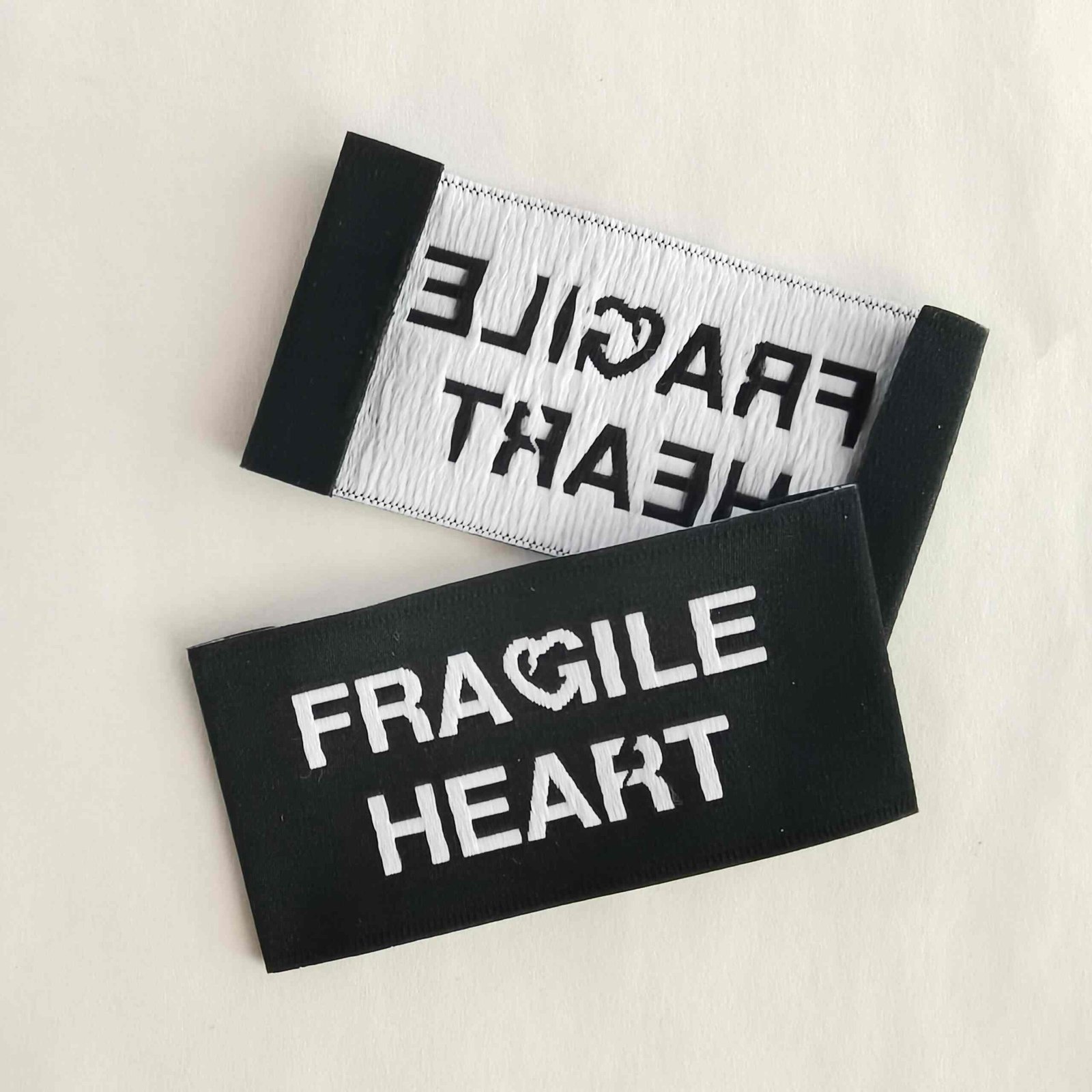
Custom Woven Labels
High-definition woven labels featuring your brand logo, care instructions, or size tags. Sewn into necklines, side seams, or hem areas to elevate brand identity and professionalism on every graphic streetwear piece.
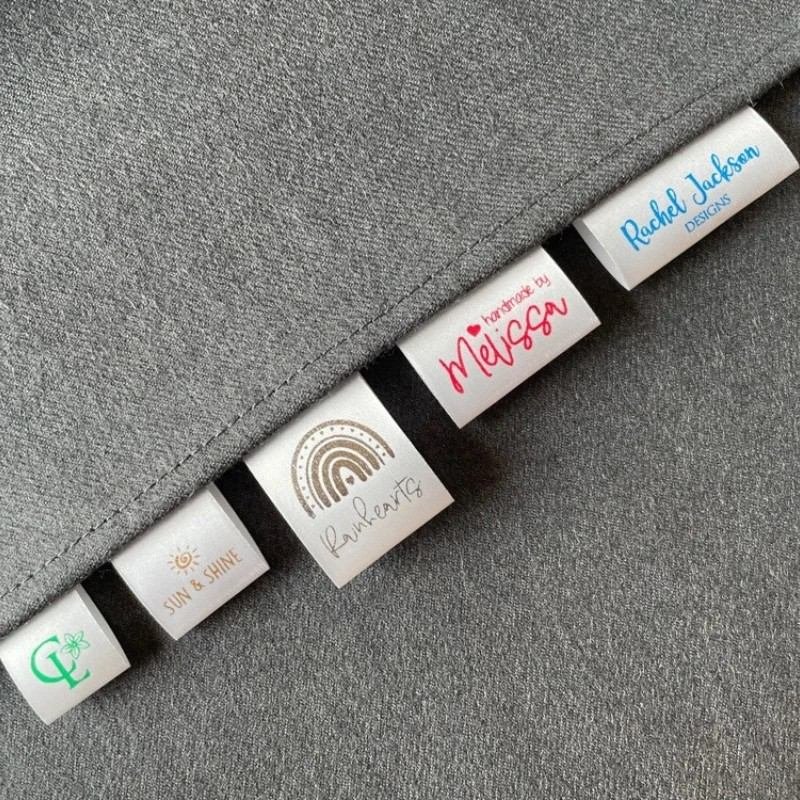
Designer Hang Tags
Premium hang tags printed with your brand story, product details, or QR codes. Attached via metal eyelets or string, these tags create an unboxing experience that resonates with streetwear audiences and influencer customers.
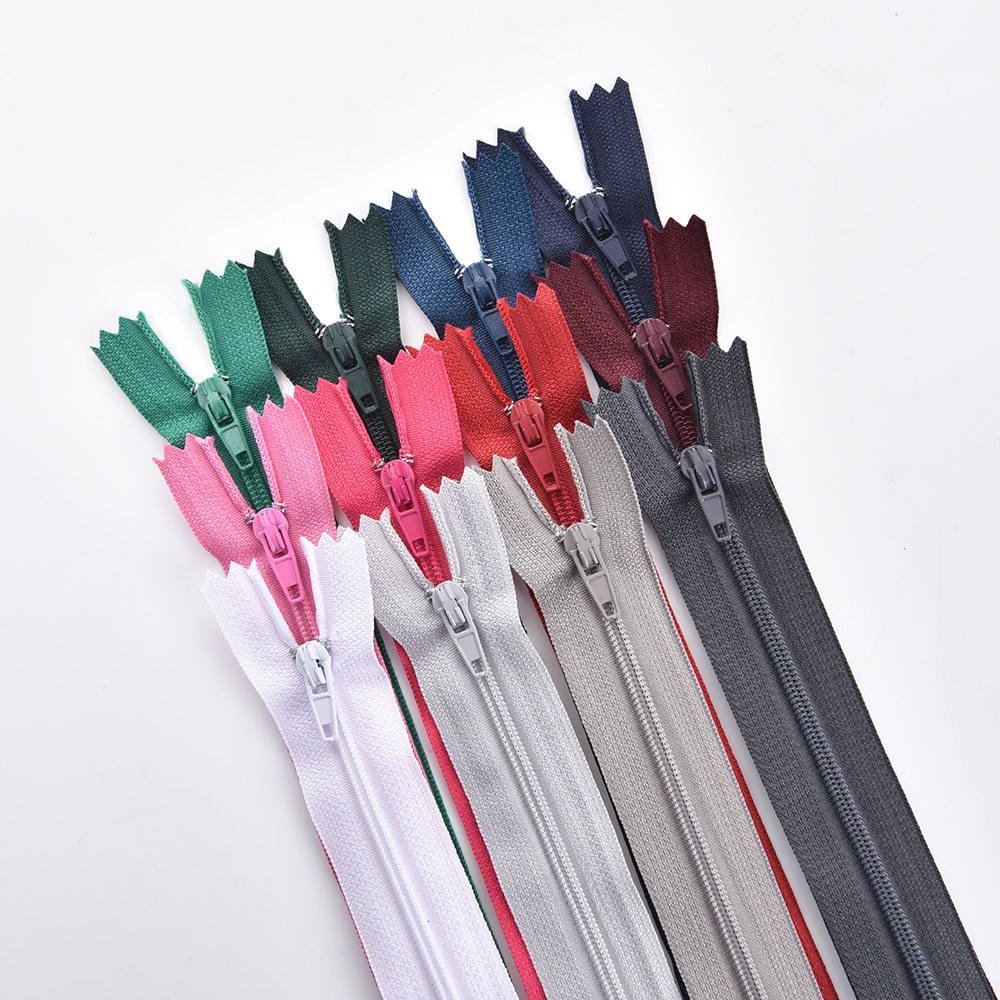
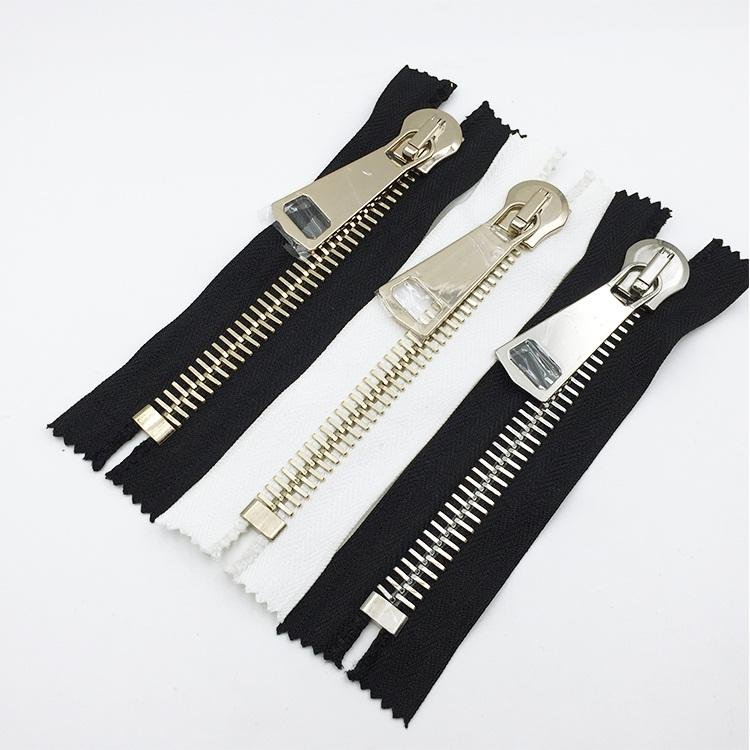
Metal Zipper Pulls
YKK or custom-branded zipper pulls in gunmetal, brass, or matte black finishes. Essential hardware for hoodies, jackets, and zip-up graphic streetwear that demands durability and a premium tactile feel.
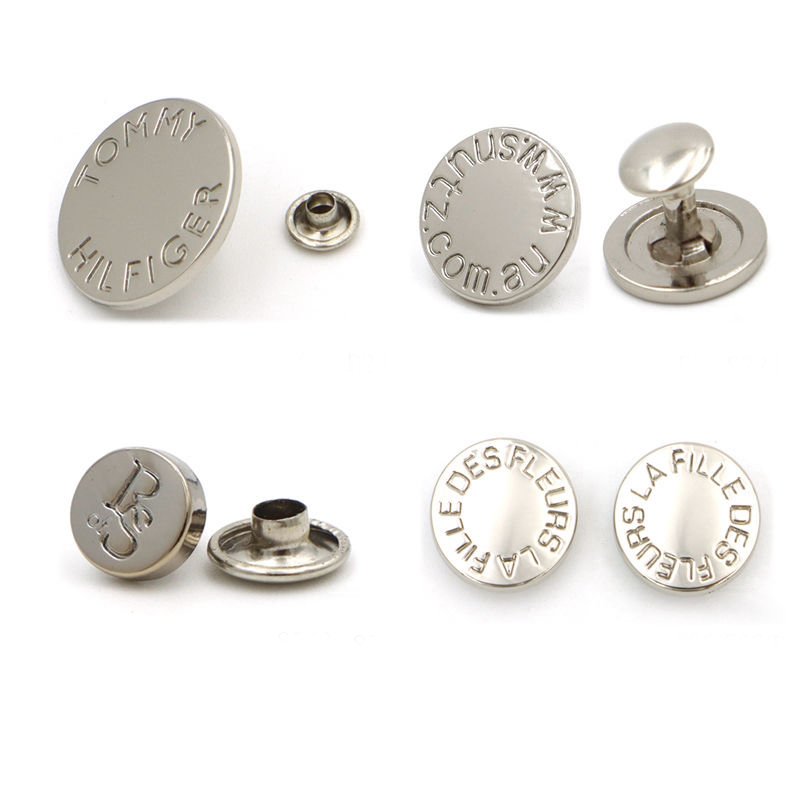
Drawcord & Tipping
Flat or round drawcords with metal, silicone, or branded aglet tips for hoodies and joggers. Available in custom colors and finishes to match your graphic streetwear aesthetic and reinforce brand consistency.
Embroidered Patches
Custom embroidered or woven patches showcasing logos, symbols, or graphic artwork. Heat-sealed or stitched onto sleeves, chests, or backs to add dimension and streetwear authenticity to your designs.
Branded Poly Bags
Custom-printed poly mailers or resealable bags with your logo and brand colors. Protect finished garments during shipping while delivering a cohesive, professional brand experience from warehouse to customer doorstep.
Your Trusted Graphic Streetwear Manufacturer
Founded in 2024 by Tesla Luo, Clothing Manufacturer Ltd brings over 10 years of garment production expertise and 6 years of specialized streetwear experience to brands worldwide. Born into a garment manufacturing family, Tesla grew up mastering every production stage—from cutting and sewing to quality control—building the foundation for a company dedicated to restoring trust in Chinese manufacturing through uncompromising quality standards.
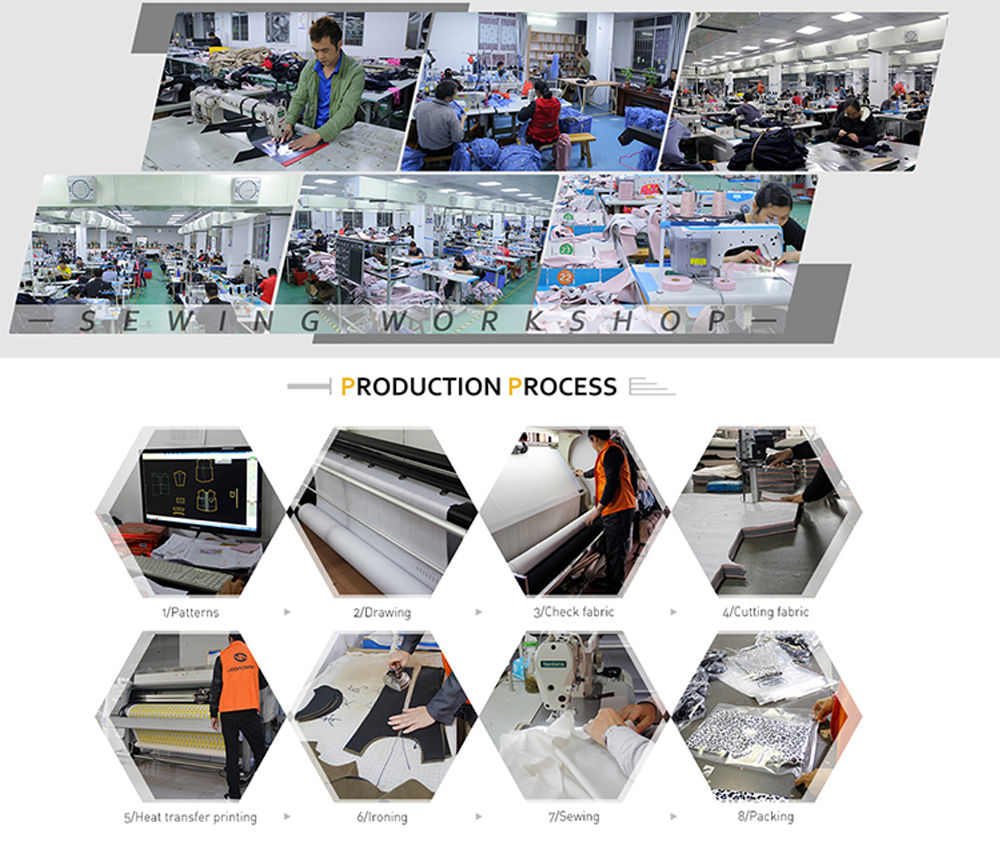
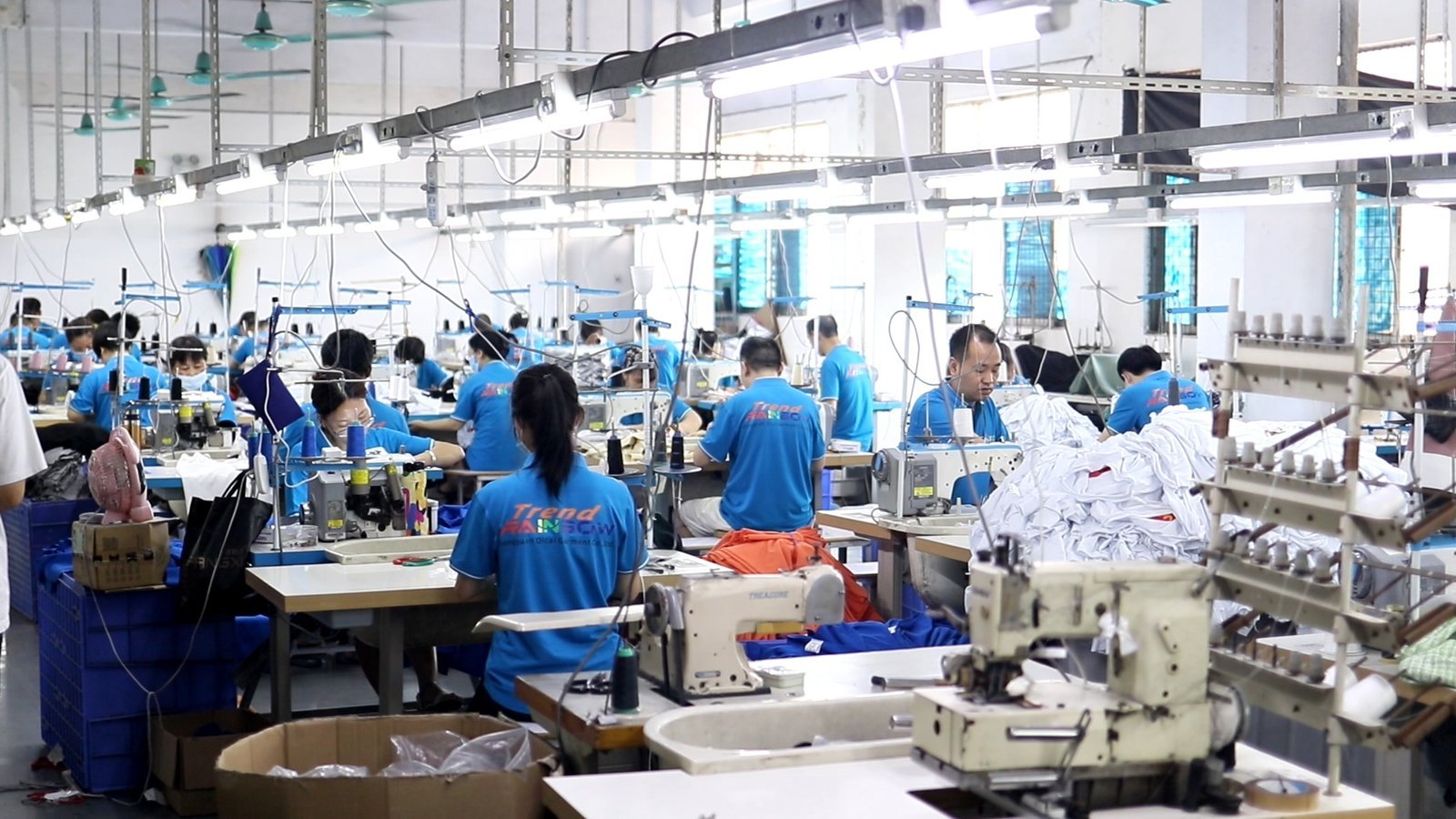
We serve streetwear brands, fashion startups, independent designers, and retailers across 100+ countries, backed by a 15-member R&D team and 10 production patents. Our proprietary 5-step quality control process—testing materials, cutting, craftsmanship, sewing, and finished garments—ensures every piece meets premium standards. Unlike manufacturers who skip mid-production checks, we embed quality assurance at every stage, eliminating defects before they reach your customers.
As a graphic streetwear manufacturer specializing in trend-driven designs—from skeleton and rose motifs to mystery symbols and bold color patterns—we combine cultural fluency in streetwear aesthetics with rigorous production discipline. Whether you’re launching your first collection with a 50-piece MOQ or scaling an established line, we deliver premium craftsmanship, fast turnaround, and the transparency today’s brands demand.
Our 5-Step Quality Control Process — The Graphic Streetwear Manufacturer Difference
Materials QC Testing — Fabric Foundation Matters
Before cutting begins, our graphic streetwear manufacturer inspects every fabric roll for weight consistency, colorfastness, stretch recovery, and print adhesion. We reject materials that won’t hold bold graphics through repeated washing, ensuring your designs stay vibrant season after season.
- GSM tolerance verification within ±3% to maintain garment hand-feel
- Colorfastness testing to Grade 4+ prevents graphic bleeding and fading
- Dimensional stability checks ensure prints align perfectly after washing
- Surface inspection catches slubs, pilling, or defects before cutting
Cutting QC Testing — Precision for Pattern Placement
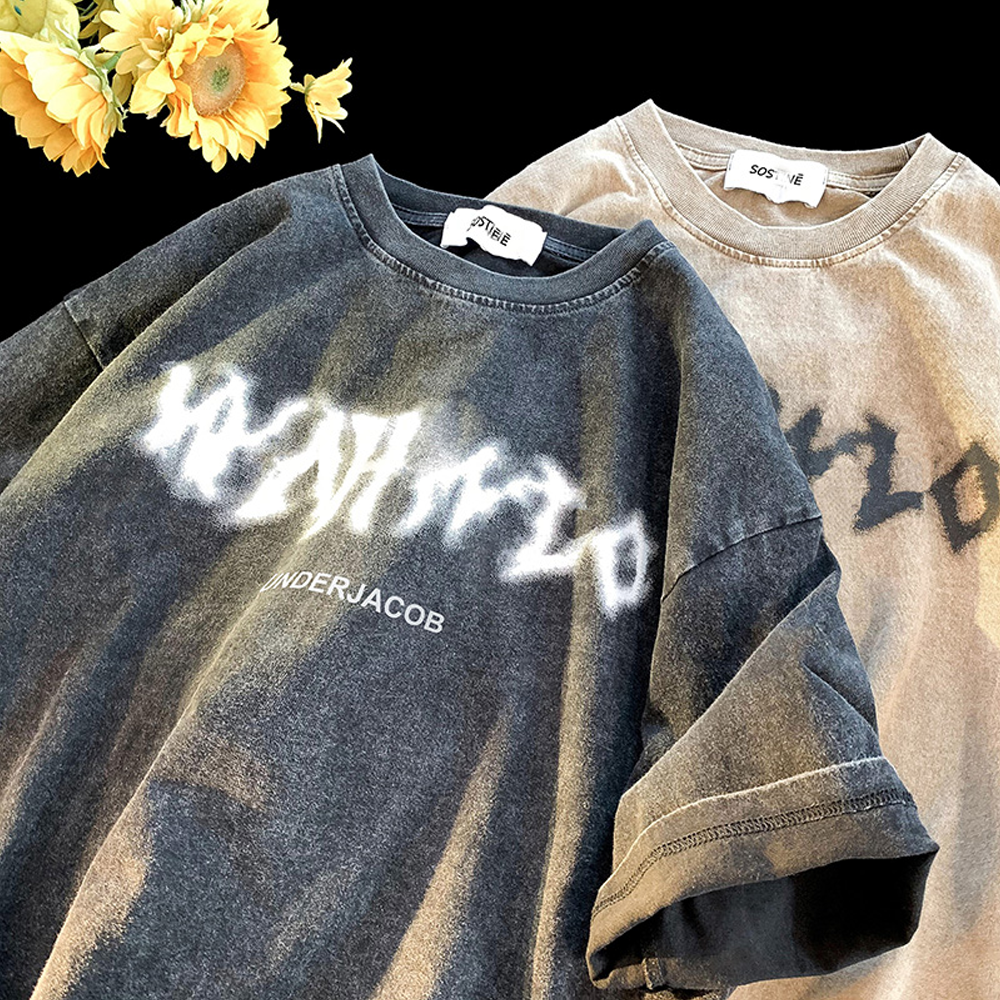
Our cutting stage QC verifies that graphic placements match your tech packs exactly. Unlike factories that skip this checkpoint, we measure every panel against specifications before sewing starts, eliminating costly remakes from misaligned skeleton prints, logos, or color blocks.
- Digital marker verification ensures zero fabric waste and accurate yields
- Panel-by-panel measurement confirms size specs within ±2mm tolerance
- Graphic placement audits guarantee chest prints, back designs hit exact coordinates
- Notch and drill-hole accuracy checked to prevent assembly misalignment
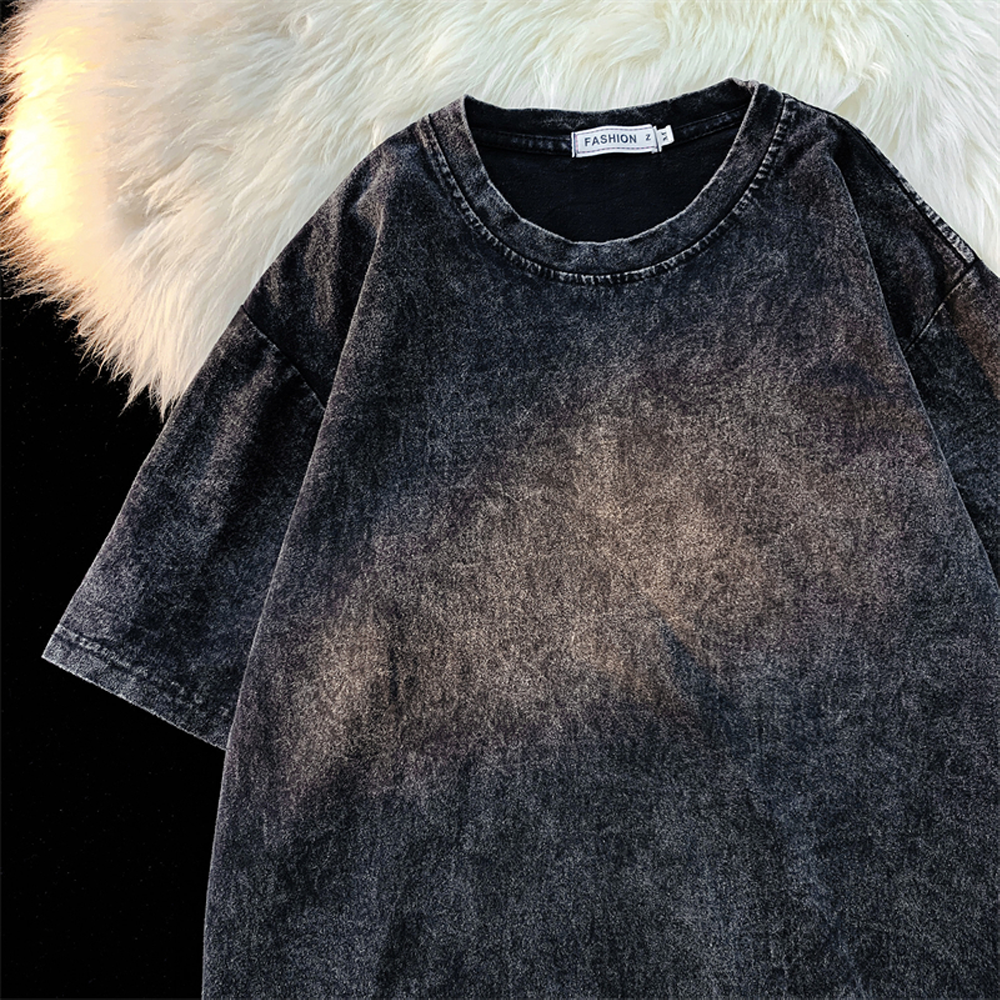
Clothing Craft & Sewing Production QC Testing
During production, our graphic streetwear manufacturer conducts inline inspections every 50 pieces. We catch stitch tension issues, seam puckering around prints, and thread color mismatches in real time—defects that bulk-only QC factories discover only after hundreds of flawed units are sewn.
- Stitch-per-inch counts verified against garment type and fabric weight standards
- Seam strength pull-tests ensure durability under stress points and heavy graphics
- Thread tension balance prevents puckering that distorts screen-printed areas
- Inline rework stations correct issues immediately, not after full production
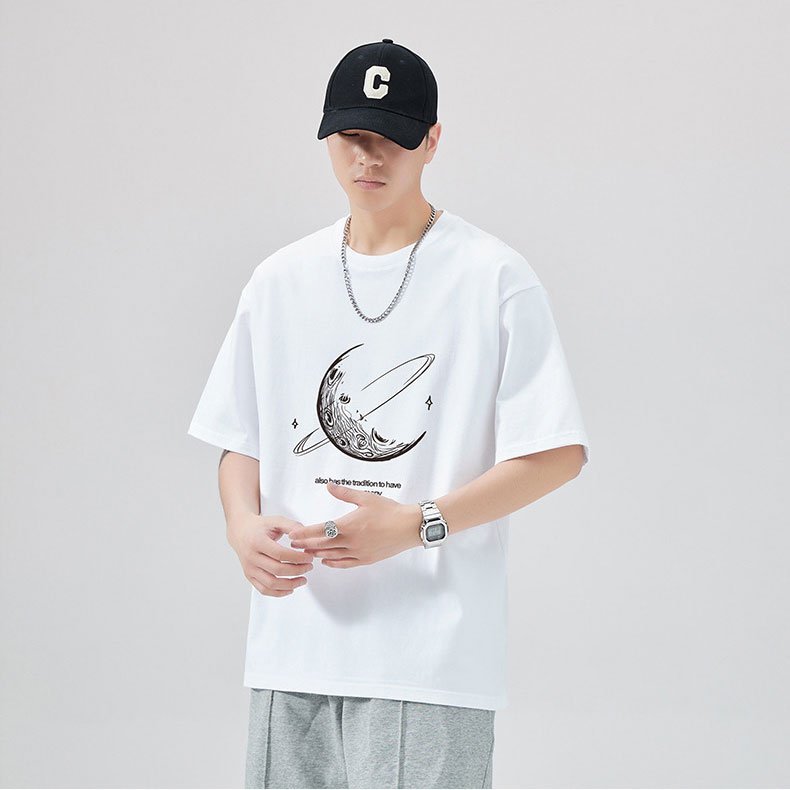
Finished Clothing Quality Inspection — Final Assurance
Every completed garment undergoes our comprehensive final QC: measurement verification, graphic print clarity, colorway accuracy, and accessory attachment strength. We inspect under daylight-equivalent lighting to ensure what you approve is exactly what your customers unbox—no surprises, no chargebacks.
- AQL 2.5 sampling or 100% inspection available based on order criticality
- Print quality assessment checks for ink coverage, edge sharpness, color match
- Functional testing of zippers, snaps, drawcords on every graphic hoodie and jacket
- Steam-press finish and fold standards maintain premium presentation in packaging
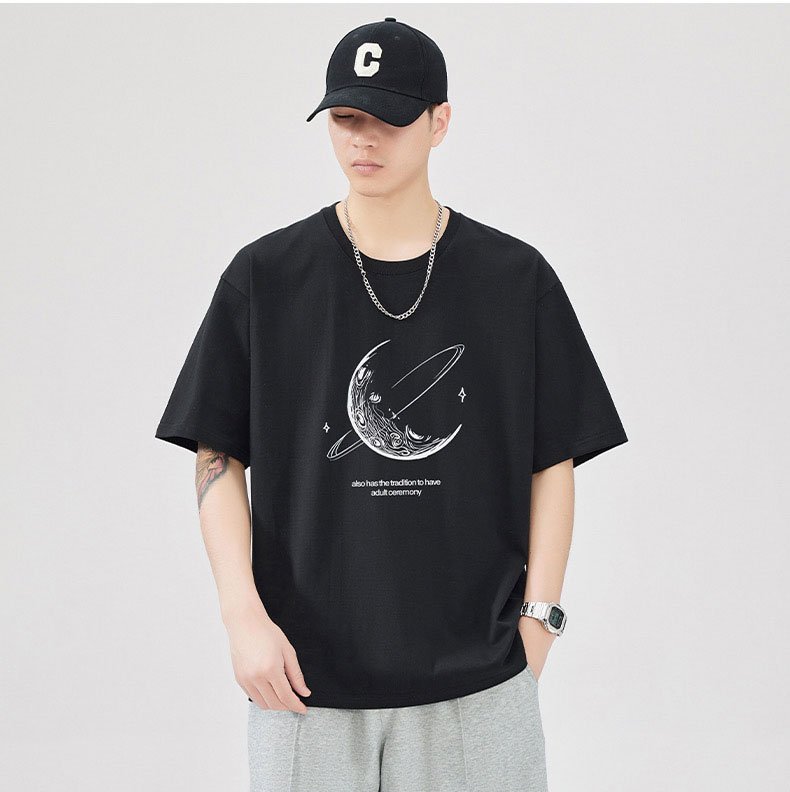
Graphic Streetwear Manufacturer vs. Typical Suppliers — What Sets Us Apart
Procurement managers evaluating vendors need clear proof. Here’s how our quality-first approach, flexible minimums, and streetwear expertise compare to standard apparel factories that treat graphic streetwear as just another order.
← 左右滑动查看 →
From Design to Delivery — Our Graphic Streetwear Manufacturer Timeline
Every graphic streetwear order follows our proven 5-phase production system, designed to deliver premium quality on predictable timelines. Here’s exactly what happens from the moment you submit your tech pack to the day your collection ships.
Tech Pack & Material Selection
Submit your designs and specifications. Our team reviews technical requirements, selects premium fabrics, and confirms graphic placement, colors, and construction details with you.
Sampling & Design Approval
We produce physical samples within 7 days. You review fit, graphic quality, and finishing. Revisions are made until you approve the final sample for production.
Bulk Production & QC Testing
Manufacturing begins with our 5-step quality control embedded at every stage: materials QC, cutting QC, craft QC, sewing QC, and finished garment inspection throughout production.
Final Inspection & Packing
Completed garments undergo final quality checks. Graphics are inspected for color accuracy and durability. Approved pieces are professionally pressed, folded, and packed to your specifications.
Global Shipping & Delivery
Your graphic streetwear collection ships via your preferred logistics partner. We provide full documentation, tracking, and customs support to ensure smooth delivery worldwide.
How to Partner With a Graphic Streetwear Manufacturer in 4 Steps
From your first design brief to finished product delivery, our streamlined process makes launching your graphic streetwear line simple and stress-free.
Submit Your Design Brief
Send us your tech pack, reference images, or creative concept. Our team reviews your graphic streetwear vision and confirms fabric, print techniques, and construction details within 24 hours.
Receive Quote and Samples
We provide transparent pricing with no hidden fees and produce physical samples in 7 days. Review quality, fit, and graphic execution before committing to production.
Approve and Place Order
Once you approve samples, confirm your order with flexible MOQ starting at 50 pieces. Our team schedules production and assigns your dedicated quality control inspector.
Production and Global Delivery
Your graphic streetwear goes through our 5-step QC process at every production stage. We handle customs, logistics, and shipping to deliver finished products to your door.
Certified Graphic Streetwear Manufacturer — Global Compliance & Quality Standards
What Streetwear Brands Say About Our Graphic Streetwear Manufacturer
We grew from zero to 52,000 followers in 18 months thanks to consistent quality from Clothing Manufacturer Ltd. Their 5-step QC means every drop meets our standards. Game-changer for our brand.
Reduced our sampling time by 65% and launched three seasonal collections on schedule. The in-house design team understood our vision immediately. We’ve trusted them for over two years now.
Finally found a manufacturer who gets streetwear culture. Delivered six collections flawlessly with 50-piece MOQs that let us test designs. Their QC process caught issues other factories would’ve shipped.
Graphic Streetwear Manufacturer — Frequently Asked Questions
What is the minimum order quantity for a graphic streetwear manufacturer?
How long does sampling take with your graphic streetwear manufacturer?
Do you charge for samples when working with a graphic streetwear manufacturer?
What payment terms does your graphic streetwear manufacturer offer?
How do you protect my designs and intellectual property as a graphic streetwear manufacturer?
What are the shipping costs when ordering from a graphic streetwear manufacturer in China?
Can I customize every aspect of my graphic streetwear with your manufacturer?
What quality guarantees does a graphic streetwear manufacturer provide?
How fast can a graphic streetwear manufacturer produce seasonal collections?
The Complete Buyer’s Guide to Choosing a Graphic Streetwear Manufacturer
Navigate the graphic streetwear manufacturing landscape with confidence. This guide delivers a proven decision framework, essential supplier criteria, quality benchmarks, and the critical mistakes to avoid when partnering with a manufacturer for your brand.
1. What Is a Graphic Streetwear Manufacturer?
A graphic streetwear manufacturer is a specialized apparel production partner that designs and produces clothing with bold graphics, oversized silhouettes, and trend-driven aesthetics rooted in hip-hop, skateboarding, and street art culture. Unlike generic garment factories that handle basic cuts and plain fabrics, these manufacturers maintain in-house expertise in streetwear-specific construction techniques, graphic placement, and the cultural nuances that define skeleton motifs, graffiti-inspired prints, and statement typography. Clothing Manufacturer Ltd., for example, employs a 15-member R&D team and holds 10 patents related to streetwear production processes, reflecting the technical depth required to execute these designs at scale.
Core services span the full production cycle: pattern-making for relaxed and oversized fits, fabric sourcing for heavyweight cotton (typically 220–320 GSM French terry and fleece), screen printing and embroidery for high-density graphics, cut-and-sew operations, and multi-stage quality control. A specialized graphic streetwear manufacturer implements QC at materials intake, cutting, sewing, and final inspection—not just at the end—to catch defects early and maintain consistency across runs. This approach contrasts sharply with general contractors who often skip in-process testing, a gap that Clothing Manufacturer Ltd. addresses through its proprietary five-step QC methodology introduced in February 2025.
Brands choose specialized manufacturers because streetwear demands precise color matching (Pantone standards), durable print adhesion for repeated washing, and construction that supports the weight and drape of graphic embellishments. Startups and independent designers benefit from lower MOQs (often 50–100 pieces versus 500+ at generic factories) and partners who understand the difference between a standard crewneck and a drop-shoulder, boxy-fit piece with puff-print details.
2. The Evolution of Graphic Streetwear Manufacturing
In the early 1980s, streetwear emerged from skate parks and hip-hop clubs in Los Angeles and New York, where local screen-print shops produced small runs of branded tees and hoodies for crews and independent labels. Production was hyper-local, with most brands printing fewer than 100 pieces per design using manual plastisol screen printing. By the late 1990s, brands like Stüssy and Supreme had proven the commercial viability of streetwear, prompting a shift toward overseas manufacturing in China, Bangladesh, and Vietnam, where factories offered lower costs and access to advanced decoration techniques including direct-to-garment (DTG) printing, dye sublimation, and multi-head embroidery.
The 2010s saw the rise of low-MOQ graphic streetwear manufacturers catering to fashion startups and influencer brands, with minimum order quantities dropping from 500–1,000 pieces to 50–100 pieces per style. Factories in Guangdong Province, including those in Dongguan’s Humen Town garment hub, invested in digital printing equipment and flexible production lines to serve emerging designers who lacked capital for large inventory commitments. This democratization enabled thousands of independent labels to launch without prohibitive upfront costs.
Today’s manufacturing landscape is shaped by three converging trends: sustainability mandates driving GOTS-certified organic cotton and water-based inks, on-demand production models that eliminate deadstock, and nearshoring strategies that reduce lead times from 45–60 days to 14–21 days. Brands now prioritize graphic streetwear manufacturers that combine low MOQs with transparent, stage-by-stage quality control and eco-conscious processes.
3. Types of Graphic Streetwear Manufacturer Services
A graphic streetwear manufacturer typically offers four distinct service models, each suited to different brand stages, budgets, and operational capabilities. Understanding which model aligns with your order volume and supply chain readiness is essential before signing a contract.
Full-Package (Design-to-Delivery)
Full-package manufacturers handle every step from fabric sourcing and pattern development through cutting, sewing, printing, and final packaging. MOQs typically range from 50 to 500 pieces per design, with lead times of 30–60 days depending on decoration complexity.
This model suits fashion startups and independent designers who lack fabric connections or technical staff. Costs run 15–25% higher than CMT because the factory assumes procurement risk, but you gain single-point accountability and faster speed-to-market. Clothing Manufacturer Ltd. operates primarily as a full-package graphic streetwear manufacturer, leveraging its parent company’s fabric network and 15-member R&D team to support brands from concept to finished goods.
Cut-Make-Trim (CMT)
CMT factories receive your fabric, trims, and tech packs, then handle cutting, sewing, and finishing. MOQs often drop to 100–300 pieces because the factory bears no material inventory risk, and lead times compress to 20–40 days.
Established brands with existing fabric suppliers and in-house designers prefer CMT to control material quality and margins. You save 15–20% on unit cost but must coordinate fabric delivery, manage lead-time buffers, and assume responsibility if materials arrive defective or delayed.
Sampling-Only Specialists
These providers produce prototypes and tech packs without committing to bulk production. Sample turnaround runs 7–14 days, with per-sample costs of 50–150 USD depending on garment complexity and decoration methods.
Influencer and creator brands use sampling specialists to validate fit and graphics before placing bulk orders elsewhere. This approach adds a handoff step but reduces the risk of costly production errors when working with an untested graphic streetwear manufacturer.
Print-on-Demand Partners
POD platforms print and ship individual units as orders arrive, eliminating MOQs and inventory risk. Per-unit costs are 2–3× higher than bulk manufacturing, and decoration is limited to direct-to-garment or cut-vinyl methods.
This model fits early-stage creators testing designs with minimal capital. However, inconsistent blank quality, slower shipping (5–10 days), and higher retail prices make POD unsustainable for brands targeting serious streetwear audiences who expect premium construction and finishing.
4. Materials and Fabrics for Graphic Streetwear
Fabric selection directly impacts print quality, garment longevity, and brand positioning in streetwear. A graphic streetwear manufacturer must balance weight, texture, and fiber content to ensure graphics adhere cleanly and survive repeated washing.
| Fabric Type | GSM Range | Best Graphic Techniques | Common Applications |
|---|---|---|---|
| Heavyweight Cotton | 250–350 | Screen print, DTG, embroidery | Oversized tees, boxy tees |
| Cotton-Poly Blend | 180–240 | Screen print, heat transfer | Hoodies, joggers, sweatshirts |
| French Terry | 200–280 | Screen print, appliqué | Lightweight hoodies, sweatpants |
| Fleece | 280–400 | Embroidery, chenille patches | Winter hoodies, crewnecks |
| Performance Synthetics | 140–200 | Dye-sublimation, DTG | Athletic streetwear, track pants |
Heavyweight Cotton and GSM Ranges
Streetwear tees typically use 180–220 GSM cotton for standard weight and 250–350 GSM for premium, boxy silhouettes that resist warping. Heavier fabrics provide a more structured drape and better opacity, preventing show-through on dark prints.
Ring-spun cotton offers smoother hand feel and tighter fibers than open-end, improving screen-print detail and DTG color vibrancy. Heavyweight cotton also extends garment lifespan, a key expectation for trend-conscious consumers willing to pay higher retail prices.
Cotton-Poly Blends and Performance Synthetics
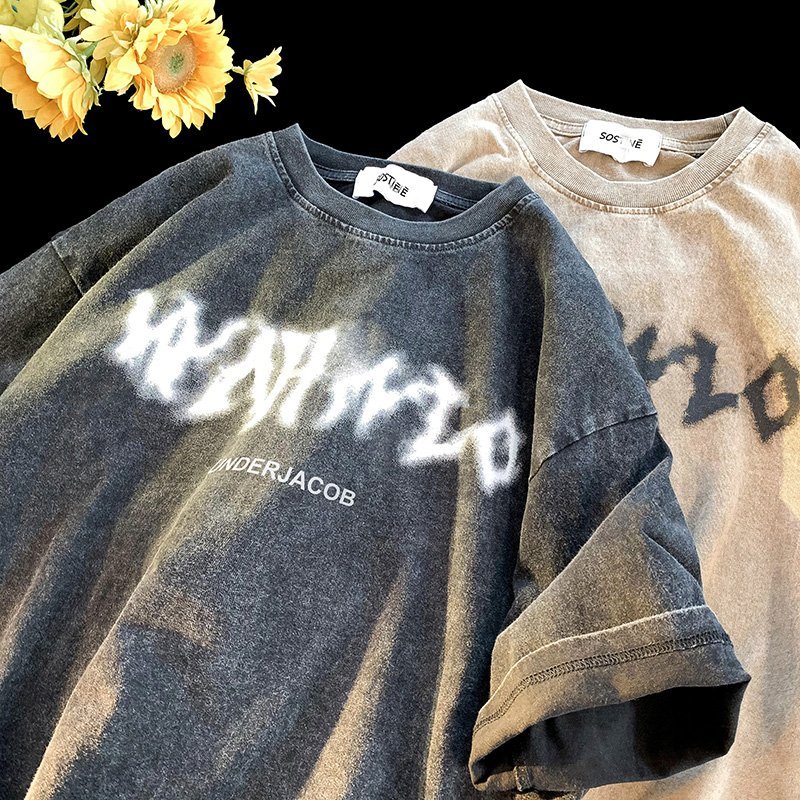
Blends of 50/50 or 65/35 cotton-polyester reduce shrinkage and add stretch recovery, ideal for hoodies and joggers that require shape retention. Polyester content improves dye-sublimation compatibility but can reduce breathability.
Performance synthetics like moisture-wicking polyester are increasingly popular in athletic-inspired streetwear, though they require specialized inks and lower curing temperatures to avoid scorching.
French Terry, Fleece, and Sustainable Options
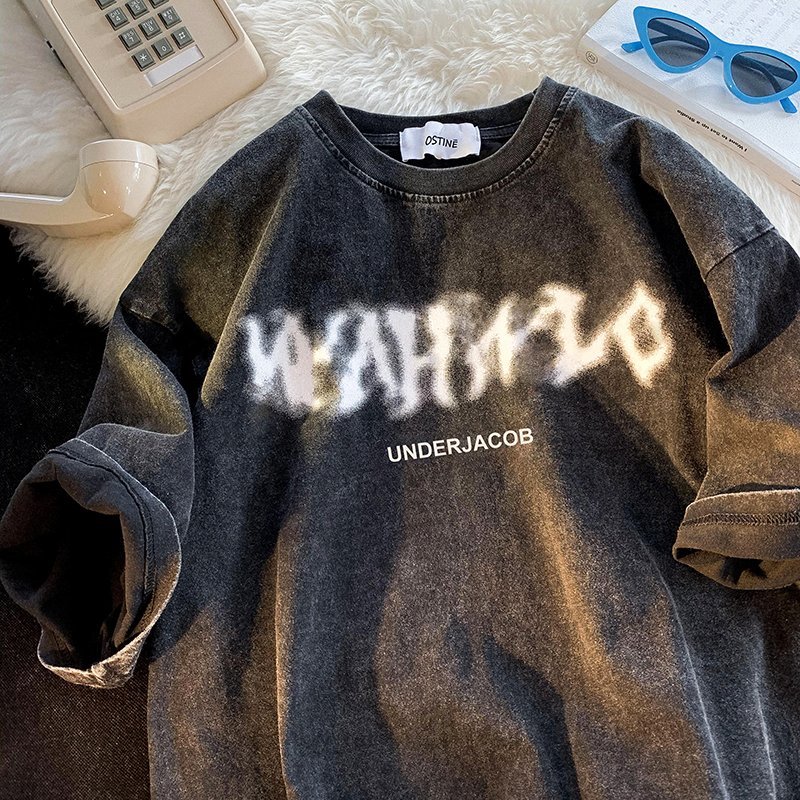
French terry (200–280 GSM) features looped interior yarns, offering comfort and moderate insulation for lightweight hoodies and sweatpants. Fleece (280–400 GSM) provides heavier warmth with a brushed interior, common in cold-weather streetwear.
Organic cotton certified by GOTS and recycled polyester (GRS-certified) appeal to eco-conscious brands and meet retailer sustainability mandates. These materials typically add 10–20% to fabric cost but support premium brand narratives and reduce environmental footprint.
5. Customization and Decoration Techniques
Graphic application technique determines production cost, durability, and visual impact for every streetwear piece. Each method carries distinct setup economics, color capabilities, and minimum-order thresholds that shape brand strategy and margin.
| Technique | Setup Cost | Cost per Unit (100 pcs) | Wash Durability | Color Limit | Best Use Case |
|---|---|---|---|---|---|
| Screen Print (Plastisol) | $50–150 per color | $2–4 | 50+ washes | 1–6 colors | Bold logos, high-volume runs |
| Screen Print (Water-Based) | $50–150 per color | $2.50–5 | 40–60 washes | 1–4 colors | Soft-hand vintage designs |
| Direct-to-Garment (DTG) | $0 | $5–10 | 30–50 washes | Unlimited | Photo-realistic art, small batches |
| Heat Transfer (Vinyl) | $0–30 | $3–6 | 25–40 washes | 1–3 colors | Names, numbers, single-piece customs |
| Sublimation | $200–500 | $4–8 | Permanent | Unlimited | All-over prints on polyester |
| Embroidery | $50–150 digitizing | $3–8 (≤10k stitches) | 100+ washes | 8–15 colors | Logos, premium branding |
| Puff/3D Print | $50–150 per color | $3–6 | 40–60 washes | 1–3 colors | Raised logos, textured effects |
6. Key Quality Indicators When Evaluating a Graphic Streetwear Manufacturer
Quality control separates professional graphic streetwear manufacturers from those who ship defective goods. A robust QC framework catches defects at every production stage, not just at final inspection, reducing rework costs and protecting your brand reputation.
Stitch Density and Seam Strength
Industry-standard streetwear requires 12–14 stitches per inch (SPI) for main seams and 10–12 SPI for topstitching. Manufacturers should perform seam-strength tests on random samples, verifying that shoulder, side, and sleeve seams withstand at least 40 pounds of pull force.
Request stitch-count reports and ask whether the factory conducts in-process sewing QC. Inconsistent SPI or skipped stitches indicate inadequate operator training or rushed production schedules.
- Main seams: 12–14 SPI minimum for durability
- Topstitching: 10–12 SPI for clean finish
- Seam pull test: ≥40 lbs force without failure
Print Registration and Color Accuracy
Screen-print and DTG graphics must align within ±1 mm across all color layers. Pantone or custom color matching should achieve Delta E ≤2.0 under D65 lighting, ensuring prints match approved strike-offs.
A reliable graphic streetwear manufacturer maintains color-matching logs and provides wash-fastness test results (ISO 105-C06 grade 4 minimum). Red flags include blurry edges, color bleeding between layers, or refusal to share color-deviation data.
- Registration tolerance: ±1 mm for multi-color prints
- Color accuracy: Delta E ≤2.0 vs. approved standard
- Wash fastness: ISO 105-C06 grade 4 or higher
Fabric Pre-Shrinking and GSM Consistency
Pre-shrinking (compacting or sanforizing) limits post-wash shrinkage to ≤3% in length and width. Manufacturers should verify GSM (grams per square meter) on incoming fabric rolls, flagging deviations beyond ±5% of the specified weight.
Ask for fabric test certificates and shrinkage reports. Skipping pre-shrink or accepting off-spec GSM leads to size inconsistencies and customer returns.
- Shrinkage tolerance: ≤3% length and width after wash
- GSM variance: ±5% of specification
- Pre-treatment: compacting or sanforizing required
AQL Standards and Final Inspection Protocols
Acceptable Quality Limit (AQL) defines defect thresholds. AQL 2.5 allows 2.5% major defects and is common for mid-tier streetwear; AQL 1.5 tightens tolerances to 1.5%, suitable for premium brands. Manufacturers should inspect random samples per ANSI/ASQ Z1.4 tables.
Clothing Manufacturer Ltd. employs a five-step QC process—materials, cutting, craft, sewing, and finished-garment inspections—catching defects before they reach packaging. Vague answers about defect rates or reliance solely on end-of-line checks signal weak quality systems.
7. How to Choose the Right Graphic Streetwear Manufacturer
Selecting a graphic streetwear manufacturer requires a structured evaluation framework that balances production capabilities, compliance standards, and partnership fit. The right partner scales with your brand while maintaining quality and protecting your designs.
Assess MOQ and Scalability
Minimum order quantities typically range from 50 to 500 pieces per design for streetwear specialists, with emerging brands requiring lower thresholds. Verify that the manufacturer can accommodate your launch volume and scale production as your brand grows.
A graphic streetwear manufacturer serving startups should offer flexible MOQs without compromising per-unit quality. Clothing Manufacturer Ltd. structures MOQs to support both initial test runs and larger reorders, allowing designers to validate market fit before committing to inventory depth.
Verify Certifications and Compliance
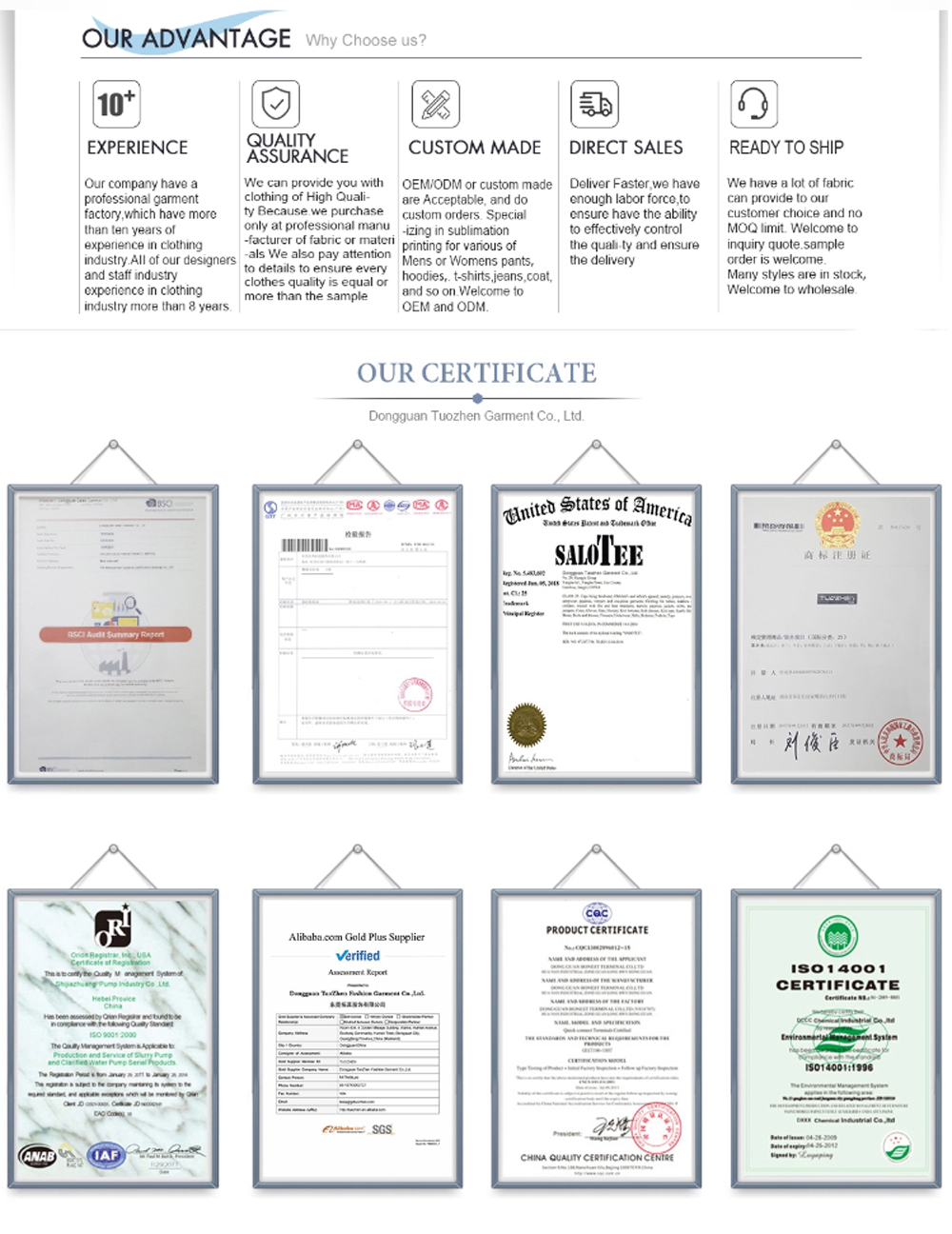
Request documentation for WRAP, BSCI, or Oeko-Tex Standard 100 certifications to confirm ethical labor practices and chemical safety standards. These third-party audits reduce supply-chain risk and meet retailer requirements in North America and Europe.
Manufacturers operating under parent companies like Dongguan TuoZhen Clothing Co., Ltd. often inherit established compliance frameworks and audit histories. Always ask for certificate numbers and expiration dates rather than accepting generic claims.
Evaluate Sampling Speed and Portfolio
Production samples typically require 7 to 14 days; faster turnaround indicates strong pattern-making and prototyping resources. Review the manufacturer’s portfolio for style diversity, print complexity, and finishing quality that match your design aesthetic.
Request client references from brands in similar growth stages or product categories. A manufacturer with 200-plus client relationships across streetwear, like those served by Tesla Luo’s team, demonstrates repeatability and cross-market experience.
Compare Lead Times and Communication
Bulk production lead times for graphic streetwear range from 25 to 45 days depending on order complexity and decoration methods. Confirm shipping options (air, sea, express courier) and the manufacturer’s responsiveness during sample and pre-production phases.
Cultural fit and communication clarity prevent costly misunderstandings. Manufacturers in Humen Town, Dongguan benefit from decades of export experience and English-speaking sales teams trained in international trade workflows.
8. Common Mistakes When Partnering with a Graphic Streetwear Manufacturer
Even experienced brands make costly errors when selecting a graphic streetwear manufacturer. Understanding these pitfalls before production begins saves time, money, and brand reputation.
Skipping Sample Approval Stages
Rushing from design to bulk production without approving pre-production samples leads to color mismatches, incorrect print placement, and sizing errors. A single unapproved batch can cost 30–50% of the order value in rework fees.
Clothing Manufacturer Ltd. enforces sample approval at materials QC, cutting QC, and sewing QC stages within its five-step quality control process introduced February 12, 2025. Always request and sign off on a physical sample before authorizing full runs.
Underestimating Lead Times for Custom Graphics
Custom screen separations, embroidery digitizing, and dye-sublimation proofing add 7–14 days to standard timelines. Brands that ignore these steps face missed launch dates and expedited shipping costs that can double logistics budgets.
Build 21–28 days into your calendar for graphic streetwear orders with multi-color prints or specialty finishes. Confirm lead times in writing before placing deposits.
Ignoring Fabric Shrinkage Testing
Cotton-blend streetwear can shrink 3–5% after the first wash if not pre-shrunk. Skipping shrinkage testing results in customer returns, chargebacks, and negative reviews that damage brand credibility.
Request wash-test reports for all fabric lots. Reputable manufacturers pre-shrink fabrics or provide shrinkage data before cutting, ensuring finished garments hold their size through multiple wash cycles.
Choosing Solely on Price Without Vetting Quality
The lowest quote often signals skipped QC steps, inferior inks, or substandard stitching. Clothing Manufacturer Ltd. was founded August 8, 2024, after Tesla Luo observed factories shipping orders directly from sewing to packing without any mid-production quality testing.
Always audit a manufacturer’s QC process, request factory photos, and order paid samples. A 10% higher unit cost with rigorous five-step QC prevents 40–60% rework expenses and preserves long-term brand equity.
9. Steps to Launch Your Brand with a Graphic Streetwear Manufacturer
Launching a brand with a graphic streetwear manufacturer follows a structured process from initial concept to final delivery. Each phase requires clear documentation and proactive communication to ensure your vision translates into market-ready product.
Concept and Tech Pack Development
Begin by defining your design concept, including graphic placement, colorways, and silhouette. A complete tech pack includes flat sketches, measurements for each size (XS through XXL typically), fabric specifications (GSM, blend ratio), Pantone color codes, and print or embroidery artwork files at 300 DPI minimum.
Manufacturers require tech packs to quote accurately and produce samples. Missing details — seam allowances, stitch types, trim specifications — delay timelines and increase revision costs. Budget 1–2 weeks for tech pack finalization if working with a designer.
Sample Request and Revision Cycles
Request a pre-production sample to validate fit, fabric hand-feel, and graphic quality. Most graphic streetwear manufacturers produce samples within 7–10 days. Review samples for color accuracy, print sharpness, seam strength, and sizing consistency.
Expect 1–3 revision rounds for new styles. Each cycle adds 7–14 days. Approve samples in writing before bulk production begins; verbal approvals create disputes over quality standards later.
Bulk Order and Production Milestones
Place your bulk order with a 30–50% deposit; balance due before shipment is standard. Production timelines range from 25–45 days depending on order quantity, decoration complexity, and fabric lead times.
Request milestone check-ins: cutting approval (day 5–7), mid-production QC photos (day 15–20), and pre-shipment inspection. Manufacturers using five-step QC processes — materials, cutting, craft, sewing, and finished goods testing — identify defects early and maintain consistency across units.
10. Pricing and Cost Structures
Graphic streetwear manufacturer pricing varies by quantity tier, decoration method, and garment complexity. A 50-piece order of basic 180 GSM cotton tees with single-color screen printing typically ranges $8–12 per unit, while 1,000-piece runs drop to $4–6 per unit as setup costs amortize across volume. Hoodies in 300 GSM French terry follow similar scaling: 100 units cost $18–24 each, whereas 500+ units fall to $12–16 per piece.
Setup fees differ sharply by decoration technique. Screen printing incurs $25–50 per color separation, making it cost-effective for runs above 100 units; direct-to-garment (DTG) carries minimal setup ($0–15) but higher per-unit ink costs ($3–5), ideal for orders under 100 pieces or full-color designs. Embroidery setup ranges $40–80 for digitizing, with per-unit costs of $2–4 depending on stitch count and placement complexity.
Fabric GSM, print color count, and factory location drive final costs. Heavy 320 GSM fleece adds $2–4 per garment versus standard 280 GSM; each additional screen-print color increases unit cost by $0.50–1.50. Factories in Guangdong Province, such as those in Humen Town, offer competitive labor rates and shorter lead times (14–21 days for 100–500 units, 21–28 days for 500+) compared to coastal regions. Volume discounts typically activate at 200 units for tees and 100 units for hoodies, with per-unit savings of 15–25 percent at the 500-piece threshold.
| Quantity Tier | Basic Tee (180 GSM) | Hoodie (300 GSM) | Lead Time (days) |
|---|---|---|---|
| 50 units | $8–12 | $22–28 | 14–18 |
| 100 units | $6–9 | $18–24 | 16–21 |
| 500 units | $4.50–6.50 | $12–16 | 21–25 |
| 1,000+ units | $4–6 | $10–14 | 25–28 |
Partner With a Trusted Graphic Streetwear Manufacturer Today
50-piece MOQ, 5-step QC guarantee, and 7-day sampling. Launch your graphic streetwear line with a manufacturer built for quality and speed.