
Acid Wash Streetwear Manufacturer — 50-Piece MOQ, 5-Step QC
Partner with a trusted acid wash streetwear manufacturer offering low minimums, 7-day sampling, and zero-compromise quality control for emerging brands and global retailers.
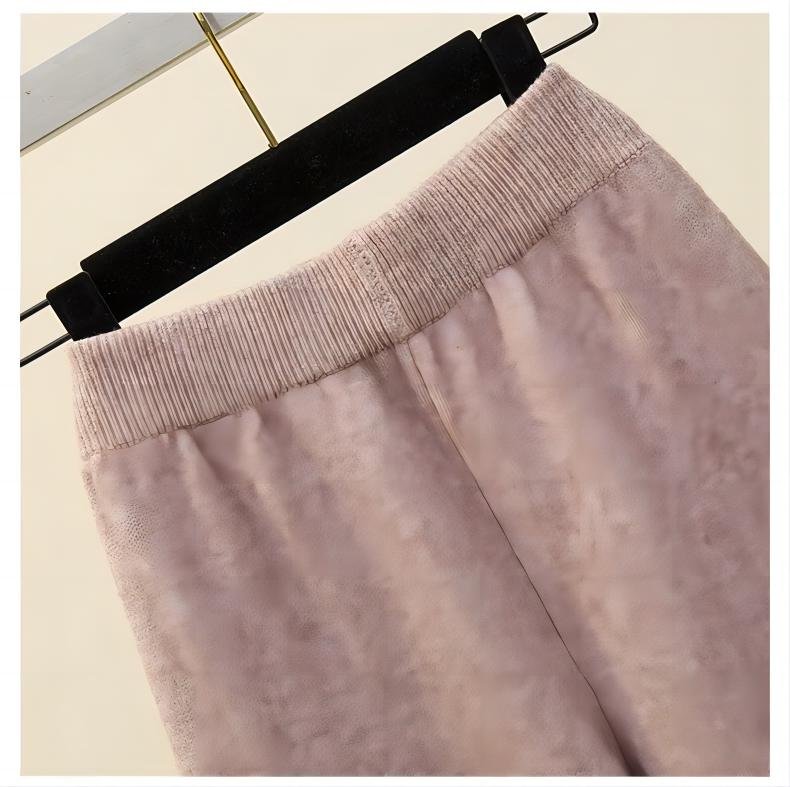
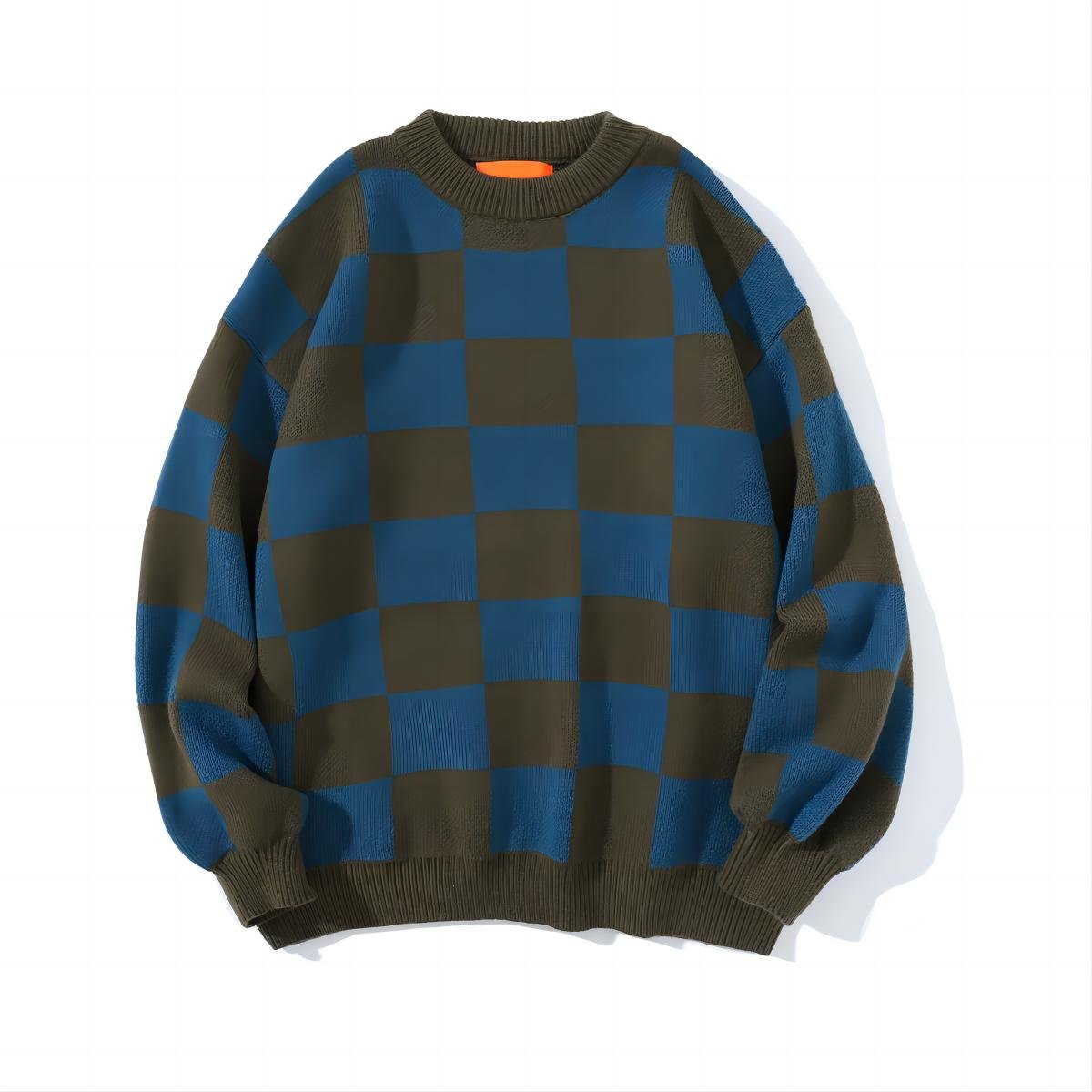
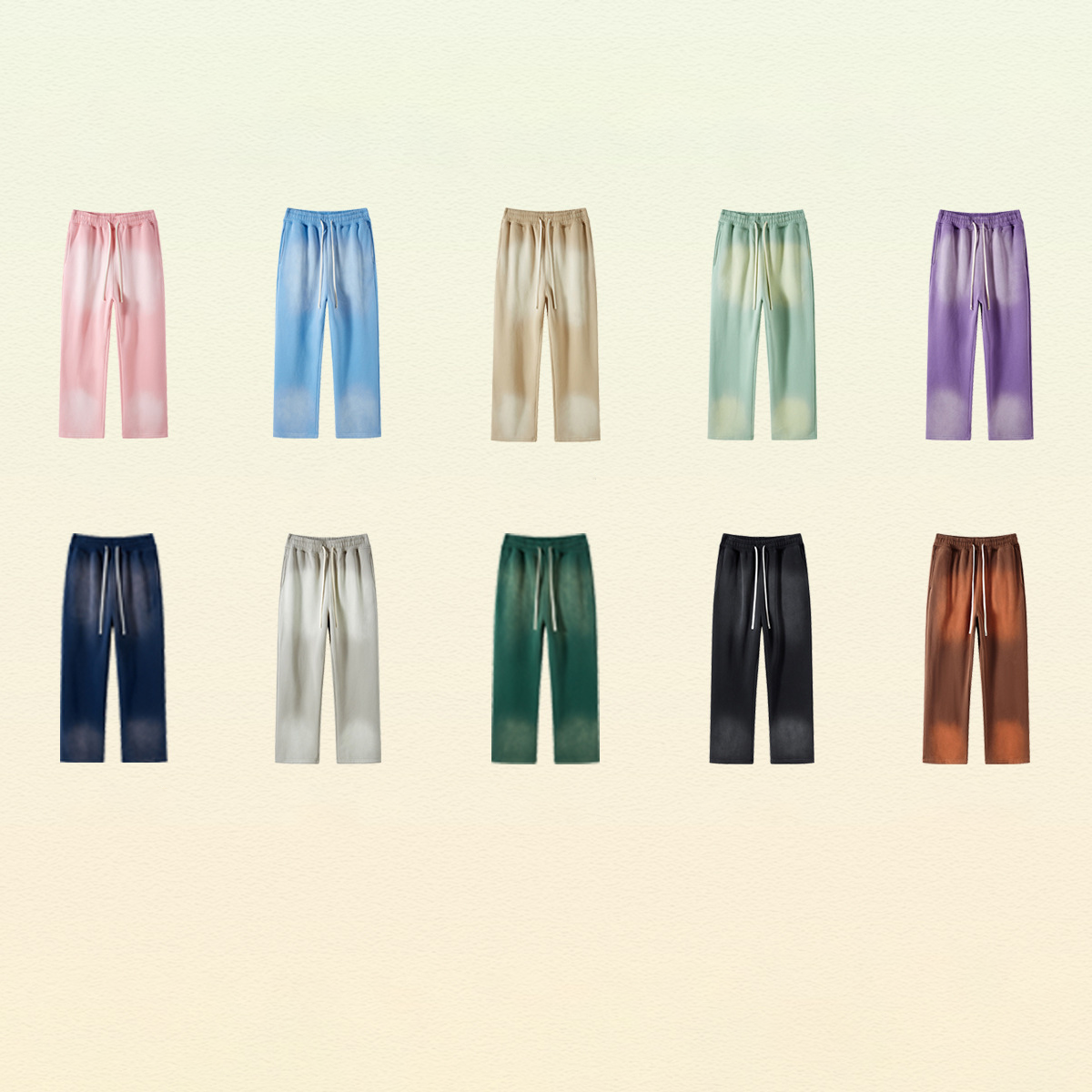
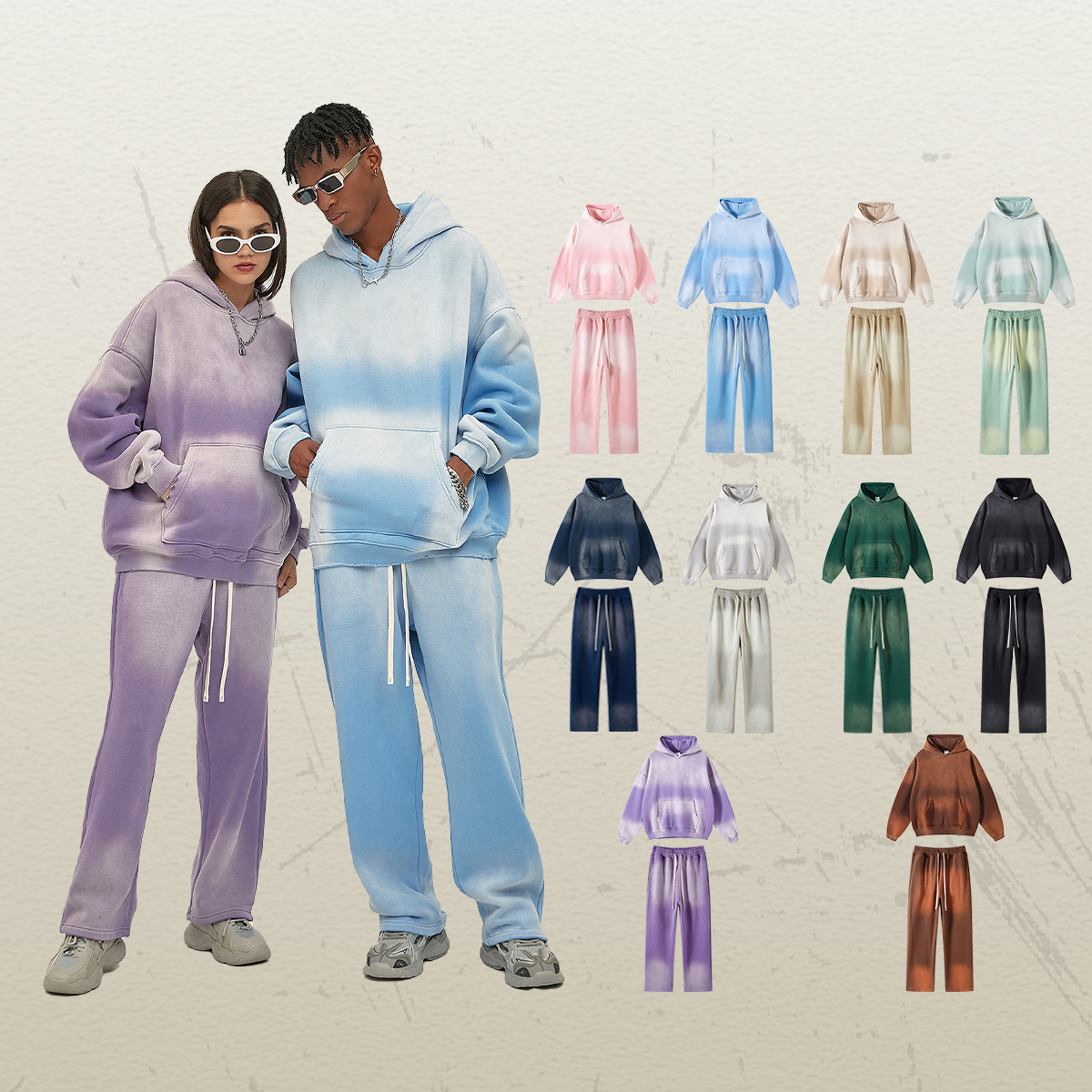
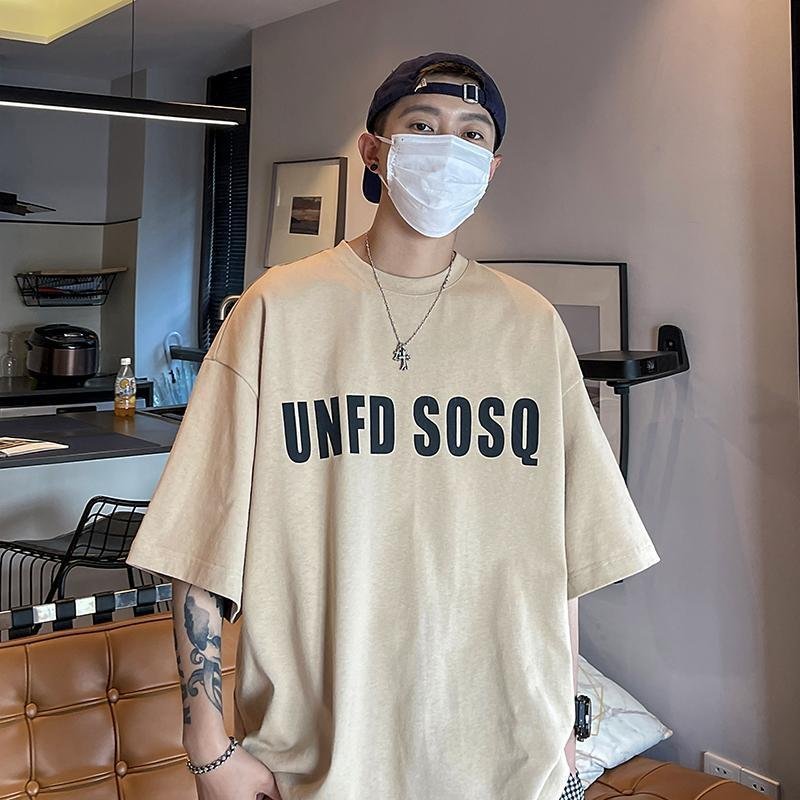
Acid Wash Streetwear Collections
Why Acid Wash Streetwear Manufacturer Partners Trust Us
5-Step QC Guarantee
Every acid wash piece passes materials, cutting, craft, sewing, and finished-product inspections—eliminating defects before they reach your customers.
In-House Acid Wash Experts
Our 15-member design team specializes in trend-driven acid wash techniques, custom color patterns, and streetwear-specific finishing effects.
50-Piece Low MOQ
Launch your acid wash line without massive inventory risk—perfect for startups, influencer brands, and seasonal collection testing.
Fast Sampling & Turnaround
Receive acid wash samples in days, not weeks, so you can capitalize on streetwear trends before they fade.
Global Shipping & Logistics
Seamless customs, freight, and door-to-door delivery to over 100 countries—backed by 6 years of streetwear export experience.
Streetwear Culture Fluency
Deep expertise in skeleton, graffiti, and mystery symbol elements ensures your acid wash designs authentically resonate with street culture.
Acid Wash Streetwear Manufacturer Product Lines
From oversized hoodies to summer essentials, our acid wash streetwear manufacturer expertise covers every category your brand needs to stand out in today’s market.
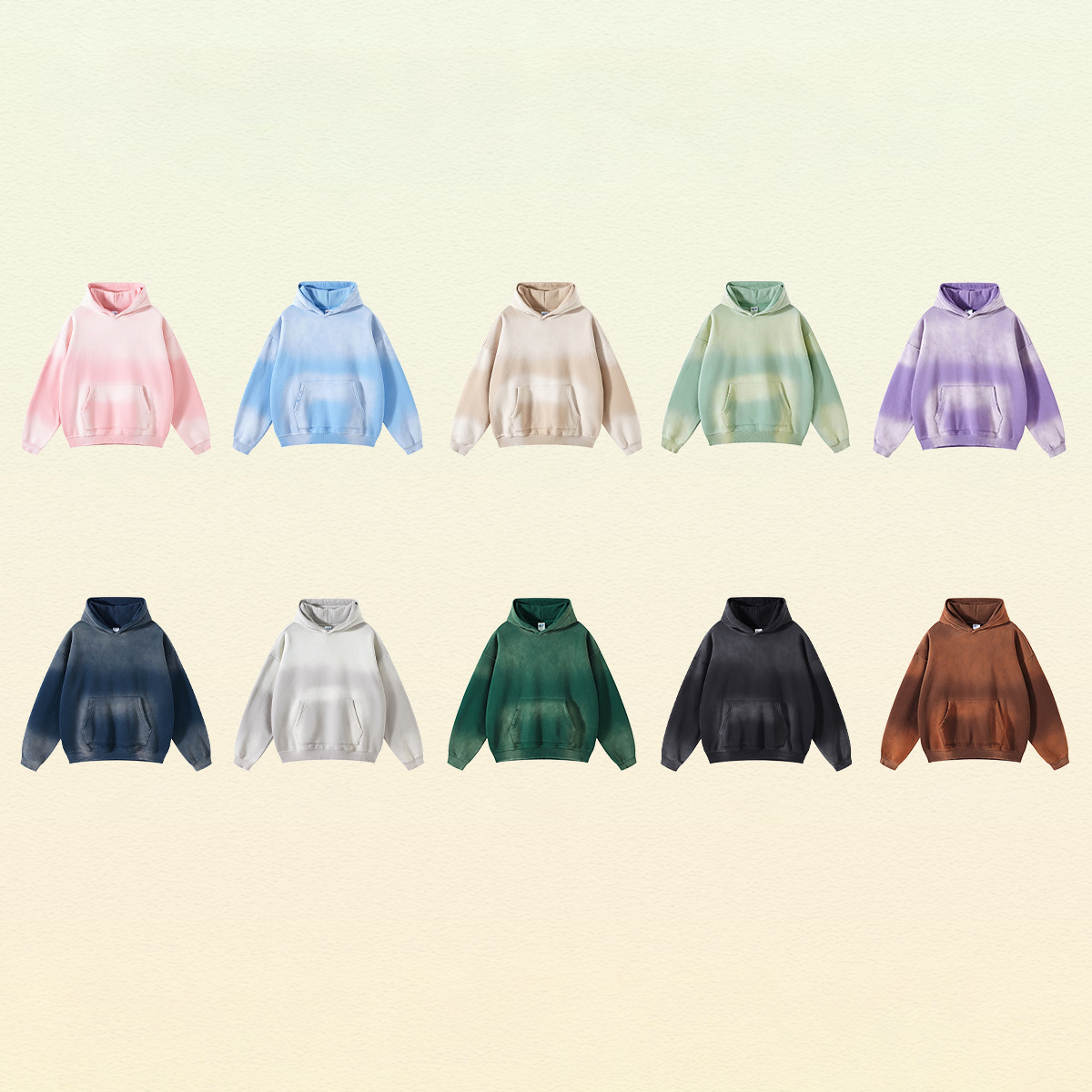
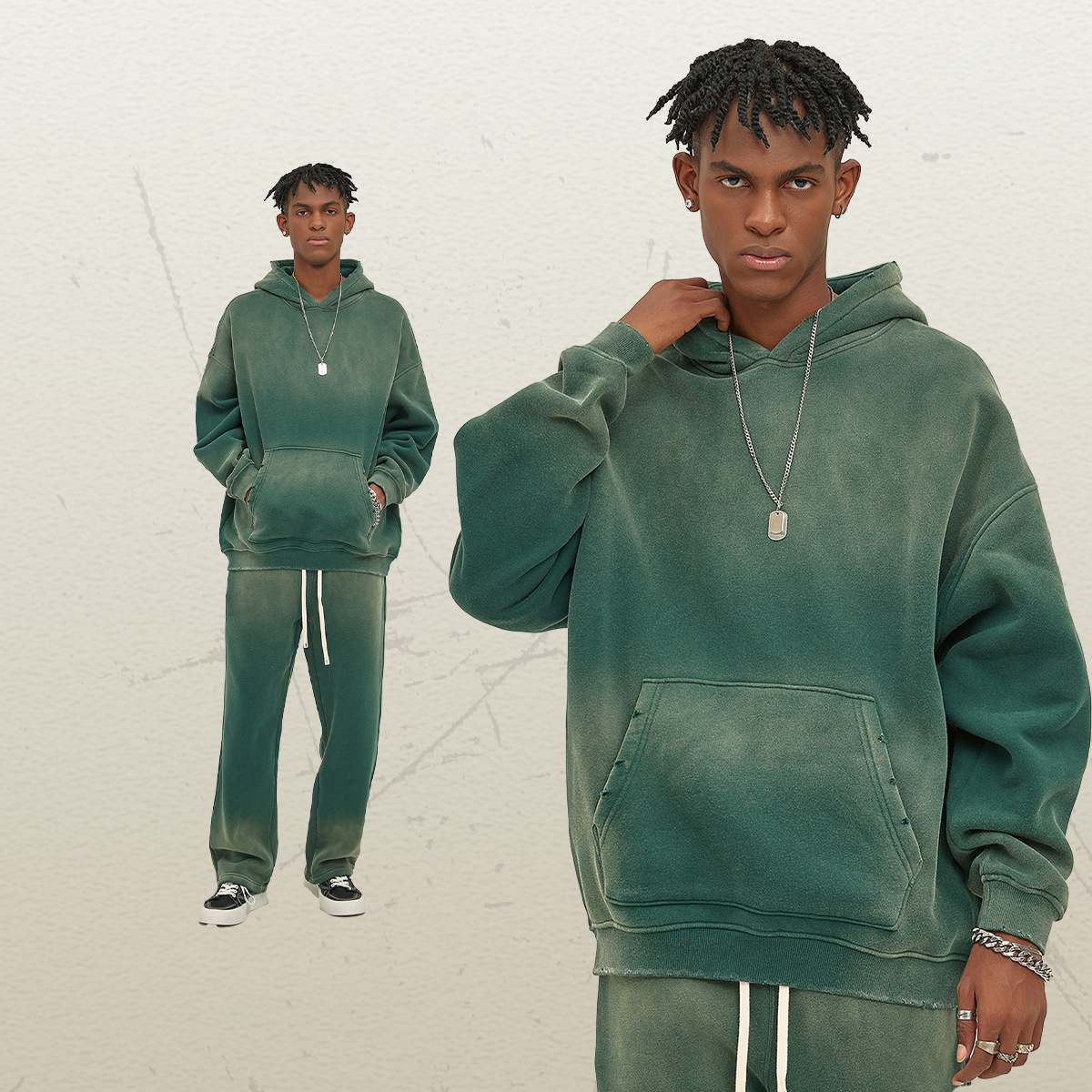
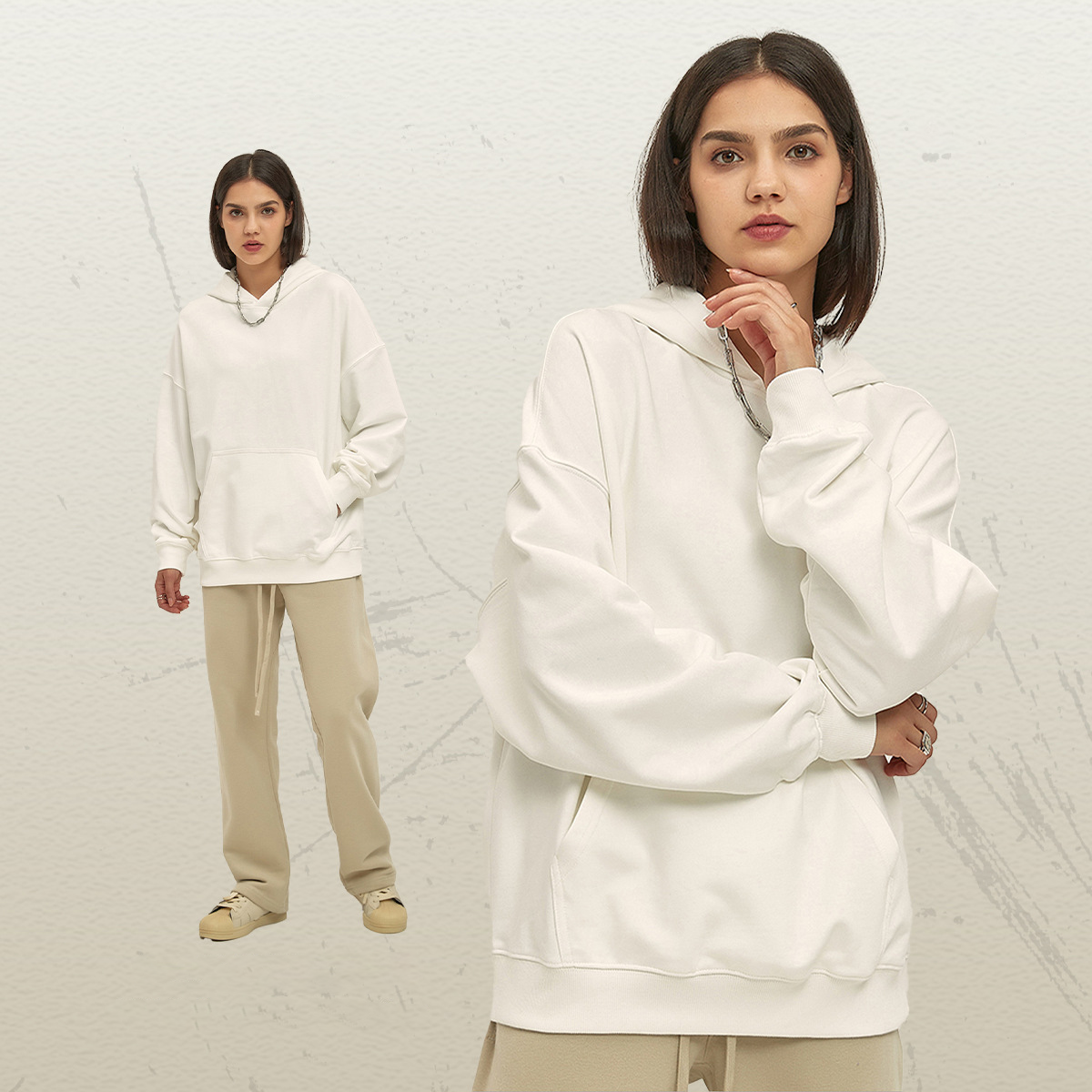
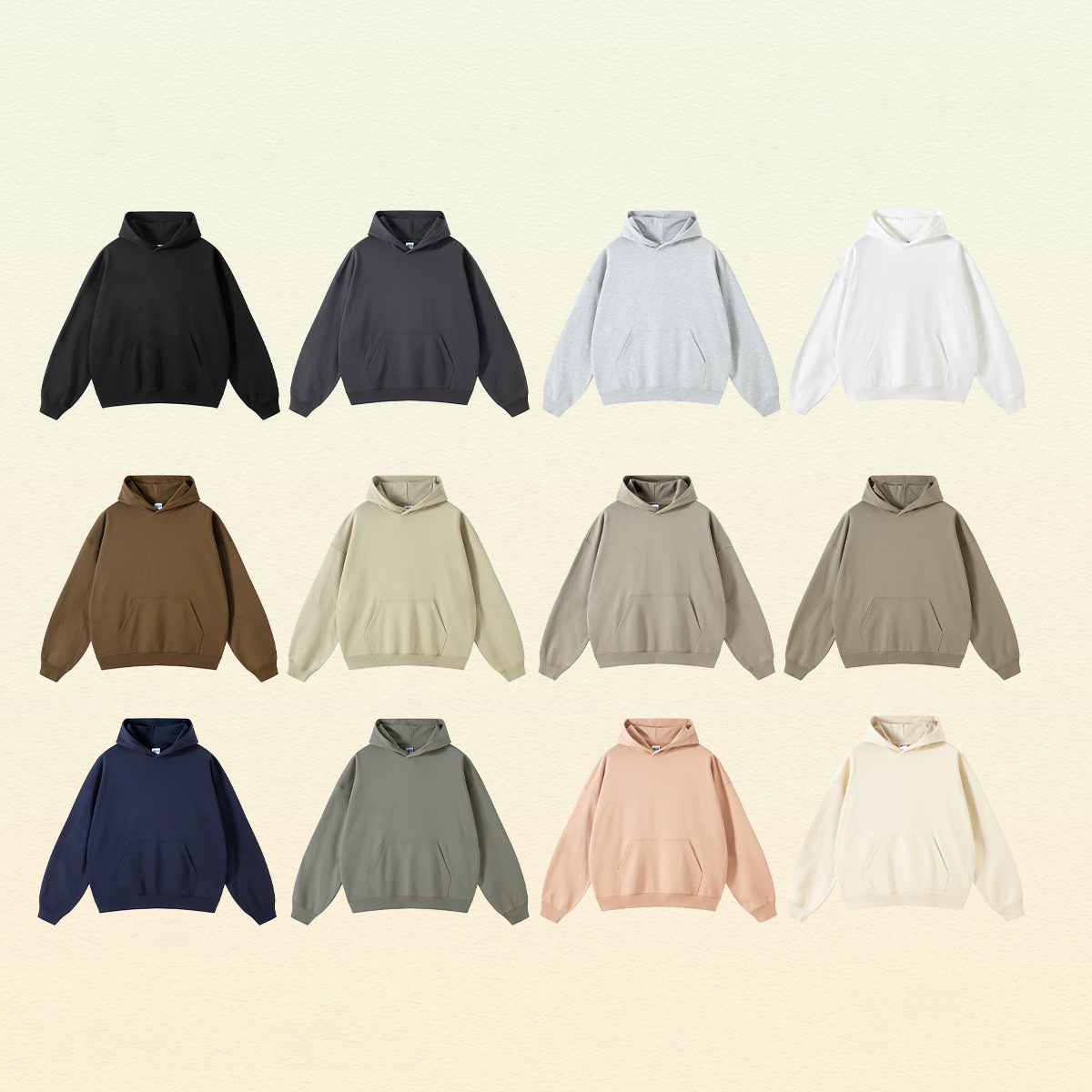
Acid Wash Oversized Hoodies
Influencer brands need statement pieces that photograph well and drive engagement, but struggle to find manufacturers who can deliver consistent acid wash effects across bulk orders without color bleeding or uneven patterns.
Our 5-step QC process ensures every hoodie features uniform acid wash intensity and pattern placement. Startups launch signature collections with as few as 50 pieces, achieving Instagram-ready consistency that builds follower trust and repeat purchases.
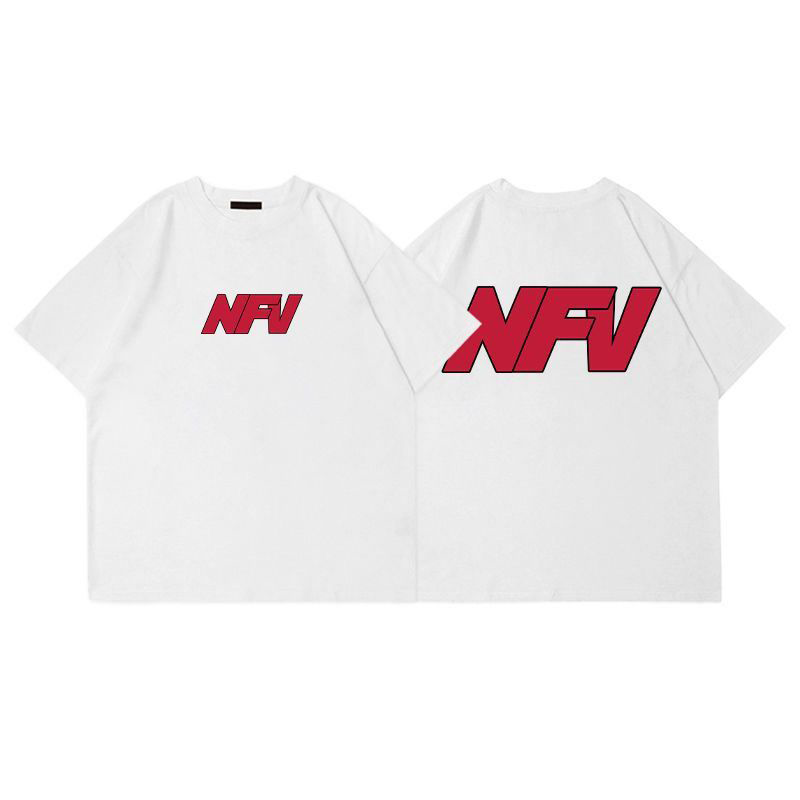
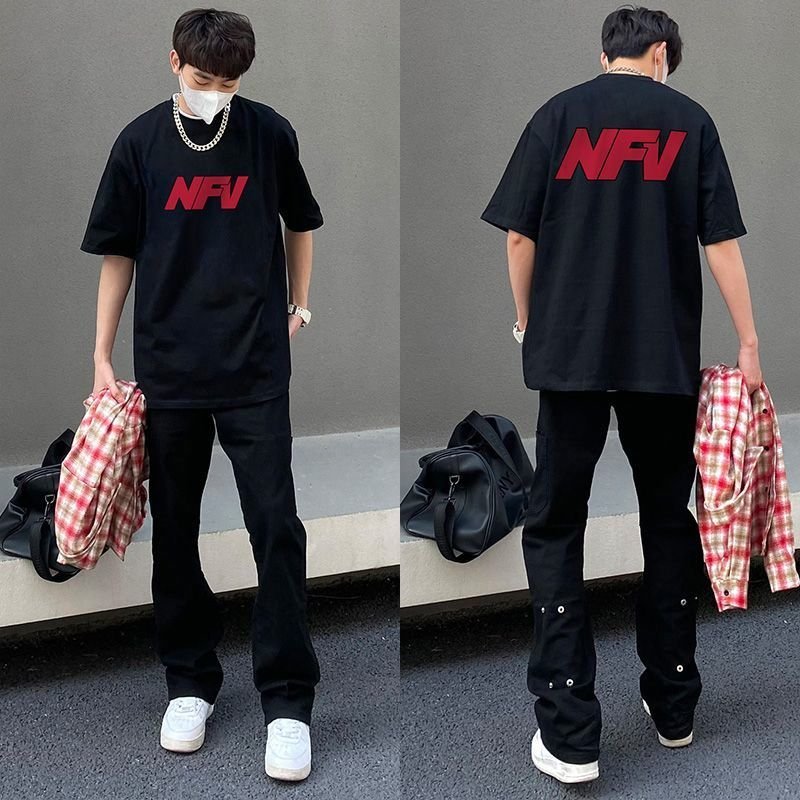
Acid Wash Graphic Tees
Independent designers want to combine custom graphics with acid wash backgrounds, but most factories treat washing and printing as separate processes, leading to misalignment, fading, and lengthy production delays that miss seasonal windows.
We coordinate acid wash finishing and screen printing in-house, delivering perfectly aligned graphics on distressed bases. Fast turnaround times let fashion startups capture trending moments and drop limited collections while demand is hot.
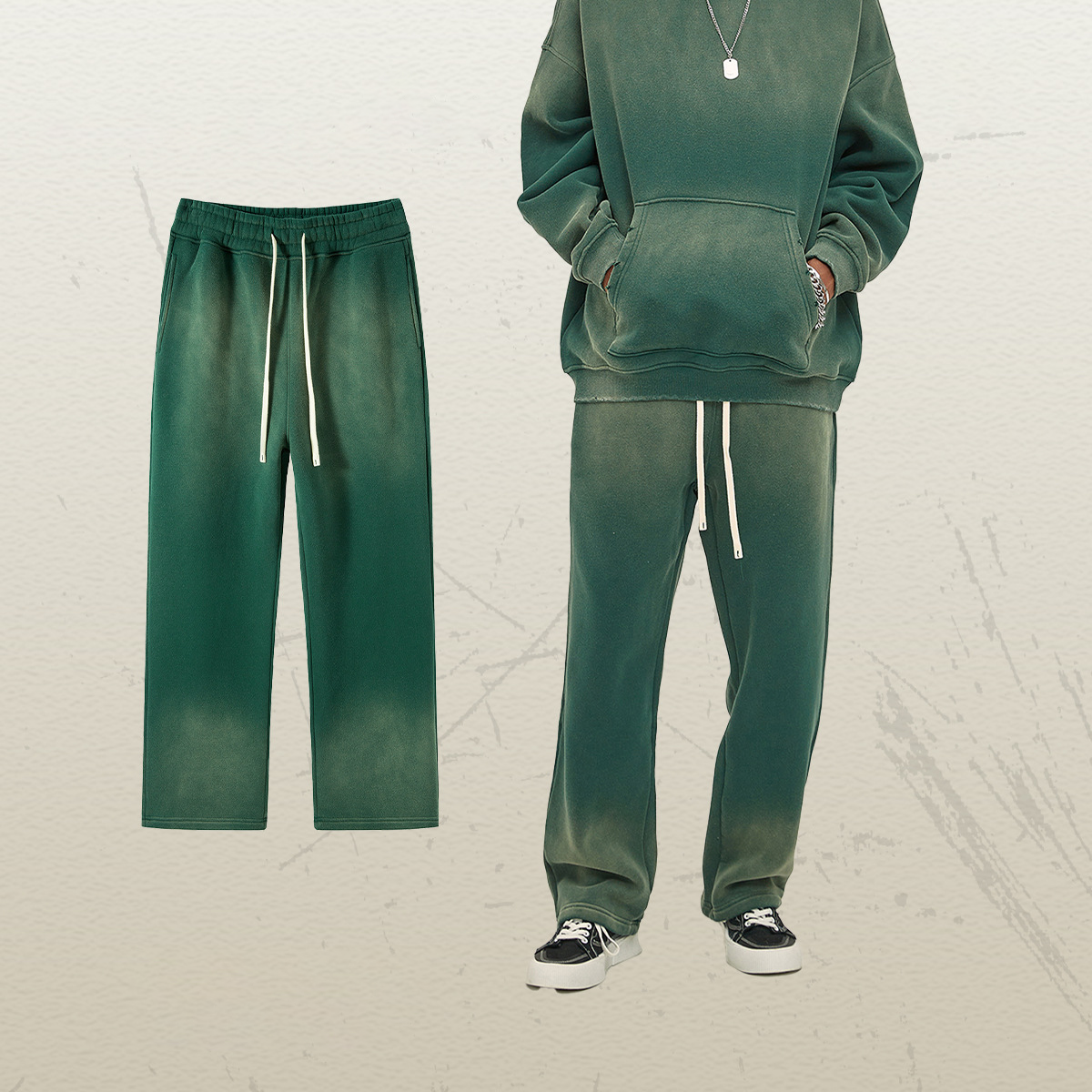
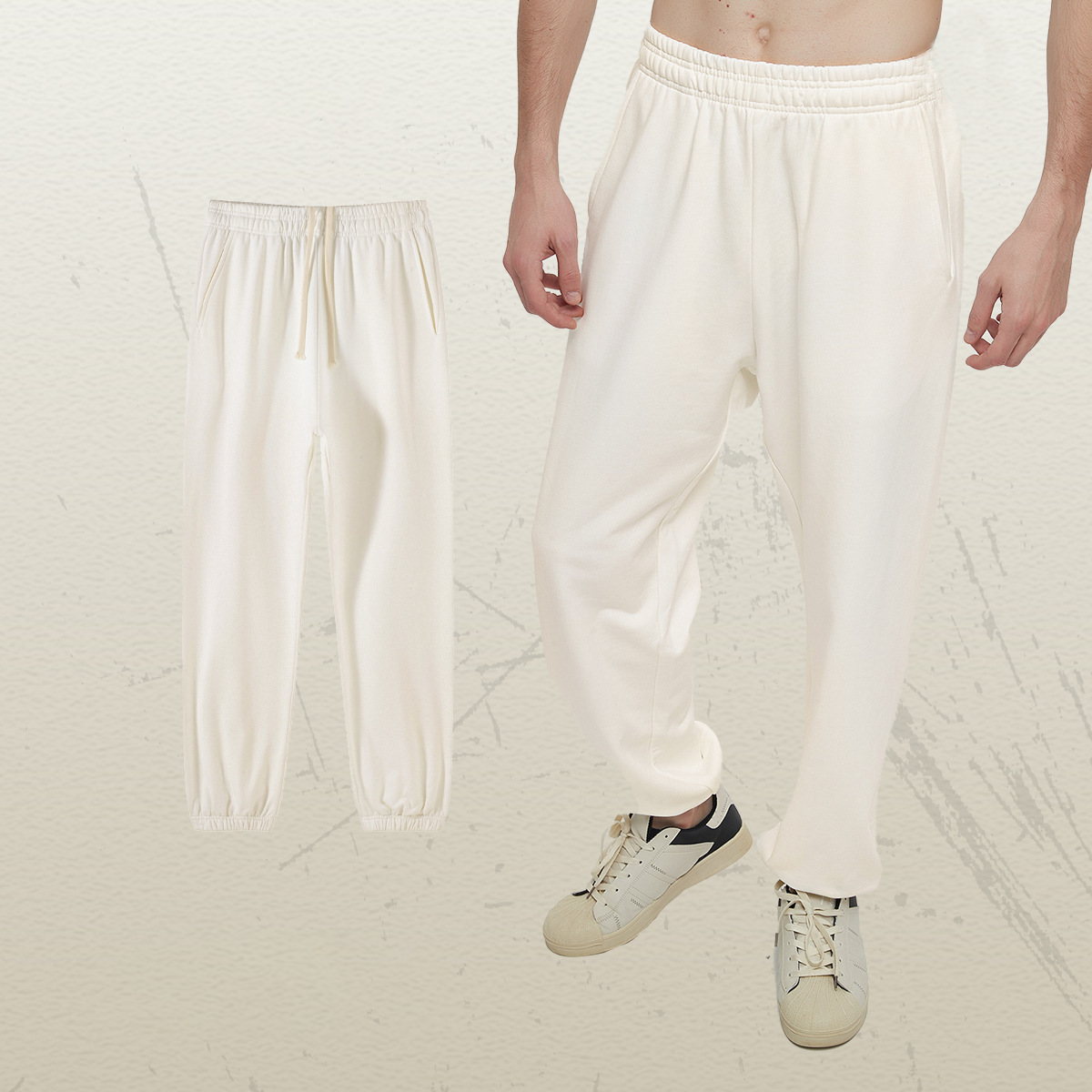
Acid Wash Joggers & Sweatpants
Streetwear retailers need coordinated sets and matching bottoms to complete their collections, but sourcing joggers separately creates inconsistent wash tones, fabric weights, and quality standards that confuse customers and damage brand cohesion.
Our acid wash streetwear manufacturer team produces matching sets with identical wash formulas and fabric batches. Retailers offer cohesive head-to-toe looks with guaranteed color harmony, boosting average order value and customer satisfaction across global markets.
Acid Wash Denim Jackets
Trendy brands launching fall and winter lines face high MOQs and rigid timelines from traditional denim manufacturers, making it nearly impossible to test new acid wash jacket styles without committing to thousands of units upfront.
With our 50-piece minimum order quantity and in-house sampling team, emerging brands test multiple acid wash jacket designs each season. Low-risk production runs validate market demand before scaling, protecting cash flow while building diverse product catalogs.
Acid Wash Shorts & Summer Essentials
Global apparel retailers need summer-ready acid wash pieces delivered quickly to match regional seasonal peaks, but offshore production delays and inconsistent lightweight fabric quality result in missed sales windows and unsold inventory.
Our streamlined acid wash processes and global shipping expertise deliver summer collections on schedule across 100+ countries. Retailers stock on-trend acid wash shorts and tees exactly when their customers want them, maximizing seasonal revenue and minimizing markdowns.
Premium Fabrics for Acid Wash Streetwear Manufacturing
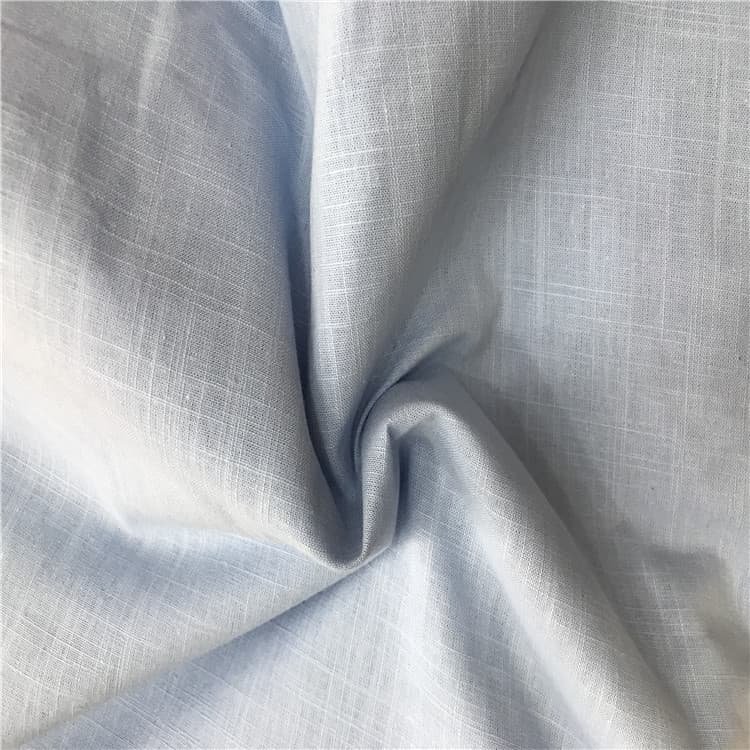
Heavyweight Cotton
Dense 280-320 GSM cotton jersey with superior durability and structure. Ideal for oversized tees and hoodies, this fabric delivers rich acid wash contrast while maintaining shape through repeated wear and washing.
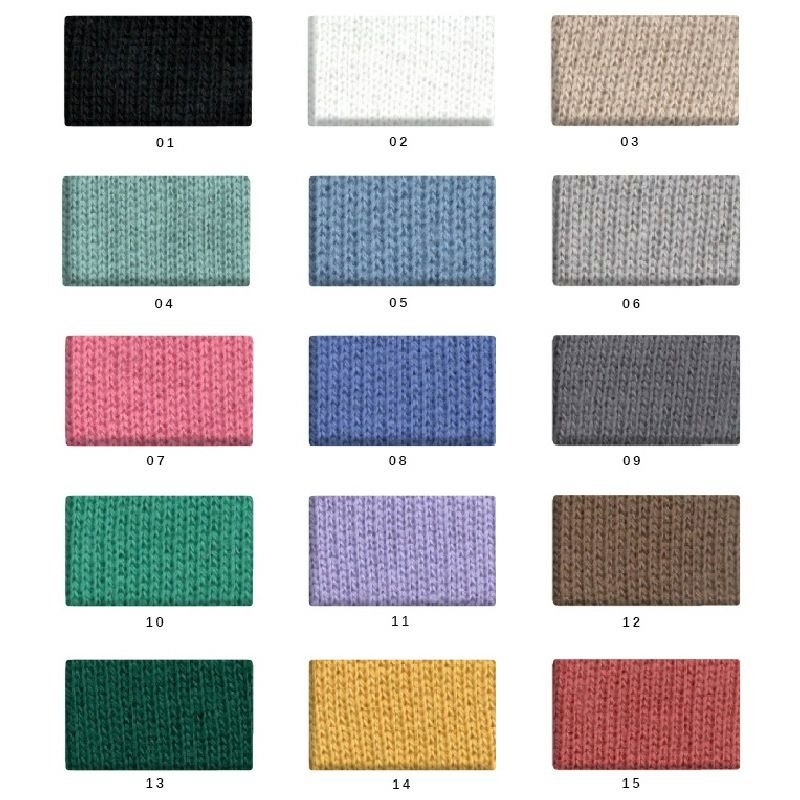
French Terry
Mid-weight 260-280 GSM looped-back cotton blend offering soft interior comfort with smooth exterior finish. Perfect for crewnecks and joggers, accepts acid wash treatments beautifully while retaining natural stretch and breathability.

Vintage Cotton Fleece
Brushed 300-340 GSM cotton fleece with authentic vintage hand-feel and plush interior warmth. Creates dramatic acid wash effects on hoodies and sweatpants, delivering the worn-in aesthetic streetwear brands demand.
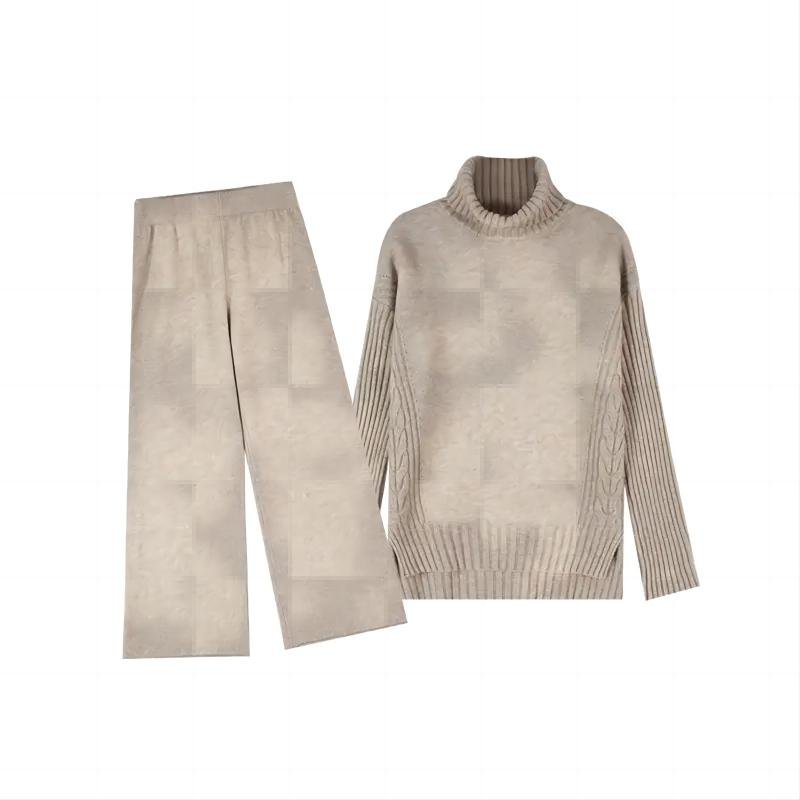
Cotton-Poly Blend
Performance 240-280 GSM blend combining cotton comfort with polyester durability and color retention. Engineered for active streetwear pieces, this fabric resists shrinkage while showcasing unique acid wash patterns with enhanced longevity.
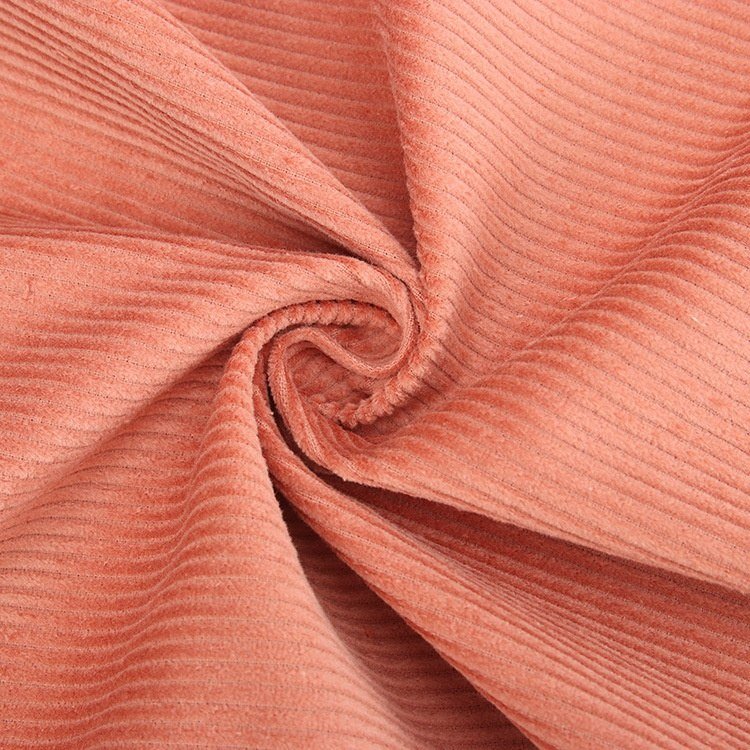
Heavyweight Twill
Robust 280-320 GSM diagonal weave cotton offering exceptional structure and abrasion resistance. Preferred for streetwear jackets and cargo pants, delivers striking acid wash depth while maintaining crisp silhouette and professional drape.
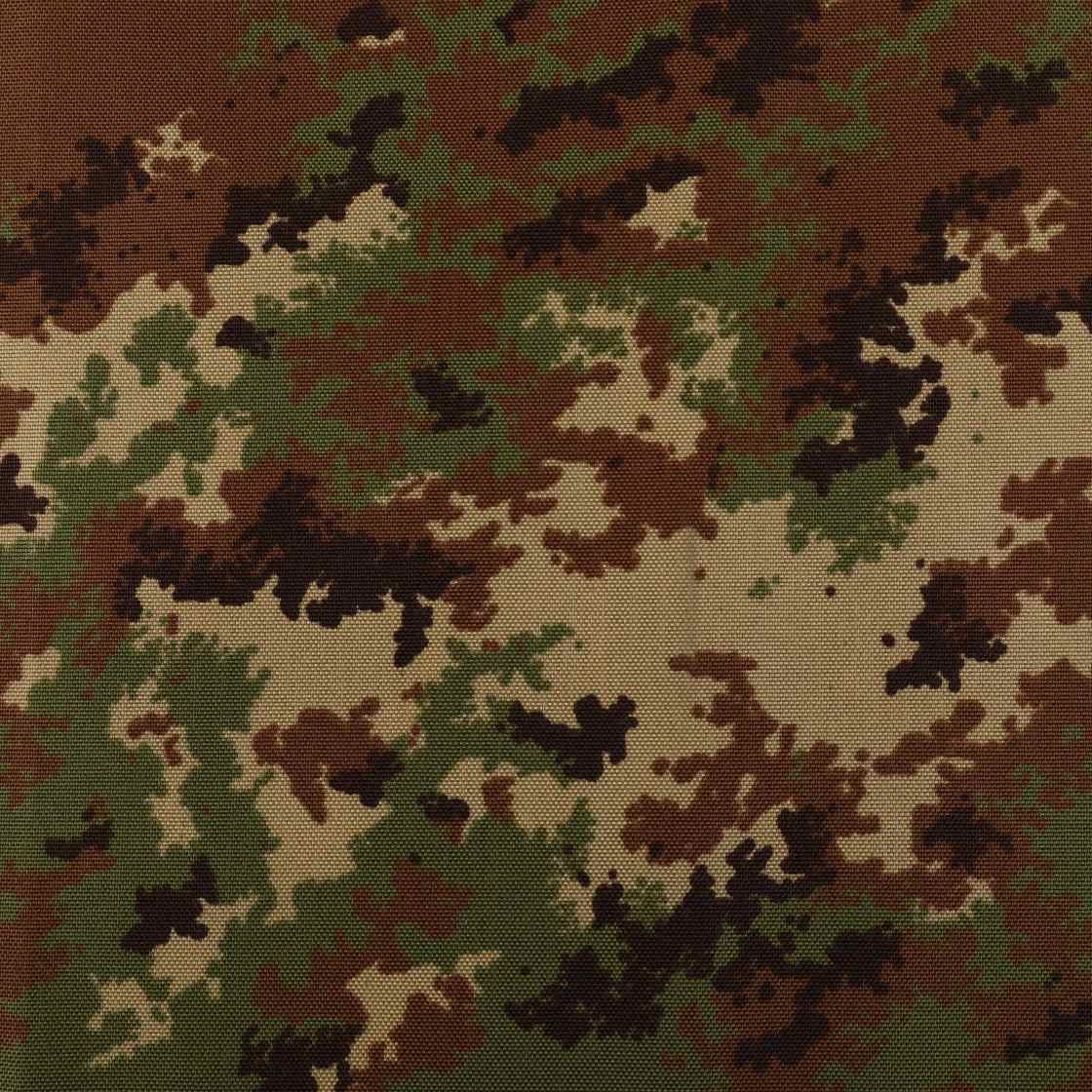
Polar Fleece
Ultra-soft 280-320 GSM synthetic fleece with superior insulation and moisture-wicking properties. Ideal for statement outerwear and layering pieces, accepts specialized acid wash techniques while providing lightweight warmth and bold texture contrast.
Acid Wash Streetwear Manufacturer — Advanced Finishing Processes
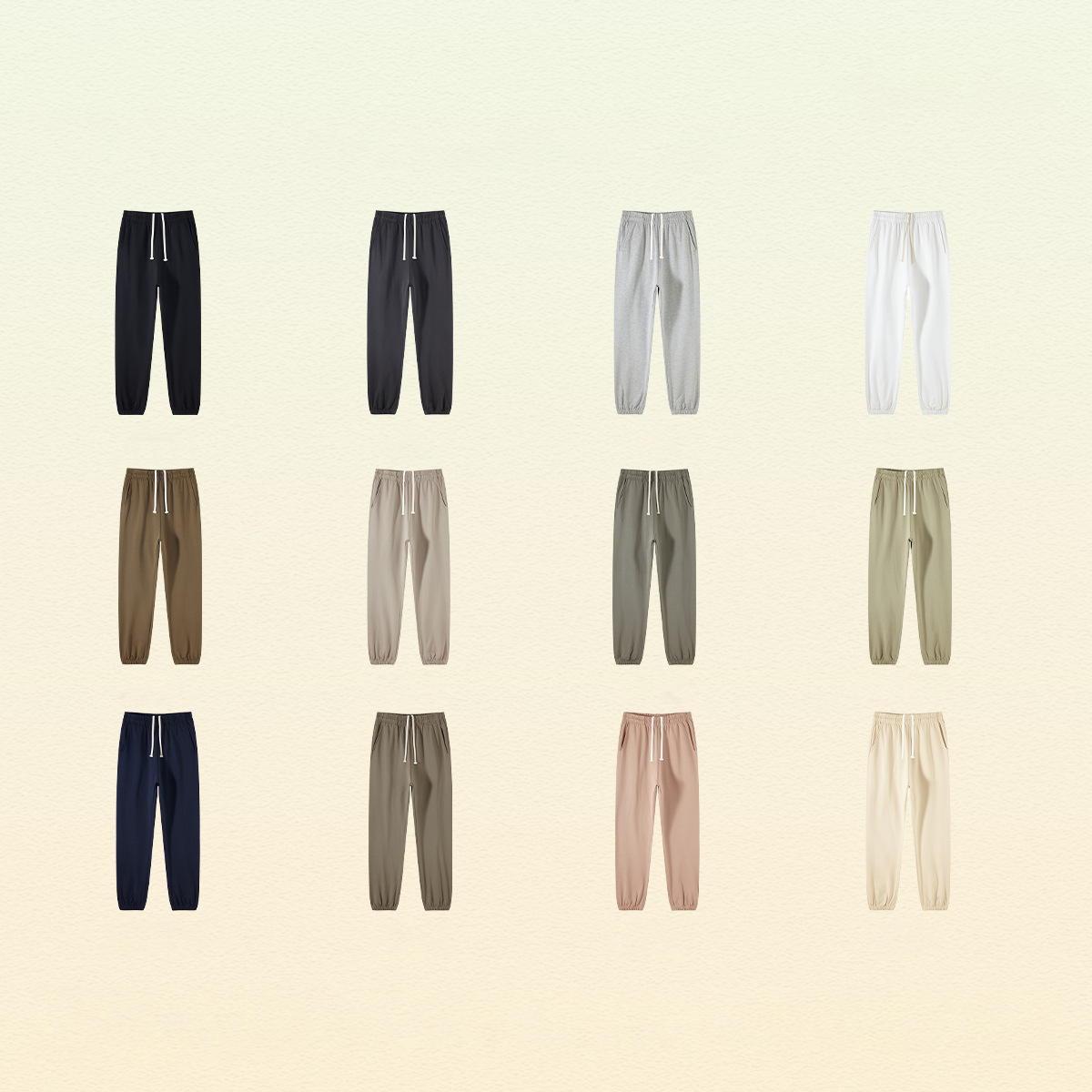
Acid Washing
Chemical treatment using chlorine and pumice stones creates signature marbled, high-contrast fading patterns. Delivers bold vintage aesthetic with controlled color removal, perfect for statement streetwear pieces that demand attention and individuality.
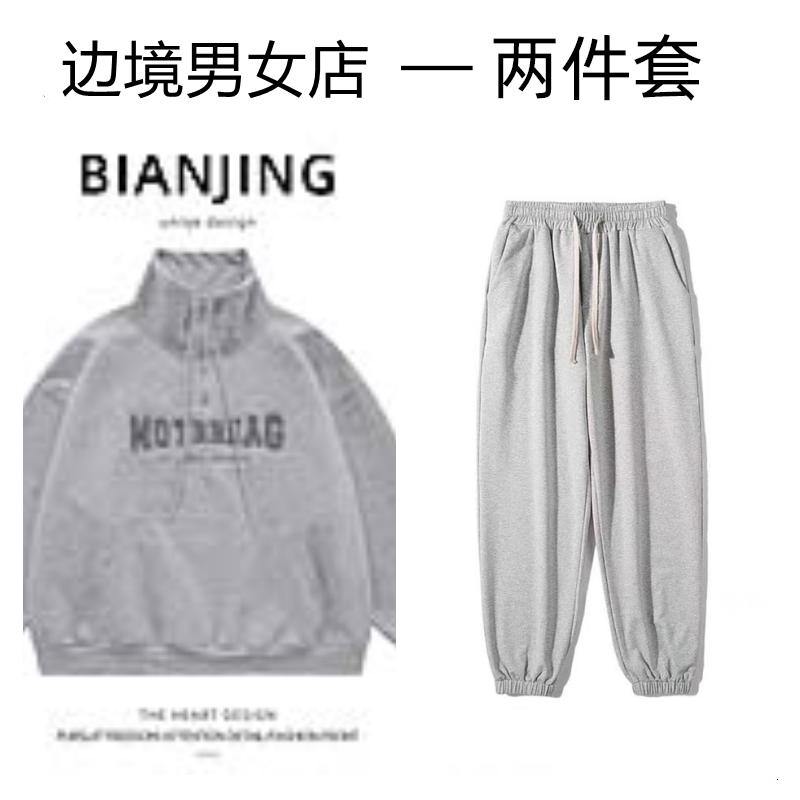
Stone Washing
Tumbling garments with volcanic pumice stones produces soft hand-feel and natural worn-in appearance. Creates subtle, organic fading without harsh chemicals, ideal for comfortable everyday streetwear with authentic vintage character and enhanced drape.
Enzyme Washing
Bio-polishing enzymes gently break down fabric surface for ultra-soft texture and controlled fading. Environmentally conscious process delivers refined vintage look with minimal fabric stress, maintaining garment integrity while achieving desired aesthetic depth.
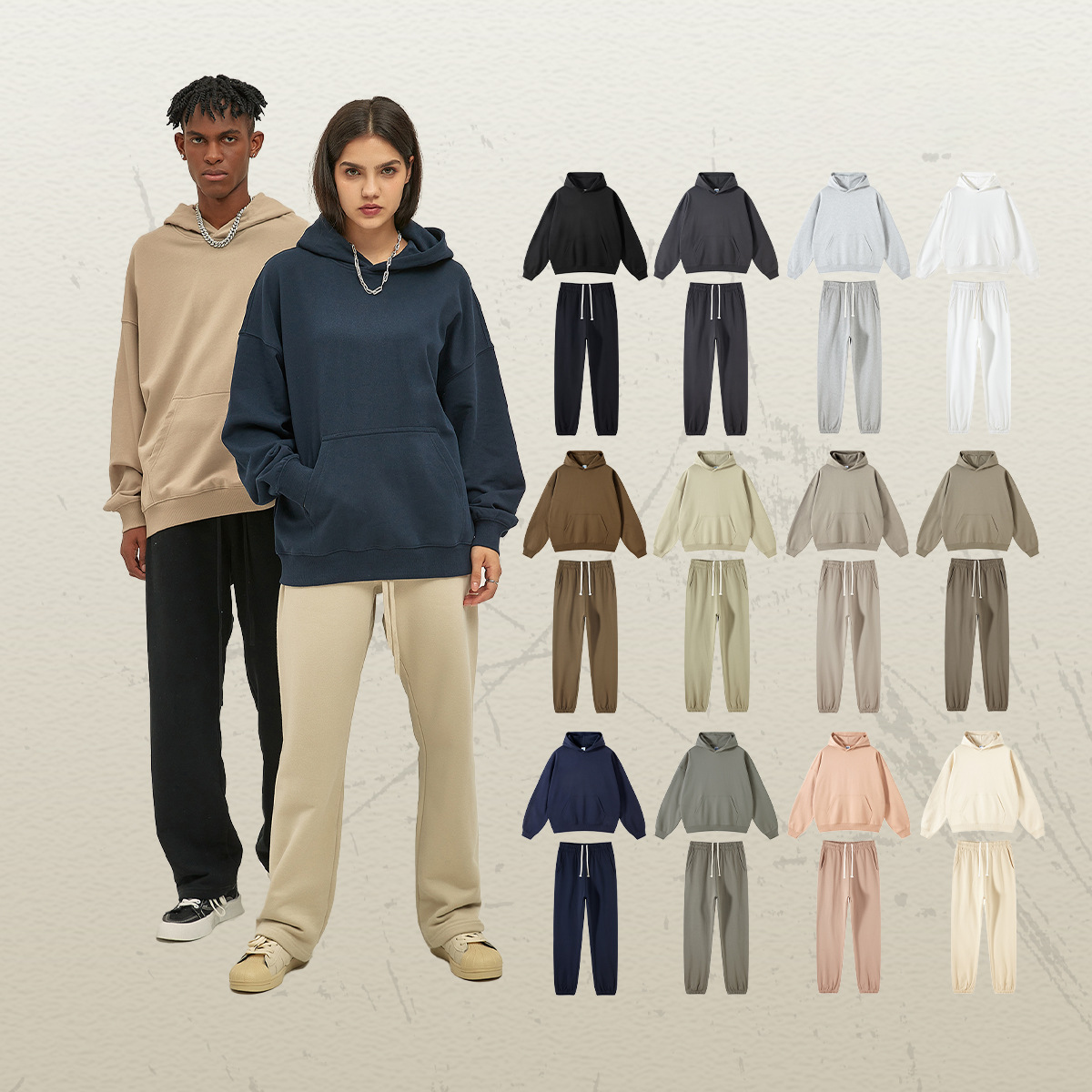
Hand Distressing
Artisan techniques including sanding, scraping, and targeted abrasion create unique wear patterns. Each piece receives individual attention for one-of-a-kind character, perfect for premium streetwear collections where authenticity and craftsmanship elevate brand positioning.
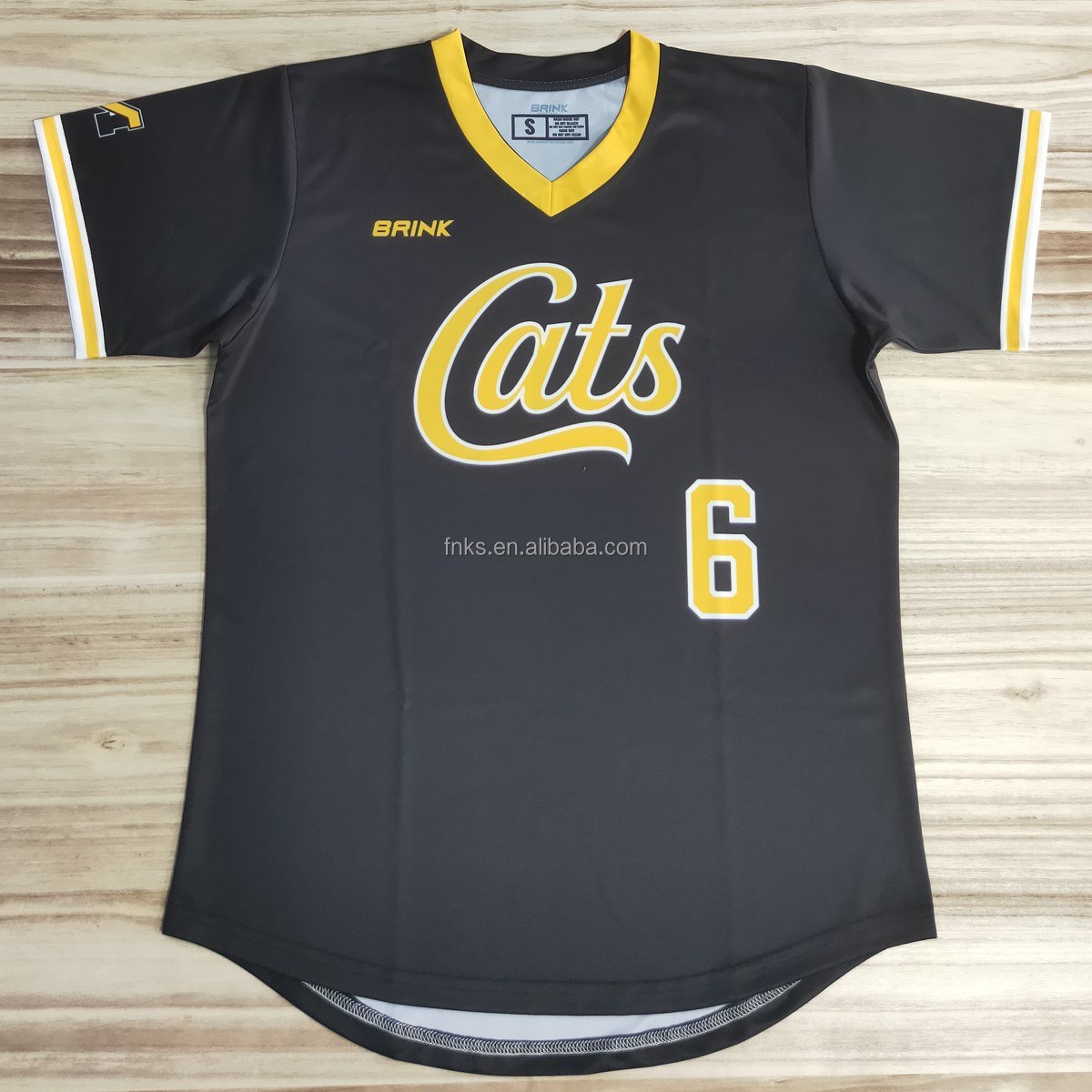
Custom Fading
Precision-controlled chemical and mechanical treatments achieve your exact fade specifications. From subtle whiskers to dramatic color shifts, we replicate your design vision consistently across production runs while maintaining fabric strength and colorfastness.
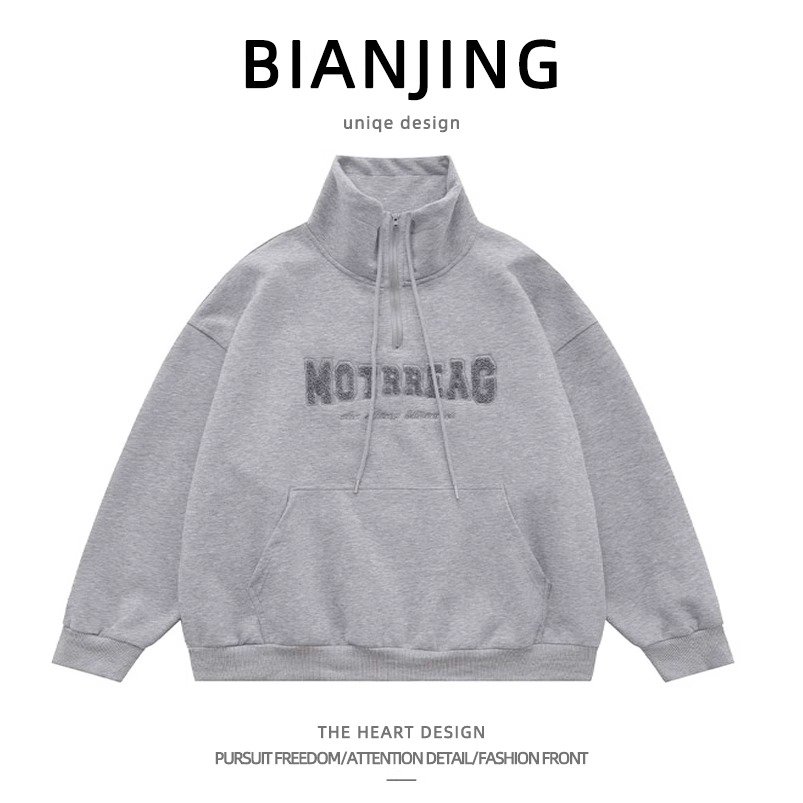
Vintage Dyeing
Specialized overdyeing and reactive dye techniques layer rich, complex tones over distressed fabrics. Creates depth and dimension impossible with standard dyeing, delivering premium vintage aesthetic that resonates with discerning streetwear audiences seeking authenticity.
Customizable Accessories for Your Acid Wash Streetwear Manufacturer Line
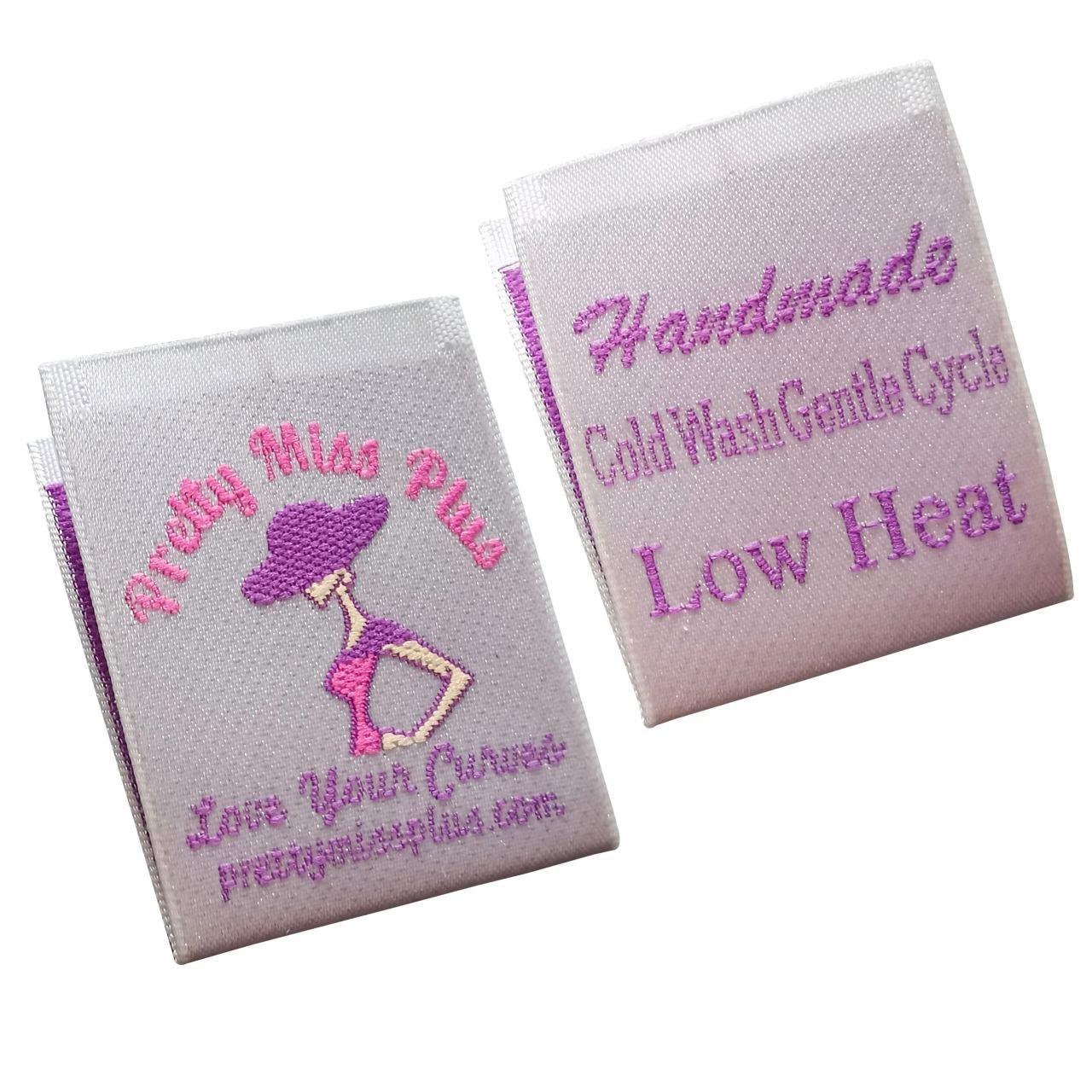
Woven Labels
Custom-designed woven labels featuring your brand logo and care instructions. Applied to neck, hem, or side seam of acid wash hoodies, tees, and joggers to reinforce brand recognition and professionalism.
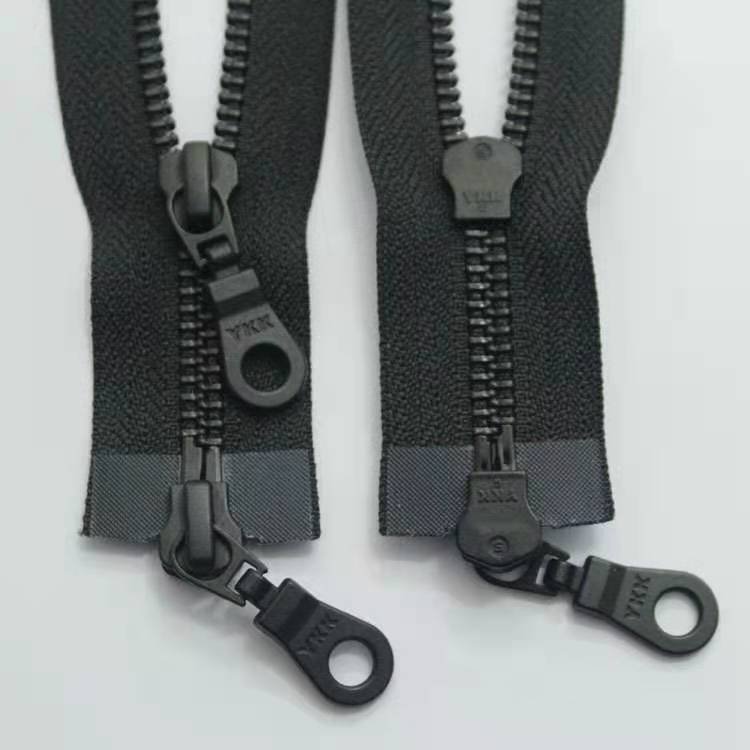
Metal Hardware
Premium metal grommets, eyelets, D-rings, and zipper pulls in gunmetal, brass, or chrome finishes. Perfect for acid wash hoodies, cargo pants, and jackets to add functional streetwear edge and durability.
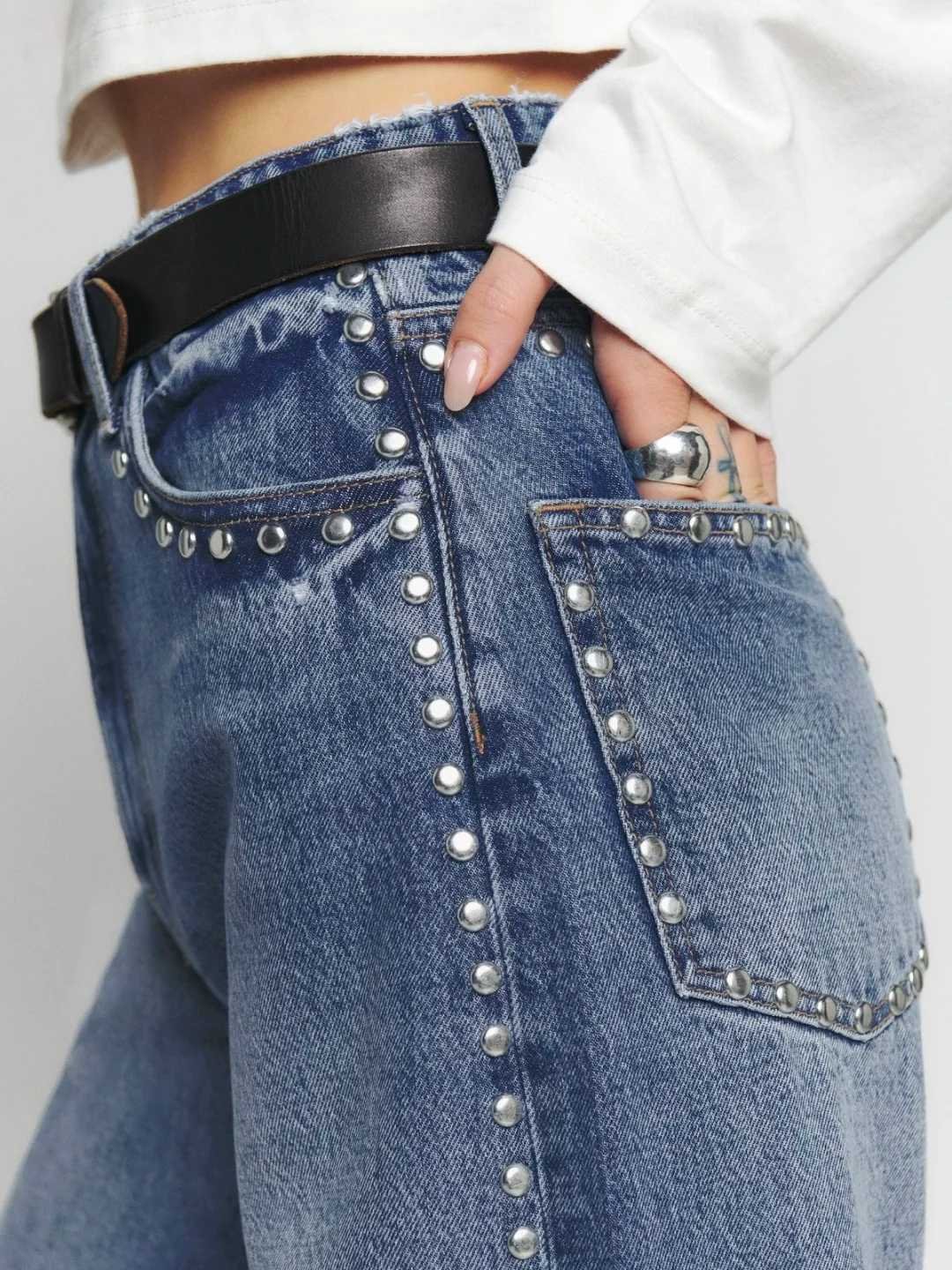
Custom Drawcords
Flat or round drawcords with custom tipping, aglets, or branded metal ends. Available in contrast colors to complement acid wash tones on hoodies, shorts, and track pants for signature streetwear detailing.
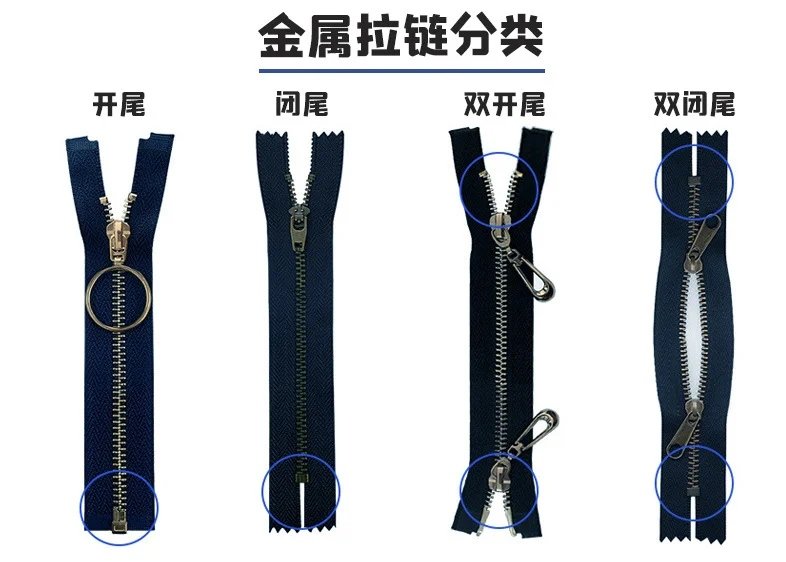
Embroidered Patches
High-definition embroidered patches with your logo, graphics, or streetwear motifs. Heat-sealed or sewn onto sleeves, chest, or back of acid wash garments to create bold, tactile brand statements that stand out.
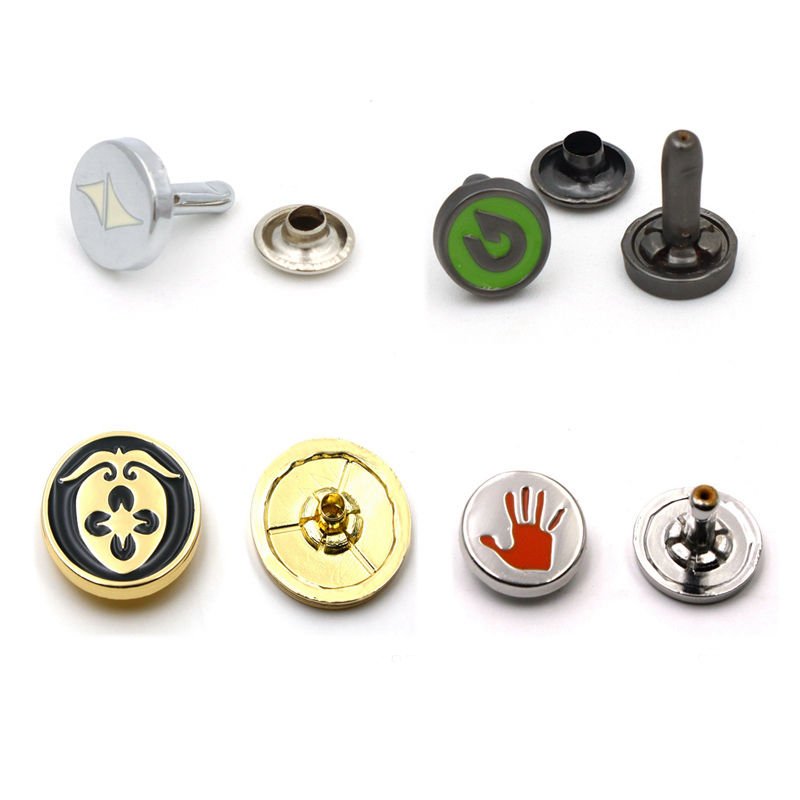
Screen Print Graphics
Vibrant plastisol or water-based screen printing for logos, artwork, and streetwear designs. Applied to acid wash tees, hoodies, and sweatpants with precise registration and colorfast inks that survive repeated washing cycles.
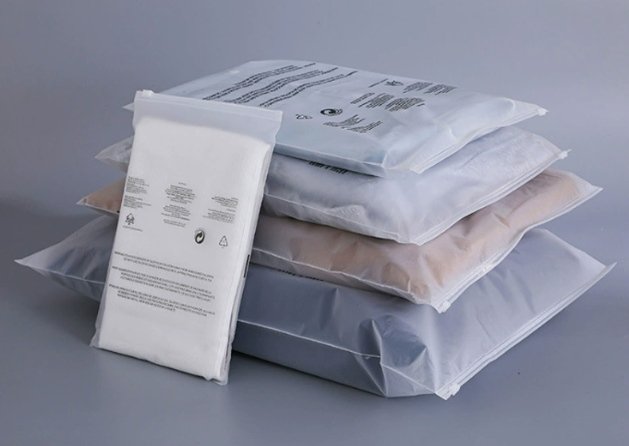
Custom Hangtags
Die-cut hangtags printed on premium cardstock with your branding, product details, and QR codes. Attached via string or safety pin to acid wash pieces, delivering a polished unboxing experience for retail and e-commerce.
Your Trusted Acid Wash Streetwear Manufacturer
Founded in 2024 by Tesla Luo, Clothing Manufacturer Ltd was born from a mission to eliminate low-quality products and restore the reputation of Chinese garment manufacturing. With over 10 years in apparel production and 6 years specializing in streetwear, Tesla grew up in the industry through his family’s manufacturing legacy, gaining hands-on experience in every production role from cutting to quality control.
We serve trendy brands, fashion startups, independent designers, and global retailers across more than 100 countries. Our proprietary 5-step quality control process ensures rigorous testing at every stage—from materials and cutting through sewing and final inspection—so defects are caught early and every piece meets our exacting standards.
Unlike factories that skip QC until the end, we embed quality assurance throughout production. Backed by a 15-member R&D team, 10 patents, and the infrastructure of our parent company Dongguan TuoZhen Clothing Co., we combine the agility of a streetwear specialist with the capacity and reliability of an established manufacturer.
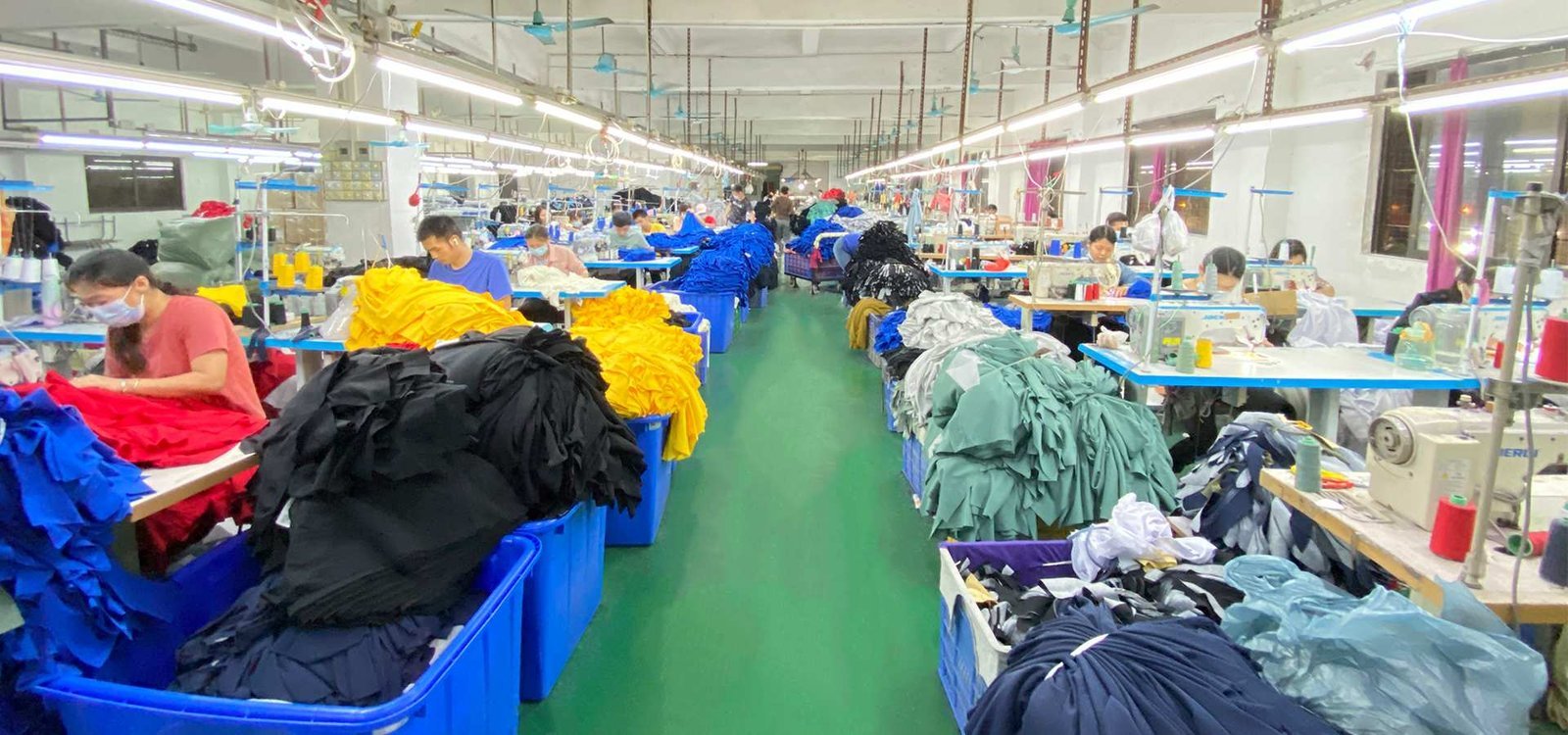
Our 5-Step Quality Control Guarantee for Acid Wash Streetwear
Materials QC Testing
Before production begins, every fabric roll undergoes rigorous inspection for weight, color consistency, and acid wash finish quality. This first checkpoint ensures your acid wash streetwear starts with premium materials that meet your brand standards and eliminates costly defects before cutting.
- Fabric weight and density verification against specifications
- Acid wash pattern consistency and colorfastness testing
- Shrinkage and dimensional stability pre-checks
- Surface texture and hand-feel quality assessment
Cutting QC Testing
Our cutting team verifies pattern accuracy and fabric alignment after every cutting batch. This critical phase prevents sizing errors and ensures acid wash patterns align correctly across garment panels, maintaining the visual integrity of your streetwear designs before any stitching begins.
- Pattern piece measurement verification to 2mm tolerance
- Acid wash pattern matching and alignment checks
- Grain line and fabric direction confirmation
- Cut edge quality inspection for clean, fray-free edges
Clothing Craft QC Testing
During assembly, our QC team inspects construction techniques, seam quality, and design element placement. This in-process checkpoint catches craftsmanship issues in real time, ensuring every acid wash streetwear piece reflects the bold, precise aesthetic your brand demands without rework delays.
- Seam strength and stitch density verification
- Graphic placement and embellishment alignment checks
- Construction technique adherence to approved samples
- Mid-production fit and proportion validation

Finished Clothing Quality Inspection
Every completed garment undergoes comprehensive final inspection covering measurements, finish quality, and packaging standards. This ultimate quality gate guarantees that only acid wash streetwear meeting our zero-compromise standards reaches your customers, protecting your brand reputation with every shipment.
- Full garment measurement audit against spec sheets
- Acid wash finish uniformity and color consistency check
- Thread trimming, pressing, and presentation standards
- Packaging integrity and labeling accuracy verification
Acid Wash Streetwear Manufacturer vs. Standard Suppliers
We combine streetwear expertise, rigorous quality control, and flexible production—features most generic suppliers simply can’t match.
← 左右滑动查看 →
Acid Wash Streetwear Manufacturer Production Timeline
From sourcing premium fabrics to final delivery, every acid wash streetwear order moves through our rigorous 5-step QC process. Here’s exactly how we transform your design brief into finished garments.
Fabric Sourcing & Approval
We source premium cotton, fleece, and denim fabrics suitable for acid wash treatments. Materials undergo our first QC checkpoint to verify weight, texture, and durability before production begins.
Acid Wash & Finishing
Fabrics receive specialized acid wash treatments to achieve your desired vintage effect. Our controlled chemical processes ensure consistent color patterns while maintaining fabric integrity and softness.
Cutting & Pattern Development
Post-treatment fabrics are precisely cut using digital patterns. Our cutting QC testing verifies measurements and alignment, ensuring every panel meets streetwear fit standards before moving to production.
Sewing & Craft QC
Skilled technicians assemble garments with reinforced stitching for streetwear durability. Clothing craft QC and sewing production QC checkpoints catch defects in real-time, not after completion.
Final Quality Inspection
Every finished piece undergoes comprehensive finished clothing quality QC inspection. We check stitching, wash effects, measurements, trims, and packaging to guarantee zero-defect delivery to your customers.
Packing & Global Shipping
Approved garments are professionally packed with custom labels and tags. Our logistics team coordinates global shipping with full tracking, customs documentation, and delivery confirmation to your warehouse.
How to Partner with Your Acid Wash Streetwear Manufacturer in 3 Simple Steps
From concept to delivery, we’ve streamlined the process so startups and brands can launch acid wash collections with zero hassle and complete confidence.
Submit Your Tech Pack or Design
Share your acid wash streetwear vision, fabric preferences, and quantities. No tech pack? Our 15-member design team will help you create one within 48 hours.
Receive Quote and Free Sample
We’ll provide transparent pricing and produce a physical sample using our 5-step QC process. Review, request revisions, and approve before any bulk commitment.
Approve and Launch Bulk Production
Once you greenlight the sample, we begin full-scale manufacturing with continuous quality checks at every stage, then ship globally with full logistics support.
Certified Acid Wash Streetwear Manufacturer You Can Trust
Customer Success Stories — Acid Wash Streetwear Brands We’ve Grown
We launched our first acid wash collection with just 50 pieces and grew from 0 to 47,000 followers in 8 months. The quality and finishing from this acid wash streetwear manufacturer exceeded every sample we’d seen before.
Their 5-step QC process caught issues other factories missed. We’ve scaled to 10 countries with zero quality complaints. The acid wash techniques and turnaround speed let us drop 3 seasonal collections in 6 months.
As an influencer brand, consistency is everything. This acid wash streetwear manufacturer delivered 500 units with perfect color matching across every garment. Our reorder rate jumped 68% after switching suppliers.
FAQ — Acid Wash Streetwear Manufacturing
What is the minimum order quantity with your acid wash streetwear manufacturer?
How long does production take for acid wash streetwear orders?
Do you charge for samples when working with an acid wash streetwear manufacturer?
What payment terms does your acid wash streetwear manufacturer offer?
Can you ship acid wash streetwear internationally?
How do you protect my designs when I work with an acid wash streetwear manufacturer?
What customization options are available for acid wash streetwear?
What quality guarantees does your acid wash streetwear manufacturer provide?
Can you match specific acid wash effects or replicate samples I provide?
The Complete Buyer’s Guide to Acid Wash Streetwear Manufacturer Selection
Navigate the acid wash manufacturing landscape with confidence. This guide delivers a proven decision framework, essential supplier criteria, quality benchmarks, and the critical mistakes to avoid when partnering with an acid wash streetwear manufacturer.
1. What Is an Acid Wash Streetwear Manufacturer?
An acid wash streetwear manufacturer specializes in producing garments that combine chemical distressing techniques with contemporary street-fashion construction. The acid wash process uses chlorine or potassium permanganate applied directly to denim or cotton fabrics, creating irregular bleached patterns and high-contrast fading distinct from traditional stone washing, which relies on pumice stones and enzymes to achieve uniform wear. Streetwear brands seek this aesthetic because the unpredictable, vintage-worn appearance aligns with the culture’s emphasis on individuality, rebellion, and nostalgia for 1980s and 1990s skate and hip-hop styles.
When you partner with an acid wash streetwear manufacturer, you are buying three integrated capabilities: fabric preparation and dyeing (selecting base textiles in the 180–320 GSM range suitable for chemical exposure), controlled distressing execution (managing chemical concentration, application method, and neutralization to achieve repeatable yet organic patterns), and full garment construction (pattern development, cutting, sewing, and finishing). Manufacturers like Clothing Manufacturer Ltd implement quality control at every stage — materials QC, cutting QC, craft QC, sewing QC, and finished-product inspection — to ensure that aggressive chemical treatments do not compromise seam strength, colorfastness in non-treated areas, or fabric integrity.
The result is streetwear pieces (hoodies, tees, denim jackets, joggers) that deliver the raw, lived-in look trending across global markets while meeting durability standards for retail sale. Expect MOQs starting around 50–100 pieces per colorway and lead times of 25–40 days depending on wash complexity and order volume.
2. Evolution of Acid Wash in Streetwear Culture
Acid wash emerged in 1986 when Italian designer Adriano Goldschmied introduced the pumice-stone bleaching technique that created irregular, high-contrast patterns on denim. By 1987–1989, the process had become a defining aesthetic of late-1980s youth culture, worn by punk rockers, early skateboarders, and hip-hop artists who valued the rebellious, DIY appearance of chemically altered fabric. The technique spread rapidly through music videos and street scenes, cementing its association with counter-culture movements that rejected polished, uniform looks.
From 1995 through 2010, acid wash fell out of favor as minimalist and dark-wash denim dominated mainstream fashion, but underground skate brands and vintage collectors preserved the technique. In 2018, major streetwear labels began reintroducing acid wash on hoodies, sweatpants, and oversized tees, driven by nostalgia cycles and the rise of 1980s and 1990s aesthetic revivals across social media platforms. Brands recognized that younger consumers—many born after acid wash’s original peak—viewed the finish as fresh, unique, and aligned with the distressed, lived-in textures central to modern streetwear identity.
Today, acid wash serves three strategic functions for streetwear brands: it differentiates collections in oversaturated markets, it signals authenticity and craft heritage, and it allows designers to apply bold, unpredictable patterns without complex printing. For fashion startups and independent designers, partnering with an acid wash streetwear manufacturer that understands both the chemical process and the cultural context ensures that finished garments carry the raw, expressive energy that resonates with trend-conscious audiences worldwide.
3. Types of Acid Wash Techniques Offered by Manufacturers
Acid wash streetwear manufacturers deploy six primary techniques, each delivering distinct visual signatures, durability profiles, and cost structures. Understanding these methods helps you align design intent with production budget and target garment lifecycle.
Traditional Chlorine Bleach Wash
Chlorine bleach creates high-contrast, irregular patterns by applying sodium hypochlorite directly to denim or cotton. The result is bold white-to-pale streaks against darker base fabric, iconic in 1980s streetwear.
Durability is moderate; repeated washing can weaken fibers if over-bleached. Cost remains low—typically $0.80–$1.50 per garment—making it ideal for oversized tees, denim jackets, and hoodies targeting vintage aesthetics.
Enzyme Wash
Enzyme treatments use cellulase proteins to soften fabric and create subtle, even fading without harsh chemicals. Visual output is softer than chlorine bleach, with a lived-in, worn appearance and minimal fiber damage.
This technique extends garment life by 20–30 percent versus traditional bleach. Cost runs $1.20–$2.00 per piece, suited to premium hoodies, joggers, and tees where hand-feel and longevity justify higher investment.
Laser Distressing
Laser technology ablates dye with precision, yielding repeatable patterns, gradients, or custom graphics. Visual consistency is unmatched, and zero water or chemical waste appeals to eco-conscious brands.
Durability matches untreated fabric since lasers remove only dye, not fiber. Setup costs push per-piece pricing to $2.50–$4.00, best for limited-edition jackets, collaborative drops, and brands requiring exact pattern replication across runs.
Spray and Splatter Techniques
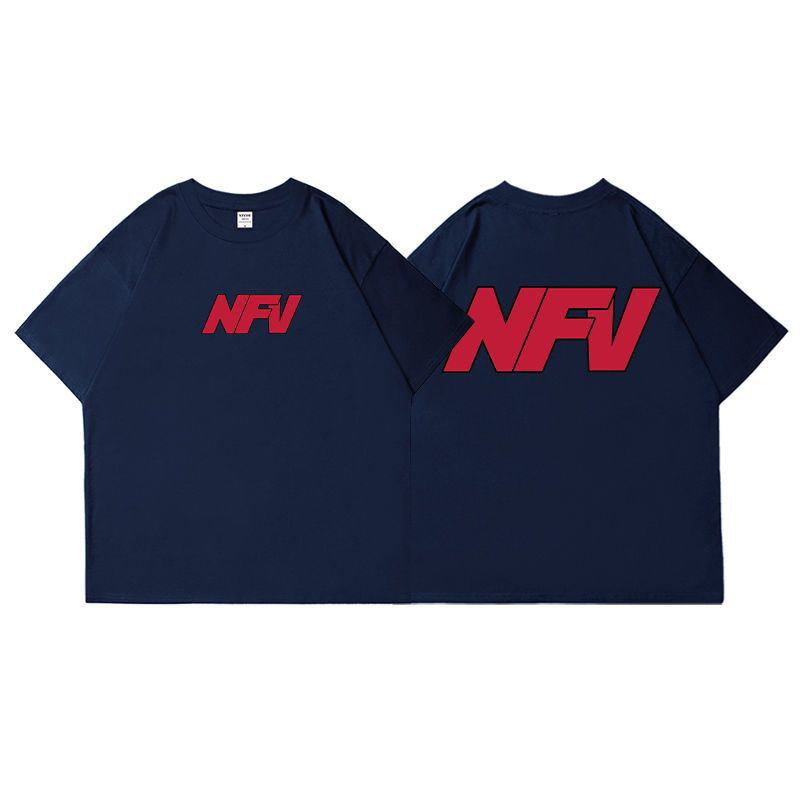
Manual or automated spray guns apply bleach in random or controlled splatters, creating one-of-a-kind or semi-random patterns. Each garment varies slightly, reinforcing exclusivity and artisan appeal.
Durability depends on bleach concentration; lighter applications preserve fabric integrity. Cost ranges $1.00–$2.20 per garment, ideal for graphic tees, shorts, and capsule collections emphasizing individuality.
4. Materials and Fabrics for Acid Wash Streetwear
Base fabric selection determines acid wash intensity, durability, and final hand feel. An acid wash streetwear manufacturer will guide you through cotton content, weight, and knit structure to match your design intent.
| Fabric Type | GSM / Weight | Acid Wash Compatibility | Typical Use | Price Tier |
|---|---|---|---|---|
| 100% Cotton Jersey | 150–200 GSM | Excellent (high contrast) | T-shirts, longsleeves | Mid |
| Cotton-Poly Blend | 180–220 GSM | Moderate (subtle effect) | Joggers, activewear | Low–Mid |
| French Terry | 240–320 GSM | Excellent (textured depth) | Hoodies, sweatshirts | Mid–High |
| Fleece | 280–400 GSM | Good (soft hand) | Hoodies, outerwear | Mid–High |
| Denim | 8–14 oz/yd² | Excellent (bold vintage) | Jackets, jeans | High |
100% Cotton vs Cotton-Poly Blends
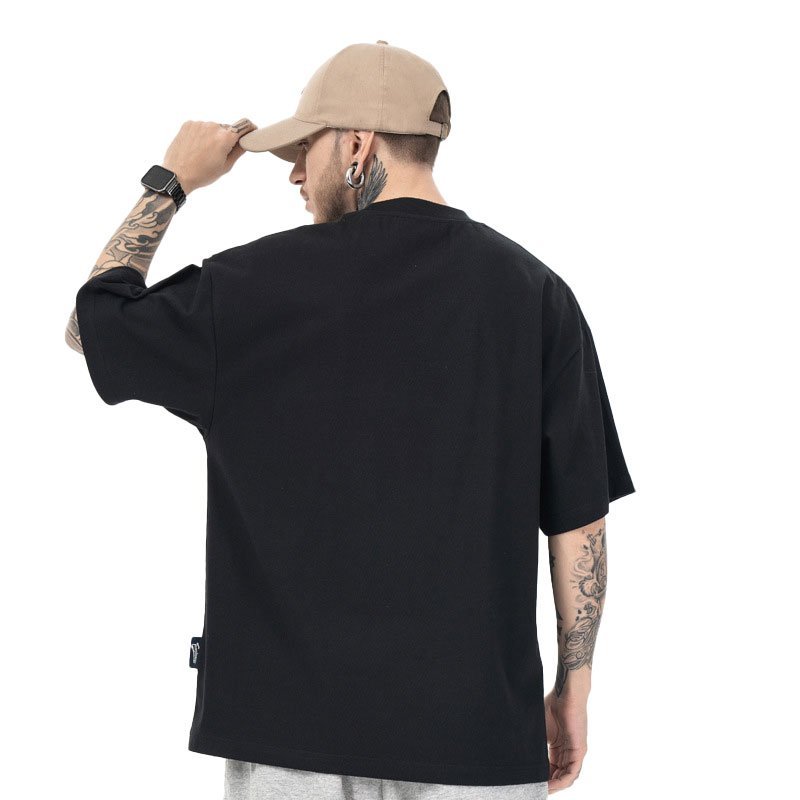
Pure cotton delivers the most dramatic acid wash contrast because natural cellulose fibers react fully with bleaching agents. Ring-spun 100% cotton yields soft hand feel and vivid marbling, ideal for premium tees and hoodies.
Cotton-poly blends (80/20 or 65/35) offer dimensional stability and lower shrinkage but produce subtler wash effects because polyester resists bleach. Blends work well for joggers and activewear where stretch recovery matters more than extreme contrast.
French Terry and Fleece for Hoodies
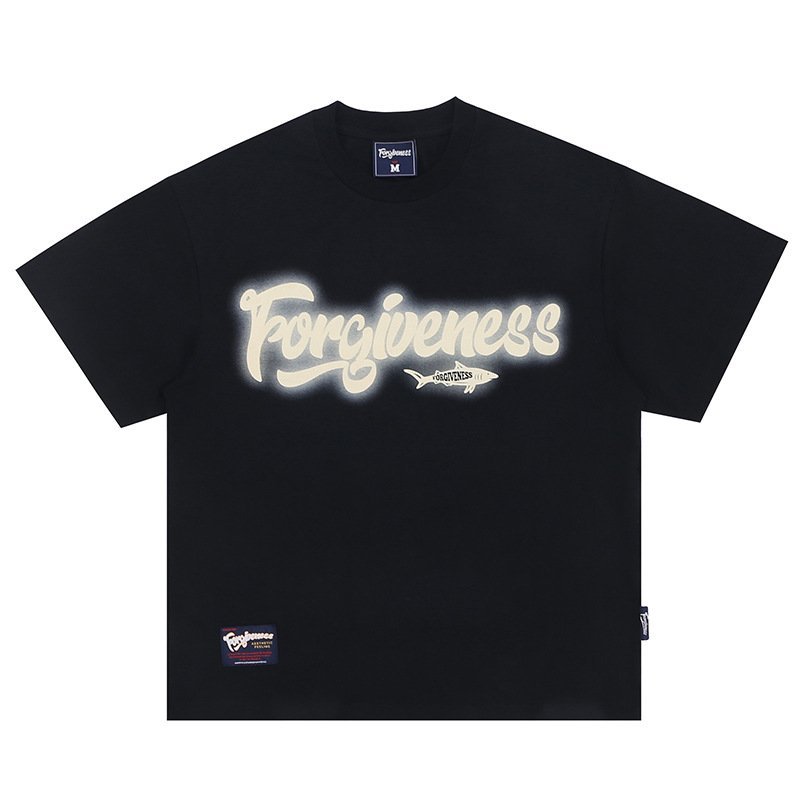
French terry (240–320 GSM) features looped interior pile that absorbs acid wash unevenly, creating textured depth on hoodies and sweatshirts. Fleece (280–400 GSM) with brushed interior yields softer hand but slightly less pronounced wash patterns.
Both constructions require pre-shrinking before acid treatment to prevent excessive size variation. An acid wash streetwear manufacturer will specify fabric relaxation cycles to stabilize dimensions before chemical processing.
Denim Weights and Jersey Knits
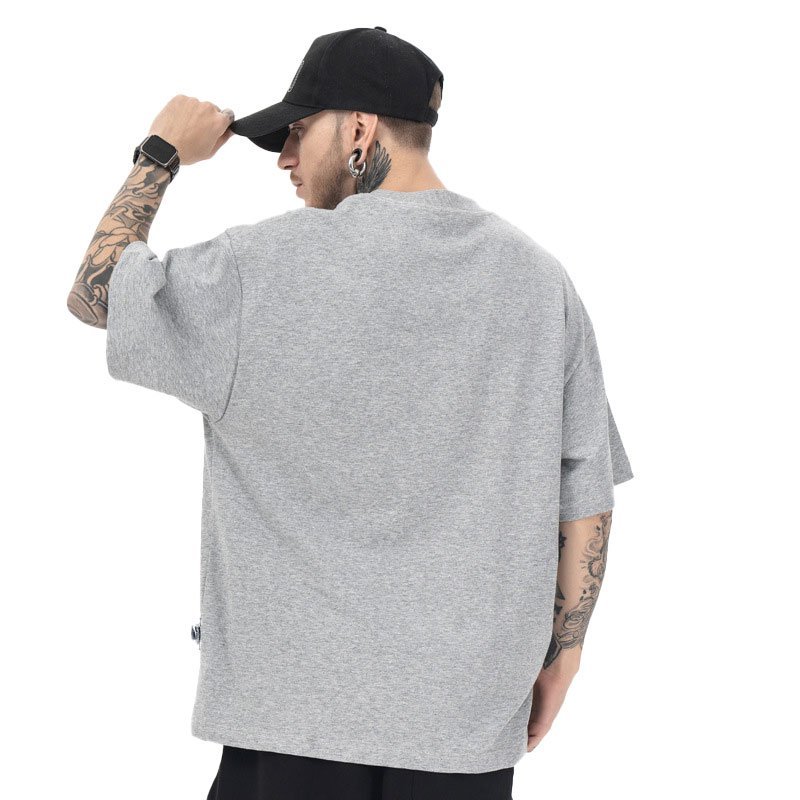
Denim (8–14 oz per square yard) remains the classic acid wash substrate, with heavier weights producing bolder vintage effects on jackets and jeans. Jersey knits (150–200 GSM) deliver lightweight drape for tees and longsleeves, though thinner fabrics risk over-bleaching if dwell time is not controlled.
Always request lab dips from your manufacturer to preview wash intensity on your chosen fabric weight before bulk production.
5. Customization and Decoration Options with Acid Wash Streetwear Manufacturer
An acid wash streetwear manufacturer must sequence decoration carefully to preserve the distressed aesthetic while ensuring branding survives repeated laundering. Most techniques apply after acid wash treatment to avoid chemical damage, though timing and substrate compatibility vary widely. Understanding each method’s cost structure, minimum order implications, and durability profile helps you select the right combination for your collection.
| Decoration Method | Setup Cost | Minimum Order | Wash Durability (Cycles) |
|---|---|---|---|
| Screen Printing | $25–75 per color | 100+ pcs | 50+ |
| Puff / High-Density | $25–75 per color | 100+ pcs | 40–50 |
| Embroidery | $10–40 digitizing | 50+ pcs | 50+ |
| Appliqué | $10–40 digitizing | 50+ pcs | 50+ |
| DTG | $0 | 1+ pcs | 20–30 |
Screen Printing on Acid Wash Fabrics

Screen printing remains the most cost-effective decoration for orders above 100 pieces, with setup fees typically $25–75 per color. Plastisol inks bond reliably to acid-washed cotton, though uneven dye penetration can cause slight color shifts on lighter ink tones.
Always print after acid wash and heat-cure at 320°F to lock ink into the textile surface. Water-based inks offer a softer hand but require discharge underbase on darker acid wash grounds to prevent muddiness.
Puff and High-Density Print Techniques
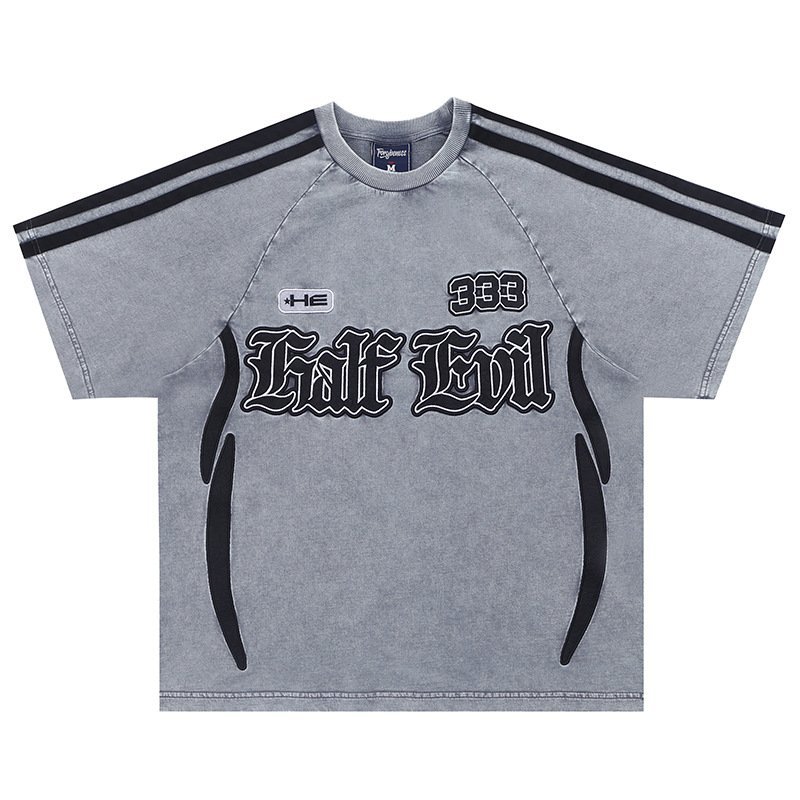
Puff ink expands during curing to create a raised, three-dimensional effect popular in streetwear logos and text. Setup costs mirror standard screen printing, but puff additive increases per-piece ink cost by $0.15–0.30.
High-density prints stack multiple ink layers for bold, tactile graphics. Both methods perform best on medium-to-heavyweight acid wash fleece (280+ GSM) where fabric stability prevents cracking during the expansion or layering process.
Embroidery and Appliqué Compatibility
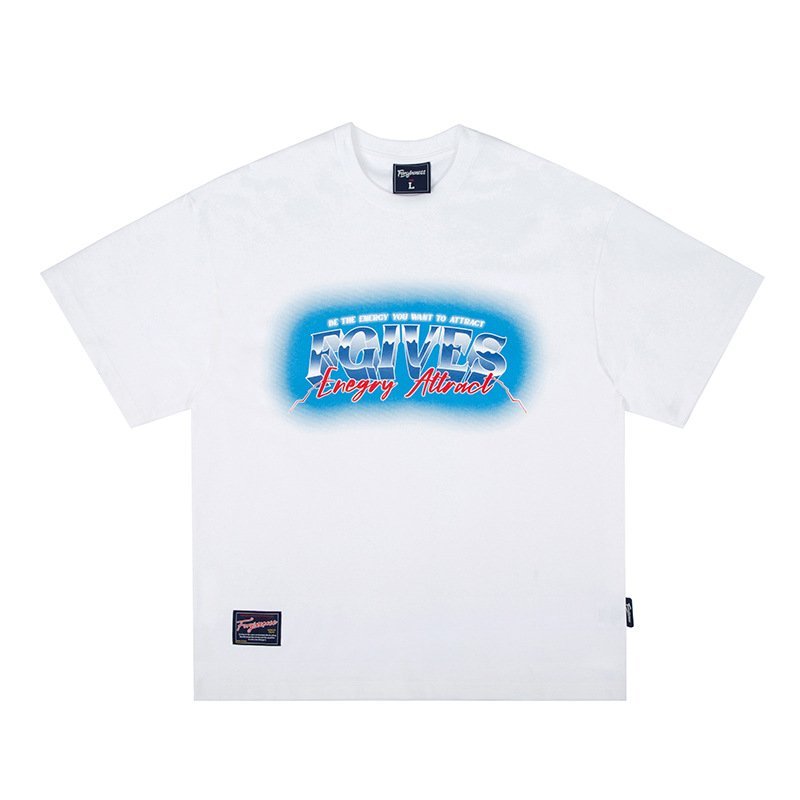
Embroidery delivers premium durability, withstanding 50+ industrial wash cycles without fading. Digitizing fees range $10–40 per design, and per-piece costs start at $2 for simple left-chest logos, scaling with stitch count.
Appliqué combines fabric patches with embroidery borders, reducing stitch density and cost while adding texture. Both techniques require stable backing on acid-washed knits to prevent puckering; lightweight jerseys under 180 GSM may need tear-away stabilizer.
Direct-to-Garment Printing Considerations
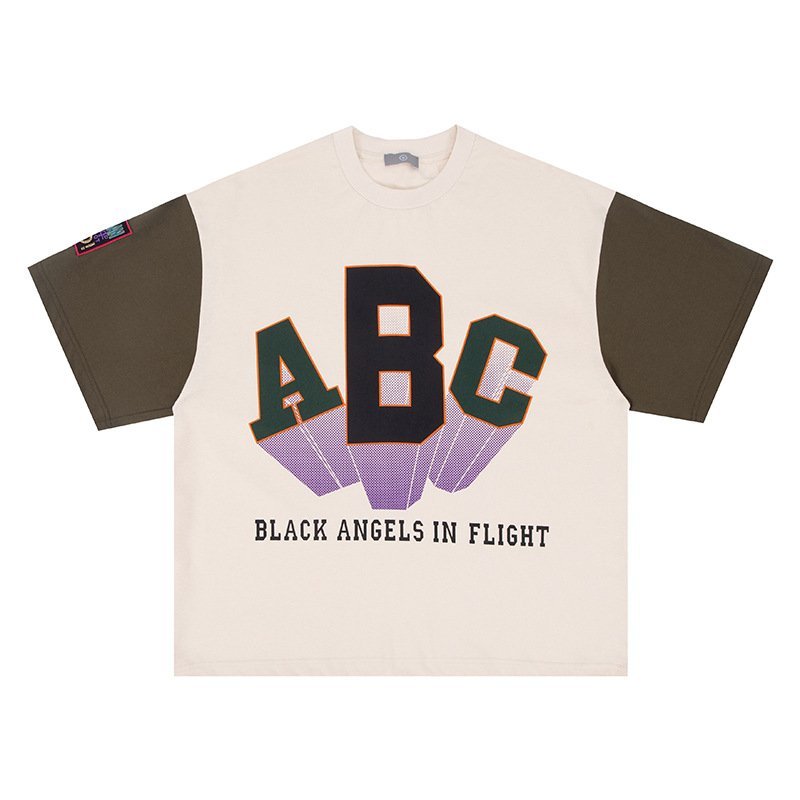
DTG suits short runs under 50 pieces with no setup fees, but acid wash’s uneven surface texture causes ink absorption variability and potential print fading. Pretreat spray is essential yet may darken or stiffen the wash effect in treated zones.
Wash durability averages 20–30 cycles before noticeable fading, making DTG better for limited-edition drops than core collections. An acid wash streetwear manufacturer will recommend screen printing for any design requiring long-term colorfastness.
6. Key Quality Control Elements in Acid Wash Manufacturing
Acid wash chemical treatments expose garments to aggressive bleach and abrasive processes that can compromise fabric strength, colorfastness, and dimensional stability if quality control is inadequate. A five-step QC methodology—covering materials, cutting, craft, sewing, and finished inspection—ensures every acid wash streetwear piece meets durability standards before shipping.
Colorfastness Testing After Chemical Treatment
ISO 105-C06 colorfastness testing measures how well dyed fabric retains color after repeated laundering, critical for acid wash garments that have already undergone harsh chemical exposure. Request lab reports showing grade 4 or higher on the grayscale for both color change and staining.
Red flags include suppliers who skip third-party testing or claim ‘visual inspection’ suffices. Ask for wash test samples at 40°C and 60°C cycles; garments that bleed dye or show uneven fading after five washes will fail in customer hands.
Fabric Integrity and Tensile Strength Post-Wash
Acid wash processes weaken cotton fibers by 15–25 percent depending on bleach concentration and exposure time. ASTM D5034 grab tests measure fabric tear strength; post-wash samples should retain at least 75 percent of original tensile values.
Suppliers using substandard base fabrics below 180 GSM often see catastrophic strength loss. Request pre-wash and post-wash tensile data for every fabric lot, and reject any manufacturer unwilling to share mill certifications or conduct destructive testing.
Stitch Strength and Seam Integrity
Chemical treatments can degrade thread if polyester core-spun threads are not used or if seam allowances are too narrow. ASTM D1683 seam-strength tests should show minimum 70 N breaking force for knit garments and 90 N for wovens.
Inspect sample seams under 10× magnification for thread fraying or fiber bloom along stitch lines. Manufacturers skipping mid-production sewing QC often deliver garments with seam slippage that appears only after customer laundering, leading to returns and brand damage.
Sizing Consistency After Chemical Treatment
Acid wash shrinkage is non-uniform; chest, length, and sleeve measurements can shift 3–7 percent if fabrics are not pre-shrunk or if wash formulas vary batch to batch. Demand tolerance specs of ±1.5 cm across all measurement points post-treatment.
Request size-spec sheets with pre-wash, post-wash, and post-pressing dimensions for every style. Red flags include vague ‘industry standard’ claims or refusal to provide batch consistency data across production runs exceeding 500 units.
Environmental Compliance and Chemical Disposal
OEKO-TEX Standard 100 and ZDHC MRSL compliance confirm that residual bleach, chlorine, and heavy metals fall below harmful thresholds in finished garments. Wastewater from acid wash must meet local COD and pH discharge limits; non-compliant facilities risk contamination and legal penalties.
Ask for wastewater treatment certifications and chemical inventory logs. Suppliers who cannot provide third-party environmental audit reports or who outsource wash processes to unverified subcontractors introduce compliance risk that can halt imports or trigger retailer audits.
7. How to Choose the Right Acid Wash Streetwear Manufacturer
Selecting an acid wash streetwear manufacturer requires evaluating operational capabilities, quality systems, and partnership fit. The right supplier balances technical expertise in acid wash techniques with flexibility for emerging brands and scalable infrastructure for growth.
MOQ Flexibility and Order Scalability
Minimum order quantities typically range from 50 to 500 pieces per design for acid wash streetwear. Startups and independent designers need manufacturers offering 50–100 piece MOQs to test markets without excess inventory risk, while established brands require 300–500 piece runs for retail distribution.
Ask whether the factory accommodates mixed SKUs within a single order and how pricing scales with volume. Clothing Manufacturer Ltd. supports 50-piece minimums, allowing emerging labels to launch collections affordably while maintaining reorder capacity as sales grow.
Sampling Process and Turnaround
Sample development timelines directly impact launch schedules. Standard turnaround for acid wash samples ranges from 7 to 14 days, depending on fabric sourcing and wash complexity. Confirm whether the manufacturer provides digital mockups before physical samples and how many revision rounds are included.
Request details on sample costs, shipping methods, and approval workflows. Efficient sampling reduces time-to-market and ensures acid wash effects match your design intent before bulk production begins.
Certifications and Quality Standards
OEKO-TEX Standard 100, GOTS, ISO 9001, and WRAP certifications verify chemical safety, environmental compliance, and ethical labor practices. Acid wash processes involve caustic chemicals; certified manufacturers follow strict wastewater treatment and worker safety protocols.
Verify that the factory conducts materials QC, cutting QC, craft QC, sewing QC, and finished-goods inspection—five checkpoints that catch defects early and reduce returns.
Production Lead Times
Bulk production for acid wash garments typically requires 25 to 45 days after sample approval, depending on order size and fabric availability. Clarify whether lead times include fabric procurement, dyeing, washing, sewing, and finishing, or only post-fabric steps.
Ask about peak-season delays and expedited production options. Reliable manufacturers provide transparent timelines and proactive updates if delays occur.
Communication and Design Support
Responsive communication and technical guidance separate transactional vendors from true partners. Evaluate whether the manufacturer offers design consultation on acid wash intensity, fabric selection, and decoration compatibility.
Confirm availability of English-speaking account managers, preferred communication channels (email, WhatsApp, video calls), and time-zone overlap. Clothing Manufacturer Ltd. assigns dedicated contacts to streamline approvals and resolve production questions in real time.
8. Common Mistakes When Partnering with Acid Wash Streetwear Manufacturer
First-time buyers often underestimate the technical complexity of acid wash production, leading to costly errors in sampling, quality verification, and intellectual property management. Recognizing these pitfalls before production begins saves both time and capital while protecting brand reputation.
Skipping Pre-Production Sample Approval
Many startups rush into bulk orders without approving a physical pre-production sample, assuming digital mockups reflect final garments. Acid wash results vary dramatically based on fabric weight, dye saturation, and wash duration — details invisible in renders.
Without sample approval, you risk receiving 500 pieces that miss your brand’s aesthetic. Always request a pre-production sample with your exact fabric, wash intensity, and finishing specifications before authorizing full production runs.
Ignoring Batch-to-Batch Wash Variability
Acid wash is a chemical process, not a print; each production batch exhibits slight color and pattern variation. Buyers expecting pixel-perfect consistency across reorders face disappointment and customer complaints.
Clothing Manufacturer Ltd.’s five-step QC testing includes materials and finished garment inspection to minimize variability, but natural variation remains inherent to acid wash. Communicate tolerance ranges upfront and educate your customers that artisanal variation is a feature, not a defect.
Neglecting Fabric Shrinkage Testing
Acid wash processes expose fabric to heat, chemicals, and mechanical agitation, causing shrinkage rates of 3–7 percent depending on cotton blend and weave. Skipping shrinkage tests results in garments that fit perfectly pre-wash but become unwearable after the first customer laundry cycle.
Request wash-and-dry testing on sample yardage before cutting patterns. Reputable acid wash streetwear manufacturer partners pre-shrink fabrics or adjust pattern grading to compensate, ensuring final dimensions match your size specifications post-wash.
Choosing Price Over Quality Control Verification
The lowest bid often signals skipped QC steps — sewing directly to packing without in-process testing. This approach produces high defect rates, damaged brand reputation, and expensive returns.
Verify that your manufacturer implements stage-gate QC: materials inspection, cutting checks, craft testing, sewing-line inspection, and final audit. Clothing Manufacturer Ltd. introduced this five-step methodology in February 2025 to eliminate the irresponsible practice of zero in-process testing common among budget suppliers.
Overlooking Intellectual Property Protection
Sharing proprietary designs without non-disclosure agreements or copyright registration invites design theft. In competitive streetwear markets, unique graphics and wash patterns are easily replicated by unscrupulous factories for competing clients.
Execute NDAs before sending artwork, register key designs in your primary sales markets, and work with manufacturers who respect IP boundaries. Established partners value long-term relationships over short-term gains from copying client designs.
9. Pricing and Cost Breakdown for Acid Wash Streetwear
Acid wash streetwear pricing follows volume-based tiers, with base garment costs ranging from $8.50–$12.00 per unit at 50-piece minimums down to $4.20–$6.80 per unit at 1,000+ quantities for mid-weight cotton tees and hoodies. Lead times typically span 18–25 days for smaller runs (50–100 units) and extend to 28–35 days for orders exceeding 500 pieces, reflecting the manual labor required for acid wash processing and the five-step QC methodology implemented by experienced manufacturers. Clothing Manufacturer Ltd. enforces quality checks at materials intake, cutting, craft validation, sewing, and final inspection, adding 3–5 days to standard production but eliminating the defect rates common among factories that skip mid-process testing.
Add-on decoration and processing costs significantly impact total landed expense. Acid wash upcharges range $1.80–$3.50 per garment depending on intensity and pattern complexity, while screen printing incurs a $45–$85 setup fee per color plus $0.90–$1.60 per print location. Embroidery setups cost $55–$95 with per-piece charges of $2.20–$4.50 for standard logo placements up to 10,000 stitches. Pre-production samples typically run $35–$65 each with 7–10 day turnaround, and shipping varies from $6.50–$9.20 per kilogram for air freight (5–8 days) to $420–$680 per cubic meter for sea freight (25–35 days). Brands should calculate total cost by multiplying unit price by quantity, adding all decoration fees, sampling expenses, and freight to determine true landed cost per piece.
| Quantity Tier | Price per Unit (USD) | Lead Time (Days) |
|---|---|---|
| 50–99 units | $8.50–$12.00 | 18–25 |
| 100–249 units | $6.80–$9.50 | 20–28 |
| 250–499 units | $5.50–$7.80 | 25–32 |
| 500–999 units | $4.80–$6.50 | 28–35 |
| 1,000+ units | $4.20–$6.80 | 30–38 |
10. Steps to Launch Your Acid Wash Streetwear Brand
Launching an acid wash streetwear brand requires a structured roadmap from concept to market. The typical end-to-end timeline spans 10–16 weeks, depending on design complexity and production scale. Follow these six steps to navigate the process with an acid wash streetwear manufacturer.
Define Your Design and Target Market
Identify your core customer demographic—age range, style preferences, and price sensitivity—before sketching designs. Streetwear buyers aged 16–28 typically favor bold graphics and oversized fits, while 25–35 demographics lean toward subtle acid wash tones and premium fabrics.
Research competitor collections and pin down 3–5 signature acid wash patterns (splatter, marble, gradient) that align with your brand identity. Allocate 1–2 weeks for this research and mood-board phase to ensure design coherence.
- Map customer personas: age, income, preferred platforms (Instagram, TikTok, retail)
- Select 2–3 garment silhouettes (oversized tees, hoodies, denim jackets)
- Compile reference images for acid wash intensity and colorways
Request and Evaluate Samples
Submit design sketches or reference images to your acid wash streetwear manufacturer and request pre-production samples. Standard sample turnaround is 7–10 days; express options reduce this to 3–5 days at higher cost.
Inspect fabric weight (180–320 GSM for tees and hoodies), acid wash uniformity, and garment construction. Request revisions if wash intensity, color match, or fit deviates from your specifications—most manufacturers allow one free revision round.
- Order samples in multiple sizes (S, M, L) to verify grading accuracy
- Check seam strength, label placement, and packaging presentation
- Confirm final sample approval in writing before production commitment
Finalize Tech Packs and Specifications
Create detailed tech packs listing fabric type, GSM, acid wash technique (spray, dip, brush), colorways, sizing charts, and trim details. Include front and back flat sketches with measurement callouts for chest, length, sleeve, and hem.
Share Pantone codes for base fabric and any screen-print or embroidery overlays. Lock specifications with your manufacturer and request a signed production sheet—this document becomes your quality reference during the five-step QC process. Budget 3–5 days for tech pack finalization and manufacturer review.
- Specify stitch types (overlock, flatlock, coverstitch) for each seam
- List all labels: main, care, size, hangtags, and poly-bag requirements
- Confirm MOQ per colorway and size breakdown (e.g., 50 pieces across 4 sizes)
Place Your First Production Order
Submit a purchase order with agreed MOQ (typically 50–100 pieces per design), unit price, payment terms (30–50% deposit, balance before shipment), and delivery timeline. Standard production runs require 3–4 weeks after deposit confirmation.
Confirm milestone checkpoints: materials QC (day 1–2), cutting QC (day 3–4), sewing QC (day 10–15), and finished garment inspection (day 18–21). Request photo updates at each QC gate to monitor acid wash consistency and construction quality across the batch.
- Negotiate payment via wire transfer, PayPal, or Alibaba Trade Assurance
- Request daily or weekly production progress reports
- Clarify penalty clauses for delayed shipments or quality failures
Plan QC and Logistics
Coordinate final inspection before shipment—either third-party AQL 2.5 audits or the manufacturer’s five-step QC report. Review defect rates for stitching, wash uniformity, and sizing tolerance; reject batches exceeding 2.5% major defects.
Arrange shipping method (air freight 5–7 days, sea freight 25–35 days) and confirm Incoterms (FOB, CIF, DDP). Factor customs clearance, duties (typically 16–25% for apparel into the US and EU), and domestic delivery into your launch timeline—add 1–2 weeks buffer for logistics.
- Request carton dimensions and weight for freight cost estimation
- Obtain commercial invoice, packing list, and certificate of origin
- Insure shipments valued above $5,000 against loss or damage
Launch and Gather Customer Feedback
Soft-launch with 20–30% of inventory to test market response before scaling. Use pre-orders, influencer seeding, or pop-up events to generate early reviews and user-generated content showcasing acid wash details.
Collect feedback on fit, wash durability after laundering, and color accuracy within the first 30 days. Share quality issues or design refinements with your acid wash streetwear manufacturer for the next production cycle—continuous improvement loops build long-term brand reputation and reduce return rates below 5%.
- Track return reasons: sizing, color mismatch, wash inconsistency
- Survey customers on desired colorways and silhouettes for future drops
- Reorder winning SKUs with 4–6 week lead time to maintain stock levels
Partner with a Trusted Acid Wash Streetwear Manufacturer Today
Get a free quote in 24 hours. No commitment required. 50-piece MOQ and 5-step QC guarantee on every order.