
Premium Wholesale Shorts for Streetwear & Trendy Brands
Launch your collection with wholesale shorts backed by our 5-step QC guarantee, low MOQs for startups, and fast sampling for seasonal drops.
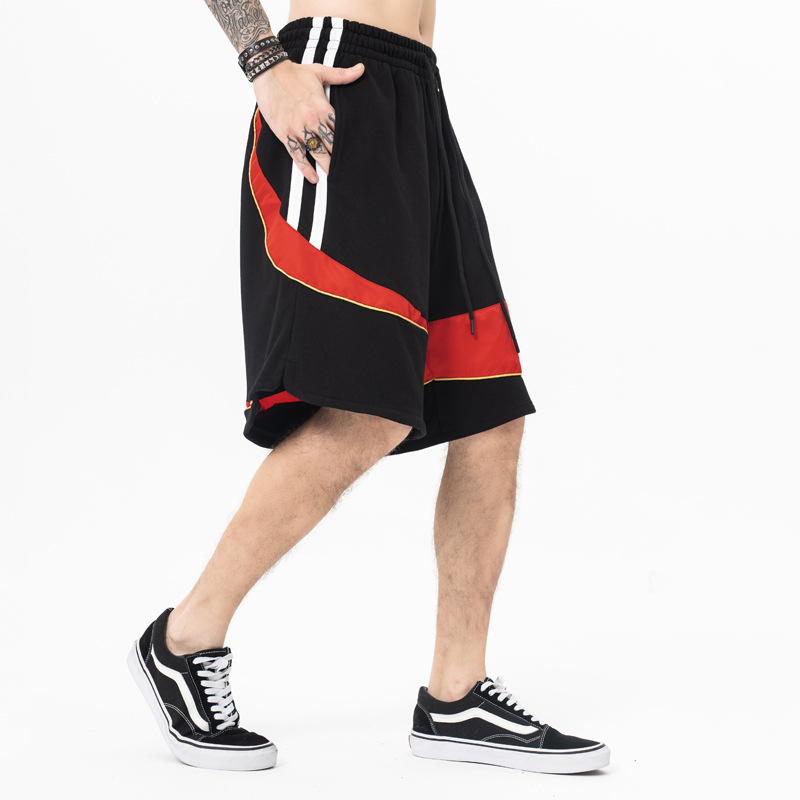
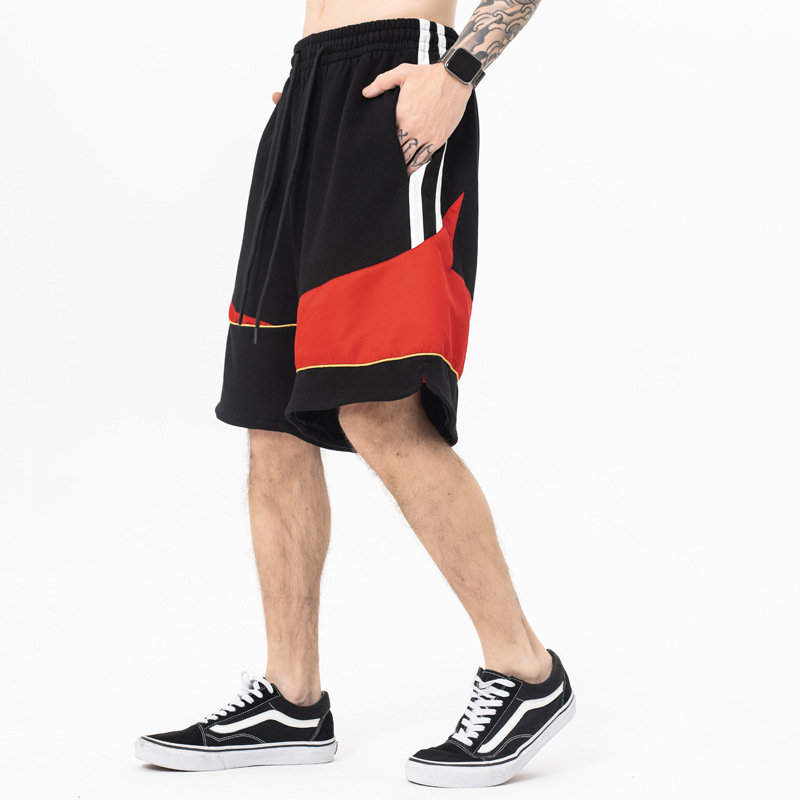
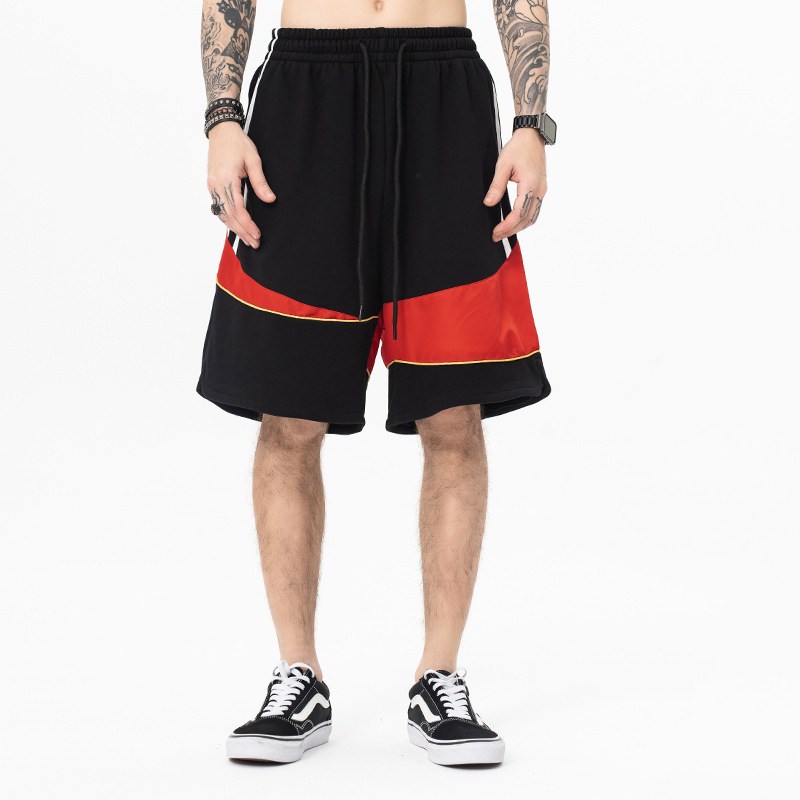
Wholesale Shorts Gallery
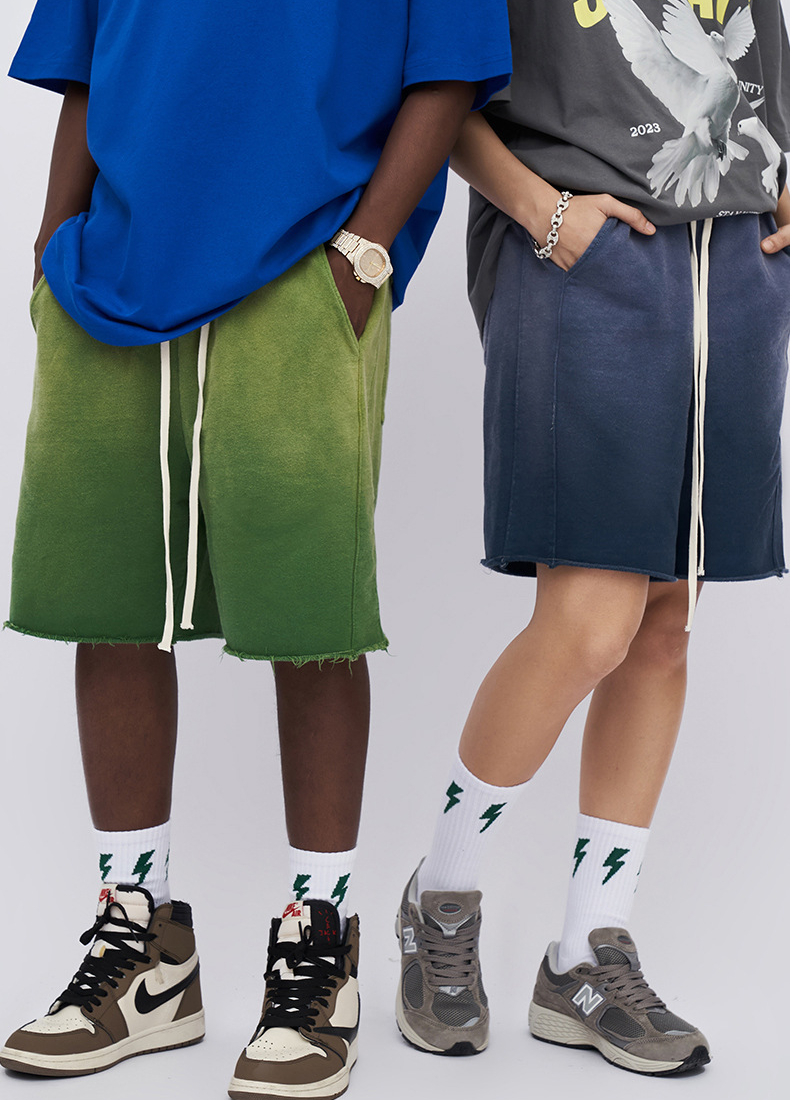
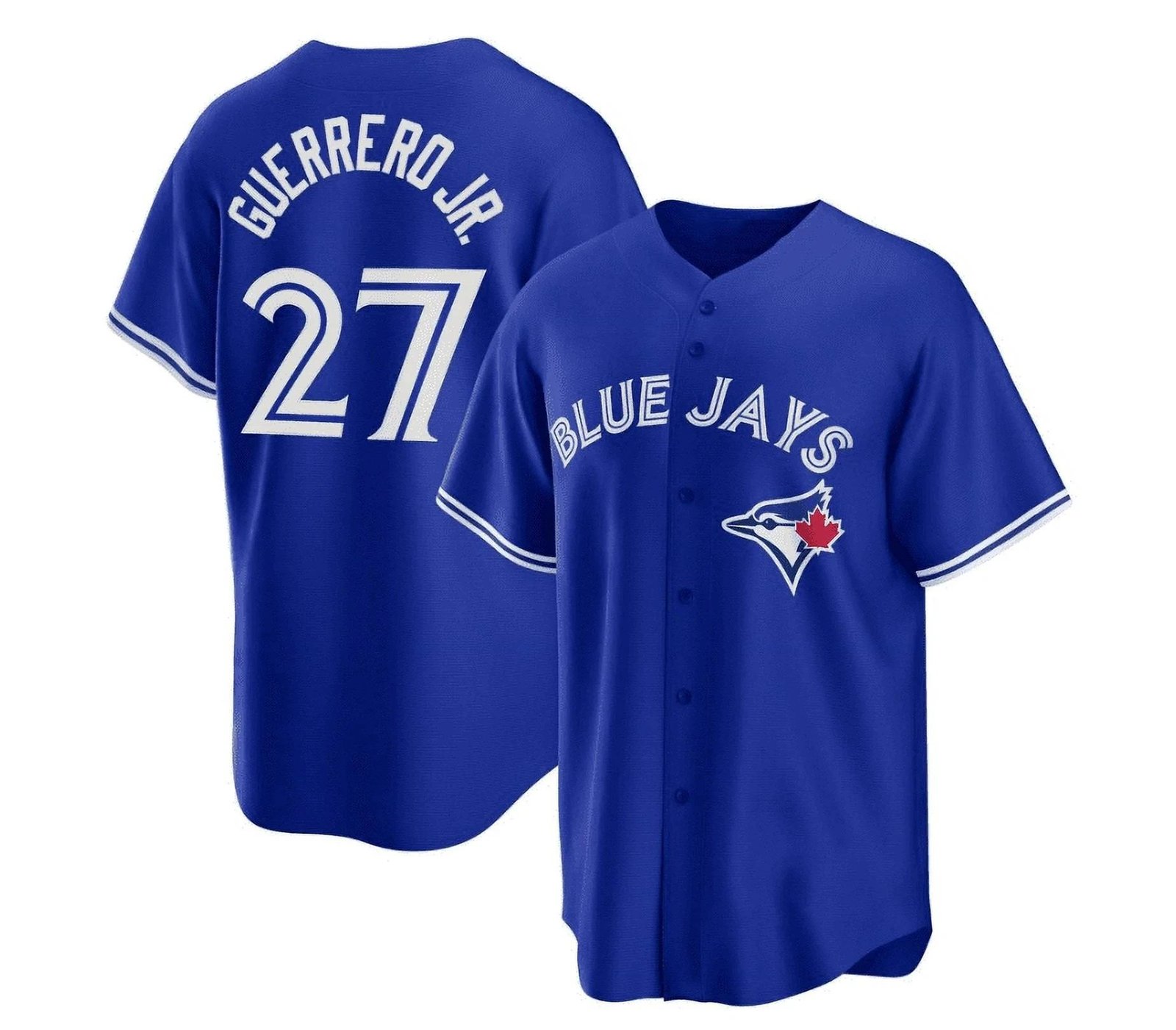
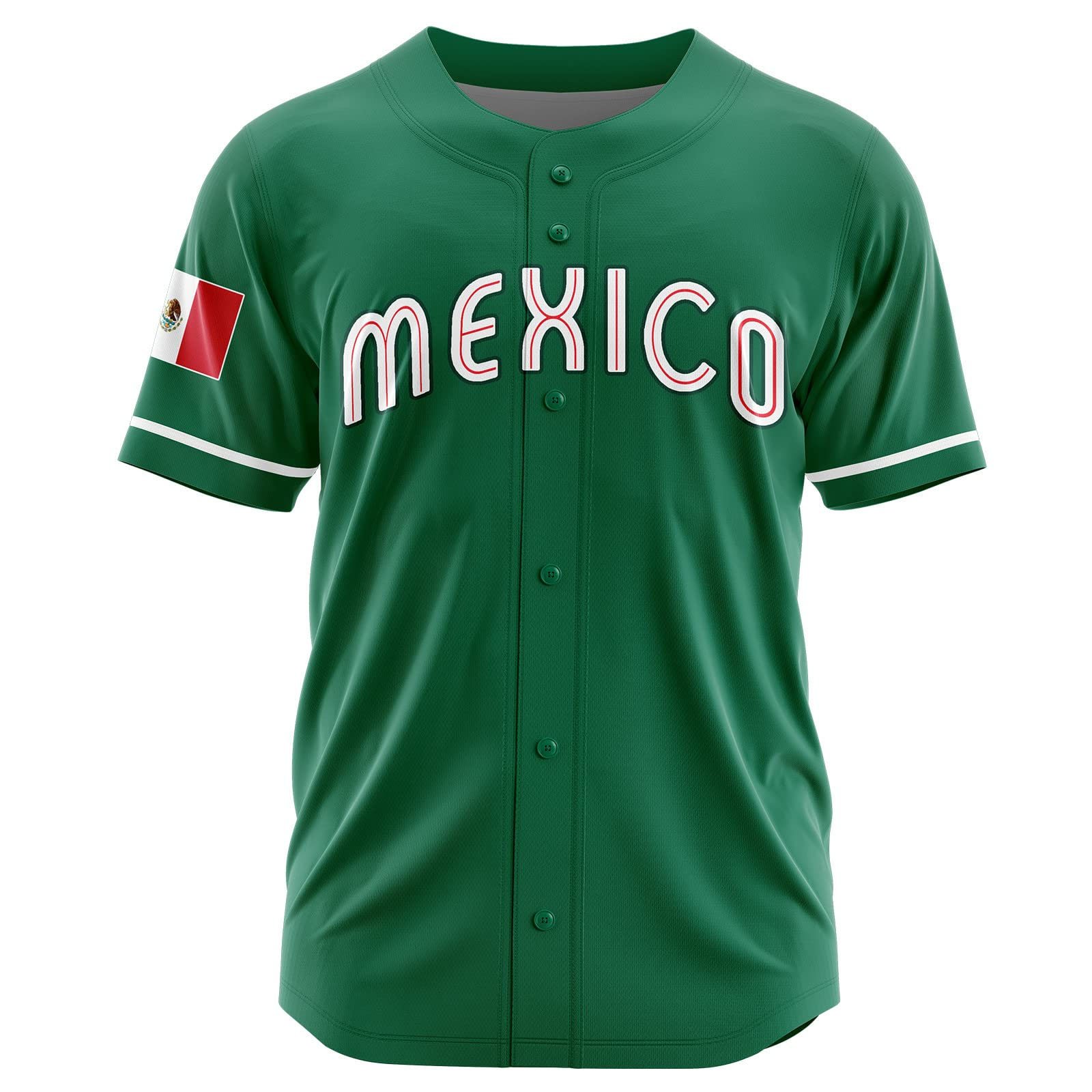
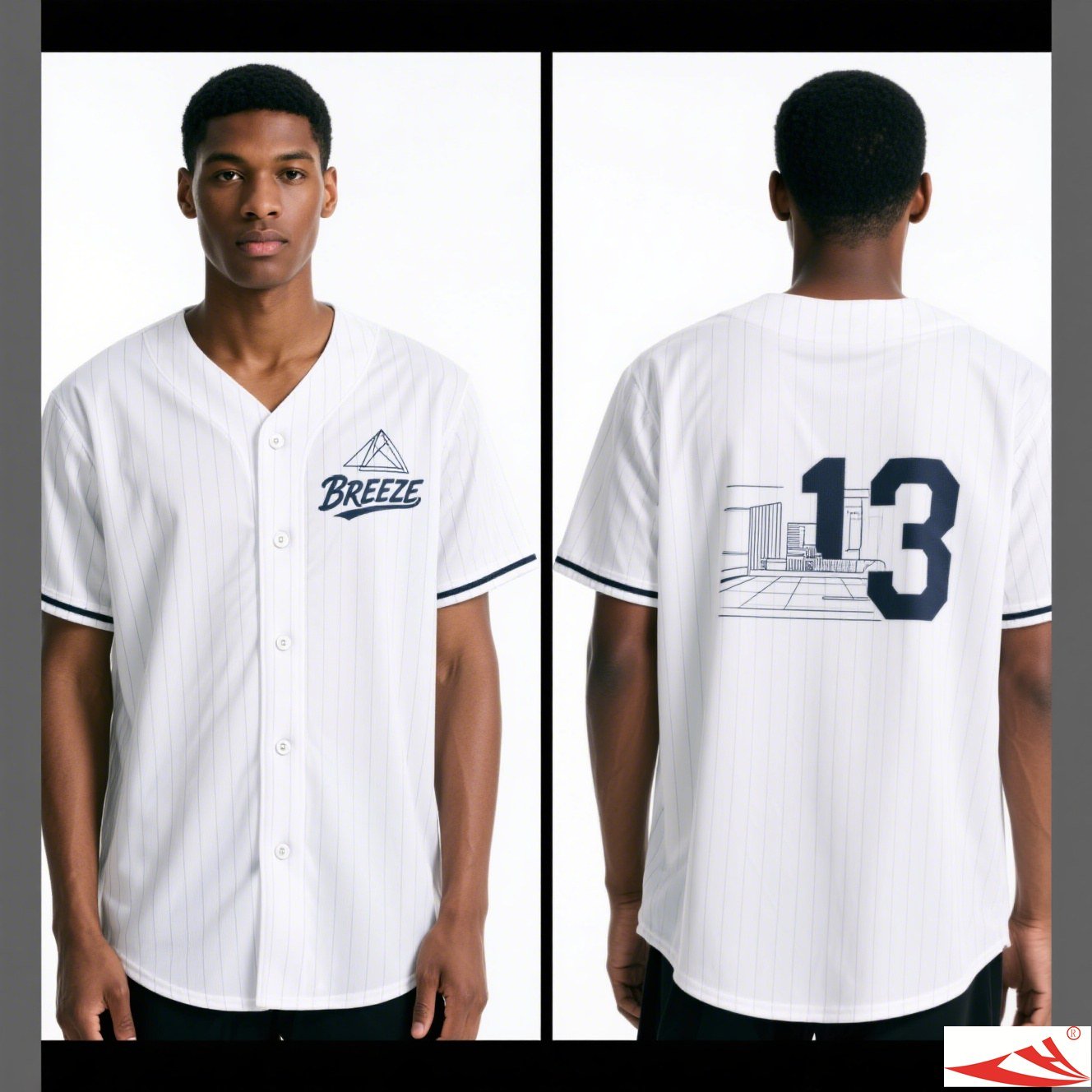
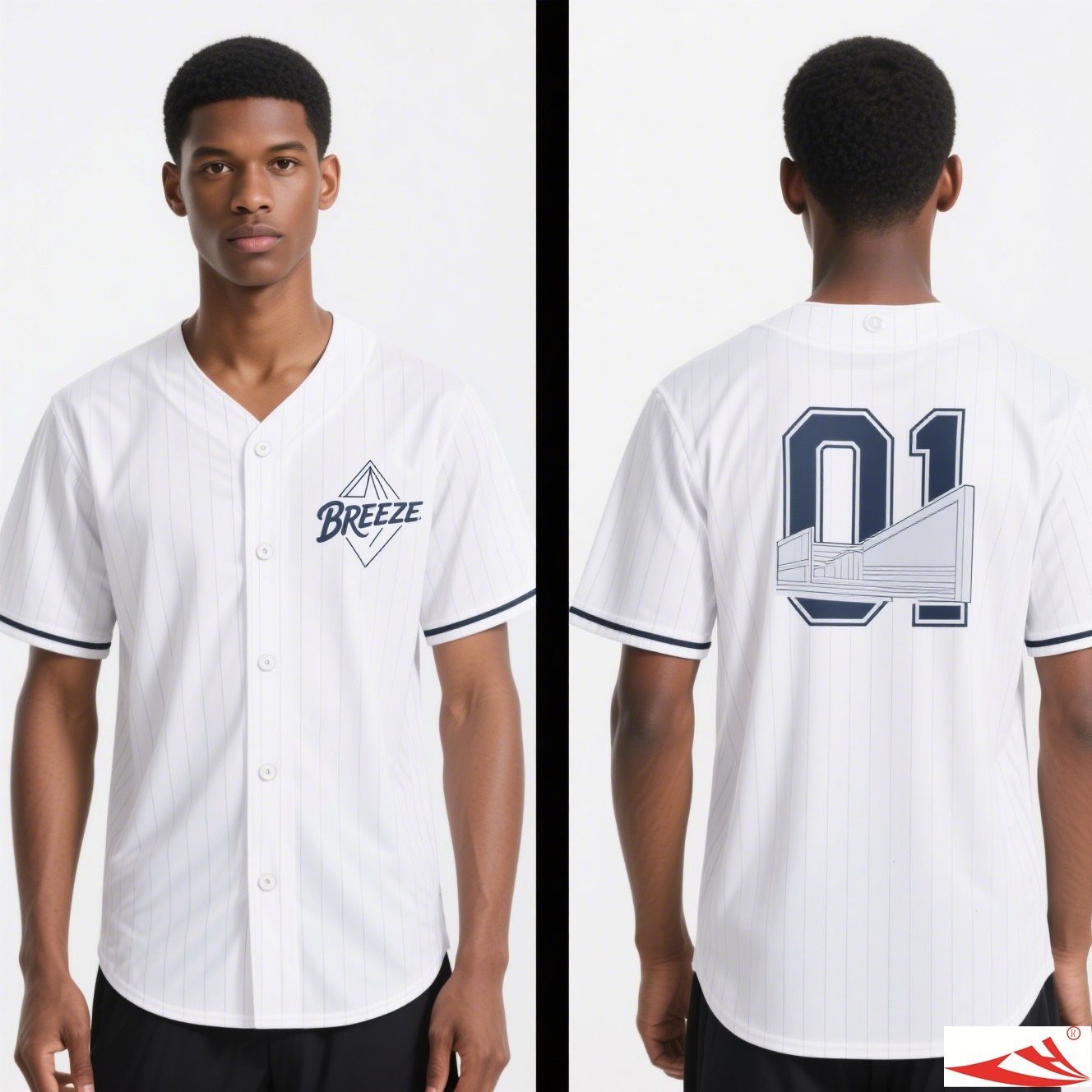
Why Choose Our Wholesale Shorts
5-Step QC Guarantee
Every wholesale shorts order undergoes materials, cutting, craft, sewing, and finished-product quality testing to eliminate defects before shipment.
Low MOQ from 50 Pieces
Launch your shorts line without massive inventory risk. We support fashion startups and emerging brands with accessible minimum order quantities.
7-Day Sample Turnaround
Get your wholesale shorts samples fast. Our in-house team delivers prototypes in one week so you can validate designs quickly.
In-House Design Team
Access 15 R&D specialists and 10 patents. We bring streetwear expertise and trend-driven design support to every wholesale shorts project.
Global Shipping & Logistics
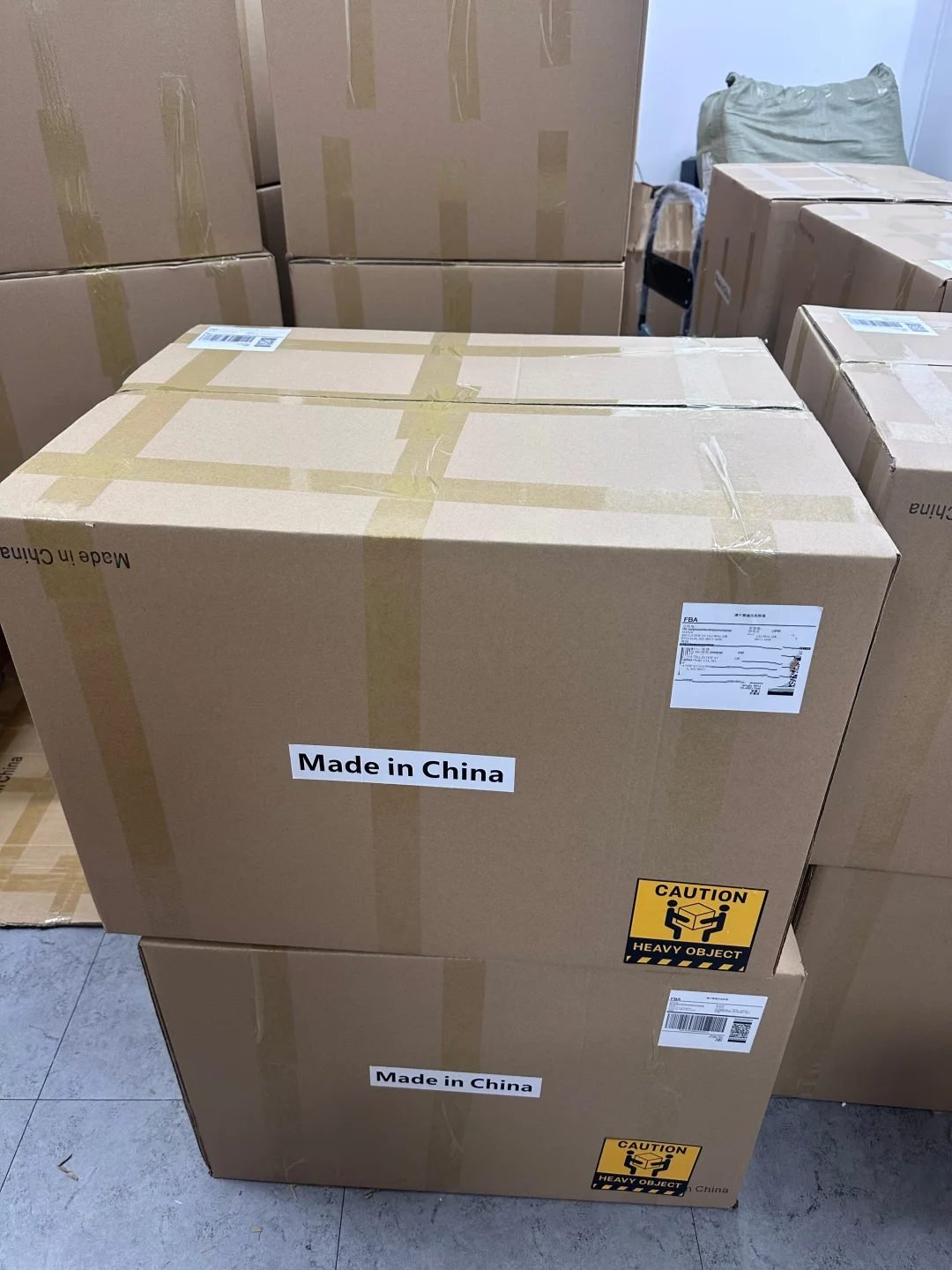
Serving customers in over 100 countries with transparent customs, freight forwarding, and delivery tracking for every wholesale shorts order.
Streetwear Expertise Since 2019
Six years specializing in streetwear production. We understand the culture, design elements, and quality expectations of trendy brands worldwide.
Wholesale Shorts for Every Streetwear Vision
From athletic cuts to oversized silhouettes, we manufacture wholesale shorts across every category—each backed by our 5-step QC guarantee and low MOQ flexibility for emerging brands.
Classic Athletic Shorts
Fitness and athleisure brands need breathable, performance-ready wholesale shorts with consistent sizing and durability, but struggle to find manufacturers who maintain quality across large production runs.
We produce moisture-wicking athletic shorts with reinforced stitching and precision cutting QC, ensuring every pair meets performance standards—perfect for gym wear lines and activewear collections.
Cargo & Utility Shorts
Streetwear brands want functional cargo shorts with multiple pockets and hardware details, but face production delays and inconsistent pocket placement from suppliers unfamiliar with utility design.
Our team specializes in multi-pocket cargo wholesale shorts with custom hardware options, delivering trend-driven utility styles with craft QC testing at every construction stage for flawless execution.
Oversized Streetwear Shorts
Independent designers and influencer brands need bold, oversized wholesale shorts that capture street culture aesthetics, but lack access to manufacturers who understand contemporary streetwear proportions and elements.
Leveraging 6 years of streetwear expertise, we create oversized shorts with drop-crotch cuts, unique prints, and statement details—bringing your vision to life with low MOQ and fast sampling turnaround.
Custom Printed Shorts
Fashion startups require wholesale shorts with custom graphics, all-over prints, or branded elements to stand out, but encounter minimum order barriers and quality issues with print durability and color accuracy.
Our in-house design team and materials QC process ensure vibrant, long-lasting custom prints on wholesale shorts, with low MOQ options that let emerging brands test designs before scaling production.
Premium Fabrics for Wholesale Shorts
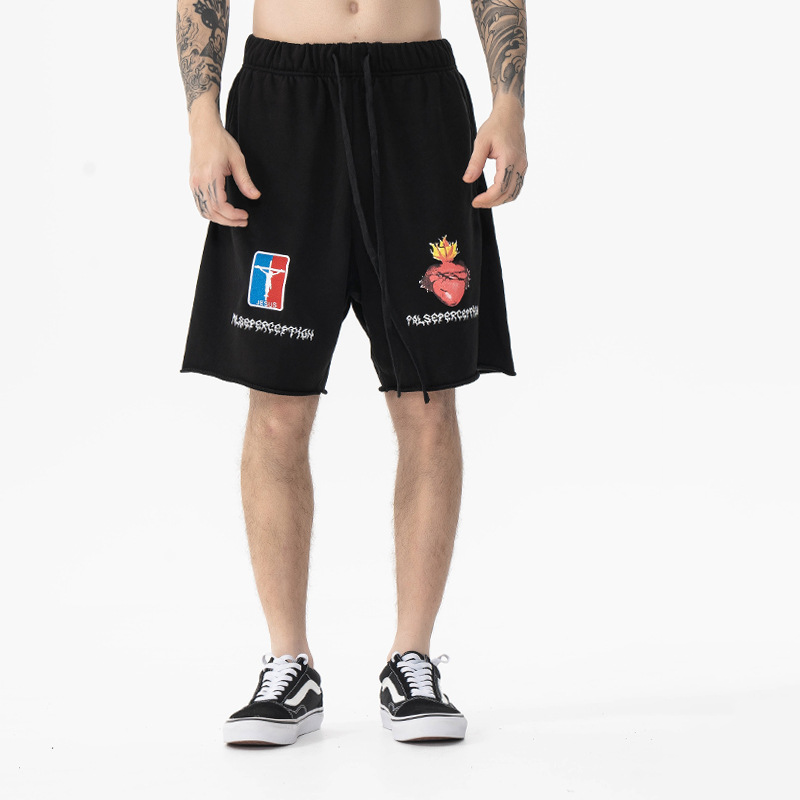
100% Cotton Terry
Soft, absorbent fabric with a looped surface texture. Ideal for casual streetwear shorts and athleisure styles. Medium-weight construction (280–320 GSM) offers breathability and all-day comfort in warm weather.
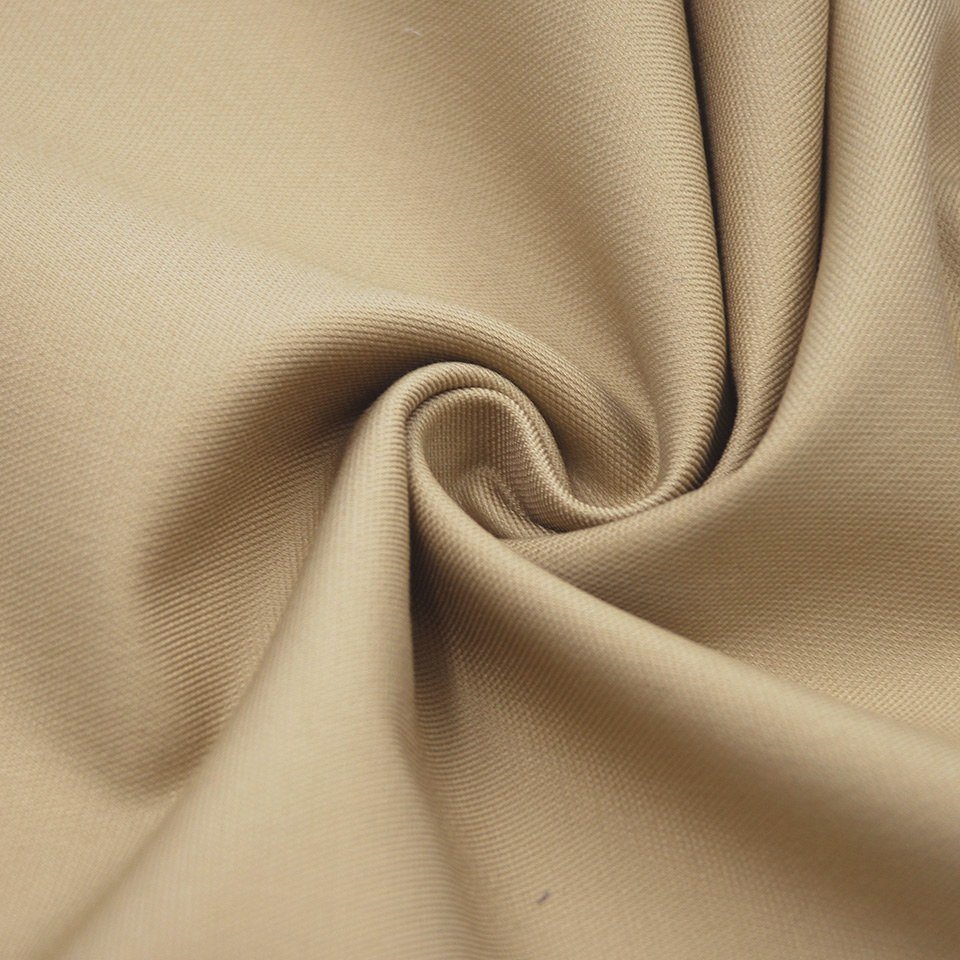
Cotton-Polyester Blend
Balanced blend combining cotton’s natural feel with polyester’s durability and wrinkle resistance. Perfect for everyday wholesale shorts that maintain shape after repeated washing. Typically 65/35 or 80/20 cotton-poly ratio, 240–280 GSM.
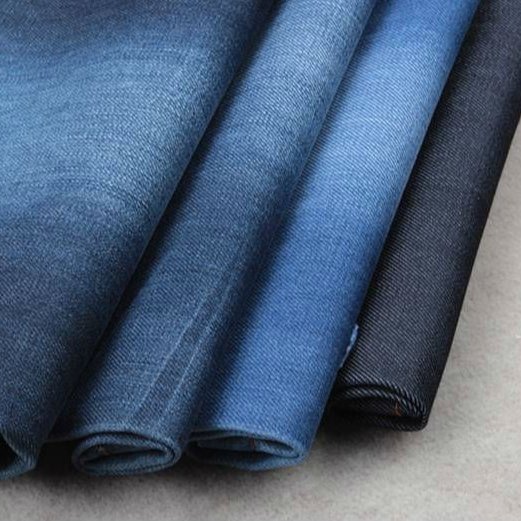
Performance Mesh
Lightweight, breathable knit with open-weave construction for maximum ventilation. Engineered for athletic and activewear shorts requiring moisture-wicking properties. Quick-dry polyester or nylon base, 150–200 GSM.
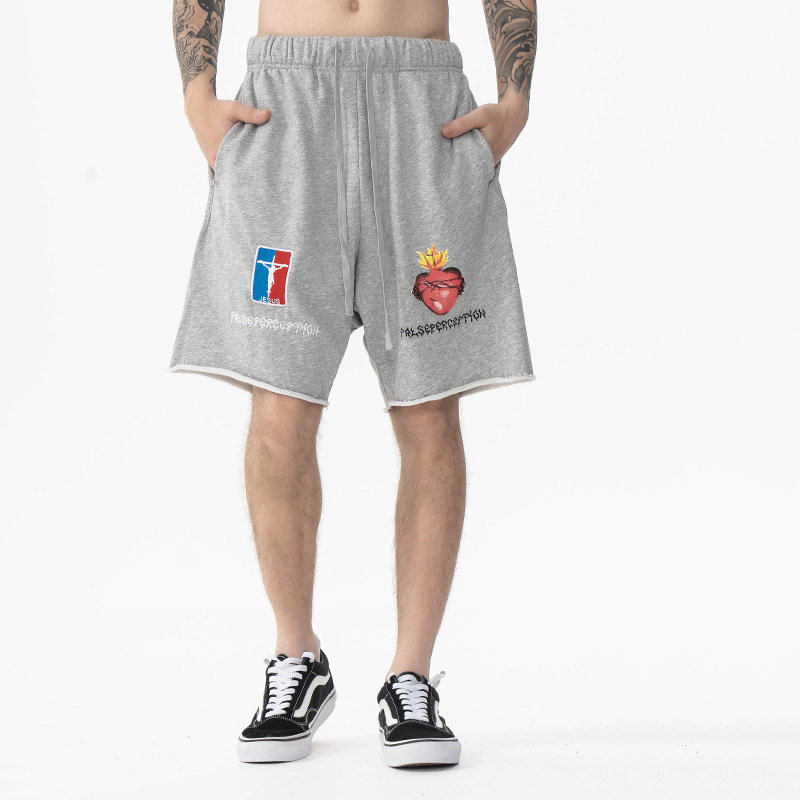
Ripstop Nylon
Durable, tear-resistant woven fabric with reinforced crosshatch pattern. Popular for cargo shorts, tactical streetwear, and outdoor-inspired designs. Water-repellent finish available, lightweight at 180–220 GSM yet highly resilient.
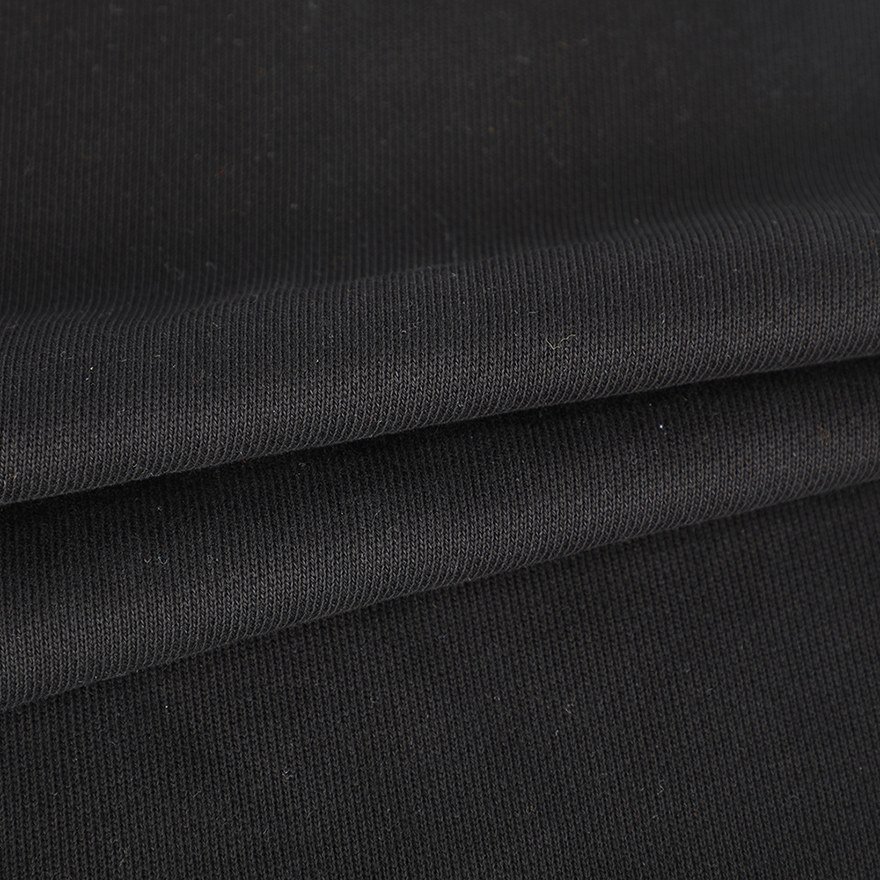
French Terry
Smooth face with soft looped backing, offering comfort without bulk. A go-to for premium streetwear shorts and jogger-style cuts. Mid-weight at 260–300 GSM with excellent drape and four-way stretch options.
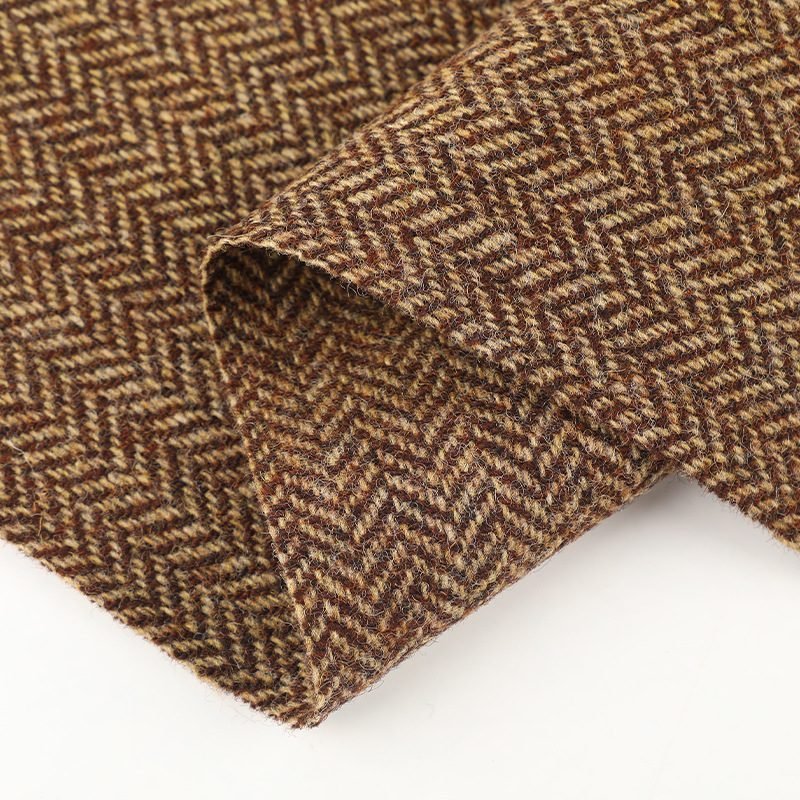
Heavyweight Twill
Dense diagonal-weave cotton or cotton-blend fabric with structured hand-feel. Delivers the durability and premium appearance trendy brands expect in chino-style and workwear-inspired wholesale shorts. 300–340 GSM for lasting quality.
Wholesale Shorts Production Processes
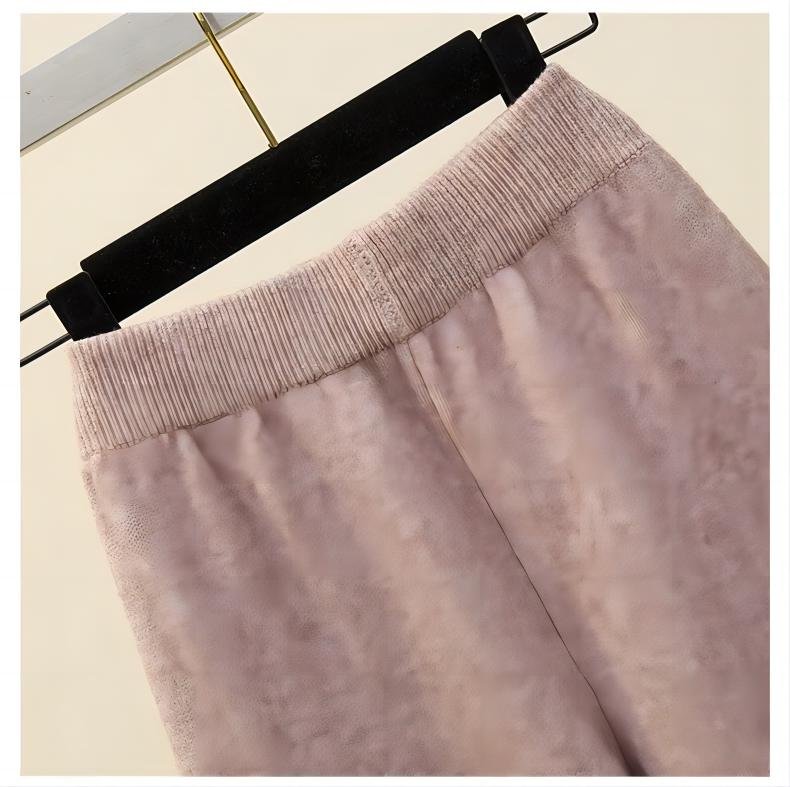
Screen Printing
Bold, vibrant graphics applied with precision color matching and durability. Perfect for large logo placements, graphic panels, and streetwear designs on wholesale shorts. Wash-resistant inks ensure longevity through repeated wear.
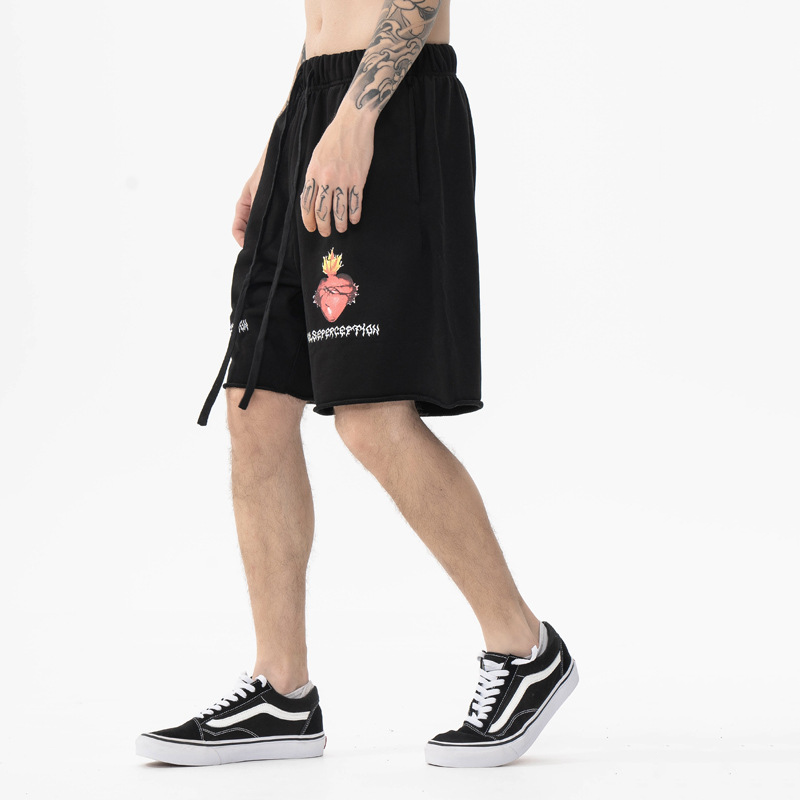
Embroidery
Premium thread work that adds dimension and luxury to your wholesale shorts. Ideal for logos, monograms, and small branding details. Delivers a high-end finish that elevates perceived value and withstands heavy use.
Sublimation Printing
Full-color, all-over patterns infused directly into fabric for seamless, fade-proof designs. Perfect for bold streetwear aesthetics, custom color gradients, and intricate artwork on performance and fashion wholesale shorts without added weight.
Heat Transfer
Crisp, detailed graphics and logos applied with heat-press technology. Excellent for multi-color designs, small-batch customization, and quick turnaround orders. Offers flexibility for seasonal collections and influencer collaborations on wholesale shorts.
Custom Dyeing
Achieve unique colorways and on-trend hues with our garment and fabric dyeing services. From vintage washes to vibrant streetwear tones, custom dyeing lets your wholesale shorts stand out with exclusive color stories.
Woven Labels
High-definition branded labels woven with your logo and care instructions. Adds a professional, finished touch to every pair of wholesale shorts. Durable, soft-hand labels that reinforce brand identity and quality perception.
Hardware & Accessories for Wholesale Shorts
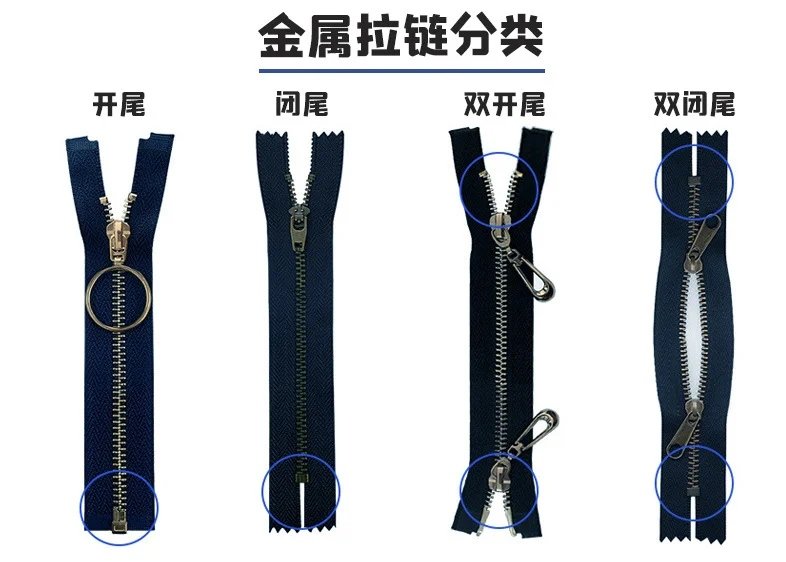
YKK Metal Zippers
Premium-grade YKK zippers for cargo pockets, fly closures, and side details on wholesale shorts. Smooth operation, corrosion-resistant finish, and tested for 10,000+ cycles to ensure long-lasting performance in streetwear collections.
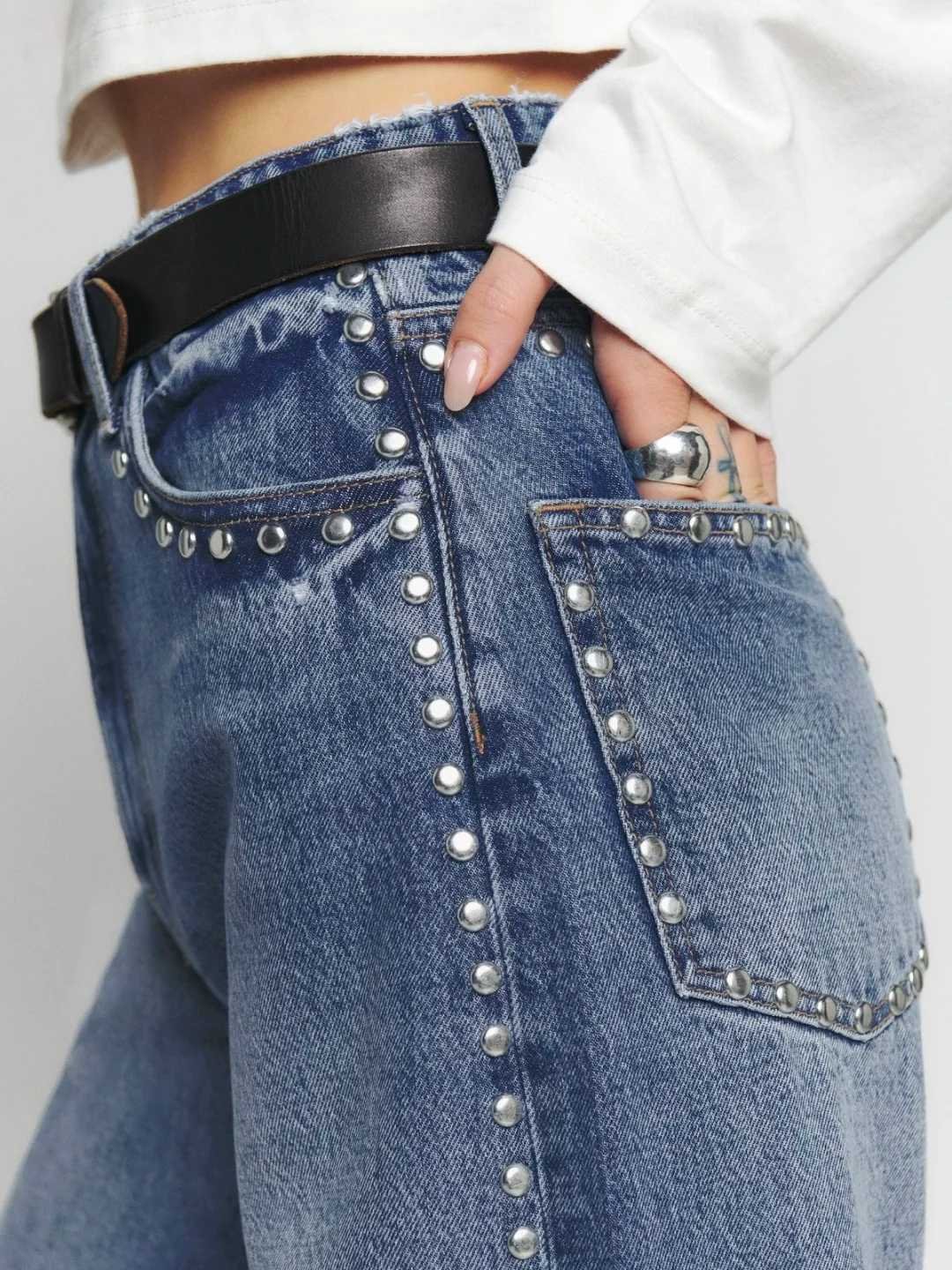
Drawcords & Tipping
Custom-branded drawcords with metal or plastic tipping for adjustable waistbands on wholesale shorts. Available in flat, round, or rope styles with color-matched or contrast options to complement your streetwear aesthetic.
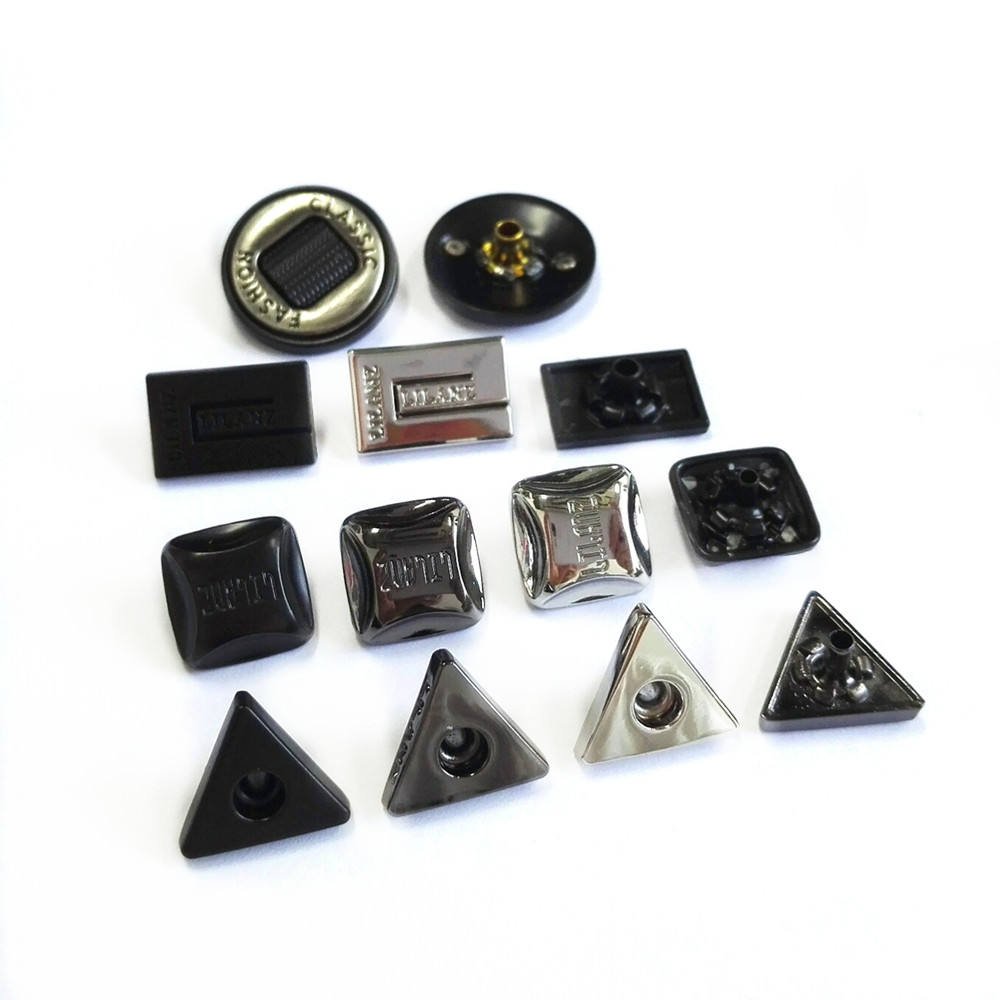
Snap Buttons
Durable metal or resin snap buttons for cargo pockets, waistband adjustments, and decorative details. Engraved or embossed with your logo, these snaps add functional style to wholesale shorts while passing our rigorous pull-test standards.
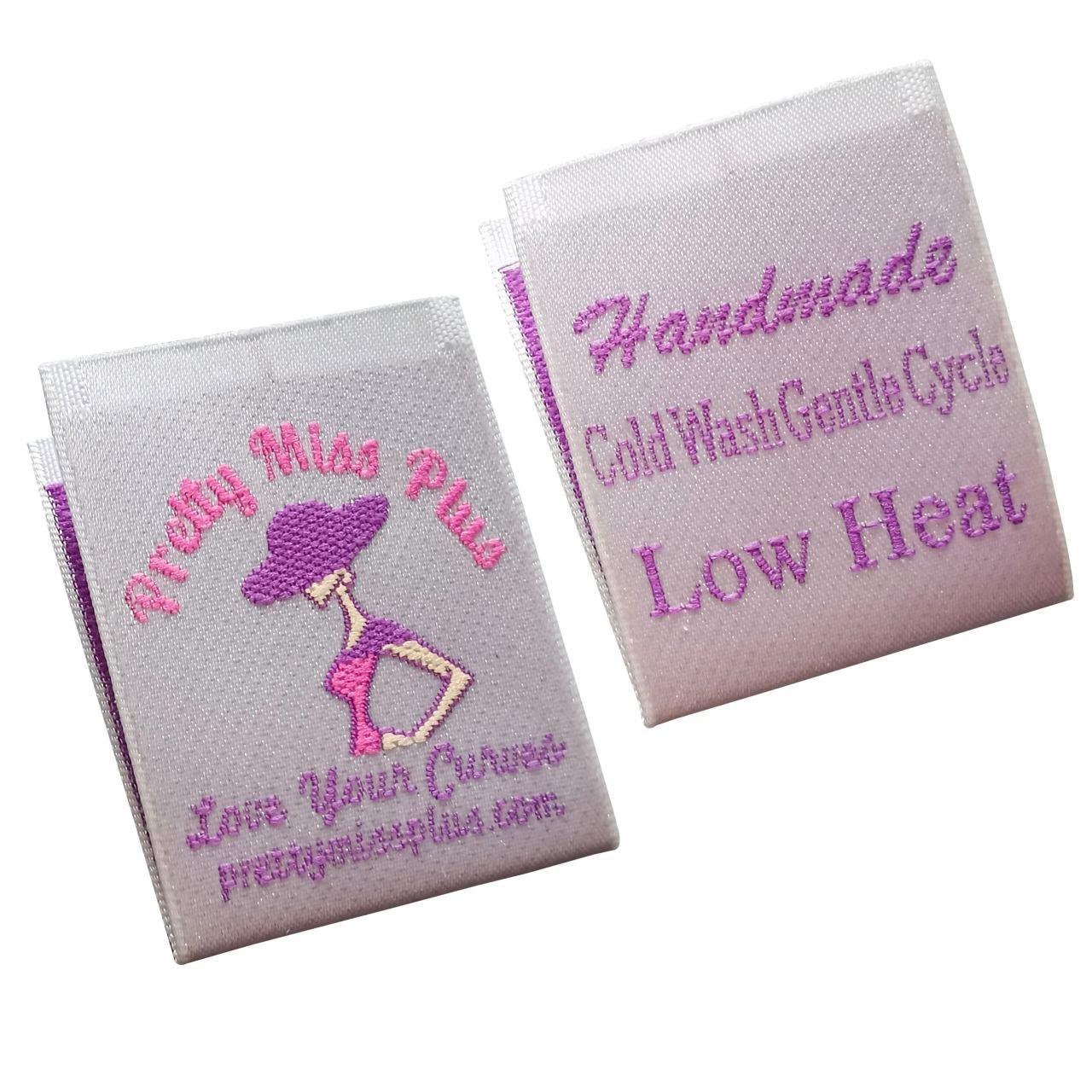
Woven Brand Labels
High-density woven labels for waistbands, side seams, or exterior branding on wholesale shorts. Fade-resistant threads, soft-touch backing, and custom artwork ensure your brand identity stays sharp through countless washes and wears.
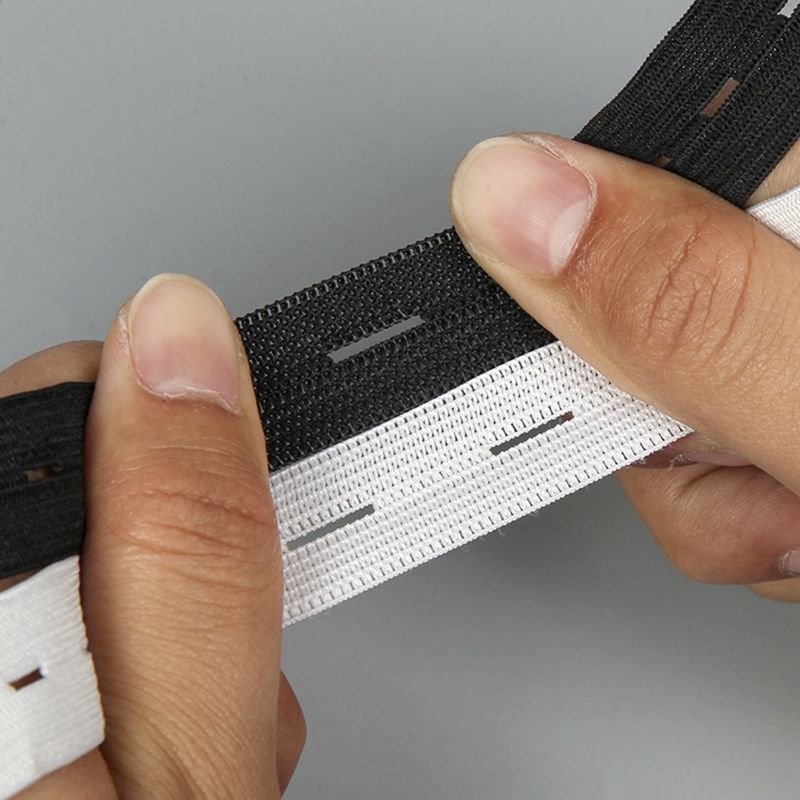
Reinforced Waistband Elastic
Heavy-duty elastic waistbands with multi-needle stitching for wholesale shorts that maintain shape and comfort. Tested for stretch recovery and durability, ideal for athletic shorts, jogger shorts, and high-movement streetwear styles.
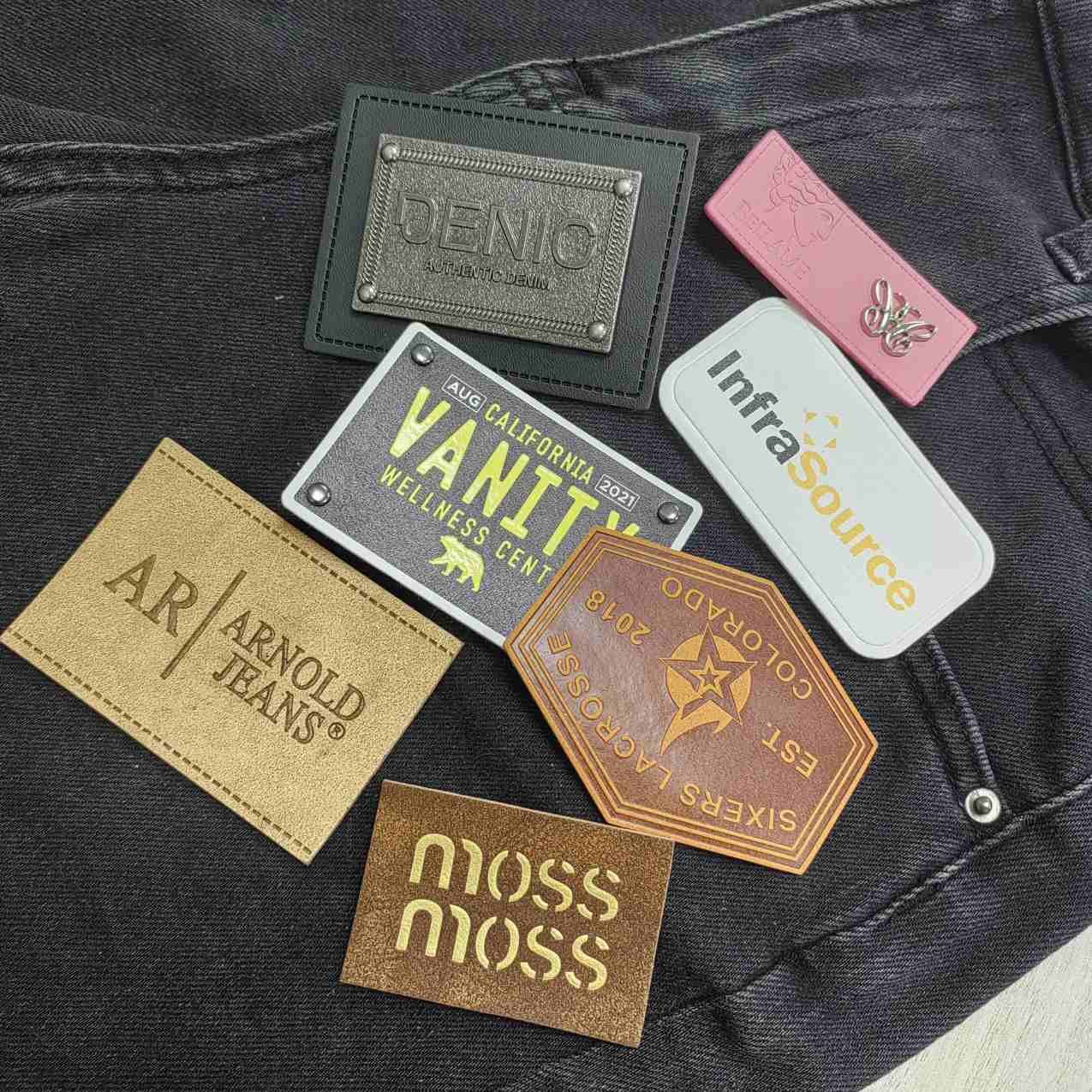
Custom Hangtags
Die-cut hangtags printed on premium cardstock or specialty materials to showcase your brand story and product details. Attached with safety pins, string, or plastic fasteners, hangtags complete the premium presentation of wholesale shorts.
About Clothing Manufacturer Ltd
Founded in 2024 by Tesla Luo, Clothing Manufacturer Ltd brings over 10 years of apparel production expertise and 6 years of specialized streetwear experience to brands worldwide. Born into a garment manufacturing family, Luo worked every production role from cutting to quality control before launching his own venture. Our mission is to restore trust in Chinese manufacturing by eliminating low-quality products through rigorous testing at every stage.
We serve trendy brands, fashion startups, independent designers, and global retailers across 100+ countries with wholesale shorts and streetwear that meet exacting standards. Our 15-member R&D team and 10 patents support low MOQ orders, fast seasonal turnarounds, and scalable production for brands at every growth stage. Unlike factories that skip mid-production checks, we implement quality control from materials selection through final packaging.
Backed by the infrastructure of Dongguan TuoZhen Clothing Co., Ltd., we combine the agility of a streetwear specialist with the capacity of an established operation. Every wholesale shorts order undergoes our proprietary 5-step QC guarantee, ensuring your brand receives premium craftsmanship, trend-driven designs, and zero-compromise quality that builds customer loyalty and protects your reputation.
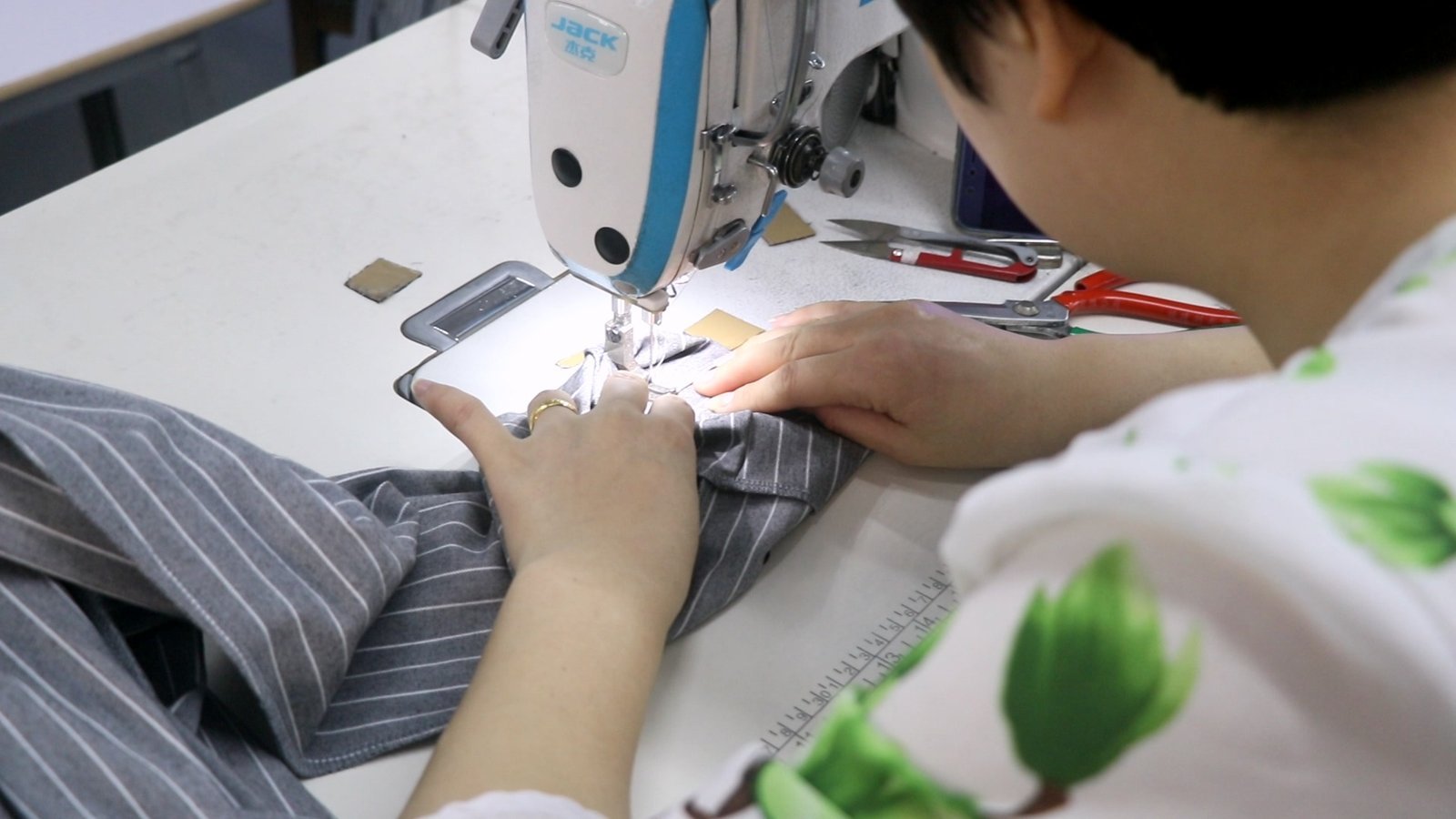
Our 5-Step Quality Control Process for Wholesale Shorts
Materials QC Testing
Before cutting begins, every fabric roll and trim component for your wholesale shorts undergoes rigorous inspection. We verify weight, color consistency, stretch recovery, and durability to ensure only premium materials enter production, eliminating defects at the source.
- Fabric weight and composition verification against specifications
- Colorfastness and dye consistency testing across all rolls
- Stretch, recovery, and tear-resistance evaluation for performance fabrics
- Trim and hardware inspection for zippers, drawstrings, and elastics
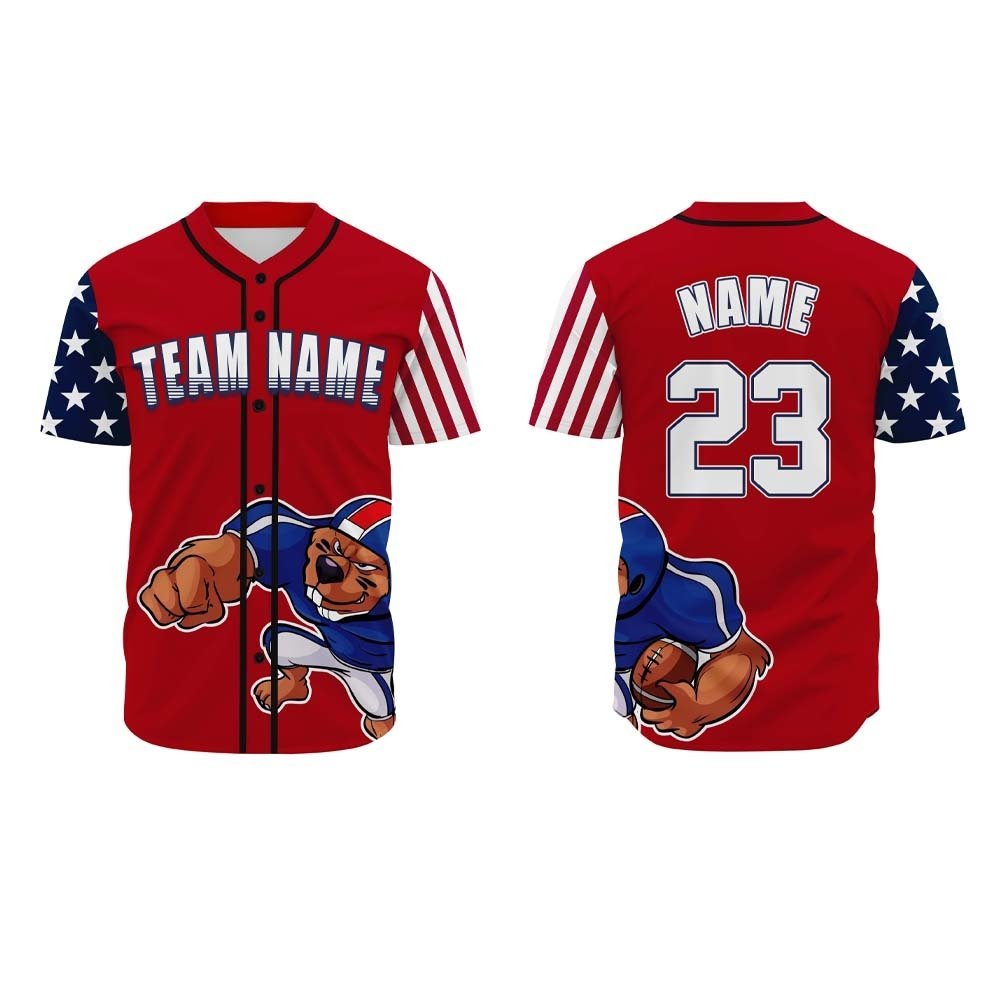
Cutting QC Testing
Precision cutting is critical for fit and consistency. Our QC team inspects pattern alignment, grain direction, and piece accuracy immediately after cutting. This step prevents sizing errors and fabric waste, ensuring every panel meets exact specifications before sewing begins.
- Pattern accuracy and size tolerance checks on cut pieces
- Grain line and fabric direction verification for consistent drape
- Matching of stripe, plaid, and print patterns across panels
- Identification and removal of fabric flaws before assembly
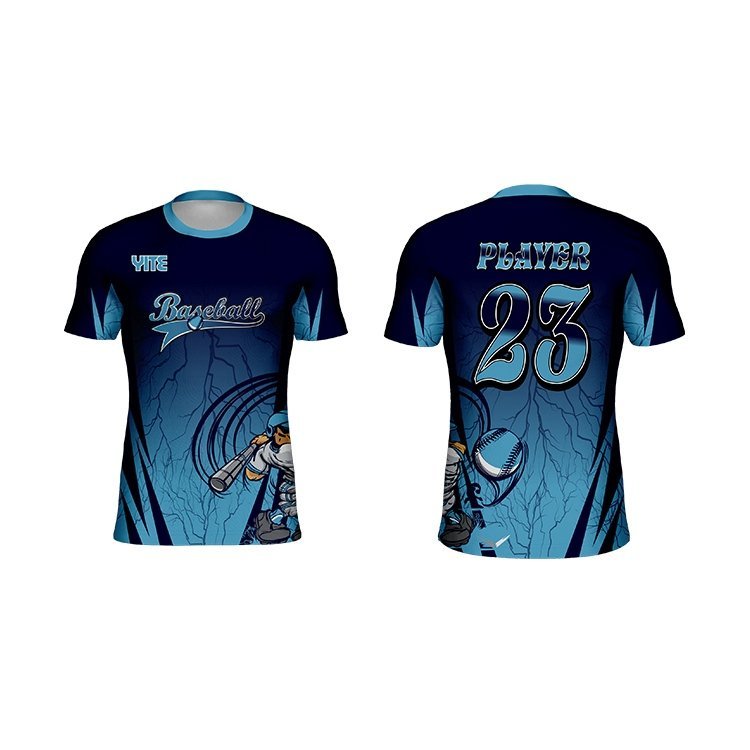
Clothing Craft & Sewing Production QC
During assembly, our inspectors monitor stitch quality, seam strength, and construction techniques in real time. Unlike factories that skip mid-production checks, we catch and correct issues immediately—ensuring proper inseam construction, waistband alignment, and pocket placement on every pair of wholesale shorts.
- Stitch density, tension, and seam strength testing during production
- Waistband, pocket, and fly construction verification at each station
- Real-time correction of sewing defects before garments progress
- Dimensional stability checks to maintain size consistency across batches
Finished Clothing Quality Inspection
Every completed pair of wholesale shorts undergoes a comprehensive final inspection covering measurements, appearance, functionality, and packaging readiness. This final gate ensures only garments that meet our zero-compromise standards and your brand specifications leave our facility.
- Full measurement audit against approved size specs and tolerances
- Visual inspection for loose threads, stains, and finishing flaws
- Functional testing of zippers, buttons, drawstrings, and closures
- Packaging and labeling verification before shipment authorization
Why Brands Choose Us Over Other Wholesale Shorts Suppliers
Not all wholesale shorts manufacturers are created equal. We combine rigorous quality control, design expertise, and flexible production to deliver results that typical low-cost suppliers simply can’t match.
← 左右滑动查看 →
From Order to Delivery: Our Wholesale Shorts Production Timeline
Every wholesale shorts order follows our systematic six-phase process, ensuring quality control at each stage and predictable lead times for your seasonal launches.
Tech Pack Review
Our design team reviews your specifications, confirms fabric choices, trims, and sizing, then creates detailed production blueprints for your wholesale shorts order.
Sampling & Approval
We produce pre-production samples with your exact materials and construction methods. You approve fit, finish, and details before bulk manufacturing begins.
Fabric Cutting & Prep
After approval, fabrics undergo our cutting QC testing. Patterns are precisely cut, sorted by size, and prepared for the sewing production line.
Sewing & In-Line QC
Skilled operators assemble your wholesale shorts while our 5-step quality control process monitors stitching, measurements, and craftsmanship throughout every production stage.
Finishing & Final Inspection
Completed shorts undergo finished clothing quality inspection, then move to ironing, folding, tagging, and packaging according to your brand’s presentation standards.
Shipping & Logistics
We coordinate global freight, handle customs documentation, and provide tracking so your wholesale shorts arrive on schedule for your product launch.
How to Order Wholesale Shorts
From your first inquiry to global delivery, our streamlined process ensures your wholesale shorts meet every quality standard and deadline.
Submit Your Tech Pack
Share your design specifications, fabric preferences, and quantity requirements. Our team reviews your wholesale shorts project and confirms all technical details within 24 hours.
Receive Quote and Sample
Get transparent pricing with no hidden fees. Approve your sample to ensure fit, fabric quality, and construction meet your brand standards before bulk production begins.
Approve Bulk Production Run
Confirm your order quantity and timeline. We schedule your wholesale shorts production and assign a dedicated account manager to oversee every stage of manufacturing.
Production with 5-Step QC
Your shorts move through materials testing, cutting inspection, craft verification, sewing checks, and final quality control—ensuring zero defects reach your warehouse.
Global Shipment and Delivery
We handle customs documentation, logistics coordination, and tracking. Your wholesale shorts arrive on schedule, ready for your sales channels or distribution network.
Certified Wholesale Shorts Manufacturing You Can Trust
Wholesale Shorts Success Stories from Our Partners
We scaled our wholesale shorts line from 500 to 4,200 units in just 7 months. The 5-step QC process kept our defect rate under 0.8%, and customers noticed the quality immediately. Game changer for our brand.
As a startup, we needed low MOQ and fast turnaround. Clothing Manufacturer delivered 3 seasonal wholesale shorts collections on time, every time. Their streetwear expertise showed in every detail—from fabric choice to finishing.
We’ve worked with 6 manufacturers before finding Clothing Manufacturer Ltd. Their wholesale shorts quality is unmatched—zero compromises. We went from 12% return rate to under 2% in one production cycle. Worth every penny.
Wholesale Shorts: Frequently Asked Questions
What is the minimum order quantity for wholesale shorts?
How long does production take for wholesale shorts orders?
Do you offer sampling before bulk wholesale shorts production?
What payment terms do you accept for wholesale shorts orders?
What shipping options are available for wholesale shorts?
How do you protect my designs and intellectual property?
What customization options are available for wholesale shorts?
Do you offer volume discounts on wholesale shorts pricing?
How does your 5-step quality control process apply to wholesale shorts?
The Complete Buyer’s Guide to Wholesale Shorts for Your Brand
Navigate the wholesale shorts landscape with confidence. This guide delivers a proven decision framework, essential supplier criteria, quality benchmarks, and the most common mistakes to avoid when sourcing shorts for your streetwear, fashion startup, or retail brand.
1. What Are Wholesale Shorts?
Wholesale shorts are garments purchased in bulk from manufacturers or distributors at discounted per-unit rates, then resold by brands, retailers, and designers under their own labels or through retail channels. Typical minimum order quantities (MOQs) range from 50 to 500 pieces per style and colorway, though specialized streetwear manufacturers like Clothing Manufacturer Ltd. offer flexible minimums for fashion startups and independent designers. The wholesale pricing model delivers unit costs 40–70% below retail, enabling brands to maintain healthy margins while remaining competitive in global markets.
The fundamental difference between wholesale and retail lies in volume commitment and pricing structure. Retail customers purchase individual units at marked-up prices that cover overhead, marketing, and profit margins, while wholesale buyers commit to bulk orders and receive factory-direct pricing that reflects raw material costs, labor, and manufacturing overhead. A pair of streetwear shorts retailing at $45–60 typically costs brands $12–22 wholesale, depending on fabric quality, customization complexity, and order volume.
Brands source wholesale shorts instead of building in-house production to avoid capital expenditure on machinery, skilled labor recruitment, quality control infrastructure, and supply chain management. Establishing a garment factory requires $100,000–500,000 in upfront investment and 10+ years of production expertise to achieve consistent quality. Partnering with experienced manufacturers grants streetwear labels, fashion startups, influencer brands, and global retailers immediate access to proven five-step QC processes, R&D teams, patented production methods, and scalable capacity across 100+ countries without fixed-cost burden.
2. The Evolution of Shorts in Fashion and Wholesale
Shorts originated in military and athletic contexts during the early 20th century, when British colonial forces and track athletes adopted knee-length garments for tropical climates and physical performance. By the 1940s, sportswear brands began producing cotton twill shorts for recreational wear, but wholesale production remained limited to regional suppliers serving sporting-goods retailers and school uniform contracts.
The 1990s marked a watershed moment when basketball shorts—inspired by the baggy silhouettes worn by NBA players—entered streetwear culture and drove the first wave of large-scale wholesale demand. Manufacturers in Asia scaled production to meet orders from athletic brands and independent retailers, establishing MOQs of 500–1,000 pieces per colorway and 45–60 day lead times as industry standards. Cargo shorts surged in the early 2000s, fueled by hip-hop aesthetics and utility-driven design, prompting wholesale suppliers to invest in multi-pocket construction techniques and ripstop fabrics.
Since 2015, the wholesale shorts market has shifted toward tailored cuts, technical fabrics such as moisture-wicking polyester blends and four-way stretch nylon, and hybrid designs that bridge athletic and casual categories. Streetwear’s global influence—rooted in skateboarding, graffiti, and hip-hop—has driven demand for bold graphics, oversized fits, and premium finishes including screen-printed motifs and embroidered patches. Concurrently, the rise of fashion startups and influencer brands has pressured manufacturers to offer low-MOQ options (50–200 pieces), faster turnarounds (15–30 days), and flexible customization, reshaping the traditional wholesale model that once required high-volume commitments and long production cycles.
3. Types of Wholesale Shorts for Every Brand
Wholesale shorts span seven distinct categories, each serving specific customer needs and brand positioning strategies. Understanding fit, fabric, and target demographics for athletic, cargo, denim, tailored, sweat, board, and bike shorts enables brands to align product assortments with market demand and cultural trends.
Athletic and Performance Shorts
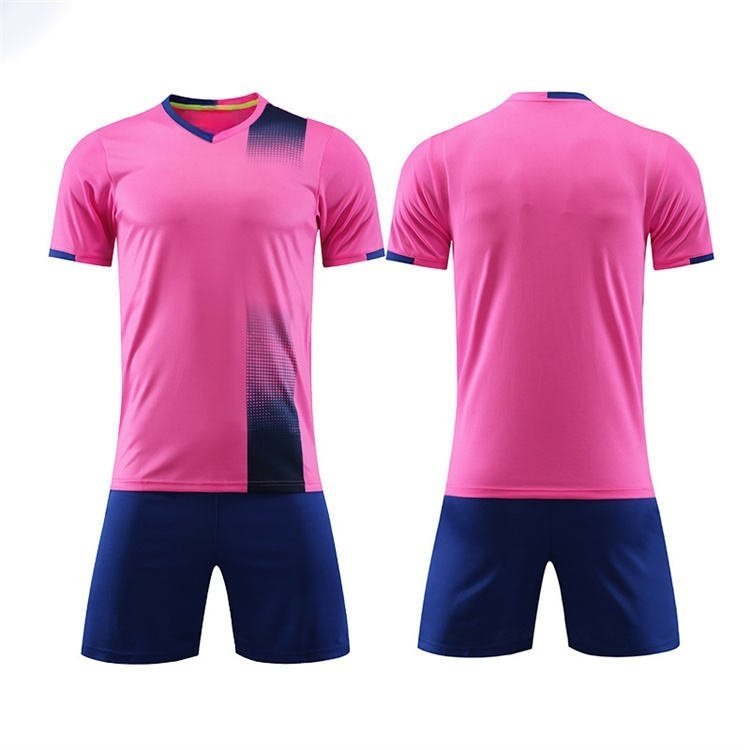
Mesh polyester and moisture-wicking blends dominate athletic shorts, typically weighing 120–180 GSM for breathability during high-intensity activity. Inseams range from 5 to 9 inches, with elastic waistbands and internal drawcords for secure fit.
Gym-goers, runners, and team sports customers prioritize quick-dry fabrics and side pockets for essentials. Brands position these as technical apparel for active lifestyles, often incorporating reflective trims and branded elastic waistbands.
Cargo Shorts
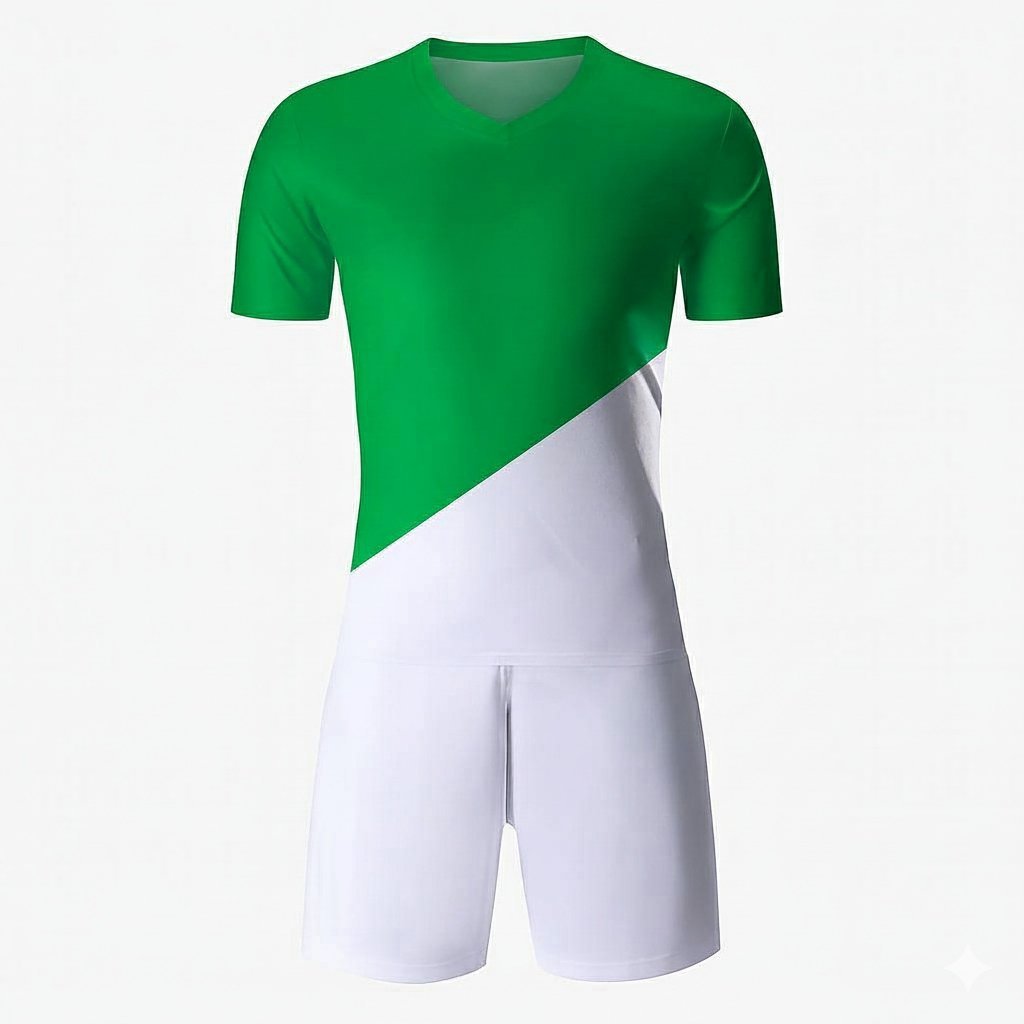
Cargo shorts feature oversized utility pockets on the thigh, constructed from cotton twill or ripstop fabrics in 200–280 GSM weights. Streetwear brands favor relaxed fits with 11- to 13-inch inseams and adjustable waist tabs.
Young streetwear consumers and skate culture enthusiasts drive demand for cargo silhouettes. Brands leverage military-inspired details and bold color blocking to align with urban fashion trends and self-expression.
Denim Shorts
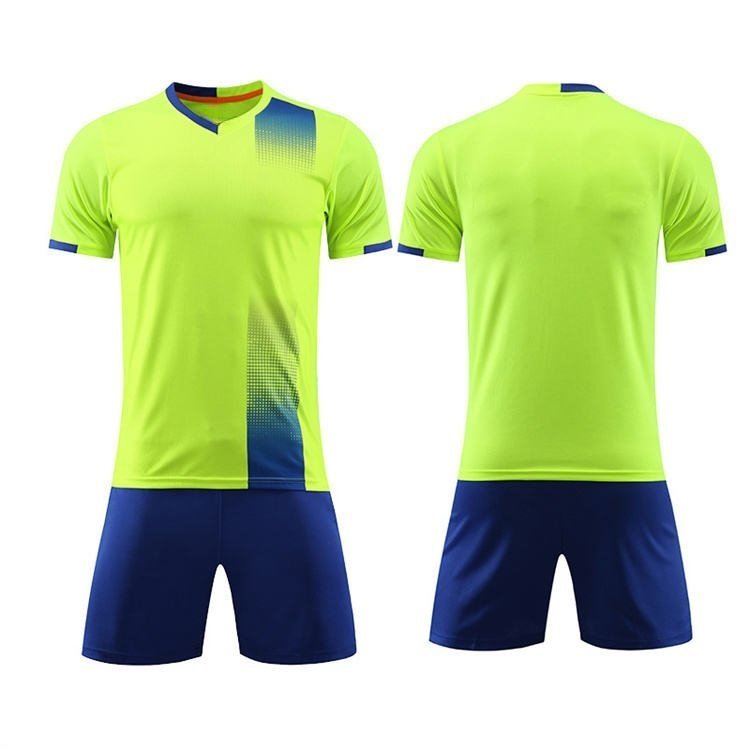
Denim shorts use 10–14 oz cotton denim with stone-wash, acid-wash, or distressed finishes. Five-pocket construction and frayed hems define casual summer styles, with inseams from 3 to 7 inches.
Fashion-forward consumers and festival-goers seek denim shorts for versatile warm-weather wardrobes. Brands position these as timeless essentials with seasonal washes and vintage-inspired detailing.
Tailored and Chino Shorts
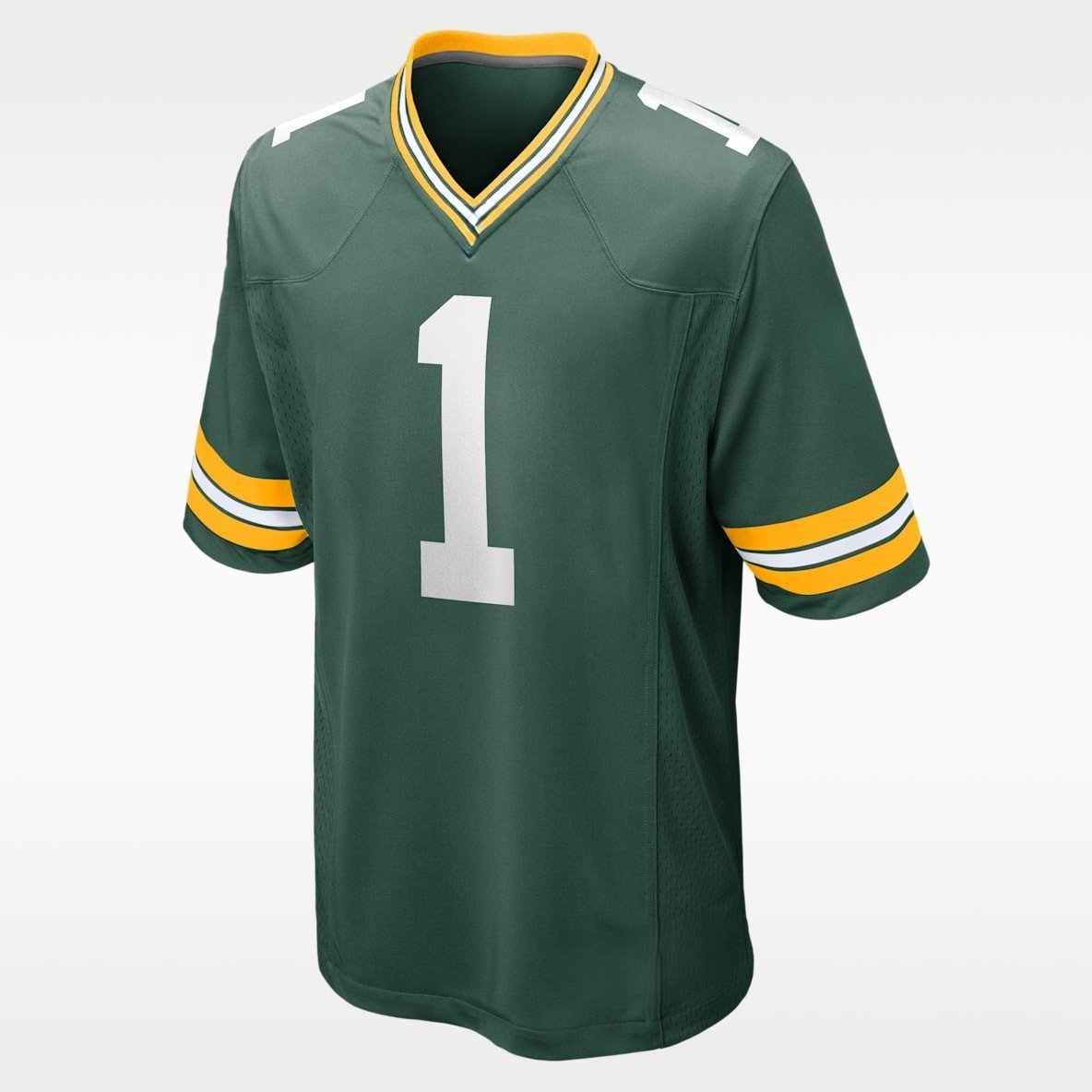
Chino shorts employ cotton twill or stretch blends in 200–240 GSM, featuring flat-front or pleated constructions with 9- to 11-inch inseams. Belt loops, zip fly, and welt pockets deliver smart-casual aesthetics.
Professionals and preppy lifestyle customers wear chino shorts for business-casual and resort settings. Brands emphasize clean lines and neutral palettes to bridge formal and leisure occasions.
4. Materials and Fabrics for Wholesale Shorts
Fabric selection determines breathability, durability, cost, and lead time for wholesale shorts. Each material serves distinct use cases — athletic brands prioritize moisture-wicking polyester, streetwear labels favor cotton blends, and swim lines require quick-dry nylon. Understanding GSM ranges and fabric properties ensures your order aligns with brand positioning and budget.
| Fabric Type | GSM Range | Breathability | Durability | Cost Tier | Ideal Use Case |
|---|---|---|---|---|---|
| Cotton (100%) | 180–260 | High | Medium | Mid | Streetwear, casual, everyday |
| Polyester (100%) | 140–220 | Medium | High | Low–Mid | Athletic, activewear, moisture-wicking |
| Nylon | 100–180 | Medium | High | Mid–High | Swim, running, quick-dry |
| Spandex/Elastane Blend | 200–280 | High | Medium–High | Mid–High | Yoga, cycling, stretch comfort |
| Denim (rigid) | 280–340 | Low | Very High | Mid | Streetwear, workwear, classic |
| Denim (stretch) | 260–320 | Low–Medium | High | Mid–High | Streetwear, fashion, comfort fit |
| Technical (ripstop, performance) | 120–200 | High | Very High | High | Outdoor, tactical, performance |
5. Customization and Decoration Options for Wholesale Shorts
Decoration transforms wholesale shorts from blank canvases into branded products that command higher retail prices and stronger customer loyalty. Each customization method carries distinct cost structures, durability profiles, and minimum order requirements that directly impact your production timeline and margins. Selecting the right technique depends on your design complexity, fabric type, order volume, and target aesthetic.
| Decoration Method | Setup Cost | Per-Unit Cost | Durability | Minimum Order |
|---|---|---|---|---|
| Screen Printing | $15–$50/color | $0.50–$2.00 | 50+ washes | 100+ units |
| Embroidery | $20–$75 digitizing | $1.50–$5.00 | Permanent | 50+ units |
| Heat Transfer | $0 | $2.00–$6.00 | 20–30 washes | 12+ units |
| Dye Sublimation | $0–$25 | $4.00–$10.00 | Permanent | 25+ units |
| Appliqué/Patches | $0.50–$3.00/patch | $1.00–$2.00 application | Excellent | 50+ units |
Screen Printing for Bold Graphics
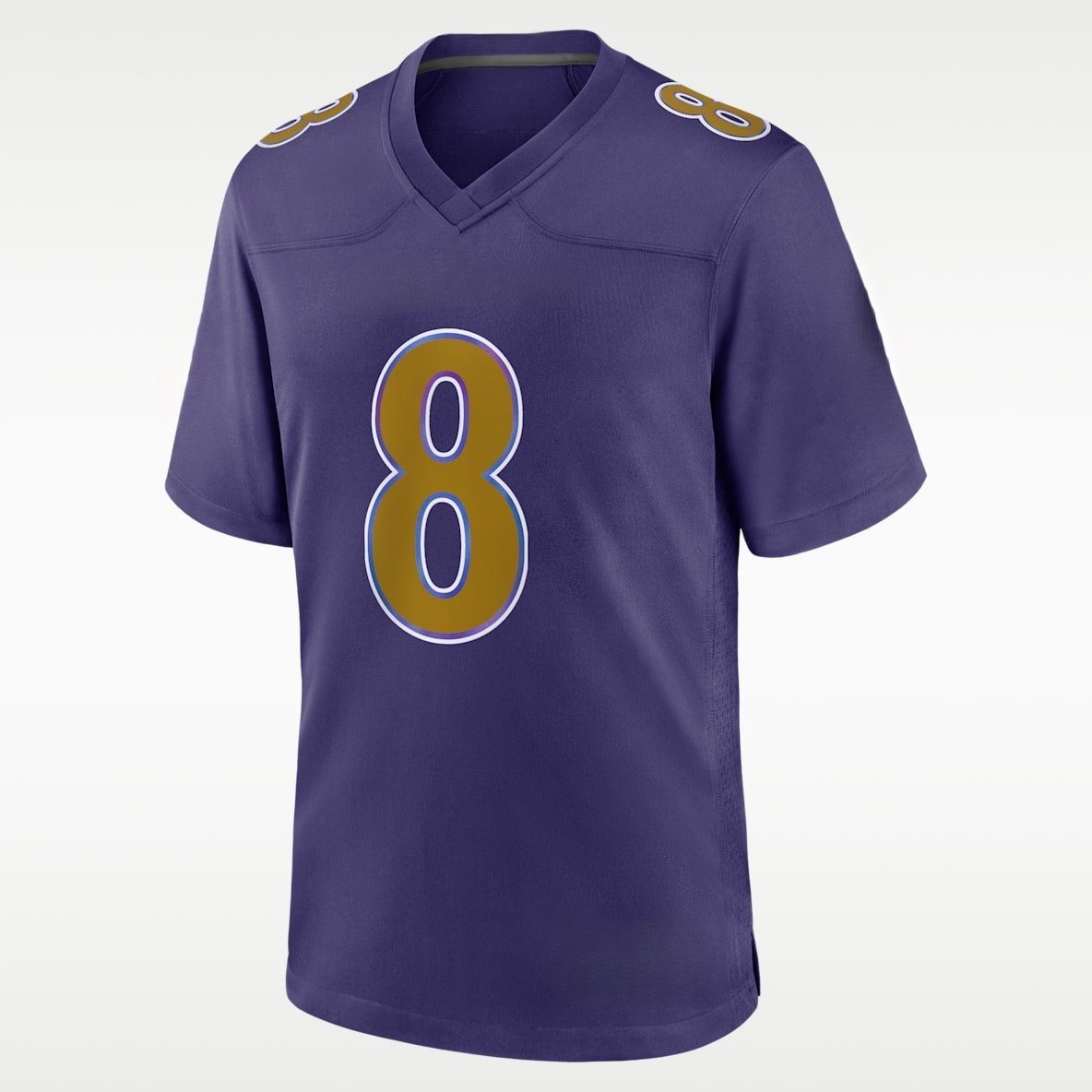
Screen printing remains the most cost-effective decoration method for runs exceeding 100 units, delivering vibrant, opaque colors on cotton and cotton-blend wholesale shorts. Setup costs range from $15–$50 per screen (one screen per color), but per-unit costs drop to $0.50–$2.00 at volume.
Durability is excellent—properly cured plastisol inks withstand 50+ industrial wash cycles without cracking. Multi-color designs require precise registration and extend lead times by 2–3 days per additional color.
Embroidery for Premium Branding
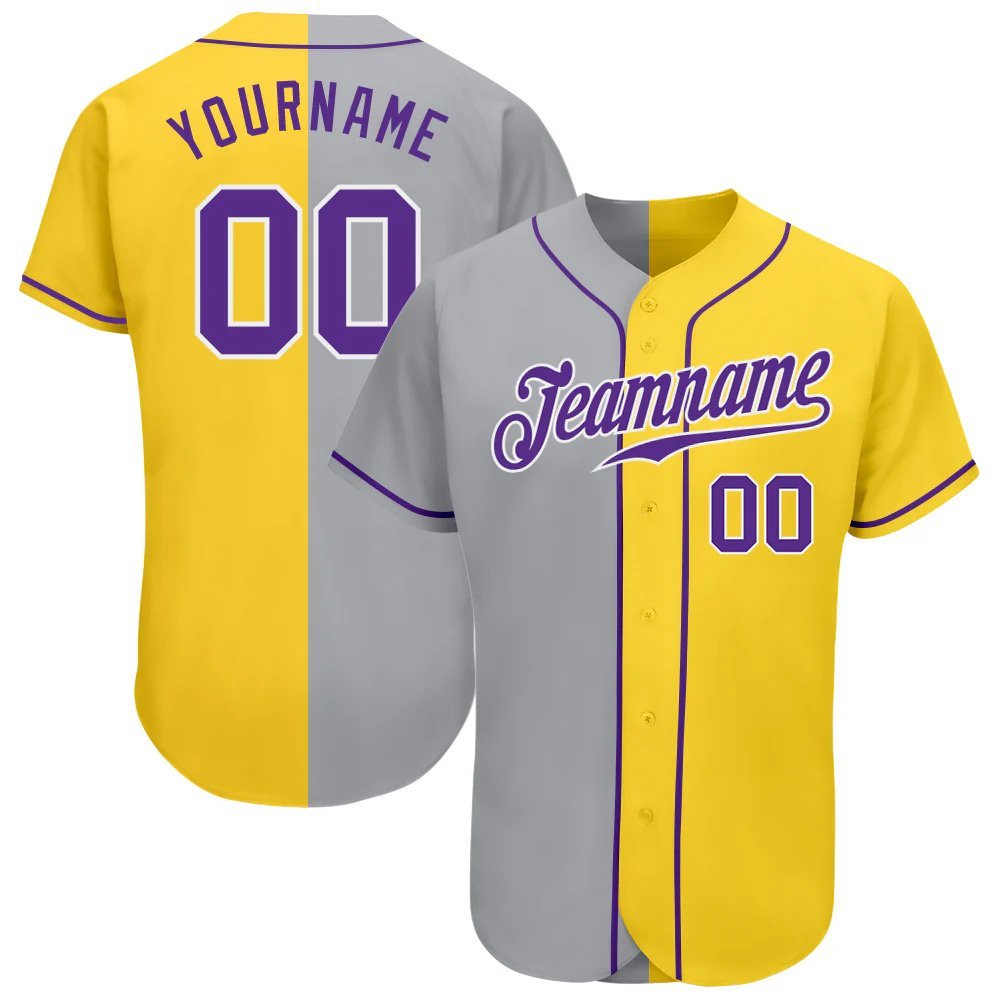
Embroidery adds a tactile, upscale finish ideal for logos on wholesale shorts waistbands, pockets, or hems. Digitizing fees run $20–$75 per design; per-unit costs are $1.50–$5.00 depending on stitch count (typical logos: 5,000–15,000 stitches).
Thread resists fading and abrasion better than any print method, making embroidery the choice for athletic and workwear brands. Minimum orders typically start at 50 units; complex designs with gradient shading require skilled operators and add 3–5 production days.
Heat Transfer and Sublimation Techniques
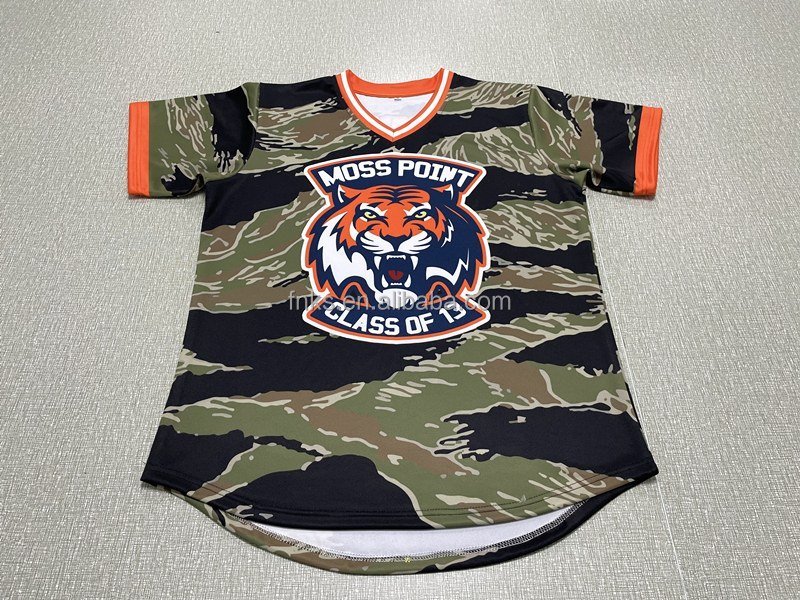
Heat transfer (vinyl or digital) suits photo-quality graphics and low MOQs (as few as 12 units), with no setup fees and per-unit costs of $2–$6. Vinyl cuts work on any fabric; full-color digital transfers require polyester or poly-blend wholesale shorts.
Dye sublimation bonds ink into polyester fibers for all-over prints with zero hand feel, ideal for athleisure and rave-wear aesthetics. Setup is minimal, but fabric must be light-colored polyester; per-unit costs range $4–$10, and wash durability is permanent.
Appliqué, Patches, and Custom Hardware
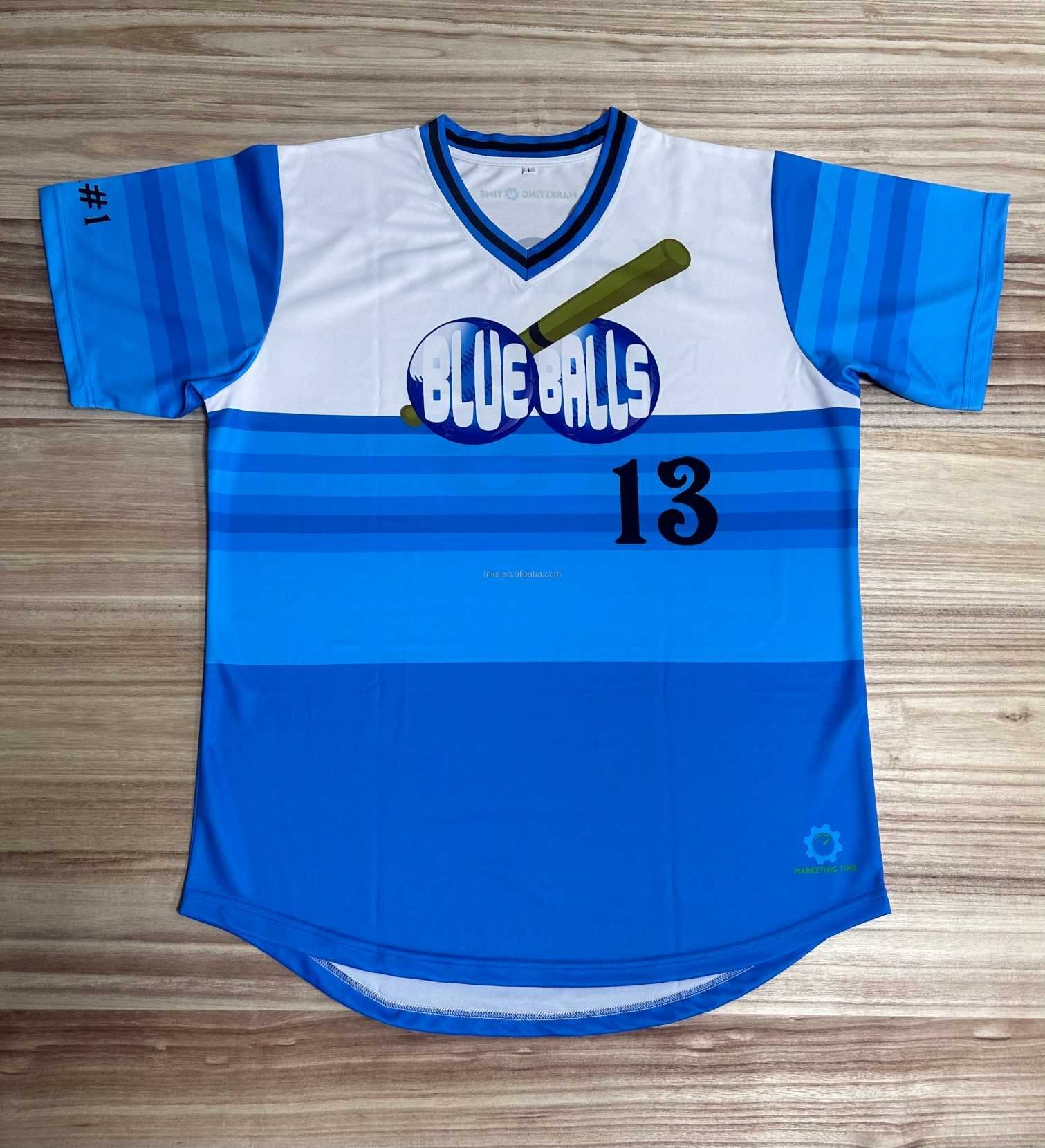
Appliqué and woven patches deliver the layered, streetwear-authentic look favored by trendy brands. Patch costs run $0.50–$3.00 each; application adds $1–$2 per unit. Custom metal hardware—branded zipper pulls, engraved buttons, contrast drawstring tips—elevates perceived value at $0.30–$1.50 per component.
These details extend lead times by 5–7 days but differentiate your wholesale shorts in crowded markets. Clothing Manufacturer Ltd.’s five-step QC process includes dedicated hardware and appliqué inspection to ensure secure attachment and alignment before final packing.
6. Key Quality and Construction Elements in Wholesale Shorts
Quality wholesale shorts depend on construction details that determine durability and customer satisfaction. Many manufacturers skip mid-production checks, shipping garments directly from sewing to packaging without testing — a practice that produces high defect rates and damages brand reputation.
Stitching Techniques and Seam Durability
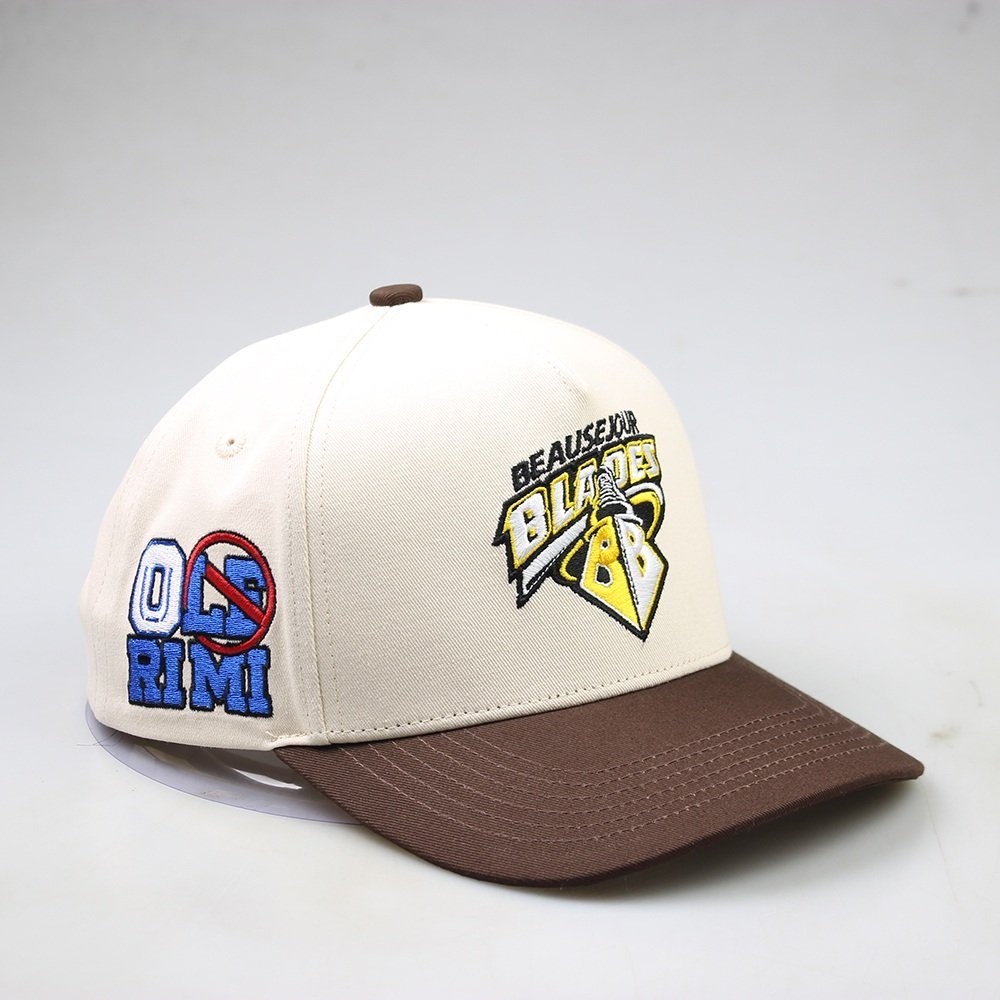
Double-needle stitching at stress points — inseams, side seams, and waistband attachment — prevents blowouts during wear and washing. Flatlock seams lie flat against skin, ideal for athletic shorts, while overlock (serged) seams finish raw edges and prevent fraying.
Inspect stitch density: 12–14 stitches per inch ensures strength without puckering. Thread weight should match fabric — lightweight polyester thread for synthetics, heavier cotton-wrapped polyester for denim and twill.
Waistband and Closure Construction
Elastic waistbands require covered elastic (not exposed) with at least three rows of stitching to prevent twisting. Drawstring waistbands need bar-tack reinforcement at cord exits and metal or heat-sealed cord ends to prevent fraying.
Button-fly closures demand YKK or equivalent hardware; cheap zippers fail within 10–15 washes. Inspect buttonhole stitching density and button shank strength — loose buttons are a common defect flag.
Pocket Reinforcement and Finishing
Bar tacks at pocket openings distribute stress and prevent tearing. Pocket bags should use lining fabric (not self-fabric) to reduce bulk and improve drape. Patch pockets require double-needle topstitching along all edges.
Hem finishing varies by style: rolled hems suit casual shorts, raw hems work for distressed looks, and blind-stitch hems offer clean, invisible finishes. Wash-fastness testing — checking for color bleeding, shrinkage beyond 3 percent, and seam integrity after five wash cycles — reveals manufacturing shortcuts before bulk orders.
7. How to Choose the Right Wholesale Shorts Manufacturer
Selecting the right wholesale shorts manufacturer determines product quality, delivery reliability, and long-term brand success. A systematic vetting process separates professional partners from unreliable suppliers who skip critical quality checks and miss deadlines.
Assess MOQ Flexibility and Production Capacity
MOQ requirements range from 50 pieces per style for agile manufacturers to 1,000+ units for mass-production facilities. Startups and independent designers benefit from low-MOQ partners who accommodate test runs and seasonal drops, while established retailers prioritize factories with capacity to scale from hundreds to tens of thousands of units.
Verify lead times for sampling (7–14 days typical) and bulk production (30–45 days standard). Ask whether the factory owns its production lines or subcontracts work, since subcontracting introduces quality variability and timeline uncertainty.
Review Certifications and Quality Control Systems
OEKO-TEX Standard 100 certifies fabrics free from harmful substances; GOTS validates organic cotton supply chains; ISO 9001 confirms quality management systems. These certifications indicate a manufacturer’s commitment to standards, but certificates alone do not guarantee rigorous QC.
Inquire about the factory’s inspection methodology. Clothing Manufacturer Ltd. implements a five-step QC process covering materials, cutting, craft, sewing, and finished garment inspection—catching defects at every production stage rather than only at final packing. Manufacturers who skip in-line QC produce higher defect rates and costly rework.
Request Samples and Evaluate Customization Capabilities
Order samples in your target fabric weight, colorways, and construction details before committing to bulk orders. Inspect stitching density (12–14 stitches per inch for durability), seam allowances, elastic waistband recovery, and print or embroidery placement accuracy.
Confirm the factory’s customization range: custom fits, proprietary fabrics, multi-color prints, embroidered logos, woven labels, and hang-tag options. Ask for portfolio examples showing streetwear design elements—skeleton graphics, bold color blocking, unique pocket placements—that align with your brand aesthetic.
8. Common Mistakes When Sourcing Wholesale Shorts
First-time buyers of wholesale shorts often make avoidable errors that compromise product quality, inflate costs, or delay launches. Understanding these pitfalls and implementing preventive measures saves time, money, and brand reputation.
Ignoring Fabric Weight and GSM Specifications
Many buyers overlook fabric weight measured in grams per square meter (GSM), leading to see-through garments below 160 GSM or stiff, uncomfortable shorts above 320 GSM. Lightweight cotton shorts typically range 180–220 GSM for breathability, while performance blends sit at 200–260 GSM.
Always request fabric specs before committing to production. A reputable manufacturer will provide GSM data, fiber composition, and stretch percentages to ensure the fabric matches your brand’s quality standards and intended use case.
Skipping Sample Orders and Fit Testing
Ordering full production runs without sampling is a costly mistake that locks you into untested sizing and construction. Sample orders reveal fit issues, stitching quality, and fabric hand feel that photos and tech packs cannot convey.
Order at least two samples in different sizes to validate grading accuracy. Test wash durability, waistband elasticity, and inseam consistency before approving bulk orders, especially when working with a new supplier.
Choosing Price Over Quality Control
Selecting the cheapest supplier without verifying quality processes often results in defective shipments and customer returns. Factories that skip in-process QC—moving straight from sewing to packing—produce inconsistent wholesale shorts with loose threads, misaligned prints, and incorrect sizing.
Prioritize manufacturers with documented QC protocols at materials, cutting, sewing, and finishing stages. A five-step quality control system catches defects early, reducing rework costs and protecting your brand’s reputation in competitive streetwear markets.
9. Pricing and Cost Breakdown for Wholesale Shorts
Wholesale shorts pricing typically ranges from $4.50 to $18.00 per unit, determined primarily by order volume, fabric selection, and customization complexity. Startups ordering 50–100 units should budget $12.00–$18.00 per piece for mid-weight cotton or polyester blends with single-color screen printing, while established brands placing 1,000+ unit orders often achieve $4.50–$7.00 per piece for the same specification. Lead times compress as volume increases: 50-unit orders require 18–25 days, whereas 1,000+ unit runs complete in 12–15 days due to production efficiency gains.
Fabric type drives 40–50% of base cost. Basic 180 GSM cotton twill costs approximately $2.80 per short at 500 units, while premium 240 GSM French terry or technical moisture-wicking blends add $1.50–$3.00 per unit. Decoration methods carry distinct cost structures: screen printing incurs a $45–$80 setup fee per color but only $0.60–$1.20 per print, making it economical above 100 units; embroidery charges $25–$50 setup plus $1.80–$3.50 per placement, ideal for smaller logos on premium lines.
Hardware upgrades—YKK zippers, metal eyelets, custom drawcords—add $0.40–$1.20 per short. Packaging escalates costs by $0.15 for polybags, $0.50 for printed hangtags, or $1.20+ for custom boxes. Clothing Manufacturer Ltd. applies its five-step QC methodology across all tiers without surcharge, ensuring materials, cutting, craft, sewing, and finished-garment inspection at every MOQ level.
| Quantity Tier | Per-Unit Cost (USD) | Lead Time (Days) | Setup Fee (Print/Embroidery) |
|---|---|---|---|
| 50–99 units | $12.00–$18.00 | 18–25 | $45–$80 / $25–$50 |
| 100–299 units | $8.50–$12.00 | 15–20 | $45–$80 / $25–$50 |
| 300–499 units | $7.00–$9.50 | 12–18 | $45–$80 / $25–$50 |
| 500–999 units | $5.50–$7.50 | 12–16 | $45–$80 / $25–$50 |
| 1,000+ units | $4.50–$7.00 | 12–15 | Negotiable / Negotiable |
10. Steps to Launch Your Brand with Wholesale Shorts
Launching a brand with wholesale shorts requires a structured approach from concept to customer. The following steps guide you through supplier selection, quality assurance, and go-to-market execution to build a sustainable apparel business.
Define Target Customer and Style Niche
Identify your core audience — skateboarders, gym enthusiasts, streetwear collectors, or casual lifestyle buyers — before contacting manufacturers. Streetwear brands targeting 18–34 year-olds typically emphasize bold graphics, oversized fits, and cultural motifs like skeleton prints or graffiti-inspired patterns.
Narrowing your niche informs fabric weight (280–320 GSM French terry for premium streetwear), inseam length (7–9 inches for athletic, 9–11 inches for casual), and decoration techniques (screen printing, embroidery, or sublimation). A clear style direction accelerates sampling and reduces revision cycles.
Research and Shortlist Manufacturers
Evaluate manufacturers on production capacity, minimum order quantities, and quality control processes. Factories in Dongguan’s Humen Town offer MOQs from 50–200 pieces per design, while large-scale contractors may require 500+ units.
Request certifications (WRAP, BSCI, OEKO-TEX) and ask whether the supplier implements in-process quality checks or only final inspections. Manufacturers using five-step QC — materials testing, cutting verification, craft inspection, sewing checks, and finished-product audits — deliver significantly lower defect rates than those inspecting only at the end.
Request Samples and Compare Quality
Order samples in your target fabric, colorway, and decoration method to assess construction before committing to bulk production. Examine flatlock or overlock seam consistency, waistband elasticity (should recover to 95% of original width after stretching), and print adhesion (scratch-test screen prints after 24-hour cure).
Compare samples from 2–3 shortlisted factories side by side. Check thread tension, drawcord finish, and whether printed graphics crack or peel after washing. Sample costs typically range $30–$80 per piece depending on customization complexity.
Finalize Design and Customization Specs
Lock in technical specifications: fabric composition (e.g., 80% cotton / 20% polyester), GSM weight, Pantone color codes, placement and size of logos, and hardware details (metal or plastic eyelets, flat or round drawcords). Provide a detailed tech pack with flat sketches, measurement charts for each size (S–XXL), and decoration artwork in vector format.
Confirm whether the manufacturer will provide a pre-production sample — a final prototype sewn with bulk fabrics and trims — before mass production begins. This step prevents costly errors and ensures alignment on fit, color, and construction.
Negotiate Pricing and Payment Terms
Request itemized quotes breaking out fabric cost, labor, decoration (screen printing $0.50–$2.00 per color per piece), trims, and packaging. Typical payment structures are 30–50% deposit upon order confirmation and the balance before shipment.
Negotiate volume discounts: orders of 500+ pieces often yield 10–15% unit-cost reductions. Clarify whether quoted prices include quality inspection, inner polybags, hang tags, and carton packing, or if those incur separate charges.
Place Your First Order and Implement QC
Issue a purchase order specifying quantity per size and color, delivery timeline (typically 25–45 days for cut-and-sew orders), and Incoterms (FOB, CIF, or DDP). Require the manufacturer to conduct materials QC (fabric GSM and shrinkage testing), cutting QC (pattern accuracy), craft QC (stitching and seam allowances), sewing production QC (in-line checks every 50–100 pieces), and finished-product QC (final audit of packed goods).
Request photo or video updates at each QC checkpoint. This five-step process, implemented by quality-focused manufacturers since early 2025, catches defects early and reduces final rejection rates below 2%.
Plan Logistics, Launch, and Iterate
Coordinate sea freight (30–40 days, $2–$4 per kg) or air freight (5–7 days, $8–$12 per kg) and prepare customs documentation. Allocate 10–15% of your first shipment as seeding inventory for influencers and early reviews.
Launch with targeted social campaigns highlighting unique design elements and fabric quality. Collect customer feedback on fit, comfort, and durability within the first 30 days, then share insights with your manufacturer to refine sizing or construction for reorders. Building a long-term supplier relationship — characterized by transparent communication, timely payments, and collaborative problem-solving — ensures consistent quality and priority scheduling as your brand scales.
Ready to Order Wholesale Shorts with 5-Step QC?
Join 100+ countries trusting our premium craftsmanship, low MOQs, and zero-compromise quality guarantee for their streetwear collections.