
Premium Tie Dye Shorts Manufacturer — Streetwear-Ready, 5-Step QC
Your trusted tie dye shorts manufacturer with low MOQ, fast turnaround, and rigorous quality control. Serving 100+ countries with 10+ years of streetwear expertise.
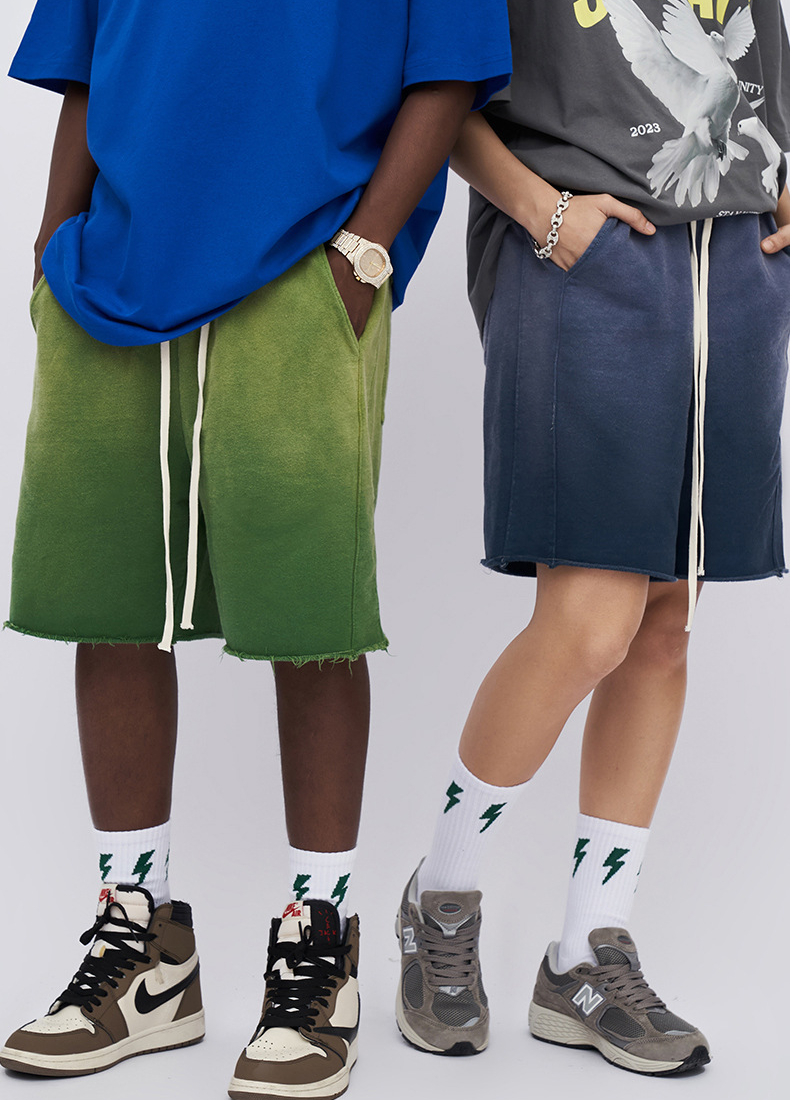
Tie Dye Shorts Samples & Production Gallery
Why Choose Our Tie Dye Shorts Manufacturer
5-Step Quality Control Guarantee
Every tie dye shorts order undergoes materials, cutting, craft, sewing, and finished product QC testing before shipment.
Low MOQ from 50 Pieces
Launch your tie dye shorts line without massive inventory risk. Perfect for fashion startups and independent designers testing new collections.
7-Day Sampling Turnaround
In-house design and sampling team delivers tie dye shorts prototypes in one week so you can validate styles fast.
Streetwear Design Expertise
15-member R&D team with 6 years streetwear specialization and 10 patents. We understand trend-driven tie dye aesthetics and youth culture.
Global Shipping & Logistics Support
Served customers in 100+ countries with transparent customs, inspection, and door-to-door delivery coordination for tie dye shorts orders.
Influencer Brand Experience
Helped 200+ clients grow from zero to tens of thousands of followers with quality tie dye shorts and reliable production.
Tie Dye Shorts Manufacturer for Every Streetwear Style
From classic marble patterns to bold custom color-blocks, we produce tie dye shorts that match your brand’s vision. Our 5-step QC process ensures every style meets streetwear quality standards.
Classic Marble Tie Dye
Many brands struggle to find manufacturers who can deliver consistent, vibrant marble tie dye patterns without color bleeding or uneven saturation across large production runs.
Our dye specialists use controlled spiral and scrunch techniques with colorfast pigments, ensuring every pair of marble tie dye shorts displays rich, repeatable patterns that withstand washing.
Ombré Gradient Tie Dye
Achieving smooth, professional ombré gradients on shorts requires precise dye application and timing. Inconsistent fades and harsh color transitions ruin the aesthetic influencer brands demand.
We employ staged dip-dyeing and spray techniques tested at our cutting QC phase, delivering seamless color transitions from waistband to hem that elevate any streetwear collection.
Custom Color-Block Tie Dye
Independent designers want unique, branded color combinations that stand out, but most tie dye shorts manufacturers only offer generic rainbow or pastel palettes with high minimums.
Our in-house design team develops custom color formulas and blocking patterns with low MOQ options, helping startups launch signature tie dye shorts that reflect their brand identity.
Oversized Fit Tie Dye
Oversized streetwear shorts demand relaxed silhouettes and reinforced waistbands, but poor pattern grading causes sagging, unflattering fits, and returns that hurt emerging brand reputations.
We draft oversized patterns with drop-crotch and extended inseams, then verify fit during sewing production QC, ensuring your tie dye shorts deliver the authentic, comfortable streetwear look.
Fitted Athletic Tie Dye
Activewear and athleisure brands need tie dye shorts with stretch, moisture-wicking properties, and secure fits, but traditional tie dye processes often compromise fabric performance and elasticity.
Using performance blends and low-impact reactive dyes tested in our materials QC stage, we produce fitted tie dye shorts that retain stretch, breathability, and vibrant color through intense wear.
Premium Fabrics From Your Trusted Tie Dye Shorts Manufacturer
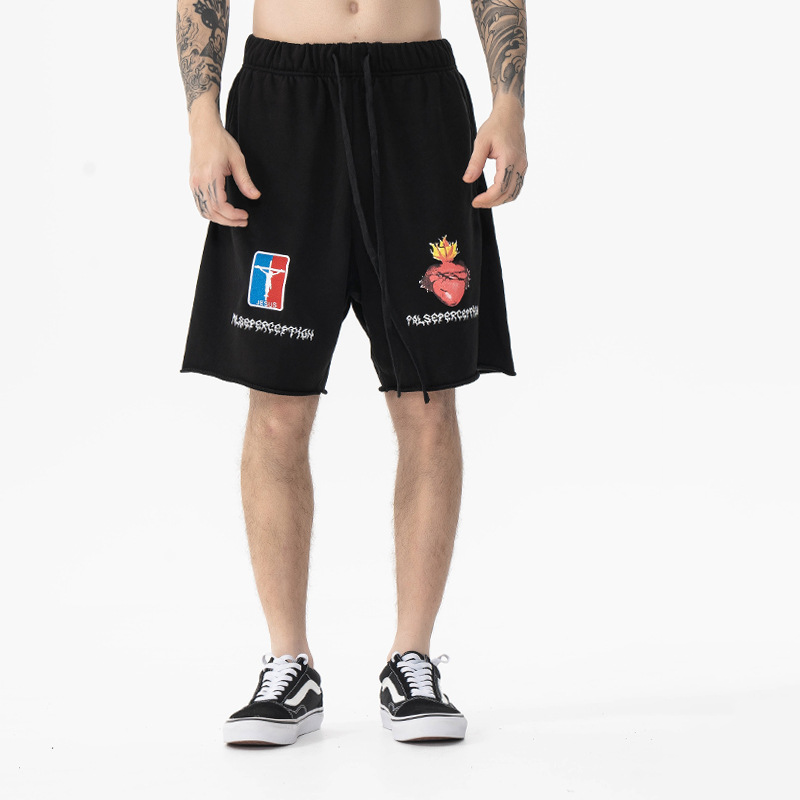
100% Ringspun Cotton
Ultra-soft hand feel with superior dye absorption for vivid, long-lasting tie dye patterns. Medium weight (180–220 GSM) minimizes shrinkage and maintains shape through repeated washing. Ideal for premium streetwear shorts.
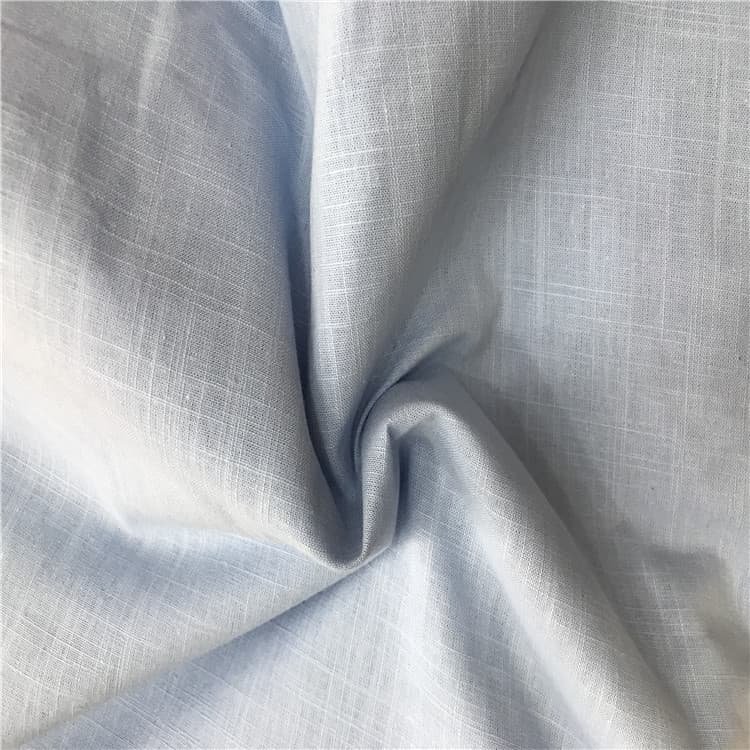
Organic Cotton Jersey
Sustainably sourced, GOTS-certified fabric with excellent breathability and natural stretch. Lightweight to medium weight (160–200 GSM) holds tie dye pigments beautifully while offering eco-conscious branding appeal for emerging labels.
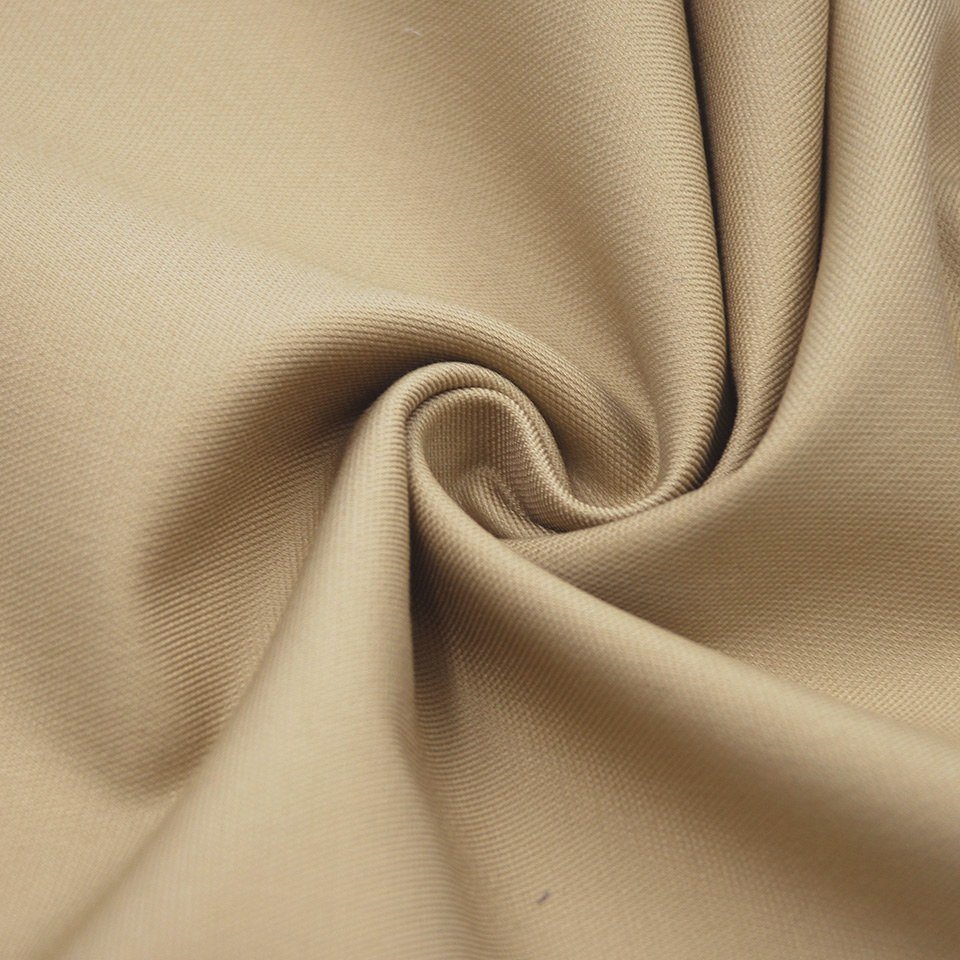
Cotton-Poly Blend
Balanced 60/40 or 80/20 cotton-polyester construction delivers durability and reduced shrinkage. Medium weight (200–240 GSM) with moisture-wicking properties, perfect for activewear-inspired tie dye shorts that maintain color vibrancy.
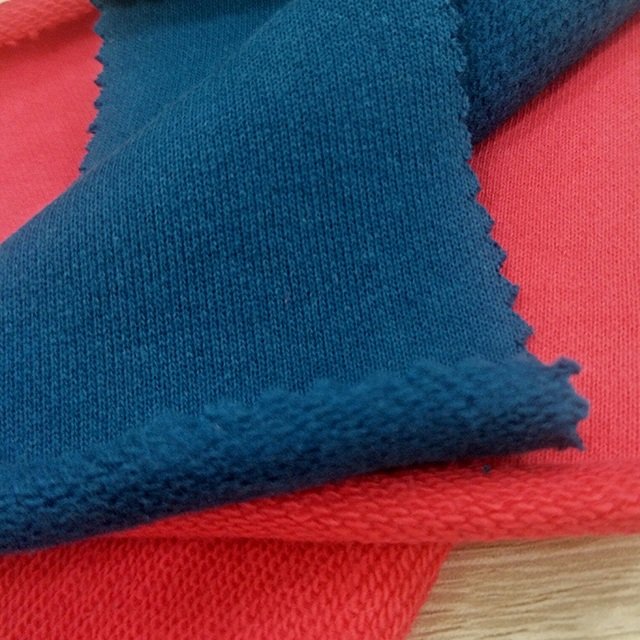
French Terry Cotton
Looped interior with smooth outer face provides plush comfort and excellent dye-hold. Midweight (260–300 GSM) with natural stretch makes it ideal for relaxed-fit tie dye shorts with a premium streetwear aesthetic.
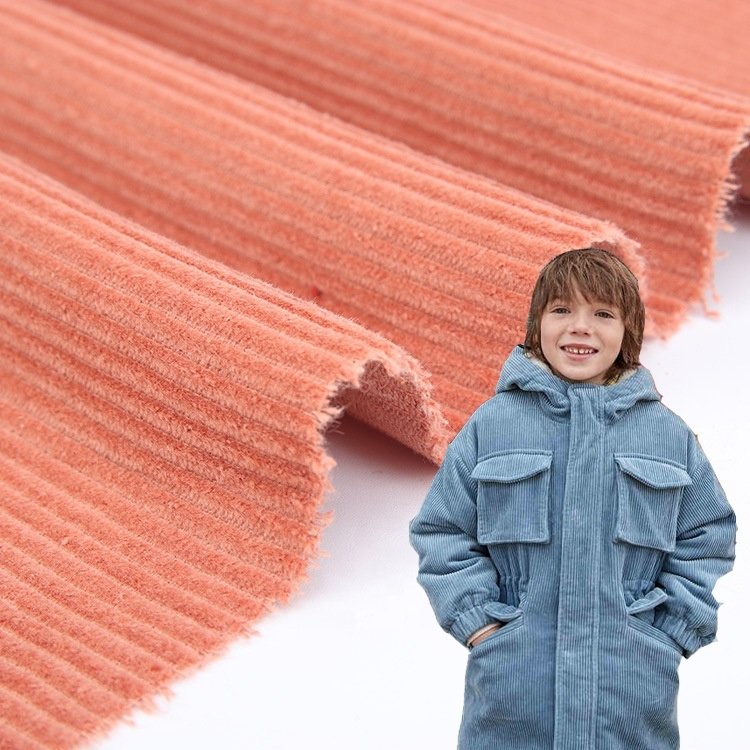
Performance Cotton Blend
Advanced cotton-spandex blend (95/5) engineered for athletic tie dye shorts. Lightweight (180–210 GSM) with four-way stretch and quick-dry properties ensures vibrant patterns stay locked in during high-movement wear.
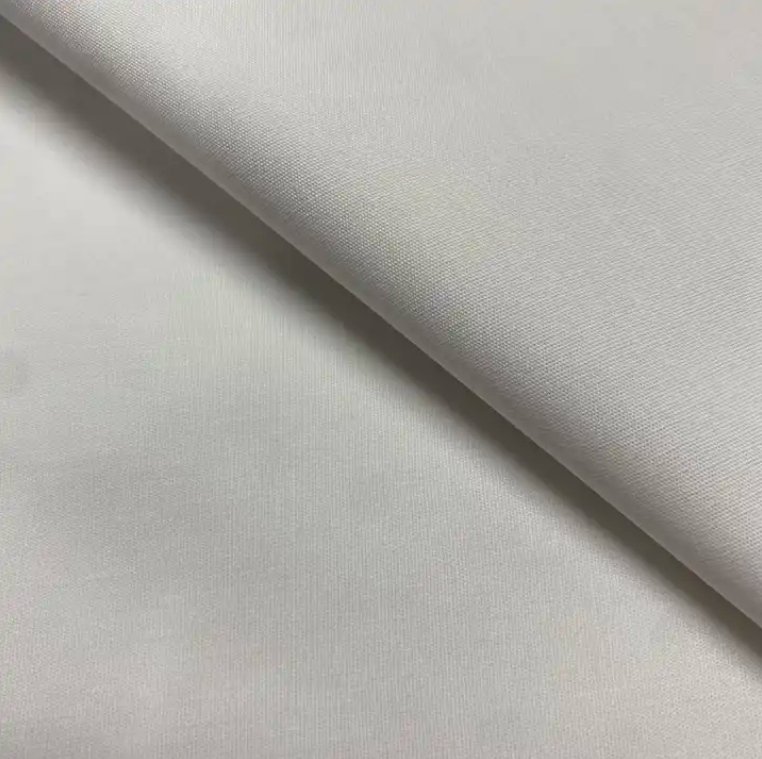
Heavyweight Cotton Twill
Dense diagonal weave structure offers exceptional durability and color saturation for bold tie dye effects. Heavyweight (280–320 GSM) with minimal stretch, perfect for structured, fashion-forward shorts that resist fading.
Tie Dye Shorts Manufacturer Processes & Techniques
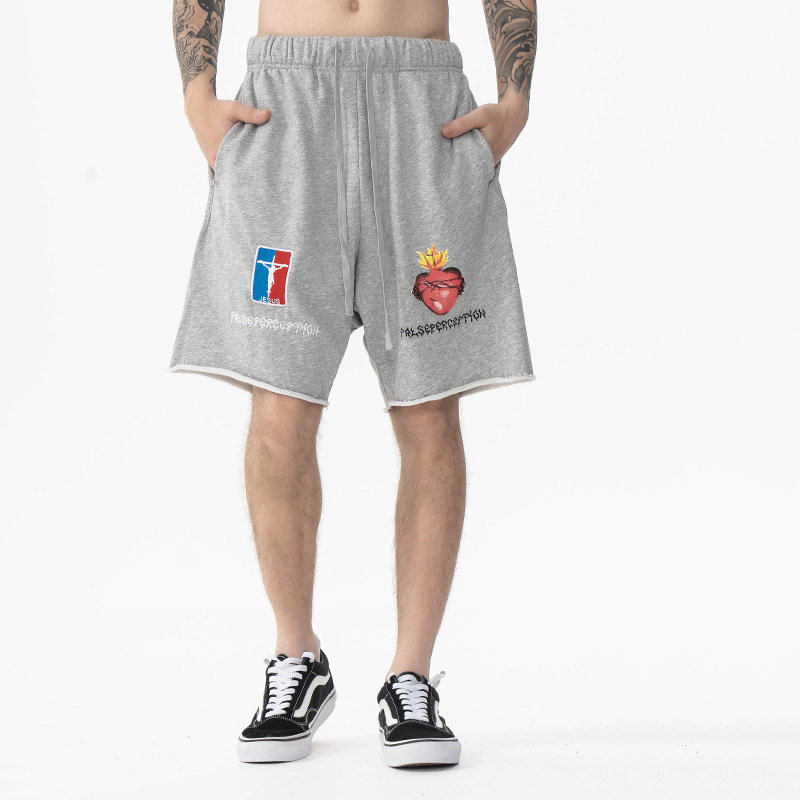
Fiber-Reactive Tie Dye
Cold-water reactive dyes chemically bond with cotton and natural fibers, producing exceptionally vibrant, fade-resistant colors. Ideal for bold, psychedelic patterns and high-wash durability in streetwear shorts collections.
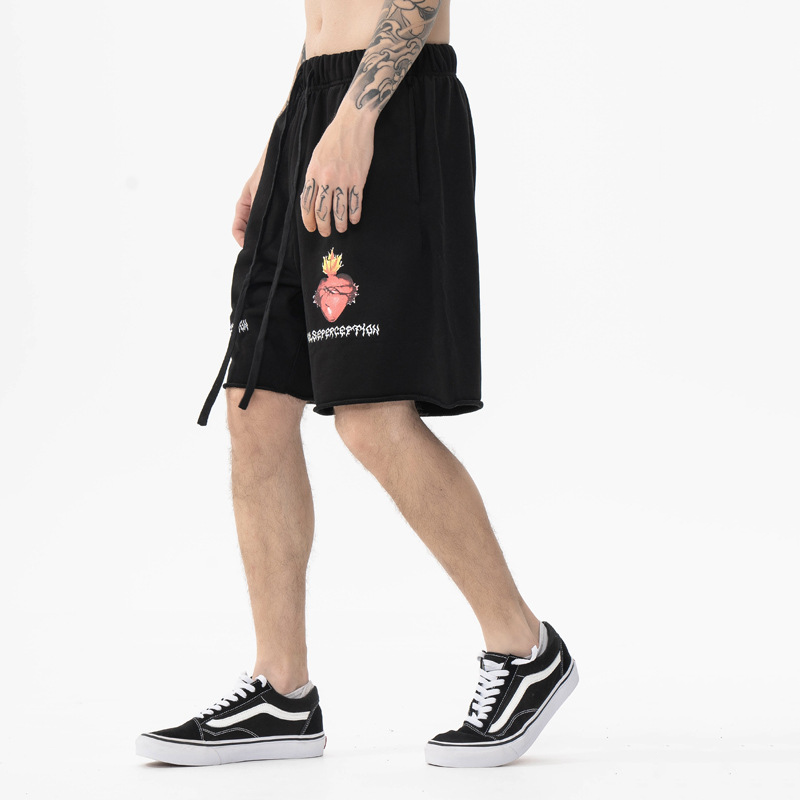
Vat Dye Process
Industrial vat dyeing penetrates deep into fabric structure, delivering rich, long-lasting color saturation and superior lightfastness. Perfect for premium tie dye shorts requiring professional-grade colorfastness and repeated laundering.
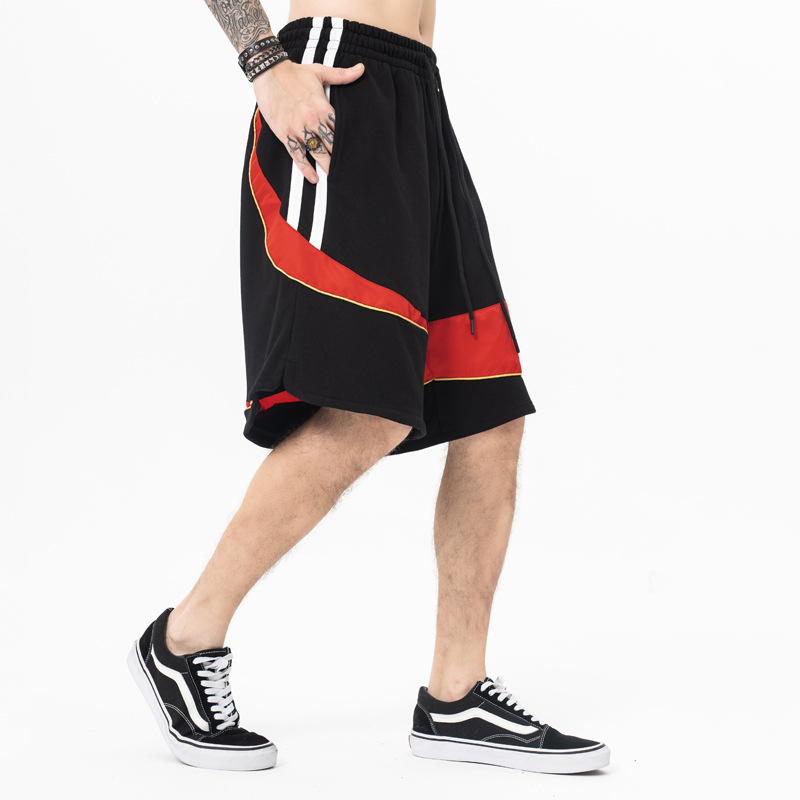
Natural Dye Methods
Plant-based and mineral dyes create unique, earthy tones with eco-conscious appeal. Best for sustainable fashion brands and independent designers seeking organic, low-impact tie dye shorts with authentic, muted color palettes.
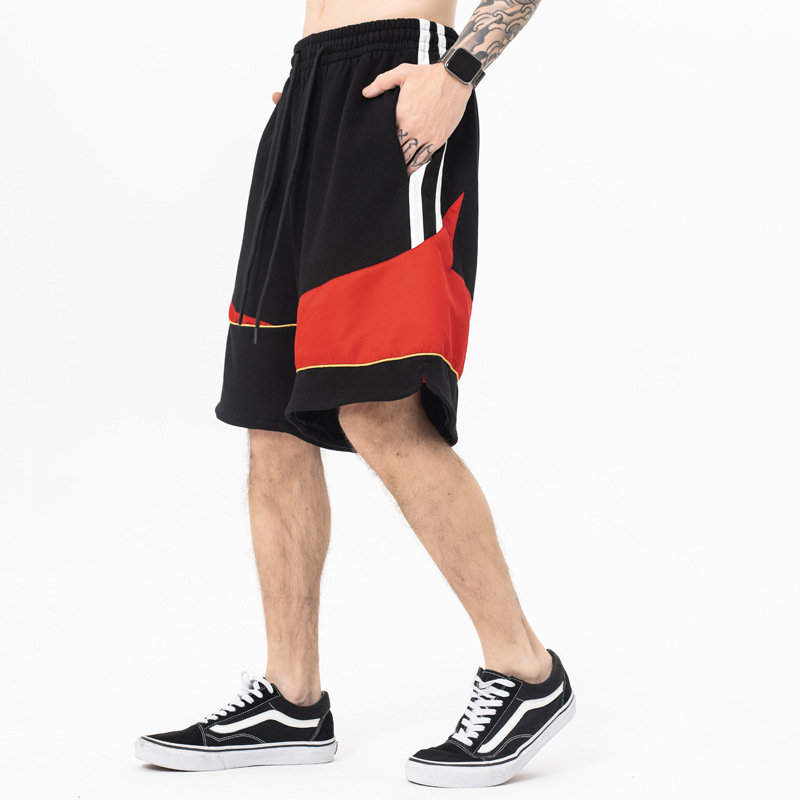
Digital Print Overlay
Precision digital printing layered over tie dye base creates intricate graphics, logos, and photorealistic designs. Enables complex branding and artwork integration on tie dye shorts without sacrificing the hand-dyed aesthetic.
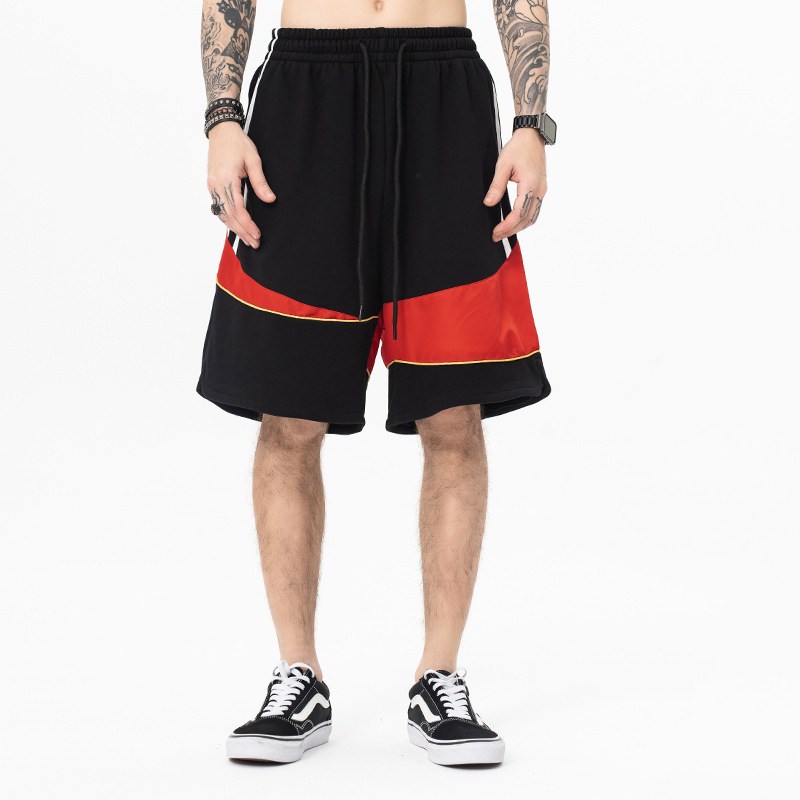
Embroidery on Tie Dye
High-density thread embroidery applied to dyed fabric adds premium texture, dimensional logos, and elevated streetwear details. Ideal for luxury tie dye shorts lines and influencer brands demanding standout embellishments.
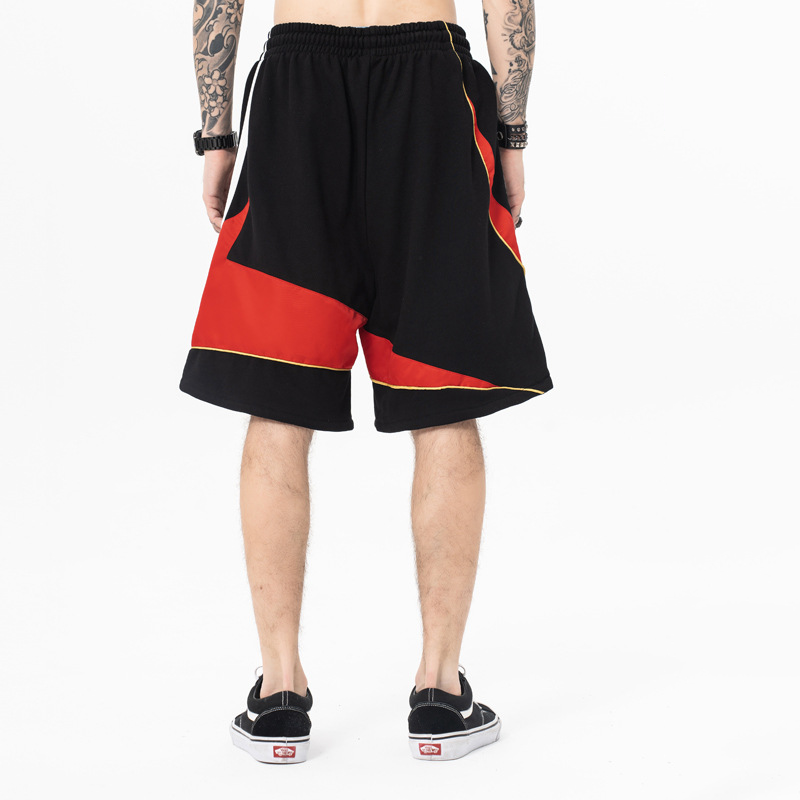
Sublimation Tie Dye
Heat-transfer dye sublimation on polyester blends produces all-over photographic tie dye effects with unlimited color gradients and zero hand-feel. Best for performance athletic shorts and bold, gradient-heavy streetwear designs.
Premium Finishing Accessories for Tie Dye Shorts Manufacturer Quality
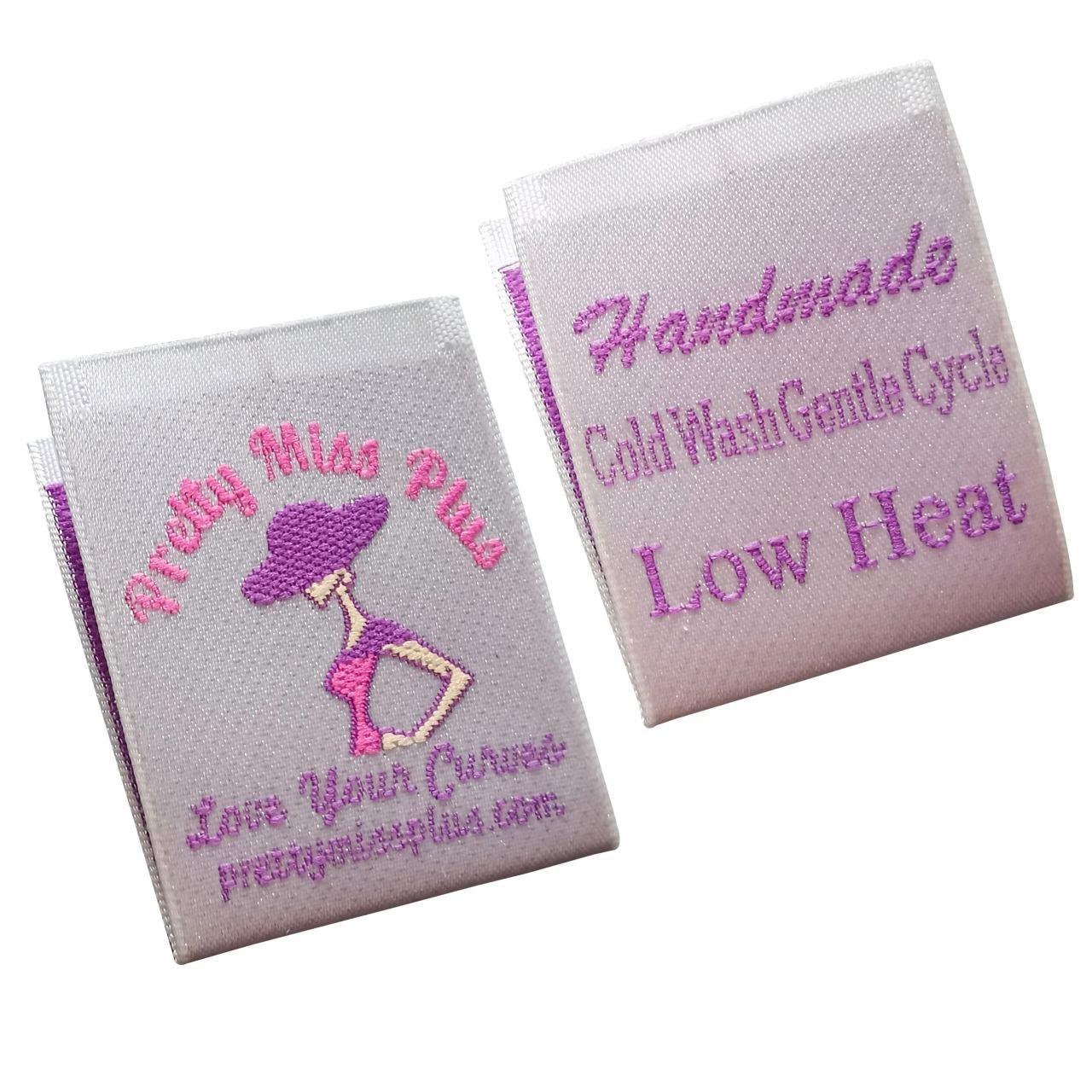
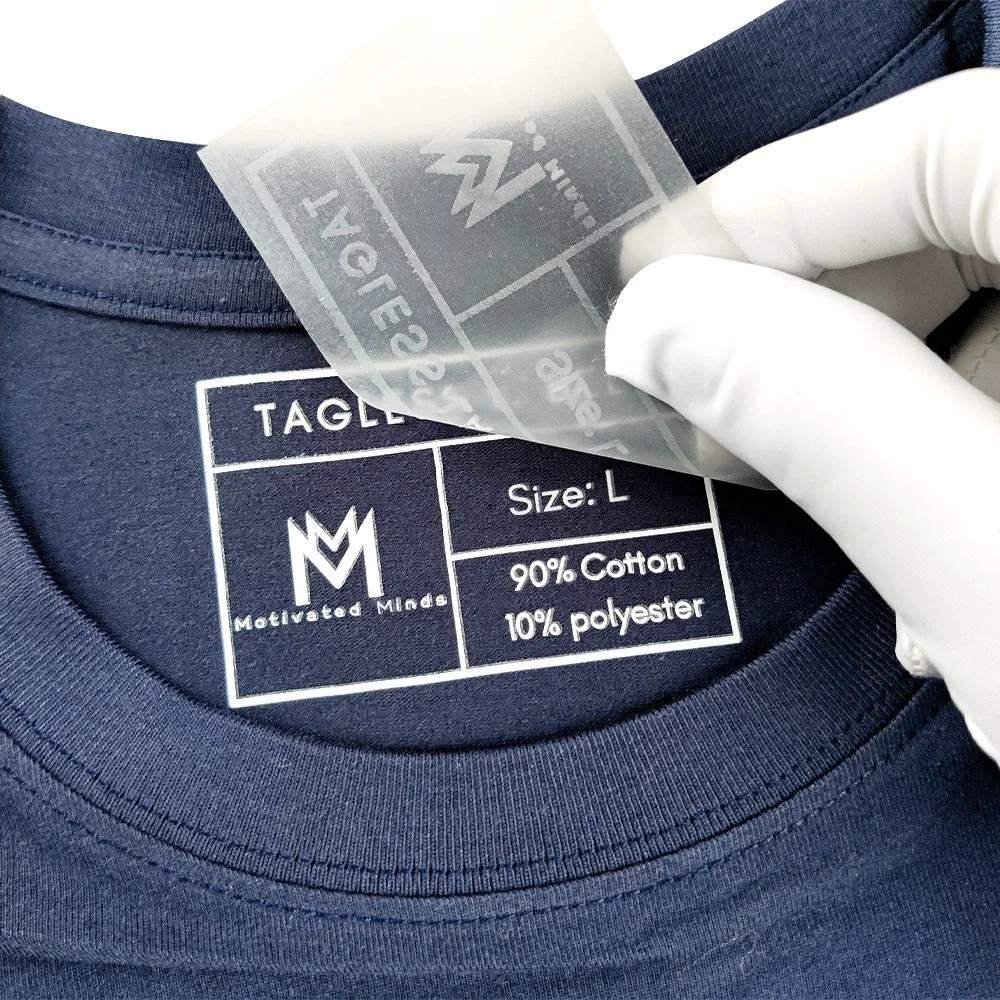
Woven Brand Labels
High-density woven labels with fade-resistant thread, heat-cut edges, and soft backing. Applied to waistband or side seam for lasting brand identity that withstands repeated washing and tie dye chemical exposure.
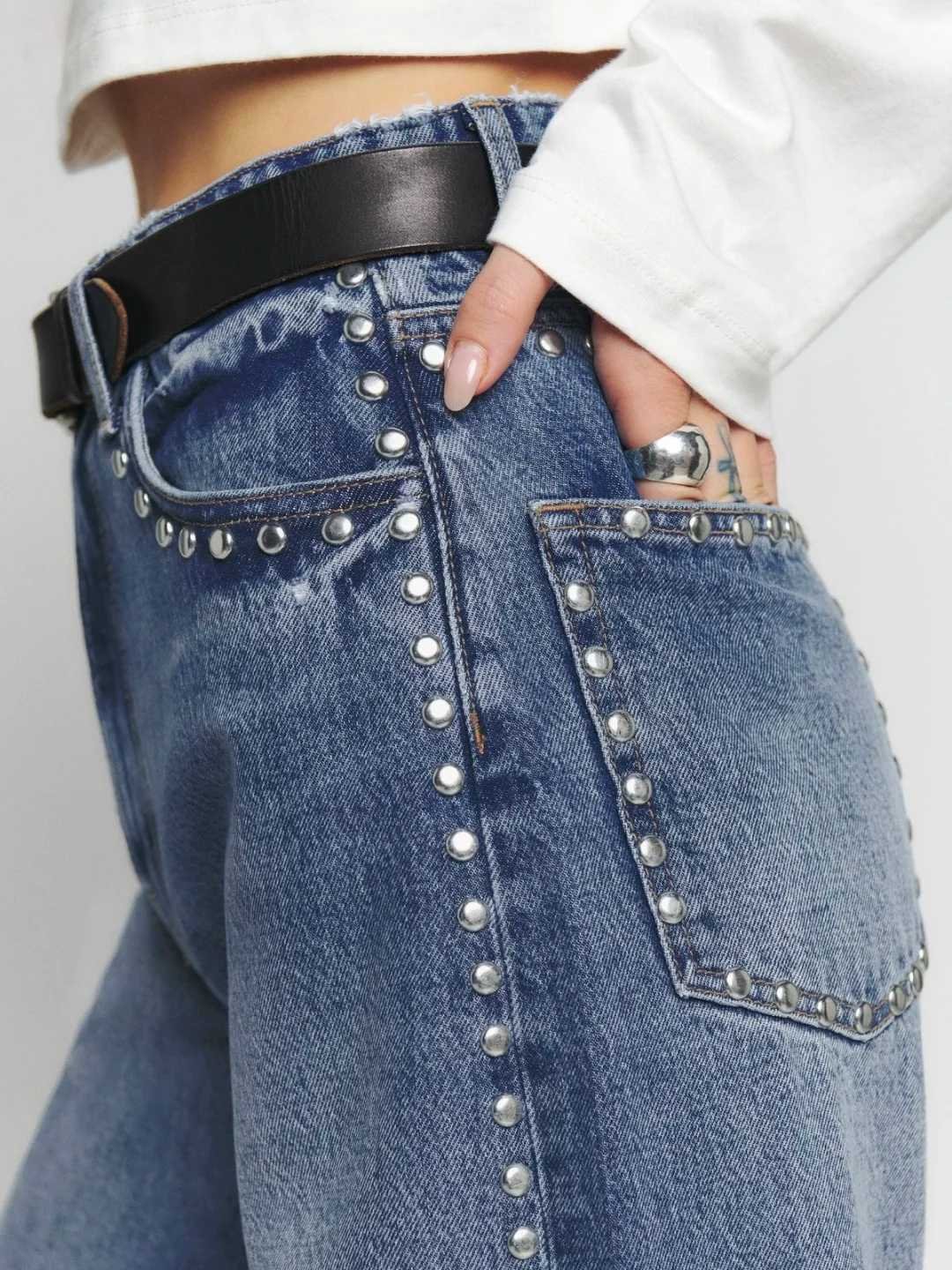
Premium Drawcords
Flat or round drawcords in cotton, polyester, or custom-dyed options with metal or plastic aglets. Reinforced stitching at waistband eyelets ensures smooth adjustment and long-term pull strength for active streetwear.
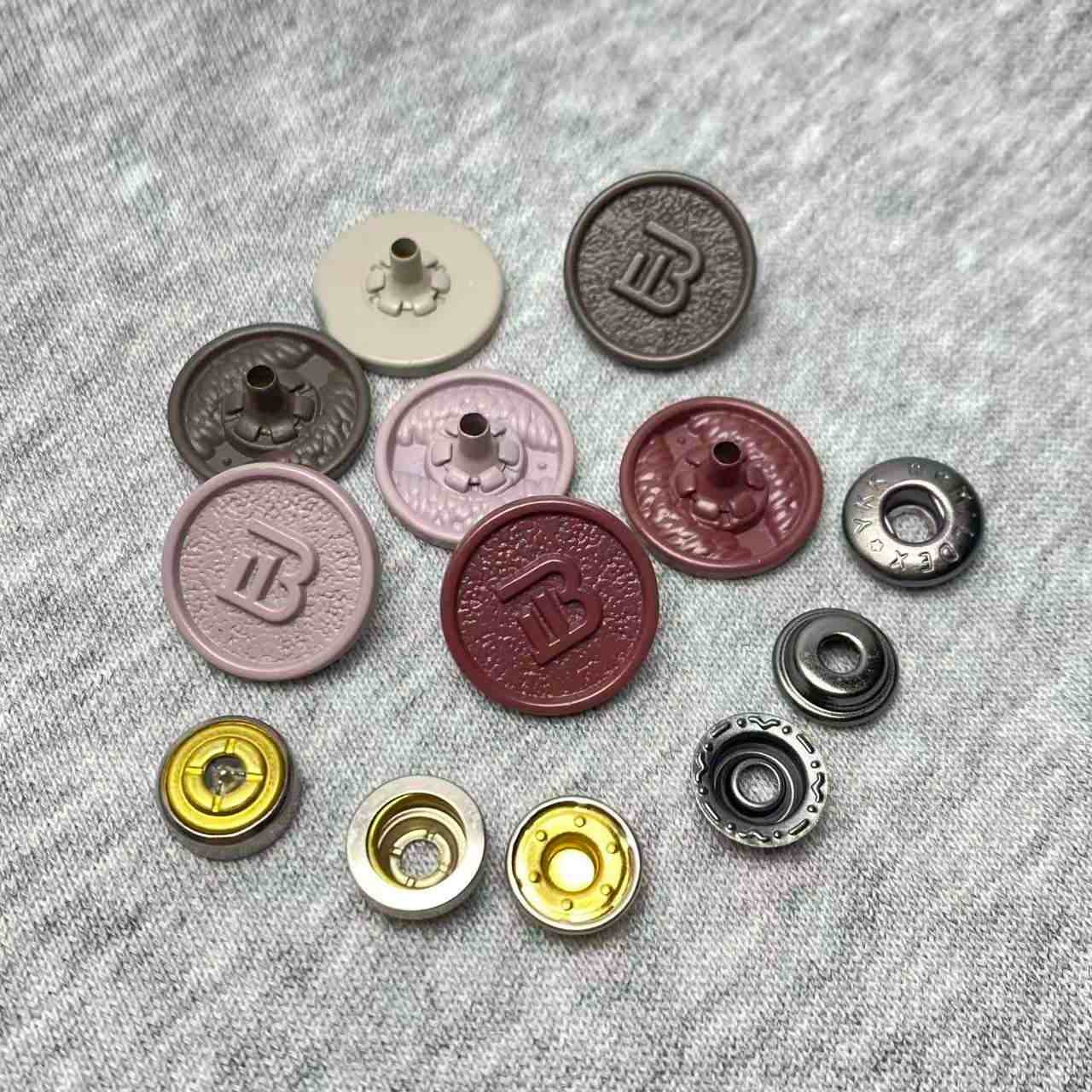
YKK Snap Buttons
Corrosion-resistant metal or resin snap closures from YKK, tested for 500+ open-close cycles. Ideal for cargo pockets, waistband closures, and decorative details on tie dye shorts requiring secure, reliable fastening.
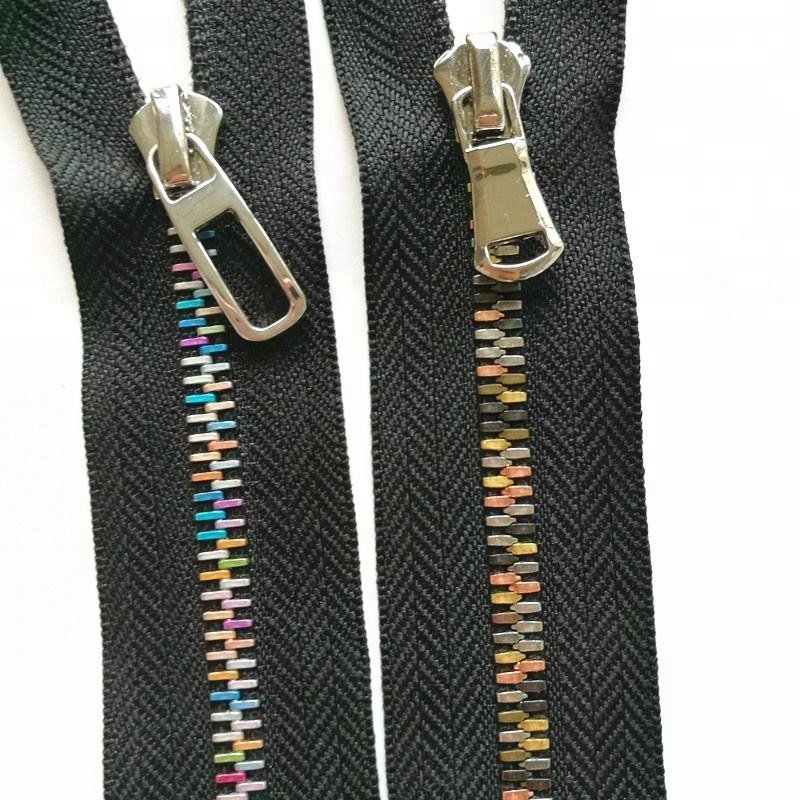
Concealed Zippers
YKK nylon or metal zippers with anti-rust coating and smooth sliders. Perfect for side pockets, back pockets, or fly closures. Color-matched tapes blend seamlessly with tie dye patterns for clean, professional finish.
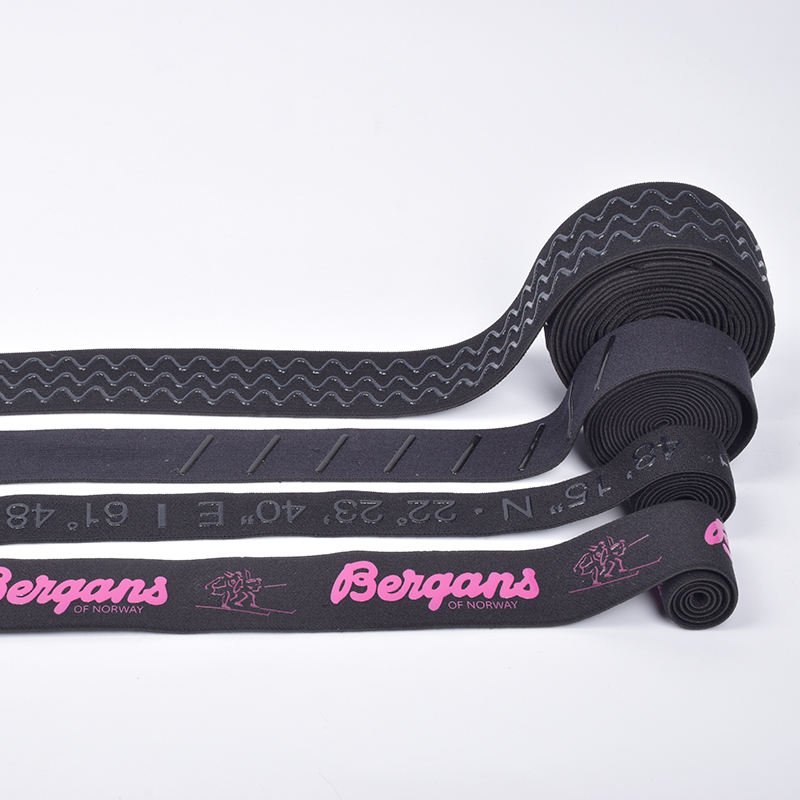
Elastic Waistband Reinforcement
High-elasticity woven or knit bands with anti-roll construction and dye-compatible finishes. Double-needle topstitching and bar-tack reinforcement at stress points prevent stretching and ensure comfort across all body movements.
Custom Hang Tags
Printed or embossed hang tags on premium cardstock or recycled paper with reinforced eyelet holes. Showcase your brand story, care instructions, and unique tie dye process. QC-tested for secure attachment during shipping.
Your Trusted Tie Dye Shorts Manufacturer
Clothing Manufacturer Ltd was founded in 2024 by Tesla Luo, who brings over 10 years of apparel production experience and 6 years of specialized streetwear expertise. Born into a garment manufacturing family, Tesla witnessed firsthand how many Chinese factories skip quality control during production—a practice that damages the reputation of manufacturers worldwide. Determined to restore trust in Chinese craftsmanship, he established our company on principles of rigorous testing, transparency, and zero-compromise quality.
As a leading tie dye shorts manufacturer, we serve trendy brands, fashion startups, independent designers, and global retailers across more than 100 countries. Our 15-person R&D team and 10 patents support every stage of production, from fabric selection and dyeing techniques to cutting, sewing, and finishing. What truly sets us apart is our proprietary 5-step quality control methodology—materials QC, cutting QC, craft QC, sewing QC, and finished garment inspection—ensuring defects are caught early and every piece meets our exacting standards.
We combine the agility of a streetwear specialist with the production capacity of an established operation. Whether you’re launching your first collection or scaling an influencer brand, we offer low MOQs, fast turnaround for seasonal drops, in-house design and sampling, and global shipping support. Our mission is simple: eliminate low-quality clothing and empower brands worldwide with premium tie dye shorts that reflect bold self-expression and flawless execution.
Tie Dye Shorts Manufacturer With Unmatched Quality Control
5-Step QC at Every Production Stage
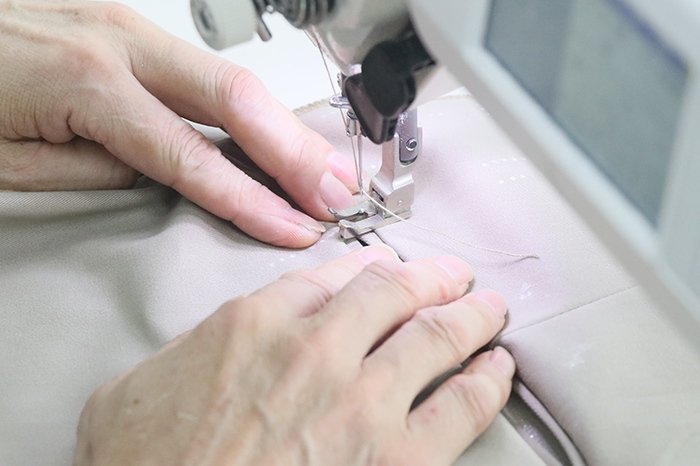
As a dedicated tie dye shorts manufacturer, we implement rigorous quality checks from raw materials through final inspection. Every batch undergoes materials testing, cutting verification, craft assessment, sewing monitoring, and finished garment review—ensuring zero defects reach your customers.
- Materials QC testing verifies fabric weight, colorfastness, and dye pattern consistency before cutting
- Cutting and sewing QC catch dimensional errors and stitching flaws in real time
- Finished garment inspection confirms measurements, color accuracy, and packaging standards
- Defects identified early reduce waste and guarantee on-time delivery of premium tie dye shorts
In-House Design & Rapid Sampling
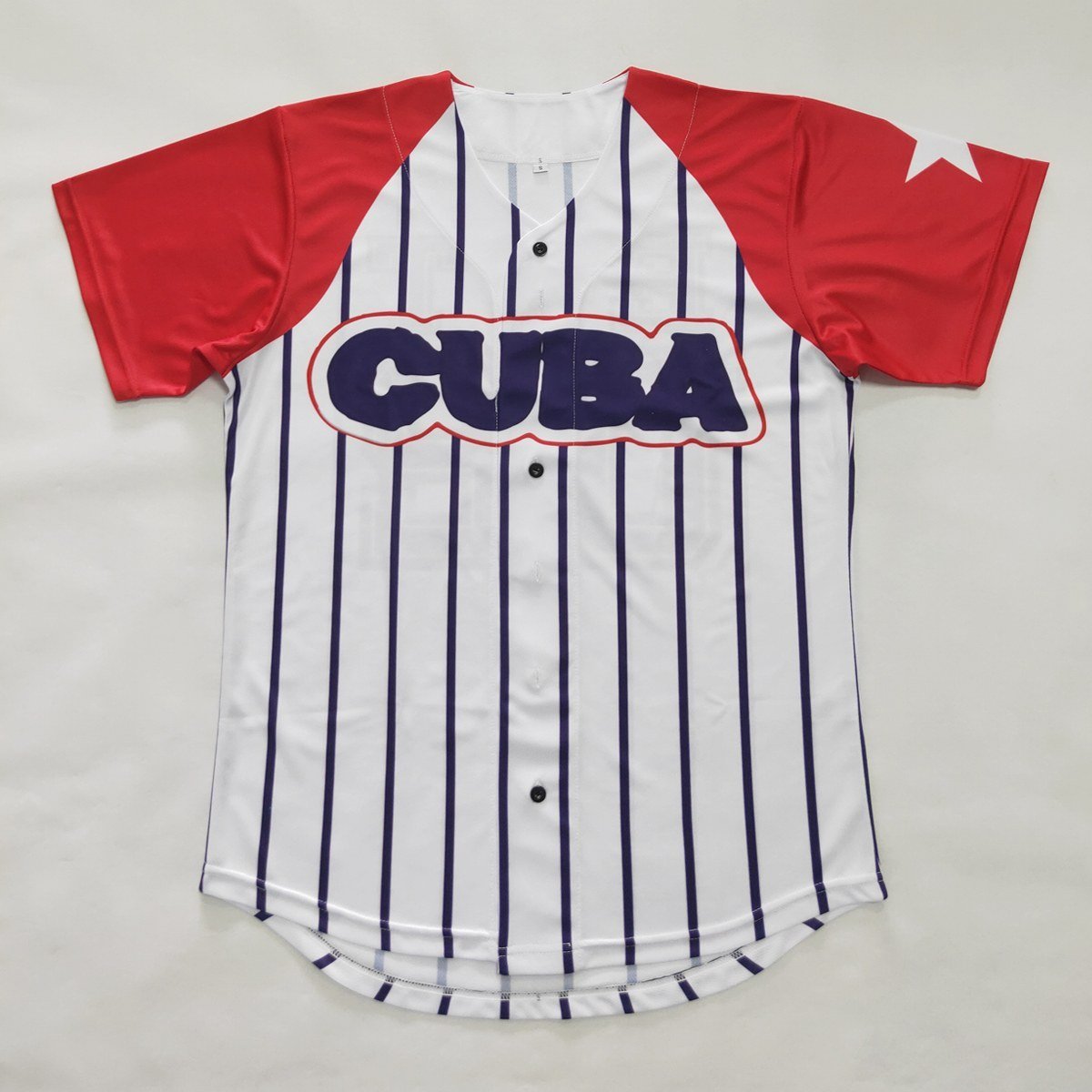
Our 15-member R&D team translates your vision into production-ready tie dye shorts samples in days, not weeks. From initial sketches to tech packs and first samples, we streamline every step so you can validate designs and launch seasonal collections faster than competitors.
- Custom tie dye pattern development tailored to streetwear trends and your brand aesthetic
- Tech pack creation and pattern grading handled by experienced streetwear specialists
- First samples delivered within 7–10 days for fast feedback cycles
- Unlimited revisions until your tie dye shorts prototype meets your exact specifications
Low MOQ for Emerging Brands
We support fashion startups and influencer lines with flexible minimum order quantities that let you test the market without overcommitting inventory. Launch your tie dye shorts collection with confidence, scale as demand grows, and maintain cash flow during early growth phases.
- MOQs as low as 50–100 pieces per colorway or tie dye pattern
- Mix-and-match sizes and styles within a single production run
- Scalable production from startup batches to thousands of units as your brand expands
- No hidden fees or surcharges for smaller initial orders
Global Logistics & Quality Assurance
With over a decade of international trade experience and clients in 100+ countries, we handle end-to-end logistics so your tie dye shorts arrive on time and in perfect condition. Transparent communication, reliable shipping partners, and full documentation support ensure seamless cross-border fulfillment.
- Customs declaration, inspection, and export documentation managed by our trade specialists
- Partnership with trusted freight forwarders for air, sea, and express courier options
- Real-time shipment tracking and proactive updates throughout the delivery process
- Final QC inspection and secure packaging prevent damage and ensure brand-ready presentation
Tie Dye Shorts Manufacturer vs. Standard Suppliers
Clothing Manufacturer Ltd delivers specialized streetwear production with quality controls and flexibility that typical contract manufacturers simply cannot match.
← 左右滑动查看 →
Our Tie Dye Shorts Manufacturer Production Process
Every tie dye shorts order moves through our proprietary 5-step quality control system, with dedicated QC checkpoints at each production phase to ensure zero-defect delivery.
Fabric Sourcing & Materials QC
Premium cotton and blended fabrics arrive at our facility and undergo materials QC testing for weight, colorfastness, shrinkage, and dye absorption before production approval.
Pattern Cutting & Cutting QC
Custom patterns are developed for your tie dye shorts design. Our cutting team executes precision cuts, followed by cutting QC testing to verify dimensions and fabric integrity.
Tie Dye Application & Craft QC
Expert artisans apply your chosen tie dye technique—spiral, crumple, or custom patterns—then clothing craft QC testing confirms color vibrancy, pattern accuracy, and wash durability.
Sewing Assembly & Production QC
Skilled sewers construct each garment with reinforced seams and precise stitching. Sewing production QC testing inspects stitch quality, alignment, and construction strength throughout the run.
Finished Garment Quality Inspection
Completed tie dye shorts undergo finished clothing quality QC inspection—our final checkpoint examining fit, finishing, labeling, and overall appearance before approval for packing.
Packing & Global Shipping
Approved shorts are professionally folded, poly-bagged, and carton-packed per your specifications. Our logistics team coordinates global shipping with full tracking and customs documentation support.
How to Partner With Your Tie Dye Shorts Manufacturer in 3 Simple Steps
From concept to finished product, our streamlined process ensures clarity, speed, and quality at every stage of your tie dye shorts production.
Submit Your Design Brief
Send us your tech pack, design specifications, fabric preferences, and quantity requirements. We’ll review your project and respond within 24 hours with questions or clarifications.
Approve Samples and Quote
Receive your custom quote and production samples within 7 days. Our team ensures every detail matches your vision before you commit to bulk production.
Launch Bulk Production
Once approved, we begin manufacturing with our 5-step QC guarantee. Track your order timeline, receive updates, and prepare for on-time delivery to your destination.
Certified Tie Dye Shorts Manufacturer — Trusted Quality Standards
Tie Dye Shorts Manufacturer Trusted by Streetwear Brands Worldwide
We launched our tie dye shorts collection with Clothing Manufacturer Ltd and grew from 0 to 52K followers in 8 months. Their color consistency across 3,000 units was flawless, and the 5-step QC gave us total confidence.
Delivered 5,200 tie dye shorts in just 6 weeks with zero quality issues. Their sampling turnaround was 5 days—fastest we’ve experienced. Finally found a tie dye shorts manufacturer who understands streetwear deadlines and standards.
As a startup, their low MOQ of 200 pieces per design let us test four tie dye colorways without breaking our budget. Sales jumped 340% after launch. Tesla’s team truly partners with emerging brands.
FAQ — Tie Dye Shorts Manufacturer
What is the minimum order quantity (MOQ) for a tie dye shorts manufacturer order?
How long is the lead time for bulk tie dye shorts orders?
Do you charge for tie dye shorts samples, and how long do they take?
What payment terms does your tie dye shorts manufacturer require?
What shipping options are available for international tie dye shorts orders?
How do you protect my designs and intellectual property?
How much customization can I request for tie dye shorts production?
What happens if there are defects in my tie dye shorts order?
Can I order just samples without committing to bulk production?
The Complete Buyer’s Guide to Choosing the Right Tie Dye Shorts Manufacturer
This guide equips streetwear brands, fashion startups, and retailers with a proven decision framework, essential supplier criteria, and critical mistakes to avoid when sourcing from a tie dye shorts manufacturer for your collection.
1. What Is a Tie Dye Shorts Manufacturer?
A tie dye shorts manufacturer specializes in producing garments that combine cut-and-sew construction with controlled dyeing processes, pattern engineering, and finishing techniques that generic apparel factories typically lack. Unlike standard cut-and-sew operations that work exclusively with pre-dyed fabrics, a dedicated tie dye shorts manufacturer maintains in-house dyeing capabilities, color formulation expertise, and pattern-binding methods (spiral, crumple, accordion, shibori) to achieve repeatable or unique colorways on finished shorts. This vertical integration allows brands to order custom tie dye patterns rather than sourcing blanks and outsourcing dye work separately.
Specialized tie dye manufacturers employ dye technicians who understand fiber reactivity, fixation chemistry, and wash-fastness standards—critical for streetwear and activewear where colorfastness directly impacts customer satisfaction. They control variables such as dye concentration, binding tension, dwell time, and rinse cycles to ensure batch consistency or intentional variation, depending on brand requirements. Clothing Manufacturer Ltd., for example, integrates tie dye production within its five-step quality control framework introduced in February 2025, testing dye penetration and color stability at the materials QC and finished garment QC stages.
Brands choose dedicated tie dye specialists to access proprietary pattern libraries, reduce lead times by consolidating dyeing and sewing under one roof, and ensure quality standards that mass-production dye houses cannot guarantee at low-to-mid order volumes. A specialized manufacturer also offers design consultation on which tie dye techniques pair best with specific fabric weights, helping streetwear labels and independent designers avoid common pitfalls like uneven saturation or color bleeding during customer wash cycles.
2. The Evolution of Tie Dye in Modern Streetwear
Tie dye emerged in the 1960s as a countercultural symbol, hand-dyed by artisans using rubber bands and natural dyes in small batches. Each piece was unique, labor-intensive, and impossible to replicate at scale, limiting commercial viability for decades.
The 1990s grunge revival brought tie dye back into mainstream fashion, but manufacturing remained largely artisanal until the mid-2000s when digital dye-sublimation and rotary screen printing enabled repeatable patterns. These technologies allowed a tie dye shorts manufacturer to produce consistent colorways across production runs of 500 to 5,000 units, meeting retail demand without sacrificing the organic aesthetic that defined the style.
Between March and July 2020, tie dye experienced a pandemic-driven DIY surge as consumers created custom garments at home, driving online searches up by over 400 percent according to retail analytics. Luxury houses including Dior and Prada introduced tie dye collections in Spring/Summer 2021, validating the technique for premium price points and expanding its appeal beyond streetwear’s core demographic.
Modern tie dye shorts production combines reactive dye immersion, digital printing, and hand-finishing to balance scalability with authenticity. Manufacturers now offer 8 to 12 repeatable colorway options, minimum order quantities as low as 100 pieces per design, and lead times of 25 to 35 days. This evolution from one-off artisan craft to industrialized process ensures tie dye remains commercially viable for brands targeting Gen Z and millennial consumers who value both nostalgia and bold self-expression.
3. Types of Tie Dye Shorts Manufacturers
Choosing the right tie dye shorts manufacturer depends on your production needs, order volume, and brand maturity. Four distinct categories dominate the market, each offering different service levels, minimum order quantities, and turnaround times.
Full-Service Tie Dye Shorts Manufacturers
Full-service providers handle design consultation, fabric sourcing, dyeing, cutting, sewing, quality control, and packaging under one roof. Clothing Manufacturer Ltd. operates in this category, offering pattern development through finished garment with its five-step QC methodology applied at every production stage.
Typical MOQs range from 100 to 500 pieces per design, with lead times of 25 to 45 days depending on complexity. This model suits fashion startups and independent designers who need end-to-end support and lack in-house technical teams.
Dye-Only Specialists
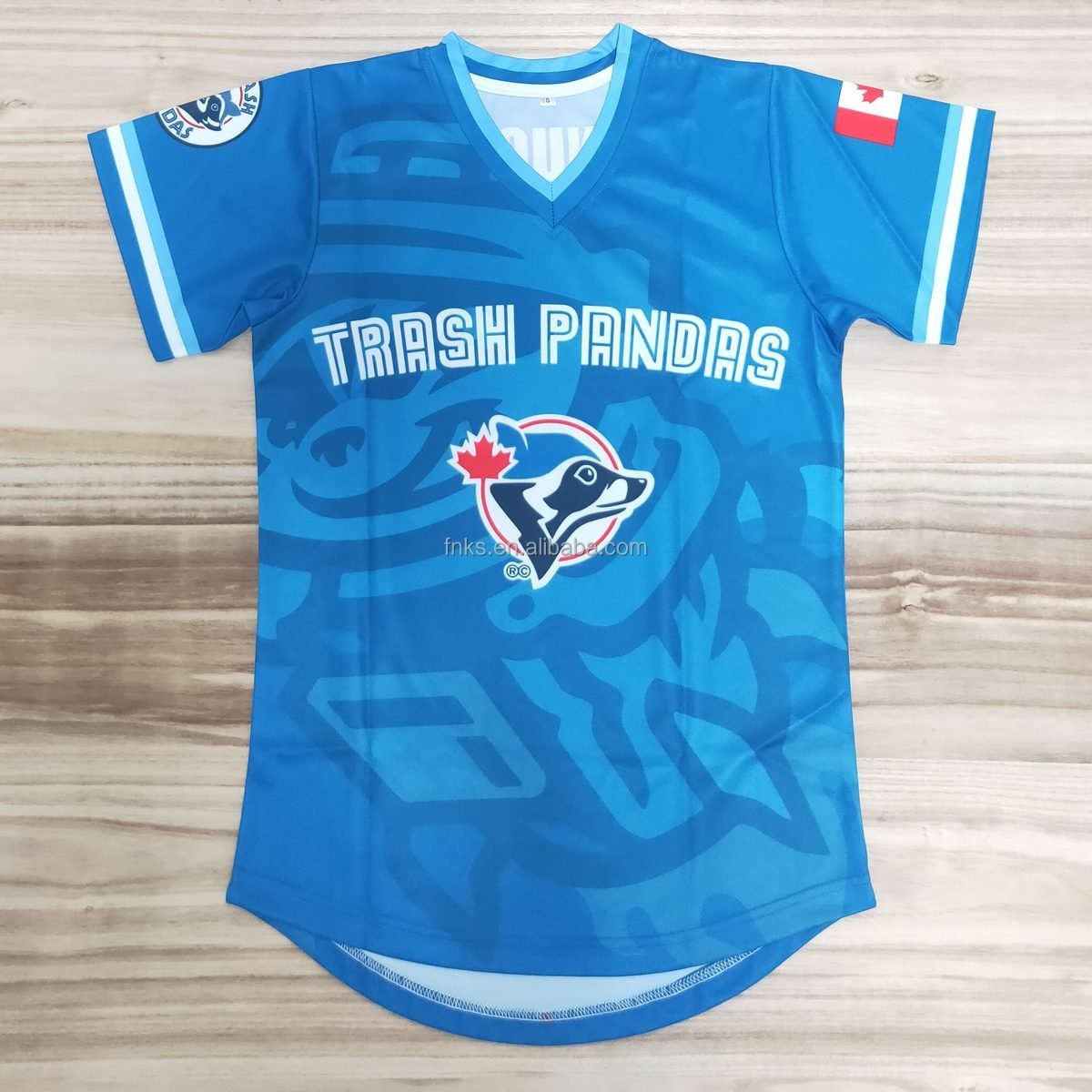
Dye houses focus exclusively on applying tie dye patterns to pre-cut or finished garments supplied by the client. MOQs often start at 50 pieces per colorway, with turnaround times of 7 to 14 days.
This option works best for established brands with existing cut-and-sew partners who want specialized dyeing expertise or unique color effects that general manufacturers cannot replicate.
Print-on-Demand Platforms
POD services produce individual tie dye shorts after each customer order, eliminating inventory risk. MOQs drop to one piece, but per-unit costs run 40 to 60 percent higher than bulk manufacturing.
Influencer brands and creator-driven labels testing market demand benefit most from this model, accepting lower margins in exchange for zero upfront investment and instant product launches.
Overseas vs. Domestic Manufacturers
Overseas tie dye shorts manufacturers in China, Vietnam, and Bangladesh offer 30 to 50 percent lower costs with MOQs of 200 to 1,000 pieces and lead times of 45 to 75 days including shipping. Domestic U.S. or European producers charge premium rates but deliver in 14 to 21 days with MOQs as low as 50 pieces.
Global apparel retailers prioritize cost efficiency and choose overseas partners, while trendy brands needing rapid restocks and tight trend cycles favor domestic speed despite higher unit prices.
4. Materials and Fabrics for Tie Dye Shorts
Fabric selection determines dye uptake, color vibrancy, and washfastness in tie dye shorts production. A tie dye shorts manufacturer must balance fiber content, weight, and cost to meet brand positioning and performance requirements.
| Fabric Type | Dye Compatibility | Typical Use Case | Price Tier |
|---|---|---|---|
| 100% Cotton Jersey (160 GSM) | Excellent – vivid, washfast | Budget streetwear, high-volume | $ |
| Cotton-Poly Blend (50/50, 200 GSM) | Moderate – muted tones | Activewear, wrinkle resistance | $$ |
| French Terry (240 GSM) | Excellent – deep saturation | Premium shorts, structured fit | $$$ |
| Organic Cotton (180 GSM) | Excellent – certified sustainable | Eco-conscious brands | $$$$ |
Natural vs. Synthetic Fiber Dye Performance
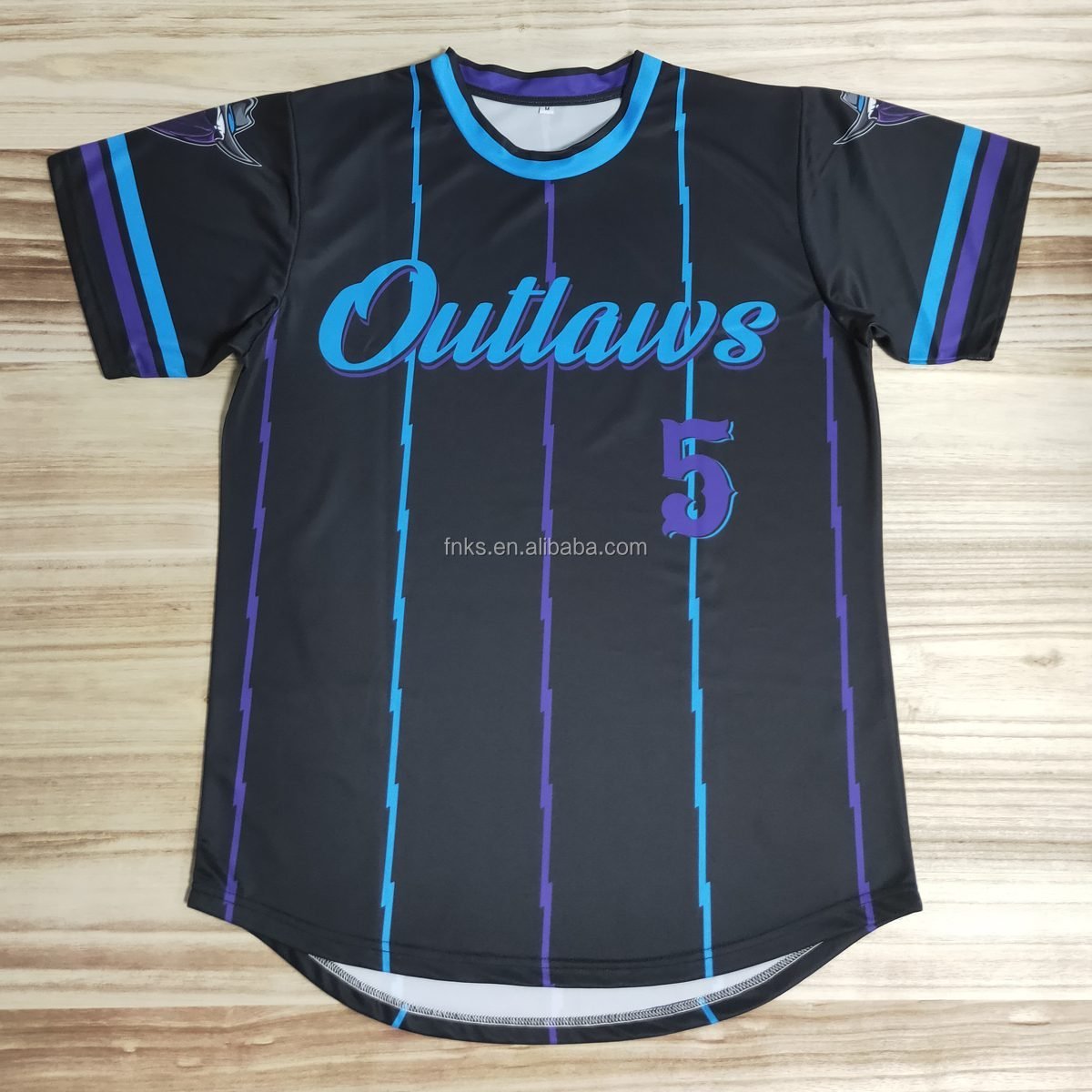
100% cotton accepts reactive dyes with superior color saturation and penetration, making it the gold standard for vibrant tie dye patterns. Cotton fibers bond chemically with reactive dyes, producing washfast colors that endure 50+ laundry cycles without significant fading.
Polyester and synthetic blends resist water-based reactive dyes, requiring disperse dyes or sublimation processes that yield less vibrant results. Cotton-polyester blends (50/50 or 60/40) offer wrinkle resistance and durability but produce muted tie dye effects because only the cotton portion absorbs dye fully.
Fabric Weight and GSM Considerations
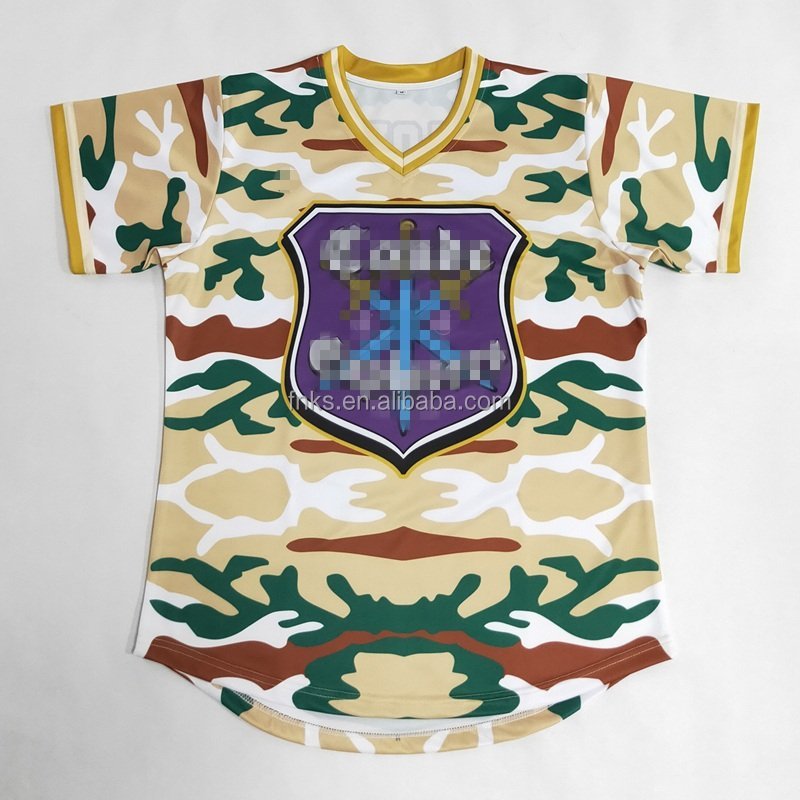
Lightweight jersey knits (140–180 GSM) dry quickly and suit warm-weather shorts, but thin construction may show uneven dye penetration. Midweight French terry (220–260 GSM) balances dye absorption with structure, delivering consistent color while maintaining shape through repeated wear.
Heavyweight fleece (280–320 GSM) absorbs maximum dye volume for deep, saturated hues but increases production costs and drying time. Brands targeting premium streetwear typically specify 240+ GSM fabrics to convey quality and durability.
Sustainability: Organic and Recycled Options
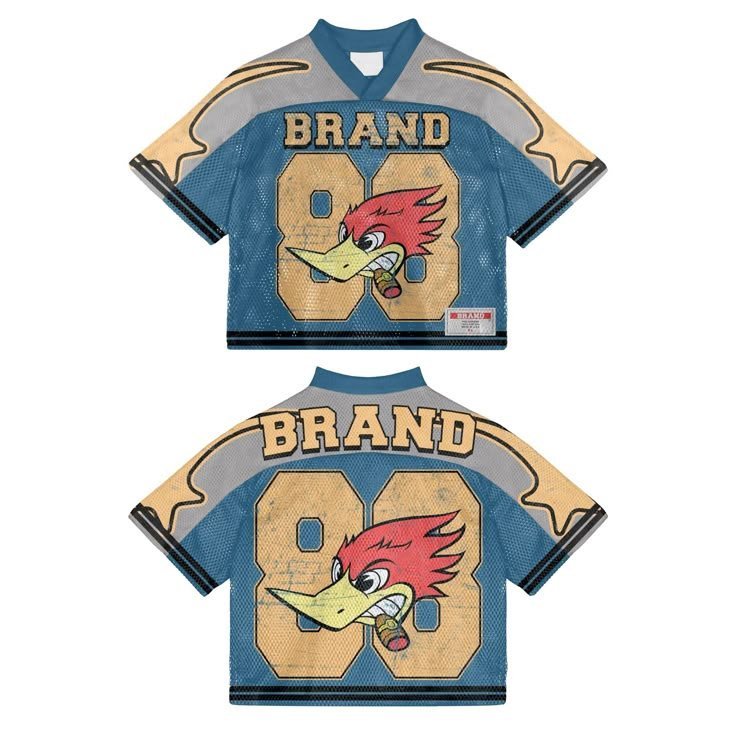
GOTS-certified organic cotton eliminates pesticide residues and appeals to eco-conscious consumers, though it commands a 20–35% price premium over conventional cotton. Recycled polyester blends divert post-consumer plastic from landfills but compromise dye vibrancy due to synthetic fiber content.
A tie dye shorts manufacturer offering both conventional and certified sustainable fabrics enables brands to test market response before committing to higher-cost organic or recycled materials across full production runs.
5. Customization and Decoration Options with a Tie Dye Shorts Manufacturer
A tie dye shorts manufacturer typically offers multiple decoration and customization methods beyond the base dyeing process. Each technique carries distinct cost structures, durability profiles, and aesthetic impacts that influence brand positioning and retail price points.
| Decoration Method | Setup Cost | Per-Unit Cost | Visual Impact | Durability |
|---|---|---|---|---|
| Hand-dye (spiral, crumple, ice) | $0–$50 | $1.50–$4.00 | High organic texture | Excellent (fabric-level) |
| Digital sublimation | $50–$150 | $0.80–$2.50 | Photographic detail | Good (polyester only) |
| Screen print overlay | $25–$75/color | $0.40–$1.20 | Bold graphics | Very good (plastisol) |
| Embroidery | $30–$100 | $1.00–$3.50 | Premium 3D branding | Excellent |
| Appliqué patches | $0–$50 | $0.60–$2.00 | Dimensional logo | Good to very good |
Hand-Dye Techniques
Spiral, crumple, and ice dye represent the three most common hand-application methods. Spiral dyeing produces radial patterns from a central twist point, crumple creates organic random textures, and ice dye yields watercolor-like gradients as pigment melts through ice crystals.
Hand-dye methods require skilled labor and longer production cycles, typically adding 2–4 days to lead times. Per-unit costs range from $1.50 to $4.00 depending on color count and pattern complexity, with minimal setup fees but lower repeatability than digital processes.
Digital Sublimation and Screen Print Overlays
Digital sublimation transfers full-color designs onto polyester blends using heat-activated inks, enabling photographic detail and unlimited color palettes. Screen printing overlays add opaque graphics atop tie dye backgrounds, typically in 1–4 spot colors.
Sublimation requires polyester content above 65% and incurs setup costs of $50–$150 per design, with per-unit charges of $0.80–$2.50. Screen printing setup ranges from $25–$75 per color, adding $0.40–$1.20 per garment for simple placements.
Embroidery, Appliqué, and Trim Customization
Embroidery delivers premium branding on waistbands, pockets, or hems, with setup digitization fees of $30–$100 and per-unit costs of $1.00–$3.50 based on stitch count. Appliqué patches add dimensional logos or graphics, priced at $0.60–$2.00 per piece.
Custom drawstrings, branded aglets, and woven waistband labels provide subtle differentiation. Woven labels cost $0.15–$0.50 each at 500-unit minimums; custom drawstrings add $0.20–$0.60 per short depending on material and print method.
6. Key Quality Control Elements in Tie Dye Shorts Production
Quality control separates retail-ready tie dye shorts from returns and chargebacks. A professional tie dye shorts manufacturer implements checkpoints at every production stage, not only at the final inspection, ensuring consistency across batches and repeat orders.
Fabric Inspection Before Dyeing
Incoming fabric must meet weight, weave, and defect standards before entering the dye line. Mills typically ship 280–320 GSM cotton fleece or French terry for shorts; inspectors verify GSM tolerance within ±5 percent and flag slubs, holes, or tension irregularities.
Pre-dye testing includes shrinkage simulation and pH measurement. Fabrics with alkaline residues or sizing agents prevent even dye uptake, producing blotchy patterns that no amount of rework can fix.
Dyeing Process Control and Batch Consistency
Dye-lot matching requires documented formulas, water temperature logs, and time tracking for each vat. Professional manufacturers retain sample swatches from every batch, enabling side-by-side comparison when clients reorder months later.
Colorfastness testing to AATCC 61 (wash) and AATCC 16 (light) standards ensures colors survive 40–60°C home laundry cycles without bleeding. Oeko-Tex Standard 100 certification confirms dyes are free from restricted amines and heavy metals, a baseline requirement for EU and US retail distribution.
Cut-and-Sew Quality Checkpoints
Pattern placement QC verifies that tie dye spirals, stripes, or splotches align with design mockups before cutting. Misaligned cuts waste unique dyed fabric and create unsellable inventory.
Stitch integrity checks include seam strength (minimum 40 N/cm for activewear shorts), thread tension balance, and bartack reinforcement at stress points. Flatlock or cover-stitch hems prevent curling and fraying after repeated wash cycles.
Final Audit and Certification Standards
Final inspection measures garment dimensions against the tech pack (tolerance ±1 cm for waist, inseam, rise) and scores visual defects using AQL 2.5 sampling plans. Each carton receives a QC pass card listing inspector ID and date.
GOTS certification signals organic-fiber traceability and environmental compliance throughout dyeing and finishing. Brands targeting premium retail channels should confirm manufacturers hold current WRAP or BSCI social-compliance audits alongside product-quality certifications.
7. How to Choose the Right Tie Dye Shorts Manufacturer
Selecting a tie dye shorts manufacturer requires systematic evaluation across production capabilities, quality systems, and operational flexibility. A structured vetting process protects your brand from delays, inconsistent color results, and hidden costs that emerge after deposits are paid.
Assess Portfolio and Request Physical Samples
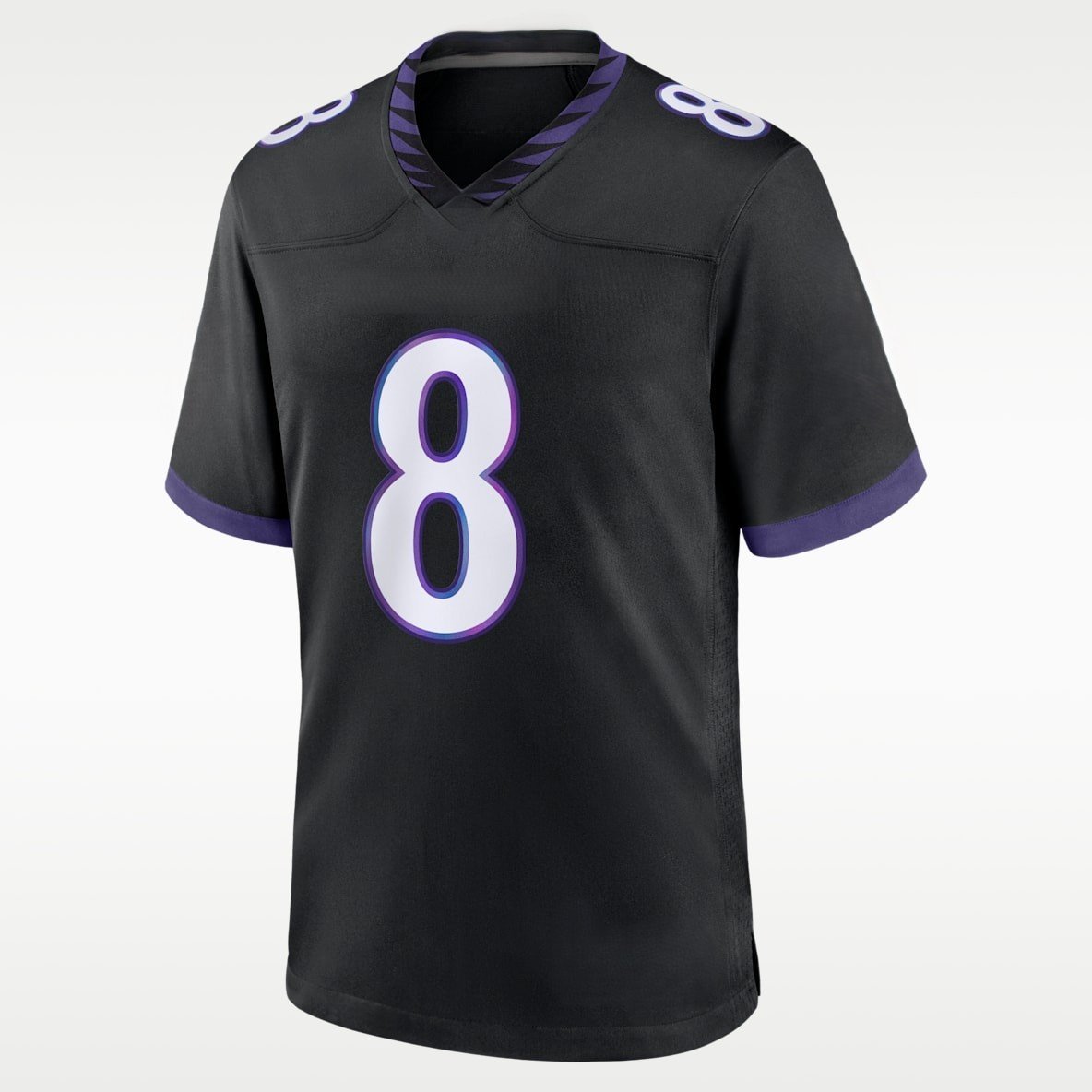
Review at least 10–15 completed tie dye shorts projects in the manufacturer’s portfolio, noting pattern consistency and color vibrancy across bulk orders. Request physical samples in your target fabric weight (typically 180–280 GSM for shorts) and examine dye penetration on both face and reverse sides.
Ask: ‘Can you provide samples from three different production runs of the same design?’ and ‘What is your sample turnaround time and cost structure?’ Consistent results across batches indicate reliable dyeing protocols.
Verify Dyeing Equipment and Color-Matching Capabilities
Confirm the factory operates dedicated tie dye workstations with temperature-controlled dye baths and uses fiber-reactive dyes for cotton or disperse dyes for polyester blends. Ask whether they maintain Pantone reference libraries or custom color formulas for repeat orders.
Key question: ‘Do you perform pre-production dye trials, and how many color iterations are included in your quote?’ Factories with in-house color labs can match brand palettes within 2–3 iterations.
Confirm MOQ Flexibility and Scalability
MOQ for tie dye shorts typically ranges from 100 pieces per design at boutique manufacturers to 500+ at high-volume plants. Clarify whether MOQ applies per colorway or per style, as tie dye patterns often count as single SKUs despite color variation.
Ask: ‘What is your MOQ for initial orders, and how does it decrease for reorders?’ and ‘Can you scale production to 5,000+ units within the same lead time?’ Scalability matters as your brand grows.
Review Lead Times and Production Scheduling
Standard lead times for tie dye shorts run 25–45 days from approved samples to shipment, depending on order size and season. Tie dye adds 3–5 days versus solid-dye shorts due to manual application and curing time.
Critical questions: ‘What is your current production backlog?’ and ‘Do you offer rush production, and at what cost premium?’ Factories operating five-step QC systems like Clothing Manufacturer Ltd. build inspection time into schedules without delays.
Check References and Quality Certifications
Request contact details for 2–3 clients who ordered tie dye products in the past six months, focusing on brands in your market segment. Verify certifications such as OEKO-TEX Standard 100 for fabric safety, WRAP or BSCI for ethical manufacturing, and ISO 9001 for quality management.
Ask: ‘What is your defect rate for tie dye orders?’ and ‘How do you handle color discrepancies or pattern defects in finished goods?’ Transparent defect policies and third-party audits signal accountability.
Evaluate Communication and Design Support
Test responsiveness by sending a detailed inquiry with fabric specs, pattern references, and target pricing—replies within 24 hours indicate dedicated account management. Confirm whether the manufacturer offers design assistance, such as pattern mockups or fabric recommendations for specific tie dye techniques.
Ask: ‘Do you provide tech packs and graded size specs?’ and ‘What file formats do you accept for custom patterns?’ Manufacturers with 15-member R&D teams can refine designs before sampling, reducing revision cycles.
8. Common Mistakes When Sourcing a Tie Dye Shorts Manufacturer
Many brands lose time and money by overlooking critical sourcing details when partnering with a tie dye shorts manufacturer. Mistakes in testing, timelines, and contract terms can result in unsellable inventory, brand reputation damage, and costly production delays.
Skipping Colorfastness and Wash Testing
Ignoring colorfastness testing before bulk production is one of the most common and damaging errors. Tie dye patterns that bleed or fade after the first wash generate returns, negative reviews, and lost customer trust.
Request lab test reports for colorfastness to washing (ISO 105-C06) and crocking (ISO 105-X12) during the sample stage. Reputable manufacturers perform these tests as part of their quality control; factories that resist testing often lack proper dye-fixation protocols and should be avoided.
Underestimating Lead Times for Custom Dye Lots
Custom tie dye patterns require dye-lot matching, pattern proofing, and curing time that standard garments do not. Brands frequently assume standard 30–45 day timelines, then face stockouts when actual production requires 50–70 days.
Always add 15–20 days to quoted lead times for custom tie dye orders and confirm whether sample approval, dye testing, and shipping are included in the timeline. Clarify whether lead time starts from deposit or from final pattern approval to avoid miscommunication.
Choosing Solely on Price Without Quality Verification
Selecting a tie dye shorts manufacturer based only on the lowest unit price often results in poor dye application, inconsistent patterns, and substandard stitching. Low-cost factories typically skip in-process quality checks, leading to high defect rates that erase any initial savings.
Evaluate manufacturers using sample quality, QC processes, and client references alongside pricing. A five-step QC system that includes materials testing, cutting inspection, and finished garment checks ensures consistent output and reduces costly rework or chargebacks.
Neglecting IP and Design Ownership Clauses
Failing to specify intellectual property and design ownership in contracts can allow manufacturers to reproduce your custom tie dye patterns for competitors. This mistake is especially damaging for influencer and creator brands whose unique aesthetics drive customer loyalty.
Include explicit clauses that grant you full ownership of custom patterns, color formulas, and design files. Require confidentiality agreements (NDAs) before sharing proprietary artwork or dye recipes to protect your brand identity and market differentiation.
9. Steps to Launch Your Tie Dye Shorts Collection
Launching a tie dye shorts collection requires a structured production journey from concept to consumer. Each phase carries specific timelines and budget checkpoints that determine cash flow and go-to-market readiness. Understanding the sequence helps brands avoid delays and cost overruns.
Concept and Trend Research
Allocate 1–2 weeks to analyze streetwear trends, competitor offerings, and target demographics. Review skeleton elements, color pattern elements, and other streetwear motifs that resonate with your audience.
Budget $0–500 for trend reports or designer consultation. Document dye patterns, fabric weights, and silhouette preferences before moving to technical specifications.
Tech Pack Creation
Develop detailed technical drawings, fabric callouts (GSM, fiber content), dye pattern instructions, sizing charts, and trim specifications within 3–5 days. Include flat sketches, seam allowances, and Pantone references for dye colors.
Budget $200–800 if outsourcing to a freelance tech designer. A complete tech pack reduces sample revisions and accelerates manufacturer quoting.
Manufacturer RFQ and Vetting
Request quotes from 3–5 tie dye shorts manufacturers, comparing MOQ (typically 50–300 pieces per design), lead times (4–6 weeks), and QC protocols. Verify five-step quality control processes that cover materials, cutting, craft, sewing, and finished inspection.
Allow 5–7 days for quotes. Budget no direct cost but confirm deposit terms (usually 30–50 percent upfront).
Sample Rounds and Revisions
Order initial samples (1–3 pieces per colorway) with a 10–14 day turnaround. Review dye saturation, stitching quality, fit, and trim alignment. Request revisions if patterns misalign or fabric weight deviates.
Budget $50–150 per sample plus shipping. Plan for one to two revision cycles before bulk approval.
Bulk Order and Deposit
Confirm final quantities, colorways, and delivery dates. Pay the deposit (30–50 percent of order value) to initiate cutting and dyeing. Lock fabric sourcing and dye batch consistency with your tie dye shorts manufacturer.
Typical bulk lead time is 25–35 days. Budget the deposit against your total order value and reserve working capital for balance payment before shipment.
Production Monitoring and QC
Request progress updates at materials QC, cutting QC, and sewing QC milestones. Review inline photos or video to catch defects early. Confirm finished clothing quality inspection before packing.
Budget $0 if the manufacturer includes reporting, or $200–500 for third-party inspection. This phase spans weeks 3–5 of production.
Shipping, Launch, and Marketing
Arrange freight (air or sea) 7–21 days before your launch date. Clear customs, inspect cartons upon arrival, and stage inventory. Coordinate social media teasers, influencer seeding, and email campaigns 2–4 weeks prior to release.
Budget 10–20 percent of product cost for shipping and 15–25 percent of retail for marketing. Plan a 60–90 day end-to-end timeline from concept to first sale.
10. Pricing and Cost Breakdown
Tie dye shorts pricing varies primarily by fabric weight (160–320 GSM), dye complexity (single-color spiral versus multi-color mandala), and order volume. A 50-unit run of single-color tie dye French terry shorts typically costs $8–$12 per piece, while 1,000-unit orders drop to $4.50–$6.50 per piece as fabric waste decreases and labor is amortized across more garments. Setup and sampling fees range from $150 to $400 depending on pattern intricacy and the number of colorways submitted for approval.
Decoration add-ons—screen-printed logos, embroidered patches, or custom labels—introduce both setup charges and per-unit adders. A single-location screen print adds $80–$150 in setup plus $0.60–$1.20 per short, whereas embroidery setup runs $50–$100 with a $1.50–$2.50 per-unit cost for designs under 10,000 stitches. Woven labels and hang tags add $0.15–$0.50 each, and poly-bag packaging with custom inserts adds another $0.10–$0.25 per unit.
Geographic location influences lead time and landed cost. Manufacturers in Guangdong Province, China—including Humen Town where Clothing Manufacturer Ltd. operates—offer 18–25 day production cycles at competitive per-unit rates, while domestic North American or European producers charge 30–60 percent premiums but deliver in 10–14 days. Freight, duties, and inspection fees typically add 8–15 percent to FOB pricing for international orders.
| Quantity Tier | Price per Unit (USD) | Setup & Sampling | Lead Time (days) |
|---|---|---|---|
| 50 units | $8.00–$12.00 | $200–$400 | 25–30 |
| 250 units | $6.00–$8.50 | $150–$300 | 22–28 |
| 500 units | $5.00–$7.00 | $150–$250 | 20–25 |
| 1,000+ units | $4.50–$6.50 | $150–$200 | 18–25 |
Ready to Launch Your Tie Dye Shorts Line?
Partner with a trusted tie dye shorts manufacturer offering low MOQ, 5-step QC, and fast turnaround for emerging streetwear brands.