
Premium Nylon Shorts Manufacturer — Streetwear Quality, Startup-Friendly MOQ
Partner with a trusted nylon shorts manufacturer offering 50-piece MOQ, 5-step quality control, and fast turnaround for emerging streetwear brands and independent designers worldwide.
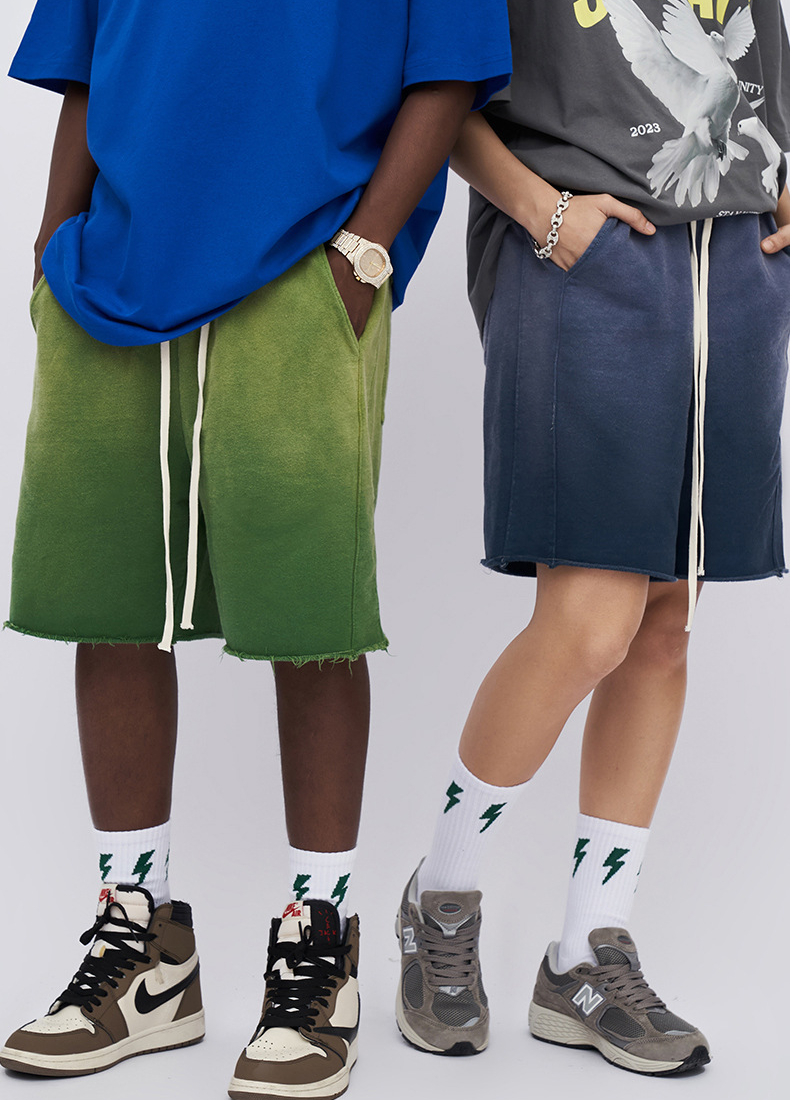
Nylon Shorts Collections — From Cargo to Performance Cuts
Why Brands Choose Our Nylon Shorts Manufacturer
5-Step QC Guarantee
Every nylon shorts order undergoes materials, cutting, craft, sewing, and finished product quality testing before shipment.
50-Piece Low MOQ
Launch your nylon shorts line without massive inventory risk. Perfect for fashion startups and independent designers testing new styles.
Fast Sampling & Turnaround
In-house design team delivers samples quickly, then scales to production fast enough to catch seasonal streetwear trends.
Streetwear Design Expertise
15-member R&D team with deep knowledge of cargo cuts, utility details, and trend-driven nylon shorts styles for streetwear brands.
Global Shipping & Logistics
Seamless international shipping to over 100 countries, with customs support and transparent tracking for every nylon shorts order.
Influencer Line Experience
Proven track record helping creator brands and influencer lines scale from zero to tens of thousands of followers worldwide.
Nylon Shorts Manufacturer — Cargo, Athletic, Utility & More
From streetwear cargo shorts to performance gym styles, we produce every nylon shorts category with precision cuts, reinforced construction, and our 5-step QC guarantee.
Cargo Nylon Shorts
Brands need cargo pockets that hold weight without sagging, with clean topstitching and secure closures that survive daily wear and repeated washing cycles.
Reinforced multi-needle stitching, bar-tack stress points, and 6–8 pocket configurations tested under load. Every pocket passes our sewing production QC before finishing.
Athletic & Gym Shorts
Performance brands require lightweight, moisture-wicking nylon with four-way stretch, breathable mesh panels, and elastic waistbands that retain tension after countless workouts.
Quick-dry ripstop nylon with laser-cut ventilation, double-covered elastic waistbands, and flatlock seams. Materials and craft QC ensure durability and comfort for active wear.
Utility & Tactical Shorts
Outdoor and workwear lines demand rugged nylon shorts with reinforced knees, tool loops, and heavy-duty hardware that withstand harsh conditions and frequent use.
Ballistic nylon construction, triple-stitch reinforcements at stress zones, metal YKK zippers, and D-ring attachments. Finished garments pass rigorous quality inspection for field readiness.
Oversized Streetwear Shorts
Streetwear brands need bold, oversized nylon shorts with unique prints, dropped crotch cuts, and adjustable drawcords that maintain shape without looking sloppy or unfinished.
Custom pattern grading for relaxed fits, sublimation-ready nylon for vibrant graphics, and reinforced drawstring channels. Cutting and sewing QC ensure every oversized piece drapes perfectly.
Tapered & Slim Nylon Shorts
Designer brands want sleek, tapered nylon shorts with clean lines, invisible seams, and precise leg openings that flatter without restricting movement or riding up.
Precision laser cutting, bonded hems for seamless finishes, and ergonomic pattern development. Our five-step QC catches fit inconsistencies before any batch leaves the factory floor.
Premium Nylon Fabrics Our Nylon Shorts Manufacturer Works With
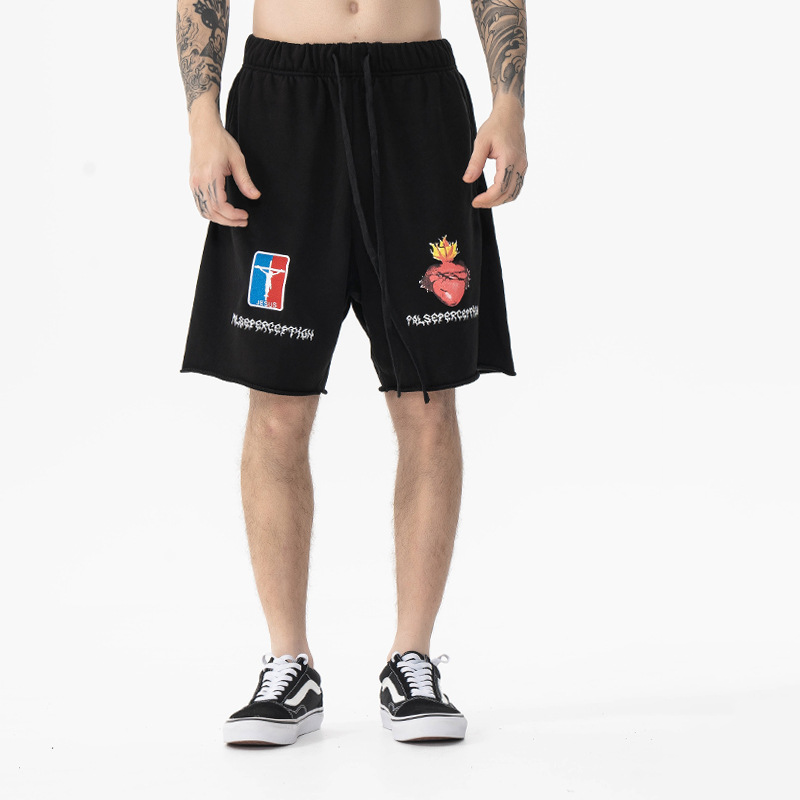
Nylon Ripstop
Lightweight yet tear-resistant fabric with a distinctive crosshatch weave. Ideal for cargo and utility shorts requiring durability without bulk. Typically 70–100 GSM with excellent wind resistance and quick-dry properties.
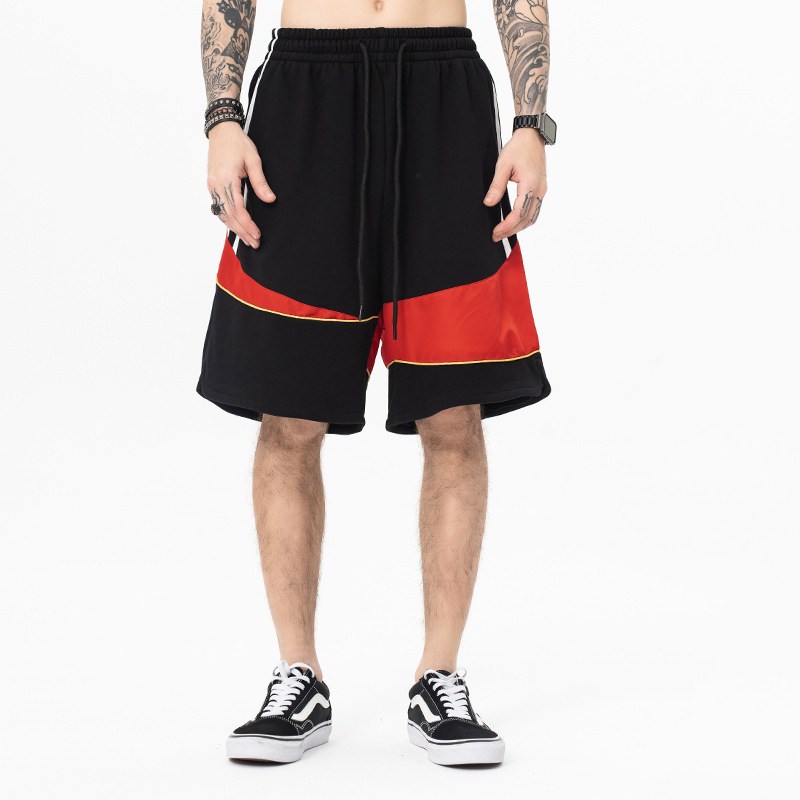
Nylon-Spandex Blend
Four-way stretch fabric combining nylon’s durability with spandex elasticity. Perfect for athletic and performance shorts that demand freedom of movement. Usually 85% nylon, 15% spandex at 180–220 GSM with moisture-wicking finish.
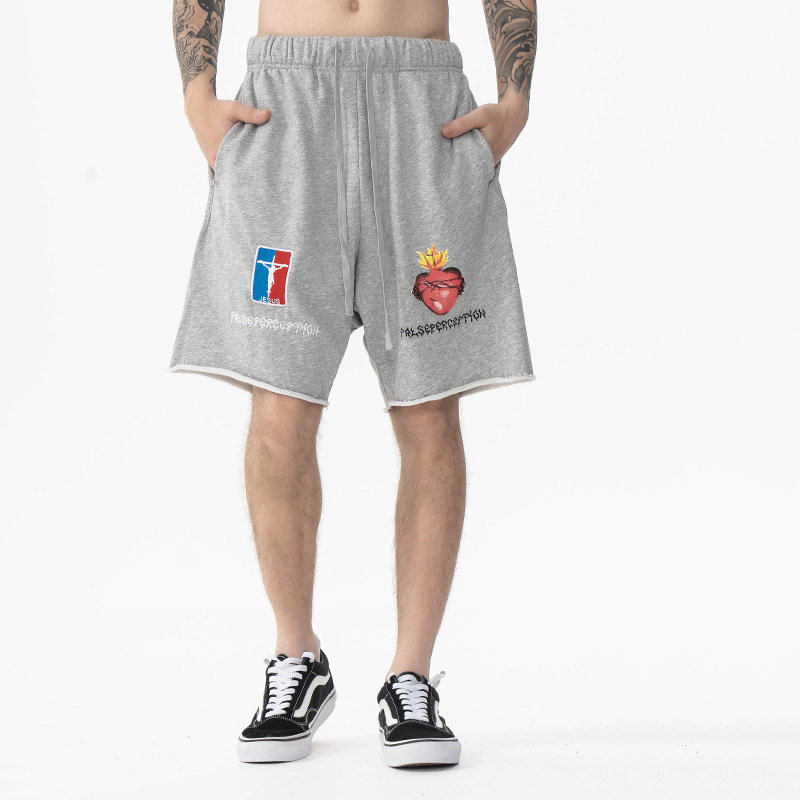
Water-Resistant Nylon
DWR-coated nylon that repels moisture while maintaining breathability. Excellent for outdoor and activewear shorts exposed to light rain or splashes. Mid-weight at 120–160 GSM with a smooth, technical hand-feel.
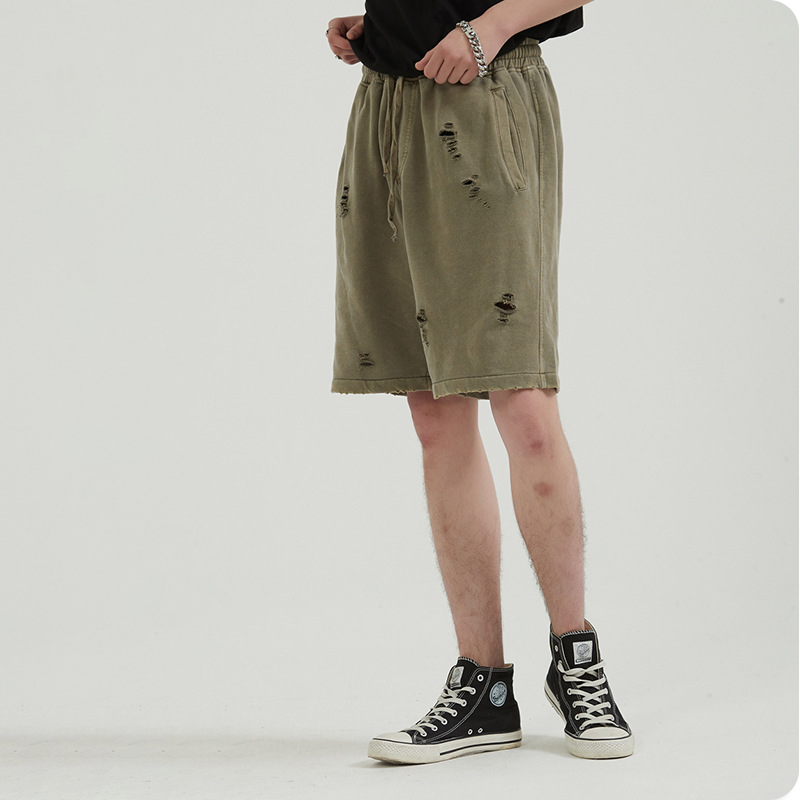
Nylon Taffeta
Crisp, smooth-finish nylon with a subtle sheen and soft drape. Popular for fashion-forward streetwear shorts and liner applications. Lightweight 50–80 GSM construction offers comfortable next-to-skin wear and vibrant dye uptake.
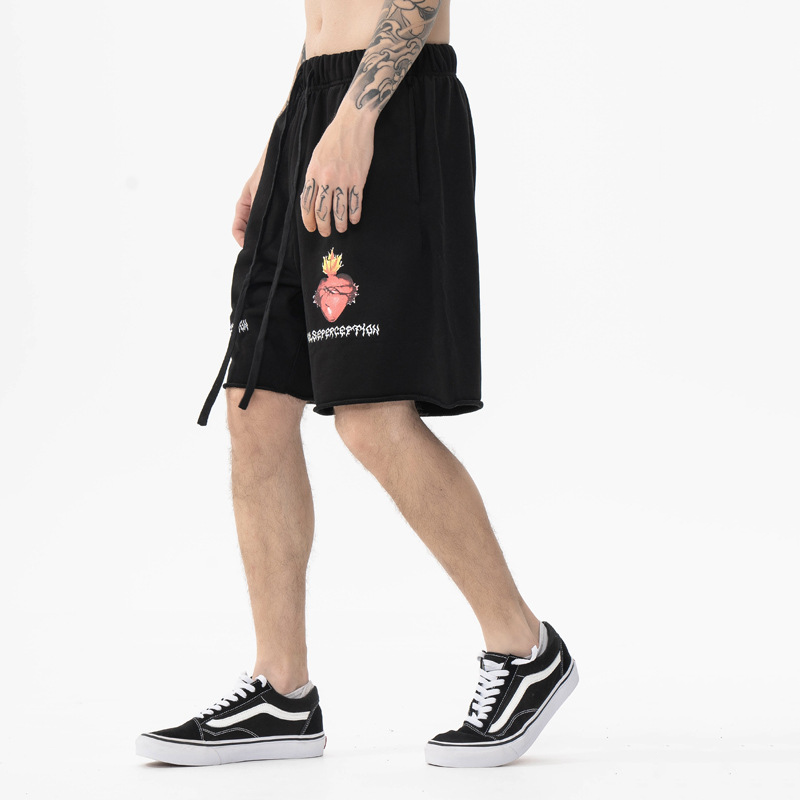
Taslan Nylon
Textured nylon with a cotton-like hand-feel and matte finish. Combines the performance of synthetic fiber with the aesthetic of natural fabric. Medium-weight 140–180 GSM, excellent for casual streetwear and everyday shorts.
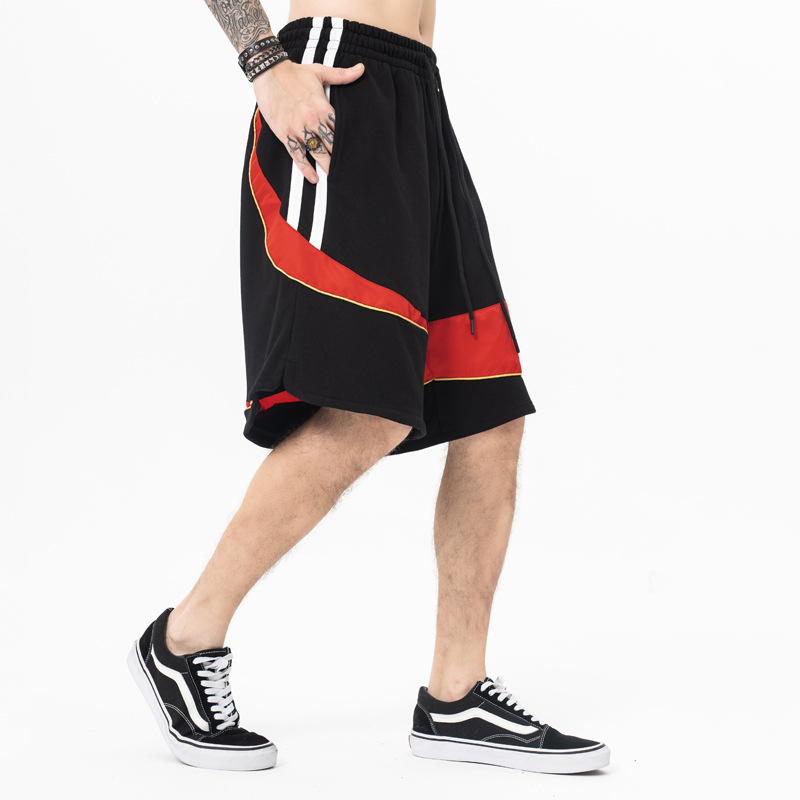
Coated Nylon
Heavy-duty nylon with polyurethane or acrylic coating for full waterproofing. Suited for technical utility shorts and high-performance outdoor collections. Typically 200–280 GSM with sealed seams capability and abrasion resistance.
Advanced Production Processes for Nylon Shorts Manufacturer
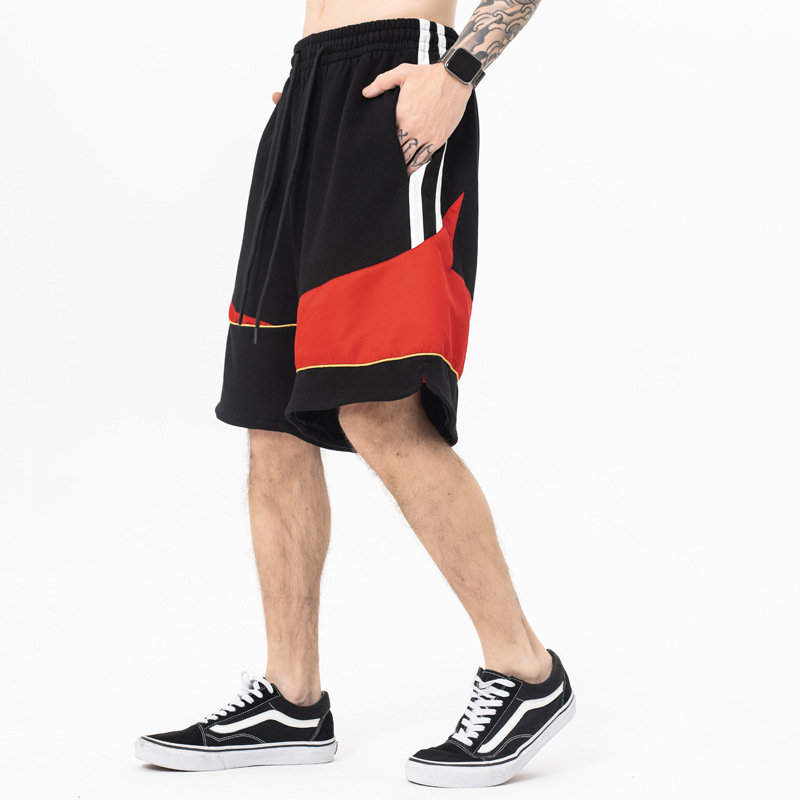
Heat-Seal Seaming
Ultrasonic welding creates waterproof, flat-lock seams without stitching—ideal for performance and utility nylon shorts. Delivers a sleek, modern finish with enhanced durability and moisture resistance.
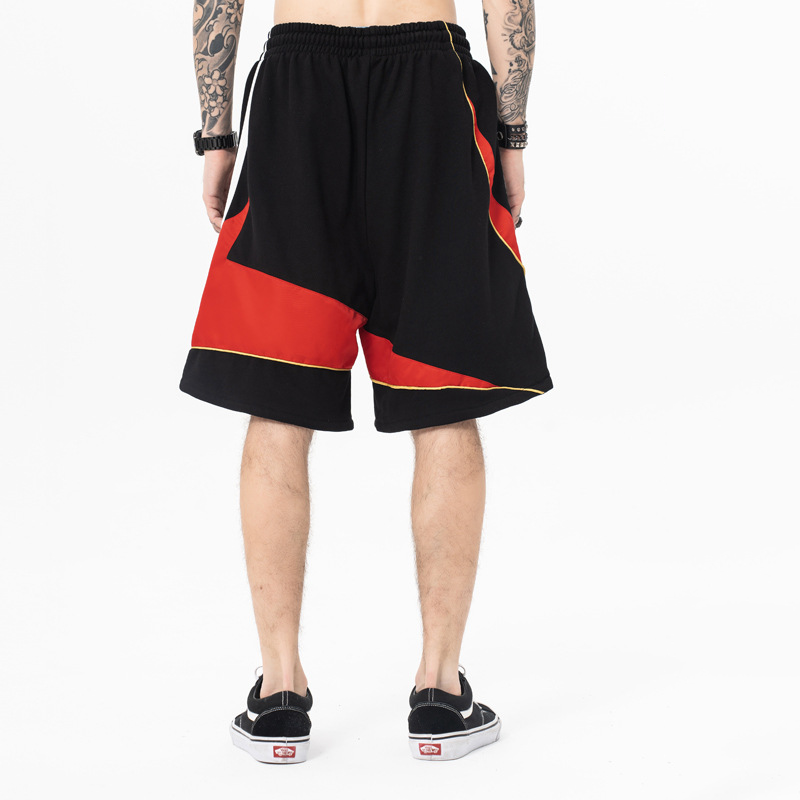
Custom Sublimation Printing
Dye-sublimation embeds vibrant, full-color graphics directly into nylon fibers for fade-proof, all-over designs. Perfect for bold streetwear patterns, gradients, and photographic prints that won’t crack or peel.
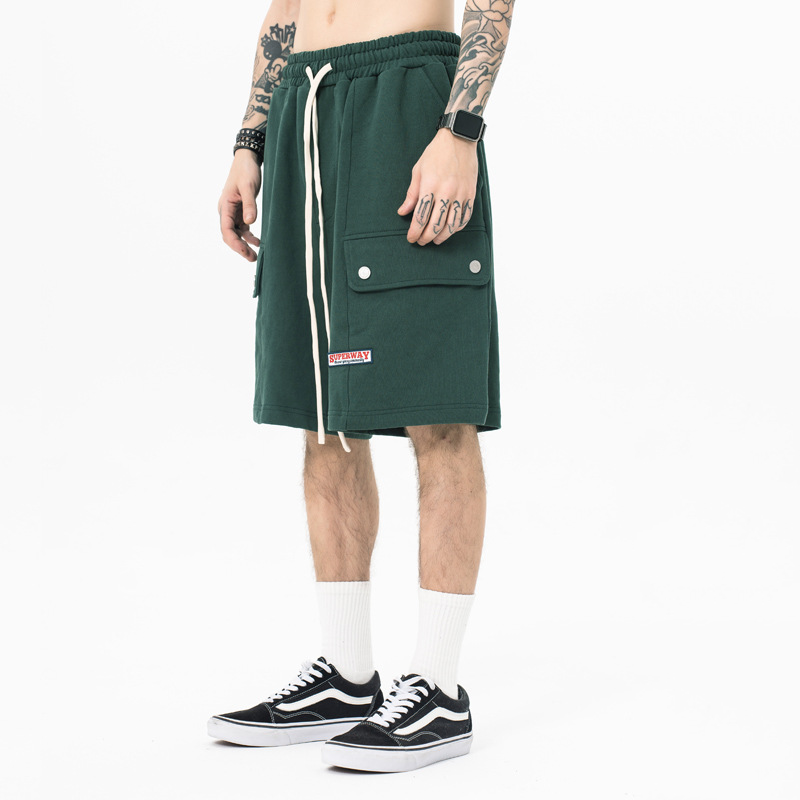
Laser-Cut Details
Precision laser cutting creates clean edges, intricate patterns, and ventilation perforations without fraying. Adds technical, futuristic design elements popular in trend-driven streetwear and athletic nylon shorts.
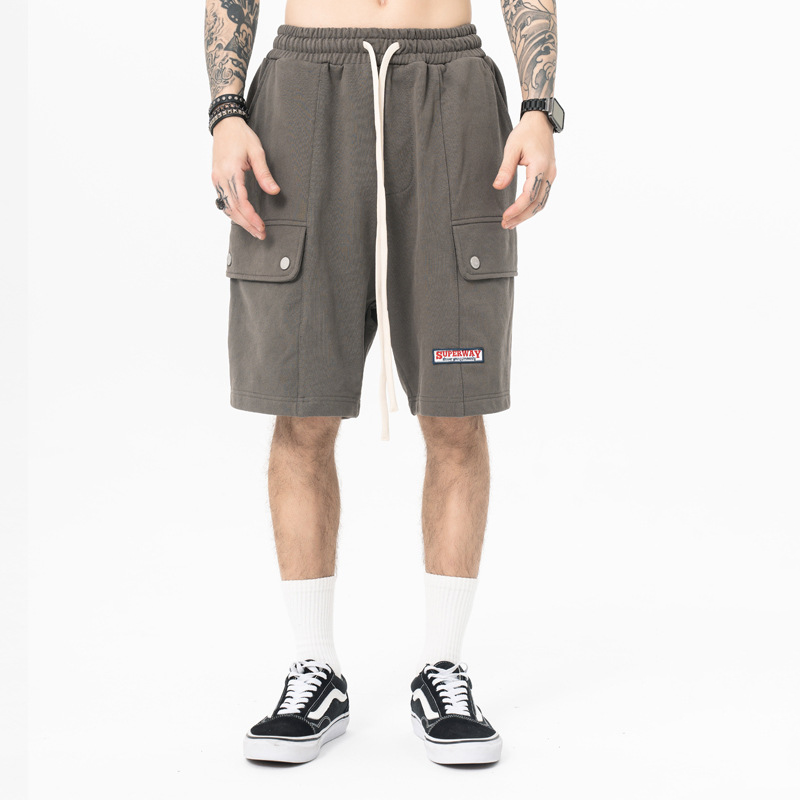
Embroidery & Patches
High-density embroidery and woven patches add premium branding and texture to nylon shorts. Our stabilization techniques prevent puckering on lightweight nylon, ensuring crisp logos and dimensional streetwear graphics.
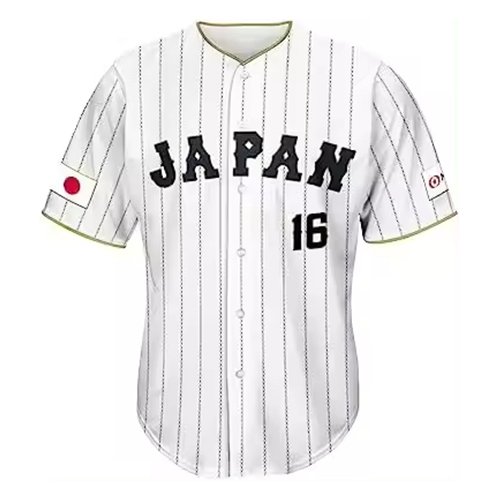
Screen Printing
Specialized plastisol and water-based inks bond to nylon surfaces for durable, high-opacity prints. Ideal for bold logos, text, and graphic elements that withstand repeated washing and active wear.
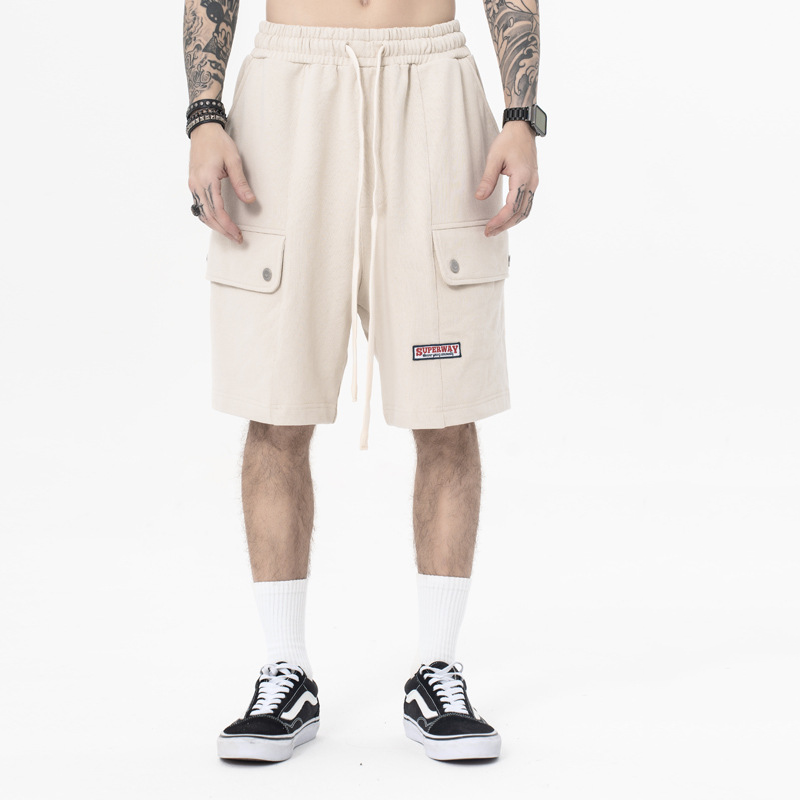
Reflective Transfers
Heat-applied reflective vinyl and 3M materials create high-visibility details for safety and streetwear style. Perfect for night-time branding, stripes, and logos that elevate utility and urban fashion appeal.
Hardware & Accessories for Custom Nylon Shorts
YKK Zippers
Industry-leading YKK zippers for pocket closures and fly applications. Smooth operation, corrosion-resistant, and tested for 5,000+ cycles. Ideal for cargo pockets and secure storage on athletic and utility nylon shorts.
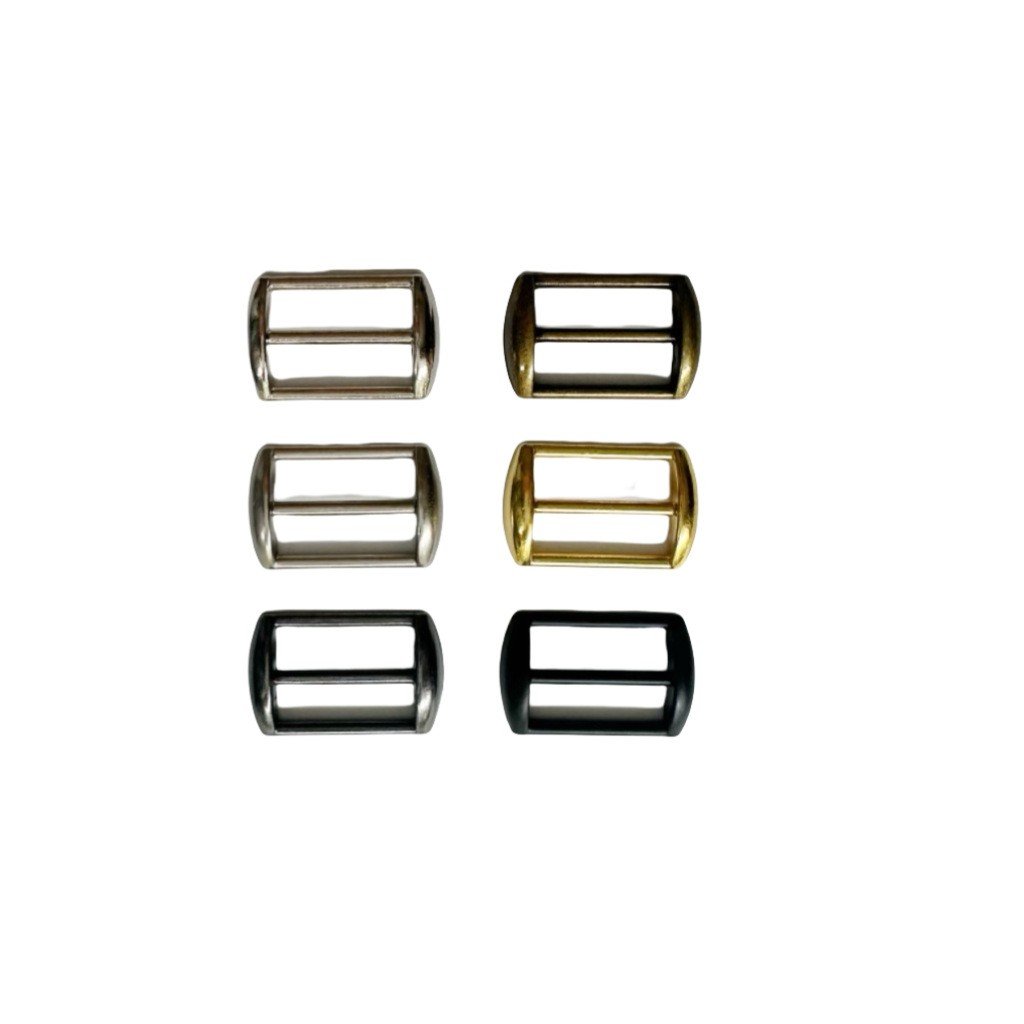
Drawcord & Tipping
Custom-color drawcords with metal or plastic tipping for waistband adjustments. Available in flat, round, or elastic styles. Heat-sealed or metal-tipped ends prevent fraying and add a premium finish to every pair.
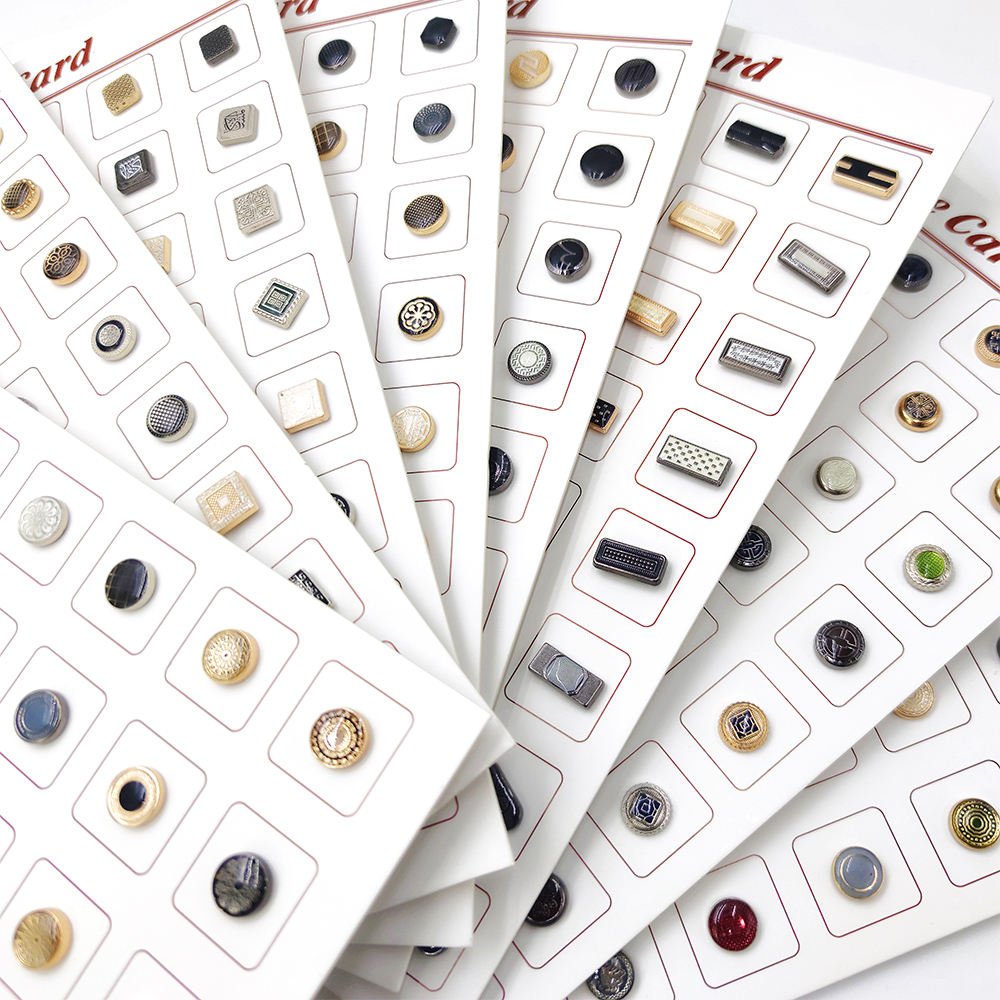
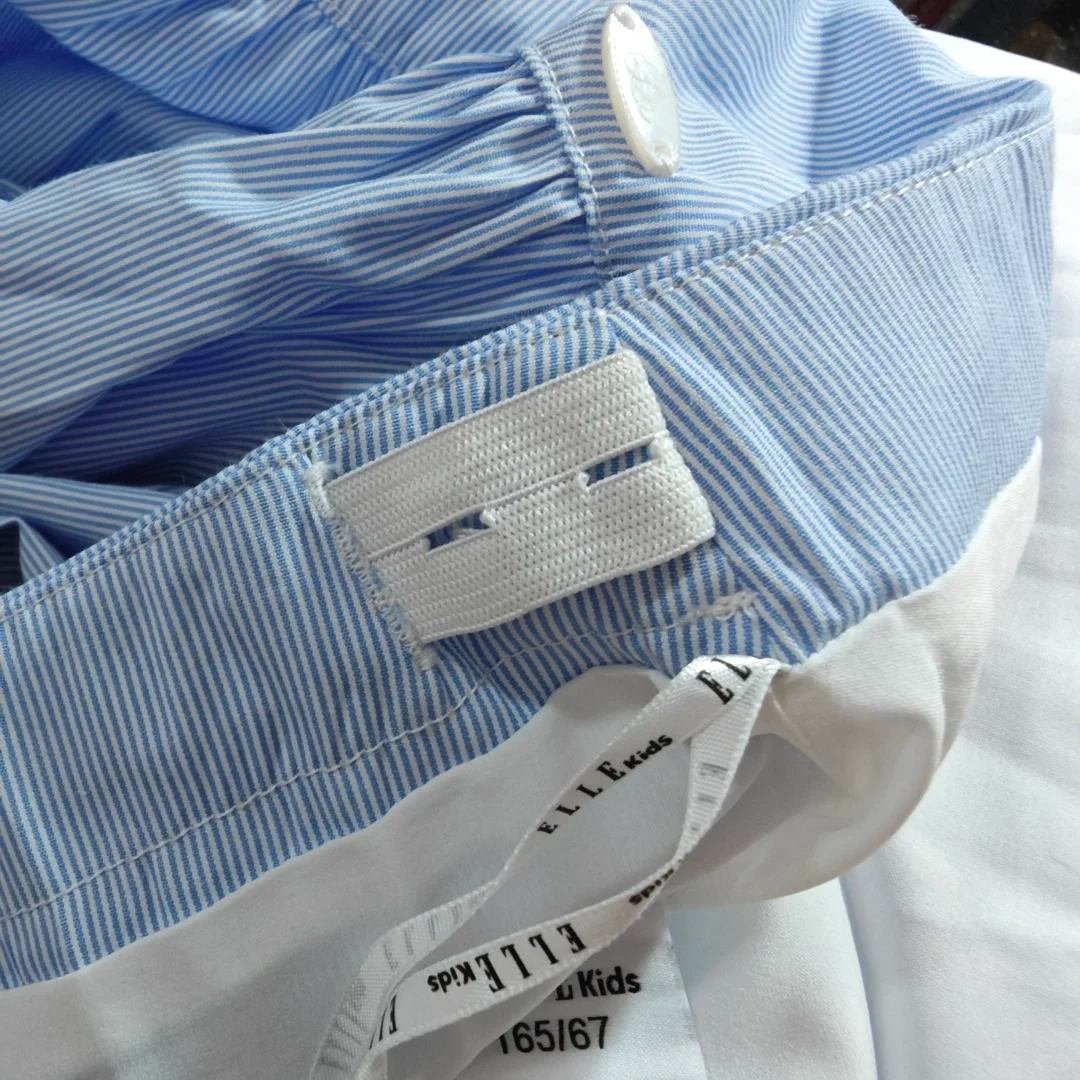
Snap Buttons
Durable metal or resin snap buttons for cargo pockets and waistband closures. Available in matte, polished, or custom-engraved finishes. Tested for secure closure strength and repeated use without loosening or breaking.
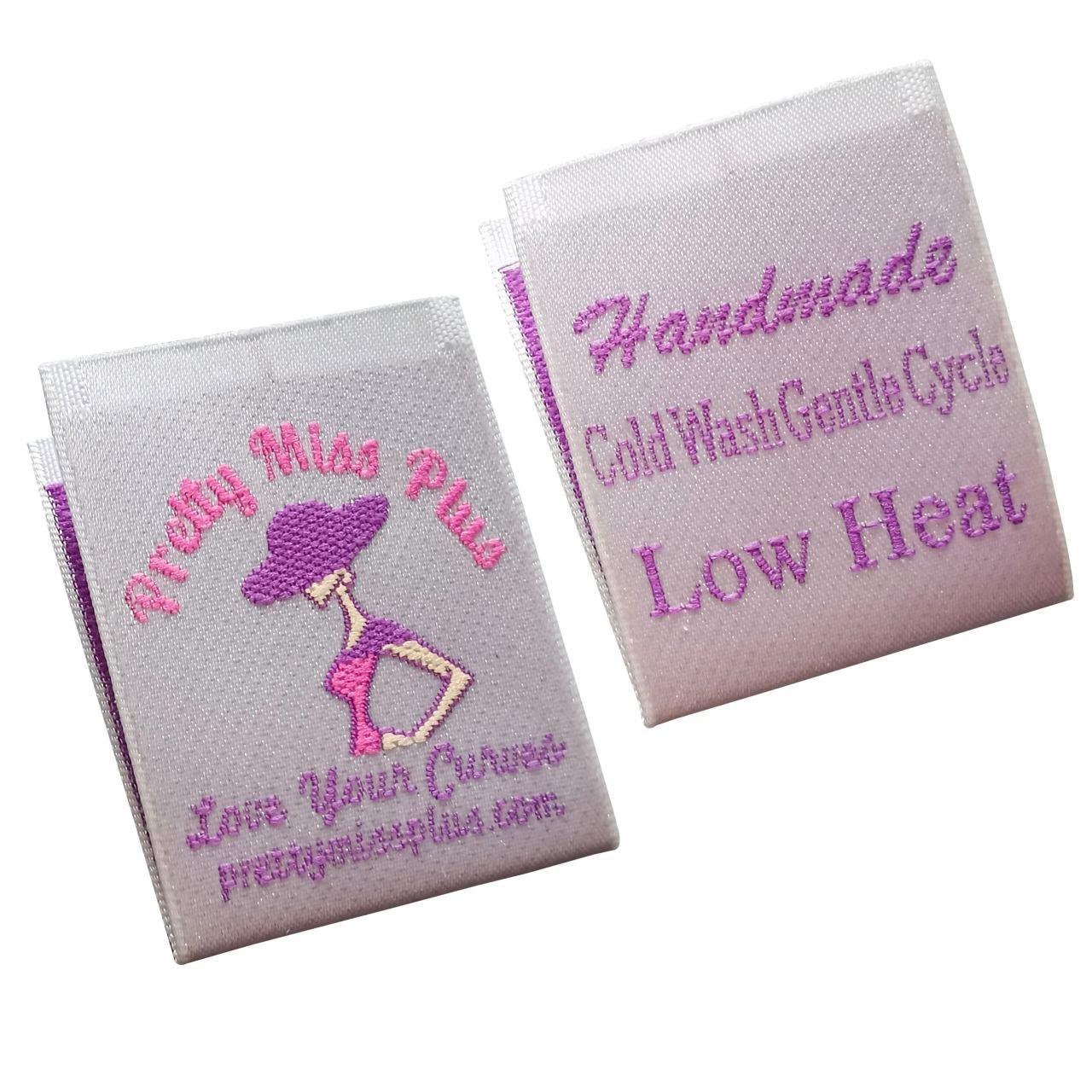
Woven Labels
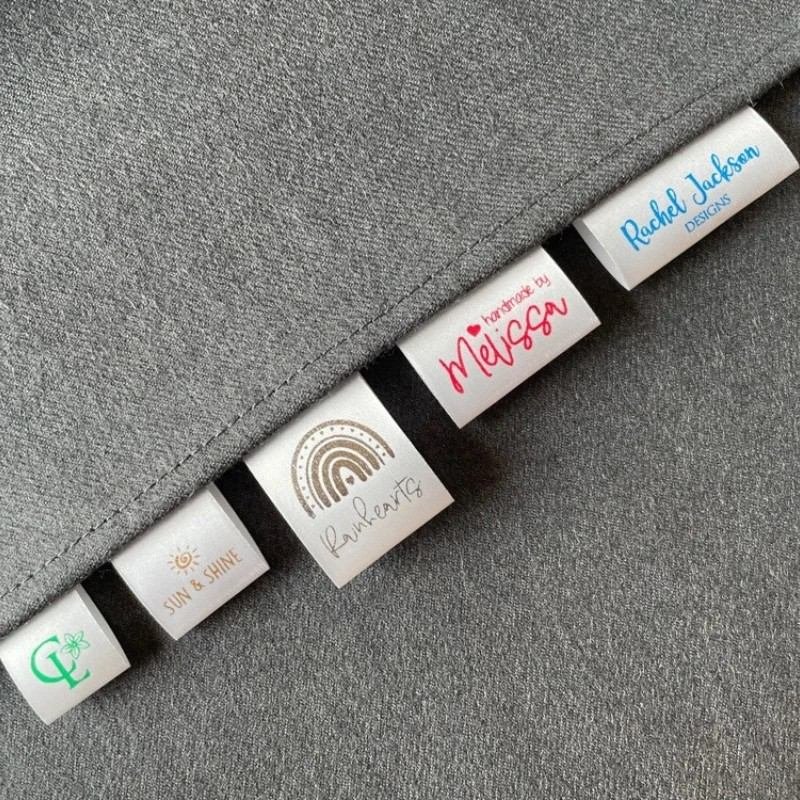
High-definition woven labels with your brand logo and care instructions. Satin, damask, or taffeta weave options. Sewn into waistband or side seam for a professional, lasting brand presence on every garment.
D-Rings & Loops
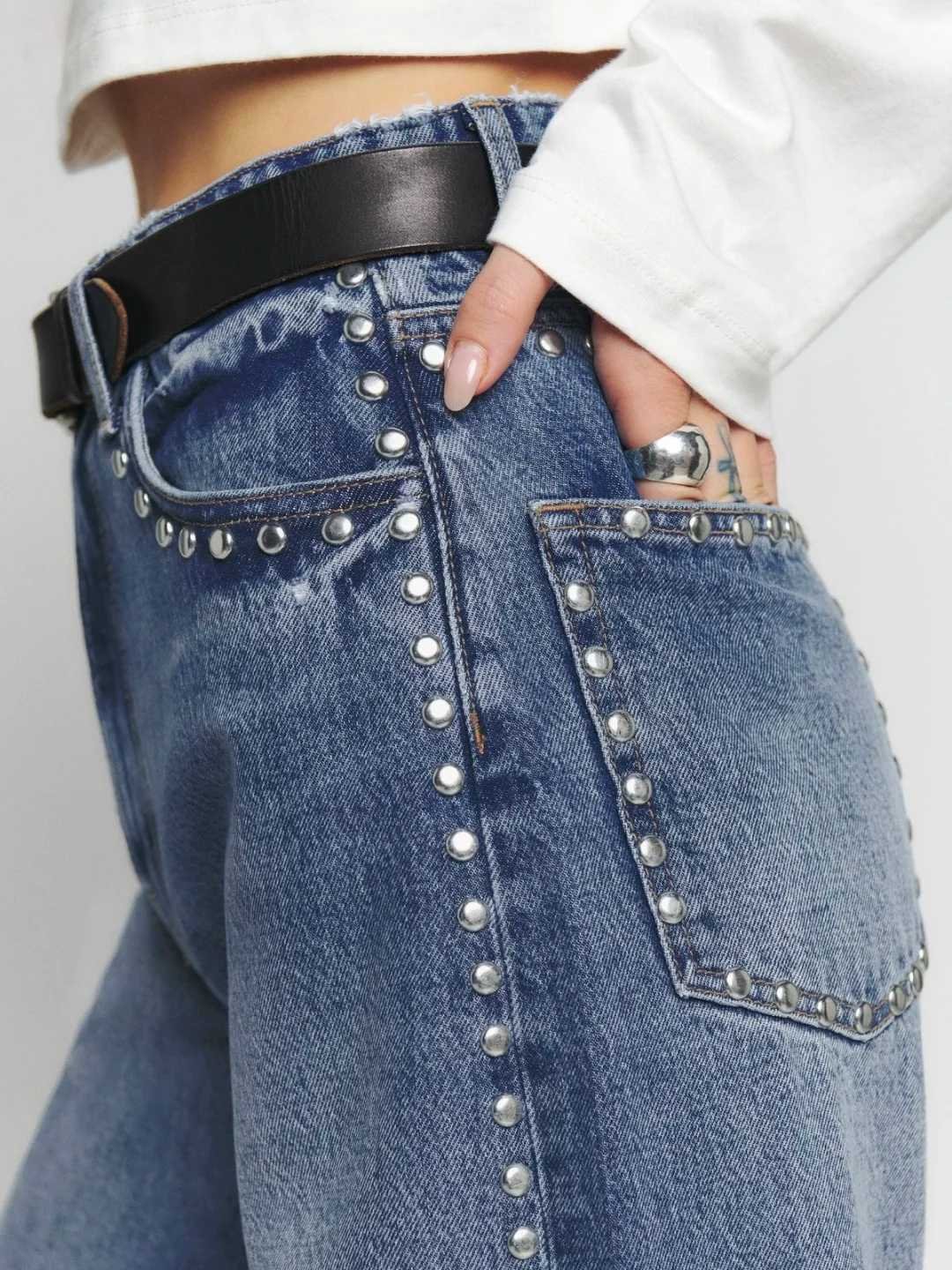
Metal or nylon D-rings and utility loops for functional streetwear and tactical nylon shorts. Reinforced stitching ensures secure attachment for keychains, carabiners, or accessories. Adds authentic utility-style detailing.
Custom Hangtags
Printed or embossed hangtags that communicate your brand story at point of sale. Recyclable cardstock or premium finishes available. Attached with safety pins, strings, or plastic fasteners for a polished retail presentation.
Trusted Nylon Shorts Manufacturer Since 2024
Founded by Tesla Luo in 2024, Clothing Manufacturer Ltd. was built on a decade of garment production expertise and a mission to eliminate low-quality clothing from the global market. With hands-on experience across every production role—from cutting and sewing to quality control and shipping—Luo witnessed too many manufacturers skip critical QC steps. He launched our company to restore trust in Chinese apparel manufacturing through rigorous testing at every stage.
As a specialized nylon shorts manufacturer, we combine streetwear design fluency with industrial-grade quality systems. Our proprietary 5-step QC methodology inspects materials, cutting, craftsmanship, sewing, and finished garments—ensuring defects are caught early, not at the final inspection. Backed by a 15-member R&D team and 10 production patents, we serve trendy brands, startups, and retailers across 100+ countries with low MOQs and fast turnarounds.
Whether you’re launching your first collection or scaling an established line, we deliver premium nylon shorts with zero compromise. From cargo and athletic cuts to utility and performance styles, our in-house design and sampling teams work collaboratively to bring your vision to life—supported by transparent communication, global logistics, and the quality standards that have earned the trust of 1,000+ clients worldwide.
Our Signature 5-Step Quality Control for Nylon Shorts
Materials QC Testing Before Production
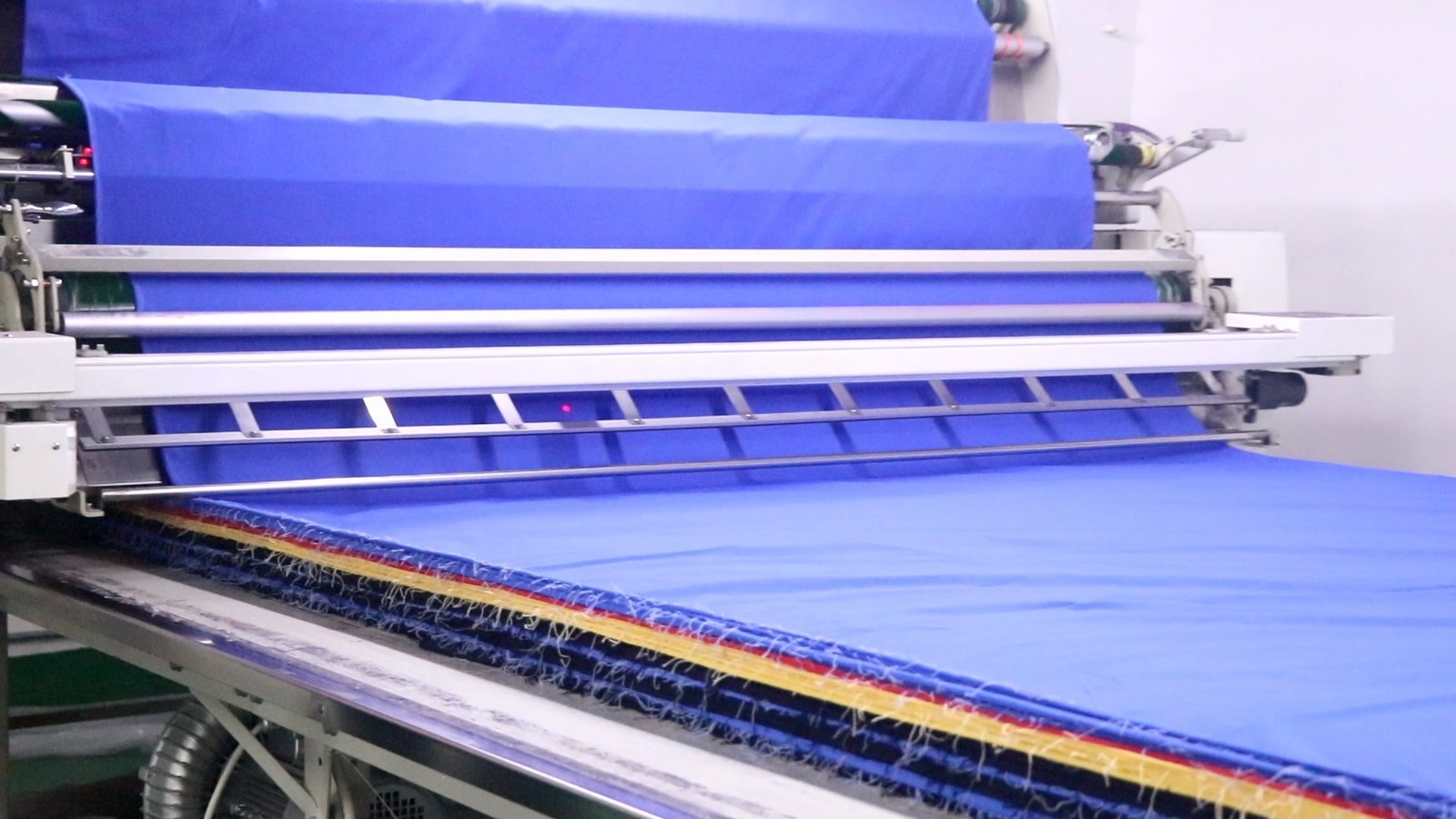
Every nylon fabric roll undergoes rigorous pre-production inspection for weight consistency, colorfastness, stretch recovery, and moisture-wicking performance. We verify supplier specifications against actual samples, ensuring your nylon shorts manufacturer delivers materials that meet technical requirements and withstand real-world wear.
- Fabric weight and density verification using precision instruments
- Colorfastness testing for wash, sweat, and UV exposure resistance
- Stretch and recovery testing for athletic and cargo nylon shorts
- Surface inspection for defects, snags, or weave irregularities
Cutting QC for Pattern Accuracy
Our cutting QC stage validates every pattern piece against approved tech packs and graded size specs. Automated and manual checks catch misaligned cuts, grain-line errors, and sizing discrepancies before panels reach the sewing floor, eliminating costly remakes and ensuring consistent fit across your entire nylon shorts production run.
- Digital pattern overlay verification for all size grades
- Grain alignment inspection to prevent twisting and distortion
- Measurement checks on waistbands, inseams, and leg openings
- Batch sampling to confirm cutting accuracy throughout production
Clothing Craft QC During Assembly
Mid-production craft inspections monitor stitch density, seam strength, pocket placement, and hardware attachment as garments move through assembly. This real-time quality gate allows immediate correction of technique drift, maintaining the streetwear-grade construction standards your brand demands from a professional nylon shorts manufacturer.
- Stitch-per-inch counts verified against technical specifications
- Seam strength pull-tests on high-stress zones like waistbands and crotch seams
- Pocket alignment and reinforcement checks for cargo and utility styles
- Hardware attachment testing for zippers, snaps, and drawcord eyelets
Finished Goods Quality Inspection
Final QC inspects completed nylon shorts under standardized lighting for visual defects, measurement accuracy, functional performance, and packaging presentation. Every piece is individually assessed against your brand’s quality benchmarks, guaranteeing only premium-grade garments ship to your warehouse or customers worldwide.
- Full garment measurement audit against approved size charts
- Visual inspection for loose threads, stains, or fabric flaws
- Functional testing of zippers, drawcords, snaps, and elastic waistbands
- Packaging and labeling verification for brand compliance and retail readiness
Why Choose a Nylon Shorts Manufacturer With Built-In QC
Not all nylon shorts manufacturers are created equal. While many factories skip critical quality checks to cut costs, Clothing Manufacturer Ltd implements rigorous testing at every production stage—ensuring your brand receives premium streetwear-quality shorts that meet global standards, not products that damage your reputation.
← 左右滑动查看 →
Our Nylon Shorts Manufacturer Workflow — From Fabric to Ship
Every pair of nylon shorts passes through six rigorous production phases, with quality checkpoints embedded at every stage to ensure your brand receives only premium-grade garments.
Fabric Sourcing & Materials QC
We source premium nylon fabrics and conduct materials QC testing for weight, colorfastness, stretch recovery, and durability before production begins.
Pattern Grading & Cutting QC
Patterns are graded to your size specs, then fabric is precision-cut with cutting QC testing to verify accuracy and minimize waste.
Sewing & In-Process QC
Skilled technicians assemble each garment while sewing production QC testing catches defects in real time, ensuring consistent stitch quality and construction.
Finishing & Craft QC
Shorts are pressed, trimmed, and inspected under clothing craft QC testing to verify seam strength, hardware attachment, and overall workmanship.
Final Quality Inspection
Every finished piece undergoes finished clothing quality QC inspection, checking measurements, print placement, and appearance against your brand standards.
Packing & Global Shipping
Approved garments are carefully packed per your requirements and shipped via trusted logistics partners with full tracking and customs support worldwide.
How to Partner With Us — 3 Simple Steps to Your First Order
From tech pack to finished product, our streamlined process ensures speed, transparency, and quality at every stage—whether you’re launching 50 pieces or scaling to thousands.
Submit Your Tech Pack & Design
Share your nylon shorts design brief, fabric preferences, and any reference materials. Our team reviews your specs and confirms feasibility within 24 hours.
Receive Quote & Fast Sample
Get a detailed quote tailored to your order size and timeline. Approve it, and we’ll produce a production-ready sample in just 7 days.
Approve & Launch Bulk Production
Once you approve the sample, we begin bulk manufacturing with our 5-step QC process embedded at every stage—ensuring consistent, streetwear-grade quality throughout.
Certified Nylon Shorts Manufacturer — Quality & Compliance You Can Trust
Customer Success Stories — Brands That Grew With Our Nylon Shorts Manufacturing
We launched three seasonal nylon shorts collections on schedule with zero quality issues. The 5-step QC caught problems early, and their team kept us updated every step of the way. Our customers love the fit and durability.
As a startup, the 50-piece MOQ was perfect for testing our cargo nylon shorts design. We scaled from 200 units to 8,000 units in just 14 months, and quality stayed consistent across every production run.
Their nylon shorts production reduced our sampling time by 6 days compared to our previous manufacturer. The in-house design team nailed our performance shorts specs on the first sample, saving us thousands in revisions and delays.
FAQ — Nylon Shorts Manufacturing, Sampling & Ordering
What is the minimum order quantity with your nylon shorts manufacturer?
How long does it take to produce a custom nylon shorts order?
Do you charge for nylon shorts samples, and can I get a refund?
What are your payment terms for nylon shorts manufacturing orders?
Does your nylon shorts manufacturer ship worldwide, and what carriers do you use?
How do you protect my designs and intellectual property?
What customization options are available for nylon shorts?
Can you source specific nylon fabrics, or do I need to supply my own?
What quality guarantees does your nylon shorts manufacturer provide?
The Complete Buyer’s Guide to Choosing the Right Nylon Shorts Manufacturer
Navigate the sourcing landscape with confidence. This guide delivers a proven decision framework, essential supplier criteria, quality benchmarks, and the critical mistakes to avoid when partnering with a nylon shorts manufacturer for your brand.
1. What Is a Nylon Shorts Manufacturer?
A nylon shorts manufacturer is a specialized apparel production facility that manages the complete lifecycle of nylon short garments, from fabric procurement and pattern development through cutting, sewing, finishing, quality control, and packaging. Unlike general garment factories that handle diverse product categories with varying attention to detail, a dedicated nylon shorts manufacturer develops deep expertise in the technical requirements of lightweight, moisture-wicking fabrics and the construction methods that ensure durability in activewear and streetwear applications. Clothing Manufacturer Ltd., for example, implements a five-step quality control methodology introduced on February 12, 2025, that tests materials, cutting, craft standards, sewing production, and finished garments at every stage rather than only at final inspection.
Specialized nylon shorts manufacturers maintain relationships with fabric mills that supply performance textiles in the 80–150 GSM range, understand seam-sealing and flatlock stitching techniques that prevent chafing, and stock hardware such as drawcords, elastic waistbands, and YKK zippers suited to athletic and street styles. They also provide pattern grading across size runs, tech-pack interpretation, and sample development services that general factories often lack the bandwidth or technical knowledge to execute consistently. For streetwear brands and fashion startups, working with a focused nylon shorts manufacturer reduces the risk of production errors, shortens lead times, and ensures that every batch meets the quality standards expected by influencers and online retailers.
The end-to-end service model means brands receive a single point of accountability from design consultation through final shipment, eliminating the coordination burden of managing multiple vendors for fabric, trims, and assembly.
2. The Evolution of Nylon Shorts Manufacturing
DuPont commercialized nylon in 1939, and by the mid-1940s military surplus nylon fabric flooded civilian markets, prompting sportswear manufacturers to experiment with the lightweight, quick-drying synthetic for athletic shorts. Early nylon shorts featured simple woven constructions with minimal breathability, limiting their use to track-and-field and military training applications where durability outweighed comfort.
The 1970s brought circular-knit nylon fabrics with improved stretch and recovery, enabling shorts manufacturers to produce garments that moved with the body during high-intensity sports. Advances in solution dyeing and reactive dye chemistry during the 1980s expanded color palettes beyond basic primaries, while moisture-wicking finishes began to address the fabric’s tendency to trap perspiration against the skin. These innovations allowed nylon shorts to transition from purely functional athletic gear into recreational and casual wear categories.
The athleisure boom of the 2010s repositioned nylon shorts as everyday fashion staples, driven by consumer demand for performance fabrics in lifestyle contexts. Modern nylon shorts manufacturers now employ digital sublimation printing to achieve full-color graphics without the hand-feel penalties of traditional screen printing, and many integrate recycled nylon yarns sourced from post-consumer waste to meet sustainability benchmarks. Factories equipped with laser-cutting systems and ultrasonic bonding reduce material waste and eliminate the need for traditional seam finishing, reflecting the industry’s shift toward precision manufacturing and environmental responsibility that companies like Clothing Manufacturer Ltd. embed into their five-step quality control workflows.
3. Types of Nylon Shorts a Manufacturer Can Produce
A nylon shorts manufacturer typically produces five core categories, each optimized for distinct use cases and customer expectations. Understanding these types helps brands align product specifications with target audiences and positioning strategies.
Athletic and Running Shorts
These shorts feature lightweight nylon blends (80–120 GSM), mesh inner liners, and elastic waistbands with internal drawcords. Side vents and reflective trim are common for visibility and mobility.
Target audiences include fitness brands, sports retailers, and activewear startups. Design priorities focus on moisture-wicking performance, minimal seam irritation, and secure zippered or media pockets.
Board Shorts and Swim Trunks
Board shorts use heavier nylon taffeta or ripstop (140–180 GSM) with water-repellent coatings and no liner for quick-dry performance. Waistbands typically include hook-and-loop fly closures and lace-up ties.
Surf brands, resort wear labels, and beachwear retailers prioritize vibrant sublimation prints, reinforced stitching at stress points, and drainage eyelets.
Cargo and Utility Shorts
Cargo styles incorporate ripstop nylon (180–220 GSM) with multiple pockets, reinforced belt loops, and adjustable waist tabs. Snap or zipper pocket closures add functionality.
Outdoor brands and workwear lines target customers seeking durability and storage. Key considerations include bartack reinforcement at pocket edges and abrasion-resistant fabric treatments.
Fashion and Streetwear Shorts
Streetwear-focused nylon shorts manufacturer offerings blend lightweight nylon (100–140 GSM) with oversized silhouettes, elastic waistbands, and bold graphics or embroidery. Side stripes and contrast piping are signature details.
Influencer brands, independent designers, and trendy labels emphasize unique colorways, custom prints reflecting streetwear motifs, and relaxed fits that align with contemporary urban aesthetics.
4. Nylon Fabrics and Materials Used by Manufacturers
A nylon shorts manufacturer typically stocks five to eight core nylon fabric types, each engineered for distinct performance profiles and price points. Fabric selection determines durability, comfort, water resistance, and final garment cost, making it the most critical material decision for any shorts line.
| Fabric Type | GSM Range | Key Characteristics | Best Applications |
|---|---|---|---|
| Ripstop Nylon | 40–70 | Tear-resistant grid, lightweight, technical look | Outdoor, tactical, skate shorts |
| Taffeta Nylon | 50–80 | Smooth, crisp, economical, prints well | Casual shorts, swim trunks |
| Taslan Nylon | 80–120 | Soft hand, cotton-like, quick-dry | Everyday wear, comfort-focused lines |
| Micro Nylon | 60–90 | Ultra-smooth, high sheen, wind-resistant | Premium casual, fashion-forward designs |
| Nylon-Spandex | 150–200 | Four-way stretch, moisture-wicking, recovery | Athletic, gym, running shorts |
Ripstop Nylon for High-Durability Applications
Ripstop nylon features a crosshatch reinforcement pattern woven at 5–8 mm intervals, preventing tears from spreading. Typical weight ranges from 40 to 70 GSM, balancing lightweight feel with abrasion resistance.
Manufacturers recommend ripstop for outdoor, tactical, and skate-inspired streetwear shorts where durability justifies a 15–25 percent cost premium over plain taffeta. The visible grid texture also adds a technical aesthetic that resonates with performance-focused brands.
Taffeta and Taslan for Everyday Wear
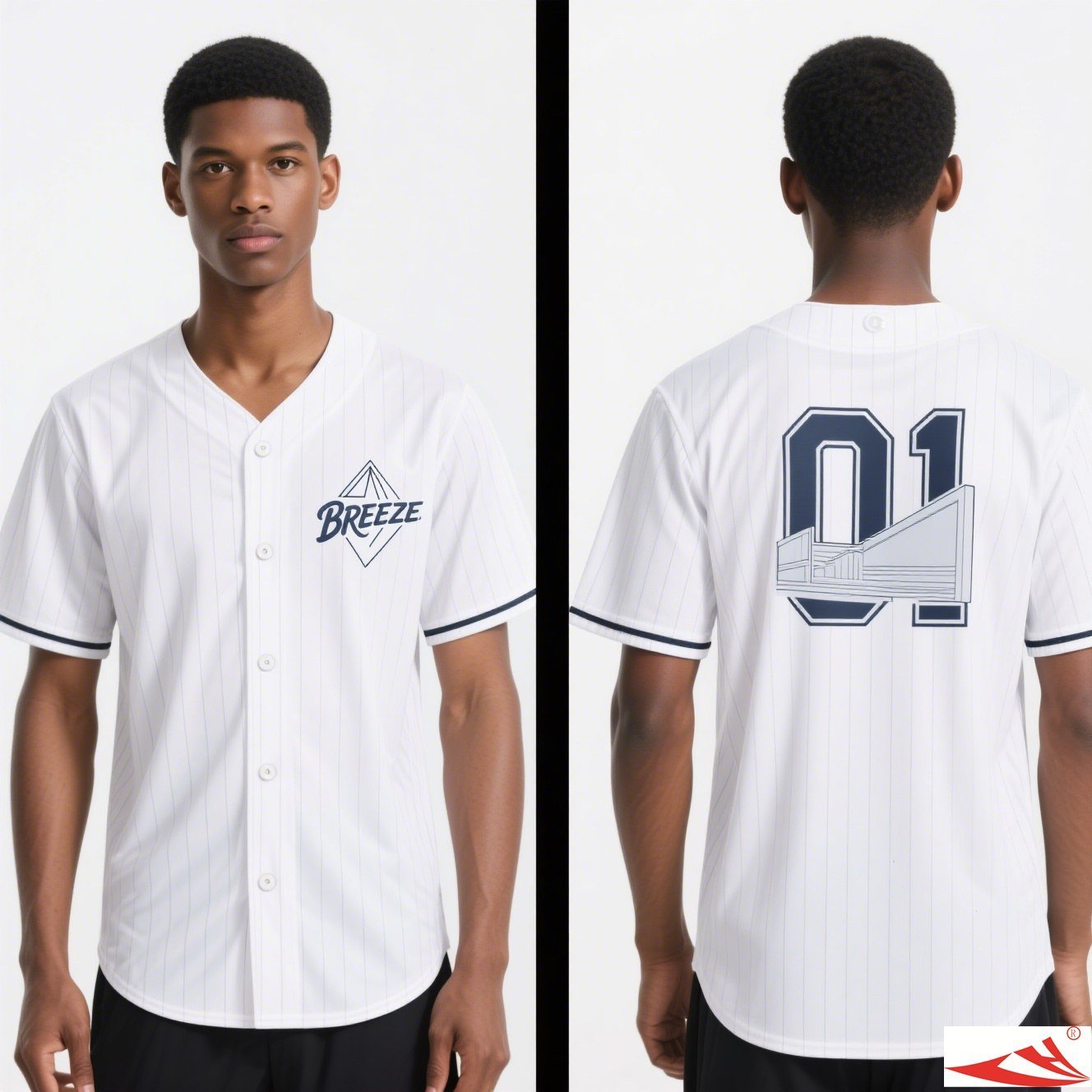
Taffeta nylon, the most economical option at 50–80 GSM, delivers a smooth hand feel and crisp drape suitable for casual shorts and swim trunks. Taslan nylon undergoes air-jet texturing to create a soft, cotton-like surface at 80–120 GSM, appealing to customers seeking comfort without sacrificing quick-dry properties.
Both fabrics accept DWR (durable water repellent) coatings and print well, making them versatile choices for fashion startups testing multiple colorways and graphics.
Nylon-Spandex Blends for Athletic Fit
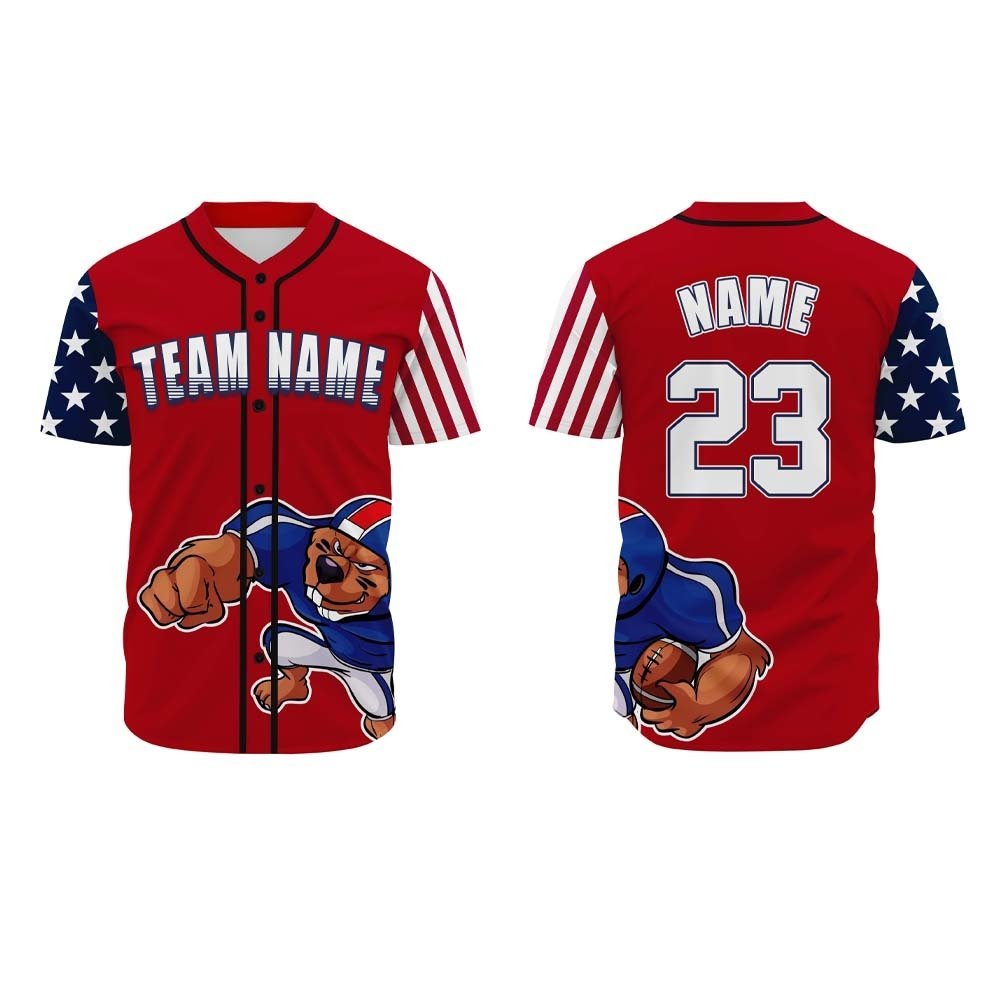
Blending 10–20 percent spandex with nylon yields four-way stretch fabrics in the 150–200 GSM range, essential for gym shorts, running shorts, and activewear. Stretch recovery and moisture-wicking performance justify a 30–40 percent price increase over non-stretch nylon.
A nylon shorts manufacturer with in-house R&D can optimize spandex ratios and knit structures to balance compression, breathability, and shape retention across repeated wash cycles, directly impacting brand positioning in the athletic segment.
5. Customization and Decoration Options for Nylon Shorts
A nylon shorts manufacturer typically offers six to eight decoration methods, each with distinct cost structures, durability profiles, and minimum order thresholds. Selecting the right technique depends on design complexity, substrate weight, and brand positioning. Understanding setup costs and nylon compatibility ensures efficient production and long-lasting branding.
| Technique | Setup Cost | Durability (Washes) | Best For |
|---|---|---|---|
| Screen Printing | $15–$50/color | 50+ | High-volume, bold graphics |
| Heat Transfer | $0 | 20–30 | Low MOQ, full-color designs |
| Sublimation | $0–$20 | 100+ | All-over prints, photo detail |
| Embroidery | $20–$40 digitizing | 200+ | Premium logos, small text |
| Rubber/Silicone Patch | $80–$150 mold | 150+ | 3D branding, texture |
| Woven Label | $50–$100 setup | 100+ | Care labels, brand tags |
Screen Printing and Heat Transfer Methods
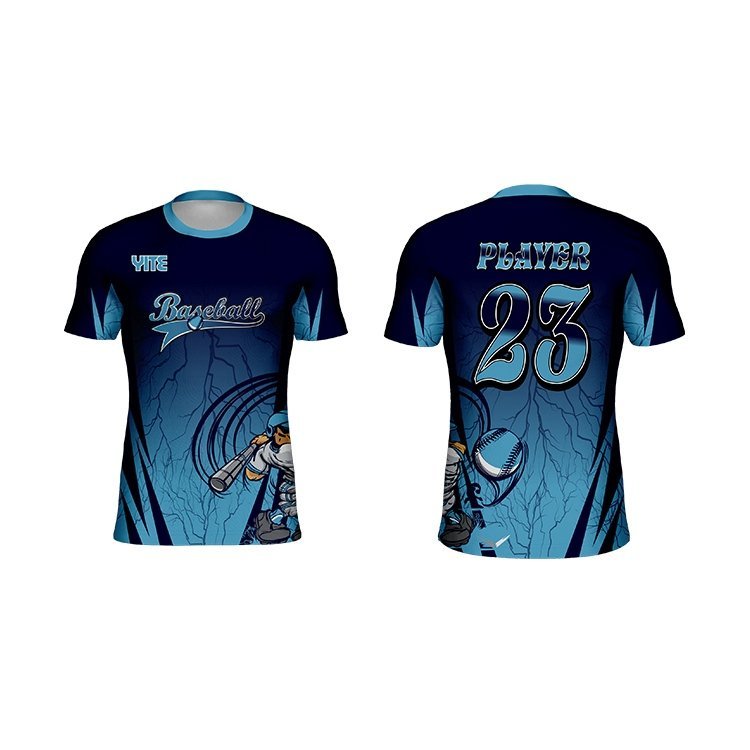
Screen printing remains the most economical decoration for orders above 100 pieces, with setup costs of $15–$50 per color and excellent wash durability on nylon blends. Heat transfer offers no setup fees and suits low-volume runs (50–100 pieces), though adhesive layers may crack after 20–30 washes on lightweight nylon.
Sublimation printing works exclusively on polyester-nylon blends above 65% synthetic content, delivering photographic detail and unlimited colors with no hand feel. Setup is minimal, but fabric pretreatment adds $0.30–$0.60 per garment.
Embroidery and Woven Label Applications
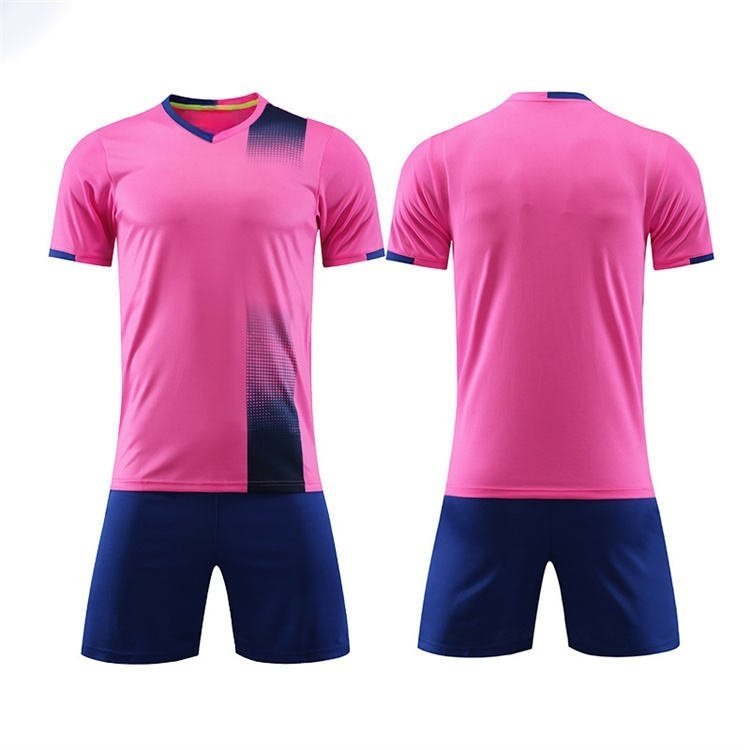
Embroidery provides premium durability for logos up to 10,000 stitches, with digitizing fees of $20–$40 and per-piece costs of $1.50–$3.00 depending on stitch count. Nylon substrates require water-soluble stabilizer backing to prevent puckering.
Woven labels and heat-sealed woven patches cost $0.10–$0.40 each at 500-piece minimums, offering crisp text reproduction and no risk of thread distortion on stretchy nylon.
Rubber, Silicone Patches, and Custom Trims
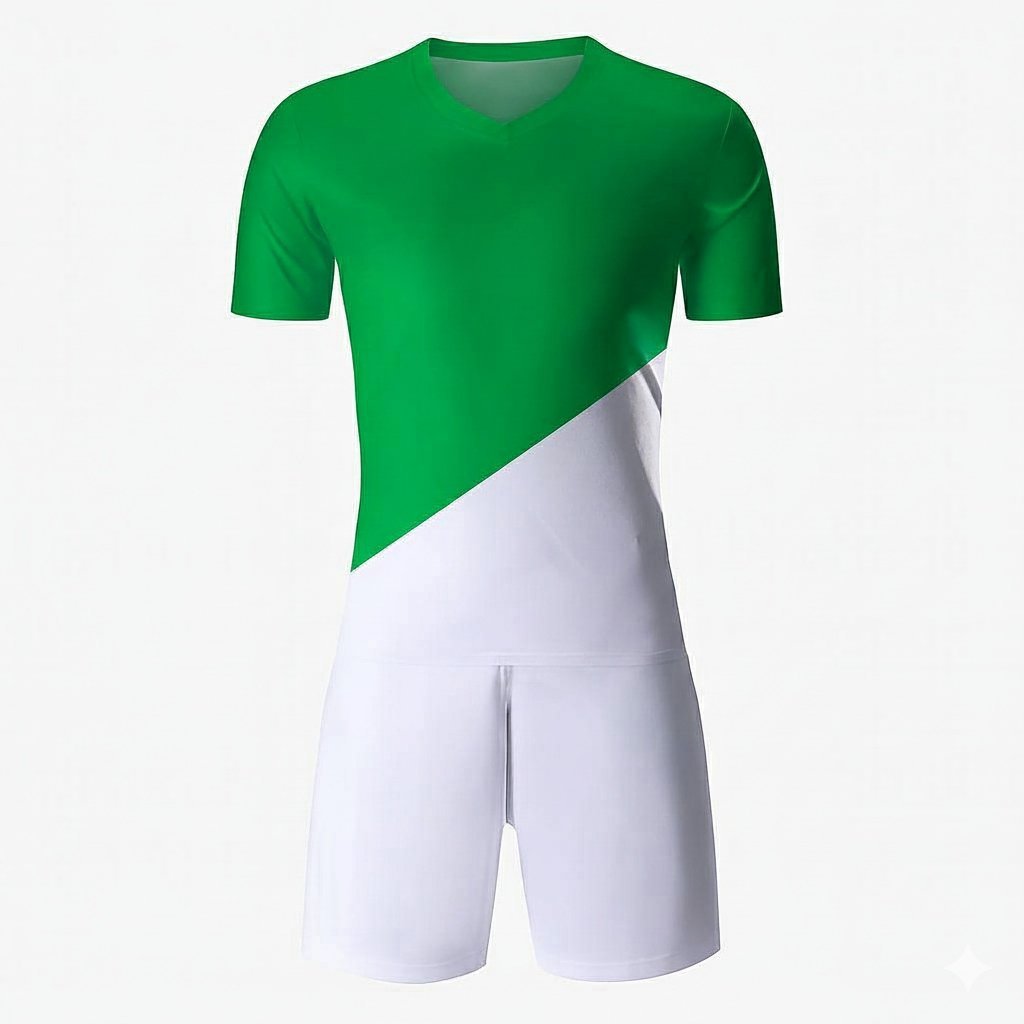
Rubber and silicone patches deliver three-dimensional branding with mold costs of $80–$150 and per-piece pricing of $0.50–$1.20 at 300-unit minimums. Heat-press application bonds securely to nylon without stitching.
Custom drawcords, metal-tipped aglets, branded zippers (YKK or equivalent), and jacquard elastic waistbands add $0.40–$2.00 per short, with 500–1,000 piece minimums common for proprietary colorways or logo weaving.
6. Key Quality and Construction Elements to Inspect
Premium nylon shorts require inspection at five distinct production stages, not just final packaging. Clothing Manufacturer Ltd.’s five-step QC methodology—materials, cutting, craft, sewing, and finished-garment testing—catches defects before they compound, a practice many Chinese factories skip entirely.
Stitch Density and Seam Construction
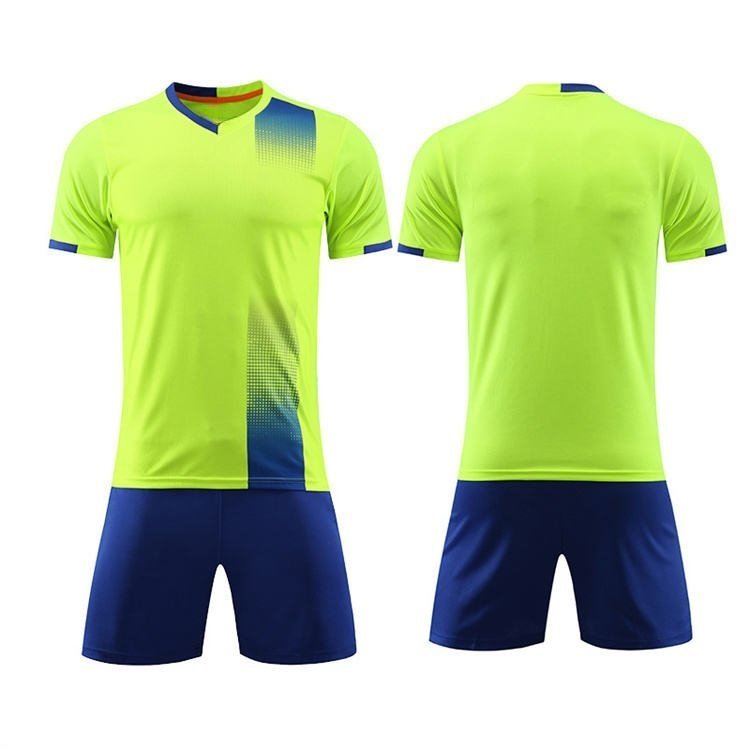
Flatlock seams (12–14 stitches per inch) lie flat against skin and prevent chafing in athletic shorts, while overlock seams (10–12 SPI) offer stretch and durability for casual styles. Thread tension must remain uniform; loose stitches unravel after 3–5 washes, tight stitches pucker fabric and restrict movement.
Inspect inseam and side seams under 10× magnification during sample approval. Premium manufacturers use polyester core-spun thread rated for 3,000+ cycles in abrasion tests. Pattern alignment at side seams—stripes, logos, or prints matching within 2 mm—signals precision cutting and careful handling.
Waistband and Elastic Construction
Direct-attach elastic (stitched directly to fabric with coverstitching) reduces bulk and suits slim-fit designs, while casing-enclosed elastic allows replacement and accommodates wider waistbands. Elastic should recover to 95% of original width after 500 stretch cycles; inferior elastic loses tension within 20 wears.
Test waistband by stretching to 150% width and releasing; premium elastic snaps back instantly with no visible deformation. Check that coverstitching uses wooly nylon or textured polyester thread to maintain stretch parity with the elastic itself.
Pocket Reinforcement and Hardware
Pocket openings endure 80% of garment stress; bartack stitching (20+ stitches in a 6 mm square) at entry points prevents tearing. Mesh pocket bags should use 100–120 GSM nylon tricot, not lightweight tulle that rips during normal use.
YKK or SBS zippers rated for 1,500+ cycles outlast generic hardware by 3:1 margins. Snap buttons require 8–10 kg pull force to separate; anything less opens during activity. Inspect metal grommets for smooth edges and rust-resistant coatings—cheap plating flakes after five washes.
Hem Finishing and Colorfast Dyeing
Double-needle hemming (two parallel rows 3–4 mm apart) prevents edge curl and withstands repeated laundering. Single-needle hems unravel at stress points within 15–20 washes. Hem width should measure 12–15 mm for shorts; narrower hems look unfinished, wider hems add unnecessary weight.
Colorfast nylon must pass ISO 105-C06 testing at grade 4 or higher; inferior dyes bleed onto skin and fade 30% after 10 wash cycles. Request lab reports showing colorfastness to water, perspiration, and light exposure before approving bulk production.
7. How to Choose the Right Nylon Shorts Manufacturer
Selecting the right nylon shorts manufacturer determines your product quality, delivery reliability, and brand reputation. A systematic evaluation framework helps you identify partners who align with your production needs, quality standards, and growth trajectory.
Assess MOQ Flexibility and Scalability
Minimum order quantities typically range from 50 pieces for startups to 500+ for established brands. Verify whether the manufacturer can accommodate your current volume and scale as you grow.
Ask whether MOQs apply per style, per colorway, or per size run. Clothing Manufacturer Ltd. offers 50-piece MOQs to support fashion startups and independent designers launching initial collections, then scales to multi-thousand-piece orders for retailers.
Verify Fabric Sourcing and Certifications
Request fabric mill partnerships and certifications such as OEKO-TEX, WRAP, or BSCI. Manufacturers with direct fabric sourcing reduce lead times and ensure consistent quality across production runs.
Confirm whether the factory stocks common nylon blends or sources custom fabrics. A 15-member R&D team and 10 patents signal investment in material innovation and production process improvements.
Evaluate Sampling Speed and Communication
Sample turnaround typically spans 7–14 days; delays beyond three weeks indicate capacity or organizational issues. Test responsiveness during initial outreach — reply times over 48 hours often predict poor project management.
Request a sample with your specifications to assess craftsmanship, fit accuracy, and attention to detail. Clear communication on revisions, timelines, and costs during sampling previews the entire production experience.
Confirm Quality Control Processes
Ask for a detailed QC protocol covering materials inspection, cutting, sewing, and finished-product checks. Factories that test only at the end miss defects until costly late stages.
A five-step quality control methodology — materials QC, cutting QC, craft QC, sewing QC, and finished inspection — ensures issues are caught early. Red flags include vague answers about testing frequency or refusal to share QC documentation.
8. Common Mistakes When Sourcing from a Nylon Shorts Manufacturer
Sourcing from a nylon shorts manufacturer requires careful attention to detail at every stage. Many brands—especially startups and independent designers—make avoidable errors that lead to quality issues, delays, or lost investment.
Choosing the Lowest Price Without Vetting Quality
Selecting a nylon shorts manufacturer solely on price often results in substandard fabric, weak seams, and inconsistent sizing. Factories that quote 20–30% below market rates typically skip critical QC steps or use lower-grade nylon blends.
Always request fabric specifications (GSM, denier, stretch recovery) and ask how many QC checkpoints the factory uses. A reputable manufacturer will document materials QC, cutting QC, craft QC, sewing QC, and finished-goods inspection before shipment.
Ignoring Fabric Testing and Wash Durability
Nylon shorts must withstand repeated washing, UV exposure, and abrasion. Skipping lab tests for colorfastness, pilling resistance, and dimensional stability leads to customer returns and brand damage.
Request AATCC or ISO test reports for wash shrinkage (should be ≤3%), color change (Grade 4 minimum), and seam slippage. Clothing Manufacturer Ltd. conducts fabric testing at the materials QC stage to ensure every roll meets performance standards.
Underestimating Lead Time for Custom Trims
Custom drawcords, branded elastic waistbands, and metal aglets require 10–15 days beyond standard production. Brands that assume a 20-day total timeline often face shipping delays when trims arrive late.
Confirm trim lead times in writing and schedule pre-production samples to verify fit and finish. Lock in your trim supplier early or choose in-stock options to maintain your launch calendar.
Skipping Pre-Production Samples
Proceeding to bulk production without approving a pre-production sample risks receiving 500 or 1,000 pieces that do not match your tech pack. Size grading errors, incorrect pocket placement, and color mismatches become costly mistakes.
Always approve a physical sample sewn on the actual production line. This step catches issues before mass cutting begins and protects your investment.
9. Steps to Launch Your Nylon Shorts Line Successfully
Launching a nylon shorts line requires a structured approach from concept through first sale. This roadmap ensures you validate design decisions, secure reliable manufacturing, and enter the market with confidence.
Define Brand Positioning and Target Customer
Identify your core audience—whether streetwear enthusiasts, fitness consumers, or outdoor adventurers—and the price tier you will occupy. Document demographic details, preferred aesthetics, and purchase behaviors to guide every downstream decision.
Clear positioning informs fabric weight, colorways, silhouette, and decoration techniques. A brand targeting gym-goers prioritizes moisture-wicking nylon and functional pockets, while a streetwear label emphasizes bold prints and oversized fits.
Develop Design Concepts and Tech Packs
Create detailed tech packs that specify fabric composition, weight (typically 80–150 GSM for nylon shorts), colorways, trim details, and construction methods. Include flat sketches with measurements, seam types, and placement of logos or embroidery.
Tech packs eliminate ambiguity during sampling and production. A complete pack includes graded size charts, Pantone references for colors, and callouts for features like elastic waistbands, drawcords, and pocket configurations.
Request Samples and Evaluate Quality
Submit tech packs to shortlisted manufacturers and request pre-production samples. Assess fabric hand-feel, stitching consistency, color accuracy, and fit on live models across multiple sizes.
Clothing Manufacturer Ltd.’s five-step QC process—materials, cutting, craft, sewing, and finished inspection—ensures samples reflect bulk production standards. Reject any sample with loose threads, uneven hems, or color deviations exceeding Delta E 2.0.
Place Pilot Order and Conduct In-House QC
Start with a pilot run of 50–200 pieces to validate manufacturing quality and gather real-world feedback. Upon delivery, inspect a statistically significant sample (10–20 percent) for defects, measure key dimensions, and test fabric performance.
Document findings in a QC report and address any issues before scaling. Pilot orders de-risk inventory commitments and confirm the nylon shorts manufacturer can meet your standards consistently.
Launch Marketing and Gather Customer Feedback
Plan distribution channels—direct-to-consumer via Shopify, wholesale partnerships, or influencer collaborations—and align launch timing with seasonal demand peaks. Collect structured feedback on fit, comfort, and durability through post-purchase surveys and social listening.
Iterate designs based on customer insights for subsequent production runs. Brands that refine based on real usage data achieve higher repeat-purchase rates and stronger word-of-mouth growth.
10. Pricing and Cost Structures Explained
Nylon shorts pricing at a professional nylon shorts manufacturer follows tiered structures based on order volume, fabric grade, and decoration complexity. Base-grade nylon shorts (170–200 GSM plain nylon) start at approximately $4.50–$6.00 per unit for 50-piece orders, dropping to $2.80–$3.50 at 1,000 pieces. Premium moisture-wicking nylon blends with four-way stretch add $0.80–$1.50 per unit, while recycled or branded technical fabrics increase costs by $1.20–$2.00 per piece.
Decoration methods carry separate setup and per-unit charges that significantly impact total landed cost. Screen printing requires a $35–$60 setup fee per color but costs only $0.40–$0.80 per print location once tooling is complete. Heat transfer and sublimation eliminate setup fees but run $1.20–$2.50 per placement depending on design size and color count. Embroidery setup costs $25–$45 per design, with per-unit charges of $1.50–$3.00 for standard left-chest logos and $3.50–$6.00 for large back placements exceeding 10,000 stitches.
Lead time directly affects unit pricing in peak seasons (March–May, September–November). Standard 25–35 day production windows lock in quoted rates, while rush orders under 18 days incur 15–25 percent surcharges. Clothing Manufacturer Ltd. applies its five-step QC methodology across all order tiers without additional fees, ensuring materials testing, cutting checks, craft inspections, sewing audits, and final product verification occur at every volume level.
| Quantity Tier | Price per Unit (Base Nylon) | Setup/Tooling Fee | Lead Time |
|---|---|---|---|
| 50–100 pcs | $4.50–$6.00 | $50–$100 | 25–30 days |
| 200–500 pcs | $3.80–$4.80 | $40–$80 | 28–35 days |
| 500–1,000 pcs | $3.20–$4.00 | $30–$60 | 30–38 days |
| 1,000+ pcs | $2.80–$3.50 | $25–$50 | 35–42 days |
Ready to Launch Your Nylon Shorts Line With a Trusted Manufacturer?
Submit your tech pack today for a free quote and 7-day sample turnaround estimate. 50-piece MOQ and 5-step QC guarantee included.