
Premium Mesh Shorts Manufacturer with 5-Step QC & Low MOQ
Partner with a mesh shorts manufacturer that delivers streetwear-quality craftsmanship, startup-friendly minimums, and zero-compromise quality control for trendy brands worldwide.
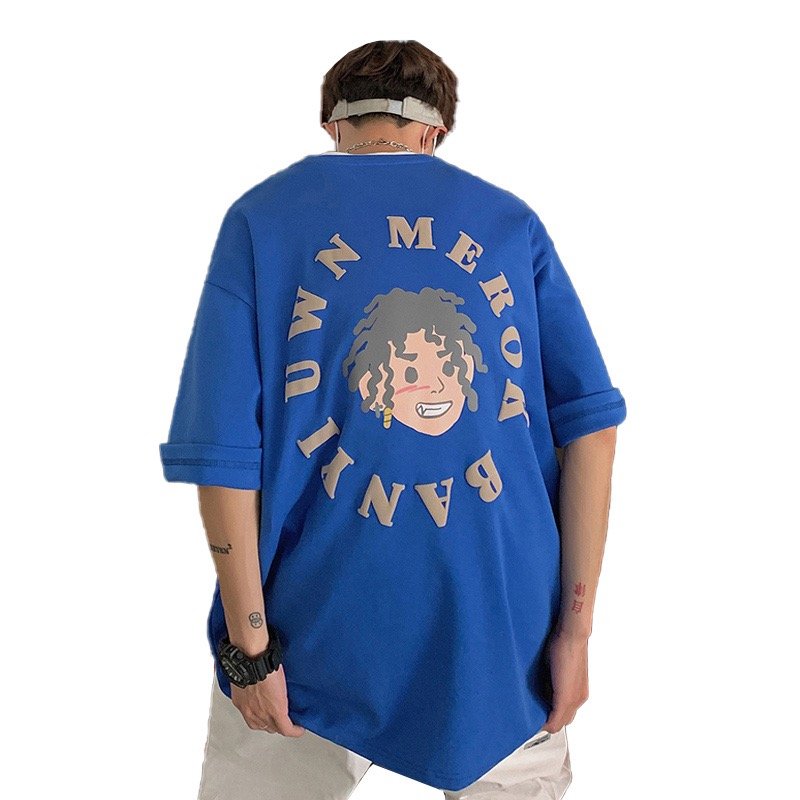
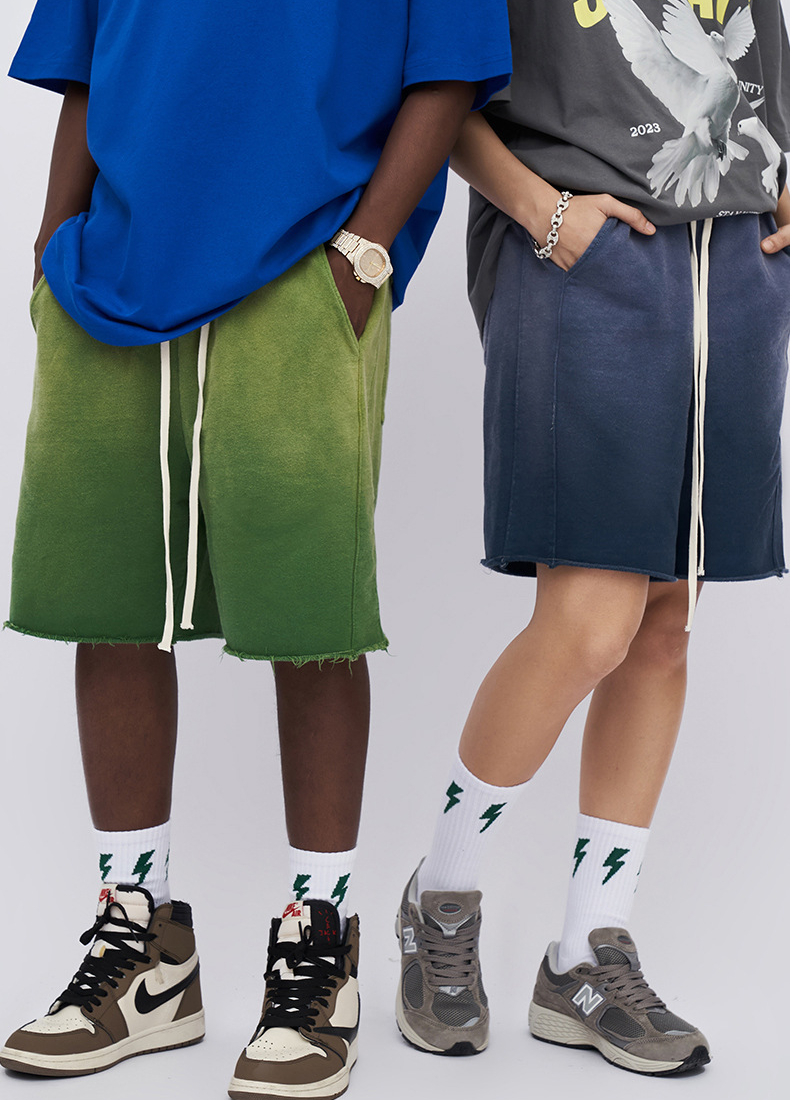
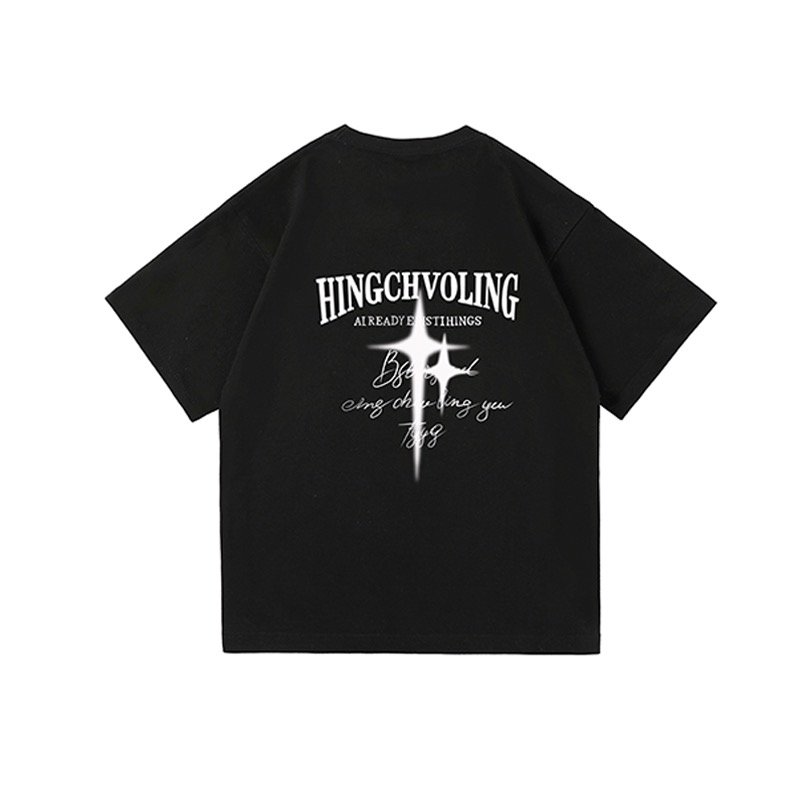
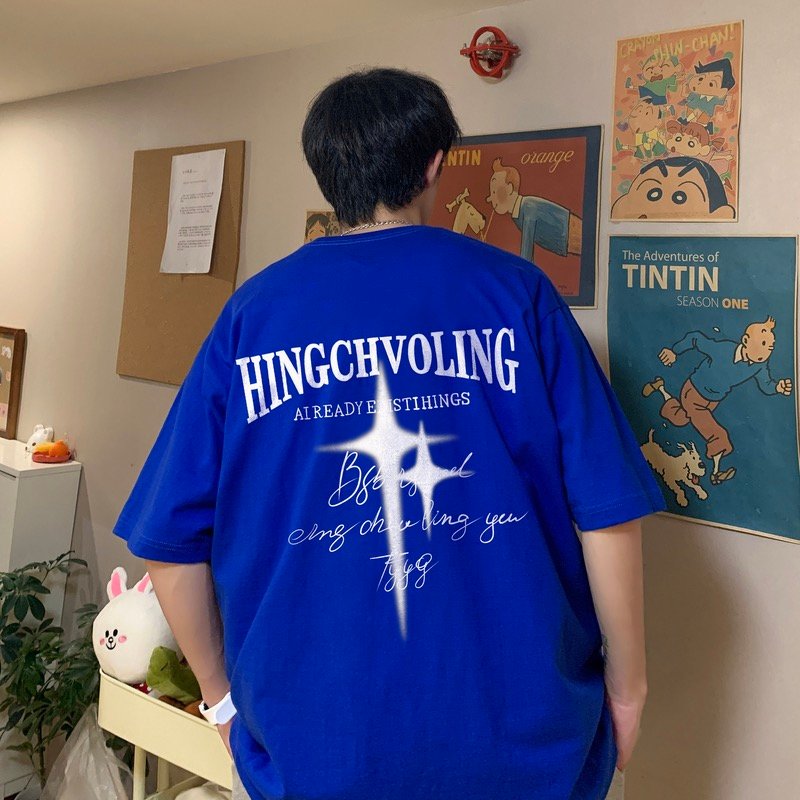
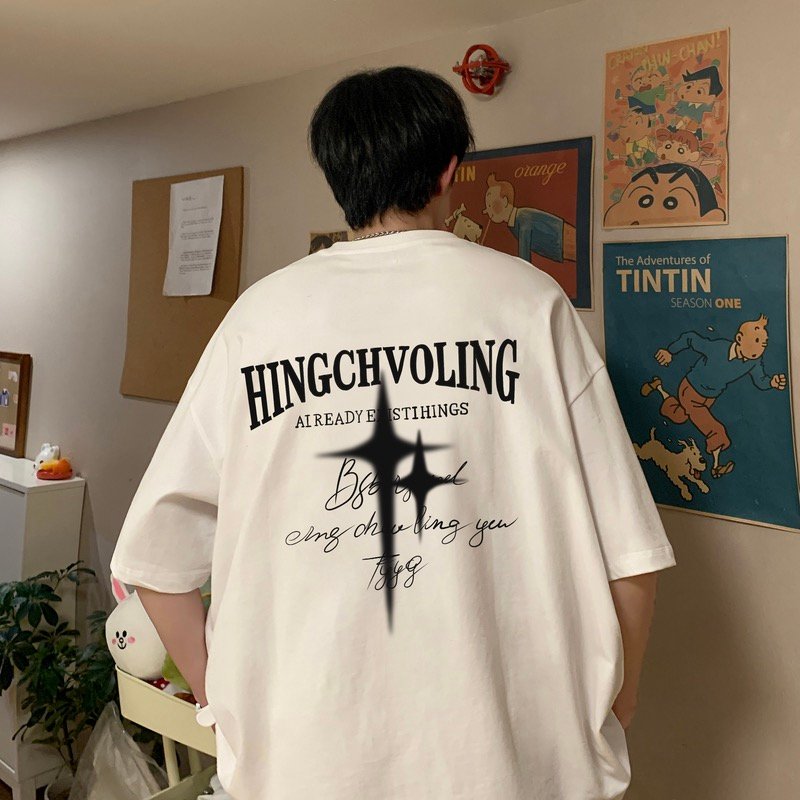
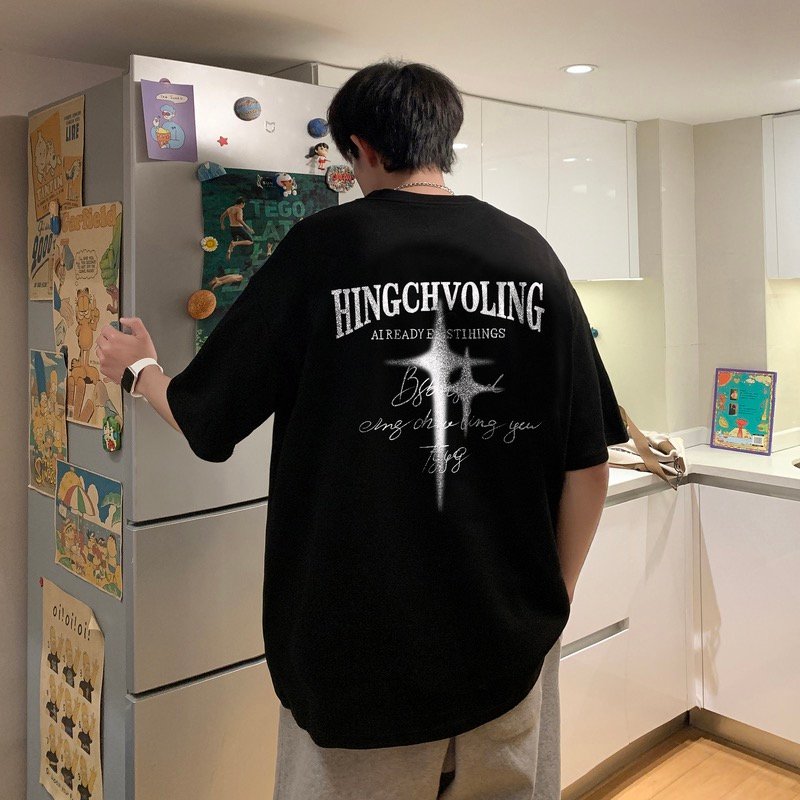
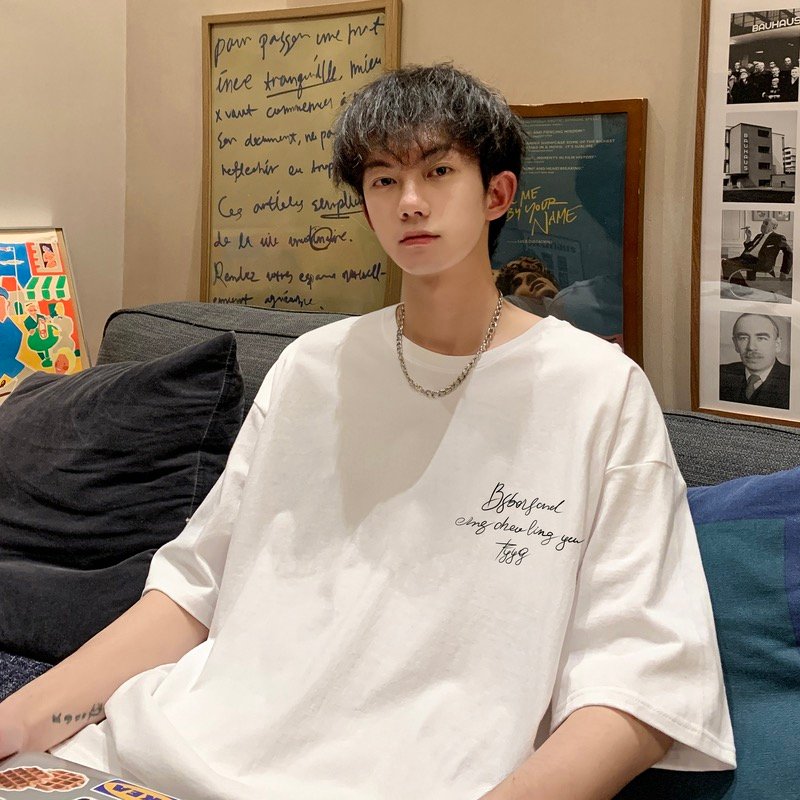
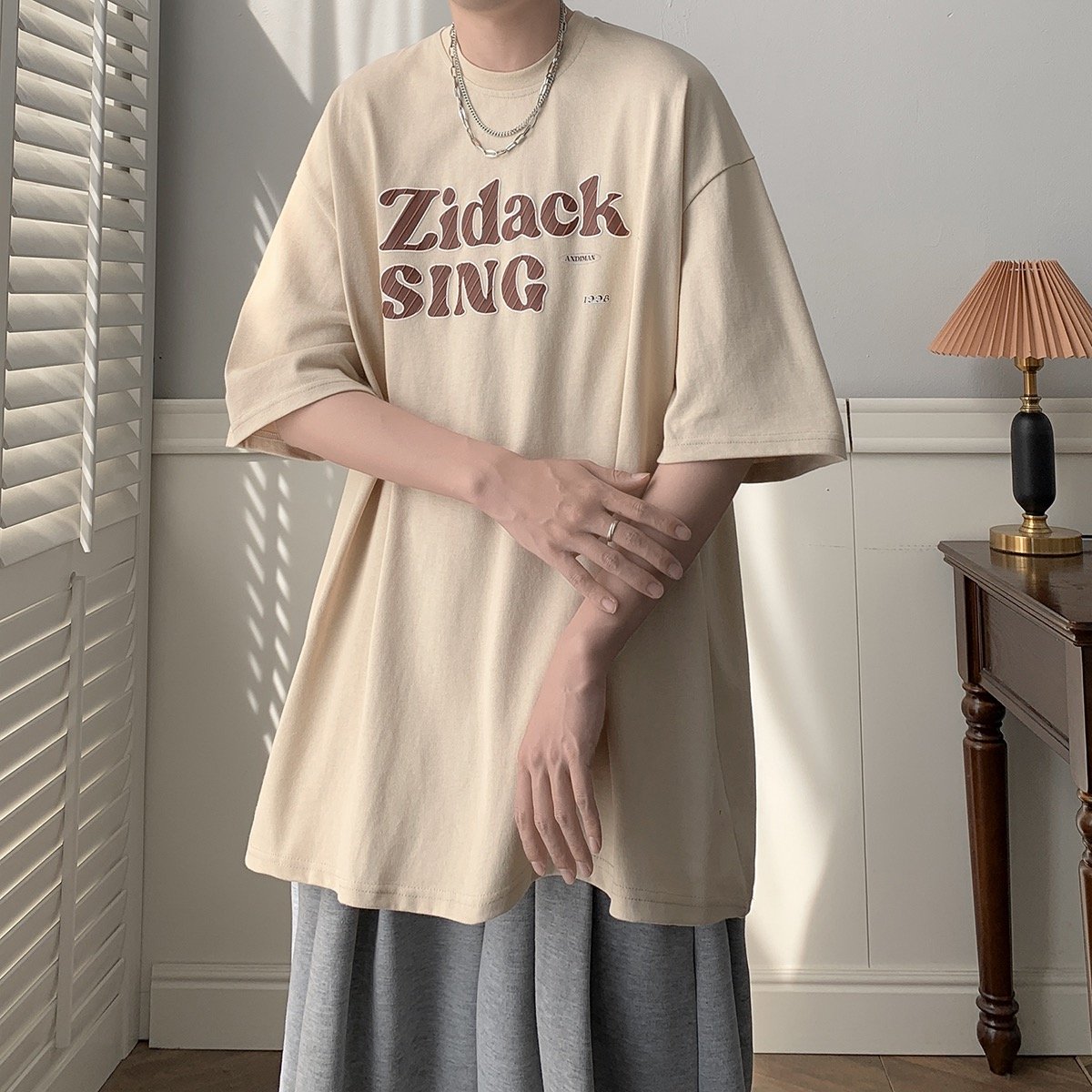
Mesh Shorts Gallery — Styles & Designs
Why Choose Our Mesh Shorts Manufacturer
5-Step Quality Control Guarantee
Every mesh short undergoes rigorous QC testing at materials, cutting, craft, sewing, and finished garment stages to eliminate defects before shipping.
In-House Design & Sampling Team
Our 15-member R&D team turns your mesh shorts concepts into production-ready samples with streetwear expertise and 10 patented production innovations.
Low MOQ for Startups
Launch your mesh shorts line without massive inventory risk. We support emerging brands and independent designers with flexible minimum order quantities.
Fast Turnaround for Seasonal Drops
Meet tight deadlines for your streetwear collections. Our streamlined production workflows deliver mesh shorts quickly without compromising our quality standards.
Streetwear & Influencer Line Expertise
Six years of specialized streetwear experience serving over 1,000 clients, including influencer brands that grew from zero to hundreds of thousands of followers.
Global Shipping & Logistics Support
Seamless international delivery to over 100 countries with full customs documentation, inspection procedures, and transparent tracking for your mesh shorts orders.
Mesh Shorts Manufacturer for Every Category
From athletic performance to streetwear style, our mesh shorts manufacturer delivers precision craftsmanship across all product lines with our 5-step QC guarantee.
Athletic & Gym Mesh Shorts
Fitness brands need moisture-wicking, durable mesh shorts that withstand intense workouts and frequent washing while maintaining shape, color, and breathability for active customers.
We deliver high-performance athletic mesh shorts with reinforced stitching, fade-resistant dyes, and breathable mesh fabrics that pass rigorous QC testing at every production stage.
Streetwear & Casual Mesh Shorts
Streetwear brands struggle to find manufacturers who understand trend-driven design elements like bold graphics, unique colorways, and oversized fits that resonate with style-conscious audiences.
Our in-house design team brings 6+ years of streetwear expertise, creating custom mesh shorts with authentic street aesthetics, premium finishes, and low MOQs perfect for emerging brands.
Performance & Sports Mesh Shorts
Sports teams and athletic retailers require technical mesh shorts with specialized features like compression liners, ergonomic cuts, and team customization options at competitive pricing.
We manufacture performance mesh shorts with advanced moisture management, flexible four-way stretch fabrics, and full customization capabilities backed by our comprehensive quality control process.
Custom & Private Label
Independent designers and influencer brands need a mesh shorts manufacturer who can execute unique visions with custom patterns, exclusive fabrics, and fast turnaround without massive order quantities.
Our 15-person R&D team and low MOQ policy empower startups and creators to launch distinctive mesh shorts collections with complete design freedom and startup-friendly production minimums.
Premium Fabrics for Mesh Shorts Manufacturing
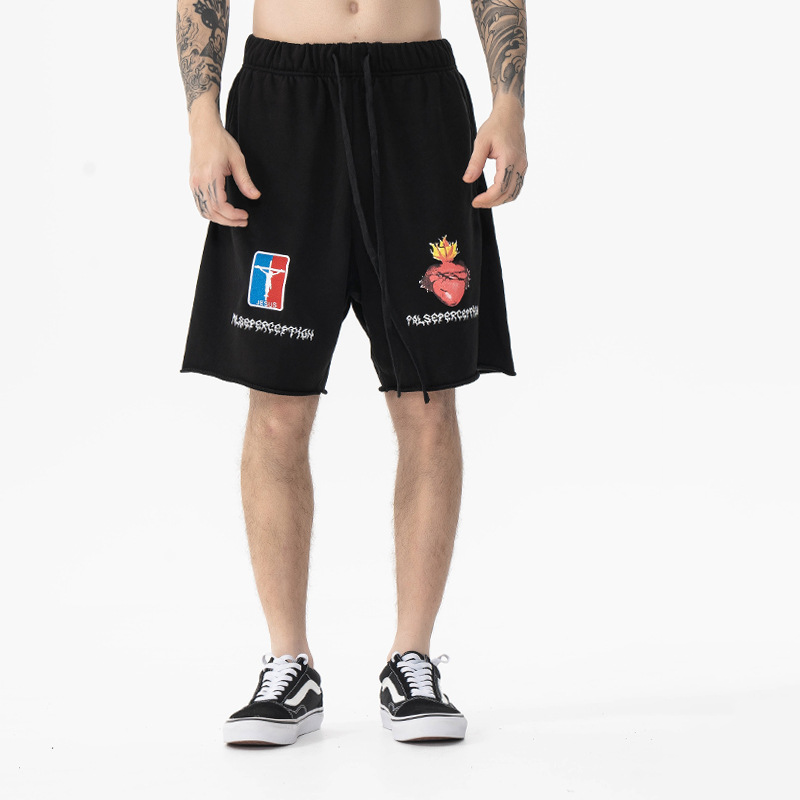
Polyester Mesh
Lightweight, breathable open-weave fabric ideal for athletic and streetwear mesh shorts. Features quick-dry properties and excellent air circulation. Typical weight: 120-150 GSM for optimal durability and comfort.
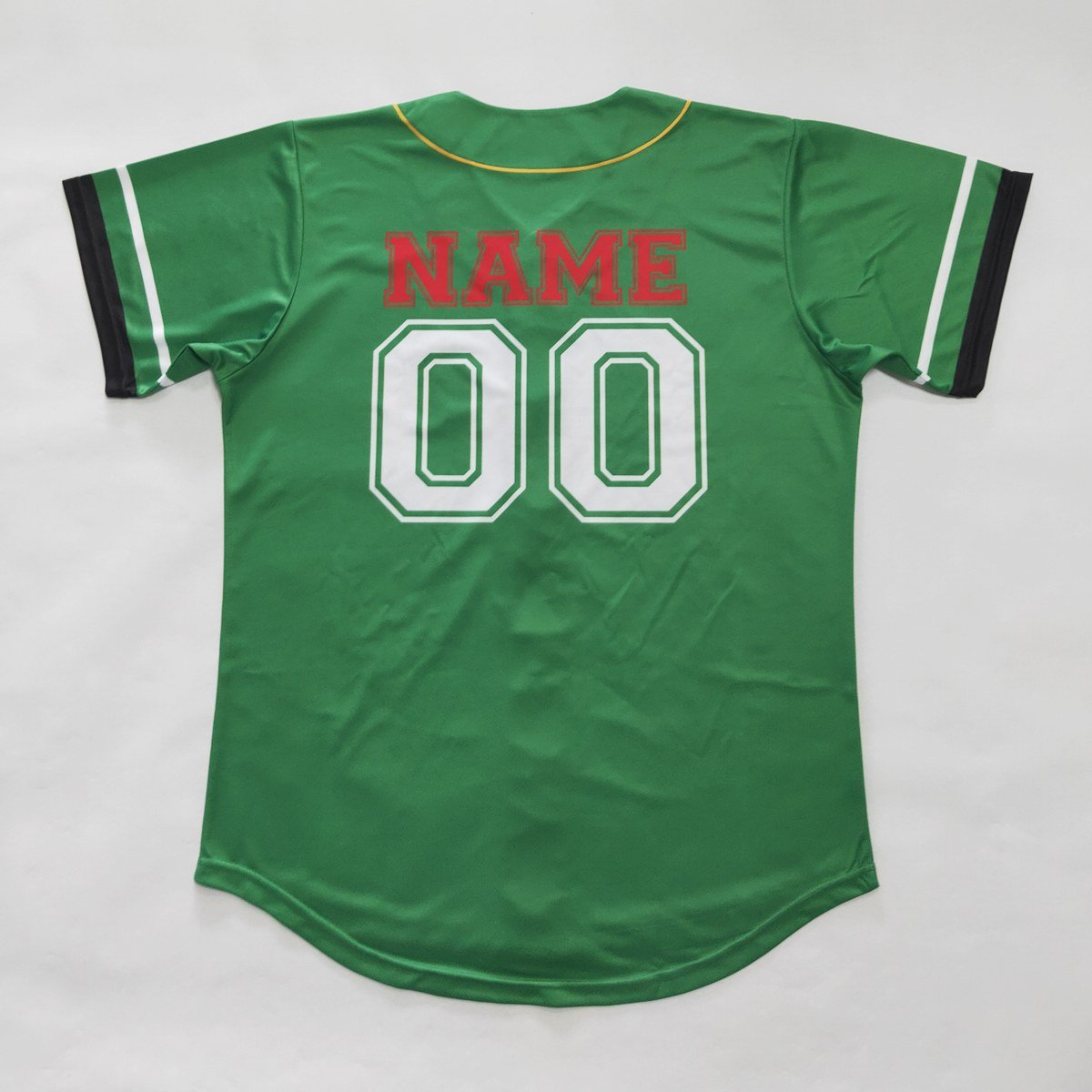
Nylon Blend Mesh
High-strength mesh combining nylon and spandex for enhanced stretch and recovery. Perfect for performance shorts requiring flexibility and shape retention. Offers superior abrasion resistance for active use.
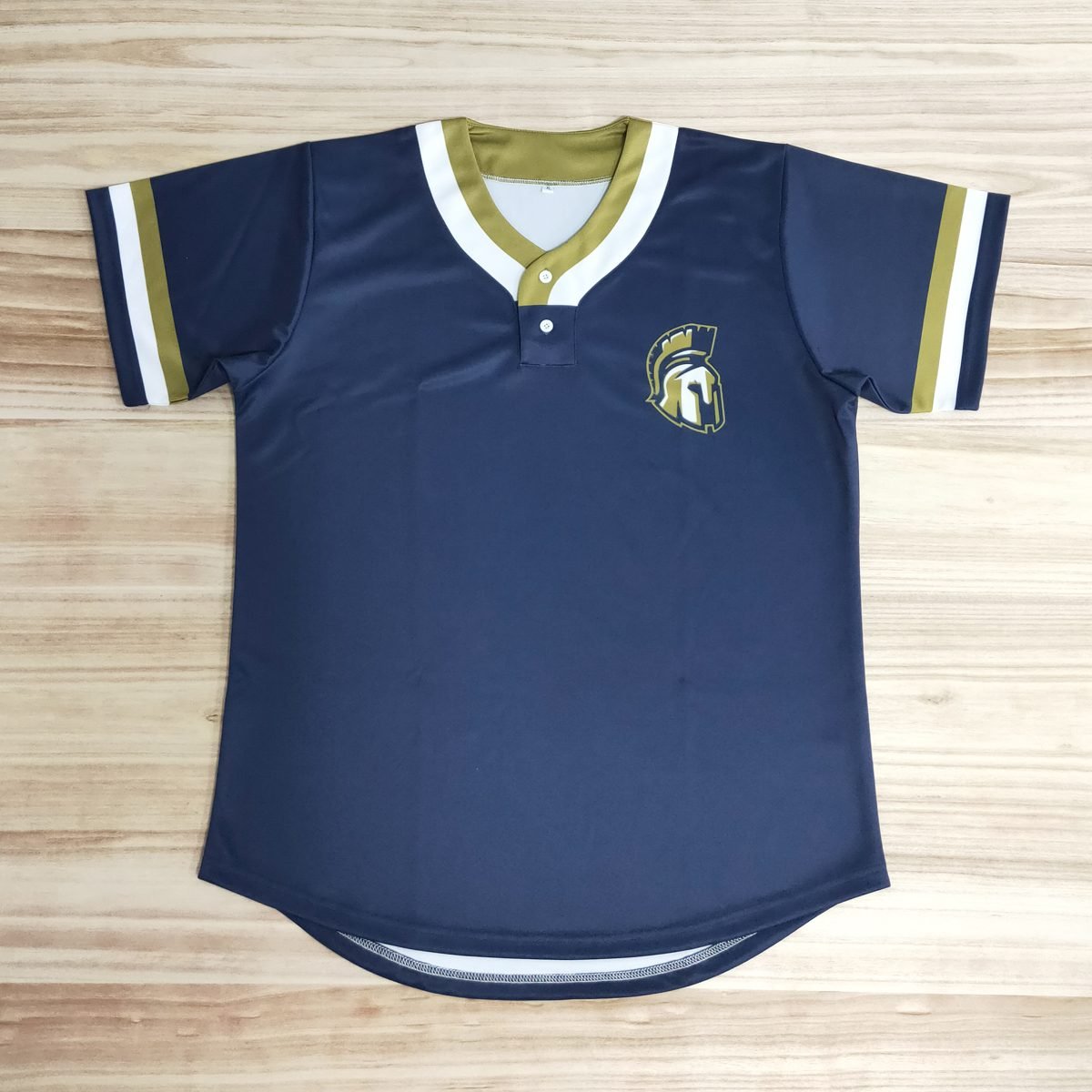
Recycled Polyester Mesh
Eco-conscious mesh fabric made from post-consumer recycled materials without sacrificing performance. Delivers the same breathability and moisture management as virgin polyester. Ideal for sustainable streetwear brands.
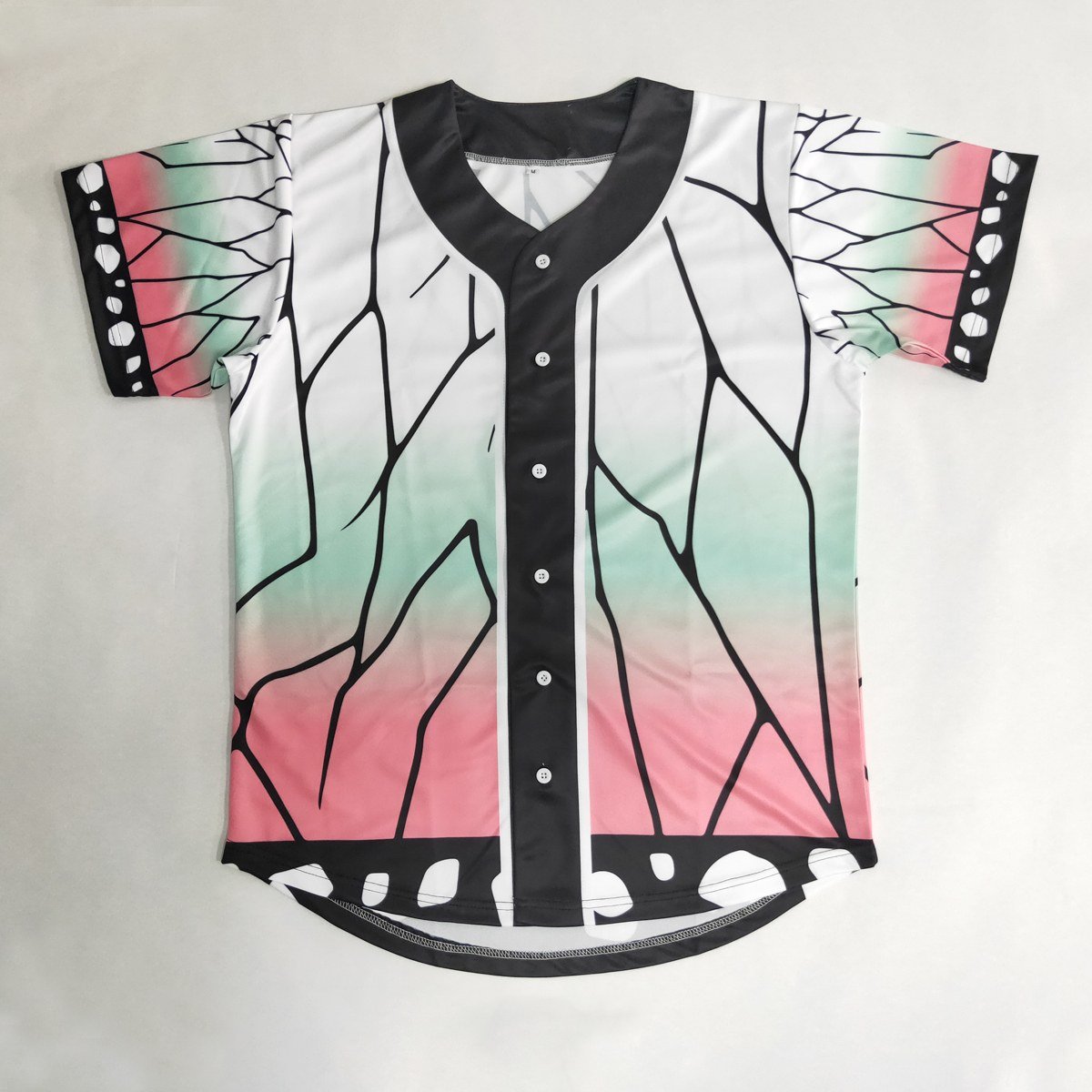
Moisture-Wicking Mesh
Advanced technical mesh engineered with hydrophobic fibers that pull sweat away from skin. Features rapid evaporation channels for all-day comfort. Weight range: 140-180 GSM for premium hand-feel.
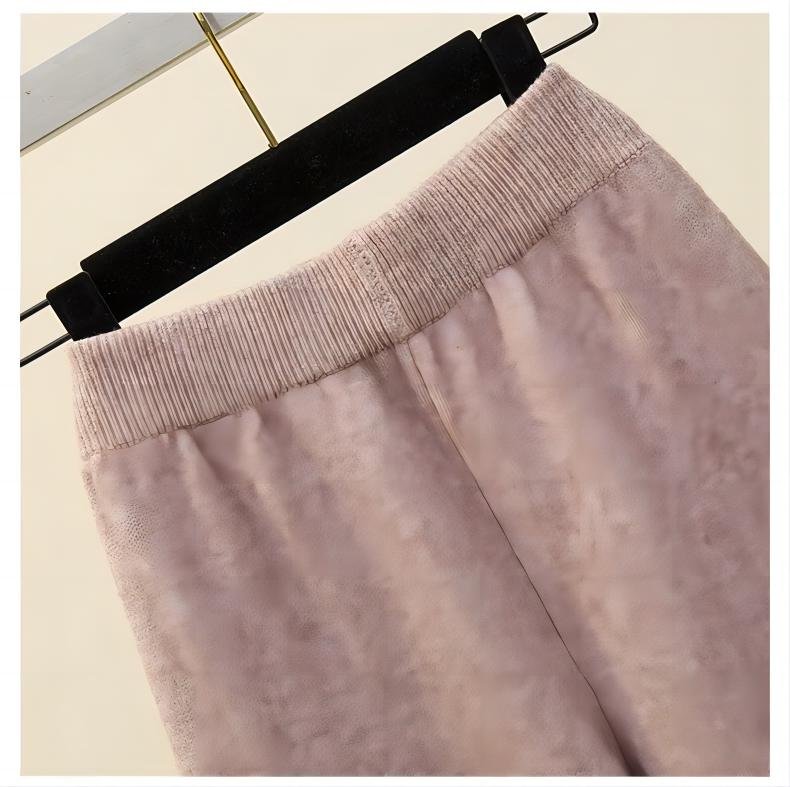
Double-Knit Mesh
Structured two-layer mesh construction offering enhanced opacity and a premium, substantial feel. Provides excellent shape retention and reduced transparency. Popular for fashion-forward streetwear mesh shorts.
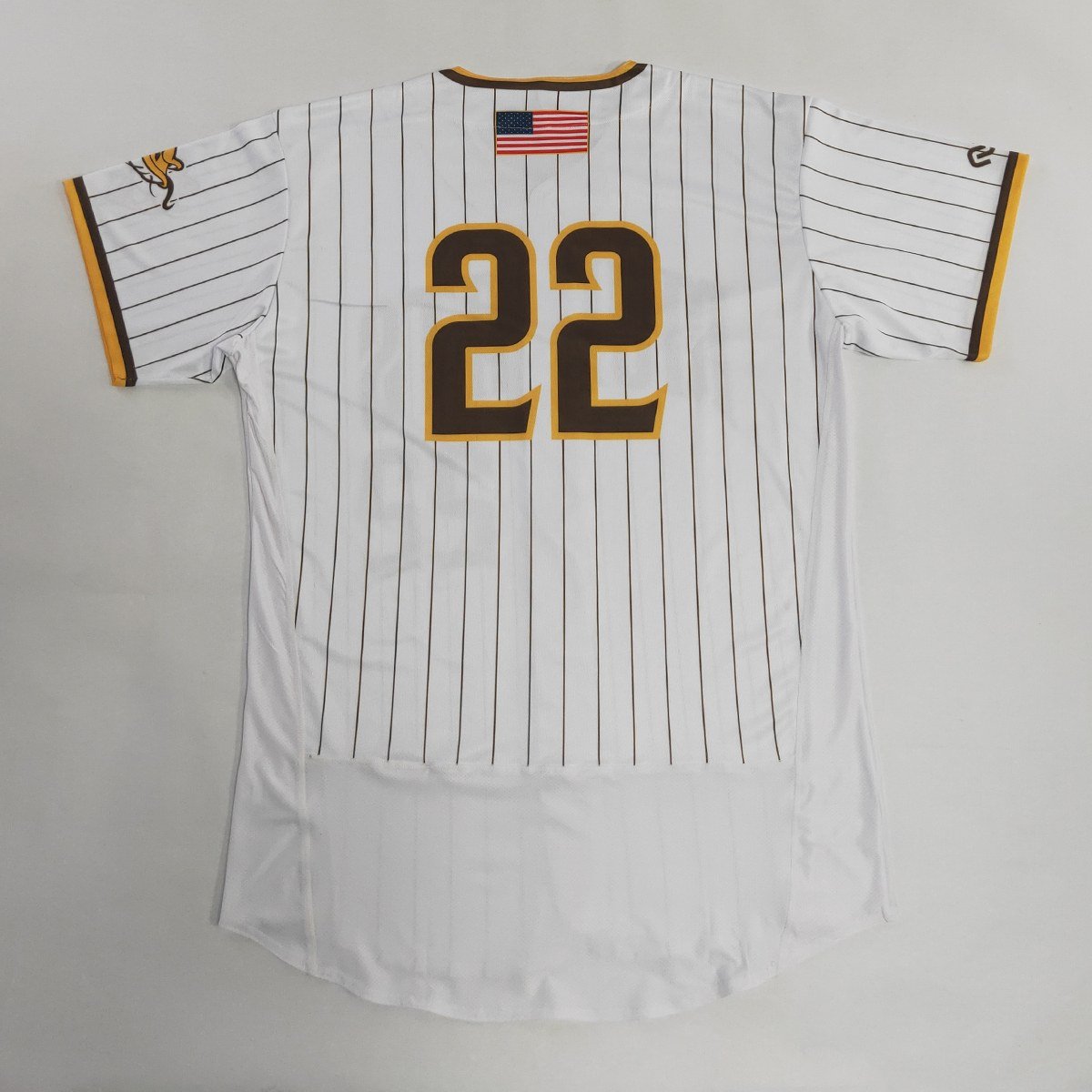
Tricot Mesh
Smooth-surface polyester tricot with fine mesh structure and subtle sheen. Offers soft hand-feel with excellent drape and comfort. Lightweight at 100-130 GSM, perfect for layering and casual wear.
Advanced Production Processes from Your Mesh Shorts Manufacturer
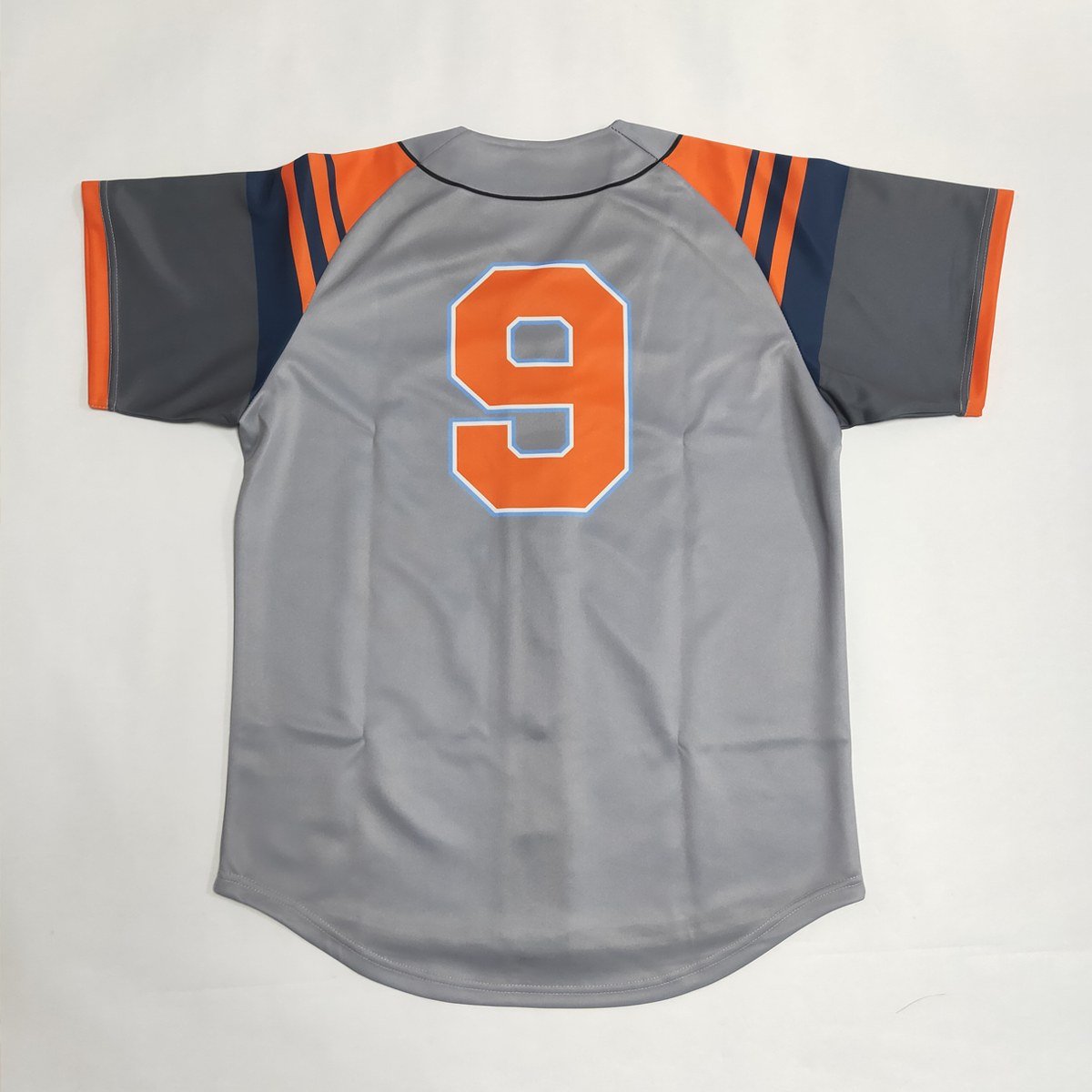
Screen Printing
High-opacity ink application for bold logos, graphics, and text on mesh fabric. Delivers vibrant, durable prints that withstand repeated washing and intense athletic use, perfect for team branding and streetwear graphics.
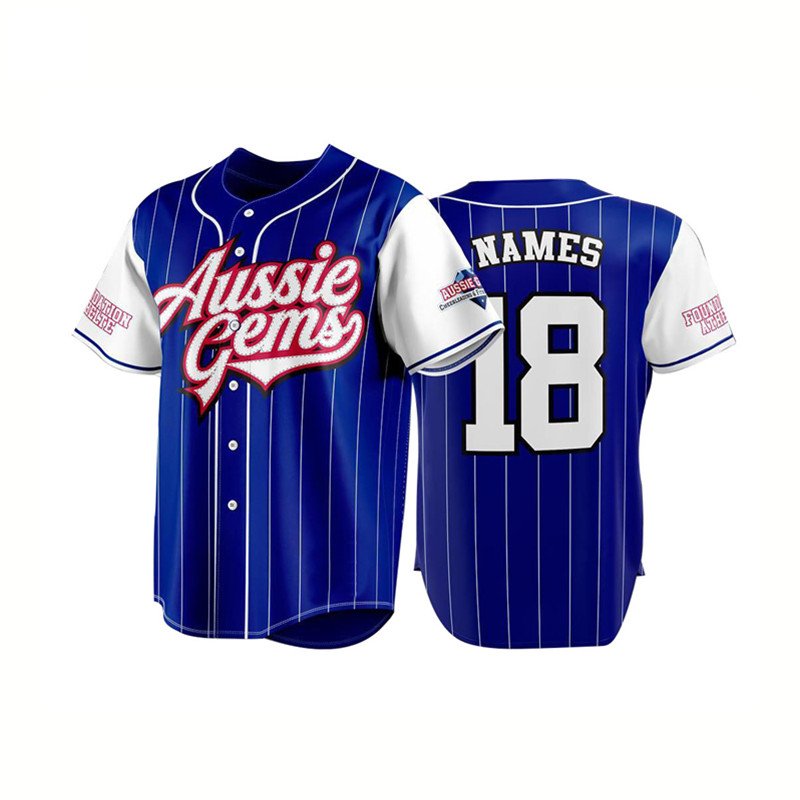
Embroidery & Patches
Precision thread work and custom patches for premium branding on waistbands, pockets, and legs. Creates a tactile, high-end finish that elevates perceived value and resists fading over time.
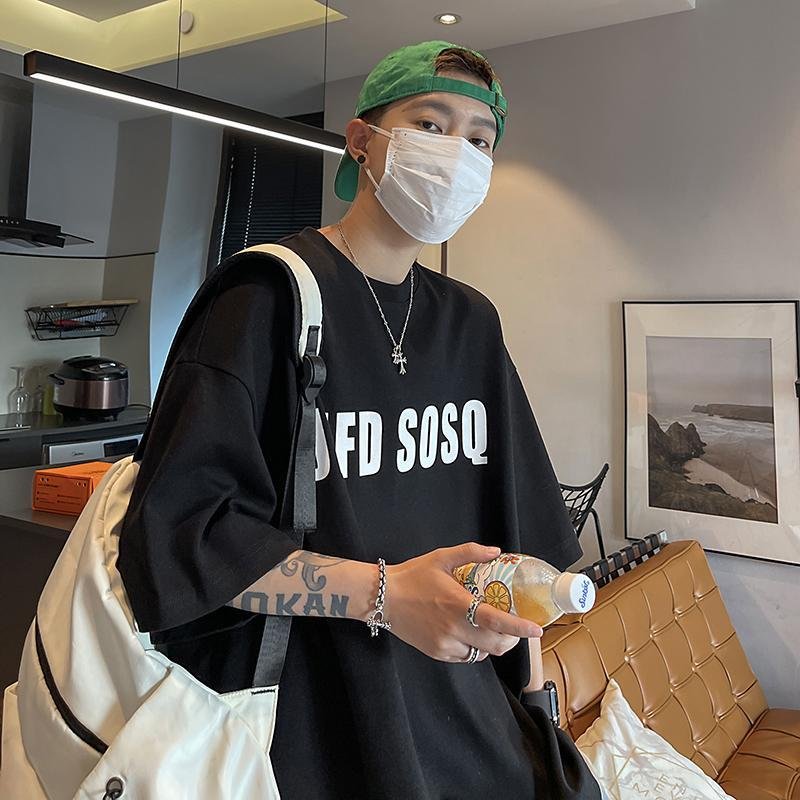
Sublimation Printing
Full-color dye infusion for all-over patterns, gradients, and photorealistic designs. Produces breathable, lightweight graphics that become part of the fabric itself, ensuring no cracking or peeling.
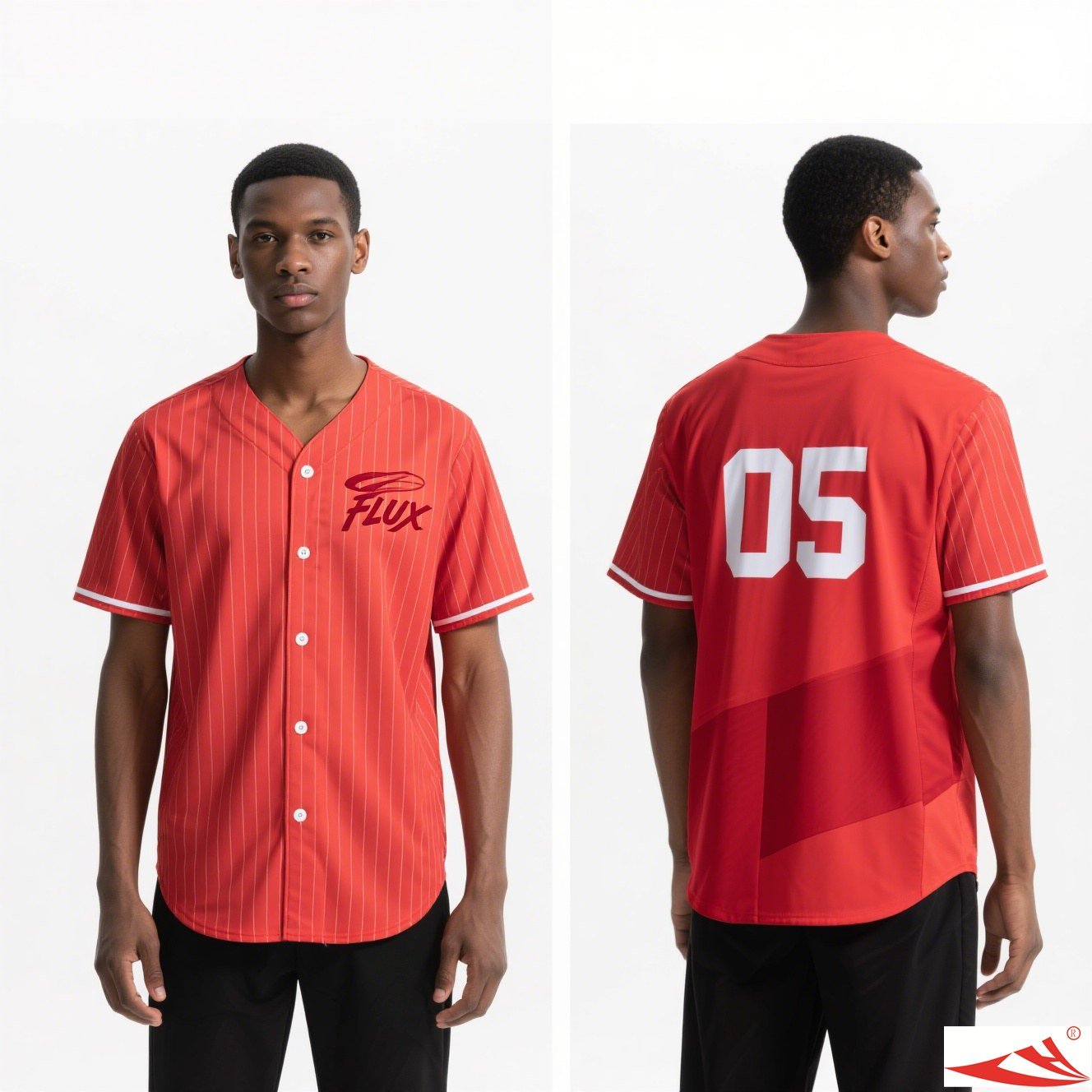
Custom Dyeing
Precision color matching and gradient dyeing for unique colorways and seasonal palettes. Our controlled dyeing process guarantees consistent hue across production runs and excellent colorfastness for long-lasting vibrancy.
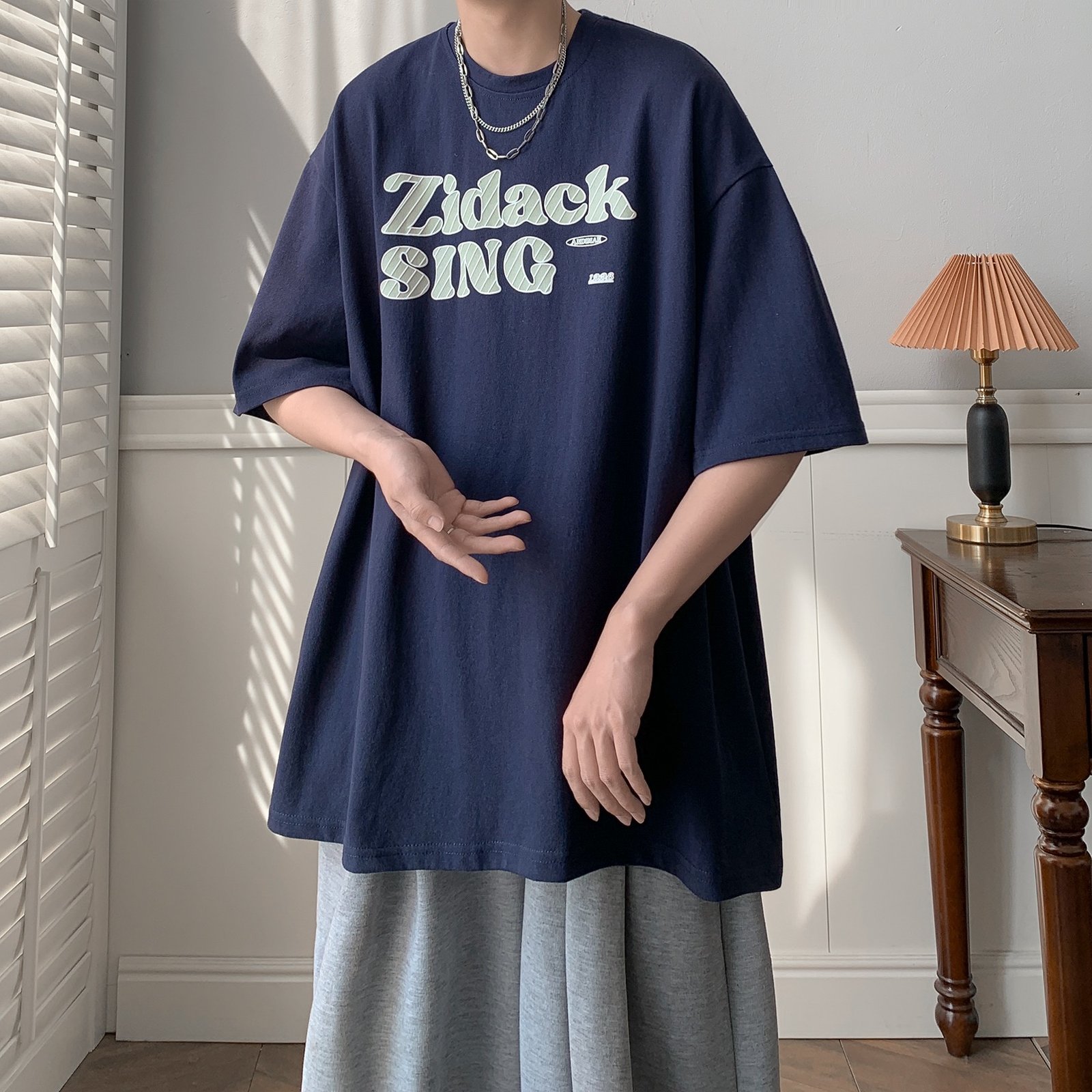
Heat Transfer
Versatile application method for intricate multi-color designs, metallic finishes, and reflective details. Ideal for small-batch customization and influencer collaborations requiring quick turnaround without sacrificing quality.
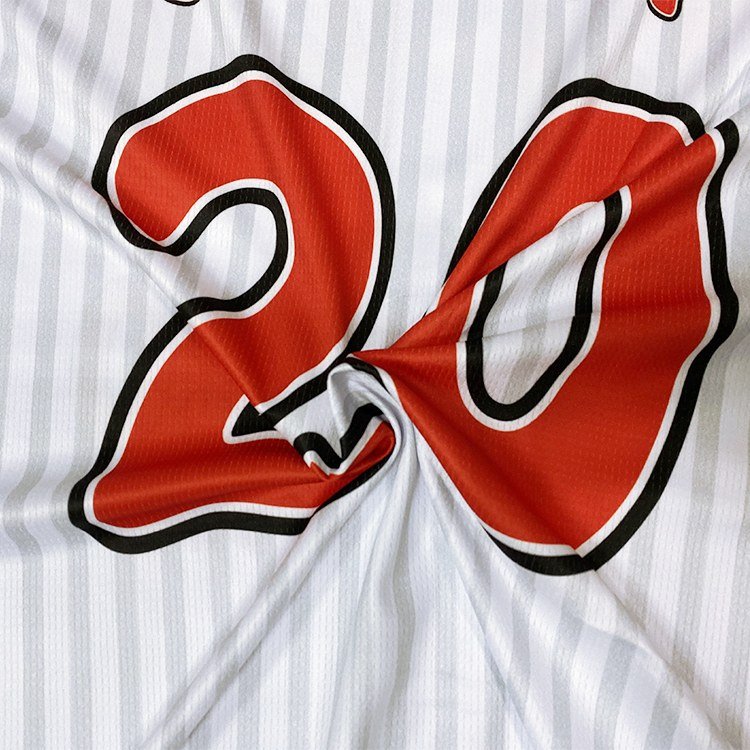
Laser Cutting
Precision fabric cutting for custom perforations, ventilation patterns, and decorative edge details. Creates clean, fray-resistant cuts that enhance breathability while adding modern design elements to your mesh shorts.
Mesh Shorts Manufacturer Accessories & Finishing Options
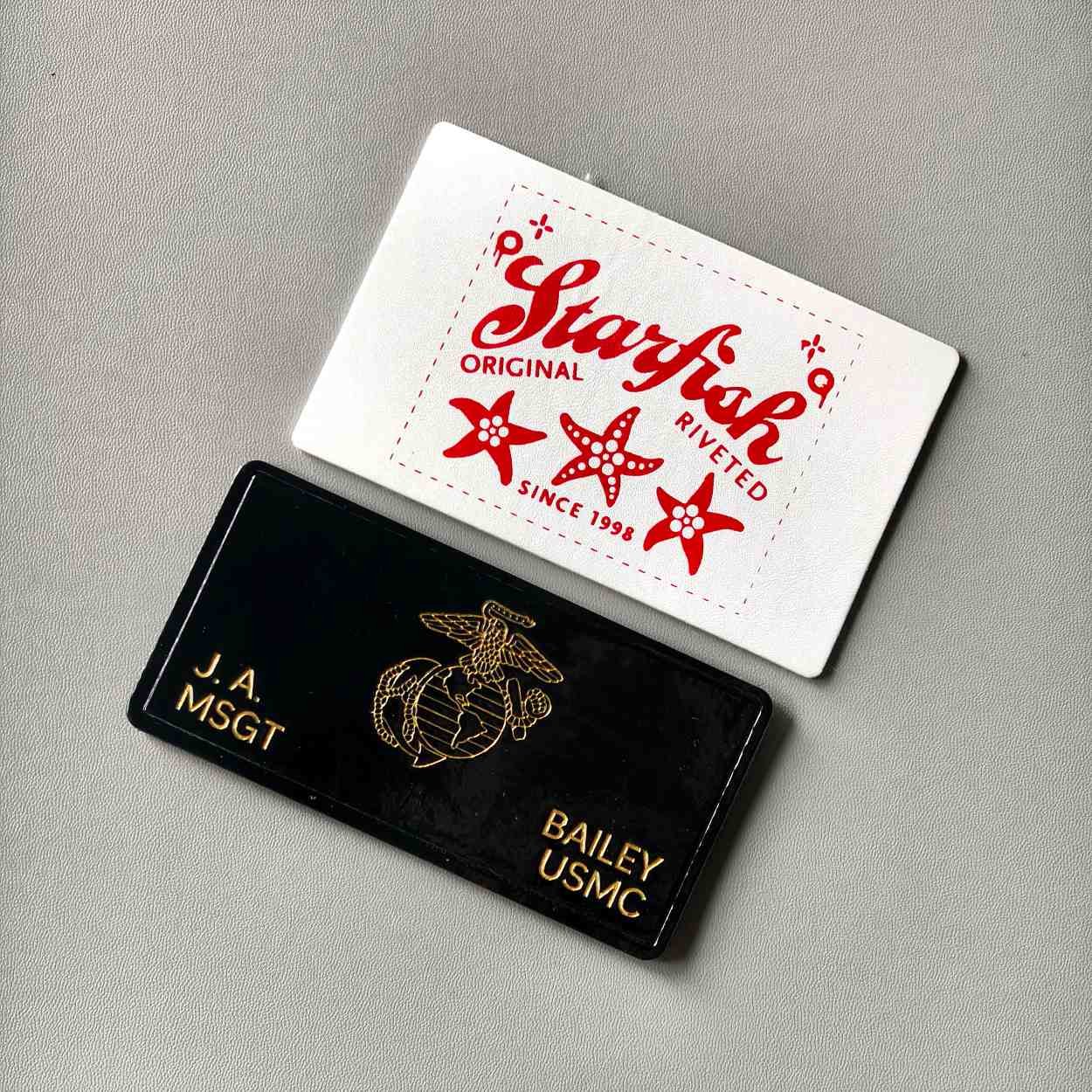
Drawcord & Tipping
Premium flat or round drawcords with custom metal or plastic aglets in your brand colors. Essential for adjustable waistbands on mesh shorts, available in woven, braided, or reflective finishes to match your streetwear aesthetic and enhance functionality.
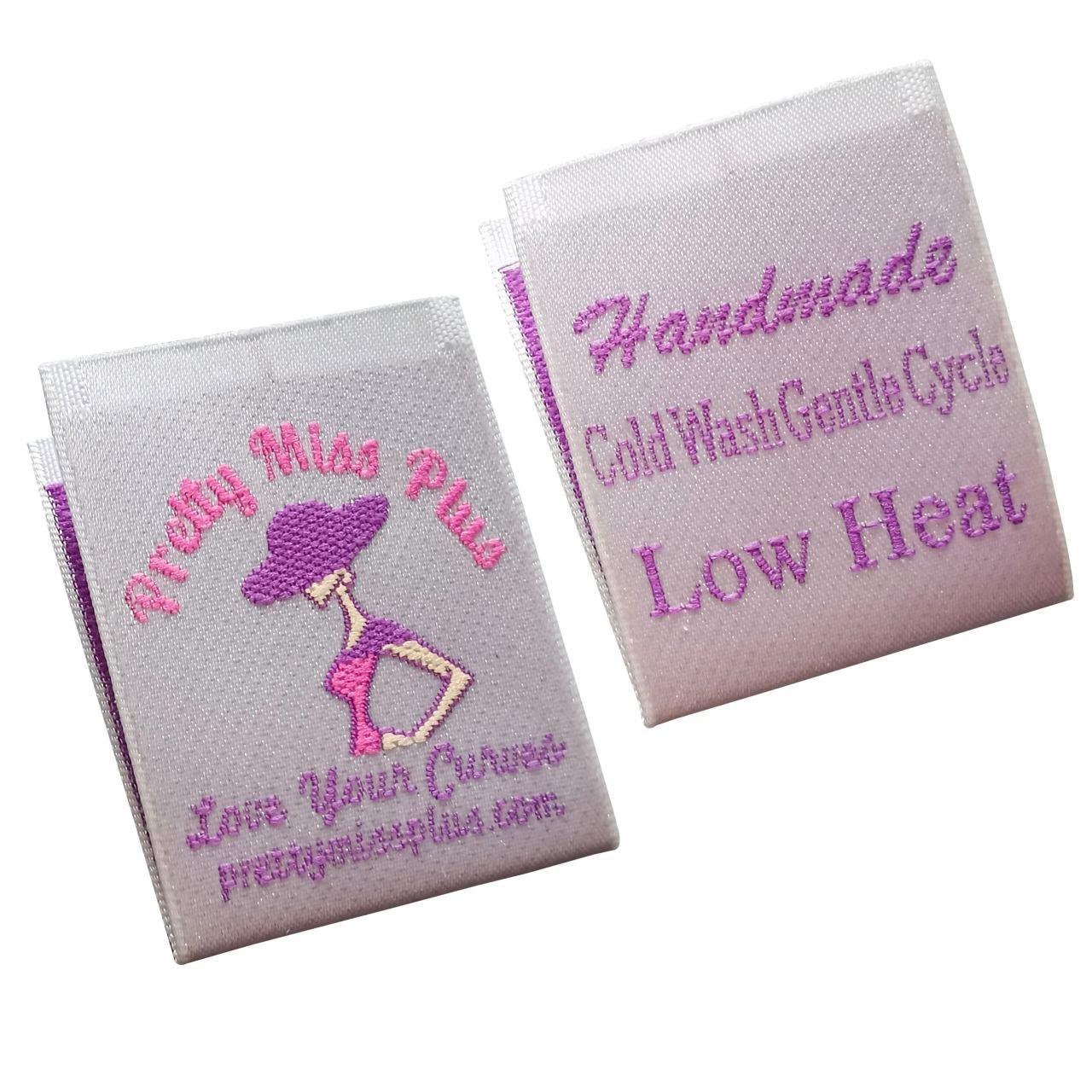
Woven Labels
High-definition woven brand labels with your logo, care instructions, or size tags. Sewn into waistbands, side seams, or hem pockets of mesh shorts to reinforce brand identity and deliver a premium, professional finish that customers notice.
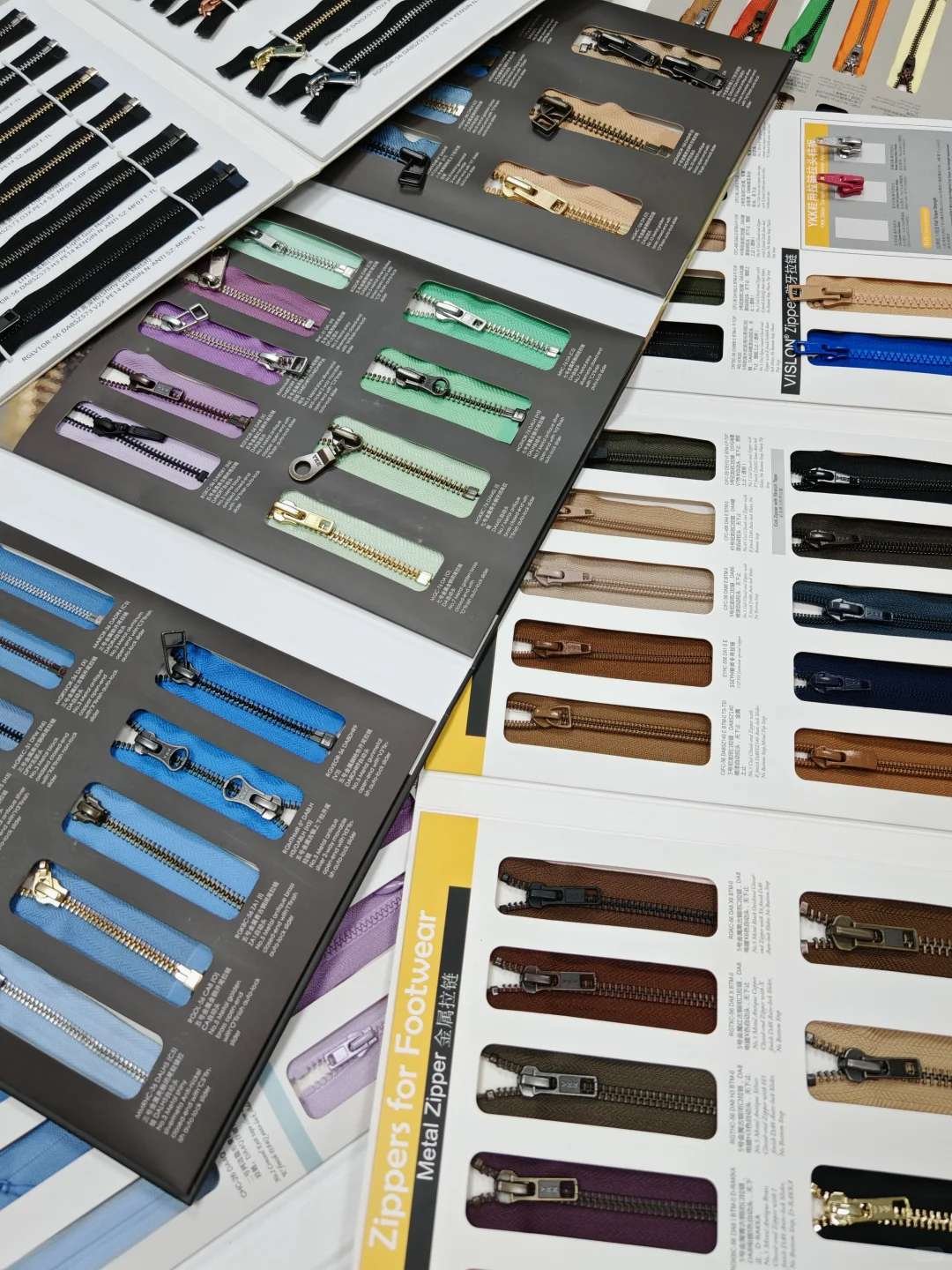
Side Zip Pockets
Secure zippered side pockets with YKK or custom-branded pulls, perfect for athletic and streetwear mesh shorts. Adds functionality for phone, keys, or wallet storage while maintaining clean lines and enhancing the garment’s perceived value and usability.
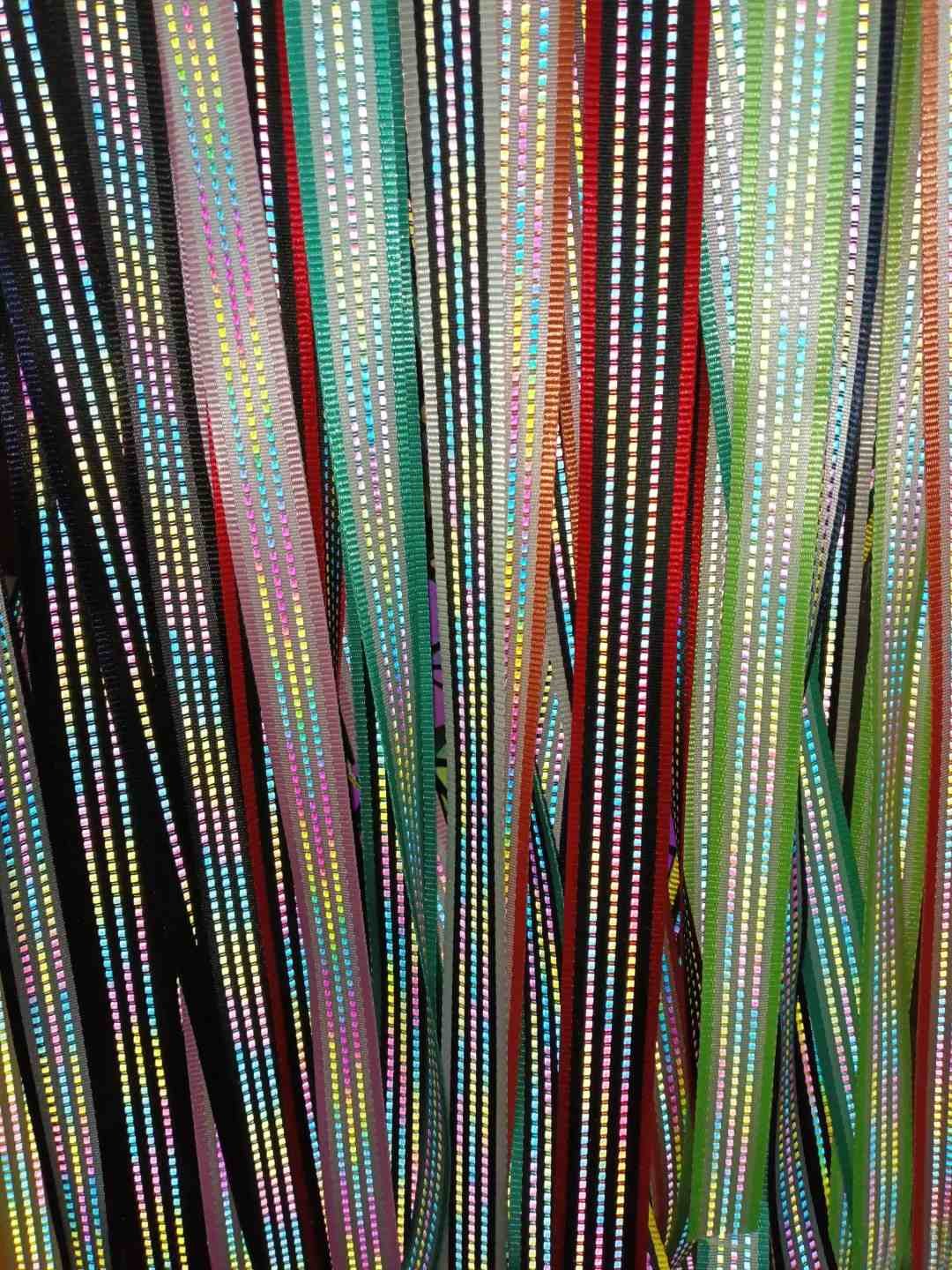
Reflective Trim
Heat-transfer or sewn reflective piping along side seams, hem, or waistband. Increases visibility for night workouts and adds a technical, performance-driven look that resonates with streetwear and activewear audiences seeking bold, functional design details.
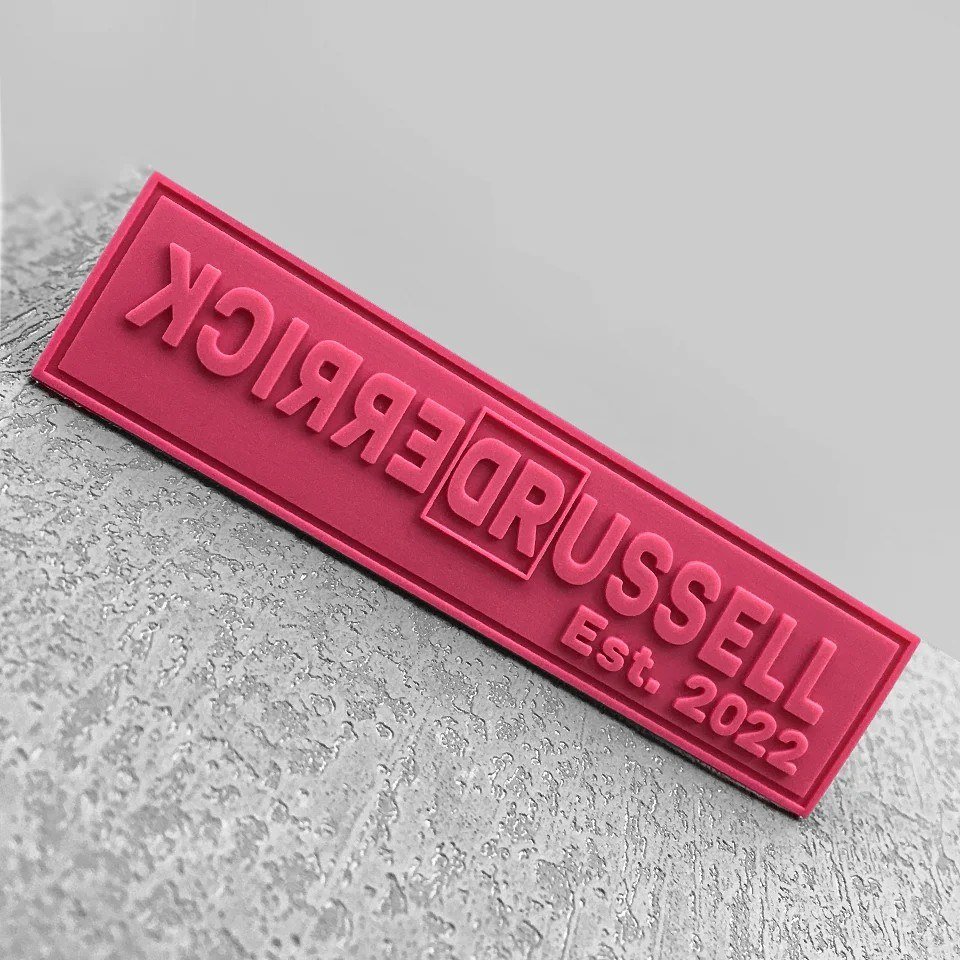
Custom Hangtags
Die-cut, embossed, or foil-stamped hangtags featuring your logo, product story, or care info. Attached to mesh shorts via string, safety pin, or plastic loop, these tags create a memorable unboxing experience and communicate quality before the first wear.
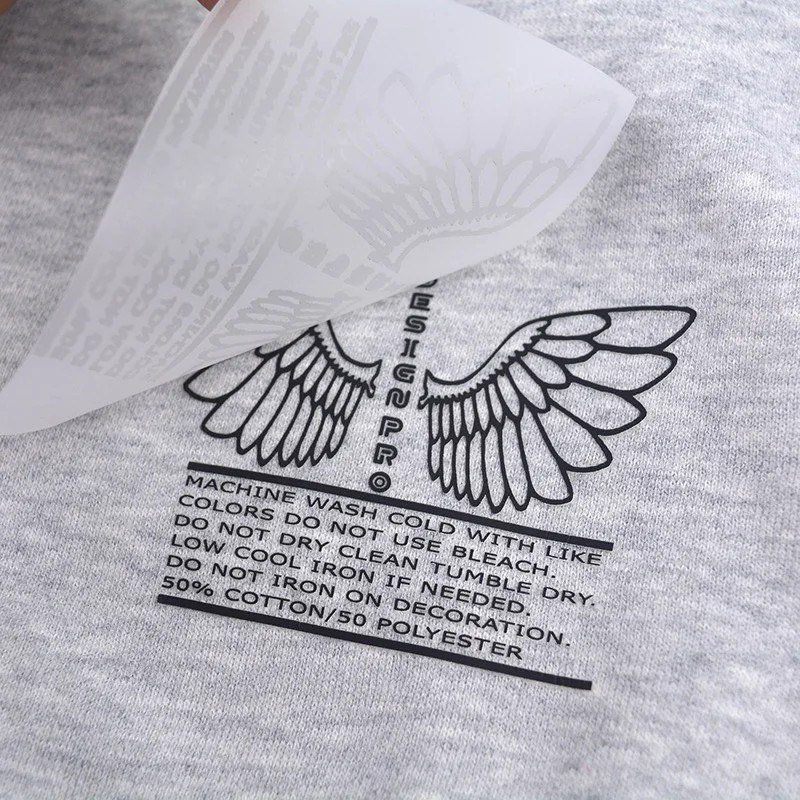
Embroidered Patches
Custom embroidered or woven patches applied to thigh, waistband, or back pocket of mesh shorts. Ideal for logos, slogans, or graphics that demand texture and durability. Adds a premium streetwear touch that screen printing cannot replicate for three-dimensional branding.
Trusted Mesh Shorts Manufacturer Since 2024
Founded by Tesla Luo in August 2024, Clothing Manufacturer Ltd was built on a mission to eliminate low-quality clothing products from the global market. With over 10 years of apparel production experience and 6 years specializing in streetwear, Luo witnessed too many manufacturers skip critical quality checks. He established our company to restore trust in Chinese garment manufacturing through rigorous standards and transparent processes.
As a mesh shorts manufacturer, we serve streetwear brands, fashion startups, independent designers, and global retailers across 100+ countries. Our proprietary 5-step quality control methodology tests materials, cutting, craft, sewing, and finished garments at every production stage—not just at the end. This zero-compromise approach ensures every mesh short meets exacting standards before it reaches your customers.
Backed by our parent company Dongguan TuoZhen Clothing Co., Ltd., we combine startup agility with established manufacturing infrastructure. Our 15-member R&D team and 10 patents support low MOQ orders, fast turnaround for seasonal collections, and in-house design capabilities. We partner with brands at every growth stage, from first launches to scaled production, delivering premium craftsmanship that empowers your success.
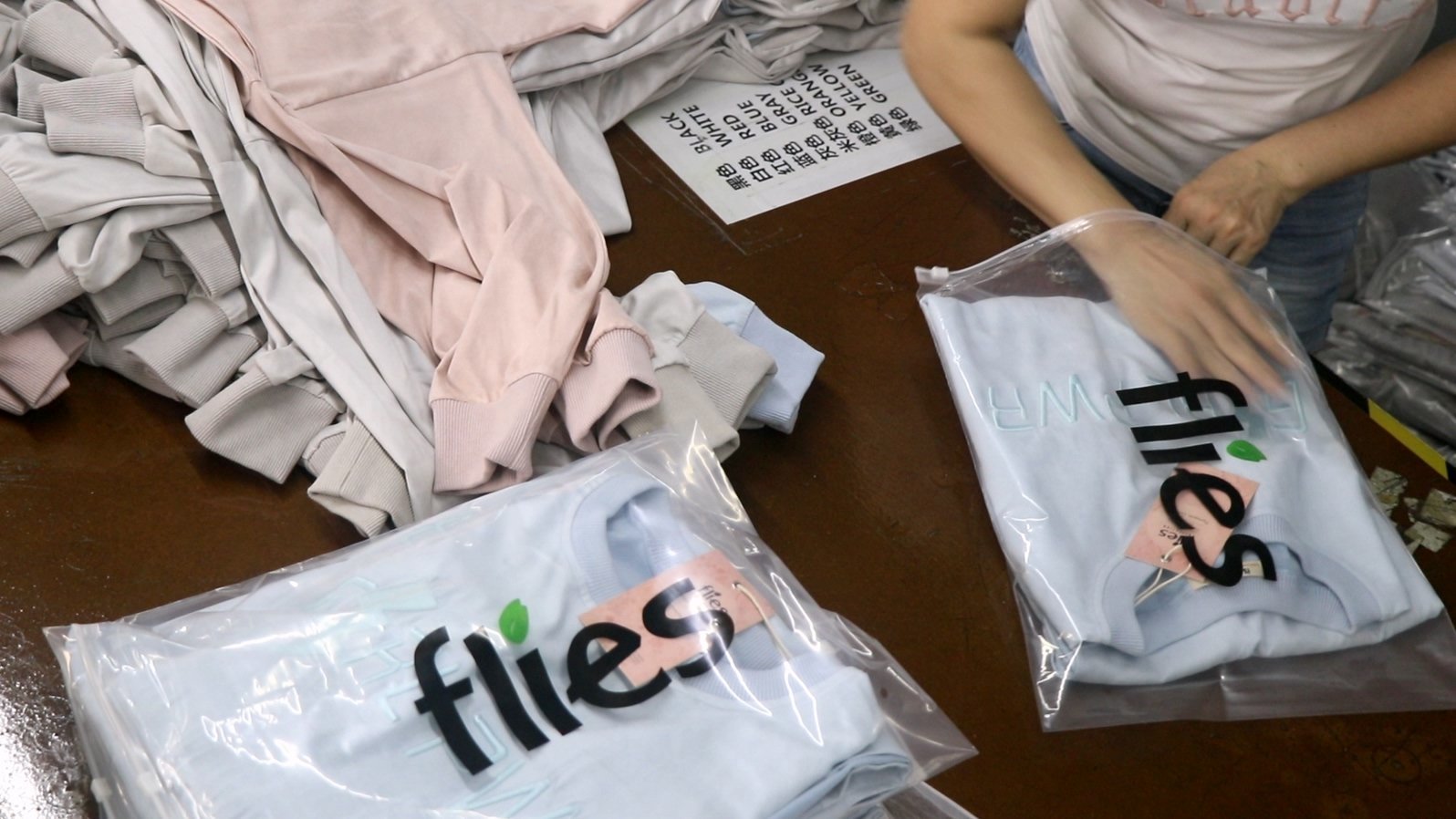
Mesh Shorts Manufacturer with 5-Step QC & Design Support
5-Step Quality Control at Every Stage
As a trusted mesh shorts manufacturer, we implement rigorous QC testing from materials through finished garments. Every batch undergoes materials QC, cutting QC, craft QC, sewing QC, and final inspection—eliminating defects before they reach your customers.
- Materials QC testing verifies fabric weight, stretch recovery, and moisture-wicking performance before cutting begins
- Cutting and craft QC ensure pattern accuracy and construction standards meet streetwear-grade specifications
- Sewing production QC catches stitching flaws in real-time, while final inspection validates fit, finish, and packaging
- Zero-compromise approach means only products that pass all five checkpoints leave our facility
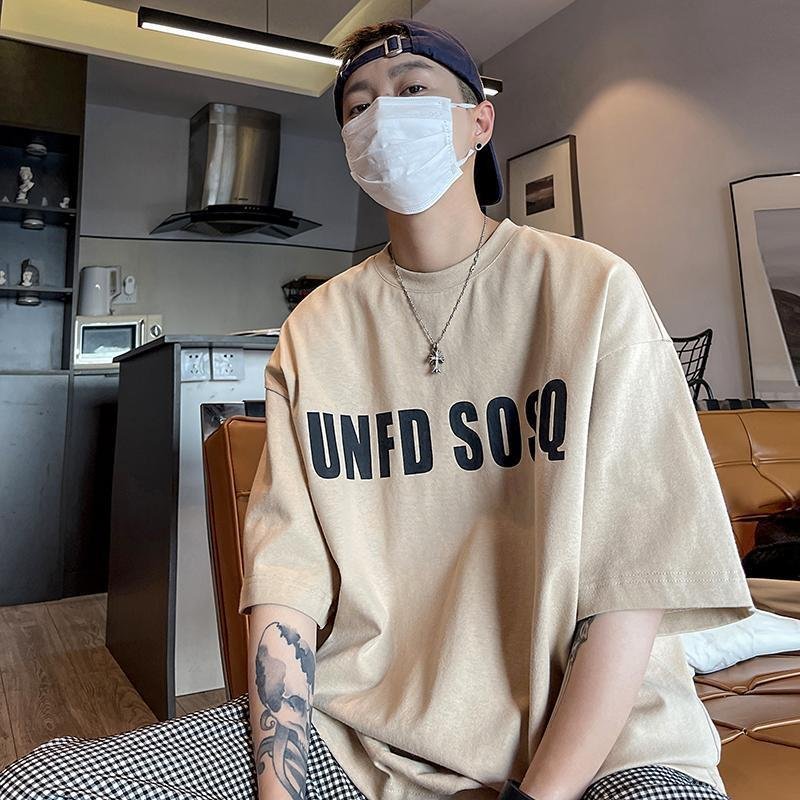
In-House Design & Rapid Sampling Team
Our 15-member R&D team transforms your mesh shorts concepts into production-ready samples in days, not weeks. We specialize in streetwear aesthetics—bold prints, custom panels, and trend-driven silhouettes—so your line stands out in competitive markets.
- Tech pack development and pattern grading for mesh shorts in all fits: relaxed, athletic, and tapered
- Custom colorways, sublimation prints, embroidery, and appliqué options tailored to your brand identity
- First samples delivered within 5–7 days; revisions completed in 2–3 days to keep your launch on schedule
- Low MOQ sampling lets startups and independent designers test styles before committing to full production runs
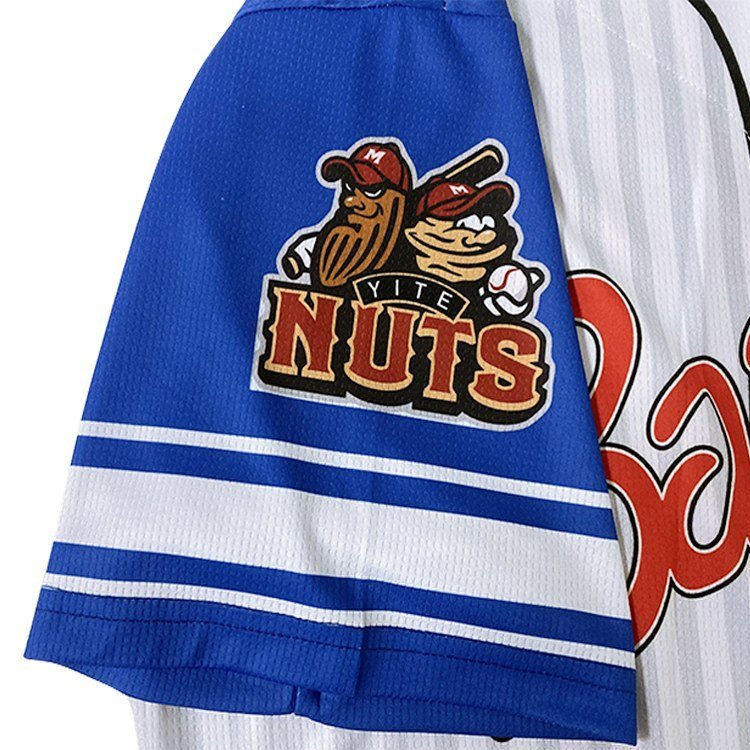
Fast Turnaround for Seasonal Collections
Streetwear moves fast—your mesh shorts manufacturer should too. We deliver bulk orders in 15–25 days and offer rush production for time-sensitive drops, ensuring your seasonal collections hit the market while trends are hot.
- Streamlined workflows and dedicated production lines for mesh shorts reduce lead times without sacrificing quality
- Rush service available for influencer launches, pop-up releases, and limited-edition capsules
- Real-time order tracking and proactive communication keep you informed at every production milestone
- Flexible scheduling accommodates multiple seasonal drops per year for fast-growing brands
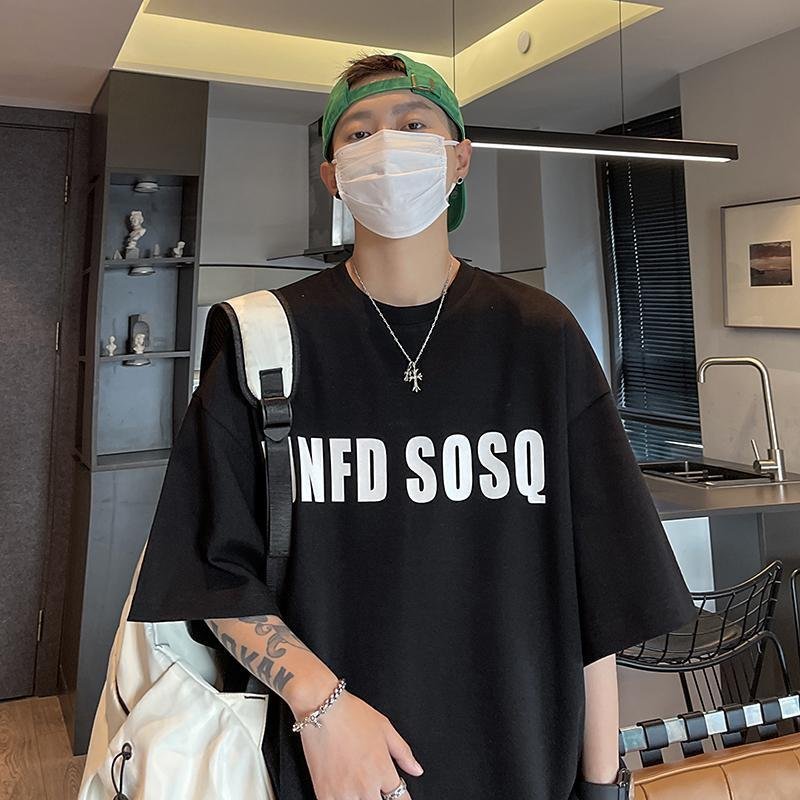
Global Logistics & Shipping Expertise
We’ve shipped mesh shorts to customers in over 100 countries, handling customs, documentation, and freight forwarding so you don’t have to. Our logistics team ensures your inventory arrives on time, intact, and ready to sell.
- Partnered carriers offer air, sea, and express options with transparent pricing and delivery estimates
- Complete customs declaration and inspection support for hassle-free international shipments
- Consolidated shipping for multi-SKU orders reduces costs and simplifies inventory management
- Packaging optimized for e-commerce fulfillment—poly bags, hang tags, and carton labeling included
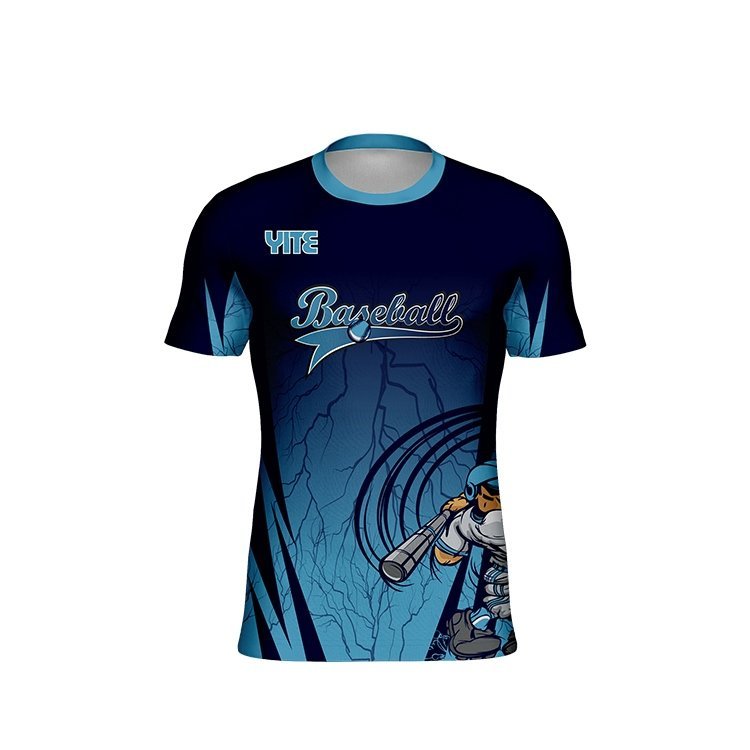
Mesh Shorts Manufacturer Comparison — Why We Stand Out
We deliver what typical manufacturers promise but rarely execute — rigorous quality control, flexible minimums, and true design partnership for streetwear brands at every stage.
← 左右滑动查看 →
Our Mesh Shorts Manufacturer Production Process
Every mesh shorts order follows our proven six-phase workflow, with quality checkpoints at each stage to ensure your brand receives premium streetwear products that meet our zero-compromise standard.
Design & Sampling
Our 15-member R&D team develops custom mesh shorts designs or refines your concepts, creating tech packs and physical samples with fast turnaround for approval.
Fabric Sourcing & QC
We source premium mesh fabrics tailored to your specs and conduct our first quality control test, verifying weight, breathability, stretch, and color accuracy.
Cutting & Printing
Patterns are precision-cut using advanced equipment, followed by our second QC checkpoint to verify dimensions. Custom prints, embroidery, or appliqués are applied as specified.
Sewing & Craft QC
Skilled sewers assemble your mesh shorts with attention to seam strength and finish. Our third and fourth QC tests monitor stitching quality and construction throughout production.
Finished Garment Inspection
Every completed mesh short undergoes our fifth and final quality inspection, checking fit, durability, print adhesion, and overall appearance before approval for packing.
Packing & Global Shipping
Approved garments are professionally packed with your branding and labels, then shipped via our trusted global logistics partners with full tracking and customs support.
How to Partner With Your Mesh Shorts Manufacturer in 3 Simple Steps
From concept to finished goods, our streamlined process ensures quality, transparency, and on-time delivery for streetwear brands and startups worldwide.
Submit Your Tech Pack or Design
Share your mesh shorts specifications, artwork, or reference samples. Our 15-member design team will review your requirements and provide expert recommendations on fabrics, trims, and construction techniques.
Receive Quote and Approve Samples
We’ll send a detailed quote with transparent pricing and produce pre-production samples. Review fit, fabric quality, and finishing details before committing to bulk production—no surprises, just clarity.
Launch Production and Receive Shipment
Once approved, your order enters our 5-step QC process from materials to finished goods. We handle global logistics and deliver your premium mesh shorts on schedule, ready for your customers.
Certifications & Quality Standards From Your Trusted Mesh Shorts Manufacturer
Mesh Shorts Manufacturer Success Stories — Brands & Retailers We’ve Served
We launched our first mesh shorts collection with only 200 units. The 5-step QC process caught issues early, and we received zero defect complaints. Our Instagram following grew from 2,400 to 18,000 in four months thanks to the quality.
As a startup, we needed fast turnaround without sacrificing quality. Clothing Manufacturer Ltd delivered 500 custom mesh shorts in 22 days, perfect for our summer drop. Sales exceeded our projections by 340% in the first two weeks.
We switched to this mesh shorts manufacturer after quality issues with our previous supplier. The difference was immediate—fabric durability improved, stitching was flawless, and our return rate dropped from 12% to under 1%. Our customers noticed.
FAQ — Mesh Shorts Manufacturer Questions
What is your minimum order quantity (MOQ) as a mesh shorts manufacturer?
How long does production take for a mesh shorts order?
Do you charge for mesh shorts samples, and how long do they take?
Can your mesh shorts manufacturer handle custom designs and branding?
What payment terms do you offer for mesh shorts production?
How do you protect my designs and intellectual property?
What fabrics and materials do you use for mesh shorts?
Do you provide international shipping for mesh shorts orders?
What discounts are available for bulk mesh shorts orders?
The Complete Buyer’s Guide to Choosing the Right Mesh Shorts Manufacturer
This comprehensive guide walks you through essential supplier criteria, quality benchmarks, customization options, and common sourcing mistakes—empowering you to select a mesh shorts manufacturer that aligns with your brand vision, budget, and production timeline.
1. What Is a Mesh Shorts Manufacturer?
A mesh shorts manufacturer is a specialized apparel production partner that handles some or all stages of bringing mesh athletic and streetwear shorts from concept to finished goods. Full-service producers manage design consultation, tech-pack development, fabric sourcing, sampling, bulk production, quality control, and packaging, while cut-make-trim (CMT) shops execute sewing and assembly only, requiring clients to supply all materials and patterns. The distinction matters because full-service partners reduce your coordination overhead and leverage established fabric supplier networks, whereas CMT facilities offer lower per-unit costs but demand that you manage procurement, logistics, and technical specifications independently.
In the apparel supply chain, a mesh shorts manufacturer sits between raw material mills and retail channels, translating brand vision into production-ready garments. Typical capabilities include sourcing performance polyester mesh in 120–180 GSM weights, screen printing and heat-transfer graphics, embroidery for logos, elasticated or drawstring waistband construction, and poly-bag or hang-tag packaging. Clothing Manufacturer Ltd., for example, applies a five-step quality control methodology covering materials QC, cutting QC, craft QC, sewing QC, and finished-goods inspection, ensuring defects are caught at every production stage rather than only at final audit.
Brands partner with mesh shorts specialists rather than general garment factories because specialists maintain dedicated knowledge of moisture-wicking fabrics, flatlock or overlock seam techniques that prevent chafing, and the design elements — side panels, contrast piping, sublimated prints — that define modern athletic and streetwear aesthetics. Hiring a specialist means accessing pattern libraries, fabric inventories, and QC protocols tailored specifically to shorts construction, reducing sampling cycles and minimizing fit or durability issues that plague first-time production runs.
2. Evolution of Mesh Shorts Manufacturing
In 1984, mesh shorts became a basketball uniform staple when major collegiate and professional teams adopted lightweight polyester mesh for improved ventilation and mobility during high-intensity play. By the early 1990s, football programs and recreational leagues followed, cementing mesh as the default performance fabric for athletic shorts across North America and Europe. Traditional mesh shorts manufacturers focused exclusively on function, producing solid-color garments in bulk runs of 5,000–10,000 units per style for institutional buyers and sporting-goods chains.
The 2010s marked a decisive shift as streetwear culture absorbed athletic silhouettes, transforming mesh shorts from gym-only gear into everyday fashion. Brands began layering oversized mesh shorts over leggings, printing bold graphics and streetwear motifs, and using premium mesh blends (150–200 GSM) that balanced drape with breathability. Direct-to-consumer labels and influencer-driven brands required production partners who could handle 300–500 piece MOQs, full sublimation printing, and 25–35 day lead times rather than the 90-day cycles typical of legacy sportswear contracts.
Manufacturing hubs evolved in parallel. China’s Guangdong Province, home to Humen Town and integrated supply chains, remains the largest mesh shorts production center, offering R&D teams, patented QC processes, and access to specialty fabrics within 50 kilometers. Bangladesh and Vietnam captured price-sensitive volume orders but often lack the technical capabilities for complex streetwear customization. Nearshore facilities in Mexico and Central America serve North American brands prioritizing 14–21 day shipping windows, though fabric selection remains narrower than Asian sources. Modern buyers now expect manufacturers to support low-MOQ test drops, rapid sampling, and five-step quality control that catches defects at materials, cutting, craft, sewing, and final inspection stages.
3. Types of Mesh Shorts Manufacturers
Mesh shorts manufacturers operate under distinct business models, each serving different production scales, budgets, and brand maturity levels. Understanding these archetypes helps you match your project requirements with the right partner and avoid costly misalignments.
Full-Package Manufacturers
Full-package providers handle design development, fabric sourcing, pattern making, sampling, production, and finishing under one roof. Typical MOQs range from 300 to 1,000 pieces per style, with lead times of 45–75 days from approved sample to shipment.
This model suits fashion startups and independent designers who lack in-house technical teams. Offshore full-package factories in China, such as those in Dongguan Humen, offer comprehensive streetwear expertise and competitive pricing. Nearshore options reduce transit time but often carry 20–35 percent higher unit costs.
- Ideal for brands launching first collections without internal production staff
- Includes fabric R&D, pattern grading, and five-step QC at experienced facilities
- Higher per-unit cost offset by reduced coordination overhead
CMT (Cut-Make-Trim) Manufacturers
CMT factories execute cutting, sewing, and finishing based on your supplied fabrics, trims, and tech packs. MOQs typically start at 500 pieces, with lead times of 25–40 days once materials arrive.
Established brands with dedicated sourcing teams benefit most, as you control fabric quality and margins. Domestic CMT shops offer faster communication and shorter shipping windows, while offshore CMT reduces labor costs by 40–60 percent but requires rigorous pre-production material inspection.
- Best for brands with existing supply chains and technical design capacity
- Lower manufacturing fees but higher logistics complexity
- Requires precise tech packs and material specifications
Private-Label and On-Demand Hybrid Shops
Private-label suppliers offer pre-designed mesh short templates you rebrand with custom logos and colorways. MOQs drop to 50–200 pieces, with lead times of 15–30 days.
Influencer and creator brands benefit from low entry barriers and rapid turnaround. On-demand hybrid models combine DTG decoration with small-batch cut-and-sew, ideal for test drops. Trade-offs include limited design differentiation and higher per-unit costs at micro quantities.
- Ideal for influencer drops, capsule collections, and market testing
- Fastest time-to-market with minimal upfront investment
- Limited customization depth compared to full-package development
4. Materials and Fabrics for Mesh Shorts
Mesh shorts rely on specific fabric constructions that balance airflow, moisture management, and durability. A mesh shorts manufacturer typically works with polyester-based fabrics in the 100–180 GSM range, each offering distinct performance characteristics and price points.
| Fabric Type | GSM Range | Best Use Case | Cost per Yard (USD) |
|---|---|---|---|
| Polyester Tricot Mesh | 100–130 | Athletic shorts, running wear | $2.50–$3.80 |
| Diamond Mesh | 110–140 | Basketball, high-airflow sports | $2.20–$3.50 |
| Honeycomb Mesh | 130–160 | Streetwear, casual athletic | $2.80–$4.20 |
| Polyester-Spandex Blend | 120–150 | Performance training, yoga | $3.20–$4.80 |
| Recycled Polyester Mesh | 120–150 | Sustainable collections | $3.50–$5.00 |
Common Mesh Constructions
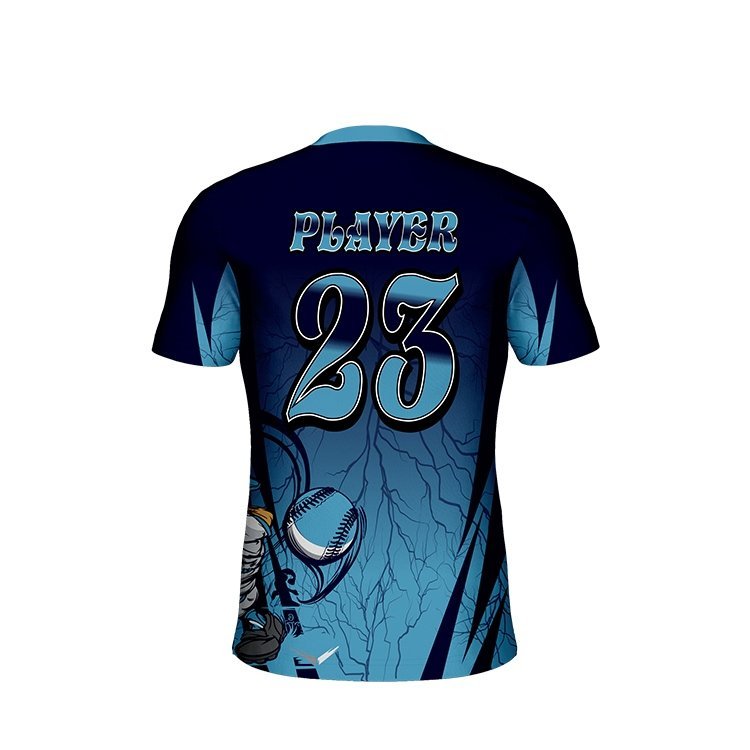
Polyester tricot mesh features a fine knit structure with excellent stretch recovery and a smooth hand feel, making it ideal for athletic shorts requiring close-to-body fit. Diamond mesh uses a larger, more open knit pattern that maximizes airflow but offers less opacity, often requiring a liner.
Honeycomb mesh combines moderate breathability with better coverage, popular for basketball and streetwear shorts where durability matters. Performance blends add 5–15% spandex to polyester mesh for enhanced stretch and shape retention during high-intensity movement.
GSM Ranges and Performance Trade-Offs
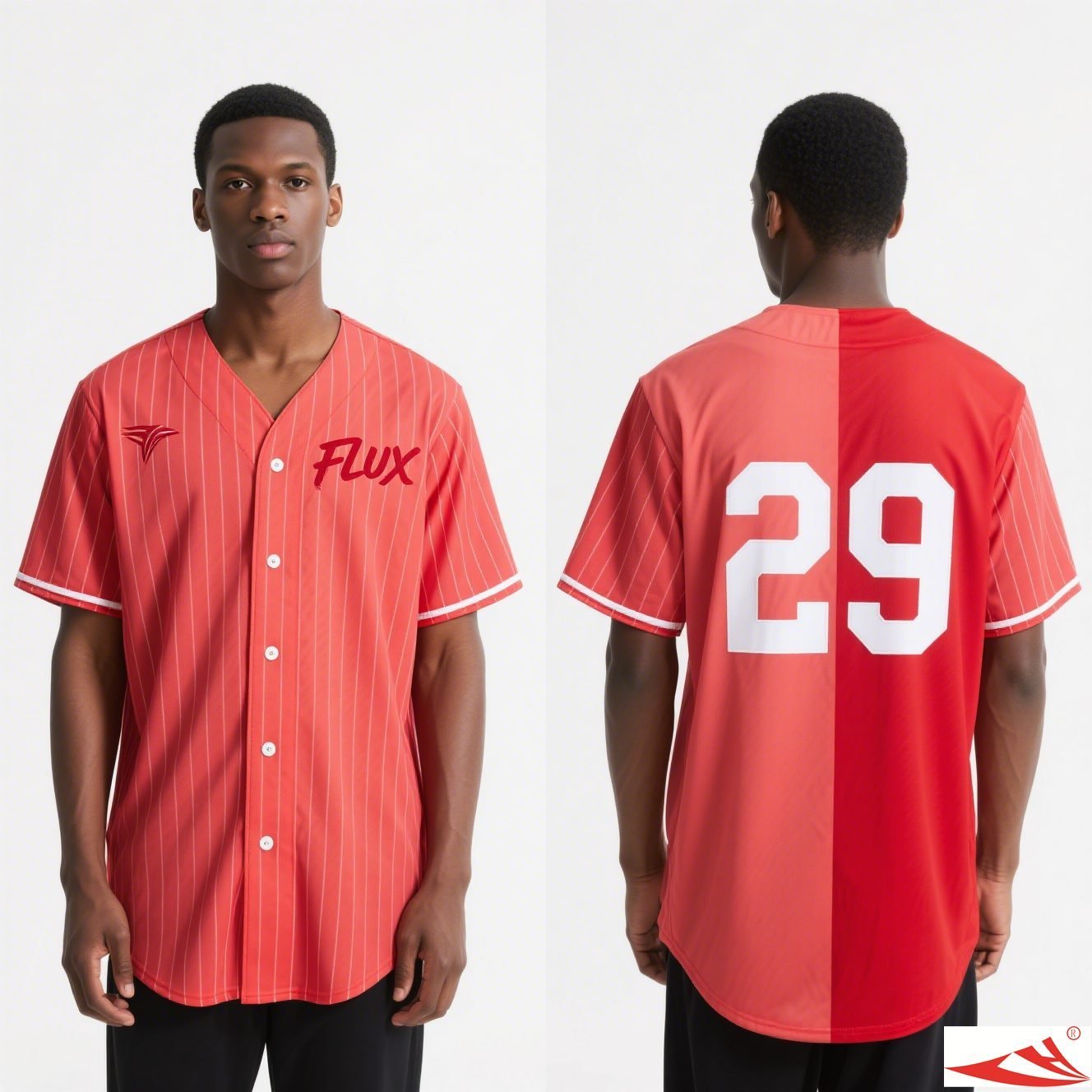
Lightweight mesh at 100–120 GSM delivers maximum breathability and quick-dry performance but shows wear faster under friction. Mid-weight options at 130–150 GSM balance airflow with durability, suitable for most athletic and casual applications.
Heavier constructions at 160–180 GSM provide superior longevity and better printability for custom graphics, though they sacrifice some moisture-wicking speed. Clothing Manufacturer Ltd. tests each GSM tier through its five-step QC process to ensure consistent fabric performance across production runs.
Eco-Friendly Mesh Options
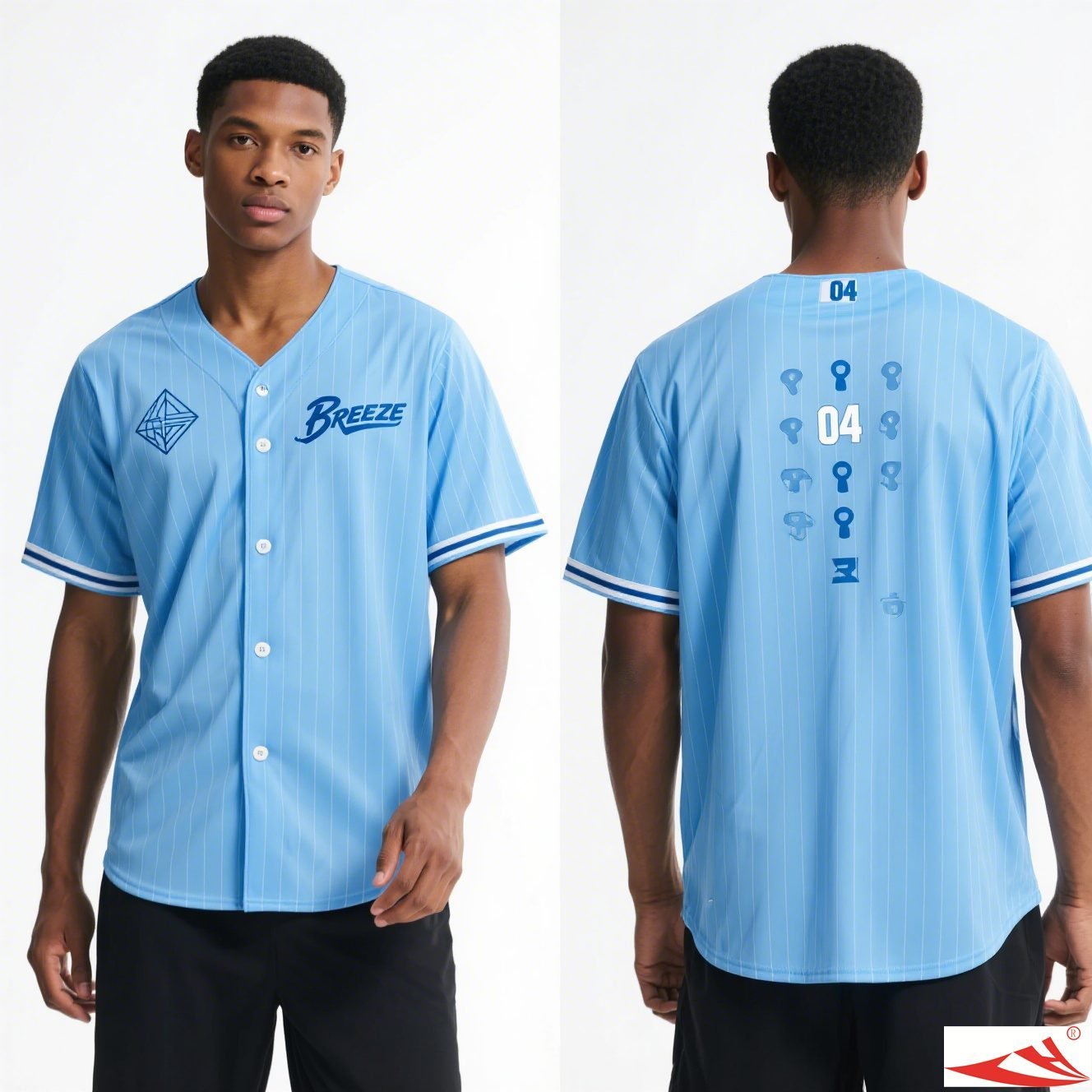
Recycled polyester mesh, made from post-consumer PET bottles, now matches virgin polyester in performance while reducing environmental impact. Leading mills offer OEKO-TEX certified recycled mesh at a 10–20% cost premium over conventional fabrics.
Brands targeting sustainability-conscious consumers increasingly specify recycled content, with some manufacturers achieving 50–100% recycled polyester blends without compromising breathability or durability standards.
5. Customization and Decoration Options
Mesh shorts offer diverse branding opportunities, from full-panel graphics to subtle logo placements. Each decoration method carries distinct cost structures, durability profiles, and visual characteristics that influence both brand identity and production economics.
| Decoration Method | Setup Cost | Durability (Washes) | Best Application |
|---|---|---|---|
| Sublimation | $50–150 | 50+ | All-over graphics, gradients |
| Screen Printing | $15–40/color | 50+ | Simple logos, 1–3 colors |
| Heat Transfer | $10–25 | 30–50 | Small runs, detailed graphics |
| Embroidery | $20–75 | 100+ | Premium logos, text |
| Tackle Twill | $0/digitize | 75+ | Varsity letters, numbers |
| Woven Labels | $0.10–0.50/pc | 100+ | Brand tags, waistband labels |
Sublimation Printing for All-Over Graphics
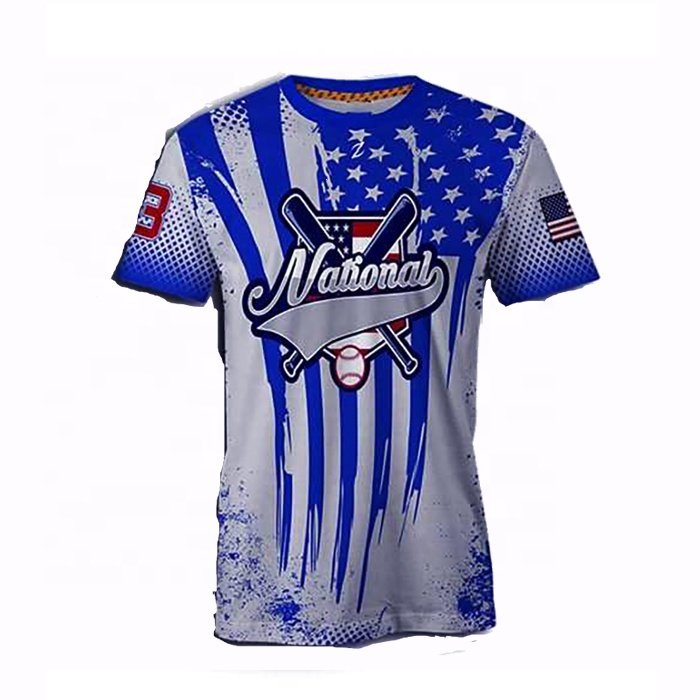
Dye-sublimation transfers ink into polyester fibers at the molecular level, enabling unlimited colors and photographic detail across entire panels. Typical setup costs range from $50–150 per design with no per-color charges, and minimum orders start at 50–100 pieces. Sublimation delivers exceptional wash durability on 100% polyester mesh, making it ideal for vibrant all-over patterns and gradient effects that define modern streetwear aesthetics.
Screen Printing and Heat Transfer
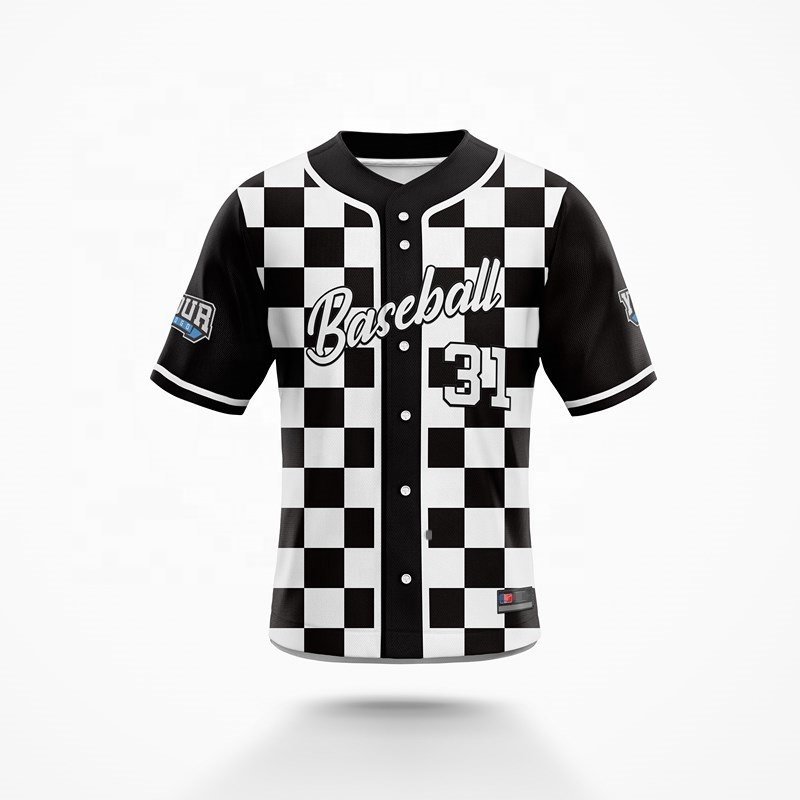
Screen printing requires separate screens per color, with setup fees of $15–40 per screen and MOQs typically 100–300 pieces per design. Each color adds $0.50–2.00 per garment, favoring simple logos with 1–3 colors. Heat transfer vinyl offers lower setup costs ($10–25) and smaller runs (25–50 pieces) but shows reduced durability after 30–50 washes compared to screen printing’s 50+ cycle lifespan.
Embroidery and Tackle Twill
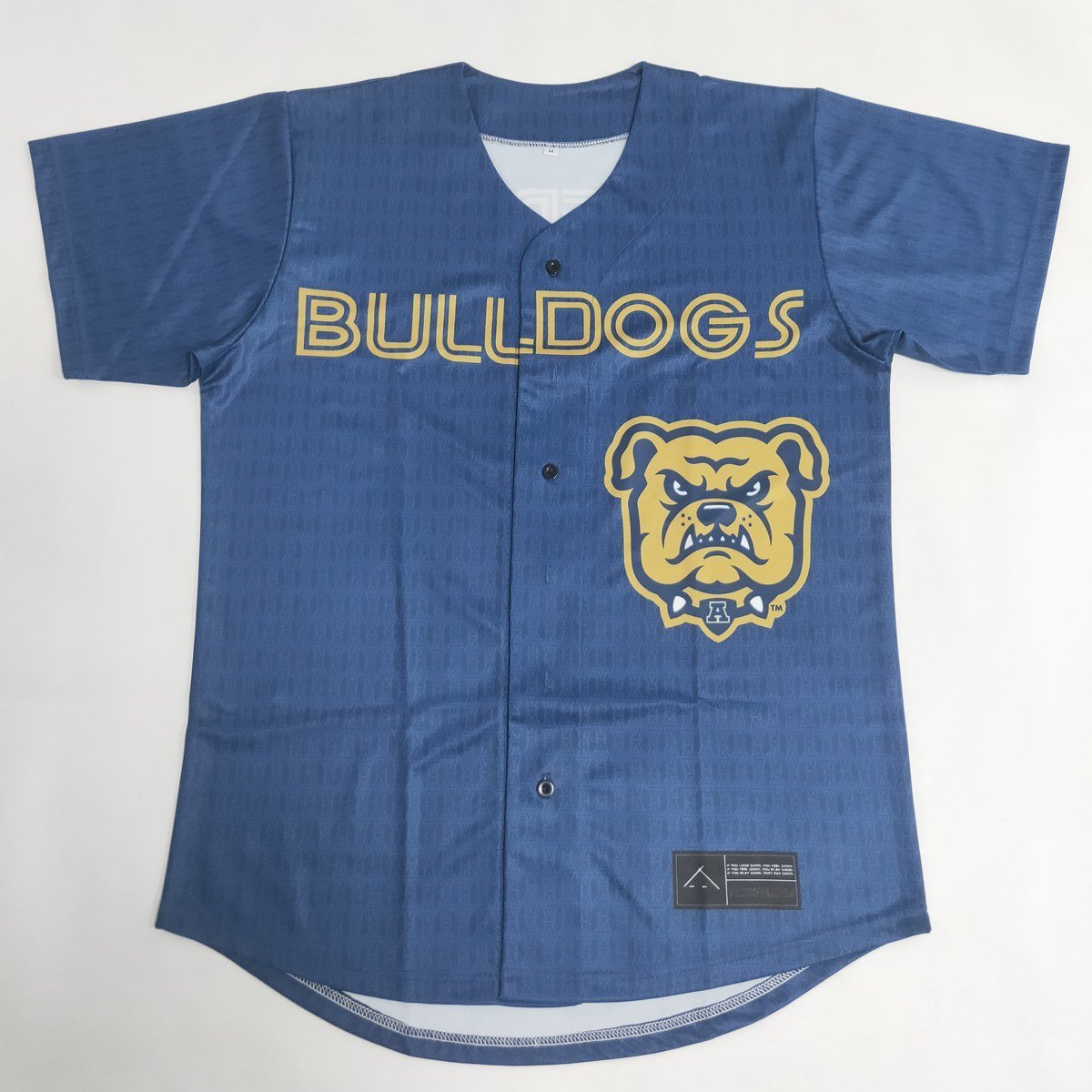
Embroidery digitizing costs $20–75 per design, with per-piece charges of $2–8 depending on stitch count (typically 5,000–15,000 stitches for chest logos). Tackle twill appliqué layers cut fabric shapes under zigzag stitching, delivering bold varsity-style letters and numbers at $3–10 per piece. Both methods provide premium texture and exceptional durability, ideal for small logos on waistbands or side panels.
Custom Trims and Hardware
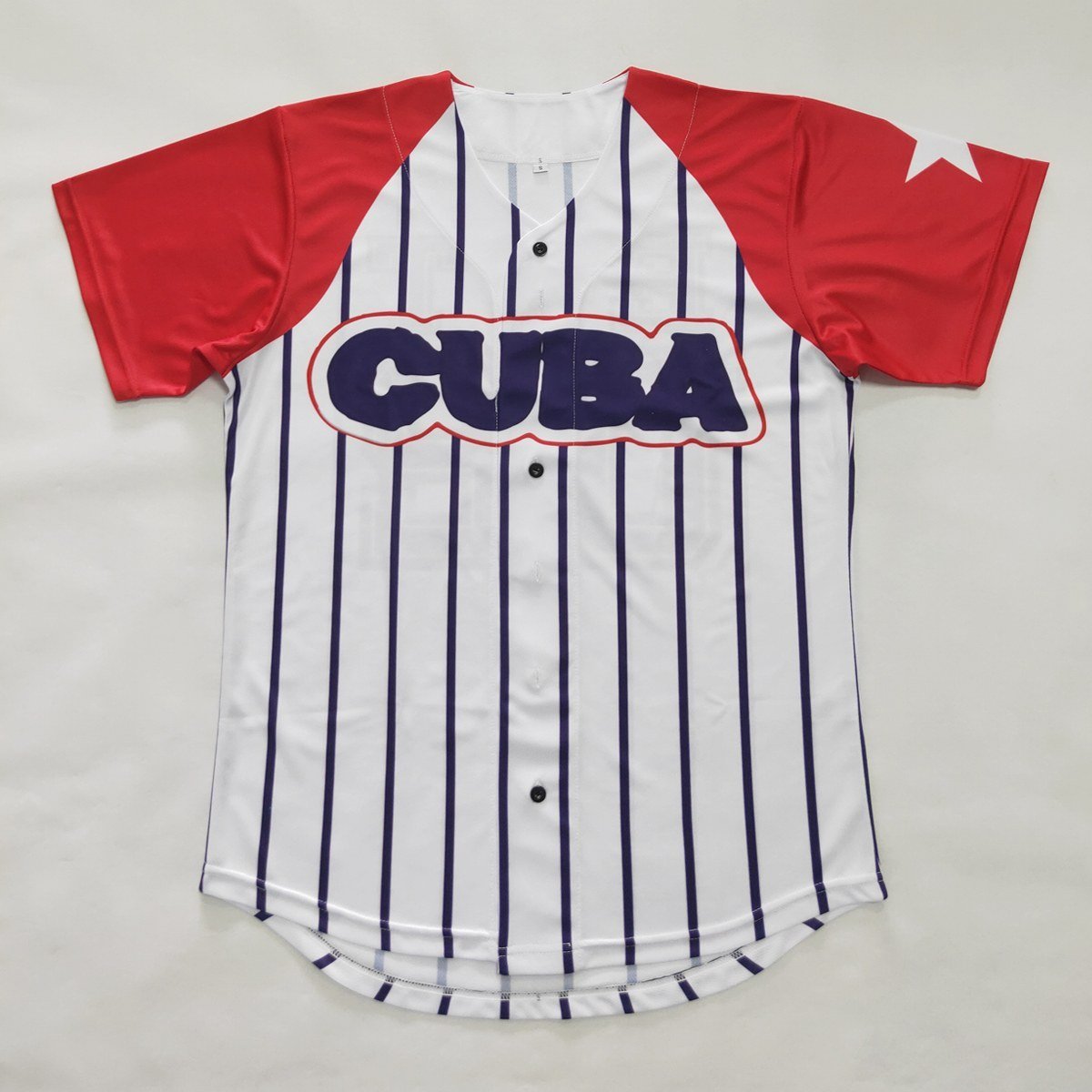
Woven labels cost $0.10–0.50 each at 500+ quantity, while custom drawcords with branded aglets start at $0.20–0.80 per short. Jacquard elastic waistbands featuring repeated logos or patterns add $0.50–1.50 per garment at 300+ MOQ. Custom zipper pulls, reflective piping, and silicone heat-transfer badges provide subtle differentiation without major cost increases, reinforcing brand identity through tactile details.
6. Key Quality and Construction Elements
Every mesh shorts manufacturer claims quality, but only systematic checkpoints reveal the truth. Clothing Manufacturer Ltd.’s five-step QC methodology catches defects at materials, cutting, craft, sewing, and finished-product stages—ensuring each pair meets non-negotiable standards before shipping.
Stitching Integrity and Seam Types
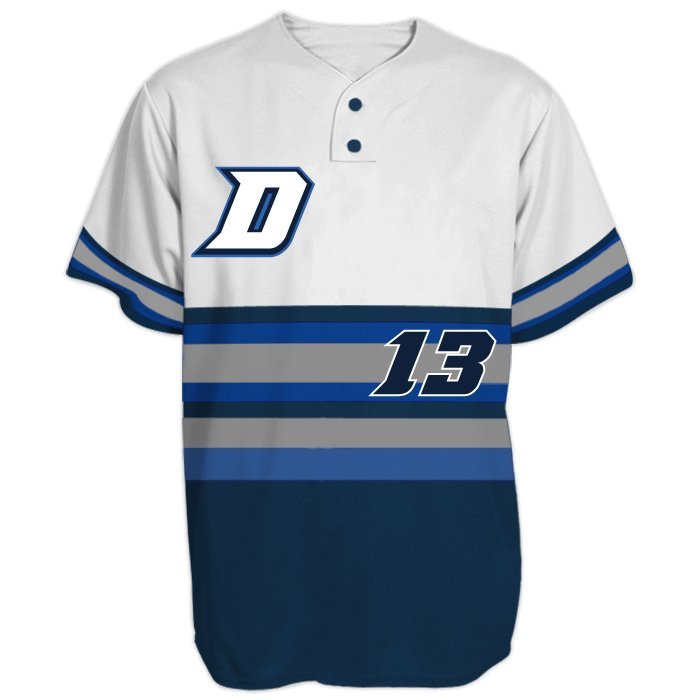
Flatlock seams lie flat against skin and prevent chafing during movement, making them ideal for athletic mesh shorts. Overlock seams are faster and cheaper but can irritate skin and unravel under stress.
Inspect sample seams by stretching fabric perpendicular to the stitch line; quality flatlock should show no gapping or thread breakage at 150 percent extension. Seam failure is the leading cause of returns in activewear, directly impacting customer satisfaction and brand reputation.
Waistband Construction and Elastic Performance
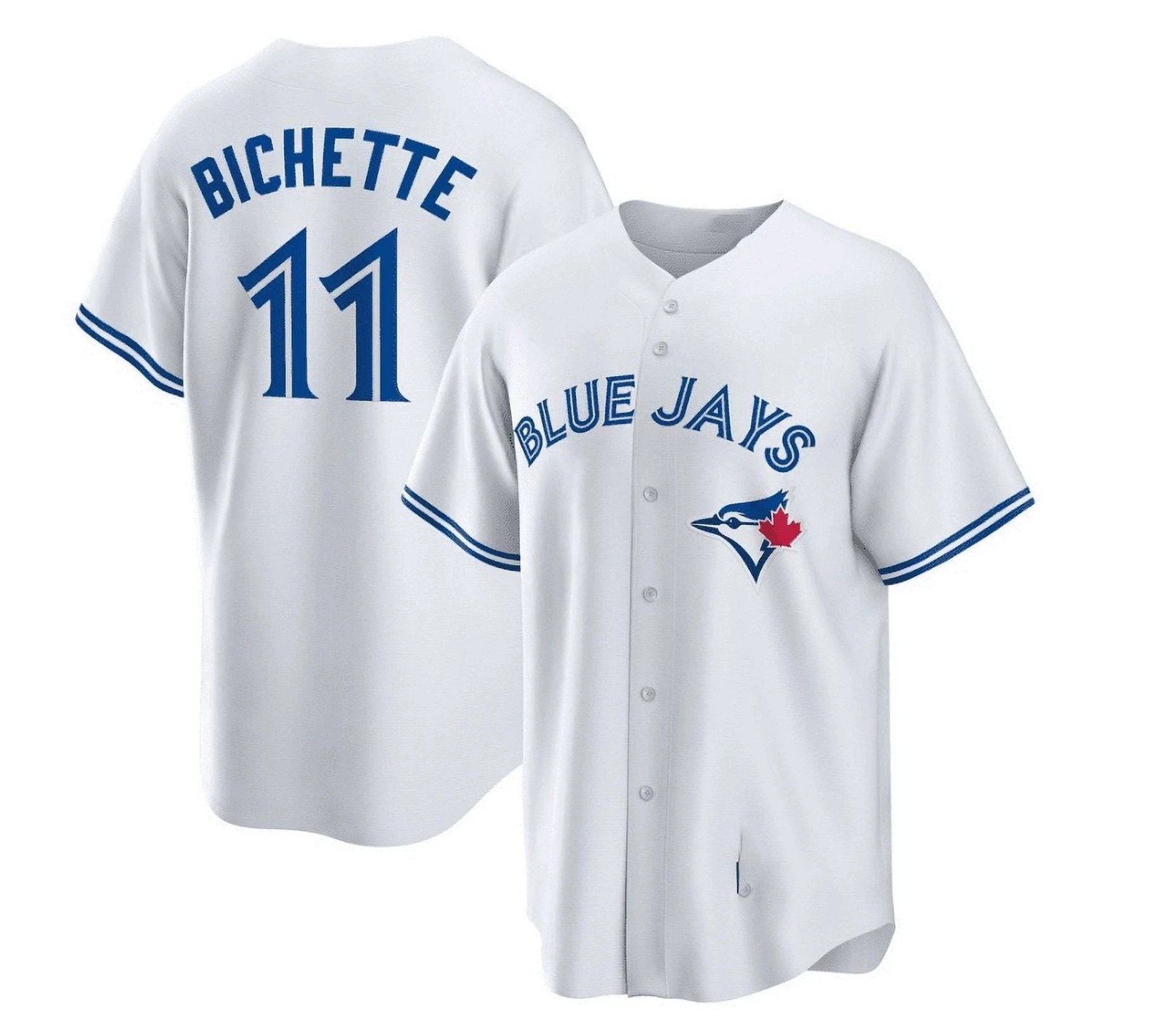
Elastic width should range from 25 mm to 40 mm for adult mesh shorts, with silicone or rubberized grip strips on the interior to prevent ride-down. Narrow or low-quality elastic loses tension after five to ten washes, causing fit complaints.
Audit waistband samples by checking stitch density (12–14 stitches per inch minimum) and performing a 50-wash colorfastness and tension-retention test. A failing waistband generates immediate negative reviews and high return rates.
Pocket Reinforcement and Hem Finishing
Pocket openings and corners require bar-tack or double-needle reinforcement to withstand phone weight and repeated hand entry. Unreinforced pockets tear within weeks of regular use.
Hem finishing should use coverstitch or double-needle techniques with a minimum 10 mm turn-up to prevent fraying. Inspect hems for consistent stitch spacing and secure thread lock-off points; poor hem work signals broader quality lapses across the production line.
7. How to Choose the Right Mesh Shorts Manufacturer
Selecting a mesh shorts manufacturer requires evaluating production capabilities alongside quality systems and business terms. A structured decision framework helps brands compare suppliers on MOQ flexibility, lead times, QC rigor, certifications, and alignment with ethical standards.
MOQ Flexibility and Lead Time Guarantees
Minimum order quantities for mesh shorts typically range from 100 to 500 units per design for full-service manufacturers, though some suppliers accept 50-piece trials for startups. Lead times vary from 21 to 45 days depending on fabric sourcing, decoration complexity, and factory workload.
Request written lead time commitments in your RFQ and clarify whether quoted timelines include sampling, bulk production, and shipping. Factories with in-house knitting or fabric partnerships often deliver faster than brokers who source materials externally.
Quality Control and Inspection Protocols
A robust QC process checks materials, cutting, sewing, and finished garments at multiple stages rather than only final inspection. Clothing Manufacturer Ltd.’s five-step methodology—materials QC, cutting QC, craft QC, sewing QC, and finished inspection—exemplifies inline quality control that catches defects early.
Ask suppliers to document their QC checkpoints, defect tolerance rates (typically 2–4 percent AQL for apparel), and whether they perform random or 100 percent inspections. Request photos or reports from recent production runs to verify consistency.
Certifications and Ethical Compliance
WRAP, BSCI, and Oeko-Tex Standard 100 certifications signal adherence to labor standards, chemical safety, and environmental practices. Brands prioritizing sustainability should verify whether a factory holds GOTS or recycled-content certifications and whether dye houses meet wastewater treatment requirements.
Request copies of current audit reports and ask about worker wage structures, overtime policies, and facility safety records. Transparent manufacturers will provide factory tour invitations or third-party audit access.
Communication and Tech Pack Evaluation
Responsive communication during the RFQ phase predicts collaboration quality throughout production. Evaluate how quickly suppliers answer technical questions, whether they request clarifications on your tech pack, and if they propose fabric or construction alternatives backed by rationale.
Submit a detailed tech pack with measurements, stitch types, fabric specs, and trim callouts. Manufacturers who return marked-up tech packs or ask about seam allowances demonstrate engineering expertise that reduces sampling iterations.
8. Common Mistakes When Sourcing a Mesh Shorts Manufacturer
Sourcing a mesh shorts manufacturer involves decisions that can determine the success or failure of your collection. Many startups and independent designers repeat avoidable errors that lead to quality issues, cost overruns, and production delays.
Choosing on Price Alone
Selecting a mesh shorts manufacturer solely because they offer the lowest unit cost often backfires. Factories quoting 20–30% below market rates typically cut corners on fabric GSM, skip quality control stages, or extend lead times by 3–4 weeks, forcing you to air-freight orders at double the cost.
Request detailed breakdowns of material specs, QC checkpoints, and production timelines. Compare total landed cost — including potential rework, delays, and expedited shipping — rather than the per-unit quote. Manufacturers using a five-step QC process may charge 8–12% more but deliver on-time, defect-free goods that protect your brand reputation.
Skipping Sample Approval Stages
Proceeding to bulk production without approving pre-production samples is a frequent and costly mistake. Even minor deviations in mesh gauge, elastic width, or print placement compound across hundreds or thousands of units.
Always approve a pre-production sample that uses your final fabrics, trims, and decoration methods. Document every approval with photos and written sign-off. Reputable mesh shorts manufacturers will not begin bulk cutting until you confirm the sample meets your tech pack specifications.
Unclear or Incomplete Tech Packs
Vague design briefs and missing measurements cause 40–60% of revision cycles. Without precise grading rules, stitch types, and Pantone references, factories guess, leading to mismatched colors, incorrect sizing, and wasted samples.
Prepare tech packs that specify mesh type and GSM, all flat measurements by size, seam allowances, stitch class (e.g., 401 lockstitch, 504 overlock), and Pantone codes for prints. Include photos of reference garments and label placements to eliminate ambiguity.
Neglecting IP and Design Protection
Failing to sign non-disclosure agreements or clarify design ownership exposes your original graphics and patterns to unauthorized reproduction. Some manufacturers share approved samples with other clients or sell similar designs to competitors.
Require an NDA before sharing artwork or tech packs. Specify in your contract that all custom designs, patterns, and branding remain your intellectual property. Watermark digital files and limit distribution of high-resolution artwork until legal agreements are signed.
9. Steps to Launch Your Mesh Shorts Brand
Launching a mesh shorts brand requires a structured workflow from concept to first shipment. A typical pilot run spans 8–12 weeks, covering design development, sampling, production, and logistics, with each stage building the foundation for repeat orders and scalable growth.
Concept and Trend Research
Begin by analyzing streetwear trends, competitor offerings, and your target audience’s preferences. Identify signature design elements — color palettes, graphic placements, fit silhouettes — that differentiate your brand.
Compile mood boards and reference images to communicate your vision clearly. This upfront research saves revision cycles and ensures your mesh shorts manufacturer understands your aesthetic direction from the first conversation.
Tech Packs and Sample Requests
Prepare detailed tech packs specifying fabric type (polyester mesh, GSM), measurements for each size, pantone colors, elastic waistband width, drawcord style, and any screen-print or embroidery artwork. Clear documentation reduces misinterpretation.
Request quotes from 2–3 manufacturers, comparing MOQ, unit cost, sampling fees, and lead times. Order physical samples to evaluate fabric hand-feel, stitching quality, and color accuracy before committing to bulk production.
Pilot Order and Quality Control
Place a pilot order at or near the manufacturer’s minimum order quantity to test the full production workflow. Clothing Manufacturer Ltd.’s five-step QC process — materials, cutting, craft, sewing, and finished-goods inspection — catches defects early and ensures consistency.
Review pre-production samples, request in-process photos, and conduct final inspection before shipment. Building this quality checkpoint habit from your first order establishes standards for future scaling.
Logistics, Inventory, and Repeat Orders
Coordinate shipping method (air for speed, sea for cost), customs documentation, and warehousing. Plan initial inventory conservatively, then reorder based on sell-through data.
Maintain regular communication with your mesh shorts manufacturer between orders. Consistent partnerships streamline reorders, enable faster sampling for new styles, and support volume discounts as your brand grows across markets.
10. Pricing and Cost Breakdown
Mesh shorts pricing follows tiered structures based on order volume, with 50-unit runs typically ranging $8–12 per piece, 100 units $6–9, 500 units $4.50–6.50, and 1,000+ units dropping to $3.50–5.00 depending on fabric weight and decoration complexity. Setup fees for sampling average $50–150 per style, while screen-print setups add $25–40 per color and sublimation requires $80–120 for full-panel designs but no per-color charges.
Fabric choice drives significant cost variation: standard 150 GSM polyester mesh starts at the lower end, mid-weight 180–200 GSM blends add $0.40–0.80 per unit, and moisture-wicking technical fabrics with anti-microbial treatments increase costs by $1.00–1.50. Trim upgrades—branded drawcords, woven labels, custom zipper pulls—add $0.30–0.60 each, and multi-color embroidery raises decoration costs $1.20–2.00 over single-location screen prints.
Lead times compress or extend with order size and decoration method: 50–100 units with screen print typically ship in 18–25 days, 500 units in 25–32 days, and 1,000+ in 30–40 days. Sublimation adds 3–5 days for dye processing. Air freight costs $4–7 per kilogram with 5–8 day transit, while sea freight drops to $0.80–1.50 per kilogram but requires 25–35 days. Clothing Manufacturer Ltd.’s five-step QC process is included in base pricing, ensuring materials, cutting, craft, sewing, and finished-product inspection occur without hidden quality-check surcharges that some suppliers layer on post-quote.
| Quantity Tier | Price per Unit (USD) | Screen Print Setup | Sublimation Setup | Lead Time (days) |
|---|---|---|---|---|
| 50 units | $8.00–12.00 | $25–40/color | $80–120 full panel | 18–25 |
| 100 units | $6.00–9.00 | $25–40/color | $80–120 full panel | 20–28 |
| 500 units | $4.50–6.50 | $25–40/color | $80–120 full panel | 25–32 |
| 1,000+ units | $3.50–5.00 | $25–40/color | $80–120 full panel | 30–40 |
Ready to Launch Your Mesh Shorts Line?
Partner with a trusted mesh shorts manufacturer. Low MOQ, 5-step QC, and fast turnaround for your streetwear brand.