
Premium Mens Shorts Manufacturer for Streetwear & Startup Brands
Partner with a mens shorts manufacturer that delivers 50-piece MOQ, 5-step quality control, and fast turnaround—empowering emerging brands with premium craftsmanship and zero-compromise standards.
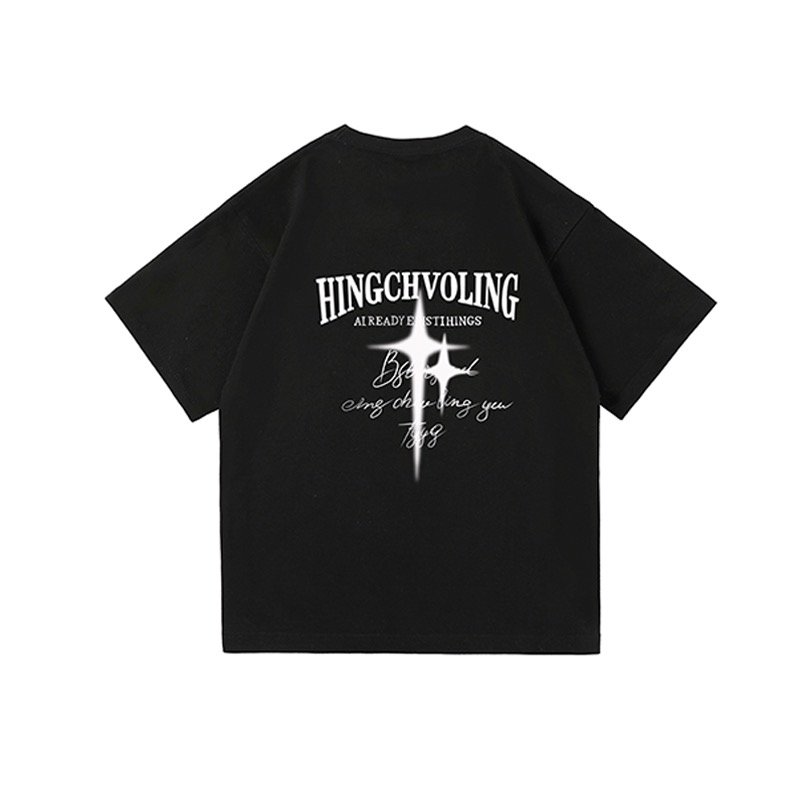
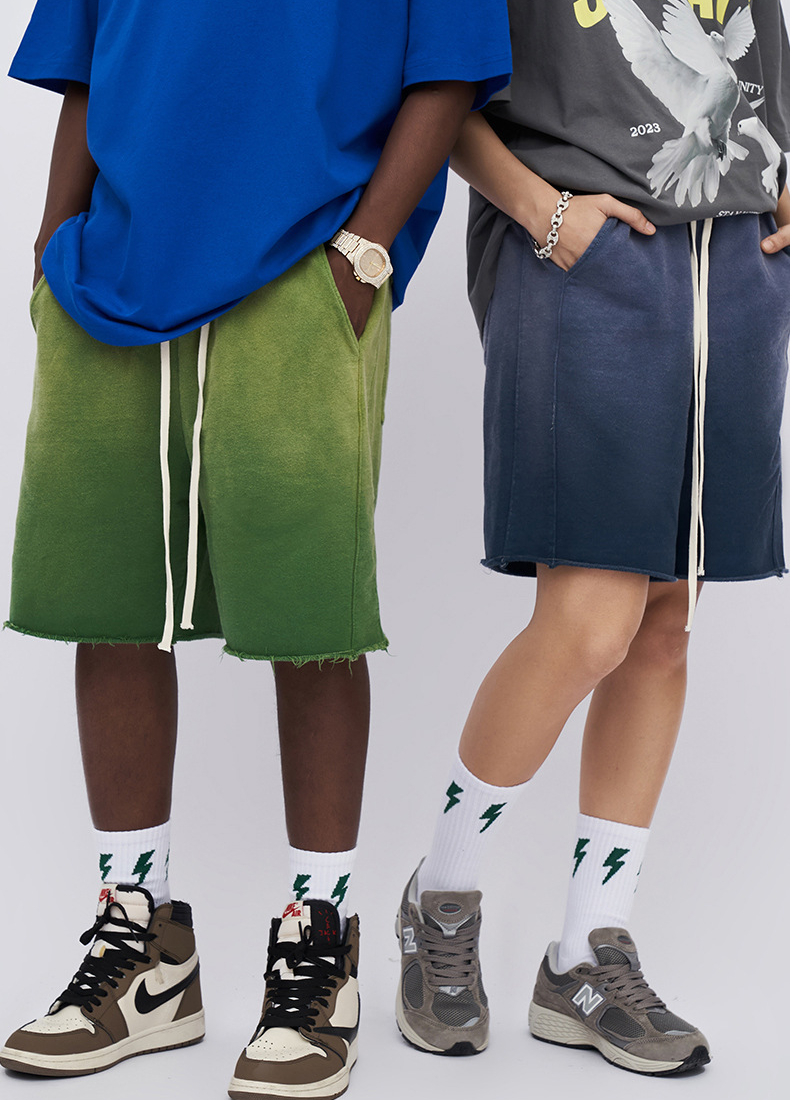
Men’s Shorts Collection Showcase
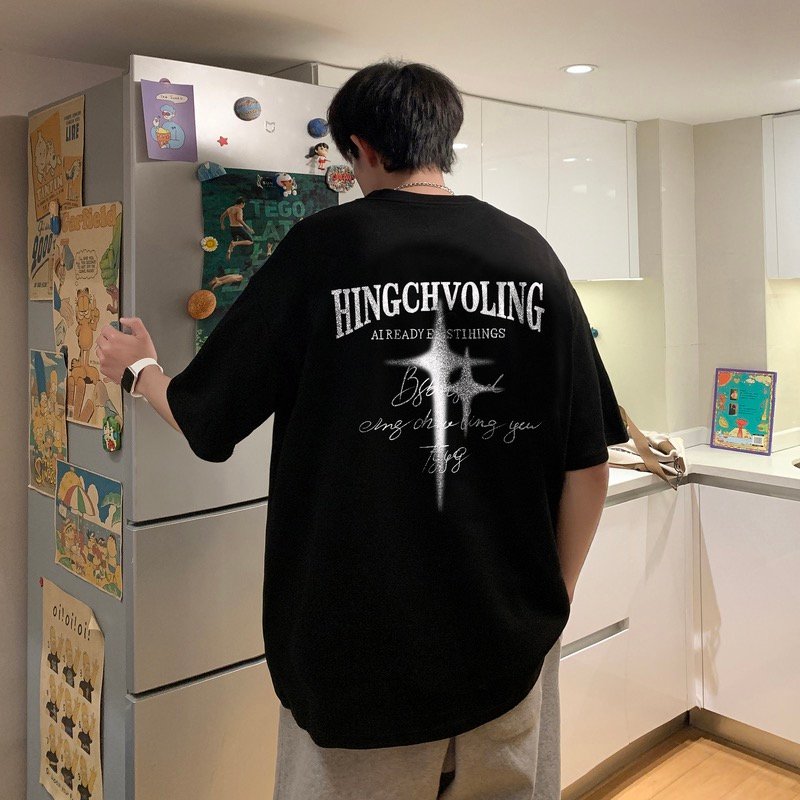
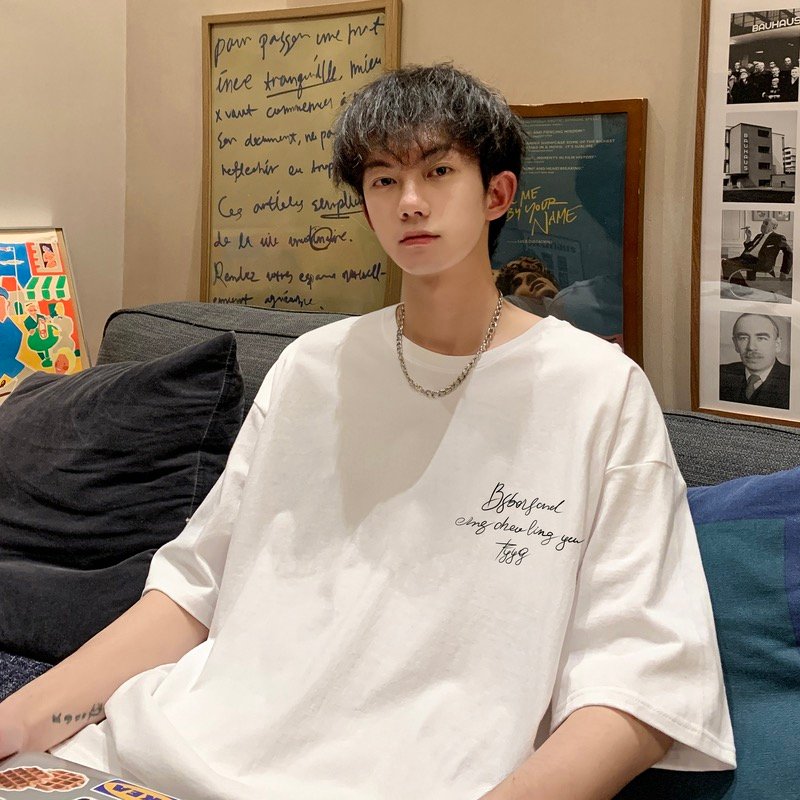
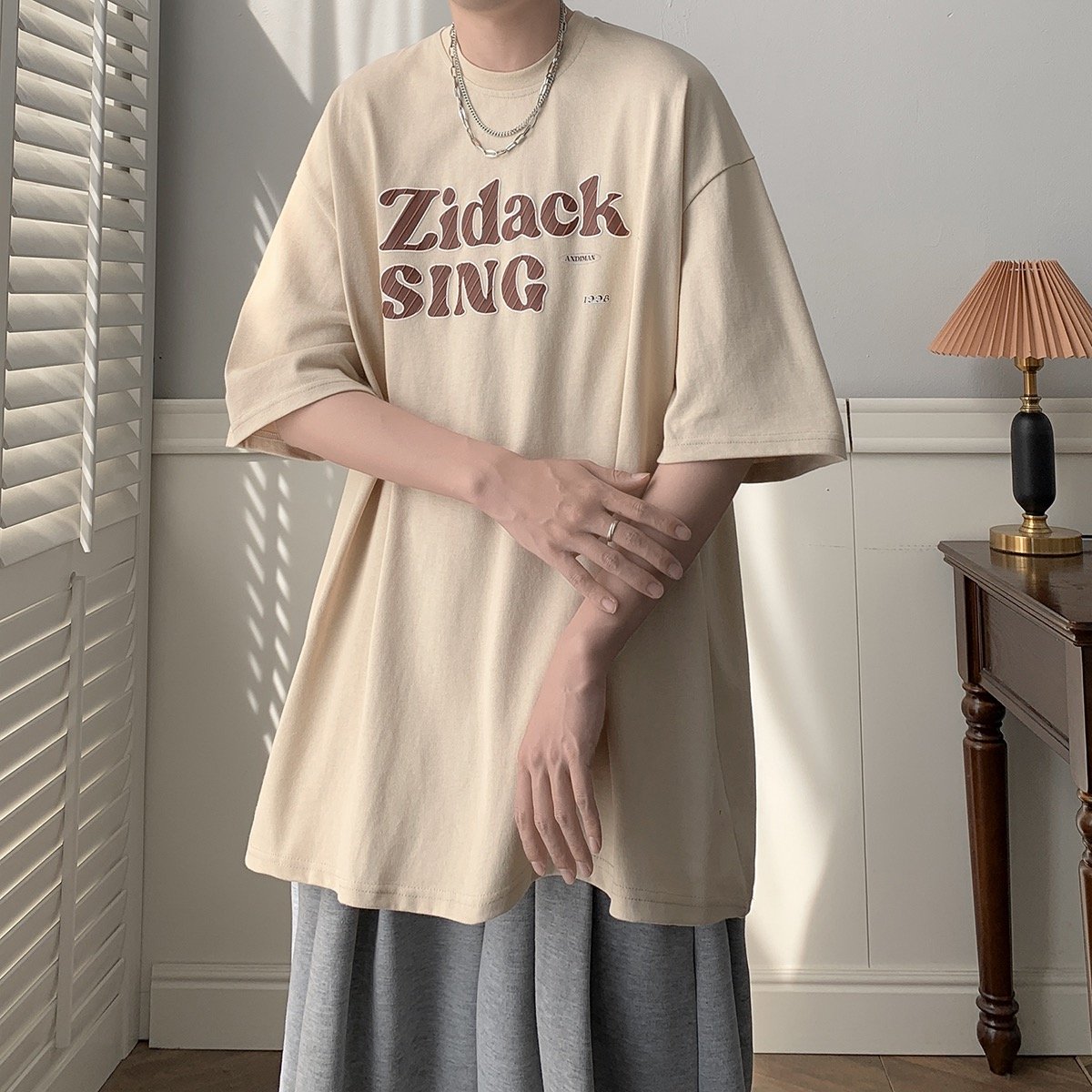
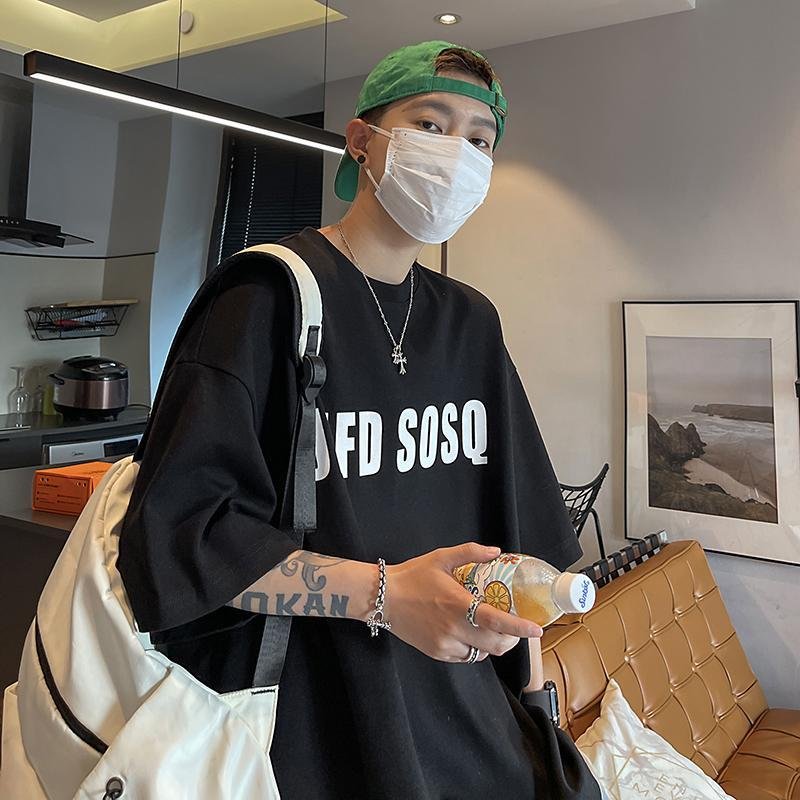
Why Brands Choose Our Men’s Shorts Manufacturer
5-Step QC Guarantee
Every pair tested at materials, cutting, craft, sewing, and final inspection stages to eliminate defects before shipping.
50-Piece Minimum Order
Launch your men’s shorts line without massive inventory risk. Perfect for startups and emerging streetwear brands.
7-Day Sample Turnaround
Fast prototyping and sampling for seasonal collections. Get your men’s shorts designs approved and production-ready quickly.
In-House Design Team
15-member R&D team with deep streetwear expertise. We transform your concepts into market-ready men’s shorts designs.
Global Shipping Support
Reliable logistics to over 100 countries. Customs, documentation, and delivery handled with full transparency and tracking.
Streetwear Expertise
Six years specializing in trend-driven styles. We understand the cuts, fits, and finishes streetwear audiences demand.
Men’s Shorts Categories We Manufacture
As a trusted mens shorts manufacturer, we produce every style your brand needs—from performance athletic wear to streetwear staples. Each category is backed by our 5-step QC process and low 50-piece MOQ.
Athletic & Running Shorts
Performance brands struggle to find manufacturers who understand moisture-wicking fabrics, ergonomic cuts, and reinforced stitching required for high-intensity movement without compromising on durability or comfort during extended wear.
We deliver lightweight, breathable running shorts with flatlock seams, anti-chafe construction, and quick-dry performance fabrics. Our in-house team tests every pattern for range of motion, ensuring your customers experience zero restrictions during workouts.
Gym & Training Shorts
Fitness apparel startups need gym shorts that balance stretch, support, and style for diverse training activities, but most manufacturers lack the technical expertise to engineer multi-sport functionality into a single garment without fabric pilling or seam failure.
Our gym shorts feature four-way stretch fabrics, reinforced gussets, and sweat-resistant waistbands tested through our 5-step QC process. Brands receive durable, squat-proof designs that maintain shape and color through hundreds of wash cycles.
Casual Streetwear Shorts
Streetwear brands require shorts that reflect current trends—oversized fits, unique prints, bold colorways—but need a manufacturer with deep cultural knowledge of street style who can execute complex designs at accessible minimums for emerging labels.
Leveraging our specialized streetwear expertise and trend-driven design team, we produce statement shorts with custom prints, embroidery, and appliqué details. Low 50-piece MOQs let new brands test collections without overcommitting inventory or capital.
Mesh & Breathable Shorts
Summer collections and activewear lines demand maximum ventilation and lightweight construction, yet many manufacturers use low-grade mesh that snags easily, loses elasticity quickly, or creates transparency issues that lead to customer returns and brand reputation damage.
We source premium-grade athletic mesh with optimal airflow and opacity balance. Our cutting QC and sewing production testing catch potential defects early, delivering breathable shorts that stay opaque, maintain structure, and provide superior comfort in hot conditions.
Compression & Performance Shorts
Athletic and recovery wear brands need precise compression gradients and body-mapped panel construction, but most factories lack the specialized equipment and pattern-making knowledge to achieve medical-grade compression consistency across sizes while ensuring comfort and mobility.
Our R&D team engineers compression shorts with graduated pressure zones using advanced elastane blends. Every piece undergoes materials QC and craft testing to verify compression levels, seam strength, and fit accuracy before shipping to your warehouse.
Premium Fabrics From Your Mens Shorts Manufacturer
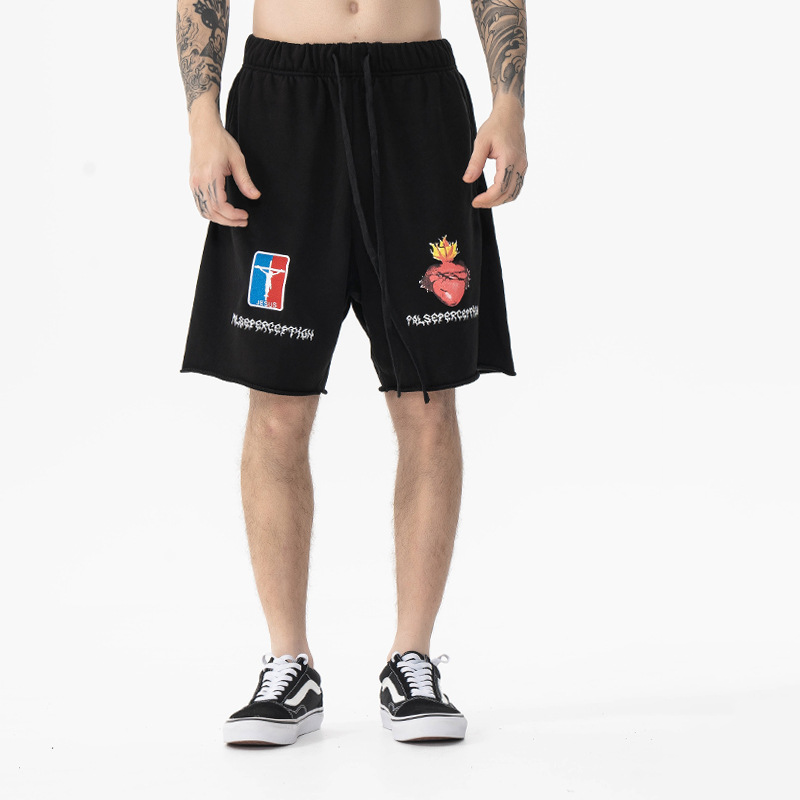
Cotton-Spandex Blend
Soft, breathable fabric with 4-way stretch for all-day comfort. Ideal for casual streetwear shorts and everyday wear. Weight range 200-260 GSM ensures shape retention and durability through repeated washing.
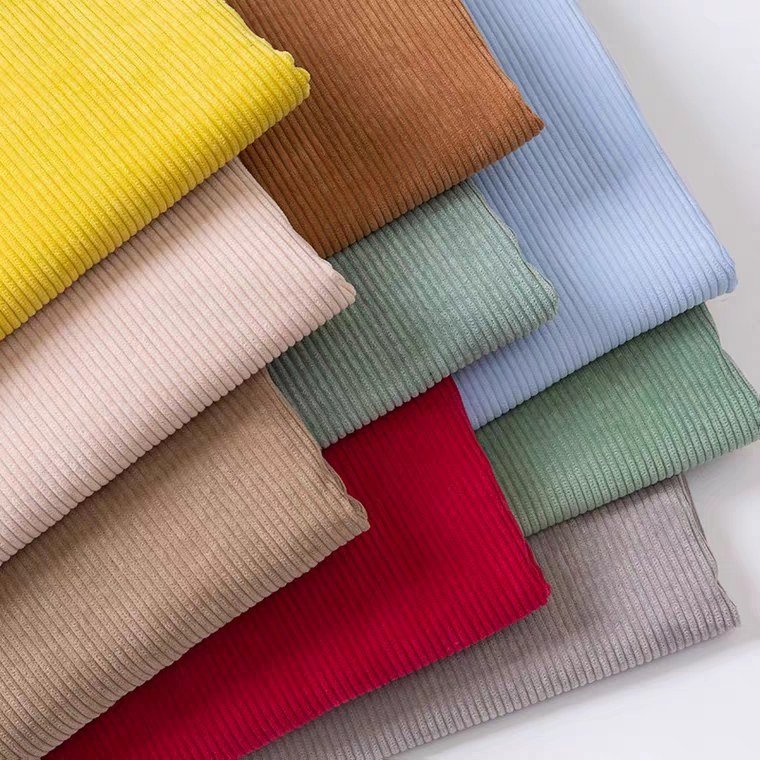
Polyester Mesh
Lightweight, quick-drying technical fabric with exceptional breathability. Perfect for athletic shorts, gym wear, and activewear lines. Open-knit construction promotes airflow while maintaining opacity and structure.
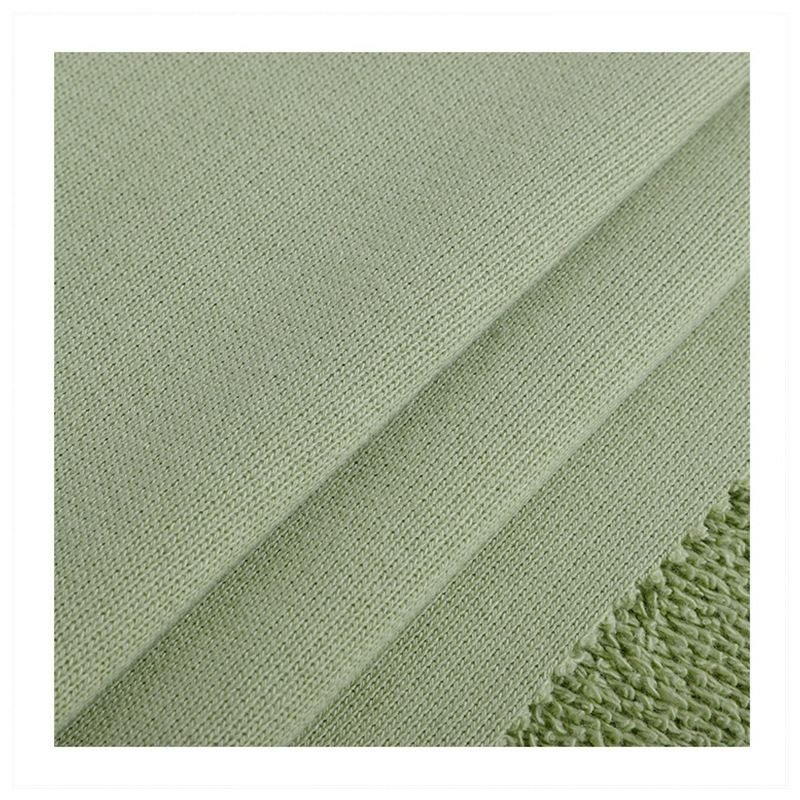
French Terry
Mid-weight looped-back fabric offering warmth without bulk. Popular for streetwear sweat shorts and loungewear collections. Smooth exterior surface accepts prints beautifully while interior loops provide softness and moisture absorption.
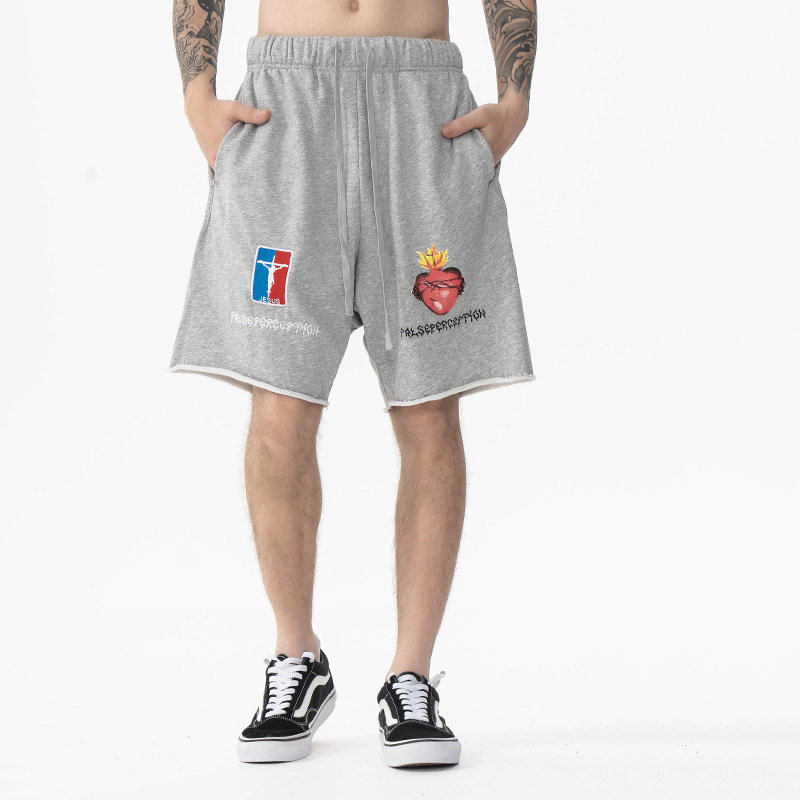
Moisture-Wicking Polyester
High-performance synthetic engineered to pull sweat away from skin. Essential for sports shorts and performance athletic lines. Dries 3x faster than cotton while maintaining vibrant color saturation and print clarity.
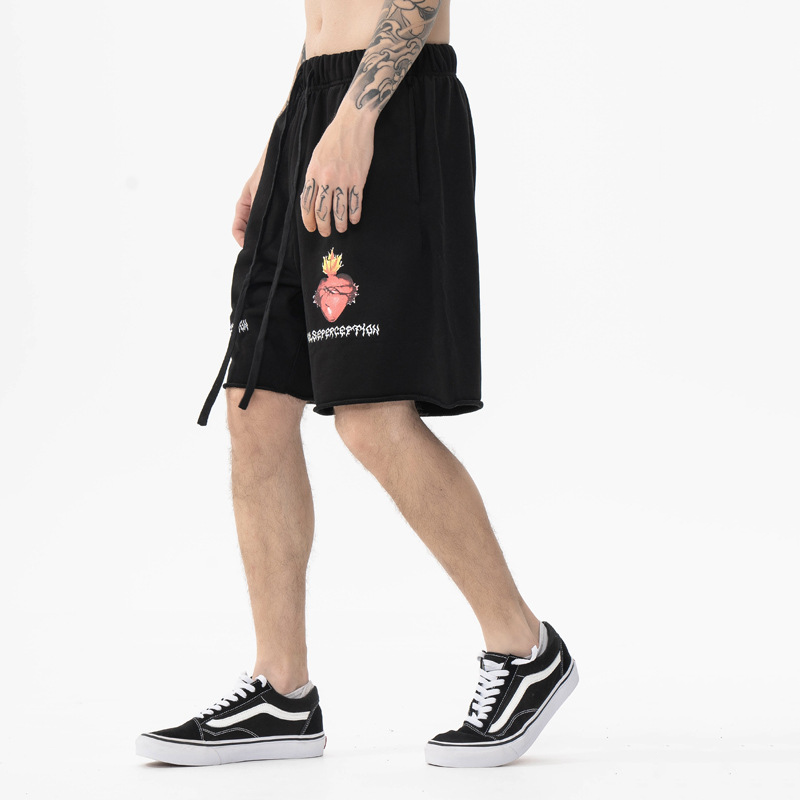
Nylon Ripstop
Durable, tear-resistant fabric with reinforced grid pattern. Ideal for cargo shorts, outdoor styles, and utility-inspired streetwear. Lightweight at 80-120 GSM yet extremely strong with water-repellent treatment available.
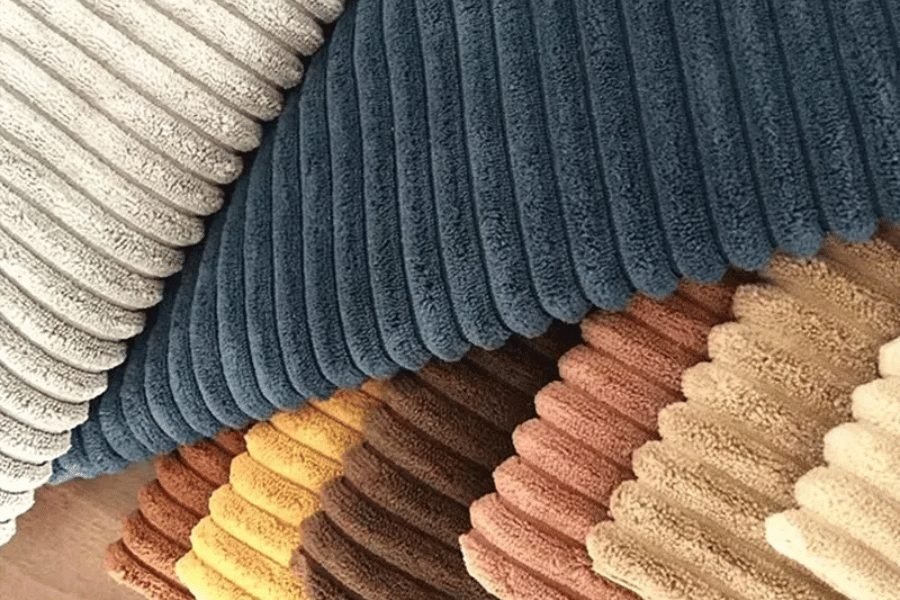
Heavyweight Cotton Twill
Dense diagonal weave fabric with premium hand-feel and structure. Perfect for premium casual shorts and workwear-inspired designs. 280-340 GSM weight provides excellent drape and a luxury aesthetic that elevates any collection.
Advanced Production Processes for Your Men’s Shorts Manufacturer Needs
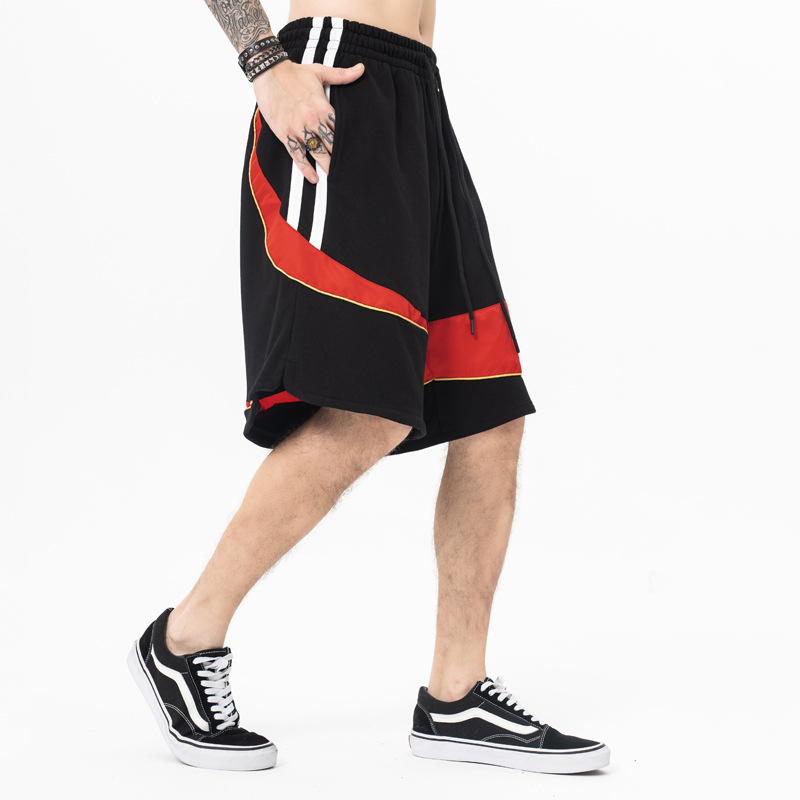
Screen Printing
High-opacity ink application perfect for bold logos, graphics, and streetwear artwork on men’s shorts. Delivers vibrant, long-lasting color that withstands repeated washing while maintaining sharp detail and edge definition.
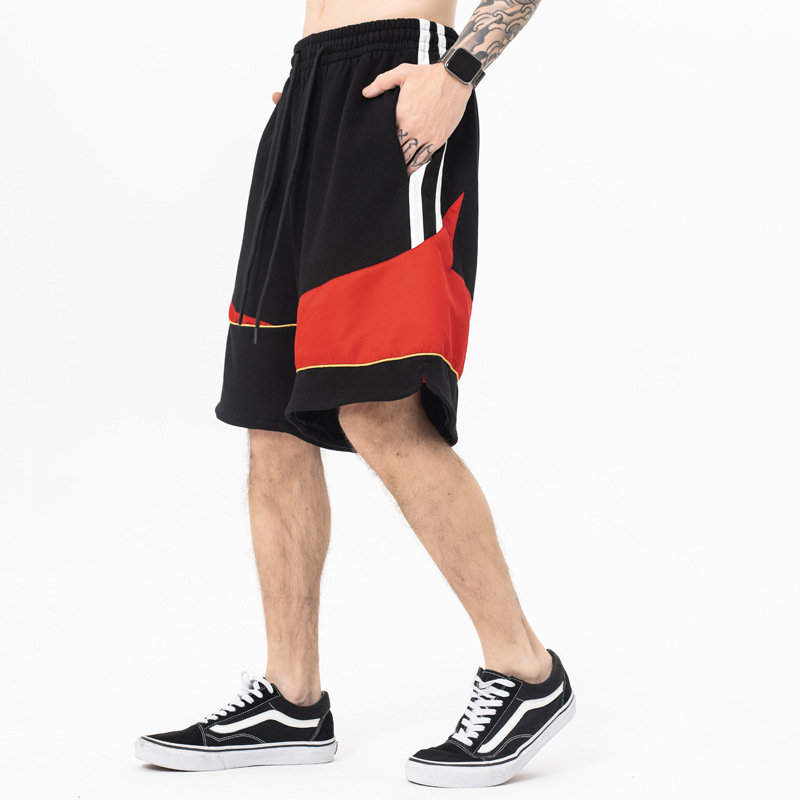
Embroidery
Premium thread stitching for logos, monograms, and intricate designs that add texture and perceived value. Creates a raised, tactile finish with exceptional durability and a luxury feel ideal for high-end streetwear brands.
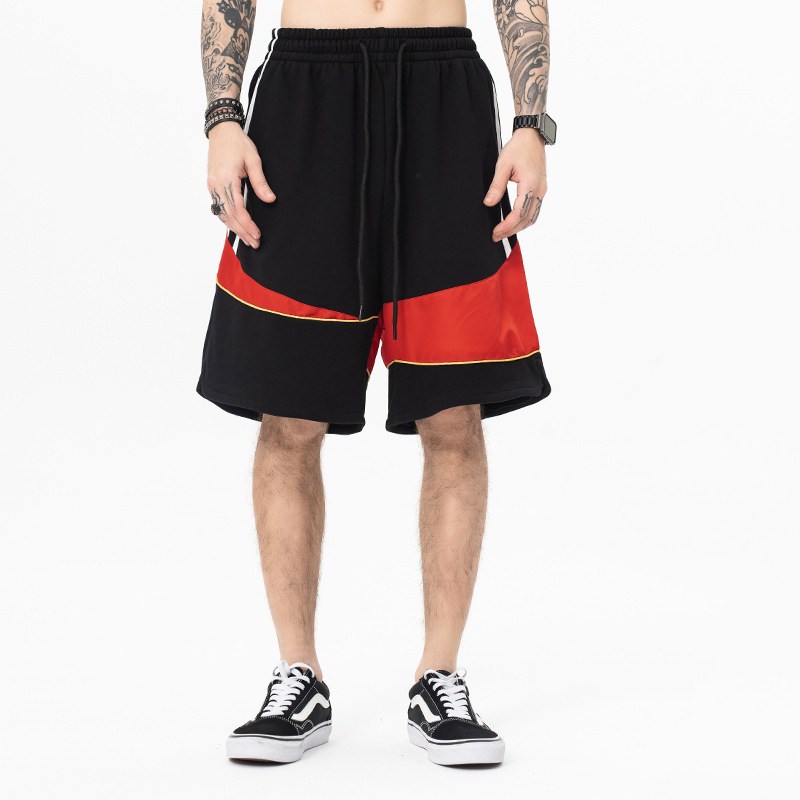
Sublimation Printing
Dye-infusion technique for all-over patterns, gradients, and photographic prints on polyester men’s shorts. Produces breathable, fade-resistant graphics with no hand feel, perfect for athletic and performance streetwear collections.
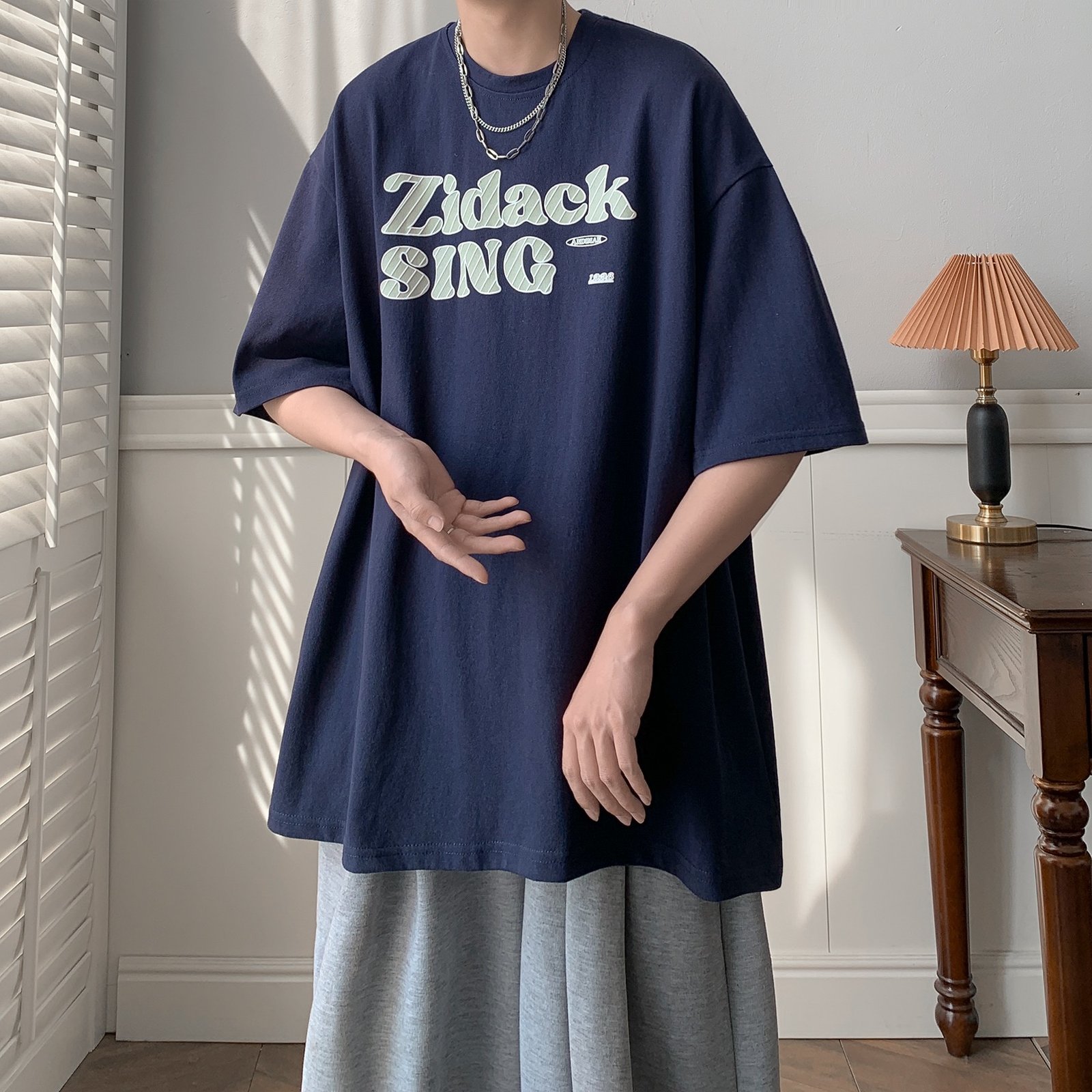
Heat Transfer
Versatile application method for detailed graphics, reflective elements, and multi-color designs with minimal setup. Ideal for low-MOQ runs and seasonal drops, delivering crisp imagery with excellent wash durability.
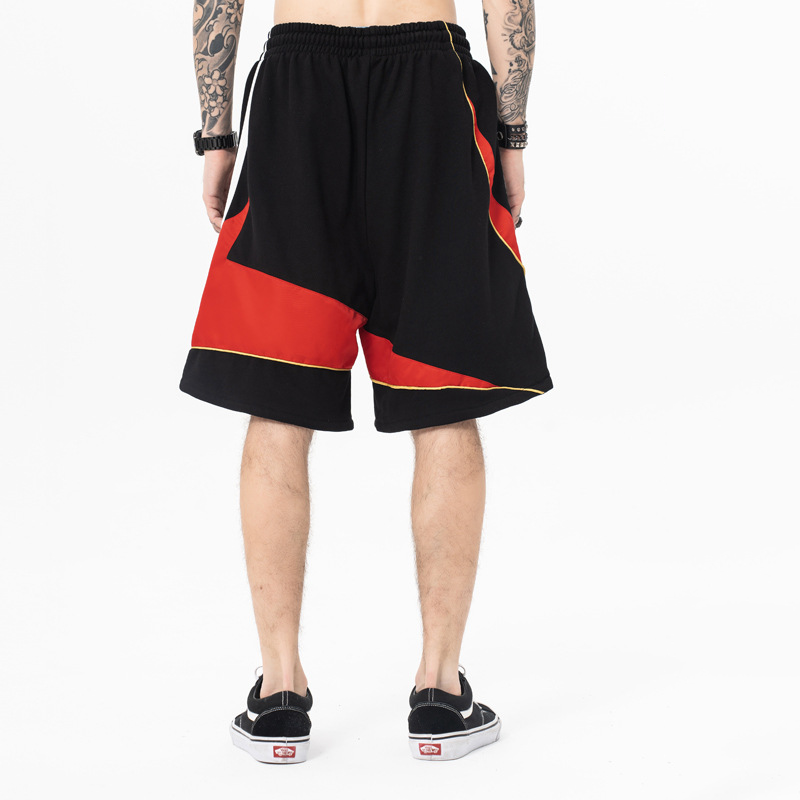
Custom Dyeing
Precision fabric coloring for unique washes, ombre effects, and trend-driven hues that differentiate your men’s shorts line. Ensures consistent color matching across production runs with colorfast results that resist fading and bleeding.
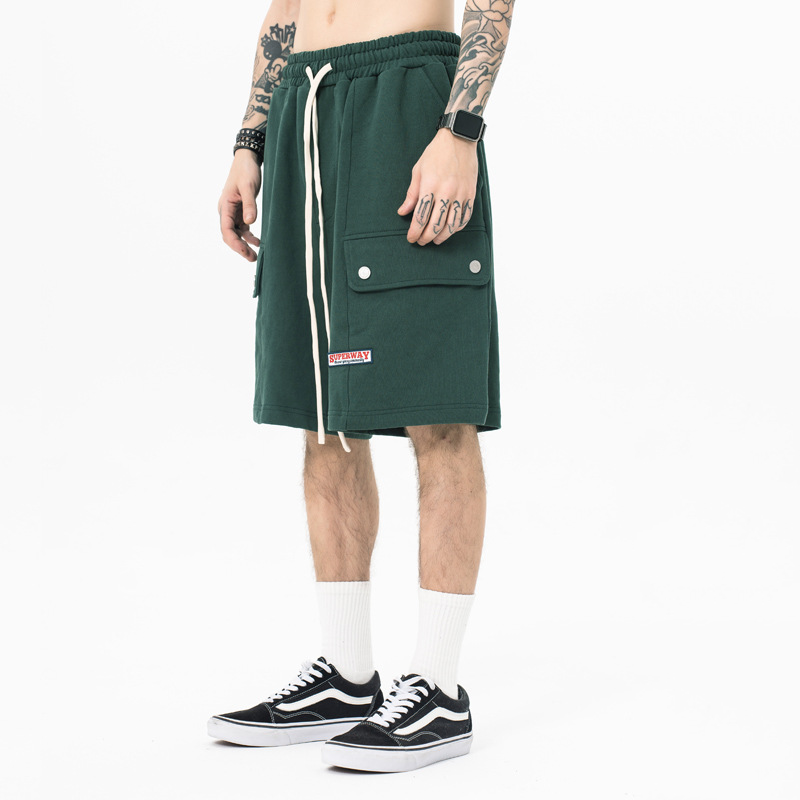
Patch Application
Woven or embroidered patch attachment for brand labels, decorative elements, and layered design details. Adds dimension and streetwear authenticity with secure stitching that maintains integrity through wear and laundering.
Mens Shorts Manufacturer Accessories & Finishing Options
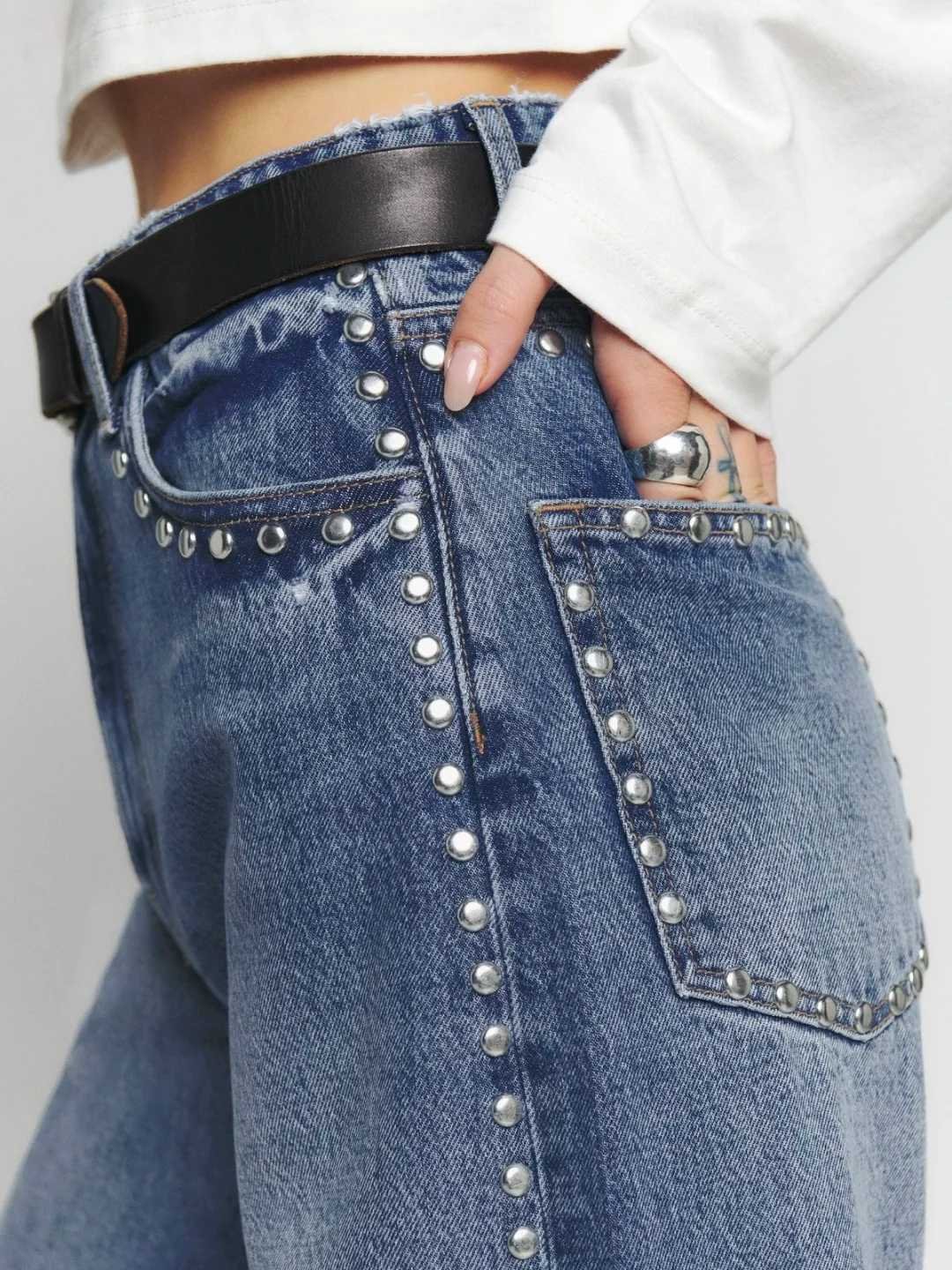
Drawcords & Tipping
Custom-dyed drawcords with metal or plastic tipping finish waistbands on athletic and casual men’s shorts. Available in flat, round, or reflective styles to match your brand aesthetic and enhance functionality.
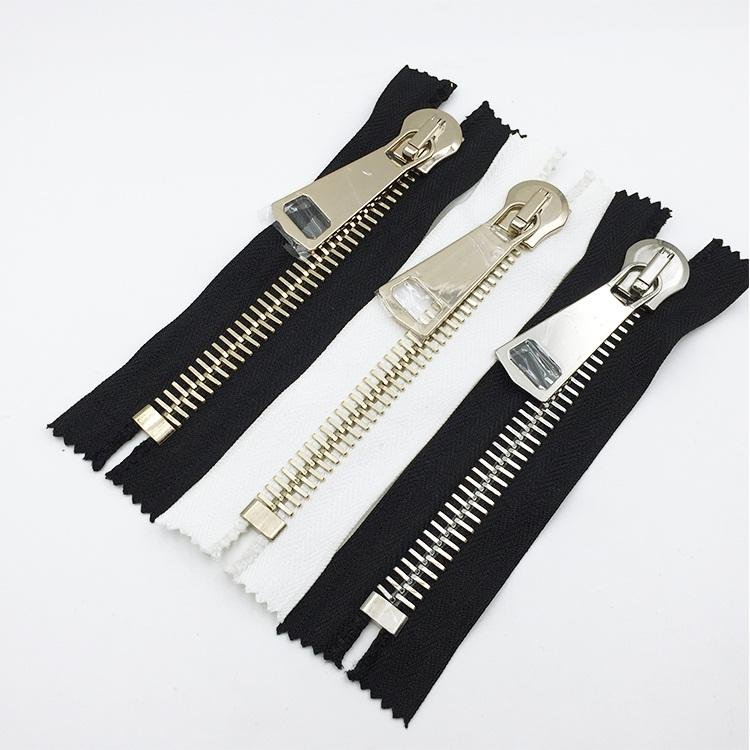
YKK Zippers
Industry-leading YKK zippers for cargo pockets, side vents, and secure closures on men’s shorts. Durable, smooth-operating hardware in metal or nylon finishes that withstand repeated use and washing.
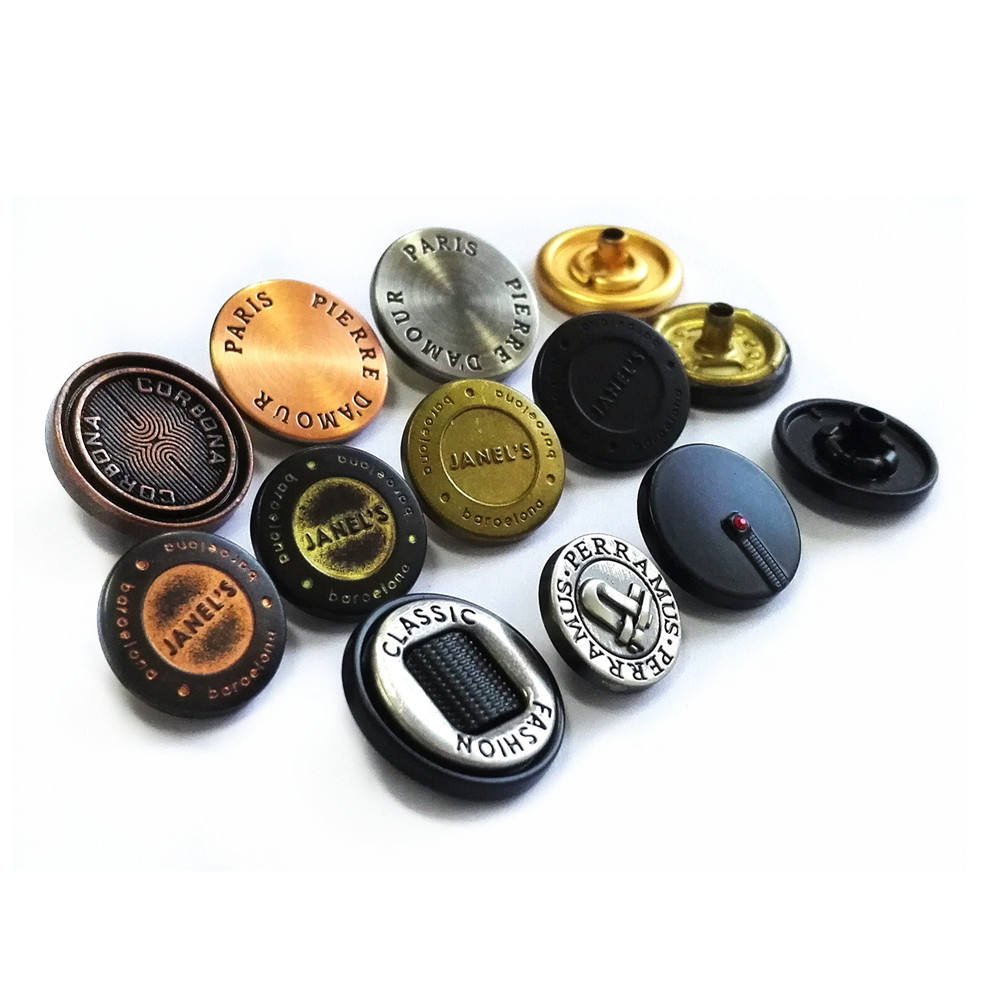
Snap Buttons
Metal or resin snap closures for waistband adjustments and pocket flaps on men’s shorts. Custom engraving available to feature your logo, adding a premium branded touch to every functional detail.
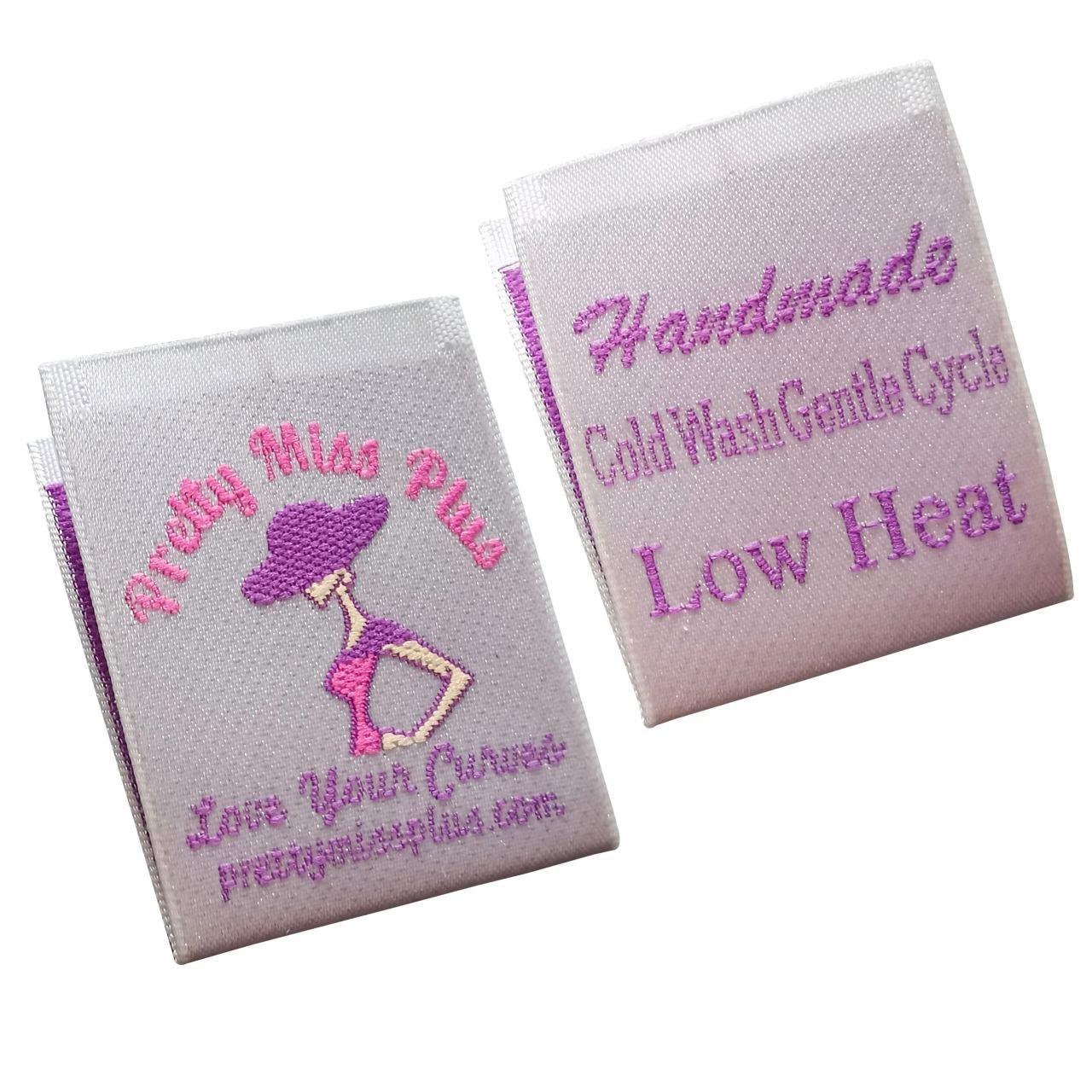
Woven Labels
High-definition woven labels sewn into waistbands or side seams to showcase your brand name and care instructions. Soft-touch damask or satin weave options ensure comfort against skin while maintaining professional branding.
Custom Hangtags
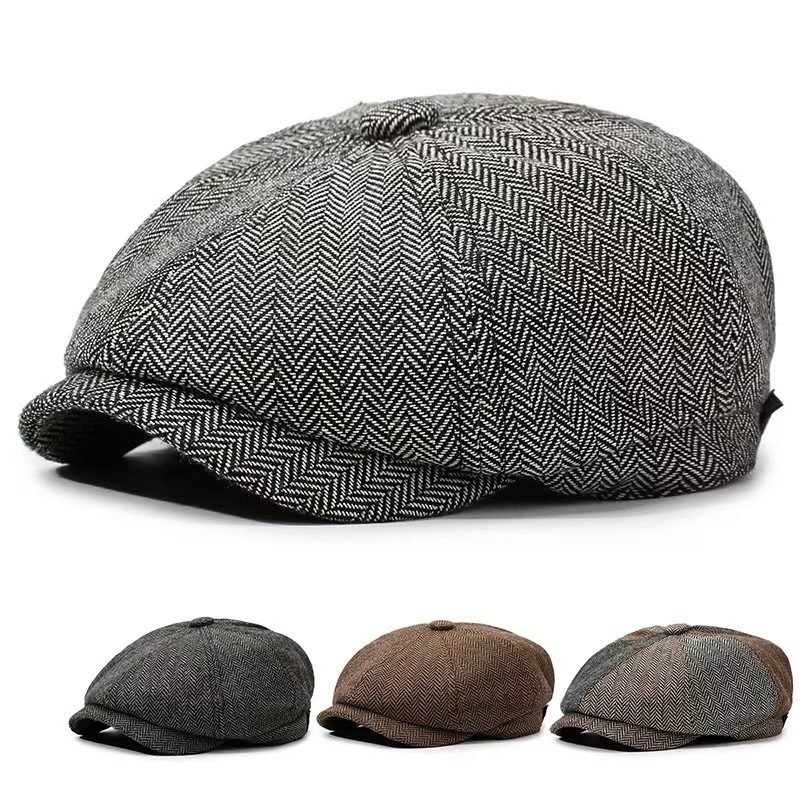
Die-cut hangtags in custom shapes, sizes, and finishes that communicate your brand story at point of sale. Printed on premium cardstock with foil stamping, embossing, or UV coating options for maximum shelf impact.
Elastic Waistbands
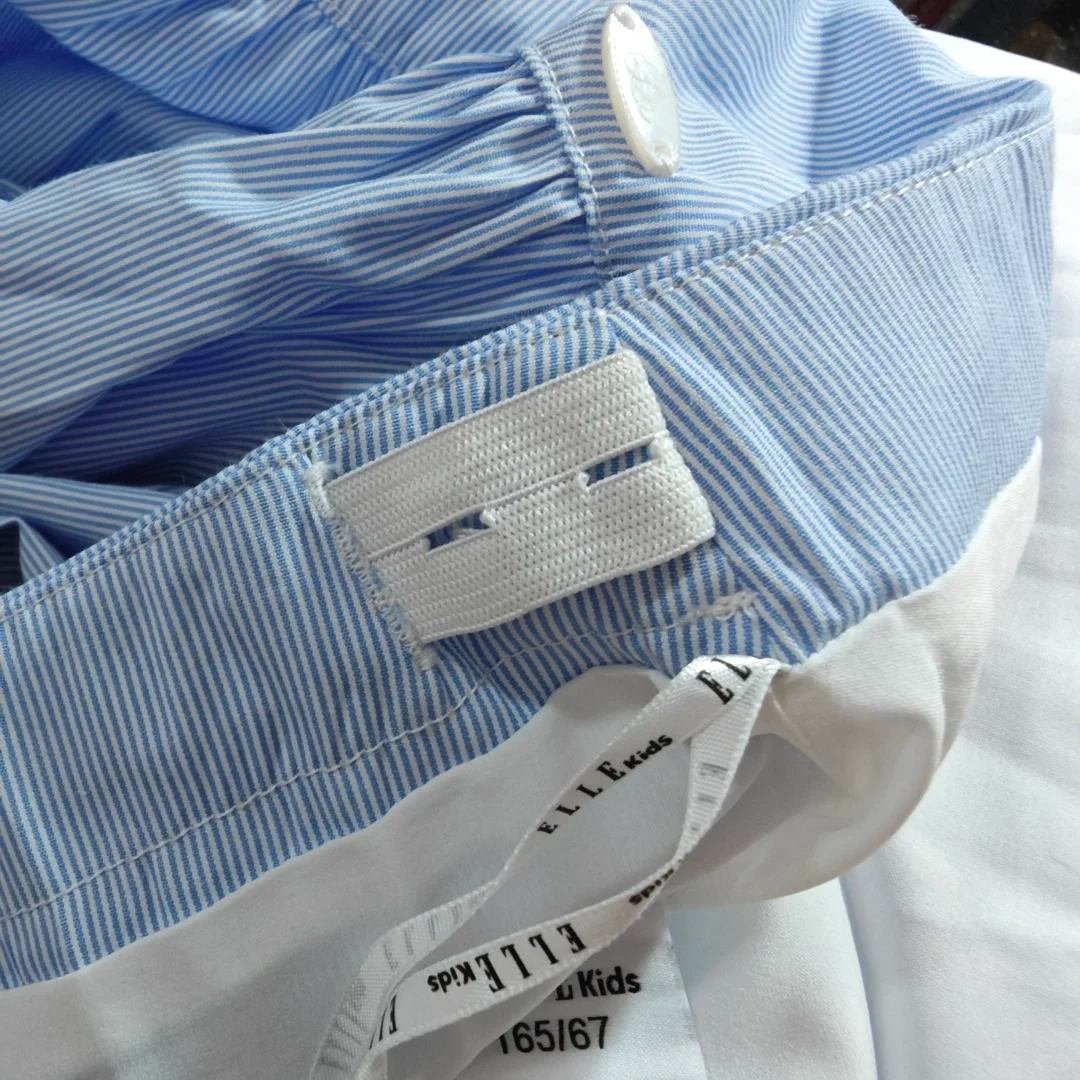
Jacquard-woven elastic bands with custom logo repeats for comfortable, adjustable men’s shorts waistbands. Available in multiple widths and stretch levels to suit athletic, lounge, or streetwear styles with branded detail.
Your Trusted Mens Shorts Manufacturer
Founded in 2024 by Tesla Luo, Clothing Manufacturer Ltd. was born from a decade of frontline apparel experience and a family legacy spanning every stage of garment production. Raised in factories across Dongguan Humen and trained in cutting, sewing, QC, and finishing, Tesla witnessed firsthand how skipped quality checks damaged the reputation of Chinese manufacturers worldwide.
After serving over 200 streetwear brands and helping influencer lines grow from zero to six-figure followings, Tesla established Clothing Manufacturer Ltd. with one mission: restore trust in Chinese apparel through rigorous, five-step quality control at every production stage. We specialize in trend-driven mens shorts and streetwear for startups, designers, and global retailers who refuse to compromise on craftsmanship.
Backed by 15 R&D specialists, 10 patents, and the infrastructure of our parent company Dongguan TuoZhen Clothing Co., Ltd., we deliver low-MOQ flexibility, fast seasonal turnarounds, and zero-defect standards. Whether you’re launching your first collection or scaling an established line, we partner with brands across 100+ countries to bring premium mens shorts to market with confidence.
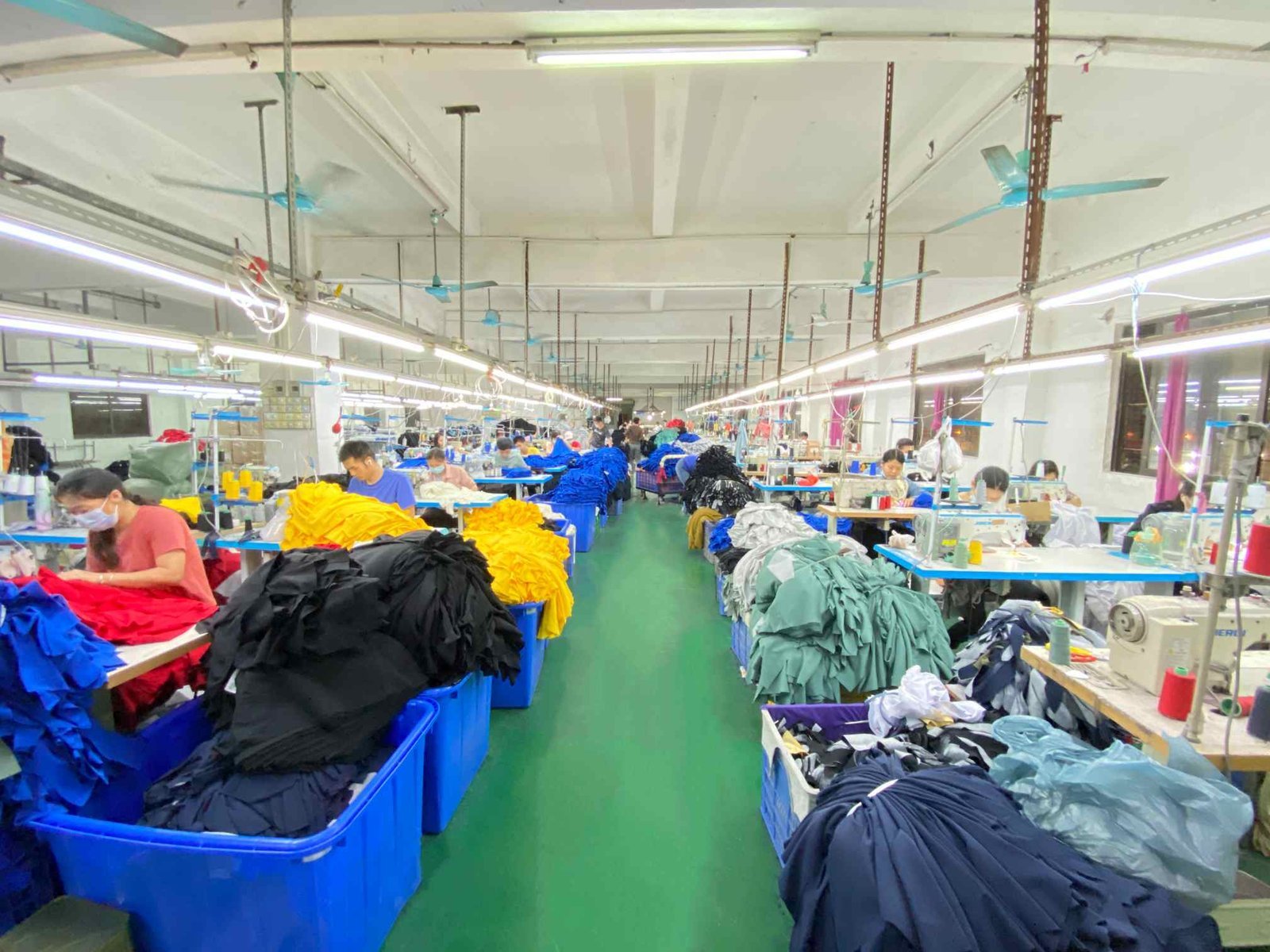
Our 5-Step Quality Control Guarantee for Every Men’s Shorts Order
Materials QC Testing Before Production Starts
Every fabric roll, elastic band, drawstring, and trim component undergoes rigorous inspection before cutting begins. We verify weight, stretch recovery, colorfastness, and dimensional stability to ensure your men’s shorts meet performance standards from the very first step.
- Lab testing for fabric weight, composition, and stretch retention across all materials
- Colorfastness verification to washing, perspiration, and light exposure standards
- Pre-production approval documentation shared with clients for full transparency
- Rejected materials never enter production, eliminating downstream defects
Cutting QC Testing for Pattern Accuracy
After materials pass inspection, our cutting QC ensures every panel is sized correctly and grain-aligned. We measure pattern pieces against tech packs, check for fabric flaws, and verify left-right symmetry so your men’s shorts fit consistently across every size run.
- Digital measurement of cut panels against approved patterns and size specs
- Fabric flaw mapping and replacement of defective panels before assembly
- Grain alignment checks to prevent twisting or distortion after washing
- Batch sampling to catch systematic cutting errors early in production
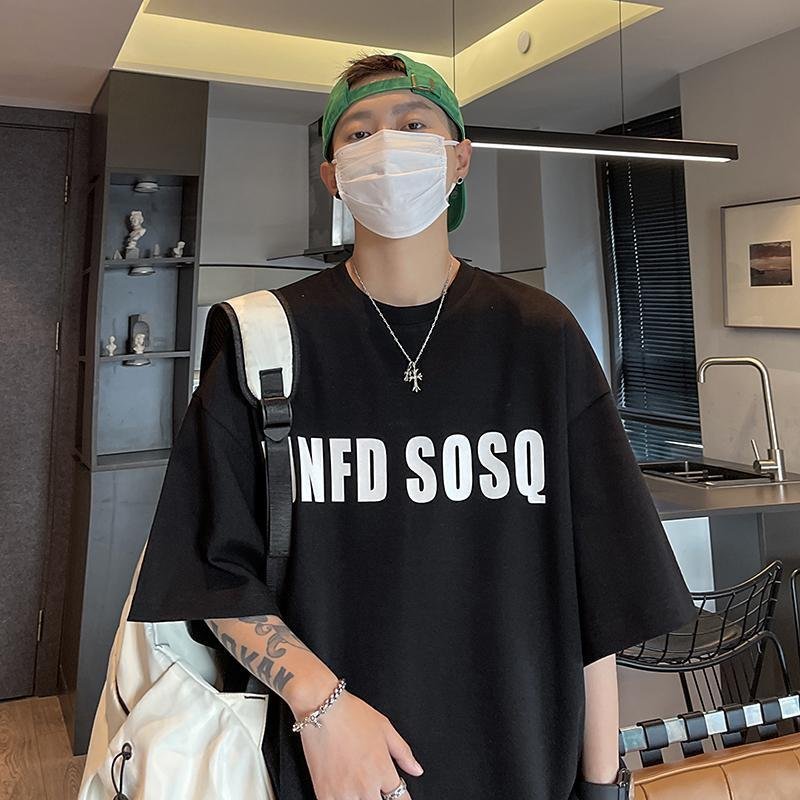
Craft and Sewing Production QC Testing
During assembly, our QC team inspects stitch quality, seam strength, and construction techniques at critical checkpoints. We catch and correct issues like skipped stitches, puckering, or misaligned pockets while garments are still on the production line, not after they are finished.
- In-line inspection of waistband attachment, pocket placement, and hem straightness
- Seam strength pull tests to verify durability under stress and wear
- Thread tension and stitch density checks to prevent unraveling or gapping
- Real-time feedback to sewing operators to maintain consistency across all units
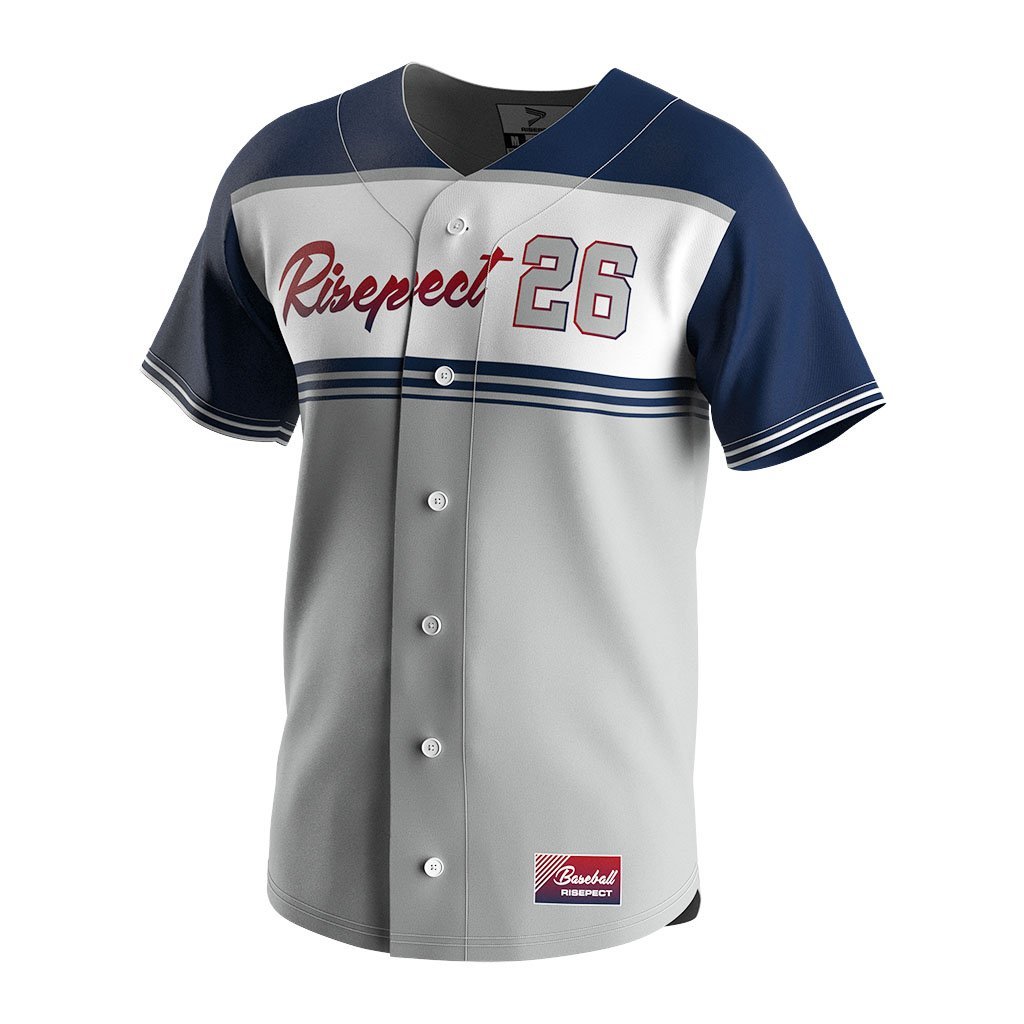
Finished Clothing Quality Inspection Before Packing
Every completed pair of men’s shorts undergoes final inspection for measurements, appearance, and functionality. We verify sizing accuracy, check for loose threads or stains, test all closures and drawstrings, and confirm packaging requirements before your order ships.
- Full garment measurement audit against approved size charts and tolerances
- Visual inspection for fabric defects, stains, thread ends, and finishing flaws
- Functional testing of zippers, buttons, drawstrings, and elastic waistbands
- AQL-based sampling or 100 percent inspection based on order size and client needs
How We Outperform Typical Men’s Shorts Manufacturers
We’ve built our reputation on transparency, quality, and flexibility. See exactly how Clothing Manufacturer Ltd compares to typical overseas manufacturers when producing men’s shorts for streetwear brands and startups.
← 左右滑动查看 →
How Our Mens Shorts Manufacturer Delivers Quality
From fabric selection to final shipping, every pair of men’s shorts passes through our rigorous 5-step QC system. Here’s how we turn your designs into premium streetwear products.
Design & Fabric Sourcing
Our team reviews your designs, selects premium fabrics from trusted suppliers, and creates tech packs with detailed specifications for your men’s shorts collection.
Pattern Making & Cutting
Patterns are developed and approved, then fabrics undergo cutting QC testing to ensure precision measurements and minimal waste before production begins.
Printing & Embellishment
Custom prints, embroidery, patches, and other design elements are applied with craft QC testing to verify color accuracy and placement on every piece.
Sewing & Assembly
Skilled sewers construct each garment while our sewing production QC testing monitors stitching quality, seam strength, and construction integrity throughout the process.
Finishing & Final Inspection
Shorts are pressed, trimmed, and undergo finished clothing quality QC inspection. Every piece is checked for defects, fit, and adherence to your specifications.
Packaging & Global Shipping
Approved shorts are packaged per your branding requirements, prepared for customs, and shipped to your destination with full logistics support and tracking.
How to Partner With Your Mens Shorts Manufacturer in Three Steps
From design brief to finished product, our streamlined process removes friction and gets your men’s shorts collection to market faster.
Submit Your Design Brief
Send us your tech pack, sketches, or design ideas for your men’s shorts. Our in-house team reviews every detail and provides expert guidance on fabrics, fit, and production.
Receive Quote and Sample
Within 48 hours, get a detailed quote with transparent pricing. Approve it, and we’ll produce a free sample using our 5-step QC process to ensure perfect quality.
Approve and Place Order
Review your sample, request any adjustments, then confirm your bulk order. We handle production, quality testing, and global shipping—starting from just 50 pieces per style.
Certified Men’s Shorts Manufacturer You Can Trust
Brands Trust Our Men’s Shorts Manufacturer for Real Results
We launched our summer shorts line with just 100 pieces and grew to 8,500 units per order in 11 months. The 5-step QC means zero customer complaints about stitching or fit. Game changer for our brand.
Their men’s shorts sampling turnaround is 40% faster than our previous manufacturer. We hit every seasonal drop on time, and the fabric quality keeps our influencer customers coming back. Worth every penny.
Started with their 50-piece MOQ to test the market. Six months later we’re at 3,200 units per collection. Tesla’s team understood our streetwear vision from day one and delivered flawless cargo shorts every time.
Frequently Asked Questions About Mens Shorts Manufacturer Services
What is the minimum order quantity for your mens shorts manufacturer services?
How long does it take to receive samples from your mens shorts manufacturer?
Do you provide custom design support for mens shorts manufacturing?
What are the payment terms when working with your mens shorts manufacturer?
Can your mens shorts manufacturer handle rush or expedited orders?
How do you protect intellectual property and design confidentiality?
What quality control measures does your mens shorts manufacturer implement?
Do you offer global shipping and logistics support for international brands?
What types of mens shorts styles can your manufacturer produce?
The Complete Buyer’s Guide to Choosing the Right Mens Shorts Manufacturer
Navigate the sourcing landscape with confidence. This guide delivers a proven decision framework, essential supplier criteria, quality benchmarks, and the most common mistakes to avoid when partnering with a mens shorts manufacturer for your brand.
1. What Is a Mens Shorts Manufacturer?
A mens shorts manufacturer is a specialized apparel production facility that designs, cuts, sews, finishes, and packages men’s shorts for brands, retailers, and independent designers. These manufacturers handle every stage of garment construction—from fabric sourcing and pattern development through quality inspection and final packaging—enabling brands without in-house factories to bring products to market.
Three primary service models define the industry. Full-package manufacturers manage the entire process including fabric procurement, trim sourcing, sampling, production, and logistics, requiring only design specifications from the client. CMT (cut-make-trim) suppliers work with customer-supplied fabrics and trims, focusing solely on cutting, sewing, and finishing operations. Private-label manufacturers maintain ready-to-customize catalog designs, allowing brands to apply their own labels and minor modifications to pre-developed styles.
Streetwear brands, fashion startups, and global retailers rely on mens shorts manufacturers to access technical expertise and production capacity they cannot justify building internally. A manufacturer with 10 years of production experience and a five-step quality control process—covering materials QC, cutting QC, craft QC, sewing QC, and finished garment inspection—delivers consistency that protects brand reputation and reduces costly returns.
For emerging labels launching their first collection or influencer brands scaling from zero to tens of thousands of followers, partnering with an experienced mens shorts manufacturer eliminates the capital investment in machinery, skilled labor, and quality systems while ensuring products meet market standards from day one.
2. Evolution of Men’s Shorts Manufacturing
Athletic shorts emerged in the 1920s as simple cotton garments for gym and sports use, manufactured domestically in the United States and Europe through small-scale textile mills. By the 1970s, boardshorts and cargo shorts expanded the category beyond athletics, introducing longer inseams, multiple pockets, and synthetic fabrics that required more complex construction techniques.
The 1990s marked the beginning of large-scale offshore migration, as brands relocated production to China, Bangladesh, and Vietnam to access lower labor costs and specialized garment hubs like Humen Town in Dongguan, which concentrated fabric suppliers, trim vendors, and finishing facilities within a single region. China’s Guangdong Province became the dominant center for mens shorts manufacturer operations, handling everything from basic cotton twill styles to technical moisture-wicking designs with laser-cut ventilation and bonded seams.
Since 2015, the rise of independent brands, influencer labels, and fashion startups has driven demand for low-MOQ production, with factories now offering minimums as low as 50 pieces per style compared to the traditional 500 to 1,000-piece orders required by legacy manufacturers. Fast-turnaround facilities in China and Vietnam now deliver sample-to-bulk cycles in 25 to 35 days, enabling streetwear brands to test seasonal drops and respond to social media trends without committing to large inventory.
Today’s mens shorts manufacturer landscape blends technical innovation—four-way stretch fabrics, anti-microbial finishes, reflective prints—with fashion-forward streetwear elements including oversized fits, all-over sublimation graphics, and deconstructed hems, all underpinned by stricter quality control frameworks that address historical inconsistencies in offshore production.
3. Types of Mens Shorts Manufacturer Services
Mens shorts manufacturer services fall into four core models, each offering different levels of control, investment, and lead time. Understanding which model aligns with your brand stage and supply chain capabilities determines sourcing success.
Full-Package Manufacturing
Full-package (FPK) manufacturers handle every step from fabric sourcing and pattern development through cutting, sewing, quality control, and final packaging. Lead times typically run 45–75 days, and minimum order quantities start around 50–200 pieces per style.
This model suits fashion startups and independent designers who lack fabric networks or technical staff. The trade-off is higher per-unit cost — typically 15–25% above CMT — in exchange for turnkey convenience and reduced upfront capital.
Cut-Make-Trim (CMT) Services
CMT manufacturers cut, sew, and finish garments using fabrics and trims the client supplies. Clients retain control over material quality and branding details, and per-unit costs drop 15–25% compared to full-package.
Established retailers and brands with in-house design teams favor CMT when they have existing fabric suppliers or want to standardize materials across multiple factories. Lead times shorten to 30–50 days, but clients assume inventory risk on fabrics and must coordinate logistics.
Private-Label and White-Label Programs
Private-label manufacturers offer pre-designed stock styles that buyers customize with their own hang tags, labels, and packaging. MOQs can be as low as 20–50 pieces per colorway, and lead times compress to 15–30 days.
Influencer brands and creator labels use white-label programs to test market demand without design investment. The trade-off is limited differentiation — competitors may source identical base styles — and lower margins due to the manufacturer’s design amortization.
Sampling-Only Studios
Sampling studios produce prototypes and tech packs without committing to bulk production. Costs range from $80–$300 per sample depending on complexity, with 10–21 day turnarounds.
Designers use sampling studios to refine fit and construction before selecting a production partner. This model separates development risk from manufacturing scale, but requires coordination between the sampling studio and the eventual bulk manufacturer.
4. Materials and Fabrics for Men’s Shorts
Fabric selection determines performance, comfort, and market positioning for any mens shorts manufacturer. Each material offers distinct weight ranges, stretch properties, and durability characteristics that align with specific use cases—from athletic training to streetwear collections.
| Fabric Type | GSM Range | Stretch | Ideal Category | Price Tier |
|---|---|---|---|---|
| Cotton Twill | 200–320 | Low (0–5%) | Streetwear, Casual | Mid |
| Denim | 280–360 | Low (0–5%) | Streetwear, Workwear | Mid–High |
| French Terry | 220–300 | Medium (5–10%) | Athleisure, Lounge | Mid |
| Polyester Blend | 120–200 | High (10–20%) | Athletic, Training | Low–Mid |
| Nylon Ripstop | 80–140 | Medium (5–15%) | Swim, Activewear | Mid |
| Technical Mesh | 100–160 | High (10–20%) | Performance Sports | Mid–High |
Cotton Twill and Denim
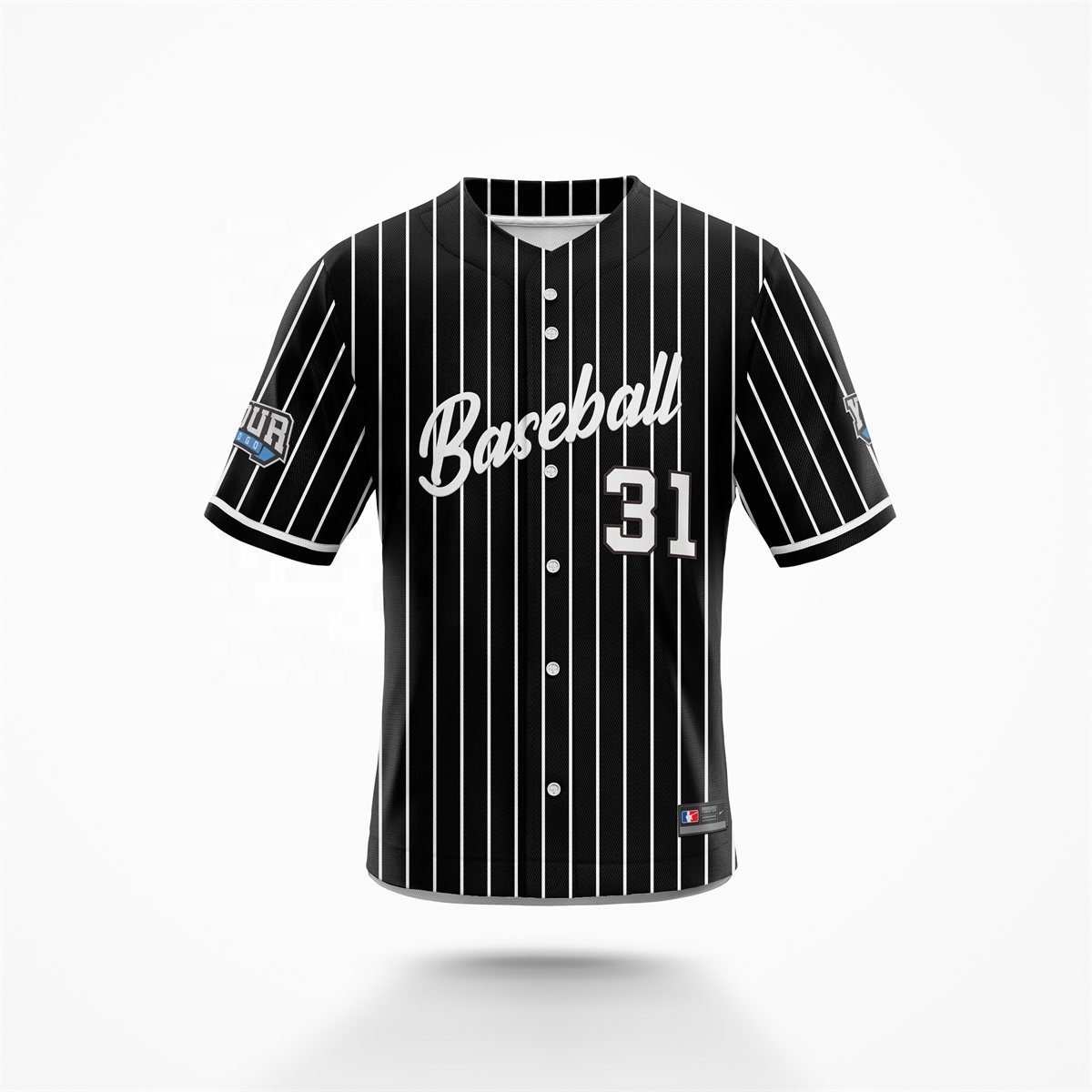
Cotton twill typically ranges from 200 to 320 GSM and delivers excellent breathability with moderate durability. Twill weaves resist wrinkles and hold color well, making them ideal for casual streetwear shorts and chino-style designs.
Denim for shorts usually sits between 280 and 360 GSM, offering superior abrasion resistance and a classic aesthetic. Both fabrics accept minimal stretch unless blended with 2–5% elastane, which improves mobility without sacrificing structure.
French Terry and Fleece Blends
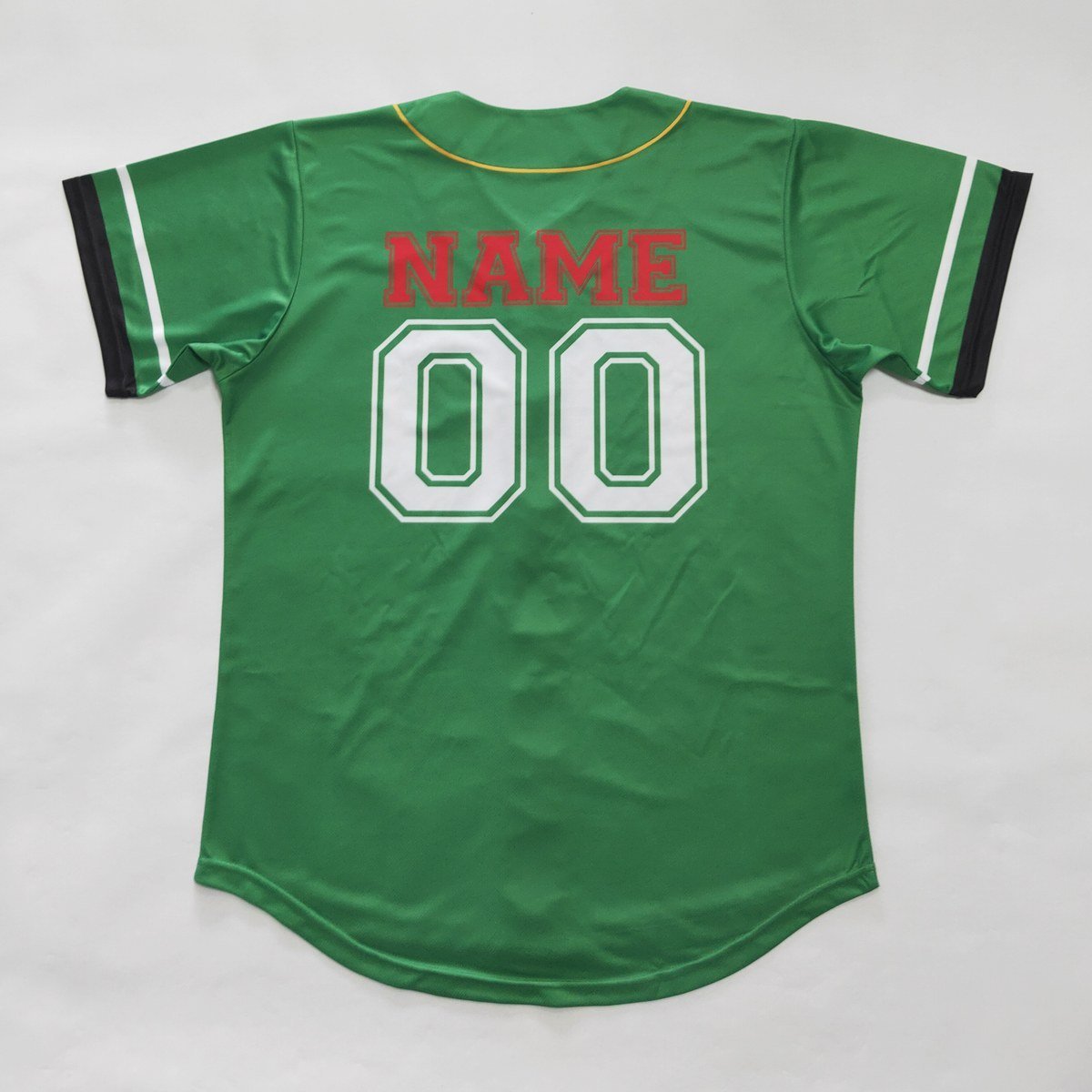
French terry weighs 220 to 300 GSM and features looped backing that wicks moisture while maintaining softness. This fabric suits loungewear shorts and athleisure lines, especially when blended with 5–10% spandex for stretch.
Fleece blends at 280–340 GSM provide warmth for cooler climates but sacrifice breathability. Both materials are staples in streetwear collections targeting comfort-first consumers.
Performance Synthetics
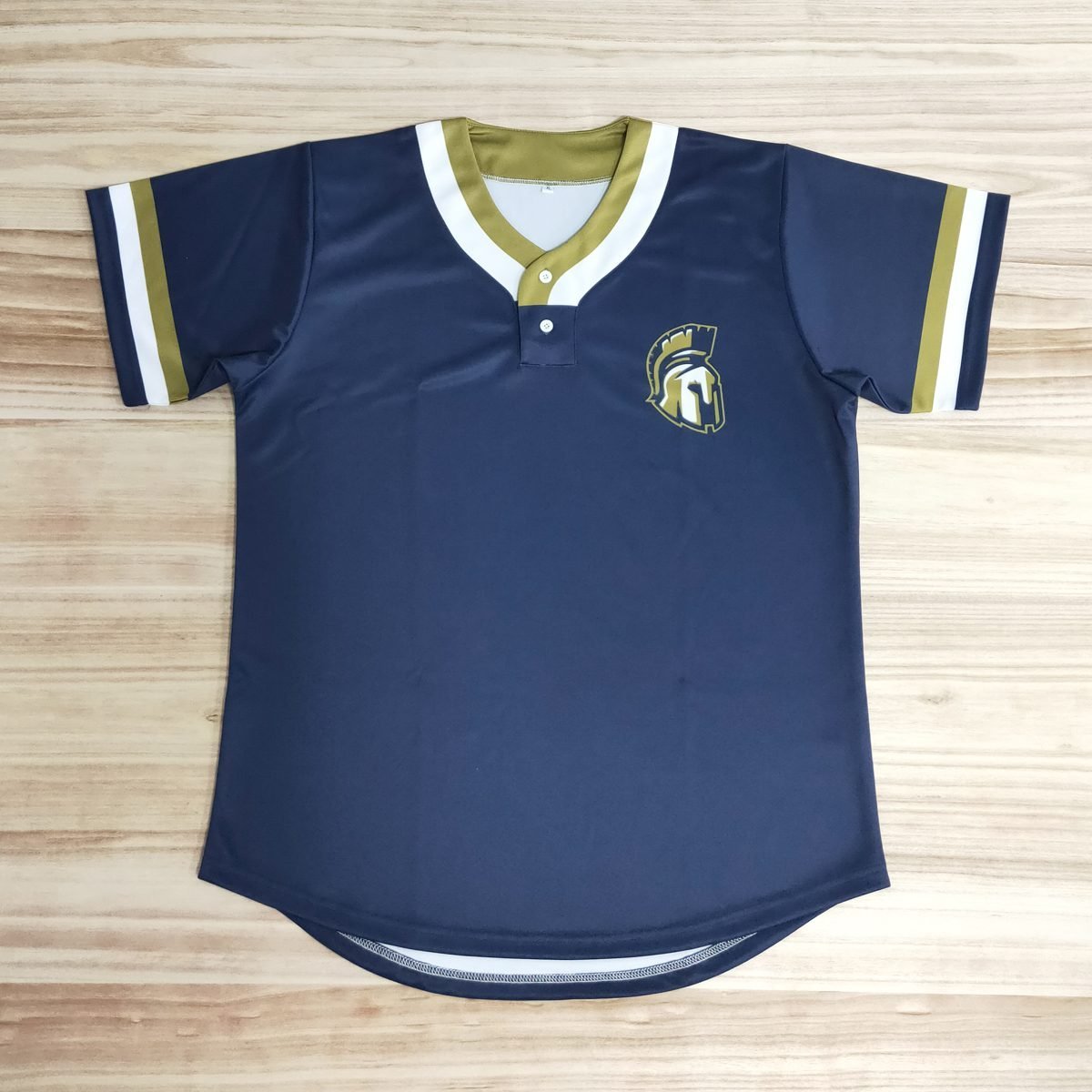
Polyester blends range from 120 to 200 GSM for athletic shorts, delivering fast-dry properties and excellent color retention. Nylon ripstop at 80–140 GSM offers tear resistance and ultra-light weight, ideal for swim trunks and active sportswear.
Technical mesh fabrics (100–160 GSM) maximize airflow for high-intensity training shorts. These synthetics often incorporate 10–20% elastane for four-way stretch and recovery.
5. Customization and Decoration Options
A mens shorts manufacturer offers multiple decoration and branding methods to differentiate your product line. Each technique carries distinct MOQ thresholds, setup costs, durability ratings, and ideal applications that influence both upfront investment and long-term brand perception.
| Technique | MOQ | Setup Cost | Durability (Washes) | Best Application |
|---|---|---|---|---|
| Screen Printing | 50–100 pcs | $25–$75/screen | 50+ | Bold graphics, pocket prints |
| Heat Transfer | 1 pc | $2–$5/placement | 20–30 | Test runs, limited drops |
| Embroidery | 50 pcs | $15–$40 digitizing | 100+ | Waistband logos, premium details |
| Woven Labels | 500–1,000 pcs | $50–$150 setup | 100+ | Interior branding, care labels |
| Silicone Patches | 100 pcs | $80–$200 mold | 100+ | Athletic, streetwear accents |
| Custom Hardware | 500–1,000 pcs | $150–$500 tooling | Permanent | Zippers, drawcord tips, aglets |
Screen Printing and Heat Transfer
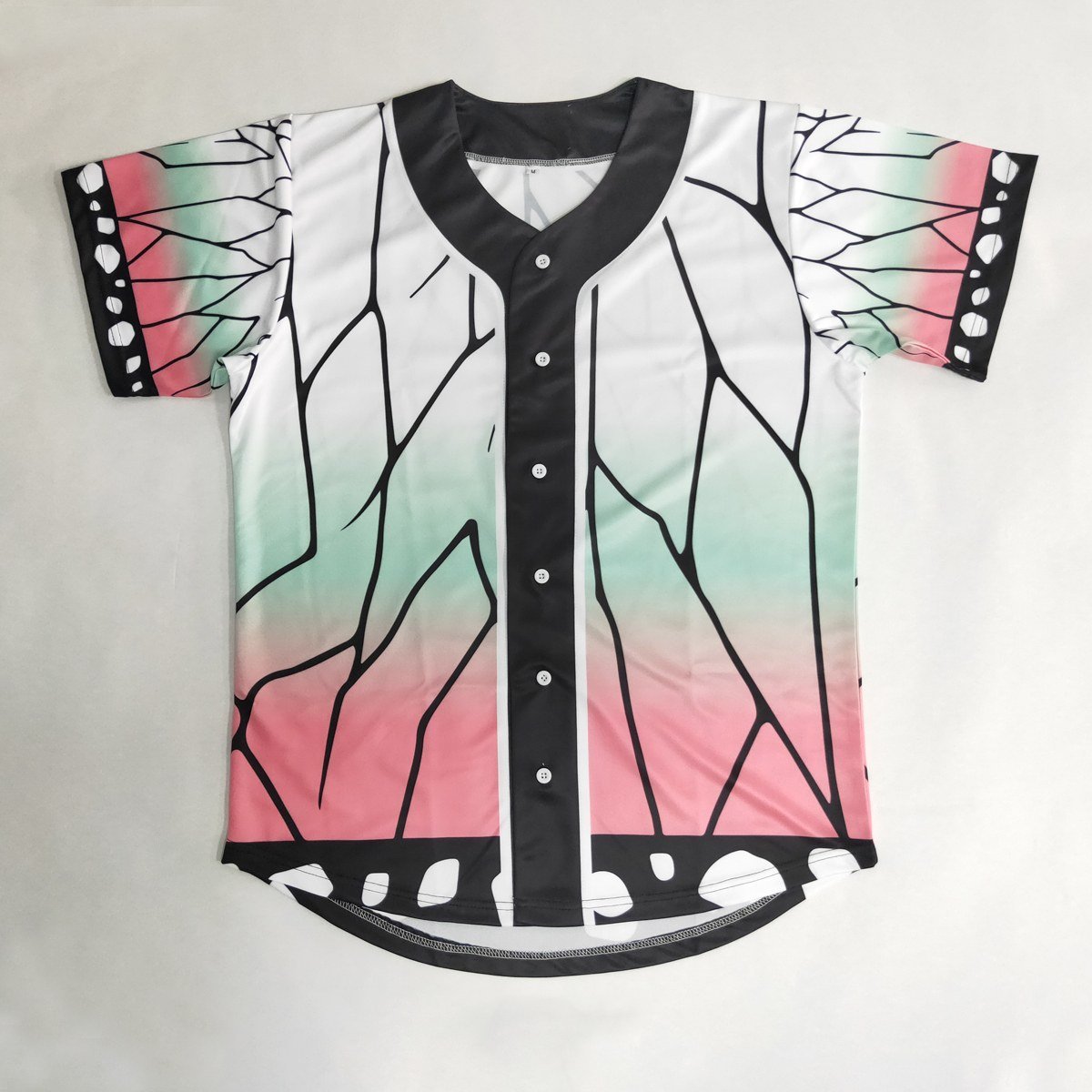
Screen printing requires mesh screens for each color, typically starting at 50–100 pieces per design with setup fees of $25–$75 per screen. Plastisol ink survives 50+ wash cycles and works well for bold graphics on pocket areas or leg panels.
Heat transfer applies pre-printed vinyl or sublimation designs with no screen setup, allowing single-piece orders at $2–$5 per placement. Durability reaches 20–30 washes before cracking, making it suitable for limited drops or test runs before committing to screen printing.
Embroidery and Woven Labels
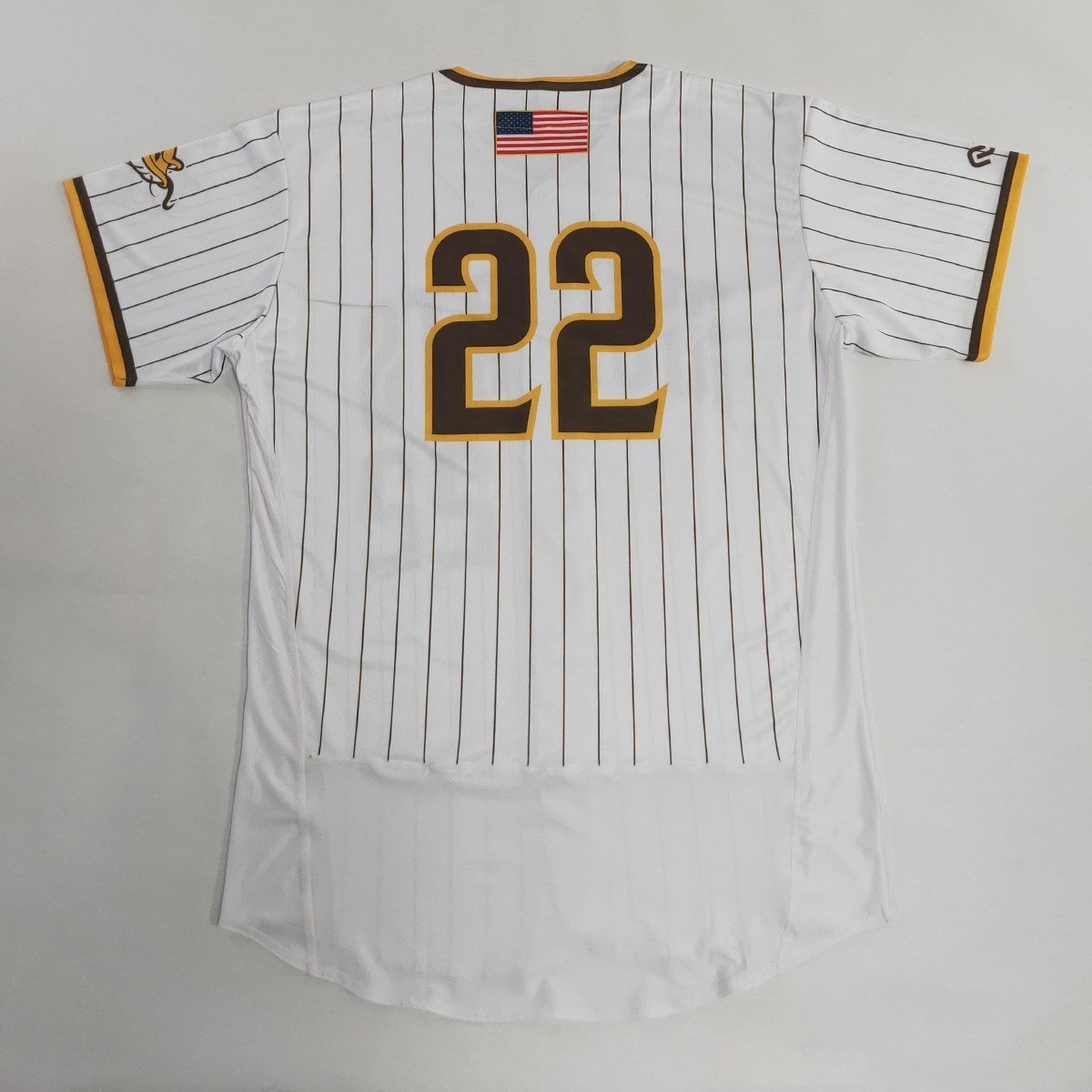
Embroidery digitizing costs $15–$40 per design, with per-piece charges of $0.50–$3.00 depending on stitch count. Thread resists fading through 100+ washes, ideal for waistband logos or small chest emblems on premium shorts.
Woven labels require loom setup from $50–$150 and MOQs of 500–1,000 labels, yielding unit costs under $0.10. High-density weave ensures crisp brand text and withstands repeated laundering, standard for interior waistband branding.
Silicone Patches and Custom Hardware
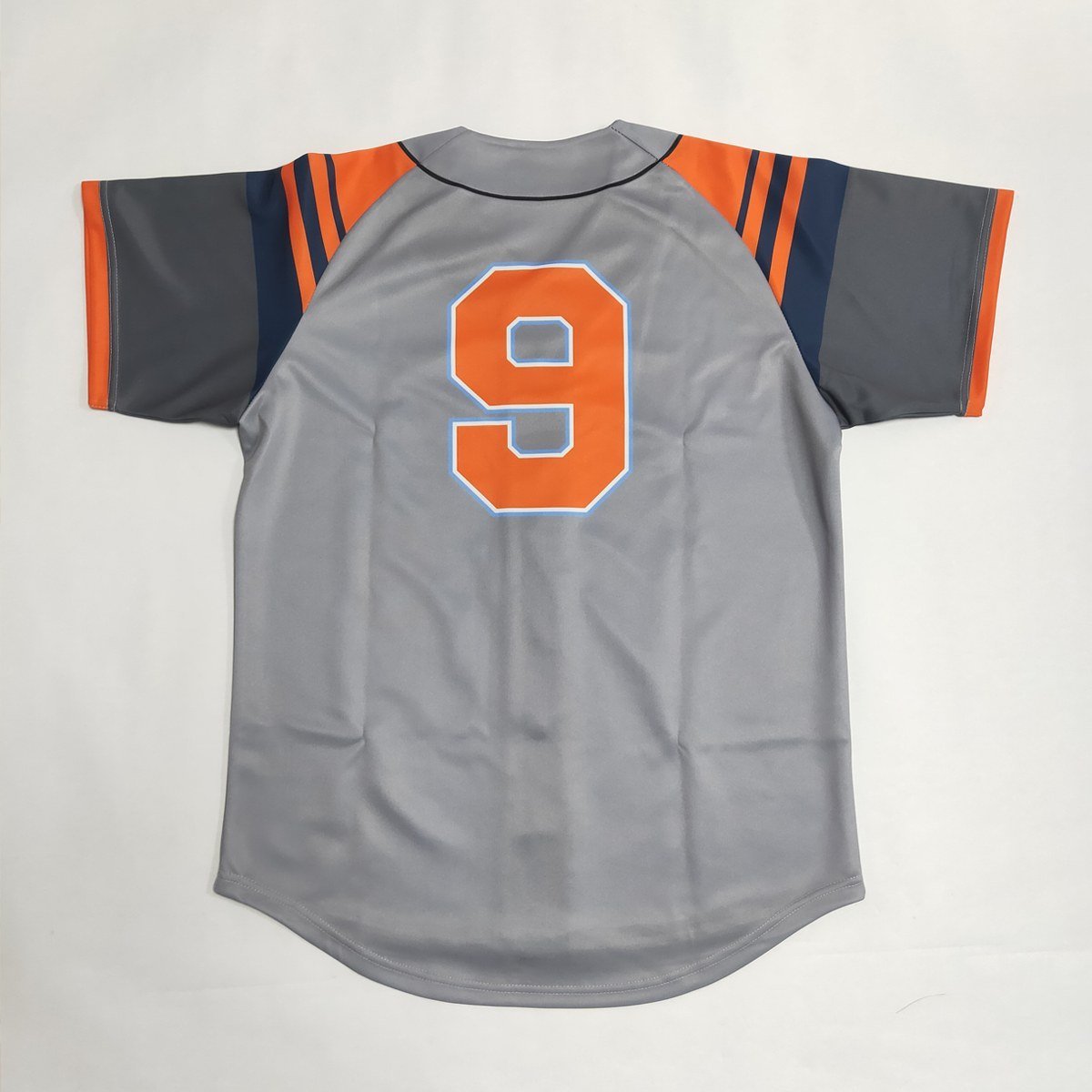
Silicone patches use injection molds costing $80–$200, with 100-piece minimums and per-piece pricing of $0.40–$1.20. The flexible, waterproof finish survives abrasion and UV exposure, popular for athletic and streetwear shorts.
Custom metal aglets, drawcord tips, and branded zipper pulls require tooling fees of $150–$500 and MOQs of 500–1,000 units. YKK and SBS offer custom engraving or color plating, reinforcing premium positioning through tactile details.
6. Key Quality and Construction Elements
Premium shorts and budget runs differ primarily in construction rigor and finishing details. Understanding stitch types, reinforcement points, and waistband architecture allows you to specify tolerances that ensure durability and customer satisfaction. A well-written tech pack paired with multi-stage QC testing catches defects before they reach your warehouse.
Stitch Types and Seam Strength
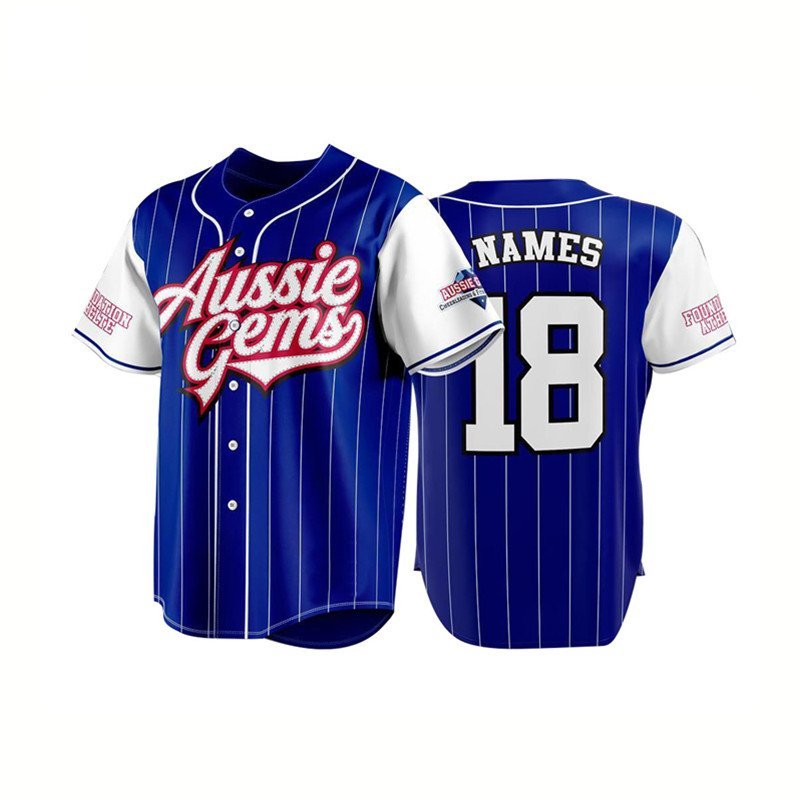
Flat-lock stitching lies flat against the skin and is preferred for activewear shorts because it minimizes chafing during movement. Overlock (serged) stitching is faster and less expensive but creates a raised seam that can irritate skin over time.
Request stitch-per-inch (SPI) counts of 12–14 for woven fabrics and 10–12 for knits in your tech pack. Inspect sample seams by stretching them laterally; premium construction shows no thread breakage or puckering. Five-step QC testing at a mens shorts manufacturer includes sewing production inspection to verify SPI consistency across every panel.
Reinforced Stress Points
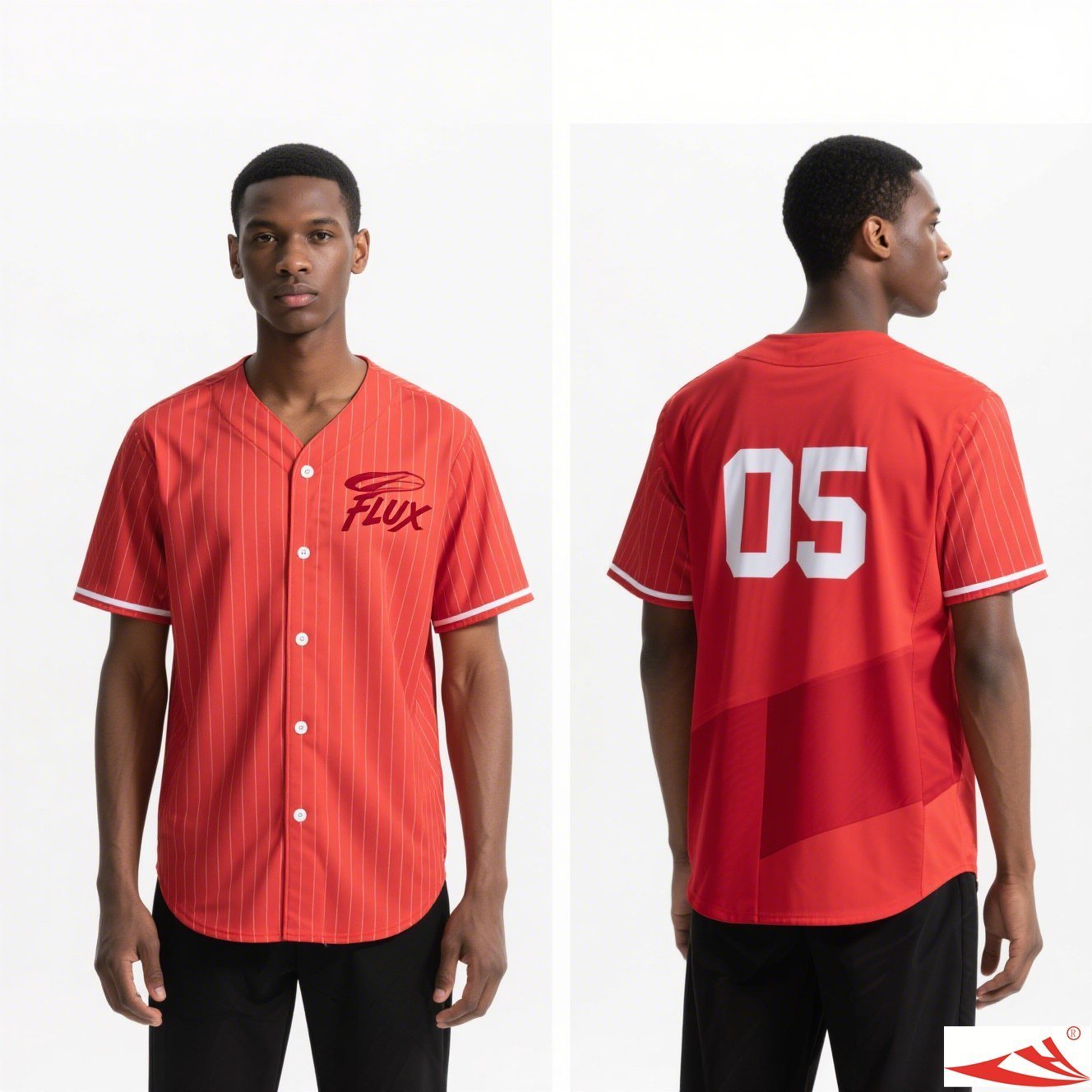
Crotch seams, pocket corners, and fly terminations experience the highest tension and must carry bar tacks or double-needle reinforcement. Bar tacks are dense zigzag stitches that distribute load across 6–10 mm; specify their placement at every high-stress junction.
Sample inspection should reveal bar tacks with at least 20 stitches and no skipped threads. Manufacturers who skip cutting QC testing often miss frayed edges that compromise bar-tack adhesion, leading to blowouts after a few washes.
Waistband Construction Options
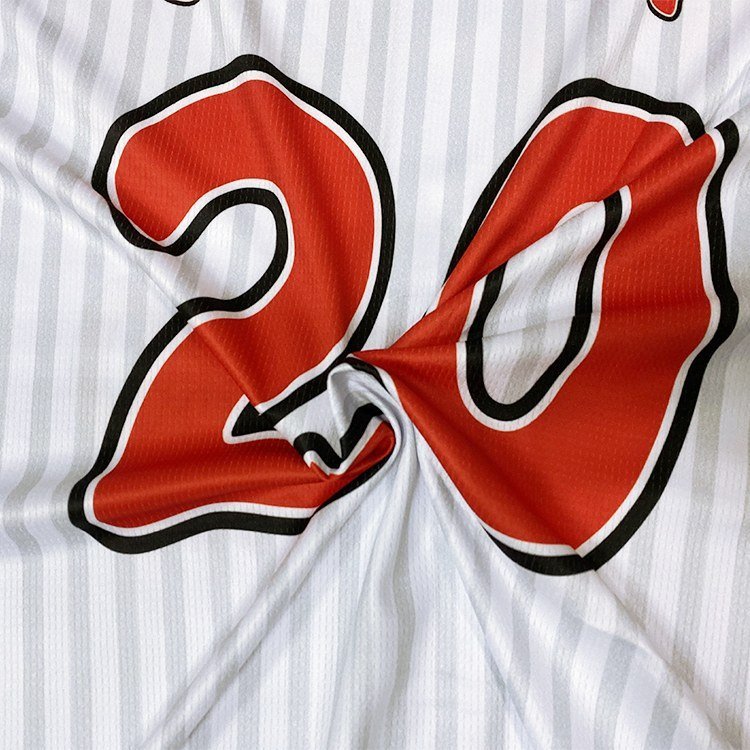
Elastic waistbands use woven or knit elastic sewn into a casing; specify elastic width (25–40 mm) and recovery percentage (≥85% after 100 cycles). Drawcord systems require grommets or eyelets with bar-tack reinforcement to prevent tear-out.
Button-fly waistbands demand precise buttonhole placement (±1 mm tolerance) and interfacing to prevent stretching. Quality inspection at the finished-clothing stage verifies that waistband height remains uniform within ±2 mm around the entire circumference.
Pocket Types and Finishing
Welt pockets require precise cutting and double-welt construction to prevent sagging; patch pockets need edge-stitching at 3–5 mm from the fold. Zip pockets must use lockstitch at zipper terminations and coil zippers (size 5 or 3) for smooth operation.
Hem types include single-fold (casual), double-fold (durable), or raw-edge with coverstitching (streetwear). Specify hem width (15–25 mm) and stitch type in your tech pack, then verify during sample approval that hems lie flat without rippling or twisting after a wash cycle.
7. How to Choose the Right Mens Shorts Manufacturer
Selecting a mens shorts manufacturer requires matching production capabilities to your brand’s growth stage and market positioning. Streetwear labels prioritize trend responsiveness and flexible minimums, while global retailers need compliance documentation and scalable capacity.
MOQ and Lead Time Alignment
Minimum order quantities range from 50 pieces per design for streetwear specialists to 500–1,000+ for traditional factories. Clothing Manufacturer Ltd. offers 50-piece MOQs to support fashion startups and independent designers testing new styles.
Lead times vary by complexity: basic shorts require 15–25 days, while custom prints or technical fabrics extend to 30–45 days. Confirm whether sampling is included in the timeline or adds 7–10 days upfront.
Fabric Sourcing and Technical Capability
Ask whether the factory sources fabrics in-house or relies on external suppliers. In-house sourcing in Guangdong Province typically offers faster turnaround and better cost control for cotton twill, French terry, and performance blends.
Verify the factory’s R&D team size and patent portfolio. Clothing Manufacturer Ltd. maintains 15 R&D members and holds 10 production-related patents, enabling custom fabric development and streetwear-specific construction techniques.
Quality Systems and Certifications
Request details on the factory’s quality control checkpoints. Five-step QC processes—covering materials, cutting, craft, sewing, and finished goods—catch defects early and reduce rejection rates below 2 percent.
For retail compliance, confirm WRAP, BSCI, or OEKO-TEX certifications. Factories serving 100+ countries typically maintain these standards to meet import regulations in the EU, US, and Australia.
Red Flags and Communication Standards
Avoid suppliers who provide vague per-piece pricing without fabric specifications or refuse to share client references. Transparent factories offer itemized quotes breaking down fabric, labor, trims, and shipping.
Test responsiveness during initial inquiries: replies within 24 hours and willingness to video-call signal reliable communication. Factories with decade-plus production experience typically assign dedicated account managers for order follow-up.
8. Common Mistakes When Sourcing a Mens Shorts Manufacturer
First-time brands launching men’s shorts collections often repeat avoidable mistakes that delay timelines, inflate costs, and compromise product quality. Recognizing these pitfalls before placing your first order with a mens shorts manufacturer saves both capital and brand reputation.
Skipping Sample Approval Stages
Many startups rush from tech pack to bulk production without requesting pre-production samples or approving fit samples on live models. This shortcut leads to incorrect inseam lengths, waistband tension issues, and pocket placements that fail real-world wear tests.
Always request at least one fit sample in your target size range and test it for comfort, mobility, and construction before authorizing full production. Clothing Manufacturer Ltd.’s five-step QC process includes materials and cutting checks, but sample approval remains the client’s responsibility to confirm design intent.
Underestimating Lead Times
Fashion startups frequently assume 2–3 weeks from order to delivery, yet typical mens shorts manufacturer timelines span 4–6 weeks for sampling, 6–8 weeks for bulk production, and 2–3 weeks for international shipping. Seasonal peaks in Guangdong Province factories can extend lead times by 20–30 percent.
Build a production calendar that accounts for Chinese New Year shutdowns (late January to mid-February), fabric mill delays, and customs clearance. Influencer brands planning drops around specific launch dates should lock orders 10–12 weeks in advance.
Ignoring Fabric Shrinkage Testing
Cotton twill and French terry fabrics can shrink 3–5 percent in length and 2–4 percent in width after the first wash, yet many designers skip pre-shrink treatments or shrinkage testing. This oversight results in customer returns and negative reviews when size medium fits like small post-wash.
Request wash testing reports for every fabric batch and specify sanforization or compacting processes in your production agreement. Reputable manufacturers provide shrinkage data before cutting begins.
Choosing Solely on Price
Selecting a mens shorts manufacturer based only on the lowest per-unit quote often backfires when hidden costs emerge: no mid-production QC, substandard thread that breaks after minimal wear, or unreliable communication that stalls approvals. A $2 price difference per short becomes irrelevant when 15 percent of your shipment arrives defective.
Evaluate total cost of ownership, including sample rounds, rework fees, and quality consistency. Clothing Manufacturer Ltd.’s rigorous sewing production QC testing and finished garment inspection reduce defect rates below 2 percent, protecting your brand equity.
Neglecting IP Protection
Independent designers sometimes share original graphics, proprietary patterns, and unique construction details without signed non-disclosure agreements or IP clauses in manufacturing contracts. Unprotected designs can appear on competitor platforms within weeks.
Insist on written IP protection terms before transmitting tech packs or artwork files. Verify that your manufacturer will not produce identical designs for other clients and request confidentiality agreements for any custom elements.
Failing to Lock in Size Grading
Many brands approve one sample size but never confirm grading rules for XS through XXL, leading to disproportionate waist-to-inseam ratios in smaller or larger sizes. Customers in extended sizes experience poor fit, damaging inclusivity goals and limiting market reach.
Provide a complete grading spec sheet with measurements for every size you plan to offer. Request grade-rule samples in your smallest and largest sizes to verify proportional scaling before bulk cutting begins.
9. Steps to Launch Your Men’s Shorts Line
Launching a men’s shorts line requires a structured workflow from concept to delivery. Independent designers and creator brands with tight budgets benefit most from a clear roadmap that minimizes revision cycles and controls costs.
Concept and Trend Research
Begin by analyzing current streetwear trends — skeleton graphics, animal prints, and mystery symbols resonate strongly with younger demographics. Review competitor pricing, fabric choices (French terry, heavyweight cotton twill 280–320 GSM), and silhouette preferences (relaxed fit, cargo pockets, drawstring waistbands).
Document your target customer’s price tolerance and preferred colorways. Brands launching their first collection should focus on 3–5 core styles in 2–3 neutral or seasonal colors to keep inventory manageable and MOQs achievable.
Tech-Pack Creation and Manufacturer RFQ
Prepare a technical package with flat sketches, measurements (waist, inseam, rise, leg opening), fabric specifications, and trim details (zippers, drawcords, labels). Include Pantone references for exact color matching.
Submit RFQs to 3–5 vetted mens shorts manufacturer partners. Request sample timelines (typically 7–14 days), bulk MOQs (50–100 pieces per colorway), and unit costs. Compare lead times, QC protocols, and communication responsiveness before shortlisting.
Sample Rounds, Pre-Production, and Bulk QC
Order fit samples to verify grading, seam construction, and fabric hand-feel. Conduct at least one revision round to correct sizing or stitching issues before approving for bulk.
Schedule a pre-production meeting to confirm final specifications, AQL 2.5 inspection standards, and packaging requirements. During bulk production, request in-line QC reports at cutting, sewing, and finishing stages — Clothing Manufacturer Ltd.’s five-step QC methodology catches defects early, reducing costly rework and chargebacks upon delivery.
10. Pricing and Cost Breakdown
FOB pricing for men’s shorts typically ranges from $4.50 to $18.00 per unit depending on order volume, fabric grade, and decoration complexity. Most mens shorts manufacturer operations in Dongguan quote on a tiered structure where 50-piece starter runs cost 40–60% more per unit than 1,000-piece production orders due to setup amortization and cutting efficiency.
Fabric accounts for 35–50% of total unit cost: basic cotton twill runs $2.80–$4.20 per meter, mid-grade French terry $5.00–$7.50, and technical four-way stretch fabrics $8.00–$12.00. Trim packages (drawcords, YKK zippers, woven labels, hang tags) add $0.60–$2.40 per garment. Screen-print setups cost $45–$85 per color per design; embroidery digitizing runs $25–$50 with per-1,000-stitch charges of $0.08–$0.15.
Sampling fees range from $80 to $150 per style for a full-spec prototype with all trims and decoration, refundable against production orders above 250 pieces at many factories. Lead times compress as volume rises: 50-piece orders require 18–25 days, while 1,000-piece runs benefit from dedicated line allocation and ship in 28–35 days. Air freight adds $4.50–$7.00 per kilogram; sea freight averages $0.80–$1.20 per unit for consolidated LCL shipments to North American ports.
| Quantity Tier | FOB Price per Unit (USD) | Lead Time (Days) | Notes |
|---|---|---|---|
| 50 pcs | $12.00–$18.00 | 18–25 | Sampling + setup amortized over small run |
| 250 pcs | $8.50–$13.00 | 22–28 | Setup fees refunded; better fabric pricing |
| 500 pcs | $6.80–$10.50 | 25–32 | Line efficiency gains; bulk trim discounts |
| 1,000+ pcs | $4.50–$8.00 | 28–35 | Full production pricing; dedicated QC staff |
Ready to Launch Your Men’s Shorts Line with a Trusted Manufacturer?
Get premium men’s shorts with our 5-step QC guarantee, 50-piece low MOQ, and fast turnaround. Start your sample order today.