
Premium Embroidered Shorts Manufacturer for Streetwear Brands
Trusted embroidered shorts manufacturer with 50-piece MOQ, 7-day sampling, and our exclusive 5-step QC guarantee. Empowering emerging brands and global retailers with quality craftsmanship.
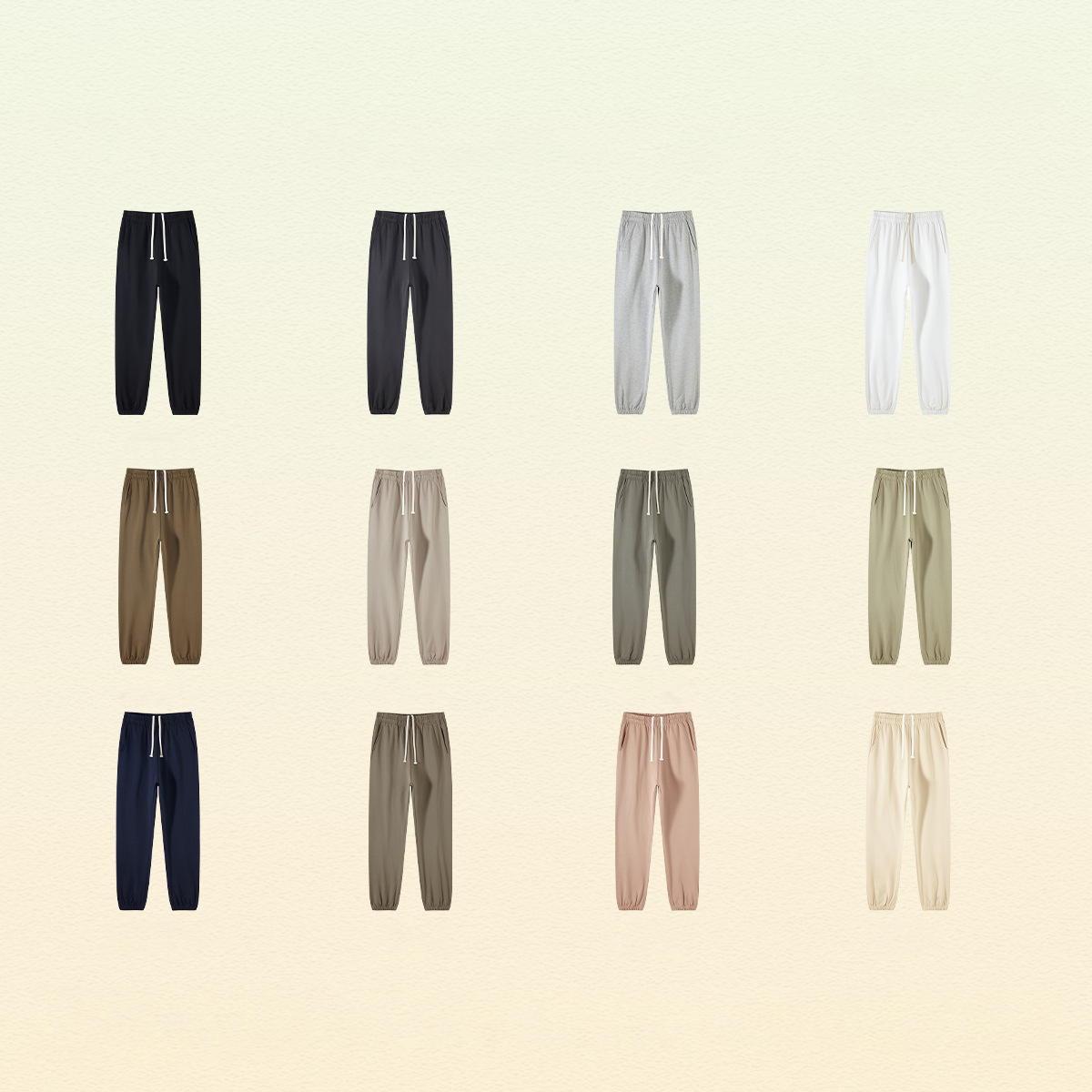
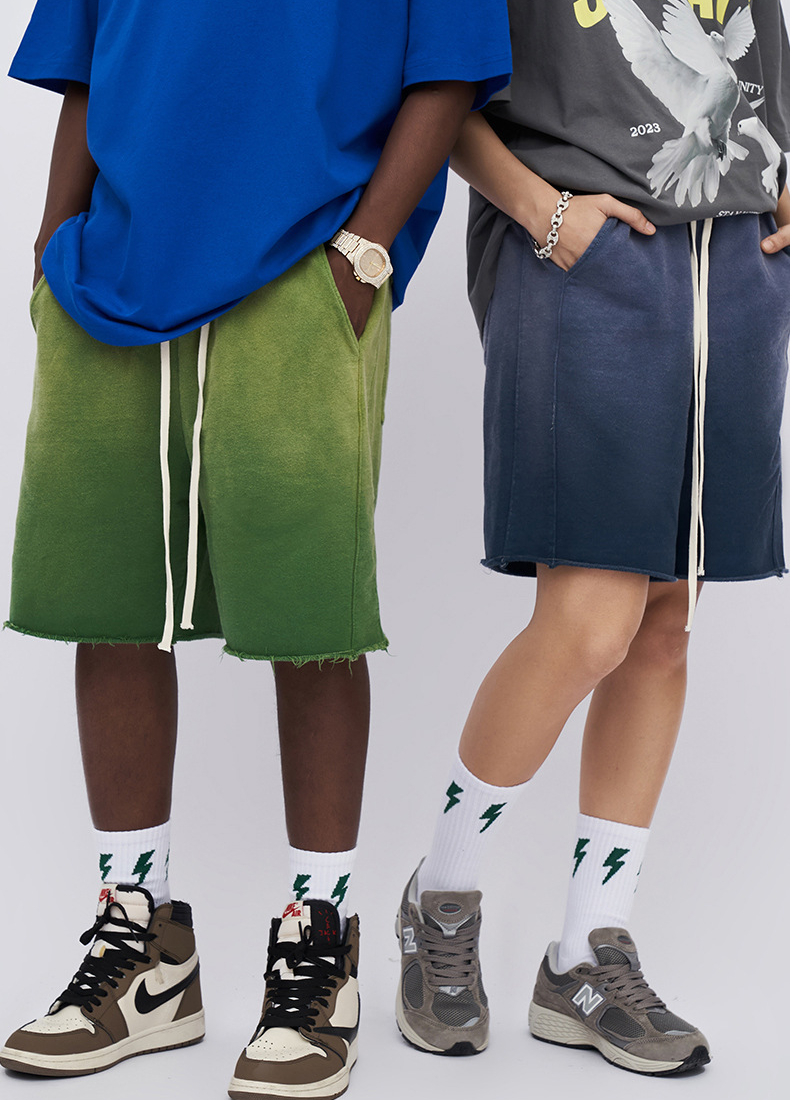
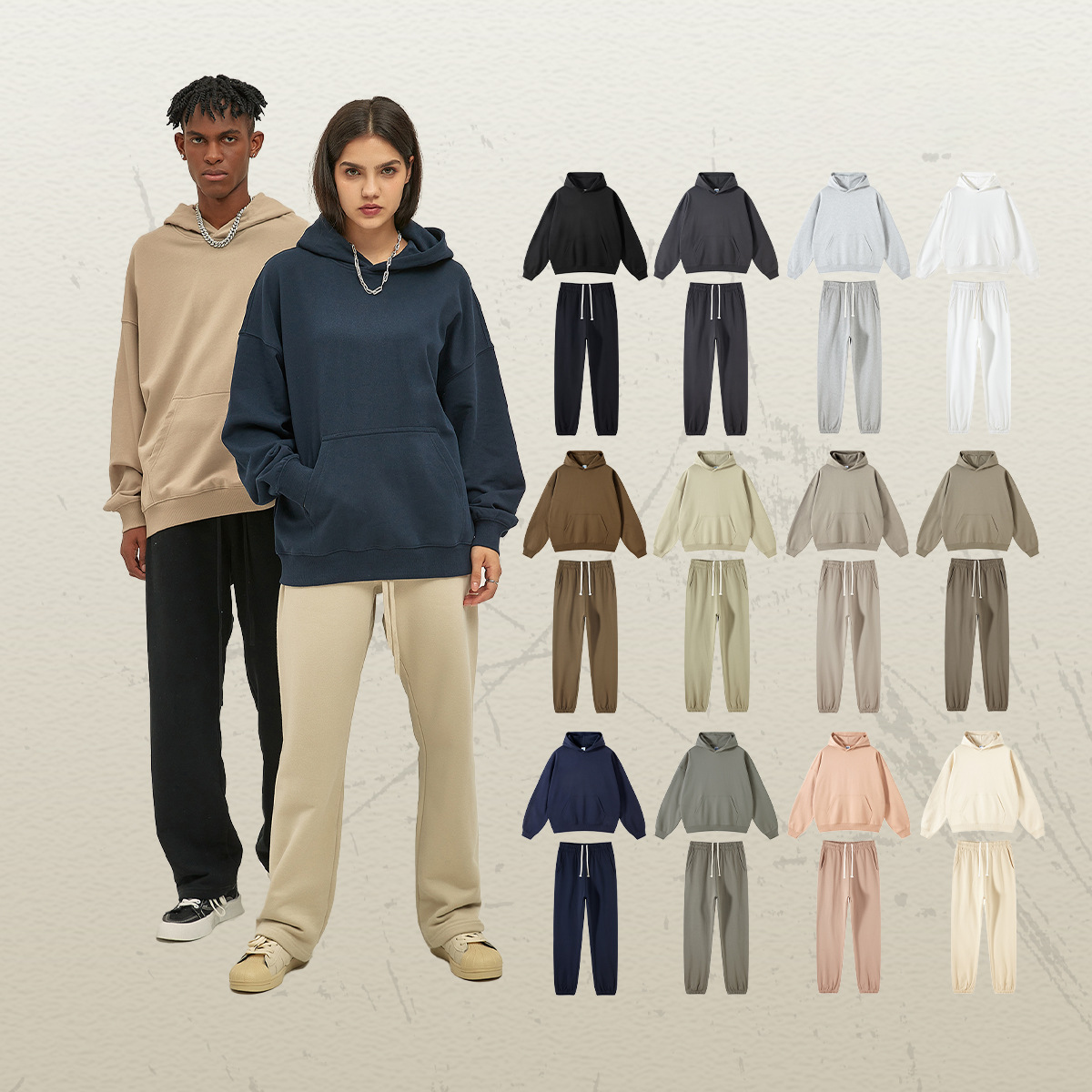
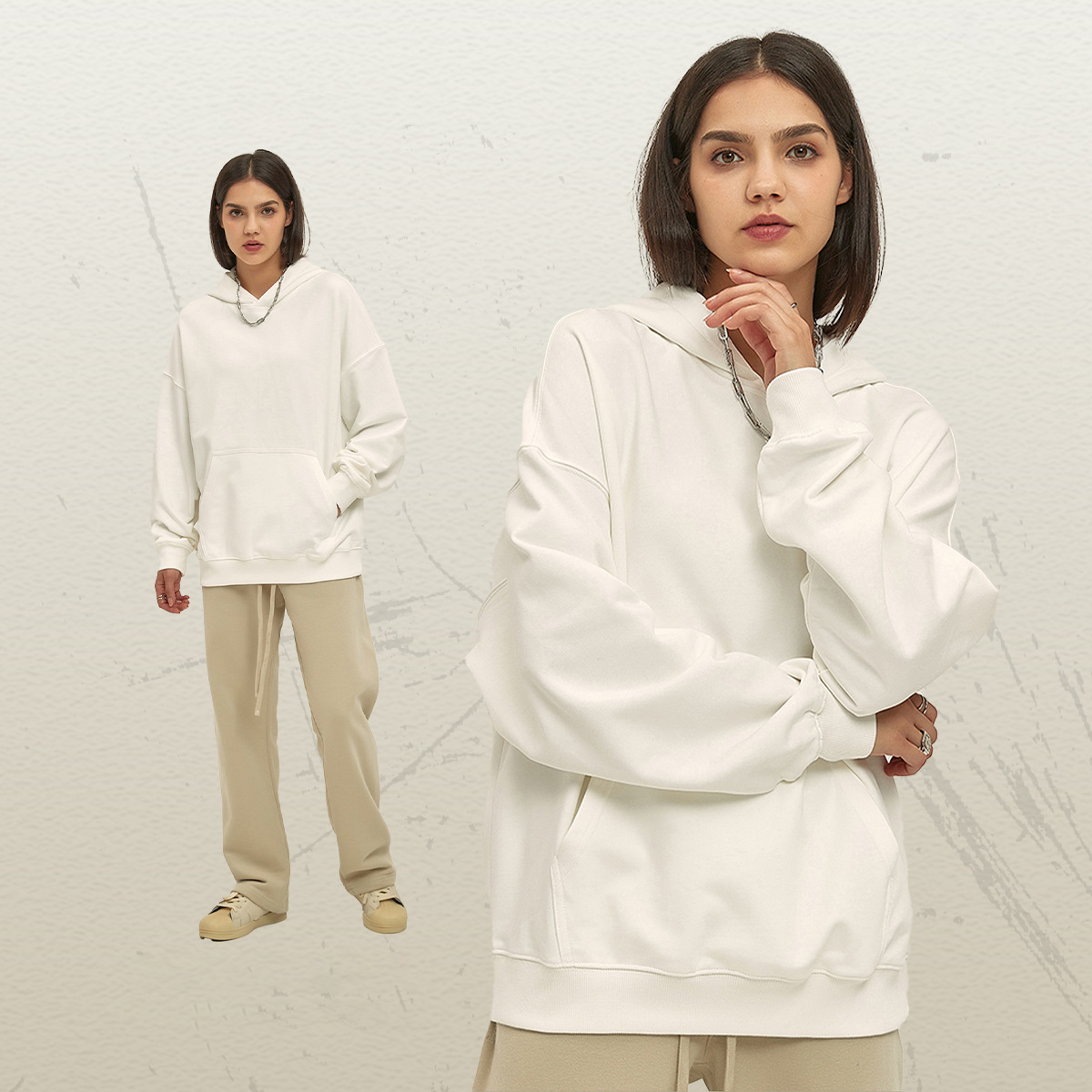
Embroidered Shorts & Custom Apparel Gallery
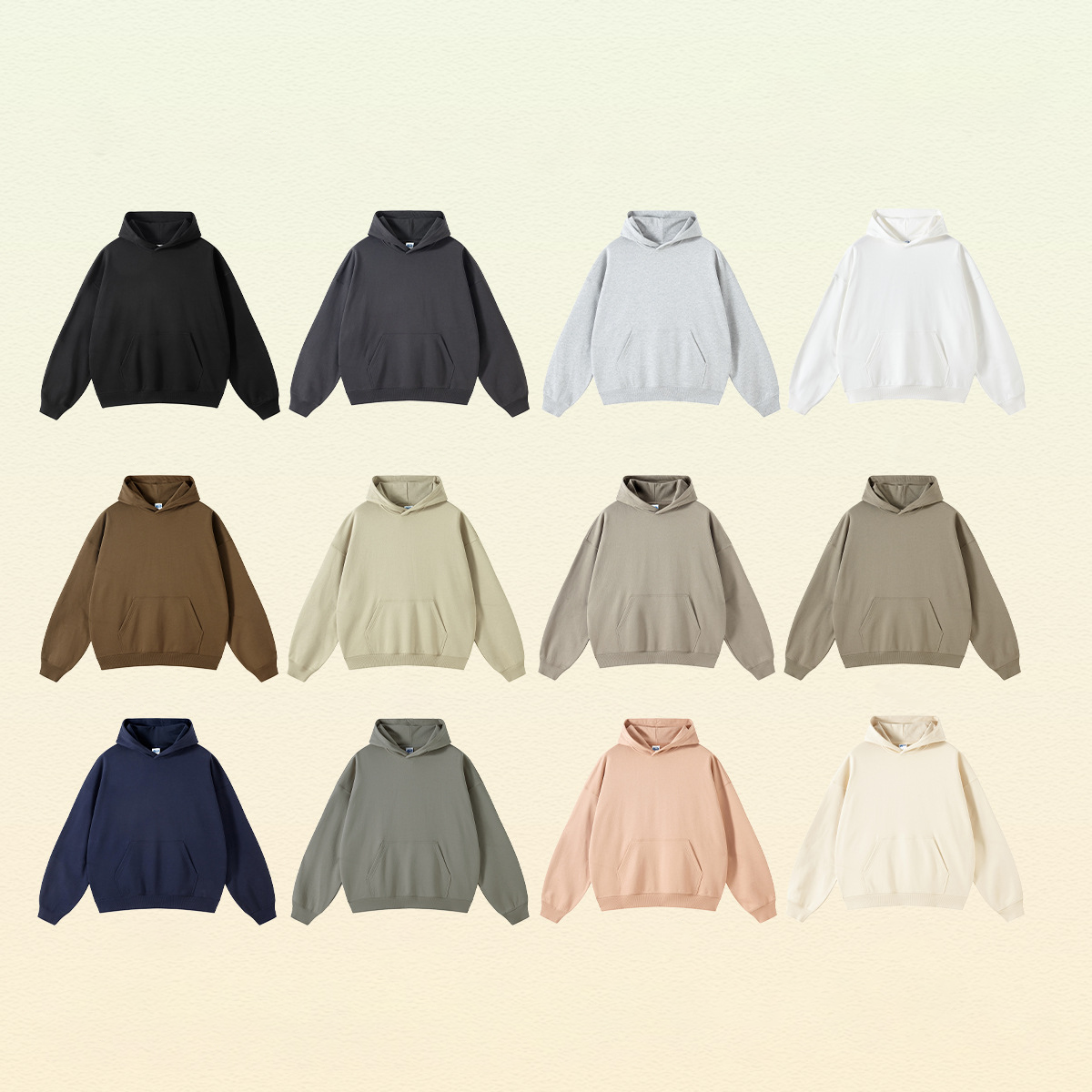
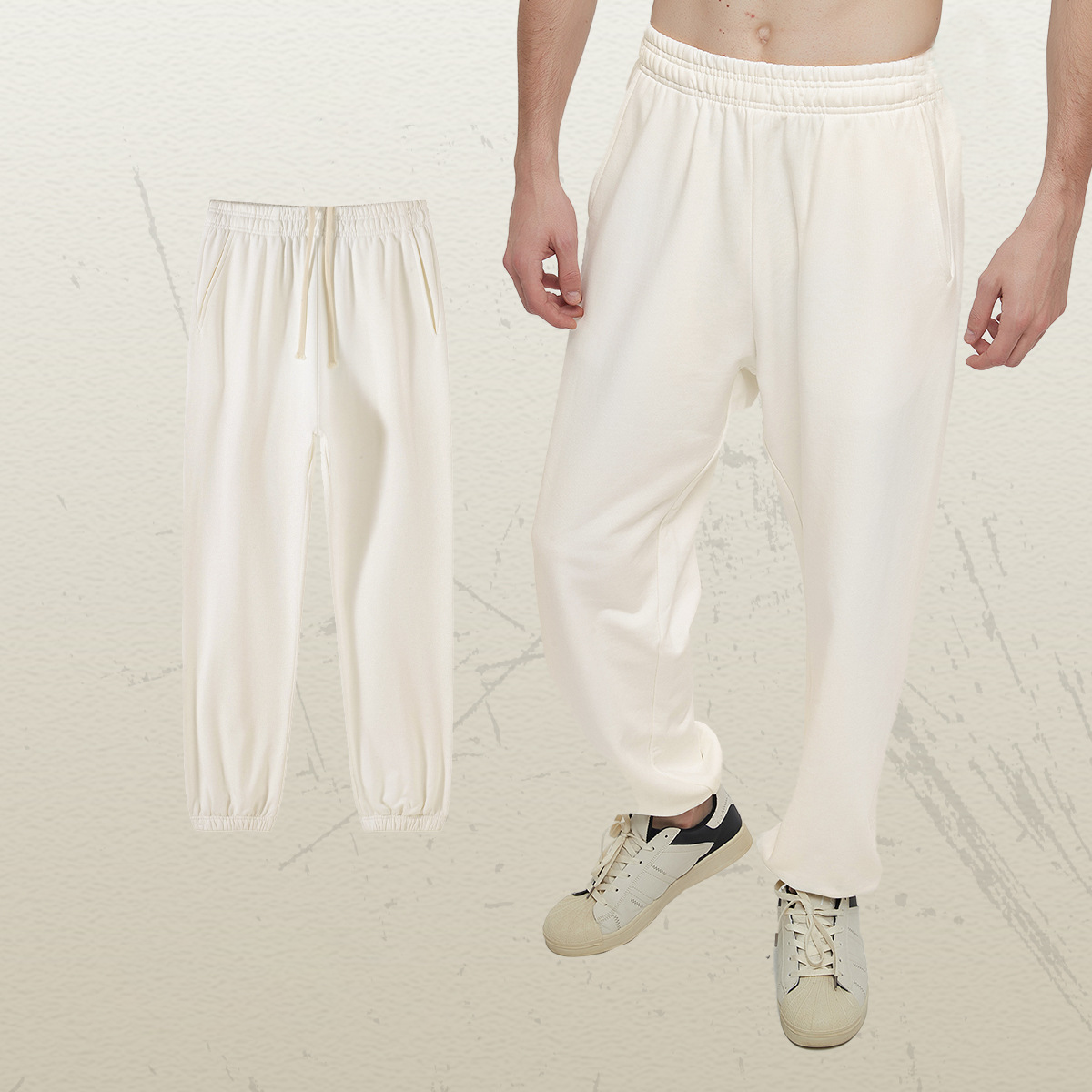
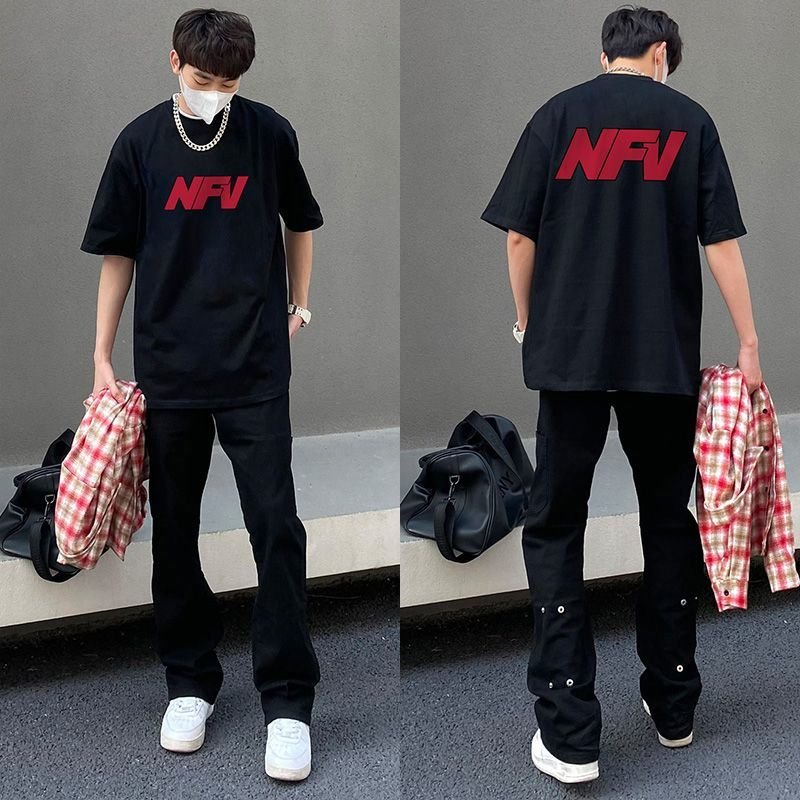
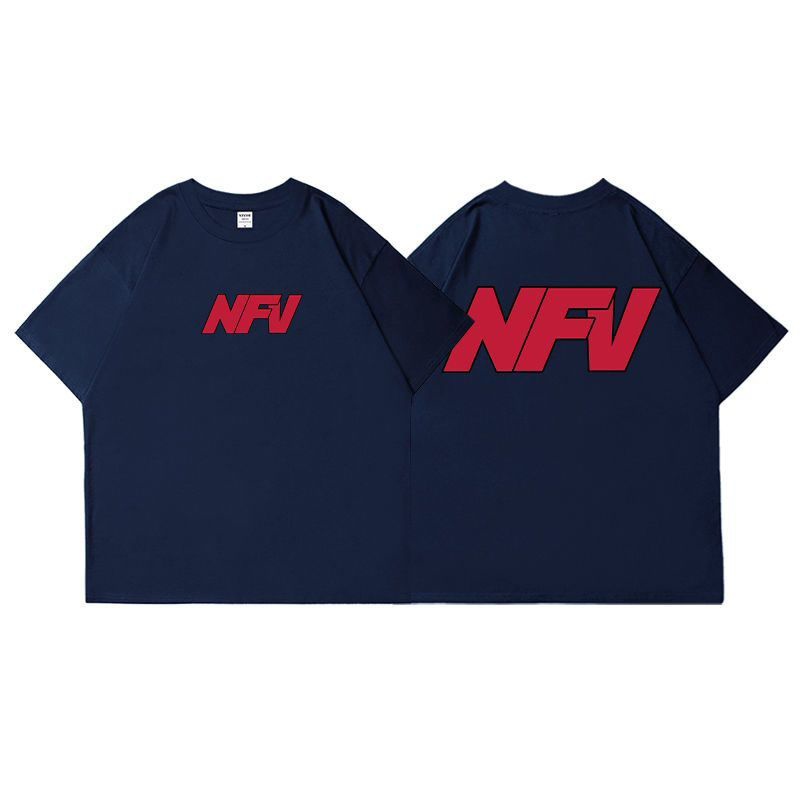
Why Brands Choose Our Embroidered Shorts Manufacturer
From emerging streetwear labels to established retailers, our embroidered shorts manufacturing combines premium craftsmanship, fast turnaround, and zero-compromise quality control to bring your vision to life.
5-Step QC Guarantee
Every embroidered short undergoes rigorous testing at materials, cutting, craft, sewing, and finished product stages—no defects slip through.
50-Piece Minimum Order
Launch your embroidered shorts line without massive inventory risk. Perfect for fashion startups and independent designers testing new collections.
7-Day Sample Turnaround
Approve your embroidered shorts design fast. Our in-house team delivers production-ready samples in one week to keep seasonal launches on schedule.
In-House Design Team
15-member R&D team with deep streetwear expertise translates your embroidery concepts into trend-driven shorts that resonate with your audience.
Streetwear Production Expertise
Six years specializing in streetwear manufacturing means we understand bold embroidery placements, oversized fits, and the cultural details that matter.
Global Shipping Support
Seamless logistics to over 100 countries. We handle customs, documentation, and delivery so your embroidered shorts reach you on time.
Embroidered Shorts Manufacturer for Every Style & Market
From athletic performance to streetwear edge, our embroidered shorts production adapts to your brand’s vision with full customization across categories.
Athletic Embroidered Shorts
Performance brands struggle to find manufacturers who can deliver technical fabrics with clean, durable embroidery that withstands intense activity and repeated washing without fraying or fading.
Our moisture-wicking fabrics paired with reinforced embroidery techniques produce athletic shorts that maintain logo clarity and structural integrity through hundreds of wash cycles and high-impact use.
Streetwear Embroidered Shorts
Streetwear brands need bold, trend-driven embroidered designs featuring oversized logos, graphic placements, and unique colorways, but most manufacturers lack the cultural fluency to execute authentic streetwear aesthetics.
Leveraging 6 years of streetwear specialization, we translate skeleton motifs, mystery symbols, and street-culture elements into embroidered shorts that resonate with trend-conscious audiences and influencer communities worldwide.
Custom Logo Shorts
Startups and independent designers face high minimums and long lead times when requesting custom embroidered logo placements, making it difficult to test new designs or launch limited capsule collections affordably.
With a 50-piece MOQ and 7-day sampling, emerging brands can prototype custom embroidered logo shorts quickly, validate market demand, and scale production confidently backed by our 5-step quality control guarantee.
Vintage Wash Embroidered Shorts
Achieving the perfect vintage aesthetic requires precise coordination between garment dyeing, washing techniques, and embroidery timing—most factories either damage the embroidery or produce inconsistent wash effects across batches.
Our integrated production workflow applies vintage wash treatments at the optimal stage, preserving embroidery detail while delivering authentic worn-in textures and color variations that give every piece a unique, premium character.
Premium Fabrics for Embroidered Shorts Manufacturer
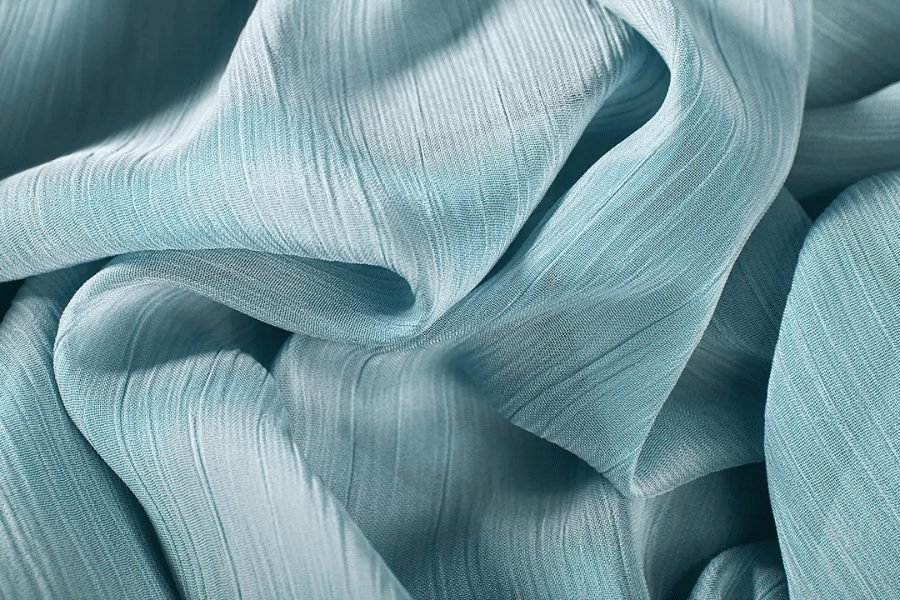
100% Cotton Terry
Soft, breathable, and absorbent with a plush looped finish. Perfect for loungewear and casual embroidered shorts. Mid-weight construction (280–320 GSM) delivers comfort without bulk, ideal for year-round wear and intricate embroidery detail.
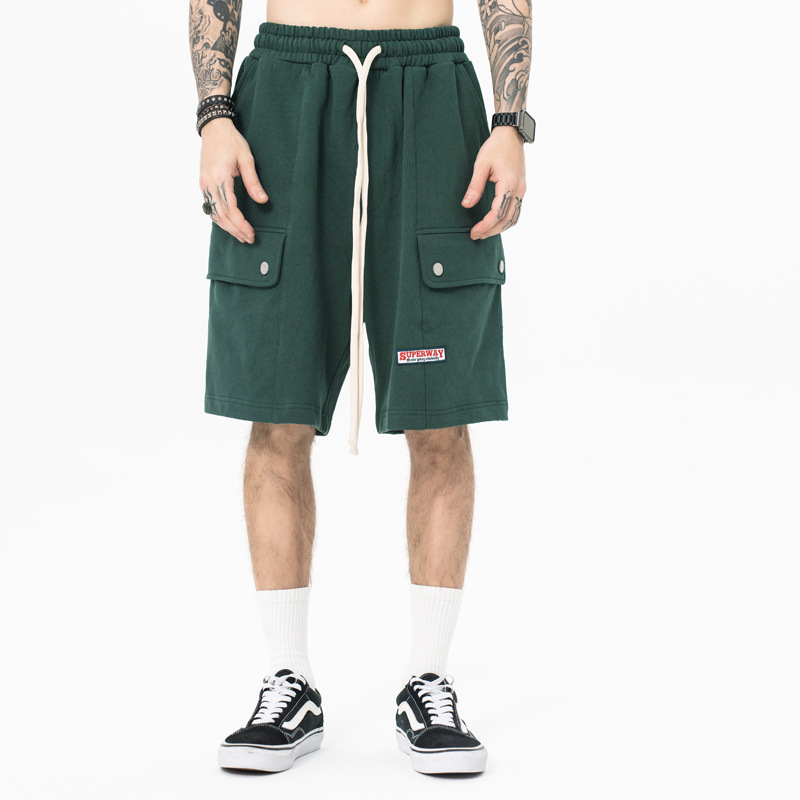
Cotton-Poly Blend
Balanced 60/40 or 80/20 cotton-polyester blend offering wrinkle resistance and shape retention. Excellent for active streetwear shorts with embroidered logos. Smooth hand-feel and enhanced color vibrancy make embroidery pop on every wash.
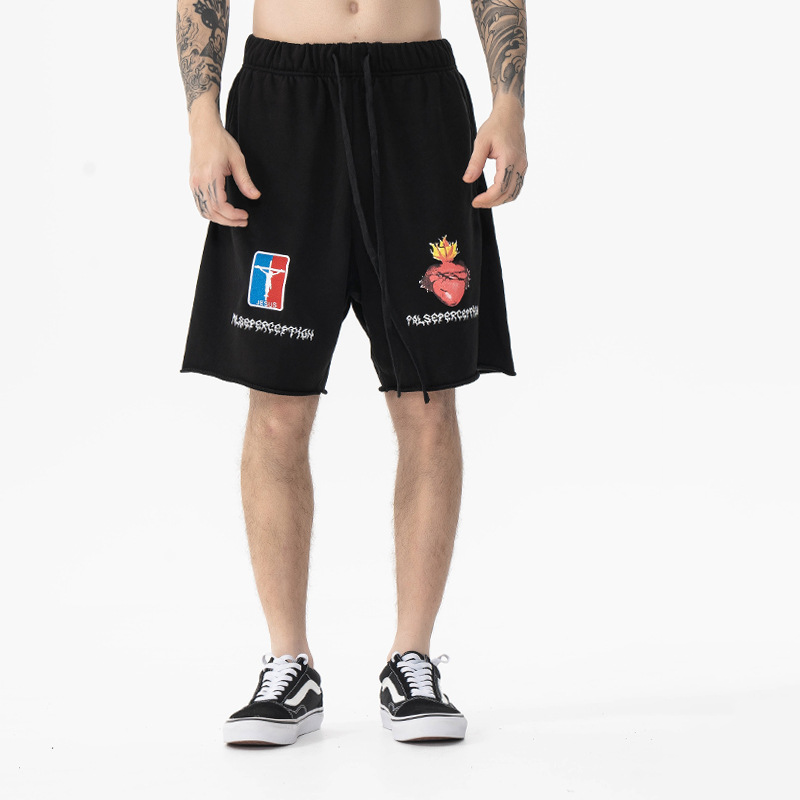
Heavyweight Cotton Twill
Durable diagonal weave construction at 320–400 GSM for structured, premium embroidered shorts. Holds complex embroidery without puckering. Ideal for workwear-inspired streetwear lines and brands demanding long-lasting, high-quality garments.
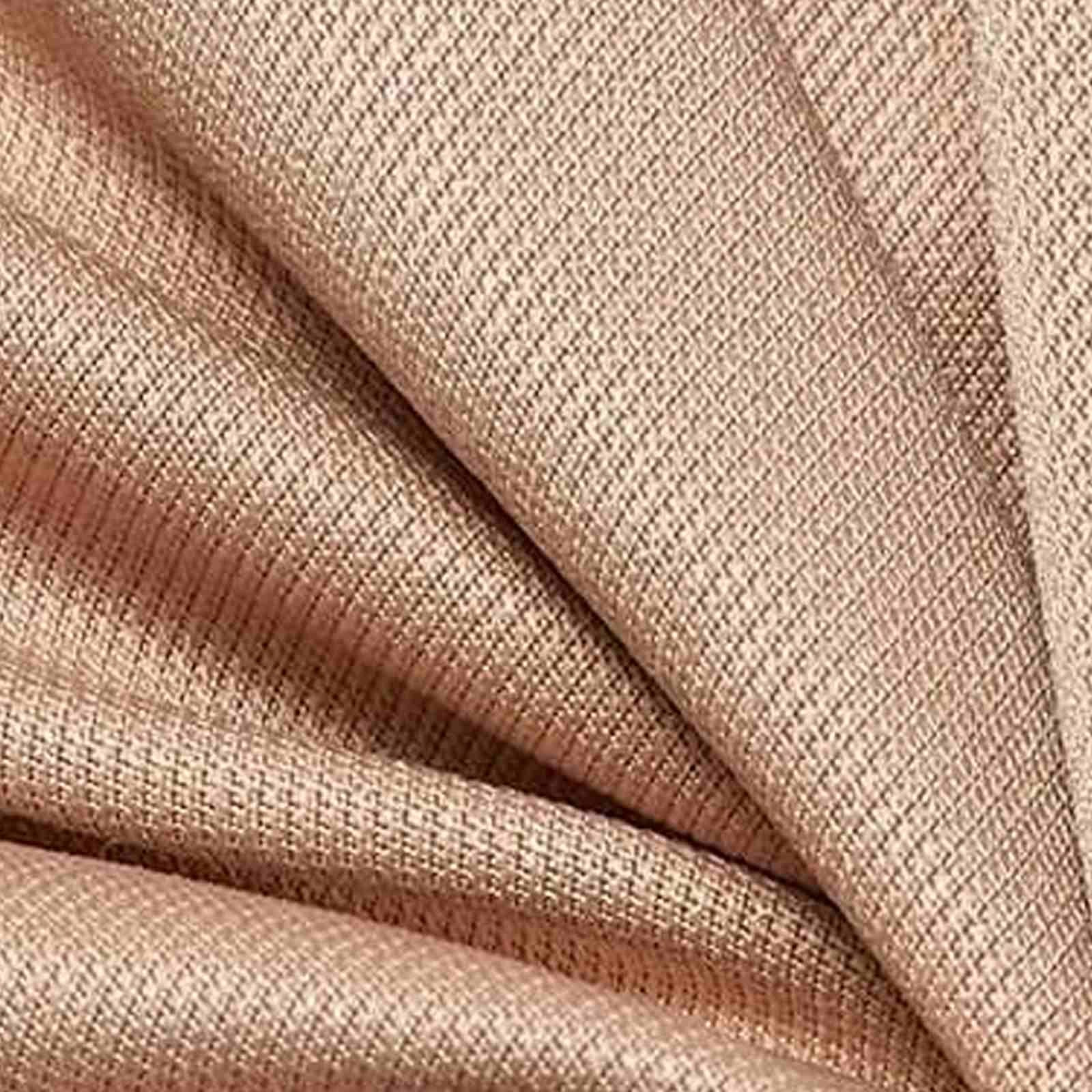
Performance Mesh
Lightweight, moisture-wicking polyester mesh with four-way stretch for athletic embroidered shorts. Open-knit structure ensures breathability during activity. Technical fabric supports heat-transfer embroidery and direct embroidery on reinforced panels for sport-inspired collections.
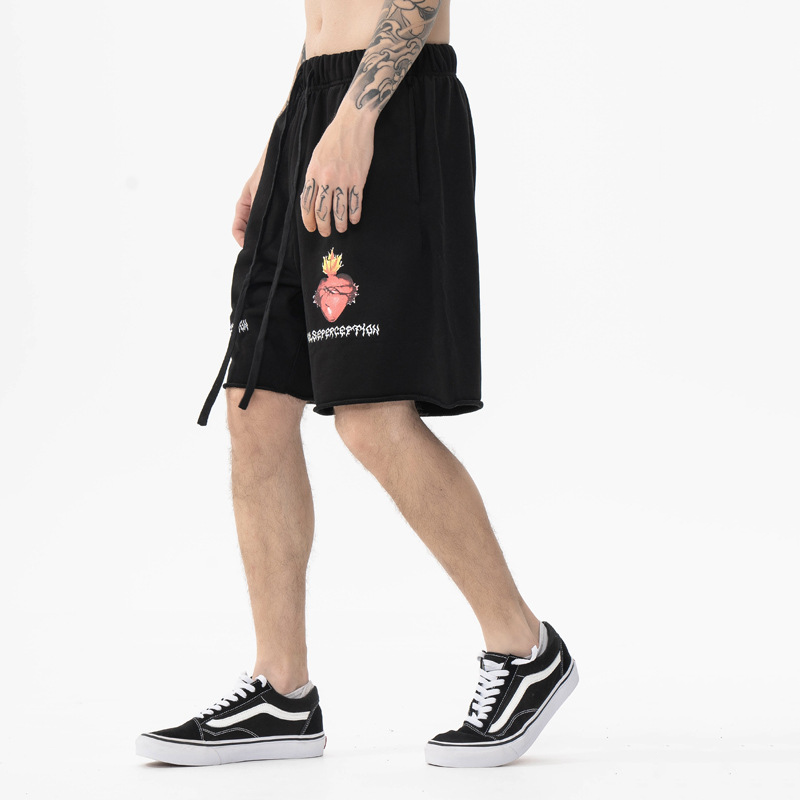
Vintage Wash Denim
Pre-washed 10–12 oz denim with authentic faded character and soft broken-in feel. Perfect canvas for bold embroidered graphics on retro streetwear shorts. Enzyme-washed finish reduces shrinkage and enhances embroidery contrast for standout designs.
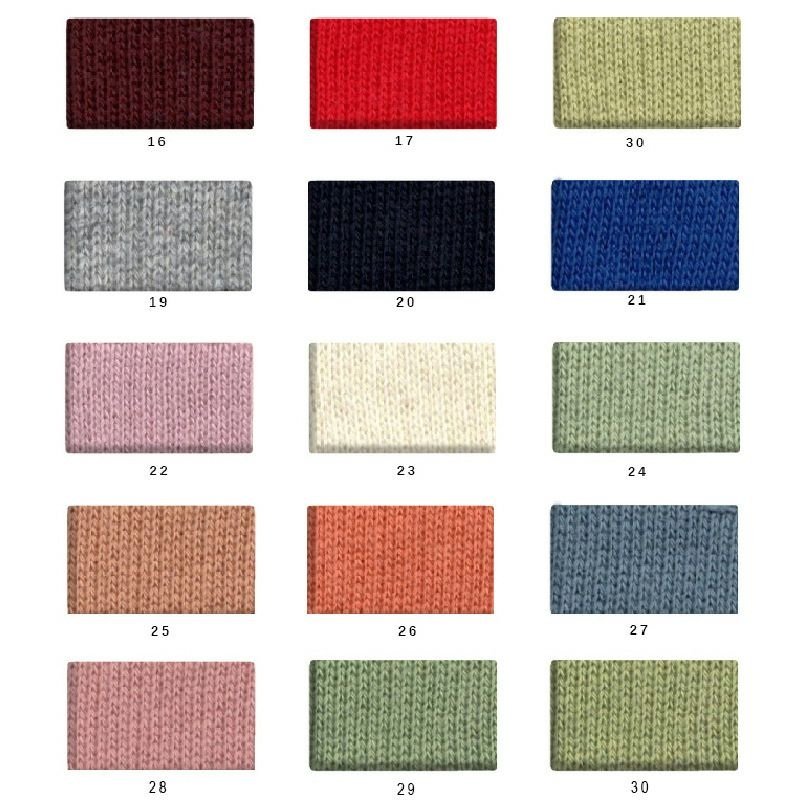
French Terry
Smooth face with soft looped backing for luxurious comfort in premium embroidered shorts. Mid-weight 260–300 GSM fabric drapes beautifully and stabilizes embroidery threads. A streetwear staple for elevated casual collections and influencer brand launches.
Embroidery & Printing Techniques for Custom Shorts
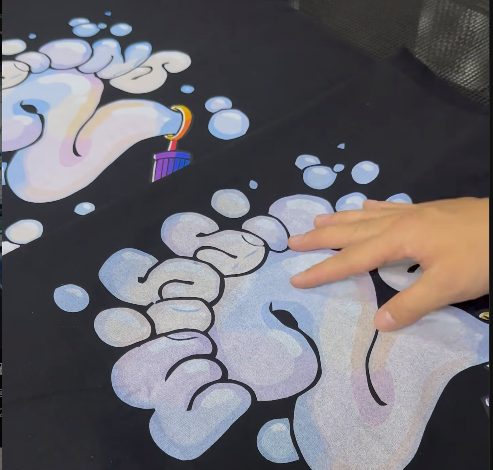
Chenille Embroidery
Plush, raised lettering and logos that create a vintage varsity aesthetic. Extremely durable and wash-resistant, chenille embroidery adds tactile dimension and premium appeal to streetwear shorts collections.
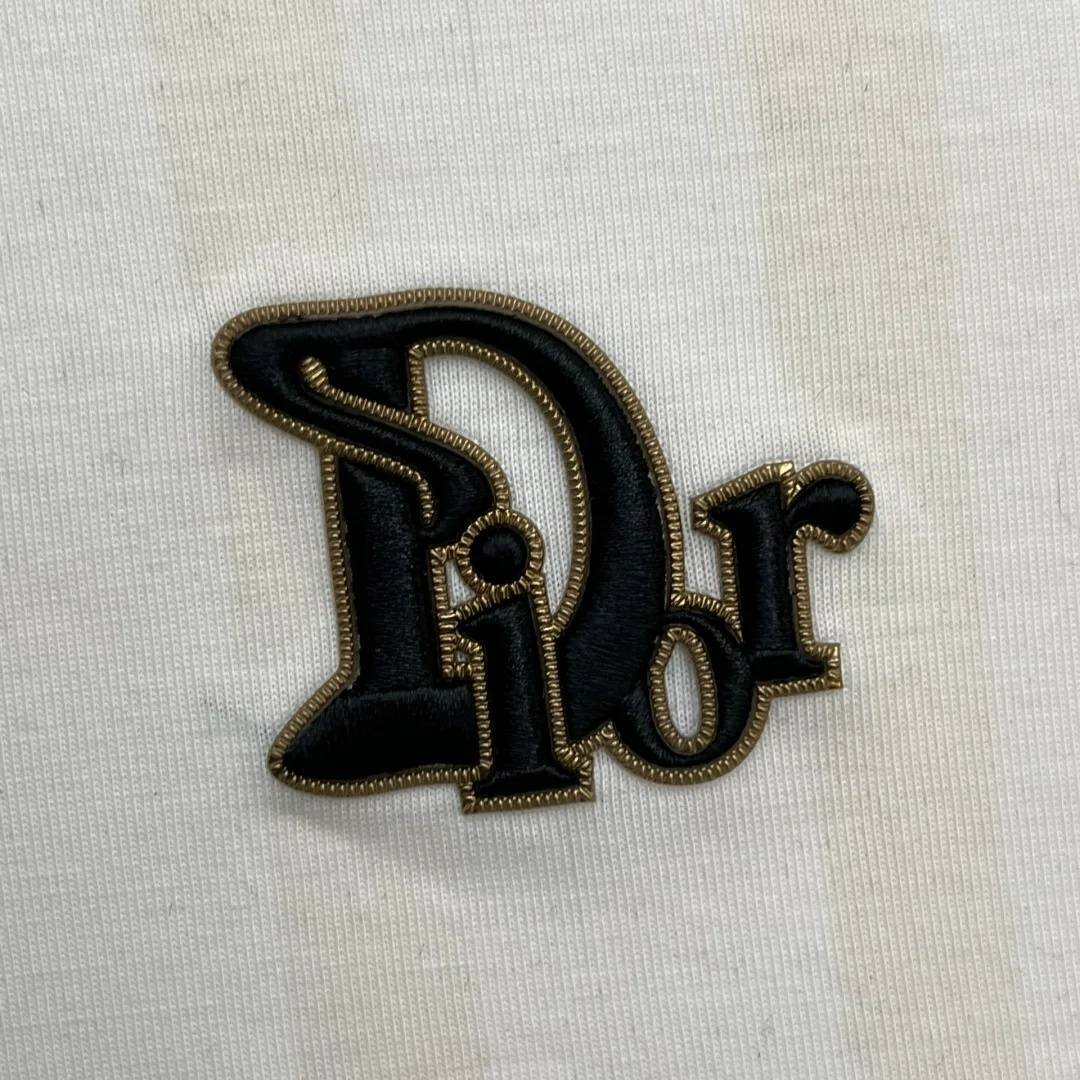
3D Puff Embroidery
Bold, raised embroidery using foam underlay for dramatic three-dimensional effects. Ideal for logos and graphics that demand attention, this technique delivers standout visual impact with excellent colorfastness.
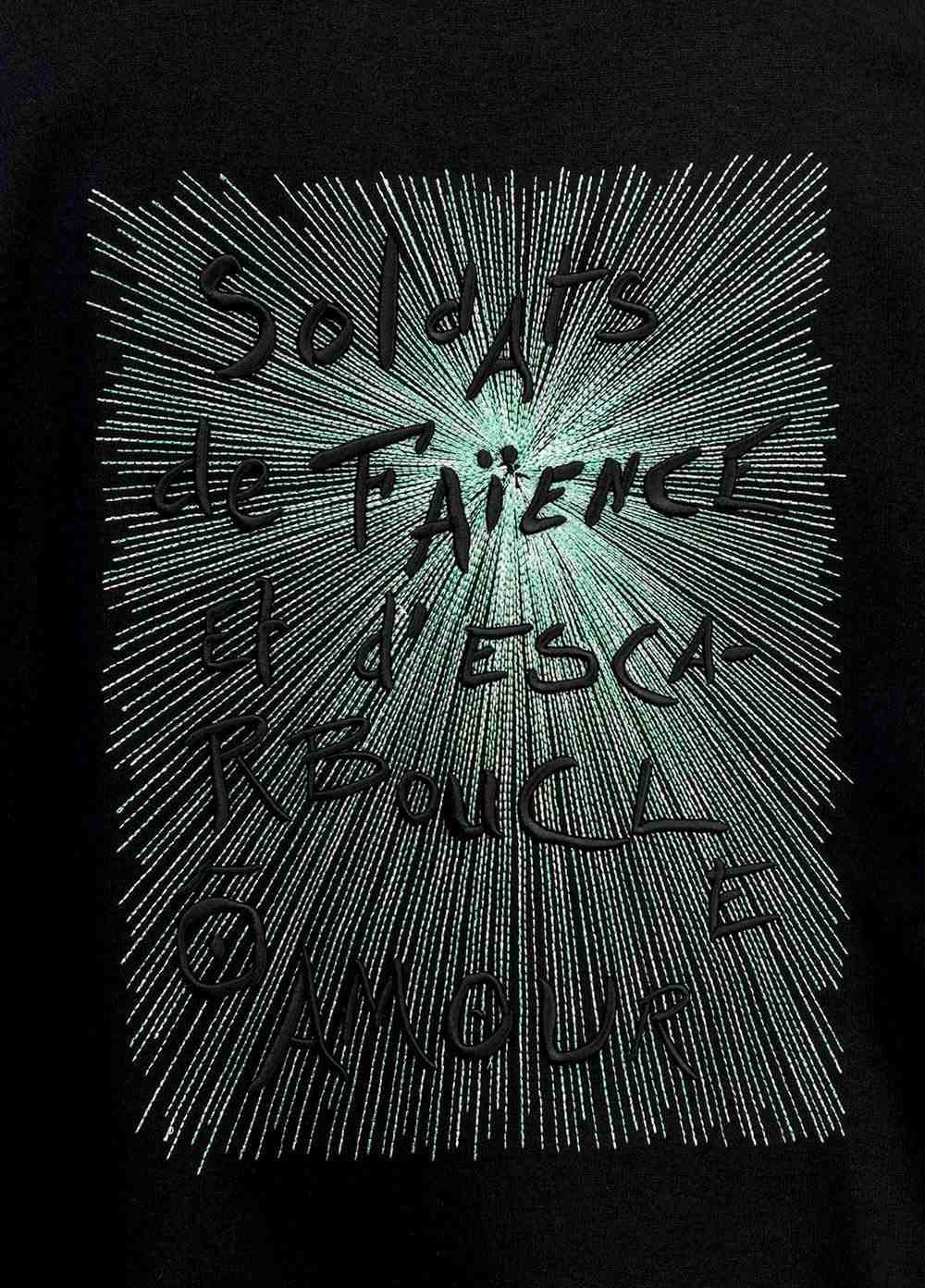
Flat Embroidery
Classic, smooth stitching perfect for intricate designs, text, and fine details. Offers clean, professional aesthetics with exceptional durability through hundreds of wash cycles—our most versatile embroidery option.
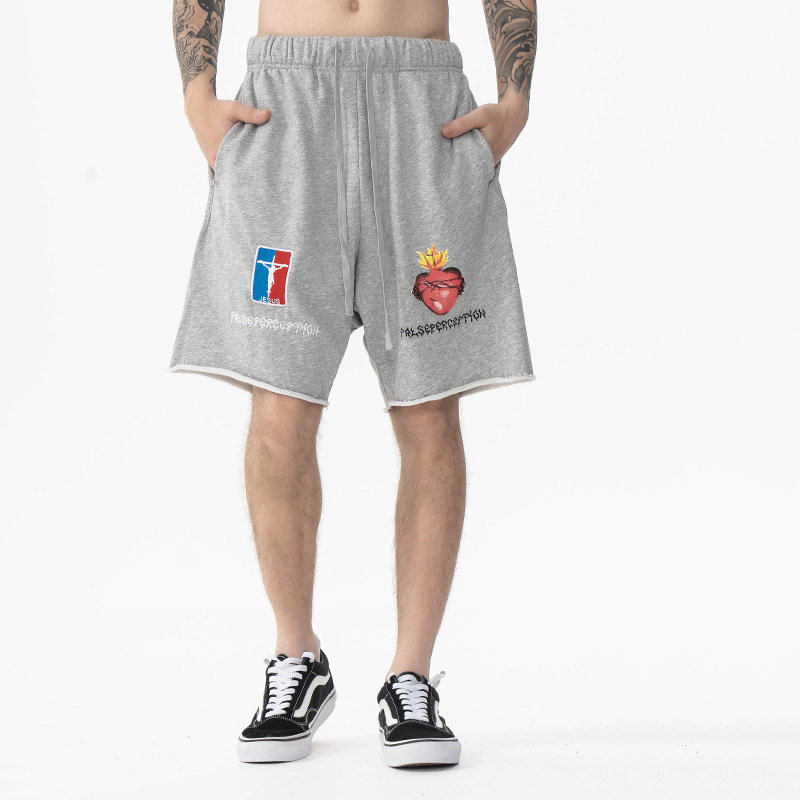
Screen Printing
Vibrant, opaque ink application for bold graphics and multi-color designs. Delivers sharp edges and excellent color saturation with superior wash durability, perfect for large-scale streetwear branding on shorts.
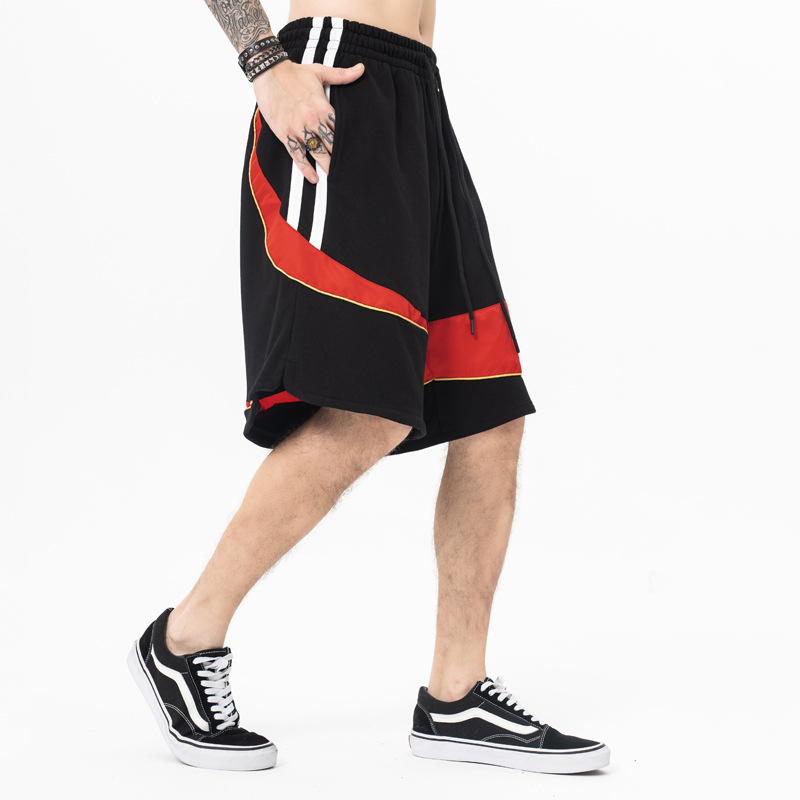
Sublimation Printing
Full-color, all-over prints infused directly into fabric fibers for seamless, breathable designs. Creates photographic-quality patterns and gradients that never crack, peel, or fade—ideal for performance and fashion shorts.
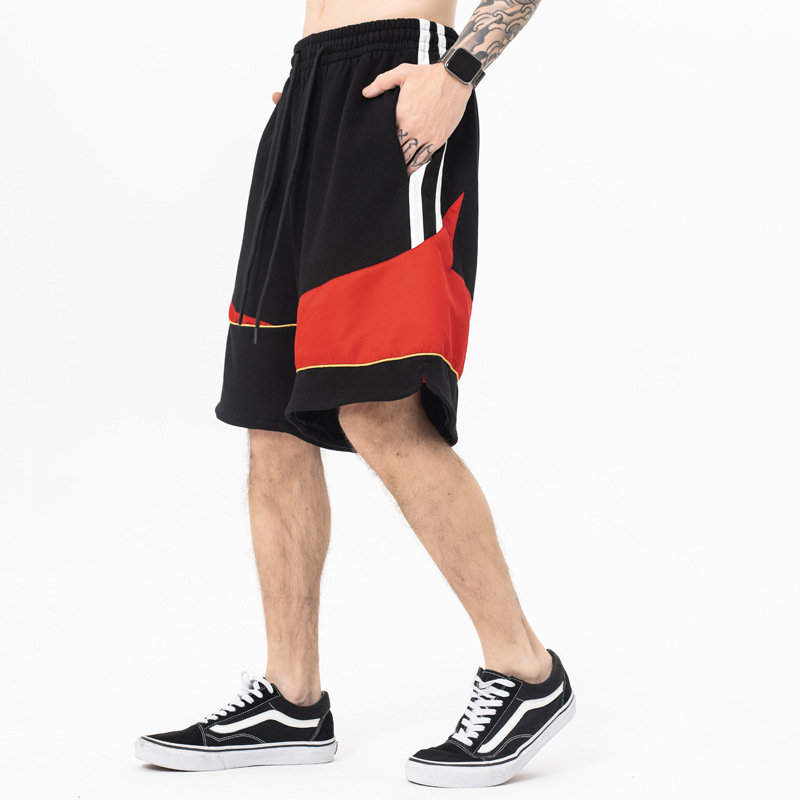
Distressed Finishing
Specialized washing and treatment techniques that create authentic vintage, worn-in aesthetics. Adds unique character and streetwear edge to embroidered shorts while maintaining structural integrity and comfort.
Custom Hardware & Finishing Details for Embroidered Shorts
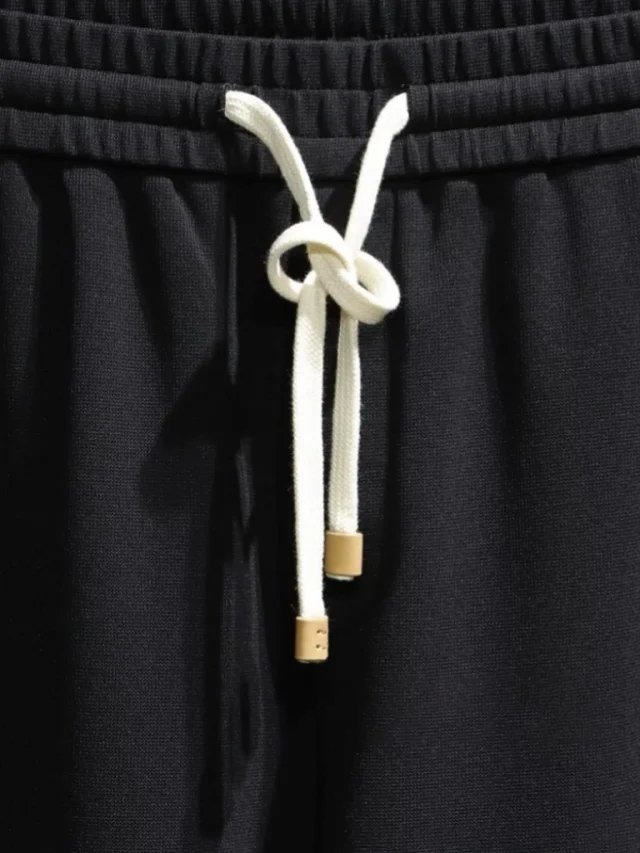
Rope Drawstrings
Premium cotton or polyester drawcords in custom colors and widths. Perfect for waistband closures on embroidered shorts, offering both functional adjustability and a signature streetwear aesthetic that complements your embroidered designs.
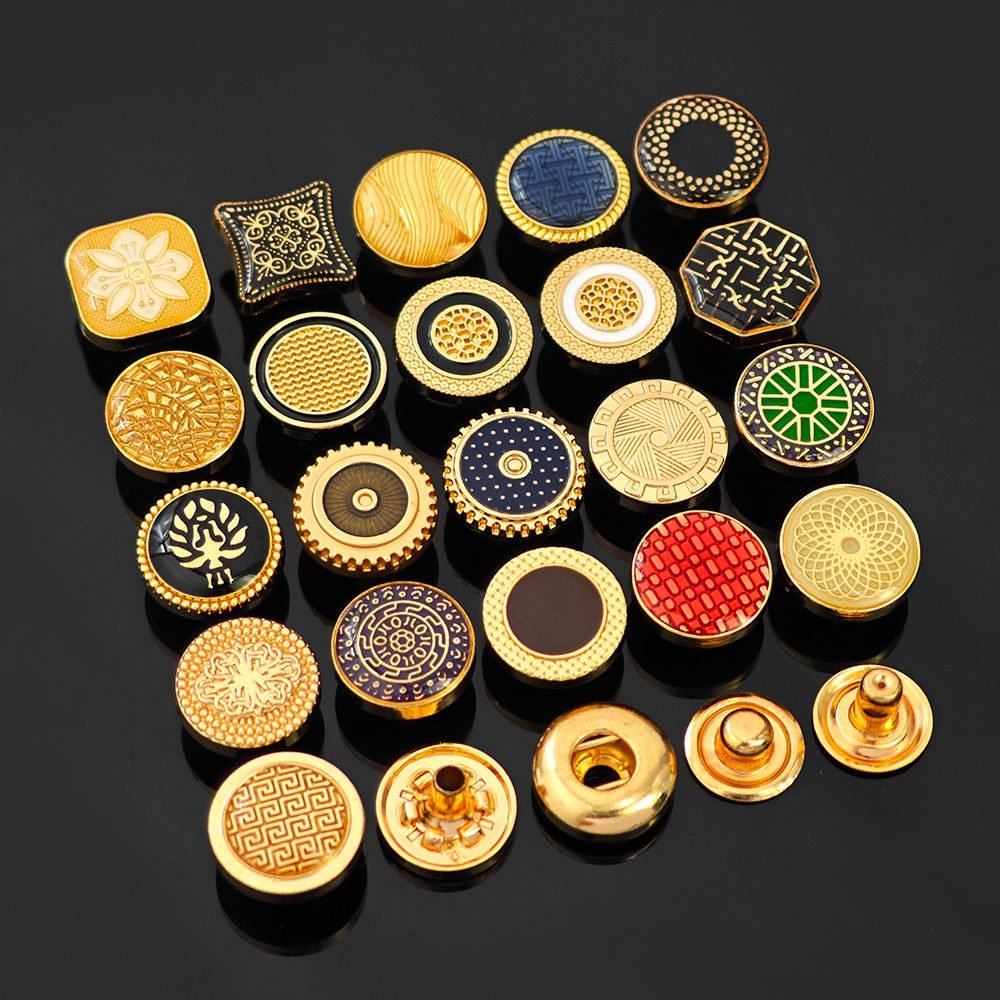
Snap Buttons
Durable metal or resin snap closures in brushed, polished, or custom finishes. Ideal for cargo pockets, waistband adjustments, and decorative accents on embroidered shorts, adding functional hardware that withstands repeated wear.
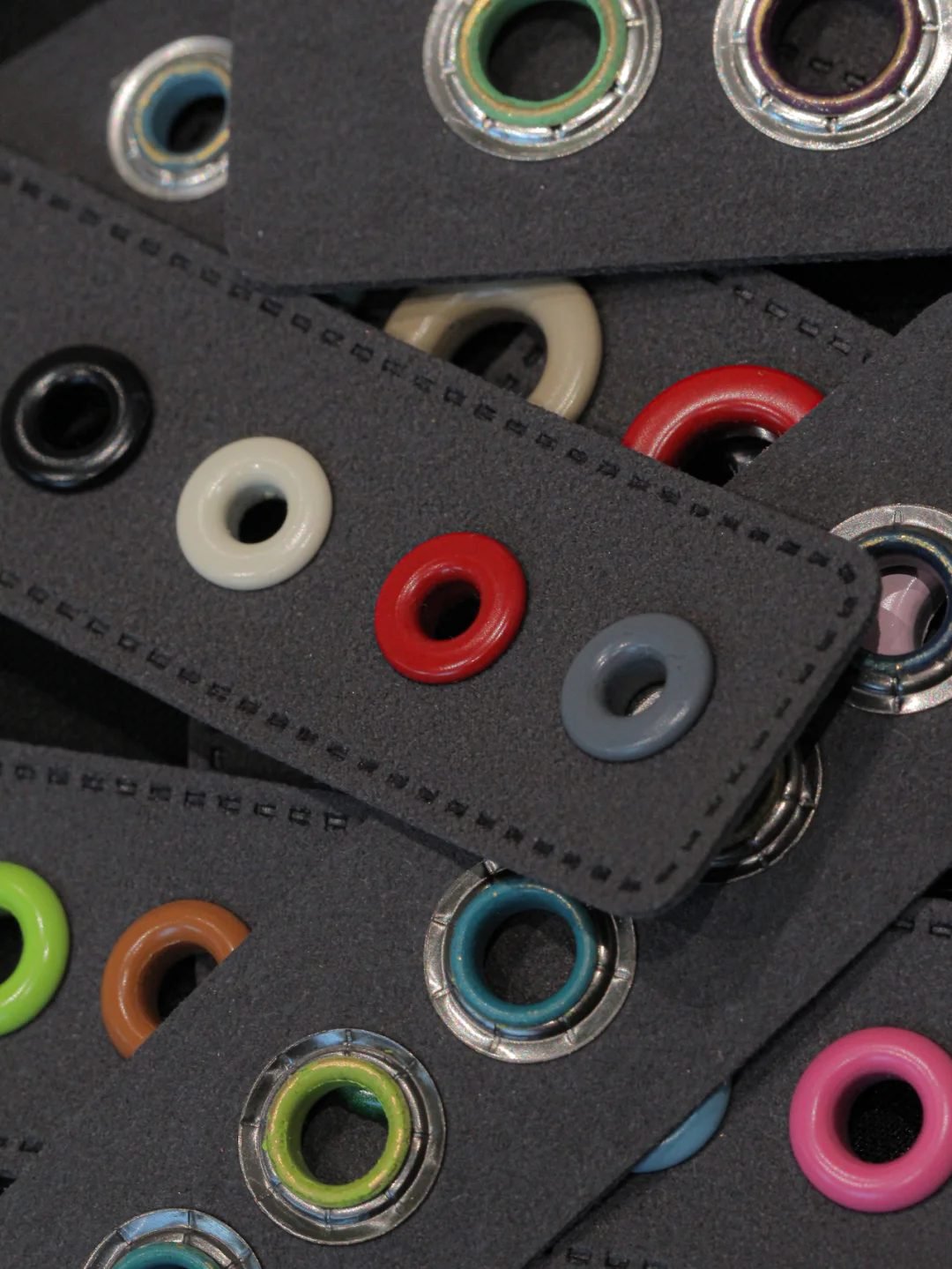
Metal Eyelets
Reinforced brass or stainless steel grommets for drawstring channels and ventilation details. Essential hardware for embroidered shorts that prevents fabric tear, ensures longevity, and delivers an industrial streetwear edge to your designs.
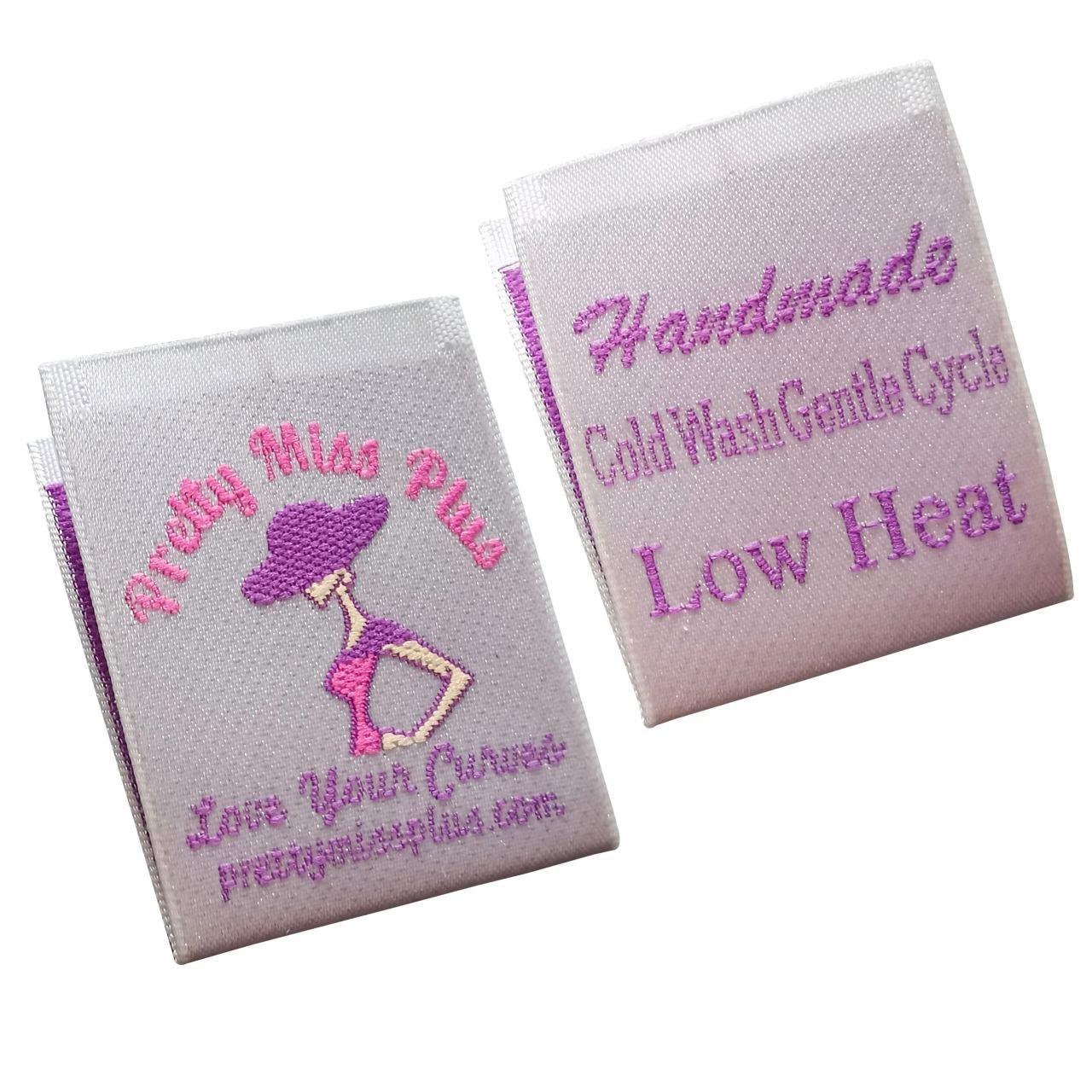
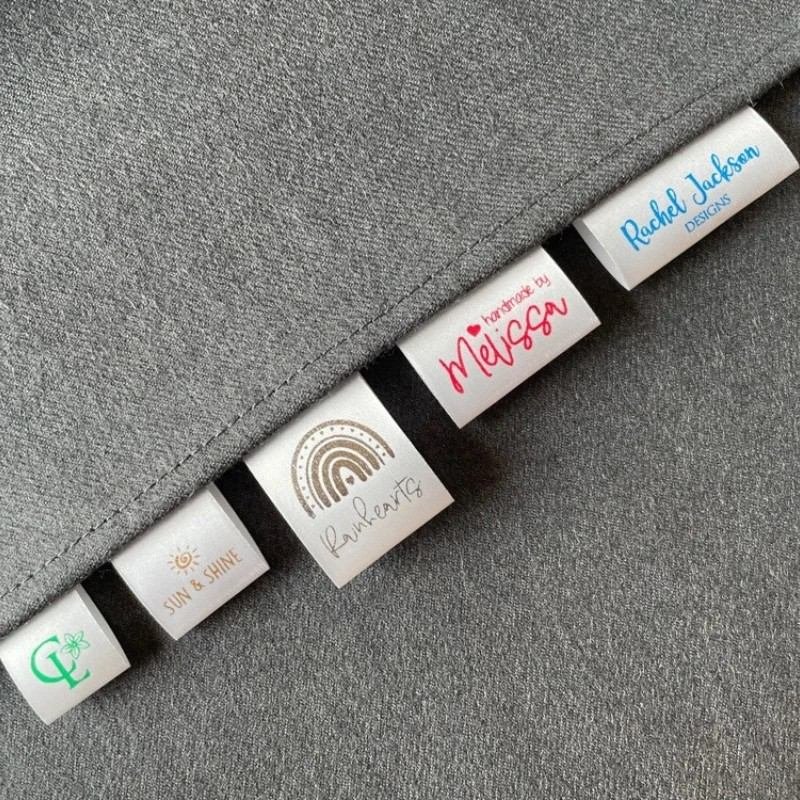
Woven Labels
High-definition damask or satin woven brand labels with custom logos and care instructions. Sewn into waistbands or side seams of embroidered shorts, these premium tags communicate quality and reinforce brand recognition with every wear.
Custom Hangtags
Printed or embossed hangtags in custom shapes, materials, and finishes. Attached to embroidered shorts at point of sale, they tell your brand story, showcase design details, and create a memorable unboxing experience for customers.
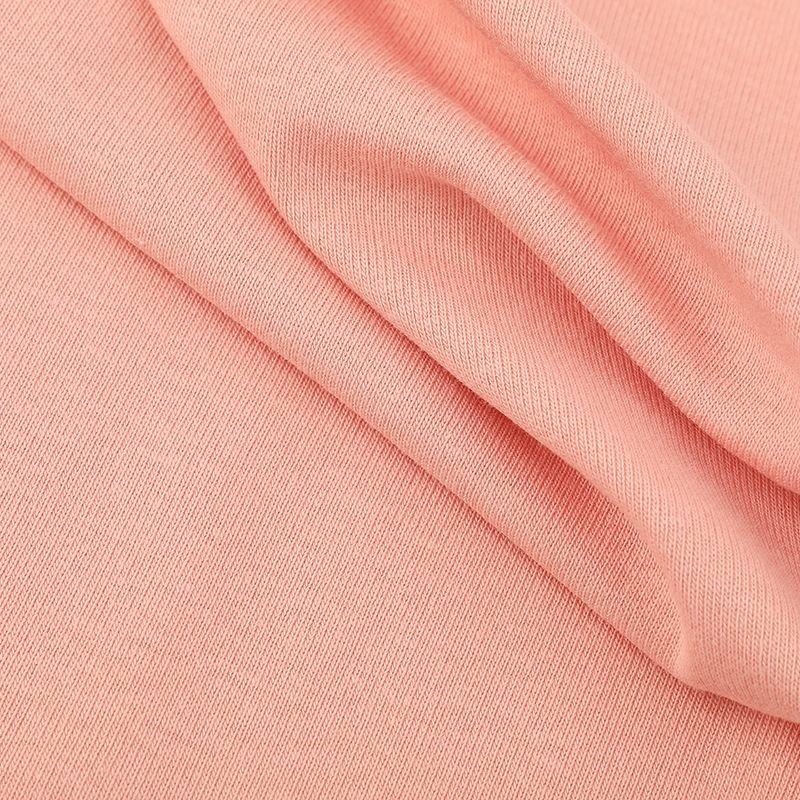
Distressed Effects
Artisan-applied vintage washes, fraying, and abrasion techniques. Applied to embroidered shorts for authentic streetwear character, these finishing treatments add depth and texture while maintaining the integrity of your embroidery work and fabric quality.
Your Trusted Embroidered Shorts Manufacturer
Founded in 2024 by Tesla Luo, Clothing Manufacturer Ltd. was built on a mission to restore quality standards in Chinese garment manufacturing. With over 10 years of production experience and 6 years specializing in streetwear, we serve trendy brands, startups, independent designers, and retailers across 100+ countries with rigorous quality control at every production stage.
Our 15-person R&D team and 10 patents drive innovation in embroidered shorts manufacturing, combining trend-driven designs with premium craftsmanship. We offer low MOQs for emerging brands, fast turnaround for seasonal collections, and comprehensive global shipping support to bring your vision to life.
What sets us apart is our zero-compromise approach: a proprietary 5-step QC guarantee that tests materials, cutting, craft, sewing, and finished garments. We partner with brands at every growth stage, ensuring every embroidered short meets the standards your customers expect and your brand deserves.
Our 5-Step Quality Control Process for Embroidered Shorts
Materials QC Testing Before Production Begins
Every fabric roll, thread spool, and embroidery material undergoes rigorous inspection before entering production. We verify weight, colorfastness, shrinkage rates, and embroidery compatibility to ensure your embroidered shorts manufacturer delivers only premium-grade materials that meet streetwear durability standards.
- Fabric weight and density verification against specifications
- Colorfastness testing for wash and light resistance
- Thread tensile strength and embroidery stability checks
- Pre-production material documentation and approval
Cutting QC Testing for Precision Patterns
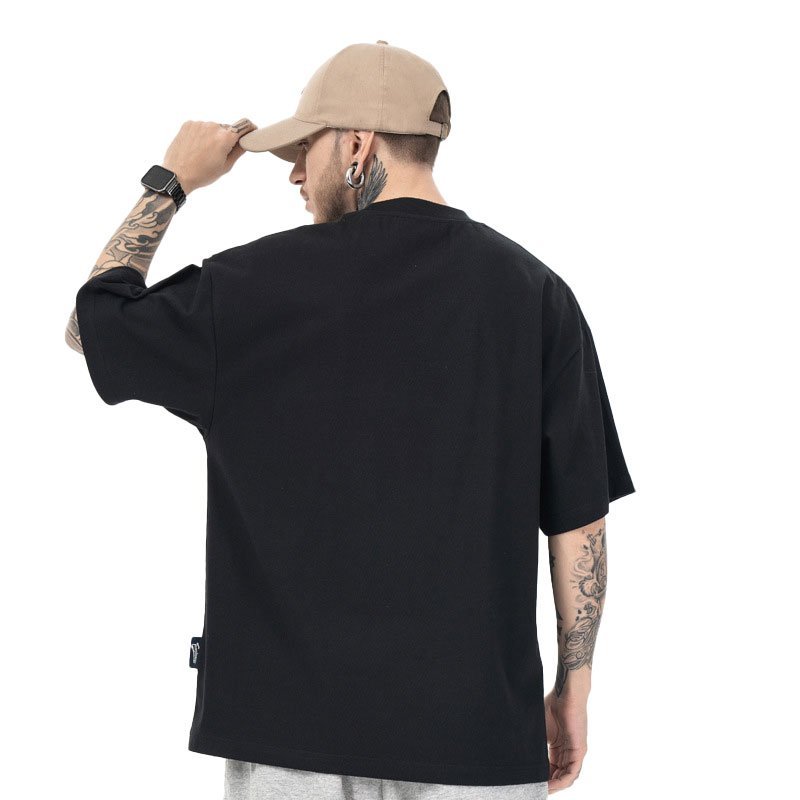
After materials pass inspection, our cutting stage QC ensures every pattern piece is accurate to the millimeter. Pattern alignment, grain direction, and embroidery placement zones are verified before sewing begins, eliminating fit issues and embroidery distortion that plague brands working with less rigorous manufacturers.
- Digital pattern verification against approved tech packs
- Grain direction and stretch orientation checks
- Embroidery placement zone marking and validation
- Size grading accuracy inspection across all pieces
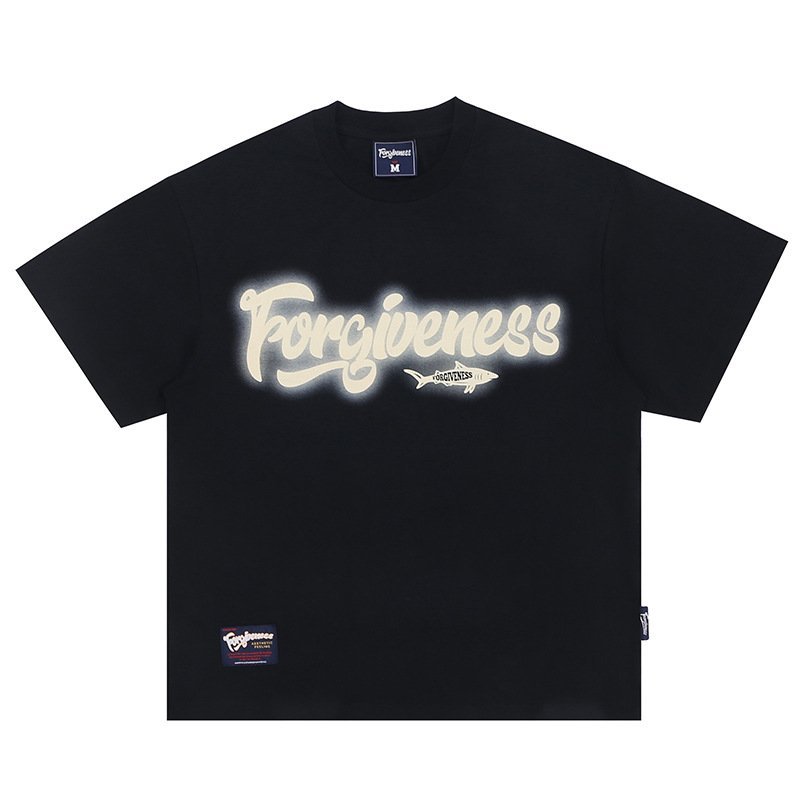
Clothing Craft QC During Active Production
Unlike manufacturers who skip mid-production checks, we test construction techniques and embroidery execution as garments move through the line. Stitch density, seam strength, embroidery tension, and design alignment are monitored in real-time, catching and correcting defects immediately rather than discovering them at final inspection.
- Real-time embroidery tension and thread break monitoring
- Seam strength and stitch-per-inch verification
- Design alignment checks at every embroidery station
- Immediate correction protocols for any deviations
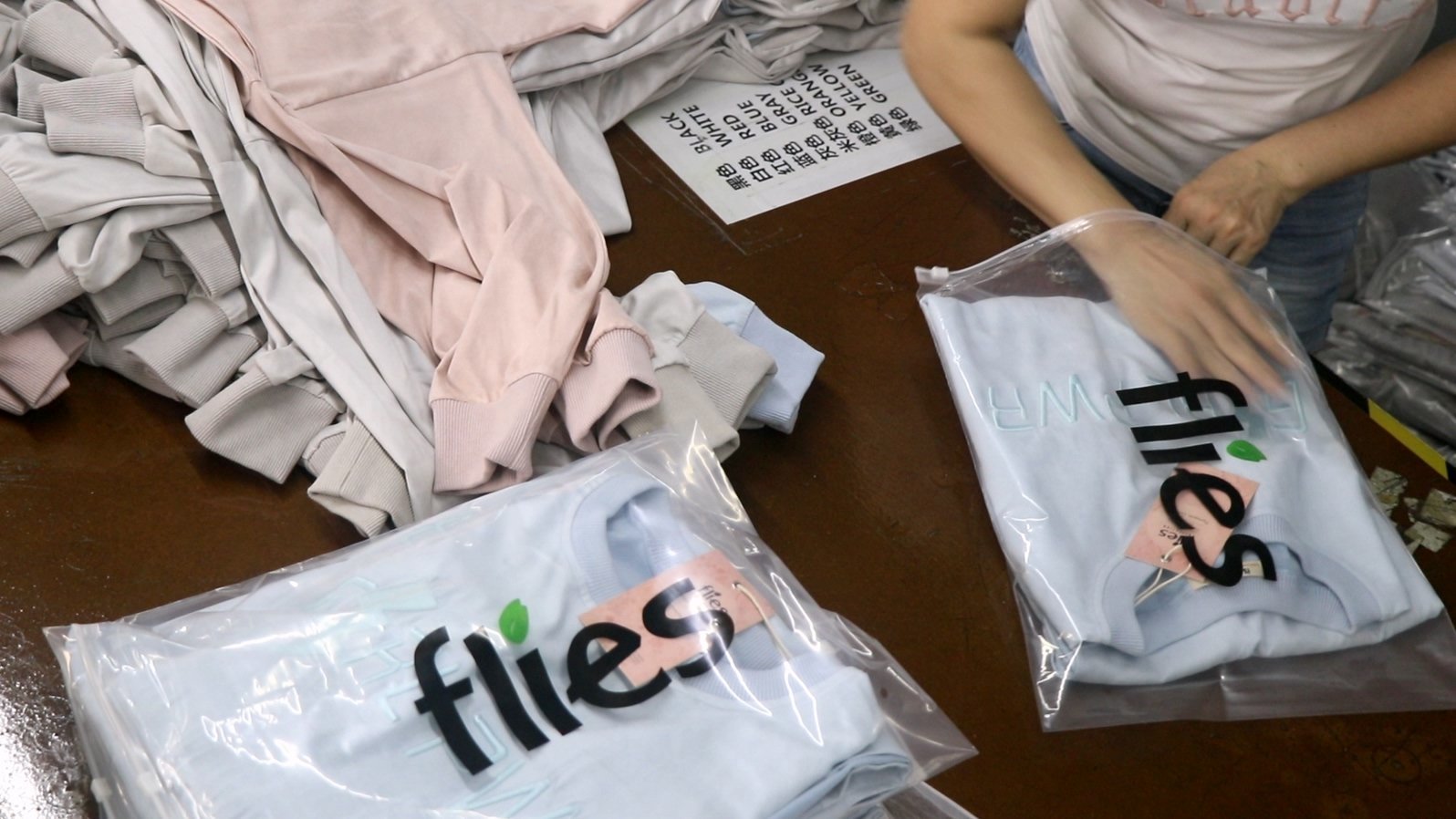
Finished Clothing Quality Inspection Before Shipment
The final checkpoint in our embroidered shorts manufacturer process examines every completed garment against your brand standards. We inspect embroidery clarity, color accuracy, construction integrity, measurements, and finishing details. Only shorts that pass all criteria are approved for ironing, folding, and packaging for your customers.
- Complete embroidery clarity and color match verification
- Measurement accuracy checks against size specifications
- Construction integrity and finishing detail inspection
- Photographic documentation of approved production samples
How Our Embroidered Shorts Manufacturer Outperforms the Rest
We’ve worked with over 1,000 clients across 100+ countries. Here’s what sets Clothing Manufacturer Ltd. apart from typical shorts manufacturers who cut corners on quality and service.
← 左右滑动查看 →
Embroidered Shorts Manufacturer Production Timeline
Our streamlined 5-phase process ensures your custom embroidered shorts move from concept to delivery with precision quality control at every stage.
Fabric Sourcing & Approval
We source premium materials tailored to your embroidered shorts design, submit samples for your approval, and conduct initial materials QC testing before production begins.
Cutting & Embroidery Setup
Patterns are cut with precision and embroidery machines are programmed with your custom designs. Our cutting QC testing ensures accurate dimensions for every piece.
Production & Embroidery Application
Skilled technicians embroider your designs onto shorts panels, followed by sewing production QC testing to verify stitch quality, thread tension, and design placement accuracy.
Sewing & Craft Quality Control
Shorts are assembled with reinforced seams and waistbands. Our clothing craft QC testing inspects construction integrity, ensuring durability meets streetwear standards for your brand.
Final Inspection & Packaging
Finished clothing quality QC inspection checks embroidery detail, sizing, and overall appearance. Approved shorts are pressed, folded, and packaged to your specifications for global shipping.
How to Partner With an Embroidered Shorts Manufacturer
From initial concept to finished product, our streamlined process ensures your custom embroidered shorts meet every quality standard with complete transparency at every stage.
Submit Your Design or Tech Pack
Share your embroidery artwork, preferred fabrics, sizing specs, and any reference images. Our team reviews your requirements and confirms feasibility within 24 hours.
Receive Quote and Sample Options
We provide detailed pricing for your order quantity, fabric choices, and embroidery complexity, plus sample turnaround timelines. No hidden fees or surprise costs.
Approve Pre-Production Samples
Review physical samples crafted by our in-house team. Request adjustments to embroidery placement, thread colors, or fit before bulk production begins.
Place Order and Track Production
Confirm your order and receive regular updates as your shorts move through our 5-step quality control process, from cutting to final inspection.
Receive and Launch Your Collection
Your embroidered shorts are packaged to your specifications and shipped globally with full logistics support. Launch with confidence in every stitch.
Certified Embroidered Shorts Manufacturer You Can Trust
Why Streetwear Brands Trust Our Embroidered Shorts Manufacturer
We launched our first embroidered shorts collection with just 100 pieces and grew to 47K Instagram followers in 8 months. The quality and embroidery detail kept customers coming back every drop.
After switching to Clothing Manufacturer Ltd, our defect rate dropped from 12% to under 1%. Their 5-step QC process caught issues before production, saving us thousands in returns and reprints.
We’ve delivered 4 seasonal embroidered shorts collections on time with their 7-day sampling. The low 50-piece MOQ let us test new designs without overcommitting inventory. Game changer for our brand.
Frequently Asked Questions About Embroidered Shorts Manufacturing
What is the minimum order quantity for an embroidered shorts manufacturer?
How long does it take to receive samples from your embroidered shorts manufacturer?
Do you charge for samples when working with an embroidered shorts manufacturer?
What payment terms does your embroidered shorts manufacturer offer?
How do you protect my designs and intellectual property?
Can I request design revisions during the embroidered shorts production process?
Do you source fabrics or should I supply my own materials?
What shipping and logistics support do you provide for international orders?
What is your typical production lead time for bulk embroidered shorts orders?
The Complete Buyer’s Guide to Choosing an Embroidered Shorts Manufacturer
This comprehensive guide walks you through everything you need to evaluate embroidered shorts manufacturers—from fabric selection and embroidery techniques to pricing structures, quality benchmarks, and the common pitfalls that cost brands time and money.
1. What Is an Embroidered Shorts Manufacturer?
An embroidered shorts manufacturer integrates pattern development, fabric procurement, embroidery digitization, cut-and-sew production, and finishing under one roof, eliminating the coordination overhead of managing separate vendors for base garment construction and decoration. Standard cut-and-sew factories typically outsource embroidery to third-party workshops, adding 5–10 days to lead times and introducing quality-control gaps at handoff points. A specialized embroidered shorts manufacturer controls the entire workflow, ensuring that thread tension, stitch density (typically 4,000–6,000 stitches per design for streetwear logos), and fabric stability are optimized before, during, and after embroidery.
Streetwear brands, athleisure labels, and premium collections favor embroidered shorts because embroidery delivers dimensional texture, durability through 50+ industrial wash cycles, and perceived value that screen prints cannot match. Embroidered logos, script wordmarks, and graphic elements elevate retail price points by 20–40 percent compared to printed equivalents, while reinforcing brand identity through tactile, high-definition detail. Independent designers and influencer brands leverage embroidery to differentiate limited drops in saturated markets where print-heavy products dominate.
The value proposition of a specialized embroidered shorts manufacturer lies in single-source accountability, shorter total lead times, and embedded quality checks at every production stage. Clothing Manufacturer Ltd., for example, applies a five-step QC methodology—materials testing, cutting inspection, craft verification, sewing checks, and finished-garment review—ensuring that embroidery placement, thread color matching (Pantone or custom dye-lot), and stitch integrity are verified before packing, not discovered after shipment.
2. The Evolution of Embroidered Shorts in Fashion
1990s sportswear brands such as Nike, Champion, and Tommy Hilfiger popularized embroidered logos on athletic shorts, establishing embroidery as a premium branding method that signaled quality and authenticity. These early applications used single-head machines requiring skilled operators and multi-day lead times, making custom embroidery accessible only to established labels with large production runs. By the late 1990s, embroidered shorts transitioned from purely functional athletic wear to casual streetwear, driven by hip-hop culture and the rise of logo-centric fashion.
The 2010s athleisure boom accelerated demand for embroidered shorts as consumers sought garments that blended performance and style. Brands like Supreme, Off-White, and emerging streetwear labels adopted intricate embroidery—roses, skulls, Gothic lettering, and graphic motifs—to differentiate collections and justify premium pricing. During this period, multi-head embroidery machines (6-head, 12-head, and 15-head configurations) became standard in Asian manufacturing hubs, reducing per-piece costs and turnaround times while maintaining stitch precision up to 1,000 stitches per minute.
2020 onward, digitization software such as Wilcom and Pulse allowed independent designers and fashion startups to convert artwork into embroidery files within hours, eliminating the need for in-house technical expertise. This democratization enabled brands to launch embroidered shorts collections with MOQs as low as 50 pieces and sample turnarounds under 7 days. Today, an embroidered shorts manufacturer equipped with CAD-integrated machines and five-step QC protocols can serve both influencer brands ordering 100 units and global retailers requiring 10,000-piece runs, making custom embroidery a scalable option across all market tiers.
3. Types of Embroidered Shorts Manufacturers Offer
An embroidered shorts manufacturer typically produces five core silhouettes, each tailored to distinct market segments and construction requirements. Understanding these categories ensures buyers select the right base for their brand’s positioning and customer expectations.
Athletic and Performance Shorts
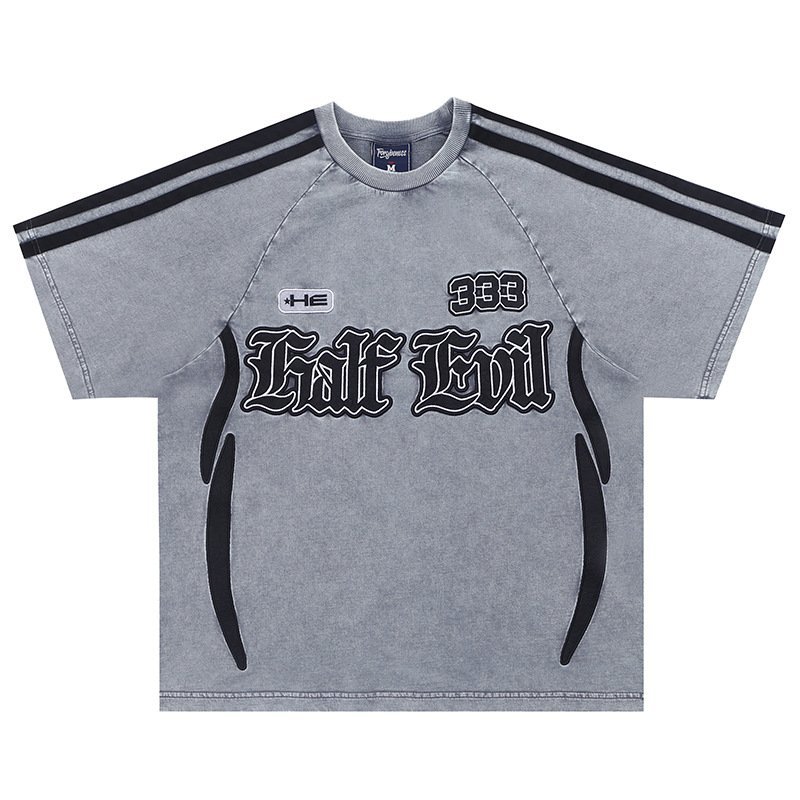
Performance shorts use moisture-wicking polyester blends (120–180 GSM) or nylon mesh, with embroidery typically placed on the thigh or lower hem to avoid chafing. Brands targeting fitness influencers and activewear retailers favor this category for gym, running, and training collections.
Embroidery on athletic shorts requires low-profile stitching and tear-away backing to maintain fabric stretch and comfort during movement.
Casual Streetwear Shorts
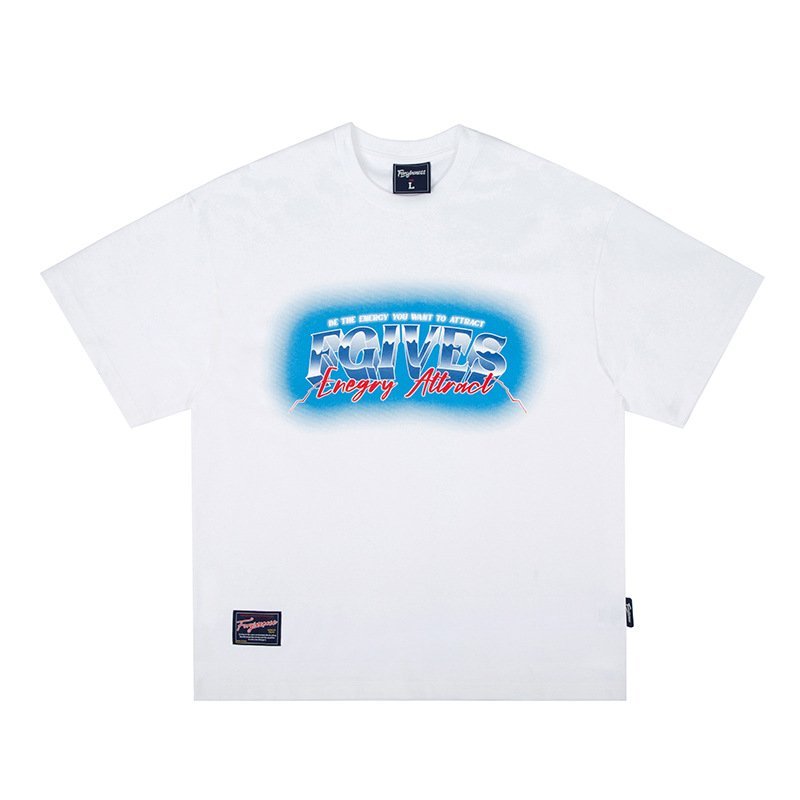
Streetwear shorts leverage French terry, fleece, or heavyweight cotton (240–320 GSM) with embroidery on the thigh, back pocket, or waistband. This silhouette dominates independent designer and influencer brand orders due to its versatility and bold graphic potential.
Placement on the thigh allows large-scale logo or icon embroidery, while waistband details add subtle branding for minimalist aesthetics.
Cargo and Utility Shorts
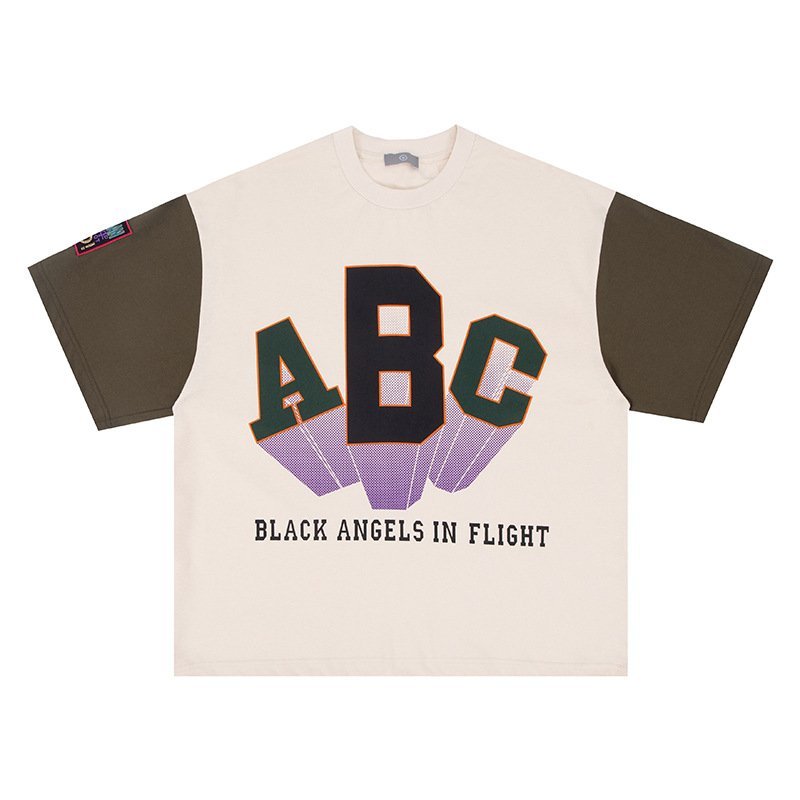
Cargo shorts use ripstop nylon or cotton twill (200–280 GSM) with embroidery on chest pockets, side cargo flaps, or back panels. Outdoor and workwear-inspired brands select this type for functional, trend-driven collections.
Reinforced stitching around pocket embroidery prevents fraying under load, a critical quality checkpoint for utility-focused designs.
Tailored and Dress Shorts
Dress shorts employ cotton poplin or linen blends (180–220 GSM) with discreet embroidery on the back pocket or hem. Retailers targeting smart-casual and resort wear favor this category for elevated summer collections.
Embroidery placement remains minimal to preserve the clean, polished silhouette expected in tailored garments.
Swim Trunks with Embroidery
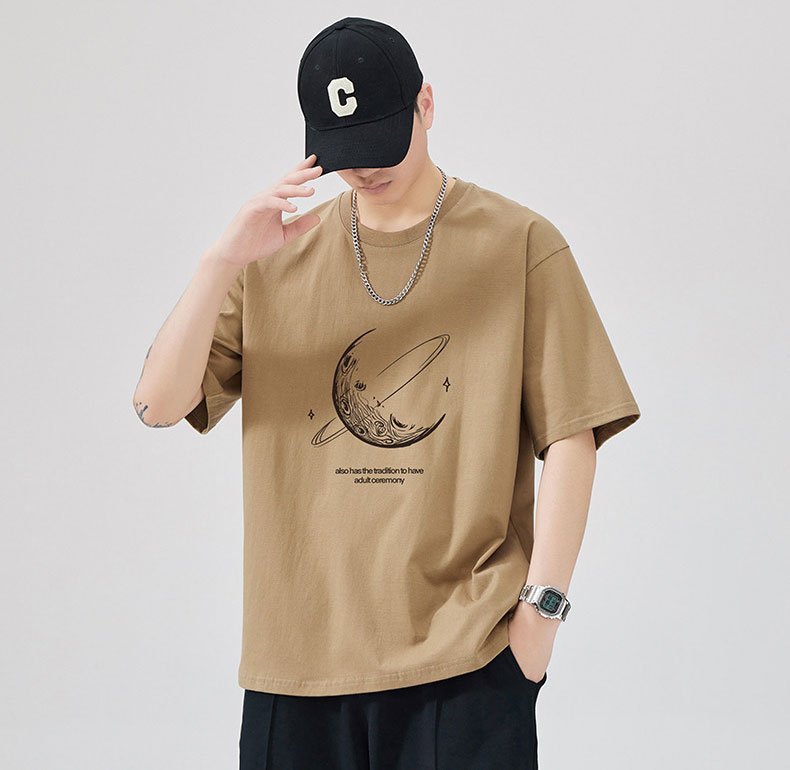
Swim trunks use quick-dry polyester or nylon (140–180 GSM) with waterproof embroidery backing on the thigh or back pocket. Beachwear brands and resort labels prioritize this type for summer and vacation collections.
Waterproof backing and synthetic thread prevent color bleed and thread degradation in chlorinated or saltwater environments.
4. Fabrics and Materials for Embroidered Shorts
Fabric selection determines embroidery hold, garment durability, and end-use performance. An embroidered shorts manufacturer evaluates base material weight, weave density, and stretch before recommending stabilizer type and stitch density.
| Fabric Type | Typical GSM | Best Use Case | Embroidery Compatibility |
|---|---|---|---|
| Cotton Fleece | 280–320 | Casual streetwear, loungewear | Excellent; minimal backing |
| Polyester Mesh | 120–180 | Athletic, performance shorts | Requires cut-away stabilizer |
| Nylon Ripstop | 80–140 | Technical, outdoor shorts | Needs topping; slick surface |
| Cotton Twill | 200–260 | Workwear, uniform shorts | Excellent; flat, stable weave |
| Terry Cloth | 240–300 | Beachwear, casual shorts | Moderate; looped pile challenges |
| Poly-Cotton Blend | 180–240 | High-volume retail orders | Good; versatile backing options |
Common Base Fabrics and GSM Ranges
Cotton fleece (280–320 GSM) offers a soft hand and excellent embroidery stability for casual streetwear shorts. Polyester mesh (120–180 GSM) delivers breathability for athletic styles but requires cut-away stabilizer to prevent puckering. Nylon ripstop (80–140 GSM) is lightweight and tear-resistant, ideal for technical shorts, though its slick surface demands water-soluble topping to keep stitches clean.
Cotton twill (200–260 GSM) provides a tight, flat weave that anchors dense embroidery without distortion. Terry cloth (240–300 GSM) features looped pile that complicates thread tension; experienced manufacturers pre-test stitch paths. Poly-cotton blends (180–240 GSM) balance cost, wrinkle resistance, and embroidery compatibility for high-volume orders.
Embroidery Stability and Backing Requirements
Fabrics below 180 GSM typically require tear-away or cut-away backing to prevent thread pull and puckering during high-speed embroidery. Mid-weight materials (180–260 GSM) often use lightweight tear-away for simple designs and cut-away for dense logos exceeding 10,000 stitches. Heavyweight fleece and twill above 260 GSM may need only water-soluble topping when embroidering large, low-density graphics.
Stretch fabrics—spandex blends and performance knits—demand four-way stretch stabilizer or multiple layers of cut-away to maintain registration across seams. An embroidered shorts manufacturer tests each fabric-stabilizer pairing before production to ensure consistent quality across the run.
5. Embroidery Techniques and Customization Options
An embroidered shorts manufacturer offers five core embroidery methods, each delivering distinct visual and tactile effects. Thread choice, stitch density, and digitization quality determine durability and brand impact across every placement zone.
| Technique | Cost Impact | Durability | Visual Effect |
|---|---|---|---|
| Flat embroidery | Baseline | 500+ washes | Clean, professional |
| 3D puff | +25–40% | 300–400 washes | Raised, bold |
| Appliqué + embroidery | +15–30% | 400+ washes | Textured, layered |
| Chenille | +50–70% | 200–300 washes | Plush, varsity |
| Mixed-media | +10–20% | Varies by method | Gradient, complex |
Core Embroidery Methods
Flat embroidery uses 3,000–6,000 stitches per square inch for clean logos and text, ideal for left thigh and back pocket placements. 3D puff embroidery layers foam under thread to create raised designs up to 4 mm high, popular for bold branding on waistbands and side seams.
Appliqué with embroidery borders stitches fabric patches onto shorts, reducing thread count by 40 percent while adding texture. Chenille embroidery produces a plush, varsity-style finish with looped thread, often reserved for premium collections. Mixed-media techniques combine embroidery with screen print or heat transfer for gradient effects and cost efficiency on large graphics.
Thread Types and Digitization
Rayon thread offers high sheen and color vibrancy but fades faster under UV exposure; polyester thread resists sun and chlorine, making it the default for activewear shorts. Metallic thread adds luxury but requires slower machine speeds to prevent breakage.
Digitization converts artwork into stitch files, defining path direction, density, and underlay. Poor digitization causes puckering, thread breaks, and misalignment; experienced manufacturers re-digitize client files to ensure smooth production and fabric stability.
Placement Options
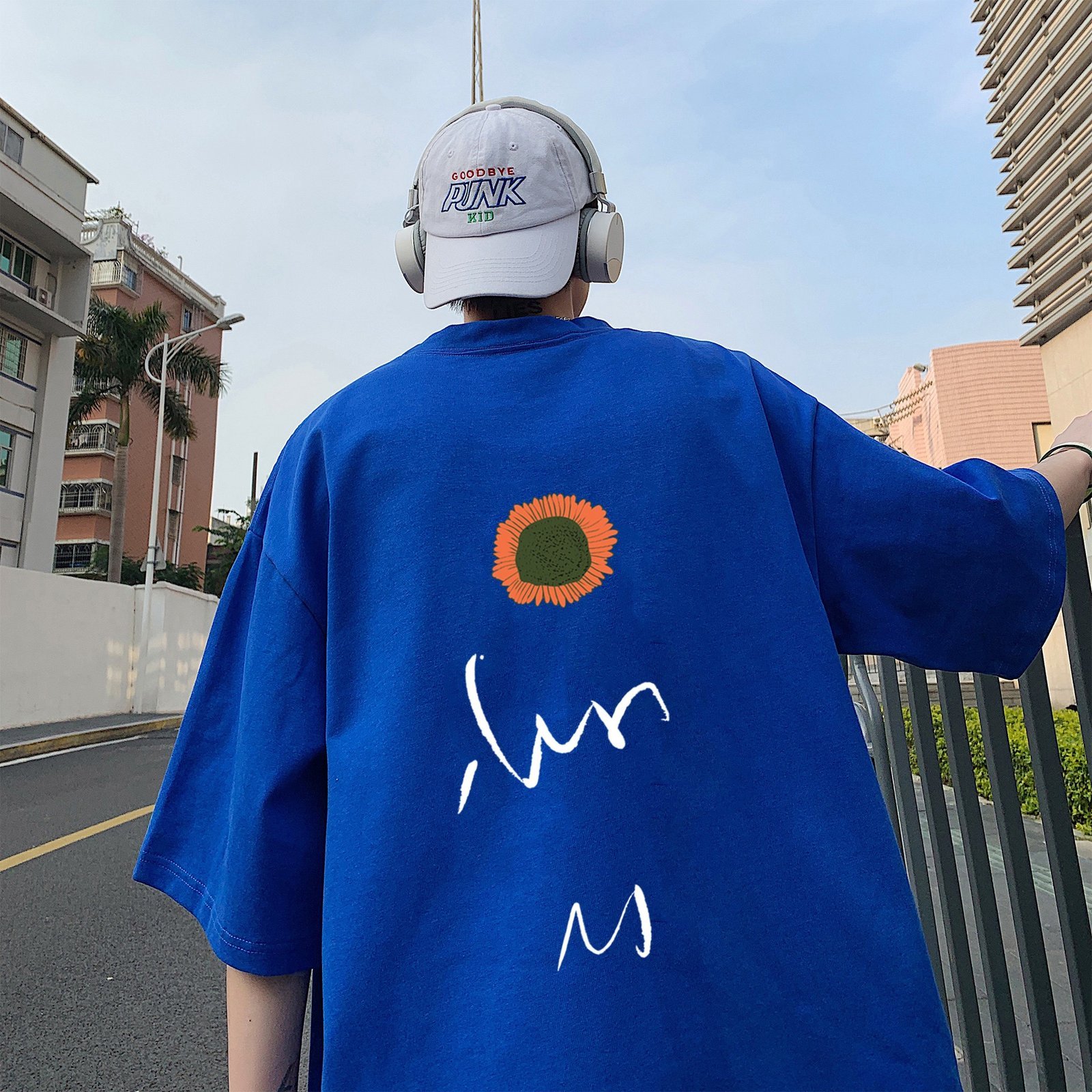
Left thigh placement suits logos 2–4 inches wide, positioned 3–5 inches below the waistband for visibility without interfering with pockets. Back pocket embroidery frames branding within a 2×3 inch area, while waistband designs run horizontally up to 6 inches for bold statements. Side seam embroidery follows the outseam vertically, ideal for text or narrow graphics that enhance the silhouette.
6. Quality Benchmarks for Embroidered Shorts Manufacturing
Quality control in embroidered shorts production separates professional manufacturers from those who skip critical testing stages. Buyers must inspect construction details at every production phase to ensure durability and finish standards that match brand expectations.
Stitch Density and Thread Specifications
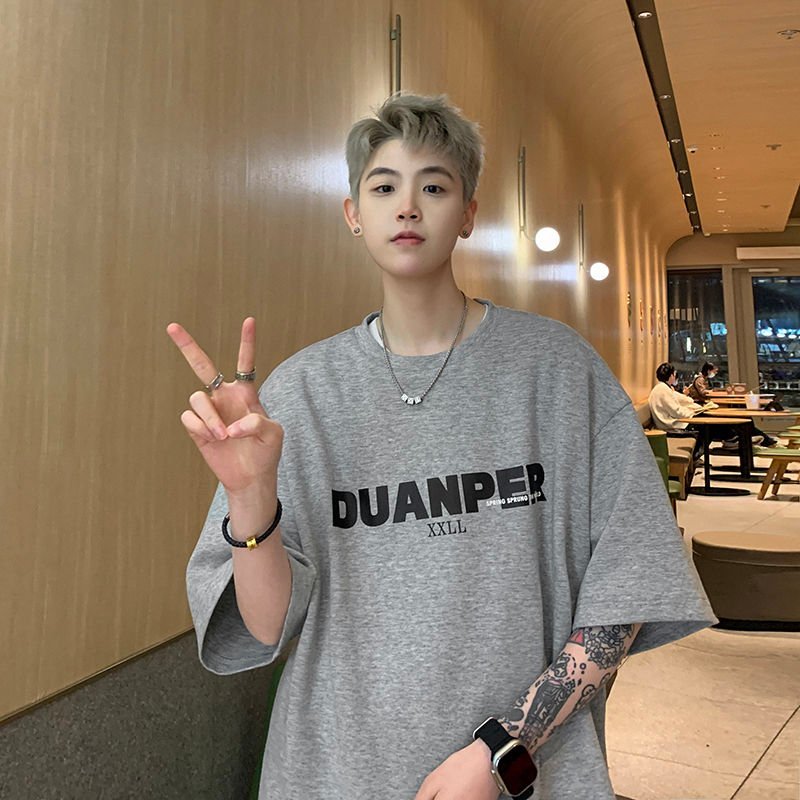
Professional embroidery requires 150–200 stitches per square inch for most designs, with tension calibrated to prevent puckering or thread breaks. Thread quality determines colorfastness; polyester and rayon threads rated for 40–60 wash cycles at 40°C maintain vibrancy, while inferior threads fade within 10 washes.
Manufacturers using five-step QC testing verify stitch tension during sewing production QC, catching loose or overly tight stitches before finishing. Request thread brand specifications and wash-test certificates to confirm colorfastness claims.
Backing Stability and Seam Strength
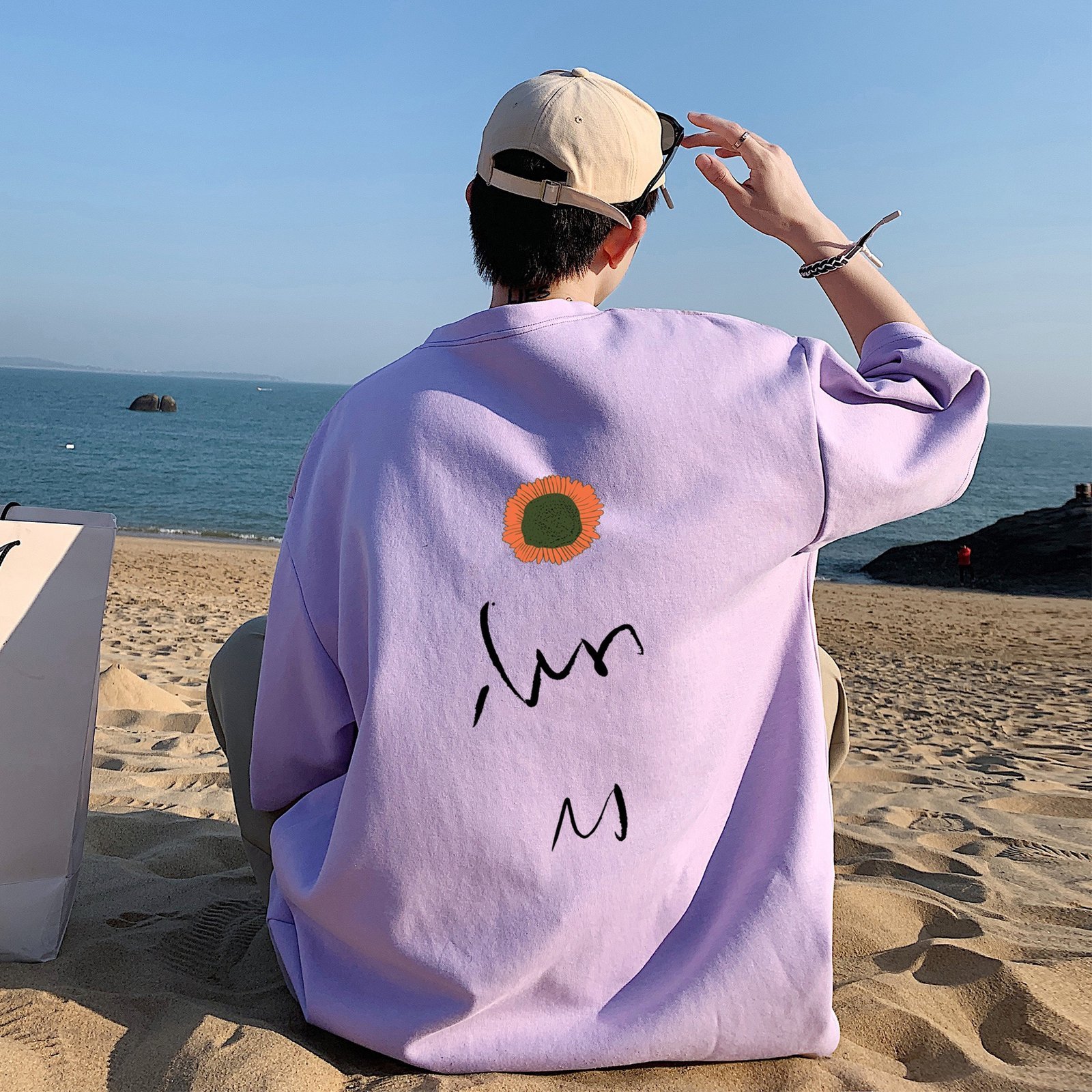
Cut-away backing provides permanent support for dense embroidery on stretch fabrics, while tear-away backing suits lightweight designs on stable cotton. Incorrect backing causes distortion after washing; inspect samples for puckering around embroidered areas.
Seam strength testing should exceed 40 N (newtons) of force for side seams and 50 N for inseams. Quality manufacturers test seam durability during finished clothing quality QC inspection, ensuring stitches withstand repeated wear and laundering.
Waistband and Drawstring Durability
Elastic waistbands must retain 80% of original stretch after 50 wash cycles; substandard elastic loses tension within 15 washes. Drawstring tips require metal or heat-sealed aglets to prevent fraying, and drawstring channels need bar-tack reinforcement at entry points.
Inspect waistband stitching for consistent seam allowances (typically 1–1.5 cm) and verify that elastic is sewn without twisting. Manufacturers implementing materials QC testing reject elastic that fails stretch-recovery standards before cutting begins.
7. How to Choose the Right Embroidered Shorts Manufacturer
Selecting an embroidered shorts manufacturer requires evaluating production capabilities, flexibility, and quality systems across multiple dimensions. A structured decision framework helps brands avoid costly missteps and ensures alignment on timelines, minimums, and compliance standards.
Verify In-House Embroidery Capabilities
Ask whether embroidery is performed on-site or outsourced to third-party vendors. In-house facilities offer tighter quality control, faster turnaround, and direct oversight of thread tension, stitch density, and placement accuracy.
Request photos of embroidery machines, thread inventory (Madeira, Isacord), and digitizing software. Factories that outsource embroidery add 3–7 days to lead times and introduce communication gaps that can compromise design fidelity.
Check MOQ Flexibility and Turnaround
MOQ thresholds vary widely: 50-piece minimums suit startups and test launches, while 500-piece orders indicate bulk-only operations. Confirm sampling lead time (7–10 days is competitive) and bulk production cycles (21–35 days for embroidered shorts).
Ask for written confirmation of MOQ per colorway and whether mixed styles within one order are permitted. Factories offering 50-piece MOQs with 7-day sampling demonstrate agility critical for independent designers and influencer brands.
Review Portfolio and Compliance
Examine past work for brands in your segment—streetwear, athleisure, or resort wear—and request client references. A diverse portfolio indicates technical versatility across fabric weights (200–300 GSM) and embroidery complexity.
Confirm labor and environmental certifications: WRAP, BSCI, or OEKO-TEX Standard 100. Ask how quality inspections are staged—materials QC, cutting QC, sewing QC, and finished-goods inspection—rather than end-of-line checks alone. Red flags include vague answers on QC timing, no machine photos, or reluctance to share past client names.
8. Common Mistakes When Sourcing an Embroidered Shorts Manufacturer
Sourcing an embroidered shorts manufacturer involves technical decisions that many first-time buyers overlook. These mistakes can lead to quality failures, budget overruns, and missed launch deadlines.
Skipping Sample Orders Before Production
Many startups place bulk orders without requesting samples, assuming factory photos represent final quality. Embroidery tension, thread sheen, and backing stability vary significantly between manufacturers.
Ordering a pre-production sample reveals stitch density, color matching accuracy, and how embroidery holds up after washing. A 7-day sample turnaround costs far less than rejecting 500 defective units at final inspection.
Ignoring Thread and Backing Specifications
Buyers often approve designs without specifying thread type (polyester vs rayon) or backing material (tear-away, cut-away, or water-soluble). Rayon thread offers superior sheen but lower wash durability than polyester.
Cut-away backing prevents puckering on stretch fabrics but adds bulk; tear-away works for wovens but can destabilize intricate designs. Clarify these specs in your tech pack to avoid post-production surprises.
Underestimating Digitization Lead Time
Custom embroidery requires digitizing artwork into stitch files, a process that takes 2–5 business days for complex logos. Brands that skip this step in their timeline face production delays.
Request digitization samples and allow time for revisions. A poorly digitized file causes thread breaks, registration errors, and inconsistent repeat quality across your order.
Choosing Price Over Quality Vetting
Selecting the lowest-cost embroidered shorts manufacturer without verifying their five-step QC process or wash-test protocols often results in thread fraying, color bleeding, or logo distortion after laundering.
Ask for wash-test reports (ISO 6330 or AATCC 135 standards) and inspect samples under magnification. A 10% price saving disappears when returns exceed 5% of your shipment.
Neglecting IP Protection for Custom Designs
Brands frequently share proprietary artwork without non-disclosure agreements, risking design theft or unauthorized reproduction. Custom embroidery files can be resold or reused without your consent.
Include IP clauses in your manufacturing agreement and watermark design files during negotiation. Reputable manufacturers respect confidentiality and will sign NDAs before digitization begins.
9. Steps to Launch Your Embroidered Shorts Collection
Launching an embroidered shorts collection requires coordination across design, production, and logistics phases. Each stage includes specific deliverables and manufacturer touchpoints that keep timelines predictable and quality consistent.
Concept and Design Brief
Start with a written brief that specifies silhouette, target demographic, color palette, and embroidery placement. Include reference images, tech packs with measurements, and any brand storytelling elements that inform embroidery motifs.
Share the brief during initial consultations so the embroidered shorts manufacturer can flag fabric lead times, thread color availability, and any design adjustments that improve manufacturability or reduce cost.
Fabric, Trim, and Embroidery Artwork Selection
Select base fabric (cotton twill, French terry, nylon blends) and trims (drawcords, waistband elastic, labels) alongside finalized embroidery artwork. Manufacturers digitize vector files into machine-readable stitch files, adjusting density and underlay for fabric weight.
Request lab dips for custom thread colors and strike-off samples on your chosen fabric to confirm stitch definition and color accuracy before bulk production begins.
Sample Approval and Fit Adjustments
Expect 7–10 days for first samples once fabric and digitized embroidery files are ready. Review fit, embroidery placement, thread tension, and finishing details. Document any adjustments—inseam length, rise, logo size—in writing with annotated photos.
Approve a final ‘golden sample’ that serves as the quality benchmark for bulk orders, ensuring every piece matches the approved standard.
Production Order, Timeline, and Quality Inspection
Typical lead times span 25–35 days for 500–1,000 pieces, including cutting QC, sewing QC, and finished-garment inspection. Manufacturers implementing five-step quality control catch defects at materials, cutting, craft, sewing, and final stages.
Schedule pre-shipment inspections or request in-process photos at key milestones—cutting complete, embroidery done, 50 percent sewn—to maintain visibility and address issues early.
10. Pricing and Cost Structures for Embroidered Shorts
Embroidered shorts pricing comprises four primary cost drivers: base garment cost (fabric and construction), digitization setup fees ranging from $50 to $150 per design, per-piece embroidery charges calculated by stitch count (typically $0.02–$0.05 per thousand stitches), and thread plus backing materials that add $0.50–$2.00 per unit depending on design complexity. A standard logo with 8,000–12,000 stitches on mid-weight cotton shorts costs approximately $1.20–$2.80 per piece in embroidery charges alone, while intricate multi-position designs exceeding 25,000 stitches can push embroidery costs above $5.00 per short.
Quantity discounts follow industry-standard MOQ tiers, with per-unit costs dropping 15–25% when orders scale from 50 to 100 pieces and another 20–30% at the 500-piece threshold. Setup fees are amortized across the order, so a $100 digitization charge adds $2.00 per unit at 50 pieces but only $0.10 per unit at 1,000 pieces, making larger runs significantly more cost-efficient.
Lead times compress as manufacturers prioritize volume orders: 50-piece runs typically require 18–25 days from approval to shipment, while 1,000-piece orders leverage full production lines and dedicated QC cycles to deliver in 20–28 days. Clothing Manufacturer Ltd. applies its five-step QC methodology across all order tiers, ensuring that quality standards remain consistent whether producing 50 or 1,000 embroidered shorts.
| Order Quantity | Unit Cost Range (USD) | Setup Fee | Typical Lead Time |
|---|---|---|---|
| 50 pieces | $12.00–$18.00 | $50–$150 | 18–25 days |
| 100 pieces | $10.00–$15.00 | $50–$150 | 16–22 days |
| 500 pieces | $7.50–$11.00 | $50–$150 | 18–24 days |
| 1,000 pieces | $6.00–$9.00 | $50–$150 | 20–28 days |
Launch Your Embroidered Shorts Line With Expert Support
No long-term commitment required. Get fast quotes, 7-day samples, and dedicated support from our experienced embroidered shorts manufacturing team.