
Premium Denim Shorts Manufacturer — Streetwear-Ready, 5-Step QC Guarantee
Partner with a denim shorts manufacturer that delivers 50-piece MOQ, fast turnaround, and rigorous quality control at every production stage—empowering streetwear brands and startups worldwide.
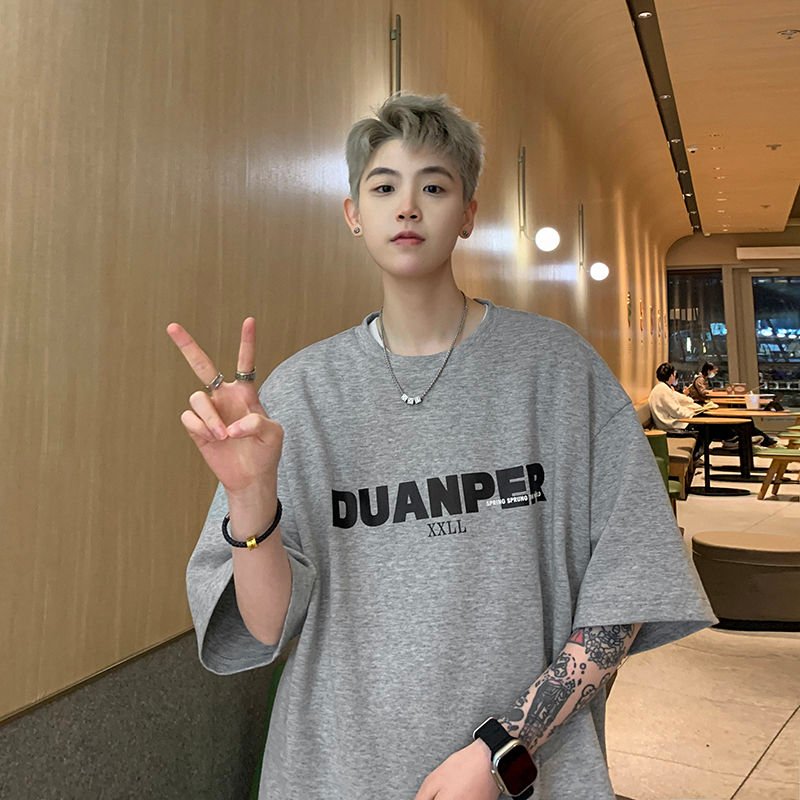
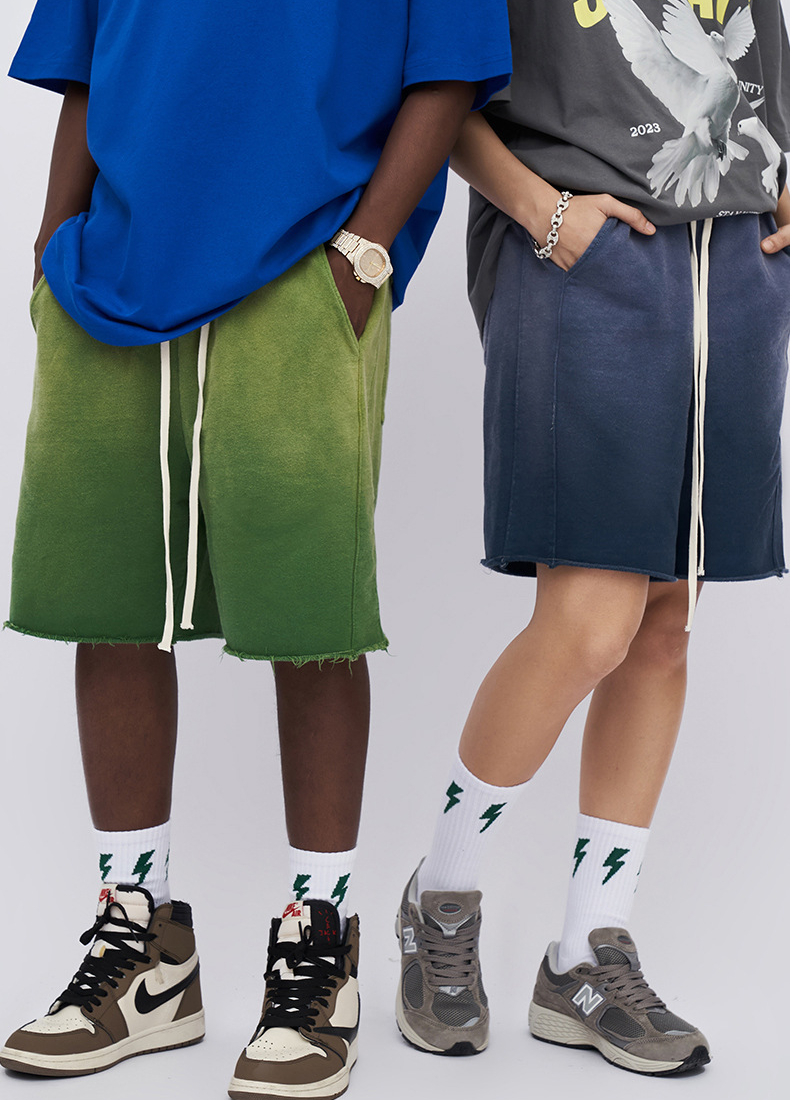
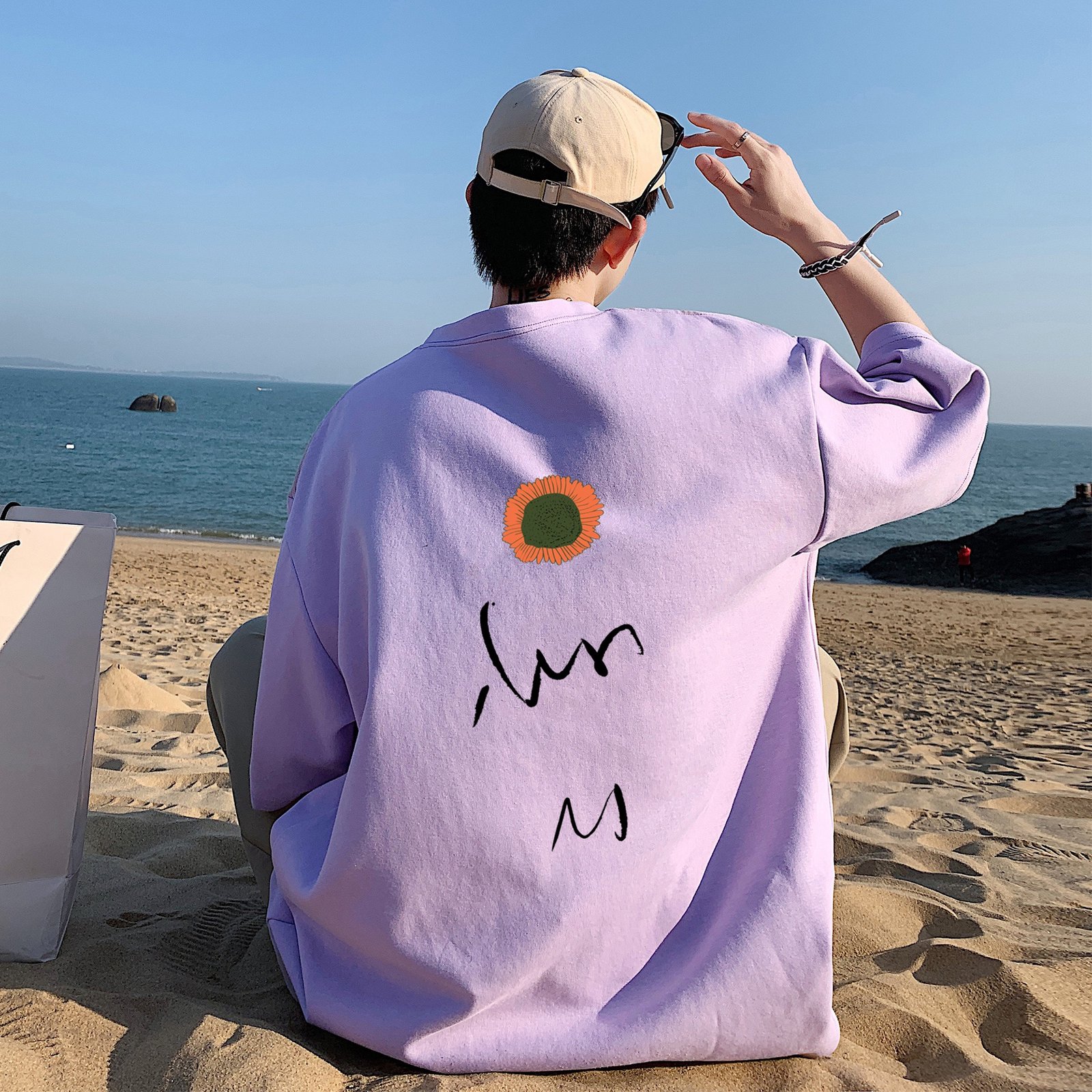
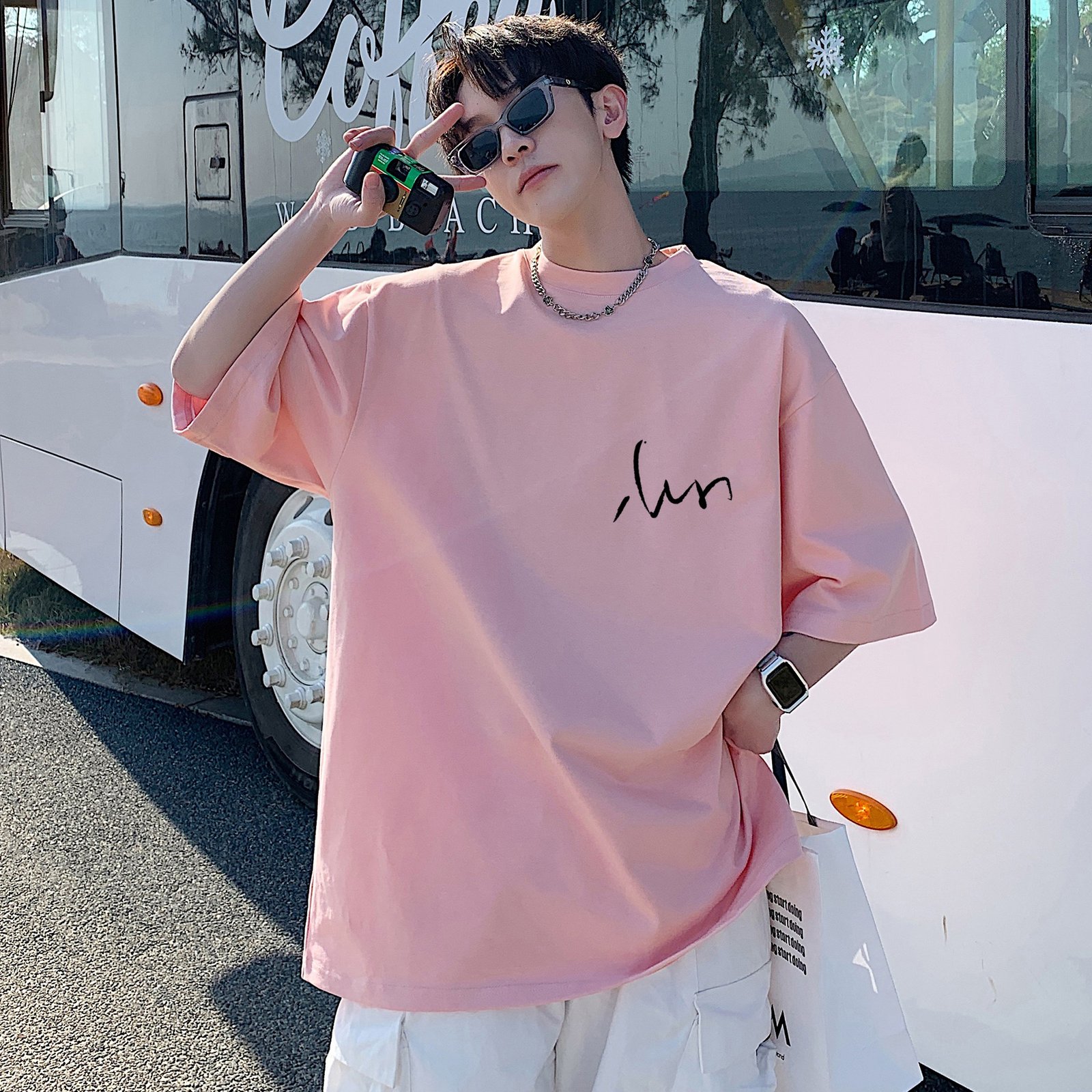
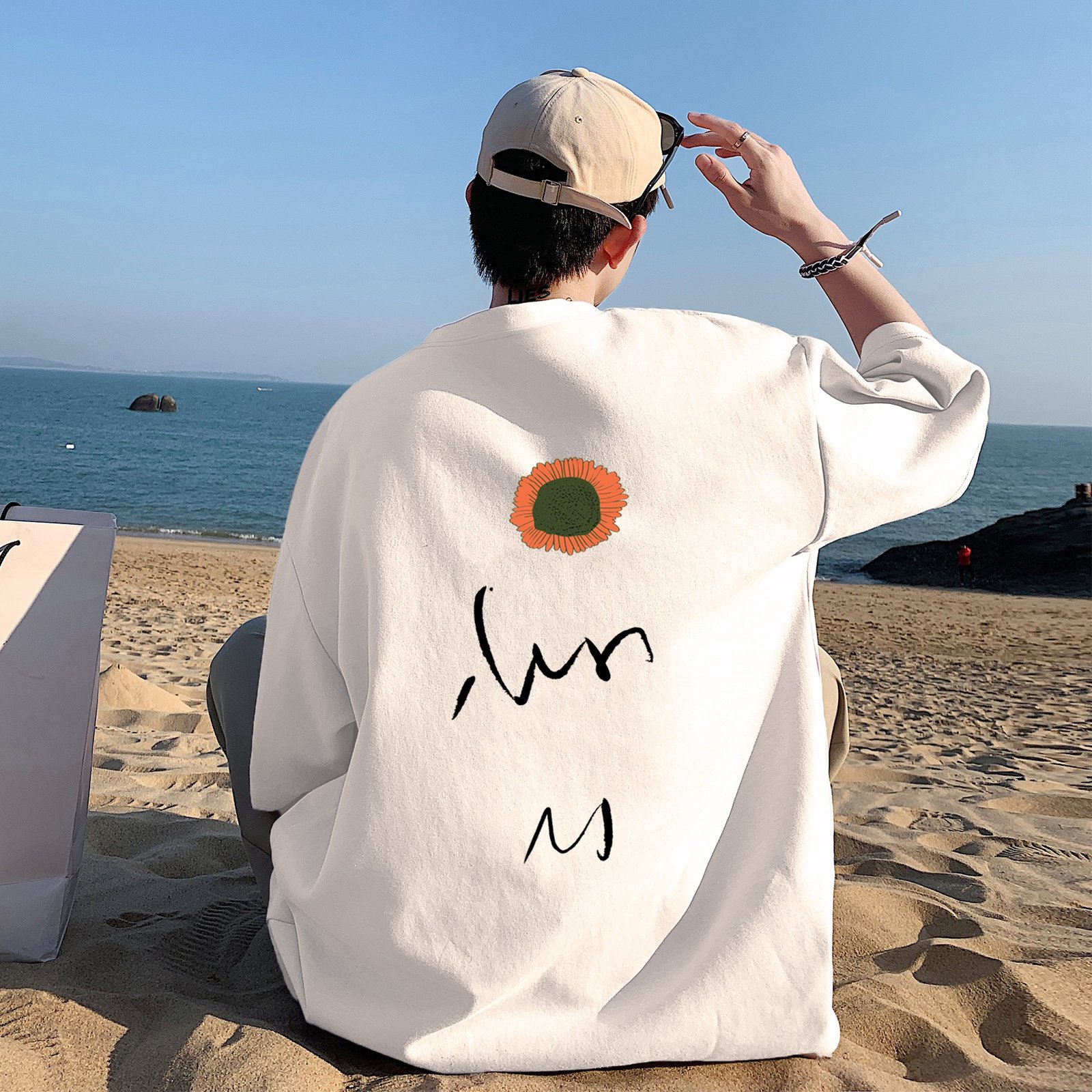
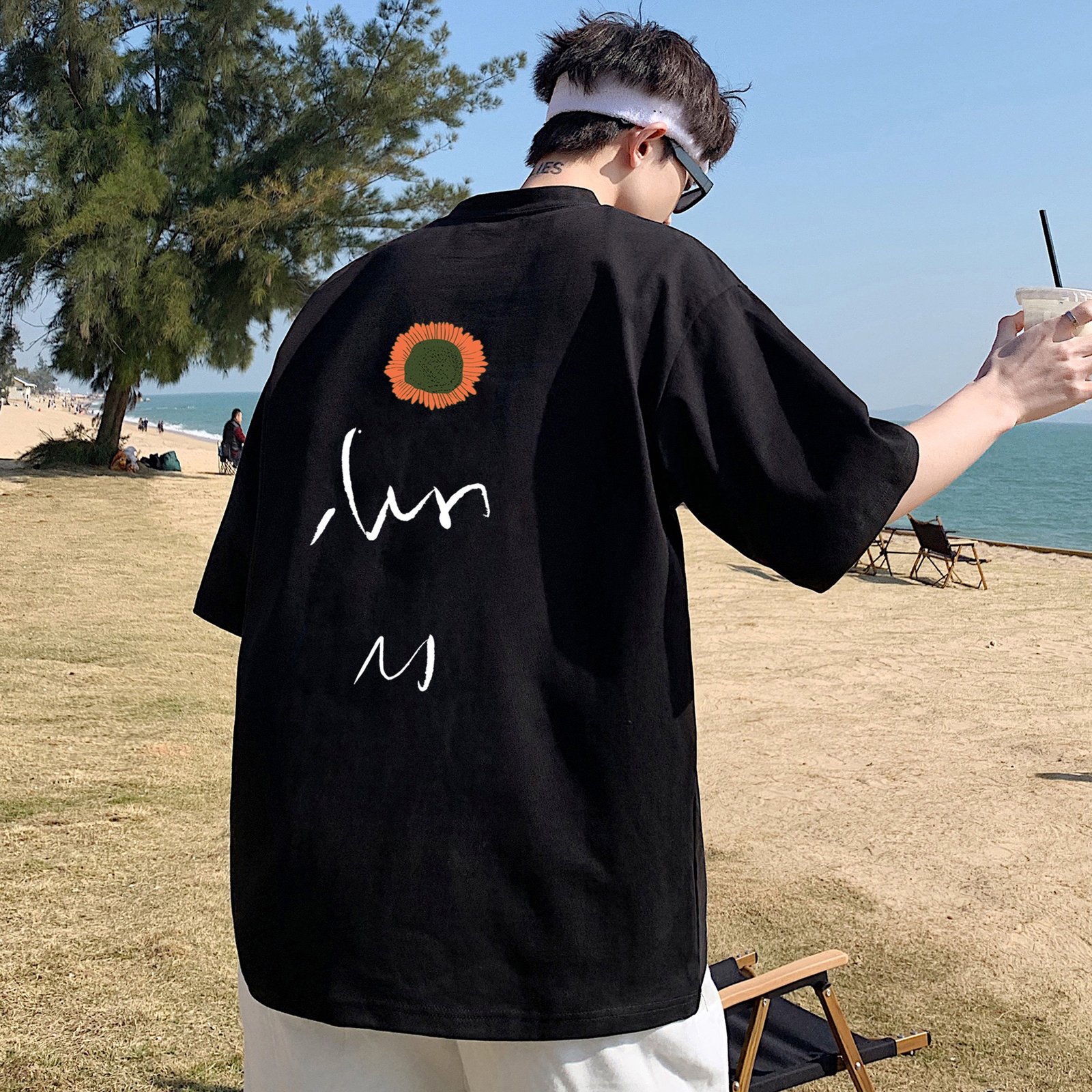
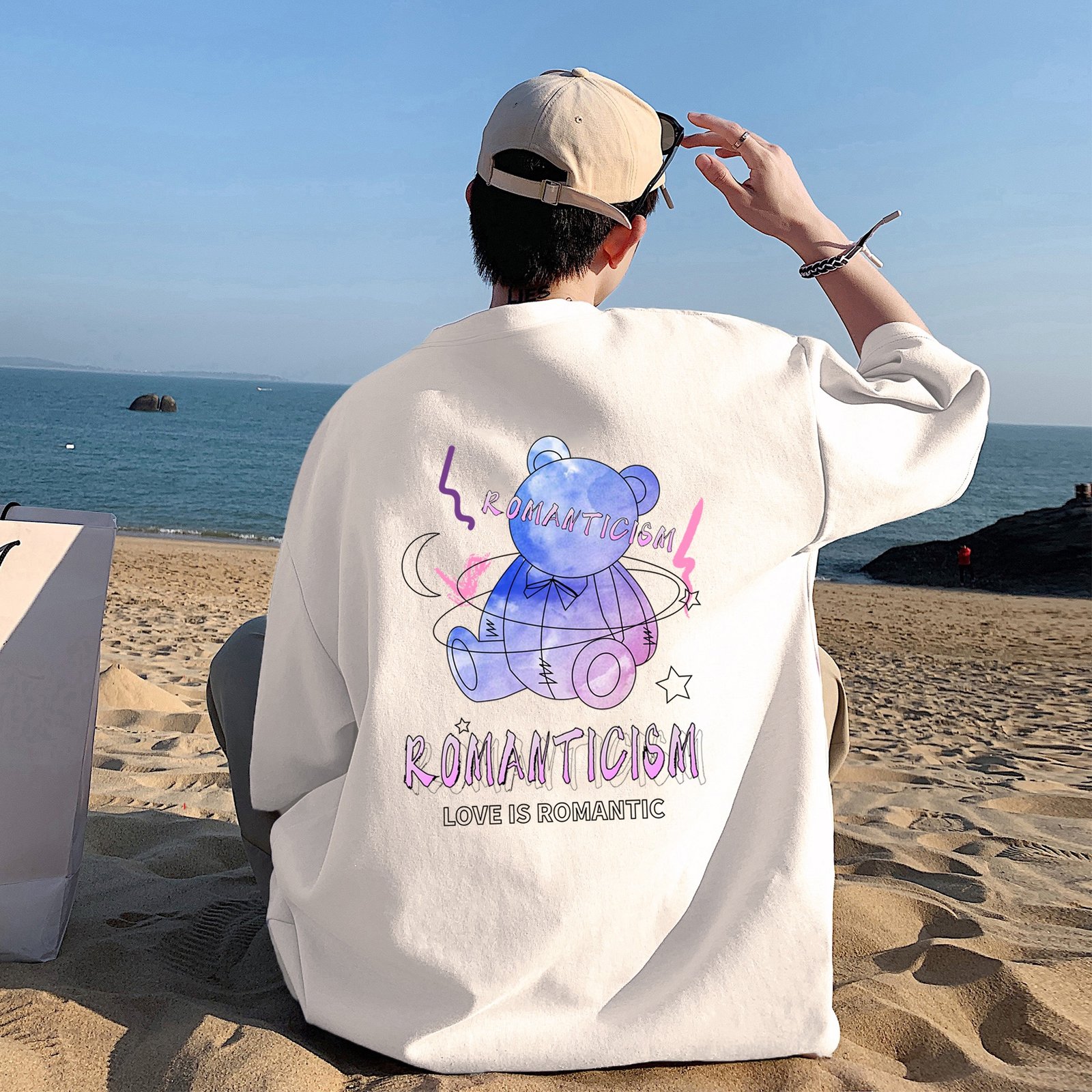
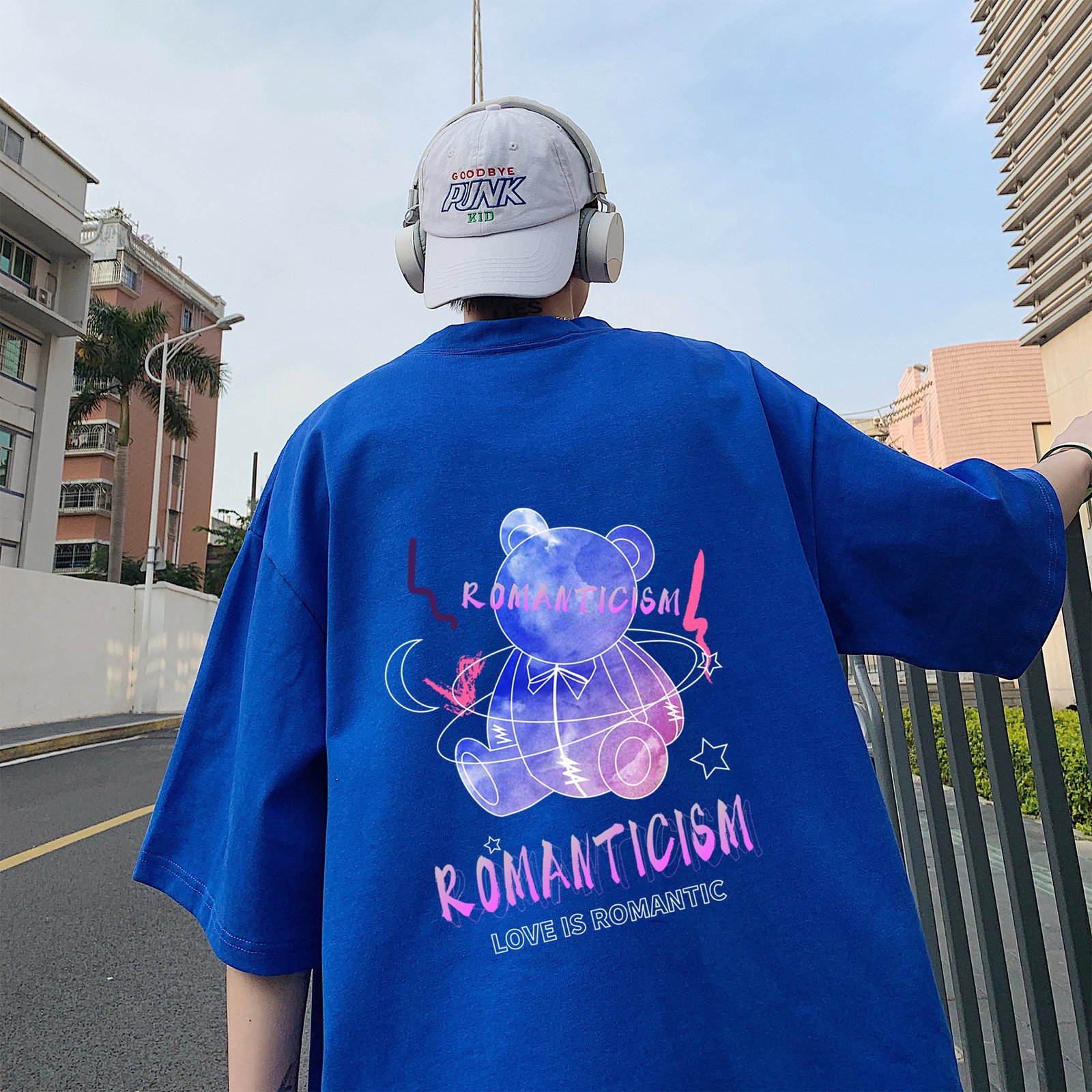
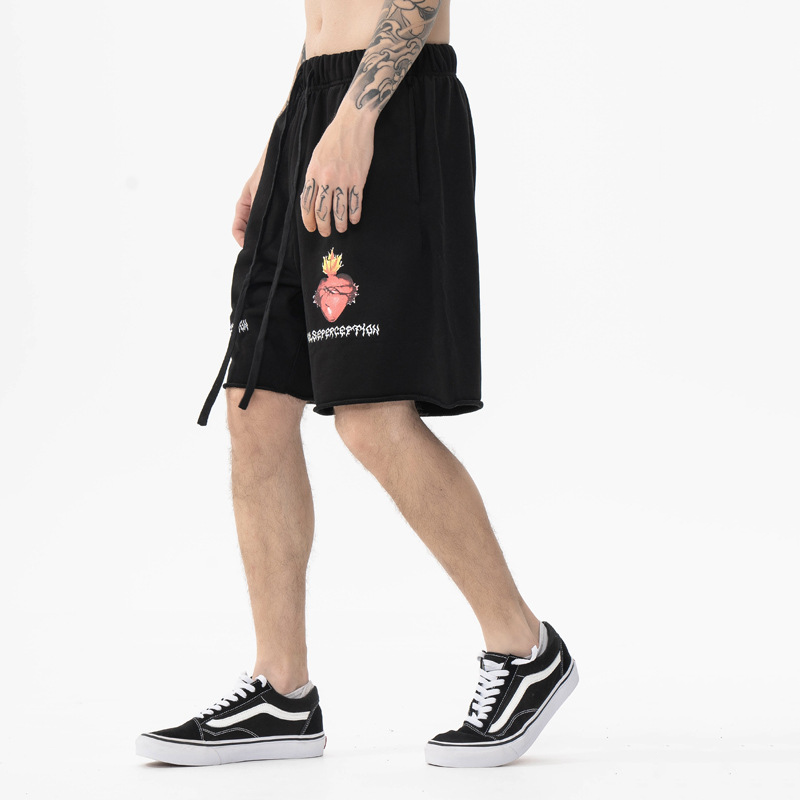
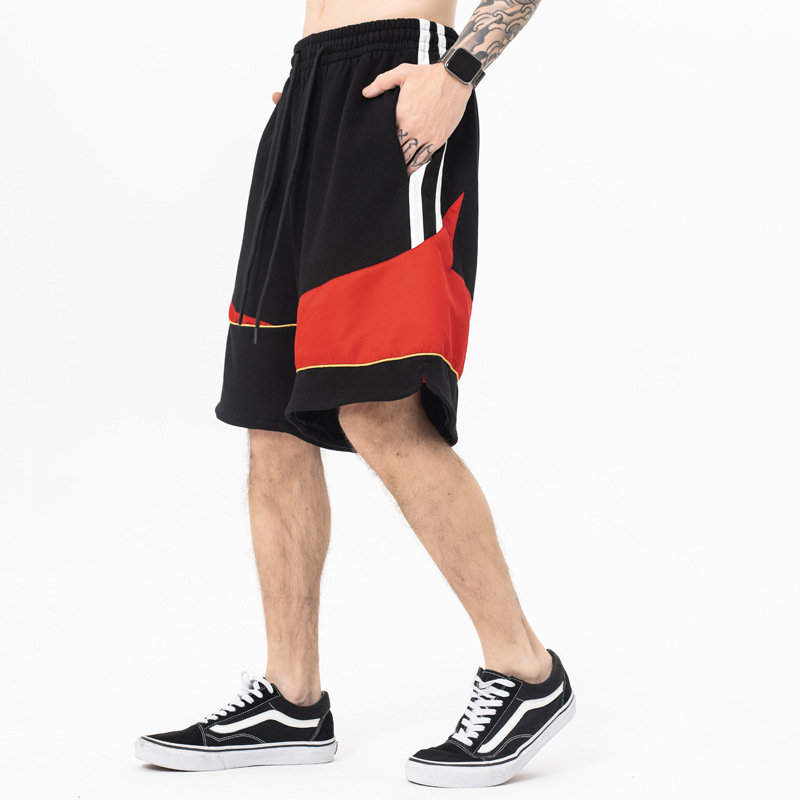
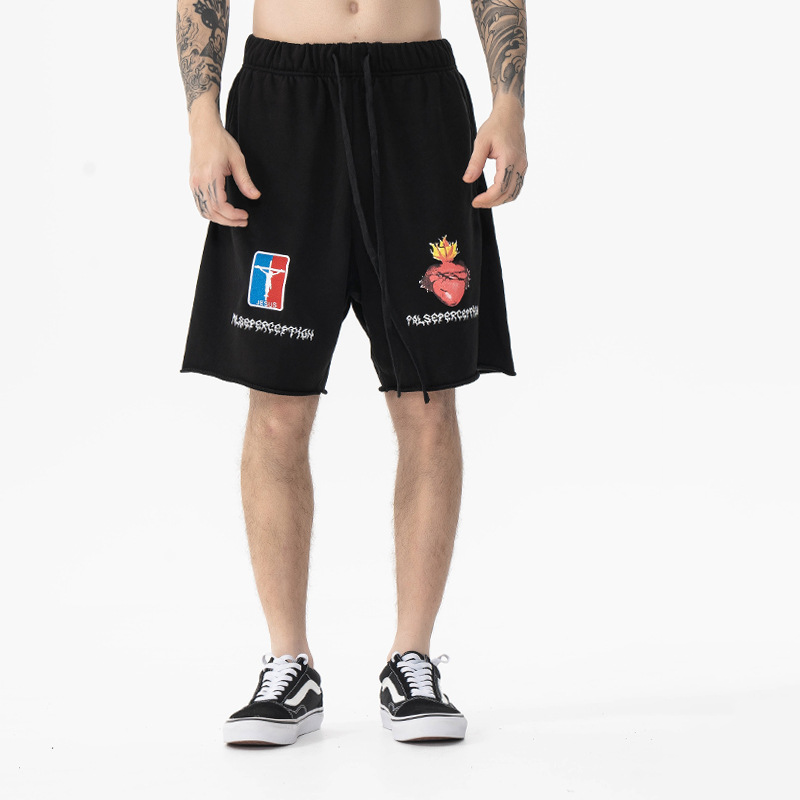
Denim Shorts Gallery — Our Latest Collections
Why Brands Choose Our Denim Shorts Manufacturer
From streetwear startups to global retailers, we deliver premium denim shorts with unmatched quality control and flexible production.
5-Step Quality Control Guarantee
Every denim short passes materials, cutting, craft, sewing, and finished product inspections—zero defects reach your customers.
50-Piece Minimum Order Quantity
Launch your denim shorts line without warehouse risk. Perfect MOQ for fashion startups and independent designers testing new styles.
7-Day Sample Turnaround
In-house design and sampling team delivers production-ready denim shorts prototypes in one week, keeping your seasonal collections on schedule.
Streetwear Design Expertise
Six years of specialized streetwear experience and 15-member R&D team translate trend-driven concepts into market-ready denim shorts.
Global Shipping & Logistics
Seamless customs, inspection, and delivery to over 100 countries. Your denim shorts arrive on time, anywhere in the world.
Influencer Line Production Experience
Proven track record helping creator brands scale from zero to six-figure followings with consistent, high-quality denim shorts manufacturing.
Denim Shorts Manufacturer — Custom Solutions for Every Style
From vintage washes to bold streetwear cuts, our production expertise covers every denim shorts category. Whether you’re launching distressed styles or oversized fits, our 5-step QC ensures flawless execution.
Vintage Wash Denim Shorts
Achieving authentic vintage aesthetics with consistent color fading, enzyme washes, and stone-wash effects across production runs is technically demanding and prone to batch variation without specialized expertise.
Our wash specialists deliver museum-quality vintage finishes with precise color matching and texture control. Each pair passes rigorous QC testing to ensure your retro-inspired collection maintains brand consistency.
Streetwear Cut Denim Shorts
Streetwear brands need bold silhouettes, unique panel constructions, and trend-driven details like cargo pockets or asymmetric hems that many traditional denim manufacturers lack the design fluency to execute properly.
Leveraging 6 years of streetwear specialization, we translate your boldest concepts into production-ready patterns. Our 15-member R&D team ensures every cut, stitch, and detail aligns with street culture authenticity.
Oversized Fit Denim Shorts
Oversized silhouettes require careful pattern engineering to maintain structure and wearability while achieving the relaxed, dropped proportions that define the trend. Poor execution results in shapeless, unflattering garments.
Our pattern development team balances volume with intentional shaping, creating oversized denim shorts that drape beautifully and photograph well. Sampling iterations refine fit before full production begins.
Distressed & Ripped Styles
Hand-distressing, strategic rips, frayed hems, and destroyed details demand skilled artisans and strict quality control to prevent over-distressing, inconsistent placement, or structural weakness that leads to premature failure.
Our finishing artisans apply distressing techniques with precision placement and durability testing. Every rip and fray is inspected during our 5-step QC process to ensure intentional design, not manufacturing defects.
Premium Denim & Fabric Options From Your Denim Shorts Manufacturer
12 oz Raw Denim
Unwashed, rigid construction with authentic indigo character. Ideal for vintage-inspired streetwear shorts that develop personalized fading over time. Medium weight ensures breathability while maintaining structure and durability for seasonal wear.
14 oz Stretch Denim
Heavyweight blend with 2-3% elastane for superior comfort and movement. Perfect for athletic-fit denim shorts and active streetwear lines. Combines traditional denim durability with modern stretch performance and shape retention after repeated wear.
Organic Cotton Denim
Sustainably sourced 11 oz cotton denim with soft hand-feel and eco-conscious appeal. Ideal for brands prioritizing environmental values without compromising quality. Breathable, comfortable composition that resonates with conscious consumers and influencer-driven collections.
Recycled Denim Blend
Post-consumer recycled cotton mixed with virgin fibers for reduced environmental impact. Delivers authentic denim texture at 10-12 oz weight with unique character variations. Perfect for sustainable streetwear brands seeking circular fashion credentials and storytelling value.
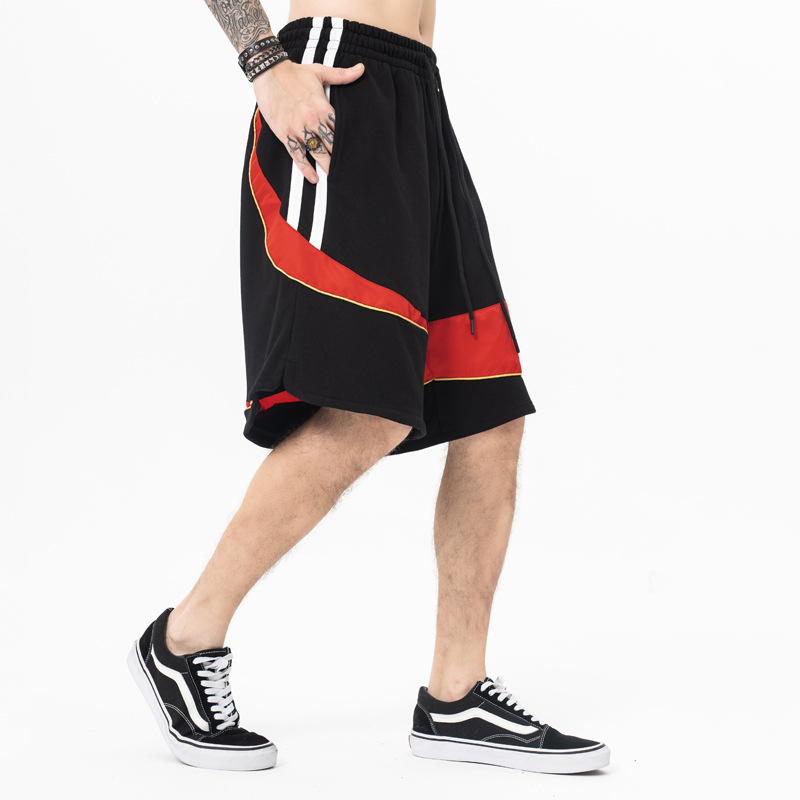
Black Overdyed Denim
Deep black finish on 13 oz cotton twill base with minimal fading properties. Essential for dark streetwear aesthetics and versatile capsule collections. Maintains rich color saturation through washing while offering classic denim construction and durability.
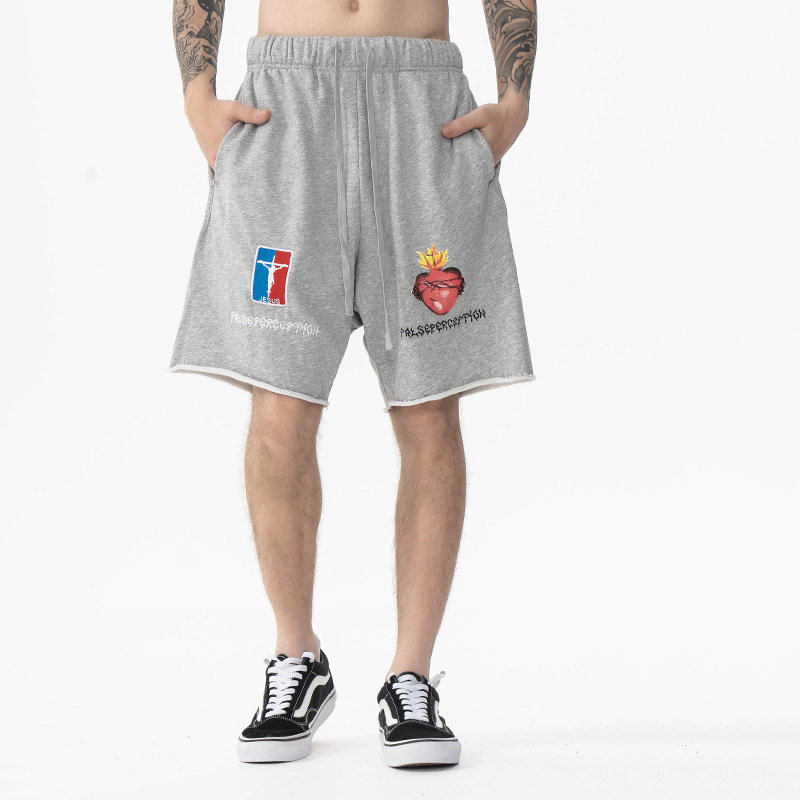
Lightweight Summer Denim
Breathable 8-9 oz chambray-style denim perfect for warm-weather collections. Soft drape and comfortable feel for relaxed-fit shorts and resort wear. Lightweight construction without sacrificing the authentic denim look your customers expect from quality shorts.
Denim Shorts Manufacturer Production Techniques
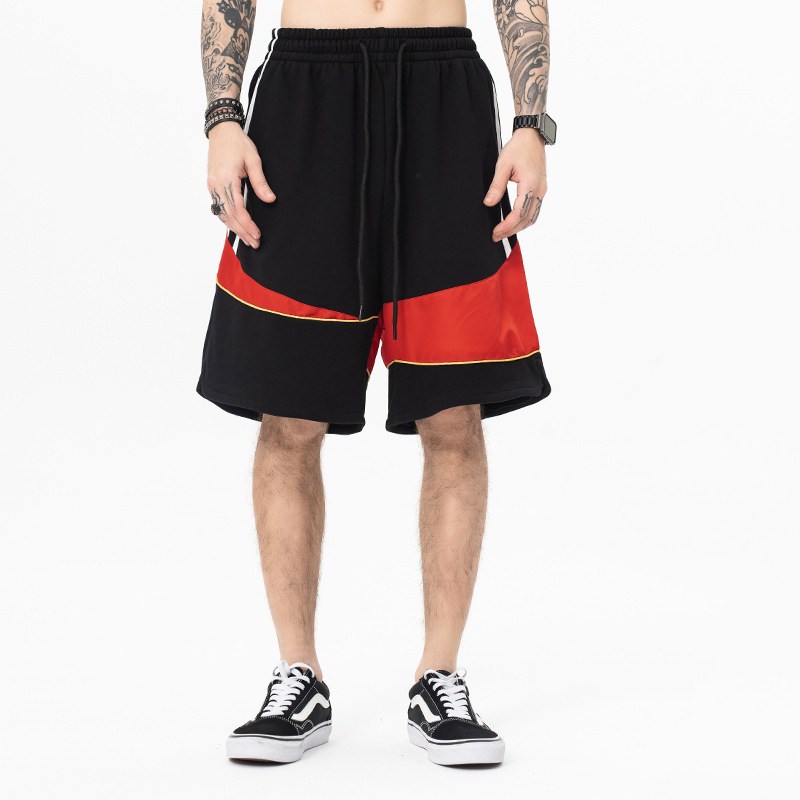
Stone Washing
Tumbling denim with pumice stones creates a soft, lived-in texture and faded color that’s perfect for vintage streetwear styles. Delivers exceptional comfort and durability with consistent wash results across every pair.
Acid Washing
Chemical treatment produces bold, high-contrast marbled patterns and bleached effects that stand out in any collection. Ideal for trend-driven brands seeking dramatic visual impact and unique character in every garment.
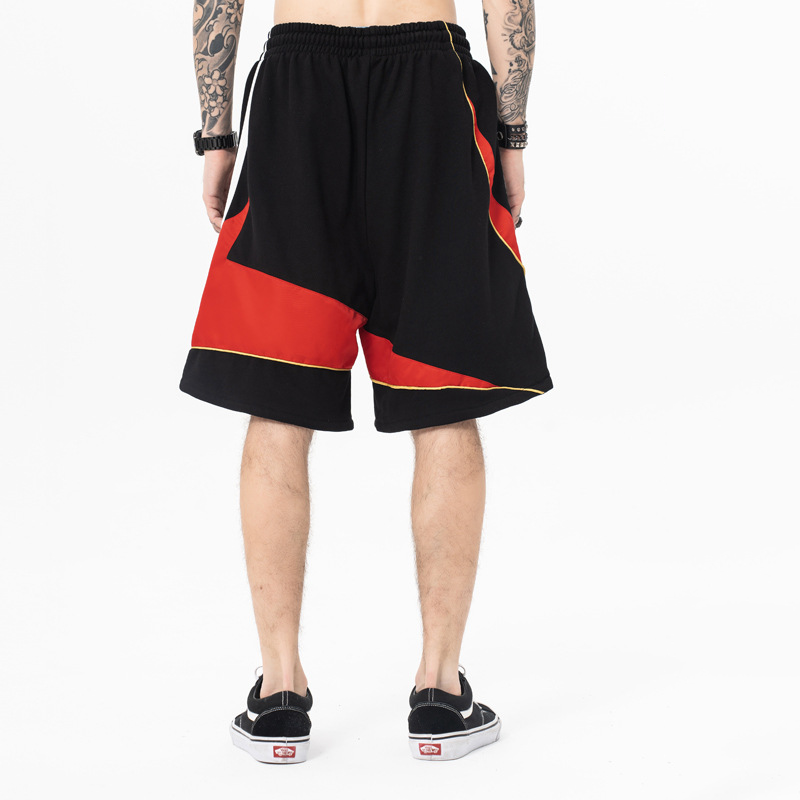
Distressing & Ripping
Precision hand-sanding, whiskering, and strategic rips create authentic worn-in details that resonate with streetwear audiences. Our artisans ensure every distressed element is reinforced for long-lasting wear and repeated washing.
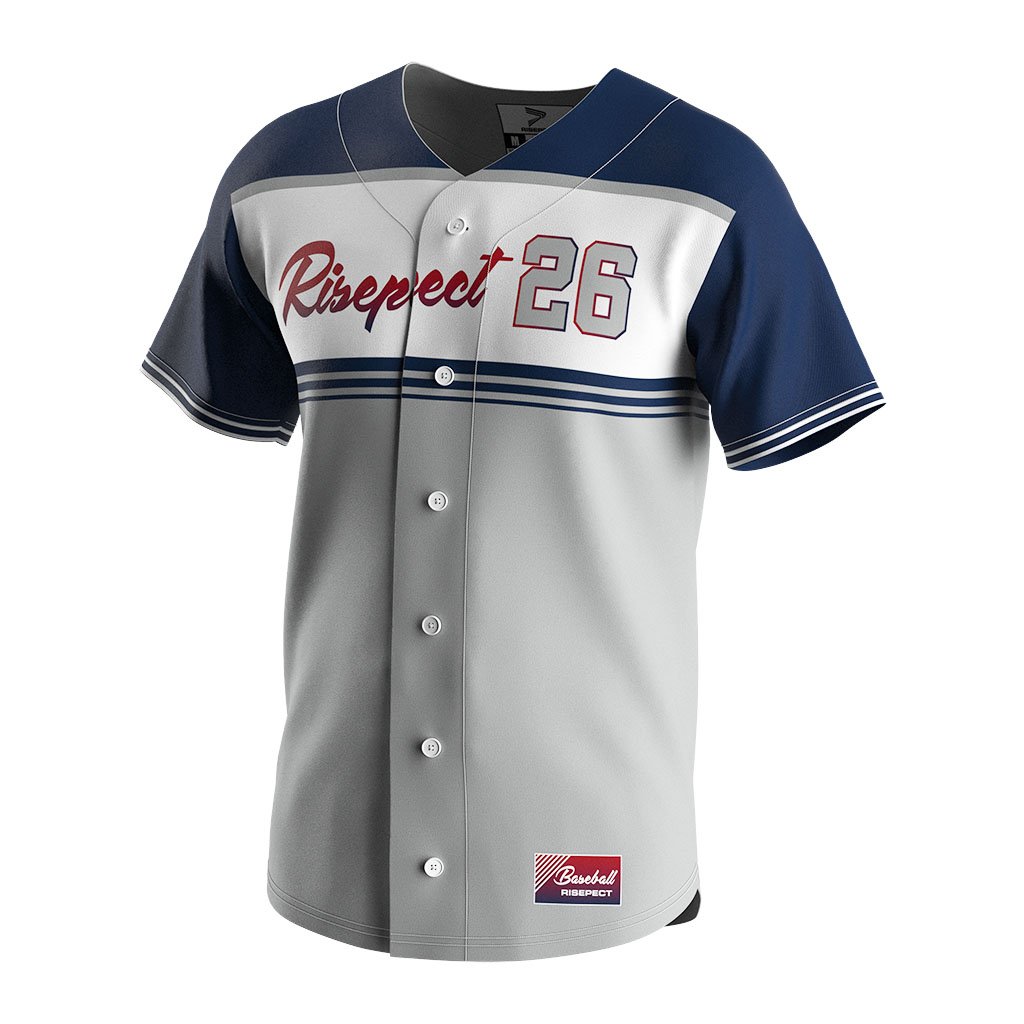
Custom Dyeing
Achieve any color from classic indigo to vibrant seasonal hues with our advanced dyeing technology. Colorfast formulations ensure your brand’s signature shades remain vivid and true through countless washes and heavy use.
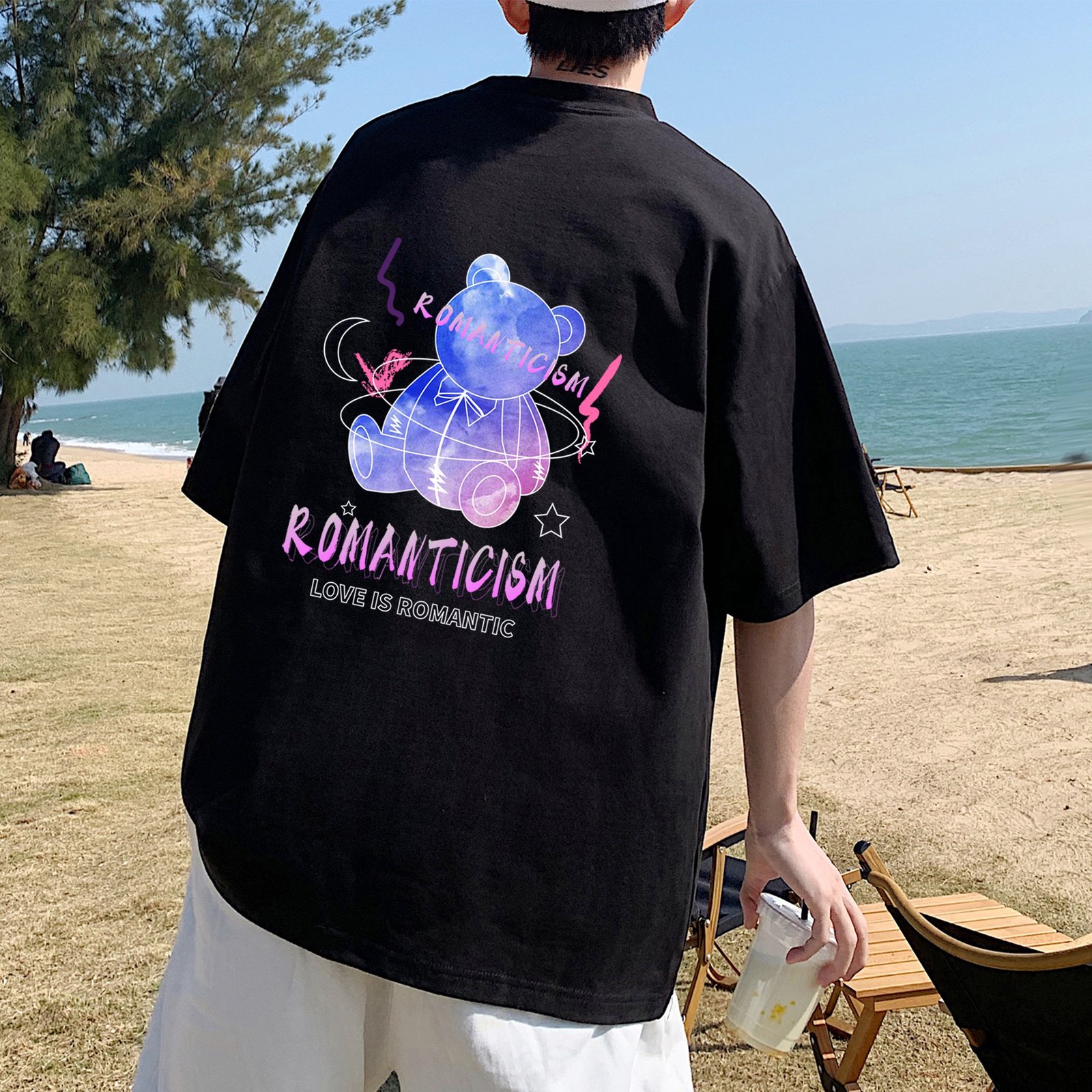
Embroidery Application
High-density thread embroidery adds premium branding, logos, and intricate designs directly onto denim. Our computerized machines deliver sharp detail and dimensional texture that elevates perceived value and strengthens brand identity.
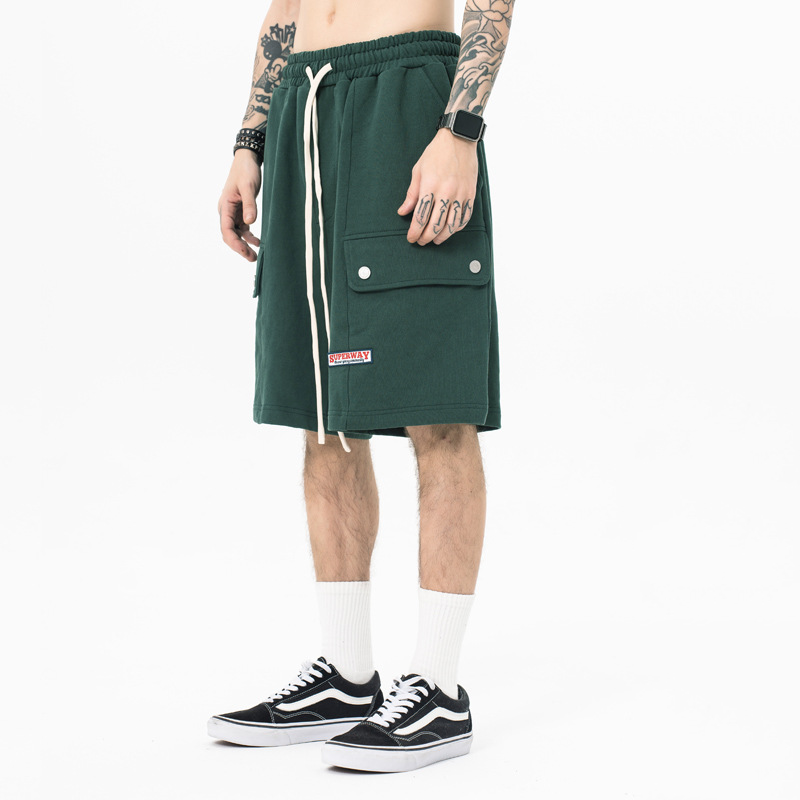
Screen Printing
Durable plastisol and water-based inks create bold graphics, slogans, and artwork on denim shorts with excellent wash resistance. Perfect for limited drops and influencer collaborations that demand eye-catching visual storytelling.
Hardware & Finishing Accessories for Denim Shorts Manufacturer Quality
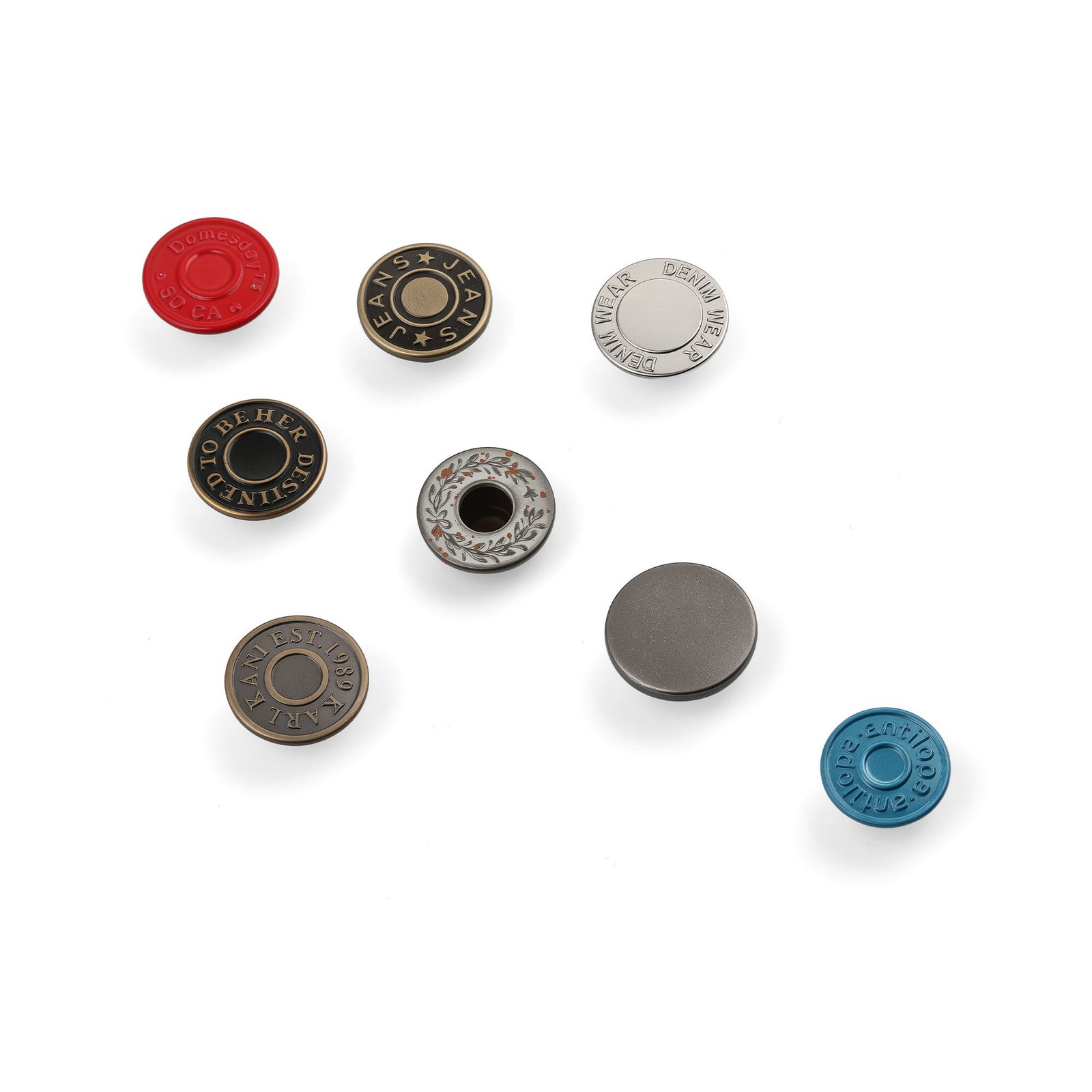
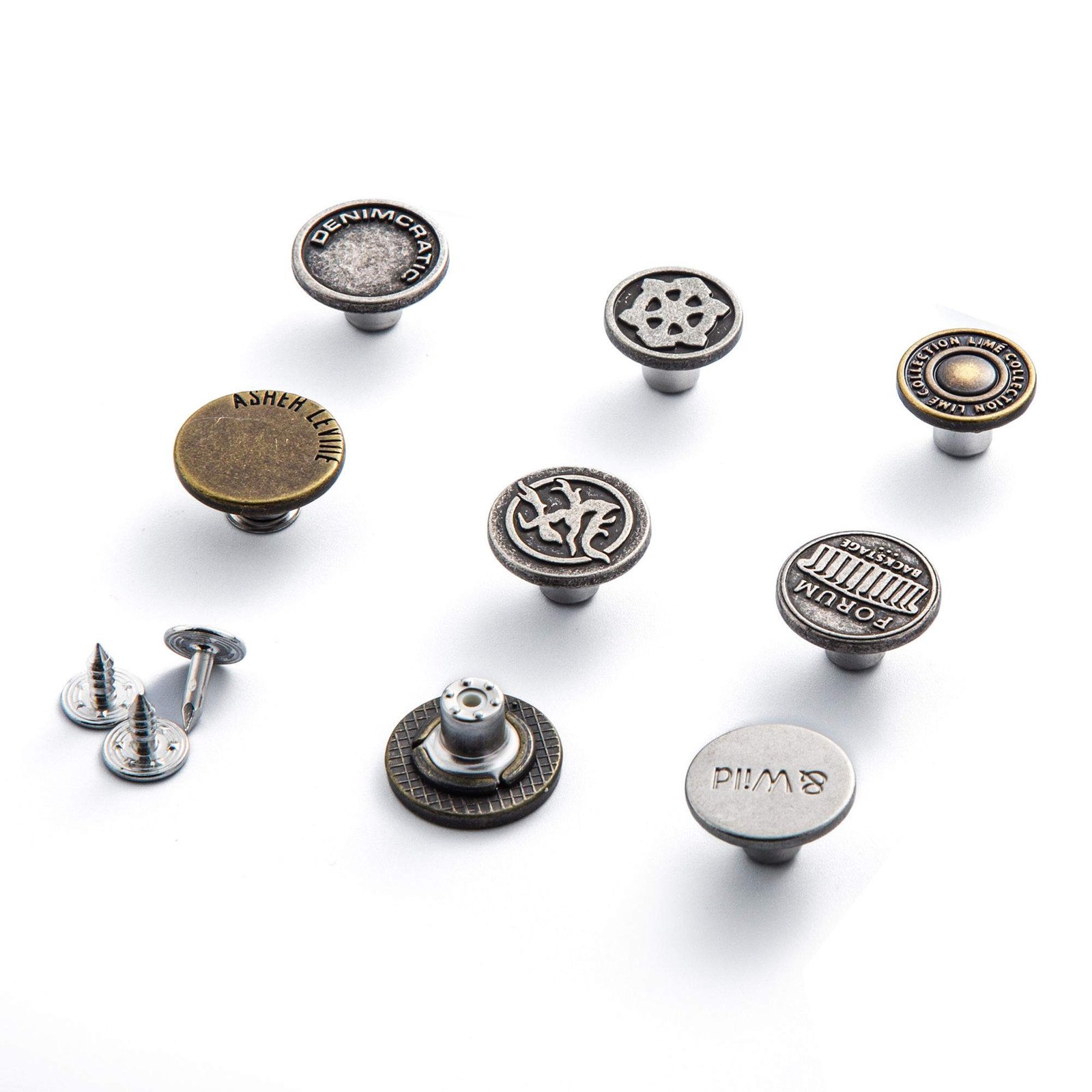
Custom Metal Rivets
Durable copper or brass rivets reinforce stress points on pockets and seams. Available in antique, brushed, or polished finishes with optional logo engraving to strengthen construction and add authentic denim character.
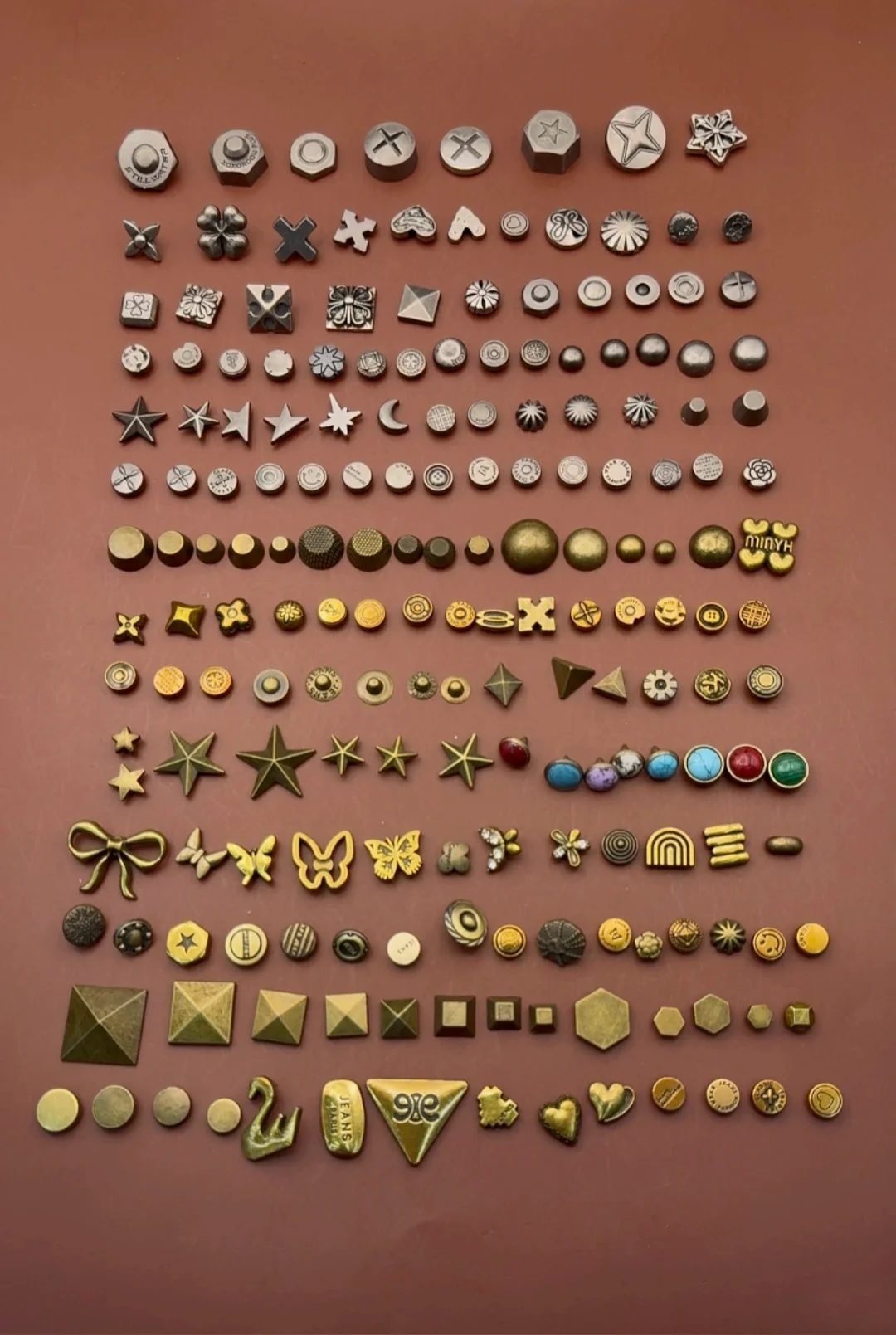
Branded Shank Buttons
Premium metal or corozo buttons for waistband closures, laser-engraved or embossed with your logo. Choose from gunmetal, brass, or matte black finishes that withstand repeated washing and deliver a luxury feel.
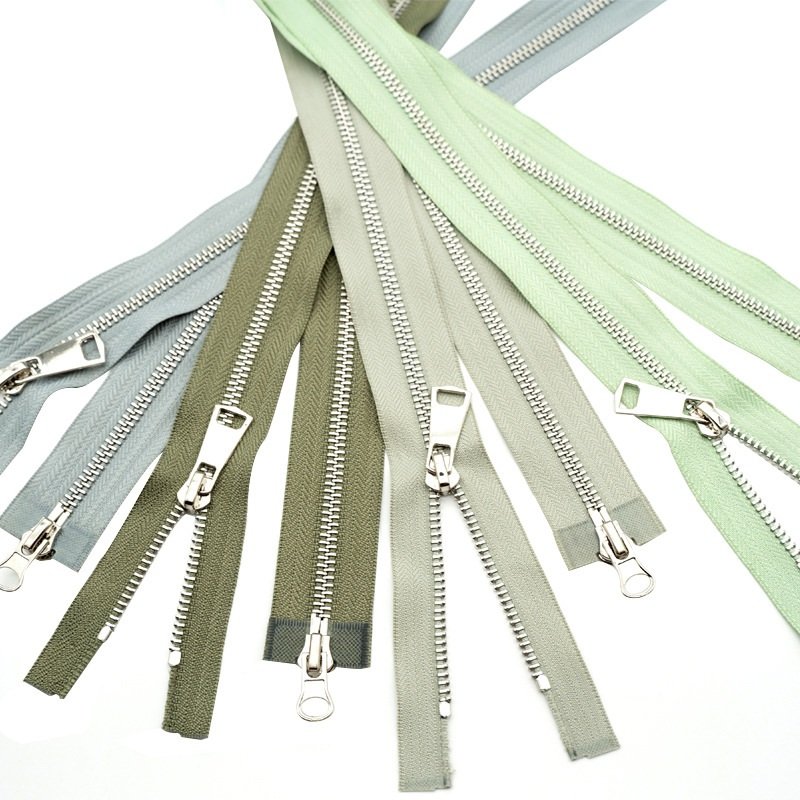
YKK Zippers
Industry-leading YKK fly zippers in brass, nickel, or antique finishes ensure smooth operation and long-term durability. Custom zipper pulls available with brand logo engraving for a distinctive streetwear touch.
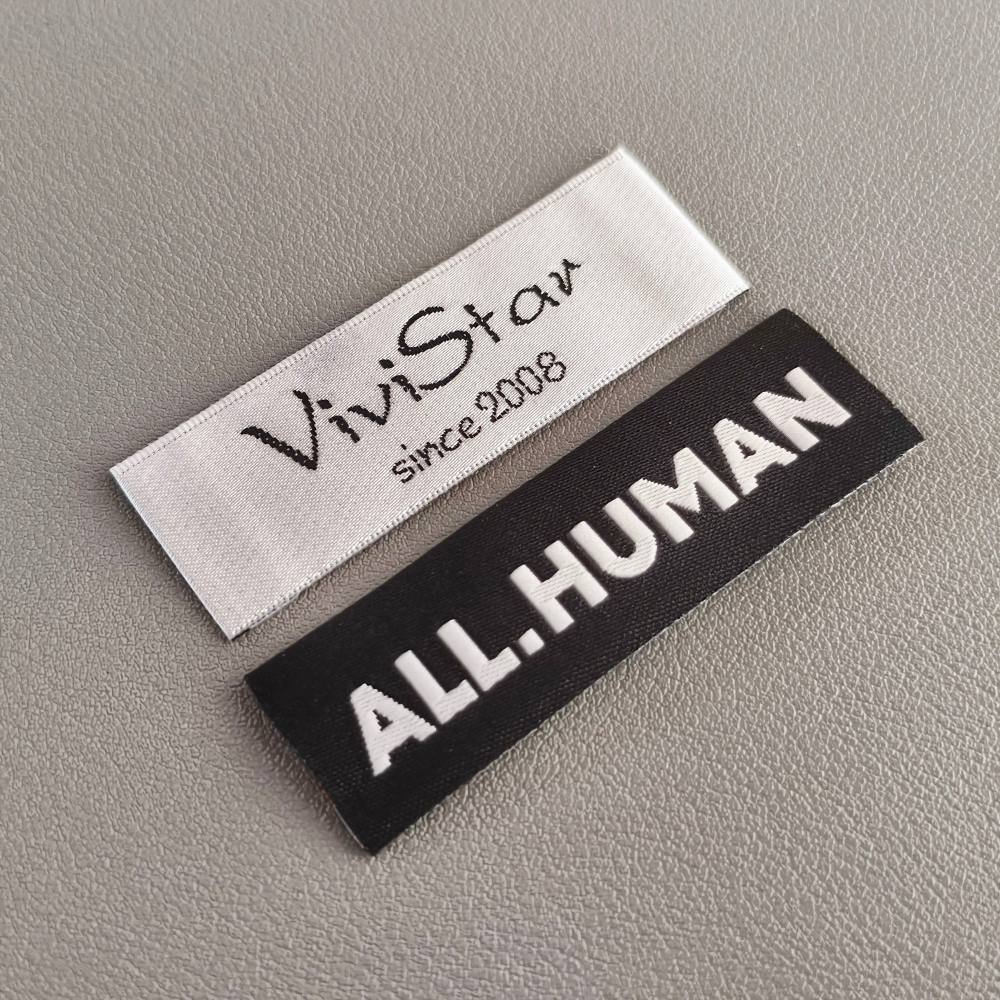
Woven Brand Labels
High-density woven labels with your logo, care instructions, and brand story. Sewn into waistband or back pocket, these labels resist fading and fraying, reinforcing brand recognition with every wear.
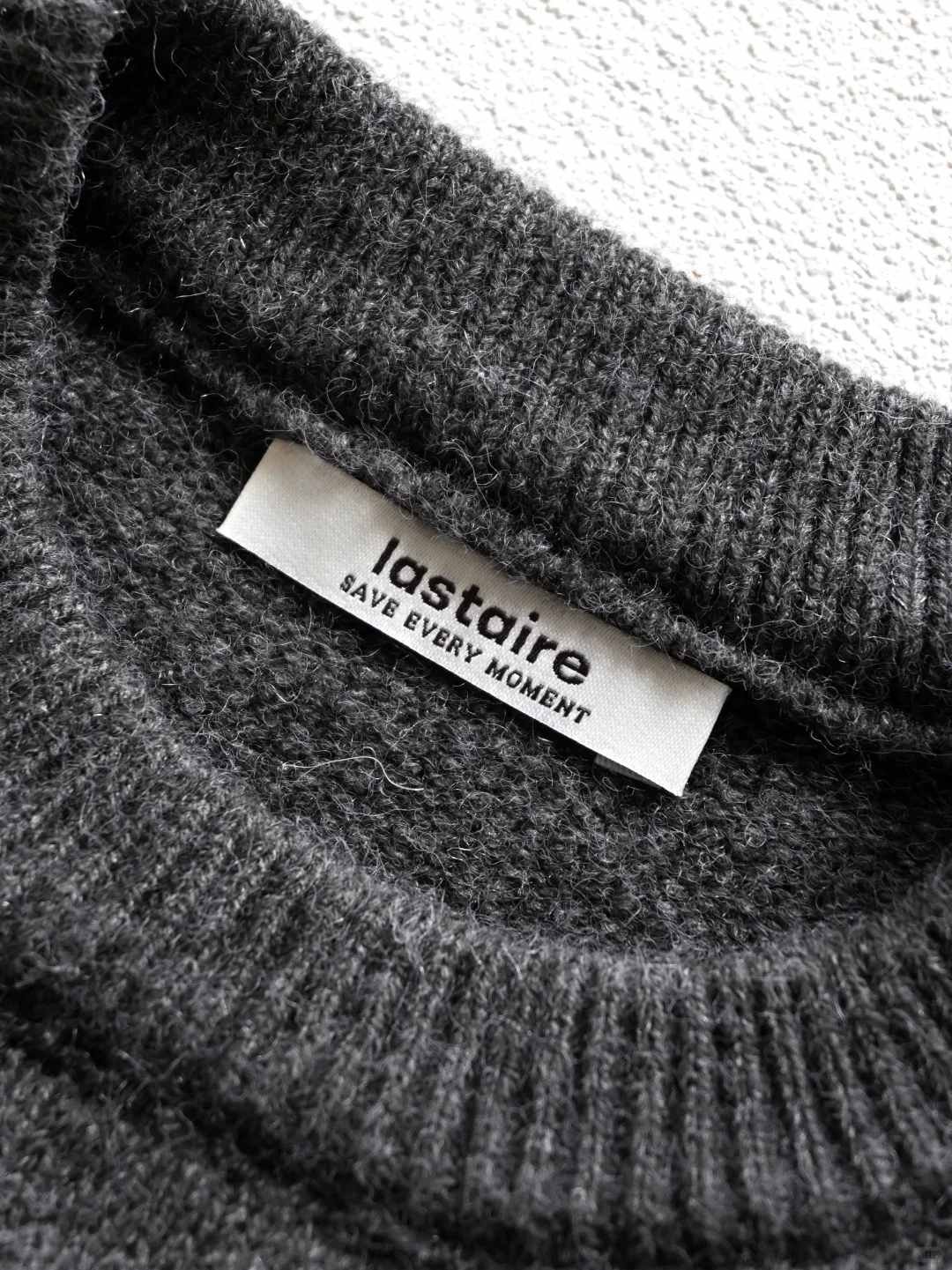
Custom Leather Patches
Genuine or vegan leather back-waist patches debossed or embossed with your brand mark. A signature detail for premium denim shorts that communicates craftsmanship and elevates perceived value at retail.
Drawcords & Tipping
Adjustable drawcords with metal or plastic aglets in coordinating colors for elastic-waist styles. Ideal for athleisure-inspired denim shorts, offering functional comfort and a modern streetwear aesthetic that appeals to younger demographics.
About Your Denim Shorts Manufacturer
Founded in 2024 by Tesla Luo, Clothing Manufacturer Ltd brings over 10 years of apparel production expertise and 6 years of specialized streetwear experience to every denim shorts order. Growing up in garment factories and working every production role from cutting to quality control, Tesla witnessed how many Chinese manufacturers skip critical QC steps. He launched our company to restore trust in Chinese manufacturing through rigorous, five-step quality testing at every production stage.
Today we serve fashion startups, streetwear brands, and global retailers across 100+ countries with a 15-person R&D team and 10 proprietary patents. Our denim shorts manufacturing combines trend-driven design, low 50-piece MOQs for emerging labels, and the same zero-compromise quality standards that built our reputation. Every pair passes materials QC, cutting QC, craft QC, sewing QC, and finished-product inspection before it ships.
As a denim shorts manufacturer, we partner with brands at every growth stage, from first-time designers launching debut collections to established names scaling seasonal production. Our mission is simple: eliminate low-quality clothing through hard work, transparency, and quality checks that others skip. When you work with us, you gain a manufacturing ally committed to making your brand look exceptional.
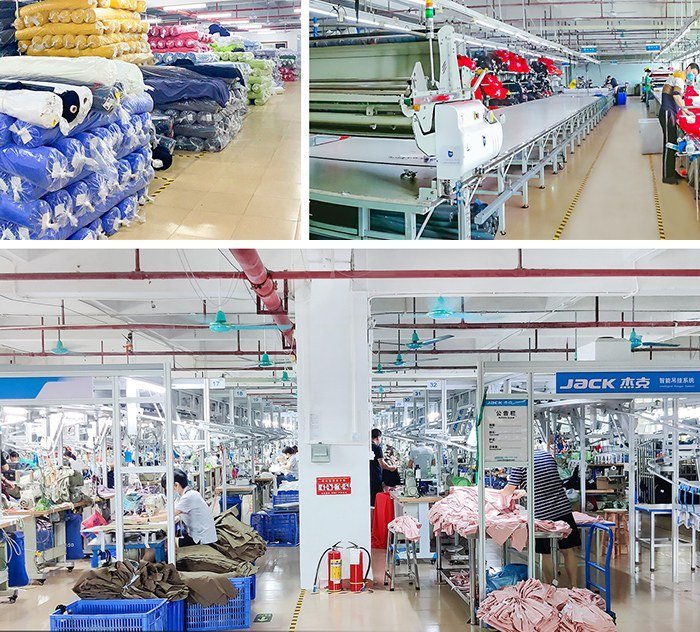
Denim Shorts Manufacturer Built on Quality, Speed, and Partnership
5-Step Quality Control Guarantee
Every denim short undergoes rigorous inspection at five critical production stages. Our systematic QC methodology catches defects early, ensuring only premium-grade garments reach your customers—eliminating the industry practice of post-production-only checks.
- Materials QC: Pre-production fabric and trim verification for durability and color consistency
- Cutting QC: Precision pattern alignment and grain-line accuracy checks on every panel
- Craft QC: In-process construction audits for stitching integrity, seam strength, and finishing details
- Finished Inspection: Final garment measurement, wash testing, and appearance standards before packaging
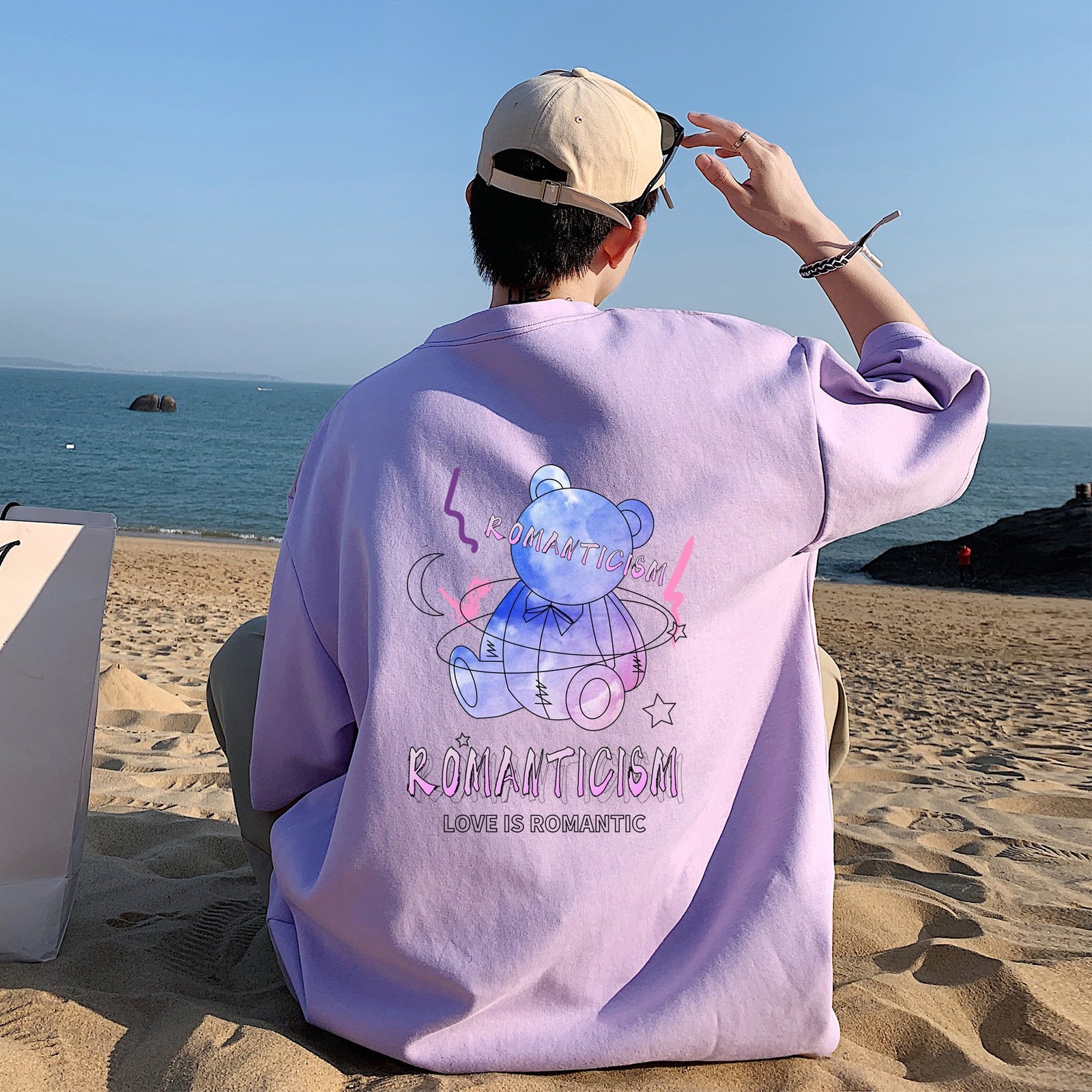
In-House Design and Sampling Team
Our 15-member R&D team translates your vision into production-ready patterns and samples. With 10 patents and deep streetwear expertise, we refine fit, wash effects, and hardware placement to match current trends and your brand identity.
- Trend-driven denim washes: distressed, acid-wash, vintage, and custom dye techniques
- Fit development: from relaxed boyfriend cuts to high-waisted and cargo-pocket styles
- Rapid sampling turnaround: first proto in 7–10 days, revisions within 3–5 days
- Collaborative iteration: digital mock-ups and physical samples until your design is perfect
Fast Turnaround for Seasonal Collections
Speed matters in streetwear. Our streamlined workflow and dedicated production lines deliver bulk orders in 25–35 days after approval, so you capture peak demand windows and stay ahead of fast-moving fashion cycles.
- Pre-allocated fabric stock for popular denim weights and washes to eliminate lead-time delays
- Parallel processing: cutting, sewing, and finishing teams work concurrently to compress timelines
- Priority scheduling for repeat clients and seasonal launches
- Real-time order tracking and milestone updates via dedicated account manager
Global Shipping and Logistics Support
We handle customs, documentation, and freight forwarding to over 100 countries. Whether you’re shipping to Los Angeles, London, or Sydney, our logistics team ensures your denim shorts arrive on time and duty-optimized.
- End-to-end export coordination: commercial invoices, packing lists, and certificate of origin
- Multi-carrier network: air, sea, and express options tailored to your budget and timeline
- Consolidated shipping for multi-SKU orders to reduce per-unit freight costs
- Proactive communication on shipment milestones, clearance status, and delivery confirmation
How We Outperform Other Denim Shorts Manufacturers
See why streetwear brands, fashion startups, and global retailers choose Clothing Manufacturer Ltd for their denim shorts production — backed by concrete evidence, not empty promises.
← 左右滑动查看 →
Our Denim Shorts Manufacturer Production Workflow
Every pair passes through six rigorous stages with quality control checkpoints embedded at each phase, ensuring your denim shorts meet streetwear standards before they ship.
Material Sourcing & QC
We source premium denim fabrics and hardware, then conduct materials QC testing to verify weight, stretch, colorfastness, and durability before production begins.
Design & Sampling
Our in-house design team creates tech packs and samples, refining fit, washes, and details until your denim shorts prototype perfectly matches your brand vision.
Cutting & Marking
Patterns are digitally marked and precision-cut from approved denim rolls. Cutting QC testing ensures accurate dimensions and minimal fabric waste for every panel.
Sewing & Craft QC
Skilled operators assemble each pair with reinforced stitching and hardware attachment. Clothing craft QC testing and sewing production QC catch defects in real time.
Finishing & Packing
Denim shorts are washed, distressed if specified, pressed, and labeled. Each piece is inspected for consistency in color, texture, and finishing before careful packaging.
Final Inspection & Shipping
Finished clothing quality QC inspection verifies every detail against your specifications. Approved orders are packed securely and dispatched with full global logistics support.
How to Partner With Your Denim Shorts Manufacturer in 3 Simple Steps
From concept to finished product, we guide you through every stage with transparent communication and expert support—even if this is your first production run.
Submit Your Design or Tech Pack
Send us your sketches, reference images, or full technical specifications. No tech pack? Our in-house design team will help you create one at no extra cost.
Review Quote and Approve Sample
Receive a detailed quote within 24 hours and a physical sample within 7–10 days. Revise until perfect—our sampling team ensures every detail matches your vision.
Confirm Order and Track Production
Place your bulk order with as low as 50 pieces per style. We apply our 5-step QC process at every stage and keep you updated until global shipment.
Certified Denim Shorts Manufacturer — Global Compliance & Quality Standards
Customer Success Stories — Denim Shorts Manufacturer Trusted by Growing Brands
We launched 4 denim shorts collections in 7 months with zero quality issues. Their 5-step QC caught problems before they reached our customers. Our return rate dropped to under 0.8% and our Instagram grew from 12K to 68K followers.
As a new brand, the 50-piece MOQ was perfect for testing our market. We sold out our first denim shorts drop in 11 days, reordered at 500 units, and scaled to 5,200 pieces across three styles within six months.
Their team understood our vintage-wash denim vision immediately. Sampling took 9 days, production was flawless, and we hit our summer launch deadline with room to spare. Our boutique partners reordered twice before the season ended.
Denim Shorts Manufacturer — Frequently Asked Questions
What is your minimum order quantity for denim shorts?
How quickly can a denim shorts manufacturer provide samples?
Do you offer design support as a denim shorts manufacturer?
What payment terms do you offer for bulk denim shorts orders?
How do you protect my designs and intellectual property?
What is the typical lead time for bulk denim shorts production?
Why should I choose your company as my denim shorts manufacturer?
Do you handle global shipping and customs for denim shorts orders?
The Complete Buyer’s Guide to Choosing the Right Denim Shorts Manufacturer
Navigate the complexities of sourcing denim shorts with confidence. This guide delivers a proven decision framework, essential supplier criteria, quality benchmarks, and the critical mistakes to avoid when partnering with a denim shorts manufacturer.
1. What Is a Denim Shorts Manufacturer?
A denim shorts manufacturer specializes in the design, development, and production of denim shorts for fashion brands, retailers, and independent designers. Unlike general garment factories that handle multiple product categories with varying expertise, a specialized denim shorts manufacturer maintains dedicated equipment, skilled operators trained in denim construction techniques, and quality control processes tailored to the unique demands of denim fabrication—including heavy-duty stitching, distressing, stone washing, and hardware application.
Full-service manufacturers manage the entire production cycle from initial concept and pattern development through fabric sourcing, cutting, sewing, finishing treatments (such as enzyme washes or sandblasting), and final packaging. Cut-and-sew operations focus exclusively on the assembly stage, requiring clients to supply pre-cut fabric panels and trim components. ODM (Original Design Manufacturer) providers offer ready-made designs that brands can customize with their labels, while OEM (Original Equipment Manufacturer) facilities produce garments strictly to client specifications and patterns.
Brands partner with a denim shorts manufacturer to access specialized knowledge that general factories lack: understanding denim shrinkage rates (typically 3-5 percent for raw denim), selecting appropriate thread weights for topstitching and bar-tacks, managing the five-step quality control methodology that includes materials QC, cutting QC, craft QC, sewing production QC, and finished goods inspection. This expertise ensures consistent fit across production runs, prevents common defects like puckering at seams or misaligned pocket placement, and delivers finished products that meet the technical and aesthetic standards streetwear brands and retailers demand in competitive global markets.
2. The Evolution of Denim Shorts Manufacturing
Denim shorts emerged in the early 1900s as practical workwear, cut from the same heavy-duty twill used for miners’ and laborers’ trousers. By the 1970s, casual fashion transformed denim shorts into a mainstream wardrobe staple, with manufacturers shifting from purely functional construction to style-driven silhouettes and washes. Today’s streetwear market positions denim shorts as a canvas for bold graphics, distressed finishes, and trend-responsive customization, demanding agile production methods that balance speed with quality.
Stonewashing revolutionized denim shorts manufacturing in the 1980s, using pumice stones and industrial washers to achieve soft, faded aesthetics at scale. Laser distressing technology emerged in the 2000s, enabling a denim shorts manufacturer to replicate hand-sanded wear patterns with precision while reducing water consumption by up to 70 percent compared to traditional washing. Digital customization platforms introduced in the 2010s allow brands to upload artwork for direct-to-garment printing or embroidery, compressing sample-to-production cycles from weeks to days.
Sustainable denim processes have reshaped production standards since 2015, driven by consumer demand and regulatory pressure. Ozone washing, waterless finishing, and organic cotton sourcing now appear in manufacturer service menus alongside conventional methods. Fast fashion’s 2–4 week lead-time expectations pushed factories to adopt modular cutting systems and real-time quality checkpoints, yet many producers still skip mid-production QC testing. Manufacturers that embed quality control at every stage—from fabric inspection through finished garment review—deliver consistent output that meets both speed and durability requirements for modern streetwear and retail brands.
3. Types of Denim Shorts Manufacturer Services
A denim shorts manufacturer typically offers multiple service models, each designed for different brand maturity levels and operational needs. Understanding these models helps you match production capabilities to your business stage and resource availability.
Full-Package Manufacturing (FPM)
Full-package manufacturers handle everything from fabric sourcing and pattern development through cutting, sewing, finishing, and packaging. This model suits startups and independent designers who lack supply-chain infrastructure. MOQs typically range from 50 to 500 pieces per style, with lead times of 45 to 75 days.
Clothing Manufacturer Ltd. operates as a full-package provider, leveraging its parent company’s supply network and 15-member R&D team to deliver design-to-delivery service. Brands receive finished, quality-tested products ready for retail or e-commerce fulfillment.
- Includes fabric procurement, trims, labels, hang tags, and polybags
- Ideal for brands without sourcing teams or fabric relationships
- Higher per-unit cost but eliminates coordination overhead
Cut-Make-Trim (CMT)
CMT manufacturers provide labor only: cutting fabric, sewing garments, and attaching trims you supply. This model requires you to source and ship all materials to the factory. MOQs often start at 300 pieces, with lead times of 20 to 35 days once materials arrive.
CMT works best for established brands with existing fabric suppliers, quality-control staff, and logistics capabilities. Per-unit costs are lower, but you bear responsibility for material quality, delivery timing, and customs clearance.
- You own and ship fabric, buttons, zippers, labels, and thread
- Factory charges only for cutting and sewing labor
- Requires strong supply-chain management and QC oversight
Original Design Manufacturer (ODM)
ODM suppliers maintain libraries of pre-developed denim shorts designs that you can customize with your branding, washes, and trim details. MOQs range from 100 to 300 pieces per colorway, with lead times of 30 to 50 days. This model accelerates time-to-market for brands prioritizing speed over exclusive design.
You select from existing patterns, specify fabric weight and wash effects, then apply your labels and hangtags. ODM reduces development costs but limits design differentiation in crowded streetwear markets.
- Pre-approved patterns reduce sampling cycles and development fees
- Faster launch timelines compared to custom design
- Multiple brands may use similar silhouettes
Private Label Services
Private label manufacturers produce finished denim shorts under your brand name, often from a catalog of ready-to-order styles. MOQs can be as low as 50 pieces per design, with lead times of 25 to 40 days. This model suits influencer brands and creator labels testing market demand without design investment.
You choose washes, hardware, and labeling from available options. Private label offers the lowest barrier to entry but provides minimal product differentiation and limited control over fabric specifications or construction methods.
- Turnkey solution with minimal upfront development
- Limited customization beyond branding and basic trims
- Best for market testing or fast-fashion cycles
4. Denim Fabrics and Materials for Shorts
Selecting the right denim fabric determines the comfort, durability, and market positioning of your shorts. A denim shorts manufacturer typically offers five core fabric categories, each defined by weight (GSM), stretch percentage, and construction method. Understanding these specifications ensures your collection aligns with target demographics and price points.
| Fabric Type | Weight (GSM) | Stretch % | Typical Application | Price Tier |
|---|---|---|---|---|
| Classic Indigo | 340–475 | 0% | Heritage & workwear styles | Mid |
| Stretch Denim (2% elastane) | 305–407 | 15–20% | Everyday casual shorts | Mid |
| High-Stretch (4–5% elastane) | 270–340 | 25–30% | Athletic & body-fit styles | Mid-High |
| Lightweight Chambray | 170–220 | 0–2% | Summer & resort collections | Low-Mid |
| Raw Selvedge | 375–475 | 0% | Premium & limited editions | High |
| Organic Cotton | 305–407 | 0–2% | Eco-conscious collections | High |
| Recycled Denim | 270–375 | 0–3% | Sustainable basics | Mid-High |
| Tencel Blend | 270–375 | 0–2% | Performance & eco-luxury | High |
Classic Indigo Denim
Traditional 100% cotton indigo denim remains the foundation of shorts manufacturing, typically ranging from 10 oz to 14 oz (340–475 GSM). This non-stretch fabric delivers authentic vintage aesthetics and superior durability, ideal for heritage-inspired collections and workwear-influenced streetwear.
Ring-spun indigo denim offers softer hand feel than open-end alternatives, while maintaining the characteristic twill weave and natural fading properties that define classic denim shorts. Most denim shorts manufacturers stock indigo weights between 11 oz and 13 oz for optimal balance between structure and summer wearability.
Stretch Denim and Elastane Blends
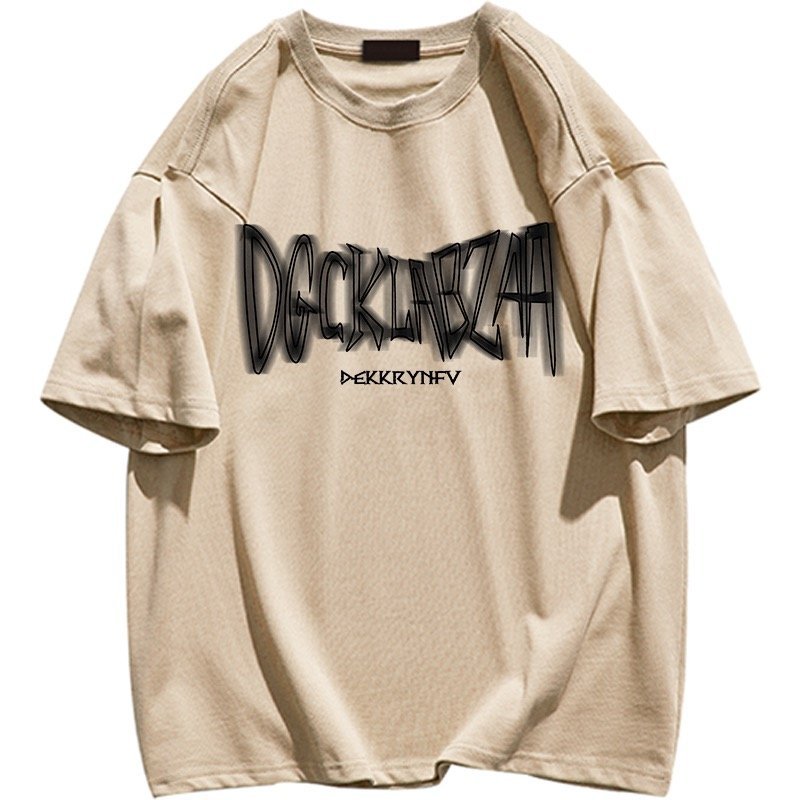
Stretch denim incorporates 1–5% elastane (spandex) for enhanced mobility and recovery, with 2% elastane being the industry standard for shorts. Fabric weights typically range from 9 oz to 12 oz (305–407 GSM), offering 15–30% stretch depending on elastane content and knit construction.
High-stretch blends (3–5% elastane) provide 25–30% elongation, popular for athletic-inspired shorts and body-contouring fits. A denim shorts manufacturer using quality elastane ensures shape retention after repeated washing, critical for maintaining fit integrity throughout the product lifecycle.
Sustainable Denim Options
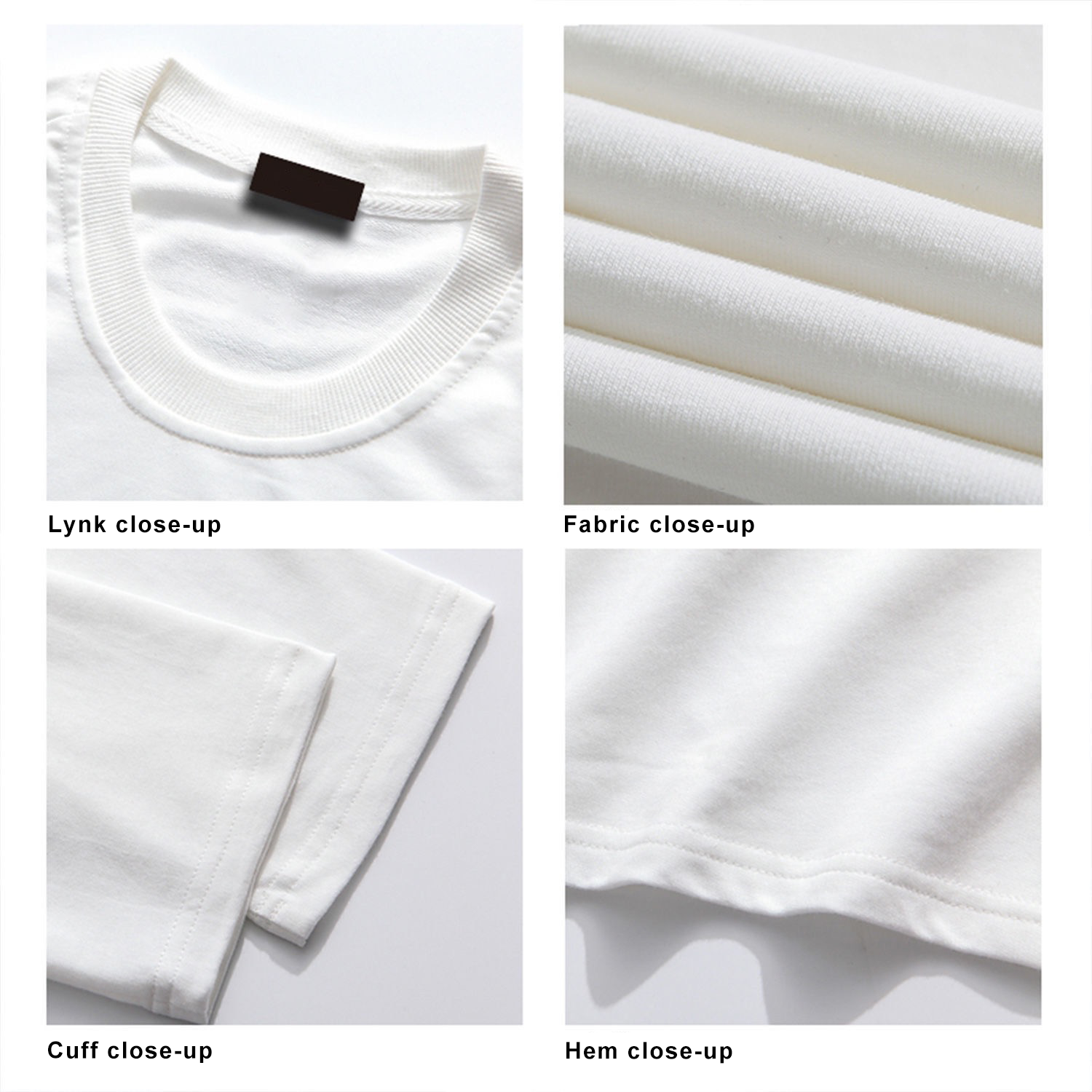
Organic cotton denim, recycled denim blends, and Tencel (lyocell) compositions address growing demand for eco-conscious apparel. Organic options eliminate pesticide use, while recycled denim diverts post-consumer waste and reduces water consumption by up to 95% compared to virgin production.
Tencel-blended denim (typically 30–50% Tencel, 50–70% cotton) offers natural moisture-wicking and biodegradability, with fabric weights from 8 oz to 11 oz. These sustainable fabrics command 20–40% price premiums but align with certifications like GOTS and OEKO-TEX, essential for brands targeting environmentally aware consumers.
5. Customization and Decoration Options with a Denim Shorts Manufacturer
A denim shorts manufacturer offers extensive customization beyond basic cutting and sewing, enabling brands to differentiate through washes, distressing, hardware, and decoration. Each technique carries distinct setup costs, MOQ thresholds, and lead-time implications that affect production schedules and unit economics.
Wash Techniques and Finishes
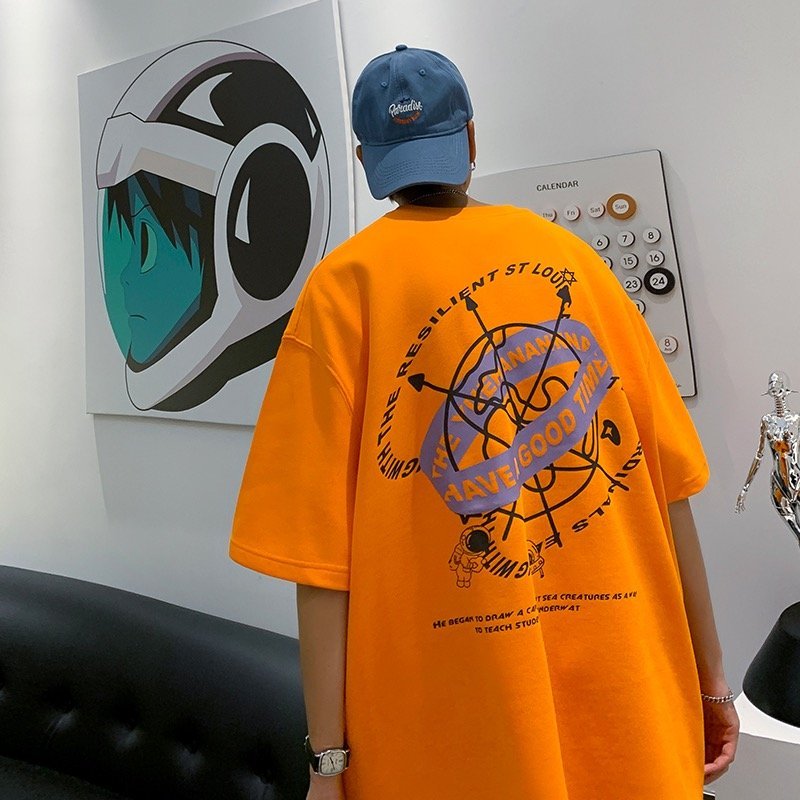
Stonewash uses pumice stones to soften denim and create vintage fading, typically adding 2–3 days to production and $0.50–$1.20 per unit. Acid wash employs chlorine or potassium permanganate for high-contrast marbling, requiring specialized ventilation and adding $1.00–$2.00 per piece. Enzyme wash uses cellulase enzymes for controlled fading without abrasion, costing $0.60–$1.50 per short and extending lead time by 1–2 days.
Laser finishing creates precise fade patterns, whiskering, and logos without water or chemicals, with setup fees of $50–$150 per design and per-unit costs of $0.80–$2.50. Most manufacturers require minimum 100–200 pieces per custom wash recipe to justify machine setup and quality testing.
Distressing and Destruction Details
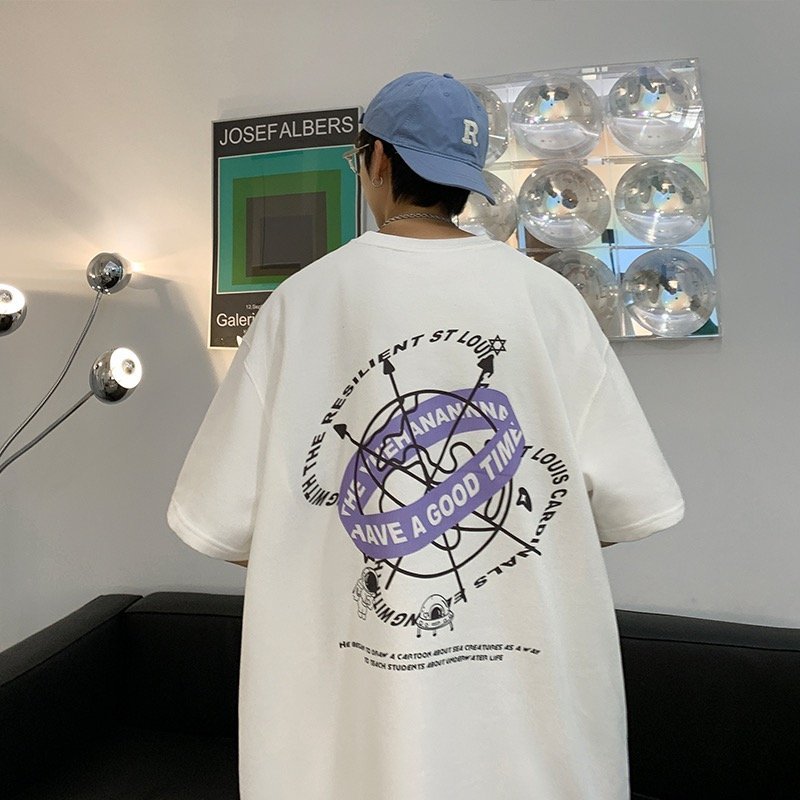
Hand-sanding, rips, fraying, and whiskering add artisanal character but increase labor costs by $1.50–$4.00 per short depending on complexity. Ripped knees or hems require reinforcement stitching to prevent uncontrolled tearing, adding $0.30–$0.60 per location.
Whiskering and chevron fading are achieved through hand-scraping or laser, with hand techniques requiring skilled operators and 5–10 minutes per garment. Distressing typically adds 3–5 days to production and may raise MOQ to 100 pieces to ensure consistent hand-work quality across the batch.
Hardware and Trim Customization
Button-fly closures, metal rivets, custom zipper pulls, and branded shank buttons differentiate premium shorts from commodity styles. YKK zippers in brass, antique, or gunmetal finishes cost $0.40–$1.20 per unit; custom logo engraving on pulls adds $0.20–$0.50 and requires 50–100 piece minimums.
Metal rivets and tack buttons in copper, brass, or black oxide range from $0.10–$0.30 per set of five. Custom-engraved or embossed buttons carry setup fees of $80–$200 and per-unit costs of $0.25–$0.70, with MOQs of 200–500 pieces to justify mold tooling.
Embroidery, Printing, and Patch Decoration
Embroidery offers durability and premium texture, with setup digitizing fees of $30–$80 per design and per-unit costs of $1.50–$4.00 depending on stitch count (5,000–15,000 stitches typical). Screen printing is cost-effective for bold graphics, charging $50–$120 per screen setup and $0.80–$2.50 per print location; water-based inks suit vintage aesthetics while plastisol delivers opacity.
Woven or embroidered patches cost $0.50–$2.00 each and require heat-press or lock-stitch attachment, adding $0.30–$0.60 labor. Custom woven labels for waistbands run $0.10–$0.40 per label with 500–1,000 piece minimums, while leather or jacron patches start at $0.80–$2.50 and need 200+ MOQ.
6. Key Quality Control Elements in Denim Shorts Production
A denim shorts manufacturer’s quality control system determines whether your finished product meets brand standards or generates costly returns. The five-step QC methodology—materials testing, cutting verification, craft inspection, sewing checks, and final review—catches defects at every production stage rather than discovering them after shipment.
Fabric Inspection and Pre-Production Testing
Materials QC testing begins when denim rolls arrive at the factory, verifying weight consistency (typically 10–14 oz for shorts), color matching against approved lab dips, and shrinkage rates through wash testing. A reputable denim shorts manufacturer tests fabric before cutting to ensure every panel behaves identically after the first consumer wash.
Color consistency checks use spectrophotometers to measure Delta E values; readings above 1.0 between rolls signal batch mismatches that will create visible shade variations in finished garments.
Construction and Stitching Quality Control
Sewing production QC testing monitors seam strength (minimum 40 N breaking force for denim), stitch density (12–14 stitches per inch on stress seams), and thread tension balance. Inspectors check that bar tacks reinforce pocket corners and fly openings, and that topstitching remains straight within 2 mm tolerance.
Craft QC during assembly catches misaligned waistbands, uneven hem widths, and skipped stitches before dozens of units replicate the same error.
Hardware Durability and Fastener Testing
Button pull tests apply 70–90 N force to verify shank attachment won’t fail during normal wear; zippers undergo 200-cycle open-close tests to confirm slider durability. Hardware QC includes verifying rivet compression, checking that metal finishes resist oxidation, and ensuring snap closures meet 25 N retention force.
A denim shorts manufacturer skipping hardware testing risks field failures that damage brand reputation far beyond the cost of proper QC.
Final Inspection and Fit Consistency
Finished clothing quality inspection measures every size against the approved tech pack: waist circumference, inseam length, rise depth, and leg opening must fall within ±1 cm tolerance. Inspectors verify wash fastness by rubbing dyed fabric against white cloth to detect crocking, and check for surface defects like puckering or shade bars.
Red flags include factories that skip mid-production checks, lack calibrated measuring tools, or cannot provide QC reports with numerical pass/fail data for each checkpoint.
7. How to Choose the Right Denim Shorts Manufacturer
Selecting a denim shorts manufacturer requires a structured evaluation of production capabilities, compliance standards, and operational transparency. Brands at every stage—from first-time designers to global retailers—benefit from a checklist that covers MOQ flexibility, certifications, sampling efficiency, and scalability.
Assess Production Capacity and MOQ Flexibility
MOQ thresholds separate manufacturers targeting startups from those serving large retailers. A 50-piece MOQ suits emerging brands testing designs, while 500–1,000 piece minimums favor established labels with proven demand.
Ask whether the factory can scale from small test runs to repeat orders of 5,000+ units without sacrificing lead times or per-unit cost. Confirm whether capacity includes in-house cutting, sewing, washing, and finishing or relies on subcontractors.
Verify Certifications and Compliance
WRAP, BSCI, and OEKO-TEX certifications signal adherence to labor standards, chemical safety, and environmental protocols. Retailers in the EU and North America increasingly require these credentials before onboarding suppliers.
Request certificate copies with current validity dates and audit scores. A denim shorts manufacturer committed to quality testing at every production stage—materials, cutting, craft, sewing, and finished goods—demonstrates process rigor beyond basic compliance.
Evaluate Sampling Speed and Cost
Sample turnaround times range from 7 to 21 days depending on wash complexity and hardware sourcing. Sampling costs typically run $30–$80 per piece for denim shorts with custom washes or embroidery.
Confirm whether sampling fees are refundable against bulk orders and how many revision rounds are included. Fast, affordable sampling accelerates product development cycles for trend-responsive streetwear brands.
Check Communication and Design Support
A manufacturer’s R&D team size and patent portfolio indicate design collaboration depth. Fifteen-member R&D teams with 10+ patents can translate mood boards into technical packs, recommend fabric alternatives, and troubleshoot fit issues.
Test responsiveness by asking detailed questions about denim weight options, distressing techniques, and hardware suppliers. Clear, timely answers in your preferred language reduce costly misunderstandings during production.
Review Past Client Portfolios and References
Manufacturers serving 1,000+ clients across 100+ countries demonstrate proven export logistics and cross-cultural communication. Request case studies or portfolio samples matching your aesthetic—streetwear, vintage, or minimalist.
Contact two or three references to ask about on-time delivery rates, defect percentages, and how the factory handled production issues. A track record of helping influencer brands grow from zero to tens of thousands of followers shows partnership commitment beyond transactional orders.
Confirm Lead Times and Payment Terms
Standard bulk lead times for denim shorts span 25–45 days post-sample approval, depending on wash complexity and order volume. Rush production may shorten timelines by 30–40 percent at premium cost.
Understand deposit structures—typically 30–50 percent upfront, balance before shipment—and whether the factory accepts PayPal, wire transfer, or trade-credit terms. Transparent payment milestones tied to production checkpoints protect both parties and ensure cash-flow predictability.
8. Common Mistakes When Sourcing a Denim Shorts Manufacturer
Sourcing a denim shorts manufacturer involves navigating multiple technical and contractual decisions, and even experienced buyers make costly errors. Understanding the most common pitfalls—from price-only decisions to overlooked QC standards—helps brands avoid delays, quality failures, and IP disputes.
Choosing Solely on Price
Many startups select the lowest-cost denim shorts manufacturer without evaluating quality systems, fabric sourcing, or finishing standards. A factory quoting 30% below market rate often cuts corners by skipping mid-production QC testing, using lower-grade denim (below 10 oz when 12 oz was specified), or substituting hardware.
Clothing Manufacturer Ltd.’s five-step QC methodology—materials, cutting, craft, sewing, and finished-product inspection—adds marginal cost but prevents the rework and chargebacks that erase any initial savings. Request itemized quotes that separate fabric, labor, trims, and QC to compare true value, not just headline price.
Ignoring Fabric Quality and Sourcing
Buyers often approve a tech pack without specifying denim weight, weave (twill vs. broken twill), stretch percentage, or dyeing method. Factories default to the cheapest available fabric, resulting in shorts that fade unevenly, lose shape after three washes, or feel stiff.
Always request fabric swatches with GSM/oz specifications, fiber content breakdowns (cotton percentage, elastane type), and wash-test reports showing colorfastness (ISO 105-C06 grade 4 minimum). Verify that the mill holds OEKO-TEX Standard 100 certification to ensure no harmful chemicals remain in the denim.
Skipping Sample Orders
Launching directly into bulk production without a pre-production sample is the fastest route to costly mistakes. A sample reveals fit issues, hardware mismatches, thread tension problems, and wash inconsistencies that tech packs cannot capture.
Order at least two rounds: a first prototype to check pattern and construction, then a pre-production sample using final fabrics and trims. Clothing Manufacturer Ltd. recommends approving samples in writing before any cutting begins, protecting both parties from disputes over specifications.
Underestimating Lead Times
New brands frequently expect 30-day turnarounds for custom denim shorts, ignoring fabric procurement (14–21 days), sampling (7–10 days), bulk production (21–28 days), and shipping (7–45 days depending on method). Rushed orders force factories to skip QC steps or source substitute materials.
Build a realistic timeline: 60–75 days for sea freight, 45–50 days for air. Communicate your launch date early, and ask your denim shorts manufacturer for a Gantt chart showing each production milestone and buffer for delays.
Neglecting IP and Design Protection
Brands share proprietary artwork, patterns, and wash formulas without non-disclosure agreements, only to see their designs copied by competitors or sold as factory stock. China’s IP enforcement has improved, but prevention remains easier than litigation.
Sign an NDA before sending any design files. Register your logo and key graphic elements as trademarks in your target markets. Clothing Manufacturer Ltd. respects client IP and does not resell custom designs, but formalizing this in a contract ensures legal recourse if a dispute arises.
9. Steps to Launch Your Denim Shorts Brand
Launching a denim shorts line requires a structured approach from concept to first shipment. Fashion startups and independent designers who follow a clear roadmap reduce risk, control costs, and build stronger relationships with their denim shorts manufacturer.
Define Brand Positioning and Target Market
Identify your customer demographic, price tier, and design aesthetic before contacting any denim shorts manufacturer. Streetwear brands targeting 18–30-year-olds require different washes, fits, and decoration than premium lifestyle labels.
Document your brand values, signature design elements, and competitive positioning in a one-page brief. This clarity ensures your manufacturer understands your vision and can recommend appropriate fabrics, trims, and construction methods.
Create Tech Packs and Design Specs
Prepare detailed tech packs that include flat sketches, measurements for all sizes, fabric specifications (weight, stretch, finish), hardware callouts, and wash instructions. A complete tech pack reduces sampling revisions and miscommunication.
Specify denim weight in ounces per square yard (8–12 oz is typical for shorts), pocket styles, fly construction, and any distressing or embellishment. Include Pantone references for thread, labels, and trims to ensure color accuracy.
Request and Evaluate Samples
Order pre-production samples to verify fit, fabric hand-feel, wash quality, and construction. Most denim shorts manufacturers require 15–25 days for initial samples and charge $30–80 per style depending on complexity.
Evaluate seam strength, pocket alignment, waistband consistency, and hardware durability. Test wash fastness and dimensional stability by laundering samples three times before approving production.
Negotiate Pricing, MOQs, and Payment Terms
Discuss minimum order quantities, unit costs, and payment schedules upfront. Typical MOQs for custom denim shorts range from 50 to 300 pieces per colorway, with lower minimums available for startups working with specialized manufacturers.
Request a detailed cost breakdown covering fabric, trims, labor, and finishing. Negotiate 30–50% deposits with balance due before shipment, and clarify who bears responsibility for defects discovered after delivery.
Manage Production and Pre-Shipment Inspection
Confirm production timelines, typically 30–45 days after sample approval for denim shorts. Request progress updates at cutting, sewing, and finishing milestones to catch issues early.
Conduct a pre-shipment inspection using the five-step QC methodology: materials testing, cutting verification, craft inspection, sewing checks, and final garment review. This reduces the risk of receiving off-spec inventory and protects your brand reputation.
10. Denim Shorts Manufacturing Pricing and Cost Breakdown
Denim shorts manufacturing pricing varies by fabric tier, order volume, and customization level. Budget-grade denim (8–10 oz, open-end yarn) typically ranges $6–$9 per unit at 200-piece MOQs, while mid-range selvedge or stretch blends (10–12 oz, ring-spun) cost $10–$15 per unit, and premium Japanese selvedge or organic cotton (12–14 oz) runs $16–$25 per unit at the same volume. Most denim shorts manufacturers offer tiered pricing that drops 15–30% as order quantities scale from 50 pieces to 1,000+ pieces.
Setup and sampling fees add $150–$400 per style, covering pattern development, grading, and first samples. Customization options carry incremental costs: stone wash or enzyme wash adds $1.50–$3 per piece, distressing or whiskering $2–$4, embroidery $1.50–$5 depending on stitch count, and premium hardware upgrades (YKK zippers, branded rivets) $0.80–$2 per unit. Clothing Manufacturer Ltd. applies its five-step QC methodology across all price tiers, ensuring defect rates remain below 2% even on budget runs.
Lead times extend with customization complexity. Standard cuts in solid washes ship in 18–25 days at 200-piece orders, while heavily customized runs with multiple washes, embroidery, and hardware upgrades require 28–35 days. Rush orders (10–15 days) incur 20–30% surcharges. Brands should budget $8–$12 per unit for mid-tier denim shorts at 200-piece MOQs, plus $2–$6 per piece for moderate customization, to achieve retail-ready quality that supports $40–$70 consumer price points.
| Quantity Tier | Price per Unit (Mid-Range Denim) | Lead Time (Days) | Customization Add-Ons |
|---|---|---|---|
| 50–99 pieces | $13–$18 | 25–30 | +$3–$7 per piece |
| 200–499 pieces | $10–$15 | 18–25 | +$2–$6 per piece |
| 500–999 pieces | $8–$12 | 18–22 | +$1.50–$5 per piece |
| 1,000+ pieces | $6–$10 | 15–20 | +$1–$4 per piece |
Ready to Launch Your Denim Shorts Line with a Trusted Manufacturer?
Join 100+ countries of streetwear brands and startups who trust our 5-step QC process and 50-piece MOQ to bring their vision to life.