
Premium Cargo Shorts Manufacturer with 5-Step QC Guarantee
Partner with a cargo shorts manufacturer that combines streetwear expertise, low MOQs, and rigorous quality control at every production stage—built for brands that refuse to compromise.
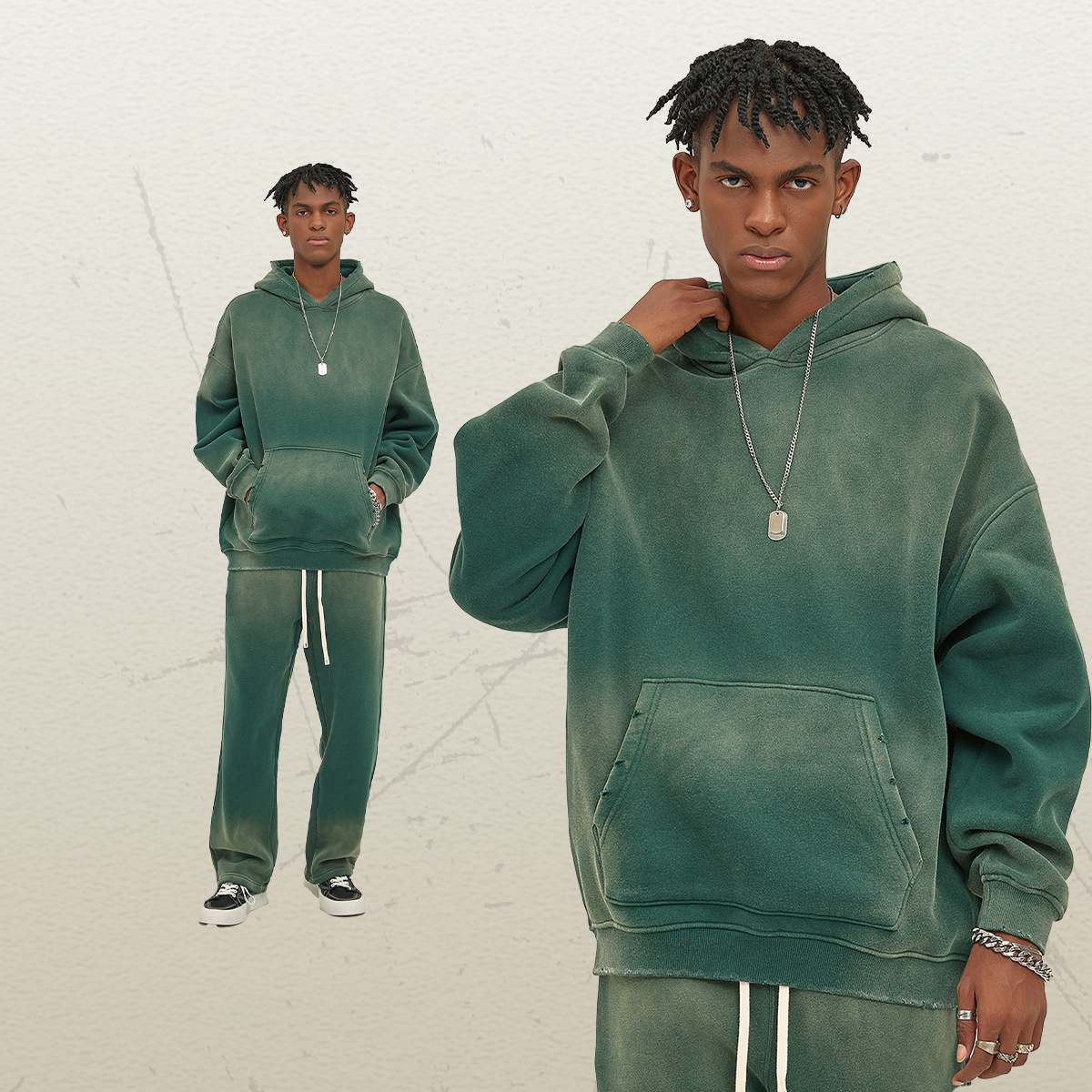
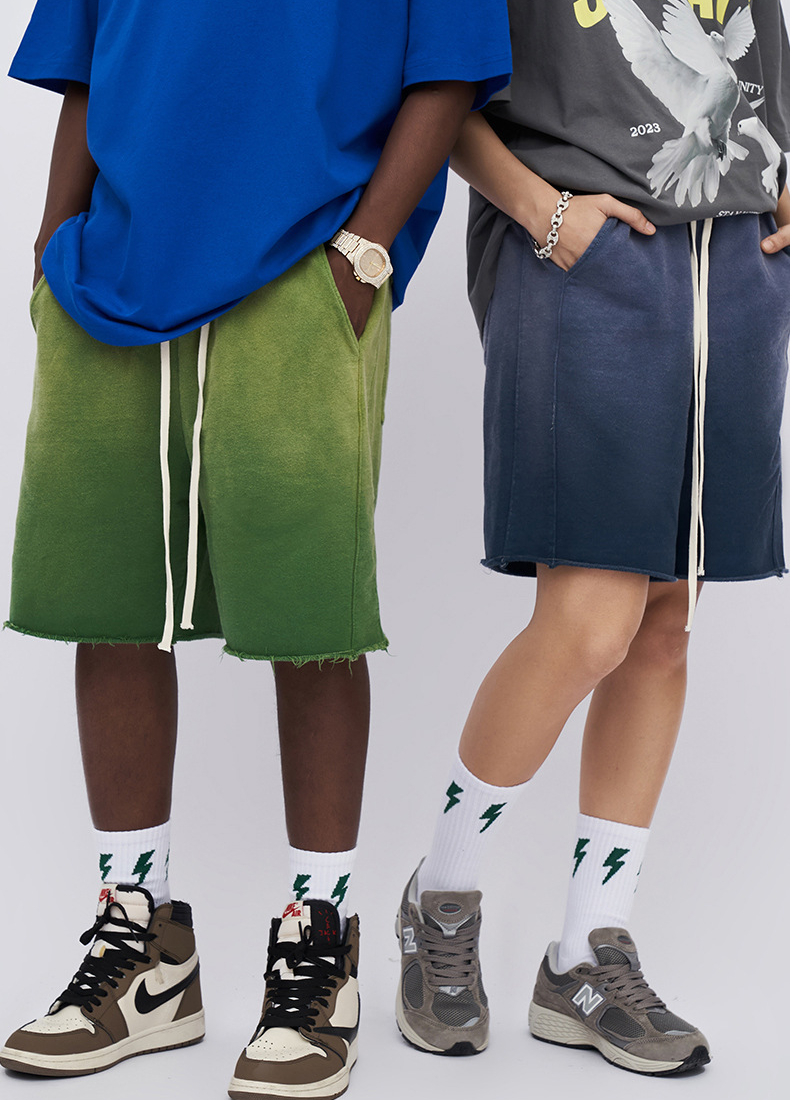
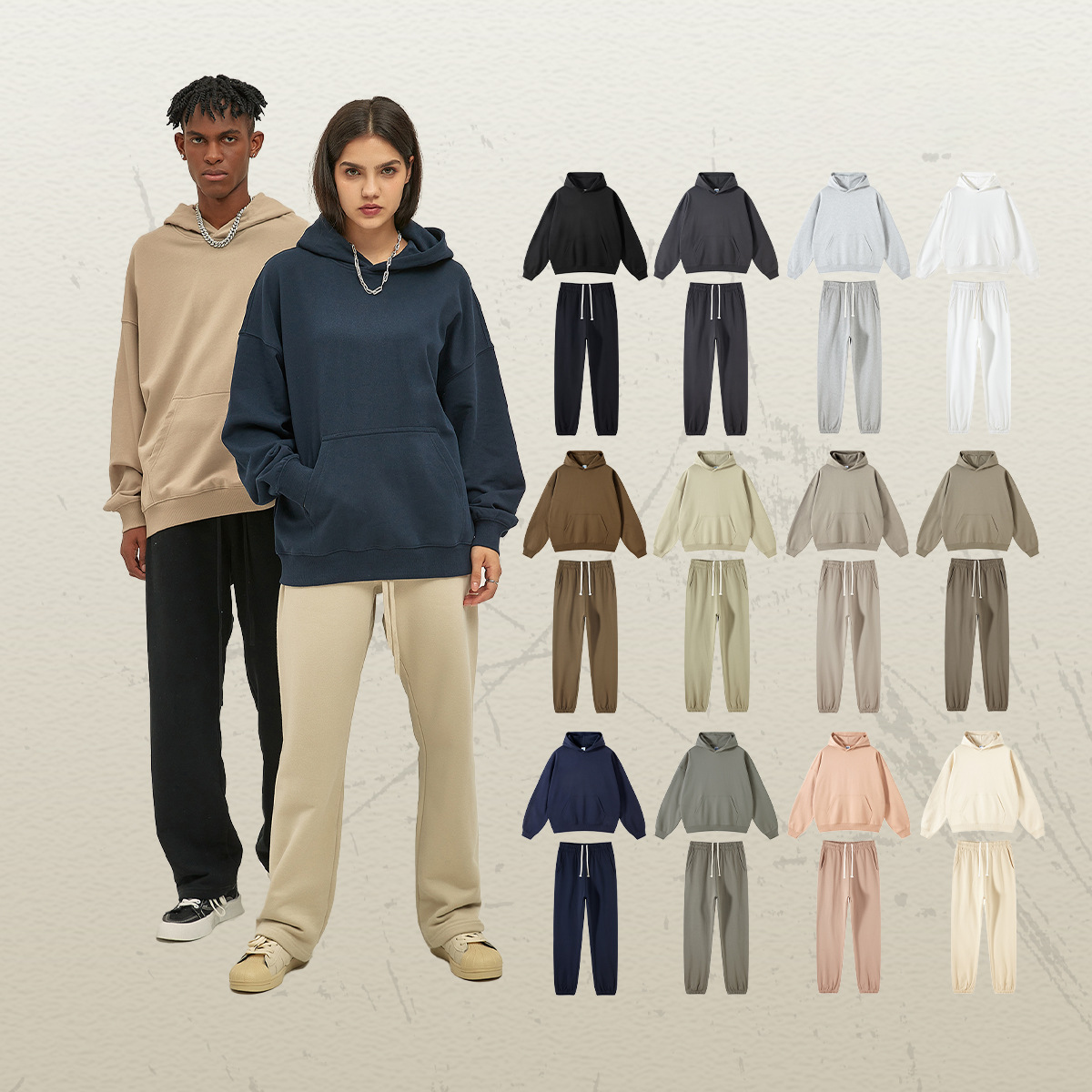
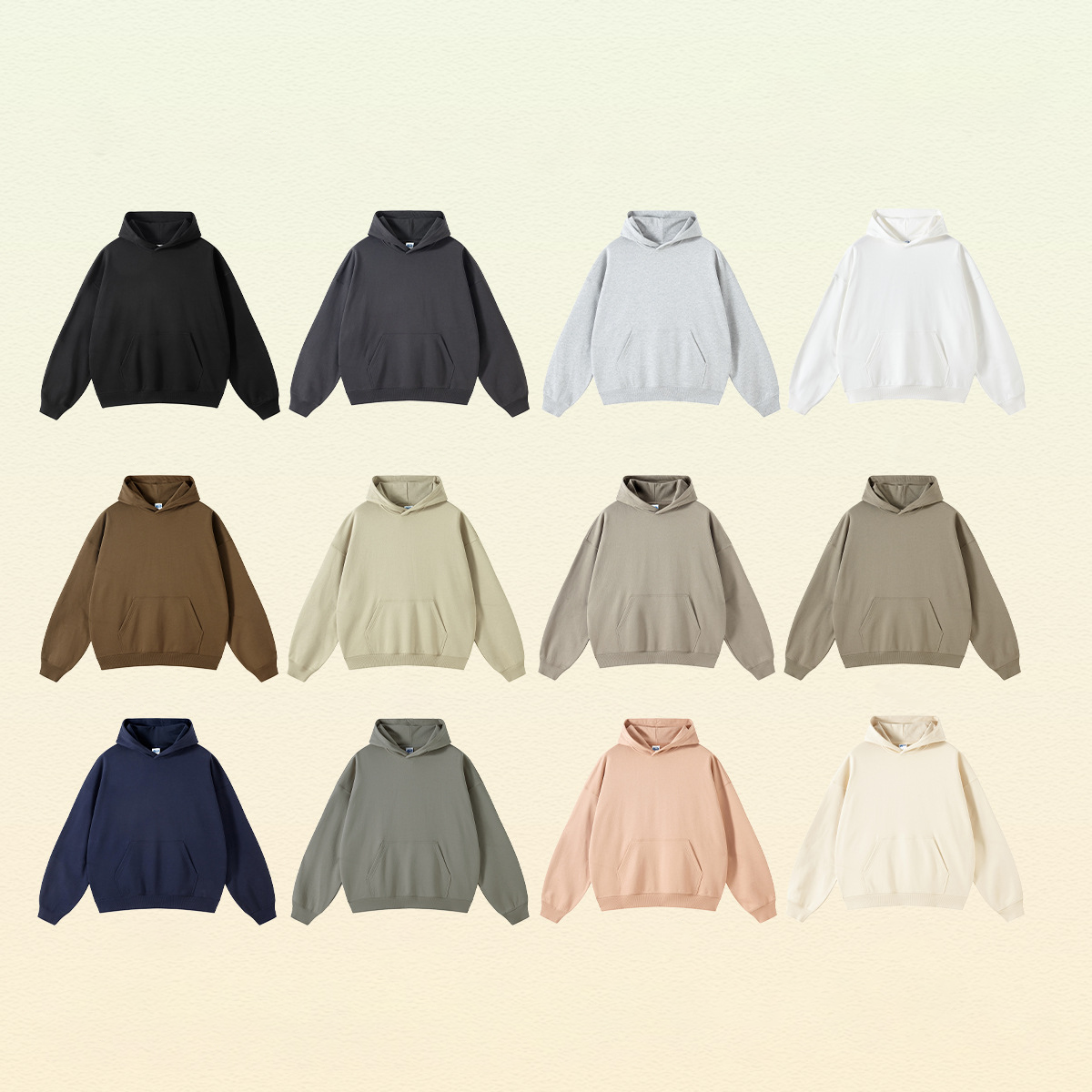
Cargo Shorts Product Gallery
Why Brands Choose Our Cargo Shorts Manufacturer
5-Step Quality Control Guarantee
Every cargo short undergoes rigorous testing at materials, cutting, craft, sewing, and finished product stages to eliminate defects before shipping.
Low MOQ from 50 Pieces
Launch your cargo shorts line without massive inventory risk. Perfect for fashion startups, independent designers, and emerging streetwear brands.
7-Day Sample Turnaround
Get your cargo shorts samples fast so you can validate designs, test fit, and start selling seasonal collections ahead of competitors.
In-House Design & Sampling Team
Our 15-member R&D team translates your vision into production-ready cargo shorts patterns with streetwear-savvy design support and technical expertise.
Streetwear & Influencer Line Expertise
Over 6 years specializing in trend-driven cargo shorts for streetwear brands, creator lines, and influencer collections that resonate with young audiences.
Global Shipping & Logistics Support
Seamless delivery to over 100 countries with transparent customs, declaration, and tracking so your cargo shorts arrive on time, every time.
Cargo Shorts Manufacturer Options for Every Market
From classic utility designs to bold influencer collaborations, our cargo shorts production expertise serves streetwear brands, fashion startups, and global retailers with flexible MOQs and proven quality control.
Classic Utility Cargo Shorts
Established retailers need reliable, timeless cargo shorts with consistent sizing and durability that meet mass-market expectations without sacrificing quality or requiring high minimum orders.
Our classic utility line delivers tried-and-true cargo shorts with reinforced stitching, precise pocket placement, and 5-step QC testing that ensures every piece ships retail-ready across global markets.
Oversized Streetwear Fit
Streetwear brands struggle to find cargo shorts manufacturers who understand contemporary silhouettes, dropped crotches, and the relaxed proportions that resonate with trend-conscious youth culture.
We specialize in oversized cargo shorts with authentic streetwear proportions, premium heavyweight fabrics, and design details that align with hip-hop and skate aesthetics your audience demands.
Custom Print & Embroidery
Independent designers and creator brands need cargo shorts that showcase unique graphics, custom embroidery, and distinctive branding elements but face high setup costs and rigid production minimums elsewhere.
Our in-house design team and low MOQ policy enable custom-printed cargo shorts with all-over patterns, embroidered logos, and unique colorways that bring your brand vision to life affordably.
Seasonal Drop Collections
Fashion startups launching limited seasonal drops require fast turnaround times and flexible production schedules that traditional manufacturers cannot accommodate without compromising quality or inflating costs.
We deliver rapid sampling and streamlined production cycles for seasonal cargo shorts collections, ensuring your drops hit the market on trend with zero compromise on our rigorous quality standards.
Influencer Collaboration Lines
Influencer and creator brands launching signature cargo shorts lines need a manufacturing partner who understands their audience, scales with growth, and handles small initial runs without cookie-cutter designs.
Having grown multiple influencer brands from zero to six-figure followings, we provide collaborative design support, scalable production, and quality cargo shorts that convert followers into loyal customers.
Premium Fabrics From Your Cargo Shorts Manufacturer
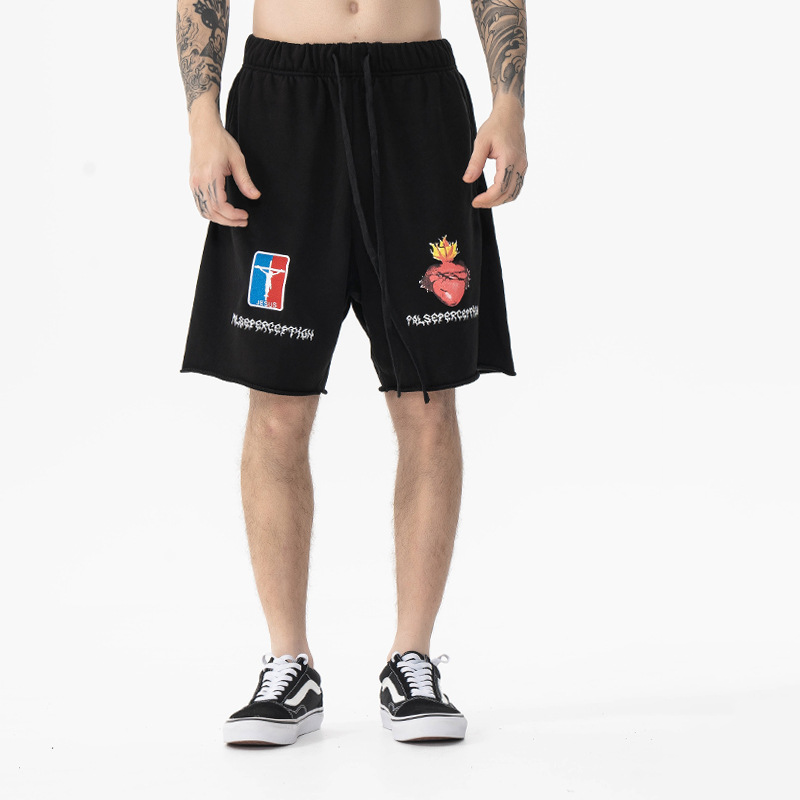
Heavyweight Cotton Twill
Dense 10-12 oz twill weave with exceptional tear resistance and structure. Ideal for utility-style cargo shorts that hold their shape through repeated wear. Soft hand-feel develops with washing while maintaining durability.
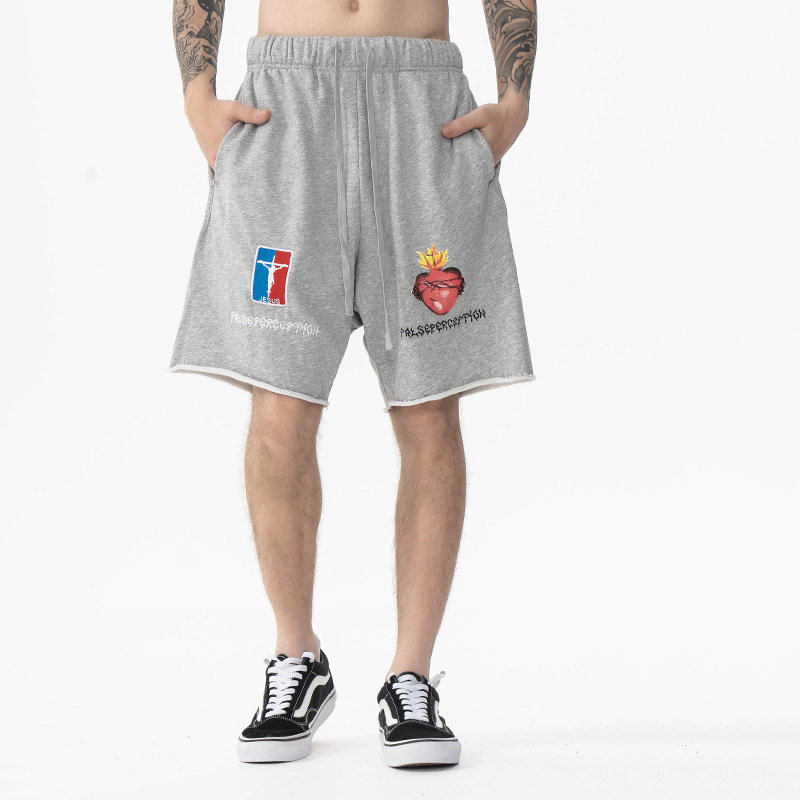
Cotton-Poly Ripstop
Lightweight ripstop construction with reinforced grid pattern prevents tears from spreading. Perfect for tactical and outdoor-inspired cargo shorts. Dries quickly and resists fading, making it ideal for active streetwear collections.
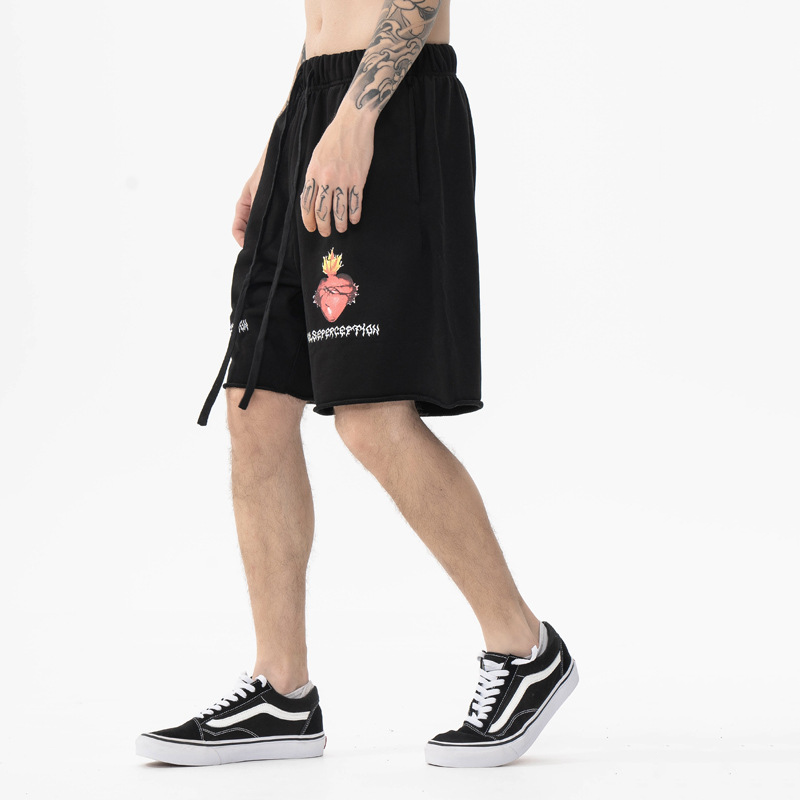
Stretch Twill Blend
Cotton-spandex blend with 2-5% stretch for enhanced mobility and comfort. Retains crisp appearance while allowing natural movement. Popular for contemporary cargo shorts that balance street style with athletic functionality.
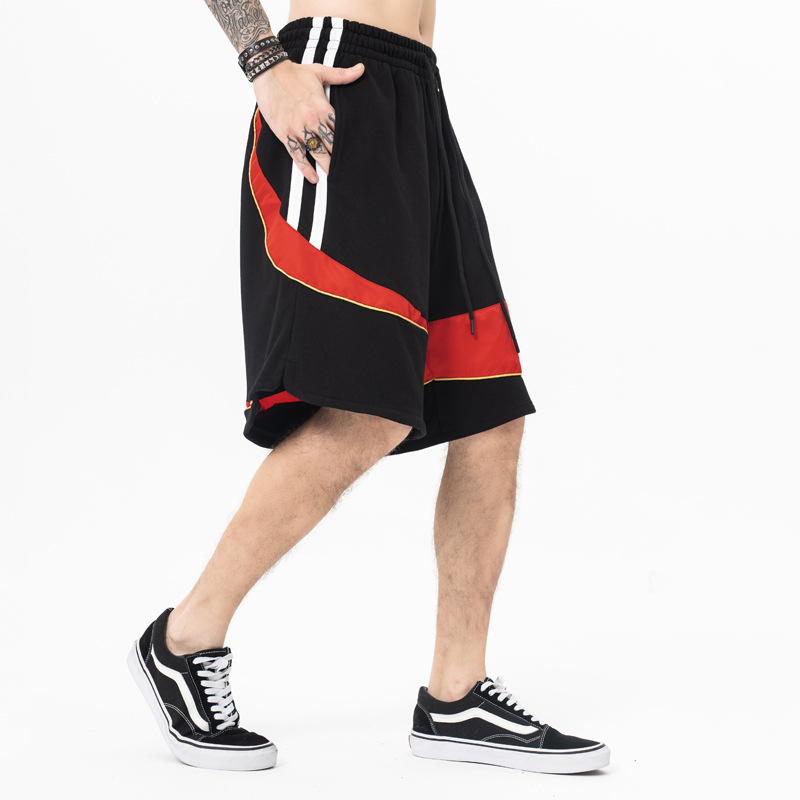
Organic Cotton Canvas
Certified organic cotton in a tight canvas weave for eco-conscious brands. Breathable, durable, and free from synthetic pesticides. Heavier weight provides structure for oversized and relaxed cargo short silhouettes.
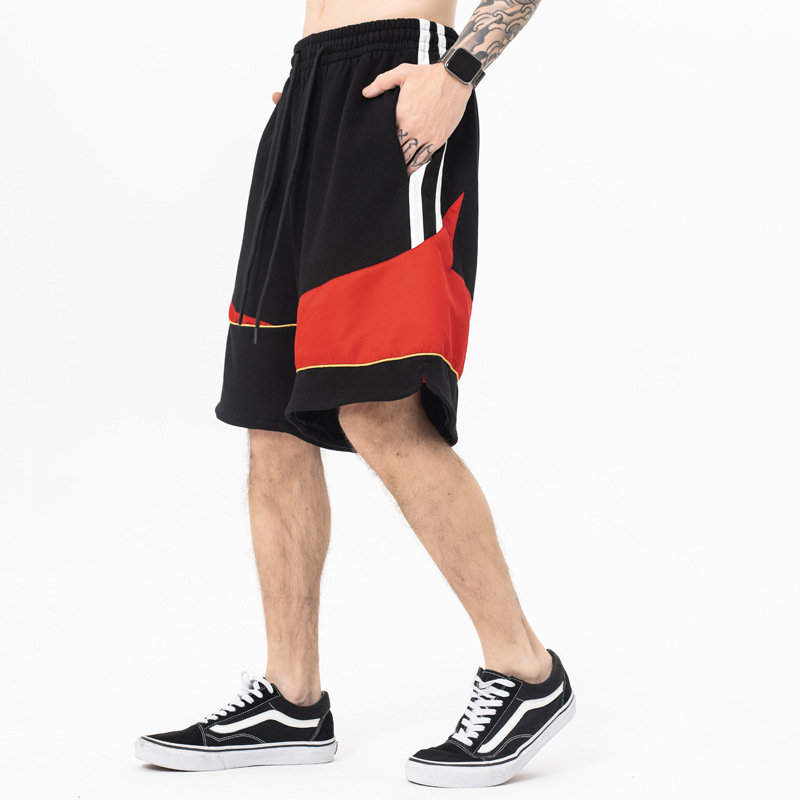
Recycled Polyester Blend
Sustainable polyester from post-consumer materials blended with cotton for performance. Moisture-wicking properties and fade resistance suit technical cargo shorts. Lighter environmental footprint appeals to conscious consumers.
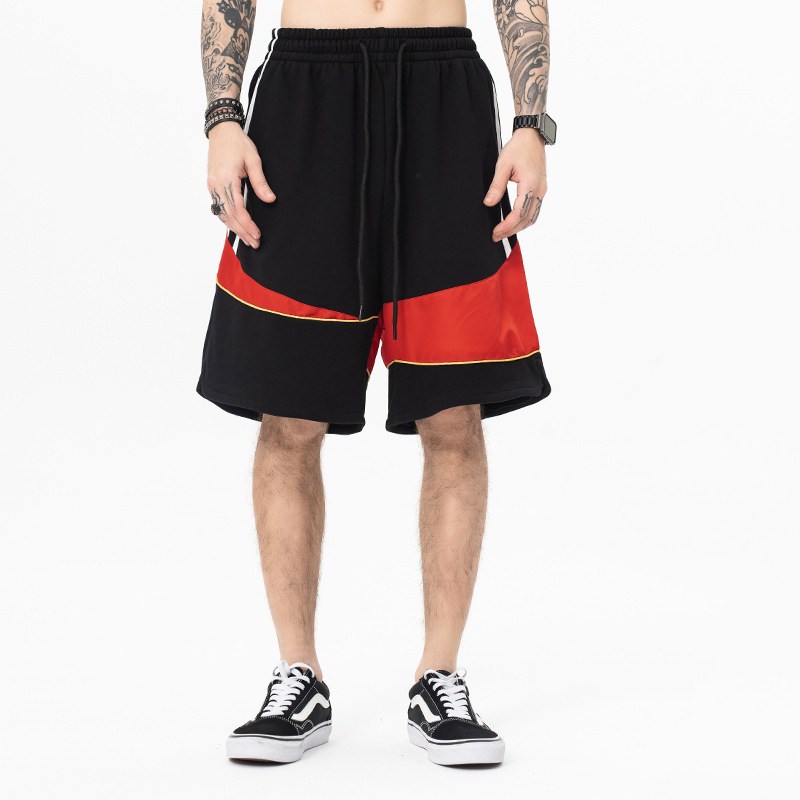
Vintage Wash Cotton
Pre-washed medium-weight cotton with lived-in softness and minimal shrinkage. Accepts garment dye and distressing treatments beautifully. Perfect for vintage-inspired and washed cargo shorts with authentic streetwear aesthetic.
Cargo Shorts Manufacturer Production Techniques
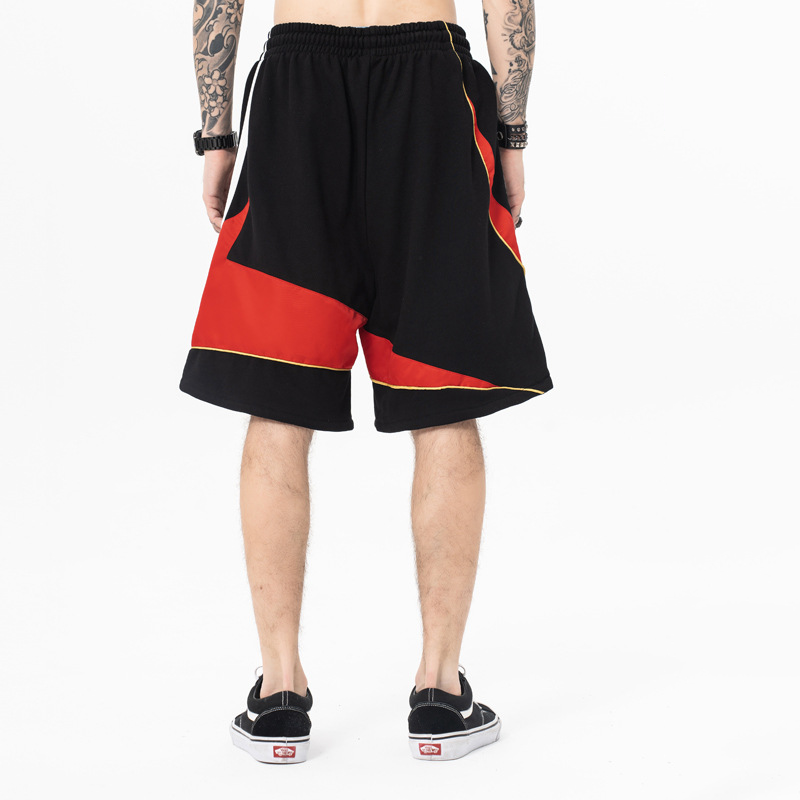
Precision Cutting
Computer-aided and hand-cutting techniques ensure accurate pattern placement and minimal fabric waste. Clean edges and consistent sizing across every cargo shorts unit guarantee professional fit and streamlined assembly for high-volume orders.
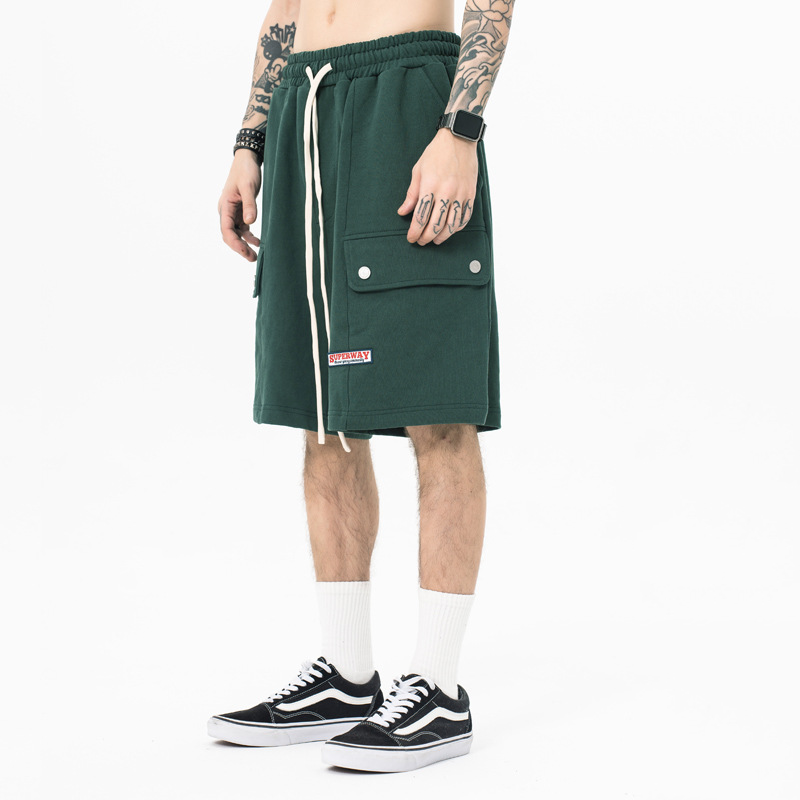
Screen Printing
High-opacity ink layers deliver bold graphics, logos, and streetwear artwork with vibrant color saturation. Ideal for large runs and trend-driven designs, screen printing offers exceptional wash durability and sharp detail on cargo shorts.
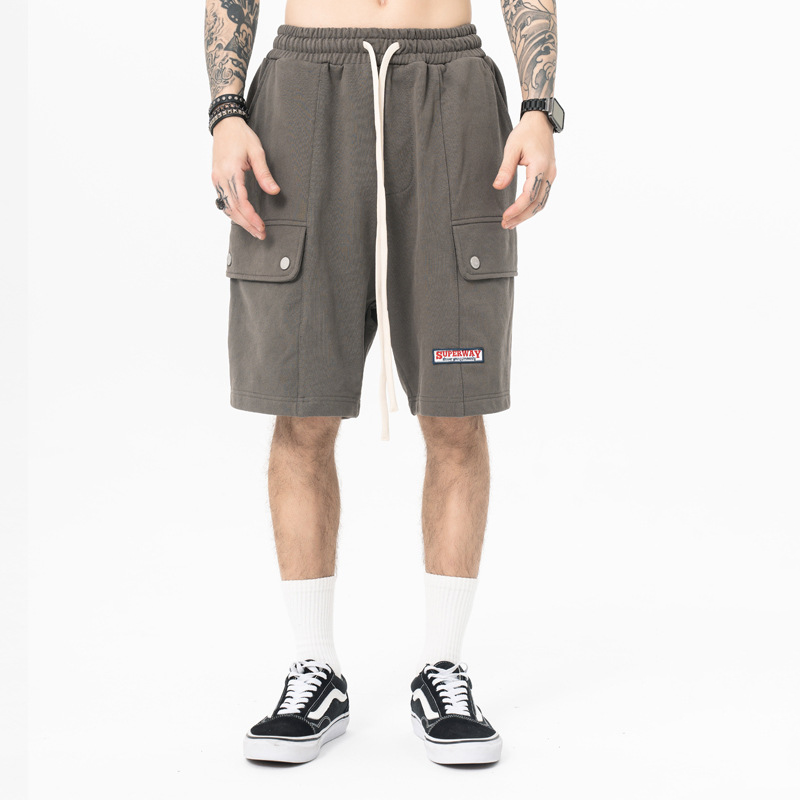
Embroidery Application
Premium thread embroidery adds dimensional branding, logos, and decorative elements with lasting texture and luxury appeal. Perfect for elevated streetwear lines, embroidery resists fading and withstands repeated wear and washing on cargo shorts.
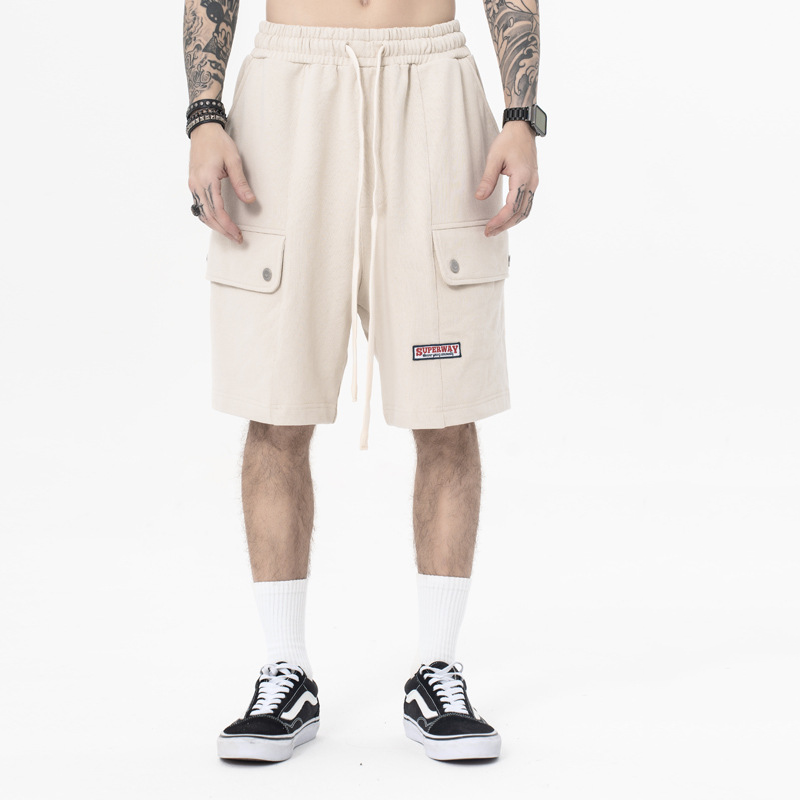
Custom Dyeing
Reactive and garment-dye processes create unique colorways, vintage washes, and on-trend finishes that differentiate your cargo shorts. Controlled dye baths ensure consistent color penetration and fade resistance for distinctive, market-ready products.
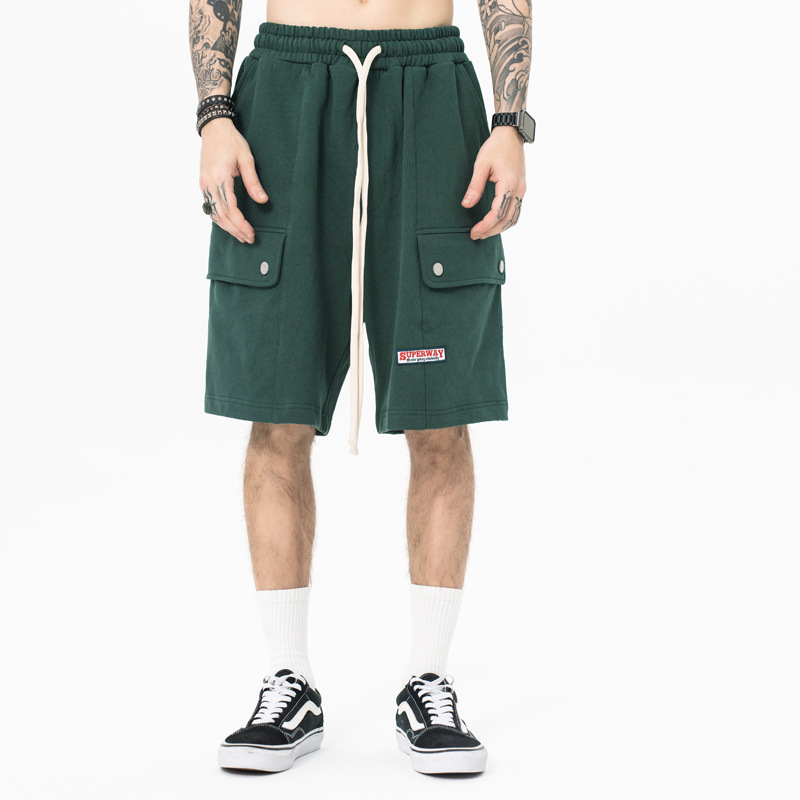
Heat Transfer
Digital heat-applied graphics enable complex, full-color designs and photographic prints with smooth hand feel. Fast turnaround and low setup costs make heat transfer ideal for limited drops, influencer collaborations, and test collections on cargo shorts.
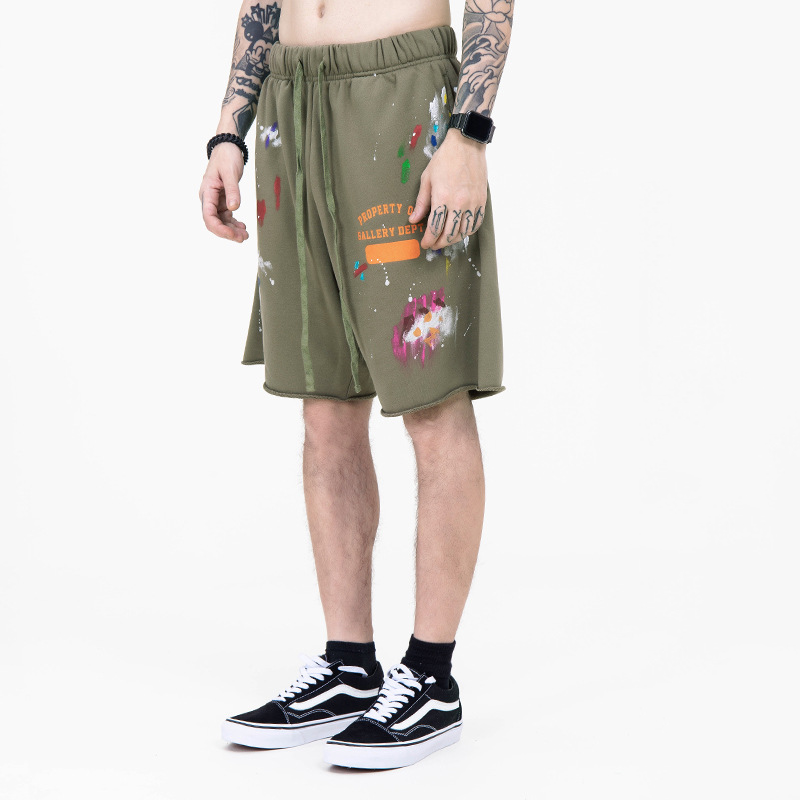
Finishing & Pressing
Professional steam pressing, seam reinforcement, and detail finishing ensure every cargo shorts unit ships retail-ready. Our finishing stage includes thread trimming, button securing, and final inspection to deliver polished, brand-worthy garments.
Cargo Shorts Manufacturer Hardware & Finishing Details
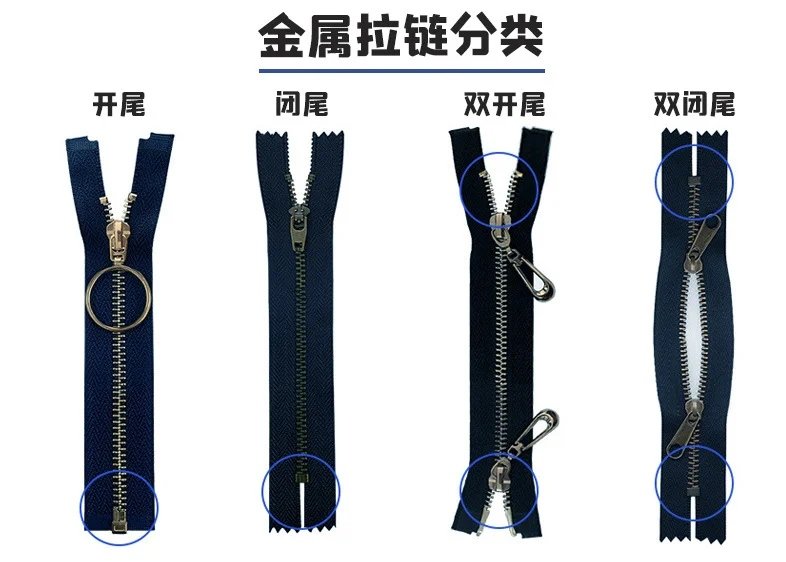
YKK Zippers
Industry-leading YKK zippers for cargo pockets and fly closures deliver smooth operation and long-lasting durability. Available in metal or coil styles, multiple finishes, and custom pullers to match your brand aesthetic and performance requirements.
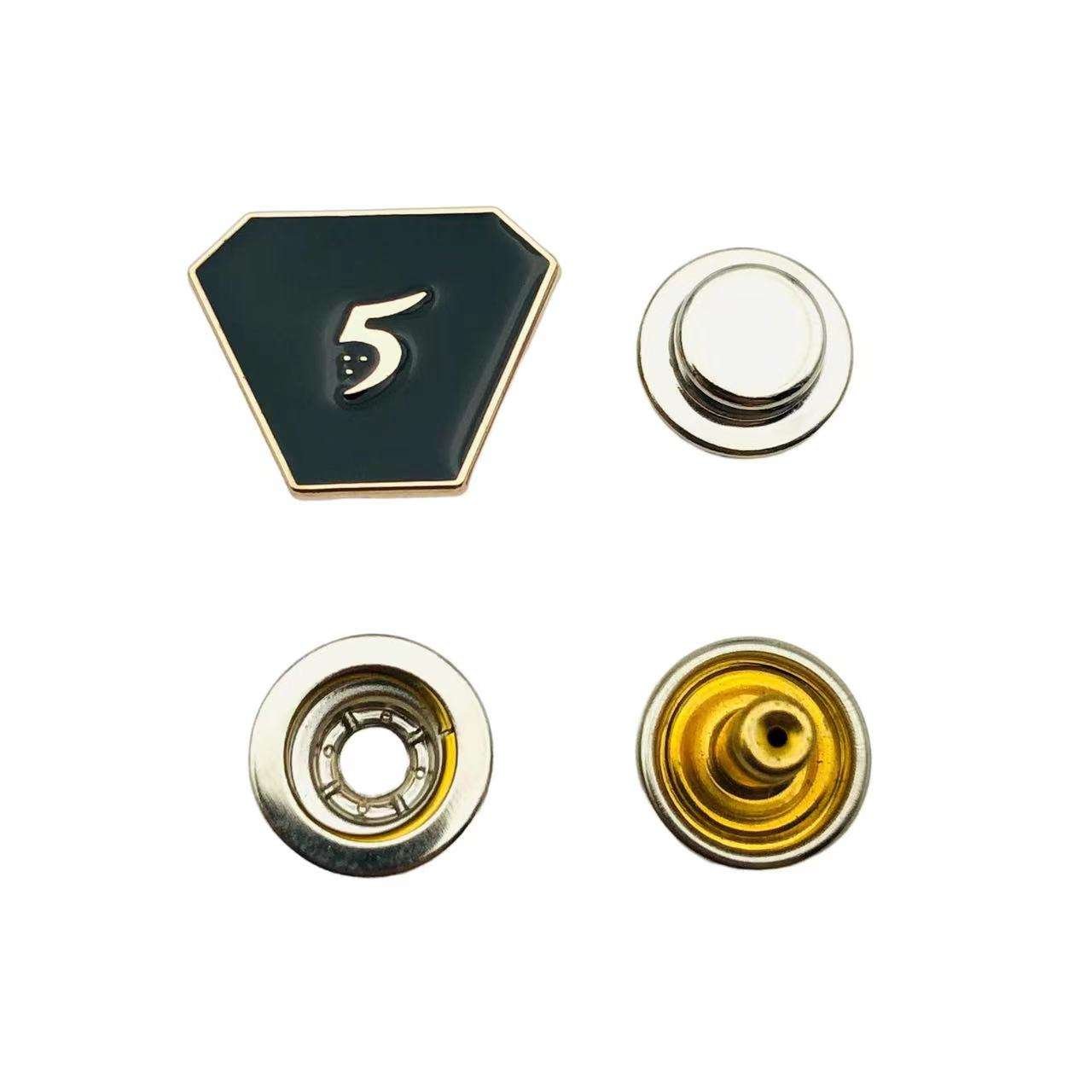
Snap Buttons
Heavy-duty snap buttons for cargo pocket flaps and waistband adjustments provide secure closure with effortless function. Choose from metal, resin, or pearl finishes in custom colors and laser-engraved branding for premium streetwear appeal.
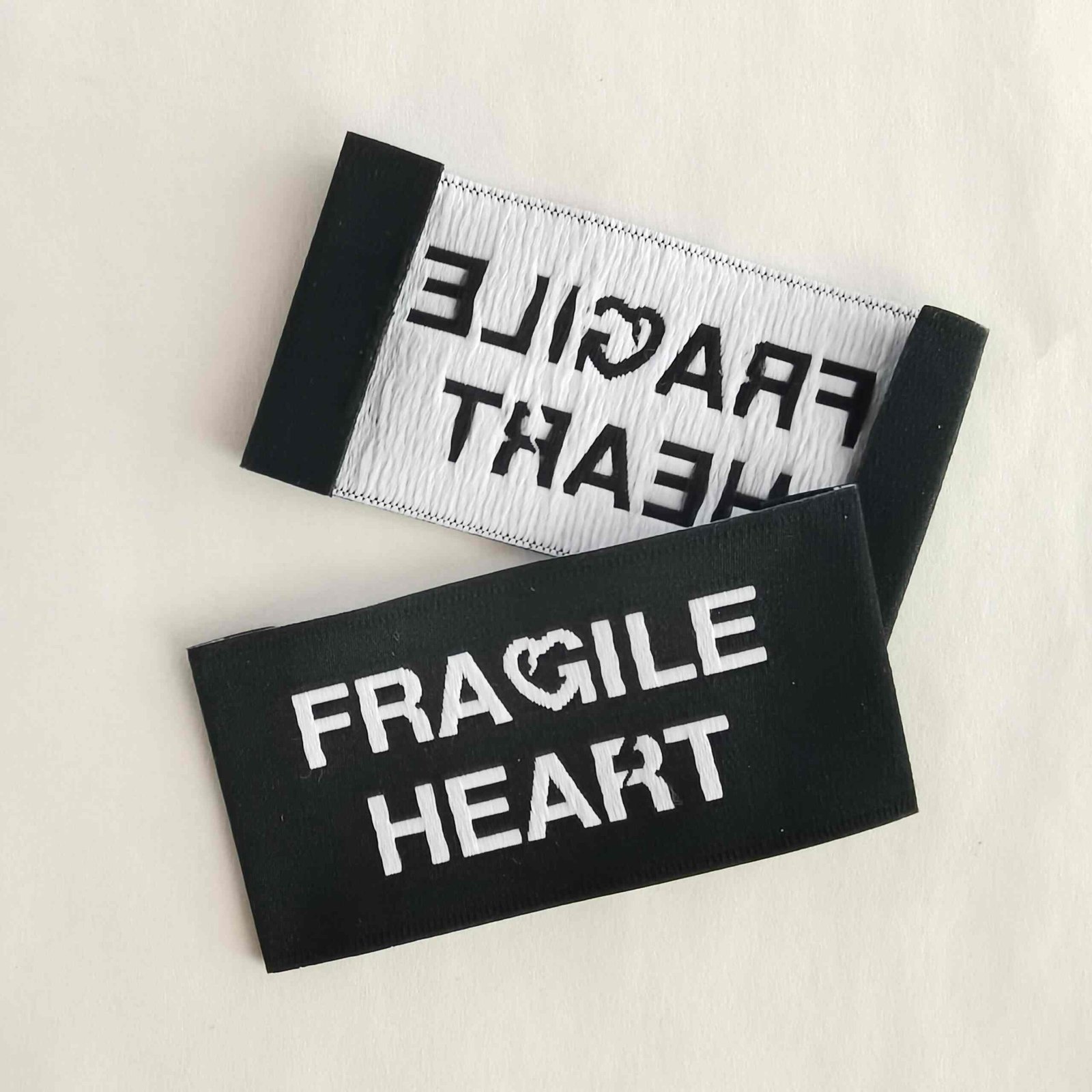
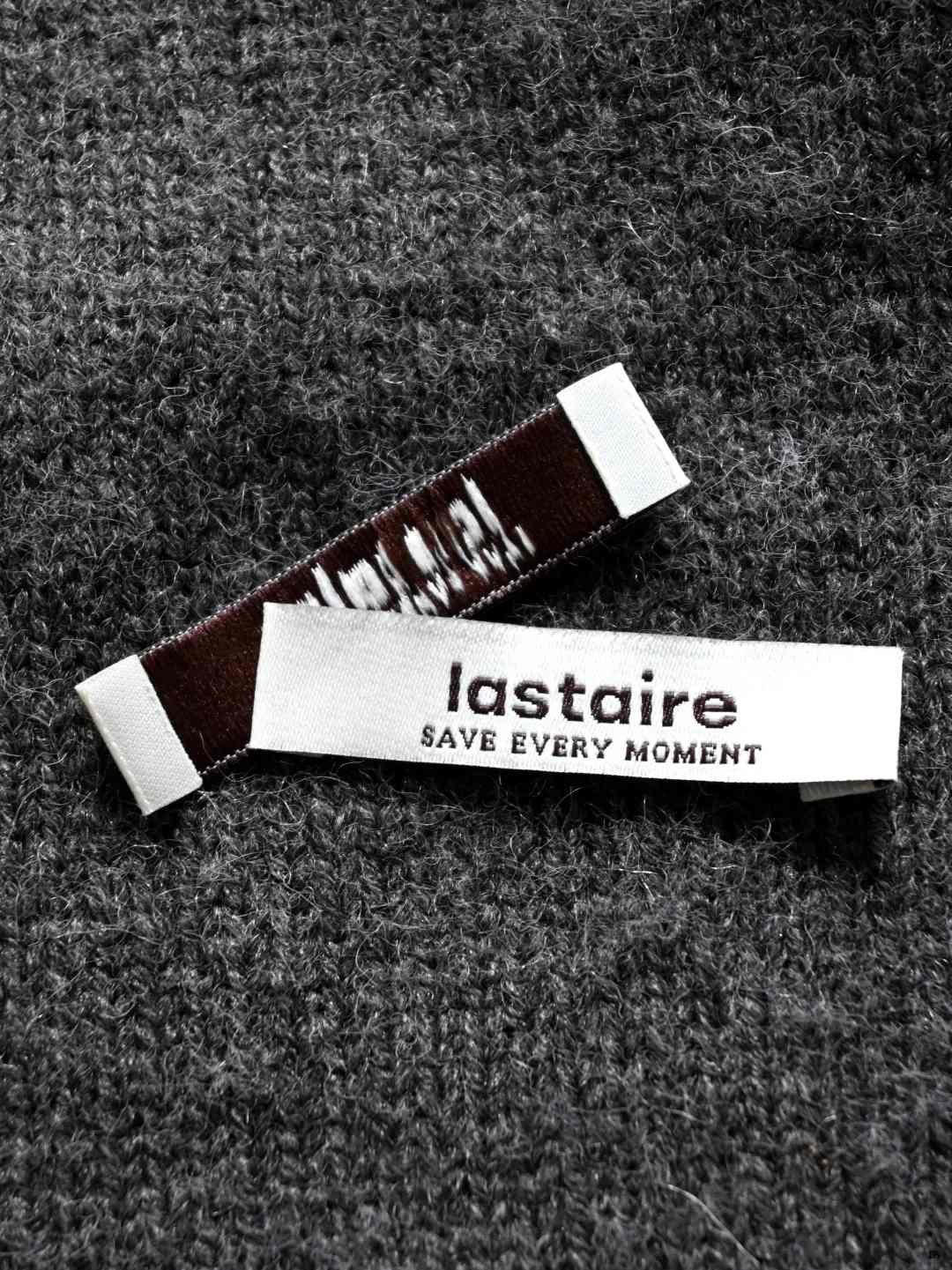
Woven Labels
High-definition woven labels showcase your logo on waistbands, pockets, or exterior patches with exceptional clarity and durability. Fully customizable in size, thread color, and fold style to reinforce brand recognition on every cargo shorts piece.
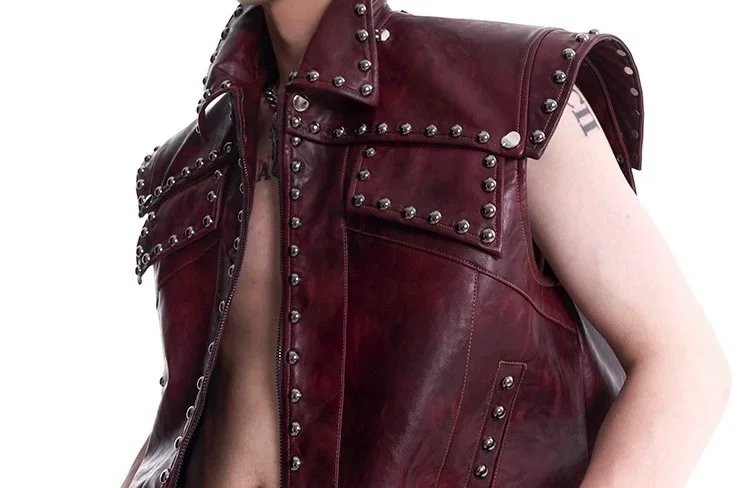
Metal Rivets
Reinforced metal rivets at stress points and pocket corners add utilitarian style while preventing tear-out under heavy use. Available in brass, copper, gunmetal, and custom finishes that complement your cargo shorts design language and target market.
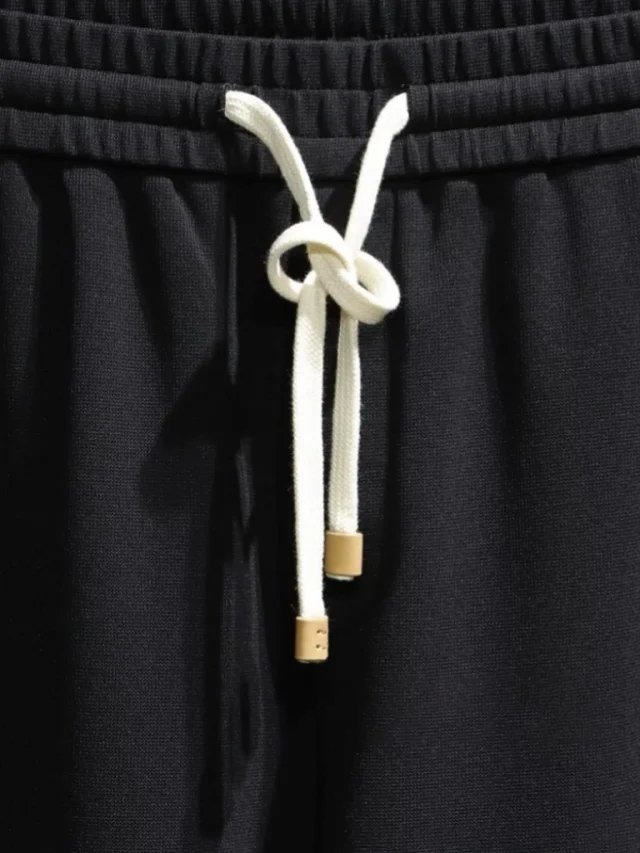
Drawcords & Tipping
Premium drawcords with metal or plastic tipping for adjustable waistbands deliver functional comfort and streetwear styling. Customize cord diameter, color, tipping finish, and stopper style to align with your brand’s visual identity and quality standards.
Custom Patches
Embroidered, woven, or PVC patches applied to cargo pockets, legs, or waistbands create bold brand statements and tactical aesthetics. Fully customizable in shape, size, attachment method, and design complexity to differentiate your cargo shorts line.
Trusted Cargo Shorts Manufacturer Since 2024
Founded by Tesla Luo, who brings over 10 years of apparel production experience and 6 years specializing in streetwear, Clothing Manufacturer Ltd was born from a mission to restore quality standards in Chinese garment manufacturing. Growing up in a manufacturing family and working every factory role from cutting to QC, Tesla witnessed too many producers skip quality testing entirely—a practice that damages both products and reputations.
We established our cargo shorts manufacturer operations on a zero-compromise foundation: rigorous 5-step quality control at every production stage, not just final inspection. Backed by our parent company Dongguan TuoZhen Clothing Co., Ltd., we combine startup agility with proven infrastructure, serving over 100 countries with low MOQs, fast turnaround, and transparent communication that emerging and established brands alike depend on.
Our 15-member R&D team and 10 production patents ensure every cargo shorts order—from influencer drops to seasonal retailer collections—receives the craftsmanship, trend-driven design expertise, and quality assurance that global streetwear and fashion brands deserve. We’re not just manufacturers; we’re partners in building your reputation.
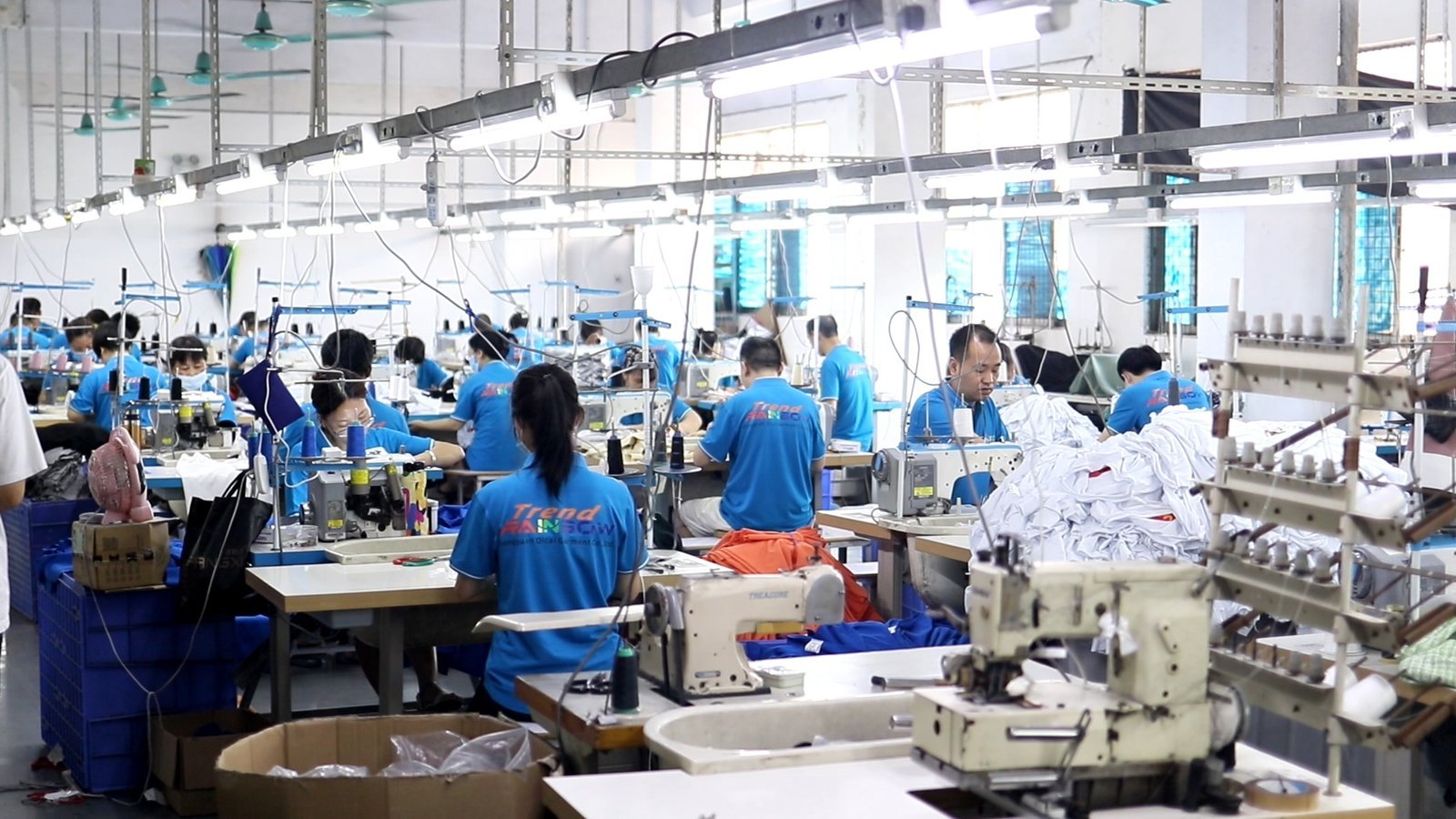
Our 5-Step QC Process — Quality Built Into Every Cargo Shorts Manufacturer Stage
Materials QC Testing — Foundation of Quality
Before cutting begins, every fabric roll undergoes rigorous inspection for weight consistency, colorfastness, shrinkage rates, and structural integrity. We verify that your cargo shorts materials meet specifications and reject substandard textiles before they enter production, eliminating costly downstream defects.
- Fabric weight and density verification against approved samples
- Colorfastness testing for wash and light resistance
- Dimensional stability checks to prevent post-wash distortion
- Surface inspection for weaving flaws and dye inconsistencies

Cutting QC Testing — Precision Pattern Execution
Our cutting QC checkpoint ensures every cargo shorts panel is cut to exact pattern specifications with correct grain alignment and seam allowances. Inspectors verify marker layout efficiency, check for fabric defects in cut pieces, and confirm accurate pocket placements before panels move to sewing.
- Pattern piece measurement verification within ±2mm tolerance
- Grain line alignment checks to prevent leg twist
- Notch and drill mark accuracy for pocket and hardware placement
- Cut edge quality inspection to ensure clean sewing
Clothing Craft QC Testing — Construction Integrity
Mid-production inspections validate that specialized cargo shorts construction techniques are executed correctly. Our QC team examines pocket reinforcements, cargo flap attachments, waistband construction, and zipper installations to catch technique errors before full assembly, ensuring structural durability.
- Cargo pocket attachment strength and alignment verification
- Reinforcement stitching inspection at stress points
- Zipper and snap installation quality checks
- Waistband construction and topstitching consistency review
Finished Clothing Quality QC Inspection
Every completed cargo shorts unit receives comprehensive final inspection covering measurements, stitching integrity, hardware function, and visual appearance. Only garments that pass all checkpoints are approved for ironing and packaging, guaranteeing that your brand receives cargo shorts manufacturer quality that protects your reputation.
- Full measurement audit against tech pack specifications
- Seam strength testing and stitch consistency evaluation
- Hardware functionality checks for all closures and adjustments
- Final visual inspection for thread ends, stains, and finish quality
Cargo Shorts Manufacturer vs. Typical Suppliers
We deliver streetwear-grade cargo shorts with rigorous quality control, fast sampling, and low minimums—proof points that set us apart from conventional factories.
← 左右滑动查看 →
Cargo Shorts Manufacturer Production Workflow — From Concept to Shipping
Our streamlined 6-phase process ensures your cargo shorts move from tech pack to finished product with precision timing, built-in quality checkpoints, and predictable lead times for your seasonal drops.
Tech Pack Review
Our team validates your design specifications, pocket placements, hardware requirements, and fabric choices to ensure manufacturability and cost efficiency before production begins.
Fabric Sourcing & Cutting
We source premium cargo shorts fabrics from trusted mills, conduct materials QC testing, then precision-cut patterns using our cutting QC testing protocols for zero waste.
Sewing & Craft QC
Skilled operators construct each cargo short with reinforced stitching at stress points, followed by clothing craft QC testing to verify pocket function, zipper alignment, and seam strength.
In-Line Quality Inspection
Our sewing production QC testing catches defects mid-process, checking stitch density, hardware attachment, waistband construction, and hem quality before garments proceed to finishing.
Final QC & Finishing
Finished clothing quality QC inspection examines every cargo short for measurements, colorway accuracy, label placement, and overall appearance before ironing and folding to your brand standards.
Packing & Global Logistics
We pack your cargo shorts with custom poly bags, carton labeling, and shipping documentation, then coordinate freight forwarding and customs clearance to deliver on schedule worldwide.
How to Partner With Our Cargo Shorts Manufacturer
From initial inquiry to delivered product, our streamlined four-step process removes friction and ensures your cargo shorts meet your exact specifications with our 5-step QC guarantee.
Submit Your Tech Pack
Share your cargo shorts design specifications, fabric preferences, and quantity requirements. No tech pack? Our in-house design team can help you create one from sketches or reference samples.
Receive Quote and Sampling
Within 24 hours, we’ll provide a detailed quote and timeline. Approve it, and we’ll produce physical samples for your review—perfect for testing fit, fabric, and finishing details.
Approve Samples and Confirm
Review your cargo shorts samples and request any adjustments. Once you approve, we lock in specifications and schedule your bulk production with our 5-step quality control process activated.
Bulk Production and Shipping
Your order moves through cutting, sewing, and rigorous QC testing at every stage. We handle global logistics and customs documentation, delivering finished cargo shorts directly to your warehouse.
Certified Cargo Shorts Manufacturer — Quality You Can Trust
Customer Success Stories — Cargo Shorts Manufacturer Partners Who’ve Scaled
We launched our first cargo shorts collection with just 300 units. Two years later, we’re producing 12,000 units per quarter with zero defects. Their 5-step QC process is the real deal.
As an influencer brand, timing is everything. This cargo shorts manufacturer delivered three seasonal drops on schedule with custom hardware and embroidery. Our followers noticed the quality instantly—sales jumped 40%.
We needed a cargo shorts manufacturer who understood our low-MOQ startup reality. They started us at 200 pieces, handled our custom camo print, and scaled with us to 8,000 units monthly without a hitch.
FAQ — Cargo Shorts Manufacturer Questions
What is the minimum order quantity (MOQ) for your cargo shorts manufacturer services?
How long does it take to receive samples from a cargo shorts manufacturer?
What payment terms does your cargo shorts manufacturer offer?
How do you protect my designs and intellectual property as a cargo shorts manufacturer?
What customization options are available when working with a cargo shorts manufacturer?
Do you handle international shipping and logistics for cargo shorts orders?
What quality guarantees does your cargo shorts manufacturer provide?
Can you match an existing cargo shorts sample or tech pack?
What lead time should I expect for bulk cargo shorts production?
The Complete Buyer’s Guide to Choosing the Right Cargo Shorts Manufacturer
Navigate supplier selection with confidence. This guide walks you through quality benchmarks, customization capabilities, pricing structures, and the critical mistakes to avoid when partnering with a cargo shorts manufacturer for your brand.
1. What Is a Cargo Shorts Manufacturer?
A cargo shorts manufacturer is a specialized apparel production facility that designs, develops, and produces cargo shorts for brands, retailers, and designers. The industry recognizes three primary business models: full-package producers handle every stage from fabric sourcing and pattern development through finished goods delivery; cut-make-trim (CMT) facilities perform cutting, sewing, and finishing using client-supplied materials; and private-label suppliers offer ready-made designs that brands can customize with their own branding and minor modifications.
Professional cargo shorts manufacturers typically provide six core services that span the production lifecycle. Design consultation translates brand concepts into technical specifications, while pattern grading scales base designs across size runs from XS to 3XL or larger. Sampling produces prototype units for fit approval and market testing before committing to bulk orders. Bulk production executes manufacturing runs that range from 100-piece minimums at agile facilities to 10,000-unit orders at high-volume plants. Quality control inspects materials, construction, and finished garments—leading manufacturers like Clothing Manufacturer Ltd. implement five-step QC testing at materials intake, cutting, craft verification, sewing production, and final inspection stages. Logistics coordination manages shipping, customs documentation, and delivery to destination warehouses or fulfillment centers.
Buyers should expect transparent communication on minimum order quantities (MOQs), lead times of 30–60 days for standard production, and detailed tech packs that specify fabric weight in GSM, hardware suppliers like YKK for zippers, stitch types, and colorway options matched to Pantone standards.
2. The Evolution of Cargo Shorts in Fashion
British and American military forces introduced cargo shorts in the 1930s and 1940s as practical field wear for tropical climates, featuring large bellows pockets on the thighs to carry maps, ammunition, and rations. The six-pocket configuration—two front, two back, two cargo—became the standard military template that would define the silhouette for decades.
In the 1990s, cargo shorts transitioned from military surplus stores to mainstream streetwear as hip-hop culture and skate brands embraced the utilitarian aesthetic. Baggy silhouettes dominated this era, with pocket sizes growing even larger and fabrics shifting from heavyweight cotton twill (10–12 oz) to lighter ripstop nylon blends (4–6 oz) for action sports. Brands like FUBU and Ecko positioned cargo shorts as symbols of urban rebellion and functional style, resonating with youth who valued both storage and street credibility.
Today’s cargo shorts reflect three parallel evolutions: technical performance fabrics (stretch nylon, moisture-wicking polyester blends at 180–220 GSM), streamlined silhouettes with tapered legs and reduced pocket volume, and fashion-forward reinterpretations incorporating streetwear elements like reflective trims, modular pocket systems, and oversized fits. A cargo shorts manufacturer working with streetwear brands now navigates this spectrum—from heritage military-inspired cuts to hybrid designs blending tactical details with contemporary proportions.
Understanding this trajectory allows brands to position collections authentically. Heritage-focused lines can reference 1940s military specs, streetwear labels can tap 1990s nostalgia with bold pocket placement, and technical brands can emphasize fabric innovation and ergonomic pocket engineering that today’s consumers expect from performance casual wear.
3. Types of Cargo Shorts Manufacturers Offer
A cargo shorts manufacturer typically produces six distinct categories, each tailored to specific customer demographics and use cases. Understanding silhouette, pocket configuration, and fabric choices helps brands select the style that aligns with their identity and target market.
Classic Utility Cargo Shorts
The six-pocket silhouette remains the most recognized cargo short design, featuring two side-seam pockets, two rear pockets, and two large flap or bellows pockets on the thighs. Manufacturers cut these in a relaxed, straight fit with mid-thigh inseams of 10–12 inches.
Typical fabrics include 200–280 GSM cotton twill or cotton-poly blends for durability and breathability. This style targets outdoor brands, workwear labels, and casual streetwear lines seeking functional, everyday versatility.
Tactical and Military-Spec Cargo Shorts
Tactical cargo shorts feature reinforced stitching, eight to ten pockets including hidden zippered compartments, and MOLLE webbing or D-ring attachment points. Manufacturers use ripstop nylon blends (180–220 GSM) or poly-cotton with water-resistant coatings.
Target customers include outdoor adventure brands, tactical apparel lines, and influencer brands serving utility-focused audiences. Clothing Manufacturer Ltd. applies its five-step QC process to ensure reinforced stress points meet military-grade durability standards.
Fashion and Slim-Fit Cargo Shorts
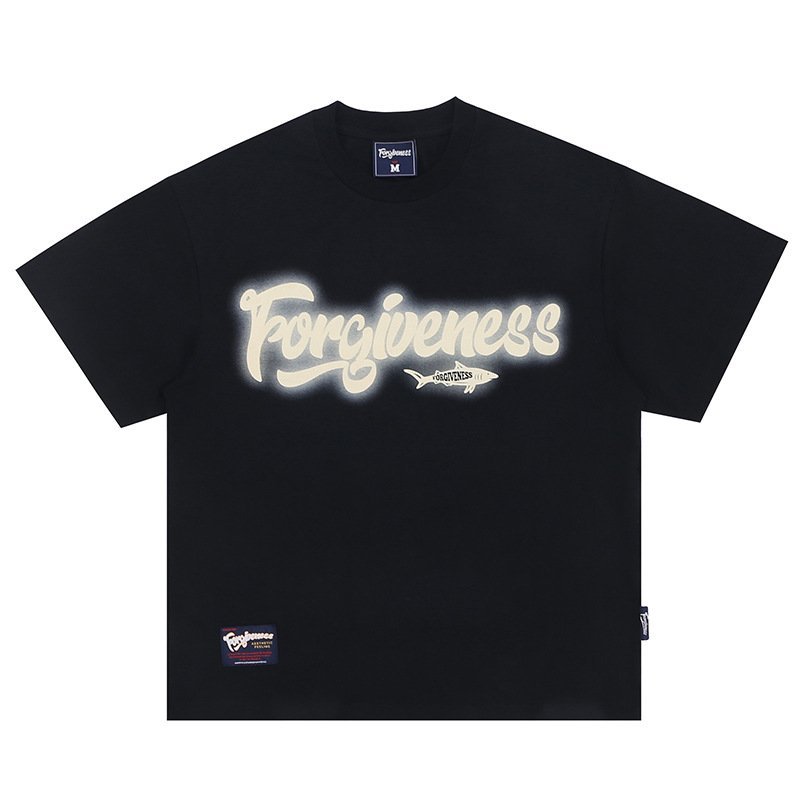
Fashion-forward cargo shorts reduce bulk with streamlined two- or four-pocket layouts, tapered legs, and shorter 7–9 inch inseams. Manufacturers use lightweight stretch twill (160–200 GSM) or cotton-spandex blends for a modern, fitted silhouette.
This category appeals to streetwear startups, independent designers, and influencer brands targeting urban youth who value trend-driven aesthetics over traditional utility.
Technical Performance Cargo Shorts
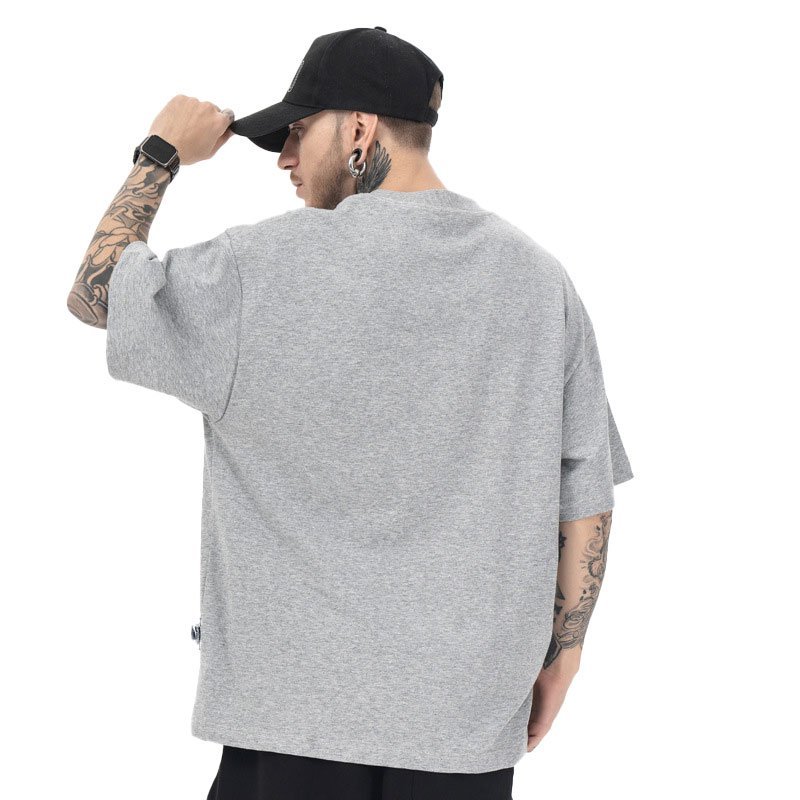
Performance cargo shorts integrate moisture-wicking polyester blends (140–180 GSM), four-way stretch fabrics, and quick-dry finishes for active lifestyles. Pocket count typically ranges from four to six, with zippered closures to secure items during movement.
Global apparel retailers and activewear brands choose this style for customers prioritizing athletic functionality alongside casual utility.
4. Materials and Fabrics for Cargo Shorts
Fabric choice determines durability, comfort, and brand positioning for any cargo shorts line. A cargo shorts manufacturer typically offers six core materials, each suited to different performance requirements and price points.
| Fabric | GSM | Stretch | Durability | Price Tier | Best For |
|---|---|---|---|---|---|
| Cotton Twill | 200–280 | None | Moderate | Mid | Streetwear, casual |
| Cotton-Poly Blend | 220–300 | Minimal | High | Budget | High-volume lines |
| Ripstop Nylon | 80–150 | Minimal | Very High | Premium | Outdoor performance |
| Nylon-Spandex | 180–240 | 4-way | Very High | Premium | Activewear hybrid |
| Stretch Canvas | 280–340 | 2-way | High | Upper-mid | Premium streetwear |
| Stretch Denim | 300–380 | 2-way | Very High | Upper-mid | Workwear-inspired |
Cotton Twill

Cotton twill runs 200–280 GSM and delivers a classic streetwear hand-feel with moderate durability. Breathability is high, making it ideal for casual urban wear in warm climates. Cost sits in the mid-tier, and most streetwear brands favor twill for its clean drape and ease of garment dyeing.
Cotton-Poly Blends
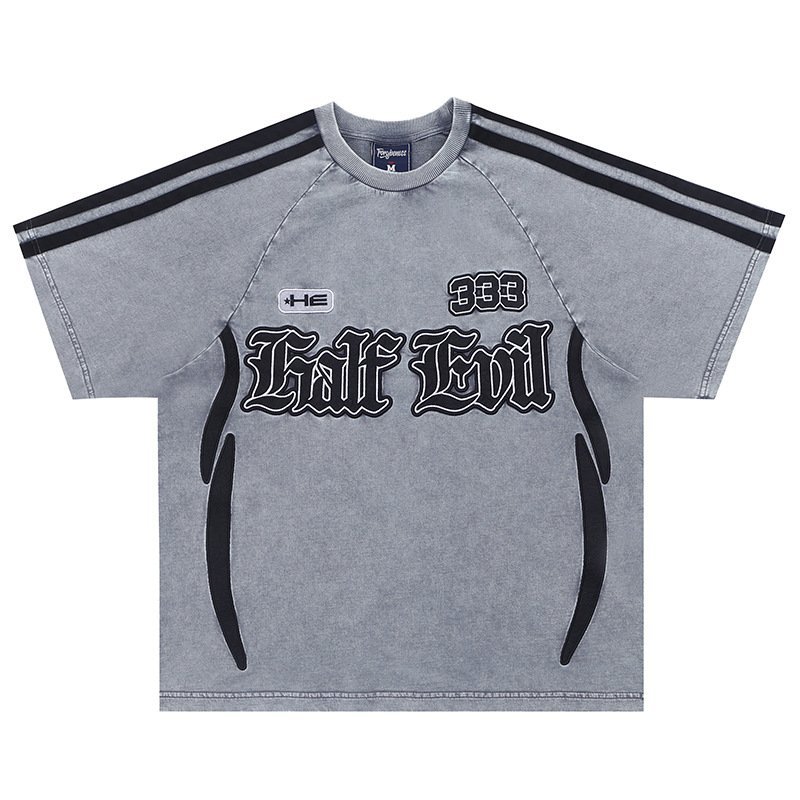
Blends of 60/40 or 65/35 cotton-polyester range from 220–300 GSM and add wrinkle resistance plus faster drying times. Durability exceeds pure cotton, and the price remains budget-friendly. Independent designers and fashion startups choose blends to balance cost and performance for high-volume SKUs.
Ripstop Nylon and Technical Synthetics
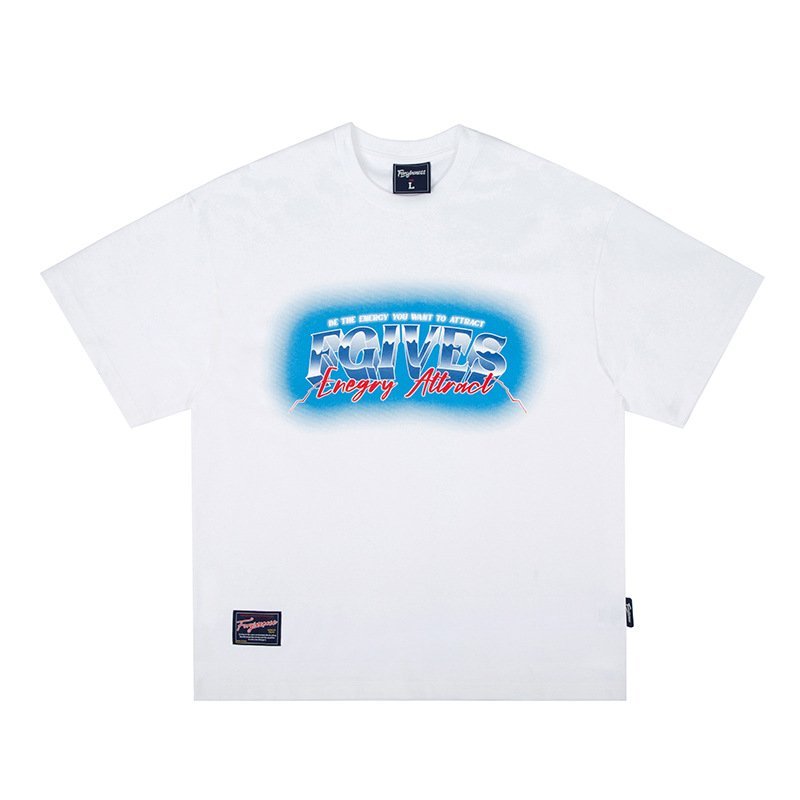
Ripstop nylon (80–150 GSM) and nylon-spandex blends (180–240 GSM) offer maximum tear resistance and four-way stretch. Breathability depends on weave density, and premium pricing reflects technical performance. Outdoor-inspired streetwear lines and activewear hybrids rely on these fabrics when mobility and durability are non-negotiable.
Stretch Canvas and Denim
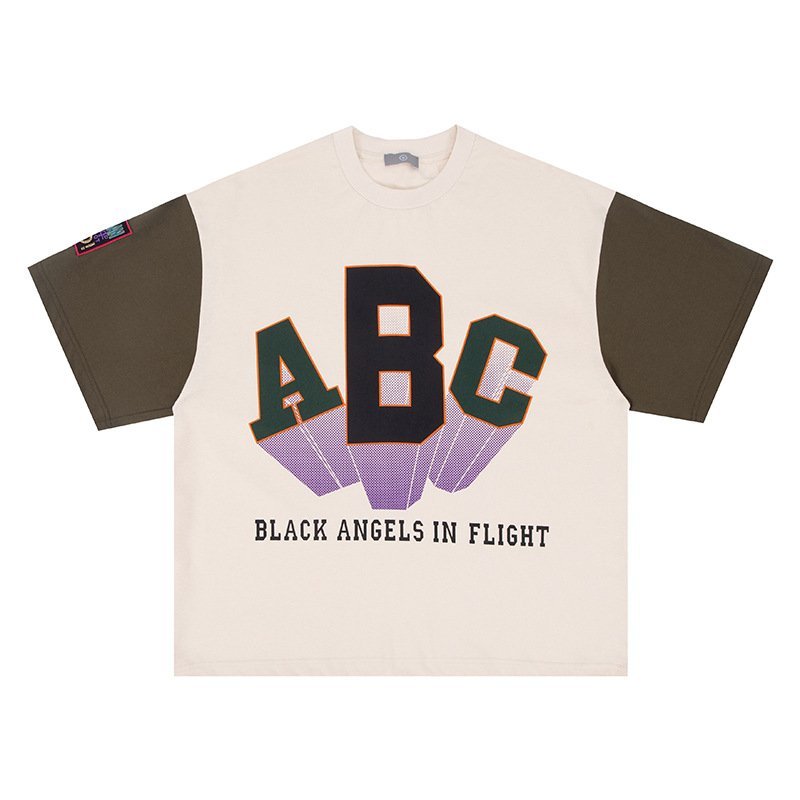
Stretch canvas (280–340 GSM) and stretch denim (300–380 GSM) integrate 2–5% spandex for comfort without sacrificing structure. Both rank high in durability and sit at the upper cost tier. Retailers targeting premium streetwear or workwear-inspired aesthetics prefer these heavier fabrics for their substantial feel and longevity.
5. Customization and Decoration Options with a Cargo Shorts Manufacturer
Branding transforms generic cargo shorts into signature pieces that drive customer loyalty and premium pricing. A cargo shorts manufacturer typically offers six core decoration methods, each with distinct setup costs, durability profiles, and visual impact. Understanding these trade-offs helps brands allocate budgets and achieve the aesthetic they need.
| Decoration Method | Setup Fee | Per-Unit Cost | Wash Durability |
|---|---|---|---|
| Screen Printing | $25–75 per color | $0.30–0.50 | 50+ washes |
| Embroidery | $50–150 digitizing | $1.50–4.00 | 500+ washes |
| Heat-Transfer Patch | $0–25 | $1.00–3.00 | 20–40 washes |
| Woven Label | $100–200 | $0.10–0.50 | Permanent |
| Custom Hardware | $300–800 mold | $0.30–2.00 | Permanent |
Screen Printing and Heat-Transfer Patches
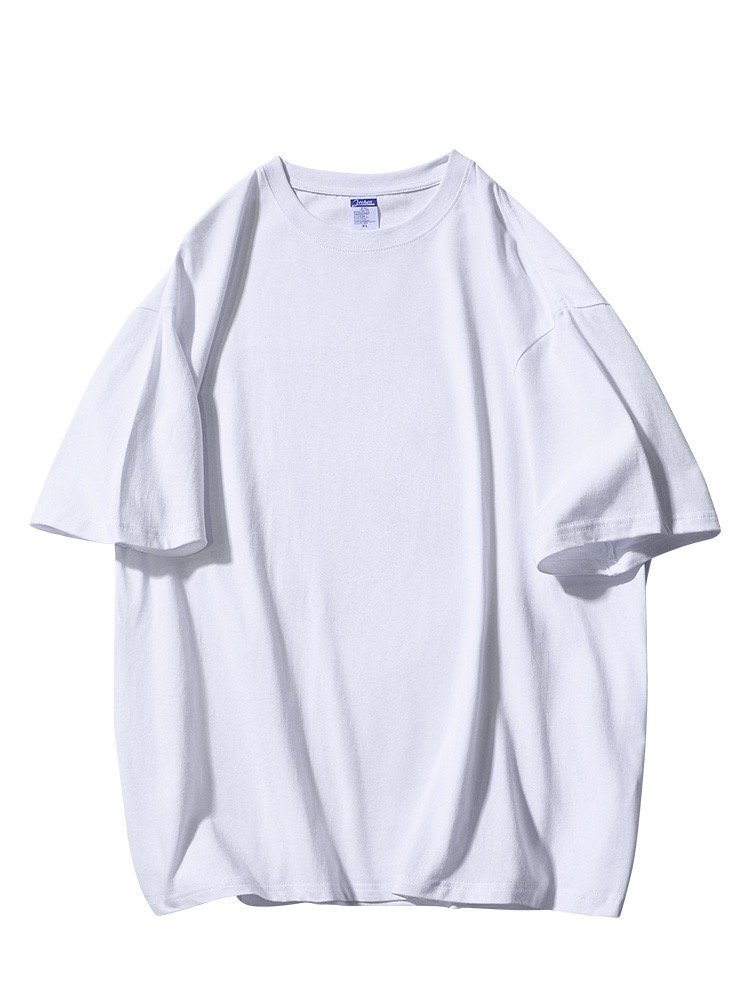
Screen printing delivers bold graphics on pocket flaps, waistbands, or leg panels with setup fees of $25–75 per color and per-unit costs under $0.50 for simple designs. Plastisol ink withstands 50+ industrial washes when cured correctly, making it ideal for high-volume streetwear runs.
Heat-transfer patches offer full-color logos without screens, costing $1–3 per unit with minimal setup. Durability ranges from 20–40 washes depending on adhesive quality, so they suit limited editions or influencer drops where speed trumps longevity.
Embroidery and Woven Labels
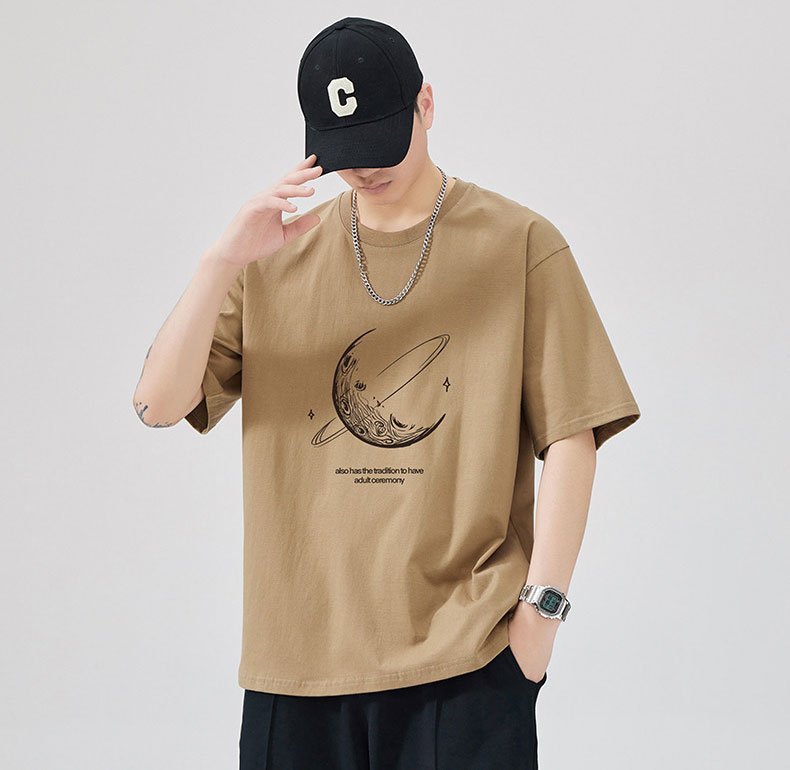
Embroidery on pocket flaps, waistbands, or side seams costs $50–150 for digitizing plus $1.50–4 per piece depending on stitch count. Thread resists fading through hundreds of washes, projecting premium craftsmanship that justifies higher retail prices.
Woven labels sewn into waistbands or back pockets run $0.10–0.50 each with $100–200 setup for custom artwork. High-density weave ensures crisp brand text and logos that remain legible after years of wear.
Metal Hardware and Custom Colorways
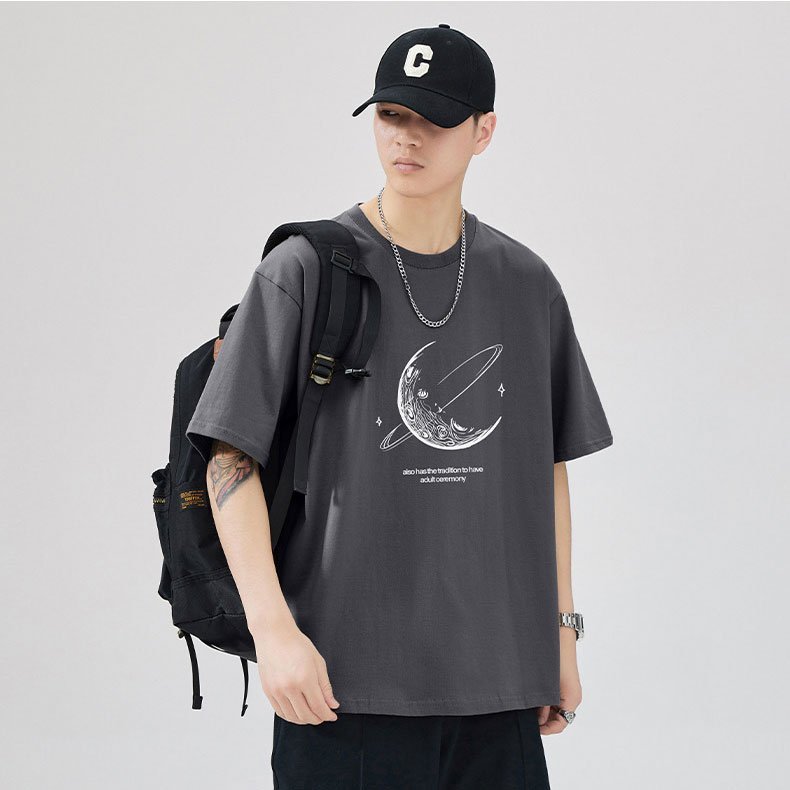
YKK zippers, branded rivets, and engraved buttons add tactile differentiation with per-unit costs of $0.30–2 depending on finish (antique brass, gunmetal, matte black). Custom hardware molds require $300–800 setup but lock in brand identity across collections.
Custom-dyed fabrics in Pantone-matched colorways cost $0.50–1.50 per yard over stock shades, with 300–500 yard minimums per color. Unique pocket configurations—asymmetric flaps, hidden zippers, modular Velcro panels—require pattern adjustments billed at $50–150 per style.
6. Key Quality Indicators in Cargo Shorts Construction
Cargo shorts face high mechanical stress at pockets, fly closures, and waistbands, making construction quality the primary driver of customer satisfaction and return rates. A cargo shorts manufacturer with rigorous quality control—such as Clothing Manufacturer Ltd.’s five-step QC methodology—embeds checkpoints at materials, cutting, craft, sewing, and finished-garment stages to catch defects early. Buyers should verify these five indicators during sampling and pre-shipment inspection.
Reinforced Pocket Stitching and Bar Tacks
Cargo pockets endure repeated loading and unloading cycles; stress concentrates at pocket corners and flap attachment points. Bar tacks—dense zigzag stitches spanning 10–15 mm—distribute tension and prevent tear-out under load.
Inspect every pocket corner for bar tacks with at least 20 stitch cycles. Check that flap attachment points and side-seam pocket openings also carry bar tacks. Missing or shallow bar tacks signal skipped craft QC testing and predict early failure in the field.
- Verify bar tacks at all four corners of cargo pockets and flap hinge points
- Confirm minimum 20 stitch cycles per bar tack for load distribution
- Test pocket corners with gentle tugging to ensure no thread slippage
YKK or Equivalent Zippers
Zipper failure accounts for 18–25 percent of cargo shorts returns in streetwear and casual markets. YKK, SBS, and Ideal zippers feature precision-molded teeth and corrosion-resistant sliders that survive 1,000-plus cycles.
Request zipper brand specifications in tech packs and verify branding on slider pulls during sampling. Non-branded or generic zippers often fail within 50–100 cycles. A reputable cargo shorts manufacturer sources certified hardware and includes zipper testing in sewing production QC.
- Specify YKK, SBS, or Ideal zippers in tech packs and purchase orders
- Check slider pull for brand logo and smooth operation across full length
- Cycle test zippers 20 times during sampling to detect binding or misalignment
Double-Needle Seams at Stress Points
Inseams, outseams, waistband attachment, and hem edges require double-needle construction—two parallel rows of stitching 3–6 mm apart—to withstand abrasion and repeated washing. Single-needle seams unravel under tension, especially in stretch twill and ripstop fabrics.
Inspect inseams and side seams under magnification or strong light to confirm two distinct stitch lines. Pull seams gently; double-needle construction shows no thread separation. Manufacturers who skip this step during clothing craft QC testing compromise garment lifespan by 40–60 percent.
- Confirm double-needle stitching on inseams, outseams, waistband, and hem
- Measure stitch spacing: 3–6 mm between parallel rows for optimal strength
- Perform gentle stretch test on seams to ensure no puckering or thread breakage
Proper Grading Across Sizes
Size grading errors—inconsistent pocket placement, waistband width, or inseam length—create fit complaints and erode brand trust. Professional grading maintains proportional relationships: pocket height scales 8–10 mm per size, inseam rises 25–30 mm, waist increases 25–40 mm.
Request a grade rule chart from your cargo shorts manufacturer and cross-check sample measurements at three sizes (S, M, L or 30, 34, 38). Measure pocket-to-waist distance, inseam, and rise; deviations beyond ±5 mm indicate inadequate pattern development or cutting QC testing.
- Request grade rule chart showing pocket, inseam, and waist progression by size
- Measure three sizes in sampling to verify proportional scaling within ±5 mm
- Check pocket alignment relative to side seams across all sizes
Pre-Shrunk Fabric Treatment
Untreated cotton twill and canvas shrink 3–7 percent in length and 2–5 percent in width after first wash, shifting fit and pocket alignment. Pre-shrunk or sanforized fabrics—treated with steam, heat, and compression—stabilize dimensions to residual shrinkage below 2 percent.
Verify fabric specifications include ‘sanforized’ or ‘pre-shrunk’ and request wash test reports showing shrinkage data. During materials QC testing, a diligent manufacturer tests fabric samples before cutting. Wash one sample garment at 40°C and measure inseam and waist before and after; shrinkage above 2 percent signals untreated fabric.
- Specify sanforized or pre-shrunk fabric in tech packs and purchase orders
- Request wash test reports showing residual shrinkage below 2 percent
- Wash one sample garment and measure key dimensions to verify stability
7. How to Choose the Right Cargo Shorts Manufacturer for Your Brand
Selecting the right cargo shorts manufacturer requires systematic due diligence across production capabilities, quality systems, and commercial terms. A decision framework that evaluates MOQ flexibility, lead times, sampling turnaround, certifications, communication responsiveness, and portfolio relevance reduces sourcing risk and ensures alignment with your brand’s growth trajectory.
Verify Factory Credentials and Certifications
Request copies of WRAP, BSCI, or OEKO-TEX certifications to confirm compliance with labor standards and textile safety. Factories with documented certifications demonstrate commitment to ethical production and chemical management. Cross-check business licenses and export records to verify legal standing and operational history.
Ask for client references and review case studies showing completed cargo shorts projects. A credible cargo shorts manufacturer will share portfolio samples and connect you with existing clients. Transparency in credentials signals reliability and reduces the risk of quality failures or delayed shipments.
Evaluate Sample Quality and Tech Pack Handling
Submit a detailed tech pack specifying fabric weight, pocket construction, waistband finish, and hardware specs. A professional manufacturer will respond with clarifying questions and a realistic sampling timeline—typically 7 to 14 days for cargo shorts prototypes.
Inspect the sample for stitch density, pocket reinforcement, and colorfast dye. Compare the finished garment against your tech pack measurements and construction notes. Manufacturers who implement multi-stage QC, such as the five-step quality control process, catch defects early and deliver samples that match production standards.
Assess MOQ Flexibility and Lead Times
Confirm minimum order quantities align with your launch volume—many factories require 500 to 1,000 units per style, though some accommodate lower MOQs for startups. Clarify production lead times, which typically range from 30 to 45 days after sample approval.
Negotiate flexibility for reorders and seasonal adjustments. A manufacturer experienced with fashion startups and independent designers will offer scalable MOQ tiers and transparent capacity planning, enabling you to grow without switching suppliers.
Negotiate Payment Terms and Communication Protocols
Standard terms include 30% deposit upon order confirmation and 70% balance before shipment, though established relationships may unlock net-30 or LC options. Clarify payment methods, currency, and any transaction fees upfront.
Establish communication channels—email, WhatsApp, or WeChat—and confirm response times. A manufacturer serving customers across more than 100 countries and regions will provide English-language support and regular production updates. Responsiveness during the quotation phase predicts reliability throughout the order lifecycle.
8. Common Mistakes When Sourcing from a Cargo Shorts Manufacturer
Even experienced brands make sourcing errors that derail timelines, inflate costs, and damage reputations. Understanding these pitfalls before placing your first order with a cargo shorts manufacturer saves months of rework and protects your brand equity.
Skipping Sample Approval and Wear Testing
A fashion startup once rushed 2,000 units into production after viewing photos only, skipping physical sample approval. Upon delivery, pocket placement sat two inches too high, making the shorts unwearable. The brand absorbed a $12,000 loss.
Always request pre-production samples and conduct 7–14 day wear tests under real conditions—walking, sitting, washing. Verify pocket depth, waistband tension, and hem durability before approving bulk production.
Ignoring Fabric Shrinkage Testing
Cotton-blend cargo shorts can shrink 3–5% in length and width after the first wash if fabric is not pre-shrunk. One retailer received customer returns exceeding 18% because medium shorts fit like smalls post-wash.
Specify pre-washed or sanforized fabrics in your tech pack. Request shrinkage test reports (AATCC 135 or ISO 5077) from your cargo shorts manufacturer before cutting begins.
Underestimating Lead Times and Production Cycles
Standard cargo shorts production spans 45–60 days: 7 days sampling, 10 days fabric sourcing, 21 days sewing, 7 days QC and packing, plus 15–30 days ocean freight. Brands ordering in April for June delivery often miss their launch window.
Add 15–20% buffer time for customs, holidays (Chinese New Year, Golden Week), and revision rounds. Confirm each milestone date in writing and track progress weekly.
Choosing Price Over Quality and QC Rigor
A brand selected the lowest bidder at $4.80 per unit versus $6.20 from a factory with five-step QC testing. The cheaper batch arrived with uneven stitching, loose buttons, and mismatched inseams, costing $9,000 in rework and lost sales.
Evaluate total cost of ownership: defect rates, return logistics, and brand damage. Partner with manufacturers who embed QC at materials, cutting, craft, sewing, and finished-goods stages to eliminate costly post-production fixes.
9. Steps to Launch Your Cargo Shorts Line
Launching a cargo shorts line requires a structured workflow from design concept to retail delivery. Following these seven steps ensures quality control, cost predictability, and market readiness before scaling production.
Define Target Audience and Style Direction
Identify whether your cargo shorts will target streetwear enthusiasts, outdoor adventurers, or casual lifestyle customers. Each segment demands distinct pocket configurations, fabric weights (180–280 GSM), and design elements like skeleton prints or utility webbing.
Map color palettes, fit profiles (slim, relaxed, oversized), and inseam lengths (9–13 inches) to your brand positioning before contacting a cargo shorts manufacturer.
Create or Source Detailed Tech Packs
Compile technical specifications including fabric composition, Pantone color codes, pocket dimensions, hardware (YKK zippers, snap buttons), and stitching details. Tech packs eliminate ambiguity and accelerate sample development.
If you lack design resources, many cargo shorts manufacturers offer tech-pack development services based on reference images and verbal briefs.
Request and Approve Pre-Production Samples
Order samples in 2–3 sizes to verify fit, fabric hand-feel, and construction quality. Expect 7–14 days for sample production and shipping. Check pocket depth, waistband elasticity, and seam strength during approval.
Documents all revisions in writing to ensure the cargo shorts manufacturer implements changes before bulk production begins.
Negotiate Pricing, MOQ, and Payment Terms
Clarify minimum order quantities (typically 100–500 pieces per style for cargo shorts), unit costs, and payment schedules (30% deposit, 70% before shipment). Request breakdowns for fabric, trim, labor, and QC to identify cost-reduction opportunities.
Confirm lead times (usually 25–45 days) and penalty clauses for delays or quality failures.
Place Pilot Order and Monitor Production
Start with a smaller pilot run (200–300 units) to test market demand and validate the cargo shorts manufacturer’s quality consistency. Request progress photos at cutting, sewing, and finishing stages.
Ensure the manufacturer applies a five-step QC process covering materials, cutting, craft, sewing, and finished inspection to catch defects early.
Conduct Final QC Inspection Before Shipment
Arrange third-party inspection or request detailed QC reports with photos of random samples. Check thread tension, pocket alignment, colorfast results, and packaging integrity.
Reject shipments that exceed a 2.5% defect rate (AQL 2.5 standard) to protect brand reputation and reduce return costs.
Plan Fulfillment, Marketing, and Reorder Triggers
Coordinate logistics (air vs. sea freight) and customs clearance 2–3 weeks before your launch date. Prepare product photography, sizing charts, and campaign assets while goods are in transit.
Set reorder thresholds at 30–40% remaining inventory to maintain stock continuity and negotiate volume discounts with your cargo shorts manufacturer for subsequent orders.
10. Pricing and Cost Breakdown
Cargo shorts pricing from a cargo shorts manufacturer typically ranges from $8 to $22 per unit depending on order quantity, fabric selection, and trim complexity. Clothing Manufacturer Ltd. implements transparent pricing tied directly to material grade and construction method, with mid-weight cotton twill starting around $10 per piece at 500-unit runs and technical ripstop fabrics adding $3–5 per garment. Sampling fees of $80–150 per style cover pattern development and first-article approval, refundable against production orders above 300 units.
Fabric choice drives 40–50% of final cost. Standard 200 GSM cotton canvas sits at the lower end of the range, while stretch ripstop blends with DWR coating, reinforced bar-tacks at pocket stress points, and YKK zippers push unit costs upward. Hardware upgrades—metal buttons, woven labels, custom hang tags—add $0.50–$2.00 per piece. Lead times compress as quantities rise: 100-unit orders require 25–30 days, while 2,500-unit runs leverage batch efficiencies to deliver in 20–25 days post-approval.
Decoration costs layer on top of base garment pricing. Screen printing setup runs $40–60 per color with per-unit charges of $1.20–$2.50 depending on print size and placement. Embroidery incurs $50–80 digitizing fees and $2.00–$4.50 per piece for standard chest logos up to 10,000 stitches. Direct-to-garment printing carries no setup cost but ranges $3.50–$6.00 per print, ideal for small runs with complex artwork.
| Quantity Tier | Price per Unit (USD) | Sampling Fee | Lead Time (Days) |
|---|---|---|---|
| 100 units | $18–22 | $80–150 (refundable >300) | 25–30 |
| 500 units | $12–16 | $80–150 (refundable >300) | 22–28 |
| 1,000 units | $10–14 | Waived | 20–25 |
| 2,500+ units | $8–12 | Waived | 20–25 |
Ready to Launch Your Cargo Shorts Line?
Partner with a trusted cargo shorts manufacturer. 5-step QC guarantee, 7-day sampling, and low MOQ for emerging brands.