
Basketball Shorts Manufacturer for Streetwear & Trendy Brands
Partner with a basketball shorts manufacturer that delivers trend-driven designs, low MOQs, and a rigorous 5-step QC guarantee to power your brand’s growth.
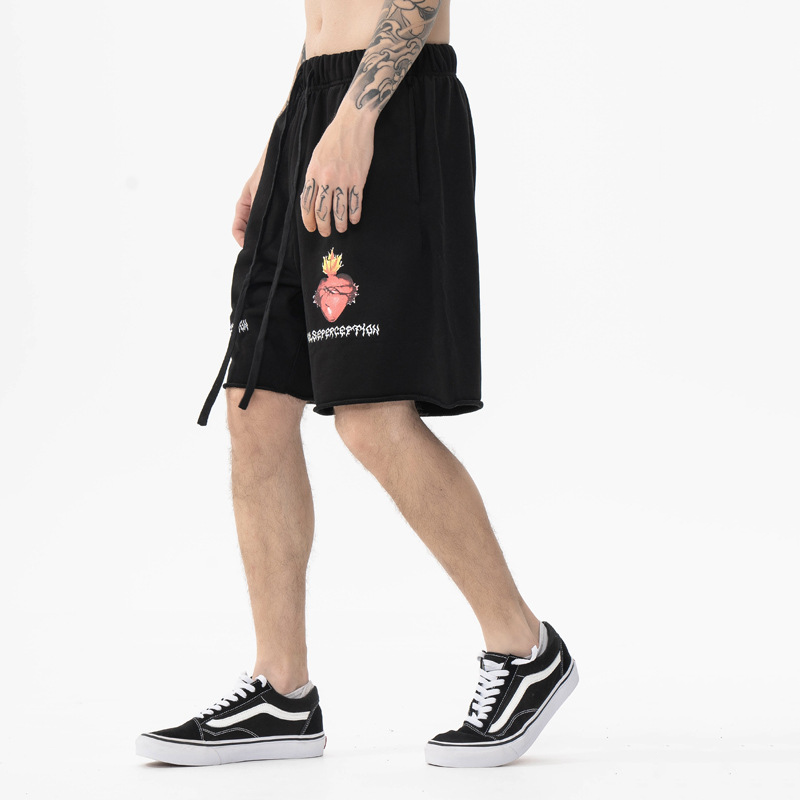
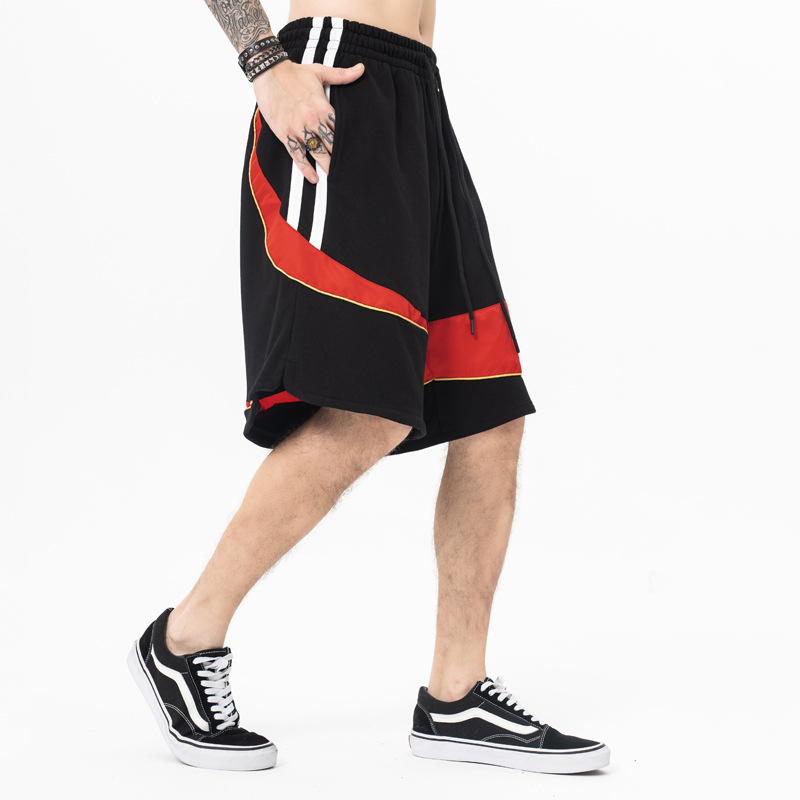
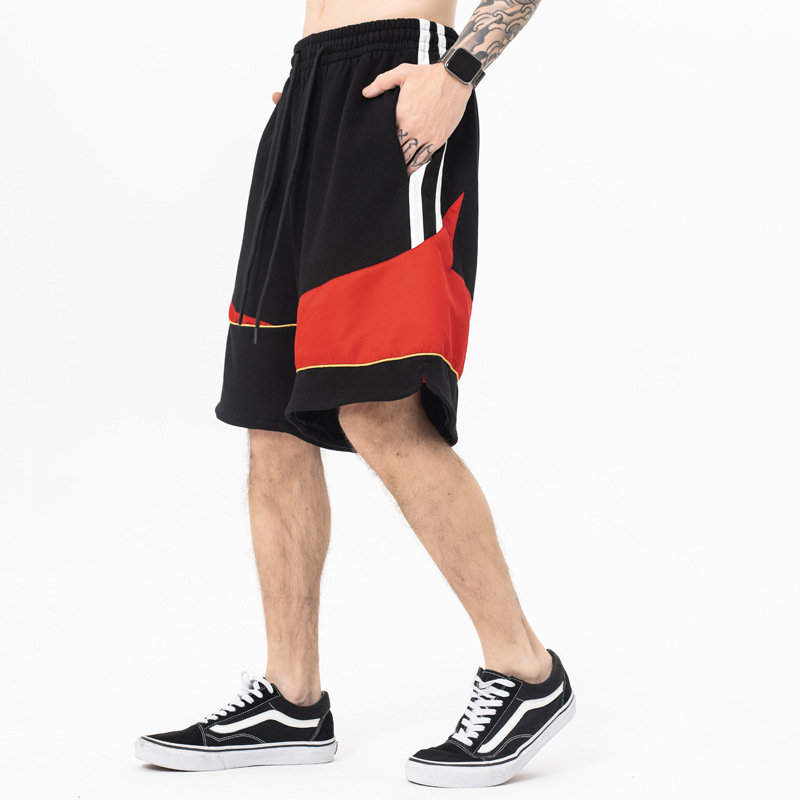
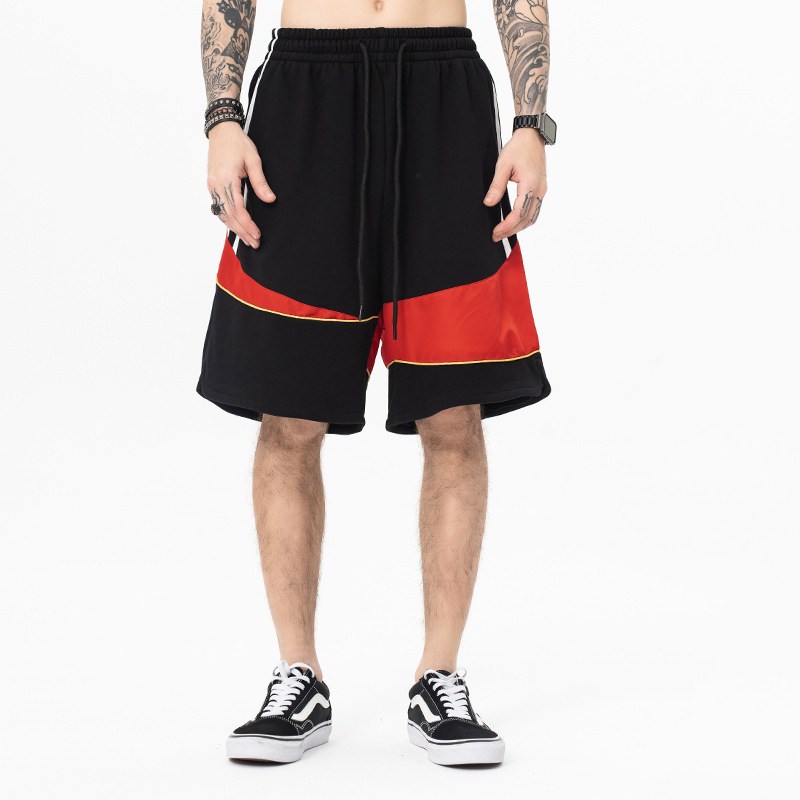
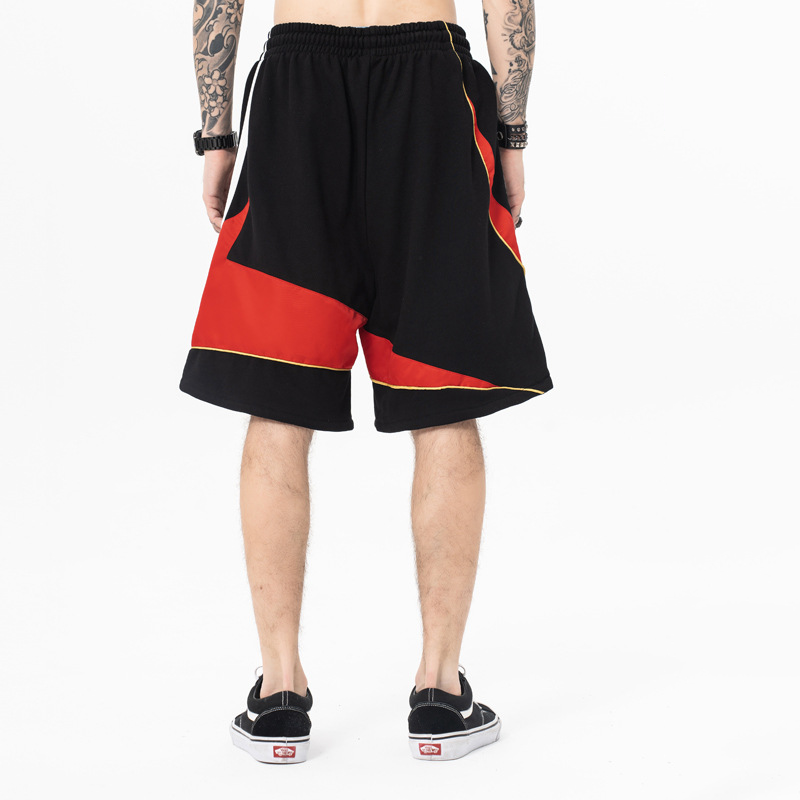
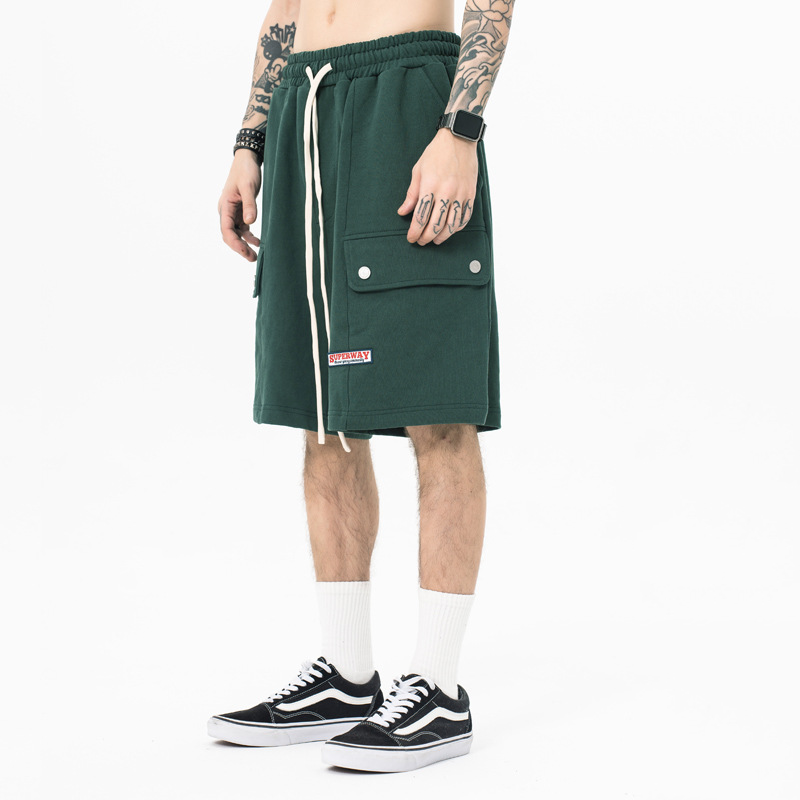
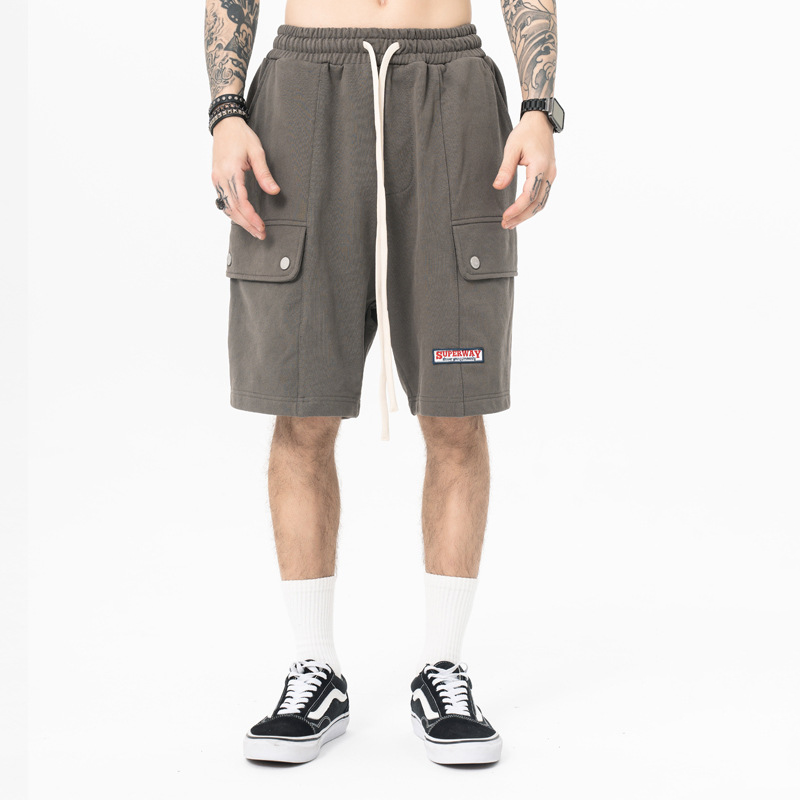
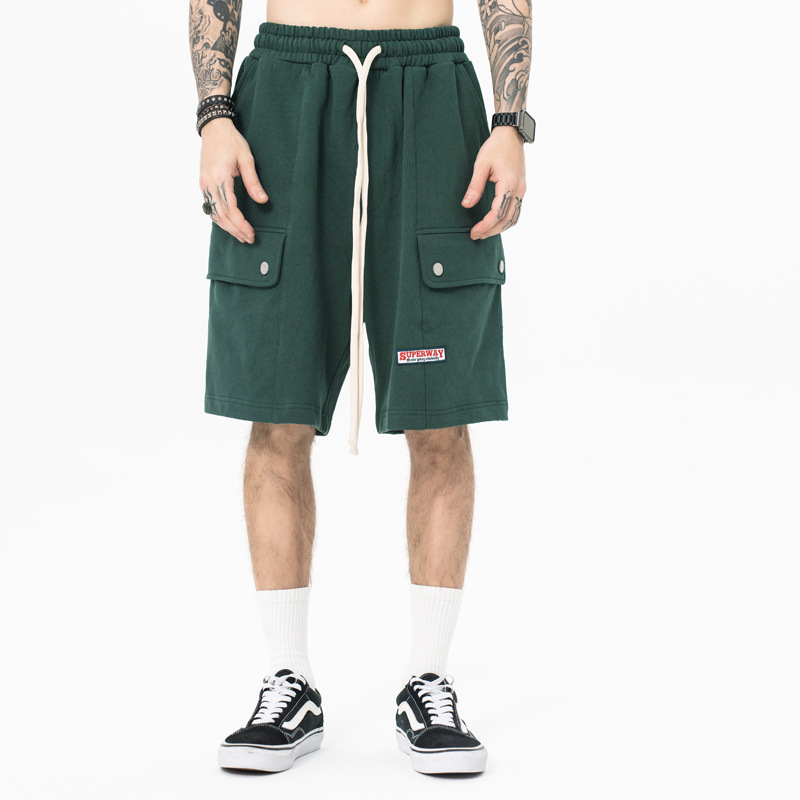
Premium Basketball Shorts Gallery
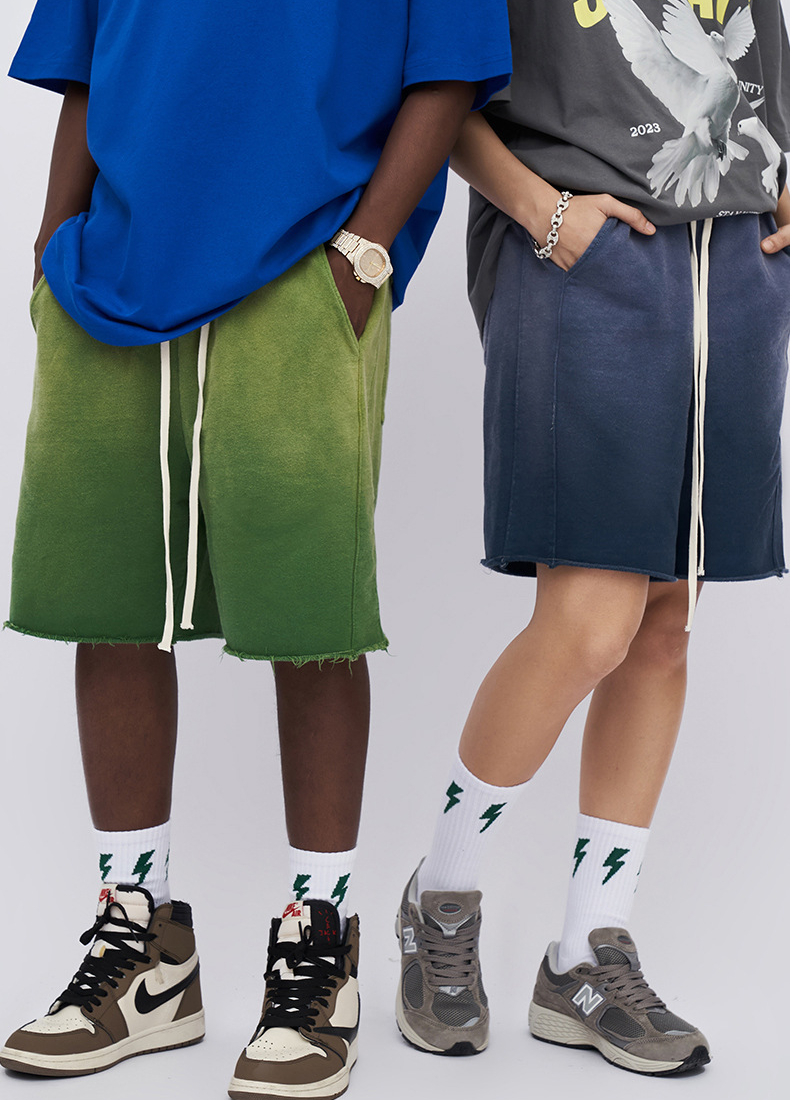
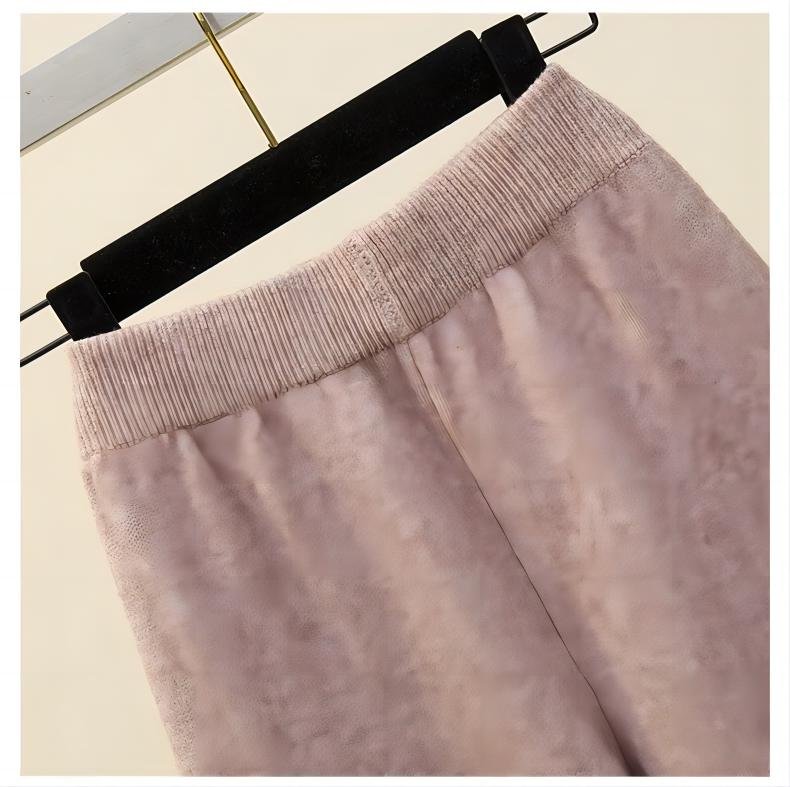
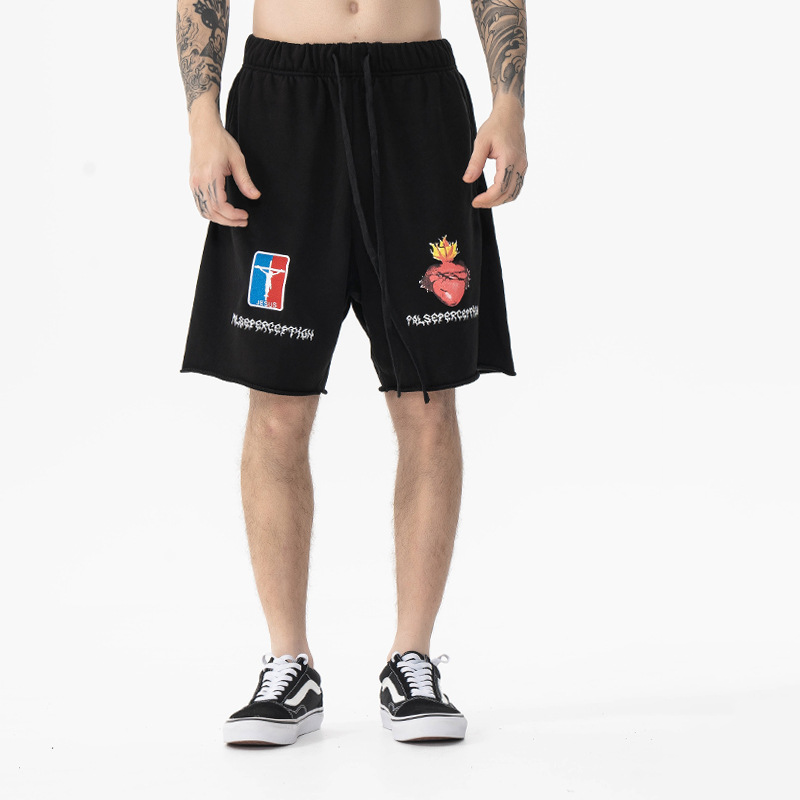
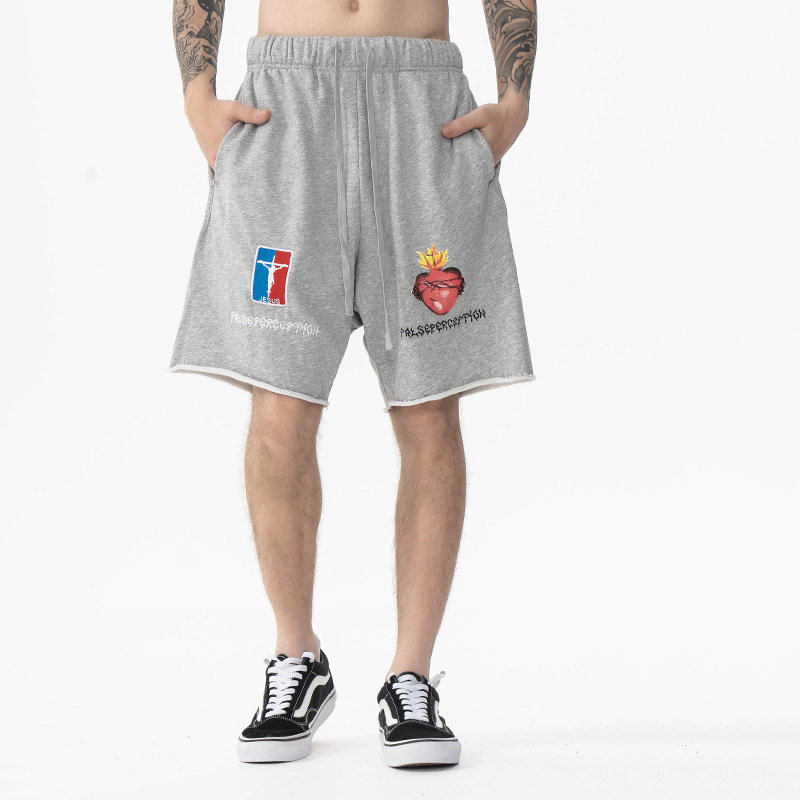
Why Choose Our Basketball Shorts Manufacturer
5-Step QC Guarantee
Every basketball short undergoes rigorous quality testing at materials, cutting, craft, sewing, and finishing stages before shipment.
Low MOQ Starting 50 Pieces
Launch your basketball shorts line without huge inventory risk. Perfect for fashion startups and emerging streetwear brands.
7-Day Sample Turnaround
Fast prototyping and sampling lets you test designs quickly and capitalize on seasonal trends without production delays.
In-House Design Team
Our 15-member R&D team brings streetwear expertise and trend-driven insights to refine your basketball shorts designs.
Streetwear & Athletic Expertise
Over 6 years specializing in streetwear production, combining performance fabrics with bold, trend-forward basketball shorts aesthetics.
Global Shipping & Logistics
Seamless international fulfillment to 100+ countries with customs, inspection, and delivery coordination handled by our experienced team.
Basketball Shorts Categories & Styles We Produce
From classic mesh to fully sublimated designs, our basketball shorts manufacturer delivers every style streetwear brands and athletic labels demand—with 5-step QC and low MOQ flexibility.
Classic Mesh Basketball Shorts
Many brands struggle to find a basketball shorts manufacturer that delivers breathable mesh with consistent perforation quality, proper stretch recovery, and reinforced waistbands that survive repeated washing without warping or thread breakage.
We produce classic mesh basketball shorts with premium polyester mesh, reinforced elastic waistbands, and our 5-step QC process that tests fabric breathability, stitch integrity, and dimensional stability before every shipment leaves our facility.
Sublimated Basketball Shorts
Sublimation printing for basketball shorts often suffers from color bleeding, pattern misalignment, and fading after just a few washes—problems that damage brand reputation and trigger costly returns from disappointed customers and influencers.
Our in-house sublimation team uses fade-resistant dye-sub technology with precision pattern placement and color-fastness testing at the materials QC stage, ensuring vibrant, durable graphics that maintain intensity through dozens of wash cycles.
Reversible Basketball Shorts
Reversible basketball shorts demand flawless construction on both sides, yet most manufacturers cut corners with exposed seams, uneven hems, and mismatched waistband tension that make one side look amateurish or uncomfortable to wear.
We engineer reversible basketball shorts with flat-lock seams, dual-sided fabric inspection, and symmetrical waistband construction, backed by our sewing production QC testing that verifies both sides meet identical fit and finish standards.
Vintage & Retro Basketball Shorts
Recreating authentic vintage basketball shorts requires sourcing period-accurate fabrics, mastering retro silhouettes with proper inseam length, and applying distressed finishes that look genuinely worn-in rather than cheap or artificial to streetwear audiences.
Our 15-member R&D team specializes in vintage basketball short patterns with authentic satin fabrics, era-correct piping details, and hand-finished distressing techniques that capture nostalgic aesthetics while delivering modern durability and comfort.
Custom Embroidered Basketball Shorts
Embroidery on lightweight basketball short fabrics often causes puckering, thread tension issues, and logo distortion, especially when manufacturers skip proper stabilizer backing or rush through digitizing complex streetwear graphics and brand logos.
We provide custom embroidered basketball shorts with professional digitizing, tear-away stabilizers, and dedicated embroidery QC checks that ensure crisp logos, smooth fabric lay, and zero puckering—even on intricate streetwear designs and small batch orders.
Premium Fabrics from Your Basketball Shorts Manufacturer
Polyester Mesh
Lightweight, breathable open-weave fabric ideal for basketball shorts and athletic wear. Offers excellent air circulation and moisture evaporation with a weight range of 120–160 GSM, keeping athletes cool during intense play.
Moisture-Wicking Polyester
High-performance synthetic blend engineered to pull sweat away from skin. Perfect for performance basketball shorts and training apparel. Features four-way stretch and quick-dry properties, typically 140–180 GSM for optimal comfort.
Nylon Tricot
Smooth, durable knit fabric with a silky hand-feel and excellent shape retention. Popular for streetwear-inspired basketball shorts and retro styles. Lightweight at 100–140 GSM with natural stretch and abrasion resistance for long-lasting wear.
Poly-Spandex Blend
Stretchy, form-fitting fabric combining polyester durability with spandex elasticity. Ideal for compression-style basketball shorts and performance training gear. Offers 15–20% stretch recovery and breathable comfort at 180–220 GSM for unrestricted movement.
Recycled Polyester
Eco-conscious performance fabric made from post-consumer plastic bottles without compromising quality. Suitable for sustainable basketball shorts lines and environmentally aware brands. Delivers moisture management and durability at 140–180 GSM with reduced environmental impact.
Microfiber Polyester
Ultra-soft, tightly woven synthetic with a luxurious feel and superior color vibrancy. Perfect for premium basketball shorts with bold graphics and streetwear aesthetics. Lightweight at 110–150 GSM with excellent printability and fade resistance for vibrant designs.
Basketball Shorts Manufacturer Production Techniques
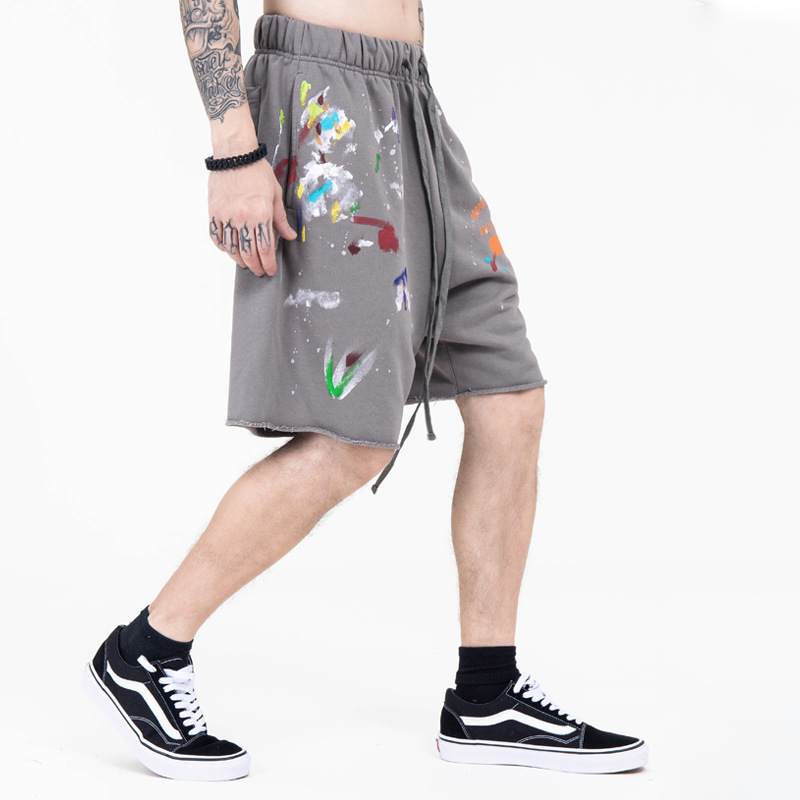
Sublimation Printing
Full-color, all-over dye sublimation creates vibrant, fade-resistant graphics that penetrate fabric fibers rather than sitting on the surface. Ideal for bold patterns, gradients, and photo-realistic designs that withstand intense wear and repeated washing without cracking or peeling.
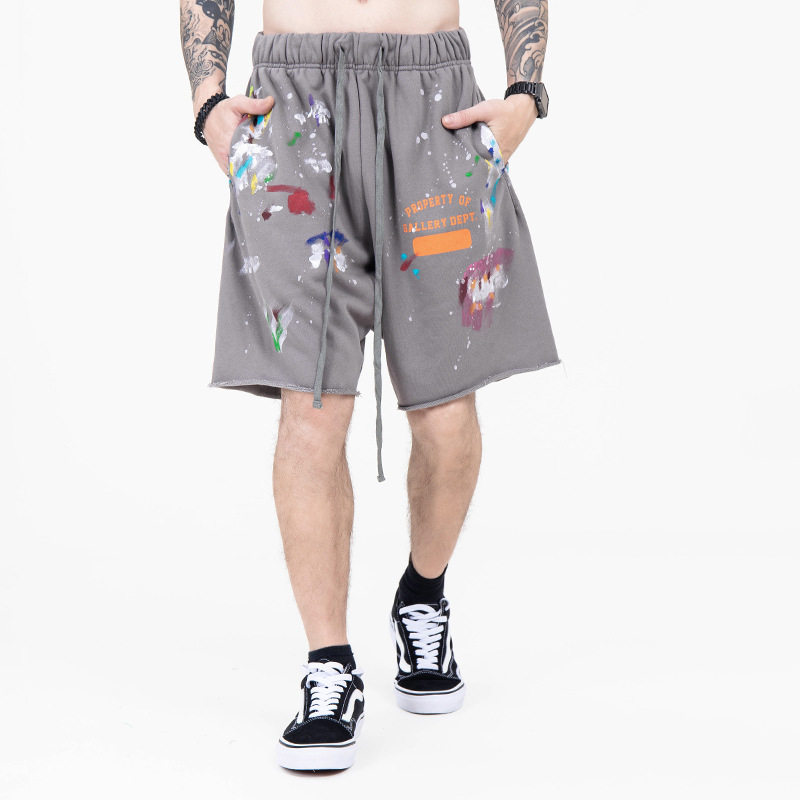
Screen Printing
High-opacity ink layering delivers sharp logos, team names, and graphic elements with exceptional durability. Perfect for bold, solid-color designs and branding that require vibrant color saturation and a professional finish on both lightweight and heavyweight basketball short fabrics.
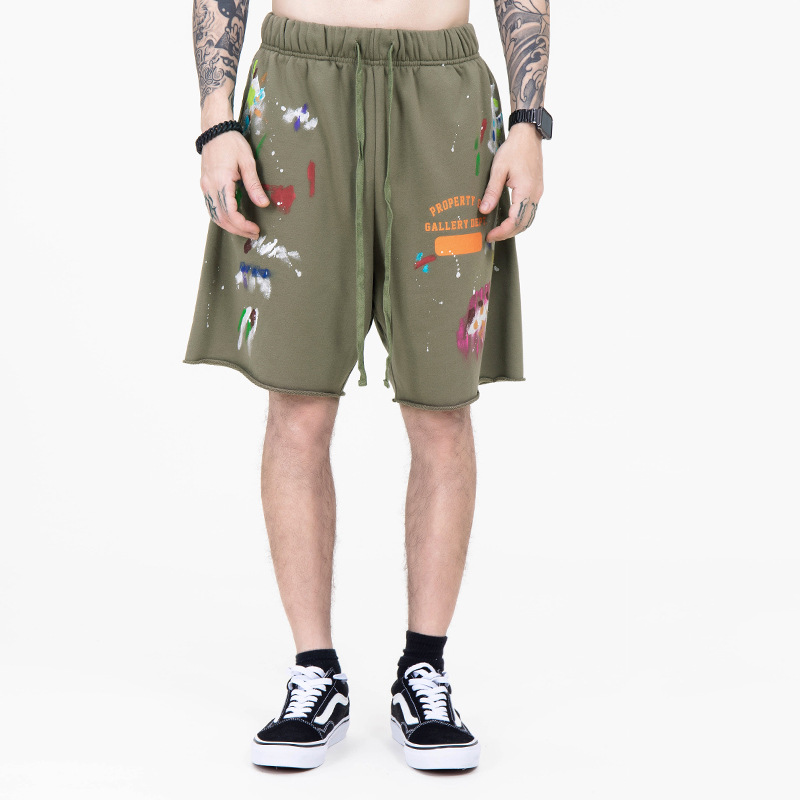
Embroidery Application
Precision thread embroidery adds premium texture and dimension to logos, monograms, and brand details. This technique creates a luxury feel with raised, tactile designs that communicate quality craftsmanship and elevate the perceived value of streetwear and performance basketball shorts.
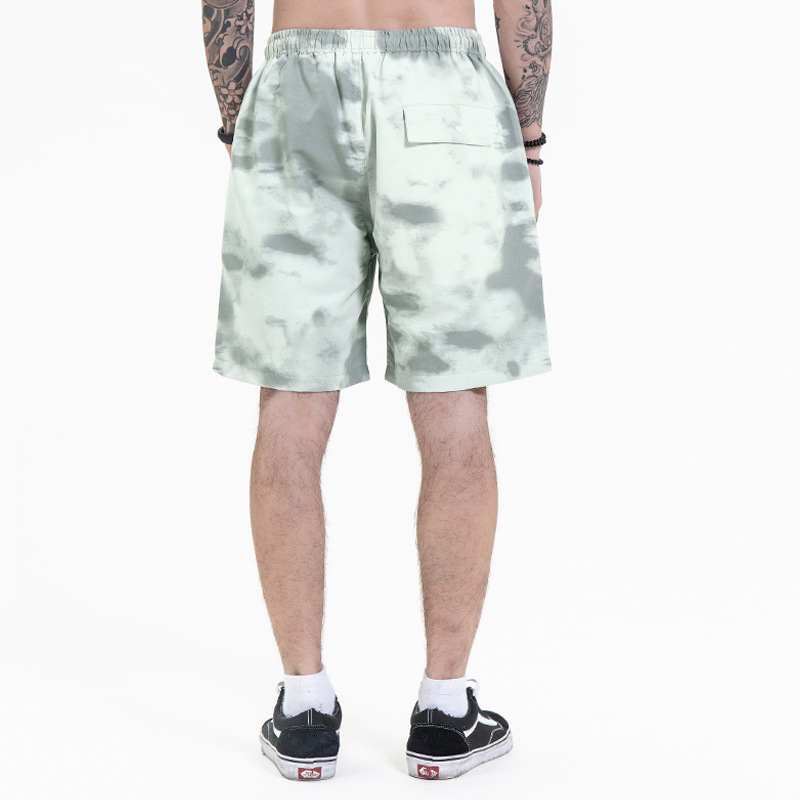
Mesh Construction
Breathable mesh panels and full-mesh builds provide maximum ventilation and moisture management for athletic performance. Our advanced mesh construction techniques ensure structural integrity while maintaining lightweight comfort, making shorts ideal for both on-court play and streetwear styling.
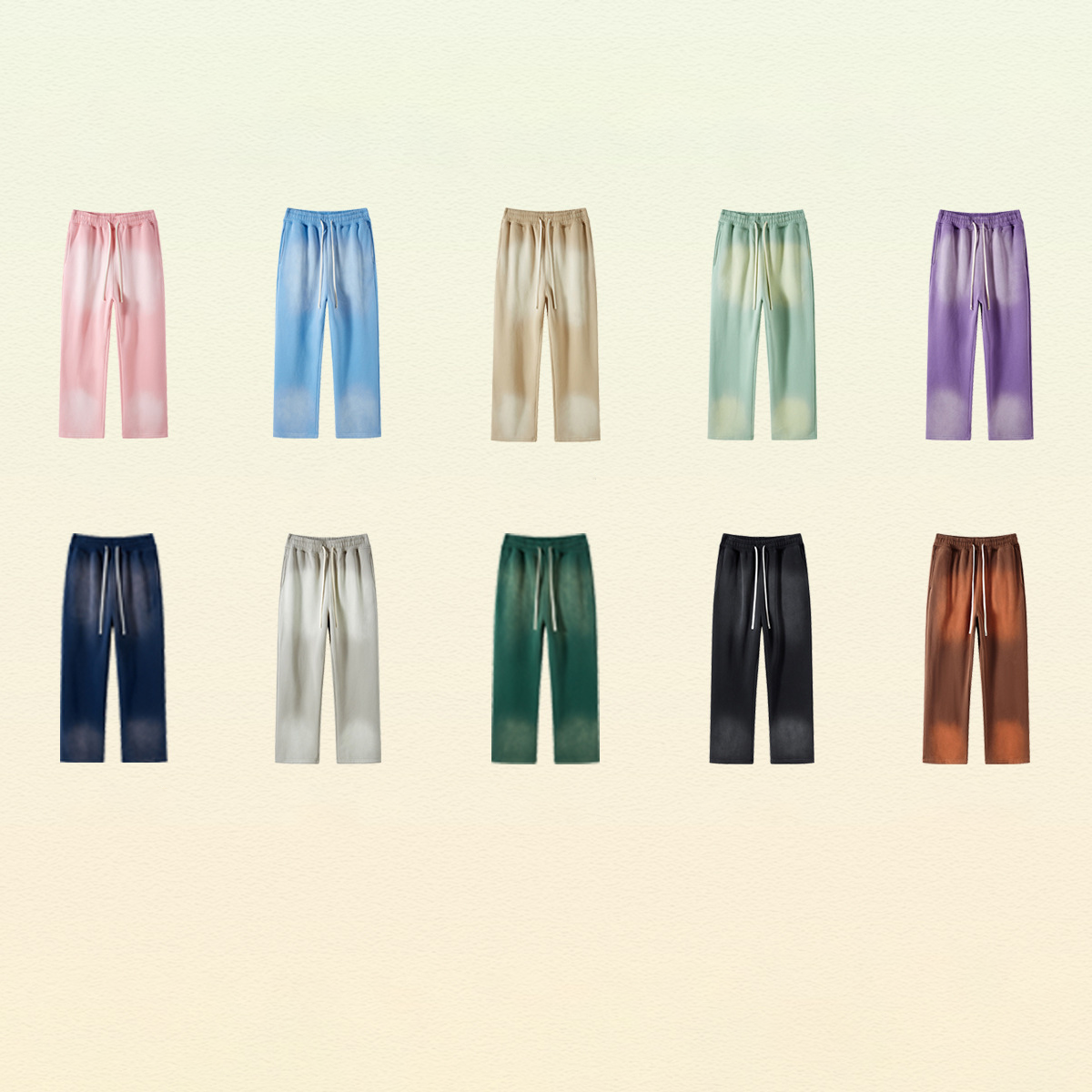
Cut-and-Sew Precision
Multi-panel pattern construction allows complex colorblocking, contrast inserts, and ergonomic shaping that mass-production methods cannot achieve. Each piece is precisely cut and assembled to your specifications, enabling unique silhouettes and design details that differentiate your basketball shorts line.
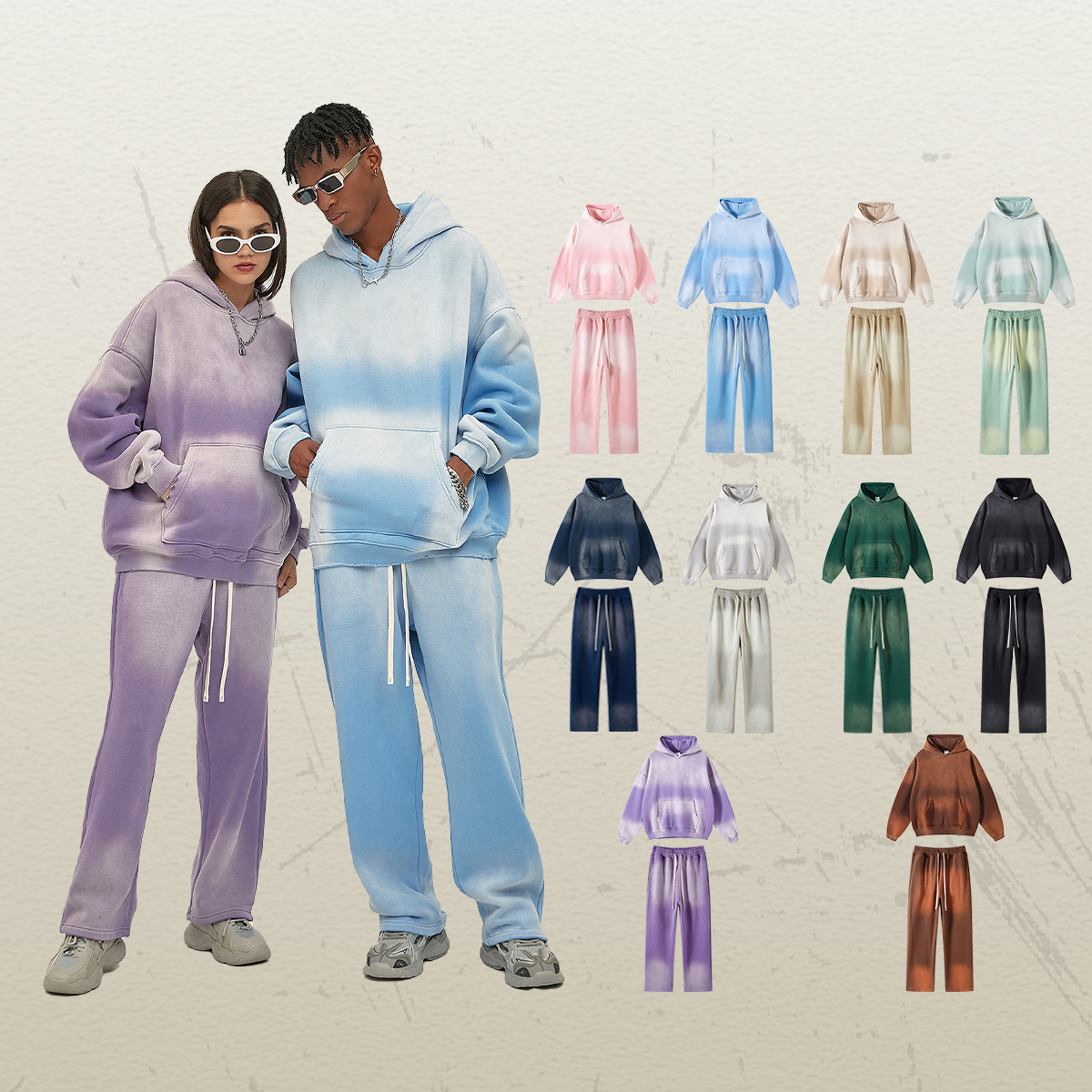
Reversible Construction
Double-layer reversible engineering delivers two complete looks in one garment, maximizing value and versatility for team uniforms and streetwear collections. Both sides feature full finishing, reinforced seams, and independent design capabilities, all validated through our 5-step quality control process.
Basketball Shorts Manufacturer Accessories & Trims
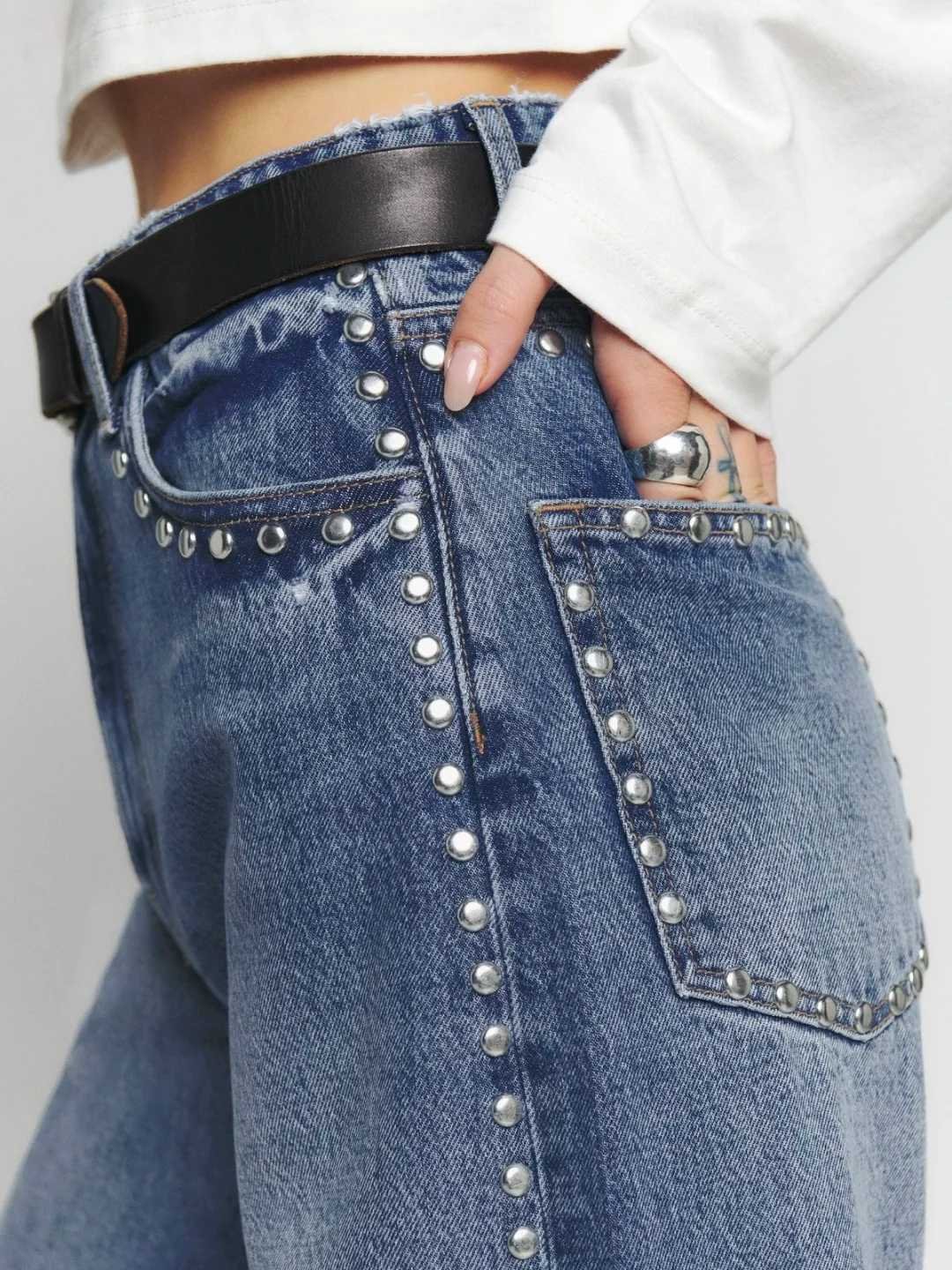
Drawcords & Tips
High-tenacity flat or round drawcords with metal, plastic, or custom-branded aglets. Essential for adjustable waistbands on basketball shorts, providing secure fit and streetwear styling. Available in multiple colorways to match your brand palette.
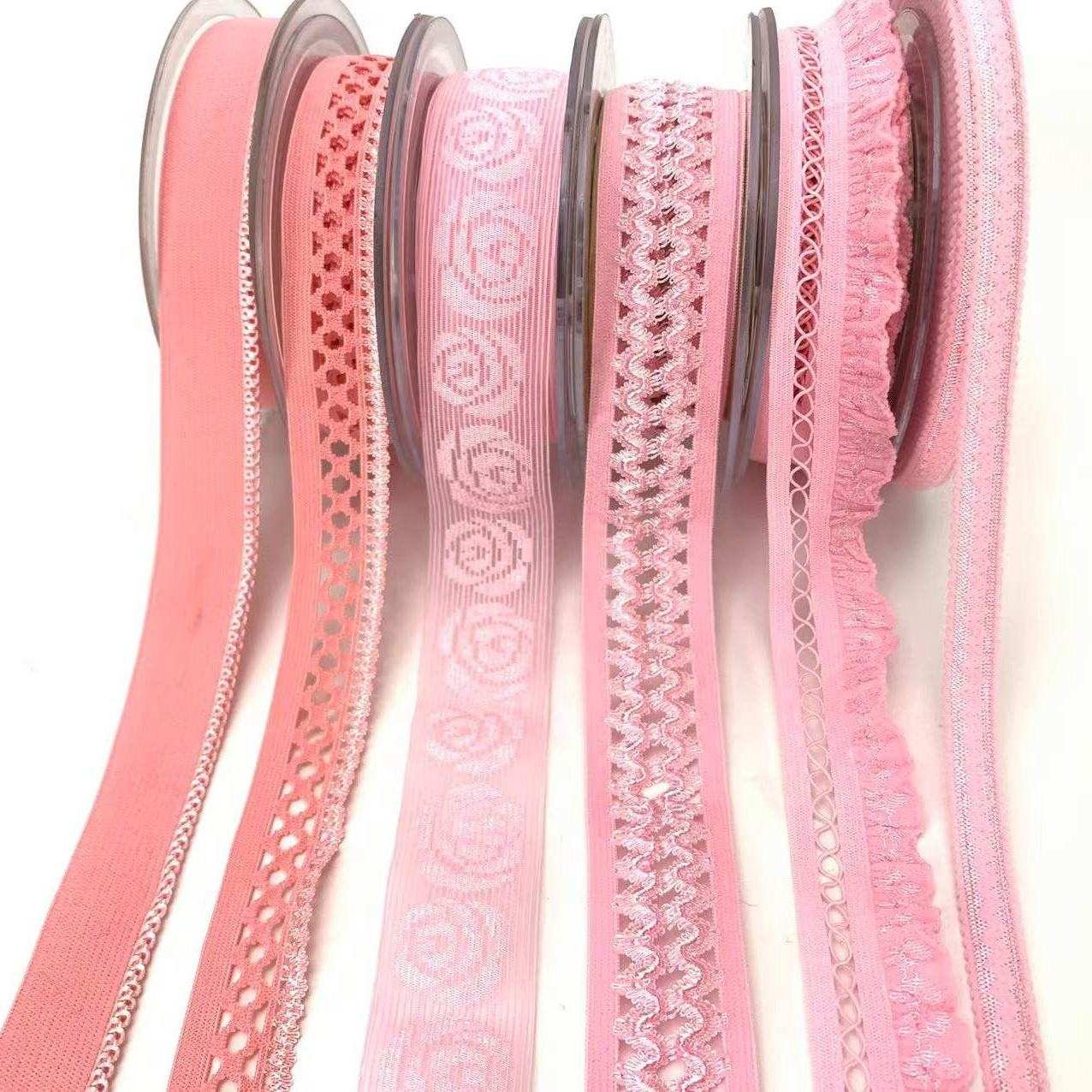
Elastic Waistbands
Premium woven elastic in widths from 25mm to 50mm, engineered for stretch retention and comfort. We source breathable, non-roll elastics that maintain tension through hundreds of washes, critical for performance basketball shorts manufacturing.
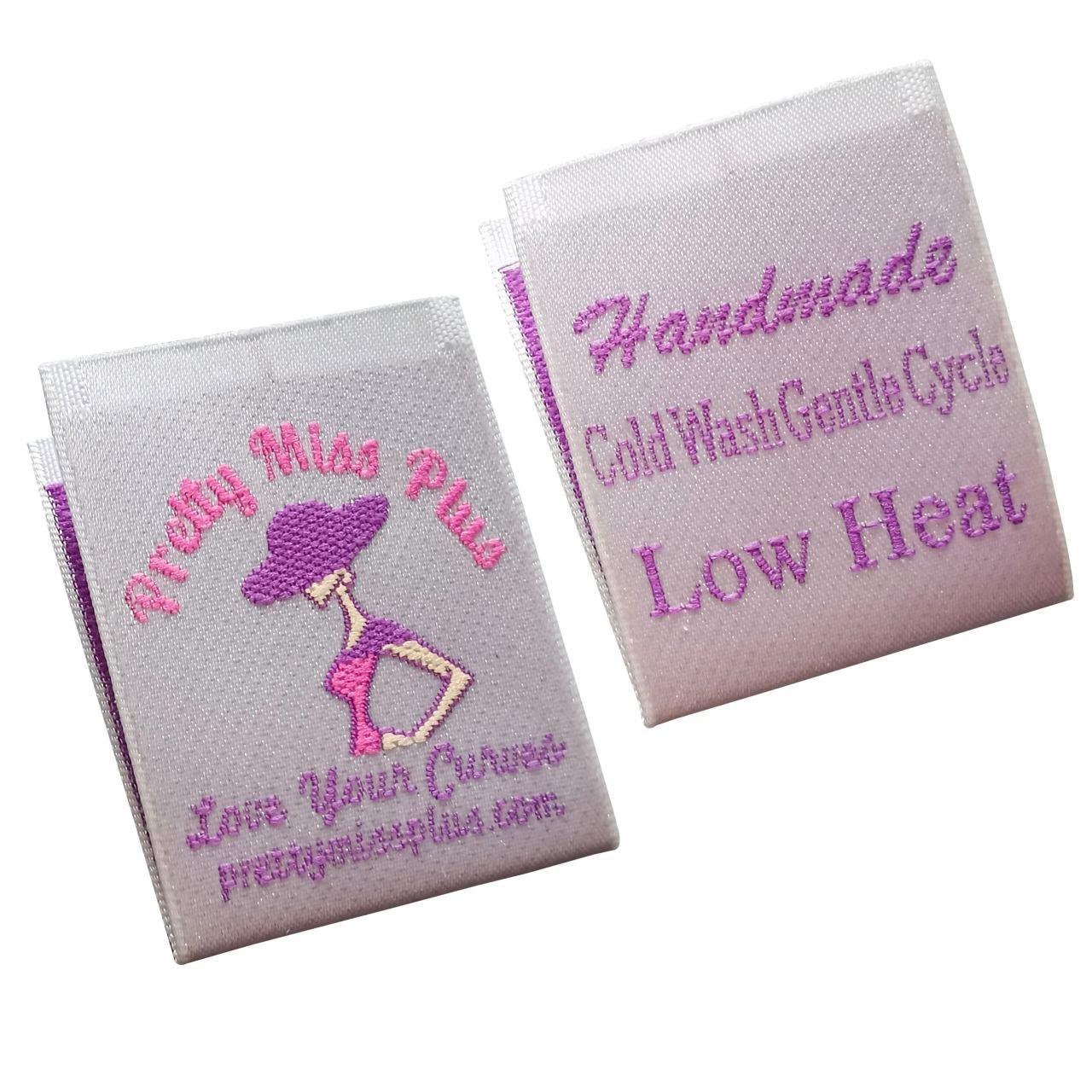
Woven Labels
Custom damask or taffeta woven labels with your logo and care instructions. Positioned at the waistband or side seam, these labels reinforce brand identity and convey professionalism. Our 5-step QC ensures secure, irritation-free attachment.
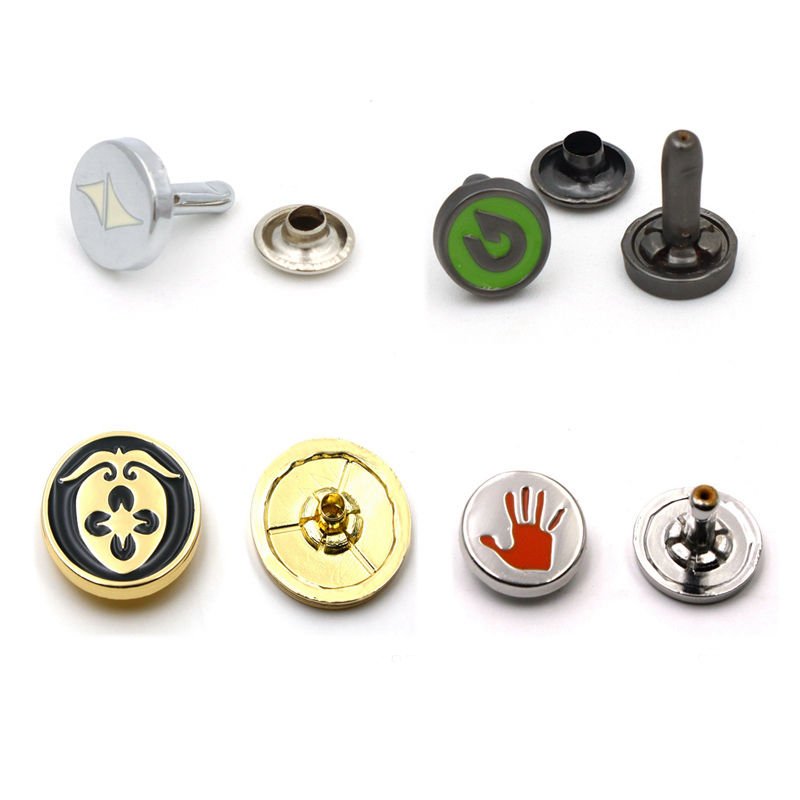
Mesh Linings
Breathable polyester mesh linings for inner shorts, providing moisture management and comfort during athletic wear. Available in standard and anti-microbial treatments. Ideal for premium basketball shorts that prioritize performance and hygiene.
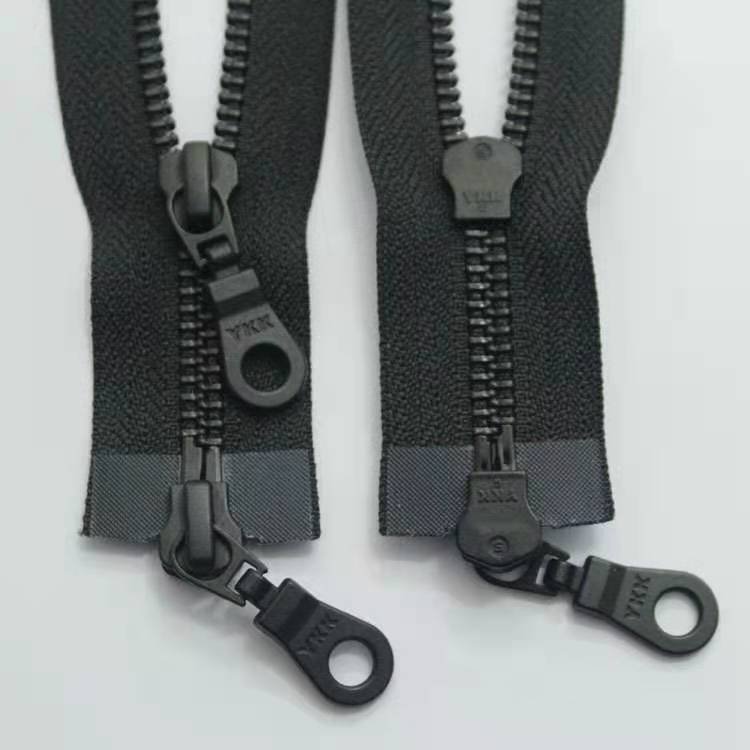
Side Pockets
Functional zip or open-entry side pockets with reinforced bartack stitching. Perfect for streetwear-style basketball shorts where utility meets design. We integrate pockets seamlessly into the garment structure without adding bulk or compromising movement.
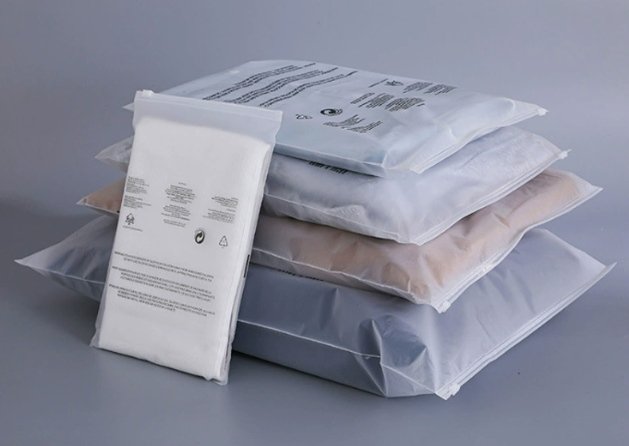
Custom Patches
Embroidered, woven, or PVC patches showcasing logos, slogans, or streetwear graphics. Applied via heat-seal, stitching, or adhesive backing. Our basketball shorts manufacturer integrates patches during production to ensure flawless alignment and durability.
Your Trusted Basketball Shorts Manufacturer
Founded in 2024 by Tesla Luo, Clothing Manufacturer Ltd brings over 10 years of apparel production expertise and 6 years of specialized streetwear experience to every basketball shorts order. Raised in a garment manufacturing family and trained across every production role from cutting to quality control, Tesla launched our company with one mission: eliminate low-quality clothing through rigorous, multi-stage inspection processes that restore trust in Chinese manufacturing.
Today we serve trendy brands, fashion startups, independent designers, and global retailers across 100+ countries, backed by a 15-member R&D team and 10 production patents. Our proprietary 5-step quality control methodology ensures every basketball shorts manufacturer order meets exacting standards at materials selection, cutting, craftsmanship, sewing, and final inspection—catching defects early, not after production wraps.
Whether you’re an influencer brand launching your first collection or an established retailer scaling seasonal lines, we offer low MOQs, fast turnaround, in-house design and sampling, and transparent communication at every stage. We’re not just a basketball shorts manufacturer—we’re your partner in delivering premium streetwear that your customers will love.
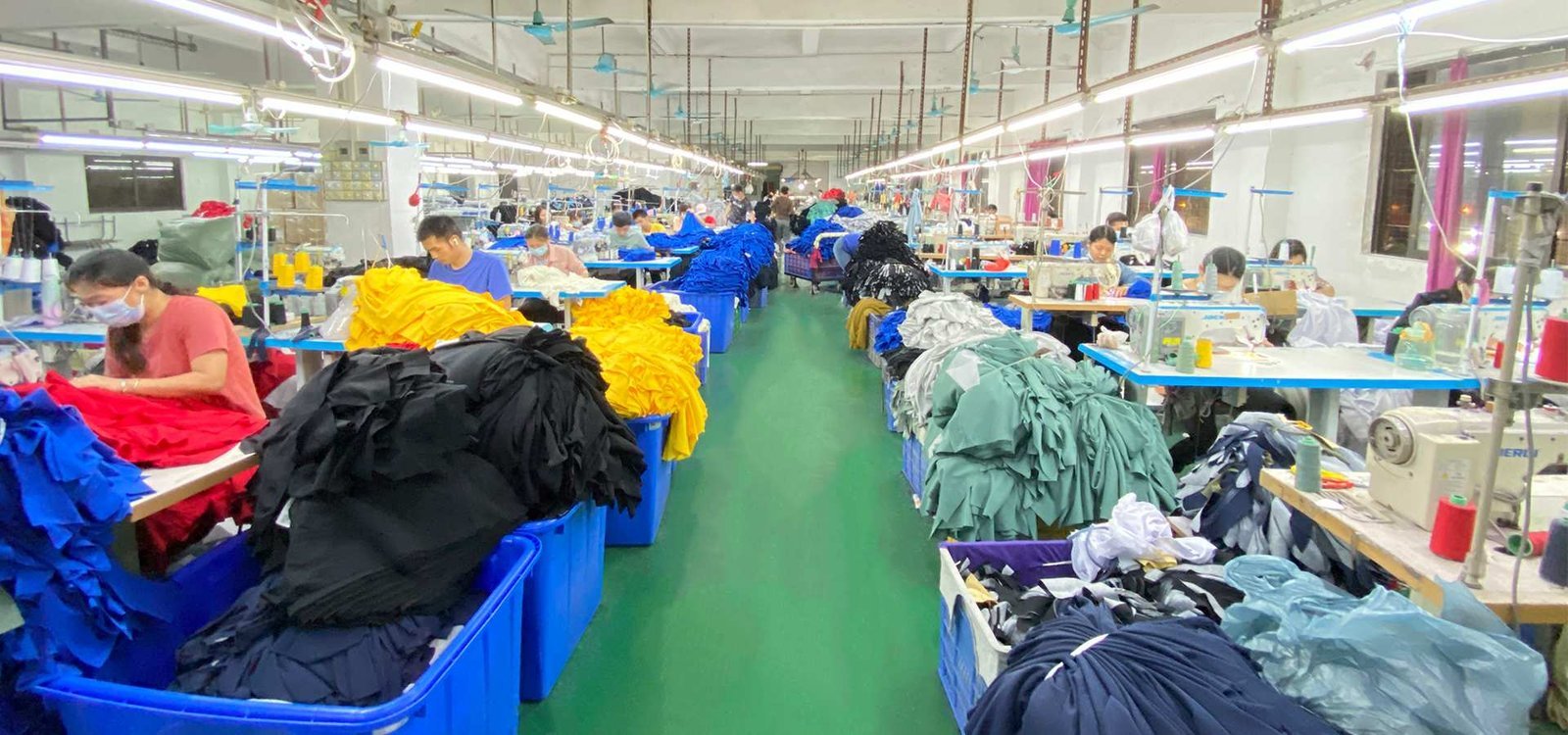
Our 5-Step Quality Control Guarantee for Basketball Shorts Manufacturing
Materials QC Testing Before Production
Every fabric roll and trim component undergoes rigorous inspection before cutting begins. Our basketball shorts manufacturer verifies weight, stretch recovery, colorfastness, and moisture-wicking properties to ensure only premium materials enter your production line.
- Fabric weight and density verification against specifications
- Colorfastness testing to prevent bleeding and fading during wash cycles
- Stretch and recovery testing for waistbands and performance fabrics
- Moisture-wicking and breathability validation for athletic performance
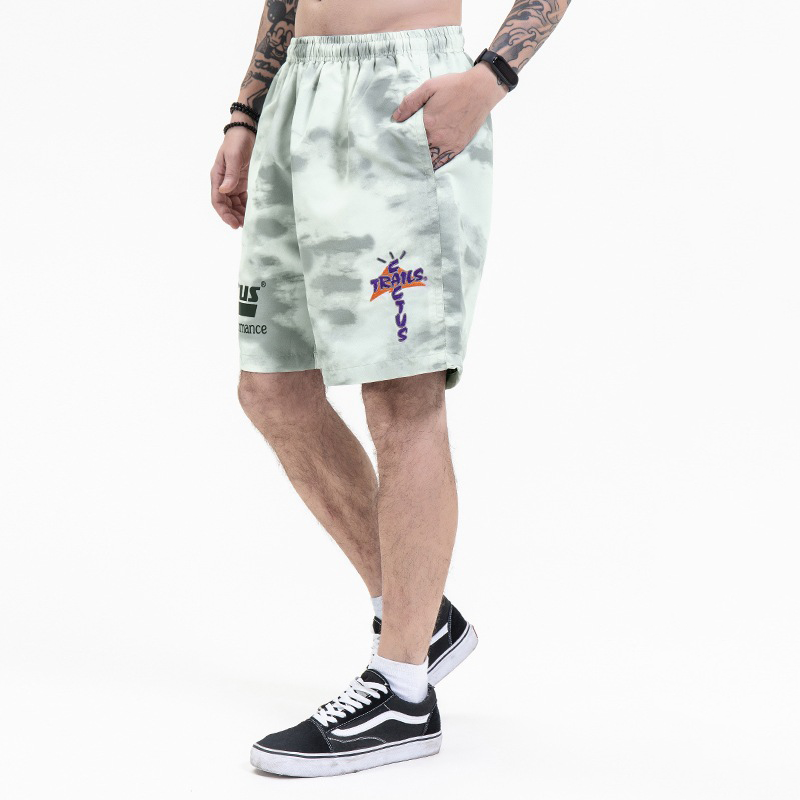
Cutting QC Testing for Precision
Pattern accuracy determines fit consistency across your entire basketball shorts order. Our cutting QC stage measures every panel against approved patterns, verifying grain alignment, symmetry, and dimensional accuracy before pieces move to sewing.
- Digital pattern verification and measurement of all cut panels
- Grain line alignment checks to prevent twisting and distortion
- Left-right symmetry validation for consistent fit across pairs
- Cutting defect identification and immediate replacement protocols
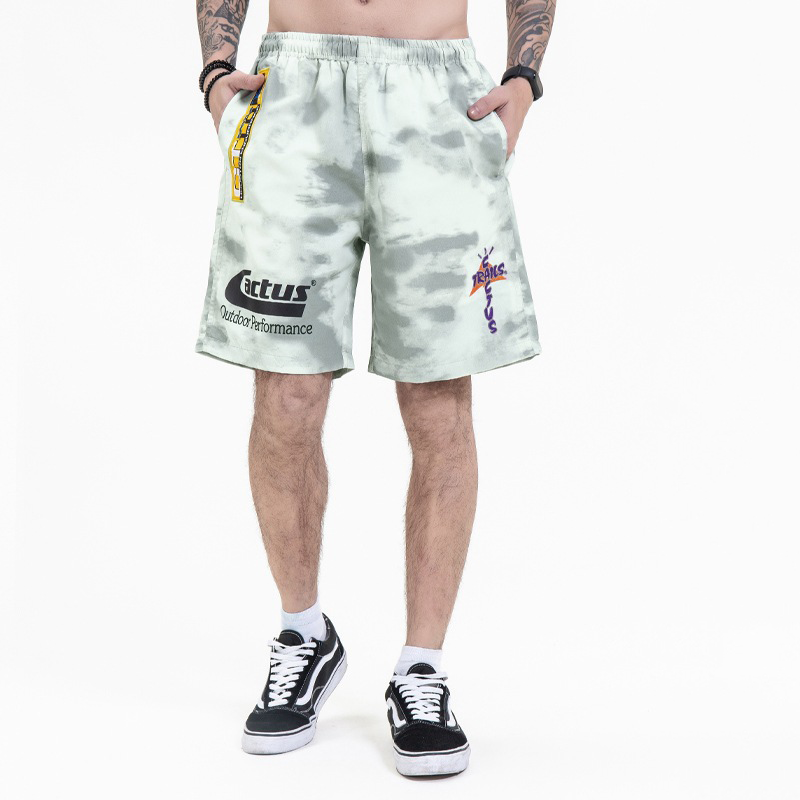
Craft and Sewing Production QC
Quality checkpoints during assembly catch issues when they are easiest to correct. Our basketball shorts manufacturer inspects stitching tension, seam strength, and construction details at multiple points throughout sewing, ensuring craftsmanship standards are maintained consistently.
- Real-time stitch quality and tension monitoring during production runs
- Seam strength testing for waistband, inseam, and side seams
- Pocket construction and drawstring channel verification
- Inline defect correction before garments reach finishing stages
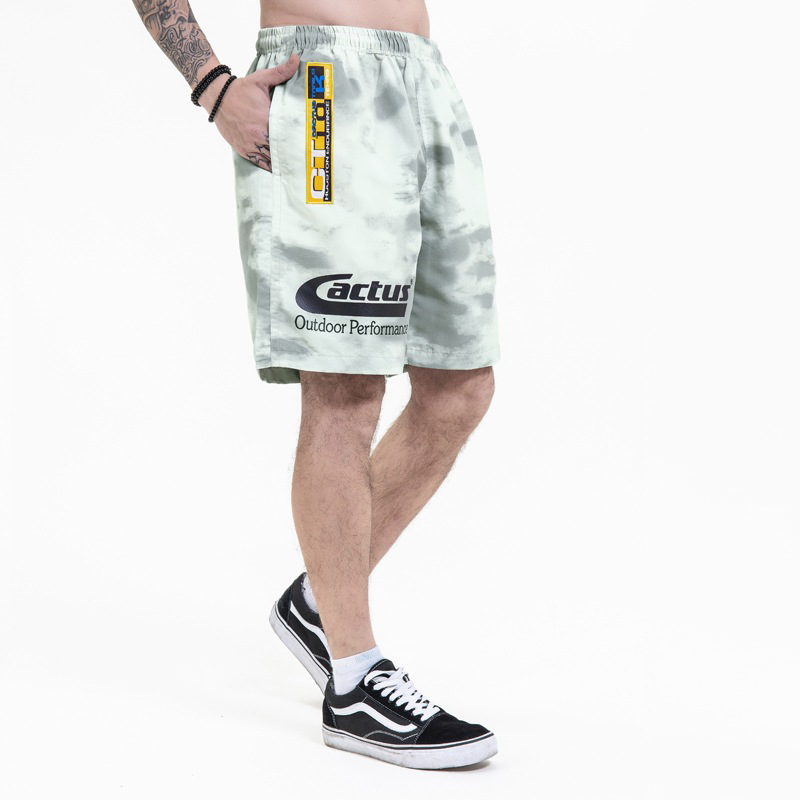
Finished Goods Quality Inspection
The final QC checkpoint ensures every basketball short leaving our facility meets your brand standards. Our inspectors evaluate appearance, measurements, functionality, and packaging, guaranteeing only defect-free products reach your customers and protect your brand reputation.
- Comprehensive measurement verification against approved size specs
- Visual inspection for fabric flaws, stitching defects, and finishing issues
- Functional testing of drawstrings, waistbands, and pocket integrity
- Packaging quality check and carton labeling accuracy before shipment
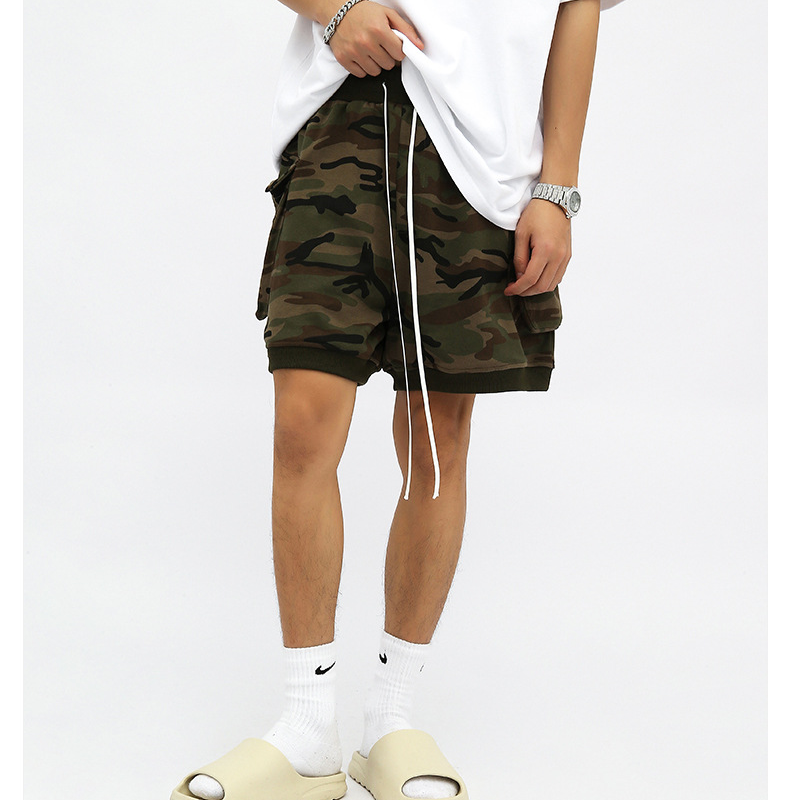
Basketball Shorts Manufacturer vs. Typical Suppliers
See how Clothing Manufacturer Ltd‘s basketball shorts production compares to conventional factories. Our 5-step QC guarantee, low minimums, and streetwear expertise deliver the quality and agility your brand needs.
← 左右滑动查看 →
Basketball Shorts Manufacturer Production Process
From fabric selection to final delivery, every basketball shorts order passes through our rigorous 5-step quality control system to ensure premium craftsmanship and zero defects.
Fabric Sourcing & Materials QC
Premium performance fabrics are selected and tested for durability, breathability, and color fastness. Materials QC testing ensures only approved textiles enter production.
Pattern Development & Cutting QC
Custom patterns are drafted and graded to specifications. Cutting QC testing verifies precise measurements and alignment before fabric pieces move to sewing.
Sewing Production & Craft QC
Skilled technicians assemble basketball shorts with reinforced stitching and elastic waistbands. Clothing craft QC and sewing production QC testing catch defects mid-process.
Finished Product Quality Inspection
Every basketball short undergoes finished clothing quality QC inspection, checking fit, stitching integrity, print alignment, and overall construction before approval.
Finishing & Global Shipping
Approved shorts are pressed, folded, and packaged to brand specifications. Our logistics team coordinates global shipping with full tracking and customs support.
How to Partner With Our Basketball Shorts Manufacturer
From concept to delivery, our streamlined process ensures your basketball shorts meet the highest quality standards with transparent communication at every stage.
Submit Your Tech Pack & Design
Share your basketball shorts specifications, design files, and quantity requirements. Our team reviews your project within 24 hours and provides initial feedback on feasibility and materials.
Receive Quote & Free Sample
Get a detailed quote with transparent pricing and timelines. We produce a complimentary pre-production sample so you can evaluate our craftsmanship and fabric quality firsthand.
Approve Sample & Place Order
Review your sample and request any adjustments. Once approved, confirm your bulk order with flexible low MOQ options ideal for emerging streetwear brands and fashion startups.
Track Production With Weekly Updates
Your basketball shorts enter our 5-step QC production process. Receive weekly progress reports with photos and quality checkpoints from materials inspection through final sewing and finishing.
Final QC Inspection & Shipment
Every piece undergoes finished clothing quality inspection before packing. We arrange global logistics and provide full shipping documentation so your basketball shorts arrive on schedule.
Certified Basketball Shorts Manufacturer With Global Quality Standards
What Our Basketball Shorts Manufacturer Clients Say
We scaled from 500 units to 50,000 units in 18 months thanks to their consistent quality and low MOQ flexibility. The 5-step QC process eliminated our defect issues completely, and our return rate dropped to under 1%.
As a fashion startup, we launched 4 seasonal basketball shorts collections in our first year. Their in-house design team helped us refine every detail, and turnaround times were 30% faster than our previous manufacturer.
Our influencer brand expanded from the US to 12 countries within 9 months. Their global shipping support and rigorous quality testing gave us confidence to scale fast without compromising our reputation.
Basketball Shorts Manufacturer — Frequently Asked Questions
What is the minimum order quantity (MOQ) with your basketball shorts manufacturer?
How long does it take to produce basketball shorts from order to delivery?
Do you charge for basketball shorts samples, and can I get custom designs?
What payment terms does your basketball shorts manufacturer offer?
Can your basketball shorts manufacturer ship worldwide, and what are the shipping options?
How do you protect my designs and intellectual property as a basketball shorts manufacturer?
What customization options are available for basketball shorts?
How does your 5-step quality control guarantee work for basketball shorts?
What makes your basketball shorts manufacturer different from other suppliers?
The Complete Buyer’s Guide to Choosing the Right Basketball Shorts Manufacturer
Navigate the complexities of sourcing athletic apparel with confidence. This guide delivers a proven decision framework, supplier evaluation criteria, customization options, quality benchmarks, and the critical mistakes to avoid when partnering with a basketball shorts manufacturer.
1. What Is a Basketball Shorts Manufacturer?
A basketball shorts manufacturer is a specialized apparel factory that designs, sources materials for, produces, and ships athletic shorts for performance and streetwear markets. Unlike general garment factories that handle diverse product categories, a dedicated basketball shorts manufacturer maintains expertise in moisture-wicking fabrics (typically 140–220 GSM polyester mesh or interlock), elastic waistband construction, flatlock or overlock seam techniques that prevent chafing, and functional details like drawcords, side pockets, and ventilation panels. Professional manufacturers serve three primary customer segments: full-service clients who require end-to-end support from concept sketches through final shipping, cut-and-sew clients who supply their own patterns and fabrics but need production capacity, and private-label buyers who select from existing designs and add custom branding.
The core responsibilities span six stages: design consultation to refine silhouettes and technical specifications, fabric sourcing from certified mills (OEKO-TEX Standard 100 or equivalent), sampling with 7–14 day turnarounds, bulk production at agreed MOQs (often 100–500 pieces per colorway), quality control inspection at materials, cutting, sewing, and finished-goods checkpoints, and logistics coordination including customs documentation and freight forwarding. Brands choose specialized athletic-wear manufacturers over general factories because performance shorts demand technical knowledge—understanding of four-way stretch ratios, sublimation vs. screen-print durability on synthetic fabrics, and reinforced stitching at high-stress zones like inseams and waistbands.
A professional basketball shorts manufacturer should provide transparent communication on lead times (typically 25–45 days for bulk orders), offer material certifications, conduct in-process quality checks rather than final-only inspection, and support scalable production as your brand grows from startup MOQs to reorder volumes in the thousands.
2. Evolution of Basketball Shorts Manufacturing
In the 1950s and 1960s, basketball shorts were constructed from heavy cotton twill weighing 200–250 GSM, with inseams reaching mid-thigh and minimal stretch. These garments absorbed sweat, became heavy during play, and required frequent washing. By the 1980s, the introduction of polyester mesh panels and elastic waistbands transformed performance, reducing weight by 40–50 percent and improving ventilation through open-weave construction.
The 1990s brought sublimation printing technology to basketball shorts manufacturing, enabling full-color graphics without the weight or stiffness of screen-printed plastisol inks. Manufacturers adopted moisture-wicking polyester blends in the 140–160 GSM range, often combining bird’s-eye mesh with tricot liners for comfort. During this decade, production shifted from domestic factories in the United States and Europe to overseas facilities in China, Vietnam, and Thailand, where labor costs were 60–70 percent lower and lead times dropped from 12–16 weeks to 6–8 weeks.
Since 2015, the basketball shorts manufacturer landscape has evolved toward nearshoring and sustainability. Brands now source from factories holding OEKO-TEX, GOTS, or BSCI certifications, and recycled polyester from post-consumer PET bottles accounts for 20–30 percent of performance fabric production. Nearshore hubs in Mexico, Central America, and Eastern Europe offer 3–5 week lead times for North American and European clients. This shift reflects buyer demand for transparent supply chains, reduced carbon footprints, and faster turnaround without sacrificing the technical capabilities — laser cutting, ultrasonic bonding, and four-way stretch fabrics — that define modern basketball shorts manufacturing.
3. Types of Basketball Shorts Manufacturers
Basketball shorts manufacturers operate under distinct business models, each suited to different stages of brand development and order volumes. Understanding the differences between full-package, CMT, private-label, and on-demand services helps buyers align production capabilities with their business needs and budget constraints.
Full-Package Manufacturers
Full-package manufacturers handle every step from fabric sourcing and pattern development through cutting, sewing, quality control, and final packaging. MOQs typically range from 300 to 1,000 units per design, with lead times of 45 to 75 days depending on fabric availability and customization complexity.
This model suits fashion startups and independent designers who lack supply-chain infrastructure. Clothing Manufacturer Ltd. operates as a full-package basketball shorts manufacturer, applying its five-step QC process across materials testing, cutting, craft inspection, sewing checks, and finished-product review to ensure consistent quality at every production stage.
CMT Factories
Cut-make-trim factories require buyers to supply all fabrics, trims, and approved patterns; they execute only the cutting, sewing, and finishing. MOQs often start at 500 units, with lead times of 25 to 40 days once materials arrive.
CMT works best for established brands with dedicated fabric suppliers and in-house design teams. Unit costs run 20 to 30 percent lower than full-package, but buyers assume responsibility for material quality, logistics coordination, and any fabric shortfalls or defects.
Private-Label and On-Demand Services
Private-label suppliers offer pre-designed basketball shorts that buyers rebrand with custom labels and packaging, with MOQs as low as 50 to 100 units and 15 to 30-day turnarounds. Print-on-demand platforms handle single-unit orders but charge premium per-piece rates, limiting margin for resale.
These options suit influencer brands and creator brands testing market demand before committing to larger production runs, though design differentiation remains limited compared to full-package or ODM partnerships.
ODM vs. OEM Models
Original Design Manufacturer (ODM) partnerships supply ready-made designs that buyers customize with logos and colorways, reducing development time to 30 to 45 days. Original Equipment Manufacturer (OEM) arrangements produce buyer-owned designs to exact specifications, requiring 60 to 90 days but delivering unique product differentiation.
ODM fits fast-moving streetwear brands prioritizing speed to market, while OEM serves independent designers building signature aesthetics. Clothing Manufacturer Ltd. supports both models, leveraging its 15-member R&D team and 10 patents to adapt designs or execute original concepts with equal rigor.
4. Materials and Fabrics for Basketball Shorts
Fabric selection determines performance, durability, and market positioning for every basketball shorts manufacturer. The right material balances moisture management, stretch, weight, and cost to meet your brand’s target use case—whether on-court performance or streetwear lifestyle.
| Fabric Type | GSM Range | Stretch % | Moisture Management | Price Tier | Ideal Use Case |
|---|---|---|---|---|---|
| Polyester Mesh | 120–160 | 10–20% | Excellent wicking, high breathability | Low–Mid | Performance training, team uniforms |
| Polyester Interlock | 160–200 | 15–25% | Good wicking, smooth hand feel | Mid | Lifestyle shorts, casual streetwear |
| Nylon Blends | 140–180 | 20–30% | Fast-drying, moderate breathability | Mid–High | Hybrid performance-lifestyle |
| Spandex Blends (5–15%) | 150–190 | 25–40% | Good wicking, enhanced mobility | Mid–High | Compression fit, athletic performance |
| Recycled Polyester | 130–170 | 10–25% | Comparable to virgin poly | Mid–High | Eco-conscious brands, sustainable lines |
5. Customization and Decoration Options with a Basketball Shorts Manufacturer
A basketball shorts manufacturer offers multiple decoration techniques, each with distinct cost structures, durability profiles, and design constraints. Understanding setup fees, per-unit pricing, and minimum order quantities helps brands select methods that align with budget and aesthetic goals.
Decoration Techniques Comparison
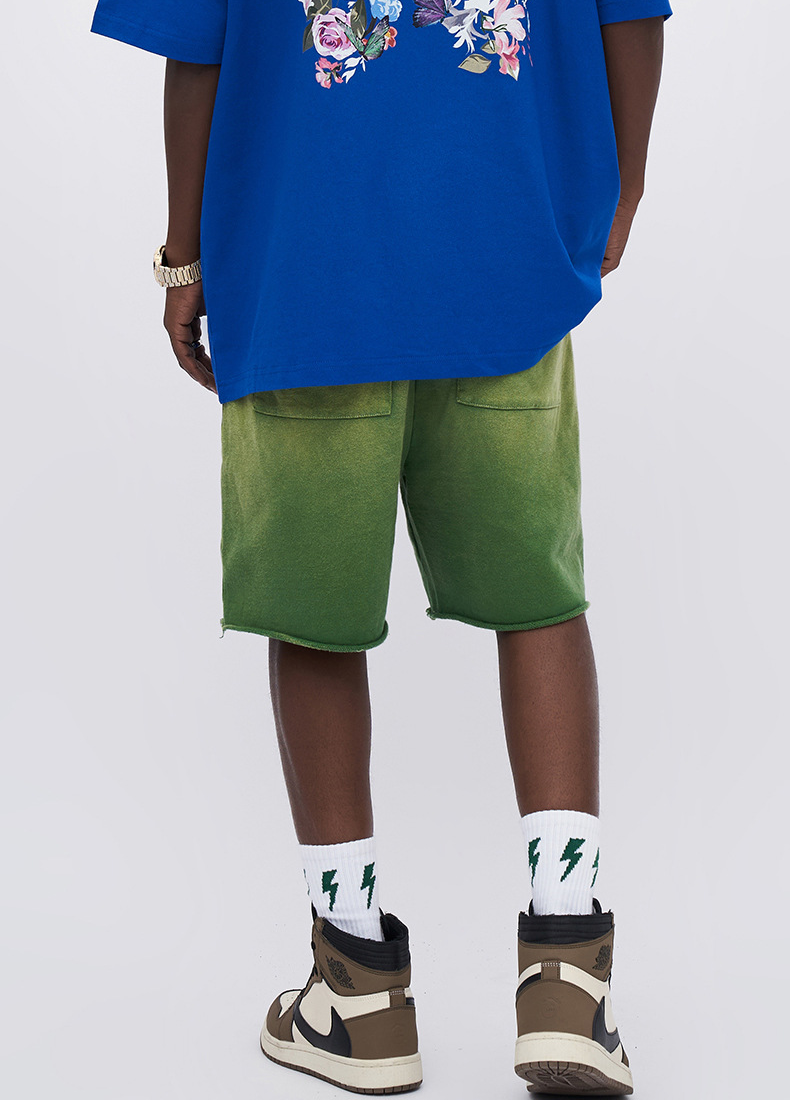
Sublimation printing embeds full-color designs directly into polyester fibers, delivering unlimited colors with no setup fee and per-unit costs of $1.50–$3.00, though it requires 50–100 piece minimums and works only on light polyester fabrics. Screen printing applies ink layers through mesh stencils, charging $25–$75 per screen setup and $0.50–$1.50 per unit for 1–6 colors, with excellent wash durability over 50+ cycles and typical 100-piece minimums.
Heat transfer uses vinyl or printed film pressed onto fabric, costing $15–$40 setup and $1.00–$2.50 per unit, suitable for small runs of 25–50 pieces but prone to cracking after 20–30 washes. Embroidery stitches thread directly into fabric at $2.00–$5.00 per 1,000 stitches with $50–$100 digitizing fees, offering premium durability and texture ideal for logos under 4 inches. Tackle twill sews layered fabric appliqués for varsity-style lettering, running $3.00–$7.00 per piece with 50-piece minimums and exceptional longevity.
| Technique | Setup Cost | Per-Unit Cost | Durability (Washes) | Min. Qty |
|---|---|---|---|---|
| Sublimation | $0 | $1.50–$3.00 | 50+ | 50–100 |
| Screen Print | $25–$75/screen | $0.50–$1.50 | 50+ | 100 |
| Heat Transfer | $15–$40 | $1.00–$2.50 | 20–30 | 25–50 |
| Embroidery | $50–$100 | $2.00–$5.00/1k stitch | 100+ | 50 |
| Tackle Twill | $0–$50 | $3.00–$7.00 | 100+ | 50 |
Design Flexibility and Structural Customization
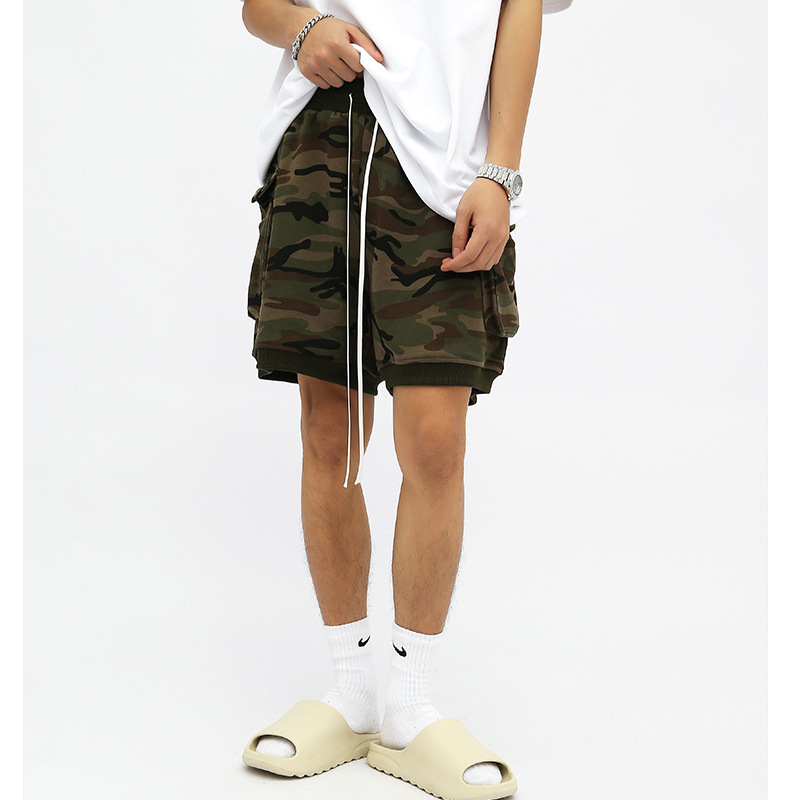
Beyond decoration, a basketball shorts manufacturer enables structural customization: contrast side panels in mesh or solid fabric, custom piping along seams in team colors, zippered or open side pockets, branded drawstrings with metal or plastic aglets, and heat-transferred or woven labels inside waistbands. These elements differentiate retail collections and reinforce brand identity without additional decoration costs.
6. Key Quality and Construction Elements in Basketball Shorts
Premium basketball shorts differ from budget alternatives through measurable construction details that directly affect durability and comfort. Understanding flatlock versus overlock stitching, waistband integrity, and finishing techniques enables buyers to evaluate samples with the same rigor a basketball shorts manufacturer applies during QC testing.
Stitching Methods and Seam Integrity
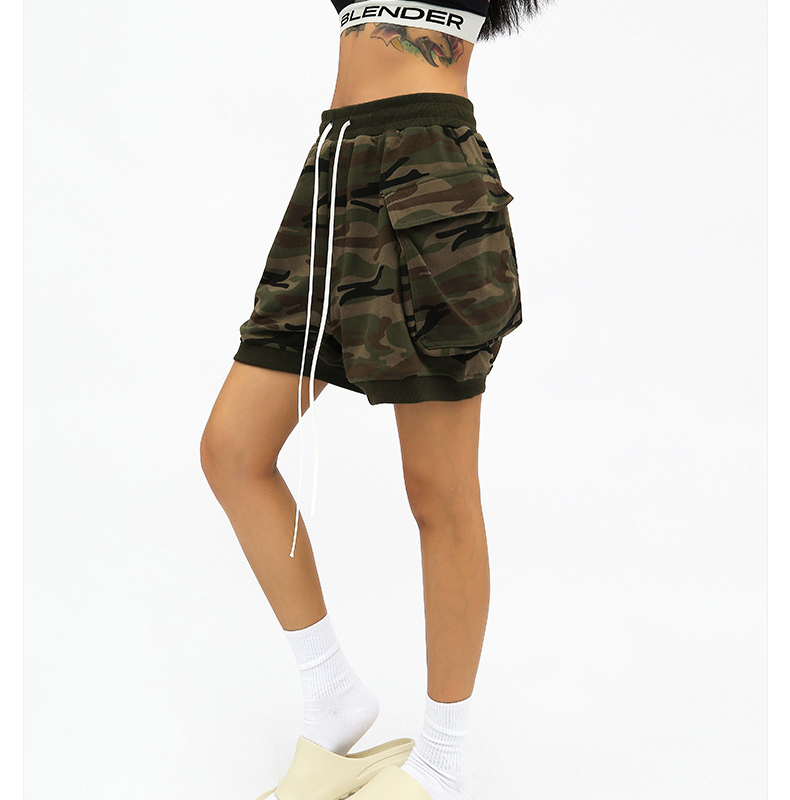
Flatlock stitching creates a flat, smooth seam that reduces chafing during movement, while overlock (serged) stitching is faster but bulkier and more prone to irritation. Stitch density, measured in stitches per inch (SPI), should range from 12 to 14 SPI for athletic shorts; lower counts allow seams to unravel under stress.
Reinforced stress points—crotch, side seams, and pocket corners—require bartack or double-needle stitching to prevent blowouts during lateral movements. Seam allowances of 0.5 to 0.75 inches provide adequate fabric overlap for strength, whereas narrower allowances signal cost-cutting that compromises longevity.
Waistband and Drawstring Construction
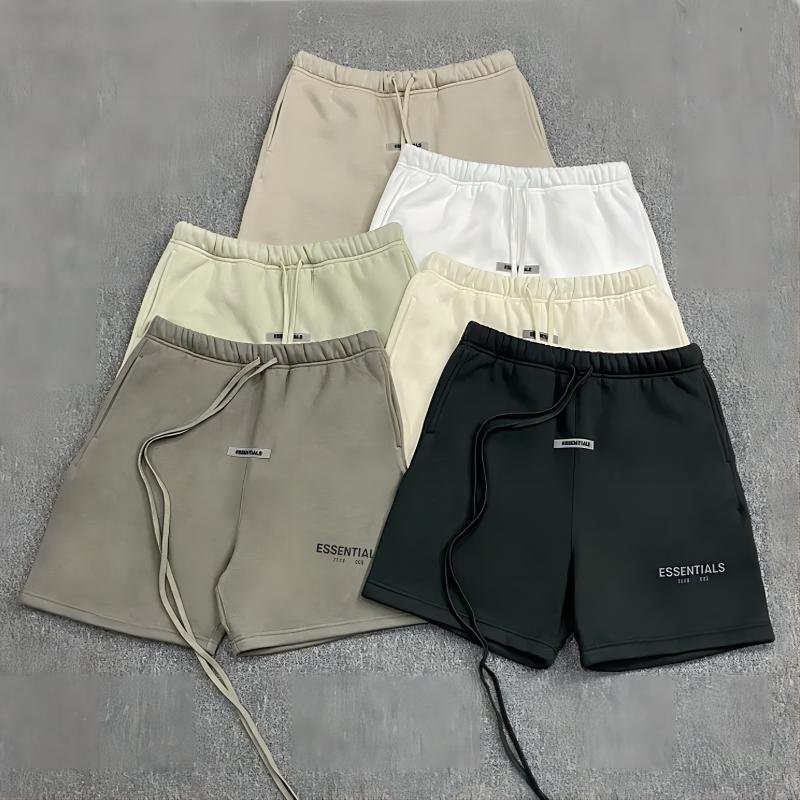
Elastic waistbands should be encased (covered by fabric on both sides) rather than exposed, preventing direct skin contact with elastic that degrades over time. Premium shorts use 1.5 to 2-inch wide elastic with 40 to 60 percent stretch retention after 50 wash cycles.
Drawstrings must be bar-tacked at entry and exit points to prevent pull-through; flat braided cords resist tangling better than round cords. Inspect whether the drawstring channel is cleanly finished with no raw edges that fray during laundering.
Hem Finishing and Liner Options
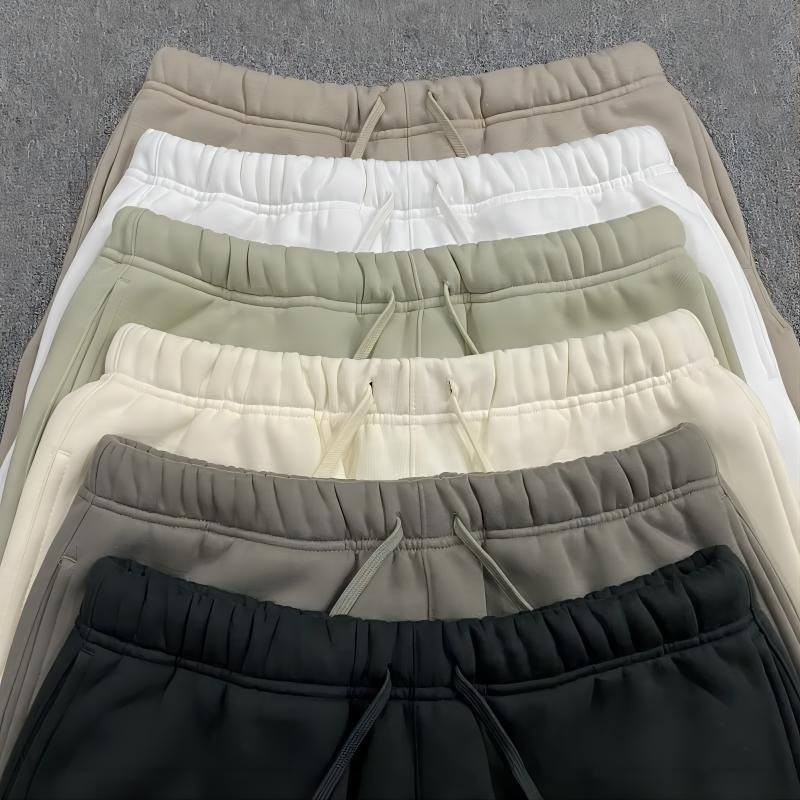
Hems should be double-needle stitched or coverstitch finished for a clean edge that withstands repeated washing. Single-fold hems with a single stitch line indicate budget construction that may unravel.
Liner choice—mesh versus compression—affects breathability and support. Mesh liners (typically 100 to 120 GSM polyester) offer ventilation, while compression liners (180 to 220 GSM spandex blends) provide muscle support. Verify that liners are independently hemmed and attached at the waistband only, allowing freedom of movement without binding.
7. How to Choose the Right Basketball Shorts Manufacturer
Selecting a basketball shorts manufacturer requires a systematic vetting process that examines credentials, production capabilities, and communication standards. A structured evaluation framework helps you identify partners who deliver consistent quality, meet deadlines, and scale with your brand.
Verify Certifications and Production Credentials
Request ISO 9001, WRAP, or BSCI certifications to confirm quality management systems and ethical labor practices. Check for patents or proprietary processes — Clothing Manufacturer Ltd. holds 10 patents and implements a five-step QC methodology covering materials, cutting, craft, sewing, and finished goods inspection.
Ask for a physical factory address and confirm it via Google Maps or third-party audits. Manufacturers who hesitate to share location details or provide only vague contact information often lack transparency or operate as unverified intermediaries.
Review Portfolio, References, and Past Work
Examine samples of completed basketball shorts projects, noting fabric hand-feel, stitch density, and decoration quality. Request references from brands in similar market segments — streetwear startups, independent designers, or global retailers.
A manufacturer with experience serving 100+ countries and regions demonstrates logistics fluency and cross-border communication skills. Look for case studies showing growth partnerships, such as clients scaling from zero to tens of thousands of followers, indicating long-term support capabilities.
Compare MOQs, Lead Times, and Sampling Process
Typical basketball shorts MOQs range from 100 to 500 pieces per design; lower minimums suit startups, while higher tiers unlock better per-unit pricing. Confirm lead times for sampling (7–14 days) and bulk production (21–45 days depending on order size and decoration complexity).
Evaluate the sampling workflow: Does the factory charge sampling fees? Are fees refundable against bulk orders? A transparent sampling process with clear revision policies signals professionalism and reduces costly miscommunication.
Test Communication and Red Flags
Responsive communication within 24 hours and willingness to answer technical questions about GSM ranges, mesh types, or sublimation capabilities indicate reliability. Red flags include reluctance to share past work, vague answers about QC procedures, or pressure to commit without samples.
Ask: ‘What QC checkpoints do you implement during production?’ and ‘Can you provide contact details for two recent clients?’ Manufacturers who skip in-process quality checks or refuse references often deliver inconsistent results.
8. Common Mistakes When Sourcing from a Basketball Shorts Manufacturer
Sourcing from a basketball shorts manufacturer can derail quickly when buyers skip critical steps or rely on assumptions. Mistakes in sampling, contracts, and communication often lead to quality issues, missed deadlines, and unexpected cost overruns that damage brand reputation and profitability.
Skipping Sample Approval and Fabric Testing
Many buyers approve designs on screen without ordering pre-production samples, only to discover that fabric weight, stretch recovery, or color accuracy differ significantly from expectations. Polyester blends at 140 GSM may feel thin compared to 180 GSM alternatives, and moisture-wicking performance varies widely across suppliers.
Fabric testing for colorfastness, pilling resistance, and dimensional stability after washing prevents costly production runs that fail quality standards. Request lab reports for OEKO-TEX or similar certifications and physical samples in your target colorways before committing to bulk orders.
- Order strike-off samples in all planned colors to verify dye consistency
- Test fabric stretch and recovery under simulated game conditions
- Confirm waistband elastic retains tension after 50+ wash cycles
Choosing Solely on Price Without Written Quality Standards
Selecting a basketball shorts manufacturer based only on the lowest quote often results in substandard stitching, inferior fabrics, and high defect rates. Without documented specifications for thread count, seam strength, and acceptable defect limits, buyers have no recourse when finished goods arrive below expectations.
Establish written quality benchmarks covering stitch density (12–14 stitches per inch for athletic seams), colorfastness grade (minimum 4 on the gray scale), and maximum allowable defect rate (typically 2–3 percent AQL). Clothing Manufacturer Ltd.’s five-step QC methodology—materials, cutting, craft, sewing, and finished-goods inspection—ensures these standards are met at every production stage.
Underestimating Lead Times and Poor Design Communication
Brands frequently miscalculate production timelines, failing to account for fabric sourcing (2–3 weeks), sample revisions (1–2 rounds), and bulk manufacturing (4–6 weeks). Seasonal launches miss retail windows, resulting in lost revenue and excess inventory.
Clear technical packs specifying measurements, tolerances, pantone codes, and construction details prevent misinterpretation. Include flat sketches, graded size charts, and stitch-type callouts (flatlock for side seams, coverstitch for hems). Confirm lead times in writing and build 10–15 percent buffer for customs clearance and shipping delays.
9. Steps to Launch Your Basketball Shorts Brand
Launching a basketball shorts line requires a structured approach from concept through delivery. First-time buyers typically navigate seven critical milestones over a 90–120 day timeline, beginning with brand definition and concluding with logistics planning.
Define Brand Identity and Target Market
Establish your positioning before contacting any basketball shorts manufacturer. Identify whether you serve streetwear enthusiasts, performance athletes, or casual activewear customers, as this drives fabric weight (180–220 GSM mesh for performance, 240–280 GSM for streetwear), silhouette (7-inch inseam vs. 11-inch), and decoration methods.
Document your target retail price, expected order volume, and launch date. Manufacturers use this information to recommend appropriate fabric grades and minimum order quantities that align with your budget and timeline.
Create Tech Packs and Design Briefs
Prepare technical specifications including flat sketches, measurements for each size (waist, inseam, outseam, leg opening), fabric composition, Pantone color codes, and placement diagrams for logos or prints. A complete tech pack reduces sampling revisions by 60–70 percent.
Include construction details: waistband type (elastic or drawcord), pocket style (side-seam or welt), hem finish (raw-edge or double-needle), and any performance features like moisture-wicking mesh panels. Clothing Manufacturer Ltd.’s 15-member R&D team can refine incomplete specs during the sampling phase.
Sampling, Production, and Quality Checkpoints
Request pre-production samples within 7–10 days of tech pack approval. Evaluate fit, fabric hand-feel, colorway accuracy, and stitching quality. Approve samples in writing before authorizing bulk production.
Production timelines range from 25–35 days for orders under 500 units to 40–50 days for 1,000+ pieces. Implement the five-step QC process—materials testing, cutting inspection, craft review, sewing checks, and finished-goods audit—at each milestone. Conduct pre-shipment inspection 48 hours before departure, then coordinate ocean freight (30–40 days) or air shipping (5–7 days) based on your launch calendar.
10. Pricing and Cost Breakdown for Basketball Shorts Manufacturing
Minimum order quantities for basketball shorts typically start at 100–200 units for custom production, with per-unit costs ranging from $8–$12 at 100 pieces, dropping to $5–$7 at 1,000 pieces, and reaching $3.50–$5 at 5,000+ units when using mid-weight polyester mesh (150–180 GSM). Premium moisture-wicking fabrics or all-over sublimation designs add $1–$2 per unit, while basic solid colors with screen-printed logos represent the lowest cost tier.
Decoration method directly impacts both setup fees and per-unit pricing. Sublimation printing incurs a $150–$300 setup cost for pattern files and color calibration but adds only $0.50–$1.00 per unit, making it ideal for complex graphics and large orders. Screen printing carries a $50–$100 setup fee per color and adds $0.80–$1.50 per unit for 1–3 colors, suitable for bold logos. Embroidery setup runs $30–$60 per design and adds $2–$4 per unit depending on stitch count, best reserved for small branding elements.
Lead times vary by order complexity and volume: 100–500 units typically require 18–25 days from approved samples, 500–2,000 units need 25–35 days, and orders above 2,000 units extend to 35–45 days. Clothing Manufacturer Ltd.’s five-step QC process—covering materials, cutting, craft, sewing, and finished goods—is integrated into these timelines without additional fees, ensuring defect rates remain below 2% across all quantity tiers.
| Quantity Tier | Price per Unit (USD) | Setup/Tooling Fee | Lead Time (Days) |
|---|---|---|---|
| 100–200 units | $8–$12 | $200–$400 | 18–25 |
| 500–1,000 units | $5–$7 | $150–$300 | 25–35 |
| 1,000–2,500 units | $4–$6 | $100–$200 | 30–40 |
| 5,000+ units | $3.50–$5 | $50–$150 | 35–45 |
Partner With a Trusted Basketball Shorts Manufacturer
5-step QC guarantee, low MOQ for startups, and fast turnaround. Get your custom basketball shorts quote today.