
Premium Quilted Vest Manufacturer for Global Streetwear Brands
Partner with a trusted quilted vest manufacturer backed by a 5-step QC guarantee, low MOQ, fast samples, and global shipping — built for streetwear brands, startups, and designers worldwide.
Quilted Vest Collections Across Styles
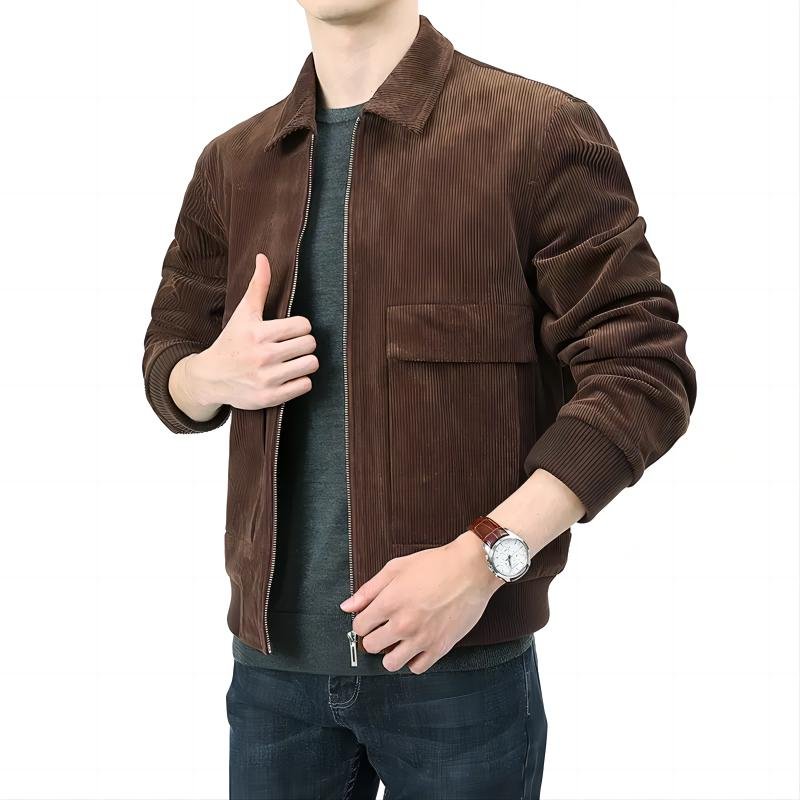
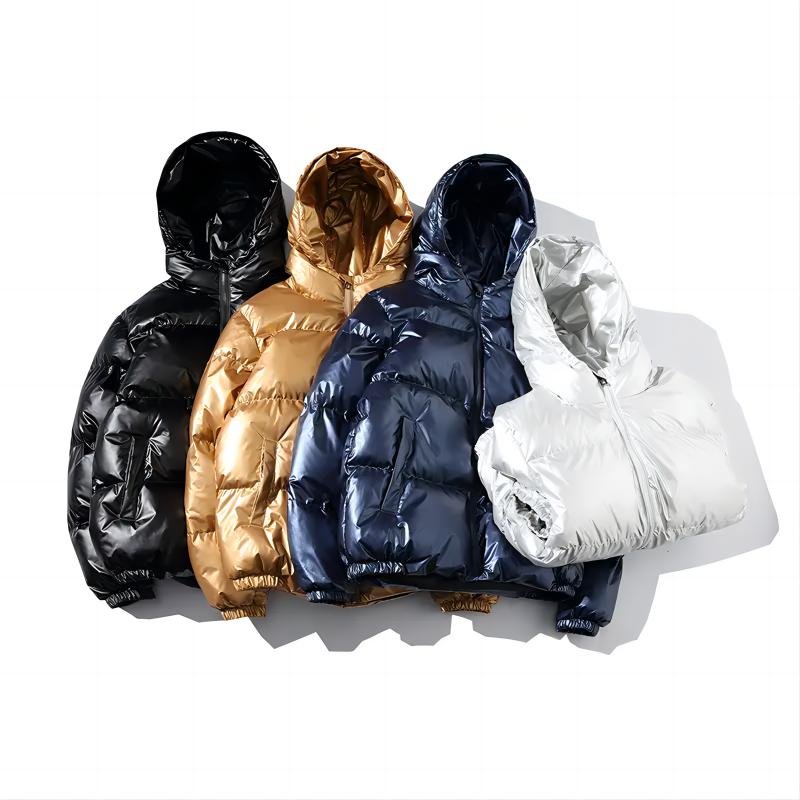
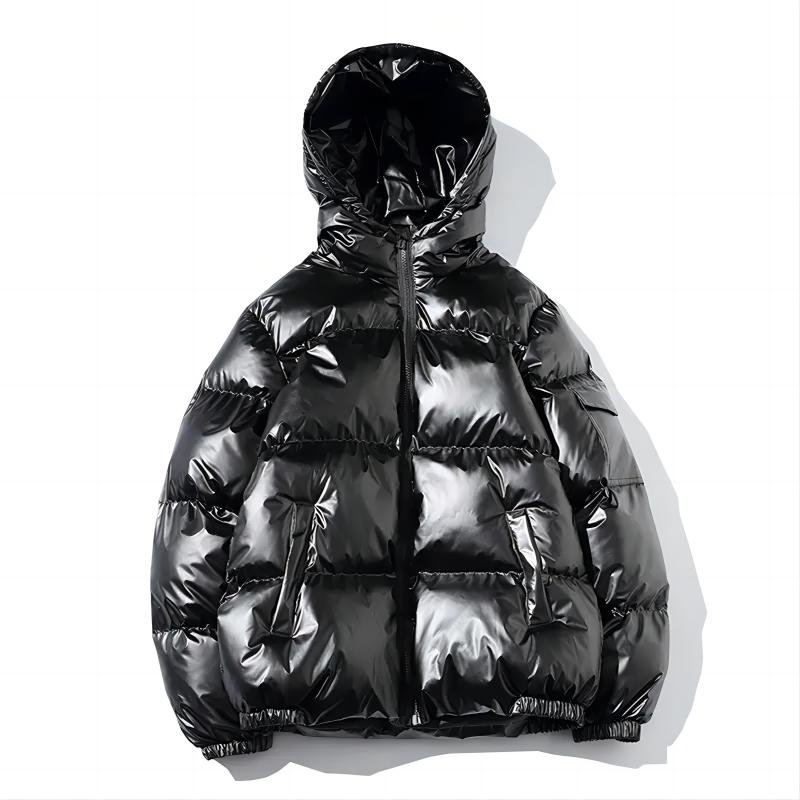
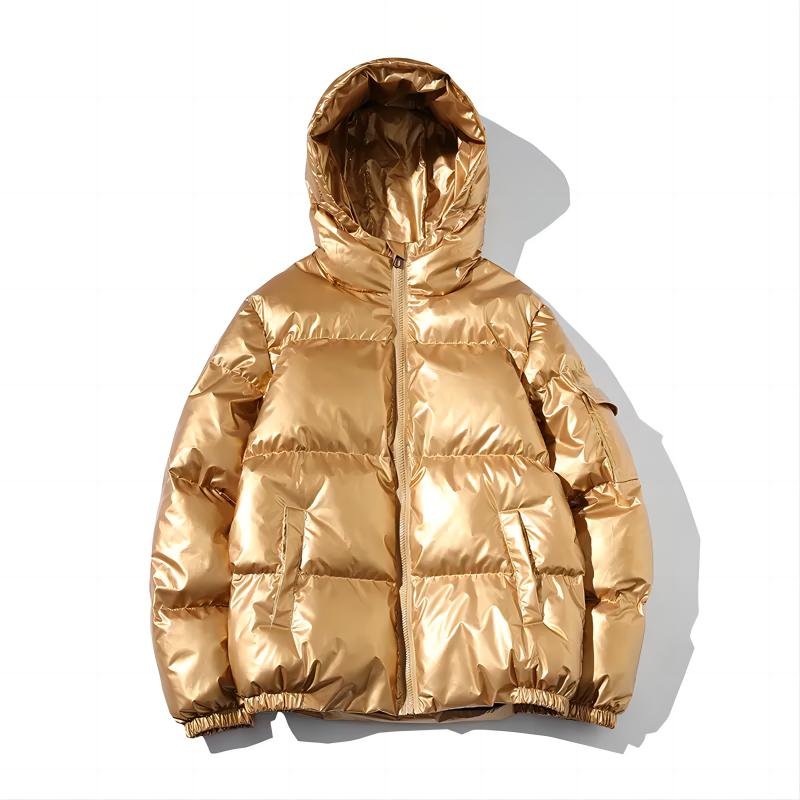
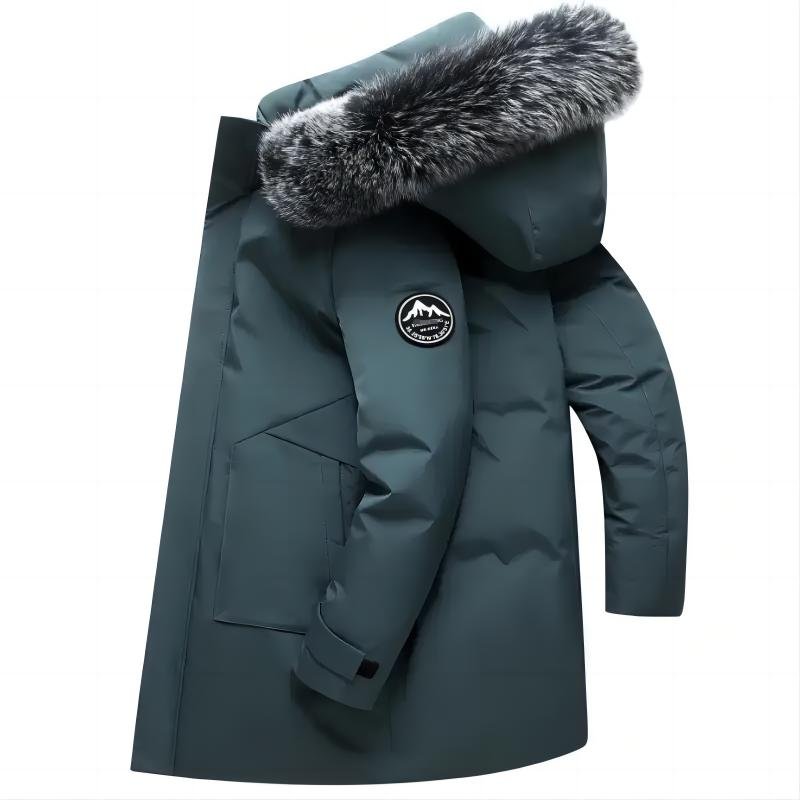
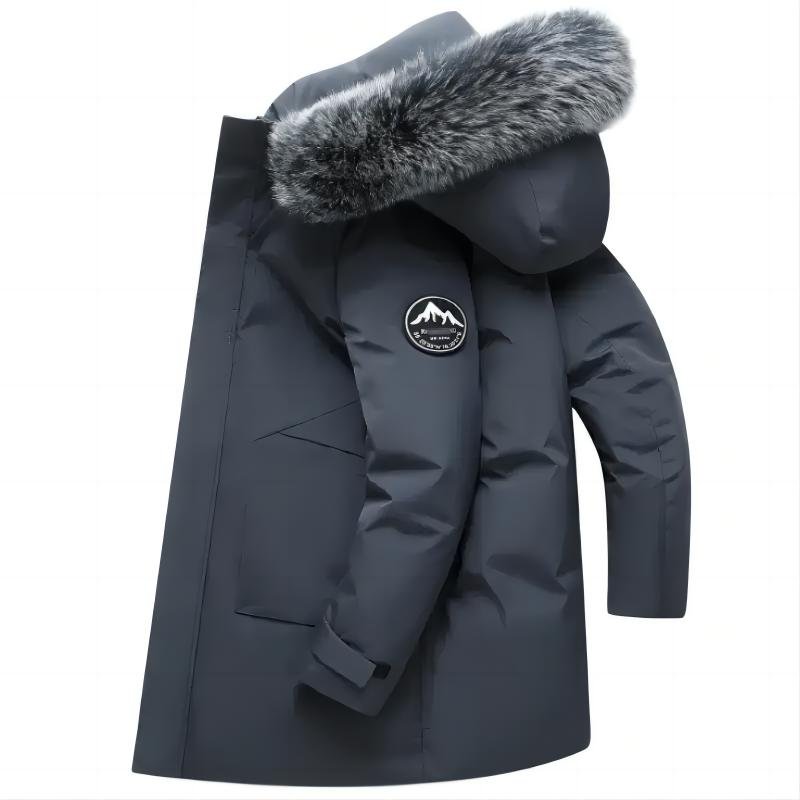
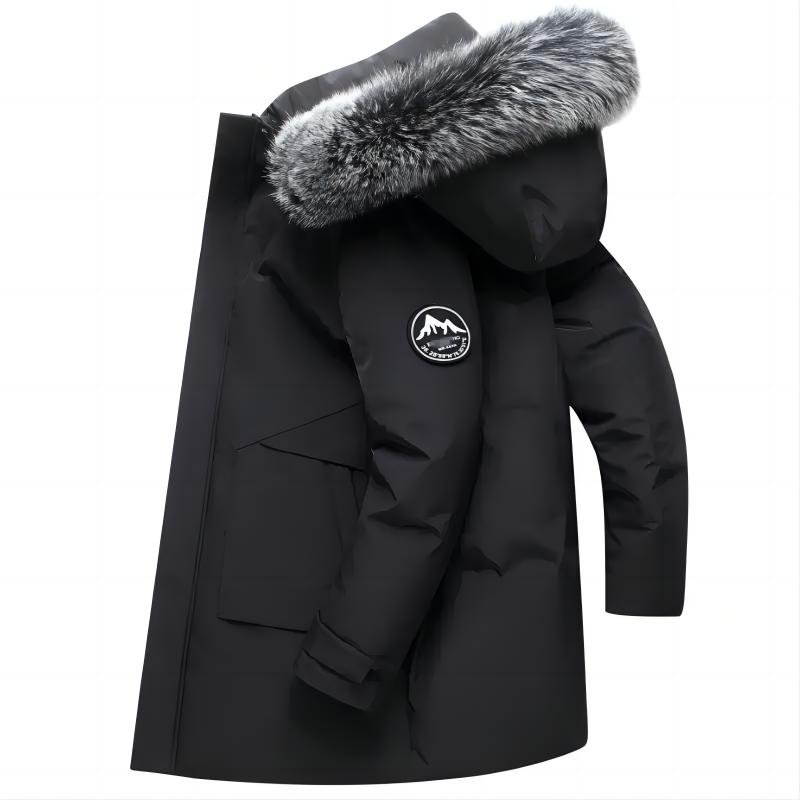
Why Choose Our Quilted Vest Manufacturer
From 5-step quality control to streetwear-native design expertise — every advantage your brand needs, built into every vest we produce.
5-Step QC Guarantee
Quality checks at every production stage — materials, cutting, crafting, sewing, and final inspection — so zero defective vests leave our factory.
Low MOQ for Startups
Launch your quilted vest line without oversized commitments. Our low minimum order quantities are built for emerging brands and independent designers.
7-Day Sample Turnaround
Get physical quilted vest samples in your hands within 7 days, so you can validate fit, fabric, and finish before full production begins.
In-House Design Team
Our 15-member R&D team translates your creative vision into production-ready tech packs, patterns, and samples — no third-party design agency needed.
Deep Streetwear Expertise
6+ years specializing in streetwear aesthetics — bold graphics, premium construction, and trend-driven details that resonate with your audience.
Global Shipping & Logistics
We handle customs, logistics, and delivery to over 100 countries, so your quilted vests reach customers worldwide without friction.
Quilted Vest Manufacturer Categories We Specialize In
From launch-ready puffer drops to scalable retail programs, our production capabilities match every stage of your brand’s growth.
Puffer & Down Vest Production
Streetwear startups need drop-worthy puffer vests but face high MOQs and long lead times that drain limited budgets before their first collection even reaches customers.
Our low-MOQ quilted vest manufacturer program lets you launch premium puffer styles with fast samples, a 5-step QC guarantee, and global shipping support from day one.
Lightweight Quilted Vest Lines
Influencer brands need seasonal lightweight quilted vests that photograph well and sell fast, but most factories lack the trend awareness to execute streetwear-forward cuts and colorways.
Our in-house design and sampling team translates your vision into trend-driven lightweight vests with rapid turnaround, ensuring your drops stay ahead of the seasonal curve.
Thermal Insulated Vest Collections
Global retailers sourcing thermal insulated vests across multiple markets demand consistent quality at scale, yet inconsistent QC from overseas factories creates costly returns and damaged brand equity.
Our 5-step quality control process guarantees every thermal vest meets strict insulation and finish standards, giving retail buyers the consistency needed to confidently stock across all channels.
Custom Branded Vest Programs
Independent designers creating branded custom vests struggle to find a manufacturer who understands streetwear aesthetics, offers custom hardware options, and communicates transparently throughout the entire production run.
From custom quilting patterns and branded zipper pulls to unique lining prints, we bring your signature vest concept to life with full hardware customization and clear order management.
Premium Fabrics for Every Quilted Vest Manufacturer Need
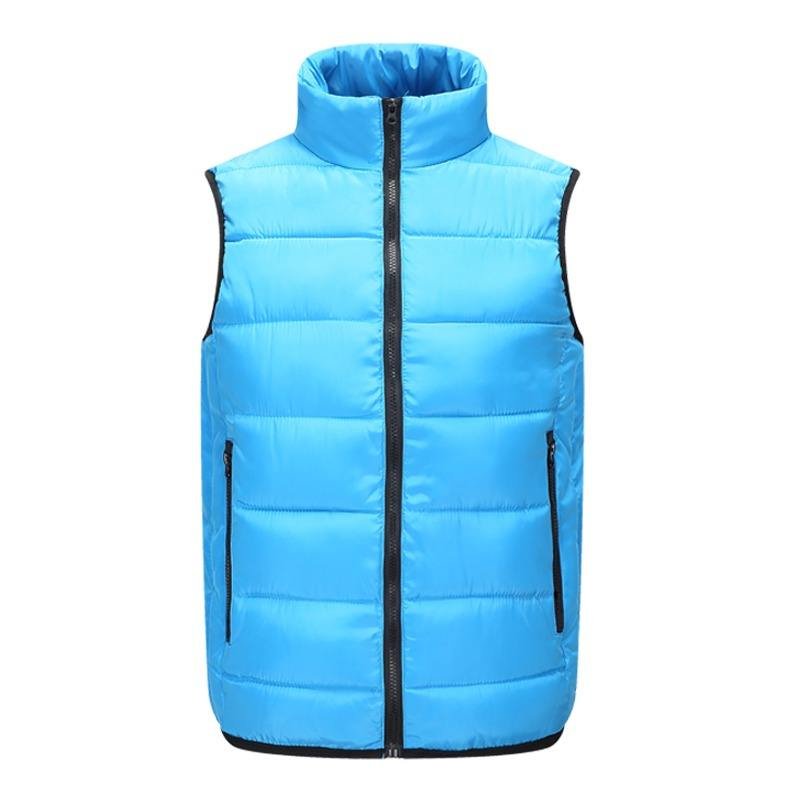
Ripstop Nylon Shell
Lightweight yet exceptionally durable, this 70D–210D ripstop nylon offers excellent wind resistance and a clean matte finish. Ideal for street-ready quilted vests requiring packability and everyday wear-resistance.
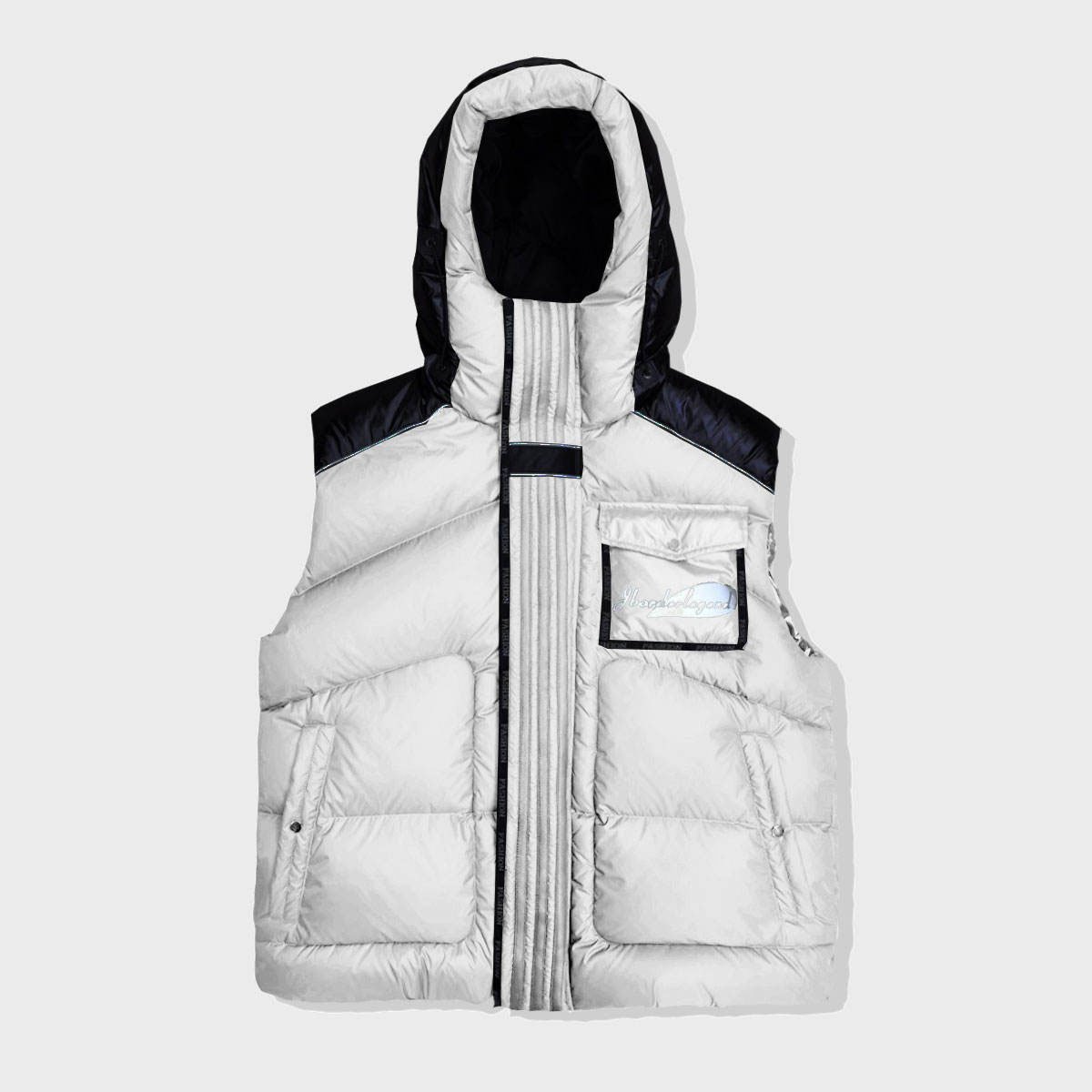
Recycled Polyester Puffer
Made from GRS-certified recycled PET, this 50D–100D woven polyester delivers a soft hand-feel with subtle sheen. Perfect for eco-conscious streetwear brands seeking sustainable quilted vest production without sacrificing quality.
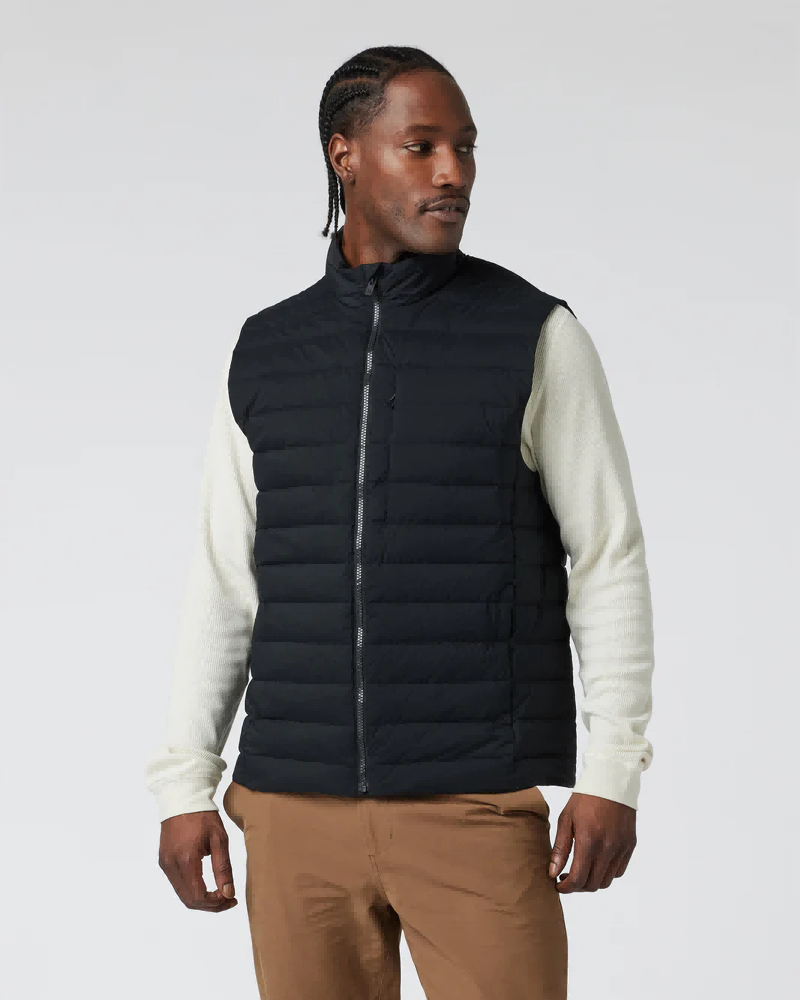
Down-Proof Taslan
A tightly woven nylon-polyester blend with a matte, textured surface that prevents down fill migration. Excellent for premium puffer vests requiring insulation integrity and a refined, technical aesthetic.
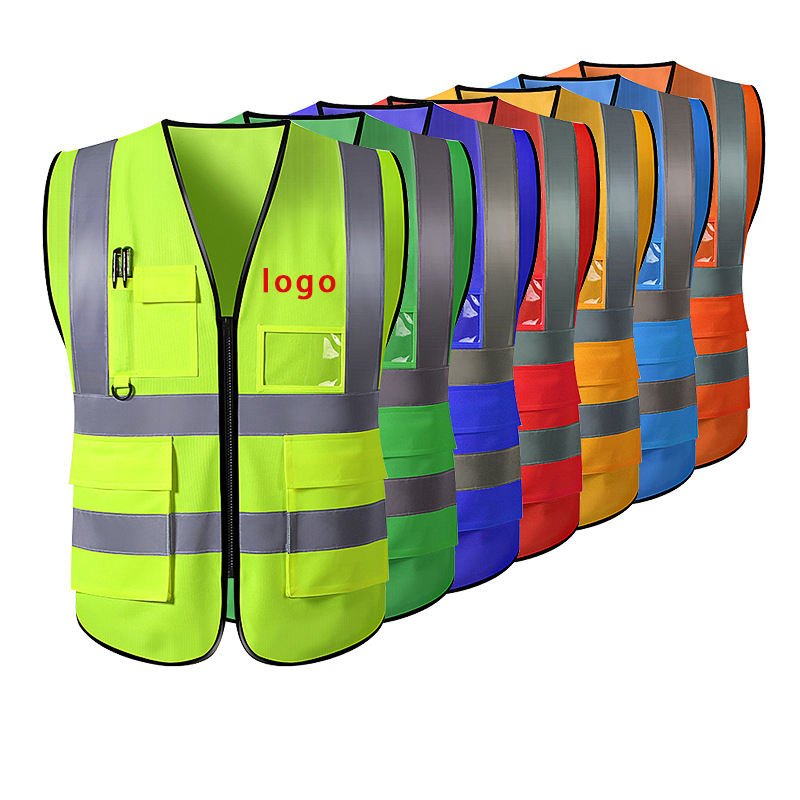
Heavyweight Twill Shell
A 300–400 GSM cotton-poly twill shell that brings structure and a workwear-inspired look to quilted vests. Favored by streetwear and influencer brands blending utility and bold statement dressing.
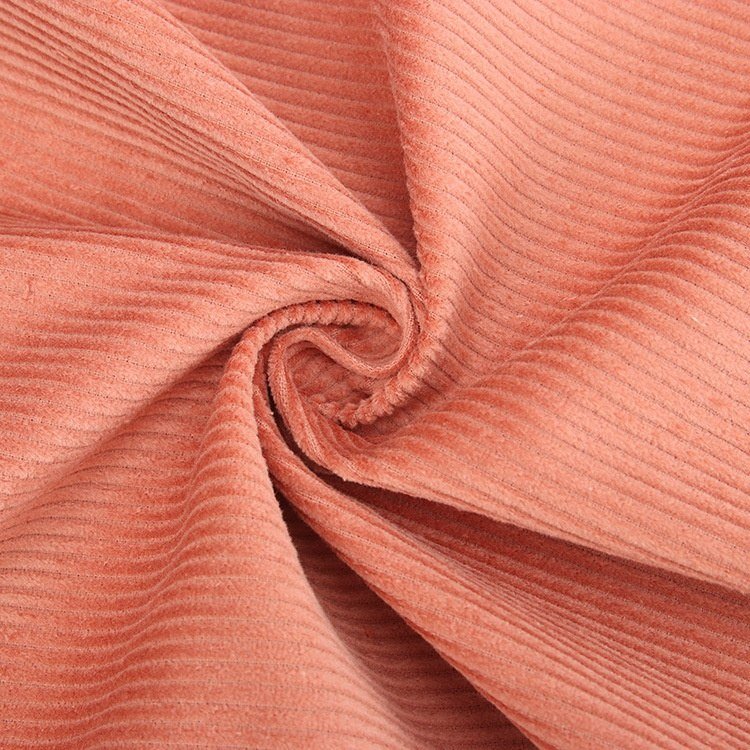
Taffeta Lining Fabric
Ultra-smooth 190T–210T polyester taffeta provides a frictionless inner layer that makes vests easy to layer over hoodies and long-sleeves. Lightweight at under 60 GSM with excellent tear strength.
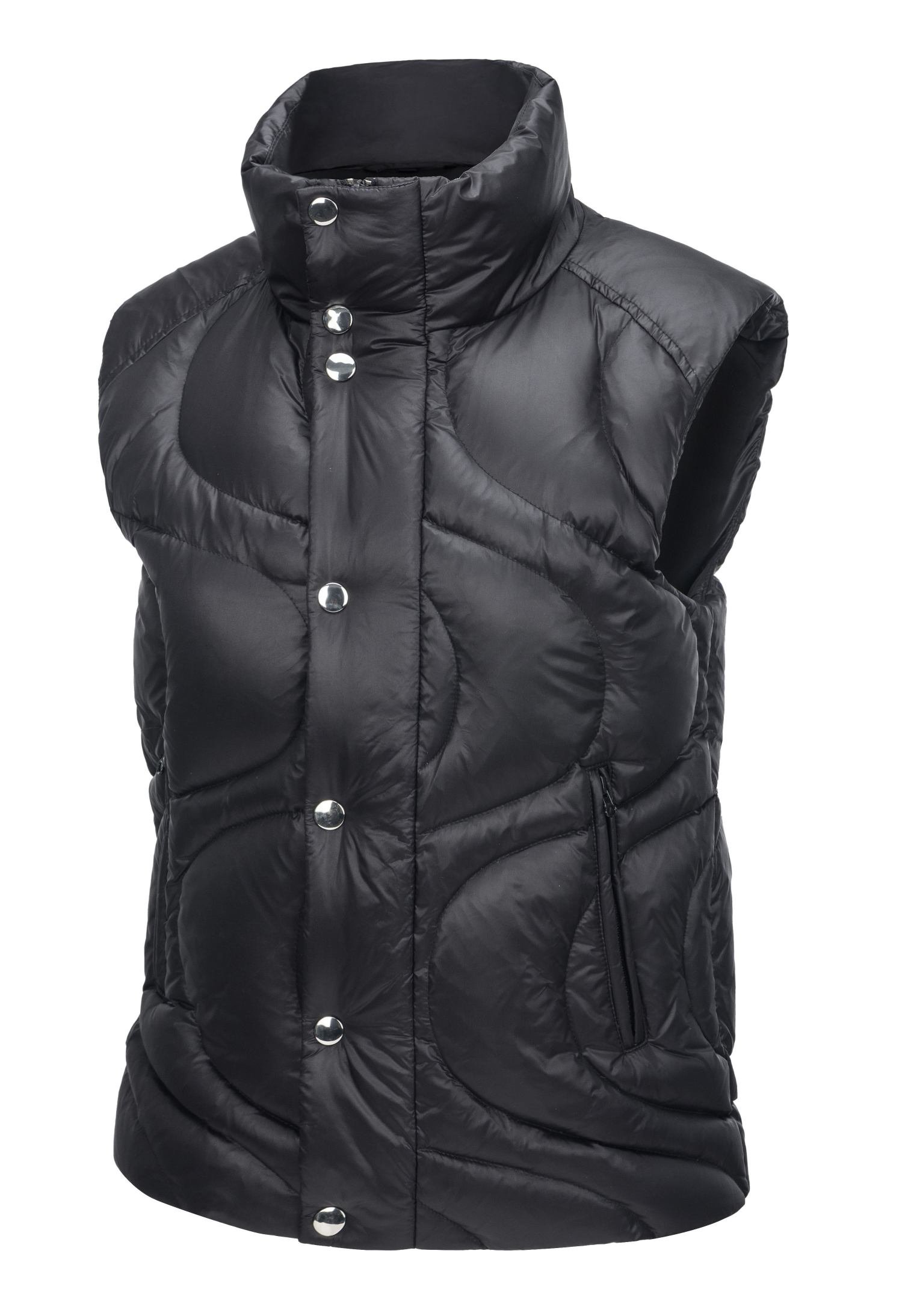
PrimaLoft Insulation
High-performance synthetic fill offering 600–800 fill-power equivalent warmth at minimal weight. Moisture-resistant and allergen-free, this insulation is ideal for technical quilted vests targeting cold-weather streetwear collections.
Quilted Vest Production Techniques That Set Your Brand Apart
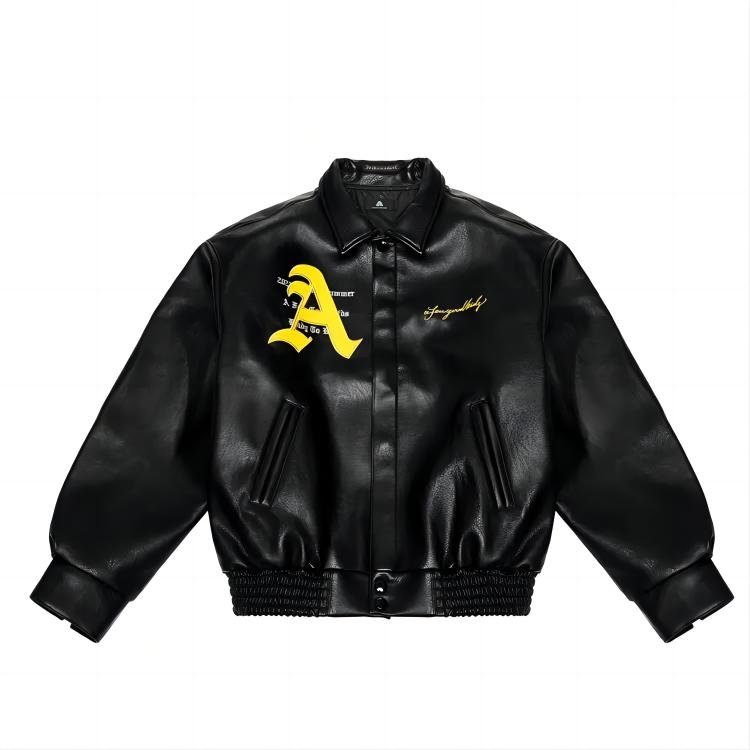
Box Quilting
Structured square-grid stitching distributes insulation evenly across the vest body, creating a clean, geometric silhouette. The uniform channel pattern reads premium on-shelf and holds its shape after repeated wear — ideal for minimalist streetwear.
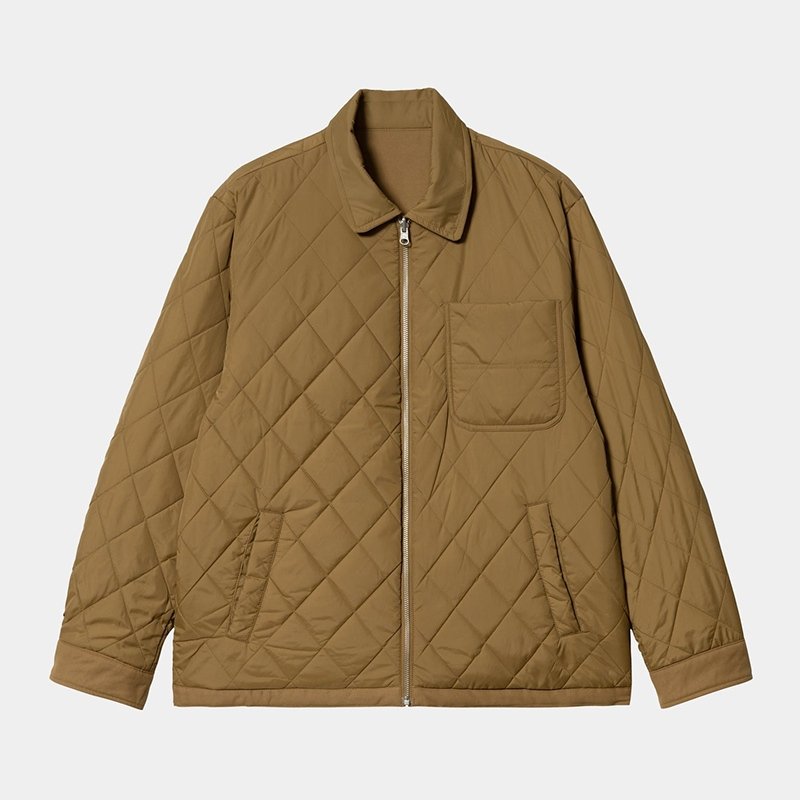
Diamond Quilting
Diagonal cross-stitch channels form the signature diamond pattern synonymous with high-end outerwear. The angled geometry adds visual depth and a fashion-forward texture that resonates strongly with trend-driven brands and influencer-led collections.
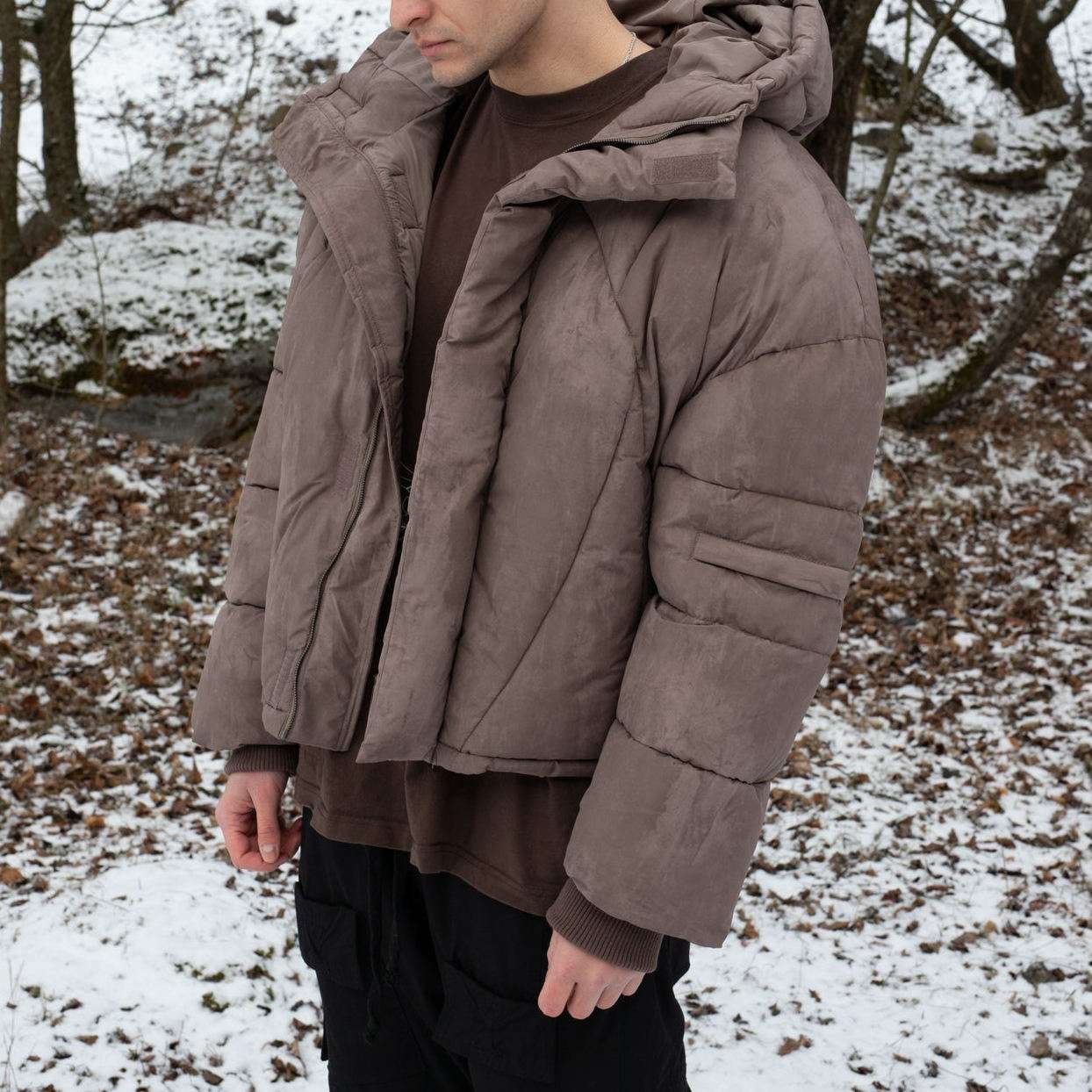
Screen Printing
Bold, vivid graphics are precision-applied to vest panels using premium inks that bond deeply with fabric fibers for lasting color intensity. Perfect for oversized logo placements, streetwear motifs, and limited-edition drop artwork.

Embroidery Detailing
Raised thread artwork on chest, back, or collar panels delivers tactile, three-dimensional branding that signals quality. Our in-house team executes complex logos, skull motifs, and intricate streetwear graphics with stitch-perfect precision.
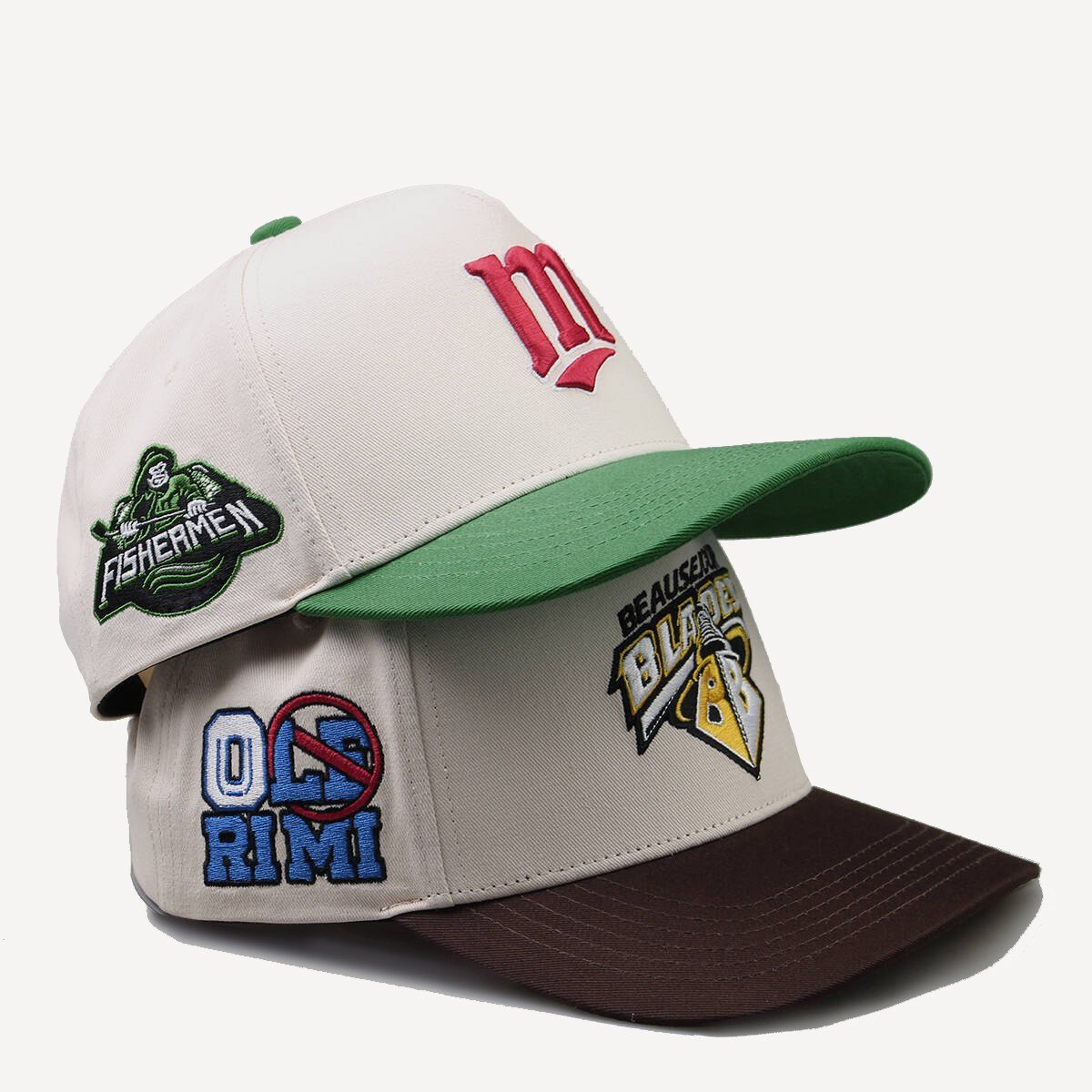
Digital Sublimation
Heat-transferred dye bonds permanently into synthetic fibers, producing vivid all-over prints that resist cracking, peeling, and fading. Unlocks unlimited colorways and photographic-quality artwork across every panel of your custom vest.
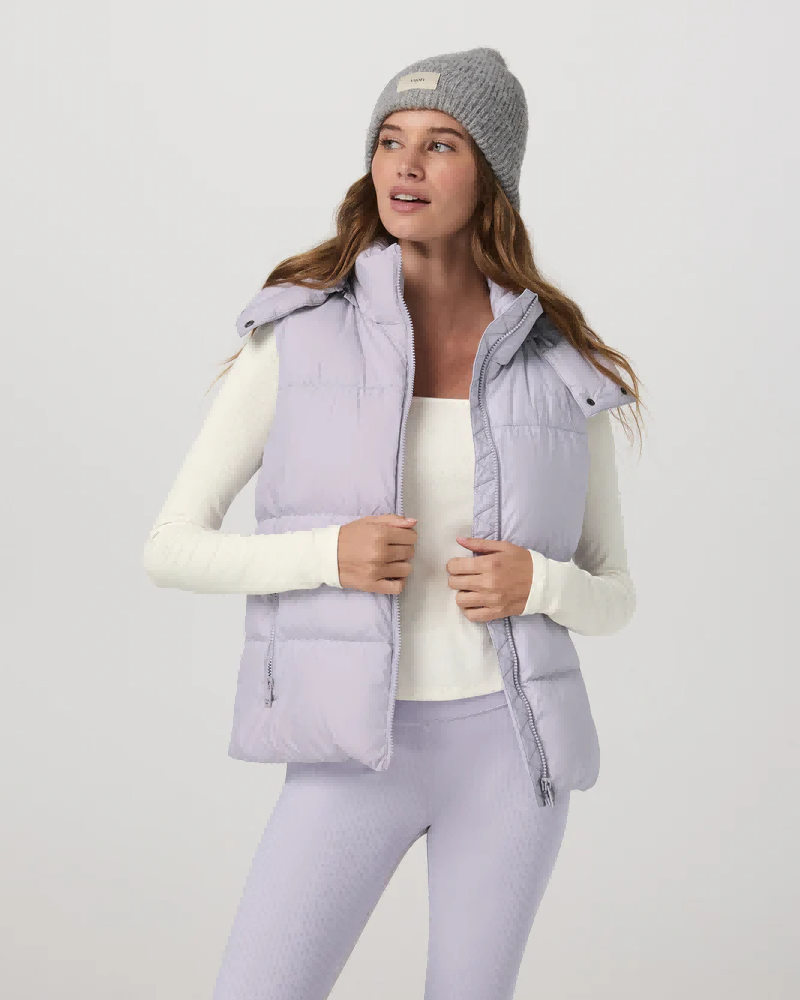
Woven Label Application
Custom main labels, care labels, and size tags are woven or precisely sewn at specified positions, reinforcing brand identity on every finished vest while meeting international retail compliance and packaging standards.
Signature Hardware & Trims for Every Quilted Vest
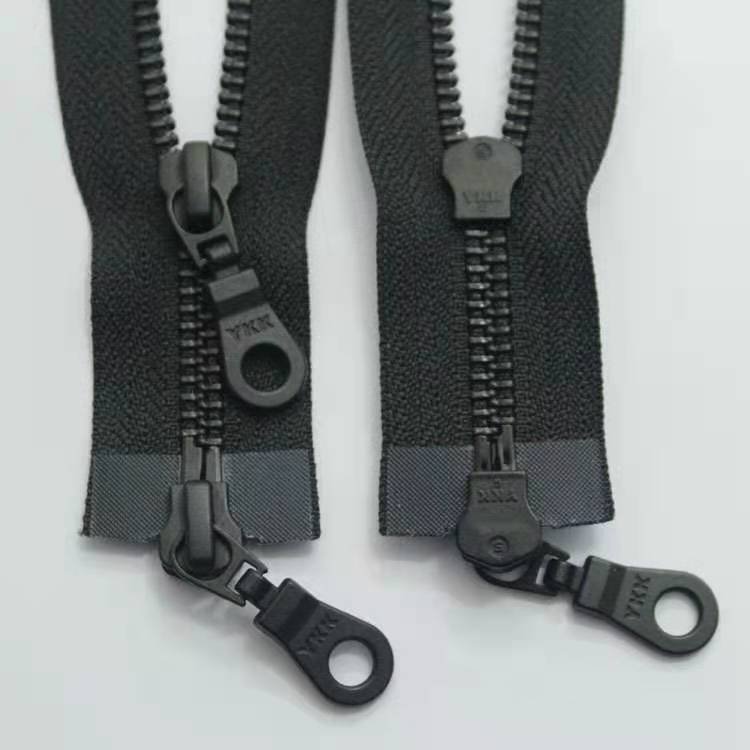
YKK Zippers
Industry-standard YKK zippers deliver smooth, dependable closures on every quilted vest. Available in metal or coil styles with matte, gloss, or custom-colored pulls to match your brand’s exact colorway.
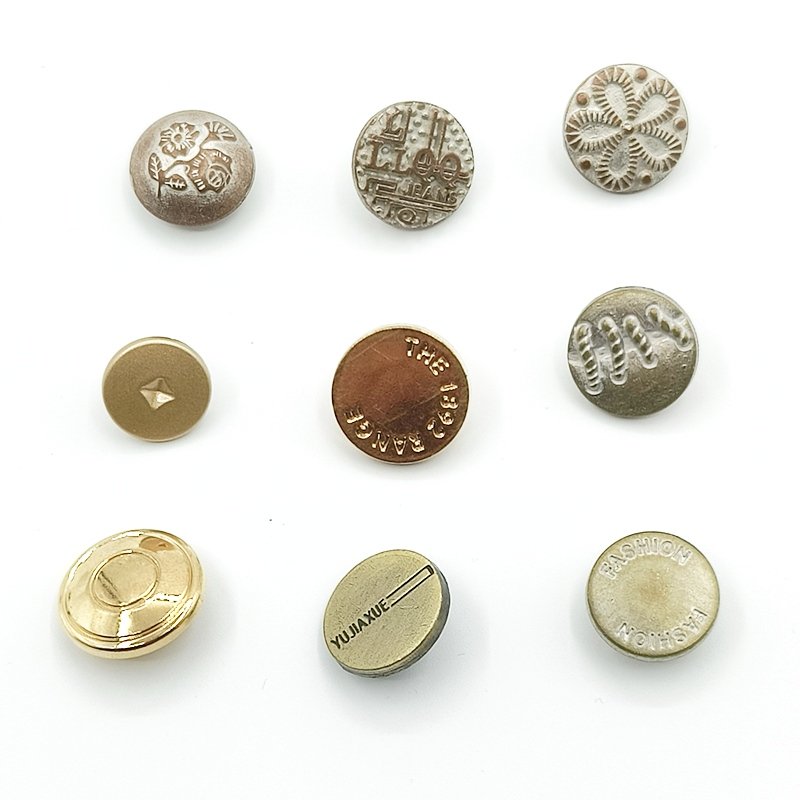
Metal Snap Buttons
Durable metal snap buttons add a premium tactile feel to quilted vest plackets and pocket flaps. Choose gunmetal, antique brass, or custom-plated finishes to align with your label’s visual identity.
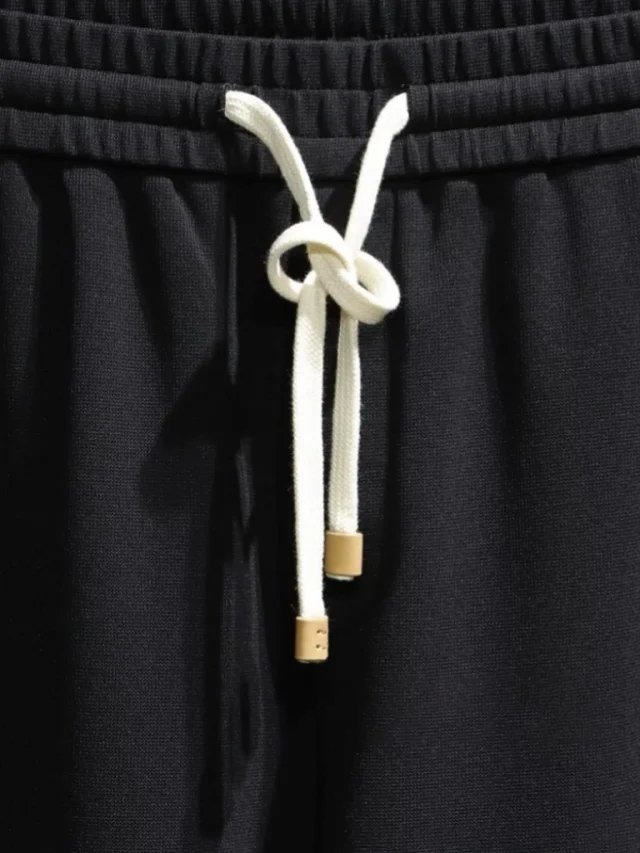
Custom Drawcords
Branded drawcords with tipped ends reinforce hem and hood adjustability across quilted vest styles. Available in cotton, nylon, or polyester with custom colors that reflect your streetwear brand’s signature palette.
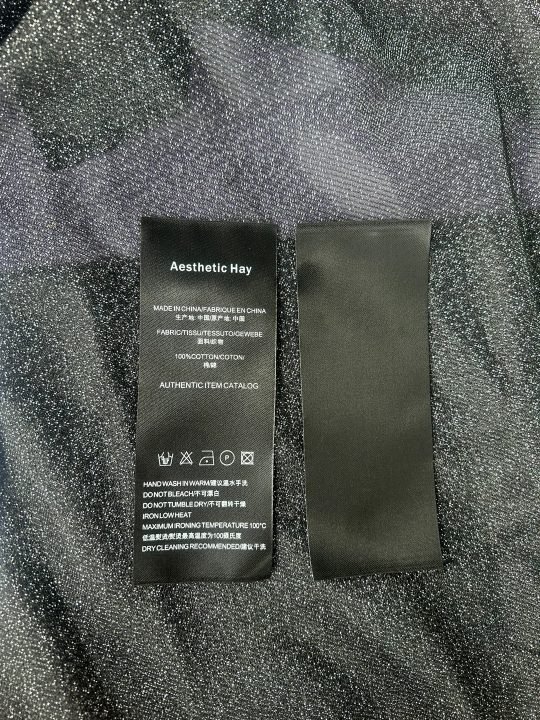
Woven Labels
High-definition woven labels carry your logo and care instructions with lasting precision and durability. Placed at the collar, side seam, or hem, they deliver the professional finish every quilted vest deserves.
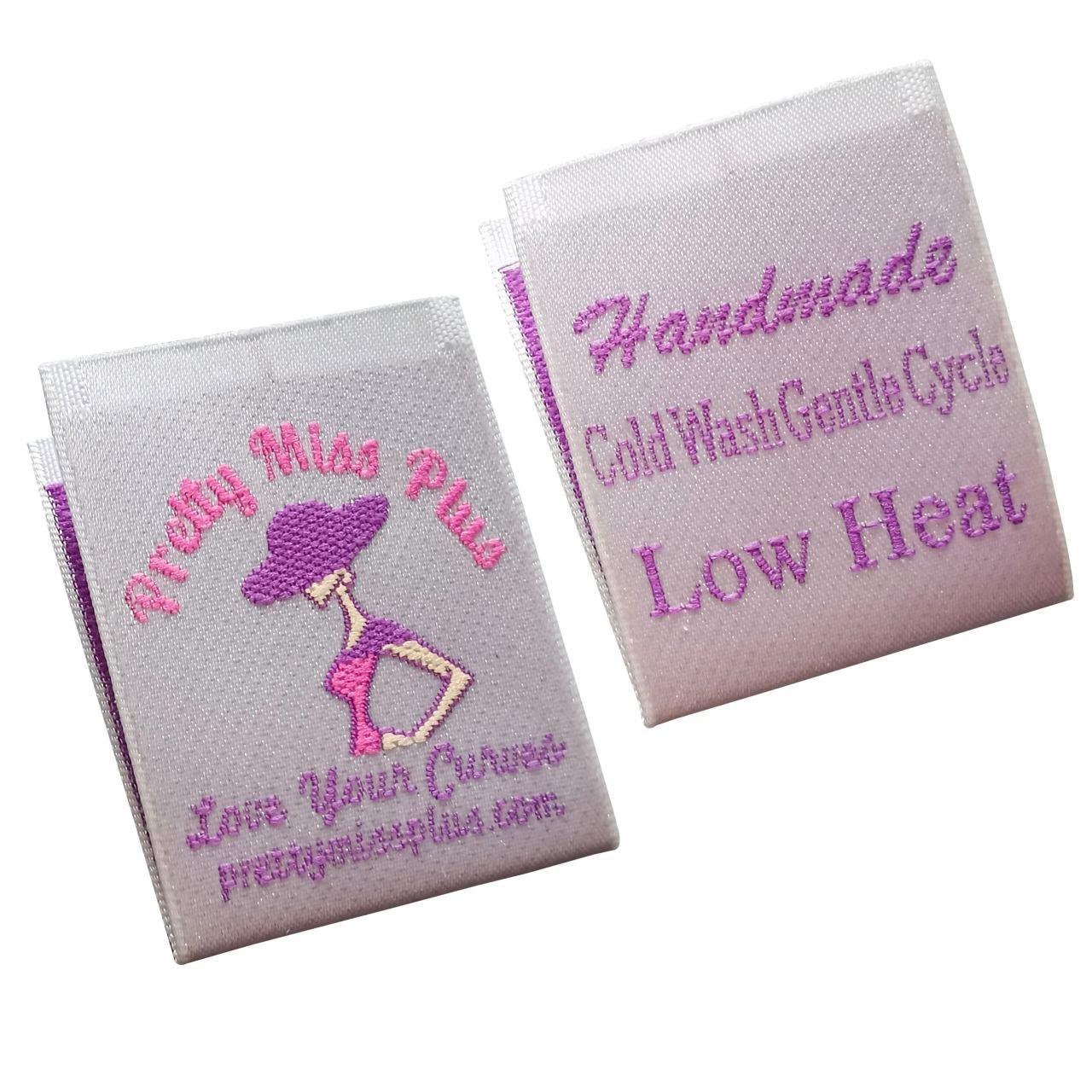
Custom Patches
Embroidered or woven patches let streetwear brands make bold graphic statements on any vest design. Applied by machine or hand, they hold shape and color through repeated washing and daily wear.
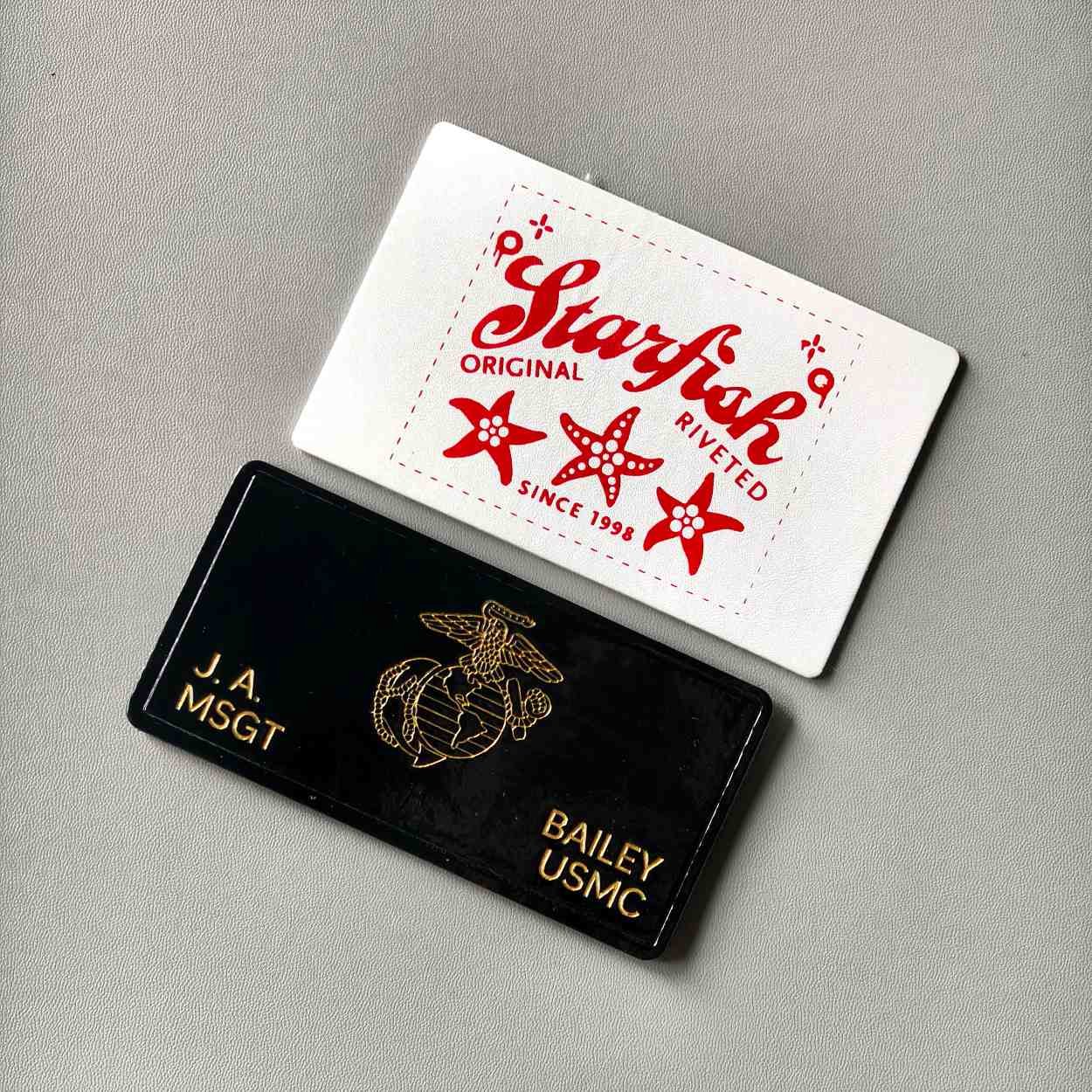
Branded Hangtags
Custom hangtags complete the retail experience and reinforce brand storytelling at point of sale. Printed in your preferred size, paper stock, and finish, they pair seamlessly with woven labels and custom packaging.
The Quilted Vest Manufacturer Brands Trust
Founded in 2024 by Tesla Luo, Clothing Manufacturer Ltd. was built on a single conviction: quality should never be an afterthought. With over 10 years of hands-on apparel manufacturing experience — from sewing and cutting to QC and logistics — Luo launched this Dongguan-based quilted vest manufacturer to counter an industry-wide habit of skipping quality control entirely during production.
Today, Clothing Manufacturer Ltd. serves streetwear brands, fashion startups, independent designers, and global retailers across more than 100 countries. Our in-house R&D team of 15 specialists drives trend-forward design and rapid sampling, while low MOQ policies give emerging labels room to launch with confidence. From influencer lines to high-volume seasonal collections, we deliver at scale without cutting corners.
What truly sets us apart is our proprietary five-step quality control methodology covering materials, cutting, craft, sewing, and finished-product inspection. This system embeds rigorous quality checks at every production stage, catching defects before they compound. Backed by 10 patents and the deep manufacturing infrastructure of our parent company, Dongguan TuoZhen Clothing Co., Ltd., we give global brands the reliability and consistency they deserve.
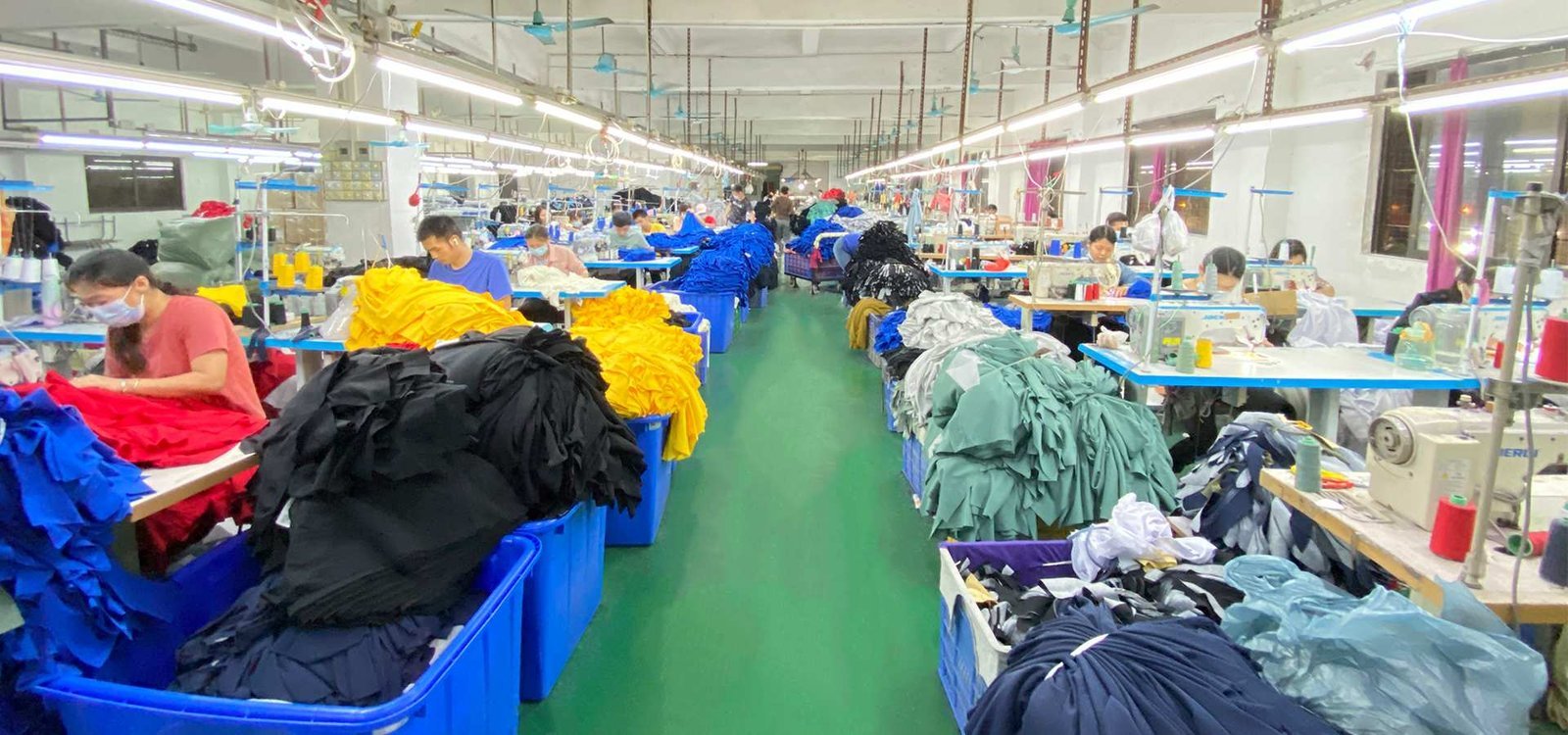
The Quilted Vest Manufacturer Built for Serious Brands
Five QC Gates. Zero Defects Shipped.
Our proprietary five-step quality control system embeds inspections at every production stage — from raw materials to finished garment. Each order passes materials, cutting, craft, sewing, and final QC checkpoints before it leaves our floor.
- Materials QC: every fabric, fill, and shell swatch tested before cutting begins
- Cutting QC: pattern alignment and lay precision verified at the table
- Sewing QC: stitch tension, seam strength, and quilting uniformity checked in-line
- Final QC: each finished vest inspected against your brand specs before packing
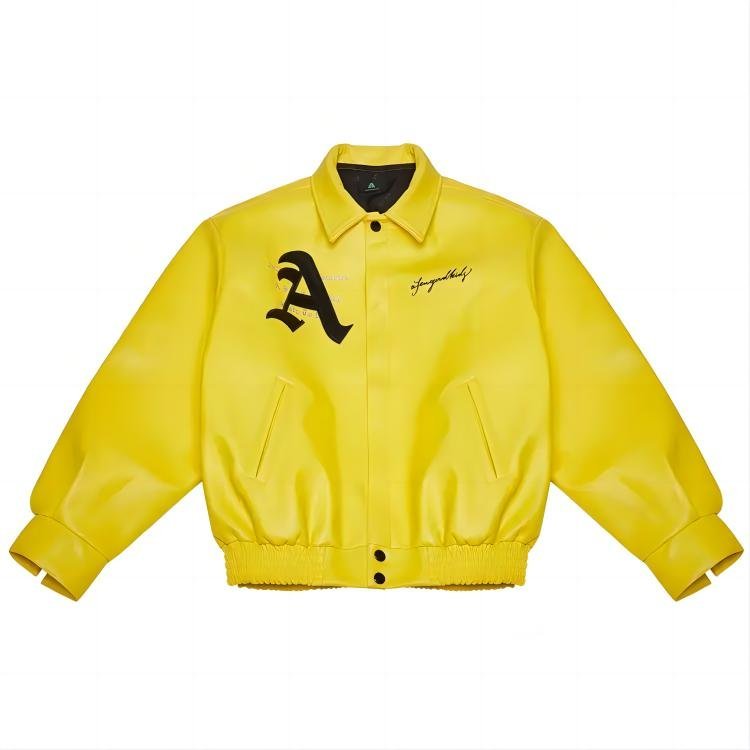
In-House Design Team, Your Vision Realized
Our 15-member R&D and sampling team translates sketches, mood boards, and tech packs into production-ready samples. From quilted pattern development to hardware placement, every detail is refined collaboratively until your vest collection is exactly right.
- Full tech pack development from concept sketches or reference images
- Streetwear-native designers fluent in structured quilting, oversized silhouettes, and bold graphics
- Unlimited revision rounds until specs are locked and approved
- 10 proprietary production patents applied across quilted vest design and construction
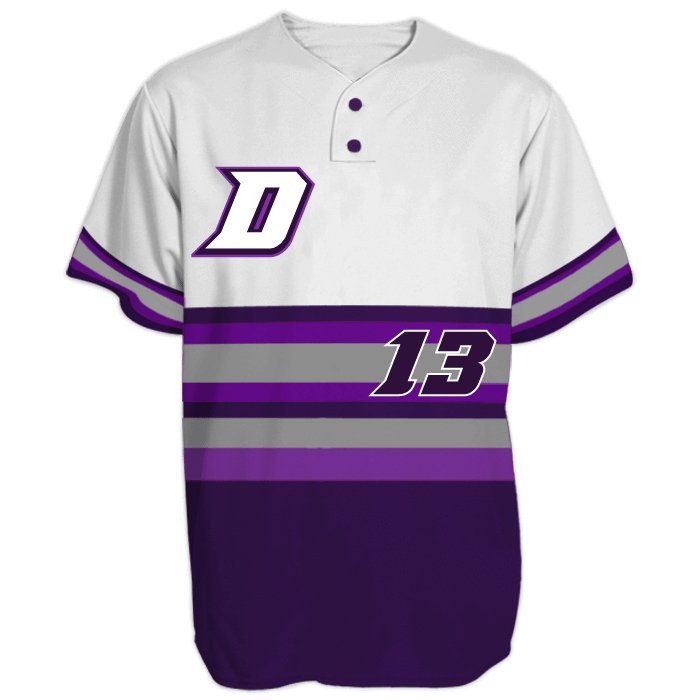
7-Day Samples, Seasonal Deadlines Met
Speed matters when trend windows are narrow. Our dedicated sampling line delivers physical prototypes within seven business days, giving streetwear labels and independent designers the runway to review, revise, and confirm production before the season closes.
- Dedicated sampling line runs parallel to bulk production — no queue delays
- Digital proofs and colorway previews shared within 48 hours of order confirmation
- Express sampling track available for urgent drops and capsule launches
- Low MOQ thresholds let emerging brands validate styles before committing to volume
Global Logistics from Factory Floor to You
From Humen Town’s manufacturing hub to your warehouse, we handle export documentation, customs declarations, and carrier coordination across more than 100 countries. Your quilted vest orders arrive on schedule, at any scale, anywhere in the world.
- Full export documentation and customs clearance support included with every order
- Partnerships with major international freight forwarders and express carriers
- Real-time shipment tracking and status updates shared directly with your team
- Proven delivery record serving streetwear brands and retailers across 100-plus countries
Why This Quilted Vest Manufacturer Outperforms the Rest
Not all manufacturers are equal. See exactly how our 5-step QC process, streetwear expertise, and brand-first approach stack up against the industry norm.
← 左右滑动查看 →
Inside Our Quilted Vest Manufacturer Process
Our 5-step QC methodology embeds a quality gate at every production phase — no skipped inspections, no shortcuts, just reliable output your brand can count on.
Fabric Sourcing & Sampling
Our in-house design team selects premium quilted vest fabrics and produces initial samples, passing rigorous materials QC testing before a single panel is cut.
Precision Cutting & Quilting
Panels are cut to exact pattern specs and quilted at controlled stitch density — our cutting QC checkpoint ensures zero deviation before pieces reach the sewing floor.
Sewing & Assembly
Skilled operators assemble each vest through dedicated sewing production QC checkpoints, catching fit, seam integrity, and construction issues in real time, not after the fact.
Craft & Detail Inspection
Our clothing craft QC stage verifies topstitching consistency, baffle alignment, zipper attachment, and all branded trim work before any unit advances to finishing.
Finishing & Brand Packaging
Vests are pressed, tagged, folded, and packed to your exact brand specifications — every unit cleared against our finished clothing quality QC standard for zero-defect dispatch.
Final Audit & Global Shipping
A full finished-goods inspection clears each order for worldwide dispatch, with end-to-end logistics, customs documentation, and tracking support handled by our experienced global shipping team.
How to Partner with Our Quilted Vest Manufacturer
A transparent, results-driven process built for streetwear brands, startups, and global retailers — backed by our 5-step QC guarantee at every stage.
Share Your Vest Specifications
Submit your fabric preferences, quilting style references, colorways, and target quantities. Our team reviews your brief within 24 hours and confirms production feasibility.
Receive Your Quote and Timeline
Get a detailed cost breakdown and sampling schedule within 48 hours. Flexible low MOQ options mean emerging brands can move forward without overcommitting to inventory.
Approve Production-Ready Samples
Our in-house design and sampling team builds physical prototypes to your exact specs. Evaluate fit, quilting construction, and finishing details before authorizing bulk production.
Confirm and Launch Bulk Production
Place your order with confidence knowing our proprietary 5-step QC process runs at every production stage, catching defects early so only flawless vests leave the floor.
Receive Delivery and Scale Up
We coordinate global shipping and customs logistics end to end. Dedicated account support and fast turnaround on reorders help your brand grow season after season.
Certifications That Back Every Quilted Vest Manufacturer Claim
Why Global Streetwear Brands Trust This Quilted Vest Manufacturer
As a first-time designer, I feared huge minimums would kill my launch. Clothing Manufacturer Ltd. let me start small, delivered samples in under 2 weeks, and our debut quilted vest drop sold out in 72 hours. We’ve reordered three times since.
Our audience moves fast — we needed a quilted vest manufacturer who could keep up. Samples landed in 11 days, the 5-step QC meant zero returns, and our limited drop moved 4,200 units in the first week. Biggest launch in our brand’s history.
We supply 40-plus stores across North America and can’t afford inconsistency. Clothing Manufacturer Ltd. delivered 1,800 quilted vests on schedule with uniform quality across every unit. We’ve placed four reorders since Q1 — they’re now our anchor production partner.
Quilted Vest Manufacturer FAQ
Straight answers to the procurement questions every serious buyer asks before placing an order.
What is the minimum order quantity for a quilted vest manufacturer like Clothing Manufacturer Ltd?
How long does sample turnaround take, and what does a sample cost?
Which quilted vest manufacturer certifications and quality standards should I look for?
How do you protect my designs and intellectual property during production?
What payment terms and schedules do you offer for bulk quilted vest orders?
As a quilted vest manufacturer, what customization options can you actually deliver?
What are your lead times for bulk production runs?
Do you handle global shipping and logistics, or do I arrange my own freight?
How does your five-step QC process make you a better quilted vest manufacturer than competitors?
The Complete Buyer’s Guide to Quilted Vest Manufacturer Selection
Discover a proven decision framework for evaluating every quilted vest manufacturer — covering supplier quality criteria, fabric and construction standards, customization options, pricing tiers, and the most costly sourcing mistakes brands make before placing their first order.
1. What Is a Quilted Vest Manufacturer?
A quilted vest manufacturer is a specialist supplier — operating under OEM, ODM, or private-label models — that produces insulated, stitch-patterned vests from raw materials through finished, packaged goods. OEM factories execute a brand’s own technical packs; ODM houses own their patterns and offer designs brands can adopt; private-label programs apply custom labels to stock silhouettes with MOQs as low as 50 units per colorway.
Core production runs through six sequential steps: pattern-making and grading, shell-fabric cutting (typically 20–150 GSM wovens or 200–400 GSM knits), baffle construction or channel-stitching to contain fill, filling insertion (down clusters rated 550–800 fill power, or synthetic alternatives such as PrimaLoft), decorative quilting stitch at 8–12 stitches per inch, and final finishing including trimming, pressing, and hang-tag attachment.
Specialist quilted vest manufacturers outperform general garment factories on three measurable dimensions: fill-weight consistency (±2 g tolerance is industry standard), baffle alignment accuracy, and shell-to-lining tension calibration — all of which require dedicated jigs, trained operators, and stage-specific QC checkpoints. A factory rotating between T-shirts one week and quilted outerwear the next rarely sustains those tolerances across a full production run.
Streetwear labels, outdoor brands, and fashion retailers all choose a dedicated quilted vest manufacturer because the category demands category-specific expertise — from specifying OEKO-TEX certified shell fabrics to matching Pantone colorways across diamond, channel, and box-stitch quilting patterns. Partnering with a specialist compresses sampling cycles and lowers defect rates from the first bulk order.
2. The Evolution of Quilted Vest Manufacturing
By the 19th century, quilted vests were standard issue for British equestrian riders and rural laborers seeking insulation without restricting arm movement — the same functional logic that makes the silhouette relevant today. Early construction was cottage-based: wool or batten batting hand-stitched between two fabric layers, with running-stitch diamond patterns spaced roughly 1.5 to 2 inches apart.
Post-World War II military surplus channels pushed quilted insulation vests into mainstream workwear across North America and Europe. Polo Ralph Lauren’s mid-1990s quilted vest collections elevated the silhouette into aspirational sportswear, and by the early 2000s, luxury puffer designs had confirmed quilting as a premium fabrication signal — not merely a utilitarian one.
Industrial CNC-guided stitching machines, widely adopted across Guangdong Province factories through the 2000s and 2010s, replaced cottage hand-quilting with sub-millimeter stitch consistency and dramatically higher throughput. This shift made repeatable diamond, channel, and box-quilt patterns achievable at scale, and opened the door to complex geometric and logo-quilt programs that hand-stitching could never replicate economically.
Since 2022, demand from influencer and creator brands — many launching with fewer than 200 units — has pushed every serious quilted vest manufacturer toward low-MOQ digital sampling. 3D pattern software and direct-to-sample CNC cutting now compress prototype lead times from 30 days to as few as 7, letting modern brand builders validate a design before committing to a full production run.
3. Types of Quilted Vests a Manufacturer Can Produce
A capable quilted vest manufacturer spans six silhouette and fill categories, each targeting a different end market and MOQ tier. Knowing the differences eliminates costly sampling detours.
Puffer and Down Vest
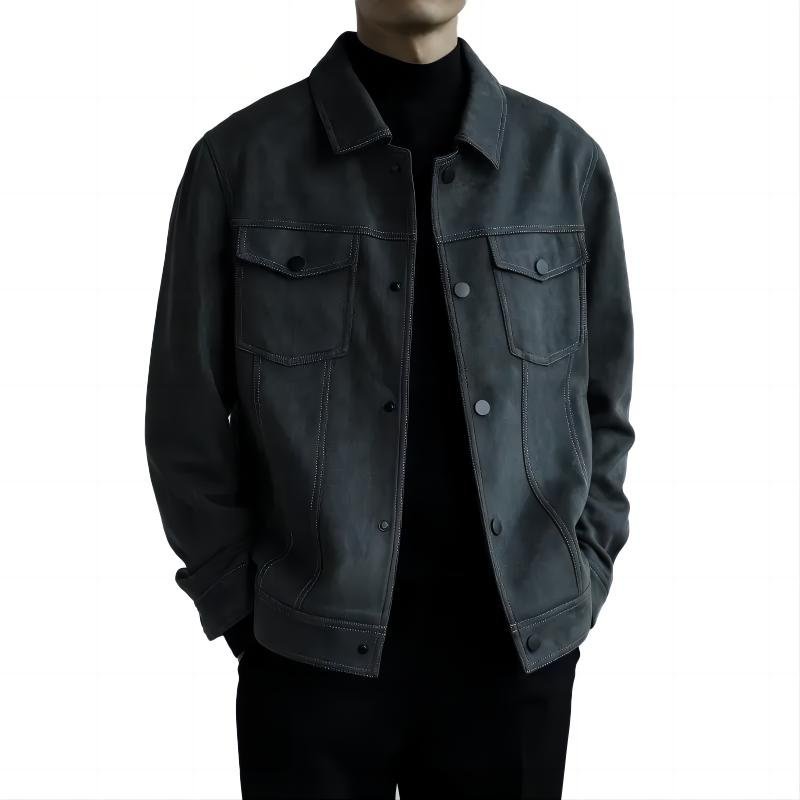
Fill weights run 80–180g; a 90/10 duck down ratio is standard for warmth-to-weight performance. Outdoor brands and corporate gifting programs dominate this category.
MOQs start at 100–200 pieces per colorway due to certified-fill sourcing minimums.
Channel-Quilted Liner Vest
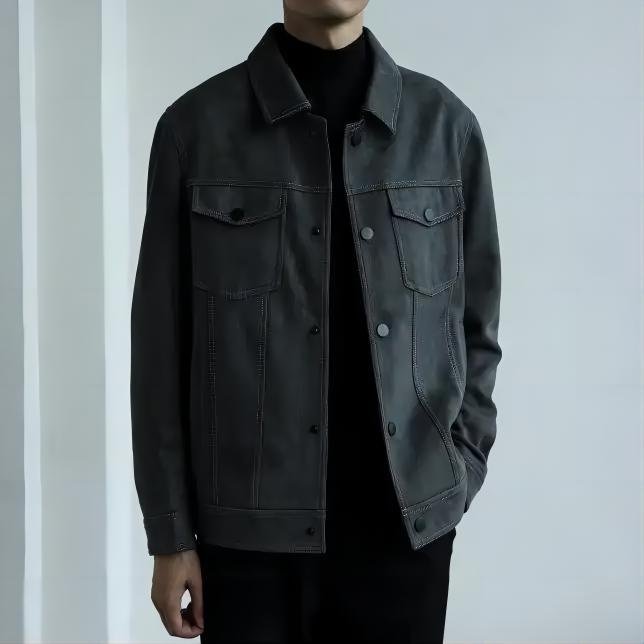
Parallel baffles 2–4 cm wide define this layering piece worn under outerwear or over hoodies. Streetwear and workwear brands both rely on it.
Polyester fill at 100–120g keeps cost low; MOQs often start at 50 pieces, accessible for startups.
Diamond-Stitch Fashion Vest
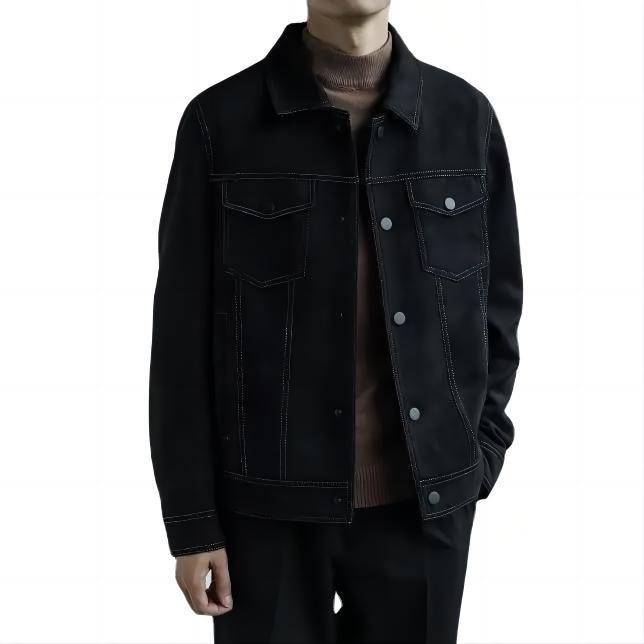
A 4×4 cm diamond grid stitch creates the fashion-forward profile favored by trendy brands and influencer labels. Fill weight stays at 60–80g for a slim silhouette.
MOQs of 50–100 pieces suit independent designer launch quantities well.
Reversible Quilted Vest
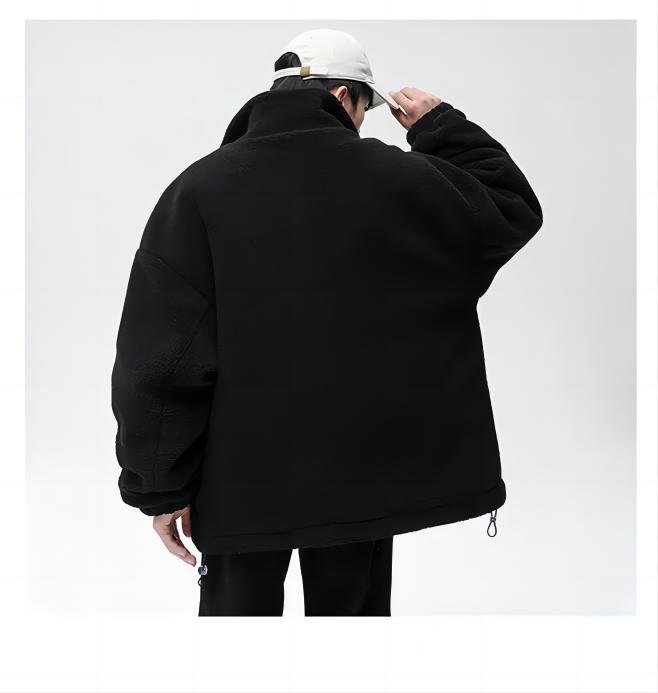
A quilted nylon shell on one side and fleece or canvas on the reverse doubles SKU value per unit. Streetwear and lifestyle brands use reversibility to stretch seasonal capsules.
MOQs run 100–150 pieces, reflecting doubled cutting and finishing labor.
Longline Parka-Style Vest
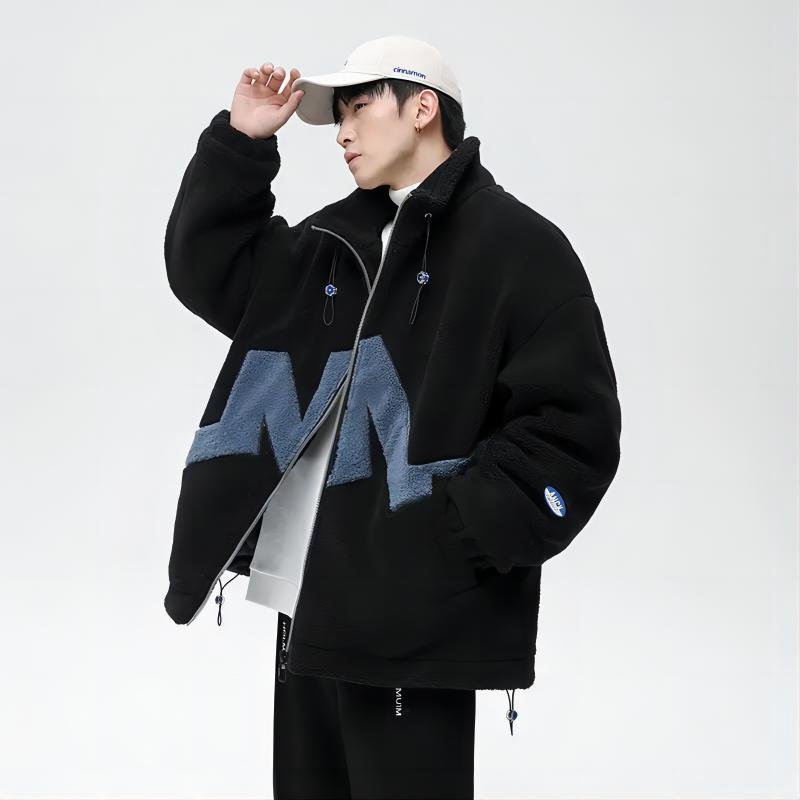
Hip- to thigh-length cuts with structured shoulders serve premium streetwear and contemporary fashion buyers. Fill ranges 120–200g for drape and silhouette definition.
Development adds 5–7 extra days versus standard lengths; MOQs mirror puffer tiers at 100–200 pieces.
Tactical and Utility Quilted Vest
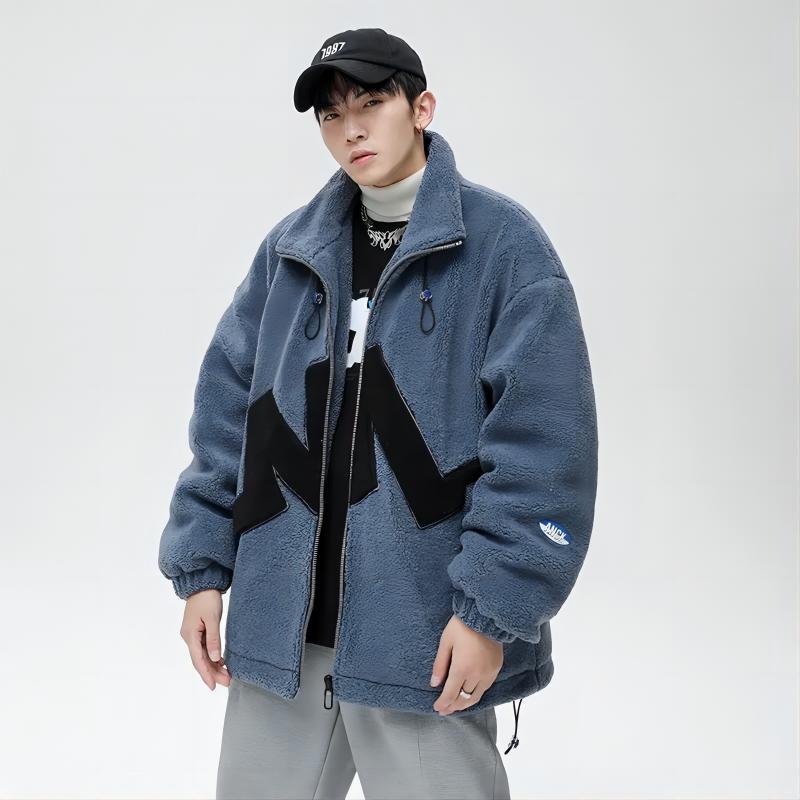
Cargo pockets and MOLLE-compatible panels attract outdoor-adjacent streetwear and workwear buyers. Ripstop nylon shells at 140–200 GSM with 80–120g poly fill are standard spec.
YKK zippers and D-ring hardware sourcing pushes MOQs to 100–200 pieces minimum per style.
4. Materials & Fabrics Used by a Quilted Vest Manufacturer
Shell, fill, and lining choices jointly set warmth, weight, and landed cost for any quilted vest. A capable quilted vest manufacturer stocks multiple fabric options and guides selection based on target climate, performance spec, and price tier.
| Fabric Type | GSM Range | Best Use Case | Price Tier |
|---|---|---|---|
| Nylon Ripstop (shell) | 40–70 | Technical outdoor, packable styles | Mid |
| Polyester Taffeta (shell) | 50–80 | Everyday streetwear, high-volume runs | Low |
| Recycled PET (shell) | 50–75 | Sustainability-certified collections | Mid |
| Cotton Canvas (shell) | 200–280 | Heritage and workwear aesthetics | Mid |
| Waxed Cotton (shell) | 280–350 | Premium heritage, weather-resistant looks | High |
| White Duck Down (fill) | N/A | Maximum warmth-to-weight performance | High |
| PrimaLoft / Thinsulate (fill) | N/A | Wet-weather, vegan-friendly insulation | Mid |
Shell Fabric Options and Performance Trade-Offs
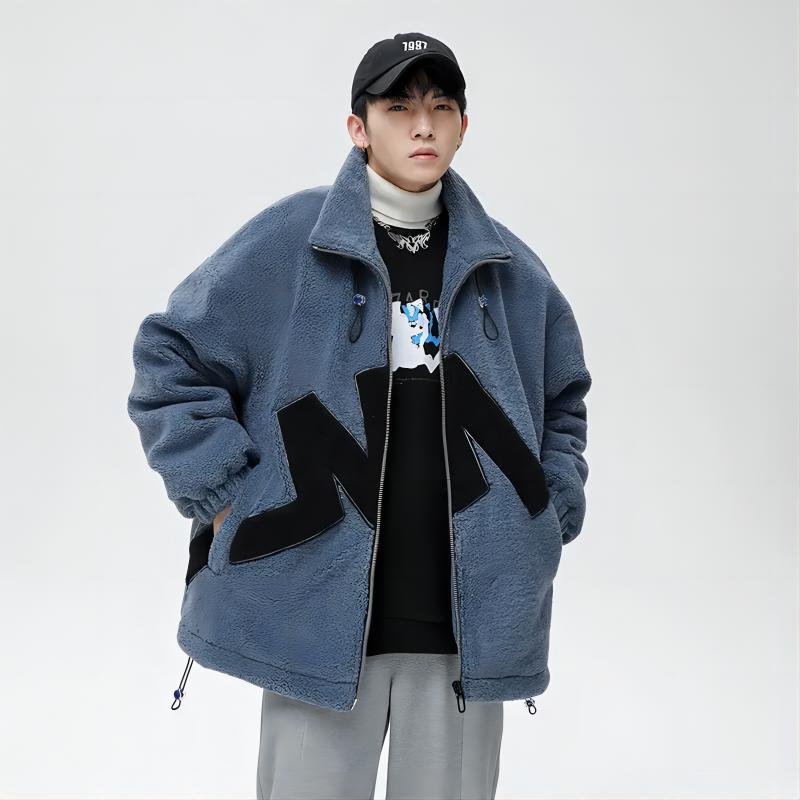
Nylon ripstop (40–70 GSM) leads on tear resistance and packability — the default for technical outdoor styles. Polyester taffeta (50–80 GSM) reduces cost while retaining wind resistance; recycled PET variants can carry OEKO-TEX certification for sustainability-focused collections.
Waxed cotton (280–350 GSM) and cotton canvas (200–280 GSM) target heritage and workwear aesthetics but add meaningful weight that raises per-unit shipping costs at scale.
Fill Materials and Warmth Ratings
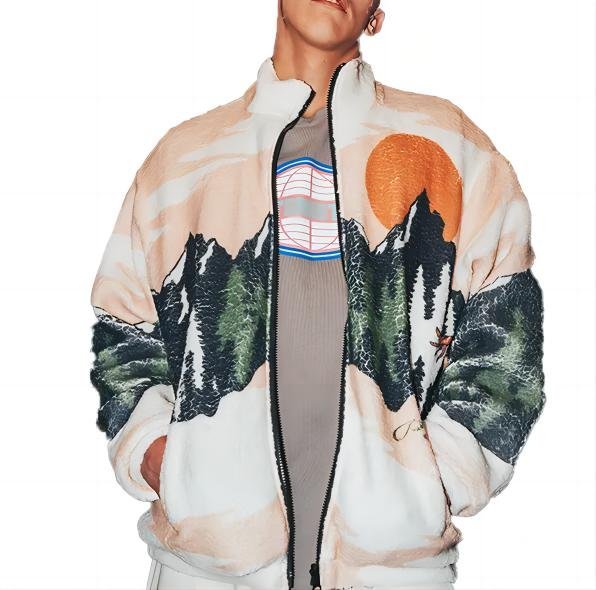
White duck down at 600–800+ fill power delivers the best warmth-to-weight ratio available; grey duck down costs roughly 15–20% less with near-identical thermal performance. RDS-certified recycled down satisfies sustainability mandates without sacrificing loft.
PrimaLoft Gold and 3M Thinsulate synthetics retain insulating loft when wet — a critical edge for streetwear brands targeting urban climates where down can collapse and lose warmth.
Lining Fabrics and Drape
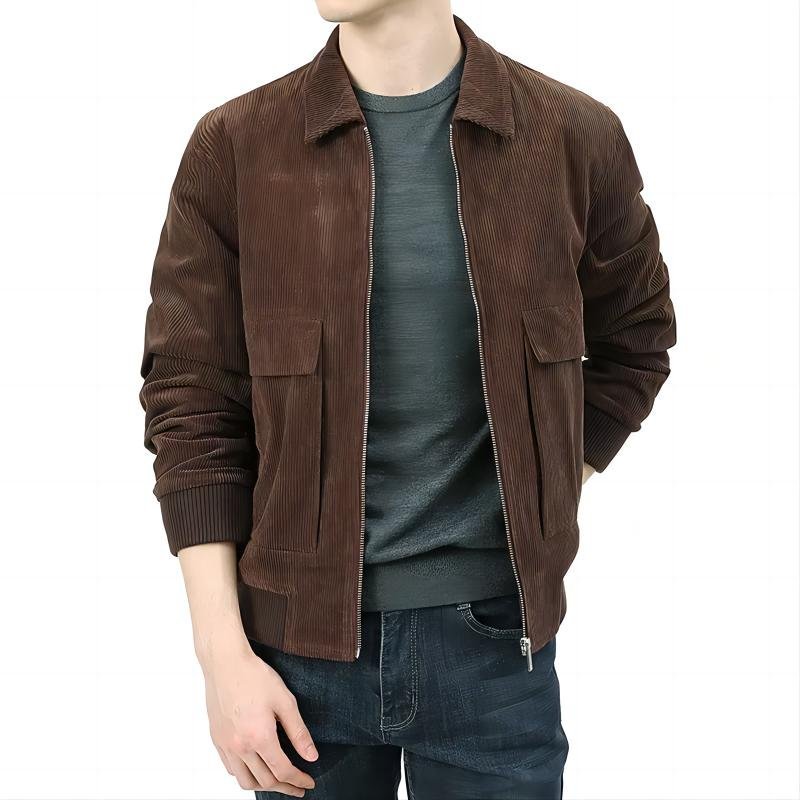
Taffeta linings (40–60 GSM) create a slippery, fluid drape that reads as premium and eases layering over hoodies. Brushed tricot adds a soft hand feel but increases finished garment weight by 20–40 g — a real trade-off for packable styles.
Mesh linings (30–50 GSM) maximize breathability and suit active or transitional-season vests where moisture management outranks thermal retention.
5. Customization & Decoration Options for Your Quilted Vest
Every customization lever on a quilted vest carries its own MOQ threshold and setup cost. Understanding which options suit low-run versus bulk production saves money and prevents mid-sample surprises.
Quilting Stitch Patterns
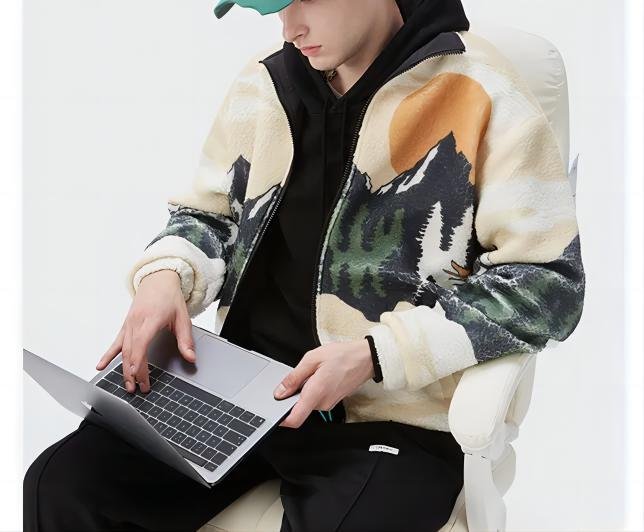
Diamond and channel stitching run on standard programmable machines with no tooling fee. Chevron adds a 10–15% labor premium over diamond. Logo-shaped quilting — custom needle-path programming — typically adds a one-time setup of $80–$150 and suits bulk orders of 300+ units.
Shell Fabric Color and Print
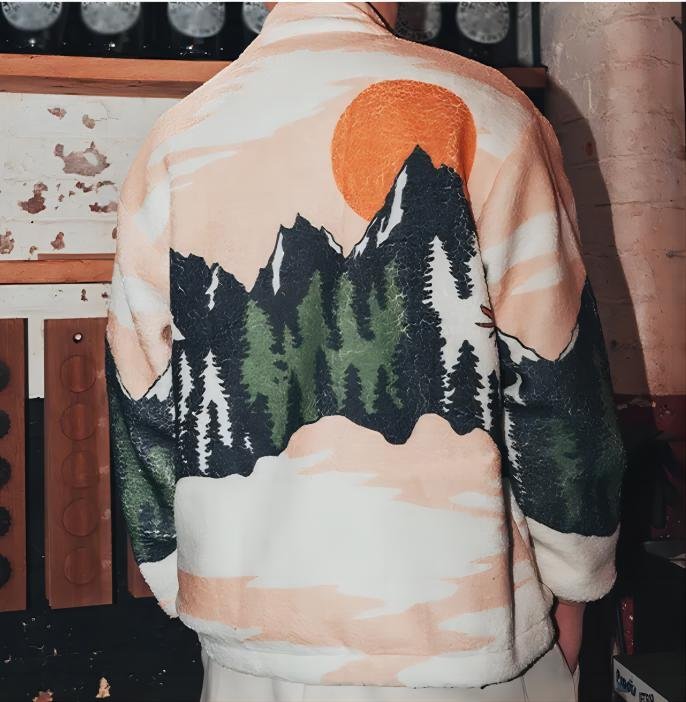
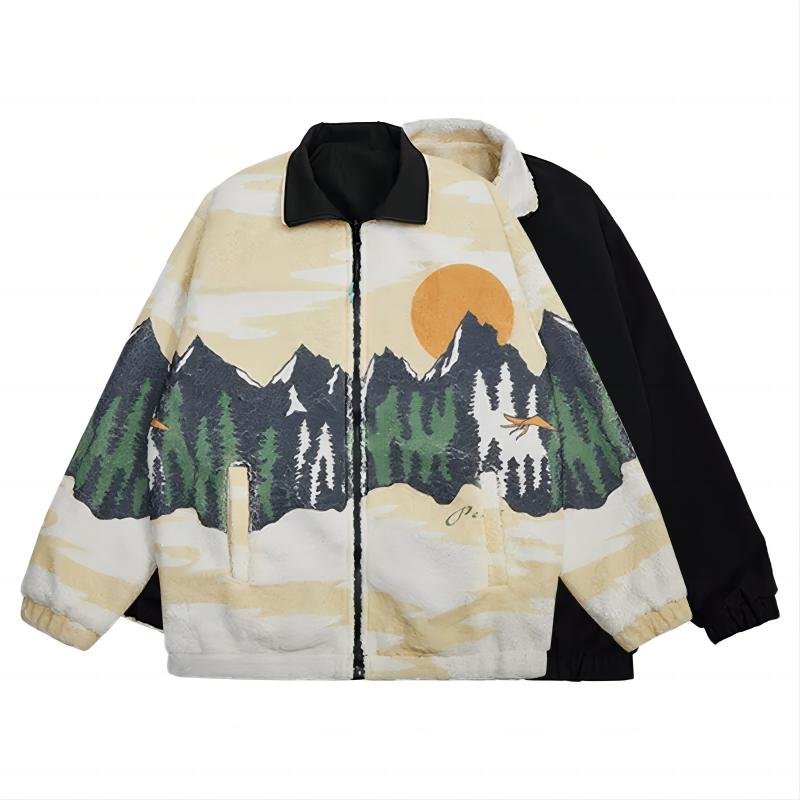
Yarn-dyed solids and stock-camo shells carry no print setup cost and work at MOQs of 50–100 pieces. All-over sublimation requires a digital file and a per-colorway fee of roughly $30–$60, making it more economical at 200+ units per design.
Labels, Patches, and Embroidery
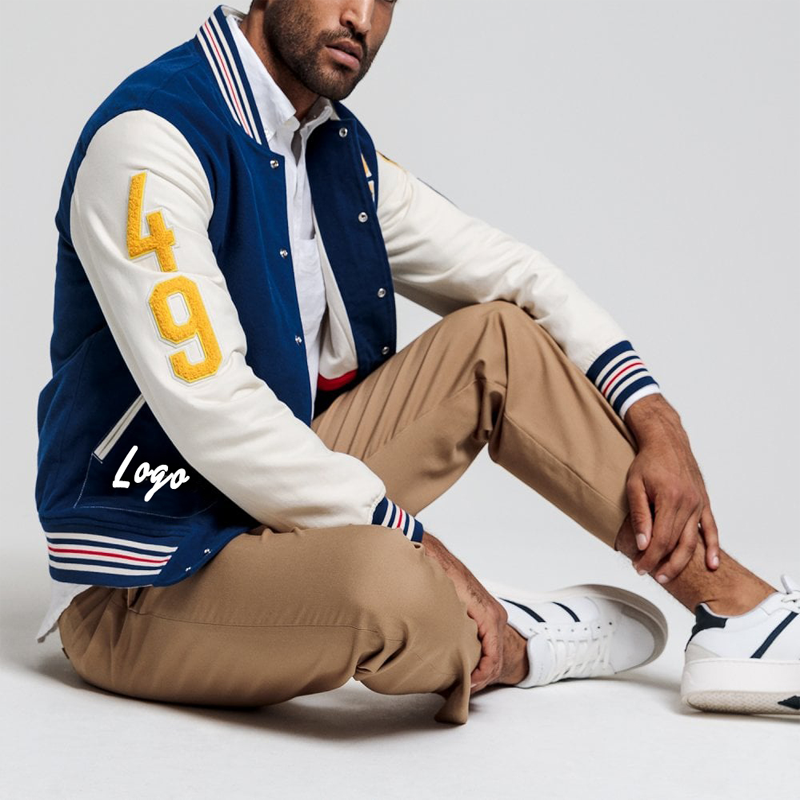
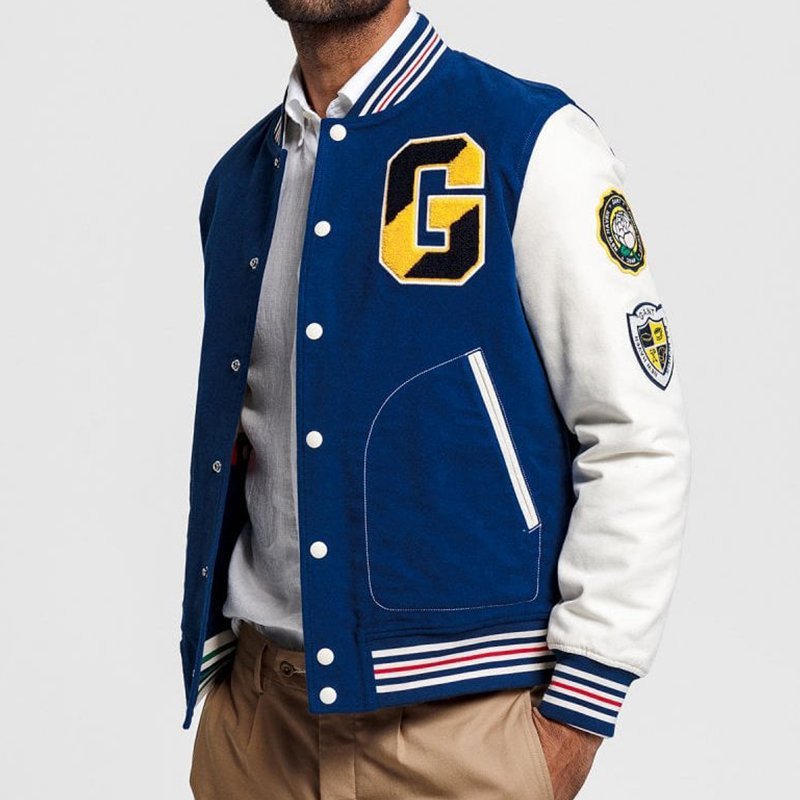
Woven labels and heat-transfer labels are the lowest-cost branding options, with setup around $50–$80 per design. Rubberized PVC patches add $0.50–$1.50 per unit at quantities under 500. Embroidered chest logos digitize for $20–$40 and scale cost-efficiently above 100 pieces.
Zipper and Hardware Upgrades
YKK zippers cost $0.30–$0.80 more per unit than generic alternatives but significantly reduce defect returns. Matte-finish or custom-branded pulls require a minimum die order of 500–1,000 units. Gloss metal hardware ships from stock and suits low-run launches under 100 units.
Custom Lining Prints
Digitally printed linings use reactive dye on 100% polyester taffeta, requiring artwork at 150 dpi minimum. Setup runs $60–$100 per colorway. Orders under 100 units can substitute stock lining to eliminate setup costs without sacrificing finished outerwear quality.
6. Key Construction Quality Elements to Inspect
A factory sample tells you everything a product page hides. Knowing which construction details to probe — before placing a bulk order — separates brands that scale from those stuck replacing returns.
Baffle vs. Stitch-Through Construction
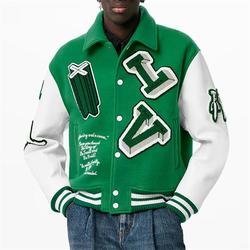
Baffle construction sews an interior channel between shell and lining, keeping fill evenly distributed. Stitch-through quilting punctures both layers, creating cold spots at every seam — a shortcut common in lower-tier factories.
Flex the panels on your sample; compressed lines along stitch rows confirm the cheaper build method.
Fill Power and Fill Weight Consistency
Fill power — typically 550–800 cubic inches per ounce for quality down — indicates loft capacity; fill weight determines warmth. Weigh three separate panels from a sample; inconsistency beyond ±5% signals poor batch-filling control.
Seam Sealing and Wind Resistance
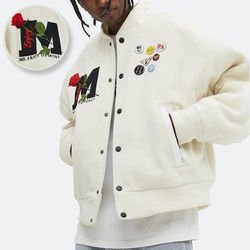
Seam-sealed vests tape interior stitch lines to block wind infiltration at needle holes. Hold the shell against bright light — visible punctures mean no sealing was applied.
Windproof fabrics rate ≤1 CFM air permeability; request this data from any quilted vest manufacturer before approving a sample.
Zipper and Snap Pull Durability
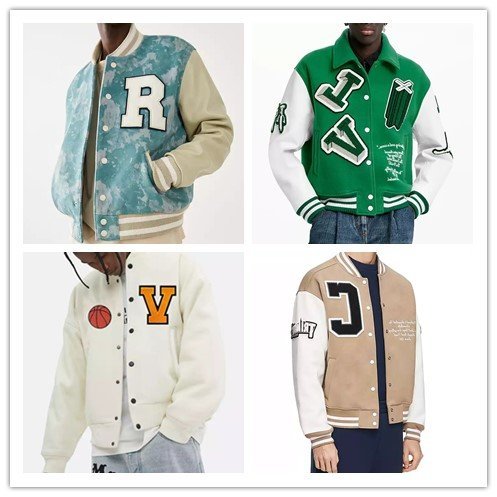
YKK or equivalent zippers should cycle 500+ times without binding. Quality snaps require 15–25 Newtons to release cleanly.
Verify both against ASTM D 4169 benchmarks and request the factory’s documented pull-test protocol before signing off on hardware specs.
Thread Density and Loft Recovery
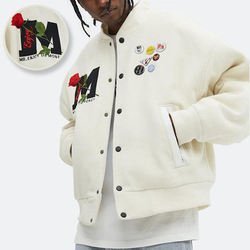
Quality quilted panels run 8–12 SPI; fewer stitches indicate tension skipping during sewing.
After 24 hours of compression, loft should recover to 90%+ of original height within 1 hour — poor recovery exposes subgrade fill clusters invisible on initial inspection.
7. How to Choose the Right Quilted Vest Manufacturer
Selecting the right quilted vest manufacturer requires evaluating more than price alone. Structural factors — MOQ tiers, certifications, lead times, and quilting infrastructure — determine whether a factory can actually scale with your brand.
MOQ Flexibility and Sample Policy
Startups need factories accepting 50–100 units per style; global retailers typically negotiate 300–500 unit minimums. Confirm whether sample costs are credited toward bulk orders — reputable manufacturers usually allow this.
Certifications That Matter
Down-filled vests require RDS (Responsible Down Standard) certification; BSCI covers factory social compliance, and OEKO-TEX 100 confirms chemical safety. Sample lead times benchmark at 7–14 days; bulk production runs 45–75 days from an approved sample.
In-House vs. Outsourced Quilting
Factories quilting in-house control stitch density, channel width, and baffle alignment — critical for consistent warmth output. Outsourced quilting adds 5–10 days and introduces a second quality-control gap between two facilities.
Key Questions Before Signing
Ask these before committing to any supplier contract.
- Do you quilt in-house, or is it subcontracted to a third party?
- What is your measured defect rate per 100 finished units?
- Can MOQ drop below 100 units for seasonal reorders?
- Which certifications cover your insulation: RDS, OEKO-TEX, or BSCI?
Matching Criteria to Your Brand Type
Evaluation priorities shift significantly depending on your business model and order volume.
| Brand Type | MOQ Range | Priority Cert | Lead Time Target |
|---|---|---|---|
| Fashion Startup | 50–100 units | OEKO-TEX | 7–14 day samples |
| Influencer Brand | 100–200 units | BSCI | 30–45 day bulk |
| Global Retailer | 300–500 units | RDS + BSCI | 45–75 day bulk |
8. Common Mistakes Brands Make Sourcing a Quilted Vest Manufacturer
New brands sourcing a quilted vest manufacturer for the first time repeat the same costly errors. Spotting these pitfalls early protects your launch budget, retail relationships, and on-time delivery window.
Skipping the Physical Sample Stage
Photos and digital mockups cannot reveal stitch density, baffle alignment, or actual fill weight. Fix: require a sealed pre-production sample before approving any bulk quilted vest order.
Underestimating Fill Migration on Cheap Fills
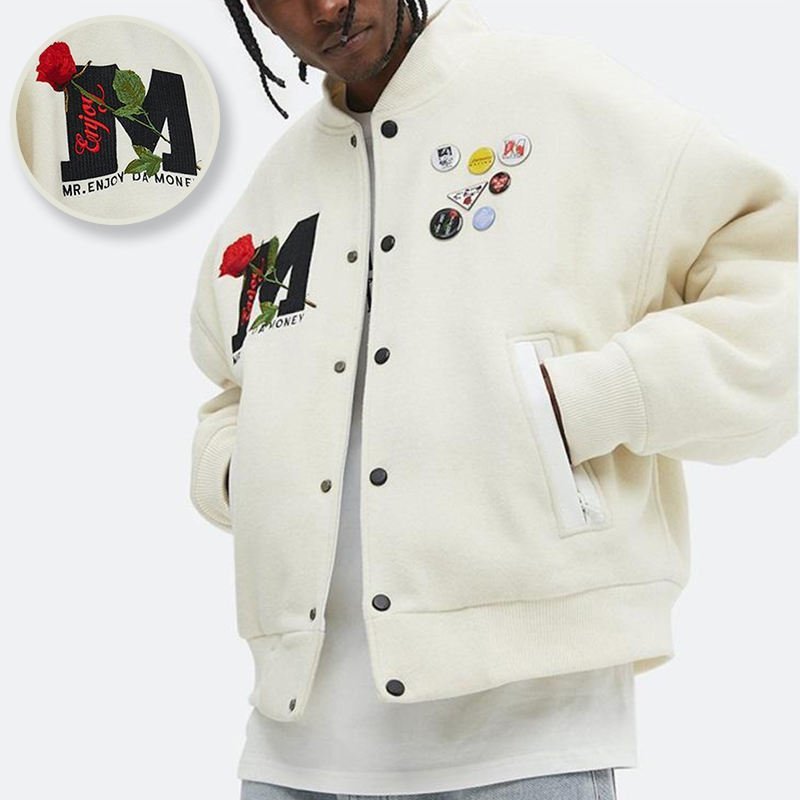
Polyester fill below 100 GSM shifts and clusters after repeated washing, creating visible cold spots. Fix: specify a minimum 120 GSM siliconized fill and request a five-wash migration test report before bulk sign-off.
Ignoring RDS and OEKO-TEX Certification
Major retailers now mandate RDS-certified down or OEKO-TEX Standard 100 fabric for vendor compliance. Fix: confirm certification availability with your quilted vest manufacturer before the sampling stage, not after.
Choosing Unit Price Over Lead Time
A $2-per-unit saving is irrelevant if a 90-day lead time misses your Q4 launch window. Fix: prioritize factories quoting 30–45-day sample-to-bulk timelines during launch season.
Misunderstanding FOB vs. DDP Pricing
FOB pricing excludes freight, customs duties, and last-mile delivery, which can add 15–25% to landed cost. Fix: request a DDP quote alongside FOB to compare true unit economics before committing.
Ordering Without a Tech Pack
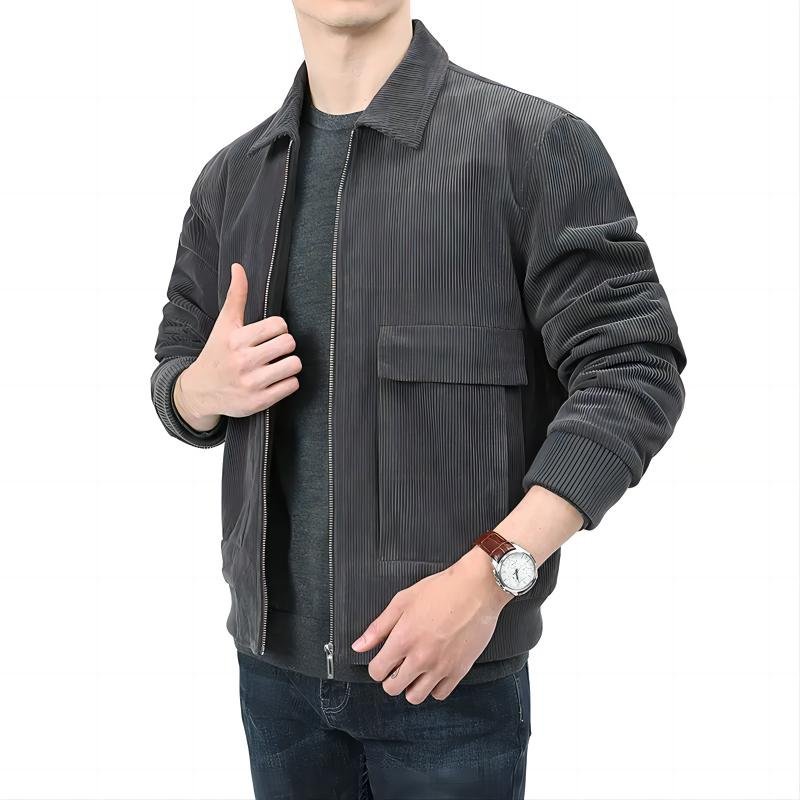
Factories fill spec gaps with in-house defaults, producing vests that differ from your vision and requiring costly rework. Fix: submit a complete tech pack including flat sketches, BOM, and Pantone color calls before production begins.
9. Steps to Launch Your Brand With a Quilted Vest Manufacturer
Launching with a quilted vest manufacturer follows a predictable six-step cycle, from silhouette concept to shipment clearance. Creator-led labels most often stall at steps 2 and 3, where weak tech packs trigger repeated sample rounds and blow out lead times.
Define Silhouette, Fill Spec, and Tech Pack
Lock down vest length, channel width (1.5–3 in), and fill type — 90/10 down, synthetic PrimaLoft, or recycled polyester at 80–120 g/m² — before contacting any factory. Skipping a formal fill-weight spec typically costs two extra proto rounds.
A complete tech pack includes flat CAD sketches, Pantone color references, shell and lining fabric GSM, and hardware callouts such as a YKK #5 zipper. Allow 5–10 days; incomplete packs are the single leading cause of sample delays.
Proto Sample Rounds and PPS Sign-Off
Most quilted vest manufacturers charge $80–$200 per proto and ship in 10–15 business days; budget at least two rounds. Check stitching density, baffle alignment, and fill loft at each iteration — brands commonly stall by approving construction without verifying fill distribution.
A pre-production approval sample (PPS) is cut from actual production fabric and trims, not substitutes. Review against the approved proto for seam tension and Pantone match before authorizing bulk cutting; this step takes 5–7 days.
Payment Terms, Production Timeline, and Pre-Shipment QC
Standard factory payment runs 30–50% deposit, balance before shipment. Production lead times for quilted vests average 25–45 days after PPS approval; lock these figures in writing before authorizing the bulk cut.
Book a third-party inspector — SGS or Bureau Veritas — at the 80–100% production completion mark. Check fill weight variance, zipper pull, and Pantone match under D65 lighting, then allow 2–3 days for inspection and any remediation before release.
10. Pricing & Cost Breakdown by Quilted Vest Manufacturing Tier
At a quilted vest manufacturer operating in Humen Town’s production corridor, unit cost scales sharply with volume — a 50-unit run typically costs 2–3× more per piece than a 500-unit order. Sample fees range $40–$150 and are commonly credited against the first full production invoice once MOQ is confirmed.
Fill material is the single largest per-unit cost variable; selecting duck down over synthetic adds $5–$9 per piece at any quantity tier. Build that premium into your retail margin before locking a fill spec with your factory.
- Synthetic fill (100g–200g): base-tier pricing; OEKO-TEX certified options widely available — lowest landed cost per unit.
- Recycled down (80/20 blend): +$2–$4 per unit over synthetic; GRS certification satisfies most brand sustainability requirements.
- Duck down (90/10, 600+ fill power): +$5–$9 per unit; requires RDS or DOWNPASS cert — best warmth-to-weight ratio.
| Quantity Tier | Est. Unit Cost (USD) | Sample Cost (USD) | Lead Time | Customization |
|---|---|---|---|---|
| 50–99 units | $18–$28 | $80–$150 | 20–25 days | Label, basic colorway |
| 100–299 units | $14–$22 | $60–$120 | 18–22 days | Label, embroidery, patch |
| 300–499 units | $11–$17 | $50–$100 | 15–20 days | Full custom, YKK hardware |
| 500+ units | $8–$14 | $40–$80 | 12–18 days | Full custom + private label pkg |
Launch With a Quilted Vest Manufacturer You Can Trust
5-step QC guarantee, low MOQ, 7-day samples, and global shipping to 100+ countries — zero compromise, every order.