
Custom Quilted Jackets for Streetwear Brands — Premium Quality, Low MOQ
Manufacture custom quilted jackets with our 5-step QC guarantee, low MOQ, and fast sampling — trusted by streetwear startups and global retailers across 100+ countries.
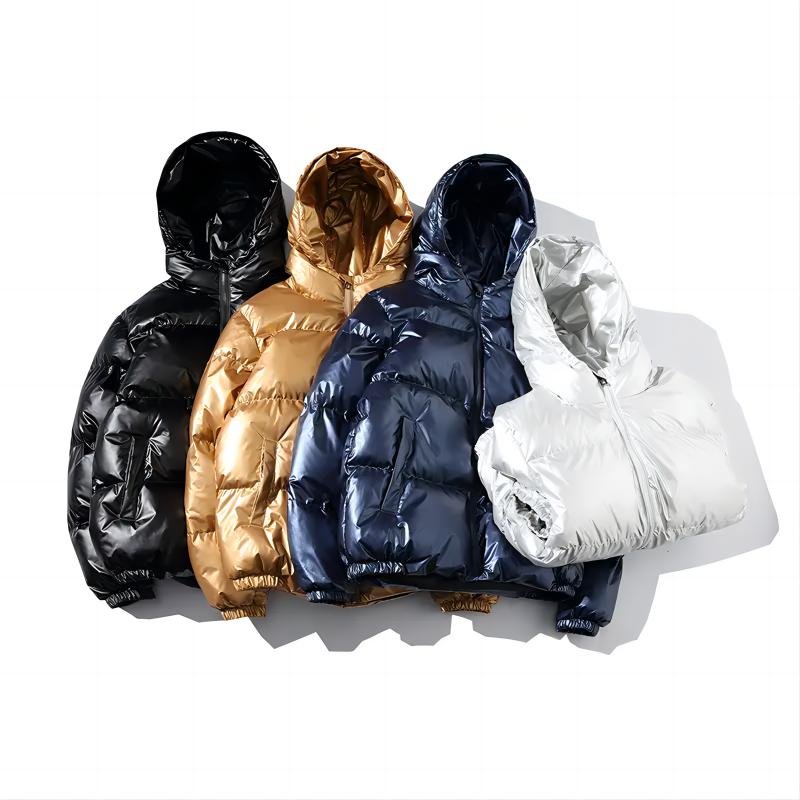
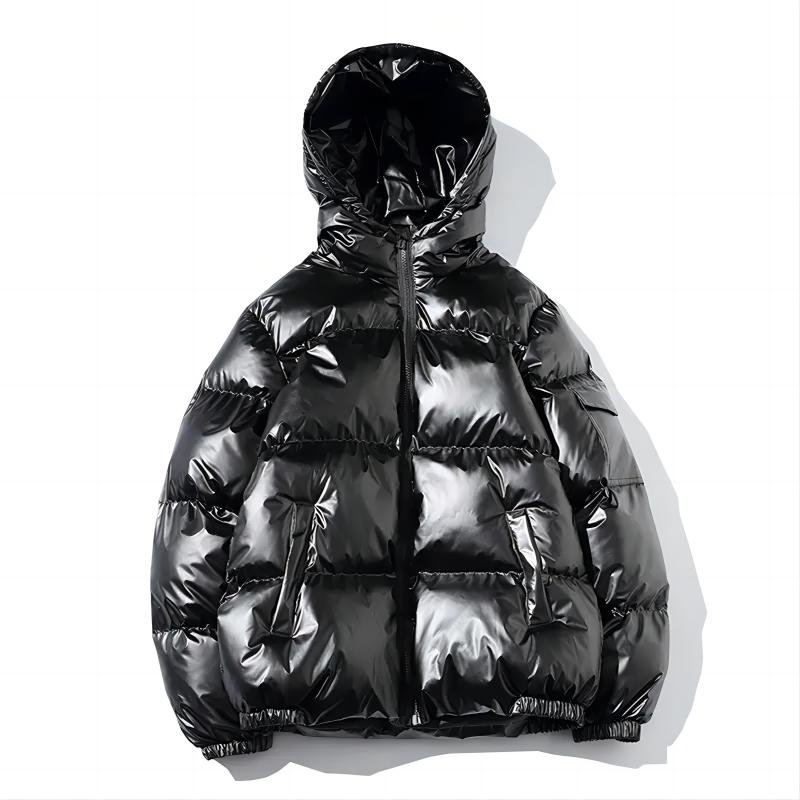
Our Custom Quilted Jacket Collection
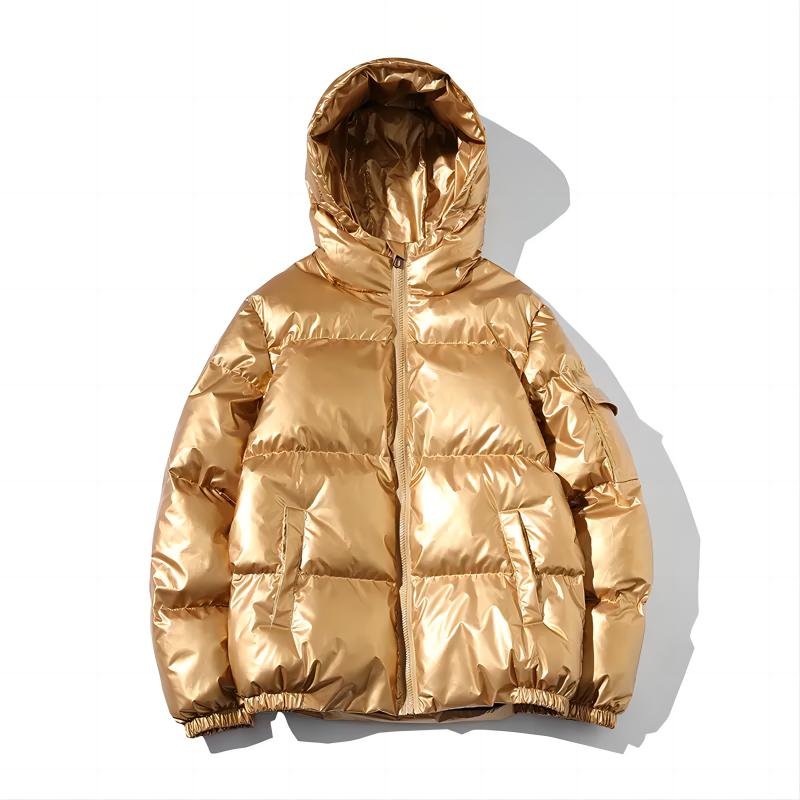
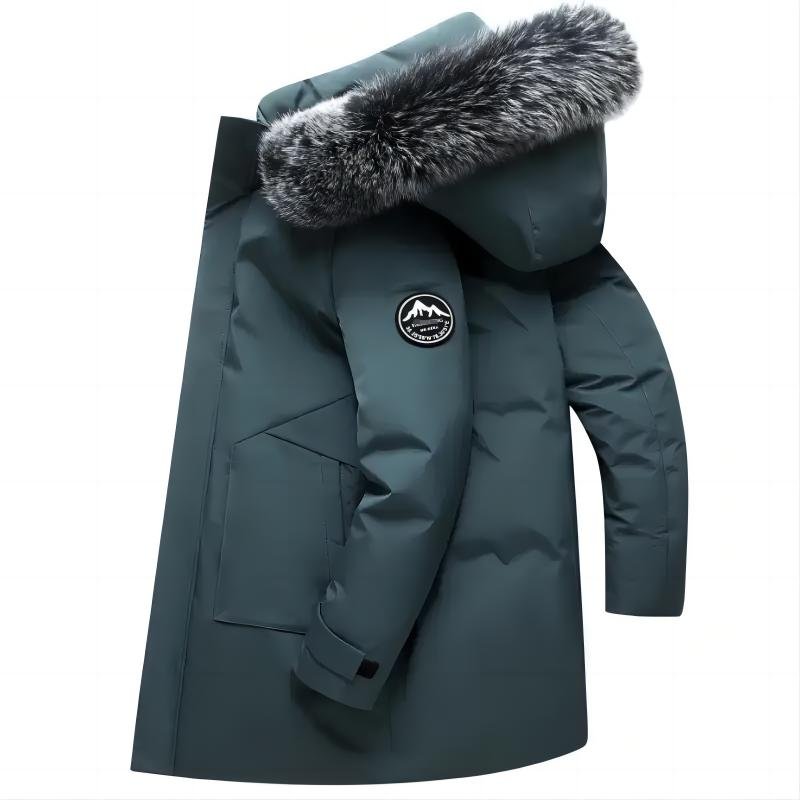
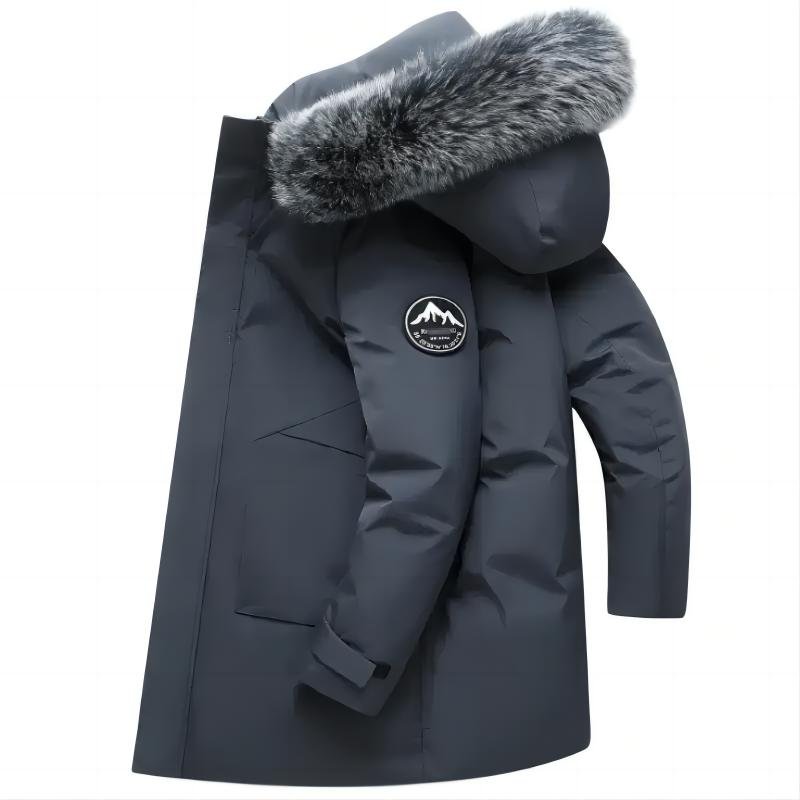
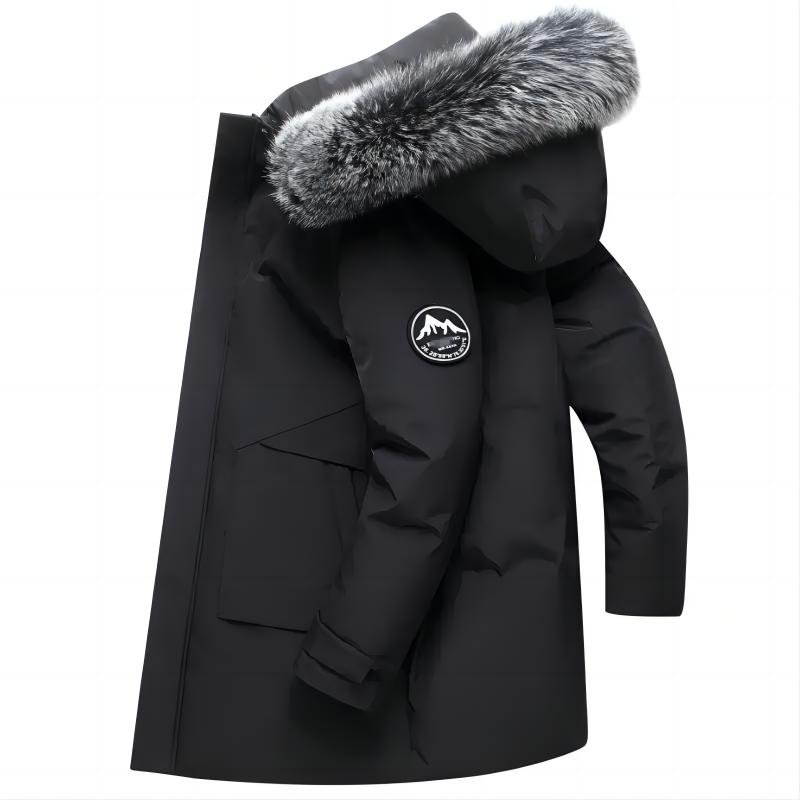
Why Choose Custom Quilted Jackets from Clothing Manufacturer Ltd
Six reasons streetwear brands, startups, and global retailers trust us to deliver — every run, every season.
5-Step QC Guarantee
Our proprietary QC process inspects materials, cutting, craftsmanship, sewing, and finishing — catching defects before they ever reach your brand.
Low MOQ, Startup-Friendly
Launch your first custom quilted jacket line with accessible minimums built for emerging labels, independent designers, and early-stage streetwear brands.
Samples Ready in 7–10 Days
Our in-house sampling team delivers market-ready quilted jacket prototypes in 7 to 10 business days, keeping your seasonal launches on schedule.
In-House Design & R&D
A 15-member R&D team backed by 10 patents brings trend-fluent streetwear expertise to every pattern, colorway, and quilting detail we develop.
Shipped to 100+ Countries
End-to-end global logistics, customs expertise, and reliable carrier partnerships ensure your custom quilted jackets arrive on time, wherever you sell.
10+ Years Streetwear Experience
Founded by a decade-seasoned manufacturing veteran, we combine deep streetwear cultural knowledge with rigorous production discipline competitors simply cannot match.
Custom Quilted Jackets for Every Brand Vision
Whether you are launching an oversized streetwear drop or a refined technical collection, our production expertise and 5-step QC guarantee deliver the right quilted jacket for your audience.
Oversized Quilted Bomber Jackets
Streetwear brands need oversized silhouettes that feel premium, not bulky. Finding a manufacturer who understands proportion, street-ready fit, and trend-forward quilting patterns is a constant sourcing headache.
Our in-house design team engineers bold oversized custom quilted jackets with exaggerated drop shoulders, deep channel quilting, and streetwear-approved fits that command attention on any feed.
Vintage-Inspired Quilted Styles
Independent designers want a worn-in, heritage aesthetic without sacrificing freshness. Most factories reproduce outdated templates and cannot translate mood-board references into a signature, authentic vintage look.
We translate your vintage references into custom quilted jackets with aged washes, diamond-stitch detailing, and tonal colorways that feel genuinely authentic and resonate with discerning, style-conscious collectors.
Technical Minimalist Quilted Jackets
Global retailers targeting premium urban consumers demand clean lines, functional details, and consistent stitching quality, but few manufacturers can deliver minimalist precision at scale without cutting corners on craftsmanship.
Our 5-step QC process ensures every seam, panel alignment, and stitch density meets exact specs, producing technical custom quilted jackets that satisfy even the most detail-obsessed premium retail buyers.
Graphic-Heavy Streetwear Quilted Jackets
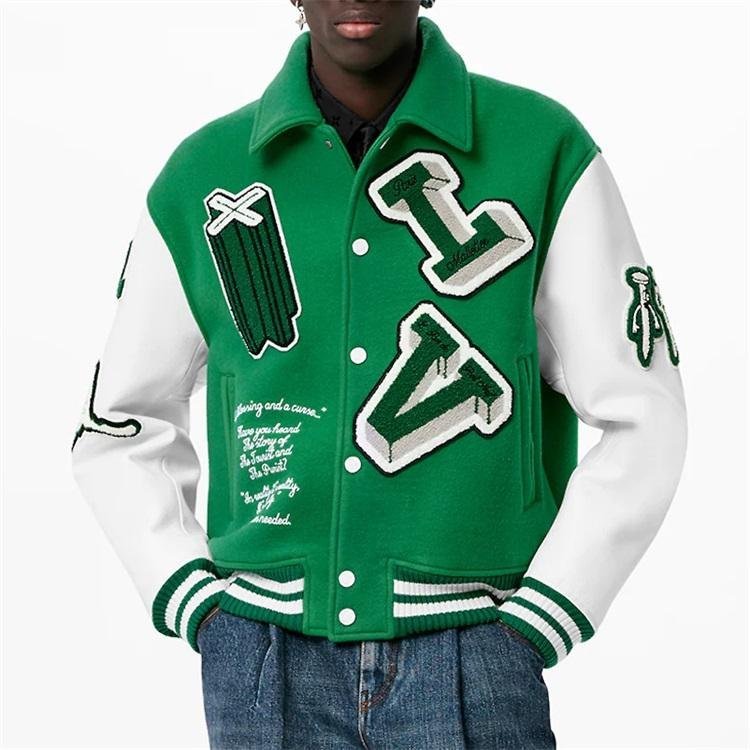
Influencer and creator brands need bold graphic treatments including embroidery, patchwork, and all-over prints that photograph brilliantly and survive real-world wear, with fast turnarounds timed to seasonal drops.
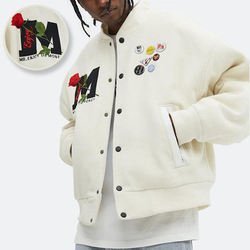
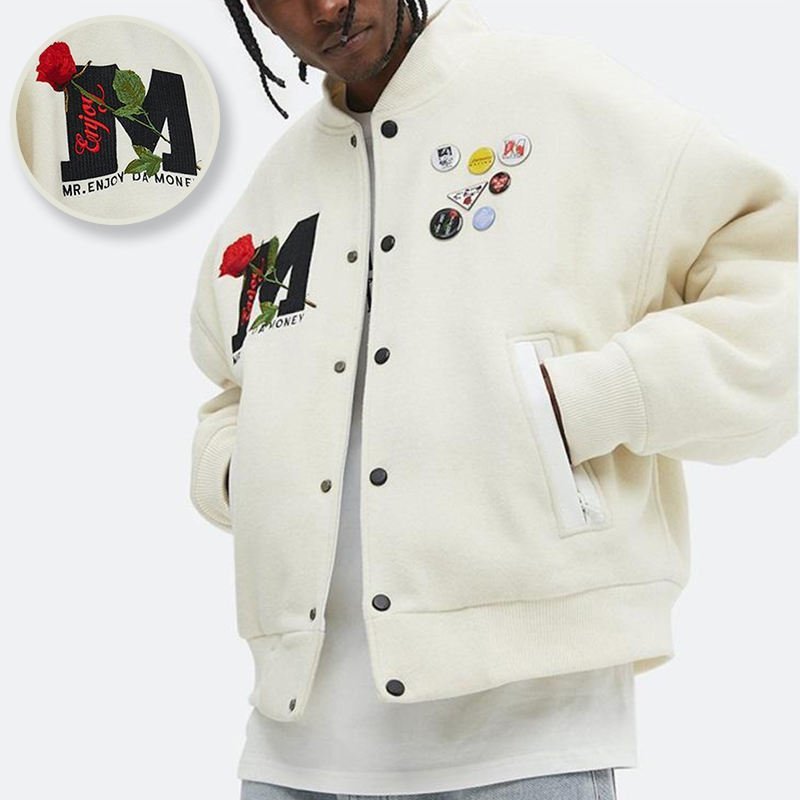
From skeleton motifs to rose and cross elements, we manufacture graphic-heavy custom quilted jackets with low MOQ, rapid sampling, and global shipping timed precisely to your collection launch date.
Premium Fabrics for Custom Quilted Jackets
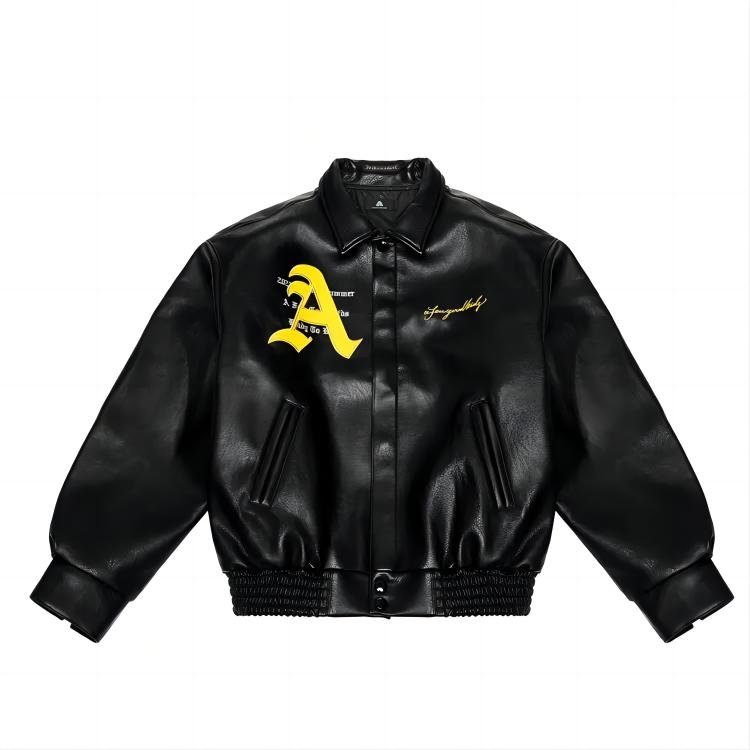
Nylon-Polyester Shell
A high-performance outer shell blending durability with lightweight flexibility, purpose-built for streetwear quilted jackets. Features a DWR water-resistant coating and a smooth hand-feel at 80–120 gsm.
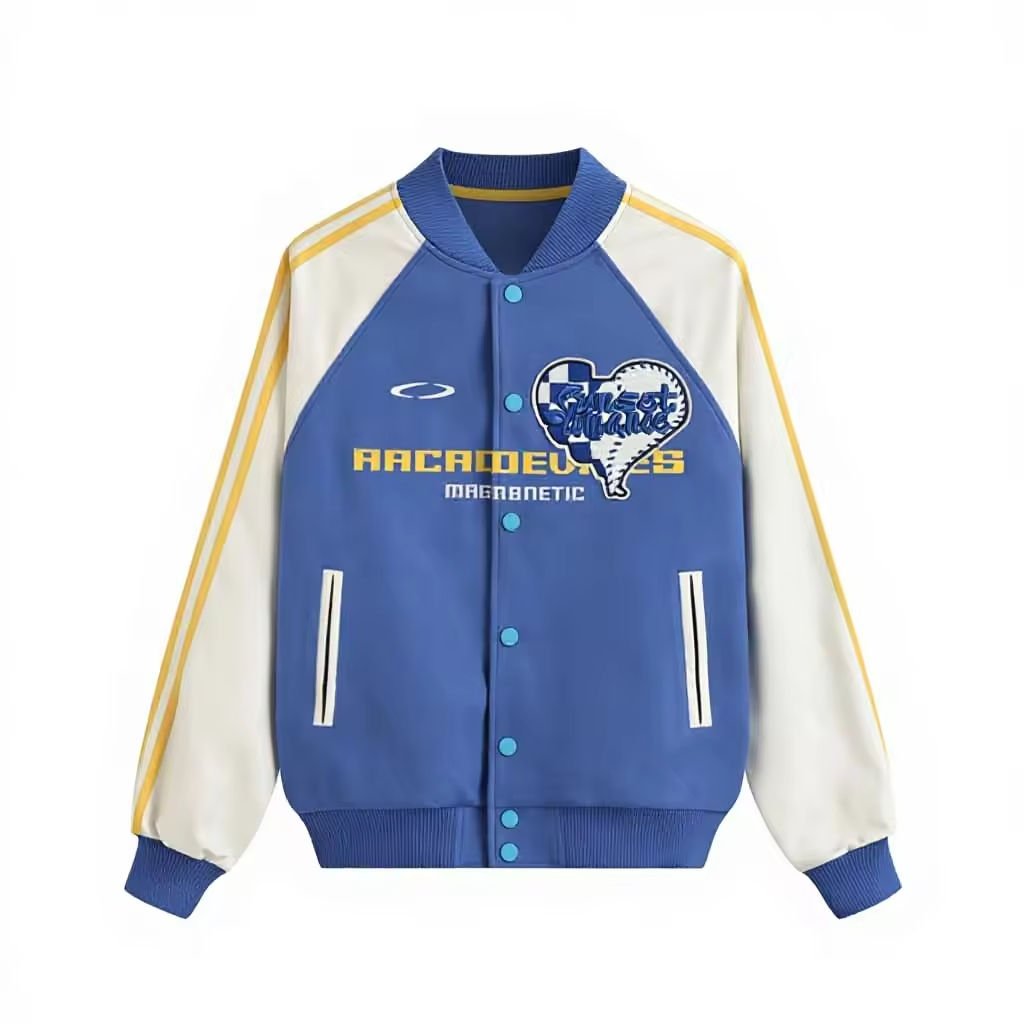
Recycled Ripstop Nylon
Crafted from GRS-certified post-consumer recycled materials, this ripstop weave delivers superior tear resistance and a clean matte finish — ideal for eco-conscious brands launching sustainable quilted jacket lines.
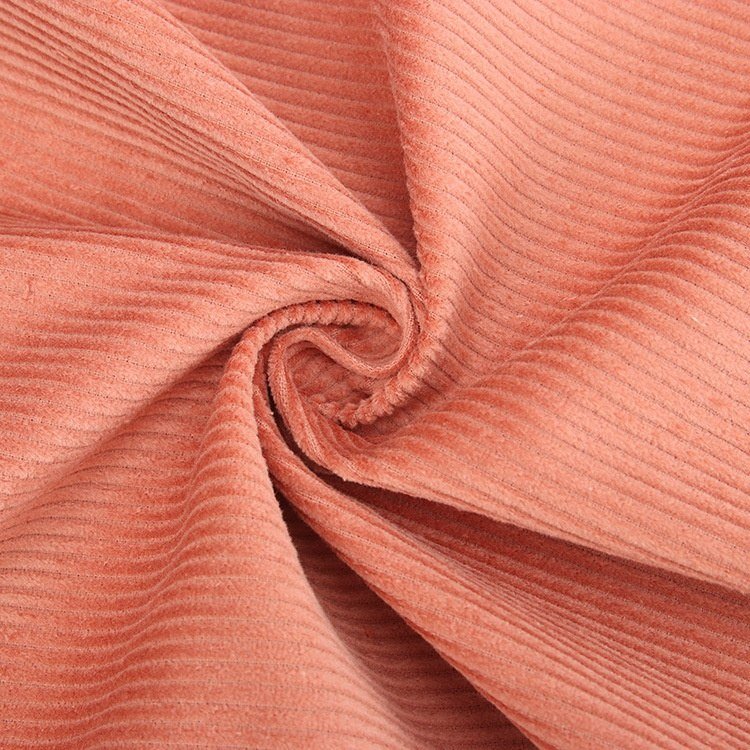
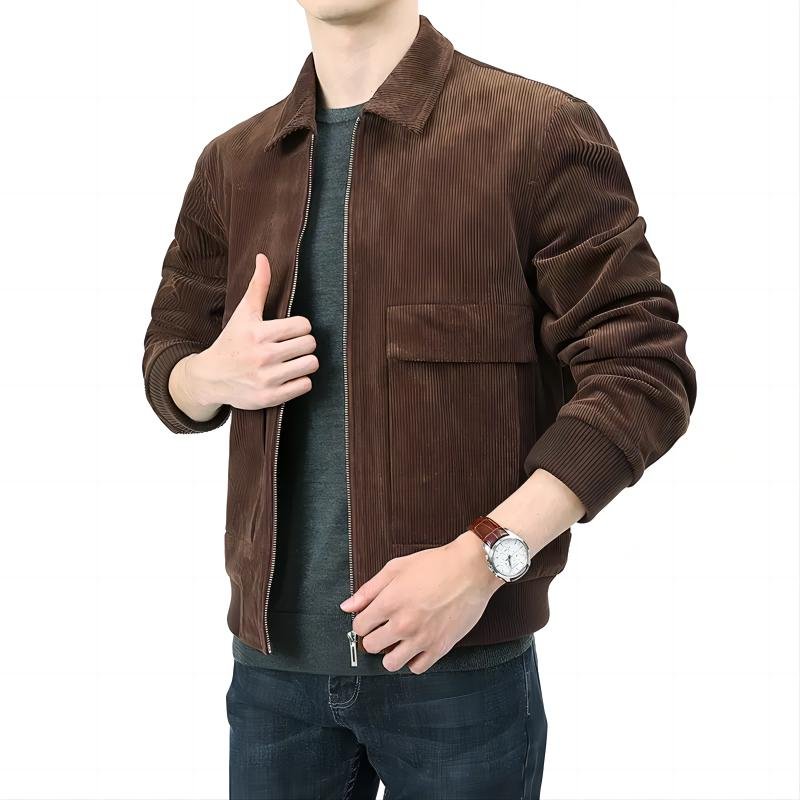
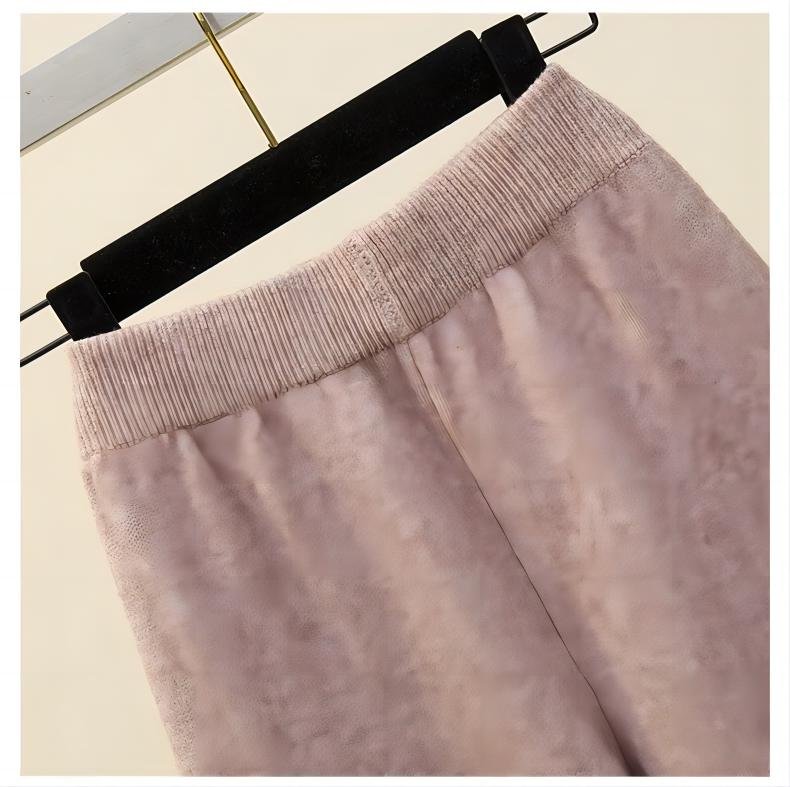
Cotton Corduroy
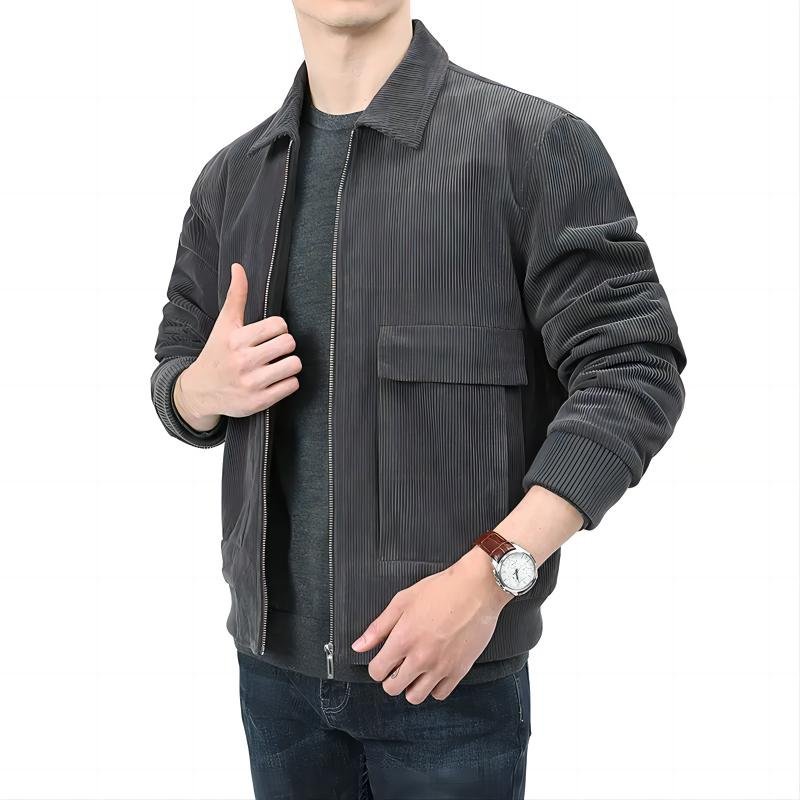
A plush, ribbed-texture fabric with a warm, tactile hand-feel that elevates fashion-forward quilted styles. Woven at 280–320 gsm for substantial structure and strong premium retail shelf appeal.
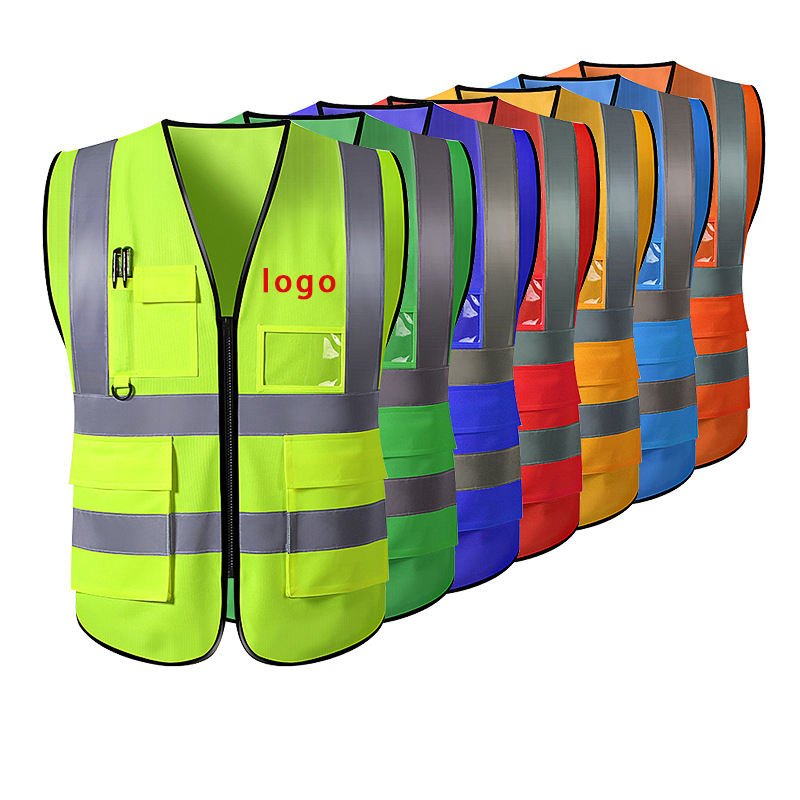
Heavyweight Canvas
A tightly woven cotton-poly canvas delivering rugged durability and a structured hand-feel, ideal for utility and workwear-inspired quilted jacket silhouettes. Rated at 350–400 gsm for maximum body and longevity.
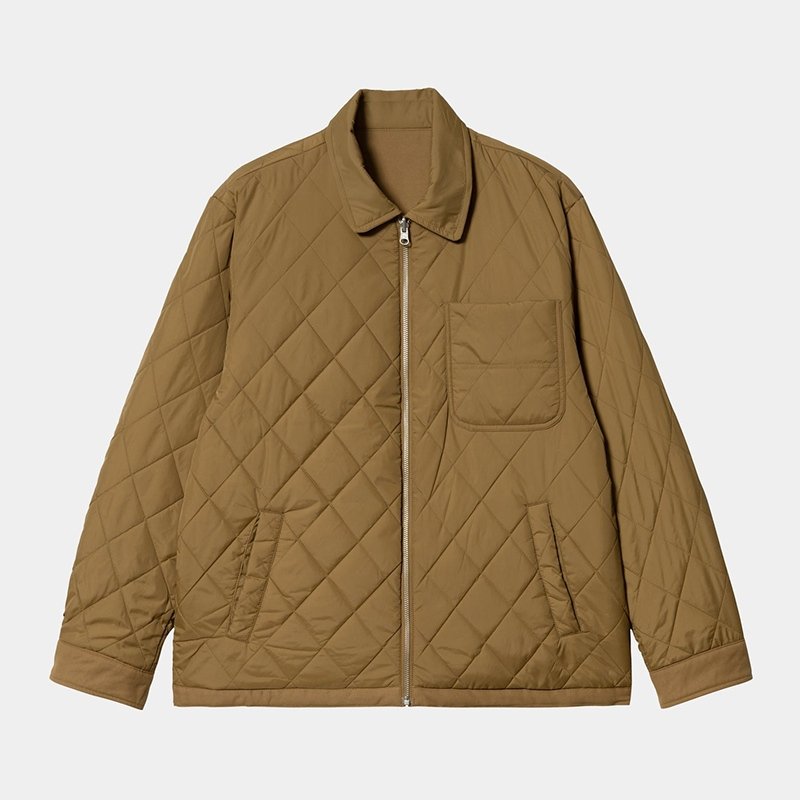
Polyester Twill
A smooth diagonal-weave fabric that drapes beautifully and resists wrinkles, making it a versatile choice for premium quilted jacket outer shells and statement linings at 150–200 gsm.
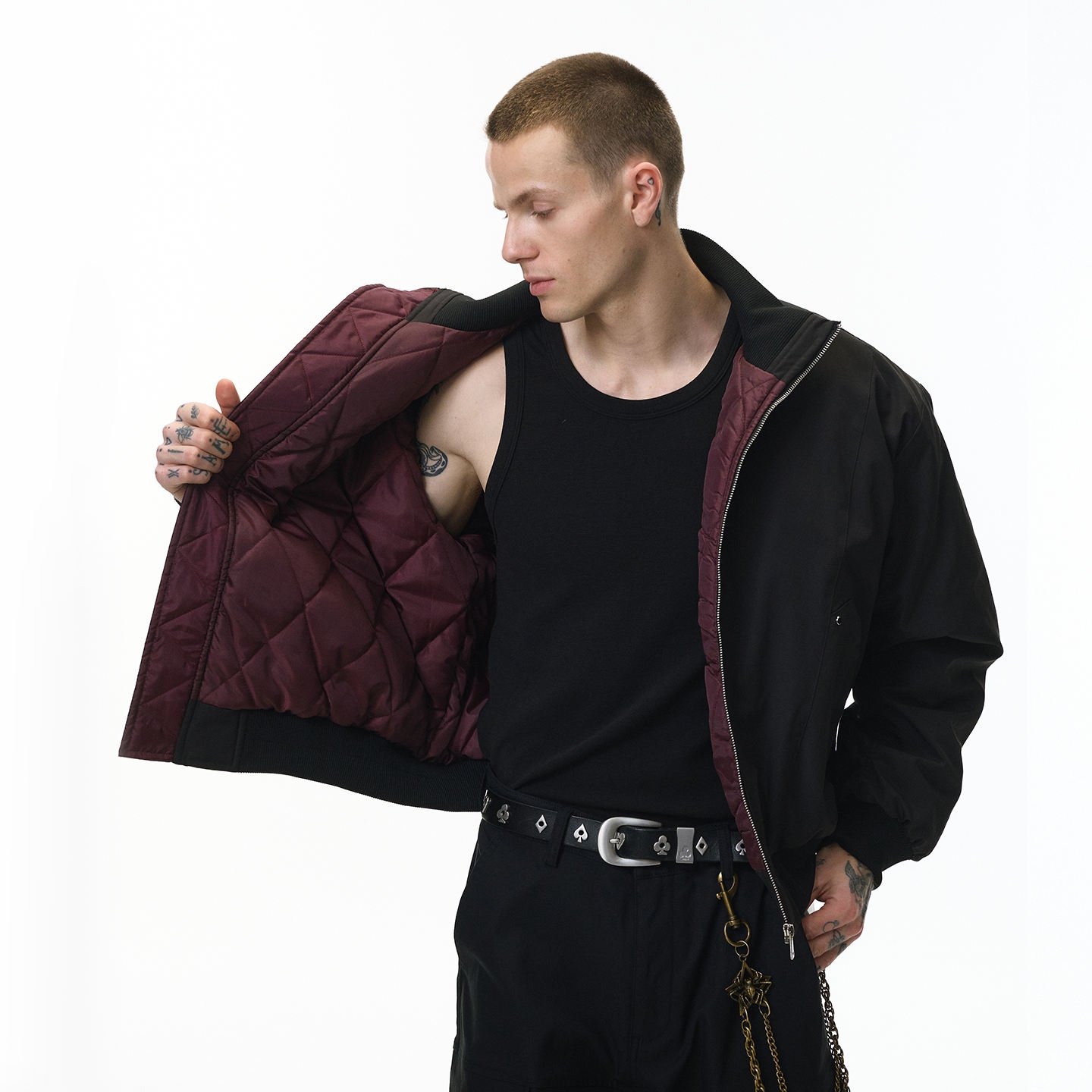
Oxford Nylon Cloth
A PU-coated Oxford weave engineered for wind and water resistance suited to technical outerwear quilted jackets. The tight grid construction adds bold visual texture across 200D–600D weight ranges.
Production Techniques for Premium Custom Quilted Jackets
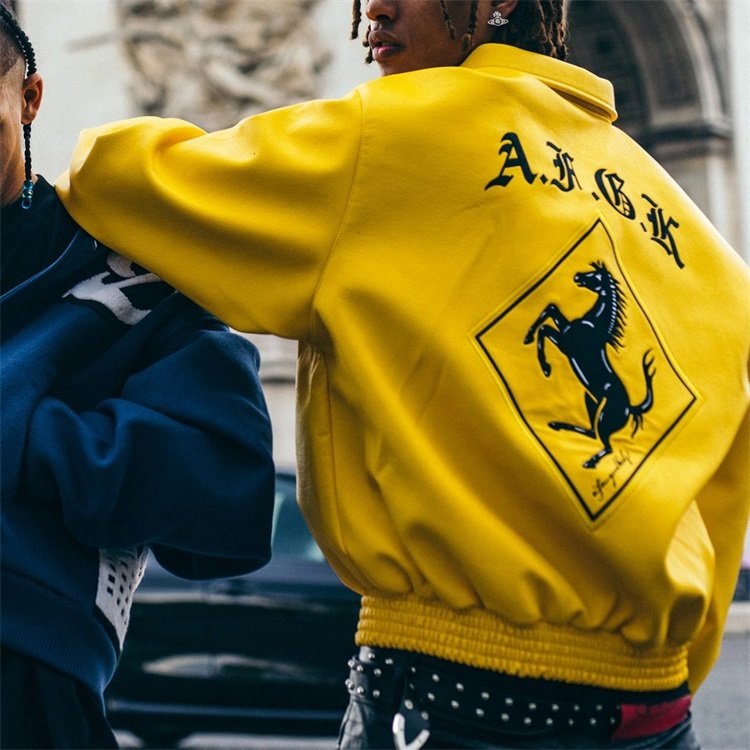
Channel Quilting
Parallel stitched channels run vertically or horizontally across panels, creating bold linear structure. The technique locks insulation firmly in place and adds dimensional texture that elevates streetwear silhouettes with a refined, editorial edge.
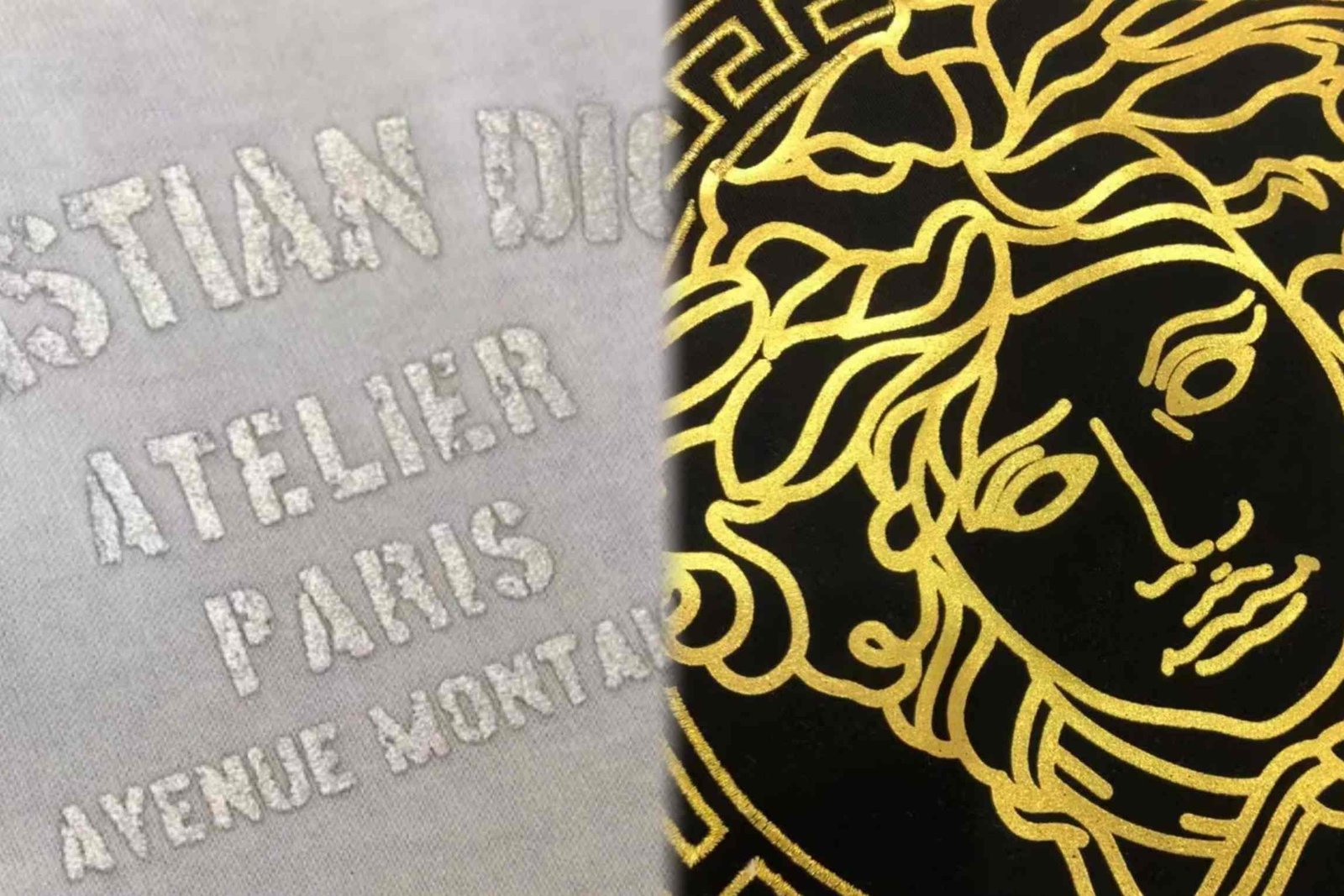
Diamond Quilting
A classic diamond grid stitched across the face fabric signals premium craftsmanship at first glance. The pattern holds fill evenly for consistent warmth while delivering a polished, high-fashion look that resonates with trend-conscious buyers.
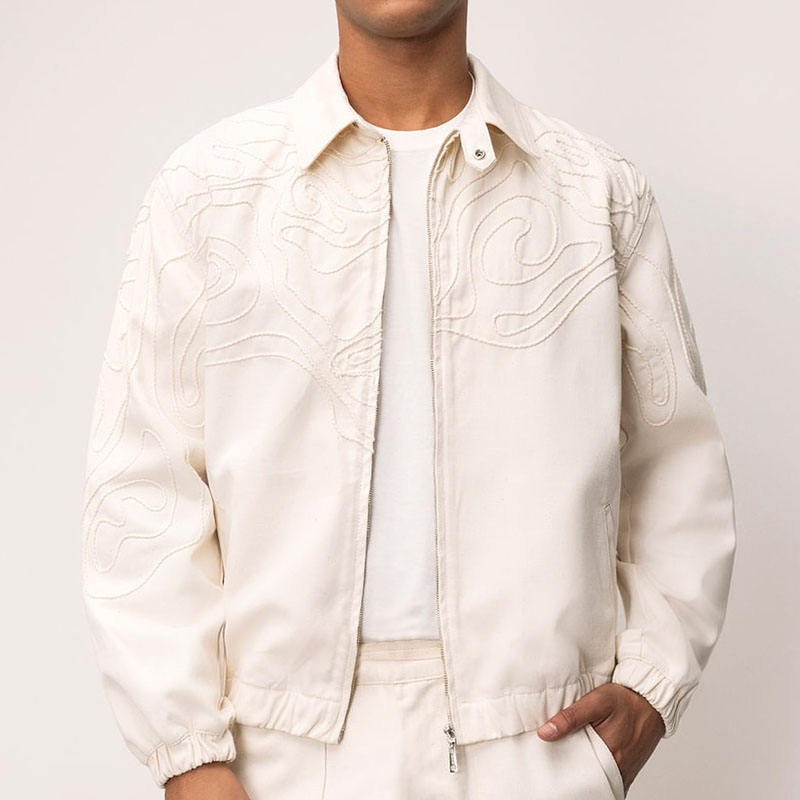
Boxy Quilting
Oversized square panels stitched across the shell create a bold, architectural silhouette that commands attention. Perfect for brands pursuing a modern, graphic-forward aesthetic with a structured urban edge that photographs powerfully on social media.
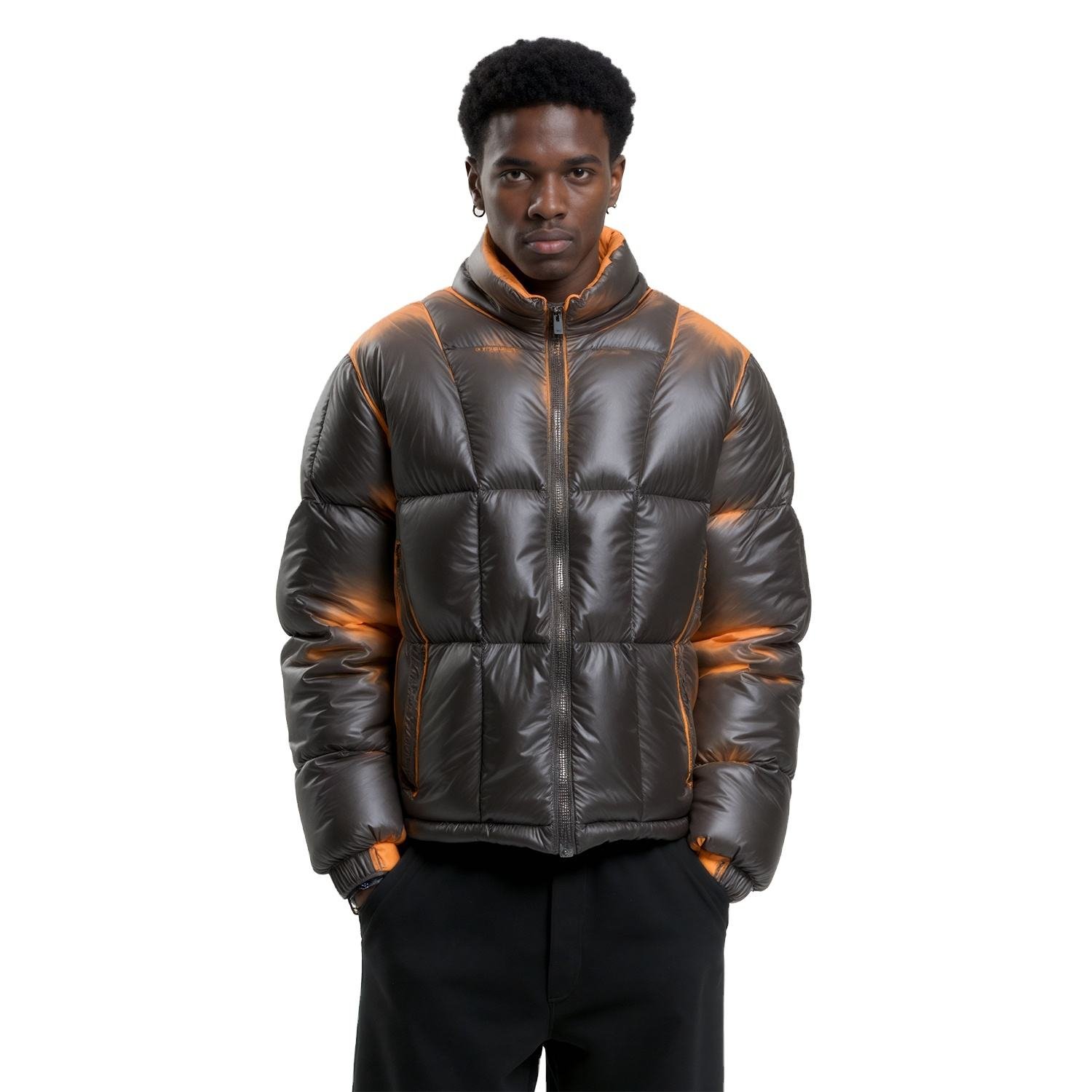
Puffer Quilting
Inflated baffle construction seals down or premium synthetic fill into individual chambers, achieving maximum loft and the iconic puffer profile. Delivers reliable insulation, clean visual rhythm, and the seasonal hero silhouette streetwear brands depend on.
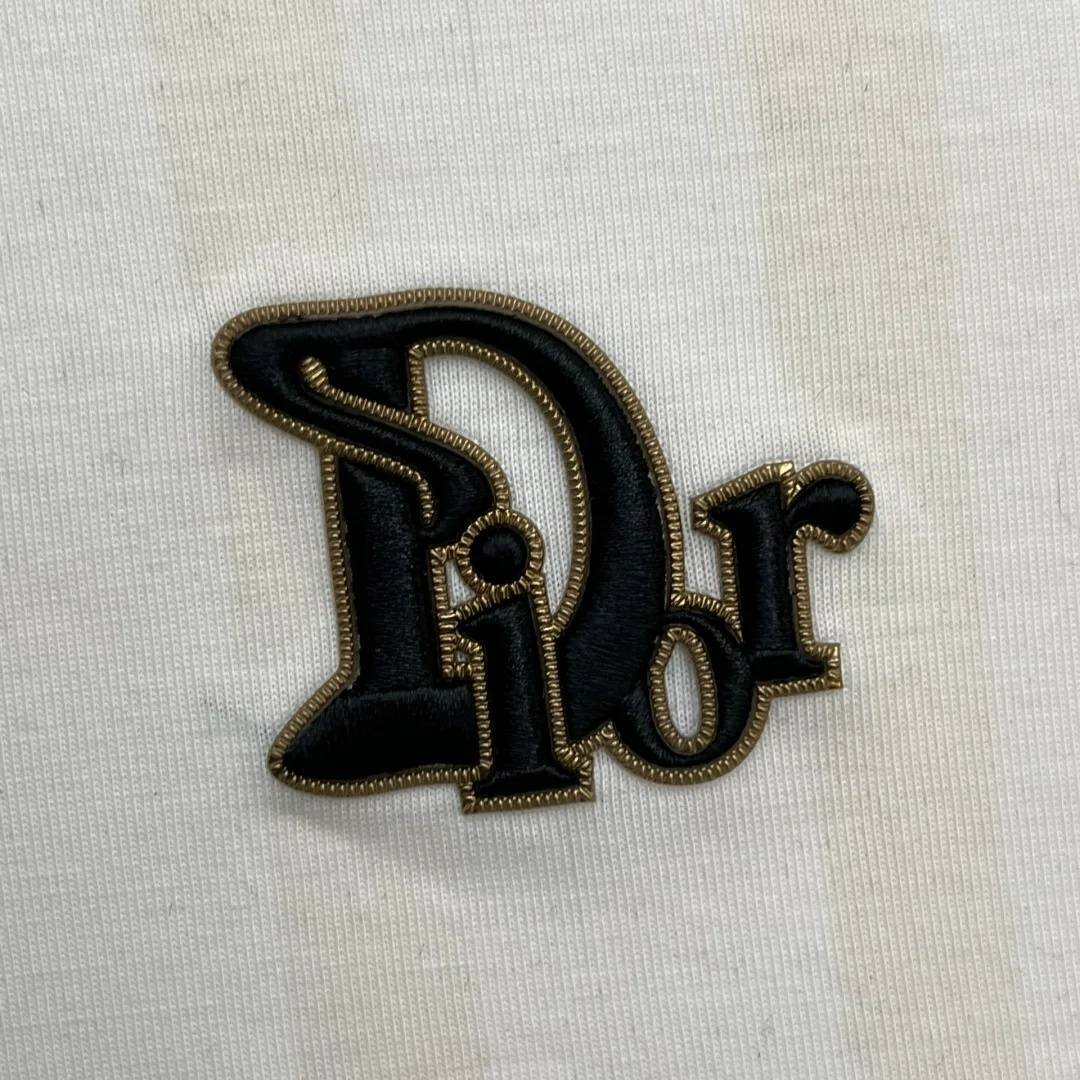
Embroidery Application
Digitized thread artwork is stitched directly onto quilted panels, producing sharp logos, motifs, and brand marks with rich tactile depth. The result is a durable, premium finish that communicates craftsmanship and brand identity through every stitch.
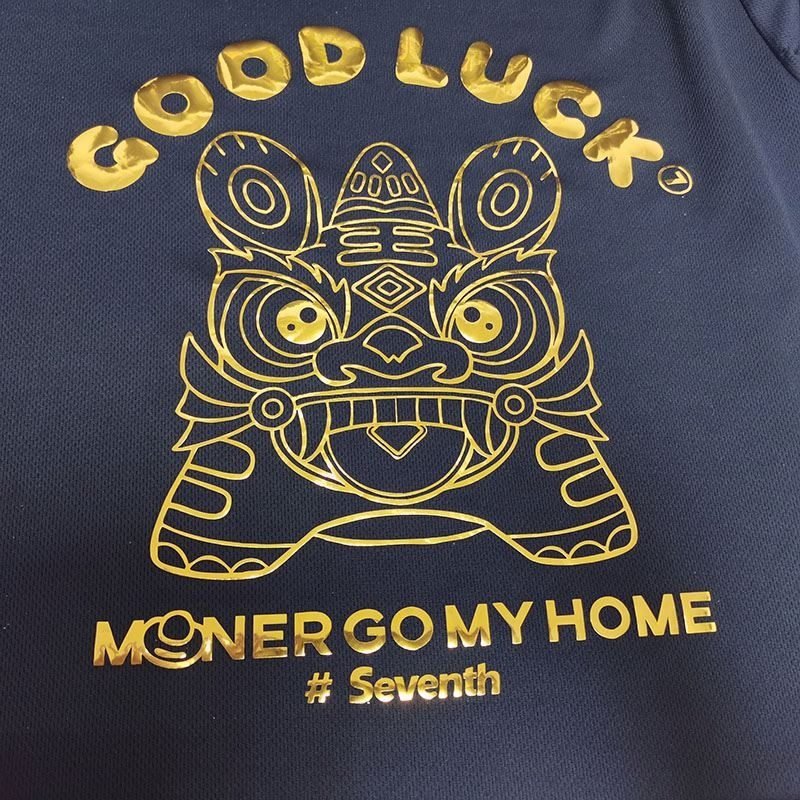
Screen Printing
Bold, opaque ink is pushed through fine mesh screens onto jacket panels, delivering high-contrast graphics and vibrant streetwear visuals. The process suits large-format artwork and holds color integrity through years of repeated washing and wear.
Customization & Finishing Accessories for Custom Quilted Jackets
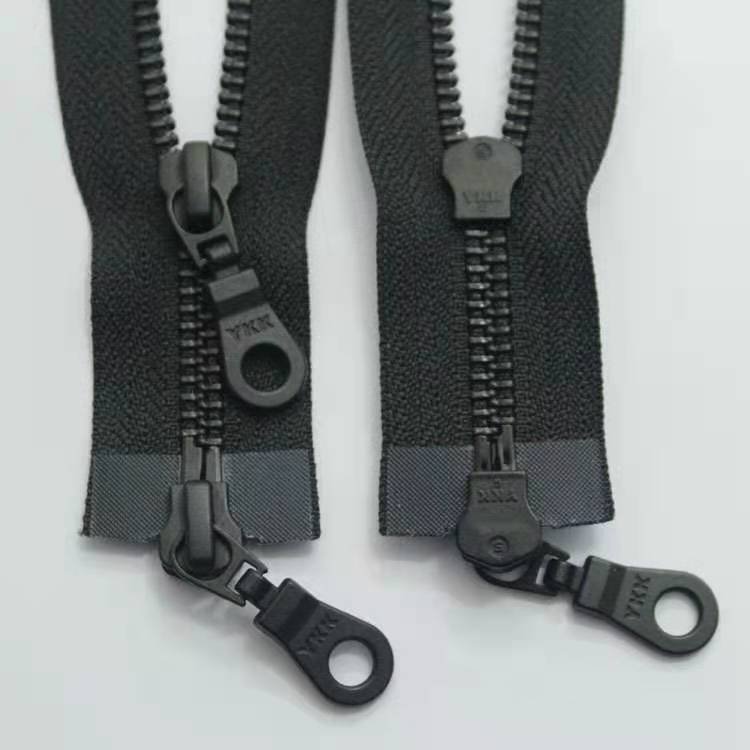
YKK Zippers
Industry-standard YKK zippers deliver smooth operation and long-term durability. Available in brass, nickel, and antique finishes to match your custom quilted jacket’s colorway and premium brand positioning.
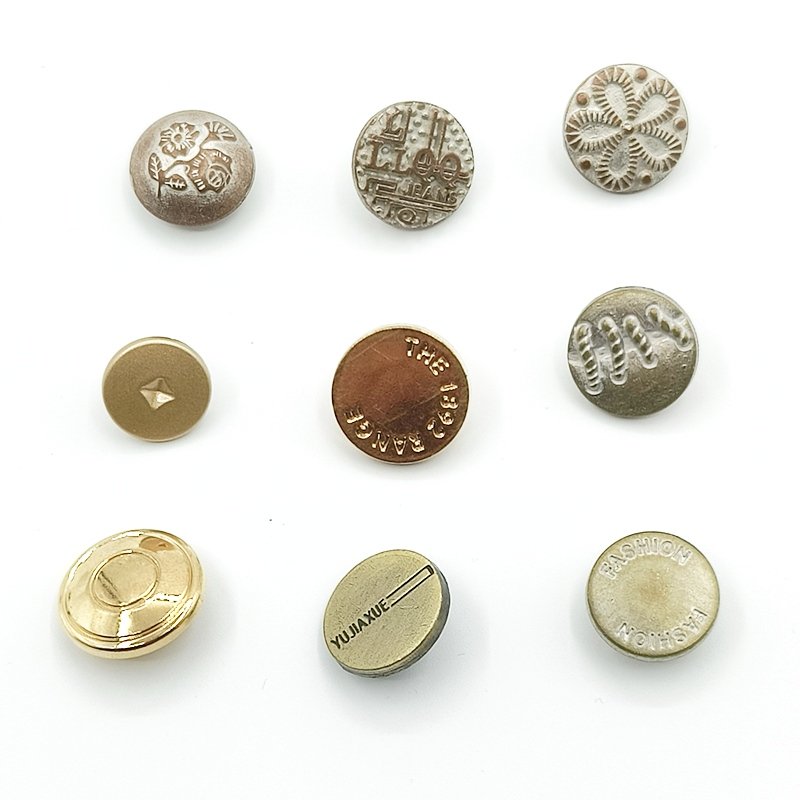
Metal Snap Buttons
Reinforced metal snaps add a utilitarian streetwear edge to plackets, pockets, and cuffs. Ideal for quilted jackets that demand secure closure alongside a bold, hardware-forward aesthetic your customers love.
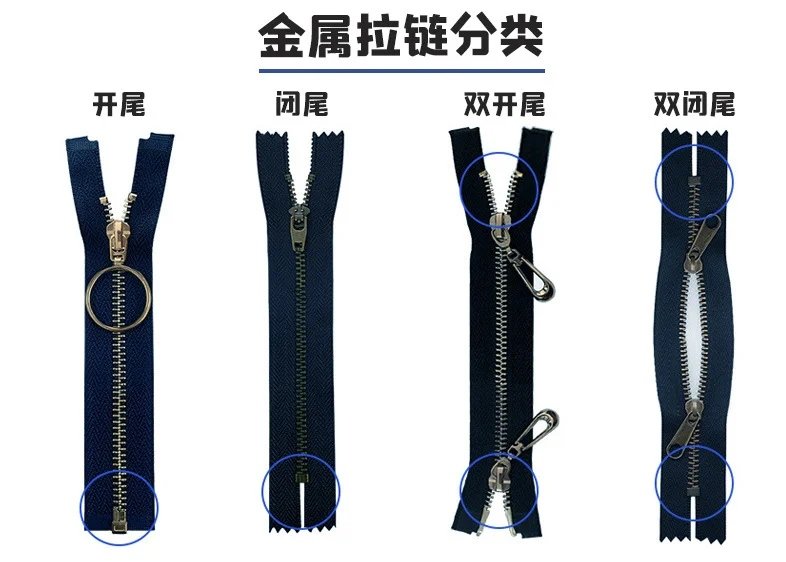
Drawcords & Tipping
Custom-dyed drawcords with branded aglet tipping for hoods and hemlines. A subtle yet high-impact finishing detail that elevates silhouette definition and signals craftsmanship on every garment leaving our facility.
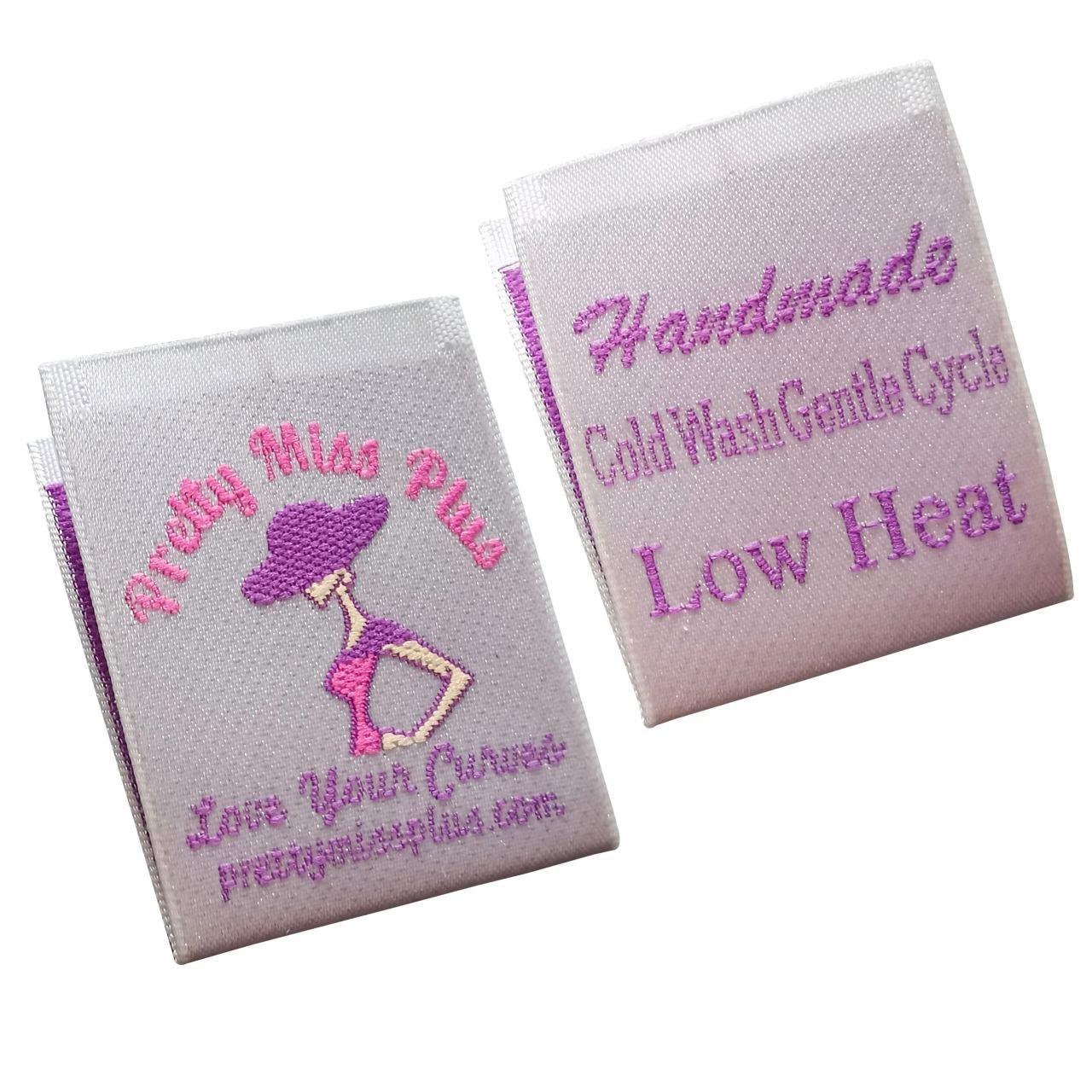
Woven Brand Labels
Precision-woven neck and care labels carry your brand name, sizing, and origin story. High-thread-count construction ensures crisp clarity and wash-after-wash durability inside every custom quilted jacket you ship worldwide.
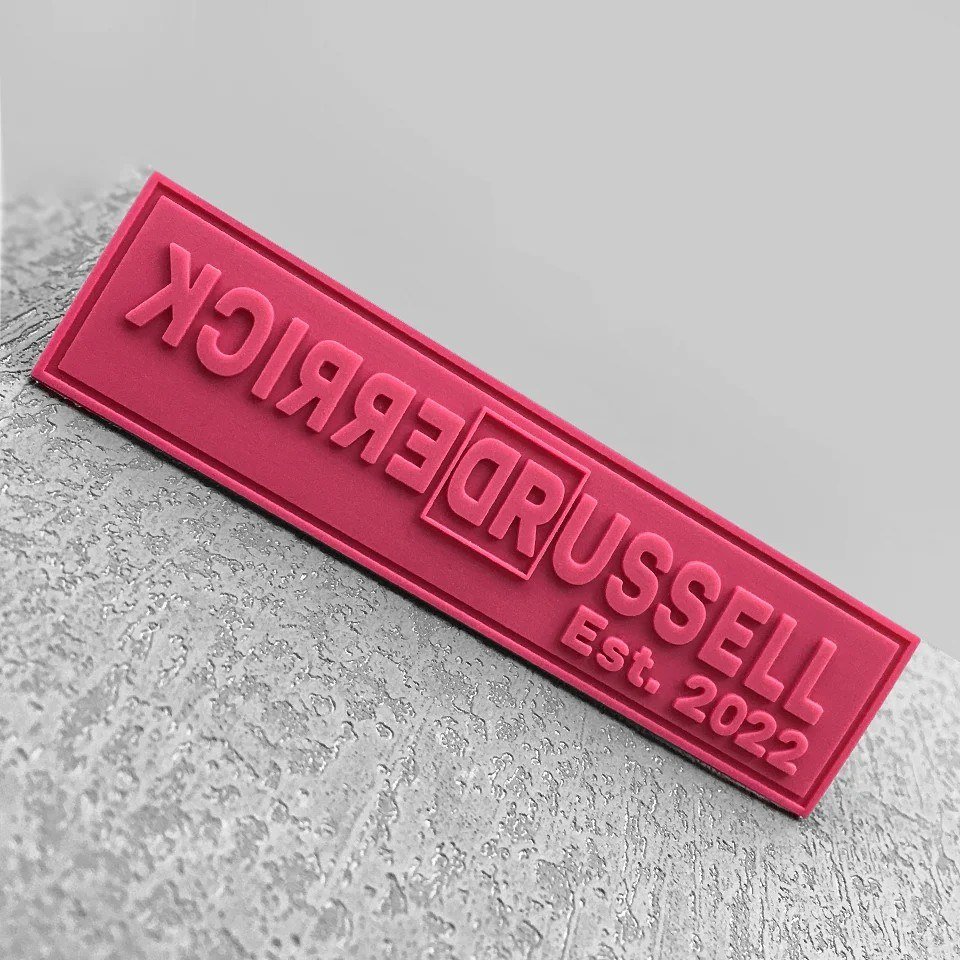
Custom Hang-Tags
Fully branded hang-tags printed on premium card stock with your logo, QR codes, or sizing charts. The first tactile brand touchpoint your customer experiences when unboxing your custom quilted jacket.
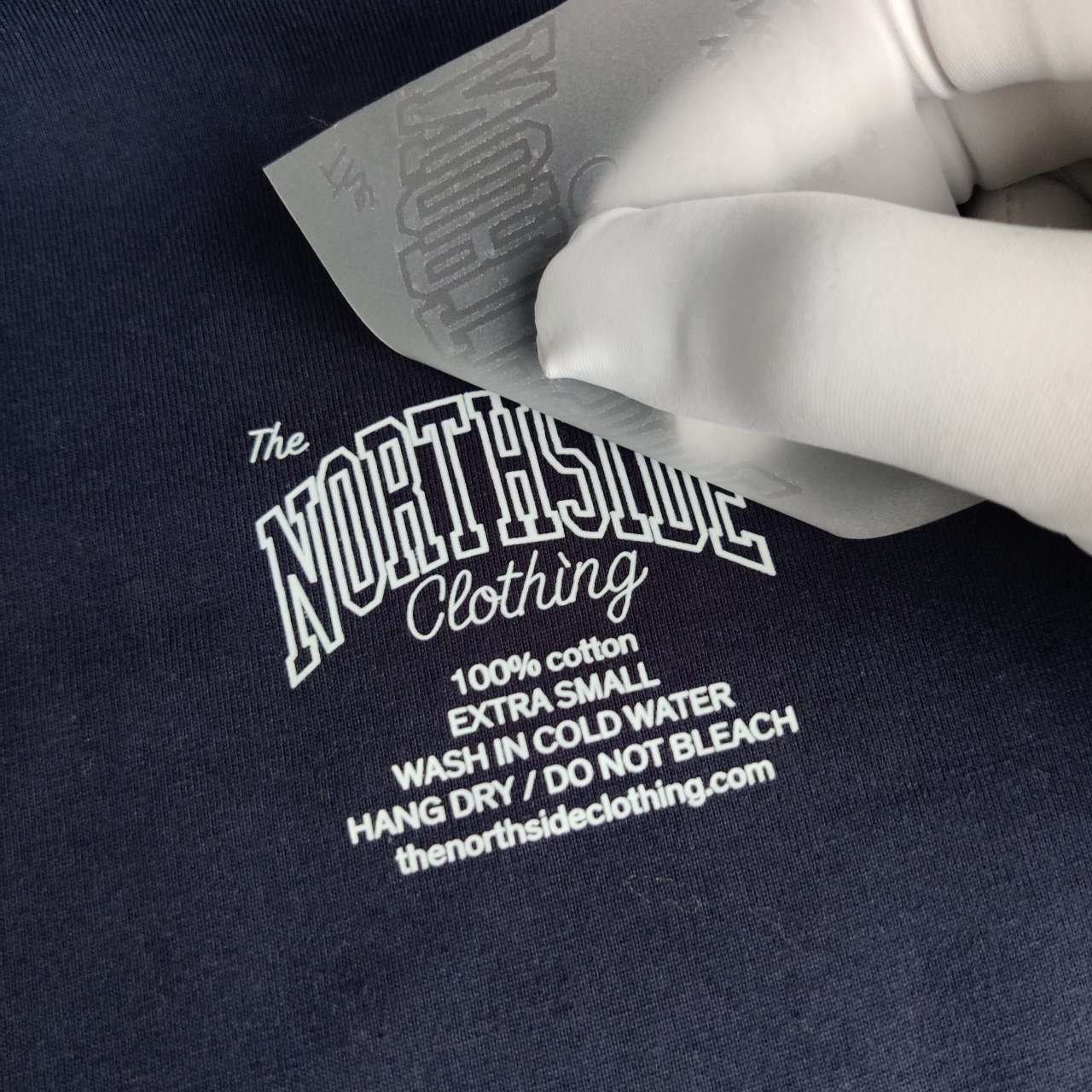
Heat-Transfer Patches
Vibrant heat-transfer patches let you apply complex streetwear graphics — skulls, roses, or signature logos — directly onto quilted shell fabric without disrupting surface texture or adding unwanted structural bulk.
The Story Behind Our Custom Quilted Jackets
Tesla Luo founded Clothing Manufacturer Ltd. in 2024 with a mission shaped by over ten years on factory floors — cutting, sewing, QC, and shipping. Raised by senior garment professionals and trained across every production role from childhood, he built this company to do what most manufacturers skip: embed rigorous quality control at every stage of production, not just the end.
Since launching, the company has served customers across more than 100 countries, backed by a 15-member R&D team and 10 production patents. Operating from Humen Town — the historic heart of China’s garment industry — and supported by parent company Dongguan TuoZhen Clothing Co., Ltd., we offer low MOQ runs for emerging labels and scalable, reliable production for global retailers alike.
What truly sets us apart is our proprietary five-step QC process — covering materials, cutting, crafting, sewing, and finished inspection — applied to every custom quilted jacket we produce. Combined with deep cultural fluency in streetwear design trends and a proven track record of helping brands grow from zero to hundreds of thousands of followers, we are not just a manufacturer. We are your dedicated production partner.
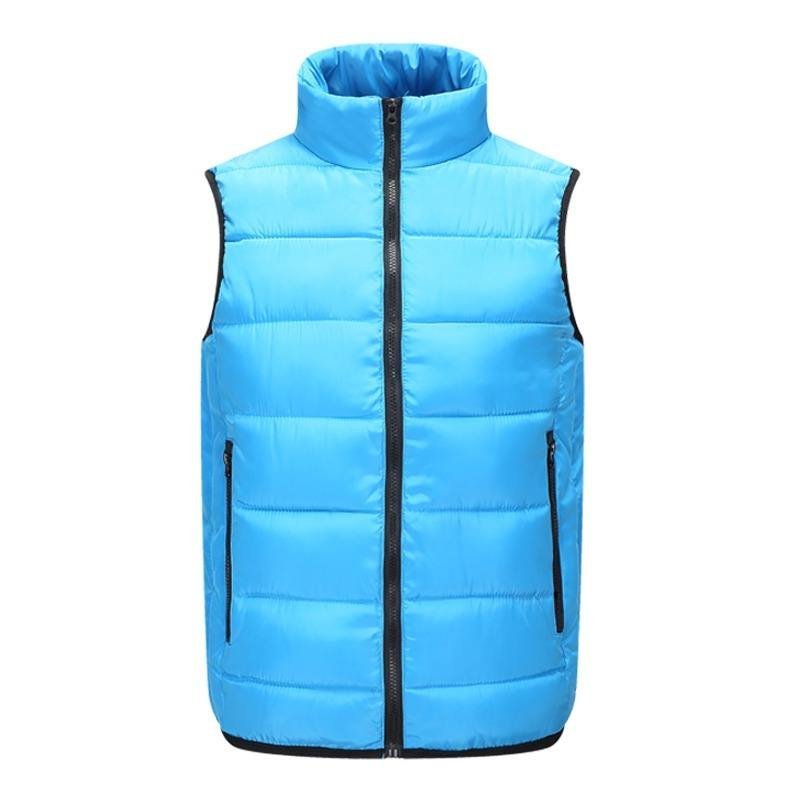
The 5-Step Quality Control Defining Our Custom Quilted Jackets
Step 1: Materials QC Before Production Starts
Every fabric bolt, quilted fill, lining, and hardware component is tested against your approved spec before cutting begins — verifying weight, colorfastness, shrinkage resistance, and insulation performance so only premium materials enter your production run.
- Fabric weight, hand-feel, and tensile strength verified against brand spec
- Colorfastness and wash-shrinkage testing on all shell and lining materials
- Fill power and insulation loft confirmed for quilted layers
- Zipper pulls, snaps, and trim hardware inspected for finish and strength
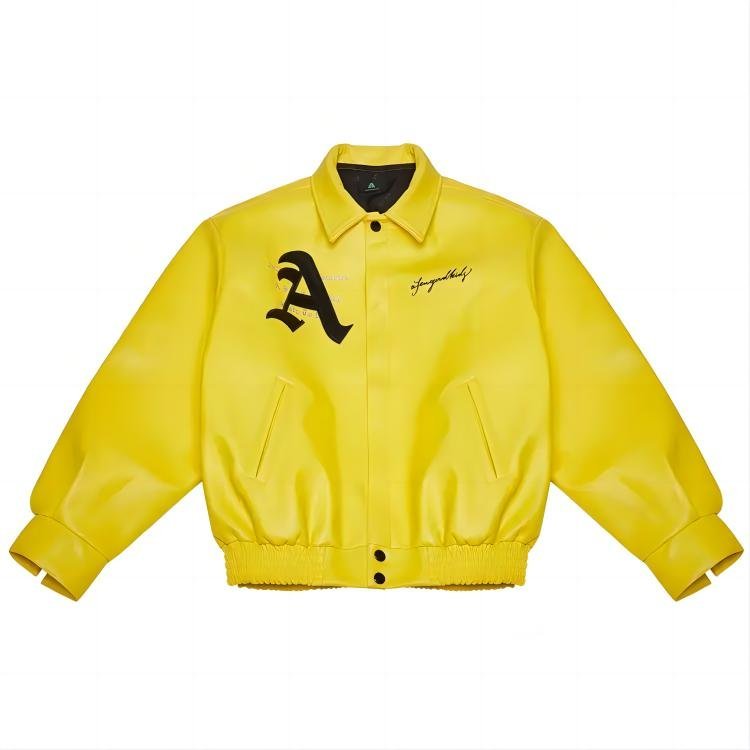
Step 2: Precision Cutting Checked Panel by Panel
Cutting defects silently multiply downstream — so every panel is measured against the approved tech pack before it reaches a single sewing machine. Miscut pieces are replaced at source, protecting your lead time and material budget.
- Panel dimensions cross-checked against approved patterns to millimeter tolerances
- Fabric grain direction and nap orientation confirmed per cut marker
- Notch and drill-mark accuracy verified for downstream assembly alignment
- Rejected panels replaced immediately, preventing defects from compounding
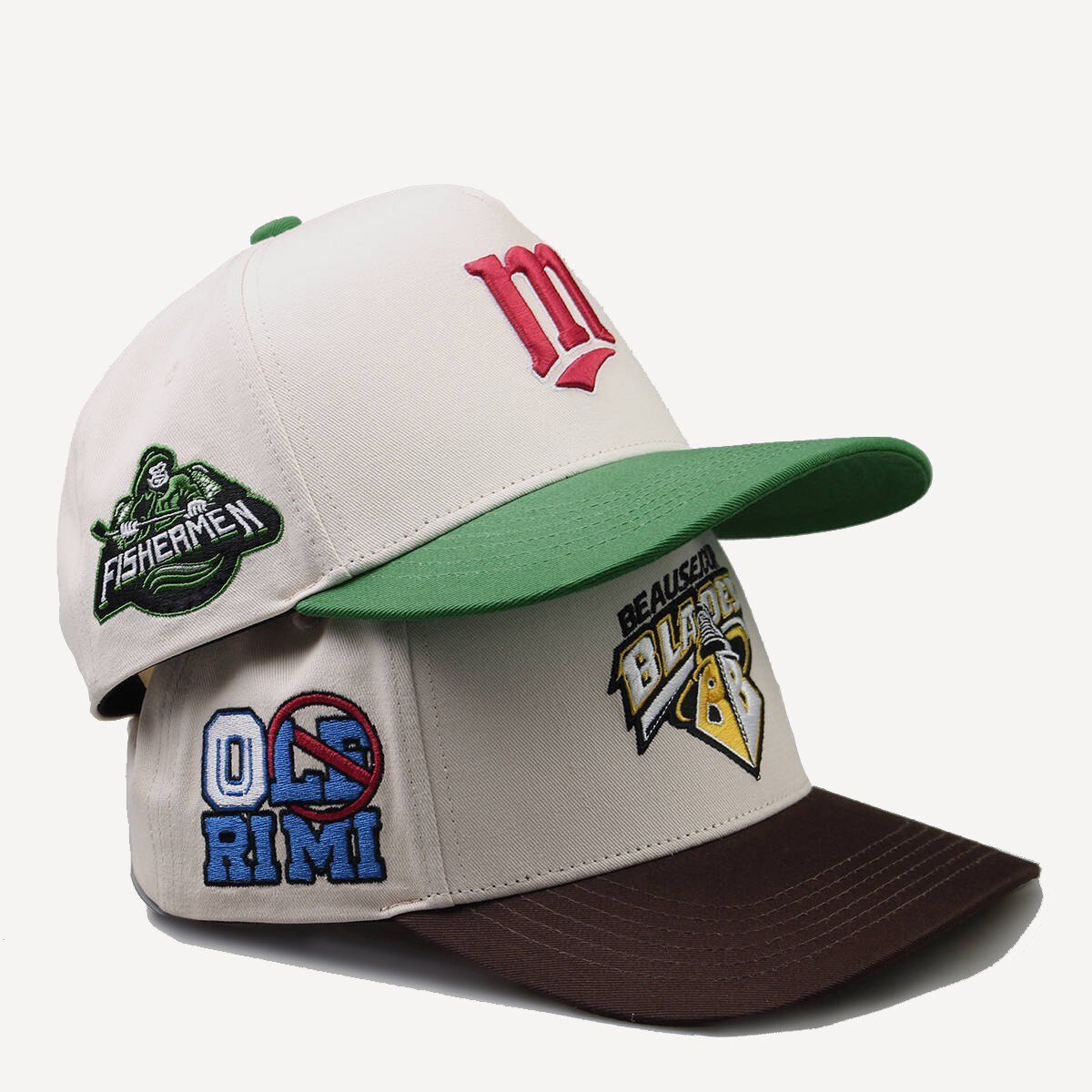
Steps 3-4: Craft and Inline Sewing QC
From quilting stitch density to inline seam strength, our inspectors work alongside the production line — catching construction errors as they form, not after an entire batch is sewn and the window for correction has closed.
- Quilting stitch pattern, density, and tension verified against approved samples
- Pocket, zipper, and closure placement measured at regular production intervals
- Inline seam strength and stitch integrity checked throughout sewing runs
- Embroidery, prints, and patches confirmed for registration and brand consistency
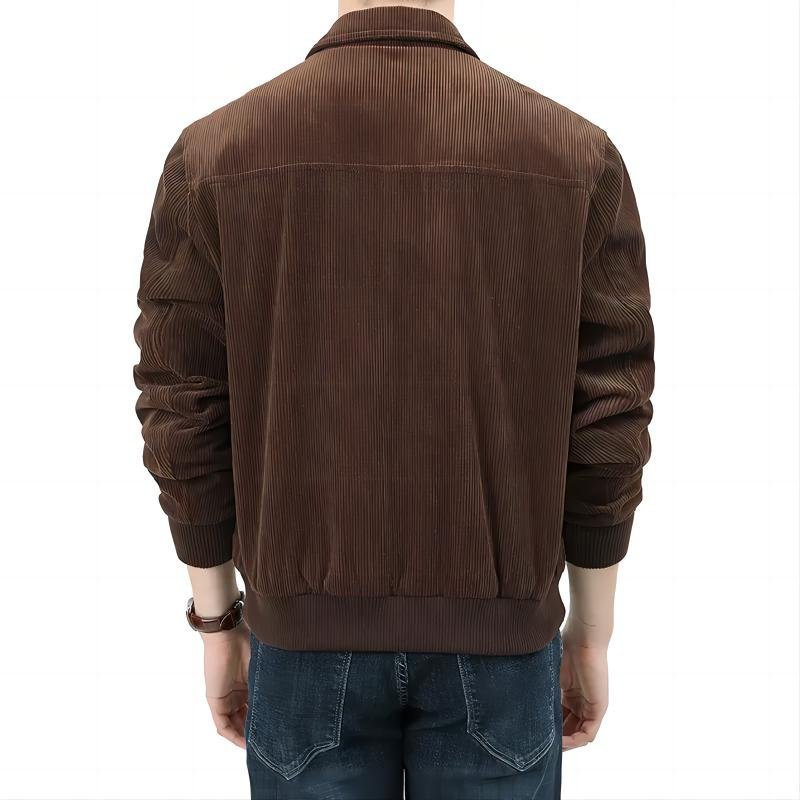
Step 5: Zero-Compromise Finished Goods Inspection
Every finished custom quilted jacket undergoes a comprehensive final inspection before packaging — checking overall appearance, measurement conformance, hardware function, and packaging integrity to ensure what ships to your customers is exactly what you approved.
- Full measurement audit against size spec sheets across every SKU
- Hardware function tested — zippers, buttons, snaps, and drawcords all confirmed
- Surface finish, quilting uniformity, and overall appearance evaluated under standard lighting
- Packing verified for correct labeling, hang tags, and polybag protection
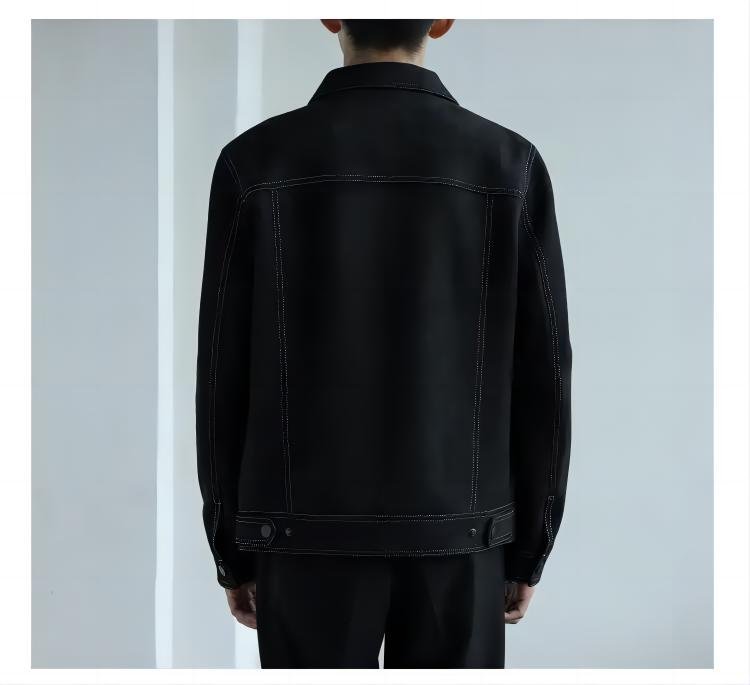
Why Global Brands Choose Our Custom Quilted Jackets
From a 5-step QC guarantee to founder-led expertise and low MOQs — here is the side-by-side proof.
← 左右滑动查看 →
How We Produce Your Custom Quilted Jackets — Fabric to Finished
A transparent, stage-by-stage production process with quality checks embedded at every phase — so every jacket ships right, on schedule, every time.
Fabric Sourcing & Materials QC
We source premium quilted fabrics — nylon, polyester, down-fill, and more — and subject every batch to rigorous materials QC testing before a single cut begins.
Design, Pattern & Sampling
Our 15-member R&D team develops your patterns, tech packs, and pre-production samples for approval, locking in your vision before full-scale manufacturing starts.
Precision Cutting & Quilting
Panels are cut to exact specifications and quilted with signature stitch patterns. Cutting QC and craft QC testing verify dimensional accuracy and stitch integrity.
Sewing, Print & Embroidery
Skilled sewers assemble each jacket under real-time sewing production QC oversight. Custom printing, embroidery, and branded hardware are applied and inspected simultaneously.
Finished Goods QC Inspection
Every custom quilted jacket passes our comprehensive 5-step finished goods inspection — checking fit, stitching, hardware, and aesthetics — before any piece leaves our facility.
Packing & Global Shipping
Approved jackets are packed to your brand standards and dispatched via our global logistics network, delivering to customers in over 100 countries accurately and on schedule.
Partner With Us: Your Custom Quilted Jacket Journey
Getting your custom quilted jackets from concept to market is straightforward. Follow these five steps and let our team handle the rest.
Share Your Design and Tech Pack
Submit your concept, artwork, and tech pack. Our in-house design team reviews your brief and returns a tailored quote within 24 hours.
Receive Your Sample in 7 to 10 Days
We craft a first sample of your custom quilted jacket in your chosen fabrics and construction, delivered for your hands-on review in as few as 7 to 10 days.
Approve, Refine, and Lock It In
Provide feedback and we iterate until every detail is right — quilting pattern, fit, hardware, and branding — then lock the approved sample before bulk production begins.
Bulk Production With 5-Step QC
Full-scale production launches with our proprietary 5-step quality control applied at every stage — materials, cutting, crafting, sewing, and final inspection — before a single unit ships.
Pack, Ship, and Scale Globally
Your finished custom quilted jackets are packed to your brand standards and dispatched worldwide through our global logistics network, fully tracked from our factory to your door.
Certified Quality Behind Every Custom Quilted Jacket We Build
What Global Streetwear Brands Say About Our Custom Quilted Jackets
We dropped our first custom quilted jackets run with Clothing Manufacturer Ltd. and grew from 8,000 to 84,000 Instagram followers in four months. The streetwear design team understood our aesthetic instantly, and the 5-step QC meant zero returns from our community.
As a startup, I feared sampling delays would kill our launch window. Clothing Manufacturer Ltd. delivered finished quilted jacket samples 3 days ahead of schedule. Low MOQ let me test 4 colorways without overcommitting cash — exactly what an emerging label needs.
We benchmark every supplier against strict retail QC standards. Clothing Manufacturer Ltd.’s custom quilted jackets posted a 99.2% pass rate on our internal audit — the highest score we’ve recorded from any Asia-based manufacturer. We’ve placed 3 reorders in under 6 months.
Custom Quilted Jackets FAQ — MOQ, Samples, Lead Time & More
Straight answers from our production team on every question buyers ask before placing their first order.
What is the minimum order quantity (MOQ) for custom quilted jackets?
How long does sample turnaround take for custom quilted jackets?
What fabric options are available for custom quilted jackets?
How do you protect my designs and intellectual property when I order custom quilted jackets?
What payment terms do you offer for bulk orders?
Do you ship custom quilted jackets worldwide?
Does bulk reorder pricing improve after the first order?
How many design revisions are allowed before production is locked?
Can you handle fast turnaround for seasonal or trend-driven streetwear drops?
The Complete Buyer’s Guide to Custom Quilted Jackets
Discover how to confidently source custom quilted jackets — with a proven decision framework, essential supplier criteria, material comparisons, and the costliest mistakes brands must avoid before placing their first order.
1. What Are Custom Quilted Jackets?
Three structural layers — a shell fabric, a middle batting (typically 80–200 GSM polyester fill or down), and an inner lining — sewn together with a repeating stitch pattern define what separates a quilted jacket from any other insulated outerwear. That stitching locks the batting in place, preventing cold spots and giving the garment its signature diamond, channel, or box-quilt geometry. Quilted construction delivers warmth-to-weight ratios that few other jacket categories match at comparable retail price points.
‘Custom’ in this category goes well beyond screen-printing a logo on a stock shell. A genuine custom quilted jackets program involves choices at every production stage: shell material (nylon ripstop, polyester satin, waxed cotton), fill weight in GSM, quilt pattern geometry, lining hand-feel, zipper hardware (YKK is the industry benchmark), snap color, and label placement. Each variable directly affects how the finished piece performs on the sales floor and aligns with a brand’s aesthetic identity.
Four proven commercial contexts drive demand for custom quilted jackets: streetwear drops, retail private-label programs, corporate gifting, and outdoor-lifestyle collections. The quilted silhouette reads as both technical and fashionable, which means a single SKU can serve multiple channels — online DTC, wholesale, and pop-up retail — without repositioning. Brands that need year-round relevance often pair a lightweight 80 GSM version for transitional seasons with a 150–200 GSM heavyweight for winter.
Retail markup multiples on quilted outerwear consistently run 3–5× landed cost, making the category attractive for independent labels and established retailers alike. The structured, insulated silhouette photographs well, supports premium price anchoring, and commands strong gifting demand in Q4. For streetwear and creator brands in particular, limited-edition quilted jacket releases have become reliable sell-through vehicles precisely because the construction signals quality without requiring the customer to read a hangtag.
2. The Evolution and History of Quilted Jackets
Quilted construction dates back to at least the 14th century, when European soldiers wore padded gambeson jackets for warmth and protection beneath armor. By the early 20th century, quilted linings were standard in workwear and outerwear across the UK and US, prized for trapping insulating air without adding heavy bulk.
In 1955, Coco Chanel introduced her iconic quilted jacket, pulling the stitched-diamond pattern from functional roots into luxury fashion and cementing quilting as a mark of refined craftsmanship. Barbour’s wax-quilted field jackets — first produced in the 1930s for British country pursuits — crossed into mainstream fashion by the 1980s, reinforcing the garment’s dual identity as both practical and aspirational.
By the 2010s, quilted silhouettes were widely adopted by streetwear labels and hip-hop artists, appearing in lookbooks alongside graphic tees and cargo pants. Today, custom quilted jackets rank among the most searched outerwear categories on TikTok and Instagram, driven by influencer styling and a sustained consumer appetite for heritage workwear aesthetics.
For buyers developing custom quilted jackets, this timeline is commercial leverage — not background reading. A brand that anchors its quilted pieces within the utility-workwear lineage or the luxury-craft tradition gives customers a richer narrative to invest in, activating nostalgia-driven demand and supporting premium retail pricing from the very first collection.
3. Types of Custom Quilted Jackets to Know
Six core silhouettes define the custom quilted jackets market today. Matching each construction type to the right fill weight, end-use, and buyer profile prevents costly sampling revisions before bulk production begins.
Channel-Quilted Puffer Jackets
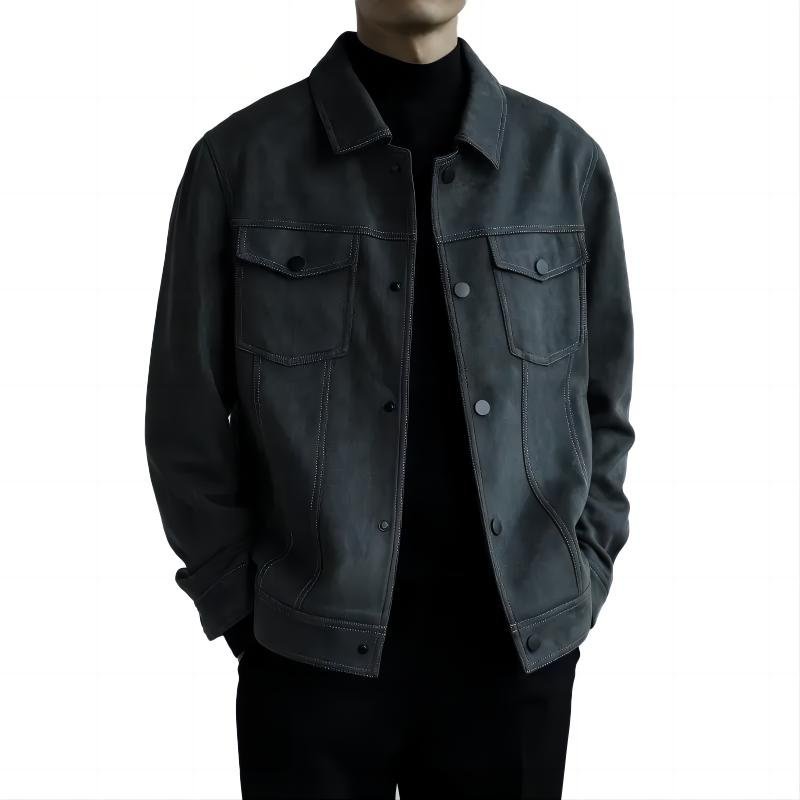
Horizontal or vertical sewn channels trap 80–100g of polyester fill, keeping unit costs accessible. This silhouette reaches retail shelves fastest and suits global apparel retailers launching entry-price winter lines or creator brands testing their first seasonal drop.
Box-Baffle Down Jackets
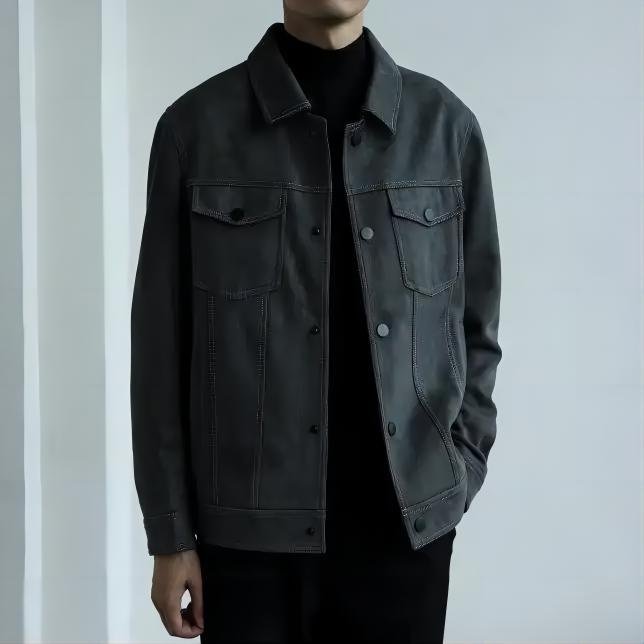
Box baffles prevent fill migration — critical when using RDS-certified 90/10 down at 550–800 fill power. The premium construction targets established retailers and influencer brands pricing product above the $150 retail threshold, where loft consistency justifies higher sampling costs.
Lightweight Liner and Vest Styles
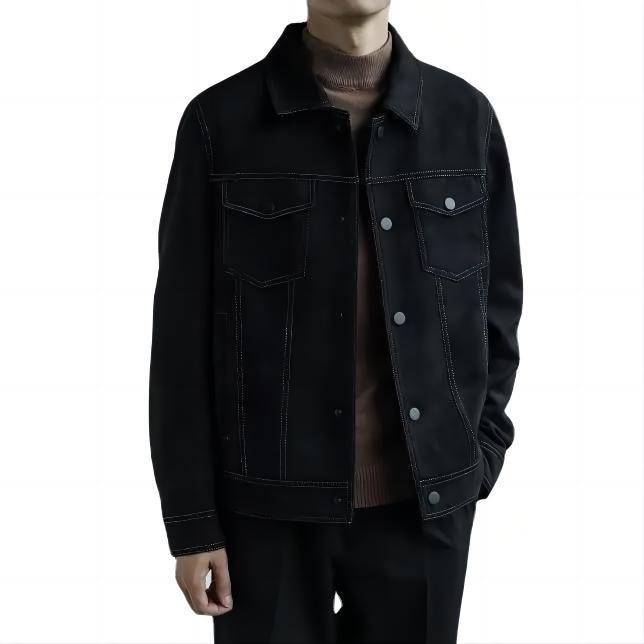
40–80g polyester or thin PrimaLoft fill keeps liners under 350g total weight. Fashion startups favor these versatile SKUs for year-round sell-through and shorter lead times compared to heavier outerwear categories.
Longline Quilted Coats
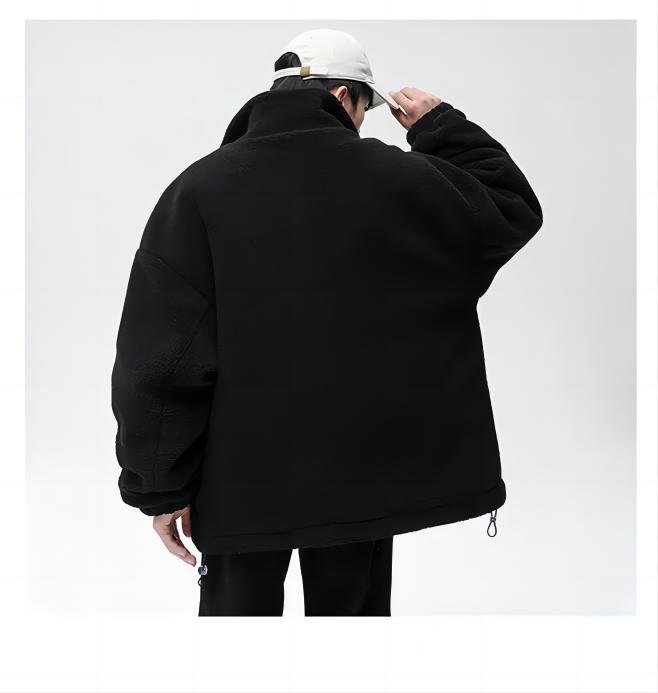
Thigh-length or midi cuts pair diamond or chevron quilt patterns with 120–150g fill for cold-weather coverage. Independent designers and creator brands gravitate toward this silhouette for editorial drops where strong visual identity outweighs volume efficiency.
Reversible Quilted Bombers
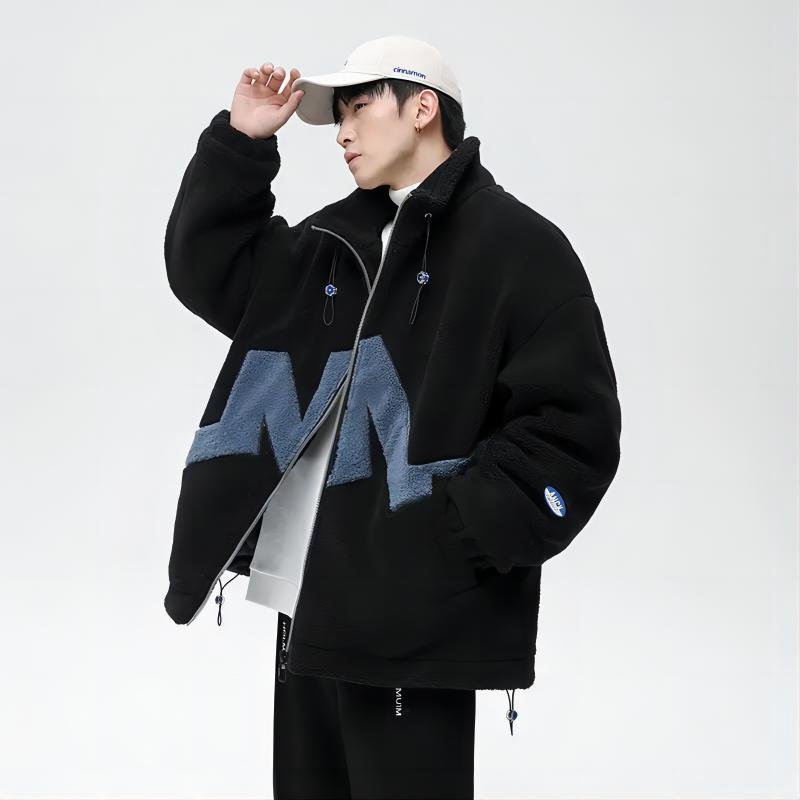
A woven outer shell bonded to a contrast liner doubles design impact without adding SKUs. Streetwear startups and influencer brands ordering 50–200 units per run favor this two-in-one construction to stretch tight inventory budgets.
Oversized Streetwear Cuts
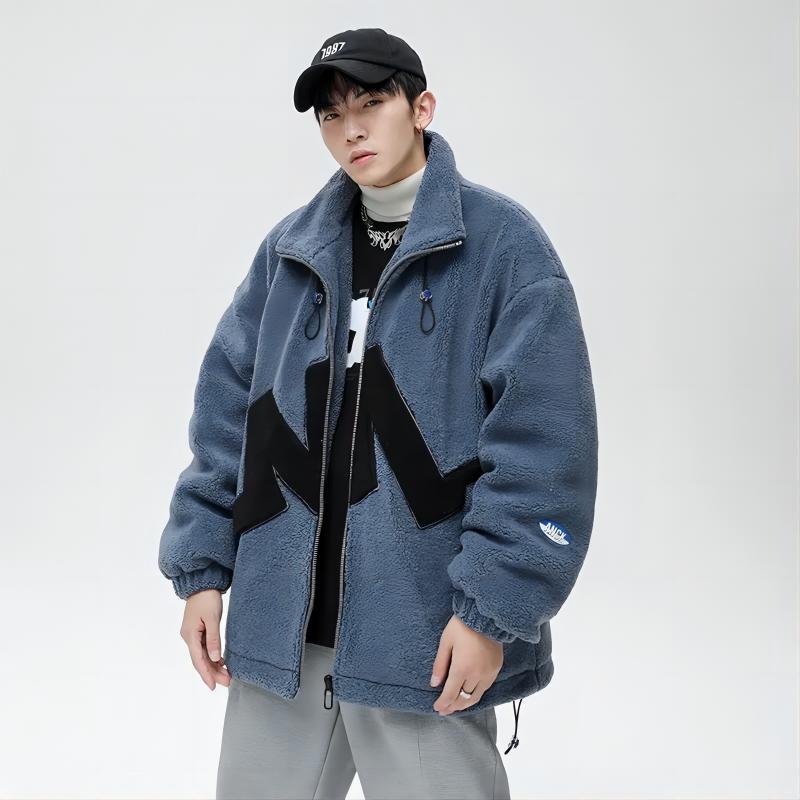
Drop shoulders, extended body lengths, and 2–4 inch size-up grading define the oversized custom quilted jackets silhouette driving streetwear demand. Creator brands and trendy labels are the primary buyers, typically ordering 50–300 units per colorway to maintain exclusivity.
4. Materials & Fabrics for Custom Quilted Jackets
Specifying materials for custom quilted jackets requires two distinct decisions: the outer shell that governs weather resistance and aesthetics, and the fill that controls warmth-to-weight ratio and vegan credentials. Both choices directly anchor cost structure and target-market positioning.
| Material | Type | GSM / Fill Power | Key Property | Relative Cost |
|---|---|---|---|---|
| Nylon Ripstop | Shell | 70–100 GSM | Tear-resistant, lightweight | Mid |
| Polyester Twill | Shell | 120–160 GSM | Structured, colorfast | Low |
| Waxed Cotton | Shell | 200–280 GSM | Water-repellent, premium feel | High |
| Recycled PET | Shell | 90–130 GSM | GRS-certified, sustainable | Mid |
| Down 600 FP | Fill | 600 Fill Power | Warm, compressible | Mid |
| Down 800 FP | Fill | 800 Fill Power | Ultralight loft | High |
| PrimaLoft Synthetic | Fill | N/A | Vegan, water-resistant warmth | Mid |
| Recycled Poly Batting | Fill | N/A | Budget-friendly, bulkier | Low |
| Cotton Batting | Fill | N/A | Natural feel, heaviest | Low |
Outer Shell Fabrics Compared
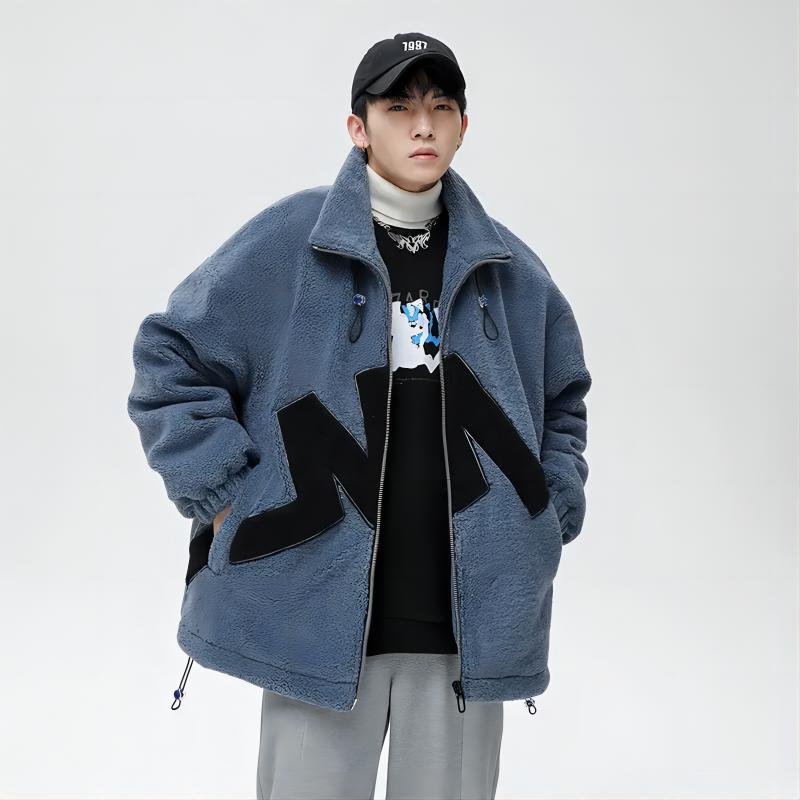
Nylon ripstop (70–100 GSM) delivers the highest tear resistance and a clean streetwear silhouette; polyester twill (120–160 GSM) adds structure at a lower price point. Waxed cotton (200–280 GSM) provides premium weather repellency but limits dye options. Recycled PET shells carry GRS or OEKO-TEX certification, a strong credential for sustainability-driven retail buyers.
Fill Materials and Performance Trade-Offs
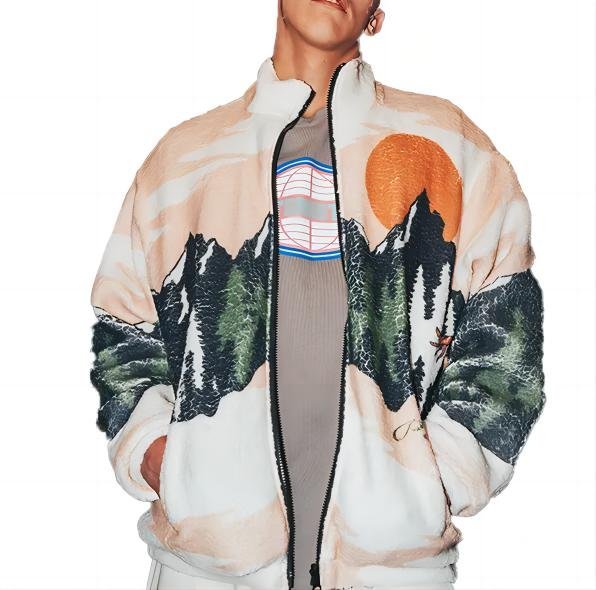
Down at 600 fill power offers proven warmth-to-weight performance; 800 fill power achieves ultralight loft favored by outdoor-influenced streetwear. PrimaLoft synthetic fill replicates down’s insulation profile while meeting vegan requirements — a key credential for influencer and creator brands. Recycled polyester batting and cotton batting reduce cost but increase bulk and finished-garment weight.
Matching Materials to Your Target Market
Urban streetwear labels typically favor 80 GSM nylon ripstop shells with 600-fill down — a mid-tier cost balance suited to fashion-forward winter drops. Sustainability-focused retailers should specify recycled PET shells paired with PrimaLoft Gold ECO fill. Budget-conscious startups launching first collections generally begin with polyester twill shells and recycled polyester batting to protect early margins.
5. Customization & Decoration Options
Custom quilted jackets offer more creative latitude than most outerwear categories — every structural layer doubles as a branding canvas. The techniques below scale from budget basics to premium custom work; knowing which levers to pull first protects margin without sacrificing identity.
Quilting Pattern Design
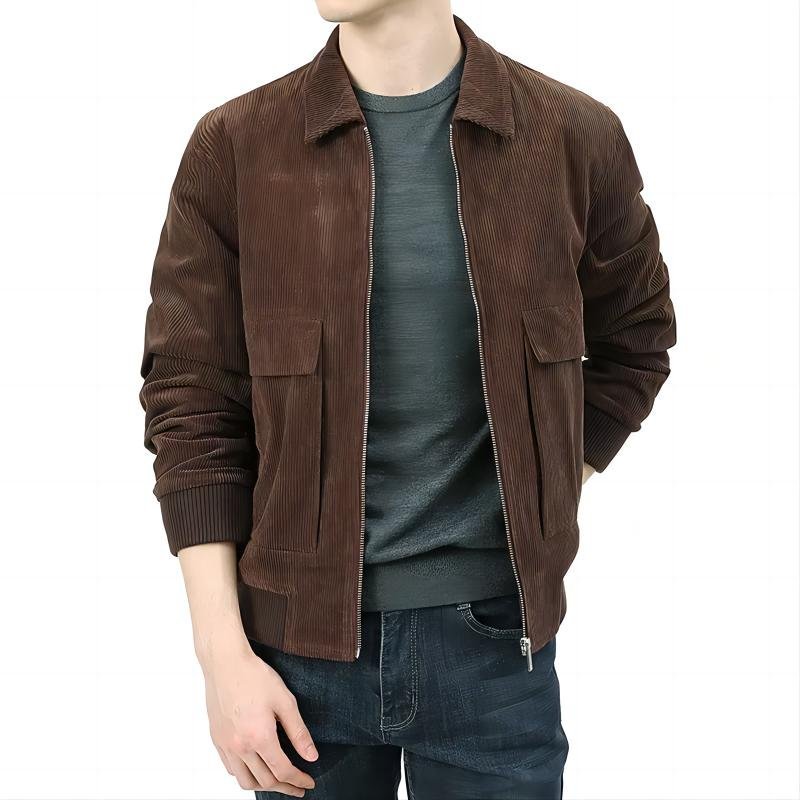
Diamond and chevron stitch patterns carry no extra tooling cost at MOQs of 100+ units.
Logo-shaped stitch maps need a custom sewing template — expect $80–$150 in one-time setup, amortized under $0.50 per unit at 300 pieces.
Shell Color and Print Options
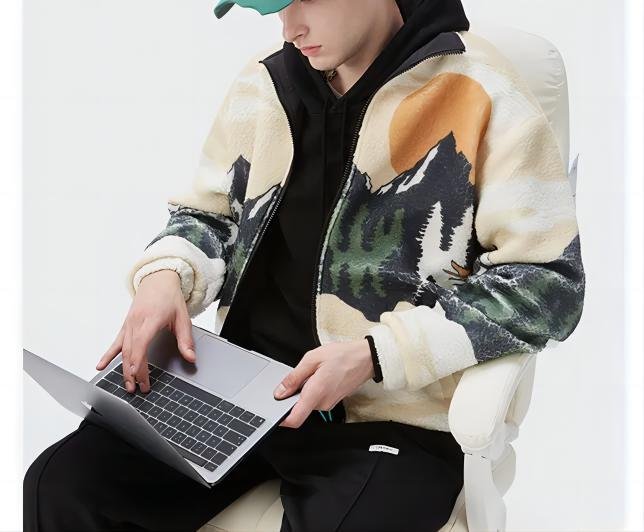
Solid-color shells in stock Pantone shades require no dye minimums above 100 units.
AOP sublimation and camo prints add $2–$5 per jacket and demand 200+ units per colorway; sublimation locks the shell to 100% polyester blends.
Lining Fabric and Zipper Hardware
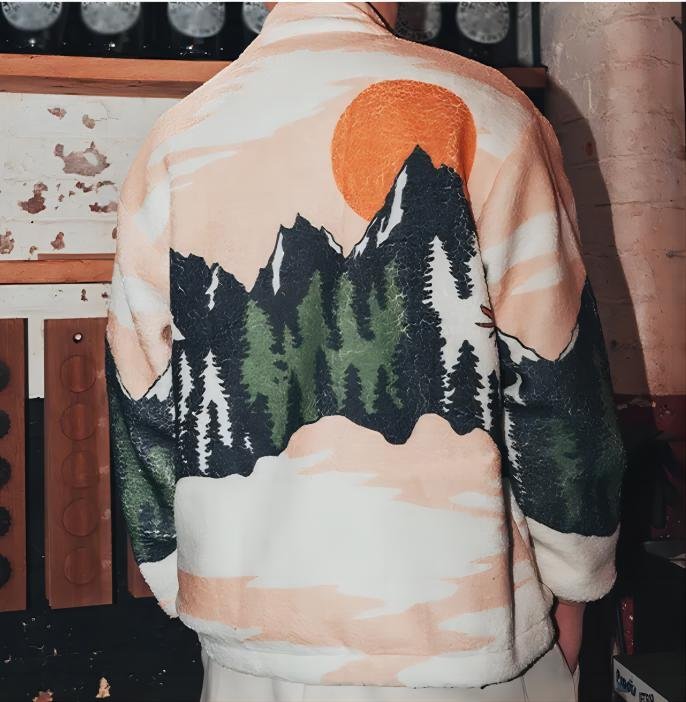
Contrast satin or taffeta linings in custom colors add $0.50–$1.50 per unit at a 100-piece minimum.
YKK zippers with debossed metal or custom nylon pullers require a 500-piece puller MOQ and $120–$200 in mold fees.
Labels, Patches, and Hang Tags
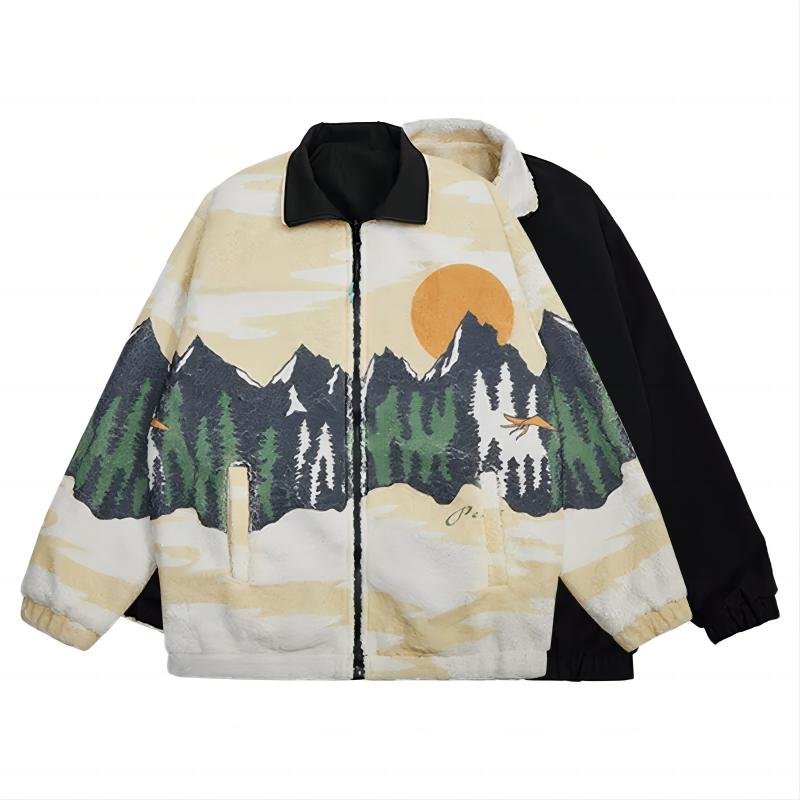
Woven neck labels, heat-transfer labels, and custom hang tags each carry independent 100–500-piece MOQs at $0.10–$0.80 per unit.
Embroidered chest patches add $1–$3 per piece; stuff-sack screen print or woven badge branding runs $0.50–$2 and doubles as a retail display asset.
6. Key Construction Quality Elements to Inspect
A pre-production sample is your last checkpoint before balance payment. Knowing which construction details to probe on custom quilted jackets separates a profitable reorder from a warehouse of returns.
Baffle Construction and Fill Weight Consistency
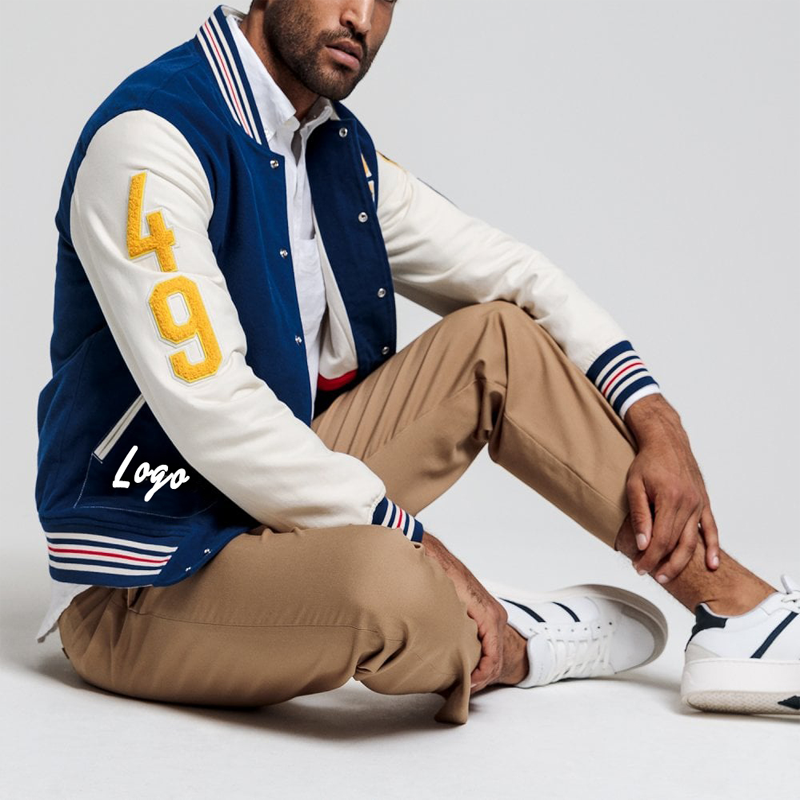
Quilted jackets use either sewn-through or box-baffle construction. Sewn-through stitching creates cold spots where the needle penetrates the fill; box baffles prevent this but add 15–20% to unit cost. Request cross-section photos confirming fill weight consistency—target 80–150 g/m² for mid-season, 200 g/m² or higher for winter.
Seam Sealing and Stitch Density
Shell seams on waterproof-finished jackets should carry taped or heat-sealed coverage at stress points—shoulders and underarms at minimum. Stitch density of 12–14 stitches per inch indicates durability; fewer than 10 stitches per inch signals a rushed production run.
YKK vs. Generic Zipper Performance
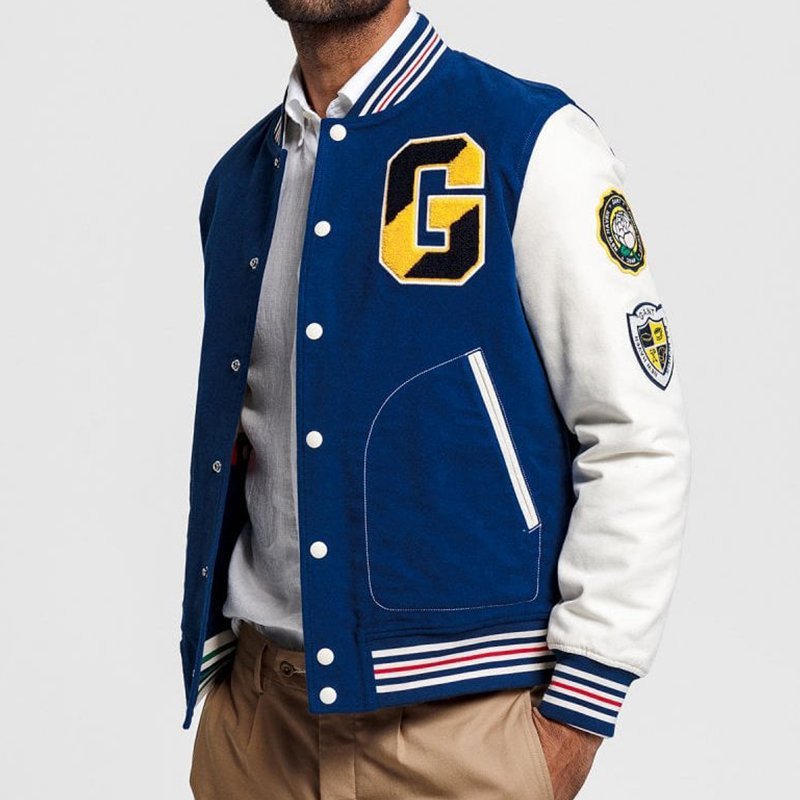
YKK zippers carry a measurable premium—roughly 30–50% over generic alternatives—but deliver consistent slider travel and corrosion resistance across 5,000+ open-close cycles. On your sample, cycle each zipper 20 times and check for skipped teeth, misalignment, or binding at the bottom stop.
Snap and Velcro Reinforcement Standards
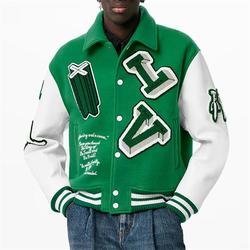
Storm-flap snaps should be bar-tacked with at least 4 mm of reinforcing stitching around each anchor point. Velcro hook-and-loop panels need double-needle topstitching on all four edges; single-edge stitching delaminates within 20 wash cycles.
Care Label Accuracy and Sample Red Flags
Care labels must match actual fabric composition—a shell listed as ‘100% polyester’ but blended with nylon violates FTC labeling rules in the US market. Red flags on a pre-production sample include misaligned quilting channels, uneven fill bunching, and zipper pulls missing brand engravings.
- Quilting channel offset exceeding 3 mm — fill bunching risk under wash
- Zipper pull missing brand engraving after custom spec was confirmed
- Care label listing incorrect fiber content versus actual shell fabric
- Single-stitch hem on cuffs — fails within 10 machine washes
- Missing lot number on label — blocks customs clearance in key markets
7. How to Choose the Right Custom Quilted Jackets Manufacturer
Selecting the right manufacturer for custom quilted jackets determines product consistency, lead-time reliability, and long-term brand credibility. Vet suppliers across five criteria before committing a dollar to samples: certifications, MOQ terms, equipment ownership, export track record, and communication speed.
Factory Certifications to Require
BSCI, ISO 9001, and OEKO-TEX Standard 100 are the three benchmarks to request as audited documents before negotiating price. BSCI covers ethical labor audits conducted by independent auditors; OEKO-TEX certifies that shell fabrics and fill materials test free of harmful substances.
MOQ Flexibility for Startups and Designers
Standard quilted-jacket factories set MOQs between 100 and 300 pieces per colorway. Startups and indie designers should negotiate 50-piece minimums or mixed-SKU MOQ structures to keep test-run inventory risk manageable.
In-House Quilting Equipment vs. Subcontracting
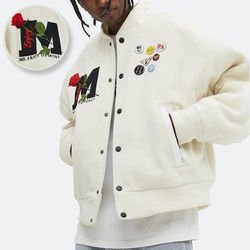
Factories running in-house multi-needle chain-stitch quilting machines control stitch density, channel width, and baffle alignment — critical variables for consistent fill distribution across every unit. Suppliers who subcontract quilting typically add 5–10 business days to lead times and introduce a quality handoff gap that no end-of-line inspection can fully close.
Six Questions to Ask Before Sampling
Send these six questions to any manufacturer of custom quilted jackets before requesting a sample — responses reveal capacity, transparency, and export readiness in minutes.
- Which certifications — BSCI, ISO 9001, OEKO-TEX — can you provide as current audited documents?
- What is your minimum order quantity per style, and do you accept mixed colorways?
- Is quilting performed in-house or subcontracted, and what machines do you operate?
- What is your standard sample turnaround from approved tech pack to first proto?
- Which export markets have you shipped to, and who handles customs declaration?
- What is your average response time during active production for order updates?
8. Common Mistakes Buyers Make with Custom Quilted Jackets
Fashion startups and influencer brands launching custom quilted jackets consistently repeat the same preventable errors. Catching these mistakes before production begins saves thousands in rework costs and protects your brand reputation with early customers.
Under-Specifying Fill Weight
Fill weight for custom quilted jackets ranges from 80g to 200g per square meter, and leaving this field blank on your tech pack guarantees warmth complaints. Fix: specify gram-fill weight and a target CLO insulation rating in every purchase order.
Ignoring Shell Fabric Shrinkage Specs
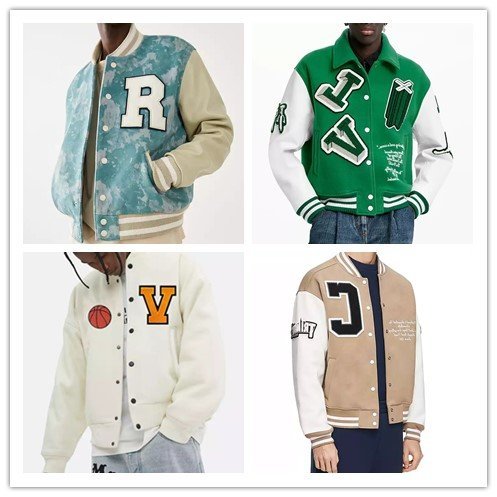
Polyester-nylon shell fabrics shrink 3–5% without pre-treatment, shifting quilted channel alignment after the first wash. Buyers who omit shrinkage specs face puckered seams at retail. Fix: request a post-wash dimension report before bulk cutting begins.
Skipping the Fit Sample
A 1cm shoulder error at size S compounds to roughly 3cm off by size XL through standard grading increments. Skipping a pre-production fit sample is the fastest route to mass returns. Fix: approve one sealed fit sample per colorway before bulk cutting.
Spreading MOQ Across Too Many Colorways
Most manufacturers set MOQ at 100–300 pieces per colorway. Splitting a 300-unit order across six colors leaves only 50 units per SKU, making reorders impossible when one color sells out first. Fix: launch with two or three colorways and concentrate MOQ for size depth.
Skipping Wash Testing Before Shipment
AATCC test standards require five wash cycles to assess colorfastness and fill migration in quilted outerwear. Buyers who skip this step discover fill clumping or dye crocking only after customer reviews surface publicly. Fix: require a five-wash stability report in your pre-shipment checklist.
Missing Country-of-Origin Label Compliance
U.S. Customs and FTC rules require country-of-origin, fiber content, and care instructions in English on all imported apparel. Non-compliant labels trigger customs holds and re-labeling fees averaging $1–3 per unit. Fix: approve a physical label sample from your manufacturer before bulk production ships.
9. Steps to Launch Your Custom Quilted Jackets Brand Line
Launching a custom quilted jackets line involves seven sequential decisions that compound in cost if reversed. First-time founders — creator brands, independent designers, and fashion startups — benefit most from treating this as a staged, milestone-gated process.
Define Your Customer and Warmth Tier
Warmth tiers run from light (80–120g fill weight) for transitional streetwear to heavy (200g+) for cold-weather shells. Pin your target customer’s climate zone and retail price ceiling before selecting any material or silhouette.
Choose Silhouette and Fill Type
Cropped puffer, longline bomber, and vest silhouettes each carry distinct MOQ and pattern costs. Down (550–750 fill power) runs 30–50% higher in material cost than recycled polyester fiberfill but supports a stronger retail markup.
Brief Your Manufacturer with a Tech Pack
A complete tech pack includes flat sketches, Pantone color callouts, seam allowances, YKK zipper grade specs, and label placement diagrams. Supplying a full spec sheet cuts sampling revision rounds by 40–60% and compresses overall lead time.
Sample Approval and Payment Terms
Request a pre-production sample before any bulk commitment; budget 15–25 business days for delivery and one revision round. Standard first-order payment terms are 30% deposit with 70% against the bill of lading — negotiate net-30 only after a second order.
Arrange Pre-Shipment QC Inspection
Third-party AQL 2.5 inspection catches sizing, stitching, and fill-distribution defects before containers are sealed. A five-step QC process — covering materials, cutting, craft, sewing, and finished goods — ensures defects surface early rather than on arrival.
Plan Packaging and Unboxing Experience
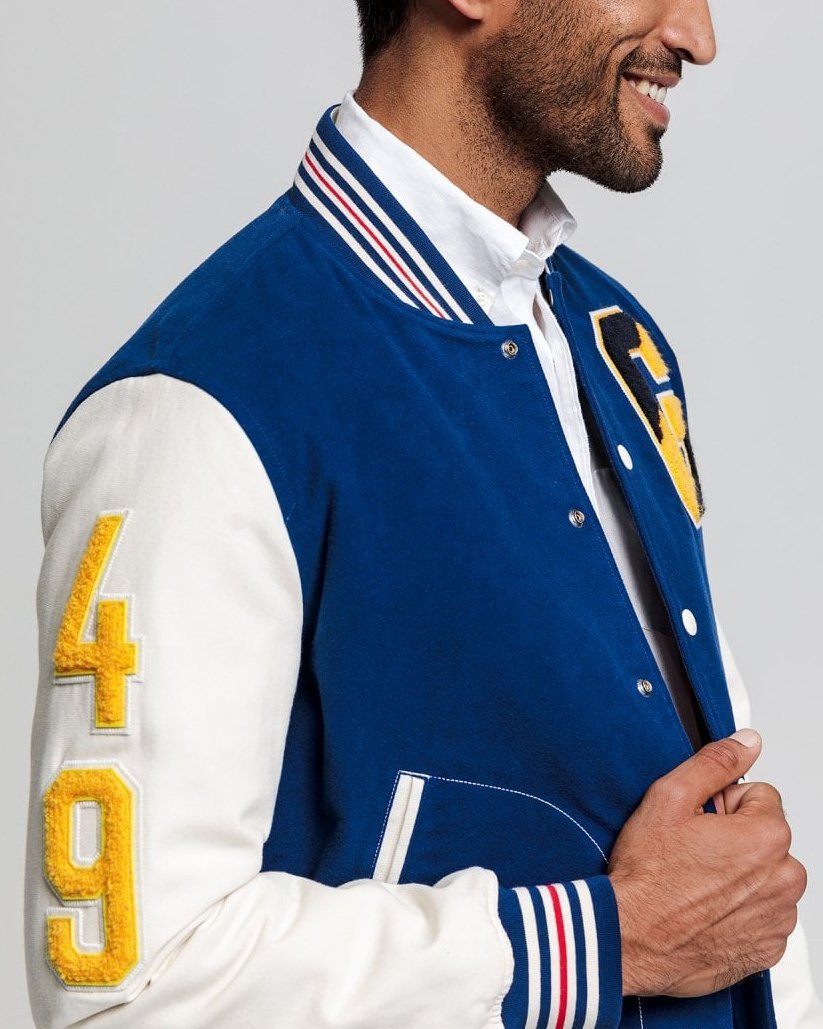
Polybag gauge, hang-tag stock weight, and branded poly-mailer artwork are finalized at this stage, not after production closes. A cohesive unboxing experience raises perceived value and generates organic UGC from creator-brand audiences.
10. Pricing & Cost Guide for Custom Quilted Jackets
FOB pricing for custom quilted jackets shifts at each quantity bracket, driven by shell-fabric weight (typically 150–300 GSM), fill material (polyester fiberfill or down alternative), and quilting complexity. The tier table below reflects realistic FOB Dongguan price ranges for 2025 production runs.
Customization add-ons are priced per unit above the base FOB rate; one-time tooling or digitizing fees also apply to custom hardware and embroidery programs. Budget every line item before approaching a supplier — the add-on table below covers the five most common upgrades on custom quilted jackets orders.
- Custom quilting pattern (diamond, channel, box stitch): +$1.50–$3.00/unit; pattern setup fee $100–$200
- AOP sublimation print: +$3.00–$6.00/unit; no plate fee on digital files
- Embroidery patch (up to 5,000 stitches): +$1.20–$2.50/unit; digitizing fee $30–$60
- Branded zipper puller (custom mold, YKK-compatible): +$0.50–$1.00/unit; mold tooling $80–$150
- Hang tag (custom printed, 350 GSM card stock): +$0.10–$0.25/unit; plate fee $30–$50
| Quantity Tier | FOB Price/Unit (USD) | Sample Cost (USD) | Lead Time |
|---|---|---|---|
| 50 units | $28–$42 | $80–$120 | 3–4 weeks |
| 100 units | $22–$35 | $80–$120 | 3–4 weeks |
| 300 units | $18–$28 | $60–$100 | 4–5 weeks |
| 500 units | $15–$24 | $60–$100 | 4–5 weeks |
| 1,000+ units | $12–$19 | $50–$80 | 5–6 weeks |
Ready to Launch Your Custom Quilted Jackets Line?
Get low MOQ production, our 5-step QC guarantee, and fast turnaround — purpose-built for streetwear brands ready to scale.