
Recycled Puffer Jacket Manufacturer for Trendy Brands Worldwide
Partner with a trusted recycled puffer jacket manufacturer backed by a 5-step QC guarantee, low MOQ, and fast turnarounds — built for streetwear labels, startups, and global retailers.
Our Recycled Puffer Jacket Range
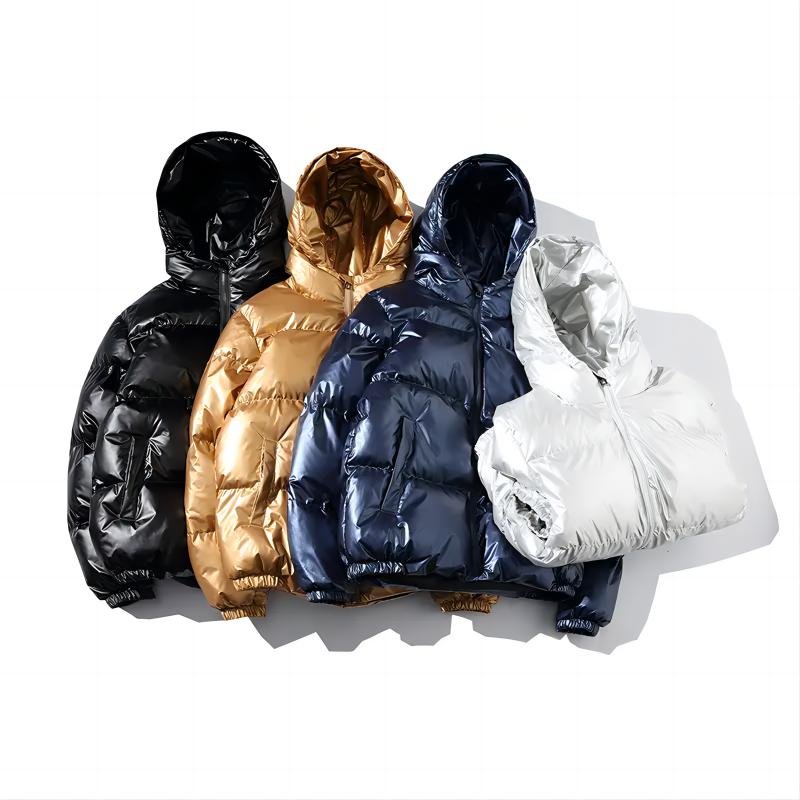
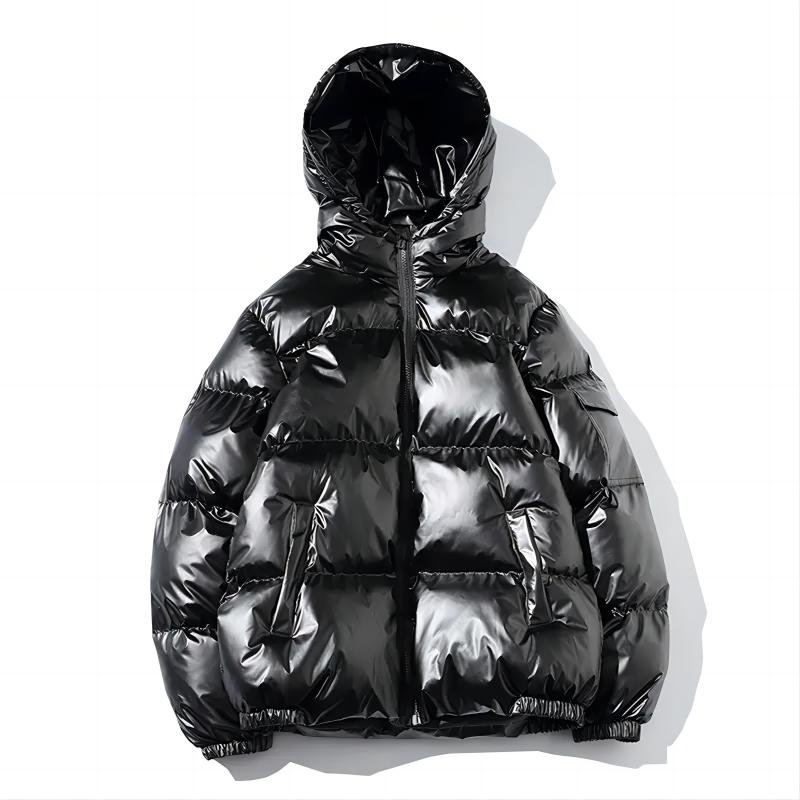
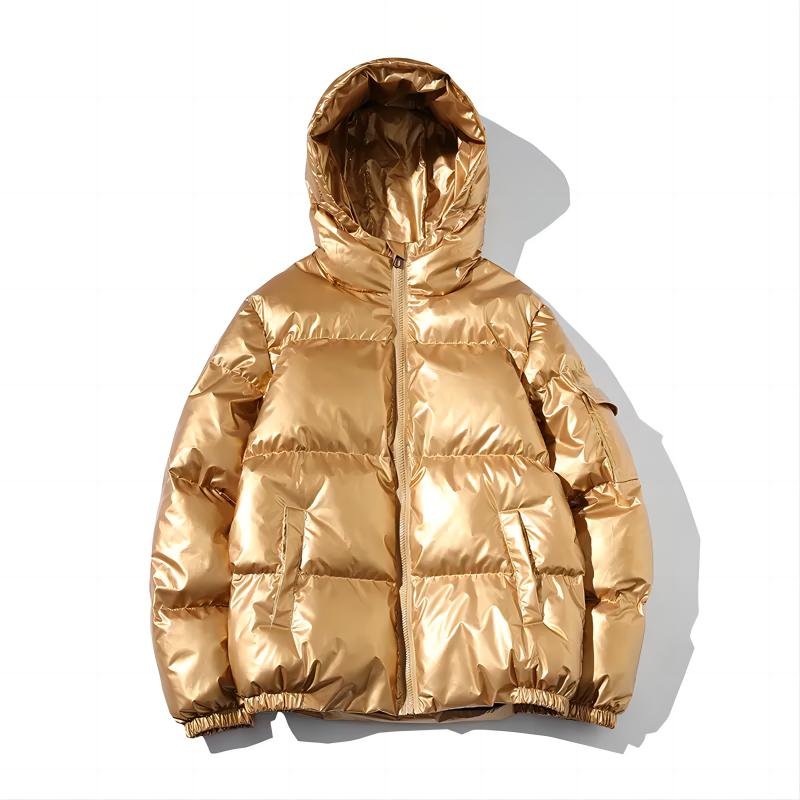
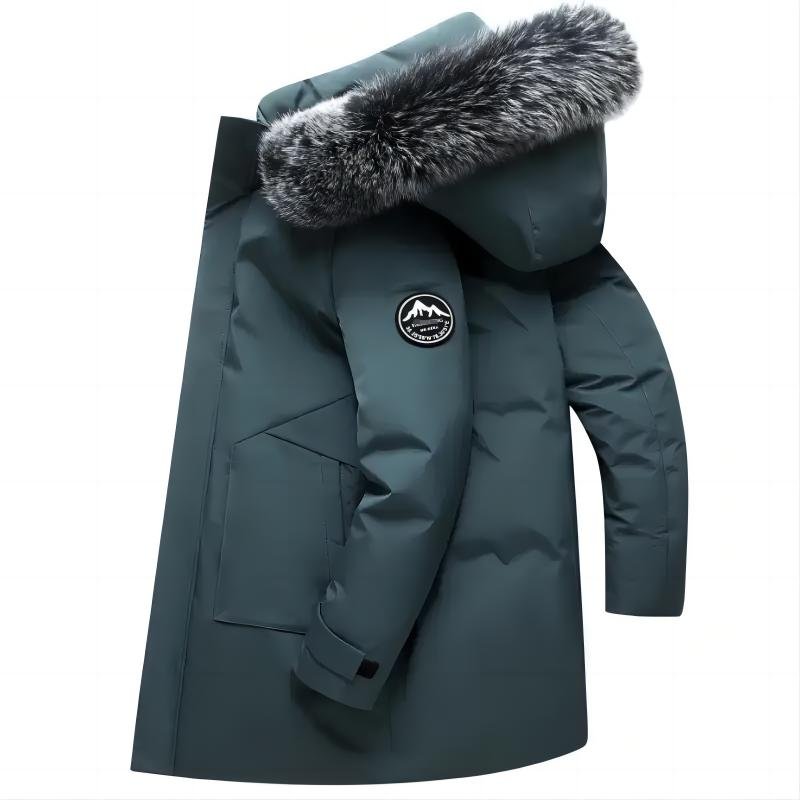
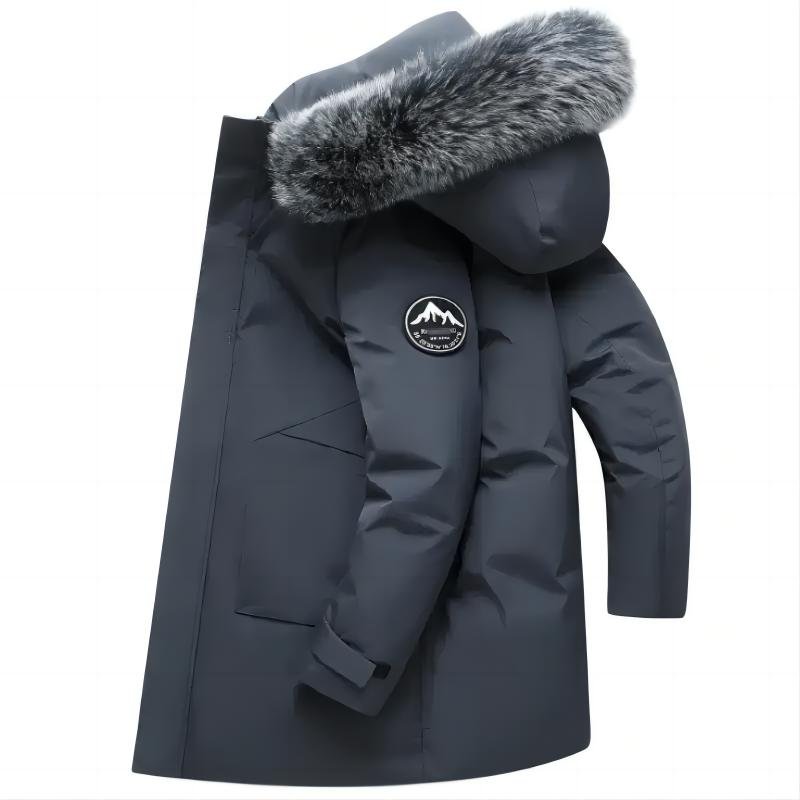
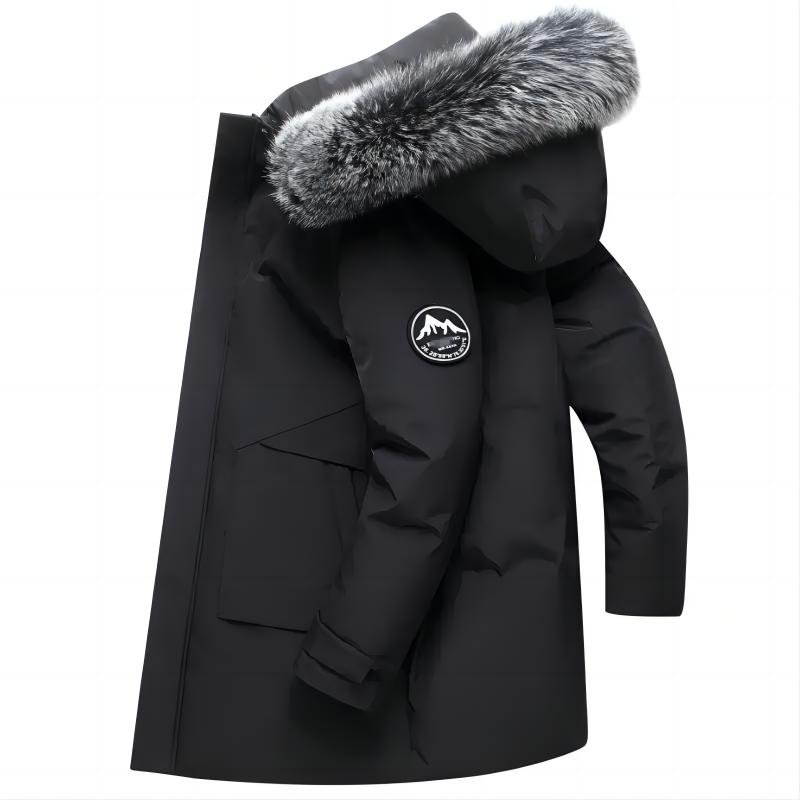
What Sets Our Recycled Puffer Jacket Manufacturer Apart
Six reasons streetwear brands, startups, and global retailers trust Clothing Manufacturer Ltd for their next sustainable puffer collection.
Five-Step QC, Zero Compromises
Every jacket clears five rigorous quality checkpoints — from raw materials to finished goods — before leaving our facility.
Low MOQ, Startup-Friendly Terms
Launch your first recycled puffer jacket line without large volume commitments, built for emerging brands and independent designers.
Samples Ready in 7 Days
Our in-house design and sampling team converts approved specs into physical samples in as little as seven days.
Full OEM and Custom Design
From branded labels and custom hardware to exclusive colorways, every detail of your puffer jacket is built to your spec.
Certified Recycled Fabrics Only
We source premium GRS-certified recycled fill and shell fabrics, aligning your brand with credible, planet-forward production values.
Trusted Across 100+ Countries
From US streetwear imprints to global retailers, we have scaled influencer-driven and brand collections across more than 100 markets.
Recycled Puffer Jacket Manufacturer Collections for Every Brand
From debut drops to global retail programs, find the recycled puffer jacket production solution that matches your brand’s ambitions and audience.
Cropped Puffers for New Brands
You're launching your first outerwear line but established manufacturers demand high minimums, leaving your cropped recycled puffer jacket concept trapped on a mood board with no viable production route.
Our low-MOQ program and in-house sampling team bring your design to life fast, with a 5-step QC guarantee ensuring every cropped puffer ships at full production quality.
Oversized Silhouettes for Streetwear Labels
Streetwear drops live or die on silhouette precision and speed, but most factories misread oversized proportions, deliver late, and lack any real understanding of street culture aesthetics.
We produce oversized recycled puffer jackets with streetwear-accurate cuts, bold finishing options, and fast seasonal turnarounds so your label drops on time and stands out in-store and online.
Technical Puffers for Global Retailers
Scaling a technical puffer jacket program across multiple SKUs and territories demands consistent quality from every batch, something most factories simply cannot sustain through high-volume, multi-season production.
Our 5-step QC process locks in consistency across every production run, while global logistics support keeps your technical recycled puffer jacket program on shelf and on schedule.
Limited Drops for Creator Brands
Creator brands need small-batch puffer jackets that photograph brilliantly and move fast, but slow factories with rigid minimums and poor communication make viral-ready limited drops nearly impossible.
We deliver influencer-ready recycled puffer jackets in limited runs, combining trend-driven streetwear design with rapid sampling and direct communication so your drop lands exactly when your audience is ready.
Seasonal Puffer Collections, On Time
Seasonal windows close fast. Factories with vague timelines, poor progress updates, and no logistics infrastructure leave retail buyers unable to guarantee floor-ready stock before peak selling weeks.
Our streamlined production workflow, real-time communication, and end-to-end logistics support ensure your seasonal recycled puffer jacket collection arrives retail-ready before peak demand, every season without exception.
Premium Recycled Fabrics, Sourced by Your Recycled Puffer Jacket Manufacturer
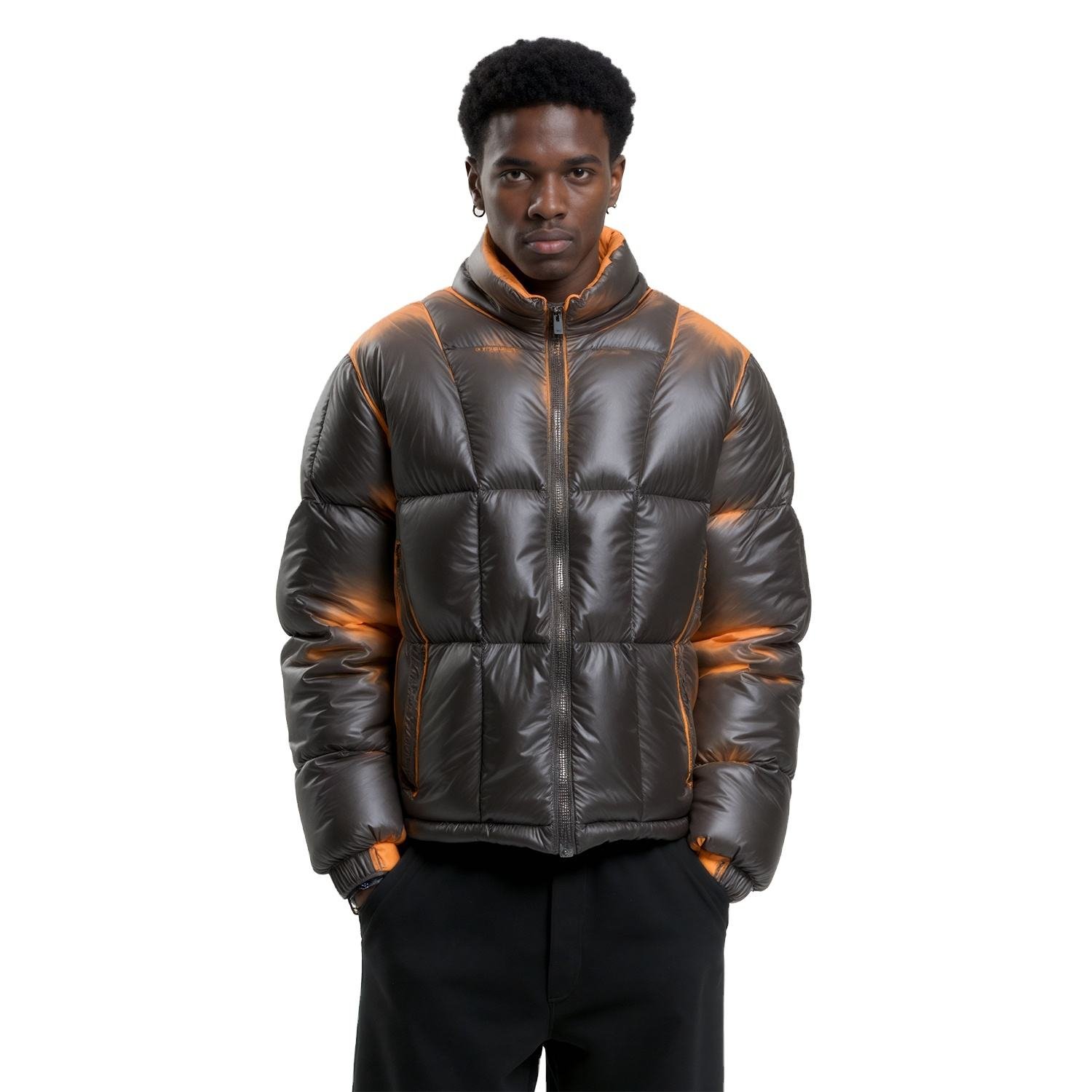
Recycled Polyester Shell
Smooth, lightweight, and wind-resistant, this GRS-certified rPET shell fabric is the go-to choice for streetwear puffer jackets. It offers excellent down-proof tightness and a clean surface ideal for bold prints and colorways.
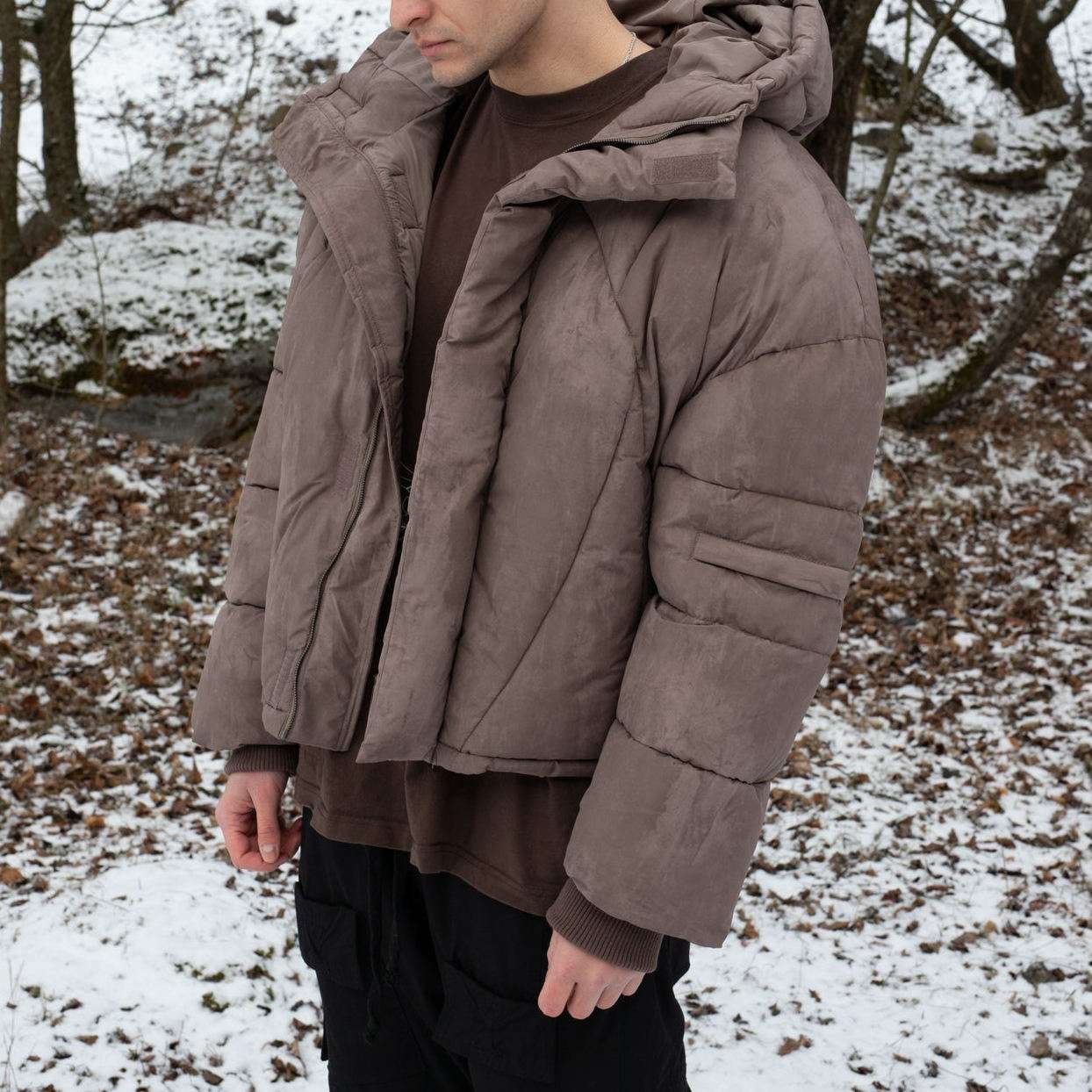
Recycled Nylon Ripstop
Tough yet featherlight, our recycled nylon ripstop features a grid-reinforced weave that resists tearing and abrasion, making it ideal for technical and outdoor-influenced puffer styles with a subtly textured hand-feel.
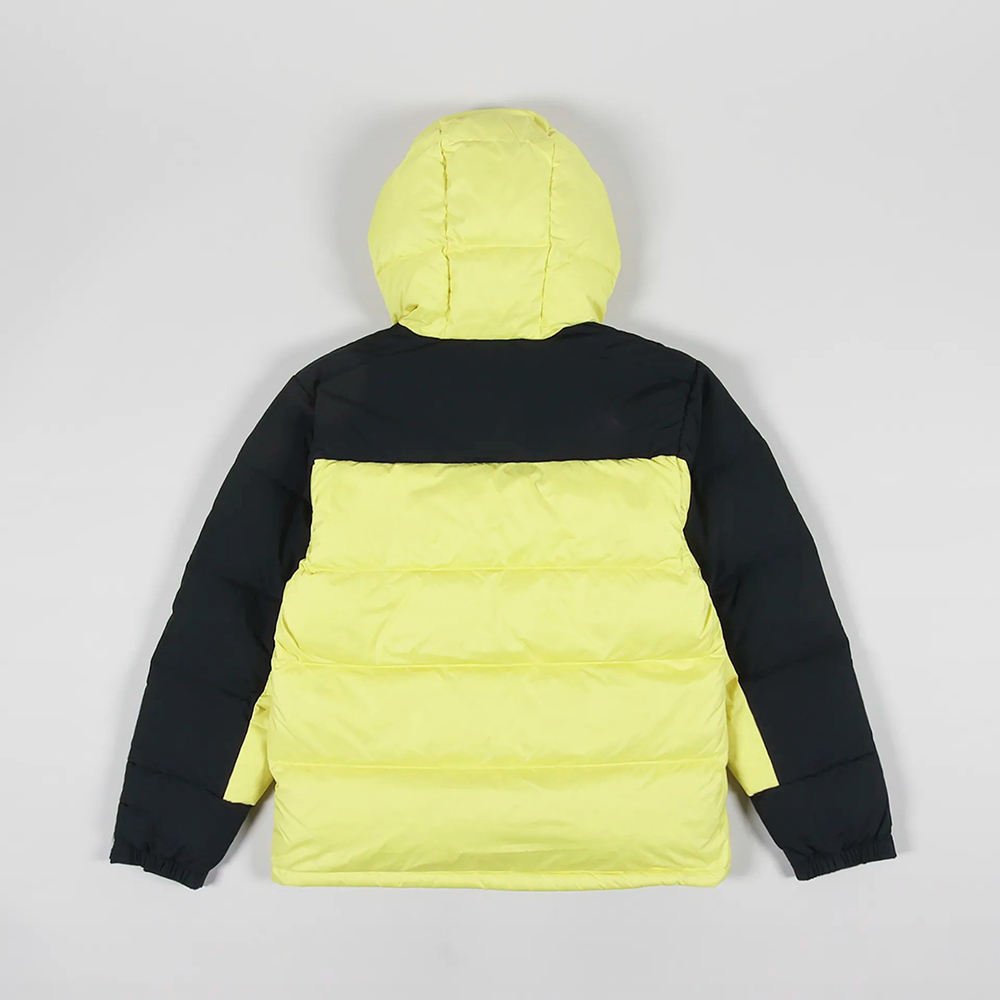
rPET Down-Proof Taffeta
Woven to a tight thread count that locks in fill, this recycled polyester taffeta lining delivers a smooth, rustling-free interior, enhancing comfort and thermal insulation performance across all puffer jacket styles.
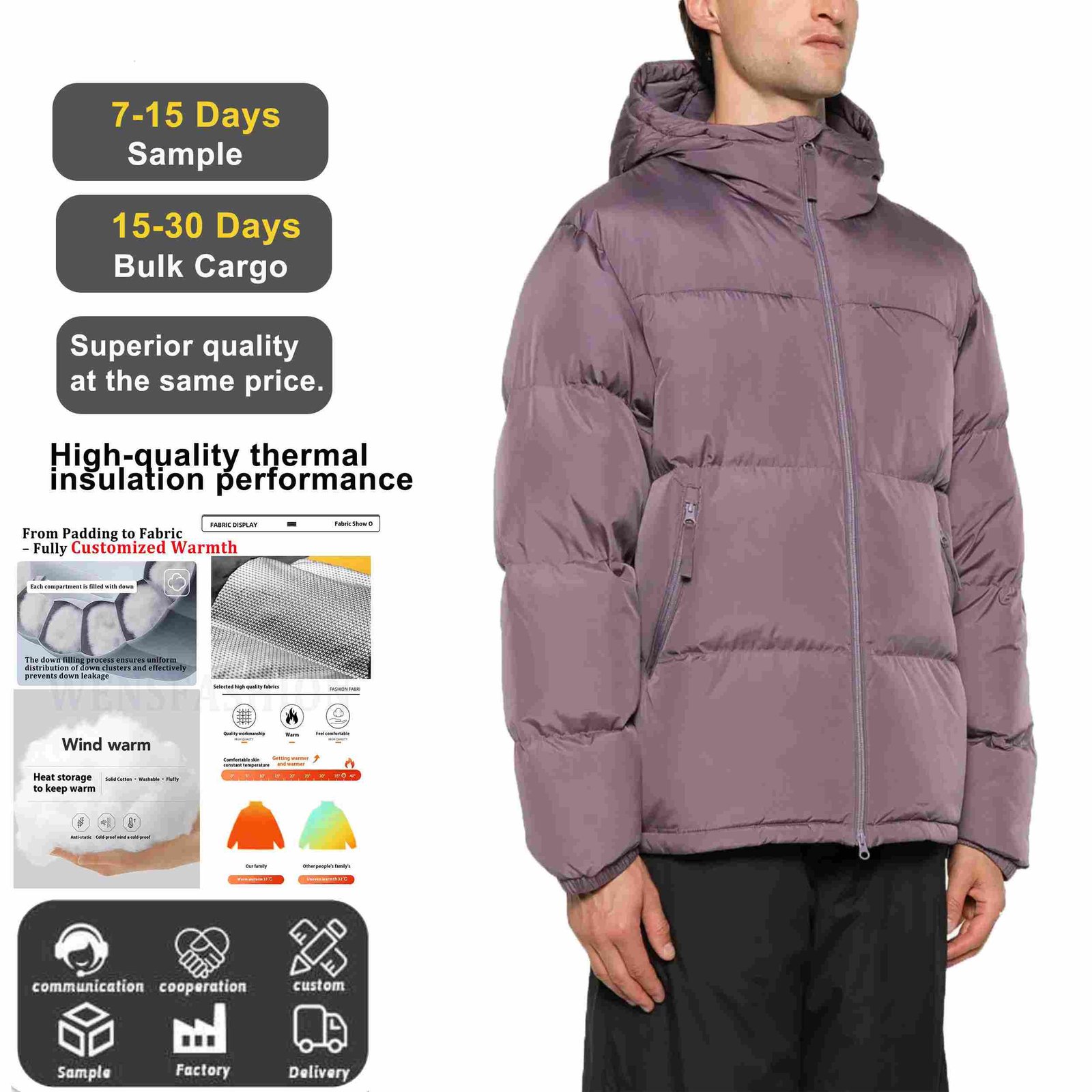
Recycled Polyester Dobby
A raised dobby weave adds dimensional texture and visual depth to puffer shells while maintaining a durable, DWR-coated surface. At approximately 75 gsm, it suits fashion-forward, premium streetwear collections.
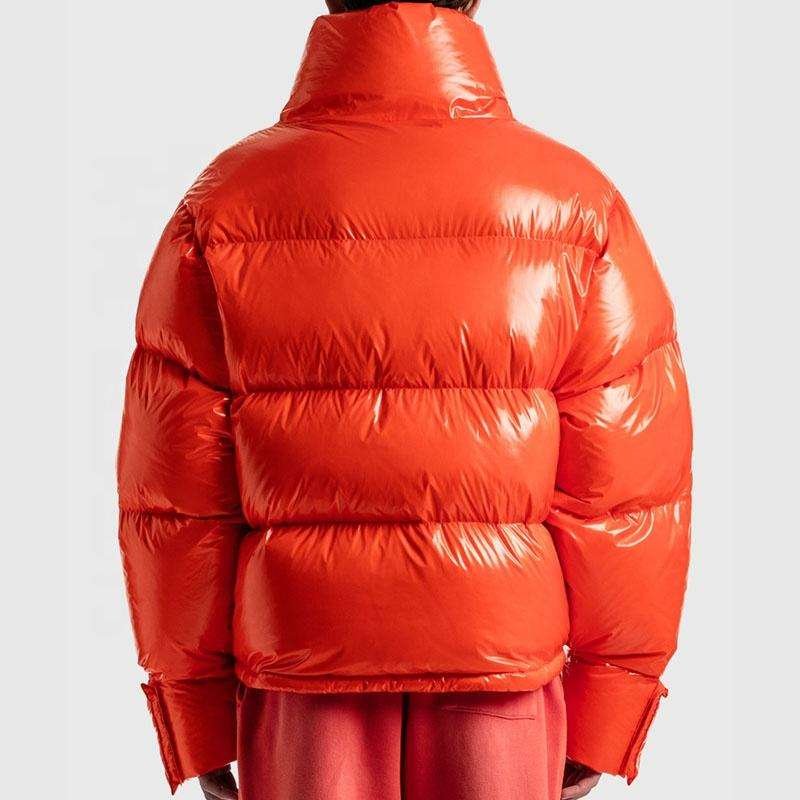
Recycled Polyester Fill
Spun from post-consumer plastic bottles into fine fiber clusters, this recycled polyester fill replicates down’s warmth-to-weight ratio. Available in 150 to 300 gsm weights, it suits lightweight to winter-grade puffer builds.
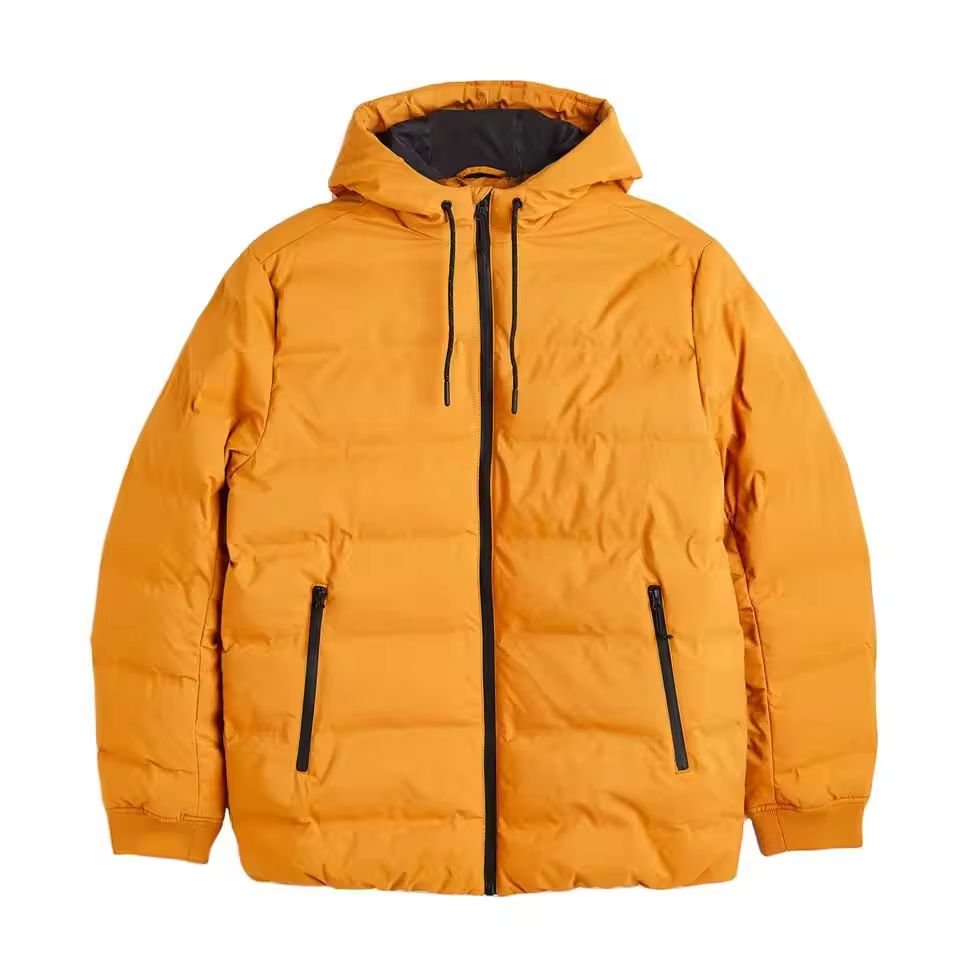
Organic Cotton Ripstop Blend
Blending GOTS-certified organic cotton with recycled polyester, this hybrid ripstop offers a natural, breathable hand-feel with added tear resistance. Perfect for eco-conscious puffer hybrids targeting streetwear consumers who prioritize sustainability.
Customization Techniques for Your Recycled Puffer Jacket Line
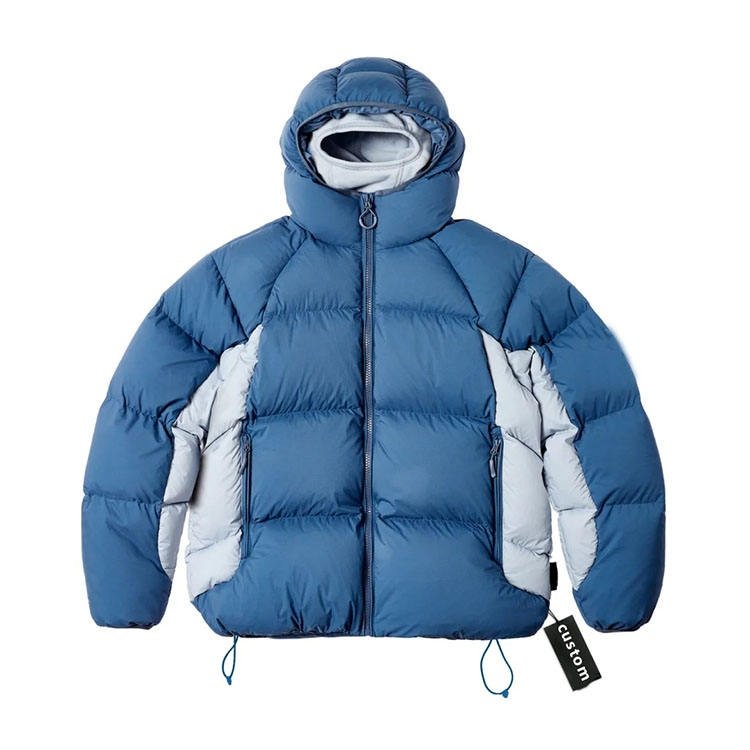
Screen Printing
Bold, high-opacity graphics printed directly onto recycled puffer shell fabric using water-based or plastisol inks. Delivers sharp edges, vivid colorways, and exceptional wash durability across large and short-run orders.
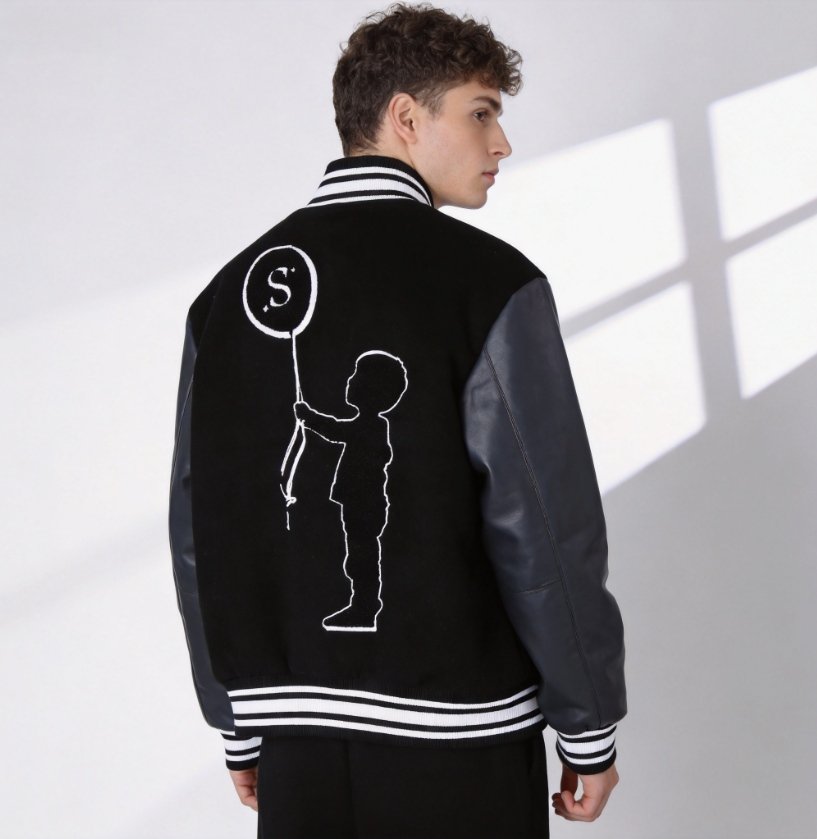
Precision Embroidery
Precision-stitched logos, text, and motifs applied to chest panels, sleeves, or yoke areas. Our in-house embroidery delivers clean, raised texture and lasting color that reinforces premium brand identity on every jacket.
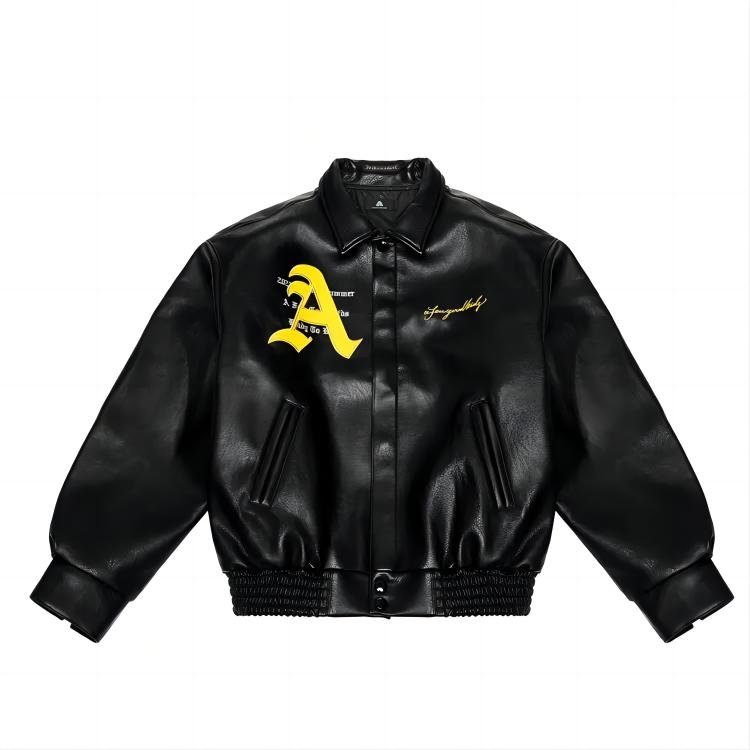
Sublimation Printing
All-over dye-sublimation printing fuses pigment directly into compatible recycled polyester shell panels before construction. Produces seamless, photographic-quality artwork with zero cracking or peeling, ideal for bold, pattern-driven streetwear collections.
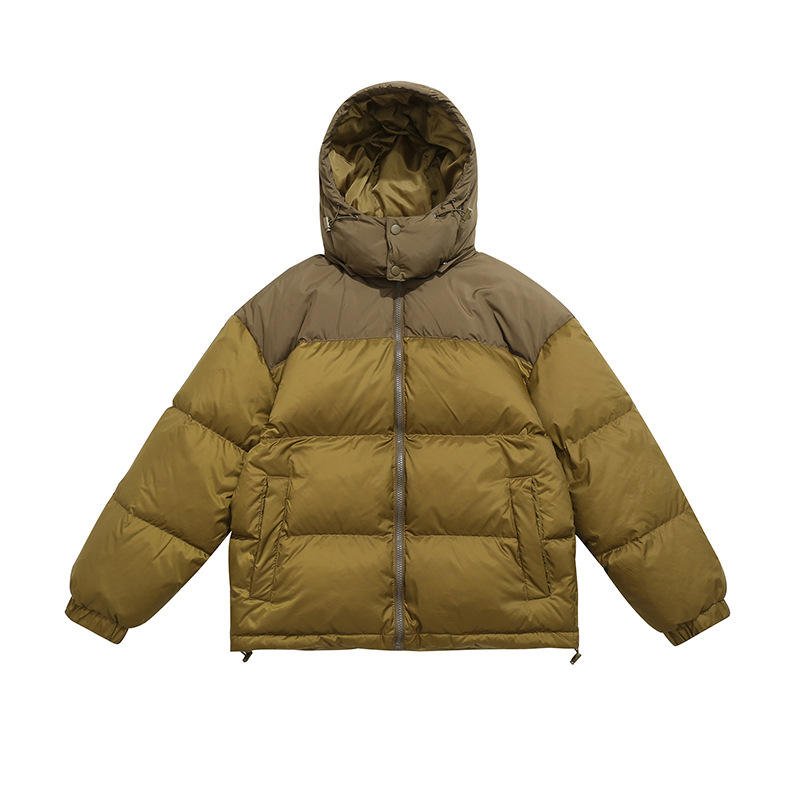
Custom Dyeing
Piece-dyeing and garment-dyeing techniques allow precise Pantone-matched colorways on recycled fabrics. Achieve rich, consistent hues — including trending washed, overdyed, and acid-wash effects — that align perfectly with each season’s palette.
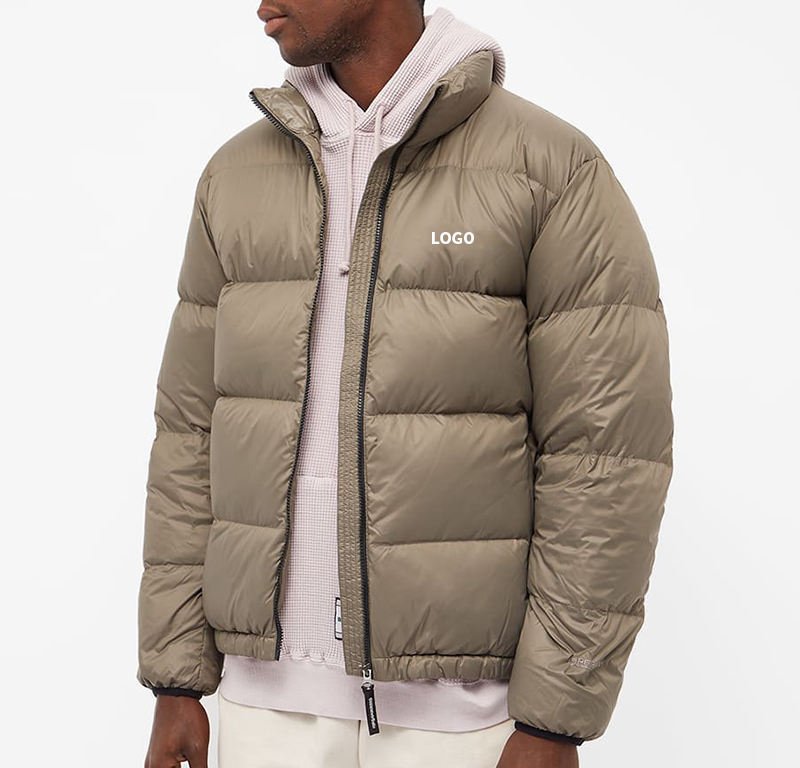
Heat Transfer
High-definition heat-transfer vinyl and foil appliques adhere firmly to puffer baffles and panels. Supports metallic, reflective, and gradient finishes, adding premium visual impact to limited-edition and influencer-driven jacket designs.
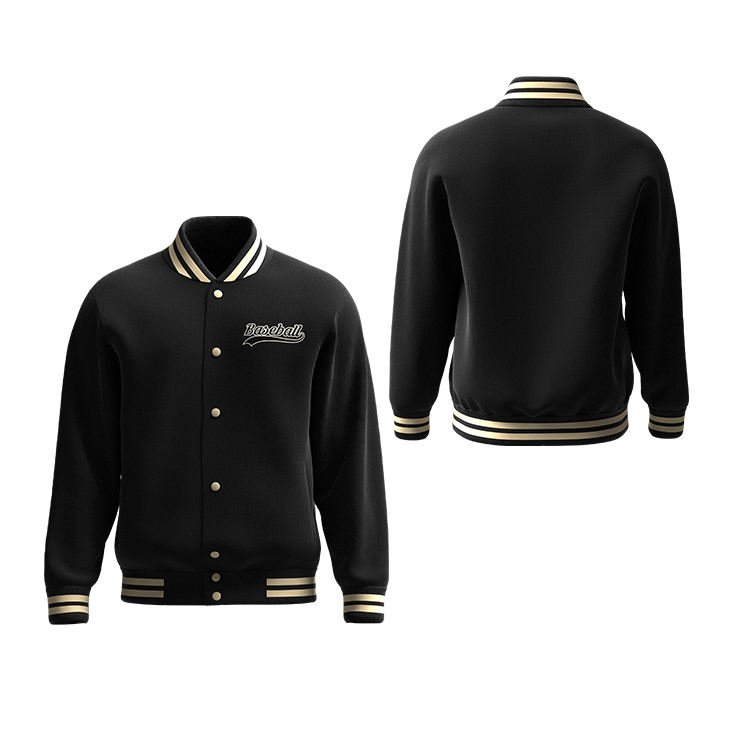
Patch Application
Custom woven, PVC, and chenille patches expertly sewn or heat-bonded to designated panel areas. Adds tactile, collectible branding accents that resonate with streetwear audiences seeking distinctive, identity-forward outerwear statements.
Customizable Hardware & Trims for Your Recycled Puffer Jacket
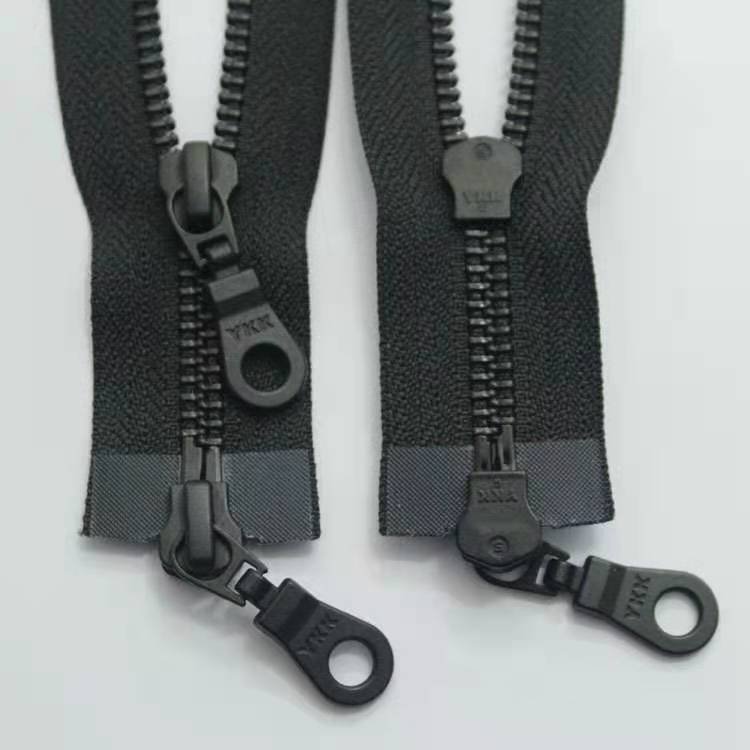
YKK Zippers
Industry-standard YKK zippers deliver smooth, reliable closure on every puffer jacket we produce. Available in coil, molded, and reverse-coil options with custom pulls to match your brand colorway and streetwear aesthetic.
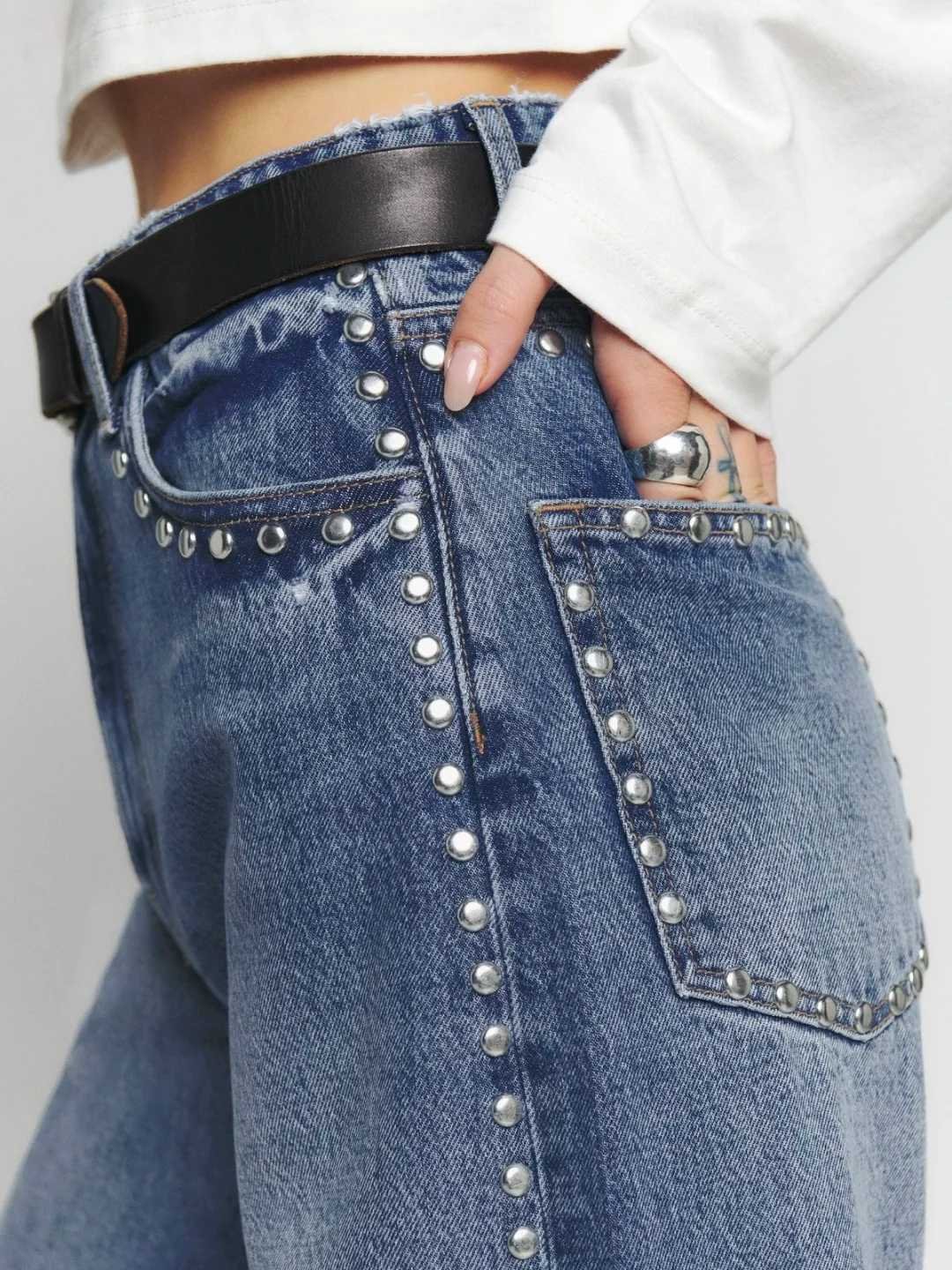
Drawcord & Tipping
Adjustable drawcords with branded metal or plastic tipping reinforce hem and hood channels on recycled puffer designs, adding functional wind resistance and a premium finished detail that elevates any streetwear silhouette.
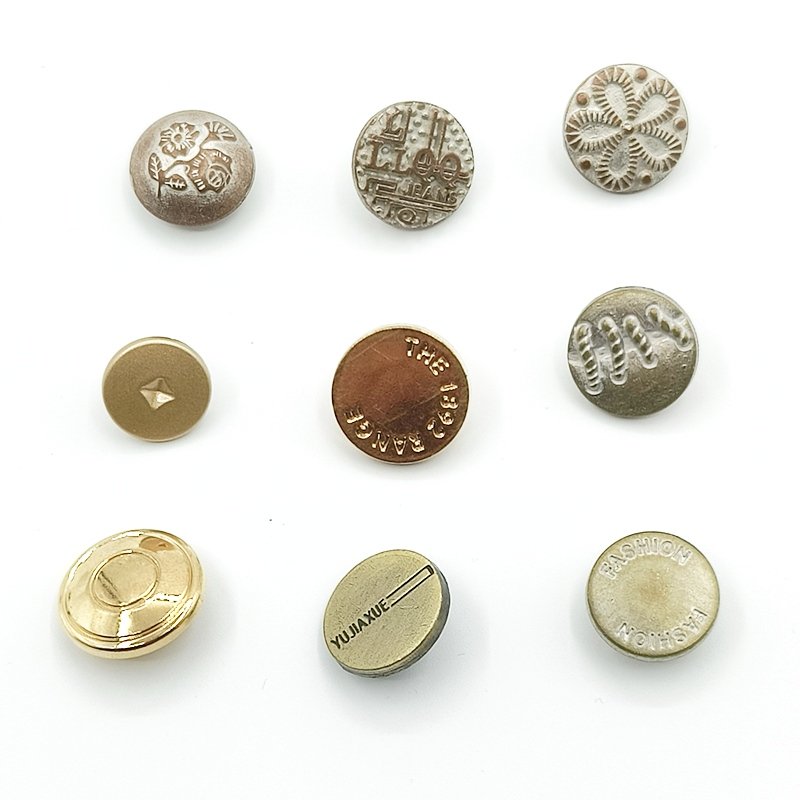
Snap Buttons
Heavy-duty snap buttons secure chest pockets, cuffs, and storm plackets across puffer jacket styles. Available in matte, glossy, and custom-finish options engineered to complement your recycled fabric palette without compromising durability.
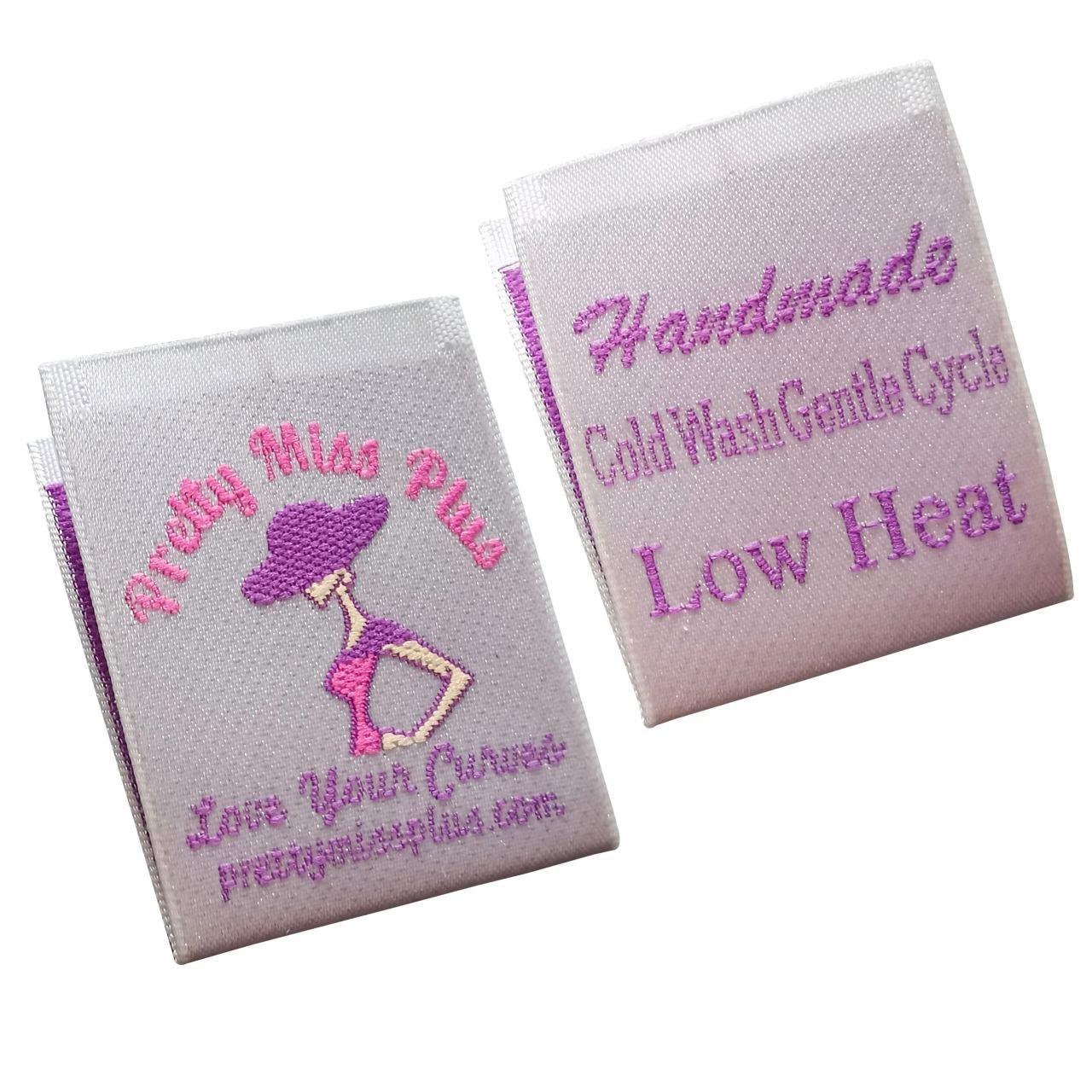
Woven Labels
Custom woven labels carry your brand identity at the collar or interior hem of every jacket. Produced in low-MOQ runs across any colorway, including tonal, contrast, and metallic thread finishes for premium positioning.
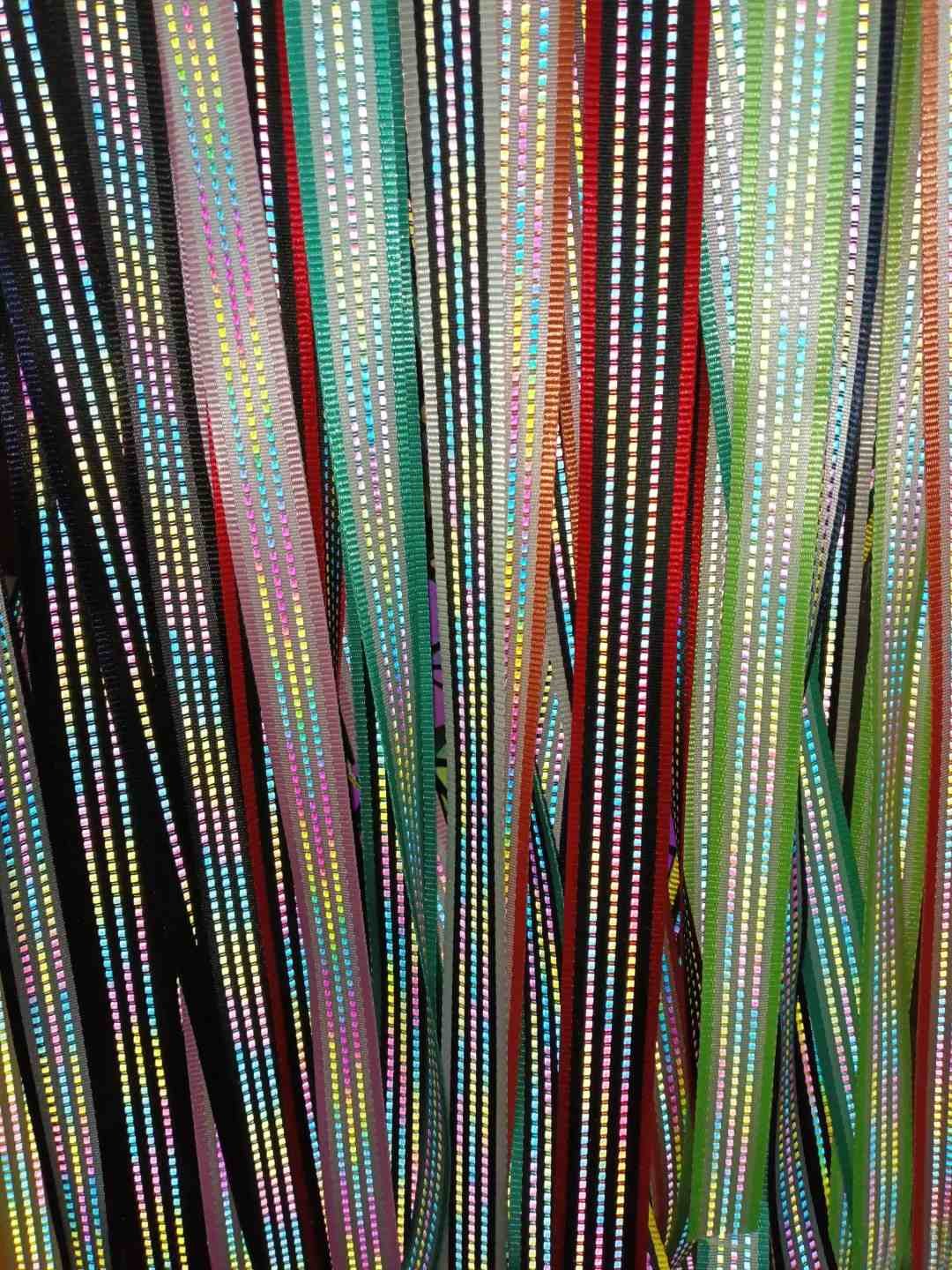
Reflective Trim
Heat-applied or sewn reflective tape and panels add high-visibility accents to puffer jacket seams, shoulders, and hem lines, boosting nighttime safety while delivering the bold streetwear edge your target audience demands.
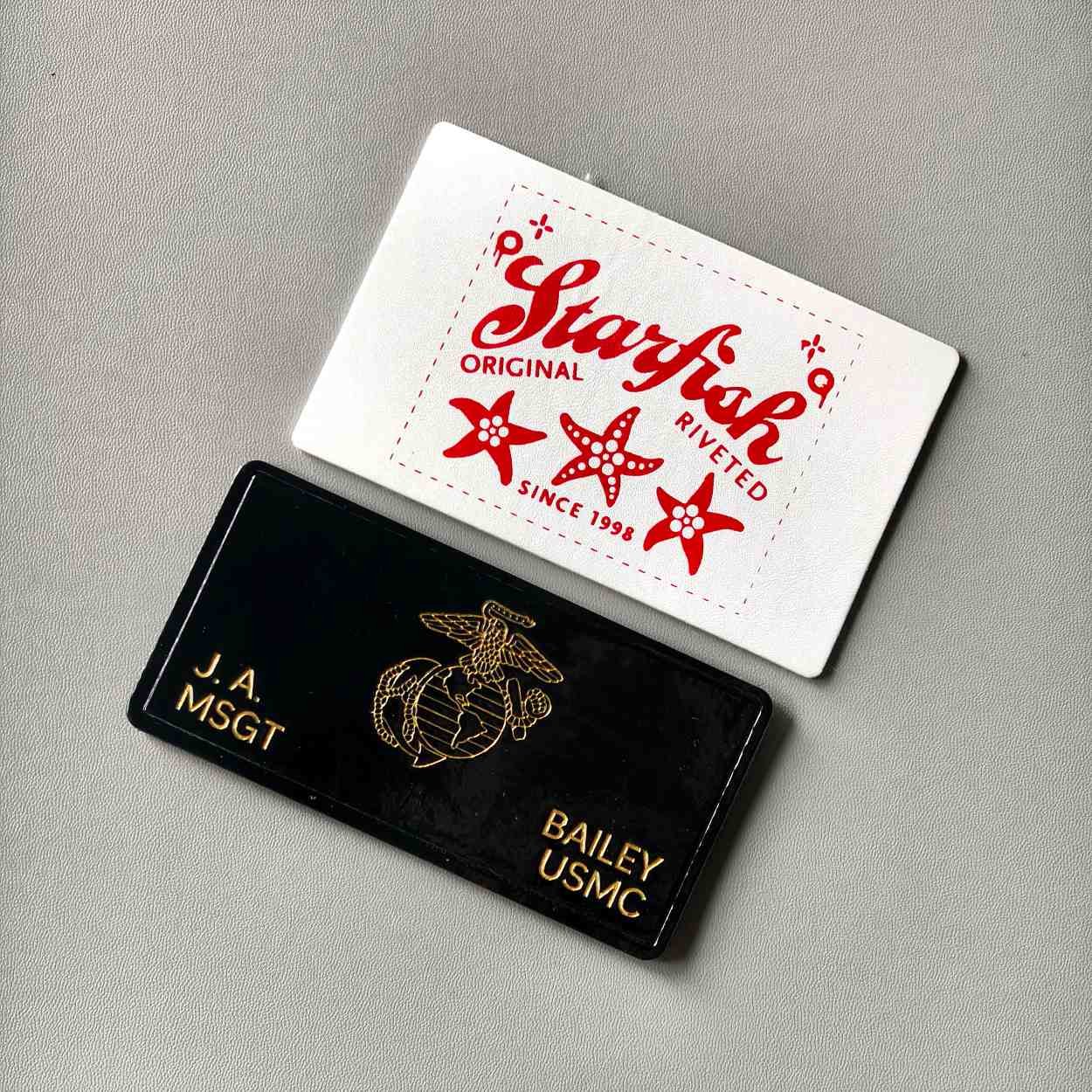
Custom Patches
Embroidered or woven patches place signature graphics directly onto jacket bodies, sleeves, or chest panels, creating collectible story-driven details that reinforce brand identity and drive repeat purchases across influencer and seasonal drops.
About Your Recycled Puffer Jacket Manufacturer
Tesla Luo founded Clothing Manufacturer Ltd. in August 2024 with one clear mission: eliminate low-quality clothing from global supply chains. Born into a garment-industry family and raised working factory floors in Dongguan’s Humen Town, he brings over 10 years of hands-on production experience spanning every stage of manufacturing — from cutting and sewing to quality control, packing, and international shipping.
Before launching his own venture, Luo personally served more than 200 clients and led a foreign trade team of 20-plus professionals that collectively supported over 1,000 brands worldwide — including U.S. streetwear labels and influencer-driven lines he helped grow from zero to hundreds of thousands of followers. That career built an unmatched understanding of what brands at every growth stage truly need from a manufacturing partner.
What distinguishes Clothing Manufacturer Ltd. as a recycled puffer jacket manufacturer is a proprietary five-step QC process — covering materials, cutting, craftsmanship, sewing production, and finished garment inspection — so quality is built in at every stage, never bolted on at the end. Backed by a 15-member R&D team, 10 production patents, low MOQs designed for emerging brands, and logistics reach spanning 100-plus countries, the company delivers startup agility with enterprise-grade consistency.
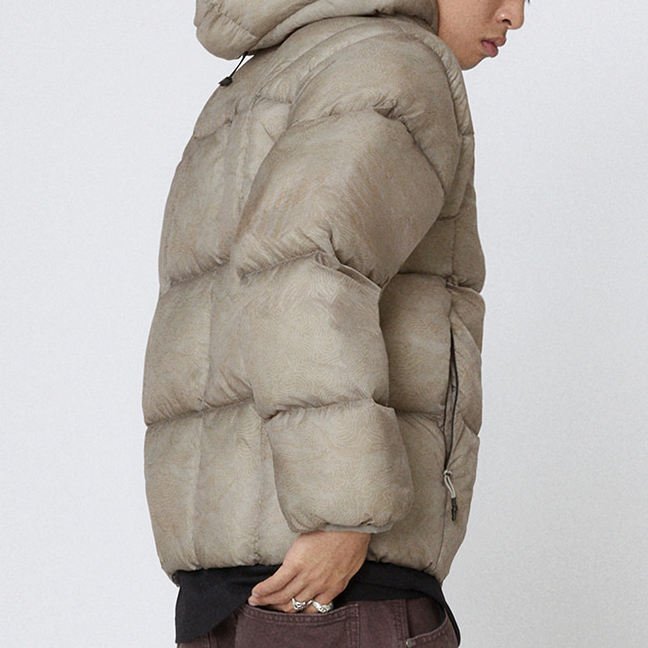
How We Excel as Your Recycled Puffer Jacket Manufacturer
Certified Recycled Fabrics, Rigorously Lab-Tested
We source RPET shell fabrics and GRS-certified recycled fill from audited suppliers, then run in-house materials QC testing before a single cut is made — so your eco-credible puffer jacket line starts with an uncompromising foundation.
- RPET shell and GRS-certified recycled down fill sourced from verified, audited suppliers
- In-house lab testing for tensile strength, colorfastness, and fill power before production
- Full traceability documentation available to satisfy retail and sustainability compliance
- Materials QC integrated as Step 1 of our proprietary 5-step quality control process
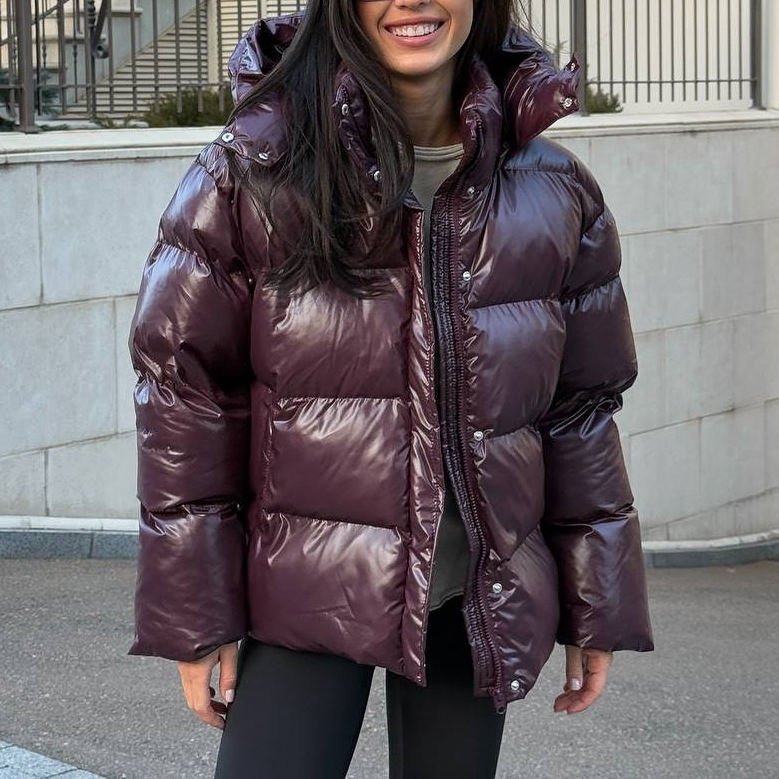
In-House Design Team, Samples in Days
Our 15-member R&D team translates the latest streetwear aesthetics — from bold graphics to technical silhouettes — into production-ready samples fast. Emerging brands and influencer lines get runway-speed turnaround from first sketch to approved sample, no agency markup required.
- 15-person in-house R&D team with deep streetwear trend and design specialization
- Trend research spanning hip-hop, skate, graffiti, and street-art design motifs
- Low MOQ from 30 pieces — ideal for limited drops, test runs, and capsule launches
- Seasonal collection timelines built directly into our production planning workflow
Five-Step QC Built Into Every Production Run
Unlike factories that only inspect finished goods, we embed quality checks at five distinct stages — materials, cutting, craft, sewing, and final inspection — catching defects early so every recycled puffer jacket order ships complete and on-spec.
- Stage 1: Materials QC verifies all fabrics and recycled fill before production begins
- Stages 2 and 3: Cutting and craft checks eliminate pattern and construction errors mid-process
- Stage 4: Sewing production QC monitors assembly quality and consistency stitch by stitch
- Stage 5: Finished clothing inspection signs off every unit before your order ships

Global Shipping to 100-Plus Countries, Seamlessly
From Humen Town, Dongguan — one of China’s premier garment manufacturing hubs — we coordinate sea, air, and express freight to streetwear brands and retailers across more than 100 countries, with full customs documentation and dedicated logistics support included.
- Sea, air, and express courier options tailored to your delivery timeline and budget
- Customs declaration, inspection procedures, and compliance paperwork fully managed end-to-end
- Real-time order tracking with proactive updates from production through final delivery
- Proven logistics experience serving global retailers, fashion startups, and influencer brands
Recycled Puffer Jacket Manufacturer: Why We’re Different
Not all manufacturers are built the same. See how Clothing Manufacturer Ltd stacks up against typical OEM suppliers on the factors that actually determine whether your brand succeeds.
← 左右滑动查看 →
Five Quality Checkpoints That Make Us a Recycled Puffer Jacket Manufacturer You Can Trust
Our proprietary 5-step QC process is embedded at every stage of production, not just the end, so every jacket that ships meets your exact standard.
Materials QC and Testing
Every recycled fabric batch is lab-tested for weight, colorfastness, and insulation performance before a single panel is cut or processed.
Pattern and Cutting QC
Patterns are verified against your approved tech pack and cut panels are inspected for accuracy, guaranteeing consistent sizing across every production unit.
Clothing Craft QC Check
Trims, zippers, hardware, and construction details are cross-checked against your approved sample so no deviation slips through before mass sewing begins.
Sewing Production QC
In-line QC inspectors audit stitch quality, seam strength, and assembly on the production floor, identifying and correcting defects before they multiply.
Final Goods Inspection
Every finished jacket passes a full AQL audit covering measurements, appearance, labeling, and packaging before we sign off and approve your shipment.
How Your Recycled Puffer Jacket Production Works, Step by Step
From your first brief to global delivery, our streamlined process keeps your brand in control and your timeline on track.
Submit Your Tech Pack and Requirements
Share your design files, measurements, fabric specs, and target quantities. Our team reviews every detail to align your vision with production realities from the start.
Receive a Custom Design Consultation
Our in-house design and sampling team refines your concept, recommends premium recycled materials, and delivers a clear, itemized quote within 24 to 48 hours.
Approve Your Pre-Production Sample
We produce a physical sample for your review and sign-off. Revisions are welcomed until fit, finish, and fabric details meet your exact brand standards.
Enter Bulk Production With Full QC
Our five-step quality control process runs at every production stage, from materials and cutting through sewing and finishing, so defects are caught before they ship.
Ship Globally With Logistics Support
Your completed order ships worldwide with full logistics coordination. Our team manages customs documentation and tracks delivery until your jackets arrive at their destination on time.
Certifications That Back Every Recycled Puffer Jacket Manufacturer Claim
What Streetwear Brands & Startups Say About Our Recycled Puffer Jacket Manufacturer
We got approved samples in just 11 days and launched our debut recycled puffer drop on schedule. Sold out 320 units in under two weeks. The 5-step QC meant zero returns — something we never experienced with our previous factory.
We started with a 50-piece MOQ on our first recycled puffer jacket run. Within 8 months we scaled to 600 units per style and grew from 3,000 to 74,000 Instagram followers. Clothing Manufacturer Ltd. kept quality tight at every stage of that growth.
Their QC team flagged a stitching defect at the sewing stage — before bulk production ran — saving us an estimated $5,800 in returns and chargebacks. We carry 14 SKUs through them now and have reordered every quarter without a single quality incident.
Recycled Puffer Jacket Manufacturer — Frequently Asked Questions
Everything streetwear brands, startups, and global retailers want to know before placing an order — answered directly by our team.
What is the minimum order quantity (MOQ) for a recycled puffer jacket manufacturer like Clothing Manufacturer Ltd?
How long does sample production take, and what does a sample cost?
How do I verify that your recycled materials are genuinely sustainable?
How does your recycled puffer jacket manufacturer protect my IP and design confidentiality?
What payment terms do you offer for first-time and repeat buyers?
What customization options are available for recycled puffer jacket orders?
What are the bulk production lead times for seasonal collections?
Does a recycled puffer jacket manufacturer based in China ship internationally, and how is logistics handled?
What makes your five-step QC process better than other recycled puffer jacket manufacturers?
The Complete Buyer’s Guide to Choosing a Recycled Puffer Jacket Manufacturer
From evaluating fill materials and shell fabrics to vetting certifications and avoiding costly sourcing mistakes, this guide gives brands a clear decision framework and supplier criteria for partnering with the right recycled puffer jacket manufacturer.
1. What Is a Recycled Puffer Jacket Manufacturer?
A 20–40 GSM rPET woven shell — derived from post-consumer plastic bottles — is the signature raw material that separates a recycled puffer jacket manufacturer from a conventional outerwear factory. These specialized facilities also source recycled down recovered from post-consumer bedding and garments, and recycled synthetic fills such as Repreve fiber, building a fully reclaimed material supply chain rather than defaulting to virgin polyester and nylon.
GRS (Global Recycled Standard) certification is the primary third-party benchmark in this category: it mandates a minimum 20% recycled content and full chain-of-custody documentation before a supplier can place an on-product recycled claim. Brands sourcing from a certified recycled puffer jacket manufacturer gain substantiated environmental positioning — lifecycle CO₂ emissions from rPET shell production run roughly 30–50% lower than virgin polyester equivalents — and meet the growing compliance demands of EU and North American markets.
Three certifications define the credibility floor any serious buyer should verify: OEKO-TEX Standard 100 for fabric chemical safety, GRS for recycled content traceability, and bluesign for responsible chemical management in dyeing and finishing. Without at least two of these credentials on file from your supplier, recycled material claims are marketing language — not an audited, defensible fact you can put on a hangtag or a brand sustainability page.
2. Evolution of the Recycled Puffer Jacket Manufacturer Industry
Patagonia introduced its first recycled polyester fleece in 1993, repurposing post-consumer plastic bottles — the earliest commercial proof that outerwear insulation and shells could be built from reclaimed feedstock. Gore-Tex followed with recycled-content laminates through the early 2000s, establishing that performance benchmarks need not be sacrificed for recycled inputs.
The rPET boom accelerated sharply after 2015, when major outerwear brands began sourcing recycled polyester fill and shell fabric at scale, prompting bluesign-certified mills in Taiwan, South Korea, and Guangdong Province to expand rPET capacity significantly. By the early 2020s, rPET polyester had displaced virgin polyester as the preferred shell and lining input among sustainability-focused outerwear labels.
Today’s leading recycled puffer jacket manufacturer supply chains operate under closed-loop frameworks — collecting post-industrial trim waste and post-consumer garments, re-extruding them into yarn, and certifying the chain via GRS (Global Recycled Standard) or bluesign. OEKO-TEX STANDARD 100 certification addresses chemical safety alongside fiber provenance, giving retailers a dual-verification framework.
Regulatory pressure has sharpened timelines: the EU Textile Strategy (2022) targets all textiles sold in the bloc to be recyclable and contain recycled content by 2030, while US Extended Producer Responsibility (EPR) pilot programs in California and New York are pushing importers to document material origins. Independent designers and streetwear labels evaluating a recycled puffer jacket manufacturer should verify GRS traceability documentation and bluesign mill listings before committing to a production partner.
3. Types of Recycled Puffer Jacket Manufacturer by Specialization
Five distinct production models define the recycled puffer jacket manufacturer landscape, each calibrated to different brand profiles, order volumes, and timeline pressures. Identifying your category early prevents mismatched MOQ minimums and avoids expensive sampling cycles.
OEM Factories Producing to Buyer Specifications
OEM facilities produce entirely to buyer-supplied tech packs and specifications. MOQs typically run 300–500 units per style, with lead times of 60–90 days. Best fit: established brands with finalized designs and consistent reorder volume needing reliable rPET shell production.
ODM Private-Label Suppliers
ODM suppliers maintain catalogs of pre-developed recycled puffer styles ready for private-label branding. MOQs often start at 100–200 units, and lead times compress to 30–45 days. Ideal for retailers or influencer brands launching quickly without in-house design resources.
Vertically Integrated Mills
Vertically integrated operations spin rPET yarn from post-consumer bottles, weave shell fabric, and handle cut-and-sew under one roof. MOQs are higher — often 500–1,000 units — but full fiber-to-jacket traceability supports premium wholesale positioning and third-party OEKO-TEX audits.
Small-Batch Ateliers for Startups
Small-batch ateliers serve fashion startups and independent designers with MOQs as low as 30–50 units per colorway. Lead times average 45–60 days. The trade-off is a higher per-unit cost and limited capacity to scale beyond 500 units without re-sourcing.
Tech-Forward Fill Specialists
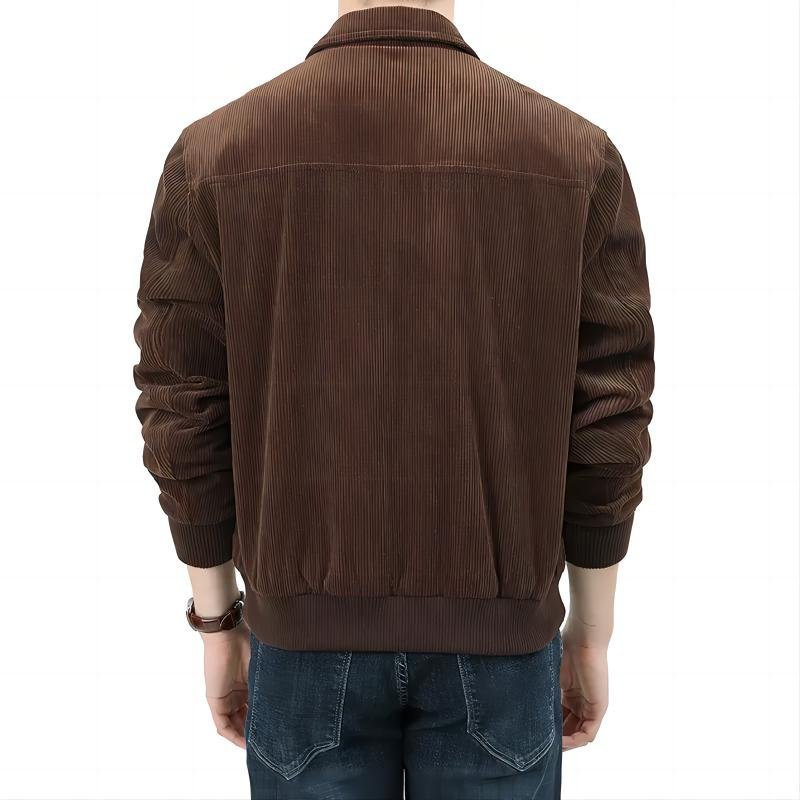
Tech-forward manufacturers use bio-based PrimaLoft or ocean-plastic fill such as Repreve Ocean fiber. MOQs mirror standard OEM tiers at 300–500 units, with 60–75-day lead times. Best for premium brands targeting bluesign or OEKO-TEX certification alongside a compelling sustainability narrative.
4. Materials & Fabrics Used by a Recycled Puffer Jacket Manufacturer
Material selection is the first technical negotiation between a brand and its recycled puffer jacket manufacturer. Shell, fill, and lining choices each carry distinct performance trade-offs, certification requirements, and cost premiums over virgin equivalents.
| Fill Type | Warmth Rating | Approx. Weight | Certifications | Cost vs. Virgin |
|---|---|---|---|---|
| RDS Recycled Down | High (600–800 FP) | 30–60 g/m² | RDS, OEKO-TEX | +15–25% |
| Repreve Synthetic | Medium | 80–120 g/m² | GRS, bluesign | +10–18% |
| PrimaLoft Bio | Medium–High | 90–130 g/m² | GRS, OEKO-TEX | +12–20% |
| Thermore Evo | Medium | 85–110 g/m² | GRS | +10–15% |
| rPET Fiber Fill | Low–Medium | 100–150 g/m² | GRS | +5–10% |
Shell Fabrics: rPET Woven and Ripstop
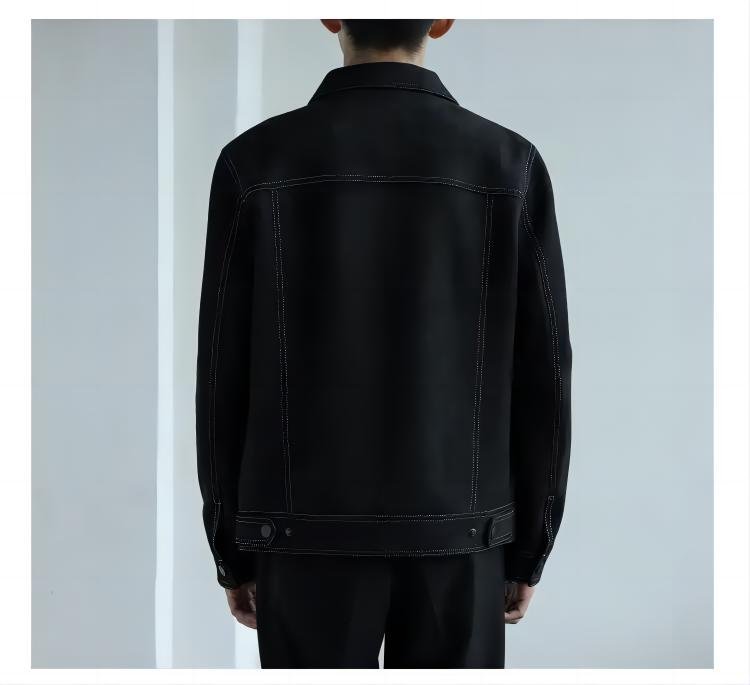
rPET woven shells typically run 50–80 GSM for lightweight styles and 100–130 GSM for expedition-grade constructions. Most manufacturers apply a C6 or C0 DWR finish rated to 20–30 wash cycles before reapplication is needed.
Ripstop variants woven with a reinforcing grid add tear resistance without significant weight penalty, making them popular for streetwear silhouettes facing daily urban wear.
Fill Options: Recycled Down and Synthetic Insulation
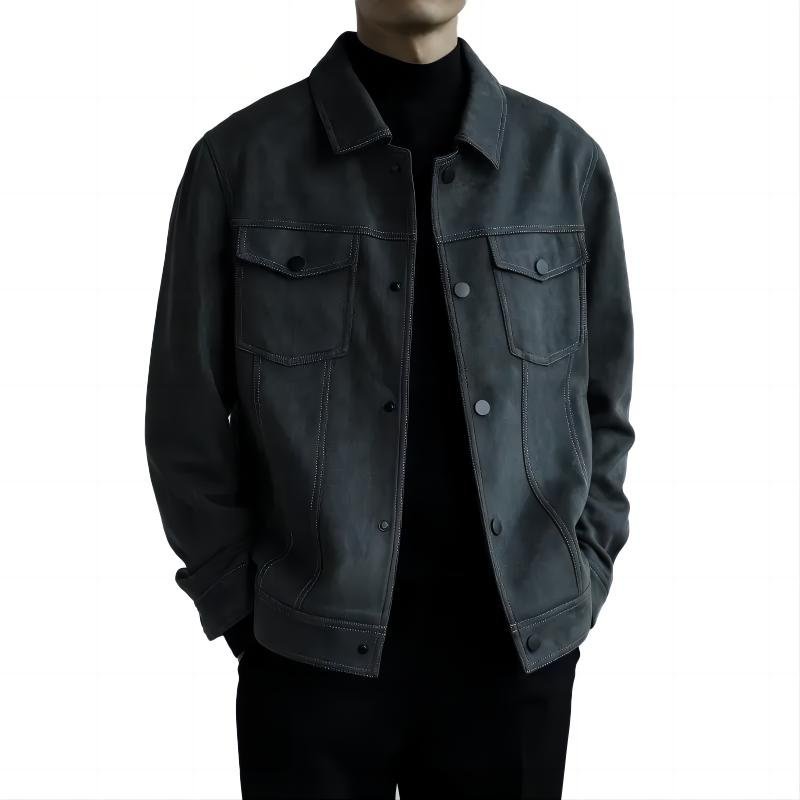
RDS-certified recycled down delivers the highest warmth-to-weight ratio — 600–800 fill power is achievable — but costs 15–25% more than virgin blended clusters. Repreve and PrimaLoft recycled synthetic fills close the gap with superior wet-weather performance.
Thermore Evo compresses to roughly 30% smaller pack size than standard polyester and maintains warmth after 50+ wash cycles, making it a strong GRS-certified alternative for brands prioritizing packability.
Recycled Nylon Linings and Bio-Based Alternatives
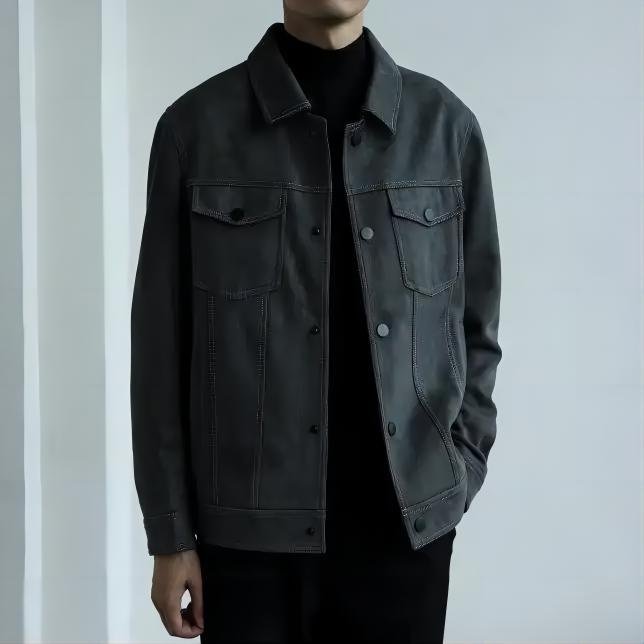
Recycled nylon linings at 20–40 GSM add smoothness and reduce static, typically priced 8–12% above conventional nylon. Bio-based alternatives such as plant-derived TPU membranes are emerging but carry 20–35% cost premiums and shorter commercial track records.
GRS certification is the baseline for any recycled lining claim; OEKO-TEX Standard 100 adds a chemical-safety layer buyers should request alongside it.
5. Customization Options Your Recycled Puffer Jacket Manufacturer Should Offer
A capable recycled puffer jacket manufacturer should offer more than color swaps — expect a full customization stack covering construction, hardware, branding, and packaging before you sign a production agreement.
| Customization Technique | Setup Cost (USD) | Per-Unit Cost Impact | MOQ Impact |
|---|---|---|---|
| Solid Pantone color | $0–$50 | +$0.10–0.30 | No change |
| All-over print (AOP) | $150–$400 | +$1.50–3.00 | +50–100 units |
| Custom quilting pattern | $80–$200 | +$0.50–1.00 | +20% |
| Recycled-brass YKK zipper | $0 setup | +$1.00–2.50 | No change |
| Embroidery logo | $50–$120 | +$0.80–2.00 | 100 units min |
| Heat-transfer graphic | $100–$250 | +$0.60–1.50 | 150 units min |
| Packable stuff-sack config | $50–$100 | +$1.00–2.00 | 150 units min |
| Woven recycled label | $30–$80 | +$0.20–0.60 | No change |
Shell Color, Print, and rPET Fabric Compatibility
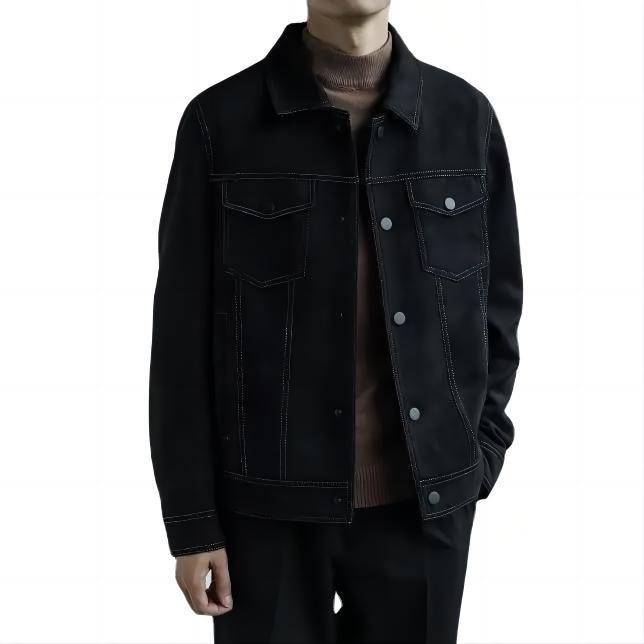
rPET woven shells accept solid dyeing and reactive printing, but all-over print (AOP) requires heat-transfer or sublimation processes compatible with polyester content above 90%.
Pantone-matched solid colors typically carry no setup fee; AOP adds a screen or digital print setup of $150–$400 and pushes MOQ to 200–300 units per colorway.
Quilting Patterns and Baffle Construction
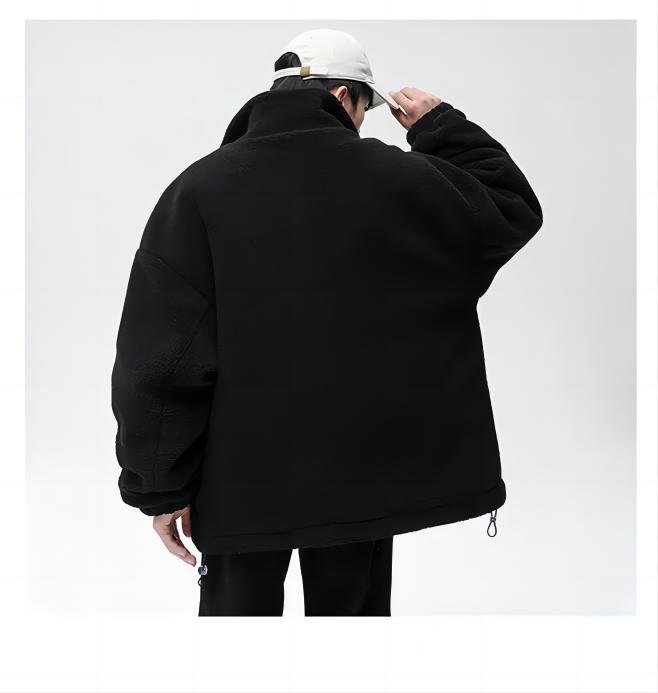
Baffle style — horizontal channel, diamond, box, or chevron — affects both insulation performance and brand identity. Box baffles prevent cold spots but add 3–5 days of lead time versus simpler channel stitching.
Custom quilting patterns require a new template and raise minimum order quantities by roughly 20%.
Hardware: Zippers, Snaps, and Recycled-Metal Options
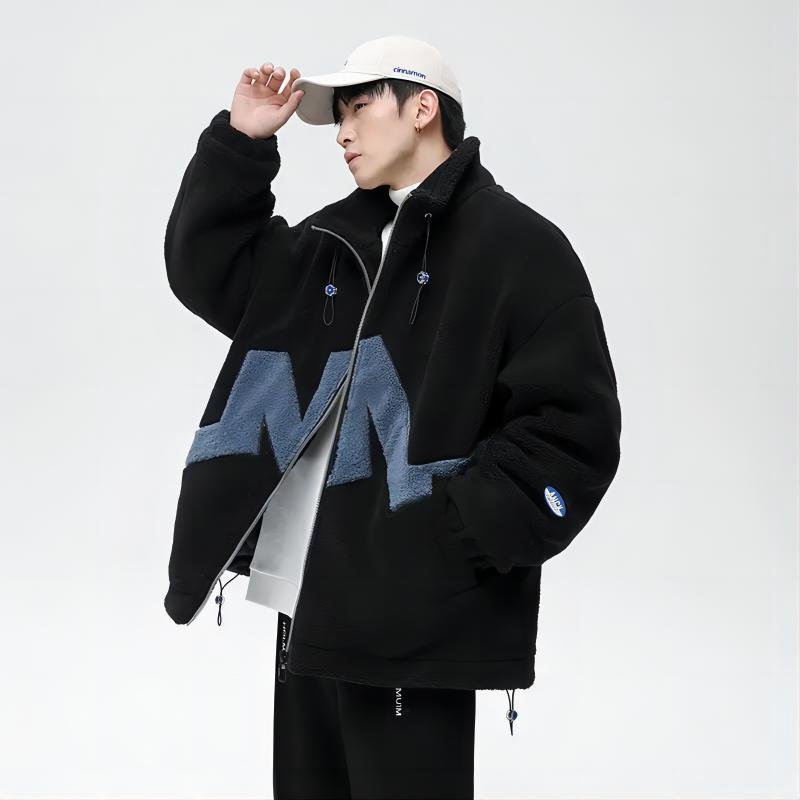
Specify YKK AquaGuard or recycled-brass zippers early — lead times run 2–3 weeks longer than standard plastic pulls. Recycled-plastic toggles and snaps are available at near-standard MOQs of 100–150 units.
Labels, Hang-Tags, and Branding Techniques
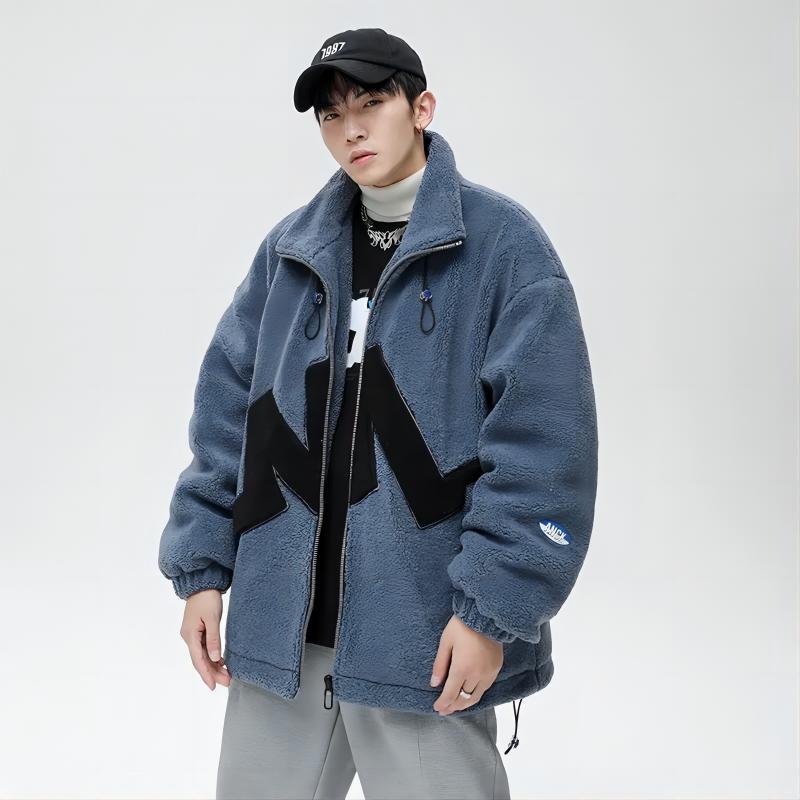
Woven labels in recycled RPET yarn and hang-tags printed on FSC-certified stock are standard add-ons; budget $0.20–$0.60 per unit. Embroidery suits chest logos under 8,000 stitches; heat-transfer works best for large back graphics with photographic detail.
Packable and Stuff-Sack Configurations
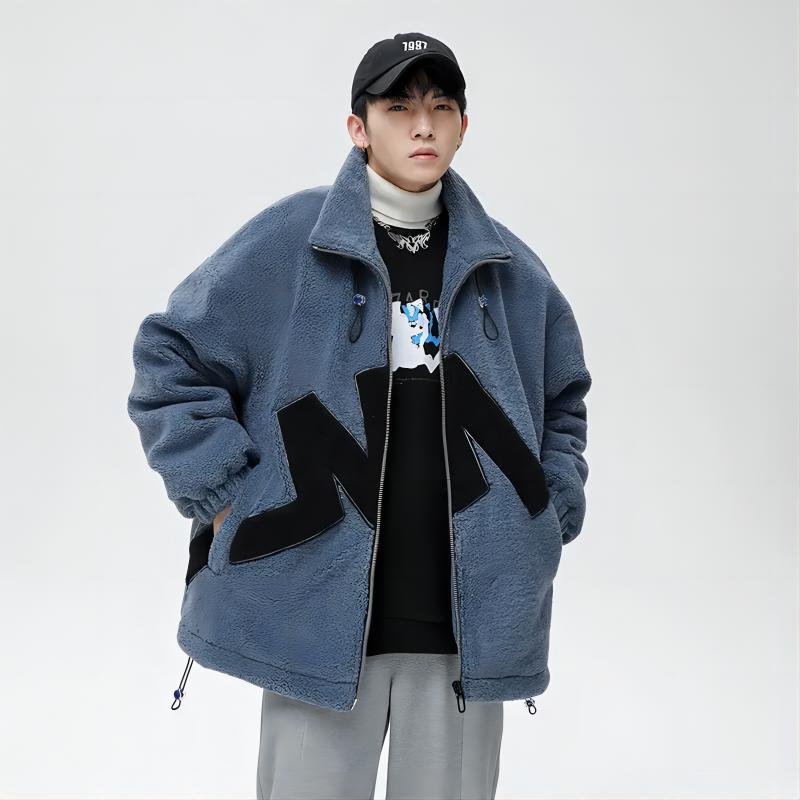
A packable design — where the jacket compresses into its own pocket or a branded stuff sack — adds one extra sewing operation and typically requires MOQ of 150+ units. Confirm whether the sack is included in the per-unit price or invoiced separately.
6. Key Construction Quality Elements to Inspect
Structural defects in recycled puffer jackets surface faster than in virgin-fill styles because rPET fibers carry shorter average staple lengths, stressing seams during wash cycles. Audit these checkpoints with your recycled puffer jacket manufacturer before approving bulk production.
Baffle Stitching and Fill Migration Prevention
Baffle seams require a minimum 8 stitches per inch; below 6 SPI, recycled-down clusters migrate through needle holes and create cold spots. Request a fill-blowout test confirming zero migration after 30 wash cycles at 40°C. Collar and cuff panels need double-needle topstitching reinforcement at all stress points.
Seam Tape and Waterproofing Integrity
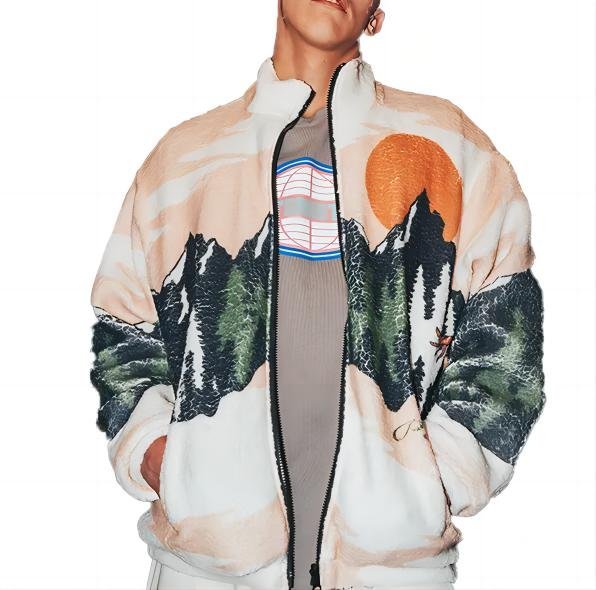
Critical outer seams need 20mm thermobonded tape rated to a 5,000mm hydrostatic head minimum. An AATCC 127 or ISO 811 wash-durability report should confirm waterproofing holds after 20 home-laundry cycles.
Zipper Rating and Down-Proof Lining Specs
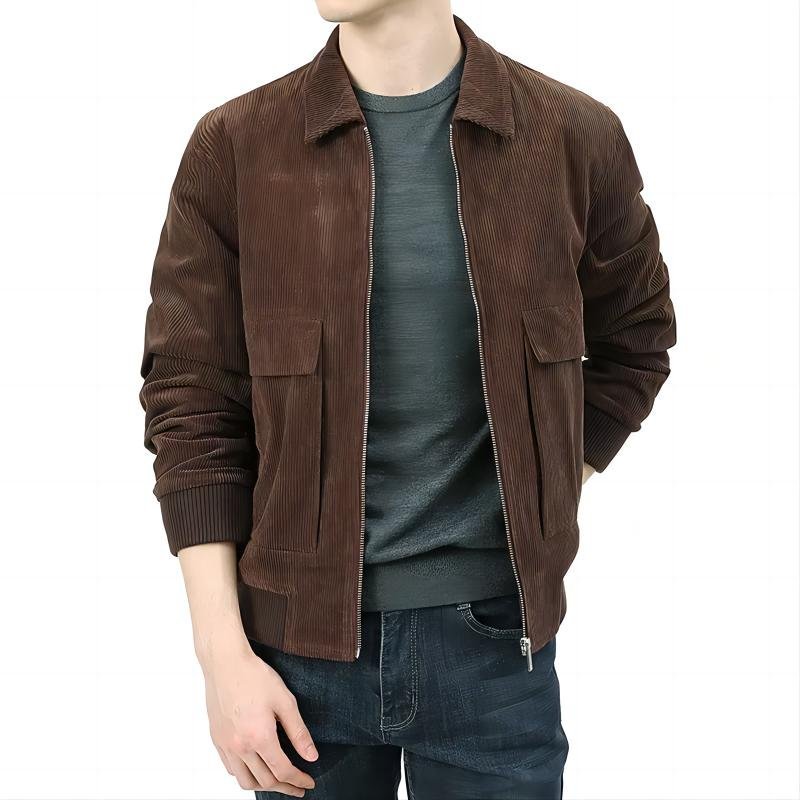
YKK’s NATULON recycled-component zipper line carries a rated 10,000-cycle durability; any non-YKK equivalent must match that figure in writing. Down-proof lining requires a minimum 240 thread count and a Shirley porosity test result below 1.5 cfm to prevent fill bleed.
Tech Pack Review and QC Documentation
A tech pack from a qualified recycled puffer jacket manufacturer must specify shell GSM, fill power, baffle width, and REACH/CA Prop 65 label language. Before bulk, require AQL 2.5 inspection reports and wash-test results covering a minimum 30 cycles.
7. How to Choose the Right Recycled Puffer Jacket Manufacturer
Selecting the right recycled puffer jacket manufacturer requires a structured vetting process, not gut instinct. Weight each criterion differently depending on whether you are a streetwear startup placing 100 units or a global retailer ordering 10,000+.
Confirm Sustainability Certifications
GRS (Global Recycled Standard), bluesign, RDS (Responsible Down Standard), and OEKO-TEX Standard 100 are the four baseline certifications to verify. Ask for certificate numbers and cross-check them on the issuing body’s public registry — expired or forged certs are common.
Startups can treat GRS alone as a minimum viable threshold; global retailers should require all four before shortlisting any vendor.
Request Material Traceability Documentation
A credible manufacturer supplies a traceability chain from rPET fiber source through yarn spinning to finished shell fabric. Request mill certificates and transaction certificates (TCs) that link each material batch to a certified upstream supplier.
Evaluate Samples Against Your Spec Sheet
Order a pre-production sample and benchmark fill power (600–800 FP is standard for rPET-fill jackets), seam integrity at 4+ stitches per centimeter, and baffle consistency against your written tech pack. Startups should prioritize fit accuracy; global retailers should add wash-cycle durability and colorfastness testing.
Assess Audits, MOQ, and Tier References
Factory audit reports from BSCI, WRAP, or Sedex verify labor and environmental compliance — request reports dated within 18 months. MOQ for startups typically runs 100–300 units per colorway; global retailers should expect 500–2,000+ with negotiated payment splits (30% deposit, 70% before shipment is standard).
Finally, request two references from brands at your revenue tier. A manufacturer experienced with early-stage labels operates very differently from one optimized for high-volume retailer runs.
8. Common Mistakes Brands Make When Sourcing a Recycled Puffer Jacket Manufacturer
New outerwear brands repeat the same six sourcing errors before a single jacket ships. Catching them before placing a deposit saves months of delays, rejected shipments, and permanent damage to brand credibility.
Accepting Vague Recycled-Content Claims
GRS (Global Recycled Standard) certification is the only verifiable proof that shell or fill contains post-consumer recycled fiber. Factories without GRS certificates often blend token recycled content to justify eco claims. Request the certificate number and cross-check it on the Textile Exchange database.
Skipping Pre-Production Samples
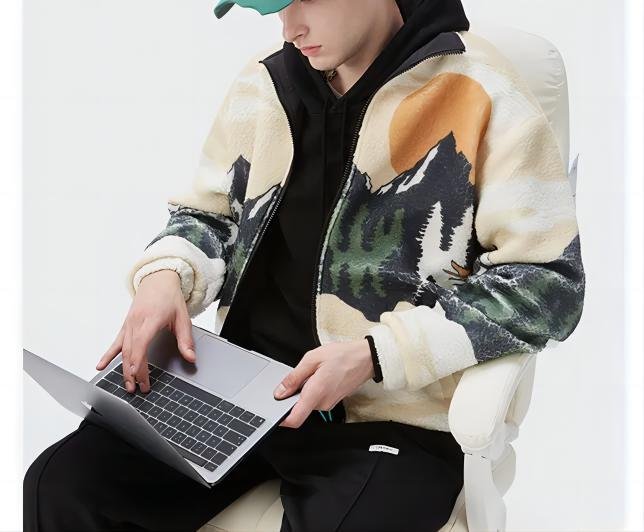
Bypassing a PP sample to save 2–3 weeks routinely causes mismatched fill distribution, off-spec baffle widths, and color deviations exceeding 2 delta-E. A confirmed PP sample locks construction details before bulk cutting, preventing costly rework on minimum 200-unit runs.
Ignoring Fill Power Specifications
Fill power — cubic inches per ounce — sets a jacket’s warmth-to-weight ratio. Accepting ’90/10 recycled down’ without a stated 600-cuin minimum allows inferior loft. Spec sheets must list fill power, fill weight in grams, and an IDFL or Intertek test report number.
Underestimating Certified-Material Lead Times
GRS-certified recycled polyester shell fabric and RDS-certified recycled down carry 45–90-day procurement windows, triple the 15–20 days for conventional materials. Brands that book factory slots without first confirming certified stock consistently miss target ship dates.
Choosing Price Over Labor Audits
A recycled puffer jacket manufacturer quoting 20–30% below market often offsets cost through reduced labor standards. BSCI or WRAP audit reports expose excessive overtime and unsafe conditions before they become your brand’s liability. Always request the factory’s most recent third-party audit document.
Failing to Lock Seasonal Material Allocation
Recycled fill and shell materials sell out 60–90 days before peak season as brands compete for limited certified inventory. Waiting until a purchase order is confirmed to reserve materials often forces a choice between substitute fabrics or a full-season delivery delay.
9. Steps to Launch Your Brand With a Recycled Puffer Jacket Manufacturer
Launching a brand with a recycled puffer jacket manufacturer follows an eight-step roadmap that keeps costly revisions low and lead times under 90 days. Moving methodically from concept to compliance protects your margin from the first production run.
Define Silhouette and Build Your Tech Pack
Start by locking your silhouette — cropped, longline, or oversized — alongside a target retail price. A 3× to 4× markup means a $120 retail jacket needs a landed cost under $40.
Pair the design brief with a sustainability spec sheet listing GRS-certified recycled shell weight (typically 50–80 GSM), fill power rating, and any OEKO-TEX Standard 100 requirements.
Shortlist Manufacturers and Evaluate Samples
Send RFQs to three to five recycled puffer jacket manufacturer candidates, specifying MOQ floor, FOB price range, and lead time. Request strike-off samples to evaluate baffle construction, stitching density, and zipper quality — specify YKK or equivalent hardware.
Score each sample against your spec sheet before committing to a production partner.
Negotiate Terms and Approve Production
Negotiate MOQ, unit price, and lead time together — concessions on one directly affect the others. Independent designers should ask about low-MOQ entry tiers; Clothing Manufacturer Ltd’s quote process accommodates small runs, letting startups validate demand before scaling.
Place a 30%–50% pre-production deposit only after approving a production sample against your finalized tech pack.
Arrange QC Inspection and Compliance Labeling
Book a third-party AQL 2.5 inspection before shipment to catch defects across stitching, filling distribution, and zipper function. Verify every jacket carries correct country-of-origin, fiber content, and certification labels such as GRS or OEKO-TEX Standard 100.
Spec eco-friendly packaging — recycled poly bags, soy-ink hangtags, and FSC-certified boxes — to strengthen credibility with sustainability-focused retailers at minimal added cost.
10. Pricing & Cost Guide: What to Expect From a Recycled Puffer Jacket Manufacturer
Sampling runs at $150–$300 per prototype for a recycled puffer jacket manufacturer, with setup fees of $80–$150 per colorway for screen-print or embroidery placements. These one-time costs are typically waived or credited at 300+ unit orders.
rPET shell fabric adds $2–$4 per meter versus virgin polyester, and RDS-certified recycled down fill carries a 15–25% premium over standard duck or goose down — both costs are reflected in the per-unit ranges in the table below. Conventional outerwear at equivalent GSM (150–200 g/m²) runs roughly $8–$12 cheaper per finished unit at 300+ units.
Freight from Humen, Dongguan via sea to the US West Coast averages $1.80–$2.50 per kg (20-ft FCL), adding roughly $3–$6 per unit on a 500-unit order; air freight triples that figure and is rarely viable above 100 units.
| Quantity Tier | Unit Price Range | Recycled Material Premium | Lead Time | Minimum Deposit |
|---|---|---|---|---|
| 50 units | $38–$55 | +$6–$10/unit | 25–30 days | 50% |
| 100 units | $28–$42 | +$5–$8/unit | 20–25 days | 50% |
| 300 units | $22–$32 | +$4–$6/unit | 18–22 days | 40% |
| 500 units | $18–$26 | +$3–$5/unit | 15–20 days | 30% |
| 1,000+ units | $13–$20 | +$2–$4/unit | 15–18 days | 30% |
Launch Your Line With a Recycled Puffer Jacket Manufacturer
Low MOQ, 5-step QC, and fast turnaround — everything your brand needs to move from concept to collection.